
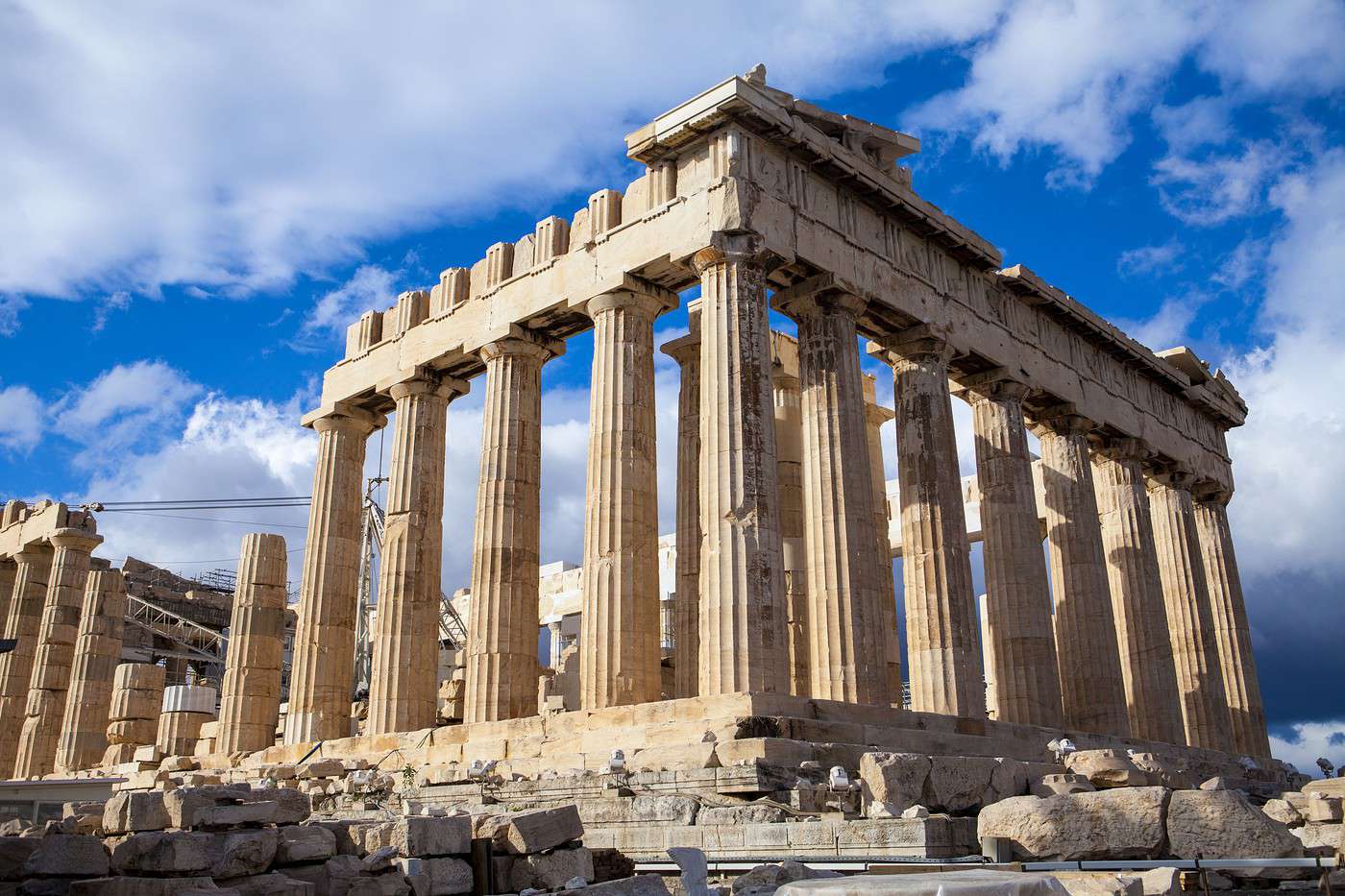
Travel guide · Greece
Mainland Greece
Mainland Greece is the part of the country stretching from the northern borders to the Peloponnese. Like much of the country, it’s a region where sea and mountains meet, offering stunning landscapes and several interesting natural areas perfect for outdoor activities.
Overview of Mainland Greece
Quick Overview
Mainland Greece is the part of the territory that stretches from the northern borders to the Peloponnese.
Key Facts
- Type of place: tourist region.
- Location: between the northern borders (Bulgaria, Macedonia...) and Peloponnese.
- Latitude/longitude: 39.00' N 22.00' E.
- Local time: .
- Main cities: Athens and Thessaloniki.
- Population:
- Area:
- Density:
- Highest point: Mount Olympus (2,917 m).
- Lowest point: sea level.
- Coastline:
Tourism
Like much of the country, mainland Greece is an area where sea and mountains meet, offering stunning landscapes and several interesting natural zones perfect for outdoor activities, such as the Pindus Mountains or Mount Olympus. While the region may have fewer beach resorts than the islands, it remains rich in culture and history. Beyond the capital, Athens, there are several renowned sites like Delphi or the cliff-top monasteries of the Meteora and the famous Mount Athos.
Travel Essentials
- Destination: for beginner travelers.
- By air: Paris-Athens from 130 to 300 € round trip.
- Backpacker daily budget: 45 to 65 € per person.
- Accommodation: homestays or camping.
- Getting around: car or bus.
- Risks: minimal health risks and low security concerns.
- Best time for climate/crowds/prices: late April to early June and mid-September to late October.
- Interests (out of ): Nature ; Adventure ; Culture ; Relaxation/Holidays
Geography, Climate, and Environment of Mainland Greece
Environment
Physical Features of the Region
Wildlife and Vegetation
Natural Areas

Climate
Mainland Greece enjoys a sunny Mediterranean climate, with generally pleasant temperatures and relatively little rainfall. However, there are differences between the coastline and the mountainous interior.
After a typically short spring, the region experiences a dry and hot summer, sometimes very hot, though tempered along the coast by sea breezes that make the climate more bearable. At higher altitudes, temperatures are naturally lower and can feel quite cool in the evenings. Winter is mild and pleasant on the coasts but much harsher in the mountains, where snowfall can occur. November to March is also the rainy season, particularly on the western coast.
Best Time to Visit for Climate
Climatically, spring (April–June) and autumn (September–October) are ideal times to visit. This avoids the possible intense summer heat (and crowds) as well as winter rains.
| Jan. | Feb. | Mar. | Apr. | May | Jun. | Jul. | Aug. | Sep. | Oct. | Nov. | Dec. | |
|---|---|---|---|---|---|---|---|---|---|---|---|---|
| Inland climate | / | |||||||||||
| Coastal climate |
: very favorable | : favorable | : moderately favorable | : unfavorable.
Sea Temperatures Throughout the Year
| Jan. | Feb. | Mar. | Apr. | May | Jun. | Jul. | Aug. | Sep. | Oct. | Nov. | Dec. | |
|---|---|---|---|---|---|---|---|---|---|---|---|---|
| Athens | 15 | 14 | 15 | 16 | 18 | 21 | 24 | 24 | 23 | 21 | 18 | 16 |
| Thessaloniki | 13 | 13 | 13 | 14 | 18 | 21 | 24 | 24 | 23 | 19 | 17 | 14 |
Climate and Weather
Athens
Thessaloniki
Society, Culture and Customs of Mainland Greece
Key Historical Dates
Arts and Architecture

Society
Population
Economy
Customs and Traditions
Local Traditions
Regional Languages
Festivals and Celebrations
Books, Films and Music
What to See in Mainland Greece
Featuring Athens and its region, Thessaloniki, Greece’s second-largest city, the site of Delphi, the stunning monasteries of Meteora and Mount Athos, as well as various natural spaces like Mount Olympus, Pelion, and Vikos-Aoos National Park. Mainland Greece…
Things to Do in Mainland Greece
Travel Themes
Interests (out of ): Nature ; Adventure ; Culture ; Relaxation-holidays .
Nature-Adventure
Culture
Relaxation-Holidays
Beaches and Seaside Resorts

Water Activities
Diving
Other Activities
Fishing:
Water Sports:
Sailing:
Thalassotherapy and Wellness
Hiking
Hiking on Foot
Cycling
Horseback Riding
Other Outdoor Activities
Golf:
Whitewater Sports:
Climbing and Mountaineering: Vikos-Aoos National Park and the Pindus Mountains, located in the Epirus mountains, are renowned for climbing and mountaineering.
Paragliding and Aerial Sports:
Skiing: It’s easy to forget, but Greece is a mountainous country—70% of it—and has around fifteen (small) ski resorts in the central ranges of the mainland. You can ski in areas like Mount Parnassus or Pelion.
Caving:
Cultural Life and Activities
Nightlife and Going Out
Travel and suggested itineraries in mainland Greece
Best times to visit
Finding the best time to visit means balancing climate constraints with crowd levels and the most attractive prices on the ground or for getting there.
Climatically, April to June and September to October are good times to visit. You avoid the possible intense summer heat as well as winter rains. Plus, you also avoid the crowds of July and August in tourist areas—even June and early September (and a bit around Easter)—along with the prices that come with them. In short, late April to early June and mid-September to late October remain the best compromise.
| Jan. | Feb. | Mar. | Apr. | May | Jun. | Jul. | Aug. | Sep. | Oct. | Nov. | Dec. | |
|---|---|---|---|---|---|---|---|---|---|---|---|---|
| Inland climate | / | |||||||||||
| Coastal climate | ||||||||||||
| Avoid crowds | / | / | ||||||||||
| Low prices | / |
: very favorable | : favorable | : moderately favorable | : unfavorable.
Types of travel
Independent
Like the rest of Greece, mainland Greece is very easy to travel independently.
Organized
All-inclusive
Getting to Mainland Greece
By Land
Whether by car, bus, or train, access to this part of the country is easy. There are also no issues traveling to or from neighboring countries such as Albania, Bulgaria, North Macedonia, and Turkey.
By Sea
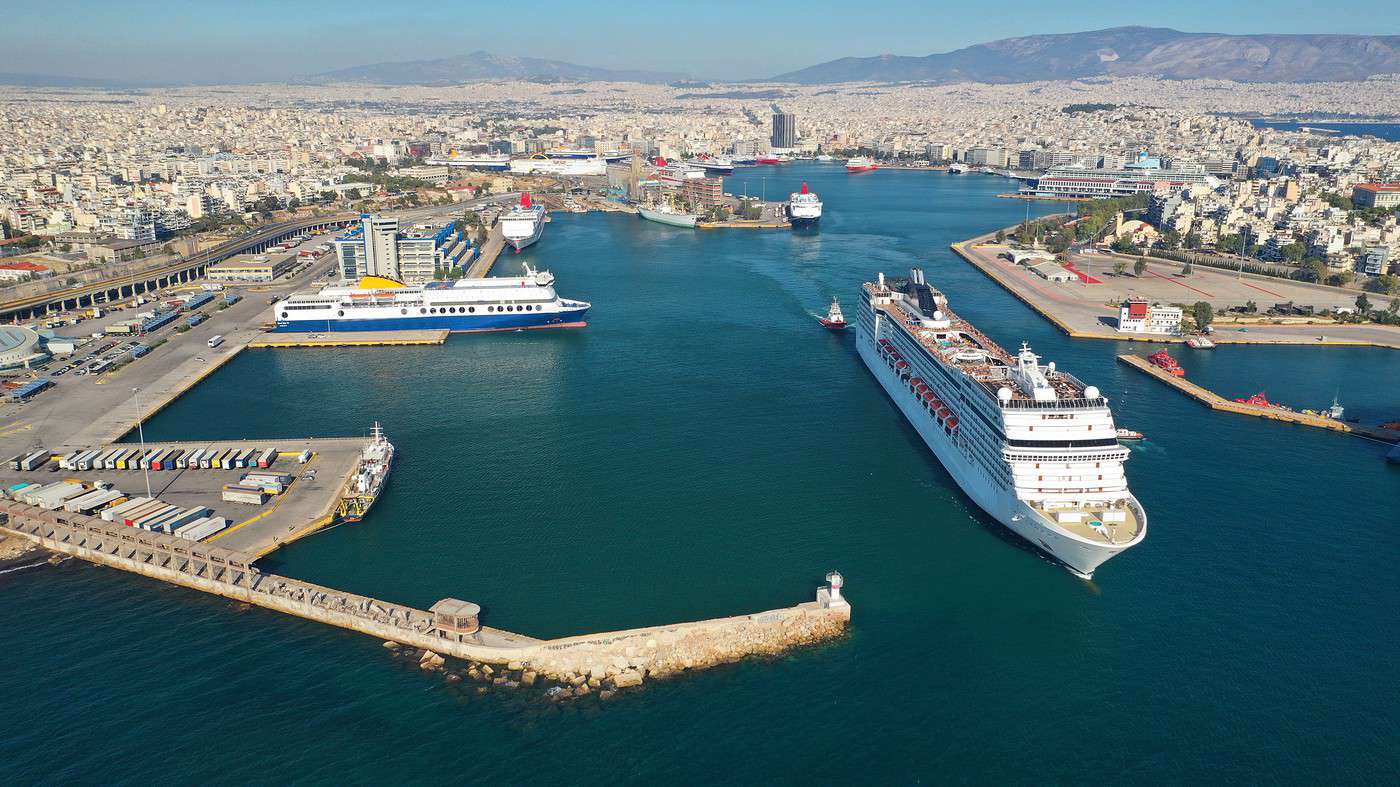
Ferries
From/to Italy:
With Patras (Peloponnese), Igoumenitsa is the main entry point for ferries arriving from Italy. In fact, this is where most tourists traveling by vehicle from Western Europe disembark, preferring to take a ferry from Italy rather than crossing the Balkans. The port of Igoumenitsa is connected to Ancona (Anek/Superfast + Minoan), Bari (Anek/Superfast + Ventouris), Brindisi (Grimaldi), Trieste (Minoan), and Venice (Anek/Superfast).
From/to the islands:
As expected, ferry traffic is densest between the mainland and its islands. With Athens/Piraeus, Rafina, and Lavrio, the Greek capital has three departure ports for the islands. Piraeus has always offered the most options.
Elsewhere, on the northern coast, the ports of Thessaloniki and especially Kavala provide departures to several islands in the northern Aegean (Chios, Ikaria, Lesbos, Limnos, Samos...). To the east, Volos and Agios Konstantinos serve the nearby Sporades.
Cargo
Cruises
Sailboats
By Air
With Thessaloniki and especially Athens, mainland Greece has two of the country’s three main airports (along with Heraklion). So, there’s no difficulty arriving directly by plane, including off-season, which is not the case for the vast majority of Greek Islands.
Getting Around Mainland Greece
Having your own vehicle is an excellent way to explore this part of the country. It’s even the best option thanks to the freedom and time saved compared to public transport. Unlike trains, buses are highly developed and widely used in Greece. The network…
Accommodation and Food in Mainland Greece
Accommodation Options
Hotels and Guesthouses
All-Inclusive
Camping
Other Options
Choosing Your Accommodation
Food
Where to Eat?
Other practical information for mainland Greece
Luggage and equipment to bring
In summer, pack light clothing plus a sweater for inland areas and evenings. In winter, while "mid-season" clothes may suffice for the coast, warmer layers are needed for the mountainous regions. Don’t forget sun protection—it’s intense—and rain gear for early or late in the year.
Budget
Precautions
As with the rest of the country, there are no major issues. With basic travel or hiking precautions, everything will go smoothly.
Opening hours
Laundromats
Local tourist offices
French language use
Something wrong or out of date? Report this page