
Travel guide · Mexico
Northern Mexico
This is the vast region between the United States and the northern reaches of Mexico City or Guadalajara. It is largely desert, almost entirely overlooked by tourists, and has a poor reputation for safety. Nevertheless, it offers a lesser-known side of Mexico.
Overview of Northern Mexico
Quick Overview
This is the largely desert and little-visited region between the United States and the northern cities of Mexico or Guadalajara. It includes the states of Chihuahua, Coahuila, Durango, Nuevo León, Sinaloa, Sonora, and Tamaulipas. Economically, it is also the richest and most modern part of the country... and the one facing the most security issues.
Key Facts
- Type of place: tourist region.
- Location: north of the capital, up to the border with the United States.
- Main cities: Chihuahua, Hermosillo, Mazatlán, Monterrey...
- Population:
- Area:
- Density:
- Highest point:
- Lowest point: sea level.
- Coastline:
Tourism
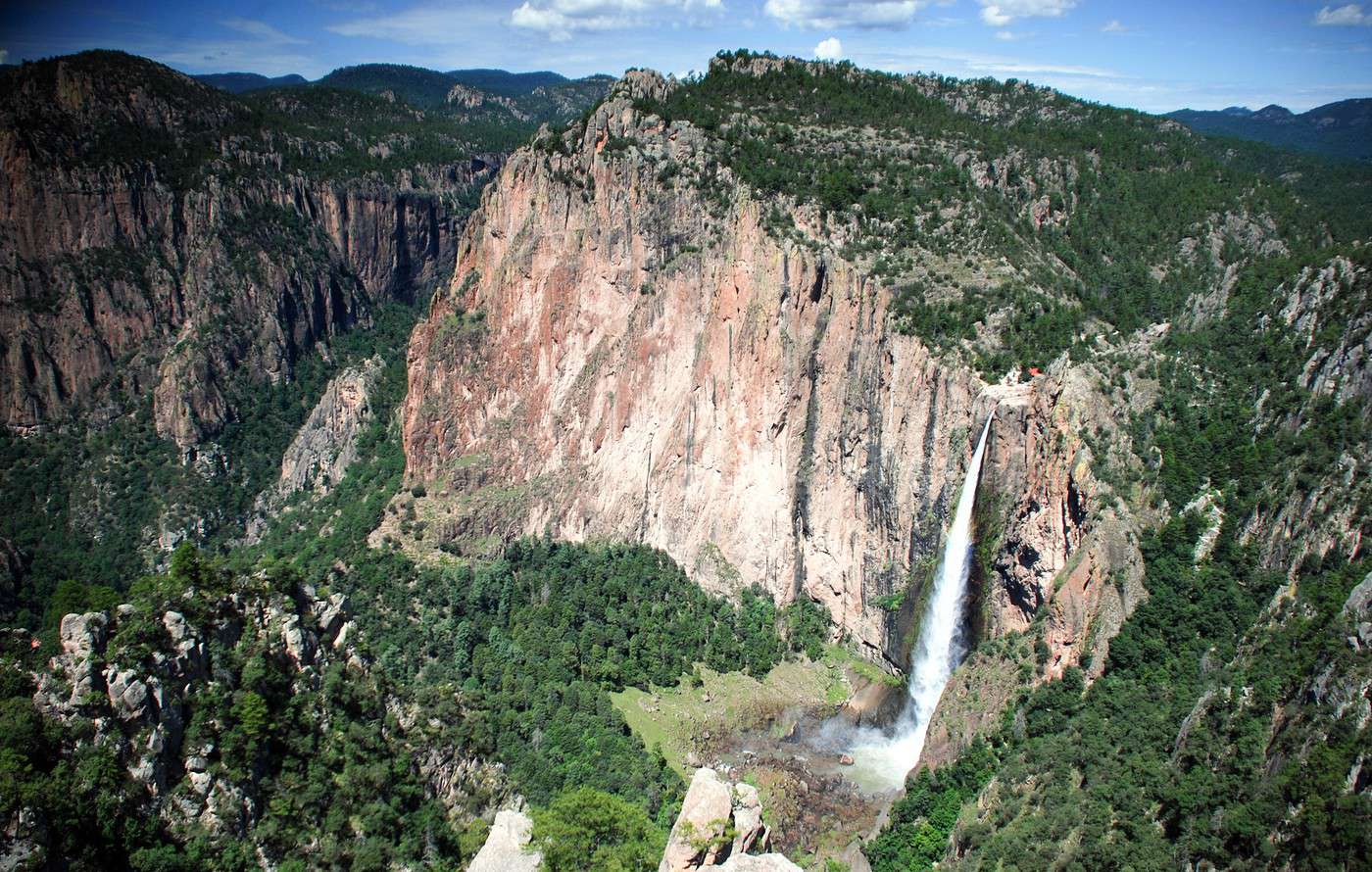
Apart from the beach resort of Mazatlan on the Pacific and the border towns where Americans go shopping, the North is not at all touristy, even though it contains some of the most interesting natural sites, such as Copper Canyon and its region. Moreover, the region’s reputation for insecurity does little to encourage change...
Travel Essentials
- Destination: for slightly experienced travelers.
- By air: France-
- Backpacker daily budget: 40 to 50 € per person.
- Accommodation: mid-range hotels.
- Getting around: bus or, occasionally, car.
- Risks: low health risks, but medium to high security risks in some areas.
- Best time for climate/crowds/prices: October to May.
- Interests (out of ): Nature ; Adventure ; Culture ; Relaxation/Holidays .
Precautions
Health
Security
Insecurity, particularly due to trafficking and gang wars, is a major issue in this region, to the extent that large parts of the North are currently either completely or strongly advised against by the French Ministry of Foreign Affairs. In short, it’s best to be cautious and check the current situation for the specific areas you plan to visit.
Other Practical Information for Northern Mexico
Plan for lightweight clothing and a sweater for evenings or air conditioning at any time of year. For mountainous areas, warmer clothes are recommended. Also think about sun protection and good hiking shoes if you plan to trek. Since February 2015, Mexico has…
What to See in Northern Mexico
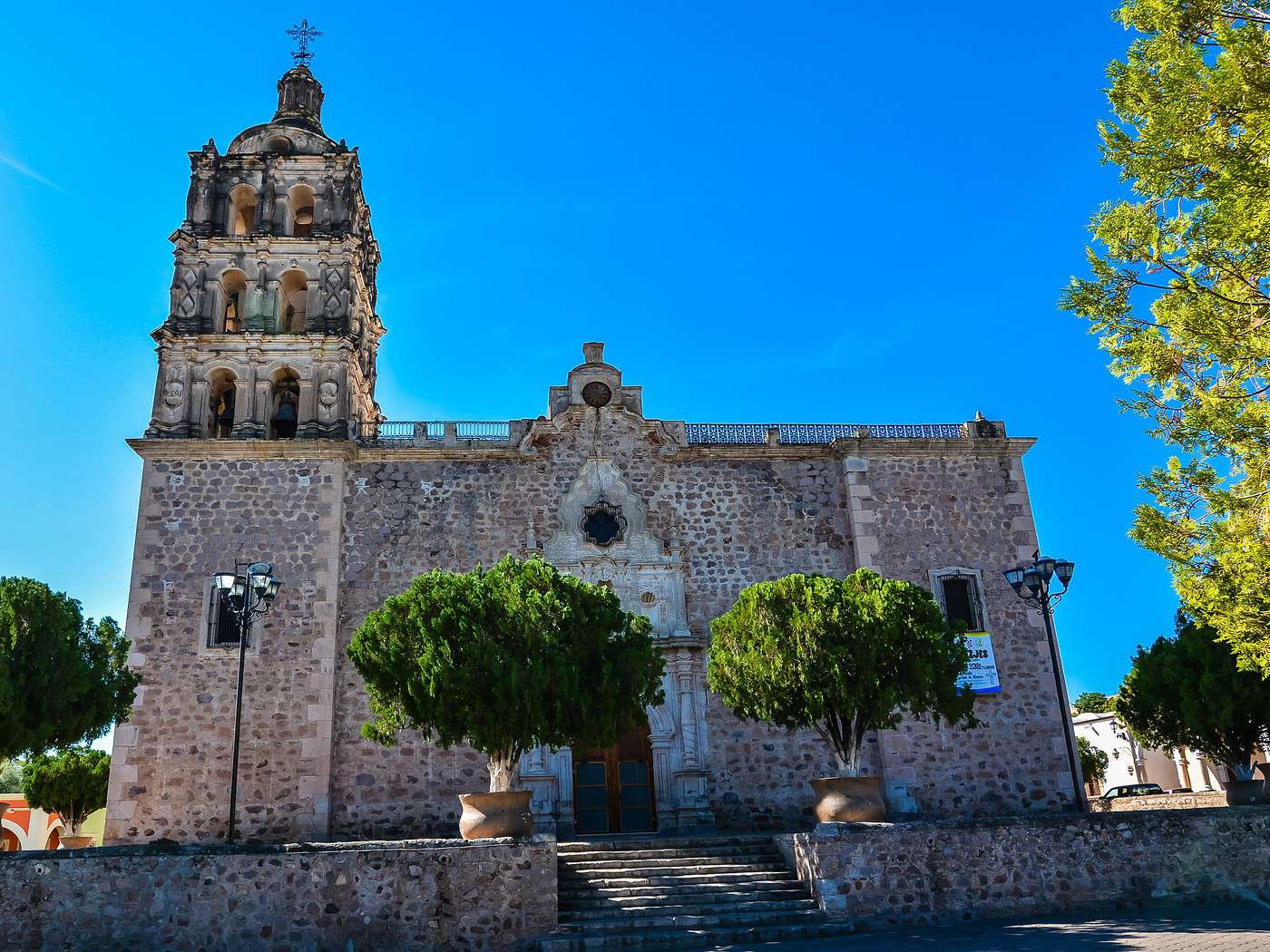
Beyond a few beautiful colonial cities (Álamos, El Fuerte), the region's highlights center around Copper Canyon, which can be explored by tourist train with the Chihuahua al Pacífico, along with several nature reserves and various sites, including the…
Things to Do in Northern Mexico
Travel Themes
Interests (out of ): Nature ; Adventure ; Culture ; Relaxation-holidays .
Nature and Adventure
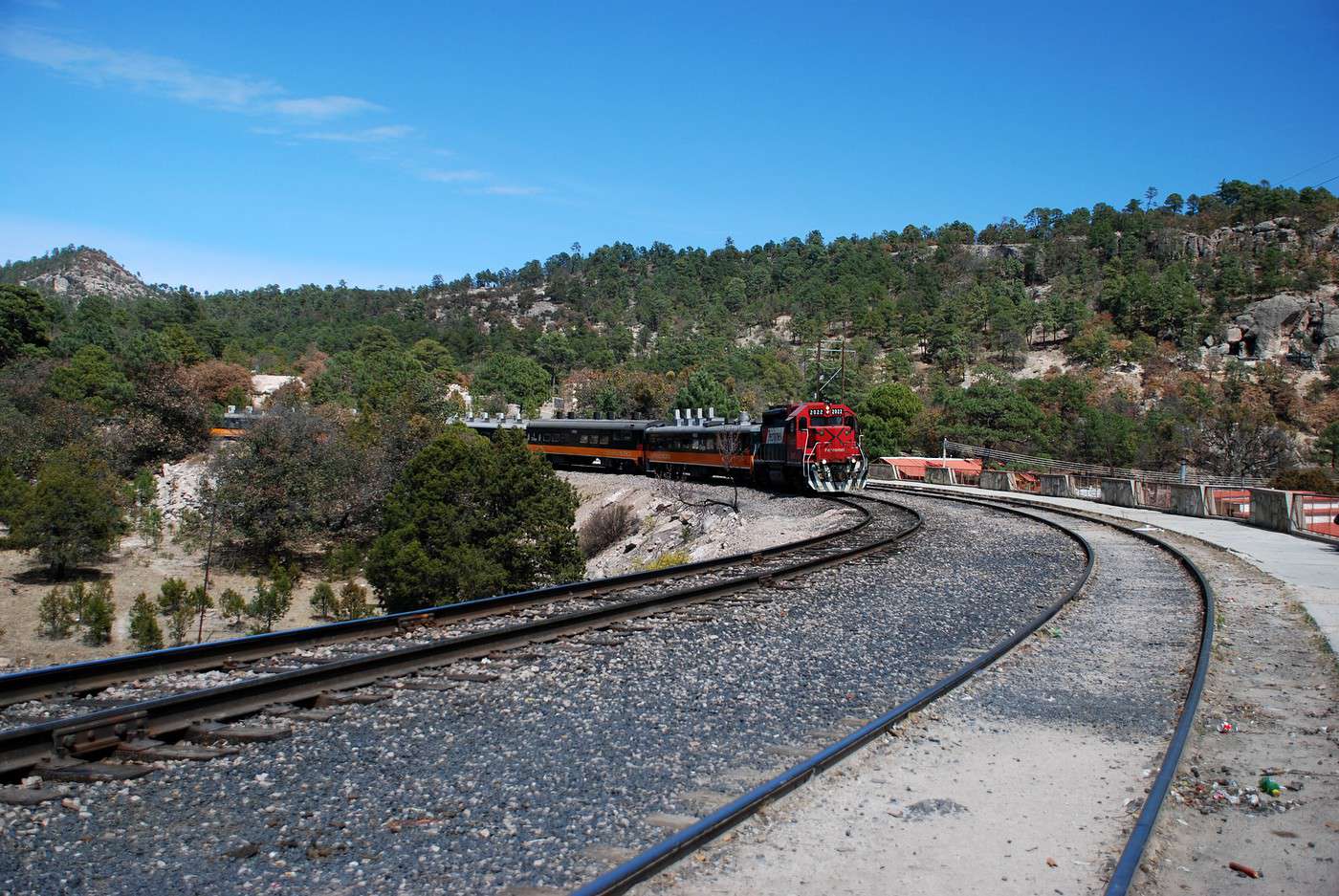
While the north is mostly desert (which has its own "charm"), you’ll find stunning landscapes here and there, especially along the Pacific side. The highlight is Copper Canyon and its surroundings, which you can explore via the Chihuahua al Pacifico Railway, a scenic route connecting the cities of Chihuahua and Los Mochis on the coast. This region and its coastline also offer plenty of outdoor activities.
Culture
There’s little to discover culturally; the cities have few notable architectural landmarks, and pre-Columbian ruins are mostly limited to Paquimé.
Relaxation and Holidays
The city of Mazatlan marks the start of the Mexican Riviera, stretching southward. It remains the main beach resort destination in the northern region.
Beaches and Beach Resorts

Water Activities
Diving
Surfing
Other Activities
Fishing:
Watersports:
Sailing:
Outdoor and Sports Activities
Hiking
Cycling
Horseback Riding
Golf
Other Activities
Cultural Life and Activities
Nightlife and Going Out
Travel and Suggested Itineraries in Northern Mexico
Best Times to Visit
Finding the best time to visit means balancing climate constraints with crowd levels and the most attractive prices for travel and on-site expenses.
More than reduced tourist crowds or higher prices, it’s the climate that primarily dictates the best time to visit the northern region. So, aside from Mazatlan, which operates like other coastal resort areas with peak visitor numbers at Christmas or Easter, the October–May period is ideal, despite possible winter chills at higher altitudes.
| Jan. | Feb. | Mar. | Apr. | May | Jun. | Jul. | Aug. | Sep. | Oct. | Nov. | Dec. | |
|---|---|---|---|---|---|---|---|---|---|---|---|---|
| Climate | ||||||||||||
| Avoid crowds | ||||||||||||
| Low prices |
: very favorable | : favorable | : moderately favorable | : unfavorable.
Types of Travel
Independent
Due to security concerns, the region is better suited for slightly experienced travelers—at least if you’re planning an itinerant trip. Otherwise, a resort like Mazatlán poses no more challenges than others of its kind along the coast.
Organized
Some Itinerary Ideas
Getting to Northern Mexico
By Air
Overland
There is no problem crossing the Mexican border from the USA. Numerous buses connect the two countries, as well as between the north and the rest of Mexico. However, if you plan to head south of Baja California, it’s better to take one of the ferries crossing the Sea of Cortés to save a lot of time and kilometers.
By Sea
Most ferry connections in the country are found in Southern Baja California. This makes sense when you see the time and distance saved by crossing the Sea of Cortés between the peninsula and the northwest coast of Mexico.
Specifically, the company Baja Ferries operates daily services between La Paz (BC) and the port of Los Mochis (6 hours; $65 minimum) or Mazatlan (12 hours; $75 minimum). Another route, with Ferry Santa Rosalia, connects Santa Rosalia (BC) and Guaymas in about ten hours for roughly $60 per trip. As for cruises, some US cruise ships occasionally stop in Mazatlán.
Accommodation and Food in Northern Mexico
Accommodation Options
Hotels and Guesthouses
Other Options
Which Accommodation to Choose?
Mid-range accommodation is the best choice, whether in hotels or guesthouses.
Food
Where to Eat?
Getting Around Northern Mexico
What to Choose for Getting Around?
Distances Between Cities
Distances (km) between the main cities in the region:
| Chihuahua | Durango | Hermosillo | Los Mochis | Mazatlan | Monterrey | Tampico | |
|---|---|---|---|---|---|---|---|
| Chihuahua | |||||||
| Durango | |||||||
| Hermosillo | |||||||
| Los Mochis | |||||||
| Mazatlan | |||||||
| Monterrey | |||||||
| Tampico |
Geography, Climate, and Environment of Northern Mexico
Environment
Physical Features of the Region
Wildlife and Vegetation
Natural Areas
Climate
In the northern part of the country, the landscape is desert-like and dotted with cacti. Whether by the sea or on the high plateaus, the heat is scorching in summer, though nights can be slightly cool at higher altitudes. In winter, while the coasts remain pleasant, the mountains can get quite cold. Rainfall is low everywhere, with only July to September bringing occasional heavy showers.
Best Time to Visit
For northern Mexico, March–April and October–November are the ideal months, though overall, October–May is still quite pleasant despite some cooler temperatures in the highlands.
| Jan. | Feb. | Mar. | Apr. | May | Jun. | Jul. | Aug. | Sep. | Oct. | Nov. | Dec. | |
|---|---|---|---|---|---|---|---|---|---|---|---|---|
| Climate |
: very favorable | : favorable | : moderately favorable | : unfavorable.
Sea Temperatures Throughout the Year
| Jan. | Feb. | Mar. | Apr. | May | Jun. | Jul. | Aug. | Sep. | Oct. | Nov. | Dec. | |
|---|---|---|---|---|---|---|---|---|---|---|---|---|
| Pacific Coast (Mazatlán) | 27 | 27 | 27 | 28 | 28 | 28 | 28 | 29 | 28 | 28 | 28 | 27 |
Climate Data
Chihuahua (inland)
Mazatlán (Pacific Coast)
Something wrong or out of date? Report this page