★ 4 · last edited Dec 11, 2019
What to See in Central Mexico
Contributionsversion #1created Dec 11, 2019Report this pageLatest contributions in this guideContributors to this guide
Location Map of Central Mexico
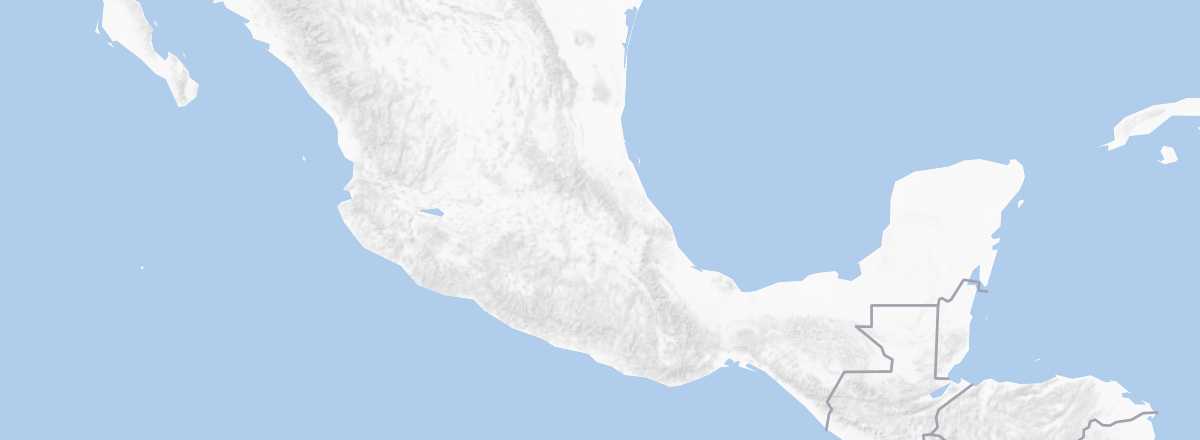 Central Mexico
Open the interactive map
Central Mexico
Open the interactive map
With 22 of the country's 35 UNESCO World Heritage Sites, the region around Mexico City is the richest in cultural and historical heritage, including pre-Columbian sites (notably the famous Teotihuacan). It also offers natural sites (mountains, lakes, volcanoes), and a Pacific coast renowned for its beach resorts (Acapulco, Puerto Vallarta, etc.).
UNESCO World Heritage Sites
Of the country's 35 UNESCO World Heritage Sites, the central region boasts twenty-two, making it by far the richest area in Mexico for this type of heritage.
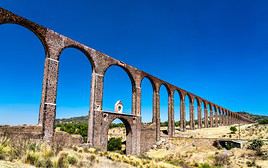
Padre Tembleque Aqueduct (2015)
Stretching 45 km, this structure was built northeast of Mexico by the Spanish in the 16th century and is a UNESCO World Heritage site.
Stretching 45 km, this structure was built northeast of Mexico by the Spanish in the 16th century and is a UNESCO World Heritage site.
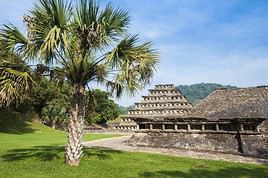
El Tajin (1992)
A UNESCO World Heritage site, it is one of the most important pre-Columbian sites in central Mexico.
A UNESCO World Heritage site, it is one of the most important pre-Columbian sites in central Mexico.
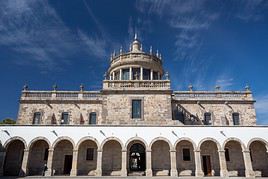
Hospicio Cabañas, Guadalajara (1997)
This building, dating from the late 18th century, is one of the oldest and largest hospitals in all of Latin America.
This building, dating from the late 18th century, is one of the oldest and largest hospitals in all of Latin America.
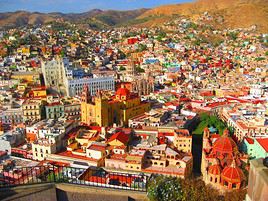
Guanajuato (1988)
A stunning mining town with colonial architecture. It is a UNESCO World Heritage site, as are the adjacent mines.
A stunning mining town with colonial architecture. It is a UNESCO World Heritage site, as are the adjacent mines.
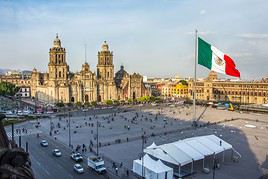
Historic Center of Mexico City (1987)
This is the heart of the city, where the Aztec city of Tenochtitlan once stood. You can see the main square (the Zócalo), the cathedral, the National Palace, several museums, and various buildings of interest.
This is the heart of the city, where the Aztec city of Tenochtitlan once stood. You can see the main square (the Zócalo), the cathedral, the National Palace, several museums, and various buildings of interest.
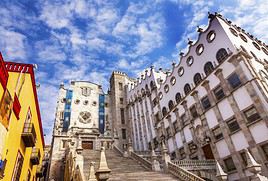
Mexico City University Campus (2007)
The site is a UNESCO World Heritage Site for its architectural and "pictorial" value, the work of various renowned 20th-century Mexican architects and artists.
The site is a UNESCO World Heritage Site for its architectural and "pictorial" value, the work of various renowned 20th-century Mexican architects and artists.
Luis Barragán House and Studio (2004)
On the outskirts of Mexico City, this is the home of a renowned architect celebrated in the field of modern architecture in Mexico.
On the outskirts of Mexico City, this is the home of a renowned architect celebrated in the field of modern architecture in Mexico.
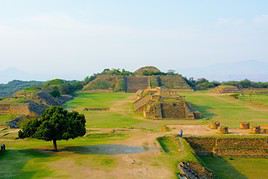
Monte Alban (1987)
This is a vast and remarkable pre-Columbian site near the city of Oaxaca, listed as a UNESCO World Heritage site.
This is a vast and remarkable pre-Columbian site near the city of Oaxaca, listed as a UNESCO World Heritage site.
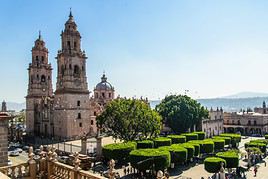
Historic Centre of Morelia (1991)
Like many old centres, Morelia's historic core is home to a remarkable collection of Spanish-era buildings that earned it UNESCO World Heritage status.
Like many old centres, Morelia's historic core is home to a remarkable collection of Spanish-era buildings that earned it UNESCO World Heritage status.
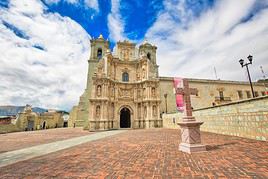
Historic Centre of Oaxaca (1987)
With its central square, churches, museums, and numerous buildings from the Spanish era, the heart of the city has a distinct charm that earned it UNESCO World Heritage status.
With its central square, churches, museums, and numerous buildings from the Spanish era, the heart of the city has a distinct charm that earned it UNESCO World Heritage status.
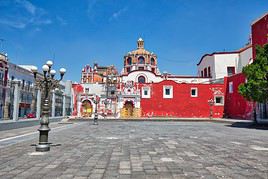
Historic Centre of Puebla (1987)
The entire centre of Puebla is characterised by remarkable Spanish colonial architecture. The area is also a UNESCO World Heritage site.
The entire centre of Puebla is characterised by remarkable Spanish colonial architecture. The area is also a UNESCO World Heritage site.
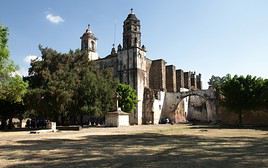
Monasteries on the Slopes of Popocatepetl (1994)
In the 16th century, 14 monasteries were built on the slopes of the Popocatepetl volcano near Mexico City, now UNESCO-listed.
In the 16th century, 14 monasteries were built on the slopes of the Popocatepetl volcano near Mexico City, now UNESCO-listed.
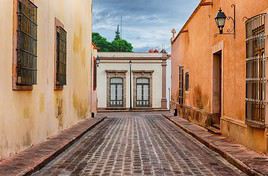
Historic Centre of Querétaro (1996)
Like other "UNESCO urban centres" in Mexican cities, Querétaro’s historic centre is home to a large collection of colonial-era buildings.
Like other "UNESCO urban centres" in Mexican cities, Querétaro’s historic centre is home to a large collection of colonial-era buildings.
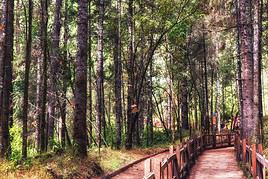
Monarch Butterfly Biosphere Reserve (2008)
About a hundred kilometres northwest of the capital, a valley that welcomes hundreds of millions of butterflies every winter.
About a hundred kilometres northwest of the capital, a valley that welcomes hundreds of millions of butterflies every winter.
Camino Real de Tierra Adentro (2010)
This is a route created during the Spanish era to connect the southern United States (Santa Fe) to the Mexico region. Several historic towns and sites line its path, which is a UNESCO World Heritage Site on the Mexican side.
This is a route created during the Spanish era to connect the southern United States (Santa Fe) to the Mexico region. Several historic towns and sites line its path, which is a UNESCO World Heritage Site on the Mexican side.
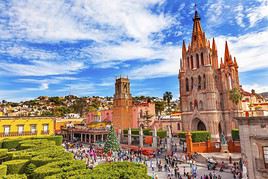
San Miguel de Allende (2008)
This is a stunning colonial city, also listed as a UNESCO World Heritage site, like many others in the region.
This is a stunning colonial city, also listed as a UNESCO World Heritage site, like many others in the region.
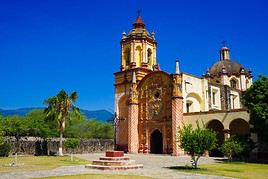
Franciscan Missions of the Sierra Gorda (2003)
Five Spanish-era missions designated as UNESCO World Heritage Sites, located in a natural area of mountains, rivers, and waterfalls in the northern part of the state of Querétaro.
Five Spanish-era missions designated as UNESCO World Heritage Sites, located in a natural area of mountains, rivers, and waterfalls in the northern part of the state of Querétaro.
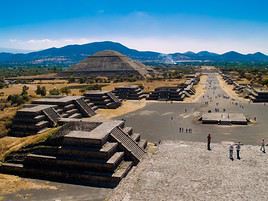
Teotihuacan (1987)
Close to Mexico City, this major UNESCO-listed site features the largest pyramids ever built in the pre-Columbian era.
Close to Mexico City, this major UNESCO-listed site features the largest pyramids ever built in the pre-Columbian era.
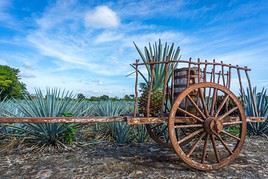
Agave Landscape and Ancient Industrial Facilities of Tequila (2006)
This is the birthplace of the famous drink. The city's tourism and its surroundings (agave fields) logically revolve around tequila, especially since the region is now a UNESCO World Heritage site for this very reason.
This is the birthplace of the famous drink. The city's tourism and its surroundings (agave fields) logically revolve around tequila, especially since the region is now a UNESCO World Heritage site for this very reason.
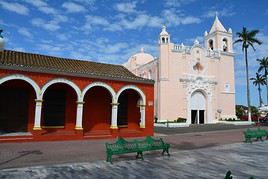
Tlacotalpan (1998)
This is a small town in southern Veracruz where Spanish and Caribbean architecture blend—a rarity in the country. This unique feature earned it UNESCO World Heritage status.
This is a small town in southern Veracruz where Spanish and Caribbean architecture blend—a rarity in the country. This unique feature earned it UNESCO World Heritage status.
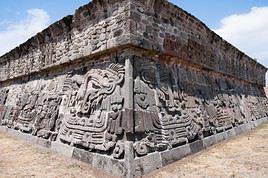
Xochicalco (1999)
This site in the state of Morelos is a UNESCO World Heritage Site, notably for its Temple of the Feathered Serpent.
This site in the state of Morelos is a UNESCO World Heritage Site, notably for its Temple of the Feathered Serpent.
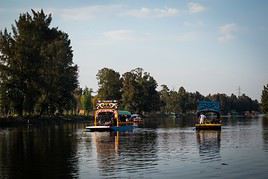
Xochimilco Canals
On the outskirts of the capital, Xochimilco is one of the most visited places in the metropolitan area thanks to its canals and floating gardens, where you can take a ride on small "typical" boats.
On the outskirts of the capital, Xochimilco is one of the most visited places in the metropolitan area thanks to its canals and floating gardens, where you can take a ride on small "typical" boats.
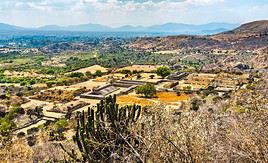
Yagul and Mitla Caves (2010)
UNESCO-listed prehistoric caves located at two pre-Columbian sites in the Oaxaca region. The sites themselves are the main tourist draw.
UNESCO-listed prehistoric caves located at two pre-Columbian sites in the Oaxaca region. The sites themselves are the main tourist draw.
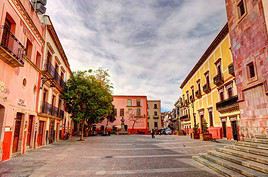
Historic Centre of Zacatecas (1993)
A testament to the mining wealth of the colonial era, the city centre of Zacatecas boasts numerous remarkable civil and religious buildings, most constructed from pink stone.
A testament to the mining wealth of the colonial era, the city centre of Zacatecas boasts numerous remarkable civil and religious buildings, most constructed from pink stone.
Cities and Cultural Heritage
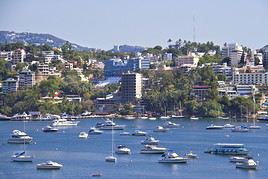
Acapulco
With its bay and cliff divers, Acapulco is one of the most famous beach resorts in the Americas.
With its bay and cliff divers, Acapulco is one of the most famous beach resorts in the Americas.
Aguascalientes
It is the capital of the state of the same name, with several museums and a historic center.
It is the capital of the state of the same name, with several museums and a historic center.
Padre Tembleque Aqueduct
Stretching 45 km, this structure was built northeast of Mexico by the Spanish in the 16th century and is a UNESCO World Heritage site.
Stretching 45 km, this structure was built northeast of Mexico by the Spanish in the 16th century and is a UNESCO World Heritage site.
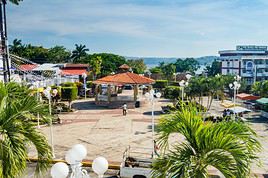
Catemaco
A small town in southern Veracruz, on the shores of the lake of the same name, primarily serving as a base for exploring the surrounding area (landscapes, lakes, mangroves, wildlife, beaches, and outdoor activities).
A small town in southern Veracruz, on the shores of the lake of the same name, primarily serving as a base for exploring the surrounding area (landscapes, lakes, mangroves, wildlife, beaches, and outdoor activities).
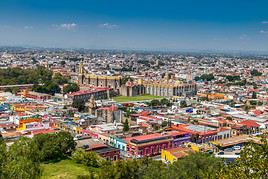
Cholula
The city, bordering Puebla, is known for its churches and especially its pre-Columbian pyramid.
The city, bordering Puebla, is known for its churches and especially its pre-Columbian pyramid.
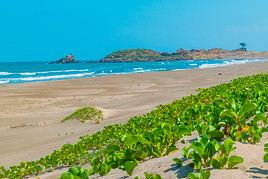
Costa Esmeralda
This is an area of beautiful beaches between Veracruz and Tampico, on the Caribbean coast.
This is an area of beautiful beaches between Veracruz and Tampico, on the Caribbean coast.
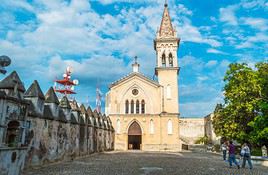
Cuernavaca
This tourist city is pleasant and popular, especially with residents of the capital. It boasts numerous museums and countless buildings from the colonial era.
This tourist city is pleasant and popular, especially with residents of the capital. It boasts numerous museums and countless buildings from the colonial era.
Guadalajara
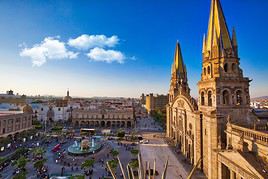
Mexico’s second-largest city, with a beautiful urban centre blending different architectural styles.
Mexico’s second-largest city, with a beautiful urban centre blending different architectural styles.
Guanajuato
A stunning mining town with colonial architecture. It is a UNESCO World Heritage site, as are the adjacent mines.
A stunning mining town with colonial architecture. It is a UNESCO World Heritage site, as are the adjacent mines.
Huatulco
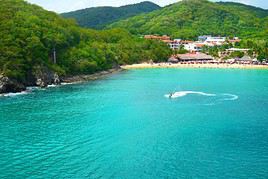
This coastal region is Oaxaca’s main beach destination, with plenty of all-inclusive resorts.
This coastal region is Oaxaca’s main beach destination, with plenty of all-inclusive resorts.
Ixtapa-Zihuatanejo
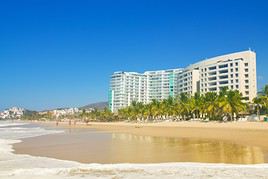
It’s both a beach resort and a port of call for cruise ships sailing along the Pacific coast.
It’s both a beach resort and a port of call for cruise ships sailing along the Pacific coast.
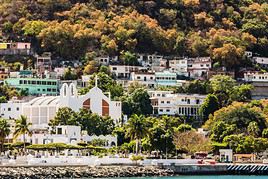
Manzanillo
It’s the main beach resort between Puerto Vallarta and Acapulco. It’s renowned for water sports, diving, and deep-sea fishing.
It’s the main beach resort between Puerto Vallarta and Acapulco. It’s renowned for water sports, diving, and deep-sea fishing.
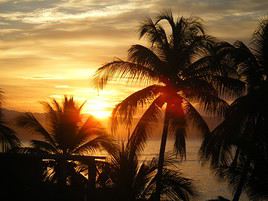
Melaque
Beach resort in Jalisco on the Pacific coast, right next to La Manzanilla and Barra de Navidad, which are similar.
Beach resort in Jalisco on the Pacific coast, right next to La Manzanilla and Barra de Navidad, which are similar.
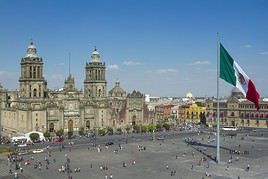
Mexico
A vast capital city of several million inhabitants, Mexico boasts a historic center, museums, and parks worth visiting despite the crowds and some pollution worsened by the altitude.
A vast capital city of several million inhabitants, Mexico boasts a historic center, museums, and parks worth visiting despite the crowds and some pollution worsened by the altitude.
Franciscan Missions of the Sierra Gorda
Five Spanish-era missions designated as UNESCO World Heritage Sites, located in a natural area of mountains, rivers, and waterfalls in the northern part of the state of Querétaro.
Five Spanish-era missions designated as UNESCO World Heritage Sites, located in a natural area of mountains, rivers, and waterfalls in the northern part of the state of Querétaro.
Monasteries on the Slopes of Popocatepetl
In the 16th century, 14 monasteries were built on the slopes of the Popocatepetl volcano near Mexico City, now UNESCO-listed.
In the 16th century, 14 monasteries were built on the slopes of the Popocatepetl volcano near Mexico City, now UNESCO-listed.
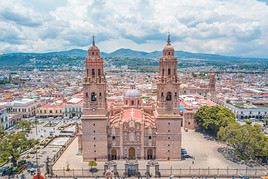
Morelia
The capital of the state of Michoacán boasts a stunning colonial centre, which is also a UNESCO World Heritage site.
The capital of the state of Michoacán boasts a stunning colonial centre, which is also a UNESCO World Heritage site.
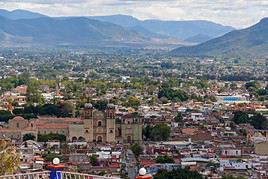
Oaxaca
The capital of the state of the same name, Oaxaca boasts numerous colonial-era buildings that give it a distinct charm. Its centre is also a UNESCO World Heritage site.
The capital of the state of the same name, Oaxaca boasts numerous colonial-era buildings that give it a distinct charm. Its centre is also a UNESCO World Heritage site.
Oaxtepec
A small town that relies mainly on local tourism, thanks in particular to its holiday resorts.
A small town that relies mainly on local tourism, thanks in particular to its holiday resorts.
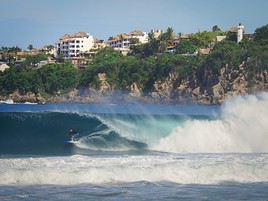
Puerto Escondido
A Pacific coast resort town loved for surfing, fishing, and boat trips to observe marine wildlife.
A Pacific coast resort town loved for surfing, fishing, and boat trips to observe marine wildlife.
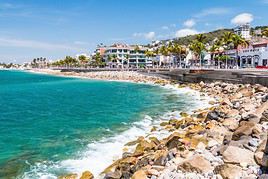
Puerto Vallarta
It's a major seaside resort, quite touristy and well-known, on the central Pacific coast. The area is also a hotspot for all-inclusive stays in the region.
It's a major seaside resort, quite touristy and well-known, on the central Pacific coast. The area is also a hotspot for all-inclusive stays in the region.
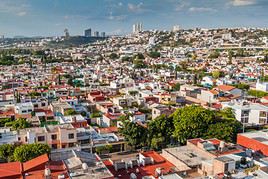
Querétaro
One of the beautiful colonial cities in central Mexico classified as a UNESCO World Heritage site.
One of the beautiful colonial cities in central Mexico classified as a UNESCO World Heritage site.
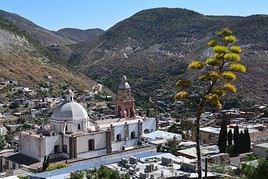
Real de Catorce
In a desert environment, this charming high-altitude town is at the heart of a hiking area. It is also a pilgrimage site for the region's indigenous people.
In a desert environment, this charming high-altitude town is at the heart of a hiking area. It is also a pilgrimage site for the region's indigenous people.
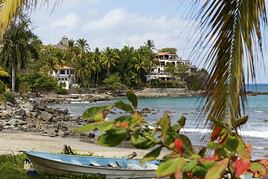
Riviera Nayarit
This is the Pacific coastline of the state of Nayarit, stretching over 200 km. It features several small resorts popular with surfers (Chacala, San Blas, Sayulita) and all-inclusive enthusiasts.
This is the Pacific coastline of the state of Nayarit, stretching over 200 km. It features several small resorts popular with surfers (Chacala, San Blas, Sayulita) and all-inclusive enthusiasts.
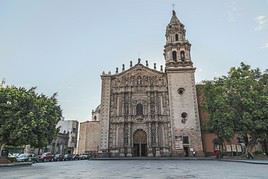
San Luis Potosí
The capital of the state of the same name offers a beautiful panorama of all architectural styles from the colonial era.
The capital of the state of the same name offers a beautiful panorama of all architectural styles from the colonial era.
San Miguel de Allende
This is a stunning colonial city, also listed as a UNESCO World Heritage site, like many others in the region.
This is a stunning colonial city, also listed as a UNESCO World Heritage site, like many others in the region.
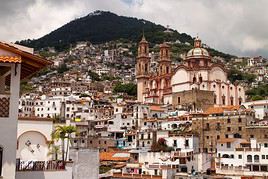
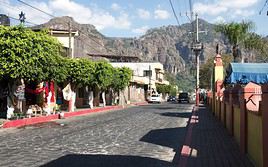
Tepoztlán
This small town attracts many Mexican tourists for its setting, market, and pre-Columbian pyramid.
This small town attracts many Mexican tourists for its setting, market, and pre-Columbian pyramid.
Tequila
This is the birthplace of the famous drink. The city's tourism and its surroundings (agave fields) logically revolve around tequila, especially since the region is now a UNESCO World Heritage site for this very reason.
This is the birthplace of the famous drink. The city's tourism and its surroundings (agave fields) logically revolve around tequila, especially since the region is now a UNESCO World Heritage site for this very reason.
Tlacotalpan
This is a small town in southern Veracruz where Spanish and Caribbean architecture blend—a rarity in the country. This unique feature earned it UNESCO World Heritage status.
This is a small town in southern Veracruz where Spanish and Caribbean architecture blend—a rarity in the country. This unique feature earned it UNESCO World Heritage status.
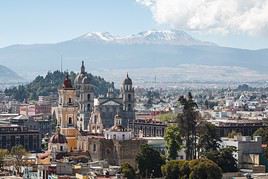
Toluca
One of the country's major cities, close to Mexico City. It has a few remnants from the Spanish colonial era.
One of the country's major cities, close to Mexico City. It has a few remnants from the Spanish colonial era.
Xalapa
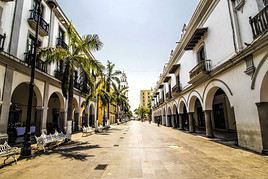
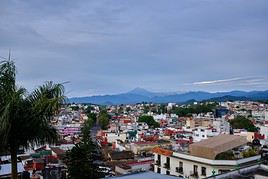
This cultural city between Mexico and the Caribbean coast boasts a wealth of beautiful colonial buildings.
This cultural city between Mexico and the Caribbean coast boasts a wealth of beautiful colonial buildings.
Xilitla
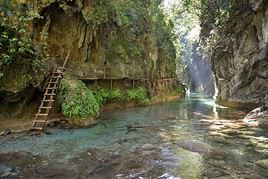
The region, near San Luis Potosí, is known for its landscapes and small villages where you can hike.
The region, near San Luis Potosí, is known for its landscapes and small villages where you can hike.
Xochimilco
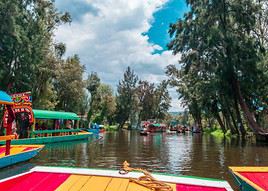
On the outskirts of Mexico City, the area is famous for its canals and floating gardens, now major tourist attractions.
On the outskirts of Mexico City, the area is famous for its canals and floating gardens, now major tourist attractions.
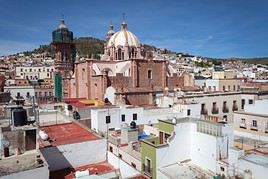
Zacatecas
A stunning colonial mining city perched at 2,400 metres above sea level. Its historic centre is a UNESCO World Heritage site.
A stunning colonial mining city perched at 2,400 metres above sea level. Its historic centre is a UNESCO World Heritage site.
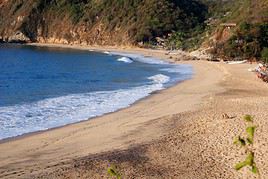
Zipolite-Mazunte
These are two adjacent villages on the Pacific coast, east of Puerto Escondido, known for their beaches and surfing.
These are two adjacent villages on the Pacific coast, east of Puerto Escondido, known for their beaches and surfing.
Pre-Columbian Sites
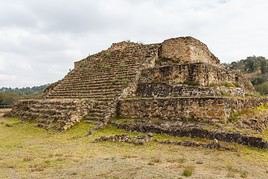
El Tajin
A UNESCO World Heritage site, it is one of the most important pre-Columbian sites in central Mexico.
A UNESCO World Heritage site, it is one of the most important pre-Columbian sites in central Mexico.
Yagul and Mitla Caves
UNESCO-listed prehistoric caves located at two pre-Columbian sites in the Oaxaca region. The sites themselves are the main tourist draw.
UNESCO-listed prehistoric caves located at two pre-Columbian sites in the Oaxaca region. The sites themselves are the main tourist draw.
Monte Alban
This is a vast and remarkable pre-Columbian site near the city of Oaxaca, listed as a UNESCO World Heritage site.
This is a vast and remarkable pre-Columbian site near the city of Oaxaca, listed as a UNESCO World Heritage site.
Teotihuacan
Close to Mexico City, this major UNESCO-listed site features the largest pyramids ever built in the pre-Columbian era.
Close to Mexico City, this major UNESCO-listed site features the largest pyramids ever built in the pre-Columbian era.
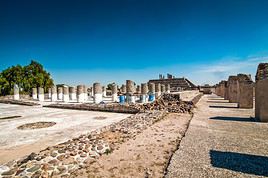
Tula
It is the ancient capital of the Toltecs. The site, while not necessarily the most spectacular, is nonetheless known for its statues (the "Atlantes") and its pyramids.
It is the ancient capital of the Toltecs. The site, while not necessarily the most spectacular, is nonetheless known for its statues (the "Atlantes") and its pyramids.
Xochicalco
This site in the state of Morelos is a UNESCO World Heritage Site, notably for its Temple of the Feathered Serpent.
This site in the state of Morelos is a UNESCO World Heritage Site, notably for its Temple of the Feathered Serpent.
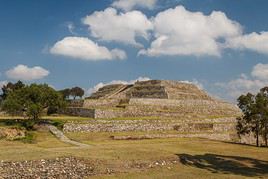
Xochitecatl
A pre-Columbian site southeast of the capital in the municipality of San Miguel Xochitecatitla.
A pre-Columbian site southeast of the capital in the municipality of San Miguel Xochitecatitla.
Natural Heritage
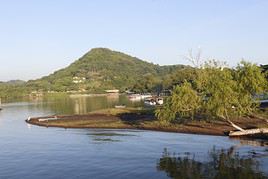
Lake Catemaco
A small lake in Veracruz that can be explored by boat. It borders a coastal natural area where you can hike and observe birds in beautiful landscapes.
A small lake in Veracruz that can be explored by boat. It borders a coastal natural area where you can hike and observe birds in beautiful landscapes.
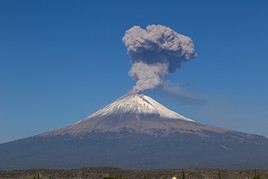
Popocatepetl
Close to Mexico City, this 5,426 m volcano is the second-highest peak in Mexico. It can be climbed, and its slopes are home to 14 sixteenth-century monasteries listed as UNESCO World Heritage sites.
Close to Mexico City, this 5,426 m volcano is the second-highest peak in Mexico. It can be climbed, and its slopes are home to 14 sixteenth-century monasteries listed as UNESCO World Heritage sites.
Monarch Butterfly Biosphere Reserve
About a hundred kilometres northwest of the capital, a valley that welcomes hundreds of millions of butterflies every winter.
About a hundred kilometres northwest of the capital, a valley that welcomes hundreds of millions of butterflies every winter.
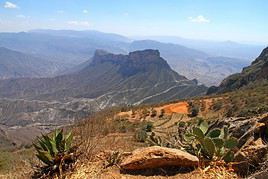
Sierra Gorda
A natural area of mountains, rivers, and waterfalls in northern Querétaro, home to five UNESCO-listed Spanish-era missions.
A natural area of mountains, rivers, and waterfalls in northern Querétaro, home to five UNESCO-listed Spanish-era missions.
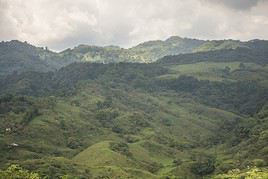
Note: Part of the Central region is currently either completely or strongly advised against for security reasons by the French Ministry of Foreign Affairs.
Must-see & highly recommended
Guanajuato
★★★★ A stunning mining town with colonial architecture. It is a UNESCO World Heritage site, as are the adjacent mines.
Monte Alban
★★★★ This is a vast and remarkable pre-Columbian site near the city of Oaxaca, listed as a UNESCO World Heritage site.
Teotihuacan
★★★★ Close to Mexico City, this major UNESCO-listed site features the largest pyramids ever built in the pre-Columbian era.
Recommended
Xochimilco Canals
★★★ On the outskirts of the capital, Xochimilco is one of the most visited places in the metropolitan area thanks to its canals and floating…
Historic Center of Mexico City
★★★ This is the heart of the city, where the Aztec city of Tenochtitlan once stood. You can see the main square (the Zócalo), the cathedral…
El Tajin
★★★ A UNESCO World Heritage site, it is one of the most important pre-Columbian sites in central Mexico.
Mexico
★★★ A vast capital city of several million inhabitants, Mexico boasts a historic center, museums, and parks worth visiting despite the crowds…
Oaxaca
★★★ The capital of the state of the same name, Oaxaca boasts numerous colonial-era buildings that give it a distinct charm. Its centre is also…
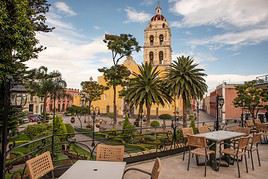
Pátzcuaro
★★★ A beautiful colonial mountain city perched at over 2,000 m above sea level by a lake.
San Miguel de Allende
★★★ This is a stunning colonial city, also listed as a UNESCO World Heritage site, like many others in the region.
Taxco
★★★ A beautiful colonial town about a hundred kilometres south of Mexico City.
Zacatecas
★★★ A stunning colonial mining city perched at 2,400 metres above sea level. Its historic centre is a UNESCO World Heritage site.
Worth a look / Other
Acapulco
★★ With its bay and cliff divers, Acapulco is one of the most famous beach resorts in the Americas.
Historic Centre of Morelia
★★ Like many old centres, Morelia's historic core is home to a remarkable collection of Spanish-era buildings that earned it UNESCO World…
Historic Centre of Oaxaca
★★ With its central square, churches, museums, and numerous buildings from the Spanish era, the heart of the city has a distinct charm that…
Historic Centre of Puebla
★★ The entire centre of Puebla is characterised by remarkable Spanish colonial architecture. The area is also a UNESCO World Heritage site.
Historic Centre of Querétaro
★★ Like other "UNESCO urban centres" in Mexican cities, Querétaro’s historic centre is home to a large collection of colonial-era…
Historic Centre of Zacatecas
★★ A testament to the mining wealth of the colonial era, the city centre of Zacatecas boasts numerous remarkable civil and religious…
Costa Esmeralda
★★ This is an area of beautiful beaches between Veracruz and Tampico, on the Caribbean coast.
Cuernavaca
★★ This tourist city is pleasant and popular, especially with residents of the capital. It boasts numerous museums and countless buildings…
Dolores Hidalgo
★★ A historic high-altitude city with many buildings from the Spanish era.
Guadalajara
★★ Mexico’s second-largest city, with a beautiful urban centre blending different architectural styles.
Huatulco
★★ This coastal region is Oaxaca’s main beach destination, with plenty of all-inclusive resorts.
Lake Catemaco
★★ A small lake in Veracruz that can be explored by boat. It borders a coastal natural area where you can hike and observe birds in beautiful…
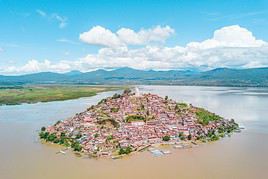
Lake Patzcuaro
★★ A large lake with fisherman islands where you can take a boat trip.
Manzanillo
★★ It’s the main beach resort between Puerto Vallarta and Acapulco. It’s renowned for water sports, diving, and deep-sea fishing.
Franciscan Missions of the Sierra Gorda
★★ Five Spanish-era missions designated as UNESCO World Heritage Sites, located in a natural area of mountains, rivers, and waterfalls in the…
Monasteries on the Slopes of Popocatepetl
★★ In the 16th century, 14 monasteries were built on the slopes of the Popocatepetl volcano near Mexico City, now UNESCO-listed.
Morelia
★★ The capital of the state of Michoacán boasts a stunning colonial centre, which is also a UNESCO World Heritage site.
Popocatepetl
★★ Close to Mexico City, this 5,426 m volcano is the second-highest peak in Mexico. It can be climbed, and its slopes are home to 14…
Puebla
★★ One of Mexico's largest cities. Its historic center is a UNESCO World Heritage site.
Puerto Escondido
★★ A Pacific coast resort town loved for surfing, fishing, and boat trips to observe marine wildlife.
Puerto Vallarta
★★ It's a major seaside resort, quite touristy and well-known, on the central Pacific coast. The area is also a hotspot for all-inclusive…
Querétaro
★★ One of the beautiful colonial cities in central Mexico classified as a UNESCO World Heritage site.
Riviera Nayarit
★★ This is the Pacific coastline of the state of Nayarit, stretching over 200 km. It features several small resorts popular with surfers…
San Luis Potosí
★★ The capital of the state of the same name offers a beautiful panorama of all architectural styles from the colonial era.
Sierra Gorda
★★ A natural area of mountains, rivers, and waterfalls in northern Querétaro, home to five UNESCO-listed Spanish-era missions.
Sierra Norte de Puebla
★★ This is a mountainous region with beautiful landscapes, ideal for hiking.
Tepoztlán
★★ This small town attracts many Mexican tourists for its setting, market, and pre-Columbian pyramid.
Tlacotalpan
★★ This is a small town in southern Veracruz where Spanish and Caribbean architecture blend—a rarity in the country. This unique feature…
Tula
★★ It is the ancient capital of the Toltecs. The site, while not necessarily the most spectacular, is nonetheless known for its statues (the…
Xilitla
★★ The region, near San Luis Potosí, is known for its landscapes and small villages where you can hike.
Xochicalco
★★ This site in the state of Morelos is a UNESCO World Heritage Site, notably for its Temple of the Feathered Serpent.
Xochimilco
★★ On the outskirts of Mexico City, the area is famous for its canals and floating gardens, now major tourist attractions.
Aguascalientes
★ It is the capital of the state of the same name, with several museums and a historic center.
Padre Tembleque Aqueduct
★ Stretching 45 km, this structure was built northeast of Mexico by the Spanish in the 16th century and is a UNESCO World Heritage site.
Cacaxtla
★ This pre-Columbian site southeast of the capital is somewhat known for its murals.
Camino Real de Tierra Adentro
★ This is a route created during the Spanish era to connect the southern United States (Santa Fe) to the Mexico region. Several historic…
Mexico City University Campus
★ The site is a UNESCO World Heritage Site for its architectural and "pictorial" value, the work of various renowned 20th-century Mexican…
Catemaco
★ A small town in southern Veracruz, on the shores of the lake of the same name, primarily serving as a base for exploring the surrounding…
Cholula
★ The city, bordering Puebla, is known for its churches and especially its pre-Columbian pyramid.
Yagul and Mitla Caves
★ UNESCO-listed prehistoric caves located at two pre-Columbian sites in the Oaxaca region. The sites themselves are the main tourist draw.
Hospicio Cabañas, Guadalajara
★ This building, dating from the late 18th century, is one of the oldest and largest hospitals in all of Latin America.
Ixtapa-Zihuatanejo
★ It’s both a beach resort and a port of call for cruise ships sailing along the Pacific coast.
Lake Chapala
★ It is the largest lake in Mexico and a holiday destination for many North Americans.
Luis Barragán House and Studio
★ On the outskirts of Mexico City, this is the home of a renowned architect celebrated in the field of modern architecture in Mexico.
Melaque
★ Beach resort in Jalisco on the Pacific coast, right next to La Manzanilla and Barra de Navidad, which are similar.
Oaxtepec
★ A small town that relies mainly on local tourism, thanks in particular to its holiday resorts.
Real de Catorce
★ In a desert environment, this charming high-altitude town is at the heart of a hiking area. It is also a pilgrimage site for the region's…
Monarch Butterfly Biosphere Reserve
★ About a hundred kilometres northwest of the capital, a valley that welcomes hundreds of millions of butterflies every winter.
Tamuin
★ The town is home to three important archaeological sites of the Huastec culture.
Tepatitlán
★ Close to Guadalajara, the city is known for its cathedral and Baroque architecture.
Tequila
★ This is the birthplace of the famous drink. The city's tourism and its surroundings (agave fields) logically revolve around tequila…
Toluca
★ One of the country's major cities, close to Mexico City. It has a few remnants from the Spanish colonial era.
Veracruz
★ Major Caribbean port with some remnants of its historical past.
Xalapa
★ This cultural city between Mexico and the Caribbean coast boasts a wealth of beautiful colonial buildings.
Xochitecatl
★ A pre-Columbian site southeast of the capital in the municipality of San Miguel Xochitecatitla.
Zipolite-Mazunte
★ These are two adjacent villages on the Pacific coast, east of Puerto Escondido, known for their beaches and surfing.
- Aguascalientes
- Real de Catorce
- Riviera Nayarit
- San Luis Potosí
- Zacatecas
- Xilitla
- Acapulco
- Cholula
- Cuernavaca
- Costa Esmeralda
- Dolores Hidalgo
- Guadalajara
- Guanajuato
- Ixtapa-Zihuatanejo
- Manzanillo
- Melaque
- Mexico
- Morelia
- Oaxtepec
- Pátzcuaro
- Monasteries on the Slopes of Popocatepetl
- Puebla
- Puerto Vallarta
- Querétaro
- San Miguel de Allende
- Franciscan Missions of the Sierra Gorda
- Taxco
- Tepatitlán
- Tepoztlán
- Tequila
- Toluca
- Veracruz
- Xalapa
- Xochimilco
- Cacaxtla
- El Tajin
- Tamuin
- Teotihuacan
- Tula
- Xochitecatl
- Xochicalco
- Popocatepetl
- Monarch Butterfly Biosphere Reserve
- Sierra Gorda
- Sierra Norte de Puebla
- Monte Alban
- Catemaco
- Huatulco
- Oaxaca
- Puerto Escondido
- Tlacotalpan
- Zipolite-Mazunte
- Lake Catemaco
- Lake Chapala
- Lake Patzcuaro
- Padre Tembleque Aqueduct
- Yagul and Mitla Caves