last edited Dec 11, 2019
What to See in Japan
Location Map of Japan
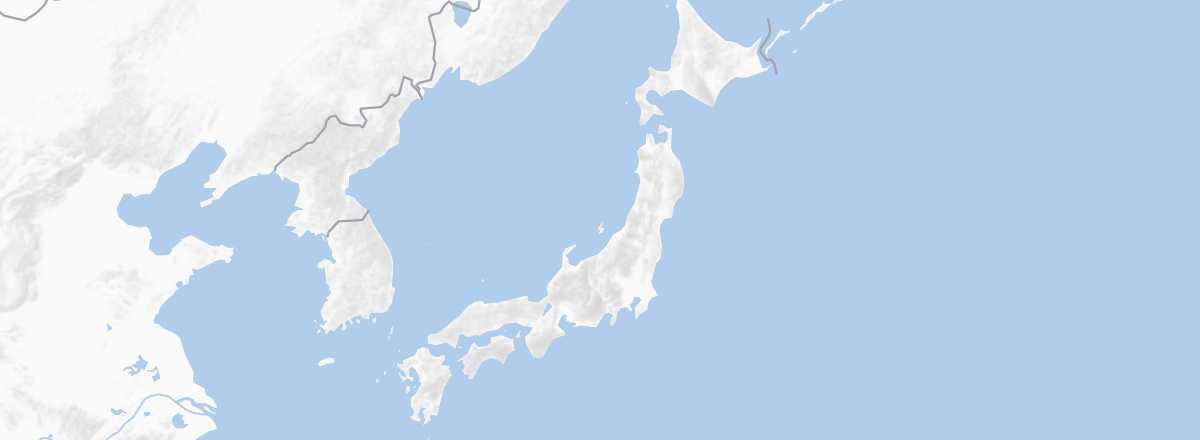 Japan
Open the interactive map
Japan
Open the interactive map
UNESCO World Heritage Sites
Japan has around twenty sites inscribed on the UNESCO World Heritage list:
Hokkaido:
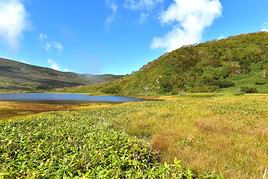
Shiretoko National Park (2005)
On the peninsula of the same name in the northeast of the island, this hard-to-reach area is a UNESCO World Heritage site. It offers stunning landscapes with forests, lakes, and waterfalls (including Kamuiwakka Falls), diverse wildlife (bears, birds, etc.), and a great selection of treks.
On the peninsula of the same name in the northeast of the island, this hard-to-reach area is a UNESCO World Heritage site. It offers stunning landscapes with forests, lakes, and waterfalls (including Kamuiwakka Falls), diverse wildlife (bears, birds, etc.), and a great selection of treks.
Honshu:
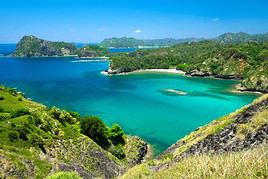
Ogasawara Archipelago (2011)
Over a thousand kilometers from the coast but part of Tokyo, this group of around forty islands is a UNESCO World Heritage site. Beautiful landscapes, stunning beaches, diving opportunities, and short hikes. Also bears witness to World War II battles that took place in the archipelago, such as on Iwo Jima.
Over a thousand kilometers from the coast but part of Tokyo, this group of around forty islands is a UNESCO World Heritage site. Beautiful landscapes, stunning beaches, diving opportunities, and short hikes. Also bears witness to World War II battles that took place in the archipelago, such as on Iwo Jima.
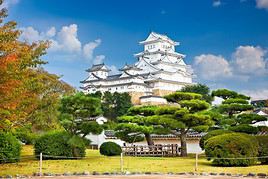
Himeji Castle (1993)
This is a magnificent 17th-century UNESCO-listed castle in the city of the same name.
This is a magnificent 17th-century UNESCO-listed castle in the city of the same name.
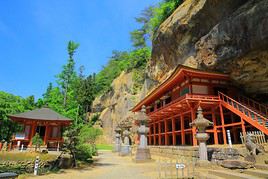
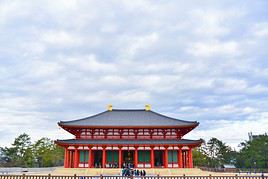
Ikaruga (1993)
This small town near Nara is home to a vast complex of Buddhist temples (Horyu-ji and Hokki-ji), a UNESCO World Heritage site.
This small town near Nara is home to a vast complex of Buddhist temples (Horyu-ji and Hokki-ji), a UNESCO World Heritage site.
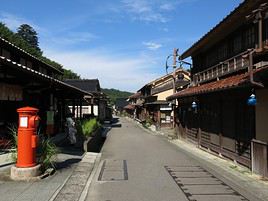
Iwami Ginzan (2007)
This is the site of a former silver mine listed as a UNESCO World Heritage site, complete with its village, temples, and small port.
This is the site of a former silver mine listed as a UNESCO World Heritage site, complete with its village, temples, and small port.
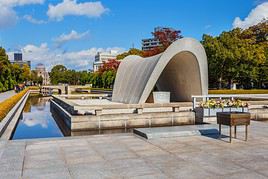
Hiroshima Peace Memorial (1996)
In central Hiroshima, this vast park and its many surrounding monuments is an "essential" place of remembrance and a memorial to peace.
In central Hiroshima, this vast park and its many surrounding monuments is an "essential" place of remembrance and a memorial to peace.
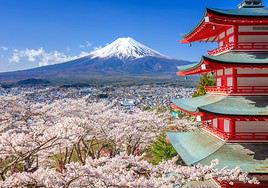
Mount Fuji (20013)
Southwest of Tokyo, Japan’s highest peak (3,776 m) is the country’s most famous mountain and one of its symbols. A sacred UNESCO-listed site, its summer ascent (fairly easy) has become a "classic" for pilgrims and tourists. The area is part of Fuji-Hakone-Izu National Park.
Southwest of Tokyo, Japan’s highest peak (3,776 m) is the country’s most famous mountain and one of its symbols. A sacred UNESCO-listed site, its summer ascent (fairly easy) has become a "classic" for pilgrims and tourists. The area is part of Fuji-Hakone-Izu National Park.
Kii Mountains (2004)
The beautiful Kii Peninsula is a UNESCO World Heritage site for its sacred sites (temples, shrines, waterfalls, forests, mountains) and its five pilgrimage trails.
The beautiful Kii Peninsula is a UNESCO World Heritage site for its sacred sites (temples, shrines, waterfalls, forests, mountains) and its five pilgrimage trails.
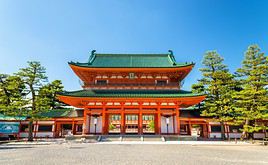
Historic Monuments of Ancient Kyoto (1994)
These are 17 temples and castles in Kyoto or the neighboring cities of Uji and Otsu. The collection is a UNESCO World Heritage site.
These are 17 temples and castles in Kyoto or the neighboring cities of Uji and Otsu. The collection is a UNESCO World Heritage site.
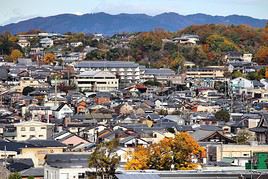
Nara (1998)
One of Japan's earliest capitals in the 8th century, with UNESCO-listed historic monuments. A vast park occupies the city center.
One of Japan's earliest capitals in the 8th century, with UNESCO-listed historic monuments. A vast park occupies the city center.
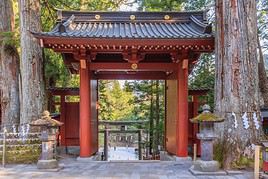
Shrines and Temples of Nikko (1999)
Over a hundred buildings in central Nikko are UNESCO-listed for their artistic and cultural value.
Over a hundred buildings in central Nikko are UNESCO-listed for their artistic and cultural value.
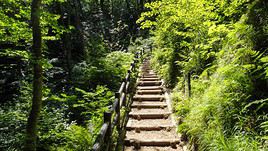
Shirakami-Sanchi (1993)
This remote forested region in the northern mountains is a UNESCO-listed site for its pristine and preserved landscape. Hiking is possible here.
This remote forested region in the northern mountains is a UNESCO-listed site for its pristine and preserved landscape. Hiking is possible here.
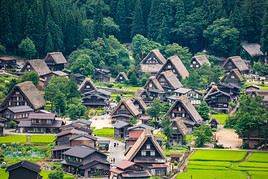
Shirakawa and Gokayama (1995)
Two nearby historic villages designated as UNESCO World Heritage Sites for their traditional architecture and preservation.
Two nearby historic villages designated as UNESCO World Heritage Sites for their traditional architecture and preservation.

Filature de soie de Tomioka (2014)
The city, northwest of Tokyo, is home to a 19th-century silk mill. It is a UNESCO World Heritage Site as a testament to "the country's entry into the modern industrialized world.".
The city, northwest of Tokyo, is home to a 19th-century silk mill. It is a UNESCO World Heritage Site as a testament to "the country's entry into the modern industrialized world.".
Shikoku:
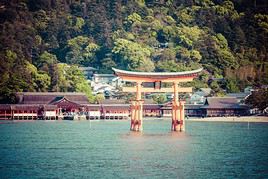
Itsukushima Island (1996)
Also known as Miyajima, this is a sacred Shinto island designated as a UNESCO World Heritage site. In addition to several temples, it is home to one of Japan's most famous landmarks, the "floating torii" (traditional gate).
Also known as Miyajima, this is a sacred Shinto island designated as a UNESCO World Heritage site. In addition to several temples, it is home to one of Japan's most famous landmarks, the "floating torii" (traditional gate).
Kyushu:
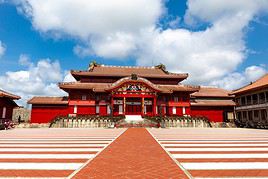
Okinawa Archipelago Castles (2000)
This collection of structures, officially known as the "Gusuku Sites of the Ryukyu Kingdom," spans five centuries of the archipelago to which Okinawa belongs. The site is a UNESCO World Heritage listing.
This collection of structures, officially known as the "Gusuku Sites of the Ryukyu Kingdom," spans five centuries of the archipelago to which Okinawa belongs. The site is a UNESCO World Heritage listing.
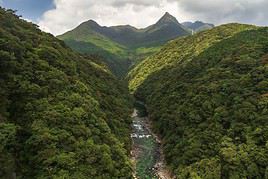
Yakushima Island (1993)
This pretty island in the Osumi archipelago is a UNESCO World Heritage site for its wildlife (deer, macaques...) and lush vegetation, perfect for hiking.
This pretty island in the Osumi archipelago is a UNESCO World Heritage site for its wildlife (deer, macaques...) and lush vegetation, perfect for hiking.
Hokkaido
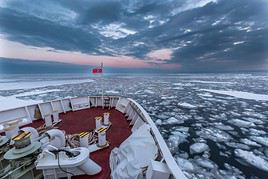
Abashiri
A small city on the northern coast known for its former political prison, now a museum. Stunning winter icebreaker tours depart from the port.
A small city on the northern coast known for its former political prison, now a museum. Stunning winter icebreaker tours depart from the port.
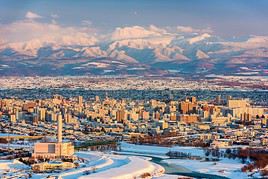
Asahikawa
It's the second-largest city in Hokkaido and one of the coldest in Japan. The city mainly serves as a base for exploring the surrounding area (including Daisetsuzan National Park) or enjoying the ski resorts (Kamui, Biei, Furano, etc.).
It's the second-largest city in Hokkaido and one of the coldest in Japan. The city mainly serves as a base for exploring the surrounding area (including Daisetsuzan National Park) or enjoying the ski resorts (Kamui, Biei, Furano, etc.).
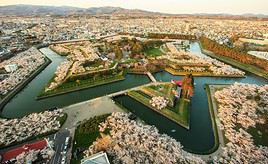
Hakodate
A historic city nestled in its bay, featuring distinctive architecture, several old forts, and an interesting market. Nearby lakes offer outdoor activity opportunities.
A historic city nestled in its bay, featuring distinctive architecture, several old forts, and an interesting market. Nearby lakes offer outdoor activity opportunities.

Niseko
Not far from Sapporo, this winter sports resort is one of the most popular in Japan. Great hikes in summer too, as well as rafting and other outdoor activities.
Not far from Sapporo, this winter sports resort is one of the most popular in Japan. Great hikes in summer too, as well as rafting and other outdoor activities.
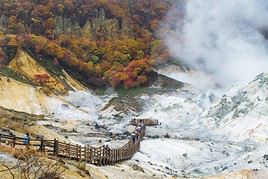
Noboribetsu
This southern locality is home to Hokkaido’s main outdoor hot springs, highly renowned in Japan. Also features a small "bear farm.".
This southern locality is home to Hokkaido’s main outdoor hot springs, highly renowned in Japan. Also features a small "bear farm.".
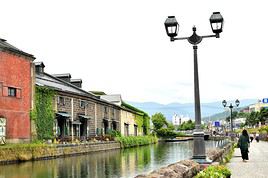
Otaru
Near Sapporo, this port city is a popular tourist destination, known for its cuisine, shops, canal, and historic buildings.
Near Sapporo, this port city is a popular tourist destination, known for its cuisine, shops, canal, and historic buildings.
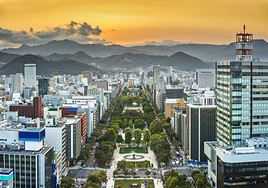
Sapporo
The capital and largest city of Hokkaido, Sapporo is a modern city (barely over 100 years old) with parks and a few museums. It offers excellent skiing opportunities (the city hosted the 1972 Winter Olympics) and a well-known "Snow Festival" held every February.
The capital and largest city of Hokkaido, Sapporo is a modern city (barely over 100 years old) with parks and a few museums. It offers excellent skiing opportunities (the city hosted the 1972 Winter Olympics) and a well-known "Snow Festival" held every February.
Shinhidaka
A small new town known for its cherry trees, best visited during the blossom season. Also worth seeing is a museum dedicated to the indigenous Ainu culture.
A small new town known for its cherry trees, best visited during the blossom season. Also worth seeing is a museum dedicated to the indigenous Ainu culture.
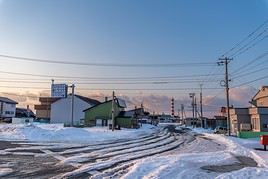
Wakkanai
This is the northernmost municipality in Japan. Ferries to Sakhalin Island in Russia depart from here (in summer). Several natural sites to see in the area, such as Cape Soya or Rishiri-Rebun-Sarobetsu Park.
This is the northernmost municipality in Japan. Ferries to Sakhalin Island in Russia depart from here (in summer). Several natural sites to see in the area, such as Cape Soya or Rishiri-Rebun-Sarobetsu Park.
Yoichi
The town where Japan's leading whisky is distilled. Also features beaches, surfers, and the prehistoric decorated Fugoppe Cave.
The town where Japan's leading whisky is distilled. Also features beaches, surfers, and the prehistoric decorated Fugoppe Cave.
Natural Heritage
Cape Erimo
This bleak, misty, and windy cape south of Hokkaido is a popular spot for local tourists due to its scenery. You can also see seals here.
This bleak, misty, and windy cape south of Hokkaido is a popular spot for local tourists due to its scenery. You can also see seals here.
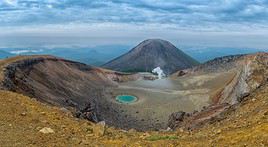
Akan National Park
This is an area of volcanoes, forests, lakes, and hot springs in the northeast of the island. You can observe birds, hike, or go canoeing here.
This is an area of volcanoes, forests, lakes, and hot springs in the northeast of the island. You can observe birds, hike, or go canoeing here.
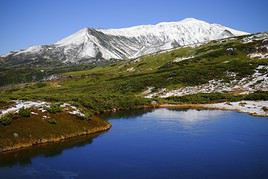
Daisetsuzan National Park
At the heart of the island, Daisetsuzan is highly prized for its mountainous and volcanic landscapes, its hot springs (Sounkyo, Tenninkyo, etc.), its wildlife (including bears), and its opportunities for skiing, hiking, and other outdoor activities.
At the heart of the island, Daisetsuzan is highly prized for its mountainous and volcanic landscapes, its hot springs (Sounkyo, Tenninkyo, etc.), its wildlife (including bears), and its opportunities for skiing, hiking, and other outdoor activities.
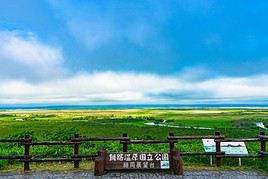
Kushiro-Shitsugen National Park
A marshy national park in the northeast, just outside the city of Kushiro, popular for birdwatching.
A marshy national park in the northeast, just outside the city of Kushiro, popular for birdwatching.
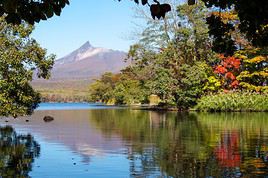
Onuma Quasi National Park
This is a natural area centered around Lake Onuma, with its islands, volcano, and hot springs. Hiking is possible here.
This is a natural area centered around Lake Onuma, with its islands, volcano, and hot springs. Hiking is possible here.
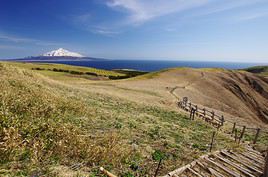
Rishiri-Rebun-Sarobetsu National Park
Two islands and a coastal strip in the far northwest with stunning volcanic landscapes and excellent trekking opportunities.
Two islands and a coastal strip in the far northwest with stunning volcanic landscapes and excellent trekking opportunities.
Shikotsu-Toya National Park
Located in central Hokkaido, this is a beautiful area of lakes, volcanoes, and hot springs perfect for hiking, fishing, or boat trips. Several Ainu villages in the region.
Located in central Hokkaido, this is a beautiful area of lakes, volcanoes, and hot springs perfect for hiking, fishing, or boat trips. Several Ainu villages in the region.
Shiretoko National Park
On the peninsula of the same name in the northeast of the island, this hard-to-reach area is a UNESCO World Heritage site. It offers stunning landscapes with forests, lakes, and waterfalls (including Kamuiwakka Falls), diverse wildlife (bears, birds, etc.), and a great selection of treks.
On the peninsula of the same name in the northeast of the island, this hard-to-reach area is a UNESCO World Heritage site. It offers stunning landscapes with forests, lakes, and waterfalls (including Kamuiwakka Falls), diverse wildlife (bears, birds, etc.), and a great selection of treks.
Honshu
Northern Region
Izu Archipelago
This group of volcanic islands off Tokyo is renowned for its beaches, diving, surfing, hiking, and birdwatching. The archipelago is part of Fuji-Hakone-Izu National Park.
This group of volcanic islands off Tokyo is renowned for its beaches, diving, surfing, hiking, and birdwatching. The archipelago is part of Fuji-Hakone-Izu National Park.
Ogasawara Archipelago
Over a thousand kilometers from the coast but part of Tokyo, this group of around forty islands is a UNESCO World Heritage site. Beautiful landscapes, stunning beaches, diving opportunities, and short hikes. Also bears witness to World War II battles that took place in the archipelago, such as on Iwo Jima.
Over a thousand kilometers from the coast but part of Tokyo, this group of around forty islands is a UNESCO World Heritage site. Beautiful landscapes, stunning beaches, diving opportunities, and short hikes. Also bears witness to World War II battles that took place in the archipelago, such as on Iwo Jima.
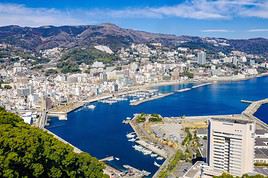
Atami
A coastal city southwest of Tokyo popular with capital residents for its hot springs, beaches, and diving.
A coastal city southwest of Tokyo popular with capital residents for its hot springs, beaches, and diving.
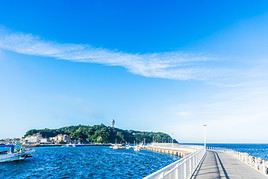
Enoshima
A small island resort connected to the "mainland" and well-known for surfing. It is close to the capital and home to several temples.
A small island resort connected to the "mainland" and well-known for surfing. It is close to the capital and home to several temples.
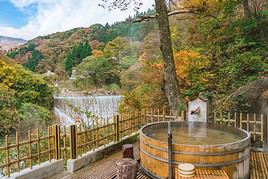
Fukushima
The city and its coast were affected in 2011 by an earthquake followed by a tsunami, one of the consequences of which was the nuclear accident at the Fukushima Daiichi power plant. A restricted zone around the plant remains in place.
The city and its coast were affected in 2011 by an earthquake followed by a tsunami, one of the consequences of which was the nuclear accident at the Fukushima Daiichi power plant. A restricted zone around the plant remains in place.
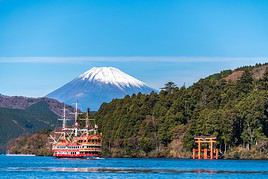
Hakone
On the shores of Lake Ashi, the town is famous for its view of Mount Fuji, its many hot springs (including Owakudani), the Hakone-jinja shrine, its museums, and treks in Fuji-Hakone-Izu National Park.
On the shores of Lake Ashi, the town is famous for its view of Mount Fuji, its many hot springs (including Owakudani), the Hakone-jinja shrine, its museums, and treks in Fuji-Hakone-Izu National Park.
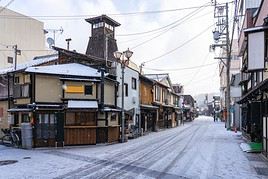
Hida-Takayama
At the gateway to the Japanese Alps, the town is known as "Little Kyoto" for its many historic monuments and well-preserved style.
At the gateway to the Japanese Alps, the town is known as "Little Kyoto" for its many historic monuments and well-preserved style.
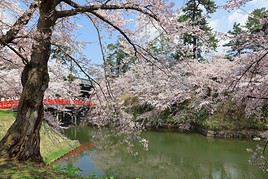
Hirosaki
A large city in the far north of Honshu with a strong cultural tradition. Temples, a castle, and several festivals to explore.
A large city in the far north of Honshu with a strong cultural tradition. Temples, a castle, and several festivals to explore.
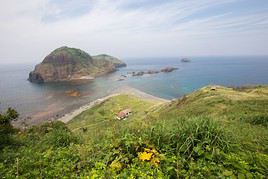
Sado Island
A small island in the Sea of Japan, once a place of exile. Must-see attractions include an old mine, several temples, and agricultural villages set in beautiful coastal landscapes perfect for hiking.
A small island in the Sea of Japan, once a place of exile. Must-see attractions include an old mine, several temples, and agricultural villages set in beautiful coastal landscapes perfect for hiking.
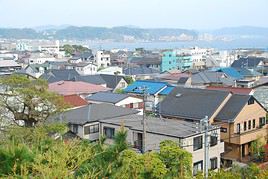
Kamakura
Not far from Tokyo, between the sea and Mount Fuji, the town is home to numerous temples and the great Buddha of Kotokuin. Beaches and hiking trails in the surrounding area.
Not far from Tokyo, between the sea and Mount Fuji, the town is home to numerous temples and the great Buddha of Kotokuin. Beaches and hiking trails in the surrounding area.
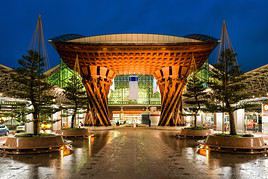
Kanazawa
A castle, beautiful gardens, temples, and well-preserved historic districts like those of geishas and samurai in this large coastal city north of Kyoto.
A castle, beautiful gardens, temples, and well-preserved historic districts like those of geishas and samurai in this large coastal city north of Kyoto.
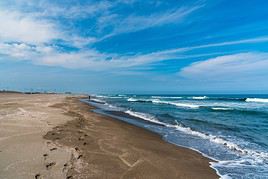
Katsuura
Like the rest of the Pacific coast east of Tokyo, this fishing port offers beaches and great surf spots. At 60 km long, Kujukuri Beach (north of the town) is one of the longest in the country.
Like the rest of the Pacific coast east of Tokyo, this fishing port offers beaches and great surf spots. At 60 km long, Kujukuri Beach (north of the town) is one of the longest in the country.
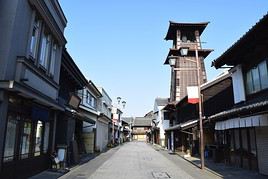
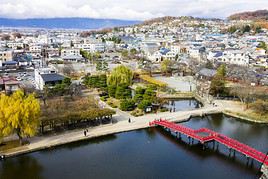
Matsumoto
The city is home to one of Japan’s most beautiful (and tourist-friendly) castles, built in the 16th century. Hot springs and hiking trails can be found in the surrounding area.
The city is home to one of Japan’s most beautiful (and tourist-friendly) castles, built in the 16th century. Hot springs and hiking trails can be found in the surrounding area.
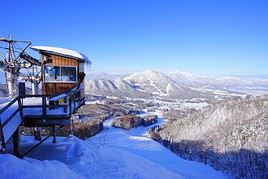
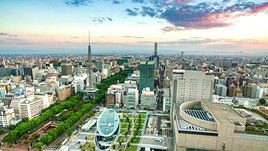
Nagoya
It's the fourth-largest city in Japan. It's not really a tourist destination and offers "just" a castle, an aquarium, and a few temples to visit.
It's the fourth-largest city in Japan. It's not really a tourist destination and offers "just" a castle, an aquarium, and a few temples to visit.
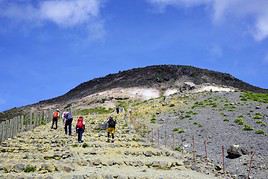
Nasu
Hot springs and opportunities for trekking or skiing can be seen or done around the town, particularly at Mount Nasu.
Hot springs and opportunities for trekking or skiing can be seen or done around the town, particularly at Mount Nasu.
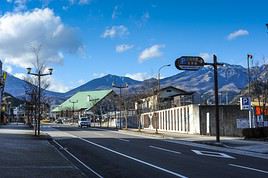
Nikko
The urban area north of Tokyo is surrounded by the beautiful Nikko National Park. It is also a major tourist destination with its 100 UNESCO-listed shrines and temples.
The urban area north of Tokyo is surrounded by the beautiful Nikko National Park. It is also a major tourist destination with its 100 UNESCO-listed shrines and temples.
Obanazawa
This small town is known throughout the country for the Ganzan hot springs located nearby.
This small town is known throughout the country for the Ganzan hot springs located nearby.
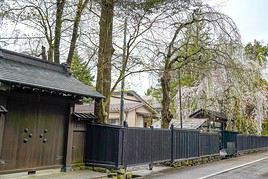
Semboku
A small town with well-preserved samurai houses. It also attracts many local tourists during its cherry blossom season.
A small town with well-preserved samurai houses. It also attracts many local tourists during its cherry blossom season.
Shirakawa and Gokayama
Two nearby historic villages designated as UNESCO World Heritage Sites for their traditional architecture and preservation.
Two nearby historic villages designated as UNESCO World Heritage Sites for their traditional architecture and preservation.
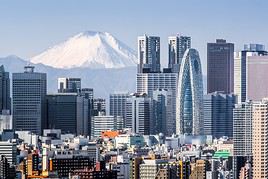
Tokyo
Japan’s capital is one of the most populous cities in the world, but also unique in its own way. Be sure to explore its temples and shrines, the Imperial Palace, its museums, as well as its skyscrapers, distinct neighborhoods, all kinds of shops, and above all, its non-stop energy.
Japan’s capital is one of the most populous cities in the world, but also unique in its own way. Be sure to explore its temples and shrines, the Imperial Palace, its museums, as well as its skyscrapers, distinct neighborhoods, all kinds of shops, and above all, its non-stop energy.
Tomioka (2014)
The city, northwest of Tokyo, is home to a 19th-century silk mill. It is a UNESCO World Heritage Site as a testament to "the country's entry into the modern industrialized world.".
The city, northwest of Tokyo, is home to a 19th-century silk mill. It is a UNESCO World Heritage Site as a testament to "the country's entry into the modern industrialized world.".
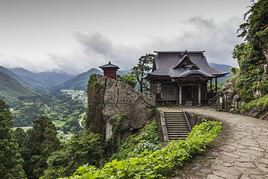
Yamadera
Located near the city of Yamagata and its ski resorts, this is a stunning complex of 9th-century temples at the top of a mountain, reached by a thousand-step staircase through the forest. The view at the top is beautiful.
Located near the city of Yamagata and its ski resorts, this is a stunning complex of 9th-century temples at the top of a mountain, reached by a thousand-step staircase through the forest. The view at the top is beautiful.
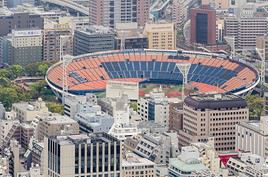
Yokohama
Japan’s second-largest city, south of the capital, still features its European quarter, a testament to its 19th-century history, along with its Chinatown, museums, gardens, and amusement parks.
Japan’s second-largest city, south of the capital, still features its European quarter, a testament to its 19th-century history, along with its Chinatown, museums, gardens, and amusement parks.
Southern Region
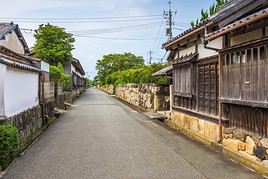
Hagi
This locality in the far southwest of Honshu has preserved its "castle town" style as it existed in the 17th–18th centuries.
This locality in the far southwest of Honshu has preserved its "castle town" style as it existed in the 17th–18th centuries.
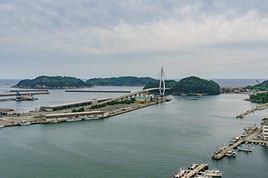
Hamada
Temples, the ruins of a castle, and above all pleasant beaches with surfing opportunities in this mid-sized city.
Temples, the ruins of a castle, and above all pleasant beaches with surfing opportunities in this mid-sized city.
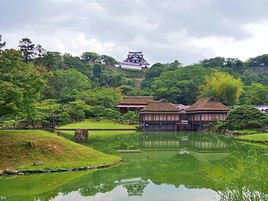
Hikone
A city in the Kansai region, on the shores of Lake Biwa and its beaches, with a medieval castle and a beautiful garden.
A city in the Kansai region, on the shores of Lake Biwa and its beaches, with a medieval castle and a beautiful garden.
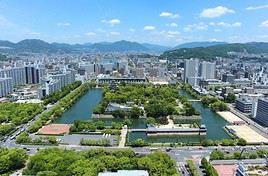
Hiroshima
Forever "linked" to the 1945 atomic bombing, the city is home to a UNESCO-listed Peace Memorial. It also boasts numerous parks and museums, plus an impressive castle rebuilt true to its original form after the war.
Forever "linked" to the 1945 atomic bombing, the city is home to a UNESCO-listed Peace Memorial. It also boasts numerous parks and museums, plus an impressive castle rebuilt true to its original form after the war.
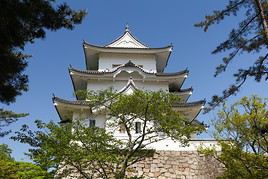
Iga
This city near Osaka is known for its traditional castle, but above all for its museum and festival dedicated to Ninjas.
This city near Osaka is known for its traditional castle, but above all for its museum and festival dedicated to Ninjas.
Ikaruga
This small town near Nara is home to a vast complex of Buddhist temples (Horyu-ji and Hokki-ji), a UNESCO World Heritage site.
This small town near Nara is home to a vast complex of Buddhist temples (Horyu-ji and Hokki-ji), a UNESCO World Heritage site.
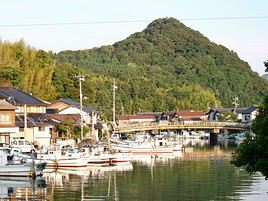
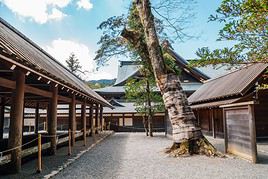
Ise
The city is home to the most important—and sacred—Shinto shrine in the country, visited by millions of people every year. Also worth seeing is the old commercial district of the city.
The city is home to the most important—and sacred—Shinto shrine in the country, visited by millions of people every year. Also worth seeing is the old commercial district of the city.
Iwami Ginzan
This is the site of a former silver mine listed as a UNESCO World Heritage site, complete with its village, temples, and small port.
This is the site of a former silver mine listed as a UNESCO World Heritage site, complete with its village, temples, and small port.
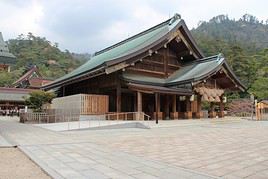
Izumo
The town is home to one of the oldest and most important Shinto shrines in the country. Other temples and tombs can be found in the town and its immediate surroundings.
The town is home to one of the oldest and most important Shinto shrines in the country. Other temples and tombs can be found in the town and its immediate surroundings.
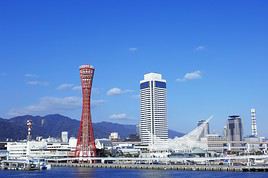
Kobe
This port city, which suffered a devastating earthquake in 1995, is a blend of styles with its late 19th-century European quarter, Chinatown, and a few futuristic buildings.
This port city, which suffered a devastating earthquake in 1995, is a blend of styles with its late 19th-century European quarter, Chinatown, and a few futuristic buildings.
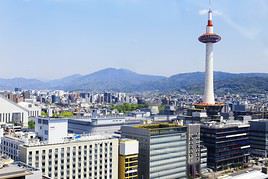
Kyoto
The former capital, with its temples, geishas, imperial palace, and UNESCO-listed historic monuments—sometimes a little lost amid more modern urban development. Kyoto is also the country’s cultural and artistic heart par excellence.
The former capital, with its temples, geishas, imperial palace, and UNESCO-listed historic monuments—sometimes a little lost amid more modern urban development. Kyoto is also the country’s cultural and artistic heart par excellence.
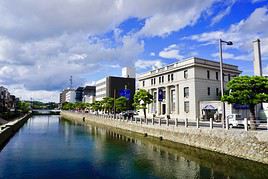
Matsue
A city in the south with a beautiful 17th-century castle and a rich cultural heritage (temples, museums, etc.).
A city in the south with a beautiful 17th-century castle and a rich cultural heritage (temples, museums, etc.).
Mount Hiei
A small mountain north of Kyoto housing the Enryaku-ji monastery and its well-known Buddhist temples.
A small mountain north of Kyoto housing the Enryaku-ji monastery and its well-known Buddhist temples.
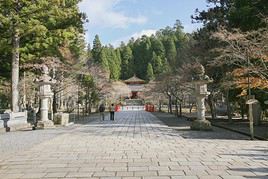
Mount Koya
On this mountain in the Kansai region lies a UNESCO-listed complex of 120 Buddhist temples, part of the "Sacred Sites and Pilgrimage Routes in the Kii Mountain Range." Hiking is possible in the surrounding area.
On this mountain in the Kansai region lies a UNESCO-listed complex of 120 Buddhist temples, part of the "Sacred Sites and Pilgrimage Routes in the Kii Mountain Range." Hiking is possible in the surrounding area.
Kii Mountains
The beautiful Kii Peninsula is a UNESCO World Heritage site for its sacred sites (temples, shrines, waterfalls, forests, mountains) and its five pilgrimage trails.
The beautiful Kii Peninsula is a UNESCO World Heritage site for its sacred sites (temples, shrines, waterfalls, forests, mountains) and its five pilgrimage trails.
Nara
One of Japan's earliest capitals in the 8th century, with UNESCO-listed historic monuments. A vast park occupies the city center.
One of Japan's earliest capitals in the 8th century, with UNESCO-listed historic monuments. A vast park occupies the city center.
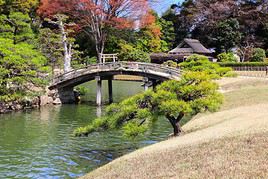
Okayama
An ancient castle, a few temples and museums, and above all one of the country’s most beautiful gardens (Koraku-en) for this major city in the southern part of Honshu Island.
An ancient castle, a few temples and museums, and above all one of the country’s most beautiful gardens (Koraku-en) for this major city in the southern part of Honshu Island.
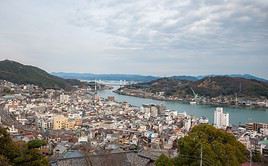
Onomichi
A city with many old temples and historic buildings that testify to its prosperity in the early 20th century.
A city with many old temples and historic buildings that testify to its prosperity in the early 20th century.
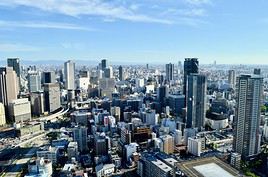
Osaka
The main urban area of the Kansai region and the country's third-largest, with over 19 million inhabitants. A bustling commercial port city with canals, a few museums, and historic buildings—including its famous castle—drowned in a sea of American-style skyscrapers.
The main urban area of the Kansai region and the country's third-largest, with over 19 million inhabitants. A bustling commercial port city with canals, a few museums, and historic buildings—including its famous castle—drowned in a sea of American-style skyscrapers.
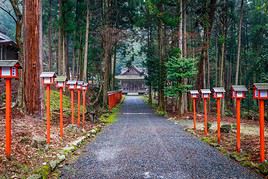
Otsu
Built on the shores of Lake Biwa a few kilometres from Osaka and Kyoto, the city is home to several temples and buildings listed as UNESCO World Heritage Sites under the "Historic Monuments of Ancient Kyoto".
Built on the shores of Lake Biwa a few kilometres from Osaka and Kyoto, the city is home to several temples and buildings listed as UNESCO World Heritage Sites under the "Historic Monuments of Ancient Kyoto".
Chugoku Kannon Pilgrimage Route
In the south of Honshu Island, this tourist route connects 33 Buddhist temples and sacred sites.
In the south of Honshu Island, this tourist route connects 33 Buddhist temples and sacred sites.
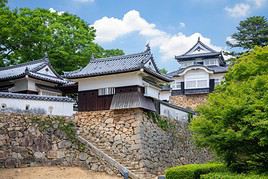
Takahashi
The city is known for its castle and traditional buildings in the city centre. Nearby, the former Yoshioka copper mine can be visited.
The city is known for its castle and traditional buildings in the city centre. Nearby, the former Yoshioka copper mine can be visited.
Takarazuka
The city is well-known among manga enthusiasts for its major museum dedicated to the art form. It is also the birthplace of the renowned "Takarazuka" theatre company in Japan.
The city is well-known among manga enthusiasts for its major museum dedicated to the art form. It is also the birthplace of the renowned "Takarazuka" theatre company in Japan.
Yoshino
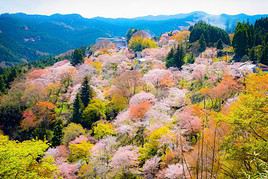
This large town between Osaka and Nara is famous for its thousands of cherry trees growing on Mount Yoshino, best seen during blossom season, as well as its UNESCO-listed temples as part of the "Sacred Sites and Pilgrimage Routes in the Kii Mountain Range.".
This large town between Osaka and Nara is famous for its thousands of cherry trees growing on Mount Yoshino, best seen during blossom season, as well as its UNESCO-listed temples as part of the "Sacred Sites and Pilgrimage Routes in the Kii Mountain Range.".
Natural Heritage
Japanese Alps
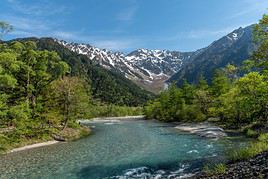
This is the largest mountain range in Japan, with several peaks exceeding 3,000 m. A popular destination, it attracts visitors for its landscapes, hiking and skiing (especially around Nagano), hot springs, and a few beautiful temples and shrines to discover here and there.
This is the largest mountain range in Japan, with several peaks exceeding 3,000 m. A popular destination, it attracts visitors for its landscapes, hiking and skiing (especially around Nagano), hot springs, and a few beautiful temples and shrines to discover here and there.
Tottori Sand Dunes
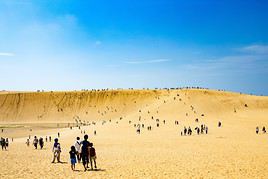
Located in the south of the island, these are Japan's only sand dunes. They attract a local crowd, and you can even take camel rides here...
Located in the south of the island, these are Japan's only sand dunes. They attract a local crowd, and you can even take camel rides here...
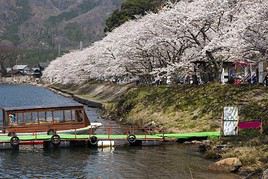
Lake Biwa
Japan’s largest lake and a tourist area known for its beaches, diving, and other water activities. Several interesting spots around the lake, such as Otsu and its UNESCO-listed temples, Hikone and its castle, or Chikubu Island and its shrine.
Japan’s largest lake and a tourist area known for its beaches, diving, and other water activities. Several interesting spots around the lake, such as Otsu and its UNESCO-listed temples, Hikone and its castle, or Chikubu Island and its shrine.
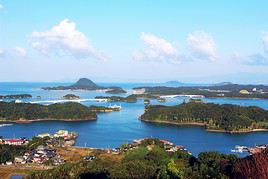
Matsushima
This is a bay and an archipelago of around 260 small islands and islets off the northeast coast, where boat tours are available. The area is quite popular with tourists.
This is a bay and an archipelago of around 260 small islands and islets off the northeast coast, where boat tours are available. The area is quite popular with tourists.
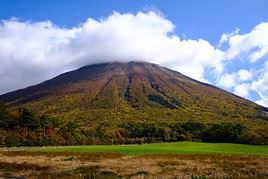
Mount Daisen
This tall volcano located next to the city of the same name is a spot for hikers, climbers, and skiers.
This tall volcano located next to the city of the same name is a spot for hikers, climbers, and skiers.
Mount Fuji
Southwest of Tokyo, Japan’s highest peak (3,776 m) is the country’s most famous mountain and one of its symbols. A sacred UNESCO-listed site, its summer ascent (fairly easy) has become a "classic" for pilgrims and tourists. The area is part of Fuji-Hakone-Izu National Park.
Southwest of Tokyo, Japan’s highest peak (3,776 m) is the country’s most famous mountain and one of its symbols. A sacred UNESCO-listed site, its summer ascent (fairly easy) has become a "classic" for pilgrims and tourists. The area is part of Fuji-Hakone-Izu National Park.
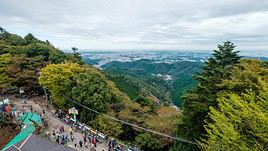
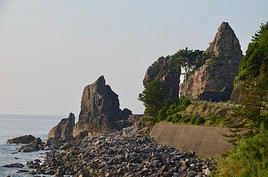
Akiyoshidai Quasi-National Park
This park in the far southwest of Honshu features hundreds of caves and countless small karst formations scattered across a rather barren landscape.
This park in the far southwest of Honshu features hundreds of caves and countless small karst formations scattered across a rather barren landscape.
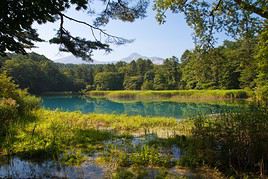
Bandai-Asahi National Park
A large park of lakes and volcanoes in the north of the island, offering hiking, skiing, fishing, and canoeing.
A large park of lakes and volcanoes in the north of the island, offering hiking, skiing, fishing, and canoeing.
Chichibu Tamakai National Park
A park not far from Tokyo for trekking and climbing, which also offers a few ancient temples to visit.
A park not far from Tokyo for trekking and climbing, which also offers a few ancient temples to visit.
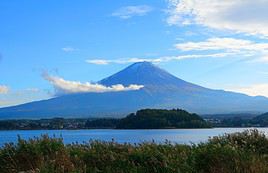
Fuji-Hakone-Izu National Park
This vast park comprises Mount Fuji, a group of five lakes, the Izu archipelago and peninsula, as well as Hakone and its surroundings. It offers a wide range of activities, from climbing Mount Fuji to hiking, hot springs, beaches, and diving in the islands.
This vast park comprises Mount Fuji, a group of five lakes, the Izu archipelago and peninsula, as well as Hakone and its surroundings. It offers a wide range of activities, from climbing Mount Fuji to hiking, hot springs, beaches, and diving in the islands.
Joshin'etsukogen National Park
Japan's second-largest national park, located in the heart of Honshu. A destination for hiking, climbing, skiing, and relaxing in its hot springs amid mountainous scenery.
Japan's second-largest national park, located in the heart of Honshu. A destination for hiking, climbing, skiing, and relaxing in its hot springs amid mountainous scenery.
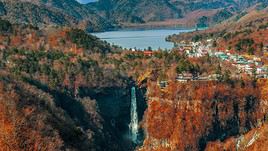
Nikko National Park
This pretty mountainous park around the city of Nikko is covered in forests, volcanoes, and waterfalls. In terms of wildlife, it’s home to macaques and bears, among others. You can hike, fish, or go canoeing here.
This pretty mountainous park around the city of Nikko is covered in forests, volcanoes, and waterfalls. In terms of wildlife, it’s home to macaques and bears, among others. You can hike, fish, or go canoeing here.
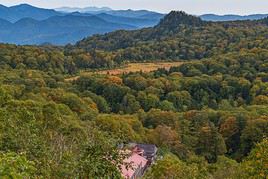
Towada-Hachimantai National Park
A reserve in the north with rivers, lakes, waterfalls, forests, and volcanoes. You can hike here or enjoy its hot springs.
A reserve in the north with rivers, lakes, waterfalls, forests, and volcanoes. You can hike here or enjoy its hot springs.
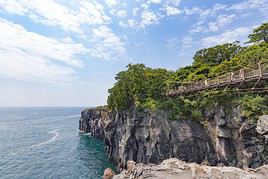
Izu Peninsula
This peninsula south of Tokyo is part of the Fuji-Hakone-Izu National Park. It’s popular for its beaches, surfing, and hot springs (especially in Atami and Izu). You can also hike around Mount Amagi.
This peninsula south of Tokyo is part of the Fuji-Hakone-Izu National Park. It’s popular for its beaches, surfing, and hot springs (especially in Atami and Izu). You can also hike around Mount Amagi.
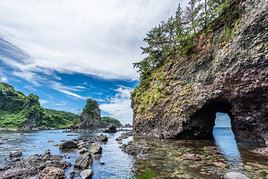
Noto Peninsula
A large peninsula on the Sea of Japan with temples, hot springs, beautiful landscapes, and hiking opportunities.
A large peninsula on the Sea of Japan with temples, hot springs, beautiful landscapes, and hiking opportunities.
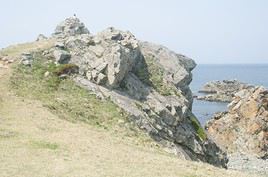
Shimokita Peninsula
At the northern tip of Honshu, this rather pretty, sparsely populated peninsula is known in Japanese mythology for Mount Osore, which marked the entrance to the underworld. The Yagen Valley offers several hot springs and trekking opportunities.
At the northern tip of Honshu, this rather pretty, sparsely populated peninsula is known in Japanese mythology for Mount Osore, which marked the entrance to the underworld. The Yagen Valley offers several hot springs and trekking opportunities.
Shirakami-Sanchi
This remote forested region in the northern mountains is a UNESCO-listed site for its pristine and preserved landscape. Hiking is possible here.
This remote forested region in the northern mountains is a UNESCO-listed site for its pristine and preserved landscape. Hiking is possible here.
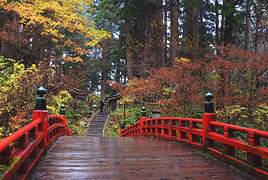
Three Mountains of Dewa
This group of three sacred mountains (Haguro, Gassan, and Yudono) is both a pilgrimage site and a hiking destination.
This group of three sacred mountains (Haguro, Gassan, and Yudono) is both a pilgrimage site and a hiking destination.
Shikoku
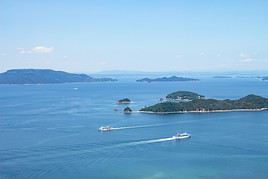
Seto Inland Sea Islands
These are the many small islands between Shikoku and Honshu. You can hike on some or visit temples on others, starting with the sacred UNESCO-listed island of Itsukushima. Alongside it, Shodoshima (the Olive Island) and Naoshima (with its contemporary art installations) are the most tourist-friendly.
These are the many small islands between Shikoku and Honshu. You can hike on some or visit temples on others, starting with the sacred UNESCO-listed island of Itsukushima. Alongside it, Shodoshima (the Olive Island) and Naoshima (with its contemporary art installations) are the most tourist-friendly.
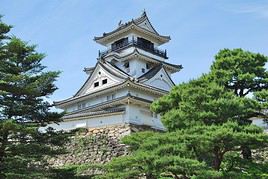
Kochi
A large city known for its beautiful 17th-century castle and several museums. There are also several beaches in the surrounding area, as well as the stunning Ryugado Caves.
A large city known for its beautiful 17th-century castle and several museums. There are also several beaches in the surrounding area, as well as the stunning Ryugado Caves.
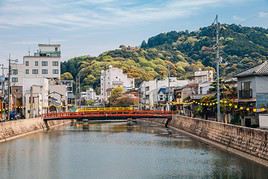
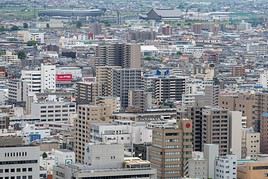
Matsuyama
Main urban area of Shikoku Island, known for its castles, temples along the "88 Temple Pilgrimage Route", museums, and baths.
Main urban area of Shikoku Island, known for its castles, temples along the "88 Temple Pilgrimage Route", museums, and baths.
Shikoku 88 Temple Pilgrimage
This name refers to a pilgrimage (1,200 km long!) that spans the entire island of Shikoku and includes 88 temples to visit among the most beautiful in the country.
This name refers to a pilgrimage (1,200 km long!) that spans the entire island of Shikoku and includes 88 temples to visit among the most beautiful in the country.
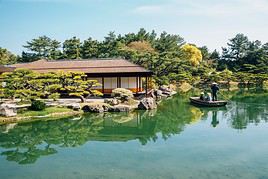
Takamatsu
The city is best known for its gardens, including the stunning Ritsurin-ko-en. On its outskirts, Yashima-ji is a beautiful temple that forms part of the "88 Temple Pilgrimage Route".
The city is best known for its gardens, including the stunning Ritsurin-ko-en. On its outskirts, Yashima-ji is a beautiful temple that forms part of the "88 Temple Pilgrimage Route".
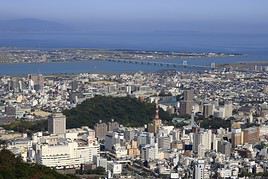
Tokushima
A city with several temples on the "88 Temples Pilgrimage Route", a castle, and a renowned dance festival (Awa-Odori). The coast and its beaches south of the city are pleasant.
A city with several temples on the "88 Temples Pilgrimage Route", a castle, and a renowned dance festival (Awa-Odori). The coast and its beaches south of the city are pleasant.
Natural Heritage
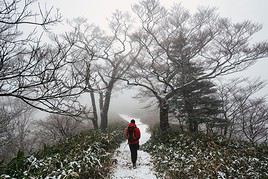
Mount Ishizuchi
The summit of Shikoku Island (1,982 m) has become a classic for many visitors/pilgrims who climb it to reach the small temple built there.
The summit of Shikoku Island (1,982 m) has become a classic for many visitors/pilgrims who climb it to reach the small temple built there.
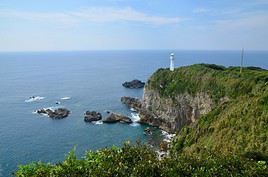
Ashizuri-Uwakai National Park
This is the southern tip of the island, formed by Ashizuri Cape. Here, you’ll find a beautiful coastal landscape with numerous cliffs.
This is the southern tip of the island, formed by Ashizuri Cape. Here, you’ll find a beautiful coastal landscape with numerous cliffs.
Sadamisaki Peninsula
The longest peninsula in Japan offers some beautiful landscapes (despite the presence of a nuclear power plant) where mountains and coastline meet.
The longest peninsula in Japan offers some beautiful landscapes (despite the presence of a nuclear power plant) where mountains and coastline meet.
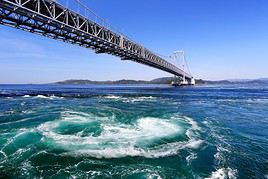
Naruto Whirlpools
Located off the coast of the city of the same name, this is an impressive natural phenomenon caused by tidal interactions in the Naruto Strait. It can be seen twice a day and is a popular local attraction.
Located off the coast of the city of the same name, this is an impressive natural phenomenon caused by tidal interactions in the Naruto Strait. It can be seen twice a day and is a popular local attraction.
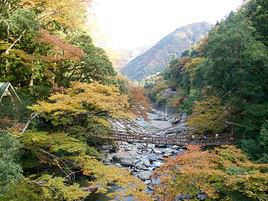
Iya Valley
This is a stunning, secluded valley deep in the island’s heart, known for its challenging access. Many visitors come here to hike and cross the vine bridges spanning the gorges. The Oboke and Koboke rivers are internationally renowned for rafting.
This is a stunning, secluded valley deep in the island’s heart, known for its challenging access. Many visitors come here to hike and cross the vine bridges spanning the gorges. The Oboke and Koboke rivers are internationally renowned for rafting.
Kyushu
Fukuoka
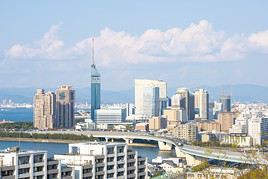
This is the island's main urban area and gateway. The modern city still features a few temples, a 17th-century castle, several parks, and museums. Fukuoka is also renowned for sumo.
This is the island's main urban area and gateway. The modern city still features a few temples, a 17th-century castle, several parks, and museums. Fukuoka is also renowned for sumo.

Kagoshima
On its bay, dominated by a volcano, the city is primarily a base for exploring the surrounding area (landscapes, volcanoes, hiking, hot springs, historical sites...).
On its bay, dominated by a volcano, the city is primarily a base for exploring the surrounding area (landscapes, volcanoes, hiking, hot springs, historical sites...).
Kitakyushu
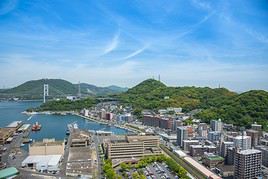
A large port city with a predominantly industrial character, featuring some historic buildings, a 17th-century castle, a theme park, and several waterfalls in the nearby area.
A large port city with a predominantly industrial character, featuring some historic buildings, a 17th-century castle, a theme park, and several waterfalls in the nearby area.
Kuju
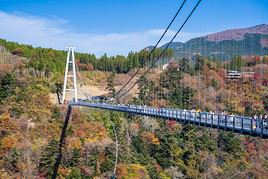
This large inland town is a base for exploring on foot the wild heart of the island and, in particular, Aso-Kuju National Park.
This large inland town is a base for exploring on foot the wild heart of the island and, in particular, Aso-Kuju National Park.
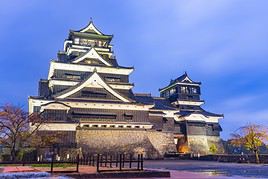
Kumamoto
In the heart of Kyushu Island, the city boasts one of the country's most beautiful castles and gardens.
In the heart of Kyushu Island, the city boasts one of the country's most beautiful castles and gardens.
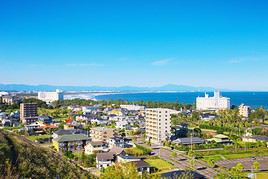
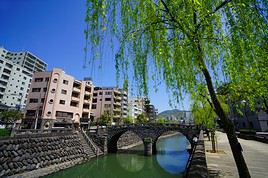
Nagasaki
Like Hiroshima, Nagasaki was hit by the atomic bombing in 1945 and is home to a Peace Park and an Atomic Bomb Museum. Several buildings and sites reflecting the city’s 19th-century ties with Europe, as well as a Chinatown, were rebuilt after the war.
Like Hiroshima, Nagasaki was hit by the atomic bombing in 1945 and is home to a Peace Park and an Atomic Bomb Museum. Several buildings and sites reflecting the city’s 19th-century ties with Europe, as well as a Chinatown, were rebuilt after the war.
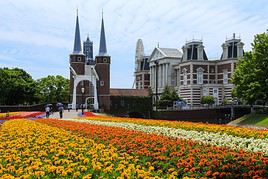
Sasebo
The city is a U.S. naval base. It is famous in Japan for hosting Huis ten Bosch, a theme park that replicates an old Dutch town.
The city is a U.S. naval base. It is famous in Japan for hosting Huis ten Bosch, a theme park that replicates an old Dutch town.
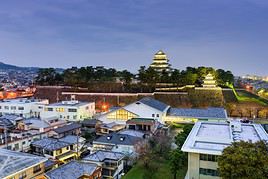
Shimabara
The city, located on the peninsula of the same name, is a tourist destination thanks to its 17th-century castle and "Samurai Street." Unzen-Amakusa Park is also nearby.
The city, located on the peninsula of the same name, is a tourist destination thanks to its 17th-century castle and "Samurai Street." Unzen-Amakusa Park is also nearby.
Yanagawa
The city is popular for its 470 km of canals, where you can take boat rides and see ancient temples and buildings.
The city is popular for its 470 km of canals, where you can take boat rides and see ancient temples and buildings.
Islands
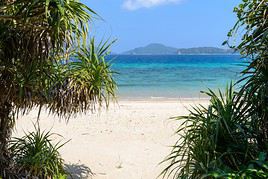
Amami Archipelago
A group of tropical islands between Okinawa and Kyushu. Visitors come for the beaches, diving, and, secondarily, the local culture and landscapes, particularly on Amami Oshima, the main island.
A group of tropical islands between Okinawa and Kyushu. Visitors come for the beaches, diving, and, secondarily, the local culture and landscapes, particularly on Amami Oshima, the main island.
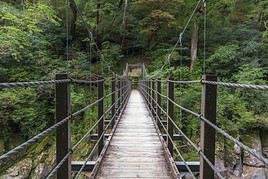
Osumi Archipelago
This is the island group closest to the southern coast of Kyushu. One of its islands, Yakushima, is a UNESCO World Heritage site for its wildlife (deer, macaques...) and lush vegetation, perfect for hiking. Its neighbor, Tanegashima, is home to the Japanese space center, which can be partially visited.
This is the island group closest to the southern coast of Kyushu. One of its islands, Yakushima, is a UNESCO World Heritage site for its wildlife (deer, macaques...) and lush vegetation, perfect for hiking. Its neighbor, Tanegashima, is home to the Japanese space center, which can be partially visited.
Yakushima Island
This pretty island in the Osumi archipelago is a UNESCO World Heritage site for its wildlife (deer, macaques...) and lush vegetation, perfect for hiking.
This pretty island in the Osumi archipelago is a UNESCO World Heritage site for its wildlife (deer, macaques...) and lush vegetation, perfect for hiking.
Tokara Islands
A small volcanic archipelago that sees few tourists despite excellent diving opportunities.
A small volcanic archipelago that sees few tourists despite excellent diving opportunities.
Tsushima
A large mountainous island between Japan and Korea. You can enjoy its landscapes, beaches, and hiking opportunities.
A large mountainous island between Japan and Korea. You can enjoy its landscapes, beaches, and hiking opportunities.
also...
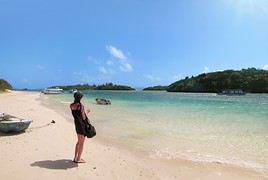
Okinawa Archipelago
An archipelago that, together with the Daito and Sakishima island groups, forms the Ryukyu Islands. Very different from the rest of the country in terms of climate, landscapes, local culture, and architecture, Okinawa and the Ryukyu attract visitors for their beaches and diving. There are also several World War II relics and sites.
An archipelago that, together with the Daito and Sakishima island groups, forms the Ryukyu Islands. Very different from the rest of the country in terms of climate, landscapes, local culture, and architecture, Okinawa and the Ryukyu attract visitors for their beaches and diving. There are also several World War II relics and sites.
Natural Heritage
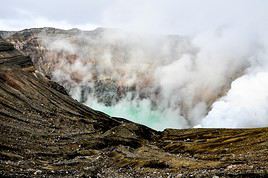
Mount Aso
This is the largest and one of the most active volcanoes in the country. Located within Aso-Kuju National Park, it offers hiking opportunities and hot springs.
This is the largest and one of the most active volcanoes in the country. Located within Aso-Kuju National Park, it offers hiking opportunities and hot springs.
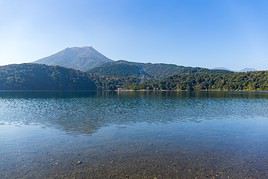
Kirishima-Yaku National Park
In the south of the island, volcanoes, waterfalls, hot springs, and forests to hike through. The park is actually split into two areas: the region around the cities of Kirishima and Kagoshima on Kyushu, and Yakushima in the Osumi archipelago.
In the south of the island, volcanoes, waterfalls, hot springs, and forests to hike through. The park is actually split into two areas: the region around the cities of Kirishima and Kagoshima on Kyushu, and Yakushima in the Osumi archipelago.
Unzen-Amakusa National Park
It comprises the Mount Unzen volcano and the Amakusa islands. You can hike there or enjoy the beaches of Amakusa.
It comprises the Mount Unzen volcano and the Amakusa islands. You can hike there or enjoy the beaches of Amakusa.
Must-see & highly recommended
Japanese Alps
★★★★ This is the largest mountain range in Japan, with several peaks exceeding 3,000 m. A popular destination, it attracts visitors for its…
Kyoto
★★★★ The former capital, with its temples, geishas, imperial palace, and UNESCO-listed historic monuments—sometimes a little lost amid…
Hiroshima Peace Memorial
★★★★ In central Hiroshima, this vast park and its many surrounding monuments is an "essential" place of remembrance and a memorial to peace.
Mount Fuji
★★★★ Southwest of Tokyo, Japan’s highest peak (3,776 m) is the country’s most famous mountain and one of its symbols. A sacred…
Kii Mountains
★★★★ The beautiful Kii Peninsula is a UNESCO World Heritage site for its sacred sites (temples, shrines, waterfalls, forests, mountains) and its…
Daisetsuzan National Park
★★★★ At the heart of the island, Daisetsuzan is highly prized for its mountainous and volcanic landscapes, its hot springs (Sounkyo, Tenninkyo…
Fuji-Hakone-Izu National Park
★★★★ This vast park comprises Mount Fuji, a group of five lakes, the Izu archipelago and peninsula, as well as Hakone and its surroundings. It…
Tokyo
★★★★ Japan’s capital is one of the most populous cities in the world, but also unique in its own way. Be sure to explore its temples and…
Recommended
Himeji Castle
★★★ This is a magnificent 17th-century UNESCO-listed castle in the city of the same name.
Hakone
★★★ On the shores of Lake Ashi, the town is famous for its view of Mount Fuji, its many hot springs (including Owakudani), the Hakone-jinja…
Hiroshima
★★★ Forever "linked" to the 1945 atomic bombing, the city is home to a UNESCO-listed Peace Memorial. It also boasts numerous parks and museums…
Itsukushima Island
★★★ Also known as Miyajima, this is a sacred Shinto island designated as a UNESCO World Heritage site. In addition to several temples, it is…
Matsumoto
★★★ The city is home to one of Japan’s most beautiful (and tourist-friendly) castles, built in the 16th century. Hot springs and hiking…
Mount Koya
★★★ On this mountain in the Kansai region lies a UNESCO-listed complex of 120 Buddhist temples, part of the "Sacred Sites and Pilgrimage Routes…
Historic Monuments of Ancient Kyoto
★★★ These are 17 temples and castles in Kyoto or the neighboring cities of Uji and Otsu. The collection is a UNESCO World Heritage site.
Nara
★★★ One of Japan's earliest capitals in the 8th century, with UNESCO-listed historic monuments. A vast park occupies the city center.
Nikko
★★★ The urban area north of Tokyo is surrounded by the beautiful Nikko National Park. It is also a major tourist destination with its 100…
Nikko National Park
★★★ This pretty mountainous park around the city of Nikko is covered in forests, volcanoes, and waterfalls. In terms of wildlife, it’s…
Shiretoko National Park
★★★ On the peninsula of the same name in the northeast of the island, this hard-to-reach area is a UNESCO World Heritage site. It offers…
Shikoku 88 Temple Pilgrimage
★★★ This name refers to a pilgrimage (1,200 km long!) that spans the entire island of Shikoku and includes 88 temples to visit among the most…
Shrines and Temples of Nikko
★★★ Over a hundred buildings in central Nikko are UNESCO-listed for their artistic and cultural value.
Worth a look / Other
Amami Archipelago
★★ A group of tropical islands between Okinawa and Kyushu. Visitors come for the beaches, diving, and, secondarily, the local culture and…
Izu Archipelago
★★ This group of volcanic islands off Tokyo is renowned for its beaches, diving, surfing, hiking, and birdwatching. The archipelago is part of…
Ogasawara Archipelago
★★ Over a thousand kilometers from the coast but part of Tokyo, this group of around forty islands is a UNESCO World Heritage site. Beautiful…
Okinawa Archipelago
★★ An archipelago that, together with the Daito and Sakishima island groups, forms the Ryukyu Islands. Very different from the rest of the…
Cape Erimo
★★ This bleak, misty, and windy cape south of Hokkaido is a popular spot for local tourists due to its scenery. You can also see seals here.
Okinawa Archipelago Castles
★★ This collection of structures, officially known as the "Gusuku Sites of the Ryukyu Kingdom," spans five centuries of the archipelago to…
Hakodate
★★ A historic city nestled in its bay, featuring distinctive architecture, several old forts, and an interesting market. Nearby lakes offer…
Hamada
★★ Temples, the ruins of a castle, and above all pleasant beaches with surfing opportunities in this mid-sized city.
Hida-Takayama
★★ At the gateway to the Japanese Alps, the town is known as "Little Kyoto" for its many historic monuments and well-preserved style.
Hiraizumi
★★ A large town with UNESCO-listed temples and gardens.
Hirosaki
★★ A large city in the far north of Honshu with a strong cultural tradition. Temples, a castle, and several festivals to explore.
Ikaruga
★★ This small town near Nara is home to a vast complex of Buddhist temples (Horyu-ji and Hokki-ji), a UNESCO World Heritage site.
Sado Island
★★ A small island in the Sea of Japan, once a place of exile. Must-see attractions include an old mine, several temples, and agricultural…
Yakushima Island
★★ This pretty island in the Osumi archipelago is a UNESCO World Heritage site for its wildlife (deer, macaques...) and lush vegetation…
Seto Inland Sea Islands
★★ These are the many small islands between Shikoku and Honshu. You can hike on some or visit temples on others, starting with the sacred…
Oki Islands
★★ These are pretty little islands on the way to South Korea, quite peaceful.
Ise
★★ The city is home to the most important—and sacred—Shinto shrine in the country, visited by millions of people every year. Also…
Iwami Ginzan
★★ This is the site of a former silver mine listed as a UNESCO World Heritage site, complete with its village, temples, and small port.
Kamakura
★★ Not far from Tokyo, between the sea and Mount Fuji, the town is home to numerous temples and the great Buddha of Kotokuin. Beaches and…
Kanazawa
★★ A castle, beautiful gardens, temples, and well-preserved historic districts like those of geishas and samurai in this large coastal city…
Kobe
★★ This port city, which suffered a devastating earthquake in 1995, is a blend of styles with its late 19th-century European quarter…
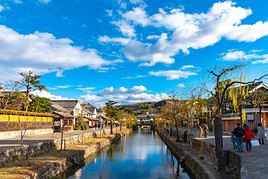
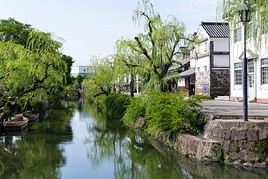
Kurashiki
★★ The city is known for its remarkable district of old wooden houses built around a canal.
Matsue
★★ A city in the south with a beautiful 17th-century castle and a rich cultural heritage (temples, museums, etc.).
Matsushima
★★ This is a bay and an archipelago of around 260 small islands and islets off the northeast coast, where boat tours are available. The area…
Mount Aso
★★ This is the largest and one of the most active volcanoes in the country. Located within Aso-Kuju National Park, it offers hiking…
Mount Daisen
★★ This tall volcano located next to the city of the same name is a spot for hikers, climbers, and skiers.
Mount Hiei
★★ A small mountain north of Kyoto housing the Enryaku-ji monastery and its well-known Buddhist temples.
Mount Ishizuchi
★★ The summit of Shikoku Island (1,982 m) has become a classic for many visitors/pilgrims who climb it to reach the small temple built there.
Nagano
★★ The "capital" of winter sports in Japan, which also hosted the 1998 Winter Olympics.
Nagasaki
★★ Like Hiroshima, Nagasaki was hit by the atomic bombing in 1945 and is home to a Peace Park and an Atomic Bomb Museum. Several buildings and…
Okayama
★★ An ancient castle, a few temples and museums, and above all one of the country’s most beautiful gardens (Koraku-en) for this major…
Osaka
★★ The main urban area of the Kansai region and the country's third-largest, with over 19 million inhabitants. A bustling commercial port city…
Akan National Park
★★ This is an area of volcanoes, forests, lakes, and hot springs in the northeast of the island. You can observe birds, hike, or go canoeing…
Akiyoshidai Quasi-National Park
★★ This park in the far southwest of Honshu features hundreds of caves and countless small karst formations scattered across a rather barren…
Ashizuri-Uwakai National Park
★★ This is the southern tip of the island, formed by Ashizuri Cape. Here, you’ll find a beautiful coastal landscape with numerous cliffs.
Unzen-Amakusa National Park
★★ It comprises the Mount Unzen volcano and the Amakusa islands. You can hike there or enjoy the beaches of Amakusa.
Bandai-Asahi National Park
★★ A large park of lakes and volcanoes in the north of the island, offering hiking, skiing, fishing, and canoeing.
Chichibu Tamakai National Park
★★ A park not far from Tokyo for trekking and climbing, which also offers a few ancient temples to visit.
Joshin'etsukogen National Park
★★ Japan's second-largest national park, located in the heart of Honshu. A destination for hiking, climbing, skiing, and relaxing in its hot…
Kirishima-Yaku National Park
★★ In the south of the island, volcanoes, waterfalls, hot springs, and forests to hike through. The park is actually split into two areas: the…
Shikotsu-Toya National Park
★★ Located in central Hokkaido, this is a beautiful area of lakes, volcanoes, and hot springs perfect for hiking, fishing, or boat trips…
Towada-Hachimantai National Park
★★ A reserve in the north with rivers, lakes, waterfalls, forests, and volcanoes. You can hike here or enjoy its hot springs.
Rishiri-Rebun-Sarobetsu National Park
★★ Two islands and a coastal strip in the far northwest with stunning volcanic landscapes and excellent trekking opportunities.
Izu Peninsula
★★ This peninsula south of Tokyo is part of the Fuji-Hakone-Izu National Park. It’s popular for its beaches, surfing, and hot springs…
Noto Peninsula
★★ A large peninsula on the Sea of Japan with temples, hot springs, beautiful landscapes, and hiking opportunities.
Shimokita Peninsula
★★ At the northern tip of Honshu, this rather pretty, sparsely populated peninsula is known in Japanese mythology for Mount Osore, which…
Chugoku Kannon Pilgrimage Route
★★ In the south of Honshu Island, this tourist route connects 33 Buddhist temples and sacred sites.
Sapporo
★★ The capital and largest city of Hokkaido, Sapporo is a modern city (barely over 100 years old) with parks and a few museums. It offers…
Semboku
★★ A small town with well-preserved samurai houses. It also attracts many local tourists during its cherry blossom season.
Shimabara
★★ The city, located on the peninsula of the same name, is a tourist destination thanks to its 17th-century castle and "Samurai Street."…
Shirakami-Sanchi
★★ This remote forested region in the northern mountains is a UNESCO-listed site for its pristine and preserved landscape. Hiking is possible…
Shirakawa and Gokayama
★★ Two nearby historic villages designated as UNESCO World Heritage Sites for their traditional architecture and preservation.
Takahashi
★★ The city is known for its castle and traditional buildings in the city centre. Nearby, the former Yoshioka copper mine can be visited.
Three Mountains of Dewa
★★ This group of three sacred mountains (Haguro, Gassan, and Yudono) is both a pilgrimage site and a hiking destination.
Tsushima
★★ A large mountainous island between Japan and Korea. You can enjoy its landscapes, beaches, and hiking opportunities.
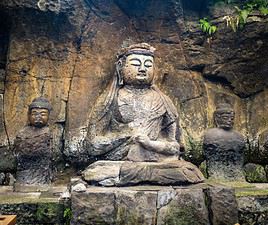
Usuki
★★ The town is known for its stone Buddhas carved into the rock in the 12th century.
Iya Valley
★★ This is a stunning, secluded valley deep in the island’s heart, known for its challenging access. Many visitors come here to hike and…
Yamadera
★★ Located near the city of Yamagata and its ski resorts, this is a stunning complex of 9th-century temples at the top of a mountain, reached…
Yanagawa
★★ The city is popular for its 470 km of canals, where you can take boat rides and see ancient temples and buildings.
Yokohama
★★ Japan’s second-largest city, south of the capital, still features its European quarter, a testament to its 19th-century history…
Abashiri
★ A small city on the northern coast known for its former political prison, now a museum. Stunning winter icebreaker tours depart from the…
Osumi Archipelago
★ This is the island group closest to the southern coast of Kyushu. One of its islands, Yakushima, is a UNESCO World Heritage site for its…
Asahikawa
★ It's the second-largest city in Hokkaido and one of the coldest in Japan. The city mainly serves as a base for exploring the surrounding…
Atami
★ A coastal city southwest of Tokyo popular with capital residents for its hot springs, beaches, and diving.
Beppu
★ The city is one of the country's most famous hot spring resorts.
Tottori Sand Dunes
★ Located in the south of the island, these are Japan's only sand dunes. They attract a local crowd, and you can even take camel rides here...
Enoshima
★ A small island resort connected to the "mainland" and well-known for surfing. It is close to the capital and home to several temples.
Fukuoka
★ This is the island's main urban area and gateway. The modern city still features a few temples, a 17th-century castle, several parks, and…
Fukushima
★ The city and its coast were affected in 2011 by an earthquake followed by a tsunami, one of the consequences of which was the nuclear…
Hagi
★ This locality in the far southwest of Honshu has preserved its "castle town" style as it existed in the 17th–18th centuries.
Hikone
★ A city in the Kansai region, on the shores of Lake Biwa and its beaches, with a medieval castle and a beautiful garden.
Iga
★ This city near Osaka is known for its traditional castle, but above all for its museum and festival dedicated to Ninjas.
Tokara Islands
★ A small volcanic archipelago that sees few tourists despite excellent diving opportunities.
Izumo
★ The town is home to one of the oldest and most important Shinto shrines in the country. Other temples and tombs can be found in the town…
Kagoshima
★ On its bay, dominated by a volcano, the city is primarily a base for exploring the surrounding area (landscapes, volcanoes, hiking, hot…
Katsuura
★ Like the rest of the Pacific coast east of Tokyo, this fishing port offers beaches and great surf spots. At 60 km long, Kujukuri Beach…
Kawagoe
★ Located northwest of Tokyo, the city has preserved the style of its old wooden houses.
Kitakyushu
★ A large port city with a predominantly industrial character, featuring some historic buildings, a 17th-century castle, a theme park, and…
Kochi (Japan)
★ A large city known for its beautiful 17th-century castle and several museums. There are also several beaches in the surrounding area, as…
Koka
★ Alongside Iga, the city is renowned for its Ninjas.
Kotohira
★ Cette grosse bourgade abrite un des principaux sanctuaire shinto du pays.
Kuju
★ This large inland town is a base for exploring on foot the wild heart of the island and, in particular, Aso-Kuju National Park.
Kumamoto
★ In the heart of Kyushu Island, the city boasts one of the country's most beautiful castles and gardens.
Lake Biwa
★ Japan’s largest lake and a tourist area known for its beaches, diving, and other water activities. Several interesting spots around…
Matsuyama
★ Main urban area of Shikoku Island, known for its castles, temples along the "88 Temple Pilgrimage Route", museums, and baths.
Miyazaki
★ A seaside resort in the southeast of the island, also renowned for surfing and golf.
Mount Takao
★ An hour from Tokyo, the spot is popular for its scenery and hiking.
Nagoya
★ It's the fourth-largest city in Japan. It's not really a tourist destination and offers "just" a castle, an aquarium, and a few temples to…
Nasu
★ Hot springs and opportunities for trekking or skiing can be seen or done around the town, particularly at Mount Nasu.
Niseko
★ Not far from Sapporo, this winter sports resort is one of the most popular in Japan. Great hikes in summer too, as well as rafting and…
Noboribetsu
★ This southern locality is home to Hokkaido’s main outdoor hot springs, highly renowned in Japan. Also features a small "bear farm."
Obanazawa
★ This small town is known throughout the country for the Ganzan hot springs located nearby.
Onomichi
★ A city with many old temples and historic buildings that testify to its prosperity in the early 20th century.
Otaru
★ Near Sapporo, this port city is a popular tourist destination, known for its cuisine, shops, canal, and historic buildings.
Otsu
★ Built on the shores of Lake Biwa a few kilometres from Osaka and Kyoto, the city is home to several temples and buildings listed as UNESCO…
Kushiro-Shitsugen National Park
★ A marshy national park in the northeast, just outside the city of Kushiro, popular for birdwatching.
Onuma Quasi National Park
★ This is a natural area centered around Lake Onuma, with its islands, volcano, and hot springs. Hiking is possible here.
Sadamisaki Peninsula
★ The longest peninsula in Japan offers some beautiful landscapes (despite the presence of a nuclear power plant) where mountains and…
Sasebo
★ The city is a U.S. naval base. It is famous in Japan for hosting Huis ten Bosch, a theme park that replicates an old Dutch town.
Shinhidaka
★ A small new town known for its cherry trees, best visited during the blossom season. Also worth seeing is a museum dedicated to the…
Takamatsu
★ The city is best known for its gardens, including the stunning Ritsurin-ko-en. On its outskirts, Yashima-ji is a beautiful temple that…
Takarazuka
★ The city is well-known among manga enthusiasts for its major museum dedicated to the art form. It is also the birthplace of the renowned…
Tokushima
★ A city with several temples on the "88 Temples Pilgrimage Route", a castle, and a renowned dance festival (Awa-Odori). The coast and its…
Tomioka
★ The city, northwest of Tokyo, is home to a 19th-century silk mill. It is a UNESCO World Heritage Site as a testament to "the country's…
Naruto Whirlpools
★ Located off the coast of the city of the same name, this is an impressive natural phenomenon caused by tidal interactions in the Naruto…
Tsuyama
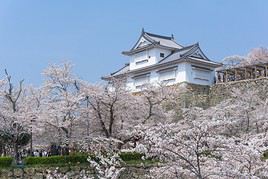
★ A 17th-century castle and thousands of cherry trees in this city on the island of Honshu.
Uwajima
★ This seaside town is known for its 16th-century castle and bullfighting.
Wakkanai
★ This is the northernmost municipality in Japan. Ferries to Sakhalin Island in Russia depart from here (in summer). Several natural sites to…
Yamaguchi
★ A city with an old district and many temples.
Yoichi
★ The town where Japan's leading whisky is distilled. Also features beaches, surfers, and the prehistoric decorated Fugoppe Cave.
Yoshino
★ This large town between Osaka and Nara is famous for its thousands of cherry trees growing on Mount Yoshino, best seen during blossom…
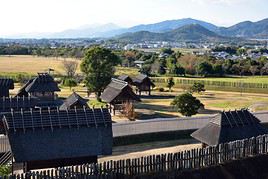
Yoshinogari
★ An archaeological site near Fukuoka that can be visited in the city of the same name.
Yuzawa
★ It's one of the Japanese people's favorite ski resorts.