15/09. Ottoman Splendors in Sultanahmet (I): Topkapi, the Blue Mosque...
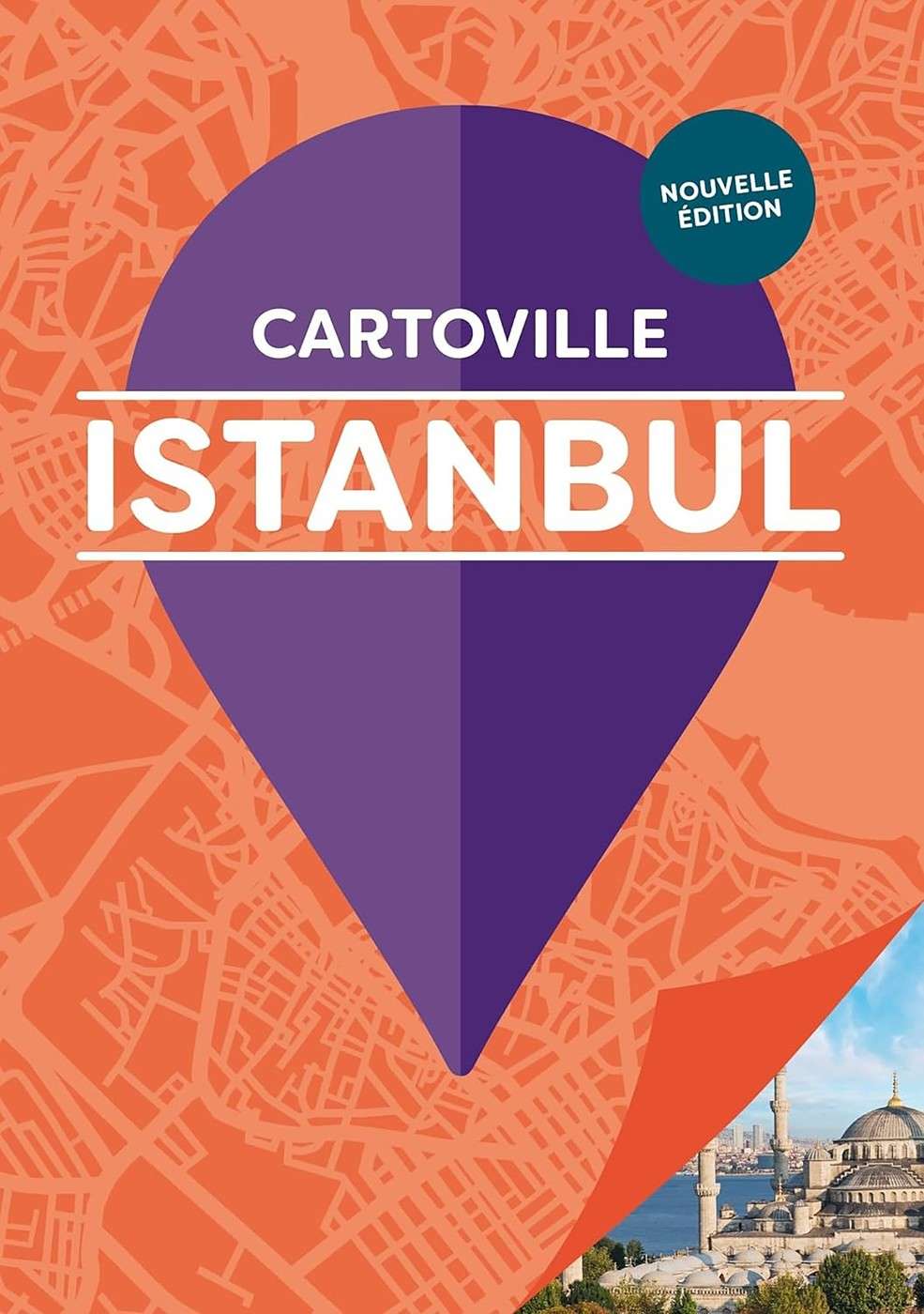
Sultanahmet... the district that tourists want to visit above all else. We come to Istanbul primarily for this—to discover the Byzantine and Ottoman splendors. The Topkapi Palace, Hagia Sophia, the Blue Mosque, the Basilica Cistern—so many heritage treasures gathered in one place, so many chapters of a brilliant, centuries-old history.... Three little backpacks from the *Routard*, three stars in the *Green Michelin Guide*, the must-sees from *Cartoville* (which, by the way, is really well done—I recommend it). The place is unanimously loved.
So how do we approach it all without being too bothered by the crowds? How do we find the right balance between a quick visit and an in-depth exploration? How do we avoid missing out, as sometimes happens in these situations? And most importantly—what on earth am I going to write in our travel journal without just copying and pasting from guidebooks?
Not too many people on the main square at this hour—it’s still early, visits start at 9 AM. We decided not to see everything at once to avoid feeling overwhelmed. Topkapi and the Blue Mosque for today, Hagia Sophia and the Basilica Cistern for our last half-day before departure.
I’ll visit the palace alone—Kate’s already seen it on a previous trip. We agreed to meet up in two and a half hours. I booked the visit online from France: a Harem/Palace ticket with skip-the-line access and an audio guide—69 € all the same! I have to go to a meeting point where a palace employee is waiting to let us bypass the line. There are about forty of us in front of the guide, who explains—in ultra-fast English—how he’ll lead the tour. I don’t catch everything, but I’ll follow the herd and its leader, who’s waving a purple umbrella like a banner.
We go through security and enter the palace gardens. I don’t lose sight of the purple umbrella glinting in the bright autumn sun of Istanbul. We cut ahead of everyone. Great! The guide takes us to the entrance of the harem and tells us the visit is now self-guided. We’re on our own—the palace is mine.
Two and a half hours exploring this sultan’s palace, continuously occupied from the 16th to the 19th century. I take my time, paper guide in hand, having ditched the audio guide to feel less dependent on technology. I’m guiding myself, sometimes walking ahead of the big groups or letting them pass to carve out moments of relative solitude. The visit enchants me—I dive into a history I actually know very little about, but I’m not trying to grasp everything. I let my gaze wander from room to room, courtyard to courtyard. The decor is sumptuous, often Baroque and Rococo in style. I try to imagine what daily life was like in this palace-city, especially in the harem, where all those women—wives, concubines, favorites—lived, served and closely watched by eunuchs.
Leaving the harem, I stroll through the palace’s four large courtyards, landscaped gardens dotted with pavilions and kiosks, each with a specific function—political, religious, scholarly, or recreational. From the vast terraces, I lose myself in the view below: the Bosphorus, the Sea of Marmara...
Crrr, crrr, a WhatsApp: “I’m at the café on the square.” Oops, it’s 12:30—I lost track of time. Kate’s waiting...
A pleasant lunch at a slightly out-of-the-way restaurant recommended by the *Routard*: *Palatium*. We’re comfortably settled on low banquettes in a lovely terrace surrounded by galleries, in the shade. The welcome was a bit stiff, but after my repeated teşekkür ederim, the waiter relaxed and even started smiling. We order a single dish—a very Mediterranean spread with şakşuka, hummus, yogurt sauce with herbs, grated beets, and stuffed vine leaves.
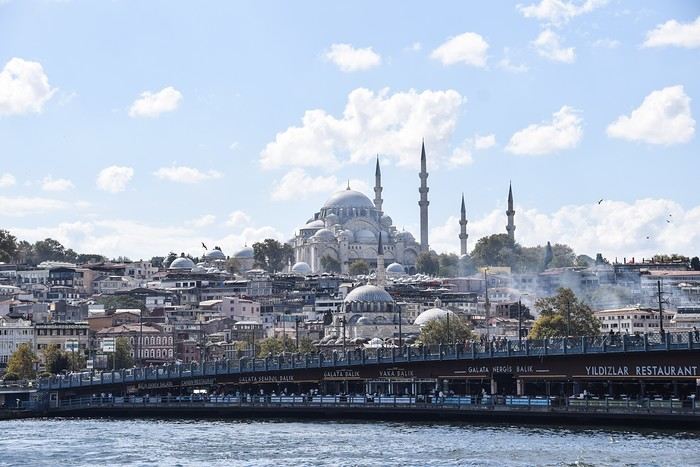
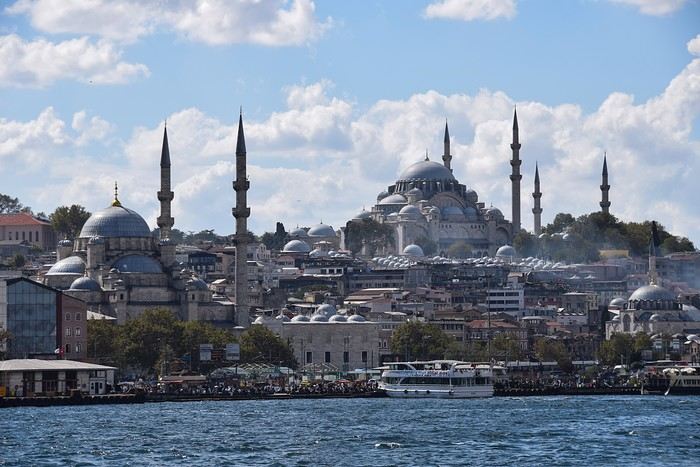
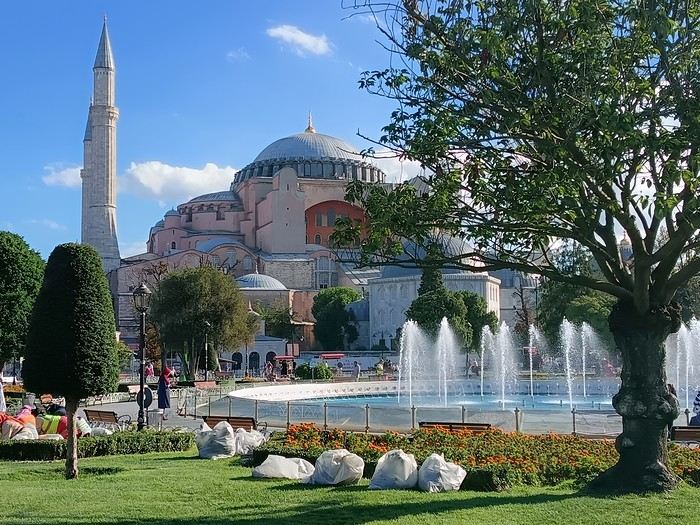
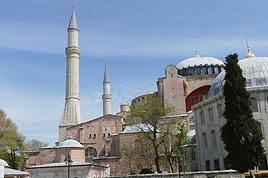
Before heading to the Blue Mosque, we wander around the main square, and Kate takes some lovely photos of Hagia Sophia, the magnificent Christian basilica built by Justinian, later turned into a mosque, then a museum, and now a mosque again by Erdogan’s decision. But as we’d planned, *Sophie’s Choice* will have to wait for another day.
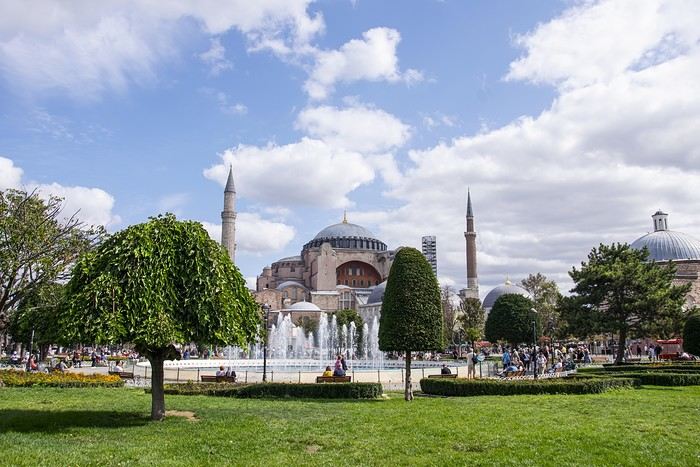
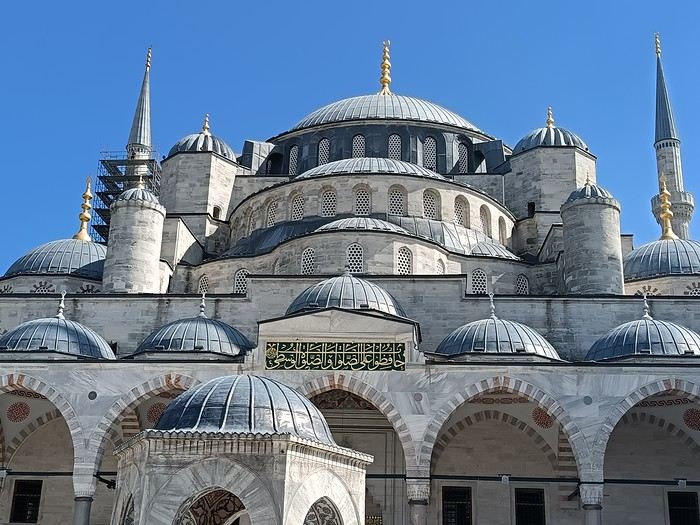
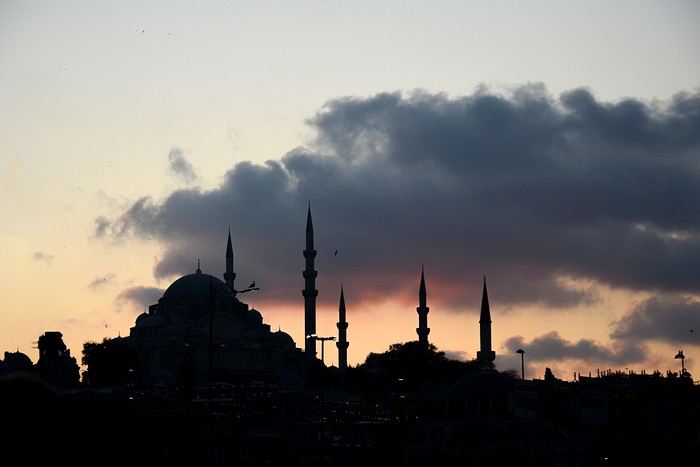
Now we’re heading to Sultanahmet Camii, also known as the Blue Mosque, built in the early 17th century by Sultan Ahmed I to rival Hagia Sophia across the way. You’ve got 4 minarets, Sophia? Bam! I’ll put up six! The audacity of man...
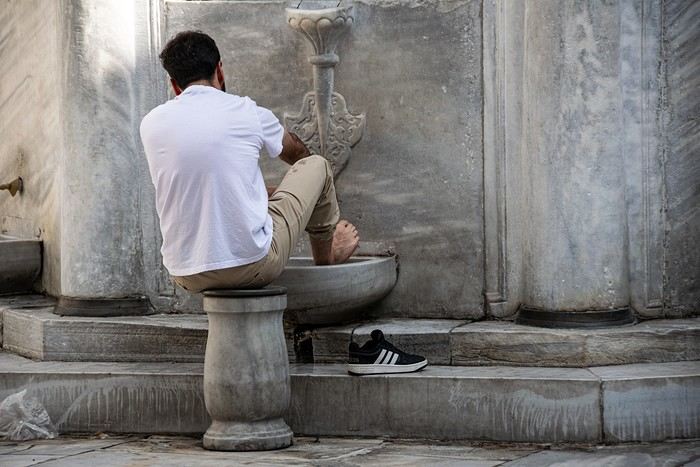
We enter the large ablution courtyard in front of the sanctuary. The mosque emerges into view. It’s a shock—an aesthetic emotion that stirs the whole body. I remember feeling something similar when discovering a work of art: Michelangelo’s Pietà in the Vatican, the view of the Grand Canal in Venice from the train station, the Taj Mahal in Agra...
The mosque, with its gigantic yet harmonious proportions, all curves and power, seems to both overwhelm and envelop us. We stand there, mouths agape, floating between dream and reality, deaf to the constant buzz of the courtyard.
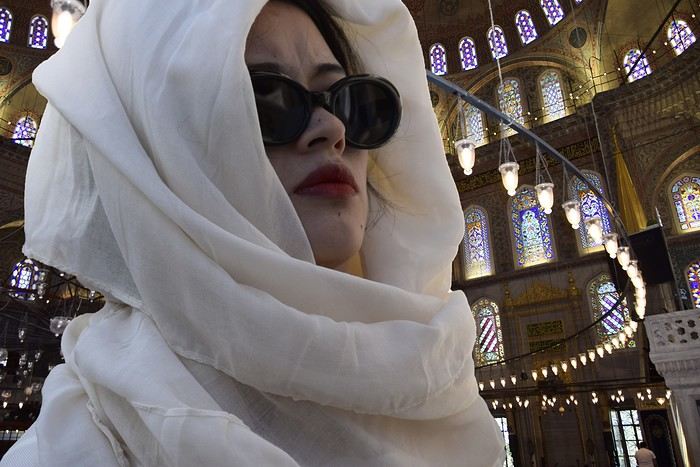
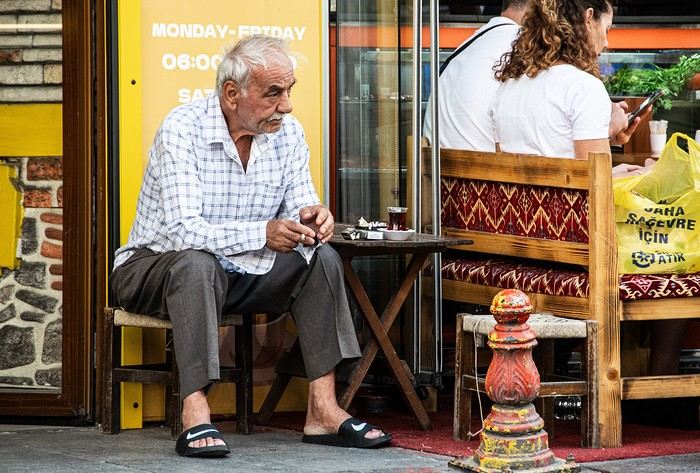
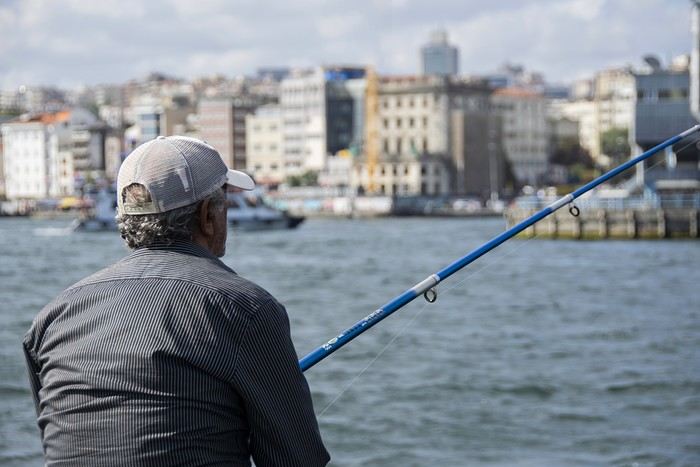
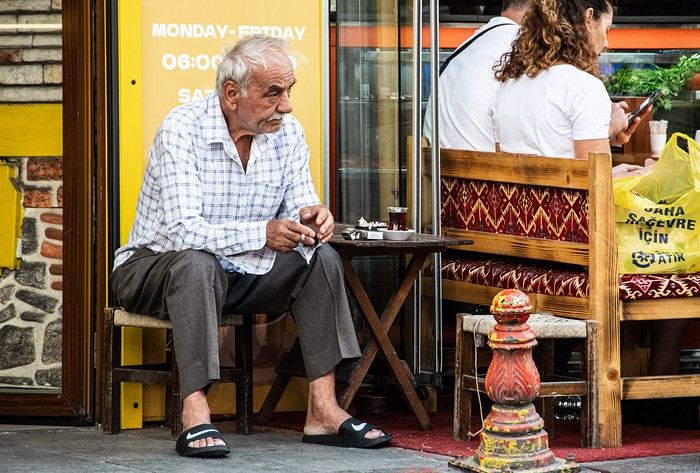
But reality quickly reasserts itself. Kate gets annoyed because some “old guy”—her words—planted himself right in front of her Nikon’s lens! Judging by appearances, he’s about our age...
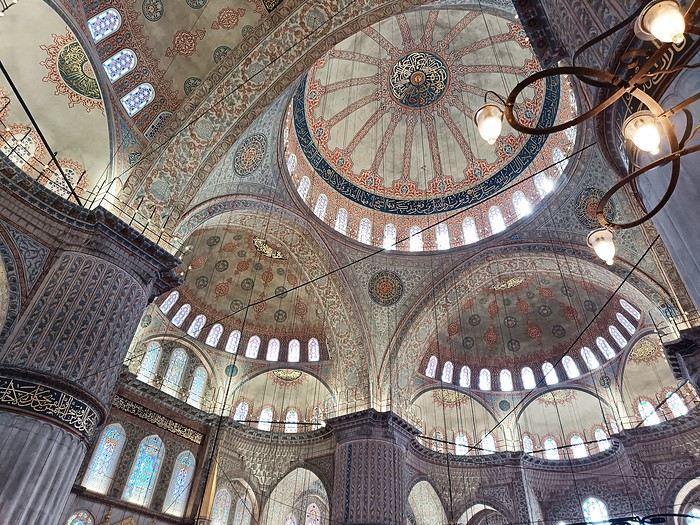
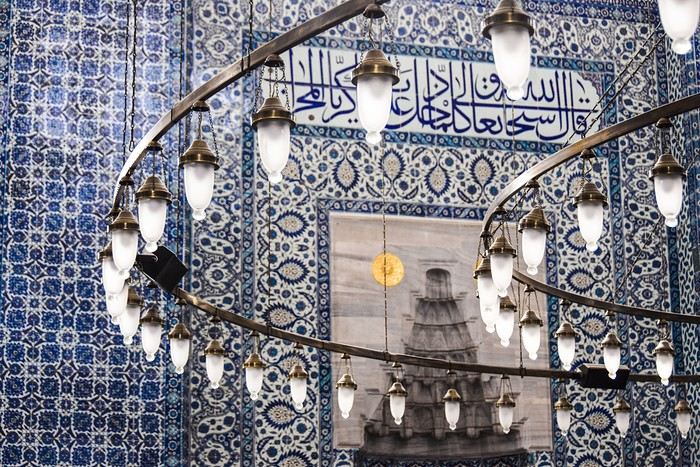
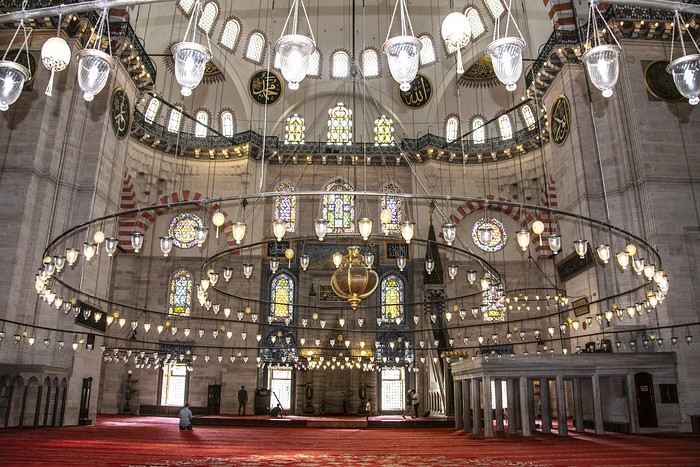
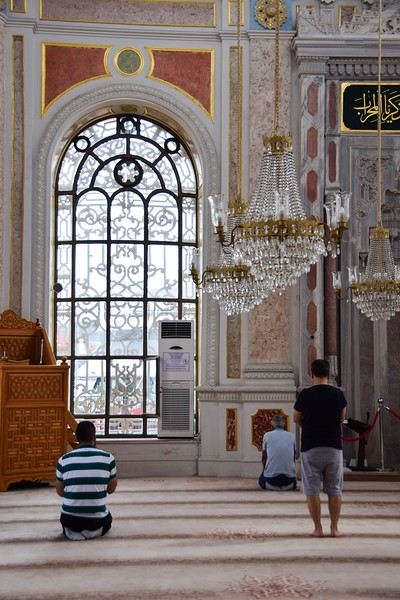
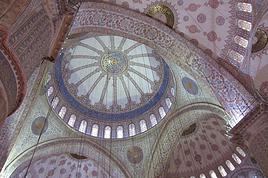
We now enter the place of worship. The space is immense, and despite the crowds, it’s easy to move around. The domes and semi-domes perforating the ceiling, all in a delicate pink, seem to swirl in a kind of mystical dance.
The visit comes to an end...
Kate exits through the entrance (the mosque *is* vast, but still...). I call her back and gently steer her in the right direction.
I spotted in the guide a Byzantine church also turned into a mosque, which the Turks call “Little Hagia Sophia.” Before heading there, we take a stroll through the bazaar next to the main esplanade. Lots of souvenir shops, but also some luxury jewelry stores and artisan boutiques. I step into one of the latter to buy a small metal statuette of a whirling dervish, seemingly handcrafted by an artist. It’ll be for my son—he likes gifts with meaning...
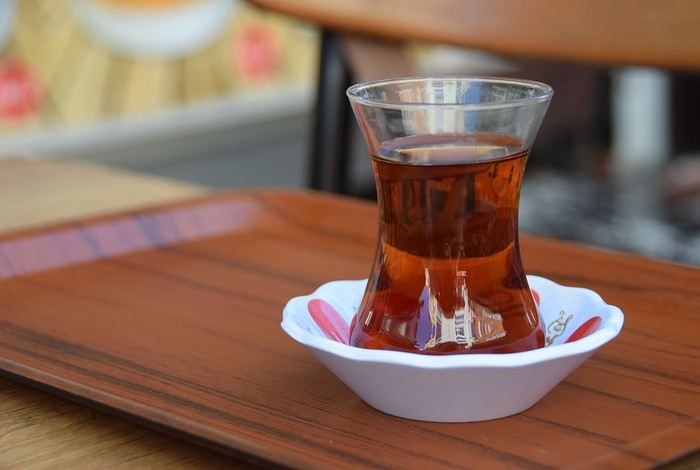
One last effort—fatigue is starting to set in. Near the church/mosque, we spot a lovely shaded garden flanked by old buildings. It’s the former madrasa of the mosque, now a craft center and café. We sit down for tea and enjoy the tranquility of the place, far from the hustle and bustle of Sultanahmet.
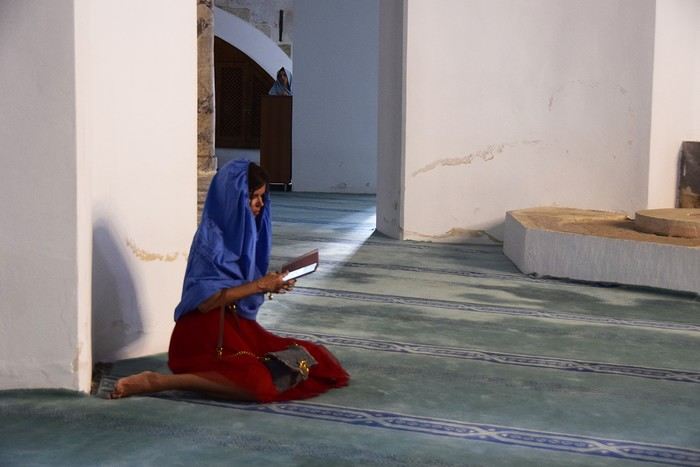
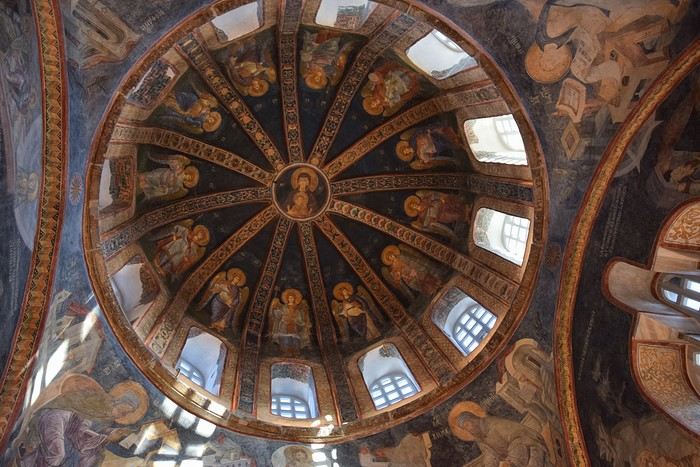
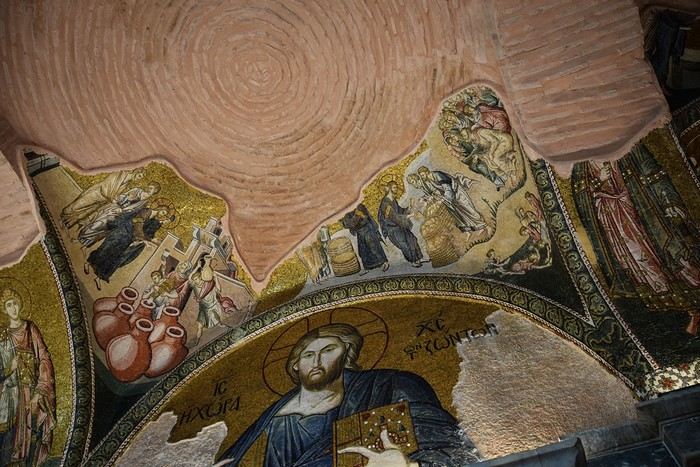
The little Byzantine church has kept its original octagonal layout, though the mosaics are gone. The atmosphere is soothing in this place, which *Cartoville* describes as having “discreet beauty.”
The day was more than packed—quite a few visits, I know, and Kate prefers immersing herself in street life. But it was a must, and I don’t regret a thing.
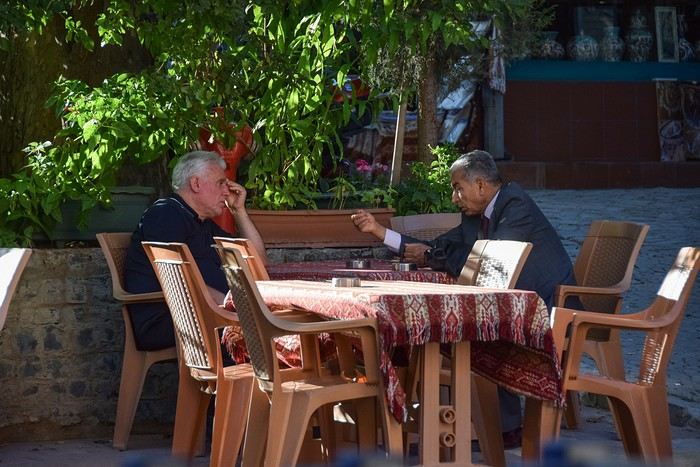
We’re tempted to dive into the youthful energy of upper Galata in the evening, but the “old folks”—much like the gentleman at the Blue Mosque, I suppose—are exhausted.




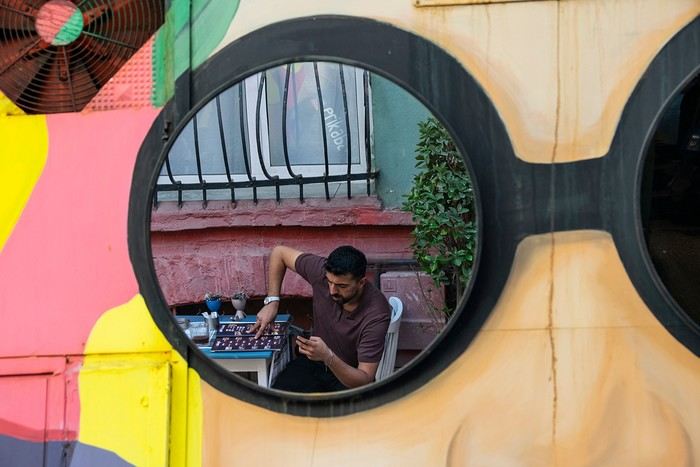

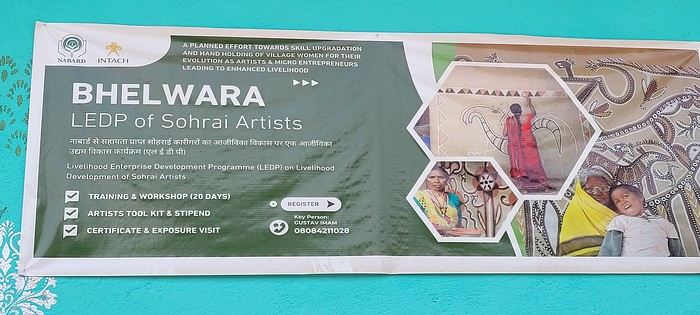
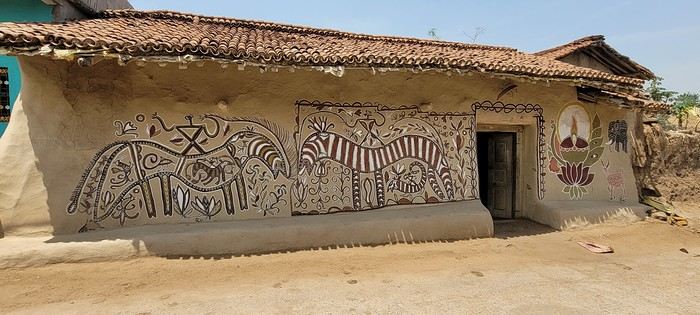
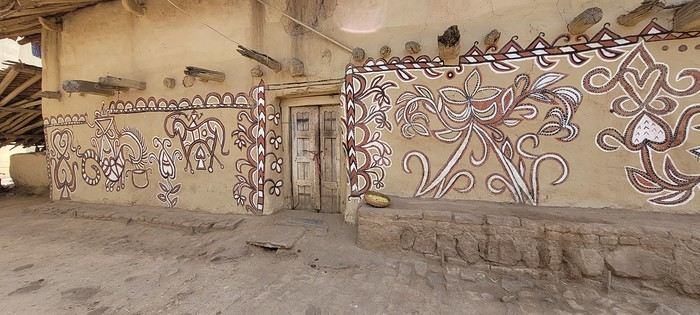
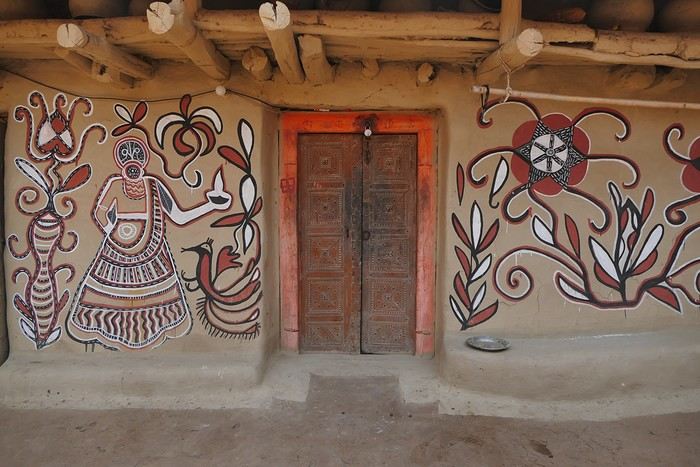
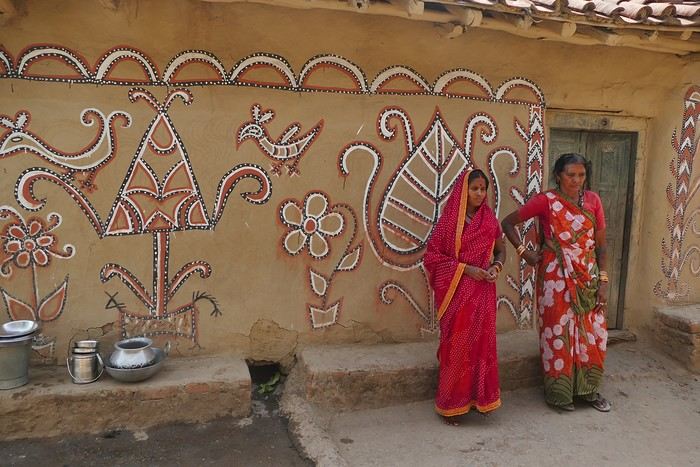
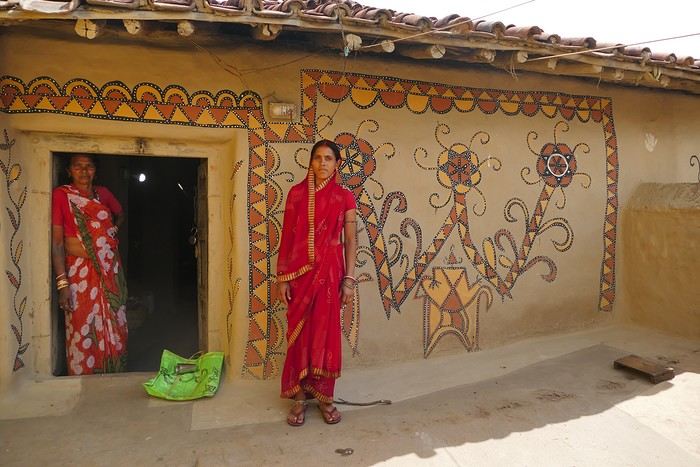
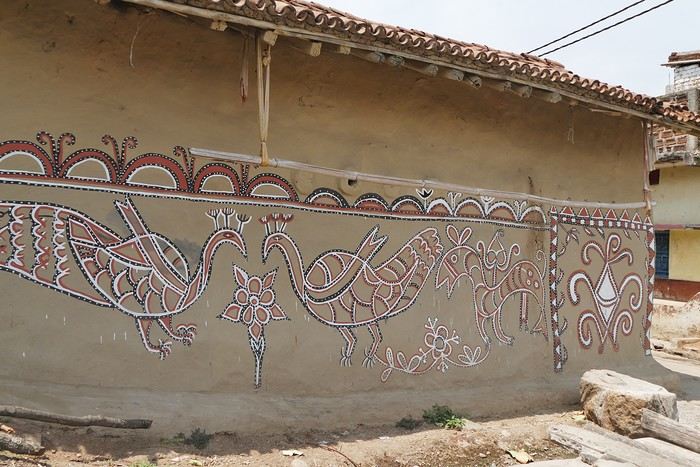 Sur certaines peintures, les scènes deviennent presque narratives : on devine des personnages, des gestes du quotidien, comme une mémoire du village inscrite dans les murs. Les encadrements décoratifs autour des portes ne sont pas laissés au hasard non plus : ils protègent symboliquement la maison, comme une frontière entre l’intérieur et le monde extérieur.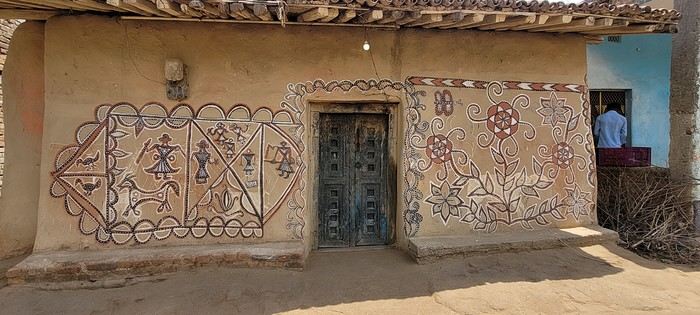
 A little sneak peek?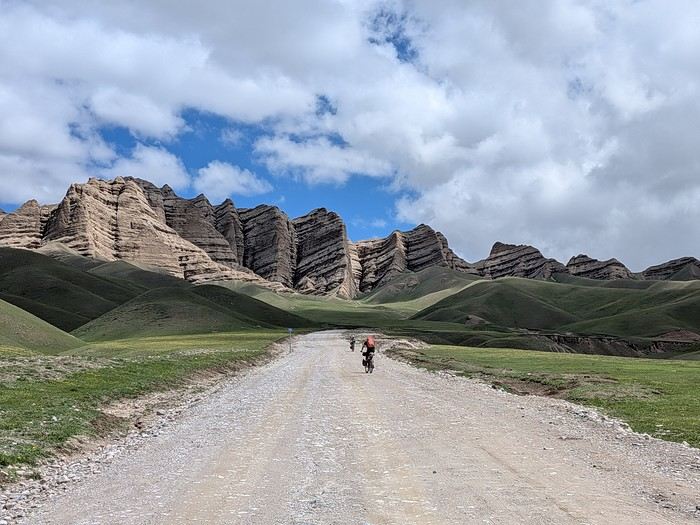


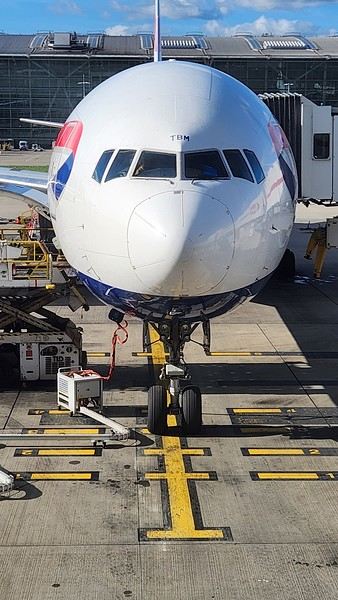


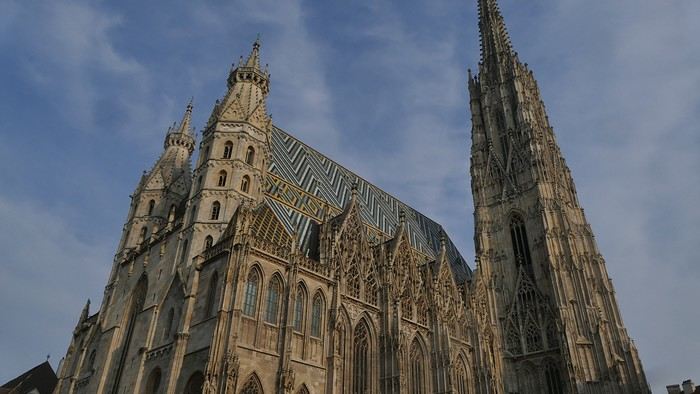
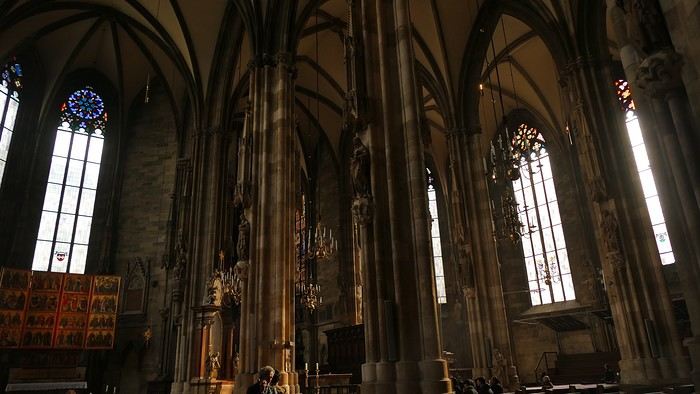
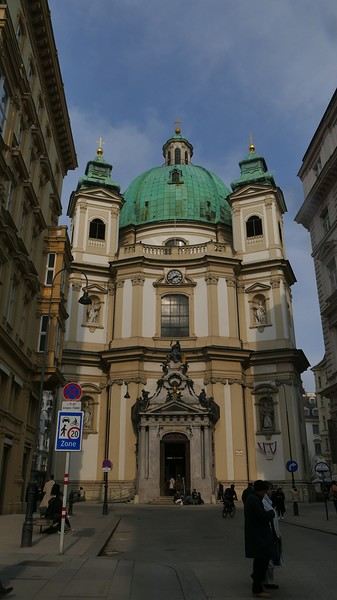
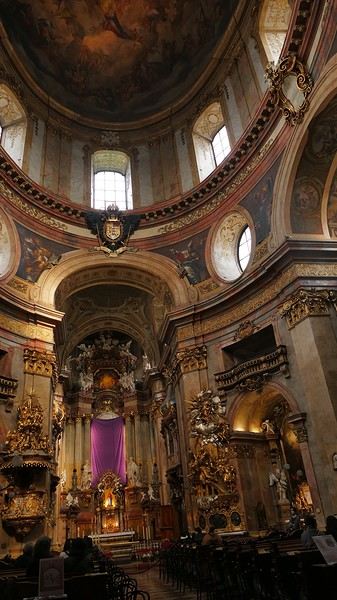
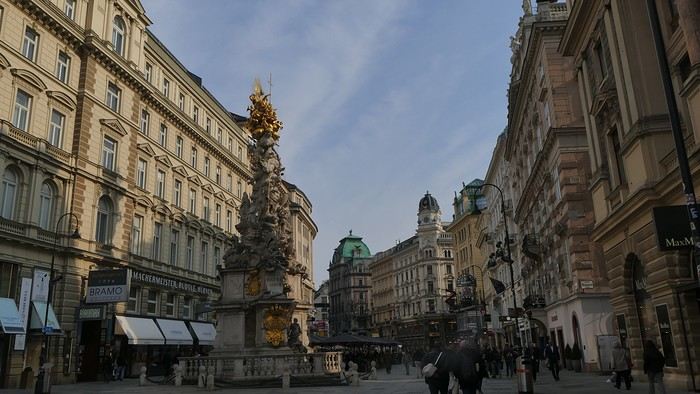
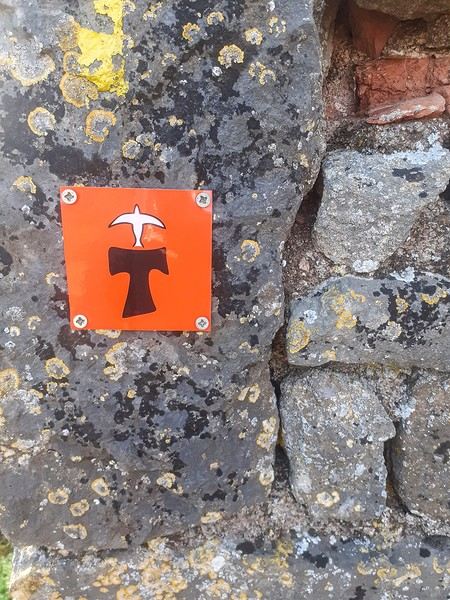
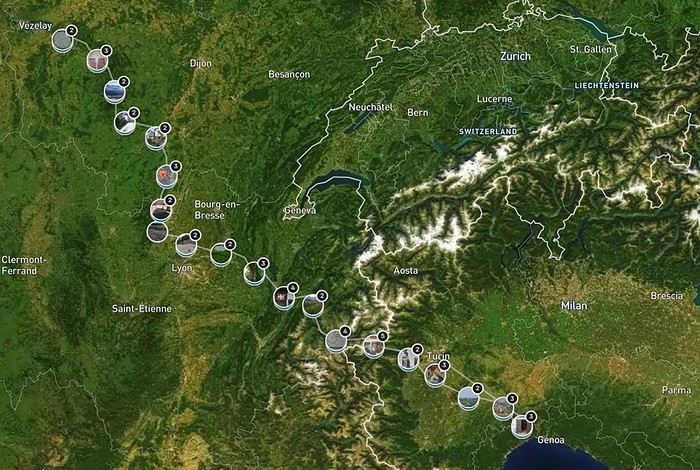

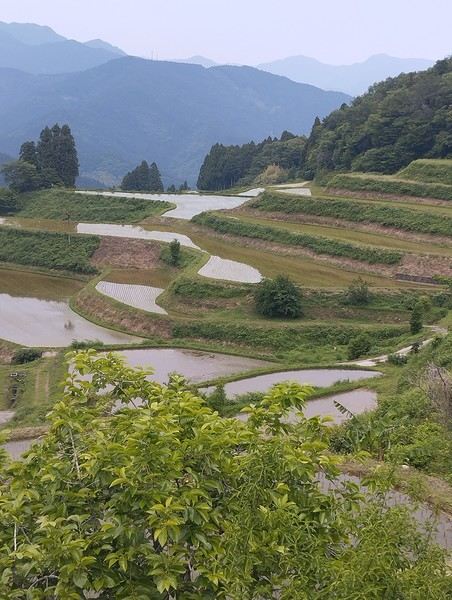
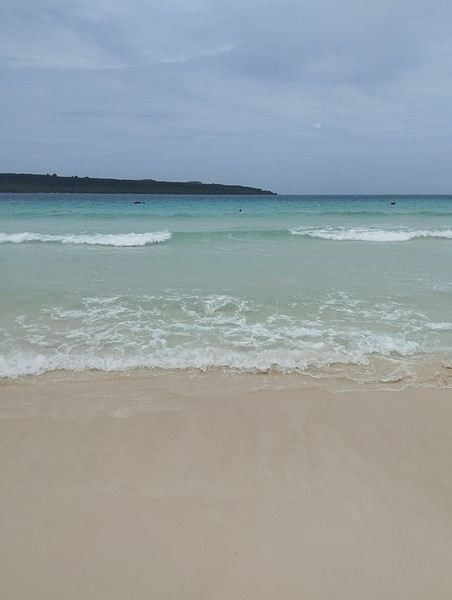
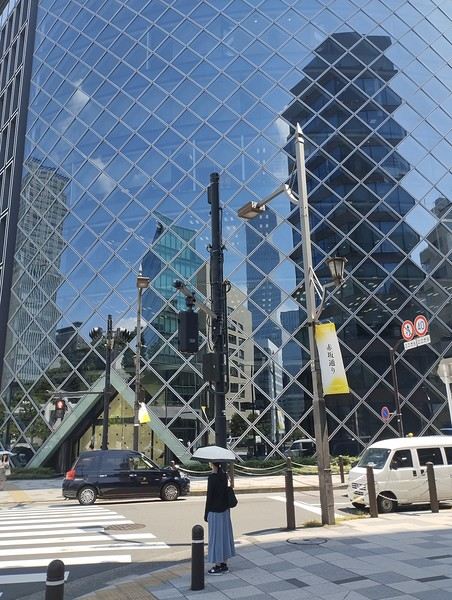

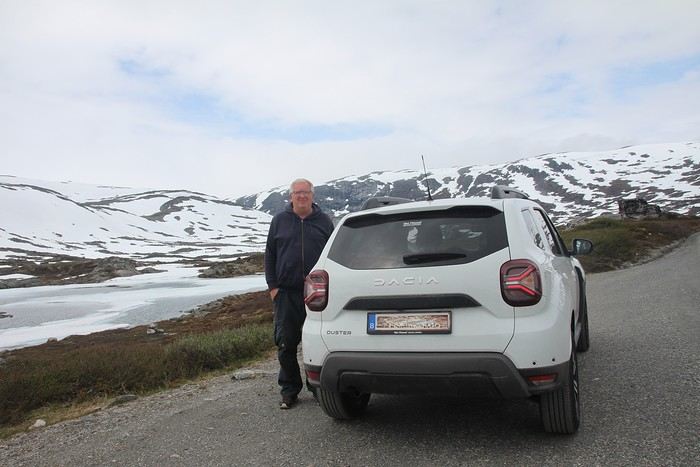
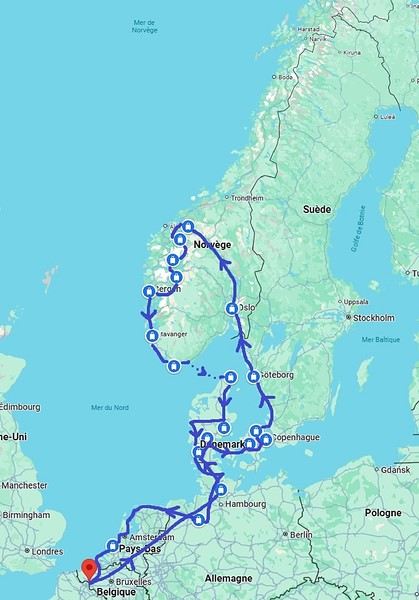
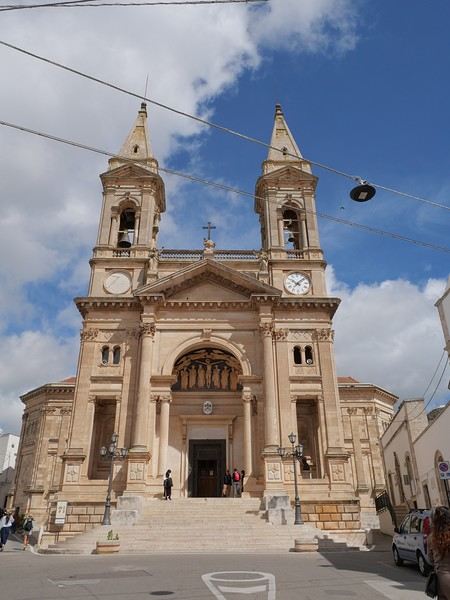
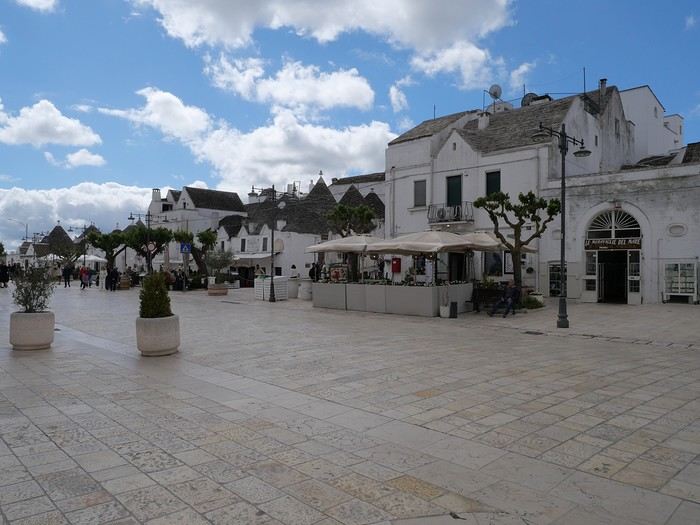
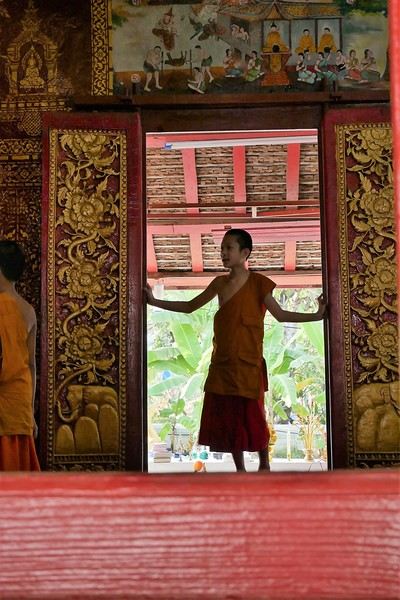 Come along, I'm taking you to this country where it's so nice to wander and slow down...
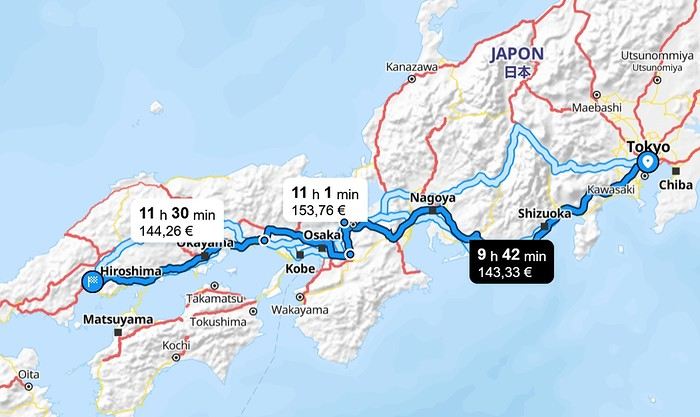
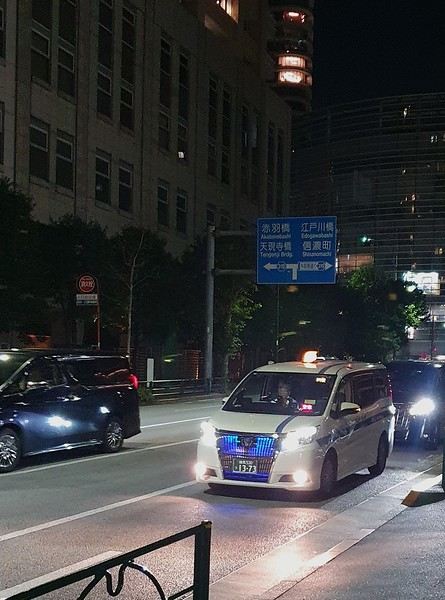
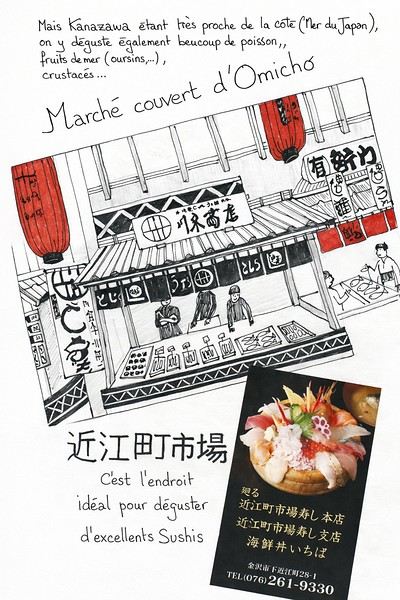
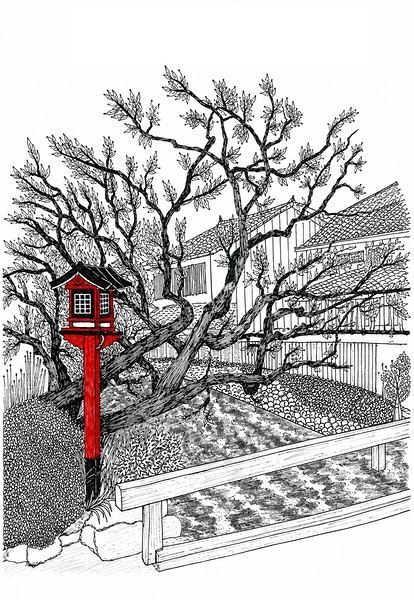 I’m inviting you on a stroll through my drawings—a completely subjective, far from exhaustive, and totally personal take, since it’s based on my own sketches. I put this travel journal together after returning in late 2024, mostly using felt-tip pens and pencils, with a few collages thrown in. I worked from our personal photos.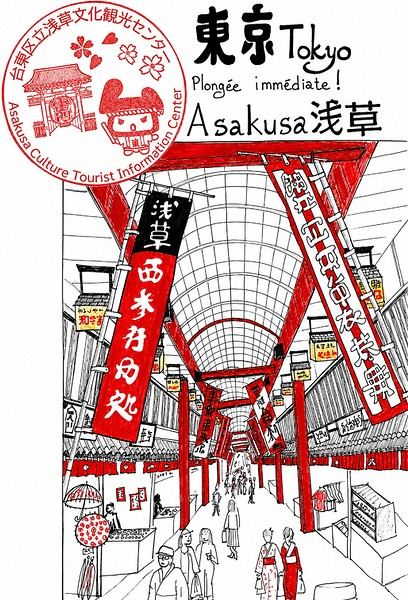
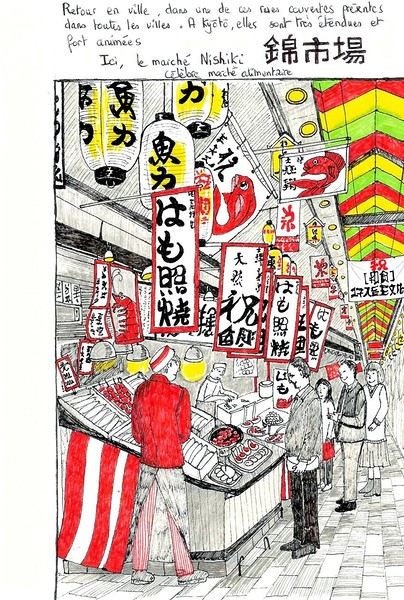
 And in Kyoto, Nishiki Market:
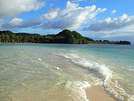
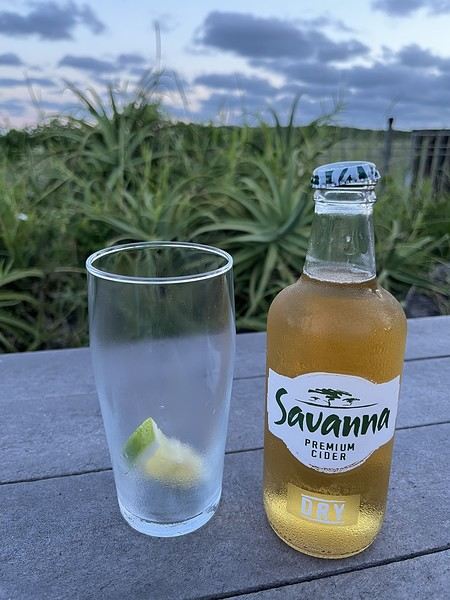
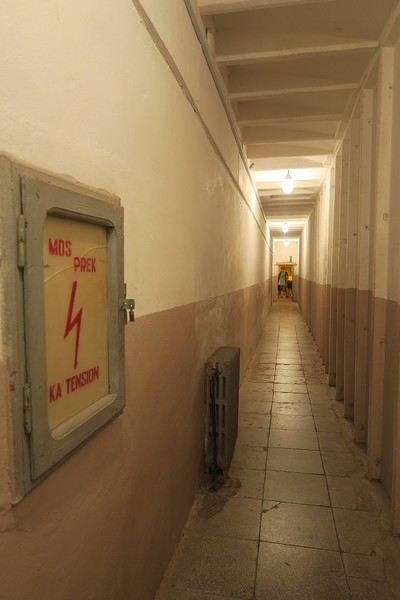
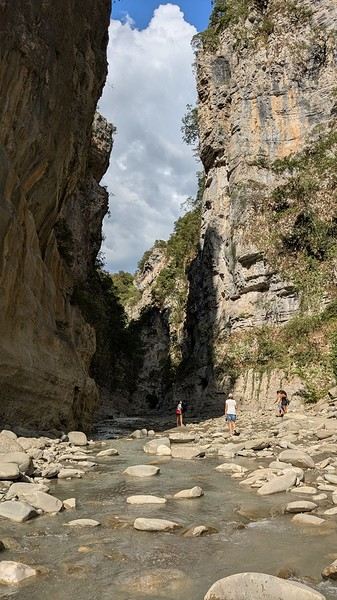
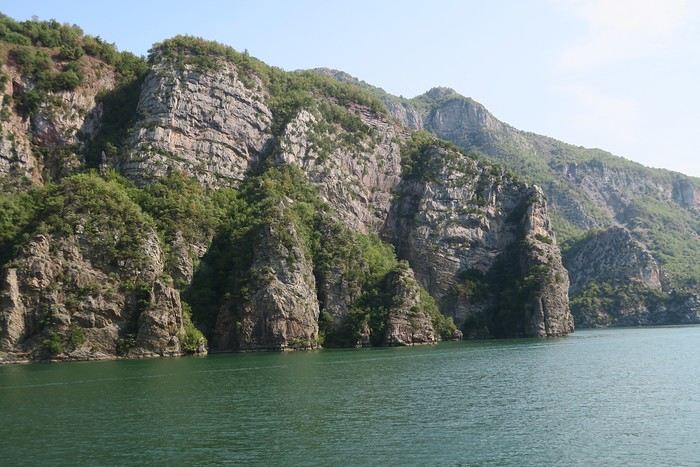
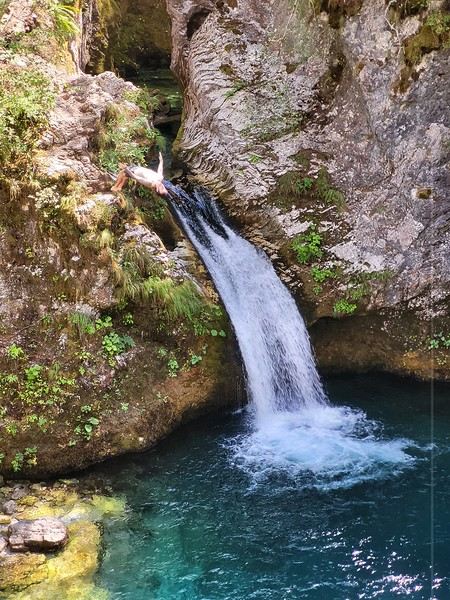
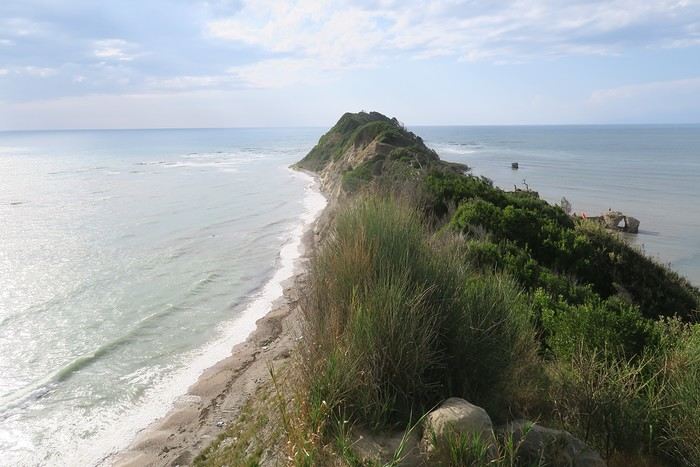
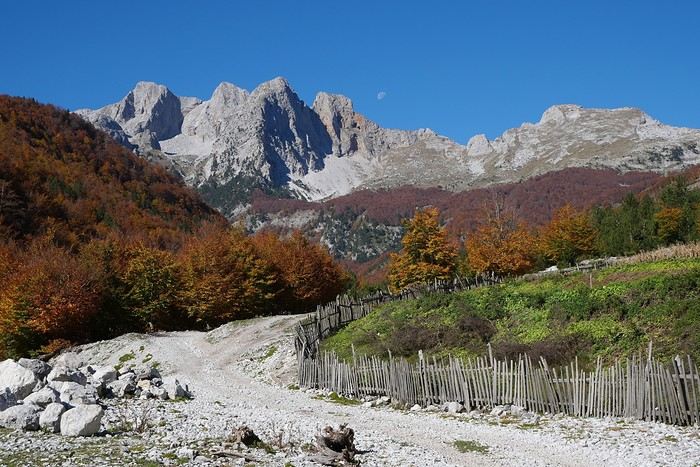
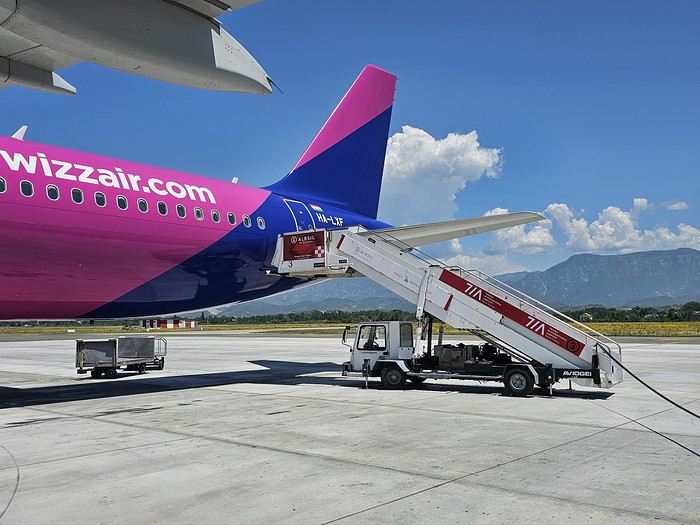 Since Albania isn’t part of Europe when it comes to phone service (at least not yet! :-)), we had to buy a physical SIM card—otherwise, the bill would’ve been sky-high if we’d used our French plan! We got one from Vodafone AL at the airport. You can buy online before leaving with a virtual SIM (e-SIM) for compatible phones, so you don’t have to swap cards. But given the uncertainty about choosing a plan online, we preferred buying one directly at Tirana Airport. Cost: 31 € for 100 GB. That’s way too much—100 GB is overkill. For 40 GB, it’s 27 €, and the plan lasts 21 days. The price difference isn’t huge, and it was cheaper than online. This plan covers all the countries along the Balkan range.
Money tip: All guesthouses and accommodations accept euros. The local currency in Albania is the LEK. In Montenegro, it’s the euro. Bank fees for withdrawing money from an ATM in Albania are pretty steep: 8 € for a withdrawal of 600–700 LEK (about 200 €)! So it’s better to withdraw cash (euros) in France. Oh, and we booked all our accommodations before leaving, but payment is always in cash. Budget around 400–500 € for 9 days of trekking.
Since Albania isn’t part of Europe when it comes to phone service (at least not yet! :-)), we had to buy a physical SIM card—otherwise, the bill would’ve been sky-high if we’d used our French plan! We got one from Vodafone AL at the airport. You can buy online before leaving with a virtual SIM (e-SIM) for compatible phones, so you don’t have to swap cards. But given the uncertainty about choosing a plan online, we preferred buying one directly at Tirana Airport. Cost: 31 € for 100 GB. That’s way too much—100 GB is overkill. For 40 GB, it’s 27 €, and the plan lasts 21 days. The price difference isn’t huge, and it was cheaper than online. This plan covers all the countries along the Balkan range.
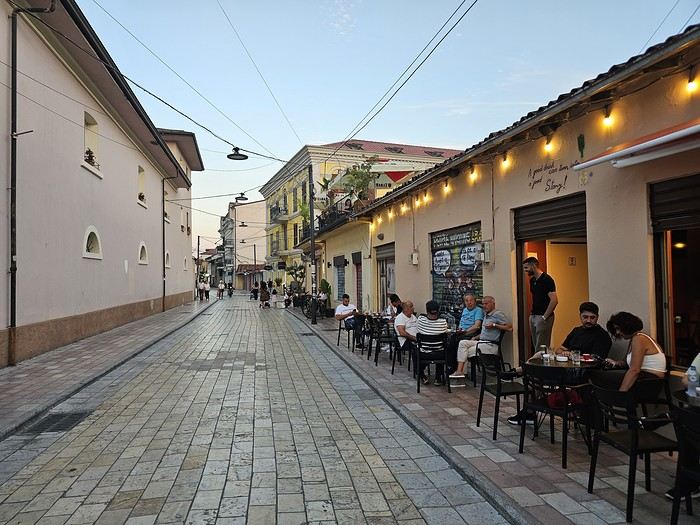
Money tip: All guesthouses and accommodations accept euros. The local currency in Albania is the LEK. In Montenegro, it’s the euro. Bank fees for withdrawing money from an ATM in Albania are pretty steep: 8 € for a withdrawal of 600–700 LEK (about 200 €)! So it’s better to withdraw cash (euros) in France. Oh, and we booked all our accommodations before leaving, but payment is always in cash. Budget around 400–500 € for 9 days of trekking.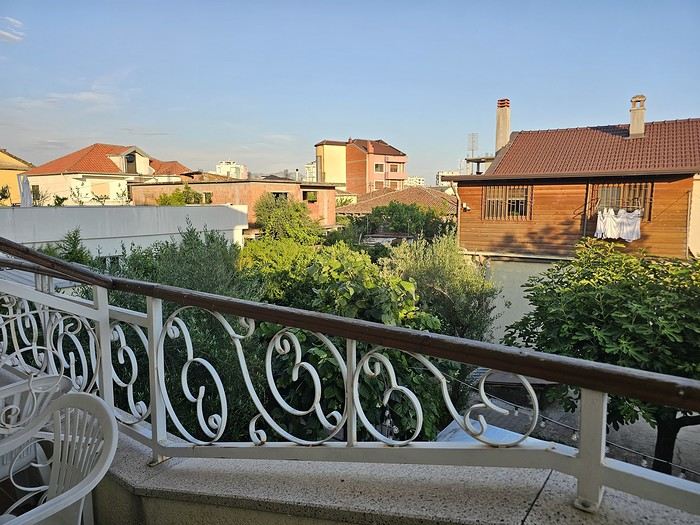 I really liked Shköder, especially its pedestrian street lined with restaurants and lit up at night. It’s a great place to stroll and eat. The food isn’t expensive—two big salads and two beers: 14 € :-) . Fruit prices are also very reasonable: 3 € for a kilo of cherries, compared to 9–10 € in France.
Religions coexist peacefully in these countries—Catholics and Muslims. From our balcony, my friend heard the call to prayer for the first time, coming from one of the city’s mosques.
I really liked Shköder, especially its pedestrian street lined with restaurants and lit up at night. It’s a great place to stroll and eat. The food isn’t expensive—two big salads and two beers: 14 € :-) . Fruit prices are also very reasonable: 3 € for a kilo of cherries, compared to 9–10 € in France.
Religions coexist peacefully in these countries—Catholics and Muslims. From our balcony, my friend heard the call to prayer for the first time, coming from one of the city’s mosques.
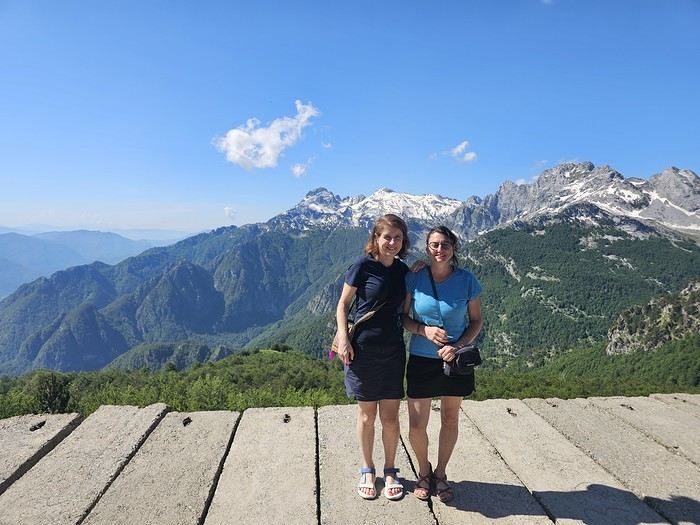
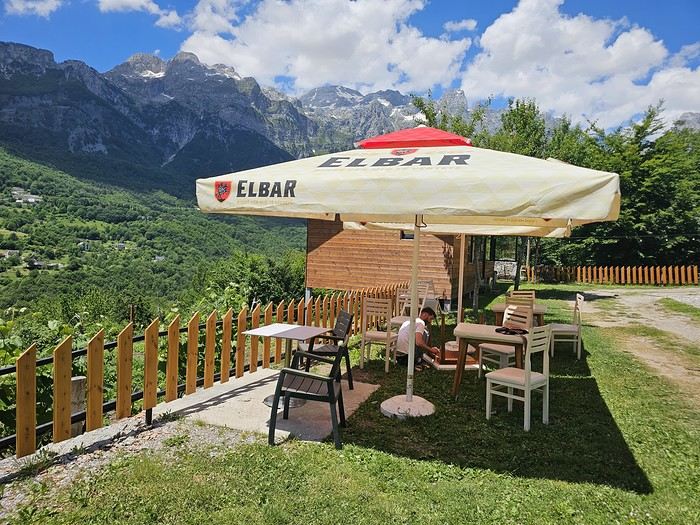
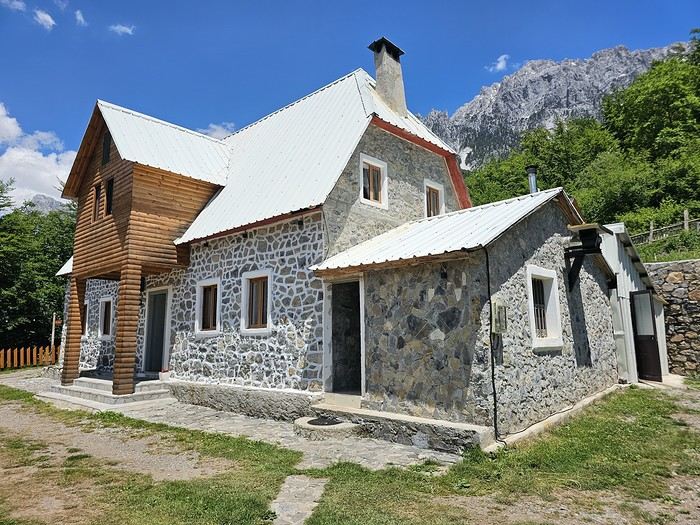 We slept in the heights of Theth at a new guesthouse, "Mountain Vista Shkafi," with an amazing view.

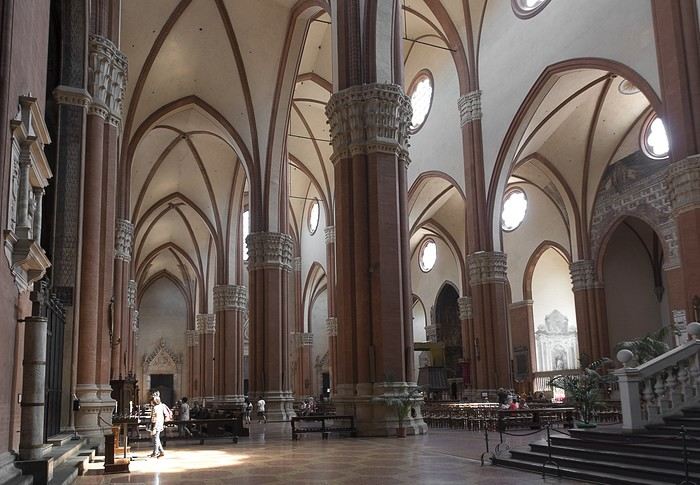
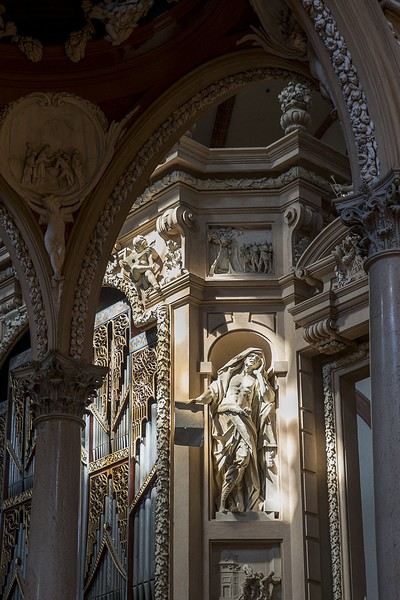
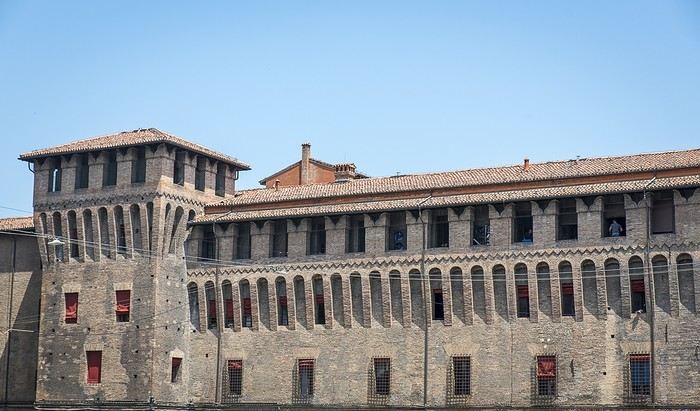 But Bologna’s real charm lies in its porticoes, which were added to the UNESCO World Heritage list in 2021: 62 km of arcades running along buildings, letting you walk sheltered from the sun or rain. Back in 1288, the city required houses to include private arcades for public use. In the city center, you can stroll under 32 km of porticoes in all sorts of styles—some plain, some ornate—with a strong presence of red tones.