
I just made a few minor tweaks: typos, repetitions, little bits of added info... nothing major.
Hey there...
Basically, if I understood correctly, it's better not to rush into reading the first draft...
🤣 😇 which is what I did when I saw the length of this new post yesterday...
You’re making me want to check it out. In my various trips/stays in Rajasthan, I’ve always skipped Jaisalmer to visit less touristy spots. But after reading you, I really feel like I missed out... If I’ve got a bit of cash, I’ll try a quick getaway in December before the Christmas holidays. If the flight ticket from Kannur to Jaisalmer isn’t too pricey... By train, it’d be way too long and almost as expensive... I love travel journals that make you want to go see for yourself... When you tell the story, I feel like I’m right there with you. Especially because of the kids—they remind me of how my grandkids act/react...
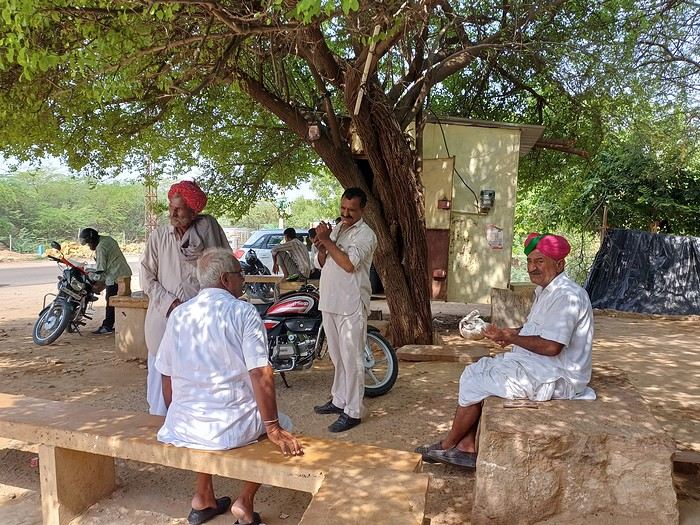
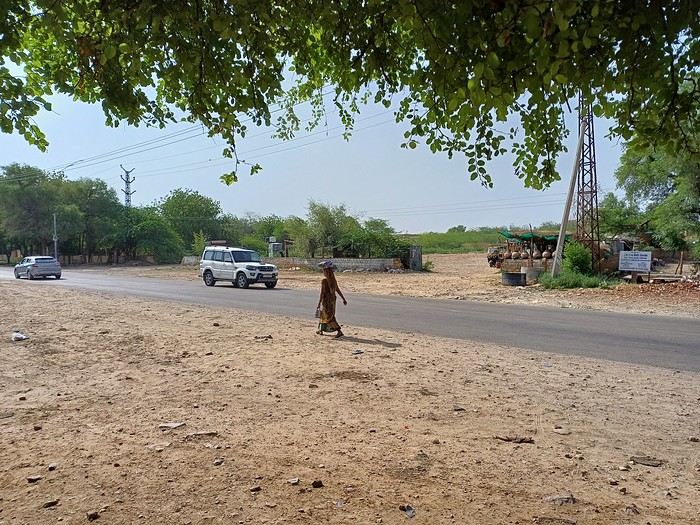 Time passes, and more people start showing up. Some stop in the shade of the trees that double as a bus stop, while turbaned men begin their hushed conversations like an impromptu village council by the roadside.
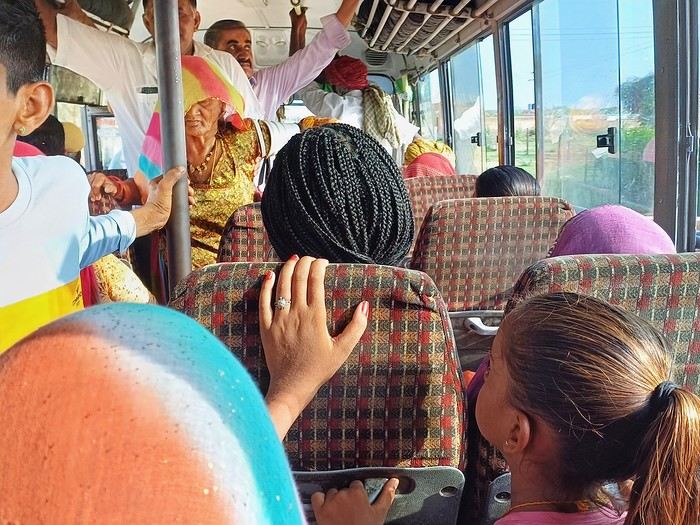
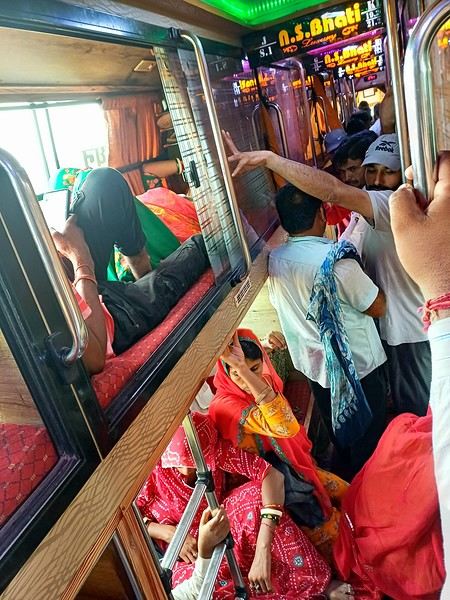
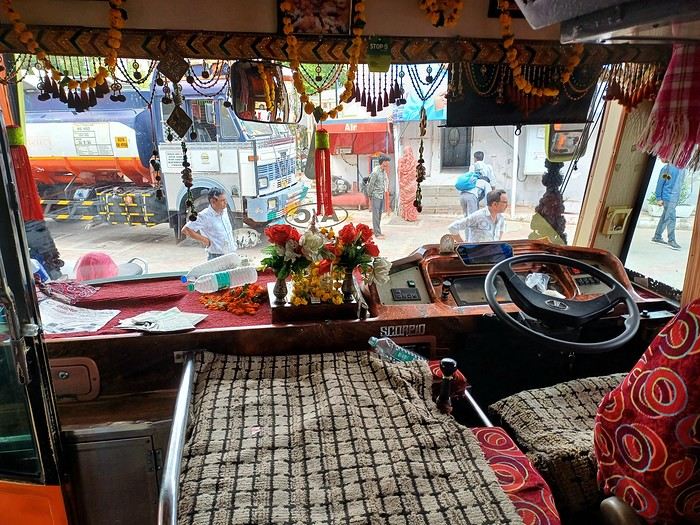
 Finally, just before 10:30 AM, our bus arrives. We realize how crucial this single daily bus is for locals—it also doubles as a delivery vehicle for Khuri. People load goods into the storage compartment and wherever they can fit them: big sacks of rice, flour, sugar, and random appliances... Then we rush into the heap of metal like the other passengers and even manage to find seats. Needless to say, we’re the only non-Indians.
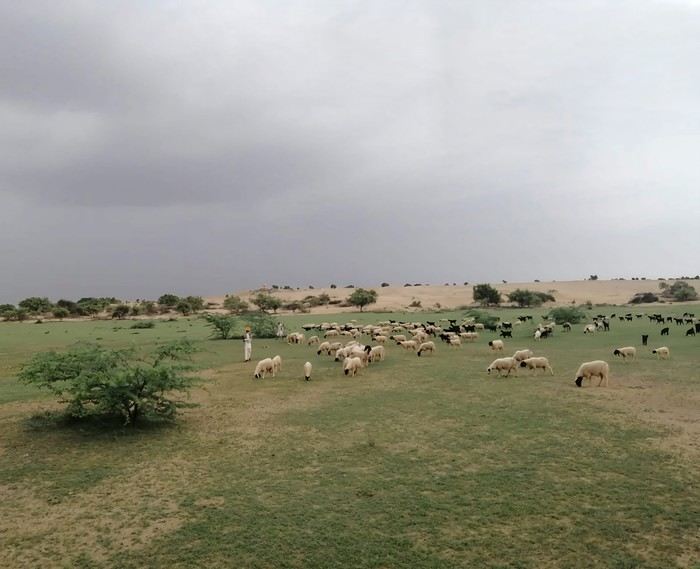
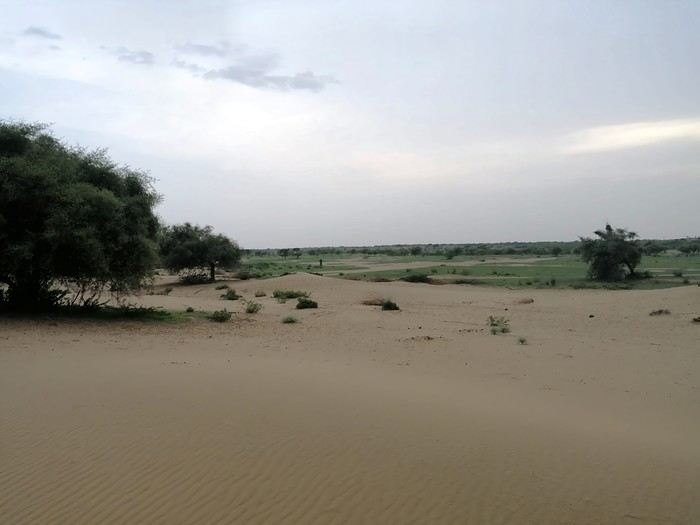
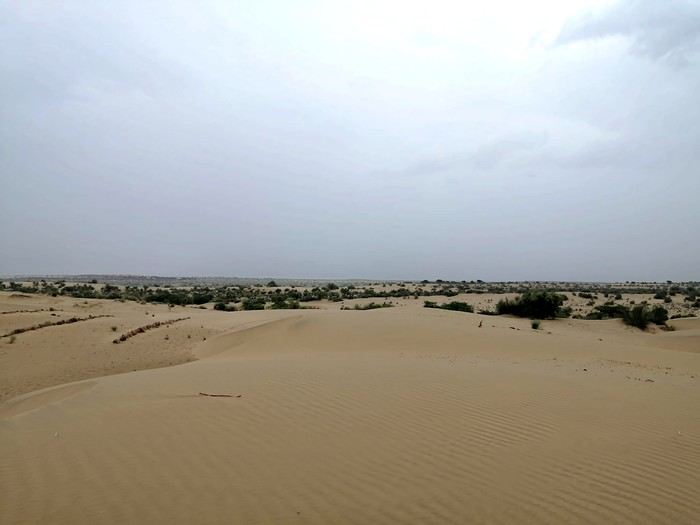
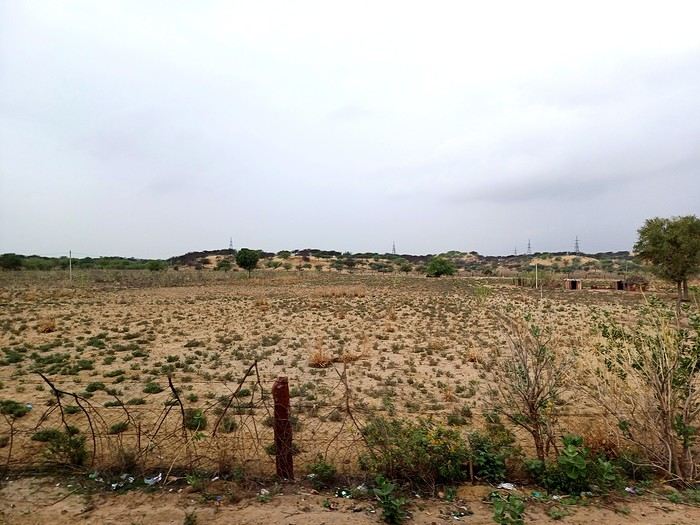
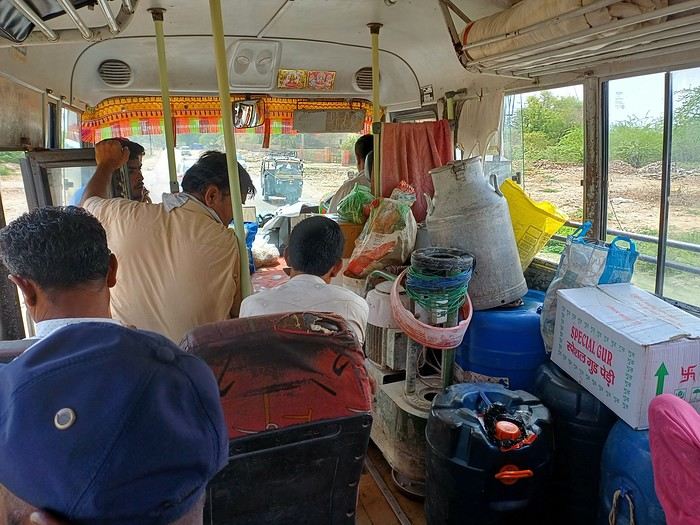 The bus finally departs, and the conductor weaves through the crowd to collect fares (around 35 rupees per person, except for Théo, who, as always, doesn’t pay). It takes about an hour to cover the 40 kilometers between Jaisalmer and Khuri on a small desert road that reveals the beauty of the Thar landscapes: stretches of rocky or sandy soil, dry yet fertile with cacti, scraggly trees bearing desert berries and beans, and above all, endless rows of *babūl*—those small, thorny acacia shrubs no traveler can miss, as they literally blanket Rajasthan and beyond... Goats, cows, and camels dot the scenery. The bus stops to pick up villagers along the way or in front of a *Kṛiṣṇa* temple to let a few passengers off to honor the deity with offerings, while those left inside touch their faces in reverence toward the sacred dwelling. The people are incredibly kind to us, especially the kids. Kelyandre gets into the habit of falling asleep on the shoulders of our fellow passengers, who never seem bothered. Local bus rides are a true passion of mine—I scan every detail of the landscape, observing life or searching for the unexpected. A little *too* much, actually, because in the blink of an eye, I catch a horrifying glimpse: a dog hanging from a tree by the roadside. I’m so stunned by this fleeting vision that I almost wonder if I imagined it breaking the wonderful monotony of the Thar.
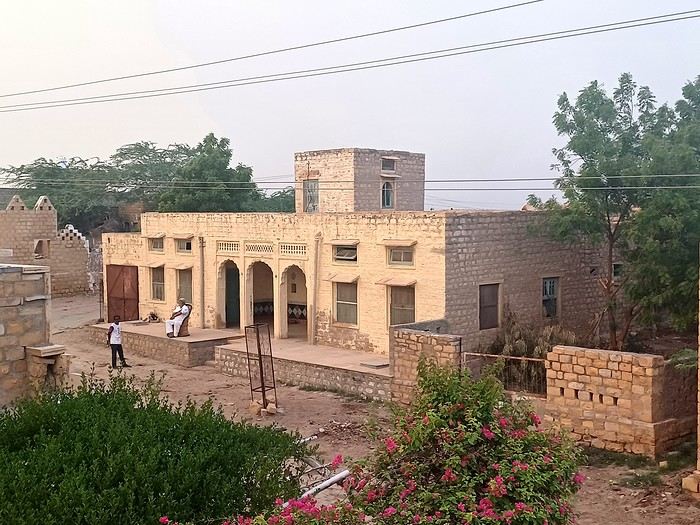
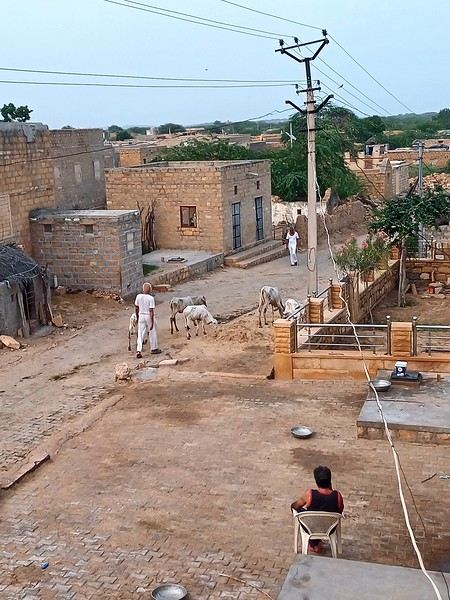
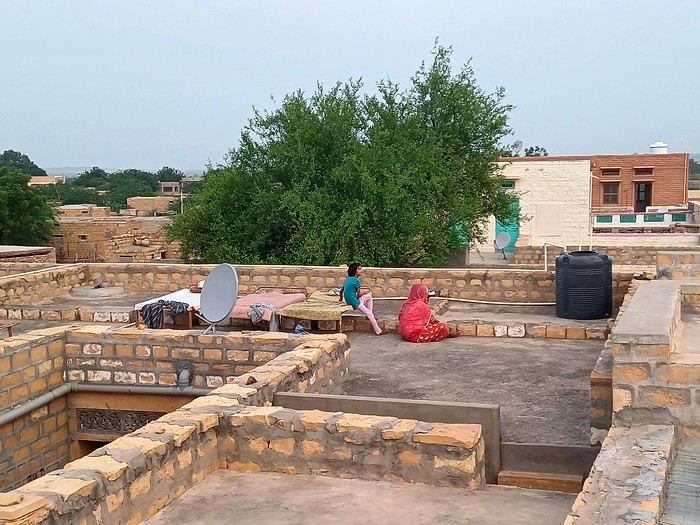
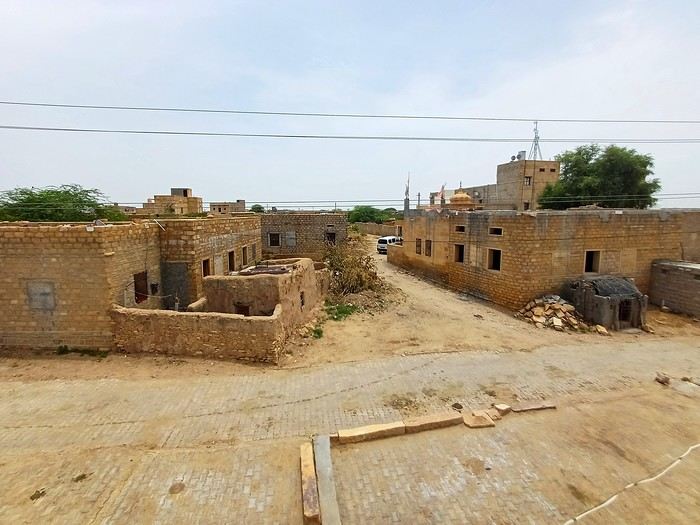 The scorching heat makes the short walk tough—it’s supposed to hit 42°C this afternoon, with a feels-like of 48°C! We arrive at Badal’s home, and his son gives us a tour. It’s just like the neighbors’ houses: traditional brick homes with an inhabited roof, a courtyard covered in cow dung, a few mud huts (used when temperatures are milder), and a small goat pen. Behind the courtyard is the family’s living space. Rustic and authentic—exactly what we were looking for!
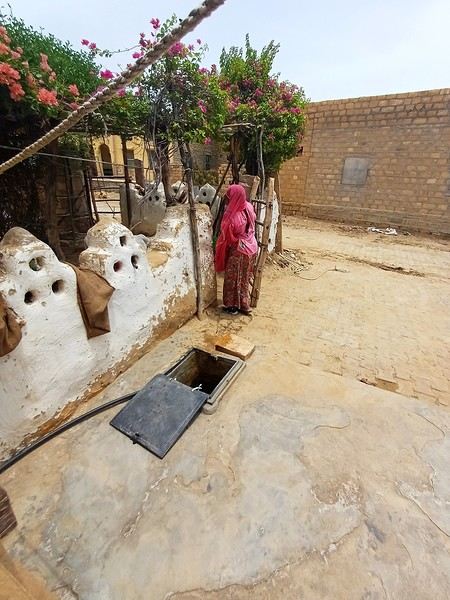
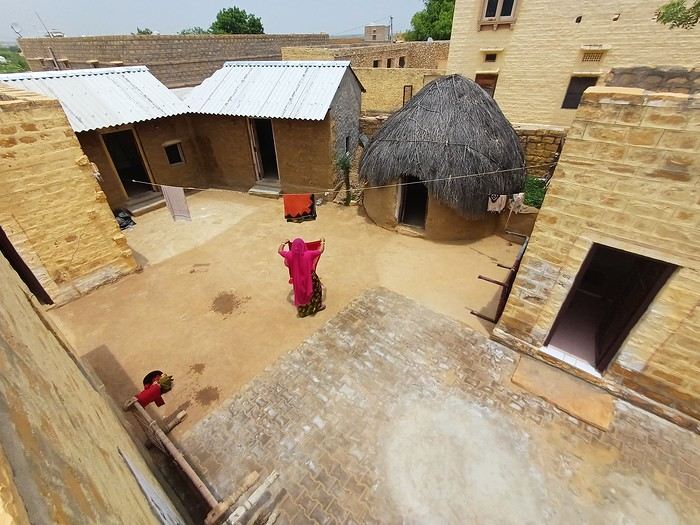 We meet the women of the house—mother, daughters, daughter-in-law—busy with chores.
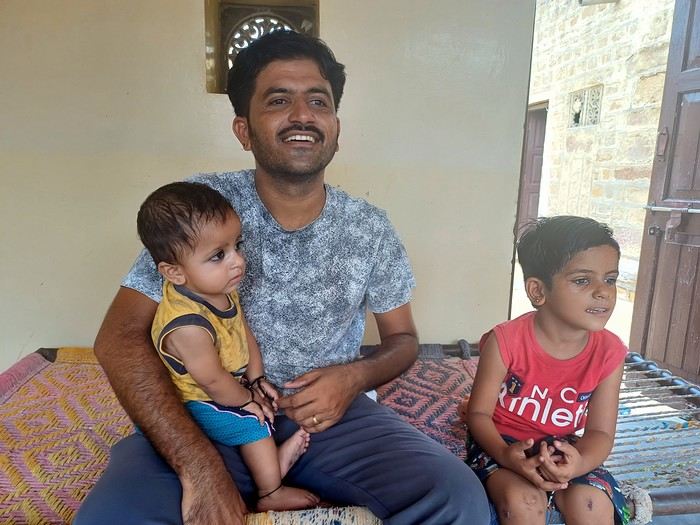
 Théo befriends Badal’s grandchildren, one slightly younger and the other a bit older. Magali had the great idea to bring small toy cars, pens, and mini Eiffel Towers to give to the kids. This sparks a few squabbles because Théo, who’s already developed a strong sense of ownership, isn’t about to let anyone take *his* toys from the pile—he defends them with authority. But the kids still play together well. For guests, there are two very basic rooms on either side of the entrance, with simple beds and stacked blankets, just a ceiling fan and a tiny, narrow bathroom with a bucket and a tub, plus squat toilets. Badal’s son invites us to use both rooms since there are no other guests today. He and the kids stay with us on the benches and chairs in the shade of the entrance porch, which faces the street, while the women of the house handle chores and come by to serve us a simple but delicious lunch: dāl, rice, chapātī, vegetables, kaḍhī (a kind of hollandaise-like sauce made from chickpea flour and spices), chhāchh (buttermilk), and a divine ker kā achar (desert berry pickle). We’re stuffed and happy!
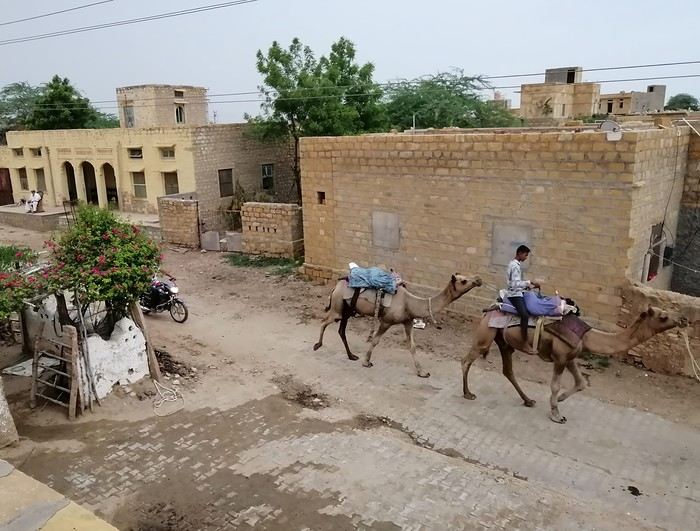
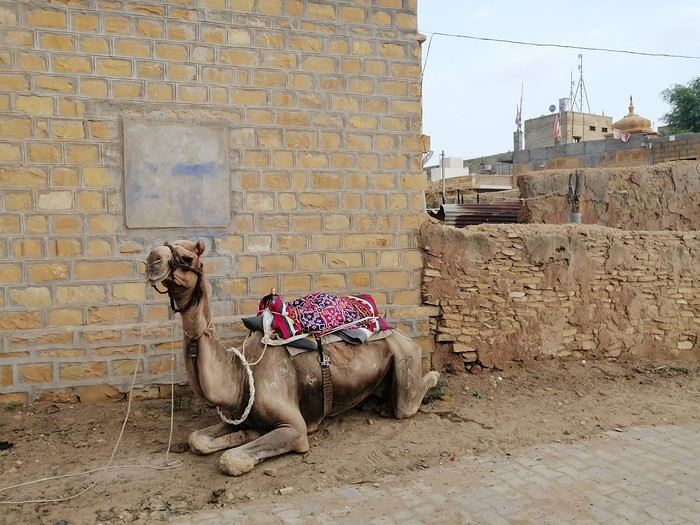 Our temporary housemates from Madhya Pradesh are called first and leave with a group of camel drivers. Then it’s our turn to mount our camels: Magali and Kelyandre each have their own, while Théo shares a saddle with me. Quite the experience for the others, who ride a camel for the first time—the rodeo-like moment when it stands up, and the brutal stretching of the adductors forced by the wide saddle. We try to stabilize ourselves, and off we go!
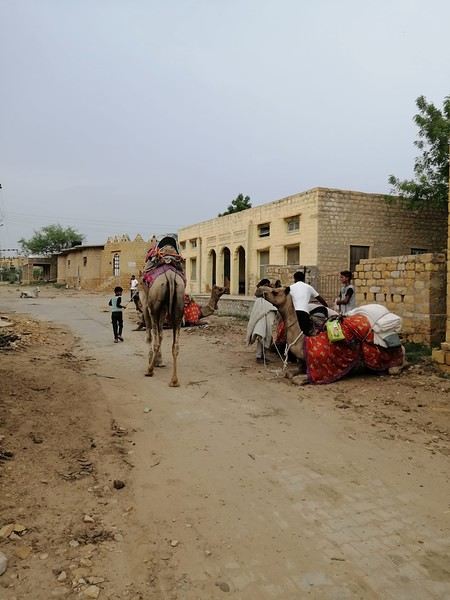
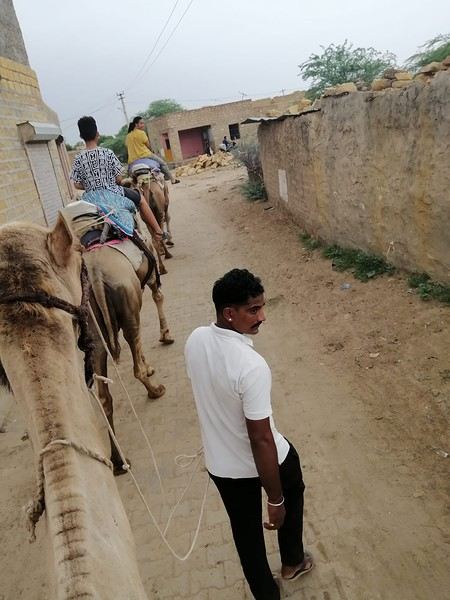
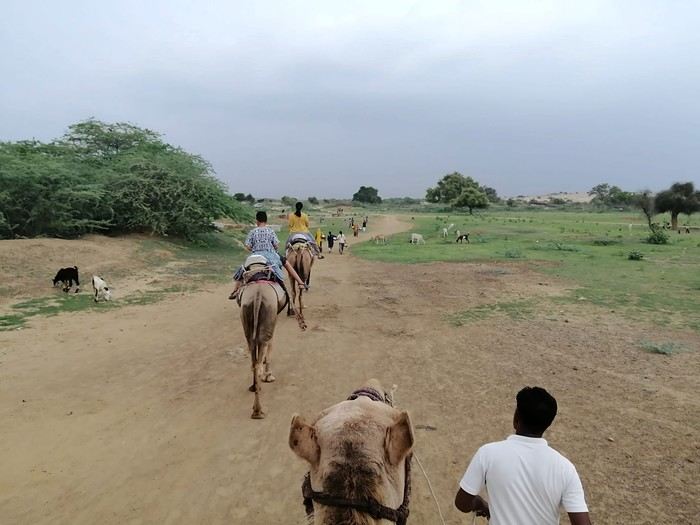
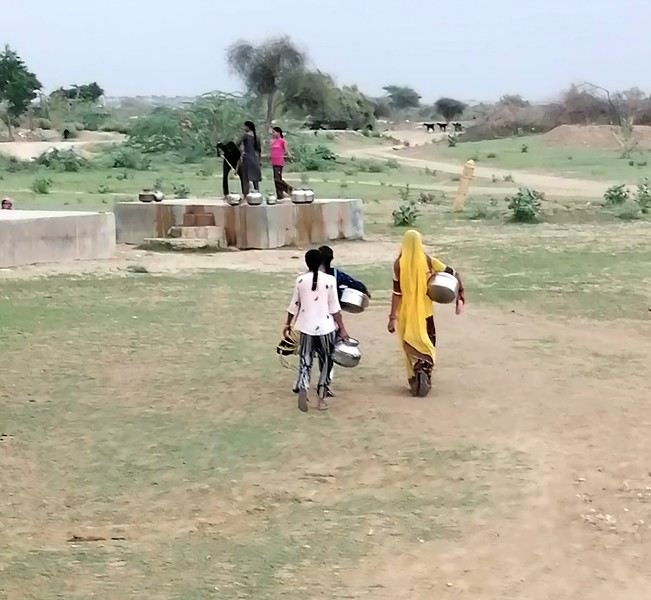
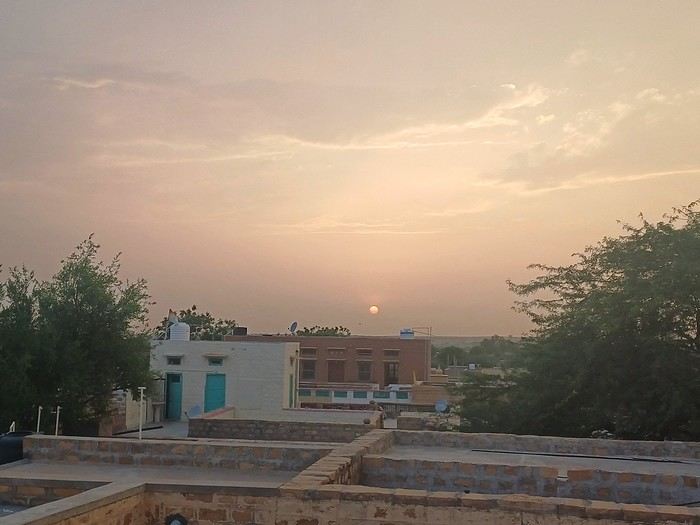
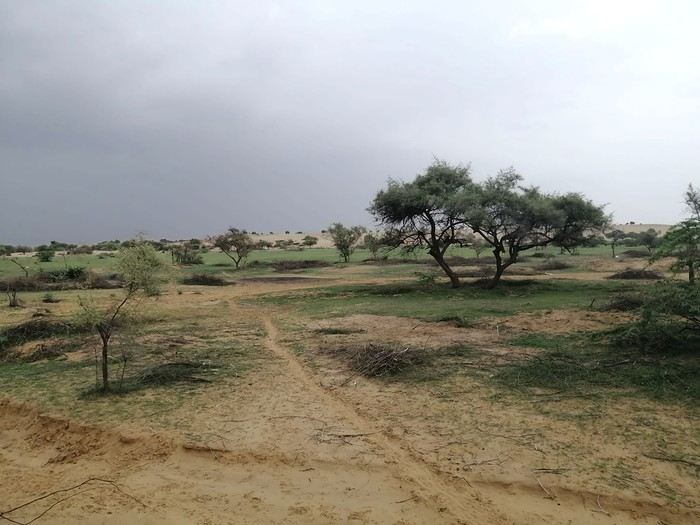 The sun sinks lower and lower, women in red saris fetch water from the well, and men graze their herds. The sky darkens, we hear thunder rumbling in the distance, and we start to wonder if we’ll get caught in the rain. But it never comes...
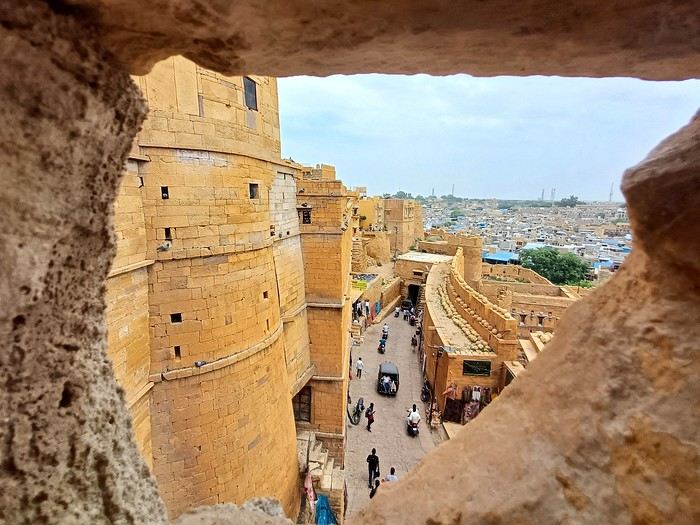
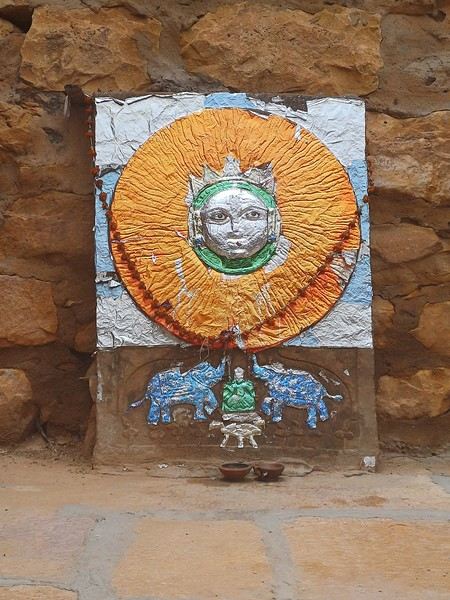
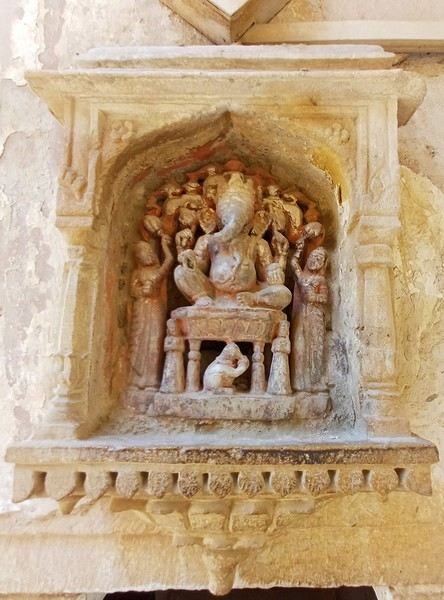
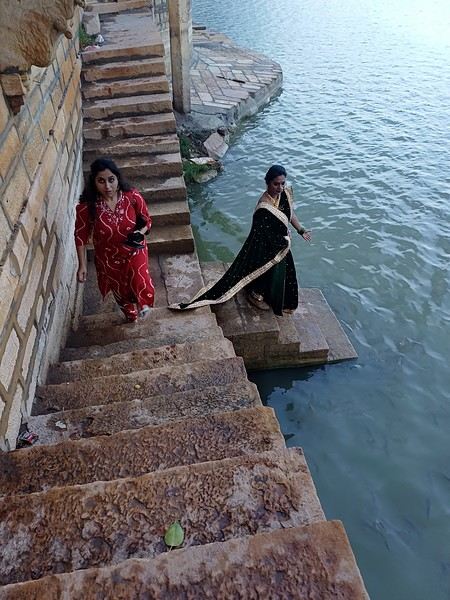
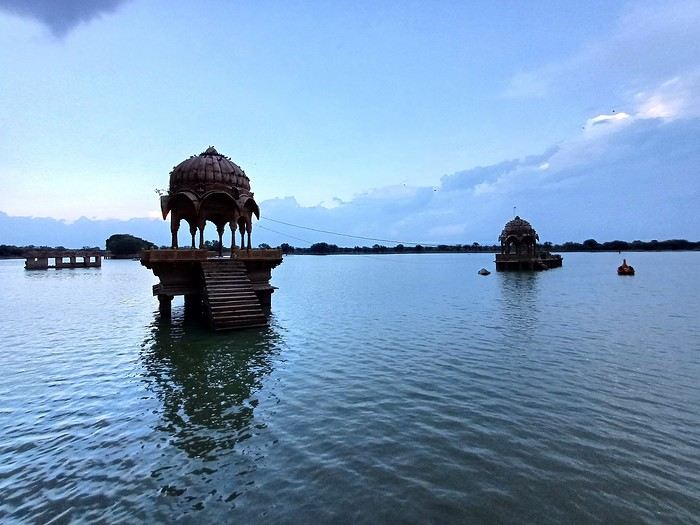 From a temple with walls licked by the waves, a puja resounds—its chants, bells, and drums instilling that atmosphere of fervor so unique to India at the transition between day and night. This is the temple of Hingalaj Mata, the tutelary goddess (kuldevi) of Jaisalmer’s rulers and many families in the city.
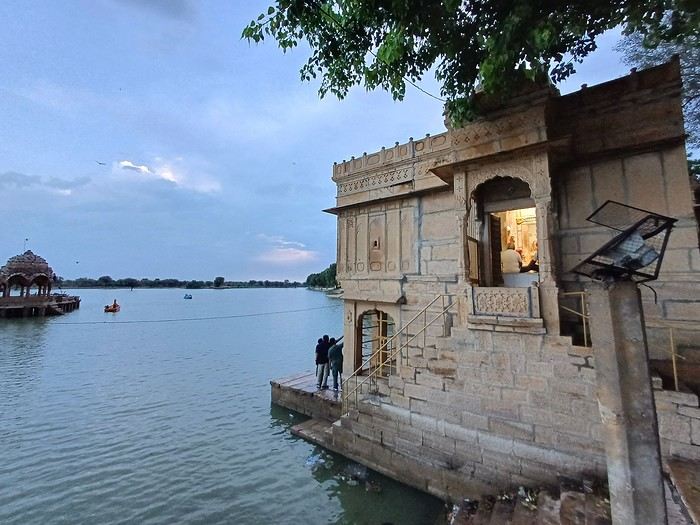 We join the devotees for a moment as they leave their final offerings and finish their prayers before the Brahmin priests close the sacred site. We particularly enjoy this twilight walk, but night is starting to take over.
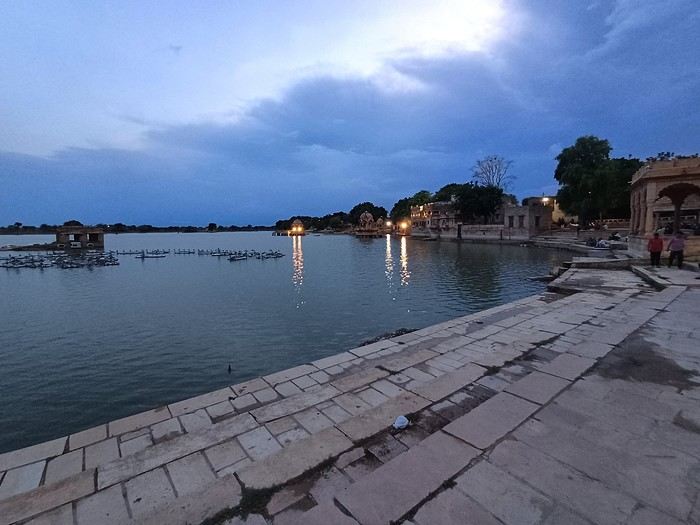


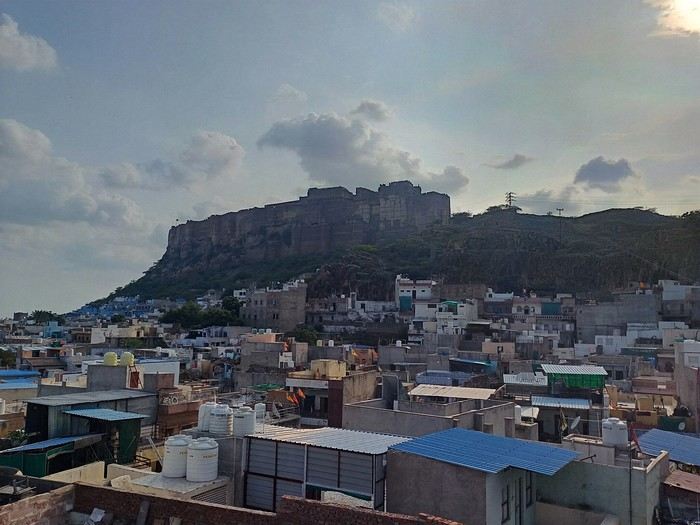
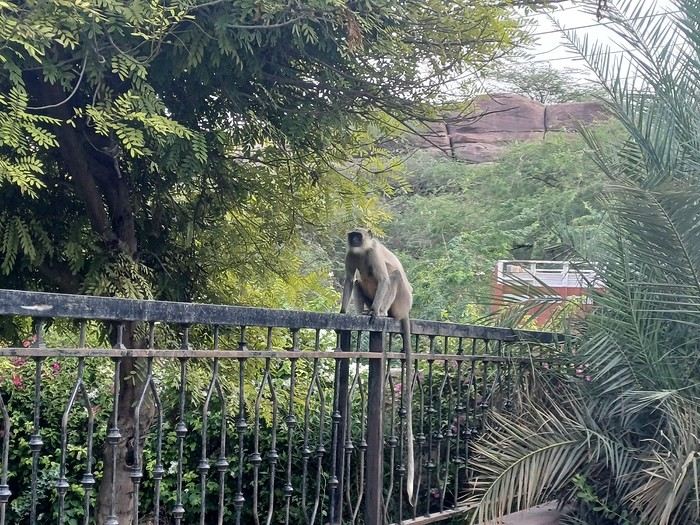 The tour is pleasant but anecdotal, taking a short route through the gardens and bringing us back to the starting point, where we begin the real visit on foot through the park’s wide paths. Families come to enjoy the last glimmers of the evening, and the langurs put on a show. The large gray-white monkeys, which Hindus venerate as representations of the monkey god Hanumān, literally swarm in these gardens, jumping and running in all directions, fighting, and clinging to everything they can, which amuses the kids (and scares them a little too).
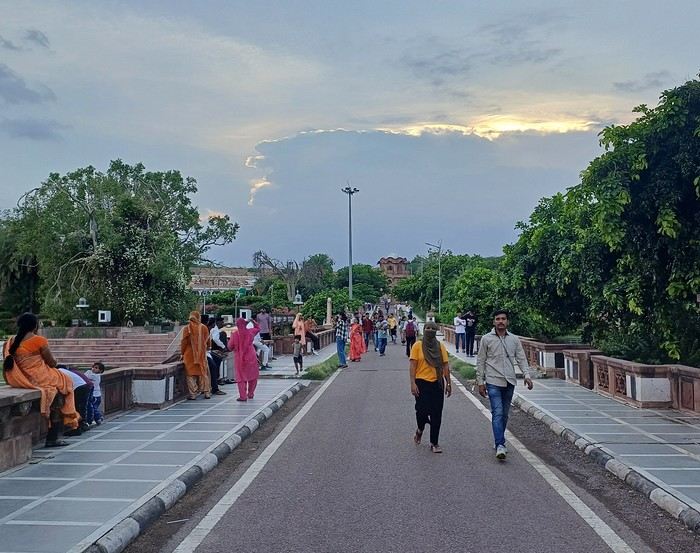
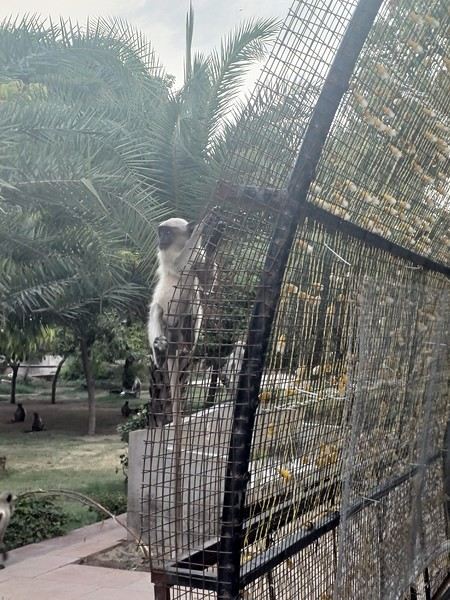 We walk along one of the main paths, lively and leading to the center of the park. This is where you can best see that Mandore Garden is the favorite spot for Jodhpur’s residents and Indian tourists to cool off in the evening. Along the path, there’s a paid sound-and-light show that we ultimately decide not to attend.
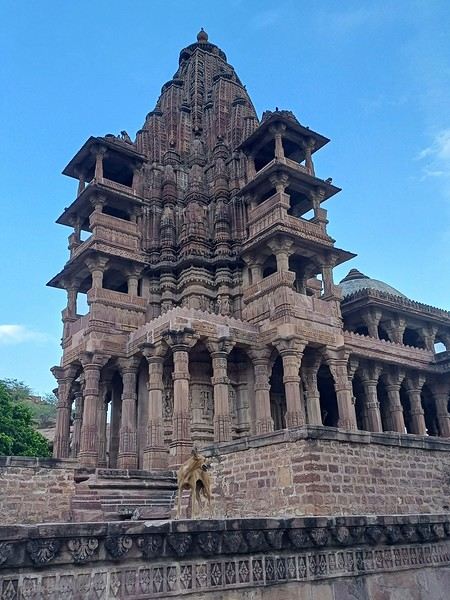
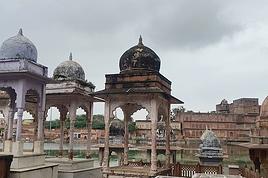
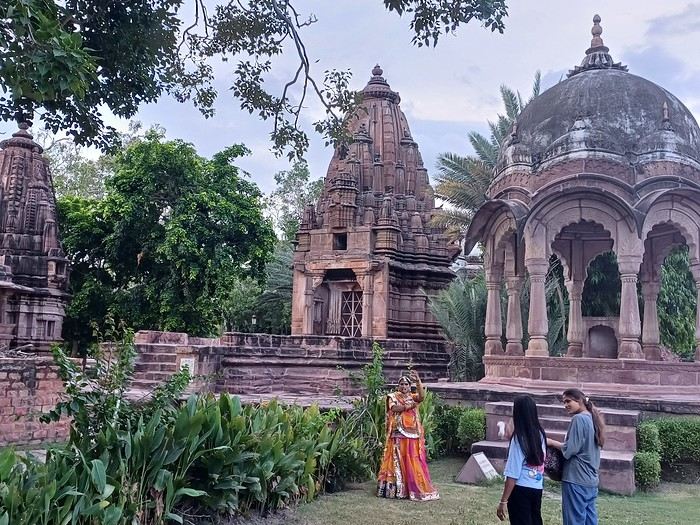 Of course, these cenotaphs serve as a luxurious backdrop for photos and selfies for Indians—couples, families, and those famous models posing for tourist photographers, whom I now recognize right away.
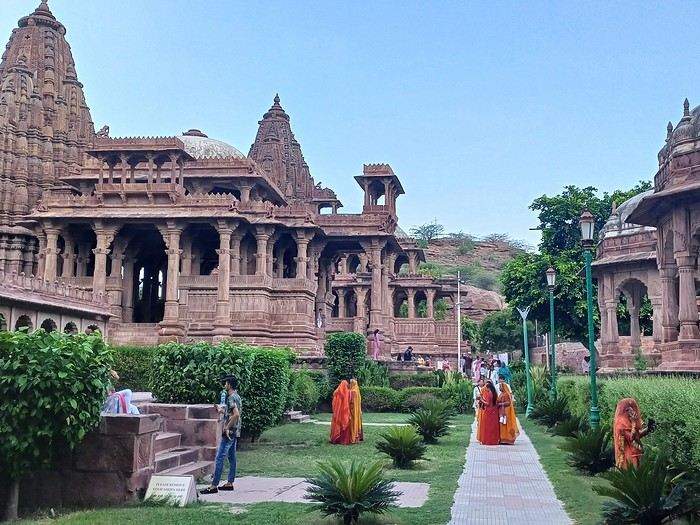
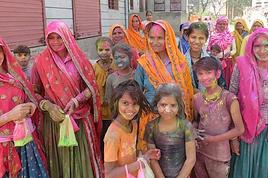
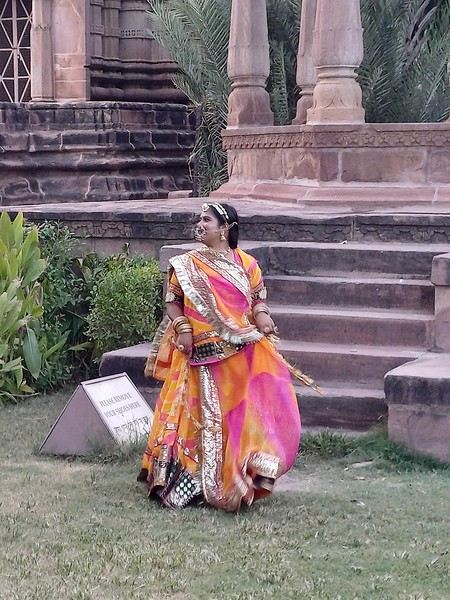 I particularly notice a group of Rajasthani women who I find very well-matched and photogenic.
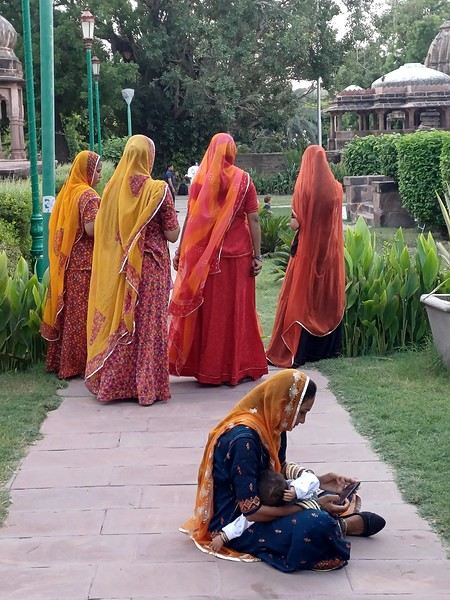
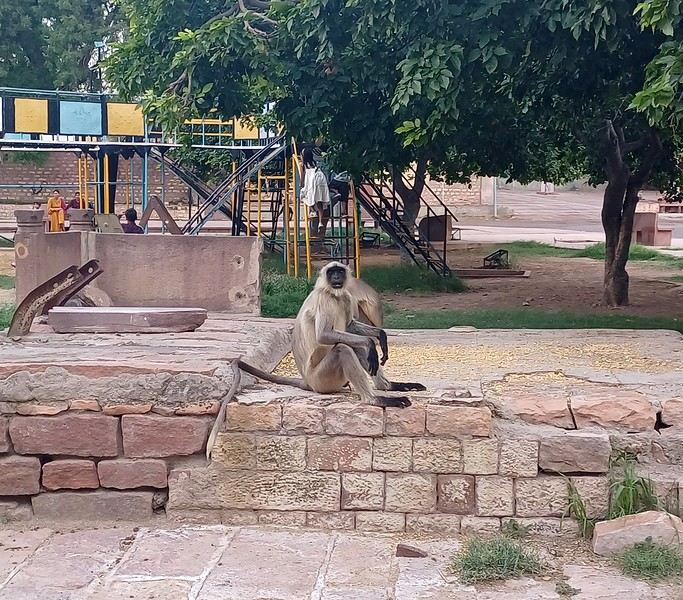
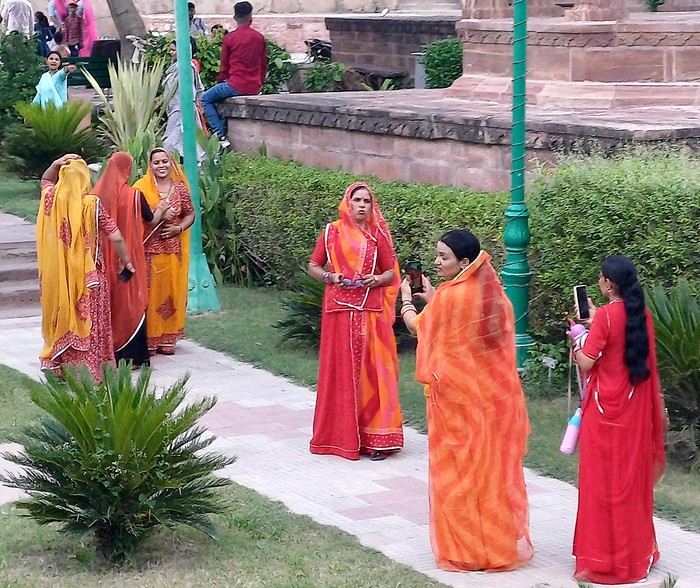 The kids enjoy the few playground areas in the park, staying vigilant around the monkeys that guard them jealously...
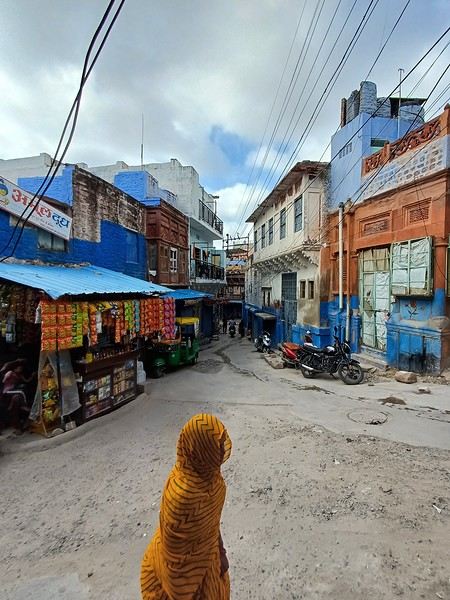
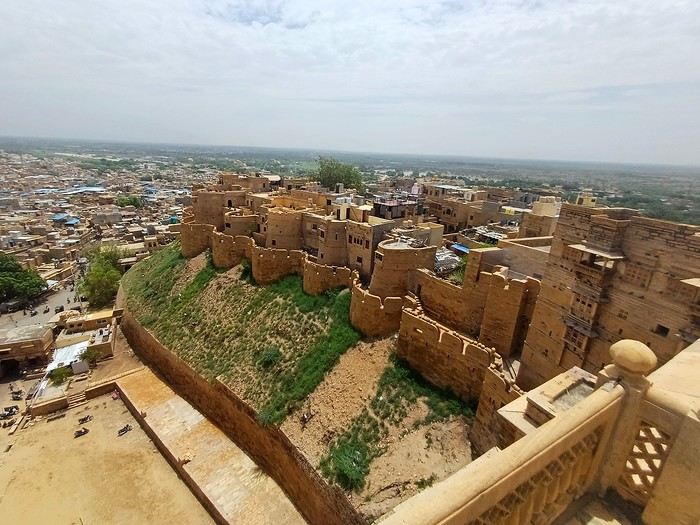
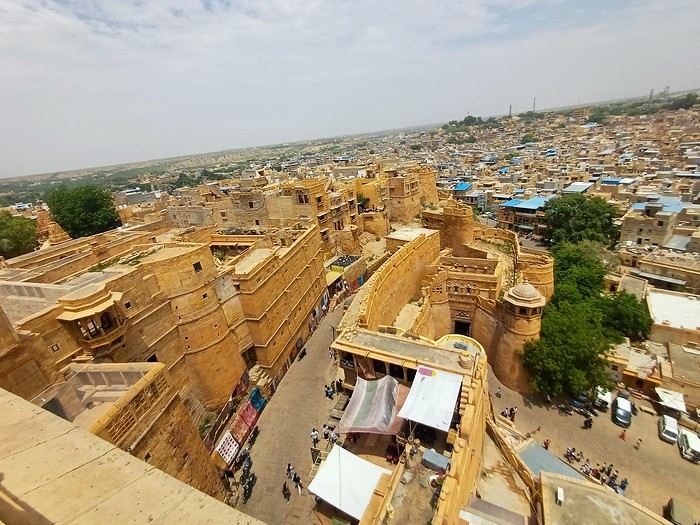
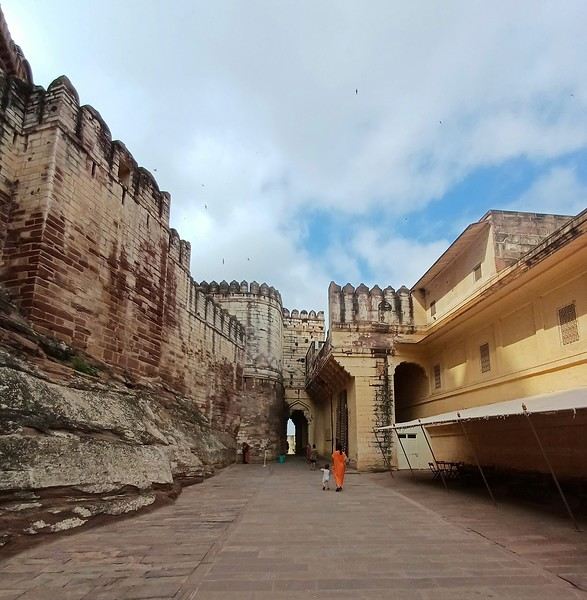
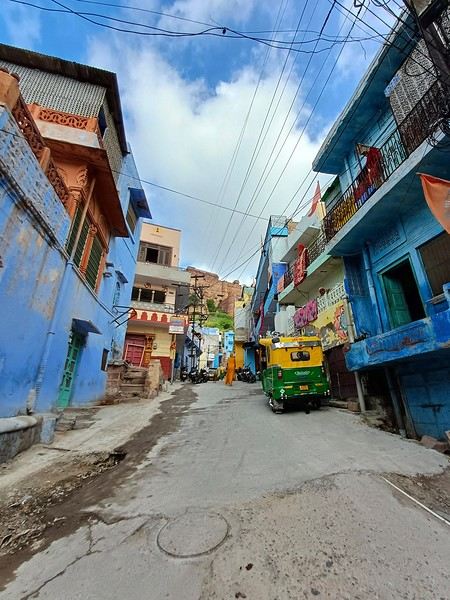 The climb up to the fort isn’t very long, but it’s much harder to tackle than Jaisalmer’s!
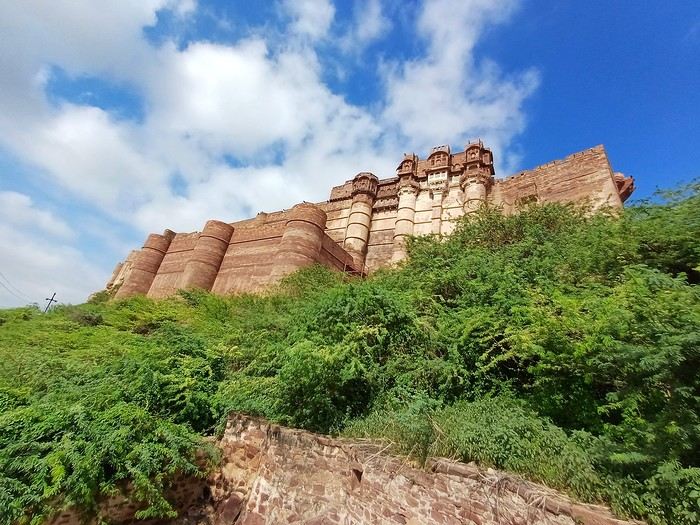
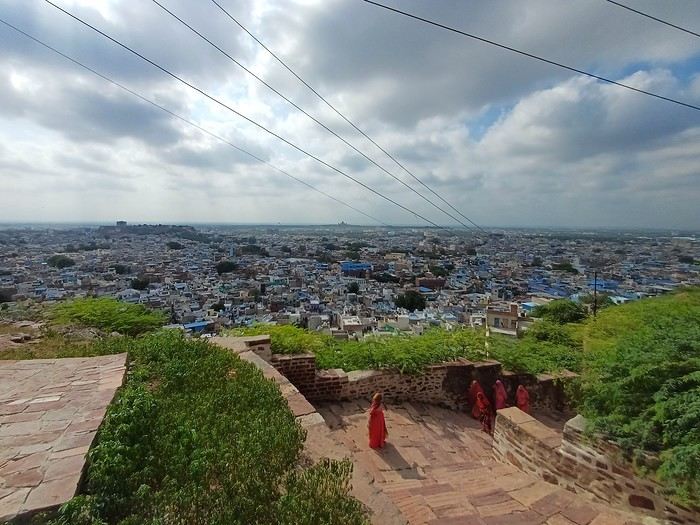 For once, Magali, wearing a Senegalese dress that could easily pass for Indian, takes the lead with the kids, encouraging Théo to walk a bit while I hang back to snap some photos.
 Just before reaching our destination, we cross a small courtyard on the way up where a Bhopā plays the rāvaṇhatthā on a beautiful rug. Having studied the topic, I expand a bit on what I already mentioned in the Jaisalmer section. This (lower) caste of itinerant musicians from Rajasthan, who serve the Rāikā camel herders, are ritually the only ones allowed to play this archaic one-stringed violin, accompanied by a drone string, while sympathetic strings resonate in its coconut-shell body (like the famous sitar), and bells on the metal-covered wooden neck jingle with the bow’s movement to mark the rhythm.
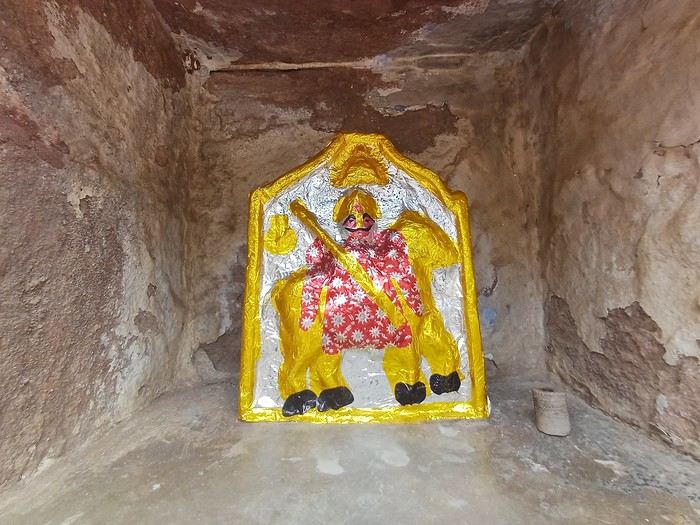
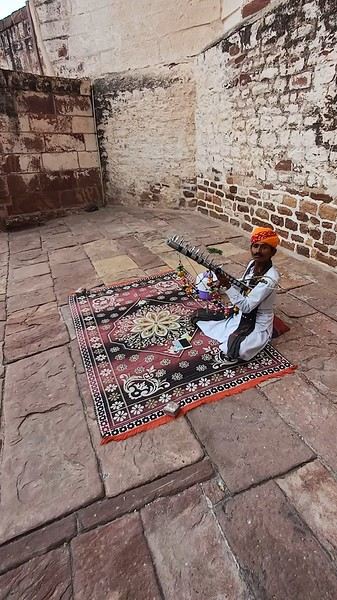 Once a year, the Bhopā play, dance, and recount the epic of Pābūjī Rāthauḍ, the divine sovereign, protector, and healer of camels and herds, for the Rāikā community. You might spot his depiction—always on horseback and armed—in a random alcove in the fort’s walls.
 The ceremony at the Pābūjī temple in Kolū village, near where we passed by bus about a hundred kilometers from Jodhpur, can last several days. This long epic tale is a local variant of the Rāmāyaṇa, a fundamental Hindu myth. Hence the instrument’s name, meaning "Rāvaṇa’s hand," based on its shape and the name of the king and demon of Laṅkā in that epic. But in this India where young people, drawn to liberalization, social media, and a more mainstream Hinduism, are turning away from local traditions, the ritual is at risk of disappearing. Despite this decline, Pābūjī remains a major regional deity and a vivid figure in Rajasthan’s folklore.
For me, in the māyā (the world of illusion—that is, our real world), the sound of this instrument instantly evokes a daydream of goats grazing on the delicate leaves of babūl trees and their turbaned herders in the Thar Desert landscapes... I approach and strike up a conversation with the Bhopā, who’s surprised I know so much about his caste’s history and culture. I mention meeting another well-known Bhopā in Udaipur (whom he knows) who gave me a few rāvaṇhatthā lessons in Jagdish Temple Street during my first trip in 2007. He finally plays a beautiful piece that captivates Théo before we say goodbye and continue on our way. A brief but lovely encounter.
The ceremony at the Pābūjī temple in Kolū village, near where we passed by bus about a hundred kilometers from Jodhpur, can last several days. This long epic tale is a local variant of the Rāmāyaṇa, a fundamental Hindu myth. Hence the instrument’s name, meaning "Rāvaṇa’s hand," based on its shape and the name of the king and demon of Laṅkā in that epic. But in this India where young people, drawn to liberalization, social media, and a more mainstream Hinduism, are turning away from local traditions, the ritual is at risk of disappearing. Despite this decline, Pābūjī remains a major regional deity and a vivid figure in Rajasthan’s folklore.
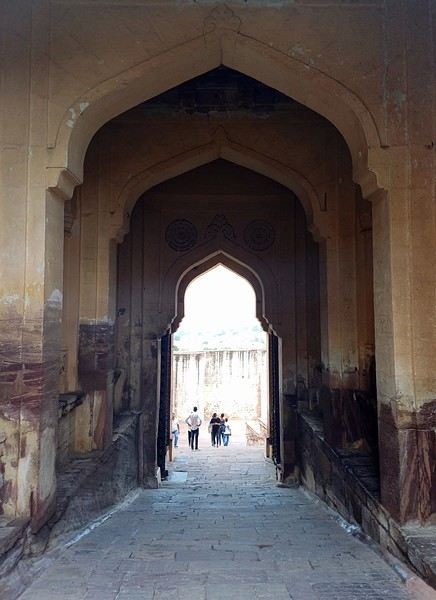
For me, in the māyā (the world of illusion—that is, our real world), the sound of this instrument instantly evokes a daydream of goats grazing on the delicate leaves of babūl trees and their turbaned herders in the Thar Desert landscapes... I approach and strike up a conversation with the Bhopā, who’s surprised I know so much about his caste’s history and culture. I mention meeting another well-known Bhopā in Udaipur (whom he knows) who gave me a few rāvaṇhatthā lessons in Jagdish Temple Street during my first trip in 2007. He finally plays a beautiful piece that captivates Théo before we say goodbye and continue on our way. A brief but lovely encounter.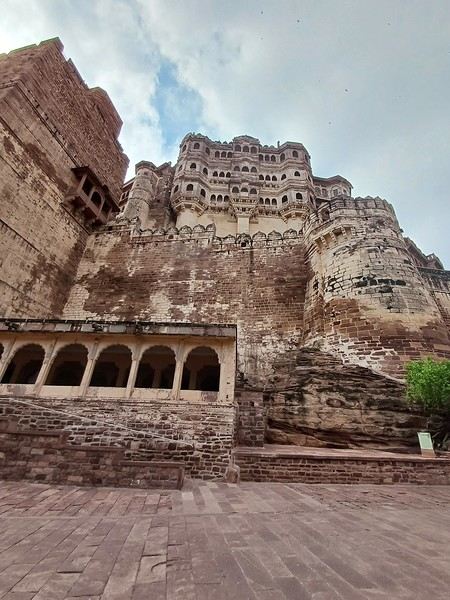 We pass through each gate, like mouths leading us deeper into the fortress, until we reach the heart where the ticket booth for the palaces is. "I am the soul of Rajasthan," the building seems to whisper to me.
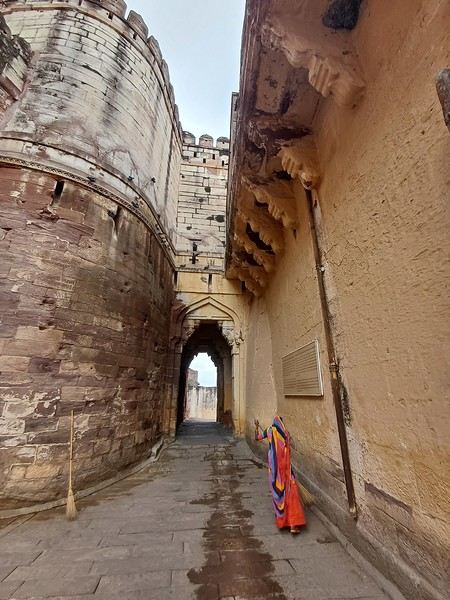
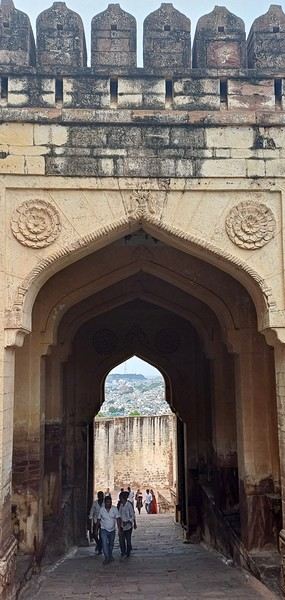
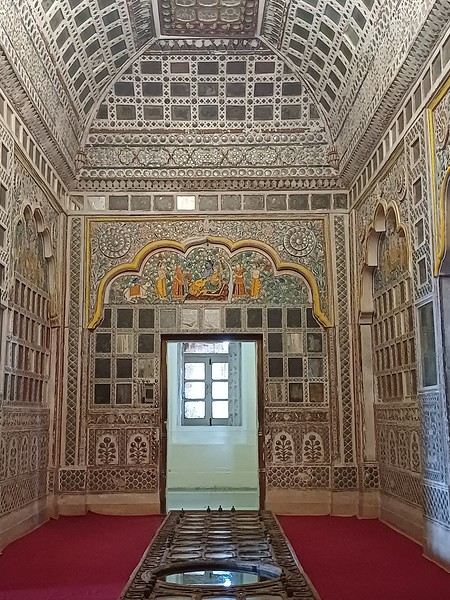
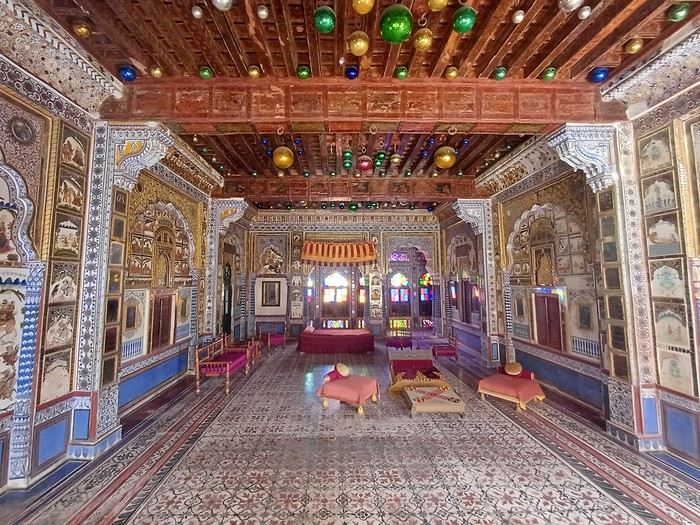
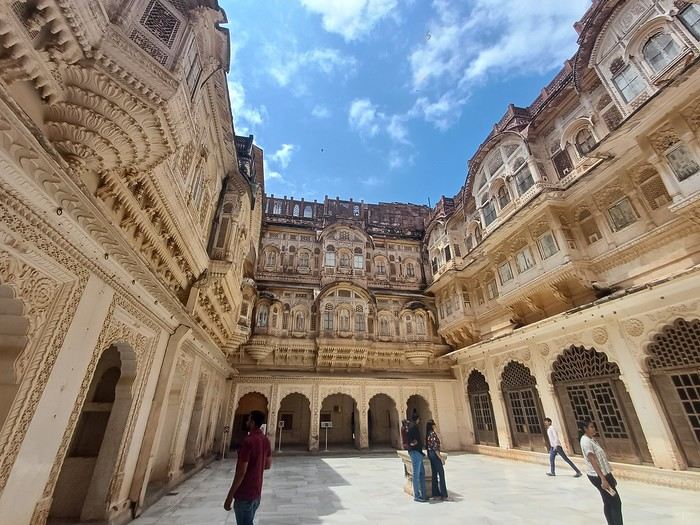
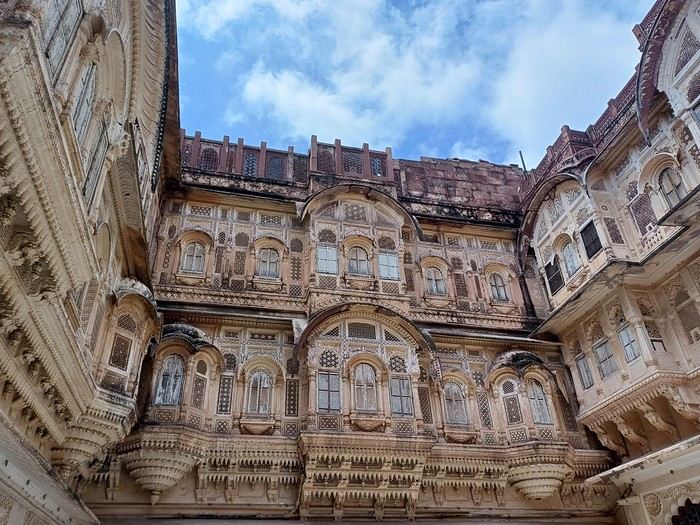
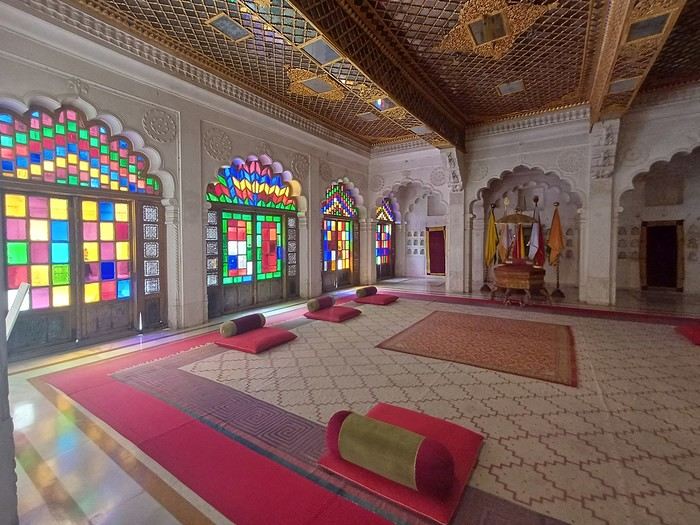 The route takes us through wonderful courtyards and alleys, where the sculptures in the windows and walls—especially in the *zenānā* (as its name accidentally suggests, the part of the palace reserved solely for... the ladies)—are of exceptionally fine detail.
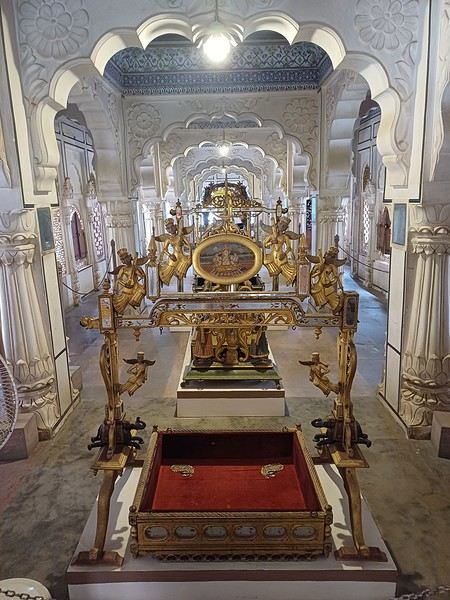
 At the end of the visit, the museum is less essential, but medieval object enthusiasts will find plenty to admire in the weapons, costumes, paintings, and kitschy palanquins. I even have to chase after Théo, who slips past the security barrier and starts causing chaos in a room full of particularly frilly palanquins adorned with very Christian-looking cherubs—a testament to the late Maharajas’ admiration for European art. I get a mild scolding from the guard in military uniform: "Sorry sir, sorry..."
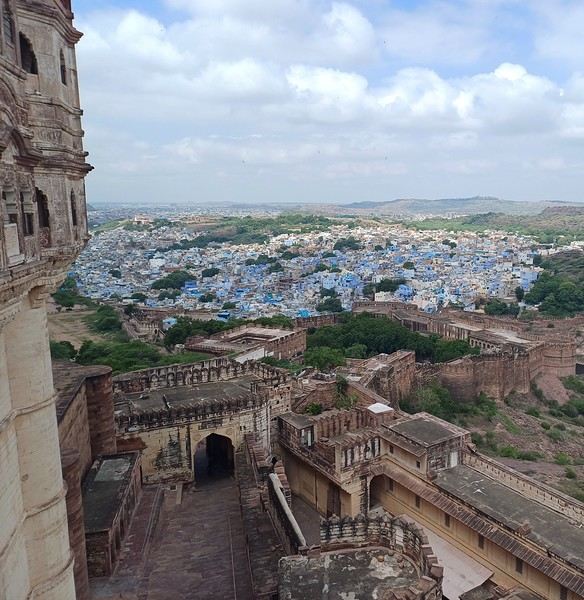
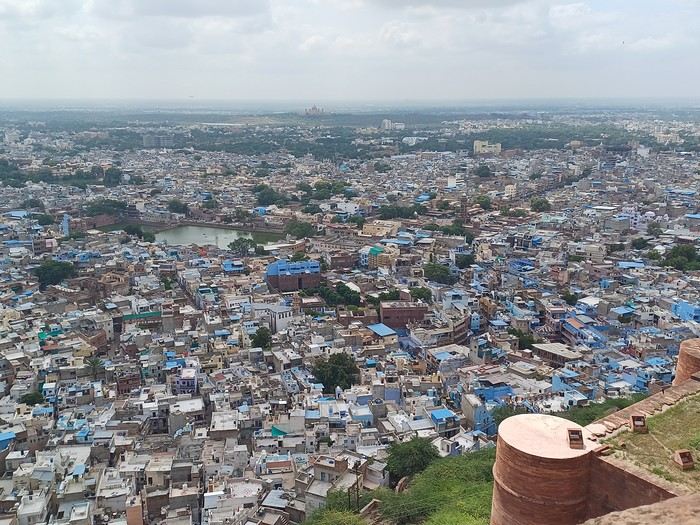
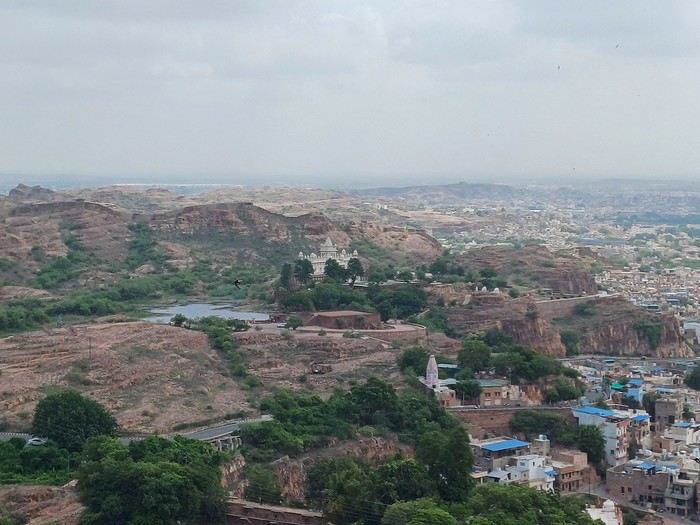 A final little encounter with an Indian family and their kids in the last courtyard, and the exit path inevitably takes us through the fort’s market, where the shops only sell approved, non-negotiable handicrafts. Magali can’t resist a beautiful yellow and blue scarf for 2,500 rupees, with the vendor assuring us it’s a rare piece we won’t find anywhere else but in the fort. We leave the place for good through the same gates we entered, still dazzled by the visit. Could Jodhpur truly be the soul of Rajasthan—the city that best encapsulates the spirit of the "Land of Kings" in all its facets?
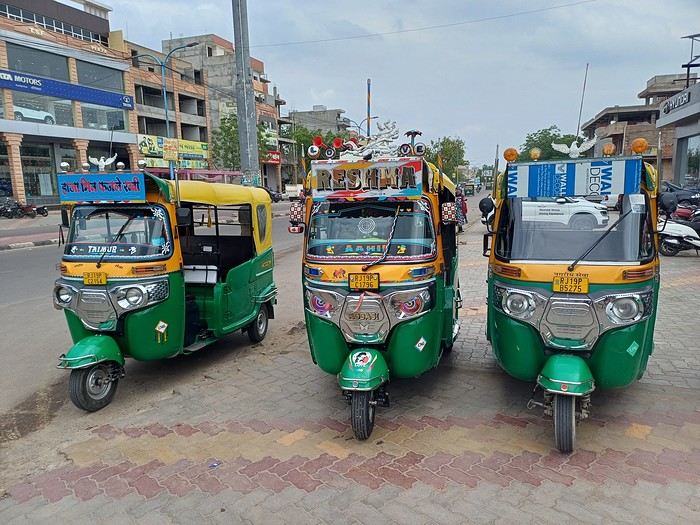
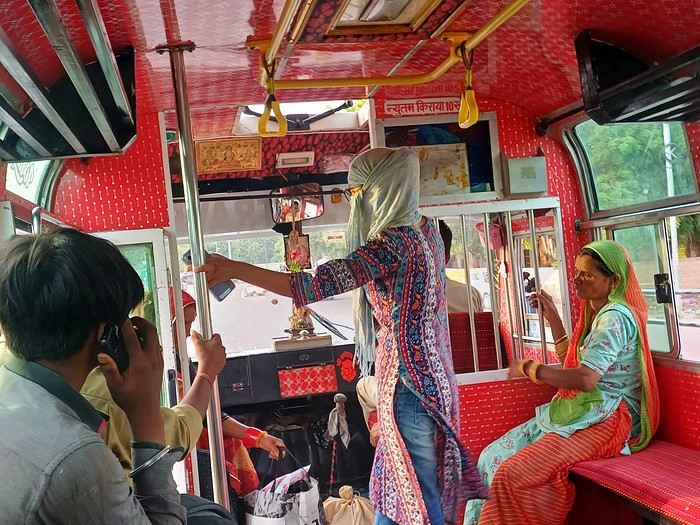
 Plus, it’s way cheaper and much more fun! Near Ghaṇṭā Ghar, we ask passersby where the stop for Mandore is. They tell us to take bus 1, which leaves at the junction of Ghaṇṭā Ghar and Nai Sarak. But in the end, we have to walk the whole avenue because the stop is near our beloved Janta Sweet Home, where a bus 1 is just leaving... We don’t wait long before another one arrives. There aren’t many people on board, which is nice, and we pay next to nothing for the four of us. However, the bus gets stuck in traffic, stops to refuel, hits a pedestrian (thankfully not seriously, but it requires a stop), and makes roadside stops—needless to say, it takes a bit longer than the rickshaw did yesterday... When it finally arrives, we realize it took an hour to cover the 9 kilometers. But we have time and enjoy being immersed in Indian life.
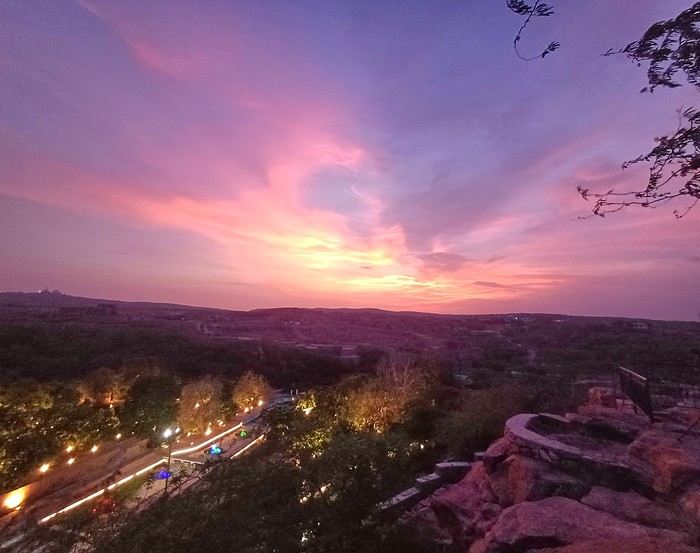
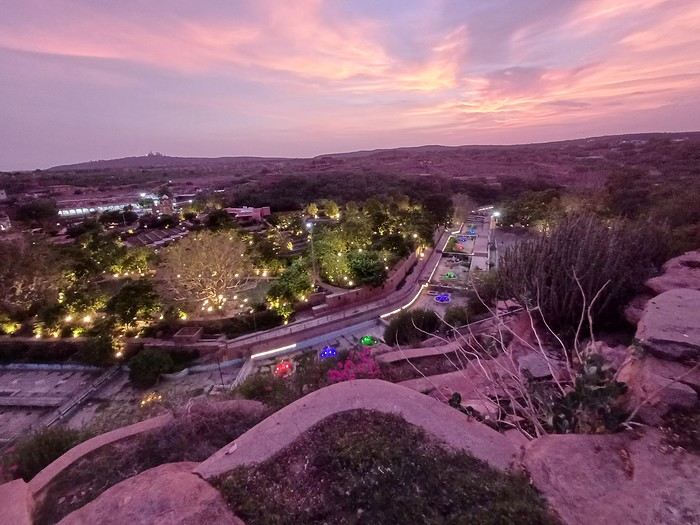
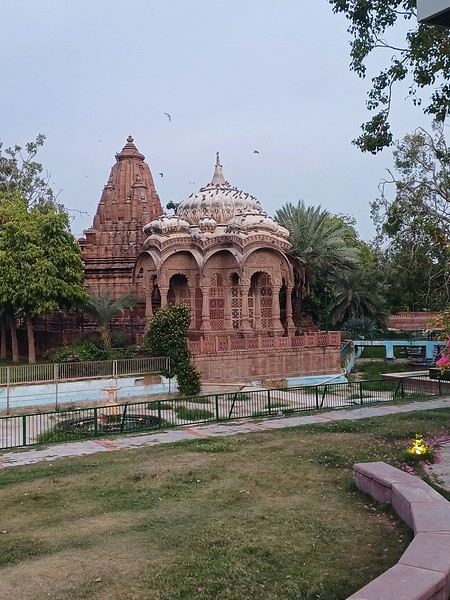 We venture deeper to explore the back section we couldn’t visit yesterday, all the way to the large lake at the end of the park. On our way back, we’re joined by Indian families, more numerous at this late hour. Colorful garlands light up along the paths and fountains as daylight fades. A steep path leads up the hill that once served as a lookout for the old Mandore fort, of which little remains... We grab sticks to fend off any aggressive monkeys and climb the few dozen steps to the summit, which serves as a sunset viewpoint (okay, that sounds too Québécois—I’ll say “sunset point” next time like everyone else). The sunset over the gardens in the last glimmers of daylight is stunning. In the background, there’s that indescribable mystical atmosphere of India transitioning between day and night, while ritual music echoes below.
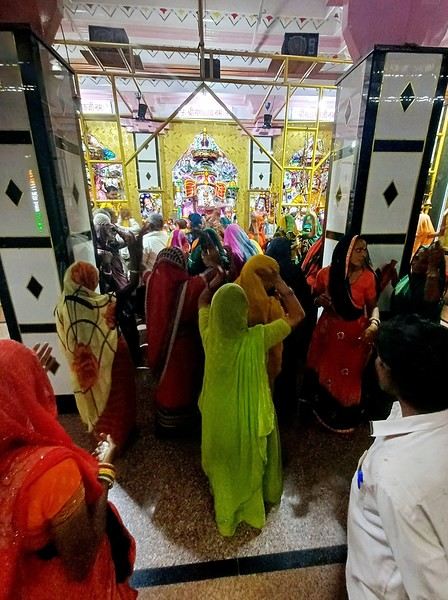
 We follow the sound of the music back down and realize it’s coming from Mandore Garden’s only temple, dedicated to the elephant god Gaṇesh, judging by the large effigy in the sanctuary’s center, where dozens of pilgrims dance in a trance, even on the entrance steps. I don’t know if it’s a special occasion or a regular ritual, but I blend into the crowd to take a few photos.
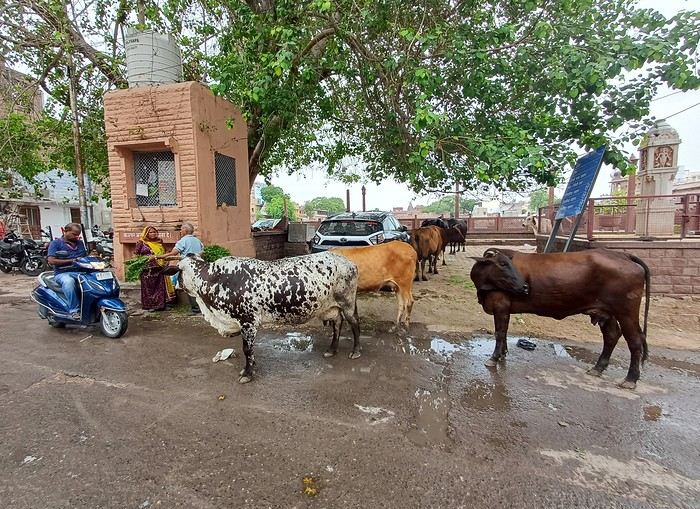
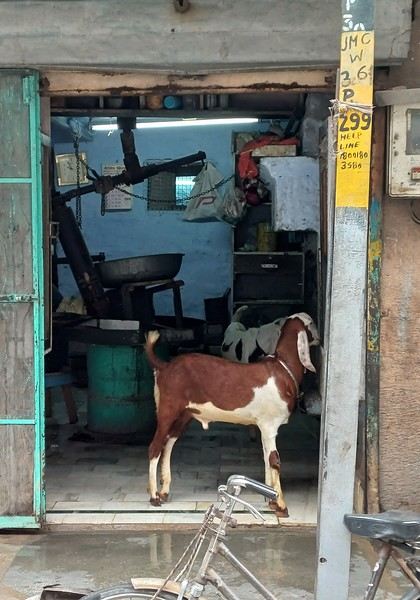 By the way, Kelyandre, who’s been incredibly lucky today, stepped right into a huge pile of fresh cow dung. We were a bit annoyed for him (literally covered in it) because we weren’t sure how to handle this unexpected situation. We considered going back to the hotel when I spotted a woman cleaning the front of her old house with a hose—it was divine intervention! I showed her Kelyandre’s foot and made it clear that her hose would be a lifesaver. Kelyandre placed his foot in the small gutter in front of the house while the kind woman rinsed off his cow dung-covered flip-flop. In seconds, his foot was wet but good as new! After all, cow dung is sacred to Hindus, just like their milk.
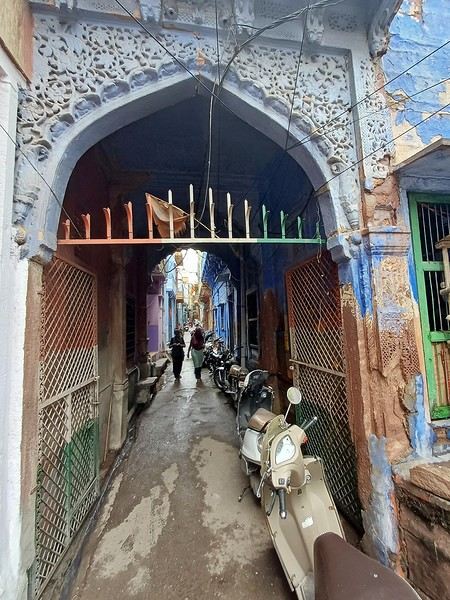
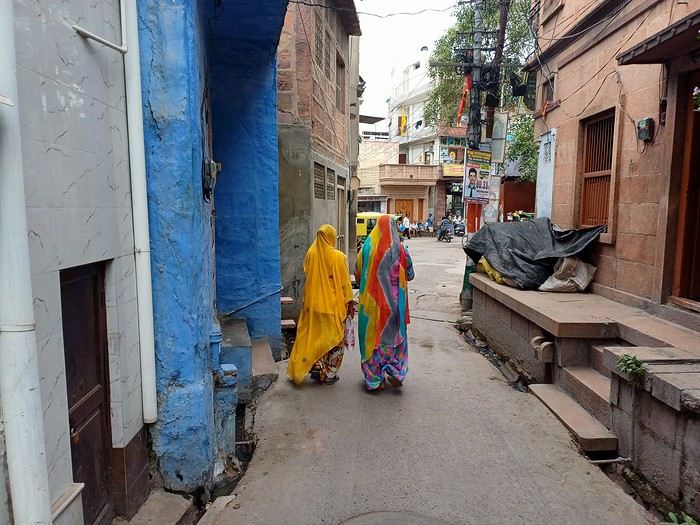
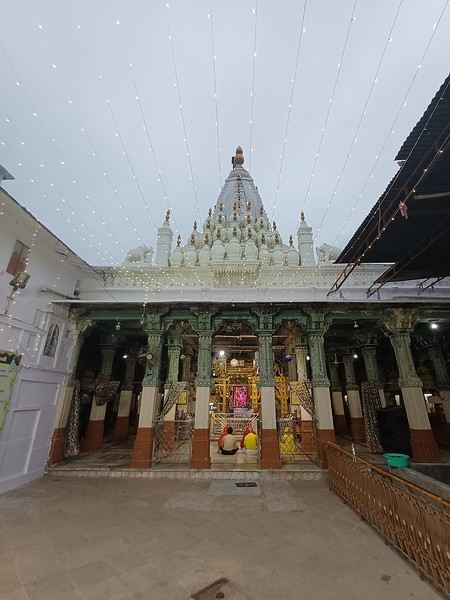
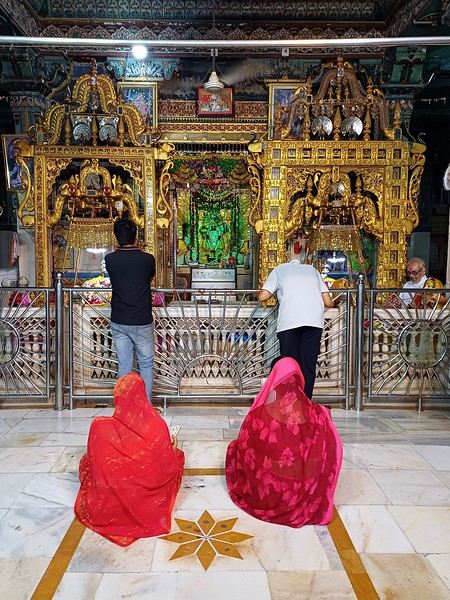
Wednesday, April 1st
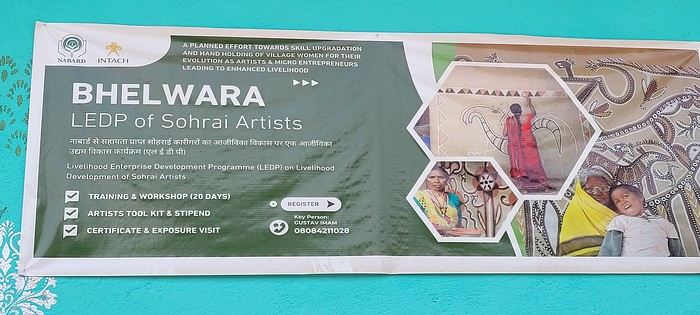
Hazaribagh I’ve got a meet-up with Adam Iman, a guide and painter. He picks me up from the hotel at 10 AM. Another traveler from Bangalore is supposed to join us, but while we wait for him to arrive, Adam takes me to see the paintings his mother and sister created at Hazaribagh station. The town became famous thanks to these murals, which can also be found in several surrounding villages. This art form has earned recognition and is now protected, a sign of its cultural importance. Once the visit is over, we go to pick up the other traveler and then head to our first village: Belwara, where Sohrai art is practiced. At the entrance, a sign proudly announces that we’re entering an artists’ village, where this art is created by women organized into micro-enterprises. Some even offer workshops for those who’d like to learn this tradition.
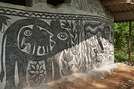
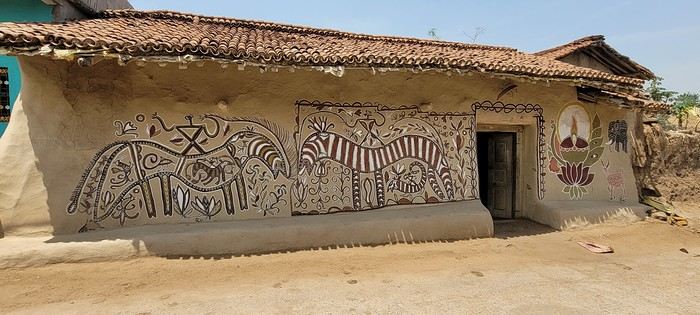
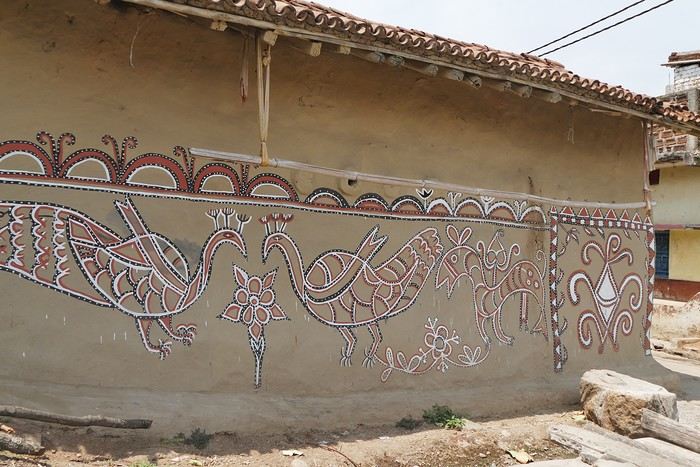
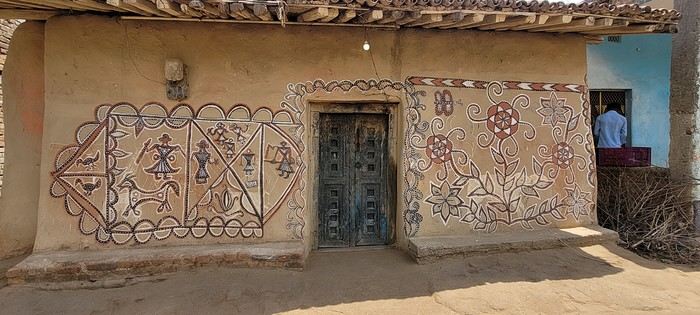
Sohrai art is tied to the harvest season, from October to mid-November. The motifs, in natural colors, celebrate fertility and abundance. The artists use pigments from the earth: red oxides, ochre, white kaolin, and black manganese. On the walls, you’ll see animals, fish, birds—all symbols of life and prosperity. As I look closer at the murals, I start to realize that each motif tells a story. Large animals like cows or bulls often take center stage. Their bodies are filled with intricate, almost hypnotic patterns. They symbolize wealth and prosperity for the household, as well as the deep respect for cattle, which are essential to daily life. On some facades, elephants stand out—massive and decorated with the same precision. They evoke quiet strength and protection. But it’s when I stop in front of one of the houses that I really take the time to look. The wall, a soft ochre, is entirely covered in murals. Two large animals stretch out on either side of the door, their elongated bodies fitting the length of the wall. Their silhouettes are filled with geometric patterns and incredibly fine curved lines, as if every space was patiently filled. Around them, stylized plants, flowers, and small decorative elements fill every gap. The door, dark and worn, becomes almost the silent center of the composition, framed by these living, protective forms. To the right, a more colorful motif catches the eye—a flower or a stylized lamp—like a touch of light on the earth. The whole thing gives an impression of perfect balance, between the rigor of the patterns and the freedom of the gesture.
Elsewhere, birds and freer forms bring movement. Peacocks, recognizable by their stylized silhouettes, embody beauty and vitality, while fish symbolize water, fertility, and the continuity of life.
 On some paintings, the scenes become almost narrative: you can make out figures, everyday gestures, like a memory of the village inscribed in the walls. The decorative frames around the doors aren’t left to chance either—they symbolically protect the house, like a boundary between the inside and the outside world.
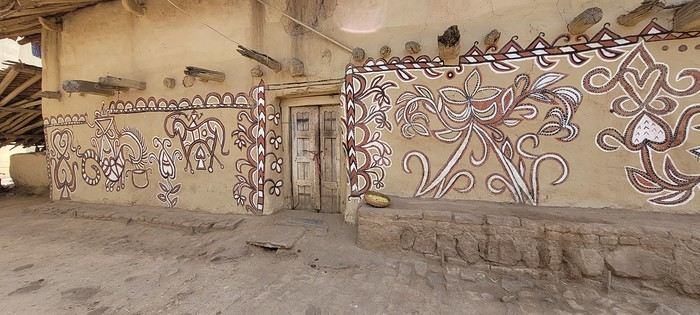
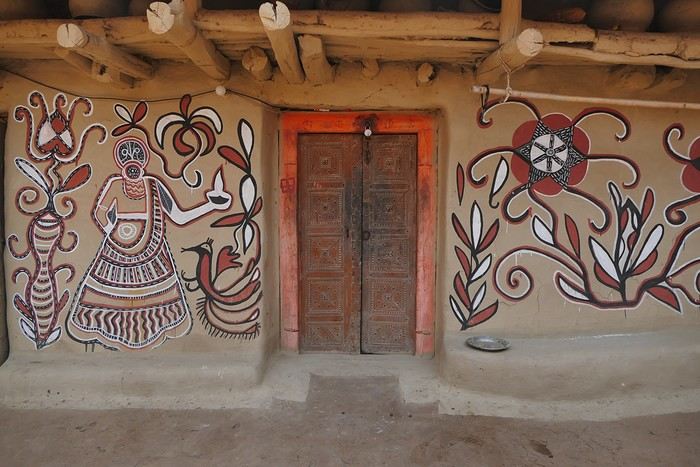
During the Sohrai festival, cattle are led into the jungle in the morning. Meanwhile, the women finish the *aripans*—these floor paintings—and continue the wall murals. Around noon, the animals return to the village, and the bulls’ horns are anointed with oil and vermilion in a gesture of gratitude, amid the vibrant colors adorning the houses. We visit several artists, including Parvat Devi, a well-known woman who has received many awards. Her arms are adorned with intriguing tattoos, which I’ll talk about in more detail later.
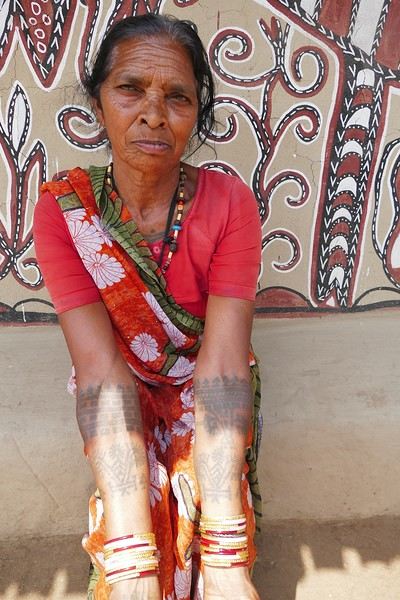
On another wall, the style changes completely. Here, no massive animals—just birds occupying the space, light and graceful, as if caught in mid-movement. Two silhouettes face each other, their long necks arched almost like mirrors, while their outstretched wings seem to vibrate with the patterns that compose them.
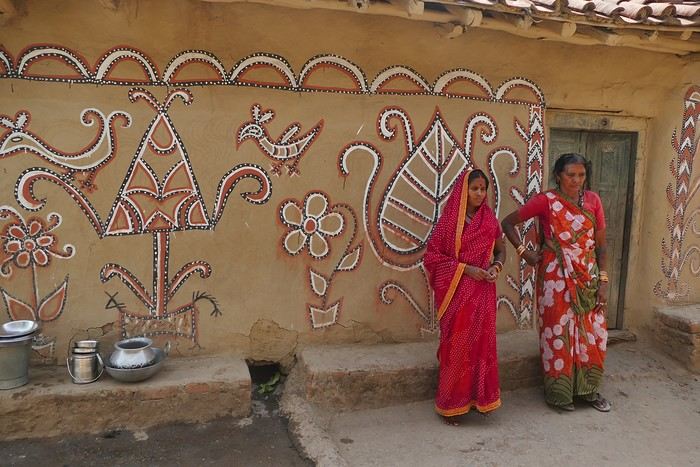
The design is more graphic, almost airy. The lines are smoother, more fluid, as if drawn in one confident stroke. The birds’ bodies aren’t solid—they’re filled with repetitive motifs like scales, stylized feathers, and spirals, giving a sense of continuous movement. Around them, everything comes to life: flowers burst open, arabesques swirl, and even the simplest shapes seem alive. What strikes me here is the sense of lightness. Where the large animals evoked stability and grounding, these birds bring something freer, almost joyful. They seem to embody movement, the circulation of life, like a breath flowing through the village.
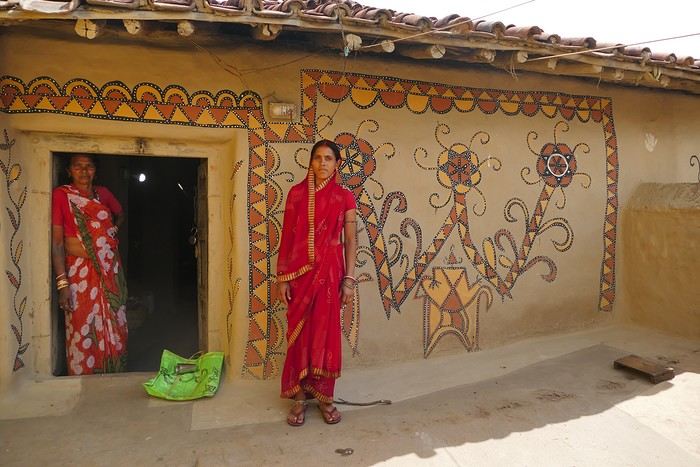
The colors remain the same—deep reds, intense blacks, and chalky white—but the rhythm is different. Faster, more spontaneous. As if each wall had its own personality, while still speaking the same language.
That’s probably why I’m so moved. I’d heard about these paintings from my friend Raja, and last year, I saw an exhibition in a village near my home. That first encounter made me want to come here. But seeing them in person is a whole different experience. These paintings are unique. This ancient art is passed down from mother to daughter, or mother-in-law to daughter-in-law, in a quiet, deeply living continuity. At first glance, it might seem almost childlike in its simplicity and pared-down forms. And yet, everything is thought out, balanced, mastered. Nothing is left to chance.
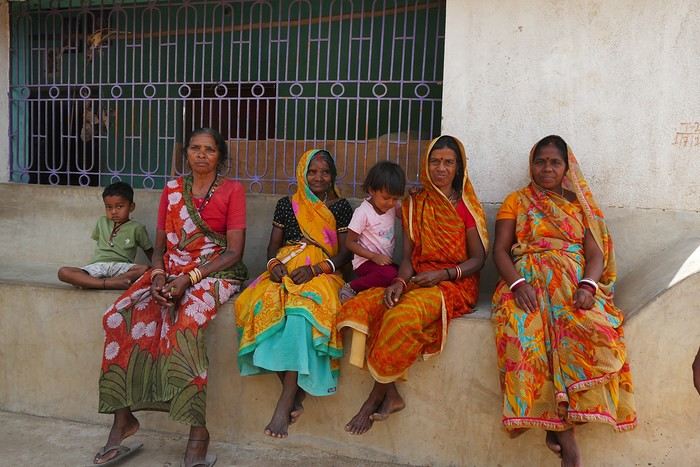
That apparent simplicity, combined with such rich symbolism, touches me deeply. There’s something sincere and essential in these walls—and that’s what moves me.
Hazaribagh I’ve got a meet-up with Adam Iman, a guide and painter. He picks me up from the hotel at 10 AM. Another traveler from Bangalore is supposed to join us, but while we wait for him to arrive, Adam takes me to see the paintings his mother and sister created at Hazaribagh station. The town became famous thanks to these murals, which can also be found in several surrounding villages. This art form has earned recognition and is now protected, a sign of its cultural importance. Once the visit is over, we go to pick up the other traveler and then head to our first village: Belwara, where Sohrai art is practiced. At the entrance, a sign proudly announces that we’re entering an artists’ village, where this art is created by women organized into micro-enterprises. Some even offer workshops for those who’d like to learn this tradition.
Sohrai art is tied to the harvest season, from October to mid-November. The motifs, in natural colors, celebrate fertility and abundance. The artists use pigments from the earth: red oxides, ochre, white kaolin, and black manganese. On the walls, you’ll see animals, fish, birds—all symbols of life and prosperity. As I look closer at the murals, I start to realize that each motif tells a story. Large animals like cows or bulls often take center stage. Their bodies are filled with intricate, almost hypnotic patterns. They symbolize wealth and prosperity for the household, as well as the deep respect for cattle, which are essential to daily life. On some facades, elephants stand out—massive and decorated with the same precision. They evoke quiet strength and protection. But it’s when I stop in front of one of the houses that I really take the time to look. The wall, a soft ochre, is entirely covered in murals. Two large animals stretch out on either side of the door, their elongated bodies fitting the length of the wall. Their silhouettes are filled with geometric patterns and incredibly fine curved lines, as if every space was patiently filled. Around them, stylized plants, flowers, and small decorative elements fill every gap. The door, dark and worn, becomes almost the silent center of the composition, framed by these living, protective forms. To the right, a more colorful motif catches the eye—a flower or a stylized lamp—like a touch of light on the earth. The whole thing gives an impression of perfect balance, between the rigor of the patterns and the freedom of the gesture.
Elsewhere, birds and freer forms bring movement. Peacocks, recognizable by their stylized silhouettes, embody beauty and vitality, while fish symbolize water, fertility, and the continuity of life.
On some paintings, the scenes become almost narrative: you can make out figures, everyday gestures, like a memory of the village inscribed in the walls. The decorative frames around the doors aren’t left to chance either—they symbolically protect the house, like a boundary between the inside and the outside world.During the Sohrai festival, cattle are led into the jungle in the morning. Meanwhile, the women finish the *aripans*—these floor paintings—and continue the wall murals. Around noon, the animals return to the village, and the bulls’ horns are anointed with oil and vermilion in a gesture of gratitude, amid the vibrant colors adorning the houses. We visit several artists, including Parvat Devi, a well-known woman who has received many awards. Her arms are adorned with intriguing tattoos, which I’ll talk about in more detail later.
On another wall, the style changes completely. Here, no massive animals—just birds occupying the space, light and graceful, as if caught in mid-movement. Two silhouettes face each other, their long necks arched almost like mirrors, while their outstretched wings seem to vibrate with the patterns that compose them.
The design is more graphic, almost airy. The lines are smoother, more fluid, as if drawn in one confident stroke. The birds’ bodies aren’t solid—they’re filled with repetitive motifs like scales, stylized feathers, and spirals, giving a sense of continuous movement. Around them, everything comes to life: flowers burst open, arabesques swirl, and even the simplest shapes seem alive. What strikes me here is the sense of lightness. Where the large animals evoked stability and grounding, these birds bring something freer, almost joyful. They seem to embody movement, the circulation of life, like a breath flowing through the village.
The colors remain the same—deep reds, intense blacks, and chalky white—but the rhythm is different. Faster, more spontaneous. As if each wall had its own personality, while still speaking the same language.
That’s probably why I’m so moved. I’d heard about these paintings from my friend Raja, and last year, I saw an exhibition in a village near my home. That first encounter made me want to come here. But seeing them in person is a whole different experience. These paintings are unique. This ancient art is passed down from mother to daughter, or mother-in-law to daughter-in-law, in a quiet, deeply living continuity. At first glance, it might seem almost childlike in its simplicity and pared-down forms. And yet, everything is thought out, balanced, mastered. Nothing is left to chance.
That apparent simplicity, combined with such rich symbolism, touches me deeply. There’s something sincere and essential in these walls—and that’s what moves me.
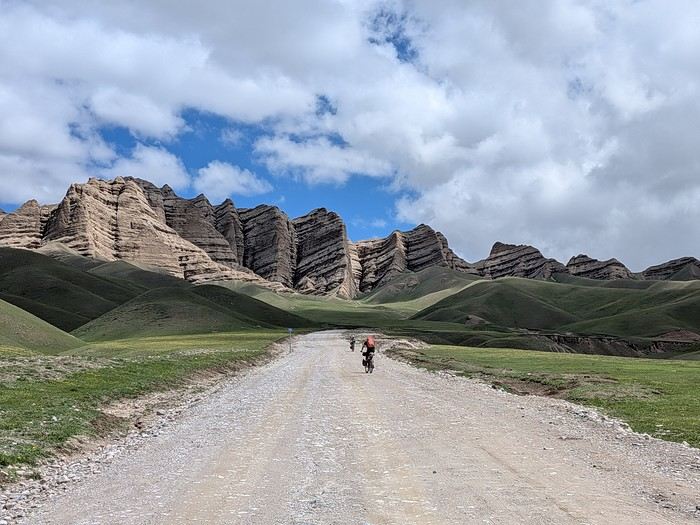



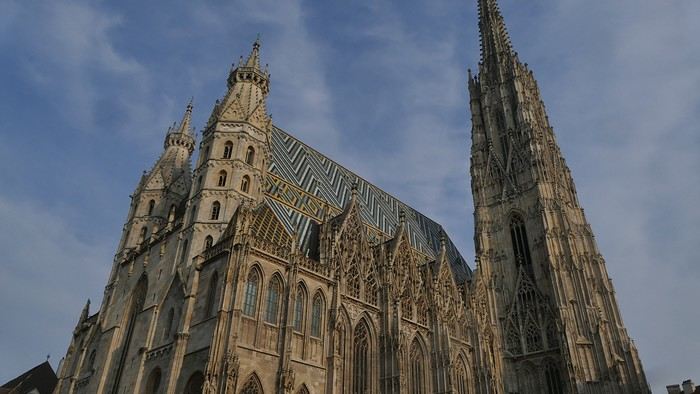
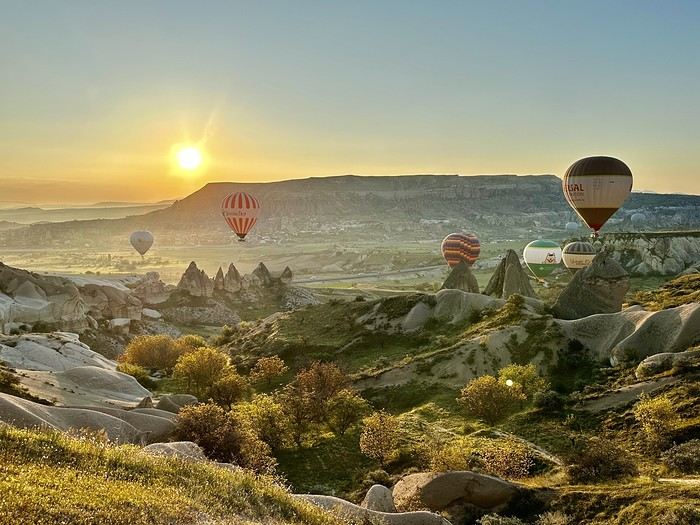 A little sneak peek?

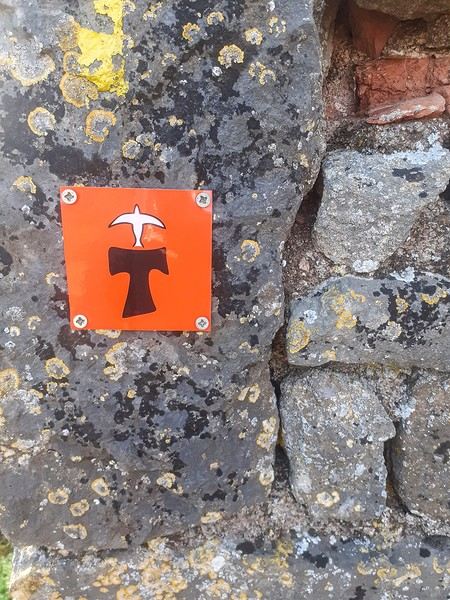

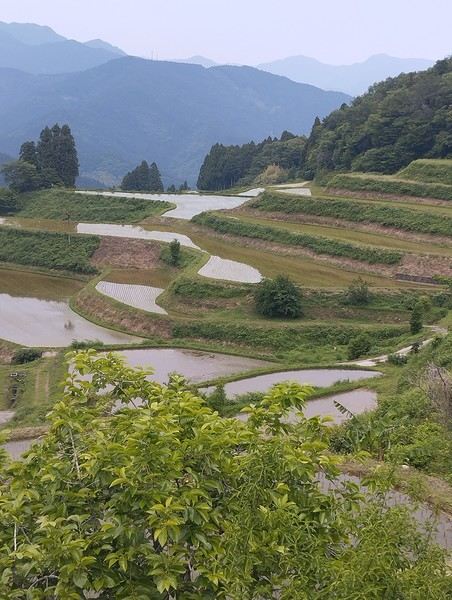

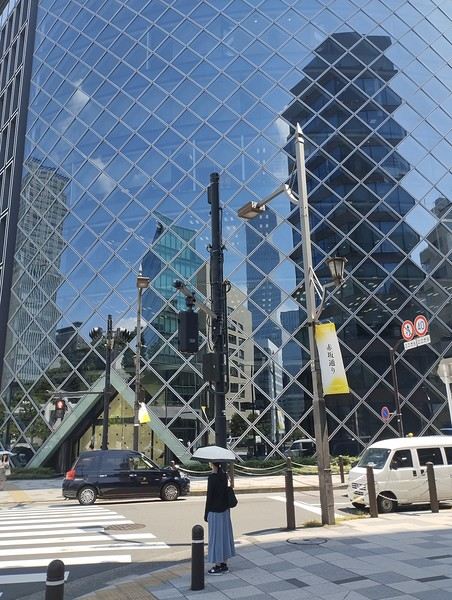

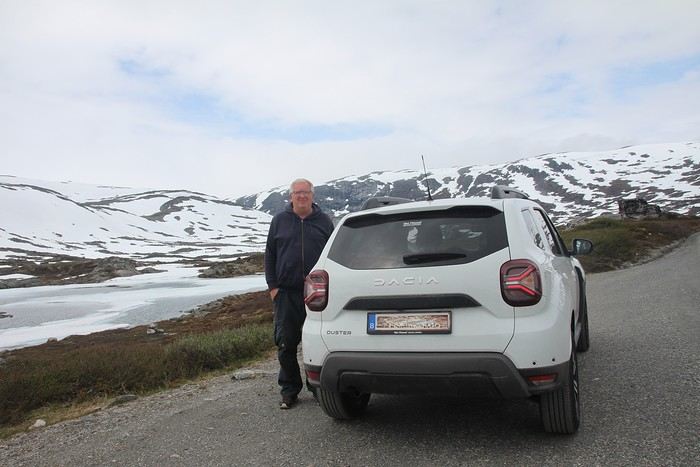
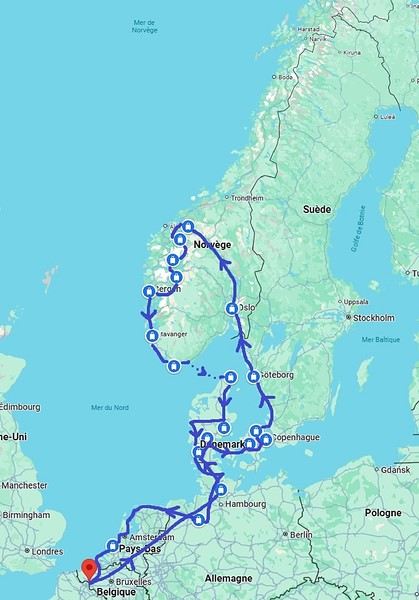


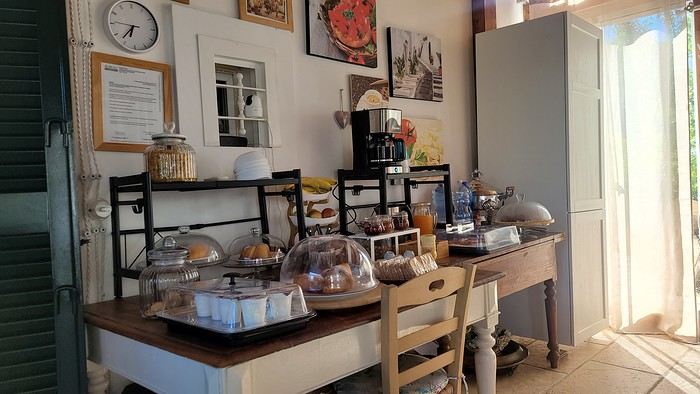
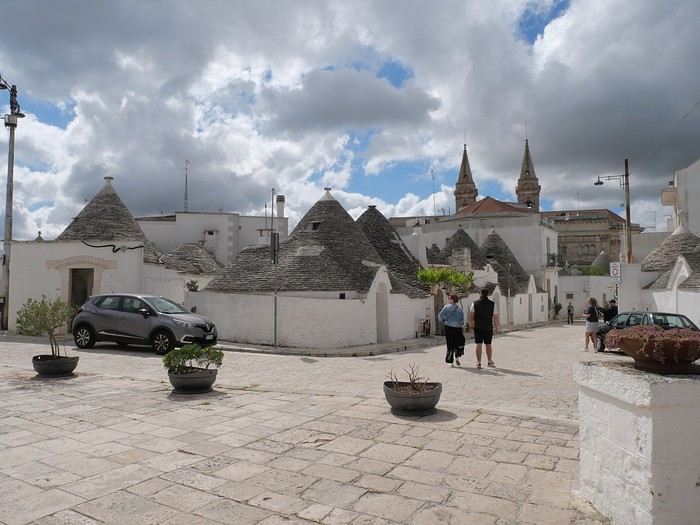
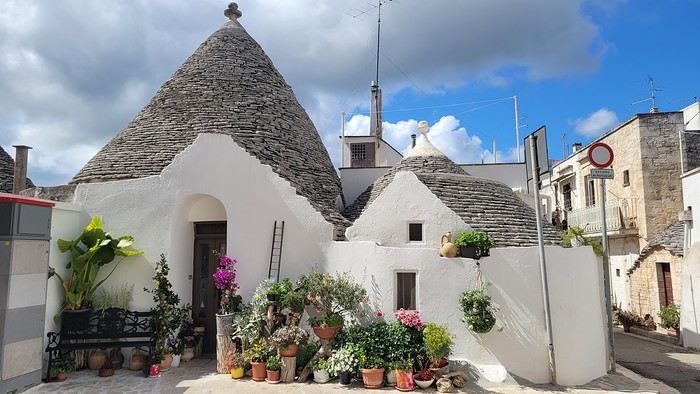
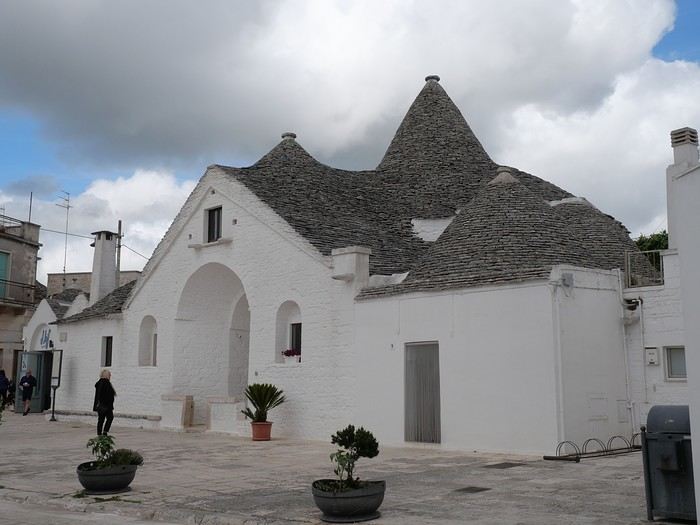
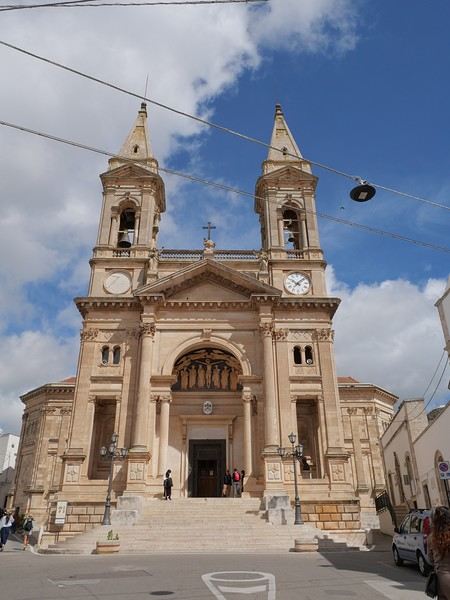
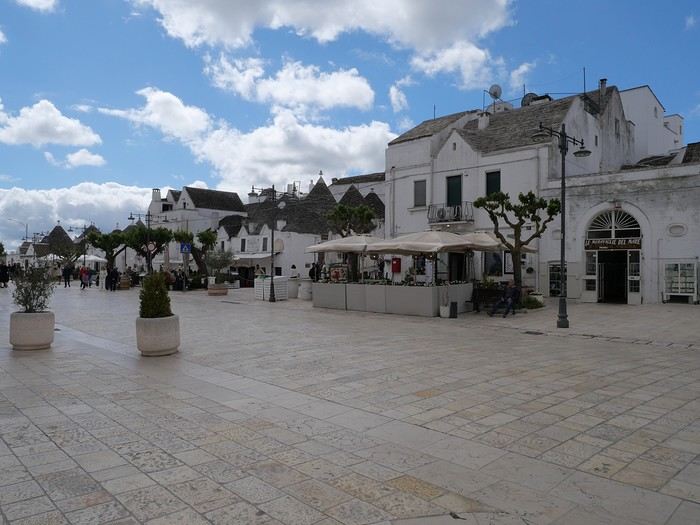
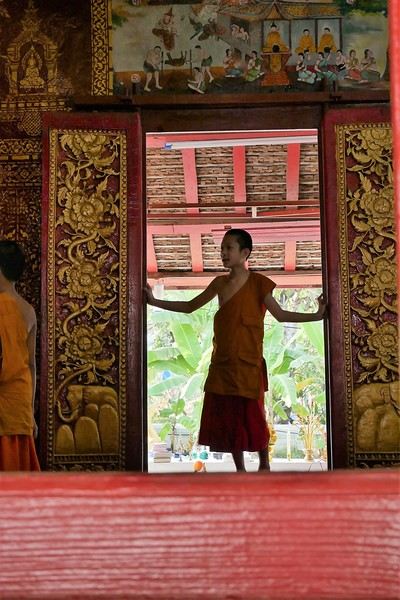 Come along, I'm taking you to this country where it's so nice to wander and slow down...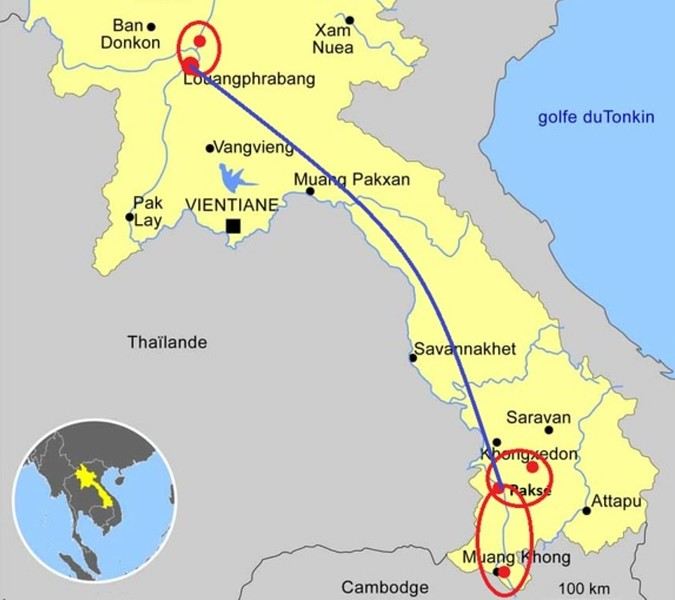
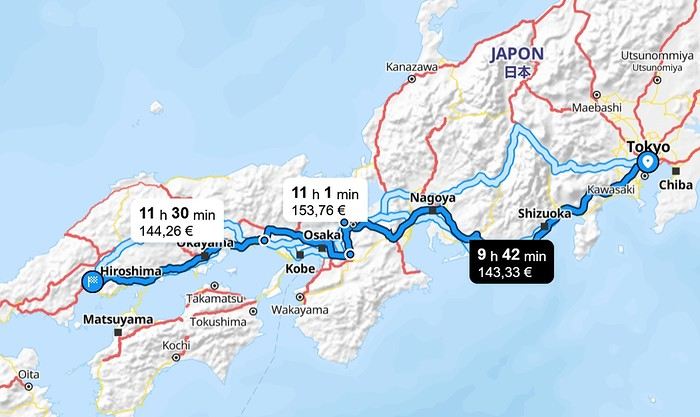

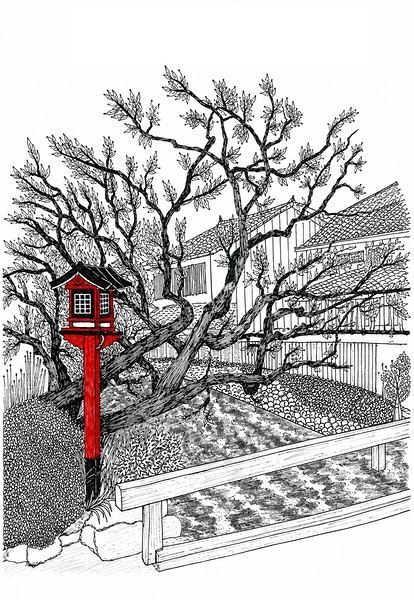 I’m inviting you on a stroll through my drawings—a completely subjective, far from exhaustive, and totally personal take, since it’s based on my own sketches. I put this travel journal together after returning in late 2024, mostly using felt-tip pens and pencils, with a few collages thrown in. I worked from our personal photos.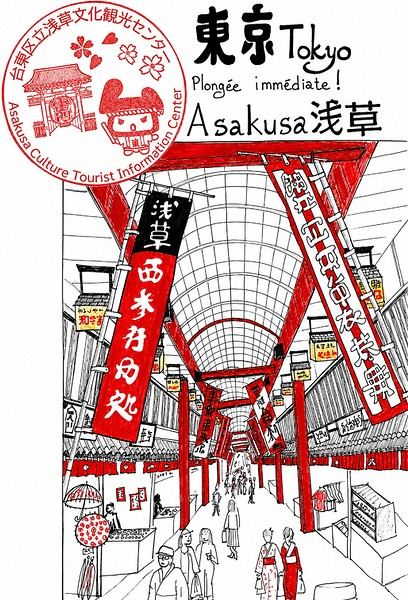
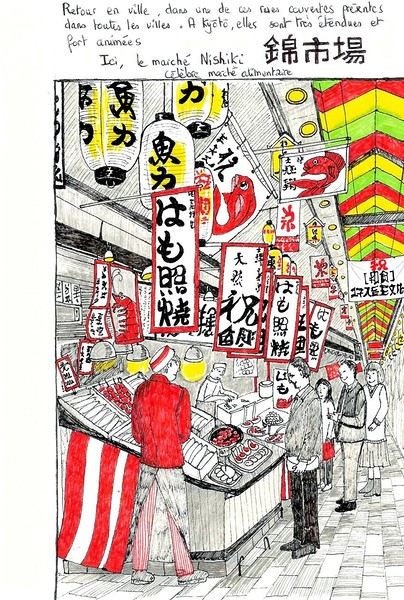
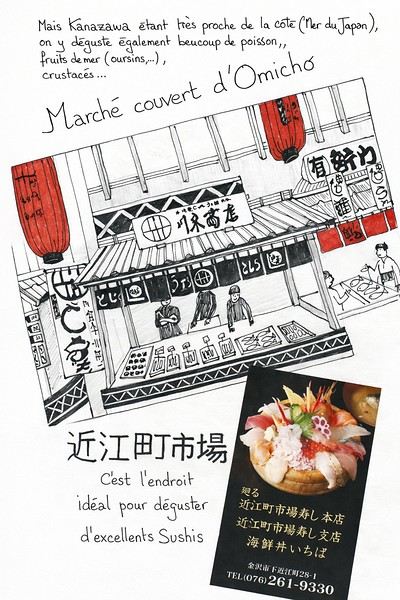 And in Kyoto, Nishiki Market:

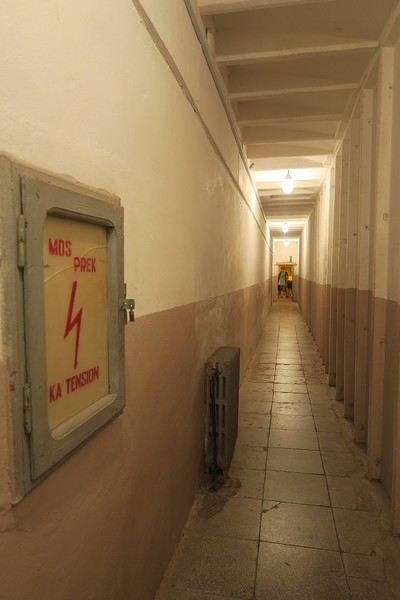
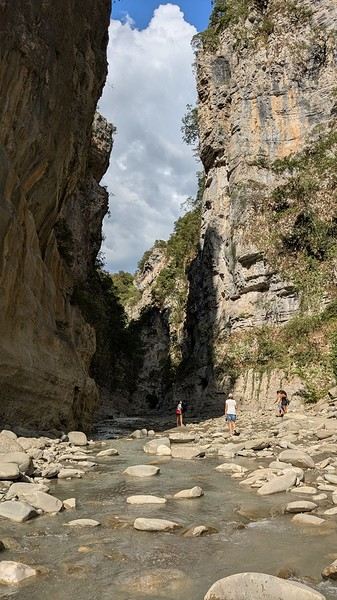
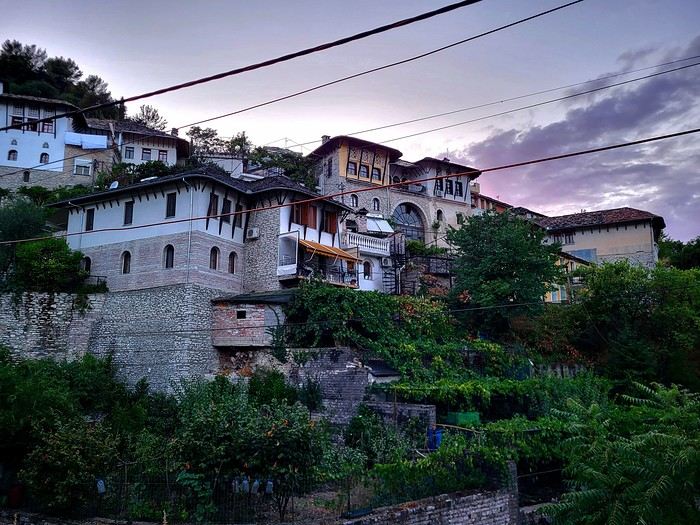
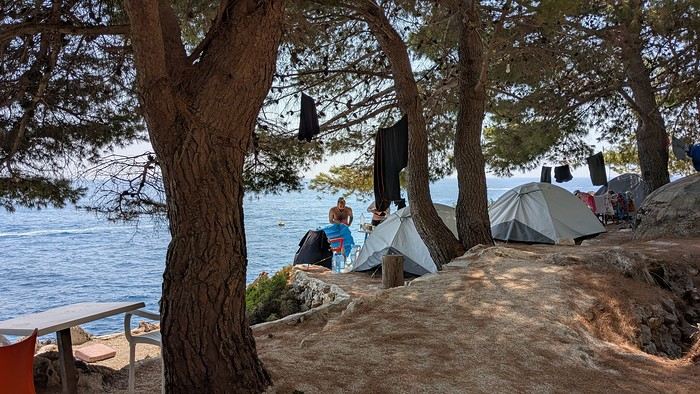
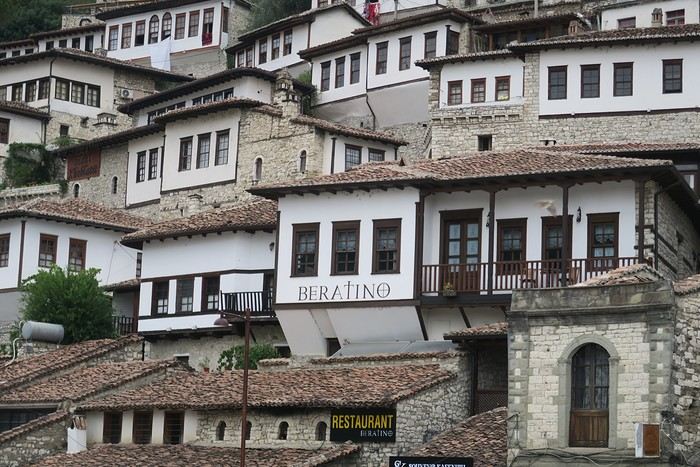
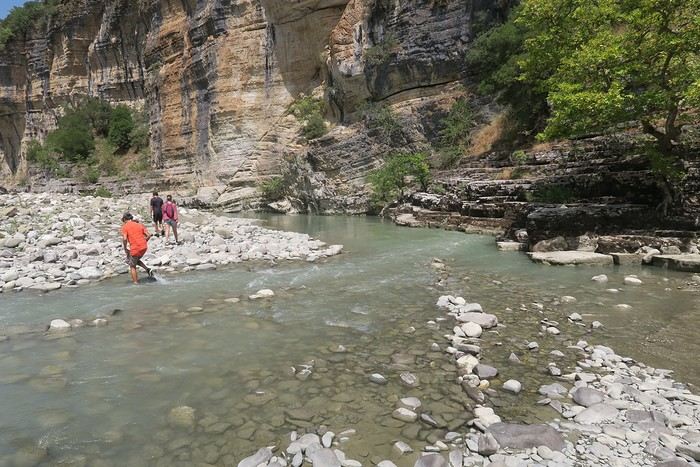
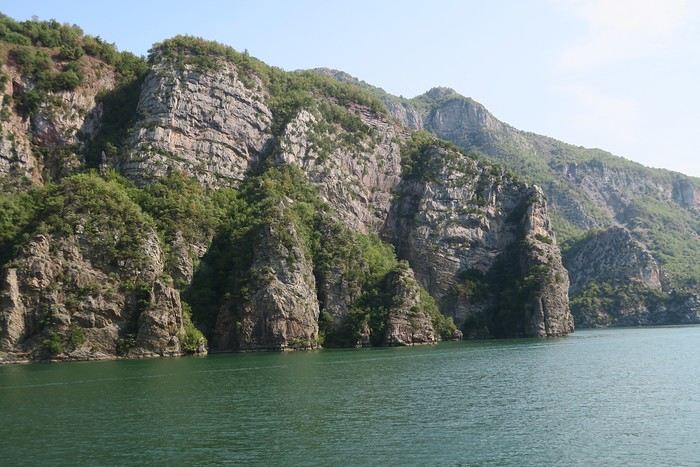
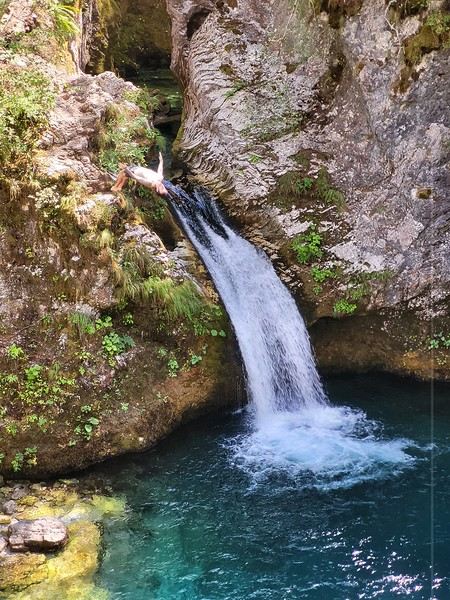
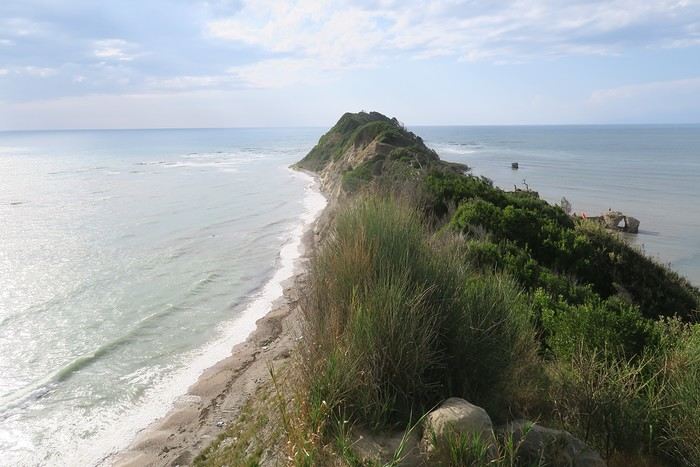
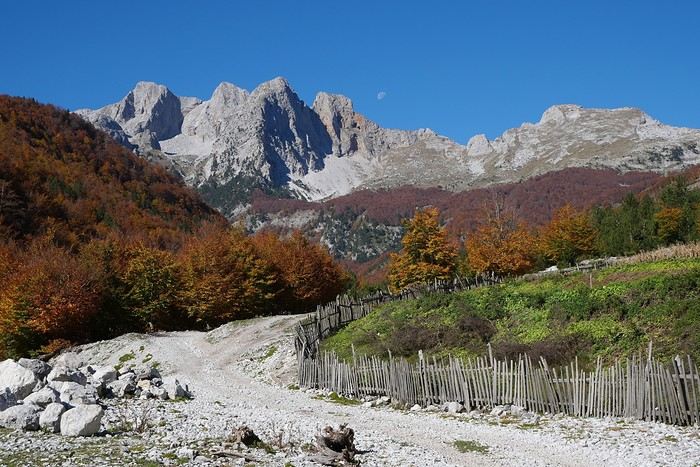
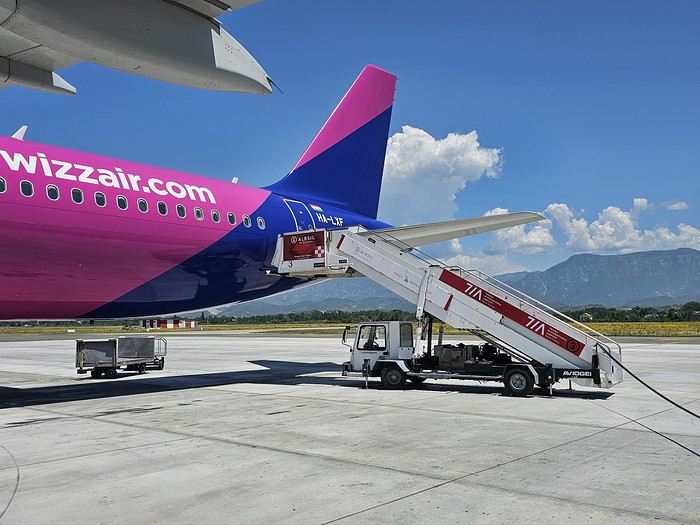 Since Albania isn’t part of Europe when it comes to phone service (at least not yet! :-)), we had to buy a physical SIM card—otherwise, the bill would’ve been sky-high if we’d used our French plan! We got one from Vodafone AL at the airport. You can buy online before leaving with a virtual SIM (e-SIM) for compatible phones, so you don’t have to swap cards. But given the uncertainty about choosing a plan online, we preferred buying one directly at Tirana Airport. Cost: 31 € for 100 GB. That’s way too much—100 GB is overkill. For 40 GB, it’s 27 €, and the plan lasts 21 days. The price difference isn’t huge, and it was cheaper than online. This plan covers all the countries along the Balkan range.
Money tip: All guesthouses and accommodations accept euros. The local currency in Albania is the LEK. In Montenegro, it’s the euro. Bank fees for withdrawing money from an ATM in Albania are pretty steep: 8 € for a withdrawal of 600–700 LEK (about 200 €)! So it’s better to withdraw cash (euros) in France. Oh, and we booked all our accommodations before leaving, but payment is always in cash. Budget around 400–500 € for 9 days of trekking.
Since Albania isn’t part of Europe when it comes to phone service (at least not yet! :-)), we had to buy a physical SIM card—otherwise, the bill would’ve been sky-high if we’d used our French plan! We got one from Vodafone AL at the airport. You can buy online before leaving with a virtual SIM (e-SIM) for compatible phones, so you don’t have to swap cards. But given the uncertainty about choosing a plan online, we preferred buying one directly at Tirana Airport. Cost: 31 € for 100 GB. That’s way too much—100 GB is overkill. For 40 GB, it’s 27 €, and the plan lasts 21 days. The price difference isn’t huge, and it was cheaper than online. This plan covers all the countries along the Balkan range.
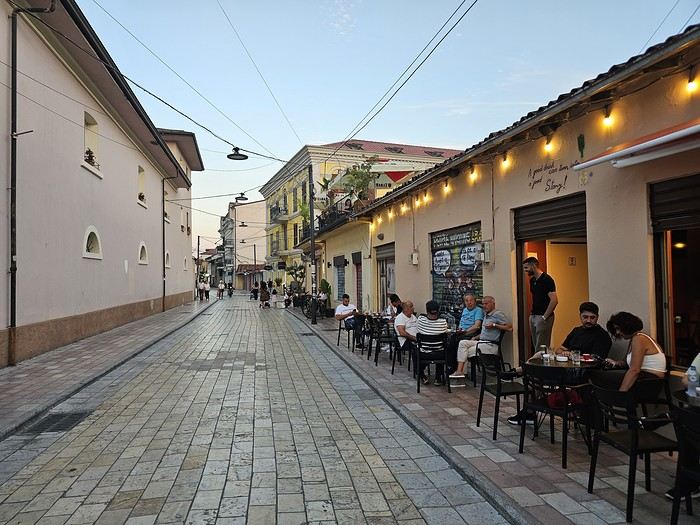
Money tip: All guesthouses and accommodations accept euros. The local currency in Albania is the LEK. In Montenegro, it’s the euro. Bank fees for withdrawing money from an ATM in Albania are pretty steep: 8 € for a withdrawal of 600–700 LEK (about 200 €)! So it’s better to withdraw cash (euros) in France. Oh, and we booked all our accommodations before leaving, but payment is always in cash. Budget around 400–500 € for 9 days of trekking.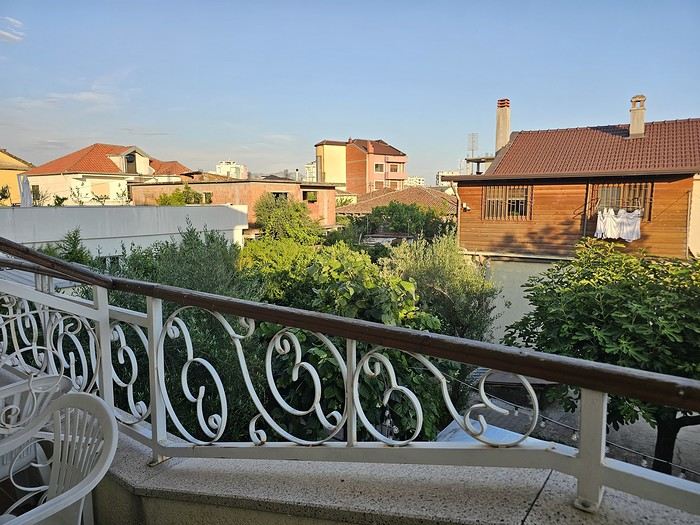 I really liked Shköder, especially its pedestrian street lined with restaurants and lit up at night. It’s a great place to stroll and eat. The food isn’t expensive—two big salads and two beers: 14 € :-) . Fruit prices are also very reasonable: 3 € for a kilo of cherries, compared to 9–10 € in France.
Religions coexist peacefully in these countries—Catholics and Muslims. From our balcony, my friend heard the call to prayer for the first time, coming from one of the city’s mosques.
I really liked Shköder, especially its pedestrian street lined with restaurants and lit up at night. It’s a great place to stroll and eat. The food isn’t expensive—two big salads and two beers: 14 € :-) . Fruit prices are also very reasonable: 3 € for a kilo of cherries, compared to 9–10 € in France.
Religions coexist peacefully in these countries—Catholics and Muslims. From our balcony, my friend heard the call to prayer for the first time, coming from one of the city’s mosques.
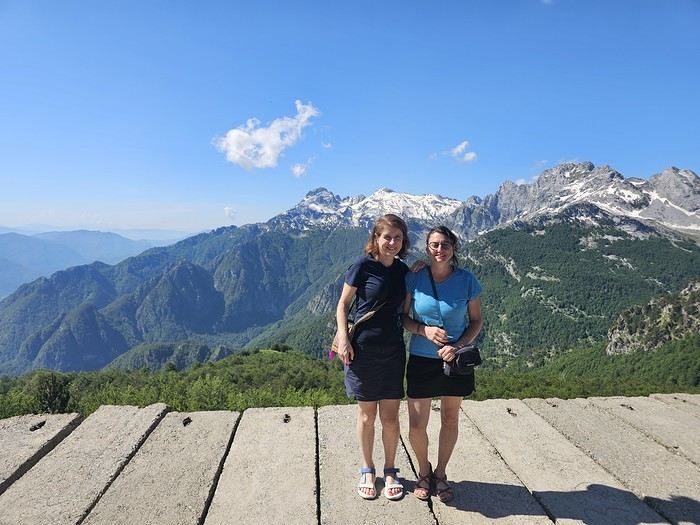
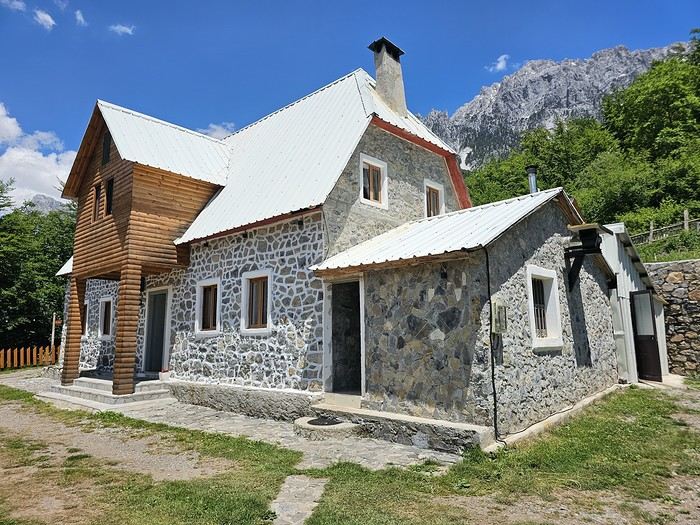 We slept in the heights of Theth at a new guesthouse, "Mountain Vista Shkafi," with an amazing view.

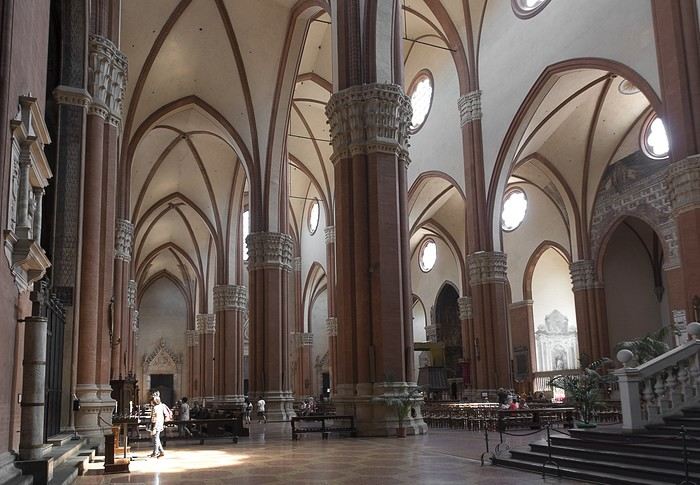
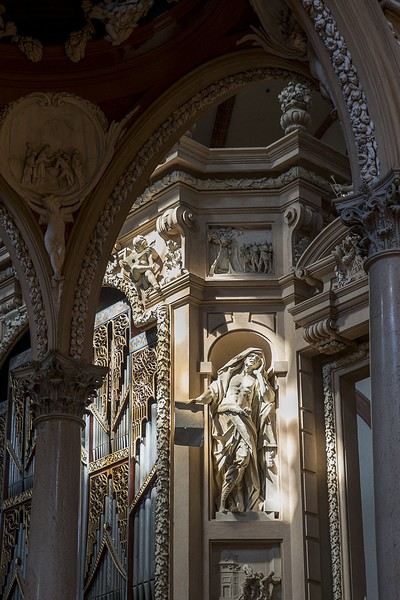
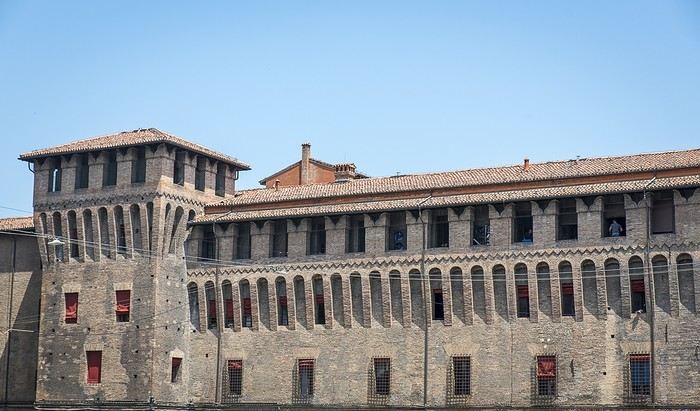 But Bologna’s real charm lies in its porticoes, which were added to the UNESCO World Heritage list in 2021: 62 km of arcades running along buildings, letting you walk sheltered from the sun or rain. Back in 1288, the city required houses to include private arcades for public use. In the city center, you can stroll under 32 km of porticoes in all sorts of styles—some plain, some ornate—with a strong presence of red tones.