lje supose que devenir cinglé n'est pas tres marant et pas du tout romantique et certainement pas un choix apres qu'on le soit donne l'inspiration mais on parle pas de la meme chose
C'est vrai que la folie porte différentes définitions. Celle qui est la démence doit être terrible quand on est conscient de son état! La folie qui nous touche dan le sujet est synonyme de fantaisie, de coup de tête, voire d'extravagance.
"Celui qui a atteint son but a manqué tout le reste"
Tesson, Poussin, Moitessier, Bouvier ... là on est en bonne compagnie ! Quel bonheur d'échanger avec des voyageurs qui partagent mon admiration pour ces modèles d'écrivains libres comme l'air...
Je rajoute à cette liste glorieuse et non-exhaustive Levi-Strauss, Monod, Pierre Loti, Camus ou encore Virgile Charlot plus récemment... voilà pour ceux qui me reviennent sur le vif.
Comme promis, voici une nouvelle journée de marche.
Dimanche 1er juillet, Porteto – l’Onda
Lorsque nous nous apprêtons à quitter cette combe sous le soleil, nous croisons une dernière fois le maître des lieux. Sans se départir de son sourire, il nous souhaite bonne route et s’en va pêcher la truite, son chien sur les talons. Nous revoici progressant en file indienne, accrochés au chemin comme à une ligne de vie, au cordon ombilical qui nous relie à la terre. Sous nos pas, le ruban s’étire, virevolte et s’élance vers des arêtes saillantes qu’il atteint pour mieux les fuir. Le temps est l’espace se fondent en un substrat vital, hypnotique, qui engourdit l’âme et met le corps au pas. Nos carcasses obéissantes, matées par la discipline de la route, s’effacent par politesse en laissant les pensées suivre leur cours. Je marche devant, exalté par cette sensation indescriptible des premières heures de marche. Notre procession s’étire et se resserre au gré de nos discussions. Les montées, qui ne laissent pas assez de souffle pour causer, sont les points de suspension de ces échanges, laissant à chacun le temps de savourer les paroles prononcées au pied du mur.
Dans l’après-midi, l’effort se fait abrasif, décapant. Les machines de chair à cours d’endorphines font entendre leurs premières protestations, qui iront croissantes jusqu’à ce qu’on les mette au repos. Guillaume, imperturbable, prend alors la tête de la marche, nous aspirant Camille et moi dans son sillage. Il est indiscutablement le mieux entrainé de nous trois et je sais qu’il ronge son frein, comme un pur-sang qu’on obligerait à trotter avec des chevaux de trait. La tête dure et le corps sec, il pourrait tout aussi bien doubler chacune des 15 étapes du raid et plier l’affaire en une semaine. Pourtant, il joue le jeu du groupe et réduit son allure pour se laisser rattraper. Sur les crêtes exposées aux vents glacés, nous avançons pesamment, un peu désarçonnés par ces nouveaux paysages lunaires qui tranchent si nettement avec les sentiers boisés du Sud que nous avons laissé derrière nous. Ce nouveau terrain de jeu se décline en pierriers assassins, en chaos de roches granitiques et en de vastes dépressions qui viennent zébrer ces panoramas alpins. Nous nous hissons péniblement sur les replis de ce tapis géologique et, derrière un ultime relief, nous nous retrouvons à deux cents mètres au-dessus du refuge de l’Onda. Le reste n’est plus qu’une longue chute contrôlée en appui sur les bâtons, en prenant exemple sur l’agilité des chèvres qui cabriolent à bonne distance des marcheurs. La chose pourrait être plaisante avec des skis au pied et 1m50 de belle neige dessous. Au lieu de ça, j’avance d’un air absent, comme un échappé du goulag, en insultant mes genoux et en m’étalant dans les fourrés de temps à autre dans un grand bruit de vaisselle.
Une fois en bas et le gardien floué du prix d’un ticket, nous allons nous installer dans l’enclos. Avant d’être un refuge, l’Onda est avant tout une bergerie en pleine activité. Pour éviter toute réclamation concernant une tente à mille euros mâchée par une chèvre, les campeurs sont donc sommés de dormir à l’abri des palissades de bois qui délimitent le ranch. Autour, chevaux et biquettes se pavanent, pas mécontents de cette inversion des rôles. Nous ne sommes pas les seuls bipèdes dans notre pré : une bonne quarantaine de voyageurs l’ont déjà transformé en un champ de tentes multicolores. Des bribes de conversation en anglais, espagnol et allemand nous parviennent dans un brouhaha diffus et achèvent de donner au campement un air de festival. Une chose est certaine, point de solitude ici, si ce n’est celle ressentie par l’individu au milieu de la foule. Epuisé, je me couche à même le sol, recouvert de mon duvet comme d’un drap mortuaire, et sombre dans le sommeil pour le restant de l’après-midi. Le soir, venu, nous avalons une soupe en silence, en regardant les névés scintiller aux sommets des montagnes. Notre aventure, je le comprends à présent, est une affaire de hauts et de bas. En parallèle des variations de l’altitude, notre moral oscille entre exaltation et abattement, entre amour et répulsion, entre euphorie et dégrisement. J’ai l’impression d’être le jouet de ce GR, qui s’échine à nous faire découvrir à sa manière la palette des émotions humaines. Marcher n’est pas qu’un déplacement dans l’espace, c’est un cheminement en soi. Assis dans l’herbe, j’essaie d’imaginer une façon de décrire cette randonnée à quelqu’un qui n’en aurait jamais entendu parler. Après tout, il s’agit peut-être d’une affaire de pieds endoloris et d’une liberté si belle qu’on ne peut la décrire qu'en bafouillant.
La Rochefoucauld a écrit "qui vit sans folie n'est pas aussi sage qu'il le dit". Et "la jeunesse est la folie de la raison".
J'ai lu aussi "la vieillesse vient trop vite et la sagesse trop tard" (de qui?) : alors soyons fou pour repousser au plus tard la sagesse des vieux !
*** La Vieillesse Vient Trop Vite Et La Sagesse Trop Tard - 30 Leçons De Vie Pour Être Heureux de Gordon Livingston ***
sans doute de là !!
je t'emboîte le pas !!! 😉
On ne voyage pas pour se guérir de soi, mais pour s'aguerrir, se fortifier, se sentir et se savoir plus finement... Michel Onfray
Tesson, Poussin, Moitessier, Bouvier ... là on est en bonne compagnie ! Quel bonheur d'échanger avec des voyageurs qui partagent mon admiration pour ces modèles d'écrivains libres comme l'air...
Je rajoute à cette liste glorieuse et non-exhaustive Levi-Strauss, Monod, Pierre Loti, Camus ou encore Virgile Charlot plus récemment... voilà pour ceux qui me reviennent sur le vif.
Tu es sur la bonne voie : sportivement et "plumesquement" si je puis dire !
Ne lâche rien !!... l'important est de se faire plaisir 😉
Tu auras reconnu la cascade des anglais des sommets atteints et à atteindre, quelques crocus et nos amies les chèvres !!
On ne voyage pas pour se guérir de soi, mais pour s'aguerrir, se fortifier, se sentir et se savoir plus finement... Michel Onfray
Je viens de prendre le récit en route, étant moi-même entrain de préparer ce fameux "GR" pour le début du mois de Juin, mes recherches m'ont amenées jusqu'ici.
Très beau récit, original et de bonnes références..
J'attends la suite !
Je rajoute à cette liste glorieuse et non-exhaustive Levi-Strauss, Monod, Pierre Loti, Camus ou encore Virgile Charlot plus récemment... voilà pour ceux qui me reviennent sur le vif.
Virgile Charlot? tiens donc... Tu me donnes des idées de lecture!
On dévie du GR20 mais c'est bien... En attendant la suite
Pour ne pas spécialement rêver, deux livres me viennent à l'esprit :
- "Le tour de France par deux enfants" (ICI) : travail, patrie, catho : ça colle avec la période)
- De Bétancourt Ingrid, "Même le silence a une fin" (ses années passées à marcher - erreer dans la jungle colombienne avec les FARC) : même si l'on n'aime pas cette femme, c'est à lire.
- Et un livre court qui est, pour moi, un très, très beau classique : "Neige" de Maxence Fermine.
"Celui qui a atteint son but a manqué tout le reste"
Ah, mais faut pas me lancer sur la littérature de voyage... sinon vous allez y avoir droit !
Pour répondre à Jean-Michel alias Djalma, Virgile Charlot a écrit Tropique du Bayanda, un livre dans lequel il retrace sa traversée de l'Afrique Nord-Sud à vélo. C'est plutôt très bien écrit, on est vite dedans... Quelques défauts tout de même, mais dont pourra reparler quand tu l'auras lu, si tu veux.
Attention cependant de ne pas y voir de parenté ou de lien direct avec les autres saines lectures que j'ai citées... J'ai vu que tu appréciais Levi-Strauss : surtout ne va pas t'imaginer qu'il y ait une filiation entre les deux, tu serais déçu. Aucun rapport si ce n'est qu'ils participent tous deux à ce genre de littérature qui donne envie de jeter ses affaires dans un sac et de prendre la route !
Tropique du Bayanda vaut aussi et surtout pour ce qu'il est : c'est de la littérature de voyage qui essaie de se réinventer.
Si on voulait simplifier les choses jusqu'à l'indécence, on pourrait presque découper le genre en trois périodes, chacune marquée par des caractéristiques précises. Je sens que je ne vais pas me faire que des copains, mais allons-y quand même. Vous me direz si vous partagez mon point de vue.
Dans la première période, des origines du genre jusqu'au milieu du XX° siècle, les écrivains-voyageurs étaient avant tout des explorateurs. Leurs récits, au-delà de leurs qualités stylistiques et de leurs visions du monde, participaient de la découverte, du récit d'expériences inédites. Je pense particulièrement à des écrivains et explorateurs de talent, comme Alexandra David-Néel, Peter Flemming et Ella Maillart, Pierre Loti, Levi-Strauss et Théodore Monod aussi, pourquoi pas.
Dans cette catégorie, il était courant de retrouver les carnets d'explorateurs qui n'avaient pas spécialement de talent en tant qu'écrivains, mais qui avaient une expérience, une connaissance et une expertise qui justifiaient à elles seules, ou était supposé justifier la publication de leurs écrits. On pourrait citer Henri Lhote dans ce genre là.
Dans la deuxième période, qui s'étire jusqu'à la fin des années 90- débuts 2000, le monde a été en majeure partie défriché. On ne part plus cartographier des terra incognita. La géographie moderne et la cartographie par satellite ont fait leur œuvre. La littérature du voyage se sépare peu à peu de l'exploration, qui se poursuit quant à elle à travers l'alpinisme, la spéléologie, l'archéologie et l'océanographie, mais souvent par l'intermédiaire d'une littérature pour initiés.
L'originalité de l'aventure dans cette deuxième période réside bien souvent dans le record, dans le récit d'une expérience jamais ou rarement tentée auparavant. Tesson et Poussin, il ne faut pas l'oublier, ont fait leurs premières armes dans ce genre-là : tour du monde à vélo, traversée des Himalayas ou de l'Afrique à pieds, etc... On peut citer là aussi des auteurs sans style, mais dont l'expérience autorise la publication, comme Mike Horn.
Dans cette période, on voit aussi apparaitre des écrivains qui abordent le voyage sous un angle particulier et qui fait toute l'originalité du récit, comme Kerouac et sa quête de liberté, Bouvier, etc...
Et on arrive à la troisième période, la nôtre. La mondialisation a lissé les reliefs, nivelé les distances. D'un coup d'avion, il est possible d'aller randonner dans le Ladakh, ou partir à la rencontre des minorités des villages du Sud-Est Asiatique, reflex au poing. Faire un tour du monde à vélo a cessé d'être un ticket pour trouver un éditeur. L'aventure, à défaut d'être inédite, doit être au moins originale (ce qui reste difficile), associée à des concepts en lien avec le monde d'aujourd'hui et surtout être racontée avec un nouveau regard et un style à part. Il faut partir avec une démarche singulière (pélerinage, moyen de locomotion qui interpelle, etc...) et faire le lien avec les pensées que nous inspire la société dans laquelle on vit. Tout un programme !
Pour illustrer ça, on peut penser aux derniers Tesson, justement, comme son Eloge de l'Energie Vagabonde (Originalité : suivre les pipelines d'Europe de l'Est à Pied. Concept : faire le parallèle entre l'énergie fossile, physique, et celle de l'être humain, métaphysique...) ou Dans les Forêts de Sibérie (une cabane solitaire sans électricité qui permet une réflexion sur la nature, la place de l'homme dans celle-ci et la solitude).
Pour moi, Virgile Charlot s'inscrit aussi dans cette.... J'ai pas envie de parler de nouvelle vague, ça me parait trop connoté négativement.... dans cette nouvelle phase, disons. Enfin, c'est mal dit, mais j'espère que vous voyez le principe...
Nouvelle époque, nouveaux enjeux : il faut réinventer le genre et c'est bien stimulant pour ceux qui s'y essaient, ma foi.
Pas envie ce soir de faire un long discours (d'ailleurs je ne sais pas faire) mais juste évoquer aussi Paul Theroux, Bruce Chatwin, Peter Matthiessen, d'autres grands, que dis-je, d'immenses et remarquables écrivains qui allient avec bonheur voyages, réflexions et écriture...
Dolma
un chemin et la caresse du vent, alors je pars en voyage...
Nous commençons la journée par gravir tout ce que nous avions descendu la veille, afin de rallier la prochaine étape par la route des crêtes. Sur l’avis de marcheurs « nordistes », cet itinéraire est à la fois plus court et plus impressionnant que son alternative, consistant à faire un large détour par la vallée. Un peu masochistes, nous préférons prendre de la hauteur, même si nos jambes sont bien décidées à nous faire payer cette audace. Après notre ravitaillement de la mi-parcours, je croule sous le poids de mon sac. Il ne s’est alourdi que de quatre kilos mais j’ai l’impression de transporter un bouc qu’on irait sacrifier au sommet de la montagne. Le décor est d’ailleurs tonitruant comme un paysage d’Ancien Testament, avec ses grandes étendues arides jetées contre des sommets hautains. Le ciel est une aquarelle peinte par un artiste fauché : un grand aplat de gris où le bleu n’a pas sa place. De temps à autre, les courants ascendants dispersent les nuées et le soleil embrase un versant, dont les milles nuances de vert et de brun tranchent vivement avec les teintes monochromes des alentours, restés dans l’ombre. Il faut voir de tels spectacles pour rougir de l’impudence de l’Homme à se penser au-dessus de la Nature.
J’ai du mal à me considérer comme un défenseur de la cause écologique. Battre les pavés en agitant de mauvais slogans, s’insurger dans des hebdomadaires à coups de manifestes bien-pensants et brûler quelques mètres cubes de kérosène pour aller réaliser un film sur les dernières forêts primaires me semblent autant de vaines entreprises qui manquent leur cible. Ces rebelles de pacotille qui font vaguement l’étalage de leur indignation sur la télévision publique m’écœurent un peu. Le fait que l’écologie ait besoin de défenseur est d’ailleurs une catastrophe en soi. Pourtant, je suis le premier à reconnaître les trésors d’imagination déployés par l’Homme pour saccager son environnement. On a longtemps cherché à déterminer ce qui distingue notre espèce du reste du règne animal. La réponse était sous notre nez : nous sommes les seuls à considérer que la Nature est une esclave à qui l’ont peut dicter sa conduite pour satisfaire nos délires de grandeur. Voilà le grand œuvre de l’homme moderne, défricher les campagnes pour ériger ses cabanes, noyer les vallées pour illuminer ses villes et asservir l’espace sans vergogne tout en remisant dans les coins les rebuts du progrès : barils d’uranium coulés en Mer du Nord et cités industrielles abandonnées quand l’espoir d’y vivre s’est tari en même temps que les ressources de leurs sous-sols. Au train où l’humanité détruit son habitat, elle n’aura bientôt plus de soucis à se faire, elle aura disparue bien avant que le soleil ne s’éteigne à court d’hélium. Les habitués du G20 sont bien embêtés. Les grandes nations occidentales se réveillent de la révolution industrielle avec la gueule de bois. Vaguement coupables, elles voudraient bien ralentir un peu l’intoxication de la pièce mais les pays émergents ne l’entendent pas de cette oreille. Avec un peu de décalage, ces millions d’êtres humains comptent bien goûter eux aussi au confort égoïste d’un monde industrialisé jusqu’à la nausée, et l’on est bien en peine de le leur refuser dans les salons de Genève et de Washington.
Assis en tailleur sur ma dalle de pierre millénaire, j’observe le spectacle offert par ses espaces que l’Homme n’a fait qu’effleurer. Ici, sa présence ne se devine qu’au sillon qu’il a tracé à travers la montagne et à une pincée de cahutes en rondins saupoudrée sur le chemin. J’ai un goût un peu amer dans la bouche, en pensant que la nature sera bientôt contenue dans des parcs – à l’image des espèces mourantes qui hantent nos zoos-, des espaces contrôlés où les badauds pourront aller s’extasier sur la grandeur d’un monde qu’ils ont condamné.
Camille parvient à ma hauteur, le visage fermé et marmonnant des malédictions à l’encontre de tous ceux, hommes ou dieux, qui ont jugé bon de répandre cette caillasse sur le chemin pour qu’on s’y casse la gueule. Nous reprenons la piste tous les deux, confiant dans l’idée que notre mauvaise humeur ne résistera pas longtemps à notre indécrottable envie d’avancer quoi qu’il en coûte. Au fil des jours, le mouvement nous est devenu nécessaire. A présent, il nous définit. Pareils aux nomades, notre existence n’a maintenant d’autre but que la progression d’une source à la suivante, d’un mont à l’autre, dans un cycle qui semble infini. Tantôt ravis, tantôt exaspérés, nous n’en gravissons pas moins les marches qui s’offrent à nous, comme des sisyphes insatiables. Chaque jour, nos repas nous trouvent assis un peu plus loin, devant un paysage encore inconnu. Notre vie est l’antithèse de celle, statique, que nous avons quittée pour suivre encore et encore ces doigts qui pointent vers le ciel. Dans ce vertige de la marche, les points de repère s’effacent. Difficile de dire si cette marche constitue une parenthèse ou si elle est au contraire une portion de cette Route métaphysique qui nous mène par le bout du nez, et que l’on interrompt à regret le temps d’un contrat et de quelques quittances de loyers. Cette expérience de la randonnée dément par sa lenteur les vertus supposées du rythme trépidant imposé par la société. Elle nous inclut dans les paysages traversés et nous permet de racheter par l’effort les kilomètres volés à la terre dans un état second. Mystique, elle nous ramène à nos débuts, à ces itinéraires louvoyants qui portaient les premiers hommes à une époque où le déplacement était synonyme de survie.
Par la transe que cette progression induit, la conscience touche du doigt un état qui la dépasse. Elle s’applique dans l’effort, s’oublie et finit par se diluer dans cette ferveur quasi liturgique. Comme Blanche de Richemont, j’accueille ces « kilomètres de marche qui valent bien des heures de prière », convaincu moi aussi de l’analogie entre ces « deux routes qui éliment l’être jusqu’à le purifier.» L’ascétisme de la route, pour exigeant qu’il soit, n’est pas dolorisme. Contrairement aux saints-brouteurs et aux stylites qui hantaient les déserts de Syrie et d’Egypte au Vème siècle, le but de l’exercice n’est pas de mortifier un corps jugé impur. Au contraire, il est l’allié indispensable de cette odyssée qui mobilise toutes les ressources de l’être. La marche s’apparente davantage à une discipline de stoïciens, ces durs à cuire en toges de lin qui pensaient, comme Sénèque, qu’il faut avoir mordu la poussière et s’être relevé plus fier encore après chaque chute pour prétendre se connaitre un peu. Nietzsche n’aurait pas non plus boudé l’entreprise, lui qui prescrivait de prendre ses distances avec la plèbe et sa morale, pour s’en aller respirer l’air pur qui souffle au sommet des montagnes philosophiques, quitte à trébucher sur le chemin. « Fuis dans ta solitude », écrivait-il, « Fuis vers les contrées où souffle un air rude et fort. » Nous l’avons pris au mot. Pas de regret.
Au détour du sentier, comme par surprise, nous débouchons sur un plateau bosselé où quelques tentes se recroquevillent derrière de petits murets de pierre pour échapper aux bourrasques. Le refuge de Pietra Piana, à fleur de falaise, signe notre arrivée dans ce GR20 Nord austère et terrible où l’altimètre a le vertige et les accidents ne sont pas rares. Le soir, les randonneurs se retrouvent au point d’eau, comme des animaux dans la brousse. En faisant leur lessive, leur vaisselle et leurs ablutions à l’eau gelée de la source, ils s’échangent les nouvelles, dispensent les conseils et propagent les rumeurs. Les marcheurs partis de Calanzana nous dépeignent les névés à venir et les parties d’escalade qui nous attendent, non sans forcer un peu le trait, pour le plaisir de voir nos yeux s’arrondir. L’un d’entre eux nous conseille de ne pas nous lever trop tôt, afin de laisser à la neige le temps de dégeler en surface. Un programme qui nous va très bien.
Lors du repas, c’est au tour de Guillaume de montrer des signes de lassitude. Du moins, c’est ce que je déduis de son mutisme et de son visage figé. Peut-être pense-t-il aux étapes à venir et à la vitesse réduite que nous lui imposons Camille et moi. A moins qu’il ne soit torturé par le souvenir de sa chère et tendre, restée en Bretagne ? Le bivouac est le moment où chacun vaque à ses occupations et peut, dans une certaine mesure, choisir de s’isoler une heure ou deux. Après huit jours de cohabitation forcée, je lui laisse bien volontiers l’espace dont il a besoin. Ce soir, nous avalons notre soupe sans mot dire, chacun retranché derrière les hautes murailles de sa citadelle intérieure.
Assis en tailleur sur ma dalle de pierre millénaire, j’observe le spectacle offert par ses espaces que l’Homme n’a fait qu’effleurer. Ici, sa présence ne se devine qu’au sillon qu’il a tracé à travers la montagne et à une pincée de cahutes en rondins saupoudrée sur le chemin. J’ai un goût un peu amer dans la bouche, en pensant que la nature sera bientôt contenue dans des parcs – à l’image des espèces mourantes qui hantent nos zoos-, des espaces contrôlés où les badauds pourront aller s’extasier sur la grandeur d’un monde qu’ils ont condamné.
Nous avons la chance de pouvoir encore évoluer dans des lieux comme ceux-ci... mais effectivement, pour combien de temps ?!!!
Comme dit Chnoupi, cela a déjà changé compte tenu de l'affluence des randonneurs... Il suffit de regarder le spectacle au niveau des voies d'accès pour voitures....
1+2) les fameux névés, gelés au départ de Pétra Piana jusqu'à Manganu, les bâtons son indispensables...
3) le capitellu
4) la brêche de Capitellu au centre de cette photo, entre ces petites dents !
5) il attend son groupe qui descend... moi je vais devoir monter.
6) avec le sac, je passais juste... j'ai préféré ramper...
7) Mélo et Capitello, un moment de contemplation.
8) après la montée... la descente... sur Manganu
On ne voyage pas pour se guérir de soi, mais pour s'aguerrir, se fortifier, se sentir et se savoir plus finement... Michel Onfray
Pour donner une idée de la grandeur du site :
Vue du lac de Melo (photo prise du lac de Capitello), voici la presque même prise de vue proposée par RoyalEvasion. Dans le cercle rouge, le refuge sur le GR20, au pied du lac.
"Celui qui a atteint son but a manqué tout le reste"
La journée commence à nouveau par une ascension, avec en prime la traversée de notre premier névé. Les sommets alentours sont vêtus comme pour un mariage. Timidement, presque religieusement, nous avançons sur la couche de neige qui crisse sous nos chaussures. Après quelques chutes qui ne font pas d’autres victimes que nos egos, nos pieds s’habituent à cette texture étrangère. Désormais tout à fait rassuré, je m’essaie à des glissades contrôlées qui se terminent parfois cul par-dessus tête. Il doit y avoir un dieu pour les inconscients car aucun de nous trois n’a eu besoin d’ouvrir la trousse de secours, qui n’est d’ailleurs qu’un simple ziplock contenant quelques pansements et une poignée d’antalgiques. J’apprends à reconnaître les nuances de blancs et à sonder de la pointe du bâton les zones suspectes. En procédant ainsi, j’évite de traverser la fine dentelle de glace et de neige qui cache parfois une fosse profonde de plus d’un mètre. La saison est déjà avancée et la température de fonte largement dépassée durant la journée. La montagne saigne de ses mille rigoles d’eau glacée et sur ses pentes vertigineuses, les congères à l’agonie dissimulent des pièges mortels. Le soleil de la fin de matinée martèle les crânes et brûle les rétines en jouant avec la réverbération. Enturbanné dans mon chèche, j’avance sur mon fil tendu entre feu et glace.
Je dois commencer à me lasser de notre frugale nourriture de raid car l’odeur de thym sauvage réveille chez moi de vieux souvenirs de cuisine provençale tandis que les névés qui scintillent au soleil comme des œufs battus en neige me font rêver d’omelettes norvégiennes. La randonnée est un exhausteur des sens. Par elle, les couleurs paraissent plus vives, l’air plus tranchant, les odeurs plus fortes et les sensations de fatigue et de liberté plus intenses. L’exercice souligne aussi les traits de caractère. Sournoisement, l’effort ronge le vernis et met à nu les personnalités, en faisant sauter les derniers éclats de patience et de tolérance qui s’accrochaient encore malgré la distance parcourue. Guillaume, toujours en retrait, semble tenir son mutisme pour un bien précieux. Je ne peux pas lui en vouloir, le silence c’est léger et ça fait un bon compagnon quand les mots ne suffisent plus.
La marche se poursuit donc. Les heures se fondent les unes dans les autres et si ce n’était pour la subtile métamorphose du paysage, les journées pourraient sembler identiques. Dans les montées, les poumons crachent, le cœur s’emballe et les muscles crient au meurtre. Dans les descentes, si possible dans des pierriers instables, les genoux chauffent, brûlent puis flanchent quand ils estiment être allé jusqu’au bout de ce qu’on peut demander à des articulations. Chacun a ses propres astuces pour continuer malgré la douleur. Nietzsche disait que la perspective du suicide l’avait aidé à voir la fin de bien des mauvaises nuits. Moi, je triture l’idée que le refuge est juste derrière ce rocher, là-bas, et que le calvaire est bientôt terminé. Pour agrémenter la chose – et parce que, parfois, on marche aussi sur une grande plaine -, je repense à ces marches de légende dont j’ai pu lire les récits. Dans le chaos de mon cerveau anémié, Alexandra David-Néel traverse à nouveau le Tibet, bernant les chinois sous son déguisement de mendiante. Poussin et Tesson virevoltent dans l’Himalaya avec leurs sacs de 5 kgs (eux refusaient même les aiguilles à coudre !) et tracent leur tangente longue de 5000 bornes comme s’il s’agissait d’une balade de scouts. Immanquablement, en comparant leurs aventures avec la mienne, ce GR20 m’apparait comme une belle promenade dominicale. Revigoré par le défi, fouetté aux crins de ma fierté, je repars de plus belle en serrant les dents et en exhortant Camille à crier avec moi son envie d’en découdre à la face de la montagne.
Notre chemin, jamais à court de surprises, dévale les versants, plonge vers des lacs de montagne puis remonte à flanc de colline, serpentant à travers les buissons et les roches pour enfin réapparaître sur une crête escarpée. Parfois, il hésite, se perd en zigzags et en circonvolutions, comme s’il cherchait à brouiller les pistes. Perplexes, il nous faut alors scruter des yeux les rochers et les souches alentours pour essayer de débusquer la balise rouge et blanche qui nous indiquera où se faufile la piste. Parfois, perdu dans ses pensées, le marcheur de tête dépasse un virage sans le voir et fait crapahuter tout le monde à sa suite sur un itinéraire bis. Il faut alors, une fois les esprits revenus à eux, faire demi-tour pour retrouver le signe manqué, avec un agacement proportionnel à la distance gratuitement parcourue.
Nous dépassons le lac de Capitello, dont les eaux sont retenues dans une vasque circulaire à mi-pente de la falaise voisine. Sur sa surface, des plaques de glace dérivent paisiblement sur le tapis bleu, piqueté du reflet des nuages. On jurerait que la terre fait de l’œil au ciel azur qui la surveille et dans ce jeu de miroir auquel participent les lacs, on est plus très sûr de savoir ce qui est en haut et ce qui est en bas. Sur les parois rocheuses, des chaînes commencent à apparaitre dans les passages ardus, signes que les choses se corsent. De sentier escarpé, le GR se transforme en via ferrata, à la différence près qu’aucune corde n’est là pour arrêter la chute du grimpeur distrait. Vient ensuite le passage de la brèche de Capitello. Pour parvenir à ce col à plus de 2100 m, il faut traverser un névé par un chemin glissant d’environ cinquante centimètres de large. A gauche : la falaise, dans laquelle est fichée une longe distendue, maigre soutien psychologique pour le randonneur. A droite : deux cents mètres d’une pente très raide à travers un glacier qui termine sa course dans un chaos de roche au pied du lac. Je me console en me disant qu’on a trouvé de pires décors pour finir ses jours. Finalement, nous passons tous trois sans encombre, agités d’un rire nerveux en arrivant au col proprement dit. Ravigotés par l’adrénaline qui court à gros bouillons dans nos veines, j’entreprends avec Guillaume une descente du névé suivant en glissade contrôlée. En appui sur les talons, genoux fléchis et pieds parallèles, nous dévalons la montagne, en dépassant à toute vitesse la colonne de randonneurs qui peinent à ajuster leurs pas dans les empreintes de leurs prédécesseurs, en bord de piste. Trop absorbés par l’aspect ludique de notre descente, nous en oublions les mois de rééducation qui nous pendent au nez en cas d’acrobatie involontaire. Par miracle, nous arrivons en bas en un seul morceau. Quelques heures plus tard, l’étape touche à sa fin alors que nous arrivons sur la plaine de Manganu sous un soleil radieux..
Après avoir trempé mes pieds dans la rivière voisine et constaté l’apparition de nouvelles phlyctènes avec une joyeuse indifférence, je retourne aider mes compagnons pour le montage du tarp. Sur la plaine, quelques vaches déambulent entre les tentes, contournant tant bien que mal les corps endormis qui jonchent l’étendue herbeuse. Des randonneurs avertis nous conseillent d’aller déposer nos sacs à dos au refuge. La zone est parait-il le terrain de jeu des renards, qui ne reculent devant rien pour faire un bon repas. Un de ces marcheurs rencontrés au hasard du sentier nous a narré les déboires d’un de ces amis, qui a eu le déplaisir de faire la rencontre nocturne d’un de ces goupils. Le mammifère s’était débrouillé pour repartir avec le saucisson qui dormait sous son oreiller, après avoir percé un trou dans la toile de tente ! Une fois notre garde-manger à l’abri, je m’assois à une table en bois et regarde le soleil sombrer derrière ses hautes murailles. J’aime ces moments de flottement propices aux causeries et à la réflexion, au noircissement de quelques pages blanches et à la contemplation. Ce soir, la montagne corse se plie à un exercice de style. Dans un jeu d’ombres et de lumières, elle fait luire ses facettes minérales dans les dernières lueurs du jour, comme pour récompenser ceux qui se sont donné la peine de lui grimper sur le dos. Le regard absent, je repense à ces instants sur les cols et les névés. Exercices de funambules, instants en dehors du temps, ces moments me reviennent par bouffées. Immobile, accoudé à ma table comme un marin au bastingage de son rafiot, je me laisse submerger par le souvenir de ces gouttes d’éternité suspendues sur une toile d’araignée. Dans le crépuscule, les monuments de pierre palabrent avec les nuages, sans se méfier du temps qui passe. Pendant ce temps, je ressasse ces quelques jours de randonnée qui nous ont mené mes compagnons et moi au cœur de ce décor tourmenté et magnifique.
Depuis notre départ, nous sommes tous les trois au régime. Cet ascétisme de la marche, à la fois diététique du corps et de l’esprit, nous montre subtilement que d’autres manières d’être au monde sont possibles. La course du temps, d’ordinaire incontrôlable, est subitement ralentie et savourée jusqu’à sa moindre goutte. C’est peut-être ça, cheminer sur les routes : mettre du gravier dans son sablier.
Dans ton récit, on ressent fort bien cet état de fatigue, hébété, zombie. On n'a même plus le courage de se booster pour imaginer la fin toute proche et penser à la joie d'avoir réussi.
"Celui qui a atteint son but a manqué tout le reste"
Vient ensuite le passage de la brèche de Capitello. Pour parvenir à ce col à plus de 2100 m, il faut traverser un névé par un chemin glissant d’environ cinquante centimètres de large. A gauche : la falaise, dans laquelle est fichée une longe distendue, maigre soutien psychologique pour le randonneur. A droite : deux cents mètres d’une pente très raide à travers un glacier qui termine sa course dans un chaos de roche au pied du lac. Je me console en me disant qu’on a trouvé de pires décors...
Tu parles de ça, sans doute :
cette photo ne m'appartient pas, mais il me semble que cela peut être ton passage en question !! quand je suis passée dans le secteur, la brume n'était pas présente... un avantage, de partir tôt !...
un guide, croisé avec son troupeau m'avait dit d'être prudente... que des passages étaient dangereux...
ceux qui l'on fait avaient prévu les crampons... il ne m'était pas venu à l'idée d'en prendre...
On ne voyage pas pour se guérir de soi, mais pour s'aguerrir, se fortifier, se sentir et se savoir plus finement... Michel Onfray
J’apprends à reconnaître les nuances de blancs et à sonder de la pointe du bâton les zones suspectes. En procédant ainsi, j’évite de traverser la fine dentelle de glace et de neige qui cache parfois une fosse profonde de plus d’un mètre. La saison est déjà avancée et la température de fonte largement dépassée durant la journée...
En fait, je suivais la trace des personnes passées précédemment tout en voyant bien que par endroit des chevilles, des mollets avaient dû s'enfoncer plus que la normale... j'ai fini par moi aussi, passer la jambe entière, le nez planté dans la neige, écrasée par mon sac, les bras projetés à l'avant et qui heureusement n'avaient pas lâché les bâtons... plaqués au sol comme deux rails j'ai pris appui sur eux pour me redresser et m'extirper du trou, je crois que je n'ai pas réalisé sur le moment... Dès que j'ai pu atteindre les cailloux, j'ai marqué une brève pause, pris une goulée de lait montblanc et suis repartie nettement plus dans mon élément... mais Manganu n'était toujours pas en vue... De toutes ces journées de marche, la dernière heure était la pire !
Contrairement à toi, j'avais de quoi me requinquer à l'arrivée... je n'en aurais fait cadeau à personne !!!
On ne voyage pas pour se guérir de soi, mais pour s'aguerrir, se fortifier, se sentir et se savoir plus finement... Michel Onfray
C'est quoi ce délire de ne plus pouvoir faire de bivouac hors des refuges ?
Si cela est vrai alors ce GR 20 n'a de GR que le nom.
Quand bien même si cela est officiellement interdit il suffit de s'éloigner de quelques kilomètres du sentier et se cacher.
"When I saw the Hoggar Mountains, my jaw dropped. If you think of Bryce, or Canyonlands National Park, you're close, but the Hoggar Mountains are more spectacular." David Ball, Empire of sands
Ce n'est pas un délire mais une réalité : il est interdit de bivouaquer sur tout le territoire du parc régional, donc le long du GR20 qui est dans ce parc.
Bien sûr, on peut le faire en se cachant mais il faut savoir que les gardes et certains guides assermentés veillent. Et ça coûte cher si l'on se fait prendre.
Autorisé, interdit ou toléré : il n'y a aucune règle ou directive pour ce sujet sur les sentiers de grande randonnée.
"Celui qui a atteint son but a manqué tout le reste"
il me semble que cela peut être ton passage en question
C'est tout à fait le passage que tu as illustré. J'y suis allé en fanfaronnant, fierté oblige, mais je l'ai fini avec les jambes en coton... Certainement un des passages les plus risqués du parcours !
La suite !
Mercredi 3 juillet, Manganu – Bergerie de Radule
Après une nuit qu’aucun renard n’a eu le cœur de venir troubler, nous chaussons nos godillots humides de rosée pour retourner les râper contre les pistes caillouteuses qui nous attendent. Comme chaque jour, les premières heures de marche du matin me trouvent dans un état proche de l’euphorie. Soufflant comme une forge et battant l’air de mes bâtons, j’avale les kilomètres comme Balzac son café les nuits d’écriture. A la façon de ces pèlerins fanatiques qui préfèrent courir après leur salut plutôt que de l’attendre le cul vissé sur un banc d’église, je marche vers mon but avec la vague intuition que le chemin qui y mène en constitue la véritable essence. Apre et magnifique, la progression sur le sentier tient de la romance japonaise. Une recette douce-amère dans laquelle l’attente et les moments creux surprennent par leur intensité. Partis légers pour éviter d‘être écrasé par le poids de l’inutile, nous vivons tous trois dans un dénuement précieux. Repas à même le sol, toilette à l’eau glaciale des refuges et journées vouées à arracher à la montagne la distance qui nous sépare du prochain bivouac. Comme Nicolas Bouvier, « nous nous refusons tous les luxes, sauf le plus précieux : la lenteur. » La marche nous impose son rythme, les errances de notre sentier d’altitude décident pour nous à quelle heure et dans quelles dispositions d’esprit nous atteindrons le lieu où nous pourrons planter la tente et enfin nous recroqueviller contre l’écorce de notre vieille planète.
Dans la forêt près de Castel di Vergio, le chemin hoquette d’une vallée à la suivante. Imperceptiblement, la distance entre moi et mes compagnons de route s’étire. Chacun met à profit ces instants de silence et de paix pour réfléchir, méditer ou simplement avancer. Je m’aperçois peu à peu qu’en randonnée, le groupe avec lequel on voyage a ses rouages, une mécanique qui lui est propre. Ses membres se fondent dans un système qui les enveloppe, une entité qui les représente tous à la fois. Parfois, la symbiose est telle que l’individualité devient une notion floue, chacun tirant sa force de cette énergie commune qui semble inépuisable. Mais quand le moteur a des ratés, les membres du groupe balancent entre deux options : tenter une réparation périlleuse qui peut précipiter la fin du voyage ou choisir d’ignorer les grincements de la machine et cingler vers la destination en priant pour qu’elle tienne jusque-là. Notre équipée n’échappe pas à la difficulté de vivre ensemble. Premier écueil : la malédiction du trio, une combinaison qui sied mal aux longues échappées. Les triumvirats de la Rome Antique aurait dû nous mettre la puce à l’oreille : trois, c’est toujours un de trop. Pour couronner le tout, notre groupe compte deux fortes têtes : la mienne et celle de Guillaume. Lui continue sur sa lancée et persiste dans son vœu de silence. Un peu déçu, je le laisse faire, n’ayant après tout aucun grief contre les règles monastiques, même si mon admiration va aux trappistes.
Des fantasmes de voyage solitaire me surprennent au détour du chemin, égoïstes. Voyager à plusieurs a pourtant ses atouts. Ne pas porter seul le poids des échecs et partager l’ivresse de la victoire permet de se libérer l’esprit, de se consacrer totalement à l’odyssée en cours. Bien accompagné, les obstacles de la route apparaissent dérisoires. Dans le lot, il y en a toujours un qui saura s’en moquer et entraîner les autres à sa suite. Marcher accompagné c’est aussi construire une histoire commune. Les souvenirs, douloureux comme extatiques, sont un ciment puissant. Seul, on est parfois démuni devant le spectacle du monde.
Rétifs à l’idée de retrouver la cohue des refuges, ces campings estivaux pour montagnards philanthropes, nous faisons à nouveau halte dans une bergerie. Cette fois, le gérant a bien compris la manne financière que représentent les randonneurs. Le corse blasé qui nous accueille a le front haut et les joues ravinées comme le paysage qui l’a vu naître. Quand nous lui demandons l’hospitalité pour la nuit dans un style très XVII°, il empoche sa dîme en marmonnant et nous envoie d’un air las planter notre tente dans un recoin de son terrain.
Accoudé à une table noircie par la sueur et les repas d’un millier de vagabonds, je sirote un thé en observant le soleil se jeter des falaises. Au sommet des reliefs escarpés qui nous surplombent, quelques chèvres gambadent furieusement, se poussent et sautent de rocher en rocher avec de grands bêlements apeurés. Muets comme de vieux soudards qui en auraient trop vu, nous grignotons tous trois un fromage de brebis acheté au berger taciturne. Le crottin est aussi sec que celui qui l’a façonné mais son prix au kilo approche celui de la truffe. Nous n’en continuons pas moins de le mâchonner avec l’air pensif, en nous laissant gagner par la sérénité des soirs d’étape.
Deux garçons venus du Nord font halte à la bergerie. La discussion démarre aussitôt. En ville, il faut parfois attaquer la glace au piolet pour la briser et entamer un échange mais la route, elle, rapproche ceux qui la parcourent. Sur le chemin, pas de chichis : tout voyageur est potentiellement porteur d’information qui peuvent aider à franchir les obstacles à venir. Cet autre que l’on croise est peut-être celui qu’il faudra aiguiller sur le sentier ou bien celui qui nous tirera d’un mauvais pas. Tous égaux devant la force aveugle de la nature et les aléas de l’aventure. Il faut marcher pour comprendre ce que l’Ancien Testament entend par « prochain » : le concept doit être vu avec des yeux de nomade.
Les deux compères nous brossent le tableau de ce qui nous attend avant notre arrivée à Calanzana, d’où ils sont partis. Ils nous avertissent de quelques passages délicats « où il faut mettre les mains » et nous vantent les mérites d’un troquet près d’une ancienne station de ski où l’on sert de la Petra à la pression. En échange, Camille et moi les rassurons sur les étapes du Sud, certes plus longues mais beaucoup moins ardues que celles qu’ils ont abattues depuis leur départ. En voyant repartir le duo, je me sens jaloux de leur cohésion. Indifférent à nos palabres, Guillaume noie sa mélancolie en feignant une sieste sur un banc. Ce soir-là, il préfère dormir sous l’auvent de la bergerie plutôt qu’avec nous dans la tente. Sur mon carnet couvert de pattes de mouches, je note un proverbe arabe dont je me souviens tout coup : pour connaître ton ami, voyage avec lui.
Bonjour Benji !
Je suis ce feuilleton et ton écriture avec gourmandise ; tout est si juste !!!
je reconnais que cela a été du luxe de manger qq fois à l'intérieur, au chaud, vous en avez d'autant plus de mérite.
1) les bergeries
2) la seule façon de ne pas se faire trouer la tente et mordiller le sac, au Vergio...
On ne voyage pas pour se guérir de soi, mais pour s'aguerrir, se fortifier, se sentir et se savoir plus finement... Michel Onfray
Nous plions la tente dès que le soleil la chauffe assez pour autoriser les larves que nous sommes à sortir de leurs cocons synthétiques. Comme chaque jour, le petit-déjeuner se prend en compagnie d’un horizon hérissé de crêtes ensanglantées par la lumière du matin. Encore mal réveillé, je tutoie la montagne en faisant infuser les souvenirs de la veille dans un thé brûlant. Camille se chauffe les mains autour de la flamme sifflante du réchaud. Guillaume nous a rejoint et avale son muesli en silence, avec le même air énigmatique qu’il trimbale depuis trois jours. Une fois le dernier sac bouclé, nous retrouvons la piste, rugueuse et familière. Sous nos pas, la Terre déroule une succession de pentes poussiéreuses bordées de dalles rocheuses incandescentes. La tête protégée par mon chèche, je crapahute tant bien que mal avec la sensation d’être une poupée jetée dans les escaliers par un gamin boudeur.
Dans la chaleur de four de la mi-journée, les névés dégoulinent des promontoires rocheux comme un lait maternel, abreuvant la vallée de leurs torrents. Au fond de ces cuvettes, la végétation s’ébroue dans une euphorie printanière. Les pins, soldats téméraires, montent à l’assaut des contreforts, se risquent à découvert puis cèdent finalement du terrain face aux sommets inhospitaliers ratissés par les bourrasques. Nous marchons à la frontière de ces deux mondes, végétal et minéral, en nous laissant ballotter par les courbes du chemin. Cela fait plusieurs jours déjà que je ne le combats plus et m’abandonne à ses lacets, oscillant entre ciel et terre au gré de ses caprices. La marche est une vie qui choisit pour vous par quels hauts et quels bas il faudra passer. Rien ne sert de se dresser contre les obstacles que la nature a placés sur le parcours. Dans ces contrées, il faut faire sienne l’acceptation stoïcienne. Sur les monticules de pierre dressés par les voyageurs pour indiquer la direction à suivre, il faudrait graver de la pointe du couteau l’Amor Fati nietzschéen, ainsi ces cairns seraient aussi des guides philosophiques.
De temps à autre, des silhouettes sveltes nous dépassent en courant. Un fracas de pierrailles, un tourbillon de baskets multicolores et l’odeur poivrée de la transpiration qui colle aux lycras : ce sont les adeptes du trail qui expédient leur GR20 en quelques jours. J’ai du mal à comprendre ces sportifs qui traversent la montagne sans la voir, absorbés dans leur course contre la montre. Eux cherchent à gagner du temps, moi je cherche à l’arrêter : deux visions du monde se rencontrent le temps d’une seconde et d’un hochement de tête poli.
L’après-midi, c’est à celui de nous trois qui apercevra le premier le refuge vers lequel nous dirigeons nos pas depuis le matin. Faux sommets et détours trompeurs piétinent nos espoirs déçus et quand, ivres de fatigue, nous parvenons enfin à un bâtiment encerclé par les tentes, c’est pour réaliser qu’il s’agit en réalité d’une énième bergerie qui arrondit ses fins de mois – ou les double – en accueillant les promeneurs. Notre vrai point de chute, lui, est arrimé à mi-pente de la montagne qui nous toise d’un air narquois. Les touaregs se méfient des djinns, ces démons qui hantent le désert et déplacent les puits pour se jouer des hommes. Peut-être notre chemin traverse-t-il le royaume de quelques génies de la montagne, bien décidés à se venger des libations que nous avons négligées de leur offrir. Nous ne transportons pas d’alcool, les esprits du lieu devront donc se contenter de l’eau de cuisson des pâtes, pieusement répandue sur le sol inégal pour apaiser leurs humeurs.
Le refuge de Tighjettu se cramponne à la montagne comme une moule à son rocher. De loin, il semble prêt à dégringoler à chaque instant dans un grand fracas de poutres brisées. L’aire de bivouac est saturée de tentes. Nombreux sont ceux à vouloir se mesurer à l’étape mythique du Cirque de la Solitude. Par esprit de contradiction, je monte notre abri à l’écart, bien décidé à profiter de cette atmosphère de kermesse pour passer inaperçu et éviter de payer notre écot aux gardiens. Après une douche froide et une lessive faite sans grande conviction – « mouillé c’est lavé, plié c’est repassé » dira un trekker croisé au point d’eau -, je profite des dernières heures du jour pour griffonner dans mon carnet, accroupi sur un gros rocher. La vue sur la vallée est belle à s’en crever les yeux. A travers un air pur et tranchant comme du cristal pilé, des sommets distants de plusieurs dizaines de kilomètres apparaissent dans le lointain et semblent planter leurs crocs dans un ciel hémorragique. Autour de nous, les parois jouent à attraper les reflets écarlates du soleil moribond, alors que les randonneurs se préparent à la nuit qui s’annonce.
Le vent charrie des bribes de conversation en anglais et en espagnol, en même temps qu’une atmosphère de camp de base international. Vaguement inquiet, je pars avec Camille à la pêche aux informations. Le Cirque est-il si terrible qu’on veut bien le dire ? « Un cauchemar », nous confirme avec un air hagard un couple qui en revient, « largement faisable », tempère un septuagénaire jovial rencontré un peu plus loin. Ce dernier, le plus vieux marcheur que nous croiserons sur le trail, fait danser une moustache de neige en nous détaillant amoureusement la grimpe qui nous attend. L’œil plein de malice, il nous explique avoir entendu ses genoux craquer dans les descentes mais balaie d’une main la terreur sacrée qui entoure l’épreuve : « Pour de jeunes loups dans votre genre, ça ne posera aucun problème si vous faites attention où vous mettez les pieds ! ».
Ce retraité au corps affûté et aux gestes précis dispense les sourires comme Jésus les pains, par une sorte de miracle qui échappe à la logique et va à contre-sens de l’air du temps. Il y a un je-ne-sais-quoi de vertigineux chez ceux qui ont beaucoup marché, une sorte de vitalité sauvage et l’émanation d’une volonté qui cherche encore ses limites. Ces hommes ont tellement fait l’expérience de la liberté qu’ils ont fini par la contracter comme un virus et à la répandre autour d’eux. A une époque où le temps est devenu de l’argent et la logique une sorte de divinité à laquelle il faut sacrifier, ces électrons libres rappellent par leur existence même qu’il existe un monde par-delà la raison et la rentabilité. De tels personnages sont anachroniques, brossant la Terre à rebrousse-poil en renvoyant les hommes aux vertus du nomadisme et en rétablissant la liberté au rang des devoirs. Ce faisant, ils filent entre les doigts de la société et en dénoncent les dérives bien mieux que s’ils avaient choisi de battre le pavé en crachant dans un mégaphone et en agitant des pancartes. Des individus de cette trempe ? Il faudrait les faire venir dans les écoles.
La nuit étoilée finit par s’abattre sur la montagne, l’enveloppant de son manteau de silence. Au pied du refuge, j’avale une soupe avec mes compagnons de route tandis qu’autour de nous, chacun meuble le temps comme il peut : jeux de cartes, discussions à voix basse ou méditation vespérale en luttant contre l’air mordant qui engourdit les membres. Au-dessus de nous, des accords de guitare commencent à retentir, rapidement suivis par des chants en catalan. Un marcheur parti du Nord m’explique qu’il s’agit d’une petite troupe de basques espagnols qui marchent vers Conca et improvisent des concerts le soir venu. Cela fait trois jours qu’il les retrouve de refuge en refuge et ne s’en lasse pas. Peu à peu, la musique attire les randonneurs comme un feu de camp. Les voix d’hommes et de femmes s’invectivent, se répondent et s’entremêlent, jouant avec le rythme imposé par les coups de tambourin et la mélodie de la sèche qu’on gratte furieusement. Dans la tradition des tziganes d’Europe et de ces autres peuplades que l’immobilité rebute, ils remplissent la nuit avec des histoires vieilles comme le monde qui parlent d’amours impossibles et de destins foutus. Leur musique a quelque chose de sauvage et de mélancolique, un parfum archaïque de veillées hors du temps qui parle directement à l’âme en usant d’un langage universel : celui des voyageurs, des pèlerins et des vagabonds pour qui la route constitue le seul monde qui vaille, le seul qui leur accorde une place. Au refuge, les uns tapent du pied tandis les autres écoutent religieusement ces saltimbanques célestes bercer la montagne jusqu’à ce qu’elle s’endorme.
« largement faisable », tempère un septuagénaire jovial rencontré un peu plus loin. Ce dernier, le plus vieux marcheur que nous croiserons...
Tout à fait vrai d'après ce que j'ai pu constater. J'aurais juste craint de le faire sous une bonne pluie... comme sur les dalles rocheuses ; certainement plus glissant...
...lessive faite sans grande conviction...
Maintenant il y a de la laine mérinos qui circule et on est pas obligé de laver tous les jours, cela ne sent même pas !! je teste les tee shirts et les chaussettes pour le prochain départ...
Ces hommes ont tellement fait l’expérience de la liberté qu’ils ont fini par la contracter comme un virus et à la répandre autour d’eux. A une époque où le temps est devenu de l’argent et la logique une sorte de divinité à laquelle il faut sacrifier, ces électrons libres rappellent par leur existence même qu’il existe un monde par-delà la raison et la rentabilité. De tels personnages sont anachroniques, brossant la Terre à rebrousse-poil en renvoyant les hommes aux vertus du nomadisme et en rétablissant la liberté au rang des devoirs. Ce faisant, ils filent entre les doigts de la société et en dénoncent les dérives bien mieux que s’ils avaient choisi de battre le pavé en crachant dans un mégaphone et en agitant des pancartes. Des individus de cette trempe ? Il faudrait les faire venir dans les écoles.
plutôt d'accord avec toi ! c'est pourquoi, lorsque je vadrouille, je tente de faire au plus simple... un peu dans le même esprit... mais j'ai encore des leçons à prendre...
Cela fait trois jours qu’il les retrouve de refuge en refuge et ne s’en lasse pas.
J'aurais aimé ça, moi aussi !!
1-2) la moule 😄
À + pour suivre les prochaines décriptions toujours pleines de poésie...
On ne voyage pas pour se guérir de soi, mais pour s'aguerrir, se fortifier, se sentir et se savoir plus finement... Michel Onfray
J'ai entendu parler de cette fameuse laine miracle. Son prix prohibitif et mon scepticisme chronique me l'ont fait éviter jusque là mais il se pourrait bien que je tente le coup quand même, un de ces quatre...
Courage, le dénouement approche.
Vendredi 5 juillet, Tighjettu-Asco
Au-dessus de Tighjettu, les crêtes se perdent dans les nuages à plus de 2000 mètres. Muets comme trois hobbits devant leur Montagne du Destin, nous commençons notre ascension en escaladant les dalles de grès et les pierriers. En contrebas, l’hélicoptère vient ravitailler le refuge. J’éprouve une sorte d’euphorie à l’idée de me trouver au-dessus de la course d’un engin volant.
Hors d’haleine, nous atteignons finalement la Bocca Minuta, plus haut col du parcours à 2218m. Sur une corniche venteuse, nous contemplons le gouffre qui s’étend devant nous. E Cascettoni, le fameux Cirque de la solitude nous tend ses bras et semble nous inviter à un voyage à la Jules Verne. Il est trop tard pour renoncer. Nous nous engageons dans les entrailles du monstre. Des pentes abruptes s’élancent vers des abîmes vertigineux et le sentier ne consiste plus guère qu’en une succession de balises bicolores jetées d’un coup de pinceau pressé sur les solives de cette cathédrale de pierre. Pour descendre, il faut faire appel aux ressources simiesques du corps humain et désescalader les parois en se cramponnant aux chaînes fixées dans la roche. Dévisser ici équivaut à tomber du haut d’un grand immeuble en rebondissant sur tous les balcons. Echo et Eole se disputent ce désert de pierre, véhiculant au gré de leurs envies les messages des grimpeurs qui se préviennent mutuellement de la chute d’une pelletée de gravats. Après avoir descendu le long d’un versant aride, nos pieds se posent enfin sur un petit sentier qui serpente entre les roches. Un peu plus loin, nous traversons d’un pas prudent un névé de plus qui pleure en silence le départ de l’hiver. Une fois de l’autre côté de la cuvette, il faut songer à remonter. Sur les murs qui nous font face, les randonneurs sont autant d’araignées multicolores qui progressent tant bien que mal sur leur itinéraire vertical. L’escalade commence. Etreinte de la roche, à la fois massive et fragile, qui menace de tuer son amant au moindre faux pas. Danse des corps qui semble ne vouloir jamais finir. Plus haut, entre deux arêtes tranchantes, le bleu du ciel semble s’agrandir peu à peu, tandis que le vent fouette à nouveau les visages.
Soudain, après un dernier repli minéral, une trouée de ciel : nous sommes arrivés au Col Perdu. Deux ados aux casquettes vissées à l’envers nous regardent passer, tenant en main un téléphone qui dégueule en grésillant une soupe de mauvais rap. Eux aussi semblent un peu étonnés d’être là. La pause est courte. Je repars en tête, le regard abimé dans la contemplation de cette vallée aux airs de parc national américain, avec ses falaises rouges striées du vert émeraude des conifères. Un immense tapis de pierres instables bruisse sous nos pas dans la descente. J’ai l’impression de trébucher dans la vaisselle brisée par un couple divin un jour de scène de ménage. Dans ce paysage lunaire, quelques petites vasques d’eau glacée à la surface tranquille attendent qu’on veuille bien avoir l’amabilité de les évaporer. Nos jambes cavalent toute seules à présent, complètement dissociées de nos esprits engourdis, De temps à autre, la conscience refait surface quelques instants, et s’étonne presque du changement de décor. On dirait un petit théâtre de marionnettes où l’arrière-plan change à la vitesse de l’éclair, le temps que le spectateur somnolent cligne des yeux.
Après une trouée au milieu des sapins, le chemin se jette dans un grand couloir dégagé, tapissé de graviers. En bas des pistes, l’ancienne station de ski du Haut Asco ressasse le souvenir de sa gloire passée et se console en accueillant les touristes estivaux. Je plante la tente avec Camille à un jet de pierre du refuge, puis nous partons à la recherche de ce demi de Pietra bien frais dont les deux marcheurs de Radule nous avaient vanté les mérites rédempteurs. Le barman, regard minéral et barbe énigmatique, chasse une vache pour nous permettre de trouver une place sur la terrasse. Repos des braves et énième entorse à notre « GR20 en autonomie ». Je profite de l’instant, à peine troublé par l’absence de Guillaume qui de toute façon compte ses mots comme s’ils lui coutaient chacun cent coups de fouets. De loin, je le vois téléphoner en faisant les cent pas. Ce n’est pas souvent que le portable accroche un réseau sur le GR20, alors il faut en profiter. Le mien est éteint et boude au fond de mon sac : poids mort que ma mauvaise conscience m’a convaincu d’emporter.
Vaguement habitué à ce qu’on me reproche mon sale caractère, je me repasse le film de ces derniers jours en essayant d’identifier de quelle décision, phrase ou geste j’ai bien pu me rendre coupable pour me foutre ainsi mon meilleur ami à dos. Agaçé de ne pas trouver, je lève le coude et essaye de me convaincre que ça m’est égal, sans y arriver non plus. Derrière le bar, l’asphalte chauffe au soleil. Vile tentatrice. Il nous suffirait d’attendre qu’un client du restaurant rejoigne sa voiture, de lui faire les yeux doux en boitant un peu, et nous voilà en route pour la vallée. Plus de douleur, plus de fatigue, plus d’amitié qui s’effiloche et finit par ne plus être mettable, comme un vieux vêtement trop porté mais qu’on se refuse à jeter. C’est quelque chose, les sentiments. Je me secoue la tête : non. Pas d’abandon. Continuer coûte que coûte. J’ai au moins cette fierté-là. Mais pour combien de temps encore ?
Classé au top 20 des meilleurs treks au monde selon le National Geographic et numéro un des 10 plus belles randonnées pour le Lonely Planet,
Je ne trouve pas si sauvage que ça ce GR 20.
Tout est bien balisé, on est bien aidé tout le long du parcours.
Il y a des treks beaucoup plus sauvage et plus engagé ailleurs dans le monde.
Je trouve ce classement abusé à l'echelle mondiale, peut être juste en France.
"When I saw the Hoggar Mountains, my jaw dropped. If you think of Bryce, or Canyonlands National Park, you're close, but the Hoggar Mountains are more spectacular." David Ball, Empire of sands
Pour ce classement, il faut voir quels sont les critères !
Pour moi, si c'est la nature et la beauté des paysages, c'est dans les 10. Et dans l'accueil général (refuges), c'est en fin de peloton.
"Celui qui a atteint son but a manqué tout le reste"
Pour moi, si c'est la nature et la beauté des paysages, c'est dans les 10. Et dans l'accueil général (refuges), c'est en fin de peloton.
Même coté nature et paysages c'est quoi la Corse par rapport aux centaines de trek himalayiens, des Andes ou même de l'atlas marocain et bien d'autres endroits ?
La on parle du top 10 mondial c'est pas rien.
Ils ont reçu des subventions de l'office du tourisme corse Lonely Planet ou quoi.🙂
"When I saw the Hoggar Mountains, my jaw dropped. If you think of Bryce, or Canyonlands National Park, you're close, but the Hoggar Mountains are more spectacular." David Ball, Empire of sands
C'est vrai mais comme je l'écris, ce n'est que mon avis et selon le peu que je connaisse. C'est aussi ce qu'en pensent de nombreuses personnes qui ont fait le GR20 mais peut-être qu'elles sont comme moi.
Je serais curieux de savoir comment ils ont fait ce classement !
"Celui qui a atteint son but a manqué tout le reste"
Tu noteras qu'à aucun moment Le lonely comme le national geo ne font intervenir l'aspect sauvage des parcours en question pour expliquer leurs classements...
Ceci étant dit, je suis assez d'accord pour dire que ce genre de top lists, hautement subjectives, n'a pas grande valeur. La problématique, c'est qu'ils sont connus du grand public et que le GR20 reste auréolé d'un certain prestige, en France comme à l'étranger : en témoigne la fréquentation du sentier et le nombre de nationalités qu'on peut y retrouver. C'est une des raisons pour laquelle j'ai voulu aller voir ce qu'il en était de mes propres yeux.
Il faut aussi se rendre compte que la "sauvagerie" de la rando ne présage en rien de sa difficulté réelle. L'appalachian Trail, par exemple, est balisé tout du long et emprunte des sentiers bien délimités. Mais pour le trouver facile, il faut quand même s'être tapé les 6 mois de marche qu'il demande avec le sourire aux lèvres : pourquoi pas, mais je demande à voir.
Il nous suffirait d’attendre qu’un client du restaurant rejoigne sa voiture, de lui faire les yeux doux en boitant un peu, et nous voilà en route pour la vallée. Plus de douleur, plus de....
si près du but !!! impensable !
On ne voyage pas pour se guérir de soi, mais pour s'aguerrir, se fortifier, se sentir et se savoir plus finement... Michel Onfray
Tu n'as pas tort.
A l'échelle mondiale c'est une infime partie de ce qu'il y a à découvrir avec mille et une façons de les découvrir.
Ce qui pour certains est un défi, pour d'autres cela reste une promenade (Killian Jornet 32 h 54'02''...)
mais qu'importe
c'est ce que l'on en garde au fond de soi, son expérience, ses plaisirs, ses difficultés, les rencontres... qui est important.
On ne voyage pas pour se guérir de soi, mais pour s'aguerrir, se fortifier, se sentir et se savoir plus finement... Michel Onfray
Moi aussi j'ai tremblé et relu ce passage ! Non, il ne va pas nous laisser au bord du chemin, on en veut encore de ses récits... Sa suite, je l'attends comme ma "dose" 🤪 🤪
"Celui qui a atteint son but a manqué tout le reste"
"qu'importe, c'est ce que l'on en garde au fond de soi, son expérience, ses plaisirs, ses difficultés, les rencontres... qui est important." Poète (ou poétesse) ? C'est joli ce que tu écris là !
"Celui qui a atteint son but a manqué tout le reste"
"qu'importe, c'est ce que l'on en garde au fond de soi, son expérience, ses plaisirs, ses difficultés, les rencontres... qui est important." Poète (ou poétesse) ? C'est joli ce que tu écris là !
bonsoir Pat !
non, juste je pense que chacun son rythme, ses limites... pas besoin de surenchères dans la distance et l'exotisme... pour se faire plaisir. Beaucoup de destinations à la mode, alors que la plupart connaissent très mal la France...
Bien le bonjour aux jurassiens 😉 tu me donneras des nouvelles...
On ne voyage pas pour se guérir de soi, mais pour s'aguerrir, se fortifier, se sentir et se savoir plus finement... Michel Onfray
Pour ce classement, il faut voir quels sont les critères !
Pour moi, si c'est la nature et la beauté des paysages, c'est dans les 10. Et dans l'accueil général (refuges), c'est en fin de peloton.
Tout à fait d'accord!
Pour le dépaysement , le choc culturel, les contacts avec la population, les adeptes de la marche ou du trekking trouveront facilement d'autres endroits fabuleux de par le monde mais pour la beauté des paysages et son côté sauvage ( on ne traverse aucun village sur le parcours) j'avoue que le GR20 m'a fait une très forte impression. Pour ce qui est des difficultés "techniques" je pense que même s'il n'est pas à la porté de tout le monde on l'a un peu surévalué quand même!
C'est bien dommage pour l'image de "l'accueil corse" et pour ceux qui savent - encore - recevoir dans certains refuges, gîtes ou autres le long du GR20 ou autre !
Je pense que c'est pareil partout, il faut malheureusement accepter mais sans courber l'échine.
"Celui qui a atteint son but a manqué tout le reste"
C'est bien dommage pour l'image de "l'accueil corse" et pour ceux qui savent - encore - recevoir dans certains refuges, gîtes ou autres le long du GR20 ou autre !
Je n'ai pas souvenir d'un mauvais accueil dans les refuges mais j'ai juste été surpris qu'il n'y ait pas de couvertures! Sinon pour l'accueil en Corse en général j'ai tjs été favorablement surpris. Pour ma part il a tjs été meilleur que partout ailleurs en France.Je dirais même qu'en général les Corses sont plus hospitaliers que les continentaux. Il est vrai que mes séjours dans l'île ont eu lieu hors vacances d'été.
Je veux bien admettre qu'il y ait eu une part de chance mais j'ai presque tjs eu de très bon rapports avec les Corses que ce soit en montagne ou en bord de mer. Je n'en dirais pas autant côté Provence!
Quant à moi, je n'ai jamais été mal reçue et n'en garde qu'un très bon souvenir. Je les ai parfaitement en mémoire tous.
Juste une réflexion bien sentie et combien juste, à Ortu di u Piobbu, où j'ai eu le malheur de dire que je n'avais pas très bien dormi au milieu des chevaux qui tapaient du sabot sur les pierres, autour de la tente en broutant... "ils sont plus à leur place, que vous !!"
Je rajoute et confirme, pour ceux qui doutent : Ile de beauté !!! c'est pas pour rien...
On ne voyage pas pour se guérir de soi, mais pour s'aguerrir, se fortifier, se sentir et se savoir plus finement... Michel Onfray
Salut,
Un exemple parmi d'autres : Nous étions en famille dans un camping proche de l'île Rousse. Mon fils âgé de 3 ou 4 ans s'était levé un matin avant tout le monde. On le retrouve au bar du camping attablé devant un petit déjeuner très copieux pain beurre chocolat jus d'orange etc.. je suis très surpris qu'il ait lui même fait la commande sans nous en avertir et je l'interroge. là dessus le patron du camping arrive et nous dit simplement "laissez le c'est nous qui lui avons offert!"
Quant à moi, je n'ai jamais été mal reçue et n'en garde qu'un très bon souvenir. Je les ai parfaitement en mémoire tous.
Juste une réflexion bien sentie et combien juste, à Ortu di u Piobbu, où j'ai eu le malheur de dire que je n'avais pas très bien dormi au milieu des chevaux qui tapaient du sabot sur les pierres, autour de la tente en broutant... "ils sont plus à leur place, que vous !!"
Je rajoute et confirme, pour ceux qui doutent : Ile de beauté !!! c'est pas pour rien...
J'aurais écrit "île de baudet" 😉
"Celui qui a atteint son but a manqué tout le reste"
Il est vrai que les Corses, en général, sont sympas. Mai j'ai tendance - comme beaucoup - à généraliser 😕
Ceci étant, je remarque que ce sont souvent des jeunes (ados et plus) qui manquent de respect, qui se la pètent, prenant les "pinzuti" pour des envahisseurs. Ouuhhhh, je vais me faire massacrer...........
"Celui qui a atteint son but a manqué tout le reste"
Encore trois jours avant la fin du trek. Montées et descentes à forts dénivelés s’enchaînent, comme pour nous prouver que le GR20 n’en a pas fini avec nous. Les pentes douces et les sous-bois du Sud nous paraissent de vieux souvenirs de ballades bucoliques. Nous passons des heures à nous hisser sur des reliefs que nous dévalons ensuite en quelques dizaines de minutes, avec l’impression qu’on nous a versé des bris de verres dans les articulations. Les paysages eux, continuent d’imprimer nos rétines de leur pureté surnaturelle. Plus que jamais, le sentier apparait comme un personnage à part entière. Entité manichéenne, il caresse d’une main, administre les taloches de l’autre et nous, pauvres bougres, ne savons plus à quel saint se vouer. Tout juste réalise-t-on que nos muscles désormais aguerris nous portent plus loin et plus longtemps chaque jour.
En fin de matinée, chacun avance en silence, l’esprit tendu vers l’objectif. Chaque foulée nous rapproche de Calanzana, bientôt à portée de bâton et, plus loin, de la maison de mes parents, là-bas, sur le continent. Je pense à ses promesses de repas pantagruéliques, de douches chaudes et de lit moelleux. J’essaie de me pénétrer de cette odeur de lavande et de vieux souvenirs qui colle aux murs de cette maison de vacances cuisant doucement au soleil vendéen, qui a vu passer tant d’étés et de gamins bavards aux mains pleines de sable. Et puis l’air chaud, brûlant, me ramène à la réalité. La douleur, momentanément oubliée, reflue des pieds jusque dans les genoux, à chaque fois que la jambe heurte la terre pour propulser mon corps un peu plus loin.
Sur le sentier, j’avance en pèlerin rendu fou par la quête qui le travaille. Les mille vexations du chemin m’aiguillonnent, affûtent mon désir d’absolu. Ici la divinité ne se cache pas sous les traits d’une icône byzantine mais dans la nature environnante et jaillit comme une source chaude, pour envahir et enivrer les promeneurs. Chaque plante manifeste sa volonté de puissance en perçant la croûte épaisse de la terre qui l’a vu naître pour offrir les nervures de ses feuilles au baiser brûlant du soleil. Comme le dit Alexandre Poussin, grand marcheur devant l’éternel, même l’athée le plus convaincu finit par devenir un peu panthéiste en roulant sa bosse à travers des décors pareils. Alors que le périple touche à sa fin, il apparait dans toute sa profondeur et en même temps, dans toute sa simplicité. Purificateur de l’âme, il débarrasse l’homme des mille pensées sans intérêt qui l’habitent d’ordinaire en le frottant au crin de la route. Rendre l’individu à lui-même, voilà la plus grande promesse de ce chemin, peut-être la seule, et encore faut-il que celui qui l’emprunte y consente. Au fil des jours, je me suis laissé guider par ce ruban mystique qui déroule ses courbes entre monts et vallées, qui s’élève puis retombe comme une vague dans un mouvement hypnotique. Ce faisant, j’ai revêtu les oripeaux des cyniques grecs – bâton, écuelle et pilosité faciale fantaisiste. Comme eux, je suis aimanté par cette vérité qui habite le dénuement, par cette certitude que la liberté la plus dure vaut mieux que la servitude la plus douce. Rébellion, quête de soi, fuite en avant : le chemin est tout ça à la fois, et plus encore.
Au beau milieu de cette nature, je me sens comme une pièce de puzzle, un élément de détail dans un tableau où il faut partager l’espace avec tout ce qui vit, s’agite et meurt sous le soleil. En arrivant au refuge de Carozzu, la vue des hommes m’est presque douloureuse, tant je m’étais habitué à dialoguer avec les pierres. La passerelle de Spasimata survole un cours d’eau malingre au fond d’un canyon hérissé de grands pins dégarnis. En arrière-plan, la dentelle de la montagne accroche quelques cumulus égarés. Dans la lumière du soir, la vallée ressemble à une estampe d’Hokusai. Après avoir monté le camp à la hâte, je m’installe à l’écart pour prolonger ce sentiment de solitude et de paix. Au-dessus de la clairière, les falaises montent la garde, impassibles, et me rappellent les tours à visages des temples khmers : même sentiment de majesté un peu effrayant, de puissance contenue et de mystère.
Une aube comme les autres. Le réveil est difficile, chaque centimètre de mon corps s’arc-boute contre l’idée de sortir du sac de couchage. Comme tous les matins, il vient un moment où je ne lui laisse pas le choix. Le petit-déjeuner est pris dans une ambiance de cloître. Au-dessus des arbres, le soleil brille déjà avec une belle insolence au milieu d’une aquarelle de ciel azur et de cirrhus roses. Dans les branches, les oiseaux hurlent leur joie de vivre pour couvrir le bruit des fermetures éclairs des matins de bivouac. Finalement, la journée ne s’annonce pas trop mal.
Alors que je suis occupé à replier nos duvets avec Camille, Guillaume s’approche, habillé de pied en cap et le sac déjà sur les épaules. Avec des gestes lents, il pose le réchaud sur la table près de nous, puis la carte et enfin le peu de nourriture qu’il lui reste. D’une voix neutre, il nous annonce qu’il compte finir le parcours seul, en doublant les deux dernières étapes. Je reste interdit un moment, le cœur battant à tout rompre. Au bout d’une poignée de secondes qui passent comme des années, je finis par comprendre. Cette tension, sourde et lancinante, qui régnait dans le groupe depuis plusieurs jours nous a enfin rattrapé. Il est fascinant de voir comment certains évènements, pourtant prévisibles et qu’on a pressentis comme inéluctables, sont refusés par la conscience jusqu’au moment où ils se produisent sous votre nez. Je ne peux plus nier l’évidence, et pourtant je n’arrive pas à me résoudre à un tel dénouement. Alors j’explose. Le mutisme de Guillaume, son égoïsme, notre promesse de finir ensemble ce que nous avions commencé : je lui crache tout à la figure en cherchant de belles phrases cinglantes qui ne viennent pas. Lui m’écoute, d’un calme minéral. Dans ses yeux, j’arrive à détecter une pointe d’agacement, qu’il essaie de cacher pour ne pas me donner le plaisir d’avoir touché ma cible. Je voudrais qu’il me dise lui aussi ses quatre vérités, qu’il m’engueule, qu’il me traite de tous les noms et m’envoie une jolie droite à déchausser les molaires mais il reste immobile, attendant que j’en aie fini avec mon laïus ridicule. Au bout d’un moment, je m’arrête, à court d’idées, à court de munitions. Je me tais, un peu étourdi comme un gamin qui s’aperçoit que sa colère n’a pas eu l’effet escompté. Excédé, je me rends compte qu’il est trop tard pour changer quoi que ce soit, que la fracture est irrémédiable. Je bredouille quelque chose sur le fait d’être une équipe jusqu’au bout. « Mais Benjamin, ça fait longtemps qu’il n’y en pas plus, d’équipe », lâche-t-il enfin. J’essaie de répondre mais je ne parviens qu’à bredouiller. Je trouve qu’il a raison et qu’il a aussi sacrément tort.
A côté de moi, Camille pleure doucement. Guillaume part sans un regard en arrière. Je l’observe disparaître dans le sous-bois et du même coup raturer d’un trait une amitié vieille de trois ans, comme s’il s’agissait d’un malentendu un peu gênant découvert sur le tard. Je reste un moment à fixer le pan de feuillage qui l’a avalé, comme si j’étais incapable de faire quoi que ce soit d’autre ; comme si faire autre chose aurait été reconnaitre que ce qui vient de se passer est bien réel.
Un peu amers et pressé d’en finir avec ce raid qui ne nous aura pas épargnés, nous reprenons la route à notre tour. Calanzana, ville d’arrivée, n’est plus qu’à une dizaine d’heures de marche et nous comptons bien l’atteindre nous aussi avant la nuit. Au fond de moi, je m’imagine y retrouver Guillaume et avoir avec lui une explication qui arrangerait tout. On se cracherait un peu dessus, comme de vieux chats vaniteux, puis on ferait la paix et on irait vider des godets en se donnant de grandes claques dans le dos. Pourtant, confusément, je sens que c’est impossible, que le mal est fait.
Dernière marche forcée. Les pierres jouent leur va-tout en roulant sous nos pas. Plusieurs fois, je disparais du champ de vision de Camille en me vautrant dans les fourrés pour me relever aussitôt et continuer de plus belle, un peu ahuri. La journée n’est plus qu’une longue descente. Encore à 2000m ce matin, notre point de chute se trouve quasiment au niveau de la mer. Au sommet d’une ultime falaise, l’horizon s’ouvre sur la baie. Nous retrouvons la Méditerranée, mythique, qui a vu passer sur son dos tant d’aventuriers en mal d’ailleurs, tant d’odyssées à l’issue incertaine. Le panorama me laisse interdit. S’il était prévu qu’un aveugle de naissance récupère la vue, il faudrait l’emmener ici pour lui faire découvrir le bleu. Au loin, le ciel ponctué de nuages décoratifs part s’unir avec cette mer insaisissable dans des reflets de lapis-lazuli. La côte se découpe en une succession infinie de criques à l’eau turquoise qui invitent à la rêverie. Encore théorique hier, la fin du parcours se précise brutalement. Calvi, cet enchevêtrement de tuiles ocre bordé d’une volée de remparts, nous semble à présent tout proche. Nous courons presque sur l’étroit sentier qui descend au milieu des pins maritimes, impatients de remonter le fil d’Ariane qui mène à cette terre des hommes.
L’air autour de nous se réchauffe graduellement, s’épaissit et semble ralentir notre progression. En approchant de Calanzana, la campagne corse prend des airs de Toscane. De petits murets de pierres encerclent des champs minuscules où figuiers et oliviers cuisent doucement dans la chaleur de la fin d’après-midi. Aux portes du village, le soleil rasant découvre de petits habitations aux murs décrépis et des jardins envahis par les hautes herbes. Des chiens invisibles saluent notre arrivée de quelques aboiements poussifs, tandis que nous avançons dans les ruelles pavées coincées entre des maisons couleur crème. L’arrivée, enfin. Fierté, regret, satisfaction et tristesse se fondent en un pot-pourri mélancolique. Le genre de sentiment qui n’est soluble que dans les alcools forts. Nos pas nous mènent jusqu’à un gîte d’étape où des randonneurs aux mines enjouées et à l’équipement flambant neuf achèvent de se préparer avant le grand départ. Crasseux, brûlés par le soleil et amaigris, j’ai le sentiment que nous sommes une mauvaise publicité pour le Trail. Tant pis, de toute façon les marcheurs en partance sont déjà loin, en pensée si ce n’est géographiquement. A peine remarquent-ils ces deux rebuts du sentier qui posent leurs sacs sur un carré d’herbe sèche avec des gestes mesurés et s’assoient en silence, les bras autour des genoux. Quelques jeunes passionnés d’escalade qui s’apprêtent à partir engagent la discussion. Nous répondons chacun notre tour, poliment mais sans entrain, à leurs questions sur le parcours. L’un deux, une bière à la main, m’explique fièrement que malgré son matériel de grimpe et une canne à pêche télescopique, son sac ne pèse que quinze kilos. Les yeux dans le vague, je pense à ce GR20 impitoyable et magnifique qui vous dépouille, vous pétrit et vous tend un miroir. Au bout de quinze jours à se soumettre à ses règles, il vous rend finalement à vous-mêmes et vous laisse tirer les conclusions de la leçon. Peut-être sommes-nous différents, peut-être avons-nous compris quelques chose là-haut, sur nous, sur la vie mais ce soir, je n’ai qu’une seule certitude. « C’est beaucoup trop lourd », dis-je dans un souffle, au gamin qui ne m’écoute déjà plus.
L’Ile de Beauté est notre destination favorite. Nous y avons déjà séjourné trois fois en été (1 mois) et deux fois à l’automne (1 semaine). Nous y avons…
Gr20 du 21 juillet au 4aout 2012 En premier, le matos. Et là, faut pas rigoler. L’ennemi principal du géériste, c’est le poids. Alors je vais vous donner une…
Le récit de mon périple dans les montagnes corses au printemps-été dernier (une étape par message). Mercredi 18 juin 2014: Après un agréable vol Nantes-Calvi,…
La buse de mon brûleur siffle, l’eau frémit. Je remplis ma tasse où le café soluble et les 10 morceaux de sucre attendent de fondre, de se confondre dans le…
Pour notre septième séjour en Corse, nous avons choisi de revisiter quelques-uns des lieux les plus emblématiques, des Calanche de Piana jusqu'aux falaises de…
June 2024.
While hiking with my brother on the GR 36 Tour du Morvan, I catch sight now and then of strange rectangular markers fixed to tree trunks. Against a bright orange background, a deep black Greek tau topped with a white dove. My first encounter with the Assisi Way.
The Way of St. Francis: a pilgrimage route linking Vézelay in Burgundy to Assisi in Italy, covering nearly 1,800 km.
It felt like an obvious next step—I immediately knew I’d take it on, attempt the adventure solo.
In the months that followed, I talked about my project to everyone—family, friends, my partner. An avalanche of comments, more or less the same but varying depending on each person’s character and life experiences. But deep down, it all boiled down to one legitimate question: why?
And the answers?
Hesitant, awkward, partial, even confused. I quickly realized they weren’t so easy to find. It was as if my project seemed more like a whim, a kind of intimate caprice, rather than a well-thought-out plan.
Of course, I knew the reasons that pushed me to leave—you always have to give some. Loved ones need to understand to feel reassured, and that’s understandable.
But I fear that when I list them, they’ll sound like the same old checklist anyone embarking on this kind of journey might give.
Of all the reasons I could mention, I’ll highlight just one here: the call of the road, the solo adventure that brings a powerful sense of freedom.
A bit like Monsieur Seguin’s goat, who from her comfortable pen gazes longingly at the unconstrained horizon of the mountain.
But if I’m being honest, I think I didn’t really know what I was looking for—or, more importantly, what I’d find. Deep down, when I reflect on it, one word keeps coming up that explains nothing and everything at once: desire.
Now well past sixty, I know that when I ask myself who I am or where I’m going, two things bring me fully back to myself: hiking and writing.
And my intention was also to anchor this adventure through words, day by day. Writing down my feelings, emotions, discoveries, and reflections each evening. The famous travel journal that grounds the daily experience in reality.
When I discovered the app "Polarstep," which was initially just meant to keep my loved ones updated and reassured, inform them of my progress, and maintain a connection, I found an opportunity to do it a little differently than usual.
No retrospective notes polished up after returning, but spontaneous writing—recounting everything that crossed my mind during the day and publishing it immediately. A journey lived in real time.
This text is the exact transcription of my daily writings. Rereading them, I didn’t change a thing—just corrected a few mistakes and tweaked some awkward phrasing here and there. Short texts, fitting the format imposed by this kind of app. Writing as if addressing others.
Now, all that was left was to walk.
April 18, 2026 – Vézelay.
This travel journal summarizes a trip I took in March to Argentine and Chilean Patagonia. It starts in El Calafate and ends in Ushuaia. During my planning, I considered looking into the Australis cruise from Punta Arenas to Ushuaia, as well as the W trek in Torres del Paine National Park. In both cases, I was put off by the prices. Instead of the cruise, I found two interesting wildlife excursions from Punta Arenas: whale watching in the Strait of Magellan and observing king penguins in Tierra del Fuego. The journey to Ushuaia was by bus. For Torres del Paine, things were a bit confusing, so I reached out to two agencies. In the end, I went with a rental car option, overnight stays on-site, and day hikes. I shared my full itinerary with the agency and ended up being taken care of by a local Argentine agency and a Chilean one.
So, here we go...
March 2nd — Departure by bus from Latour at 6:50 AM. The journey isn’t direct: we pass through Elne then Corneilla. In Perpignan, I switch to a BlablaBus heading to Barcelona’s northern bus station. Before reaching Le Perthus, French police stop us to check IDs. Several people aren’t in order, but after about fifteen minutes, we’re on our way again. We’re checked again at La Jonquera: this time, the wait lasts almost forty-five minutes while police identify those in violation and wait for a vehicle to pick them up. The driver then tries to make up for lost time; we finally arrive at our destination half an hour late.
I quickly head to the Arc de Triomphe metro station, located 200 meters away: you have to cross the bridge along the bus parking lot, then walk through a large garden; the station is on the right before the garden entrance. The trip to the airport isn’t direct: I have to change at Tomasso and take the line to the airport, where I arrive at 1 PM.
At the Emirates counter, I learn my flight was just canceled due to the war in Iran; they offer me another flight for the next day. I have to wait at the airport until 7 PM before being taken to a hotel; the next morning, I’ll take a flight to Vienna (with an 8-hour layover), then an Air India flight to Delhi, and finally a flight to Kolkata. I agree: I don’t know Vienna, so it’ll be an unexpected discovery.
At 7 PM, a small group is taken to the hotel, 35 minutes from the airport, where we’re served a light dinner upon arrival.
March 3rd — A taxi picks me up at 6:30 AM; the flight to Vienna takes off at 9:30 AM and arrives at noon. I’m free until 7 PM; the metro is direct to the city center. The weather is pleasant and not too cold, luckily, since my clothes are light.
When I exit the metro, I spot the St. Stephen’s Cathedral tower in the distance and approach it: the roof, made of glazed tiles, is remarkable.
Entry is free, and the interior, a mix of Gothic and Baroque styles in the center, is stunning.
Not far from there is St. Anne’s Church
, also Baroque, adorned with beautiful frescoes
—a music concert adds an enchanting atmosphere to the visit.
I continue my walk at random through the pedestrian streets lined with magnificent buildings: I’m charmed by the city.
Before heading back to the airport, I stop at a lovely tea salon. My flight will eventually leave with a delay.
Wednesday, March 4th — Delhi and a little luggage scare
We arrive in Delhi shortly after noon. Immigration is quick, and good news: my bag was checked through from Barcelona to Kolkata. I head to the connecting terminal and arrive half an hour before boarding: the flight goes smoothly. Upon arrival, the luggage comes out quickly… except mine. After filing a report, I’m told my bag is in Delhi—I have to retrieve it before taking another flight. I didn’t know (or had forgotten): with the delays, I wouldn’t have had time to pick it up and make the connection.
I take a taxi to the Ichamati Hotel. The welcome is warm, and the room is clean but very small. Without my bag, I feel a bit lost—I have nothing to change into.
Tonight, I’m dining with Raja and his friends at a beautiful restaurant, an old colonial house turned into a hotel.
We’re happy to see each other and have a comforting evening together.
This trip had been on my mind for about fifteen years.
But the discomfort of overnight stays, the difficulty of communication, and the prices of the few car rentals kept making me postpone the project.
And then, everything fell into place—I told myself, now’s the time!
Preparations took longer than usual; the destination is still far from mainstream.
A bit of Kazakhstan?
Not in the end.
The south or not?
Yes, in the end.
Pre-book or play it by ear?
Only two stops were a leap into the unknown.
To help me find the ideal route, I made great use of this forum (thanks to everyone for patiently answering my questions!), pored over travel journals and blogs (Christian, Jeff), zoomed in on Google Maps and Yandex, and bought the guide published by OunTravela on this destination (the guide has been updated since).
---/---
You’ve got your passport, international driver’s license, bank cards, and euros?
Off we go to Lyon—just one night left before our early morning flight.
Tomorrow night, we’ll be sleeping in Bishkek!
(‘Beefsteak’ for my partner’s mischievous nephews...)
Here’s our account of our trip to Malaysia from September 11th to 27th.
I hope our tips can help others as much as this forum has helped us!
Day 0:
Departure from Nantes with a transfer in Amsterdam via KLM (720 €).
Day 1:
We arrive at KLIA1 in the early afternoon.
First challenge: figuring out where to pick up our luggage. Turns out the answer is right under our noses—we need to take the airport’s internal metro!
Once we’ve got our bags, we withdraw some cash from a Maybank ATM right there.
Next up: SIM card! Just outside the arrivals hall, several kiosks offer them. We go for a Celcom 5 GB card (70 RM).
Then it’s taxi time to get to KL, in the Bukit Bintang area—about 85 RM in a slightly old taxi with weak air conditioning.
We check into our Airbnb apartment, which is clean, more spacious than a hotel room, and—best of all—has a charming balcony with a gorgeous nighttime view!
We end up hanging out on that balcony, reviewing our plans for the next day. After dark, we take the monorail just a short walk away to enjoy our first evening on a rooftop at the 34th floor: Hélipad (Raja Chulan station—you have to enter the Menara Tower at the base of the station) with a panoramic view of the city and its iconic towers.
Finally, we head to Jalan Alor to grab a bite in this super busy street.
Big sleep ahead! 😴
After the summer of 2022 left me with a sense of unfinished business, here I am back in Swedish Lapland for the summer of 2024, ready to attempt the Sarek crossing again—and this time, tackle part of the Kungsleden too.
After much hesitation, my companion Jean Marie and I decided to start with the Kungsleden, which, from what we’ve read, is stunning but very crowded (and it really is!!), and finish with the wilder option: SAREK! This park is known as Europe’s last wild space—I think it’s incredibly inspiring!!
The downside of this choice is that there are no resupply options in Sarek, and the Kungsleden isn’t exactly set up for long treks either, so we’ll have to carry a lot of food for the first part with Sarek in mind.
But hey, we’re motivated!
Our plan is to start in Abisko (classic), head to Vakkotavare (also classic, but with some variations to avoid the official route and the crowds), then continue the Kungsleden from Saltoluokta. Before Aktse, we’ll set off on an east-to-west crossing of Sarek (weather-dependent, since aside from the Skarja hut in the center of the park, there’s no shelter if conditions turn bad).
At least we’ll be on the right side of the park to climb Skierfe and enjoy the jaw-dropping view of Rappaladen if we have to abandon the Sarek crossing.
That adds up to 17 days of trekking, including 1 rest day + 1 buffer day for weather delays.
So if you’re interested, I invite you to follow our overstuffed backpacks!
08/03 - Abisko – 5km before Abiskojaure
Some info (guides used for prep, SFT map, sending food to Saltoluokta)
08/04 – 5km before Abiskojaure - on the east shore of Lake Alisjavri
08/05 – East shore of Lake Alisjavri – just before Tjaktja
08/06 – Just before Tjaktja – above the Salka hut via Nallo
08/07 - Salka – just past Singi + side trip to Djalson Lake
08/08 - Singi – Teusajaure
08/09 - Teusajaure - Vakkotavare (end of the first section of the Kungsleden)
08/10 – rest day in Saltoluokta + round trip to the Sámi village of Pietjaure
08/11 – Saltoluokta – Sitojaure
08/12 - Sitojaure - Skierfe - So, Sarek or no Sarek?
08/13 – Skierfe – somewhere above Rapadalen
08/14 – Somewhere above Rapadalen – above the Skarki hut
Coming up:
08/15 – Above the Skarki hut - Skarja
After a pretty disastrous weather-wise trip to Gran Canaria, we’re hoping this time the sun will shine in Puglia.
It’s not a sure thing, though—the weather’s been awful all over Europe in early May.
For those who’d like to (re)read the story without the digressions, it’s here.
Saturday, May 16:
This time we’re flying out of Charleroi (Brussels South): the ticket prices, flight times, and proximity all worked for us.
The airport (Ryanair) was recently renovated... but it’s still not very well organized. There are hardly any seats in the boarding areas, and... the restrooms cost money!!!
The flight goes smoothly, though, and we land in Bari a little late.
We quickly pick up our rental car, a very local-looking Pandina (even more so than the Fiat 500 in this region), and hit the Italian roads... and their unique driving quirks (like the fact that the countless road signs along the streets and in towns are purely decorative 😏, and that Italian cars don’t have turn signals 😮... except for rental cars).
About an hour later, we arrive at our first accommodation, right in the middle of the countryside near Monopoli.
The owner isn’t there, but they’ve left us a ton of info via messages and even turned on the space heater, which is a nice touch.
We explore the property:
And the next morning before breakfast, its immediate surroundings:
Sunday, May 17:
After our "seaside" experience in Gran Canaria last weekend (packed with people and locals), we decide to start inland.
After a hearty breakfast,
we head toward Alberobello, a super touristy village famous for its trulli—those stone houses with conical roofs.
We easily find a free parking spot on a street near the Aia Piccola district, where some trulli are still lived in year-round.
We almost immediately come across the Trullo Sovrano (the only two-story one), which you can visit (but we skip it—it’s opening time, and there’s already a line).
From there, we head down toward the Basilica of Cosma e Damiano... but we don’t go in because there’s a mass.
Now we’re on the main Piazza del Popolo, which connects the two districts of Alberobello: Rione Aia Piccola and Rione Monti, the more touristy one.
Come along, I'm taking you to this country where it's so nice to wander and slow down...
This trip was in 2023, but when I wanted to write my travel journal, VF was still closed to contributions...
So, now that I've just finished my Japan travel journal here, I figured it was high time to honor this destination we came back from so enchanted.
Disclaimer 1: This is a written travel journal. There’ll be text! Too much, for some!
Disclaimer 2: This is an illustrated travel journal. There’ll be photos! Too many, for some!
I have to say, every time I try to discipline myself, to keep it shorter, to include fewer photos... I end up adding more. It feels like my dear Aunt Nicole, who exhausted us with her slide-show evenings in the 70s/80s, decided to take her revenge. The upside for you, readers, is that you can slip away anytime without offending Aunt Nicole. I won’t even notice!
Anyway, since I love maps, here’s one to give you an idea of where I’m taking you. As you can see, we only saw a tiny part of Laos (the areas circled in red); we only had 3 weeks for ourselves (my husband’s newly retired, I still work), and we prefer taking our time over rushing around like crazy.
In broad strokes, it was very classic:
First, we “settled in” at Luang Prabang (8 days), because we wanted and needed to.
From there, we took three days to venture a little further north—not far in kilometers, but as we know, distances aren’t just about km!
Then we flew south to Paksé, letting ourselves drift down to the 4,000 Islands while stopping by the pre-Angkorian archaeological sites.
We wrapped up with the Bolaven Plateau.
A few practical notes: We arrived via Bangkok, then took a Bangkok-Luang Prabang flight, having picked up our luggage in Bangkok to check it in for Luang Prabang. No issues—the Bangkok airport, which many of you know, is very well organized.
We got our visas on arrival in Luang Prabang. Quick, but to be fair, we were on a “small” plane, and the big flights had arrived earlier, so we weren’t too crowded in line!
At the end of our trip, we didn’t fly out of Paksé but from the nearby airport in Thailand, Ubon Ratchathani (a 2.5-hour drive from Paksé), then Bangkok and Paris.
You’ll notice we skipped Vientiane to stay longer in Luang Prabang. That said, there’s now a high-speed train between Vientiane and Luang Prabang—good to know—and soon the (Chinese) train will go all the way to Bangkok and even Kuala Lumpur!
With that intro out of the way, let’s dive into the heart of the matter.
To be continued: Slowing down the pace... in Luang Prabang
Here’s a little story about my first trip to Japan with my partner.
We went for our first visit from October 29 to November 13, 2024.
I had planned this entire trip back in November 2020, but given the health situation at the time, I had to cancel...
Here’s the classic route we took:
We booked everything ourselves and got a regional pass for the area from Kyoto to Hiroshima.
The hotels were reserved 3 months in advance on Book... and Agod... (1030 € for 2 people for 13 nights = 80 €/night).
For the flight, we chose a Qatar Airways flight with a layover to break up the long journey (950 € per person).
We also got a pass on the same site (Japan-Experience) to take the train connecting Narita Airport to Shibuya Station (the N'EX Narita Express).
Since the airport is 75 km from central Tokyo, we opted for this mode of transport, even though there are cheaper alternatives.
After reading various posts on VoyageForum, I understood how important it was to have a Welcome Suica card to pay for public transport (subway, tram, bus, boat throughout the country), and we were able to buy one at Narita Airport.
It turned out to be super useful!
After a long but smooth journey, we found ourselves at Narita Airport in the evening.
Even though we had a pass for the Narita Express, we had to go to a counter to make a reservation for the train (mandatory).
Then, once we arrived at Shibuya Station, we took the subway for 2 stops and finally reached our hotel, exhausted (Hotel Asia Center of Japan – 270 € for 3 nights with breakfast included).
I’m inviting you on a stroll through my drawings—a completely subjective, far from exhaustive, and totally personal take, since it’s based on my own sketches. I put this travel journal together after returning in late 2024, mostly using felt-tip pens and pencils, with a few collages thrown in. I worked from our personal photos.
Let’s start with the shotengai...
Our first "wow" moment came as we stepped out of the subway in Asakusa, the Tokyo neighborhood where we’d booked our hotel for our first five nights. Exhausted after our long flight, we finally arrived and took an exit that led straight into a shotengai—one of those covered shopping streets that pop up in city centers and flourished between the 1950s and 1980s.
It was an instant aesthetic shock, like a close encounter of the third kind between the modern city, a typical Asian market with its street stalls, the vintage vibe of the arcade, the sheer abundance of goods, and the bustling crowd—a mix of tourists, pilgrims (thanks to nearby Senso-ji Temple), and locals (it’s a very working-class area).
In the end, it set the tone for a feeling we’d experience throughout the trip. Wherever we went, shotengai turned out to be fantastic spots for finding little restaurants, shops, or even fresh produce. Some are like real mazes, like in Kyoto, where we spent ages trying to relocate a restaurant we’d loved ;-)
In Kanazawa, the Omicho Market:
And in Kyoto, Nishiki Market:
With my girlfriend Christelle, we’ve chosen South Africa for our first trip to Southern Africa, focusing on safaris—after a long debate with a Cape Town/Kruger combo.
But that would’ve meant cutting out St Lucia, which would’ve been harder to fit into another trip.
And St Lucia—thanks to Michel and all those travel journals—we really wanted to go there.
So our 11-night itinerary ended up like this, mostly shaped by school holidays:
- 3 nights in St Lucia
- 1 night in Hluhluwe
- 1 night at Mkhaya Game Reserve (Eswatini)
- 1 night at Hlane Royal National Park (Eswatini)
- 3 nights in Kruger (Berg en Dal / Satara / Tamboti)
- 1 night at Shindzela Tented Camp in the Timbavati private reserve
- 1 final night in Kruger at Lower Sabie
All of this in the off-season and rainy season, just a month after catastrophic floods that killed over 150 people and seriously damaged Kruger’s infrastructure.
I’ll jump straight to St Lucia and skip the loooong journey to get there (with a layover in Frankfurt, landing in Johannesburg, a domestic flight to Durban, and the rest by rental SUV—First Car Rental, perfect, no complaints).
To motivate readers—especially some familiar faces here—I’ll drop in a first photo.
If you're looking for great tips and offbeat spots, if you love exploring uncharted parts of a country, if the exotic is your adrenaline, then move along!
Our 15 days in early May in this part of Turkey (a country I first discovered during a city trip to Istanbul in 2017) will only tread well-worn paths and revisit popular routes. Simply because I kept hoping until the very end that our flight to Jordan wouldn’t be canceled. Events in the Gulf proved me wrong, so we left with:
Zero preparation.
Not a single hotel booked (well, except the first one), no visits planned, just a flight ticket bought three weeks earlier. No guidebook, no app—just the desire to explore southern Turkey and Cappadocia, whose images and the chance to stretch our legs had caught my eye.
Oh, wait—I did bring along a new guide: Gemini! Yes, my friends, generative AI was my chief advisor throughout the trip for sites to visit, accommodations, routes, and even restaurants! An experiment I wanted to try to form my own opinion on using this new technology. And what better way to test it than a Turkish getaway?
The verdict? You’ll have to wait for the trip recap to find out!
The main idea of the trip is also relaxation.
So, the plan is Antalya for a few days, the Turkish Riviera for a few more, Cappadocia as the highlight, and a return via Antalya to wrap up the trip. And it was all planned by AI!
So, if you're ready, fasten your seatbelts—cabin crew, doors to automatic and cross check—boarding for Turkey now!
We went to Albania in August 2025.
Our itinerary included adventure (sporty activities, site visits), naps on the beach interspersed with swims, incredible natural sites, and a bit of culture.
I booked all our accommodations on Booking.com. Note: almost all places ask to be paid in cash!! You can obviously withdraw from banks, but the fees are pretty high. Luckily, we had plenty of cash, and the country is very safe. You can pay in euros most of the time, which avoids exchange fees.
We started in Tirana. I’d read a really interesting post about Albania’s bunkers (link in my profile). We chose to visit Bunk’Art with a guide from the agency that wrote the post. It was fascinating—not only to better understand the country’s history but also because her grandfather was repressed by the regime, and she shared her family’s experience with us.
Bunkers are everywhere! In Tirana, Bunk’Art is the most interesting and largest. You’ll see the dictator Enver Hoxha’s office, where he would’ve taken refuge in case of an attack on the country. Bring a sweater—it’s really cold in the underground tunnels and their huge corridors.
You can visit other bunkers around the country, in Tirana and elsewhere. Almost all are just abandoned.
The cable car up Mount Dajti is right next to Bunk’Art. The view is stunning—you realize Tirana is so close to the mountains and the sea... But otherwise, it’s not that exciting for older teens (17 and 19) and their parents.
We picked up a rental car in Tirana—it’d be ours for the next three weeks. We used Goalbania’s agency to avoid any hassles. First, there aren’t many cars available in Albania in summer. Second, French credit cards can be a nightmare abroad. So we preferred to sort that out in advance.
After Tirana, we headed to Permet. Just a heads-up: the roads are in great condition except in the mountains. And Albanian drivers aren’t stressful to deal with. Though you might suddenly encounter a herd of goats crossing the road—haha—but if you’re not going too fast, it’s fine.
In Permet, I’d been dreaming of rafting on the Vjosa, one of Europe’s last wild rivers. And we did it with a local agency! It’s beautiful, accessible to everyone, not too physical but still a bit lively—just how we like it. You can even jump into the river in some spots.
In Permet, we also hiked through a canyon and visited a lovely little church.
And we took a workshop to make their local culinary pride: gliko. It’s a jam with whole fruits inside. We’d seen it on Goalbania’s site, and it was really fun. We were with a family where the secret to making gliko has been passed down for generations...
Next, we headed to Gjirokastër. A city we loved: its old traditional houses (Skendulli and Zekate), its grand castle, the Ali Pasha Bridge. Along the way, we stopped for artisanal ice cream at a little shop run by a grandmother who’s been making it herself for ages.
One afternoon, my husband *had* to go to the coast in the south, to Ksamil (he’d read it was better than Sarandë). Verdict: we didn’t like it. Parking is a nightmare, the beaches are super noisy and crowded. The sea is packed with jet skis, boats, pedalos, and ropes. Avoid it.
On the other hand, we really liked Himarë, where we went next. We stayed at a campsite where we rented tents with mattresses and sheets inside. Right by the sea, on a low cliff (about 2 meters high). You can hear the waves at night... Magical!! To swim, you either jump straight into the sea (almost from the tent) or climb down a ladder, which you’ll need to climb back up to get out.
I was a little worried the campsite wouldn’t be very comfortable, so afterward, I’d booked a small place in Gjilek. Turns out, the place was really tiny (one room for four, no kitchen) and pretty expensive (over 100 € a night). We’d drive to the beach or restaurants—it’s on a steep slope, so not very accessible. Parking near the sea is tricky. But the (private) beaches were nice—we’d rent an umbrella not too close to the music and spend the day there. We also went to a wilder beach, harder to reach, via a long path. Behind the beach, there’s an amazing canyon where we’d sometimes climb using ropes (already in place, no need to bring your own) over big boulders rolled around by the stream, which must swell a lot in spring.
So, the sea in Albania: it’s nice if you like swimming and relaxing, but it’s not the most interesting part of the country. There are so many other amazing things to see and discover—so many stunning sites! Maybe an agency could’ve helped us find more practical accommodations and avoid Ksamil and its surroundings.
We left the coast to head to the beautiful city of Berat and its "thousand windows." We explored the city, its fortress, and its icon museum.
Then we discovered the Osum Canyon—it’s incredible. The view from the top is breathtaking. And at the bottom, it’s magical. There’s little water in summer, so rafting isn’t an option. We weren’t tempted by the big-tube descent offered by an agency—it looked fun, but the group had 40 people. We preferred hiking on our own as a family of four. We scouted the area on Google Maps... and found where to descend. We walked in the water, then it rose to our waists, then our shoulders... We weren’t moving fast. And how to get back up?? Eventually, we followed a group with a guide—the path was hard to find.
After that unforgettable hike, we visited the Bogovë Waterfalls. It’s pretty, and we swam, but the water was *really* cold.
We passed through Tirana again and then headed to Shkodër. We explored a bit—its charming little streets, the Rozafa Fortress. There’s a tiny museum where you can see *huge* Ottoman stone cannonballs. And they tell you the (charming) story of the young woman who was walled alive in the castle’s foundations to ensure its strength...
Shkodër is mostly a stopover to head into the mountains and discover Theth. Our goal: hiking in the Valbona Valley, from Valbona to Theth. We organized the trip ourselves, without an agency, but it took some time to figure everything out. So I’ll save you the trouble—haha. Book your tickets on the Komanilakeferry website. The ticket includes:
🙂 minibus transfer from downtown Shkodër to Koman
🙂 ferry ticket from Koman to Fierze. This ferry ride is *gorgeous*—between mountain slopes covered in pine trees, and sometimes a little house with a few fields...
🙂 minibus ticket from Fierze to Valbona. Now you’re in the mountains! The minibus drops you off near your accommodation—pick one as close as possible to the start of the hike (if that’s your goal!). The ones at the far end of the village add up to 1.5 hours of walking. Our choice: Guesthouse Dioni. The host is really lovely, it’s in the woods, and it’s basic but great.
After a day of hiking, we arrived in Theth. What beautiful mountains! Then we explored Theth and the surrounding area. It’s pretty busy, but you can still enjoy the Blue Eye of Theth and its swim. It’s *so* cold! But so beautiful!
🙂 minibus ticket from Theth back to Shkodër.
After a night in Shkodër, we drove to Kepi i Rodonit. A guidebook (I forget which one) raved about its beauty. And it *is* beautiful!
But the view is ruined by plastic bottles and other trash in the bushes, along the paths, and of course on the beaches. The only peaceful spot: the private beach at Kepi i Rodonit, which is cleaned. You can rent an umbrella and have lunch there. That’s where we spent our last few days—very relaxing.
In short... Albania turned out to be perfect for us and our teens!
I’m diving into a recap of our loop—pretty classic, really—Denver-Yellowstone-Denver this past summer, from July 24 to August 17. Given the sheer number of trip reports already out there (or in the works), and since I don’t have the writing chops or the photography skills of many of you, I’ll keep it practical—well, I’ll try, at least—to share our take on some of the less-visited parks and spots.
First off, a huge thank you to everyone whose trip reports, blogs, websites, comments, and more helped us put together this itinerary. Looking back, it could’ve been even better optimized: a few disappointments when we missed out on some great discoveries, often because we were short on time. Plenty of reasons to come back to the area!
We’re traveling with our four (almost) teens—18, 16, 14, and nearly 12 years old. To keep the trip enjoyable for everyone, we had to make compromises on both sides: cutting a visit short to spend more time swimming, waking up at dawn, and so on. But logistics also played a big role—things like laundry, grocery shopping, and keeping luggage organized could’ve quickly become time-consuming without a little planning.
And honestly, I think we visited every Walmart along the way! Blame it on the lack of fridges in some accommodations and, more importantly, the *very* limited space in the car, which made it impossible to bring a proper cooler. I’ll come back to the car saga later.
For accommodations, this year we alternated between basic cabins in KOA campgrounds and Yellowstone (when staying more than one night in the same place) and hotels. Always with a pool (except in Yellowstone, of course), which let the kids burn off energy—because they always have reserves, even after packed days!—and, let’s be honest, gave us a chance to relax. No Wi-Fi issues either; we all had plans with 25 GB of data (a big thanks to Gilles for the amazing deal at 0.99 €). It worked perfectly, even for texts and calls between phones—no extra charges.
Now, onto our route: as I mentioned, a classic Denver-Yellowstone-Denver loop. To avoid rushing through the parks or spending all our time on the road, we prioritized staying as close to them as possible, with at least two nights in each place. And I’ve got to say, it’s really nice to settle in, even if it’s just for two nights. It also helped us deal with the weather, which wasn’t always great during this trip. The trade-off? With vacation time being limited, some driving days ended up being long. We knew that going in, but since we kept a relaxed pace with no time constraints (don’t ask me for timings—I don’t keep track of the clock on vacation, except in the morning to get everyone up before noon!), we sometimes ended up with marathon days.
With that said, I’ll dive into the trip itself in the next post.
We all have two lives. And the second one kicks off the day you realize you only have one, with the determination to spend the time you have left on what truly adds sparkle to your life, Kevin! I like to elegantly introduce a trip with a philosophical quote. First, it gives you the illusion that I’m some kind of deep thinker, and second, it lets me fill up the first few lines of my blank page when I don’t know how to tell you I’m diving back into what really lights up my life: another adventure beyond the horizon! And nearly every other year, like a toxic relationship, my horizon tends to take shape in Uncle Sam’s backyard. And this, despite his cousin Donald calling the shots. Speaking of which, it was partly that impulsive guy who pushed us to be just as impulsive and snag our four flight tickets at a ridiculously low price—a direct result of foreign tourism taking a hit from BetaMax’s repeated antics... Four tickets? Who are the other lucky ones? In this case, our lucky ones are actually lucky ladies: My Flo, always up for exploring the world with me on foot, camelback, or scooter, is obviously in on the fun. The other two seats went to our daughters, Sasha and Luna, both thrilled to be part of this new American adventure...
But what’s the American West like in February?... A gamble. Let’s call it Russian roulette since we’re not landing during peak weather season. That’s why we encouraged our transportation and accommodation to get cozy and produce a little camper van, so we can stay ultra-flexible in the face of any weather tantrums. We’ll be roaming in Kara the van with the motto "Follow the sun!" Bad weather? We bolt. Snow? We speed up. Sunny? We act like it was the plan all along and soak it up.
"Okay, but why keep coming back to the same corner of the globe? After ten American adventures, you must be tired of seeing the same things, right?" But I’m not crazy, you know!... The American West is like making love to your gorgeous wife over and over, always enjoying it just as much. And contrary to what you might think, the American West isn’t just the Grand Canyon, Monument Valley, Las Vegas, and Bryce Canyon. Proof is, after ten trips to the U.S., my retinas are still untouched by three-quarters of the places I scribbled on a napkin for this adventure... Oh, and add to that my wife, who I’ve easily converted to my religion, and boom... relapse is even easier! Because yes, we’ve landed in Los Angeles after a sunny flight over Greenland, still under Danish flag for now. And we’re already heading east through the XXL traffic of L.A.’s eight-lane highways, eager to dive into our first discoveries. But first, night is taking over the sky, and second, we’ve been officially awake for 24 hours, so I suggest wrapping up this intro. I’ll tell you more tomorrow morning. Sound good?
And we still haven’t seen everything!
Before setting off for new horizons at the end of this year, it’s time for me to share my trip to Cape Verde this summer 2025.
I particularly love these spontaneous trips, and our stay in Cape Verde is one of those because it was only at the beginning of April that we decided on this getaway, which had been catching our eye for a while, given our love for the mountains.
As always—well, when it’s open—I turned to VF, and I want to immediately thank Marie, aka ptitortue, who helped me a lot in planning this trip through her travel journals and our exchanges!
Because Cape Verde is both small and vast! We decided not to rush from one airport to another, to enjoy the places and the people, but also to relax, since the work backlog from being stuck in May (see my previous travel journal 😅) had to be caught up on in June.
So, 4 islands will be our winners from 06/28 to 07/19:
Santiago first for logistical reasons, as round-trip flights from the capital Praia were the cheapest (650 €/person from Lyon via Lisbon with TAP, still!)
São Vicente, because it’s the gateway to the next one but ultimately more than that...
Santo Antão, pretty much the main goal of the trip since Marie (and the photos) had really sold it to me.
And finally, Sal Island, for some rest—a non-negotiable condition for my other half—and we’ll see that I should’ve listened to Marie...
That said, what a chatterbox I am—buckle up, flight attendants at the doors, off we go on new beautiful escapes! (Thanks to Sophie for the easy loan)
Last note for my eager fan club 😏: yes, there will be alcohol—how could there not be in the land of grogue!
Hello,
Since I enjoy not only the countryside but also everything related to rail travel, I’m starting this photo thread dedicated to trains in Thailand (I’d guess most of us have taken one at some point...).
Feel free to post your pictures here as long as they fit the theme: rolling stock**, stations**, platforms, tracks (even without a train on them), technical equipment, engineering structures (bridges, viaducts), etc.—all in Thailand.
For each photo, I’ll (or you can) note the station or line where it was taken.
Comments and questions are welcome.
As I’ve mentioned elsewhere, I inherited my love of travel from my parents and some of my grandparents. A strong passion, but one that was unfortunately limited by our family’s modest resources. Back then, living in northern Alsace, a simple trip to the southern part of the region—with the Wine Route as our destination—felt like an extraordinary journey to a land of plenty for the little boy I was in the late 60s and early 70s.
Everything seemed so huge when you were still just a kid.
Back then, I was overwhelmed by countless sensations—I was already highly sensitive, with a keen mind and a nose and taste buds that were developing like a pro’s. Which, as I’d later realize, wasn’t always an advantage.
Those magical days always began with a gentle late-spring or midsummer morning. The interior of the white Peugeot 404, license plate 210 LZ 67, had already soaked up the sun before the engine purred to life, and the cabin gave off a scent I could still recognize today—a fragrance I found so pleasant. Back then, I had no idea it was just the smell of warm plastic from the car’s interior.
Yes, the scents of the 404 on sunny days became my madeleine de Proust...
What’s more, the whole family was unusually cheerful because those moments of relaxation and leisure were rare. Everyone worked, and no one had an easy job or was well paid. Without the *Trente Glorieuses*, these experiences might never have happened.
Once we crossed the canton’s borders, I felt like I was light-years away from my everyday surroundings, and every kilometer plunged me deeper into *terra incognita*. It was thrilling. Far from my so-called "medium-sized" town, wheat fields, cornfields, and cabbage patches stretched out, punctuated by tall poles connected by long wires and topped with vegetation—like giant clotheslines without laundry, where magical beanstalks might grow to touch the sky. Back then, I was still far from tasting their product, which was simply beer. At the time, there was still a significant local hop production. Fun fact: it wasn’t until 2002 that Anglo-Saxon scientists proved hops and cannabis belong to the same biological family.
After the fields, the landscape took another step up as it rolled past the little boy’s eyes, often glued to the windows. First came modest hills, then a succession of rolling slopes that soon formed an unbroken chain. Their 700 meters in altitude felt like Himalayan peaks to me—impressive, inert giants, a whole new world. Gazing at them, an intense emotion welled up somewhere between my stomach and lungs, nearly taking my breath away. What mysteries, what treasures did these heights hold?
And then there were the cherries on top—the crowning touch that made the scene even more magical: proud, majestic castles perched on the summits like impassive sentinels. Monuments from the past, yet firmly rooted in the present on their rocky spurs.
The little boy’s eyes sparkled—he’d been given a castle for Christmas, complete with battlements, towers, a drawbridge, and fully armed knights. He’d watched and lived *Ivanhoe* on the only French TV channel that existed back then.
Only once did my paternal grandfather join us on one of these trips. A tall, intelligent man with a face that could shift from stern to mischievous, clearly full of humor and charisma. Sadly, his relationship with alcohol had taken a toll on his life and, by extension, those of his loved ones. He had a strong personality—if his boss crossed the line, he wouldn’t hesitate to punch him, which meant he went through a lot of different jobs. Back then, you could quit one job and easily find another. It was quite something to see him in his final stages, hallucinating pink elephants and even drinking perfume when he had nothing else left. The last time I saw him, he’d slipped away from the doctors and nurses while hospitalized in pretty bad shape—at least, I assume his liver was the issue. We were sitting down for a family lunch when the door burst open, and there he stood in his pajamas, eyes twinkling with mischief, clearly pleased with the dramatic entrance. That theatrical moment didn’t spare us from burying him a few months later at the age of 71. One day, my mother told me the family doctor had quietly remarked that it was a shame—with his robust constitution, he could’ve lived to be a hundred. Yes, the family doctor—this was the man who’d come treat you any day, at almost any hour, just for a phone call. It really existed, it’s not a myth!
That day, his wife—my paternal grandmother—was also along for the ride. Everyone agreed that Jeannette was a good woman. She worked as a waitress at *Le Tigre*, the biggest brasserie in town, right in the center. Most customers preferred to be served by her, including local dignitaries and even the mayor. As a kid, I didn’t find her very fun, open, or warm—she seemed a bit stern. Back then, women in their fifties already had the face and build of grandmothers. Same went for men, don’t get me wrong. I had no idea about the struggles she faced because of her husband. I didn’t know that 30 years earlier, she’d had to flee Alsace while pregnant, under threat from Nazi fighter-bombers. I didn’t know she’d had several miscarriages, and that my father—her only surviving child, born prematurely in March 1940 at the other end of France—weighed less than a kilo at birth and was so tiny he could fit in a shoebox. Hard to imagine he’d grow into a strapping man nearly 1.80 meters tall, tipping the scales at 100 kilos.
When you come back from summer camp in early August and ask why she didn’t pick you up with your parents, and they gently tell you she’s "in heaven," you don’t realize she passed away at 54 after suffering greatly from stomach cancer that had spread.
Back to that family outing, that enchanted parenthesis. I even remembered where we’d had lunch when I passed through Dambach-la-Ville decades later. One of those charming, flower-filled towns Alsace produces in abundance—and preserves so well. This one sits high on a hill, and I was a bit stunned on the parking lot because the view stretched far, revealing the Alsace plain below—its fields, villages, hills, and forests. The world seemed so vast and enticing that day, even though I was only glimpsing a tiny fraction of it.
The region was already very touristy, but I wouldn’t notice the downsides until much later. That Sunday noon, I discovered a large restaurant filled with diners. I can still see the enormous piece of meat they served me, decorated with a little wooden skewer topped with a flag. I kept that one for a long time. Those were the golden days of rich, flowing, thick sauces—so flavorful—and the era of the world’s best fries, made on the spot with the best potatoes. To top it off, I was *exceptionally* allowed a small bottle of apple juice, Orangina, or—even better if possible—Sinalco. Yes, Sinalco—like Orangina, but better. A brand that must’ve disappeared in the 70s, but why, and what a shame! Since then, Orangina’s little bubbles have taken the brand to the other side of the planet—it’s now Japanese.
Year after year, I’d eagerly await that ecstatic moment when the most beautiful castle in Alsace, the Haut-Koenigsbourg, appeared in my field of vision. The perfect model, the archetype that blended into the landscape at the height of a child’s dreams.
The trip home always felt like a reality check—less jarring than an alarm clock, but more diffuse and melancholic. From then on, there was only one wish: *When do we leave again?*
Hi there,
Here’s a recap of a trek through the Balkans covering three countries: Albania, Montenegro, and Kosovo. I was with a friend, and we didn’t do the full route (only one day in Kosovo).
It was a wonderful trek through snow-capped mountains and vast flower-filled meadows, meeting incredibly welcoming people.
At the end of the travel journal, I’ll share what I loved and what I liked less.
Day 1: Flight from Paris-Beauvais to Tirana with Wizz Air.
Since Albania isn’t part of Europe when it comes to phone service (at least not yet! :-)), we had to buy a physical SIM card—otherwise, the bill would’ve been sky-high if we’d used our French plan! We got one from Vodafone AL at the airport. You can buy online before leaving with a virtual SIM (e-SIM) for compatible phones, so you don’t have to swap cards. But given the uncertainty about choosing a plan online, we preferred buying one directly at Tirana Airport. Cost: 31 € for 100 GB. That’s way too much—100 GB is overkill. For 40 GB, it’s 27 €, and the plan lasts 21 days. The price difference isn’t huge, and it was cheaper than online. This plan covers all the countries along the Balkan range.
Money tip: All guesthouses and accommodations accept euros. The local currency in Albania is the LEK. In Montenegro, it’s the euro. Bank fees for withdrawing money from an ATM in Albania are pretty steep: 8 € for a withdrawal of 600–700 LEK (about 200 €)! So it’s better to withdraw cash (euros) in France. Oh, and we booked all our accommodations before leaving, but payment is always in cash. Budget around 400–500 € for 9 days of trekking.
Then, a transfer the same day to Shköder, about a 2-hour bus ride. Cost: 10 € per person. Tickets bought directly on the bus. We spent the night in Shköder at a very clean guesthouse, Open Doors B&B. It had a small balcony overlooking the city.
I really liked Shköder, especially its pedestrian street lined with restaurants and lit up at night. It’s a great place to stroll and eat. The food isn’t expensive—two big salads and two beers: 14 € :-) . Fruit prices are also very reasonable: 3 € for a kilo of cherries, compared to 9–10 € in France.
Religions coexist peacefully in these countries—Catholics and Muslims. From our balcony, my friend heard the call to prayer for the first time, coming from one of the city’s mosques.
Day 2: Bus ride to Theth, about 1,100 meters in elevation gain, the starting point for our hike the next day.
The trip took 2 hours and 40 minutes with a break in the middle. The bus was affordable, but taxis also make the trip—though they’re very expensive.
We slept in the heights of Theth at a new guesthouse, "Mountain Vista Shkafi," with an amazing view.
The family was adorable. The husband is a handyman and built almost everything himself. Their baby is named "Sky"—such a cute name, right? :-) Throughout the trek, I found the guesthouses very clean, and the hosts think of everything—no need to bring soap or shampoo; they provide it.
Lunch in Theth at a traditional restaurant on the main road. We tried "Tave Dheu," an Albanian dish with beef, cabbage (very common), and cottage cheese. Delicious but not quite filling enough. For dessert, a honey cake that was perfectly moist—such a treat! Desserts like this are rare; sometimes they serve watermelon instead.
We took a small private bus for 5 € to the "Blue Eye" parking lot, then walked for about 45 minutes to reach a stunning natural site—a kind of lagoon with incredibly blue water. The bravest can swim, but the water’s freezing!
That evening, we dined at "La Montagne Blanche"—excellent! A delightful mix of grilled meats with potatoes and grilled peppers. Some watermelon slices (which I’m not a fan of) and the famous Raki, a brandy served in Turkey and the Balkans! It was my first time drinking brandy "bottoms up." 😉
I’d like to share my family trip to Colombia with kids aged 8. After spending hours browsing the forum and only having two weeks there, we decided to focus on two regions: the Coffee Zone for one week and the Caribbean coast for another. We traveled from August 8 to 23.
Day 1 – First stop: Bogotá
We arrived in Bogotá in the evening on an Air France flight—nothing to complain about, decent service, comfortable, and on time. However, the first night was a miss. We’d booked a hotel near the airport (Abitel Prime) for convenience, but the soundproofing was almost nonexistent; we heard planes as if we were on the runway. Luckily, exhaustion helped us sleep well anyway.
Day 2 – Off to the Coffee Zone and Salento
The next morning, we headed to the airport for a domestic flight to Pereira with LATAM. No issues: punctual and efficient, and in 30 minutes, we landed in Pereira. The landing already set a different mood: lush valleys, endless plantations, and humid air.
We picked up our rental car from Localiza. Unfortunately, the experience wasn’t smooth—the paperwork took forever, and the wait tested our patience. Finally free, we hit the road to Salento, one of Quindío’s gems.
We arrived in the late afternoon and discovered a colorful village bustling with artisan shops and cafés. Our first stroll helped us soak in the atmosphere before dinner at Bambú restaurant—a great surprise with careful cooking and local flavors. We spent the night at Casa Serafín, a charming little hotel, nicely decorated and well-located… but unfortunately very noisy.
Day 3 – The magic of Cocora Valley
This was one of the trip’s highlights. We set off early for Cocora Valley, famous for its giant wax palms, Colombia’s emblem. We chose the 12 km loop recommended by the *Routard*. The landscapes were spectacular: towering palms, rivers, suspension bridges. It felt like walking through a postcard. The weather was perfect.
That evening, we dined at Barnabé restaurant—pleasant setting, decent food, but the bill was a bit steep for what it was. Back to Casa Serafín.
Day 4 – Coffee and panoramic views
The plan was a visit to Finca El Ocaso. For 1.5 hours, we followed a passionate guide who explained the entire coffee process, from harvest to cup. Very educational, accessible for both kids and adults, all in a stunning setting. The tour was in English for us, and we translated for our kids, who aren’t bilingual yet.
In the afternoon, we climbed to Salento’s viewpoint. The valley view was superb. That evening, we ate at Veggie Garden, a simple and pleasant spot that was a nice change from the heavier meals of previous days.
Day 5 – Horseback ride to Santa Rita Waterfall
We booked a horseback ride with Cocora Magic. It was a real success: calm horses, a beautiful trail, mountain and meadow landscapes, and finally the refreshing and wild Santa Rita Waterfall. Without a doubt, one of the best moments of our time in the region. We even got a bonus ride up a 300-meter hill.
We then headed to Filandia, less known than Salento but just as charming. We spent the late afternoon enjoying the pool at MuchoSur Filandia. The hotel is beautiful, in an idyllic setting. However, we also had soundproofing issues and could hear our neighbors.
Day 6 – Rainy detour through Filandia and Manizales
Rain caught up with us in the early morning: torrents of water made it impossible to go out. We stayed at the hotel, reading quietly. By noon, the rain let up: a quick walk in Filandia, a quick lunch, then off to Manizales. We chose to stay at El Otoño hot springs. Great choice: as soon as we arrived, we plunged into the hot pools, perfect after hours on the road.
Day 7 – Hiking and hot springs
In the morning, we hiked the Camino de Super Coco (found somewhat randomly on Google). A pleasant trail with mountain views and a peaceful atmosphere. The afternoon was spent in the hotel’s thermal pools, with a short marked hike down to the river. Dinner on-site at the hot springs’ restaurant. A simple but very relaxing day.
Day 8 – Rain, jacuzzi, and games
We continued to Finca Los Alpes. The rain greeted us again, but this time it turned into an asset: nothing like a steaming jacuzzi with a view of the misty mountains. The kids enjoyed the facilities too: mini-golf, ping-pong, billiards. Dinner and night at the hotel, cozy vibes.
Day 9 – Off to the Caribbean coast
Back to the airport to return the car (still a bit long). Flight to Cartagena with Avianca: punctual and comfortable. Upon arrival, we picked up another car and headed straight to the Hyatt Regency, a modern hotel with a pool. That evening, we dined at the hotel—practical after a travel day.
Day 10 – Colonial Cartagena
We set off to explore Cartagena’s old town. It was enchanting: colorful facades, flowered balconies, colonial charm—just magical. However, the heat was stifling and very humid. Afternoon relaxation by the pool. Dinner at Gestlani, a good restaurant in town.
Day 11 – Road to Barú
A hearty breakfast, then one last swim in the pool before heading to Barú. We checked into Las Islas Hotel. The setting was enchanting: wooden cabins nestled in the vegetation, a private beach, turquoise sea, impeccable service. Dinner at the hotel’s restaurant.
Day 12 – Beach and relaxation
A full beach day in Barú. Warm water, white sand, coconut trees, peace and quiet. A real postcard scene with iguanas and birds.
Day 13 – On to Santa Marta
Another morning at the beach before hitting the road to Santa Marta. The drive was a bit long (6 hours), especially with traffic jams in Barranquilla. It was the longest car ride of the trip. We spent the night at Villa María Tayrona, a beautiful place near the park.
Day 14 – Tayrona Park
We left early for Tayrona Park. We entered through **El Zaino**, parked the car, and set off on a hike to La Piscina (about 2 hours). We stopped along the way at Playa Arenilla, a stunning little beach, to rest. Lunch on-site, a swim, then back by 4 PM. The hike was a bit tiring, but the nature was spectacular: dense jungle, the sound of waves, and even a monkey encounter along the way. Evening and dinner at the hotel.
Day 15 – Last swim and return flight to Bogotá
Our last morning was split between the pool and the beach (the hotel has direct access via a 7-minute trail through vegetation and flowers)—hard to leave this paradise. We drove to Santa Marta’s airport to return the car, then flew back to Bogotá. We spent the night at Casa Dann Carlton, a comfortable hotel. We simply ordered room service, arriving too late to go out.
Day 16 – Bogotá and the end of the trip
Our last day in Colombia. After a good breakfast, we explored La Candelaria. Its cobbled streets and colorful houses were worth the visit. We visited the Botero Museum (free) and the Gold Museum, both fascinating. Back to the airport for our 11:55 PM Air France flight.
That’s a wrap on a varied trip—lush mountains, colorful villages, dream beaches, and tropical jungle.
The pace was pretty relaxed, well-suited for our kids. They absolutely loved the trip to Colombia.
Driving in Colombia was very easy, and we didn’t regret renting a car at all—it gave us more freedom to get around.
If I were to do it again, here’s what I’d change:
- I’d spend less time in the Coffee Zone to stay a bit longer on the Caribbean coast, which was more relaxing for the kids. Or I’d head to Medellín, but I didn’t think the city was very kid-friendly.
- Bogotá is a city that deserves a day’s visit, but it’s not a must-see. Maybe I’d have taken the KLM flight from Cartagena to Amsterdam instead.
Since I didn’t have time to write a proper travel journal, I thought I’d share a few photos of Bologna—a really lovely city I discovered in 2017 while stopping on my way to Tuscany.
Around Piazza Maggiore, which was packed with a stage and chairs for a show, stands the Basilica of San Petronio, massive and Gothic in style, with an unfinished façade (a common sight in Italy).
Another building near the square:
But Bologna’s real charm lies in its porticoes, which were added to the UNESCO World Heritage list in 2021: 62 km of arcades running along buildings, letting you walk sheltered from the sun or rain. Back in 1288, the city required houses to include private arcades for public use. In the city center, you can stroll under 32 km of porticoes in all sorts of styles—some plain, some ornate—with a strong presence of red tones.
Okay, it wasn’t a total disaster either. Actually, I hesitated before starting this travel journal: is it even worth writing about a holiday that won’t leave an unforgettable memory?
In the end, I went for it (there aren’t many recent travel journals about this destination).
So, read on... or don’t .
Every time we’ve been to the Canary Islands, it’s been by default (basically: where can we go in winter or early spring when we only have a week—so not too far, not too much jet lag, but with decent weather?).
This time, we had two weeks, but the winter plan kept changing: first Thailand (dropped for personal reasons), then Martinique (dropped because of work leave dates that weren’t up to me), and finally, the Canary Islands.
We’ve already been to Tenerife (which we really liked) and Lanzarote (which we liked a little less).
This year, two options: Gran Canaria or one of the smaller islands west of Tenerife (La Palma, or even La Gomera or El Hierro).
We chose Gran Canaria... not sure it was the right call!
Whose fault is it?
Storm Thérèse’s!
Yes, Storm Thérèse followed us on arrival, and its effects lasted quite a while. We had to adapt, cancel visits, change activities...
But even without Thérèse...
Saturday 21/03
Departure from Orly at 6:10 AM with Transavia.
The plane took off on time and landed a little early, tossed around by strong winds before touching down.
It had just rained, but it was (almost) no longer raining.
We quickly picked up our luggage and then the car at the Cicar counter.
We got a Seat Arona instead of the Corsa we’d booked. Well, while the driving position didn’t feel great at first (I got used to it), the engine’s smoothness and power were much appreciated on the island’s winding and sometimes steep roads.
It was only 10 AM, and we couldn’t theoretically check into our accommodation until 3 PM (the owner promised to message me if it was ready earlier).
So, we headed to the (big) *Jardín Botánico Viera y Clavijo*, where we planned to spend a few hours.
We found a huge parking lot... empty.
The passenger in the car in front of us (yes, we weren’t the only ones at the closed gate—there was a car in front and one behind) went to ask for info: it was closed due to the storm 😕.
So, we calmly headed toward Puerto de las Nieves, on the northwest coast of the island.
The plan: go to a restaurant, visit the village, and do some shopping while waiting for early afternoon.
As soon as we got out of the car, it started raining... we took shelter under the awning of a shop, waiting for it to pass. But the rain turned into a downpour, and within minutes, awning or not, Gore-Tex or not, we were soaked!
Since we were already wet, we might as well go to the restaurant—they weren’t far! But here’s the thing: contrary to what Google Maps said, they all opened at 1 PM, not noon!
Back to the car, wading through 5 cm of water because all the village streets were flooded .
The rain let up, we did some shopping, went to eat, and I got a message from the owner saying the accommodation was ready 🙂.
So, off we went to La Suerte, a few kilometers north of Agaete.
The downside of the place, especially with luggage, is that you have to climb several flights of stairs via an outdoor staircase (after parking more or less far away on a steep street) to get there 😛).
Of course, on the way from the car to the apartment, it started pouring again—the bags got soaked!
Enough rain for today! We settled in quietly, and by late afternoon, we could (finally!) go admire the view from the terrace.
Trip Planning
My partner and I are heading to the Canary Islands for a week at the end of September, specifically to Lanzarote. We chose this island over the more crowded ones for its volcanic landscape and the variety of hikes it offers.
I booked everything through Expedia: our hotel stay, car rental, and Ryanair flight tickets departing from Marseille. It was the only way to get a direct flight. To make getting around easier during our stay, I picked a hotel located in the center of the island from the wide selection available. It’s part of the Barceló chain, specifically the "Barceló Teguise Beach Adults Only" in Teguise Beach, which turned out to be an excellent choice.
The Trip
Sunday, September 21 - Monday, September 22
Departure
It’s 2:15 PM, and we’re at the Avignon TGV station. Danielle picked us up earlier due to the weather—thunderstorms and heavy rain all the way to the station. The TGV was on time, and it only took 30 minutes to reach Marseille Saint-Charles. The shuttle to the airport is quick and convenient, right behind the station.
The bus leaves for the airport in the middle of the storm, with flooded roads and cars stuck in some spots.
We get soaked making our way to the terminal. Two hours to wait before the flight. The plane finally takes off at midnight, but just before landing, the pilot announces that the destination airport is closed, and we’re being diverted to Tenerife. Ryanair will re-route us as soon as possible.
We end up waiting 2 hours, and Ryanair kindly gives us a 4 € voucher.
We re-board around 5:15 AM and take off at 6:00 AM. About 45 minutes to reach Lanzarote. After collecting our luggage, we head to the car rental desk. The counter in the terminal is closed, and we’re directed to parking lot P4—it takes us a while to find it.
I’m a bit worried about the rental company’s reaction since the car was supposed to be picked up 7 hours earlier, but it’s not a problem. A woman next to us is furious because she’s in the same situation, and her rental was canceled. Anne-Marie translates for her, but nothing changes.
We pick up a brand-new Toyota Aigo and head to the hotel.
After checking in, we cross the garden, walking alongside the large pool to reach our room.
A lovely first-floor room with a jacuzzi and a sea view.
It’s early, so we head to breakfast—a generously stocked and varied buffet with everything you could want.
Afterward, we drive to Cueva de los Verdes, but it’s packed with people and a long wait. We decide to come back another day.
Next, we visit Mirador Del Rio. This rocky viewpoint at the edge of the island has breathtaking cliffs plunging 500 meters into the ocean. The view is stunning and impressive.
A panoramic bar lets you cool off while enjoying the scenery.
We return to the hotel for a short walk around the neighborhood and enjoy the beautiful pool with its pleasant water temperature. Relaxing by the pool, sun loungers, and all.
In the evening, a very varied buffet at the restaurant. Then early to bed to recover from the sleepless night before.
Tuesday, September 23
After a restful night, we enjoy another varied and hearty breakfast. The terrace seating is very pleasant. We take an inland road leading to Timanfaya National Park.
The road near the park runs alongside vineyards where the vines are surrounded by lava stone walls to protect them from the prevailing winds.
Our first stop is at the visitor center, where the island’s volcanic activity is well-documented. Next, we stop at an area where you can take a short camel ride—two seats are installed on either side of the camel’s hump. This little ride offers a great view of the volcanic landscape from a higher vantage point. A fair price of 11 € per seat for a 20-minute ride.
We then head to the park entrance via the road leading to the parking lot, where only authorized buses can take the winding route inside the park.
It’s crowded, and we wait about 45 minutes with several stops before reaching the parking lot.
We board the bus, and the route offers beautiful views of this volcanic area and its many craters. The journey is very interesting, with several stops for photos.
At the parking lot, a guide shows us how the heat from the rocks beneath the surface can ignite dry vegetation. Water poured into holes in the ground immediately creates geysers and jets of steam.
The building next to the parking lot has a restaurant where meat is cooked using the heat from a well dug into the volcanic rock.
On our way back, we drive to Playa Blanca, a seaside town with a small sandy beach.
Back at the hotel in the late afternoon for dinner.
Wednesday, September 24
We wake up early and have a quick breakfast—few people are around at this hour. Two days ago, we booked a 10:00 AM visit to Los Verdes, lava tunnels created by eruptions and lava flows from the La Corona volcano, which extended all the way to the coast.
When the lava came into contact with the air, it solidified on the surface while continuing to flow underneath. The lava tunnels stretch for 8 kilometers to the volcano, but we only walk one kilometer.
The inside of the tunnel is impressive, with narrow passages and larger chambers.
You can see traces left by the flowing liquid lava—varied colors and twisted shapes.
At the end of the path, a large chamber has been turned into a concert hall with perfect acoustics.
Next, we visit Jameo Del Agua.
This is a continuation of the lava tunnel, developed by Manrique.
There are beautifully designed bar and restaurant areas, as well as an underground lake where you can see small blind white crabs—a protected species in this very pure water.
Higher up, there’s a lovely space with a central pool that could double as a swimming area, surrounded by beautifully designed white pathways that contrast with the blue water.
Further on, you reach a large space inside the lava tunnel, set up as a performance hall with perfect acoustics.
Stairs let you view this beautiful space from above. A gap in the lava landscape reveals the ocean on the horizon.
We head back toward the village of Yé, at the foot of the La Corona volcano.
A 160-meter walk from the church, a path crosses vineyard plots and then climbs to the top of the volcano’s crater in about 30 minutes. It’s the island’s highest volcano.
When you reach the edge of the crater, you see how deep it is, with steep slopes inside forming a large circular opening. The place is breathtaking and awe-inspiring.
We drive back to the hotel via a road that climbs quickly, offering a beautiful view of the island’s northern part.
Thursday, September 25
After another enjoyable and varied breakfast, we head to the center of the island toward the volcano park and stop at a roadside parking lot where a path leads to the Montana Cuervo volcano.
This is a crater that opened on one side. During an eruption, an explosion created a breach in the crater.
Huge blocks of rock were thrown dozens of meters away. The path goes through the breach and descends into the crater, allowing you to walk around it. It’s impressive, and you really feel small and fragile in this environment.
The crater walls, with their different colors, highlight the rock formations. The crater is surrounded by a sea of lava with sharp, jagged rocks.
You can walk around the outside of the crater, but it’s not very interesting. We then head to the west coast, stopping at a spot with a small green lake next to a beautiful black sand beach.
Next, we stop at Salinas de Janubio, a lovely viewpoint overlooking the salt marshes with different water colors. A small shop sells various local products.
We then head to the famous Papagayo beach.
The road ends at a booth where they charge 3 € to continue.
From here, the land is private, and you have to pay to drive down a 3-kilometer rocky dirt road.
Quite a few cars are driving along it, kicking up clouds of dust. The car gets a dusty makeover.
We arrive at a large parking area, with several paths leading to different small beaches.
We go to Papagayo, a small blonde sand beach surrounded by red rocks.
The beach slopes gently into the water, which is a pleasant temperature. The setting is charming and peaceful.
We stay for a while before heading back to the hotel.
Friday, September 26
We start with a visit to the César Manrique Foundation in Tahiche. This was originally one of his homes. The modern construction spans several levels and is integrated into the lava flow, using the gaps to create living spaces. Large windows make the rooms bright and open to the scenery. The place is pleasant, with flower-filled gardens outside. It’s well worth a visit.
Next, we drive to Las Grietas, where a path leads to a narrow crack in the volcanic rock, forming a tight passage where only one person can walk at a time.
The passage isn’t very long, but progress is slow due to the endless selfies being taken here.
We then stop at Casa Del Camposino, a renovated farm that houses several artisan shops.
We taste a local wine recommended by a charming woman and buy two bottles of Lanzarote red wine on her advice.
Now, we head to Tamara beach, a beautiful and wide beach at the foot of high cliffs. There are always great waves here, making it a surfer’s paradise.
On the way back to the hotel, we stop at the cactus garden, César Manrique’s final creation. Designed with a great sense of aesthetics around an old windmill, it features 4,500 varieties of cacti in various shapes, all in a beautiful setting.
We return to the hotel in the late afternoon for the evening.
Saturday, September 27
After another hearty breakfast, we head north to Haria. We stumble upon another of César Manrique’s homes, where he lived for a long time. This house is more traditional than the previous one but still has large, modern, and very pleasant rooms. At the back of the garden is his large studio, where he created his works.
Next, we visit the craft market—this was our original plan. Various stalls offer local items, and it’s very crowded. No room at the café terraces to sit down.
We then return to Famara beach for a long stay. There are always great waves here, much to the surfers’ delight. The water temperature is pleasant, and we enjoy it.
On the way back to the hotel, we stop at a gas station to refill the car, which has been very fuel-efficient. Gas is also much cheaper here than in France—1.16 € per liter of SP95.
We also wash the car, which was very dusty after the long dirt road to Papagayo beach.
At the hotel, we enjoy a farewell cocktail before dinner.
Sunday, September 28
We spend the morning by the hotel pool before checking out at noon. For lunch, we go to a restaurant called "Dona Lola," near the hotel, with a terrace offering a view of the coast. We order tuna carpaccio, which is delicious.
We then head to the airport, just 15 minutes away.
We return the rental car and go to the airport.
A long line to check in our luggage.
The return flight is on time.
A shuttle bus takes us to Saint-Charles station.
We then head to our overnight rental. The boulevard slopes down, making it easier with the suitcases.
The rental is between the old port and the train station.
Once there, we pick up the keys and make one last effort to carry the luggage up to the third floor.
The studio is nice, clean, and simply equipped—perfect for one night.
This travel journal is therefore intended solely for my photos, to present a consistent style.
All the shots were taken with a simple Samsung Galaxy smartphone and with whatever was at hand.
All stays combined, I’ve spent the equivalent of a year at most in Thailand, and I’m no great expert.
However, after many trips, lots of reading on VoyageForum and other sites, and conversations with many locals as well as expats, my view of the country is becoming clearer, though it’s constantly evolving. You never stop discovering and learning.
I guess I wanted to deliver a puzzle, mainly for those who want to get an idea of the country here and for those who feel nostalgic about it.
I don’t know if this minimalist sharing will interest anyone, but it’ll do me good to put it together. After so many months without traveling and then these other long months with VF closed, there’s plenty of material available.
There’ll be a mix of places, periods, and subjects, but it might well be intentional.
I suspect many Thais have dogs because they make excellent guardians for the home. Nothing better to deter burglars or to signal the presence of a snake. You’ll often see Thais tapping the top of their dog’s head, but don’t be fooled: it’s a sign of affection from them. Judging by the dogs’ reactions, they’re used to it.
Thailand is one of the countries on the planet where rabies is still present, so keep that in mind. It’s not just bites that can be dangerous, so don’t let just any dog lick you. Especially on a wound, of course.
Even though dogs often fear humans—this dangerous and unpredictable predator—we still need to stay cautious.
Be careful when walking into alleys because the dog will defend its master’s big yard. Be careful at night, and be careful when they’re in packs.
It sometimes crosses our minds that Thailand isn’t all that made for walking around, and dogs are one of the reasons.
That said, it’s not uncommon to see them chasing bikes or scooters. Cars, though? Much rarer—they’re too big.
It seems Thais prefer to give their dogs freedom by not locking them behind gates. Though sometimes the gate is closed, the little side door is wide open. Oh, and sometimes there’s no gate in front of the property, or it’s been full of holes for years.
You’ll often see dogs sleeping on the roadside, sometimes right on the road. When you approach, they move aside nonchalantly—or not at all. It’s less funny when they suddenly appear from thick vegetation, reminding visitors not to drive too fast. As a result, you’ll notice that dogs with injuries or missing legs aren’t that rare.
Since they believe in reincarnation and respect for all forms of life, they don’t chase dog packs away too much, and they don’t sterilize them enough. When you see a small pack roaming freely in the countryside, you think twice about running into them at the edge of a field.
A darker side of this is that euthanasia isn’t often practiced. Twice, we saw dogs at death’s door in temples, enduring terrible suffering with no one to help. The image (and the smell) of one of them, agonizing and exuding the stench of death, still comes back to me sometimes.
Some of you may have seen the YouTube vlog of a French woman living in Phuket who was given a little pig by her Thai friends. The animal, well-fed, quickly became a happy and enormous beast with its own garden. Yet it didn’t take long for it to fall seriously ill and become incurable. In her video, the French woman described how difficult it was to find a vet willing to perform euthanasia.
You’ll often see bowls by the side of the road. Thais leave food and water there for stray cats and dogs. Overall, they have a big heart for animals.
If you ever pop into a shopping mall, you might see people pushing their small dogs in strollers. It’s not just for fun—these strollers are provided for customers to put their pets in, otherwise you can’t bring them inside. It looks a bit odd when you expect to see a baby.
I’m a newbie to this forum, passionate about wildlife, the landscapes of East Africa, and Tanzania in particular.
This June 2024 trip/safari is our 7th visit to Tanzania and our 5th in the south, which has drawn us more than the north ever since we discovered it in 2015.
In 2024, the entrance fees for the reserves and services have gone up again since our last visit.
I chose to return first to Mikumi Reserve, which was the very first one we visited in the south. Then, we’ll head to Selous (J. Nyerere N. P.) as usual.
Initially, we wanted to spend 2/3 days on Mafia Island at the end of the trip, but it made the total cost too high, so we gave up...
We usually go to Ruaha and Selous, but I wanted to mix it up a bit—also to save some money...
As for the timing, June is a new experience for us. I thought it might be interesting to come just after the lodges reopen... hoping for some great wildlife encounters??
The trip starts in Marseille with our first flight on Ethiopian Airlines to Addis Ababa, then continues to Dar es Salaam, where we’ll finally set foot on Tanzanian soil again.
In Addis... "our" A-350.
.....
After arriving in Dar, we spent one night at a hotel near the airport. The next morning, we headed to the domestic flights terminal, which hasn’t changed in years.
By mid-morning, we boarded a Cessna 208B Caravan with Safari Air Link, heading to the Kikoboga bush airstrip in Mikumi, which we reached 45 minutes later.
Fun fact: the pilot was the same one as on our return flight two years ago.
Welcome on board:
Of course, a driver/guide team from our chosen lodge was waiting for us upon arrival:
I was surprised to see so many aircraft parked there... even twin-engine Embraer Brasilias??
As a fan of vintage planes, I loved it...
On the other hand, the light was incredibly harsh.....!!
Our guides only speak English. We knew that in advance. In the south, it’s very rare to find someone who speaks French. This’ll force us to dig into our high school English memories... from 60 years ago... at least.
It’s noon, and we head toward the lodge.
Near the airstrip, next to the Mikumi rangers’ base, there are quite a few herbivores. They find a bit more peace here—the big cats don’t venture this way...
Our first encounter was a group of Masai giraffes.
Rarer (for us), a savanna monitor lizard basking in the sun right in the middle of the track...??
A large gathering of impalas (mostly males) along with a few blue wildebeest:
Also unusual: a African crowned hornbill taking a dust bath in the middle of the track...!!
When it comes to identifying mammals or birds, I don’t know everything... so I might make mistakes. Please forgive me.
I’m counting on my friend Blesl’s active participation... 😉
Last February, I made a trip using "public transport" from France to southern Senegal via Spain, Morocco, Western Sahara, and Mauritania.
It’s a journey of about 5,000 km, where I took trains (as far as Marrakech), ferries (to cross Gibraltar and then to reach Casamance from Dakar), and mostly buses on the long desert straightaways. I hadn’t planned any stops in advance or booked any hotels, except for the very first train to Spain, which left plenty of room for the unexpected.
Why travel by land and sea? In recent years, flight-free travel has been gaining popularity. On social media, posts explaining how to cross Europe by train as quickly as possible go viral. Traveling without flying—and making sure people know about it—has become a great way to earn a badge of eco-responsibility: an essential totem for anyone wanting to prove both their dedication to the ecological cause and the wisdom of slow travel.
I haven’t flown in years, and this journey to West Africa could easily be filed under "responsible travel." But it wouldn’t be honest to say that: in reality, it wasn’t really my aversion to flying that motivated this long trek. I see overland travel primarily as a way to experience the world’s geography at a grounded, earthly pace—the pace of the locals. Besides, I’ll be flying back, which disqualifies any claim to being a model of sustainability.
So no eco-badge, and no adventurer’s badge either: you won’t find any heroic tales of camel rides in lost lands or mineral train wagons in this account (popular with influencers, the Mauritania iron ore train now attracts tourists from all over the world, turning "the experience" into something you "have to do at least once in your life"). This five-part story, written on the road, has no other ambition than to recount a journey through places and people, and to share the thoughts they inspire in me. As simply and, I hope, as humbly as possible.
I’m posting the episodes here, which you can also find on my blog (with more photos) at the following links:
Episode 1: Spain, from Avignon to Algeciras
Episode 2: Morocco, from Tangier to Tarfaya
Episode 3: Western Sahara, from Tarfaya to Guerguerat
Episode 4: Mauritania, from Guerguerat to Nouakchott
Episode 5: Senegal, from Rosso to Saloulou
To help those who might want to make the same trip, I’ve also put together a summary of the route with recommendations—you can read it at the end of the story and on the blog:
From France to Senegal Without Flying: Route and Itinerary Recommendations
This time, I landed in Monastir on a direct flight from Nice, again with Tunisair. We left about ten minutes late, and the flight lasted around 1 hour 30 minutes. A meal was served on board (cucumber salad with Edam-like cheese, carrots, and two small portions of dishes I couldn’t identify—semolina with peppers, olives, and parsley, two small rolls, a square of processed cheese, and a chocolate cake). It’s worth noting because it’s not common on flights this short.
In February, France and Tunisia were in the same time zone, but now Tunisia is one hour behind. This time difference and the flight duration work perfectly for a short 15-day trip since it takes me a few days to adjust to jet lag.
Luckily, I’d asked my hotel about the taxi fare from the airport because the drivers (there were several around me) didn’t hesitate to quote outrageous prices. The actual fare is 20 dinars, but one asked for 120 dinars. I refused, and another offered 60 dinars. I replied, "That’s too expensive—I’ll take the metro!" (Having tried the Tunis metro, I had no desire to repeat the experience in Monastir with a suitcase!). I started walking toward the metro, and one of the drivers caught up with me, saying, "20 dinars is fine!" I’ll skip the details, but the negotiation took a little while.
When I arrived at the hotel, I told the receptionist someone had asked for 120 dinars. He put his hands to his head and said, "They’re awful!" He remembered our phone call two days earlier when I’d booked (he’s the one who told me I could take the metro).
The Mezri Hotel isn’t expensive. I got a sea-view room for 75 dinars (22 €). (I’d booked a balcony room for 90 dinars but wouldn’t have had time to enjoy it.) It’s well-located but noisy because there’s no double glazing.
The receptionist is a very kind older gentleman. He called a friend whose wife is from Tozeur to find out if I should take a bus or a *louage* tomorrow and what time.
I arrived at the hotel around 7:00 PM and had time to stroll along the corniche to the ribat. Despite some run-down buildings, the seaside seemed livelier and cheerier than Sousse’s.
Monastir is the hometown of former president Bourguiba. I passed his mausoleum by taxi. There are Tunisian flags along the avenue by the sea because every year on April 6—the anniversary of Habib Bourguiba’s death—the president of the Republic visits the Bourguiba Mausoleum in Monastir to pay respects.
The taxi driver mentioned other Tunisian presidents. He complained about rising prices and insecurity, blaming President Kaïs Saïed (I’d already heard that security was better under Ben Ali).
At the end of my stay, I’ll take time to explore Monastir, but tomorrow morning, I’m off to Tozeur—a long bus ride awaits me.
Just back from two weeks in Andalusia, and I wanted to share this experience with you—maybe it’ll help with planning a trip. I’ll start with a quick recap in this post and try to add photos and day-by-day details later (still sorting through them). Hope I don’t bore you too much! 😎
Trip details:
April 20 to May 4, 2019:
7 days on the Costa de la Luz (El Puerto de Santa María) in an Airbnb,
4 days at the junction of the Costa del Sol and Costa Tropical (Salobreña) in an Airbnb,
3 days at Cabo de Gata for some rest at a campsite in Los Escullos.
Two families of four, each with our own car: three 9-year-old boys and a 6-year-old girl. One family was more into city exploration (not us, but we’re working on it), and the other preferred relaxation and nature (that’s us). We speak a little Spanish.
Over 5,000 km, including 2,500 km for the round trip from Carcassonne.
The weather: Variable, but we expected better for this region in late April. The first week on the Costa de la Luz was sometimes chilly (< 20°C), and the second week was warmer but not excessive (< 25°C). At least we didn’t get much rain!
Our budget: Around 2600 € per family:
700 € for accommodations, about 50 € per night,
1000 € for meals and restaurants. We usually spent around 50 € per family at restaurants—we ate out for lunch (except for 2–3 picnics) and cooked at home in the evenings, trying to be back by 6 PM.
600 € for activities: Río Tinto, a flamenco show, visits to the Alhambra, Giralda, and Alcázar, Oasis Park with meals, and a kayaking trip.
300 € for gas and tolls.
Preparation: A few months ahead with bookings for accommodations and tickets for the Alhambra, Giralda, and Alcázar. We used a few travel guides—I like the *Évasion* guide for initial planning. *Géoguide* was okay, but our friends’ *Routard* was the most useful. We also spent three months brushing up on Spanish with Mosalingua (a great spaced-repetition method, max 10 minutes a day). Downloaded Maps.me and the Andalusia map in advance—essential. And we used Tricount to track shared expenses with friends—super handy.
What we did/saw:
3 city visits (Seville, Granada, and Cádiz) + Málaga for our friends (we vetoed Córdoba—too many cities for us).
4 white villages (Vejer de la Frontera, Arcos de la Frontera, Grazalema, Ronda) + Tarifa for our friends.
Beaches (Tarifa and Bolonia, Matalascañas, Nerja, Cabo de Gata).
Nature and fun moments: Doñana National Park, a kayaking trip along the rocky coast near Nerja, and the Wild West/animal park in the Tabernas Desert.
A little culture: Río Tinto mines, the archaeological site of Itálica, Columbus’s caravels, Nerja Cave for us, and the Picasso Museum in Málaga for our friends. Plus, seeing the ham-drying process in the Alpujarras (for our friends).
Our highlights
Nerja and the surrounding villages: The rocky coast was amazing, and we loved the kayaking trip, even if the water was freezing for snorkeling. The beaches are sheltered from the wind, the town is charming, and the cave is incredible.
El Rocío and Doñana National Park. El Rocío has a timeless, almost Wild West vibe—we could’ve stayed a day or two. The quiet and pine scents reminded us of the Landes region.
What we didn’t love as much:
Río Tinto mines: Not super exciting, and the guides’ nonstop chatter kind of ruined the "nature" experience.
Our little regrets (for next time):
Forgetting our passports and missing a day trip to Tangier from Tarifa.
Not having an extra day around Nerja to go snowboarding in the Sierra Nevada—just 1.5 hours away (the kayak guide suggested it).
Not spending at least one night in El Rocío to explore Doñana National Park at dawn.
Antequera with the Guadalhorce reservoir and the Caminito del Rey (but it would’ve meant 2 more hours of driving, and we didn’t have the energy).
My general impressions of Andalusia and Spain
Landscapes: A feeling of extreme concentration of a single activity in some areas—endless olive groves, wind farms on the Costa de la Luz (which I thought were well-integrated), rows of buildings along the Costa del Sol (yikes, glad we didn’t stop there), greenhouses around Almería (a shame to have frozen the coast for so many kilometers), and the massive industrial port of Huelva.
What surprised us compared to France was the lack of small hamlets—villages are clearly defined, and people cluster there, leaving vast landscapes without human presence. In France, you find houses scattered everywhere.
Roads: Relatively few tolls. Sure, rest areas aren’t as nice as in France, but the roads are in good condition, and our wallet was happy. The roads are pretty straight with countless bridges and tunnels—the upside (besides fast travel) is that there aren’t many secondary roads disrupting the scenery.
Tourism and activities: A huge variety and richness. Feels like everyone can find something they like, and 15 days barely scratched the surface. It’s amazing how quickly you go from the coast to snow-capped peaks (Sierra Nevada) or from farmland to desert (Tabernas). And the mix of European and Arabic architecture in the same city is really special.
One small regret: Not interacting more with locals. We didn’t luck out with our Airbnbs. But shopkeepers were great—very patient with my broken Spanish! :-)
Overall, I think our choice to stay on the Costa de la Luz and then near Nerja worked well. We could explore pretty easily (even if we logged a lot of kilometers), and the settings were fantastic. The 3 days of total relaxation at Cabo de Gata were perfect.
If you prefer shorter stops, you could try staying in El Rocío (easy access to Seville and great for an early visit to Doñana National Park) or maybe Grazalema for a hike in the mountains (weather-dependent). And of course, Tarifa for a day trip to Tangier or Gibraltar.
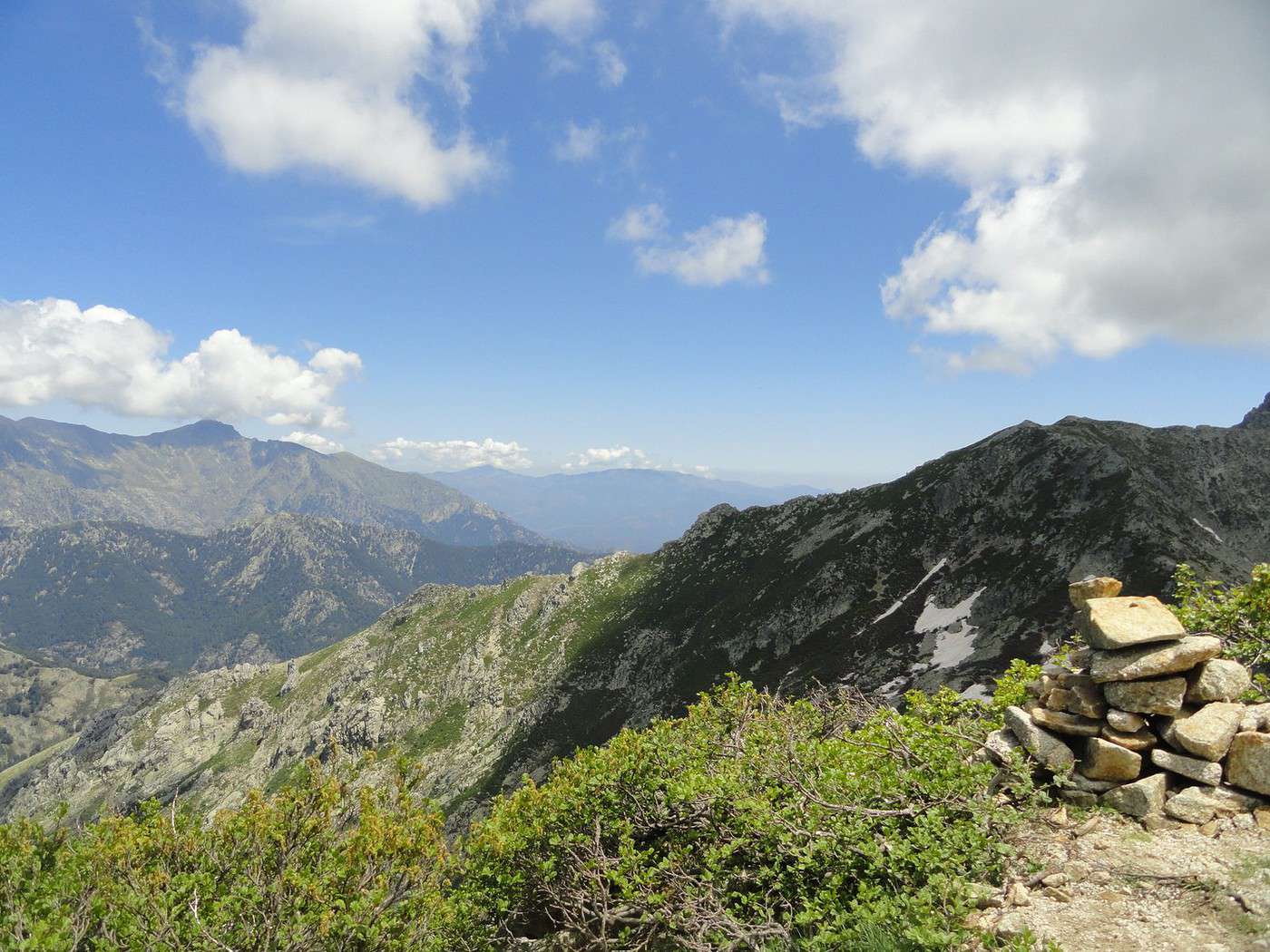
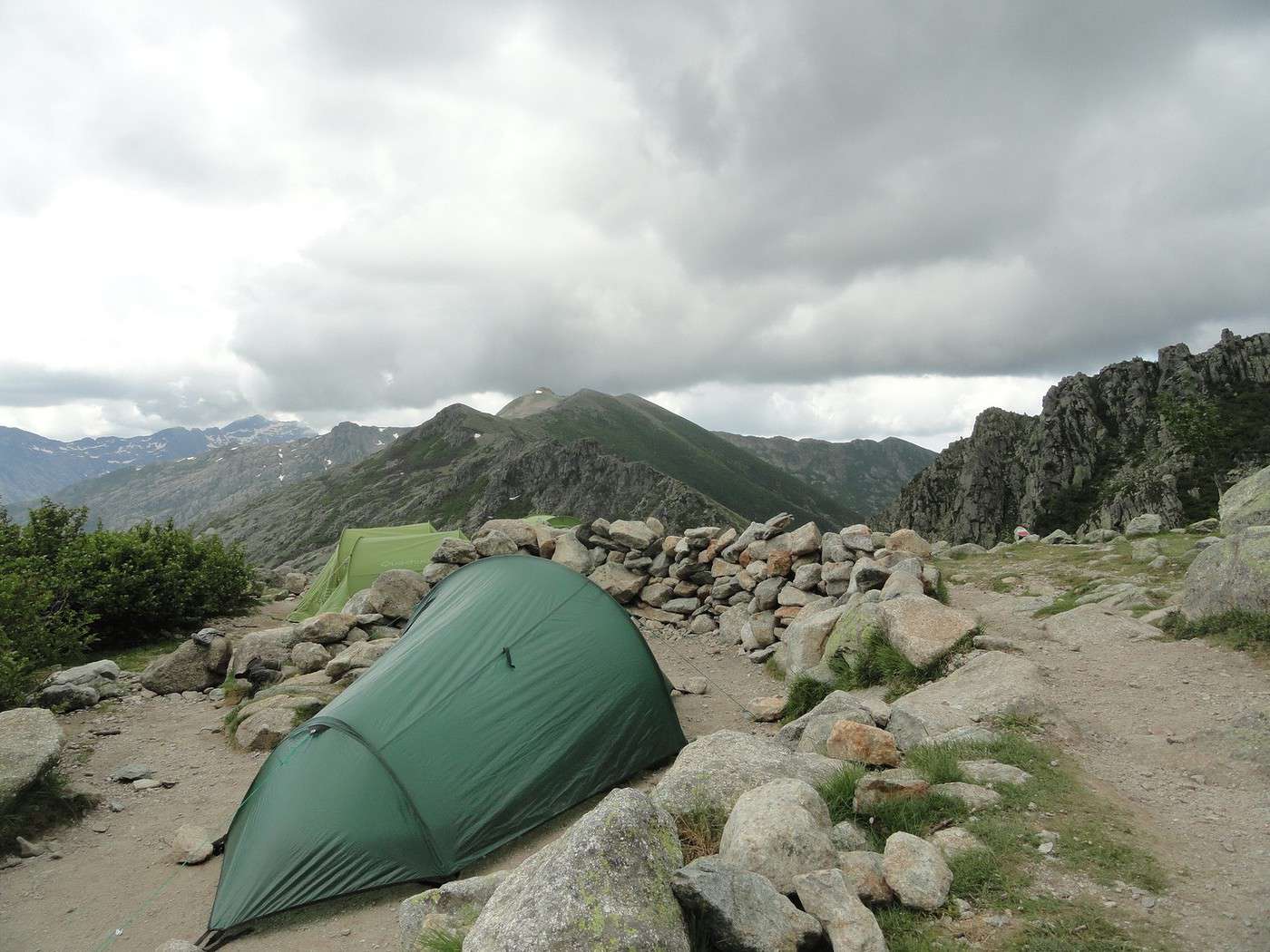
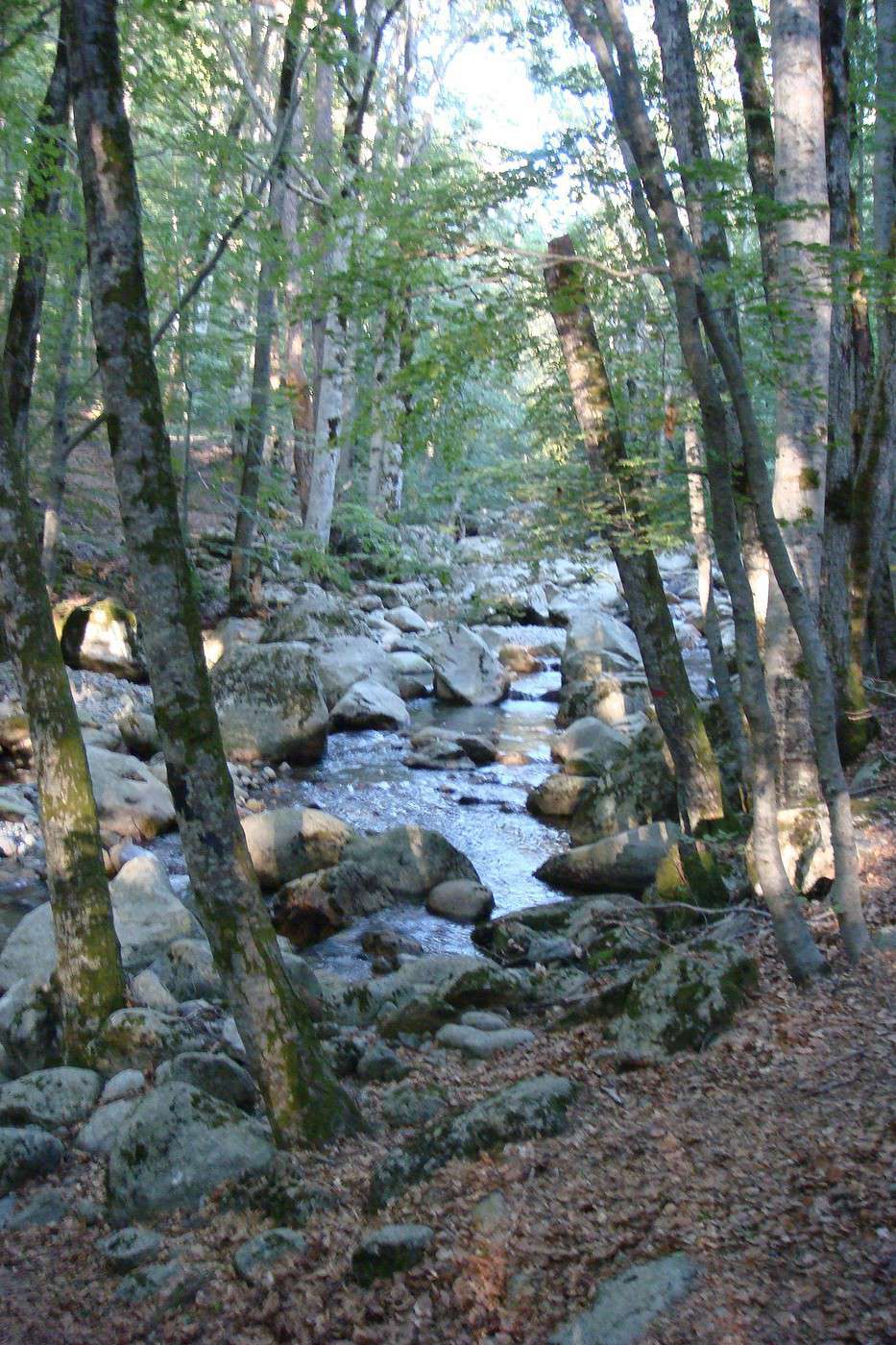
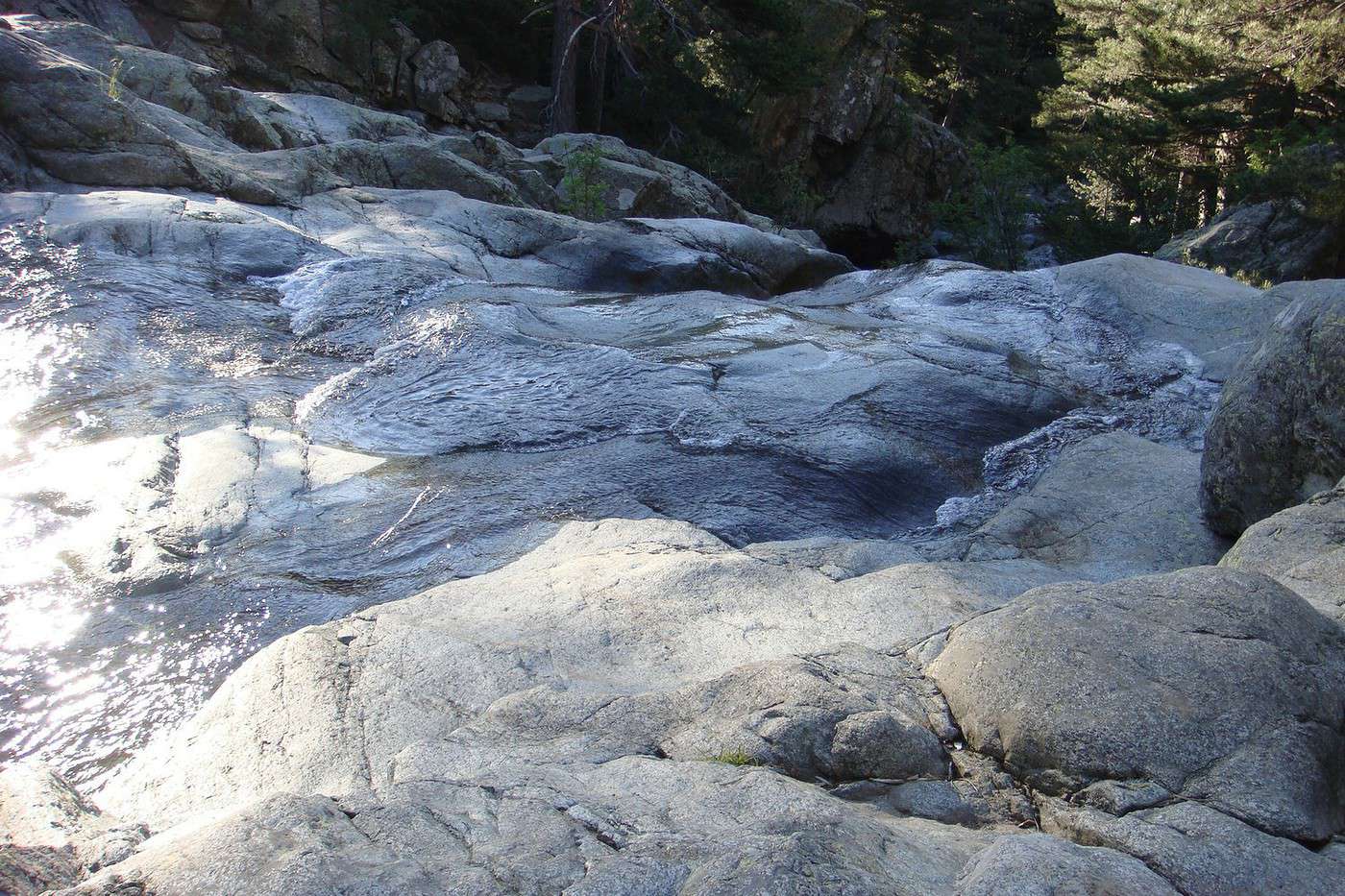
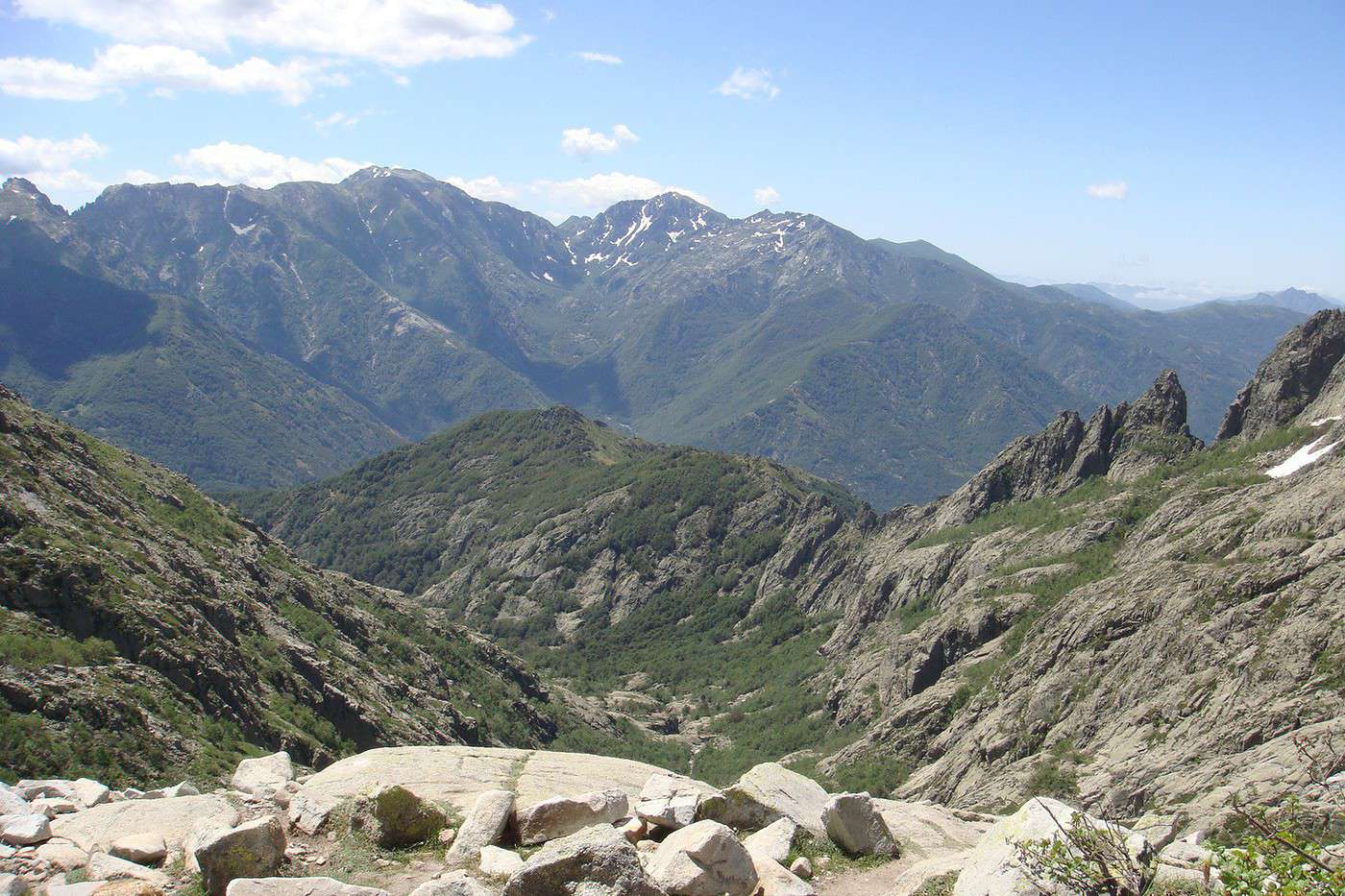
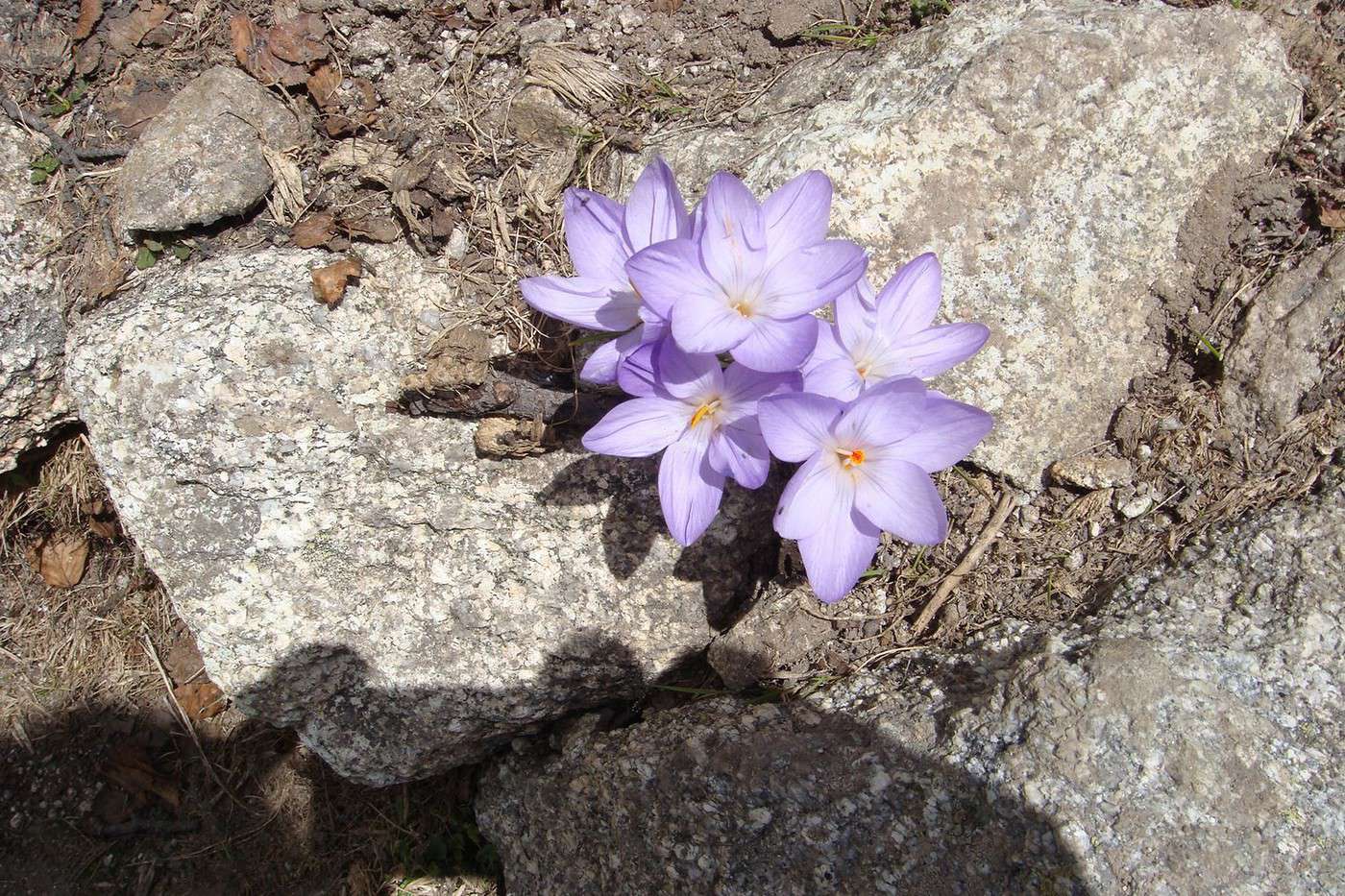
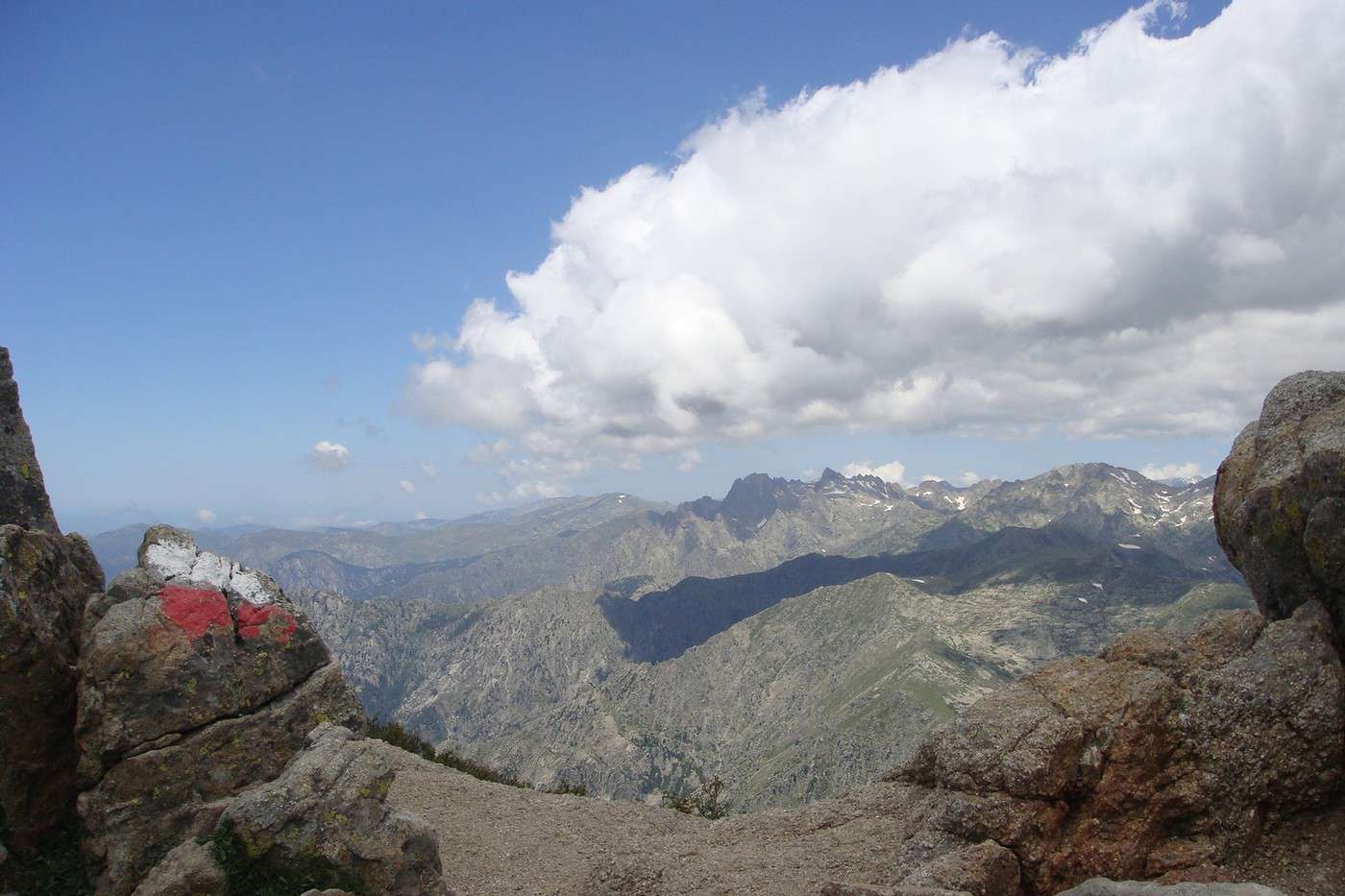
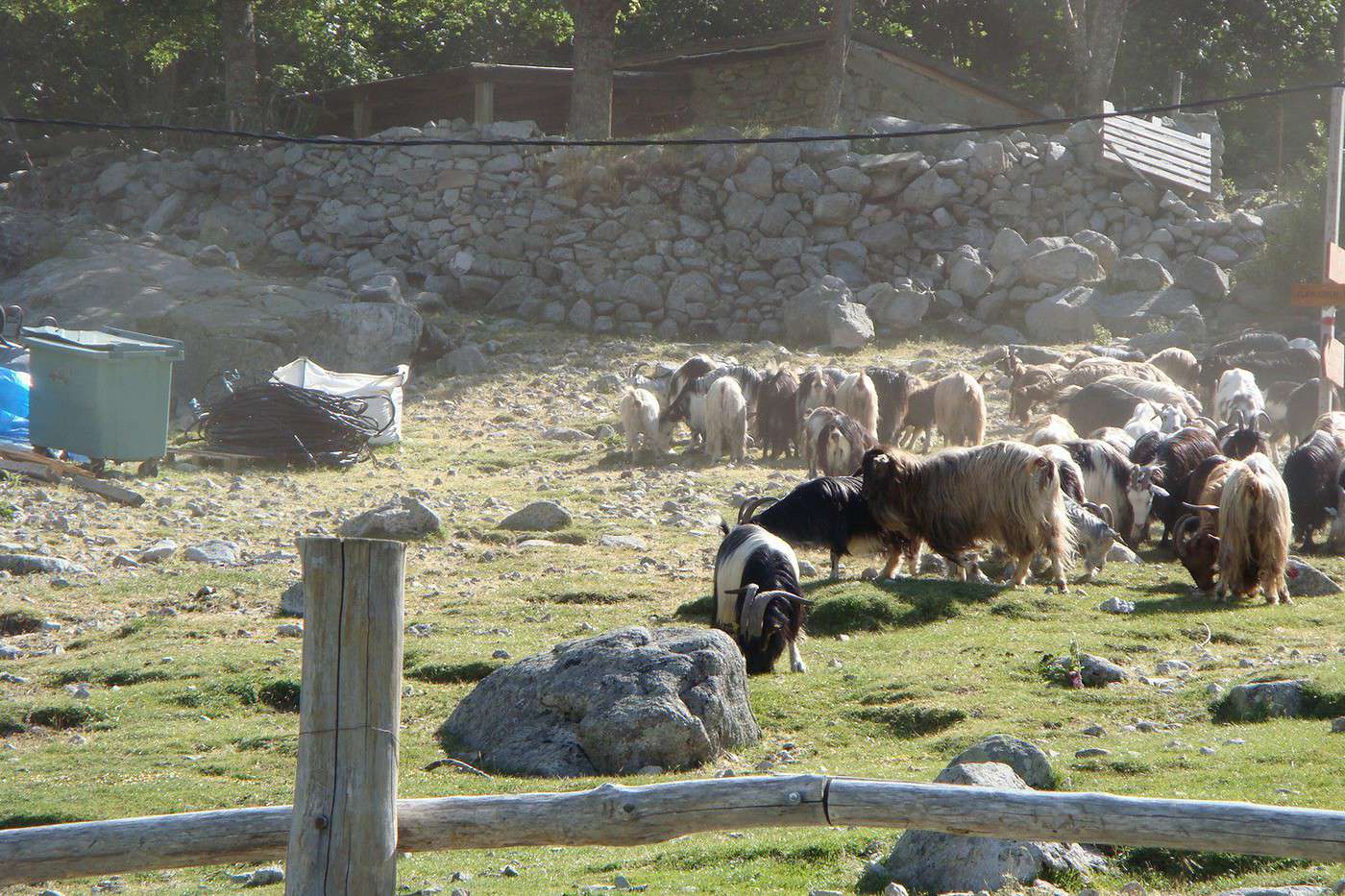
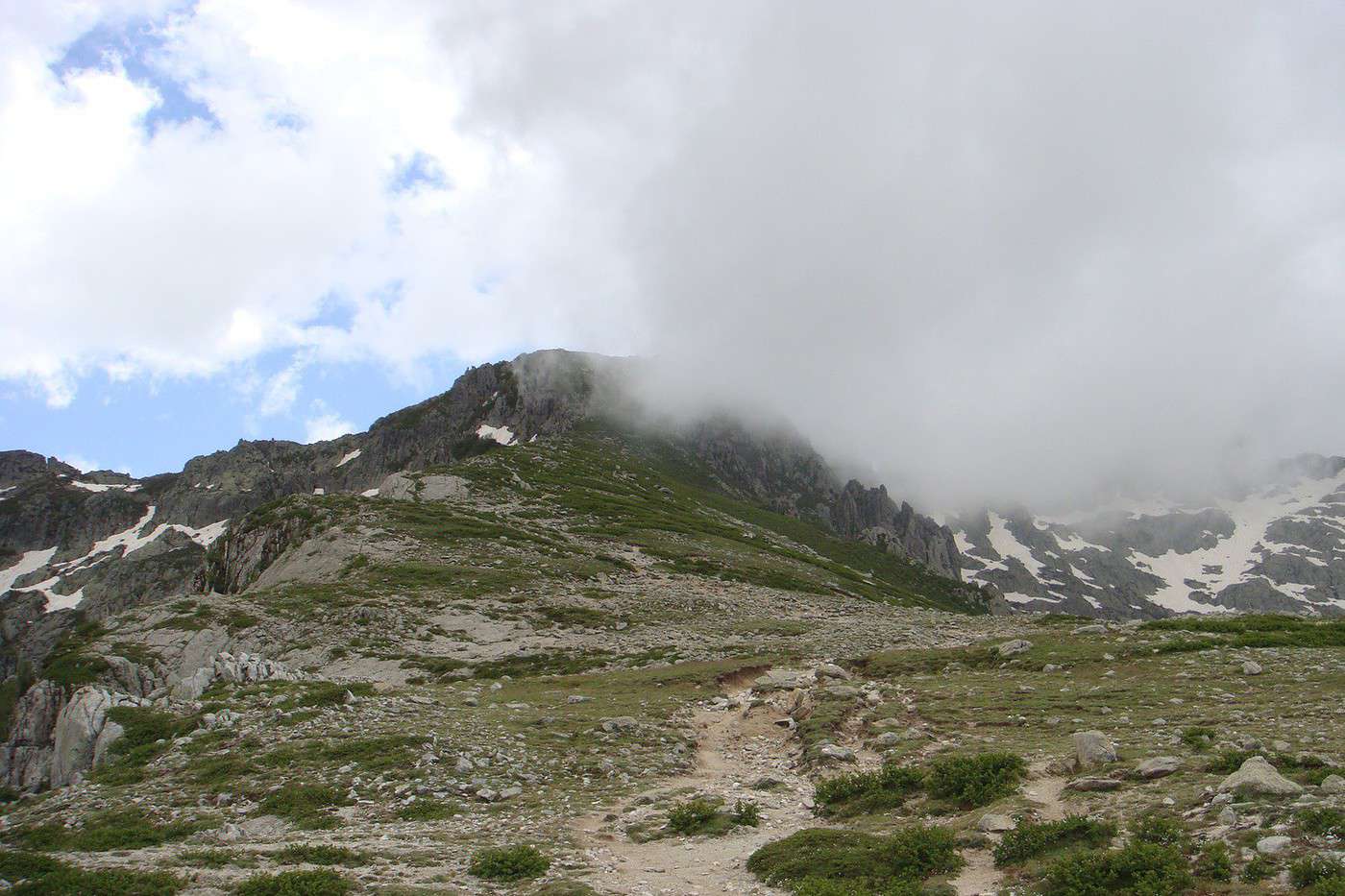
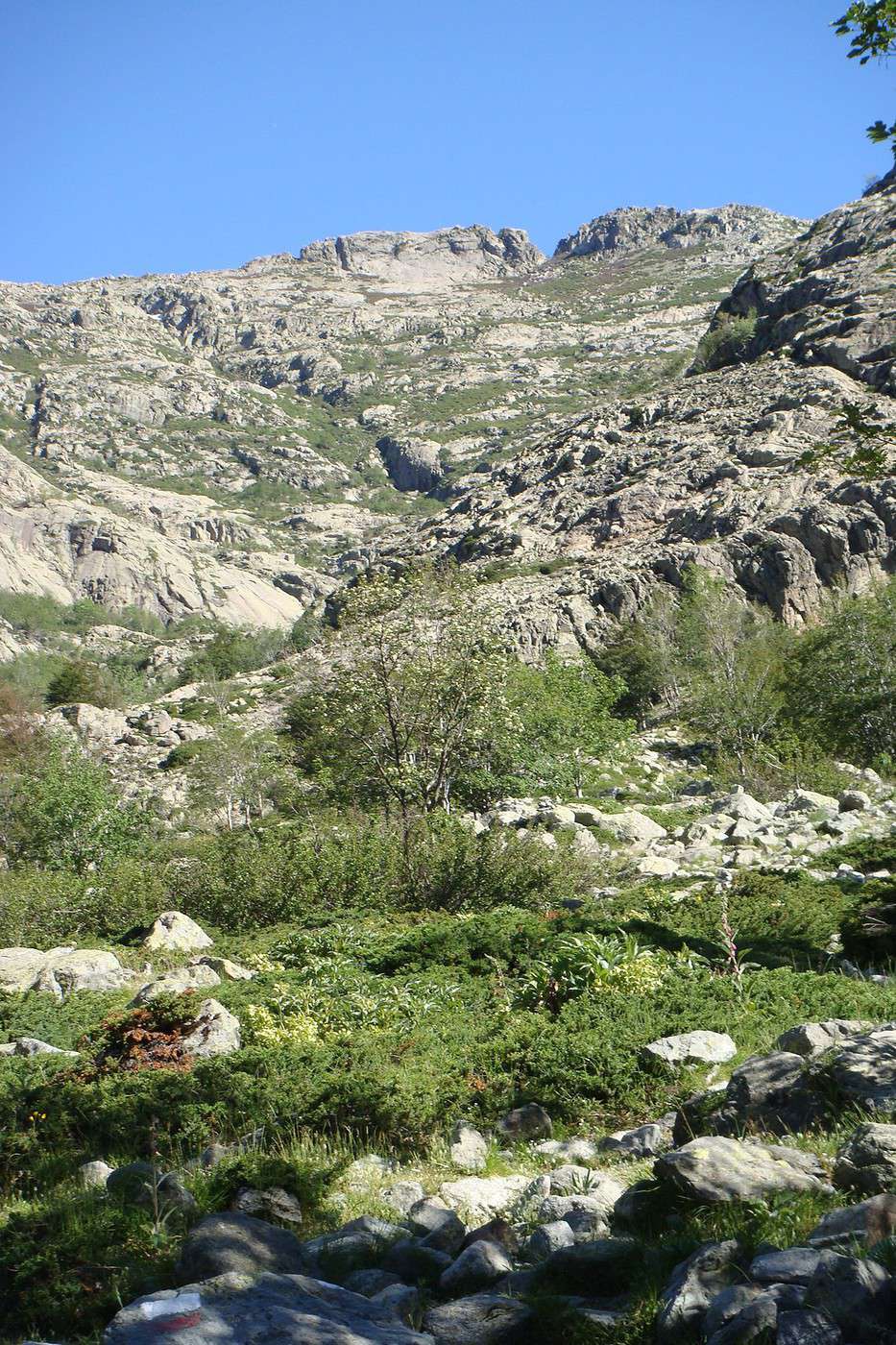
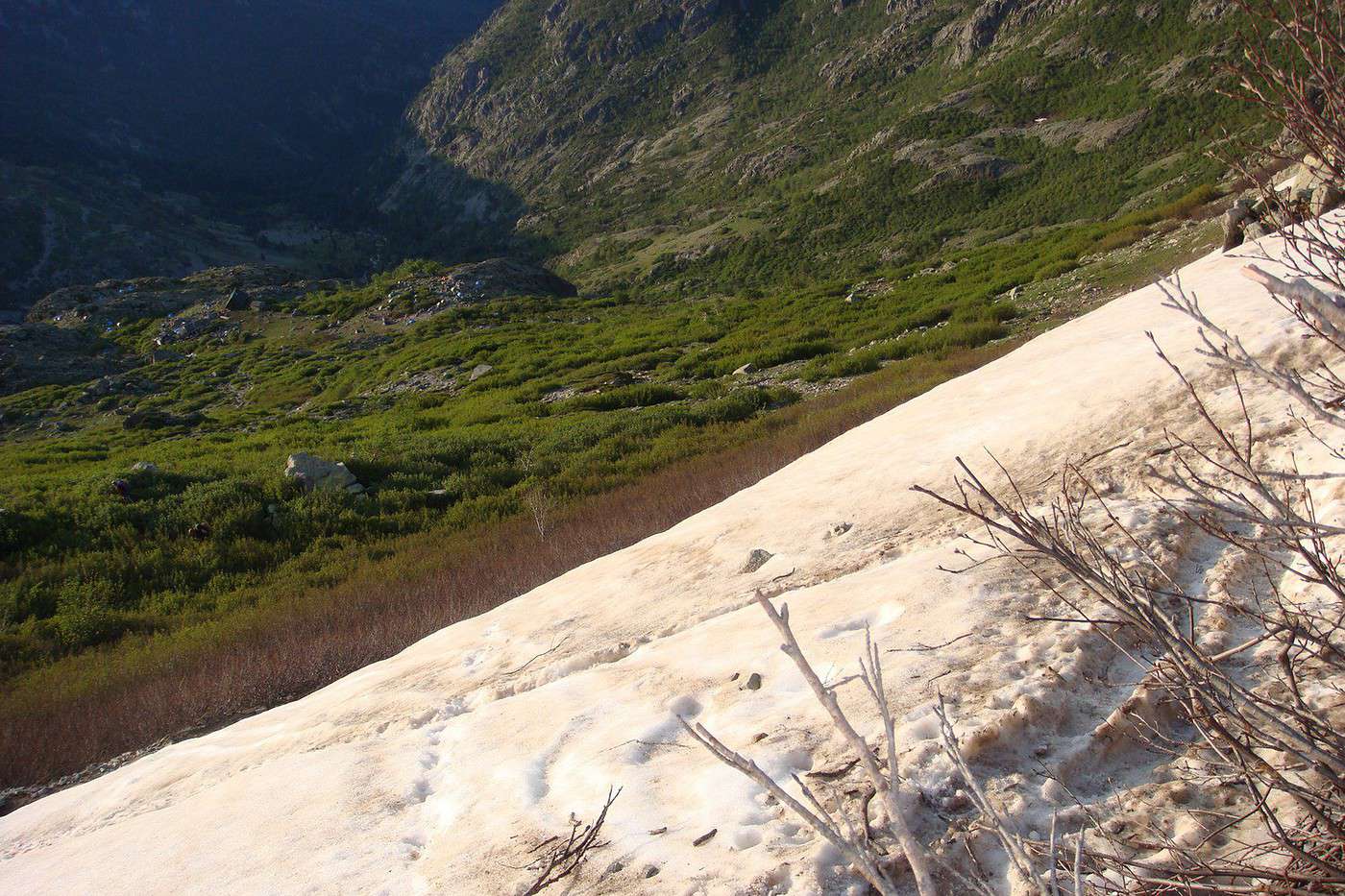
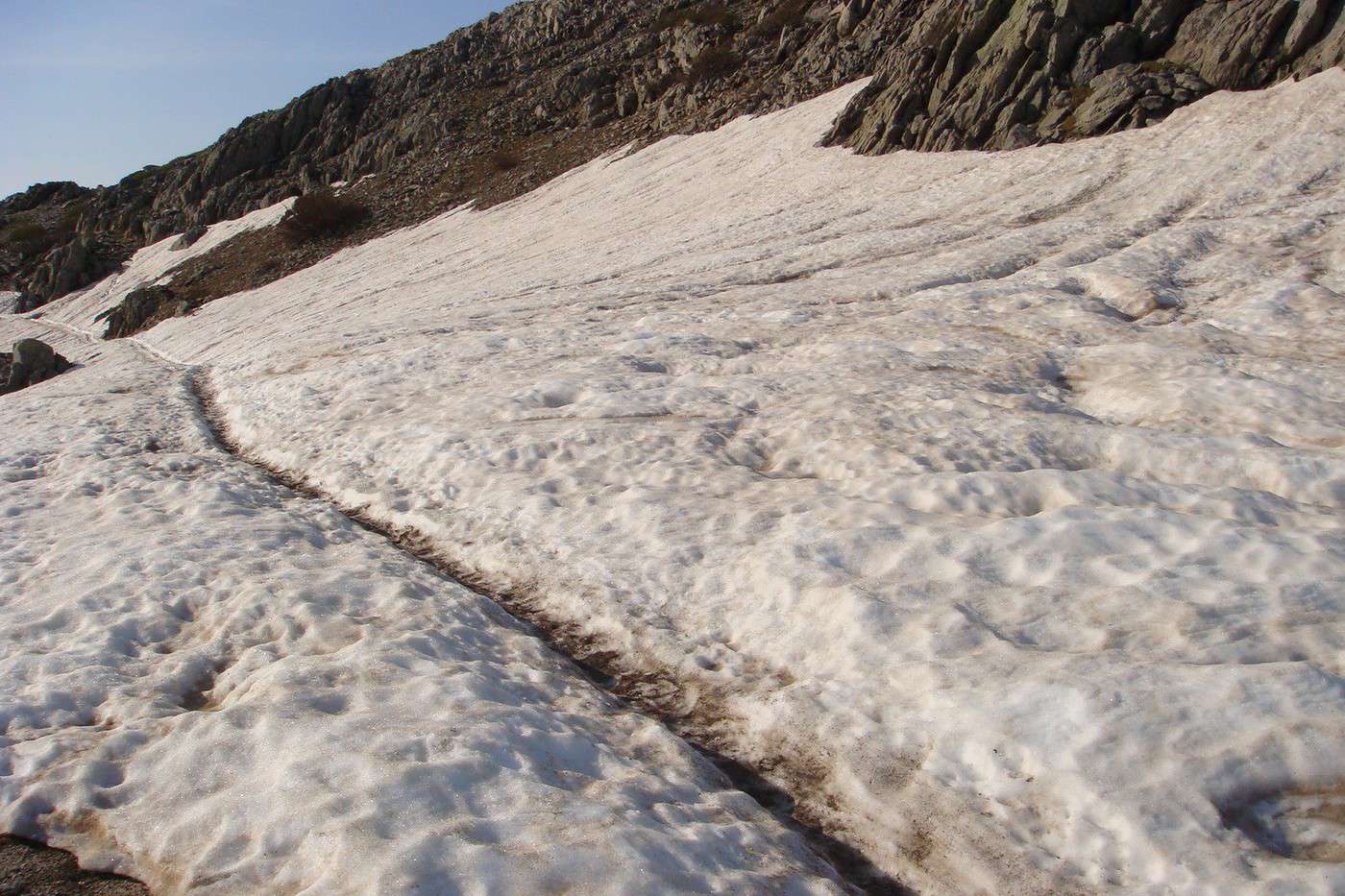
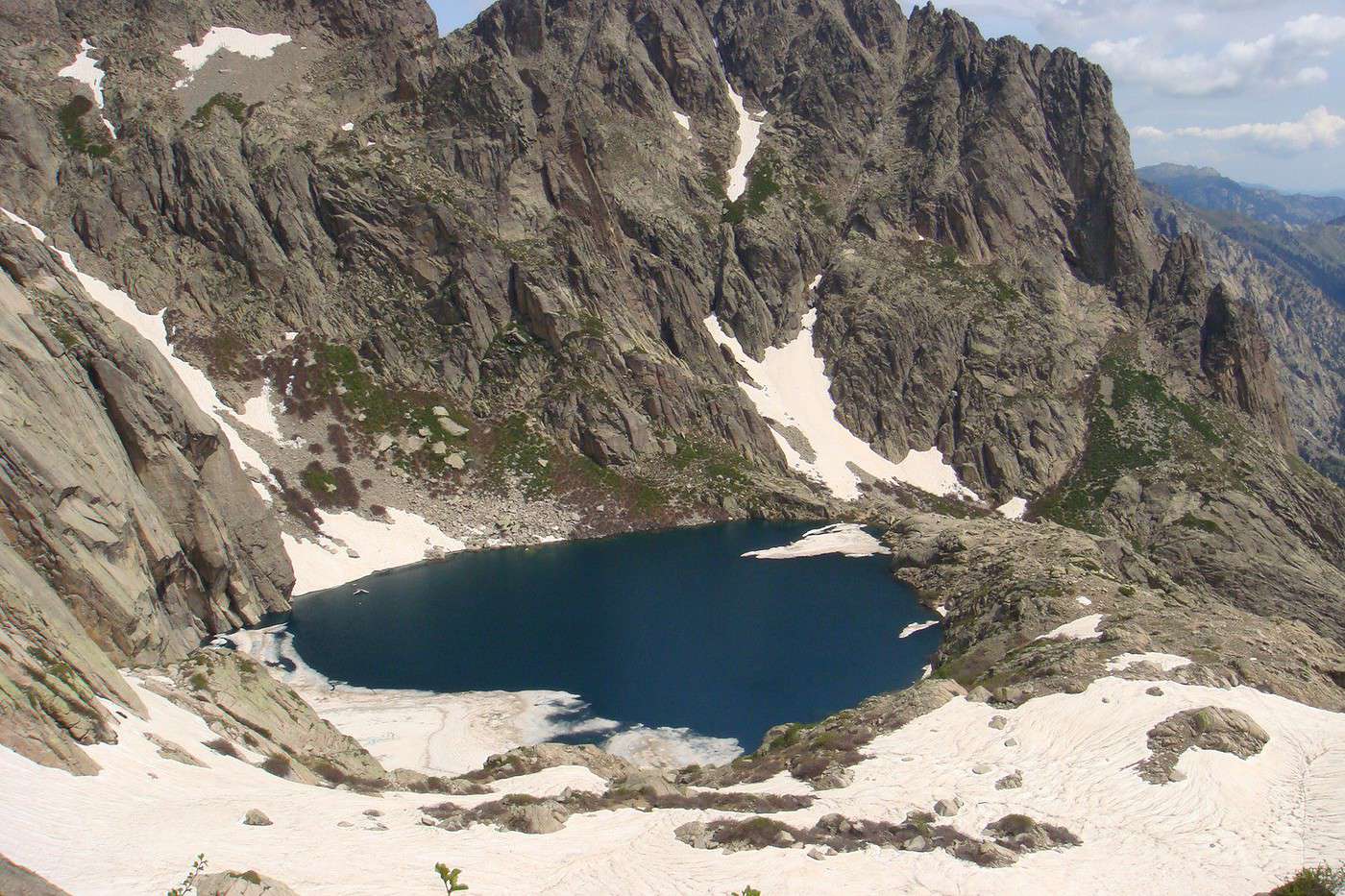
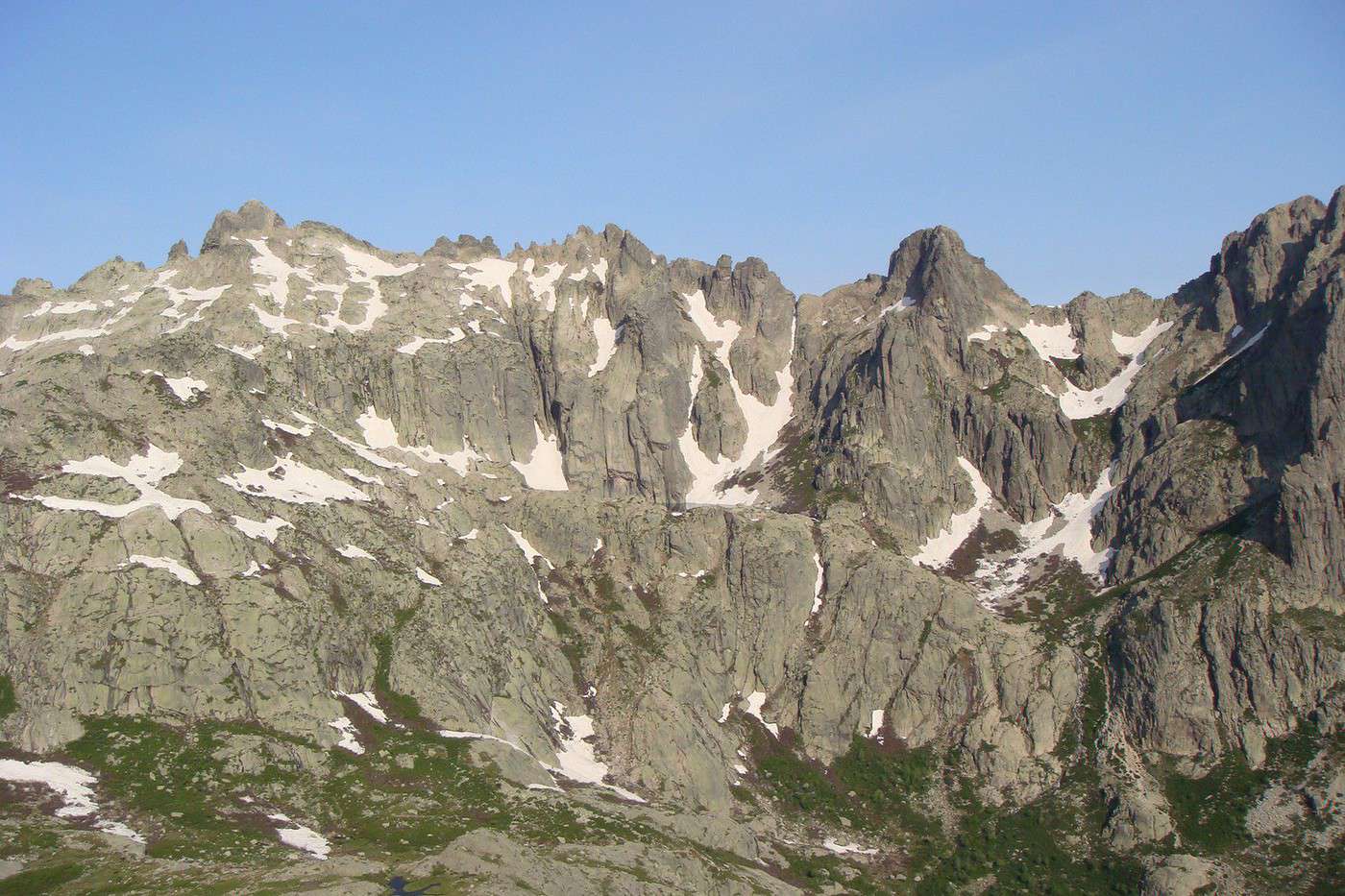
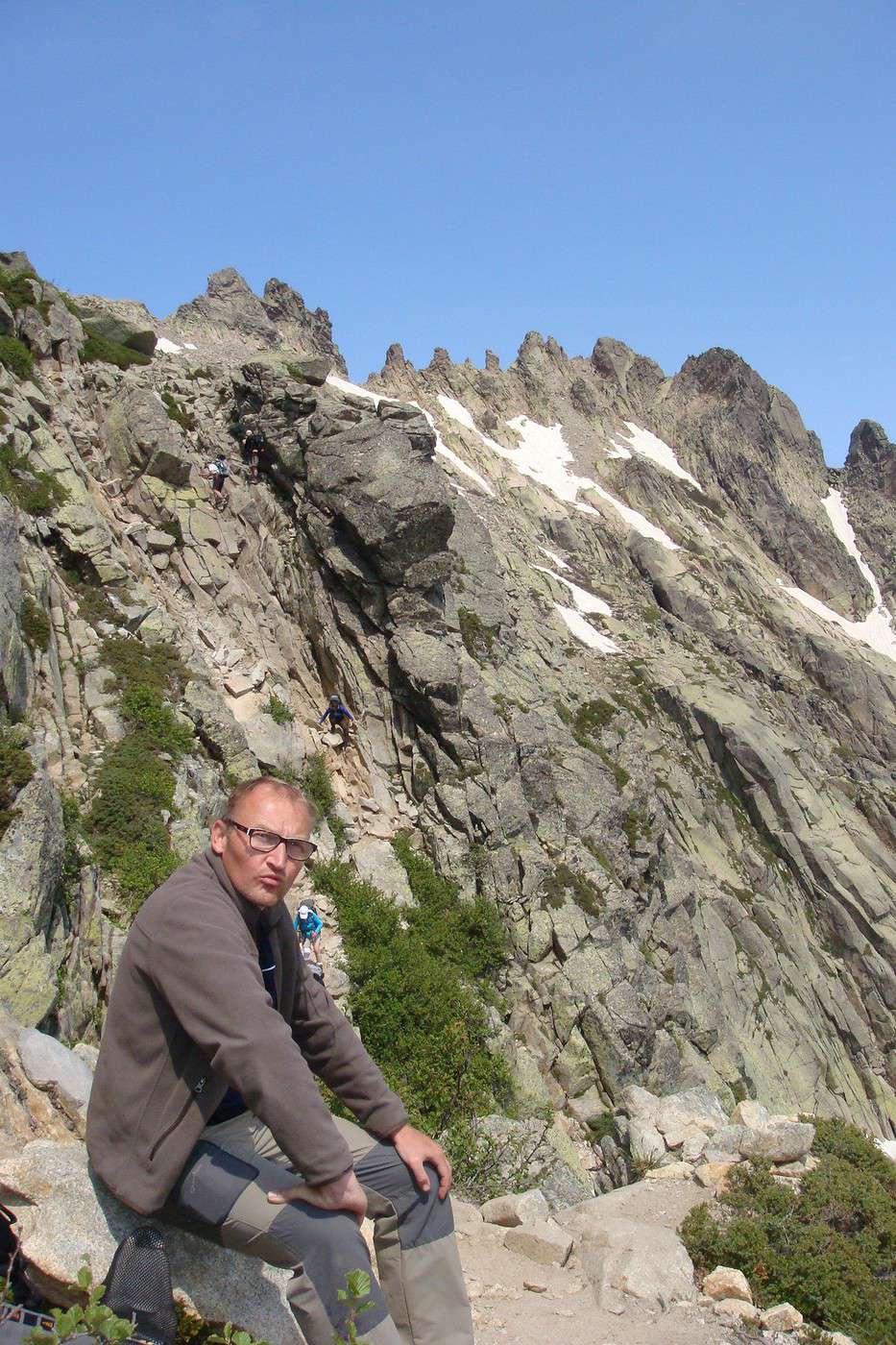
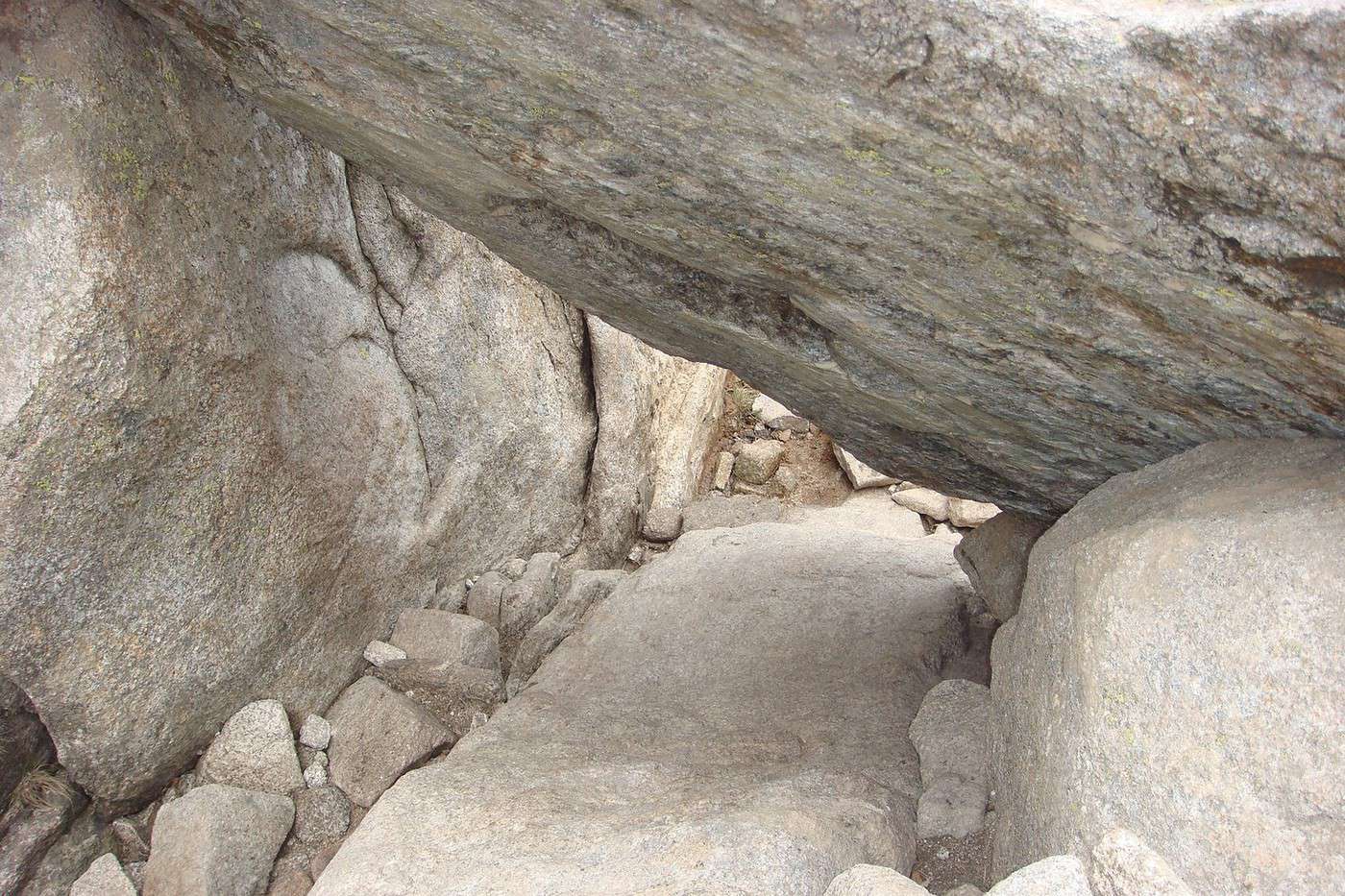
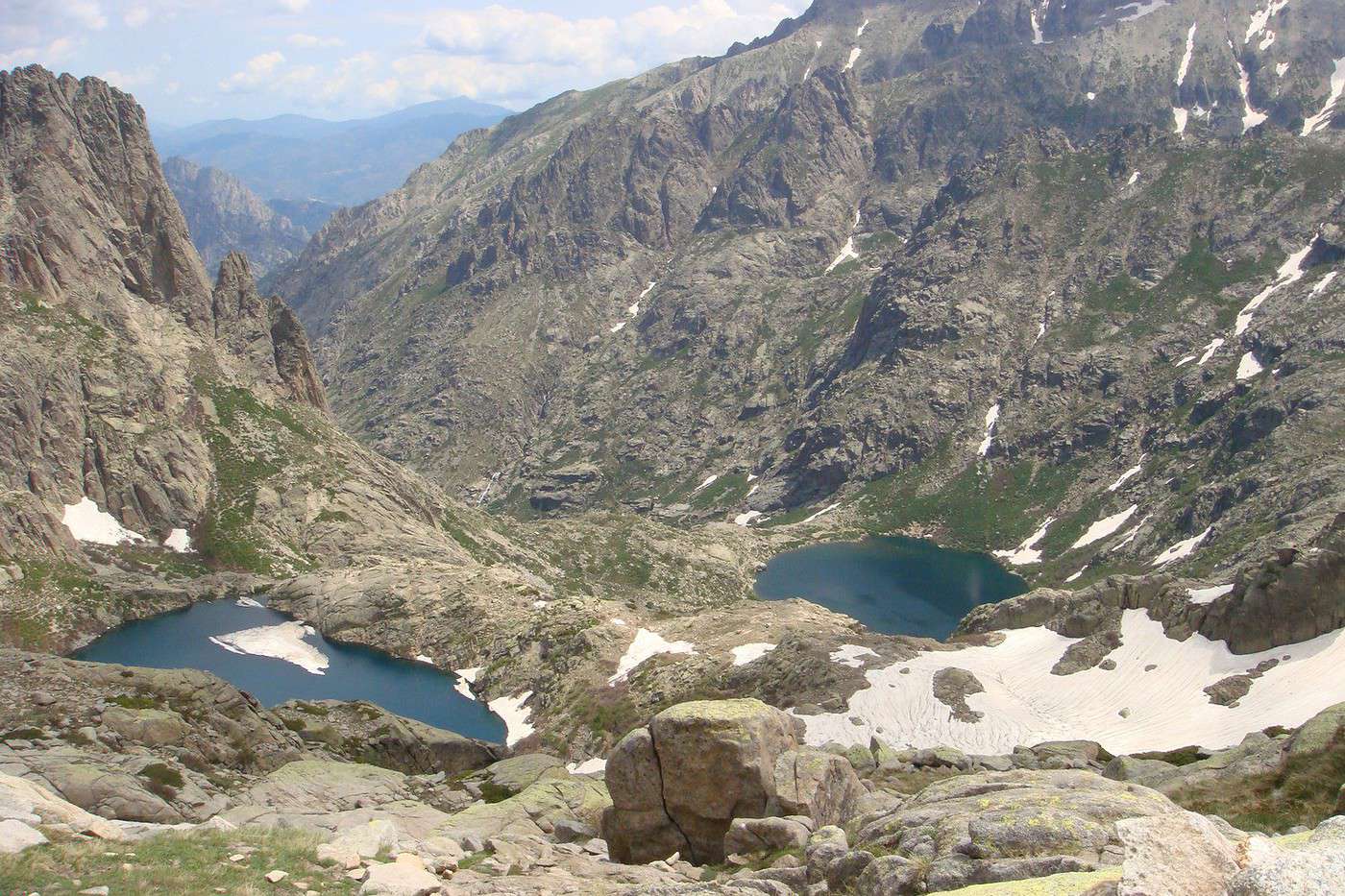
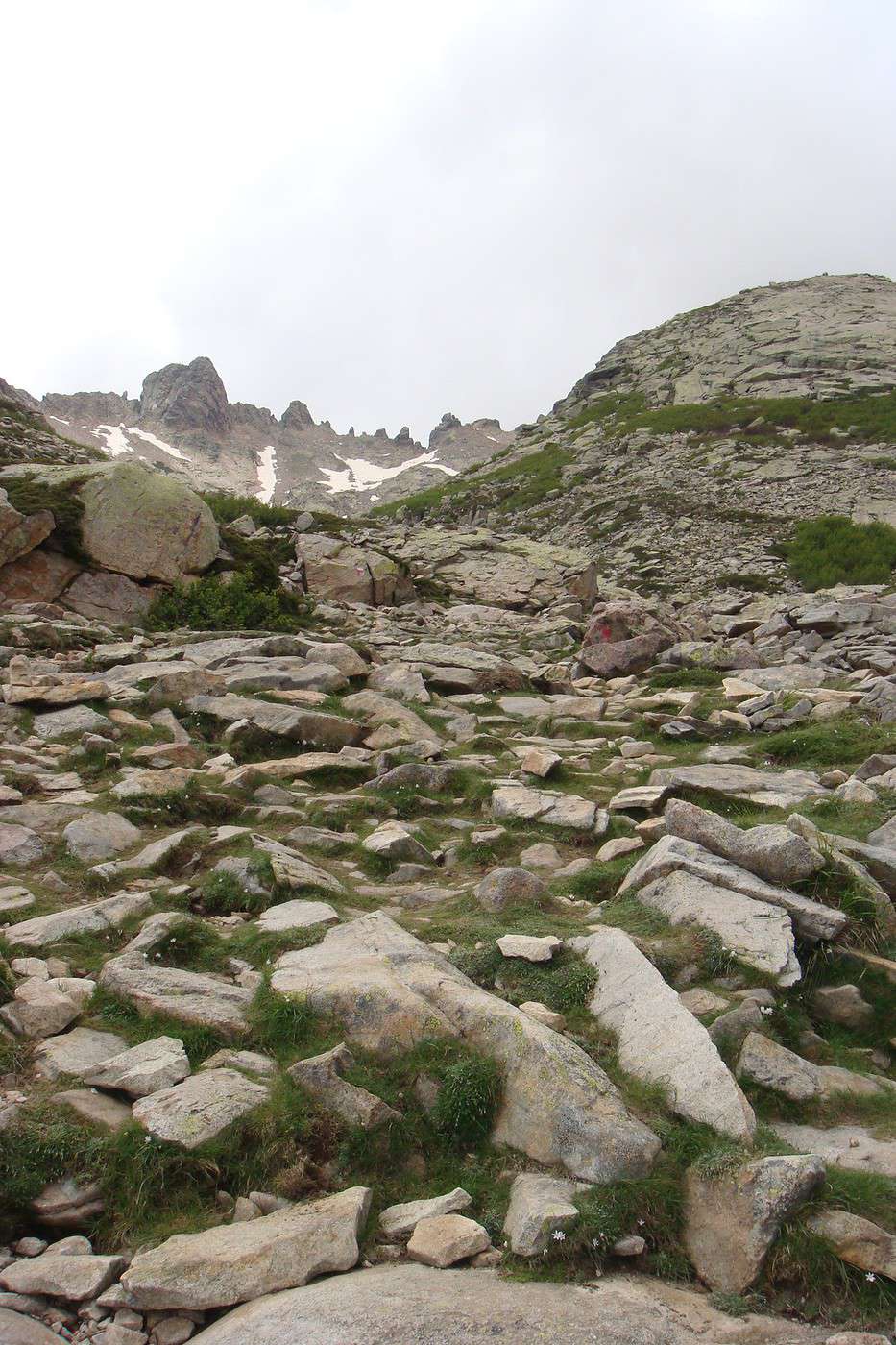

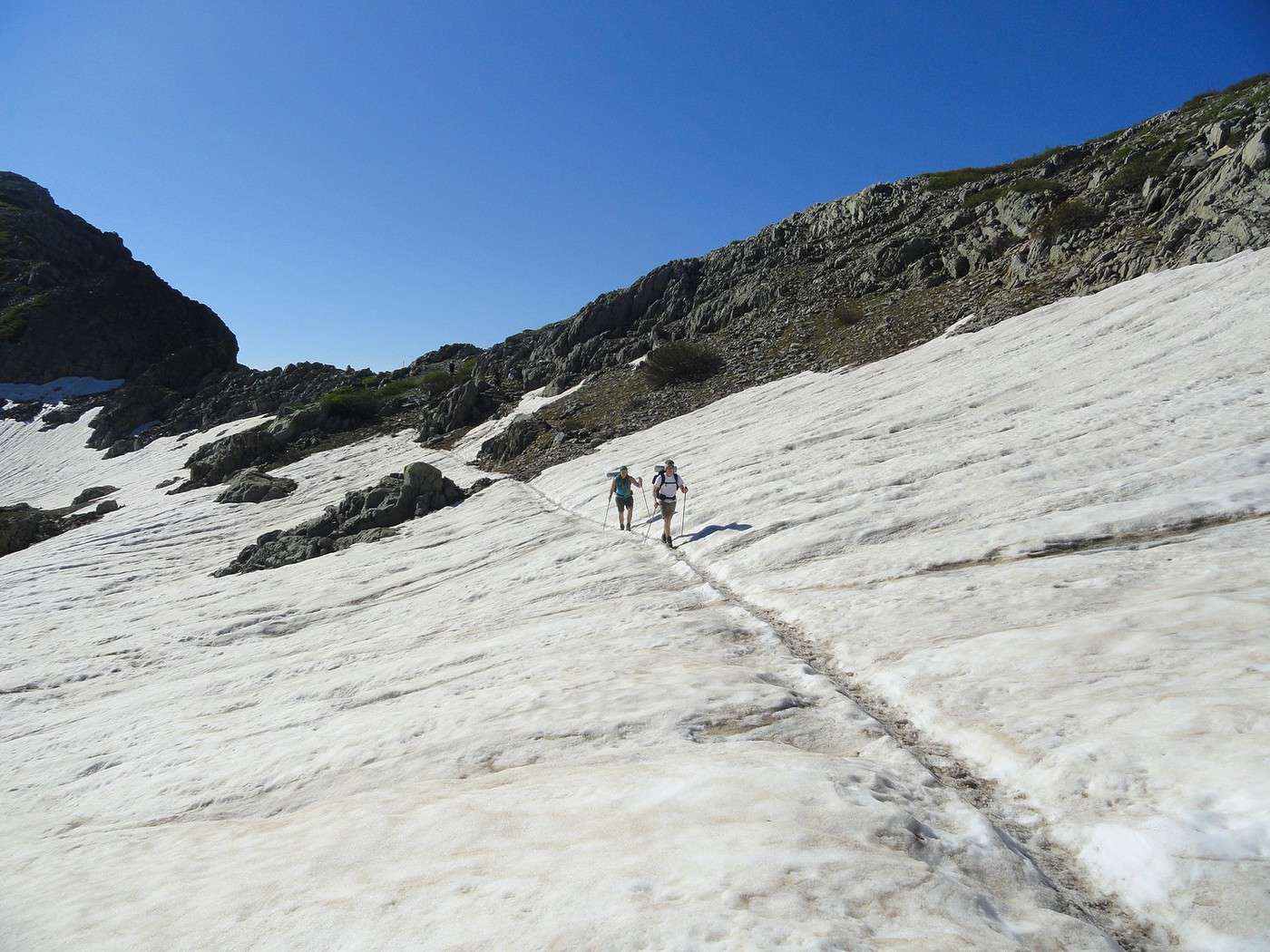
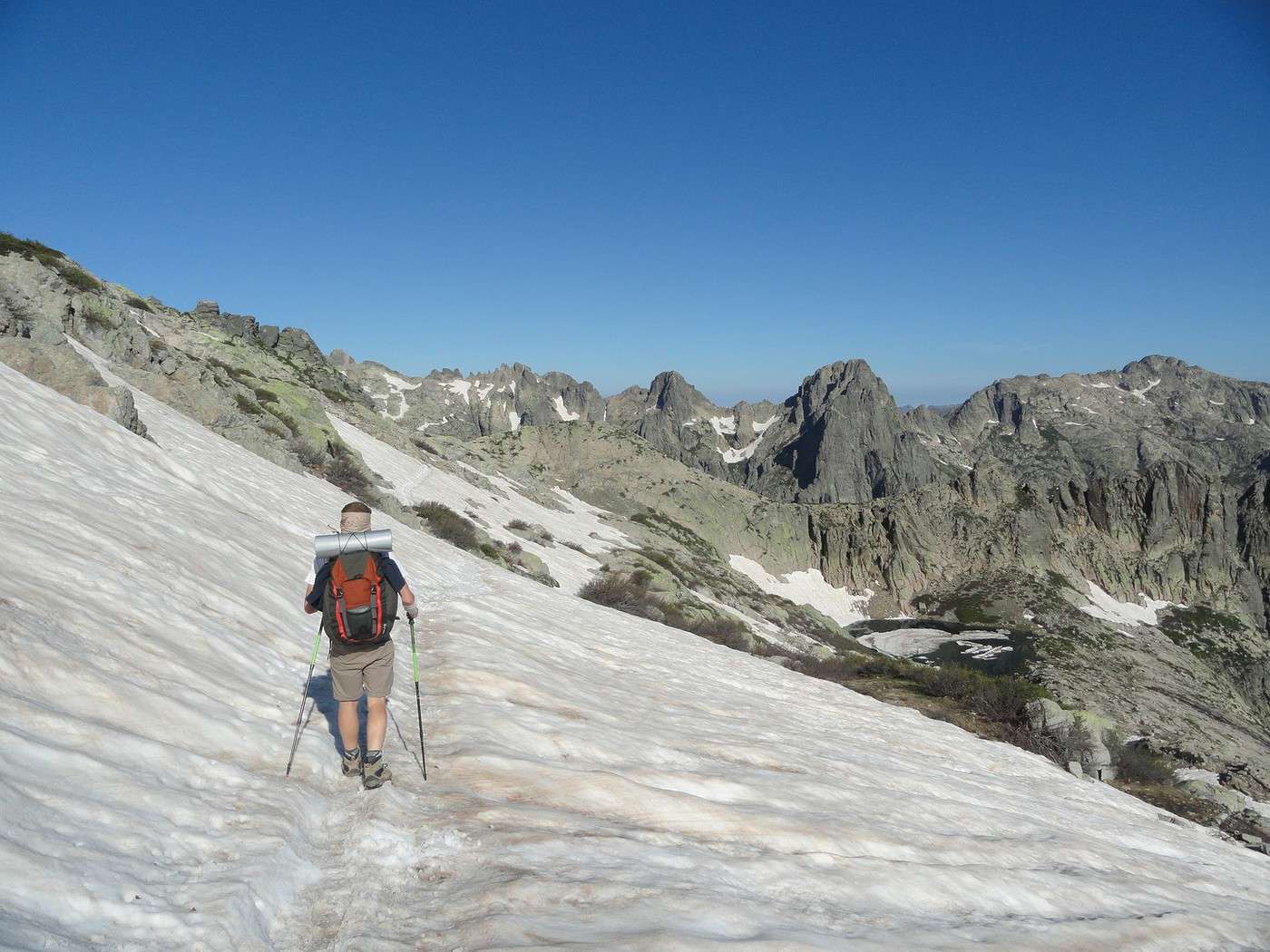
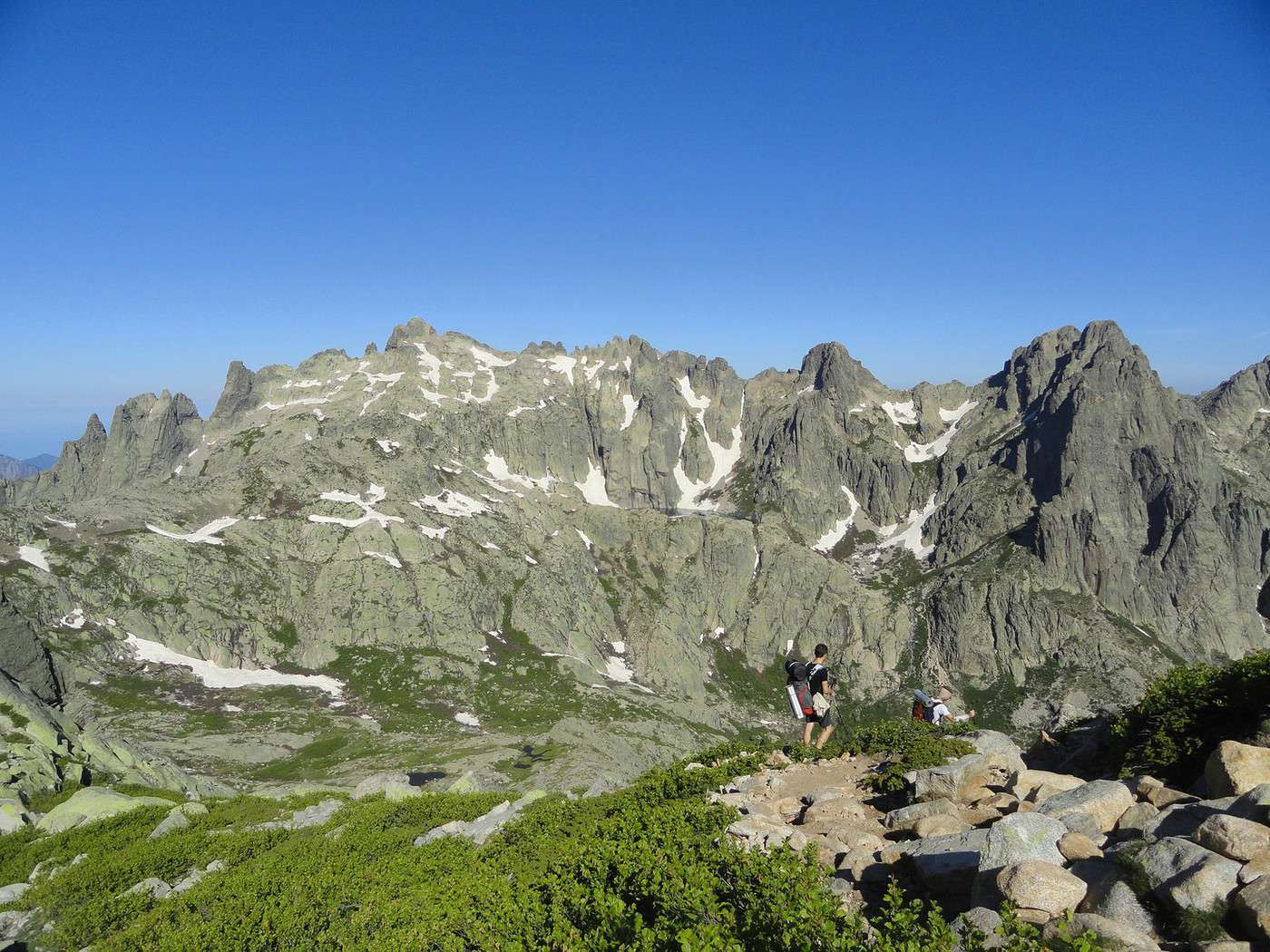
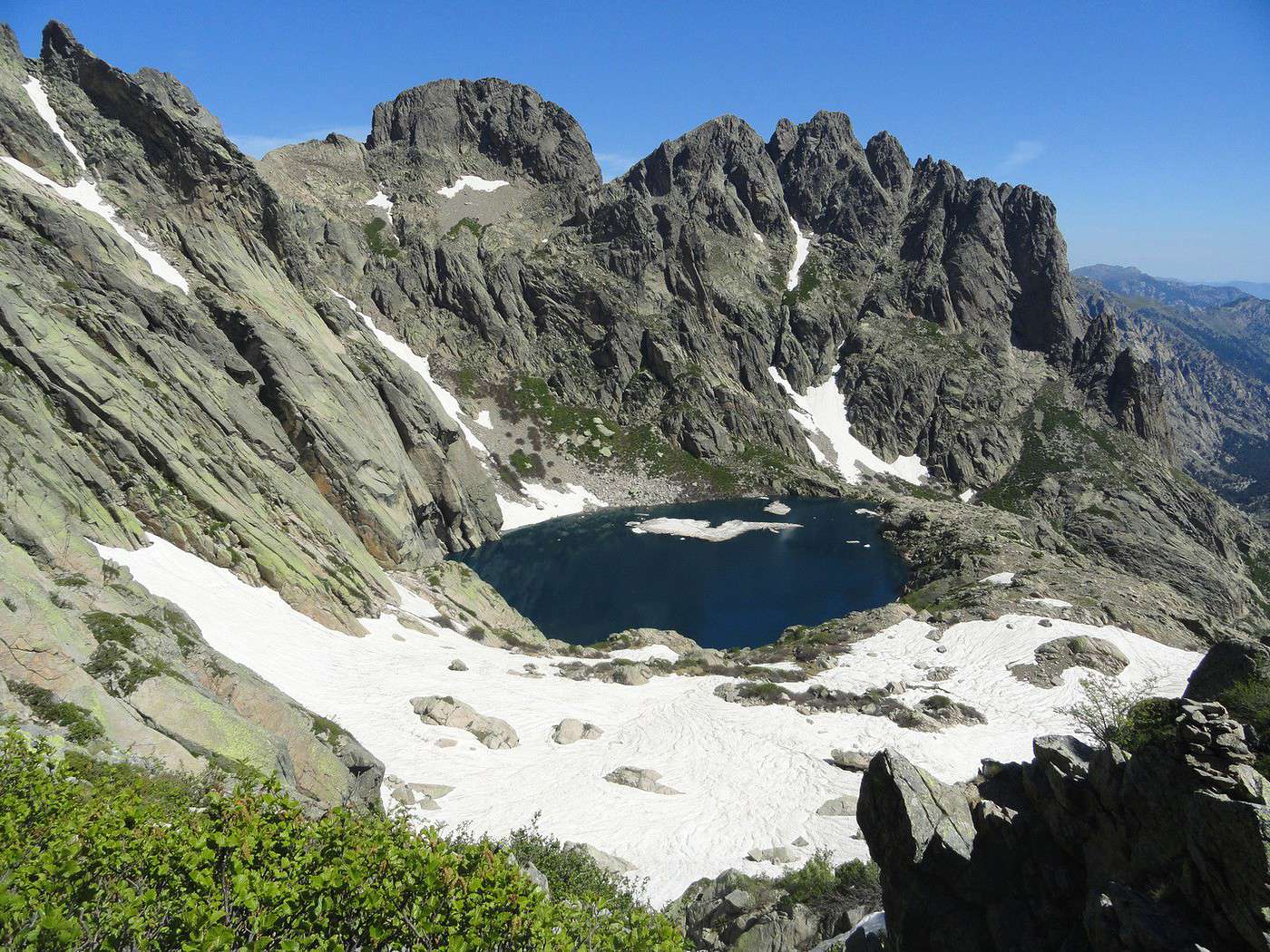

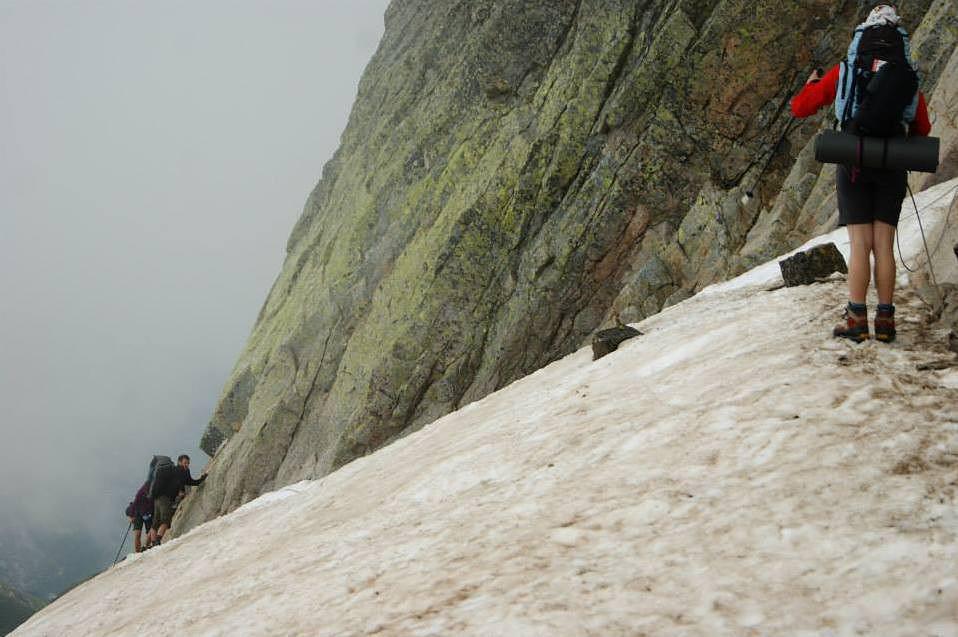
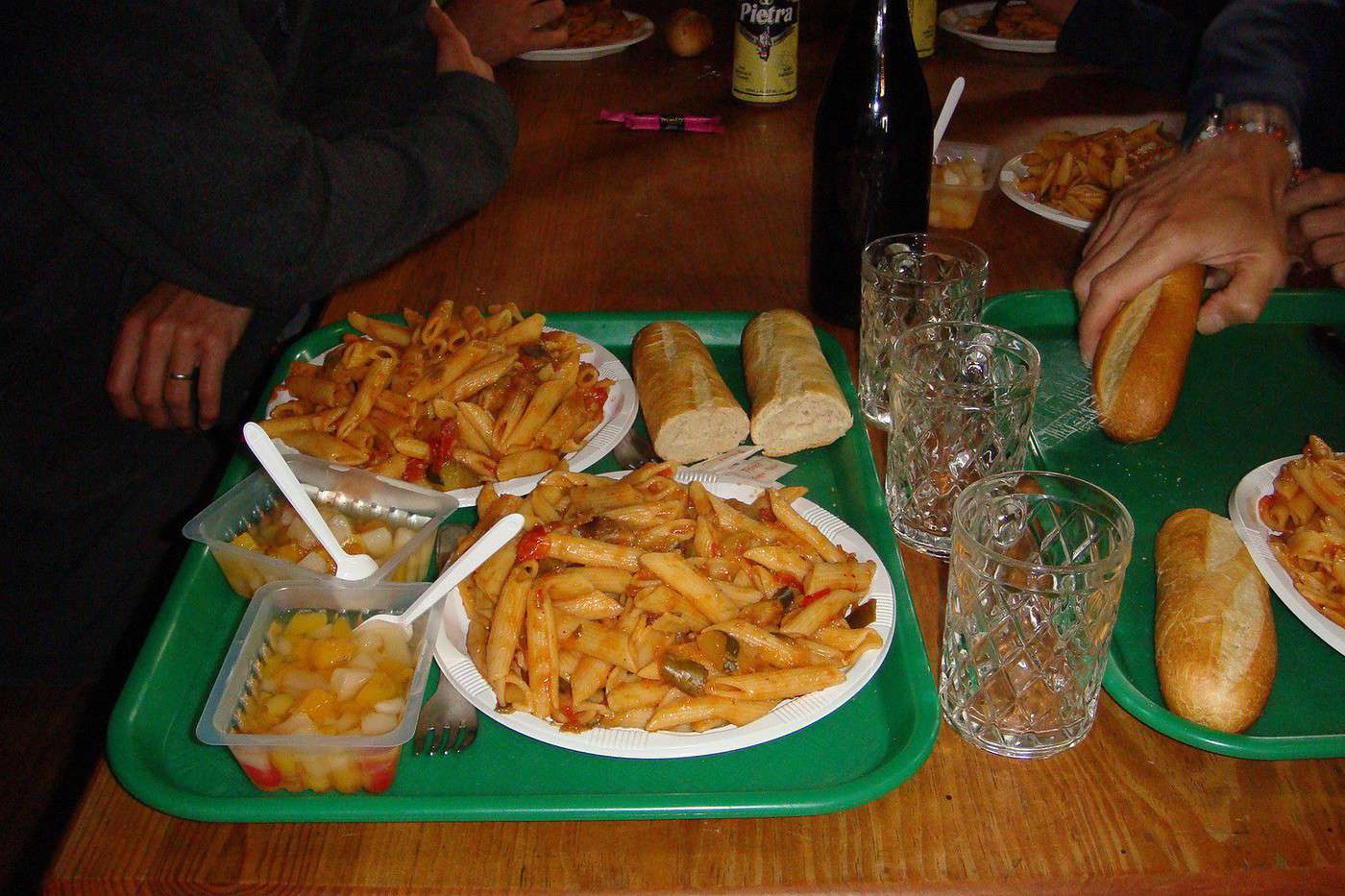
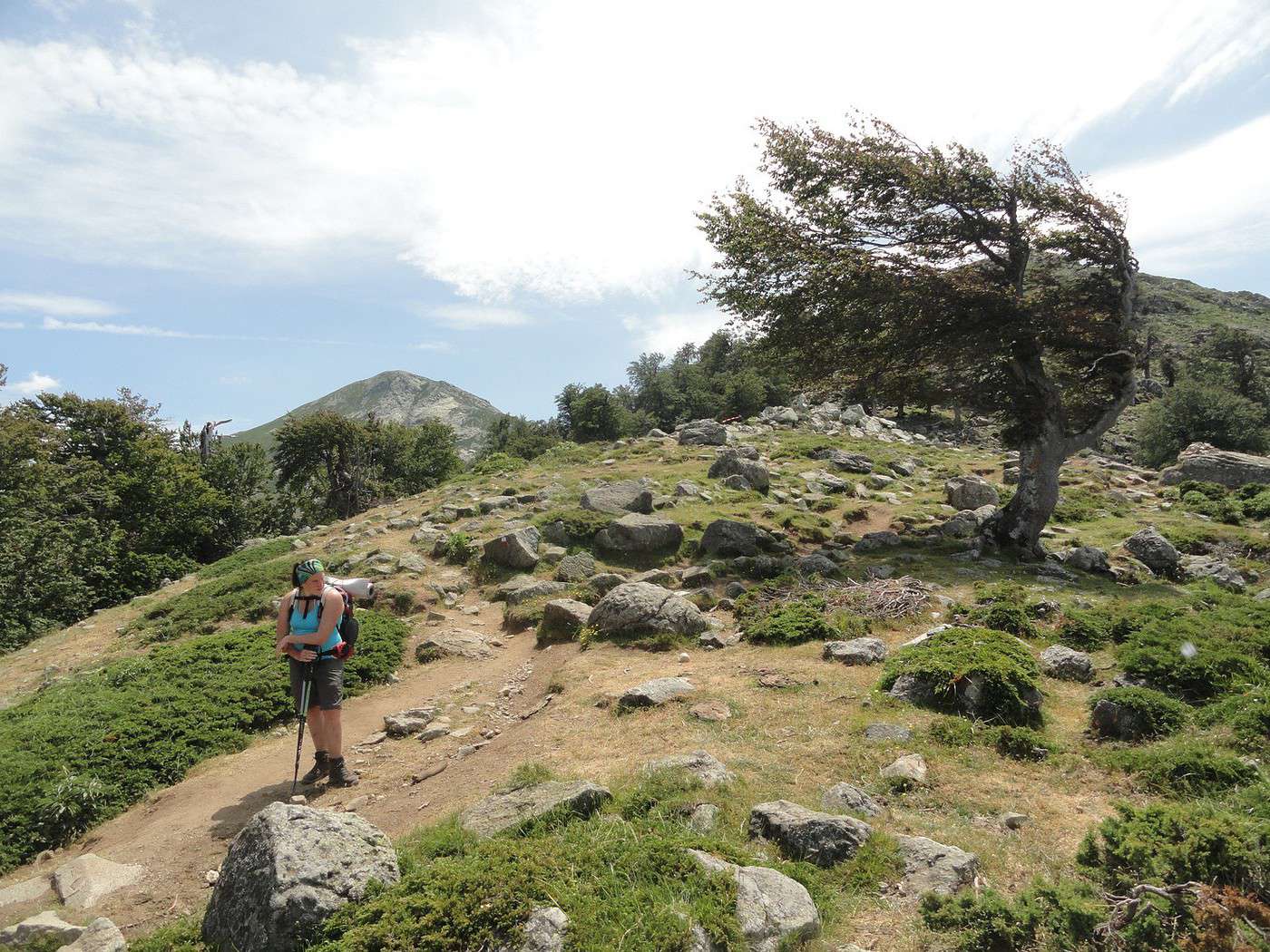
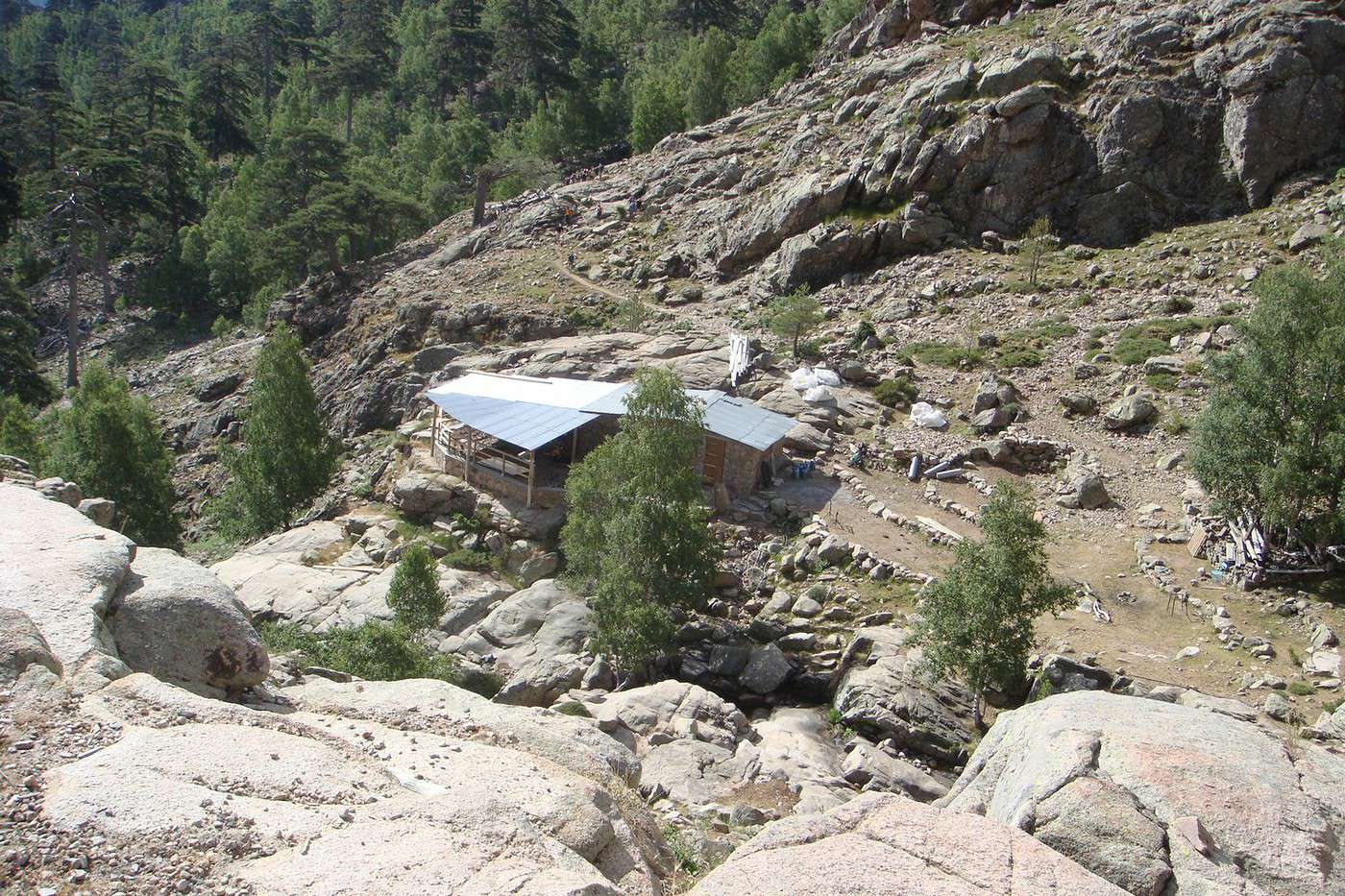
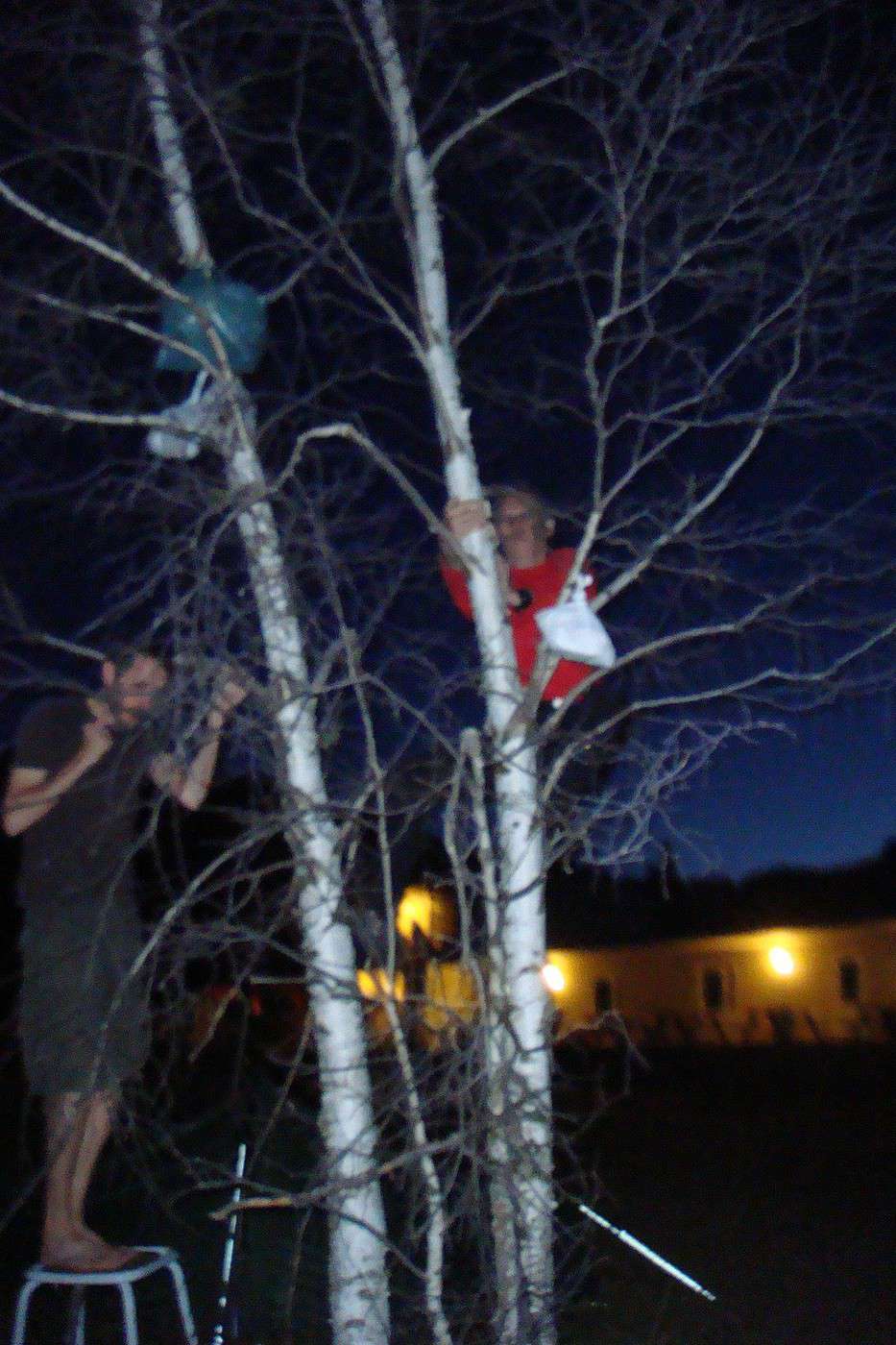
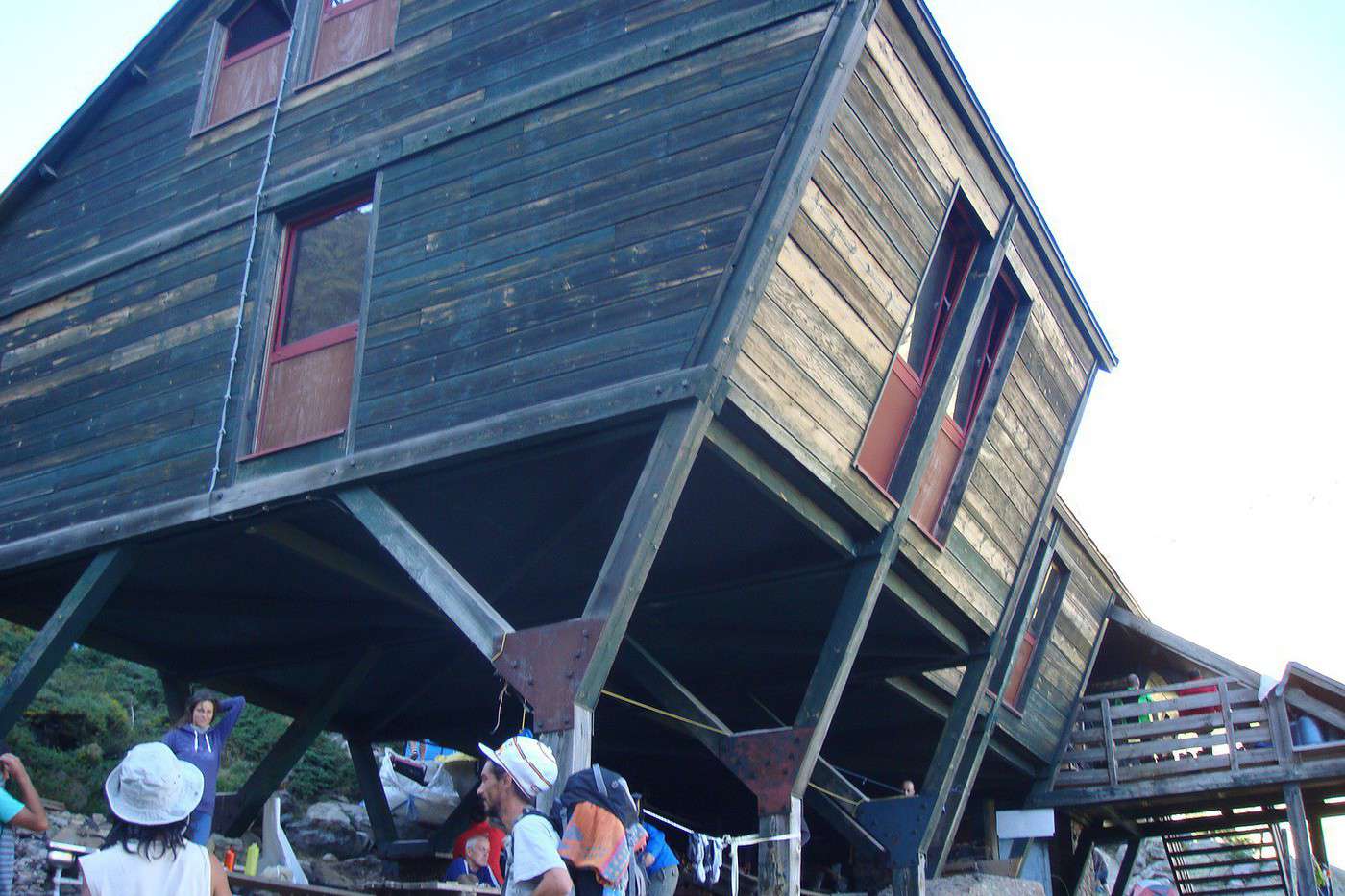
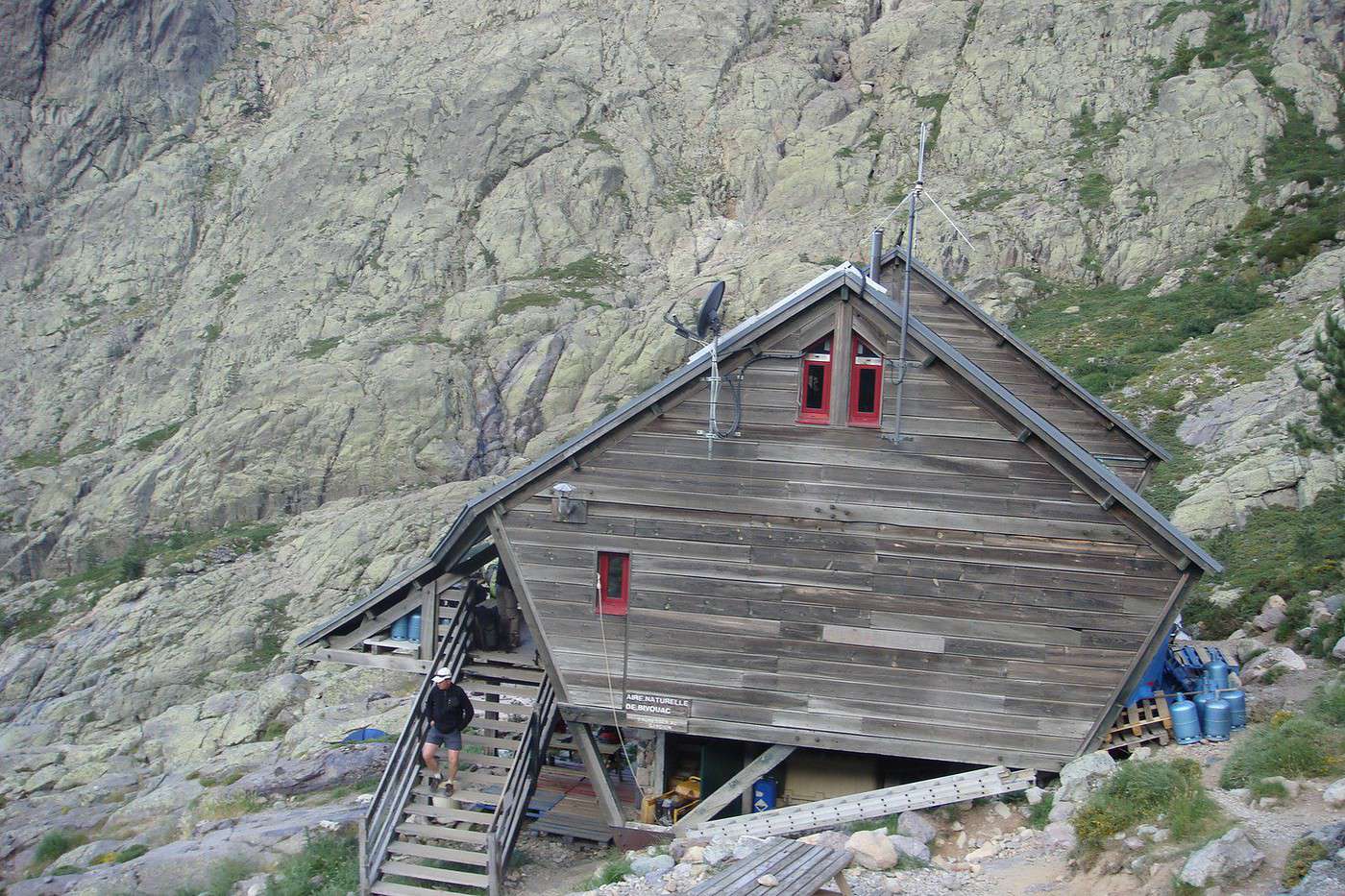
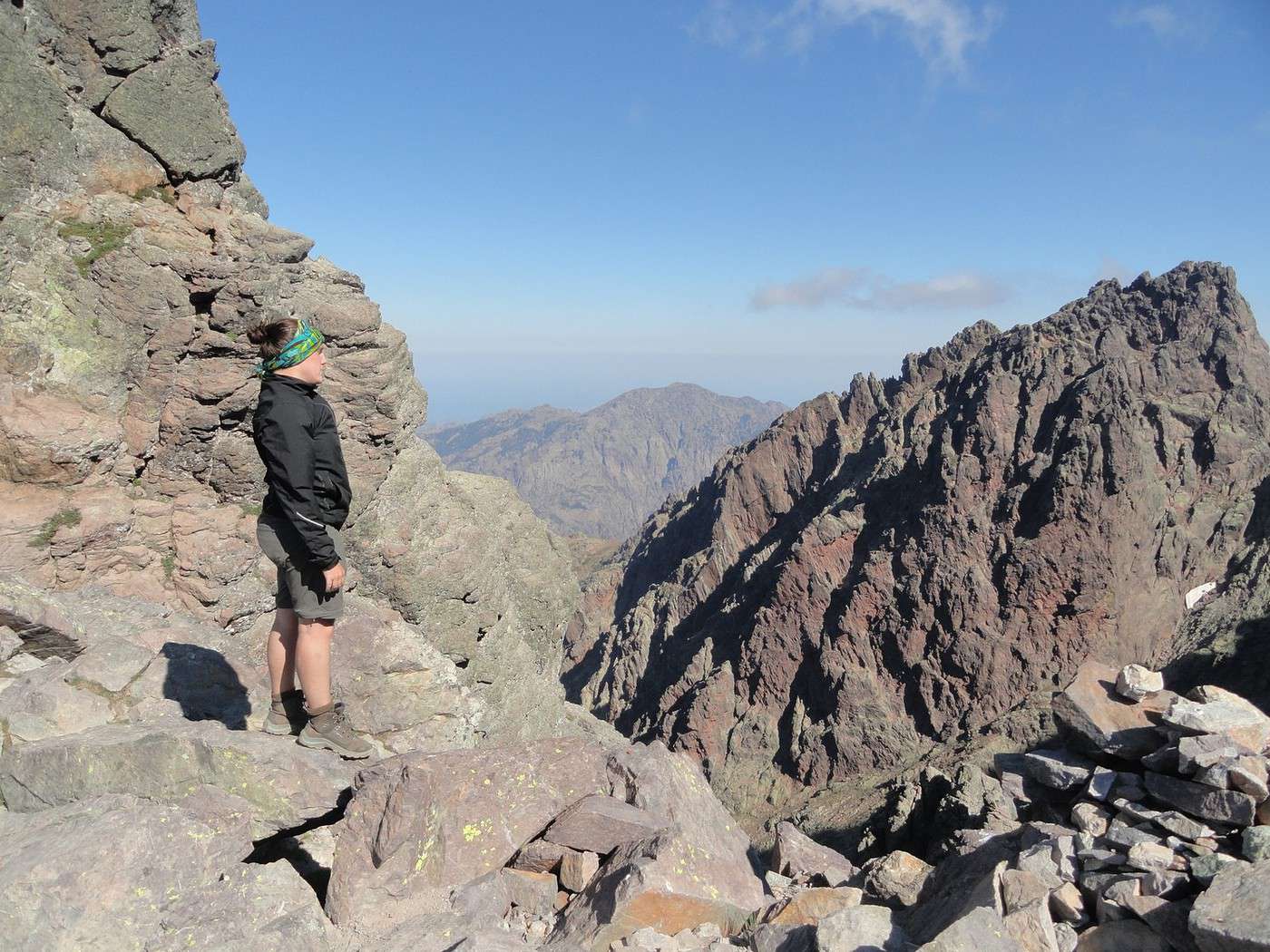
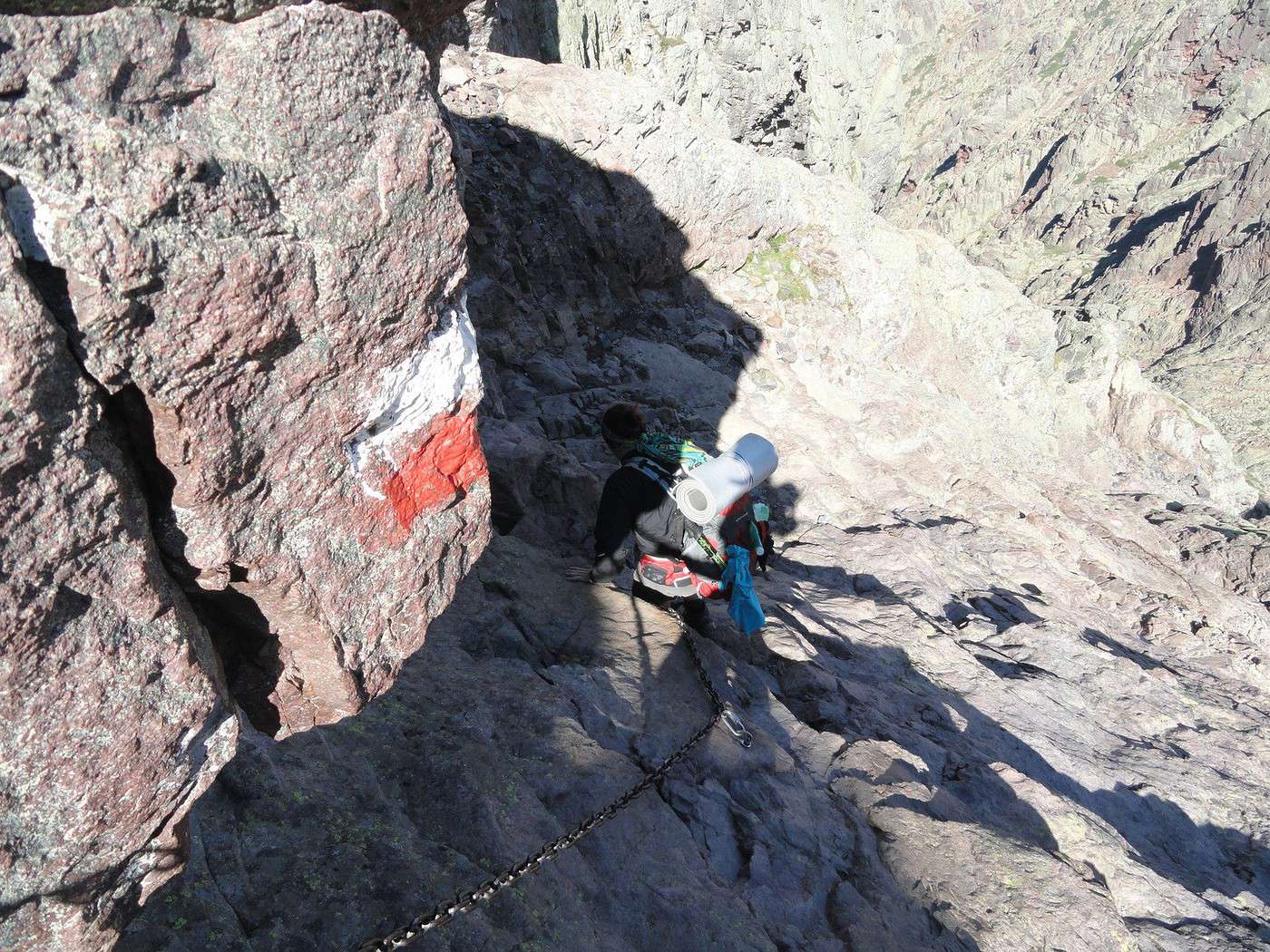
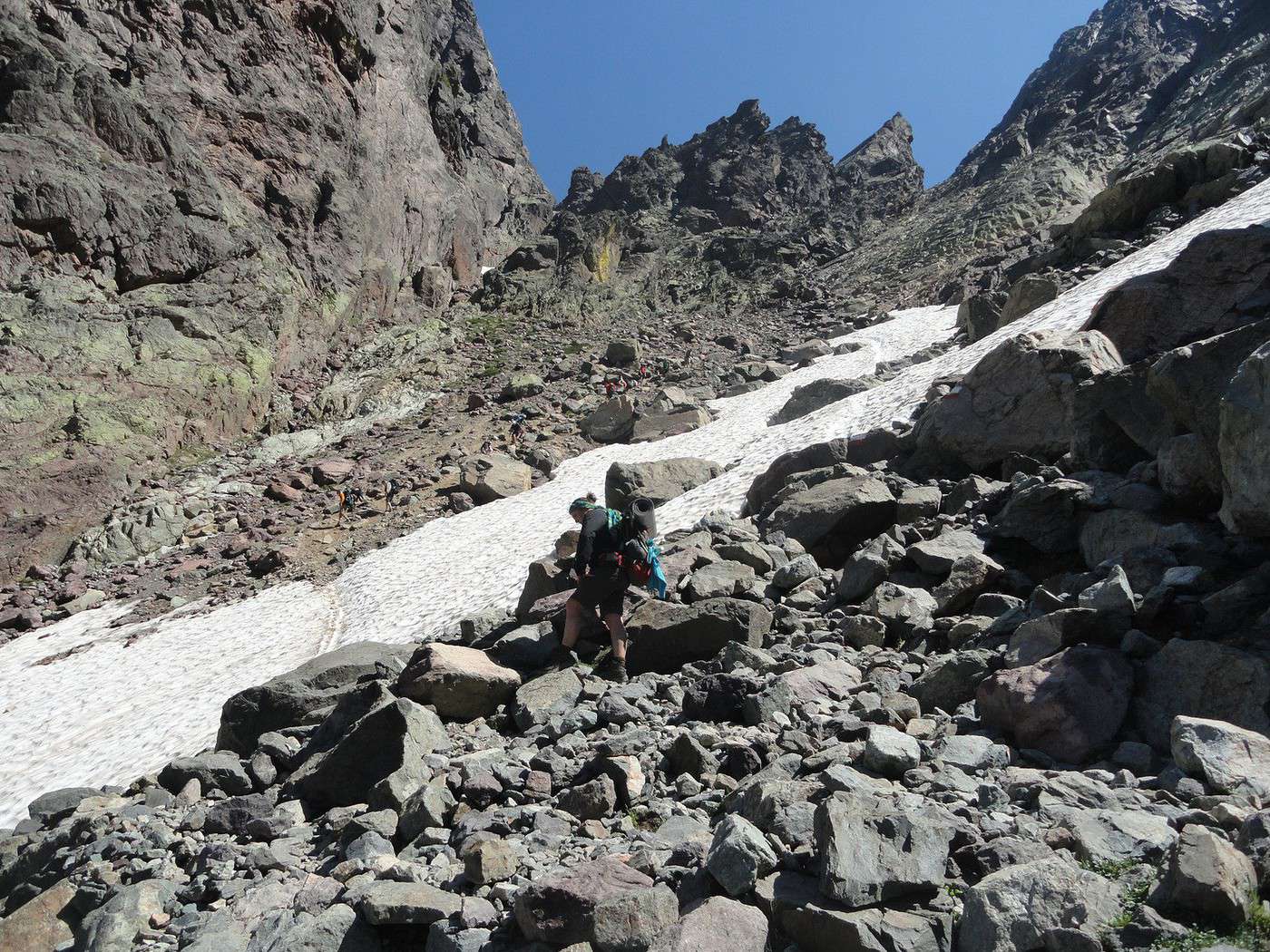
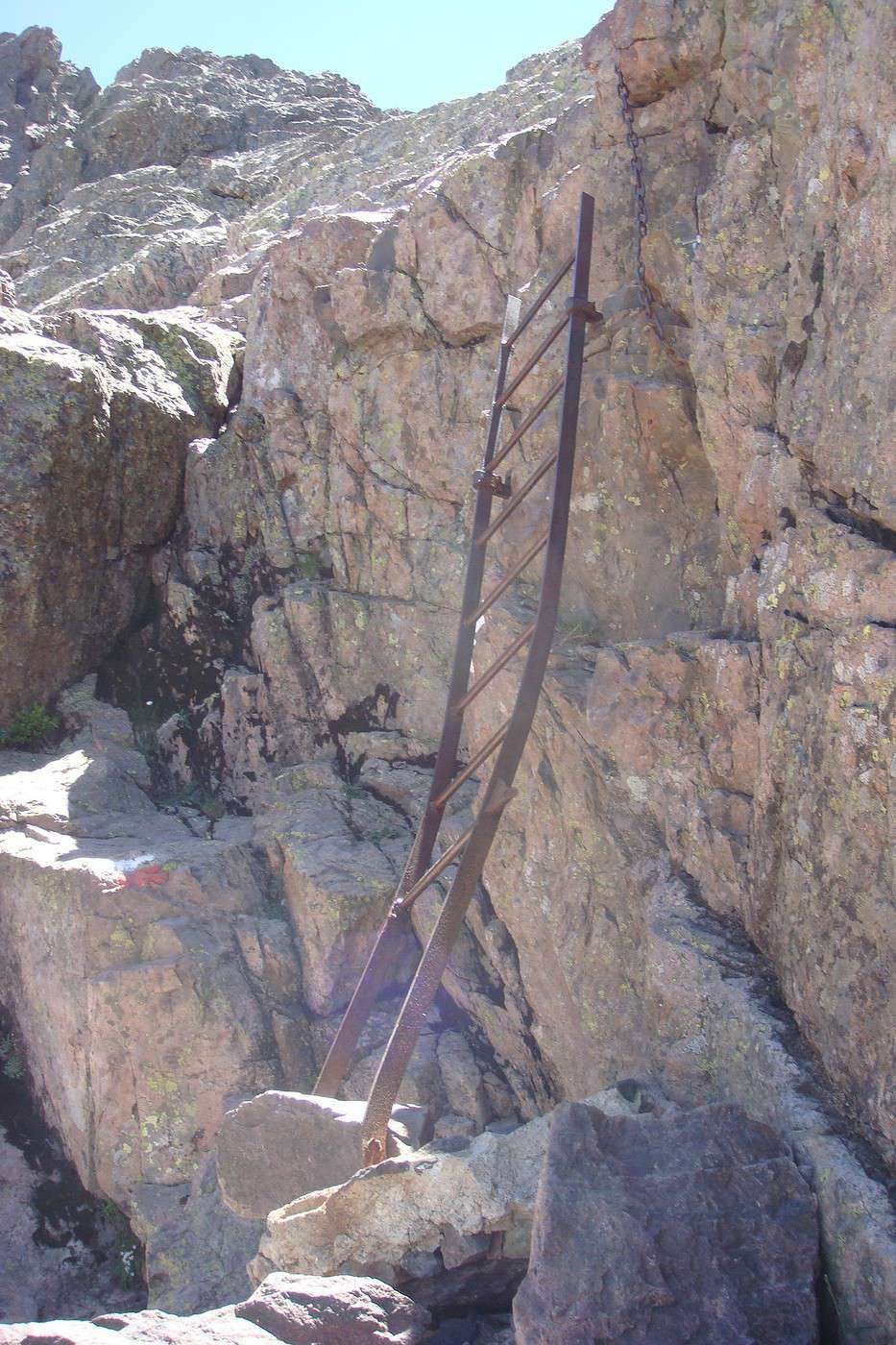
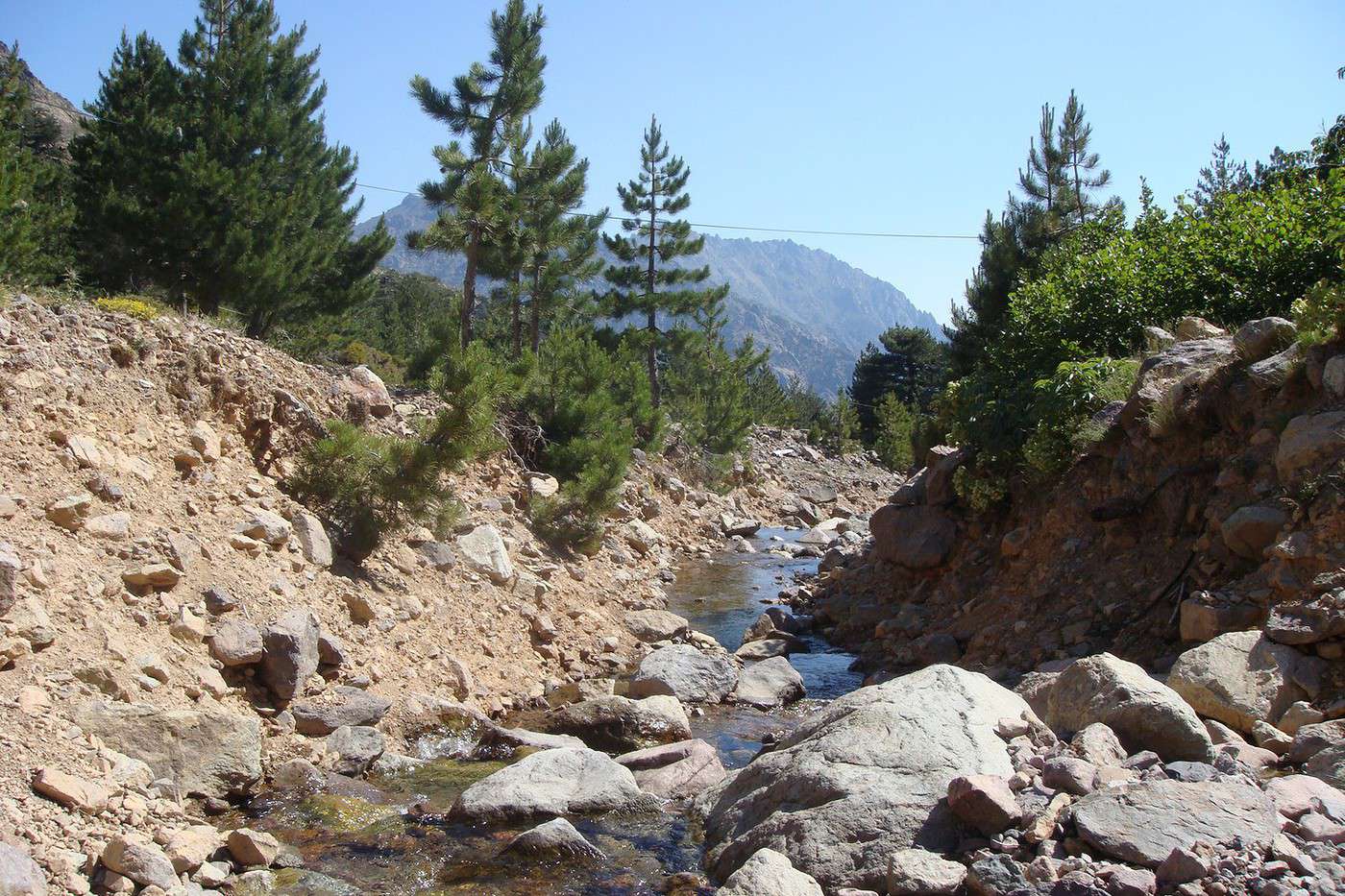
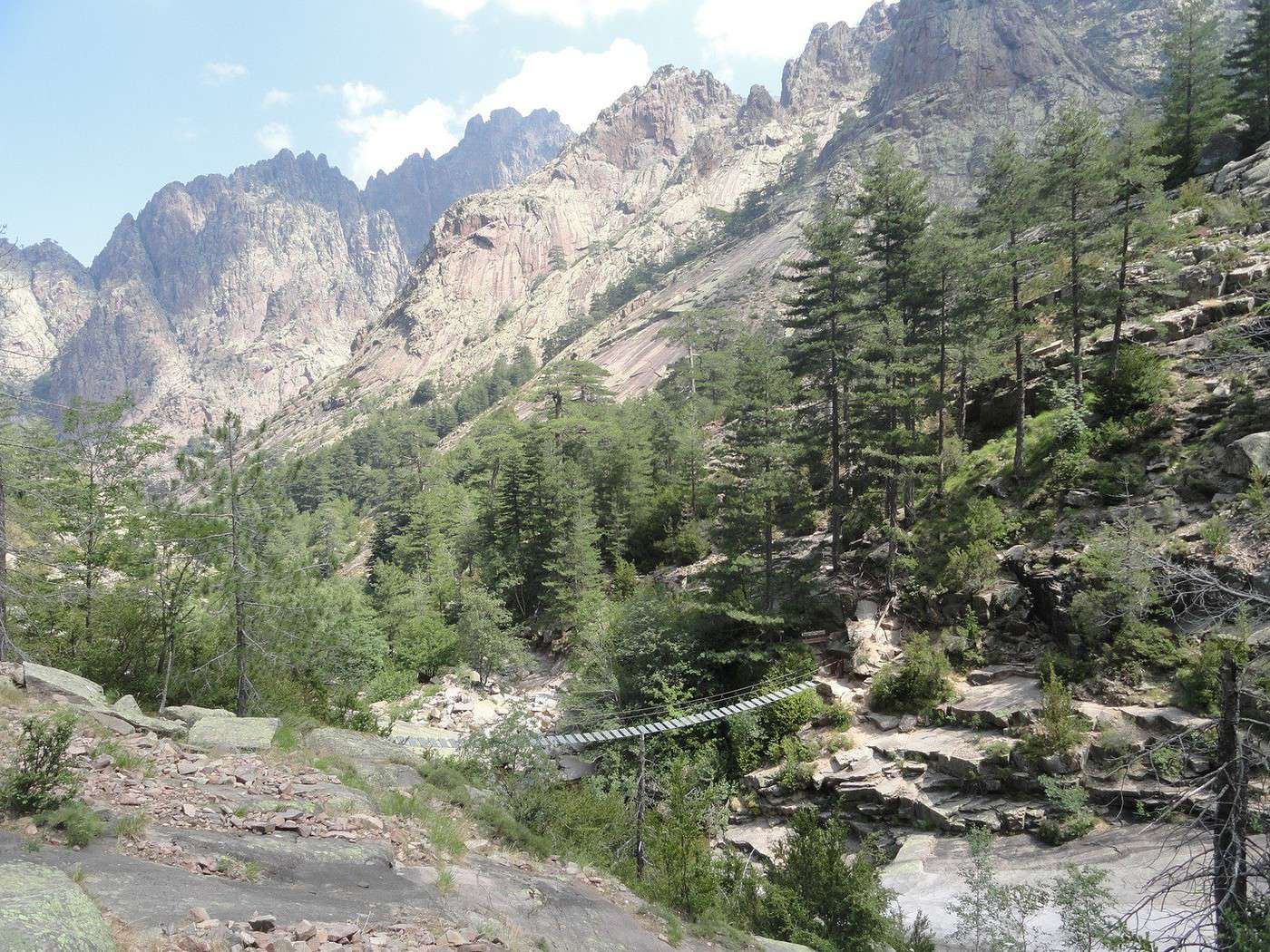
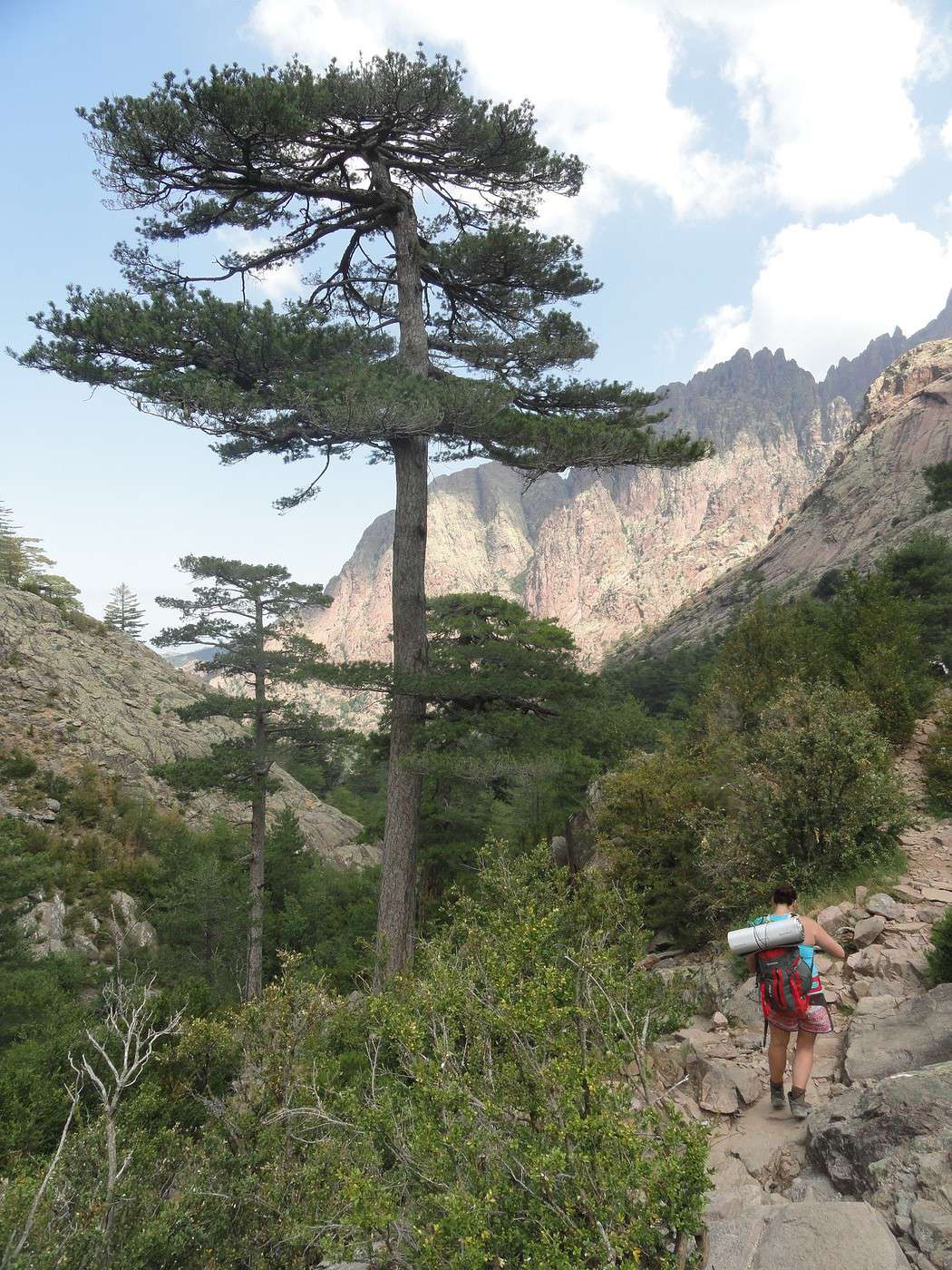
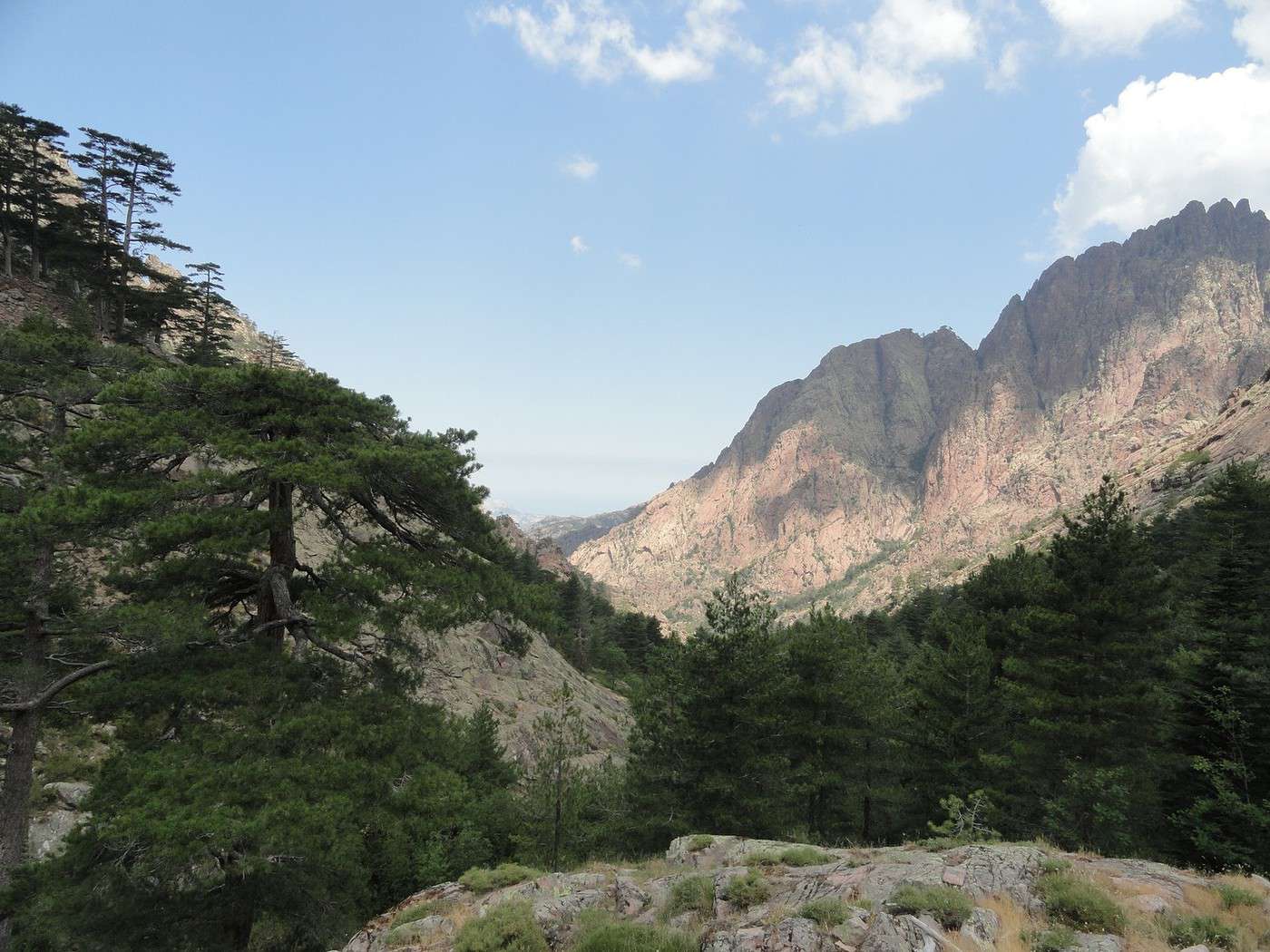
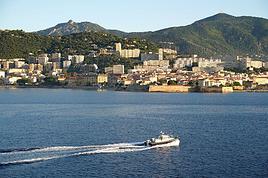
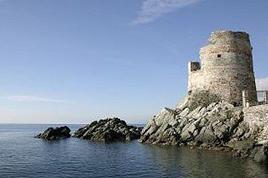
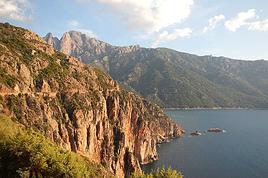
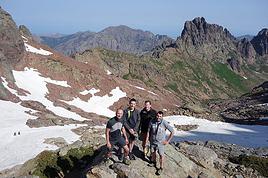
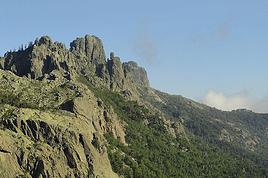
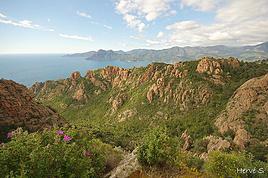

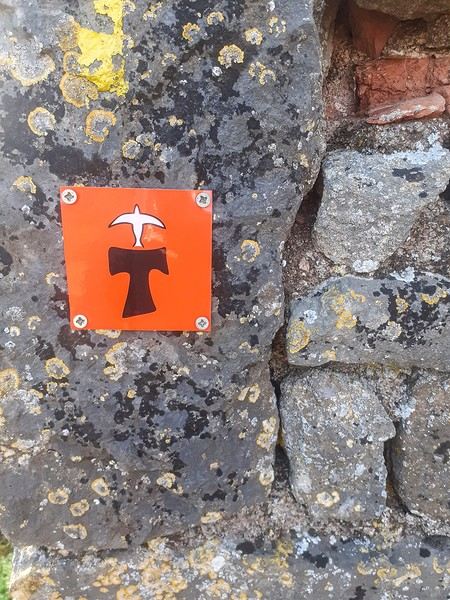
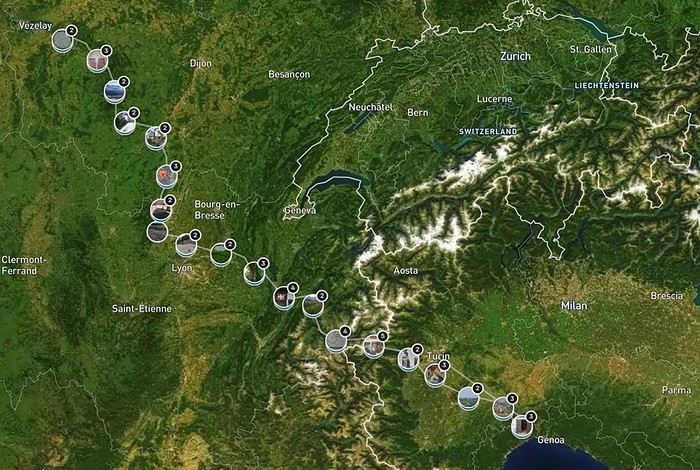
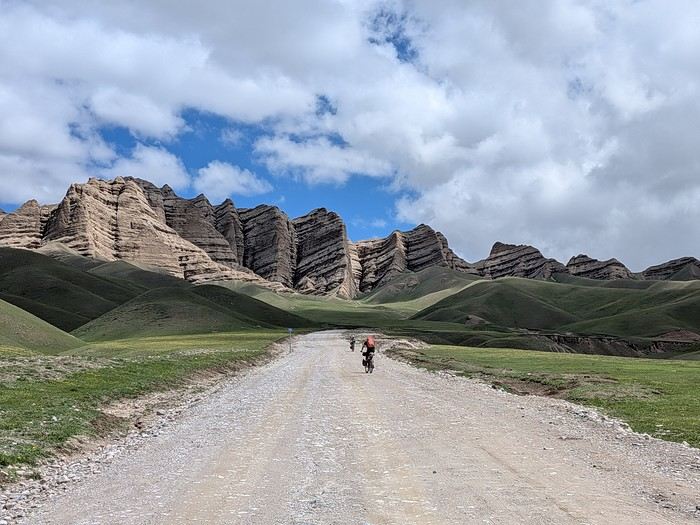

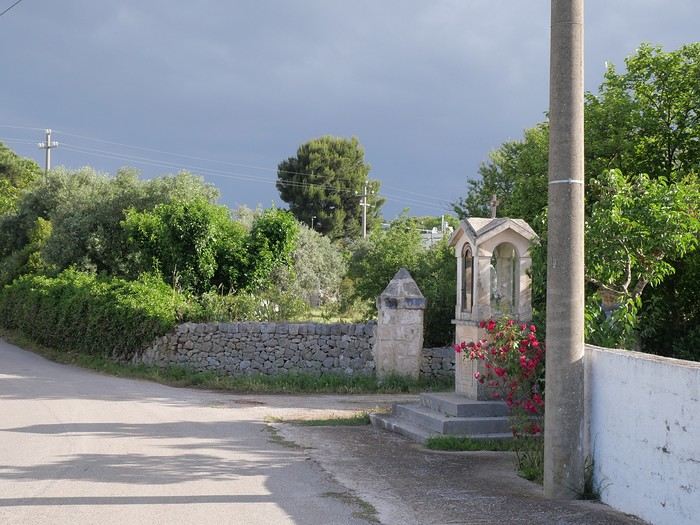
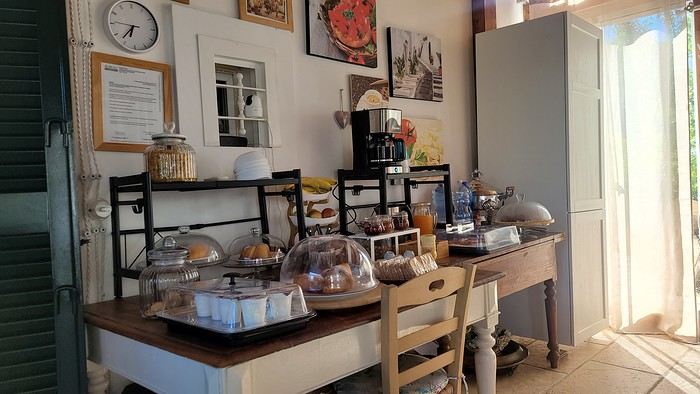
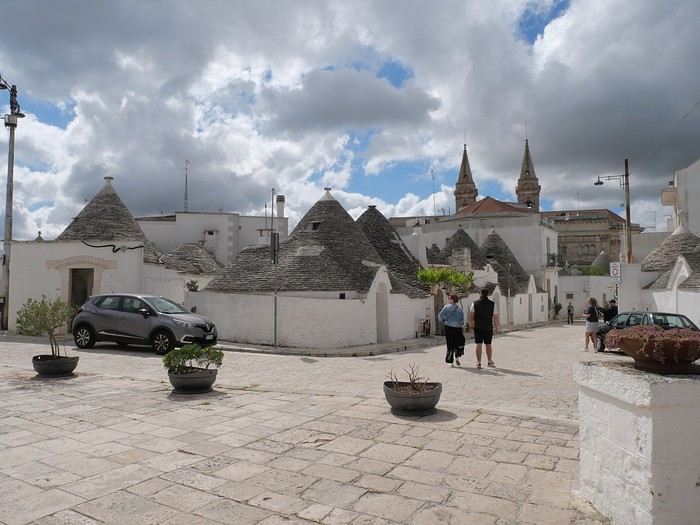
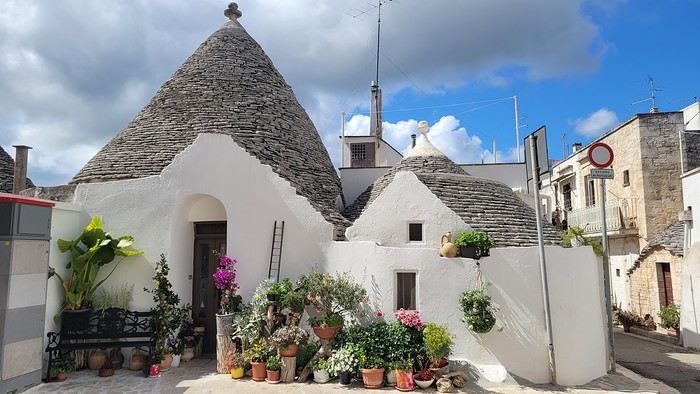
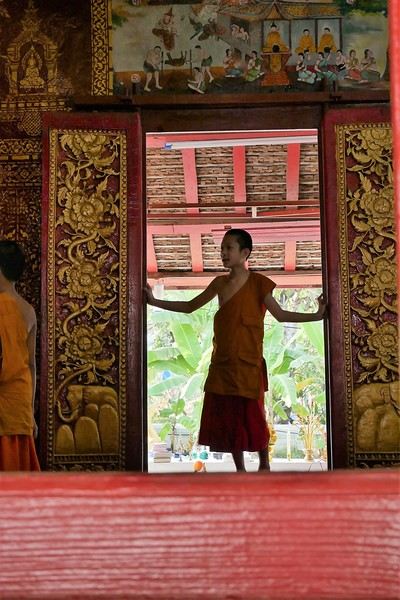 Come along, I'm taking you to this country where it's so nice to wander and slow down...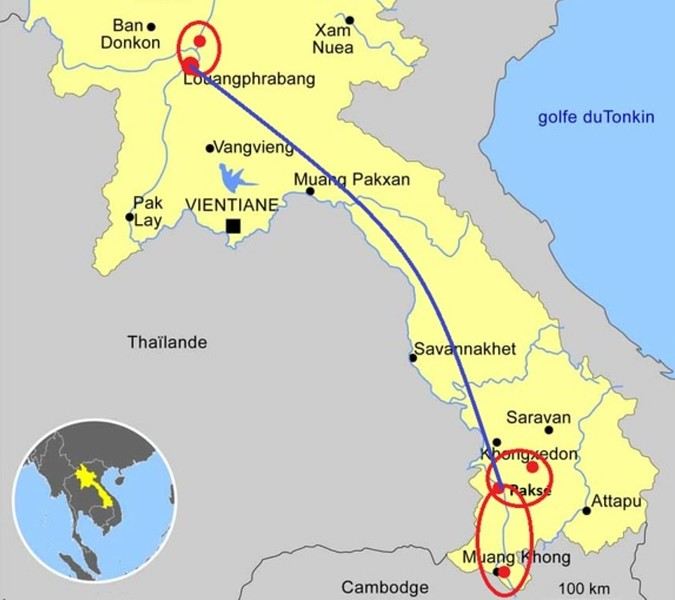
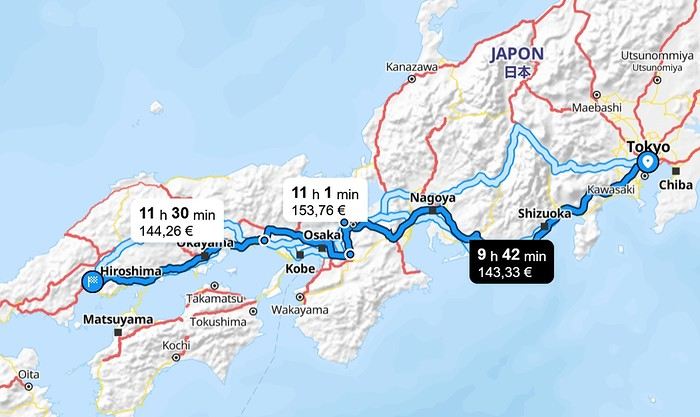
 I’m inviting you on a stroll through my drawings—a completely subjective, far from exhaustive, and totally personal take, since it’s based on my own sketches. I put this travel journal together after returning in late 2024, mostly using felt-tip pens and pencils, with a few collages thrown in. I worked from our personal photos.
 And in Kyoto, Nishiki Market:
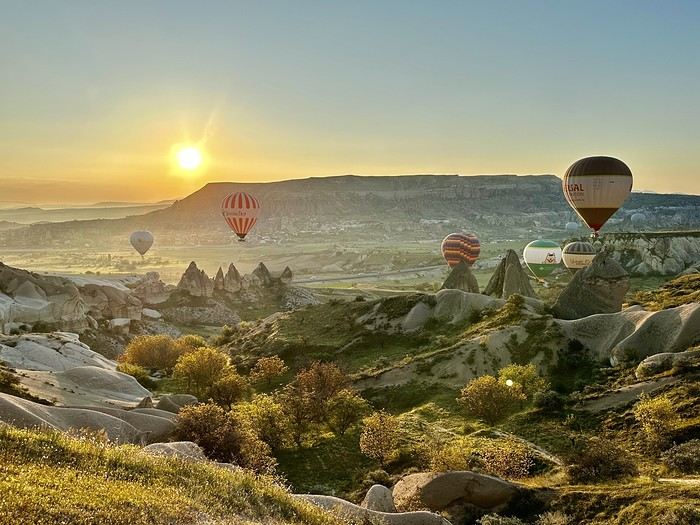 A little sneak peek?
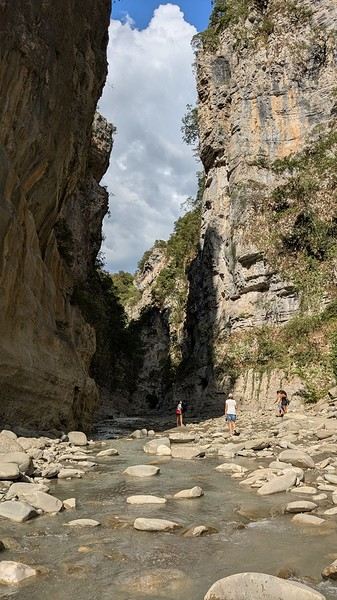
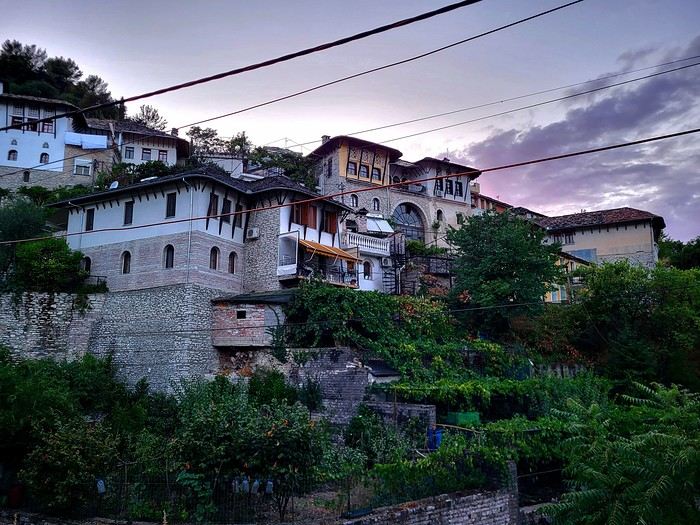
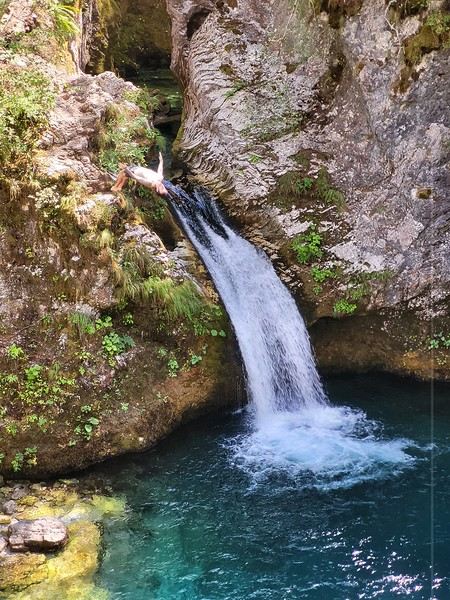
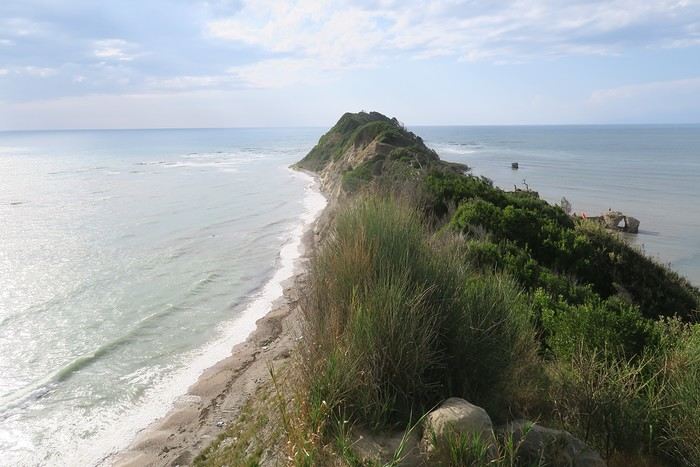
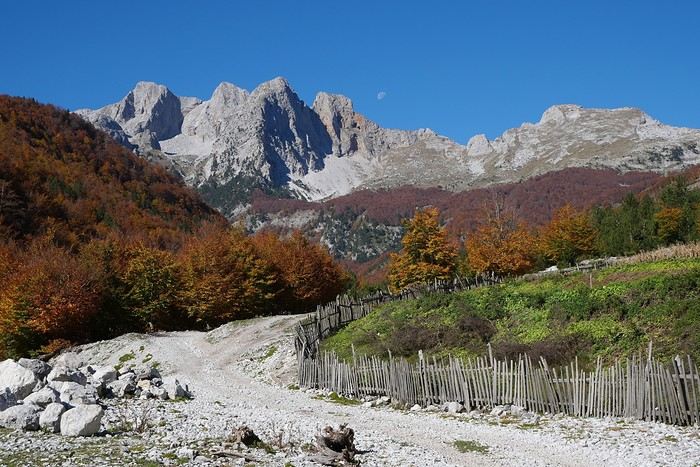


 Since Albania isn’t part of Europe when it comes to phone service (at least not yet! :-)), we had to buy a physical SIM card—otherwise, the bill would’ve been sky-high if we’d used our French plan! We got one from Vodafone AL at the airport. You can buy online before leaving with a virtual SIM (e-SIM) for compatible phones, so you don’t have to swap cards. But given the uncertainty about choosing a plan online, we preferred buying one directly at Tirana Airport. Cost: 31 € for 100 GB. That’s way too much—100 GB is overkill. For 40 GB, it’s 27 €, and the plan lasts 21 days. The price difference isn’t huge, and it was cheaper than online. This plan covers all the countries along the Balkan range.
Money tip: All guesthouses and accommodations accept euros. The local currency in Albania is the LEK. In Montenegro, it’s the euro. Bank fees for withdrawing money from an ATM in Albania are pretty steep: 8 € for a withdrawal of 600–700 LEK (about 200 €)! So it’s better to withdraw cash (euros) in France. Oh, and we booked all our accommodations before leaving, but payment is always in cash. Budget around 400–500 € for 9 days of trekking.
Since Albania isn’t part of Europe when it comes to phone service (at least not yet! :-)), we had to buy a physical SIM card—otherwise, the bill would’ve been sky-high if we’d used our French plan! We got one from Vodafone AL at the airport. You can buy online before leaving with a virtual SIM (e-SIM) for compatible phones, so you don’t have to swap cards. But given the uncertainty about choosing a plan online, we preferred buying one directly at Tirana Airport. Cost: 31 € for 100 GB. That’s way too much—100 GB is overkill. For 40 GB, it’s 27 €, and the plan lasts 21 days. The price difference isn’t huge, and it was cheaper than online. This plan covers all the countries along the Balkan range.
Money tip: All guesthouses and accommodations accept euros. The local currency in Albania is the LEK. In Montenegro, it’s the euro. Bank fees for withdrawing money from an ATM in Albania are pretty steep: 8 € for a withdrawal of 600–700 LEK (about 200 €)! So it’s better to withdraw cash (euros) in France. Oh, and we booked all our accommodations before leaving, but payment is always in cash. Budget around 400–500 € for 9 days of trekking. I really liked Shköder, especially its pedestrian street lined with restaurants and lit up at night. It’s a great place to stroll and eat. The food isn’t expensive—two big salads and two beers: 14 € :-) . Fruit prices are also very reasonable: 3 € for a kilo of cherries, compared to 9–10 € in France.
Religions coexist peacefully in these countries—Catholics and Muslims. From our balcony, my friend heard the call to prayer for the first time, coming from one of the city’s mosques.
I really liked Shköder, especially its pedestrian street lined with restaurants and lit up at night. It’s a great place to stroll and eat. The food isn’t expensive—two big salads and two beers: 14 € :-) . Fruit prices are also very reasonable: 3 € for a kilo of cherries, compared to 9–10 € in France.
Religions coexist peacefully in these countries—Catholics and Muslims. From our balcony, my friend heard the call to prayer for the first time, coming from one of the city’s mosques.
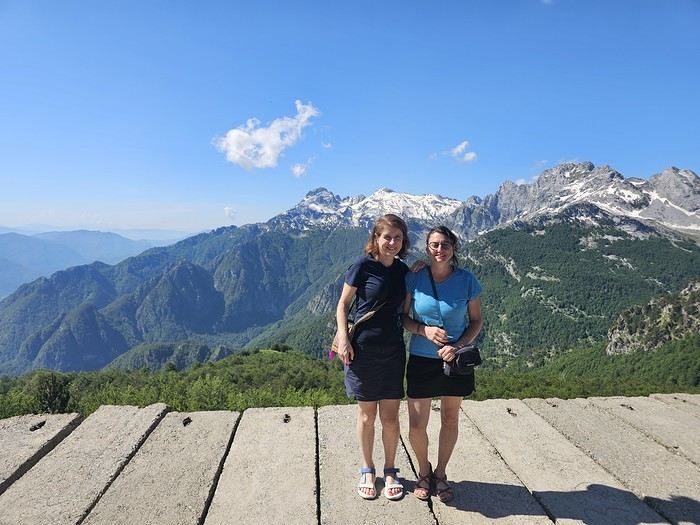
 We slept in the heights of Theth at a new guesthouse, "Mountain Vista Shkafi," with an amazing view.

 But Bologna’s real charm lies in its porticoes, which were added to the UNESCO World Heritage list in 2021: 62 km of arcades running along buildings, letting you walk sheltered from the sun or rain. Back in 1288, the city required houses to include private arcades for public use. In the city center, you can stroll under 32 km of porticoes in all sorts of styles—some plain, some ornate—with a strong presence of red tones.