I didn't dare climb to the top of Jebel Haroun (Mount Aaron) alone to see Aaron's mausoleum (Moses' brother). It peaks at 1,396m, the highest summit in Petra. But the altitude and the 500m elevation gain were too much for a guy from Landes like me...
The white dome of the mausoleum is visible from the High Place of Sacrifice. A young trinket seller still encouraged me to go... while I was enjoying the view from up there...
Instead, after crossing the plateau and arriving via the wadi just behind the small museum (just before the first steps up to the Monastery), and on my way back toward the Roman temple, I headed to the Tomb of Sextius Florentinus (cutting through the Byzantine churches—well, what's left of them), then continued to other tombs farther away. To get there, a path carved into bicolor rock like white marble veined with red. And there I was, all alone, 2 or 3 km (or a bit more?) from the main path.
Alone again late in the morning in a small cluster of tombs just a few hundred meters from the Roman soldier's tomb (coming down from the High Place of Sacrifice).
Did you see the obelisks on the way up?
On my way back from this fourth day, I stopped one last time in front of the Treasury—just as stunning from the terrace as from above, whether from the viewpoint accessible by the stairs or the passage to the right of the terrace (another viewpoint, but less impressive than the one by the stairs). And in the Siq, I once more admired the caravan (well, what's left of it) carved into the rock, the Merou-headed rock, and had fun watching all those groups of tourists and pilgrims (since there were lots of French, Spanish, and Italian pilgrimage groups).
For Wadi Rum, I had booked a hot-air balloon ride. But no luck—the unpredictable weather (too much wind) didn’t allow the flight...
Leaving the village, just before taking the desert highway, we stopped at Wadi Rum station. A train from the Ottoman era, the model attacked by Sir Lawrence, was stationed there. A steam locomotive, wooden wagons... you could almost imagine it... just missing Lawrence’s attack with his coalition of Arab troops.
I didn’t mention it, but reading your posts is such a treat! Thanks for these great moments!
Ph.


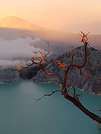
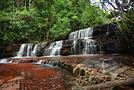
I love islands...
I love islands. So it’s no surprise that the Azores have been catching my eye for a few years now. The first time I suggested them to my dear partner back in 2021, he preferred the Lofoten Islands—an excellent choice, as it turned out, since we got to visit them with hardly any crowds. But for various reasons, the opportunity didn’t come up again in the following years. Until last year, that is. But by then, we’d left it too late—too late for the Azores, I mean—and the choice of accommodations on Flores and São Jorge was extremely limited. We decided to skip it without even looking at car rentals. So this year, we booked our flights, lodgings, and cars well in advance (between December of last year and early this year).
The Azores consist of nine islands, so you have to make choices. I quickly ruled out São Miguel, which deserves a week all to itself: from reading various blogs, some travelers seemed disappointed after visiting the other islands, even feeling it lacked the charm unique to the Azores. True or not, that was reason enough to leave it out.
In the end, we wanted to go to Flores for its lush nature (and because it’s reputed to be the most breathtaking), to São Jorge for its rural/nature vibe, and to Terceira for its cultural side and its *impérios* (more on that later). With the time we had, we could add another island without rushing. We like to take our time and wander a bit. Generally, whether it’s a viewpoint or a hike, we always spend more time than everyone else. Pico won out over Faial thanks to its wine culture. And of course, there’s Corvo, which is usually visited as a day trip from Flores. I thought it’d be nice to spend the night there to experience the atmosphere once most tourists had left. I hesitated between one or two nights and ultimately went with two (so we wouldn’t be rushed by the boat schedule). It was an excellent decision.
Here’s how it all panned out:
August 25: departure for Terceira via Lisbon at 7:40 AM; August 25–29: Terceira; August 29: flight to Corvo. It was supposed to take half a day, and we were meant to arrive in the early afternoon, but between schedule changes and delays, it ended up taking almost the whole day; August 29–31: Corvo; August 31: boat to Flores around 8:30 AM; August 31–September 5: Flores; September 5: flight to Faial in the early afternoon (originally scheduled for the morning, but the times changed)—visit to Horta; September 6: boat to São Jorge around 9:00 AM; September 6–11: São Jorge; September 11: boat to Pico at 11:15 AM; September 11–16: Pico; September 16: flight to Paris via Lisbon from Pico around 10:30 AM.
We had to juggle a bit to optimize the prices of our flight tickets from Paris and the inter-island travel.
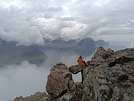











































 When it comes to the Caribbean island of Saint-Martin, it's customary to praise its coastline and dreamy beaches—and they certainly deserve it.
But in this story, I’d like to highlight other memories, aspects, and impressions for a slightly different change of scenery.
Enjoy the read—some text and, above all, lots of photos.
« Byenveni sou zile Sen Maten! » (Welcome to the island of Saint-Martin)
















 Roundabouts are particularly interesting because they feature emblems of Turkmen culture, like the dog, a carpet, the Ahal Teke horse, or Muslim symbols, even though the presence of Islamic artifacts is quite limited.


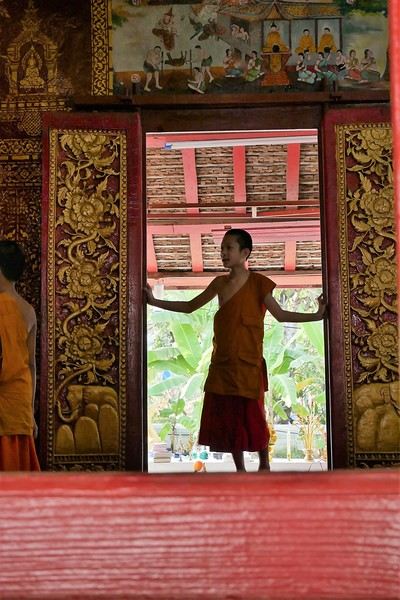 Come along, I'm taking you to this country where it's so nice to wander and slow down...
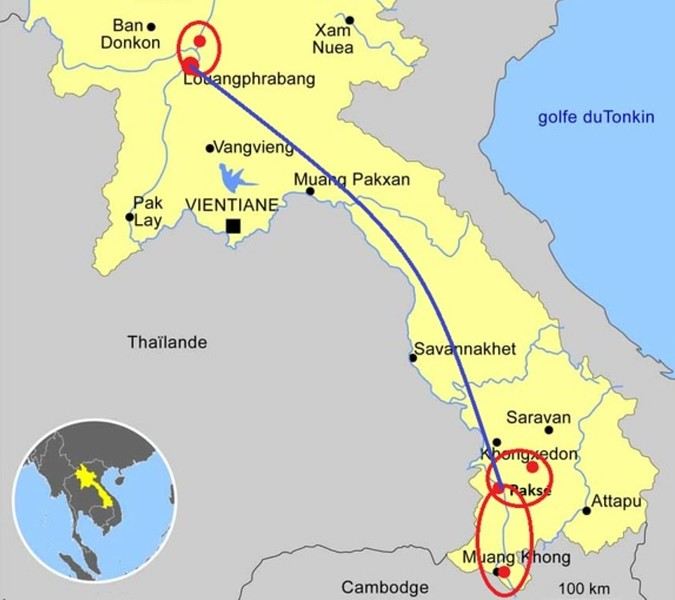
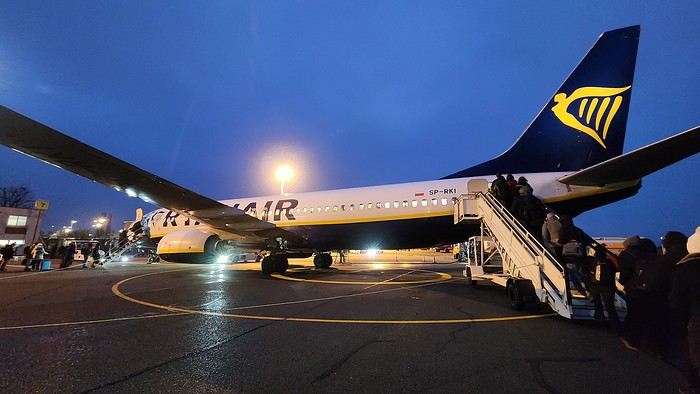
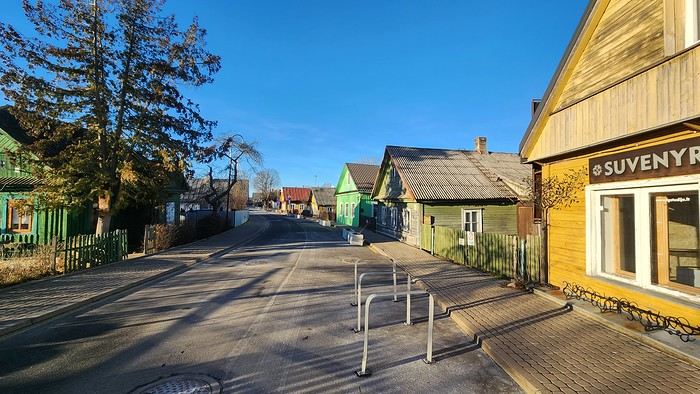
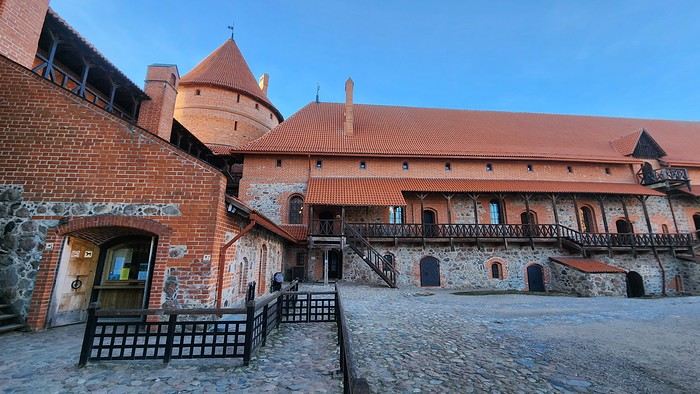
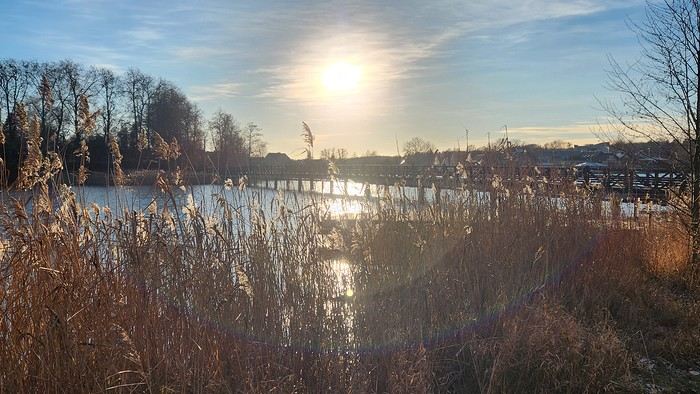
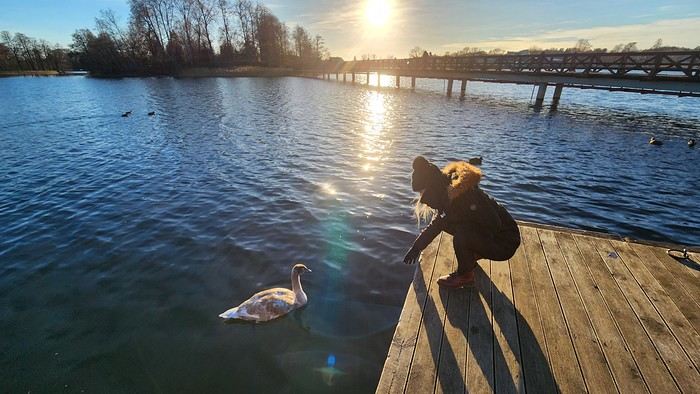

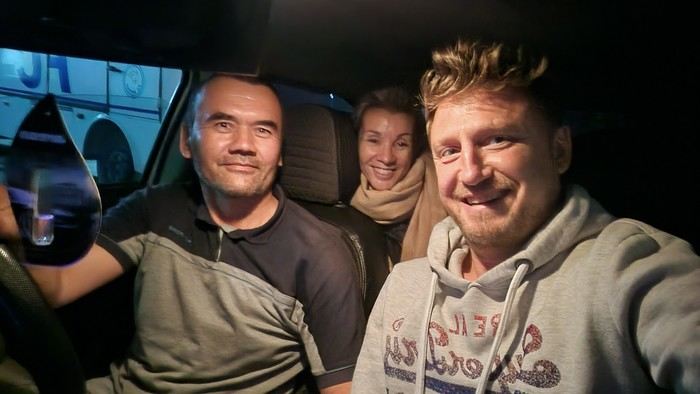
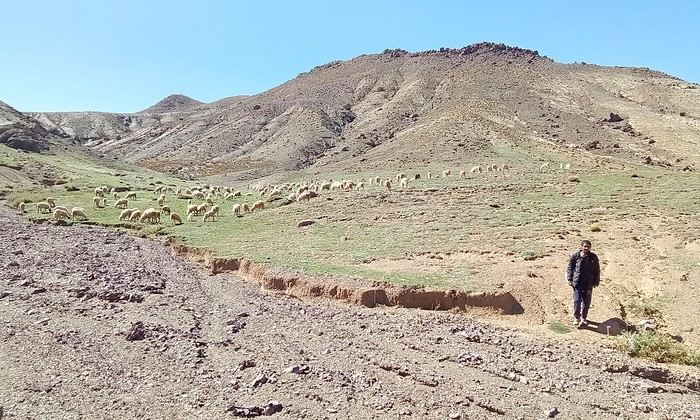
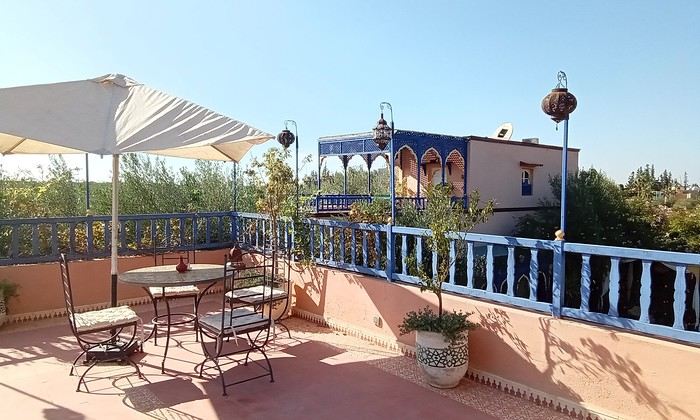
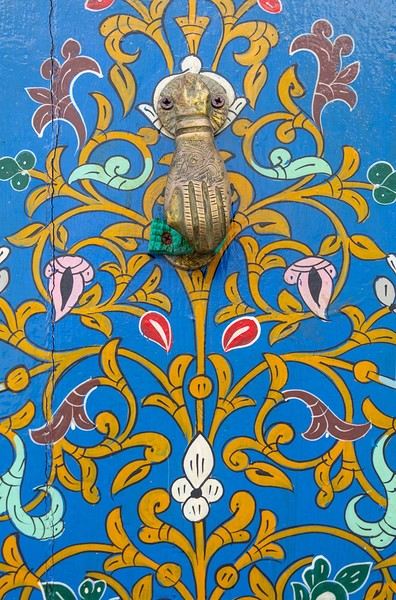
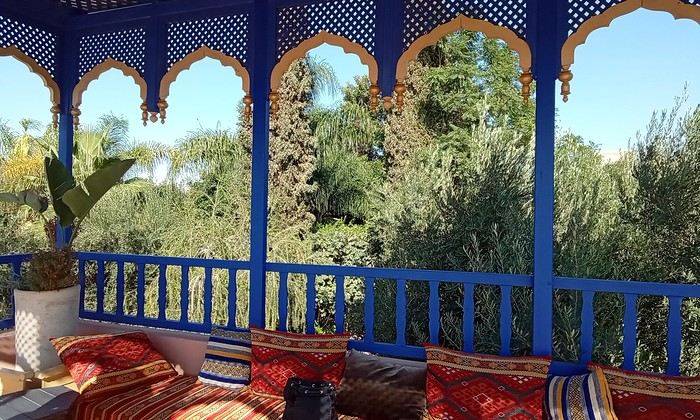 Last October, we landed in Marrakech to spend a few days with family exploring Morocco’s roads.
Transport: a rented Dacia.
Accommodations: small guesthouses.
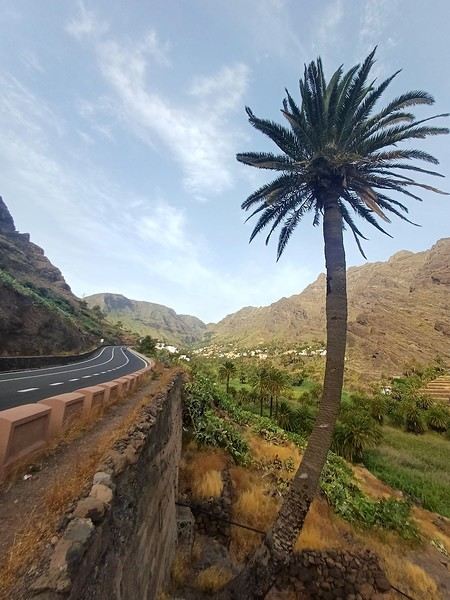
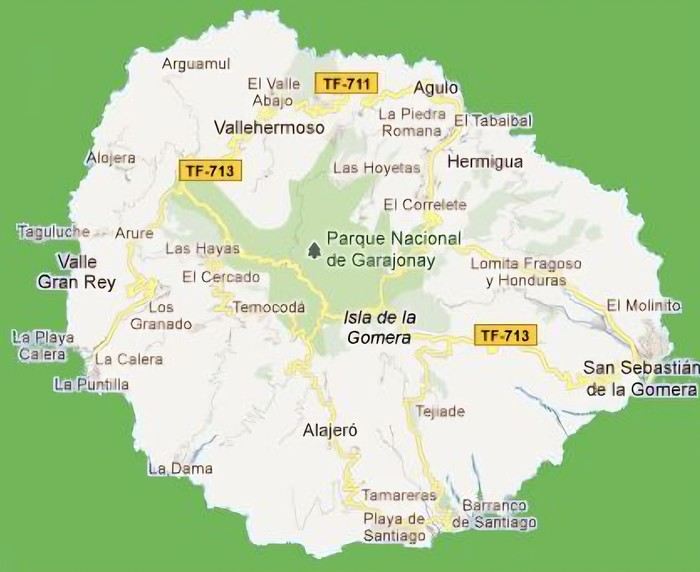 The large solidified magma massifs that shape the heart of the island have created a large depression more protected from the sun at its center, allowing the growth of a vast laurel forest, today grouped within the Garajonay National Park, La Gomera’s green lung, which has earned it the status of a World Biosphere Reserve. Its completely European appearance contrasts sharply with the rocky and tropical landscapes of the rest of the island. Thus, the climate varies greatly from one point to another on the island: in summer, you can quickly go from a dry and sunny valley at 35°C to a humid forest area at altitude at 18°C.
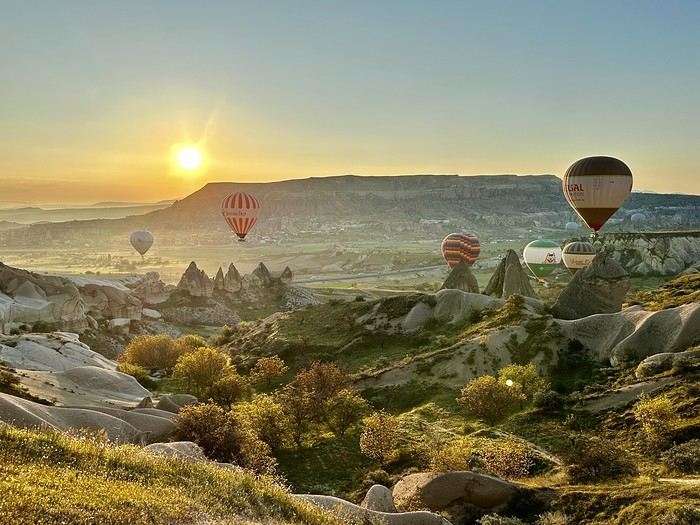 A little sneak peek?
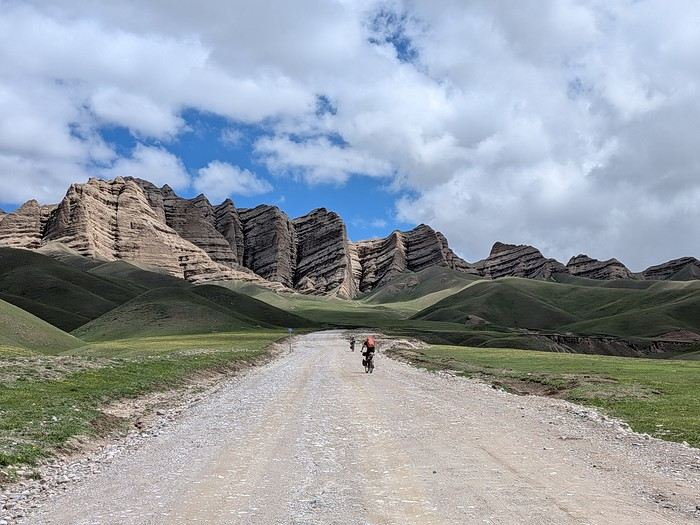
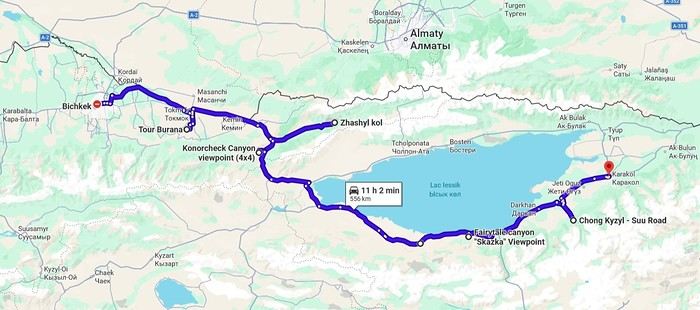
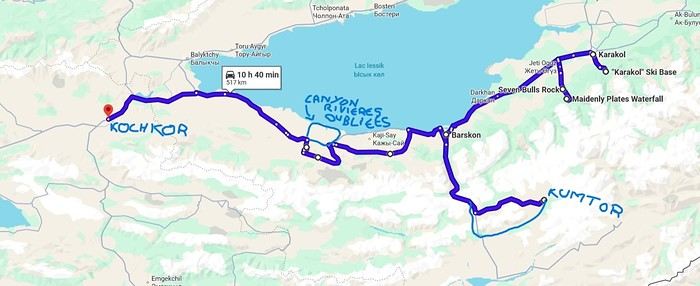
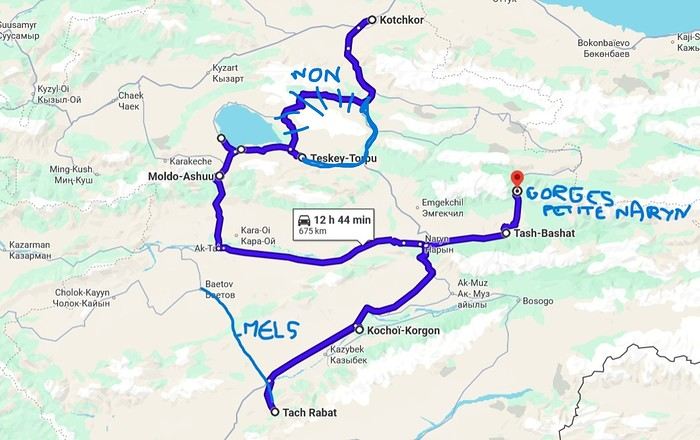
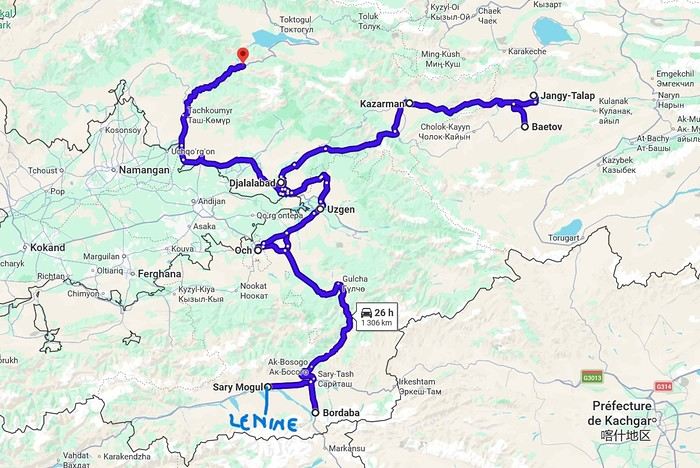
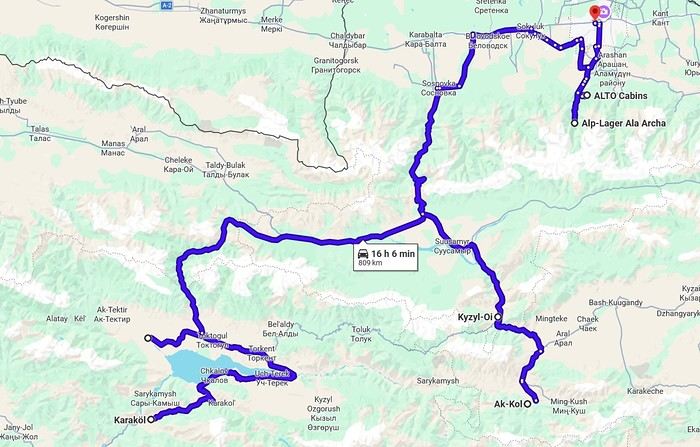



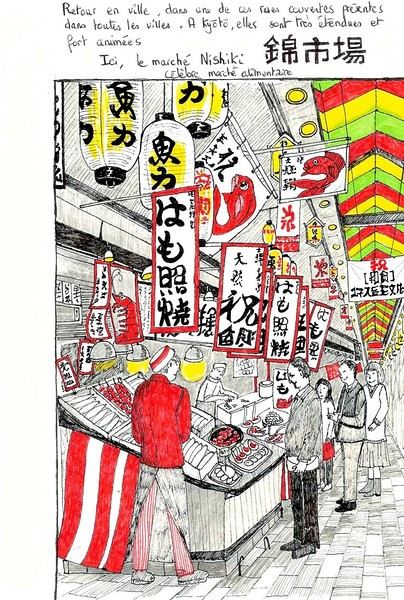
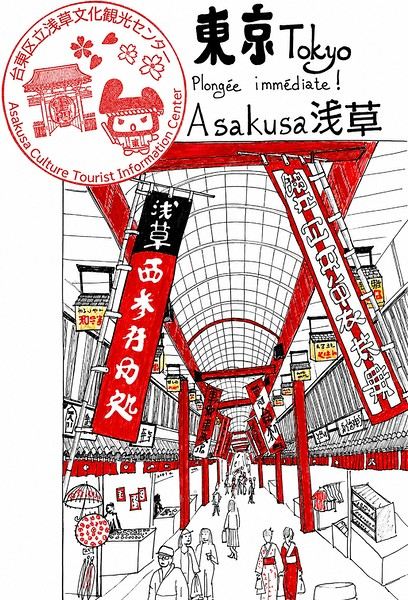
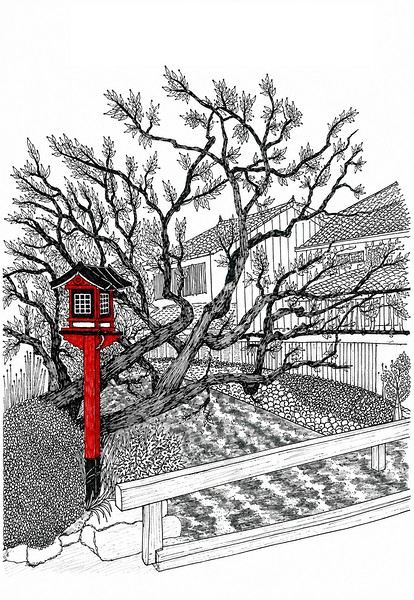 I’m inviting you on a stroll through my drawings—a completely subjective, far from exhaustive, and totally personal take, since it’s based on my own sketches. I put this travel journal together after returning in late 2024, mostly using felt-tip pens and pencils, with a few collages thrown in. I worked from our personal photos.
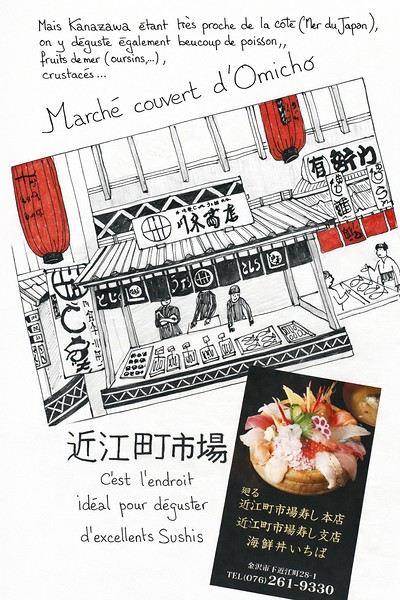 And in Kyoto, Nishiki Market: