It’s time for us to leave Nagasaki. We’d hesitated a lot about coming to this city for no real reason, but we had some kind of unexplained aversion to it. We ended up visiting without being sure we’d stay long, but in the end, we extended our stay and have no regrets—this city really won us over. It’s retro and peaceful. Strolling around is really enjoyable, and the surrounding area is full of discoveries. We’ll definitely come back with pleasure.
We left calmly in the morning. We have about 2-3 hours of driving ahead because, as usual, we didn’t plan to take the highway, and we also wanted to make two sightseeing stops in Saga Prefecture.
Our first stop was a private 20-hectare forest garden designed by Masaaki Tsuruda, a famous environmental artist and Japanese master gardener. It took 30 years to plant over 10,000 maple trees and arrange natural elements like ponds and stones to create a pleasant natural space. To get there, we wound our way up the mountain roads of Mount Sakurei, reaching an altitude of 887 meters.
There was staff at the entrance directing traffic, even though there wasn’t a huge crowd. Staff to welcome you, staff to help you buy tickets from the machine, staff to guide you to the restrooms, and staff for the forest’s highlight spot... the place seemed touristy for the area.
We laughed with the two women helping us buy tickets from the machine because it’s autumn and for them, it’s "cold," while for us, the temperatures were still mild, and we were wearing short sleeves.
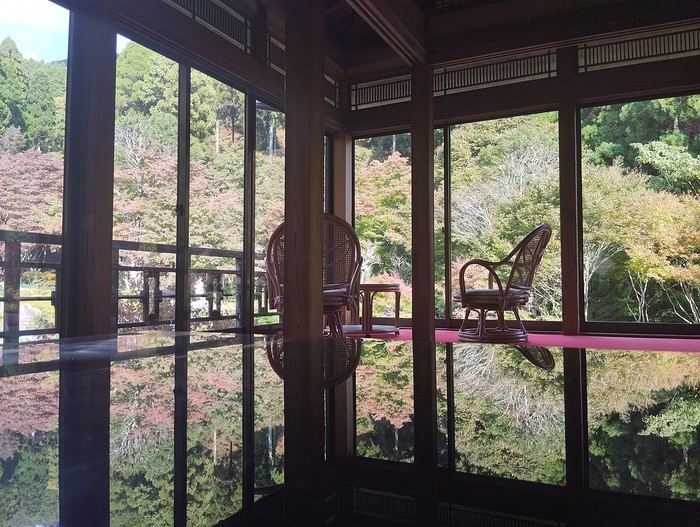
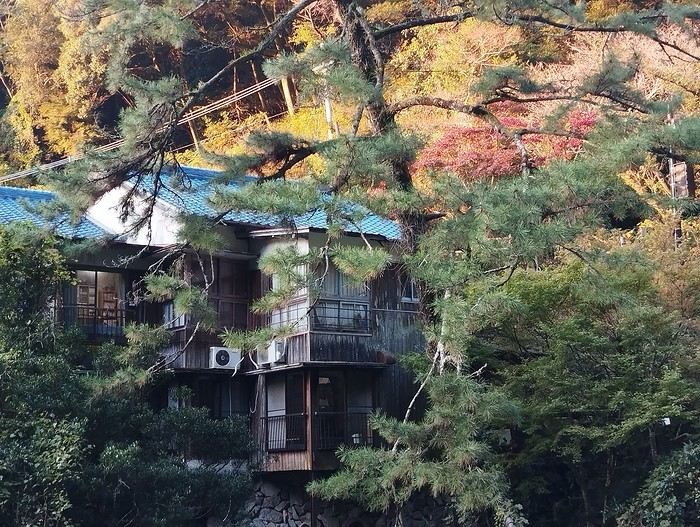
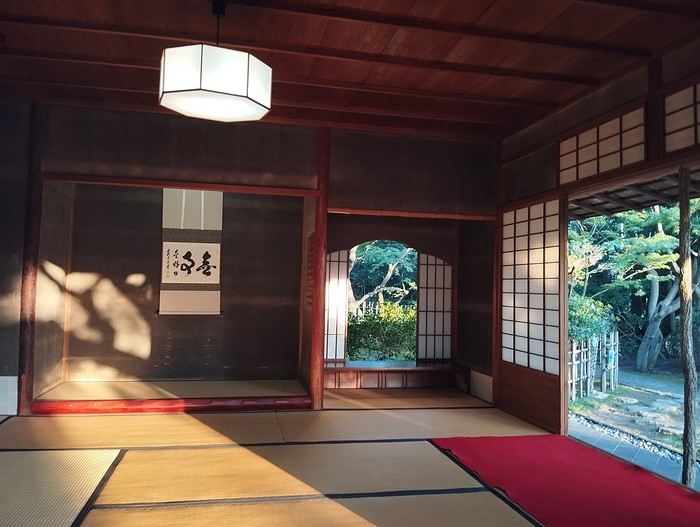
Naturally, the staff immediately guided us to the garden’s highlight... Fuyusansō, a spacious villa nestled in the heart of the forest. It’s said to have been built using recycled materials from a century-old house. Large windows replace the walls, and the view that unfolds before us is breathtaking. It’s stunning and a particularly photogenic spot. In fact, staff manage the rotation of the two lacquered tables dedicated to photos, even going so far as to take your phone and snap the picture for you. You can tell this place is popular, and there might be a line, so you can’t linger too long. You can still take a little time to look around the room, but you won’t be able to sit down and sip tea while enjoying this dreamy landscape—that’s a real shame! The outdoor scenery is reflected like a mirror. It’s absolutely beautiful!
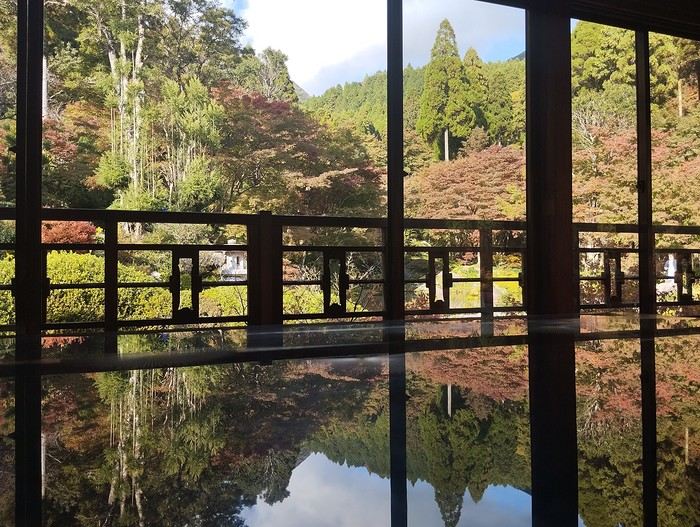
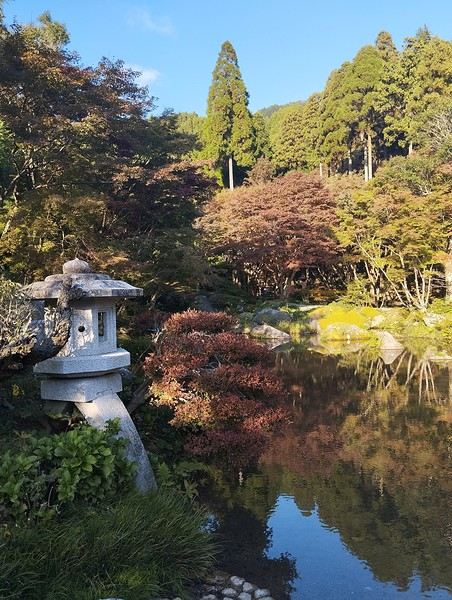
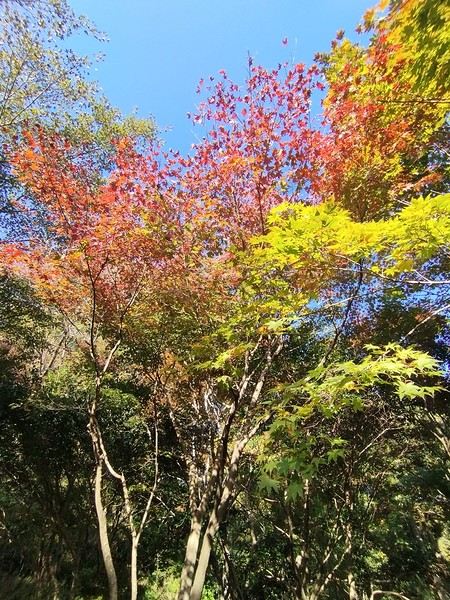
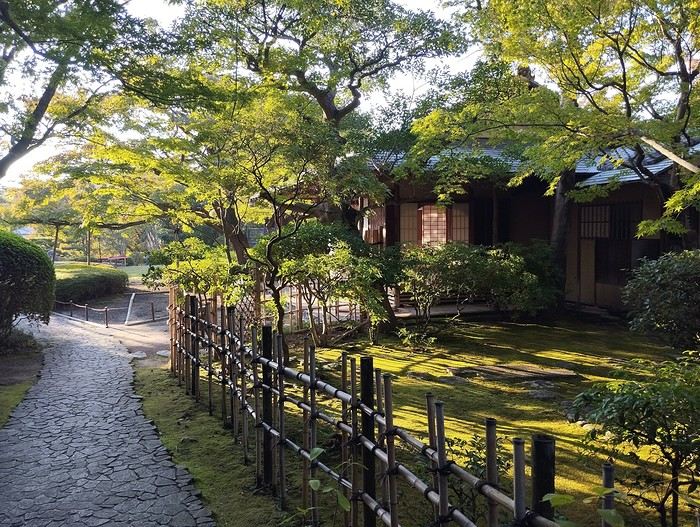
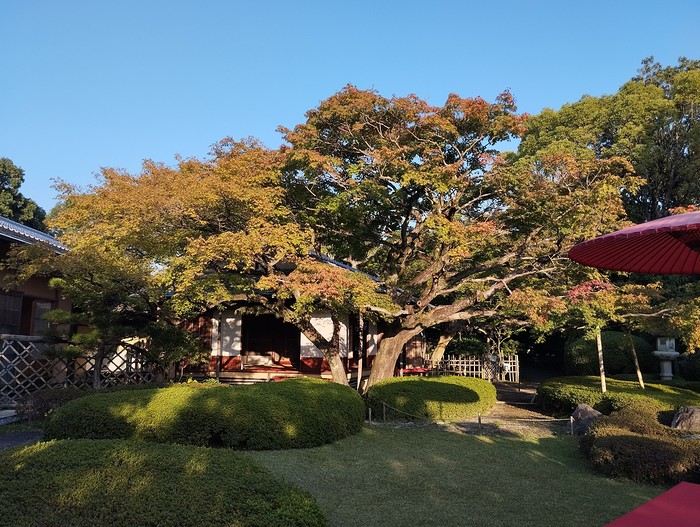
We then strolled through the forest garden. There are plenty of trees, a flowing river whose sound fills the air, and a pond... We wandered and took the time to appreciate the landscapes around us. The *koyo* (reddening of the leaves) had started to make its appearance.
We ran into a Korean couple and chatted for a few minutes with the woman, who, because we could say hello in Korean, assumed we were into K-pop. When we told her no, she seemed shocked! We reassured her that we still knew what it was, though. The lively and bubbly energy of Koreans is really fun.
We finished our walk and headed to our next destination, about 30 minutes away.
It was Mikaeri No Taki waterfall, on the Ikisa River in Ouchi, Karatsu. The waterfall, over 100 meters high, is ranked among Japan’s 100 most beautiful waterfalls. It’s surrounded by lush vegetation. The road to the small parking lot nearby is also picturesque, as it follows the river for several minutes. Again, we weren’t expecting such a spectacle. The waterfall is simply impressive and exhilarating. You can approach it from one side and walk around via a bridge where you can see it from a distance. When you get up close, you’re completely splashed by the water. You feel the power of the waterfall, and it’s a real rush—we loved this breath of fresh air.
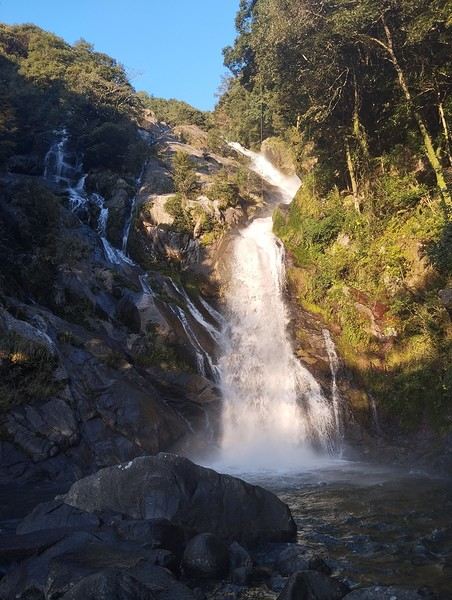
We took the time to enjoy it before getting back in the car as the sunset painted the sky.
We had to return the car by 7:45 PM, and it was already 7:15 PM when we arrived in Fukuoka. We found our accommodation, but since there was no parking and this time we were in a livelier, more dynamic neighborhood, we parked at a 7-Eleven despite the sign saying it was only for konbini customers. We struggled to get into the building and then check in because there was no staff—just a tablet. It was funny trying to figure it out with our limited English, but we managed in the end. We dropped off our things and quickly headed out to get gas. Here, we saw something we hadn’t seen before: the gas pumps were mounted on the ceiling to save space.
We made it to the car rental agency just in time at 7:45 PM. Thankfully, because the welcome here wasn’t exactly warm or friendly. Our two-week road trip was over. Now, it was back to urban travel and exploring Fukuoka for three days.
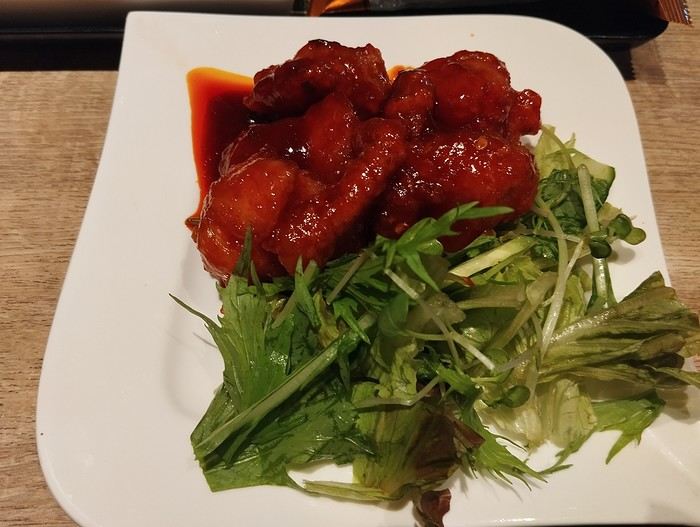
We ate at a Korean restaurant that evening. You could choose your spice level from 1 to 6. We wanted to play it tough since we like spicy food, but level 5 was a challenge. It was extremely hot. The Korean fried chicken with sweet and spicy sauce, though, was delicious.
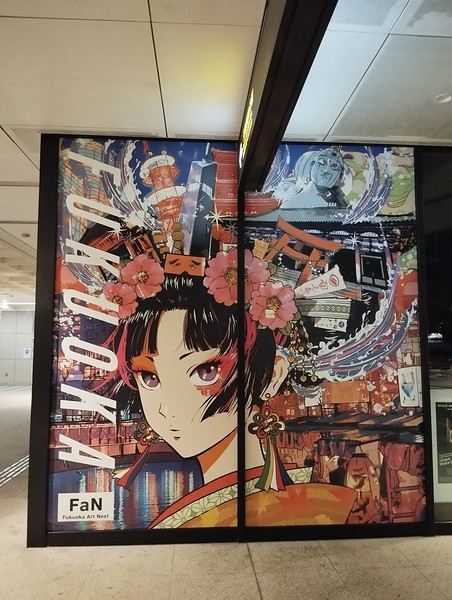
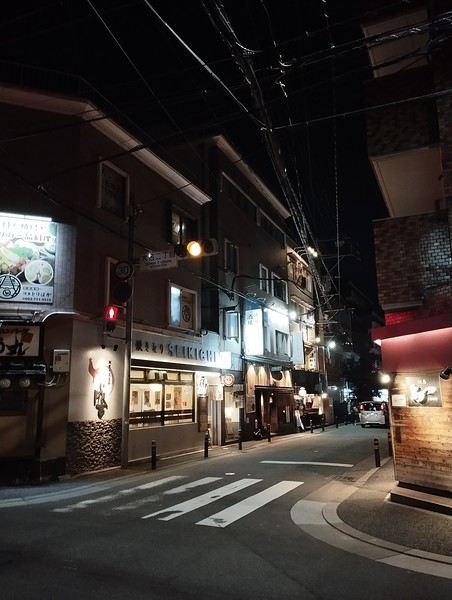
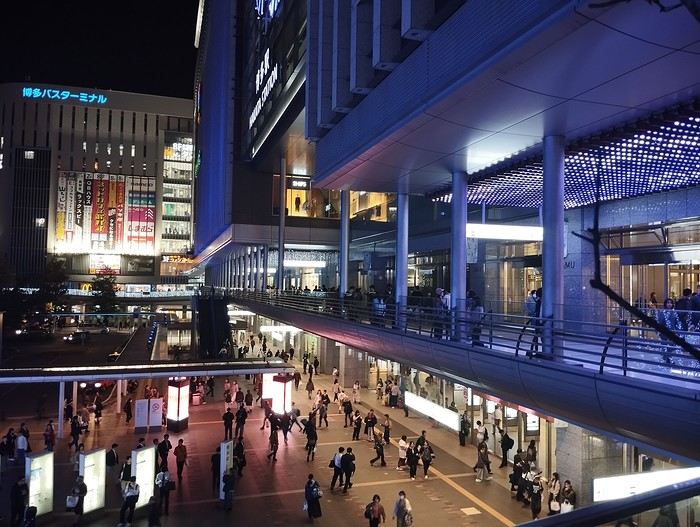
To end the evening, we wandered the streets, soaking up the dynamic energy of the city at night, especially since we were in the Tenjin district.
There are lots of *yatai* (street food stalls). We even walked past the famous French *yatai* "Chez Rémi." Its reputation clearly isn’t exaggerated—there was a long line of Japanese people waiting to eat there.
Photo of a *yatai* (not "Chez Rémi") and "Chez Rémi"
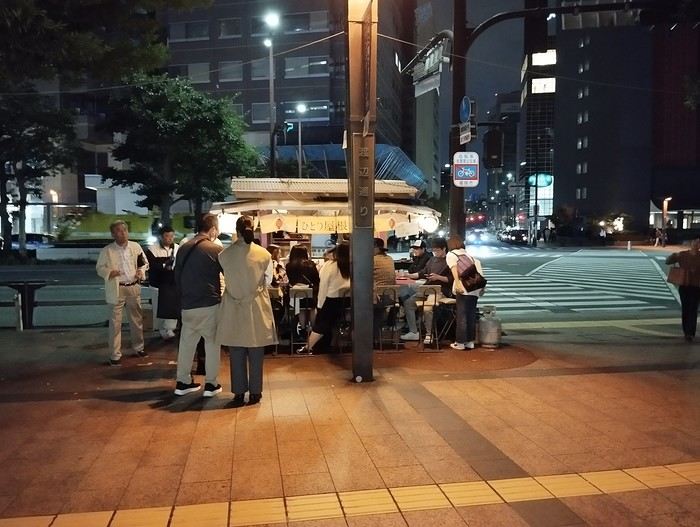
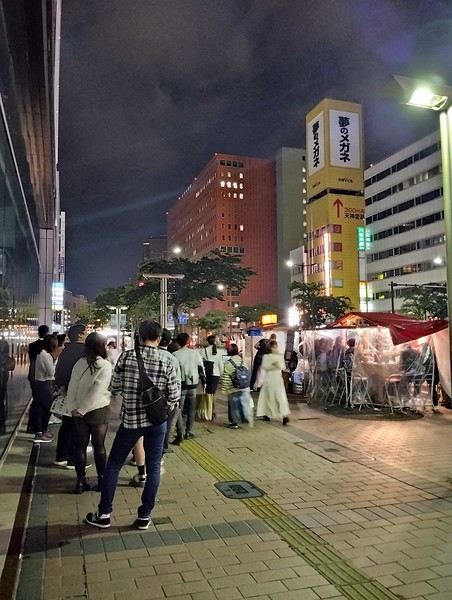
When we got back late, we checked out our apartment. It was very comfortable—two double beds, a large bathroom and shower, a washing machine, a small living room, a kitchenette, all in a simple, understated decor.
End of the day. Fukuoka to be continued.
























































 Roundabouts are particularly interesting because they feature emblems of Turkmen culture, like the dog, a carpet, the Ahal Teke horse, or Muslim symbols, even though the presence of Islamic artifacts is quite limited.



 Why this country?
After visiting Hungary, Slovenia, Romania, and Poland in recent years, I’ve fallen in love with Eastern European countries. I adore the Slavic soul, its Austro-Hungarian villages, the gentle landscapes, the Carpathian Mountains, and that slightly mysterious atmosphere.
Slovakia evokes a certain imagination with its deep forests, medieval castles, and cobbled villages.
After seeing photos of the High Tatras—especially Lake Štrbské Pleso and Spiš Castle—I thought, "Let’s do it! We’re going!"
So, will Slovakia live up to what I imagine?
We’ll find out together.
We decided to travel as a group of six (five adults and a six-year-old child), by car (we needed two).
Here’s the day-by-day itinerary for this family trip, which started with a 3-day stay in Vienna (see the dedicated travel journal):















 When it comes to the Caribbean island of Saint-Martin, it's customary to praise its coastline and dreamy beaches—and they certainly deserve it.
But in this story, I’d like to highlight other memories, aspects, and impressions for a slightly different change of scenery.
Enjoy the read—some text and, above all, lots of photos.
« Byenveni sou zile Sen Maten! » (Welcome to the island of Saint-Martin)






































 Come along, I'm taking you to this country where it's so nice to wander and slow down...











