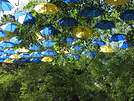
This Saturday, June 13th, was the reopening day of the Notre-Dame à la Rose hospital in Lessines. Initially, until the end of June, it will only be open on Saturdays and Sundays. Starting in July, it should reopen from Tuesday to Sunday, from 2:00 PM to 6:00 PM. When it comes to the future, I’m speaking conditionally, since everything will depend on how the COVID-19 situation evolves.
Anne (An5) mentioned this place back in December 2019. Thanks to her! 🙂
The history of this Hôtel-Dieu, built along the Dendre River, begins in the 13th century when Alix de Rosoit decided to found a religious community where the sisters would pray for her husband’s soul and care for the poor and sick.
The visit lasts about an hour and a half with an audio guide provided. The place, beautifully restored, takes you through room after room showcasing period furniture, medical instruments that evolved over the centuries, and medicinal plants used,

the patients' rooms. Initially, patients were laid two to a bed, "to keep each other warm" (the red color of the curtains was chosen to make bloodstains less visible 😕)

Later, beds became individual, and you can see the equipment used:

A depiction of a plague epidemic caught my attention: At the time, municipal authorities insisted that the sisters take care of plague victims, something they weren’t prepared for at all. But they eventually agreed.
A painting depicts a plague scene: the man sitting on the right has a bubo on his thigh. On the left, a woman leans over a dying man, holding a cloth—probably soaked in vinegar—over her mouth to protect herself from miasmas (people believed the plague spread through the air). Above, on the left, is Saint Eligius, invoked in such circumstances because people trusted his powers far more than the medical treatments they still resorted to.

Next to the painting, a life-sized reproduction of a doctor: leather cape, a mask with a long beak filled with disinfectant medicinal plants, and at his feet, a diffuser of the same plants to purify the air:

Much of the visit also focuses on the lives of the nuns over the centuries. They followed the Rule of Saint Augustine, like most monasteries in the region, and were under the authority of the Bishop of Cambrai. An excerpt from this rule:

a nun’s room

the refectory and its riches, though it wasn’t particularly comfortable, with the sisters sitting on backless wooden benches.
 In each of the paintings, you can see the donors who paid for the artwork on the left or right, in exchange for prayers.

The Baroque chapel:

The visit ends in the medicinal plant garden, but I’ve been told I’ve reached the photo limit per post... so I’ll share one more in the next message.
















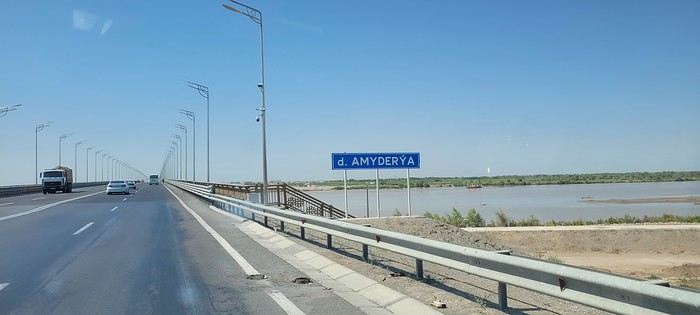
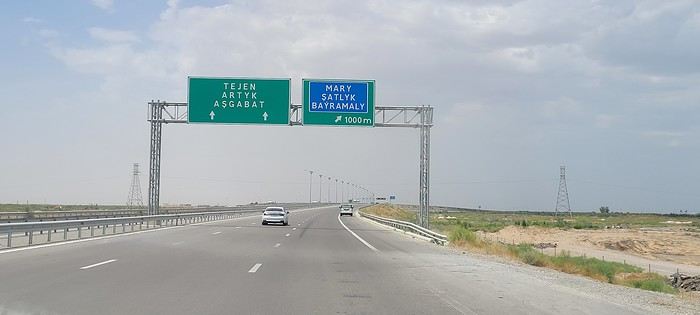
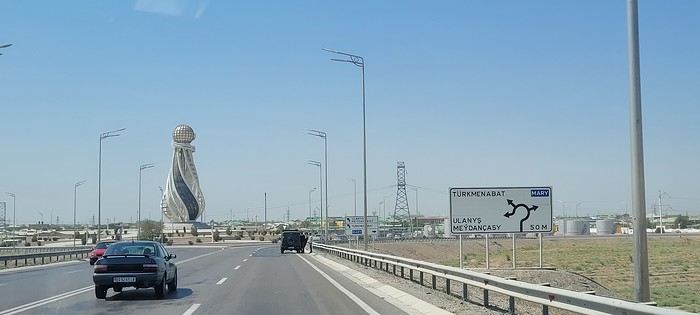

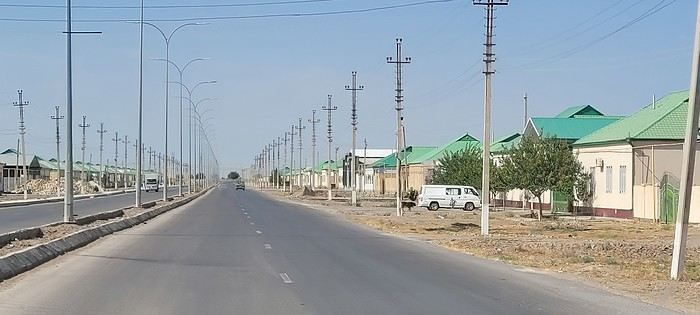 Roundabouts are particularly interesting because they feature emblems of Turkmen culture, like the dog, a carpet, the Ahal Teke horse, or Muslim symbols, even though the presence of Islamic artifacts is quite limited.


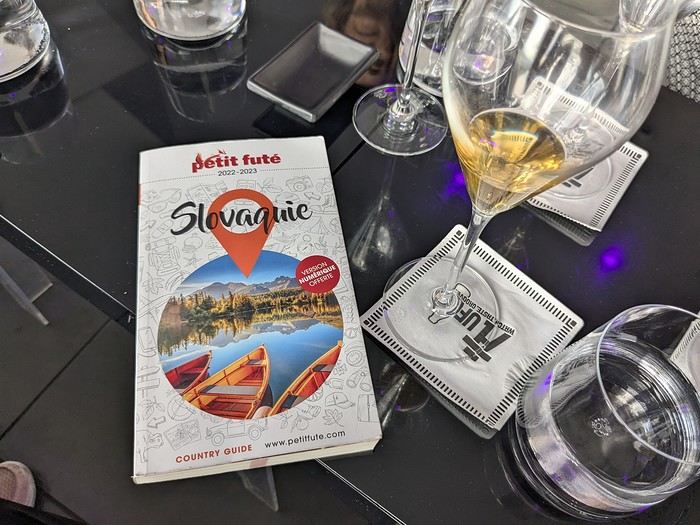 Why this country?
After visiting Hungary, Slovenia, Romania, and Poland in recent years, I’ve fallen in love with Eastern European countries. I adore the Slavic soul, its Austro-Hungarian villages, the gentle landscapes, the Carpathian Mountains, and that slightly mysterious atmosphere.
Slovakia evokes a certain imagination with its deep forests, medieval castles, and cobbled villages.
After seeing photos of the High Tatras—especially Lake Štrbské Pleso and Spiš Castle—I thought, "Let’s do it! We’re going!"
So, will Slovakia live up to what I imagine?
We’ll find out together.
We decided to travel as a group of six (five adults and a six-year-old child), by car (we needed two).
Here’s the day-by-day itinerary for this family trip, which started with a 3-day stay in Vienna (see the dedicated travel journal):

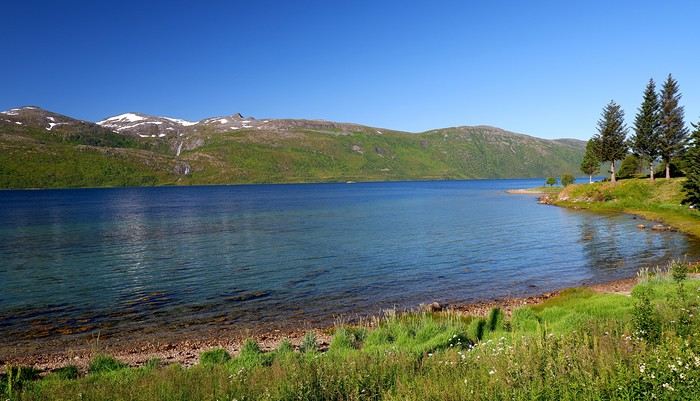
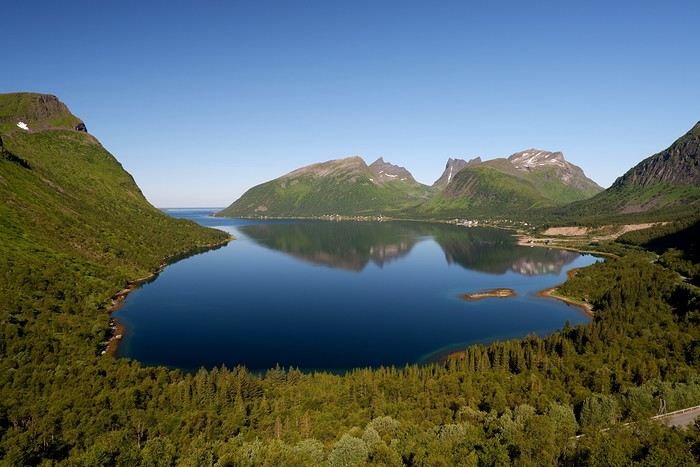
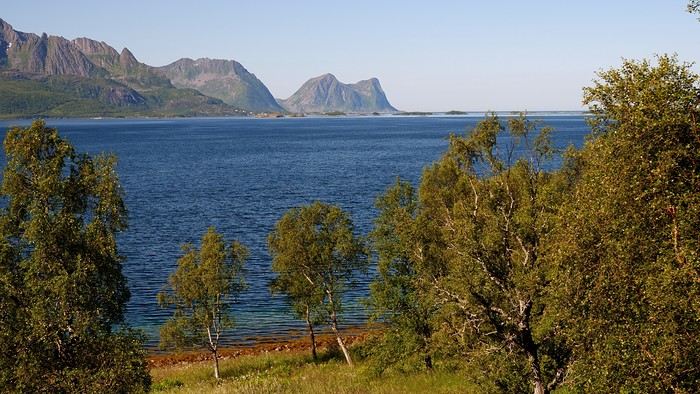
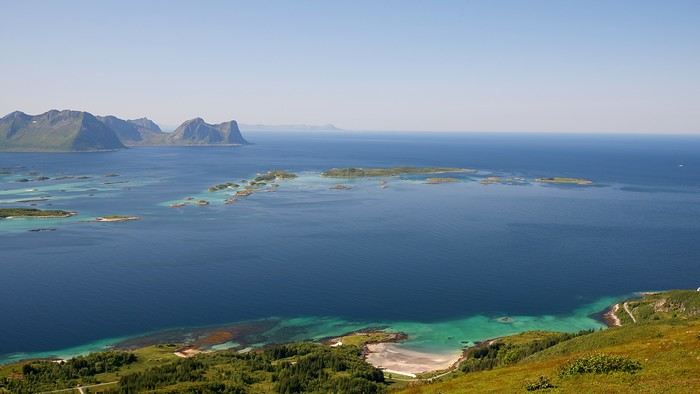
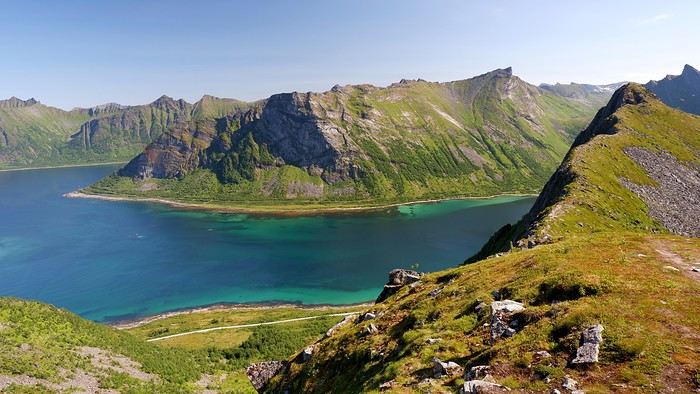
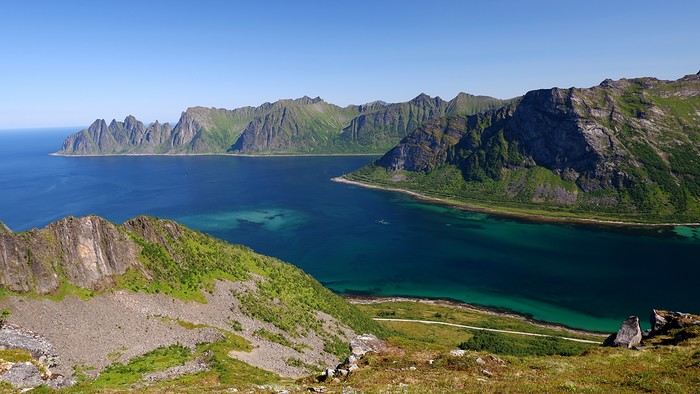
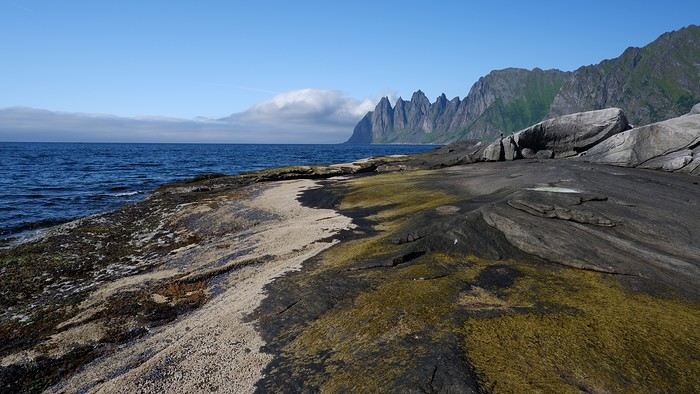
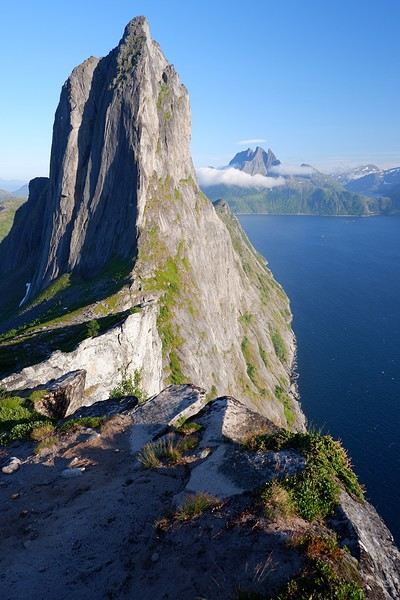
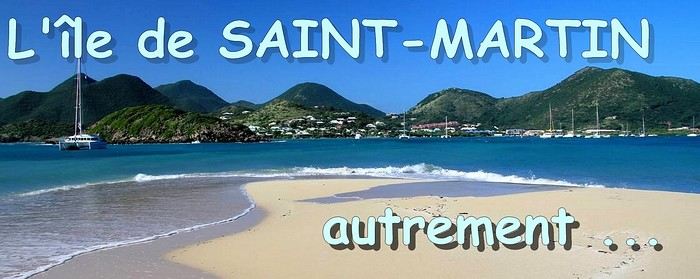 When it comes to the Caribbean island of Saint-Martin, it's customary to praise its coastline and dreamy beaches—and they certainly deserve it.
But in this story, I’d like to highlight other memories, aspects, and impressions for a slightly different change of scenery.
Enjoy the read—some text and, above all, lots of photos.
« Byenveni sou zile Sen Maten! » (Welcome to the island of Saint-Martin)
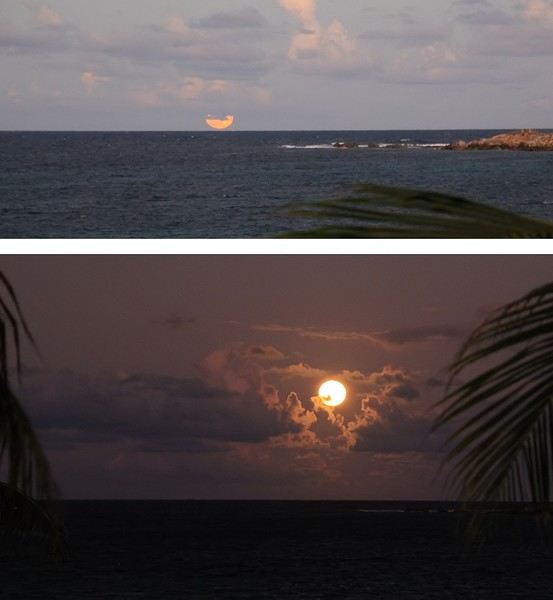
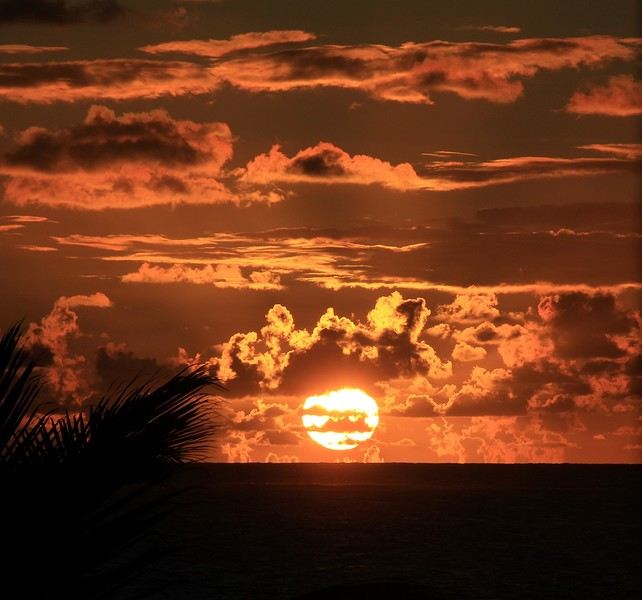
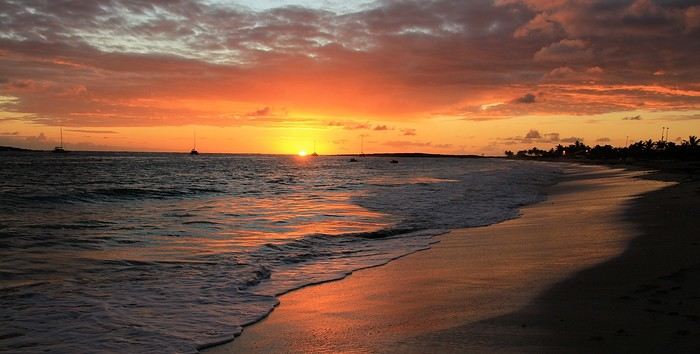
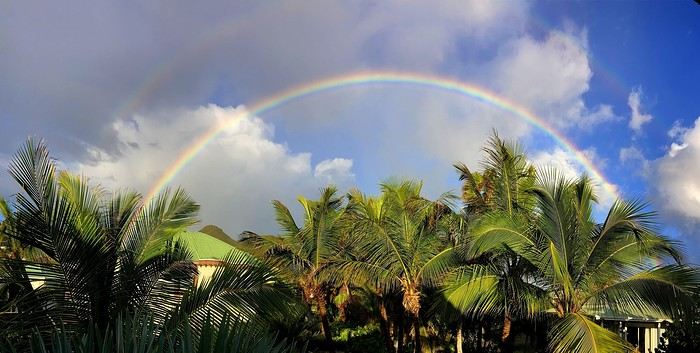

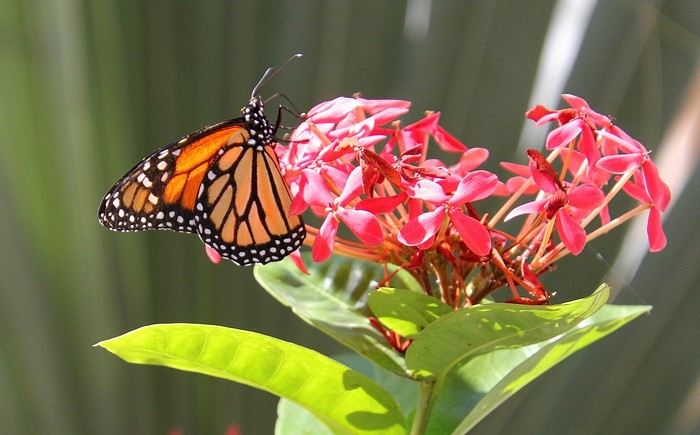
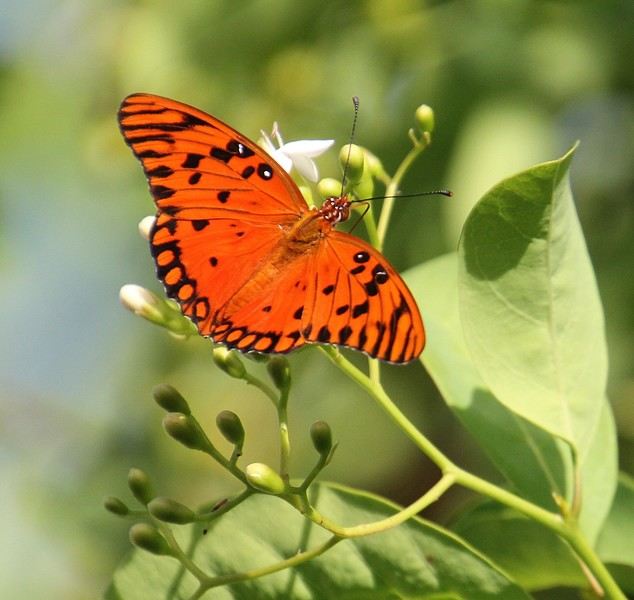
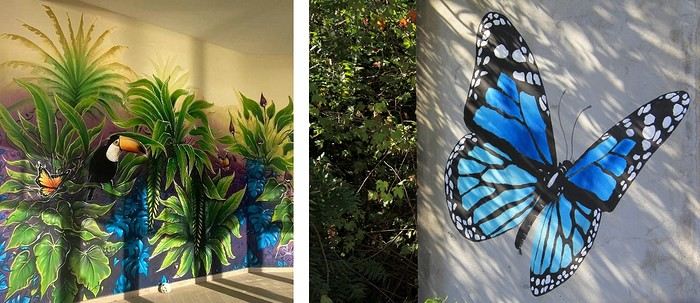
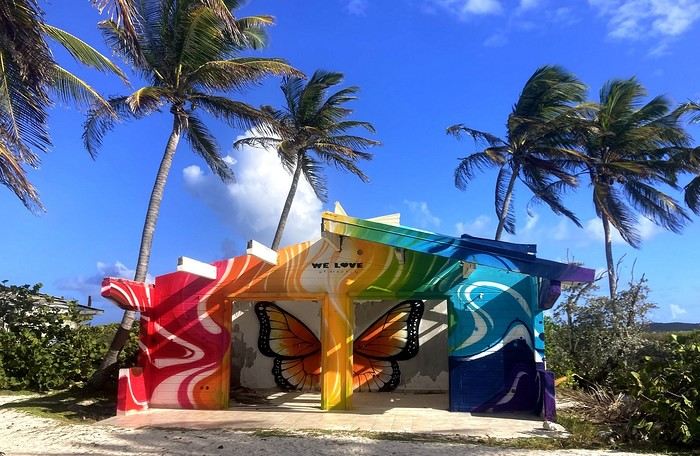

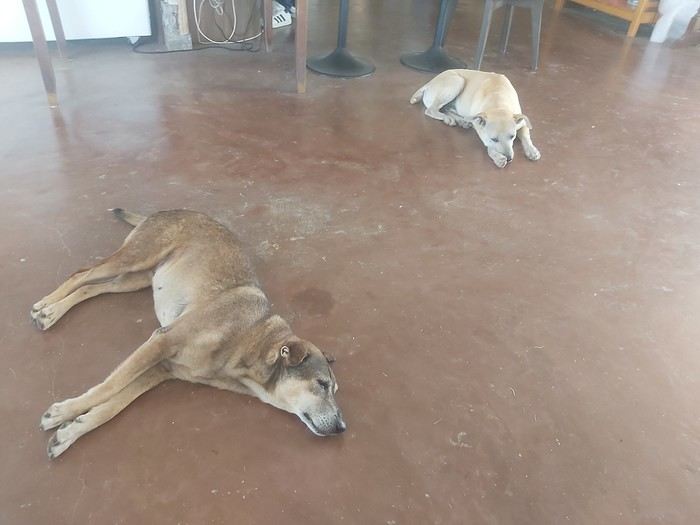


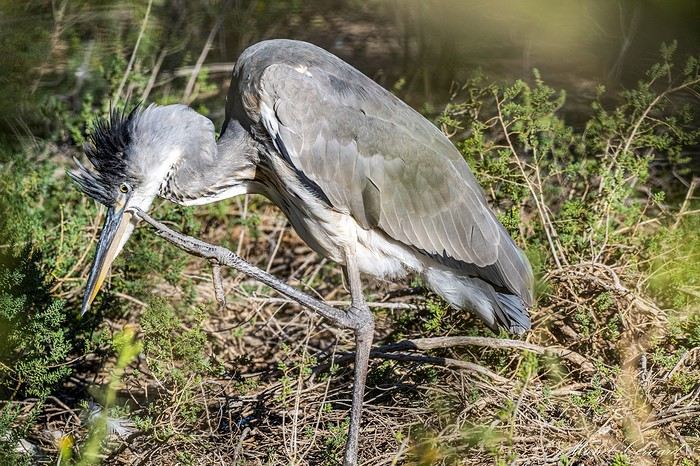
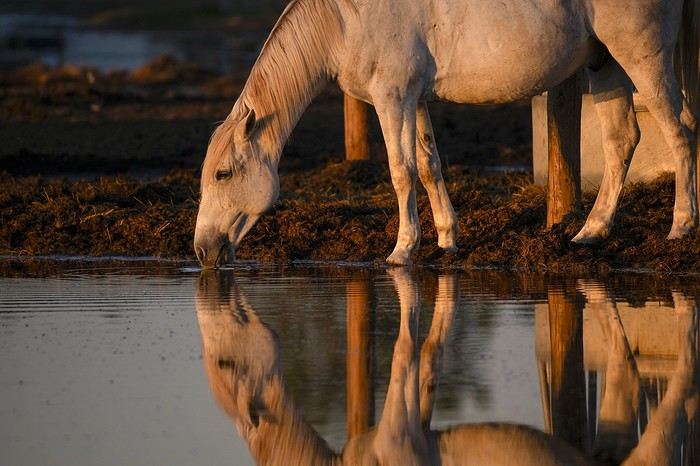
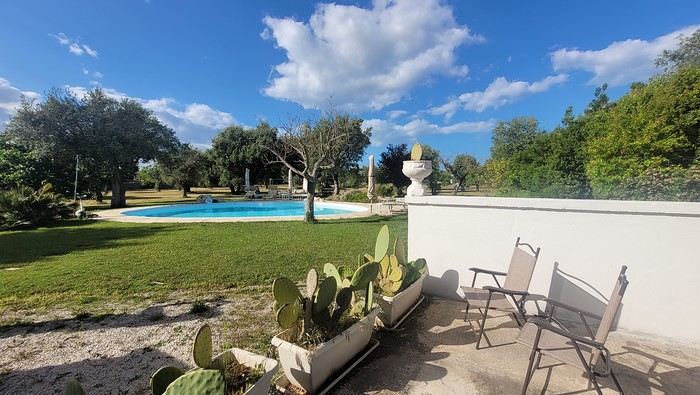
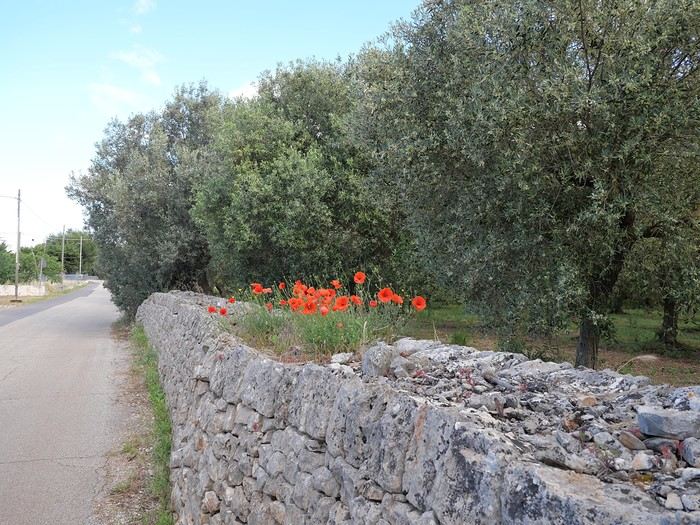
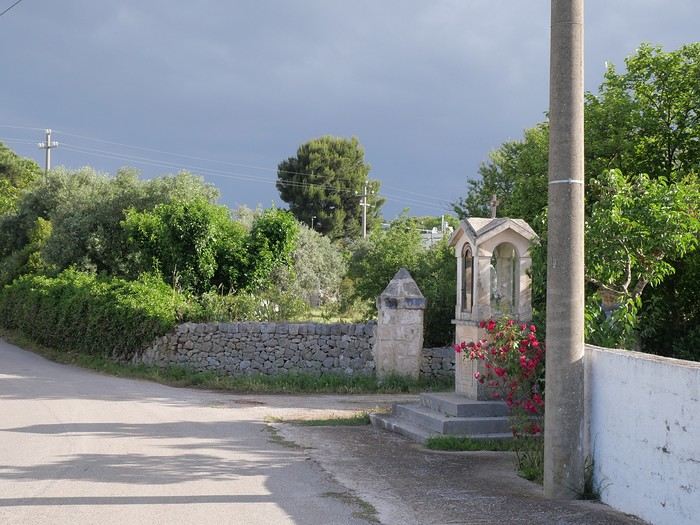
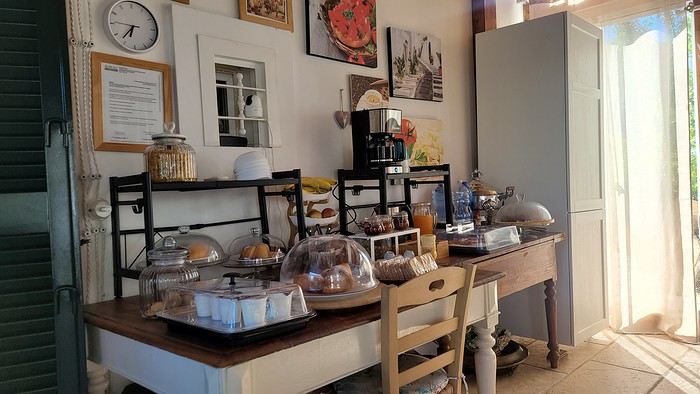
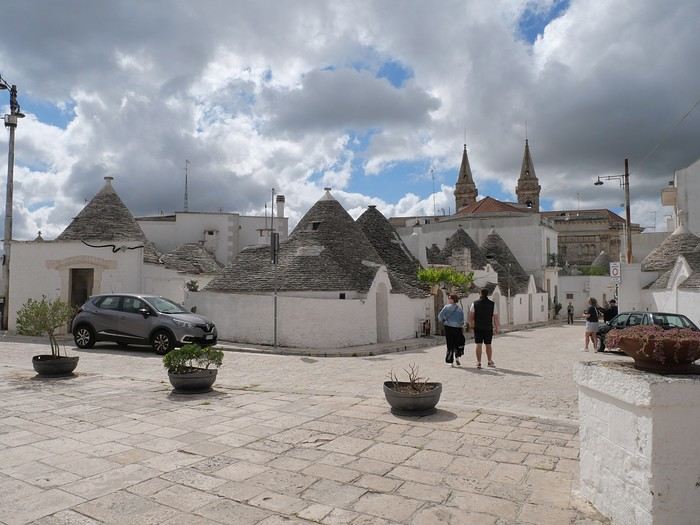
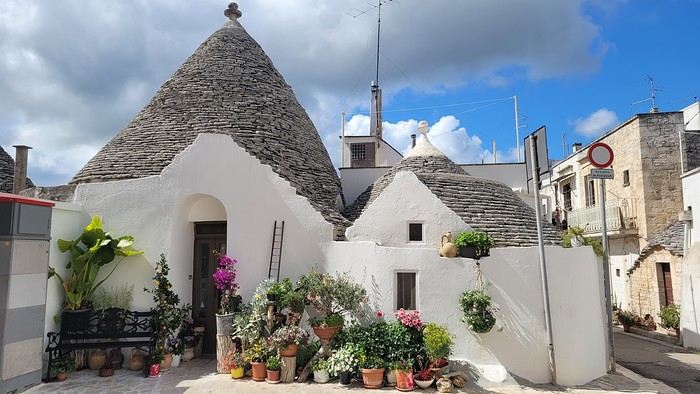
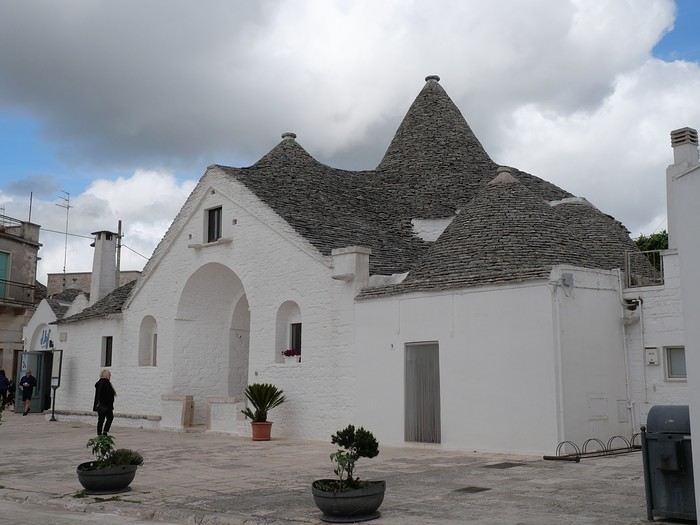
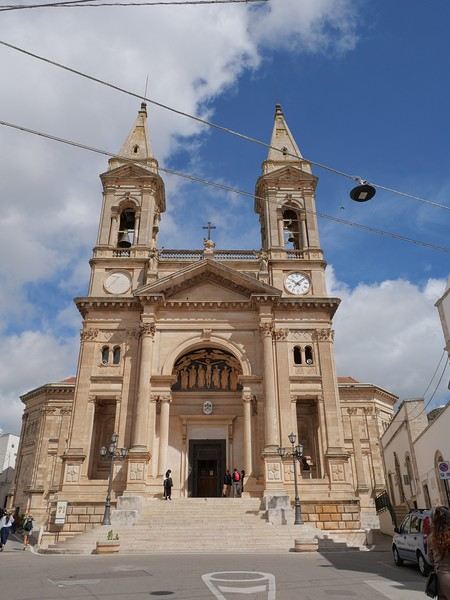
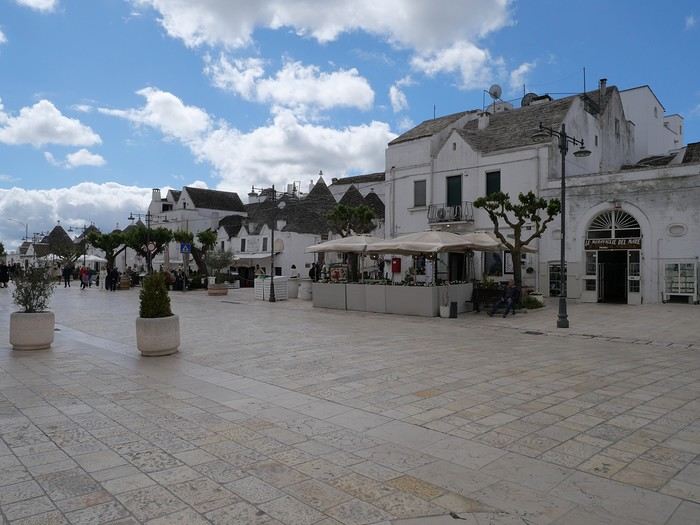

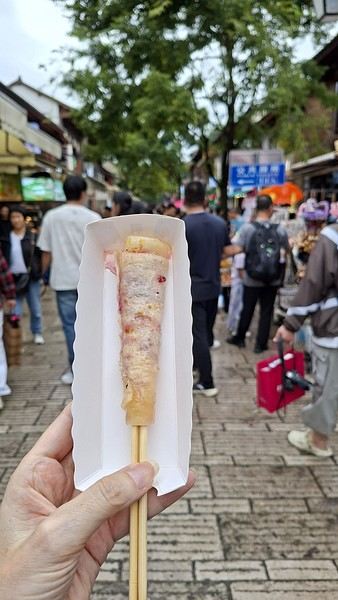
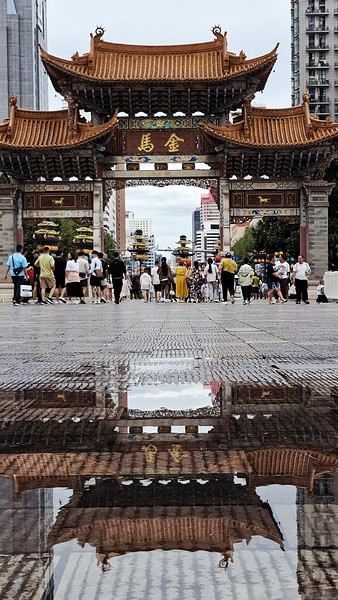

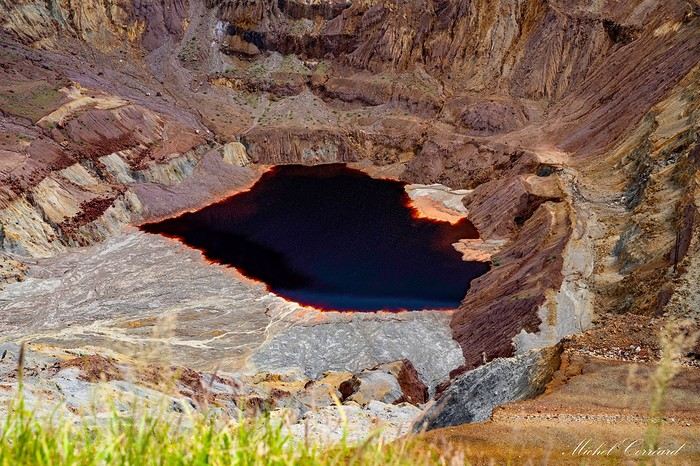

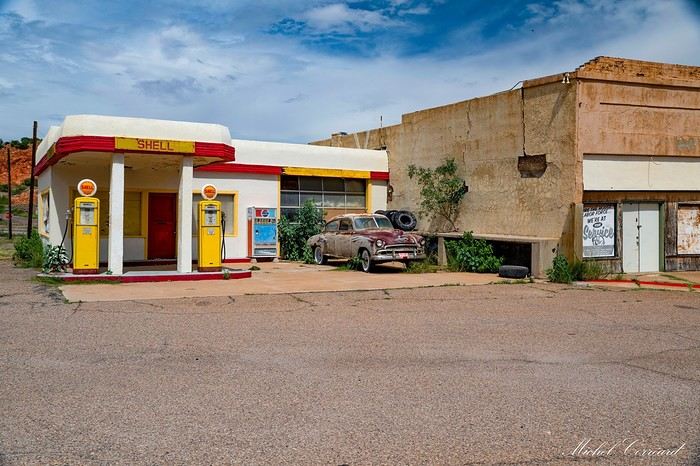
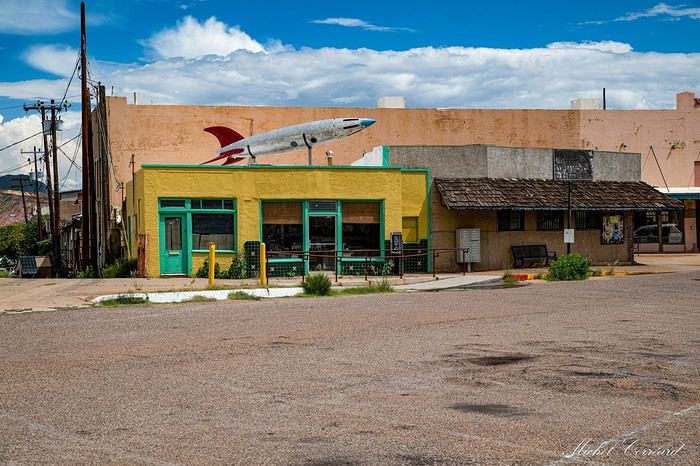
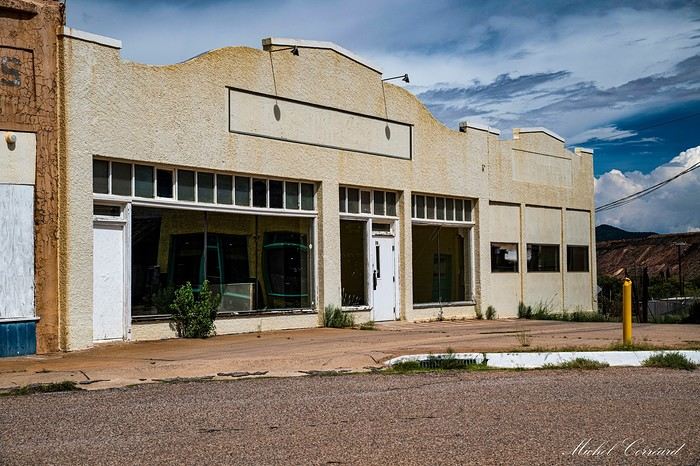
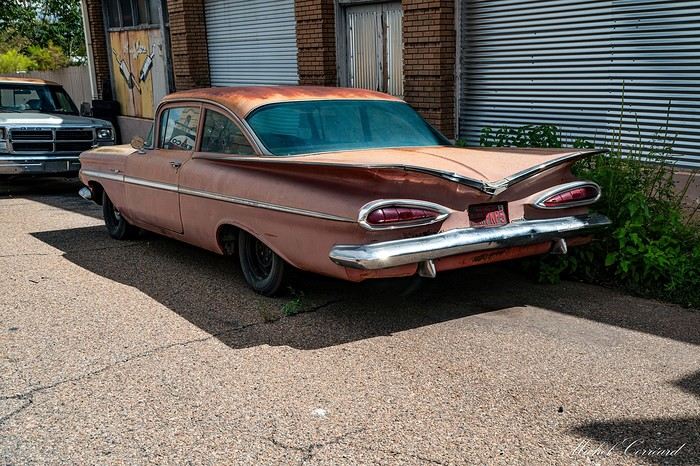
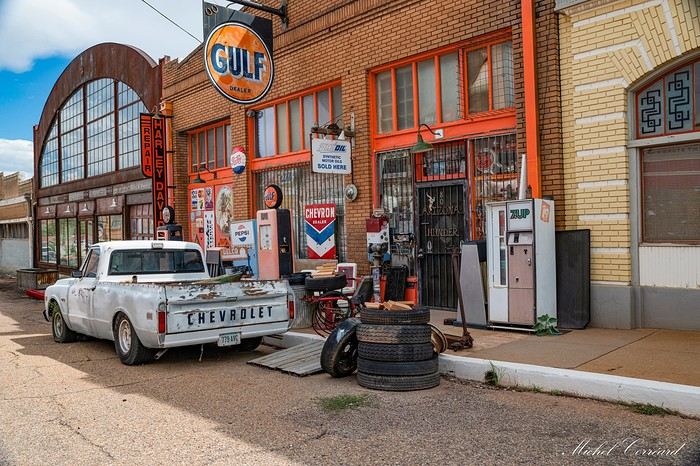
 Come along, I'm taking you to this country where it's so nice to wander and slow down...

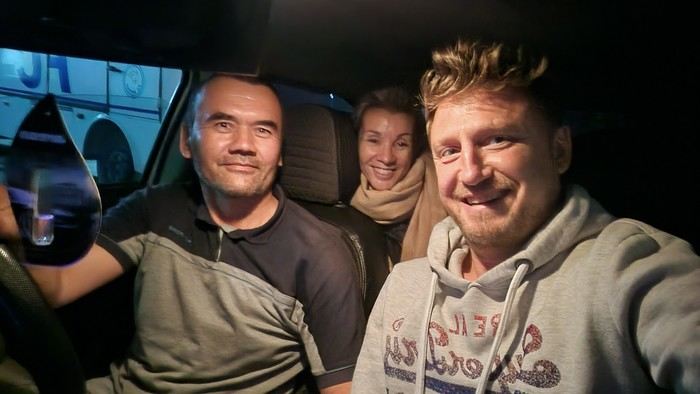
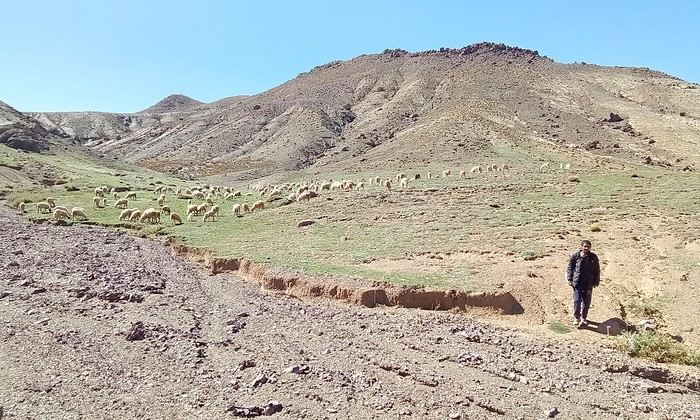
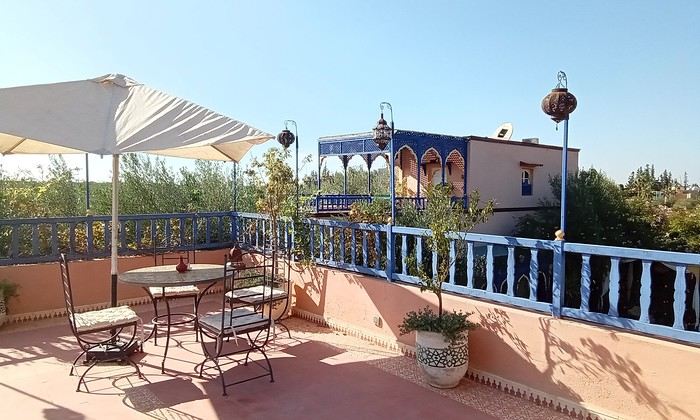
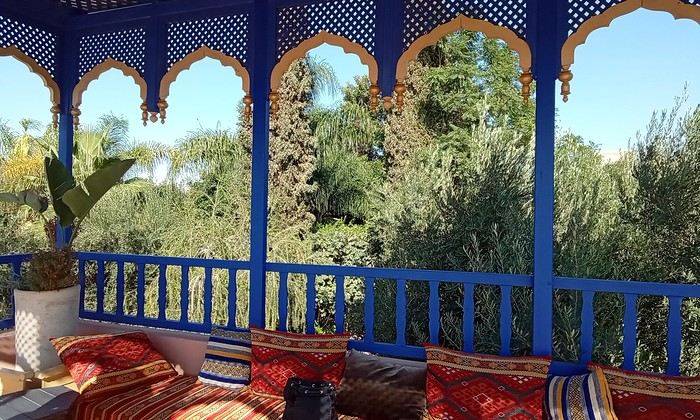 Last October, we landed in Marrakech to spend a few days with family exploring Morocco’s roads.
Transport: a rented Dacia.
Accommodations: small guesthouses.