Drumheller: Dinos, Hoodoos & Badlands Interpretive Trail
Join us as we explore the iconic landscapes of Drumheller, the world’s dinosaur capital.
We start with the gigantic World’s Largest Dinosaur before heading out on the legendary Drumheller Hoodoos Trail.
Then, we make our way to Midland Provincial Park, where we hike the Badlands Interpretive Trail—a 1.6 km loop featuring ravines, hoodoos, geological strata, and desert-like formations that create a spectacular backdrop.
A journey blending geology, natural history, and exploration in Alberta’s badlands.
🦖 World’s Largest Dinosaur – 51.46731, -112.70907
A must-stop in Drumheller: the massive 26-meter-tall Tyrannosaurus Rex.
From the observation platform in its mouth, you get a panoramic view of the Red Deer River Valley.
Around the World’s Largest Dinosaur, the vibe is even more playful thanks to the colorful dinosaur sculptures decorating the area.
A perfect contrast to the towering T-Rex that dominates the town.
🏠🏜️ Drumheller Hoodoos Trail – 51.38053, -112.53454
The Drumheller Hoodoos are one of the most iconic landscapes in Alberta’s badlands.
The trail winds through an almost surreal setting, where sandstone columns sculpted by thousands of years of erosion stand like frozen silhouettes in time.
The ground, striped in ochre, brown, and orange hues, reveals the different sedimentary layers deposited over geological eras.
Around the hoodoos, the landscape opens up to undulating ravines, desert buttes, and rock formations with strange shapes, creating an almost lunar atmosphere.
Walking the Hoodoos Trail, you feel the power of the wind and time that shaped these fragile pillars.
Every step reveals a new perspective, a new relief, a new geological story.
This raw, silent landscape, carved by nature, gives the trail a mystical and timeless feel.
🏞️ Midland Provincial Park
The Badlands Interpretive Trail, a 1.6 km loop, lies at the heart of Midland Provincial Park—a signature area of Alberta’s badlands, where erosion has sculpted a rugged, arid, and breathtaking landscape.
This trail highlights the region’s geological history while offering a full immersion into Drumheller’s typical desert-like terrain.
The route crosses deep ravines, multicolored sedimentary strata, rounded buttes, and rock formations shaped by millions of years of wind and water.
The cracked, ochre-tinted ground reveals exposed geological layers like the pages of an open book about the past.
As you walk, you’ll discover constantly changing vistas: narrow valleys, desert plateaus, unique rock textures, and perfect viewpoints to capture the essence of the badlands.
51.48009, -112.78844 Trailhead
51.48162, -112.78615 Midpoint
51.48037, -112.78487 Landmark
The Royal Tyrrell Museum (51.47929, -112.79022), also located in this park, is a must-visit for dinosaur and paleontology enthusiasts.
This world-renowned museum features an exceptional collection of fossils, complete skeletons, and immersive exhibits that tell the story of life on Earth.
You’ll find spectacular galleries, life-sized reconstructions, and interactive spaces that make the visit engaging for both adults and families.
https://youtu.be/T-Pw1CUn5xY





I had to leave Thailand as my 60-day visa was coming to an end, and this time I opted for a 14-day visit to Japan. I’d already spent 3 days in Tokyo a few years ago on a business trip, which left me with a great impression. Y, my Thai partner, had never been there. That’s why we chose a fairly classic itinerary, including a few castles and Kyoto among other things.
Before diving into the details of our trip, I’d like to recap the expenses we incurred. This will be useful for some of you, and it’ll help us prepare for our next trip to Japan.
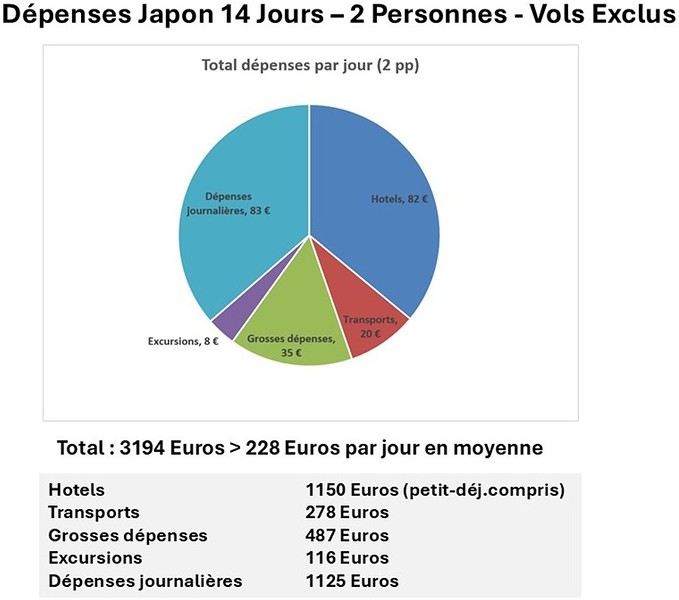
I’ve categorized our expenses into 5 groups: - Hotels: 1150 € (breakfast included) - Transportation: 278 € (trains, buses) - Big expenses: 487 € (souvenirs and a few necessary items) - Excursions: 116 € (museum visits, temples, castles) - Daily expenses: 1125 € (meals, small purchases) Total = 3194 €, or 228 € per day on average. I’m excluding flights, as those depend on everyone’s arrangements (departure location, travel dates, etc.).
Jpeg below: apologies for “hotel” without a circumflex—my software isn’t French!
For hotels, we always chose decent but not luxurious places, well-located to let us walk to and from transportation hubs. We systematically avoided taxis, which are notoriously expensive in Japan. We’ve also gotten into the habit over several trips of traveling with minimal luggage: one duffel bag each (7-8 kg) plus the small carry-on allowed on planes (2-3 kg). This lets us travel with three sets of clothes (what we’re wearing plus two changes). We add a checked bag for the return trip to accommodate the things we buy along the way.
‘Transportation’ and ‘Big expenses’: I’ll give more details in the day-by-day account.
We didn’t do any extravagant excursions, like safaris or sports activities.
Meals and food make up the bulk of our daily expenses. We often ate at izakayas, which offer great value—between 2000 and 6000 yen for two (about 11-12 to 33-34 € for two, usually around 20-25 €). We didn’t hold back, but we also didn’t go to high-end restaurants.
More to come while I gather my photos: General Remarks.
Before diving into the details of our trip, I’d like to recap the expenses we incurred. This will be useful for some of you, and it’ll help us prepare for our next trip to Japan.
I’ve categorized our expenses into 5 groups: - Hotels: 1150 € (breakfast included) - Transportation: 278 € (trains, buses) - Big expenses: 487 € (souvenirs and a few necessary items) - Excursions: 116 € (museum visits, temples, castles) - Daily expenses: 1125 € (meals, small purchases) Total = 3194 €, or 228 € per day on average. I’m excluding flights, as those depend on everyone’s arrangements (departure location, travel dates, etc.).
Jpeg below: apologies for “hotel” without a circumflex—my software isn’t French!
For hotels, we always chose decent but not luxurious places, well-located to let us walk to and from transportation hubs. We systematically avoided taxis, which are notoriously expensive in Japan. We’ve also gotten into the habit over several trips of traveling with minimal luggage: one duffel bag each (7-8 kg) plus the small carry-on allowed on planes (2-3 kg). This lets us travel with three sets of clothes (what we’re wearing plus two changes). We add a checked bag for the return trip to accommodate the things we buy along the way.
‘Transportation’ and ‘Big expenses’: I’ll give more details in the day-by-day account.
We didn’t do any extravagant excursions, like safaris or sports activities.
Meals and food make up the bulk of our daily expenses. We often ate at izakayas, which offer great value—between 2000 and 6000 yen for two (about 11-12 to 33-34 € for two, usually around 20-25 €). We didn’t hold back, but we also didn’t go to high-end restaurants.
More to come while I gather my photos: General Remarks.





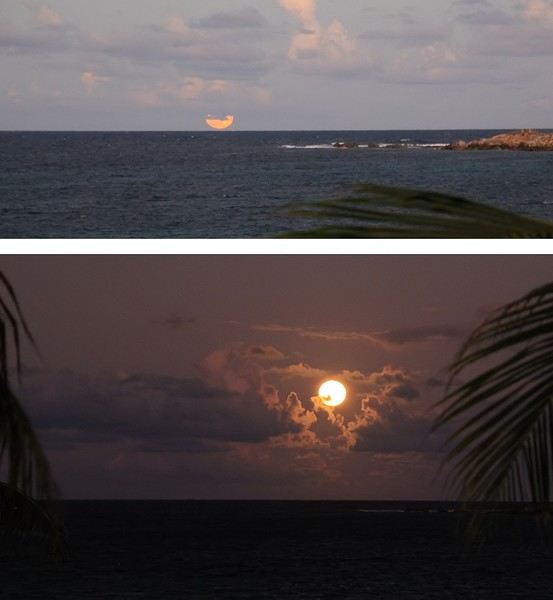
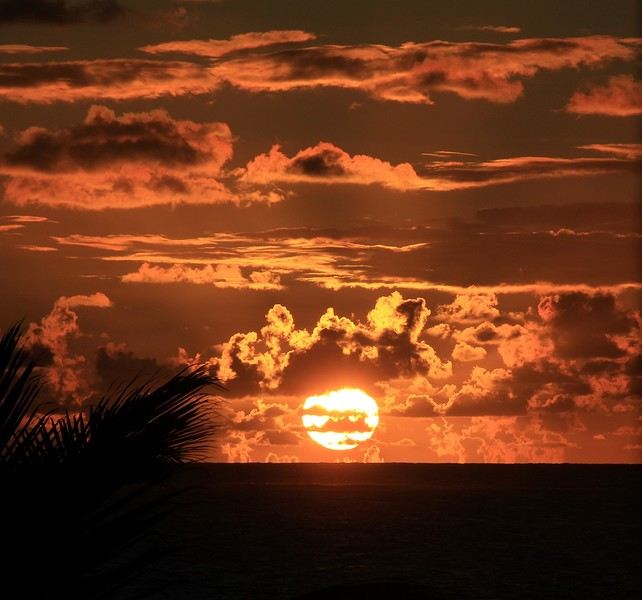
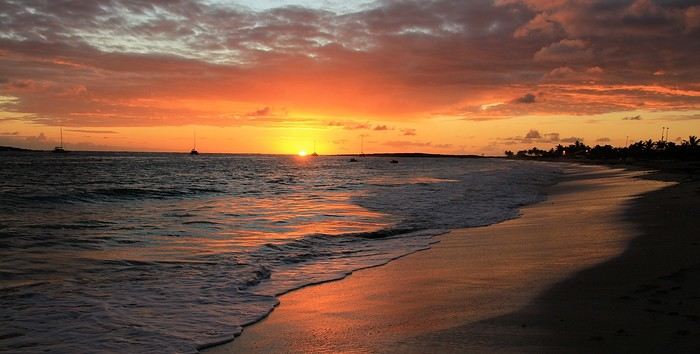
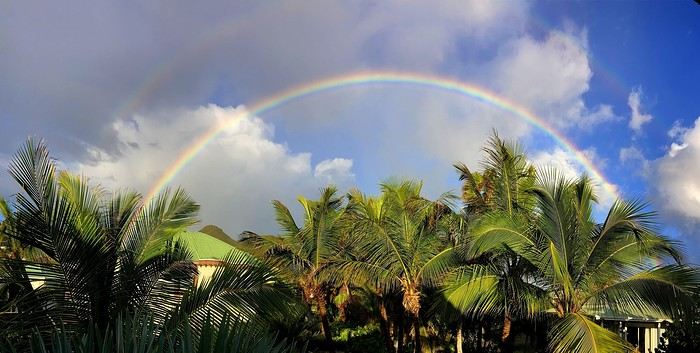
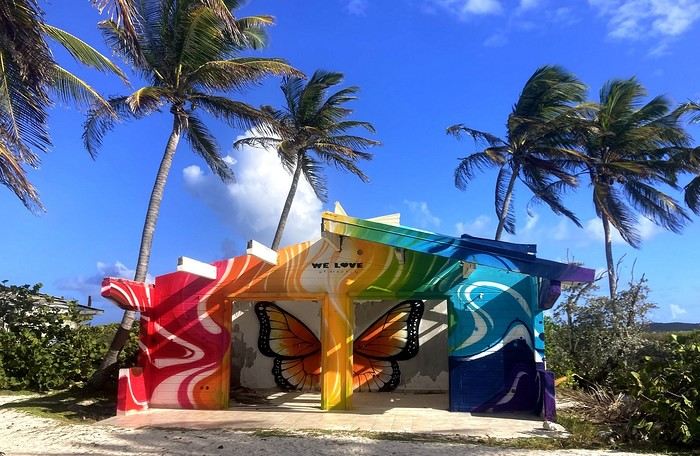
 When it comes to the Caribbean island of Saint-Martin, it's customary to praise its coastline and dreamy beaches—and they certainly deserve it.
But in this story, I’d like to highlight other memories, aspects, and impressions for a slightly different change of scenery.
Enjoy the read—some text and, above all, lots of photos.
« Byenveni sou zile Sen Maten! » (Welcome to the island of Saint-Martin)

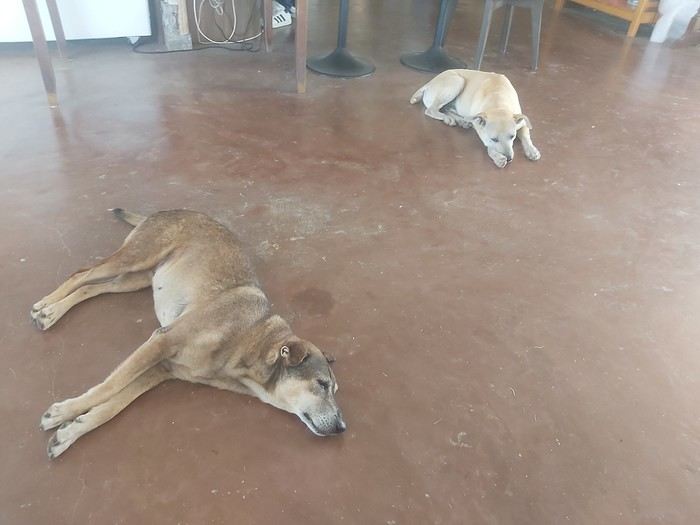



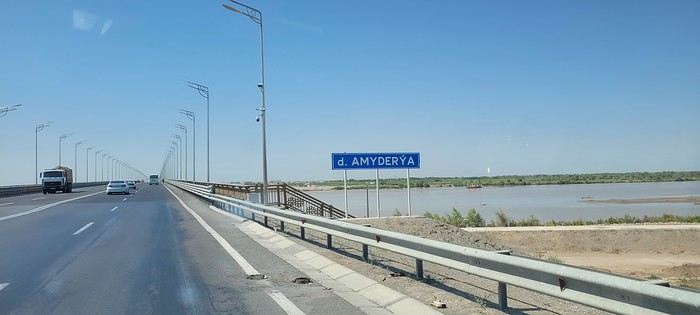
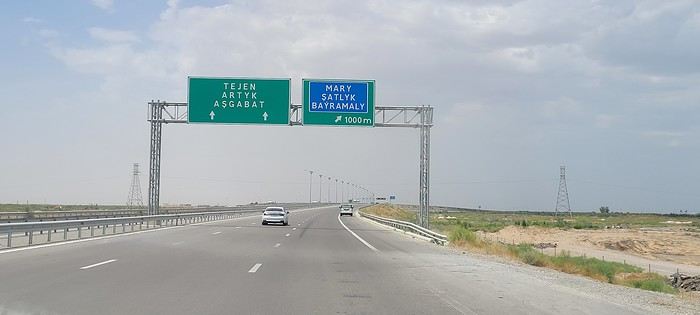

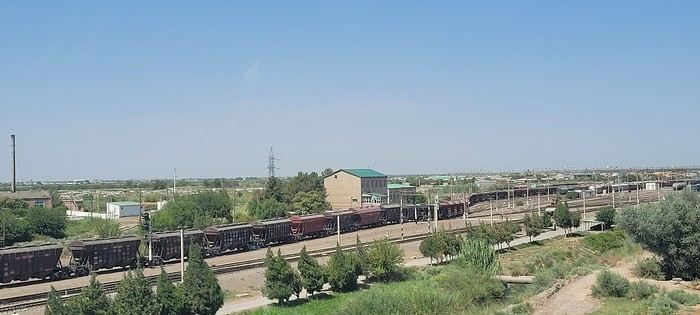
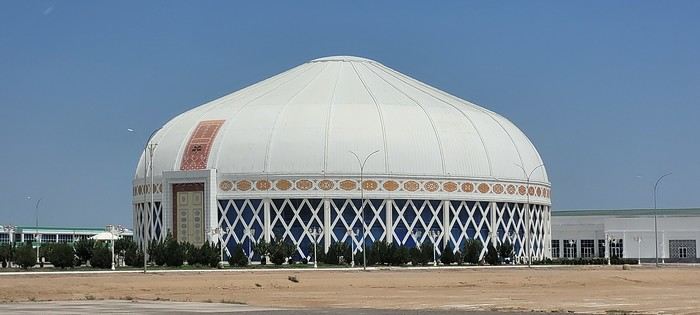
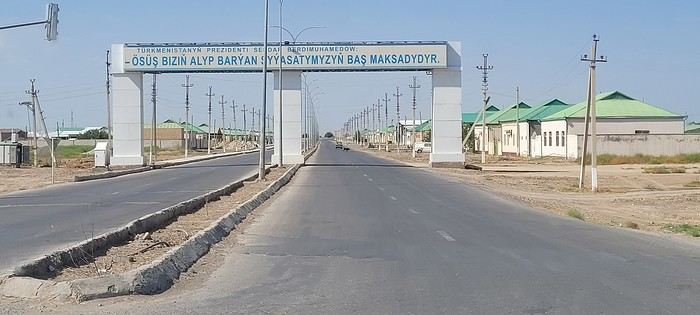
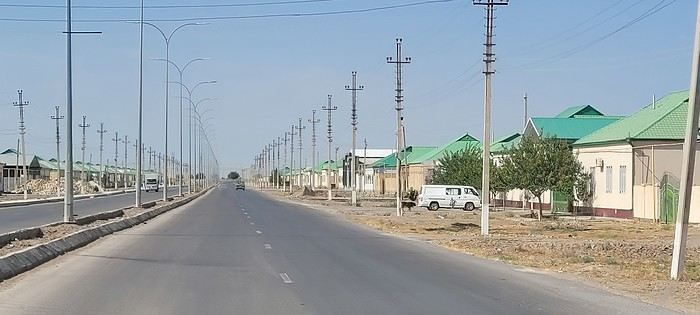 Roundabouts are particularly interesting because they feature emblems of Turkmen culture, like the dog, a carpet, the Ahal Teke horse, or Muslim symbols, even though the presence of Islamic artifacts is quite limited.


 Come along, I'm taking you to this country where it's so nice to wander and slow down...







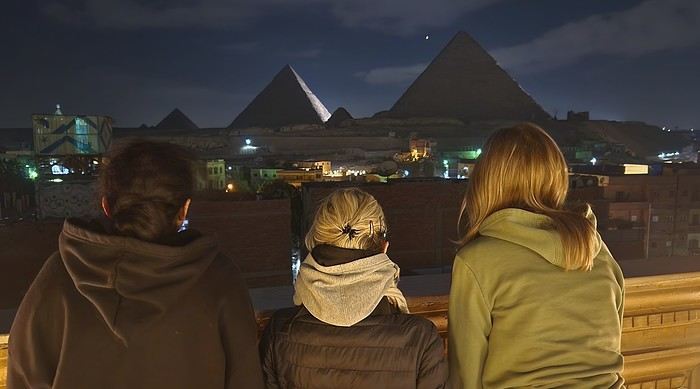
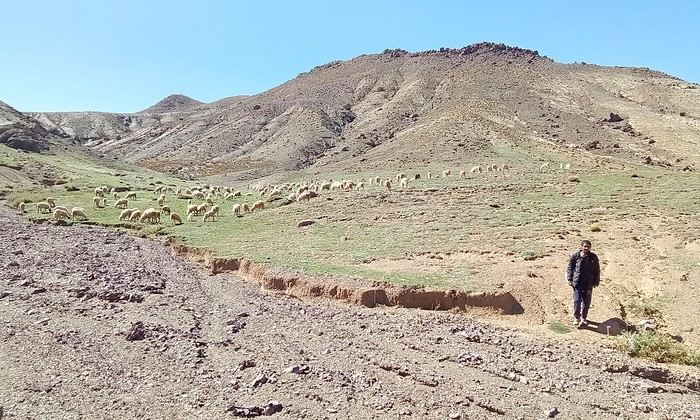
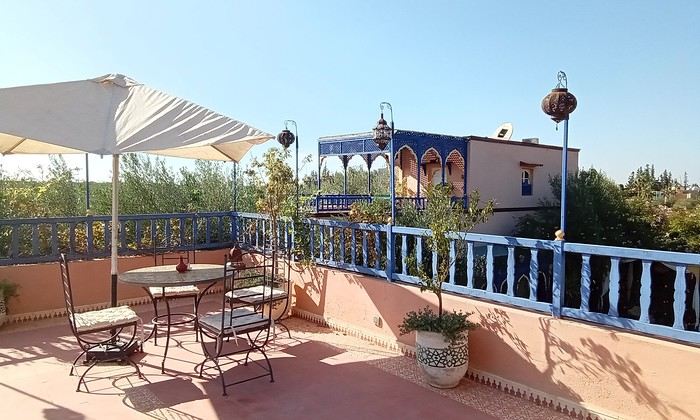
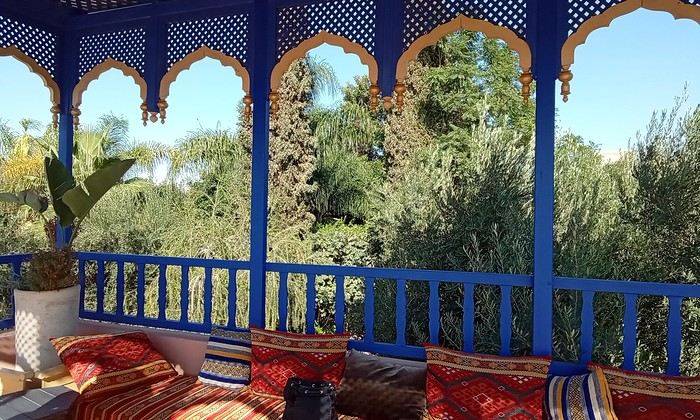 Last October, we landed in Marrakech to spend a few days with family exploring Morocco’s roads.
Transport: a rented Dacia.
Accommodations: small guesthouses.
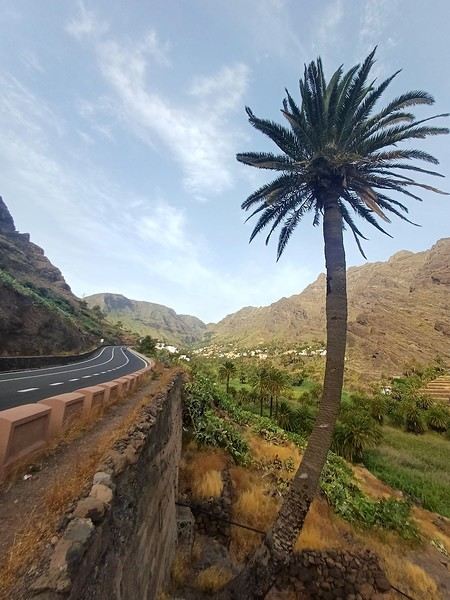
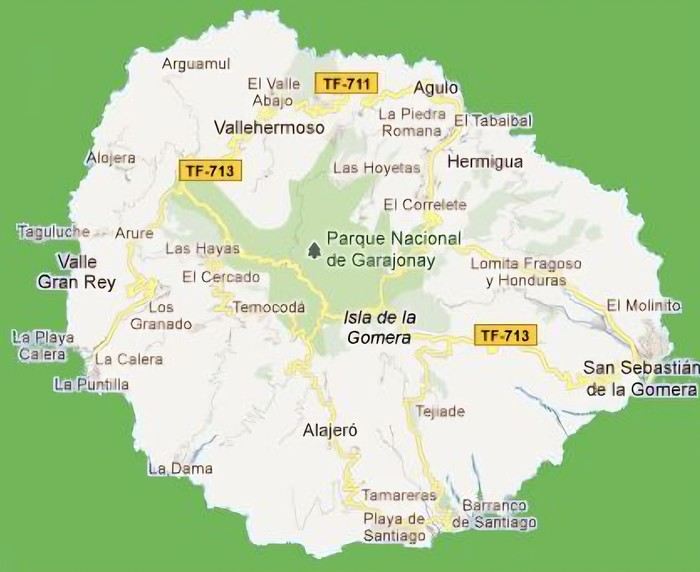 The large solidified magma massifs that shape the heart of the island have created a large depression more protected from the sun at its center, allowing the growth of a vast laurel forest, today grouped within the Garajonay National Park, La Gomera’s green lung, which has earned it the status of a World Biosphere Reserve. Its completely European appearance contrasts sharply with the rocky and tropical landscapes of the rest of the island. Thus, the climate varies greatly from one point to another on the island: in summer, you can quickly go from a dry and sunny valley at 35°C to a humid forest area at altitude at 18°C.
 A little sneak peek?
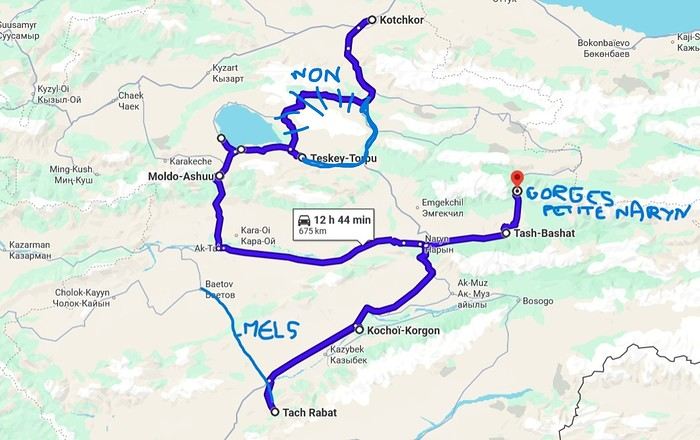
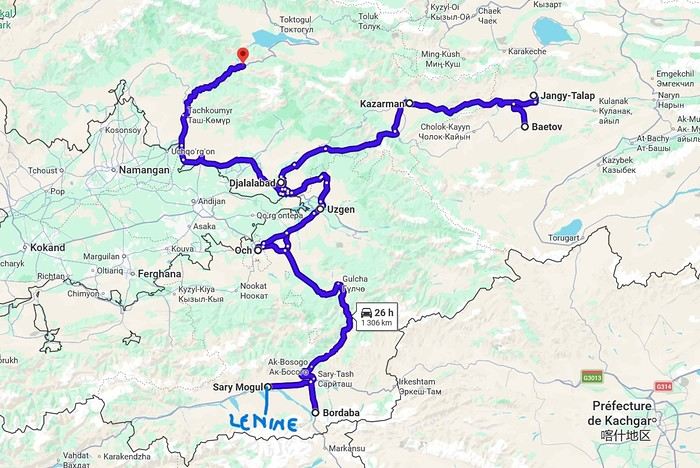
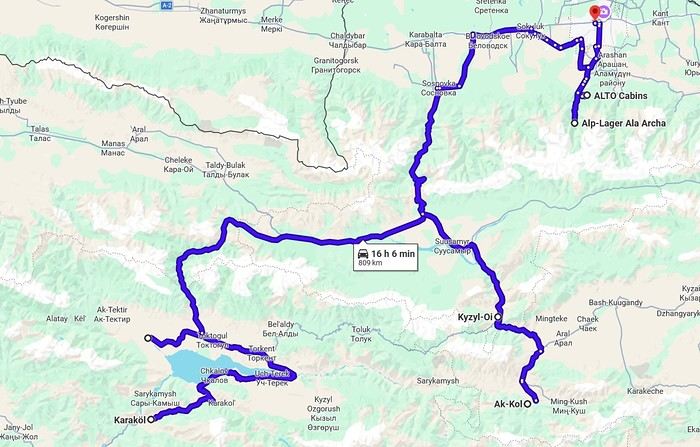



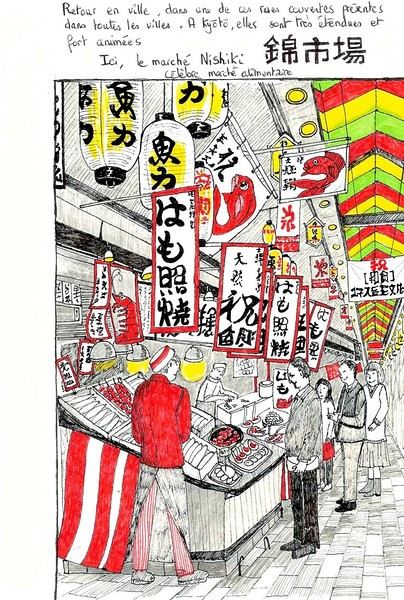
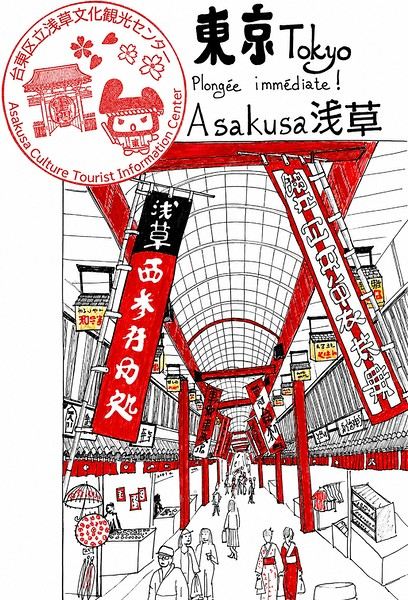
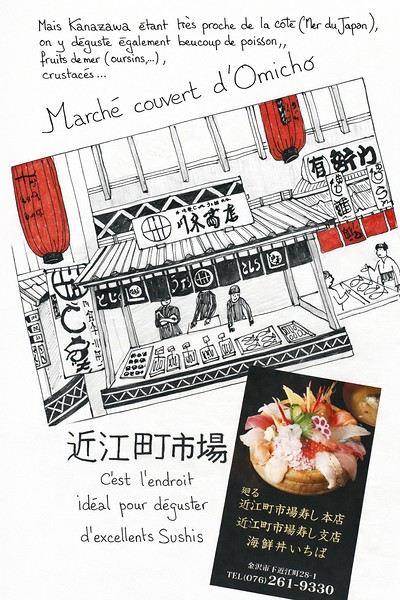
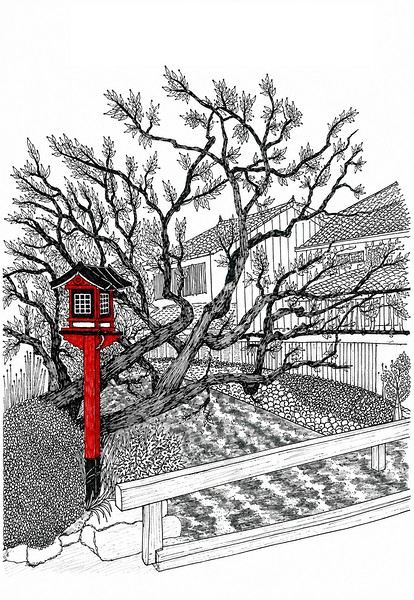 I’m inviting you on a stroll through my drawings—a completely subjective, far from exhaustive, and totally personal take, since it’s based on my own sketches. I put this travel journal together after returning in late 2024, mostly using felt-tip pens and pencils, with a few collages thrown in. I worked from our personal photos.
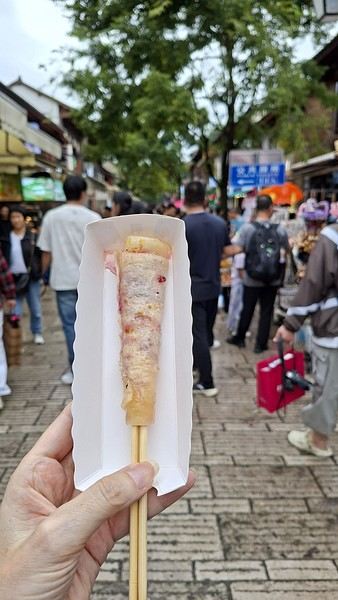
 And in Kyoto, Nishiki Market: