Kalimera, la-calo,
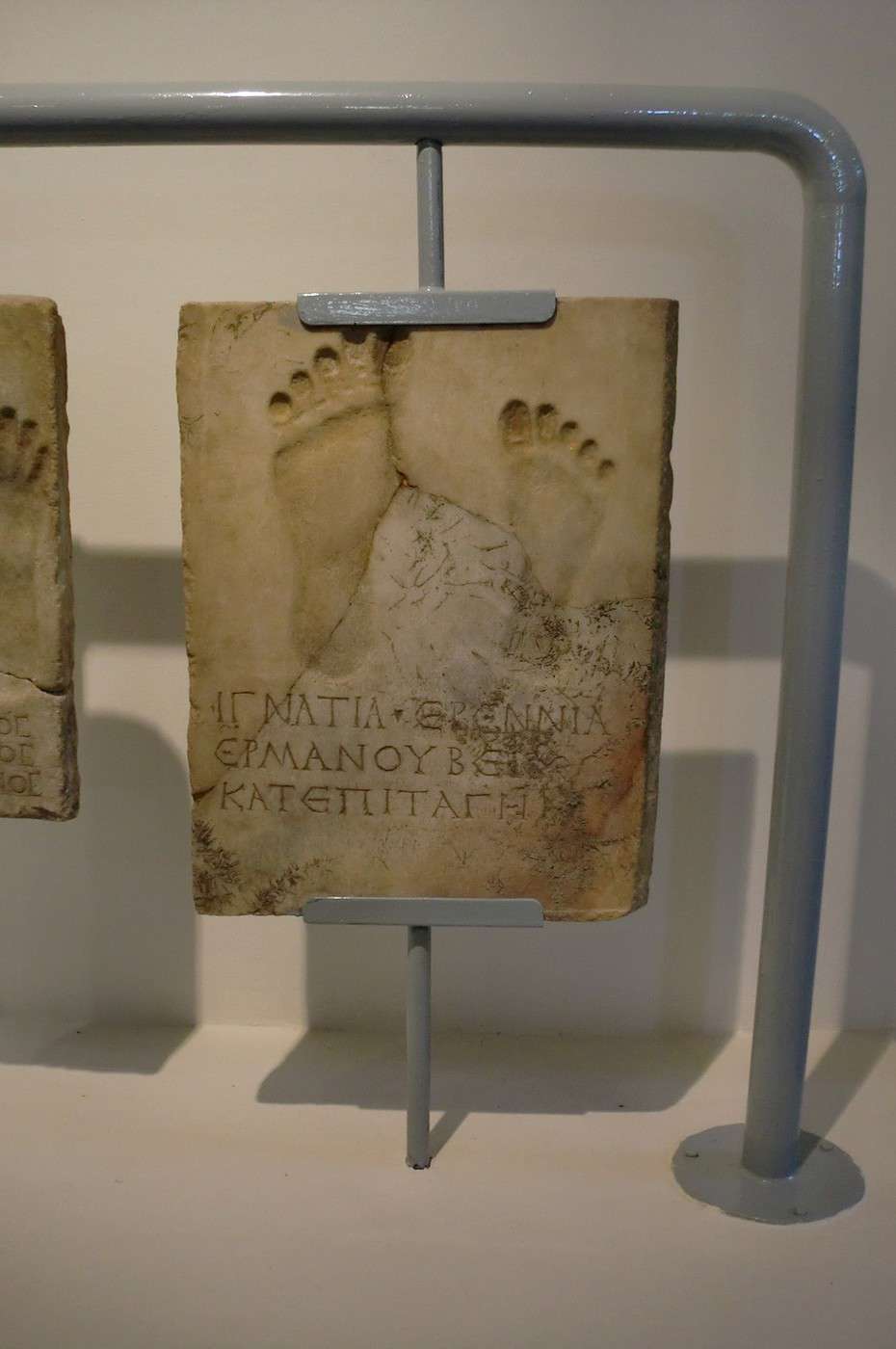
je ne sais pas si ta copine aura le temps de s'occuper de traduction gréco-égyptienne ancienne...😇😇😇
elle est très occupée par des traductions thaï-anglais en ce moment...😛
tout çà ne nous donne pas de renseignements pour gravir le Mont Olympe...sais-tu qu'il y a plusieurs itinéraires et certains, pas des plus faciles? 🏴☠️
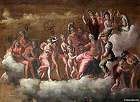
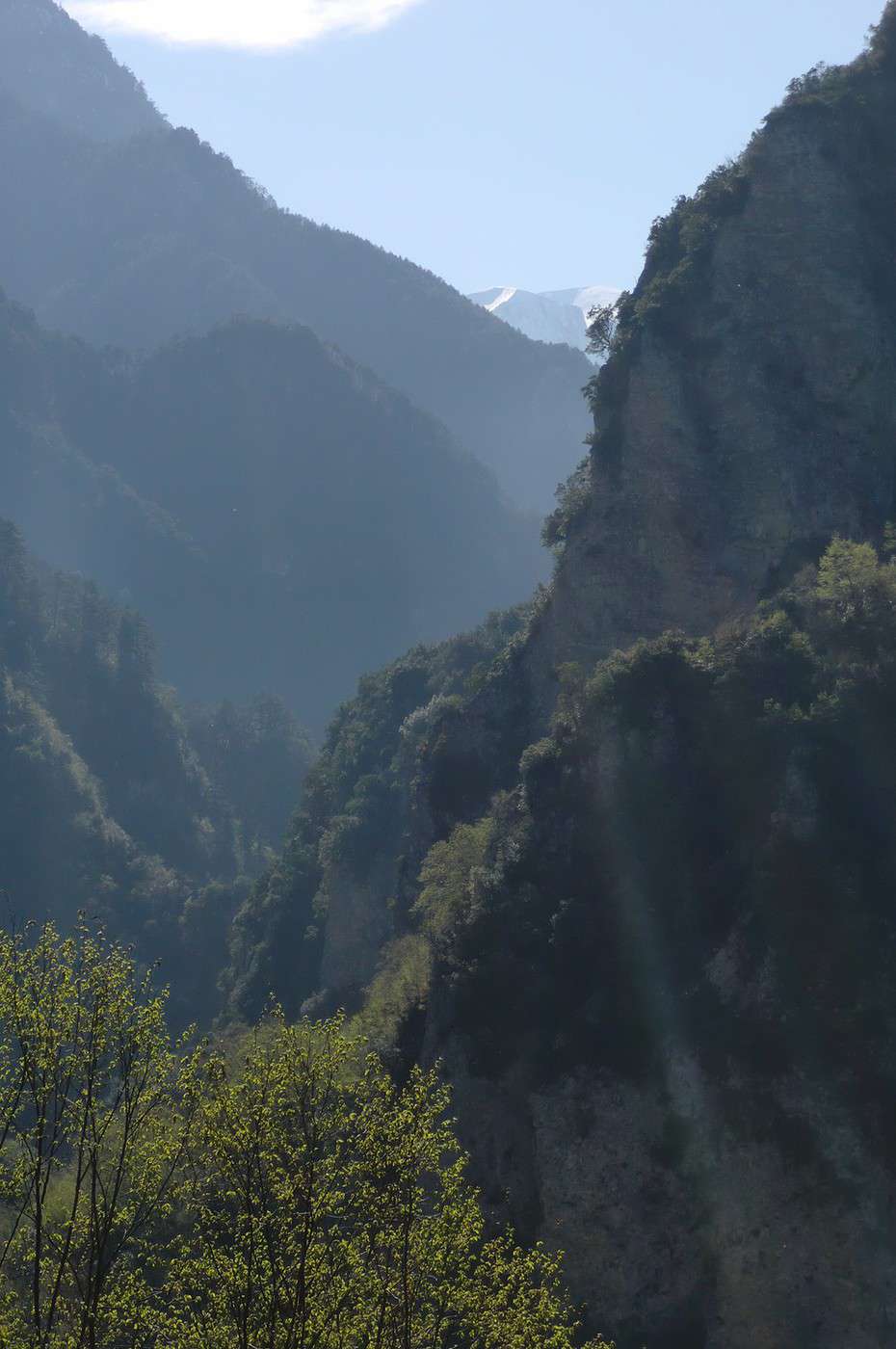
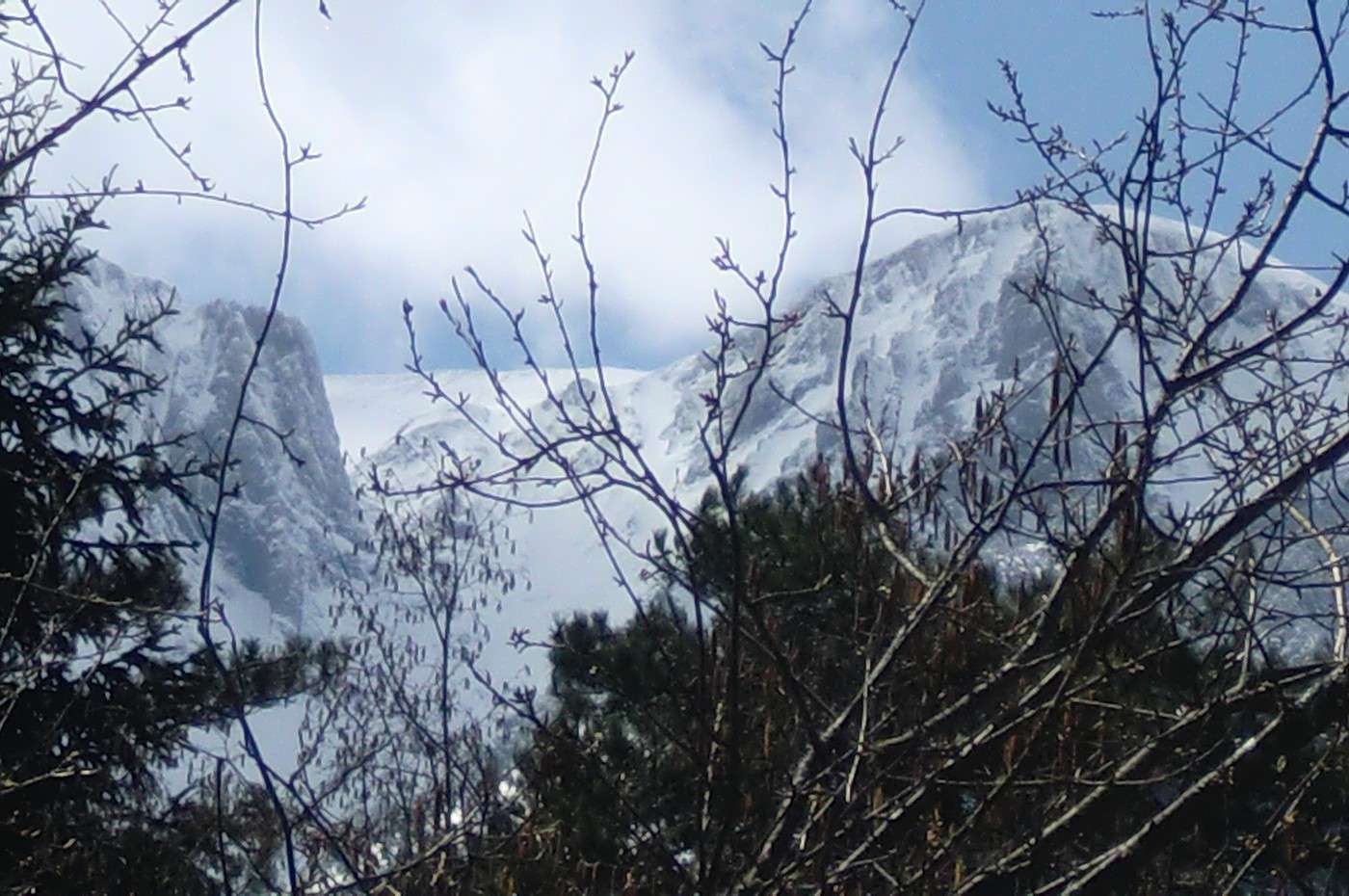
Où l’on comprend pourquoi les Anciens avaient choisi le Mont Olympe comme demeure des dieux(5)
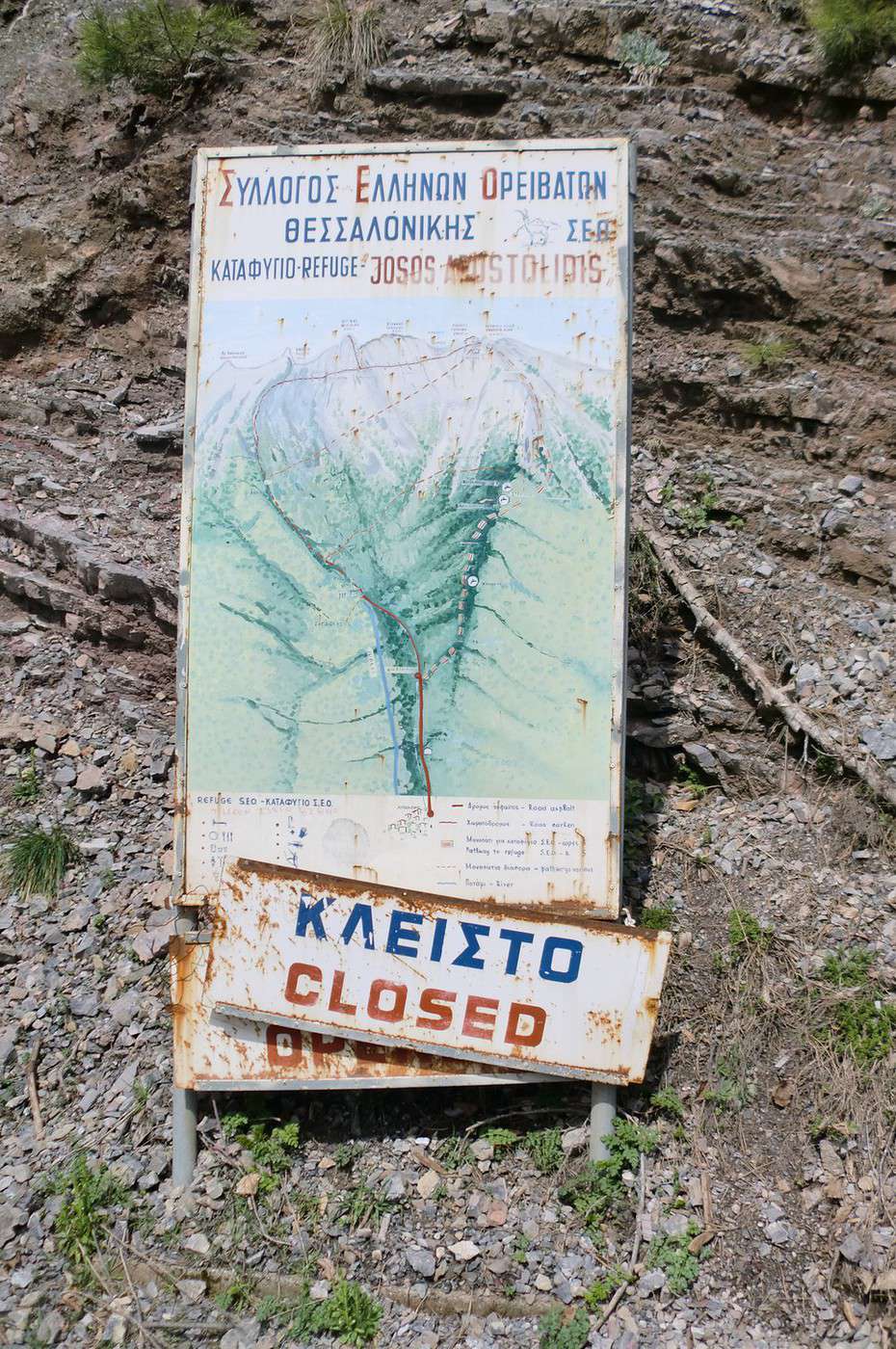
Ulysse avait acheté une carte d’État-major du Massif de l’Olympe( 4006’/28’’N) (2229’20’’ E)…
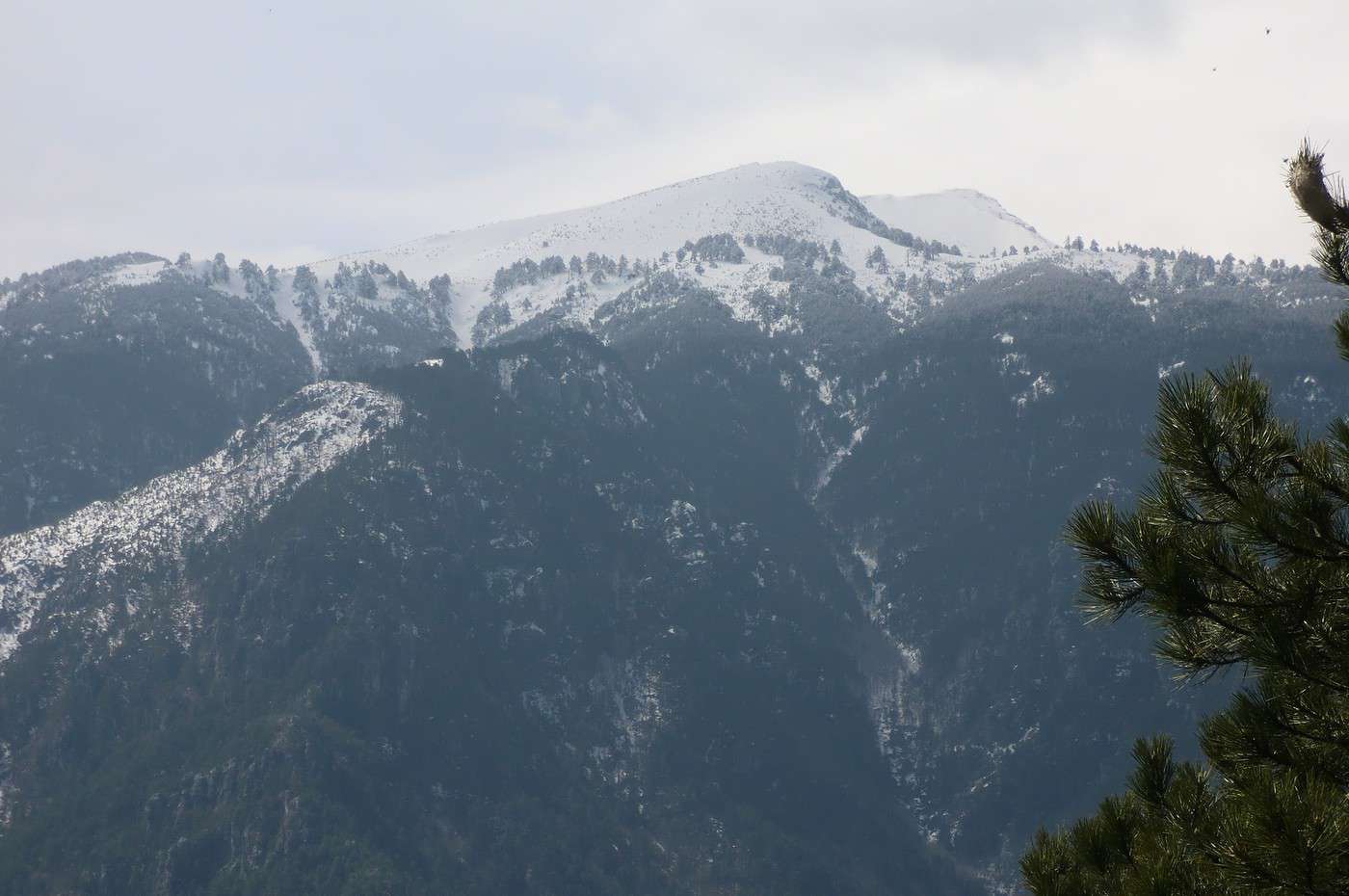
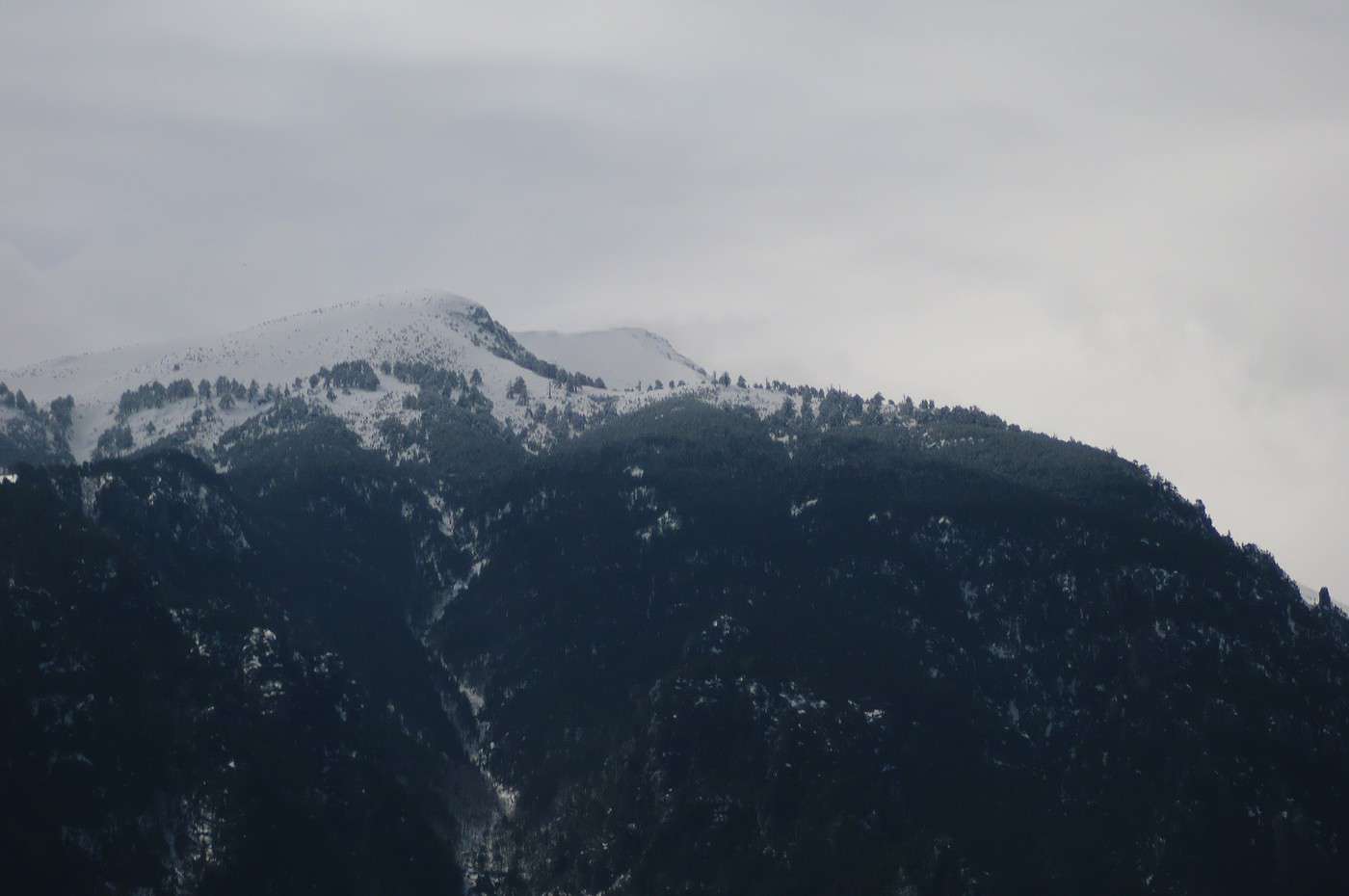
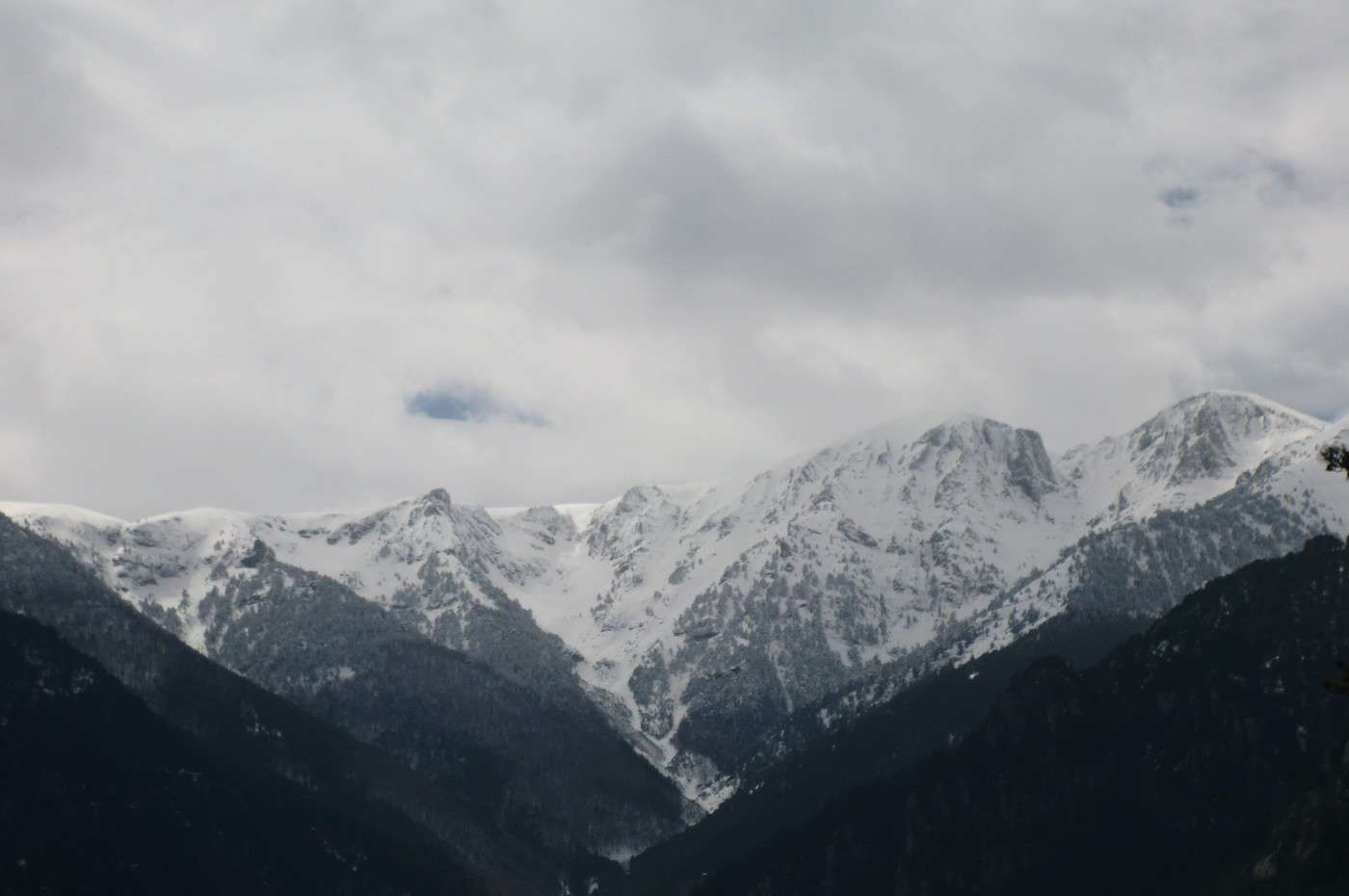
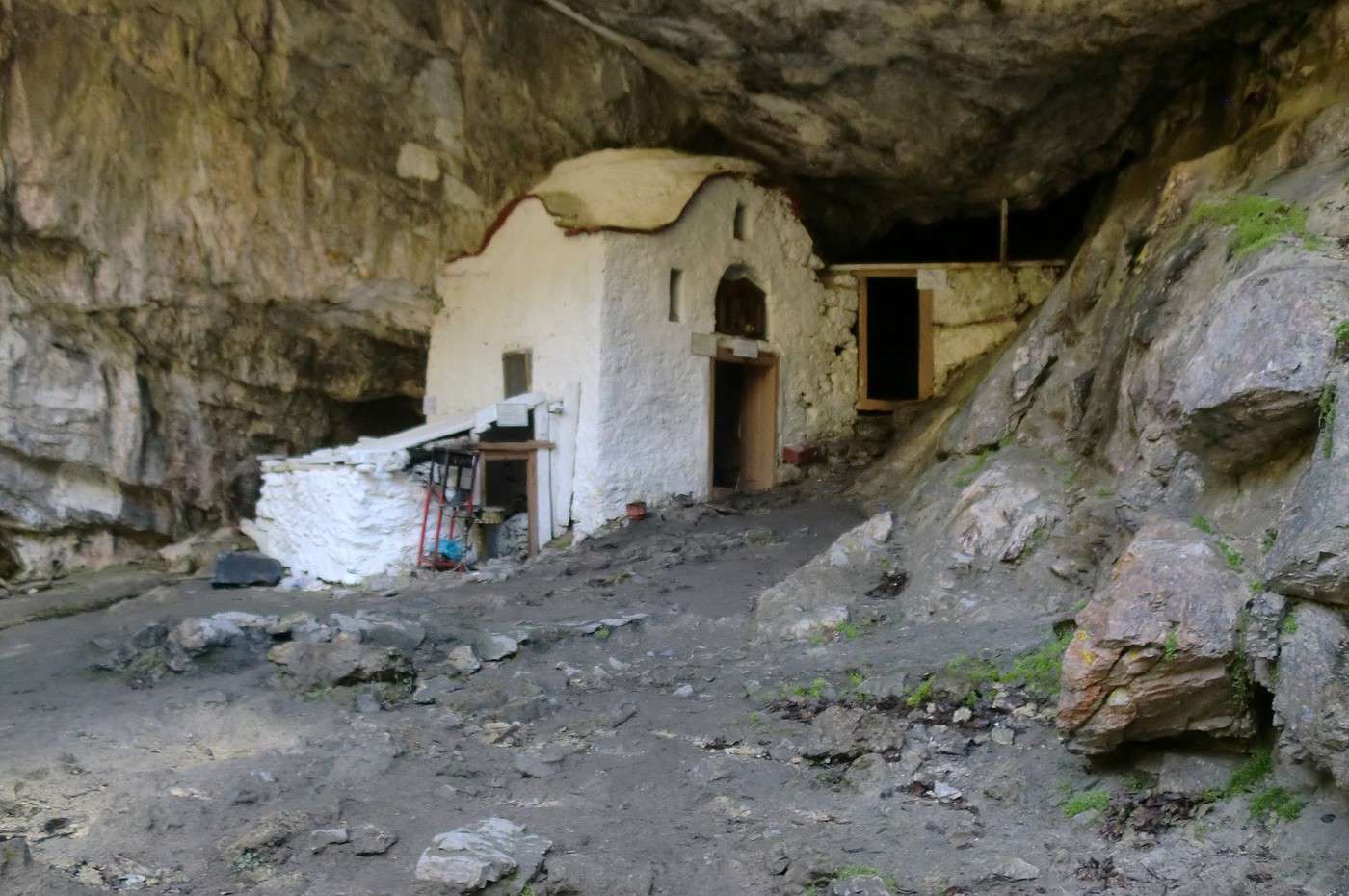
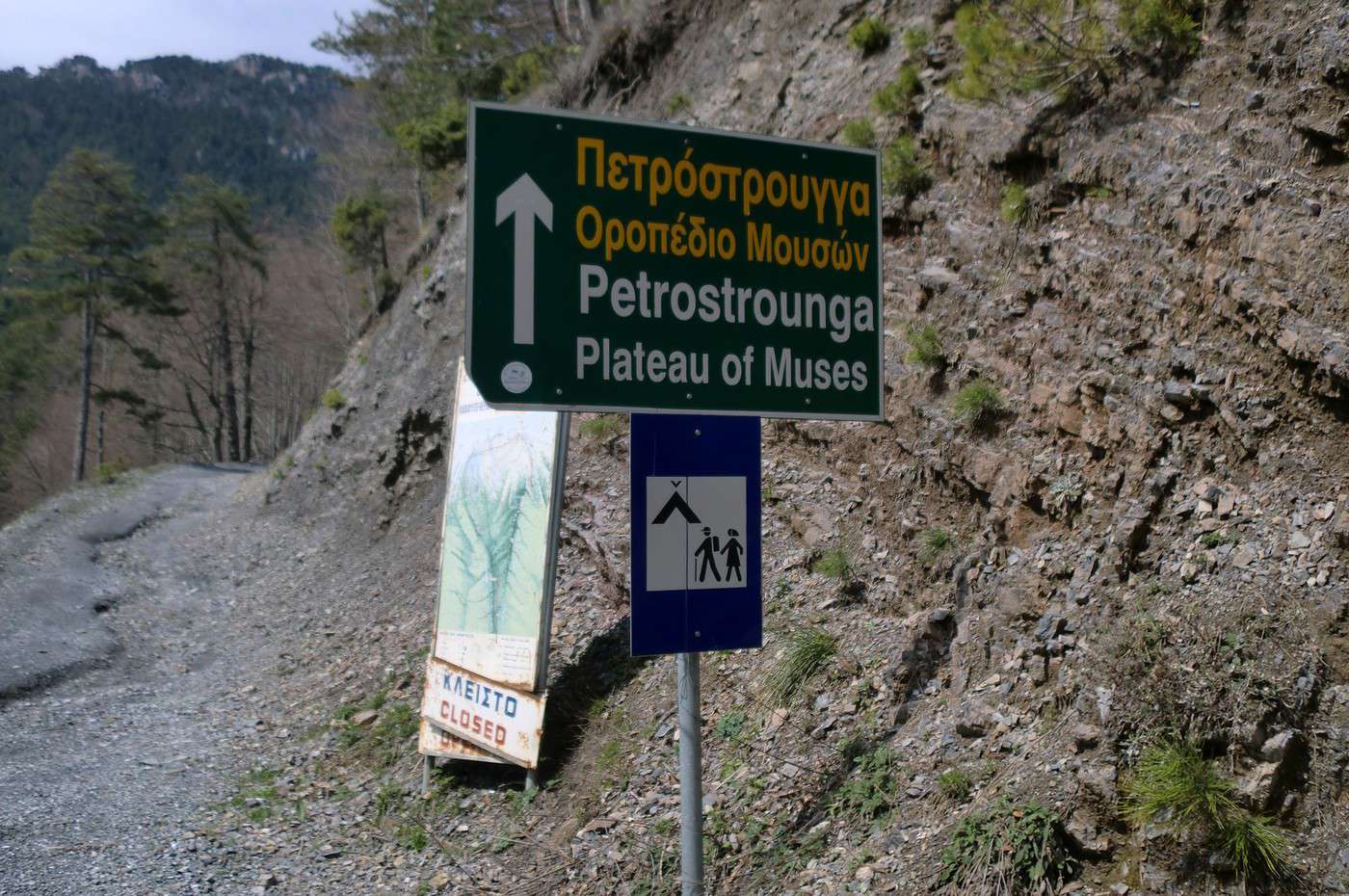
Le trône de Zeus (le sommet du Mont Stefani) qui ressemble effectivement à un fauteuil, le narguait juste au dessus du domaines des Muses(sic) une espèce de grand vallon à haute altitude situé juste sous « le fauteuil »…
Il avait rendez-vous avec deux d’entre elles, Psyché et Calypso, qui lui donnaient bien du fil à retordre(en québécois et non en grec…)
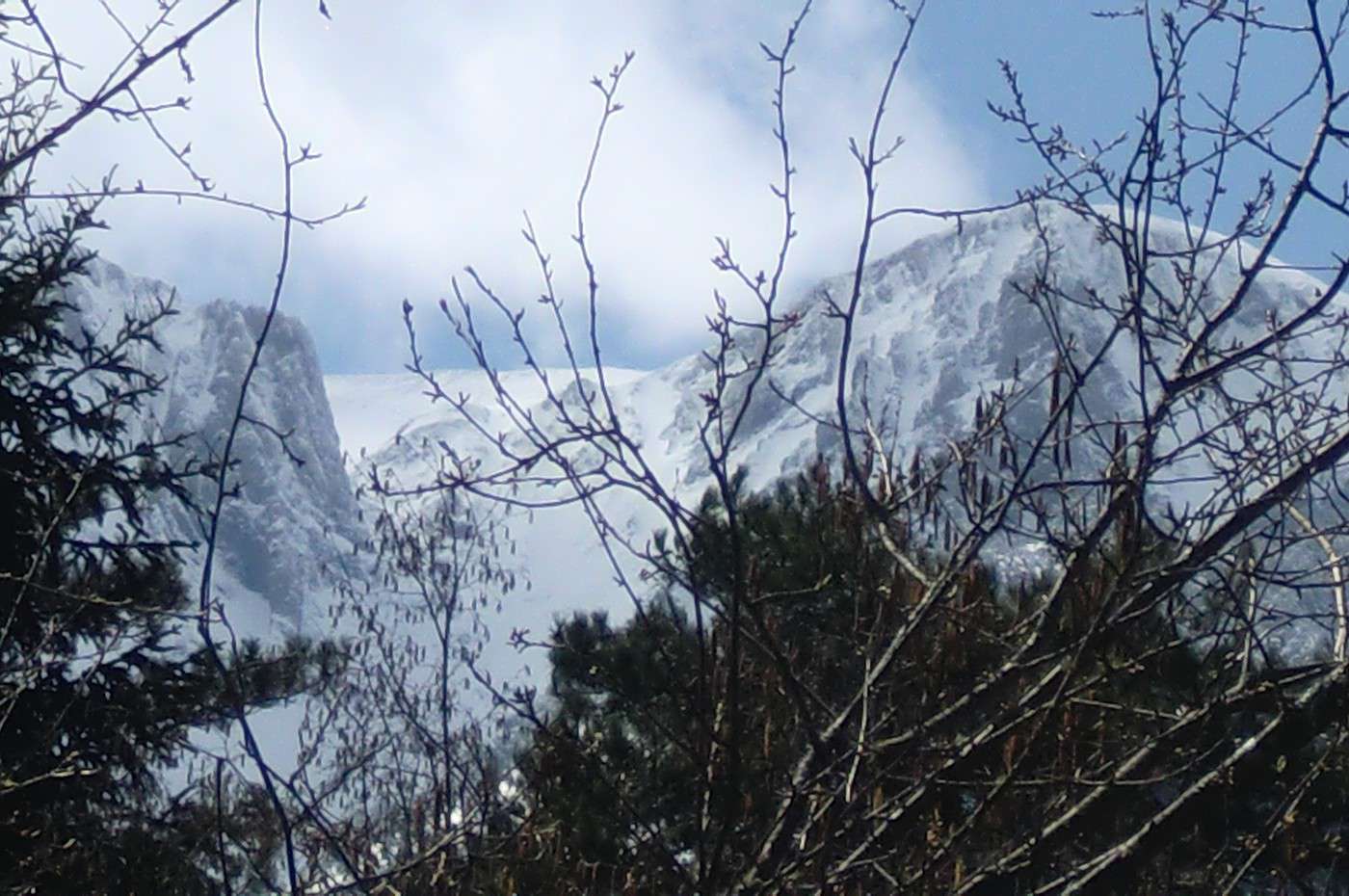
Il n’était pas question de tenter une escalade des deux sommets recouverts de neige fraîche, ils n’avaient ni les équipements, ni les moyens adéquats…
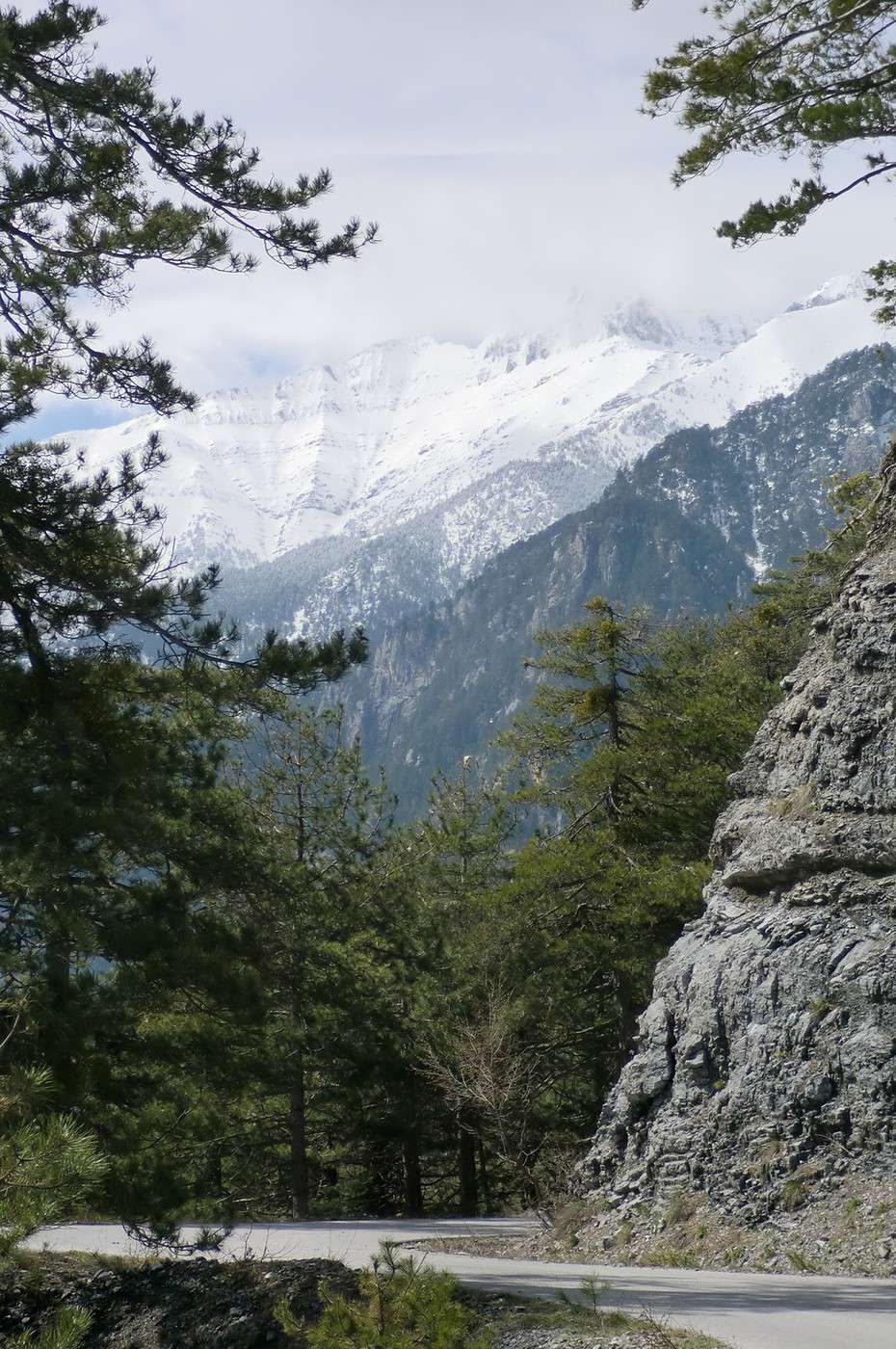
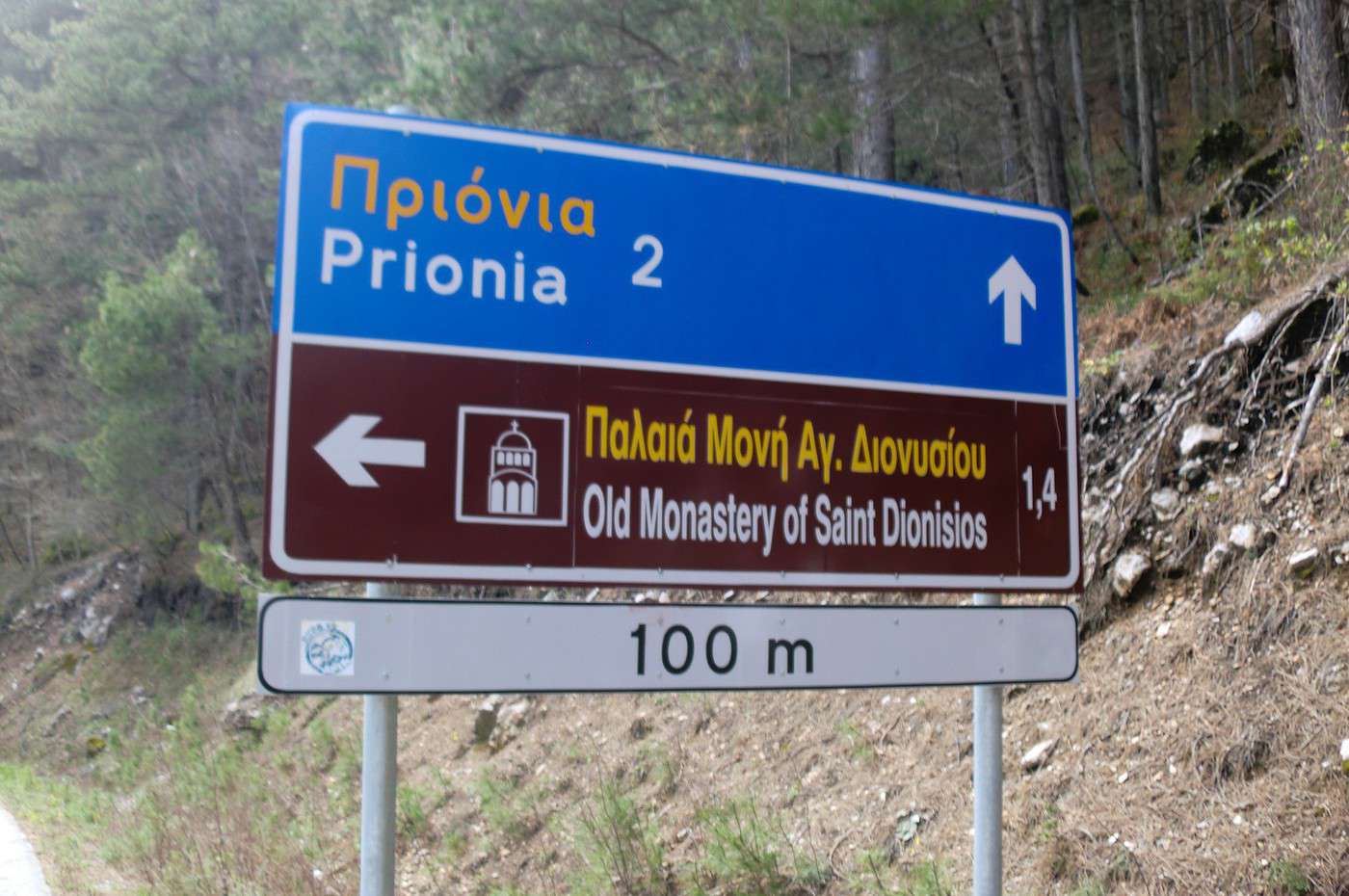
Une tentation très « touristique » aurait été de prendre un taxi jusqu’à Priona(à 17 kms) puis de prendre le télésiège pour contempler le monstre, mais c’était le réduire à un simple « massif de type alpin », accessible grâce à une route taillée par les engins LIEBHERR avec les Fonds Européens…
Le Mont Olympe n’aurait plus été « l’Olympe », mais une grosse montagne de 2918 m, composée de deux sommets: l’Ilias, de 2788 m, et le fameux Stephani, le point culminant, de 2918 m.
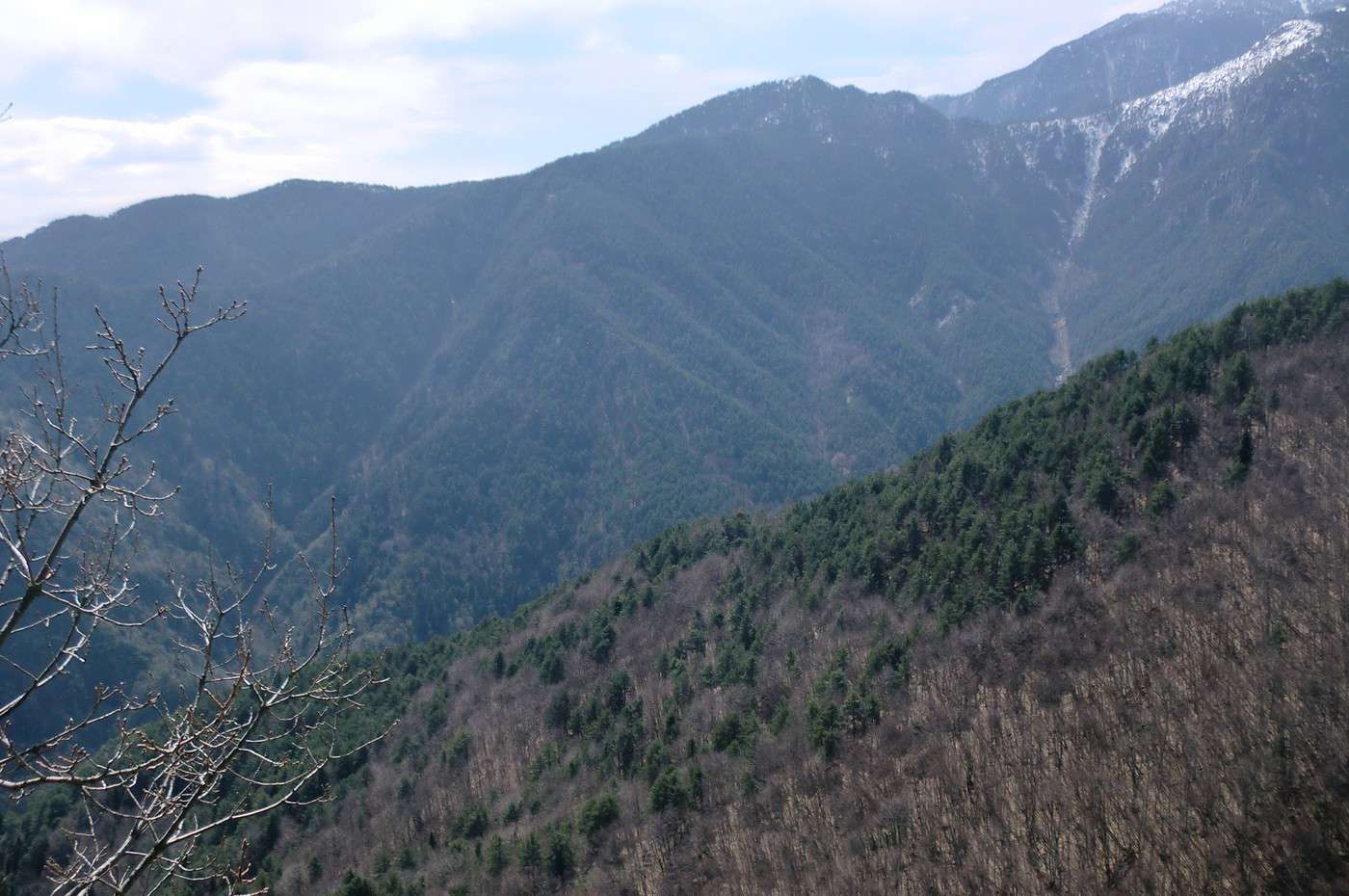
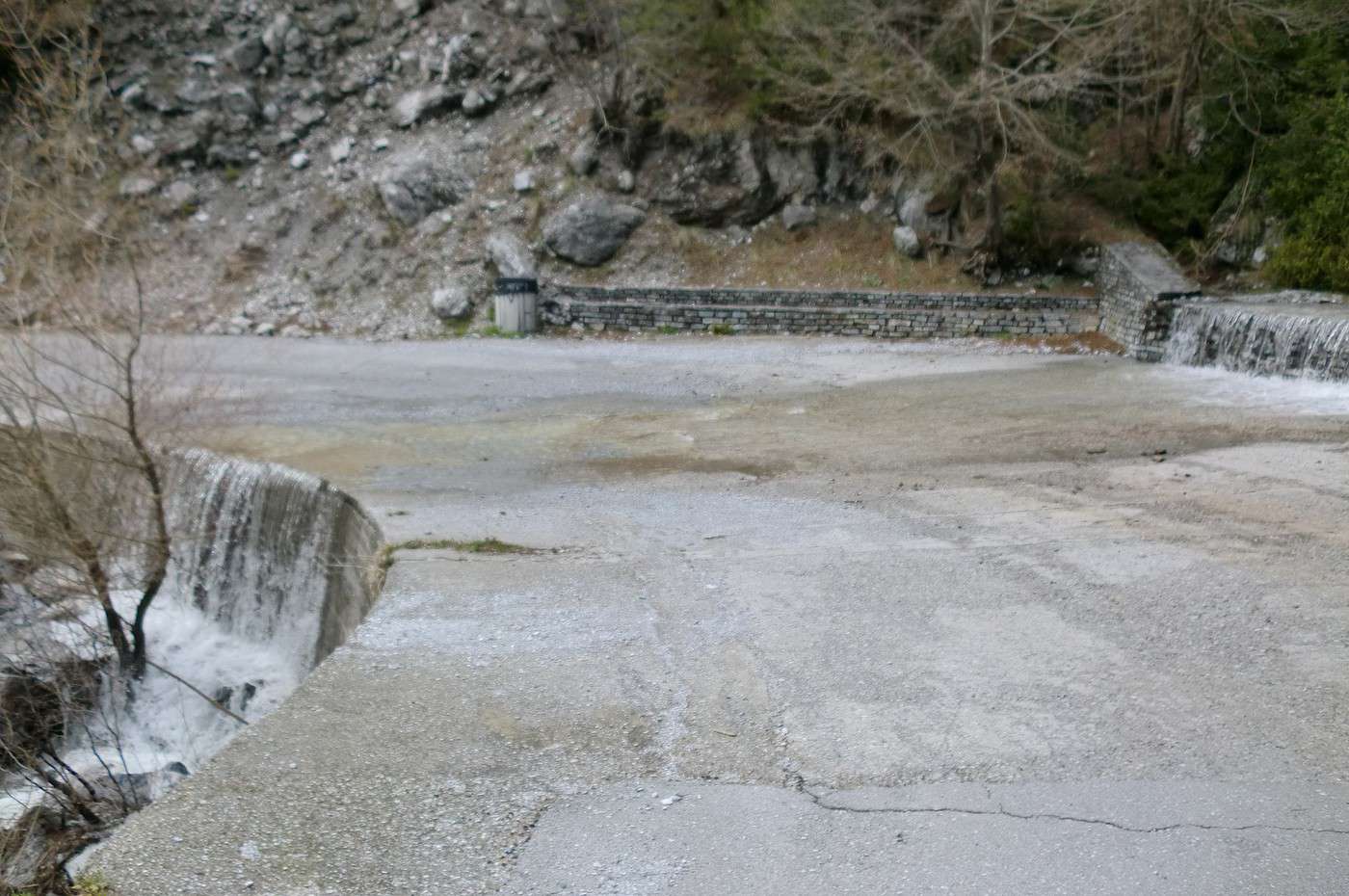
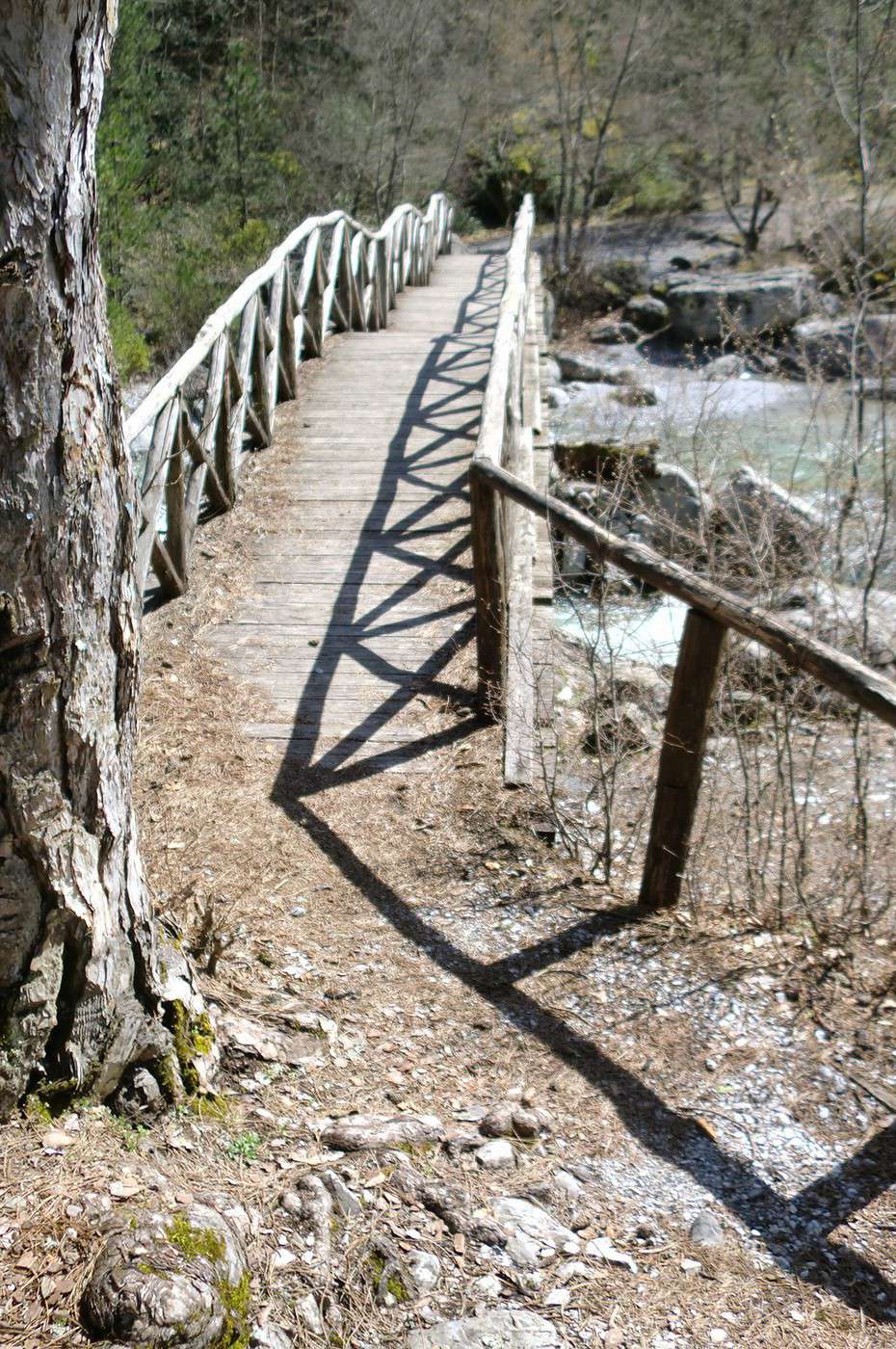
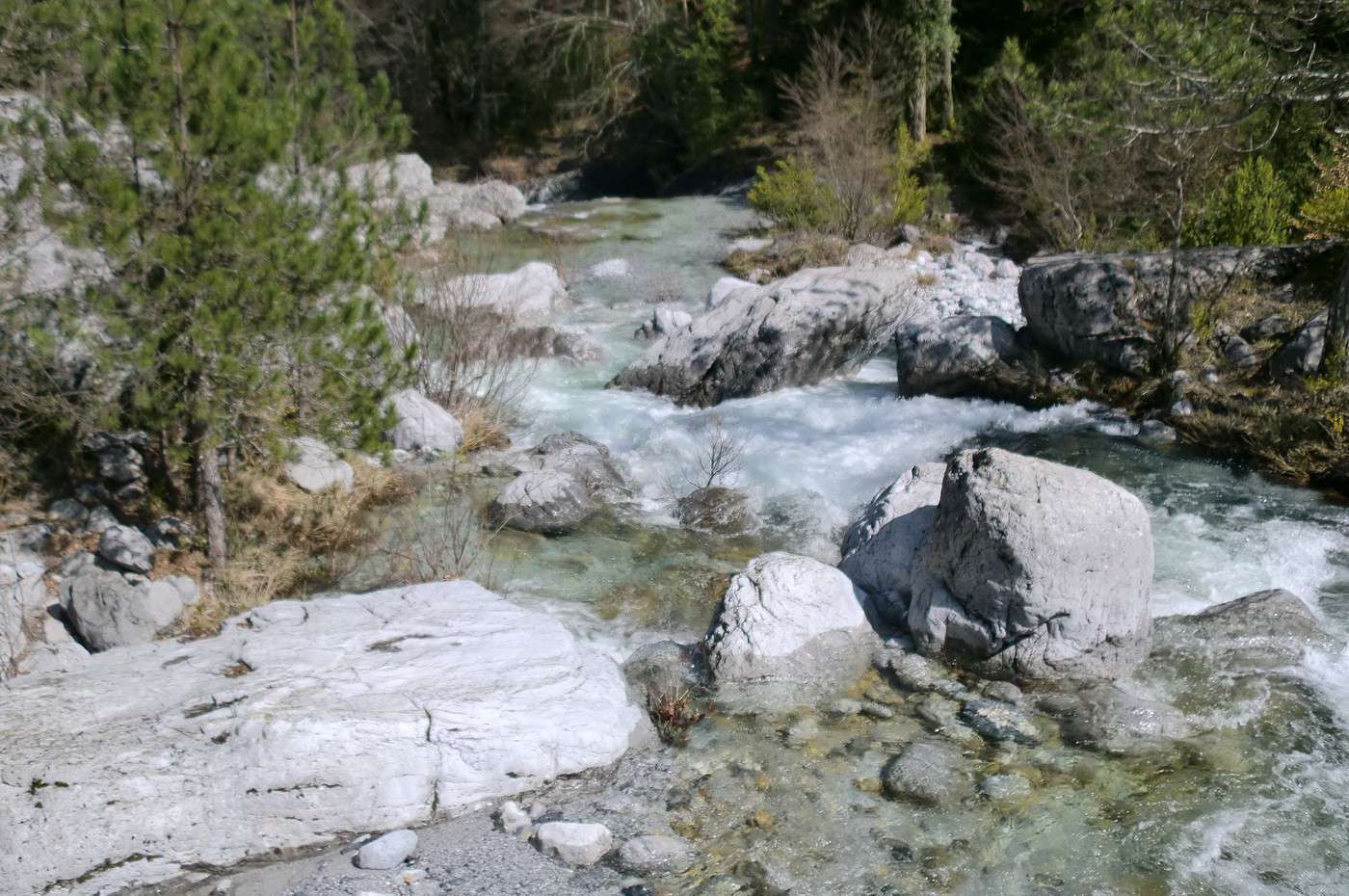
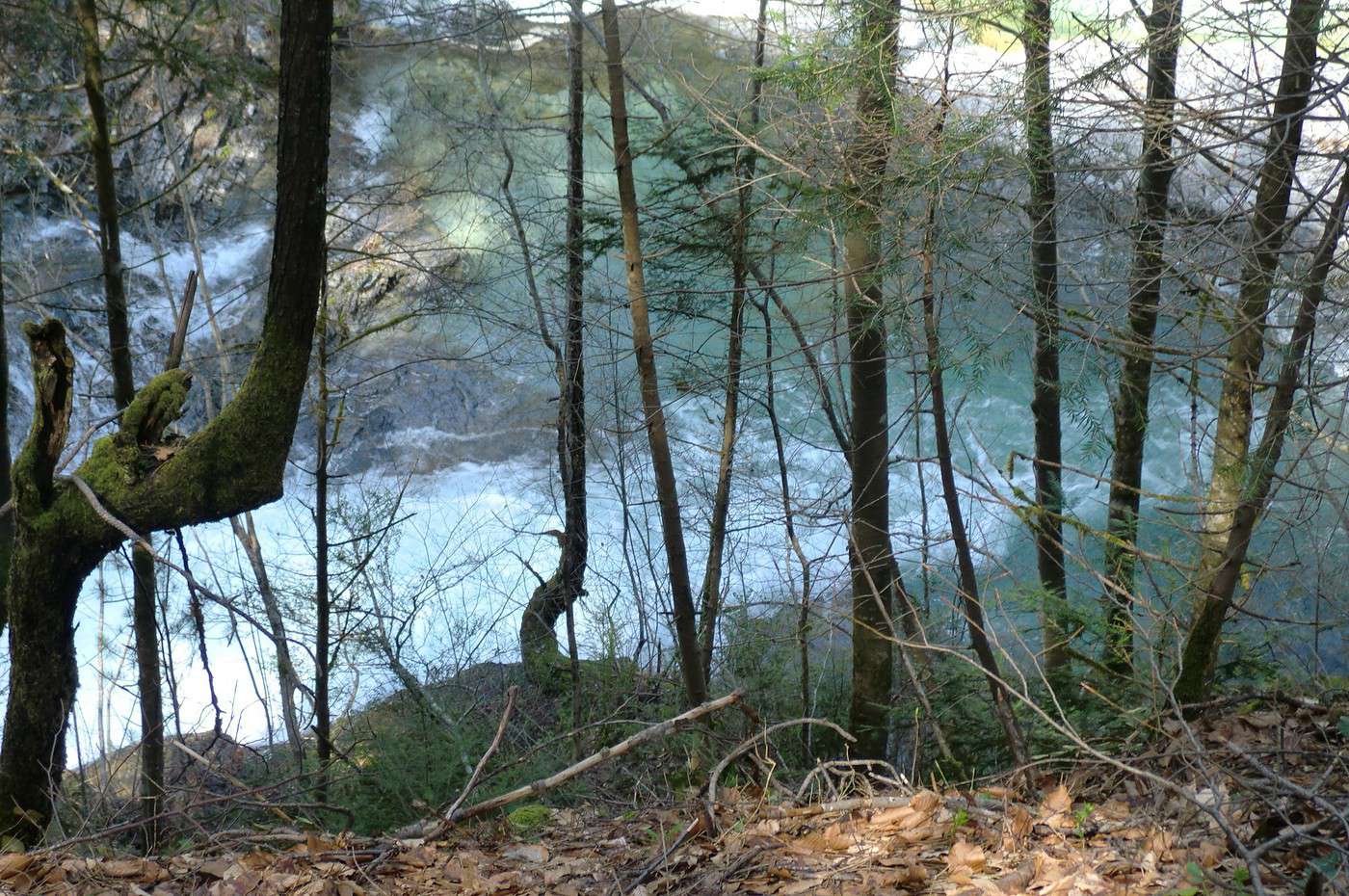
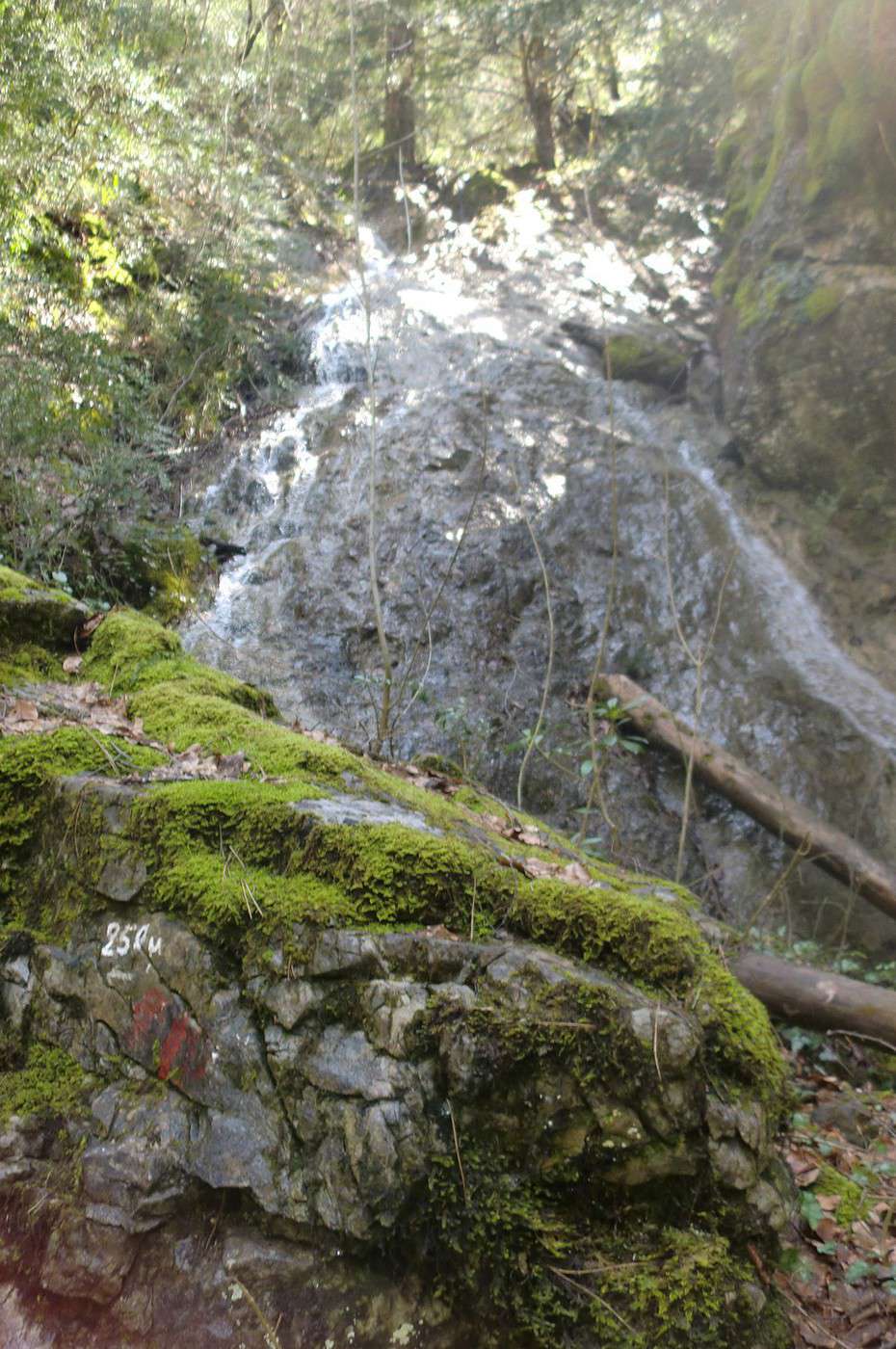
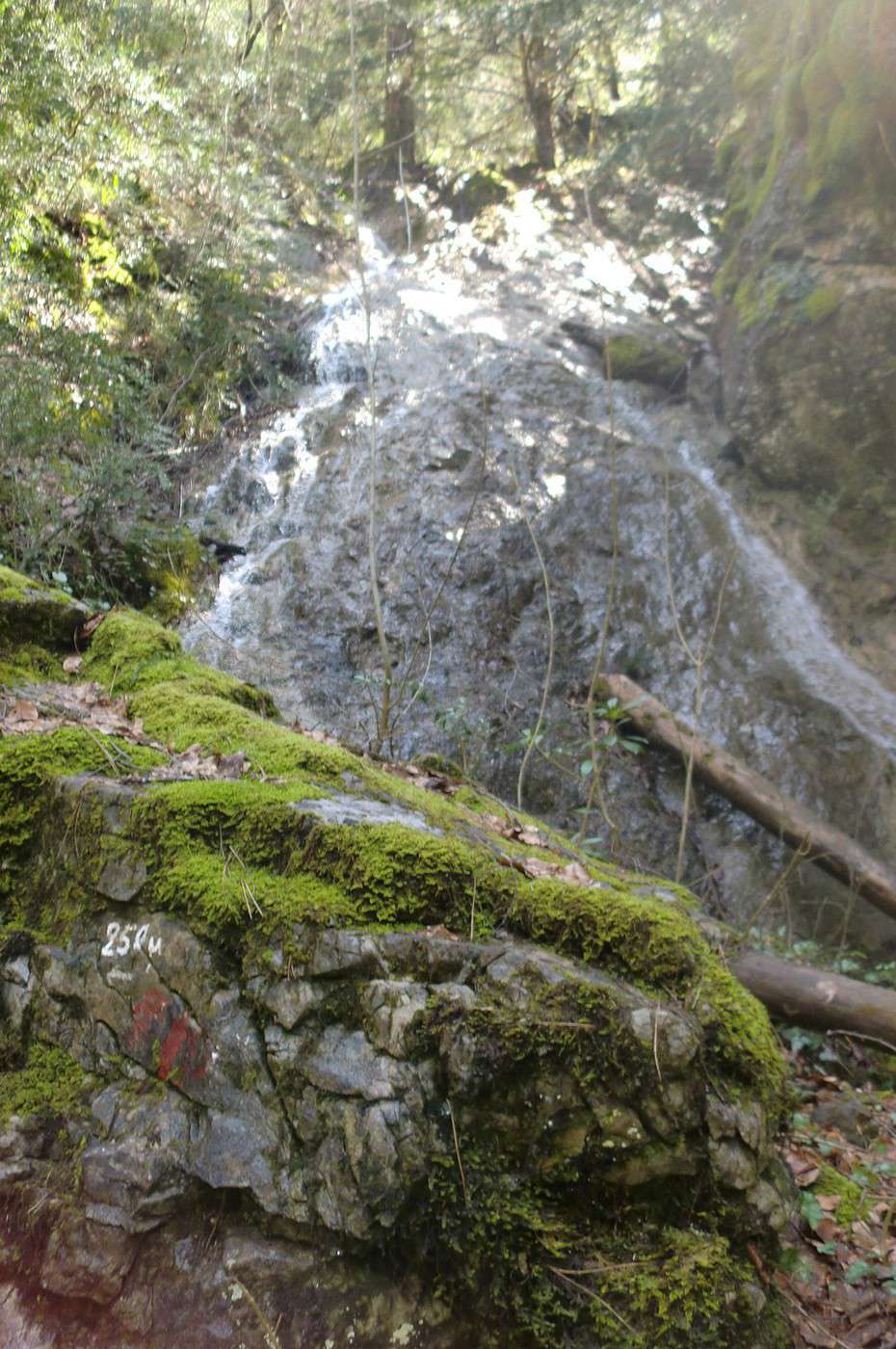
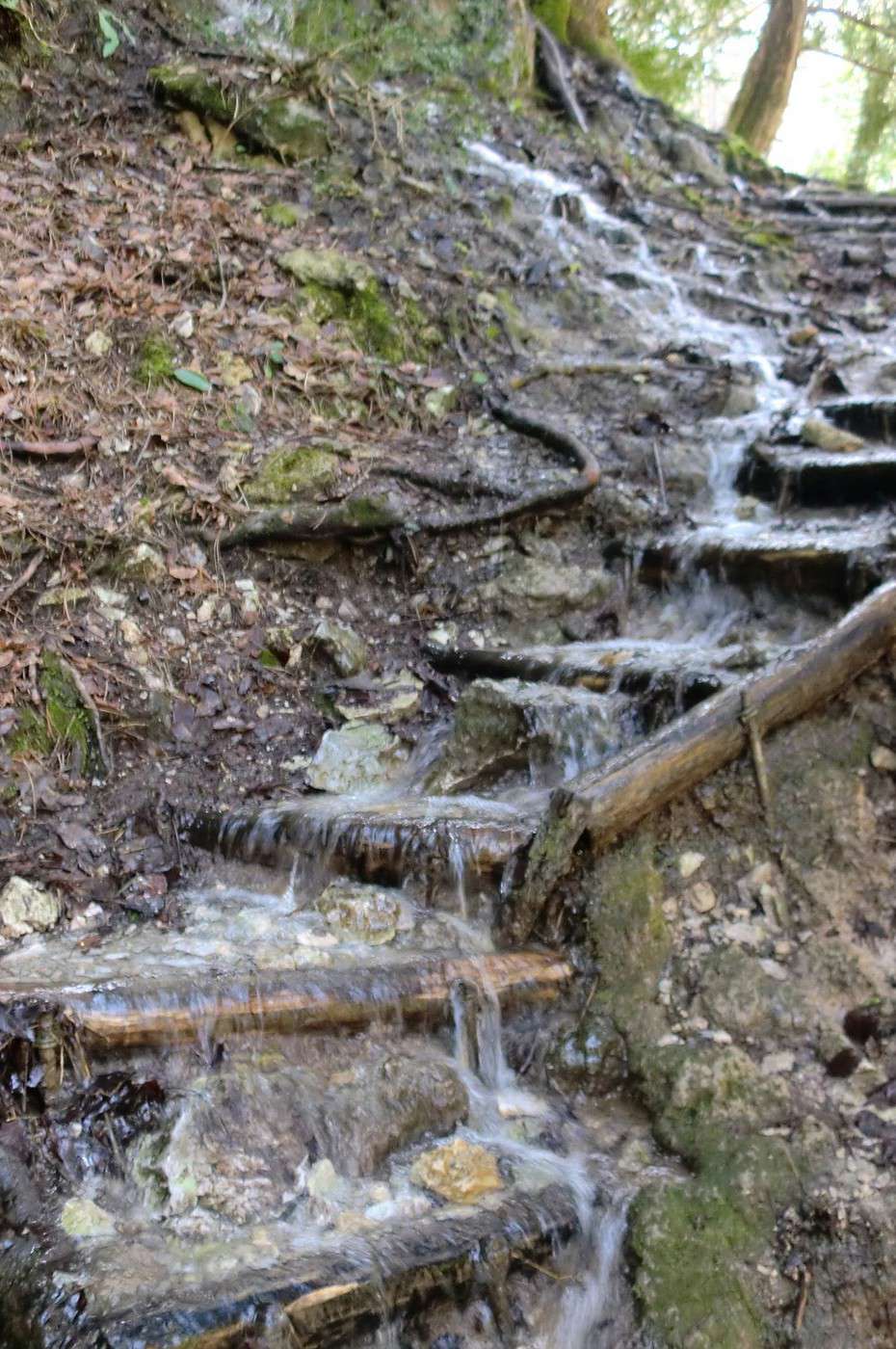
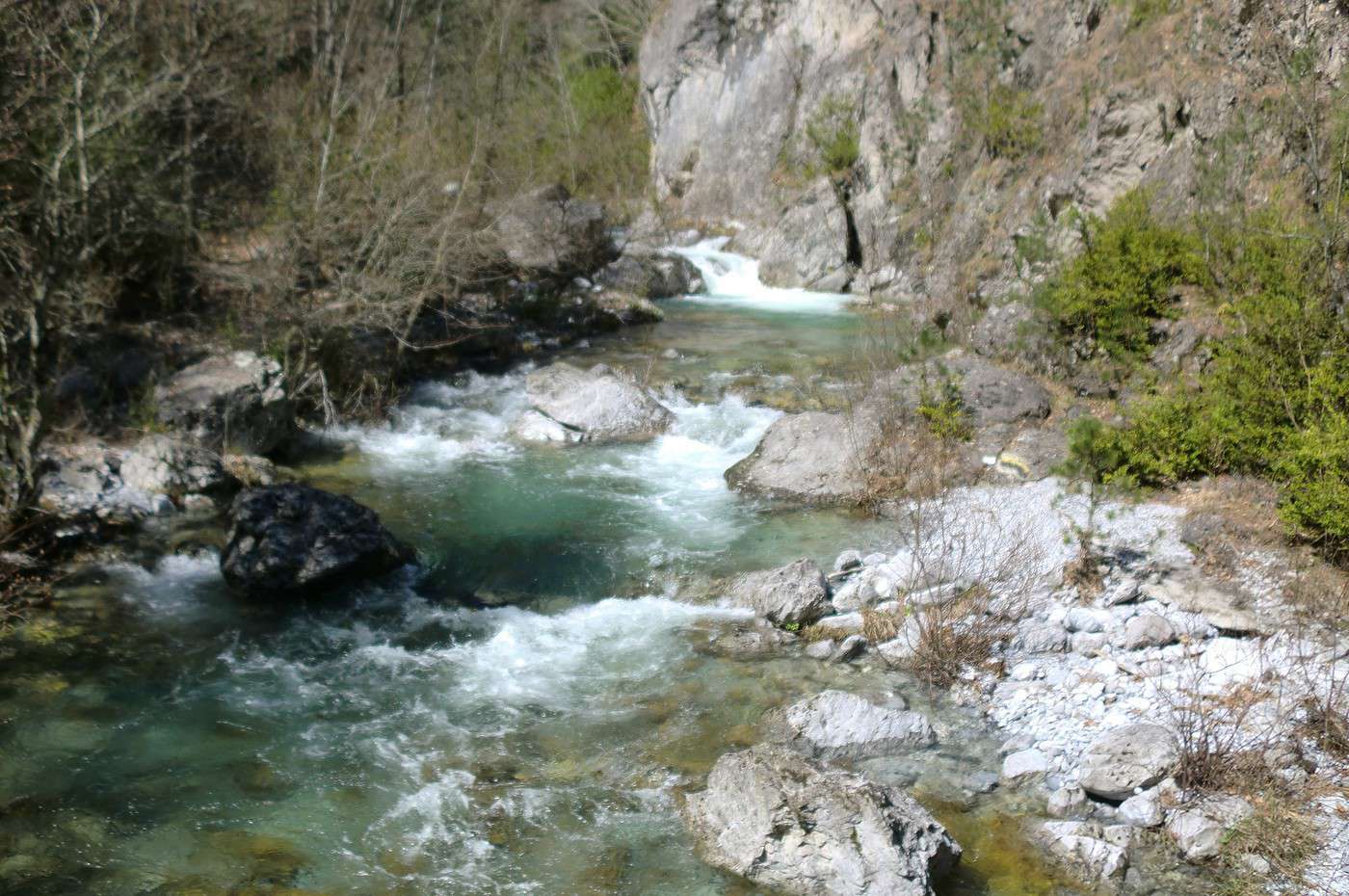
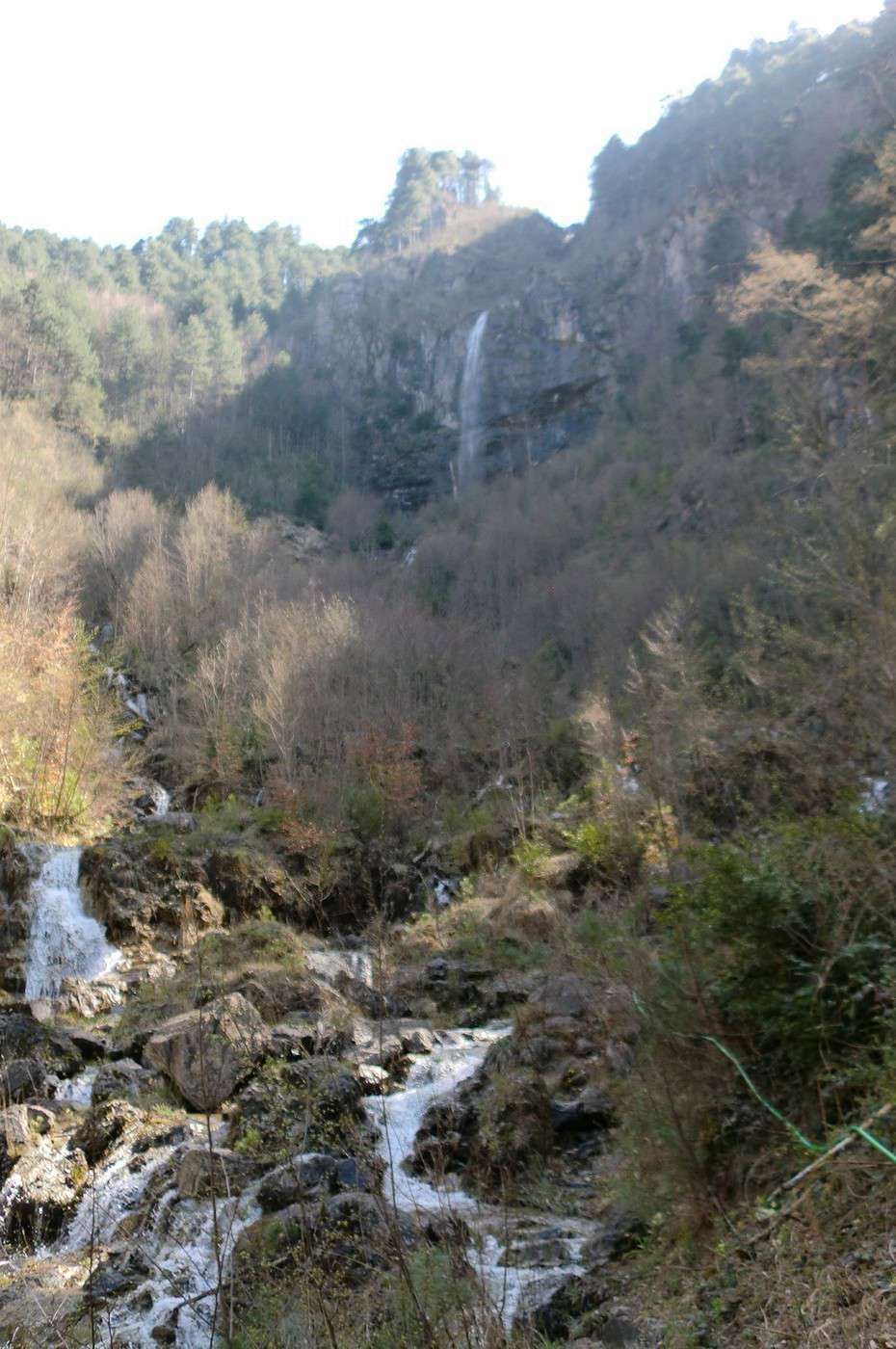
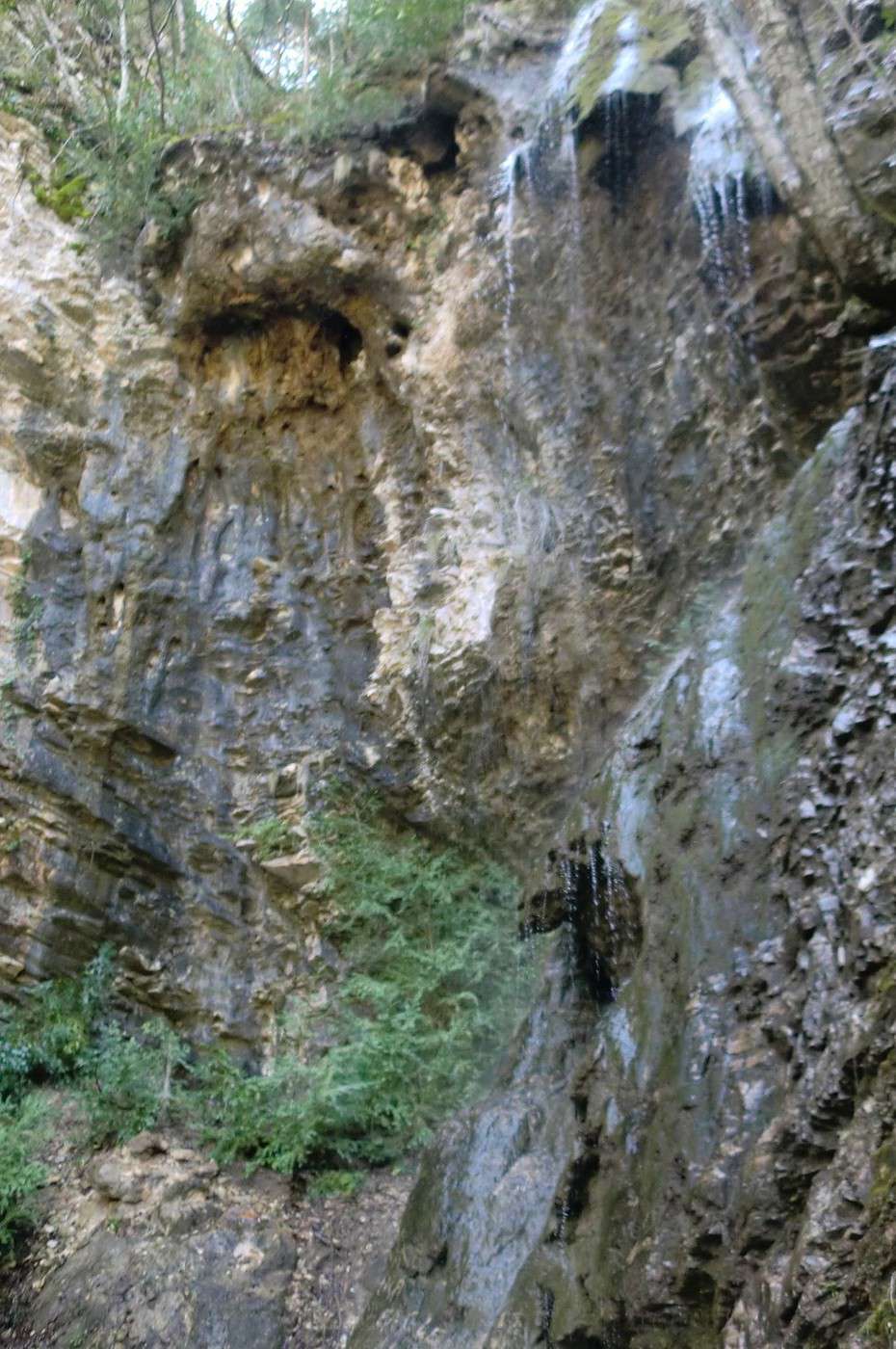
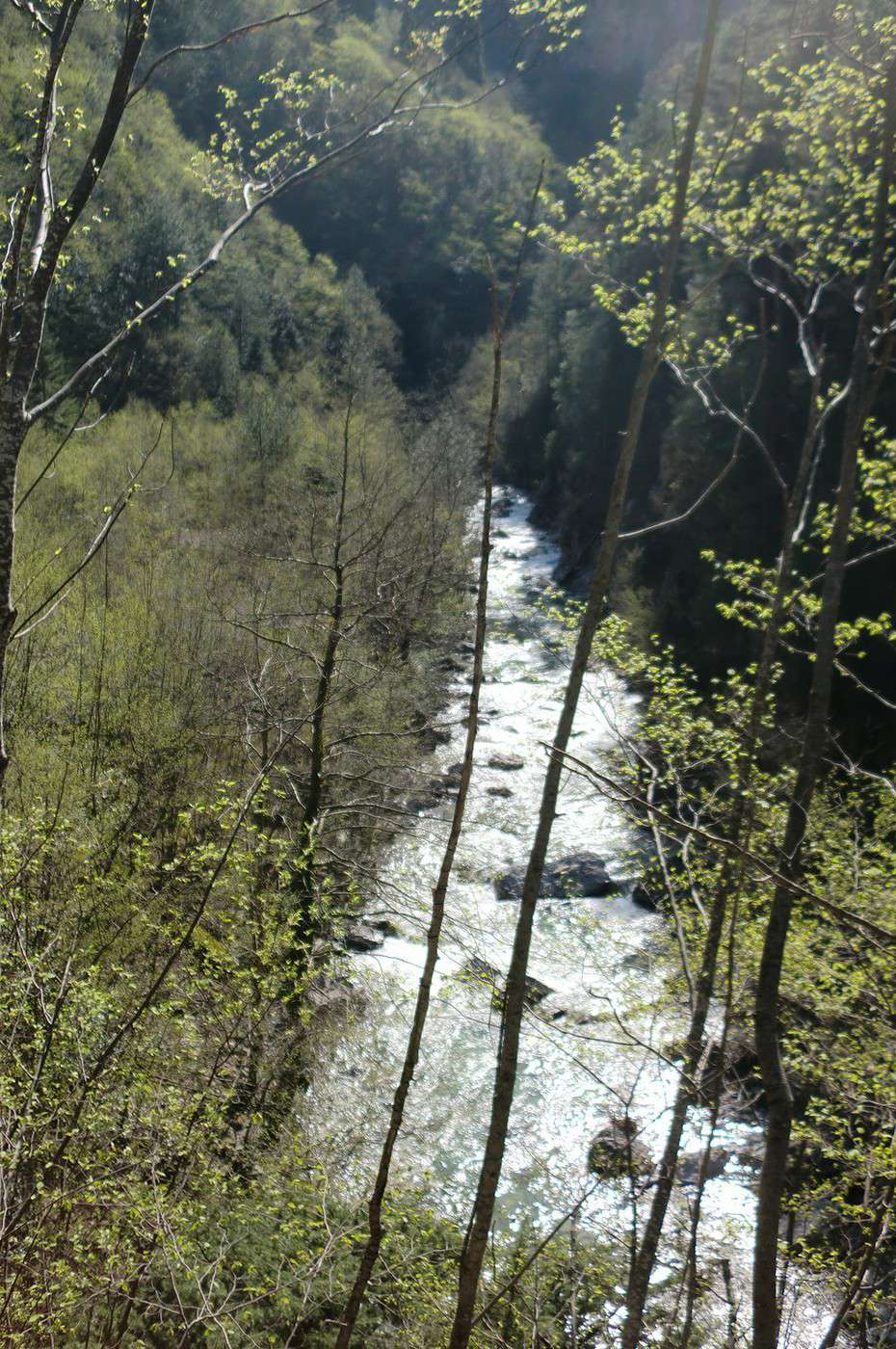
Tandis que Zouz tentait la grimpette par le canyon de la rivière Enipais(cf.plus loin), Ulysse décida de partir à pieds de LITOHORO (400 m) pour gagner le refuge STRAVOS à 12 kms et à 1000 m d’altitude…sur la fameuse route Liebherr en direction de Priona…
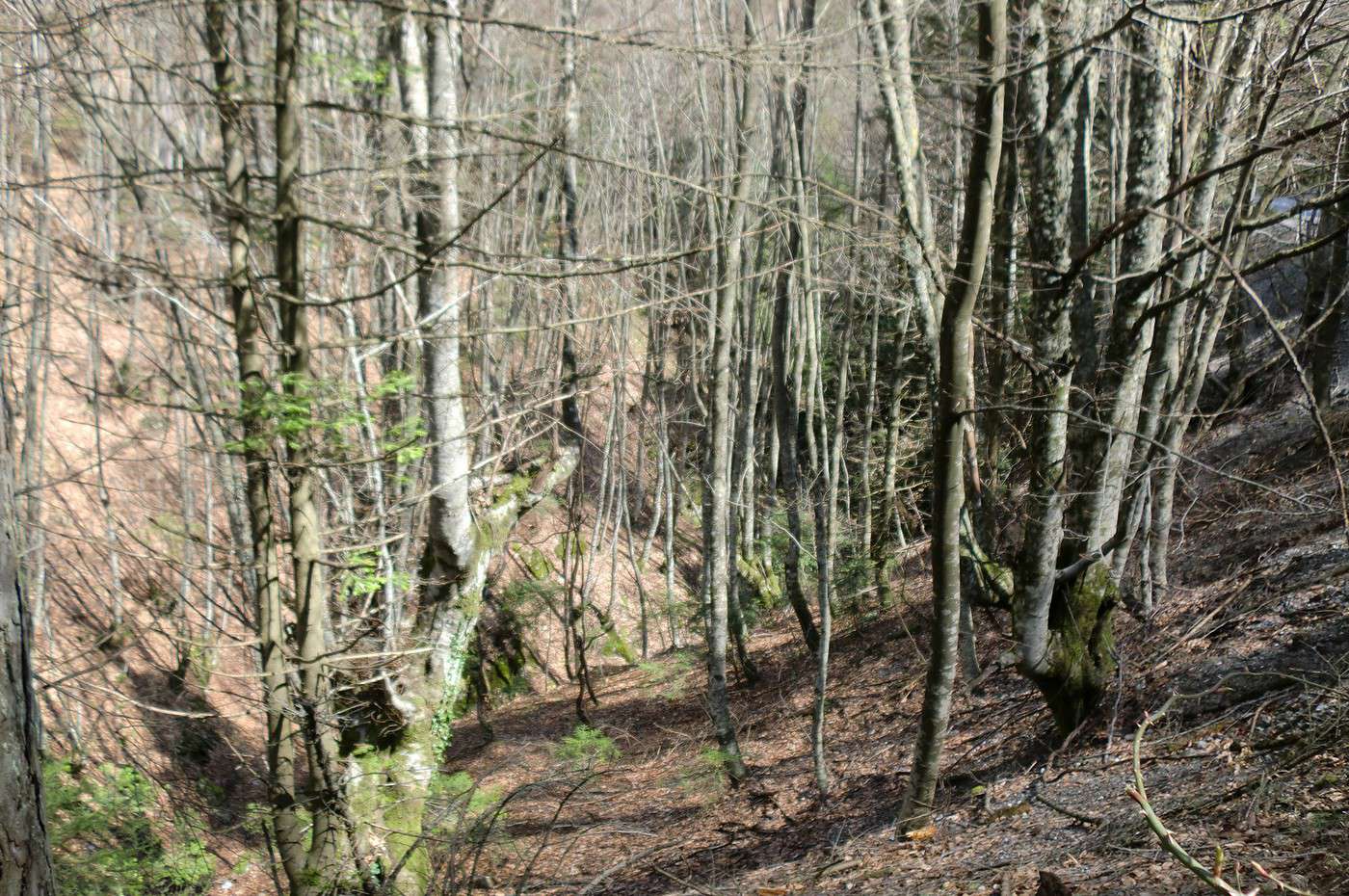
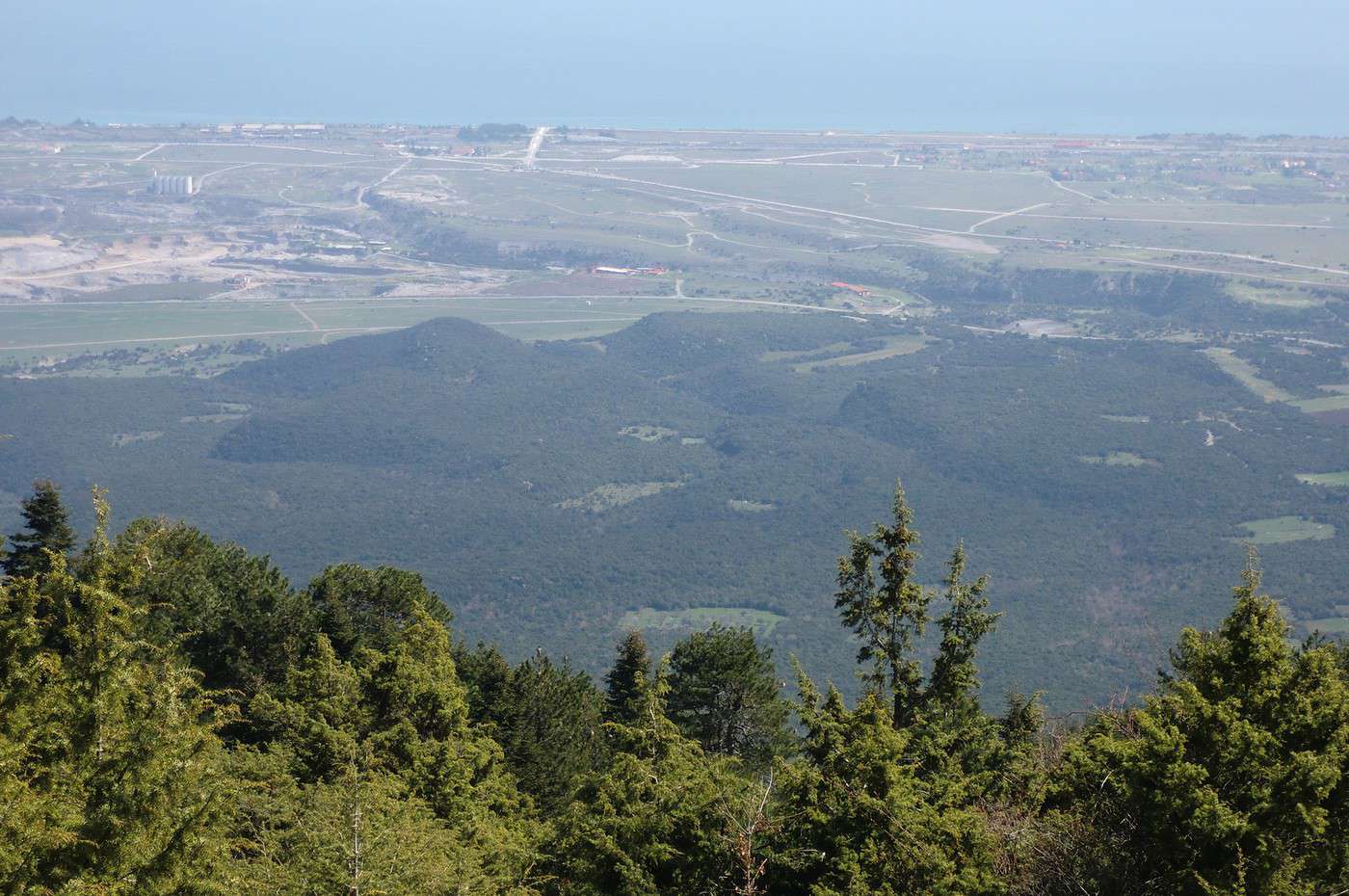
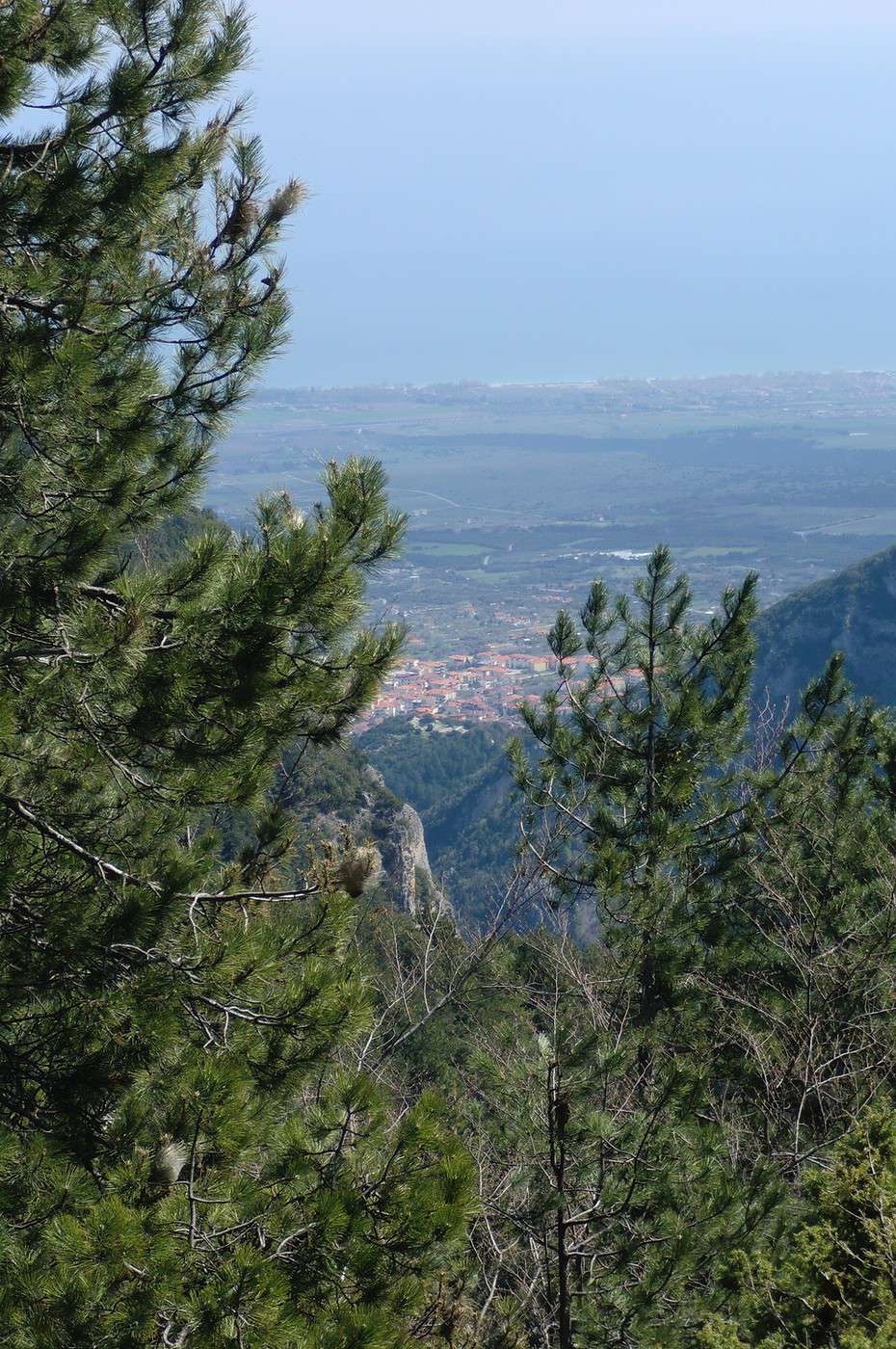
Tout au long de la montée en lacets, il découvrait à nouveau la fameuse plaine de Thessalonique, longue de 80 kms, qui sépare Dion, le sanctuaire de Zeus, de Thessalonique, plaine qui fut témoin depuis 30 siècles, de tant de moments de l’Histoire:
c’est de cette plaine que partirent les armées Du grand Alexandre pour conquérir le Monde Méditerranéen, puis oriental…
C’est de cette plaine que son Père, Philippe II de Macédoine, au IVème siècle avant JC, partit pour conquérir les Cités Grecques…
Ulysse distinguait à 40 kms, VERGINA, le lieu de son fameux tombeau(cf. plus loin) découvert, inviolé, en I977...
,
I’m sharing our three-week trip to Japan from late October to mid-November 2025. There were four of us—my partner and a couple of friends.
I’ve traveled often with my friend Christian (Bolivia, Argentina, Costa Rica, Namibia, Laos), but this time our partners joined us.
The rough itinerary:
Arrival in Tokyo. Visiting Shinjuku/Shibuya districts + day trip to Kamakura
5 days in the Japanese Alps, from Matsumoto to Kanazawa (via Kamikochi, Hirayu Onsen, and Takayama)
5 days in Kyoto
Nara, Osaka, Koyasan
Return to Tokyo (Asakusa district), with a day trip to Nikko
We booked our flights well in advance (9 months ahead): the flight cost 1086 € per person. Compared to over 2000 € if we’d booked for the same dates just 3 months prior.
For accommodations, we mostly used Booking.com. The onsen was booked via Japanican, and in Kyoto, we stayed in an Airbnb.
We also made 5 train reservations a month in advance on Klook or directly on the train’s website.
Day 1: Departure from Brussels (October 24, 2025) Early morning takeoff at 6 AM to Munich (1.5-hour layover) with Lufthansa, then a 12-hour flight with ANA, arriving the next morning at 7 AM at Tokyo Haneda.
Day 2: Arrival in Tokyo Airport formalities were quick. The eSIM we bought before leaving activated as soon as we landed (10 GB plan with Saily—more than enough for our mobile internet needs, mainly Google Maps and Google Translate). We’d received 4 ICOCA cards from our neighbors, which we loaded with 15000 ¥ each. We took the Keihin train, then the Yamanote Line. It’s easy to navigate since everything is in English, and each station is announced on scrolling displays in English too.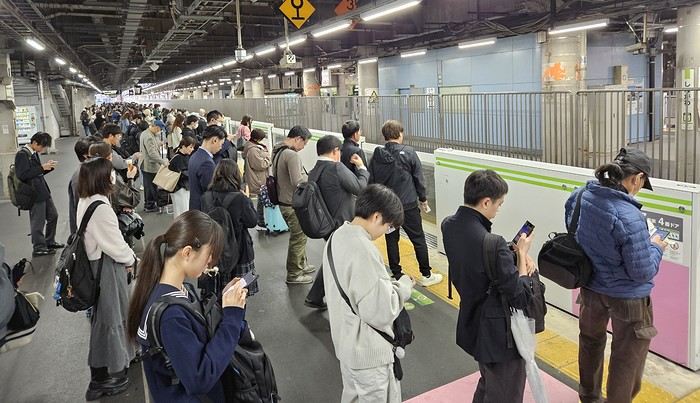
We got off the Yamanote Line at the station just after Shinjuku because it’s easier to exit that massive station with our luggage. So we ended up in Shin-Okubo, right in the Korean district. A 10-minute walk took us to Villa Fontaine Hotel. A great hotel, well-located north of the Kabukichō district. The room even seemed bigger than we’d expected.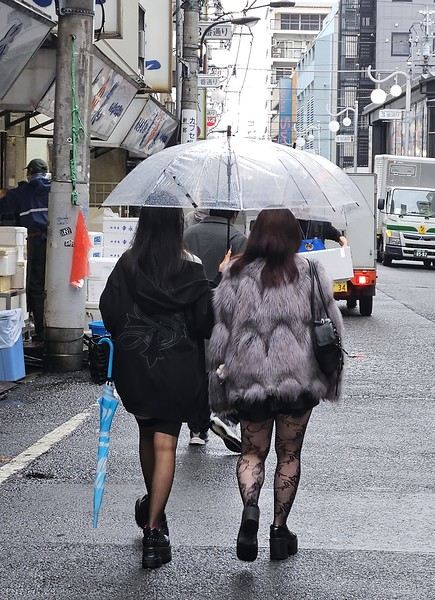
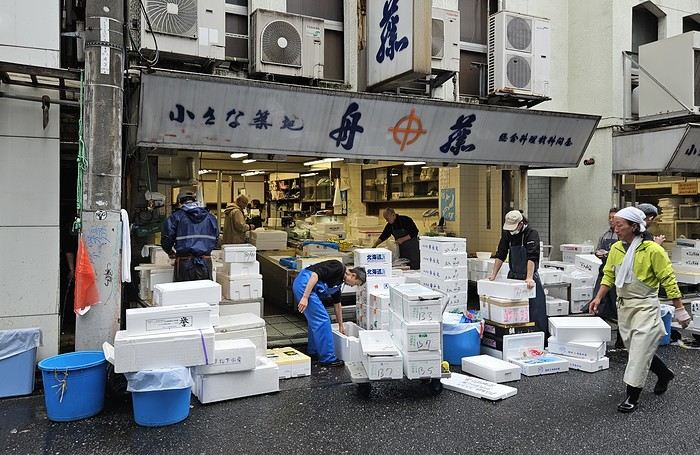 It was 15°C, but it rained—and kept raining on and off all day. Belgian weather, basically.
We went for a walk in Shinjuku Gyoen Park. Not as pretty in the rain, but the big greenhouse was interesting.
It was 15°C, but it rained—and kept raining on and off all day. Belgian weather, basically.
We went for a walk in Shinjuku Gyoen Park. Not as pretty in the rain, but the big greenhouse was interesting.
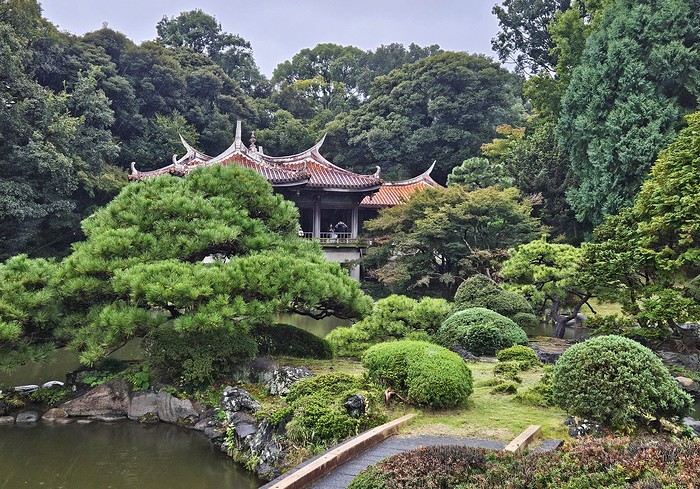
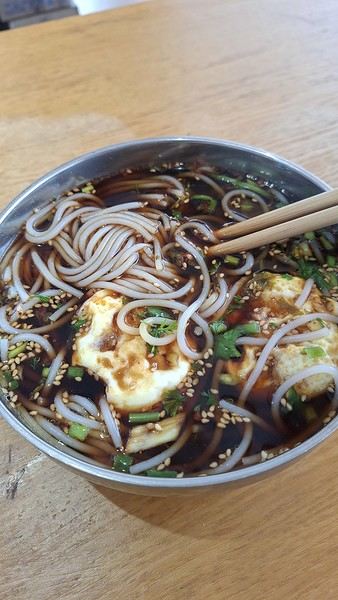
Then our first ramen (hearty and for 1000 ¥—pretty much the price of all our ramen during the trip). We headed back to the hotel since check-in was after 3 PM. Shower and relax before going out for dinner. Dinner was barbecue at Shichirin Yakiniku Anan (1700 ¥ each—good and cheap). Ordering via tablet wasn’t easy, but luckily it was in English.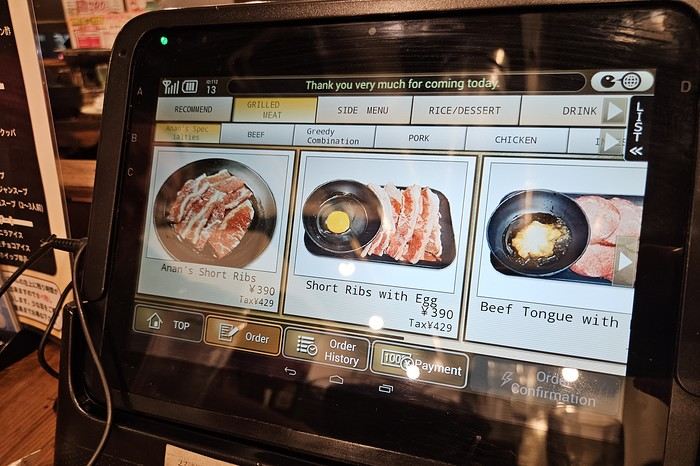
We ended the evening with a stroll through Kabukichō before a well-deserved sleep.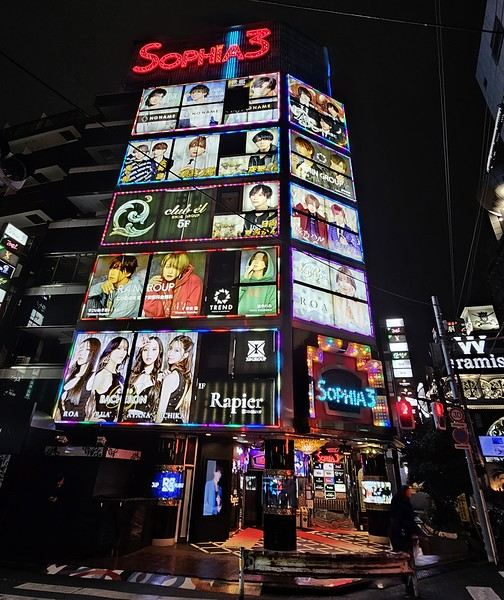
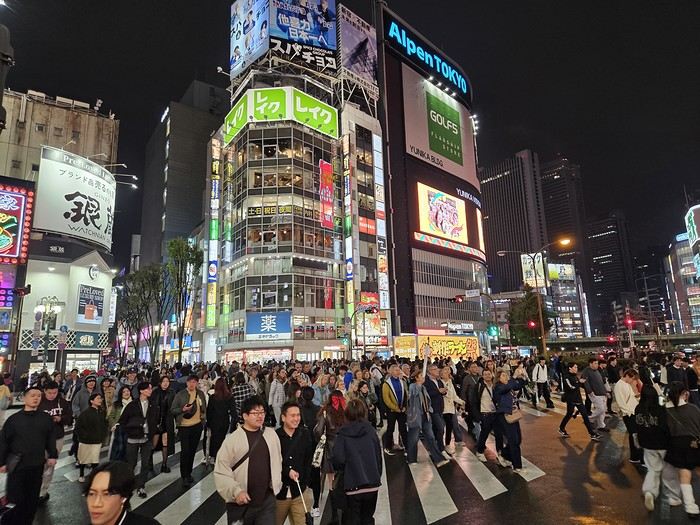
Day 1: Departure from Brussels (October 24, 2025) Early morning takeoff at 6 AM to Munich (1.5-hour layover) with Lufthansa, then a 12-hour flight with ANA, arriving the next morning at 7 AM at Tokyo Haneda.
Day 2: Arrival in Tokyo Airport formalities were quick. The eSIM we bought before leaving activated as soon as we landed (10 GB plan with Saily—more than enough for our mobile internet needs, mainly Google Maps and Google Translate). We’d received 4 ICOCA cards from our neighbors, which we loaded with 15000 ¥ each. We took the Keihin train, then the Yamanote Line. It’s easy to navigate since everything is in English, and each station is announced on scrolling displays in English too.
We got off the Yamanote Line at the station just after Shinjuku because it’s easier to exit that massive station with our luggage. So we ended up in Shin-Okubo, right in the Korean district. A 10-minute walk took us to Villa Fontaine Hotel. A great hotel, well-located north of the Kabukichō district. The room even seemed bigger than we’d expected.
It was 15°C, but it rained—and kept raining on and off all day. Belgian weather, basically.
We went for a walk in Shinjuku Gyoen Park. Not as pretty in the rain, but the big greenhouse was interesting.
Then our first ramen (hearty and for 1000 ¥—pretty much the price of all our ramen during the trip). We headed back to the hotel since check-in was after 3 PM. Shower and relax before going out for dinner. Dinner was barbecue at Shichirin Yakiniku Anan (1700 ¥ each—good and cheap). Ordering via tablet wasn’t easy, but luckily it was in English.
We ended the evening with a stroll through Kabukichō before a well-deserved sleep.
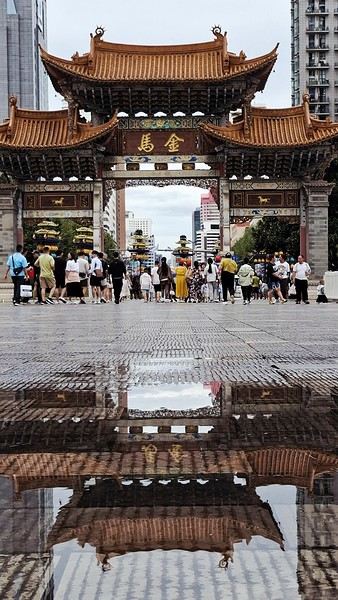
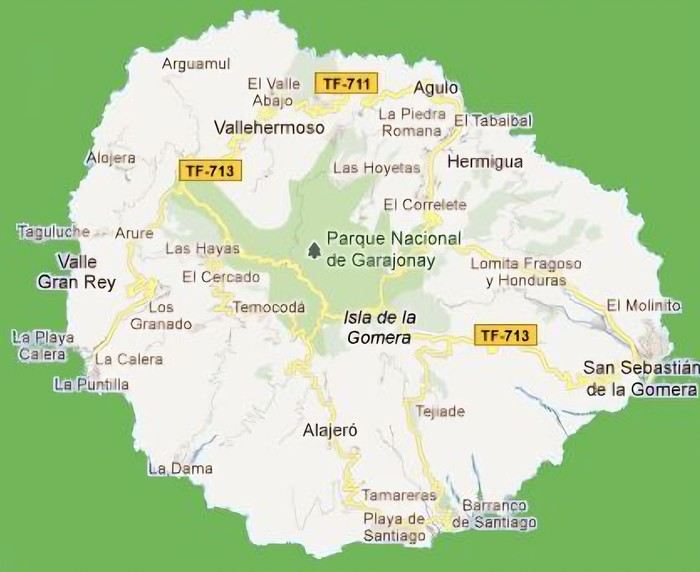 The large solidified magma massifs that shape the heart of the island have created a large depression more protected from the sun at its center, allowing the growth of a vast laurel forest, today grouped within the Garajonay National Park, La Gomera’s green lung, which has earned it the status of a World Biosphere Reserve. Its completely European appearance contrasts sharply with the rocky and tropical landscapes of the rest of the island. Thus, the climate varies greatly from one point to another on the island: in summer, you can quickly go from a dry and sunny valley at 35°C to a humid forest area at altitude at 18°C.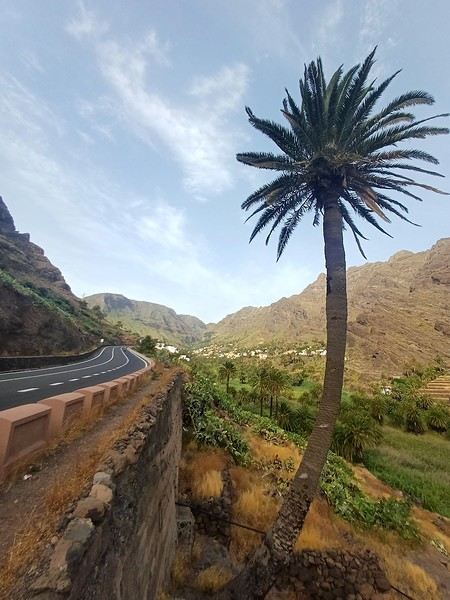

 A little sneak peek?


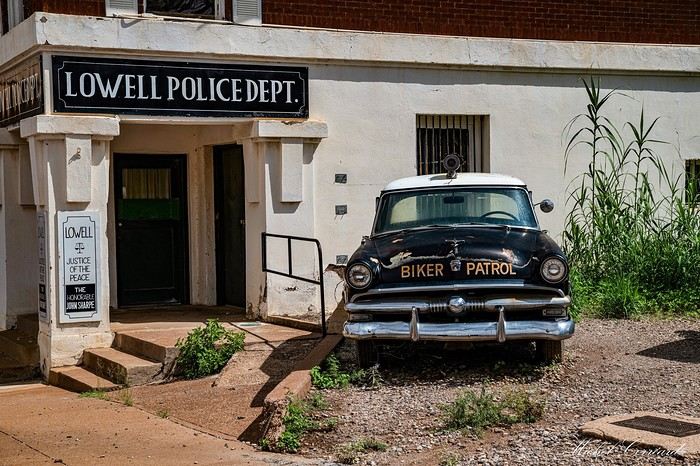
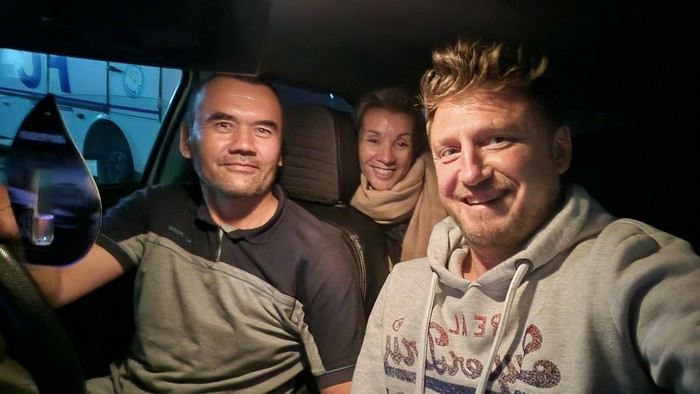

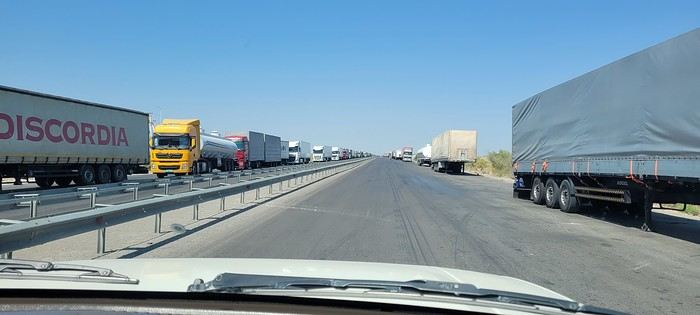
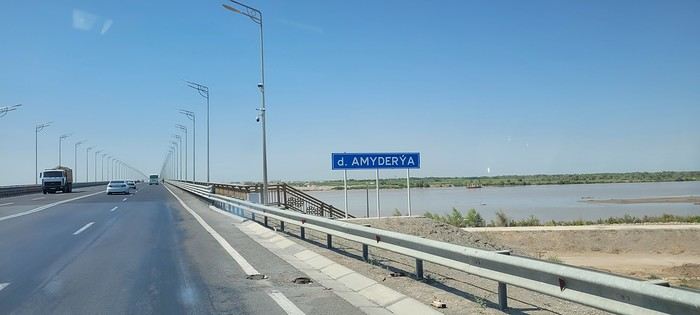
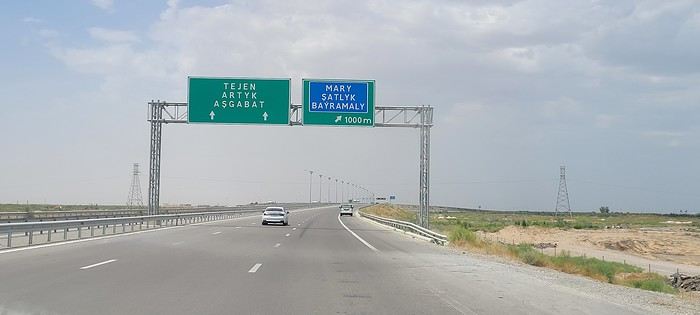
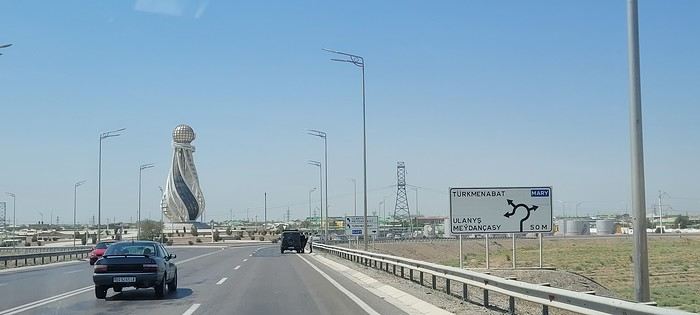
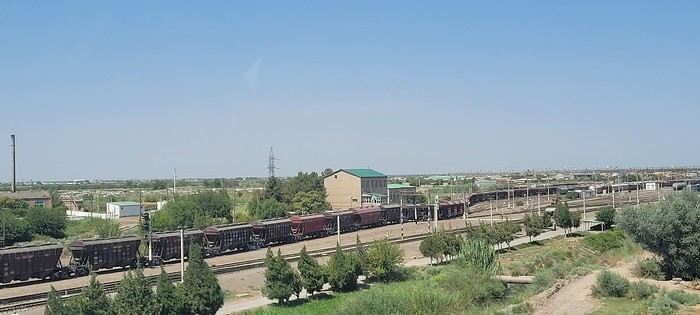
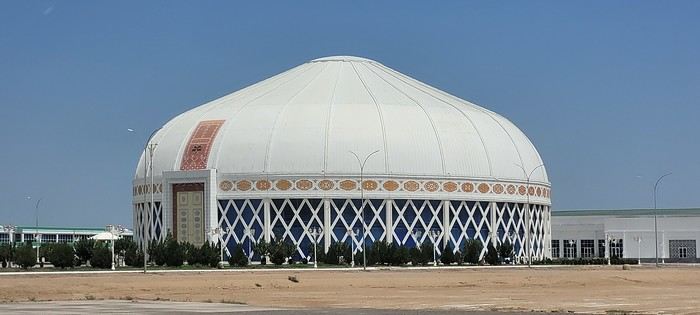
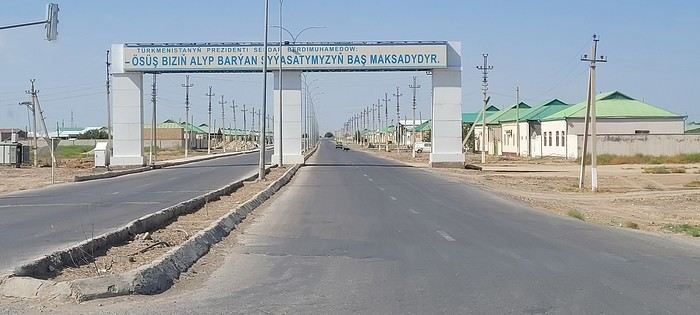
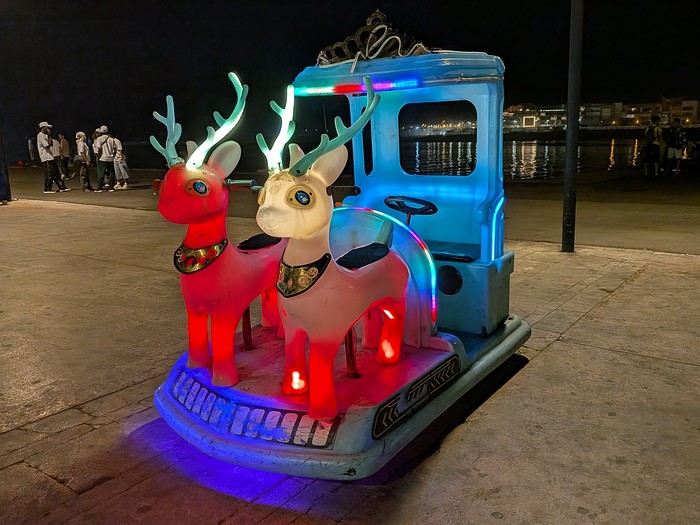
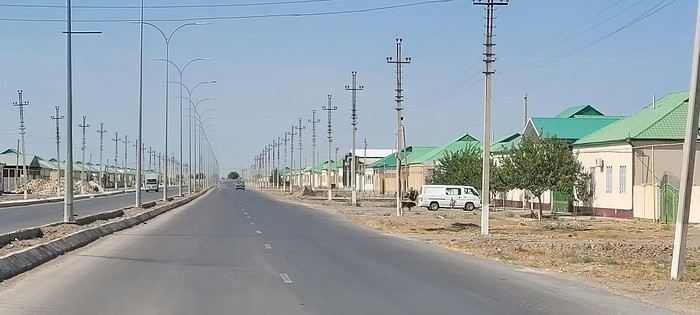 Roundabouts are particularly interesting because they feature emblems of Turkmen culture, like the dog, a carpet, the Ahal Teke horse, or Muslim symbols, even though the presence of Islamic artifacts is quite limited.
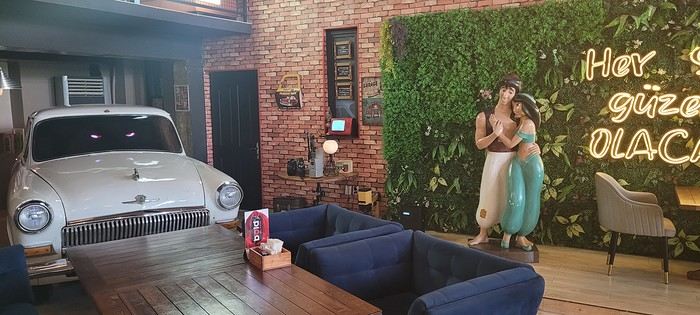
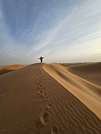
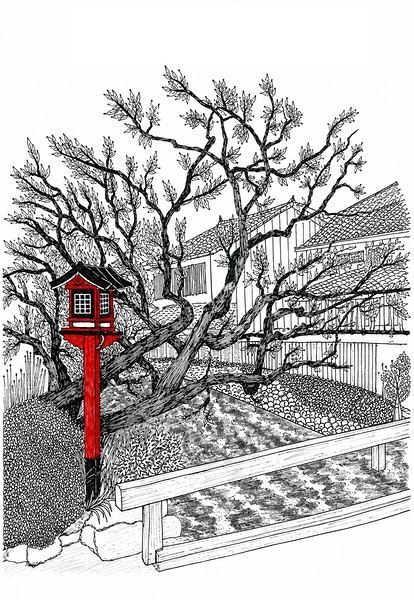 I’m inviting you on a stroll through my drawings—a completely subjective, far from exhaustive, and totally personal take, since it’s based on my own sketches. I put this travel journal together after returning in late 2024, mostly using felt-tip pens and pencils, with a few collages thrown in. I worked from our personal photos.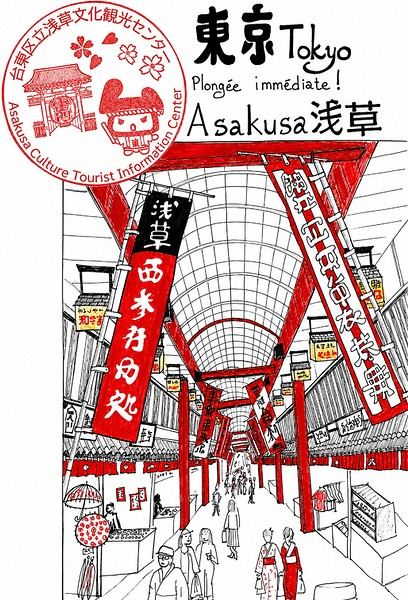
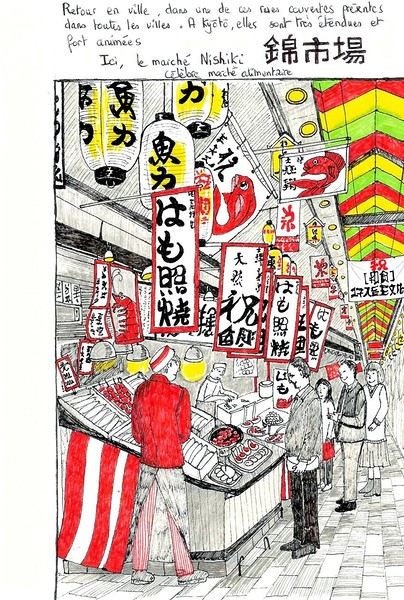
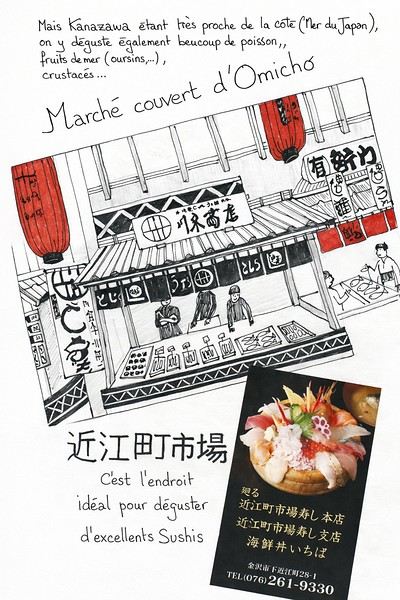 And in Kyoto, Nishiki Market:
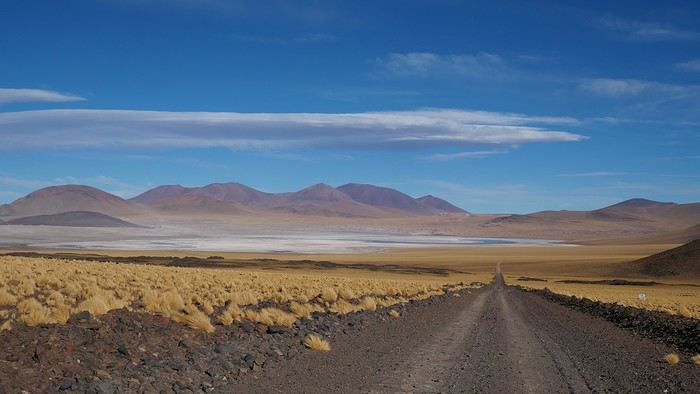
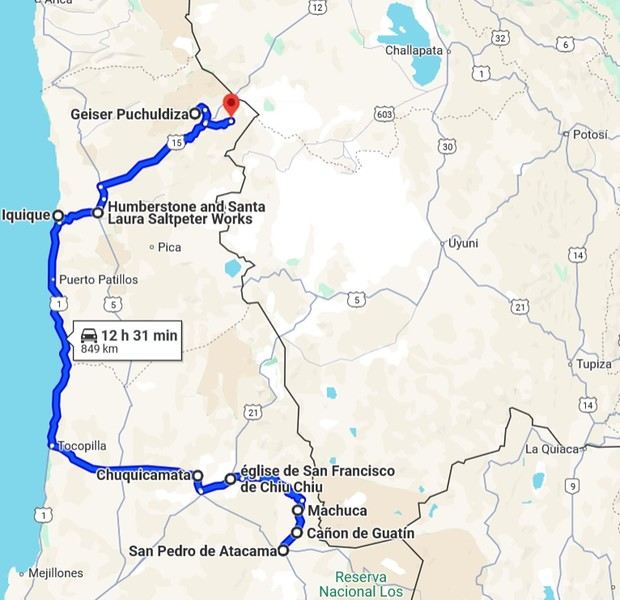
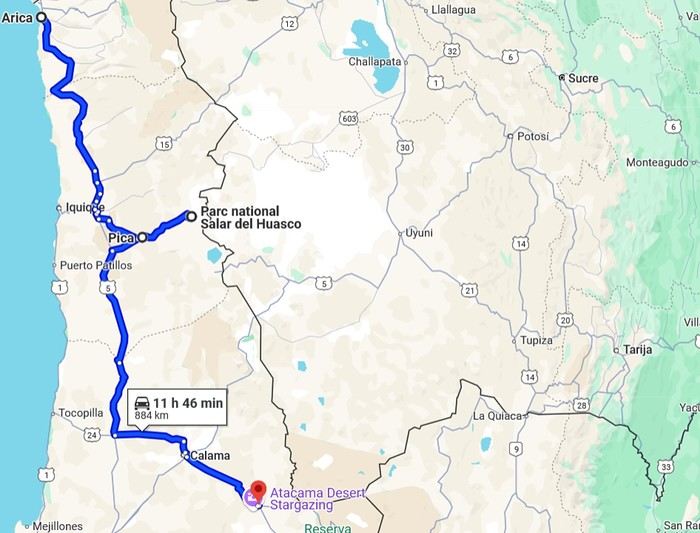 2- Around San Pedro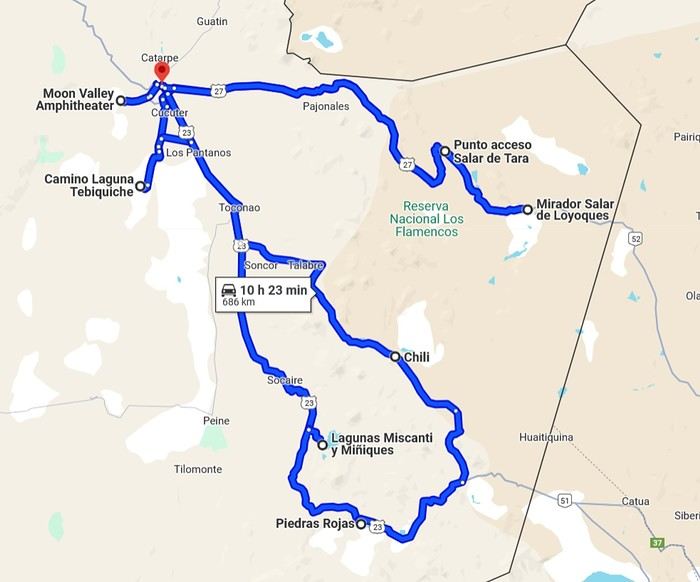
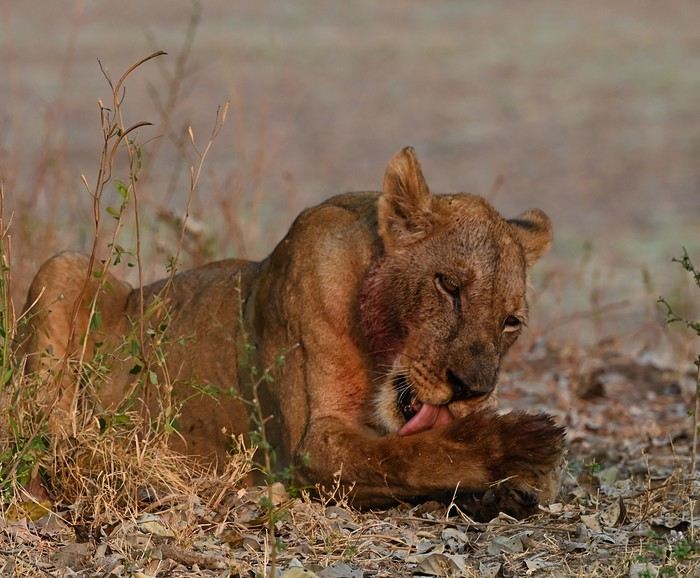

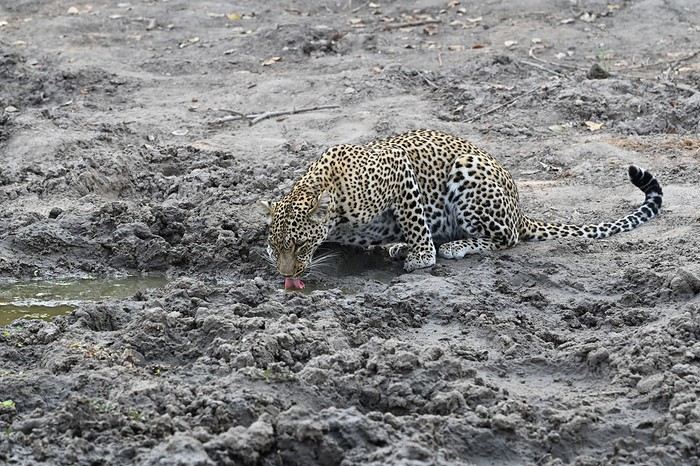
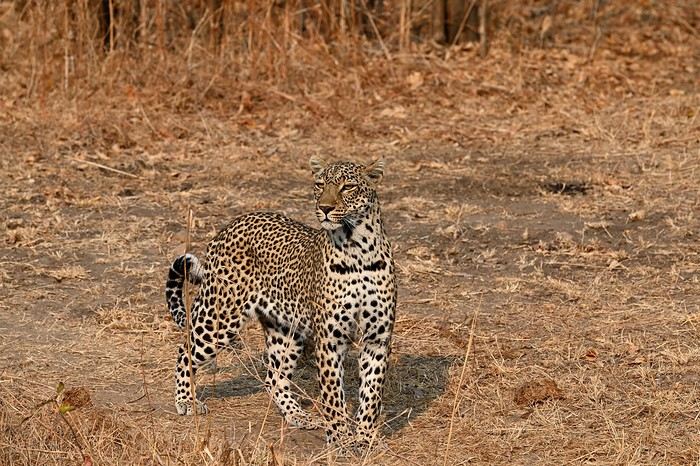
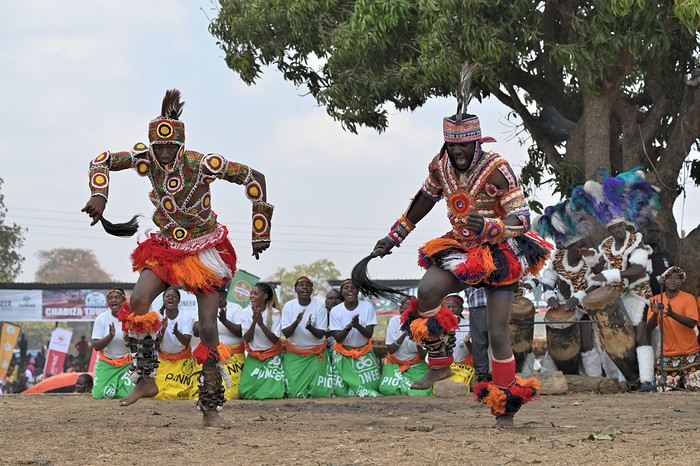
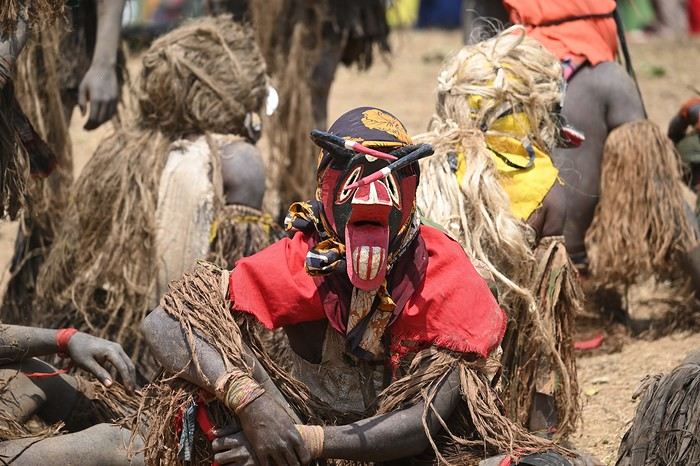
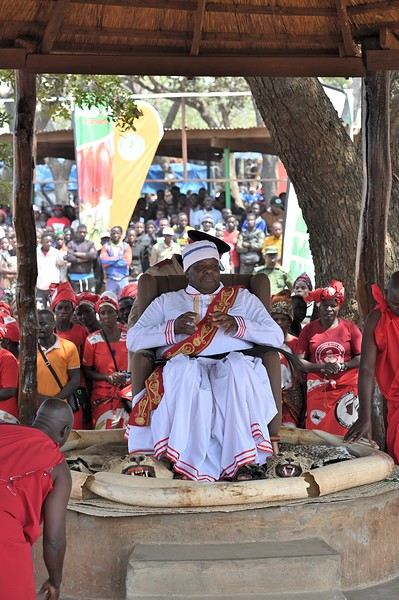
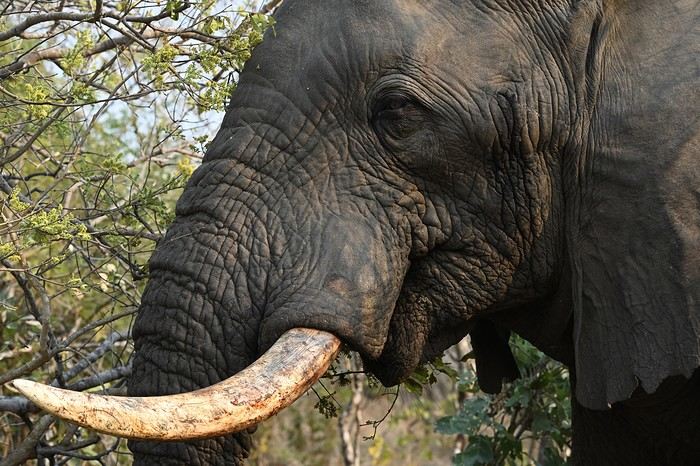 We were trapped, and even our guide looked nervous. After what felt like an eternity (though it was only a few minutes), the herd finally moved on, freeing the track. That afternoon, we did a self-drive safari and—you guessed it—we had zero interest in running into elephants again.
The next day, we headed back to Lilongwe for our flight home. It was a fantastic, varied trip with some intense moments (sometimes *too* intense). Malawi offers amazing opportunities for those who want more than just wildlife reserves.
We were trapped, and even our guide looked nervous. After what felt like an eternity (though it was only a few minutes), the herd finally moved on, freeing the track. That afternoon, we did a self-drive safari and—you guessed it—we had zero interest in running into elephants again.
The next day, we headed back to Lilongwe for our flight home. It was a fantastic, varied trip with some intense moments (sometimes *too* intense). Malawi offers amazing opportunities for those who want more than just wildlife reserves.
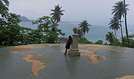
 Vila beach
 Sunset behind Santiago
 The rocks and sea at Ponta Preta
 At the summit of Monte Batalha
 Calheta
 Calheta de Baixo
 The beaches just keep coming...
 The dunes
 The 3 coconut trees, a landmark to find the track
 Boca da Ribeira beach
 The hills on our right
 Ribeira Dom João
 Barreiro
 The old track
 The church in Vila do Maio