Nous partons 14 jours au Zimbabwe (hors vol) voir de la famille (Harare). Nous comptons passés 2 jours avec eux à notre arrivée, et 3 jours avant notre départ.
Reste 9 jours pour découvrir le pays. Merci de vos conseils pour le circuit.
Sachant que les distances sont assez grandes pour aller à Vic falls et Hwangé, est-il bien nécessaire d'aller jusque là ?
Si vous voulez voir des animaux, vous n'avez pas le choix: il faut aller à Hwange et/ou dans les parcs du nord-est le long du Zambèze.
En 9 jours un tour qui commence par Bulawayo et le Matobo NP (tombe de Rhodes) puis Hwange et Vic Falls et finissant par Mana Pools ne fera guère plus de 2000 kms et vous aurez un bel aperçu.
Sinon, mais sans les grands animaux, les massifs de l'est vers Mutare sont agréables.
A quelle saison y serez-vous?
Comment comptez-vous vous déplacer et être hébergés?
pour répondre à tes questions, nous serons la bas du 23/02/2013 au 9/03/2013. On m'a prévenu que c'était la saison des pluies, mais pas le choix pour les dates. Soi-disant moins d'animaux à voir, mais plus belle flore.
Pour l'hébergement, vu les prix peut être un mixte entre camping et "petit lodge".
Pour les déplacements, nous ne savons pas encore. Je crois que la location de voiture est également pas bon marché, mais comment faire autrement ?
Pour finir, ma réponse est oui, oui et oui pour les animaux. Ce serait dommage de faire un si long voyage pour ne pas découvrir cette faune.
Il faudrit être sûr que Mana Pools est ouvert à cette époque.
De toutes les façons, je me demande s' il n' y a pas un peu pêché de gourmandise en faisant tout cet itinéraire: Hwange merite AMHA au moins trois jours (à différents endroits, par ex. une nuit à Main Camp, une à Kennedy et une à Sinamatella ou Robin's), Vic Falls / Mana demande AU MOINS deux jours de voyage voire trois (se rappeler que si tu passes après 15 heures au bureau de Marongora, on ne te laisse pas entrer, et quand bien même l' accès serait possible, je pense que Mana mérite au moins deux nuits (Nyamepi ??).
On serait dans ces conditions plutôt dans les 12 jours...
Je suis un peu d'accord avec Bolobolobolo. Pour seulement 9 jours de circuit je n'ai pas envie de perdre trop de temps sur la route. Il est évident qu'il va falloir faire un choix.
Pour commencer, ne connaissant pas l'état des routes, le trajet Harare - Hwangé (via Bulawayo) prend combien de temps (je crois 780 Kms).
(Si il faut deux jours, cela fait déjà 4 jours aller retour. Reste 5 jours à partager entre Hwangé et Vic Falls.)
je n'ai pas envie de perdre trop de temps sur la route
Je te souhaite, au retour, d'avoir réaliser qu'on ne "perd pas son temps" sur la route en Afrique.🙂
Mais tu as raison, il faut dans ton cas enlever les parcs du nord.
Pour Hwange NP, il y a un peu moins de kms que ce que tu indiques: en venant de l'est l'accès au NP par Main Camp est une cinquantaine de kms avant la ville de Hwange.
(ce n'est pas courant pour des français d'avoir de la famille à Harare: tu nous en dirais plus?)
(ce n'est pas courant pour des français d'avoir de la famille à Harare: tu nous en dirais plus?)
Hello,
Juste pour en rajouter, j' ai dîné samedi à Bruxelles avec (entre autres) une charmante jeune dame copine de Mme Bolo, et dont j' ignorais jusqu' à samedi qu' elle avait de la famille proche dans le top diplomatique de Lusaka, ladite famille ayant été auparavant en poste à Harare....
Je reviens d'un voyage de 2 semaines au Zimbabwe et je viens de rédiger une longue note avec pas mal d'infos pratiques sur mon itinéraire, les hôtels, les transports...
J'ai pour cela ouvert une nouvelle discussion, intitulée " de retour de 2 semaines au Zimbabwe (+ Bostwana)".
Très rapidement, si tu as 9 jours en partant de Harare avec une préférence pour les animaux, je te conseille :
- A côté de Harare, va faire un tour au petit parc du Lake Chivero. Il n'y a pas de prédateurs dans ce petit parc, on l'atteint rapidement de Harare, et on peu y admirer des girafes (dans la forêt, pas mal de zèbres, impalas, phacochères, cobes à croissant et j'ai même vus des sables (hippotragues niger)). Mais surtout, il y a des rhinos blancs qui vont vers le lac en fon d'aprèm à partir de 17h environ. Ca ne prend qu'une jouréne et c'est vraiment très sympa.
Il y a aussi de l'autre côté du lac par rapport au parc (donc plus près de Harare) une sorte de restaurant plutôt sympa tenu par un blanc qui a une clinique d'animaux, et il a souvent des lionceaux, et surtout plein d'oiseaux dont des oiseaux de proie avec lesquels il va chasser à cheval (chasse montée au faucon). (consommés : deux jours pour rester un peu avec la famille en même temps)
- Harare-Hwange : il faut compter la journée. la route est assez bonne car c'est un axe important reliant Harare à Bulawayo, la deuxième ville du pays, puis Bulawao à Vic Falls. Je ne recommande pas le raccourci de Kwekwe à Lupano, j'y ai laissé une fois une suspension et je ne sais pas du tout comme est la route maintenant.
J'aurais tendance à te conseiller de faire Harare-Bulawayo (une journée pas trop dure de route cool, 450km) qui te laissera peut-être le temps de visiter les khami ruins. Le lendemain, tout la journée sur le parc de Matopos, où il y a un peu d'animaux, mais surtout des paysages fabuleux. Il y a deux parties : le recreational park, et le game park. Je fais toujours les deux en terminant par le coucher de soleil (s'il ne pleut pas pour toi) sur la colline où se trouve la tombe de Rhodes au lieu dit "world's view".
Dans la partie game, il y a des rhinos noirs, des rhinos blancs et des léopards mais bougrement difficiles à voir. Je n'en ai vu de 2 fois en journée sur une dizaine de visites.
(consommés deux jours : un de trajet, un à Matopos).
Ensuite, tu peux remonter sur Hwange national park où tu peux passer deux jours. DIsons qu'en partant très tôt le matin, tu peux arriver en début d'après midi et faire une sortie de vision animaux sans entrer dans le parc (donc sans payer le park fee) sur le territoire des hôtels. Il y a des trucs fabuleux à voir dont beaucoup d'éléphants. Je pense que tu as des chances de voir des éléphants, parce qu'ils sont quand même relativement sédentaires, et il y en a beacoup donc de bonnes chances bien que ce soit la saison des pluies.
En tout 4 jours de cramés.
- Hwange-Vic Falls le trajet te prend une grosse demi-journée.
Il faut aller voir les chutes. Le raft, s'il a plu, je te conseille d'éviter : comme il y a beaucoup d'eau, il y a moins de grosses vagues mais énormément de tourbillons aspirants, ce qui fait au final que ce n'est pas si excitant que ça, mais très dangereux.
Par contre, les chutes, il faut aller voir. Ca te brule un jour en partant tôt le matin et en visitant les chutes tout de suite en arrivant en fin de journée.
- l'angoisse, c'est le retour, tu as 880 km, et là pas trop le choix si tu dois rendre la voiture à Harare : deux jours pour rentrer Vicfalls Bulawayo, puis Bulawayo Harare. Il y a peut-être la solution (si tu trouves une location) de partir de Harare et de laisser la voiture à VicFalls. Mais ca te fait le 9 jours, et tu auras vu l'essentiel, même en retrant par la route (et tu peux économiser un jour en aller au lac Chiveor avec ta famille, ce qui te permet de gagner un jour dans le périple)
Merci beaucoup à Koudou et à Peyrou pour tout vos bons conseils.
Cela me conforte dans mon choix.
Harare - Bulawayo Matopos - Hwange - Vic Falls et retour.
Et oui, retour à Harare obligé (avion).
Et voilà, le Zimbabwe c'est fini. De retour à Nantes avec un temps gris, pluie, vent, orage et froid bien entendu. Que du bonheur...
Par contre, que de souvenirs et d'images en tête.
Faire le Zimbabwe comme on l'a fait, moi je dis oui tout les jours.
L'avantage d'avoir de la famille sur place, c'est que quand vous arrivez tout est prêt, planifier et organiser. Le circuit, les réservations etc... rien à faire que de se laisser vivre.
Quoi demander de plus.
Le circuit :
Harare - Parc Gonarezhou (sud du pays, frontière avec le Mozambique) 4 jours
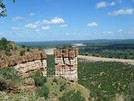
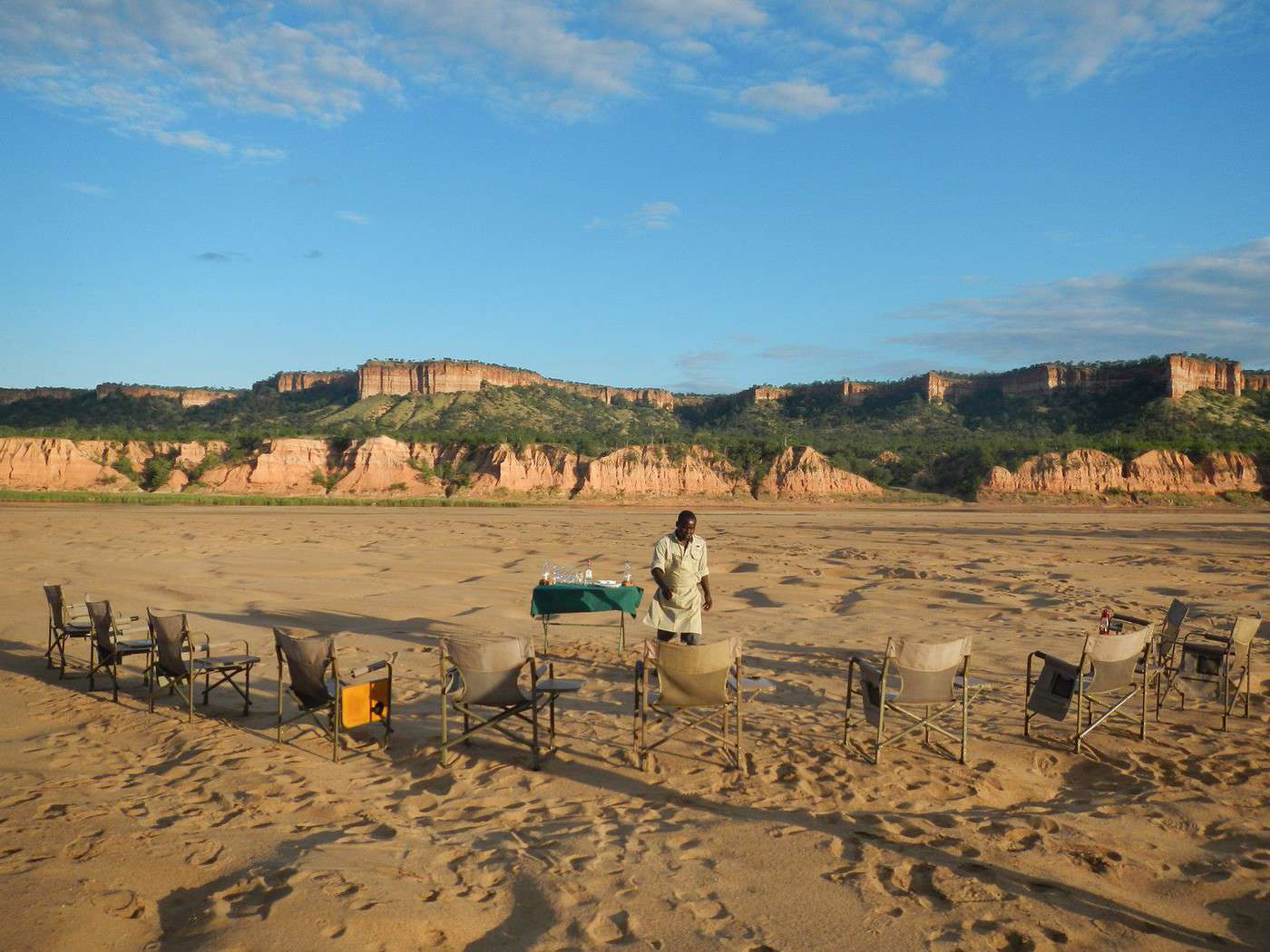
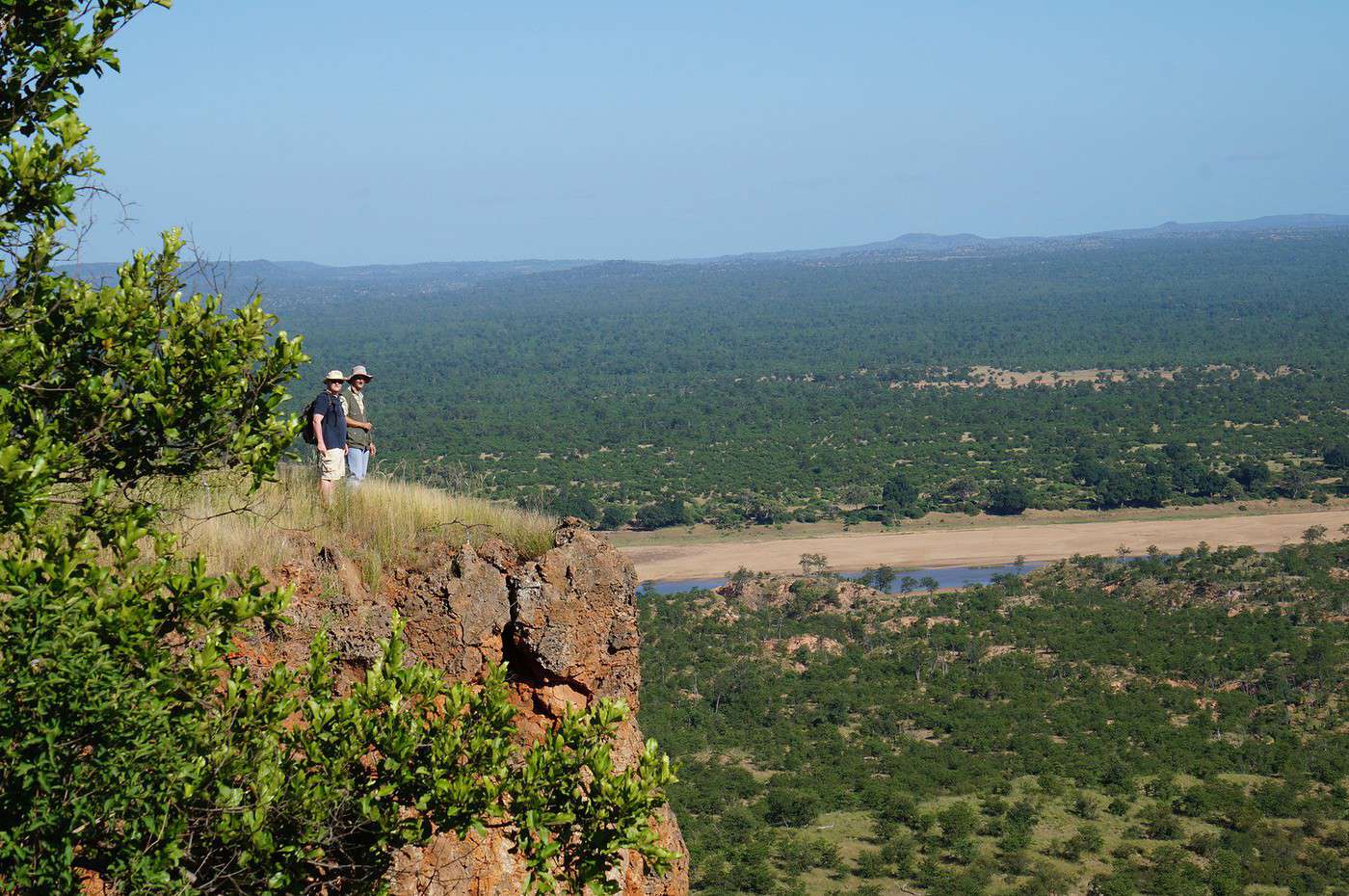
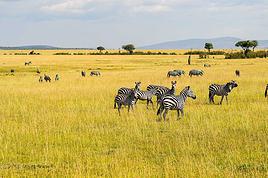
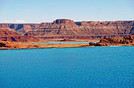
Campement de luxe, installé pour nous, dans un parc de 500.000 Hectares ou nous étions absolument seuls. Safari voiture et safari à pieds. Tout les animaux sauf lion, léopard et rhino. Paysage absolument magique et féérique. (photo jointe)
Harare 2 jours
Visite de l'école internationale, boutique, artisanat, apéro, resto, piscine, farniente..... dur dur tout ça!
Harare - Parc Hwange 3 jours
The Hide camp. Encore un moment magique. Safari voiture de jour et de nuit.
Hwange - Vic Falls 1 jour 1/2
Lokuthula lodge. Pas terrible comme hébergement. Les chutes Victoria et le Tea Time au "The Victoria Falls Hotel". So British !
Victoria Falls - Harare
11 heures de route. Un peu long. Départ 5h30 le matin, arrivée 16h30 à Harare
Et tout ça avec 4X4 prêté et avec chauffeur. Que du bonheur je vous dis.
Il y a plus qu'à remplir à nouveau le petit cochon pour remettre ça.
Effectivement, c'est plus facile avec de la famille sur place, mais les choses commencent petit à petit à s'arranger avec le retour du tourisme. Ce n'est pas encore très fréquenté, mais cela va beaucoup mieux pour le pays avec une meilleure formation pour les personnes des agences locales et des professionnels qui reviennent progressivement des pays voisins où ils étaient partis.
Harare - Parc Gonarezhou (sud du pays, frontière avec le Mozambique) 4 jours
Campement de luxe, installé pour nous, dans un parc de 500.000 Hectares ou nous étions absolument seuls. Safari voiture et safari à pieds. Tout les animaux sauf lion, léopard et rhino. Paysage absolument magique et féérique. (photo jointe)
Ce parc est le moins aménagé de tout le Zimbabwe. Il n'y a donc pas de lodge et il faut effectivement installer un campement (toile). Le parc est très grand et fait partie du Grand Parc Transfrontalier du Limpopo qui comprend le Parc Kruger (Afrique du Sud), le Parc du Limpopo (Mozambique) et le Parc du Gonarezhou (Zimbabwe) Les travaux ont commencé, et les procédures comment à être étudiées pour qu'un visiteur d'un des parc nationaux n'ait pas besoin de visa pour visiter les autres (qu'il fasse comme les animaux : pas de frontière). Mais cela nécessite des infrastructures pas si évidentes dont par exemple des points de ravitaillement en carburant à l'intérieur du parc (pour ne pas rentrer sans visa dans le pays pour refaire du carburant), le contrôle des frontières etc... Mais bon, les trois pays ont signé, et ils comment les travaux (administratifs pour l'instant).
Autre remarque, sur la route, on passe à Masvingo, avec le Great Zimbabwe (inscrit au patrimoine de l'Unesco), un complexe impressionnant en pavés de granit datant de l'âge de fer, unique en afrique sub saharienne. L'anthropologue allemand qui l'avait découvert au 19e siècle pensait avoir trouvé des restes de la civilisation d'Atlantide, car il ne pensait pas que ce puisse être l'oeuvre d'un peuplade africaine qui n'utilise normalement pas du tout ces techniques de construction. Il y a un lodge pas trop cher le "Ancient City Lodge" construit selon les mêmes principes et situé à proximité.
Harare - Parc Hwange 3 jours
The Hide camp. Encore un moment magique. Safari voiture de jour et de nuit.
Alors là ...
Je comprends qu'il faille "casser le petit cochon", parce qu'on est dans le luxe...
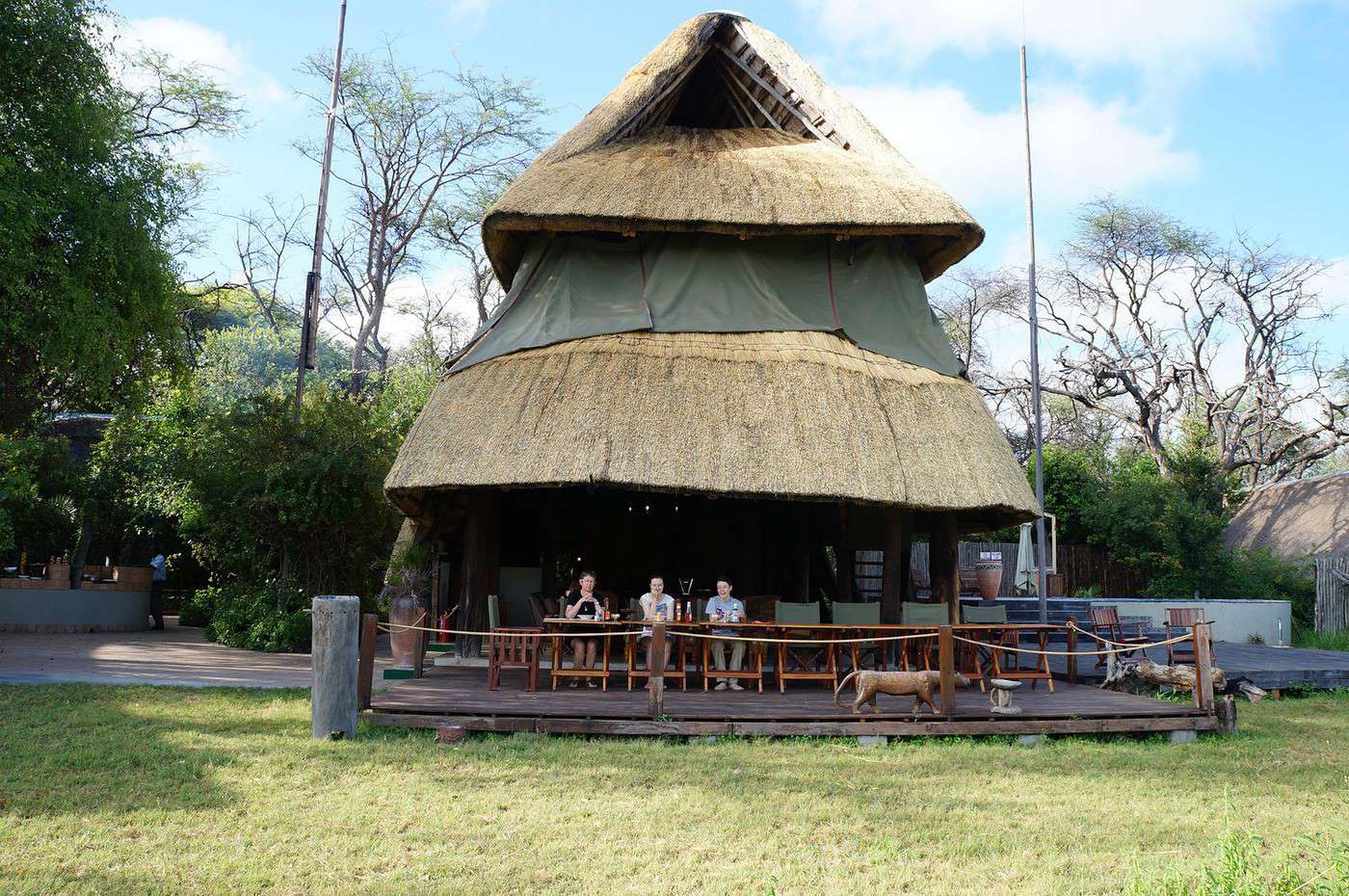
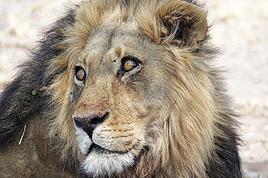
Tout tourne autour de la partie commune, une salle à manger très chaleureuse avec une énorme table en bois ciré qui donne sur une plaine de savane qui forme la frontière (sans barrière) avec le parc national de Hwange. On trouve toujours énormément d'animaux sur cette plaine, et donc aussi des lions. Le logement est "hatched". Ce sont des tentes aménagées sur un sol en dur, et la salle de bains attenante est toute équipée mais en plein air, entourée d'un "mur" en paille tressée. C'est magnifique.
Hwange - Vic Falls 1 jour 1/2
Lokuthula lodge. Pas terrible comme hébergement. Les chutes Victoria et le Tea Time au "The Victoria Falls Hotel". So British !
Il est certain qu'à côté du Hide, ça ne tient pas vraiment la comparaison.
Mais j'aime pas mal. En fait, ce sont des locations de vacances pas trop chères (un peu comme les appartements de ski dans les alpes). Chaque unité de logement est en mezzanine avec un des murs (qui donne sur la salle à manger) qui est une grande toile épaisse qu'on peut relever la journée. Les chambres sont assez spartiates et assez nues en décoration, même si le lit est confortable. Il n'est pas rare de voir les phacochères qui viennent dans la zone de Lokuthula pour brouter la bonne herbe (le parc de A'Zambezi, non clôturé, est juste à côté). Ne pas s'approcher à moins de 3/4 mètres parce qu'après cela devient très dangereux : ce sont tout de même des animaux sauvages.
Lokuthula est la partie "self-catering" d'un grand complexe comprenant également le Victoria Falls Safari Lodge et le Boma Place. Le premier est un hôtel construit en haut de la colline avec vue sur un plan d'eau où le soir viennent boir en une lente pavane les éléphants, les buffles et tous les autres ongulés (koudous, impales, cobes, ...). Ne pas confondre le V.F. Safari Lodge dont je parle avec le V.F. Hôtel qui se trouve plus vers la ville de V.F. et que je ne trouve pas si bien que ça. C'est un 3* un peu surrané qui est assez chouette pour un "high tea" (comme l'a fait Patho) ou un dîner, mais pas plus.
Le Boma Restaurant est par contre un must : viande de brousse en buffet, avec presque toujours du buffle, du phacochère, et parfois du koudou, du zèbre ou du gnou. Parfois, ils servent aussi du cobe à croissant (waterbuck), mais je n'aime pas du tout le goût. Il y a également souvent un impala qui rôti façon méchoui. Ah! et puis les plus courageux peuvent goûter des "mopane worms" qui ne sont pas d'ailleurs des vers (worms) mais des chenilles (caterpilar). Je ne trouve pas ça mauvais quand ils sont croquants (genre gateau apéro). Mais quand ils sont mous, ça fait un peu caoutchouc pas terrible. Il y a également une animation participative de tambours assez chouette.
A ce circuit, il manque à mon avis (mais on ne peut pas faire tout en une seule fois !) :
-> la descente du Zambèze en raft. Un must, mais pas faisable en cette saison, car il y a trop d'eau. Disons que c'est vraiment bien entre juin et novembre (avant les premières pluies de l'été).
-> Le parc de Matopos. Un paysage de "skopjes" (amas de rochers entassés en équilibre) et de têtes chauves de granit qui sort de la forêt. Impressionnant et magnifique. Quand on va pour le coucher de soleil sur le "View of the World" où se trouve la tombe de Cecil Rhodes et que l'on se retrouve au milieu de ce paysage de début du monde avec juste le sifflement de la petite brise tiède qui passe dans les rochers, on le sentiment étrange de se dire que cela devait être comme ça lorsque la terre était vierge d'humains.
Mon lodge préfé est le Matobo Hills Safari Lodge, pas trop cher. Le plus beau est camp Amalinda, construit au milieu d'un amas de blocs. La plupart des bungalows ont un des murs formé par le flanc rond d'un bloc énorme de granit.
-> Le Lac Kariba.
Il y a deux activités différentes qui se font toutes deux à partir de la ville de Kariba (entre 4 et 5 heures de route au nord de Harare. j'ai mis 6 heures en minibus et 4 heures dans un super 4x4). D'un côté, le lac lui-même se visite à partir d'un "house boat", sorte de maison flottante où on dort et on mange pendant 3 ou 4 nuits, et qui sert de base mobile pour aller en face du parc de Matusadona, très riche en éléphants, crocodiles et lions. La visite se fait en canots à moteur. Et vous verrez bien les crocodiles. Les autres animaux aussi, car l'eau permet de se rapprocher plus qu'à pied et sans danger jusqu'à une dizaine de mètres (et croyez moi, 10m d'un lion, c'est TRES près !).
L'autre visite à partir de Kariba est la descente en canoë vers le parc de Manapools. En pratique, on ne part pas de Kariba (sur le lac), mais d'un petit village en aval du barrage qui s'appelle Chirundu. La descente dure entre 3 et 4 nuits (selon le rythme choisi) et on dort dans un campement de tente sur les îles formées par le sable sur le fleuve. Pendant la descente, on peut vous garantir les hippopotames, c'est même le danger principal en navigation et les consignes de sécurité sont très strictes : toujours en file indiene et ne jamais dépasser le guide. Cela dit, il ne faut pas non plus aller barboter dans l'eau, car c'est infesté de crocodiles. Donc on ne se baigne que là où l'eau est peu profonde, mais c'est super génial. En fin de parcours, on arrive dans le parc de Manapools (également au patrimoine naturel de l'Unesco) et là, on peut faire des rencontres assez intimidantes mais pleines d'éomtion (je ne parle pas de peur, mais de vraie émotion). Comme des éléphants qui traversent tranquilles au milieu des tentes alors qu'on est à table en train de diner.
Cette descente du Zambèze inférieur est à mon avis une des plus belles aventures que peut offrir le Zimbabwe et que n'offrent pas les autres régions d'Afrique Australe.
Il faut se dépêcher d'y aller, car il est probable que lorsque le pays aura reetrouvé la fréquentation qu'il mérite, ce sera moins bien, évidemment ...
J'avais oublié de préciser, pas une goutte de pluie pendant notre circuit. Juste deux soirs à Harare (orage). Un vrai coup de chance !
Également la gentillesse des Zimbabwéens, leur accueil et leur désir de vous rendre service. A aucun moment je me suis senti agressé. Par contre, pas de sortie après le coucher du soleil.
Pour la descente du Zambèze, le parc de Matopos et le lac Kariba on va attendre que notre petit cochon se porte mieux....
Here’s my feedback after a recent trip to Ethiopia, organized with a local guide.
Despite a signed quote, months of prep exchanges (over eight months!), and phone calls right up to departure day, the guide didn’t honor the commitments we’d agreed on.
Haile Haftu FANUAILE, manager of the agency www.charmethiopiantours.com—who we’d organized everything with—didn’t meet us as promised when we arrived in Addis Ababa. Without any warning, he sent a different guide to accompany us for the entire trip (with a flimsy excuse).
Several parts of the signed quote weren’t respected:
– Services included in the quote but not provided on-site (meals, water),
– Hotels we’d chosen, booked, and paid for were swapped for lower-category places,
– Visits were canceled because the timing wasn’t calculated properly,
– One stop on the itinerary was dropped without any reason or explanation.
We’d paid a deposit for domestic flights, with a promise to refund any overpayment. A month after returning, 150 € per person (there were three of us) still hasn’t been refunded.
I’m sharing this to warn fellow travelers about the importance of solid guarantees to ensure contracts are actually honored. Double-check everything before committing!
Wishing everyone safe and smooth travel prep—Ethiopia is an incredible country!
---
Hello,
Feedback following a recent trip to Ethiopia, organized with a local guide.
Despite a signed quote, numerous preparatory exchanges over eight months, and phone calls right up until the day of departure, the guide did not fulfill his commitments.
Haile Haftu FANUAILE, manager of the agency www.charmethiopiantours.com with whom we had organized everything, did not meet us as agreed upon our arrival in Addis Ababa; without warning us, he sent another guide in his place to accompany us throughout the trip (with a bogus excuse).
Several points in the signed quote were not honored:
– services included in the quote but not provided on site (meals, water),
– hotels chosen, booked, and paid for, replaced by lower-category establishments,
– visits canceled due to lack of time, which had not been calculated correctly,
– one stop on the itinerary canceled without reason or explanation.
A deposit had been paid for the booking of domestic flights, with a commitment to refund the overpayment.
To date, one month after our return, 150 € per person (there were three of us) has still not been refunded.
This testimony is intended to alert travelers to the importance of solid guarantees for contracts that are actually honored, so that everyone can be extra vigilant before committing.
Good luck with your travel preparations, everyone.
Ethiopia is an extraordinary country!
I’m thinking (thanks to some tips from forum members 😉) of taking this route to get to the Cederberg.
Apparently, the road was damaged by the May rains, and traffic is still slow there.
Has anyone taken this route recently?
If not, is one direction (toward or from the Cederberg) more scenic than the other?
Thirty years ago, I traveled to Zanzibar (Tanzania) with my children. Since I’ve since started a new family, I took the opportunity of a trip to Kenya to bring my new family along: my wife, who’s Kenyan, and my 10-year-old daughter.
Zanzibar has really changed in 30 years.
It’s become the island of taxes.
It all starts upon arrival: I think it’s the only country in the world, besides the visa, where Zanzibar insurance (and no other) is mandatory—it costs 40 €. If you didn’t purchase it before arriving, good luck getting it: the IT systems are unreliable. With a bit of luck, it’ll take at least an hour to process! And of course, this insurance is useless—if you get sick, it’s recommended to use your home country’s insurance because if you use Zanzibar’s, your national insurance won’t cover you anymore.
I wanted to show my daughter the red colobus monkey, which is endemic to Zanzibar. I paid for a tour that was supposed to be all-inclusive. First, we visited a spice farm, where a farm guide took charge of us—meaning commissions were involved, of course! The tour was very good and informative, though. When we arrived at Jenzhi Park (the colobus park), the guide told us he "forgot" there was an entrance fee (50$).
Aware of the system, I decided to book an Ocean Blue tour through the Zanzibar Tourism Office. After two hours of driving, we stopped at a beach—and were left there. No boat was ready to take us. Since my wife speaks Swahili (the language in Zanzibar), after an hour, a captain with his own boat agreed to take us along with his family.
Another attempt. The main attraction in Zanzibar (besides the city) is Changuu, the Prison Island. You have to take a motorboat and pay the captain, which is normal.
But in Zanzibar, to even get on a boat, you first have to pay a tax! Once we arrived at the island, it started all over again! Thirty years ago, access was free, and the entire island (about 1 km²) was open. Today, there’s a small office, and you have to pay a hefty fee to enter. But enter where? A paved path leads to about 15% of the island—the rest is off-limits. In total, I paid 100 € for my wife, daughter, and myself just to visit a tiny portion of the island! Avoid this!
For the rest of our stay, we stayed at a 5-star hotel with golf, horseback riding, tennis courts, evening concerts, etc.—undeniably high-level comfort. One last thing: if you want to rent a car, it’s affordable and useful for exploring the island’s diverse landscapes, but there are speed cameras at every corner on the main roads. The fine is supposedly 100 $, and it’s hard not to get one!
I told you: Zanzibar, the land of taxes. I used to think my country, Belgium, was the tax champion—I’ve found something even better!
I’m starting to plan a trip to Tanzania + Zanzibar in August 2027 for 2 to 3 weeks with my partner.
I’ve never been there before and I’d love some advice, especially for Tanzania where we’re planning to do several safaris in the North.
Specifically:
Do you recommend using a travel agency to organize the trip, or are guidebooks and internet recommendations enough?
If you’ve used a local agency (rather than one in France), which one?
Would you recommend hiring a guide for the entire stay in Tanzania, or is it better to travel independently except in the parks where I’ve read that guides are mandatory?
If you’ve used a local agency (rather than one in France), which one and at what price?
Have you had any bad surprises (hidden fees, inexperienced guide, poor vehicle condition)?
Looking forward to reading your tips! 🙂
Thanks in advance
In Nov./Dec. 2022, I went on a safari in the region and we suffered from the extreme temperatures caused by the "El Niño" phenomenon in the Indian Ocean at that time. On top of the extreme heat, there can be torrential rains, flooding, etc., which have led to disasters with casualties.
Hi everyone!
I’m still planning my Cape Town to Johannesburg trip in January 2027.
I saw a documentary about the San people in Namibia, and the same day, I stumbled upon the Lonely Planet page about !Kwah Ttu.
I checked out their website to learn more, including Michel’s travel journal about it. I’m really keen to go.
So, I’m thinking of dedicating:
- either 1 day out of the 4.5 I have in Cape Town...
- or making a detour to !Kwah Ttu on the day I leave Cape Town for Montagu, instead of visiting Franschhoek and its Saturday market...
To the VFers who’ve already been: is it really worth spending a day there?
Thanks in advance for your feedback!
Malijp
Hello everyone!
It's been a year since I've been longing for South Africa. Our first trip in August 2025 amazed us, and—rarely—it was a unanimous hit with our little family! We were touched to the core, and from the moment we got home, we couldn’t stop talking about going back. 😄
I’d like to take this opportunity to thank everyone who gave me advice on the itinerary for that first trip (Johannesburg loop: Blyde, Kruger, Eswatini, St. Lucia, Durban, Drakensberg)! Thanks to you, our trip went like a dream!
Since then, I haven’t stopped reading articles and discussions on VoyageForum to keep my head in South Africa a little longer!
So, we finally caved and just booked our tickets for January 2027 (from the 3rd to the 26th), with a plan to do a road trip from Cape Town to Johannesburg in about 3 weeks.
I’ve got a rough itinerary that seems great based on what I’ve read on various forums, but there are still some uncertain points, and that’s where I could use your advice.
3/01: Arrival in Johannesburg at 11:45 PM
4/01: Flight to Cape Town, pick up rental car. Afternoon sightseeing
5,6,7/01: Cape Town to visit the big classics in the area (any tips for finding accommodation: which neighborhood, a specific place?)
8/01: Overnight stop before Oudtshoorn—but where??? (Is it essential, or is the CT-Oudtshoorn drive manageable? If so, I’d gain a day in Oudtshoorn. Google Maps shows over 5 hours of driving...)
9,10/01: Oudtshoorn (or would 3 nights be better to really enjoy the area?)
11,12/01: Knysna, Plettenberg Bay (to have time for hiking—if you’ve got hiking tips, I’m all ears!)
13,14/01: Tsitsikamma (still to have time for hiking—who knows the must-do hikes in the area? But maybe 4 nights in the Knysna-Tsitsikamma area is too much—I’m not sure)
16,17/01: Addo Elephant (I’m torn between 3 nights at Addo or 3 nights at Mountain Zebra. Based on travel journals, especially Michel’s on MZ, I’ve scheduled 3 nights at MZ 😄...)
18,19,20/01: Mountain Zebra NP
21/01: Camdeboo NP (because it looks so beautiful!)
22/01: Overnight stop (where?) before wrapping up the trip with either 2 or 3 nights at Golden Gate NP or the Lesotho option, which appeals to me, but I don’t know if it’s doable in 3 days to be back in Johannesburg by the afternoon of the 26th.
That’s my trip idea for now...
I’m eagerly waiting for your advice, ideas, and comments...
Can’t wait to be back there again!
We're heading to South Africa for a month with 5 adults.
We'd like to rent a vehicle that can accommodate 5 people and all our luggage.
We're starting in Cape Town and ending in Johannesburg.
What vehicle would you recommend?
EDITH
Hi there,
I’m planning a gorilla trek in Bwindi, Uganda. I’m torn between the classic option (1 hour with the gorillas) and the habituation trek (4 hours with the gorillas but a more expensive permit). Has anyone done the habituation trek? Both? If so, I’d love to hear your feedback (including on the difficulty).
Thanks
I’ve read some travel journals here but I still have a question.
We’re heading to Uganda next February. The gorilla permits are booked, and the flight tickets are sorted too.
My question is about the chimpanzee trek. I’d love to know whether it’s better to book the habituation experience (4 hours) or the standard trek (1 hour).
The price difference isn’t huge, but I keep wondering and I’d hate to miss out on a great experience.
Hi everyone,
We’re revising our travel plans for January 2027. Originally, we were considering Uganda for about 14/15 days, but given the current health situation and the restrictions that might affect my partner, who’s American, we’ve decided to switch to Tanzania instead.
I’m used to traveling in South Africa and organizing my trips myself, but I get the impression that planning a safari in Tanzania is quite different.
I know self-drive isn’t really an option in Tanzania. So my main question is: can you organize your own itinerary and book lodges directly, then hire a local driver-guide? Or is it better to go through a local agency that handles the entire safari?
For the itinerary, which parks would you recommend for a first-time visit in January? Serengeti, Ngorongoro, Tarangire, Manyara, Ruaha, Arusha, Selous…
We’d also like to include Zanzibar to end the trip with a few days at the beach. Over 14/15 days, does that sound realistic or too ambitious?
Finally, for flights, is it better to arrive at Kilimanjaro (JRO) or Dar es Salaam (DAR) based on the itinerary we’re considering?
Thanks in advance for your feedback, especially on the best way to organize the safari and which parks to prioritize in January!
We're now just 5 weeks away from our trip to South Africa 🙂 and *so* excited to explore (just a tiny bit of) this amazing country.
I need to buy some binoculars but have no idea which model to choose. I don’t really know what to look for (and I don’t want to spend too much).
Thanks in advance to anyone who can give me some tips!
We just got back from ten days in Tanzania. We were lucky enough to be guided by Gishaman. Always in a great mood, a good driver, and an excellent guide. Thanks to him, we not only saw the Big Five in one day but also loads of other animals. He works for the local agency Blit Safaris, which provided excellent support throughout our trip. Highly recommended!
I’m planning a potential trip to Namibia for a classic circuit in April 2027.
I’m surprised by how expensive the accommodations inside the parks are—really steep! Is it possible to stay outside the parks but still close enough to enjoy the game drives?
Do you have any recommendations for more reasonably priced lodging? I’m okay with spending 200 to 250 € per night.
No camping—the friend I’m traveling with absolutely refuses 😉, but maybe upgraded tents would work.
Hi, I'm looking for information on the road conditions in Moremi. We're leaving in 15 days, and from what I've heard, the roads are pretty tough to drive on. Any advice?
Thanks
My trip to South Africa is getting closer (still 2 months to go 😏), and I’m diving back into my itinerary: from Saturday to the following Sunday around Cape Town, then from Sunday to the following Saturday in Kruger.
For Cape Town, the plan was to avoid changing accommodation every day (we’ll do enough of that in the second part) but still see different landscapes.
I know, I’m missing out on a lot, but you’ve got to make choices, and after all this time, I know what I like—and especially what I don’t (or like less) 😉
Here’s the breakdown:
Arrival Saturday at 11 AM: heading to Hermanus (2 nights). The idea is to stroll along the cliff path in the afternoon, and possibly drive to the Klein River Lagoon. Sunday: Stony Point, then depending on time and weather, a hike in Kogelberg Nature Reserve or Fernkloof Nature Reserve (which seems less scenic but has shorter walks).
Monday: drive to Franschhoek (1 night). If everything lines up, a hike in Jonkershoek NR and a visit to a wine estate.
Tuesday: drive to Mountceder Lodge in the Cederberg (2 nights). I’m thinking of visiting the Stadsaal Caves and the elephant paintings, and maybe one of the hikes listed on the lodge’s site or Maltese Cross.
Thursday: heading to Hout Bay for 3 nights. In no particular order: a classic day trip around the peninsula, half a day at Kirstenbosch Gardens, and half a day at Lion’s Head.
Sunday: flight to Johannesburg.
My questions are mostly about (short) hikes:
Has anyone here done hikes in Kogelberg, Fernkloof, or Jonkershoek?
At Mountceder Lodge (Michel, if you’re reading this… 😉), has anyone tried the hikes (guided or not) offered by the lodge?
There’s still half a day to fill when we’re in Hout Bay—any ideas (not necessarily hikes)?
Lastly, regarding safety: the French foreign ministry (always alarmist, but still) recommends hiking in groups. Is it really risky in broad daylight? (I’m not sure a group of two women counts as a "group"…)
Thanks in advance for your answers, ideas, and comments!
Question: we’re doing a 3-week trip in Namibia, including 5 days for Victoria Falls.
I’ve booked one night in Brandberg, and then I have some questions.
I was thinking of spending 2 nights in Palmwag, then heading to Etosha for one night in Okaukuejo and then 2 nights in Halali.
Alternatively, from Brandberg, I could book a night near Galton Gate and then enter Etosha.
I’m not really sure about the distances, especially with a 4x4.
Same for the return trip: Halali to Windhoek seems long. Maybe it’d be smart to break it up on the way back? (We have 2 days to get back if needed.) If so, where?
Jambo! I organized my trip through this kind of group, so I thought I’d share my experience here. We traveled as a group of four, including two kids aged 9 and 11. After requesting around twenty quotes, I decided to book the safari portion with MAKING MEMORIES IN AFRICA. Ally responded quickly and listened to all my requests—unlike other agencies—such as having a French-speaking guide, the order of park visits (Tarangire, Manyara, Serengeti, then Ngorongoro), and a mix of budget hotels and camping to keep costs down. There were still four agencies in the running, and price was the deciding factor. Even though they were the cheapest, I felt better taken care of than with others. For example, all meals were prepared by a Maasai chef, Louis, who accompanied us throughout the trip, while some others ate meals out of cardboard boxes. Samuel, our guide, explained so many things and answered all our questions. José drove us safely the whole way. Everything was done with great cheer!
At the end of the stay, Ally came to meet us and gave us t-shirts with the agency’s logo—we loved that they took the time to hear our feedback in person. In short, I highly recommend them +++, especially since it’s a local agency that also supports a charity for women and children.
For Zanzibar, I organized everything myself. I hesitated for a long time but eventually booked all four nights at the same place. We don’t like crowds, so I initially considered Jambiani but ended up choosing EVERGREEN BUNGALOWS in Bwejuu. We took their first airport-to-hotel transfer since we arrived at night, and it felt safer. Great value for money, in our opinion. Just be aware that it’s quite isolated—perfect for relaxing and going on excursions. There were very few beach vendors, unlike what I’d read about Zanzibar. We lived with our feet in the sand from morning to night, with a small basin of water outside our room to rinse off. Such a lovely spot!
I had asked for some excursion prices before leaving but ended up booking on-site. Not at our hotel, but at a nearby restaurant that was cheaper. After some thought, since we were based in Bwejuu, I wanted to do Blue Lagoon and Pungume (both departing from the south of Zanzibar).
Blue Lagoon: About 3 hours total, with snorkeling on a small reef full of fish (coral wasn’t great) and a stop at a spot with tons of starfish, plus local snacks, fruit, and drinks.
Pungume: An amazing day with a 50% chance of seeing dolphins (we missed them), a visit to the mangroves, then snorkeling at a spot with some nice coral and, of course, fish. We ended with a fantastic grill (tuna, shrimp, squid, lobster, and fries) on a sandbank in the shade.
Finally, before heading to Stone Town, we visited Paje Cave, which is much less known than Maalum. It’s smaller, but we saw bats, went for a swim, and fed the chickens and rabbits (great for the kids). To finish, we explored Stone Town on our own and had dinner at Forodhani Market.
For flights, we flew with Turkish Airlines from Barcelona to Kilimanjaro and back from Zanzibar—no issues there. However, I don’t recommend the Kilimanjaro-Zanzibar leg with Precision Air. Our luggage didn’t arrive, and according to the hotel, this happens often. We only got it back a day and a half later.
March or May 2027.
Around 15 days in the Western Cape,
then 15 days in the southern KNP.
Arrival either in PE or George.
The pros know I’m somewhat familiar with the area... that I don’t camp... that my accommodations can be simple and remote, self-catering but with basic comforts... that I’m looking for spots that are a bit off the beaten path... in a relaxed mode...
From George:
Late arrival... need some rest... Herolds Bay from George to the N1.
Tsitsikamma is catching my eye (Storms River)... with or without a stop in Knysna.
Question:
What’s the current condition of the pass from Knysna to Uniondale? R339.
And while I’m at it, the condition of the R340.
Tsitsikamma, Knysna, and my questions still apply if arriving in PE.
Is the Swartberg still closed?
Any recommendations for accommodation in Prince Albert?
If I cross the escarpment, I’ll continue via Anysberg NR, Touwsrivier... any thoughts?
From there... Tankwa Karoo or Mount Cedar (or both).
Then heading back down to the coast... the highlands of Hermanus or Kogelberg NR (any opinions on the latter?).
Or,
A more classic route along the coast...
If I arrive (fairly late) in PE... any ideas for accommodation in that little area?
Given that Nyathi Camp is winking at me...
(For context... a while back, I stayed at Riverbend (same Addo sector, private concession)... and I visited the ruins of that abandoned lodge at the time, which has clearly been renovated since... located in a very quiet part of Addo...).
Any feedback from the pros?
Well, that’s about it...
I’m open to any other tips or advice!
I’m reaching out with a question about which park to choose for a 3-day safari in Kenya.
After 20 days in Uganda, I’m meeting up with my dad for a 3-day safari (that works for him). We’ll be meeting in Nairobi and have a full day to travel to a park (preferably the farthest from Nairobi to avoid crowds?) and spend 4 nights there before heading back to the capital for our flight to France.
I’d love to hear your recommendations since I’ve read so many great tips on this forum.
At the end of July, we’re heading to Namibia with a group of five for a three-week road trip and visit to the national parks.
We’ve read conflicting info about buying entry tickets—either online (where?) or at the gate when we arrive?
I’d love to hear your thoughts on the agencies you used to plan your trip to Uganda.
There’s the whole issue of gorilla permits, which need to be booked in advance and involve a significant financial commitment. That’s where I’m at with my trip planning. Between checking lutb.go.ug/ and reading online reviews, it’s hard to move forward with confidence.
I contacted the French Embassy, but they don’t provide any recommendations. I almost booked with an agency that had a really bad review from February specifically about the permit process.
How did you go about choosing your agency? Given the large sum involved, I’m this close to booking through a travel agency in France for this part.
From what I understand, no matter which agency books the permit, you’re ultimately guided by professionals trained for gorilla trekking based on the permit itself? I’m assuming that’s how it works.
Thanks for your feedback, and I’m really happy to see the forum’s new energy—it’s been super helpful to me in the past.
We’re heading to Uganda next summer for three weeks with our two kids, who’ll be 7 and 9 years old.
We’ve been to Southern Africa before but not East Africa, and after a trip to South Africa two years ago, the kids wanted to return to Africa, while we wanted to explore a new region while staying independent... Uganda’s been catching our eye for a while, and with Rwandair offering relatively attractive prices, we’re going for it!
We’ll be traveling in a 4x4 (self-drive) with roof tents. I don’t have any 4x4 driving experience, so it’ll be a first for me, but we’ll manage 😉 No great apes for us—kids need to be 15, and we don’t want to do that experience without them.
I don’t usually ask the forum much for trip planning, but this time, I’d love your thoughts and advice!
First question: Karamoja or not? At first glance, if we want to add it to a "classic" loop in the southwest, it doesn’t seem realistic—too packed, too much driving. We could consider doing the full loop via Kidepo and then heading down to Murchison, but I’m worried the trip might feel less varied and less kid-friendly. That said, the region looks stunning, and I’m struggling to accept not going at all... What do you think?
If we skip Karamoja, we’d do a loop: Murchison/Fort Portal/QENP/Bunyonyi/Mburo, which seems pretty comprehensive and would let us take our time, which is nice. A few random questions:
- How much time should we plan for the Fort Portal area? I was thinking at least 3 days to visit Bigodi Swamp, walk around the craters, and maybe do a community walk (any thoughts on that?).
- Between Murchison Falls and the Fort Portal area, is it worth breaking up the drive? I spotted Lake Albert Safari Lodge on the shores of Lake Albert—it’s not too expensive and looks nice.
- I’d love to do some easy walks/hikes at the foot of the Rwenzori Mountains, ideally without a guide, but it doesn’t seem straightforward. Do you know if it’s possible to do nice walks independently? I’ve read about hikes in the hills near Kilembe but nothing very specific. Maybe staying somewhere at the foot of the mountains, like Ruboni Community Camp, would allow that.
- Lake Mutanda looks really cool, and so does Lake Bunyonyi... Ideally, I’d like to see both, but won’t that feel repetitive? Is Lake Mutanda worth the detour?
Last practical question, since we don’t have experience with this: for the car with kids, would you recommend two tents (a bit more space) or a four-person tent?
I’ll stop here—already a lot of questions...
Thanks in advance for your feedback, and looking forward to exchanging ideas!
Gabriel
We’re planning our second trip to South Africa in July 2026. In 2023, we did a loop from Joburg, Golden Gate, Drakensberg, Hluhluwe, St Lucia, Eswatini, Kruger, Blyde River Canyon, and back to Joburg.
This time, we’d like to go to Cape Town and do a road trip to Port Elizabeth, then fly back to Joburg to return to Kruger. At this stage of my planning, here’s what it could look like:
D1 to D4: Cape Town and Cape of Good Hope (Table Mountain, Lion’s Head, Waterfront, Bo-Kaap, Boulders, Cape Point, Chapman’s Peak Drive). I’ve spotted a few places to stay between Camps Bay and Hout Bay (3 nights).
D5 and D6: Either Karoo NP or Hermanus and De Hoop. Any opinions to tip the scales? I’ll admit I’m already leaning toward Karoo (the "wild" vibe of the landscapes and wildlife encounters appeal to me much more than the seaside, which feels less exotic). If we go for Karoo, where should we stay? Inside the park or in Beaufort West? I’ve seen good reviews for Ko-ka Tsara Bush Camp, but maybe it’s better to stay in the Sanparks cottages to make the most of the park? (2 nights)
Option B is to do Stellenbosch (though vineyards aren’t great in winter) and/or the Whale Route—Betty’s Bay, Hermanus, De Hoop (2 nights near Gansbaai).
D7 and D8: Klein Karoo, Oudtshoorn. Staying at De Cango Guest Farm (2 nights).
D9 and D10: Knysna, Robberg Nature Reserve, Tsitsikamma (2 nights in Plettenberg Bay and 1 night in PE).
D11: Flight from Port Elizabeth to Joburg at 7 AM and drive to Marloth Park.
For Kruger, I’ve booked 2 nights in Marloth Park, 1 night in Skukuza, 2 nights in Satara, and 1 night in Talamati, which we loved. I’ll book the last night in Graskop later since we want to revisit the Blyde Canyon area.
I’d love all the feedback you can give on my itinerary, especially for days 5 and 6.
If you have recommendations for accommodations for 4 people, I’d appreciate those too.
Thanks! 🙂
We’re a family of four (two daughters aged 18 and 21) and we’re planning a three-week trip to Tanzania. Zanzibar would be our main base, but we’d also like to do a safari on the mainland.
Could you share any tips on:
- the ideal length for such a safari, the best place to go during this period (and easily accessible by flight from Zanzibar)
- your recommendations for the most suitable type of stay for a family like ours
- reliable local agencies with reasonable prices that could help us with this plan
Hi everyone, I’m here to get some advice on visiting KRUGER Park.
From what I’ve gathered through my reading, I understand there are two ways to visit the park:
- Independently with your own vehicle
=> Do you drive all day?
- By booking with a professional
=> Safari early in the morning and late in the afternoon. But what do you do in between?
When it comes to accommodations, the options are:
- Booking in one of the park’s camps, where the lodging is basic but functional
- Booking in a private reserve, which is more comfortable but prohibitively expensive
- Booking outside the park, which means entering the park every morning. But if you want to stay for 3 days, that doesn’t seem practical to me.
Do you have any advice for accommodations?
To be honest, I’m really struggling to understand how it all works...
Thanks to everyone for your help.
Bidule 27