Would you like a Mocha?
Colonization, slave trade, apartheid.
Whether they paint or sculpt, photograph or film, contemporary African artists draw their inspiration from a painful history. That of the continent. And more than drawing from it, it undoubtedly imposes itself upon them—a bitter brew.
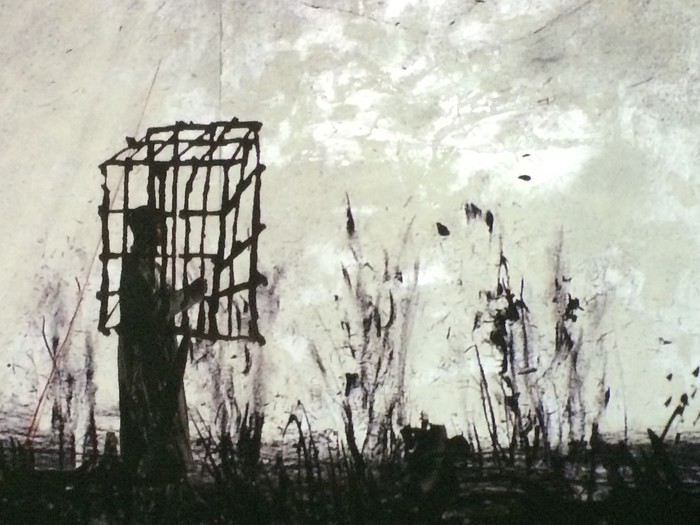
From a dimly lit room where a stunning black-and-white video fresco unfolds across multiple screens, depicting lines of Black individuals carrying the world, to the next, drenched in gold and light, the introduction is striking. Further on, gleaming bodies, weapons, fury. As you move through the rooms and corridors—architectural constraints oblige—the experience may be uneven, but the artists always seem close to their roots, with the possible exception of the Afro-American contributors.
The Zeitz MOCAA (Museum of Contemporary Art Africa) is built within the old grain silos of Cape Town’s port, from which the country once exported its cereals to Europe. An architectural feat, the surgical hollowing out of these silos—once the tallest structure in sub-Saharan Africa—preserved their spirit while making way for their new purpose. You enter in silence, at the heart of a cathedral’s grand organ.
Black artists, White visitors, White funding, Black workers. A story of wheat, always—exported in the past, now imported. Once thousands of farmers and laborers, now one investor and ten million tourists.
The scenography could be improved. Few major individual works, but the collective intent is powerful. A youthful misstep, likely, since most of the works displayed at the opening (September 22, 2017) came from a private collection. The founder is aware of this, seeing his initiative as a platform to enrich. Yet, communication demands it, and the MOCAA evokes the MoMA or the Tate as if it already played in that league. At the same time, it aspires to welcome Africans from all walks of life and has an education centre in the basement. Considering that in a room of about 150 square meters with classic proportions, only four small photographs are displayed, serious explanatory work will indeed be needed for the residents of townships who share makeshift shacks with entire families. And since space isn’t lacking, dedicating an area to the site’s memory would be entirely fitting.
The museum shares the silos with a new, overly high-end hotel—a night of international kitsch costs six months of a housekeeper’s salary—at the top of which a bar overlooks the city. In a whirl, the ports, urbanization, the mountain, and the ocean unfold, all the way to Robben Island, where Mandela was imprisoned. They serve a strong coffee with a hint of acidity worthy of the best mochas.
Many port cities have now "rehabilitated" their disused docks (unloved?). While often successful, these new uses are always unsettling.
(strange coincidence: these fleeting notes from a first visit are jotted down in a Moleskine notebook gifted by... Nespresso)
The museum’s website:
zeitzmocaa.museum/
*
Diplomatic Luggage
With the decision to fly made late, the usual airlines’ offers seemed unappealing, while Ethiopian Airlines spread welcoming wings and upgraded for just a handful of birrs. Off we go, eastward bound, with Africa from takeoff.
At Roissy, the baggage check-in line for Paris/Addis Ababa is a slow, endless snake. Each passenger pushes a pyramid-like stack of suitcases, meticulously organized yet wobbling—something like a herd of diplodocus, back to Jurassic Park. The cargo hold will only be three-quarters full, but the weight onboard will certainly remain unchanged.
Dismayed, I express my gratitude to my roommate, who can’t give up her small import-export business and finds a thousand ways to fill a checked suitcase—just one—both ways. A diplomatic suitcase, whose essential contents I only discover late in the game.
*
Burglars
And of a kind that never read Arsène Lupin or listened to Jacques Dutronc.
Marlene lives on a small farm the size of a township, and the winter was harsh. In particular, she struggled with hungry baboons, which she wards off as best she can, refusing the only radical solution. While she was in town, the gentleman baboons broke in by smashing the windows, opened cupboards and fridges, looted everything, defecated on the excess, and trashed the rest.
*
Agriculture and Development
I stubbornly maintain a tiny patch of lawn, a legacy of the English in the desert. At the slightest neglect, it falls apart—and there’s been no shortage of neglect while I’ve been cultivating elsewhere. I reseed two or three rows of Kikuyu grass, which, according to the packet’s instructions, should be fertilized. Two schools of thought clash: compost or mineral? The former’s advocates argue for its sustainability, harmlessness, and the fact that the plant, having to synthesize nutrients itself, would grow stronger. The latter emphasize the efficiency and speed of pre-digested, easily absorbable nutrition.
Similarly, it’s better not to give those who lack everything but to teach them to fend for themselves.
I don’t recall a past life as a Kikuyu, but in this one, if I have a need, it’s not for the morality of the privileged.
*
"The best way to afford a suit is to work."
From their shelters on the outskirts, dozens came on foot to the farm. Before the sun rose, they climbed into the backs of pickup trucks. Dressed in tattered rags and wearing beanies worn thin by use, they huddled against the cold. Ten minutes down the dirt road before they could warm up all day at the end of shovels and pickaxes.
*
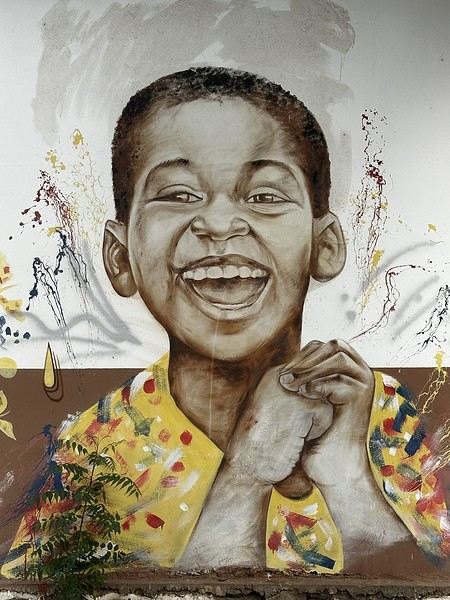
Denver is toothless, literally and figuratively. Yet, he has a dazzling smile—in his eyes. The only way to wipe it off is to scold him. Then, a dull gaze and a round mouth. As a result, I now only give him compliments.
*
Blonde Colleen used to wear her hair long, sometimes flowered, waving in the spring breezes. Then came haymaking season, she got it cut, and soon after, she withered.
*
According to the memory of the English and even the Afrikaners, and further back, the Khoisans confirm it: never had the rain forgotten the land with such consistency for so many years.
That the desert lacks water is nothing unusual, you might say. But now, the local gardening society received a delegation of Capetonians in grand style, searching for drought-resistant plants. Cape Town enjoys a Mediterranean climate with winter rainfall, but at the start of spring, its water reserves are at 27% when they should be around 80%. It’s said that swallows no longer fly this far.
The idea of a human sacrifice is gaining traction among those who think this newly arrived Breton would be perfect for the role. I’ll trade my divining rod for a club.
*
On the gable of an outbuilding facing the savanna, I’ve made a large opening fitted with a period sash window. Inside, I’ve placed a canvas chair, a folding table, and two mail trunks, then scattered a few fetish objects.
On a brick ledge, a perfect wooden replica of an off-road vehicle, like the ones children sculpt here. I regret it, but I won’t be leaving in a Toyota.
*




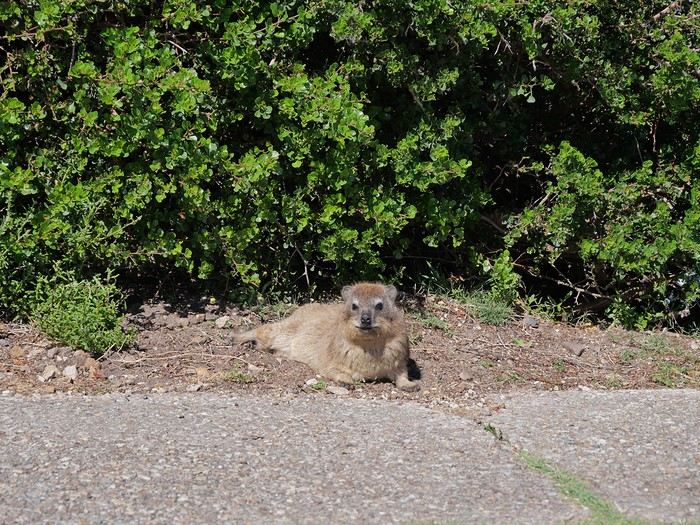
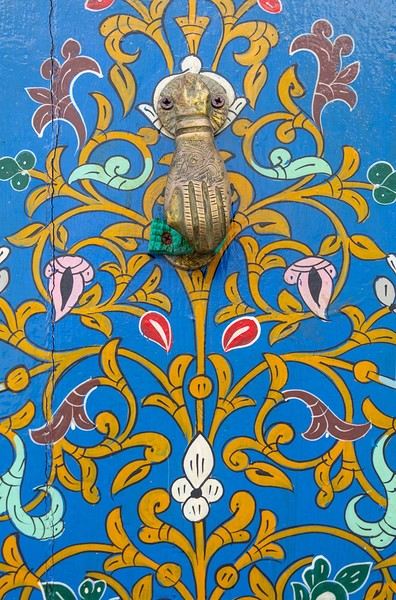
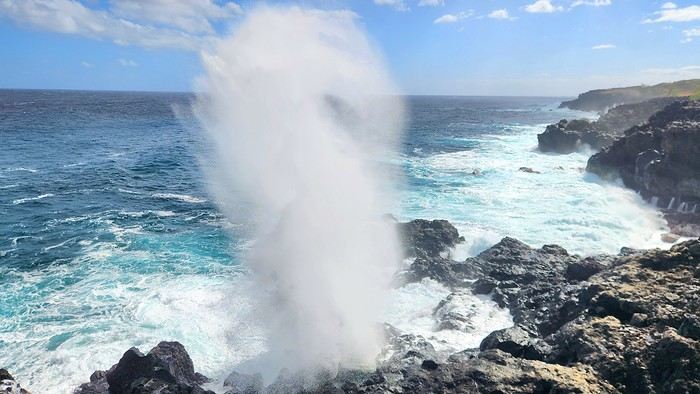
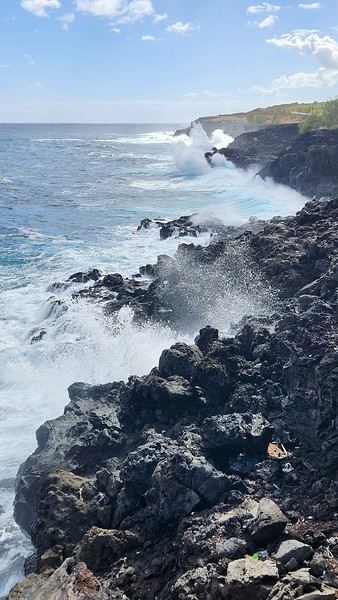
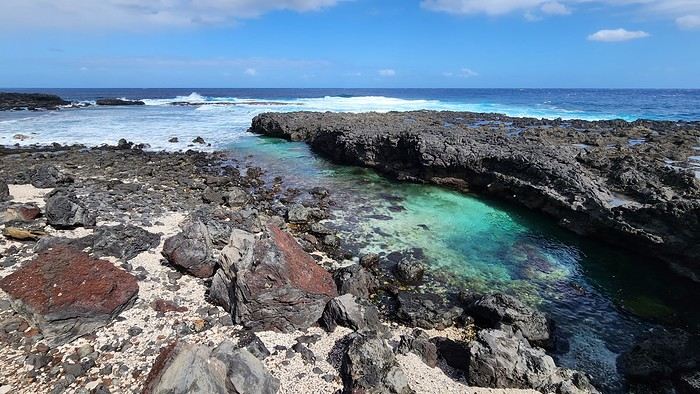
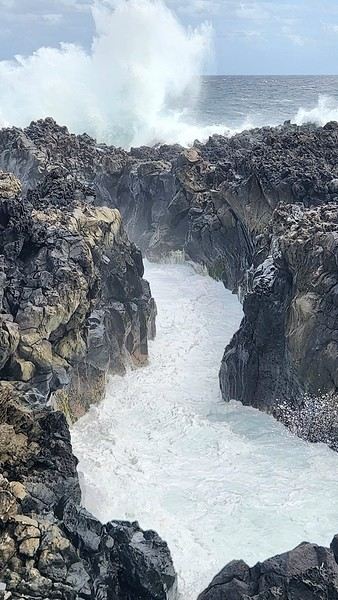

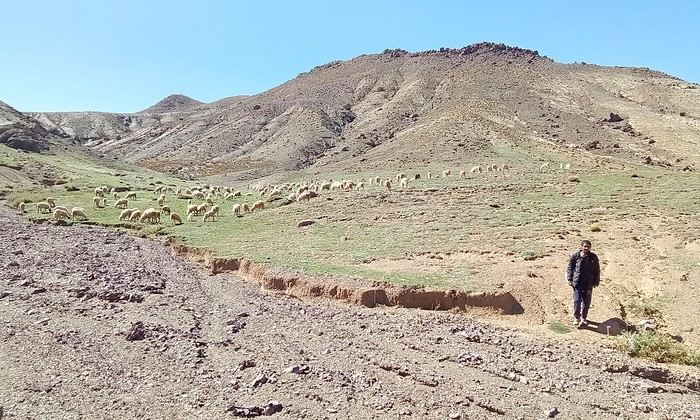
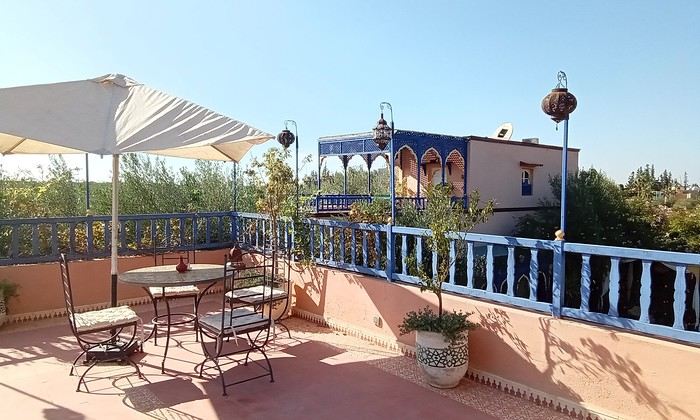
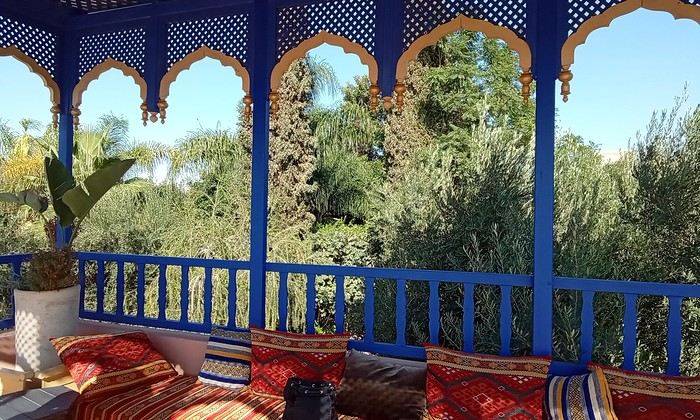 Last October, we landed in Marrakech to spend a few days with family exploring Morocco’s roads.
Transport: a rented Dacia.
Accommodations: small guesthouses.
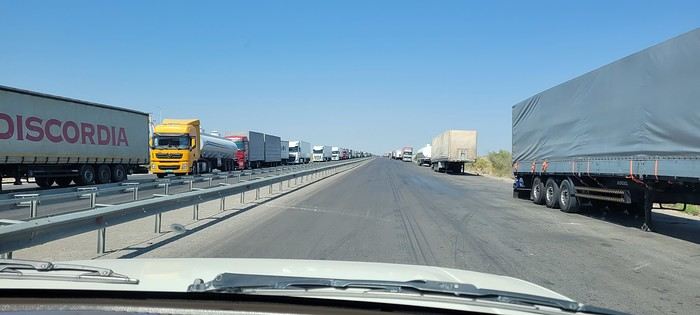
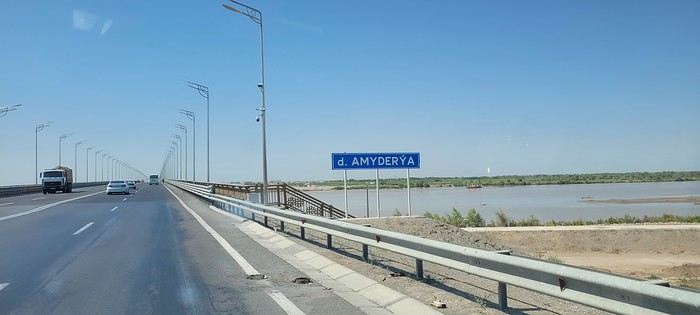
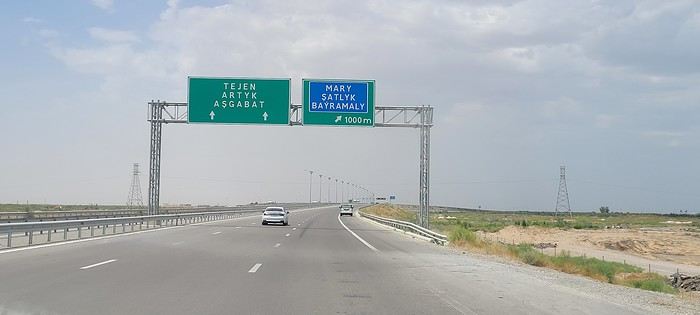
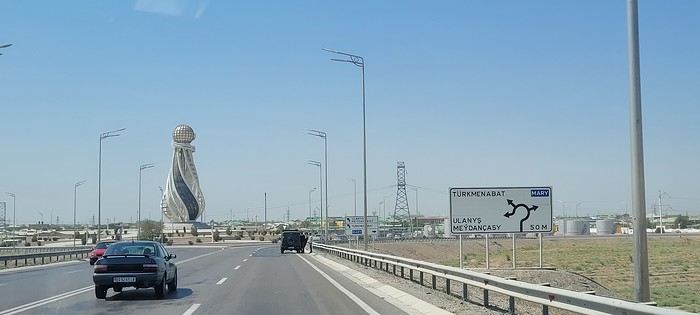
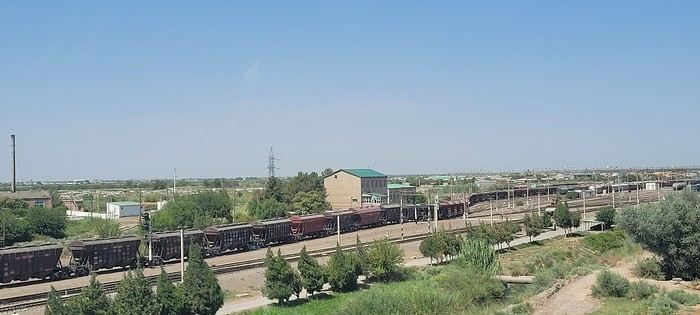
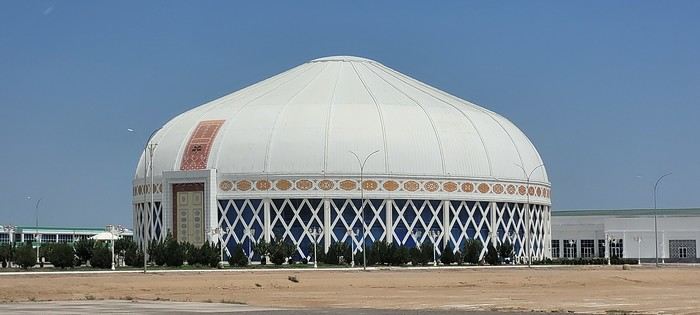
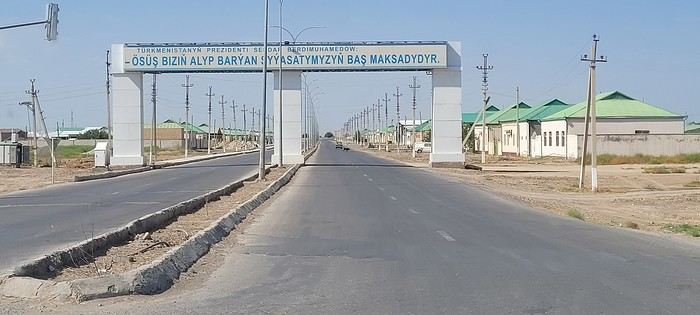
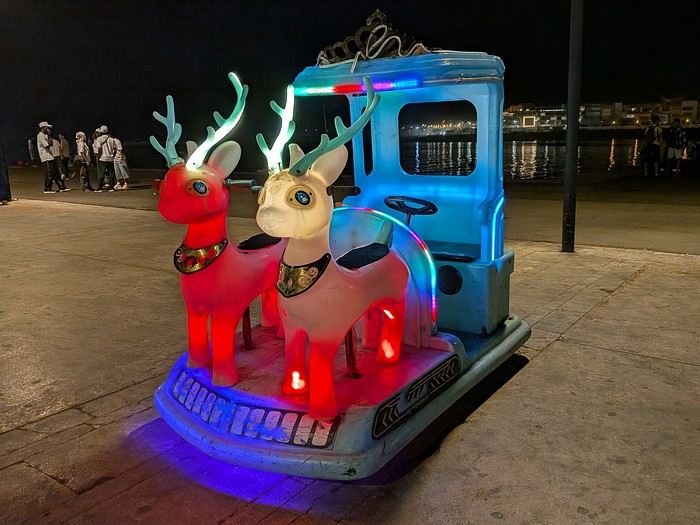
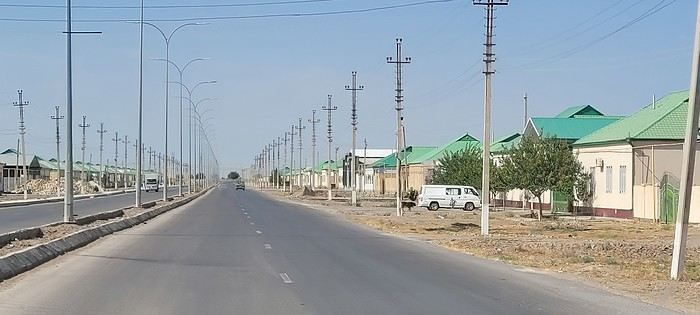 Roundabouts are particularly interesting because they feature emblems of Turkmen culture, like the dog, a carpet, the Ahal Teke horse, or Muslim symbols, even though the presence of Islamic artifacts is quite limited.




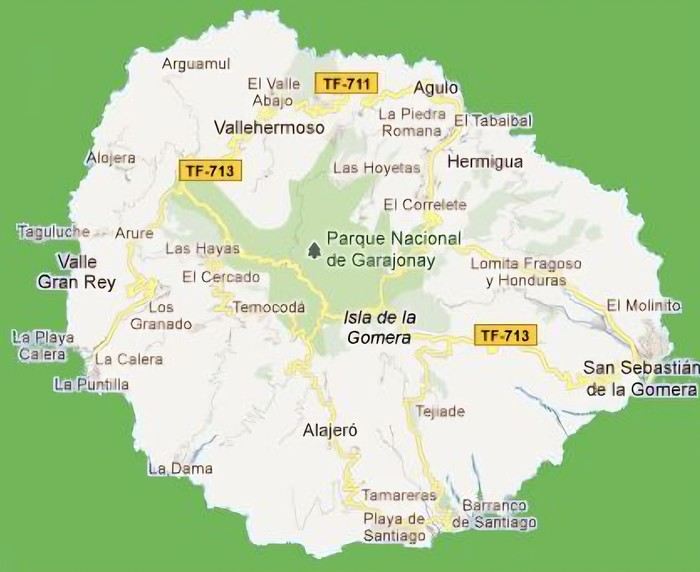 The large solidified magma massifs that shape the heart of the island have created a large depression more protected from the sun at its center, allowing the growth of a vast laurel forest, today grouped within the Garajonay National Park, La Gomera’s green lung, which has earned it the status of a World Biosphere Reserve. Its completely European appearance contrasts sharply with the rocky and tropical landscapes of the rest of the island. Thus, the climate varies greatly from one point to another on the island: in summer, you can quickly go from a dry and sunny valley at 35°C to a humid forest area at altitude at 18°C.


 Why this country?
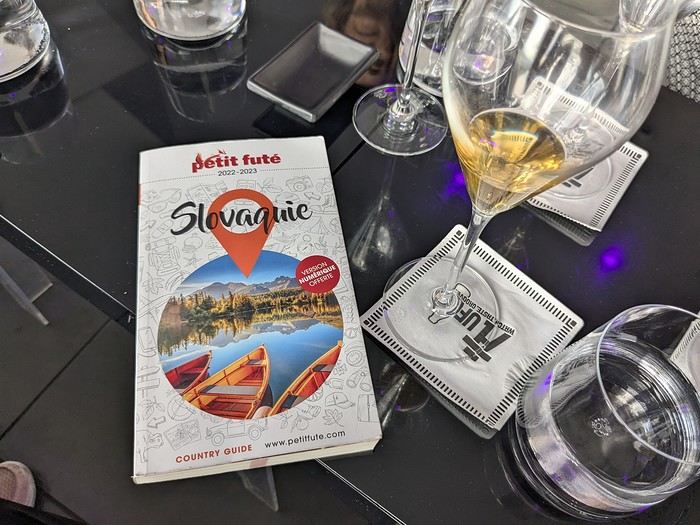
After visiting Hungary, Slovenia, Romania, and Poland in recent years, I’ve fallen in love with Eastern European countries. I adore the Slavic soul, its Austro-Hungarian villages, the gentle landscapes, the Carpathian Mountains, and that slightly mysterious atmosphere.
Slovakia evokes a certain imagination with its deep forests, medieval castles, and cobbled villages.
After seeing photos of the High Tatras—especially Lake Štrbské Pleso and Spiš Castle—I thought, "Let’s do it! We’re going!"
So, will Slovakia live up to what I imagine?
We’ll find out together.
We decided to travel as a group of six (five adults and a six-year-old child), by car (we needed two).
Here’s the day-by-day itinerary for this family trip, which started with a 3-day stay in Vienna (see the dedicated travel journal):
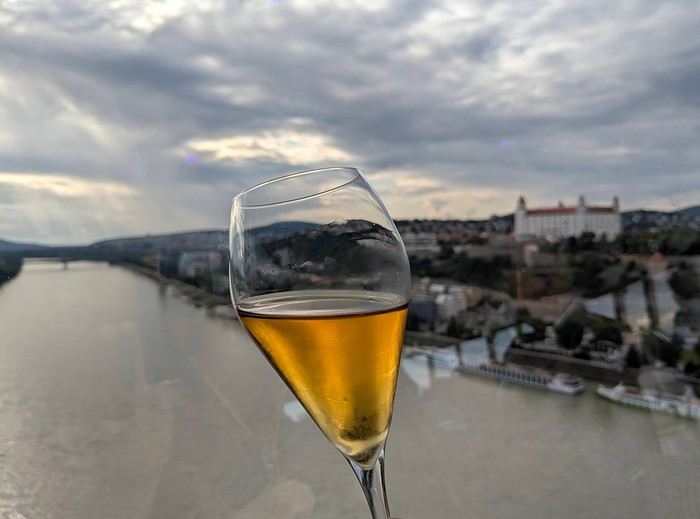
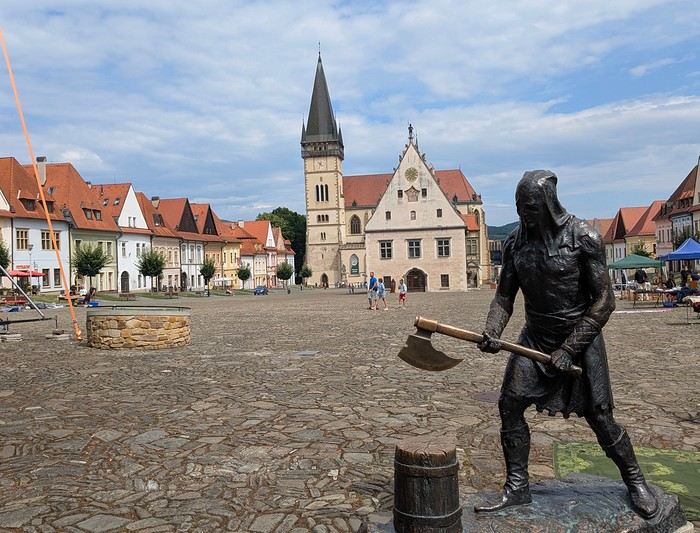
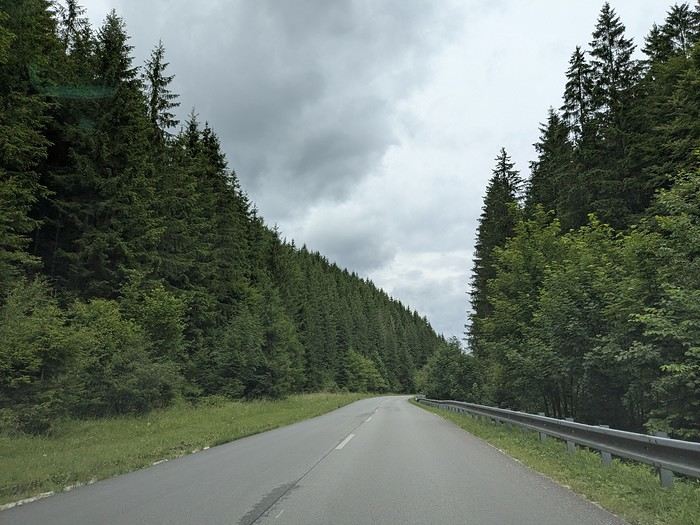
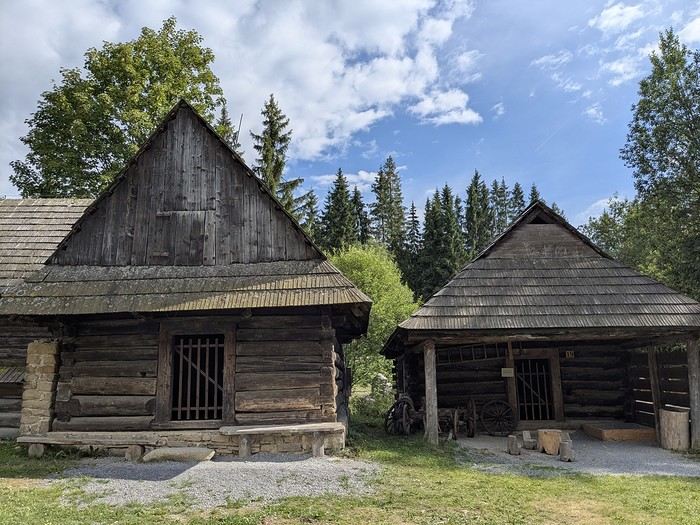

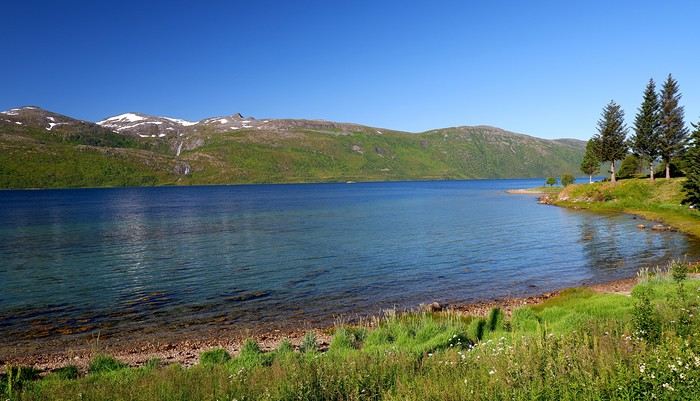
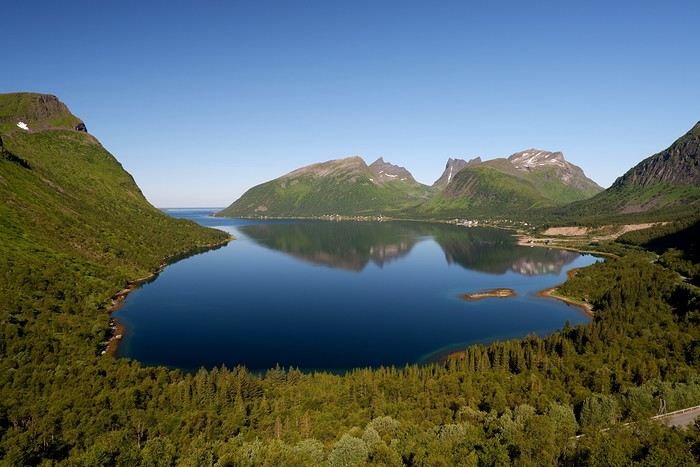
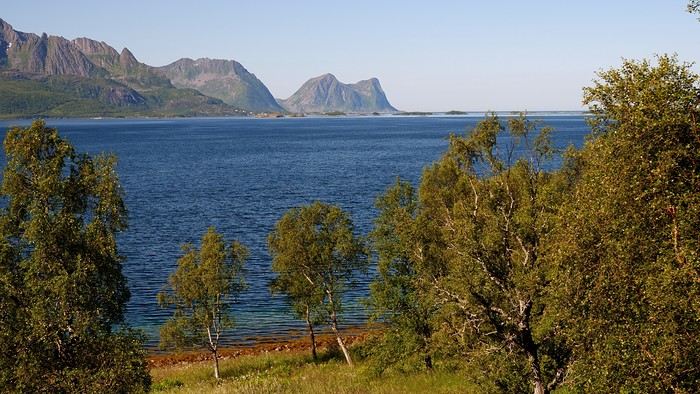
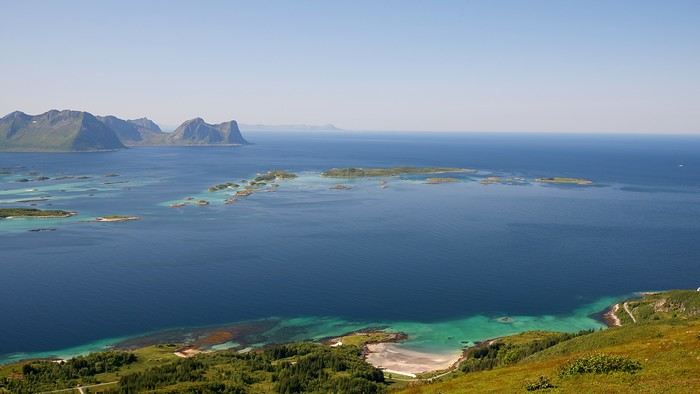
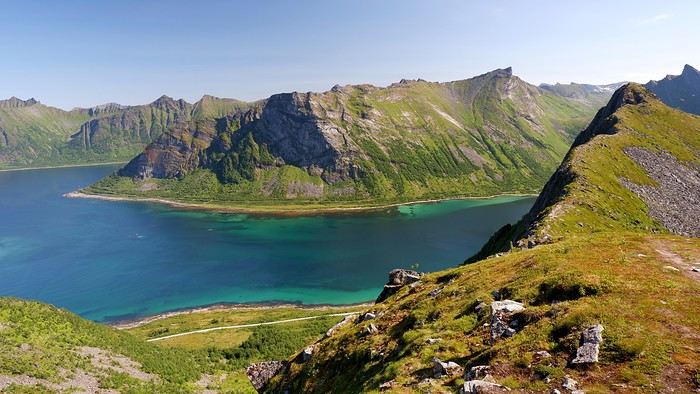
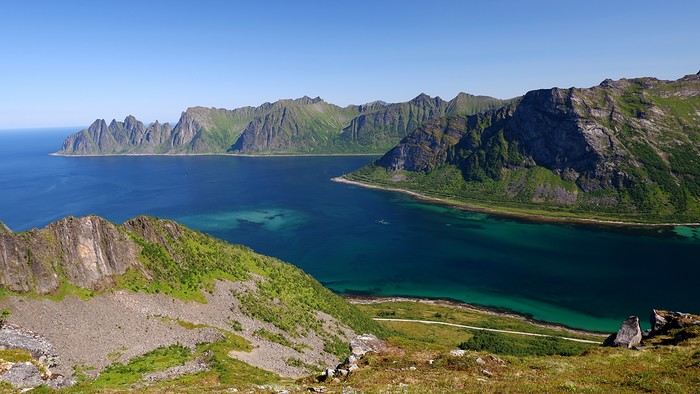
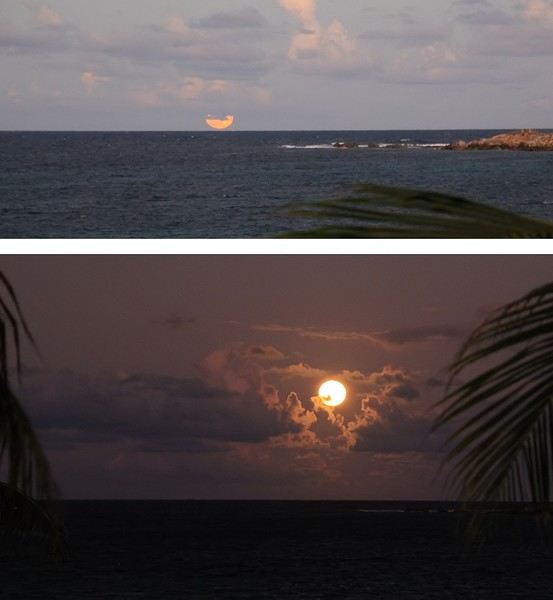
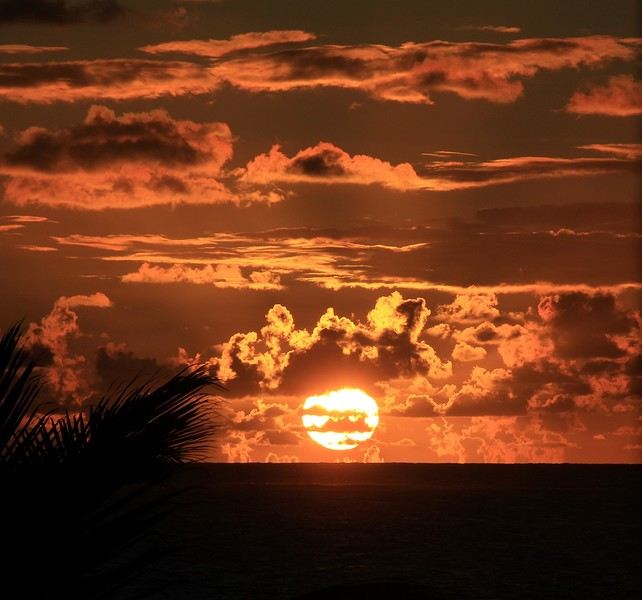
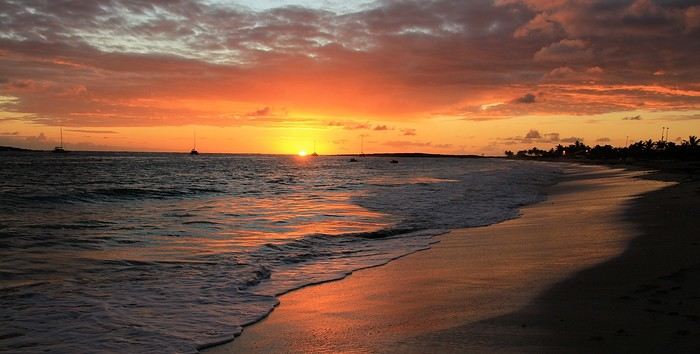
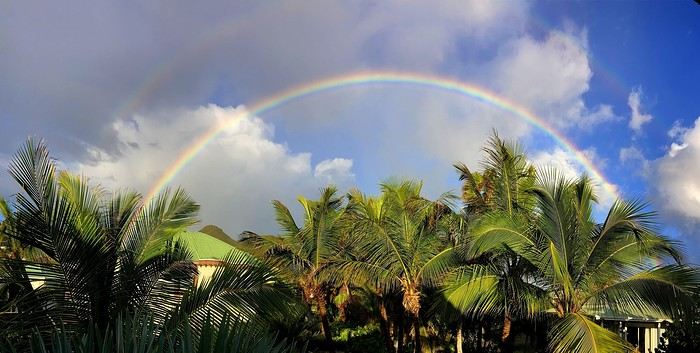
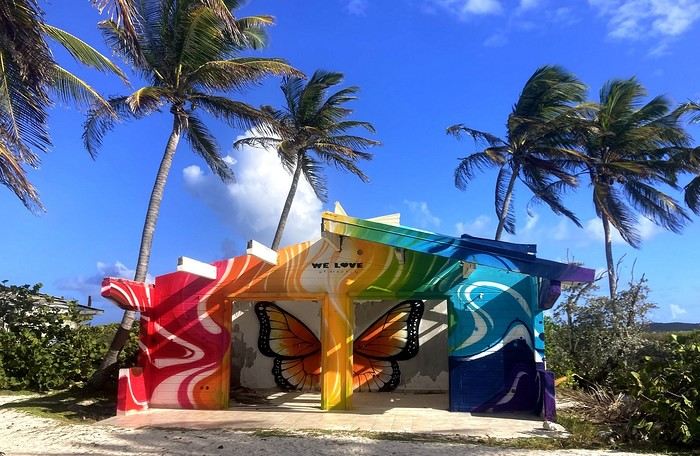
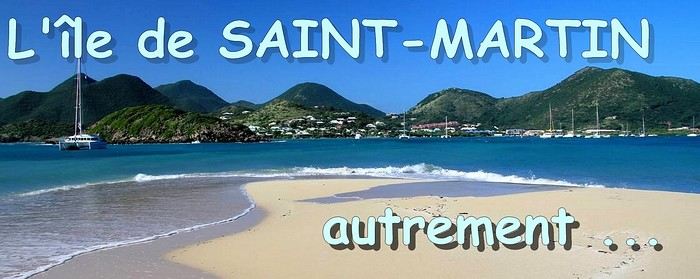 When it comes to the Caribbean island of Saint-Martin, it's customary to praise its coastline and dreamy beaches—and they certainly deserve it.
But in this story, I’d like to highlight other memories, aspects, and impressions for a slightly different change of scenery.
Enjoy the read—some text and, above all, lots of photos.
« Byenveni sou zile Sen Maten! » (Welcome to the island of Saint-Martin)