Oaxaca – Meanwhile...
Hmmmm, there’s some tension in the air with these recent messages... I hope the food will help smooth things over. Oaxaca has a reputation as a major culinary hub in Mexico. Without having visited the "expensive" restaurants, we definitely ate very well during our stay.
This is a personal point, but it’s part of our travel experience: since Y is Thai, it sometimes causes a few issues when it comes to food. Let me explain: from long experience with Thais, I can say that, as a general rule (with a few exceptions), they’re not very open to cuisines different from their own, no matter their social class. Y is no exception. It took years for her to start appreciating European food (but now she especially loves cheeses!). When we travel, she absolutely needs, from time to time, to retreat to a restaurant where she can have rice and fish, or better yet: shrimp.
No problem, we found the perfect spot in Oaxaca. It’s at the corner of Fray Bartolomé de Las Casas and Bustaramante, 100 meters from the Zócalo, and it’s called « Mariscos – La Red» ("The Net"). Having discovered this "ideal" restaurant (from a Thai’s perspective), we went back several times and were never disappointed. Y tried all the shrimp dishes, always with rice (photo), and loved them. 🙂 Excellent food, washed down with a few ice-cold "Sol" beers, friendly service, a nice crowd (you easily chat with the tables next to you), and very reasonable prices (we paid around 300 pesos for two, or 14 €).
Another great spot, especially for breakfast, is at the corner of the Zócalo, at the start of Miguel Hidalgo Street, called Chili Guajili. I particularly enjoyed the Tacos de Coloradito (100 pesos, served with an amazing orange juice—see photo, as well as another great dish). It’s delicious, really satisfying, especially if you add the little sauces they serve on the side. These little sauces, a funny detail, Y calls them "nam chim", as they remind her exactly of the little sauces served in Thailand. Oh, and I almost forgot: it’s also a good place for Wi-Fi.
I mentioned "Sol". Along with the well-known "Corona" (not the virus!), these are my favorite beers in Mexico. They’re refreshing. 😛 I tried a few others but never found a truly excellent beer (I had the same experience in Colombia). However, I’ll give special mention to the "Indio" beer, first for its name, and then for this special edition "Bienvenidos – Edición Muertos" which I find quite amusing (photo).
This brings us back to the central theme of our stay in Oaxaca: the "Día de Muertos" festivities. How could we forget? It’s everywhere. In the evening, for example, some very typical faces among the crowd enjoying themselves around the cathedral (photos). On our way back to our hotel, a bit outside the center, we stumble upon a local celebration. The photo is blurry due to the low light (my phone has its limits), but you’ll recognize all those devil horns and masks that are so much fun.
If you ever want to get into the local spirit, you can either get your face painted in the street or simply buy a mask—you’ll find them everywhere.
But beyond all the skeletons and devils of all kinds, there’s also the more normal vibe of the city. One evening, we’re drawn to music in the middle of the Zócalo. There’s a whole group of musicians performing on the bandstand, and they’re really good. The atmosphere is amazing. 😎 Y starts dancing a few steps, much to the delight of the spectators (she always impresses!). 😉 We strike up a conversation with an American couple, really nice people, and we exchange contact info, but as often happens when traveling, you meet people you really click with and then quickly lose touch... 😐
And on Wednesday evenings, there’s a "danzón" between the Zócalo and the cathedral. "Danzón" is a dance of Cuban origin that’s become very popular in Mexico, though it seems more like a community dance than a specific style. What we see looks more like salsa. Doesn’t matter—people are dancing or watching others dance. It’s relaxed and good-natured. Ah, life is good in this country! 🙂







I had to leave Thailand as my 60-day visa was coming to an end, and this time I opted for a 14-day visit to Japan. I’d already spent 3 days in Tokyo a few years ago on a business trip, which left me with a great impression. Y, my Thai partner, had never been there. That’s why we chose a fairly classic itinerary, including a few castles and Kyoto among other things.
Before diving into the details of our trip, I’d like to recap the expenses we incurred. This will be useful for some of you, and it’ll help us prepare for our next trip to Japan.
I’ve categorized our expenses into 5 groups: - Hotels: 1150 € (breakfast included) - Transportation: 278 € (trains, buses) - Big expenses: 487 € (souvenirs and a few necessary items) - Excursions: 116 € (museum visits, temples, castles) - Daily expenses: 1125 € (meals, small purchases) Total = 3194 €, or 228 € per day on average. I’m excluding flights, as those depend on everyone’s arrangements (departure location, travel dates, etc.).
Jpeg below: apologies for “hotel” without a circumflex—my software isn’t French!

For hotels, we always chose decent but not luxurious places, well-located to let us walk to and from transportation hubs. We systematically avoided taxis, which are notoriously expensive in Japan. We’ve also gotten into the habit over several trips of traveling with minimal luggage: one duffel bag each (7-8 kg) plus the small carry-on allowed on planes (2-3 kg). This lets us travel with three sets of clothes (what we’re wearing plus two changes). We add a checked bag for the return trip to accommodate the things we buy along the way.
‘Transportation’ and ‘Big expenses’: I’ll give more details in the day-by-day account.
We didn’t do any extravagant excursions, like safaris or sports activities.
Meals and food make up the bulk of our daily expenses. We often ate at izakayas, which offer great value—between 2000 and 6000 yen for two (about 11-12 to 33-34 € for two, usually around 20-25 €). We didn’t hold back, but we also didn’t go to high-end restaurants.
More to come while I gather my photos: General Remarks.
Before diving into the details of our trip, I’d like to recap the expenses we incurred. This will be useful for some of you, and it’ll help us prepare for our next trip to Japan.
I’ve categorized our expenses into 5 groups: - Hotels: 1150 € (breakfast included) - Transportation: 278 € (trains, buses) - Big expenses: 487 € (souvenirs and a few necessary items) - Excursions: 116 € (museum visits, temples, castles) - Daily expenses: 1125 € (meals, small purchases) Total = 3194 €, or 228 € per day on average. I’m excluding flights, as those depend on everyone’s arrangements (departure location, travel dates, etc.).
Jpeg below: apologies for “hotel” without a circumflex—my software isn’t French!
For hotels, we always chose decent but not luxurious places, well-located to let us walk to and from transportation hubs. We systematically avoided taxis, which are notoriously expensive in Japan. We’ve also gotten into the habit over several trips of traveling with minimal luggage: one duffel bag each (7-8 kg) plus the small carry-on allowed on planes (2-3 kg). This lets us travel with three sets of clothes (what we’re wearing plus two changes). We add a checked bag for the return trip to accommodate the things we buy along the way.
‘Transportation’ and ‘Big expenses’: I’ll give more details in the day-by-day account.
We didn’t do any extravagant excursions, like safaris or sports activities.
Meals and food make up the bulk of our daily expenses. We often ate at izakayas, which offer great value—between 2000 and 6000 yen for two (about 11-12 to 33-34 € for two, usually around 20-25 €). We didn’t hold back, but we also didn’t go to high-end restaurants.
More to come while I gather my photos: General Remarks.



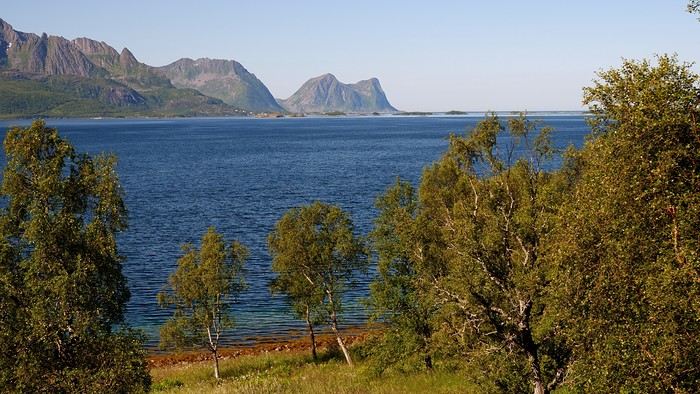
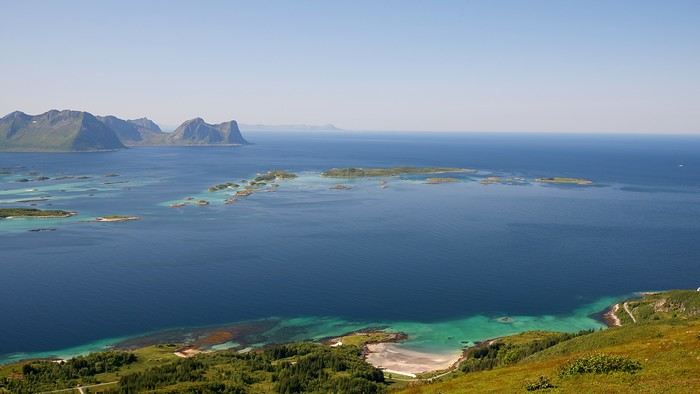
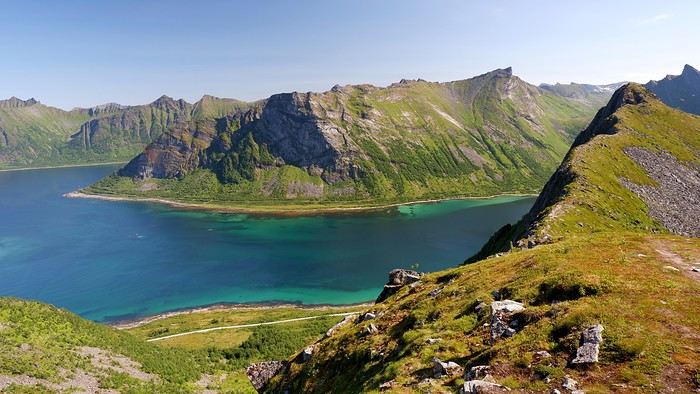
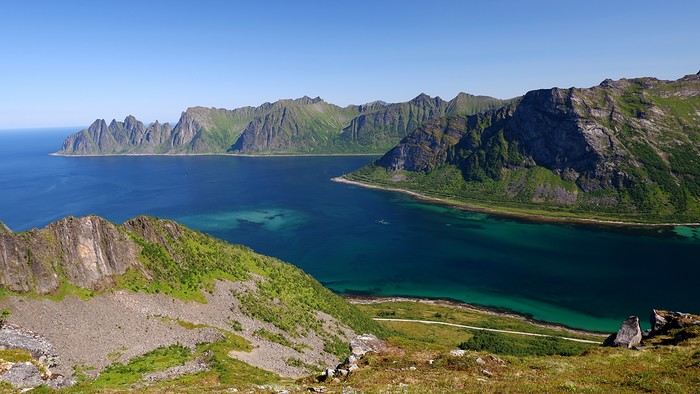































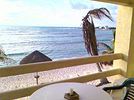
 When it comes to the Caribbean island of Saint-Martin, it's customary to praise its coastline and dreamy beaches—and they certainly deserve it.
But in this story, I’d like to highlight other memories, aspects, and impressions for a slightly different change of scenery.
Enjoy the read—some text and, above all, lots of photos.
« Byenveni sou zile Sen Maten! » (Welcome to the island of Saint-Martin)
















 Roundabouts are particularly interesting because they feature emblems of Turkmen culture, like the dog, a carpet, the Ahal Teke horse, or Muslim symbols, even though the presence of Islamic artifacts is quite limited.












 Come along, I'm taking you to this country where it's so nice to wander and slow down...












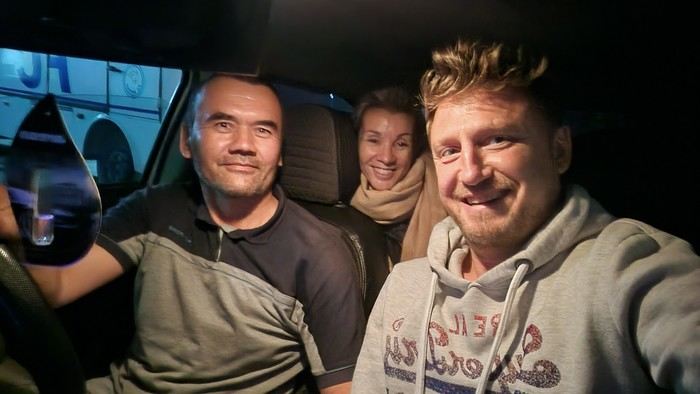
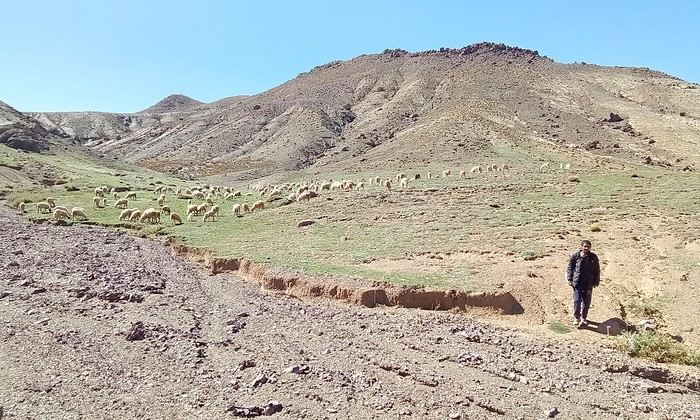
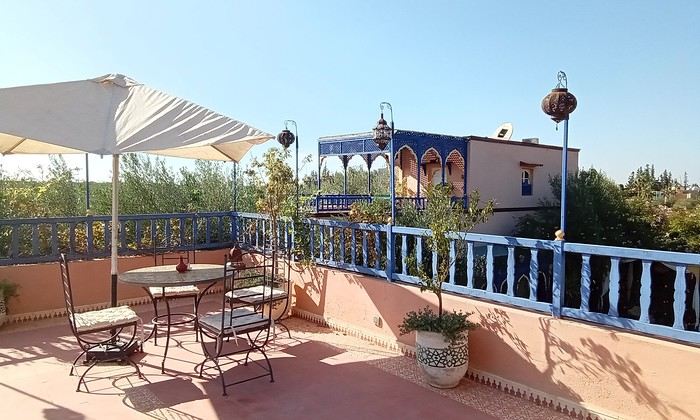
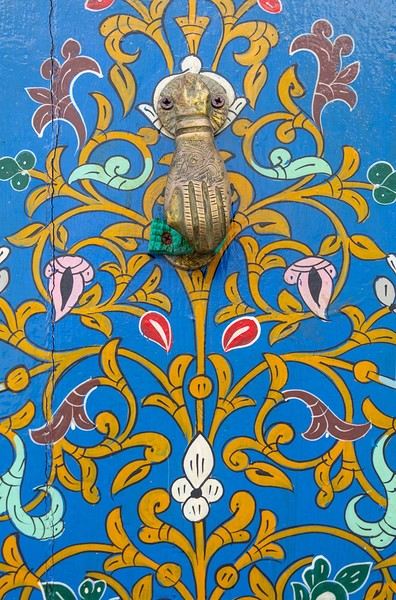
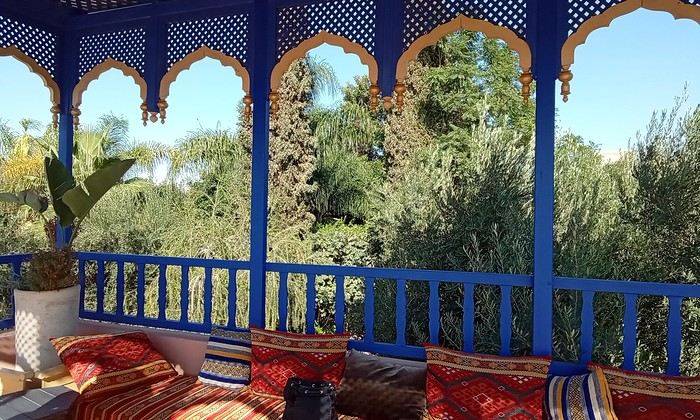 Last October, we landed in Marrakech to spend a few days with family exploring Morocco’s roads.
Transport: a rented Dacia.
Accommodations: small guesthouses.

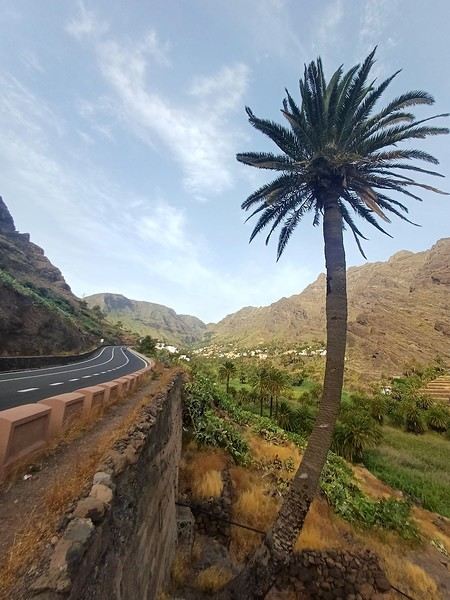
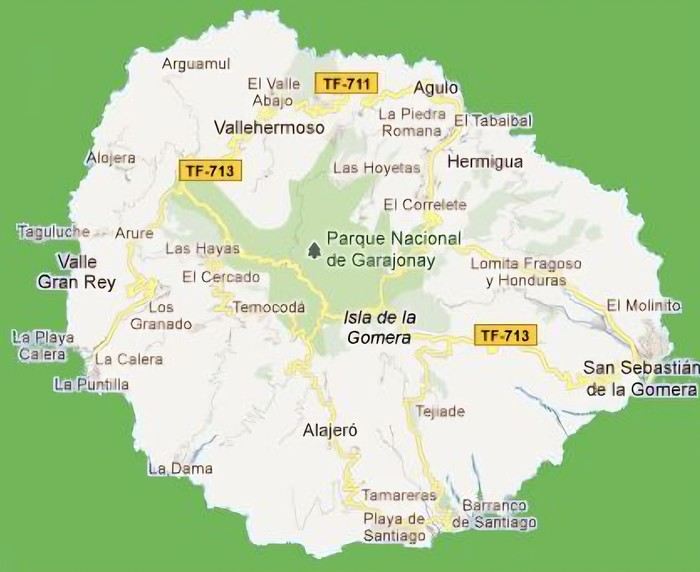 The large solidified magma massifs that shape the heart of the island have created a large depression more protected from the sun at its center, allowing the growth of a vast laurel forest, today grouped within the Garajonay National Park, La Gomera’s green lung, which has earned it the status of a World Biosphere Reserve. Its completely European appearance contrasts sharply with the rocky and tropical landscapes of the rest of the island. Thus, the climate varies greatly from one point to another on the island: in summer, you can quickly go from a dry and sunny valley at 35°C to a humid forest area at altitude at 18°C.
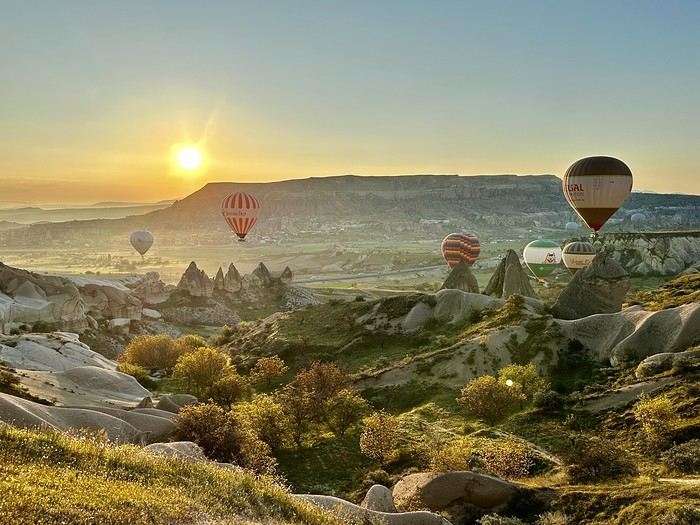 A little sneak peek?
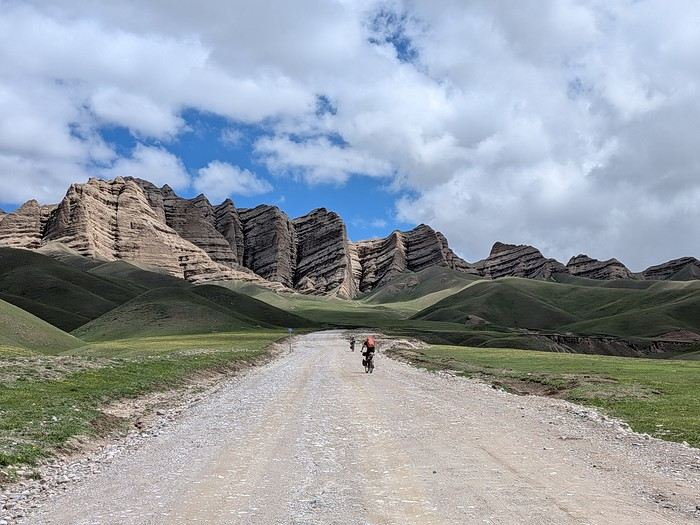
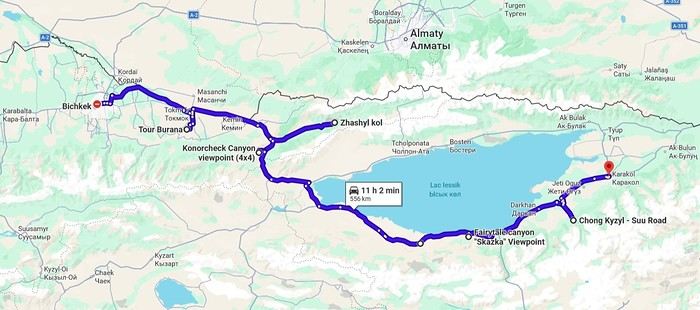
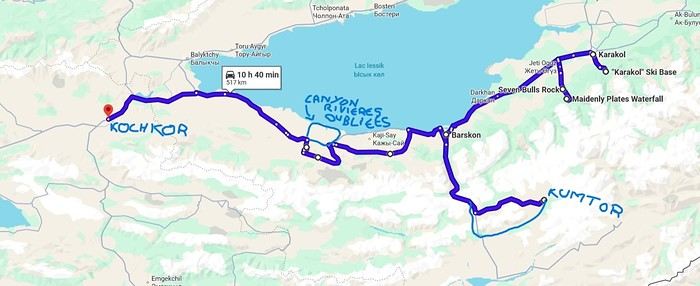
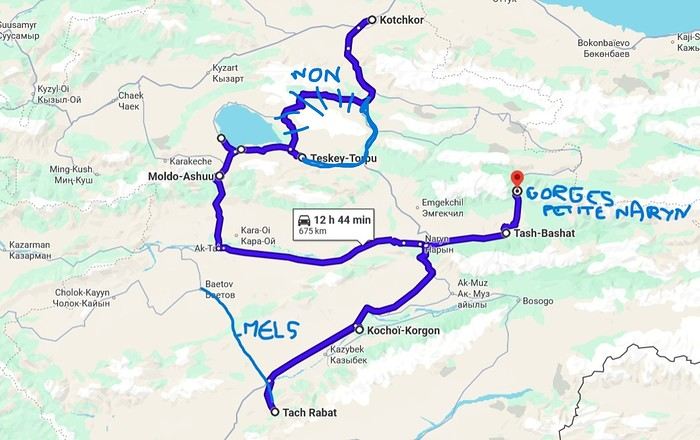
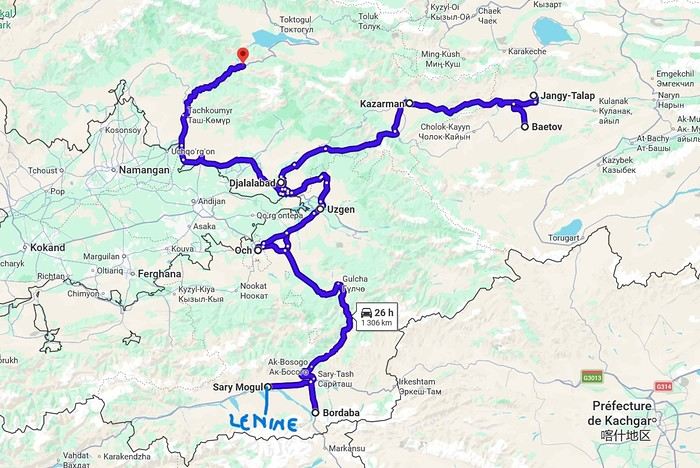
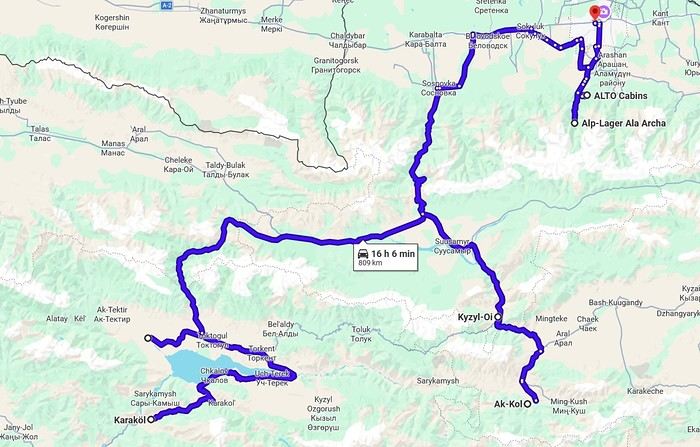



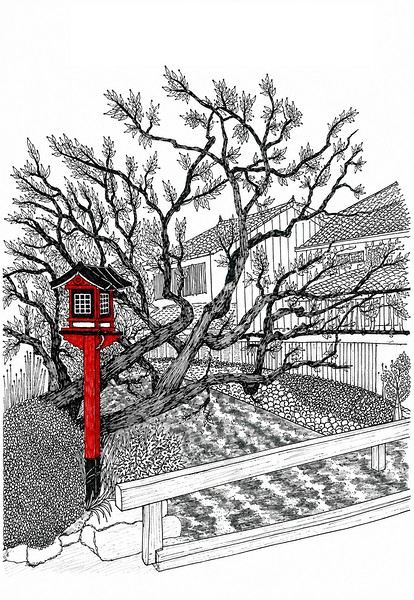 I’m inviting you on a stroll through my drawings—a completely subjective, far from exhaustive, and totally personal take, since it’s based on my own sketches. I put this travel journal together after returning in late 2024, mostly using felt-tip pens and pencils, with a few collages thrown in. I worked from our personal photos.
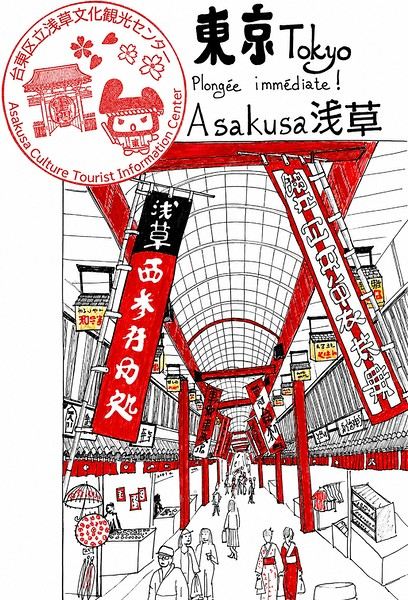
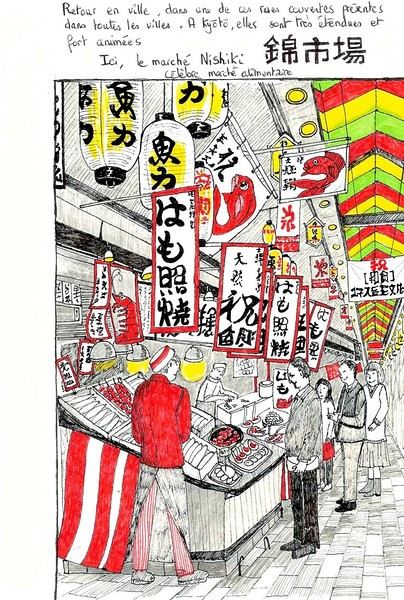
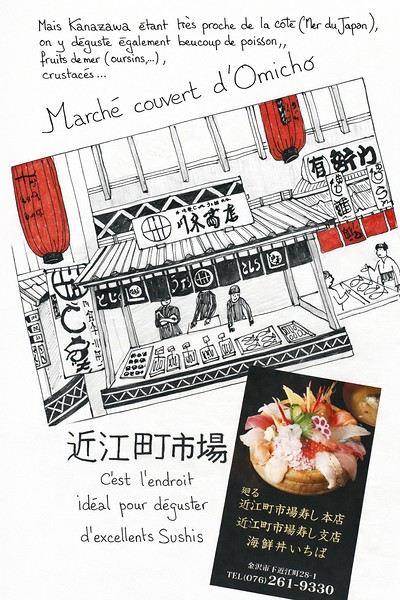 And in Kyoto, Nishiki Market: