Oaxaca – Meanwhile...
Hmmmm, there’s some tension in the air with these recent messages... I hope the food will help smooth things over. Oaxaca has a reputation as a major culinary hub in Mexico. Without having visited the "expensive" restaurants, we definitely ate very well during our stay.
This is a personal point, but it’s part of our travel experience: since Y is Thai, it sometimes causes a few issues when it comes to food. Let me explain: from long experience with Thais, I can say that, as a general rule (with a few exceptions), they’re not very open to cuisines different from their own, no matter their social class. Y is no exception. It took years for her to start appreciating European food (but now she especially loves cheeses!). When we travel, she absolutely needs, from time to time, to retreat to a restaurant where she can have rice and fish, or better yet: shrimp.
No problem, we found the perfect spot in Oaxaca. It’s at the corner of Fray Bartolomé de Las Casas and Bustaramante, 100 meters from the Zócalo, and it’s called « Mariscos – La Red» ("The Net"). Having discovered this "ideal" restaurant (from a Thai’s perspective), we went back several times and were never disappointed. Y tried all the shrimp dishes, always with rice (photo), and loved them. 🙂 Excellent food, washed down with a few ice-cold "Sol" beers, friendly service, a nice crowd (you easily chat with the tables next to you), and very reasonable prices (we paid around 300 pesos for two, or 14 €).
Another great spot, especially for breakfast, is at the corner of the Zócalo, at the start of Miguel Hidalgo Street, called Chili Guajili. I particularly enjoyed the Tacos de Coloradito (100 pesos, served with an amazing orange juice—see photo, as well as another great dish). It’s delicious, really satisfying, especially if you add the little sauces they serve on the side. These little sauces, a funny detail, Y calls them "nam chim", as they remind her exactly of the little sauces served in Thailand. Oh, and I almost forgot: it’s also a good place for Wi-Fi.
I mentioned "Sol". Along with the well-known "Corona" (not the virus!), these are my favorite beers in Mexico. They’re refreshing. 😛 I tried a few others but never found a truly excellent beer (I had the same experience in Colombia). However, I’ll give special mention to the "Indio" beer, first for its name, and then for this special edition "Bienvenidos – Edición Muertos" which I find quite amusing (photo).
This brings us back to the central theme of our stay in Oaxaca: the "Día de Muertos" festivities. How could we forget? It’s everywhere. In the evening, for example, some very typical faces among the crowd enjoying themselves around the cathedral (photos). On our way back to our hotel, a bit outside the center, we stumble upon a local celebration. The photo is blurry due to the low light (my phone has its limits), but you’ll recognize all those devil horns and masks that are so much fun.
If you ever want to get into the local spirit, you can either get your face painted in the street or simply buy a mask—you’ll find them everywhere.
But beyond all the skeletons and devils of all kinds, there’s also the more normal vibe of the city. One evening, we’re drawn to music in the middle of the Zócalo. There’s a whole group of musicians performing on the bandstand, and they’re really good. The atmosphere is amazing. 😎 Y starts dancing a few steps, much to the delight of the spectators (she always impresses!). 😉 We strike up a conversation with an American couple, really nice people, and we exchange contact info, but as often happens when traveling, you meet people you really click with and then quickly lose touch... 😐
And on Wednesday evenings, there’s a "danzón" between the Zócalo and the cathedral. "Danzón" is a dance of Cuban origin that’s become very popular in Mexico, though it seems more like a community dance than a specific style. What we see looks more like salsa. Doesn’t matter—people are dancing or watching others dance. It’s relaxed and good-natured. Ah, life is good in this country! 🙂








I love islands...
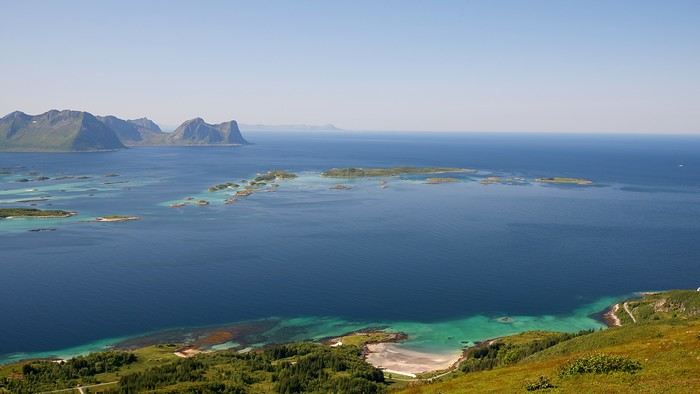
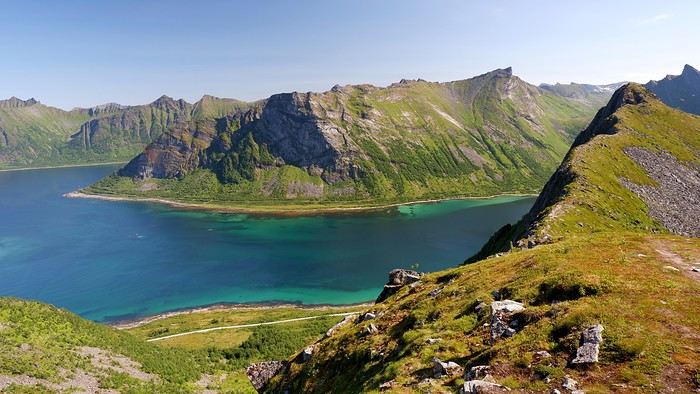
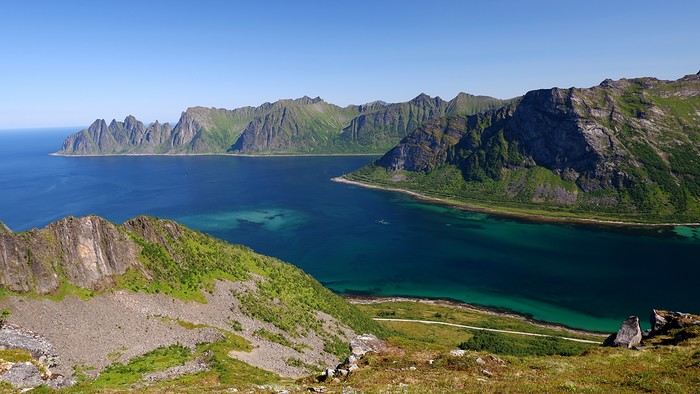
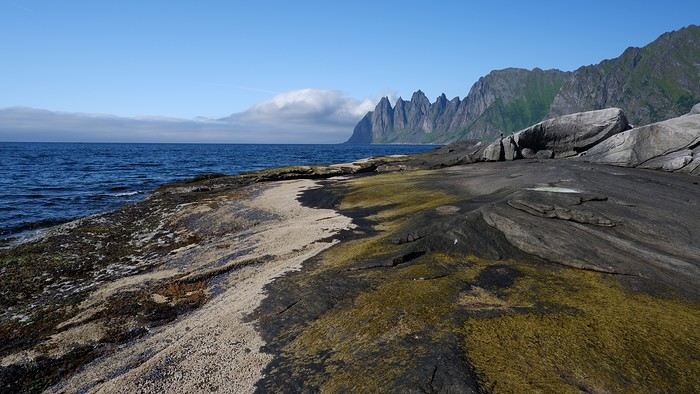
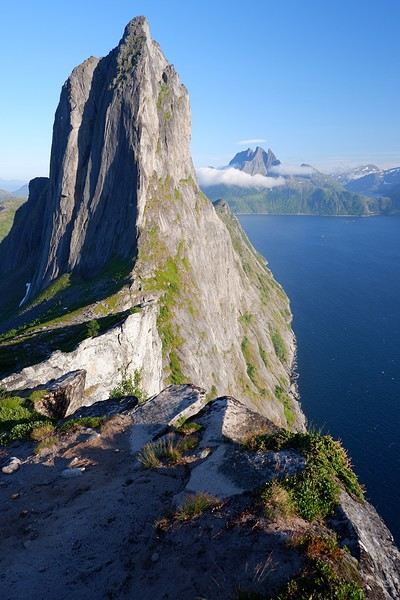
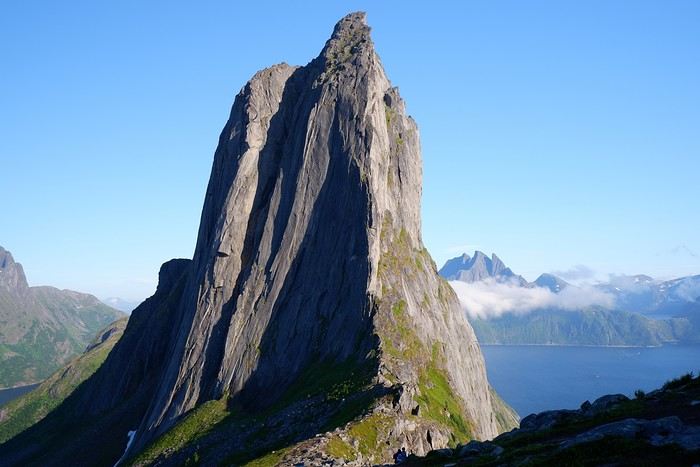
I love islands. So it’s no surprise that the Azores have been catching my eye for a few years now. The first time I suggested them to my dear partner back in 2021, he preferred the Lofoten Islands—an excellent choice, as it turned out, since we got to visit them with hardly any crowds. But for various reasons, the opportunity didn’t come up again in the following years. Until last year, that is. But by then, we’d left it too late—too late for the Azores, I mean—and the choice of accommodations on Flores and São Jorge was extremely limited. We decided to skip it without even looking at car rentals. So this year, we booked our flights, lodgings, and cars well in advance (between December of last year and early this year).
The Azores consist of nine islands, so you have to make choices. I quickly ruled out São Miguel, which deserves a week all to itself: from reading various blogs, some travelers seemed disappointed after visiting the other islands, even feeling it lacked the charm unique to the Azores. True or not, that was reason enough to leave it out.
In the end, we wanted to go to Flores for its lush nature (and because it’s reputed to be the most breathtaking), to São Jorge for its rural/nature vibe, and to Terceira for its cultural side and its *impérios* (more on that later). With the time we had, we could add another island without rushing. We like to take our time and wander a bit. Generally, whether it’s a viewpoint or a hike, we always spend more time than everyone else. Pico won out over Faial thanks to its wine culture. And of course, there’s Corvo, which is usually visited as a day trip from Flores. I thought it’d be nice to spend the night there to experience the atmosphere once most tourists had left. I hesitated between one or two nights and ultimately went with two (so we wouldn’t be rushed by the boat schedule). It was an excellent decision.
Here’s how it all panned out:
August 25: departure for Terceira via Lisbon at 7:40 AM; August 25–29: Terceira; August 29: flight to Corvo. It was supposed to take half a day, and we were meant to arrive in the early afternoon, but between schedule changes and delays, it ended up taking almost the whole day; August 29–31: Corvo; August 31: boat to Flores around 8:30 AM; August 31–September 5: Flores; September 5: flight to Faial in the early afternoon (originally scheduled for the morning, but the times changed)—visit to Horta; September 6: boat to São Jorge around 9:00 AM; September 6–11: São Jorge; September 11: boat to Pico at 11:15 AM; September 11–16: Pico; September 16: flight to Paris via Lisbon from Pico around 10:30 AM.
We had to juggle a bit to optimize the prices of our flight tickets from Paris and the inter-island travel.



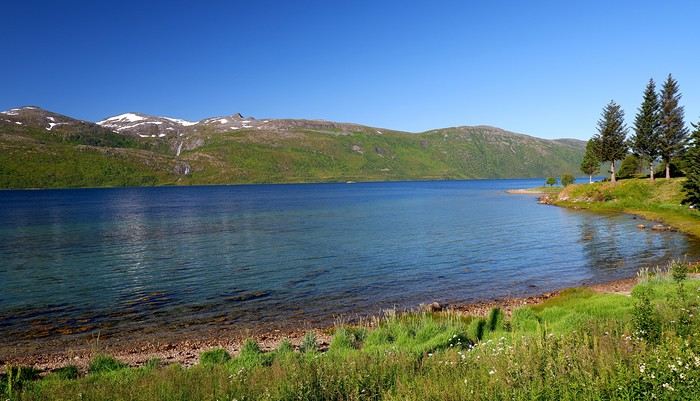
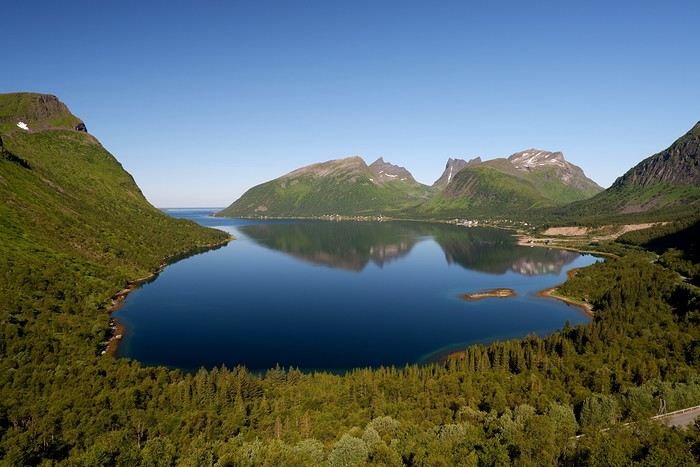
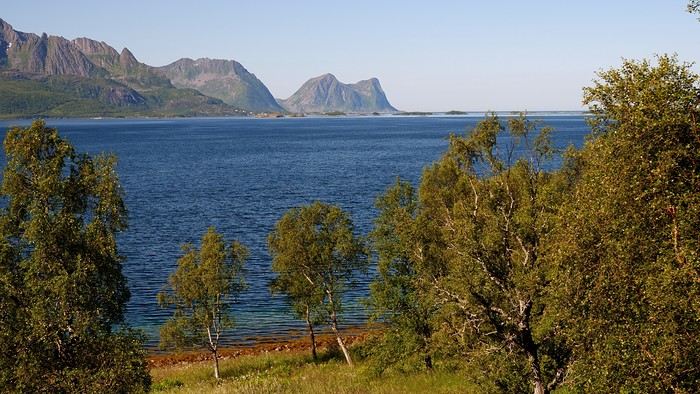





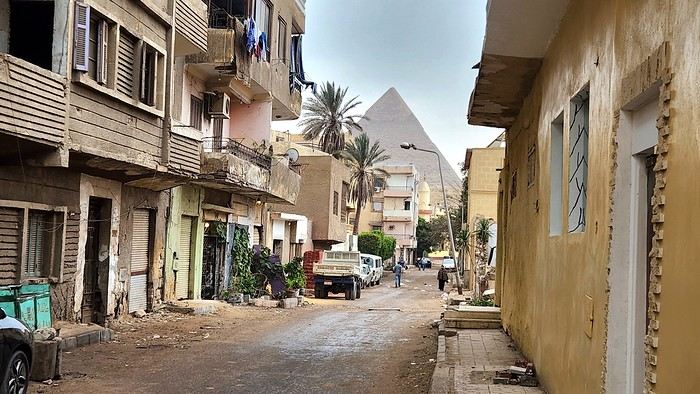
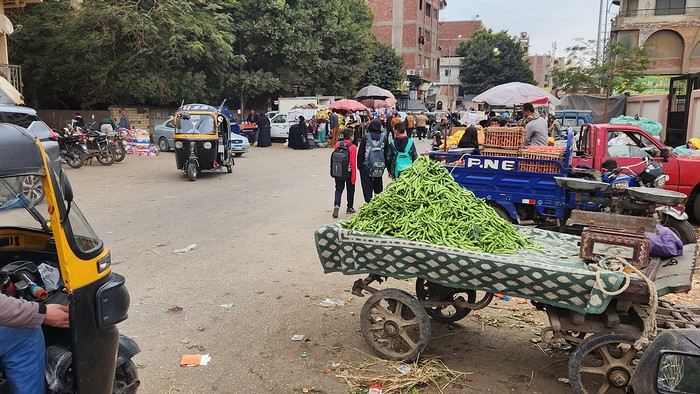

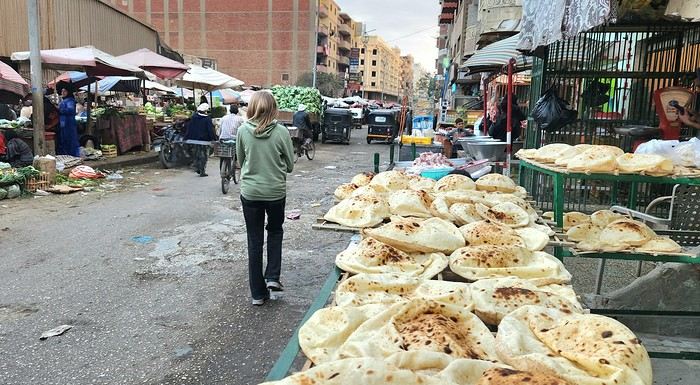
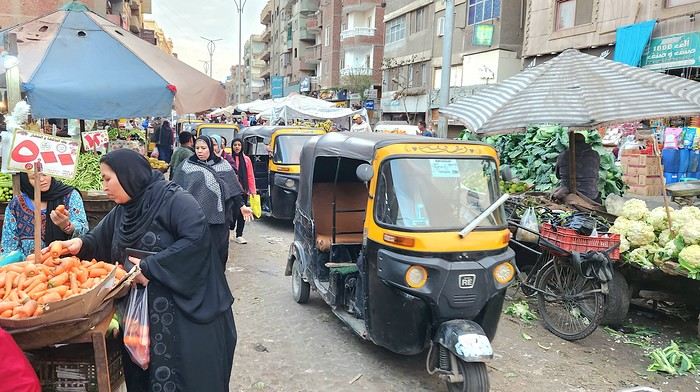




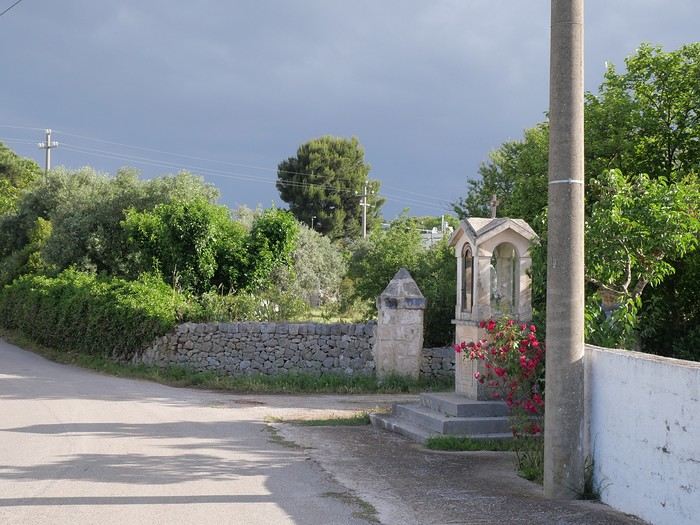
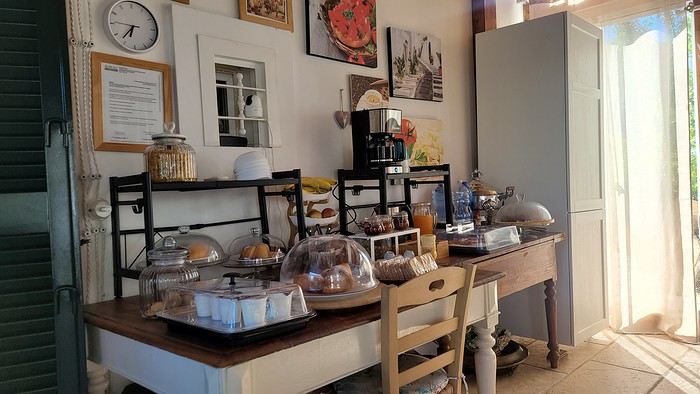
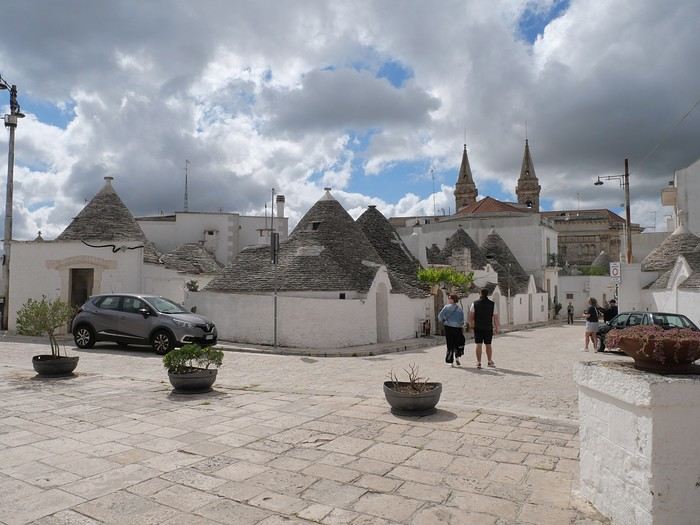
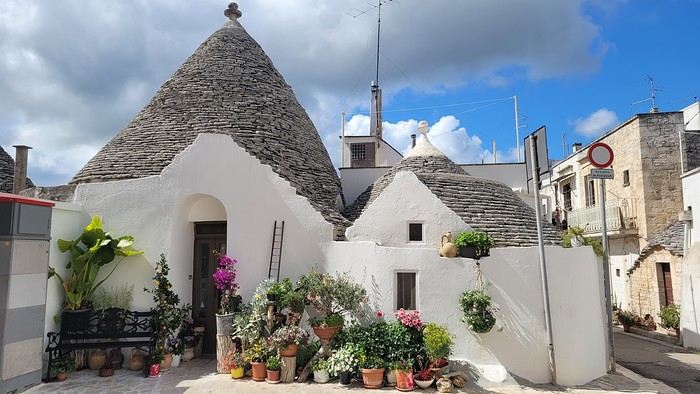

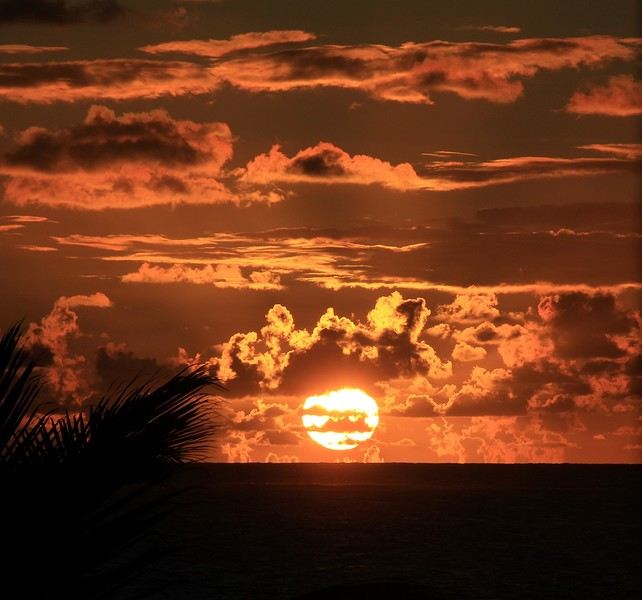
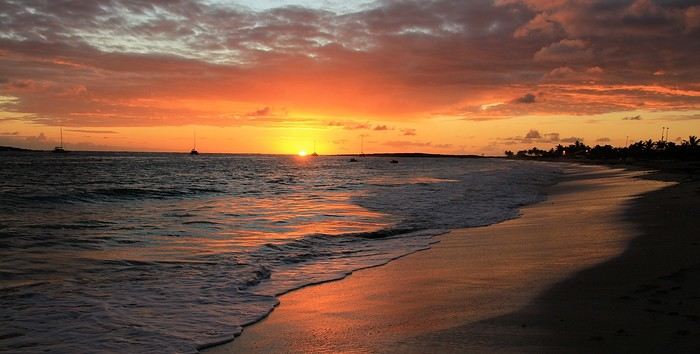
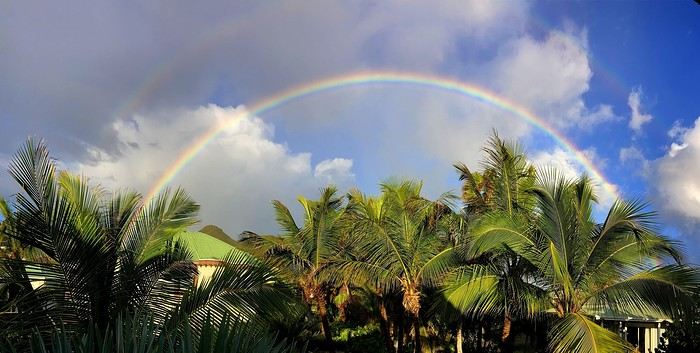
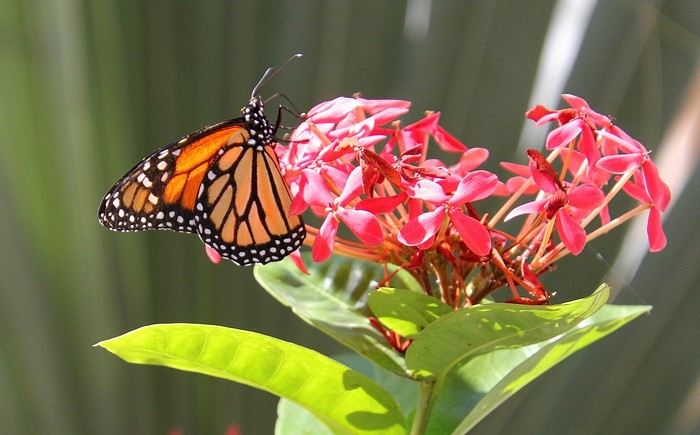
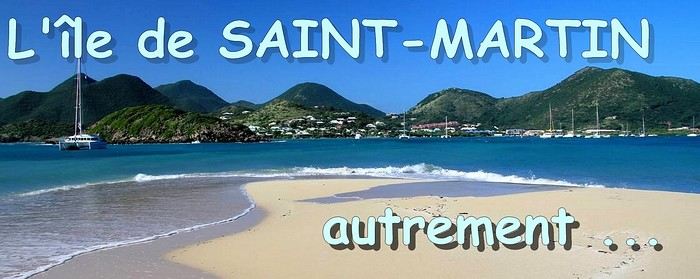 When it comes to the Caribbean island of Saint-Martin, it's customary to praise its coastline and dreamy beaches—and they certainly deserve it.
But in this story, I’d like to highlight other memories, aspects, and impressions for a slightly different change of scenery.
Enjoy the read—some text and, above all, lots of photos.
« Byenveni sou zile Sen Maten! » (Welcome to the island of Saint-Martin)



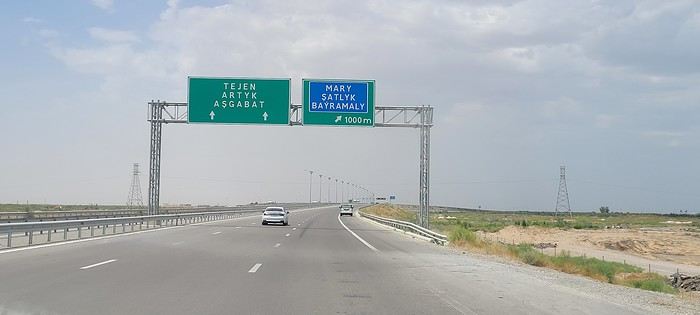



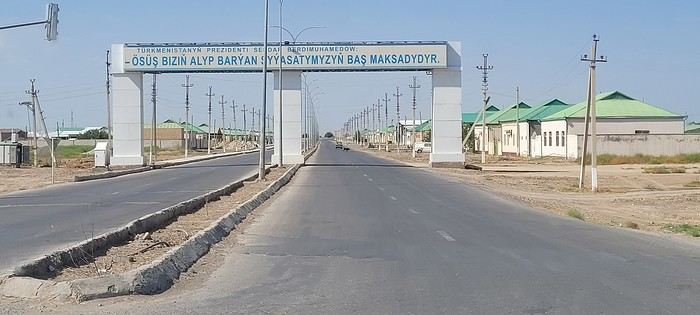
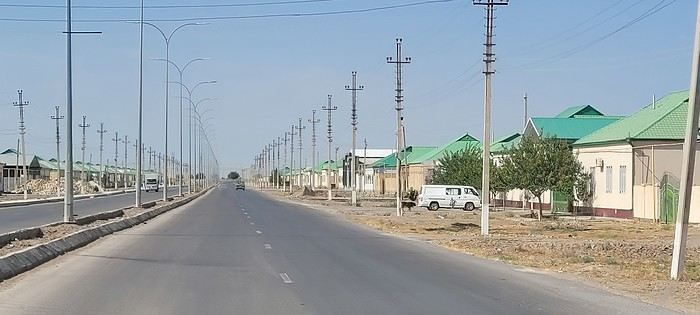 Roundabouts are particularly interesting because they feature emblems of Turkmen culture, like the dog, a carpet, the Ahal Teke horse, or Muslim symbols, even though the presence of Islamic artifacts is quite limited.


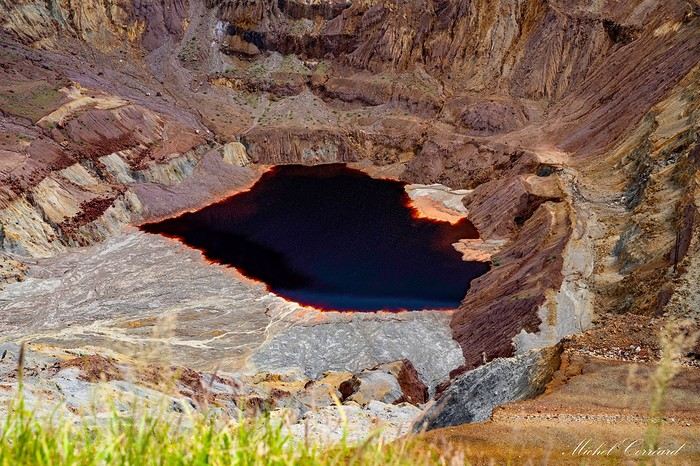









 Come along, I'm taking you to this country where it's so nice to wander and slow down...


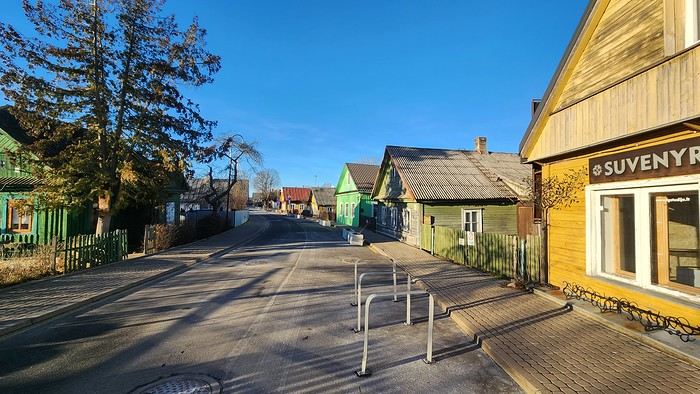



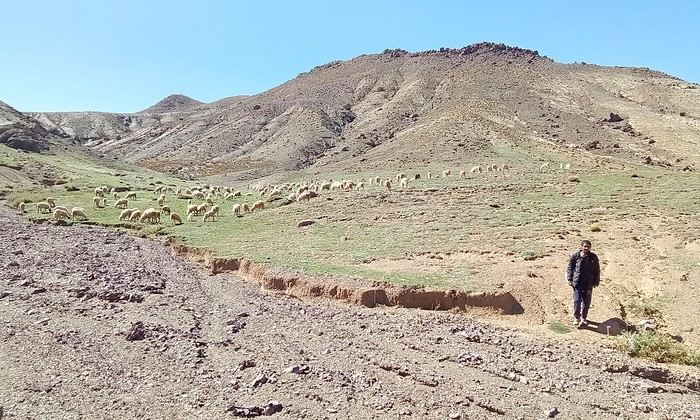
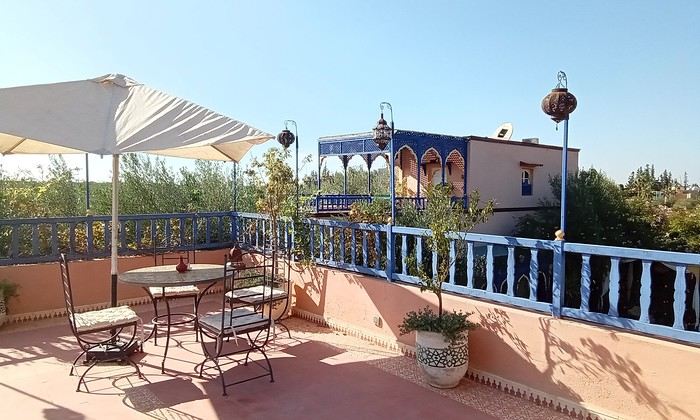
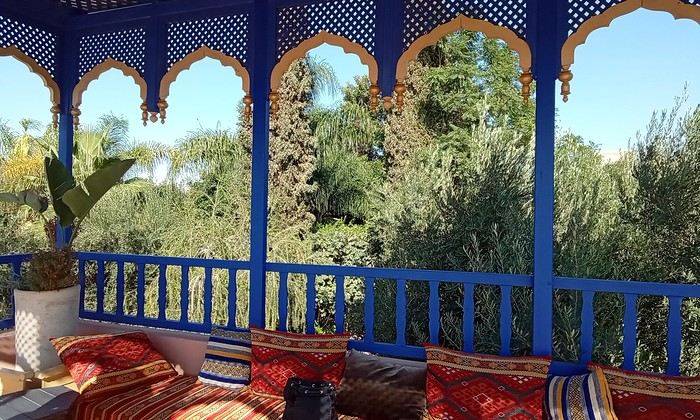 Last October, we landed in Marrakech to spend a few days with family exploring Morocco’s roads.
Transport: a rented Dacia.
Accommodations: small guesthouses.

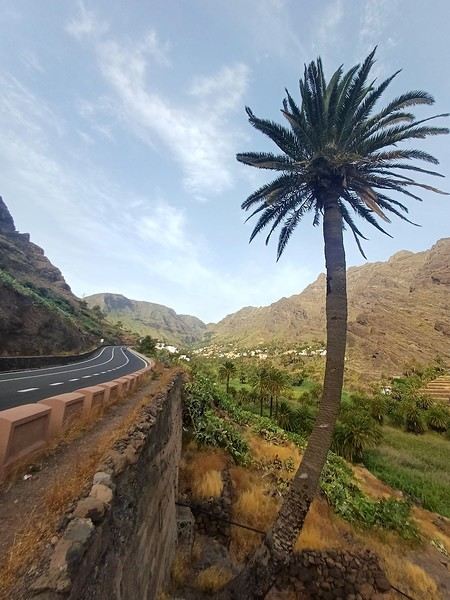
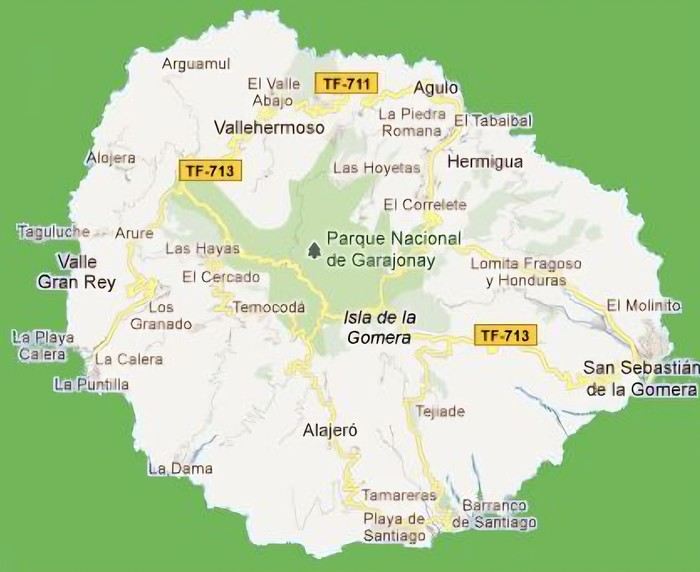 The large solidified magma massifs that shape the heart of the island have created a large depression more protected from the sun at its center, allowing the growth of a vast laurel forest, today grouped within the Garajonay National Park, La Gomera’s green lung, which has earned it the status of a World Biosphere Reserve. Its completely European appearance contrasts sharply with the rocky and tropical landscapes of the rest of the island. Thus, the climate varies greatly from one point to another on the island: in summer, you can quickly go from a dry and sunny valley at 35°C to a humid forest area at altitude at 18°C.

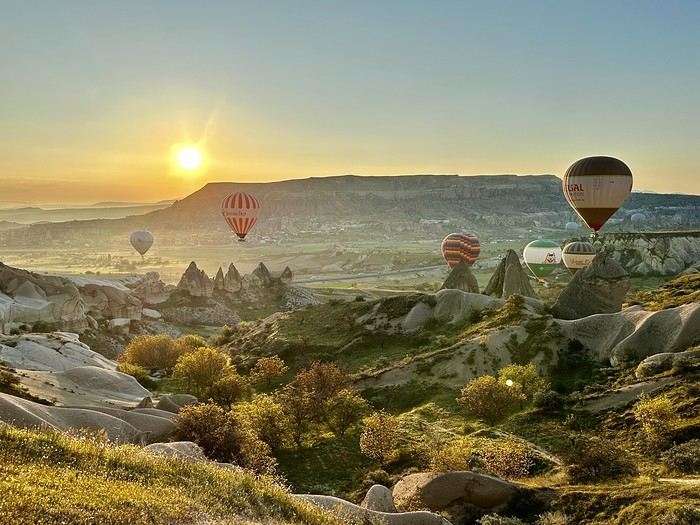 A little sneak peek?
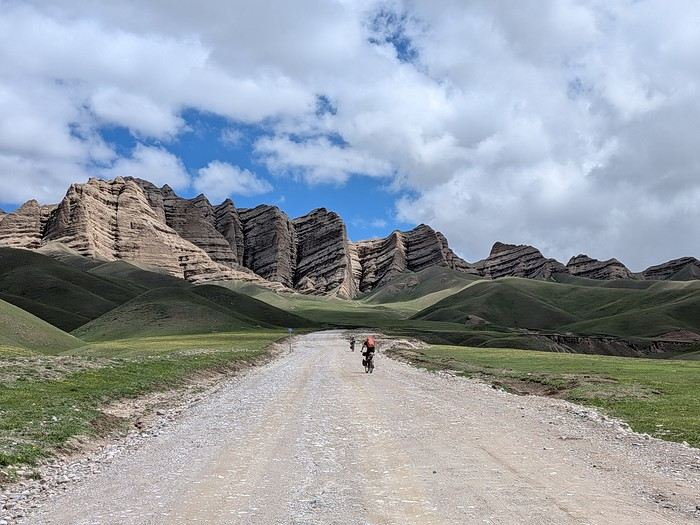
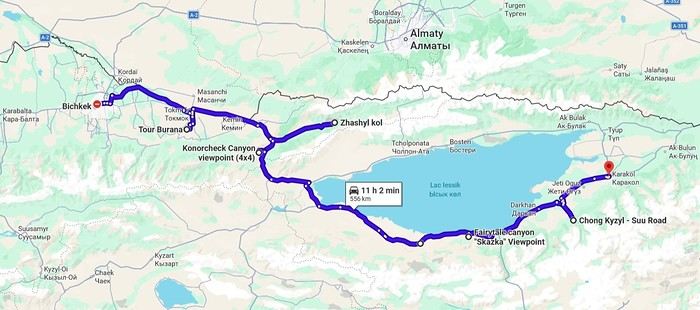
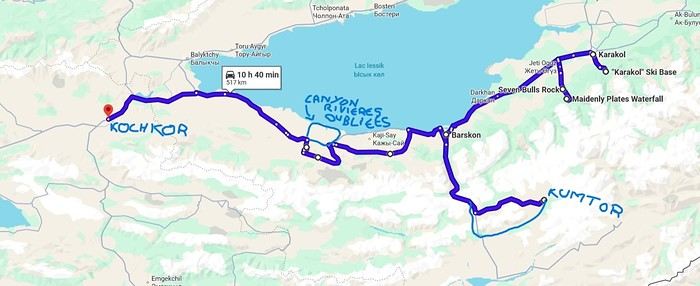
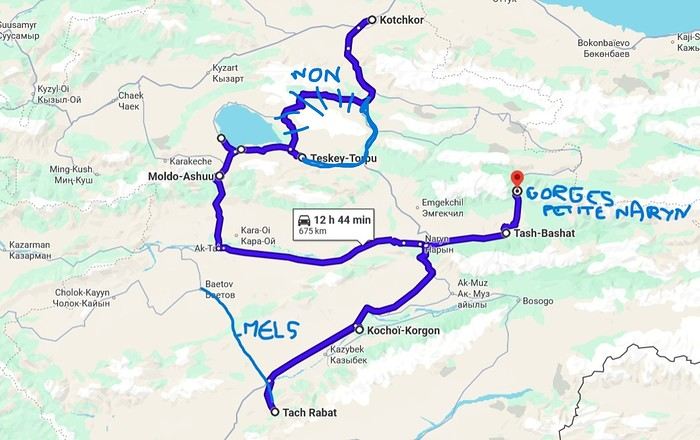
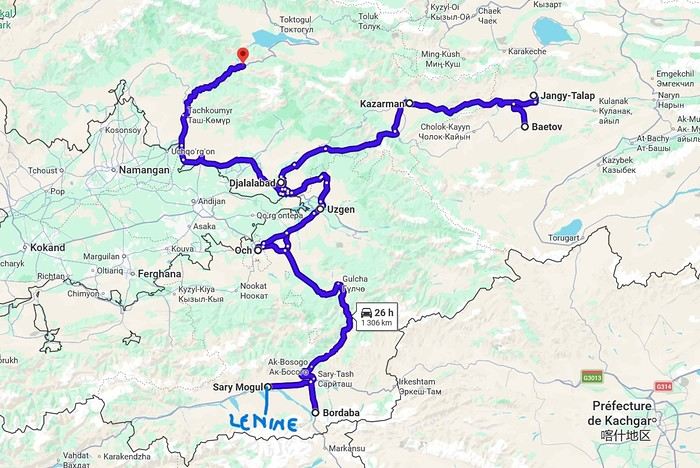
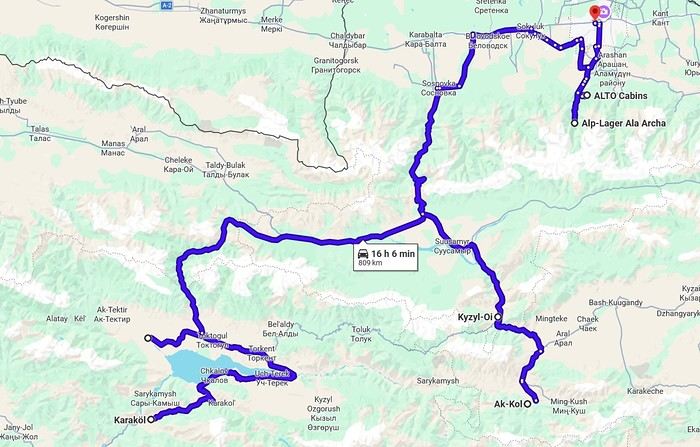



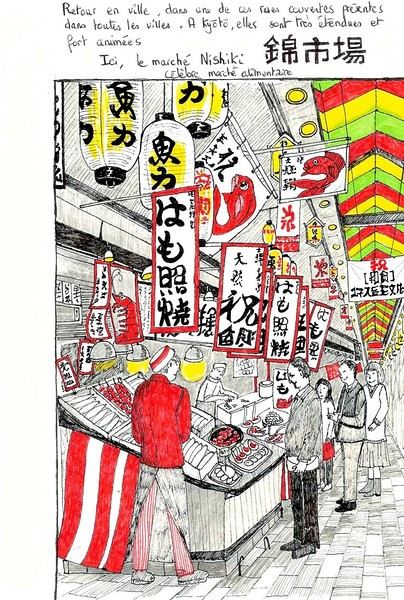
 I’m inviting you on a stroll through my drawings—a completely subjective, far from exhaustive, and totally personal take, since it’s based on my own sketches. I put this travel journal together after returning in late 2024, mostly using felt-tip pens and pencils, with a few collages thrown in. I worked from our personal photos.
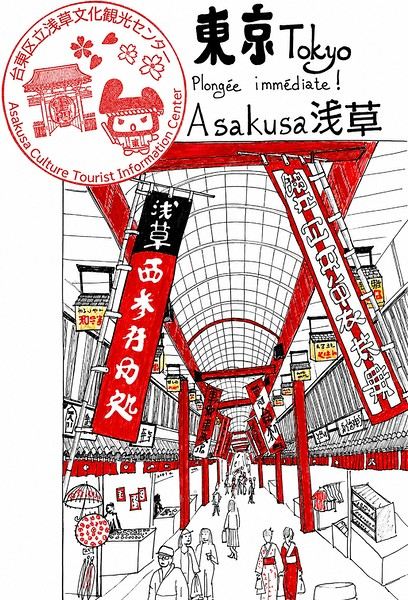
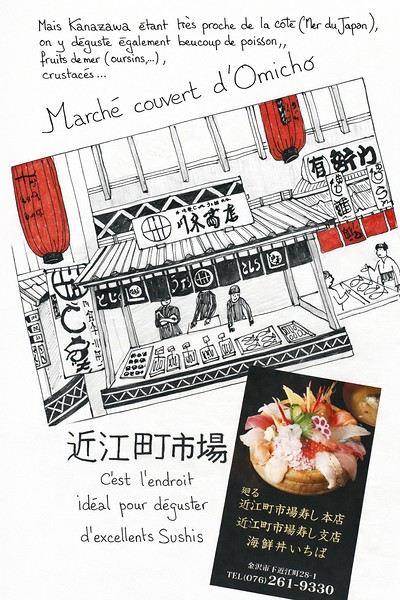 And in Kyoto, Nishiki Market: