Hi everyone!
I wanted to share my experience from the trip I had this summer in Mongolia, in case it helps anyone get their bearings—I also relied a lot on forums myself.
We went as a couple with a French-speaking guide, Hacha, for a 17-day trek through the steppes and the Gobi Desert.
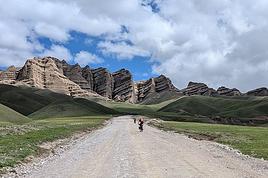
The experience was amazing—the landscapes are truly diverse and stunning. We started with a quick visit to Ulaanbaatar, then headed into the steppes for half the trip, including the Orkhon Valley, before moving on to the desert, which isn’t just sand but has incredibly varied scenery.
We traveled with Hacha, who has been a guide for 27 years and knows Mongolia inside out. She was accompanied by her daughter (with our consent). Hacha teaches French the rest of the year and speaks it perfectly. Her kindness and humor were much appreciated, and she’s become a friend. She prepared delicious homemade meals throughout the trip, adapted to European tastes since she’s used to it. We also had a driver who was really friendly and professional.
I injured myself on the way there with a sprained ankle, and Hacha immediately adjusted the pace and some activities to accommodate my injury, as well as booking more comfortable lodgings for the first few nights. She didn’t tell us it cost her extra, and we only found out later—we chose to pay a supplement, but she never asked for anything. Hacha was very fair with money, and her rates seem a bit lower than what we’d found elsewhere. She also tailors the program to the budget we gave her, and we had the option to adjust accommodations to fit our budget.
As for lodging, we stayed in tourist yurt camps (more comfortable with restaurants, showers, etc.), guest yurts, nights with nomadic families, and a few nights in tents. Our most memorable experience was two nights with nomads who welcomed us warmly, even though it was only the second time they’d hosted tourists. They shared their traditions with us, and the location was beautiful—right by a lake.
Hacha also adapted to our last-minute requests. For example, I mentioned wanting to see a shaman, which was tricky since it wasn’t planned in advance (my fault for not bringing it up earlier), but she used her contacts to see if there was a possibility. Unfortunately, no shamans were available, but we spontaneously stopped by the family of a young shaman during one of our trips. She wasn’t there, but we got to hear her parents’ stories and ask questions about the rituals to become a shaman and their experiences. It was a rare and unique moment I won’t forget!
We’ll definitely return to Mongolia as a family to explore less touristy regions (though we weren’t really bothered by tourism), as Hacha offers other off-the-beaten-path itineraries, including one that visits a turquoise lake surrounded by sand dunes—which sounds incredible, according to her.
I highly recommend Mongolia to anyone looking for an authentic trip that pushes you slightly out of your comfort zone while still feeling safe and enjoying breathtakingly diverse landscapes. And I 100% recommend Hacha—she created a personalized trip based on our requests and adapted to our needs and wishes on the spot!
2,760 similar discussions in English
😉Hi there,
A few months ago, CFC put the EN VOGUE experience on sale, departing from Dunkirk.
I booked this package to test the boat and onboard services for myself.
I’d read a lot of reviews mentioning numerous issues on board, so I wanted to see for myself what it was really like…
Okay, I’ll stop rambling… The package included boarding at 6 PM on Friday, dinner, a show, an overnight stay, and breakfast. We chose an interior cabin for this experience—since the boat wasn’t leaving the dock, we didn’t see the point in paying more… All in all, it cost 130 € per person. My mom joined us; she got the same cabin for 130 € with no single occupancy supplement.
We’d checked in online to board faster. We took the train to DUNKIRK, then a taxi to the shuttle pavilion—7 € for the ride. When we arrived at the pavilion, we were told to wait because there was a connection issue with check-in. Great start… After about ten minutes, we were finally allowed to proceed. At the counter, they said they didn’t have our cabin cards and no record of our check-in… Very odd. With no solution, they put us on the bus and said we’d sort it out at reception. Perfect. We went through security, and they confiscated our water bottles—never seen that before! Then they said my mom had a corkscrew in her bag, so they searched it… but there was no corkscrew. Total amateur hour… They eventually dropped it.
We got on the bus for a ten-minute ride… We boarded the ship with a crew member and headed to reception. Turns out, we weren’t the only ones in this situation. The nightmare began… Only two staff members were handling all the issues, and everything seemed complicated. They told my mom her cabin had been given to someone else 😲. That was the last straw…
It took forever—they had to redo the entire check-in. Finally, they told my mom her cabin was good to go; they’d mixed her up with someone else… After a solid half-hour, we could finally head to our cabin.
I’m determined to test everything: the pool, jacuzzi, show, restaurant, spa, etc… TO BE CONTINUED
Hello,
We’re back from an amazing 18-day solo trip in the Sultanate of Oman.
Here’s all the practical and useful info (I think).
Flights with Oman Air from CDG Paris – on time – good meals – screen.
**Phone**: I got the Oman pass from Orange for 29.99 € before leaving – valid for 30 days with 20GB – SMS, etc.
Everyone uses WhatsApp there.
**Car**: Booked with Travz Car Rental – 18 days – 175 rials – no deposit – delivered to the airport at P1, Level 1 – Tel. +968 9536 1234 – return at P1, Level 4 – all at your convenience and no waiting. I recommend, a brand-new sedan (1,300 km on the odometer) – enough for everything (even Jebel Shams but not Jebel Hajar and the desert).
Fuel at 0.229 rials per liter and available everywhere, car wash for 1.5 rials.
**Exchange**: We went near the Grand Mosque to exchange money at Unimoni – tel. +968 99326724 – the exchange rate is around 1%.
**Hotels**:
**Muscat**: Haffa House Hotel (Ruwi) – 54.09 rials – 3 nights with breakfast included – very good hotel – pool – I recommend, and lots of restaurants nearby.
**TIWI**: Night at Tiwi Pearl – great welcome even though it wasn’t easy to find – 21.12 rials + breakfast – tel +968 98046446 – I recommend.
**SUR**: Zaki Hotel – well located – breakfast and restaurant – tel. +968 79011186 – nice room – I recommend.
**RAS AL HADD**: Super OYO 110 – located at the end of the track – tel. +968 93612026 – ask for rooms with a balcony on the 2nd floor – 17 rials with breakfast.
**ROMAIL**: Oriental Nights – tel. +968 92896363 – 2 nights for 47 rials without breakfast (2 rials per person, while everywhere else it’s 1 to 1.5 max). The room is very nice. Avoid the food, which is poor and expensive for the country, but there’s nothing else around.
**SINAW**: Ain Safnan – tel +968 90627212 – 16.17 rials without breakfast – nothing extraordinary, but there aren’t many choices. However, it’s very well located.
**NIZWA**: Nima Guesthouse – very well located in the center – tel +968 90919095 – 2 nights for 45.05 rials + breakfast at 1.5 rials.
**AL HAMRA**: Dar Al Hamra – 3 nights for 47.20 rials + breakfast at 1.5 rials – a peaceful haven in the middle of the palm grove with a pool. I recommend.
**IZKI**: Cloudy Cloud – a bit isolated but a restaurant 2 minutes away – very nice room – tel. +968 95087776 – 20.08 rials per night.
**SEEB**: Al Waves Hotel – 27 rials per night with breakfast – restaurant – 10 minutes from the airport, a very nice Thai/Chinese hotel – beautiful pool and terrace with sea views.
That’s the essential info and quick contacts.
For more, send me a private message.
Happy travels!
Jacquesler
Hi there,
My month in South Africa went really well. The itinerary revisits some places I’ve already seen—even a few times over...
Joburg – Marakele – Waterberg – Mapungubwe – Northern Kruger – Panorama Route – Southern Kruger – Eswatini (Hlane) – Maputaland (Sodwana Bay) – St Lucia – Joburg via Richards Bay.
I’ll skip some spots and focus on others.
Today’s topic: Marakele.
Back in 2009, I spent a day there, and since then... I’ve tried several times to go back.
The park isn’t very big—nowhere near as lush as Kruger—but it has a lot going for it. Even back then, there was a split between the western section, where you wouldn’t find any “dangerous” animals like elephants or buffalo (though rhinos were around), and the eastern section, the Big Five zone. Nowadays, the western part is open to mountain biking, and the campsite is completely unfenced, which pretty much confirms that the big animals aren’t there—no rhinos either (I didn’t see a single dung pile). The western section didn’t seem all that interesting to me... with vervet monkeys everywhere in the campsite. In the eastern part, there’s the Topli tented camp, right by a dam. It’s small but charming, with a great view and a loosely fenced perimeter (there are now lions and wild dogs in this area). No facilities—no restaurant, no pool (except at the campsite), no shop, no fuel, nothing...
View from the “chalet” terrace... nice and relaxed...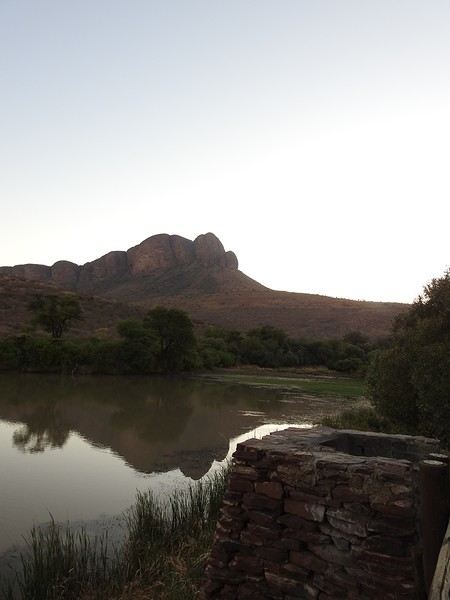

So, a terrace with a view for the lucky ones...
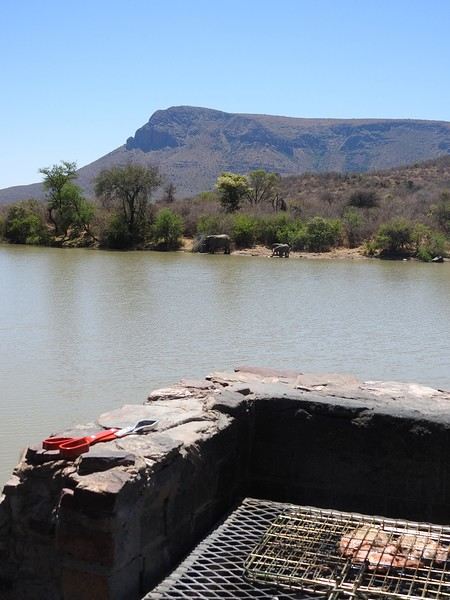
Bedroom and bathroom, separate and equipped kitchen. It can get windy. It must be cold in winter... but it’s hot this October.
Some lovely little roads... though some sections are 4x4-friendly.


A viewpoint at the top—you’re supposed to see the vulture colony from there... still haven’t seen it, as far as I’m concerned.

The animals?
My month in South Africa went really well. The itinerary revisits some places I’ve already seen—even a few times over...
Joburg – Marakele – Waterberg – Mapungubwe – Northern Kruger – Panorama Route – Southern Kruger – Eswatini (Hlane) – Maputaland (Sodwana Bay) – St Lucia – Joburg via Richards Bay.
I’ll skip some spots and focus on others.
Today’s topic: Marakele.
Back in 2009, I spent a day there, and since then... I’ve tried several times to go back.
The park isn’t very big—nowhere near as lush as Kruger—but it has a lot going for it. Even back then, there was a split between the western section, where you wouldn’t find any “dangerous” animals like elephants or buffalo (though rhinos were around), and the eastern section, the Big Five zone. Nowadays, the western part is open to mountain biking, and the campsite is completely unfenced, which pretty much confirms that the big animals aren’t there—no rhinos either (I didn’t see a single dung pile). The western section didn’t seem all that interesting to me... with vervet monkeys everywhere in the campsite. In the eastern part, there’s the Topli tented camp, right by a dam. It’s small but charming, with a great view and a loosely fenced perimeter (there are now lions and wild dogs in this area). No facilities—no restaurant, no pool (except at the campsite), no shop, no fuel, nothing...
View from the “chalet” terrace... nice and relaxed...
So, a terrace with a view for the lucky ones...
Bedroom and bathroom, separate and equipped kitchen. It can get windy. It must be cold in winter... but it’s hot this October.
Some lovely little roads... though some sections are 4x4-friendly.
A viewpoint at the top—you’re supposed to see the vulture colony from there... still haven’t seen it, as far as I’m concerned.
The animals?
Hi everyone, just a quick feedback on my Saudi flight with two consecutive stopovers in Jeddah and Riyadh. This was for my outbound trip in July 2025 (return trip still to come). I booked through Lastminute without paying attention to this little detail, which caused me a lot of stress afterward. In the end, the only "difficulty" is that you absolutely need a one-year, multiple-entry e-tourist visa from visitsaudi. And it costs around 100 € at the current exchange rate per person, including children. Apart from that, luggage is checked through to the final destination from CDG, so no customs issues in Saudi Arabia and no significant impact on transit time since you don’t need to collect or recheck your hold luggage during the two stopovers in Saudi Arabia.
We had about three hours of transit between each flight. It was late, and the airports weren’t busy, so we only took about an hour each time from leaving the plane to reaching the boarding gate for the next flight—plenty of time. As a solo woman with a child, I wasn’t asked for any proof of parentage (neither a family record book nor a notarized authorization from the father, which I had taken as a precaution), and no questions were asked. No searches, nothing. I had just taken the precaution of wearing an abaya during transit to avoid any issues, but I didn’t cover my head, and I saw several Saudi women with their heads uncovered as well. Black is widely worn, but it’s not mandatory.
So, I stressed a lot, but we arrived at our destination on time with all our luggage. The only difference on board compared to other airlines is the absence of alcohol, prayer at takeoff, and the indication of flying over the *mikat*. Safe travels to all! !
Hi there,
By sheer chance, a family housewarming in Brussels gave us the opportunity to depart from Zeebrugge for our first experience with CFC, allowing us to discover ports we didn’t know (which has become rare).
After some questions before departure while browsing the forums, we discovered this company with great pleasure. Of course, luck may have played a particularly favorable part: dream weather, a sea as calm as a lake, and boarding and disembarking almost as if the ship were reserved just for us, since during our departure from Zeebrugge, only a small number of passengers were taking advantage of the unoccupied cabins from the previous cruise ending in Le Havre.
As a result, we couldn’t get a suite, but our balcony cabin was very functional, with plenty of storage and a whirlpool bath we thoroughly enjoyed.
Admittedly, the carpet was a bit worn, but it wasn’t a big deal. Having a large enough table allowed us to have breakfast in the cabin (our usual habit) in excellent conditions.
The ship, a reasonable size, was pleasant, in great condition, and had many comfortable lounges.
A large enclosed and heated space with a pool, jacuzzi, and deck chairs offered a calm atmosphere without intrusive activities (which is rare).
I won’t mention the entertainment since we barely participated, but I think there was plenty of choice, including a "special bridge" activity.
The restaurant had a lovely setting, with quick service and particularly attentive staff, reminding us of cruises from the past.
The food was good quality and well-presented, though portions were quite small—something big eaters might regret.
We loved the charm of an old-fashioned theater with comfortable seats and a table for drinks.
The shows were fairly high quality, though opinions may vary. They catered mainly to a French-speaking audience, which is quite rare, and featured a live orchestra.
The excursions seemed reasonably priced for what they offered, but we didn’t participate since we prefer organizing things ourselves.
To sum up, we were pleasantly surprised by this "old little ship" with a mostly French-speaking, very attentive staff, all in a great atmosphere.
Hi everyone,
I’m planning a trip to Turkey this summer and I’d like to get there by hitchhiking. I’ll be traveling solo, and I’ve already done a lot of hitchhiking (Brazil, Albania, from Paris to Romania with a companion, France, Vietnam, Cambodia, and short distances in India).
Has anyone here already made this trip by hitchhiking? How long did it take you? Which countries were the hardest to find a ride in? What techniques did you use to get rides in places where people don’t usually stop? Have you ever had to pitch your tent on a highway rest area? Have you ever run into any problems?
I’m not worried about hitchhiking in Europe, but I don’t know much about Turkey or its culture. Is hitchhiking something people do there? What about hitchhiking as a solo woman—do cars stop? What should I watch out for in this country?
I’m looking for stories from people who’ve actually had this experience—or at least part of it—not advice from those who’ve never traveled this way or in these countries. Thanks for respecting that!
Thanks for reading, and I can’t wait to hear your responses!
Hi there,
Here’s a little recap of my cruise on the CELEBRITY INFINITY from February 14th to 23rd.
Itinerary: Athens / Thessaloniki / Thessaloniki / Kusadasi / AT SEA / Cyprus / AT SEA / Rhodes / Heraklion / Athens / Athens
Since the cruise ended on Monday, we had to leave the ship on Sunday to go back to work on Monday 😕 Bring on retirement!
This was our 34th cruise, and the price was around 1,300 € per person for AQUACLASS.
Just to remind you, AQUACLASS includes spa access, a cabin with a hydro-massage shower, and a dedicated restaurant.
For once, I have to say we didn’t get a good deal—prices dropped two months before departure, and we could’ve had AQUACLASS in a guaranteed cabin for 1,000 € per person. So, I think for January/February cruises, it’s better to book last-minute.
We arrived in Piraeus on the 12th in the evening. The hotel was great—"Phidias Piraeus Hotel"—close to the center, with a spacious room (upgraded by Booking to a junior suite). The breakfast was decent, and the price was 125 € for two nights, all included. The cherry on top? The hotel offers free shuttles to the cruise ship on departure day—really awesome!
We’d never visited Piraeus before, and it was a lovely surprise. Not only was the weather gorgeous, but the walk was really pleasant—the port, the beach, the little streets. It was way nicer than I’d imagined!
TO BE CONTINUED: BOARDING 😉
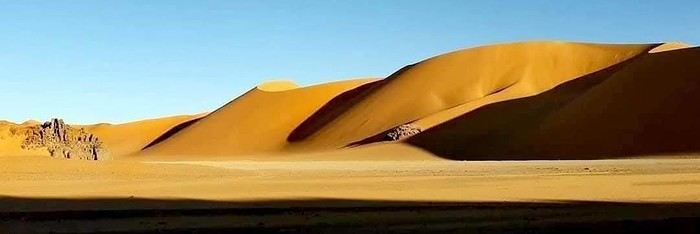 Where to go in 2025?
How about Algeria and a return to the Tassili n’Ajjer? This part of the Sahara is arguably one of the most beautiful deserts on the planet for its diversity and is accessible to everyone.
The vastness of the black rock forests and ochre dunes is complemented by the intimacy of the Djanet oasis, the heart of the Tuareg country, and the mineral memory of the Erg Admer, which bears traces of prehistoric human activity. Camping under the Milky Way, suspended in a sky of forgotten purity, adds another dimension to this rare journey.
Hi there,
I’m diving into a recap of our loop—pretty classic, really—Denver-Yellowstone-Denver this past summer, from July 24 to August 17. Given the sheer number of trip reports already out there (or in the works), and since I don’t have the writing chops or the photography skills of many of you, I’ll keep it practical—well, I’ll try, at least—to share our take on some of the less-visited parks and spots.
First off, a huge thank you to everyone whose trip reports, blogs, websites, comments, and more helped us put together this itinerary. Looking back, it could’ve been even better optimized: a few disappointments when we missed out on some great discoveries, often because we were short on time. Plenty of reasons to come back to the area!
We’re traveling with our four (almost) teens—18, 16, 14, and nearly 12 years old. To keep the trip enjoyable for everyone, we had to make compromises on both sides: cutting a visit short to spend more time swimming, waking up at dawn, and so on. But logistics also played a big role—things like laundry, grocery shopping, and keeping luggage organized could’ve quickly become time-consuming without a little planning. And honestly, I think we visited every Walmart along the way! Blame it on the lack of fridges in some accommodations and, more importantly, the *very* limited space in the car, which made it impossible to bring a proper cooler. I’ll come back to the car saga later.
For accommodations, this year we alternated between basic cabins in KOA campgrounds and Yellowstone (when staying more than one night in the same place) and hotels. Always with a pool (except in Yellowstone, of course), which let the kids burn off energy—because they always have reserves, even after packed days!—and, let’s be honest, gave us a chance to relax. No Wi-Fi issues either; we all had plans with 25 GB of data (a big thanks to Gilles for the amazing deal at 0.99 €). It worked perfectly, even for texts and calls between phones—no extra charges.
Now, onto our route: as I mentioned, a classic Denver-Yellowstone-Denver loop. To avoid rushing through the parks or spending all our time on the road, we prioritized staying as close to them as possible, with at least two nights in each place. And I’ve got to say, it’s really nice to settle in, even if it’s just for two nights. It also helped us deal with the weather, which wasn’t always great during this trip. The trade-off? With vacation time being limited, some driving days ended up being long. We knew that going in, but since we kept a relaxed pace with no time constraints (don’t ask me for timings—I don’t keep track of the clock on vacation, except in the morning to get everyone up before noon!), we sometimes ended up with marathon days.
With that said, I’ll dive into the trip itself in the next post.
My partner and I traveled from Sunday, July 5, 2026, to Wednesday, July 22, 2026.
We spent a long time debating whether to rent a car or use public transportation. In the end, after reading so many posts about travelers getting scammed by police or rental companies—even those recommended by blogs and reviews—we decided to stick with public transport. It worked out really well. Sure, we had a little less freedom to go where we wanted, but it was way less stressful for us.
Sunday, July 5:
Arrived at Cancun Airport. Withdrew cash from the ATM in the terminal just before exiting. The ADO bus counter (they pronounce it "A-Jee-O") is right behind you when you're facing the ATM. Bus to downtown Cancun cost 145 pesos per person. Stayed at "Rose 5," booked on Booking. The studio was super clean and perfect for one night. The owner’s instructions for accessing the place were very precise, with photos included. Check-in was self-service with a code. The ADO bus terminal isn’t far, and there are shops and restaurants nearby. We really appreciated that the AC was already on when we arrived. By the way, I’d recommend always booking places with AC—it’s *really* hot in Mexico.
Monday, July 6:
Bought a SIM card with data from a TELCEL store. My partner, who’s on Free Mobile, was able to use her regular plan. Just so you know, I found the network pretty unstable. As soon as we left the cities, neither of us—me with TELCEL or her with Free—had any signal. Another thing to watch out for: roaming charges. I had to turn my SIM back on for less than 30 seconds to get a bank SMS code, and my phone apparently connected to the internet—resulting in an 8-euro roaming fee. Left on an ADO bus to Chiquila for 278 pesos per person. During our trip, ADO buses were always on time, comfortable, and clean. The AC is *cranked* though, so bring something to cover up with—it gets cold. Some routes were fully booked even in the low season, so try to reserve 1 or 2 days in advance either via the app (when it works) or at the counter. When we arrived at the ADO terminal in Chiquila, the ferry company counters were right next to it. Ferries leave every 30 minutes, alternating between companies, so no need to book ahead. Just take whichever one is leaving next (330 pesos per person). When we got to Holbox (pronounced "Hol-bosh"), we’d booked a place via Booking called "Casa de Nana." It was a huge studio with a fridge, cooking plate, and utensils. The best part? The *location*. It was 100 meters from the beach and 200 meters from a Chedraui supermarket. They provided bath towels and beach towels, and the AC worked perfectly. There’s a key box so you can leave your keys inside when you go out. The only downside was that no one was there to let us in when we arrived, so we had to wait a while. The Wi-Fi was good, which was lucky because during our 4-day stay in Holbox, the phone network *never* worked. According to locals, that’s pretty common in Holbox, along with water outages. Luckily, I’d had the good idea to download an offline map, which helped us find our way back to the place more easily. You can walk there from the dock.
The restaurant next to our place (La Barracuda) was great if you like seafood—I’d recommend their octopus dishes.
Tuesday, July 7:
We did a kayak tour in Holbox’s mangroves at 6 AM. We were looking for a sunrise kayak tour with a French-speaking guide. That’s exactly what we got with "Kayaking Holbox," where Diego, the owner, speaks English and French. He was joined by Gustavo, another guide. We’d booked for a group tour, but we were the only ones. Diego still went ahead with it instead of canceling due to lack of participants, so we got a private tour at the group rate—really professional of him. They showed us this amazing ecosystem for over 3 hours. We saw all kinds of birds: pink flamingos, pelicans, egrets, frigatebirds... rays, a horseshoe crab, and a little crocodile that was *so* well hidden. Diego and Gustavo have a real eye for spotting animals—I could’ve passed by the crocodile 100 times and never seen it, it blended in so well. Their explanations about the flora and fauna were super interesting. We also got a little break where we tasted mangoes and bananas that taste *nothing* like the ones in France. A real treat—those little Mexican yellow mangoes! I’d definitely recommend Diego and his agency for a French-language kayak tour (1000 pesos per person). In the evening, we walked to Punta Coco to see the bioluminescence. No need for a guided tour—if you really don’t want to walk, you can take a taxi. At Punta Coco, you have to pass the beach bar/restaurant and then go left into a kind of inlet that forms a lagoon. You have to wiggle your feet or move your hands in the water to create movement, which makes the light appear. Just don’t expect the kind of photos you’ve seen online—they’re all edited! It’s fun to see, but you won’t be dazzled by the light...
Wednesday, July 8:
Whale shark tour with "My Holbox Tours." Why recommend this agency over others for swimming with whale sharks? Simply because Valérie surrounds herself with top professionals to make your experience unforgettable. We were with Captain Fernando, who does everything to position the boat perfectly and make your swim easier. In the water, we were with Humberto, who also goes above and beyond to make sure you have an incredible time. He doesn’t just "supervise" like some guides from other companies who leave you on your own. No, Humberto reads the whale shark’s trajectory and guides you—all you have to do is follow him. He really puts in the effort, even holding your hand to guide you through this quick but intense encounter. Humberto also films the moment and will offer to show you the videos and sell them to you. His footage is really high quality. Fernando and Humberto also prepared food for us. Special mention for their guacamole! Valérie is there to make sure everything goes smoothly on the boat and to answer your questions in French, English, or Spanish about these animals. If you choose My Holbox Tours, you can be sure you’ll get a top-notch experience. About the tour itself: before you go, you should know that the sharks can be *really* far away. The day we went, it took 3.5 hours by boat to reach them. The boats are small, and let me tell you—on the way there, when we weren’t going with the waves, it was *rough*. Out of 9 passengers, 4 got seasick. But once you’re face-to-face with the shark, you forget all about that. Even if swimming with a whale shark isn’t exactly a walk in the park—they swim pretty fast, so you need some endurance to keep up. You’ll usually get 2 turns. Our first swim lasted a little over 4 minutes, and the second about 2 minutes because the shark was moving fast and we were still tired from the first swim. It might seem short, but when you’re swimming, it feels *long*. Either way, it’s an experience you *have* to do—but choose your company wisely. On the way back, there’s a stop at Cabo Catoche. Honestly, the snorkeling is pretty disappointing if you’ve done it elsewhere in the world. But the lunch stop at Cabo Catoche is really nice for relaxing (white sand and hammocks).
Thursday, July 9:
Short morning walk to Punta Mosquito at 6 AM. Really nice. Ferry to Chiquila (330 pesos per person) + ADO bus to Valladolid (300 pesos per person).
In Valladolid, we booked "Casa Lucia" via Booking. The hotel is gorgeous, with a colonial style, and very close to the ADO bus terminal and downtown. It’s super quiet and clean. There’s a shared kitchen you can use with a fridge, microwave, and water dispenser, plus a big table by the pool and a nice indoor terrace. Breakfast was simple but included. The only small downsides were the tiny room and bathroom, no mirror in the room, and a noisy fan.
Friday, July 10:
Not far from the ADO bus terminal is the colectivo station for Chichen Itza. They offer a round-trip to Chichen Itza with an option to stop at Ik Kil cenote on the way back and then drop you off in Valladolid for 370 pesos per person (Ik Kil entrance included). For the Chichen Itza visit, we’d booked a tour with a guide often mentioned in groups—his name is Juan Pat. He’s a Maya who lives near the site and speaks excellent French. He reserves spots in advance for you and queues up to be the first on-site. It cost 500 pesos per person + entrance fees. His tour lasts 2 hours and focuses mainly on the main pyramid and the ball court. He’s passionate and fascinating, even if some of his claims, as a Maya, might be a little biased. I think it’s *really* important to have a guide—otherwise, you’ll miss so much. You can contact Juan Pat on WhatsApp at +52 985 121 2381. Afterward, we went to Ik Kil cenote (showers and life jackets mandatory, lockers available). It’s *very* crowded, but still really beautiful with its lush vegetation.
Saturday, July 11:
Since we didn’t have a car but still wanted to visit other cenotes that seemed hard to reach by public transport, we decided to book a taxi for the day. We agreed on 1200 pesos to take us to 3 different cenotes and wait for us at each one. (To find taxis, just look where they park near the ADO bus station.) He picked us up at Zaci cenote, which we’d walked to. We got there at opening time and were the first ones there—had the place to ourselves for a while! 150 pesos per person. A pretty cenote in the city center with lush vegetation. It’s a bit like Ik Kil but without the deep cylindrical effect.
Cenote Xcanahaltun: the most beautiful cenote we visited. Entry 250 pesos per person. It’s a closed cenote with a hole that lets light in—a cave-like setting. You can kayak inside. There are little fish at the edge that nibble dead skin off your feet. Since it’s closed, the water is *freezing*!
Cenote Palomitas: entry 250 pesos per person. Another stunning closed cenote, even more enclosed than Xcanahaltun. The hole in the ceiling is smaller, so it was pretty dark when we arrived—kind of an eerie vibe. But when the staff turned on the lights, it looked like a "Gothic cathedral" full of bright stalactites.
Cenote Sac Aua: entry 290 pesos per person. The ticket includes a guided cave tour (tip-based). This cenote is really unique with its central island and way less crowded than Suytun. Just so you know, the water is *really* cold in cenotes. In these three, in July, we had the place to ourselves for a while and never saw more than 2 families at once—so peaceful!
Sunday, July 12:
ADO bus to Bacalar (536 pesos per person). In Bacalar, we stayed via Airbnb with a host named Luli, who offers several rooms with shared bathroom and kitchen.
The room is nicely decorated in a pleasant setting. It’s ideally located near the lagoon and downtown. The shared kitchen is handy. The mosquito net over the bed is useful because there are *a lot* of mosquitoes in Bacalar. Luli provides a water jug, which is really nice. The only big downside is the lack of water pressure in the shower—we had to rinse off by filling a bucket. Also, there’s no real door separating the room from the bathroom. We never met Luli in person, but she was very responsive via messages. The terrace in the middle of the vegetation is lovely. From the ADO terminal to the place, we took a taxi for 40 pesos. Since this driver was honest about the price (we’d checked beforehand), we decided to use him every time we needed a taxi in Bacalar. Here’s his WhatsApp: +52 983 184 3585.
Monday, July 13:
We did a boat tour on the lagoon with "Bacalar Francophone Activities." Since we were just the two of us, it cost 3500 pesos. If we’d managed to be 4 people, it would’ve been 1000 pesos per person. We had a private 4-hour tour on the lagoon with Steeve and his very comfortable boat. He’s from Quebec, so his French is perfect. During those 4 hours, Steeve showed us the lagoon’s iconic spots *and* places other boats don’t go. He told us about the lagoon’s history and gave great tips on where to go and where to eat. As a little bonus, he gave us a video taken with his drone during our swimming break.
Tuesday, July 14:
We went to Los Rapidos by taxi (400 pesos round trip) and entry was 225 pesos per person. It’s *very* touristy but really beautiful. You can eat there (expensive), relax, and go down the "rapids" as many times as you want. It’s worth it if you spend a few hours there. You can’t bring in food or drinks—you leave them at the entrance and pick them up on the way out.
Wednesday, July 15:
On Wednesdays, navigation is banned on Bacalar Lagoon, so we’d planned another excursion. Visit to Calakmul from Bacalar with ABCtours (WhatsApp +52 983 319 8359). This agency organized a trip from Bacalar to Calakmul with a French-speaking guide. Communication beforehand via WhatsApp was smooth. Mr. Checo, the driver, and Fernando, the guide (who spoke great French), picked us up on the day. Mr. Checo drove very carefully on the long road and always made sure we were comfortable. Fernando is passionate about flora and fauna—he’s a biologist with a degree in ornithology, so he knows *everything* about animals. The slightest sound or song, and he knows what it is. He’s got an eye for spotting them, from the biggest to the smallest. During the trip, we stopped at km 27 for a short forest walk, then went to see the two main pyramids on the site. On the way back, we stopped at the bat cave for the magical spectacle of millions of bats flying out at dusk. In the end, we saw or glimpsed (some briefly) spider monkeys, howler monkeys, a toucan, 2 tapirs, turkeys, 2 deer, and lots of birds. If, like us, you’re more into flora and fauna than archaeology, I’d *highly* recommend this agency and tour with Fernando. It’s not cheap, but the road between Bacalar and the site is *long* (3.5 hours). Price: 3900 pesos per person for 2 (3500 for 3, 3200 for 4).
Thursday, July 16:
ADO bus to Playa del Carmen (614 pesos per person). In Playa del Carmen, we stayed in an Airbnb. The building is on the town hall square, next to the casino. The best thing about this place is the *location*—super close to Fifth Avenue (La Quinta). The kitchen is pretty basic, but the fridge works well. There are supermarkets nearby. The rooftop pool is really nice. The two big downsides, though, are the soundproofing (you can *hear* the neighbor’s alarm and all the events on the square) and the *total* lack of water pressure in the shower. We had to fill a trash can with water to pour over ourselves. When we told the owner, he said it wasn’t normal and someone would come fix it, but we never heard back. Based on previous reviews, this seems to be a known issue that never gets resolved. Playa del Carmen is *very* touristy on Fifth Avenue, but in a fun, musical vibe—we never felt unsafe. There are *tons* of little souvenir shops for tourists on this street. There’s a beautiful monumental sculpture on the beach (the two figures meeting in the air), next to which you can see the Voladores show (men climbing a pole, tying themselves with ropes, and descending headfirst while "flying" around the pole). The show is tip-based and happens several times a day. In our opinion, Calle 38 is prettier than Fifth Avenue—it’s lush, green, and quieter, with the sea at the end. Great for an early evening stroll. We had really good meals at great prices at "El Tio Noy" tacos, just a few meters from Fifth Avenue in a side street. For souvenirs, we’d recommend going to Walmart instead of Fifth Avenue—you’ll find skulls, tequila, mezcal, keychains, mugs, glasses... at good, fixed prices.
Friday, July 17:
We did the excursion to Isla Contoy. Isla Contoy is an uninhabited, highly protected island. Only 200 people are allowed to land per day on a rotating basis, so only a few companies have permission to dock there. Most agencies subcontract the day to a third-party company. We booked through VRM (Viviendo Riviera Maya), but it was Ocean Tours Mexico that handled the tour. Contoy is a little paradise. We were accompanied by multilingual guides, including French speakers, throughout the day. Steffy gave us info about the island during a short walk on the marked trails, and Leño Tlatemoa kept the mood up on the boat rides with music and dancing. Isla Contoy is *truly* stunning, and the lunch was delicious: grilled fish and chicken, guacamole and tortilla chips, rice, fruit, drinks (everything is brought and taken back by the guides). The snorkeling part was pretty disappointing if you’ve done it in Cozumel, though. The stop at Isla Mujeres isn’t very interesting either—it’s too short to explore, and the island is *extremely* touristy. Still, the excursion was very well organized, and we had a great day (2970 pesos per person).
Saturday, July 18:
We wanted to go snorkeling in Cozumel but thought the prices from French-speaking agencies were too high. Plus, for snorkeling, we figured we didn’t *need* a French-speaking guide. So we found a much cheaper solution by taking the ferry from Playa del Carmen ourselves and choosing an agency in Playa. The round-trip ferry cost 663.50 pesos per person. Then we took a taxi to the snorkeling boat (100 pesos). The agency we chose is called Mystic Snorkel—they don’t have a physical office. The tour cost 1400 pesos per person. It was a small boat, but that day we were the only ones, so we got a private tour at the group rate. We stopped at 4 different sites, all very different and beautiful. We saw all kinds of fish, corals, a nurse shark, and turtles. El Cielo, with its huge starfish, is *exceptional*. If you’re going snorkeling in the Yucatan Peninsula, this is *the* tour to do—the other sites are pretty "poor" in comparison.
Sunday, July 19:
Morning dive with Triton Diving. I chose the Cozumel dive option. Great experience. Booking via WhatsApp was easy. On the day of the dive, Selene, who speaks French, was our guide. She’s *very* attentive to the group’s safety. The briefings are clear and precise. In Cozumel, we did 2 very different sites: the first was a drift dive with lots of life—beautiful corals and fish. The second was a wreck, the C53, a 56-meter boat you can enter. Not much marine life, but a beautiful wreck intentionally sunk for divers—still in great condition. An unforgettable moment. Selene even took videos during the dive, which the club sends you for free afterward. I’d *highly* recommend this club.
Just so you know, in Playa del Carmen, the beaches were full of sargassum during our stay, despite barriers and daily cleanup. Locals told us the problem is getting worse and the sargassum is arriving earlier in the season. Tourism has taken a *big* hit this summer, and they’re wondering if tourism can even survive the sargassum season anymore. A lot of tourists are heading to the islands—Isla Mujeres and Cozumel—to enjoy the beaches, as the west side of those islands is sargassum-free.
Monday, July 20:
Colectivo to Puerto Morelos. First, a colectivo toward Cancun that drops you off between Puerto Morelos town and Puerto Morelos beach (40 pesos per person), then another from that junction to the beach (10 pesos per person). In Puerto Morelos, we’d booked a room via Airbnb at "Piedra del Caribe." *Best* place we stayed in Mexico. It’s an aparthotel. Our room was ready before check-in, so they let us in early. The place matched the description—spacious, with a comfortable king-size bed. The shower had *great* pressure, which isn’t a given in Mexico. The staff was super friendly and welcoming. They let us use the pool, restrooms, and rooftop shower after check-out while we waited for our ride to Cancun Airport. They even kept our luggage. I *highly* recommend this place. In Puerto Morelos, there was *way* less sargassum than in Playa del Carmen—it was actually swimmable. We did the snorkeling tour with the fishermen’s cooperative for 450 pesos per person for 2 hours. The reef is close to the beach (you’re not allowed to swim there), so the boat ride is short. It’s not as pretty as Cozumel, but it’s nice and affordable. On Puerto Morelos’s page, you can also access a small, not-very-well-preserved reef. There’s also a cenote in the sea where fresh water mixes with saltwater—the water is murky there. We had a great dinner and excellent cocktails at "La Choza del Puerto."
Tuesday, July 21:
Wandered around Puerto Morelos (check out the church and read everything—it’s entertaining!), relaxed by the hotel pool, and left for Cancun Airport by taxi (400 pesos) booked via InDrive to head back to France.
Our highlights: - Holbox - The whale shark tour - The cenotes - The local flora and fauna (so present!) - Isla Contoy - Cabo Catoche (except for the snorkeling)
What we liked least: - The bioluminescence (barely visible despite good conditions) - The food—we found it not very diverse in taquerias - The constant tipping - The lack of water pressure in showers (fixed, wall-mounted, no hose or showerhead)
Don’t hesitate to ask if you have any questions while it’s still fresh in our minds.
Hello,
Looking for a travel partner for a trip of at least 2 months, up to 3 months possible. Departure from PARIS on January 27th, one-way flight to HANOI, VIETNAM.
Then by train and minibus (I’ve already done the route up to) SAPA (rice terrace ethnic region), then DIEN BIEN PHU, crossing the border to northern LAOS, MUANG KHUA by local boats for about 300 km with stops in MUANG NGOI, NONG KIAW, then continuing on the MEKONG to arrive by boat in LOUANG PRABANG. Stop durations in towns depend on the sights to visit.
“If it’s good, we extend; if we’re done, we move on.”
The rest by bus, train, and boat: VANG VIENG, VIENTIANE, THAKHET, SAVANNAKHET, PAKSE, CHAMPASSAK.
Crossing into Cambodia: KRATIE, PHNOM PENH, KAMPONG KHLEANG (floating and stilt village), SIEM REAP (Angkor).
Crossing into Thailand at POIPET (I’ve already spent a month in Thailand).
BAN PHE by boat to KO SAMET (white sand, cocktails). Return via BANGKOK.
Flight PARIS-HANOI and return BANGKOK-PARIS around 800 €.
This is a flexible outline, but I’ve thoroughly researched this trip—the sights to see, charming little hotels with nice settings when possible, even the bars and restaurants are marked on my phone.
Budget-wise, it’s not as expensive as you might think. I’m not looking for luxury, just authenticity: cheap little hotels, same for food.
I’m 67 years old, have an international driver’s license for cars and motorcycles, and am well-experienced with this kind of road trip.
I’m waiting to book my flight (as soon as possible) in case I get a response to travel together or meet up in Hanoi.
Possible to go as far as VIENTIANE.
My only requirements are: A small backpack, max 5 kg, to move around easily (for moto-taxis, no checked luggage on planes or buses), and absolutely no rolling suitcases (train station sidewalks when looking for a hotel).
Also, enjoy walking (I walk a lot to explore)—it can go up to 10 km spread over the day.
I’m open to 1 or 2 women who want to “feel secure” or try the 5 kg challenge (I’ve had several female travel partners who survived). I also adapt to vegan travelers.
Don’t hesitate to contact me. Bruno.
I took advantage of my season in Saint-Malo to do two day trips to Guernsey. The crossing takes just under 2 hours, and the change of scenery is total: English is spoken, you pay in pounds, but the street names sound very French.
After testing it out, here’s my ideal itinerary:
An English breakfast when you arrive, then a tour of the island by bus (two lines, one in each direction, with stops wherever you want). Cobo Bay and L’Ancresse Bay are my two favorite beaches. In the afternoon, a stroll through Saint Peter Port—a real favorite—with Victor Hugo’s house, Candie Gardens, and a few English shops.
Is it doable in a day? Yes, but I was left wanting more: next time, I’ll plan for 3 or 4 days.
The full itinerary is detailed here: https://lemondeavecandrea.com/visiter-guernesey-en-une-journee/
We're back. It's still a bit tough to get precise info, so here's a quick trip report!
A good starting point is Shkoder, a really pleasant city. You can easily explore Shkoder itself in a day or two.
Two accessible spots: Valbona and Theth. In both cases, local travel agencies in Shkoder or online offer round-trip or one-way access packages. Super handy, especially for Valbona.
Valbona and Theth are both very steep! There aren’t many easy hikes for less sporty folks (like me!).
Valbona: The highlight is the amazing 2.5-hour boat ride across Lake Koman. There are day trips from Shkoder, but you’ll only get a short tour of the lake. The best option is to do the full crossing—so spend a night in Valbona (or two if you want to hike in the valley) and return.
Theth is deeply nestled in the mountains. The village at the end of the valley, which is a dead end, has lots of hotels, but they’re pricey. Other hostels are scattered along the mountainside road, but it’s a steep climb down to the village or to the start of the two easy hikes (waterfalls and the Blue Eye). For us, it was a one-hour descent (and ascent!). It’s fine if you have a car; otherwise, keep an eye out for a taxi (cheap) or try hitchhiking—it works really well. Access from Shkoder to Theth is through an agency. The road is in great condition, and you can also rent a car for 2-3 days in Shkoder. If we did it again, that’s the option we’d choose.
We didn’t do the trek and returned to Shkoder each time. I can’t speak to its difficulty, but we were there in late May, and even experienced hikers had given up because of heavy rain and snow.
Hope this helps! It’s a stunning region you shouldn’t miss.
Hi there,
I’m flying to Bogotá with a one-way ticket in early January. A friend told me that I’ll likely have trouble boarding in France if I can’t show a return (or onward) flight out of Colombia. He was in the same situation but from the US and had to buy one at the airport before leaving.
So, I’m thinking of buying a ticket that I can get refunded once I’m there. Are there still airlines that offer full refunds without any reason? Is there a legal timeframe within which I can do this?
Thanks!
Levelo.
Hi everyone.
I’m putting together my next trek project for the Khumbu Valley.
I was there this year in October-November and would love to go back, ideally in November 2026.
I’m planning the Three Passes trek, including the ascent of Lobuche and Island Peak. The intermediate summits like Gokyo Ri and Kala Patthar will also be part of the adventure.
I’ve already requested a quote from the agency I used this year. Prices vary depending on the number of people. To be honest, going solo with a guide and a porter costs me (excluding the FRANCE-NEPAL flight) 3200 € + $990 extra for the guide (insurance, bonuses). With two people, the price drops to 3000 €, and the $990 disappears. That suddenly makes it much more affordable.
I’d love to go with one or more other people for several reasons. The cost, of course, but also—and most importantly—because it’s way more fun to share this kind of adventure.
Just to clarify, I know this agency well. They’re very professional, French-speaking, and handle any issues that come up. It’s been tested and approved. The ideal time is really November. This year, we had a late monsoon when we left at the end of October, followed by exceptional weather. But a late monsoon means snow—Gokyo was completely snowed in, and the passes were extremely tricky.
The ideal timing is a full month door-to-door, so from France back to France.
Don’t hesitate—there’s plenty of time. I’m just planning to confirm the trip during the winter, around February/March 2026.
See you soon
Hi everyone,
My husband and I are heading to Thailand with our two boys on July 8th. We’ll be moving around: Bangkok (3 nights), Ayutthaya (1 night), Chiang Mai (4 nights), Koh Samui (4 nights), and Koh Phangan (3 nights). We have a flight from Koh Samui to Bangkok in the afternoon the day before our return to France, arriving around 5 PM in Bangkok (it’ll be a Friday). I’m still wondering where to stay in Bangkok for this last night in Thailand. Initially, I thought about booking a hotel near the international airport, but I figured there might not be much to do there... maybe we’ll want one last crowd-filled night at a food market? So, I considered booking a hotel near the metro instead, for easy access to the airport the next morning, while still being central enough to go out for our last evening before heading back to France.
I’d love to hear your thoughts on this :-) And if you lean toward the second option, which neighborhood/hotel would you recommend?
Thanks in advance for your help! Have a great evening :-)
Christelle
Hi everyone!
I’ve had a question nagging at me for days, and I can’t find any answers on the site!
I’m heading to Java soon, and since I don’t have many days, I’ll be staying in Yogyakarta to visit the temples and, most importantly, take a 3-day/2-night organized tour to Bromo, Kawa Ijen, and its beautiful blue flames...
My issue is that on all the itineraries, I see the blue flame tour ending at 9 AM but heading to Bali! However, I’d really like to return to Yogyakarta after visiting Kawa Ijen. Please tell me this is possible—it’s starting to stress me out :-(... If so, how long does it take to get from Kawa Ijen back to Yogyakarta?
Thanks so much for your help!
Hi,
We’d like to rent a small car (something like a Peugeot 208) when we arrive at Catania Airport.
... and we’d like to return it in Milazzo on a Sunday.
Could you recommend any rental companies for this kind of one-way rental—affordable and open on Sundays in Milazzo? Thanks in advance! Seb
Could you recommend any rental companies for this kind of one-way rental—affordable and open on Sundays in Milazzo? Thanks in advance! Seb
Well, I still feel a bit lonely about this destination—no requests for info, no travel journals, or trip reports since I last posted over a year ago. A little disheartening.
That said, I did cross paths with slightly more tourists this time. Not a ton, but enough to notice compared to my last stay. Beyond that, not much has changed—the people are just as lovely, and every interaction, whether at the market, in the medinas, in town, or in the countryside, was positive. It was so pleasant; my "alert meter" stayed at zero the whole time (which is pretty different from some other places I visit now and then). The roads outside the cities remain dangerous, and the accident rate seems high. Best to drive during the day and take it easy (on some rough stretches, you don’t really have a choice anyway). The scattered plastic and metal waste hasn’t magically disappeared, and it’s still pretty discouraging to see the most beautiful beaches surrounded by empty bottles, straws, diapers, and rusted carcasses of an old Xantia or a skeletal Espace. When it’s not on the beach itself (since those are cleaned), it’s just a few meters away. Usually, there’s not much in the water or close to shore—the seabeds are gorgeous, with coral and a wide variety of scaly friends... But stepping back onto the hardened lava, you dodge a chip bag or a shriveled battery. Such a paradox. Honestly, it’s like this almost everywhere except on hotel beaches or those far from human settlements. But otherwise, in places like Chomoni, Bouni, Itsandra, Moya, and Domoni (on Anjouan), Nioumachoua (on Mohéli, and even on the nearby islets), it’s hard to ignore. And it unfortunately tarnishes the beauty of these otherwise stunning spots.
That said, you can still find secluded micro-bays, protected and remote, where this isn’t an issue. And where there are hotels—like in Petite Itsandra in Moroni, in front of Laka Lodge in Nioumachoua, Trou du Prophète, or even Chomoni (though the surrounding areas are so littered...)—the beaches are cleaned, so...
So why go? Why still love it despite all this? Well, first, the Comorians themselves—that’s already essential and probably the main reason. Then there’s the breathtaking topography: the imposing Karthala, the dizzying peaks and cliffs of Anjouan, vast ravines, a tortured geology covered in lush nature, and Mohéli, much more serene and gentle, blanketed in spice plants and trees with names that make you dream, like an open-air spice market. The flora across the islands—the fields, trees, scents: clove trees, cinnamon trees, lychee, mango, cardamom, nutmeg, vanilla, coconut palms, banana trees, coffee plants, cocoa... A profusion of green dotted with red, white, and yellow berries and flowers... The seabeds are stunning in many places, and there are some beautiful beaches/oceanfront spots, especially near Trou du Prophète (but not only there). The history and culture—between traditional festivals, but especially the medinas with their staircases, covered passages, palaces, and mosques that create Escher-like constructions. I love wandering through them for hours, stumbling upon an unlikely shop, a more or less philosophical saying like "pain is a warning," "a promise is a debt," or the less original "little by little, the bird makes its nest." A grocery store, women negotiating freshly caught fish (usually tuna, immediately cut and ready to sell), kids playing, old men playing checkers, a call to prayer... In Moroni, Mutsamudu, and Domoni, I spent most of my "urban" time.
If anyone’s interested—though given the hype about Comoros on the forum, I doubt it—but if you need info on accommodation across the three islands, some restaurants, or sites to visit, don’t hesitate to ask.
This message is another message in a bottle (one more, if I dare...) for the Comoros destination.
For once, I'm sharing my experience after benefiting from other travelers' tips to take the plunge and rent a car (without a driver).
First, don’t hesitate! (Unless you just got your license the day before.) The roads are good—even very good in the north (the situation seems to have improved a lot). Driving is "Italian-style"—you can fit 3 or even 4 cars on a two-lane road. Sri Lankans aren’t suicidal (I wouldn’t have done it in India, though...). No issues with police checkpoints: we were never stopped in 25 days (unlike Sri Lankans...). These days, with Google and connectivity, you can’t get lost. Plan short trips (for us, it was between 2 and 4 hours with Google Maps estimates). Price: for a basic car, between 23 and 25 € per day, and gas isn’t expensive. I didn’t rent a car in Colombo (we used the PickMe app for tuk-tuks or car transfers with luggage). I also left the car parked in Kandy—it was a bit more intense there with narrow hillside streets and motorbikes/tuk-tuks driving a little wild. Big advantage: automatic transmission.
For me, aside from the first intersection, no stress—if you’re tired or not feeling it, you can drive as slowly as you want (unlike in France). I also drove and overtook like the Sri Lankans naturally.
Basic tips (but if you’re a driver, they’re obvious): - The bus is the boss: you’ve got to yield. - Unlike Sri Lankans, avoid overtaking without visibility. - Stay aware of your surroundings: cows, dogs, monitor lizards, pedestrians... so if there’s something, slow down!
I caught myself driving up to 90 km/h without realizing it but then slowed down (speed limits: 70 on rural roads, 100 on highways).
Of course, you’ll need an international driver’s permit or a temporary Sri Lankan license (I had both, but no one asked for them).
Renting a tuk-tuk was trendy among young travelers (I don’t get the appeal for a long trip—maybe 2 or 3 days since they’re slow, not that economical, more dangerous, and you can’t leave your stuff inside. Plus, the passenger sits behind the driver, and we had temps up to 37°C).
For a car, it’s great because it makes you independent: schedules, routes, supermarkets, restaurants...
Hope my feedback helps! !
Hi everyone,
First post here to share a quick recap of our west-to-east bike trip along Algeria’s coast in January 2025. It was just the two of us—my partner and I—with French passports and not a word of Arabic. No friends or welcoming hosts in the country.
Under those conditions, we’d strongly advise against going.
Our original plan was to follow the coast from Algiers to Tunis. We ended up cycling from Algiers to Béjaia, then took the train from Béjaia to Annaba (with a stop in Constantine), and finally biked to the border. We were tailed by police the whole way—whether on our bikes, on the train, or even on foot while exploring towns. On top of that, we couldn’t wild camp and were limited to the few state-approved hotels that accept foreigners. Under those circumstances, connecting with locals was especially tough.
With such an omnipresent and intrusive police presence, we’d definitely recommend against this destination for bike touring. A really sad situation that completely cuts you off from the local population...
We’d been warned, we went to check it out, and we weren’t disappointed!
You’ve been warned.
I’ll have a long layover at Beijing Airport (PEK) on December 6, 2026.
I arrive at Terminal 3 around 5:30 AM on Air China and depart at 6:15 PM, also with Air China, for an international flight.
I’d like to stay in the transit zone, without leaving the airport or going through Chinese immigration, if possible.
I’m just looking for a private room for a few hours, ideally 7-8 hours, so I can get some sleep and take a shower.
Any ideas or suggestions?
Thanks in advance for your tips!
Jean-Philippe
Namibia forever—or our 4th trip to this stunning country.
A few surprises this year: brown hyenas, lots of rhinos, and a desert that was almost lush with oases.
From Okonjima to the Ongava Reserve, through Damaraland, the incredible lights of Spitzkoppe, the dunes of Sossusvlei with water, the nearly green NamibRand Reserve, and ending in the Kalahari. That’s the hearty journey we just completed between August 26 and September 14, my wife and I, with 3,500 km of tracks in this amazing Namibia.
We’re regulars and totally crazy about stays in Southern and South Africa, and we’ve returned to Namibia for the 4th time. Not sure this will be the last!
We’ll present two parts.
The first part is a video showcasing our trip, hosted on our travel channel: https://www.youtube.com/@lolodetoul54
Namibia 2026 video: https://www.youtube.com/watch?v=Db9StdkERPs&t=4404s
The second part will recount the journey day by day once my wife finishes sorting through our thousands of photos from our two cameras and our smartphones. So many photos! Gone are the days of film when we shot sparingly. Today, it’s a photographic feast.
Our Namibia 2026 journey: We decided to switch things up by doing a counterclockwise loop around Namibia. Okay, it’s not a groundbreaking choice since you start with more wildlife-focused areas and end with landscape regions.
Our itinerary:
Frankfurt-Windhoek with Discover Airlines, direct flight, then 18 nights:
- Okonjima: 2 nights
- Mushara, east of Etosha: 2 nights
- Okaukuejo in Etosha: 1 night
- Ongava: 2 nights
- Damaraland at Grootberg: 2 nights
- Damaraland at Spitzkoppe: 2 nights
- Namib: 1 night
- Sossusvlei: 2 nights
- NamibRand: 3 nights
- Kalahari: 2 nights
Then back from Windhoek to Frankfurt.
Very soon, I’ll share this Namibian journey day by day. Patience!
For wildlife photography lovers, I’ll remind you about the 29th International Festival of Wildlife and Nature Photography in Montier-en-Der (52) from November 19 to 22: https://www.photo-montier.org/
For wildlife photography lovers, I’ll remind you about the 29th International Festival of Wildlife and Nature Photography in Montier-en-Der (52) from November 19 to 22: https://www.photo-montier.org/
Hi there, we’re planning a Munich to Venice bike trip at the end of June 2026. Getting back from Venice to Toulouse by train with 4 bikes isn’t straightforward. What return options have others who’ve done this trip chosen? Any tips or great deals would be much appreciated. Thanks a bunch! !
I'm arriving at Chicago O'Hare Airport on April 23rd at Terminal 5 and need to catch another flight at Terminal 3—is it complicated? Could someone guide me? Thanks
Hello everyone,
We (3 adults: 68, 65, and 25 years old) are just back from a short trip to the Philippines, and I’d like to share a little summary of our journey. First of all, I’d like to thank everyone who contributes to this forum about this destination and answers the questions of those who aren’t familiar with it. I should also mention that my comments are personal and don’t reflect anyone else’s opinions. Since I don’t have any literary or photographic talent, I’ll stick to the facts and share a few details about the sights, hotels, and restaurants.
Preparations: We chose this destination in December and quickly booked our flight tickets (540 € with Turkish Airlines) for a departure on February 16 and return on March 5, 2019. We then contacted two French-speaking tour operators based in Manila, asking them to put together an itinerary based on our wishes (places to visit, type of accommodation) and our budget. We wanted to see the rice terraces in northern Luzon, the hanging coffins in Sagada, before flying to the Visayas (Bohol, Siquijor, etc.), and the Taal Volcano, while limiting our nights in Manila as much as possible. In the end, we opted for Alize, whose itinerary and quote matched our request almost perfectly. Our exchanges helped us refine our circuit.
International flights: The round-trip flights went smoothly. Turkish Airlines, while not at the level of Asian or Gulf airlines, does the job just fine.
Day 1: We landed on time (6:15 PM) on Monday, February 16, at Terminal 3. We exchanged our euros (near the car rental counters), and I can confirm the exchange rate was very good. On the way to the St. Giles Hotel (decent and affordable for a transit night), we got our first glimpse of Manila’s dense traffic. The Makati district, where our hotel was located, offers a wide choice of restaurants, so we grabbed a quick bite to recover from the trip.
Day 2: This day was dedicated to transferring to Banaue. Fortunately, we had a comfortable van and an excellent driver for this journey, which took all day (8 to 9 hours with stops). We got a taste of driving in the Philippines—and it’s terrifying. You wouldn’t want to drive on these roads. The first thing that struck us was the relatively good condition of the roads and the cleanliness (a change from other Southeast Asian countries). This impression lasted throughout our trip. Around 6 PM, we checked into our room at the Banaue Hotel (large, charm-free, but with a beautiful view of the rice terraces).
Day 3: With the help of a local guide, we took a jeepney to Batad. And then—wow! The rice terraces form an amphitheater overlooking the small village. Under the sun, it’s simply spectacular and breathtaking! Even though we’re familiar with rice terraces (Sapa, Bali, Thailand, etc.), we were dazzled by so much beauty. We spent the day walking along the terrace walls. This place is timeless and fully deserves its UNESCO World Heritage status. However, we returned to the hotel exhausted (due to our ages and lack of exercise). We had dinner with our driver at the Las Vegas restaurant in the center of Banaue. The meal was decent, cheap, and the Filipino owner played the guitar to accompany our dinner.
Day 4: Today, our driver took us to Sagada. The mountain road offered spectacular landscapes (about 1.5 to 2 hours). Along the way, we stopped in Bontoc to visit the small but interesting anthropological museum. It features old photos and various objects from the Ifugao tribes, as well as a reconstruction of primitive dwellings. We then went on a short hike in Sagada with a very friendly local guide who explained the region’s funeral rites. The walk started at the communal cemetery before reaching “Echo Valley,” where we saw the first coffins hanging on the cliff. We continued to the “Underground River” and a small waterfall, ending our journey in the “Lumiang Cave” burial cave. All in all, this day was very interesting. On the way back, we made a few photo stops. In the evening, on our driver’s recommendation, we ate at the “Bistro,” a French enclave in the center of Banaue (good pizza, roasted quail, homemade fries).
Day 5: Today was a transfer day. To limit fatigue and nights in Manila, our tour operator arranged a flight from Clark to Tagbilaran (Bohol), saving us 2 to 3 hours of driving. But to catch our flight, we had to leave very early: 5:30 AM. Our kind driver dropped us off on time at the airport. To use it, we had to pay a 150 PHP tax per person. The Philippine Airlines flight (15 minutes) left early and was far from full. Upon arrival, we were taken to the Loboc River Hotel, on the banks of the river of the same name. A very charming lodge lost in a tropical garden. We stayed in a stilt cottage overlooking the river. We relaxed a bit in the lovely pool. This place is really great—the staff is charming, and the food is excellent for a reasonable price.
Day 6: This day was dedicated to exploring Bohol. The program was classic, starting with the tarsier sanctuary. We saw a few specimens in a small garden, each pointed out by a staff member. It was both good and disappointing because the animals were in pseudo-freedom in a small enclosure. Then we went to the “Chocolate Hills” and climbed 240 steps to admire the panoramic view of the hills—but by 10 AM, it was crowded. On the way back, we stopped at the butterfly garden, which was uninteresting: tiny, with few butterflies. We consoled ourselves by photographing beautiful flowers. To please our teen, we stopped at the Loboc Eco Tourism Adventure Park and crossed the river lying down, suspended from a steel cable (300 PHP). Finally, we had the traditional lunch-cruise on the Loboc River. It was a factory-like experience, and the meal was unremarkable. The only good thing was the singer on each boat and the lush vegetation. Afterward, we visited colonial churches and the cathedral, remnants of the Spanish presence, before returning to the hotel for a well-deserved dip in the pool. Note that for those interested, there’s an arena near the hotel where cockfights are held every Sunday—something Filipinos are passionate (if not obsessed) about.
Day 8: Very early departure for the port. We boarded a *banca* in search of dolphins. After about an hour of sailing, we were lucky enough to spot around a hundred dolphins. Our boat then headed to the small and charming island of Pamilacan. After a walk through the little village, we came across locals traditionally building a boat. They told us it takes about a month to finish their outrigger boat. Then we had to choose our snorkeling spot between the coral garden, the fish park, and the turtle enclosure. Note that a fee is charged for each spot: 150 PHP per place and per person. It felt a bit like we were being ripped off, especially since the spots weren’t amazing—we’d see much better on Apo for much less. We had lunch on the island at one of the many small eateries (350 PHP per person).
Days 9 and 10: On our return, we were taken to the Bohol Sea Resort on Panglao Island, where we stayed for 2 nights. It’s a small, recent establishment in a quiet corner of the island. It’s relaxing—maybe a bit too much. It has a nice pool and access to Danao Beach, but the view is blocked by a flotilla of boats. We didn’t try their diving school. The meals were good. If we had to do it again, we’d skip this stop to spend more time in Negros.
Days 11 and 12: We took a fast ferry (Ocean Jet) from Tagbilaran port to Dumaguete and were taken to the Thalatta Resort, about 20 km away near Zamboanguita. We stayed there for 2 nights. Let’s just say it was our favorite. It’s a small place facing Apo Island. The rooms are simple, and the pool, nestled in a magnificent tropical garden, is fantastic. The staff is friendly, and the meals are very good. The hotel has its own diving center (snorkeling gear provided) and its own boats. We booked the Apo Island excursion: 1,350 PHP per person, including lunch. It was incredible: magnificent corals, colorful fish, and turtles of all sizes. The crew was endlessly kind and didn’t hesitate to dive to guide us to the best spots. In short, a perfect day. This site is ranked among the top 5 diving spots in the Philippines. Since we were lucky enough to be there on a Wednesday morning, we explored the surprising Malapay Market, a 10-minute walk from our hotel. You’ll find numerous stalls selling vegetables, fruits, live or dried fish, and handicrafts. Enclosures are set up for selling livestock (calves, zebu, pigs). There are also restaurants. We were lucky to see two pigs roasted traditionally on a spit. There are few Europeans, and the people are warm. A great moment. We left this beautiful place with regret because we didn’t have time to visit the island or go swimming with whale sharks.
Days 12 to 15: From Dumaguete port, we took a short crossing (1 hour with Ocean Jet) to Siquijor Island to reach the Coco Grove Beach Resort. A beautiful hotel nestled in a spacious tropical garden. Several restaurants and bars, 4 pools. Despite the size of the place, it remains intimate. You can snorkel (corals and fish) right in front of the beautiful beach. We stayed in a very pleasant duplex suite. For those interested, there’s a spa and a diving center. You can also take the Apo Island excursion (offered at 1,950 PHP). We spent our days relaxing between the pool and the beach. In the evening, the sunsets over Negros and Apo were stunning. We booked an island tour with a comfortable tricycle from the hotel (1,500 PHP). The circuit was classic and allowed us to go around the island. We discovered beaches, the famous 400-year-old ficus tree with its enormous roots, and its equally famous foot bath with its cleaning fish. Then we visited the St. Isidore Convent before heading to the Cambugahay waterfalls and their four pools. The setting is idyllic, and the water is surprisingly good—we had a lot of fun swimming. We had dinner at a restaurant overlooking the island, where you can see Apo, Cebu, and Negros. In the end, Siquijor turned out to be a real little tropical paradise. Since the hotel restaurants were expensive, we dined at nearby establishments: Fuego (clean, good—excellent raw fish—and quiet), Chekesch (louder), and the very pleasant Baha Bar, which brews its own beer and offers more refined cuisine.
Days 15 to 16: We left at dawn to return to Dumaguete and its airport by ferry. We had breakfast at the Coco Grande Hotel, an annex of the previous one. The Philippine Airlines flight went smoothly. A driver took us to the town of Taal. We stayed at Paradores Del Castillo, right in the heart of the old town. It’s a charming old house with only 6 rooms. The various rooms are decorated with antiques—a real little museum. The garden is pleasant and opens onto the town. It’s an old early 19th-century house converted into a hotel, beautifully arranged with 6 rooms in the heart of the city. The restaurant in the garden is very pleasant and offers a panoramic view. We visited an old Spanish house before heading to the beautiful Basilica of St. Martin of Tours, one of the most beautiful religious buildings in the Philippines. A mass was in progress, allowing us to gauge the Filipinos’ fervor before we could visit. When we left, it was dark, and we could admire the illuminated building. We ended our evening by exploring the night market with its many fruit and skewer stalls. A nice surprise. In the morning, we were taken to the shores of Taal Lake, an ancient caldera where a second volcano has formed in the middle of the lake, which in turn contains another lake. We boarded a *banca* to reach the island in the middle of the lake. This was followed by an uphill walk, made difficult by the high temperature (36°C) and the dust on the path. The dust was worsened by the many horses carrying (or bringing back) the less courageous. To illustrate the difficulty of the climb, the trail is marked by the Stations of the Cross and its 14 stations. We were panting while our guide trotted far ahead. Our effort was rewarded when we reached the summit and its viewpoints over the inner lake and the surroundings. The wisps of smoke seen here and there confirmed we were on an active volcano. Inside the lake, there are supposedly 45 small volcanoes, one of which emerged during its last eruption in 1911. On the way back, we had lunch by the lake before returning to Manila and the Bayleaf Hotel, whose main merit is its location in the Intramuros district. In the late afternoon, we walked along the walls of the old city. We had dinner on the hotel’s panoramic terrace overlooking the city and the bay.
Day 17: Last day! Our tour operator joined us for a tour of the Intramuros district. He enriched the visit with comments on the history, geopolitics, and economy of the Philippines. We visited the Manila Cathedral, destroyed 7 times in the past (6 earthquakes and the 1945 bombing). It’s beautiful, and its stained glass is magnificent. We couldn’t enter the San Agustin Church, the oldest Catholic building in Manila. We passed by the memorial to the Battle of Manila, which claimed over 100,000 lives. We visited the area around Casa Manila, which was closed on Monday, and had a drink at Barbara’s cabaret, located in a historic house. A very enriching morning. Then we went to the Mall of Asia, the world’s largest shopping mall, to buy some souvenirs (Kultura store) before being taken to the airport. We exchanged our last pesos at the buying rate right after check-in. The return flight went smoothly. We regretted not being able to use the facilities of Istanbul’s new airport, as its opening was delayed by another month.
Finances: In the end, we spent 1,640 € for the international flights, 4,200 € for the stay (hotels, visits, various transports) with the agency (whose professionalism we can only praise), and about 700 € for meals, tips, and souvenirs.
Summary: Luckily, we had beautiful weather throughout our stay, with temperatures between 26 and 35°C. Discovering the Philippines was a wonderful experience. The diversity of the landscapes, the kindness of the Filipinos, the cleanliness, and the truly delicious fruits (especially pineapples and mangoes). We were never harassed, unlike in many touristy countries. On the other hand, the food, though generally cheap, wasn’t exceptional. Since this country is so vast, we might return in the near future.
Though I’m not a specialist on this destination, I’m happy to answer your questions based on my experience.
Hi everyone,
I’d love to get your thoughts on the itinerary we’re planning for this summer (August) with our three older teens. We’ve booked our round-trip flight from Lyon to Rio. Originally, we were thinking of heading down to Paraty / Ilha Grande... but after checking, the water temperature seems a bit too cool, so we’d prefer to go to Bahia state for a bit more warmth. Our interests: discovering the people and cities, enjoying the beach and relaxation, a few short hikes, etc.
What do you think of this itinerary? Too much time lost in transit?
Day Stop J1 Flight J2 Early morning arrival in Rio J3 Rio J4 Rio J5 Rio J6 Flight to Foz do Iguaçu J7 Foz do Iguaçu J8 Foz do Iguaçu J9 Flight to Salvador J10 Salvador J11 Salvador J12 Ilha de Tinharé: Morro de São Paulo J13 Ilha de Tinharé: Morro de São Paulo J14 Ilha de Tinharé: Morro de São Paulo J15 Ilha de Boipeba J16 Ilha de Boipeba J17 Ilha de Boipeba J18 Ilha de Boipeba to Salvador J19 Salvador to Rio J20 Flight J21 Arrival in France Thanks so much for your help!!!! Flo
Hi everyone!
Back on this forum!!
I’m planning my trip to Malaysia for June. I arrive in KL on June 3rd and leave on the 19th, also from KL. Here’s my itinerary: June 3: KL to Malacca Days 2, 3, 4: Malacca Evening of Day 4: Malacca to Penang Days 5, 6, 7: Penang Day 8: Flight from Penang to Kota Bharu (I found direct morning flights) Transfer from Kota Bharu to Kuala Besut, then to Perhentian Islands Days 8, 9, 10, 11, 12, 13, 14: Perhentian Islands (still deciding which one) Day 14: Perhentian Islands to Kota Bharu, then flight to KL Days 14, 15, 16: KL Day 17: Return
What do you think of this plan? Is the Malacca to Penang bus trip late at night?
If you have any suggestions, I’m all ears! 😊
Hi there,
Back from Sri Lanka, we have some local currency left. This could be useful for you.
Here’s what I’m offering:
1 x 5000-rupee note
3 x 1000-rupee notes
2 x 500-rupee notes
3 x 100-rupee notes
2 x 50-rupee notes
6 x 20-rupee notes
That’s a total of 9520 Sri Lankan rupees, or 31 €.
This way, you can start your trip without having to withdraw money right away at the airport and without paying any fees.
For reference, here are some typical costs:
Bottle of water: 130–160 Rs, tuk-tuk ride: 100–500 Rs, bus trip: 50–200 Rs, meal with a drink: 1500–2500 Rs.
Possible to send in an envelope.