Hello everyone,
The itinerary was tempting, and we decided to take this cruise with friends. It also gave us a chance to discover this company, which offers many river cruises in a French-speaking atmosphere. The boat is only rated 3 stars, so we knew we wouldn’t have the same comfort or services as usual, but we accepted that. After all, the price is half that of a cruise with Ponant in the same area.
From the booking stage, this company was unlike any other. We later learned that Rivages du Monde isn’t a shipowner but just a service provider.
It operates in a somewhat outdated, old-fashioned, or even backward way, depending on how you see it. Information about the cruise, excursions, and the boat comes in the form of a very brief PDF. Documents, quotes, and invoices are sent by mail.
There’s no personal account on the company’s website, no passenger form to fill out, and no online check-in.
Fifteen days before the balance was due, I received the invoice with its share of surprises. I had to send my credit card details by mail (well, why not?), or pay by check.
The bad surprise was a fuel surcharge. The good one was that we were upgraded from category 3 to category 7, moving from deck 6 to deck 4. Since the information was so lacking, I had no idea what the benefits of this upgrade would be.
I almost complained and asked to keep the cabin I had chosen, but I read in some comments that cabins on deck 6 were to be avoided due to loud creaking. So I said nothing.
Booking excursions, which had to be paid at the same time as the balance, was strongly recommended before departure. They were reserved by filling out an A4 sheet after reading a 3- or 4-line description in the PDF. The duration of the excursion and the departure time weren’t indicated. No information about disembarkation—would it be at the dock or by tender?
The boat. The MS Astoria is the oldest passenger ship in the world. Built in 1948, it started its career as a transatlantic liner until 1960. Often restored, it has retained an old-fashioned, vintage charm... or so the ads say.
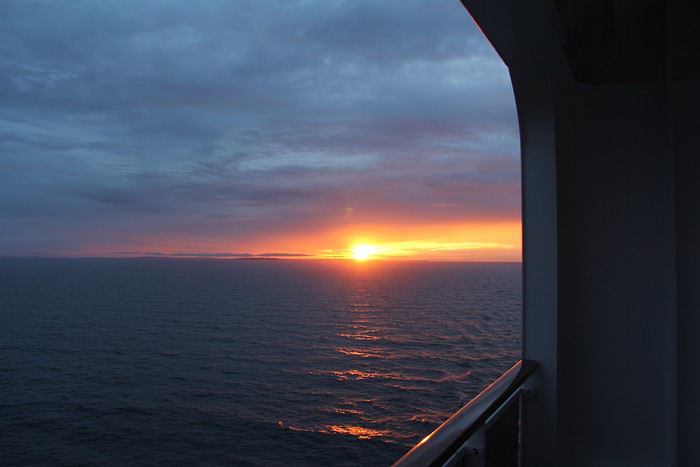
In the end, it didn’t look that old, as it had been modified and refurbished so much. Only its original bell remains in a display case. Its vintage look is more visible on the outside than inside. The outdoor decks are spacious, great for sightseeing. There weren’t too many passengers for the size of the ship. Inside, it’s not very modern or beautiful, but it was decent. A pleasant surprise—it handled the sea better than we expected.
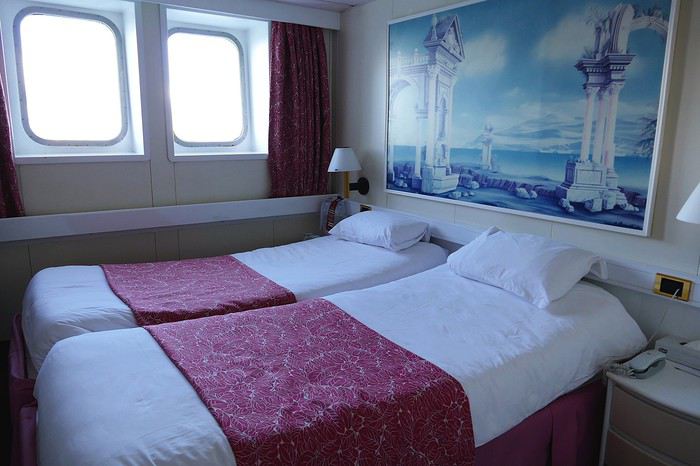
The cabin was outdated and small, as we expected—no desk, no sofa, and two portholes that made it very bright. Well-equipped with new storage furniture, it even had a fridge. The bathroom would have been spacious if it didn’t have a bidet. The bed had a board instead of a proper base, but the mattress was good, and we slept well the whole cruise. Don’t look too closely at the finishing details, but overall, it was better than I expected. On deck 4, the cabin creaked a little at night, but it didn’t bother us. The cabins are different sizes on the plan, but in reality, they all have the same surface area.
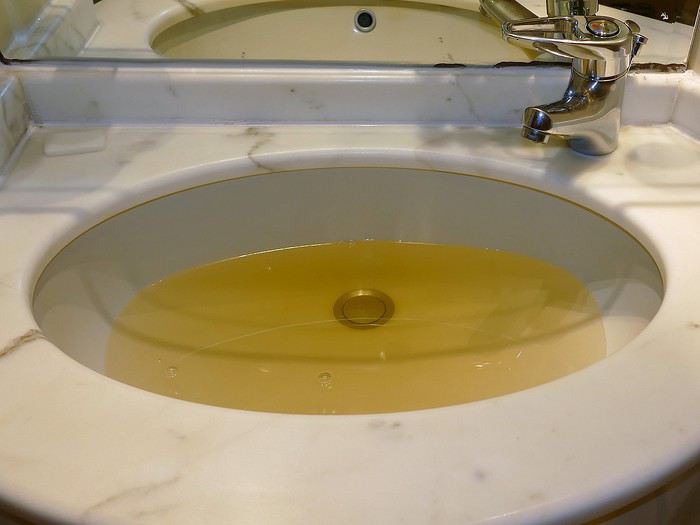
Note the strange color of the hot water.
The buffet was tiny, with few choices and very basic, ordinary dishes. A few mixed industrial salads, some fresh salad and cold cuts. For the main course, chicken, pork, some kind of minced meat, or fish. Then potatoes, rice, pasta, or steamed vegetables (always the same ones). For dessert, flavorless pastries in various colors or fresh melon and watermelon salad. That was the sad, single menu for the entire cruise at the buffet. Note that the buffet was only open for 2 hours at lunchtime and 1 hour in the afternoon for a snack.
Tea, coffee, and water were available all day.
The restaurant. The table was nicely set and pretty, but the meals weren’t much better than at the buffet. The “beef fillet in pastry” was like boiled beef stew—it fell apart easily (even though we asked for it rare or at least medium-rare). The “asparagus velouté” was actually leek soup with “hay” that crunched under your teeth. The poire belle Hélène or profiteroles were sad, distant relatives of the well-known desserts—very skimpy. And those were just a few examples.
Drinks were included with meals: still or sparkling bottled water, white, red, or rosé wine, coffee, tea, or herbal tea.
The bar. The servers were nice but far from having the class and know-how you find on other cruise lines.
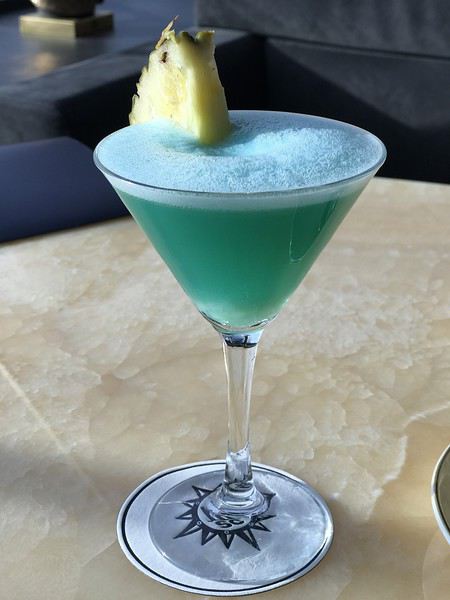
We wanted to try the cocktails, but only once. The margarita was warm, with bottled chemical lemon, no ice, and no salt. The caipirinha was brown! And later, we noticed that in the Singapore Sling, they replaced the Champagne with soda!!! What a skill set!!!
The lectures were very popular. Almost all passengers eagerly attended the talks by the two naturalists.
The musical entertainment was French variety—good-natured and friendly most of the time. A little classical music, chamber music so sad it made you sleepy. Nothing like the pianos and violins you find elsewhere... (Princess or HAL).
The shows. With very limited resources, the dancers did their best. The outfits were very revealing in certain strategic areas, and that was the rule for all themes.
The “red vests.” The atmosphere on board was more like a company outing than a cruise. There was a lot of staff to run the excursions desk, assist and supervise passengers during stops, or act as guides during excursions. These “red vests” behaved like they were on a summer camp—they had a great time and gathered as often as possible to laugh and have fun. They didn’t hesitate to roll their eyes behind passengers’ backs. But the “group leaders” became very authoritarian and directive when addressing passengers.
One evening, our friend asked a “red vest” about the excursion time the next day. That was top-secret information, impossible to get (I’ll come back to that). The “red vest” replied that they wouldn’t tell him because, by the next day, he would have forgotten anyway. That shows the level of respect this staff had for the passengers.
Also worth noting: among the passengers was a man in a wheelchair. For the entire cruise, he couldn’t go ashore. No one ever offered to help his wife get him off the ship.
My perception of this cruise is inevitably shaped by my past experiences. Some passengers shared my opinion, but others were completely satisfied with everything and found the food good. They also swallowed all the bad excuses, cooked up with a security sauce, without question—reassured and delighted that “everything” was done for “their safety,” which is the most important thing, isn’t it?
To be continued—the stops and the organization, even more pitiful than the hospitality...
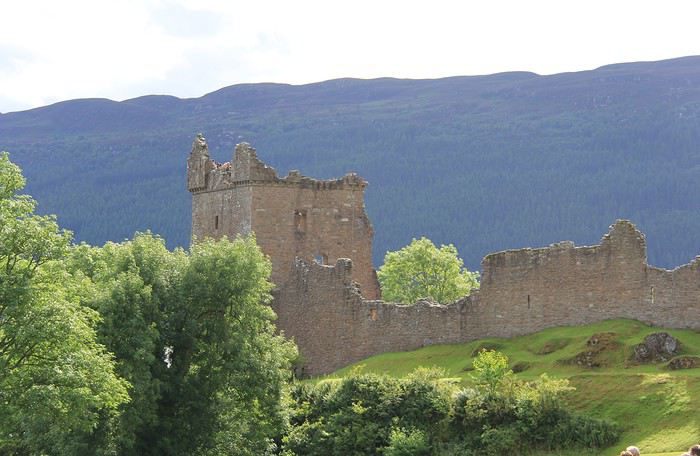
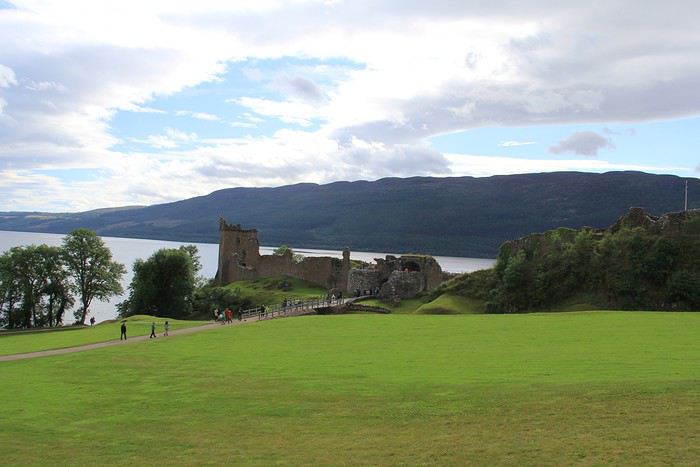

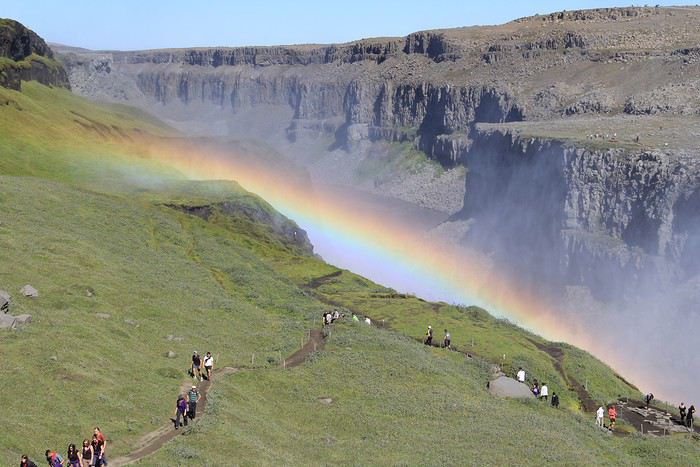
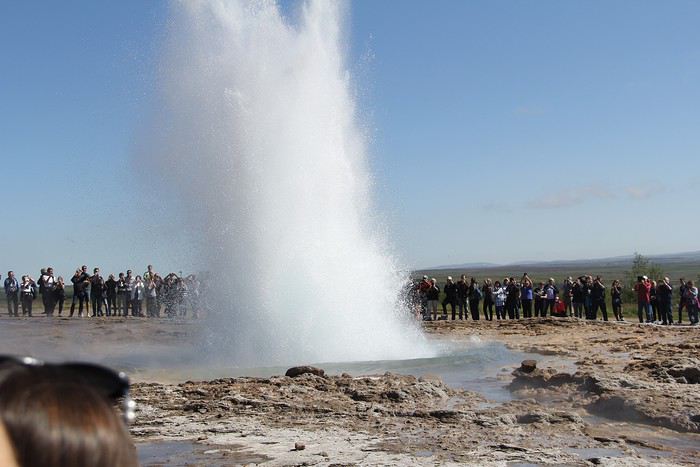


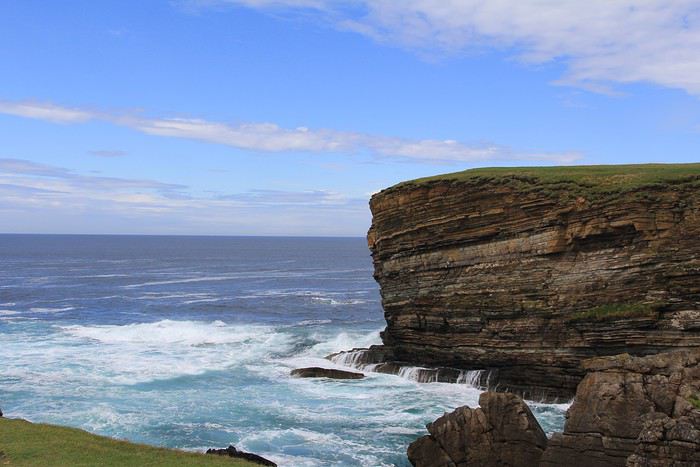 On a eu une chance folle avec le temps. Une fois de la pluie (à Kirkwall) mais seulement quelque minutes ! Sinon du soleil. Une nuit et une demie journée on a eu des vagues énormes – bonjour scopolamin J