Hi everyone,
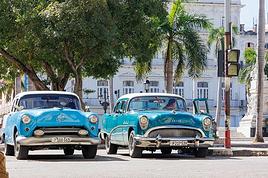
I’d love to hear your thoughts and experiences about marrying a Cuban and moving to Cuba (not the other way around!). Yes, some of us actually *want* to stay on the island! Is it possible to work there without too much hassle, or is it really complicated?
Thanks in advance!
376 similar discussions in English
Why bike (MTB) along the canal between the Two Seas: the lateral canal of the Garonne from Bordeaux to Toulouse, and the Midi Canal from Toulouse to the Mediterranean?
This canal was created to connect the Mediterranean to the Atlantic without going around Spain, and along its entire length, there’s an old towpath (used to pull barges). Since this path is closed to traffic (except for service vehicles from Voies Navigables de France), no cars drive on it—it’s dangerous, noisy, and polluting. The Canal between the Two Seas was built for transporting goods, so it passes through many towns you can explore without dealing with traffic. You can stock up on supplies or spend the night. You’ll discover the varied landscapes of the countryside, always in the serenity brought by the calm and slow flow of the canal’s water. Most of the time, you’ll be in the shade of trees planted to stabilize the banks with their roots. All you have to do is follow this blue—or rather green—ribbon without needing to consult a map. But the biggest advantage is that it’s flat! Of course, on the Canal du Midi, water flows from the watershed divide at Naurouze eastward to the Mediterranean and westward to Toulouse. On the lateral canal of the Garonne, water flows toward Bordeaux. But this slope is almost imperceptible, which is a huge plus when you want to travel by bike for several days with luggage.
When I say "bike," I really mean MTB because, while the towpath has been replaced in some places by a paved bike path, it mostly resembles a dirt trail—sometimes smooth, sometimes rocky, and often cluttered with roots from the magnificent trees lining it. Since the canal was classified as a UNESCO World Heritage site, improvements have been underway, but it won’t be tomorrow that you’ll be able to ride from Bordeaux to Sète on a road bike. And I’m afraid the first sections of the path will be worn out before the rest is finished. You might even run into construction work for this bike path. That’s what happened to me during the spring of 2007.
Sunday, 03/11 – Valence d'Agen 08:15 to Toulouse (Rangueil) 16:30 97 km in 8h15 (6h on the bike) I started on the recently paved path along the lateral canal of the Garonne. The first locks appeared, and as I approached Moissac, the path turned into a billiard table until Castelsarrasin. After the Cousteau port, I was back on the classic dirt towpath with its rocks, roots, and nutria holes. But not for long—soon, I hit ruts left by backhoes and bulldozers, which, fortunately, were resting for the Sunday. A pile of rubble taller than me blocked the entire width of the path. I didn’t want to turn back to find the previous bridge and ride on the other bank, which was just as impassable (dense grass). It wasn’t easy to carry a bike with full panniers, so I lifted it over several mounds. I kept going, sometimes on foot, unsure how far the construction extended. Another bulldozer—luckily, the ground was dry. The work went all the way to Montech, making the path impassable. I recommend taking the N113, which runs parallel (that’s what I did on the way back). In Montech, the famous water slope was at rest, waiting for tourists. For many kilometers, I was back on the traditional towpath. The closer I got to Toulouse, the better the surface became, and the more cyclists and pedestrians I saw—until the city center, where there was nonstop bike traffic, especially students heading to Rangueil.
Monday, 03/12 – Rangueil 09:10 to Revel 16:30 86 km in 7h20 (5h30 on the bike) As soon as you reach Toulouse, you make a 90° turn to follow the connection between the lateral canal and the Canal du Midi. Heading east, you pass the barge selling the famous Toulouse violet souvenirs. A real bike path has been built for 50 km to Port Lauragais. It’s a true joy for Toulousains and travelers. Restrooms have been installed or shared with highway rest areas, allowing you to refill water (of course, bikes are banned from ASF rest areas, but cleverly placed racks let you secure your bike and walk in). At Port Lauragais, it’s another rest area shared by highway users, cyclists, and boaters. You’ll find a cafeteria, restaurant, hotel, and a shop selling regional souvenirs. But the real pleasure is reaching the watershed divide at Naurouze, where water flows toward the Mediterranean on one side and the Atlantic on the other. There, I decided to leave the Canal du Midi, which continues toward Castelnaudary with a much rougher towpath, to follow the *Rigole* that feeds the canal with water from the Saint-Ferréol basin. For me, it was like returning to the source—a bit like a pilgrimage in honor of the brilliant Pierre-Paul Riquet, the designer of this magnificent work. I followed the service trail along the *Rigole*. It’s actually a variant of the GR 653, leading to Revel alongside this artificial waterway. It’s fed by water from the Montagne Noire, and I was worried about a steep climb. But that wasn’t the case—the *Rigole* winds for 40 km, flowing gently under the trees. It was better than a dream: a smooth dirt path with the crunch of pine needles under the wheels, where I only crossed paths with a few fishermen... And to soothe sore buns, the last kilometers were on packed earth—a paradise (ATVs, stay away!). More walkers and cyclists appeared there.
Tuesday, 03/13 After a restful night in Revel, I started the morning with a walk around Lake Saint-Ferréol. A very pleasant 10 km hike, but I don’t recommend it for mountain bikers unless you’re used to mountain terrain and have strong calves. Otherwise, you can take the road—there are at least two hotels near the lake. In the afternoon, I began the return trip to Tarn-et-Garonne via the same path, with the same pleasure.
Total: 378 km of suffering and bliss, for which I must thank the departmental and regional councils for their funding, Voies Navigables de France for maintenance, and the volunteers who mark the hiking trails. And don’t you think you’re exaggerating a bit with your 378 km of bliss and the paradise of the *Rigole*?
Okay, fine—it wasn’t always idyllic. Sometimes the path was downright *pierrique*... but I had great weather, and the landscapes were so beautiful (water, sun, vegetation). In the rain or mud, it would’ve been less fun. What does *pierrique* even mean?
*Pierrique* is worse than rocky. I know a Pierrick, and he’s tough. And why *Facteur4*?
It’s France’s goal to reduce greenhouse gas emissions by a factor of 4 by 2050. I’m doing my part by biking to work 3 out of 4 times. And your cassoulet?
Guilty as charged. I ate the best cassoulet of my life at the Hôtel du Midi in Revel. But it was very productive in methane. My stomach hurt so much I couldn’t sleep and ended up writing my postcards between 3 and 4 AM. So many great memories!
It's all in the title: I want to convert a van for traveling far, to places like Morocco, Tunisia, and Libya (among others!)
Indeed, 4x4 vehicles are too small and too conspicuous (and too expensive)
So I need a van with a 4x4 platform; but there are very few of them: a few Mercedes, the Citroën Jumper I think, and that's about it!
What can you recommend to me, knowing I can't spend too many dollars?
Thanks for your advice
See you soon
When planning a trek in Scotland, the Norwegian fjords, or the Icelandic highlands, we often spend hours searching for the best jacket. It’s a logical reflex, but once you’re out there, you quickly realize that your upper body isn’t everything. In these countries where humidity is ever-present, waterproof hiking pants often become the piece that makes the real difference between a great day of walking and a nightmare.
If you’re preparing for a trip to a destination with unpredictable weather, here’s why you should take a closer look at what’s covering your legs.
The reality of the terrain: rain doesn’t just come from the sky
In Iceland or Patagonia, rain rarely falls straight down. With the wind, it comes at you sideways and always finds its way in where you least expect it. Even with an excellent jacket, water runs off and soaks your regular hiking pants in minutes. Once the fabric is waterlogged, your legs get cold fast. Unlike your torso, which is often protected by multiple layers, your legs are in direct contact with moisture. In Scotland, for example, even if it stops raining, walking through heather or tall grass is enough to soak you up to your knees. On a multi-day trek, this constant dampness quickly becomes an extra source of fatigue: the wet clothing weighs you down, causes chafing, and drops your body temperature as soon as you slow down. Without effective protection, you spend the day in heavy, cold clothing that drains your energy.
The specific demands of protective pants
Waterproof pants need to meet very particular challenges to stay effective throughout a day of trekking.
Mechanical pressure: Whether kneeling to set up your tent or sitting on a damp rock for a break, you put direct pressure on the fabric. That’s when the quality of the membrane becomes crucial: it must prevent water from seeping through the fibers even under your body weight.
Managing effort: Your legs are the engine of a hiker and generate constant heat. If the pants aren’t breathable, sweat gets trapped inside. The real risk? A sudden chill: as soon as you take a break, that moisture cools your muscles and leaves you shivering in minutes.
Abrasion resistance: Between repeated steps, contact with rocks, or pushing through brush, the fabric faces constant wear and tear. It needs to be tough enough not to fray at the first encounter with vegetation.
A good trekking pant must combine waterproofing, breathability, and durability to stay reliable throughout your journey.
Overpants vs. waterproof pants: the comparison
It’s a big debate among hikers: should you go for a layer you add over your regular pants or a model designed to handle everything, built to resist rain? Each option has its fans, and the choice depends on the type of route and climate you’ll face.
1. Overpants: the flexibility card This is the most common solution for hikers heading out in summer or regions where showers are occasional and brief.
The pros:
Modularity: You only pull them out when needed. The rest of the time, you hike in lightweight pants.
Weight: Once rolled up, they take up very little space in your pack.
The cons:
The hassle: Stopping in the rain to put them on is rarely fun. Without full-length side zips, you’ll have to take off your shoes, which is a real pain on wet terrain.
Comfort: You often get that "double-layer" feeling, which slightly limits your freedom of movement.
2. Waterproof pants: the all-terrain armor This is the preferred option for destinations where humidity and wind are nearly constant.
The pros:
Simplicity: You put them on in the morning and don’t have to think about them again.
Windproof effect: The membrane effectively blocks the wind, helping maintain body heat without necessarily wearing thermal leggings.
Ergonomics: The cut is more precise and generally better suited for long-distance hiking without chafing.
The cons:
Overheating: If the sun comes out, the heat can build up fast. That’s why the breathability of the membrane becomes an absolutely key factor when choosing waterproof pants.
Technical expertise: the Cimalp option For those looking for reliable, durable gear, Cimalp is regularly cited as a benchmark in the world of technical hiking and long-distance trekking. The brand uses high-performance membranes like Ultrashell®, which combines total waterproofing at 20,000 mm (Schmerber) with record-breaking moisture vapor transfer (80,000 MVP). This combination keeps you protected from rain while effectively wicking away sweat during long days of hiking—a crucial point for endurance. If you’re looking to choose your waterproof hiking pants wisely, prioritize models that have proven themselves in the field, with sealed seams, breathable membranes, and strategic reinforcements in high-wear areas. That’s the guarantee of gear that will last multiple seasons, even in demanding environments.
The small details that make all the difference
Before you head out, check these key elements on your gear:
Breathability (MVP): The higher the number, the more efficiently water vapor escapes, and the less you’ll feel like you’re in a sauna.
Leg openings: A good pair of pants should have adjustable gaiters to prevent water from seeping in over the top of your shoes.
Ethics: Opt for PFC-free water-repellent treatments to minimize your impact on the wild, natural environments you’re exploring.
When traveling, we often say there’s no such thing as bad weather—just bad clothing and unsuitable gear.
This is especially true for your lower body. A well-chosen pair of waterproof pants lets you keep moving even when the weather turns unpredictable. They don’t just keep you dry—they preserve your energy and comfort throughout your trek. For your next trip to the damp lands of the North, don’t overlook this essential piece. It’s often what makes the difference between enduring the weather and fully enjoying the journey.
Hello,
Back in February, I booked a flight with Air France-KLM from Lyon to San Diego with a layover in Amsterdam (flights operated by KLM). The flight is scheduled for late August. My Lyon→Amsterdam flight was canceled by KLM in June, and a replacement flight the evening before was booked for me. So, I’ll end up spending the night at Amsterdam Airport to catch my flight to San Diego the next morning.
Since the cancellation happened more than 14 days before departure, I know I’m not entitled to financial compensation (EU Regulation 261/2004). But am I entitled to reimbursement for a hotel night in Amsterdam?
Hi everyone,
We’re revising our travel plans for January 2027. Originally, we were considering Uganda for about 14/15 days, but given the current health situation and the restrictions that might affect my partner, who’s American, we’ve decided to switch to Tanzania instead.
I’m used to traveling in South Africa and organizing my trips myself, but I get the impression that planning a safari in Tanzania is quite different.
I know self-drive isn’t really an option in Tanzania. So my main question is: can you organize your own itinerary and book lodges directly, then hire a local driver-guide? Or is it better to go through a local agency that handles the entire safari?
For the itinerary, which parks would you recommend for a first-time visit in January? Serengeti, Ngorongoro, Tarangire, Manyara, Ruaha, Arusha, Selous…
We’d also like to include Zanzibar to end the trip with a few days at the beach. Over 14/15 days, does that sound realistic or too ambitious?
Finally, for flights, is it better to arrive at Kilimanjaro (JRO) or Dar es Salaam (DAR) based on the itinerary we’re considering?
Thanks in advance for your feedback, especially on the best way to organize the safari and which parks to prioritize in January!
Hi everyone,
I’m planning a solo trip for November.
I’ve chosen Thailand because it’s my first solo trip and I wanted a country that’s easy and safe for a woman (though maybe you have other suggestions?), but also because of this time of year when the monsoon is hitting many Asian countries. A lot of people have confirmed that Thailand is a destination where everything is relatively easy for a first solo trip: getting around the country (buses and trains), great food, beautiful beaches, stunning countryside, decent safety, etc...
This trip comes after a major burnout and professional exhaustion 😵💫. I quit my job this week and need to recharge and clear my head before diving back into the professional grind... I’m looking for peaceful landscapes away from mass tourism, combining mountains, countryside, and beaches. I need moments of free wandering, yoga, sightseeing, and maybe some woofing. I love authenticity, contemplation, and beautiful things in simplicity.
Thanks for your route and accommodation ideas 😊!
Armelle
I live in Laval, Canada
I’m looking for more info on renting a car to travel from Durban to Saint Lucia and Hluhluwe Park in April 2026. Which car rental company has no hidden fees, unlimited kilometers, and insurance coverage that includes everything, like toll booths? Automatic transmission, SUV. Should I book in advance for early April 2026?
After Durban, I’d fly from Durban to Port Elizabeth. From there, I’d rent a car to visit all the magical spots near the Garden Route and return the car in Cape Town.
I’d love your honest opinions on the safety of these routes and your recommendations for a reliable, trustworthy dealership.
Thanks in advance Sylvie (Laval, Québec, Canada) 68 years old
We just got back from a nearly 3-week trip to Costa Rica in March. For the occasion, we used EVANEOS to plan our trip based on our preferences.
After some setbacks with ADOBE RENT-A-CAR—they refused the Visa Premier card and forced us to pay for extra insurance (which is usually covered by the Visa Premier)—we finally set off to explore the country.
Observation: Apart from nature, wildlife, and flora, there isn’t much else to see, but it’s so beautiful! Some people criticize the country as insignificant, with bland food and unwelcoming locals. I think those people didn’t really explore—maybe they stayed in their hotel near the beach (UVITA?) without venturing out. Otherwise, there wouldn’t be so many Europeans living in Costa Rica who don’t even consider going back to their home countries.
For our part, we found Costa Ricans very kind and welcoming. It’s often said they’re thieves, but personally, we left a small suitcase in a restaurant. When we returned after driving 20 km round trip, the staff were trying to find our phone number to contact us. I think it’s like anywhere—even in France, I’d tell tourists not to leave anything in their car to avoid… well, you know.
Food: Traditional dishes, fish plates (tilapia was excellent), and especially ceviche (around 15 € per person)—really good—and lobster (around 30 to 35 € per person), all served with fruit batidos (around 3 € per person).
Car: We had a 2-wheel-drive vehicle, which kept us from visiting some sites that require a 4x4, like Boruca, the town of artisan masks. Some lodges are also only accessible via rough, rocky trails that are tough to navigate in a regular car. Don’t hesitate to insist on a 4x4.
Keep in mind that driving fast in Costa Rica isn’t possible. Some roads are in poor condition, and there are often unmarked speed bumps that are much worse than the ones in France. You’ll average about 50 to 60 km/h on a leg of the trip.
I also recommend bringing a road map to cross-check the routes suggested by Waze or Google Maps. Sometimes, these apps will send you down completely wrecked roads to save time! A paper map will help you verify the road type. It’s better to drive an extra 20 km than to get stuck on a rocky path.
- San José to Barra de Pacuare (much less crowded than Tortuguero). Sea turtles are still rare this time of year. Via the canals, we spotted howler monkeys, sloths, and birds, and on land, we saw venomous spiders, poisonous frogs, and a leatherback turtle conservation site.
Explored a primary tropical forest with its many species of flora and fauna (monkeys, snakes, sloths, toucans, raccoons, etc.).
- Barra de Pacuare to Cahuita: Explored Cahuita National Park (howler monkeys, capuchin monkeys, raccoons, sloths, blue crabs, leaf-cutter ants, etc.) and walked along the trail by Puerto Viejo’s beach.
- Cahuita to Bambú: Visited the Bribri tribe and their customs. This isn’t a tourist trap—it’s a deep immersion into a community living almost self-sufficiently. To get there, you take a motorized canoe for over an hour. But be warned:
1 - The restroom cleanliness leaves a lot to be desired
2 - There’s no hot water
3 - A waterfall hike is offered. The first two-thirds are fine, but the last third is very dangerous, especially if it’s rained, even with sneakers. You need sturdy shoes. Our guide turned back halfway…
- Bambú to Sarapiquí:
- La Fortuna: Explored the Mistico Park tropical forest. A 3+ km trail lets you discover animals and lush vegetation. Sixteen suspension bridges, some up to 45 meters high, offer stunning views of the canopy.
Walked around Arenal Volcano: Big disappointment for seeing lava flows. After 2 km, a viewpoint shows vegetation that’s taken over—only a few volcanic rocks hint at the 1968 eruption.
- La Fortuna to Carara: Spotted crocodiles at the Tarcoles Bridge.
- Carara to Uvita: Relaxed. Uvita is a small tourist town with nothing particularly original, but it’s the place to try CEVICHE, a typical dish of raw fish “cooked” in lime juice. Delicious! We recommend Mestizo for very affordable prices.
- Osa to Corcovado National Park: This park is gorgeous. You’ll see all four monkey species, tapirs, scarlet macaws, etc.
From Drake Bay, it takes about 1 hour 15 to 1 hour 30 to cross to the park. After navigating the mangroves, the boat heads into open sea until reaching the beach, where you’ll wade ashore (water up to your thighs—bring shoes for the slippery rocks).
National Geographic called the park a "jewel of humanity" that must be preserved at all costs due to its incredible biodiversity. The park represents 3% of the world’s biodiversity. You can observe countless monkeys (all four species are present), crocodiles, tapirs, and scarlet macaws.
Our guided hike with a French-speaking guide lasted 4 hours before returning by boat to the lodge.
WARNING: There’s strict control at the park entrance:
- No plastic bottles
- No knives
- No plastic items
- No bare feet. Closed-toe shoes are required (in addition to a pair for the boat)
- Osa to Zona de los Santos: This is the coffee region and home to the quetzal, a stunning but hard-to-spot bird that’s also Guatemala’s symbol. Paraíso Quetzal Lodge has a platform with a spotting scope to try to see the bird in the forest. CAUTION: This beautiful lodge is at 2,650 meters altitude. The rooms have incredible forest views, but it’s VERY VERY cold!
- Zona de los Santos to San José: Detour to Irazú Volcano. WARNING: Buy tickets before arriving. The staff kindly bought them for us via their phone. Small disappointment: The crater lake hasn’t existed for years! The ads are misleading about this.
- San José: A city we found uninteresting.
I’m spending 2 weeks in Crete in September and will need a rental car.
I usually go with Europcar, but comparing their offer to what Aegean Rentals has, I see Europcar is charging no less than 400 € more for the same car and similar insurance!
I’d love to hear if others have experience with Aegean Rentals, and if so, whether it was a good one?
Hi there,
We’re planning a trip to Finland and Norway this summer, starting in Oulu to explore Lapland, heading up to the North Cape, and then making our way down to Bergen.
This route means renting a car in Finland and dropping it off in Norway. My initial searches are showing rental rates that are... astronomical—about three times the price compared to returning it at the starting point.
I’m guessing I’m not the only one wanting to visit both countries. Are there any great tips to drastically reduce the cost of renting a car?
Thanks to the community for your suggestions!
Hi there,
I’m planning a sidecar trip to South America for 4 or 5 months at the end of this year.
I’m looking for info on shipping my vehicle by sea—possibly to Uruguay or another destination, as I haven’t finalized anything yet.
How do you get visas for the countries I’ll be crossing: Uruguay, Argentina, Bolivia, Peru, and Chile? Are they e-Visas, obtained at the border, or through embassies?
Where can I get vehicle insurance?
Lastly, if any bikers want to join us (my partner and me), we’re open to that possibility too.
Patrick
Hi, I’m Ruben, I’m 22, live in the south of France, and I’m finishing my studies. I’d like to plan a trip for September-October or October-November. Since this would be my first long-haul experience, I’m a bit hesitant to go alone. So if anyone’s interested in traveling with me—or even sharing several parts of the trip together—I’m open to it. I don’t have any specific expectations. Age and gender don’t matter. I’m pretty mature, open-minded, and can hold a conversation or build a temporary friendship with just about anyone.
For this trip, my main interests will be: cultural visits, sports (personal hobby), nightlife, meeting locals, and fun activities.
DM me if you’d like more details. Thanks.
For this trip, my main interests will be: cultural visits, sports (personal hobby), nightlife, meeting locals, and fun activities.
DM me if you’d like more details. Thanks.
Hi everyone.
I’m putting together my next trek project for the Khumbu Valley.
I was there this year in October-November and would love to go back, ideally in November 2026.
I’m planning the Three Passes trek, including the ascent of Lobuche and Island Peak. The intermediate summits like Gokyo Ri and Kala Patthar will also be part of the adventure.
I’ve already requested a quote from the agency I used this year. Prices vary depending on the number of people. To be honest, going solo with a guide and a porter costs me (excluding the FRANCE-NEPAL flight) 3200 € + $990 extra for the guide (insurance, bonuses). With two people, the price drops to 3000 €, and the $990 disappears. That suddenly makes it much more affordable.
I’d love to go with one or more other people for several reasons. The cost, of course, but also—and most importantly—because it’s way more fun to share this kind of adventure.
Just to clarify, I know this agency well. They’re very professional, French-speaking, and handle any issues that come up. It’s been tested and approved. The ideal time is really November. This year, we had a late monsoon when we left at the end of October, followed by exceptional weather. But a late monsoon means snow—Gokyo was completely snowed in, and the passes were extremely tricky.
The ideal timing is a full month door-to-door, so from France back to France.
Don’t hesitate—there’s plenty of time. I’m just planning to confirm the trip during the winter, around February/March 2026.
See you soon
Hey everyone,
we’re heading to the American West for 21 days in August.
Two options for us:
renting a regular car and staying in motels, or going with an RV.
We’ve traveled a lot in Southern Africa on our own with a 4x4 roof-top tent, but the US is a whole different story.
I’d love to hear your thoughts—budget-wise, we’re probably looking at similar costs.
Thanks for your input!
Thierry
Hi everyone, I’m new to the forum—
I’m looking for reviews on the rental company Aroundaboutcars. I know they don’t have their own fleet at Johannesburg Airport and work with other rental companies. Can anyone tell me if they’re reliable and professional? (I’ve seen great feedback for Cape Town, where they have their own fleet, but no info on their services in Johannesburg.) Thanks in advance!
Mlaure
Hi, I’m planning a trip to Panama and have a general question, because it seems that debit cards are systematically refused there.
Are there any credit cards available in France that I can use for travel without restrictions, especially for renting cars abroad?
I’d appreciate any useful info: bank names, how to sign up, specific requirements, guarantees, how much to put in the account, etc.
Thanks in advance!
Are there any credit cards available in France that I can use for travel without restrictions, especially for renting cars abroad?
I’d appreciate any useful info: bank names, how to sign up, specific requirements, guarantees, how much to put in the account, etc.
Thanks in advance!
Hi there,
I’m right in the middle of planning a trip to the American West—23 days from 07/30 to 08/23.
Departure from Orly to Los Angeles with a layover in San Francisco, and return from Los Angeles to Orly.
Day 1: Orly - San Francisco (1 night)
Day 2 & 3: Los Angeles (2 nights)
Day 4, 5 & 6: San Francisco (3 nights)
Day 7: Lake Tahoe (1 night)
Day 8 & 9: Portland (2 nights)
Day 10, 11 & 12: Seattle (3 nights)
Day 13 & 14: Yellowstone (2 nights)
Day 15 & 16: Salt Lake City (2 nights)
Day 17 & 18: Las Vegas (2 nights)
Day 19 & 20: Grand Canyon (2 nights)
Day 21 & 22: Los Angeles (2 nights)
Day 23: Return flight (1 night in the air)
The flight’s already booked: 2250 € for 3 people. Car’s reserved—just finalized the last booking today: a Rav4 for 23 days from Sixt in Santa Monica, 715 € (all insurance included). Hotels are booked with free cancellation since I keep finding better options, and the itinerary isn’t 100% set yet.
The flight’s already booked: 2250 € for 3 people. Car’s reserved—just finalized the last booking today: a Rav4 for 23 days from Sixt in Santa Monica, 715 € (all insurance included). Hotels are booked with free cancellation since I keep finding better options, and the itinerary isn’t 100% set yet.
Hi there.
I’m planning a getaway to Bali at the end of September. I’m a bit late applying for the international driving permit through the official site. Someone told me about https://international-permit.com/en-us. Is it reliable?
Thanks for your replies.
I’m planning a getaway to Bali at the end of September. I’m a bit late applying for the international driving permit through the official site. Someone told me about https://international-permit.com/en-us. Is it reliable?
Thanks for your replies.
Hi there,
I need to book an SUV in Los Angeles for about 5 weeks, and for various reasons, it’ll be with Hertz. Traditionally, I pick up the vehicle at the airport agency, which I reach by shuttle.
But I’ve noticed that the rate drops by about a third if I pick up the vehicle either at the Marriott hotel at the airport or at the nearby Westin hotel (both hotels are also accessible by shuttle and have a Hertz agency). The selection is probably smaller, and most importantly, I don’t know if these off-site agencies are reliable.
What do you think? Has anyone here had the chance to test them? Thanks in advance!
J-Pierre 3.14
Hello
The site Les Soay de Picardie was created to promote and raise awareness about our Soay sheep and to showcase our region, Picardy, as well as other regions through travel articles. There are also tourist events, like the current "Le Souffle de la Terre" in Ailly-sur-Noye in the Oise. The Traditional Camping category is linked to the site CampingTraditionnel.fr, featuring regional maps of campsites with at least 50% bare pitches, along with articles about the camping world. In the Miscellaneous Topics category, you’ll find subcategories: 1) Travel tips, including travel insurance, visas, health, and advice from fellow travelers 2) Travel articles from around the world—Asia, South America, Europe, Africa, and North America
The site Les Soay de Picardie was created to promote and raise awareness about our Soay sheep and to showcase our region, Picardy, as well as other regions through travel articles. There are also tourist events, like the current "Le Souffle de la Terre" in Ailly-sur-Noye in the Oise. The Traditional Camping category is linked to the site CampingTraditionnel.fr, featuring regional maps of campsites with at least 50% bare pitches, along with articles about the camping world. In the Miscellaneous Topics category, you’ll find subcategories: 1) Travel tips, including travel insurance, visas, health, and advice from fellow travelers 2) Travel articles from around the world—Asia, South America, Europe, Africa, and North America
Hi everyone,
I couldn’t find any recent posts on this topic, so I thought I’d create a new one. We’ve just started planning our family trip to Vietnam this coming August. We’d like to travel from North to South, starting in Hanoi and ending in Ho Chi Minh.
Usually, we rent a car when we arrive and manage on our own. But I get the feeling that in Vietnam, it’s more complicated... It seems like the only option we have is to rent a car with a driver? Is that really the case?
I’m thinking of starting with a cruise in Halong Bay since we arrive on my partner’s birthday, and I wanted a beautiful setting to celebrate it. So, is the option of having a driver wait for 2 days while we’re on the cruise really feasible?
The rest of the itinerary isn’t planned at all yet. I’d love to hear your tips. We’re traveling from August 8th (morning) to the 26th (afternoon).
Thanks for your advice.
Hi there,
Since I’m not familiar with Australian airlines, I’d appreciate some advice.
I need to book a domestic flight from Adelaide to Sydney quickly, and I see Jetstar, Virgin, and Qantas as options. On paper, Qantas’s schedule and price are less appealing.
Which of the three is the most reliable (fewer flight cancellations, since this is the last flight of the day) and easiest to book on their website?
Thanks!
Emirates just put out a statement, and for those of us struggling, it’s total nonsense. No concrete dates because they’re clueless, all dependent on military strikes. Don’t get your hopes up.
Good news for passengers stranded in the Gulf, though. Emirates expects its network to return to normal in the coming days. However, the resumption of commercial flights is still subject to airspace availability and meeting all operational conditions, Emirates said in a statement. The airline added that it transported around 30,000 passengers from Dubai on Thursday. By March 7, Emirates will operate 106 daily return flights to 83 destinations, covering nearly 60% of its network. The Dubai-based national airline was forced to cancel thousands of flights following Iran’s retaliatory strikes, which led the UAE to close its airspace and caused minor structural damage to its Dubai hub.
Good news for passengers stranded in the Gulf, though. Emirates expects its network to return to normal in the coming days. However, the resumption of commercial flights is still subject to airspace availability and meeting all operational conditions, Emirates said in a statement. The airline added that it transported around 30,000 passengers from Dubai on Thursday. By March 7, Emirates will operate 106 daily return flights to 83 destinations, covering nearly 60% of its network. The Dubai-based national airline was forced to cancel thousands of flights following Iran’s retaliatory strikes, which led the UAE to close its airspace and caused minor structural damage to its Dubai hub.
Hello everyone, I’m happy to welcome you to this new travel journal.
We’re heading to Costa Rica together—a Central American destination that dreams are made of for many French travelers and attracts crowds from France.
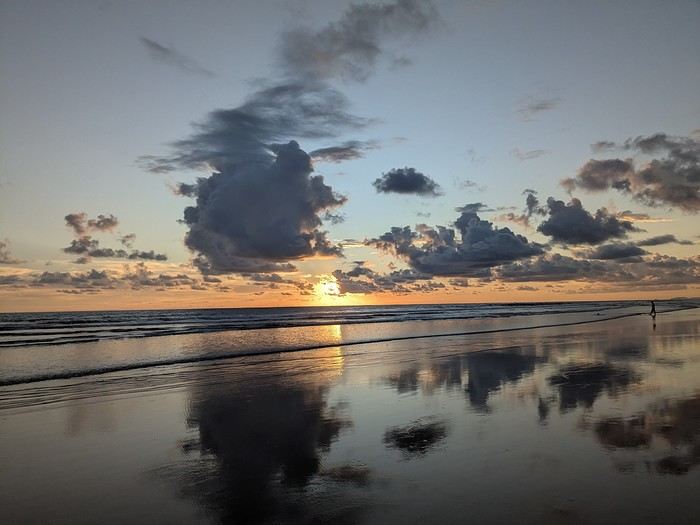
It was the country’s wild nature and safety that convinced us to go, since we’re traveling with our 7-year-old little one. We didn’t have much vacation time in February 2026 (only 12 days), so we optimized as much as possible.
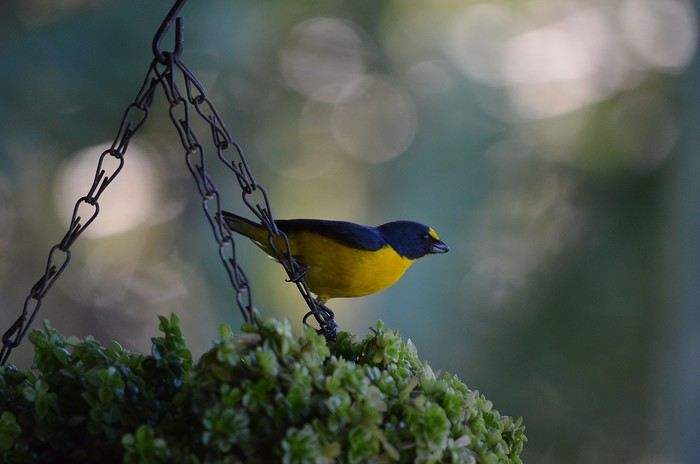
Here’s the itinerary: Wednesday, February 11: Flight from Marseille to San Jose via Paris and Atlanta Thursday, February 12: Pick up the car, drive to Poas Volcano, visit La Paz Waterfall Gardens Friday, February 13: Poas Volcano and drive to Manuel Antonio Saturday, February 14: Manuel Antonio National Park Sunday, February 15: Nauyaca Waterfall and Playa Linda Monday, February 16: Drive to Monte Verde and Santa Elena Reserve Tuesday, February 17: El Tigre Waterfall Reserve and Treetopia Park Wednesday, February 18: Monte Verde Reserve with a guide and drive to La Fortuna Thursday, February 19: Sloth guided tour, Observatory Lodge Park Friday, February 20: Arenal Volcano National Park, Termalistas del Arenal hot springs, and night tour Saturday, February 21: Return to San Jose, flight to Paris via Atlanta Sunday, February 22: Arrival in Paris and flight to Marseille. That gives us a solid 9 days in the country.
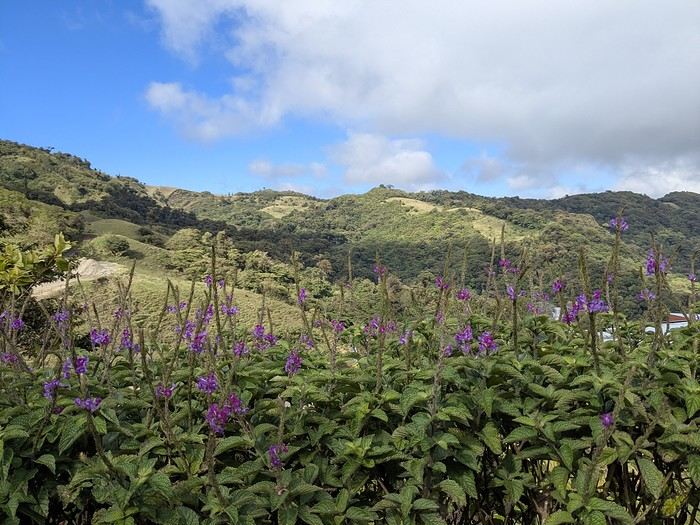
Budget breakdown: Costa Rica is an expensive country, but no more so than France. However, almost all hikes and waterfalls are paid entry, which can really add up. For meals, sodas (6–10 €) are cheaper than restaurants (10–20 € per dish).
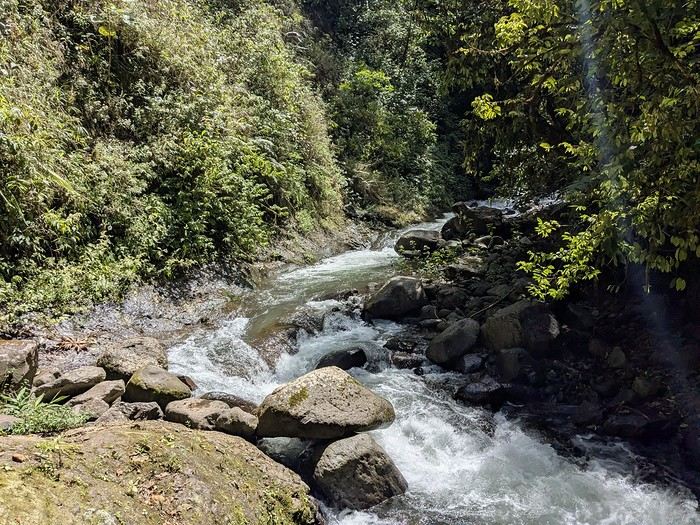
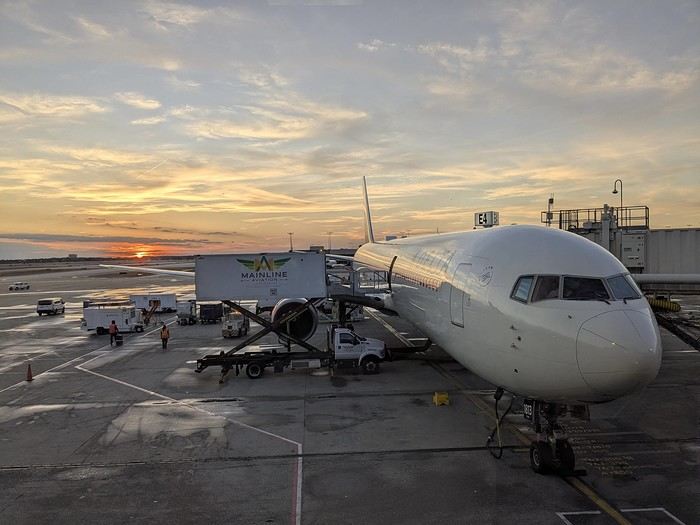
Flights: We chose Delta Airlines for the price: Marseille to San Jose was 740 € per person (modifiable, with checked baggage and seat selection included). Other direct flights from Europe were priced between 1200 € and 1600 € with more restrictive conditions. That’s 2220 € for the family.
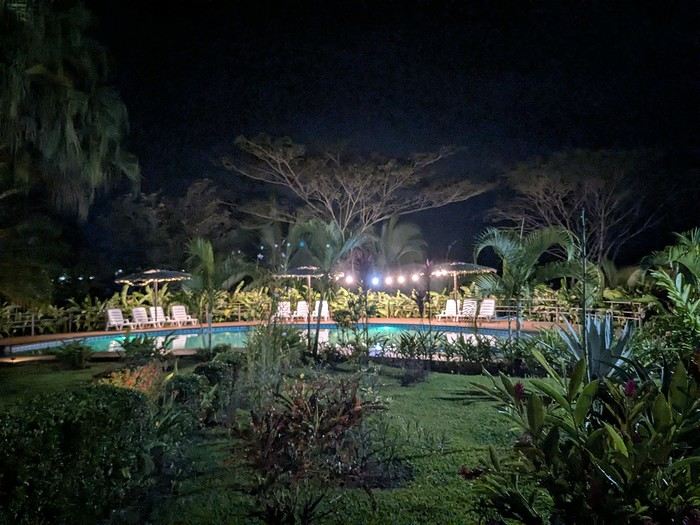
Accommodations: Alajuela, first night: 139 € (1 night) at Rodeo Estancia Boutique Hotel, with personalized airport pickup, transfer to the hotel, and a briefing from Vert Costa Rica agency the next day. Poas: 66 € (1 night) at Cabañas Tierra Fértil (entire apartment). Manuel Antonio: 394 € (3 nights) at La Palapa Ecolodge (hotel in the jungle). Monte Verde: Chalet Aloha Monteverde Cloud Forest (2 bedrooms): 125 € (2 nights). La Fortuna: Arenal Dream Garden (1 bedroom): 217 € (3 nights). Total: 941 €.
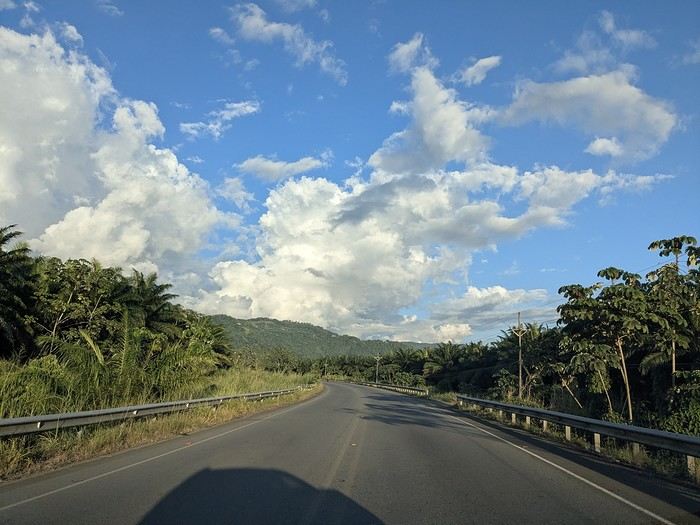
Car rental: I went through Vert Costa Rica agency (Vincent is a French expat who set up the agency in Costa Rica and makes great YouTube videos with useful tips). I rented a 4x4 that was delivered to the hotel the day after arrival and returned at the airport before the flight. The total was 772 €, including full insurance (zero deductible), a child seat, and a phone with a Costa Rican SIM and WhatsApp. The rental company was Poas Rent a Car. The vehicle was well-maintained—no complaints. Gas: 100 € for the whole trip (3 fill-ups).
Activities: To get discounts, I bought the pass offered by Vincent, which paid for itself after just one activity. It cost me 30 € (promo since I rented the car through him). Prices are for 3 people. I’ve added stars to rate them: La Paz Waterfall Gardens ****: 112 € Poas Volcano National Park *: 33 € Manuel Antonio National Park ****: 35 € Nauyaca Waterfall ***: 25 € Santa Elena Reserve **: 45 € El Tigre Waterfall Reserve ****: 141 € (with meal) Treetopia (ziplining, suspension bridges) **: 250 € Guided tour of Monte Verde Reserve ***: 113 € Sloth guided tour (with breakfast) ***: 115 € Arenal Observatory Lodge (with meal) ****: 102 € Arenal Volcano National Park *: 34 € Termalistas del Arenal ****: 20 € Night tour ***: 116 € Total: 1171 €.
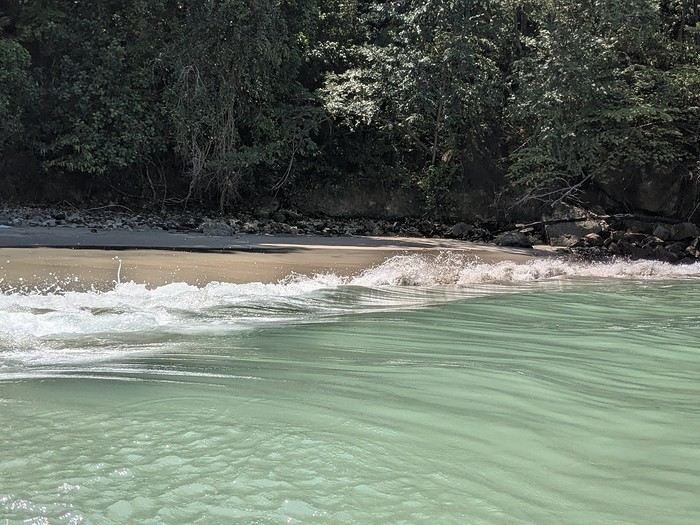
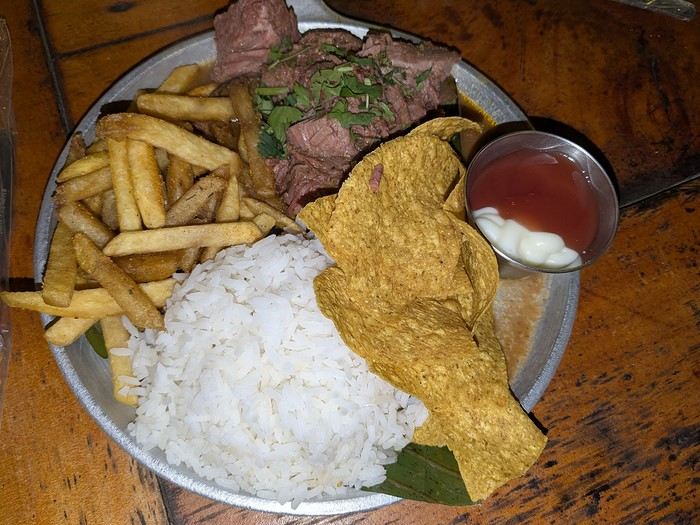
Meals: 600 € My favorite restaurants: Poas: Food court Mercaditas in Fraijanes Manuel Antonio (near La Palapa): La Langosta and also El Patio Near Nauyaca Waterfall: Ricar2 el Avión Between Manuel Antonio and Monte Verde: Soda D’Calle Santa Elena: HG’s Food Guadalupe (between Monte Verde and La Fortuna): Soda Río Piedras Arenal Observatory Lodge restaurant Arenal Oasis Ecolodge restaurant
Other expenses: 300 € (groceries for breakfast, drinks, ice cream, souvenirs, etc.) Total overall: 6065 € (about 2020 € per person).
Now, here’s the day-by-day account of this beautiful trip.
https://voyageforum.com/images/posts/small/1772295011-z8mILBEUXHU8Ajz.jpg
It was the country’s wild nature and safety that convinced us to go, since we’re traveling with our 7-year-old little one. We didn’t have much vacation time in February 2026 (only 12 days), so we optimized as much as possible.
Here’s the itinerary: Wednesday, February 11: Flight from Marseille to San Jose via Paris and Atlanta Thursday, February 12: Pick up the car, drive to Poas Volcano, visit La Paz Waterfall Gardens Friday, February 13: Poas Volcano and drive to Manuel Antonio Saturday, February 14: Manuel Antonio National Park Sunday, February 15: Nauyaca Waterfall and Playa Linda Monday, February 16: Drive to Monte Verde and Santa Elena Reserve Tuesday, February 17: El Tigre Waterfall Reserve and Treetopia Park Wednesday, February 18: Monte Verde Reserve with a guide and drive to La Fortuna Thursday, February 19: Sloth guided tour, Observatory Lodge Park Friday, February 20: Arenal Volcano National Park, Termalistas del Arenal hot springs, and night tour Saturday, February 21: Return to San Jose, flight to Paris via Atlanta Sunday, February 22: Arrival in Paris and flight to Marseille. That gives us a solid 9 days in the country.
Budget breakdown: Costa Rica is an expensive country, but no more so than France. However, almost all hikes and waterfalls are paid entry, which can really add up. For meals, sodas (6–10 €) are cheaper than restaurants (10–20 € per dish).
Flights: We chose Delta Airlines for the price: Marseille to San Jose was 740 € per person (modifiable, with checked baggage and seat selection included). Other direct flights from Europe were priced between 1200 € and 1600 € with more restrictive conditions. That’s 2220 € for the family.
Accommodations: Alajuela, first night: 139 € (1 night) at Rodeo Estancia Boutique Hotel, with personalized airport pickup, transfer to the hotel, and a briefing from Vert Costa Rica agency the next day. Poas: 66 € (1 night) at Cabañas Tierra Fértil (entire apartment). Manuel Antonio: 394 € (3 nights) at La Palapa Ecolodge (hotel in the jungle). Monte Verde: Chalet Aloha Monteverde Cloud Forest (2 bedrooms): 125 € (2 nights). La Fortuna: Arenal Dream Garden (1 bedroom): 217 € (3 nights). Total: 941 €.
Car rental: I went through Vert Costa Rica agency (Vincent is a French expat who set up the agency in Costa Rica and makes great YouTube videos with useful tips). I rented a 4x4 that was delivered to the hotel the day after arrival and returned at the airport before the flight. The total was 772 €, including full insurance (zero deductible), a child seat, and a phone with a Costa Rican SIM and WhatsApp. The rental company was Poas Rent a Car. The vehicle was well-maintained—no complaints. Gas: 100 € for the whole trip (3 fill-ups).
Activities: To get discounts, I bought the pass offered by Vincent, which paid for itself after just one activity. It cost me 30 € (promo since I rented the car through him). Prices are for 3 people. I’ve added stars to rate them: La Paz Waterfall Gardens ****: 112 € Poas Volcano National Park *: 33 € Manuel Antonio National Park ****: 35 € Nauyaca Waterfall ***: 25 € Santa Elena Reserve **: 45 € El Tigre Waterfall Reserve ****: 141 € (with meal) Treetopia (ziplining, suspension bridges) **: 250 € Guided tour of Monte Verde Reserve ***: 113 € Sloth guided tour (with breakfast) ***: 115 € Arenal Observatory Lodge (with meal) ****: 102 € Arenal Volcano National Park *: 34 € Termalistas del Arenal ****: 20 € Night tour ***: 116 € Total: 1171 €.
Meals: 600 € My favorite restaurants: Poas: Food court Mercaditas in Fraijanes Manuel Antonio (near La Palapa): La Langosta and also El Patio Near Nauyaca Waterfall: Ricar2 el Avión Between Manuel Antonio and Monte Verde: Soda D’Calle Santa Elena: HG’s Food Guadalupe (between Monte Verde and La Fortuna): Soda Río Piedras Arenal Observatory Lodge restaurant Arenal Oasis Ecolodge restaurant
Other expenses: 300 € (groceries for breakfast, drinks, ice cream, souvenirs, etc.) Total overall: 6065 € (about 2020 € per person).
Now, here’s the day-by-day account of this beautiful trip.
https://voyageforum.com/images/posts/small/1772295011-z8mILBEUXHU8Ajz.jpg
Hello everyone,
I’m reaching out to you because I’m planning our next big trip (Japan is really tempting us for the autumn!) and I have to admit, I’m feeling a bit overwhelmed.
My husband and I have always loved traveling, and at 75, we have no intention of stopping... But I find that everything’s getting so complicated. I try to be "modern" by booking online, but as soon as there’s a problem, we hit a wall.
A friend nearly missed her departure last year because of a visa issue that wasn’t explained properly on a website... and no one to call for help, just automated messages.
It makes me a little nervous to be alone in front of a screen so far away, especially since at our age, we like knowing there’s real support if our health takes a turn while we’re there.
Anyway, I’m tired of seeing my file passed from one person to another without ever having the same contact... Do you know of any small, trustworthy agencies or people who still work the "old-fashioned" way and really look after their clients? I love my independence, but I need a real face behind my project.
Thanks in advance for your advice, and I look forward to reading your replies, Catherine
At the risk of drawing some harsh criticism, I’ll admit we were really disappointed: sure, this trip—taken at the end of September—was short (a week), but we’d planned this little road trip (1,000km by car) as a first scouting mission. We won’t be going back anytime soon!
First mistake: we flew into Tirana (from Marseille) when it would’ve been better to fly to Corfu and rent a car in the south of the country instead of staying in the capital, which frankly isn’t all that interesting. From Tirana, we headed east toward Lin, by Lake Ohrid (a very poor region facing Macedonia), then to Korça, which guidebooks call "the most pleasant city in Albania." From there, we drove to Gjirokastra, an old Ottoman town (170km of mountain roads that took us nearly 5 hours...), then further south to Butrint, near Greece. The goal of these stops? To visit UNESCO World Heritage sites. In Lin, 6th-century mosaics; in Korça, a remarkable icon museum; in Gjirokastra, the citadel. At Butrint, we fled at the sight of all the tour buses parked in front of "this major archaeological site in the Mediterranean" and headed back north! The entire Adriatic coast is undergoing severe overdevelopment: developers are destroying the coastline to attract even more tourists (11 million visited in 2024, while Albania only has 3 million residents). We preferred to leave the coastal road (in excellent condition, a future highway) to visit Berat, an Ottoman town topped by a citadel. Our favorite spot. Why were we so disappointed? Villages without charm, outskirts of major cities in advanced decay, trash along the roads... The weight of the communist dictatorship and forced industrialization over forty years is still felt everywhere. The country is recovering but betting on tourism. The result? Newly built villas for the newly rich, beaches near the capital already polluted... Too bad, because the natural landscapes are often stunning, the locals are welcoming (young people learn English, though their parents speak little), and prices remain very reasonable—except in the capital. We’d chosen to stay with locals as much as possible, but like in Croatia, families are turning their homes into guest houses (~35 € per night, hearty breakfast included). Renting the car cost us 312 € for a week (with an international rental company—it’s probably cheaper with a local one, but I prefer understanding the contract I sign), and we cautiously took the optional insurance. Just so you know: Albanians drive fast, seem unfamiliar with traffic rules, overtake before curves, ignore yellow lines, and rarely use turn signals...)
First mistake: we flew into Tirana (from Marseille) when it would’ve been better to fly to Corfu and rent a car in the south of the country instead of staying in the capital, which frankly isn’t all that interesting. From Tirana, we headed east toward Lin, by Lake Ohrid (a very poor region facing Macedonia), then to Korça, which guidebooks call "the most pleasant city in Albania." From there, we drove to Gjirokastra, an old Ottoman town (170km of mountain roads that took us nearly 5 hours...), then further south to Butrint, near Greece. The goal of these stops? To visit UNESCO World Heritage sites. In Lin, 6th-century mosaics; in Korça, a remarkable icon museum; in Gjirokastra, the citadel. At Butrint, we fled at the sight of all the tour buses parked in front of "this major archaeological site in the Mediterranean" and headed back north! The entire Adriatic coast is undergoing severe overdevelopment: developers are destroying the coastline to attract even more tourists (11 million visited in 2024, while Albania only has 3 million residents). We preferred to leave the coastal road (in excellent condition, a future highway) to visit Berat, an Ottoman town topped by a citadel. Our favorite spot. Why were we so disappointed? Villages without charm, outskirts of major cities in advanced decay, trash along the roads... The weight of the communist dictatorship and forced industrialization over forty years is still felt everywhere. The country is recovering but betting on tourism. The result? Newly built villas for the newly rich, beaches near the capital already polluted... Too bad, because the natural landscapes are often stunning, the locals are welcoming (young people learn English, though their parents speak little), and prices remain very reasonable—except in the capital. We’d chosen to stay with locals as much as possible, but like in Croatia, families are turning their homes into guest houses (~35 € per night, hearty breakfast included). Renting the car cost us 312 € for a week (with an international rental company—it’s probably cheaper with a local one, but I prefer understanding the contract I sign), and we cautiously took the optional insurance. Just so you know: Albanians drive fast, seem unfamiliar with traffic rules, overtake before curves, ignore yellow lines, and rarely use turn signals...)
Hi everyone,
I’m starting a new discussion on this topic since there doesn’t seem to be a recent one.
I have several chronic conditions (including asthma and related ones), and I’m planning to travel for a year across different countries.
Generally, I understand it’s possible to travel with approved medications (which should be my case), but often with a limit of 3 months’ worth of treatment.
Since I’m going for 12 months, that means for three-quarters of my trip, I’d have more than 3 months’ worth of medication.
I plan to bring my prescriptions with the INN (International Nonproprietary Name), as well as the original packaging (even though it’s a nightmare, but from what I understand, it’s necessary). But I’m not sure if that’s enough...
Have any of you been in this situation before? How does it work at customs—do I need to declare everything that exceeds the 3-month limit? Do I need a letter from my doctors?
Thanks in advance for your replies,
See you soon, Bruno
Hi, what’s the amount to pay for the proof-of-income certificate for a visa extension, to make the payment?
Thanks
Thanks
Hi there,
Not wanting to go through a traditional travel agency—often based in France and only offering "items pulled from an internet catalog"—I’ve decided to plan this trip to Chile on my own this year, in March-April.
However, I’m overwhelmed by the number of options online.
I’ll be staying in San Pedro de Atacama for 4 nights. I’d love to explore San Pedro de Atacama and its surroundings.
Since I won’t have a vehicle, I’ll likely need to rely on group transfers. What do you recommend as must-see places and activities? And most importantly, which trustworthy providers should I turn to?
Thanks in advance!
Jamet JC