Discussions similar to: Assurance modification Edreams
FR

376 similar discussions in English

Between Réunion and Nosy Bé
Saturday, September 28, 2019

On the Orly-Saint-Denis flight, under the pretext that Air France had paired their delicious chicken with mushrooms meal with a little bottle of rum, Dom noticed that some passengers hadn’t even opened theirs. So he bribed a flight attendant to bring him the abandoned mini bottles! Needless to say, the guy slept like a baby!


Sunday, September 29, 2019 Saint-Pierre

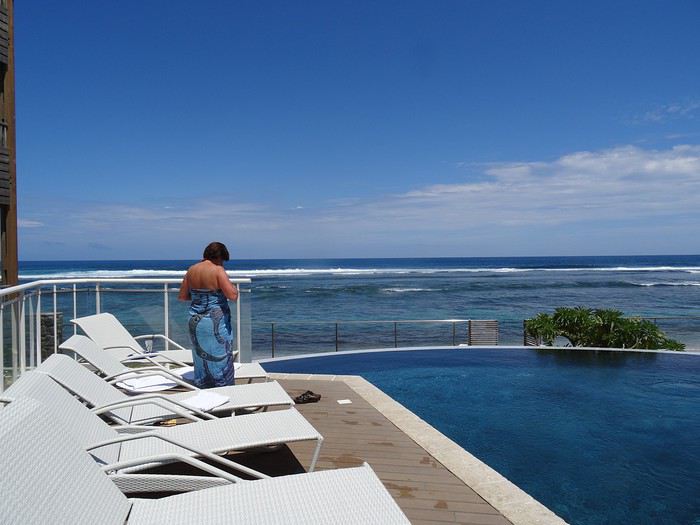
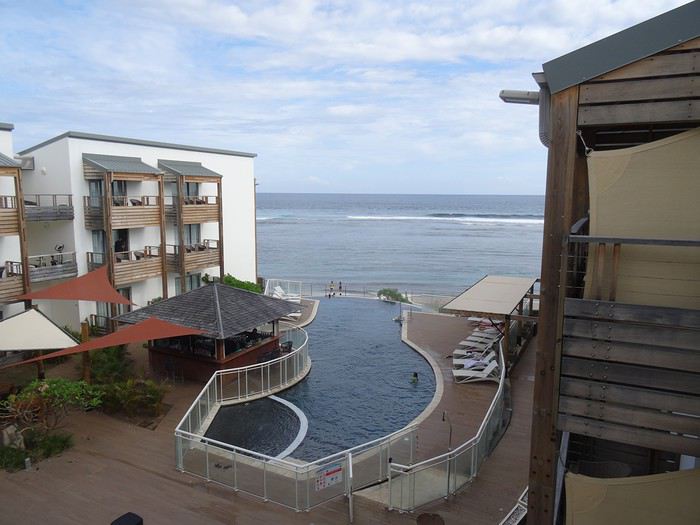
A flawless journey (well, except for a minor distraction in the massive Hertz queue that led me to cut in front of a few young couples, who weren’t too happy about it—though I joked with the agent about it: *"It happens!"*). We ended up at Hôtel Le Battant des Lames in Saint-Pierre, a gorgeous combo of an infinity pool and the Indian Ocean. We rushed straight into the pool—after over ten hours of sitting on a plane, it felt *amazing*!


We didn’t waste any time—you know Dom—exploring the city on foot. It’s lovely: the seaside is well-developed, it’s tropical, but with the budget of a wealthy country.


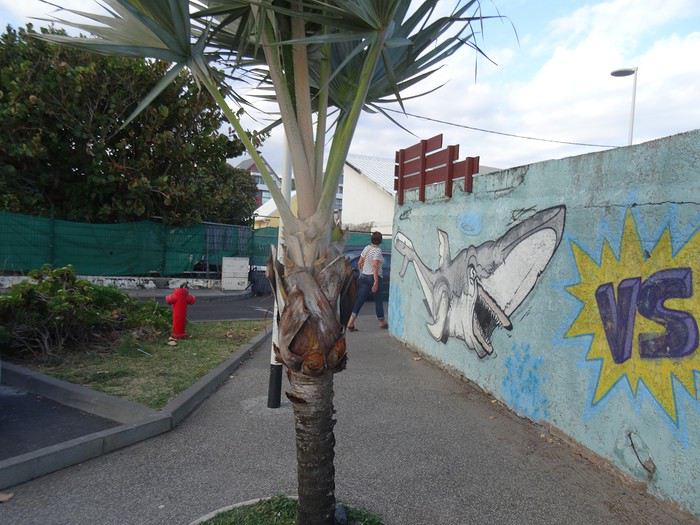
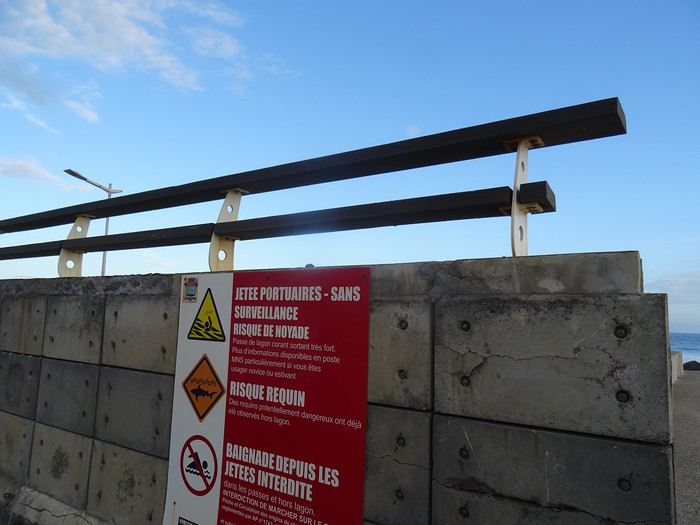
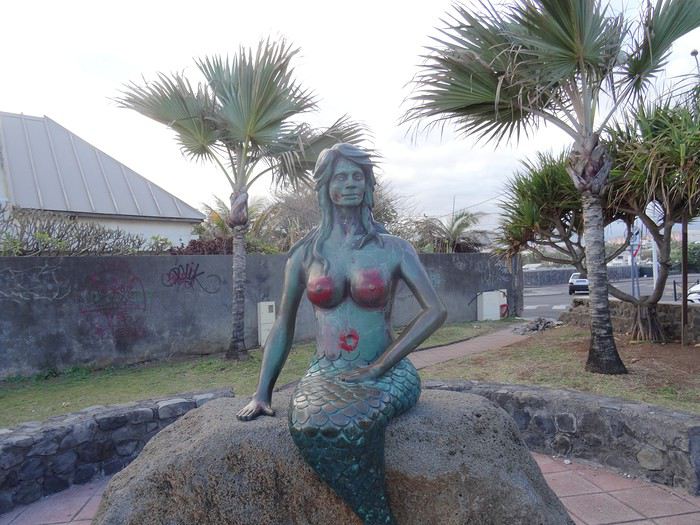
Réunion is also famous for its killer sharks…


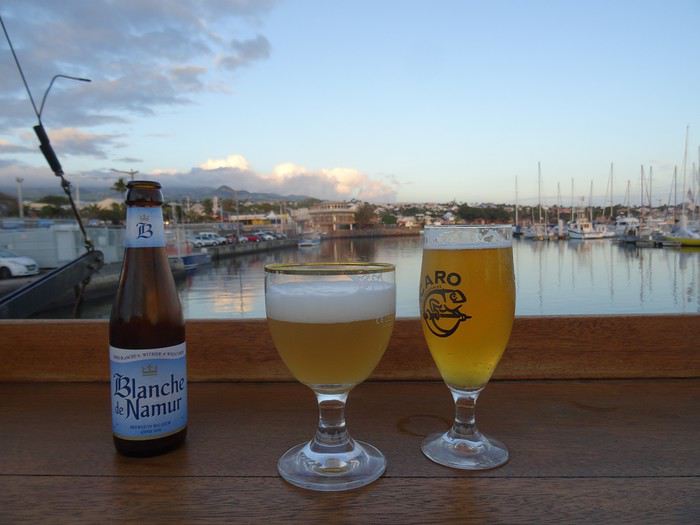
A Creole music group was playing at a seaside bar, so we settled in.


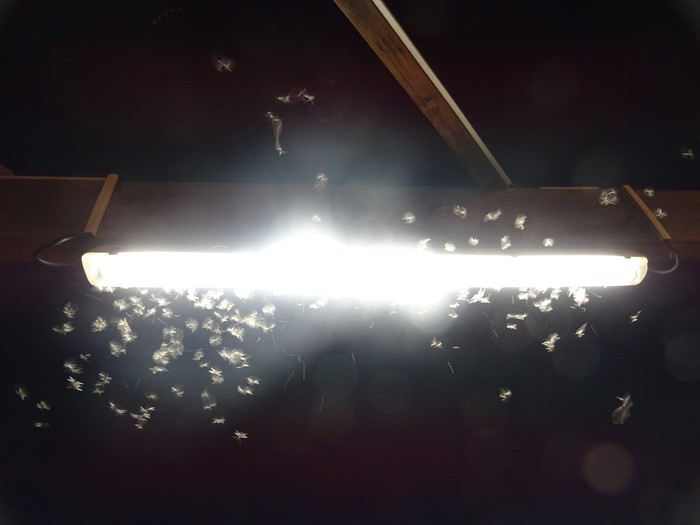
Night fell, and with it, swarms of insects suddenly invaded the city!


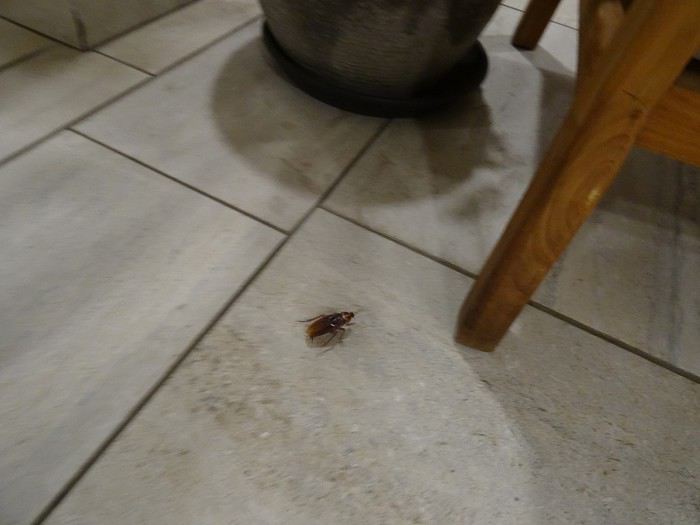
One of the few signs of the tropics here! Insects, geckos, and cockroaches...


Monday, September 30, 2019

Saint-Pierre


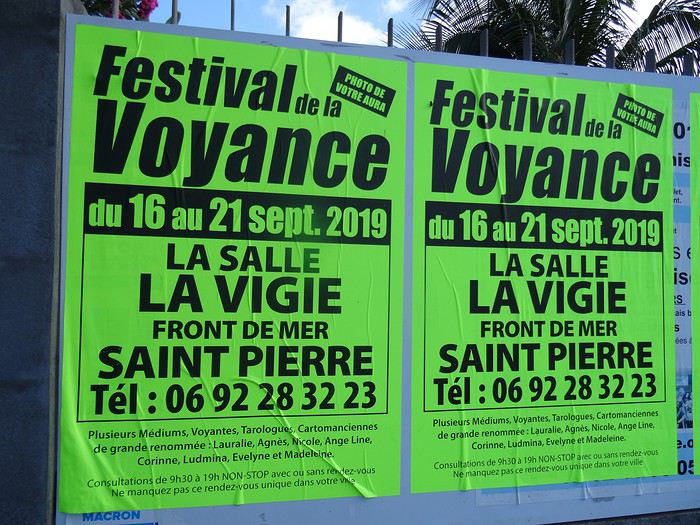
We were disappointed, of course! We could’ve gotten a photo of our *aura* and missed the chance by just a week! In tears, we decided to tackle the island’s most famous site.

Excursion to Piton de la Fournaise. The plan was to head to one of the nearby parking lots and take a relaxed stroll. But it quickly turned into… something else.

First, I realized the built-in GPS operates on a pretty basic algorithm—like the earliest models. If there’s a bumpy road that even the toughest Mitsubishi 4x4 struggles with, a path through a junkyard, or any shortcut to save a few meters, it’ll proudly suggest it. So instead of taking the main road—the royal route to the famous volcano—we ended up on charming little mountain roads…


Open
Discovering the joys of camping in Namibia
This three-week trip to Namibia was a big first for us: - Visiting a country in winter, for someone who starts feeling comfortable at 25°C (77°F). - Camping, when we usually feel at home in a starred hotel. - Sleeping on the roof of a car—what an idea... when a comfy bed is waiting just a bit further. - Grocery shopping, cooking, doing the dishes... all the things we usually avoid to fully enjoy our vacation. - Washing up when and how we can, when we can’t imagine going a day without a shower. - Driving a big 4x4 on the left, with a manual transmission, when we usually opt for an automatic for more comfort.

Yep! You guessed it—we stepped way out of our comfort zone during this trip.

I had quite a few doubts while planning this adventure, but the more I read travel journals about Namibia, the more I wanted to go.

Personally, without this forum, I never would’ve dared to hit the Namibian roads in a 4x4. I was really anxious during the planning, so I want to thank everyone who contributed with their journals and forum discussions for helping me leave more peacefully.

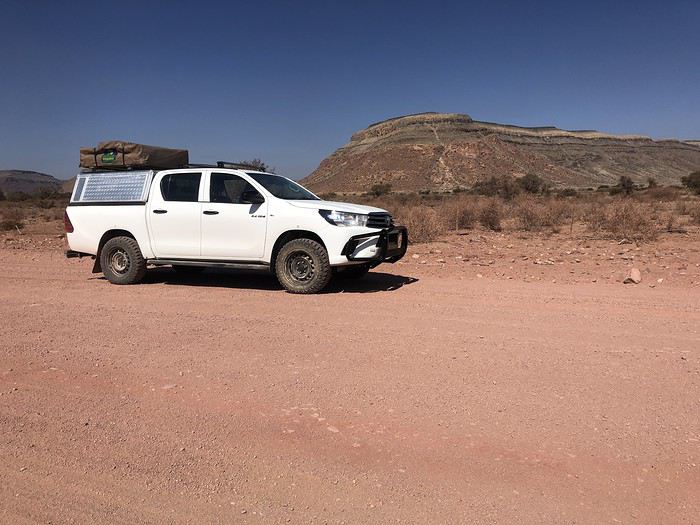
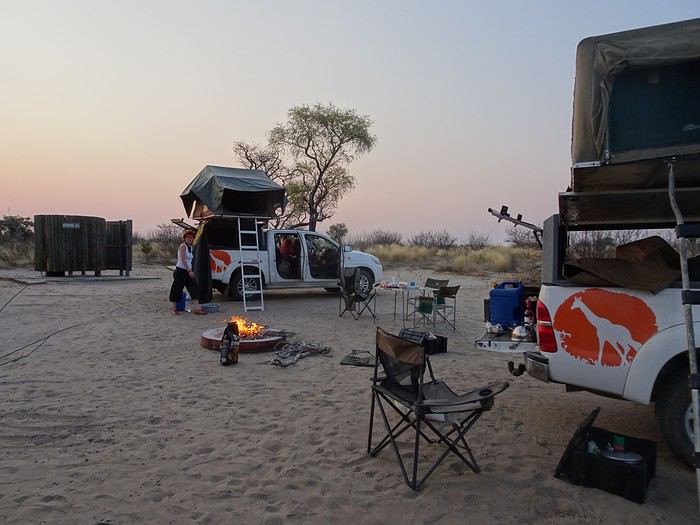
At first, I wasn’t even considering sleeping in a tent. But after my husband’s persuasion—and my own curiosity to experience what I’d read in those travel journals—I gave in. So off we went in a double-cab Hilux with a rooftop tent.

And of course, let’s talk about me—the big cold-weather wimp. One of the biggest pre-trip challenges was choosing a sleeping bag. After a while, sleeping bags had no more secrets for me: temperature ratings (comfort, limit, extreme), shapes (mummy, rectangular), fillings (synthetic, down), compression rate, and weight... all these factors were a real puzzle. In the end, to make sure I wouldn’t be put off camping in winter (Australian winter, mind you), I went for a sleeping bag with a comfort rating of -10°C. And just to be *extra* sure I wouldn’t get cold, I bought a liner (never knew what that was before) in Thermolite, which boosts the sleeping bag’s temperature by 11°C. There are liners that add up to 15°C, but let’s not exaggerate—we’re not heading to the North Pole! My husband, on the other hand, got a sleeping bag with a -5°C comfort rating and a silk liner.

Was it enough? You’ll find out soon. In the meantime, another big thank you to everyone who helped me make this choice with their advice and experience.

Over a year in advance, we planned a three-week itinerary for our first trip to Namibia—classic route, nothing too out there. We chose to do the circuit clockwise because we wanted to finish on a high note in Etosha and its wildlife. They say it’s like Noah’s Ark out there! And why not, the cherry on top... some big cats.

We used Tourmaline’s services to book our accommodations and the 4x4.

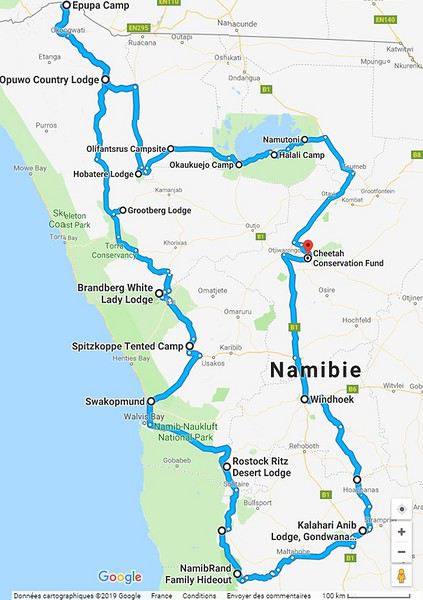
Here’s our planned itinerary with campsites and lodgings—yes, there are a few solid roofs in there; we didn’t want to push it too far.

Day 1: Windhoek – Windhoek Gardens Guesthouse Day 2: Kalahari Anib Campsite Day 3: Namibrand Family Hideout Day 4: Sesriem Camp Day 5: Sesriem Camp Day 6: Rostock Ritz Camp Day 7: Swakopmund - Sea Breeze Guesthouse Day 8: Swakopmund - Sea Breeze Guesthouse Day 9: Spitzkoppe Camp Tented Day 10: Brandberg White Lady Campsite Day 11: Grootberg Lodge Day 12: Opuwo Country Campsite Day 13: Epupa Camp Day 14: Hobatere Lodge Day 15: Etosha Olifantsrus Camp Day 16: Etosha Okaukuejo Camp Day 17: Etosha Halali Camp Day 18: Etosha Namutoni Camp Day 19: Cheetah Eco Lodge Day 20: Windhoek – Londiningi B&B


Alright! Are you ready to follow this adventure with us in our Hilux?

Open
Thailand Naturally


Time flies: here we are already presenting our tenth travel journal to VoyageForum’s readers!

We discovered Thailand about a dozen years ago, and it quickly became addictive for us. It’s only fair to say that this country stands out from many—if not most—thanks to an extraordinary combination of qualities: a generally smiling, laid-back, and friendly people; a territory dotted with natural beauties of exotic exuberance; a substantial selection of dishes, each more delicious than the last; and an obvious ease in making yourself understood and finding help to organize your activities.

Over the years, it’s been tough to keep things fresh, to continue sparking readers’ interest—and who knows, maybe even enthusiasm. We’re going to try to rise to that challenge.

After revisiting or introducing you to over 120 temples in Thailand, this year Joel and Françoise want to reveal a "Thailand Naturally."

Both in well-known areas and others that are more off the beaten path.

By "natural," we first mean nature itself, with its stunning sites and landscapes. But it’s also about places where Thais love to stroll with family and friends. Sometimes it’s just faces, glances, moments of life, or ceremonies captured on the spot. For the ladies, there’ll certainly be flowers to admire along the way. Uh... for the gentlemen too, who appreciate them (the flowers)... oh, and also for the gentlemen who appreciate gentlemen who appreciate flowers. And even for the ladies who don’t appreciate gentlemen. Alright, let’s go wild—on top of all that, we’ll still include a few places of worship. No matter how hard we try to resist, there’s always someone or something pulling us toward temples. The ever-vibrant popular devotion encourages us, and we never regret it.

To do this, we’ll lead you through six provinces or regions that will reveal themselves as the story unfolds, letting you enjoy the thrill of discovery. Even if we’ve mentioned some of them in previous years, this time it’ll all be new. For a more complete picture of any province we’ve already covered, readers can check out our past travel journals—just click on our username Jojoone1 to see what we’ve published.

One last note before we begin: we’re sticking to our tastes, our preferences, and what brings us joy. We just really wanted to show you multiple facets of the country’s interior—we’ll see if we pull it off...
Open
Norway: Nomadic holidays between fjords and northern islands
Hi everyone,

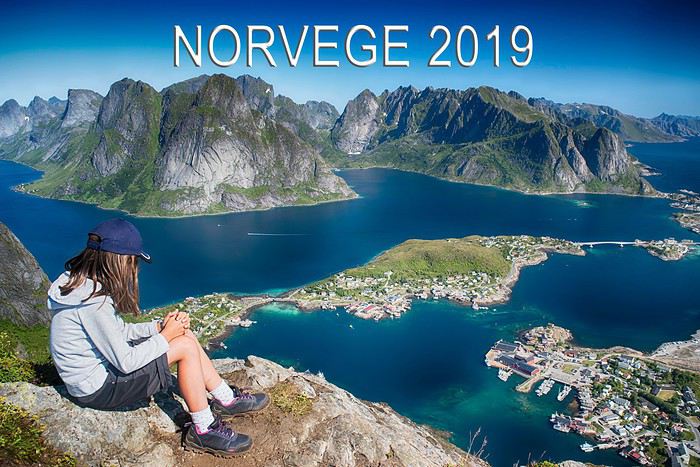
Well, the time to head back has come, so it’s time to share the 3 weeks we spent in Norway this year 🙂


Right, here are a few details before we dive in!

Who: My husband, me, and our daughter, who turned 8 during the trip

When: From July 5 to 28, 2019—three full weeks there

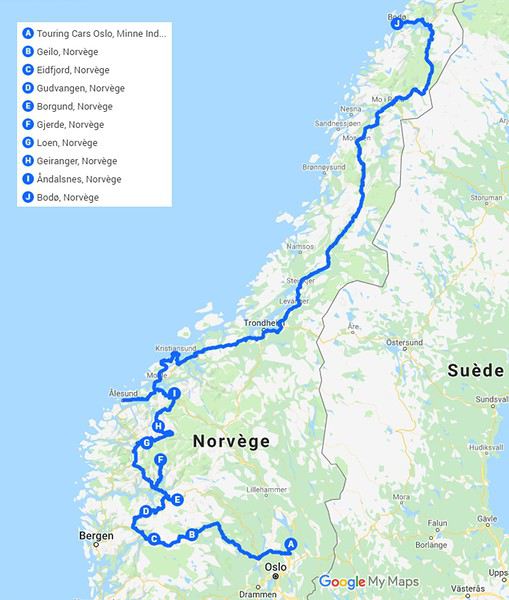
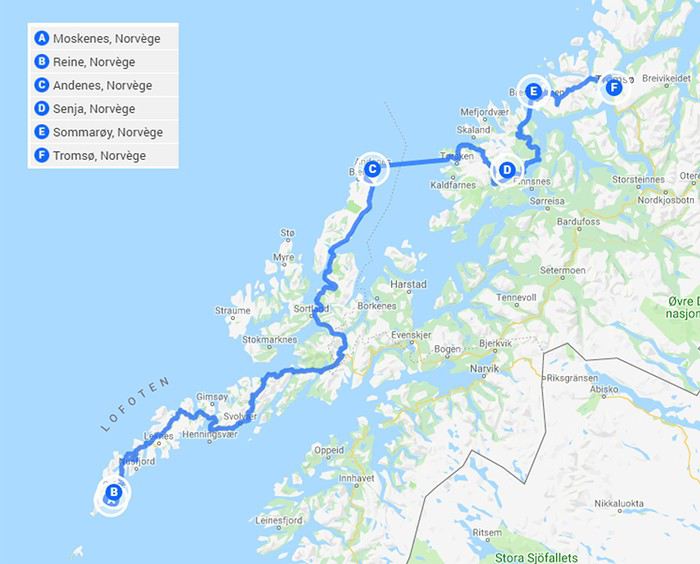
What: A one-way trip from Oslo to Tromsø, with fjords, the Lofoten Islands, and so much more on the itinerary! Since you have to make choices—and because the country is huge—we decided to skip the south around Stavanger (we thought the hikes there might be too tough for us). We also chose not to go all the way to Bergen. Our goal was to spend time in the northern islands.

The route to Bodø:


The route from Lofoten to Tromsø


How: By camper van. Even though it’s not exactly budget-friendly, it’s really the ideal way to explore this country—especially for wild camping and adapting your route based on the weather and your mood. I’d recommend it 200%. It was our first time, and we loved it. Being able to wait out a downpour in warmth or shower after a long hike was super practical!! That said, we did have a few hiccups. The auxiliary battery (which powers the back) died, so we had to find a garage to replace it. And the biggest issue: on a narrow road, I smashed the mirror while passing another camper van 🏴‍☠️

Budget: Oh boy, that’s a big topic! To be honest, I didn’t tally it all up… because I didn’t want to! Everything is more expensive there, obviously. At the supermarket, for example. So I didn’t keep track—this was a vacation, we weren’t there to count every cent, even if we’re not exactly rolling in money! Ferries are pretty pricey, especially with a camper van, but there’s not much choice. Lots of toll roads too. Basically, when you go there, be prepared to open your wallet!!!

The weather: We weren’t sure what to expect before leaving—or rather, we were expecting bad weather. We were pleasantly surprised: we had almost nothing but great weather, with just a bit of rain toward the end. So the hiking trails weren’t muddy (at all?). Otherwise, it would’ve been a real pain and super slippery! Temperature-wise, we were lucky. It hovered between 15 and 21°C. Sounds chilly, but honestly, with the sun, it warms up nicely, and it was enough to wear shorts and a T-shirt almost the whole time—something I didn’t expect before we left. That said, the water temperature is freezing. The Arctic Ocean lives up to its name!! We could barely keep our feet in the water, even though those turquoise beaches were so tempting!!!

A few tips for preparation:

For wild camping: Use Park4Night—the app is amazing for finding spots and sharing our discoveries. We never would’ve dared to venture down some of those roads or trails without it.

For hikes: It’s not always easy to find hikes in the fjords that are manageable in terms of elevation, difficulty, and time. We still found some through blogs and tourist office websites. But we mostly focused on hikes in the Lofoten Islands, thanks to sites like rando-lofoten, 68north, and outt. Unsurprisingly, the level is pretty challenging. But by sticking to the “easy” ones, we managed just fine without being super trained, and we saw some incredible views!

Alright, no more waiting—let’s go! Follow me!

For those who want the "moving version," check out the video here, on page 3: https://voyageforum.com/v.f?post=9817074;live=1;#9817074
Open
How to cross the border, customs to Switzerland and France?
Hi everyone. I might sound silly to some, but I don’t care. I live in the Paris region and I’m driving to Switzerland this summer. The thing is, I’m really struggling to understand what I need to do. I’ve read that I have to declare what I’m bringing (GPS, tablet, watch, phone, etc.). Is that true, and what’s the point? How does crossing the border by car work? Is it normally hassle-free, like passing through a toll in France? I have an expired ID card that’s been extended by the state, and I’ve printed the official government document explaining that Switzerland accepts it (just in case).

On the way back to France, we’d like to bring back some chocolate, maybe a little alcohol, some local biscuit boxes, and nothing more. Maybe one or two T-shirts from there, but no cigarettes, no devices, etc. Are there quantity limits? Since it’s just my wife and me, do we need to stop at the border when entering France?

Again, sorry for the basic questions, but we’re really confused, and when I ask customs, they just send me pages to read. So thanks to anyone who takes the time to answer each of my questions.
Open
Moped rental for Togo - Benin trip
Hi, A friend and I want to do a Togo-Benin loop by moped in early October for about 15 to 20 days. We're looking for info and tips on: 1 / Moped rental places 2 / The most scenic route 3 / Accommodations—simple but clean, possibly homestays And anything else you think might be useful. Thanks in advance! Best, Didier
Open
B2 Visa for the Pacific Crest Trail
Hi there,

I’m planning to hike the PCT (Pacific Crest Trail) in the U.S. this year, starting in mid-April. For those who aren’t familiar, it’s a long-distance trek across the U.S., stretching from the Mexican border all the way to Canada. It’s about 4,250 km to cover, usually taking 4-5 months (I’ve budgeted 5 months for myself). The route takes you through stunning landscapes—think 6 different ecosystems, 7 national parks, 25 forests, and dozens of lakes and rivers. I was looking for a multi-month trek, and this one sold me the dream. I’m determined, a lover of wild nature and challenges, and I think about it every day. Nothing’s going to stop me from doing it—except, maybe, that infamous B2 visa.

Here’s my problem: I’ve read a lot online about this visa, and to maximize my chances of getting it, I basically need to: - Provide clear and coherent explanations for my trip (so far, so good) - Prove sufficient financial means (still okay, even though I’m not rich) - Show proof that I’ll return to my home country after the 6 months granted by the visa (employment promise, work contract, property ownership) (uh-oh… this is where it gets tricky)

The thing is, I’m a professional musician, and I don’t have a stable job. I make a living by performing at concerts and giving private saxophone lessons, but I mostly work under the table. I’ve also worked in restaurants for a long time, but same issue. I don’t own an apartment or a house, but I rent a music studio in an artist’s workshop, and I’m currently living with my dad. I have strong family ties in Paris (like my parents or grandparents). I also have an uncle who lives in Seattle, and I plan to visit him at the end of my trek.

- What do you think my chances are of getting the visa? - Do you think I should lie? (I’ve built a great relationship with my former boss, and I thought maybe I could ask her for a fake employment promise—but I’m not sure she’d agree, or I could forge one myself?) - Any advice?

Any tips would be welcome. This is really weighing on me day by day, and I’m so afraid my dream will be ruined because of it…

Thanks to everyone who takes the time to help me
Open
Four weeks in Botswana
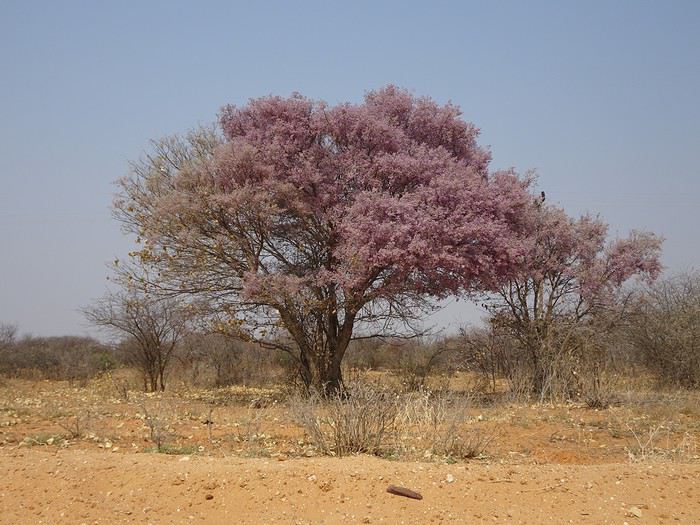
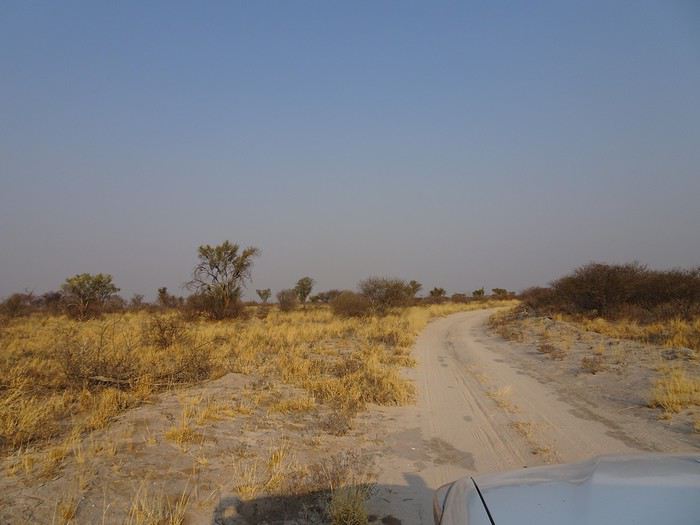
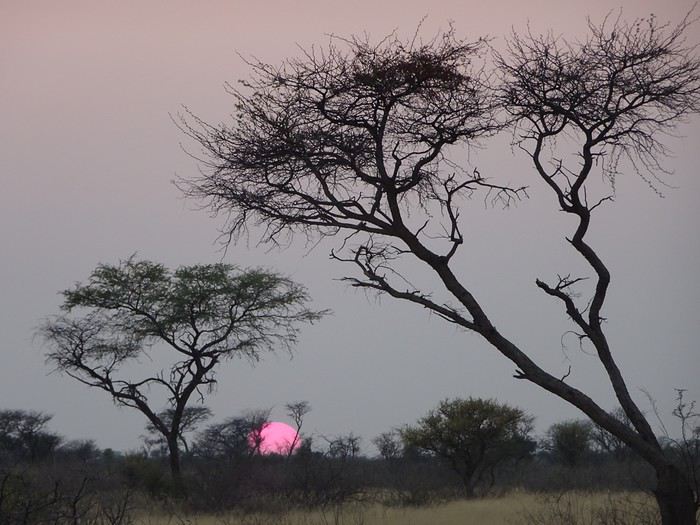
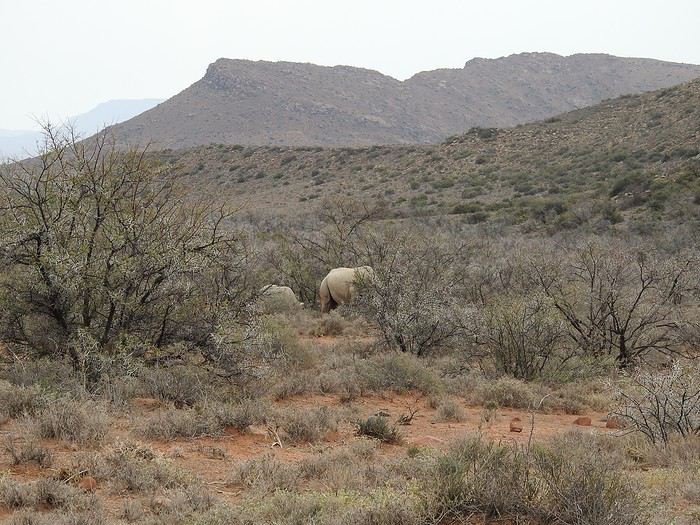
Saturday, September 22, 2018 This morning, we woke up at dawn at 6:00 AM. Headed to Letlhakeng, the last town where we could fill up on fuel before starting our crossing of the Kalahari. Our consumption since Johannesburg has been 11L/100 km. We took the direction of Khutse Game Reserve, whose entrance is about a hundred kilometers north of Letlhakeng. Access is via a gravel road along which we saw magnificent pink trees.


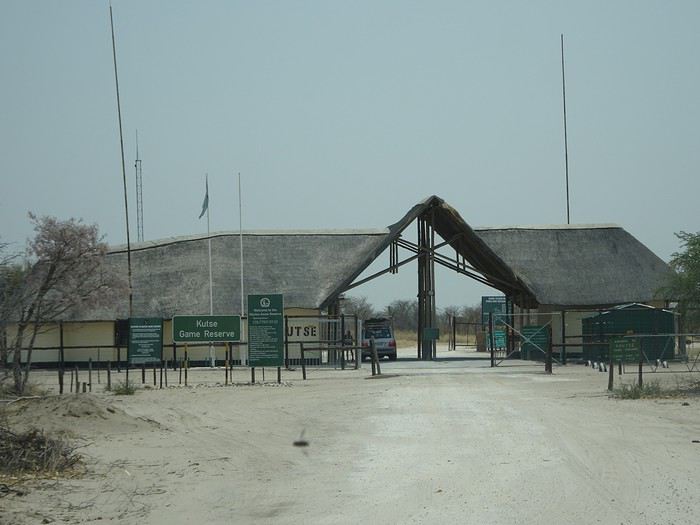
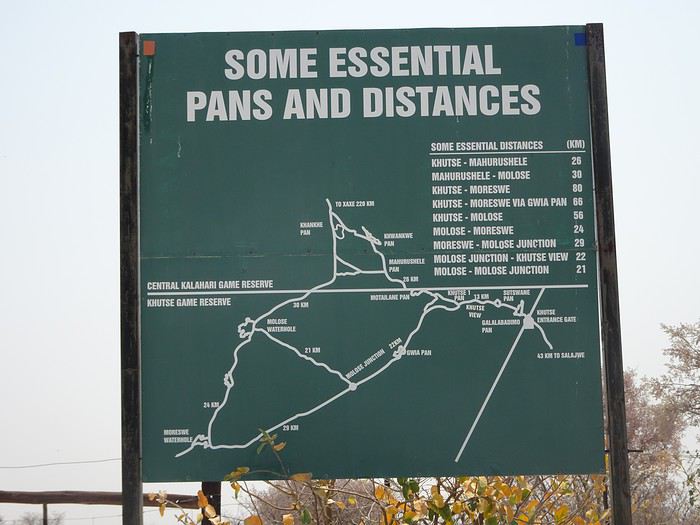
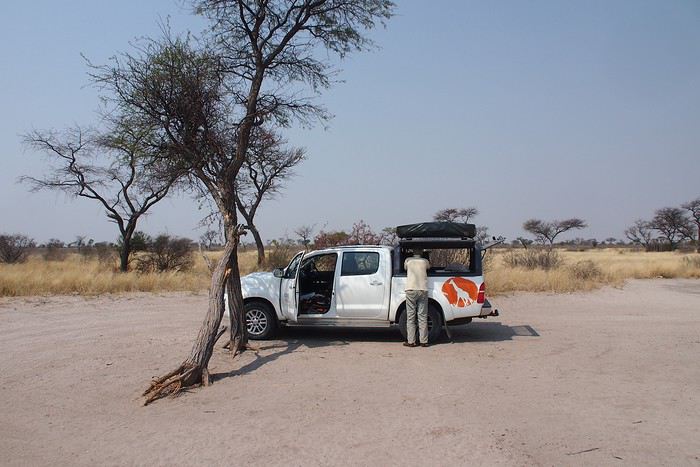
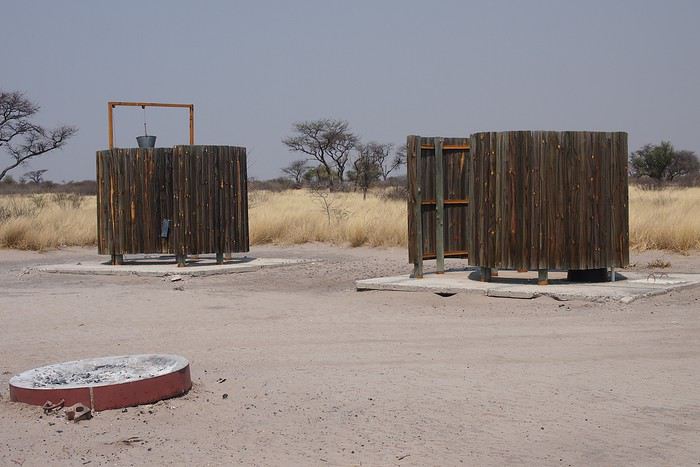
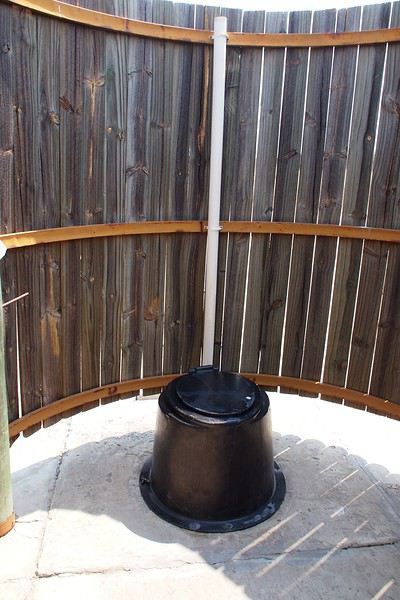
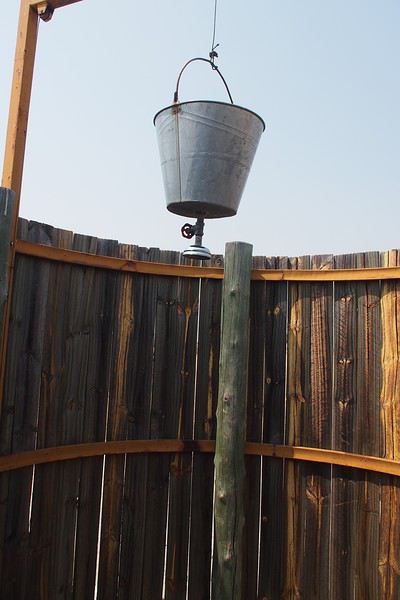
At Khutse Gate, we registered in the entry log and paid the access fees for 6 days: 120 Pulas/day/person and 50 Pulas/day/vehicle. Our stays at the Xaka and Deception Valley campsites had been reserved by our tour operator but not paid, contrary to what they’d told us. So we settled the 2 unpaid days of camping at 30 Pulas/day/person. The park rangers informed us that the southern triangle of Khutse Game Reserve, with its tip at Moreswe Pan, had burned. Note that these two campsites are government-run, which explains the low prices. Private campsites cost ten to fifteen times more. We headed to Khutse campsite, site 5. To enter the parks, you must have a reservation either at a lodge or a campsite. Since the number of spots in the campsites is limited, this means you have to book well in advance. We ate the salad we’d prepared the night before at our campsite. It was very hot—39°C. We made a round trip to Khankhe Pan. On the track, we encountered three South African cars, one of which was stuck in the sand and blocking the way. We helped push the car to get it unstuck. We saw very few animals at Khankhe Pan. We returned to the campsite, which has dry toilets and a shower you have to supply with your own water. We tried out the shower.


We witnessed our first Kalahari sunset. These sunsets are unmatched, and that didn’t change throughout the trip.


During the trip, we followed the solar rhythm—waking up at 6:00 AM, having dinner at sunset around 6:30 PM, and retiring to our tents by 8:30 PM.

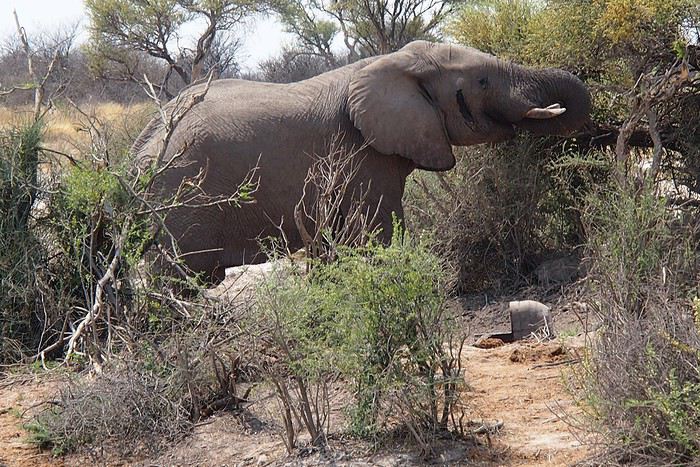
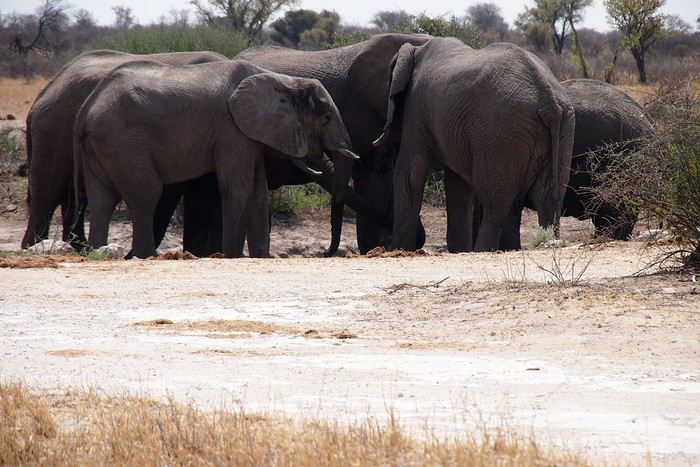
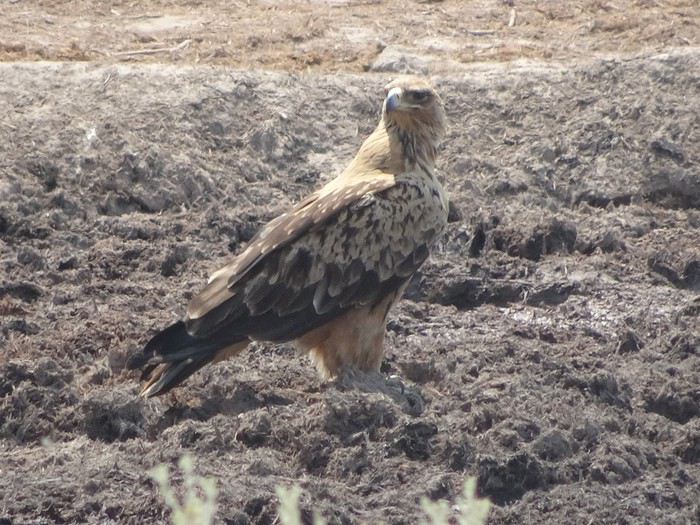
Sunday, September 23, 2018 Up at 6:00 AM. It was 15°C. We were cold last night. Tonight, we’ll use blankets in addition to our sleeping bags. We headed southwest and, past Gwian Pan, turned northwest toward the Molose waterhole, where we saw our first elephants and our first raptor. Indeed, on the track leading to the Molose waterhole, we could see the traces of the massive fire that had ravaged the southern part of Khutse, as the park rangers had warned us.


Our first braai at Khankhe campsite.

Open
Self-drive Tanzania in July - August 2018
Hi everyone,

Here’s a recap of our self-drive trip in Tanzania.

Tanzania is a stunning country, but it’s changing fast, which means that any self-drive info you gather in advance might be outdated by the time you travel.

Still, here’s some info for future self-drivers.

The vehicle: After lots of research, thinking, and calculations, we had our 4x4 with roof tents shipped from South Africa through our rental company of two years, Safari4x4Hire. The price for 31 days came to $247.00 per day. That’s cheaper than some Tanzanian rental companies (Shawsafaris: $380.00 per day, total with 18% tax) and just a little more expensive than others (Tanzanian Pionners), but with the guarantee of having a well-maintained and reliable vehicle. You can check out the discussion I started: here

Traffic: The speed limit is 80 km/h on roads and 50 km/h in villages. Watch out—there are lots of police checks at village entrances (speed radar). In villages and towns, also be careful with minibuses, which are everywhere and stop and start without signaling. As for paved roads, most are in good condition, and many tracks are brand new or being renovated (the Chinese are in the area!).

Campsites: It’s very easy to find a spot in Tanzanian campsites (few self-drivers), so no need to book in advance (we were often alone in campsites outside the parks). Inside the parks, it’s easy to book public campsites at the gates. With roof tents, the downside is that sites are usually designed for travelers with ground tents, but we always found space for our vehicle. Another downside is making a fire—it’s nearly impossible to find wood (Tanzanians don’t usually make fires for cooking or ambiance). Campsite prices outside the parks range from $5.00 to $15.00 (price with 18% tax). I’ll list the prices for campsites inside the parks below.

Food: There are very few supermarkets in Tanzania, and prices can be steep if you’re not careful (European brands). For fruits and vegetables, you can easily find roadside vendors. For other groceries, you can shop at supermarkets (Dar es Salaam, Arusha). In Arusha, there’s a brand-new Shoppers Supermarket—clean and well-stocked—and for meat, don’t hesitate to visit the Meat King butcher. It’s also often possible to eat well at campsites with restaurants for around $10.00 (price with 18% tax).

Some other info: 1. At gas stations, you almost always pay in cash, usually in Tanzanian shillings.

2. Park entries, campsites, and Ngorongoro are paid with a card (Visa, etc.) directly at the gates. Exception: Selous, where you need a permit in advance (we didn’t have one when we arrived at the north gate, but we were still able to enter thanks to the kindness of the gate attendant).

3. Watch out—some regions outside the parks have a tax: the Wildlife Management Fee. Payment is a bit unclear: - For Lake Chala, we paid at the gate in cash. - For Lake Natron, you can’t pay at the gate—we had to arrange it with the campsite. - For the area between Tarangire Gate and Lake Burungi (to reach a campsite), you can’t pass the gate without paying in Arusha first.

4. For divers, you can do amazing dives in Pangani with Kasa Divers.

Park entry and campsite prices in July/August 2018:

Saadani National Park:

Park entry per person: $30 + 18% (for 24 hours)

Park entry for vehicle (under 2000 kg): $40 + 18% (for 24 hours)

Night at Public Campsite per person: $30 + 18%

Arusha National Park:

Park entry per person: $45 + 18% (for 24 hours)

Park entry for vehicle (under 2000 kg): $40 + 18% (for 24 hours)

We slept outside the park.

Serengeti National Park:

Park entry per person: $60 + 18% (for 24 hours)

Park entry for vehicle (under 2000 kg): $40 + 18% (for 24 hours)

Night at Public Campsite per person: $30 + 18%

We couldn’t get a night in a Special Campsite.

Ngorongoro Conservation Area:

Park entry per person: $60 + 18% (for 24 hours)

Park entry for vehicle (under 2000 kg): $40 + 18% (for 24 hours)

Night at Public Campsite per person: $30 + 18%

Night at Special Campsite per person: $60 + 18%

Descent into the crater for vehicle: $250 + 18% (you don’t need a guide to go into the crater).

Tarangire National Park:

Park entry per person: $45 + 18% (for 24 hours)

Park entry for vehicle (under 2000 kg): $40 + 18% (for 24 hours)

Night at Public Campsite per person: $30 + 18%

Ruaha National Park:

Park entry per person: $30 + 18% (for 24 hours)

Park entry for vehicle (under 2000 kg): $40 + 18% (for 24 hours)

Night at Public Campsite per person: $30 + 18%

Selous Game Reserve:

Park entry per person: $75 + 18% (for 24 hours)

Park entry for vehicle (under 2000 kg): $50 + 18% (for 24 hours)

Night at public campsite per person: $30 + 18% (You don’t need a guide to visit Selous, but a GPS with the Tracks4Africa map is essential—there are lots of tracks).

Conclusion: We loved the northern parks, but they’re really crowded, especially with safari vehicles (though that does make it easier to spot wildlife—just follow the cars). Still, we preferred the southern parks—they’re wilder, less crowded, and almost no safari vehicles. In the campsites, you can often find yourself alone (just how we like it 😏!). But both north and south have amazing wildlife and friendly people!

If you’re interested in more info about Tanzania, I’d be happy to help.
Open
Kyoto, Shinkansen, Tokyo: three first-timers in Japan via Air China
Hi everyone,

The idea of visiting Japan goes back a year now. I remember because I was looking for cheap flights to Europe from Paris. Surprisingly, the round-trip to Japan with Air China was just as affordable—if not cheaper—than many European destinations.

So, the tickets were booked. Three seats (including one for a 12-year-old), ten days over Easter 2018, AirBnB accommodation. Of course, in ten days, you visit without *really* visiting—you only scratch the surface. Just the classics: Kyoto, temples, moonlit rivers; the Shinkansen; and Tokyo, gardens, wandering, high-tech, and... maids.

I have to admit, we don’t know much about the country, and the thought of how we’d manage is a constant source of worry. What if this trip reveals my inability to open up to other cultures?

We board the first Air China flight with that question on our minds.
Open
No, I Won’t Be Going Back to China
Hello forum,

Did any of you feel the same things we did in China?

We spent a good twenty days there in August. First, we traveled solo around Chengdu, then joined an organized tour for 12 days (Beijing, Pingyao, Xi'an, Guilin, Xingping, Yangshuo, Shanghai, Wuzhen) and extended our stay by 4 extra days to visit Zhangjiajie.

The landscapes were stunning, and we have unforgettable memories... but we were really disappointed by the following points:

- The food: way too spicy. Lacking in flavor, not much taste. I’m speaking "in general" because we did enjoy some good steamed dumplings, smoked pork, and other dumplings... But compared to Thailand, Cambodia, or India, Chinese cuisine didn’t impress us at all.

- The behavior of the Chinese: disrespectful, rushed, agitated. You constantly have to fight—people push, crowd, and overwhelm you... At the entrance to the Terracotta Army (and other sites), it’s a human tidal wave... and I mean that literally. We were carried by the crowd without even touching the ground. It was like a situation where you have one bowl of rice and 20,000 starving people diving for it...

You’re at a ticket counter, and they cut in front of you. You’re in line for boarding, suitcase ready to go on the conveyor belt, and someone shows up out of nowhere to put THEIR suitcase down... even though they have a flight ticket with THEIR seat number and won’t be leaving before you!!!! You’re getting on the bus, and someone shoves past you just so they don’t end up behind you.

It’s like these people only think about themselves. I didn’t see a single person let someone else go first or even ask—it’s as if politeness and respect are completely foreign to them.

It’s honestly exhausting and draining...

- Communication: In every other country we’ve visited, whether in Asia or Europe, we always manage—with English, a few words of Italian, French, or Spanish. In China, I’ll be blunt: if you don’t speak Chinese, you’re screwed. And yet, a pair of kids around ten or twelve years old asked us in English where we were from :)

- Understanding: Here’s the rule. Even if the person you’re talking to speaks a little English and says they understand you... make sure they *really* do, because 9 times out of 10, they don’t. Out of pride or just cluelessness, they’ll give you a big smile and nod, but in reality, they didn’t get what you were saying.

Several times with our group, in the evening at a restaurant, if we hadn’t been helped by someone at another table who spoke a little English, we’d still be there. The classic example: the waiter brings one menu (for 10 people at the table), and we’re all trying to explain that we need 4 or more menus. Five minutes later, he’s still staring at us with that same blank smile...

In 3* or 4* hotels, you go to the front desk for a hot water or AC issue. Three or four staff members just stand there beaming at you. You try to explain with photos or a translator, but in the end, you leave with the problem unresolved.

They don’t speak—they shout... on buses, in hotels...

We were also surprised to find that self-service laundromats were almost nonexistent. We got scammed once at a hotel with an astronomical bill!

As for flights, we flew Air China on the way there and Austrian Airlines on the way back—no comparison. Air China had zero service and food that was "baby food" quality. Austrian Airlines had multiple services, a decent meal, and smiling flight attendants.

I don’t know if any of you had the same experience in this country, but I’m definitely not eager to go back. Whereas if someone offered me India, Thailand, or Vietnam tomorrow, I’d be there in a heartbeat!!!
Open
Review of a disappointing cruise with Rivages du Monde in Iceland and Greenland


Hello everyone,

The itinerary was tempting, and we decided to take this cruise with friends. It also gave us a chance to discover this company, which offers many river cruises in a French-speaking atmosphere. The boat is only rated 3 stars, so we knew we wouldn’t have the same comfort or services as usual, but we accepted that. After all, the price is half that of a cruise with Ponant in the same area.

From the booking stage, this company was unlike any other. We later learned that Rivages du Monde isn’t a shipowner but just a service provider.

It operates in a somewhat outdated, old-fashioned, or even backward way, depending on how you see it. Information about the cruise, excursions, and the boat comes in the form of a very brief PDF. Documents, quotes, and invoices are sent by mail.

There’s no personal account on the company’s website, no passenger form to fill out, and no online check-in.

Fifteen days before the balance was due, I received the invoice with its share of surprises. I had to send my credit card details by mail (well, why not?), or pay by check.

The bad surprise was a fuel surcharge. The good one was that we were upgraded from category 3 to category 7, moving from deck 6 to deck 4. Since the information was so lacking, I had no idea what the benefits of this upgrade would be. I almost complained and asked to keep the cabin I had chosen, but I read in some comments that cabins on deck 6 were to be avoided due to loud creaking. So I said nothing.

Booking excursions, which had to be paid at the same time as the balance, was strongly recommended before departure. They were reserved by filling out an A4 sheet after reading a 3- or 4-line description in the PDF. The duration of the excursion and the departure time weren’t indicated. No information about disembarkation—would it be at the dock or by tender?

The boat. The MS Astoria is the oldest passenger ship in the world. Built in 1948, it started its career as a transatlantic liner until 1960. Often restored, it has retained an old-fashioned, vintage charm... or so the ads say. In the end, it didn’t look that old, as it had been modified and refurbished so much. Only its original bell remains in a display case. Its vintage look is more visible on the outside than inside. The outdoor decks are spacious, great for sightseeing. There weren’t too many passengers for the size of the ship. Inside, it’s not very modern or beautiful, but it was decent. A pleasant surprise—it handled the sea better than we expected.

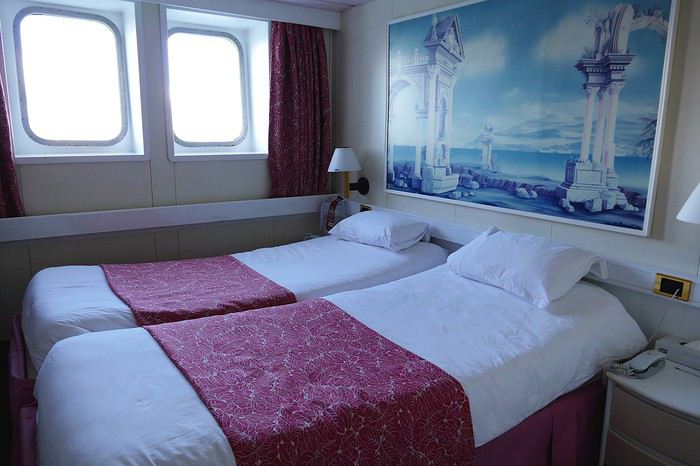
The cabin was outdated and small, as we expected—no desk, no sofa, and two portholes that made it very bright. Well-equipped with new storage furniture, it even had a fridge. The bathroom would have been spacious if it didn’t have a bidet. The bed had a board instead of a proper base, but the mattress was good, and we slept well the whole cruise. Don’t look too closely at the finishing details, but overall, it was better than I expected. On deck 4, the cabin creaked a little at night, but it didn’t bother us. The cabins are different sizes on the plan, but in reality, they all have the same surface area.

Note the strange color of the hot water.


The buffet was tiny, with few choices and very basic, ordinary dishes. A few mixed industrial salads, some fresh salad and cold cuts. For the main course, chicken, pork, some kind of minced meat, or fish. Then potatoes, rice, pasta, or steamed vegetables (always the same ones). For dessert, flavorless pastries in various colors or fresh melon and watermelon salad. That was the sad, single menu for the entire cruise at the buffet. Note that the buffet was only open for 2 hours at lunchtime and 1 hour in the afternoon for a snack.

Tea, coffee, and water were available all day.

The restaurant. The table was nicely set and pretty, but the meals weren’t much better than at the buffet. The “beef fillet in pastry” was like boiled beef stew—it fell apart easily (even though we asked for it rare or at least medium-rare). The “asparagus velouté” was actually leek soup with “hay” that crunched under your teeth. The poire belle Hélène or profiteroles were sad, distant relatives of the well-known desserts—very skimpy. And those were just a few examples.

Drinks were included with meals: still or sparkling bottled water, white, red, or rosé wine, coffee, tea, or herbal tea.

The bar. The servers were nice but far from having the class and know-how you find on other cruise lines. We wanted to try the cocktails, but only once. The margarita was warm, with bottled chemical lemon, no ice, and no salt. The caipirinha was brown! And later, we noticed that in the Singapore Sling, they replaced the Champagne with soda!!! What a skill set!!!

The lectures were very popular. Almost all passengers eagerly attended the talks by the two naturalists.

The musical entertainment was French variety—good-natured and friendly most of the time. A little classical music, chamber music so sad it made you sleepy. Nothing like the pianos and violins you find elsewhere... (Princess or HAL).

The shows. With very limited resources, the dancers did their best. The outfits were very revealing in certain strategic areas, and that was the rule for all themes.

The “red vests.” The atmosphere on board was more like a company outing than a cruise. There was a lot of staff to run the excursions desk, assist and supervise passengers during stops, or act as guides during excursions. These “red vests” behaved like they were on a summer camp—they had a great time and gathered as often as possible to laugh and have fun. They didn’t hesitate to roll their eyes behind passengers’ backs. But the “group leaders” became very authoritarian and directive when addressing passengers.

One evening, our friend asked a “red vest” about the excursion time the next day. That was top-secret information, impossible to get (I’ll come back to that). The “red vest” replied that they wouldn’t tell him because, by the next day, he would have forgotten anyway. That shows the level of respect this staff had for the passengers.

Also worth noting: among the passengers was a man in a wheelchair. For the entire cruise, he couldn’t go ashore. No one ever offered to help his wife get him off the ship.

My perception of this cruise is inevitably shaped by my past experiences. Some passengers shared my opinion, but others were completely satisfied with everything and found the food good. They also swallowed all the bad excuses, cooked up with a security sauce, without question—reassured and delighted that “everything” was done for “their safety,” which is the most important thing, isn’t it?

To be continued—the stops and the organization, even more pitiful than the hospitality...
Open
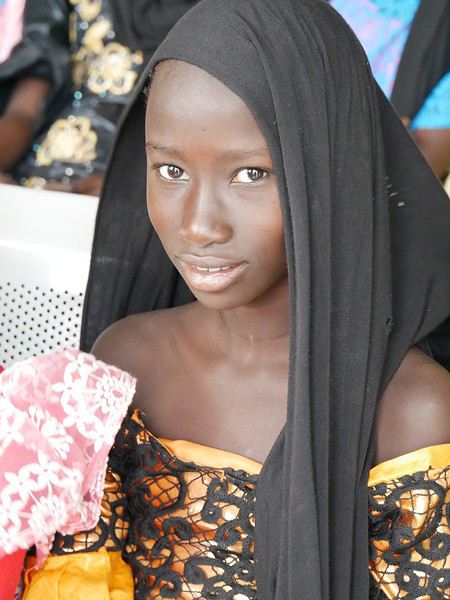
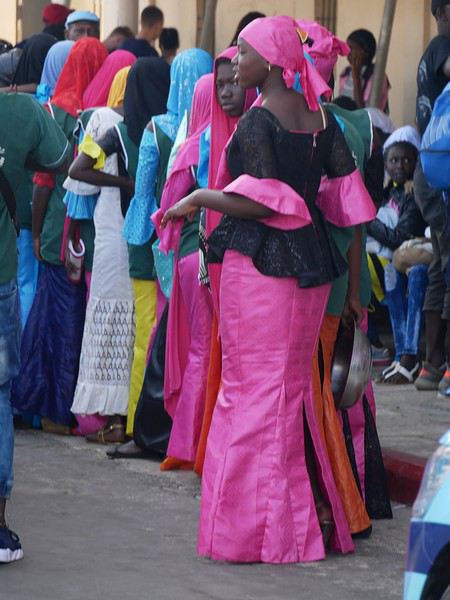
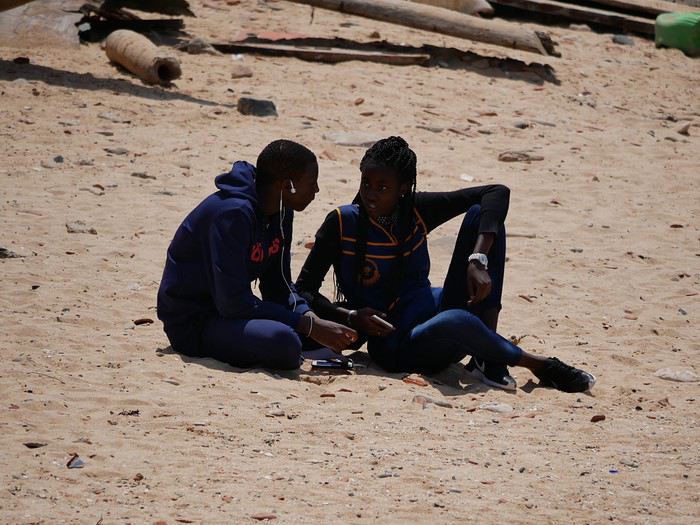
Faces and Landscapes of Senegal (Gorée, Saint-Louis)
Hello!


I invite you to share our wonderful discovery of Saint-Louis and its surroundings: Djoudj Park and the Langue de Barbarie... Daily life, heritage, landscapes, and wildlife (birds)...

We stayed in Senegal for 10 days in April/May 2018, specifically in Saint-Louis, Senegal, since we were there for the Jazz Festival held every year. But we took the opportunity to explore this country we didn’t know!

In this travel journal, you’ll find: - A short stop in Gorée, which we visited before heading to Saint-Louis - The different faces of Saint-Louis, especially the vibrant fishermen’s district - Djoudj Park, with its many birds - The Langue de Barbarie ... and much more!

Before going to Senegal, I did some research on this forum and others. So many strong opinions about Senegal—you either love it or hate it! If it hadn’t been for the festival, we might not have gone... What a shame that would’ve been, because we loved it!

Of course, I saw poverty, idleness, and litter, especially plastic bags—a global scourge. A bit of harassment from street vendors, especially at first when you don’t know how to deflect it and accidentally encourage it. The privileges of a social class and inequalities, though that’s something you encounter in many poor countries, not just in Africa.

But when I close my eyes and remember our trip, what stays with me is the youth, the beauty of so many boys and girls, the elegance of the women, and the sparkle in their eyes and smiles. The light and colors, the smell of grilled fish, the taste of freshly roasted peanuts and baobab fruit. The honking horns, the call of the muezzins, the music, the bursts of laughter.


To be continued...
Open
Cabin baggage size (1 centimeter over)
Hey everyone,

I booked a flight with RyanAir for next month, with the priority+ option and two cabin bags. So I can take a 10 kg bag with dimensions 55x40x20 in the cabin (plus another smaller one). The problem is that the smallest suitcase I have (which is supposed to be designed specifically for cabin size standards, according to the manual) has the following dimensions: 55x37x21, so it's just 1 cm over (wheels included) on one of the measurements.

I wasn’t too worried at first, but I’ve read dozens of stories about people’s misadventures and the hassles they’ve had with RyanAir.

Since I don’t want my suitcase to end up in the hold (that would waste time picking it up when I’m already arriving late and need to get to the city center), nor do I want to pay an extra fee (apparently 50 €) for the outbound and return flights for just 1 centimeter—especially since I paid for the "priority+" option and I’m not exactly rolling in money—I’d love some advice.

Have any of you been in the same situation? I’ve read that with this airline, they check bags in templates (testing them in different positions) and are completely uncompromising. I tried contacting customer service, who, as luck would have it, "don’t handle this kind of request," and a rep I spoke to wasn’t much help.

I know it’s a low-cost airline, and I don’t expect luxury or even kindness, but come on—just 1 cm on a short flight with the + option... I’m a bit overwhelmed by everything I’ve read...

Just to clarify, since I’m going for 8 days, I can’t just take one bag for my stuff. I’ve done that for shorter trips before, and it was a hassle—I even had to buy an extra bag for the return trip... Luckily, the inspector was nice about it!

Thanks so much! I’m a newbie when it comes to air travel :) Hope I posted this in the right section!
Open
Soundproofing of connecting cabin on MSC Meraviglia
Hi there,

I recently booked a cruise on the MSC MERAVIGLIA in a Yacht Club cabin, and the company assigned me a connecting cabin (with a shared side door to the neighboring cabin, which wasn’t occupied by anyone in our group). I really struggled with the soundproofing compared to the neighboring cabin. Just one door separates the two cabins, and while non-connecting cabins are usually very well soundproofed, the one we had let us hear the neighbors’ conversations and even their toothbrushing. I asked to change cabins, but the ship was fully booked. I think a single door (instead of two) isn’t enough for proper soundproofing, and if it’s even slightly misaligned, it lets air—and therefore sound—through.

If others have experienced this issue, I’d love to hear about it because MSC tells me it’s not a recognized problem (except by me, apparently!)...
Open
Inside South Africa
Inside South Africa

The Burst Hose. The passenger is so impatient to arrive that the coachman whips a horse that barely tolerates the mistreatment. I can tell she’s gearing up for a kick, and suddenly, at full gallop, she stops responding. If I press the spur, she cuts out but accepts a half-pressed pedal. She pulled this stunt last year, right in the middle of the Kalahari Desert, and I can guess the trick: she blew a hose! An hour at a slow trot brings us to a Ford garage. A workshop manager, as sullen as he is efficient, has the necessary parts removed to reach the hose, then announces he doesn’t have the spare part and will need a week to get it. I suggest taking advantage of the access to make a temporary repair on the tear, but he refuses, arguing the pressure is so high that the patch would give way immediately—"It’s not a Testarossa, after all!" After reassembly, he refuses to charge us anything and advises us to head to the next town, 200 kilometers away—off we go for another four hours. Semi-trailers overtake us without mercy; I’m reminded of *Duel*. At the Land Rover dealership, we learn the part will take two working days to arrive, and it’s Thursday. I decide to have the hose delivered to the house without wheels—I’ll change it myself. Five hours later, climbing the pass in first gear, we reach the object of her desires. * Hide and Seek In Brittany, my neighbor is a taciturn, touchy fisherman. He’s anchored his old boat in the middle of the estuary that separates two departments and uses it as a storage space. It’s a jumble of nets, buoys, and traps. The old wooden vessel is falling apart, and the hull’s paint is nothing but a distant memory—so much so that the Maritime Affairs Directorate of his department orders him to remove it or repaint it. Asterix also runs a restaurant on the harbor, where he treats customers to his catch. One Sunday afternoon, we see him loading cooks, servers, and dishwashers armed with rollers, brushes, and paint cans into dinghies. Off they go for two hours of slapdash painting and laughter. Once the starboard side is done, everyone returns to prepare for the evening service. The port side will wait until the Maritime Affairs Directorate from the other department reacts. This story came back to me when I got home: the side visible from the road had been repainted, but the other side was left as is. * The Blonde, the Red, the White, and the Black Many workers are paid at the end of each week, but alcohol sales for takeaway are banned on Saturdays and Sundays. So, on Friday nights, the bars are packed, and liquor stores never empty—of people who are already full. Their limited means reduce them to cheap, harsh wines or bland beers. Yet, they still end up wasted.

* Seven In mainland France, you can easily raise seven sheep per hectare. In the Great Karoo, it takes seven hectares of sparse but tasty vegetation to feed just one sheep. Not to mention the energy spent moving around. Add to that the fact that a French sheep produces about one and a half lambs per year, while here, between droughts and jackals, it’s closer to 0.7, and you’ll understand why, with a 7,000-hectare farm—the local basic unit—a South African farmer’s income barely exceeds that of a farm a hundred times smaller in Brittany. This weekend, the annual agricultural show is taking place at the fairgrounds. Some come from far away, so a procession of pickups, trailers, and trucks loaded with sheep makes its way up the main street: we’re definitely in the Karoo. I expected a competition of lean, wiry ascetics, able to pass on traits useful to the environment, but I suspect these bodybuilder show animals don’t just graze on the bush and are doped with alfalfa. Besides, I caught a dealer red-handed with a bag of pellets. * They’re Not Dolls Ken is a professional hunting guide, working independently. When it’s not hunting season, he goes fishing for clients, mainly in the United States. He says Trump’s election—whom he slightly resembles, though younger—would be good for his business, but he doesn’t like Trump, nor, it seems, his clients much. He wanted to be a farmer, but in the post-apartheid context, taking over a farm was a gamble. His wife, who’s more beautiful than Barbie and Melania, silently agrees. * Neighbors That’s the problem with women: their *it girl* side. Within a year of her moving in, we got two new neighbors. One on the other side of the track, the other half an hour away (here, that’s *next door*). One only travels at the controls of his black helicopter, the other aboard his private Boeing 737. The first is a very wealthy farmer from the northeast of the country who’s expanding into the Karoo. He just bought two non-contiguous farms of 6,000 hectares each. I still don’t know what the owner of the farm in between is thinking. The newcomer plans to create a wildlife reserve for breeding purposes; our future neighbors will be giraffes, rhinos, and antelopes, including rare species like the Sable. They say he’s a man in a hurry, determined: when the municipality dragged its feet on his request to refurbish the public track that serves as our border, he just went ahead and did it himself. It was a historic farm, crossed by paths leading to other farms, home to a pond full of birds where water from the mountain ends up after the villagers have taken their share. That’s where the golf course I was about to become the 29th member of was located. Now, it’s all closed off, fenced, and lined with monumental gates. The Wild West in the Western Cape. Is it because his name ends in ‘-ski’ that rumors link him to Slavic mafias and advise against crossing him? The same rumors say he’s involved in the uranium market—well, there’s uranium in the Karoo’s subsoil. The second neighbor is a Saudi prince who just bought a modestly sized farm—3,500 hectares—but don’t think he’s a minor prince. He paid four and a half times the market price to get it! The farm had been in the same family for two centuries, and the owners refused to even consider selling. The prince’s agent—money, in this case, black gold—kept coming back every week despite repeated refusals, finally saying his client wanted this farm at any price. A price they were asked to set. And that’s how you sell your ancestors’ graves. There are plenty of huge farms for sale here, but the prince was looking for a property where he wouldn’t see any roads, tracks, or other houses or farms. He’ll come a few days a year to hunt. However, he’s annoyed: the runway at the nearest airport, two hours away, isn’t long enough for his private jet, so he’ll have to land in Cape Town, like me, and endure nearly two hours by helicopter. That’s how it goes in South Africa. I’d be curious to know what Julius Malema, leader of the EFF (Economic Freedom Fighters), who advocates the Zimbabwean model of land redistribution, thinks about it.

* Biko The autobiography of a journalist and politician of European descent, South African, is published this week. In 1977, this rookie got her editor’s permission to investigate the death in detention of black leader Steve Biko. The apartheid regime’s political police claimed he had died from a hunger strike. The bold young woman discovered that the medical examiners reported a slightly overweight corpse, and later, it was revealed that Biko had died from abuse, if not torture. Under pressure after publishing her investigation, Helen Zille, disillusioned, gave up journalism and turned to politics. She is one of the white South Africans who fought against apartheid, and it’s reassuring that some people have a conscience that transcends class or race. *

You Have the Watches... …we have the time. Anyone who’s worked with Africans knows this response they occasionally throw at us. Willem, the inconsistent gardener, couldn’t stand the observation: running around the place at top speed, even with a pitchfork over his shoulder, wasn’t getting the job done. So Jan replaced him. We share the same first name—no doubt we’ll accomplish great things. He’s known to be reliable, meaning he shows up for work, and he only speaks Afrikaans. We communicate like at the circus: thumbs up, thumbs down. Jan has the build of a bushman but the bone structure and features of a mixed-race person—multiple mixes. He’s a sprite, always moving, sometimes without purpose or destination (the journey is the path). I lose sight of him—it’s not exactly a virgin forest—and he reappears elsewhere, busy. Jan doesn’t understand wasted water—he must think the same of us trying to cultivate the desert. He’s a gardener like I’m a violinist, virtuosos of playback. After a very light lunch, he lies down on the ground in the shadow of the stables and falls asleep. If his arrival time in the morning is variable, it’s never before the agreed hour, but his departure time is unchanging: it’s 3 PM, no matter what. No point trying to fool him; he can count and shows me the fancy watch eating up his thin wrist. * Colours Veldrift, Oyster Catcher, Lobster Red, Namib, Dune, Lion's Den, Kalahari, Bush Fire, Karoo Dawn, Cape Fynbos, Safari Trail, African Pan, Bushveld Plains, African Queen, Karoo Drift. A bestiary? A herbarium? No, the colors offered by the country’s top paint manufacturer. All the shades of the continent from an armchair. * Pets She loves three mastiffs, a meter tall at the withers. Is it for their beauty? Their breed? Their deterrent power, because knowing these beasts exist, no one would dare enter her property without an invitation? A bit of all that, probably. She won’t say. She loves pets but likes other people’s less, especially the poor ones. So, she actively participates in the campaign to sterilize dogs and cats in the neighboring township. Just think, the poor things can’t afford to feed or care for them, meaning they can’t ensure them a decent life. She and others justify the pets section of the local mini-supermarket. Whether your pet is a puppy, adult, or mature, whether it likes fish or prefers beef (no one thought of a dog-based reference from the township?), you’ll find your happiness. While you order, many locals will only have access to the parking lot to beg. * Democracy in Africa

What would Tocqueville say about Democracy in America this fall? After the father, we had the son; after the husband, and by default, we might get the wife. No one else, really? Let’s not talk about France and its current vaudeville. A Ivorian academic believes African peoples aren’t ready for "Western-style" democracy (caricatured as a free T-shirt buying a vote). Does he know the same is true elsewhere, where many voters vote not for a vision, a project, or convictions, but to protect their own interests? Here in South Africa, national elections were held recently, confirming the ANC’s decline in favor of the Democratic Alliance (DA). Historically (since the end of apartheid) seen as the party of whites (who make up less than 10% of the population), it has managed to rally those disillusioned by the clientelism, incompetence, and corruption of Mandela’s unworthy heirs. The DA now governs five of the country’s six largest cities. In the neighboring township, long after the vote ended, ANC and DA T-shirt wearers cross paths courteously. Today, it’s different. The DA’s national leader is holding a rally in a vacant lot. A few hundred people are there, including a good third of children, three-quarters of them ragged. Not an ANC T-shirt in sight amid the smoke of braais and deafening music. Fewer than ten pale faces: the journalist I’m driving, a local official, and activists. A small convoy of limousines arrives—just four, fewer than any of President Zuma’s offspring’s private stables. The crowd stirs, flags wave, and ululations ring out. Mmusi Maimane is a light-skinned mixed-race man, towering over the assembly, which he gently parts, joining in the dances and posing for selfies. He’ll give his speech, half in English, half in Afrikaans, perched on a truck platform—the meeting’s cost must be bearable for taxpayers. A mediocre populist orator, no doubt, but skilled. Two hours later, in the evening, another gathering. This time in a historic town property. A hundred and fifty people, casual chic, all white except for three mixed-race individuals... and the DA President. A Rotary Club vibe: everyone the town has in terms of farmers, shopkeepers, and entrepreneurs has paid their dues to honor Mmusi Maimane’s visit. His admirers see him as a new Mandela or compare him to Obama; his opponents think he’s being manipulated, and his detractors call him a traitor. He’s under forty, intelligent, and his wife is white. The chance he’ll become President of South Africa isn’t zero. * Posh Port Out, Starboard Home. Sonja, who walks the desert at dawn, calls one of her acquaintances posh, meaning snobbish. She’s got a sharp tongue. Wealthy English people (not the ones sent to Australia as convicts one-way) traveling to India would book their cabin on the port side on the way out and starboard on the way back. That way, they had a view of the coast throughout the journey instead of the ocean’s emptiness—whatever Kersauzon says. I didn’t know that by choosing my seat on the plane, depending on the route and time, so the sun lights up the landscape instead of blinding me, I was being posh. * Cosmopolitan Wine Tasting A pale lookalike of Jacob Zuma, a painter teaching his art in Europe; an Antwerp writer in South Africa; a desert gardener with a surfer look; an Irishwoman teaching yoga in the Karoo; an Afrikaner passionate about world history; another, our host, up to his neck in wine; and two French observers—observed observers. Conversations flow, then bottles, just before some hosts leave. Recurring corruption scandals involving President Zuma and his inner circle. A Chenin Blanc. Napoleon, who could have changed the course of South African history. An unwooded Chardonnay. The snake, a puff adder, one found in her garden. A Sauvignon Blanc. The kudu hit by a car at the village exit, which didn’t survive. A Pinotage. The bloody Anglo-Boer War. A Shiraz named Down to Earth. * Little Patagonia A story of pressure or depression, temperature differentials, or perhaps an age-old war between the elements—almost every day at the end of the afternoon, as if tucking in, the wind rushes down the mountain and gives a free haircut. When it falls, you don’t know where, and you hope it hurt itself and won’t get back up. I’m going to build a mast on the house, hoist the sails, trim them, and sail across the desert—it will remember the sea. *

Meeting in the township.


Since a cover is needed (in black and white)...
Open
The most welcoming people?
Hi there,

While reading some travel journals, I notice that we always reflect on the people of the countries we visit.

I’d love to hear your thoughts on which people charmed you the most during your travels?

I’m not looking for controversy, just reflections and personal feelings. Looking forward to reading your replies...
Open
Cancelled flight: what refunds am I entitled to in my case?
Hi there,

I never thought I’d end up in the "travel horror stories" section of the forum. But here we are—it happened Sunday, June 12th, in the evening at Gatwick. Tons of flights were cancelled, including ours (EasyJet LGW-GVA at 5:05 PM), right before boarding, due to cracks on the runway (?!?).

After 3 hours of "vague promises" (around 10 PM), my girlfriend and I went back through immigration, picked up our luggage, and started the endless queue to get rebooked and accommodated. Estimated wait: a 100-meter line and 4-5 hours with no guarantee of a result.

Then we got a text from EasyJet offering to let us find our own hotel room and promising a refund. Since it smelled fishy (all EasyJet flights the next day were full), we booked a room at the Ibis and reserved a BA flight from LCY on Monday, June 13th.

Question: what are we entitled to?

1) Refund for the 2 tickets + luggage for LGW-GVA? I think that’s a given.

2) Refund for LCY-GVA? I don’t think so, since we rebooked ourselves.

3) Refund for the night at the Ibis? Since they told us to handle it ourselves and promised a refund via text.

4) Anything else?

Thanks in advance for your replies. I need to prepare the refund request.
Open
A little walk in Lozère: the Gorges de la Jonte and the Grands Causses
Hello everyone,

Lozère seems like a department that’s been forgotten on this forum—just like in real life, actually.

So if you love strolling through peaceful, exotic places, landscapes that remind you of Mongolia in some spots and of ruiniform shapes in others, and watching the flight of large griffon vultures in the Gorges de la Jonte and the Tarn, I’d like to share a few photos of these places I love. I’ve been exploring here for about thirty years, and I recently took a walk in mid-April with a few detours to the Larzac plateau, which straddles Aveyron and Lozère.

.

We head straight to the start of the Gorges de la Jonte. Our accommodation is right in the middle of these gorges, between Le Rozier and Meyrueis.

Le Rozier, a small village where the Jonte meets the Gorges du Tarn:


The village has three campsites side by side, with a beautiful view:


The Gorges de la Jonte at a spot called Les Douzes:


Open
Travel Journal: Northern Laos, Chiang Mai, Bangkok
Here’s our third travel journal with photos, following Vietnam in 2012 and Southern Thailand + Angkor in 2013. Once again, we’d like to thank everyone who brightens up this site with their experiences and tips. Every year, some parts of our itinerary are made easier or richer thanks to your contributions. We hope our own story will do the same for other travelers.

**10 JULY 2014**

We booked our flight tickets back in September to get a better deal than last year. We were happy with the 1291 € price for two people from Paris—until mid-January, when several airlines started offering promotions we hadn’t expected for our travel dates. Next year, we’ll take the gamble and wait longer, hoping to fly with Qatar Airways, for example. Fate had us flying with Indian Airlines. The Paris-to-Delhi leg was on a brand-new Boeing Dreamliner—obviously fresh off the assembly line. After a quick four-hour layover to stretch our legs, we boarded an Airbus A321 that looked prehistoric for the Delhi-to-Bangkok flight. Honestly, if the outside of the plane had matched the inside, we’d never have made it. Broken screens, shattered armrests—you name it. As for the meal trays, we would’ve devoured them only after a week stranded on a desert island. The cabin crew didn’t win us over either. And we really didn’t appreciate the behavior, attitudes, or stares from most of the people we encountered during our layovers in Delhi. This year’s experience has definitely put us off flying with this airline again—or even setting foot in India ever again. That’s just our personal take, but it’s clear.

Stepping onto Thai soil was an immense relief. After exchanging just a few euros, we took a taxi from the designated spot and had a completely different experience from last year: the driver was normal and efficient. So efficient, in fact, that we arrived at our destination much earlier than expected. A well-deserved tip, and it seemed to make his day.

We dropped our bags at reception and rushed to Harmonique restaurant, just 300 meters away, just in time for the last dinner service. We’d talked about this place at length last year. We’d been looking forward to it for a year, but we only managed to nibble on some spring rolls because what we really wanted was a good night’s sleep. While quite a few customers were still around, four staff members walked through the dining area with two large trash bins from the day’s service. They were clearly pleased with themselves and having a good laugh. It made us chuckle too—seeing something like that done so naturally, when back home, some people would’ve been outraged to witness it in a similar establishment!

A quick word about the Swan Hotel: we’re grateful to those who recommended it on this site and on their blogs. It’s quietly located in the Silom district, just steps from the river. We have fond memories of the giant, ultra-comfortable bed and the well-maintained pool. It was very peaceful, though we were there during a quieter season. At 30 € with breakfast when we booked (and around 20 € without breakfast now), we can’t imagine finding a better-suited hotel in Bangkok.

**11 JULY**

We couldn’t find an open bank and had to withdraw cash from an ATM. Now we know: July 11 is a public holiday in Thailand. It suddenly occurred to us that next year, we’ll keep some baht from our return trip to save time at the airport and avoid little hiccups like this.

We decided not to head straight to Laos and instead spent the day visiting Muang Boran, also known as Ancient City, about 30 km southeast of Bangkok.

There are plenty of ways to get there. We ruled out taxis—too expensive. Besides, we enjoy using local transport; it’s more fun. We took a taxi to Democracy Monument, then found the bus stop about 100 meters from the roundabout, on one of the avenues leading to it. Someone always points you in the right direction. We hopped on bus 511 for a long ride, with two major slowdowns at red lights. The same happened on the way back, as our route crossed busier roads. We told the driver our destination, and he let us know when to get off. No problem—someone already flagged us down 20 meters later to put us in a *songthaew* (a shared taxi-van) that took us straight to the site. The bus and *songthaew* fares were minimal. Already, the people around us were smiling, and we were smiling back.

The entrance fee has gone up: 700 baht. That includes bike rental, a tour minibus, and a boat ride on the river. We still hadn’t fully recovered from the flight, and with the heavy, humid heat, we opted for the electric cart instead—no regrets. Still, 150 baht per hour.

We had an amazing day, beyond our expectations. The park features full-scale or scaled-down replicas of Thailand’s main landmarks, along with countless statues and landscaped gardens. There are also reconstructions of a typical Thai village, a northern Thai village, a farm with animals, and a floating village.

Almost everything we saw was well-made and aesthetically pleasing. The whole place is absolutely worth the trip. We spent six solid hours there without dawdling.

Here’s a very incomplete sample of what we admired:


Visitors will find restrooms, restaurants, and a few shops scattered throughout the site. On the way back, just cross the road using the pedestrian bridge about 250 meters to the left of the exit. Flag down a *songthaew* as it passes.

The whole day flew by between the visit and the commute. We still had time to return to Harmonique to try their famous crab curry. Once you’ve finished it, you think—life isn’t so bad after all.
Open
Round-the-world trip with family
Hi,

We're leaving in 5 months for a 10-month family trip, and I'd love to hear from families who've lived this experience—what tips and lessons you took away. How did the adaptation go? It must feel really strange not having a... structured day, I can't find the right words. Thanks for your feedback! celine
Open
Iran itinerary and accommodation?
Hi everyone,

I’m planning a two-week trip to Iran in September and I’m reaching out for some valuable tips....

After doing a bit of research, I’ve sketched out a rough itinerary.

I plan to spend 2–3 days in Tehran, then head down to Isfahan for 4–5 days with an overnight stop in Kashan. After that, I’m thinking of going to Shiraz for 2–3 days, including a visit to Persepolis. Then back to Tehran with a 2-day stop in Yazd.

What do you think? Is this doable? Are there any other must-see spots?

The north, with Tabriz and Masuleh, also caught my eye, but what should I cut to fit them in?

If you have any recommendations for high-quality, authentic hotels, I’d love to hear them.

And one last (silly) question—I’m a smoker (unfortunately!), so is it allowed for women to smoke in Iran? If so, under what conditions?

Thanks in advance for your help, and I’m all ears for any advice!
Open
Madagascar - Short-stay visa for France refused
Please, "HELP ME".

Hello everyone, and especially to the regulars of the MADA forum that I read every day. This time, I’m asking you not to argue and to try to help me with my problem.

A week ago, I submitted a visa application for France where I was supposed to meet a family who was going to help me with medical exams and host me on a short-stay tourist visa. My application was put together with the help of my friends over the past two months, and we checked everything multiple times—nothing was missing, and everything was in order. Last Friday, I picked up a visa refusal from the embassy in Tana with the reason: your intention to leave the territory of the member states before the visa expires could not be established. Yet, I had handwritten a letter committing to return to my country.

I went to the embassy twice because the first time they couldn’t find my file, and the second time I still wasn’t registered in their computer. After a while, the person came back from another room with my passport and this refusal slip. I’m starting to wonder if my application was even reviewed. I’m completely desperate, and even though my friends in France have filed an appeal in Nantes, I’m forced to leave Tana because my savings are running out fast. We have very little hope for the appeal in France since there must be hundreds of applications. So I’m open to any information or advice, but please "HELP ME".
Open
An 80-Day Tour of Southern Africa

Back in South Africa

January 12, 2013, 5:30 AM, Flight BA043 London-Cape Town

Directly below, Windhoek glittered like a tangle of fairy lights still lit and tossed into a box.

The horizon, edged in purple, was setting up a backup fireworks display, and suddenly, like a cherry on the platter and with unbearable intensity, in less than two minutes the entire sun revealed a gray dam and then a vast, untouched massif.

A few more minutes and the glare to the east of the plane was total. In Africa, the sun is swift.

We still had a France to cross before landing, but it felt as if we were already there. To the west, the raking light revealed what looked like acne and long, swollen scars in a desert region that might be the Swartkloofberg. Further still, straight as far as the eye could see, the two parallel tracks of a dirt road.

At 11,500 meters altitude and 940 km/h, we had a sense of stillness until the Orange River appeared, an incongruous serpent, gray edged with green.

The first South African settlements were dotted with trees providing shade, then rivers highlighted by continuous lines of vegetation.

Water and shade that make life possible.

We’ll return here by the backroads.

Half an hour from Cape Town, the plane tilted toward the sea, crossing plantations (likely citrus) and then an explosion of cultivated greenery in circles on either side of an unruly river. Finally, the coastline was no longer just sand and water—a frothy hem, a suture?

A peninsula came into view, forming two magnificent bays, and... a flight attendant firmly instructed me to return to my seat: we’d arrived!

The Colors of Cape Town

The city was dressed up as I like them—deserted, fluid, free of its vendors.

In the parking lot of the endless beach next to the commercial port north of the city, about two hundred people were unloading their goods in front of their pickups or combis, none of which were from this century: mixed-race, ageless Black people, and white folks who looked like they’d stepped out of another era.

After a few minutes, intrigued, I played a game: first looking at the merchandise, then imagining who was selling it, and finally looking at who was actually manning the stall. Tall Black vendors were selling what they often sell in Europe—leather, sunglasses, watches; mixed-race folks offered discount bundles, and the tanned older white people seemed to have emptied their attics.

We left with an antique tin kettle for morning tea over an open fire, a pack of five exercise books (that’s 600 pages to fill), Bill Bryson’s earliest stories in English, some snoek rillettes (a local fish), and—never seen before—tuna biltong and snoek biltong.

In so-called advanced countries, Sunday is for sports: white cyclists dressed like pros sweating diligently, Black street vendors running in loops at red lights to sell trash bags that day; white golfers losing their balls, which a scantily clad Black man retrieves from the water; under the sails of kite surf boards, it’s all blondes, and in the foam, joyful splashes from a bunch of Black kids.

Searching for an unusual spot for lunch, we drove through the fishing port looking for a dive and, at the end of a dead-end road with no warning, we arrived at the Shimmy Beach Club—quite the program.

The place, open for just three weeks, aims to be ultra-trendy. You could be in San Francisco, Lisbon’s docks, or St. Barth. This time, the "visible" staff was diverse, but the clientele was exclusively white, except for one mixed-race couple.

For this Sunday lunch, the women had pulled out all the stops, and local starlets—who’d make ours look tame—were turning the terrace into a frenzy.

At Cape Town’s port, the girls have *port*. The trend seems to be crochet dresses over swimsuits.

For two hours, a team of employees watered and raked the sand, starting over when they finished. A child in a floaty pink dress and a gold headband, but a future adventurer, stepped onto the freshly raked artificial beach sand for the first time.

A lanky mixed-race man dragged a hose across the ground, followed by a white woman—enchanted?—who then started watering the sand herself, carelessly splashing the glass terrace her colleague had just swept. I suspect a tacit work arrangement to keep everyone employed.

A galleon packed with tourists (are there any in the hold? Does it take tourists to Robben Island?) left the port. A helicopter took off in its wake. Trawlers returned, cutting through a ballet of catamarans, their waterlines well above the water: a bad catch.

If there’s one country where you can’t pretend to ignore skin color, it’s this one. The question is in everyone’s mind, and here more than anywhere else, it’s a decisive economic and political factor.

Columbine of Brittany

200 km north of Cape Town and 9,000 km south of the Breton coast, but on the same cold ocean, we camped on the shore of the Columbine Cape Nature Reserve, sheltered by a rocky chaos that, at first light tomorrow, would transport us to Perros-Guirec.

Our first encounter with wild animals wouldn’t end well for them: it was crayfish season, and they were the size of lobsters at Lorient’s fish market. Bought for R60 (5.5 €) a pair from kids in Pater Noster, they’d end up between two rocks, over a fire. But first, we had to pair the Chenin blanc with some snoek biltong.

With no wood, I lit a fire at dawn with dried seaweed and kelp, as if petrified; it gave off a smell of court-bouillon and... tires. Two hundred fathoms away, on an outpost, an army of cormorants stood at attention, unmoved among the frolicking seals.

At the reserve’s exit, the guard spoke French; Patrick Mwanba had arrived from Congo three years earlier to study, but the cost of living here forced him to drop out. He’d like to return home because life is cheaper there, but the war made him hesitate.

Ding ding dong! Vroom! Arf arf, Woof! Buzz! (A night from hell!)

I’d long planned to visit Calvinia, the center of a region known for extensive sheep farming. An excellent provincial museum, run by an enthusiastic curator, kept us too late to start the drive north.

So we camped in a tiny, charming campsite set up in the garden of a house. A few trees, a patch of resilient grass, and a view of a pretty lit-up steeple—what else?

Well, it turned out to be a sound-and-light show, with the pretty steeple chiming the hours and half-hours. Then suddenly, we were in the VIP stands of the Karoo-Kalahari Truck Race: roaring trucks paraded under our canvas windows, and we realized we were on the main road through town. To top it off, we enjoyed an uninterrupted canine cacophony, from the *arf arf* of little dogs to the *woof* of a mastiff. Oh, and some mosquitoes—the first ones—insisted on keeping us company in the tent, and we hadn’t yet bought the arsenal to neutralize them.

I walked through Calvinia at night; the house gardens weren’t fenced, nor did they have the «Armed Response» signs so common in the country.

The Kalahari Trails

(No, no, I haven’t converted to hiking.)

North of Calvinia, in the south of the Northern Cape, small towns follow one another up to Upington, about a hundred kilometers apart—welcome havens. Between them, with no trees in sight, we stopped in the shade of a motionless cloud: the temperature exceeded 40°C in mid-January.

We were almost out of the High Karoo and into a region of pans drying up, until the first red dunes appeared, precursors of the Kalahari. In the sparse veld vegetation, gatherings of quiver trees in the kopjes, and a caravan of camels without a handler or packs, marching in perfect formation across a pan (no, I hadn’t overdone the Windhoek at the last stop, and no, I wasn’t dehydrated enough to hallucinate).

The historic part of these towns, European in style, was built on the same plans as those in the American Midwest or the Australian Outback: a grid of streets wide enough to turn a wagon pulled by eight pairs of oxen. The architecture was Dutch-inspired, tropicalized with awnings.

Then came more recent housing, functional in style, where the wealthier mixed-race people—who make up the majority of this state—lived, and further on, the township, an assemblage of corrugated iron and plastic, like everywhere else.

Orange, Right Bank

North of Augrabies Falls National Park, on the other side of the Orange River, stretches a rugged and wild territory the size of fifty Groix islands, crisscrossed by a few tracks—the Riemvasmaak.

The inhabitants were driven out half a century ago for a military base, and as soon as President Mandela was elected, he made it a symbol by allowing the exiled populations to return. Several ethnic groups live here on almost nothing, in government-built shacks.

A community camp is set up in a small cirque at the end of a canyon that, while not in the history books, offers a good descent. By mid-afternoon, the air was at 44°C, but luckily there was a spring... except it was a hot spring, with water at 38°C. And they haven’t invented a reversible spring yet. Once the birds and baboons had settled in, in absolute silence and far from any light pollution, we enjoyed the stars like nowhere else (well, that’s what they claim in the region).

The Orange didn’t choose the easy path: arriving from Lesotho, it was almost at the ocean. The terrain to the south and north of this massif seemed easier to cross. Was it to avoid the curse of the Okavango, whose waters disappear into the sands without ever seeing the sea, that it chose this rocky route, thinking that at least the granite wouldn’t steal its water?

I Love You, I Eat You

In the dry bed of the Auob, it lay panting, head raised, alert, between its paws but head-to-tail, a tawny springbok, motionless.

A few minutes earlier, their story had been written in a lightning-fast chase, captured in photos by the driver of the car that alerted us.

It would be a long time before it started eating at the groin without breaking its surveillance.

Earlier, there was a lion lounging in the shade and hundreds of antelopes: springboks and gemsboks (oryx) in herds, hartebeests and steenboks alone. Strange pairs, apart several times, formed by a springbok and a gemsbok.

A few solitary jackals moved slightly sideways, looking furtive. Ostriches, alone, looking a bit dazed.

It was a lucky morning in the Kgalagadi (KTP).

In and Out

Kgalagadi, Nossob Camp.

We were at the very end of the almost-empty camp, ten meters from the fence, whose structure wouldn’t resist an elephant (though there aren’t any here), but it was electrified.

At dusk, on the other side, ten meters away, three lions passed in a row, as if on parade, seemingly focused on their goal and indifferent to the camp, though they glanced at it.

A jackal had gotten into the camp and was trying to get out without success while scavenging. I offered it two pieces of snoek biltong (Don’t feed the animals!) from three meters away—it smelled strong and had bones (bones in biltong!). When it passed by again, it sniffed but didn’t dare approach. Curled up in the chair, motionless, by the faint moonlight, I finally saw it come closer, grab the nearest piece, and move ten meters away to enjoy it (how many jackals know the finer points of sea biltong?). A little reassured, it came back for the second piece.

Another Morning

By morning, the jackal was gone, but our luck hadn’t left us. Two cheetahs again, who found me in the way and slowly moved toward a calmer shadow. Enough birds of prey to form a squadron, but they’re solitary hunters. Two ostriches busy with their dozen unruly chicks. And while we’re at it, a group of four Kalahari lions, sprawled under a thorny bush. Lots of oryx crossing the dunes and herds of red hartebeest. Kori bustards and secretary birds.

It was the first time the Kgalagadi had spoiled us so much.
Open
Northwest Vietnam circuit with an agency in April/May 2012: has anyone done it?
Hi everyone, we’re a couple in our thirties and we’ve decided to visit northwest Vietnam with AmicaTravel for their "meet-up in Lolo Land" circuit. I’m currently looking at the itinerary with the Lonely Planet and reading the many posts on this site, especially Lansay’s, which are really inspiring. Here are the stages of the circuit: Day 1: Hanoi – arrival Day 2: Hanoi visit Day 3: Hanoi – Thac Ba Day 4: Thac Ba – Luc Yen – Ha Giang Day 5: Ha Giang – Dong Van Day 6: Dong Van – Meo Vac – Bao Lac Day 7: Bao Lac – Ba Be Lake Day 8: Ba Be visit Day 9: Ba Be – Cao Bang Day 10: Cao Bang – Ban Gioc – Cao Bang Day 11: Cao Bang – Lang Son Day 12: Lang Son – Halong Bay Day 13: Halong Bay – Hanoi Day 14: Hanoi – departure Otherwise, the period would be from April 21, 2012, to May 5, 2012, but this could vary by a day or two if it’s worth it. I haven’t made the reservation yet because I’m trying to find out if all the stages of the circuit are interesting (thanks to this forum). We’d like to stay with locals as much as possible and maybe spend an extra day in one region to avoid just "passing through"—settle in a bit. We’d also like to do some trekking, and I read in Lansay’s posts that Bac Ha would be a good option for that (this stage isn’t included in the initial circuit), unless other stages of the circuit are just as good for trekking.

Finally, regarding the last stage in Halong Bay, what’s the best way to explore it? It seems very crowded (and I don’t know if the junk boat included in the circuit is designed for a small group or very large groups, which we’d prefer to avoid if possible). I read a post here that I can’t find anymore about a couple who did a stage with a small stay on an island or something like that—it sounded paradise-like.

Generally, we’d like to avoid running into too many tourists (yes, I know it’s a bit paradoxical), but it’s mainly to encourage encounters with locals and maybe with a small group of travelers. If others want to do this circuit, why not... but we’re hoping to travel in a very small group (maximum 6 people).

Otherwise, for the flight, I was thinking of booking with Vietnam Airlines—is that a good choice? Thanks in advance for your great tips.
Open
Monthly budget for an "average" expat in Bangkok?
Hi everyone,

I’m heading to Bangkok for a 5-month internship, and I’m wondering about the budget because I’ve read all sorts of things—so I decided to post here to get answers tailored to my situation! :D I found housing that costs me 7,000 baht (I know it’s a bit pricey, but it’s super convenient...), which works out to about 160 € all-inclusive. So, I was wondering if it’s realistic to live on 500 or 600 € per month, and if so, under what conditions? Is that enough, considering I’ll be working 40 hours a week?

Thanks in advance for your replies—I hope they’ll reassure me!
Open
Shuttle from Lille to Brussels Airport?
Hi,

We’d like to book a shuttle for a transfer from Lille to Brussels Zaventem. I’ve found several shuttle companies online. Which one should we go with for reliability? We want to be sure someone will pick us up for both the outbound and return trips. We came across Holidays Airport, which offers a round trip for 2 adults and 2 kids at 205 €, and A3 at 180 €. I’m a bit surprised because the price difference is pretty big.

What do you recommend? I’ll also check the rates with Aero-Trans and STNavette (though I’ve heard people had issues with STNavette).

Thanks for your advice and experiences!
Open
Trip Report: Northern India (August 5–23, 2007)
Hi everyone, I just got back from a trip to Northern India with my family. Given the time it took to organize, I thought future travelers might find this useful.

Context: First time in India. Dates: August 5 to August 23. 2 adults + 2 boys (17 and 11 years old). Itinerary: Delhi - Shekawati (Bagar, Mandawa) - Bikaner - Thar Desert (Kaku) - Jaisalmer - Jodhpur - Udaipur - Bundi - Jaipur - Agra - Delhi. High-end hotels, travel in a Toyota Innova (like a Renault Espace) with a driver. Agency: Atithi Travels, contact: Rajeev, Driver: William. Budget: 3112 € for flights (Air India chartered by Air France and booked through Go Voyages), 1080 US$ per person for hotels with breakfast, car with driver, full-board night in the desert, camel ride, boat on the lake in Udaipur, farewell dinner, 1000 € for on-site expenses (drinks and meals—1 per day / various tips including driver (150 rupees per day) / monuments and outings / personal shopping and gifts (including 2 carpets 1x2m, 1 bedspread, a pair of curtains, 10 shirts, 2 pairs of pants, 2 tablecloths, 5 scarves, 1 small piece of jewelry, and various trinkets...). In short, about 1900 € per person all-inclusive for 17 nights.

Review of Atithi Travels: Very professional and accommodating. They responded quickly to my many prep emails, accepted all my hotel choices—even those they weren’t used to working with (I picked them beforehand using TripAdvisor, VoyageForum, the *Routard* guide, and Ulysses’ Rajasthan guide). They were the only agency out of the nine I consulted that accepted all my choices. Their pricing was reasonable, in the first quartile of the agencies I contacted. They allowed payment in three installments (1/3 at booking by bank transfer, 1/3 upon arrival in India, 1/3 in Udaipur). They checked in throughout the trip to ensure everything was going well with the driver and local reps. They offered a great solution for the night in the desert. My direct contact (Rajeev) personally picked us up at Delhi airport on the evening of the 5th (a Sunday). If I had to do it again, I’d go with Atithi again without hesitation—just negotiate the prices a bit.

Review of the Driver (William): He drove very cautiously (which is super important in this country). He kept his distance from his "guests," which worked perfectly for us. No hard sell to take us to shops or restaurants. Just so you know, the driver gets 150 rupees per day for lodging and meals. When he stops at a tourist restaurant, especially on the road, he eats for free (for you, if you eat there, it’s 2–3 times more expensive than elsewhere). Some shops, especially in Jaipur, give him commissions. Overall, we had an unspoken agreement. The driver would stop halfway through the journey at a tourist restaurant so we could use clean toilets, grab a Coke, and he could eat and rest (after 2.5 hours on the road in India, it’s well-deserved and necessary). After 30 minutes, we’d hit the road again. For shops, he didn’t pressure us, and we were very clear about stopping only at places we’d chosen (via Lonely Planet, for example). Overall, we were happy with his service.

Review of the Stops: Generally speaking, in very touristy places, you’re constantly approached by touts and vendors. As soon as you move away from those spots, Indians are welcoming, friendly, and happy to chat with foreigners. Between each stop, it’s 4–6 hours because the roads are tough—average speed is 50 km/h. Keep this in mind when planning your route. We chose to stay 2 nights in most places to avoid spending all our time in the car. Delhi: Worth seeing, but rough for a first impression—loud in some areas, aggressive, but we don’t regret it. For our first taste of Indian cuisine, we dined at United Coffee House on Connaught Place, a restaurant for the Indian middle class. It was delicious, really nice, and reassured us that we’d enjoy the food. Shekawati: Amazing, off the beaten path, not very touristy, and the people are friendly. Note: Bagar, which we picked after reading an article in *Ulysses*. It’s off the usual routes. Result: we were the only tourists in this small town and had a fantastic evening. Mandawa (just an hour from Bagar) is on all the Shekhawati circuits, so it’s more touristy. But still nice because of the colorful Havelis (go see them alone, without clingy guides trying to charge you extra for every visit without giving all the details—only the rupees matter to them). Note: there’s a great, affordable cobbler on the main street of Mandawa (Main Bazaar), just before Sonathia Gate on the right. Beautiful handmade slippers for 300 rupees. By the end of the trip, I regretted not buying more pairs—the leather is so soft and comfortable. I haven’t seen any as nice since. Bikaner: Good, a necessary stop before crossing the desert if you’re heading to Jaisalmer (recommended). It lets you see the Karni Mata Temple (Temple of the Rats), a camel farm, a first Jain temple, a quiet spice bazaar (take a rickshaw for a morning), and the well-maintained fort. Kaku (night in the Thar Desert): A highlight, absolutely must-do. Nothing like what you’ll find in Jaisalmer. Simple, remote, and wild—no tourist buses, just you and the few Indians taking care of you. Watching the sunset, the starry sky, shooting stars, and sleeping under the stars is unforgettable. It’s neither too cold nor too hot. The toilet facilities are basic but hygienic. It’s fantastic, and the whole family loved it. Jaisalmer: Very exotic, at the edge of Rajasthan, right out of the Thar Desert. A magical little town. Watch the sunset near the cenotaphs, visit Gadi Sagar for a picturesque stop with a temple by the lake, lots of Indians feeding huge catfish, and pedal boats for rent. Nearby, the best lassi of the trip at "Mohan Juice Center." Don’t miss the three Havelis—take the back streets if you want to avoid the touristy areas. As for the classic camel ride at sunset, know that the dune spots are beautiful, but at the same spot, at the same time, hundreds (no exaggeration) of tourists arrive by the busload, each on their own camel (hundreds of them), with vendors selling drinks, trinkets, and impromptu shows. It kills the dream. Jodhpur: The Mehrangarh Fort is EXCEPTIONAL, very well maintained, with a great audio guide in French. The most beautiful fort/palace visit of the whole trip. The restaurant inside is excellent. Spend a morning there, and don’t forget to visit the temple at the end of the ramparts for a top-notch view of the Blue City. Around the Clock Tower, you can try delicious, fresh lassis at Shri Mishrilal Hotel, mostly frequented by locals, and grab a tasty masala omelet on the go at Vicky’s Omelette Shop—he’s always smiling and collects notebooks full of messages from his customers. We found beautiful cashmere scarves at Handloom House, a fixed-price shop with good prices. Ranakpur: Another highlight. An exceptional Jain temple in the middle of nature. We chatted with the high priest, ate in the refectory at 5 PM (meals at 5, 5:30, and 6 PM) with locals (super good, all-you-can-eat for 20 rupees per person). Our only regret: not staying overnight. For just 50 rupees more, you can sleep in simple but clean cells and attend the evening ceremony, see the temple at sunset (otherwise, it closes at 5 PM), and be alone in the middle of nowhere. It’s also a lush place full of non-aggressive monkeys that take what you give them from your hand. Don’t miss it under any circumstances. Udaipur: Unique and charming, our first glimpse of Ghats on this trip with Indians bathing in the morning and doing laundry. The lake is enchanting, and the Hindu temple is special. Dinner at Jagat Niwas Palace Hotel (where we were staying) with a stunning view of the lake. Very good food, reasonable prices, and an exceptional setting. Bundi: First regret. A charming little town off the tourist trail, but dull after Shekawati. Not much to see. Jaipur: Second regret. VERY aggressive, overcrowded, with glaring poverty in the streets, persistent beggars, relentless vendors, deafening traffic, and endless traffic jams. The Hawa Mahal is on a polluted main road, and the Amber Fort is a tourist trap. It’s poorly maintained, and the elephant ride is the ultimate tourist attraction: hundreds of tourists on elephants in a line, 550 rupees for 2 people for a 10-minute ride, with vendors shouting the whole way while the elephant handler reminds you 10 times to tip him. Tourism at its worst. Don’t go unless you’re with young kids who’ll remember riding an elephant forever. Even then, it’s possible in other cities like Udaipur. Don’t believe your driver if he says not to shop before Jaipur because that’s where the best selection and prices are. It’s false. There’s no more selection (except for jewelry), prices aren’t lower, and the quality isn’t better. It’s just a big city with lots of shops that pay commissions to touts. Still, there’s a beautiful textile shop that doesn’t look like much but has fixed prices, is affordable, and offers superb quality: SOMA (http://www.somashop.com/). The local middle and upper classes shop there for home textiles (tablecloths, bedspreads, sheets, curtains) and clothes. This shop is even mentioned by *Forbes* as one of the "World's Top Shops" (http://www.forbes.com/..._sb_1215feat_ls.html). The one positive in Jaipur: Raj Mandir, a historic, stunning cinema. You can go with your eyes closed—guaranteed atmosphere with Indians cheering, laughing, and taking sides for the characters. Even without speaking the language, we understood everything and had a great family moment. Plus, there’s an intermission to grab a snack. It’s fantastic. The theater is often full, but you can reserve. Nearby, the Galta Temple is picturesque with hundreds of monkeys and kids bathing in the pools. Fun, especially in the late afternoon. If we had to do it again, we’d skip Jaipur—too noisy, too aggressive. Agra: Just before Agra, stop at Fatehpur Sikri. The visit takes about 3 hours. It’s beautiful. I regret not staying overnight to admire Akbar the Great’s city at sunset. In Agra, the Taj Mahal is king. Our best photos were taken from the Yamuna River. From there, the Taj is stunning (its back = its front), and you can stay as long as you want (it’s free). The next day, we visited at 6 AM and stayed for 4 hours—it was peaceful and gorgeous.

Overall, we would’ve liked one more night in Ranakpur, one more in Udaipur, one in Fatehpur Sikri, and just one in Jaipur to see the Hawa Mahal and go to the Raj Mandir.

Review of the Hotels

Delhi / Amaraya Haveli: Clean and nice, run by two French people in a quiet neighborhood of New Delhi. Comfortable rooms, good breakfast, clean, a bit pricey. Satisfaction rating: 3 out of 5

Bagar / Piramal Haveli: A charming stop, a Haveli from the early 20th century, with very large rooms, warm and attentive service, and a GREAT dinner. All for a modest price since it’s off the tourist trail. Highly recommend. Satisfaction rating: 5 out of 5

Mandawa / Desert Resort: Outside the city, at the edge of the desert. Rooms are in "traditional" huts with all the comforts. There’s a pool, and it’s very quiet. Breakfast is mediocre. Avoid dinner—it’s a rip-off (three times more expensive than elsewhere and not good). Satisfaction rating: 4 out of 5

Bikaner / Lallgarh Palace: Former maharaja’s palace, well maintained, gorgeous rooms with marble everywhere, a large art-deco indoor pool, good restaurant, very classy. Worth the price. Satisfaction rating: 5 out of 5

Jaisalmer / Gorbandh Palace: Large modern hotel mimicking local architecture. Big pool, but the rooms are poor—noisy and small. Mediocre breakfast. Satisfaction rating: 2 out of 5

Jodhpur / Ajit Bhawan: Former residence, very classy, Hollywood-style pool with waterfalls and fountains, comfortable rooms tastefully decorated. Great breakfast. Satisfaction rating: 5 out of 5

Udaipur / Jagat Niwas Palace: By the lake, very charming, good food, restaurant with an exceptional view, very romantic, but the room amenities are mediocre. Satisfaction rating: 5 out of 5

Bundi / Braj Bhushanjee: The best hotel in Bundi, in a beautifully decorated old Haveli. The rooms are mediocre and very noisy. Breakfast is average, but the welcome is warm. Satisfaction rating: 2 out of 5

Jaipur / Samode Haveli: Exceptional, very comfortable, gorgeous pool, spacious rooms, attentive and non-pushy service, free Wi-Fi, beautiful restaurant, great breakfast. Satisfaction rating: 5 out of 5

Agra / Howard Park Plaza: A mid-range chain hotel with a small pool. Comfortable enough, limited service, terrible breakfast. Satisfaction rating: 1 out of 5

If this feedback was helpful, feel free to leave me a message.

Thierry
Open

You might also like