"In one place, in one day, a single deed accomplished,
May hold the theater filled until the end."
- Sunday morning, a chilly dawn
- The kitchen
- Smell of coffee and toast, a jar of honey on the table.
- Tits pecking at sunflower seeds in the transparent feeder stuck to the window.
- France Musique on the radio: Brahms, violin concerto by the lovely Hilary Hahn
- Characters:
- An old man in a plush dark blue dressing gown
- An old woman in a worn-out duck-blue dressing gown.
They dance cheek to cheek, the woman’s head resting on the old man’s broad chest.
The old man breathes in the tangled hair of the lady.
She smiles.
Happy.
Tomorrow, they’re off on a trip.
Hi everyone,
I’m planning a third trip to Madagascar in 2026. This time, heading north and then part of the west coast before going back up.
The question I’m asking myself—same as during our first visits—is Nosy Be or not?
Of course, the photos show stunning beaches, and when you mention Madagascar, almost everyone says Nosy Be or at least has heard of it. That’s actually why we didn’t include it in our itineraries before, especially since we’d already seen paradise-like beaches in the south, and we had them all to ourselves because they were hard to reach.
On the other hand, I’ve always been drawn to Île Sainte-Marie, but from the north, you have to go back down to Tana, which I’m okay with in principle.
So, what’s your take? Nosy Be and its surroundings—what do you think? Just tourists looking to party?
Thanks
Three of our grandchildren came to spend the last weekend of the holidays at our house.
With her driver’s license just in hand, the oldest took her sister and a cousin along.
I was talking about VoyageForum, and the conversation turned to AI, which finds writing travel journals a breeze—churning out amazing ads for this or that country and even nudging tourists to visit one place over another.
Jules: "It’s crazy, you can plan and organize everything, then just add your photos and the AI’s text, and boom—you’ve got something great." Héloïse: "What a cheat for yourself and for others." (She’s so wise!) Gaïané: "Ugh, no more surprises. It even picks the restaurants—so lame."
I had this idea to stay on the theme of travel journals:
I found an excerpt from a book (I’ll let you guess the title and author—of course, the kids figured it out in two seconds with their phones), then I wrote my own version, and finally, the AI generated its own using a few keywords.
Here they are:
"We walked at dusk through the thick, dark forest. Sometimes, a clearing would reveal a dreamlike landscape. A magical world, far from humans. A world of frozen waterfalls, stiff fir trees, and sharp peaks slicing through the blinding whiteness of the air.
We gazed, dazzled, at the spectacle, imagining we’d left the human world behind and joined that of the spirits."
"For days, we walked through the half-darkness of dense, untouched forests, then suddenly, a clearing would unveil landscapes you only see in dreams. Sharp peaks piercing the sky, icy torrents, giant waterfalls—an entire fantastical world, blindingly white, rising above the dark line traced by the giant fir trees. We stared at this extraordinary sight, speechless, awestruck, ready to believe we’d reached the limits of the human world and stood at the threshold of the spirits’ realm."
"We walked through the mountain, wild and unyielding, its sharp peaks tearing the sky like honed blades. Giant waterfalls roared and foamed, as if the earth’s hidden forces were pouring out. Higher still, the blinding whiteness belonged to the world of spirits—capricious beings whispering to lost travelers. Faced with this silent vastness, we felt tiny, uninvited guests meditating on the invisible that dwells in these forbidden peaks."
And, amazingly, they unanimously agreed that the author’s excerpt was a thousand times more poetic. Héloïse, my history buff, said: "Nothing replaces the real travel experience." Jules said: "Yeah, but it does the job. Even if the excerpt is cool." And our oldest added: "It makes you want to go there—not at all like the other two versions. Sorry, Mamido."
And then, miracle—Jules asks: "Do you have the book? Can I borrow it?"
I’m so relieved—young people aren’t completely devoured by technology yet. And the forum will keep its charm and usefulness for a long time. Phew!
You agree, right?
Jules: "It’s crazy, you can plan and organize everything, then just add your photos and the AI’s text, and boom—you’ve got something great." Héloïse: "What a cheat for yourself and for others." (She’s so wise!) Gaïané: "Ugh, no more surprises. It even picks the restaurants—so lame."
I had this idea to stay on the theme of travel journals:
I found an excerpt from a book (I’ll let you guess the title and author—of course, the kids figured it out in two seconds with their phones), then I wrote my own version, and finally, the AI generated its own using a few keywords.
Here they are:
"We walked at dusk through the thick, dark forest. Sometimes, a clearing would reveal a dreamlike landscape. A magical world, far from humans. A world of frozen waterfalls, stiff fir trees, and sharp peaks slicing through the blinding whiteness of the air.
We gazed, dazzled, at the spectacle, imagining we’d left the human world behind and joined that of the spirits."
"For days, we walked through the half-darkness of dense, untouched forests, then suddenly, a clearing would unveil landscapes you only see in dreams. Sharp peaks piercing the sky, icy torrents, giant waterfalls—an entire fantastical world, blindingly white, rising above the dark line traced by the giant fir trees. We stared at this extraordinary sight, speechless, awestruck, ready to believe we’d reached the limits of the human world and stood at the threshold of the spirits’ realm."
"We walked through the mountain, wild and unyielding, its sharp peaks tearing the sky like honed blades. Giant waterfalls roared and foamed, as if the earth’s hidden forces were pouring out. Higher still, the blinding whiteness belonged to the world of spirits—capricious beings whispering to lost travelers. Faced with this silent vastness, we felt tiny, uninvited guests meditating on the invisible that dwells in these forbidden peaks."
And, amazingly, they unanimously agreed that the author’s excerpt was a thousand times more poetic. Héloïse, my history buff, said: "Nothing replaces the real travel experience." Jules said: "Yeah, but it does the job. Even if the excerpt is cool." And our oldest added: "It makes you want to go there—not at all like the other two versions. Sorry, Mamido."
And then, miracle—Jules asks: "Do you have the book? Can I borrow it?"
I’m so relieved—young people aren’t completely devoured by technology yet. And the forum will keep its charm and usefulness for a long time. Phew!
You agree, right?
Hi,
I’m starting this thread after a digression that began in the India section and continued in a travel journal about Kerala.
The original topic was whether India is—or isn’t—a nature destination.
I’ll let you all discuss and share your own definition of a nature destination. 🙂
I’m starting this thread after a digression that began in the India section and continued in a travel journal about Kerala.
The original topic was whether India is—or isn’t—a nature destination.
I’ll let you all discuss and share your own definition of a nature destination. 🙂
I thought I knew the definition, but since VF reopened, I’ve been wondering—so if you could help me out, that’d be great! 🙂.
Thanks a lot!
Thanks a lot!
It’s vacation time
Vacation and silence
Silence and absence
Absence and latency
Latency and silence
Silence and vacation
Vacation and absence
It’s vacation time
I wrote these few words on July 12, 2010, and I can post them again today—nothing’s changed...🙂
I wrote these few words on July 12, 2010, and I can post them again today—nothing’s changed...🙂
Now that the curtain has fallen on the past year, it’s time to see what’s happening around here.
It seems pretty quiet, but I’ll read more in detail later.
First, I need to tell you all an anecdote.
My eldest little girl, in her third year of law school, was really scared she wouldn’t pass the year. I told her: “Trust yourself, you’ve worked so hard, and worst case, if you fail, you’ll just redo the year.” “But I don’t think I’ll make it—they changed the rules, and if I mess up even one unit, I have to start all over.” I knew her grades weren’t exactly stellar, and with what I was about to say, I wasn’t taking much of a risk. “Here’s the deal, sweetheart: if you pass, I promise I’ll take you to India, just the two of us.” I have to admit, India is a country I’ve talked about so much to all my grandchildren that in their minds, it’s become a magical, mythical place (hmm).
July had barely begun when my phone rang, her name flashing on the screen. “Mamido, I did it!” My promise came rushing back—oh no, oh no, oh no! “Congratulations, sweetheart!” A little shyly, she said: “Is the India trip still on?”
And me, replying: “Of course it is!”
And that’s that—a promise is a promise, or you risk losing that precious trust that keeps hearts warm and at peace.
We’re leaving in February. Only 8 days—yikes, the carbon footprint! But we can’t miss her tutorials, or she’ll be kicked out. Personally, that works just fine for me.
Going to India has become a challenge for me. It’s far, it’s exhausting, I sweat, I hate mosquitoes, the spices bother my mouth when I used to love them. There’s noise all the time—at night, the dogs bark nonstop, and we almost get run over. I’ll get lost in the streets because my sense of direction has vanished. I don’t like rice anymore. All that chaos and those cultural differences that once enchanted me now just overwhelm me. But I promised.
The upside—and it’s a big one—Raman, the same driver I’ve had forever, will be at the airport with a sign with our names. We’ll stop at the same little shop for chai (or tea, plain and simple) with that aroma that intoxicates me, halfway through the trip.
It’ll be a tiny trip—staying with friends, I’ll show her a few places I love: Chidambaram, Mamallapuram, and the clinic where I worked. Then we’ll head back. My little girl will go home to her parents.
As for me, I’ll leave right away for our Scottish island with Homme for our chilly winter.
How can you love a country so much you want to live there, then suddenly reject it, no longer able to appreciate what once made it special? That’s the mystery of love, I guess.
First, I need to tell you all an anecdote.
My eldest little girl, in her third year of law school, was really scared she wouldn’t pass the year. I told her: “Trust yourself, you’ve worked so hard, and worst case, if you fail, you’ll just redo the year.” “But I don’t think I’ll make it—they changed the rules, and if I mess up even one unit, I have to start all over.” I knew her grades weren’t exactly stellar, and with what I was about to say, I wasn’t taking much of a risk. “Here’s the deal, sweetheart: if you pass, I promise I’ll take you to India, just the two of us.” I have to admit, India is a country I’ve talked about so much to all my grandchildren that in their minds, it’s become a magical, mythical place (hmm).
July had barely begun when my phone rang, her name flashing on the screen. “Mamido, I did it!” My promise came rushing back—oh no, oh no, oh no! “Congratulations, sweetheart!” A little shyly, she said: “Is the India trip still on?”
And me, replying: “Of course it is!”
And that’s that—a promise is a promise, or you risk losing that precious trust that keeps hearts warm and at peace.
We’re leaving in February. Only 8 days—yikes, the carbon footprint! But we can’t miss her tutorials, or she’ll be kicked out. Personally, that works just fine for me.
Going to India has become a challenge for me. It’s far, it’s exhausting, I sweat, I hate mosquitoes, the spices bother my mouth when I used to love them. There’s noise all the time—at night, the dogs bark nonstop, and we almost get run over. I’ll get lost in the streets because my sense of direction has vanished. I don’t like rice anymore. All that chaos and those cultural differences that once enchanted me now just overwhelm me. But I promised.
The upside—and it’s a big one—Raman, the same driver I’ve had forever, will be at the airport with a sign with our names. We’ll stop at the same little shop for chai (or tea, plain and simple) with that aroma that intoxicates me, halfway through the trip.
It’ll be a tiny trip—staying with friends, I’ll show her a few places I love: Chidambaram, Mamallapuram, and the clinic where I worked. Then we’ll head back. My little girl will go home to her parents.
As for me, I’ll leave right away for our Scottish island with Homme for our chilly winter.
How can you love a country so much you want to live there, then suddenly reject it, no longer able to appreciate what once made it special? That’s the mystery of love, I guess.
Hi there,
This isn’t exactly a traveler’s question... I’d like to know who handles the technical side of this forum?
I run a similar forum on a different topic (unrecognized children), and we’re dealing with a few technical issues that are slowly killing our forum... so I’d have one or two questions to ask 😊.
Also, I was wondering who created this forum... who the administrators or moderators are, etc.
I think this forum is great. Much better than Facebook, which I’ve been using since it shut down (so I’m happy to see it’s working again...)
This isn’t exactly a traveler’s question... I’d like to know who handles the technical side of this forum?
I run a similar forum on a different topic (unrecognized children), and we’re dealing with a few technical issues that are slowly killing our forum... so I’d have one or two questions to ask 😊.
Also, I was wondering who created this forum... who the administrators or moderators are, etc.
I think this forum is great. Much better than Facebook, which I’ve been using since it shut down (so I’m happy to see it’s working again...)
Hi there,
The title might be a bit long, but I hope it’s completely understandable!
When it comes to choosing your next trip, what tips the scales in favor of Eritrea over Ibiza?
Why pick Canada over French Polynesia?
The price? A magazine or TV report, a travel journal, an Instagram ad? Ease of travel? Minimal time difference? The country that has the most in common with all the trip participants? Activities? Relaxation? The desire to push your limits?
A photo?
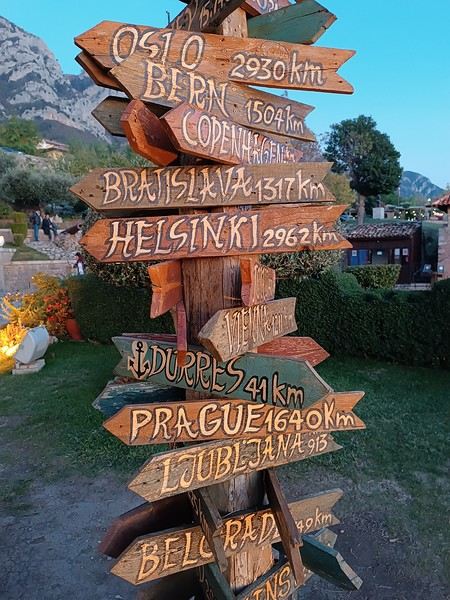
What else, I wonder...
Personally, I often prioritize simple destinations (no administrative hassles), where I’m not at risk (nothing extraordinary like getting kidnapped by Daesh or ending up in a jail cell because the current geopolitics aren’t favorable to my passport, etc.), and where I can drive.
Wide-open natural spaces are more my thing than urban anthills.
Finally, I try not to spend three days on a plane to reach my destination, and I aim for a maximum budget of 3500 € (for 3 weeks) in comfortable conditions—that means charming hotels, good meals, etc.
What about you?🙂
The title might be a bit long, but I hope it’s completely understandable!
When it comes to choosing your next trip, what tips the scales in favor of Eritrea over Ibiza?
Why pick Canada over French Polynesia?
The price? A magazine or TV report, a travel journal, an Instagram ad? Ease of travel? Minimal time difference? The country that has the most in common with all the trip participants? Activities? Relaxation? The desire to push your limits?
A photo?
What else, I wonder...
Personally, I often prioritize simple destinations (no administrative hassles), where I’m not at risk (nothing extraordinary like getting kidnapped by Daesh or ending up in a jail cell because the current geopolitics aren’t favorable to my passport, etc.), and where I can drive.
Wide-open natural spaces are more my thing than urban anthills.
Finally, I try not to spend three days on a plane to reach my destination, and I aim for a maximum budget of 3500 € (for 3 weeks) in comfortable conditions—that means charming hotels, good meals, etc.
What about you?🙂
“Slow travel” is a concept that some tout as a philosophical revolution in travel. But on closer inspection, it’s nothing more than a marketing repackaging of an age-old practice.
This term is wrapped in an aura of intellectualism. It promises to reinvent the experience of travel by valuing slowness, contemplation, and cultural immersion.
The term “slow travel” claims to bring depth to travel, but it often relies on clichés.
Taking your time, meeting locals, avoiding quick visits—these practices have always existed and are nothing revolutionary.
Before the era of airplanes, high-speed trains, and express stays, traveling necessarily meant taking your time. Pilgrims, merchants, and explorers already practiced a form of “slow travel,” without hashtags or self-proclaimed spiritual guides.
Crossing lands on foot or by horse required total immersion in the landscapes, cultures, and unpredictability of the journey. Yet, no one attributed philosophical intentions to them: it was a necessity.
Slow travel, in its current version, may be less a philosophy than a reflection of the contradictions of an affluent class searching for meaning in a world they help overload.
So-called “slow” travel is presented as a privileged way to understand a culture, but this claim is debatable. A region never represents an entire country.
Immersing yourself in a community doesn’t guarantee a complete or more authentic understanding than any other way of traveling.
Slowness in itself doesn’t guarantee depth or ethics. You can immerse yourself in a place over a weekend, just as you can spend months in a country without grasping its subtleties.
By positioning itself as an antidote to “fast” tourism, slow travel fetishizes a temporality that only makes sense if it’s accompanied by real openness and an effort to integrate.
But this over-intellectualization often masks a desire to belong to a trend or a need to stand out socially.
Behind this posture sometimes lies a whim: the urge to reinvent one’s life elsewhere in an idealized form. But this quest for elsewhere remains fundamentally a way to escape or respond to unease, rather than a true commitment to the cultures visited.
When we talk about “encounters” while traveling, we often forget that these exchanges are facilitated by biased contexts. As a traveler, you’re seen as a temporary visitor, unattached, and that changes the dynamic.
Locals, whether curious or used to tourists, adopt a different stance than they would with a neighbor they see daily.
This interaction is also tinged with asymmetry: the traveler has the luxury of time and availability, while in daily life, personal concerns often take precedence over the desire to connect.
The flip side is that the openness displayed while traveling is often a facade. We boast about chatting with a fisherman or sharing a meal with a local family, but how many of these encounters lead to a real understanding of cultural differences or sincere reflection?
Once home, these moments become anecdotes, social trophies to show off, without fundamentally changing our relationship with others in our daily lives.
By imposing a definition, we push people to adapt their practices to fit an idealized model. This can lead to a paradoxical standardization: “slow travel” becomes a checklist of behaviors (meetings, immersion, slowness).
The “bobos” (bourgeois-bohemians), often in search of meaning in a world saturated with options, believe that giving a name to a practice grants it legitimacy or moral value. But this obsession with framing and theorizing travel only drains it of its spontaneity.
Someone who grew up at the crossroads of multiple cultures, on the other hand, doesn’t feel this need. For them, traveling isn’t a philosophical project but an intrinsic part of their life.
The very concept of “slow travel” can seem absurd: why glorify what’s simply natural?
Why try to turn into an ideology what should be a personal, intimate experience, free from semantic constraints?
Ultimately, this need for labeling, this frantic quest to name every gesture, reveals a society craving simplicity.
Travel, in its purest form, doesn’t need justification or slogans. It doesn’t need slowness or speed: it’s simply lived.
Perhaps the real challenge is to unlearn this Western habit of conceptualizing everything that should simply be felt.
For many, travel is a parenthesis, a temporary break from daily life. But if we reject this distinction between “home” and “elsewhere,” every human life becomes a continuous journey through varied environments.
From this perspective, “slow travel” loses all meaning, because living somewhere—whether for a week or five years—is part of the same experience of adaptation.
So, we ask the fans of marketing slogans: is travel a parenthesis or a journey?
“Slow travel” is often driven by a Western eco-bobo ideology, tinged with post-colonial guilt. This discourse promotes a supposedly virtuous way of traveling while forgetting that these practices remain a privilege.
Far from deconstructing power dynamics, it sometimes reinforces them by glorifying a different kind of consumption, still centered on comfort.
There’s also a condescending side to this rhetoric. By idealizing slowness, slow travel advocates imply that those who travel quickly or on a budget are less “authentic” in their approach.
Yet, isn’t that a form of contempt? Do those who leave for a well-deserved week after months of hard work deserve less consideration?
Concepts like “slow travel” or “sustainable tourism” seem hollow when reduced to marketing slogans or standardized behaviors. They confine travel to preconceived frameworks, stripping it of its spontaneous and unpredictable dimension.
Instead of categorizing, it would be more relevant to recognize the plurality of human experiences without trying to define them.
Slow travel doesn’t invent anything. It simply puts into words—and often slogans—what travel has always been for those who practice it with intention.
Maybe we should stop trying to theorize every movement and simply rediscover travel for what it is: a human experience, sometimes slow, sometimes fast, but always personal.
More info on our site
This term is wrapped in an aura of intellectualism. It promises to reinvent the experience of travel by valuing slowness, contemplation, and cultural immersion.
The term “slow travel” claims to bring depth to travel, but it often relies on clichés.
Taking your time, meeting locals, avoiding quick visits—these practices have always existed and are nothing revolutionary.
Before the era of airplanes, high-speed trains, and express stays, traveling necessarily meant taking your time. Pilgrims, merchants, and explorers already practiced a form of “slow travel,” without hashtags or self-proclaimed spiritual guides.
Crossing lands on foot or by horse required total immersion in the landscapes, cultures, and unpredictability of the journey. Yet, no one attributed philosophical intentions to them: it was a necessity.
Slow travel, in its current version, may be less a philosophy than a reflection of the contradictions of an affluent class searching for meaning in a world they help overload.
So-called “slow” travel is presented as a privileged way to understand a culture, but this claim is debatable. A region never represents an entire country.
Immersing yourself in a community doesn’t guarantee a complete or more authentic understanding than any other way of traveling.
Slowness in itself doesn’t guarantee depth or ethics. You can immerse yourself in a place over a weekend, just as you can spend months in a country without grasping its subtleties.
By positioning itself as an antidote to “fast” tourism, slow travel fetishizes a temporality that only makes sense if it’s accompanied by real openness and an effort to integrate.
But this over-intellectualization often masks a desire to belong to a trend or a need to stand out socially.
Behind this posture sometimes lies a whim: the urge to reinvent one’s life elsewhere in an idealized form. But this quest for elsewhere remains fundamentally a way to escape or respond to unease, rather than a true commitment to the cultures visited.
When we talk about “encounters” while traveling, we often forget that these exchanges are facilitated by biased contexts. As a traveler, you’re seen as a temporary visitor, unattached, and that changes the dynamic.
Locals, whether curious or used to tourists, adopt a different stance than they would with a neighbor they see daily.
This interaction is also tinged with asymmetry: the traveler has the luxury of time and availability, while in daily life, personal concerns often take precedence over the desire to connect.
The flip side is that the openness displayed while traveling is often a facade. We boast about chatting with a fisherman or sharing a meal with a local family, but how many of these encounters lead to a real understanding of cultural differences or sincere reflection?
Once home, these moments become anecdotes, social trophies to show off, without fundamentally changing our relationship with others in our daily lives.
By imposing a definition, we push people to adapt their practices to fit an idealized model. This can lead to a paradoxical standardization: “slow travel” becomes a checklist of behaviors (meetings, immersion, slowness).
The “bobos” (bourgeois-bohemians), often in search of meaning in a world saturated with options, believe that giving a name to a practice grants it legitimacy or moral value. But this obsession with framing and theorizing travel only drains it of its spontaneity.
Someone who grew up at the crossroads of multiple cultures, on the other hand, doesn’t feel this need. For them, traveling isn’t a philosophical project but an intrinsic part of their life.
The very concept of “slow travel” can seem absurd: why glorify what’s simply natural?
Why try to turn into an ideology what should be a personal, intimate experience, free from semantic constraints?
Ultimately, this need for labeling, this frantic quest to name every gesture, reveals a society craving simplicity.
Travel, in its purest form, doesn’t need justification or slogans. It doesn’t need slowness or speed: it’s simply lived.
Perhaps the real challenge is to unlearn this Western habit of conceptualizing everything that should simply be felt.
For many, travel is a parenthesis, a temporary break from daily life. But if we reject this distinction between “home” and “elsewhere,” every human life becomes a continuous journey through varied environments.
From this perspective, “slow travel” loses all meaning, because living somewhere—whether for a week or five years—is part of the same experience of adaptation.
So, we ask the fans of marketing slogans: is travel a parenthesis or a journey?
“Slow travel” is often driven by a Western eco-bobo ideology, tinged with post-colonial guilt. This discourse promotes a supposedly virtuous way of traveling while forgetting that these practices remain a privilege.
Far from deconstructing power dynamics, it sometimes reinforces them by glorifying a different kind of consumption, still centered on comfort.
There’s also a condescending side to this rhetoric. By idealizing slowness, slow travel advocates imply that those who travel quickly or on a budget are less “authentic” in their approach.
Yet, isn’t that a form of contempt? Do those who leave for a well-deserved week after months of hard work deserve less consideration?
Concepts like “slow travel” or “sustainable tourism” seem hollow when reduced to marketing slogans or standardized behaviors. They confine travel to preconceived frameworks, stripping it of its spontaneous and unpredictable dimension.
Instead of categorizing, it would be more relevant to recognize the plurality of human experiences without trying to define them.
Slow travel doesn’t invent anything. It simply puts into words—and often slogans—what travel has always been for those who practice it with intention.
Maybe we should stop trying to theorize every movement and simply rediscover travel for what it is: a human experience, sometimes slow, sometimes fast, but always personal.
More info on our site
I’ll admit, the hook is intentionally ambiguous 😉
but I really do want to talk about travel, inspired by a side discussion and a recent experience.
The topic is obviously about independent travel, in a closed group—not those hordes of tourists who step off a plane just to flop onto a beach (no judgment, I do it too… rarely).
Have you tried traveling with others? How did it feel? Never again? Always? Do you travel solo by choice (not due to constraints)? Why?
Your turn! !
The topic is obviously about independent travel, in a closed group—not those hordes of tourists who step off a plane just to flop onto a beach (no judgment, I do it too… rarely).
Have you tried traveling with others? How did it feel? Never again? Always? Do you travel solo by choice (not due to constraints)? Why?
Your turn! !
A turbulent period came to an end around 2022.
Many of us have returned to big trips after making only very small ones—or none at all. For a little anecdote, my dentist told me that due to the lack of travel, a lot of clients treated themselves to implants they would’ve otherwise skipped. The joy of traveling again probably gave some vacationers smiles they hadn’t dared to show before!
Here, you can share what’s on your mind: Have these new, real trips disappointed you, rejuvenated you, or just relieved a long frustration?
For my part, not being so young anymore, there was definitely relief but no explosion of joy. I just had the feeling of picking up the thread of life after a foggy pause, with the bitter taste that 2 or 3 years of my life had been partly stolen from me.
Many of us have returned to big trips after making only very small ones—or none at all. For a little anecdote, my dentist told me that due to the lack of travel, a lot of clients treated themselves to implants they would’ve otherwise skipped. The joy of traveling again probably gave some vacationers smiles they hadn’t dared to show before!
Here, you can share what’s on your mind: Have these new, real trips disappointed you, rejuvenated you, or just relieved a long frustration?
For my part, not being so young anymore, there was definitely relief but no explosion of joy. I just had the feeling of picking up the thread of life after a foggy pause, with the bitter taste that 2 or 3 years of my life had been partly stolen from me.
Hi! It was totally by chance that I stumbled upon VoyageForum (an ad online and a story lol), and I’ve been reading some really old posts from 2011 about Thai massage schools—discussions on how to get by, accommodation, prices, etc. It reminded me of my own experience: I kept things simple by staying with a local family during my entire trip. I only shared all the expenses with them, which, I’ll admit, was super cheap… and I often traveled with them, which naturally opened a lot of doors for me. To start, at the school in Salaya, my Thai friend immediately connected me with Teacher Phong (the school’s mentor and teacher of teachers, a former monk). I was supposed to join a group session with other foreigners, but for some reason I don’t know, I got two days of private lessons for free with this expert… incredible! And on top of that, he loved France! It was an amazing experience. I "discovered" massage by chance—the Thai family just told me: "Try it, you’ll see!" (I’d had a pretty intense massage in the capital before 😅… but the next day, I felt unbelievably great!))
Every morning, I’d take a taxi (chosen by the Thai family at prices that beat all the competition) to this school—I’ve forgotten the name of the little village now… right in the heart of the countryside. Then, in the evenings, I’d keep practicing massage on all the family members… and they’d teach me Thai at the same time!))
Since then, I’ve practiced a bit, with lots of positive feedback. Following Teacher Phong’s advice—he thought my pressure was deep, firm, and precise—he strongly encouraged me to take this seriously.
I love Thailand so much. It’s a whole different way of living… and it’s a real blessing, even if I couldn’t live there full-time. Anyway, that was an unforgettable memory, and sometimes the Thai family and I still say hi—from 2011, 2013… right up to today!
Take care, everyone! !
Every morning, I’d take a taxi (chosen by the Thai family at prices that beat all the competition) to this school—I’ve forgotten the name of the little village now… right in the heart of the countryside. Then, in the evenings, I’d keep practicing massage on all the family members… and they’d teach me Thai at the same time!))
Since then, I’ve practiced a bit, with lots of positive feedback. Following Teacher Phong’s advice—he thought my pressure was deep, firm, and precise—he strongly encouraged me to take this seriously.
I love Thailand so much. It’s a whole different way of living… and it’s a real blessing, even if I couldn’t live there full-time. Anyway, that was an unforgettable memory, and sometimes the Thai family and I still say hi—from 2011, 2013… right up to today!
Take care, everyone! !
Hi everyone! 😉
I’m Typhaine, 35 years old. Five years ago, I left France for a solo round-the-world trip—no planes, just a van, hitchhiking, cycling, and even a canoe in the Amazon! Today, I work as a naturalist guide in Argentine Patagonia.
Wherever I go, my compass stays the same: observing and photographing wildlife, which I deeply admire and respect.
My project: I’d love to share this experience through a sustainable, authentic, and immersive nature tourism initiative. But to build something meaningful, I need to understand how other nature enthusiasts experience their own adventures.
If you:
Are over 20 years old
Have a true passion for Nature
Have already taken at least one trip lasting more than 3 nights (in your country or abroad) in your life
Then... would you have 5 to 7 minutes to help me by filling out this questionnaire? 🙂 »» https://forms.gle/y74ckkvN9TjrougLA
Promise: I’m not selling anything, this isn’t marketing. Your answers are 100% anonymous and will only help me shape this wild project. A huge thank you to everyone for your help and kindness! Looking forward to chatting in this thread 😛
(Dear admins, this is purely a collaborative effort for my project study, with no commercial purpose. Thank you so much for your support!)
Photo: Grizzly Bear (Ursus arctos horribilis), female on the left and her cub on the right. Photo taken by me in Alaska, Denali National Park.
My project: I’d love to share this experience through a sustainable, authentic, and immersive nature tourism initiative. But to build something meaningful, I need to understand how other nature enthusiasts experience their own adventures.
If you:
Are over 20 years old
Have a true passion for Nature
Have already taken at least one trip lasting more than 3 nights (in your country or abroad) in your life
Then... would you have 5 to 7 minutes to help me by filling out this questionnaire? 🙂 »» https://forms.gle/y74ckkvN9TjrougLA
Promise: I’m not selling anything, this isn’t marketing. Your answers are 100% anonymous and will only help me shape this wild project. A huge thank you to everyone for your help and kindness! Looking forward to chatting in this thread 😛
(Dear admins, this is purely a collaborative effort for my project study, with no commercial purpose. Thank you so much for your support!)
Photo: Grizzly Bear (Ursus arctos horribilis), female on the left and her cub on the right. Photo taken by me in Alaska, Denali National Park.
A little link...
St Lucia is the capital of "urban" hippos... with behavior that’s not always very urban.
https://www.citizen.co.za/zululand-observer/news-headlines/local-news/2025/05/01/watch-provoked-hippo-charges-group-of-people-in-st-lucia/
St Lucia is the capital of "urban" hippos... with behavior that’s not always very urban.
https://www.citizen.co.za/zululand-observer/news-headlines/local-news/2025/05/01/watch-provoked-hippo-charges-group-of-people-in-st-lucia/
My passion for travel
Travel is an endless source of wonder and discovery for me. It lets me escape the everyday and immerse myself in different cultures, varied landscapes, and unique ways of life. Every destination is an invitation to learn and grow, while fueling an insatiable curiosity.
The types of trips I love I’m especially drawn to trips that combine adventure and cultural immersion. I love discovering places off the beaten path, where authenticity takes precedence over mass tourism. Whether it’s trekking through isolated mountains, exploring historic cities, or staying in remote villages, every trip is a chance to step out of my comfort zone and embrace the world’s diversity.
I also prioritize trips that let me deepen my knowledge in a particular area, like gastronomy, history, or art. Exchanges with locals—whether sharing a meal or taking part in traditional events—are essential to making the experience rich and meaningful.
Trips I’ve taken Among the memorable trips I’ve done, some have been turning points in how I see the world. My journey through the Austrian Alps, for example, didn’t just offer spectacular landscapes—it also let me discover Austrian culture in all its diversity, from festivals to music to cuisine.
I’ve also had the chance to visit more exotic destinations, like Southeast Asia, where I immersed myself in fascinating cultures, learned ancient practices, and met people whose life philosophies really inspired me.
Future travels Looking ahead, I dream of going to Latin America to explore its vibrant cultures and breathtaking landscapes. A road trip through Peru, Bolivia, and Chile is one of my long-term travel goals. I’d also love to discover the Pacific Islands and maybe even take part in volunteer projects with local communities.
I hope my future travels will keep pushing my limits while letting me meet people who share this passion for travel and connection.
The types of trips I love I’m especially drawn to trips that combine adventure and cultural immersion. I love discovering places off the beaten path, where authenticity takes precedence over mass tourism. Whether it’s trekking through isolated mountains, exploring historic cities, or staying in remote villages, every trip is a chance to step out of my comfort zone and embrace the world’s diversity.
I also prioritize trips that let me deepen my knowledge in a particular area, like gastronomy, history, or art. Exchanges with locals—whether sharing a meal or taking part in traditional events—are essential to making the experience rich and meaningful.
Trips I’ve taken Among the memorable trips I’ve done, some have been turning points in how I see the world. My journey through the Austrian Alps, for example, didn’t just offer spectacular landscapes—it also let me discover Austrian culture in all its diversity, from festivals to music to cuisine.
I’ve also had the chance to visit more exotic destinations, like Southeast Asia, where I immersed myself in fascinating cultures, learned ancient practices, and met people whose life philosophies really inspired me.
Future travels Looking ahead, I dream of going to Latin America to explore its vibrant cultures and breathtaking landscapes. A road trip through Peru, Bolivia, and Chile is one of my long-term travel goals. I’d also love to discover the Pacific Islands and maybe even take part in volunteer projects with local communities.
I hope my future travels will keep pushing my limits while letting me meet people who share this passion for travel and connection.
Hello everyone.
It's to greet all the old-timers here with whom I had so many interactions when I used to visit this platform regularly and eagerly before it was shut down, much to our dismay.
I was a member under the name "Jaydev," but it seems I can't log in with that name anymore. Maybe I deleted the username, thinking VoyageForum wouldn't come back.
I'm so happy to be able to log in here again. Talking about Indian things—and in the language I love—lets me practice and chat with people who love the land where I was born.
From a visitor's perspective, I find it really interesting to interact with the local population. That's what gives meaning to the word "travel." Without it, traveling is essentially just "getting from one place to another."
Thanks, and see you soon.
Jaydev
I was a member under the name "Jaydev," but it seems I can't log in with that name anymore. Maybe I deleted the username, thinking VoyageForum wouldn't come back.
I'm so happy to be able to log in here again. Talking about Indian things—and in the language I love—lets me practice and chat with people who love the land where I was born.
From a visitor's perspective, I find it really interesting to interact with the local population. That's what gives meaning to the word "travel." Without it, traveling is essentially just "getting from one place to another."
Thanks, and see you soon.
Jaydev
Hi everyone, just this once I’m not posting for a travel story, but to share a thought for Venezuela.
If you didn’t know—since it’s not making headlines—the country was hit by two 7.5-magnitude earthquakes last week. Over 2,200 people have died, more than 50,000 are missing, and some coastal towns have been completely destroyed. Maybe when the scale of the humanitarian crisis becomes clear, our media will cover it a bit more... especially since earthquakes with this many casualties usually make the front page, but there’s been nothing in France.
So here’s a thought for this country, which, whatever you think of its politics, is a true jewel of South America, both for its landscapes and its people.
If you didn’t know—since it’s not making headlines—the country was hit by two 7.5-magnitude earthquakes last week. Over 2,200 people have died, more than 50,000 are missing, and some coastal towns have been completely destroyed. Maybe when the scale of the humanitarian crisis becomes clear, our media will cover it a bit more... especially since earthquakes with this many casualties usually make the front page, but there’s been nothing in France.
So here’s a thought for this country, which, whatever you think of its politics, is a true jewel of South America, both for its landscapes and its people.
Hi everyone.
I’ve been wondering: Is it still reasonable to rent a car in the U.S.?
Apparently, since early January 2025—and very quietly—the most important insurance coverage, namely the driver’s civil liability, has seen its coverage amount drop from $1 million to just $300,000. This coverage is supposed to protect us from damages we might be responsible for while driving. We can go decades without a single scrape (especially if it’s our fault), but anything can happen in a split second. A motorcycle appearing out of nowhere, a misjudgment at one of those huge intersections with staggered traffic lights, and suddenly we could be deemed at fault for the accident. We’d then have to pay out of pocket for the other party’s medical expenses. Given what hospitals charge... it can easily exceed $300,000 and turn into a nightmare in no time!!! Plus, anyone who’s driven on American roads has seen those billboards for lawyers offering their services to accident victims. So on top of the sky-high medical bill, the lawyer will demand compensation worthy of a Hollywood movie!!!! So, is it even worth getting behind the wheel in America anymore? Well... that’s just my take! And on top of that, I haven’t found any insurance company that offers such high civil liability coverage. Chapka and others do offer coverage in the millions, but motor vehicles are excluded.... So here’s the thing... Unless I’ve "missed something," I’ve come to this conclusion: Renting a car in the U.S. is like playing Russian roulette! But maybe I’m being too pessimistic? What do you think?
I’ve been wondering: Is it still reasonable to rent a car in the U.S.?
Apparently, since early January 2025—and very quietly—the most important insurance coverage, namely the driver’s civil liability, has seen its coverage amount drop from $1 million to just $300,000. This coverage is supposed to protect us from damages we might be responsible for while driving. We can go decades without a single scrape (especially if it’s our fault), but anything can happen in a split second. A motorcycle appearing out of nowhere, a misjudgment at one of those huge intersections with staggered traffic lights, and suddenly we could be deemed at fault for the accident. We’d then have to pay out of pocket for the other party’s medical expenses. Given what hospitals charge... it can easily exceed $300,000 and turn into a nightmare in no time!!! Plus, anyone who’s driven on American roads has seen those billboards for lawyers offering their services to accident victims. So on top of the sky-high medical bill, the lawyer will demand compensation worthy of a Hollywood movie!!!! So, is it even worth getting behind the wheel in America anymore? Well... that’s just my take! And on top of that, I haven’t found any insurance company that offers such high civil liability coverage. Chapka and others do offer coverage in the millions, but motor vehicles are excluded.... So here’s the thing... Unless I’ve "missed something," I’ve come to this conclusion: Renting a car in the U.S. is like playing Russian roulette! But maybe I’m being too pessimistic? What do you think?
Hi everyone,
Accepting the rules everywhere has become the norm, and customer service keeps getting worse and worse.
Who’s to blame? All those who comply without a fuss, even though you’re paying full price everywhere. What used to be normal (good service) has now become the exception.
Example: Hotels and their overly strict rules (rules that, personally, I successfully bend almost every time) 😄.
We pay for a room for 24 hours, not 12-15 hours.
How many times have I arrived at my hotel around noon after exhausting flights, asked for my reserved room, and been told that rooms are only available from 3 or 4 PM? Unacceptable (especially since we often have to check out by 10-11 AM—just as unacceptable).
“Miss, I’m really tired from my trip. Could you make a small effort? I’m sure several rooms are ready by now.”
The response? “It’s the rule. Come back at 4 PM.” 😒
Of course, I get that the front-desk clerk is just blindly following orders (or overdoing it).
I stay calm and ask her to fetch her supervisor (who shows up right away, probably afraid of a scene). I explain with my best "puppy-dog eyes," and—bingo—10 minutes later, I’ve got my room (I’ll spare you the comments from my fellow travelers calling me a rude, uneducated nightmare).
I’m thrilled because they’ll be waiting around for 4 hours 😏.
It’s the same everywhere—restaurants (especially in France), where you arrive at 9:05 PM and are told they’re no longer serving because the chef has finished and turned off the ovens. (Do you really need an oven and 2 hours to make an English breakfast or a cheese platter with good wine?) And then some restaurant owners complain about not meeting their targets—pfft. The list goes on, and I don’t have all the complaints about service providers fresh in my mind (feel free to add yours if you agree). Otherwise, keep bowing your heads—I won’t change the world, but I’ll never accept being told I’m too demanding. It’s the people who let things slide (the majority) who have no standards left, to the detriment of service quality for everyone 😏.
The chosen title was easy to find: it's from today's French daily newspaper "Le Figaro" (front page, right side, in the "Le Flash actualité" section at 10:31 AM).
Link: https://www.lefigaro.fr/voyages/et-si-votre-prochain-agent-de-voyage-etait-une-intelligence-artificielle-20250414
As some participants had mentioned, a simple query could sometimes yield very satisfying results, even if the initial comments from readers of this article don’t necessarily agree.
Instead of presenting our request in writing, I assume we’ll soon be able to speak to AI orally or even have a conversation with it. Refining our searches to perfection would then be a breeze.
But then, what about travel agencies and travel forums? Will Vfistes, in a twilight atmosphere, keep talking in a closed circle, fewer and fewer of them, until the last one is left monologuing? Will a side effect be that we start addressing our fellow humans in the same cold, dry way we talk to the Machine? Well, some of us have already gotten into that habit... With over 30% of current jobs set to disappear because of AI, will it become possible to quickly and perfectly plan trips we can no longer afford financially? What a paradox!
I admit I haven’t looked into this yet, and one of these days I’ll probably end up talking to the Machine, but for now, I prefer to keep laboriously and methodically planning my upcoming trips, telling myself that at least I’m still good for something...
As some participants had mentioned, a simple query could sometimes yield very satisfying results, even if the initial comments from readers of this article don’t necessarily agree.
Instead of presenting our request in writing, I assume we’ll soon be able to speak to AI orally or even have a conversation with it. Refining our searches to perfection would then be a breeze.
But then, what about travel agencies and travel forums? Will Vfistes, in a twilight atmosphere, keep talking in a closed circle, fewer and fewer of them, until the last one is left monologuing? Will a side effect be that we start addressing our fellow humans in the same cold, dry way we talk to the Machine? Well, some of us have already gotten into that habit... With over 30% of current jobs set to disappear because of AI, will it become possible to quickly and perfectly plan trips we can no longer afford financially? What a paradox!
I admit I haven’t looked into this yet, and one of these days I’ll probably end up talking to the Machine, but for now, I prefer to keep laboriously and methodically planning my upcoming trips, telling myself that at least I’m still good for something...
Hello, how are you all?
To be honest, this isn't really a "deep" topic—just a quick note to say I'm really happy VoyageForum is finally back up. I hope everyone who contributed to this site is still around, still traveling, and in good health. For my part, travel didn’t really stop despite the COVID crisis.
Looking forward to sharing photos, travel stories, and discussions with all of you again.
Jacques
And I’ll share a photo right away—taken last year in the Vichada region of Colombia, where I’m heading back in 2 weeks.
Welcome back to VF!
Welcome back to VF!
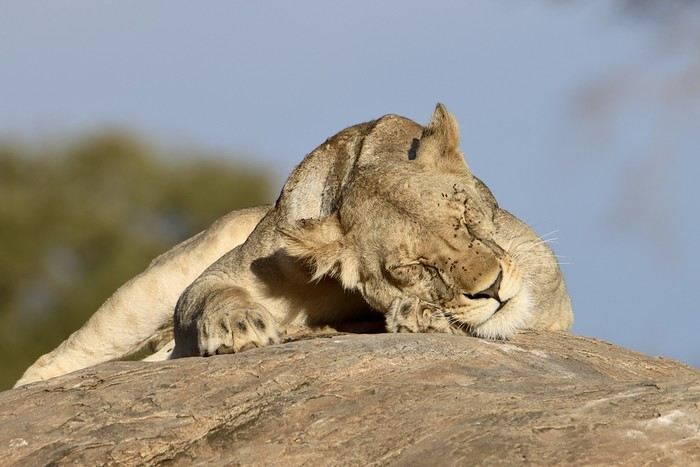
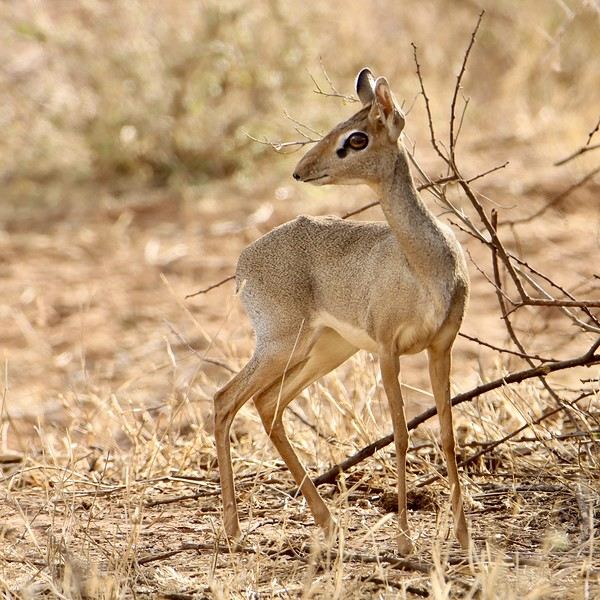
Hello to all East Africa lovers and nature enthusiasts in general,
While I prepare to share a recap of our latest trip/safari in Kenya soon, I’d like to wish you all a peaceful transition between 2025 and 2026.
Warm regards,
Puma2A.
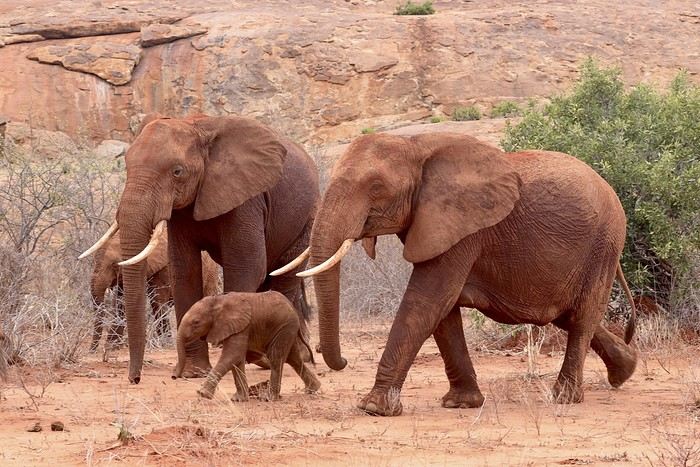
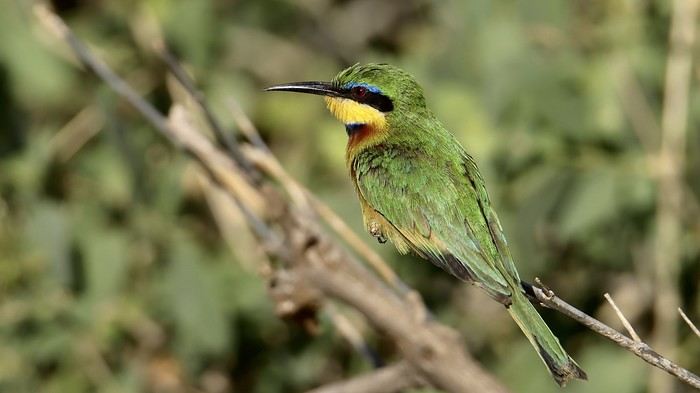


...
Hello,
Since the war between Russia and Ukraine, nothing is simple anymore for traveling to Belarus due to sanctions.
No more direct flights from the EU to Minsk.
Driving is a huge hassle, especially crossing through Poland at the only open border in Brest—you can wait 2, 3, or even 4 days just to get through by car.
The least painful driving option is to come via Lithuania and cross at the only open border, with a minimum wait time of 8 hours, sometimes up to 20 hours or more!!
Controls are very strict and annoying on both the Lithuanian and Belarusian sides. Avoid bringing alcohol, food, or cigarettes—everything will end up in the trash, especially when leaving Belarus for Vilnius, where the Lithuanians are tough, even with EU citizens.
The joy I once knew when visiting my wife in Minsk is sadly over—it’s now a real ordeal.
The fastest solution is to fly. My wife travels to France by taking a bus to Kaunas in Lithuania, where you can catch a flight (though not daily) to Paris Beauvais or Charleroi in Belgium with Ryanair, for example. For the return trip, it’s the same: a flight to Kaunas and then a direct bus from the airport to Minsk. The bus crossing is quicker than driving—the 250 km journey, including border checks, takes about 6 to 8 hours for buses leaving Lithuania around midnight, but controls are still strict at the border. The biggest challenge is finding flight schedules that align with the bus routes between the two countries, given the unpredictable border crossing times. Now, my wife travels via Charleroi in Belgium (near Brussels), and you can take a train to Paris. Alternatively, you can fly into Beauvais and take a bus to Paris (Porte Maillot). For those driving, note that EU insurance and assistance policies no longer work in Belarus or Russia. You’ll need to get local insurance, usually limited to third-party liability (I don’t think full coverage exists?), as well as mandatory medical insurance. This is available at the border. You now have to pay highway tolls—no more BELTOLL boxes. Instead, you pay a flat fee for the duration of your stay. Stop at the first gas station after crossing from Lithuania to fill up on fuel and cigarettes. From what I know, Lithuania bans carrying more than 60 € in cash, but there’s no limit for USD (though it’s capped at $10,000??). With a Visa card, you can now withdraw 1,000 rubles per week (about 270 €)—two months ago, it was only 500 rubles!! For now, you can still pay by card in shops and gas stations. However, major retailers like KORONA (which may be Russian-owned??) no longer accept foreign Visa cards. Unfortunately, the additional sanctions announced by the U.S. on August 5, 2025, against Russia—and possibly Belarus—aren’t promising for the future. After 20 years of visiting Belarus, I’m truly saddened to see the joy of living in this country with my wonderful wife turn into such a bleak situation, all because of human folly.
The fastest solution is to fly. My wife travels to France by taking a bus to Kaunas in Lithuania, where you can catch a flight (though not daily) to Paris Beauvais or Charleroi in Belgium with Ryanair, for example. For the return trip, it’s the same: a flight to Kaunas and then a direct bus from the airport to Minsk. The bus crossing is quicker than driving—the 250 km journey, including border checks, takes about 6 to 8 hours for buses leaving Lithuania around midnight, but controls are still strict at the border. The biggest challenge is finding flight schedules that align with the bus routes between the two countries, given the unpredictable border crossing times. Now, my wife travels via Charleroi in Belgium (near Brussels), and you can take a train to Paris. Alternatively, you can fly into Beauvais and take a bus to Paris (Porte Maillot). For those driving, note that EU insurance and assistance policies no longer work in Belarus or Russia. You’ll need to get local insurance, usually limited to third-party liability (I don’t think full coverage exists?), as well as mandatory medical insurance. This is available at the border. You now have to pay highway tolls—no more BELTOLL boxes. Instead, you pay a flat fee for the duration of your stay. Stop at the first gas station after crossing from Lithuania to fill up on fuel and cigarettes. From what I know, Lithuania bans carrying more than 60 € in cash, but there’s no limit for USD (though it’s capped at $10,000??). With a Visa card, you can now withdraw 1,000 rubles per week (about 270 €)—two months ago, it was only 500 rubles!! For now, you can still pay by card in shops and gas stations. However, major retailers like KORONA (which may be Russian-owned??) no longer accept foreign Visa cards. Unfortunately, the additional sanctions announced by the U.S. on August 5, 2025, against Russia—and possibly Belarus—aren’t promising for the future. After 20 years of visiting Belarus, I’m truly saddened to see the joy of living in this country with my wonderful wife turn into such a bleak situation, all because of human folly.
Hi everyone,
I’m Loulou, a French expat who’s been living in Southeast Asia for about fifteen years, currently in Phnom Penh, Cambodia. A passionate walker at heart, I’ve trekked in Nepal (Thorung La, Mardi Himal), India, Vietnam, and I’m still planning new hikes (Char Dham, Langtang, Annapurna).
I’ve just published my first travel journal, recounting three months of walking and encounters across India. A portion of the sales goes to an educational center I support in Kep, for children whose parents work in the salt marshes.
I’m also working on a second book about Nepal with a musician friend, focusing on the Mardi Himal trek—two independent perspectives on the same journey.
Happy to swap stories with you about the Himalayas, India, Southeast Asia, or just the urge to hit the road and walk far from home.
Safe travels,
Loulou
We're planning to spend a month in Vietnam. Is hiring a guide helpful?
Hi everyone,
I feel like I’ve been lucky enough over the past few years to travel—a lot of that’s thanks to retirement... (see my profile!)
So, aside from my beautiful country, France, here’s my totally subjective top 3:
1 – Antarctica
2 – Greenland
3 – Yellowstone Park
Of course, this is just my opinion—human, architectural, cultural, and gastronomic treasures are everywhere on our unique planet, Earth. Have a great day, everyone!
Of course, this is just my opinion—human, architectural, cultural, and gastronomic treasures are everywhere on our unique planet, Earth. Have a great day, everyone!
Hi everyone,
I’m new to the forum, and I’m writing today to ask the community for feedback on a site concept I’ve been working on for a few weeks.
The idea is to create a worldwide map (starting with France) where anyone can rate a city—or even a neighborhood in a large city—based on a set of criteria (cleanliness, safety, green spaces, cost of living, etc.) and add a comment highlighting the positives and negatives of the area. It’d be like rating a city or neighborhood the way we currently rate restaurants or hotels.
The goal is to inform other users about the nicer (or less nice) neighborhoods in a country and help them choose where to book their next hotel or Airbnb—so they don’t end up in a sketchy area. Beyond that, it’s also about letting people pick their next travel destination based on what matters most to them (cost of living, safety, shopping, transportation, etc.). Ratings will, of course, be moderated to prevent abuse, and users will need to provide proof (like a utility bill or evidence they’ve visited the city) before they can leave a comment.
I’ve had a test version developed for Paris with the core features, and I’ve named the site CityRate.
I’d love to hear your thoughts and feedback! The site is aimed at both locals looking to move to a new neighborhood or city and travelers who want to carefully choose where to spend their next vacation.
Thanks in advance! 😊
I’m new to the forum, and I’m writing today to ask the community for feedback on a site concept I’ve been working on for a few weeks.
The idea is to create a worldwide map (starting with France) where anyone can rate a city—or even a neighborhood in a large city—based on a set of criteria (cleanliness, safety, green spaces, cost of living, etc.) and add a comment highlighting the positives and negatives of the area. It’d be like rating a city or neighborhood the way we currently rate restaurants or hotels.
The goal is to inform other users about the nicer (or less nice) neighborhoods in a country and help them choose where to book their next hotel or Airbnb—so they don’t end up in a sketchy area. Beyond that, it’s also about letting people pick their next travel destination based on what matters most to them (cost of living, safety, shopping, transportation, etc.). Ratings will, of course, be moderated to prevent abuse, and users will need to provide proof (like a utility bill or evidence they’ve visited the city) before they can leave a comment.
I’ve had a test version developed for Paris with the core features, and I’ve named the site CityRate.
I’d love to hear your thoughts and feedback! The site is aimed at both locals looking to move to a new neighborhood or city and travelers who want to carefully choose where to spend their next vacation.
Thanks in advance! 😊
hi there
I’d like to invite you to discover my coastal province in central Vietnam: Quang Ngai.
This year, my province has really improved its infrastructure—mountains, countryside, and sea are all authentic here.
No harassers or thieves, and no Russians either.
A local lunch costs around 1 €.
A *** hotel room is about 25 €, and you can find hotels right on My Khe Beach.
We have a specialty: *banh xeo*—10 crepes for just 1.5 €.
You can rent motorbikes to explore the province and maybe visit the many ethnic minorities.
I live here—I’m not selling anything, but I can help if needed (my father-in-law is a traditional Vietnamese doctor and he’s very skilled).
Hello everyone,
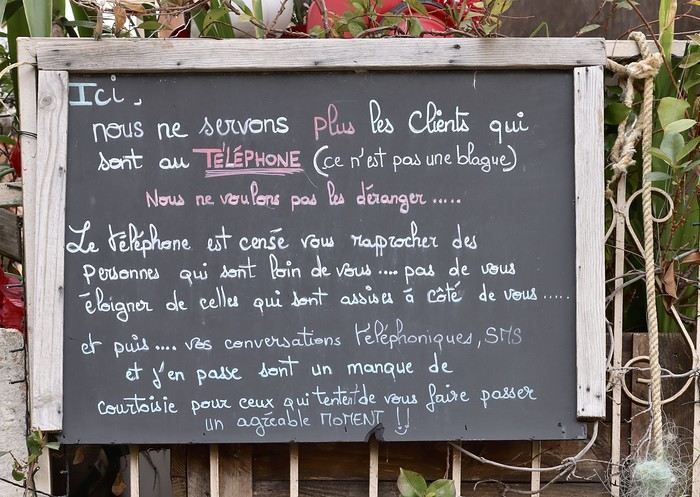
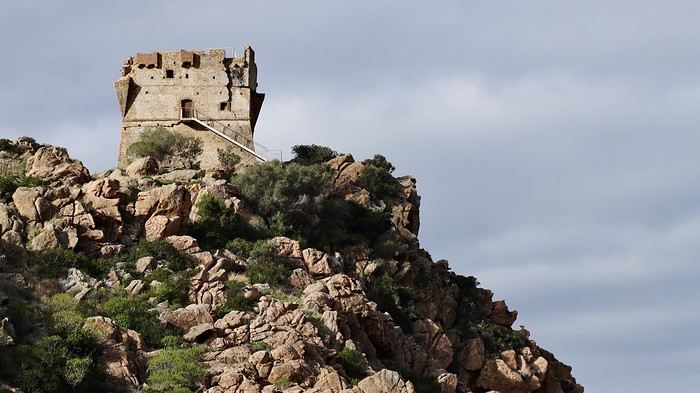
I’m sharing the menu posted at the entrance of a bar at the foot of the Porto Tower in Southern Corsica. . .
 .
.
.
.
Greetings and have a great Sunday.
Puma2A . .
...
I’m sharing the menu posted at the entrance of a bar at the foot of the Porto Tower in Southern Corsica. . .
.
.Greetings and have a great Sunday.
Puma2A . .
...