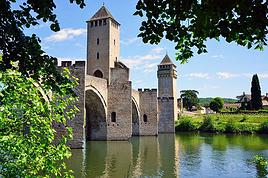
Some of you may have heard about the legendary charm of Alsace, this small region in eastern France, right next to Germany. For those who want to visit, we’re offering this journal. While it’s not exhaustive, it covers many of the most interesting sites, and we’d love to help make your trip a success—or maybe even inspire you to take a trip there.
Introduction
" HOW BEAU-TI-FUL OUR ALSACE IS WITH ITS FRESH VALLEYS IN SUMMER, IT RI-PENS THERE WHEAT, VINES, AND HOPS "
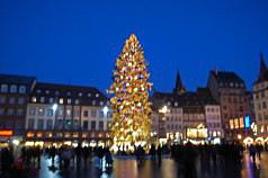
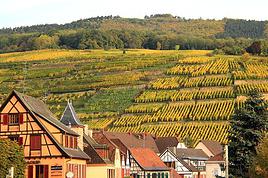
This is the start of a little tune our elementary school teacher used to make us sing in class. That was last century. This refrain and its melody have stayed in my heart because they perfectly capture this region. I know many tourists dream of the Christmas market and the magical snowy landscapes, which makes sense, especially for visitors from the south or those with young kids. As for me, I’d recommend visiting between June and September because everything is so much more pleasant and enjoyable during the warm season.
Alsace is a mix of German organization and French art de vivre. The result? A place beautifully shaped by nature, thoughtfully developed by people, and packed with exceptional restaurants and bakeries. Plus, tourists are generally welcomed with courtesy and expertise.
The heart of the region’s tourism lies between Strasbourg and Colmar, spanning the Haut-Rhin and Bas-Rhin departments. To the west of these cities, often on the slopes between the plain and the hills, winds the famous Wine Route. From north to south, it stretches about 150 to 170 kilometers. A proper visit to Alsace takes about five days to a week—or longer if you’re really into it. I think having a car is best, as the terrain isn’t flat.
Let’s start with northern Alsace, which is less known to tourists—except for the Germans, who love strolling around and enjoying good food there.
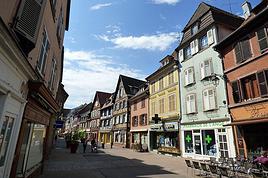
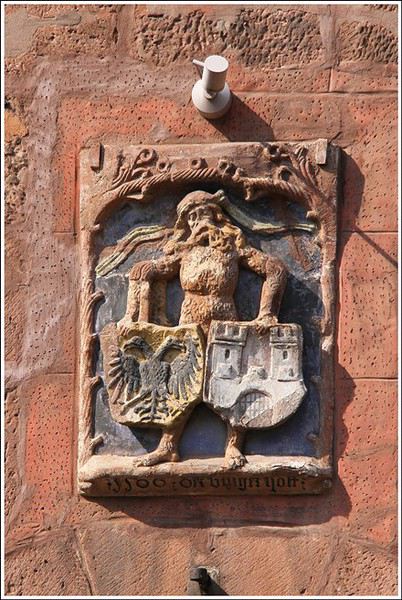
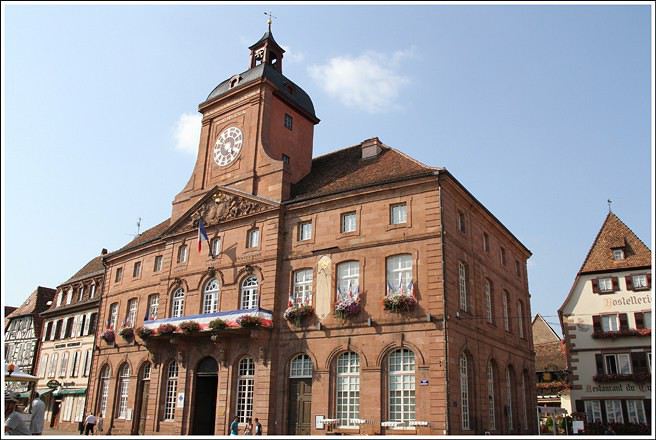
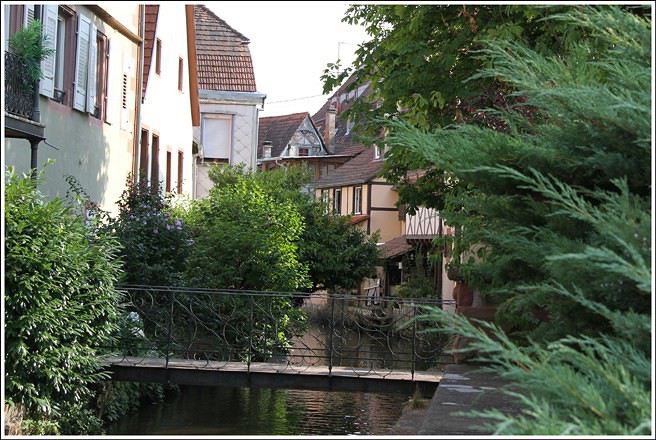
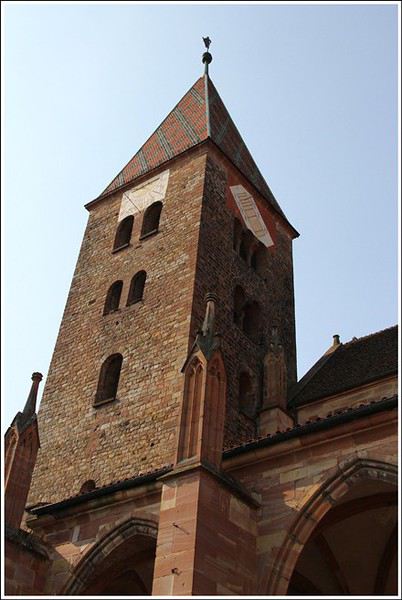
Wissembourg sits on the border with Germany, at the very north of the Bas-Rhin, about 60 km from Strasbourg. The tourist office has set up signs near the large free parking lot, so you can take a pleasant walk through this small town. Highlights include the Saint-Pierre Saint-Paul Church (the second-largest in Alsace), the 1741 town hall, the Salt House with its unusual roof, the ramparts, and some fascinating old houses.


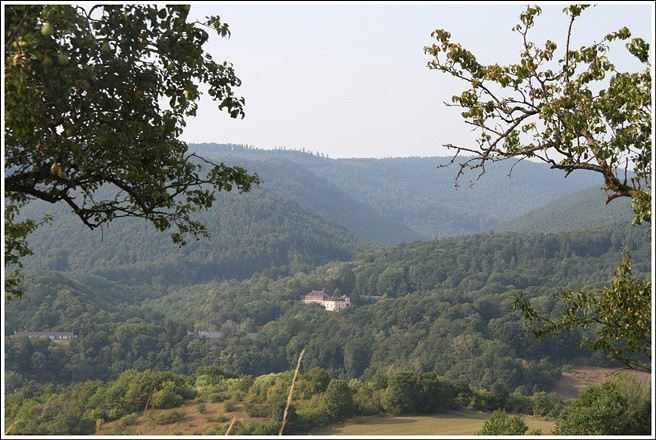
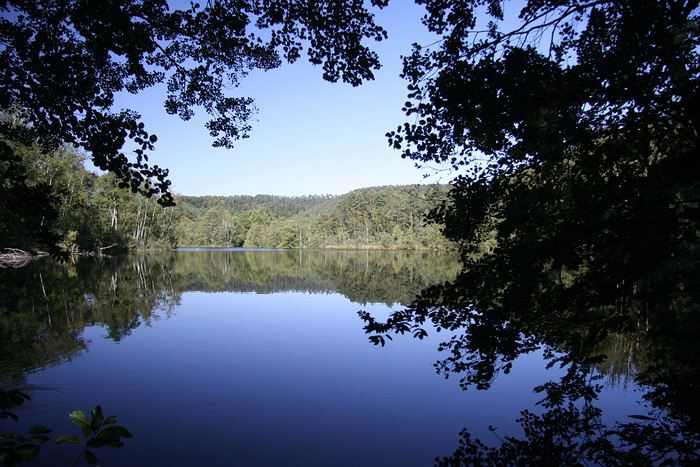
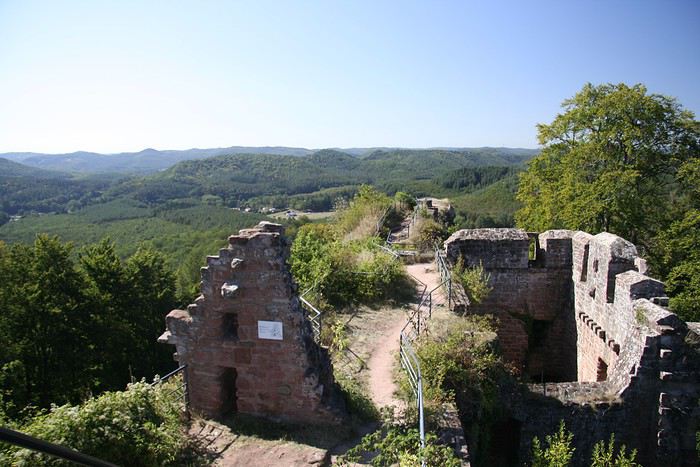
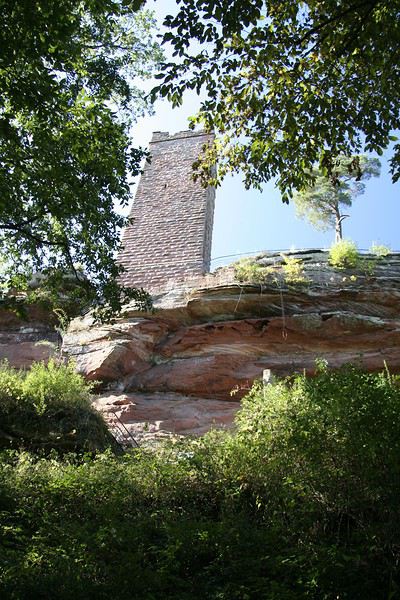
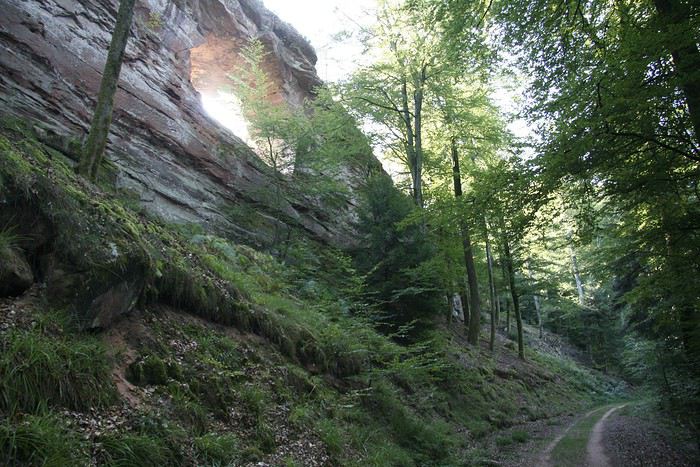
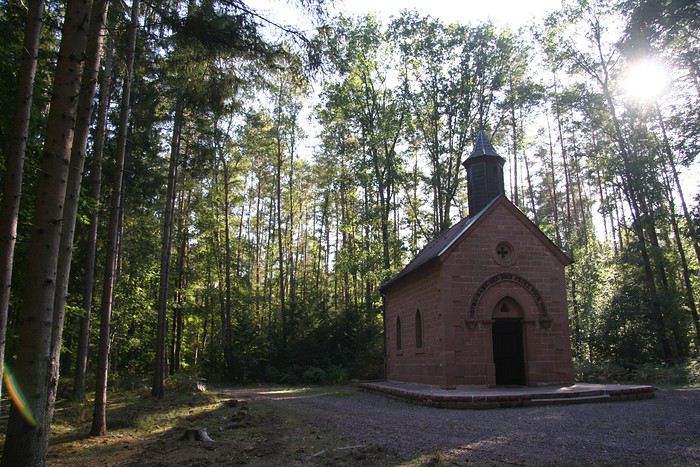
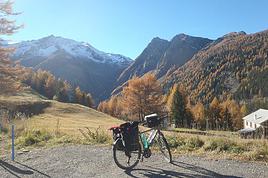
Hills border Alsace along its entire western frontier and also to the north. Countless hikes are possible in these low- and mid-altitude forests, where you can find chanterelles, sheep’s head mushrooms, and blueberries. Here’s a typical view taken above Wissembourg, near the Pigeonnier Pass: