Results for "Nouvelle-Calédonie+événement"
About 85,412 results.
More options
Many results are in French, the community’s main language. English translations are added over time.
Search results
Qu'est ce que l'occident?
C'est vrai ça c'est quoi l'occident comment le définiriez vous?
Est ce un niveau de vie, un mode de vie, une localisation géographique, une appartenance ethnique?
Ce qui m'a emmené à me demander cela c'est que je ne sais pas si l'Amèrique du sud, tel que Brésil, Argentine, Chili peut être associé à l'occident. Oui où non?
Ce qui m'a emmené à me demander cela c'est que je ne sais pas si l'Amèrique du sud, tel que Brésil, Argentine, Chili peut être associé à l'occident. Oui où non?
Corail vénimeux à Zanzibar
Rentrant d'un voyage à Zanzibar mon épouse s'est blessée au pouce du pied avec un morceau de corail sur la plage. Elle a nettoyé cette plaie qui avait du mal à guérir et au bout de quelques jours, des boutons sont apparus à plusieurs endroits. 15 jours après le médecin l'a envoyé à l'hôpital aux maladies infectieuses qui ont fait un prélèvement pour l'analyser mais ils ont avoué qu'ils s'interrogeaient. C'est en voyant des photos sur internet qu'on a vu que ces affreux boutons ressemblaient beaucoup aux siens. Donc on pense que c'est certainement à cause d'un corail. Elle n'a pas de fièvre mais c'est très douloureux en marchant ou quand la peau est tendue ou au touché près des boutons.
Est ce que quelqu'un d'entre vous a déjà eu ce problème et comment vous vous en êtes sorti.
merci pour votre aide
Londres avec carte d’identité périmée mais dans le délai d'extension de 5 ans
Bonjour,
Nous partons mon époux et moi-même pour un week-end à Londres dans 3 jours et venons de nous rendre compte que la carte d'identité de mon époux est périmée depuis le 18 juillet 2016. Nous allons faire une demande dès demain de nouvelle carte d'identité pour avoir une attestation. Nous voyagerons à l'aller avec British Airways et Easyjet pour le retour.
Est-ce que quelqu'un a vécu une expérience similaire à la mienne et est-ce que le dénouement est heureux ?
J'ai beau me balader sur les forums de discussions, je ne vois que des discussions sur de probables soucis au niveau des douanes, mais pas de personnes qui ont été refoulées. Beaucoup de personnes sont "passées" sans encombre, mais vu les récents événements au Royaume-Uni, je suis très stressée quant à ce problème.
Merci pour vos précieuses réponses.
Nous partons mon époux et moi-même pour un week-end à Londres dans 3 jours et venons de nous rendre compte que la carte d'identité de mon époux est périmée depuis le 18 juillet 2016. Nous allons faire une demande dès demain de nouvelle carte d'identité pour avoir une attestation. Nous voyagerons à l'aller avec British Airways et Easyjet pour le retour.
Est-ce que quelqu'un a vécu une expérience similaire à la mienne et est-ce que le dénouement est heureux ?
J'ai beau me balader sur les forums de discussions, je ne vois que des discussions sur de probables soucis au niveau des douanes, mais pas de personnes qui ont été refoulées. Beaucoup de personnes sont "passées" sans encombre, mais vu les récents événements au Royaume-Uni, je suis très stressée quant à ce problème.
Merci pour vos précieuses réponses.
Lesotho entièrement à pied
Hello
est ce que quelq'un a deja traversé le lesotho entierement a pied ?
je n'est jamais fait ce genre de truc mais je pense que c'est faisaible, les gens ont la reputation d'etre vraiment acceuillant pour peux que ca soit un contact naturelle et desinteressé, c'est un asser petit pays mais vraiment beau
a votre avis vous grand marcheur lol combien de semaine pour traver ce pays du sud au nord ?par ex en partant de la riviere Caledon, bifurquant sur le fleuve orange ensuite la chaine de montagne, la reserve nationale, ...
j'ai vraiment pas encore d'itineraire car ca reste encore du reve mais je comte bien traverser un coin d'Afrique entierement a pied facon africa trek lol az la fin de mes etudes...
Merci beaucoup de m'eclairer
Practical aspects spring 2026: border to Murmansk, to Pskov, SIM cards, internet.
I took a few days to get some fresh air outside the Schengen-NATO prison. Between March 18, 2026, and March 25, 2026, as shown by the passport stamps:
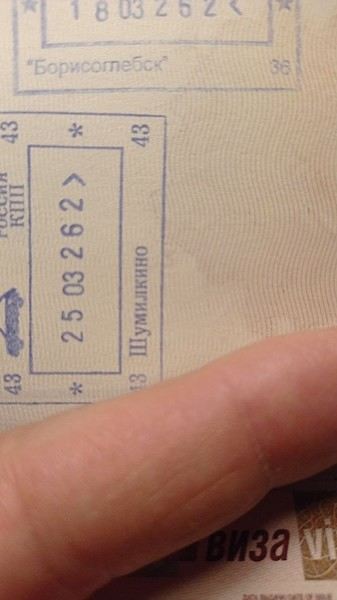
Borisoglebsk is the Russian border checkpoint after Kirkenes, on the road to Murmansk.
Kirkenes is a tiny town with a correspondingly small airport. Nothing has changed there: the minibuses to Murmansk wait on the right as you exit the airport. They’re synchronized with the two daily flights from Oslo—the SAS around 11:00 AM and Norwegian around 11:30 AM. They stop in Kirkenes at the corner of the Scandic for an hour, where other passengers can board, then head straight to the nearby border.
This is the least hassle Frontex/Schengen border. The Norwegian agent quickly scans your passport, and that’s it. No customs, since Norway is Schengen but not in the EU. On the Russian side, there’s a passport check and a quick customs inspection. All in all, crossing both the Norwegian and Russian checkpoints takes about 15 minutes.
A paper visa is required; e-visas aren’t accepted.
Two companies run the route: Avto Ekspress and Borodin: https://ae51.ru/routes/kirkenes-murmansk/ https://borodinbus.com/
The one-way fare is 5,500 ₽. You can either buy it online in rubles with a MIR card or make a formal reservation and pay in NOK cash to the driver. I took Borodin, and the price in NOK was much more expensive than in ₽.
=========================
On March 25, I left from Pskov via the Estonian border post at Luhaama. I spent three days in Murmansk, flew to St. Petersburg (SPB), stayed there for two days, then took an evening train to Pskov.
Since the end of February—and reportedly until the end of May—the Estonians have restricted the opening hours of the two border crossings near Pskov: Koidula (Pechory on the Russian side) and Luhaama (Izborsk on the Russian side). They’re closed at night between 7:00 PM and 7:00 AM. Right now, there’s a bus from Pskov at 7:00 AM to the border. It drops you off at the end of the road where truckers—many Kazakh and Serbian—are parked on the side. You finish the rest on foot to the barrier, where there’s a quick initial check for Ukrainian stamps in passports. Then you walk to the customs building, followed by passport control at the kiosk for motorists. After that, it’s a 500-meter walk to the Estonian checkpoint. At the moment, things seem calmer. Passport control is quick. The usual silly questions in English: "Where were you? Where are you going?" I just gave my most clueless smile: "Sorry, I don’t understand." Yeah, right—I don’t speak English, especially not at an Estonian border with a French passport. If they’re in a mood, though... A very quick bag inspection. Once you exit the Estonian post, walk to the bus stop sign by the road where another coach takes you to Riga.
The catch: in my case, last Wednesday, there were two passengers (Russians) with old Ukrainian stamps in their passports. The bus from the Estonian post to Riga was supposed to leave around 9:30 AM. We ended up leaving around noon after the two were grilled by the FSB. Since it was a weekday outside of holidays, the bus was half-empty. The fuller the bus and the more people with Ukrainian stamps, the worse the nightmare. Don’t book a same-day flight from Riga. I had a flight at 6:00 PM, so it worked out.
=============
The Kirkenes-Murmansk route is still clearly the easiest and fastest. But it’s not the most convenient since it’s way up north.
Next, I’d say the Gdansk-Kaliningrad route in the middle of the week. Avoid weekends and holiday departures/returns.
Avoid the Narva-Ivangorod route during Christmas, Easter, May 9, and *all* summer.
==============
About flights from Murmansk to St. Petersburg: prices are good. I bought my ticket the day before departure on Rossiya for 7,500 ₽, including 10 kg of luggage + a handbag.
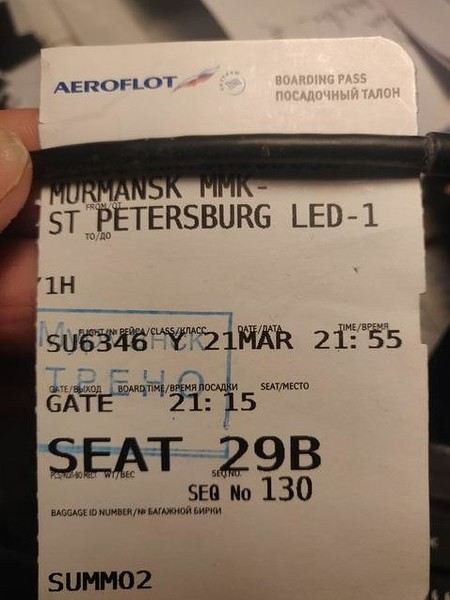
It’s the tail end of the northern lights season, and there were still crowds of Chinese tourists.
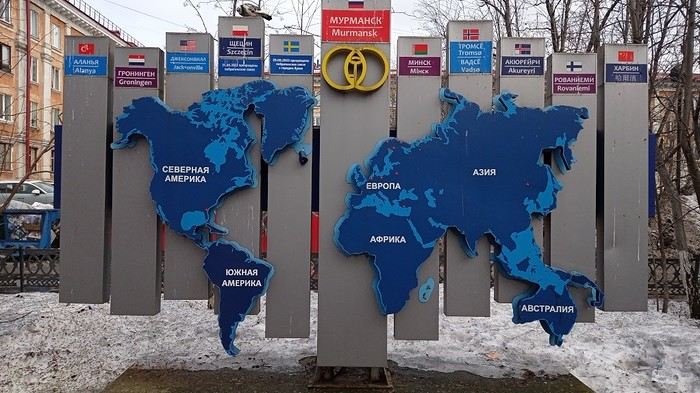
By the way, Murmansk is twinned with Harbin:
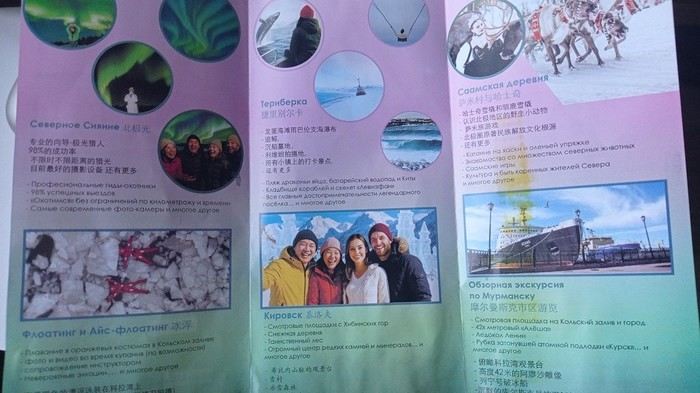
Chinese tourists are the largest foreign group, followed by Indians, then a mix of others from the Far East, Turks, Arabs, etc. Brochures are bilingual—Russian and Chinese:
============================
But let’s talk practical stuff. --
My domestic SIM card was restricted for SMS and internet for 24 hours. After that, if you want to keep using SMS, don’t turn off your phone—restarting triggers another 24-hour purgatory.
My Russian SIM cards (Megafon, MTS, Beeline) were activated as soon as I logged into their respective apps with my credentials.
Internet --
Telegram is heavily slowed down by authorities. To use it, you need to connect through proxy servers, which you load into the latest version of the app. Traffic is then rerouted internally within Telegram to servers outside Russia (Germany, Poland, Sweden, etc.). You can find these proxies on various channels. One is ChatVPN—check their website too.
For general internet use, like browsing the web, VPNs that work right now use the VLESS protocol. You can find several on Telegram by searching "VPN." A few free days, then payment in rubles or crypto.
Rozkomnadzor’s team are experts at this, so things can change. It’s a constant cat-and-mouse game.
Pskov is a special case. The city is near Estonia and has a large military base. Depending on NATO drone swarms launched from the Baltics, Wi-Fi can be completely suspended except for the most essential mobile apps. The drone swarms use the 4G network, and the powerful electronic jamming and drone suppression systems cause periods without Wi-Fi—including in hotels. Wired connections aren’t affected.
Borisoglebsk is the Russian border checkpoint after Kirkenes, on the road to Murmansk.
Kirkenes is a tiny town with a correspondingly small airport. Nothing has changed there: the minibuses to Murmansk wait on the right as you exit the airport. They’re synchronized with the two daily flights from Oslo—the SAS around 11:00 AM and Norwegian around 11:30 AM. They stop in Kirkenes at the corner of the Scandic for an hour, where other passengers can board, then head straight to the nearby border.
This is the least hassle Frontex/Schengen border. The Norwegian agent quickly scans your passport, and that’s it. No customs, since Norway is Schengen but not in the EU. On the Russian side, there’s a passport check and a quick customs inspection. All in all, crossing both the Norwegian and Russian checkpoints takes about 15 minutes.
A paper visa is required; e-visas aren’t accepted.
Two companies run the route: Avto Ekspress and Borodin: https://ae51.ru/routes/kirkenes-murmansk/ https://borodinbus.com/
The one-way fare is 5,500 ₽. You can either buy it online in rubles with a MIR card or make a formal reservation and pay in NOK cash to the driver. I took Borodin, and the price in NOK was much more expensive than in ₽.
=========================
On March 25, I left from Pskov via the Estonian border post at Luhaama. I spent three days in Murmansk, flew to St. Petersburg (SPB), stayed there for two days, then took an evening train to Pskov.
Since the end of February—and reportedly until the end of May—the Estonians have restricted the opening hours of the two border crossings near Pskov: Koidula (Pechory on the Russian side) and Luhaama (Izborsk on the Russian side). They’re closed at night between 7:00 PM and 7:00 AM. Right now, there’s a bus from Pskov at 7:00 AM to the border. It drops you off at the end of the road where truckers—many Kazakh and Serbian—are parked on the side. You finish the rest on foot to the barrier, where there’s a quick initial check for Ukrainian stamps in passports. Then you walk to the customs building, followed by passport control at the kiosk for motorists. After that, it’s a 500-meter walk to the Estonian checkpoint. At the moment, things seem calmer. Passport control is quick. The usual silly questions in English: "Where were you? Where are you going?" I just gave my most clueless smile: "Sorry, I don’t understand." Yeah, right—I don’t speak English, especially not at an Estonian border with a French passport. If they’re in a mood, though... A very quick bag inspection. Once you exit the Estonian post, walk to the bus stop sign by the road where another coach takes you to Riga.
The catch: in my case, last Wednesday, there were two passengers (Russians) with old Ukrainian stamps in their passports. The bus from the Estonian post to Riga was supposed to leave around 9:30 AM. We ended up leaving around noon after the two were grilled by the FSB. Since it was a weekday outside of holidays, the bus was half-empty. The fuller the bus and the more people with Ukrainian stamps, the worse the nightmare. Don’t book a same-day flight from Riga. I had a flight at 6:00 PM, so it worked out.
=============
The Kirkenes-Murmansk route is still clearly the easiest and fastest. But it’s not the most convenient since it’s way up north.
Next, I’d say the Gdansk-Kaliningrad route in the middle of the week. Avoid weekends and holiday departures/returns.
Avoid the Narva-Ivangorod route during Christmas, Easter, May 9, and *all* summer.
==============
About flights from Murmansk to St. Petersburg: prices are good. I bought my ticket the day before departure on Rossiya for 7,500 ₽, including 10 kg of luggage + a handbag.
It’s the tail end of the northern lights season, and there were still crowds of Chinese tourists.
By the way, Murmansk is twinned with Harbin:
Chinese tourists are the largest foreign group, followed by Indians, then a mix of others from the Far East, Turks, Arabs, etc. Brochures are bilingual—Russian and Chinese:
============================
But let’s talk practical stuff. --
My domestic SIM card was restricted for SMS and internet for 24 hours. After that, if you want to keep using SMS, don’t turn off your phone—restarting triggers another 24-hour purgatory.
My Russian SIM cards (Megafon, MTS, Beeline) were activated as soon as I logged into their respective apps with my credentials.
Internet --
Telegram is heavily slowed down by authorities. To use it, you need to connect through proxy servers, which you load into the latest version of the app. Traffic is then rerouted internally within Telegram to servers outside Russia (Germany, Poland, Sweden, etc.). You can find these proxies on various channels. One is ChatVPN—check their website too.
For general internet use, like browsing the web, VPNs that work right now use the VLESS protocol. You can find several on Telegram by searching "VPN." A few free days, then payment in rubles or crypto.
Rozkomnadzor’s team are experts at this, so things can change. It’s a constant cat-and-mouse game.
Pskov is a special case. The city is near Estonia and has a large military base. Depending on NATO drone swarms launched from the Baltics, Wi-Fi can be completely suspended except for the most essential mobile apps. The drone swarms use the 4G network, and the powerful electronic jamming and drone suppression systems cause periods without Wi-Fi—including in hotels. Wired connections aren’t affected.
Vivre au Lesotho
Mars 2013, je dis:
"Oui, on va le réaliser ton vieux rêve... "
Avril 2013, on se demande: "Où"? Camberra? Kuala Lumpur? Antananarivo?
Mai 2013, c'est décidé... Ce sera le Lesotho, pour 4 ans! C'est où le Lesotho déjà???
Juin 2013, une petite semaine au Lesotho pour prendre la température du pays (froide en ce mois dejuin) et ancrer cette réalité si évanescente encore (c'est là qu'on va vivre, 4 ans!)
Petit mari nous quitte le 1er septembre 2013 pour prendre ses nouvelles fonctions. Je reste seule en Belgique avec les 3 enfants ( 3, 3 et 6 ans), le temps d'organiser le déménagement, de trouver le bon endroit pour placer mon cheval pendant cette longue absence, de faire adopter le petit chat par Laurette (merci, merci!), de recruter un remplaçant pour mon boulot, de se dire mille fois "mais qu'est ce qu'on a fait? On est fou, avec 3 enfants...".
Le temps des larmes des amis de toujours (on se revoit vite, on ira vous voir, on se parle sur Skype, mettez des photos, donnez des nouvelles!!!!)
Le temps des inquiétudes de la famille et des dernières tentatives de retenue (vous êtes sûrs que ce n'est pas risqué? Tu peux encore faire marche arrière?... )
Le temps passe si vite, nous voilà déjà en décembre. Bruxelles-Paris, Paris-Johannesburg, Johannesburg-Maseru! Presque 24h de voyage.
Lesotho, nous voilà!

Avril 2013, on se demande: "Où"? Camberra? Kuala Lumpur? Antananarivo?
Mai 2013, c'est décidé... Ce sera le Lesotho, pour 4 ans! C'est où le Lesotho déjà???
Juin 2013, une petite semaine au Lesotho pour prendre la température du pays (froide en ce mois dejuin) et ancrer cette réalité si évanescente encore (c'est là qu'on va vivre, 4 ans!)
Petit mari nous quitte le 1er septembre 2013 pour prendre ses nouvelles fonctions. Je reste seule en Belgique avec les 3 enfants ( 3, 3 et 6 ans), le temps d'organiser le déménagement, de trouver le bon endroit pour placer mon cheval pendant cette longue absence, de faire adopter le petit chat par Laurette (merci, merci!), de recruter un remplaçant pour mon boulot, de se dire mille fois "mais qu'est ce qu'on a fait? On est fou, avec 3 enfants...".
Le temps des larmes des amis de toujours (on se revoit vite, on ira vous voir, on se parle sur Skype, mettez des photos, donnez des nouvelles!!!!)
Le temps des inquiétudes de la famille et des dernières tentatives de retenue (vous êtes sûrs que ce n'est pas risqué? Tu peux encore faire marche arrière?... )
Le temps passe si vite, nous voilà déjà en décembre. Bruxelles-Paris, Paris-Johannesburg, Johannesburg-Maseru! Presque 24h de voyage.
Lesotho, nous voilà!
Jiangxi, aux sources de la Révolution chinoise
Pour la fete nationale chinoise, et quelques jours apres le trentieme anniversaire de la mort du grand leader Mao Zedong, il fallait bien que je m'initie enfin aux joies du tourisme rouge et que je rehausse mon niveau ideologique qui avait eu tendance a chuter depuis quelques annees de vie shanghaienne. Une fois n'est pas coutume, je reste donc en Chine pour ces vacances d'octobre, ce qui est un excellent moyen de "rejoindre les larges masses".
J'ai donc pris hier un avion pour Nanchang, capitale de la province du Jiangxi, dans le sud-est du pays. Je n'avais pas prevu de commencer mon sejour en visitant la ville, et me suis donc rendu immediatement a la gare routiere, pour prendre un bus pour Jiujiang, au pied des monts Lushan. Ce fut un echec, une redoutable guerriere aux accents martiaux hurlant a qui voulait l'entendre qu'il n'y avait plus de place a bord des bus pour cette destination. Qu'a cela ne tienne, la gare ferroviaire n'etait pas tres loin, j'aurais sans doute plus de chance la-bas.
Il fut difficile de me frayer un chemin jusqu'a l'imposant edifice, encore plus difficile d'y entrer, mais j'ai malgre tout reussi a penetrer a l'interieur de l'immense salle ou se vendent les tickets. Quelques dizaines de milliers d'intrepides pionniers avaient apparemment eu la meme idee que moi, ce qui en ce jour de fete nationale n'est guere etonnant, et ma tentative ferroviaire se conclut donc elle aussi par un echec. Pas de train pour Jiujiang avant tard le soir. Qu'a cela ne tienne, la province est vaste, et les lieux de pelerinage revolutionnaire nombreux, et j'avais heureusement vaguement potasse une carte de la province avant de venir. J'ai donc achete un ticket pour Ji'an, deux heures et demie vers le sud.
J'ai profite du temps imparti pour avaler quelques raviolis en face de la gare, et admirer une serveuse qui portait un t-shirt sur lequel etait ecrit en gros et dans un francais sans faute "veux tu sortir avec moi?" Je suppose qu'il s'agit la d'une manifestation d'internationalisme proletarien et d'amitie entre les peuples, et ai pris cela pour un signe favorable. Un peu plus tard, un serveur est venu me faire la conversation et m'a rapidement dit qu'un des avantages de la Chine par rapport a la France, c'est qu'il y a un parti unique. "C'est plus efficace" me dit-il. Tres bien, j'etais donc sur la bonne voie.
J'ai fini par me re-engouffrer a l'interieur de la gare, ai attendu le train qui avait une heure de retard, et a l'issue d'un trajet sans encombre, suis arrive a Ji'an pour l'heure du diner. Un signe favorable supplementaire: j'ai fait le trajet assis a cote d'une fille originaire de Ruijin, petite ville revolutionnaire bien connue que je compte visiter prochainement.
Ville moche et sans interet, Ji'an n'etait pas autant animee que je l'aurais cru en ce soir de fete nationale. De surcroit, il me fut extraordinairement difficile de trouver un restaurant en centre ville, un fait plutot rare en Chine. Certes, un restaurant c'est une manifestation de confort bourgeois et ca represente donc tous les travers de la societe archaique dans laquelle la classe laborieuse se faisait - deja - exploiter par des consommateurs exploiteurs, mais bon, il faut bien prendre des forces quand meme avant de faire un pelerinage revolutionnaire.
J'ai donc pris hier un avion pour Nanchang, capitale de la province du Jiangxi, dans le sud-est du pays. Je n'avais pas prevu de commencer mon sejour en visitant la ville, et me suis donc rendu immediatement a la gare routiere, pour prendre un bus pour Jiujiang, au pied des monts Lushan. Ce fut un echec, une redoutable guerriere aux accents martiaux hurlant a qui voulait l'entendre qu'il n'y avait plus de place a bord des bus pour cette destination. Qu'a cela ne tienne, la gare ferroviaire n'etait pas tres loin, j'aurais sans doute plus de chance la-bas.
Il fut difficile de me frayer un chemin jusqu'a l'imposant edifice, encore plus difficile d'y entrer, mais j'ai malgre tout reussi a penetrer a l'interieur de l'immense salle ou se vendent les tickets. Quelques dizaines de milliers d'intrepides pionniers avaient apparemment eu la meme idee que moi, ce qui en ce jour de fete nationale n'est guere etonnant, et ma tentative ferroviaire se conclut donc elle aussi par un echec. Pas de train pour Jiujiang avant tard le soir. Qu'a cela ne tienne, la province est vaste, et les lieux de pelerinage revolutionnaire nombreux, et j'avais heureusement vaguement potasse une carte de la province avant de venir. J'ai donc achete un ticket pour Ji'an, deux heures et demie vers le sud.
J'ai profite du temps imparti pour avaler quelques raviolis en face de la gare, et admirer une serveuse qui portait un t-shirt sur lequel etait ecrit en gros et dans un francais sans faute "veux tu sortir avec moi?" Je suppose qu'il s'agit la d'une manifestation d'internationalisme proletarien et d'amitie entre les peuples, et ai pris cela pour un signe favorable. Un peu plus tard, un serveur est venu me faire la conversation et m'a rapidement dit qu'un des avantages de la Chine par rapport a la France, c'est qu'il y a un parti unique. "C'est plus efficace" me dit-il. Tres bien, j'etais donc sur la bonne voie.
J'ai fini par me re-engouffrer a l'interieur de la gare, ai attendu le train qui avait une heure de retard, et a l'issue d'un trajet sans encombre, suis arrive a Ji'an pour l'heure du diner. Un signe favorable supplementaire: j'ai fait le trajet assis a cote d'une fille originaire de Ruijin, petite ville revolutionnaire bien connue que je compte visiter prochainement.
Ville moche et sans interet, Ji'an n'etait pas autant animee que je l'aurais cru en ce soir de fete nationale. De surcroit, il me fut extraordinairement difficile de trouver un restaurant en centre ville, un fait plutot rare en Chine. Certes, un restaurant c'est une manifestation de confort bourgeois et ca represente donc tous les travers de la societe archaique dans laquelle la classe laborieuse se faisait - deja - exploiter par des consommateurs exploiteurs, mais bon, il faut bien prendre des forces quand meme avant de faire un pelerinage revolutionnaire.
Chemins et détours en Afrique du Sud
Bonjour,
Etant en attente de départ pour l'Afrique Australe et mon pays préféré, l'AFS...
Constatant que de nombreuses questions portent toujours sur les trajets et les routes en AFS...
Je me suis dit qu'un petit road-book qui donnerait quelques chemins et routes pour visiter ce pays ne serait pas inutile. Je m'en vais essayer de faire un peu le tour.
Bien évidemment, mon opinion ne fait pas (et de loin) force de loi...c'est juste pour donner des idées...
Ce sont des routes que j'ai prises...
Un exemple de Nationale, 4 voies (aux alentours de Joburg), attention aux radars.

Un exemple de grande route:

De moins grande route
Et un exemple de route de campagne

Et la taille en dessous

La bande jaune...
Ce n'est pas la voie d'arrêt d'urgence comme en France. C'est une voie sur laquelle on roule pour faciliter le passage de celui qui veut vous dépasser.
Certains véhicules, comme les autocars, n'ont pas le droit de chevaucher cet espace.
Un véhicule lent, ou plus lent que vous va donc se ranger sur cette voie. Vous dépassez et vous remerciez en mettant vos warnings quelques secondes.
Si des forumeurs veulent y contribuer, ce serait avec grand plaisir.
De Tambo (l'aéroprt d'arrivée) la route emmène souvent les voyageurs vers le Krüger (et / les réserves privées adjacentes).
2 points principaux, au sud Nelspruit. C'est une ville qui n'a pas beaucoup d'intérêt, c'est surtout un lieu de passage, soit comme porte d'entrée soit pour remonter vers le Nord. A noter l'aéroport de Nelspruit, le Mpumalunga international airport, qui peut relier ce coin à Cape Town.
OR Tambo / Nelspruit . C'est de la grande route.
www.google.fr/...694163!2d-25.4752984
L'autre point, plus au Nord, Hoedspruit. Petite bourgade, aux portes de Timbavati et du Krüger. Là c'est au sud que l'on retrouvera la Blyde River. La route passe par Dulstroom qui peut faire l'objet d'un arrêt dicté par la fatigue ou par son estomac. Dulstroom, c'est plutôt frisquet en hiver. Son intérêt en plus de la pause...la pêche à la truite.
OR Tambo / Hoedspruit . La route est bien moins fréquentée et plus "campagnarde", Les paysages changent et valent le coup. A priori on passe par la Long Tom Pass.
www.google.fr/...9732917!2d-24.346139
Une petite carte pour visualiser les routes du petit Drakensberg et...ses Falls, les Bourkes Potholes, la Blyde, les Three Rondavels, God's windows. Il faut quelquefois avoir un peu de chance avec la météo...il peut y avoir des nuages et...des nuages. Beaucoup, beaucoup de haltes possibles dans ce coin...Des pauses à Sabie, White River, Hazyview, Graskop pour la nuit.
Un exemple de route de Hoedspruit vers le petit Drakensberg.

Pour ma part, Pilgrim's rest est une "attraction" peu intéressante.

De ces points, on trouve plusieurs portes d'entrées pour le Krüger. Krüger gate, Numbi gate, Orpen gate. Les portes d'entrées des réserves de Sabie et de Timbavati également.
Etant en attente de départ pour l'Afrique Australe et mon pays préféré, l'AFS...
Constatant que de nombreuses questions portent toujours sur les trajets et les routes en AFS...
Je me suis dit qu'un petit road-book qui donnerait quelques chemins et routes pour visiter ce pays ne serait pas inutile. Je m'en vais essayer de faire un peu le tour.
Bien évidemment, mon opinion ne fait pas (et de loin) force de loi...c'est juste pour donner des idées...
Ce sont des routes que j'ai prises...
Un exemple de Nationale, 4 voies (aux alentours de Joburg), attention aux radars.
Un exemple de grande route:
De moins grande route
Et un exemple de route de campagne
Et la taille en dessous
La bande jaune...
Ce n'est pas la voie d'arrêt d'urgence comme en France. C'est une voie sur laquelle on roule pour faciliter le passage de celui qui veut vous dépasser.
Certains véhicules, comme les autocars, n'ont pas le droit de chevaucher cet espace.
Un véhicule lent, ou plus lent que vous va donc se ranger sur cette voie. Vous dépassez et vous remerciez en mettant vos warnings quelques secondes.
Si des forumeurs veulent y contribuer, ce serait avec grand plaisir.
De Tambo (l'aéroprt d'arrivée) la route emmène souvent les voyageurs vers le Krüger (et / les réserves privées adjacentes).
2 points principaux, au sud Nelspruit. C'est une ville qui n'a pas beaucoup d'intérêt, c'est surtout un lieu de passage, soit comme porte d'entrée soit pour remonter vers le Nord. A noter l'aéroport de Nelspruit, le Mpumalunga international airport, qui peut relier ce coin à Cape Town.
OR Tambo / Nelspruit . C'est de la grande route.
www.google.fr/...694163!2d-25.4752984
L'autre point, plus au Nord, Hoedspruit. Petite bourgade, aux portes de Timbavati et du Krüger. Là c'est au sud que l'on retrouvera la Blyde River. La route passe par Dulstroom qui peut faire l'objet d'un arrêt dicté par la fatigue ou par son estomac. Dulstroom, c'est plutôt frisquet en hiver. Son intérêt en plus de la pause...la pêche à la truite.
OR Tambo / Hoedspruit . La route est bien moins fréquentée et plus "campagnarde", Les paysages changent et valent le coup. A priori on passe par la Long Tom Pass.
www.google.fr/...9732917!2d-24.346139
Une petite carte pour visualiser les routes du petit Drakensberg et...ses Falls, les Bourkes Potholes, la Blyde, les Three Rondavels, God's windows. Il faut quelquefois avoir un peu de chance avec la météo...il peut y avoir des nuages et...des nuages. Beaucoup, beaucoup de haltes possibles dans ce coin...Des pauses à Sabie, White River, Hazyview, Graskop pour la nuit.
Un exemple de route de Hoedspruit vers le petit Drakensberg.
Pour ma part, Pilgrim's rest est une "attraction" peu intéressante.
De ces points, on trouve plusieurs portes d'entrées pour le Krüger. Krüger gate, Numbi gate, Orpen gate. Les portes d'entrées des réserves de Sabie et de Timbavati également.
An 80-Day Tour of Southern Africa
An 80-Day Tour of Southern Africa
Back in South Africa
January 12, 2013, 5:30 AM, Flight BA043 London-Cape Town
Directly below, Windhoek glittered like a tangle of fairy lights still lit and tossed into a box.
The horizon, edged in purple, was setting up a backup fireworks display, and suddenly, like a cherry on the platter and with unbearable intensity, in less than two minutes the entire sun revealed a gray dam and then a vast, untouched massif.
A few more minutes and the glare to the east of the plane was total. In Africa, the sun is swift.
We still had a France to cross before landing, but it felt as if we were already there. To the west, the raking light revealed what looked like acne and long, swollen scars in a desert region that might be the Swartkloofberg. Further still, straight as far as the eye could see, the two parallel tracks of a dirt road.
At 11,500 meters altitude and 940 km/h, we had a sense of stillness until the Orange River appeared, an incongruous serpent, gray edged with green.
The first South African settlements were dotted with trees providing shade, then rivers highlighted by continuous lines of vegetation.
Water and shade that make life possible.
We’ll return here by the backroads.
Half an hour from Cape Town, the plane tilted toward the sea, crossing plantations (likely citrus) and then an explosion of cultivated greenery in circles on either side of an unruly river. Finally, the coastline was no longer just sand and water—a frothy hem, a suture?
A peninsula came into view, forming two magnificent bays, and... a flight attendant firmly instructed me to return to my seat: we’d arrived!
The Colors of Cape Town
The city was dressed up as I like them—deserted, fluid, free of its vendors.
In the parking lot of the endless beach next to the commercial port north of the city, about two hundred people were unloading their goods in front of their pickups or combis, none of which were from this century: mixed-race, ageless Black people, and white folks who looked like they’d stepped out of another era.
After a few minutes, intrigued, I played a game: first looking at the merchandise, then imagining who was selling it, and finally looking at who was actually manning the stall. Tall Black vendors were selling what they often sell in Europe—leather, sunglasses, watches; mixed-race folks offered discount bundles, and the tanned older white people seemed to have emptied their attics.
We left with an antique tin kettle for morning tea over an open fire, a pack of five exercise books (that’s 600 pages to fill), Bill Bryson’s earliest stories in English, some snoek rillettes (a local fish), and—never seen before—tuna biltong and snoek biltong.
In so-called advanced countries, Sunday is for sports: white cyclists dressed like pros sweating diligently, Black street vendors running in loops at red lights to sell trash bags that day; white golfers losing their balls, which a scantily clad Black man retrieves from the water; under the sails of kite surf boards, it’s all blondes, and in the foam, joyful splashes from a bunch of Black kids.
Searching for an unusual spot for lunch, we drove through the fishing port looking for a dive and, at the end of a dead-end road with no warning, we arrived at the Shimmy Beach Club—quite the program.
The place, open for just three weeks, aims to be ultra-trendy. You could be in San Francisco, Lisbon’s docks, or St. Barth. This time, the "visible" staff was diverse, but the clientele was exclusively white, except for one mixed-race couple.
For this Sunday lunch, the women had pulled out all the stops, and local starlets—who’d make ours look tame—were turning the terrace into a frenzy.
At Cape Town’s port, the girls have *port*. The trend seems to be crochet dresses over swimsuits.
For two hours, a team of employees watered and raked the sand, starting over when they finished. A child in a floaty pink dress and a gold headband, but a future adventurer, stepped onto the freshly raked artificial beach sand for the first time.
A lanky mixed-race man dragged a hose across the ground, followed by a white woman—enchanted?—who then started watering the sand herself, carelessly splashing the glass terrace her colleague had just swept. I suspect a tacit work arrangement to keep everyone employed.
A galleon packed with tourists (are there any in the hold? Does it take tourists to Robben Island?) left the port. A helicopter took off in its wake. Trawlers returned, cutting through a ballet of catamarans, their waterlines well above the water: a bad catch.
If there’s one country where you can’t pretend to ignore skin color, it’s this one. The question is in everyone’s mind, and here more than anywhere else, it’s a decisive economic and political factor.
Columbine of Brittany
200 km north of Cape Town and 9,000 km south of the Breton coast, but on the same cold ocean, we camped on the shore of the Columbine Cape Nature Reserve, sheltered by a rocky chaos that, at first light tomorrow, would transport us to Perros-Guirec.
Our first encounter with wild animals wouldn’t end well for them: it was crayfish season, and they were the size of lobsters at Lorient’s fish market. Bought for R60 (5.5 €) a pair from kids in Pater Noster, they’d end up between two rocks, over a fire. But first, we had to pair the Chenin blanc with some snoek biltong.
With no wood, I lit a fire at dawn with dried seaweed and kelp, as if petrified; it gave off a smell of court-bouillon and... tires. Two hundred fathoms away, on an outpost, an army of cormorants stood at attention, unmoved among the frolicking seals.
At the reserve’s exit, the guard spoke French; Patrick Mwanba had arrived from Congo three years earlier to study, but the cost of living here forced him to drop out. He’d like to return home because life is cheaper there, but the war made him hesitate.
Ding ding dong! Vroom! Arf arf, Woof! Buzz! (A night from hell!)
I’d long planned to visit Calvinia, the center of a region known for extensive sheep farming. An excellent provincial museum, run by an enthusiastic curator, kept us too late to start the drive north.
So we camped in a tiny, charming campsite set up in the garden of a house. A few trees, a patch of resilient grass, and a view of a pretty lit-up steeple—what else?
Well, it turned out to be a sound-and-light show, with the pretty steeple chiming the hours and half-hours. Then suddenly, we were in the VIP stands of the Karoo-Kalahari Truck Race: roaring trucks paraded under our canvas windows, and we realized we were on the main road through town. To top it off, we enjoyed an uninterrupted canine cacophony, from the *arf arf* of little dogs to the *woof* of a mastiff. Oh, and some mosquitoes—the first ones—insisted on keeping us company in the tent, and we hadn’t yet bought the arsenal to neutralize them.
I walked through Calvinia at night; the house gardens weren’t fenced, nor did they have the «Armed Response» signs so common in the country.
The Kalahari Trails
(No, no, I haven’t converted to hiking.)
North of Calvinia, in the south of the Northern Cape, small towns follow one another up to Upington, about a hundred kilometers apart—welcome havens. Between them, with no trees in sight, we stopped in the shade of a motionless cloud: the temperature exceeded 40°C in mid-January.
We were almost out of the High Karoo and into a region of pans drying up, until the first red dunes appeared, precursors of the Kalahari. In the sparse veld vegetation, gatherings of quiver trees in the kopjes, and a caravan of camels without a handler or packs, marching in perfect formation across a pan (no, I hadn’t overdone the Windhoek at the last stop, and no, I wasn’t dehydrated enough to hallucinate).
The historic part of these towns, European in style, was built on the same plans as those in the American Midwest or the Australian Outback: a grid of streets wide enough to turn a wagon pulled by eight pairs of oxen. The architecture was Dutch-inspired, tropicalized with awnings.
Then came more recent housing, functional in style, where the wealthier mixed-race people—who make up the majority of this state—lived, and further on, the township, an assemblage of corrugated iron and plastic, like everywhere else.
Orange, Right Bank
North of Augrabies Falls National Park, on the other side of the Orange River, stretches a rugged and wild territory the size of fifty Groix islands, crisscrossed by a few tracks—the Riemvasmaak.
The inhabitants were driven out half a century ago for a military base, and as soon as President Mandela was elected, he made it a symbol by allowing the exiled populations to return. Several ethnic groups live here on almost nothing, in government-built shacks.
A community camp is set up in a small cirque at the end of a canyon that, while not in the history books, offers a good descent. By mid-afternoon, the air was at 44°C, but luckily there was a spring... except it was a hot spring, with water at 38°C. And they haven’t invented a reversible spring yet. Once the birds and baboons had settled in, in absolute silence and far from any light pollution, we enjoyed the stars like nowhere else (well, that’s what they claim in the region).
The Orange didn’t choose the easy path: arriving from Lesotho, it was almost at the ocean. The terrain to the south and north of this massif seemed easier to cross. Was it to avoid the curse of the Okavango, whose waters disappear into the sands without ever seeing the sea, that it chose this rocky route, thinking that at least the granite wouldn’t steal its water?
I Love You, I Eat You
In the dry bed of the Auob, it lay panting, head raised, alert, between its paws but head-to-tail, a tawny springbok, motionless.
A few minutes earlier, their story had been written in a lightning-fast chase, captured in photos by the driver of the car that alerted us.
It would be a long time before it started eating at the groin without breaking its surveillance.
Earlier, there was a lion lounging in the shade and hundreds of antelopes: springboks and gemsboks (oryx) in herds, hartebeests and steenboks alone. Strange pairs, apart several times, formed by a springbok and a gemsbok.
A few solitary jackals moved slightly sideways, looking furtive. Ostriches, alone, looking a bit dazed.
It was a lucky morning in the Kgalagadi (KTP).
In and Out
Kgalagadi, Nossob Camp.
We were at the very end of the almost-empty camp, ten meters from the fence, whose structure wouldn’t resist an elephant (though there aren’t any here), but it was electrified.
At dusk, on the other side, ten meters away, three lions passed in a row, as if on parade, seemingly focused on their goal and indifferent to the camp, though they glanced at it.
A jackal had gotten into the camp and was trying to get out without success while scavenging. I offered it two pieces of snoek biltong (Don’t feed the animals!) from three meters away—it smelled strong and had bones (bones in biltong!). When it passed by again, it sniffed but didn’t dare approach. Curled up in the chair, motionless, by the faint moonlight, I finally saw it come closer, grab the nearest piece, and move ten meters away to enjoy it (how many jackals know the finer points of sea biltong?). A little reassured, it came back for the second piece.
Another Morning
By morning, the jackal was gone, but our luck hadn’t left us. Two cheetahs again, who found me in the way and slowly moved toward a calmer shadow. Enough birds of prey to form a squadron, but they’re solitary hunters. Two ostriches busy with their dozen unruly chicks. And while we’re at it, a group of four Kalahari lions, sprawled under a thorny bush. Lots of oryx crossing the dunes and herds of red hartebeest. Kori bustards and secretary birds.
It was the first time the Kgalagadi had spoiled us so much.
Back in South Africa
January 12, 2013, 5:30 AM, Flight BA043 London-Cape Town
Directly below, Windhoek glittered like a tangle of fairy lights still lit and tossed into a box.
The horizon, edged in purple, was setting up a backup fireworks display, and suddenly, like a cherry on the platter and with unbearable intensity, in less than two minutes the entire sun revealed a gray dam and then a vast, untouched massif.
A few more minutes and the glare to the east of the plane was total. In Africa, the sun is swift.
We still had a France to cross before landing, but it felt as if we were already there. To the west, the raking light revealed what looked like acne and long, swollen scars in a desert region that might be the Swartkloofberg. Further still, straight as far as the eye could see, the two parallel tracks of a dirt road.
At 11,500 meters altitude and 940 km/h, we had a sense of stillness until the Orange River appeared, an incongruous serpent, gray edged with green.
The first South African settlements were dotted with trees providing shade, then rivers highlighted by continuous lines of vegetation.
Water and shade that make life possible.
We’ll return here by the backroads.
Half an hour from Cape Town, the plane tilted toward the sea, crossing plantations (likely citrus) and then an explosion of cultivated greenery in circles on either side of an unruly river. Finally, the coastline was no longer just sand and water—a frothy hem, a suture?
A peninsula came into view, forming two magnificent bays, and... a flight attendant firmly instructed me to return to my seat: we’d arrived!
The Colors of Cape Town
The city was dressed up as I like them—deserted, fluid, free of its vendors.
In the parking lot of the endless beach next to the commercial port north of the city, about two hundred people were unloading their goods in front of their pickups or combis, none of which were from this century: mixed-race, ageless Black people, and white folks who looked like they’d stepped out of another era.
After a few minutes, intrigued, I played a game: first looking at the merchandise, then imagining who was selling it, and finally looking at who was actually manning the stall. Tall Black vendors were selling what they often sell in Europe—leather, sunglasses, watches; mixed-race folks offered discount bundles, and the tanned older white people seemed to have emptied their attics.
We left with an antique tin kettle for morning tea over an open fire, a pack of five exercise books (that’s 600 pages to fill), Bill Bryson’s earliest stories in English, some snoek rillettes (a local fish), and—never seen before—tuna biltong and snoek biltong.
In so-called advanced countries, Sunday is for sports: white cyclists dressed like pros sweating diligently, Black street vendors running in loops at red lights to sell trash bags that day; white golfers losing their balls, which a scantily clad Black man retrieves from the water; under the sails of kite surf boards, it’s all blondes, and in the foam, joyful splashes from a bunch of Black kids.
Searching for an unusual spot for lunch, we drove through the fishing port looking for a dive and, at the end of a dead-end road with no warning, we arrived at the Shimmy Beach Club—quite the program.
The place, open for just three weeks, aims to be ultra-trendy. You could be in San Francisco, Lisbon’s docks, or St. Barth. This time, the "visible" staff was diverse, but the clientele was exclusively white, except for one mixed-race couple.
For this Sunday lunch, the women had pulled out all the stops, and local starlets—who’d make ours look tame—were turning the terrace into a frenzy.
At Cape Town’s port, the girls have *port*. The trend seems to be crochet dresses over swimsuits.
For two hours, a team of employees watered and raked the sand, starting over when they finished. A child in a floaty pink dress and a gold headband, but a future adventurer, stepped onto the freshly raked artificial beach sand for the first time.
A lanky mixed-race man dragged a hose across the ground, followed by a white woman—enchanted?—who then started watering the sand herself, carelessly splashing the glass terrace her colleague had just swept. I suspect a tacit work arrangement to keep everyone employed.
A galleon packed with tourists (are there any in the hold? Does it take tourists to Robben Island?) left the port. A helicopter took off in its wake. Trawlers returned, cutting through a ballet of catamarans, their waterlines well above the water: a bad catch.
If there’s one country where you can’t pretend to ignore skin color, it’s this one. The question is in everyone’s mind, and here more than anywhere else, it’s a decisive economic and political factor.
Columbine of Brittany
200 km north of Cape Town and 9,000 km south of the Breton coast, but on the same cold ocean, we camped on the shore of the Columbine Cape Nature Reserve, sheltered by a rocky chaos that, at first light tomorrow, would transport us to Perros-Guirec.
Our first encounter with wild animals wouldn’t end well for them: it was crayfish season, and they were the size of lobsters at Lorient’s fish market. Bought for R60 (5.5 €) a pair from kids in Pater Noster, they’d end up between two rocks, over a fire. But first, we had to pair the Chenin blanc with some snoek biltong.
With no wood, I lit a fire at dawn with dried seaweed and kelp, as if petrified; it gave off a smell of court-bouillon and... tires. Two hundred fathoms away, on an outpost, an army of cormorants stood at attention, unmoved among the frolicking seals.
At the reserve’s exit, the guard spoke French; Patrick Mwanba had arrived from Congo three years earlier to study, but the cost of living here forced him to drop out. He’d like to return home because life is cheaper there, but the war made him hesitate.
Ding ding dong! Vroom! Arf arf, Woof! Buzz! (A night from hell!)
I’d long planned to visit Calvinia, the center of a region known for extensive sheep farming. An excellent provincial museum, run by an enthusiastic curator, kept us too late to start the drive north.
So we camped in a tiny, charming campsite set up in the garden of a house. A few trees, a patch of resilient grass, and a view of a pretty lit-up steeple—what else?
Well, it turned out to be a sound-and-light show, with the pretty steeple chiming the hours and half-hours. Then suddenly, we were in the VIP stands of the Karoo-Kalahari Truck Race: roaring trucks paraded under our canvas windows, and we realized we were on the main road through town. To top it off, we enjoyed an uninterrupted canine cacophony, from the *arf arf* of little dogs to the *woof* of a mastiff. Oh, and some mosquitoes—the first ones—insisted on keeping us company in the tent, and we hadn’t yet bought the arsenal to neutralize them.
I walked through Calvinia at night; the house gardens weren’t fenced, nor did they have the «Armed Response» signs so common in the country.
The Kalahari Trails
(No, no, I haven’t converted to hiking.)
North of Calvinia, in the south of the Northern Cape, small towns follow one another up to Upington, about a hundred kilometers apart—welcome havens. Between them, with no trees in sight, we stopped in the shade of a motionless cloud: the temperature exceeded 40°C in mid-January.
We were almost out of the High Karoo and into a region of pans drying up, until the first red dunes appeared, precursors of the Kalahari. In the sparse veld vegetation, gatherings of quiver trees in the kopjes, and a caravan of camels without a handler or packs, marching in perfect formation across a pan (no, I hadn’t overdone the Windhoek at the last stop, and no, I wasn’t dehydrated enough to hallucinate).
The historic part of these towns, European in style, was built on the same plans as those in the American Midwest or the Australian Outback: a grid of streets wide enough to turn a wagon pulled by eight pairs of oxen. The architecture was Dutch-inspired, tropicalized with awnings.
Then came more recent housing, functional in style, where the wealthier mixed-race people—who make up the majority of this state—lived, and further on, the township, an assemblage of corrugated iron and plastic, like everywhere else.
Orange, Right Bank
North of Augrabies Falls National Park, on the other side of the Orange River, stretches a rugged and wild territory the size of fifty Groix islands, crisscrossed by a few tracks—the Riemvasmaak.
The inhabitants were driven out half a century ago for a military base, and as soon as President Mandela was elected, he made it a symbol by allowing the exiled populations to return. Several ethnic groups live here on almost nothing, in government-built shacks.
A community camp is set up in a small cirque at the end of a canyon that, while not in the history books, offers a good descent. By mid-afternoon, the air was at 44°C, but luckily there was a spring... except it was a hot spring, with water at 38°C. And they haven’t invented a reversible spring yet. Once the birds and baboons had settled in, in absolute silence and far from any light pollution, we enjoyed the stars like nowhere else (well, that’s what they claim in the region).
The Orange didn’t choose the easy path: arriving from Lesotho, it was almost at the ocean. The terrain to the south and north of this massif seemed easier to cross. Was it to avoid the curse of the Okavango, whose waters disappear into the sands without ever seeing the sea, that it chose this rocky route, thinking that at least the granite wouldn’t steal its water?
I Love You, I Eat You
In the dry bed of the Auob, it lay panting, head raised, alert, between its paws but head-to-tail, a tawny springbok, motionless.
A few minutes earlier, their story had been written in a lightning-fast chase, captured in photos by the driver of the car that alerted us.
It would be a long time before it started eating at the groin without breaking its surveillance.
Earlier, there was a lion lounging in the shade and hundreds of antelopes: springboks and gemsboks (oryx) in herds, hartebeests and steenboks alone. Strange pairs, apart several times, formed by a springbok and a gemsbok.
A few solitary jackals moved slightly sideways, looking furtive. Ostriches, alone, looking a bit dazed.
It was a lucky morning in the Kgalagadi (KTP).
In and Out
Kgalagadi, Nossob Camp.
We were at the very end of the almost-empty camp, ten meters from the fence, whose structure wouldn’t resist an elephant (though there aren’t any here), but it was electrified.
At dusk, on the other side, ten meters away, three lions passed in a row, as if on parade, seemingly focused on their goal and indifferent to the camp, though they glanced at it.
A jackal had gotten into the camp and was trying to get out without success while scavenging. I offered it two pieces of snoek biltong (Don’t feed the animals!) from three meters away—it smelled strong and had bones (bones in biltong!). When it passed by again, it sniffed but didn’t dare approach. Curled up in the chair, motionless, by the faint moonlight, I finally saw it come closer, grab the nearest piece, and move ten meters away to enjoy it (how many jackals know the finer points of sea biltong?). A little reassured, it came back for the second piece.
Another Morning
By morning, the jackal was gone, but our luck hadn’t left us. Two cheetahs again, who found me in the way and slowly moved toward a calmer shadow. Enough birds of prey to form a squadron, but they’re solitary hunters. Two ostriches busy with their dozen unruly chicks. And while we’re at it, a group of four Kalahari lions, sprawled under a thorny bush. Lots of oryx crossing the dunes and herds of red hartebeest. Kori bustards and secretary birds.
It was the first time the Kgalagadi had spoiled us so much.
Discussions sur le thème du mois de juillet 2019: "Le vin dans le monde"
Ici le fil de discussion autour du thème du mois, commentaires, questions et photos Off...
Retour au concours ici : https://voyageforum.com/v.f?post=9688856;
Retour au concours ici : https://voyageforum.com/v.f?post=9688856;
Working in early childhood in New Caledonia
Hi everyone!
I’m looking for information about jobs in early childhood in New Caledonia. I’m currently a childminder in a MAM (multi-accueil) and I’ve also worked for about 6 years in several daycare centers as a childcare assistant. In the summer of 2026, my husband is being transferred to New Caledonia. We’ll be living near Nouméa. Do you know if the early childhood sector is a good field for jobs there? Can’t wait to discover this island! Right now, we’re in the middle of all the administrative paperwork for our 3 kids, finding housing, bringing our cat to the territory, and so on! Thanks for your feedback!!
I’m looking for information about jobs in early childhood in New Caledonia. I’m currently a childminder in a MAM (multi-accueil) and I’ve also worked for about 6 years in several daycare centers as a childcare assistant. In the summer of 2026, my husband is being transferred to New Caledonia. We’ll be living near Nouméa. Do you know if the early childhood sector is a good field for jobs there? Can’t wait to discover this island! Right now, we’re in the middle of all the administrative paperwork for our 3 kids, finding housing, bringing our cat to the territory, and so on! Thanks for your feedback!!
Gift for New Caledonia
Hi there,
A friend who lives in Nouméa just had a baby. I’d like to send her a gift card or a present, but I don’t know which websites deliver to Nouméa. Could someone point me in the right direction, please?
Thanks so much!
Bateau de Papeete à Nouméa
Bonjour,
Une amie habitant Papeete, cherche une place sur un voilier (ou tout autre navire) partant de Papeete à Nouméa, à partir du mois de novembre 2020.
Merci de votre réponse.
Yann
Recherche Eri Siuli en Nouvelle-Calédonie - Wallis?
Bonjour à tous,
je lance une recherche pour mon conjoint. Polynésien, il était parachustiste basé à Toulouse au début des années 2000. Il a eu un fils en 2003 avec une jeune engagée walisienne, mais ils ne sont pas restés ensemble. Après la naissance de son fils qui s'appelle Eric, la maman lui avait transmis des photos et une adresse qu'il s'est fait volé. Depuis il a perdu tout contact. Il cherche aujourd'hui à retrouver son fils qui a aujourd'hui 17 ans. La maman s'appelle Eri Siu ou Eri Siuli, il pense qu'elle est en nouvelle calédonie... Si jamais cela vous dit quelque chose, n'hésitez pas à me contacter.
Merci beaucoup. Stéphanie
je lance une recherche pour mon conjoint. Polynésien, il était parachustiste basé à Toulouse au début des années 2000. Il a eu un fils en 2003 avec une jeune engagée walisienne, mais ils ne sont pas restés ensemble. Après la naissance de son fils qui s'appelle Eric, la maman lui avait transmis des photos et une adresse qu'il s'est fait volé. Depuis il a perdu tout contact. Il cherche aujourd'hui à retrouver son fils qui a aujourd'hui 17 ans. La maman s'appelle Eri Siu ou Eri Siuli, il pense qu'elle est en nouvelle calédonie... Si jamais cela vous dit quelque chose, n'hésitez pas à me contacter.
Merci beaucoup. Stéphanie
Deux semaines en Nouvelle-Calédonie en octobre
2 semaines en Nouvelle Calédonie en octobre
Bons spots pour faire du snorkeling en Nouvelle-Calédonie
Bonjour à tous,
Je suis à la recherche de bons spots pour faire du snorkeling en NC, autre que ce que l'on trouve en cherchant sur internet (îles des pins et compagnie ...) et sans passer par les professionnels. Même des petits endroits perdus je suis preneuse.
Merci d'avance et bonne journée!
Je suis à la recherche de bons spots pour faire du snorkeling en NC, autre que ce que l'on trouve en cherchant sur internet (îles des pins et compagnie ...) et sans passer par les professionnels. Même des petits endroits perdus je suis preneuse.
Merci d'avance et bonne journée!
Séjour 8 nuits / 9 jours en voiture en Nouvelle-Calédonie (île des Pins - Nouméa)
Bonjour
Je suis en train de planifier un voyage en Nouvelle Calédonie pour le mois de mai.
Nous aurons 8 jours plein sur place - c'est 9 jours en réalité mais je ne compte pas le 1er jour dans la mesure ou nous arriverons a Tontouta a 23h juste a temps pour prendre une voiture de location et nous rendre a notre hôtel. Je compte cependant le dernier jour puisque nous prendrons l'avion tard dans la nuit (après minuit).
Nous pensons louer une voiture pour explorer Grande Terre et on nous a recommandé de passer quelques jours sur l'Ile des Pins. Nous sommes généralement très actifs (rando, plongée, visites) mais voulons aussi nous reposer au bord de la plage etc.
Je me pose plein de questions et je me demandais si vous auriez la gentillesse de bien vouloir m'aider svp: - combien de temps passer sur l'Ile des Pins? Quand y aller (début ou fin de séjour)? - sera-t-il possible de laisser des bagages a Nouméa vue les limitations de bagages imposées par Air Calédonie (12kg) ? - combien de temps passer a visiter Nouméa? 1 journée pleine est-elle suffisante? - quels itinéraire pour notre visite de Grande Terre excl. Nouméa?
Nous avons tendance a vouloir trop en faire pendant les vacances et je voudrais éviter de repartir de la Nouvelle Calédonie avec l'impression d'avoir tout fait a 100 a l'heure ;)
Merci d'avance!
Je suis en train de planifier un voyage en Nouvelle Calédonie pour le mois de mai.
Nous aurons 8 jours plein sur place - c'est 9 jours en réalité mais je ne compte pas le 1er jour dans la mesure ou nous arriverons a Tontouta a 23h juste a temps pour prendre une voiture de location et nous rendre a notre hôtel. Je compte cependant le dernier jour puisque nous prendrons l'avion tard dans la nuit (après minuit).
Nous pensons louer une voiture pour explorer Grande Terre et on nous a recommandé de passer quelques jours sur l'Ile des Pins. Nous sommes généralement très actifs (rando, plongée, visites) mais voulons aussi nous reposer au bord de la plage etc.
Je me pose plein de questions et je me demandais si vous auriez la gentillesse de bien vouloir m'aider svp: - combien de temps passer sur l'Ile des Pins? Quand y aller (début ou fin de séjour)? - sera-t-il possible de laisser des bagages a Nouméa vue les limitations de bagages imposées par Air Calédonie (12kg) ? - combien de temps passer a visiter Nouméa? 1 journée pleine est-elle suffisante? - quels itinéraire pour notre visite de Grande Terre excl. Nouméa?
Nous avons tendance a vouloir trop en faire pendant les vacances et je voudrais éviter de repartir de la Nouvelle Calédonie avec l'impression d'avoir tout fait a 100 a l'heure ;)
Merci d'avance!
Tarif des billets d'avion pour la Nouvelle-Calédonie
Bonjour,
je prévois un voyage en NC courant novembre décembre pour un mois.
Les billets AR sont pour le moment entre 1420 et 1600 euros selon la compagnie. Pensez-vous que ce tarif soit intéressant ?
Je vous remercie
Vols vers la Nouvelle-Zélande et Nouvelle-Calédonie avec escale à Singapour et Sydney
Bonjour,
Nous aimerions partir fin 2020 en nouvelle caledonie et nouvelle Zélande 5 ou 6 semaines
Et je recherche des infos, sur hébergements, lieux incontournables
Quels sont les meilleurs vols ? On aimerait une escale à Singapour et Sydney avec dés stops-over se quelques jours
Le problème étant d’articuler le voyage !
Il qu.il serait intéressant de prendre un billet tour du monde ? Et rentrer par les usa ?
Beaucoup de questions pour démarrer une discussion !!
Merci à tous pour votre aide
La Nouvelle Calédonie (2016)
Bonjour à tous,
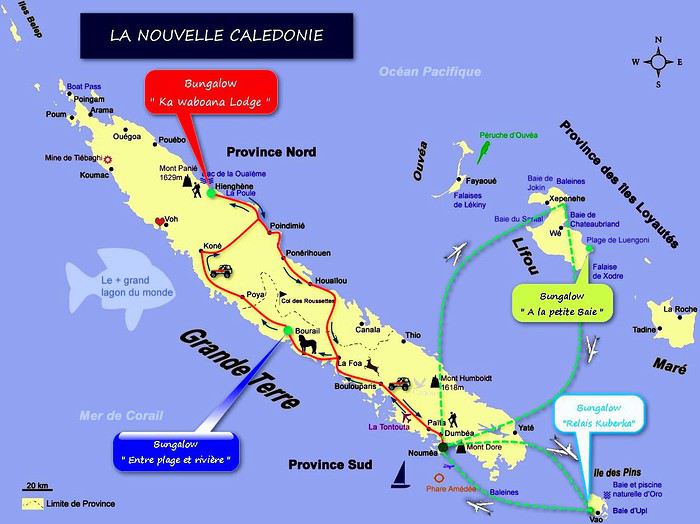
Après avoir passé 3 semaines en Nouvelle Zélande, nous sommes allés en Nouvelle Calédonie, pour 3 semaines aussi. Nous sommes revenus enchantés car nous avons vu des paysages à la fois magnifiques et très différents et rencontré des gens d’une grande gentillesse.
Nous souhaitons vous faire partager notre voyage à travers notre blog :
LA NOUVELLE CALEDONIE
Nous sommes à votre disposition pour répondre à toutes vos questions.
Myriam et Luc
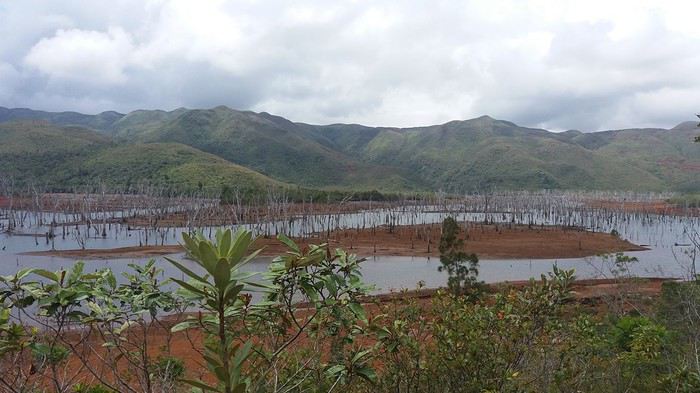
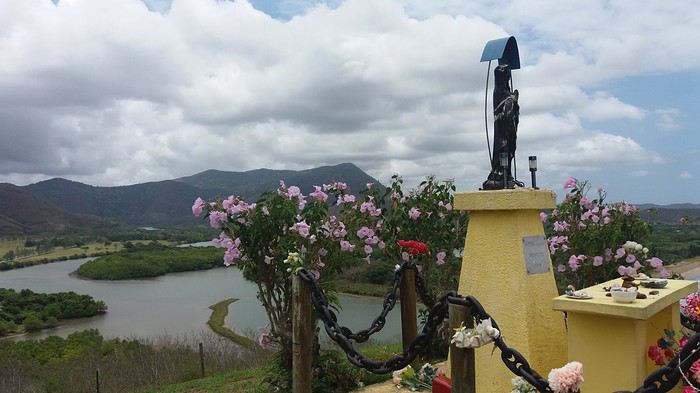
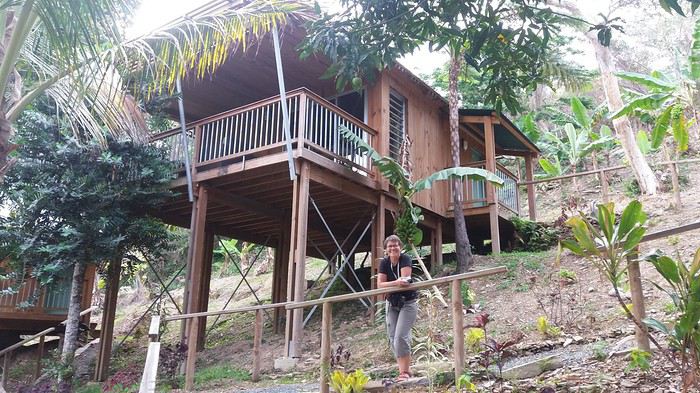
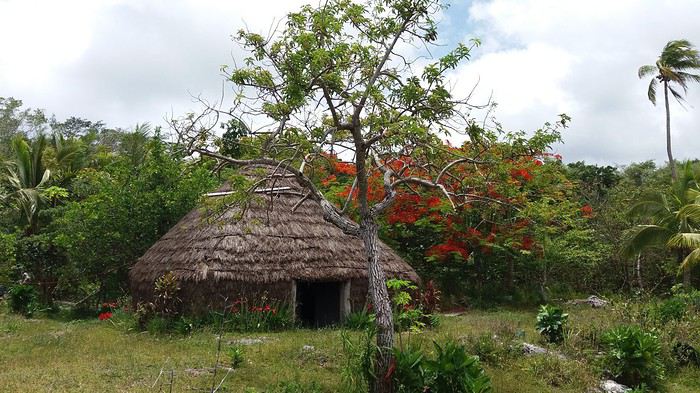
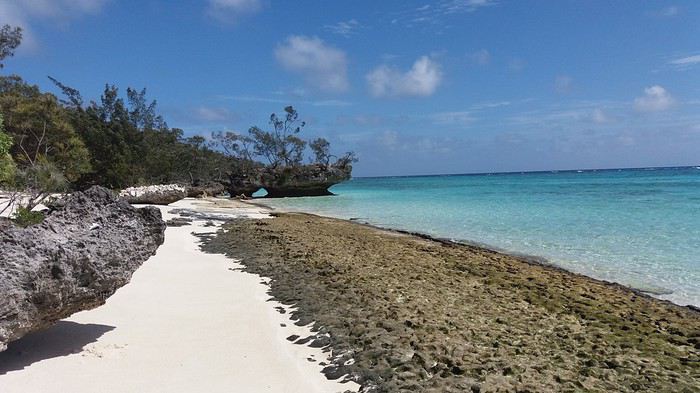
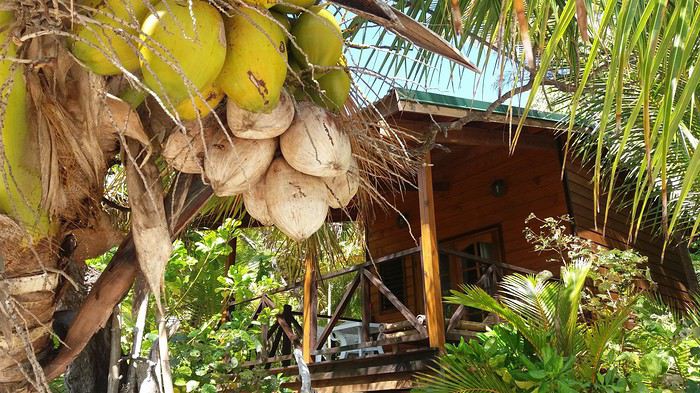
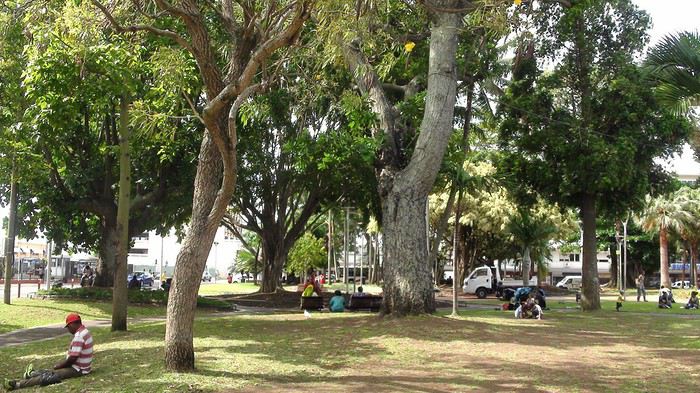
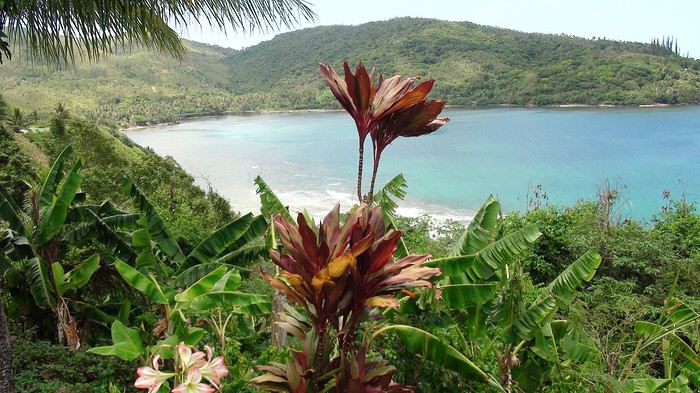
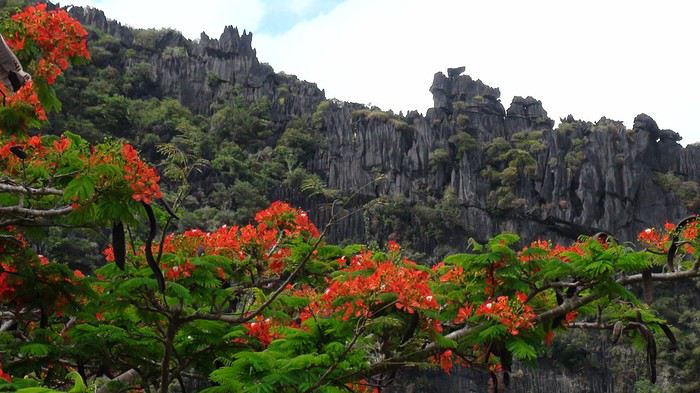
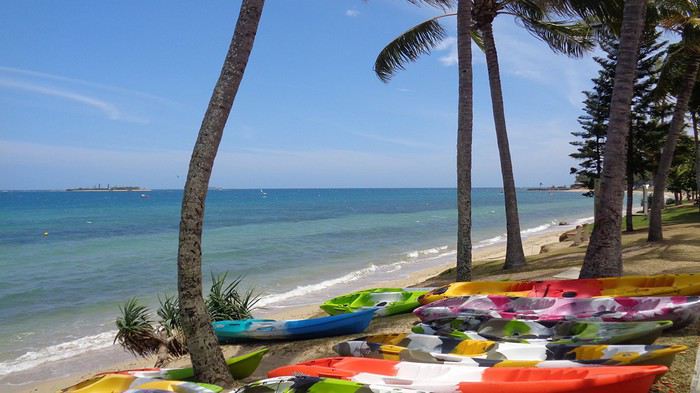
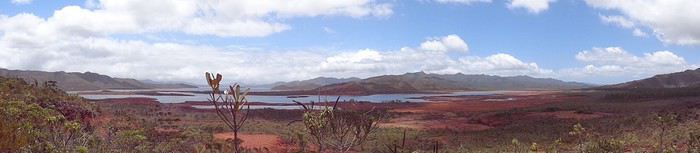
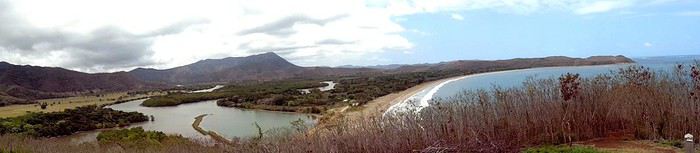
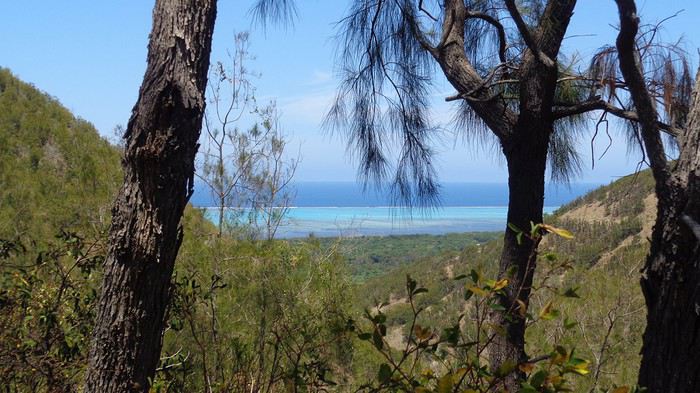
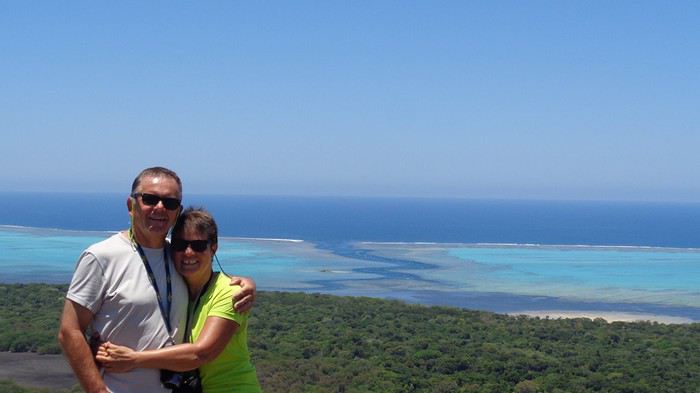
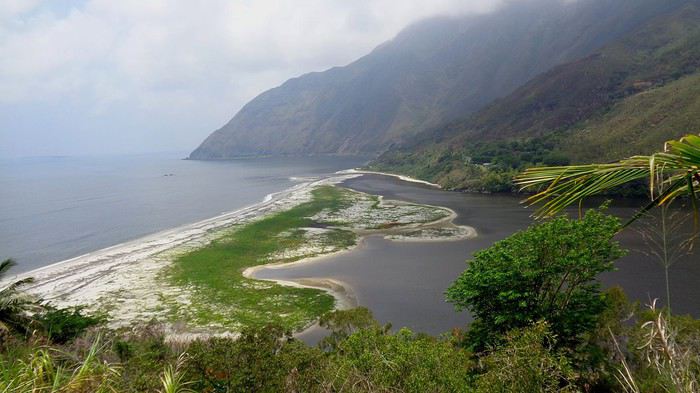
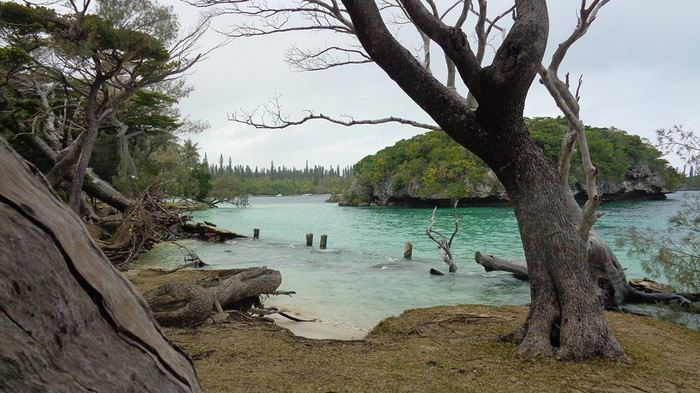
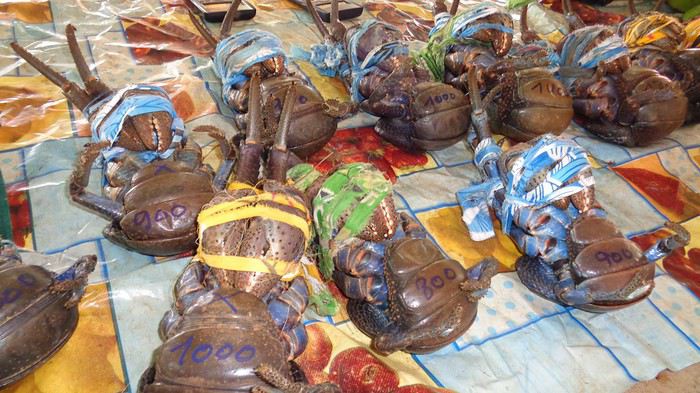
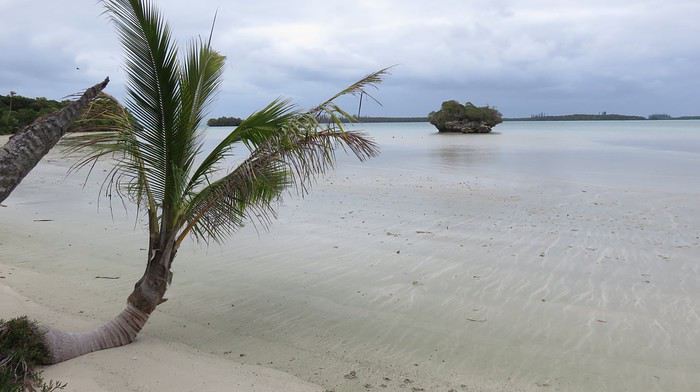
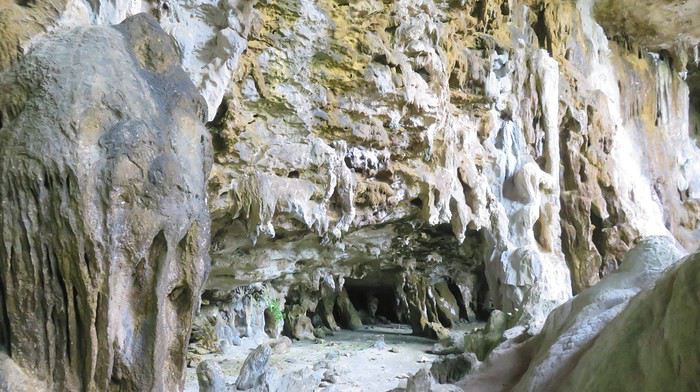
Après avoir passé 3 semaines en Nouvelle Zélande, nous sommes allés en Nouvelle Calédonie, pour 3 semaines aussi. Nous sommes revenus enchantés car nous avons vu des paysages à la fois magnifiques et très différents et rencontré des gens d’une grande gentillesse.
Nous souhaitons vous faire partager notre voyage à travers notre blog :
LA NOUVELLE CALEDONIE
Nous sommes à votre disposition pour répondre à toutes vos questions.
Myriam et Luc