Results for "Ouzbékistan+souvenir+artisanat"
About 3,428 results.
More options
Many results are in French, the community’s main language. English translations are added over time.
Search results
Vos plus beaux couchers de soleil!
Bonjour à tous !
Je suis sûre que vous avez de superbes photos de coucher de soleil à partager avec nous 😉 !! Rien que quand je vois celles prises par Spot dans le bush australien (http://voyageforum.com/v.f?post=134558) ... aie aie aie 😮 !
Je ne suis vraiment pas une pro de la photo, et c'était mon premier voyage avec mon appareil numérique... mais je me lance pour marquer le départ de cette nouvelle discussion 🙂.
Coucher de soleil en avril dans le nord-est du Québec (Saint Augustin, Basse Côte Nord).
A vous 😉.
Tilde.
Je suis sûre que vous avez de superbes photos de coucher de soleil à partager avec nous 😉 !! Rien que quand je vois celles prises par Spot dans le bush australien (http://voyageforum.com/v.f?post=134558) ... aie aie aie 😮 !
Je ne suis vraiment pas une pro de la photo, et c'était mon premier voyage avec mon appareil numérique... mais je me lance pour marquer le départ de cette nouvelle discussion 🙂.
Coucher de soleil en avril dans le nord-est du Québec (Saint Augustin, Basse Côte Nord).
A vous 😉.
Tilde.
Votre livre culte?
quel rdt votre livre culte (en rapport avec voyage) ?
pour ma part voici un livre qui a sans doute confirmé mon attrait les voyages : l'usage du monde de Nicolas Bouvier.
si un livre vous a plu (mais vraiment très très beaucoup plu) n'hésitez pas à communiquer votre liste ici. merci
pour ma part voici un livre qui a sans doute confirmé mon attrait les voyages : l'usage du monde de Nicolas Bouvier.
si un livre vous a plu (mais vraiment très très beaucoup plu) n'hésitez pas à communiquer votre liste ici. merci
Vos plus beaux clichés de monuments
Allez Tertoutes! 🙂 Une nouvelle rasade de : vos plus beaux ... clichés de monuments cette fois; Les façades, les vielles pierres, les temples ...Qui vont ont émerveillés. Je débute avec une sélection purement "azura" 😏
Ile de Kish ( Iran )
Bjr.
Quelqu'un a t'il déjà été sur l'ïle de Kish, dans le sud de l'Iran ?
Je sais que c'est un coin d'Iran avec plages, palmiers, mode de vie presque occidental, qui n'a rien à voir avec le reste de l'Iran.
Par quel moyen y êtes-vous allés ? J'envisage d'y aller, via Dubai.
Merci d'avance.
Philippe😉
Quelqu'un a t'il déjà été sur l'ïle de Kish, dans le sud de l'Iran ?
Je sais que c'est un coin d'Iran avec plages, palmiers, mode de vie presque occidental, qui n'a rien à voir avec le reste de l'Iran.
Par quel moyen y êtes-vous allés ? J'envisage d'y aller, via Dubai.
Merci d'avance.
Philippe😉
Megacom SIM card, how does it work?
Hi there,
I’ve never bought a SIM card abroad or even used prepaid cards in France...
So I’m wondering how it all works?
You buy a SIM card and pop it into your phone. Okay, so far so good... 😏
But after that?
I can’t find the price of prepaid cards or how they work with MegaCom.
If someone could give me a step-by-step guide... 😊
Thanks! 🙂
I’ve never bought a SIM card abroad or even used prepaid cards in France...
So I’m wondering how it all works?
You buy a SIM card and pop it into your phone. Okay, so far so good... 😏
But after that?
I can’t find the price of prepaid cards or how they work with MegaCom.
If someone could give me a step-by-step guide... 😊
Thanks! 🙂
Single Russia-Belarus visa and new train routes
Since last year, the unification of the Russian visa with Belarus has been in effect.
For reference, EU citizens haven’t needed a visa for Belarus for two years. However, it wasn’t possible to travel to Russia. Only Belarusian and Russian citizens could move freely within the union.
With the unified system, if you enter one of the two countries with a visa from either, you can now travel between them freely.
In the case of a Russian visa, it must be a paper visa glued into your passport—not an electronic visa.
This opens up the possibility of traveling to Russia from Lithuania via Minsk, for example, starting from Vilnius.
It also allows for travel circuits that would otherwise be difficult, despite the proximity of the cities.
So, I’m leaving on June 12th for Vilnius. A one-hour flight for around thirty euros with a carry-on bag, and from Vilnius Airport, there’s a bus to Minsk. My planned route for now is Vilnius-Minsk-Smolensk-Vitebsk-Polotsk-Pskov-Riga.
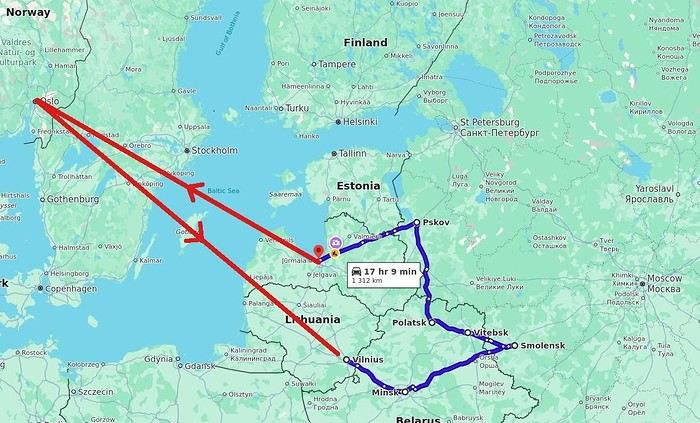
This crosses the Belarus-Russia border three times: from Minsk to Smolensk, then from Smolensk to Vitebsk, and finally from Polotsk to Pskov.
The region of this itinerary was, a thousand years ago, essentially that of the Krivichs, a local Slavic political entity. The term comes from "blood," *krew* in Polish, *krov* in Russian—basically "blood brothers." In Latvian, the word for Russians is *krievu*, by the way. Historically, the region corresponds to some of the old Russian principalities. Later, what marks Belarusian regions in general is, after the Great Schism of 1054, the division between Catholic and Orthodox zones, particularly as the Polish-Lithuanian Commonwealth expanded and contracted. In architecture, this corresponds to variations in Baroque styles, for example.
Vitebsk is known in France as the birthplace of Chagall. Born Russian, he first trained at the art school in Vitebsk, which was also attended by Malevich and Lissitzky, before completing his studies in Saint Petersburg, then moving to Berlin and later Paris. In Paris, Chagall met Cendrars, who had spent three years in Russia before and spoke enough Russian to help the newcomer get by a bit.
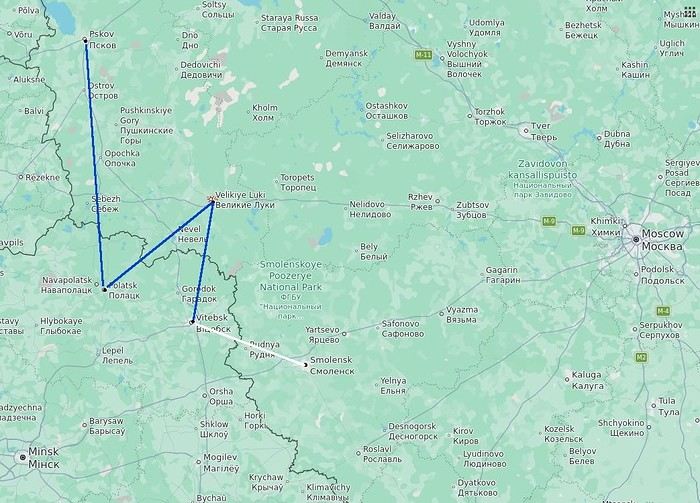
Back to the practical travel aspects: a local Pskov newspaper mentions that the Russian and Belarusian governments have a project for a Pskov-Polotsk train line. Previously, there were also plans for lines between Veliky Luki and Vitebsk, and Polotsk. A recently launched railway is Smolensk-Vitebsk, shown in white on the map, with projected lines in blue. https://pln-pskov.ru/society/583817.html https://pln-pskov.ru/society/578335.html
These will likely be "Hirondelle"—that is, *Lastochka*—the fast, spacious regional trains in Russia. Currently, all of this is done by bus, so the train is a very appealing and comfortable option. We’ll see how it goes.
With the unified system, if you enter one of the two countries with a visa from either, you can now travel between them freely.
In the case of a Russian visa, it must be a paper visa glued into your passport—not an electronic visa.
This opens up the possibility of traveling to Russia from Lithuania via Minsk, for example, starting from Vilnius.
It also allows for travel circuits that would otherwise be difficult, despite the proximity of the cities.
So, I’m leaving on June 12th for Vilnius. A one-hour flight for around thirty euros with a carry-on bag, and from Vilnius Airport, there’s a bus to Minsk. My planned route for now is Vilnius-Minsk-Smolensk-Vitebsk-Polotsk-Pskov-Riga.
This crosses the Belarus-Russia border three times: from Minsk to Smolensk, then from Smolensk to Vitebsk, and finally from Polotsk to Pskov.
The region of this itinerary was, a thousand years ago, essentially that of the Krivichs, a local Slavic political entity. The term comes from "blood," *krew* in Polish, *krov* in Russian—basically "blood brothers." In Latvian, the word for Russians is *krievu*, by the way. Historically, the region corresponds to some of the old Russian principalities. Later, what marks Belarusian regions in general is, after the Great Schism of 1054, the division between Catholic and Orthodox zones, particularly as the Polish-Lithuanian Commonwealth expanded and contracted. In architecture, this corresponds to variations in Baroque styles, for example.
Vitebsk is known in France as the birthplace of Chagall. Born Russian, he first trained at the art school in Vitebsk, which was also attended by Malevich and Lissitzky, before completing his studies in Saint Petersburg, then moving to Berlin and later Paris. In Paris, Chagall met Cendrars, who had spent three years in Russia before and spoke enough Russian to help the newcomer get by a bit.
Back to the practical travel aspects: a local Pskov newspaper mentions that the Russian and Belarusian governments have a project for a Pskov-Polotsk train line. Previously, there were also plans for lines between Veliky Luki and Vitebsk, and Polotsk. A recently launched railway is Smolensk-Vitebsk, shown in white on the map, with projected lines in blue. https://pln-pskov.ru/society/583817.html https://pln-pskov.ru/society/578335.html
These will likely be "Hirondelle"—that is, *Lastochka*—the fast, spacious regional trains in Russia. Currently, all of this is done by bus, so the train is a very appealing and comfortable option. We’ll see how it goes.
Practical aspects spring 2026: border to Murmansk, to Pskov, SIM cards, internet.
I took a few days to get some fresh air outside the Schengen-NATO prison. Between March 18, 2026, and March 25, 2026, as shown by the passport stamps:
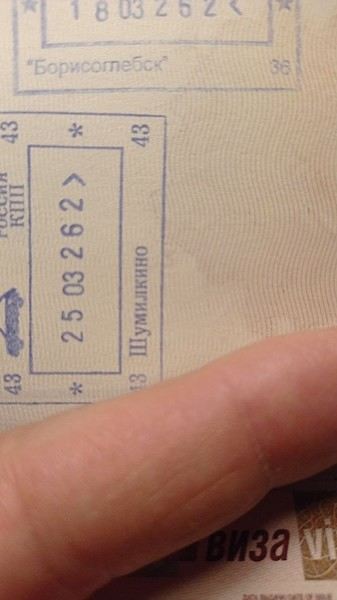
Borisoglebsk is the Russian border checkpoint after Kirkenes, on the road to Murmansk.
Kirkenes is a tiny town with a correspondingly small airport. Nothing has changed there: the minibuses to Murmansk wait on the right as you exit the airport. They’re synchronized with the two daily flights from Oslo—the SAS around 11:00 AM and Norwegian around 11:30 AM. They stop in Kirkenes at the corner of the Scandic for an hour, where other passengers can board, then head straight to the nearby border.
This is the least hassle Frontex/Schengen border. The Norwegian agent quickly scans your passport, and that’s it. No customs, since Norway is Schengen but not in the EU. On the Russian side, there’s a passport check and a quick customs inspection. All in all, crossing both the Norwegian and Russian checkpoints takes about 15 minutes.
A paper visa is required; e-visas aren’t accepted.
Two companies run the route: Avto Ekspress and Borodin: https://ae51.ru/routes/kirkenes-murmansk/ https://borodinbus.com/
The one-way fare is 5,500 ₽. You can either buy it online in rubles with a MIR card or make a formal reservation and pay in NOK cash to the driver. I took Borodin, and the price in NOK was much more expensive than in ₽.
=========================
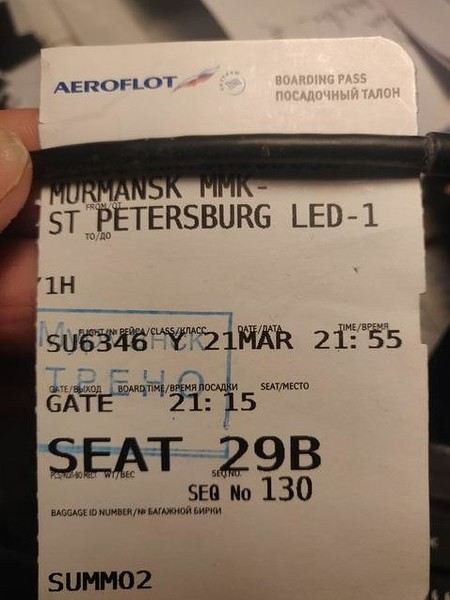
On March 25, I left from Pskov via the Estonian border post at Luhaama. I spent three days in Murmansk, flew to St. Petersburg (SPB), stayed there for two days, then took an evening train to Pskov.
Since the end of February—and reportedly until the end of May—the Estonians have restricted the opening hours of the two border crossings near Pskov: Koidula (Pechory on the Russian side) and Luhaama (Izborsk on the Russian side). They’re closed at night between 7:00 PM and 7:00 AM. Right now, there’s a bus from Pskov at 7:00 AM to the border. It drops you off at the end of the road where truckers—many Kazakh and Serbian—are parked on the side. You finish the rest on foot to the barrier, where there’s a quick initial check for Ukrainian stamps in passports. Then you walk to the customs building, followed by passport control at the kiosk for motorists. After that, it’s a 500-meter walk to the Estonian checkpoint. At the moment, things seem calmer. Passport control is quick. The usual silly questions in English: "Where were you? Where are you going?" I just gave my most clueless smile: "Sorry, I don’t understand." Yeah, right—I don’t speak English, especially not at an Estonian border with a French passport. If they’re in a mood, though... A very quick bag inspection. Once you exit the Estonian post, walk to the bus stop sign by the road where another coach takes you to Riga.
The catch: in my case, last Wednesday, there were two passengers (Russians) with old Ukrainian stamps in their passports. The bus from the Estonian post to Riga was supposed to leave around 9:30 AM. We ended up leaving around noon after the two were grilled by the FSB. Since it was a weekday outside of holidays, the bus was half-empty. The fuller the bus and the more people with Ukrainian stamps, the worse the nightmare. Don’t book a same-day flight from Riga. I had a flight at 6:00 PM, so it worked out.
=============
The Kirkenes-Murmansk route is still clearly the easiest and fastest. But it’s not the most convenient since it’s way up north.
Next, I’d say the Gdansk-Kaliningrad route in the middle of the week. Avoid weekends and holiday departures/returns.
Avoid the Narva-Ivangorod route during Christmas, Easter, May 9, and *all* summer.
==============
About flights from Murmansk to St. Petersburg: prices are good. I bought my ticket the day before departure on Rossiya for 7,500 ₽, including 10 kg of luggage + a handbag.
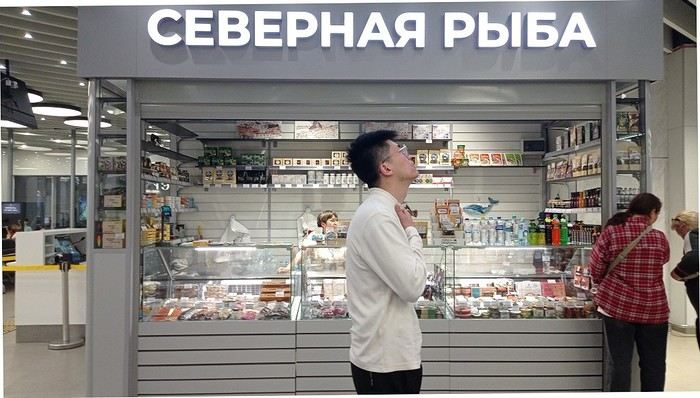
It’s the tail end of the northern lights season, and there were still crowds of Chinese tourists.
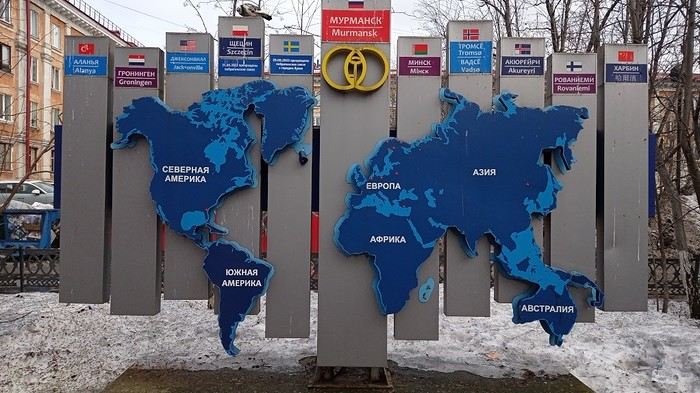
By the way, Murmansk is twinned with Harbin:
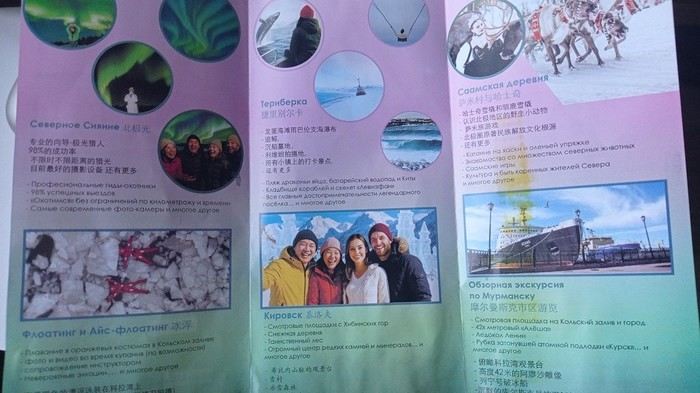
Chinese tourists are the largest foreign group, followed by Indians, then a mix of others from the Far East, Turks, Arabs, etc. Brochures are bilingual—Russian and Chinese:
============================
But let’s talk practical stuff. --
My domestic SIM card was restricted for SMS and internet for 24 hours. After that, if you want to keep using SMS, don’t turn off your phone—restarting triggers another 24-hour purgatory.
My Russian SIM cards (Megafon, MTS, Beeline) were activated as soon as I logged into their respective apps with my credentials.
Internet --
Telegram is heavily slowed down by authorities. To use it, you need to connect through proxy servers, which you load into the latest version of the app. Traffic is then rerouted internally within Telegram to servers outside Russia (Germany, Poland, Sweden, etc.). You can find these proxies on various channels. One is ChatVPN—check their website too.
For general internet use, like browsing the web, VPNs that work right now use the VLESS protocol. You can find several on Telegram by searching "VPN." A few free days, then payment in rubles or crypto.
Rozkomnadzor’s team are experts at this, so things can change. It’s a constant cat-and-mouse game.
Pskov is a special case. The city is near Estonia and has a large military base. Depending on NATO drone swarms launched from the Baltics, Wi-Fi can be completely suspended except for the most essential mobile apps. The drone swarms use the 4G network, and the powerful electronic jamming and drone suppression systems cause periods without Wi-Fi—including in hotels. Wired connections aren’t affected.
Borisoglebsk is the Russian border checkpoint after Kirkenes, on the road to Murmansk.
Kirkenes is a tiny town with a correspondingly small airport. Nothing has changed there: the minibuses to Murmansk wait on the right as you exit the airport. They’re synchronized with the two daily flights from Oslo—the SAS around 11:00 AM and Norwegian around 11:30 AM. They stop in Kirkenes at the corner of the Scandic for an hour, where other passengers can board, then head straight to the nearby border.
This is the least hassle Frontex/Schengen border. The Norwegian agent quickly scans your passport, and that’s it. No customs, since Norway is Schengen but not in the EU. On the Russian side, there’s a passport check and a quick customs inspection. All in all, crossing both the Norwegian and Russian checkpoints takes about 15 minutes.
A paper visa is required; e-visas aren’t accepted.
Two companies run the route: Avto Ekspress and Borodin: https://ae51.ru/routes/kirkenes-murmansk/ https://borodinbus.com/
The one-way fare is 5,500 ₽. You can either buy it online in rubles with a MIR card or make a formal reservation and pay in NOK cash to the driver. I took Borodin, and the price in NOK was much more expensive than in ₽.
=========================
On March 25, I left from Pskov via the Estonian border post at Luhaama. I spent three days in Murmansk, flew to St. Petersburg (SPB), stayed there for two days, then took an evening train to Pskov.
Since the end of February—and reportedly until the end of May—the Estonians have restricted the opening hours of the two border crossings near Pskov: Koidula (Pechory on the Russian side) and Luhaama (Izborsk on the Russian side). They’re closed at night between 7:00 PM and 7:00 AM. Right now, there’s a bus from Pskov at 7:00 AM to the border. It drops you off at the end of the road where truckers—many Kazakh and Serbian—are parked on the side. You finish the rest on foot to the barrier, where there’s a quick initial check for Ukrainian stamps in passports. Then you walk to the customs building, followed by passport control at the kiosk for motorists. After that, it’s a 500-meter walk to the Estonian checkpoint. At the moment, things seem calmer. Passport control is quick. The usual silly questions in English: "Where were you? Where are you going?" I just gave my most clueless smile: "Sorry, I don’t understand." Yeah, right—I don’t speak English, especially not at an Estonian border with a French passport. If they’re in a mood, though... A very quick bag inspection. Once you exit the Estonian post, walk to the bus stop sign by the road where another coach takes you to Riga.
The catch: in my case, last Wednesday, there were two passengers (Russians) with old Ukrainian stamps in their passports. The bus from the Estonian post to Riga was supposed to leave around 9:30 AM. We ended up leaving around noon after the two were grilled by the FSB. Since it was a weekday outside of holidays, the bus was half-empty. The fuller the bus and the more people with Ukrainian stamps, the worse the nightmare. Don’t book a same-day flight from Riga. I had a flight at 6:00 PM, so it worked out.
=============
The Kirkenes-Murmansk route is still clearly the easiest and fastest. But it’s not the most convenient since it’s way up north.
Next, I’d say the Gdansk-Kaliningrad route in the middle of the week. Avoid weekends and holiday departures/returns.
Avoid the Narva-Ivangorod route during Christmas, Easter, May 9, and *all* summer.
==============
About flights from Murmansk to St. Petersburg: prices are good. I bought my ticket the day before departure on Rossiya for 7,500 ₽, including 10 kg of luggage + a handbag.
It’s the tail end of the northern lights season, and there were still crowds of Chinese tourists.
By the way, Murmansk is twinned with Harbin:
Chinese tourists are the largest foreign group, followed by Indians, then a mix of others from the Far East, Turks, Arabs, etc. Brochures are bilingual—Russian and Chinese:
============================
But let’s talk practical stuff. --
My domestic SIM card was restricted for SMS and internet for 24 hours. After that, if you want to keep using SMS, don’t turn off your phone—restarting triggers another 24-hour purgatory.
My Russian SIM cards (Megafon, MTS, Beeline) were activated as soon as I logged into their respective apps with my credentials.
Internet --
Telegram is heavily slowed down by authorities. To use it, you need to connect through proxy servers, which you load into the latest version of the app. Traffic is then rerouted internally within Telegram to servers outside Russia (Germany, Poland, Sweden, etc.). You can find these proxies on various channels. One is ChatVPN—check their website too.
For general internet use, like browsing the web, VPNs that work right now use the VLESS protocol. You can find several on Telegram by searching "VPN." A few free days, then payment in rubles or crypto.
Rozkomnadzor’s team are experts at this, so things can change. It’s a constant cat-and-mouse game.
Pskov is a special case. The city is near Estonia and has a large military base. Depending on NATO drone swarms launched from the Baltics, Wi-Fi can be completely suspended except for the most essential mobile apps. The drone swarms use the 4G network, and the powerful electronic jamming and drone suppression systems cause periods without Wi-Fi—including in hotels. Wired connections aren’t affected.
Requirements for travel to Russia and Mongolia
Hi there,
I’m planning a trip to Russia and Mongolia, starting from France.
Crossing the border at Poland/Belarus or Georgia/Russia—other borders seem either closed or complicated.
Tourist visas for 3 months with multiple entries.
Do you have any info on Russian companies that cover a 4x4 vehicle for 3 months, and what prices in rubles or euros you’ve paid?
Which bank did you use for expenses? (EuroMastercard and Visa cards no longer work.)
Regarding Russian SIM cards, a new system called "Gosuslugi" has been introduced. How long did it take you to get one, and what steps did you follow?
Thanks
Which bank did you use for expenses? (EuroMastercard and Visa cards no longer work.)
Regarding Russian SIM cards, a new system called "Gosuslugi" has been introduced. How long did it take you to get one, and what steps did you follow?
Thanks
Off on an adventure to Java (and a bit of Bali)
Hey there, community! Back this weekend, below is my travel journal from my adventure in Indonesia. Enjoy the read!!!
Day 1 - August 10, 2025 New life downloading for three weeks! And for that, Flo and I launched a public tender... A public tender? What’s that got to do with a travel journal???... Well, when you think about it, few destinations tick all the boxes for an August adventure: Meaning, finding a place that’s exotic in the middle of August, not too expensive, not too packed with tourists, warm but not *too* warm, with postcard-perfect landscapes, dreamy beaches, tasty cuisine with a hint of exoticism, friendly and welcoming locals, where you’re free to sleep under the stars among the mosquitos, take transport surrounded by chickens, and even eat from a pig trough if you feel like it—well, turns out it’s not that easy to find! I’d even say, given how thick the list of requirements is, there’s a big risk the tender could be declared unsuccessful for failing to meet just one criterion. Let’s just say the candidates better submit a rock-solid proposal!
After reviewing all the responses and presentations from the candidates, the obvious choice for us is... Indonesia! Except that trying to explore a country as vast as Indonesia and its 17,504 islands in less than five years is a bit like reading the summary of a Proust novel without taking the time to savor each of its 950 pages! Don’t worry, I won’t name them all here. Besides, do they even all have names? No! Only 7,870 have been named—their parents clearly ran out of ideas for the rest. Anyway, our society, which worships the "work more to earn more" mantra, unfortunately limits our adventure time. So we’ll only get to see a small part of Indonesia, and we’ll have to make a tough choice to head for the best of the best in this archipelago of over seventeen thousand islands. Each one has its own selling points: Sumatra, Sulawesi, Java, the Celebes, Bali, Borneo, Papua, Timor, the Moluccas... So many names that smell of adventure... Another tender, another list of requirements, another review of proposals... Drumroll... Splash splash... And the lucky winner is... Ta-da... Java, Bali’s big sister, where I’ve already been eight years ago... Java the programming language. The Java of Broadway. We’re gonna *do* the Java. Java the coffee. And yes, Java is also an island!
This island, four times smaller than France, is home to 136 million people, making it the most populated island in the world! Fun fact: Indonesia, with its 260 million inhabitants, is just shy of the podium for the world’s most populated countries, after the winning trio of India, China, and the United States. And it’s on this island of Java that you’ll find Jakarta, the (soon-to-be-former) capital and main airport of the country, where we’ll soon land after our nineteen-hour flight! Yep, nineteen hours! I mean, Indonesia in general—and Java in particular—is a *tad* farther than going on vacation to Grandma Yoyo’s! Not sure where it is? Easy. Grab a map. Plant your finger on the big island at the bottom right—aka Australia for those who struggle with geography—move it up two centimeters, and bam, welcome to Indonesia!
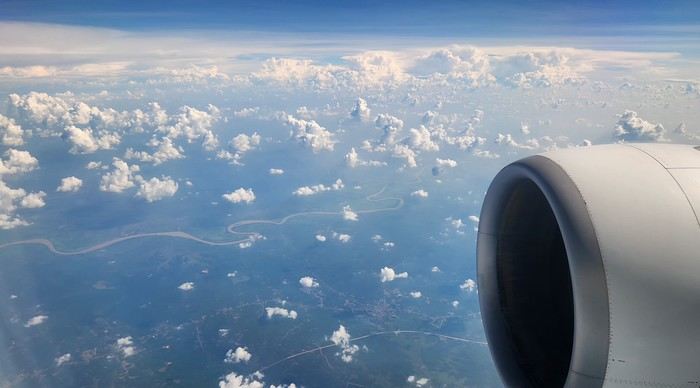
Nice transition, right? Because "Welcome to Indonesia" is exactly what the friendly flight attendant just said to me as we got off the plane! That’s it, our chakras are open, we’ve arrived at our (air)port. Time for rest, pool, cocktails, and a beach with our toes spread out... Wait, if you bought that, you clearly don’t know us yet! Since we still have energy to burn and need to adjust to the flight and time difference, we tackle the long administrative formalities to enter Indonesia, just to earn the right to hop in a 45-minute Grab taxi to the train station. The train station? What train station?... What do you usually do at a train station? Take a train, of course! Off we go for a three-hour train ride to Bandung, where we’ll officially start our adventure tomorrow after our first Indonesian night...
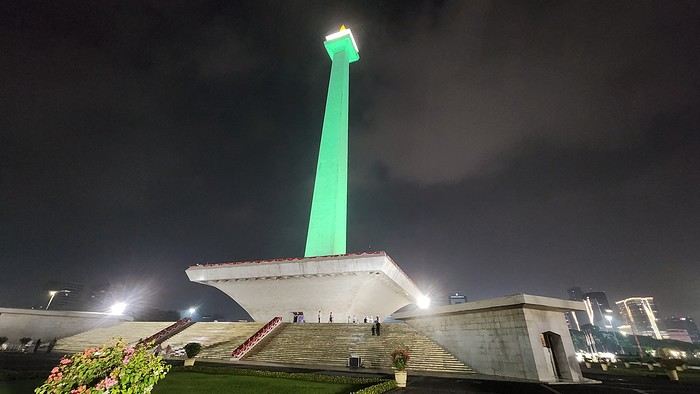
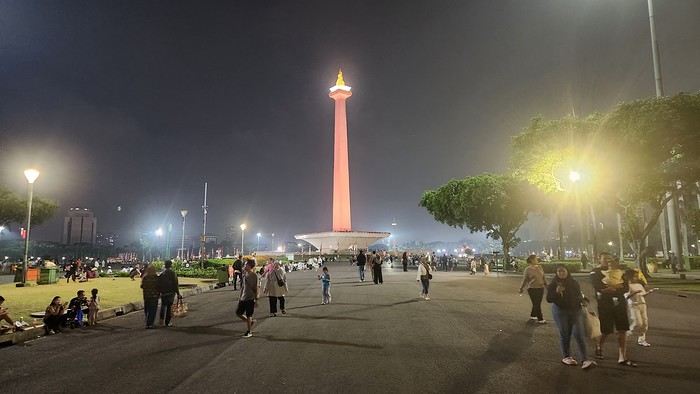
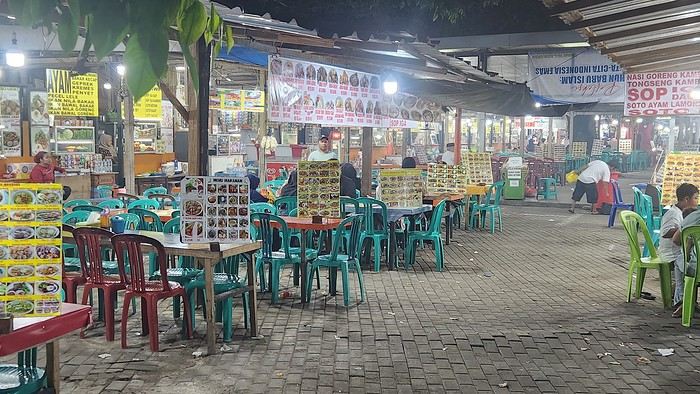
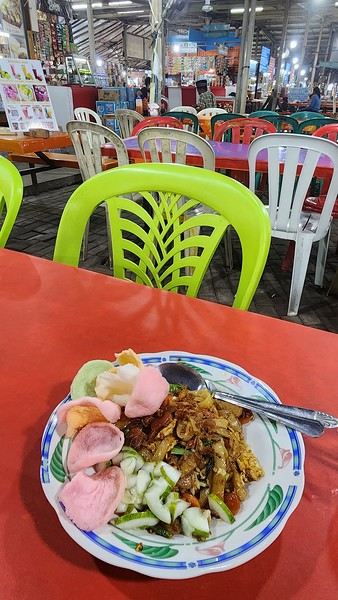
Unfortunately, we were a bit slow off the mark, which meant we missed the 6:25 PM train by two minutes. Oh well, we’ll have to wait until 11 PM. We take the opportunity to stretch our legs in Jakarta, soak up the atmosphere, and enjoy the delicious smells wafting from the *warungs*—those little typical street restaurants. A quick stop at the National Monument, a detour to a night market to devour our first *kwetiaw goreng* and *teh manis* for 60,000 rupiahs (that’s 3 € for two), and just like that, our penalty is lifted, and we’re allowed to hit the road again. Off to Bandung, where we arrive at 2 AM for... a *very* short night...
Day 1 - August 10, 2025 New life downloading for three weeks! And for that, Flo and I launched a public tender... A public tender? What’s that got to do with a travel journal???... Well, when you think about it, few destinations tick all the boxes for an August adventure: Meaning, finding a place that’s exotic in the middle of August, not too expensive, not too packed with tourists, warm but not *too* warm, with postcard-perfect landscapes, dreamy beaches, tasty cuisine with a hint of exoticism, friendly and welcoming locals, where you’re free to sleep under the stars among the mosquitos, take transport surrounded by chickens, and even eat from a pig trough if you feel like it—well, turns out it’s not that easy to find! I’d even say, given how thick the list of requirements is, there’s a big risk the tender could be declared unsuccessful for failing to meet just one criterion. Let’s just say the candidates better submit a rock-solid proposal!
After reviewing all the responses and presentations from the candidates, the obvious choice for us is... Indonesia! Except that trying to explore a country as vast as Indonesia and its 17,504 islands in less than five years is a bit like reading the summary of a Proust novel without taking the time to savor each of its 950 pages! Don’t worry, I won’t name them all here. Besides, do they even all have names? No! Only 7,870 have been named—their parents clearly ran out of ideas for the rest. Anyway, our society, which worships the "work more to earn more" mantra, unfortunately limits our adventure time. So we’ll only get to see a small part of Indonesia, and we’ll have to make a tough choice to head for the best of the best in this archipelago of over seventeen thousand islands. Each one has its own selling points: Sumatra, Sulawesi, Java, the Celebes, Bali, Borneo, Papua, Timor, the Moluccas... So many names that smell of adventure... Another tender, another list of requirements, another review of proposals... Drumroll... Splash splash... And the lucky winner is... Ta-da... Java, Bali’s big sister, where I’ve already been eight years ago... Java the programming language. The Java of Broadway. We’re gonna *do* the Java. Java the coffee. And yes, Java is also an island!
This island, four times smaller than France, is home to 136 million people, making it the most populated island in the world! Fun fact: Indonesia, with its 260 million inhabitants, is just shy of the podium for the world’s most populated countries, after the winning trio of India, China, and the United States. And it’s on this island of Java that you’ll find Jakarta, the (soon-to-be-former) capital and main airport of the country, where we’ll soon land after our nineteen-hour flight! Yep, nineteen hours! I mean, Indonesia in general—and Java in particular—is a *tad* farther than going on vacation to Grandma Yoyo’s! Not sure where it is? Easy. Grab a map. Plant your finger on the big island at the bottom right—aka Australia for those who struggle with geography—move it up two centimeters, and bam, welcome to Indonesia!
Nice transition, right? Because "Welcome to Indonesia" is exactly what the friendly flight attendant just said to me as we got off the plane! That’s it, our chakras are open, we’ve arrived at our (air)port. Time for rest, pool, cocktails, and a beach with our toes spread out... Wait, if you bought that, you clearly don’t know us yet! Since we still have energy to burn and need to adjust to the flight and time difference, we tackle the long administrative formalities to enter Indonesia, just to earn the right to hop in a 45-minute Grab taxi to the train station. The train station? What train station?... What do you usually do at a train station? Take a train, of course! Off we go for a three-hour train ride to Bandung, where we’ll officially start our adventure tomorrow after our first Indonesian night...
Unfortunately, we were a bit slow off the mark, which meant we missed the 6:25 PM train by two minutes. Oh well, we’ll have to wait until 11 PM. We take the opportunity to stretch our legs in Jakarta, soak up the atmosphere, and enjoy the delicious smells wafting from the *warungs*—those little typical street restaurants. A quick stop at the National Monument, a detour to a night market to devour our first *kwetiaw goreng* and *teh manis* for 60,000 rupiahs (that’s 3 € for two), and just like that, our penalty is lifted, and we’re allowed to hit the road again. Off to Bandung, where we arrive at 2 AM for... a *very* short night...
15 days in Texas in October 2022
Ah! This trip to Texas, postponed so many times because of Covid. I wanted to discover this state, but not in the summer due to the temperatures.
I’ll try to dig into my memories since I didn’t take any notes.
Day 1: Departure
Early morning flight from Lyon to Frankfurt (I often fly with Lufthansa). We only have a 50-minute layover, but I trust German organization—it’s not just talk, since it took us only 30 minutes to get to the boarding gate. Arriving in Houston, we’re excited because it’s been 3 years since we last visited the USA, and we’ve missed it.
Everything goes smoothly with the formalities and the car rental, so 1.5 hours after landing, I park near Sam Houston Park to start our discovery. The park is pretty, clean, and has the unique feature of housing some well-preserved Victorian houses. The sun is shining, and it’s always fun to see old wooden houses surrounded by gleaming skyscrapers. A quick drive to the Rothko Chapel, which is dedicated to all faiths. There are also modern artworks in an annex building and outside. Then we head to Pasadena to reach our hotel and go to bed since we’ve been awake for a while!
Hotel: A classic Days Inn. It’s standard, but the beds are comfortable, and it’s a quiet place. The + of the day: We're back in the USA The -: Nothing
Day 2: NASA and then Galveston
Of course, we wake up super early. A quick trip to the nearby Walmart for the usual small purchases. Surprise—I can’t buy a bottle of California white wine because in Texas, there are set hours for buying alcohol. Talk about a bummer for my apéro! Next, we head to Kemah, a small, hyper-touristy port where everything is kitschy but clean and nice. It’s a bit overdone, but since NASA doesn’t open until 10 AM and it’s still early, we might as well enjoy the good weather in a pleasant spot.
We arrive at the NASA Houston center without any issues. It’s smaller than the one in Florida and organized a bit differently. There are trains that take passengers to the different sites, but you need to get tickets (included in the price), and once you’ve finished visiting one site, you have to return to the center to get a ticket for another. Not very practical.
We choose to visit the training center and the rockets, skipping the control room, which, based on the photos, looks like the one at Cape Canaveral. The training center is a cool place because it’s still in use. Engineers are working on machines and computers. We don’t see any astronauts training, but we see the space chair, the shuttle’s robotic arm, and lots of gadgets—this hangar is like Gyro Gearloose’s or Doc’s domain!
Next, we head to the rocket hangar, featuring the Saturn V, the same one as at Cape Canaveral. Finally, we wrap up our tour by returning to the center, where a Boeing 747 with a shuttle attached to its back dominates the outside. We can visit the shuttle, and we don’t miss the chance.
A few exhibits inside complete the experience and satisfy our thirst for knowledge. I love the space exploration era, and gotta say, the Americans do it right. Then we drive to Galveston, about 100 km away. Why Galveston? It’s by the sea, so swimming in late October isn’t unpleasant, and there’s a neighborhood called East End Historic District filled with stunning Victorian houses, each more beautiful than the last. Plus, it’s Halloween season, so the decorations are over the top! They really go all out!
Madame takes a swim, but I find the water too cold for my taste. Apéro (they didn’t trick me twice—I had time to go back to another Walmart!) Dinner + bedtime
Hotel: A classic Quality Inn. No issues. The +: NASA, even if it’s smaller than Cape Canaveral The -: I would’ve preferred the water in the Gulf of Mexico to be a bit warmer
Day 1: Departure
Early morning flight from Lyon to Frankfurt (I often fly with Lufthansa). We only have a 50-minute layover, but I trust German organization—it’s not just talk, since it took us only 30 minutes to get to the boarding gate. Arriving in Houston, we’re excited because it’s been 3 years since we last visited the USA, and we’ve missed it.
Everything goes smoothly with the formalities and the car rental, so 1.5 hours after landing, I park near Sam Houston Park to start our discovery. The park is pretty, clean, and has the unique feature of housing some well-preserved Victorian houses. The sun is shining, and it’s always fun to see old wooden houses surrounded by gleaming skyscrapers. A quick drive to the Rothko Chapel, which is dedicated to all faiths. There are also modern artworks in an annex building and outside. Then we head to Pasadena to reach our hotel and go to bed since we’ve been awake for a while!
Hotel: A classic Days Inn. It’s standard, but the beds are comfortable, and it’s a quiet place. The + of the day: We're back in the USA The -: Nothing
Day 2: NASA and then Galveston
Of course, we wake up super early. A quick trip to the nearby Walmart for the usual small purchases. Surprise—I can’t buy a bottle of California white wine because in Texas, there are set hours for buying alcohol. Talk about a bummer for my apéro! Next, we head to Kemah, a small, hyper-touristy port where everything is kitschy but clean and nice. It’s a bit overdone, but since NASA doesn’t open until 10 AM and it’s still early, we might as well enjoy the good weather in a pleasant spot.
We arrive at the NASA Houston center without any issues. It’s smaller than the one in Florida and organized a bit differently. There are trains that take passengers to the different sites, but you need to get tickets (included in the price), and once you’ve finished visiting one site, you have to return to the center to get a ticket for another. Not very practical.
We choose to visit the training center and the rockets, skipping the control room, which, based on the photos, looks like the one at Cape Canaveral. The training center is a cool place because it’s still in use. Engineers are working on machines and computers. We don’t see any astronauts training, but we see the space chair, the shuttle’s robotic arm, and lots of gadgets—this hangar is like Gyro Gearloose’s or Doc’s domain!
Next, we head to the rocket hangar, featuring the Saturn V, the same one as at Cape Canaveral. Finally, we wrap up our tour by returning to the center, where a Boeing 747 with a shuttle attached to its back dominates the outside. We can visit the shuttle, and we don’t miss the chance.
A few exhibits inside complete the experience and satisfy our thirst for knowledge. I love the space exploration era, and gotta say, the Americans do it right. Then we drive to Galveston, about 100 km away. Why Galveston? It’s by the sea, so swimming in late October isn’t unpleasant, and there’s a neighborhood called East End Historic District filled with stunning Victorian houses, each more beautiful than the last. Plus, it’s Halloween season, so the decorations are over the top! They really go all out!
Madame takes a swim, but I find the water too cold for my taste. Apéro (they didn’t trick me twice—I had time to go back to another Walmart!) Dinner + bedtime
Hotel: A classic Quality Inn. No issues. The +: NASA, even if it’s smaller than Cape Canaveral The -: I would’ve preferred the water in the Gulf of Mexico to be a bit warmer
Is crossing Iran to Pakistan safe?
Hi there,
We’d like to travel overland from Turkey to India in our converted van, but there are very few options these days. Crossing Iran seems risky and not particularly safe. Has anyone here done it? If so, which route did you take to minimize safety concerns?
Thanks for your replies, Julie 😎
We’d like to travel overland from Turkey to India in our converted van, but there are very few options these days. Crossing Iran seems risky and not particularly safe. Has anyone here done it? If so, which route did you take to minimize safety concerns?
Thanks for your replies, Julie 😎
3 weeks in Kazakhstan and Kyrgyzstan, preliminary travel questions
Hi there, 🙂
I’m thinking of taking a trip to these two countries in 2026 (late spring to early summer).
I’d arrive in Almaty and leave from Bishkek, and I’d be driving myself.
I plan to spend 1 week in Kazakhstan and 2 in Kyrgyzstan. The itinerary isn’t set yet.
My preliminary questions are about formalities, hassle levels, and the car.
From what I understand, no visa is needed, the passport must be valid for 6 months after entry, and there’s no longer a requirement to register with the authorities at each stop. In short, once you’re in, no administrative headaches.
Except for permits needed to drive in certain regions?
---/---
About crossing between the two countries:
- On foot - In a rental car
Quick? Easy?
---/---
Are both countries safe? (Meaning you don’t have to stay on guard all the time.) Are the cops corrupt? (A little, a lot, passionately, not at all?)
---/---
Is it better to rent a car for both countries or rent a vehicle in each country?
A 4x4 or something else?
Is accommodation plentiful enough that I can skip a rooftop tent, or is it better to rent a 4x4 with one?
I’ll definitely have more questions later...😉
Thanks for your answers !
I’m thinking of taking a trip to these two countries in 2026 (late spring to early summer).
I’d arrive in Almaty and leave from Bishkek, and I’d be driving myself.
I plan to spend 1 week in Kazakhstan and 2 in Kyrgyzstan. The itinerary isn’t set yet.
My preliminary questions are about formalities, hassle levels, and the car.
From what I understand, no visa is needed, the passport must be valid for 6 months after entry, and there’s no longer a requirement to register with the authorities at each stop. In short, once you’re in, no administrative headaches.
Except for permits needed to drive in certain regions?
---/---
About crossing between the two countries:
- On foot - In a rental car
Quick? Easy?
---/---
Are both countries safe? (Meaning you don’t have to stay on guard all the time.) Are the cops corrupt? (A little, a lot, passionately, not at all?)
---/---
Is it better to rent a car for both countries or rent a vehicle in each country?
A 4x4 or something else?
Is accommodation plentiful enough that I can skip a rooftop tent, or is it better to rent a 4x4 with one?
I’ll definitely have more questions later...😉
Thanks for your answers !
What are the criteria that make you choose one destination over another?
Hi there,
The title might be a bit long, but I hope it’s completely understandable!
When it comes to choosing your next trip, what tips the scales in favor of Eritrea over Ibiza?
Why pick Canada over French Polynesia?
The price? A magazine or TV report, a travel journal, an Instagram ad? Ease of travel? Minimal time difference? The country that has the most in common with all the trip participants? Activities? Relaxation? The desire to push your limits?
A photo?
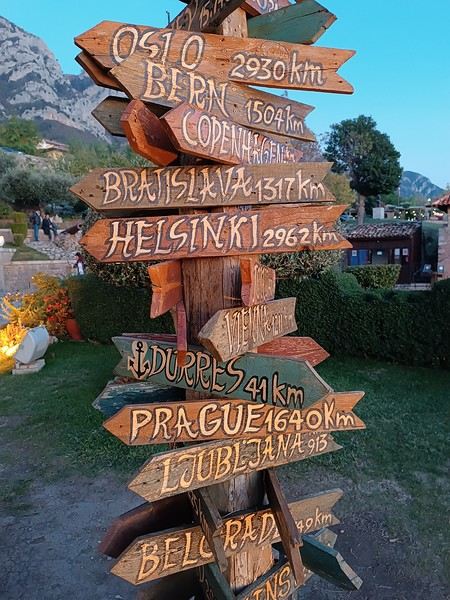
What else, I wonder...
Personally, I often prioritize simple destinations (no administrative hassles), where I’m not at risk (nothing extraordinary like getting kidnapped by Daesh or ending up in a jail cell because the current geopolitics aren’t favorable to my passport, etc.), and where I can drive.
Wide-open natural spaces are more my thing than urban anthills.
Finally, I try not to spend three days on a plane to reach my destination, and I aim for a maximum budget of 3500 € (for 3 weeks) in comfortable conditions—that means charming hotels, good meals, etc.
What about you?🙂
The title might be a bit long, but I hope it’s completely understandable!
When it comes to choosing your next trip, what tips the scales in favor of Eritrea over Ibiza?
Why pick Canada over French Polynesia?
The price? A magazine or TV report, a travel journal, an Instagram ad? Ease of travel? Minimal time difference? The country that has the most in common with all the trip participants? Activities? Relaxation? The desire to push your limits?
A photo?
What else, I wonder...
Personally, I often prioritize simple destinations (no administrative hassles), where I’m not at risk (nothing extraordinary like getting kidnapped by Daesh or ending up in a jail cell because the current geopolitics aren’t favorable to my passport, etc.), and where I can drive.
Wide-open natural spaces are more my thing than urban anthills.
Finally, I try not to spend three days on a plane to reach my destination, and I aim for a maximum budget of 3500 € (for 3 weeks) in comfortable conditions—that means charming hotels, good meals, etc.
What about you?🙂
Mais où donc est ce truc là? (5)
Bonjour
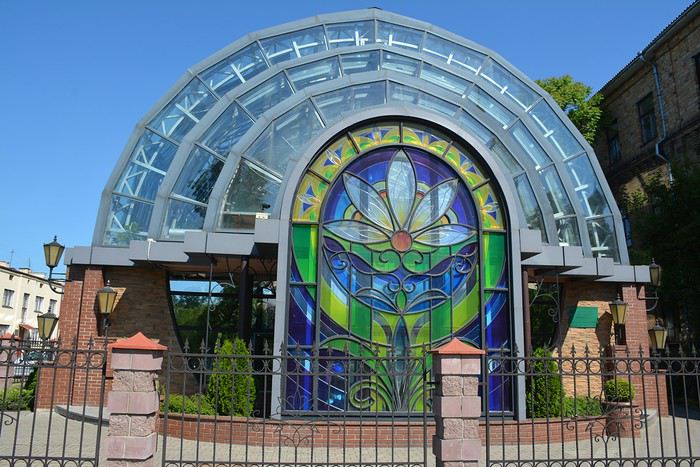
Où se trouve cette serre ?
En premier chercher le pays et ensuite la ville
Françoise
Été 2017: trois semaines en Colombie en famille
Comment la Colombie nous est venue à l’esprit ?
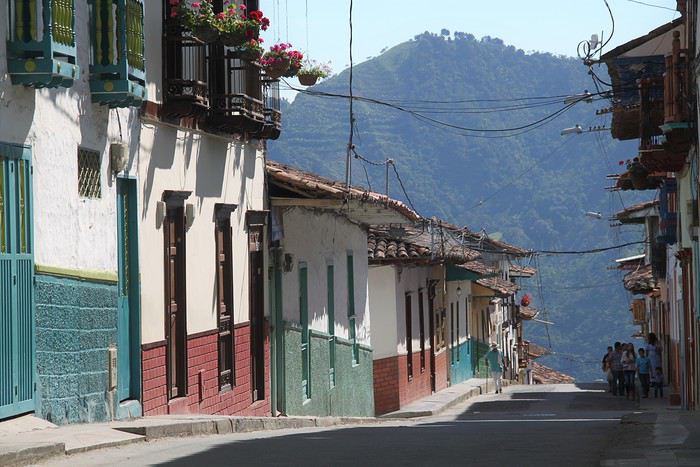
La première fois que j’ai entendu parler de la Colombie – comme destination touristique, j’entends –, c’était lors de notre voyage en Equateur au cours de notre hâlte à La Rana canto(que je recommande chaleureusement d’ailleurs pour qui voudrait faire un stop à la campagne. C’est vraiment très bien). Nadine et Pascal nous ont dit qu’ils commençaient à accueillir des backpackers venant de Colombie et que ces derniers trouvaient cela vraiment super.
Puis un podcast de Voyageurs du Monde m’a persuadée que la Colombie était le pays à visiter rapidement.
Ma fille (19 ans à l’époque) n’a pas été difficile à convaincre. Elle adore l’Amérique latine et une de ses meilleures amies a passé de nombreuses années en Colombie. Les garçons (mon tendre et cher, et notre fils - 17 ans) étaient loin d’être convaincus. Il faut dire que le site du ministère des affaires étrangères était tout sauf rassurant avec plein de rouge partout et un peu de jaune. Mais grâce à un travail de lobbying acharné et astucieux des filles, la promesse de bien rester dans les zones jaunes, ils ont fini par se laisser entraîner. (Entre notre décision et le voyage, le rouge du MAE a été largement réduit).
Restait à établir le parcours. La Colombie c’est grand, très grand. Et les routes sont lentes, très lentes. Pas question de vouloir trop en faire. Notre choix s’est porté sur la région du café, Medellin, Carthagène - parce que Carthagène a beau être très touristique, il nous paraissait difficilement envisageable de passer outre – et la Santander (avec Saint-Gil) que nous avons privilégié au parc de Tayrona (qui nous paraissait davantage semblable à ce que nous avions pu découvrir au cours de nos précédents voyages).
J’ai été guidée dans mes choix par les posts de Intothetrees -merci mille fois à lui- et le blog de Mars56 - merci aussi mille fois. Quelques blogs de voyageurs en tour du monde aussi (peu de sites évoquaient la Colombie à l’époque et j’ai découvert que les blogs de TDM étaient une bonne source d’information dans ce cas).
Pour optimiser les trajets, j’ai choisi une arrivée dans la région du café et un départ de Bogota. Trouver les billets au meilleur prix a été un peu compliqué et j’ai dû me résoudre à passer par un site de grossiste, chose que je ne fais jamais, en croisant les doigts pour ne pas avoir de problèmes. Deux vols intérieurs (Medellin – Carthagène et Carthagène – Bucaramanga) ont permis d’alléger les trajets.
Pour les hôtels, je n’ai pas eu le temps de potasser et puis à vrai dire, il n’y avait pas vraiment de quoi potasser. Je les ai choisis quelques jours à l’avance sur Booking en fonction des différents commentaires. Bien m’en a pris : en réservant depuis l’étranger – et Booking fait partie de « réserver depuis l’étranger », même nous étions déjà en Colombie lors de la réservation – on ne paye pas la TVA.
Au final, le trajet a donné cela.
5 août : trajet Paris - Perreira 6 août : Trajet pour Salamina – Salamina 7 août : Salamina - Balade aux alentours 8 août : Salamina - San Felix-vallée de Samaria 9 août : en route pour Jardin de Antoquia 10 août : Jardin de Antoquia 11 août : Jardin de Antoquia 12 août : trajet pour Medellín - musée de Antoquia 13 août : Guatape 14 août : Medellín - Free tour- Metrocable et Comuna 13 15 août : trajet pour Carthagène - Carthagène 16 août : Carthagène 17 août : Carthagène – les îles de Rosaire 18 août : Carthagène – La Boquhttp://illa 19 août : En route pour San Gil. Non ! pour Bogota ! 20 août : San Gil 21 août : Barichara- Guane 22 août : Rafting à San Gil 23 août : San Gil- Guadalupe 24 août : Guadalupe 25 août : Trajet pour Bogotá 26 août : Bogotá – bike tour – La calendelaria- musée de l’or 27 août : Bogotá - Montserrat- retour sur Paris
Tant pis pour la carte que j'ai faite sur Google earth : je ne peux pas la télécharger, pas assez de pixels!!
Nous avons donc adopté un rythme cool, nous laissant le temps de la découverte mais aussi du repos entre des trajets qui ont été souvent chaotiques voire complétement chamboulés. J’y reviendrai.
Un petit bilan, avant de passer au détail du récit : nous avons tout quatre bien apprécié la Colombie et les Colombiens. Le très bon espagnol de notre fille nous a beaucoup aidé à la fois pour nous débrouiller – mais nous aurions pu faire sans – mais aussi pour échanger avec les gens, notamment dans le bus. Le Colombie est un pays vraiment très chouette et mon seul regret, partagé par au moins un autre membre de la famille (je vous laisse deviner lequel), est de ne pas avoir eu plus de temps pour, par exemple, aller à Mompox ou encore Mongi.
Quant à la sécurité, souvent source d’interrogations, jamais nous ne nous sommes sentis menacés. Bien sûr nous avons pris les précautions d’usage et, dans les villes, Medellín et Bogotá, j’avais choisi pour nous loger les quartiers les plus sécures, peut-être moins typiques mais plus simples à gérer. Evidemment, cela ne veut pas dire qu’il n’y pas de problèmes, mais nous n’avons pas eu de soucis pour voyager. Dans la région du café, nous avons croisé maints militaires dûment armés, un peu impressionnant quand même.
La première fois que j’ai entendu parler de la Colombie – comme destination touristique, j’entends –, c’était lors de notre voyage en Equateur au cours de notre hâlte à La Rana canto(que je recommande chaleureusement d’ailleurs pour qui voudrait faire un stop à la campagne. C’est vraiment très bien). Nadine et Pascal nous ont dit qu’ils commençaient à accueillir des backpackers venant de Colombie et que ces derniers trouvaient cela vraiment super.
Puis un podcast de Voyageurs du Monde m’a persuadée que la Colombie était le pays à visiter rapidement.
Ma fille (19 ans à l’époque) n’a pas été difficile à convaincre. Elle adore l’Amérique latine et une de ses meilleures amies a passé de nombreuses années en Colombie. Les garçons (mon tendre et cher, et notre fils - 17 ans) étaient loin d’être convaincus. Il faut dire que le site du ministère des affaires étrangères était tout sauf rassurant avec plein de rouge partout et un peu de jaune. Mais grâce à un travail de lobbying acharné et astucieux des filles, la promesse de bien rester dans les zones jaunes, ils ont fini par se laisser entraîner. (Entre notre décision et le voyage, le rouge du MAE a été largement réduit).
Restait à établir le parcours. La Colombie c’est grand, très grand. Et les routes sont lentes, très lentes. Pas question de vouloir trop en faire. Notre choix s’est porté sur la région du café, Medellin, Carthagène - parce que Carthagène a beau être très touristique, il nous paraissait difficilement envisageable de passer outre – et la Santander (avec Saint-Gil) que nous avons privilégié au parc de Tayrona (qui nous paraissait davantage semblable à ce que nous avions pu découvrir au cours de nos précédents voyages).
J’ai été guidée dans mes choix par les posts de Intothetrees -merci mille fois à lui- et le blog de Mars56 - merci aussi mille fois. Quelques blogs de voyageurs en tour du monde aussi (peu de sites évoquaient la Colombie à l’époque et j’ai découvert que les blogs de TDM étaient une bonne source d’information dans ce cas).
Pour optimiser les trajets, j’ai choisi une arrivée dans la région du café et un départ de Bogota. Trouver les billets au meilleur prix a été un peu compliqué et j’ai dû me résoudre à passer par un site de grossiste, chose que je ne fais jamais, en croisant les doigts pour ne pas avoir de problèmes. Deux vols intérieurs (Medellin – Carthagène et Carthagène – Bucaramanga) ont permis d’alléger les trajets.
Pour les hôtels, je n’ai pas eu le temps de potasser et puis à vrai dire, il n’y avait pas vraiment de quoi potasser. Je les ai choisis quelques jours à l’avance sur Booking en fonction des différents commentaires. Bien m’en a pris : en réservant depuis l’étranger – et Booking fait partie de « réserver depuis l’étranger », même nous étions déjà en Colombie lors de la réservation – on ne paye pas la TVA.
Au final, le trajet a donné cela.
5 août : trajet Paris - Perreira 6 août : Trajet pour Salamina – Salamina 7 août : Salamina - Balade aux alentours 8 août : Salamina - San Felix-vallée de Samaria 9 août : en route pour Jardin de Antoquia 10 août : Jardin de Antoquia 11 août : Jardin de Antoquia 12 août : trajet pour Medellín - musée de Antoquia 13 août : Guatape 14 août : Medellín - Free tour- Metrocable et Comuna 13 15 août : trajet pour Carthagène - Carthagène 16 août : Carthagène 17 août : Carthagène – les îles de Rosaire 18 août : Carthagène – La Boquhttp://illa 19 août : En route pour San Gil. Non ! pour Bogota ! 20 août : San Gil 21 août : Barichara- Guane 22 août : Rafting à San Gil 23 août : San Gil- Guadalupe 24 août : Guadalupe 25 août : Trajet pour Bogotá 26 août : Bogotá – bike tour – La calendelaria- musée de l’or 27 août : Bogotá - Montserrat- retour sur Paris
Tant pis pour la carte que j'ai faite sur Google earth : je ne peux pas la télécharger, pas assez de pixels!!
Nous avons donc adopté un rythme cool, nous laissant le temps de la découverte mais aussi du repos entre des trajets qui ont été souvent chaotiques voire complétement chamboulés. J’y reviendrai.
Un petit bilan, avant de passer au détail du récit : nous avons tout quatre bien apprécié la Colombie et les Colombiens. Le très bon espagnol de notre fille nous a beaucoup aidé à la fois pour nous débrouiller – mais nous aurions pu faire sans – mais aussi pour échanger avec les gens, notamment dans le bus. Le Colombie est un pays vraiment très chouette et mon seul regret, partagé par au moins un autre membre de la famille (je vous laisse deviner lequel), est de ne pas avoir eu plus de temps pour, par exemple, aller à Mompox ou encore Mongi.
Quant à la sécurité, souvent source d’interrogations, jamais nous ne nous sommes sentis menacés. Bien sûr nous avons pris les précautions d’usage et, dans les villes, Medellín et Bogotá, j’avais choisi pour nous loger les quartiers les plus sécures, peut-être moins typiques mais plus simples à gérer. Evidemment, cela ne veut pas dire qu’il n’y pas de problèmes, mais nous n’avons pas eu de soucis pour voyager. Dans la région du café, nous avons croisé maints militaires dûment armés, un peu impressionnant quand même.
Photo: votre best of 2019
Bonjour à tous 🙂
2019 s'achève et il est grand temps de lancer cette nouvelle discussion pour partager le meilleur de l'année.
Sur le modèle des années passées, les principes à suivre sont les suivants : - 10 photos par membre, qui devront être numérotées, et postées dans un ou plusieurs messages, - ces photos doivent avoir été prises en voyage en 2019 - edit: sur suggestion de Kate, parmi votre sélection, une poignée pourra avoir été prise hors voyage - ce n'est pas un concours, il n'y aura pas de vote à clé - c'est en revanche l'opportunité d'échanger nos impressions sur les clichés (soyez prêts à recevoir des critiques positives... ou négatives, mais toujours constructives !)
En espérant vous voir nombreux sur la discussion, et y trouver la même qualité que les années passées !
Alors, qui se lance en premier ? 😉
Pour les nostalgiques, pour ceux qui en veulent toujours plus, voici les liens vers les best of des années passées (du moins, ceux que j'ai trouvés: qu'est-il advenu de 2016 et 2017 ?) : - 2012 - 2013 - 2014 - 2015 - 2018
Joyeuses fêtes à tous !
2019 s'achève et il est grand temps de lancer cette nouvelle discussion pour partager le meilleur de l'année.
Sur le modèle des années passées, les principes à suivre sont les suivants : - 10 photos par membre, qui devront être numérotées, et postées dans un ou plusieurs messages, - ces photos doivent avoir été prises en voyage en 2019 - edit: sur suggestion de Kate, parmi votre sélection, une poignée pourra avoir été prise hors voyage - ce n'est pas un concours, il n'y aura pas de vote à clé - c'est en revanche l'opportunité d'échanger nos impressions sur les clichés (soyez prêts à recevoir des critiques positives... ou négatives, mais toujours constructives !)
En espérant vous voir nombreux sur la discussion, et y trouver la même qualité que les années passées !
Alors, qui se lance en premier ? 😉
Pour les nostalgiques, pour ceux qui en veulent toujours plus, voici les liens vers les best of des années passées (du moins, ceux que j'ai trouvés: qu'est-il advenu de 2016 et 2017 ?) : - 2012 - 2013 - 2014 - 2015 - 2018
Joyeuses fêtes à tous !
De Vadodara (Gujarat) à Jaipur (Rajasthan)
Le vol Toulouse -Mumbai avec la Lufthansa s'est bien passé et nous arrivons même une demi heure en avance .
L'enregistrement du e-visa de 5 ans se fait sans problème.
Mon sac récupéré, je m'installe dans le hall pour attendre mon train qui part de la gare Bandra qui n'est pas très loin de l'aéroport. J'ai eu une bonne idée d'attendre à l'aéroport car cette gare est très petite , et les personnes présentes sont étendues au sol et dorment.
Mon train pour Vadodara part à 05h10 et est à l'heure.
J'ai réservé un billet en 2ème classe ce qui me permet d'avoir une couchette et de bien me reposer pour arriver en forme à Vadodara à 10h45.
J'ai réservé une chambre à l'hôtel 7 apple qui est à moins de 2 kms de la gare. Cet hôtel est accueillant, propre avec un restaurant et un supermarché .
Une fois bien installée, douchée je pars découvrir cette ville . Je pars à pieds avec l'aide de google maps à la recherche d'un bureau de change.
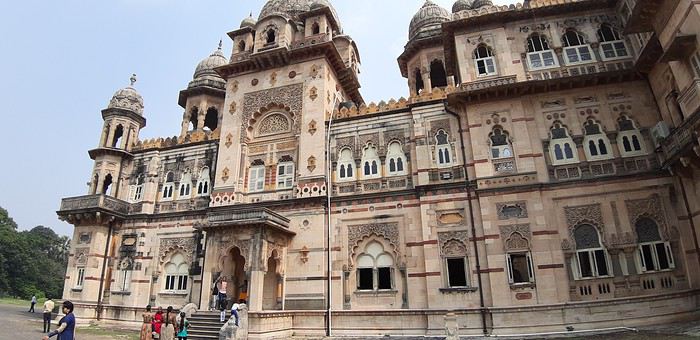
De là, je prends un rickshaw qui me conduit au Palais Laxmi Vilas.(entrée 500rs ).
Ce palais a été construit en 1890 par le Maharaja Sayajirao Gaekwad III et ce sur un ancien palais, de style indo-saracenic, et il fait quatre fois le Bukingham Palace.
Il est interdit de faire des photos à l'intérieur et uniquement avec le téléphone à l'extérieur.
C'est le plus grand palais de l'Inde avec 170 chambres et plusieurs ascenseurs.
en arrivant dans le parc du palais nous tombons sur cette façade qui donne envie d'en voir un peu plus

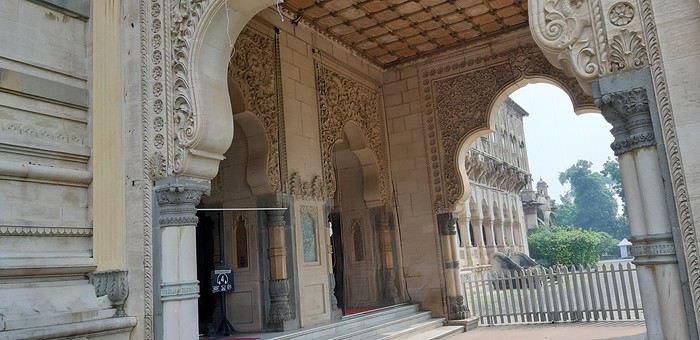
sur le coté
à la sortie
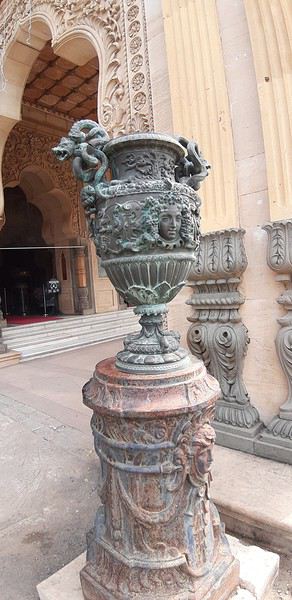
la vue sur les jardins et le terrain de golf où l'on ne peut pas accéder


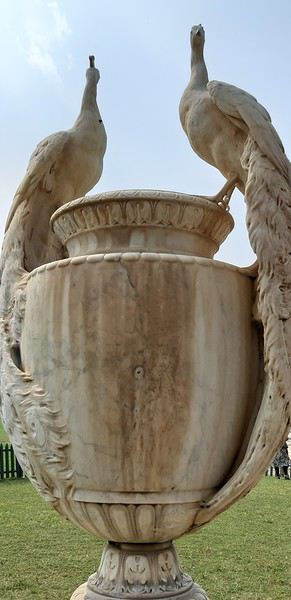


la vue d'ensemble tout de même ...ça jette
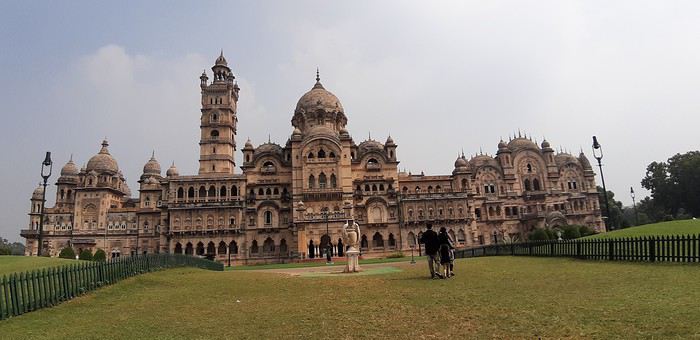
La visite terminée je quitte le parc et au bout d'un petit moment je réalise que je n'ai pas vu le baori. Je reviens donc sur mes pas à sa recherche , je vais demander au guichet et on ne peux plus y accéder car il est en travaux. dommage. Je trouve dans la rue des stands où l'on peut manger des omelettes et je m'y arrête avant de rentrer me reposer à l'hôtel. La première journée a bien commencé et je me sens bien à Vadodara .
en arrivant dans le parc du palais nous tombons sur cette façade qui donne envie d'en voir un peu plus
sur le coté
à la sortie
la vue sur les jardins et le terrain de golf où l'on ne peut pas accéder
la vue d'ensemble tout de même ...ça jette
La visite terminée je quitte le parc et au bout d'un petit moment je réalise que je n'ai pas vu le baori. Je reviens donc sur mes pas à sa recherche , je vais demander au guichet et on ne peux plus y accéder car il est en travaux. dommage. Je trouve dans la rue des stands où l'on peut manger des omelettes et je m'y arrête avant de rentrer me reposer à l'hôtel. La première journée a bien commencé et je me sens bien à Vadodara .
Un mois dans le nord du Pakistan
1 mois au Pakistan, C’était GÉNIAL !
Un pays où le tourisme chinois, coréen et japonais est florissant. Du côté européen, 1 groupe de trekkeurs, et 2 individuels. C’est tout !
Nous étions 2 copines. Début janvier, achat du billet d’avion pour le Pakistan pour y passer un mois. Départ 31 juillet, retour 27 août avec une arrivée à Lahore et un départ d’Islamabad. Objectif : le nord du Pakistan.
Le visa : Pour entrer au Pakistan, il faut une invitation d’un pakistanais ou d’une agence française ou locale. Pour profiter au mieux de paysages et pouvoir s’arrêter où nous voulions, nous avions décidé de louer une voiture. Recherche de loueurs : nous n’avons pas trouvé de location sans chauffeur. Et j’ai envie de dire, avec du recul, aucun regret : notre chauffeur étant super, avec une parfaite connaissance du circuit que nous voulions faire. De plus, les routes sont souvent catastrophiques (en dehors des grands axes) et seules, nous aurions certainement renoncé à une bonne partie du périple !
Arrivée à Lahore où nous y avons passé 2 jours. Grande ville, bruyante à cause des motos mais avec une vieille ville très authentique. Pas de souci pour y passer 2 jours sans s’ennuyer (pourquoi pas 3). Et la population est accueillante, souriante. Une entrée en matière dans le pays très intéressante.
Puis nous avons pris un bus pour Islamabad. Nous n’avons pas du tout apprécié cette ville qui n’a aucune âme. Tracé au carré, avec des grands boulevards. Au centre de chaque quartier un centre commercial. Le seul intérêt : la mosquée.
C’est à Islamabad que nous avons été pris en charge par notre chauffeur. L’enjeu était de taille : il fallait s’entendre avec lui parce que 27 jours, cela peut être long avec quelqu’un avec qui il n’y a pas de complicité ! il nous a rapidement dit que nous étions des touristes « un peu spéciale » mais il s’est très vite adapté à nos attentes et à notre rythme. Le circuit avait été établi auparavant. Il a été respecté mais nous avons parfois modifié les étapes où nous avons dormi. Il faut le dire, c’est grâce à sa capacité d’adaptation, notre voyage a été formidable
cela commence mal, j'ai oublié les photos ! et maintenant, je ne sais pas les mettre en grand !
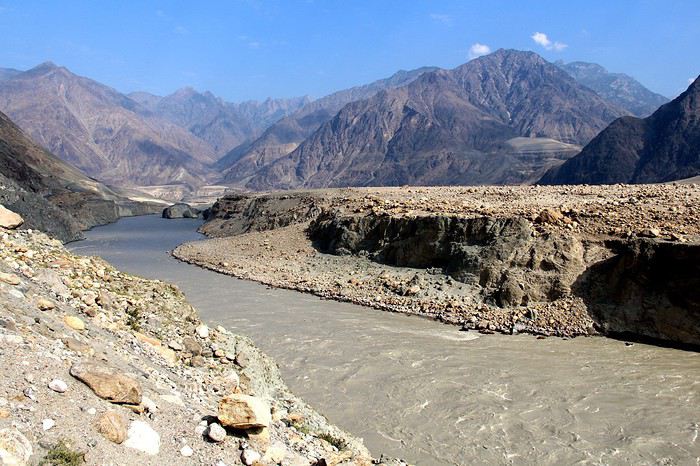
ISLAMABAD / CHILAS Journée longue. On a mis 5 h d’Islamabad pour arriver à l’intersection qui nous fasse rentrer dans la vallée de Kaghan. Route encombrée de voitures, camions… bruit, passage de villes sans intérêt. La vallée jusque Naran, je n’y ai pas trouvé d’intérêt, rien d’exceptionnel à mes yeux. Vallée fréquentée par les pakistanais qui viennent chercher la fraicheur et de Naran, faire la randonnée jusqu’au Glacier de Nanga Parbat. Après Naran, village touristique au milieu de la vallée, les paysages sont plus beaux. (Alors attention, à mes yeux car personnellement, je préfère les paysages arides. Donc sur mes photos, beaucoup de paysages arides. Ce qui ne veut pas dire que dans certains endroits il n’y a pas d’arbres mais comme je prends des photos pour me faire plaisir, de ce que j’aime, je fais peu de photos des paysages plus verts !) Au total, 12 h 30 de route !
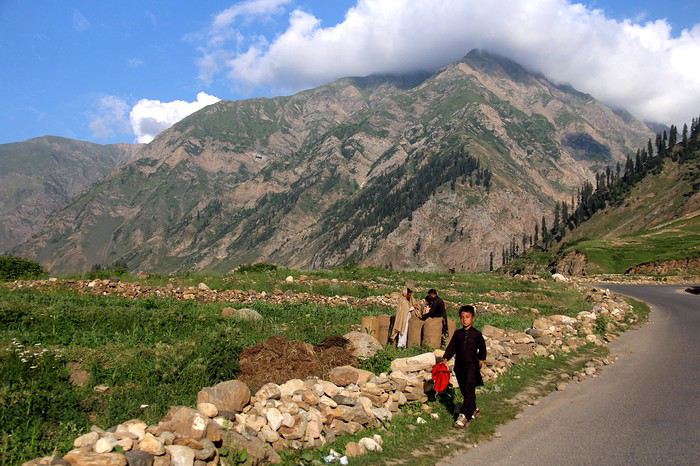
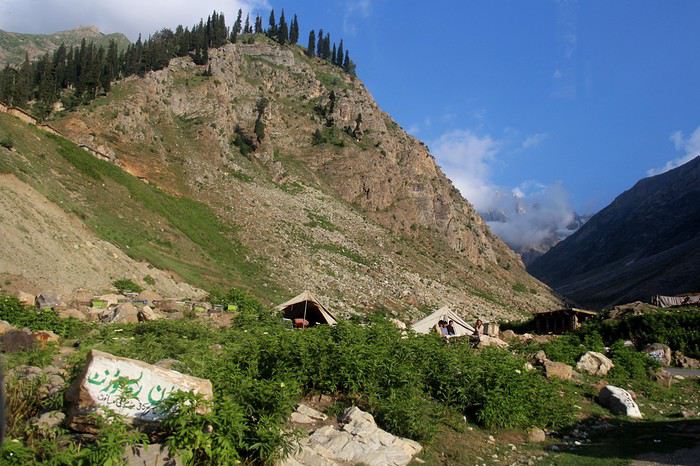 Nous n’avons connu de Chilas que la rue principale le soir, pas vraiment animée, car nous sommes reparties le lendemain matin pour traverser le plateau de Diosai. Avec du recul, nous aurions dû prendre le temps le matin de marcher dans la petite ville et profiter de l’environnement).
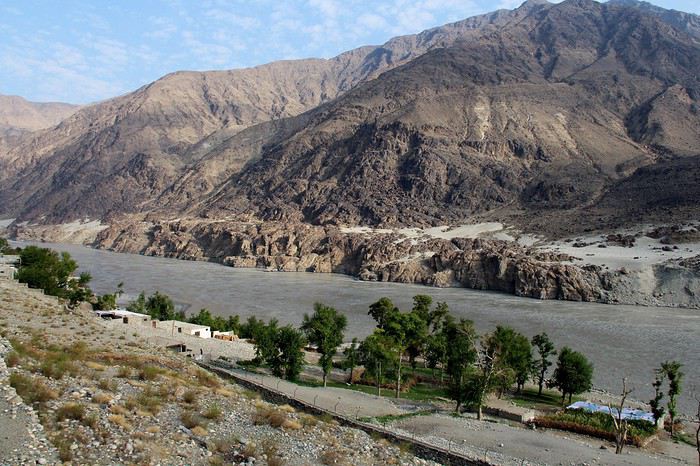
CHILAS /ASTORE La vallée de Chilas, jusque l’embranchement d’Astore est superbe. Après, c’est une vallée très resserrée.
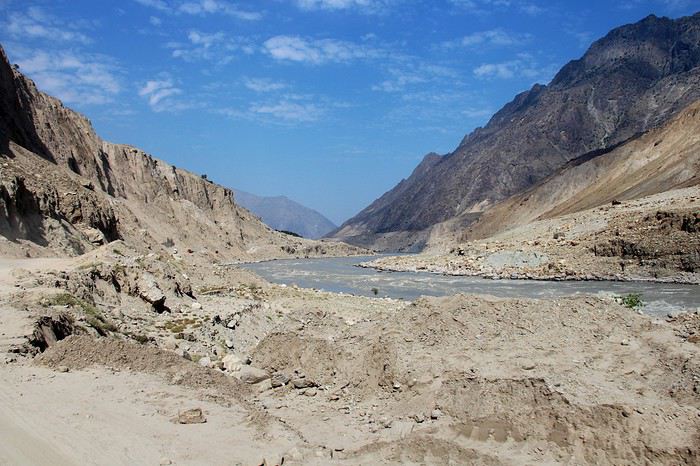
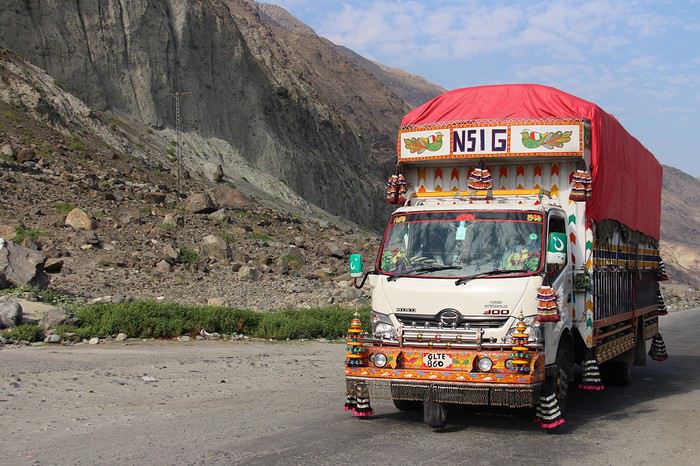
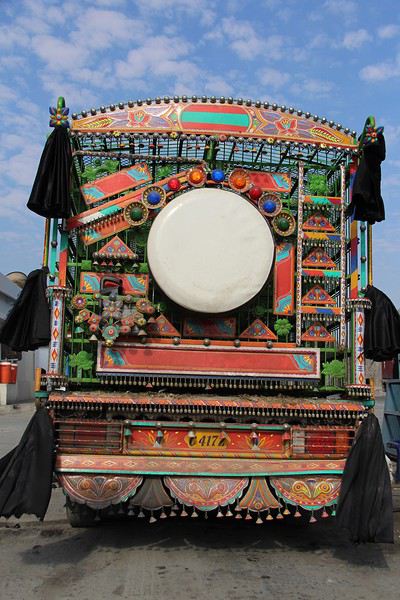
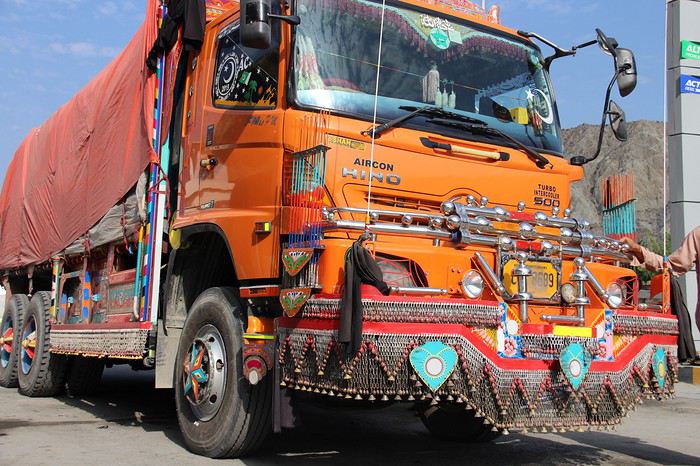
c'est l'occasion de voir nos premiers trucks pakistanais
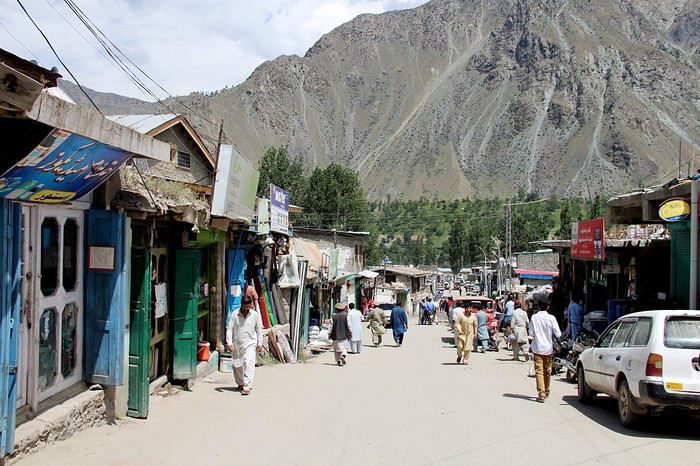
Astore : une rue principale avec le bazar. Du monde le matin. Peu de contact et on fait vite le tour ! Mais en même temps, l’occasion d’observer la vie, les tenues. Et aucun touriste de quelques nationalités qu’ils soient.
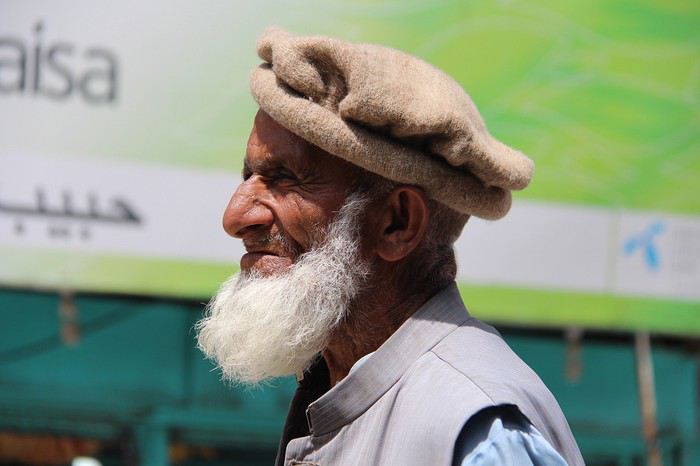
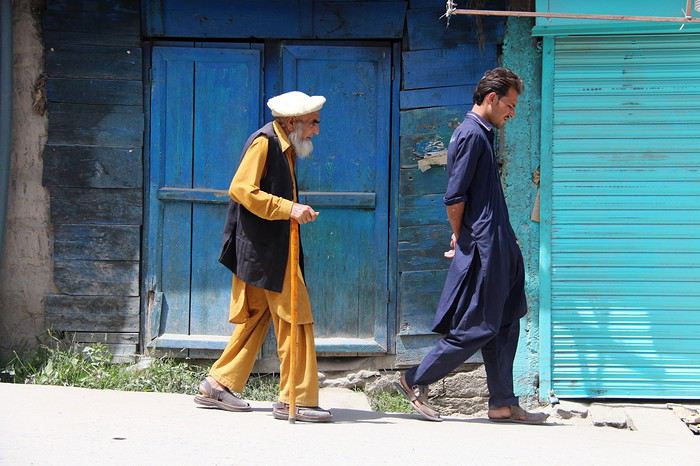
Dans l’après-midi, nous sommes allés dans la vallée de Rama (c’est vert !). Quelques familles y vivent, l’occasion de belles rencontres.
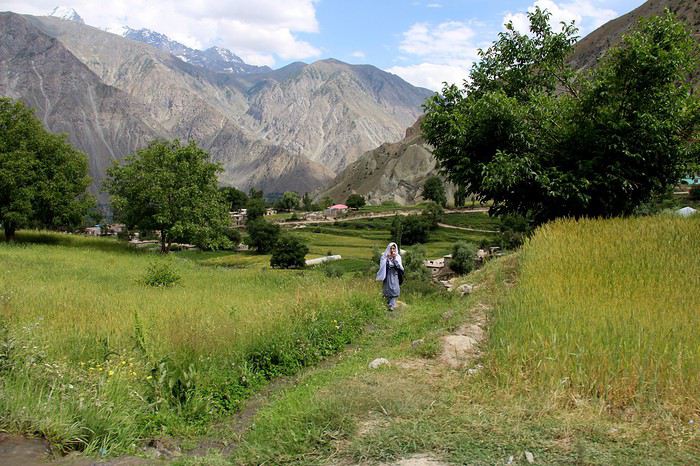
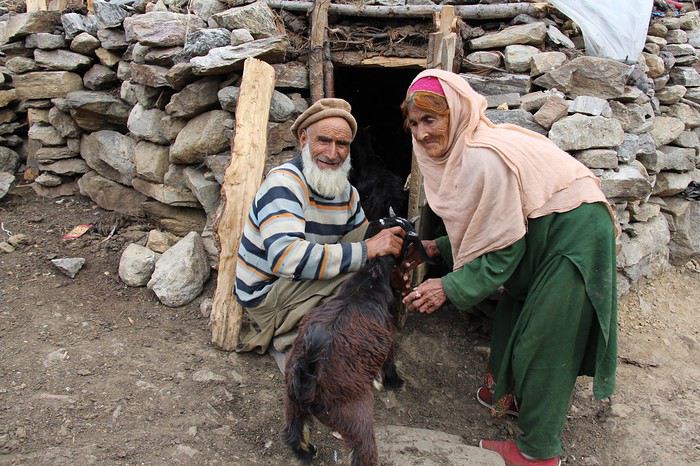
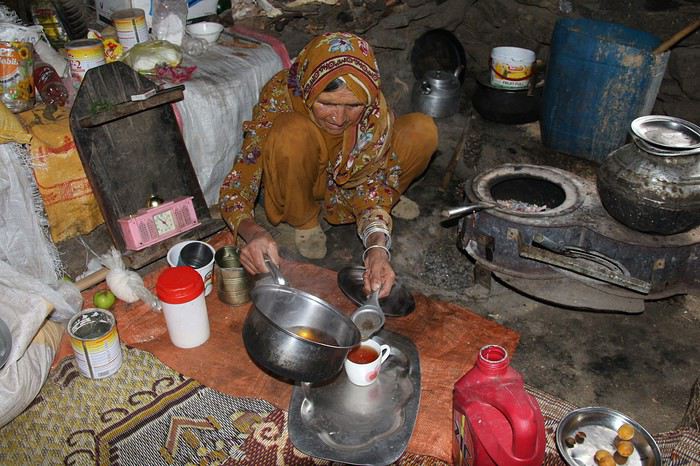
à suivre....
Un pays où le tourisme chinois, coréen et japonais est florissant. Du côté européen, 1 groupe de trekkeurs, et 2 individuels. C’est tout !
Nous étions 2 copines. Début janvier, achat du billet d’avion pour le Pakistan pour y passer un mois. Départ 31 juillet, retour 27 août avec une arrivée à Lahore et un départ d’Islamabad. Objectif : le nord du Pakistan.
Le visa : Pour entrer au Pakistan, il faut une invitation d’un pakistanais ou d’une agence française ou locale. Pour profiter au mieux de paysages et pouvoir s’arrêter où nous voulions, nous avions décidé de louer une voiture. Recherche de loueurs : nous n’avons pas trouvé de location sans chauffeur. Et j’ai envie de dire, avec du recul, aucun regret : notre chauffeur étant super, avec une parfaite connaissance du circuit que nous voulions faire. De plus, les routes sont souvent catastrophiques (en dehors des grands axes) et seules, nous aurions certainement renoncé à une bonne partie du périple !
Arrivée à Lahore où nous y avons passé 2 jours. Grande ville, bruyante à cause des motos mais avec une vieille ville très authentique. Pas de souci pour y passer 2 jours sans s’ennuyer (pourquoi pas 3). Et la population est accueillante, souriante. Une entrée en matière dans le pays très intéressante.
Puis nous avons pris un bus pour Islamabad. Nous n’avons pas du tout apprécié cette ville qui n’a aucune âme. Tracé au carré, avec des grands boulevards. Au centre de chaque quartier un centre commercial. Le seul intérêt : la mosquée.
C’est à Islamabad que nous avons été pris en charge par notre chauffeur. L’enjeu était de taille : il fallait s’entendre avec lui parce que 27 jours, cela peut être long avec quelqu’un avec qui il n’y a pas de complicité ! il nous a rapidement dit que nous étions des touristes « un peu spéciale » mais il s’est très vite adapté à nos attentes et à notre rythme. Le circuit avait été établi auparavant. Il a été respecté mais nous avons parfois modifié les étapes où nous avons dormi. Il faut le dire, c’est grâce à sa capacité d’adaptation, notre voyage a été formidable
cela commence mal, j'ai oublié les photos ! et maintenant, je ne sais pas les mettre en grand !
ISLAMABAD / CHILAS Journée longue. On a mis 5 h d’Islamabad pour arriver à l’intersection qui nous fasse rentrer dans la vallée de Kaghan. Route encombrée de voitures, camions… bruit, passage de villes sans intérêt. La vallée jusque Naran, je n’y ai pas trouvé d’intérêt, rien d’exceptionnel à mes yeux. Vallée fréquentée par les pakistanais qui viennent chercher la fraicheur et de Naran, faire la randonnée jusqu’au Glacier de Nanga Parbat. Après Naran, village touristique au milieu de la vallée, les paysages sont plus beaux. (Alors attention, à mes yeux car personnellement, je préfère les paysages arides. Donc sur mes photos, beaucoup de paysages arides. Ce qui ne veut pas dire que dans certains endroits il n’y a pas d’arbres mais comme je prends des photos pour me faire plaisir, de ce que j’aime, je fais peu de photos des paysages plus verts !) Au total, 12 h 30 de route !
Nous n’avons connu de Chilas que la rue principale le soir, pas vraiment animée, car nous sommes reparties le lendemain matin pour traverser le plateau de Diosai. Avec du recul, nous aurions dû prendre le temps le matin de marcher dans la petite ville et profiter de l’environnement).CHILAS /ASTORE La vallée de Chilas, jusque l’embranchement d’Astore est superbe. Après, c’est une vallée très resserrée.
c'est l'occasion de voir nos premiers trucks pakistanais
Astore : une rue principale avec le bazar. Du monde le matin. Peu de contact et on fait vite le tour ! Mais en même temps, l’occasion d’observer la vie, les tenues. Et aucun touriste de quelques nationalités qu’ils soient.
Dans l’après-midi, nous sommes allés dans la vallée de Rama (c’est vert !). Quelques familles y vivent, l’occasion de belles rencontres.
à suivre....
Concours photo du mois de novembre 2019: "Les édifices religieux dans le monde"
Ouverture du 112 ème Grand Concours Photos International de Voyage Forum.
" Les édifices religieux dans le monde"
Ce mois-ci je vous propose de nous faire partager à travers vos photos:
L'édifice d'églises (Cathédrale, Basilique...), Synagogues, Mosquées, Temples divers (Bouddhisme, Hindouisme..) que vous avez découvert lors de vos voyages....je compte sur vous pour nous surprendre et nous faire découvrir des édifices de toutes les religions connues et méconnues. (La liste des religions ci-dessus n'est pas exhaustive)
Les photos peuvent être une vue extérieure intégrale ou partielle de l'édifice.
Des détails architecturaux externes ou internes à l'édifice sont acceptés.
Les éventuels personnages religieux ou civils seront acceptés mais l'édifice doit être l'attrait principal de la photo.
Les gros plans d'objets religieux ne seront pas acceptés.
Le/la participant(e) doit être l'auteur de la photo...MDR 😛
Seules les photos dans le diaporama officiel sont validées pour être votées.
Toutes les photos déjà postées ultérieurement à une autre occasion seront invalidées.😕
Pour participer : Dépôt des photos jusqu’au vendredi 22 novembre 22h. Vous pouvez poster jusqu’à 3 photos, numérotées et postées dans des messages différents, accompagnées d’un petit descriptif (lieu, anecdote...)
Pour voter : du samedi 23 novembre au vendredi 29 novembre 23h 59. Merci d’indiquer le numéro de la photo, le pseudo et le nombre de points attribués. Photo n°1 = 3 pts Photo n°2 = 2 pts Photo n°3 = 1 pt Tous les membres de VF peuvent voter (même ceux qui n’ont pas déposé de photos). En cas d’égalité de points pour la première position, la photo gagnante sera celle ayant obtenu le plus grand nombre de 1ères places, puis de secondes places ! L’heureux(se) gagnant(e) devra organiser le concours photo du mois de Décembre.
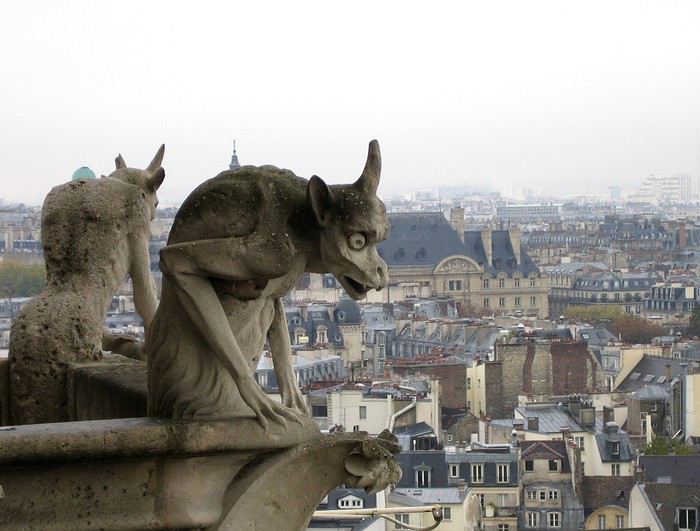
Des exemples: Notre Dame de Paris
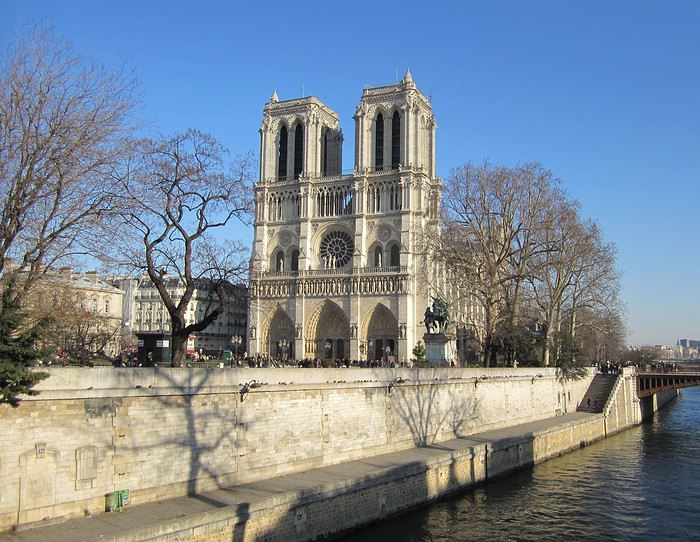
Détails Notre Dame de Paris
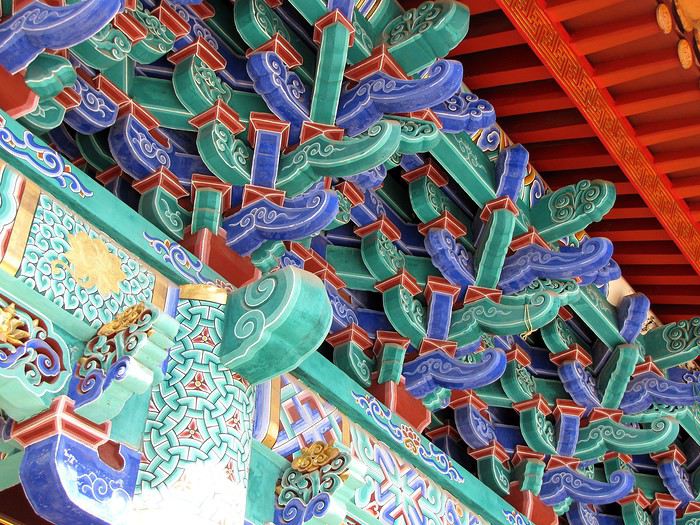
 Détails d'un Temple au Yunnan Chine
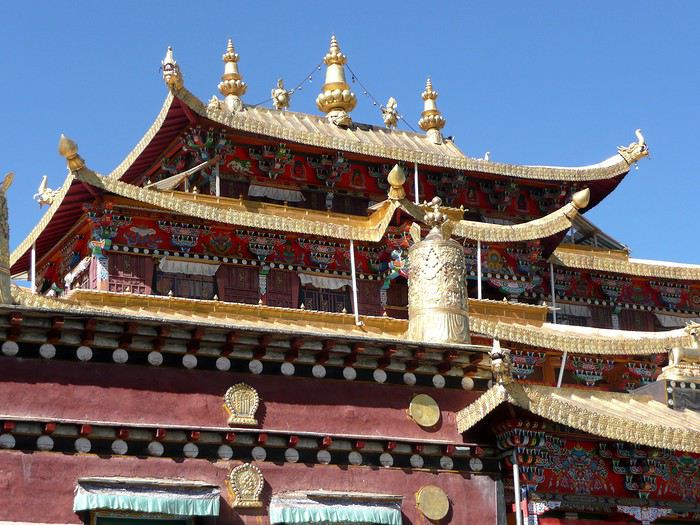
Vue partielle extérieure Temple au Yunnan Chine
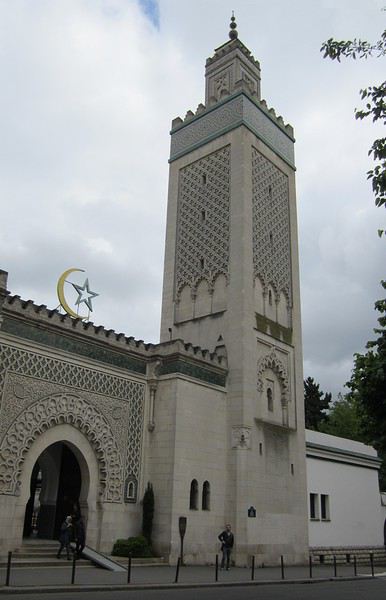
 La grande mosquée de Paris
 Le diaporama :
s.joomeo.com/5dbddd92688f3
JULIE
PS: on discute ici sur le concours de Novembre:😮
voyageforum.com/v.f?post=9805819;live=1;
Le diaporama :
s.joomeo.com/5dbddd92688f3
JULIE
PS: on discute ici sur le concours de Novembre:😮
voyageforum.com/v.f?post=9805819;live=1;
Pour participer : Dépôt des photos jusqu’au vendredi 22 novembre 22h. Vous pouvez poster jusqu’à 3 photos, numérotées et postées dans des messages différents, accompagnées d’un petit descriptif (lieu, anecdote...)
Pour voter : du samedi 23 novembre au vendredi 29 novembre 23h 59. Merci d’indiquer le numéro de la photo, le pseudo et le nombre de points attribués. Photo n°1 = 3 pts Photo n°2 = 2 pts Photo n°3 = 1 pt Tous les membres de VF peuvent voter (même ceux qui n’ont pas déposé de photos). En cas d’égalité de points pour la première position, la photo gagnante sera celle ayant obtenu le plus grand nombre de 1ères places, puis de secondes places ! L’heureux(se) gagnant(e) devra organiser le concours photo du mois de Décembre.
Des exemples: Notre Dame de Paris
Détails Notre Dame de Paris
Détails d'un Temple au Yunnan ChineVue partielle extérieure Temple au Yunnan Chine
La grande mosquée de Paris
Le diaporama :
s.joomeo.com/5dbddd92688f3
JULIE
PS: on discute ici sur le concours de Novembre:😮
voyageforum.com/v.f?post=9805819;live=1;L'improvisation en voyage, de plus en plus difficile
Avec la multiplication des Expedia/Booking/Agoda etc., la prolifération des téléphones cellulaires et l'explosion du nombre de touristes, je trouve qu'il devient de plus en plus difficile de voyager sans avoir à tout, tout, tout planifier des mois à l'avance.
Quand je partais en voyage, J'avais l'habitude de réserver quelques nuits au lieu d'arrivée pour me remettre du décalage puis y aller au pif par la suite. Mais depuis quelques années, c'est devenu plus compliqué. Une réceptionniste d'hôtel m'a même déjà dit de réserver par Booking pour la nuit même!
Je me demande si nous ne sommes pas en train de perdre notre sens de l'improvisation, le plaisir de découvrir des lieux sans savoir à quoi nous attendre. Est-ce encore possible de partir en voyage sans avoir tout prévu?
Quand je partais en voyage, J'avais l'habitude de réserver quelques nuits au lieu d'arrivée pour me remettre du décalage puis y aller au pif par la suite. Mais depuis quelques années, c'est devenu plus compliqué. Une réceptionniste d'hôtel m'a même déjà dit de réserver par Booking pour la nuit même!
Je me demande si nous ne sommes pas en train de perdre notre sens de l'improvisation, le plaisir de découvrir des lieux sans savoir à quoi nous attendre. Est-ce encore possible de partir en voyage sans avoir tout prévu?