Results for "Islande+sécurité"
About 28,023 results.
More options
Many results are in French, the community’s main language. English translations are added over time.
Search results
Rupture d'un support de sacoche Ortlieb
Nous voulions profiter du weekend prolongé de l'assencion pour nous entrainer. Nous avons chargé les vélos pratiquement à l'identique de ce nous allons avoir à Cuba. Au bout de 20 Km en passant à 15 Km/h un gendarme chouché un des supports de la sacoche avant droite a cassé net. La sacoche est allée immédiatement se mettre dans les rayons. J'ai freiné tout ce que j'ai pu et je n'ai rien abimé de vital.
Nous avons du rentrer car je me voyais très mal effectuer 4 jours encore avec une seule sacoche à l'avant. Surtout je n'étais pas tranquile n'arrivant pas a déterminer pourquoi ce support avait cassé. La sacoche est neuve c'est une ortlieb front roller classic. Elle contient environ 10 Kg de charge essentiellement la nourriture pour nous trois. La sacoche est "lourde" mais ne semble pas très chargée vue de l'exterieur. Elle vient s'accrocher sur un tubus tara
Après une bonne nuit de sommeil et quelques heures de bricolage voici l'analyse du problème. L'ordre des points cités n'est pas celui de leur d'importance. 1) Problème de qualité de fabrication du support En regardant de très pret la pièce et ma surface où elle a cassé on appreçoit des petites bulles dans le plastique. Mon frère est passé à la maison pour me donner un coup de main. il est concepteur de pièces plastiques et de moules. Pour lui c'est problème de la fabrication (moule ou matière trop chaud...). Ce qui veut dire qu'une série de pièce possède ce problème.(voir photo) 2) Jeu dans la fixation
En regardant de plus pret la sacoche front roller sur le Tubus Tara est mal tenue! Il y a un jeu important et la sacoche peut coulisser le long barre superieure sur pres d'un cm. Celà ne vient pas du réglage car les support sont réglés au plus large (je suis en buté). J'ai ajouté un bout de tuyau en plastique pour faire l'arret en translation (voir photo)
2) Jeu dans la fixation
En regardant de plus pret la sacoche front roller sur le Tubus Tara est mal tenue! Il y a un jeu important et la sacoche peut coulisser le long barre superieure sur pres d'un cm. Celà ne vient pas du réglage car les support sont réglés au plus large (je suis en buté). J'ai ajouté un bout de tuyau en plastique pour faire l'arret en translation (voir photo)
 3) Dynamique du vélo
J'ai constaté que les sacoches avant bougaient beaucoup quand la roue arrière encaisse un choc. Est le poids important dans la remorque et sur l'ensemble du vélo qui font remonter une grosse vibration dans l'avant? Vue d'ensemble du chargement ici
3) Dynamique du vélo
J'ai constaté que les sacoches avant bougaient beaucoup quand la roue arrière encaisse un choc. Est le poids important dans la remorque et sur l'ensemble du vélo qui font remonter une grosse vibration dans l'avant? Vue d'ensemble du chargement ici
 4) Charge dans la sacoche
La sacoche n'est pas assez pleine. Son contenu peut bouger et donc prendre de la vitesse et créer un "impact" lors d'un choc.
4) Charge dans la sacoche
La sacoche n'est pas assez pleine. Son contenu peut bouger et donc prendre de la vitesse et créer un "impact" lors d'un choc.
J'ai cherché en vain dans le forum des casses similaires Avez vous eu des problèmes du genre?
Avez vous eu déjà recours, au service SAV de Ortlieb? Si oui par quel canal?
Bonne route!
Gones en SAV
Nous avons du rentrer car je me voyais très mal effectuer 4 jours encore avec une seule sacoche à l'avant. Surtout je n'étais pas tranquile n'arrivant pas a déterminer pourquoi ce support avait cassé. La sacoche est neuve c'est une ortlieb front roller classic. Elle contient environ 10 Kg de charge essentiellement la nourriture pour nous trois. La sacoche est "lourde" mais ne semble pas très chargée vue de l'exterieur. Elle vient s'accrocher sur un tubus tara
Après une bonne nuit de sommeil et quelques heures de bricolage voici l'analyse du problème. L'ordre des points cités n'est pas celui de leur d'importance. 1) Problème de qualité de fabrication du support En regardant de très pret la pièce et ma surface où elle a cassé on appreçoit des petites bulles dans le plastique. Mon frère est passé à la maison pour me donner un coup de main. il est concepteur de pièces plastiques et de moules. Pour lui c'est problème de la fabrication (moule ou matière trop chaud...). Ce qui veut dire qu'une série de pièce possède ce problème.(voir photo)
2) Jeu dans la fixation
En regardant de plus pret la sacoche front roller sur le Tubus Tara est mal tenue! Il y a un jeu important et la sacoche peut coulisser le long barre superieure sur pres d'un cm. Celà ne vient pas du réglage car les support sont réglés au plus large (je suis en buté). J'ai ajouté un bout de tuyau en plastique pour faire l'arret en translation (voir photo)
3) Dynamique du vélo
J'ai constaté que les sacoches avant bougaient beaucoup quand la roue arrière encaisse un choc. Est le poids important dans la remorque et sur l'ensemble du vélo qui font remonter une grosse vibration dans l'avant? Vue d'ensemble du chargement ici
4) Charge dans la sacoche
La sacoche n'est pas assez pleine. Son contenu peut bouger et donc prendre de la vitesse et créer un "impact" lors d'un choc.J'ai cherché en vain dans le forum des casses similaires Avez vous eu des problèmes du genre?
Avez vous eu déjà recours, au service SAV de Ortlieb? Si oui par quel canal?
Bonne route!
Gones en SAV
T5 California 4xmotion
Bonjour,
J’aurais besoin des avis éclairés de quelques membres du forum.
Comme alternative au système un pick-up + hard-top dodo ou cellule, je viens de découvrir avec intérêt le T5 California 4xmotion (je suppose que beaucoup ici le connaissent, mais je suis tout à fait novice en 4x4 et CC et il y a à peine un mois que j’ai commencé mes premières recherches).
J’imagine que les possibilités 4x4 sont loin de rivaliser avec celles d’un pick-up (type L200, B2500, Hilux, etc.) et qu’il n’est pas question de faire du franchissement ou passer des devers, mais le 4xmotion est quand même une transmission intégrale couplée à un correcteur électronique de trajectoire ESP, un blocage électronique de différentiel EDS et à un antipatinage ASR. Il y a même en option un blocage de différentiel manuel. La hauteur de gué est de 300mm et les angles caractéristiques sont : pente maximum de 36°, attaque 22°, ventral 14° et sortie 16°.
Je pense l'utiliser en famille (2 adultes et 1 enfant de 11 ans) les week-end et les vacances (destination Scandinavie par exemple), mes trajets se limitant à autoroutes + routes + chemins (montagne, gadoue, éventuellement neige, etc.).
Je suppose que les capacités routières sont bien meilleures que la propulsion d’un pick-up (vitesse, consommation, confort, sécurité, etc.) et que l’hébergement vaut celui d’une petite cellule (toit à soufflet en aluminium, chauffage stationnaire, clim, etc).
J’ignore tout de la réputation des VW Ti ; pensez-vous qu’il s’agisse là d’un choix cohérent (mis à part le prix de vente neuf qui vaut bien celui d’un pick-up + cellule) ?
L’option blocage du différentiel manuel est-elle utile dans la mesure où il y a tout de même une gestion électronique avec l’EDS ?
Enfin, la motorisation à 130 CV (340 Nm/2000 trs) vous paraît-elle suffisante ou faut-il opter pour les 174 CV (400/2000), sachant que la bête pèse presque 2.5 tonnes et que le surcoût est de 2730 € ?
Merci par avance ; A+
Denis
Avez vous des conseils pour voyager avec enfants
Bonjour à tous, Je fais mes débuts sur ce forum, et je trouve que la majorité des participants sont de véritables sources de connaissances. Aprés avoir pensé à un TDM, j'abandonne l'idée pour des raisons de boulots (c'est risqué de tout lacher avec une petite fille à charge) et de conjoints non disposé. Donc je me rabat sur un séjour de 3 semaines en aout (obligation patronale!) et je fais appel à vous pour des idées de destination, je voyagerais, sur, avec ma fille de 3 ans, et peut être mon homme. J'attends le recit de vos expèriences. Merci pour vos conseils. Delph
Chargeur solaire pour appareil photo numérique
Je vais faire un trek de 3 semaines au Zanskar sans possibilité de recharger les batterie de l'appareil photo depuis une alim électrique 220V ou batterie de voiture.
J'ai trouvé sur le Net un panneau solaire fournissant 12V et 125mA que je pourrais raccorder à mon chargeur de batterie. Un autre panneau plus grand fournit 350mA.
Qui peut me dire si cela va marcher, combien de temps cela va-t-il prendre pour charger ?
Je dispose d'un NIKON D70, batterie EN_EL3 capacité 1300 mA Voltage 7.4 V.
Qui a déjà eu à se poser cette question ? Comment font les trekkeurs dans les espaces isolés ?
Un spécialiste peut-il me répondre.
Merci.
J'ai trouvé sur le Net un panneau solaire fournissant 12V et 125mA que je pourrais raccorder à mon chargeur de batterie. Un autre panneau plus grand fournit 350mA.
Qui peut me dire si cela va marcher, combien de temps cela va-t-il prendre pour charger ?
Je dispose d'un NIKON D70, batterie EN_EL3 capacité 1300 mA Voltage 7.4 V.
Qui a déjà eu à se poser cette question ? Comment font les trekkeurs dans les espaces isolés ?
Un spécialiste peut-il me répondre.
Merci.
Cellule pick-up
je suis actuellement a la recherche de differents avis sur les posseseurs de cellules amovible pour les pick-up
surtout les problemes lie a la tenue de route
surtout les problemes lie a la tenue de route
La norvège en Kayak
Bonjour à tous !!
Quelqu'un pourrait me renseigner sur les possibilités de faire la Norvège en Kayak ? Peut etre connaissez vous un ou plusieurs site internet qui pourraient m'aider?
Tous vos conseils me seront utiles sachant que je commence a peine a y reflechir !!
Merci A+
Christophe
Quelqu'un pourrait me renseigner sur les possibilités de faire la Norvège en Kayak ? Peut etre connaissez vous un ou plusieurs site internet qui pourraient m'aider?
Tous vos conseils me seront utiles sachant que je commence a peine a y reflechir !!
Merci A+
Christophe
Sud Maroc en vtt
Salut
J'envisage de partir dernière quinzaine de décembre pour faire un parcours vtt dans le sud maroc (ouarzazate, djebel sagho, vallée du draa....). Je pense faire ça en autonomie (avec ma remorque Bob yak) et en solo.
Je cherche des infos pour affiner mon parcours et profiter de l'expérience de personnes qui auraient déjà fait ce genre de trip. Je cherche en particulier des infos sur les ravitos en eau, les possibilités de camping sauvage et l'état des pistes.
La cerise sur le gateau serait les coordonnées gps des parcours
D'avance merci
Apneis
J'envisage de partir dernière quinzaine de décembre pour faire un parcours vtt dans le sud maroc (ouarzazate, djebel sagho, vallée du draa....). Je pense faire ça en autonomie (avec ma remorque Bob yak) et en solo.
Je cherche des infos pour affiner mon parcours et profiter de l'expérience de personnes qui auraient déjà fait ce genre de trip. Je cherche en particulier des infos sur les ravitos en eau, les possibilités de camping sauvage et l'état des pistes.
La cerise sur le gateau serait les coordonnées gps des parcours
D'avance merci
Apneis
Nomade terre d'aventures ou Club aventure?
😉BONJOUR!
AYANT PEUR DE VOYAGER SEULE EN AVENTURIERE, JE COMPTE PARTIR AVEC UNE AGENCE SPE DANS LES TREKS CET ETE ( MADAGASCAR OU PEROU ) MAIS LAQUELLE CHOISIR????HELP ME !!!!MERCI D'AVANCE
AYANT PEUR DE VOYAGER SEULE EN AVENTURIERE, JE COMPTE PARTIR AVEC UNE AGENCE SPE DANS LES TREKS CET ETE ( MADAGASCAR OU PEROU ) MAIS LAQUELLE CHOISIR????HELP ME !!!!MERCI D'AVANCE
Storm in the Canary Islands
15 days across Gran Canaria, El Hierro, and a dash of Tenerife under the storm Thérèse!
The planned itinerary will be slightly disrupted...
(The version without discussions is here)
The planned itinerary will be slightly disrupted...
(The version without discussions is here)
Spitsbergen – A Night with the Walruses on Lågøya
Spitsbergen, 80° North latitude. A lost archipelago on the edge of the world, northeast of Greenland, the last lands before the pole. I’m aboard the *Grigoriy Mikheev*, a Russian ship from the Murmansk Polar Research Institute. Russian flag, Russian crew. Chartered by OceanWide Expeditions.
Last night, we were stuck in drifting pack ice in the long Hinlopen Strait. This incident led to an unforgettable barbecue and party on the ship’s foredeck, but we had to abandon our plan to head south and circle Spitsbergen. This summer, there’s too much ice in the strait, and it’s too thick. At dawn, the tide turned, allowing us to break free and head north again. The ship is now moving slowly through sea ice density that satellite maps estimate at around five-tenths. Our progress is punctuated by dull thuds: the ship’s bow constantly shoves and fractures enormous ice floes.
At breakfast, Tarik, our expedition leader, informs us that our program will be significantly altered. Since we can’t cross the strait, we’ll turn back and head north. To kick off our Plan B, Tarik plans a landing tonight on the small island of Låg (Lågøya), at 80°10' North. Last summer, he saw a large walrus colony there and hopes we’ll find them again. The weather is perfect—glorious sunshine—and walruses are truly addicted to sunbathing on the beaches.
We’ve now exited the strait and are sailing far from the coast. In case the walrus colony is there, we don’t want the ship’s approach to scare them into the water before we even see them. So, we scan the shore methodically with binoculars. We pass several bays, round a cape, and examine several shorelines littered with driftwood, but no walruses in sight. Several times, clusters of large rounded rocks trigger false alarms… but no, they’re just rocks…
Suddenly, Tarik spots them through his binoculars! On an isolated peninsula, our expedition leader’s highly trained eye has picked out, among those brown masses, the shape and white color of the enormous tusks of what he calls "the heavyweights of the Arctic!" Now, fifteen or twenty pairs of binoculars are pointed in the indicated direction… Sure enough, I see them now! They’re there, huge, sprawled in the sun on the beach. Without Tarik’s sharp eye, we might have missed them. They’re so tightly packed together that they really look like a mass of brown rocks. Only the white, saber-shaped tusks and the occasional furtive movements hint that they’re animals.
It’s 11 PM, and on the deck of the *Grigoriy Mikheev*, as you can imagine, excitement has ramped up several notches. Several of us have already rushed to our cabins to gear up, pulling on boots and life jackets in anticipation of a landing that promises to be absolutely amazing. Tarik reins in our enthusiasm a bit: Okay, so we were lucky to find them, but now we need to think about how to approach them. Not that they’re dangerous—at least not on land… Their enormous bulk and their pseudo-feet (flippers) only allow for very limited mobility. But when they feel threatened, their first instinct is to head for the water, where their perfect ease keeps them safe. So, the challenge will be not to scare them off, to avoid them bolting into the water in the first few seconds! That’s exactly what would happen if we arrived by Zodiac right in front of them.
So, Tarik decides we’ll make a wide detour to land on the other side of the peninsula where they are. From there, we’ll leave the Zodiacs on the beach and cross the peninsula on foot, about a kilometer and a half. That way, we’ll approach the herd from behind. This approach will also keep us downwind of them. There you go—with a few precautions, they shouldn’t hear us coming or catch our scent.
Everyone is geared up now and practically bursting with impatience… While the Zodiacs are being lowered into the water, Tarik and Delphine recap the approach rules: absolute silence, communication only by signs, no dragging feet on the rocks, watch your step, and strict coordination with slow movements.
Here we go… we’re off now! Spray flying from the Zodiac’s bow, icy air whipping our faces, gloves gripping the side ropes, freezing splashes, pure emotion… Ahh, I love this! We describe a wide curve offshore to round the peninsula. Ahead of us, the magnificent landscape of this intensely blue sea unfolds, with the hills of Lågøya and, in the distance, the ice-covered mountains of Nordaustlandet under the sun. It’s midnight now. In July, at 80 degrees North, the sun is just like midday.
This navigation takes us far from the walruses, on the other side of the cape. Easy landing on a shoreline of large pebbles covered in giant seaweed brought in by the currents. They look like long strips of plastic—sometimes translucent, sometimes white, beige, or orange. In places, there are huge tangled layers of it. Our boots sink into this material, which gives off a strong iodine smell. Unfortunately, there’s also some plastic waste—fishing floats and net debris. Seeing this here is crazy… A little farther on, in a cove, tides and storms have piled up numerous tree trunks from Siberia.
We begin crossing the peninsula on foot, staying close together. We’re walking on a nearly deserted polar tundra. We’re only ten degrees of latitude from the North Pole here. The violent winds and extreme temperatures that dominate this island for nine months of the year allow only a few rare plants to grow, close to the ground, between the rocks. In places, rocks are covered with large patches of black lichen.
Gérard, rifle slung over his shoulder, constantly scans the terrain. Tarik and Delphine are also very vigilant. We know no one ever lands here, and although this environment isn’t ideal for bears, you never know—better to be cautious. The terrain is mostly flat, but whenever a small rise blocks our view, Gérard moves ahead and only signals us to proceed when he’s sure there’s no "big man in fur" (tradition dictates we don’t name the polar bear).
After a few hundred meters, we find an enormous whale vertebra. Judging by the state of the bone, it’s likely a relic from the whaling era that ravaged this area in the 17th century and all over northern Spitsbergen. A little farther on, the remains of a grave catch our attention. The only human trace on this remote island, this burial is surely very old, also likely dating from the whalers’ time. But this whaler’s final resting place didn’t shelter him for long—there’s not much left, just a piece of skull and a few broken bones. Due to the permafrost, the body could only be buried a few dozen centimeters deep, between some planks held in place by large stones. This makeshift grave was probably ravaged by a bear shortly after the burial. Several stone blocks are overturned, the planks are broken open. We only linger for a minute to pay our respects to this whaler, whose poor remains now merge with the mineral landscape.
A slight rise bulges in the center of the peninsula, and here we are at the highest point. If our orientation is correct, we’re heading straight for the walrus colony. A moment of emotion… my heart’s pounding. Yes, they’re there, about three hundred meters ahead of us! They haven’t moved since we spotted them from the *Grigoriy Mikheev*’s deck. They’re sprawled in a heap, packed tightly together in the sun, on the shingle beach. The light breeze blowing in our faces confirms we’re on the right track—not to be sniffed out from afar by the big beasts.
By signs, Tarik tells us we’ll approach slowly, in stages, moving about thirty meters at a time, making as little noise as possible with our boots, then freezing completely for a minute or two, crouching down to let them forget us. This strategy proves excellent. We’re now less than a hundred meters away, and it doesn’t seem like our presence is perceived as a threat by the "heavyweights of the Arctic." At this distance, let’s not kid ourselves: we’re certainly spotted, but our way of approaching must seem reassuring—or at least manageable—since they’re only a few meters from the water and know they could dash into it in seconds if they felt the need.
We now advance in shorter stages—twenty meters at a time, then just ten, crouching, then freezing like statues, our breathing nearly held from emotion and concentration. We’re now thirty meters from the mastodons. Our presence must be starting to stress them because they’re moving more. While still sprawled against each other, some suddenly rear up on their flipper-feet, grunting and snorting like monstrous pigs. Their head shakes make their two enormous ivory sabers sway. They jab them into the fat of their neighbors, who in turn stir and emit irritated snorts.
At Tarik’s signal, we move a few more meters, "on velvet paws"… We’re right there now. I hold my breath, throat tight… Intense emotion, a fantastic spectacle—these enormous Arctic animals sprawled in the sun, with the magnificent backdrop of snow-covered mountains across the sound. I think to myself: *I’m here… this can’t be real!* It’s nearly 2 AM now, the air is crystal clear, and the Arctic sun bathes this scene in what might be the most beautiful light I’ve ever seen. We’re about fifteen meters away now. Tarik signals that we won’t go any closer. The walruses are still lying down, but occasionally, our close presence and the clicking of cameras trigger bouts of agitation that ripple through the herd, causing some jostling. They’re so tightly packed and tangled that it’s a bit hard to count them. In the end, we tally sixteen, plus one "little one," half-crushed in the general mass.
Seen from here, they’re truly impressive! The "sumo wrestlers of the Arctic!" According to Tarik, they must weigh about a ton—slightly more for the males than the females—and the "little one" must already be around 200 kg. When the weather’s nice like today, they love sprawling on the beaches to soak up the sun.
Walruses are marvels of Arctic adaptation. They can modify their blood circulation depending on thermal conditions. They withstand extreme cold by directing most of their circulation to vital organs (heart, lungs) and minimizing peripheral blood flow (skin and limbs) to prevent heat loss. Conversely, when they sunbathe, they direct most of their blood flow to the skin, turning themselves into true solar collectors.
At this latitude, there’s practically no difference in sunlight between day and night. Noon or midnight, the sun’s angle barely changes. Walruses make the most of these fair-weather phases by sprawling in the sun 23 hours out of 24… Enough to make siesta lovers dream, right? Twenty-three hours of lounging… and the twenty-fourth for eating!
And when we say "eating," what a feast! The proverb *"Who sleeps dines"* is fully justified here: when a walrus decides to feed, it gulps down between 50 and 60 kg of shellfish in an hour! Its food consists of large bivalve mollusks, which it tears from the seabed with its tusks and sucks up nonstop! A 50 kg meal certainly justifies a 23-hour nap for digestion, right? And speaking of digestion—it’s what the "big guys" in front of us are doing right now! You might wonder how we know this… Well, I’ll tell you: if you were here, downwind (or should I say *down the winds!*) of these marine giants, you’d have no doubt! Pfft… what flatulence! I can confirm that today’s scent is called *"Morsanus, from the North"* (*"Because I’m worth it!"*). Mmm, yeah… Tarik, you had a great idea putting us upwind… at least *they* can’t smell us, but we sure can!
But… heepp! Delphine discreetly signals to get our attention—she’s just spotted something: in the smooth water of the bay, a small V-shaped ripple runs along the beach, then turns toward the shore… So the colony wasn’t complete on the beach… Here’s an 800 kg bather stepping ashore now, right before our astonished eyes! She lifts her head and stays like that for a long moment, her enormous tusks half out of the water. She looks exhausted, resting a bit before coming out. Or more likely, she’s hesitating to climb onto the beach because she’s seen us… The shapeless head stays still for a moment, then violently snorts like a clogged drain! A misshapen head where you can’t make out anything that usually makes a head! No eyes, no ears, no mouth… A sort of monstrous cabbage! But the temptation to join the warmth of the "sunbathers" is too strong! Here’s our pachyderm bather climbing the few meters of the shore and sprawling right in the middle of her companions, who greet her with jostling, grunts, and tusk jabs! Then everything settles back into order—800 kg of fat and flesh added to the fifteen or so tons of local biomass. Welcome to the club!
It seems the walruses have gotten a bit used to us now. They’re moving and grunting much less. I realize it wasn’t obvious to approach them like this without scaring them into the water… It’s thanks to Tarik and Delphine’s advice that we managed it. It’s also, let’s be honest, because we’re all passionate here, and there’s been total discipline and cohesion from the start of this approach.
It’s past 2 AM now—time to head back… We’ll leave them to their wild world, to their life at the beginning of the world. We’re happy to have disturbed them as little as possible and not to have disrupted their nap too much. We leave stealthily, first backing up a few meters, then turning around and crossing the peninsula again, walking slowly, avoiding making noise with our boots as long as we’re still close.
We find the Zodiacs on the shoreline with the giant kelp. The sea is like a lake—easy boarding. We make another wide loop to round the cape, passing offshore. The sharp cold stings my cheeks and ears again—I put my hat back on. The cold—I hadn’t thought about it at all during our encounter with the walruses. In the Zodiac, with the engine noise, no one speaks. The faces and smiles are those of men and women who’ve just crossed an inner frontier—the one that separates dream from reality. But tonight, that frontier was porous, and the dream entered reality.
We return to the *Grigoriy Mikheev*, waiting at anchor. It’s past 3 AM, but I don’t feel any fatigue. A few minutes later, I’m in my bunk, rocked by a gentle swell and the hum of the engines. In the soft warmth of the blanket, a strange sleep overtakes me… A sleep filled with luminous, icy landscapes, with large beasts bearing saber-like tusks. Large beasts that sleep, snore, snort, grunt, and jostle in their sleep… in *my* sleep. An unforgettable memory. It was July 2004, in Spitsbergen.
Chris51.
Last night, we were stuck in drifting pack ice in the long Hinlopen Strait. This incident led to an unforgettable barbecue and party on the ship’s foredeck, but we had to abandon our plan to head south and circle Spitsbergen. This summer, there’s too much ice in the strait, and it’s too thick. At dawn, the tide turned, allowing us to break free and head north again. The ship is now moving slowly through sea ice density that satellite maps estimate at around five-tenths. Our progress is punctuated by dull thuds: the ship’s bow constantly shoves and fractures enormous ice floes.
At breakfast, Tarik, our expedition leader, informs us that our program will be significantly altered. Since we can’t cross the strait, we’ll turn back and head north. To kick off our Plan B, Tarik plans a landing tonight on the small island of Låg (Lågøya), at 80°10' North. Last summer, he saw a large walrus colony there and hopes we’ll find them again. The weather is perfect—glorious sunshine—and walruses are truly addicted to sunbathing on the beaches.
We’ve now exited the strait and are sailing far from the coast. In case the walrus colony is there, we don’t want the ship’s approach to scare them into the water before we even see them. So, we scan the shore methodically with binoculars. We pass several bays, round a cape, and examine several shorelines littered with driftwood, but no walruses in sight. Several times, clusters of large rounded rocks trigger false alarms… but no, they’re just rocks…
Suddenly, Tarik spots them through his binoculars! On an isolated peninsula, our expedition leader’s highly trained eye has picked out, among those brown masses, the shape and white color of the enormous tusks of what he calls "the heavyweights of the Arctic!" Now, fifteen or twenty pairs of binoculars are pointed in the indicated direction… Sure enough, I see them now! They’re there, huge, sprawled in the sun on the beach. Without Tarik’s sharp eye, we might have missed them. They’re so tightly packed together that they really look like a mass of brown rocks. Only the white, saber-shaped tusks and the occasional furtive movements hint that they’re animals.
It’s 11 PM, and on the deck of the *Grigoriy Mikheev*, as you can imagine, excitement has ramped up several notches. Several of us have already rushed to our cabins to gear up, pulling on boots and life jackets in anticipation of a landing that promises to be absolutely amazing. Tarik reins in our enthusiasm a bit: Okay, so we were lucky to find them, but now we need to think about how to approach them. Not that they’re dangerous—at least not on land… Their enormous bulk and their pseudo-feet (flippers) only allow for very limited mobility. But when they feel threatened, their first instinct is to head for the water, where their perfect ease keeps them safe. So, the challenge will be not to scare them off, to avoid them bolting into the water in the first few seconds! That’s exactly what would happen if we arrived by Zodiac right in front of them.
So, Tarik decides we’ll make a wide detour to land on the other side of the peninsula where they are. From there, we’ll leave the Zodiacs on the beach and cross the peninsula on foot, about a kilometer and a half. That way, we’ll approach the herd from behind. This approach will also keep us downwind of them. There you go—with a few precautions, they shouldn’t hear us coming or catch our scent.
Everyone is geared up now and practically bursting with impatience… While the Zodiacs are being lowered into the water, Tarik and Delphine recap the approach rules: absolute silence, communication only by signs, no dragging feet on the rocks, watch your step, and strict coordination with slow movements.
Here we go… we’re off now! Spray flying from the Zodiac’s bow, icy air whipping our faces, gloves gripping the side ropes, freezing splashes, pure emotion… Ahh, I love this! We describe a wide curve offshore to round the peninsula. Ahead of us, the magnificent landscape of this intensely blue sea unfolds, with the hills of Lågøya and, in the distance, the ice-covered mountains of Nordaustlandet under the sun. It’s midnight now. In July, at 80 degrees North, the sun is just like midday.
This navigation takes us far from the walruses, on the other side of the cape. Easy landing on a shoreline of large pebbles covered in giant seaweed brought in by the currents. They look like long strips of plastic—sometimes translucent, sometimes white, beige, or orange. In places, there are huge tangled layers of it. Our boots sink into this material, which gives off a strong iodine smell. Unfortunately, there’s also some plastic waste—fishing floats and net debris. Seeing this here is crazy… A little farther on, in a cove, tides and storms have piled up numerous tree trunks from Siberia.
We begin crossing the peninsula on foot, staying close together. We’re walking on a nearly deserted polar tundra. We’re only ten degrees of latitude from the North Pole here. The violent winds and extreme temperatures that dominate this island for nine months of the year allow only a few rare plants to grow, close to the ground, between the rocks. In places, rocks are covered with large patches of black lichen.
Gérard, rifle slung over his shoulder, constantly scans the terrain. Tarik and Delphine are also very vigilant. We know no one ever lands here, and although this environment isn’t ideal for bears, you never know—better to be cautious. The terrain is mostly flat, but whenever a small rise blocks our view, Gérard moves ahead and only signals us to proceed when he’s sure there’s no "big man in fur" (tradition dictates we don’t name the polar bear).
After a few hundred meters, we find an enormous whale vertebra. Judging by the state of the bone, it’s likely a relic from the whaling era that ravaged this area in the 17th century and all over northern Spitsbergen. A little farther on, the remains of a grave catch our attention. The only human trace on this remote island, this burial is surely very old, also likely dating from the whalers’ time. But this whaler’s final resting place didn’t shelter him for long—there’s not much left, just a piece of skull and a few broken bones. Due to the permafrost, the body could only be buried a few dozen centimeters deep, between some planks held in place by large stones. This makeshift grave was probably ravaged by a bear shortly after the burial. Several stone blocks are overturned, the planks are broken open. We only linger for a minute to pay our respects to this whaler, whose poor remains now merge with the mineral landscape.
A slight rise bulges in the center of the peninsula, and here we are at the highest point. If our orientation is correct, we’re heading straight for the walrus colony. A moment of emotion… my heart’s pounding. Yes, they’re there, about three hundred meters ahead of us! They haven’t moved since we spotted them from the *Grigoriy Mikheev*’s deck. They’re sprawled in a heap, packed tightly together in the sun, on the shingle beach. The light breeze blowing in our faces confirms we’re on the right track—not to be sniffed out from afar by the big beasts.
By signs, Tarik tells us we’ll approach slowly, in stages, moving about thirty meters at a time, making as little noise as possible with our boots, then freezing completely for a minute or two, crouching down to let them forget us. This strategy proves excellent. We’re now less than a hundred meters away, and it doesn’t seem like our presence is perceived as a threat by the "heavyweights of the Arctic." At this distance, let’s not kid ourselves: we’re certainly spotted, but our way of approaching must seem reassuring—or at least manageable—since they’re only a few meters from the water and know they could dash into it in seconds if they felt the need.
We now advance in shorter stages—twenty meters at a time, then just ten, crouching, then freezing like statues, our breathing nearly held from emotion and concentration. We’re now thirty meters from the mastodons. Our presence must be starting to stress them because they’re moving more. While still sprawled against each other, some suddenly rear up on their flipper-feet, grunting and snorting like monstrous pigs. Their head shakes make their two enormous ivory sabers sway. They jab them into the fat of their neighbors, who in turn stir and emit irritated snorts.
At Tarik’s signal, we move a few more meters, "on velvet paws"… We’re right there now. I hold my breath, throat tight… Intense emotion, a fantastic spectacle—these enormous Arctic animals sprawled in the sun, with the magnificent backdrop of snow-covered mountains across the sound. I think to myself: *I’m here… this can’t be real!* It’s nearly 2 AM now, the air is crystal clear, and the Arctic sun bathes this scene in what might be the most beautiful light I’ve ever seen. We’re about fifteen meters away now. Tarik signals that we won’t go any closer. The walruses are still lying down, but occasionally, our close presence and the clicking of cameras trigger bouts of agitation that ripple through the herd, causing some jostling. They’re so tightly packed and tangled that it’s a bit hard to count them. In the end, we tally sixteen, plus one "little one," half-crushed in the general mass.
Seen from here, they’re truly impressive! The "sumo wrestlers of the Arctic!" According to Tarik, they must weigh about a ton—slightly more for the males than the females—and the "little one" must already be around 200 kg. When the weather’s nice like today, they love sprawling on the beaches to soak up the sun.
Walruses are marvels of Arctic adaptation. They can modify their blood circulation depending on thermal conditions. They withstand extreme cold by directing most of their circulation to vital organs (heart, lungs) and minimizing peripheral blood flow (skin and limbs) to prevent heat loss. Conversely, when they sunbathe, they direct most of their blood flow to the skin, turning themselves into true solar collectors.
At this latitude, there’s practically no difference in sunlight between day and night. Noon or midnight, the sun’s angle barely changes. Walruses make the most of these fair-weather phases by sprawling in the sun 23 hours out of 24… Enough to make siesta lovers dream, right? Twenty-three hours of lounging… and the twenty-fourth for eating!
And when we say "eating," what a feast! The proverb *"Who sleeps dines"* is fully justified here: when a walrus decides to feed, it gulps down between 50 and 60 kg of shellfish in an hour! Its food consists of large bivalve mollusks, which it tears from the seabed with its tusks and sucks up nonstop! A 50 kg meal certainly justifies a 23-hour nap for digestion, right? And speaking of digestion—it’s what the "big guys" in front of us are doing right now! You might wonder how we know this… Well, I’ll tell you: if you were here, downwind (or should I say *down the winds!*) of these marine giants, you’d have no doubt! Pfft… what flatulence! I can confirm that today’s scent is called *"Morsanus, from the North"* (*"Because I’m worth it!"*). Mmm, yeah… Tarik, you had a great idea putting us upwind… at least *they* can’t smell us, but we sure can!
But… heepp! Delphine discreetly signals to get our attention—she’s just spotted something: in the smooth water of the bay, a small V-shaped ripple runs along the beach, then turns toward the shore… So the colony wasn’t complete on the beach… Here’s an 800 kg bather stepping ashore now, right before our astonished eyes! She lifts her head and stays like that for a long moment, her enormous tusks half out of the water. She looks exhausted, resting a bit before coming out. Or more likely, she’s hesitating to climb onto the beach because she’s seen us… The shapeless head stays still for a moment, then violently snorts like a clogged drain! A misshapen head where you can’t make out anything that usually makes a head! No eyes, no ears, no mouth… A sort of monstrous cabbage! But the temptation to join the warmth of the "sunbathers" is too strong! Here’s our pachyderm bather climbing the few meters of the shore and sprawling right in the middle of her companions, who greet her with jostling, grunts, and tusk jabs! Then everything settles back into order—800 kg of fat and flesh added to the fifteen or so tons of local biomass. Welcome to the club!
It seems the walruses have gotten a bit used to us now. They’re moving and grunting much less. I realize it wasn’t obvious to approach them like this without scaring them into the water… It’s thanks to Tarik and Delphine’s advice that we managed it. It’s also, let’s be honest, because we’re all passionate here, and there’s been total discipline and cohesion from the start of this approach.
It’s past 2 AM now—time to head back… We’ll leave them to their wild world, to their life at the beginning of the world. We’re happy to have disturbed them as little as possible and not to have disrupted their nap too much. We leave stealthily, first backing up a few meters, then turning around and crossing the peninsula again, walking slowly, avoiding making noise with our boots as long as we’re still close.
We find the Zodiacs on the shoreline with the giant kelp. The sea is like a lake—easy boarding. We make another wide loop to round the cape, passing offshore. The sharp cold stings my cheeks and ears again—I put my hat back on. The cold—I hadn’t thought about it at all during our encounter with the walruses. In the Zodiac, with the engine noise, no one speaks. The faces and smiles are those of men and women who’ve just crossed an inner frontier—the one that separates dream from reality. But tonight, that frontier was porous, and the dream entered reality.
We return to the *Grigoriy Mikheev*, waiting at anchor. It’s past 3 AM, but I don’t feel any fatigue. A few minutes later, I’m in my bunk, rocked by a gentle swell and the hum of the engines. In the soft warmth of the blanket, a strange sleep overtakes me… A sleep filled with luminous, icy landscapes, with large beasts bearing saber-like tusks. Large beasts that sleep, snore, snort, grunt, and jostle in their sleep… in *my* sleep. An unforgettable memory. It was July 2004, in Spitsbergen.
Chris51.
Cruise Review: Regal Princess in the British Isles
Hi there!
Here’s a quick review of my cruise on the REGAL PRINCESS.
This was my 35th cruise and my second on the REGAL PRINCESS, which I first discovered in 2017 during a Caribbean cruise.
A few months ago, we received an email from PRINCESS changing the itinerary—DUBLIN and EDINBURGH were replaced by two Scottish islands. We were a little disappointed, but since we’d never sailed around the UK, we didn’t really know any of the ports anyway.
The itinerary was:
SOUTHAMPTON
AT SEA
KIRKWALL
INVERGORDON
AT SEA
STORNOWAY
GLASGOW
BELFAST
AT SEA
CORK
AT SEA
PORTLAND
LE HAVRE
SOUTHAMPTON
A 13-day/12-night cruise for 1350 € per person in a guaranteed deluxe balcony cabin. PRINCESS assigned us a balcony cabin on deck 8 with a large balcony. We ended up happy with our cabin, even though we’d initially preferred a higher deck. I’ll admit I hesitated to choose this cruise because of the weather—I love sunshine and good weather—but the desire to discover new ports won out, especially with the promise of heading to Corsica afterward to soak up some sun again 😉
On PRINCESS, as Catherine mentioned, there’s no card—everyone has a medallion! I loved this system, which unlocks your cabin door as you approach. It’s really well thought out!
We took the EUROSTAR from Lille to London, then a train from London to Southampton the day before. We stayed in a nice IHG hotel near the port.
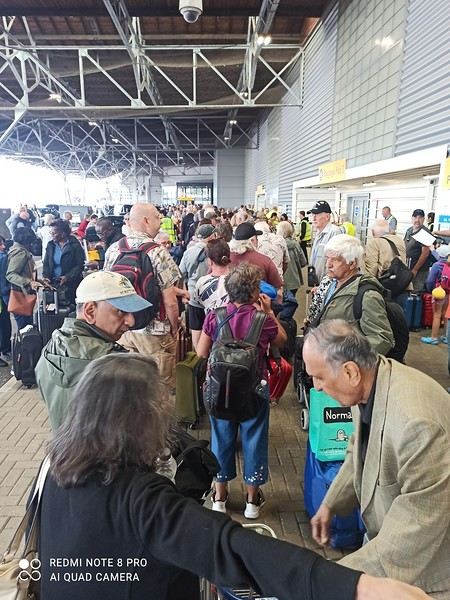
EMBARKATION It’s Friday, August 1st. After a good breakfast and a quick check-out, we realize our UBER app isn’t working in England ;(. We have to go back to reception to ask for a taxi because, even though the hotel is close to the port, the ship is still over 2 km away—hardly ideal with luggage! The problem is that many hotel guests also requested taxis... so we wait a good 30 minutes before ours arrives! We get to the REGAL PRINCESS pretty quickly but are shocked to see a huge line outside!!! We hadn’t seen that in over a decade! Not the best start! 🙁
TO BE CONTINUED!
A 13-day/12-night cruise for 1350 € per person in a guaranteed deluxe balcony cabin. PRINCESS assigned us a balcony cabin on deck 8 with a large balcony. We ended up happy with our cabin, even though we’d initially preferred a higher deck. I’ll admit I hesitated to choose this cruise because of the weather—I love sunshine and good weather—but the desire to discover new ports won out, especially with the promise of heading to Corsica afterward to soak up some sun again 😉
On PRINCESS, as Catherine mentioned, there’s no card—everyone has a medallion! I loved this system, which unlocks your cabin door as you approach. It’s really well thought out!
We took the EUROSTAR from Lille to London, then a train from London to Southampton the day before. We stayed in a nice IHG hotel near the port.
EMBARKATION It’s Friday, August 1st. After a good breakfast and a quick check-out, we realize our UBER app isn’t working in England ;(. We have to go back to reception to ask for a taxi because, even though the hotel is close to the port, the ship is still over 2 km away—hardly ideal with luggage! The problem is that many hotel guests also requested taxis... so we wait a good 30 minutes before ours arrives! We get to the REGAL PRINCESS pretty quickly but are shocked to see a huge line outside!!! We hadn’t seen that in over a decade! Not the best start! 🙁
TO BE CONTINUED!
Croatia, Montenegro – two victims of overtourism?
Mid-June, two Auvergnats on the starting blocks—off we go to the former Yugoslavia!
We’d already explored some nooks and crannies of northern Croatia back in 2019, so we’re keeping the momentum going by planning a trip to the south of the country and then Montenegro.
On the way back, we’ll drift into Bosnia-Herzegovina just to mix things up a bit!
We’re a little unsure about what to expect in terms of tourist crowds.
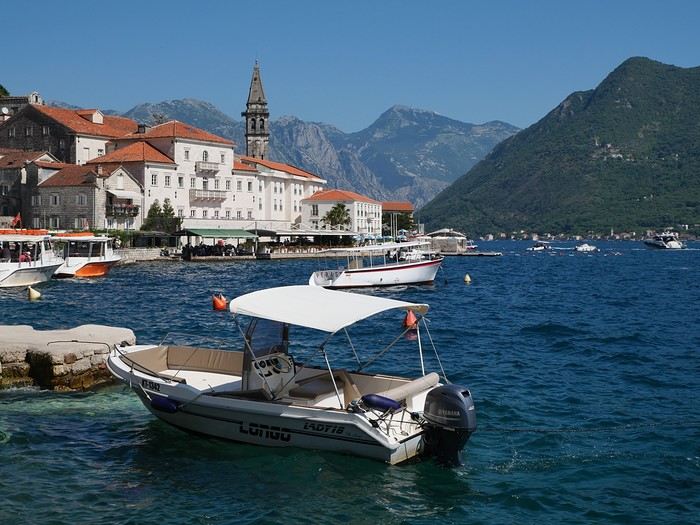
Dubrovnik has a reputation for being the hardest-hit city by overtourism, and Kotor and the whole Dalmatian coast aren’t exactly empty...
Luckily, most European countries haven’t started school holidays yet, and some measures seem to have been put in place to limit the flow (like restrictions on the number of cruise ships allowed to dock at the same time).
Maybe we’ll manage to escape the promised hell?
For now, we’re slamming the doors of the Scirocco and heading off to our first stop: northern Italy!
On the way back, we’ll drift into Bosnia-Herzegovina just to mix things up a bit!
We’re a little unsure about what to expect in terms of tourist crowds.
Dubrovnik has a reputation for being the hardest-hit city by overtourism, and Kotor and the whole Dalmatian coast aren’t exactly empty...
Luckily, most European countries haven’t started school holidays yet, and some measures seem to have been put in place to limit the flow (like restrictions on the number of cruise ships allowed to dock at the same time).
Maybe we’ll manage to escape the promised hell?
For now, we’re slamming the doors of the Scirocco and heading off to our first stop: northern Italy!
One-Day Visit on the Renaissance in May 2025 – CFC Cruise
Hi everyone,
We were offered a visit to the Renaissance by the new CFC cruise line through Croisiland. After reading all the reviews—some very harsh, others glowing—I wanted to form my own opinion without having to book a full cruise to test it out. This visit to the ship at the port of Le Havre for 49 € per person came at the perfect time, even if I’m a bit put off by having to pay for a ship tour. That’s not how it usually works with other cruise lines, as far as I know.
The Renaissance is a former Holland America Line ship, built in 1993 and renovated in 2023. We’re familiar with this style of ship since we took a long cruise in Polynesia in 2014 on one of its sister ships, the MS Statendam. We remember it as a charming small ship with a lovely pool terrace at the very back.
Off we went this morning for a relaxing day on a ship—always a nice change!
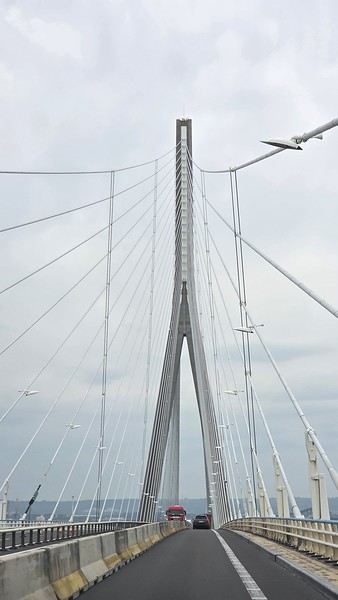
The Pont de Normandie is the last elegant structure you see before entering the vast and rather smelly port area of Le Havre.
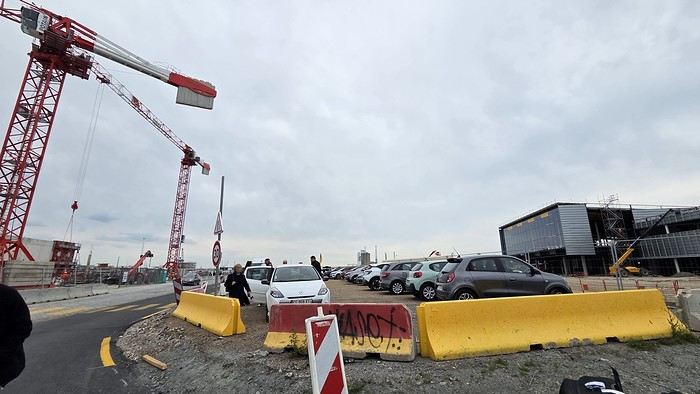
The area around the port where the Renaissance is docked is total chaos—cars everywhere and only a handful of taxis. We were supposed to have a reserved parking spot in front of the terminal (we’d even given them our car model and license plate), but we were denied entry. There’s no paved public parking, so we left the car on a vacant lot.
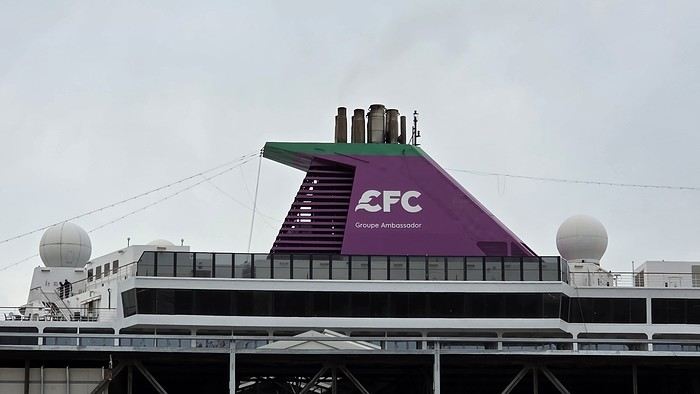
CFC was officially acquired by the British cruise line Ambassador Cruise Line in January 2025. Ambassador Cruise Line, launched in 2010, already owns two ships of the same type and age. They wasted no time repainting the funnel in their new colors.
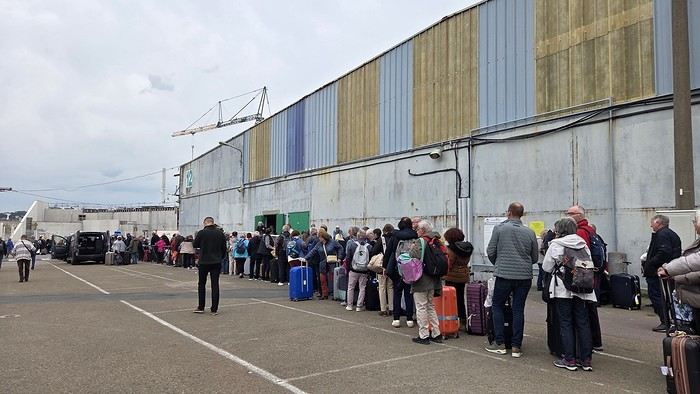
The line of passengers disembarking and waiting for taxis is endless... and taxis are trickling in. Is this the aftermath of yesterday’s strike, or is this the norm in this port? Either way, I feel bad for the poor travelers waiting—it’s going to be a long haul. Many are leaving on foot, dragging their suitcases. Compared to the port of Marseille, this is pretty dismal.
Forty spots were available for this visit organized by Croisiland, but we ran into a good hundred people at the meet-up. A group from the AVF (Accueil des Villes Françaises) of Le Havre will be joining us. Our Croisiland group consists of twelve people, if I counted right.
Security clearance is done alphabetically, and we quickly board the ship. Now we’re getting to the heart of the matter.
To be continued...
We were offered a visit to the Renaissance by the new CFC cruise line through Croisiland. After reading all the reviews—some very harsh, others glowing—I wanted to form my own opinion without having to book a full cruise to test it out. This visit to the ship at the port of Le Havre for 49 € per person came at the perfect time, even if I’m a bit put off by having to pay for a ship tour. That’s not how it usually works with other cruise lines, as far as I know.
The Renaissance is a former Holland America Line ship, built in 1993 and renovated in 2023. We’re familiar with this style of ship since we took a long cruise in Polynesia in 2014 on one of its sister ships, the MS Statendam. We remember it as a charming small ship with a lovely pool terrace at the very back.
Off we went this morning for a relaxing day on a ship—always a nice change!
The Pont de Normandie is the last elegant structure you see before entering the vast and rather smelly port area of Le Havre.
The area around the port where the Renaissance is docked is total chaos—cars everywhere and only a handful of taxis. We were supposed to have a reserved parking spot in front of the terminal (we’d even given them our car model and license plate), but we were denied entry. There’s no paved public parking, so we left the car on a vacant lot.
CFC was officially acquired by the British cruise line Ambassador Cruise Line in January 2025. Ambassador Cruise Line, launched in 2010, already owns two ships of the same type and age. They wasted no time repainting the funnel in their new colors.
The line of passengers disembarking and waiting for taxis is endless... and taxis are trickling in. Is this the aftermath of yesterday’s strike, or is this the norm in this port? Either way, I feel bad for the poor travelers waiting—it’s going to be a long haul. Many are leaving on foot, dragging their suitcases. Compared to the port of Marseille, this is pretty dismal.
Forty spots were available for this visit organized by Croisiland, but we ran into a good hundred people at the meet-up. A group from the AVF (Accueil des Villes Françaises) of Le Havre will be joining us. Our Croisiland group consists of twelve people, if I counted right.
Security clearance is done alphabetically, and we quickly board the ship. Now we’re getting to the heart of the matter.
To be continued...
Photographic Discovery of Vancouver Island
Let’s catch up with a new travel journal from July 2024—only 6 months late, no biggie!
We’ll be talking about this gorgeous island, its tail end, wildlife (old habits die hard), and the sheer joy of it all 🙂
We’ll be talking about this gorgeous island, its tail end, wildlife (old habits die hard), and the sheer joy of it all 🙂
What’s your definition of a nature destination?
Hi,
I’m starting this thread after a digression that began in the India section and continued in a travel journal about Kerala.
The original topic was whether India is—or isn’t—a nature destination.
I’ll let you all discuss and share your own definition of a nature destination. 🙂
I’m starting this thread after a digression that began in the India section and continued in a travel journal about Kerala.
The original topic was whether India is—or isn’t—a nature destination.
I’ll let you all discuss and share your own definition of a nature destination. 🙂
Discussion du concours photo du mois de février 2020: Les volcans
Ici le fil de discussion autour du thème de ce mois-ci: les volcans
Retour au concours pour y déposer vos photos, ici
Retour au concours pour y déposer vos photos, ici
Transatlantique des Caraïbes à Marseille
Mon épouse et moi-même sommes inscrits pour la croisière sur le Costa Favolosa, départ de Fort de France le 20 mars prochain et retour à Marseille le 11 avril suivant, soit pour une durée de 23 jours. Ce sera notre 7ème transatlantique. On aime ça...
Y a t'il des personnes qui feront cette croisière et qui aimeraient avoir des contacts?
Vol Bâle - Anchorage avec escale
Bonjour,
Un vol Bale Anchorage avec une escale à 730€ pour août 2020, pensez-vous qu’il est possible de trouver moins cher?
Merci pour vos réponses
Christine
Itinéraire Norvège (Lofoten) - Suède (Abisko-Lulea)
Bonjour,
Je suis en train de réfléchir à mes prochaines vacances d'été 2020, et je souhaite partir dans le Grand Nord, entre la Norvège et la Suède.
Nous serons 17 nuits sur place pour 18 jours au total, du 28.07.2020 au 14.08.2020 (date prévisionnelle, pas de réservation faite pour le moment).
Nous sommes deux trentenaires et un enfant qui aura 2 ans et demi.
Voici ce que j'avais pensé : - J1 : Arrivée à Lulea à 16h30. Départ vers Jokkmokk dans la foulée. 2 nuits sur place (visite du musée et rando dans le parc Muddus) - J3 : Départ pour le parc d'Abbisko pour 2 nuits (rando à Abisko + visite mine de Kiruna) - J5 : Départ vers la Norvège et l’île de Langoya pour 3 nuits (Queen’s Road Dronningruta (La Route de la Reine), Bleik Matind) - J8 : Départ pour les Lofoten pour 6 nuits (musée Viking, rando Helvete, Munkebu – Hermannsdaltinden, Værøy, Geitgallien..) - J14 : Prise du ferry vers Bodo puis arrivée à Mo i Rena pendant 2 nuits pour une rando sur le glacier Svartisen. - J16 : Longue route de retour vers Lulea pour 2 nuits - J18 : Retour en avion depuis Lulea.
On a un total de 2000 km en deux semaines et demi. Location de voiture à Lulea (beaucoup moins chère)
Qu'en pensez vous ?
Merci,
Je suis en train de réfléchir à mes prochaines vacances d'été 2020, et je souhaite partir dans le Grand Nord, entre la Norvège et la Suède.
Nous serons 17 nuits sur place pour 18 jours au total, du 28.07.2020 au 14.08.2020 (date prévisionnelle, pas de réservation faite pour le moment).
Nous sommes deux trentenaires et un enfant qui aura 2 ans et demi.
Voici ce que j'avais pensé : - J1 : Arrivée à Lulea à 16h30. Départ vers Jokkmokk dans la foulée. 2 nuits sur place (visite du musée et rando dans le parc Muddus) - J3 : Départ pour le parc d'Abbisko pour 2 nuits (rando à Abisko + visite mine de Kiruna) - J5 : Départ vers la Norvège et l’île de Langoya pour 3 nuits (Queen’s Road Dronningruta (La Route de la Reine), Bleik Matind) - J8 : Départ pour les Lofoten pour 6 nuits (musée Viking, rando Helvete, Munkebu – Hermannsdaltinden, Værøy, Geitgallien..) - J14 : Prise du ferry vers Bodo puis arrivée à Mo i Rena pendant 2 nuits pour une rando sur le glacier Svartisen. - J16 : Longue route de retour vers Lulea pour 2 nuits - J18 : Retour en avion depuis Lulea.
On a un total de 2000 km en deux semaines et demi. Location de voiture à Lulea (beaucoup moins chère)
Qu'en pensez vous ?
Merci,
Compte rendu sur le MS Lofoten de Hurtigruten du 14 au 21 octobre 2019
Dès nos premières croisières, la Norvège s’est imposée dans nos rêves de voyage, en particulier sur l’HURTIGRUTEN le fameux Express côtier norvégien que l’on prend pour « la plus belle des croisières » de Bergen à Kirkenes et retour.
Nous partons sur le MS LOFOTEN de Kirkenes à Bergen. Ce n’est pas n’importe quel navire. Quand nous avons croisé les premières personnes qui le connaissent, ils disent tous : Il a un charme fou. Cette maxime en dit long sans trop expliciter. Pourquoi dire qu’il a du charme, cela cache bien quelque chose. Ce n’est pas un simple bateau de croisière. Il n’est ni confortable, ni high-tech, ni silencieux. C’est un bateau de travail qui relie d’abord les gens, les norvégiens et les autres dans la vie quotidienne, un cargo, un taxi, un transporteur. Il navigue et fait escale de jours comme de nuit pour 15 minutes ou quelques heures. Les norvégiens y montent aussi pour manger, tricoter et jouer au dés. Accessoirement, la vue est somptueuse tout le long du parcours. Impossible de décoller le regard de ces merveilles toujours renouvelées qui défilent sous nos yeux. L’ambiance est familiale et le personnel très professionnel toujours chaleureux et accueillant. La nourriture est divine pour peu qu’on aime le poisson et la cuisine norvégienne. L’ HURTIGRUTEN est une institution et ce bateau le MS LOFOTEN est aussi un témoignage d’un art de vivre des années soixante. Construit en 1964 et bientôt remplacé il est vivant, vibre, roule tangue et ronronne inlassablement. La première nuit, on ne dort pas, les suivantes on est bercé ou presque. Pas de toilette privée, douche au pont inférieur et cabine minimaliste mais ça y est on est sous le charme. Un charme fou et nous venons de comprendre ce que voulait dire les gens. Cette croisière est magique et le MS Lofoten enchanteur, laissons le charme agir.
Le jour tant attendu est enfin arrivé. Nous prenons l’avion pour Kirkenes qui se trouve tout en haut de la Norvège près de la frontière russe pour rejoindre le bateau de Kirkenes à Bergen. Le tour classique fait Bergen-Kirkenes-Bergen en 12 jours mais nous ne faisons que la 2e partie, n’ayant pas assez de congés.
Notre vol SAS de 15 h 05 de Paris Charles de Gaulle fait d’abord escale à Oslo (1 h 30) puis nous arrivons à Kirkenes vers 20 h. Il fait nuit. Comme le vol arrive tardivement nous sommes obligés de prendre une nuit d’hôtel avant d’embarquer.
Nous quittons l’aéroport qui est tout petit pour prendre le bus Flybussen (110 kr/pers soit 11 euros) qui attend devant l’unique porte d’entrée. Ce bus attend les derniers arrivés pour quitter l’aéroport et dépose devant les principaux hôtels de la ville. (vous pouvez aussi le prendre pour aller directement au bateau Hurtigruten si votre vol arrive le jour de l’embarquement).
Nous descendons du bus au Scandic Hôtel puis nous nous dirigeons vers notre hôtel qui se trouve non loin de là, le Kirkenes Hôtel. Ce petit hôtel sans prétention qui se trouve au dessus du Shanghai Restaurant nous suffit pour passer la nuit : chambre minimaliste avec Douche et WC, bouilloire, frigo, cuisine sur le palier où on peut cuisiner (88 euros). (je crois que nous sommes les seuls clients de l’hôtel cette nuit là !😉)
En chemin nous nous sommes arrêtés dans un Eleven prendre des sandwiches et un dessert que nous mangeons à l’hôtel. Le lendemain, , après une bonne nuit de sommeil, nous allons prendre le petit déjeuner au centre commercial AMFI juste en face de l’hôtel. Nous en profitons pour acheter des gants chauds, un kit de sous vêtements (caleçon long et maillot manches longues) et des grosses chaussettes en laine (tous en solde).
Nous partons ensuite vers le bateau, tranquillement, en admirant au passage la vue et les maisons (c’est une ville construite par les russes donc différente de celles qui existent dans le reste de la Norvège).
Nous arrivons vers 11 h au bateau qui est à quai de 9 h à 12 h 30, déposons nos valises et faisons un petit tour alentours puis dans le bateau. Le MS Lofoten est un vieux bateau des années soixante (le plus vieux de la compagnie), couvert de boiseries et de cuivre à l’intérieur. Il y a plusieurs beaux salons, un restaurant, une cafétéria avec une boutique, plusieurs ponts avec sièges en teck et transats. Tout de suite, nous tombons sous le charme !🙂
Après les formalités, nous nous rendons dans notre cabine et avons la surprise de voir que nous avons été surclassés en cabine hublot (nous devions avoir une cabine intérieure) avec lits côte à côte et non superposés comme prévu. Un lavabo complète l’ensemble. Les WC sont en face, dans le couloir et la douche à l’étage en dessous ! (nous le savions donc pas de surprise mais j’avoue que c’était un peu compliqué de prendre une douche car il y en a très peu !)
Si cela ne vous convient pas je vous conseille de réserver alors une cabine avec douche et wc dans la chambre mais bien sur, c’est beaucoup plus cher et là, les lits sont superposés !!!😉
L’avantage de notre cabine est qu’elle se trouve juste à côté d’une coursive donc c’est très pratique pour sortir rapidement voir le paysage lorsqu’on nous annonce qu’il y a quelque chose de particulier à voir !🙂
Après l’exercice de sécurité nous faisons connaissance avec Sarnia du forum VF qui nous présente Marie Jo, une amie, qu’elle connaît également du forum et avec qui elle a commencé la croisière au départ de Bergen🙂. Nous décidons d’aller tous manger avant le départ pour pouvoir ensuite admirer la traversée du fjord.
Le repas du midi est un buffet qui comporte en entrées 2 ou 3 poissons fumés, une variété de harengs marinés, d’œufs de poisson, des charcuteries, de la soupe, des crudités, de la salade, en plat principal du poisson en sauce et de la viande en sauce, des légumes, un plat végétarien, différents fromages, différents pains, et en dessert un grand gâteau, un grand entremet, de la glace, des coulis et j’en oublie sans doute !!! cuisine norvégienne locale très savoureuse. Nous qui adorons le poisson nous sommes servis !!!😉 Mais il y en a pour tous les goûts je vous rassure.
La salle de restaurant est très jolie avec toutes ses boiseries, ses nappes en tissu blanches, sa belle vaisselle, ses jolis ronds de serviettes, ses gravures marines… Un serveur vient vous remplir régulièrement votre verre d’eau si vous le désirez ainsi que thé et café à la fin du repas. Bien sûr vous pouvez commander d’autres boissons moyennant finance.
Après ce délicieux repas nous nous rendons sur les ponts voir le départ. Il ne fait que quelques degrés mais, bien couverts, nous n’avons pas froid. Nous rentrons ensuite dans le bateau et, après une petite sieste, nous passons notre après midi à admirer le paysage qui défile dans les salons et à la cafétéria prendre des boissons chaudes (thé, café, tisanes à disposition toute la journée). Nous sortons de temps en temps sur les ponts faire des photos ou mieux apprécier le paysage.
La suite demain !😉
Nous partons sur le MS LOFOTEN de Kirkenes à Bergen. Ce n’est pas n’importe quel navire. Quand nous avons croisé les premières personnes qui le connaissent, ils disent tous : Il a un charme fou. Cette maxime en dit long sans trop expliciter. Pourquoi dire qu’il a du charme, cela cache bien quelque chose. Ce n’est pas un simple bateau de croisière. Il n’est ni confortable, ni high-tech, ni silencieux. C’est un bateau de travail qui relie d’abord les gens, les norvégiens et les autres dans la vie quotidienne, un cargo, un taxi, un transporteur. Il navigue et fait escale de jours comme de nuit pour 15 minutes ou quelques heures. Les norvégiens y montent aussi pour manger, tricoter et jouer au dés. Accessoirement, la vue est somptueuse tout le long du parcours. Impossible de décoller le regard de ces merveilles toujours renouvelées qui défilent sous nos yeux. L’ambiance est familiale et le personnel très professionnel toujours chaleureux et accueillant. La nourriture est divine pour peu qu’on aime le poisson et la cuisine norvégienne. L’ HURTIGRUTEN est une institution et ce bateau le MS LOFOTEN est aussi un témoignage d’un art de vivre des années soixante. Construit en 1964 et bientôt remplacé il est vivant, vibre, roule tangue et ronronne inlassablement. La première nuit, on ne dort pas, les suivantes on est bercé ou presque. Pas de toilette privée, douche au pont inférieur et cabine minimaliste mais ça y est on est sous le charme. Un charme fou et nous venons de comprendre ce que voulait dire les gens. Cette croisière est magique et le MS Lofoten enchanteur, laissons le charme agir.
Le jour tant attendu est enfin arrivé. Nous prenons l’avion pour Kirkenes qui se trouve tout en haut de la Norvège près de la frontière russe pour rejoindre le bateau de Kirkenes à Bergen. Le tour classique fait Bergen-Kirkenes-Bergen en 12 jours mais nous ne faisons que la 2e partie, n’ayant pas assez de congés.
Notre vol SAS de 15 h 05 de Paris Charles de Gaulle fait d’abord escale à Oslo (1 h 30) puis nous arrivons à Kirkenes vers 20 h. Il fait nuit. Comme le vol arrive tardivement nous sommes obligés de prendre une nuit d’hôtel avant d’embarquer.
Nous quittons l’aéroport qui est tout petit pour prendre le bus Flybussen (110 kr/pers soit 11 euros) qui attend devant l’unique porte d’entrée. Ce bus attend les derniers arrivés pour quitter l’aéroport et dépose devant les principaux hôtels de la ville. (vous pouvez aussi le prendre pour aller directement au bateau Hurtigruten si votre vol arrive le jour de l’embarquement).
Nous descendons du bus au Scandic Hôtel puis nous nous dirigeons vers notre hôtel qui se trouve non loin de là, le Kirkenes Hôtel. Ce petit hôtel sans prétention qui se trouve au dessus du Shanghai Restaurant nous suffit pour passer la nuit : chambre minimaliste avec Douche et WC, bouilloire, frigo, cuisine sur le palier où on peut cuisiner (88 euros). (je crois que nous sommes les seuls clients de l’hôtel cette nuit là !😉)
En chemin nous nous sommes arrêtés dans un Eleven prendre des sandwiches et un dessert que nous mangeons à l’hôtel. Le lendemain, , après une bonne nuit de sommeil, nous allons prendre le petit déjeuner au centre commercial AMFI juste en face de l’hôtel. Nous en profitons pour acheter des gants chauds, un kit de sous vêtements (caleçon long et maillot manches longues) et des grosses chaussettes en laine (tous en solde).
Nous partons ensuite vers le bateau, tranquillement, en admirant au passage la vue et les maisons (c’est une ville construite par les russes donc différente de celles qui existent dans le reste de la Norvège).
Nous arrivons vers 11 h au bateau qui est à quai de 9 h à 12 h 30, déposons nos valises et faisons un petit tour alentours puis dans le bateau. Le MS Lofoten est un vieux bateau des années soixante (le plus vieux de la compagnie), couvert de boiseries et de cuivre à l’intérieur. Il y a plusieurs beaux salons, un restaurant, une cafétéria avec une boutique, plusieurs ponts avec sièges en teck et transats. Tout de suite, nous tombons sous le charme !🙂
Après les formalités, nous nous rendons dans notre cabine et avons la surprise de voir que nous avons été surclassés en cabine hublot (nous devions avoir une cabine intérieure) avec lits côte à côte et non superposés comme prévu. Un lavabo complète l’ensemble. Les WC sont en face, dans le couloir et la douche à l’étage en dessous ! (nous le savions donc pas de surprise mais j’avoue que c’était un peu compliqué de prendre une douche car il y en a très peu !)
Si cela ne vous convient pas je vous conseille de réserver alors une cabine avec douche et wc dans la chambre mais bien sur, c’est beaucoup plus cher et là, les lits sont superposés !!!😉
L’avantage de notre cabine est qu’elle se trouve juste à côté d’une coursive donc c’est très pratique pour sortir rapidement voir le paysage lorsqu’on nous annonce qu’il y a quelque chose de particulier à voir !🙂
Après l’exercice de sécurité nous faisons connaissance avec Sarnia du forum VF qui nous présente Marie Jo, une amie, qu’elle connaît également du forum et avec qui elle a commencé la croisière au départ de Bergen🙂. Nous décidons d’aller tous manger avant le départ pour pouvoir ensuite admirer la traversée du fjord.
Le repas du midi est un buffet qui comporte en entrées 2 ou 3 poissons fumés, une variété de harengs marinés, d’œufs de poisson, des charcuteries, de la soupe, des crudités, de la salade, en plat principal du poisson en sauce et de la viande en sauce, des légumes, un plat végétarien, différents fromages, différents pains, et en dessert un grand gâteau, un grand entremet, de la glace, des coulis et j’en oublie sans doute !!! cuisine norvégienne locale très savoureuse. Nous qui adorons le poisson nous sommes servis !!!😉 Mais il y en a pour tous les goûts je vous rassure.
La salle de restaurant est très jolie avec toutes ses boiseries, ses nappes en tissu blanches, sa belle vaisselle, ses jolis ronds de serviettes, ses gravures marines… Un serveur vient vous remplir régulièrement votre verre d’eau si vous le désirez ainsi que thé et café à la fin du repas. Bien sûr vous pouvez commander d’autres boissons moyennant finance.
Après ce délicieux repas nous nous rendons sur les ponts voir le départ. Il ne fait que quelques degrés mais, bien couverts, nous n’avons pas froid. Nous rentrons ensuite dans le bateau et, après une petite sieste, nous passons notre après midi à admirer le paysage qui défile dans les salons et à la cafétéria prendre des boissons chaudes (thé, café, tisanes à disposition toute la journée). Nous sortons de temps en temps sur les ponts faire des photos ou mieux apprécier le paysage.
La suite demain !😉