Results for "Botswana+déplacer"
About 3,514 results.
More options
Many results are in French, the community’s main language. English translations are added over time.
Search results
4x4 Road Trip in Zambia - May 2023 - Solo
Hi there,
I spent 3 weeks there from May 7th to 28th, 2023.
I arrived and departed from the capital, Lusaka.
I rented a 4x4 equipped for camping/overlanding with the only serious option I found at the time from Fair Car Hires. This was to avoid the long approach times from South Africa or Botswana.
4x4: $3,402 for 18 days (😕), a Toyota Hilux Double-Cab Safari Camper—fully equipped, 3.0L diesel, manual transmission, air-con, Bluetooth radio, and 1 or 2 roof-top tents.
I’d already traveled through Namibia, South Africa, Botswana, and KTP, and Harry (the owner of Lukasa in Lusaka) told me Zambia was the "real Africa." I wasn’t disappointed on that front 😉.
I explored three parks: - Lower Zambezi NP (2 nights camping nearby at Mvuu Lodge) - South Luangwa NP (2 nights at Wildlife Camp + 3 nights at Croc Valley Lodge campsite) - Kafue NP (3 nights at Kasabushi Bush Camp + 3 nights at Mapunga Bush Camp) (Check out my route on a map on my personal site).
That’s a lot of kilometers in 3 weeks—just a few well-paved roads in good condition, but mostly rough roads or tracks, which really slows down your average speed 😕.
No supply issues for fuel or food, but watch out for stock in some grocery stores (one Friday afternoon in Chipata, the fruit and vegetable shelves were empty!).
May is still a bit early in the season, so the grass is still tall in the plains.
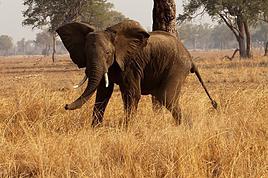
Lower Zambezi NP: A mother elephant and her "little one":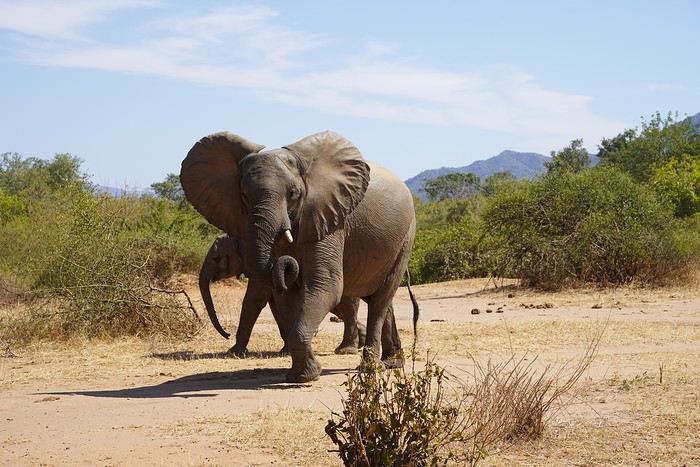
South Luangwa NP, near the Mushilashi Bridge: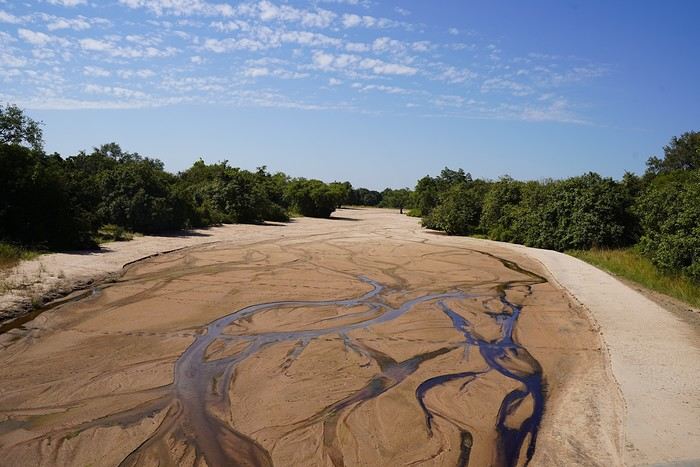
Kafue NP, morning sunrise: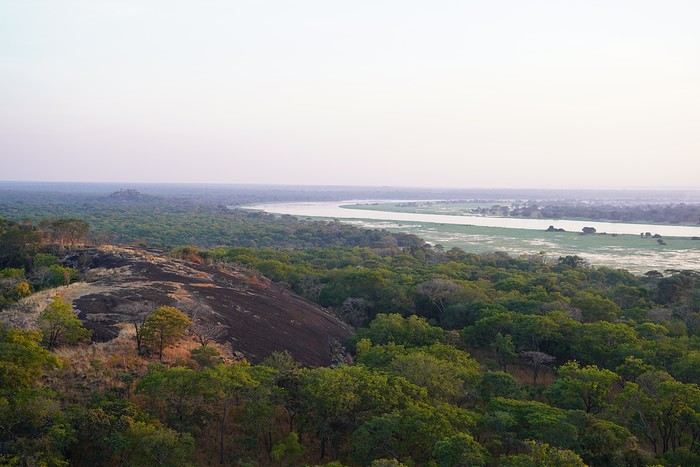
Kafue NP, spotting two lions on Spinal Road near the Shishemba Loop: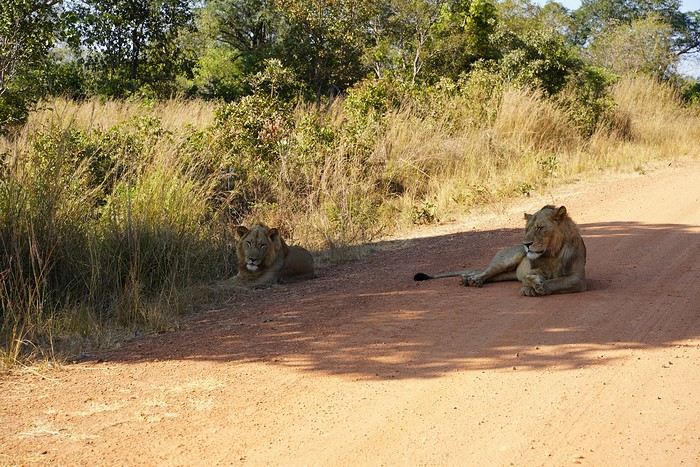
Northern Kafue NP: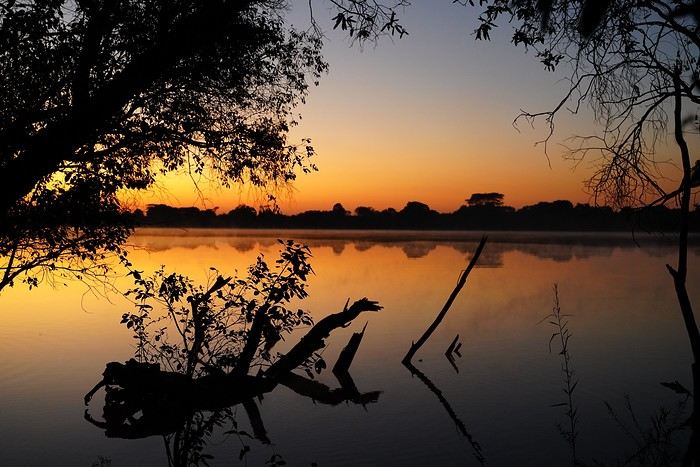
Kafue NP, leopard during a morning game drive: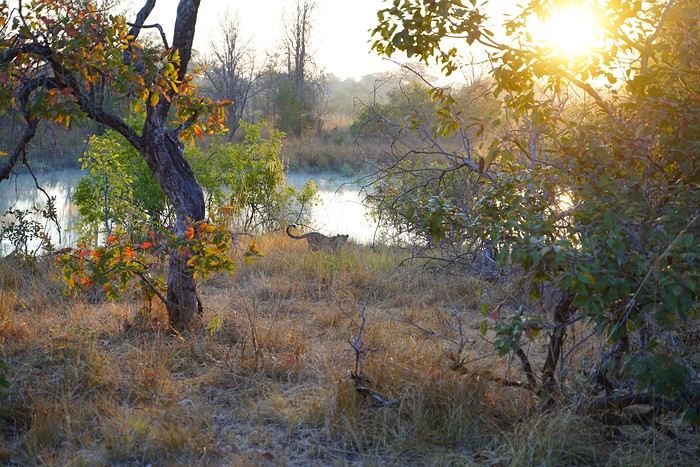
Northern Kafue NP, at my campsite in Mapunga Bush Camp—hippo on night watch (Where’s Charlie? 😉):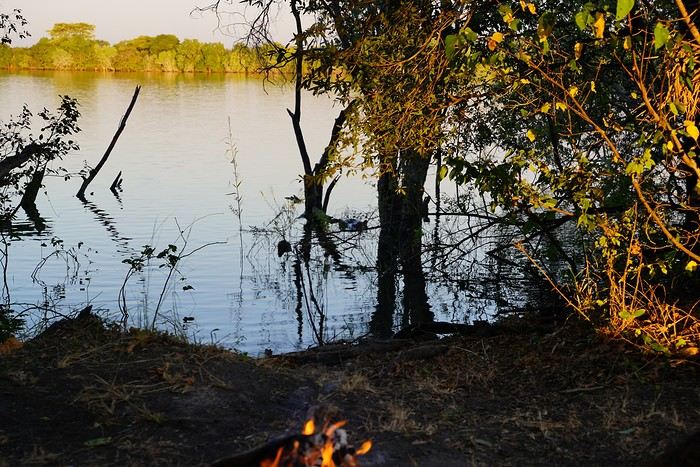
Kafue NP, tall grass—buffalo lurking!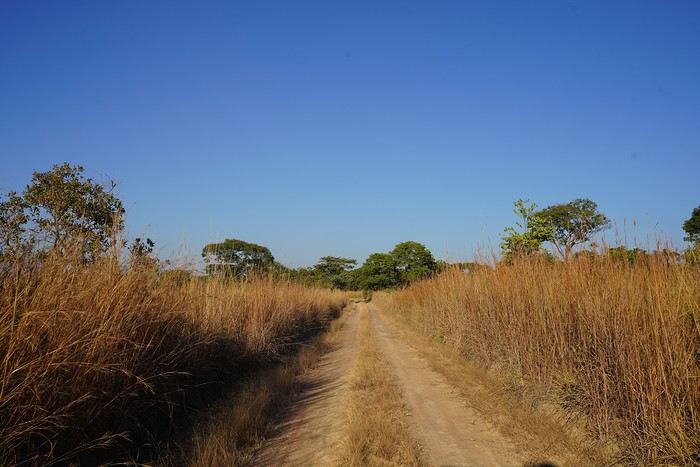
In Lusaka, I highly recommend Harry and Geke’s welcoming green property, Lukasa, as a base camp (over Lusaka Pioneer Campsite, where I stayed my first night).
More photos on my personal site: wildescapesoverland.com
Happy to help, Pierre
PS: To the site admins, please consider allowing the .webp image format—it’ll significantly cut your storage costs while keeping great resolution.
I spent 3 weeks there from May 7th to 28th, 2023.
I arrived and departed from the capital, Lusaka.
I rented a 4x4 equipped for camping/overlanding with the only serious option I found at the time from Fair Car Hires. This was to avoid the long approach times from South Africa or Botswana.
4x4: $3,402 for 18 days (😕), a Toyota Hilux Double-Cab Safari Camper—fully equipped, 3.0L diesel, manual transmission, air-con, Bluetooth radio, and 1 or 2 roof-top tents.
I’d already traveled through Namibia, South Africa, Botswana, and KTP, and Harry (the owner of Lukasa in Lusaka) told me Zambia was the "real Africa." I wasn’t disappointed on that front 😉.
I explored three parks: - Lower Zambezi NP (2 nights camping nearby at Mvuu Lodge) - South Luangwa NP (2 nights at Wildlife Camp + 3 nights at Croc Valley Lodge campsite) - Kafue NP (3 nights at Kasabushi Bush Camp + 3 nights at Mapunga Bush Camp) (Check out my route on a map on my personal site).
That’s a lot of kilometers in 3 weeks—just a few well-paved roads in good condition, but mostly rough roads or tracks, which really slows down your average speed 😕.
No supply issues for fuel or food, but watch out for stock in some grocery stores (one Friday afternoon in Chipata, the fruit and vegetable shelves were empty!).
May is still a bit early in the season, so the grass is still tall in the plains.
Lower Zambezi NP: A mother elephant and her "little one":
South Luangwa NP, near the Mushilashi Bridge:
Kafue NP, morning sunrise:
Kafue NP, spotting two lions on Spinal Road near the Shishemba Loop:
Northern Kafue NP:
Kafue NP, leopard during a morning game drive:
Northern Kafue NP, at my campsite in Mapunga Bush Camp—hippo on night watch (Where’s Charlie? 😉):
Kafue NP, tall grass—buffalo lurking!
In Lusaka, I highly recommend Harry and Geke’s welcoming green property, Lukasa, as a base camp (over Lusaka Pioneer Campsite, where I stayed my first night).
More photos on my personal site: wildescapesoverland.com
Happy to help, Pierre
PS: To the site admins, please consider allowing the .webp image format—it’ll significantly cut your storage costs while keeping great resolution.
Shipping a 4x4 to Durban from Réunion Island
Hi everyone,
I’m planning a road trip through Southern Africa during the 2025 austral winter—South Africa, Zimbabwe, Zambia, Malawi... and if I feel like it, maybe back to Namibia, Botswana, etc. To make this happen, I’d like to ship my 4x4 in a high-cube container and pick it up in Durban. Has anyone had experience with customs clearance at the port of Durban (South Africa) using a CPD (Carnet de Passage en Douane)? Thanks in advance for any tips or firsthand experience on this!
Have a great day! Salar de Uyuni - Bolivia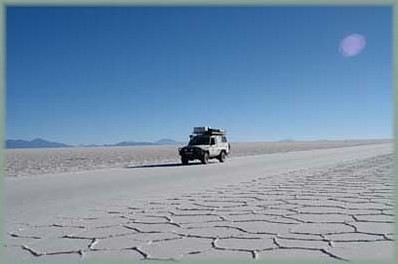
I’m planning a road trip through Southern Africa during the 2025 austral winter—South Africa, Zimbabwe, Zambia, Malawi... and if I feel like it, maybe back to Namibia, Botswana, etc. To make this happen, I’d like to ship my 4x4 in a high-cube container and pick it up in Durban. Has anyone had experience with customs clearance at the port of Durban (South Africa) using a CPD (Carnet de Passage en Douane)? Thanks in advance for any tips or firsthand experience on this!
Have a great day! Salar de Uyuni - Bolivia
Itinéraire état des routes, et trajets de Luang Prabang à Paksé en voiture
Nous serons au Laos de mi-juillet à mi-août. Nous avons l'habitude de louer une voiture et de conduire à l'étranger (Indonésie, Bali, Thaïlande, Namibie, Botswana, Mexique, Guatemala...) mais pour ce voyage-ci, nous ne trouvons que très peu d'informations sur la conduite au Laos (mis à part que c'est dangereux et qu'un chauffeur c'est mieux ;O). Nous souhaiterions savoir à quoi ressemble l'itinéraire Luang Prabang-Pakse en voiture : état des routes, type de routes, endroit où dormir sur le trajet, possibilité de faire le plein d'essence et surtout y a-t-il un intérêt à le faire (vie villageoise, paysages...).
Merci à ceux qui ont expérimenté ce trajet en voiture de m'orienter.
Merci à ceux qui ont expérimenté ce trajet en voiture de m'orienter.
Uganda: 20 days discovering authenticity
Preamble:
For summer 2019, the idea was to return to Africa. We had already been to Namibia in 2017 (+ a few days in Botswana and the end of the trip at Victoria Falls), which we loved, and a trip to Asia in 2018 (Borneo, Perhentian, and Singapore), a nature-focused trip but a bit disappointing due to environmental destruction. The desire to return to Africa was very strong. We wanted a change of scenery, nature, discoveries, to step out of our little comfort zone (a bit, anyway!) and experience travel differently. In short, we dreamed of authenticity, and we weren’t disappointed.
We traveled as a family of four with our daughters, aged 19 and 17. When the urge for Africa hit, Uganda quickly stood out, especially for the chance to see rare animals, particularly the famous mountain gorillas. When I looked into the budget, I was quickly disheartened. It’s really expensive. Too expensive… Then, after reading a few trip reports on "VoyageForum" (thanks Muriel J!), I decided to ask a local agency for a quote. The first contact was very friendly and responsive, and the initial offer for two weeks fit our budget :). A few images gathered from the internet (especially Sipi Falls) finally convinced us all. I asked for an adapted offer with a few more sites to extend the trip to three weeks and cover a fairly complete visit to the country (which, of course, increased the budget! To stay within an acceptable range, we prioritized activities over accommodations and regularly chose the cheapest options, with 2-3 nice lodges in between). It’s booked! We were in October 2018, and the first thing to do was reserve permits to see the gorillas and chimpanzees. Then, the agency took care of all the bookings except for the international flights, which we booked with Ethiopian Airlines. A few months of waiting to look forward to… and a little worry too! Two events didn’t reassure us: the kidnapping of an American tourist by four men at the DRC border and the Ebola outbreak in Congo, with confirmed cases in Uganda by mid-June…
Here we are in July, and departure is approaching. The suitcases are packed (warm clothes, long, short, dark, light, practical, sun, rain, hiking/trekking shoes, flip-flops—clothes for every situation! Don’t forget: headlamp (essential!), binoculars, cameras), and we’re ready.
One day before departure, our agency Mpolampola, through its manager Paul, informs us that he won’t be the one taking care of us during the trip but another guide named Moses. He has a big problem with a vehicle and can’t do otherwise. For us, as long as everything is okay, no worries, especially since I had read glowing reviews about Moses, who turned out to be a very pleasant guide, cautious (most important) on the road, clear about all the activities, and an expert on birds, his specialty. We briefly met Paul in the middle of the trip, who is also very friendly. In short, we 100% recommend this agency. Flights to Entebbe went smoothly; we arrived around 10:30 AM, filled out health forms (Ebola information signs everywhere), visas, baggage claim, and met Moses, who took us directly to the vehicle. It was in pretty good condition with huge tires (we’d understand why later!), but it had quite a few miles (400,000 on the odometer!). Just missing a seatbelt… Okay, it’s Africa!
Now, here’s our day-by-day itinerary, which I’ll summarize briefly with ratings for each activity: ****TOPISSIME (Amazing) ***Very good **Good *Meh
Day 1) Departure from the airport at 11:45 AM for some currency exchange. Stop along the way at the equator for a meal and souvenir photo! Arrival at Lake Mburo Park *** around 5:00 PM. Even before entering the park, we saw lots of antelopes, zebras, elks, etc.—it’s magnificent. On the way, we had already encountered many goats and cows, and we were impressed by their enormous horns. We enjoyed a nice game drive until about 7:00 PM, when we reached our lodge, one of the nicest of the trip, Eagle’s Nest ****, with a magnificent view, a tent with a nice bathroom/shower, and a very good meal.
Day 2) Departure at 7:00 AM for a game drive; we encountered many animals again, especially antelopes, zebras, and birds. There are no giraffes, lions, or cheetahs in this park. We didn’t get lucky enough to see a leopard… :-) Then, we continued to Lake Bunyonyi ***, where the road and views are very beautiful, but we were shocked to see locals (mostly women and children) breaking stones by hand on the mountainside in very precarious safety conditions. There are regularly dramatic accidents because, over time, entire sections detach and cause landslides. These stones are then used for road construction… Another world… This was the only place we saw this. Lake Bunyonyi is a nice stop (but less exotic in our opinion since we have many lakes back home too!). We took a boat to our accommodation, Byoona Amagara ***, which has a lot of charm. We stayed in huts called "geodomes," completely open to nature, so it was very cool at night. To reach the toilets located below, you had to be brave! The meal consisted of lake shrimp—good but a bit bland.
Day 3) After a good breakfast, departure at 9:00 AM to visit three islands. We took several nice walks with beautiful views of the lake and islands. A local meal was served on the last island. At 1:00 PM, we met Moses for the rest of the program and headed to Ruhija in Bwindi Forest****. The landscapes are breathtaking. After two hours of driving and many photo stops, we arrived at our accommodation near the trekking starting point, Ruhija Gorilla Friends Resort **. We stayed in a room instead of the initially planned tents, which was just as well because there was a lot of wind during the night. We still had time for an activity and decided to meet the Bwata pygmies despite the bad reviews in the guide… The first part of the visit was quite nice, with a visit to a school where the children gave us a very joyful welcome. We had a great time listening to them sing and dance! Then we met the Bwata pygmies who live on the edge of the forest. When Bwindi Forest was declared a national park, they had to leave their habitat because their activities weren’t compatible with nature and wildlife protection. We left on a somewhat sad note… The visit ended with a local doctor explaining different medicinal plants, and we watched the making of local beer from sorghum. Good meal. We had butterflies in our stomachs—tomorrow was a big day! I admit I was a bit stressed, not entirely confident in my physical abilities…
Day 4) After a short night due to excitement, breakfast, and departure at 7:30 AM. First, it started calmly with singing and dancing. Then, a 15-minute briefing and group assignments. No one asked if we had any physical problems or anything (when booking, I had inquired a bit, and they told me groups were assigned based on physical abilities). We were assigned to the Mukiza group. At first, I was pretty happy—it was a fairly large group with babies :). The ranger explained that for now, they didn’t know where the gorillas were… the trackers couldn’t find them… Oh… (that’s not a good sign!!!) We set off at a good pace, first on a reasonably sloped path. We were accompanied by a family of four Italians and five porters (four for us!). After an hour, the ranger stopped us and informed us they still couldn’t find them—they had fought with another group the day before and scattered throughout the forest, so they were very far away, and we needed to move faster… Hmm… we picked up the pace (we weren’t going slowly before!!!) and walked for another good hour—down, up, down again, up again, we kept going, but always more or less on paths. Then another stop. A 10-minute break waiting for news. The news wasn’t very precise, it seemed! The ranger decided to cut through the forest—machetes were used to clear the path. We descended unimaginable slopes, then climbed back up. Our stick kept getting stuck; luckily, our porter helped us, held our hands, and the terrain was vertical! An hour later, another stop: we heard gorilla cries (yay!!!). False hope—we waited again for news from the trackers, who informed our ranger that it was a non-habituated family, so we couldn’t see them. Cold shower—we had to go all the way back up and return to the starting point to maybe see another group. But time was running out… We arrived around 1:30 PM; all the other groups had already left long ago. Our guide was worried because we still had a long drive ahead. We quickly ate a banana, and off we went for another trek (I was exhausted!). Luckily, this group was close—about 45 minutes of steep descent (I was already thinking about the climb back and considering being adopted by a gorilla ). The forest was sublime, with magnificent tree ferns—the place was truly splendid. Finally, we were there. The porters stayed behind, we grabbed our cameras, and followed the ranger. The progress wasn’t easy, but suddenly, a female was in front of us, curled up in a little ball, eating—so cute. The emotion overwhelmed us. But she moved away—it’s hard to observe them; they move constantly, and the terrain is very steep and uneven. We saw a female descending from a tree with a baby on her back—too adorable. Then, here was the silverback, enormous, incredible, yet so calm and peaceful. He ate quietly and gave us a nice demonstration of nostril exploration! We could observe them for a good hour, but photographing them wasn’t easy because they kept moving, and we could barely stand! Toward the end, a large male (black back) suddenly stood up and decided to pass right where I was! I ended up in the bushes, and the male passed in front of me just a few centimeters away (he stepped on one of my daughters’ feet!) followed by the whole family. Just an exceptional moment. It was time to leave; we had to climb back up. I dreaded it because, I admit, I was exhausted. We finished the hike after 4:00 PM, exhausted but happy. The ranger gave us diplomas, and we didn’t linger because we still had a long drive—we needed to reach Ishasha before nightfall. Our guide was a bit stressed. If we were to do it again, we’d spend an extra night in Bwindi. However, it seems finishing so late is exceptional—it never happens, according to our guide! The road between Bwindi and Ishasha is sublime, with extraordinary landscapes, and despite the late hour, we regularly asked our guide to stop for photos. We arrived at Enjojo *** Lodge around 6:00 PM. The huts are located quite far from the reception and the bathrooms, a bit far from the huts, but otherwise, it was very nice.
Day 5) Departure at 8:00 AM after a good breakfast with the hope of seeing tree-climbing lions (no luck!). Overall, there weren’t many animals, and we arrived around 12:45 PM at our next stop, Parkview Safari Lodge ****, with a magnificent view, a beautiful family bungalow, and a good meal. We enjoyed a short relaxation by the lovely pool. At 4:00 PM, we left to see Kyambura Gorge *** and hike there. Unfortunately, this activity is no longer available, so we walked around the area—it was very beautiful. Back at the hotel, a little rest after the previous day wasn’t a bad idea! Reading, swimming, meals, and dances made the end of the day enjoyable.
Day 6) Departure at 6:30 AM—one of our daughters was sick (stomachache, cold sweats…). Safari in Queen Elizabeth ** (Kaseny Plains)—a bit disappointing. Stop by the salt lake with a nice view. A small market, but we weren’t thrilled by the crafts (overall, apart from some beautiful baskets/plates, there wasn’t much, and the wooden objects were, in our opinion, much less pretty than in Namibia). Then we took the crater road (27 km long) **** with magnificent landscapes. However, you absolutely must close the windows because it’s infested with tsetse flies. At noon, we arrived at Mweya, where we stayed in basic rooms, but the restaurant was well-placed with a beautiful view of the Kazinga Channel. At 2:00 PM, we enjoyed a magnificent cruise **** on the channel. Elephants, antelopes, crocodiles, hippos (including adorable babies), buffaloes, all kinds of birds. Wow!!! Two hours of pure bliss. Quiet end of the day playing cards with a view of the channel and elephants.
Day 7) Departure at 6:00 AM—still sick, we weren’t sure if it was due to the preventive treatment (Malarone) or something else… Another game drive in Queen Elizabeth (Kaseny Plains) and breakfast by the salt lake. Overall, we were a bit disappointed by this park. Then we took the road to Crater Lakes***, again with very beautiful landscapes. A hike of about an hour and a half allowed us to discover these beautiful crater lakes (the water mainly comes from the Rwenzoris). We crossed pretty villages and had nice encounters. End of the day at Tinka’s Home ****, with a family. We loved this place—very welcoming, where we took a cooking class with our hosts. A really great time. After the meal, we enjoyed African stories and dances. Really awesome.
Day 8) Departure at 7:30 AM for another highly anticipated discovery—the chimpanzees in Kibale Forest ****. We went to the meeting point and were split into groups of six, each with a guide. We saw three different groups, and for the last group, we followed a chimpanzee (slightly more comfortable running in the forest than we were!) that led us to the group. Their cries are very impressive, and we could observe them well, even though they were often high up in the trees. We were lucky enough to see two on the ground, very close to us. It was magnificent. End of the encounter and return to the starting point—it was noon. We went back to Tinka’s Home for the meal (delicious!). At 2:00 PM, we hiked in Bigodi Swamp ***, a marsh surrounded by beautiful vegetation, especially huge papyrus, and inhabited by many birds and monkeys. We saw, among others, black-and-white colobus monkeys, red colobus monkeys, and vervet monkeys. We also visited a basket-weaving workshop where we bought two beautiful baskets. Then a short stop in Fort Portal, where we stayed for two nights at Ruwenzori View Guesthouse ***, a nice place with a family room and very good communal meals.
Day 9) Departure at 8:00 AM for a hike in the Rwenzori****—it was a bit chaotic today. First, we had to exchange shillings because we wouldn’t have another chance in the following days. At the bank, employees went to get the bills by motorcycle from other buildings—it was quite surreal! And it took time! Then there was a misunderstanding between the organizer and me… I really wanted to see the region where chameleons are found in the Rwenzori—this region is south of the mountain range, and we were in the north! Anyway, the program included an ascent in the northern part with a positive elevation gain of over 1,500 meters… Talking to the guide scheduled for this hike (Noah), we explained that we really wanted to discover the vegetation and these famous chameleons, not necessarily achieve a physical feat… (we’d had enough!). The decision was made to go south, which meant quite a bit of driving. The hike was really enjoyable, with magnificent vegetation by the river. We saw three of the four chameleon species present, including the famous three-horned chameleon. The region is superb. We ended with a drink at Ruboni Camp, which has a magnificent view of the region (ideally, we should have stayed there). Two hours of driving to finish, and a good meal :).
Day 10) Departure at 8:00 AM—we had a long drive to Ziwa Rhino Ranch****. We passed through Hoima, had lunch in Masindi, and arrived in time for the rhino tracking walk. We could approach them closely on foot—it was impressive. We saw eight. Since we were staying on-site in the guesthouse **, we received precise safety instructions for moving between the rooms and the restaurant. And we quickly understood why!
Day 11) Departure at 6:00 AM for breakfast—surprise, in front of our room, several large rhinos were sleeping (we had also heard a lot of animal noises during the night—rhinos but also what seemed to be predators). So we had to take a detour to reach the restaurant! Second surprise—next to the restaurant, just three meters away at most, two mothers and their baby were also sleeping! Memorable! Then we had an appointment for the shoebill trek and canoe ride **** (package with the previous day’s walk). So there we were, in our boots, splashing through 30 cm of water in search of the shoebill (I really wanted to see one :))! It was really fun, and luck was on our side—a shoebill had just landed in the distance! We approached as best we could and observed it from afar. What a strange bird! There are very few left, and Uganda is one of the countries where the chances of seeing one are quite good. The tour continued with a canoe cruise where we saw a herd of cows (the famous ones with enormous horns) being swum as a dowry to the father of the future bride! A funny spectacle. This stop wasn’t the most anticipated, but we all thought it was really worth the detour. Road to Murchison Falls Park, and arrival around noon at Red Chili Rest Camp **, where we stayed for two nights (family banda). Good meal. Then a cruise to Murchison Falls*** where we disembarked and continued on foot. It was pretty. Back to Red Chili.
Day 12) This morning, early departure for a cruise in search of the shoebill*** (booked in case we didn’t see one at Ziwa). The landscapes were pretty, but there weren’t many birds in the end. We spotted the chosen one from afar after the first 10 minutes—so the suspense didn’t last long :-) It was a nice activity but quite long—5 hours. In the afternoon, safari in Murchison Park****—this park is sublime, the landscapes fabulous. Really one of our favorite parts of the trip. Lots of animals and even a leopard spotted with binoculars because it was far away! Night at Red Chili.
Day 13) Departure for the first morning ferry—it was drizzling, the sky was threatening at first, so the landscape was spectacular! Beautiful contrasts. In the middle of the morning, we were lucky to observe a whole group of lions, first from afar, then with a little patience, the whole group approached until they passed beside and in front of our vehicle. What emotion and excitement! We could then observe large groups of giraffes. They were magnificent. The morning was incredible. Then we headed to our lodge, Fort Murchison ****, and on the way, we saw a whole group of elephants—the view was magnificent. We had a very good meal and enjoyed the pool a bit. We also met Paul, the organizer of our trip. Very nice :). In the late afternoon, off for a short safari in the park. We slept in very well-equipped tents.
Day 14) Today, we had a long drive to Kidepo Park. It was raining, which didn’t help our guide—according to him, the tracks near Kidepo turn to mud with rain and become difficult to navigate. We saw, among other things, a bus in a bad situation in the ditch. Some sections were really tricky, and we were glad to have a driver. The end of the trip—the landscape was spectacular and original, and we saw some traditional villages. We arrived at Kidepo quite late. Short safari in the park before reaching the accommodation. We booked two simple bandas in the park camp**. It was clean but didn’t hold up well in the rain . The restaurant was very nice, though.
Day 15) The day was dedicated to discovering Kidepo Park **** where the landscapes were again superb. First encounter with a lioness resting on a rock. We saw other lions later and observed them for a long time. There were almost no other tourists in the park. Our daughter wasn’t feeling well, and by the time we arrived at the lodge, she had a temperature of 39.5°C (103.1°F)… A nap was necessary. In the late afternoon, we returned to the spot where we had seen the lions that morning, and they were still there—they weren’t happy because rain was threatening! It was a great photo opportunity. Then came the downpour, and our driver urged us to return quickly because the tracks were becoming impassable. Indeed, a jeep was in the ditch… The return was eventful, and several times we slid without being able to do anything… Wow, what a day!
Day 16) No safari this morning because of impassable tracks—the road to Kotido*** was longer than expected as we had to take a detour. The landscapes along the way were surprising. We finally arrived around 1:00 PM at the accommodation and left at 3:00 PM to visit the largest manyatta in East Africa with two translators. It was incredible—a very beautiful experience. The manyatta is immense and has 28,000 inhabitants. Night at Karamojaarts guesthouse*—very average meal.
Day 17) Departure for Moroto****—on the way, we saw many bird species. Moroto doesn’t look like other Ugandan cities. Life there seems very pleasant. We arrived at Kara-Tunga and had a bite to eat. At 4:00 PM, we left to visit a Karamojong village. We enjoyed beautiful dances and watched communal games—it was fun and so authentic. Then we headed to a kraal (where shepherds and herds are) to set up our camp. Moses had to get used to the idea of sleeping in the tribe in a tent! It was incredible to find ourselves in this universe. The place was beautiful, and we had a great time with the Karamojong. Some had never seen white people… had never been in a car… Their culture is incredible. During the evening, around the fire, to our guide’s dismay (a bird enthusiast), they grilled hornbills! On our side, we ate a meal prepared by Kara-Tunga for our sensitive stomachs! Night in a tent.
Day 18) Dawn wake-up in the fog—the atmosphere was quite strange. Our daughter was attacked by a cow—fortunately, more fear than harm, but she ended up with a lot of thorns in her buttocks and thighs ! Then we left for the Mount Elgon region, specifically Sipi Falls****. Lacam Lodge****, perched on the edge of the cliff with a direct view of one of the falls, was just magnificent. The view and landscapes were fabulous. Big favorite. We had dinner and then went for a hike to visit the three falls in the region, partly in the rain. The landscapes were breathtaking! Sunset at Lacam Lodge with the sun setting over the waterfall. We couldn’t get enough and stayed to admire until nightfall!
Day 19) Visit to coffee plantations*** where we were given all the useful explanations to understand the culture and the incredible work required for this product, which is ultimately not very glorified. The visit was very interesting, and we drank very good coffee with the owners. Last photos at Lacam Lodge, and then departure for Jinja, where we arrived in the middle of the afternoon. We took a small cruise to see the source of the Nile*. Very touristy and not at all to our taste… Then a meal at Jinja Base Camp** where we enjoyed guacamole. Our guide Moses left us because another group was waiting for him!
Day 20) Road to Kampala***, the market, the Gaddafi Mosque. Short but interesting visit. Last meal in Entebbe by Lake Victoria, where we almost felt like we were by the sea. Transfer to the airport and return to Switzerland…
Epilogue: All four of us were enchanted by this trip, which will undoubtedly remain one of the most beautiful we’ve ever taken. Talking about it gives me chills and brings tears to my eyes. It was simply a magnificent experience. However, I wouldn’t recommend this trip to everyone because you often have to overlook small inconveniences like toilets (the worst of my life) and certain comfort details that, for us, remain details but could be important to others.
Our favorites: - The gorilla trek - The cruise on Kazinga Channel - The Fort Portal region - The Rwenzori Mountains - The chimpanzee trek - Murchison Falls - Kidepo - Spending time with the Karamojong tribe - The Sipi Falls region - The accommodations: Eagle’s Nest, Byonna Amagara, Parkview Lodge, Tinka’s Home, Rwenzori Guesthouse, Fort Murchison, Night in the kraal, and Lacam Lodge
What we liked less: - Queen Elizabeth Park - Jinja - The accommodations: Ziwa Rhino Ranch, Karamojaarts Guesthouse
I’ll try to post some photos later. If you have any questions about a future trip, I’d be happy to answer them.
For summer 2019, the idea was to return to Africa. We had already been to Namibia in 2017 (+ a few days in Botswana and the end of the trip at Victoria Falls), which we loved, and a trip to Asia in 2018 (Borneo, Perhentian, and Singapore), a nature-focused trip but a bit disappointing due to environmental destruction. The desire to return to Africa was very strong. We wanted a change of scenery, nature, discoveries, to step out of our little comfort zone (a bit, anyway!) and experience travel differently. In short, we dreamed of authenticity, and we weren’t disappointed.
We traveled as a family of four with our daughters, aged 19 and 17. When the urge for Africa hit, Uganda quickly stood out, especially for the chance to see rare animals, particularly the famous mountain gorillas. When I looked into the budget, I was quickly disheartened. It’s really expensive. Too expensive… Then, after reading a few trip reports on "VoyageForum" (thanks Muriel J!), I decided to ask a local agency for a quote. The first contact was very friendly and responsive, and the initial offer for two weeks fit our budget :). A few images gathered from the internet (especially Sipi Falls) finally convinced us all. I asked for an adapted offer with a few more sites to extend the trip to three weeks and cover a fairly complete visit to the country (which, of course, increased the budget! To stay within an acceptable range, we prioritized activities over accommodations and regularly chose the cheapest options, with 2-3 nice lodges in between). It’s booked! We were in October 2018, and the first thing to do was reserve permits to see the gorillas and chimpanzees. Then, the agency took care of all the bookings except for the international flights, which we booked with Ethiopian Airlines. A few months of waiting to look forward to… and a little worry too! Two events didn’t reassure us: the kidnapping of an American tourist by four men at the DRC border and the Ebola outbreak in Congo, with confirmed cases in Uganda by mid-June…
Here we are in July, and departure is approaching. The suitcases are packed (warm clothes, long, short, dark, light, practical, sun, rain, hiking/trekking shoes, flip-flops—clothes for every situation! Don’t forget: headlamp (essential!), binoculars, cameras), and we’re ready.
One day before departure, our agency Mpolampola, through its manager Paul, informs us that he won’t be the one taking care of us during the trip but another guide named Moses. He has a big problem with a vehicle and can’t do otherwise. For us, as long as everything is okay, no worries, especially since I had read glowing reviews about Moses, who turned out to be a very pleasant guide, cautious (most important) on the road, clear about all the activities, and an expert on birds, his specialty. We briefly met Paul in the middle of the trip, who is also very friendly. In short, we 100% recommend this agency. Flights to Entebbe went smoothly; we arrived around 10:30 AM, filled out health forms (Ebola information signs everywhere), visas, baggage claim, and met Moses, who took us directly to the vehicle. It was in pretty good condition with huge tires (we’d understand why later!), but it had quite a few miles (400,000 on the odometer!). Just missing a seatbelt… Okay, it’s Africa!
Now, here’s our day-by-day itinerary, which I’ll summarize briefly with ratings for each activity: ****TOPISSIME (Amazing) ***Very good **Good *Meh
Day 1) Departure from the airport at 11:45 AM for some currency exchange. Stop along the way at the equator for a meal and souvenir photo! Arrival at Lake Mburo Park *** around 5:00 PM. Even before entering the park, we saw lots of antelopes, zebras, elks, etc.—it’s magnificent. On the way, we had already encountered many goats and cows, and we were impressed by their enormous horns. We enjoyed a nice game drive until about 7:00 PM, when we reached our lodge, one of the nicest of the trip, Eagle’s Nest ****, with a magnificent view, a tent with a nice bathroom/shower, and a very good meal.
Day 2) Departure at 7:00 AM for a game drive; we encountered many animals again, especially antelopes, zebras, and birds. There are no giraffes, lions, or cheetahs in this park. We didn’t get lucky enough to see a leopard… :-) Then, we continued to Lake Bunyonyi ***, where the road and views are very beautiful, but we were shocked to see locals (mostly women and children) breaking stones by hand on the mountainside in very precarious safety conditions. There are regularly dramatic accidents because, over time, entire sections detach and cause landslides. These stones are then used for road construction… Another world… This was the only place we saw this. Lake Bunyonyi is a nice stop (but less exotic in our opinion since we have many lakes back home too!). We took a boat to our accommodation, Byoona Amagara ***, which has a lot of charm. We stayed in huts called "geodomes," completely open to nature, so it was very cool at night. To reach the toilets located below, you had to be brave! The meal consisted of lake shrimp—good but a bit bland.
Day 3) After a good breakfast, departure at 9:00 AM to visit three islands. We took several nice walks with beautiful views of the lake and islands. A local meal was served on the last island. At 1:00 PM, we met Moses for the rest of the program and headed to Ruhija in Bwindi Forest****. The landscapes are breathtaking. After two hours of driving and many photo stops, we arrived at our accommodation near the trekking starting point, Ruhija Gorilla Friends Resort **. We stayed in a room instead of the initially planned tents, which was just as well because there was a lot of wind during the night. We still had time for an activity and decided to meet the Bwata pygmies despite the bad reviews in the guide… The first part of the visit was quite nice, with a visit to a school where the children gave us a very joyful welcome. We had a great time listening to them sing and dance! Then we met the Bwata pygmies who live on the edge of the forest. When Bwindi Forest was declared a national park, they had to leave their habitat because their activities weren’t compatible with nature and wildlife protection. We left on a somewhat sad note… The visit ended with a local doctor explaining different medicinal plants, and we watched the making of local beer from sorghum. Good meal. We had butterflies in our stomachs—tomorrow was a big day! I admit I was a bit stressed, not entirely confident in my physical abilities…
Day 4) After a short night due to excitement, breakfast, and departure at 7:30 AM. First, it started calmly with singing and dancing. Then, a 15-minute briefing and group assignments. No one asked if we had any physical problems or anything (when booking, I had inquired a bit, and they told me groups were assigned based on physical abilities). We were assigned to the Mukiza group. At first, I was pretty happy—it was a fairly large group with babies :). The ranger explained that for now, they didn’t know where the gorillas were… the trackers couldn’t find them… Oh… (that’s not a good sign!!!) We set off at a good pace, first on a reasonably sloped path. We were accompanied by a family of four Italians and five porters (four for us!). After an hour, the ranger stopped us and informed us they still couldn’t find them—they had fought with another group the day before and scattered throughout the forest, so they were very far away, and we needed to move faster… Hmm… we picked up the pace (we weren’t going slowly before!!!) and walked for another good hour—down, up, down again, up again, we kept going, but always more or less on paths. Then another stop. A 10-minute break waiting for news. The news wasn’t very precise, it seemed! The ranger decided to cut through the forest—machetes were used to clear the path. We descended unimaginable slopes, then climbed back up. Our stick kept getting stuck; luckily, our porter helped us, held our hands, and the terrain was vertical! An hour later, another stop: we heard gorilla cries (yay!!!). False hope—we waited again for news from the trackers, who informed our ranger that it was a non-habituated family, so we couldn’t see them. Cold shower—we had to go all the way back up and return to the starting point to maybe see another group. But time was running out… We arrived around 1:30 PM; all the other groups had already left long ago. Our guide was worried because we still had a long drive ahead. We quickly ate a banana, and off we went for another trek (I was exhausted!). Luckily, this group was close—about 45 minutes of steep descent (I was already thinking about the climb back and considering being adopted by a gorilla ). The forest was sublime, with magnificent tree ferns—the place was truly splendid. Finally, we were there. The porters stayed behind, we grabbed our cameras, and followed the ranger. The progress wasn’t easy, but suddenly, a female was in front of us, curled up in a little ball, eating—so cute. The emotion overwhelmed us. But she moved away—it’s hard to observe them; they move constantly, and the terrain is very steep and uneven. We saw a female descending from a tree with a baby on her back—too adorable. Then, here was the silverback, enormous, incredible, yet so calm and peaceful. He ate quietly and gave us a nice demonstration of nostril exploration! We could observe them for a good hour, but photographing them wasn’t easy because they kept moving, and we could barely stand! Toward the end, a large male (black back) suddenly stood up and decided to pass right where I was! I ended up in the bushes, and the male passed in front of me just a few centimeters away (he stepped on one of my daughters’ feet!) followed by the whole family. Just an exceptional moment. It was time to leave; we had to climb back up. I dreaded it because, I admit, I was exhausted. We finished the hike after 4:00 PM, exhausted but happy. The ranger gave us diplomas, and we didn’t linger because we still had a long drive—we needed to reach Ishasha before nightfall. Our guide was a bit stressed. If we were to do it again, we’d spend an extra night in Bwindi. However, it seems finishing so late is exceptional—it never happens, according to our guide! The road between Bwindi and Ishasha is sublime, with extraordinary landscapes, and despite the late hour, we regularly asked our guide to stop for photos. We arrived at Enjojo *** Lodge around 6:00 PM. The huts are located quite far from the reception and the bathrooms, a bit far from the huts, but otherwise, it was very nice.
Day 5) Departure at 8:00 AM after a good breakfast with the hope of seeing tree-climbing lions (no luck!). Overall, there weren’t many animals, and we arrived around 12:45 PM at our next stop, Parkview Safari Lodge ****, with a magnificent view, a beautiful family bungalow, and a good meal. We enjoyed a short relaxation by the lovely pool. At 4:00 PM, we left to see Kyambura Gorge *** and hike there. Unfortunately, this activity is no longer available, so we walked around the area—it was very beautiful. Back at the hotel, a little rest after the previous day wasn’t a bad idea! Reading, swimming, meals, and dances made the end of the day enjoyable.
Day 6) Departure at 6:30 AM—one of our daughters was sick (stomachache, cold sweats…). Safari in Queen Elizabeth ** (Kaseny Plains)—a bit disappointing. Stop by the salt lake with a nice view. A small market, but we weren’t thrilled by the crafts (overall, apart from some beautiful baskets/plates, there wasn’t much, and the wooden objects were, in our opinion, much less pretty than in Namibia). Then we took the crater road (27 km long) **** with magnificent landscapes. However, you absolutely must close the windows because it’s infested with tsetse flies. At noon, we arrived at Mweya, where we stayed in basic rooms, but the restaurant was well-placed with a beautiful view of the Kazinga Channel. At 2:00 PM, we enjoyed a magnificent cruise **** on the channel. Elephants, antelopes, crocodiles, hippos (including adorable babies), buffaloes, all kinds of birds. Wow!!! Two hours of pure bliss. Quiet end of the day playing cards with a view of the channel and elephants.
Day 7) Departure at 6:00 AM—still sick, we weren’t sure if it was due to the preventive treatment (Malarone) or something else… Another game drive in Queen Elizabeth (Kaseny Plains) and breakfast by the salt lake. Overall, we were a bit disappointed by this park. Then we took the road to Crater Lakes***, again with very beautiful landscapes. A hike of about an hour and a half allowed us to discover these beautiful crater lakes (the water mainly comes from the Rwenzoris). We crossed pretty villages and had nice encounters. End of the day at Tinka’s Home ****, with a family. We loved this place—very welcoming, where we took a cooking class with our hosts. A really great time. After the meal, we enjoyed African stories and dances. Really awesome.
Day 8) Departure at 7:30 AM for another highly anticipated discovery—the chimpanzees in Kibale Forest ****. We went to the meeting point and were split into groups of six, each with a guide. We saw three different groups, and for the last group, we followed a chimpanzee (slightly more comfortable running in the forest than we were!) that led us to the group. Their cries are very impressive, and we could observe them well, even though they were often high up in the trees. We were lucky enough to see two on the ground, very close to us. It was magnificent. End of the encounter and return to the starting point—it was noon. We went back to Tinka’s Home for the meal (delicious!). At 2:00 PM, we hiked in Bigodi Swamp ***, a marsh surrounded by beautiful vegetation, especially huge papyrus, and inhabited by many birds and monkeys. We saw, among others, black-and-white colobus monkeys, red colobus monkeys, and vervet monkeys. We also visited a basket-weaving workshop where we bought two beautiful baskets. Then a short stop in Fort Portal, where we stayed for two nights at Ruwenzori View Guesthouse ***, a nice place with a family room and very good communal meals.
Day 9) Departure at 8:00 AM for a hike in the Rwenzori****—it was a bit chaotic today. First, we had to exchange shillings because we wouldn’t have another chance in the following days. At the bank, employees went to get the bills by motorcycle from other buildings—it was quite surreal! And it took time! Then there was a misunderstanding between the organizer and me… I really wanted to see the region where chameleons are found in the Rwenzori—this region is south of the mountain range, and we were in the north! Anyway, the program included an ascent in the northern part with a positive elevation gain of over 1,500 meters… Talking to the guide scheduled for this hike (Noah), we explained that we really wanted to discover the vegetation and these famous chameleons, not necessarily achieve a physical feat… (we’d had enough!). The decision was made to go south, which meant quite a bit of driving. The hike was really enjoyable, with magnificent vegetation by the river. We saw three of the four chameleon species present, including the famous three-horned chameleon. The region is superb. We ended with a drink at Ruboni Camp, which has a magnificent view of the region (ideally, we should have stayed there). Two hours of driving to finish, and a good meal :).
Day 10) Departure at 8:00 AM—we had a long drive to Ziwa Rhino Ranch****. We passed through Hoima, had lunch in Masindi, and arrived in time for the rhino tracking walk. We could approach them closely on foot—it was impressive. We saw eight. Since we were staying on-site in the guesthouse **, we received precise safety instructions for moving between the rooms and the restaurant. And we quickly understood why!
Day 11) Departure at 6:00 AM for breakfast—surprise, in front of our room, several large rhinos were sleeping (we had also heard a lot of animal noises during the night—rhinos but also what seemed to be predators). So we had to take a detour to reach the restaurant! Second surprise—next to the restaurant, just three meters away at most, two mothers and their baby were also sleeping! Memorable! Then we had an appointment for the shoebill trek and canoe ride **** (package with the previous day’s walk). So there we were, in our boots, splashing through 30 cm of water in search of the shoebill (I really wanted to see one :))! It was really fun, and luck was on our side—a shoebill had just landed in the distance! We approached as best we could and observed it from afar. What a strange bird! There are very few left, and Uganda is one of the countries where the chances of seeing one are quite good. The tour continued with a canoe cruise where we saw a herd of cows (the famous ones with enormous horns) being swum as a dowry to the father of the future bride! A funny spectacle. This stop wasn’t the most anticipated, but we all thought it was really worth the detour. Road to Murchison Falls Park, and arrival around noon at Red Chili Rest Camp **, where we stayed for two nights (family banda). Good meal. Then a cruise to Murchison Falls*** where we disembarked and continued on foot. It was pretty. Back to Red Chili.
Day 12) This morning, early departure for a cruise in search of the shoebill*** (booked in case we didn’t see one at Ziwa). The landscapes were pretty, but there weren’t many birds in the end. We spotted the chosen one from afar after the first 10 minutes—so the suspense didn’t last long :-) It was a nice activity but quite long—5 hours. In the afternoon, safari in Murchison Park****—this park is sublime, the landscapes fabulous. Really one of our favorite parts of the trip. Lots of animals and even a leopard spotted with binoculars because it was far away! Night at Red Chili.
Day 13) Departure for the first morning ferry—it was drizzling, the sky was threatening at first, so the landscape was spectacular! Beautiful contrasts. In the middle of the morning, we were lucky to observe a whole group of lions, first from afar, then with a little patience, the whole group approached until they passed beside and in front of our vehicle. What emotion and excitement! We could then observe large groups of giraffes. They were magnificent. The morning was incredible. Then we headed to our lodge, Fort Murchison ****, and on the way, we saw a whole group of elephants—the view was magnificent. We had a very good meal and enjoyed the pool a bit. We also met Paul, the organizer of our trip. Very nice :). In the late afternoon, off for a short safari in the park. We slept in very well-equipped tents.
Day 14) Today, we had a long drive to Kidepo Park. It was raining, which didn’t help our guide—according to him, the tracks near Kidepo turn to mud with rain and become difficult to navigate. We saw, among other things, a bus in a bad situation in the ditch. Some sections were really tricky, and we were glad to have a driver. The end of the trip—the landscape was spectacular and original, and we saw some traditional villages. We arrived at Kidepo quite late. Short safari in the park before reaching the accommodation. We booked two simple bandas in the park camp**. It was clean but didn’t hold up well in the rain . The restaurant was very nice, though.
Day 15) The day was dedicated to discovering Kidepo Park **** where the landscapes were again superb. First encounter with a lioness resting on a rock. We saw other lions later and observed them for a long time. There were almost no other tourists in the park. Our daughter wasn’t feeling well, and by the time we arrived at the lodge, she had a temperature of 39.5°C (103.1°F)… A nap was necessary. In the late afternoon, we returned to the spot where we had seen the lions that morning, and they were still there—they weren’t happy because rain was threatening! It was a great photo opportunity. Then came the downpour, and our driver urged us to return quickly because the tracks were becoming impassable. Indeed, a jeep was in the ditch… The return was eventful, and several times we slid without being able to do anything… Wow, what a day!
Day 16) No safari this morning because of impassable tracks—the road to Kotido*** was longer than expected as we had to take a detour. The landscapes along the way were surprising. We finally arrived around 1:00 PM at the accommodation and left at 3:00 PM to visit the largest manyatta in East Africa with two translators. It was incredible—a very beautiful experience. The manyatta is immense and has 28,000 inhabitants. Night at Karamojaarts guesthouse*—very average meal.
Day 17) Departure for Moroto****—on the way, we saw many bird species. Moroto doesn’t look like other Ugandan cities. Life there seems very pleasant. We arrived at Kara-Tunga and had a bite to eat. At 4:00 PM, we left to visit a Karamojong village. We enjoyed beautiful dances and watched communal games—it was fun and so authentic. Then we headed to a kraal (where shepherds and herds are) to set up our camp. Moses had to get used to the idea of sleeping in the tribe in a tent! It was incredible to find ourselves in this universe. The place was beautiful, and we had a great time with the Karamojong. Some had never seen white people… had never been in a car… Their culture is incredible. During the evening, around the fire, to our guide’s dismay (a bird enthusiast), they grilled hornbills! On our side, we ate a meal prepared by Kara-Tunga for our sensitive stomachs! Night in a tent.
Day 18) Dawn wake-up in the fog—the atmosphere was quite strange. Our daughter was attacked by a cow—fortunately, more fear than harm, but she ended up with a lot of thorns in her buttocks and thighs ! Then we left for the Mount Elgon region, specifically Sipi Falls****. Lacam Lodge****, perched on the edge of the cliff with a direct view of one of the falls, was just magnificent. The view and landscapes were fabulous. Big favorite. We had dinner and then went for a hike to visit the three falls in the region, partly in the rain. The landscapes were breathtaking! Sunset at Lacam Lodge with the sun setting over the waterfall. We couldn’t get enough and stayed to admire until nightfall!
Day 19) Visit to coffee plantations*** where we were given all the useful explanations to understand the culture and the incredible work required for this product, which is ultimately not very glorified. The visit was very interesting, and we drank very good coffee with the owners. Last photos at Lacam Lodge, and then departure for Jinja, where we arrived in the middle of the afternoon. We took a small cruise to see the source of the Nile*. Very touristy and not at all to our taste… Then a meal at Jinja Base Camp** where we enjoyed guacamole. Our guide Moses left us because another group was waiting for him!
Day 20) Road to Kampala***, the market, the Gaddafi Mosque. Short but interesting visit. Last meal in Entebbe by Lake Victoria, where we almost felt like we were by the sea. Transfer to the airport and return to Switzerland…
Epilogue: All four of us were enchanted by this trip, which will undoubtedly remain one of the most beautiful we’ve ever taken. Talking about it gives me chills and brings tears to my eyes. It was simply a magnificent experience. However, I wouldn’t recommend this trip to everyone because you often have to overlook small inconveniences like toilets (the worst of my life) and certain comfort details that, for us, remain details but could be important to others.
Our favorites: - The gorilla trek - The cruise on Kazinga Channel - The Fort Portal region - The Rwenzori Mountains - The chimpanzee trek - Murchison Falls - Kidepo - Spending time with the Karamojong tribe - The Sipi Falls region - The accommodations: Eagle’s Nest, Byonna Amagara, Parkview Lodge, Tinka’s Home, Rwenzori Guesthouse, Fort Murchison, Night in the kraal, and Lacam Lodge
What we liked less: - Queen Elizabeth Park - Jinja - The accommodations: Ziwa Rhino Ranch, Karamojaarts Guesthouse
I’ll try to post some photos later. If you have any questions about a future trip, I’d be happy to answer them.
Réservation au Shipandani Hide au Kruger sur SANParks
Bonjour,
L'un de vous sait-il comment réserver au Shipandani Hide au Kruger ?
Je ne trouve pas de solution on line sur San Park 😕
Par ailleurs pensez-vous que c'est une belle option pour une halte au Kruger, entre le Mozambique (Masingir dans le Limpopo) et le Botswana.
Je pensais prendre la nuit suivante au Masebe Lodge par exemple.
Merci d'avance 🙂
L'un de vous sait-il comment réserver au Shipandani Hide au Kruger ?
Je ne trouve pas de solution on line sur San Park 😕
Par ailleurs pensez-vous que c'est une belle option pour une halte au Kruger, entre le Mozambique (Masingir dans le Limpopo) et le Botswana.
Je pensais prendre la nuit suivante au Masebe Lodge par exemple.
Merci d'avance 🙂
Projet de 3 semaines en Afrique du Sud (ouest) et Namibie (sud)
Bonjour,
Je me projette déjà en 2020 ayant préparé et réservé mon séjour en septembre 2019. Nous commençons à un peu connaitre l'Afrique australe après avoir découvert l'Afrique de l'Est : Tanzanie (2012), Kenya (2013), Afrique du Sud (2015), Namibie (2017), Botswana et Zambezi en Namibie à venir en septembre 2019. Nous sommes un couple entre 50 et 60 ans qui aimons voyager seuls mais qui adorons préparer nos voyages en amont. Ce site et vous tous, êtes une mine d'informations et un régal des yeux à vous lire. Un appel incessant aux voyages. J’ai lu que la côte ouest de l’Afrique du Sud avait beaucoup de charmes. Nous connaissons la route des Jardins au départ du Cap (ville que nous avons beaucoup apprécié mais visité trop rapidement en 2015). Alors à partir de certains de vos périples, j’ai étudié ce parcours qui se ferait possiblement en septembre 2020 :
J0 départ avion J1 arrivée au Cap J2 Le Cap J3 Le Cap J4 Mount Ceder
J5 Niewoudtville
J6 Augrabies Falls J7 Augrabies Falls J8 KTP Twee Rivieren J9 KTP Nossob J10 KTP Mata Mata J11 KTP Mata Mata J12 KEETMANSHOOP J13 Fish River Canyon J14 Fish River Canyon J15. Aussenkehr/Noordoewer J16 Springbok J17 Kamieskroon Skilpad J18 Cape Columbine J19 départ du Cap en fin de journée
Qu’en pensez-vous ? Merci d’avance pour vos éclairages et vos retours. Bonne journée à tous Loïc
Je me projette déjà en 2020 ayant préparé et réservé mon séjour en septembre 2019. Nous commençons à un peu connaitre l'Afrique australe après avoir découvert l'Afrique de l'Est : Tanzanie (2012), Kenya (2013), Afrique du Sud (2015), Namibie (2017), Botswana et Zambezi en Namibie à venir en septembre 2019. Nous sommes un couple entre 50 et 60 ans qui aimons voyager seuls mais qui adorons préparer nos voyages en amont. Ce site et vous tous, êtes une mine d'informations et un régal des yeux à vous lire. Un appel incessant aux voyages. J’ai lu que la côte ouest de l’Afrique du Sud avait beaucoup de charmes. Nous connaissons la route des Jardins au départ du Cap (ville que nous avons beaucoup apprécié mais visité trop rapidement en 2015). Alors à partir de certains de vos périples, j’ai étudié ce parcours qui se ferait possiblement en septembre 2020 :
J0 départ avion J1 arrivée au Cap J2 Le Cap J3 Le Cap J4 Mount Ceder
J5 Niewoudtville
J6 Augrabies Falls J7 Augrabies Falls J8 KTP Twee Rivieren J9 KTP Nossob J10 KTP Mata Mata J11 KTP Mata Mata J12 KEETMANSHOOP J13 Fish River Canyon J14 Fish River Canyon J15. Aussenkehr/Noordoewer J16 Springbok J17 Kamieskroon Skilpad J18 Cape Columbine J19 départ du Cap en fin de journée
Qu’en pensez-vous ? Merci d’avance pour vos éclairages et vos retours. Bonne journée à tous Loïc
Itinéraire 4x4 en Namibie
Bonjour
Je fais appel au forum et aux connaisseurs de la Namibie pour me conseiller dans mon itinéraire de notre voyage prévu en aout 2019.
Après avoir abandonné l'idée de combiner la Namibie et le Botswana (trop cher , trop de route), nous allons nous concentrer sur la Namibie.
Nous souhaitons rester 20 jours sur place et surtout prendre du temps, ne pas regarder puis vite partir !
Pour le moment nous avons sélectionné : Sossusvlei, Sesriem, Naukluft, Swakopmund, Spitzkoppe. Ces étapes sont vraiment le socle de ce que nous voulons faire. Ensuite nous hésitons : Fish river, il parait que c'est extraordinaire mais c'est loin, peut on faire des étapes intéressantes sur le trajet ?
Est ce qu'on peut faire Fish river et Etosha dans le même voyage ?
merci de vos retours
😉
Projet de voyage en Afrique du Sud en octobre
Bonjour,
Nous sommes un couple de retraités de 69 et 74 ans qui parcourons le monde depuis 49 ans .En 2012 nous avions visité la Namibie, le Botswana et les chutes Victoria en 4x4 avec tente sur le toit et nous avions adoré. Cette année nous nous sommes décidés pour l’Afrique du Sud en octobre prochain (environ 32 jours) mais nous pensons plutôt louer cette fois-ci une berline classique. Nous avons établi une ébauche et souhaitons votre avis. Notre parcours est-il tenable ou trop ambitieux ? Rien n’est figé, nous n’avons pas encore réservé notre vol international ce qui donne tout latitude pour d’éventuelles modifications. Nous sommes preneurs de tous conseils éclairés.
J-1Paris – Le Cap - Si arrivée le matin, visite du centre-ville et de Waterfront (après-midi) J-2 Le Cap – Visite de la Table (matin) – Visite du jardin de Kirstenbosch (après-midi) J-3 Le Cap – bateau pour visite Robben Island (matin) et quartier Bo-Kaap - quartier Malay (après-midi) J-4 Le Cap – Balade au Cap de Bonne espérance en voiture (Muizenberg (False Bay), Boulder Beach (manchots), Cap de Bonne Espérance, retour au Cap par route de Chapmans Peak (prévoir la journée) J-5 Le Cap – Visite du marché Green Market (matin)- Musée District Six (après-midi) J-6 Le Cap – Hermanus - Voir les baleines (après-midi) J-7 Hermanus – Ladismith J-8 Ladismith – Knysna J-9 Knysna – Port Elisabeth - J-10 Port Elisabeth – Parc National des Eléphants d’Addo - J-11 Port Elisabeth - Graaff-Reinet - J-12 Graaff-Reinet – Bloemfontein – J-13 Bloemfontein – Clarens – J-14 Clarens – Parc National du Golden Gate J-15 Clarens – Howick – J-16 Howick – Himeville (Drakensberg) via Underberg J-17 Himeville – Durban via Howick J-18 Durban J-19 Durban – Hluhluwe J-20 Hluhluwe – Parc National Hluhluwe-iMfolozi – J-21 Hluhluwe – Ezulwini (Mantenga Lodge) J-22 Ezulwini (Mantenga Lodge) – Réserve Mlilwane – Visite de la réserve J-23 Ezulwini (Mantenga Lodge) – Nelspruit J-24 Nelspruit – Parc Kruger (Malelane) J-25 Parc Kruger J-26 Parc Kruger J-27 Parc Kruger – Acornhoek (Blyde River Canyon) J-28 Acornhoek (Blyde River Canyon) – Middelburg - via Nespruit J-29 Middelburg - Pretoria J-30 Pretoria - Johannesburg J-31 Johannesburg (visite de Soweto et de la ville) J-32 Johannesburg – Paris (Si départ le soir, visite de la ville).
Nous sommes un couple de retraités de 69 et 74 ans qui parcourons le monde depuis 49 ans .En 2012 nous avions visité la Namibie, le Botswana et les chutes Victoria en 4x4 avec tente sur le toit et nous avions adoré. Cette année nous nous sommes décidés pour l’Afrique du Sud en octobre prochain (environ 32 jours) mais nous pensons plutôt louer cette fois-ci une berline classique. Nous avons établi une ébauche et souhaitons votre avis. Notre parcours est-il tenable ou trop ambitieux ? Rien n’est figé, nous n’avons pas encore réservé notre vol international ce qui donne tout latitude pour d’éventuelles modifications. Nous sommes preneurs de tous conseils éclairés.
J-1Paris – Le Cap - Si arrivée le matin, visite du centre-ville et de Waterfront (après-midi) J-2 Le Cap – Visite de la Table (matin) – Visite du jardin de Kirstenbosch (après-midi) J-3 Le Cap – bateau pour visite Robben Island (matin) et quartier Bo-Kaap - quartier Malay (après-midi) J-4 Le Cap – Balade au Cap de Bonne espérance en voiture (Muizenberg (False Bay), Boulder Beach (manchots), Cap de Bonne Espérance, retour au Cap par route de Chapmans Peak (prévoir la journée) J-5 Le Cap – Visite du marché Green Market (matin)- Musée District Six (après-midi) J-6 Le Cap – Hermanus - Voir les baleines (après-midi) J-7 Hermanus – Ladismith J-8 Ladismith – Knysna J-9 Knysna – Port Elisabeth - J-10 Port Elisabeth – Parc National des Eléphants d’Addo - J-11 Port Elisabeth - Graaff-Reinet - J-12 Graaff-Reinet – Bloemfontein – J-13 Bloemfontein – Clarens – J-14 Clarens – Parc National du Golden Gate J-15 Clarens – Howick – J-16 Howick – Himeville (Drakensberg) via Underberg J-17 Himeville – Durban via Howick J-18 Durban J-19 Durban – Hluhluwe J-20 Hluhluwe – Parc National Hluhluwe-iMfolozi – J-21 Hluhluwe – Ezulwini (Mantenga Lodge) J-22 Ezulwini (Mantenga Lodge) – Réserve Mlilwane – Visite de la réserve J-23 Ezulwini (Mantenga Lodge) – Nelspruit J-24 Nelspruit – Parc Kruger (Malelane) J-25 Parc Kruger J-26 Parc Kruger J-27 Parc Kruger – Acornhoek (Blyde River Canyon) J-28 Acornhoek (Blyde River Canyon) – Middelburg - via Nespruit J-29 Middelburg - Pretoria J-30 Pretoria - Johannesburg J-31 Johannesburg (visite de Soweto et de la ville) J-32 Johannesburg – Paris (Si départ le soir, visite de la ville).
Six mois en Afrique Australe en 4x4
Yannick et moi avons passé 6 mois dans notre jeep et avons parcouru 23 000 km entre la R D Congo, Angola, Namibie, RSA, Lesotho, Swaziland, Botswana, Zimbabwe, Zambie et retour Lubumbashi/Kinshasa en 2016 .
La dernière partie fut la plus difficile, 2000 km 13 jours de conduite et 17 jours en tout mais c'était un challenge pour le pilote et pour la Land cruiser ...les deux ont tenu ! et la co pilote aussi ... je vous invite à visiter notre blog www.ggroadtrip.com et si vous avez des questions n'hésitez pas si je peux vous aider c’est avec plaisir ...
Décoller de Victoria Falls en logeant en Zambie (avec enfants)
Bonjour à tous
Je prépare un voyage avec mes petits-enfants: Départ de Windhoek et arrivée à Livingstone. Le vol départ se ferait de Frankfort avec Air Namibia car direct. Le vol de retour pourrait se faire avec Air Namibia (Décollage Victoria Falls) ou SAA ( Décollage Livingstone). On visiterait les deux côtés des chutes et on prendrait le visa commun Zambie/Botswana de $50 a Kasungula (Botswana). Ma question: Est-ce que je peux loger deux nuits à Livingstone et décoller sans difficultés de Victoria Falls ou vaut-il mieux loger une nuit en Zambie et une nuit à Victoria Falls avec l’inconvénient de changer d'hôtel. En Zambie, l'Avani me semble incontournable car on peut se rendre aux chutes à pied. Si je devais choisir un autre au Zimbabwe, une recommandation. En tant qu'adulte je ne me poserait pas autant de question mes avec mes petits-enfants 7 et 13 je préfère prendre mes précautions.
Merci Louis
Je prépare un voyage avec mes petits-enfants: Départ de Windhoek et arrivée à Livingstone. Le vol départ se ferait de Frankfort avec Air Namibia car direct. Le vol de retour pourrait se faire avec Air Namibia (Décollage Victoria Falls) ou SAA ( Décollage Livingstone). On visiterait les deux côtés des chutes et on prendrait le visa commun Zambie/Botswana de $50 a Kasungula (Botswana). Ma question: Est-ce que je peux loger deux nuits à Livingstone et décoller sans difficultés de Victoria Falls ou vaut-il mieux loger une nuit en Zambie et une nuit à Victoria Falls avec l’inconvénient de changer d'hôtel. En Zambie, l'Avani me semble incontournable car on peut se rendre aux chutes à pied. Si je devais choisir un autre au Zimbabwe, une recommandation. En tant qu'adulte je ne me poserait pas autant de question mes avec mes petits-enfants 7 et 13 je préfère prendre mes précautions.
Merci Louis
Recherche loueur 4x4 à Windhoek
Bonjour à tous,
Mon ami et moi préparons notre prochain voyage en Afrique prévu pour Juillet-Août 2018. Nous avons prévu de faire un itinéraire de 3 semaines en self-drive, entre la Namibie (Désert de Namib, Damaraland, Etosha, la région de Caprivi), le Botswana (principalement pour le safari à Chobe) et pousser jusqu'aux Chutes Victoria.
Nous nous penchons actuellement sur la location d'un 4x4 avec tente de toit pour 2 personnes, Hilux ou Nissan ressortent le plus souvent.
Les devis ont été envoyés à une quinzaine de loueurs - certains reçus, d'autres en attente. Notre préoccupation actuelle est de trouver, outre un bon rapport qualité-prix, un loueur fiable, sans coût caché, ni arnaque à la clé.
Pour plus de précision, voici nos attentes principales: - Assurance: possibilité d'une franchise à 0 / glass & tyre - Possibilité de louer un GPS/Sat Phone - Pas d'obligation de récupérer la voiture à l'aéroport (nous avons constaté que la pratique est peu courante), donc A/R à l'aéroport de Windhoek proposé - Possibilité de traverser Botswana et Zimbabwe.
Pour le moment, et en l'attente des devis restants, nous avons retenu (estimation sur 21jours) - Africa 4x4 Rental - estimation à 2 610€/43 480 NAD - Africa on wheels - estimation à 1 915€/31 910 NAD - Cross Roads - estimation à 1 790€/29 850 NAD - African car hire - estimation à 2 048€/34 125 NAD - African tracks - estimation à 2 160€/35 990 NAD.
Merci par avance à celles & ceux qui auront des retours sur expériences/avis/veto sur les loueurs de 4x4 avec tente de toit en Namibie, cités ou non !
Bonne journée
Mon ami et moi préparons notre prochain voyage en Afrique prévu pour Juillet-Août 2018. Nous avons prévu de faire un itinéraire de 3 semaines en self-drive, entre la Namibie (Désert de Namib, Damaraland, Etosha, la région de Caprivi), le Botswana (principalement pour le safari à Chobe) et pousser jusqu'aux Chutes Victoria.
Nous nous penchons actuellement sur la location d'un 4x4 avec tente de toit pour 2 personnes, Hilux ou Nissan ressortent le plus souvent.
Les devis ont été envoyés à une quinzaine de loueurs - certains reçus, d'autres en attente. Notre préoccupation actuelle est de trouver, outre un bon rapport qualité-prix, un loueur fiable, sans coût caché, ni arnaque à la clé.
Pour plus de précision, voici nos attentes principales: - Assurance: possibilité d'une franchise à 0 / glass & tyre - Possibilité de louer un GPS/Sat Phone - Pas d'obligation de récupérer la voiture à l'aéroport (nous avons constaté que la pratique est peu courante), donc A/R à l'aéroport de Windhoek proposé - Possibilité de traverser Botswana et Zimbabwe.
Pour le moment, et en l'attente des devis restants, nous avons retenu (estimation sur 21jours) - Africa 4x4 Rental - estimation à 2 610€/43 480 NAD - Africa on wheels - estimation à 1 915€/31 910 NAD - Cross Roads - estimation à 1 790€/29 850 NAD - African car hire - estimation à 2 048€/34 125 NAD - African tracks - estimation à 2 160€/35 990 NAD.
Merci par avance à celles & ceux qui auront des retours sur expériences/avis/veto sur les loueurs de 4x4 avec tente de toit en Namibie, cités ou non !
Bonne journée
Entrée - séjour et santé pour l'Afrique du Sud
Bonjour,
J'utilise le copy/paste venant du site français "Conseils aux Voyageurs" du Ministère des Affaires Étrangères :
" Séjours inférieurs à 90 jours
Pour des séjours touristiques en Afrique du Sud inférieurs à 90 jours, les titulaires d’un passeport français (ordinaire, diplomatique ou de service) sont dispensés de visa préalable. Un permis de séjour de 90 jours sera délivré à la frontière à l’entrée sur le territoire sud-africain.
Le passeport doit impérativement comporter deux pages vierges et être encore valable 30 jours après la date prévue de sortie du territoire sud-africain. A défaut, les voyageurs sont refoulés à l’arrivée."
-> Après que les autorités de l'AFS ont mis le tampon d'entrée sur mon passeport, je souhaite aller au Botswana (peu importe). Quelques jours plus tard, je retourne en Afrique du Sud pour reprendre le vol du retour, je ne risque pas d'être refoulé par les autorités sud africaines?
"Les soins prodigués dans les établissements hospitaliers privés sud-africains sont de bonne qualité mais très coûteux."
-> Comme les frais médicaux sont extrêmement élevés en Afrique du Sud, avant de partir, je vous demande si l'assurance voyage de la CB Visa Premier suffit ou s'il faut l'assurance indépendante comme AVI International?
Bien cordialement,
F1
J'utilise le copy/paste venant du site français "Conseils aux Voyageurs" du Ministère des Affaires Étrangères :
" Séjours inférieurs à 90 jours
Pour des séjours touristiques en Afrique du Sud inférieurs à 90 jours, les titulaires d’un passeport français (ordinaire, diplomatique ou de service) sont dispensés de visa préalable. Un permis de séjour de 90 jours sera délivré à la frontière à l’entrée sur le territoire sud-africain.
Le passeport doit impérativement comporter deux pages vierges et être encore valable 30 jours après la date prévue de sortie du territoire sud-africain. A défaut, les voyageurs sont refoulés à l’arrivée."
-> Après que les autorités de l'AFS ont mis le tampon d'entrée sur mon passeport, je souhaite aller au Botswana (peu importe). Quelques jours plus tard, je retourne en Afrique du Sud pour reprendre le vol du retour, je ne risque pas d'être refoulé par les autorités sud africaines?
"Les soins prodigués dans les établissements hospitaliers privés sud-africains sont de bonne qualité mais très coûteux."
-> Comme les frais médicaux sont extrêmement élevés en Afrique du Sud, avant de partir, je vous demande si l'assurance voyage de la CB Visa Premier suffit ou s'il faut l'assurance indépendante comme AVI International?
Bien cordialement,
F1
Stage de conduite 4x4 sur sable dans le Sud-ouest de la France
Bonjour,
Je cherche un stage de conduite de 4x4 sur sable, que je voudrais offrir à mon mari. Si possible dans le Sud Ouest - les Landes?
Le but étant d'être plus à l'aise sur les pistes de différents parcs nationaux ( Namibie, Botswana, Australie...)
Avez- vous déjà expérimenté ce type de stage? Connaissez- vous un organisme sérieux? Auriez- vous des conseils à me donner?
Merci d'avance pour vos réponses,
Je cherche un stage de conduite de 4x4 sur sable, que je voudrais offrir à mon mari. Si possible dans le Sud Ouest - les Landes?
Le but étant d'être plus à l'aise sur les pistes de différents parcs nationaux ( Namibie, Botswana, Australie...)
Avez- vous déjà expérimenté ce type de stage? Connaissez- vous un organisme sérieux? Auriez- vous des conseils à me donner?
Merci d'avance pour vos réponses,
Tarif loueur Hertz 4x4 en Afrique du Sud
Bonjour à tout le monde
Devant louer un 4x4 pour 45 jours (du Cap à Johannesburg en passant par la Namibie et le Botswana), j'ai demandé plein de devis.(assurance 2° conducteur, frais aller, frais frontière)
Et .... Hertz m'a adressé un devis à 1 500 € alors que tous les autres sont entre 3 et 4 000 €
(Britz, Bushlore, Drive SouthAfrica, ValueCarRental)
Qu'en pensez vous ? Y a t il arnaque ou n'ai je pas tout compris ?
Merci pour vos réponses
Et Bonne nouvelle année.
Chambod
Traversée du parc North Luangwa en 4x4 (Zambie)
Bonjour à tous,
Nous préparons notre voyage en Zambie de 26 jours en août/septembre 2017. Nous louons un Toyota hilux 3.0 équipé camping, avec une tente sur le toit, pour être autonome, comme nous l'avons fait en Namibie et au Botswana. Nous arriverons à Lusaka et nous nous dirigerons vers South Luangwa après avoir fait une première étape à Lower Zambezi. Après South Luangwa nous souhaiterions rejoindre la route du nord T2 vers Mpika pour aller au nord du pays et si possible jusqu'au lac Tanganyika. Nous avons vu que la piste "road 05" qui traverse South Luangwa peut s'avérer "difficile" si l'on est qu'un seul véhicule pour passer l'escarpement. Quand est-il cette année ? Savez-vous si il est possible de traverser plus facilement par North Luangwa de Chifunda à Chitembo après avoir rejoint North Luangwa par la D 105 ?
D'avance merci pour vos réponses !
Nous préparons notre voyage en Zambie de 26 jours en août/septembre 2017. Nous louons un Toyota hilux 3.0 équipé camping, avec une tente sur le toit, pour être autonome, comme nous l'avons fait en Namibie et au Botswana. Nous arriverons à Lusaka et nous nous dirigerons vers South Luangwa après avoir fait une première étape à Lower Zambezi. Après South Luangwa nous souhaiterions rejoindre la route du nord T2 vers Mpika pour aller au nord du pays et si possible jusqu'au lac Tanganyika. Nous avons vu que la piste "road 05" qui traverse South Luangwa peut s'avérer "difficile" si l'on est qu'un seul véhicule pour passer l'escarpement. Quand est-il cette année ? Savez-vous si il est possible de traverser plus facilement par North Luangwa de Chifunda à Chitembo après avoir rejoint North Luangwa par la D 105 ?
D'avance merci pour vos réponses !
Tanzanie et Zanzibar avec enfant de 2 ans
Bonjour
Je ne suis toujours pas décidée pour mon prochain voyage en janvier 2017...
Nous sommes un couple qui a pas mal voyagé en backpack.
Depuis l'arrivée de notre fils nous sommes partis 1 mois au Costa Rica et 2 semaines en Bulgarie en Road trip sans agence ni guide.
Nous avons déjà eu l'occasion de voyager sans enfant en Namibie Botswana S.A. Nous avions voyagé en selfdrive pour 20 jours et 20 jours en autonomie.
Je pense à la TANZANIE pour un voyage d'un mois. Mes questions :
- est il possible de se rendre en TANZANIE sans agence puis de trouver sur place des safaris sans galères ? Car billets d'avion et hôtels ne semblent PAS hors de prix.
- avez vous des agences de SELFDRIVE à me recommander ?
- pensez vous que cette destination soit appropriée a un enfant de 2 ans et demi ? En cas d'otite ou autre maladie fréquente des petits y a t il de bons docteurs et hôpitaux ? Même question pour ZANZIBAR.
- le mois de janvier : les chaleurs sont elles supportables ?
- pour assister à des migrations est ce une période appropriée ?
Je suis preneuse de toute info qui pourrait m'aider à me décider sur ma destination Merci à tous
Philo
Nous sommes un couple qui a pas mal voyagé en backpack.
Depuis l'arrivée de notre fils nous sommes partis 1 mois au Costa Rica et 2 semaines en Bulgarie en Road trip sans agence ni guide.
Nous avons déjà eu l'occasion de voyager sans enfant en Namibie Botswana S.A. Nous avions voyagé en selfdrive pour 20 jours et 20 jours en autonomie.
Je pense à la TANZANIE pour un voyage d'un mois. Mes questions :
- est il possible de se rendre en TANZANIE sans agence puis de trouver sur place des safaris sans galères ? Car billets d'avion et hôtels ne semblent PAS hors de prix.
- avez vous des agences de SELFDRIVE à me recommander ?
- pensez vous que cette destination soit appropriée a un enfant de 2 ans et demi ? En cas d'otite ou autre maladie fréquente des petits y a t il de bons docteurs et hôpitaux ? Même question pour ZANZIBAR.
- le mois de janvier : les chaleurs sont elles supportables ?
- pour assister à des migrations est ce une période appropriée ?
Je suis preneuse de toute info qui pourrait m'aider à me décider sur ma destination Merci à tous
Philo
Itinéraire de 10 jours parc Kruger - Le Cap
Bonjour à tous, après avoir parcouru le forum, notamment certains carnets je vous soumets notre itinéraire.
Tout est parti de la rubrique carnet de voyage que je lis très régulièrement, sur diverses destinations, et un carnet sur le Botswana m'a vraiment fait très envie... Seulement en y regardant mieux nous n'avions que 10 jours maxi de congés, aucune expérience en 4x4, et pas forcément non plus les moyens financiers nous y avons renoncé. En regardant les différentes destinations pour les safaris, l'afrique du sud est ressortie comme une bonne "entrée en matiere" avec une destination plus facile en autonome, et également plus accessible.
Quelques jours plus tard une bonne affaire sur british airways nous a fait sauté le pas (470 euros Marseille - Johannesbourg) nous partons en afrique du sud du 26 avril 2017 au 8 mai!!!!!!!!
10 jours que nous pensions diviser en 2 : une partie dans le kruger, une partie au cap.
Jeudi 27 : arrivée le matin à Johannesbourg, récupération voiture de location et direction le parc Kruger. est il possible de faire la route et d'y entrer avant la fermeture ou vaut il mieux loger a l'extérieur? Vendredi : Kruger nuit à Lower Sabie Samedi : Kruger nuit à Olifant Dimanche : Kruger nuit à Satara Lundi : réserve privée Motswari Mardi : réserve privée Motswari Mercredi : sortie et visite en chemin de Blyde Canyon, nuit aux alentours Jeudi : retour à Johannesbourg, vol pour Cap town, nuit Vendredi : Cap town, visite de la ville Samedi : Cap Town, journée à l'extérieur : j'aurai aimé faire une excursion de "shark breaching" Dimanche : Cap Town Lundi : vol pour Joha, vol internationnal prévu à 19h
plusieurs premières questions : - la répartition des jours vous parait elle correcte? J'ai vu certazines personnes dire que 3 jours suffisent au Kruger, mais ca me parait tellement exceptionnel de pouvoir pister et voir des animaux dans leur milieu naturel qu'on voulait faire 3 jours self drive et 2 jours plus cool en réserve.
- pour le mercredi soir apres avoir "vu" le blyde canyon, ou dormir?
Plusieurs questions viendront par la suite, notamment pour cap town ou je n'ai pas pu m'y pencher encore, mais encore une fois le nombre de jours est il correct? Notre vol pour marseille est le lundi soir, est il faisable de prendre un vol pour Johan dans l'apres midi? Ou vaudrait il mieux s'y rendre la veille?
Merci pour tout!!!
Tout est parti de la rubrique carnet de voyage que je lis très régulièrement, sur diverses destinations, et un carnet sur le Botswana m'a vraiment fait très envie... Seulement en y regardant mieux nous n'avions que 10 jours maxi de congés, aucune expérience en 4x4, et pas forcément non plus les moyens financiers nous y avons renoncé. En regardant les différentes destinations pour les safaris, l'afrique du sud est ressortie comme une bonne "entrée en matiere" avec une destination plus facile en autonome, et également plus accessible.
Quelques jours plus tard une bonne affaire sur british airways nous a fait sauté le pas (470 euros Marseille - Johannesbourg) nous partons en afrique du sud du 26 avril 2017 au 8 mai!!!!!!!!
10 jours que nous pensions diviser en 2 : une partie dans le kruger, une partie au cap.
Jeudi 27 : arrivée le matin à Johannesbourg, récupération voiture de location et direction le parc Kruger. est il possible de faire la route et d'y entrer avant la fermeture ou vaut il mieux loger a l'extérieur? Vendredi : Kruger nuit à Lower Sabie Samedi : Kruger nuit à Olifant Dimanche : Kruger nuit à Satara Lundi : réserve privée Motswari Mardi : réserve privée Motswari Mercredi : sortie et visite en chemin de Blyde Canyon, nuit aux alentours Jeudi : retour à Johannesbourg, vol pour Cap town, nuit Vendredi : Cap town, visite de la ville Samedi : Cap Town, journée à l'extérieur : j'aurai aimé faire une excursion de "shark breaching" Dimanche : Cap Town Lundi : vol pour Joha, vol internationnal prévu à 19h
plusieurs premières questions : - la répartition des jours vous parait elle correcte? J'ai vu certazines personnes dire que 3 jours suffisent au Kruger, mais ca me parait tellement exceptionnel de pouvoir pister et voir des animaux dans leur milieu naturel qu'on voulait faire 3 jours self drive et 2 jours plus cool en réserve.
- pour le mercredi soir apres avoir "vu" le blyde canyon, ou dormir?
Plusieurs questions viendront par la suite, notamment pour cap town ou je n'ai pas pu m'y pencher encore, mais encore une fois le nombre de jours est il correct? Notre vol pour marseille est le lundi soir, est il faisable de prendre un vol pour Johan dans l'apres midi? Ou vaudrait il mieux s'y rendre la veille?
Merci pour tout!!!
Climat Afrique du Sud en septembre
Je prévois un voyage organisé en Afrique du sud du 2 au 20 septembre 2016. Les principales villes que nous visiterons sont Le Cap (ville d'arrivée), Cap de Bonne Espérance, Somerset west, Knysna, Port Elizabeth, Hluhluwe, Swaziland, Parc national Kruger, Blyde river, Pretoria, Johannesburg, Chutes Victoria (Zimbabwe), Chobe (Botswana). Quel est le climat à cette période de l'année? Je sais que c'est le printemps en septembre. Est-ce que quelqu'un a déjà fait ce voyage avec l'agence de voyage Incursion Voyages situé au Québec (Canada).
Quels sont les points forts en Afrique du sud?
Merci de vos commentaires.
Quels sont les points forts en Afrique du sud?
Merci de vos commentaires.
Voyage solo Kenya juillet 2016
bonjour a tous !
je pars pour le Kenya pour un très court séjour de 9 jours complets en juillet !
je suis habituée au voyage sac a dos ( Afrique du sud, Namibie, Botswana, Madagascar) mais ce sera pour moi une première de voyager seule en Afrique !
quelques inquiétudes ressortent ! je me suis tenue au courant de la situation actuelle sur les sites gouvernementaux, cependant l'avis de voyageurs expérimentés seraient le bienvenu ! en sachant que je pars en connaissance de cause !
ensuite, j'aimerais quelques conseil pour mon court parcourt, ayant très peu de temps je ne cherche pas a traverser pays. je souhaite rester sur un ou 2 endroits et profiter du site. j'arriverai par Nairobi
j'aime la randonnée et préfère les terres a la mer. je n'irai donc pas sur le littoral.
j'ai déjà conduit 4*4 sur piste, mais je n'était pas seule. faut il vraiment faire appel a un guide local et peut on s'orienter seule dans les parcs ? l'état des sentiers ? il me semble que les tours safari sont très chers ?
donc, si vous avez des suggestions , conseils ( sécurité, parcours, guides, parcs, logements ......), je vous remercie d'avance 🙂
carole
" la peur est un briseur de rêve "
je pars pour le Kenya pour un très court séjour de 9 jours complets en juillet !
je suis habituée au voyage sac a dos ( Afrique du sud, Namibie, Botswana, Madagascar) mais ce sera pour moi une première de voyager seule en Afrique !
quelques inquiétudes ressortent ! je me suis tenue au courant de la situation actuelle sur les sites gouvernementaux, cependant l'avis de voyageurs expérimentés seraient le bienvenu ! en sachant que je pars en connaissance de cause !
ensuite, j'aimerais quelques conseil pour mon court parcourt, ayant très peu de temps je ne cherche pas a traverser pays. je souhaite rester sur un ou 2 endroits et profiter du site. j'arriverai par Nairobi
j'aime la randonnée et préfère les terres a la mer. je n'irai donc pas sur le littoral.
j'ai déjà conduit 4*4 sur piste, mais je n'était pas seule. faut il vraiment faire appel a un guide local et peut on s'orienter seule dans les parcs ? l'état des sentiers ? il me semble que les tours safari sont très chers ?
donc, si vous avez des suggestions , conseils ( sécurité, parcours, guides, parcs, logements ......), je vous remercie d'avance 🙂
carole
" la peur est un briseur de rêve "
Augrabies Falls NP et Kgalagadi Transfrontier Park (KTP) en Afrique du Sud: oui ou non?
Salut les voyageurs!
Je n'ai pas l'habitude de démarrer une discussion pour une requête perso (c'est même une première 😏), mais j'ai besoin des lumières des spécialistes de l'Afrique du Sud (et de la Namibie).
Je suis actuellement pour trois mois en Afrique australe, où j'effectue une grande boucle AdS-Namibie-Botswana-AdS avec une petite voiture de tourisme. Après un mois passé entre Johannesbourg et Cape Town (et consacré davantage à la randonnée qu'au safari, hors Addo NP), je me questionne sur la suite de mon itinéraire.
Après le West Coast NP (j'aime les oiseaux...) et la région de Cederberg (pour randonner, encore et toujours), j'hésite à faire le détour vers Augrabies Falls NP et le KTP NP. Etant donné que je passerai trois jours à Etosha, un ou deux jours à Chobe (excursions), un jour au Pilanesberg et au moins cinq jours au Kruger (dont plusieurs à pied, si j'arrive à réserver un trek accompagné)... entre autres... est-ce que le KTP NP reste hautement recommandable?
Si non, je filerai directement vers la Namibie et le Fish River Canyon, en laissant aussi tomber Augrabies Falls.
Si oui, deuxième question: je sais que le KTP NP, côté africain, peut être parcouru en 2x4. Mais est-ce aussi le cas des passages de frontière vers la Namibie, jusqu'à l'axe routier principal qui traverse le pays? Quel serait votre itinéraire conseillé dans le KTP? En combien de temps? Idéalement, je n'aimerais pas consacrer plus de cinq ou six jours aux deux destinations en question.
Si j'inclus Augrabies Falls NP + KTP NP, le plus simple serait peut-être de traverser la frontière namibienne à Vioolsdrif, de visiter le Fish River Canyon, de partir vers l'est, repasser la frontière sud-africaine à Nakop (Augrabies Falls NP n'est pas loin), de remonter vers le KTP NP puis revenir en Namibie. Mes étapes suivantes seraient Sesriem et Sossusvlei. Qu'en pensez-vous?
Merci d'avance et désolé pour le pavé! 😏
Je n'ai pas l'habitude de démarrer une discussion pour une requête perso (c'est même une première 😏), mais j'ai besoin des lumières des spécialistes de l'Afrique du Sud (et de la Namibie).
Je suis actuellement pour trois mois en Afrique australe, où j'effectue une grande boucle AdS-Namibie-Botswana-AdS avec une petite voiture de tourisme. Après un mois passé entre Johannesbourg et Cape Town (et consacré davantage à la randonnée qu'au safari, hors Addo NP), je me questionne sur la suite de mon itinéraire.
Après le West Coast NP (j'aime les oiseaux...) et la région de Cederberg (pour randonner, encore et toujours), j'hésite à faire le détour vers Augrabies Falls NP et le KTP NP. Etant donné que je passerai trois jours à Etosha, un ou deux jours à Chobe (excursions), un jour au Pilanesberg et au moins cinq jours au Kruger (dont plusieurs à pied, si j'arrive à réserver un trek accompagné)... entre autres... est-ce que le KTP NP reste hautement recommandable?
Si non, je filerai directement vers la Namibie et le Fish River Canyon, en laissant aussi tomber Augrabies Falls.
Si oui, deuxième question: je sais que le KTP NP, côté africain, peut être parcouru en 2x4. Mais est-ce aussi le cas des passages de frontière vers la Namibie, jusqu'à l'axe routier principal qui traverse le pays? Quel serait votre itinéraire conseillé dans le KTP? En combien de temps? Idéalement, je n'aimerais pas consacrer plus de cinq ou six jours aux deux destinations en question.
Si j'inclus Augrabies Falls NP + KTP NP, le plus simple serait peut-être de traverser la frontière namibienne à Vioolsdrif, de visiter le Fish River Canyon, de partir vers l'est, repasser la frontière sud-africaine à Nakop (Augrabies Falls NP n'est pas loin), de remonter vers le KTP NP puis revenir en Namibie. Mes étapes suivantes seraient Sesriem et Sossusvlei. Qu'en pensez-vous?
Merci d'avance et désolé pour le pavé! 😏