Results for "Chiang+Rai+|+101+>+193"
20277 results found.
Sac à dos plutôt qu'un tour opérateur pour la Thaïlande English translation pending
Mon premier séjour en Thailande prend forme grâce à vos infos données dans le forum et le moteur de recherche qui m'a fait changer de plan plus d'une fois !
J'étais sur le point de partir seule avec un TO, mais voilà ma fille a décidé de m'accompagner à mon plus grand plaisir mais voilà : avec un vol sec sur Bangkok et un sac à dos. J'ai toujours rêvé l'aventure alors j'ai décidé de me lancer. On a les billets mais à l'insu de ma fille, je fouille partout dans ce forum pour préparer un minimum et éviter de me retrouver à la porte d'une guest house à 2h du matin avec mon sac à dos et une mama thaï qui me dira que c'est complet. Aussi la chaleur au mois d'août et peut-être les tornades de pluie me freinent, mais le mois d'août est le seul moment où je peux prendre 15 jours de vacances.
Je viens de lire un long message de Djorb de sept. 2005 où il partage ses interrogations d'avant départ, je pourrais écrire la même chose et Djorb si tu me lis et si j'ai zappé quelques points : où finalement as tu dormi à Bangkok avec ta petite famille ? Vous êtes allés à l'aventure ou bien vous avez réservé un hôtel ou une guest house ? Tu peux me dire où (j'ai une confiance aveugle) ? D'après les conseils, après avoir abondonné le shanti lodge pour les raisons ci-dessus, j'ai sélectionné l'hôtel Manhattan (au moins j'aurai une vraie résa avec asiarooms n'est ce pas) sur Sumkhuvit, mais la question est : est ce qu'on peut aller à pied aux temples, palais royal ? Ou bien il faut se lancer dans les méandres du skytrain ? Nous aurons 3 petits jours à BKK et ne voudrais pas perdre trop de temps à savoir comment fonctionnent le métro et le skytrain. Les tuk tuk pas de problème, je suis prête !
Pour Sukhothai c'est tout bouclé toujours grâce à Djorb qui a vécu la même chose que moi et Chiang Mai grâce à Doctremblay qui vit là bas. Là on a choisi des guest houses de rêve mais sans vraie confirmation, les 2 GH ont juste confirmé par email, alors pour maintenir le lien et qu'ils ne m'oublient pas j'envoie des petits mails avec des questions auxquelles ils répondent avec bcp de patience et de gentillesse. Je voudrais savoir si les "trek" sont très sportifs et si une guest house peut nous refuser si nous n'achetons pas leurs treks ? Nous avons décidé d'éviter les treks femmes girafe en lisant les posts ici dans le forum et si nous viseterons les villages de la région de Chiang Mai j'aurai bien conscience du côté voyeur de ces passages de touristes et m'en excuse à l'avance.
Aussi j'aimerais savoir pour le retour BKK / Paris pour le vol qui est à 9h00 du matin le 23 août s'il vaut mieux prendre la dernière nuit à un hôtel de l'aéroport ? Vous auriez le nom d'un hôtel pas trop cher à l'aéroport ?
Je vous remercie de votre attention et de vos réponses ou commentaires si vous en avez. Merci.
J'étais sur le point de partir seule avec un TO, mais voilà ma fille a décidé de m'accompagner à mon plus grand plaisir mais voilà : avec un vol sec sur Bangkok et un sac à dos. J'ai toujours rêvé l'aventure alors j'ai décidé de me lancer. On a les billets mais à l'insu de ma fille, je fouille partout dans ce forum pour préparer un minimum et éviter de me retrouver à la porte d'une guest house à 2h du matin avec mon sac à dos et une mama thaï qui me dira que c'est complet. Aussi la chaleur au mois d'août et peut-être les tornades de pluie me freinent, mais le mois d'août est le seul moment où je peux prendre 15 jours de vacances.
Je viens de lire un long message de Djorb de sept. 2005 où il partage ses interrogations d'avant départ, je pourrais écrire la même chose et Djorb si tu me lis et si j'ai zappé quelques points : où finalement as tu dormi à Bangkok avec ta petite famille ? Vous êtes allés à l'aventure ou bien vous avez réservé un hôtel ou une guest house ? Tu peux me dire où (j'ai une confiance aveugle) ? D'après les conseils, après avoir abondonné le shanti lodge pour les raisons ci-dessus, j'ai sélectionné l'hôtel Manhattan (au moins j'aurai une vraie résa avec asiarooms n'est ce pas) sur Sumkhuvit, mais la question est : est ce qu'on peut aller à pied aux temples, palais royal ? Ou bien il faut se lancer dans les méandres du skytrain ? Nous aurons 3 petits jours à BKK et ne voudrais pas perdre trop de temps à savoir comment fonctionnent le métro et le skytrain. Les tuk tuk pas de problème, je suis prête !
Pour Sukhothai c'est tout bouclé toujours grâce à Djorb qui a vécu la même chose que moi et Chiang Mai grâce à Doctremblay qui vit là bas. Là on a choisi des guest houses de rêve mais sans vraie confirmation, les 2 GH ont juste confirmé par email, alors pour maintenir le lien et qu'ils ne m'oublient pas j'envoie des petits mails avec des questions auxquelles ils répondent avec bcp de patience et de gentillesse. Je voudrais savoir si les "trek" sont très sportifs et si une guest house peut nous refuser si nous n'achetons pas leurs treks ? Nous avons décidé d'éviter les treks femmes girafe en lisant les posts ici dans le forum et si nous viseterons les villages de la région de Chiang Mai j'aurai bien conscience du côté voyeur de ces passages de touristes et m'en excuse à l'avance.
Aussi j'aimerais savoir pour le retour BKK / Paris pour le vol qui est à 9h00 du matin le 23 août s'il vaut mieux prendre la dernière nuit à un hôtel de l'aéroport ? Vous auriez le nom d'un hôtel pas trop cher à l'aéroport ?
Je vous remercie de votre attention et de vos réponses ou commentaires si vous en avez. Merci.
Itinéraire en Thaïlande et passage au Laos English translation pending
Bonjour, j'ai 23ans et cet été, c'est décidé, je pars enfin 🙂(au grand damne de mes parents pourtant routards avertis...)... J'avais très envie de partir en Inde, mais il est vrai que pour commencer à voyager, il y a peut etre moins éprouvant...
Alors, je me suis tournée vers la thailande. Un mois, du 1er au 30 aout et budget assez leger..
Guide du routard sous la main, je lis, je lis, je lis...
Mais peut etre que des conseils de "pros" me seraient plus utiles...??? 😕
Je me demandais s'il était facile de traverser les frontières... J'aimerais beaucoup me rendre au laos, mais, ou demander les visas? par la route? Par avion? Quelles arnaques éviter?
J'envisage un itinéraire peut etre dit "de base", c'est à dire, bangkok puis nord, nord est, laos, sud et enfin, retour sur bangkok...
Est ce qu'il y a des endroits ainsi que je risque de manquer??
Merci beaucoup😉
Trois mois en Thaïlande, Cambodge et Laos par voie terrestre English translation pending
bonjour a tous et toutes .....!
et bien ca y est, le 27 janvier nous partons mon amie et moi pour une grande
balade de trois mois a travers thailande cambodge et laos .
Nous arrivons a bangkok, petit escale chez un ami puis premiere escale sur koh chang .
Nous nous sommes dits que pour l'arrivée ca serait pas mal, le soleil la plage et les cascades, ainsi que
pour s'acclimater progressivement au us et coutumes de l'asie ( et oui cest notre premier voyage en Asie ) aux modes de transports etc .... Une amie ayant vecue deux ans en thailande nous conseillait plutot de commencer
par koh phangan, tout etant plus simple tant d'un point de vue communication ( plein de touristes ) que geographique ( une ile cest facile pour commencer et celle ci en particulier prait il ..? ) ; mais vu notre itineraire nous restons sur notre premier choix direction koh chang !
apres un piti passage de frontiere direction sihanoukville ou des amis travaillent desormais dans un pub .petite escale,
peu etre un coup de bateau sur l'ile des lapins, puis on remonte direction phnom penh en ne ratant pas les nombreux temples en chemin ( takéo tec ..) !
escale dans la capitale pour faire notre visa laotien en vue de la frontiere stung streng, et pour faire changer notre billet d'avion un moi ( pour profiter du visa thai gratuit a l'arrivée .... ) en billet trois mois, puis direction les ruines de sambor pour voire comme cest joli et on file sur Siem Reap pour visiter Angkor . Arret dune semaine, puis direction Bang maléea et Prasaht Preah Khan voire ses amgnifiques ruines .
Ensuite, direction stung streng par une route qui selon les dires est assez aventureuse ... Quelqun la connait il, combien de temps a peu pres en saison seche ? Une fois la diretcion Banlung et le ratanakiri pour une semaine de trecks de balade et de detente ... La descente de teveng a virachey en pirogue nous parait plutot geniale, tout comme le parc naturel ....
Bref, apres cela passage de frontiere laotienne puis les 4000 iles ou lon espere voire des dauphins d'eau douce mais quand on connait leur nombre en constante diminution ..... pyuis direction paksé, le vat phu, puis le plateau des bolovens et ses chutte d'eau .
apres on remonte le Mékong jusqu'a Thakhek, direction la riviere primaire de na hin et les grotes de kong lo .
Puis escale a Ban Tabok pour ses trois cascaes et sanature preservée ( on sepere dumoins ... )
Ensuite on evite Ventiane et filons au nord, toujours par la route 13 direction vang vieng, puis Luang prabang . Si nous avons le temps un petit passage a muang ngoi . Puis Oudon Xay et Pakbeng ou l'on reprend le Mékong direction la frontiere et le triangle d'or .... ( a moins que nous nayons le temps de pousser un poil plus dans le nord et muang sing mais en trois mois on ne sait si on aura le temps ..... )
Ensuite visite de pas mal de temple dans le nord thailabde ( chiang sean, chiang mai, lamphun, lampang, le doi suthep etc ... ) pusi on continue a redescendre direction phitsanoulok et ses vestiges . Puis on continue jusqua Lopburi puis lancienne cité D'ayutthaya avant de repasser par bangkok prendre les billets pour le sud et Koh Phangan .....fin de notre périple !!!!
voili voilou, jai bien exposé notre parcours en detail pour une simple et bonne raison ; jaimerai bien savoir si il n'ai pas un peu audacieux de parcourir temps de kilometres en trois mois, sachant quand meme qu'on a la peche car 24 et 26 ans, et une serieuse motivation . !
En tous k tout avi sur notre parcours est le bien venu, nous partons plus qu'a l'aventure sac a dos bien rempli, certes bien vaccinés et préparés, mais cela reste notre premiere et lon ne peux pas tout prevoir ....., Notre seul tranquilité c'est le budget on dispose de plus de 5000 eur pour deux pour trois mois, un couplde d'ami vivait la bas plus que bien avec 2500 eur pour trois moiset pour deux, donc on ne s'en fait pas de ce coté la .....
BREF, si quelqun connait un peu le trajet que nous allons faire ( je saihabituellement il se fait plus dans lautre sens, mais ca cest tout nous ...) et est en mesure de nous affirmer qu'on se prevoit une jolie balade et bien ce sera deja cela ......!
en tous k une pensée pour tous ceux qui restent dans lhiver,
ben et orel .
lyon //
Voyage de 5 mois en Asie du sud Est English translation pending
Bonjour,
Avec mon amie, nous partons en Asie du 28/11/04 au 28/04/04 à travers la Thailande, le vietnam, le cambodge, le Laos et la Malaisie. Nous arrivons tout d'abord à BGK. Nous aurions souhaité savoir quels étaient les pays à privilégier par ordre chronologique en fonction du climat et des choses intéressantes à y découvrir. L'objectif de notre voyage est de réaliser des reportages à travers notre site Internet de réaliser des jumelages entre les scouts de France et les différents pays. Si quelqu'un connaît des adresses.
Je souhaiterai également connâitre la démarche concernant les visas. Est il plus intéressant de les acheter avant de partir ou bien de les prendre aux frontieres. Quel est le prix des visas?
Enfin, pouvez m'indiquer des itinéraires à travers les pays que nous allons traverser en fonction de vos affinités et de votre expérience.
Merci beaucoup
Avec mon amie, nous partons en Asie du 28/11/04 au 28/04/04 à travers la Thailande, le vietnam, le cambodge, le Laos et la Malaisie. Nous arrivons tout d'abord à BGK. Nous aurions souhaité savoir quels étaient les pays à privilégier par ordre chronologique en fonction du climat et des choses intéressantes à y découvrir. L'objectif de notre voyage est de réaliser des reportages à travers notre site Internet de réaliser des jumelages entre les scouts de France et les différents pays. Si quelqu'un connaît des adresses.
Je souhaiterai également connâitre la démarche concernant les visas. Est il plus intéressant de les acheter avant de partir ou bien de les prendre aux frontieres. Quel est le prix des visas?
Enfin, pouvez m'indiquer des itinéraires à travers les pays que nous allons traverser en fonction de vos affinités et de votre expérience.
Merci beaucoup
Old Burmese Adventures (oh, so many!)
Hey everyone,
Yesterday, I checked the Thailand forum to see if there were any questions to answer, but not much was happening—it was pretty quiet. Then I scrolled through the Southeast Asia section and realized that, even though Burma (Myanmar) was included, there weren’t many posts about it... I’ve only been there once, back in 1987, so it’s hard to create a photo thread about multiple trips like I sometimes do for Thailand. Still, that one trip was packed with unusual adventures, so I thought I’d share a few stories from it.
Since I didn’t take any notes at the time, this is all from memory—it’s not an exhaustive travel journal and isn’t meant to help plan a future trip to Myanmar.
Don’t expect photos; there won’t be any. I have some, but they’re slides that would need scanning and editing one by one to fix the wear and tear of time—way too much work.
The Context.
Back then (reminder: 1987), I was volunteering in Paris at the counter of a travel agency on Rue des Écoles. The agency was part of a well-known organization based in Mulhouse that mostly offered scheduled flights to Asia, charter flights to the Mediterranean, and flights to Mali with their own plane. They also had a few rare "roots"-style trips to certain destinations—trips where you didn’t bring your tennis racket but were ready to soak in everything, even if it meant tough conditions.
I’d already been to Thailand, Indonesia, and the Philippines in Asia. The director knew this, so he asked me to accompany a group to Burma. At the time, tours to Burma were already being sold by competitors, but they all had to go through the state-run agency, Touristburma (buses and hotels for tourists, and they only showed you what they wanted you to see—kind of like traveling in North Korea today). The service was only payable in dollars at the official exchange rate (which was six times worse than the black market rate, mind you...), and since it went through the state agency, all the money ended up with the junta.
My job was to do everything *without* going through Touristburma, which was completely illegal there. Nothing would be booked in advance. Back then, the Burmese visa was only valid for 8 days/7 nights, and since clients were paying for the experience, the itinerary was planned ahead. I’d have to find transport and a guide on the black market as soon as I arrived.
The clients weren’t misled—they knew from the start that the trip would be off the books, that officially we’d be a small group of friends (not an agency), unlike the truth (Touristburma wasn’t mandatory for individual travelers), and that it would be challenging. They also knew their trip would cost 3-4 times less while giving them a much better experience of Burma. As for pretending to be a group of friends, there were only six of us, so it worked out.
To cover all expenses (accommodation, transport, excursions), the agency gave me a sufficient budget. They also gave me the *same* budget a second time, which was strictly for bribing officials who might cause trouble, for backshish (tips), and, if needed, to "help" me get out of prison.
Before I left, I was thoroughly briefed by another guy who’d led the previous trip (he’d dealt with all the initial challenges). He explained everything I needed to know, what to watch out for, and advised me on what to bring as "gifts" (samples of well-known perfumes, specific cigarette and whisky brands, etc.). For the perfume samples, I rallied my family, friends, and even stores. For the rest, I’d pick things up at the duty-free shops in Don Muang (Bangkok’s only airport at the time)—I had the budget for it.
I couldn’t wait to leave...
Yesterday, I checked the Thailand forum to see if there were any questions to answer, but not much was happening—it was pretty quiet. Then I scrolled through the Southeast Asia section and realized that, even though Burma (Myanmar) was included, there weren’t many posts about it... I’ve only been there once, back in 1987, so it’s hard to create a photo thread about multiple trips like I sometimes do for Thailand. Still, that one trip was packed with unusual adventures, so I thought I’d share a few stories from it.
Since I didn’t take any notes at the time, this is all from memory—it’s not an exhaustive travel journal and isn’t meant to help plan a future trip to Myanmar.
Don’t expect photos; there won’t be any. I have some, but they’re slides that would need scanning and editing one by one to fix the wear and tear of time—way too much work.
The Context.
Back then (reminder: 1987), I was volunteering in Paris at the counter of a travel agency on Rue des Écoles. The agency was part of a well-known organization based in Mulhouse that mostly offered scheduled flights to Asia, charter flights to the Mediterranean, and flights to Mali with their own plane. They also had a few rare "roots"-style trips to certain destinations—trips where you didn’t bring your tennis racket but were ready to soak in everything, even if it meant tough conditions.
I’d already been to Thailand, Indonesia, and the Philippines in Asia. The director knew this, so he asked me to accompany a group to Burma. At the time, tours to Burma were already being sold by competitors, but they all had to go through the state-run agency, Touristburma (buses and hotels for tourists, and they only showed you what they wanted you to see—kind of like traveling in North Korea today). The service was only payable in dollars at the official exchange rate (which was six times worse than the black market rate, mind you...), and since it went through the state agency, all the money ended up with the junta.
My job was to do everything *without* going through Touristburma, which was completely illegal there. Nothing would be booked in advance. Back then, the Burmese visa was only valid for 8 days/7 nights, and since clients were paying for the experience, the itinerary was planned ahead. I’d have to find transport and a guide on the black market as soon as I arrived.
The clients weren’t misled—they knew from the start that the trip would be off the books, that officially we’d be a small group of friends (not an agency), unlike the truth (Touristburma wasn’t mandatory for individual travelers), and that it would be challenging. They also knew their trip would cost 3-4 times less while giving them a much better experience of Burma. As for pretending to be a group of friends, there were only six of us, so it worked out.
To cover all expenses (accommodation, transport, excursions), the agency gave me a sufficient budget. They also gave me the *same* budget a second time, which was strictly for bribing officials who might cause trouble, for backshish (tips), and, if needed, to "help" me get out of prison.
Before I left, I was thoroughly briefed by another guy who’d led the previous trip (he’d dealt with all the initial challenges). He explained everything I needed to know, what to watch out for, and advised me on what to bring as "gifts" (samples of well-known perfumes, specific cigarette and whisky brands, etc.). For the perfume samples, I rallied my family, friends, and even stores. For the rest, I’d pick things up at the duty-free shops in Don Muang (Bangkok’s only airport at the time)—I had the budget for it.
I couldn’t wait to leave...
Traveling without reservations with a 10-year-old in Thailand
Hi there, it’s been a good 15 years since I last set foot in Thailand.
Back then, I spent 6 weeks there with my partner, traveling backpacker-style without ever booking anything in advance, and we always managed to find a guesthouse. Now we think our son is old enough to travel the same way.
Do you still find it just as easy to snag a guesthouse room everywhere?
What’s the average price range these days in the north and the south?
For our route, we’re thinking roughly BKK / Koh Tao / Koh Samui / Krabi, then the Chiang Mai area. Thanks in advance for your tips!
Back then, I spent 6 weeks there with my partner, traveling backpacker-style without ever booking anything in advance, and we always managed to find a guesthouse. Now we think our son is old enough to travel the same way.
Do you still find it just as easy to snag a guesthouse room everywhere?
What’s the average price range these days in the north and the south?
For our route, we’re thinking roughly BKK / Koh Tao / Koh Samui / Krabi, then the Chiang Mai area. Thanks in advance for your tips!
Looking for feedback and advice on a Thailand-Laos-Cambodia itinerary plan
Hi everyone,
I’m starting to plan my next trip to Southeast Asia this winter (2.5 months, leaving in early December), and here’s a rough outline of my route—I’d love to share it with you and hear your thoughts and tips.
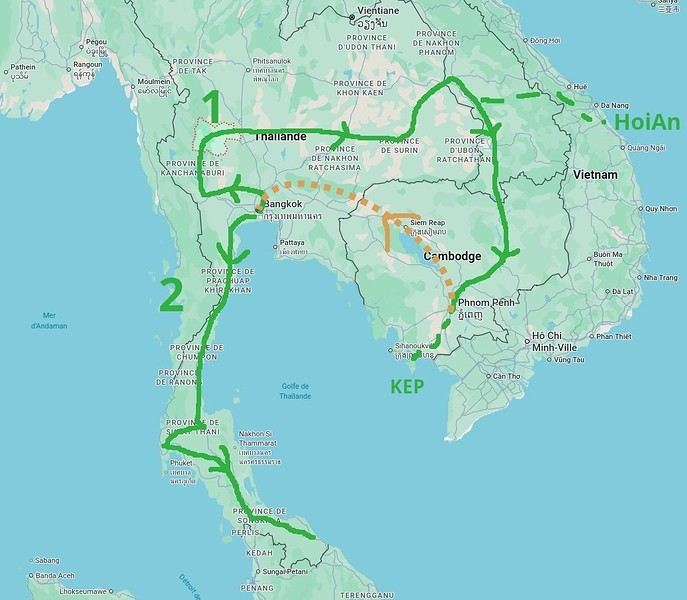
- I’ll start in Bangkok and already have three spots I’ve marked: Ayutthaya, Kanchanaburi, and Uthai Thani (I haven’t been to any of these places yet). - Next, I’d like to cross the country from west to east to reach the Laos border. I’d love suggestions for any interesting stops along this route—I don’t know this part of Thailand at all... - Then I’ll head into Laos, probably at Savannakhet (you can usually get a visa at the border). - > I’m tempted to spend a week in Hoi An, Vietnam, since I loved that city and the area when I visited two years ago. No visa needed for Vietnam now, so it could be a nice little detour. On the map, it doesn’t look too far, but I know you’ve got to be careful with these things, and I’m not sure if it’s a good idea. Any opinions on this? - Back to Laos (maybe via Dakta), and I’ll head south along the Mekong, probably doing the Bolaven Plateau loop that I missed last time. Then Paksé, the 4,000 Islands... I’ve been before, but I’d happily go back. - Crossing into Cambodia, I’ll follow the Mekong down to Phnom Penh (I know this area and love how untouristy it is). From there, I’ll probably spend a few days in Kep (quieter than Kampot). Still undecided, though. - Then back to Thailand (BKK), likely by plane from Phnom Penh since the borders between the two countries are currently closed (plus, let’s be honest, Cambodian roads... ;-). We’ll see how things look when the time comes. - After that, I’d like to explore southern Thailand, taking it slow with short hops. I’ve got my eye on Khao Sok National Park, and I’ve heard good things about Krabi... Again, I don’t know this region well, so any info or tips would be great.
So, I think this should be doable in 2.5 months, especially since I prefer short hops of 300 km max to avoid getting too tired, and I like staying 2-3 days in each place to explore. Plus, I’ll take a week off to relax if I find a spot I love—maybe by the sea for some real downtime.
Thanks for your feedback and for sharing your favorite spots! Pascal
- I’ll start in Bangkok and already have three spots I’ve marked: Ayutthaya, Kanchanaburi, and Uthai Thani (I haven’t been to any of these places yet). - Next, I’d like to cross the country from west to east to reach the Laos border. I’d love suggestions for any interesting stops along this route—I don’t know this part of Thailand at all... - Then I’ll head into Laos, probably at Savannakhet (you can usually get a visa at the border). - > I’m tempted to spend a week in Hoi An, Vietnam, since I loved that city and the area when I visited two years ago. No visa needed for Vietnam now, so it could be a nice little detour. On the map, it doesn’t look too far, but I know you’ve got to be careful with these things, and I’m not sure if it’s a good idea. Any opinions on this? - Back to Laos (maybe via Dakta), and I’ll head south along the Mekong, probably doing the Bolaven Plateau loop that I missed last time. Then Paksé, the 4,000 Islands... I’ve been before, but I’d happily go back. - Crossing into Cambodia, I’ll follow the Mekong down to Phnom Penh (I know this area and love how untouristy it is). From there, I’ll probably spend a few days in Kep (quieter than Kampot). Still undecided, though. - Then back to Thailand (BKK), likely by plane from Phnom Penh since the borders between the two countries are currently closed (plus, let’s be honest, Cambodian roads... ;-). We’ll see how things look when the time comes. - After that, I’d like to explore southern Thailand, taking it slow with short hops. I’ve got my eye on Khao Sok National Park, and I’ve heard good things about Krabi... Again, I don’t know this region well, so any info or tips would be great.
So, I think this should be doable in 2.5 months, especially since I prefer short hops of 300 km max to avoid getting too tired, and I like staying 2-3 days in each place to explore. Plus, I’ll take a week off to relax if I find a spot I love—maybe by the sea for some real downtime.
Thanks for your feedback and for sharing your favorite spots! Pascal
What to choose for a first summer trip to Asia: Indonesia or Thailand?
Hi there,
I’m planning my first trip to Asia next summer with my partner and our daughter, who’ll be 3 and a half at the time, for 4 weeks (maybe 5).
I’ve heard that the timing is better for visiting Indonesia, but I’m hesitant because Thailand seems more accessible, and I’m worried that traveling to Indonesia during high season might be less enjoyable and a lot more expensive due to the number of tourists. We love cultural sites as much as natural ones, and we’re big foodies. We’re not necessarily looking for luxury and tend to take our time, travel by public transport, and look for accommodations with a good value for money—though we do occasionally splurge on a high-end restaurant.
I’m also wondering when and where to buy flight tickets and how comfortable the journey will be (especially for our daughter) if we fly with Thai Airways or Garuda.
Thanks in advance for sharing your thoughts and tips!
Damien
I’m planning my first trip to Asia next summer with my partner and our daughter, who’ll be 3 and a half at the time, for 4 weeks (maybe 5).
I’ve heard that the timing is better for visiting Indonesia, but I’m hesitant because Thailand seems more accessible, and I’m worried that traveling to Indonesia during high season might be less enjoyable and a lot more expensive due to the number of tourists. We love cultural sites as much as natural ones, and we’re big foodies. We’re not necessarily looking for luxury and tend to take our time, travel by public transport, and look for accommodations with a good value for money—though we do occasionally splurge on a high-end restaurant.
I’m also wondering when and where to buy flight tickets and how comfortable the journey will be (especially for our daughter) if we fly with Thai Airways or Garuda.
Thanks in advance for sharing your thoughts and tips!
Damien
Thai Countryside Scenes
Hi there,
Yesterday in the Thailand section, 100% of the new threads were just about beach destinations 😕...
So here’s the counterattack in the form of this photo thread, dedicated solely to the countryside: the locals, their livestock, fields, farms, rice paddies, small rivers, and agricultural machinery. If you’ve got any pictures that fit these categories, feel free to add them!
Comments welcome.
For each photo, I’ll (or you can) indicate the area where it was taken.
Kanchanaburi: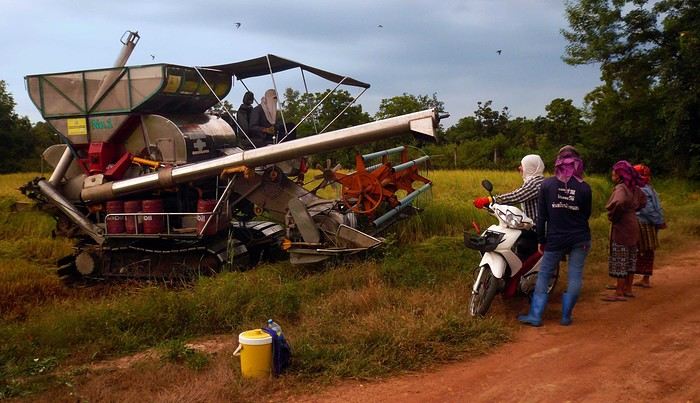
Kanchanaburi: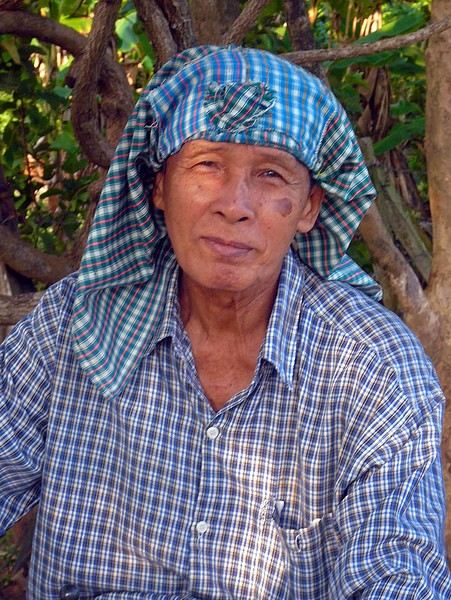
Sri Chiangmai: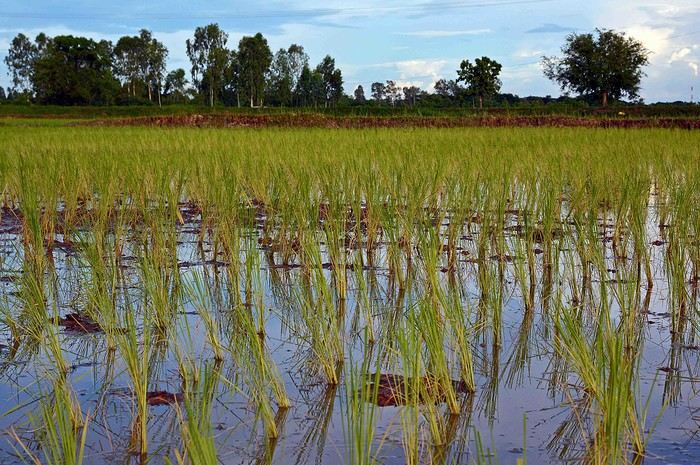
Soppong: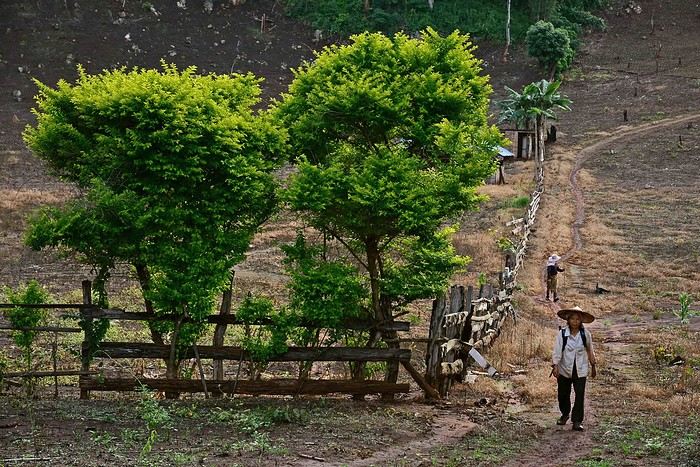
Tha Wang Pha: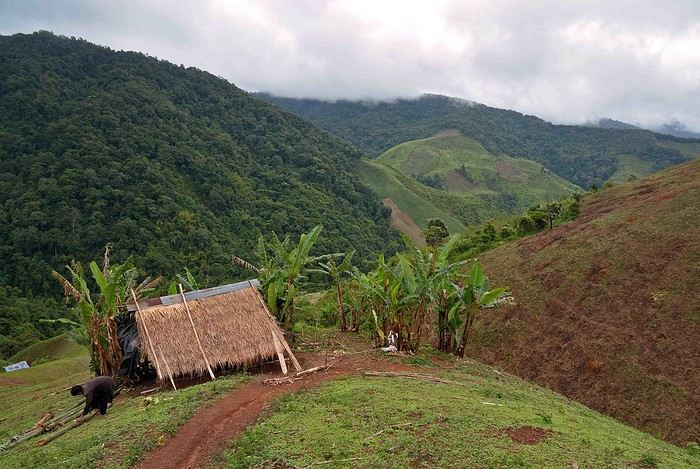
Kanchanaburi:
Kanchanaburi:
Sri Chiangmai:
Soppong:
Tha Wang Pha:
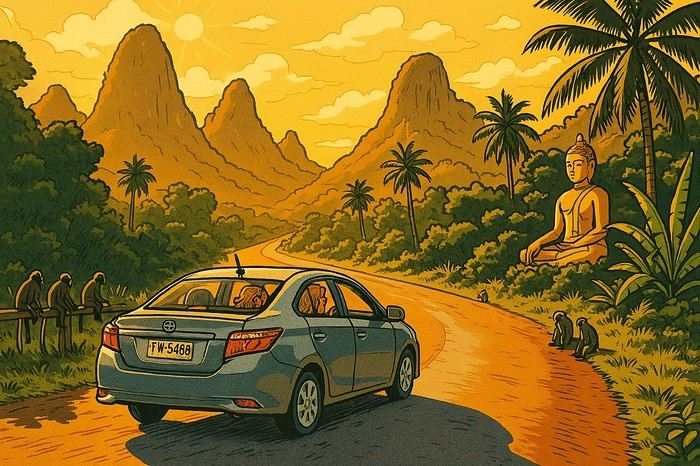
From Bangkok to Krabi, Thailand by Car!
This first trip of 2025 will have the taste of Asia.
More precisely, Thailand!
It’s not my first time—I’ve often traveled across Southeast Asia between 2000 and 2015. (This travel journal, for example...)
But it’ll be my partner’s first steps in this part of the world.
The itinerary we’ve chosen will alternate between familiar sights for me and new discoveries for both of us.
I’ll get to see how the country has changed in 20 years—and what’s stayed the same!
We were torn between the north and the south of the kingdom. Fears of smoke from slash-and-burn farming and a desire to relax on the sand tipped the scales toward the south...
What if we rented a car?
I think driving in sprawling Bangkok would be a bit ambitious, so we’ll only book our vehicle from Hua Hin to return it in Surat Thani.
Other transportation will range from tuk-tuks to overnight trains and ride-hailing services.
And of course, the plane!
I’d love to travel from Auvergne to Bangkok by road, but 15 days wouldn’t be enough...
Plus, the current geopolitical situation isn’t exactly favorable...
So, once again, we’ll be stuck for hours in the less-than-comfortable economy class of Qatar Airways.
The arrival time was on schedule, entry formalities were quick, and all our luggage made it.
We left Lyon in wind and cold—now we’re breathing in the warm, humid air of กรุงเทพมหานคร.
To reach our hotel, we first took the metro, which dropped us off in the city center in about 30 minutes for the incredible price of 1.18 €.
A few taps on the GRAB app, and we booked a ride-hailing service for the last few kilometers.
We waited a while for our driver due to insane traffic in the area, but once in the 4x4, we were at our lodging in no time.
We chose this small hotel for its riverside location, tranquility, and price.
It’ll do the job perfectly—the only downside is the weak breakfast.
The room is inviting, and we collapse onto the bed for a well-deserved short nap.
Wake-up call in an hour for our first visits!
See you soon...
More precisely, Thailand!
It’s not my first time—I’ve often traveled across Southeast Asia between 2000 and 2015. (This travel journal, for example...)
But it’ll be my partner’s first steps in this part of the world.
The itinerary we’ve chosen will alternate between familiar sights for me and new discoveries for both of us.
I’ll get to see how the country has changed in 20 years—and what’s stayed the same!
We were torn between the north and the south of the kingdom. Fears of smoke from slash-and-burn farming and a desire to relax on the sand tipped the scales toward the south...
What if we rented a car?
I think driving in sprawling Bangkok would be a bit ambitious, so we’ll only book our vehicle from Hua Hin to return it in Surat Thani.
Other transportation will range from tuk-tuks to overnight trains and ride-hailing services.
And of course, the plane!
I’d love to travel from Auvergne to Bangkok by road, but 15 days wouldn’t be enough...
Plus, the current geopolitical situation isn’t exactly favorable...
So, once again, we’ll be stuck for hours in the less-than-comfortable economy class of Qatar Airways.
The arrival time was on schedule, entry formalities were quick, and all our luggage made it.
We left Lyon in wind and cold—now we’re breathing in the warm, humid air of กรุงเทพมหานคร.
To reach our hotel, we first took the metro, which dropped us off in the city center in about 30 minutes for the incredible price of 1.18 €.
A few taps on the GRAB app, and we booked a ride-hailing service for the last few kilometers.
We waited a while for our driver due to insane traffic in the area, but once in the 4x4, we were at our lodging in no time.
We chose this small hotel for its riverside location, tranquility, and price.
It’ll do the job perfectly—the only downside is the weak breakfast.
The room is inviting, and we collapse onto the bed for a well-deserved short nap.
Wake-up call in an hour for our first visits!
See you soon...
Fish. April 2025 Photo Contest Theme
Hi everyone,
Starting tomorrow (the first day of the month), the April contest kicks off with the theme "Fish."
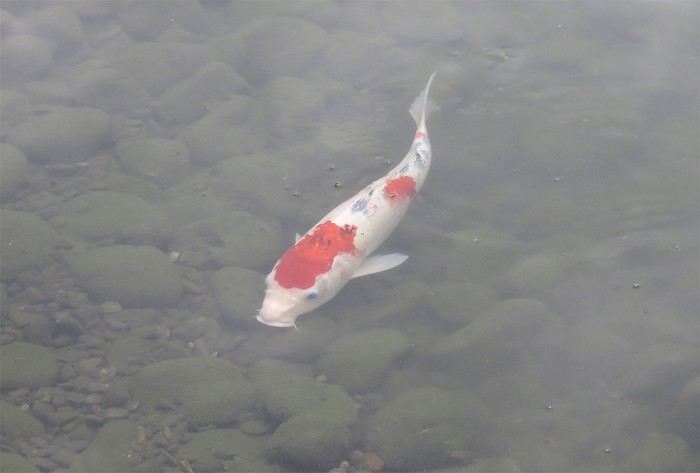
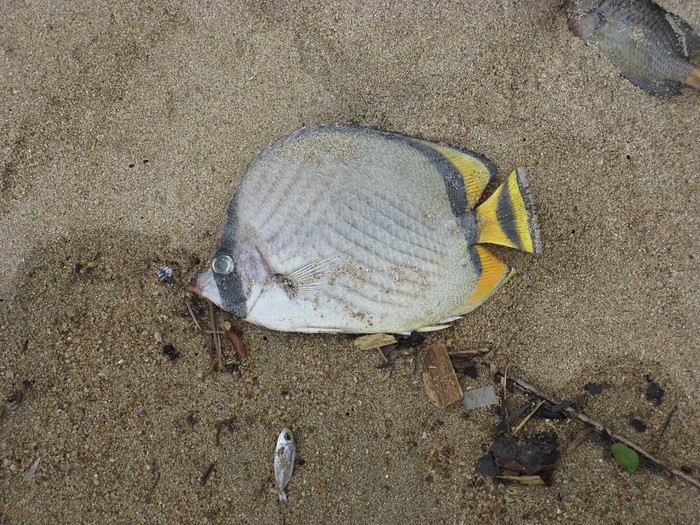
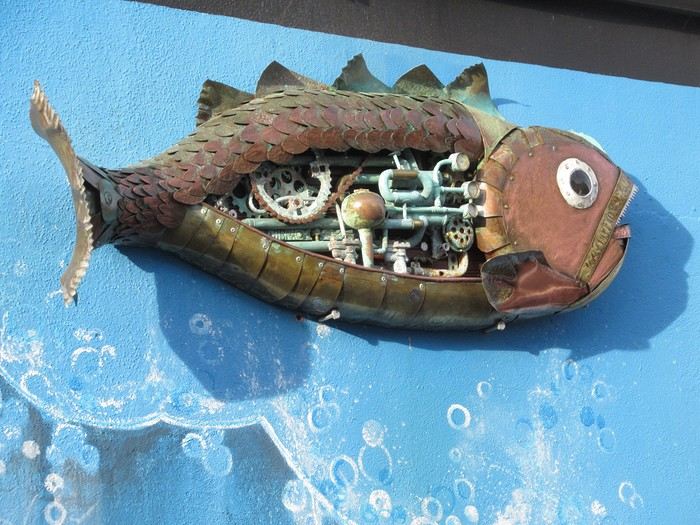
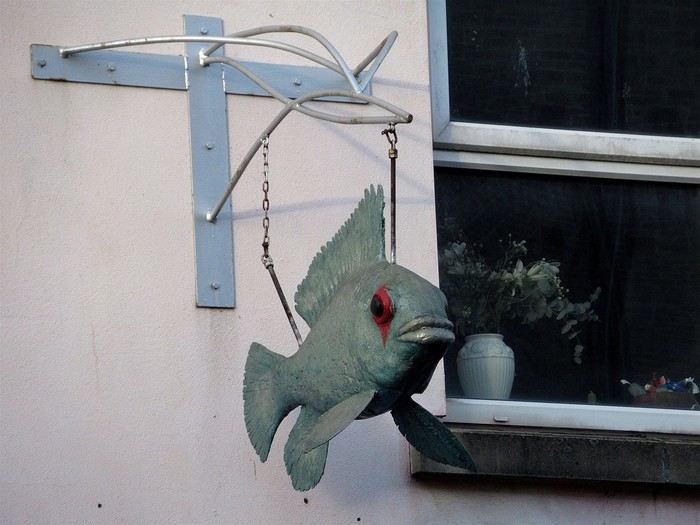
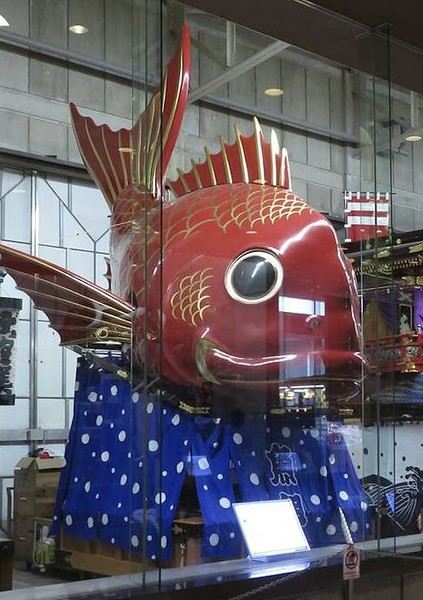
Important note: There was a contest in January 2020 on the theme "Fishing," where we hardly saw any fish. So this time, it should not be about fishing but mainly about fish. Live fish (1), dead fish (2), fish used in various artistic (3), commercial (4), or other illustrations (5).
Practical details:
Participation: Each VF member can submit up to 3 photos, until Saturday, April 26 at 11:59 PM Brussels time. Each photo should be posted in a separate message, with its number (1, 2, or 3). Don’t forget to add a little explanation (comment, location, etc.).
Voting: Each VF member can vote for the 3 photos they think are the best, based on their own criteria and the theme.
Voting will take place from Sunday, April 27 to Wednesday, April 30 at 11:59 PM Brussels time.
The selected photos will be ranked in order of preference: - 1st photo: 3 points - 2nd: 2 points - 3rd: 1 point
The winner is the photographer whose photo receives the most points.
Results will be published on May 1. In case of a tie, the number of first-place votes will decide. The winner will have the honor of organizing the May 2025 contest.
Photos that have already been nominated (1st, 2nd, or 3rd place) in another contest are not eligible for this one.
This thread is exclusively for photos submitted to the contest. All discussions, comments, and chit-chat should be posted in the thread: Discussion on the April 2025 contest theme "Fish"
(1) Japanese fish (not yet turned into sushi 😛)
(2) Fish considered small fry and left on an Indonesian beach
(3) Street art in Bristol (England)
(4) Sign in Bristol (England)
(5) Hikiyama Exhibition Hall in Karatsu (Kyushu, Japan)
Good luck! 😛
PS: Whales, sperm whales, porpoises, and dolphins are welcome—let’s be inclusive! 😎
Starting tomorrow (the first day of the month), the April contest kicks off with the theme "Fish."
Important note: There was a contest in January 2020 on the theme "Fishing," where we hardly saw any fish. So this time, it should not be about fishing but mainly about fish. Live fish (1), dead fish (2), fish used in various artistic (3), commercial (4), or other illustrations (5).
Practical details:
Participation: Each VF member can submit up to 3 photos, until Saturday, April 26 at 11:59 PM Brussels time. Each photo should be posted in a separate message, with its number (1, 2, or 3). Don’t forget to add a little explanation (comment, location, etc.).
Voting: Each VF member can vote for the 3 photos they think are the best, based on their own criteria and the theme.
Voting will take place from Sunday, April 27 to Wednesday, April 30 at 11:59 PM Brussels time.
The selected photos will be ranked in order of preference: - 1st photo: 3 points - 2nd: 2 points - 3rd: 1 point
The winner is the photographer whose photo receives the most points.
Results will be published on May 1. In case of a tie, the number of first-place votes will decide. The winner will have the honor of organizing the May 2025 contest.
Photos that have already been nominated (1st, 2nd, or 3rd place) in another contest are not eligible for this one.
This thread is exclusively for photos submitted to the contest. All discussions, comments, and chit-chat should be posted in the thread: Discussion on the April 2025 contest theme "Fish"
(1) Japanese fish (not yet turned into sushi 😛)
(2) Fish considered small fry and left on an Indonesian beach
(3) Street art in Bristol (England)
(4) Sign in Bristol (England)
(5) Hikiyama Exhibition Hall in Karatsu (Kyushu, Japan)
Good luck! 😛
PS: Whales, sperm whales, porpoises, and dolphins are welcome—let’s be inclusive! 😎
White as snow, let's chat here!
And nowhere else...😉
All Over Thailand
You can post your personal photos in the following thread: https://voyageforum.com/forum/quelque-part-en-thailande-d10655574/
This travel journal is therefore intended solely for my photos, to present a consistent style. All the shots were taken with a simple Samsung Galaxy smartphone and with whatever was at hand.
All stays combined, I’ve spent the equivalent of three years at most in Thailand, and I’m not a big expert on the country. However, after many trips, lots of reading on VoyageForum and other sites, and conversations with many locals as well as expats, my view of the country is becoming clearer, though it’s constantly evolving. You never stop discovering and learning.
I guess I wanted to piece together a puzzle, mainly for those who want to get an idea of the country here and for those who miss it. I don’t know if this minimalist sharing will interest anyone, but it’ll do me good to put it together. After so many months without traveling and then these other long months with VF closed, there’s plenty of material available.
There’ll be a mix of places, periods, and subjects, but it might well be intentional.
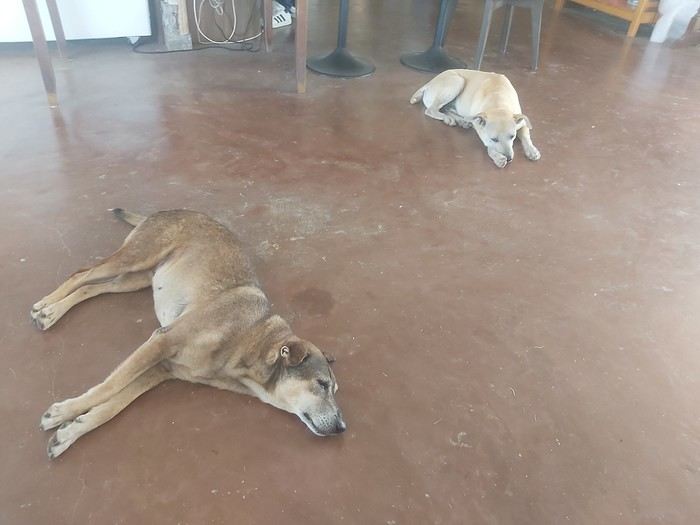
I suspect many Thais have dogs because they make excellent guards for the home. Nothing better to deter burglars or to signal the presence of a snake. You’ll often see Thais tapping the top of their dog’s head, but don’t be fooled: it’s a sign of affection from them. Judging by the dogs’ reactions, they’re used to it.
Thailand is one of the countries on the planet where rabies is still present, so keep that in mind. It’s not just bites that can be dangerous, so don’t let just any dog lick you. Especially on a wound, of course. Even though dogs often fear humans—this dangerous and unpredictable predator—we still need to stay cautious. Be careful when walking into alleys because the dog will defend its master’s big property, be careful at night, and be careful when they’re in packs. It sometimes crosses our minds that Thailand isn’t really made for walking around, and dogs are one of the reasons. That said, it’s not uncommon to see them chasing bikes or scooters. Cars, though, are much rarer—they’re too big.
It seems Thais prefer to give their dogs freedom by not locking them behind gates. Though sometimes the gate is closed, the little side door is wide open. Oh, and sometimes there’s no gate in front of the property, or it’s been broken for years.
You’ll often see dogs sleeping on the side of the road, sometimes right on the road. When you arrive, they move aside nonchalantly—or not at all. It’s less funny when they suddenly appear from thick vegetation, which reminds visitors not to drive too fast. As a result, you’ll notice that dogs with injuries or missing legs aren’t that rare.
Since they believe in reincarnation and respect for all forms of life, they don’t chase dog packs away too much, and they don’t sterilize them enough. Seeing a small pack roaming freely in the countryside, you might think it’s best not to cross paths with them at the edge of a field. A darker side of this is that euthanasia isn’t often practiced. Twice, we saw dogs at temples on the brink of death, enduring terrible suffering. No one did anything about it. The image (and the smell) of one of them, dying and emitting the stench of death, still comes back to me sometimes.
Some of you may have seen the YouTube vlog of a French woman living in Phuket who was given a little pig by her Thai friends. The well-fed animal quickly became a happy, enormous beast with its own garden. Yet, it didn’t take long for it to fall seriously ill and become incurable. In her video, the French woman described how difficult it was to find a vet willing to perform euthanasia.
You’ll often see bowls by the side of the road. Thais leave food and water in them for stray cats and dogs. Overall, they have a big heart for animals.
If you ever pop into a shopping mall, you might see people pushing their small dogs in strollers. It’s not a gimmick—it’s just that these strollers are provided for customers to put their pets in, otherwise you can’t bring them inside. It looks a bit odd when you expect to see a baby.
This travel journal is therefore intended solely for my photos, to present a consistent style. All the shots were taken with a simple Samsung Galaxy smartphone and with whatever was at hand.
All stays combined, I’ve spent the equivalent of three years at most in Thailand, and I’m not a big expert on the country. However, after many trips, lots of reading on VoyageForum and other sites, and conversations with many locals as well as expats, my view of the country is becoming clearer, though it’s constantly evolving. You never stop discovering and learning.
I guess I wanted to piece together a puzzle, mainly for those who want to get an idea of the country here and for those who miss it. I don’t know if this minimalist sharing will interest anyone, but it’ll do me good to put it together. After so many months without traveling and then these other long months with VF closed, there’s plenty of material available.
There’ll be a mix of places, periods, and subjects, but it might well be intentional.
I suspect many Thais have dogs because they make excellent guards for the home. Nothing better to deter burglars or to signal the presence of a snake. You’ll often see Thais tapping the top of their dog’s head, but don’t be fooled: it’s a sign of affection from them. Judging by the dogs’ reactions, they’re used to it.
Thailand is one of the countries on the planet where rabies is still present, so keep that in mind. It’s not just bites that can be dangerous, so don’t let just any dog lick you. Especially on a wound, of course. Even though dogs often fear humans—this dangerous and unpredictable predator—we still need to stay cautious. Be careful when walking into alleys because the dog will defend its master’s big property, be careful at night, and be careful when they’re in packs. It sometimes crosses our minds that Thailand isn’t really made for walking around, and dogs are one of the reasons. That said, it’s not uncommon to see them chasing bikes or scooters. Cars, though, are much rarer—they’re too big.
It seems Thais prefer to give their dogs freedom by not locking them behind gates. Though sometimes the gate is closed, the little side door is wide open. Oh, and sometimes there’s no gate in front of the property, or it’s been broken for years.
You’ll often see dogs sleeping on the side of the road, sometimes right on the road. When you arrive, they move aside nonchalantly—or not at all. It’s less funny when they suddenly appear from thick vegetation, which reminds visitors not to drive too fast. As a result, you’ll notice that dogs with injuries or missing legs aren’t that rare.
Since they believe in reincarnation and respect for all forms of life, they don’t chase dog packs away too much, and they don’t sterilize them enough. Seeing a small pack roaming freely in the countryside, you might think it’s best not to cross paths with them at the edge of a field. A darker side of this is that euthanasia isn’t often practiced. Twice, we saw dogs at temples on the brink of death, enduring terrible suffering. No one did anything about it. The image (and the smell) of one of them, dying and emitting the stench of death, still comes back to me sometimes.
Some of you may have seen the YouTube vlog of a French woman living in Phuket who was given a little pig by her Thai friends. The well-fed animal quickly became a happy, enormous beast with its own garden. Yet, it didn’t take long for it to fall seriously ill and become incurable. In her video, the French woman described how difficult it was to find a vet willing to perform euthanasia.
You’ll often see bowls by the side of the road. Thais leave food and water in them for stray cats and dogs. Overall, they have a big heart for animals.
If you ever pop into a shopping mall, you might see people pushing their small dogs in strollers. It’s not a gimmick—it’s just that these strollers are provided for customers to put their pets in, otherwise you can’t bring them inside. It looks a bit odd when you expect to see a baby.
Concours photo, août 2020: Le voyage en noir et blanc English translation pending
Bonjour à tous
En préambule je rappelle que ma présence ici est tout à fait fortuite, j'ai l'honneur de remplacer Av31, gagnant du concours sur le thème "Verticales" avec sa photo de Devil's Tower.
« Je préfère photographier en noir et blanc qu’en couleurs. Le noir et blanc va à l'essentiel, la couleur aurait distrait l'histoire que je voulais raconter ».Kadir Van Lohuize
Je vous propose un concours dont le sujet sera complètement libre (youpi) mais avec une petite contrainte technique (pffff...). Nous regarderons la vie en noir & blanc.
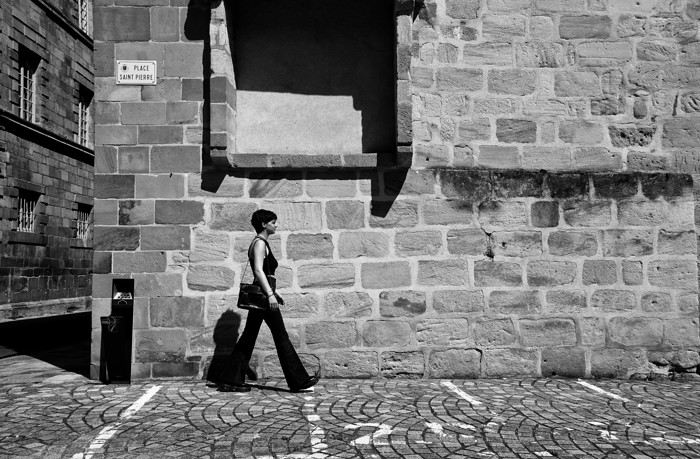
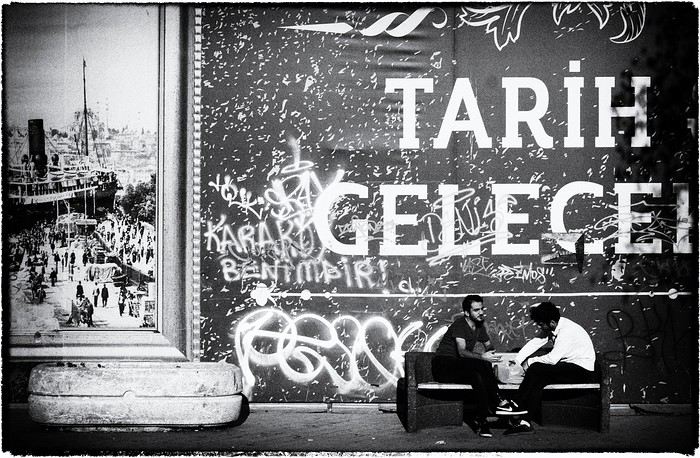
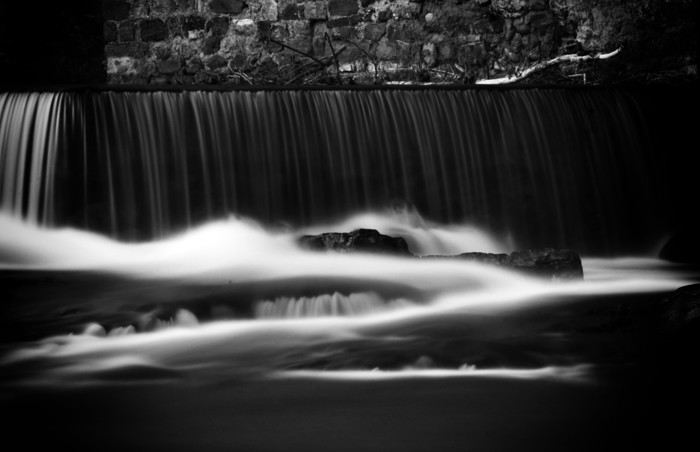
Vos photos devront évoquer le voyage mais je laisse à chacun une petite marge de manœuvre, par exemple celle de nous présenter un portrait (d'ici ou d'ailleurs), une image macro (fleur, insecte...), une image graphique (lignes et courbes). Mais sur vos 3 photos je n'accepterai qu'une seule exception, nous sommes ensemble pour parler voyage !
Il existe sur le net un tas de petits logiciels très faciles d'utilisation mais si vous rencontrez des difficultés pour convertir une image en noir et blanc je le ferai pour vous.
Quelques astuces pour choisir vos photos: Le noir et blanc convient à des sujets très variés mais vous pouvez donner un impact bien plus fort à votre image en tenant compte de certains points. La texture. La couleur aura tendance à l'éclipser alors que le noir et blanc lui donnera toute son importance en faisant ressortir l'intensité des détails: les stries et les nœuds du bois, le tissus, la pierre, les rides de la peau... Les lignes. Celles d’un bâtiment, d’une rue pavée, un marquage au sol ou bien les lumières de la rue. Diriger l'attention dessus, c’est faire ressortir un détail que l’on ne voit pas avec les couleurs. Les formes géométriques. Symétriques ou non, triangulaires, carrées ou rondes, dessinées par l’homme ou naturelles les formes attireront l’œil et se démarqueront bien plus qu'en couleur. Les contrastes. Ils sont vos amis ! Une lumière forte avec des zones d’ombre va créer une image avec des tonalités, c’est ce contraste qui est l'élément essentiel pour réussir une photographie en noir et blanc par exemple un ciel chargé de gros nuages percés par des rayons de soleil.
Vous pourrez participer jusqu’au samedi 22 août à 23h59, heure de Paris. Chaque participant est autorisé à poster jusqu’à trois photos, numérotées de 1 à 3, en précisant le lieu de prise de vue.
Le vote aura lieu du dimanche 23 à 0h01 au dimanche 30 août à 23h59. Il est accessible à tous, participants ou non, dans la limite d’un vote, et se fera par l’attribution d’un total de six points répartis sur 3 ou 4 photos : Photo n°1 : 3 points Photo n°2 : 2 points Photo n°3 : 1 point
La photo gagnante sera celle qui aura remporté le plus de points. En cas d’égalité pour la première position, les photos seront départagées par le nombre de votes à 3 points, puis, si l'égalité persiste, par le nombre de votes à 2 points, etc.
Le ou la gagnant(e) aura le privilège d’organiser le concours de septembre.
Ce fil est réservé aux photos participantes et aux votes. La discussion liée aux à-cotés se passe par là: https://voyageforum.com/v.f?post=10330486;a=10330486
Le lien pour le diaporama: https://flic.kr/s/aHsmPLqy2E
Les précédents concours: herikles.free.fr/.VF/VFconcours.html
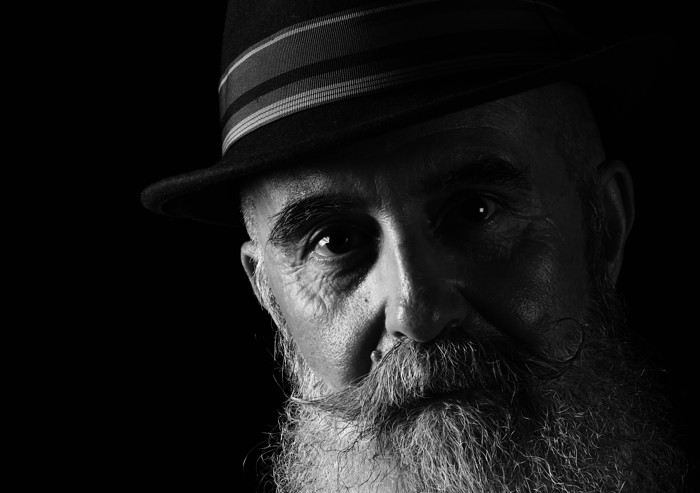
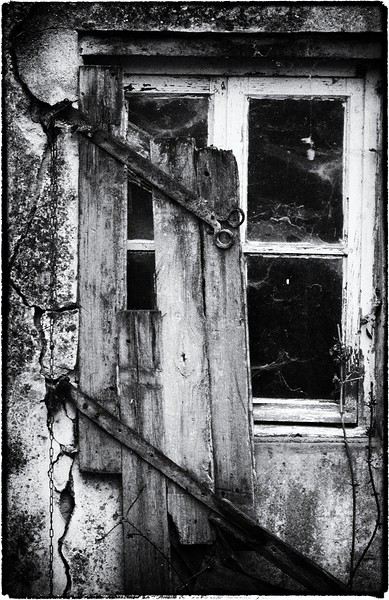
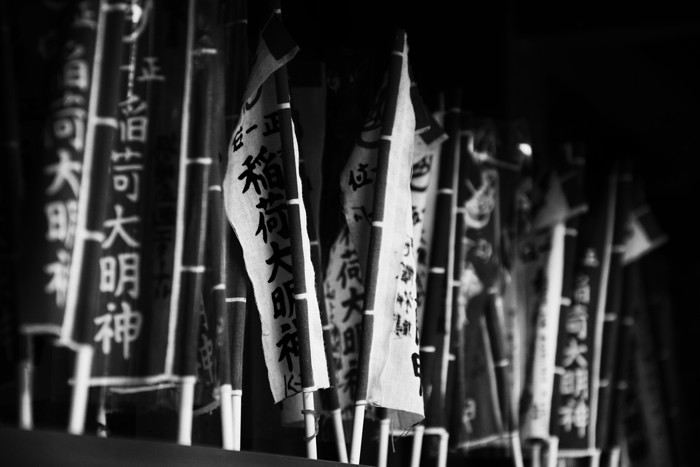
En préambule je rappelle que ma présence ici est tout à fait fortuite, j'ai l'honneur de remplacer Av31, gagnant du concours sur le thème "Verticales" avec sa photo de Devil's Tower.
« Je préfère photographier en noir et blanc qu’en couleurs. Le noir et blanc va à l'essentiel, la couleur aurait distrait l'histoire que je voulais raconter ».Kadir Van Lohuize
Je vous propose un concours dont le sujet sera complètement libre (youpi) mais avec une petite contrainte technique (pffff...). Nous regarderons la vie en noir & blanc.
Vos photos devront évoquer le voyage mais je laisse à chacun une petite marge de manœuvre, par exemple celle de nous présenter un portrait (d'ici ou d'ailleurs), une image macro (fleur, insecte...), une image graphique (lignes et courbes). Mais sur vos 3 photos je n'accepterai qu'une seule exception, nous sommes ensemble pour parler voyage !
Il existe sur le net un tas de petits logiciels très faciles d'utilisation mais si vous rencontrez des difficultés pour convertir une image en noir et blanc je le ferai pour vous.
Quelques astuces pour choisir vos photos: Le noir et blanc convient à des sujets très variés mais vous pouvez donner un impact bien plus fort à votre image en tenant compte de certains points. La texture. La couleur aura tendance à l'éclipser alors que le noir et blanc lui donnera toute son importance en faisant ressortir l'intensité des détails: les stries et les nœuds du bois, le tissus, la pierre, les rides de la peau... Les lignes. Celles d’un bâtiment, d’une rue pavée, un marquage au sol ou bien les lumières de la rue. Diriger l'attention dessus, c’est faire ressortir un détail que l’on ne voit pas avec les couleurs. Les formes géométriques. Symétriques ou non, triangulaires, carrées ou rondes, dessinées par l’homme ou naturelles les formes attireront l’œil et se démarqueront bien plus qu'en couleur. Les contrastes. Ils sont vos amis ! Une lumière forte avec des zones d’ombre va créer une image avec des tonalités, c’est ce contraste qui est l'élément essentiel pour réussir une photographie en noir et blanc par exemple un ciel chargé de gros nuages percés par des rayons de soleil.
Vous pourrez participer jusqu’au samedi 22 août à 23h59, heure de Paris. Chaque participant est autorisé à poster jusqu’à trois photos, numérotées de 1 à 3, en précisant le lieu de prise de vue.
Le vote aura lieu du dimanche 23 à 0h01 au dimanche 30 août à 23h59. Il est accessible à tous, participants ou non, dans la limite d’un vote, et se fera par l’attribution d’un total de six points répartis sur 3 ou 4 photos : Photo n°1 : 3 points Photo n°2 : 2 points Photo n°3 : 1 point
La photo gagnante sera celle qui aura remporté le plus de points. En cas d’égalité pour la première position, les photos seront départagées par le nombre de votes à 3 points, puis, si l'égalité persiste, par le nombre de votes à 2 points, etc.
Le ou la gagnant(e) aura le privilège d’organiser le concours de septembre.
Ce fil est réservé aux photos participantes et aux votes. La discussion liée aux à-cotés se passe par là: https://voyageforum.com/v.f?post=10330486;a=10330486
Le lien pour le diaporama: https://flic.kr/s/aHsmPLqy2E
Les précédents concours: herikles.free.fr/.VF/VFconcours.html
Discussion autour du concours de juillet 2020: Verticale(s) English translation pending
Pour discuter autour du concours de juillet 2020, Verticale(s), ça se passe ici.
Concours photo de mai 2020: "Défilés et Cortèges" English translation pending
Salut à tou(te)s.
Gagnant du concours d'avril 2020 il m'échoit de vous proposer celui de mai 2020 :
En ce mois de mai propice aux défilés, surtout le 1er en temps normal (sans pandémie donc sans distanciation physique), je vous propose le sujet du concours de photo du mois « Défilés et Cortèges » avec les précautions suivantes :
Ce sera celui de participants au défilé en nombre, en extérieur, pour une cause explicite dans l'image proposée (pancarte ou slogan, costumes, décor...). Ce ne sera donc ni la déambulation d'une foule, même bigarrée, ni une file d'attente, mais un cortège de rue qu'il soit religieux, militaire, funéraire, festif, revendicatif, exprimant joie ou peine, colère ou détermination. La foule qui peut l'accompagner ne sera pas l'objet central de la photo mais son complément (prouvant son audience). Voir l'introduction de l'article Défilé sur Wikipédia : On l'aura compris : pas de défilé d'animaux, de chars, ni de roches fracturées : des gens qui se réunissent pour une cause explicite, affichant leurs costumes, leurs uniformes.
Exemples : Cortège du Palio de Sienne (août 2012) :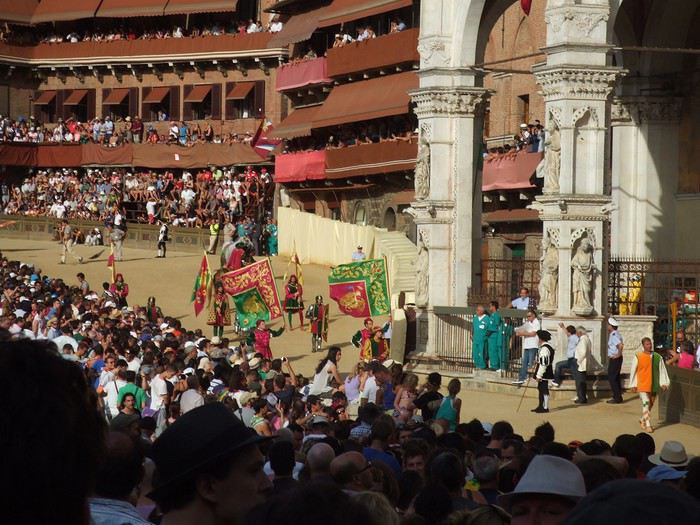
Fête des vignerons 2019 à Vevey, bout de fanfare :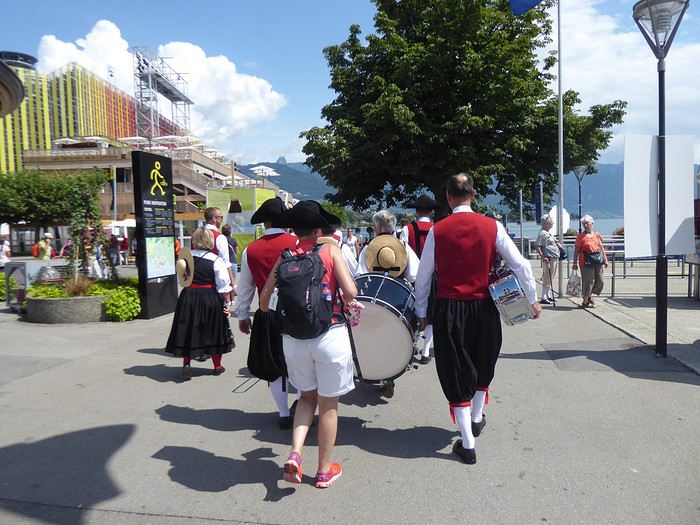
Fête des saintes patronnes de Santa Fiora (Toscane - juillet 2009). Toutes obédiences des autorités municipales à la fin de la procession :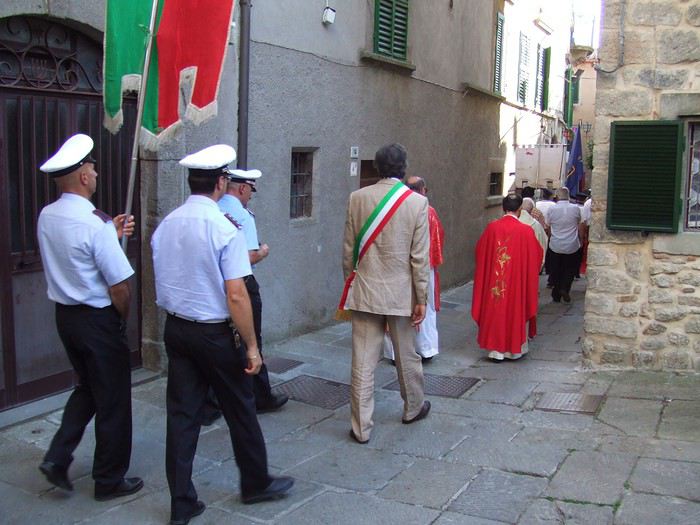
Participation Chaque participant(e) peut proposer jusqu'à 3 photos, et ce jusqu'au vendredi 22/05 à 20h00, heure de Paris. Chaque photo sera présentée dans un seul message, en indiquant son numéro (1, 2 ou 3). Pensez à ajouter une petite explication, commentaire, localisation, date de prise de vue.
Vote Chaque membre VF peut voter pour les 3 photos qu'il ou elle juge les meilleures selon ses propres critères et en tenant compte du thème.
Les votes se feront du samedi 23/05 au vendredi 29/05 à 20h00, heure de Paris. Les photos choisies seront citées dans l'ordre de préférence : - la 1re photo : 3 points - la 2e : 2 points - la 3e : 1 point
Un seul et unique vote pour 3 photos est accepté par membre.
Conclusion Le vainqueur est l'auteur de la photo ayant reçu le plus de points. Les résultats seront publiés le 30/05. En cas d'égalité, le nombre de premières places prévaudra. Le vainqueur aura l'honneur d'organiser le concours du mois de juin.
Le diaporama est là. La discussion est là
À vous de jouer !
En ce mois de mai propice aux défilés, surtout le 1er en temps normal (sans pandémie donc sans distanciation physique), je vous propose le sujet du concours de photo du mois « Défilés et Cortèges » avec les précautions suivantes :
Ce sera celui de participants au défilé en nombre, en extérieur, pour une cause explicite dans l'image proposée (pancarte ou slogan, costumes, décor...). Ce ne sera donc ni la déambulation d'une foule, même bigarrée, ni une file d'attente, mais un cortège de rue qu'il soit religieux, militaire, funéraire, festif, revendicatif, exprimant joie ou peine, colère ou détermination. La foule qui peut l'accompagner ne sera pas l'objet central de la photo mais son complément (prouvant son audience). Voir l'introduction de l'article Défilé sur Wikipédia : On l'aura compris : pas de défilé d'animaux, de chars, ni de roches fracturées : des gens qui se réunissent pour une cause explicite, affichant leurs costumes, leurs uniformes.
Exemples : Cortège du Palio de Sienne (août 2012) :
Fête des vignerons 2019 à Vevey, bout de fanfare :
Fête des saintes patronnes de Santa Fiora (Toscane - juillet 2009). Toutes obédiences des autorités municipales à la fin de la procession :
Participation Chaque participant(e) peut proposer jusqu'à 3 photos, et ce jusqu'au vendredi 22/05 à 20h00, heure de Paris. Chaque photo sera présentée dans un seul message, en indiquant son numéro (1, 2 ou 3). Pensez à ajouter une petite explication, commentaire, localisation, date de prise de vue.
Vote Chaque membre VF peut voter pour les 3 photos qu'il ou elle juge les meilleures selon ses propres critères et en tenant compte du thème.
Les votes se feront du samedi 23/05 au vendredi 29/05 à 20h00, heure de Paris. Les photos choisies seront citées dans l'ordre de préférence : - la 1re photo : 3 points - la 2e : 2 points - la 3e : 1 point
Un seul et unique vote pour 3 photos est accepté par membre.
Conclusion Le vainqueur est l'auteur de la photo ayant reçu le plus de points. Les résultats seront publiés le 30/05. En cas d'égalité, le nombre de premières places prévaudra. Le vainqueur aura l'honneur d'organiser le concours du mois de juin.
Le diaporama est là. La discussion est là
À vous de jouer !
Adventures of a Bygone Era: The Philippines in 1984
After several discussions on VF about travel journals from the Philippines, I decided to write this curiosity: a trip report from a journey made in 1984, when traveling to the Philippines was still an adventure.
A curiosity because writing a travel journal about a trip 35 years later isn’t common, but also (mostly?) because exploring the Philippines at that time had little in common with traveling there today.
Obviously, I’ve forgotten a number of facts, most of the details, but with the help of a few notes from that time and a stack of slides (yes, there was life before digital 😊), many memories came back and added to the highlights I’d never forgotten. The scanned slides aren’t always great quality, but there are still quite a few to brighten up this chatter. Back then, we didn’t snap photos like we do now—film was too expensive—so I don’t have pictures of every place we visited... too bad, comparing some of those spots to how they look today would’ve been interesting.
Why "Adventures"? Why call it "Adventures" in the Philippines in 1984, a word so often used for a simple exotic trip? - Because the lack of information (no *Guide du Routard*, no *Lonely Planet*, no *Michelin Guide*, nothing, and obviously no internet) gave this trip what’s at the heart of adventure: the unknown. - Because the political situation made the stay sometimes dangerous. - Because transportation conditions were always epic, often perilous. - Because the question of where we’d spend the night came up almost every evening. - And for... quite a few other reasons.
That said, we weren’t exactly explorers!
Why the Philippines? First of all, why go to the Philippines in 1984—a country not exactly set up for tourism and about which we knew very little? How could we get an idea of the beauty of the Philippines and its points of interest when we had no guides or photos?
The idea came to us from Thailand a year earlier, during our first long-haul trip. After touring the north of the country, we met a Frenchman living in Phuket, where there were only a few tourists in Patong, with just a few small hotels and guesthouses. Kata and Karon had no buildings or roads, Rawai only had three palm-thatched bungalows, including ours, and the other islands were unknown to tourists. There was plenty to discover, and we wanted to return to this beautiful country... but the Frenchman made us dream about the Philippines—a country to explore, with wild landscapes.
Long evenings of discussion over multiple Sprite-Mekong cocktails (what memories of those headaches!) finally convinced us we had to go to the Philippines.
Episode 0: Before Departure The decision was made: we’d go to the Philippines in May 1984. Our friends and family were surprised when we announced we were going on vacation to the Philippines (a bit like saying today we were going paddleboarding in the Kerguelen Islands 🤪).
These days, preparing for each of our trips takes long evenings of research, planning, and noting down good addresses... etc. But for the Philippines in 1984, preparation was quick: we had very little information about the country, we were leaving almost at random, and the discovery would only be more exciting.
We still had a few bits of info gathered here and there: the rice terraces in northern Luzon, volcanoes, Negros where we were supposed to visit an acquaintance, Cebu and its marine life (we ended up going elsewhere), and absolutely avoid Mindanao, which was practically at war with the regime. That was about it, but it was already a great itinerary.
Nothing was organized in advance; we’d see day by day. We had no idea about travel times or even the existence of transportation options. The main (and sometimes only) way to connect two islands was by overloaded, rusty ferry. Only the big cities had airports.
Let’s Go: Episode 1: Paris to Manila My travel journals always start after arriving at the airport—the Europe-to-“Other Continent” trip isn’t interesting—but the flight to the Philippines was already an adventure, so I’ll make an exception.
This was the era when only a few Asian airlines were on par with Western ones: Thai, Singapore Airlines, and Philippine Airlines. They had beautiful, brand-new planes, and to attract customers (almost exclusively “businessmen”) from the usual airlines (Air France, Lufthansa, British Airways), there was opulence on board: unlimited champagne, all sorts of cocktails... Compared to today’s long-haul flights, there was still one small difference: no personal screens, just one screen at the front of the cabin with one mandatory movie. And I don’t know why, but we only got James Bond films, both ways... that must’ve been the trend at the time.
The tourism boom to Southeast Asia hadn’t started yet, and the “Asian Tigers” weren’t a thing, so there weren’t many business trips. That meant long-haul flights made stops everywhere to fill the planes. Our Philippine Airlines Boeing 747 left London, picked us up in Paris, then stopped in Frankfurt to take on a few Germans. I don’t know why we then made a stop in Dubai—a totally exotic place at the time. There was nothing to do there... things have changed a lot since. It was a small town lost in the desert. The airport was tiny, with just one or two buildings and a supermarket. During the stopover, everyone had to get off the plane and walk to the supermarket. Photo and electronic equipment were dirt cheap—I guess that was the only reason for the stop. Maybe it was their first commercial move. Emirates didn’t exist yet, as I checked online, but anyway, the idea that such a remote place could have its own airline was unthinkable.
Online, I found this photo of Dubai Airport in 1980. Anyone who’s transited through today’s massive airport with its rows of A380s will appreciate it: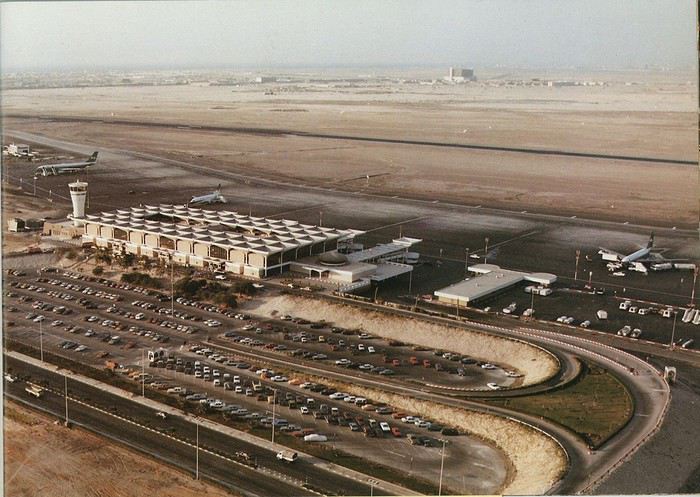
Next stop: New Delhi to drop off some Europeans and pick up a few Indians, and finally, the terminus: Manila. I don’t remember how long the trip took with its five stops—an unimaginable journey today. Despite all those stops to fill the plane, there was still enough space to stretch out on the four center seats of the 747, something that never happens these days despite all the flights in every direction.
So here we are, finally at Manila Airport around midnight.
Episode 1: Manila and Baguio To start, a quick note on the political and economic situation in the Philippines in 1984, which had consequences for us as tourists, as we’d soon realize upon arrival.
After several centuries of Spanish colonization, the Philippines became American at the start of the 20th century, then independent. In 1966, Marcos took power, and little by little, his regime sank into corruption and mismanagement, becoming a dictatorship with martial law, all for the benefit of his family and friends, who enriched themselves endlessly. The peak was the assassination of opposition leader Benigno Aquino in August 1983, which triggered harshly repressed protests. So we arrived a few months later in a very poor country, with omnipresent corruption and an extremely tense political situation, as we’d soon see for ourselves. Major protests took place in the main cities during our trip—I’ll come back to that. Two years later, Marcos fled to Hawaii after being forced out of power following rigged elections. This historical context explains a lot of the situations we found ourselves in over the following weeks.
Arriving in the middle of the night isn’t very cheerful. Manila was already a huge city with many slums, where you could find a few business hotels like the Hilton or Intercontinental—way out of our budget—and plenty of run-down hotels. Luckily, two Indians we’d chatted with on the plane offered to take us to their usual hotel. They came to Manila twice a year for business. We accepted their offer, relieved not to have to look for a place to stay in the middle of the night, figuring the address must be good since they came back every time... we were wrong 🙁
We left the airport and immediately got a taste of the local vibe when we got into the taxi: the police asked for our passports. We thought: what’s more normal than police in a dictatorship?
But that wasn’t it at all. Our two Indian friends explained that the police were noting our names along with the taxi number and time. Crime in Manila was so bad that the taxi driver would be held responsible if anything happened to us... welcome to the Philippines 😎 😎
Historically, the Philippines was a very violent country, where everything was settled with guns or machetes. Previous governments had banned carrying weapons, but Marcos later allowed the free sale and carrying of guns, and disputes were settled with pistols again (or worse, as we’d discover later). Since he’d released most of the criminals from prison to form a paramilitary militia at his service (I’ll talk about our encounter with these “heroes” later), it was pretty dangerous to go into many parts of Manila, where these “tonton macoutes” ruled.
We arrived at our hotel without incident... and then things started badly. The room was infested with big cockroaches—exactly what I hate most in those kinds of countries. No way to find another hotel at that hour. After the long flight, the urge to take a shower was so strong that we squeezed into the bathroom as best we could. After that, I don’t remember—I guess we must’ve fallen asleep exhausted under the sheets in the heat... air conditioning wasn’t widespread yet.
The next day, we just wanted to leave that dump as soon as possible. So we decided to head north right away, stopping in Baguio, and we’d visit Manila a bit on the way back.
When we stepped outside, we discovered a pretty run-down neighborhood with potholed streets. But we also discovered the jeepneys. They were everywhere, flooding the streets.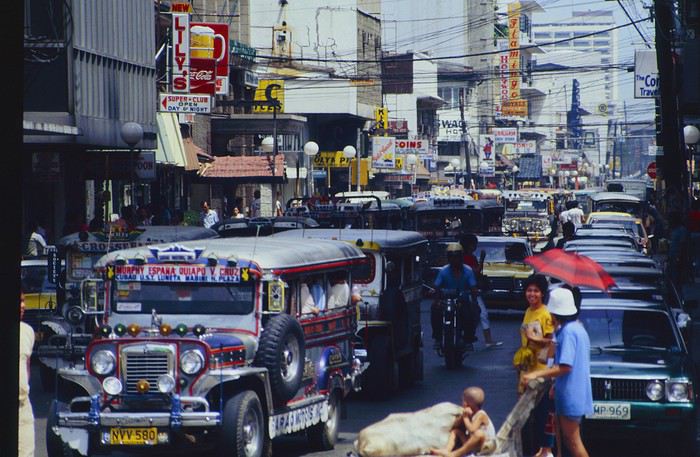
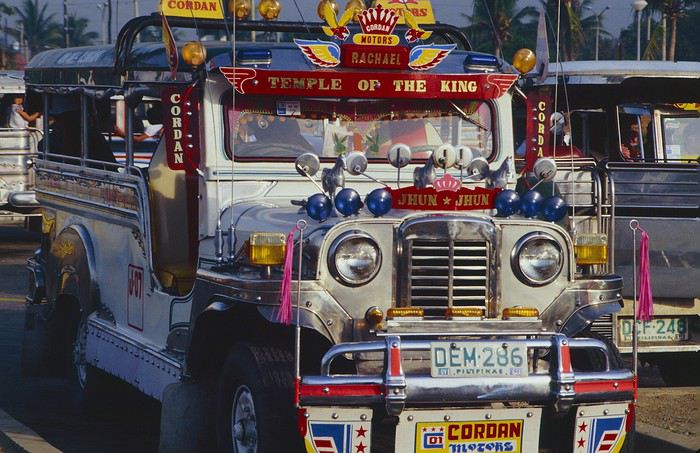
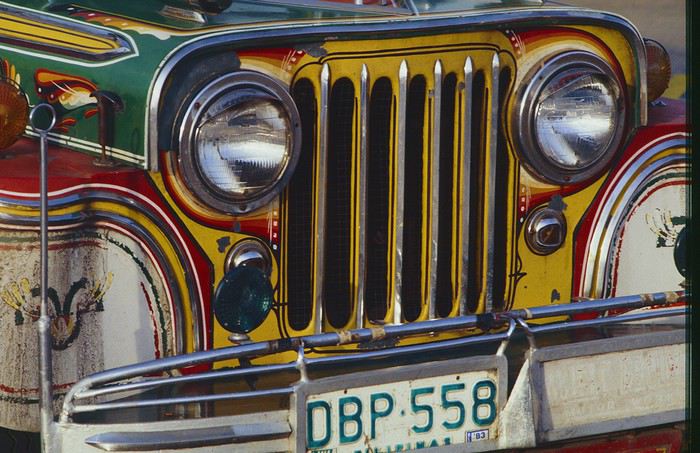
They had crazy sound systems, each one blasting louder than the last. The interiors were kitschy but fun. There weren’t many private cars—almost all transportation was by jeepney, with buses reserved for intercity trips.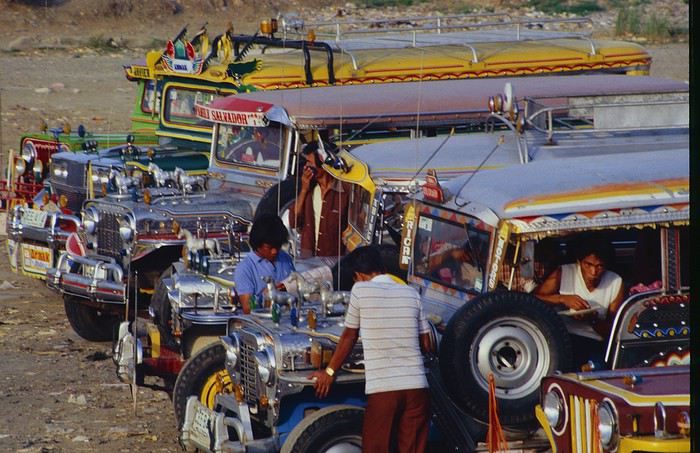
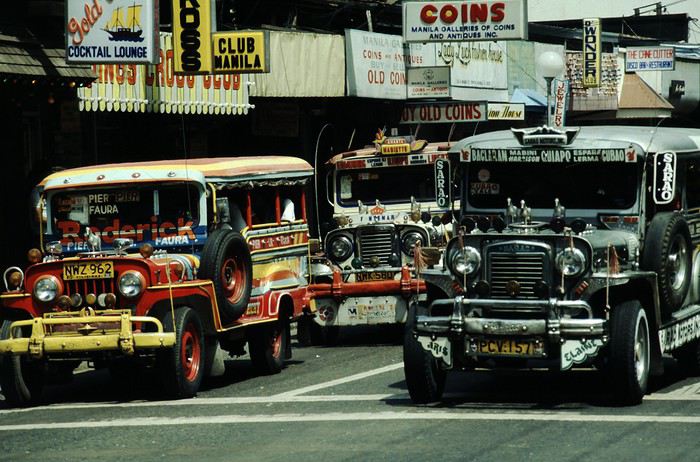
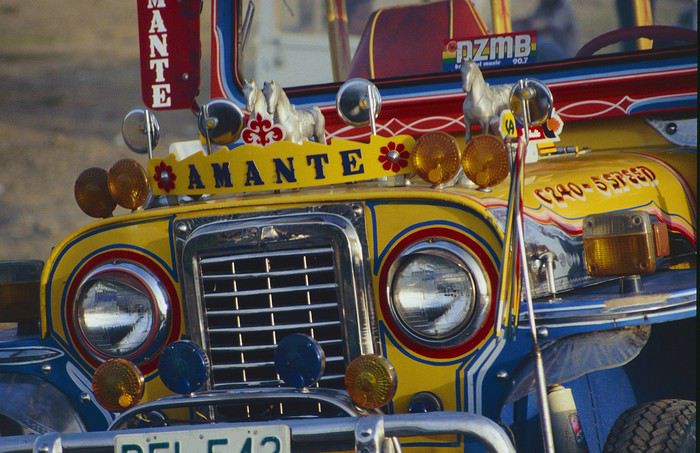
Before heading to the bus terminal for the north, somewhere on the outskirts of the city, we needed to exchange some money. I don’t remember how we ended up in a policeman’s jeep who offered his services: - Exchange money on the black market at a better rate than the banks. - Take us wherever we wanted, in this case, the bus terminal.
We accepted both offers (we’d still checked the official exchange rate from dollars to pesos). So we found ourselves in his jeep. After exchanging money, we left in his vehicle and stopped for gas. Without turning off the engine, he calmly smoked a cigarette while filling up. Since we were in a jeep with no doors or roof, we were ready to jump out if things went south, our travel bag in hand.
But we weren’t done with surprises yet. Once we left the small streets, we ended up in a neighborhood with wide avenues and not much traffic, which didn’t justify his incredible behavior. At every intersection, he made the sign of the cross, closed his eyes, and crossed without looking. I was more stunned than terrified! It wasn’t until we got out of the car later that I told Anne-Marie what had happened. I’d seen everything because the cop had put me in the front seat. Luckily, A-Marie hadn’t noticed anything from the back. Crossing Manila by trusting God rather than the rules of the road was ultimately effective. We were lucky—the trip was off to a good start. 🙂 🙂
We then passed through a neighborhood where slums stretched on for a while, and we left our policeman—friendly but a bit crazy—with relief.
A few hours by bus later, here we are in Baguio, cool in the mountains. My memories of Baguio are pretty fuzzy. I remember a small town. After some research while writing this journal, I found that the population was 120,000 in 1980. Given the population density in each home, that confirms my memory of a smallish town. Outside the “official” district with the president’s summer residence and government buildings, there were two or three paved streets with nice houses. The rest was very dirty and very poor, with lots of slums and dirt roads.
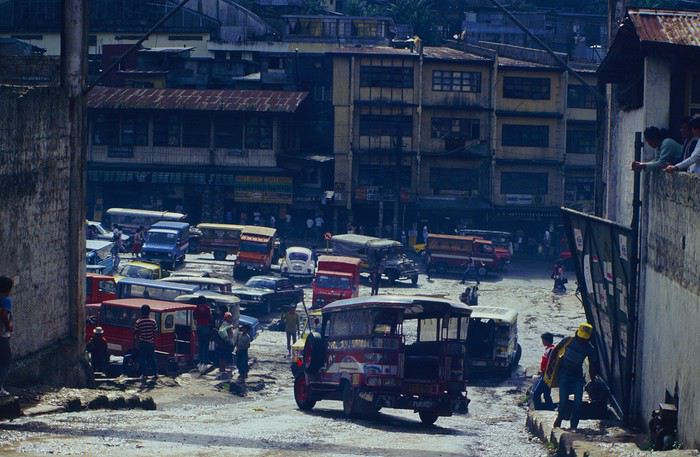
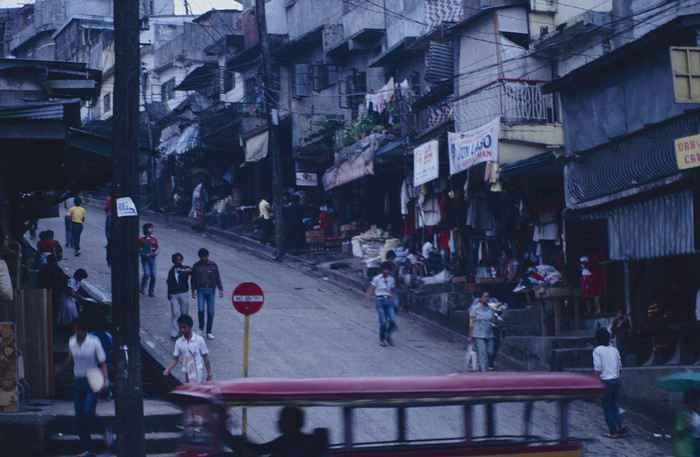
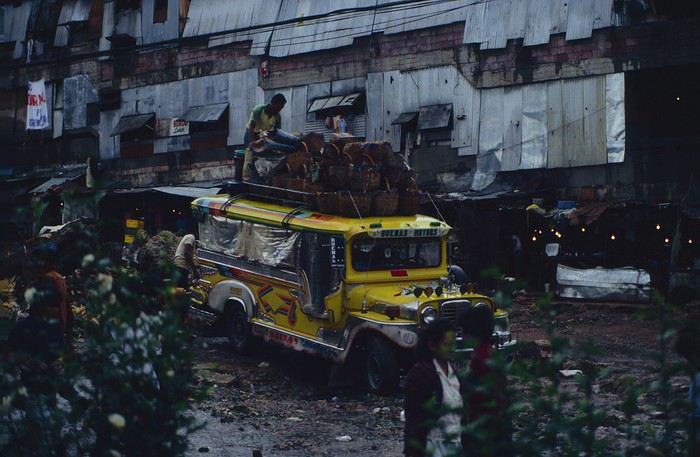
People we met on the street invited us to stay with them. These days, we wouldn’t just show up at strangers’ houses, which we should’ve done in Baguio—it would’ve saved us from an unimaginable and dangerous situation... which I won’t say anything about... !😊
The simple wooden house was on stilts at the edge of a hill with a view of the mountains. Since it was the start of the rainy season in a city that gets a lot of rain, we saw a lot of water. Our outings in town happened between downpours.
View from our lodging: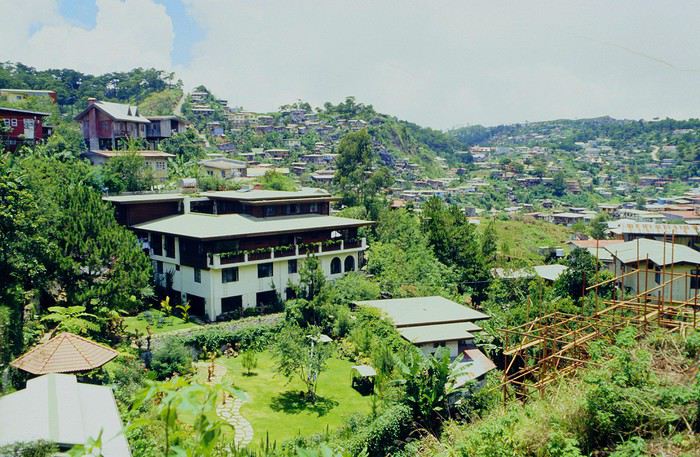
Episode 2: Baguio to Bontoc Aside from the situation briefly mentioned above, it was on the next leg to Bontoc that the adventure really began: an endless and dangerous road, a bus from another era, breathtaking landscapes, and surprising people.
We didn’t know the distance or how long it would take to get to Bontoc. When we arrived after about ten hours, we learned that Baguio to Bontoc was 140 km.
We got on a bus with wooden seats and settled in, two to a seat meant for two. As the bus filled up, passengers squeezed in three or four per seat, with chickens and baskets full of all sorts of things in the aisle. A little embarrassed, we didn’t know if we should squeeze in three on our seat. The seats were super tight (luckily, Filipinos are small), and I didn’t know where to put my legs given my height. I don’t remember if we stayed alone on our bench or if we ended up sharing with others.
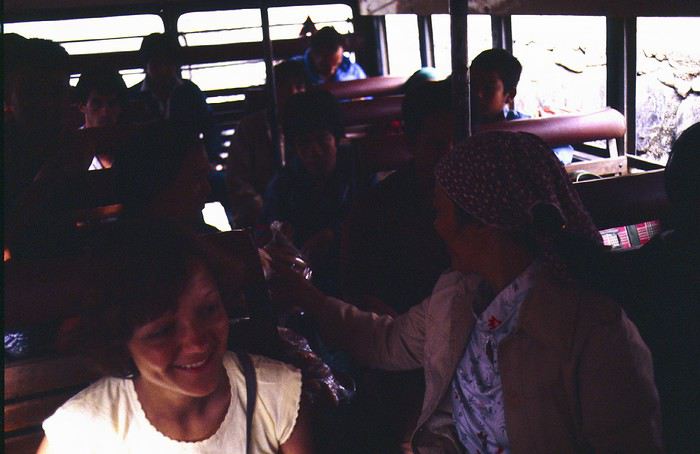
The “road” was a dirt track (or rather, a mud track) with endless turns. We held on as best we could to our slippery wooden seats—it was shaking in every direction. The woman behind us was carsick and throwing up... gross... but what were we doing there? Then we plunged into the Sierra Madre... just the name is dreamy!
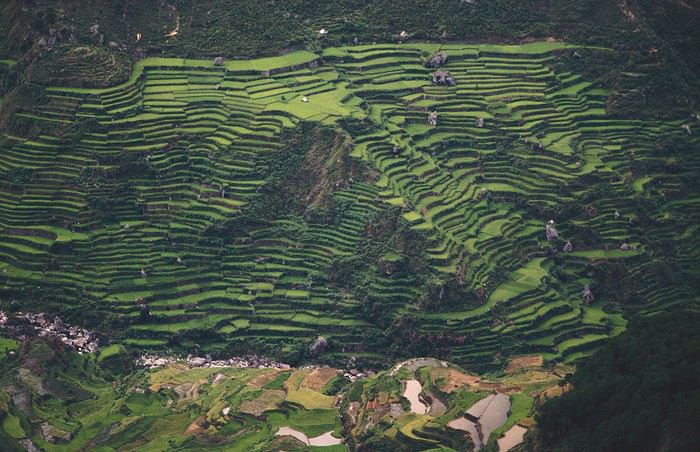
Rice terraces started to appear: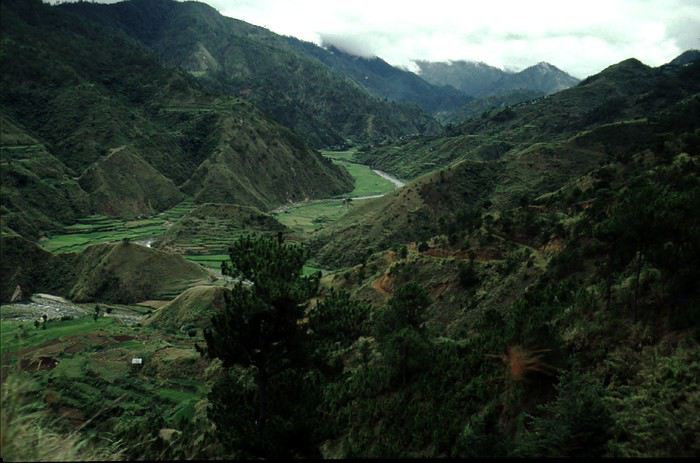
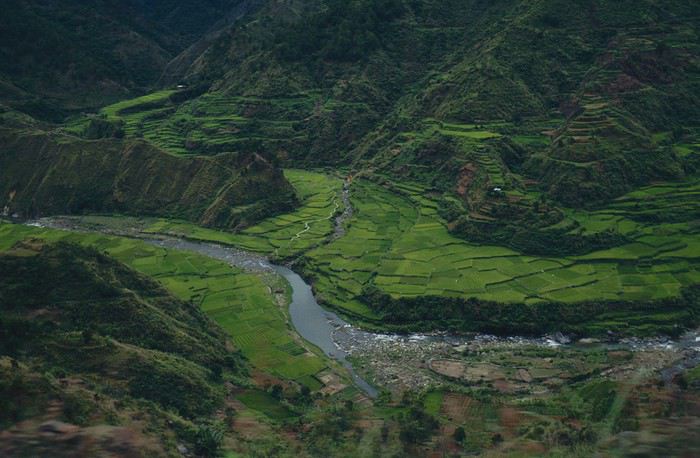
they took up more and more space along cliffs where we weren’t always reassured,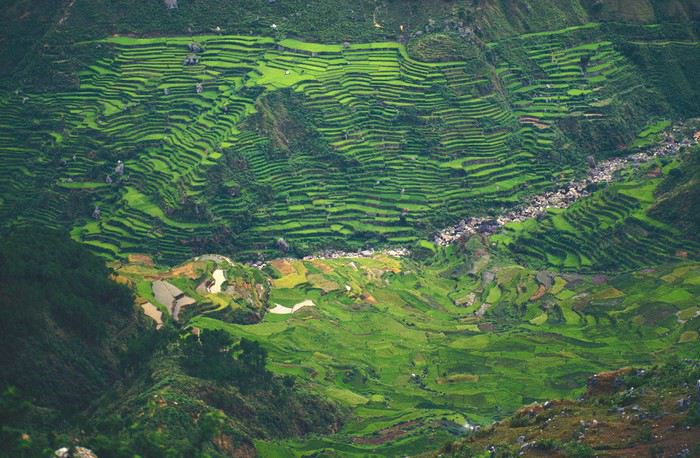
with lots of waterfalls (all that water had to go somewhere).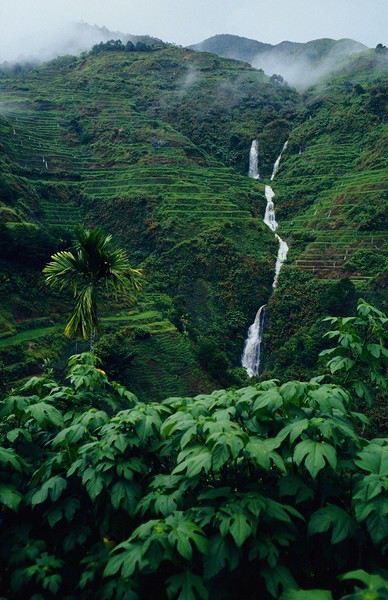
A few miserable villages stretched along the track, most often just a few houses balancing between the road and the drop. The bus stopped in every village—people got on or off and settled inside or on the roof. Street vendors offered their products to the bus passengers—a common sight in Asia, even today.
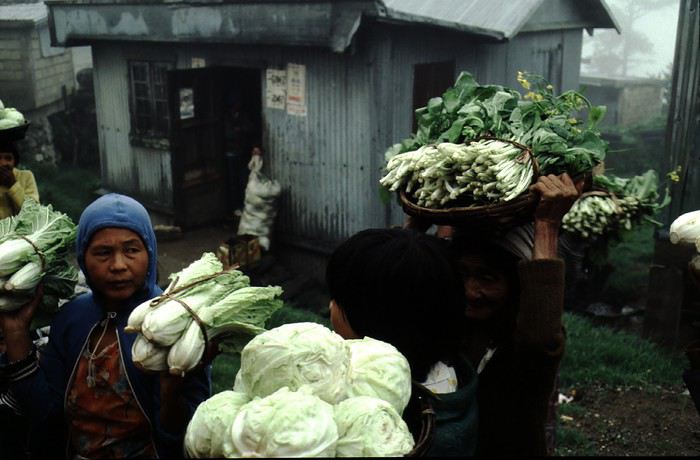
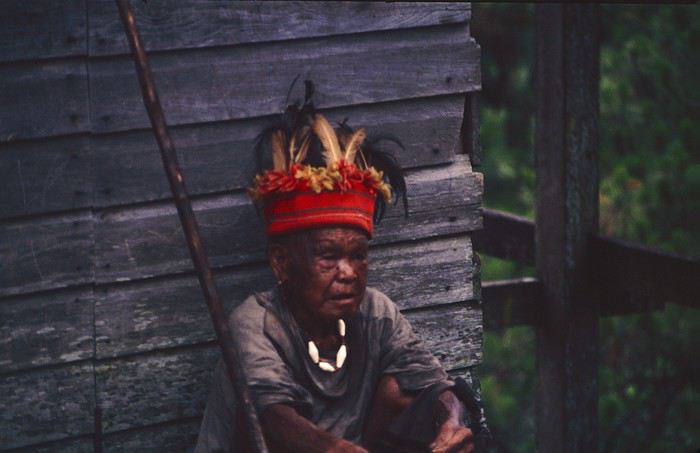
We were in another world—villagers were in loincloths, others had spears. The atmosphere was strange... but all good, we wanted exoticism, and we got it: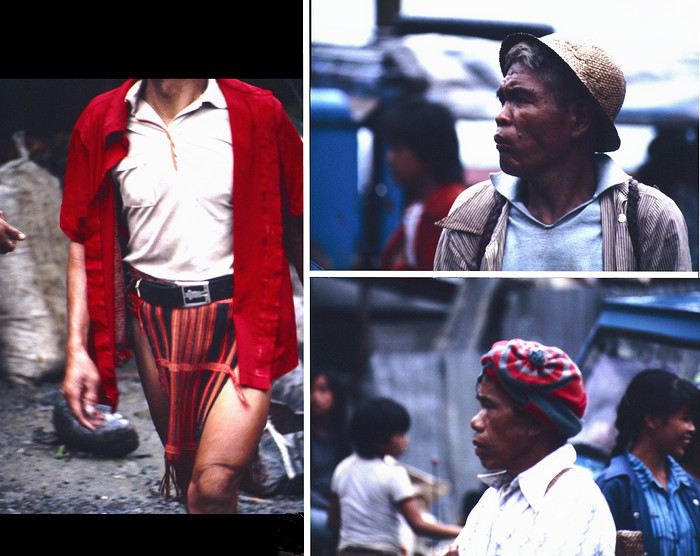
This so-called traditional outfit was everyday wear—it wasn’t for tourists since there weren’t any.
A curiosity because writing a travel journal about a trip 35 years later isn’t common, but also (mostly?) because exploring the Philippines at that time had little in common with traveling there today.
Obviously, I’ve forgotten a number of facts, most of the details, but with the help of a few notes from that time and a stack of slides (yes, there was life before digital 😊), many memories came back and added to the highlights I’d never forgotten. The scanned slides aren’t always great quality, but there are still quite a few to brighten up this chatter. Back then, we didn’t snap photos like we do now—film was too expensive—so I don’t have pictures of every place we visited... too bad, comparing some of those spots to how they look today would’ve been interesting.
Why "Adventures"? Why call it "Adventures" in the Philippines in 1984, a word so often used for a simple exotic trip? - Because the lack of information (no *Guide du Routard*, no *Lonely Planet*, no *Michelin Guide*, nothing, and obviously no internet) gave this trip what’s at the heart of adventure: the unknown. - Because the political situation made the stay sometimes dangerous. - Because transportation conditions were always epic, often perilous. - Because the question of where we’d spend the night came up almost every evening. - And for... quite a few other reasons.
That said, we weren’t exactly explorers!
Why the Philippines? First of all, why go to the Philippines in 1984—a country not exactly set up for tourism and about which we knew very little? How could we get an idea of the beauty of the Philippines and its points of interest when we had no guides or photos?
The idea came to us from Thailand a year earlier, during our first long-haul trip. After touring the north of the country, we met a Frenchman living in Phuket, where there were only a few tourists in Patong, with just a few small hotels and guesthouses. Kata and Karon had no buildings or roads, Rawai only had three palm-thatched bungalows, including ours, and the other islands were unknown to tourists. There was plenty to discover, and we wanted to return to this beautiful country... but the Frenchman made us dream about the Philippines—a country to explore, with wild landscapes.
Long evenings of discussion over multiple Sprite-Mekong cocktails (what memories of those headaches!) finally convinced us we had to go to the Philippines.
Episode 0: Before Departure The decision was made: we’d go to the Philippines in May 1984. Our friends and family were surprised when we announced we were going on vacation to the Philippines (a bit like saying today we were going paddleboarding in the Kerguelen Islands 🤪).
These days, preparing for each of our trips takes long evenings of research, planning, and noting down good addresses... etc. But for the Philippines in 1984, preparation was quick: we had very little information about the country, we were leaving almost at random, and the discovery would only be more exciting.
We still had a few bits of info gathered here and there: the rice terraces in northern Luzon, volcanoes, Negros where we were supposed to visit an acquaintance, Cebu and its marine life (we ended up going elsewhere), and absolutely avoid Mindanao, which was practically at war with the regime. That was about it, but it was already a great itinerary.
Nothing was organized in advance; we’d see day by day. We had no idea about travel times or even the existence of transportation options. The main (and sometimes only) way to connect two islands was by overloaded, rusty ferry. Only the big cities had airports.
Let’s Go: Episode 1: Paris to Manila My travel journals always start after arriving at the airport—the Europe-to-“Other Continent” trip isn’t interesting—but the flight to the Philippines was already an adventure, so I’ll make an exception.
This was the era when only a few Asian airlines were on par with Western ones: Thai, Singapore Airlines, and Philippine Airlines. They had beautiful, brand-new planes, and to attract customers (almost exclusively “businessmen”) from the usual airlines (Air France, Lufthansa, British Airways), there was opulence on board: unlimited champagne, all sorts of cocktails... Compared to today’s long-haul flights, there was still one small difference: no personal screens, just one screen at the front of the cabin with one mandatory movie. And I don’t know why, but we only got James Bond films, both ways... that must’ve been the trend at the time.
The tourism boom to Southeast Asia hadn’t started yet, and the “Asian Tigers” weren’t a thing, so there weren’t many business trips. That meant long-haul flights made stops everywhere to fill the planes. Our Philippine Airlines Boeing 747 left London, picked us up in Paris, then stopped in Frankfurt to take on a few Germans. I don’t know why we then made a stop in Dubai—a totally exotic place at the time. There was nothing to do there... things have changed a lot since. It was a small town lost in the desert. The airport was tiny, with just one or two buildings and a supermarket. During the stopover, everyone had to get off the plane and walk to the supermarket. Photo and electronic equipment were dirt cheap—I guess that was the only reason for the stop. Maybe it was their first commercial move. Emirates didn’t exist yet, as I checked online, but anyway, the idea that such a remote place could have its own airline was unthinkable.
Online, I found this photo of Dubai Airport in 1980. Anyone who’s transited through today’s massive airport with its rows of A380s will appreciate it:
Next stop: New Delhi to drop off some Europeans and pick up a few Indians, and finally, the terminus: Manila. I don’t remember how long the trip took with its five stops—an unimaginable journey today. Despite all those stops to fill the plane, there was still enough space to stretch out on the four center seats of the 747, something that never happens these days despite all the flights in every direction.
So here we are, finally at Manila Airport around midnight.
Episode 1: Manila and Baguio To start, a quick note on the political and economic situation in the Philippines in 1984, which had consequences for us as tourists, as we’d soon realize upon arrival.
After several centuries of Spanish colonization, the Philippines became American at the start of the 20th century, then independent. In 1966, Marcos took power, and little by little, his regime sank into corruption and mismanagement, becoming a dictatorship with martial law, all for the benefit of his family and friends, who enriched themselves endlessly. The peak was the assassination of opposition leader Benigno Aquino in August 1983, which triggered harshly repressed protests. So we arrived a few months later in a very poor country, with omnipresent corruption and an extremely tense political situation, as we’d soon see for ourselves. Major protests took place in the main cities during our trip—I’ll come back to that. Two years later, Marcos fled to Hawaii after being forced out of power following rigged elections. This historical context explains a lot of the situations we found ourselves in over the following weeks.
Arriving in the middle of the night isn’t very cheerful. Manila was already a huge city with many slums, where you could find a few business hotels like the Hilton or Intercontinental—way out of our budget—and plenty of run-down hotels. Luckily, two Indians we’d chatted with on the plane offered to take us to their usual hotel. They came to Manila twice a year for business. We accepted their offer, relieved not to have to look for a place to stay in the middle of the night, figuring the address must be good since they came back every time... we were wrong 🙁
We left the airport and immediately got a taste of the local vibe when we got into the taxi: the police asked for our passports. We thought: what’s more normal than police in a dictatorship?
But that wasn’t it at all. Our two Indian friends explained that the police were noting our names along with the taxi number and time. Crime in Manila was so bad that the taxi driver would be held responsible if anything happened to us... welcome to the Philippines 😎 😎
Historically, the Philippines was a very violent country, where everything was settled with guns or machetes. Previous governments had banned carrying weapons, but Marcos later allowed the free sale and carrying of guns, and disputes were settled with pistols again (or worse, as we’d discover later). Since he’d released most of the criminals from prison to form a paramilitary militia at his service (I’ll talk about our encounter with these “heroes” later), it was pretty dangerous to go into many parts of Manila, where these “tonton macoutes” ruled.
We arrived at our hotel without incident... and then things started badly. The room was infested with big cockroaches—exactly what I hate most in those kinds of countries. No way to find another hotel at that hour. After the long flight, the urge to take a shower was so strong that we squeezed into the bathroom as best we could. After that, I don’t remember—I guess we must’ve fallen asleep exhausted under the sheets in the heat... air conditioning wasn’t widespread yet.
The next day, we just wanted to leave that dump as soon as possible. So we decided to head north right away, stopping in Baguio, and we’d visit Manila a bit on the way back.
When we stepped outside, we discovered a pretty run-down neighborhood with potholed streets. But we also discovered the jeepneys. They were everywhere, flooding the streets.
They had crazy sound systems, each one blasting louder than the last. The interiors were kitschy but fun. There weren’t many private cars—almost all transportation was by jeepney, with buses reserved for intercity trips.
Before heading to the bus terminal for the north, somewhere on the outskirts of the city, we needed to exchange some money. I don’t remember how we ended up in a policeman’s jeep who offered his services: - Exchange money on the black market at a better rate than the banks. - Take us wherever we wanted, in this case, the bus terminal.
We accepted both offers (we’d still checked the official exchange rate from dollars to pesos). So we found ourselves in his jeep. After exchanging money, we left in his vehicle and stopped for gas. Without turning off the engine, he calmly smoked a cigarette while filling up. Since we were in a jeep with no doors or roof, we were ready to jump out if things went south, our travel bag in hand.
But we weren’t done with surprises yet. Once we left the small streets, we ended up in a neighborhood with wide avenues and not much traffic, which didn’t justify his incredible behavior. At every intersection, he made the sign of the cross, closed his eyes, and crossed without looking. I was more stunned than terrified! It wasn’t until we got out of the car later that I told Anne-Marie what had happened. I’d seen everything because the cop had put me in the front seat. Luckily, A-Marie hadn’t noticed anything from the back. Crossing Manila by trusting God rather than the rules of the road was ultimately effective. We were lucky—the trip was off to a good start. 🙂 🙂
We then passed through a neighborhood where slums stretched on for a while, and we left our policeman—friendly but a bit crazy—with relief.
A few hours by bus later, here we are in Baguio, cool in the mountains. My memories of Baguio are pretty fuzzy. I remember a small town. After some research while writing this journal, I found that the population was 120,000 in 1980. Given the population density in each home, that confirms my memory of a smallish town. Outside the “official” district with the president’s summer residence and government buildings, there were two or three paved streets with nice houses. The rest was very dirty and very poor, with lots of slums and dirt roads.
People we met on the street invited us to stay with them. These days, we wouldn’t just show up at strangers’ houses, which we should’ve done in Baguio—it would’ve saved us from an unimaginable and dangerous situation... which I won’t say anything about... !😊
The simple wooden house was on stilts at the edge of a hill with a view of the mountains. Since it was the start of the rainy season in a city that gets a lot of rain, we saw a lot of water. Our outings in town happened between downpours.
View from our lodging:
Episode 2: Baguio to Bontoc Aside from the situation briefly mentioned above, it was on the next leg to Bontoc that the adventure really began: an endless and dangerous road, a bus from another era, breathtaking landscapes, and surprising people.
We didn’t know the distance or how long it would take to get to Bontoc. When we arrived after about ten hours, we learned that Baguio to Bontoc was 140 km.
We got on a bus with wooden seats and settled in, two to a seat meant for two. As the bus filled up, passengers squeezed in three or four per seat, with chickens and baskets full of all sorts of things in the aisle. A little embarrassed, we didn’t know if we should squeeze in three on our seat. The seats were super tight (luckily, Filipinos are small), and I didn’t know where to put my legs given my height. I don’t remember if we stayed alone on our bench or if we ended up sharing with others.
The “road” was a dirt track (or rather, a mud track) with endless turns. We held on as best we could to our slippery wooden seats—it was shaking in every direction. The woman behind us was carsick and throwing up... gross... but what were we doing there? Then we plunged into the Sierra Madre... just the name is dreamy!
Rice terraces started to appear:
they took up more and more space along cliffs where we weren’t always reassured,
with lots of waterfalls (all that water had to go somewhere).
A few miserable villages stretched along the track, most often just a few houses balancing between the road and the drop. The bus stopped in every village—people got on or off and settled inside or on the roof. Street vendors offered their products to the bus passengers—a common sight in Asia, even today.
We were in another world—villagers were in loincloths, others had spears. The atmosphere was strange... but all good, we wanted exoticism, and we got it:
This so-called traditional outfit was everyday wear—it wasn’t for tourists since there weren’t any.
Memories of Thailand
ko samui
Discussion du concours photo du mois d'avril 2020: "En famille" English translation pending
Pour discuter, partager, c'est ici !
Le concours est là 🙂
Aller à Nong Kwiau et Muang Ngoi si on ne randonne pas? (Laos) English translation pending
Bonjour à tous nous partons en février pour une bonne semaine au Laos
Nous descendrons le Mékong en slow boat de Huay Xai à Luang Prabang.
Suite à une opération du pied nous ne pouvons pas faire de rando .Est il alors judicieux de prévoir Nong Kwiau et Muang Ngoi à notre itinéraire ?
Merci pour vos conseils
Craintes pour le visa pour la Birmanie (à l'arrivée) English translation pending
bonjour les voyageurs
angoisse à 1 semaine de partir (thaïlande/birmanie/laos/ vietnam nord) pr 3 mois
j'ai lu et relu ce forum et autres blogs
persuadée que pr la birmanie on pouvait obtenir le visa à l'arrivée avec l'approval letter
en relisant des infos je m'aperçois qu'il est mieux que l'avoir par internet ?!
je ne sais plus à quel saint me vouer?!
on a déjà nos approval letter , nous partons mercredi prochain, est ce que je me prends la tête pour avoir l'e-visa ou bien j'attends l'arrivée en birmanie à mandalay le 24 janvier?
que me conseillez vous?
anne
Itinéraire courte durée au Laos et vol au départ de Bangkok English translation pending
Bonjour à tous,
J'aimerais votre avis sur un itinéraire au Laos, Je voyage en couple avec notre fille de 13 ans au départ de Bangkok ... J'hésites entre faire un vol Bangkok- Vientiane (1nuit à Vientiane ) Vientiane- Vang Vieng (1 ou 2 nuits à Vang-Vieng) Durée du tranfert ? Vang vieng -Luang Prabang (6 nuits à Luang prabang) Durée du transfert ?
Ou bien prendre un vol Bangkok- Luang Prabang et rester 9 nuits sur Luang Prabang, en profitant de plusieurs excursions au départ de Luang Prabang ?
J'ai peur que la durée des transferts ne valent pas le coup, pour le peu de temps ou nous restons à Vientiane et Vang Vieng ....
Est ce que 8 ou 9 jours à Luang Prabang, ce n'est pas trop long ?? Sachant que nous aimons prendre le temps ...
Merci par avance pour vos réponse, le Laos sera une première pour nous.
J'aimerais votre avis sur un itinéraire au Laos, Je voyage en couple avec notre fille de 13 ans au départ de Bangkok ... J'hésites entre faire un vol Bangkok- Vientiane (1nuit à Vientiane ) Vientiane- Vang Vieng (1 ou 2 nuits à Vang-Vieng) Durée du tranfert ? Vang vieng -Luang Prabang (6 nuits à Luang prabang) Durée du transfert ?
Ou bien prendre un vol Bangkok- Luang Prabang et rester 9 nuits sur Luang Prabang, en profitant de plusieurs excursions au départ de Luang Prabang ?
J'ai peur que la durée des transferts ne valent pas le coup, pour le peu de temps ou nous restons à Vientiane et Vang Vieng ....
Est ce que 8 ou 9 jours à Luang Prabang, ce n'est pas trop long ?? Sachant que nous aimons prendre le temps ...
Merci par avance pour vos réponse, le Laos sera une première pour nous.
Voyage un mois au Laos en novembre English translation pending
Bonjour
Nous sommes un couple de 70 ans toujours pas fatigué des voyages . Nous allons partir le 1 novembre au Laos pour 1 mois. Comme d'habitude : 1 billet d'avion , 2 guides papier et le reste se décide sur place .
Quelques questions :
- A l'arrivée à Vientiane quelqu'un peut il me donner une adresse d'un hôtel ou guest housse pas cher ?
- A l'aéroport quelle est la meilleure solution pour rejoindre le centre de Vientiane ? Bus , Taxi ...
-Habituellement comment est la météo au mois de novembre ?
- Le visa coûte moins cher quand on le prend à l'arrivée mais est ce facile et pas trop long pour l'obtenir ?
- Si quelqu'un connaissant bien le Laos peut me donner des idées sur les choses les plus intéressantes à voir en 1 mois avec un petit budget je suis preneur .
Par avance merci Jean Pierre
Par avance merci Jean Pierre
Visites des "tribus" en Afrique et dans le monde en général English translation pending
je me pose la question sur les visites aux "tribus" en afrique et dans le monde en general
nicolas hulot a ete le premier a faire des emissions a grande ecoute sur la vallee de l omo les himbas les san et autres nous donnant l impression a l epoque que tout ca n etait pas accessible
maintenant ca l est
des flopees de touristes defilent tous les ans a travers ces musees humains
on va se faire les himbas visiter les villages san
les autorites des pays interesses se foutent de ces minorites qu ils aimeraient voir disparaitre
l afrique en "marche" ce n est pas ces sauvages
mais bon si ca amene des touristes pourquoi pas
demande t on a ces gens si ils veulent nous voir
parce que on les payent d une certaine facon argent petits cadeaux produits de premiere necessite, notre necessite
je ne suis pas donneuse de lecons
j etais en equateur il y a 30 ans dans les marches ruraux mais je n ai pas ose prendre de photos etant les seuls touristes j etais genee
j ai ete dans la vallee de l omo il y a 25 ans quand le to m a dit qu il fallait se munir de billets de 1 birr pour prendre les photos alors la c etait le pompon j admire l inde qui pour des raisons que j ignore interdit l acces a une partie des andaman ou vivent des gens de l age de pierre
je prone l interdiction de certaines zones de cette planete y compris l antarctique
je ne suis pas militante mais j ai beaucoup voyage
depuis 16 ans au botswana je ne bouge plus
Thailand Naturally
Time flies: here we are already presenting our tenth travel journal to VoyageForum’s readers!
We discovered Thailand about a dozen years ago, and it quickly became addictive for us. It’s only fair to say that this country stands out from many—if not most—thanks to an extraordinary combination of qualities: a generally smiling, laid-back, and friendly people; a territory dotted with natural beauties of exotic exuberance; a substantial selection of dishes, each more delicious than the last; and an obvious ease in making yourself understood and finding help to organize your activities.
Over the years, it’s been tough to keep things fresh, to continue sparking readers’ interest—and who knows, maybe even enthusiasm. We’re going to try to rise to that challenge.
After revisiting or introducing you to over 120 temples in Thailand, this year Joel and Françoise want to reveal a "Thailand Naturally."
Both in well-known areas and others that are more off the beaten path.
By "natural," we first mean nature itself, with its stunning sites and landscapes. But it’s also about places where Thais love to stroll with family and friends. Sometimes it’s just faces, glances, moments of life, or ceremonies captured on the spot. For the ladies, there’ll certainly be flowers to admire along the way. Uh... for the gentlemen too, who appreciate them (the flowers)... oh, and also for the gentlemen who appreciate gentlemen who appreciate flowers. And even for the ladies who don’t appreciate gentlemen. Alright, let’s go wild—on top of all that, we’ll still include a few places of worship. No matter how hard we try to resist, there’s always someone or something pulling us toward temples. The ever-vibrant popular devotion encourages us, and we never regret it.
To do this, we’ll lead you through six provinces or regions that will reveal themselves as the story unfolds, letting you enjoy the thrill of discovery. Even if we’ve mentioned some of them in previous years, this time it’ll all be new. For a more complete picture of any province we’ve already covered, readers can check out our past travel journals—just click on our username Jojoone1 to see what we’ve published.
One last note before we begin: we’re sticking to our tastes, our preferences, and what brings us joy. We just really wanted to show you multiple facets of the country’s interior—we’ll see if we pull it off...
La région Isan, un aperçu de la vraie Thaïlande! English translation pending
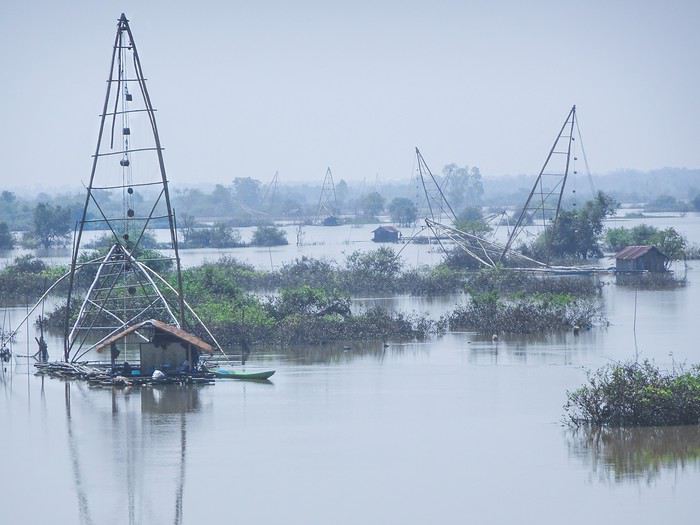
LA RÉGION ISAN, UN APERÇU DE LA VRAI THAÏLANDE
22 janvier 2019
La région d’Isan comprend tout l’Est de la Thaïlande encore intacte du tourisme, on peut y voir la Thaïlande d’il y a 20 ans. En effet le coté Ouest c’est beaucoup développé avec le tourisme, les activités sont très belles mais ne sont plus authentique.
Rencontre avec un énorme Varan (aparté)
Me voilà en scooter en direction de Phetchaburi, dans la partie du sud de la Thaïlande; quand tout à coup je croise sur la route un énorme Varan. De jeunes filles locales lui jettent des cailloux pour qu’il sorte de la route, mais il a l’air sonné et légèrement blessé; me disant qu’elles savent ce qu’elles font je descend pour prendre des photos. Mais je me rend vite compte qu’elles n’arrivent à rien, je décide alors d’aller chercher le plus gros morceau de bois que je trouve et de le pousser hors de la route; je me suis fait une grosse frayeur en le poussant mais il est reparti sans problème dans son marais.
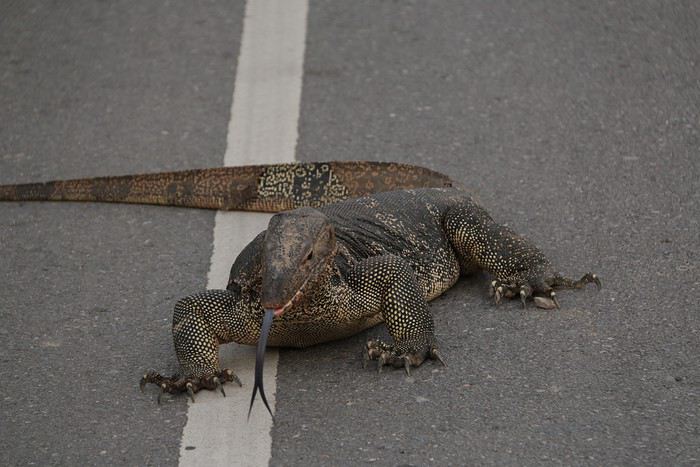
J’ai eu un 2 gros coups de coeur dans cette région :
Le premier est Wat Phu Thok, (gratuit) si peu connu que je viens de chercher son nom pendant près d’une heure sur internet. C’est un temple en hauteur, accessible par des centaines de marches en bois qui grincent quand vous marchez dessus; il n’y a aucune protection et vous êtes à près de 200m au dessus du vide; parfois des serpents sortent par les planches de bois sur lesquelles vous marchez, une expérience atypique !
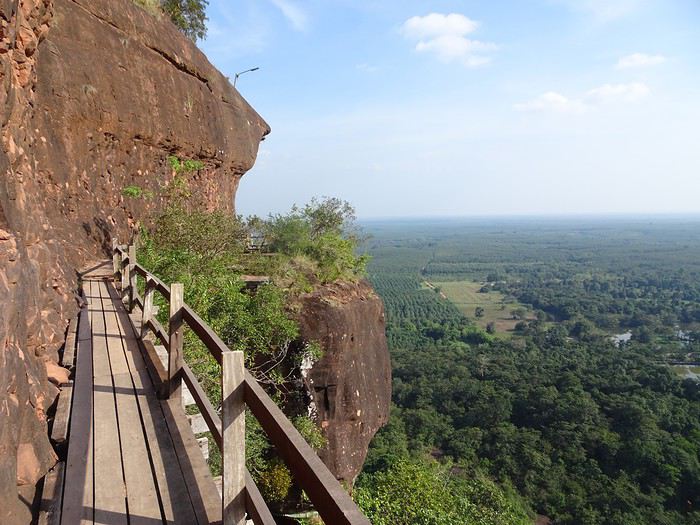

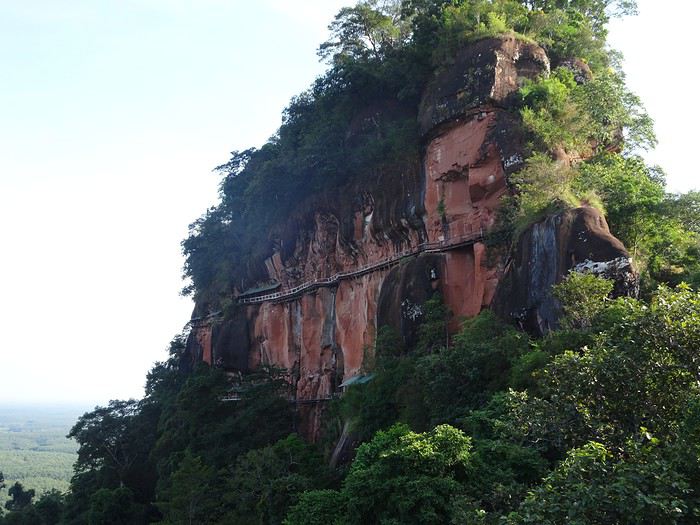
L’autre est une « Bat cave« , ce sont des grottes qui au coucher du soleil se vident de millions chauves souris, offrant un spectacle incroyable (et gratuit) , il y en a plusieurs en Thaïlande.
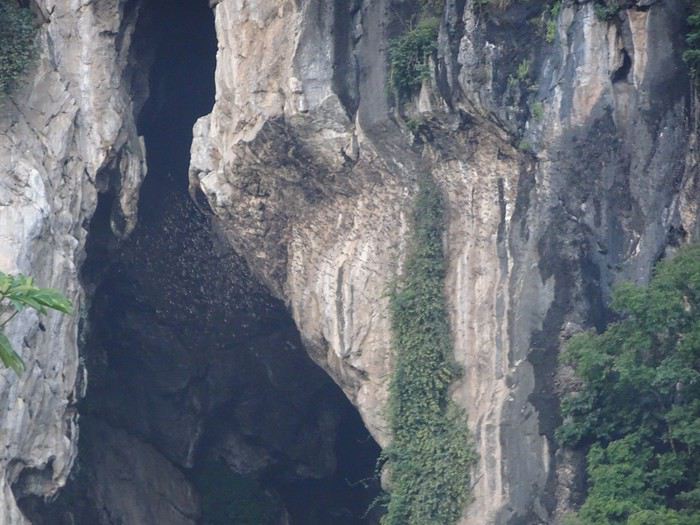
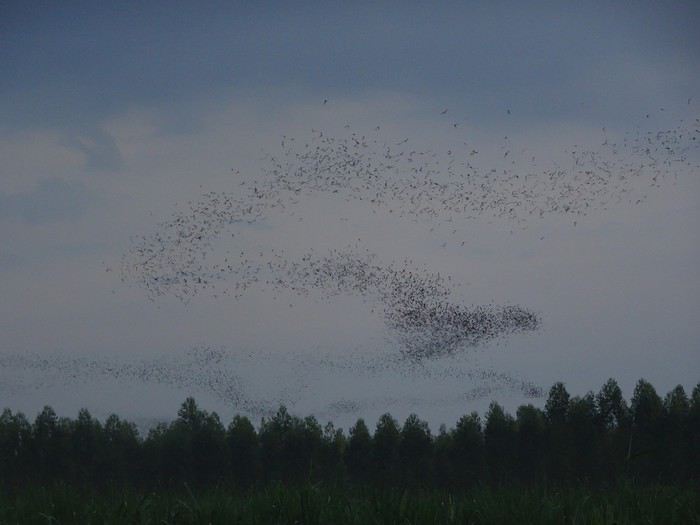
Un autre temple a aussi attiré mon attention, mais cette fois personne d’autre ne le visitais en même temps que moi. Il est si peu connu que je n’ai pas pu retrouver le nom. Mais je me souviens qu’il était fait de vieux bois craquants, bien pire que le Wat Phu Tok, qu’il fallait y aller pied nue mais le chemin était couvert de fourmi de feu; (celles qui vous mordent les pieds). Heureusement le haut du temple valait le coup, il y avait un point de vue sur un incroyable paysage !
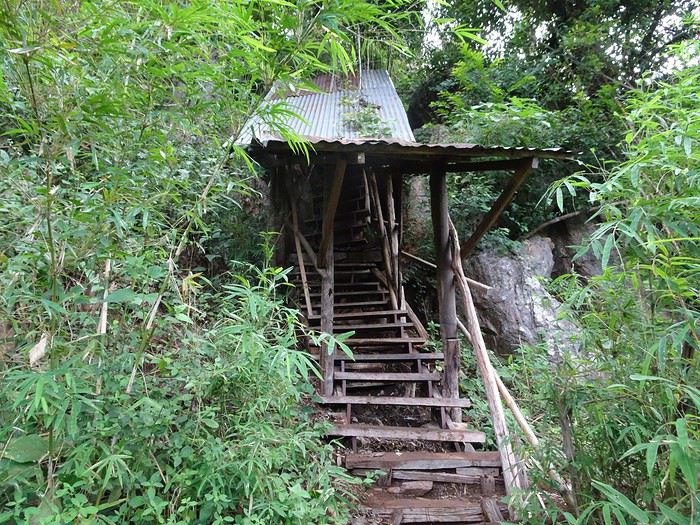
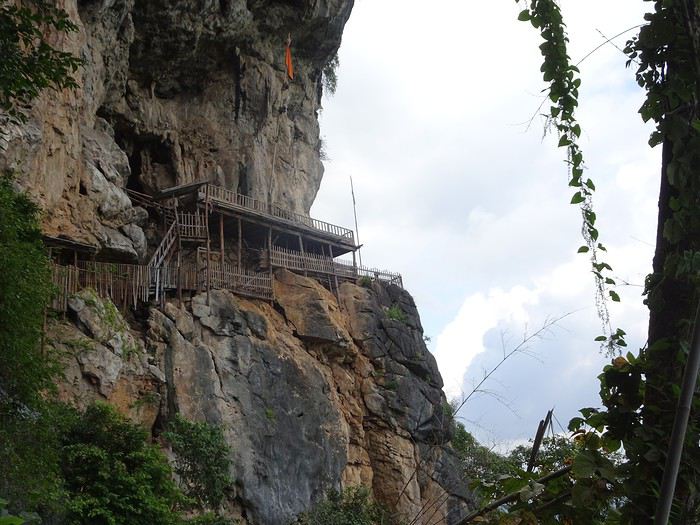
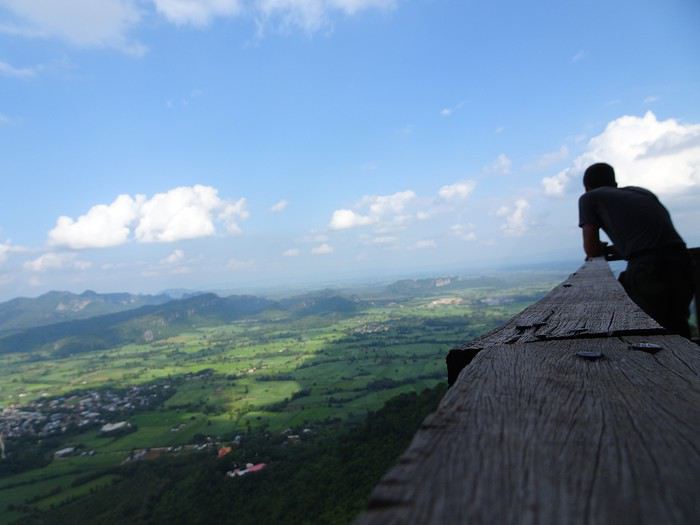
Traverser du lac pour continuer la route
Une autre surprise m’attend, lorsque j’arrive au bout de la route, je me rends compte qu'il n'y a aucun moyen de passer par la route. Dans ce village de pêcheurs tout le monde me fixent, choqués de voir un blanc ici, je fais le tour et demande au premier que je vois comment traverser. Lorsqu’on me montre comment, je n’y crois pas.
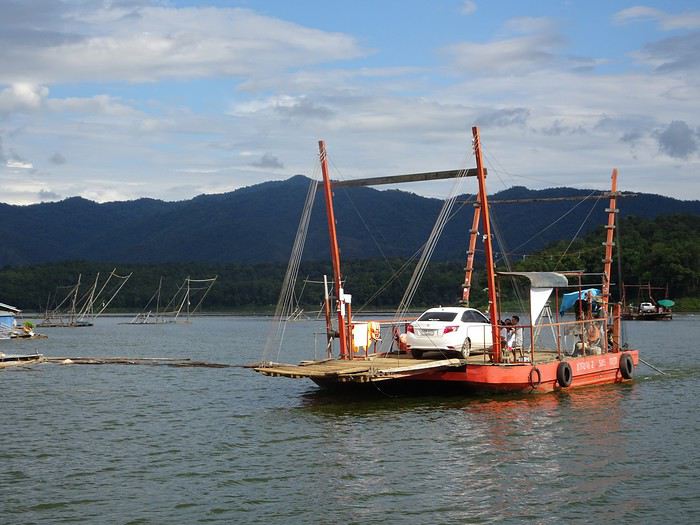
Je vais donc chercher un Thaïlandais qui peut me faire la traversée, dans mes souvenirs ce n’était pas très cher. Cette expérience est marqué en moi, c’était la première fois que j’avais autant l’impression d’être hors du temps; perdu, pas un touriste en vu, et on m’annonce qu’il faut que je trouve un bateau pour traverser. J’étais sur le cul !
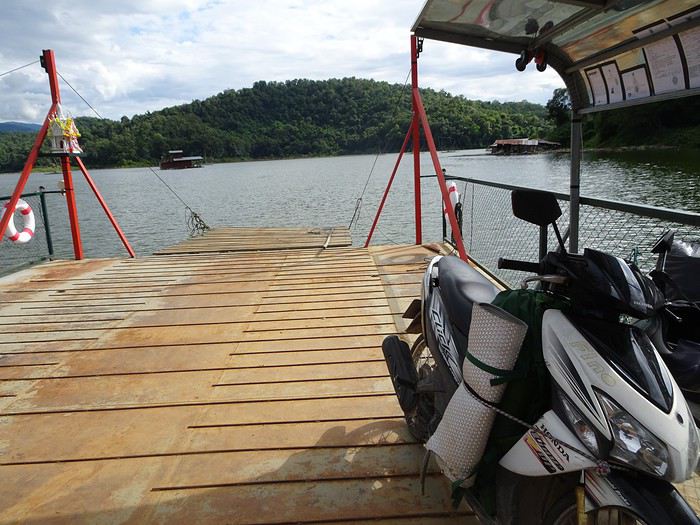
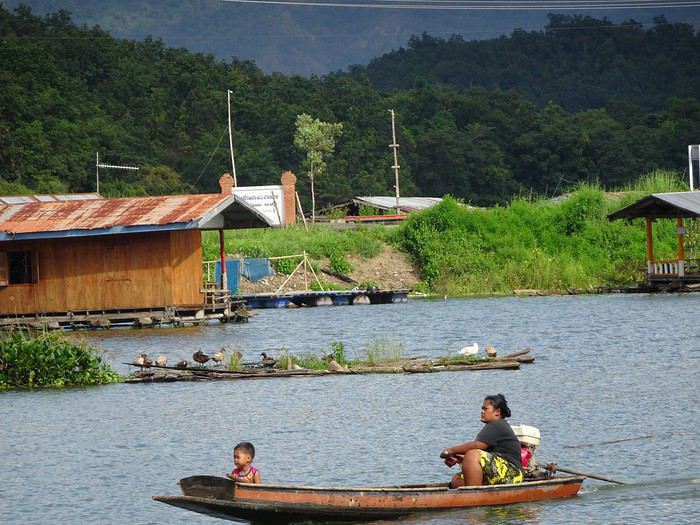
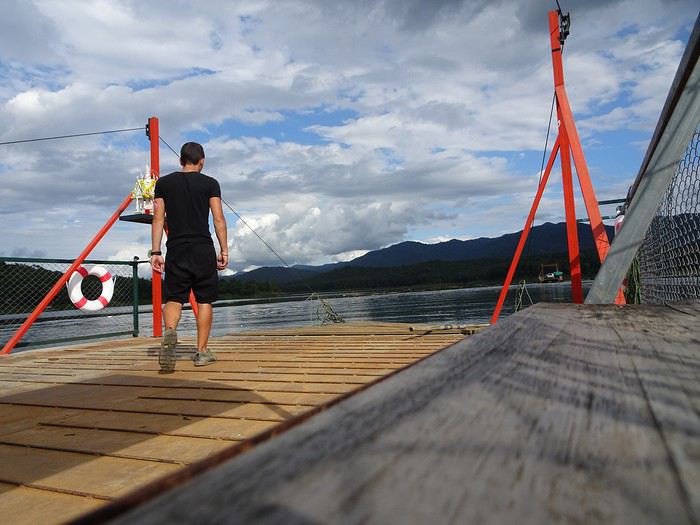
Pour ceux qui veulent voyager à moto et qui serait intéressé par cet expérience et ce village là; je suis allé faire mes recherches pour me souvenir où était cette endroit et j’ai trouvé ! C’était à Ban Pak Nai, je vous met le lien : (dans l'article complet)
Loei
Elle est situé au Nord Est du pays, à la frontière du Laos, uniquement séparé par le Mékong. C’est une ville à la fois riche culturellement par ses temples mais aussi riche par les paysages qu’offrent le Mékong.
Lorsque j’arrive à Loei, je vais visiter le bord du fleuve à la frontière avec le Laos, relié par le Pont de l’amitié; et je suis témoin du plus beau coucher de soleil que j’ai pu voir de toute ma vie. Je précise la photo qui suit n’est pas truquée et qu’elle a été réalisée avec mon vieil appareil photo.
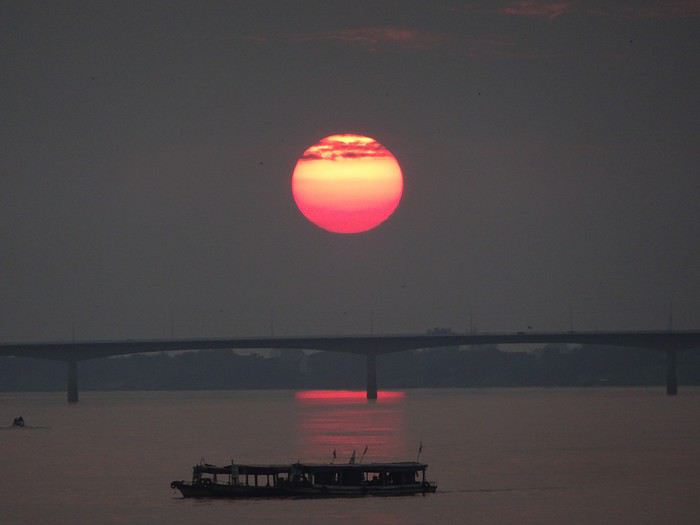
Mais avant ce coucher de soleil, un peu avant la ville je suis tombé sur une fête locale par hasard, le Phi Ta Khon ou la fête des fantômes. Les locaux sortent et défilent dans la rue jusqu’au temple pour offrir de l’argent et des offrandes; afin d’assurer de bonne précipitations dans l’année et donc de bonnes cultures. Même si aujourd’hui la majorité des locaux ne vivent plus de cultures, ils continuent de fêter le Phi Ta Khon signifiant plutôt une année de prospérité.
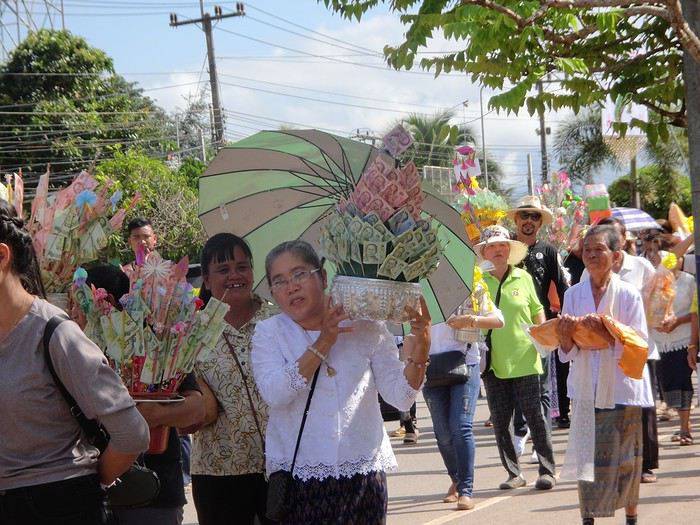
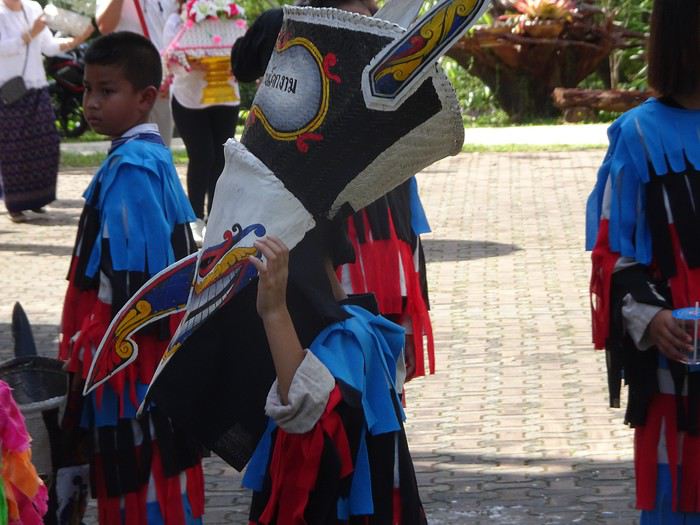
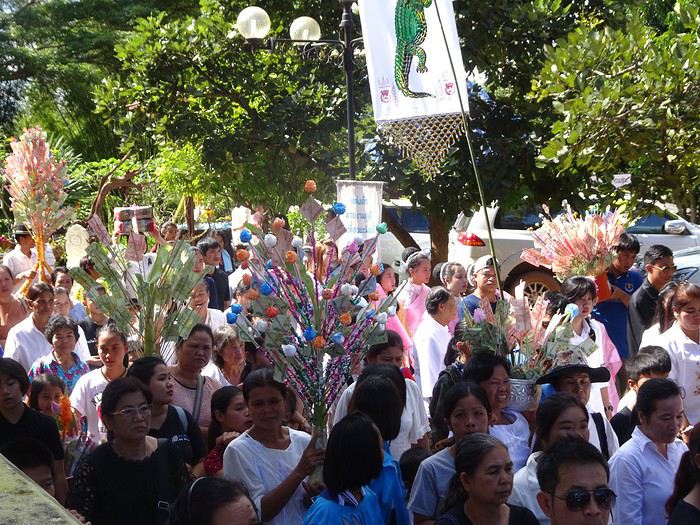
Ceci est un extrait court de l'article complet : the-wild-trip.fr/la-region-isan/
Discussion autour du thème du mois de juin 2019: "Chaleur" English translation pending
C'est ici que se trouve la discussion du concours de Juin 2019 et que l'on se réchauffe.
Le concours se trouve ICI Le photorama se trouve dans ma signature.
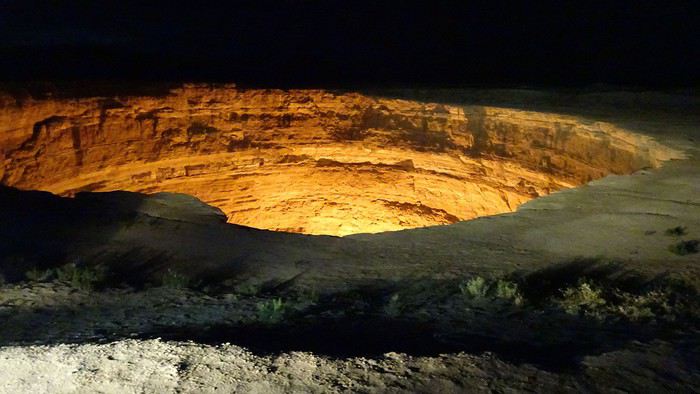 En fait, il existe plus d'un cratère gazier à Darvaza !!!
Le concours se trouve ICI Le photorama se trouve dans ma signature.
En fait, il existe plus d'un cratère gazier à Darvaza !!!Voyage Asie du Sud-Est pour l'été 2020 English translation pending
Bonjour, avec mon compagnon nous pensons partir pour 1 mois et demi/ 2 mois de début juillet à fin aout 2020 visiter quelques pays d'Asie du sud-est notamment Cambodge Laos Vietnam Thailande pourquoi pas. Nous ne savons pas du tout par où commencer, ce qui est à voir et à éviter, quel moyen de transport est idéal lors des déplacements inter-pays. Nous aimons tout ce qui touche à l'architecture, la nature, la vie citadine, nous aimons découvrir de nouvelles choses et de nouvelles cultures. Ce serait une première fois pour nous en Asie.
Merci beaucoup pour vos retours et conseils,
Bien cordialement,
Roxanne
Merci beaucoup pour vos retours et conseils,
Bien cordialement,
Roxanne
Airbus s'investit à U-Tapao (Pattaya) English translation pending
L'INCERTITUDE sur la situation politique en Thaïlande ne semble pas être partagée par les investisseurs français du secteur aéronautique, qui ont exprimé leur confiance dans la volonté du Royaume de devenir une plaque tournante régionale pour la maintenance, la réparation et la révision d'aéronefs.
www.nationmultimedia.com/.../asean-plus/30364304 Le constructeur aéronautique européen Airbus, qui s'est implanté pour la première fois en Thaïlande il y a plus de 40 ans, a déclaré que le secteur des MRO (Maintenance, Réparation, Opérations) offrait un potentiel énorme pour les activités aérospatiales du pays dans les années à venir.
France Airbus et la compagnie nationale thaïlandaise Thai Airways International ont lancé en juin dernier une joint-venture pour les installations de MRO de l'aéroport d'U-tapao, dans le cadre d'un accord supervisé en France par le chef de la junte Prayut Chan-o-cha. Celui-ci cherche à prolonger son mandat de Premier ministre après les élections du mois prochain.
Les installations de MRO à U-tapao s'inscrivent dans la stratégie du corridor économique de l'Est du gouvernement militaire et bénéficient du ferme soutien du monde des affaires, qui a appelé à sa poursuite après les élections du 24 mars.
"Nous nous réjouissons de l'avenir car la Thaïlande a de bonnes perspectives et un potentiel de développement de son industrie aéronautique, compte tenu de sa chaîne d'approvisionnement solide basée sur les industries automobile et électronique", a déclaré Sihasak Phuangketkeow, ancien ambassadeur de Thaïlande en France, dans un entretien avec The Nation. M. Sihasak a participé à la conclusion de l’accord de MRO l’année dernière et est désormais conseiller du projet CEE.
Le MRO constituera un élément clé de l'industrie aéronautique dans l'ASEAN, étant donné que de nombreuses compagnies aériennes ont renforcé leur flotte avec de nouveaux avions et que ces avions ont maintenant besoin de maintenance, a déclaré Cedric Post, directeur adjoint des relations européennes et européennes de l'Association française de l'industrie aérospatiale. Les compagnies aériennes à croissance rapide comme AirAsia et Vietjet continuent d’ajouter des avions, ce qui nécessitera des travaux de maintenance, voire des révisions dans les prochaines années, a ajouté M. Post. Les flottes en service dans la région Asie-Pacifique passeront de 6 900 avions à plus de 20 000 au cours des 20 prochaines années, selon Airbus.
Alors que d'autres membres de l'Asean, dont Singapour, sont présents sur le marché de la MRO depuis longtemps, la Thaïlande y trouve sa place en raison de sa base solide de fabricants d'automobiles et de produits électroniques, a déclaré M. Post.
Singapour manque de terres et coûte cher, tandis que l'aéroport thaïlandais U-tapao est suffisamment grand pour desservir les opérations et l'expansion actuelles, a-t-il déclaré.
Le centre de MRO d'U-tapao sera l'un des plus modernes et des plus étendus de la région, offrant des services de maintenance lourde et de maintenance en ligne, a déclaré Joost Van der Heijden, responsable du marketing chez Airbus pour l'Asie et l'Amérique du Nord.
«Nous intégrerons les dernières technologies numériques, des ateliers de réparation spécialisés et un centre de formation à la maintenance», a-t-il ajouté. «Pour Airbus, notre protocole d’entente avec THAI est une occasion d’innover et de montrer la voie dans le secteur de l’aérospatiale.» Lorsqu'il sera pleinement opérationnel, le centre de MRO d'U-tapao offrira une maintenance lourde et systématique à tous les types d'avions gros-porteurs, des ateliers de réparation spécialisés, y compris des structures composites, ainsi que des formations approfondies à la maintenance pour le personnel technique thaïlandais et étranger.
Airbus et THAI travaillent toujours sur les derniers détails de la transaction, tout en s'associant déjà pour répondre aux exigences de la MRO.
"Ce sera une nouvelle installation majeure qui reflète notre confiance en la Thaïlande", a déclaré M. Van der Heijden.
En janvier, Airbus et le centre de formation à l'aviation civile thaïlandais (CATC) ont signé un protocole d'accord sur des projets de développement et de mise en œuvre de formations à la maintenance et de cours de formation pilotes dans le pays.
L'objectif est de soutenir le développement de l'industrie aéronautique du pays en aidant à garantir un approvisionnement régulier en pilotes, ingénieurs et mécaniciens pour les compagnies aériennes et les centres de MRO de Thaïlande.
En vertu de cet accord, Airbus et le CATC renforceront leur coopération dans la formation de professionnels de l'aviation dans le pays. Airbus a commencé à travailler avec le CATC sur des cours de formation de base en maintenance, qui pourraient être étendus et inclure également des cours de formation au pilotage.
«Le principal défi est de faire face à la croissance et de former tous les techniciens et ingénieurs requis. Airbus est convaincu que le CATC, avec l'aide et la coopération d'Airbus, sera en mesure de relever ce défi », a déclaré M. Van der Heijden.
Le centre de MRO représente une avancée majeure pour la Thaïlande dans les industries en croissance à courbe en S et dans sa grande stratégie Thaïlande 4.0, a déclaré M. Sihasak, ajoutant que le prochain gouvernement du pays avait besoin d'une vision positive de son industrie aérospatiale.
«Nous avons évidemment besoin d’une bonne infrastructure pour le futur secteur ainsi que d’une réglementation cohérente afin d’offrir des conditions propices à l’investissement», a-t-il conclu.
www.nationmultimedia.com/.../asean-plus/30364304 Le constructeur aéronautique européen Airbus, qui s'est implanté pour la première fois en Thaïlande il y a plus de 40 ans, a déclaré que le secteur des MRO (Maintenance, Réparation, Opérations) offrait un potentiel énorme pour les activités aérospatiales du pays dans les années à venir.
France Airbus et la compagnie nationale thaïlandaise Thai Airways International ont lancé en juin dernier une joint-venture pour les installations de MRO de l'aéroport d'U-tapao, dans le cadre d'un accord supervisé en France par le chef de la junte Prayut Chan-o-cha. Celui-ci cherche à prolonger son mandat de Premier ministre après les élections du mois prochain.
Les installations de MRO à U-tapao s'inscrivent dans la stratégie du corridor économique de l'Est du gouvernement militaire et bénéficient du ferme soutien du monde des affaires, qui a appelé à sa poursuite après les élections du 24 mars.
"Nous nous réjouissons de l'avenir car la Thaïlande a de bonnes perspectives et un potentiel de développement de son industrie aéronautique, compte tenu de sa chaîne d'approvisionnement solide basée sur les industries automobile et électronique", a déclaré Sihasak Phuangketkeow, ancien ambassadeur de Thaïlande en France, dans un entretien avec The Nation. M. Sihasak a participé à la conclusion de l’accord de MRO l’année dernière et est désormais conseiller du projet CEE.
Le MRO constituera un élément clé de l'industrie aéronautique dans l'ASEAN, étant donné que de nombreuses compagnies aériennes ont renforcé leur flotte avec de nouveaux avions et que ces avions ont maintenant besoin de maintenance, a déclaré Cedric Post, directeur adjoint des relations européennes et européennes de l'Association française de l'industrie aérospatiale. Les compagnies aériennes à croissance rapide comme AirAsia et Vietjet continuent d’ajouter des avions, ce qui nécessitera des travaux de maintenance, voire des révisions dans les prochaines années, a ajouté M. Post. Les flottes en service dans la région Asie-Pacifique passeront de 6 900 avions à plus de 20 000 au cours des 20 prochaines années, selon Airbus.
Alors que d'autres membres de l'Asean, dont Singapour, sont présents sur le marché de la MRO depuis longtemps, la Thaïlande y trouve sa place en raison de sa base solide de fabricants d'automobiles et de produits électroniques, a déclaré M. Post.
Singapour manque de terres et coûte cher, tandis que l'aéroport thaïlandais U-tapao est suffisamment grand pour desservir les opérations et l'expansion actuelles, a-t-il déclaré.
Le centre de MRO d'U-tapao sera l'un des plus modernes et des plus étendus de la région, offrant des services de maintenance lourde et de maintenance en ligne, a déclaré Joost Van der Heijden, responsable du marketing chez Airbus pour l'Asie et l'Amérique du Nord.
«Nous intégrerons les dernières technologies numériques, des ateliers de réparation spécialisés et un centre de formation à la maintenance», a-t-il ajouté. «Pour Airbus, notre protocole d’entente avec THAI est une occasion d’innover et de montrer la voie dans le secteur de l’aérospatiale.» Lorsqu'il sera pleinement opérationnel, le centre de MRO d'U-tapao offrira une maintenance lourde et systématique à tous les types d'avions gros-porteurs, des ateliers de réparation spécialisés, y compris des structures composites, ainsi que des formations approfondies à la maintenance pour le personnel technique thaïlandais et étranger.
Airbus et THAI travaillent toujours sur les derniers détails de la transaction, tout en s'associant déjà pour répondre aux exigences de la MRO.
"Ce sera une nouvelle installation majeure qui reflète notre confiance en la Thaïlande", a déclaré M. Van der Heijden.
En janvier, Airbus et le centre de formation à l'aviation civile thaïlandais (CATC) ont signé un protocole d'accord sur des projets de développement et de mise en œuvre de formations à la maintenance et de cours de formation pilotes dans le pays.
L'objectif est de soutenir le développement de l'industrie aéronautique du pays en aidant à garantir un approvisionnement régulier en pilotes, ingénieurs et mécaniciens pour les compagnies aériennes et les centres de MRO de Thaïlande.
En vertu de cet accord, Airbus et le CATC renforceront leur coopération dans la formation de professionnels de l'aviation dans le pays. Airbus a commencé à travailler avec le CATC sur des cours de formation de base en maintenance, qui pourraient être étendus et inclure également des cours de formation au pilotage.
«Le principal défi est de faire face à la croissance et de former tous les techniciens et ingénieurs requis. Airbus est convaincu que le CATC, avec l'aide et la coopération d'Airbus, sera en mesure de relever ce défi », a déclaré M. Van der Heijden.
Le centre de MRO représente une avancée majeure pour la Thaïlande dans les industries en croissance à courbe en S et dans sa grande stratégie Thaïlande 4.0, a déclaré M. Sihasak, ajoutant que le prochain gouvernement du pays avait besoin d'une vision positive de son industrie aérospatiale.
«Nous avons évidemment besoin d’une bonne infrastructure pour le futur secteur ainsi que d’une réglementation cohérente afin d’offrir des conditions propices à l’investissement», a-t-il conclu.
Discussion autour du thème du mois de mars 2019: "Le ciel dans tous ses états" English translation pending
Pour toutes discussions etc, c'est bien ici
Pour poster les photos participant au concours, c'est là:
https://voyageforum.com/v.f?post=9342735;live=1;