Results for "Cité+et+Valence+|+9+>+206"
21009 results found.
Bolivie et paludisme English translation pending
Bonjour,
je pars dans une semaine en bolivie (durée du séjour : 3 semaines) et je cherche à connaitre les médicaments anti palu qu'il faut prendre sans pour autant se ruiner! on ira dans le nord du pays, au dela de rurrenbaque, qui est une zone à palu... j'ai vu qu'on pouvait prendre malarone ou larium, mais l'un est très cher et l'autre semble avoir des effets secondaires assez brutaux (déprime...) Si vous avez des informations la dessus, je suis preneur!
Benoit
je pars dans une semaine en bolivie (durée du séjour : 3 semaines) et je cherche à connaitre les médicaments anti palu qu'il faut prendre sans pour autant se ruiner! on ira dans le nord du pays, au dela de rurrenbaque, qui est une zone à palu... j'ai vu qu'on pouvait prendre malarone ou larium, mais l'un est très cher et l'autre semble avoir des effets secondaires assez brutaux (déprime...) Si vous avez des informations la dessus, je suis preneur!
Benoit
Visa et escale aux États-Unis English translation pending
Bonsoir à tous,
Je viens chercher quelques renseignements (et un peu de réconfort car je commence à déprimer à cause de cette histoire)
Alors voilà, je pars (normalement) en stage 5 mois 1/2 en polynésie entre Avril et Septembre 2006. Je prend un vol aller/retour pour papeete avec une escale à Los Angeles.
Je dois refaire faire mon passeport, qui sera donc un modèle Delphine emis après le 26 octobre 2005. Je vais donc devoir faire une demande de visa.
Mais comment puis-je faire pour avoir un visa qui me couvre toute la période de mon stage et qui puisse donc me permettre de faire mes escales aux Etats-Unis sans problèmes en Avril et en Septembre ? Est-il possible d'avoir un visa de 5 mois et demi qui me permettrait de faire ces escales sans problèmes.
Je vous remercie d'avance pour vos réponses et votre aide
Cat9001
Je viens chercher quelques renseignements (et un peu de réconfort car je commence à déprimer à cause de cette histoire)
Alors voilà, je pars (normalement) en stage 5 mois 1/2 en polynésie entre Avril et Septembre 2006. Je prend un vol aller/retour pour papeete avec une escale à Los Angeles.
Je dois refaire faire mon passeport, qui sera donc un modèle Delphine emis après le 26 octobre 2005. Je vais donc devoir faire une demande de visa.
Mais comment puis-je faire pour avoir un visa qui me couvre toute la période de mon stage et qui puisse donc me permettre de faire mes escales aux Etats-Unis sans problèmes en Avril et en Septembre ? Est-il possible d'avoir un visa de 5 mois et demi qui me permettrait de faire ces escales sans problèmes.
Je vous remercie d'avance pour vos réponses et votre aide
Cat9001
Darjeeling et Sikkim début février: climat et randonnées English translation pending
Bonjour,
Nous comptons être à Darjeeling et dans le Sikkim après un périple dans le Rjastan, Agra et Bénares durant le mois de Janvier. Nous avons essayé de trouver la température moyenne début Février dans le Sikkim et Darjeeling, mais on a pas trouvé grand choe. Quelqu'un pourrait il nous éclairer sur le temps qu'il fait à peu près à cette saison. De même si certains d'entre vous ont fait des randonnées dans cette région (nous sommes débutants), leur expérience sera la bien venu. 😊 Et puis pendant qu'on y est, si vous pouvez nous indiquer votre parcours pour y arriver cekla nous interesse aussi. Merci pour vos réponses et pour les infos que l'on trouve sur ce forum
Nous comptons être à Darjeeling et dans le Sikkim après un périple dans le Rjastan, Agra et Bénares durant le mois de Janvier. Nous avons essayé de trouver la température moyenne début Février dans le Sikkim et Darjeeling, mais on a pas trouvé grand choe. Quelqu'un pourrait il nous éclairer sur le temps qu'il fait à peu près à cette saison. De même si certains d'entre vous ont fait des randonnées dans cette région (nous sommes débutants), leur expérience sera la bien venu. 😊 Et puis pendant qu'on y est, si vous pouvez nous indiquer votre parcours pour y arriver cekla nous interesse aussi. Merci pour vos réponses et pour les infos que l'on trouve sur ce forum
Violence et risques à Rio English translation pending
après avoir passé 1an de bonheur à Rio, en échange universitaire, j'apprend que mon école souhaite fermer l'échange, car risques trop élevés, trop de violence.
j'aimerai que cet échange universitaire se poursuive, et pour ce faire, j'ai besoin d'infos, statistiques, montrant que l'étudiant etranger au Brésil, ne risque pas sa vie et n'est pas vraiment une cible de cette violence.
si vous avez des adresses de sites, infos... me confirmant cela, je vous en serait très reconnaissant
merci beaucoup
merci beaucoup
Turquie - Istanbul et rêveries ottomanes English translation pending
A la fois lointaine et proche, objet de mes nombreuses lectures et si riche en vestiges historiques, la Turquie* est, sauf erreur, le seul pays qui soit situé sur deux continents, l'Europe et l'Asie.
Istanbul est une ville fascinante à laquelle j'ai consacré deux visites, car la première fut si brève que j'avais eu la nette impression d'avoir manqué ce rendez-vous. Un nouveau séjour est décidé quelques mois plus tard. J'avais tant rêvé de cette cité mythique, ancienne Byzance puis Constantinople : je voulais revivre ses mystères en flânant lentement au hasard des vieux quartiers où s'était déroulée l'histoire de l'empire ottoman.
Pierre Loti, un de mes écrivains préférés, éprouvait une grande passion pour Istanbul et a raconté ses nombreux séjours dans cette ville au début du 20ème siècle. Je sais que je ne retrouverai pas le charme mystérieux de la Turquie d'antan et qu'il faudra beaucoup d'imagination pour se souvenir de ce que fut la toute puissance des sultans...
Un vol Nice-Istanbul direct nous dépose un après-midi d'octobre sur le tarmac stambouliote. Notre hôtel est situé dans le centre historique de la ville, à l'écart du grand boulevard central sillonné par un tramway bruyant, surchargé de voyageurs à toute heure du jour. A la nuit tombée, nous traversons le pont de Galata qui enjambe la Corne d'or pour admirer la vue sur les minarets illuminés des mille mosquées qui se reflètent comme des bougies géantes dans les eaux du détroit.
Dès les premiers rayons du soleil, nous grimpons dans le tramway déjà comble : de nombreux turcs qui travaillent dans la zone touristique et dans le Grand Bazar migrent ainsi chaque jour de l'ouest vers l'est de la ville, pour revenir chaque soir chez eux dans le sens inverse. Serrés comme des parisiens dans le métro matinal, nous inaugurons ce nouveau moyen de transport qui était encore en chantier lors de notre précédente visite.
Deux tourelles aux toits pointus entourent la porte principale du palais de Topkapi, ornée de créneaux d'inspiration médiévale. Au sommet d'une flèche, le drapeau turc, fond rouge avec croissant de lune étoilé, se déploie sur le ciel bleu. De part et d'autre du portail, deux niches sont creusées dans la muraille : c'est là qu'étaient exposées les têtes coupées des rebelles qui avaient eu le mauvais goût d'affronter le sultan. Il faut arriver très tôt le matin, avant l'ouverture du palais, pour entrer les premiers dans le harem avant l'invasion des foules. Lorsqu'on pénètre enfin dans ces lieux déserts et silencieux, des ombres impalpables flottent dans le sombre corridor où une faible lueur perce à travers une étroite lucarne. Les battants de la porte se sont refermés. Prison dorée pour l'éternité : dans ce harem d'autrefois, les captives qu'on amenait ici savaient qu'elles n'en ressortiraient qu'après leur mort. Pour égayer un peu cette vie de recluses, quelques tableaux peints sur les murs représentent des paysages fleuris au détour des couloirs. Les fêtes se déroulaient dans l'immense salle du Diwan, somptueusement décorée de mosaïques, dais précieux sous lequel s'asseyait le souverain, tapis de soie, candélabres d'argent ciselés, et sur les galeries surélevées, dominant l'assemblée masculine, des musiciens accompagnaient de leurs instruments des danseuses choisies pour leur beauté. Dissimulées derrière des moucharabiehs, les favorites invisibles contemplaient l'assistance qui ne devait jamais lever les yeux vers elles. Un dédale de galeries mène aux chambres des concubines, minuscules pièces où le soleil ne pénétrait jamais. Glacial et terrifiant destin pour ces femmes qui n'étaient là que pour le plaisir fugace d'un impitoyable despote.
Nous sommes les deux seuls visiteurs dans cet immense palais, que nous parcourons lentement, goûtant le charme et le silence. Le gentil gardien qui nous accompagne referme les portes de chaque pièce après nous avoir laissé tout le temps de rêver et de prendre plusieurs photos...
A la sortie de cette terrible prison, on retrouve la cour principale avec ses jardins et le musée qui renferme des trophées : céramiques et porcelaines de Chine, céladons, lourds bijoux rehaussés d'énormes diamants, poignard serti d'émeraudes, armes et lourds caftans de soies brodées de motifs d'or et d'argent, manuscrits et calligraphies délicates... et le plus précieux de tous ces objets, un poil de la barbe du prophète dans une vitrine protégée jour et nuit par des gardiens vigilants... Pour reprendre goût à la vie, nous dégustons un repas de poissons sur une place ensoleillée, à Kumkapi, au bord de la mer Marmara, entourés de chats affamés qui se précipitent, toutes griffes dehors, sur les morceaux qu'on leur offre. Des myriades de bateaux venant du monde entier naviguent sur les eaux du Bosphore dans un mouvement ininterrompu.
Toute rose, la basilique Aya Sofia (Sainte Sophie) resplendit au milieu d'un parc verdoyant. De dimensions gigantesques, elle a été convertie en mosquée puis en musée. A l'intérieur, la double présence du catholicisme et de l'islam cohabite harmonieusement sous l'aspect de médaillons gravés d'arabesques et d'images pieuses peintes sur les murs des galeries supérieures. L'église St-Sauveur-in-Chora, très ancienne chapelle chrétienne, a été transformée elle aussi en mosquée, qui porte maintenant le nom de Karyié-Camii. Ses magnifiques fresques byzantines sont considérées comme les plus belles du monde. Dans les petites rues qui entourent l'hôtel, de nombreux forains exposent leurs marchandises étalées sur les trottoirs : tissus, tricots, quincaillerie, outils... Et le soir venu, ils remballent tout dans des bâches ficelées qu'ils surveillent toute la nuit, dormant sur place blottis dans des amoncellements de couvertures.
* Il faut lire : "Istanbul (et non la Turquie) est, sauf erreur, une des rares villes situées sur deux continents."
Istanbul est une ville fascinante à laquelle j'ai consacré deux visites, car la première fut si brève que j'avais eu la nette impression d'avoir manqué ce rendez-vous. Un nouveau séjour est décidé quelques mois plus tard. J'avais tant rêvé de cette cité mythique, ancienne Byzance puis Constantinople : je voulais revivre ses mystères en flânant lentement au hasard des vieux quartiers où s'était déroulée l'histoire de l'empire ottoman.
Pierre Loti, un de mes écrivains préférés, éprouvait une grande passion pour Istanbul et a raconté ses nombreux séjours dans cette ville au début du 20ème siècle. Je sais que je ne retrouverai pas le charme mystérieux de la Turquie d'antan et qu'il faudra beaucoup d'imagination pour se souvenir de ce que fut la toute puissance des sultans...
Un vol Nice-Istanbul direct nous dépose un après-midi d'octobre sur le tarmac stambouliote. Notre hôtel est situé dans le centre historique de la ville, à l'écart du grand boulevard central sillonné par un tramway bruyant, surchargé de voyageurs à toute heure du jour. A la nuit tombée, nous traversons le pont de Galata qui enjambe la Corne d'or pour admirer la vue sur les minarets illuminés des mille mosquées qui se reflètent comme des bougies géantes dans les eaux du détroit.
Dès les premiers rayons du soleil, nous grimpons dans le tramway déjà comble : de nombreux turcs qui travaillent dans la zone touristique et dans le Grand Bazar migrent ainsi chaque jour de l'ouest vers l'est de la ville, pour revenir chaque soir chez eux dans le sens inverse. Serrés comme des parisiens dans le métro matinal, nous inaugurons ce nouveau moyen de transport qui était encore en chantier lors de notre précédente visite.
Deux tourelles aux toits pointus entourent la porte principale du palais de Topkapi, ornée de créneaux d'inspiration médiévale. Au sommet d'une flèche, le drapeau turc, fond rouge avec croissant de lune étoilé, se déploie sur le ciel bleu. De part et d'autre du portail, deux niches sont creusées dans la muraille : c'est là qu'étaient exposées les têtes coupées des rebelles qui avaient eu le mauvais goût d'affronter le sultan. Il faut arriver très tôt le matin, avant l'ouverture du palais, pour entrer les premiers dans le harem avant l'invasion des foules. Lorsqu'on pénètre enfin dans ces lieux déserts et silencieux, des ombres impalpables flottent dans le sombre corridor où une faible lueur perce à travers une étroite lucarne. Les battants de la porte se sont refermés. Prison dorée pour l'éternité : dans ce harem d'autrefois, les captives qu'on amenait ici savaient qu'elles n'en ressortiraient qu'après leur mort. Pour égayer un peu cette vie de recluses, quelques tableaux peints sur les murs représentent des paysages fleuris au détour des couloirs. Les fêtes se déroulaient dans l'immense salle du Diwan, somptueusement décorée de mosaïques, dais précieux sous lequel s'asseyait le souverain, tapis de soie, candélabres d'argent ciselés, et sur les galeries surélevées, dominant l'assemblée masculine, des musiciens accompagnaient de leurs instruments des danseuses choisies pour leur beauté. Dissimulées derrière des moucharabiehs, les favorites invisibles contemplaient l'assistance qui ne devait jamais lever les yeux vers elles. Un dédale de galeries mène aux chambres des concubines, minuscules pièces où le soleil ne pénétrait jamais. Glacial et terrifiant destin pour ces femmes qui n'étaient là que pour le plaisir fugace d'un impitoyable despote.
Nous sommes les deux seuls visiteurs dans cet immense palais, que nous parcourons lentement, goûtant le charme et le silence. Le gentil gardien qui nous accompagne referme les portes de chaque pièce après nous avoir laissé tout le temps de rêver et de prendre plusieurs photos...
A la sortie de cette terrible prison, on retrouve la cour principale avec ses jardins et le musée qui renferme des trophées : céramiques et porcelaines de Chine, céladons, lourds bijoux rehaussés d'énormes diamants, poignard serti d'émeraudes, armes et lourds caftans de soies brodées de motifs d'or et d'argent, manuscrits et calligraphies délicates... et le plus précieux de tous ces objets, un poil de la barbe du prophète dans une vitrine protégée jour et nuit par des gardiens vigilants... Pour reprendre goût à la vie, nous dégustons un repas de poissons sur une place ensoleillée, à Kumkapi, au bord de la mer Marmara, entourés de chats affamés qui se précipitent, toutes griffes dehors, sur les morceaux qu'on leur offre. Des myriades de bateaux venant du monde entier naviguent sur les eaux du Bosphore dans un mouvement ininterrompu.
Toute rose, la basilique Aya Sofia (Sainte Sophie) resplendit au milieu d'un parc verdoyant. De dimensions gigantesques, elle a été convertie en mosquée puis en musée. A l'intérieur, la double présence du catholicisme et de l'islam cohabite harmonieusement sous l'aspect de médaillons gravés d'arabesques et d'images pieuses peintes sur les murs des galeries supérieures. L'église St-Sauveur-in-Chora, très ancienne chapelle chrétienne, a été transformée elle aussi en mosquée, qui porte maintenant le nom de Karyié-Camii. Ses magnifiques fresques byzantines sont considérées comme les plus belles du monde. Dans les petites rues qui entourent l'hôtel, de nombreux forains exposent leurs marchandises étalées sur les trottoirs : tissus, tricots, quincaillerie, outils... Et le soir venu, ils remballent tout dans des bâches ficelées qu'ils surveillent toute la nuit, dormant sur place blottis dans des amoncellements de couvertures.
* Il faut lire : "Istanbul (et non la Turquie) est, sauf erreur, une des rares villes situées sur deux continents."
Itinéraire et budget au Yucatan au Mexique English translation pending
Bonjour,
Je projète un voyage de 15 jours dans le Yacatan fin octobre. Qq peut il me donner une idée d'itinéraire, du budget (chambre hotel catégorie moyenne, location de voiture ?) Et même qq adresses sympa !!!
Un grand merci à ceux qui répondront.
Je projète un voyage de 15 jours dans le Yacatan fin octobre. Qq peut il me donner une idée d'itinéraire, du budget (chambre hotel catégorie moyenne, location de voiture ?) Et même qq adresses sympa !!!
Un grand merci à ceux qui répondront.
Thaïlande: restaurant marrant et pour la bonne cause! English translation pending
sukumvit soi 12 .. un resto thai a faire .. une partie des benefices vont pour les porteur de sida >>
( je n'ai trouver que ce cite en allemand .. 🤪) 🤪
mais on y mange bien et c'est marant ..
 http://www.lopburi.de/html/thai_essen.html
http://www.lopburi.de/html/thai_essen.htmlHôtel à Pékin près de la cité interdite English translation pending
Je pars à Pékin dans quelques jours.
Je souhaite réserver un hôtel modeste mais traditionnel et de caractére prés du centre ville et de la cité interdite.
Nous sommes un couple et un enfant.
J'espére payer la nuit moins de 60 €.
Cela est il possible ?
Avez vous de bonnes adresses ?
Itinéraire et conseils pour le Vietnam English translation pending
Bonjour,
Je pars avec une amie au mois de juillet au vietnam, nous souhaitons visiter le pays du nord au sud, mais j'avoue ne pas avoir trop d'infos sur toutes les choses essentielles à savoir, j'ai mon billet, mon passeport et mon visa, mais ça s'arrête là, j'ai feuilleté le guide du routard, mais j'aimerais avoir des infos de la part de personnes ayant déjà visité ce pays.
qu'en est-il de l'argent ? que devons-nous prendre avant de partir ? concernant la nouriture : quelles précautions prendre ? quels vêtements emportés ? comment voyager ? en train ou en bus ???
merci pour tous vos conseils ça me sera super utile!!!!
Je pars avec une amie au mois de juillet au vietnam, nous souhaitons visiter le pays du nord au sud, mais j'avoue ne pas avoir trop d'infos sur toutes les choses essentielles à savoir, j'ai mon billet, mon passeport et mon visa, mais ça s'arrête là, j'ai feuilleté le guide du routard, mais j'aimerais avoir des infos de la part de personnes ayant déjà visité ce pays.
qu'en est-il de l'argent ? que devons-nous prendre avant de partir ? concernant la nouriture : quelles précautions prendre ? quels vêtements emportés ? comment voyager ? en train ou en bus ???
merci pour tous vos conseils ça me sera super utile!!!!
manifestations équaestres au Tibet et la fête Khampas English translation pending
😉 voyageur predescesseur de david-neel, je voudrais savoir si certains d]entres vous savent les dates des manifestations equestres en chine.pierre marie blanchard cite dans les cavaliers du vent une fete khampas ...savez vous quand c, est!?par avance mercie.
Seychelles et bestioles English translation pending
Bonjour à tous !
Voilà, ma femme et moi souhaitons passer notre lune de miel aux seychelles... Tout allait être lancé quand soudain on apprend que des amis d'amis d'amis ont écourté leur voyage à cause de la faune envahissantes (moustiques, araignées et toute ces petites bestioles qu'on aime pas toujous...)
Vous qui connaissez, info ou intox ?
Merkiiiiiiii d'avance !
Voilà, ma femme et moi souhaitons passer notre lune de miel aux seychelles... Tout allait être lancé quand soudain on apprend que des amis d'amis d'amis ont écourté leur voyage à cause de la faune envahissantes (moustiques, araignées et toute ces petites bestioles qu'on aime pas toujous...)
Vous qui connaissez, info ou intox ?
Merkiiiiiiii d'avance !
iran et pakistan: quels endroits à ne pas manquer? English translation pending
bonjour a tous!
Cet ete je prevois un voyage a travers plusieurs pays dont l Iran et le Pakistan
je prevois de rester environ 10-15 jours dans chaque pays et je voulais savoir
quels étaient les endroits a ne pas manquer, en Iran particulierement! et si il était
aisé de traverser ces deux pays??(en train et/ou en bus)
Merci d'avance!😊
Cet ete je prevois un voyage a travers plusieurs pays dont l Iran et le Pakistan
je prevois de rester environ 10-15 jours dans chaque pays et je voulais savoir
quels étaient les endroits a ne pas manquer, en Iran particulierement! et si il était
aisé de traverser ces deux pays??(en train et/ou en bus)
Merci d'avance!😊
Stage au Québec English translation pending
salut!
je cherche pour un ami, étudiant devant effectuer un stage, un logement à montréal pour la période 6 juin-13 août 2005. donc je voudrai savoir si c'est possible d'avoir un loyer mensuel ne dépassant pas 450 dollars canadien et aussi quelles sont les possibilités. auberge de jeunesse? chambre chez l'habitant? studio en banlieue? chambre ou studio dans une cité universitaire? y a t-il autre chose?
toute réponse est utile, merci d'avance.
je cherche pour un ami, étudiant devant effectuer un stage, un logement à montréal pour la période 6 juin-13 août 2005. donc je voudrai savoir si c'est possible d'avoir un loyer mensuel ne dépassant pas 450 dollars canadien et aussi quelles sont les possibilités. auberge de jeunesse? chambre chez l'habitant? studio en banlieue? chambre ou studio dans une cité universitaire? y a t-il autre chose?
toute réponse est utile, merci d'avance.
Informations sur Juan Dolio et l'hôtel Amsha Marina Playa Real English translation pending
Bonsoir,
Je dois emmener ma femme en voyage de noces du 6/11 au 14/11/2004 pour un séjour en formule tout compris à Juan Dolio et l'hotel cité en sujet.
Quelqu'un pourrait-il me donner des infos sur la situation des infrastrutures de la ville après les récents événements climatiques?
De plus, si quelqu'un peut me donner des infos sur la qualité de l'hôtel et de ses services, elles seraient les bienvenues.
Merci d'avance pour votre aide.
Je dois emmener ma femme en voyage de noces du 6/11 au 14/11/2004 pour un séjour en formule tout compris à Juan Dolio et l'hotel cité en sujet.
Quelqu'un pourrait-il me donner des infos sur la situation des infrastrutures de la ville après les récents événements climatiques?
De plus, si quelqu'un peut me donner des infos sur la qualité de l'hôtel et de ses services, elles seraient les bienvenues.
Merci d'avance pour votre aide.
Haïti et grande escapade English translation pending
Je souhaiterai faire un voyage en commencent par Haïti puis la Floride en remontant vers Canada.
Auriez vous des renseignement sur Haïti ?
Si l’aventure intéresse quelqu’un n’hésité pas a me contacter .
Auriez vous des renseignement sur Haïti ?
Si l’aventure intéresse quelqu’un n’hésité pas a me contacter .
Bénévolat et aide humanitaire en Inde English translation pending
Je souhaiterais partir en Inde d'ici un ou deux ans.
Pour ce projet de voyage j'aimerais avoir le plus de renseignements possible (sites, adresses etc...) concernant la possibilité de participer à une aide humanitaire dans ce pays.
En vous remerciant d'avance pour vos réponses. 🙂
Pour ce projet de voyage j'aimerais avoir le plus de renseignements possible (sites, adresses etc...) concernant la possibilité de participer à une aide humanitaire dans ce pays.
En vous remerciant d'avance pour vos réponses. 🙂
Visites et îles en Malaisie pour trois semaines en août English translation pending
Nous partons cet été en Malaisie avec nos 2 filles (10 et 6 ans)pour 3 semaines.Billets d'avion réservés mais périple non encore déterminé.Qui pourrait me donner des renseignements sur les endroits à ne pas manquer et les îles à visiter sachant que nous sommes très friants de jolies plages.
Merci de votre réponse.
Merci de votre réponse.
"Cruel" et éternel dilemme? English translation pending
Comme moi vous arrive-t'il de vous demander si, comme pour les vérités, "toutes les beautés sont-elles bonnes à dire" ?
Je m'explique. Quand on voyage de façon un peu autonome, on découvre presque toujours des coins magiques : des bouts de nature qui donnent des frissons, des villages ou des quartiers non flêchés par les guides qui exhalent un parfum merveilleux, ... Bref on tombe souvent sur des "choses" et des gens exceptionnels en dehors (et parfois tout près) des chemins plus ou moins battus.
De là découlent deux grands schémas d'attitudes pour les heureux veinards que nous sommes d'avoir été les témoins de tant de beautés : Hurler à la terre entière (ou presque) qu'il existe tel ou tel pays/lieux/artisan/hammeau/(...) à ne rater sous aucun prétexte, Garder précieusement son "secret", quitte à l'emporter dans sa tombe en se disant qu'on contribue (à son modeste niveau) à la préservation de notre belle terre.
Certes, on peut adopter un peu des deux attitudes, mais de quel côté penchez-vous ? quels sont vos arguments ?
Je m'explique. Quand on voyage de façon un peu autonome, on découvre presque toujours des coins magiques : des bouts de nature qui donnent des frissons, des villages ou des quartiers non flêchés par les guides qui exhalent un parfum merveilleux, ... Bref on tombe souvent sur des "choses" et des gens exceptionnels en dehors (et parfois tout près) des chemins plus ou moins battus.
De là découlent deux grands schémas d'attitudes pour les heureux veinards que nous sommes d'avoir été les témoins de tant de beautés : Hurler à la terre entière (ou presque) qu'il existe tel ou tel pays/lieux/artisan/hammeau/(...) à ne rater sous aucun prétexte, Garder précieusement son "secret", quitte à l'emporter dans sa tombe en se disant qu'on contribue (à son modeste niveau) à la préservation de notre belle terre.
Certes, on peut adopter un peu des deux attitudes, mais de quel côté penchez-vous ? quels sont vos arguments ?
Transport et hébergement à Londres English translation pending
Salut à tous!!!
Mes 2 amis et moi meme 😏, voulons partir en Angleterre au cours de l année ( en fait avant les grandes vacances d 'été ) . Et comme d habitude pour chaque voyage, 2 questions se posent : On dort où et on y va comment??
Au départ, c etait plutot avion + hotel mais d abord il parait que les hotels sont très chers à Londres ( Connaissez vous bien les auberges de jeunesse?Savez vous ou je peux trouver des infos??)
Et puis notre seconde idée c etait d y aller en voiture+ ferry+ et ptet dormir ds la voiture, vu k on pense rester ke 3 jours maximum!
Dites moi ttes vos idées sur la question svp !!!!!!! merci davance!!
Mes 2 amis et moi meme 😏, voulons partir en Angleterre au cours de l année ( en fait avant les grandes vacances d 'été ) . Et comme d habitude pour chaque voyage, 2 questions se posent : On dort où et on y va comment??
Au départ, c etait plutot avion + hotel mais d abord il parait que les hotels sont très chers à Londres ( Connaissez vous bien les auberges de jeunesse?Savez vous ou je peux trouver des infos??)
Et puis notre seconde idée c etait d y aller en voiture+ ferry+ et ptet dormir ds la voiture, vu k on pense rester ke 3 jours maximum!
Dites moi ttes vos idées sur la question svp !!!!!!! merci davance!!
S'habiller pour l'hiver à Montréal English translation pending
Bonjour,
Quelqu'un aurait il quelques bons plans pour acheter des vêtements d'hiver à Montréal (adresse de magasins)
merci
Traveler Reviews and Recommendations for Taiwan
Hi,
My departure is coming up soon—two months backpacking in Taiwan, so much to discover! I’d love to hear about your travel experiences.
My main interests are meeting people, understanding how things work, hiking, and nature in general. I’ve also done a lot of reading about Taiwan’s complex situation. I do stone sculpture. I also want to visit Orchid Island for its history. Marie
My main interests are meeting people, understanding how things work, hiking, and nature in general. I’ve also done a lot of reading about Taiwan’s complex situation. I do stone sculpture. I also want to visit Orchid Island for its history. Marie
Tips and feedback from our trip to China, Vietnam, and Cambodia
Here are some tips from our 6-week trip (summer 2026) to China, Vietnam, and Cambodia. We traveled as a family of four with two kids aged 15 and 12.
I hope these notes help other travelers!
CHINA General You’ll need to download and set up a few apps: - Alipay and WeChat for payments (I didn’t withdraw a single bill the entire trip) - Didi for taxis - Amap = Chinese Maps (works great, especially for subways) - A translation app (we used Papago, but it sometimes gave weird results) - Google Lens for translating menus or signs—super handy. - HelloRide for bikes - Gemini and ChatGPT for everything: understanding daily life, enhancing visits, checking the weather, finding things. - HomeExchange if you want to lower travel costs (few listings in Asia except in big cities, often expats) - Trip.com is very useful, even essential, for trains, domestic flights, and hotels. Like Booking.com, the more you book with them, the more perks you get. So I’d even suggest checking flight tickets on this site, even if it’s a bit pricier. However, buying train tickets is complicated because (1) they only open 15 days in advance, and (2) they sell out fast. Trip.com just promises to buy them as soon as they’re available but doesn’t always succeed. It’s stressful and might force you to change your plans, especially if you’re aiming for a sleeper car and there are no seats left. Watch out for station names—many cities have multiple stations, including a high-speed rail one outside the city. For internet, we got the Asia plan from Holafly. It worked but seemed much slower than Chinese internet. I regretted not buying a Chinese SIM card because without internet in China, everything is VERY complicated (money, transport, etc.).
For the firewall, we used ExpressVPN, but it wasn’t always reliable. A bit disappointing. Ask ChatGPT for tips with screenshots to improve the settings.
Since we only had one SIM card with internet, we couldn’t rent shared bikes. If I were to do it again, I’d get a SIM for each person, even the kids, because distances in cities are huge. We walked *a lot*. Same goes for buses—it’s tricky with just one internet connection. Better to have a phone per person with internet. Book your visits as far in advance as possible—they often sell out. Watch out for power banks: if they don’t explicitly say "3C," they’ll confiscate it. Even if there’s a little airplane logo.
Shanghai In the evening, the streets leading to the Bund from the metro were so crowded that police were out in force blocking roads. Arrive early. We went around the north side.
Suzhou Be careful—there are two stations (common in China), and the high-speed rail one is 45–50 minutes from the old town. The Humble Administrator’s Garden was *packed*—we don’t recommend it. It turned into a marathon day from Shanghai (almost 4 hours from our hotel to the garden).
Beijing Forbidden City: Don’t go—I know it’s a shame, but it’s too crowded. I couldn’t buy tickets on the official site because of the kids’ passports. We ended up with a guided tour, the only way to get in (tickets sell out fast). The visit was disappointing—bad guide *and* massive crowds. You’ll queue a lot to enter and see certain areas. You’ll be checked often, so pack your bags carefully. Great Wall at Mutianyu: Crowded. Two hours by bus, and even though we arrived early, people were already leaving! I really think the best option is to leave your big bags in Beijing and stay overnight near the Wall. That way, you’ll have it to yourself a bit more. For transport: get off at Tiananmen Square metro and look for buses with official guides in bright yellow-green vests. No need to buy tickets online—they made me cancel mine to rebook on the spot. Buses leave when full. Note: the cable car and chairlift are separate—if you want to go up one side and down the other, you’ll need different tickets. The endless queue for the toboggan ride put us off. Quick tip: Incredible swimming spot in Beijing—on the north shore of Houhai Lake, you can swim by crossing the barrier. We did it twice with about ten other people. Bring a swimsuit!
Shapotou Desert Amazing, but it gets *very* hot in the afternoon. We had a tent (not an air-conditioned bungalow), which was unbearable during the day. We hung out in the restaurant. The paid activities are fun, except the camels—they look sad. The real highlight is the evening and sunset. The only downside: you can’t explore the desert alone or far—they don’t rent 4x4s, for example. We stayed at "The Desert Camping Hotel of the Proprietress of Shapotou." They were lovely.
Zhongwei Gaomiao Temple and its underground: Fun and short—you’ll see quirky Buddhist hell paintings.
Xi’an Terracotta Army: We took a Didi because for four people, a car was almost the same price as four shuttle tickets. It was packed—chaotic to see properly. We visited the halls in order: 3, 2, then 1—a good choice. Hua Shan Mountains: Left before sunrise to arrive when the ticket office opened (7 AM, I think). We were shocked to see so many people already coming down. 45 minutes by bus to the west cable car, then 15 minutes up. We did the west, south, east, central, then north peaks (in that order) before taking the other cable car down (you can buy the ticket at the top). A beautiful day. In the city, check out...
Chengdu Panda Research Center: Like Hua Shan, plan to arrive when the ticket office opens. Already *tons* of people, and it moves fast to see the big pandas before their nap. Have them drop you at the west entrance (not south), or you’ll have to walk uphill. Leshan Giant Buddha: Interesting. The trip is a bit long (metro, then train, then city bus, then shuttle on-site). We didn’t take the boat option but walked. In the end, you only spend a few minutes at the Buddha’s feet, but it’s a nice day out. Hotel tip: Panda Enjoy Home Hotel Apartments (Chengdu East Railway Station Dongda Road Branch). The view is insane, and the neighborhood is super convenient and nice. 646 CNY for 2 nights. Swimming: The municipal pool is an interesting experience, but don’t expect to swim—no one does. Everyone just splashes around where they can stand. The hours are a bit odd, with a break in the late afternoon.
Kunming The bike path along Dian Lake is pretty and often well-protected from cars. But like everywhere in China, it’s *packed*. Not much to say about visits—the flower market is a wholesale market, not very interesting. The ethnic minorities museum closed right in front of us. All the big malls are good for shopping.
Dali We thought we could bike around the lake in two days. Wrong on two counts: First, the lake’s edge is blocked to traffic and reserved for bikes (or tourist mini-buses). So you’re stuck on the main road, which never gives you a view of the lake, with all the trucks and cars. Doing 120 km like that wouldn’t make sense, in our opinion. The rice fields around are nice but not as impressive as elsewhere, so Dali isn’t worth it for that. The old town, all restored, is pretty but *packed*—thousands of people, especially in the evening.
Hekou (Vietnam border) Comfortable train from Kunming. In the parking lot, a bus (not well-marked, but Didi is an option) takes you to the border in 15–20 minutes. Short wait at both border posts. Fun to see the two lampposts near the border line: the Chinese one is new, modern, with a surveillance camera (of course), while the Vietnamese one is old and a bit rusty.
VIETNAM General: - You’ll need the Grab app for taxis - Very disappointed with 12Go—it doesn’t show all buses, never connects you with the company, and refuses refunds. Try booking directly with companies like FUTA Bus instead. - Credit cards are often accepted (supermarkets and modern stores), otherwise, you’ll need cash
Lao Cai 2 km between the border and the train station. The sleeper bus to Hanoi with Sao Viet is well-organized—it works.
Hanoi Ho Chi Minh Mausoleum closes early (10:30 AM, I think). Women’s Museum: Very good, not too long Temple of Literature: Beautiful, fairly quick This is where you should buy souvenirs, clothes, and knockoffs—the prices are reasonable, and the sellers are nicer than elsewhere. We recommend Cho Dong Xuan.
Tu Long Bay We did 2 days, 1 night (so really 24 hours on the boat) with Parfum d’Automne (French-speaking agency), which put us on a Cycad Cruise boat. Cost: 300 € per person—expensive, but it was amazing, super luxurious, and the buffet meals were delicious. We don’t regret the splurge. The only downside: no swimming in the bay (but there’s a pool on the boat). To swim, you’d need a 3-day, 2-night trip to an area not protected by the maritime park.
Phong Nha If you didn’t do the northern mountains due to time or weather (like us), Phong Nha is a great stop for a motorbike ride. It’s beautiful, especially the mountains west of the city toward the caves. There are two (small) swimming spots at the Botanic Garden—a pleasant 45-minute walk without stops. Hotel tip: Sunbeam Village (very friendly, pool, breakfast by the river, motorbike rentals)
Da Nang Hotel tip: Meridians by Hsuite—you’ll have the beach almost to yourself. You’ll still need to walk 15–20 minutes to the hyper-touristy area if you want to rent surfboards (150–200k VND per hour). The beach is beautiful, and the water is 30°C—great for a break on a long trip, especially since all transport goes through Da Nang.
Hoi An 45 minutes from Da Nang, so it’s easy to visit in a day, especially since the city isn’t that big and it’s *very* hot. Cooking class: MS Hanh cooking class—great (the market tour is a bit useless). We don’t recommend the "basket boat" tour—it’s a bit sad on a big brown pond with elderly guides.
Ho Chi Minh City Ben Thanh Market is a nightmare: starting prices are exorbitant, and the vendors are aggressive. Don’t go. The War Remnants Museum can be really tough for kids.
Can Tho Avoid this city. We made the mistake of going to see the floating market—don’t.
Chau Doc No Grab in the city, but regular taxis. One day is enough if you go early to the forest and the mountain in the late afternoon. 250k VND per person for the forest and its canals (45 minutes by motorbike) The sunset at Victoria Nui Sam can be magnificent if the clouds cooperate. Cheap and good restaurant: Quan Nem Nuong Sau Hiep Hotel tip: Homestay Khoa (2,250,000 VND for 3 nights)—adorable hostess, full of tips, clean rooms.
The speedboat to Cambodia is more comfortable than a bus. Book with Hangchau a few days in advance—payment in cash on the day (1,640,000 đ).
CAMBODIA General: - Issues with the "Bakong Tourists" app—we had to go to a big bank to load money onto it. We barely used it afterward.
Phnom Penh For us, a day and a half is enough if you want to spend more time elsewhere. Markets close early (around 6 PM) and are less interesting than in Hanoi, for example. The Royal Palace has a break from 11 AM to 2 PM, but there aren’t many people in the afternoon.
Siem Reap Trip with Capitol company—the bus is basic but cheap. Departs at 10:15 AM, 7-hour ride. Angkor entrance fee: 62 USD per person for a 3-day pass. Tickets are picked up at Angkor Enterprise. Renting two 125cc motorbikes: 10 USD each, plus 7 USD for gas. By bike, it took me 25 minutes to reach Angkor Wat’s pools. A basic city bike rental was 1 USD per hour. Short circuit by motorbike (in reverse): 7 hours with stops everywhere. Grand tour by tuk-tuk: Only 5 temples, 4.5 hours. If you want to see lots of monkeys, they’re grouped west of Bayon. For the temples, we asked Gemini (AI) at each stop to point out details that might interest kids (who can get bored with the repetition). It gave fun facts and things to look for—great for the little ones. Hotel tip: The Five Senses, run by a Frenchman, Bruno, who knows Cambodia inside out and organizes tours. Restaurant tip: Wild (only spring rolls, but *so* many varieties—delicious and cheap) Watch out: 1 hour to the airport, 50 km from the city. Show tip: The Phare Circus
CHINA General You’ll need to download and set up a few apps: - Alipay and WeChat for payments (I didn’t withdraw a single bill the entire trip) - Didi for taxis - Amap = Chinese Maps (works great, especially for subways) - A translation app (we used Papago, but it sometimes gave weird results) - Google Lens for translating menus or signs—super handy. - HelloRide for bikes - Gemini and ChatGPT for everything: understanding daily life, enhancing visits, checking the weather, finding things. - HomeExchange if you want to lower travel costs (few listings in Asia except in big cities, often expats) - Trip.com is very useful, even essential, for trains, domestic flights, and hotels. Like Booking.com, the more you book with them, the more perks you get. So I’d even suggest checking flight tickets on this site, even if it’s a bit pricier. However, buying train tickets is complicated because (1) they only open 15 days in advance, and (2) they sell out fast. Trip.com just promises to buy them as soon as they’re available but doesn’t always succeed. It’s stressful and might force you to change your plans, especially if you’re aiming for a sleeper car and there are no seats left. Watch out for station names—many cities have multiple stations, including a high-speed rail one outside the city. For internet, we got the Asia plan from Holafly. It worked but seemed much slower than Chinese internet. I regretted not buying a Chinese SIM card because without internet in China, everything is VERY complicated (money, transport, etc.).
For the firewall, we used ExpressVPN, but it wasn’t always reliable. A bit disappointing. Ask ChatGPT for tips with screenshots to improve the settings.
Since we only had one SIM card with internet, we couldn’t rent shared bikes. If I were to do it again, I’d get a SIM for each person, even the kids, because distances in cities are huge. We walked *a lot*. Same goes for buses—it’s tricky with just one internet connection. Better to have a phone per person with internet. Book your visits as far in advance as possible—they often sell out. Watch out for power banks: if they don’t explicitly say "3C," they’ll confiscate it. Even if there’s a little airplane logo.
Shanghai In the evening, the streets leading to the Bund from the metro were so crowded that police were out in force blocking roads. Arrive early. We went around the north side.
Suzhou Be careful—there are two stations (common in China), and the high-speed rail one is 45–50 minutes from the old town. The Humble Administrator’s Garden was *packed*—we don’t recommend it. It turned into a marathon day from Shanghai (almost 4 hours from our hotel to the garden).
Beijing Forbidden City: Don’t go—I know it’s a shame, but it’s too crowded. I couldn’t buy tickets on the official site because of the kids’ passports. We ended up with a guided tour, the only way to get in (tickets sell out fast). The visit was disappointing—bad guide *and* massive crowds. You’ll queue a lot to enter and see certain areas. You’ll be checked often, so pack your bags carefully. Great Wall at Mutianyu: Crowded. Two hours by bus, and even though we arrived early, people were already leaving! I really think the best option is to leave your big bags in Beijing and stay overnight near the Wall. That way, you’ll have it to yourself a bit more. For transport: get off at Tiananmen Square metro and look for buses with official guides in bright yellow-green vests. No need to buy tickets online—they made me cancel mine to rebook on the spot. Buses leave when full. Note: the cable car and chairlift are separate—if you want to go up one side and down the other, you’ll need different tickets. The endless queue for the toboggan ride put us off. Quick tip: Incredible swimming spot in Beijing—on the north shore of Houhai Lake, you can swim by crossing the barrier. We did it twice with about ten other people. Bring a swimsuit!
Shapotou Desert Amazing, but it gets *very* hot in the afternoon. We had a tent (not an air-conditioned bungalow), which was unbearable during the day. We hung out in the restaurant. The paid activities are fun, except the camels—they look sad. The real highlight is the evening and sunset. The only downside: you can’t explore the desert alone or far—they don’t rent 4x4s, for example. We stayed at "The Desert Camping Hotel of the Proprietress of Shapotou." They were lovely.
Zhongwei Gaomiao Temple and its underground: Fun and short—you’ll see quirky Buddhist hell paintings.
Xi’an Terracotta Army: We took a Didi because for four people, a car was almost the same price as four shuttle tickets. It was packed—chaotic to see properly. We visited the halls in order: 3, 2, then 1—a good choice. Hua Shan Mountains: Left before sunrise to arrive when the ticket office opened (7 AM, I think). We were shocked to see so many people already coming down. 45 minutes by bus to the west cable car, then 15 minutes up. We did the west, south, east, central, then north peaks (in that order) before taking the other cable car down (you can buy the ticket at the top). A beautiful day. In the city, check out...
Chengdu Panda Research Center: Like Hua Shan, plan to arrive when the ticket office opens. Already *tons* of people, and it moves fast to see the big pandas before their nap. Have them drop you at the west entrance (not south), or you’ll have to walk uphill. Leshan Giant Buddha: Interesting. The trip is a bit long (metro, then train, then city bus, then shuttle on-site). We didn’t take the boat option but walked. In the end, you only spend a few minutes at the Buddha’s feet, but it’s a nice day out. Hotel tip: Panda Enjoy Home Hotel Apartments (Chengdu East Railway Station Dongda Road Branch). The view is insane, and the neighborhood is super convenient and nice. 646 CNY for 2 nights. Swimming: The municipal pool is an interesting experience, but don’t expect to swim—no one does. Everyone just splashes around where they can stand. The hours are a bit odd, with a break in the late afternoon.
Kunming The bike path along Dian Lake is pretty and often well-protected from cars. But like everywhere in China, it’s *packed*. Not much to say about visits—the flower market is a wholesale market, not very interesting. The ethnic minorities museum closed right in front of us. All the big malls are good for shopping.
Dali We thought we could bike around the lake in two days. Wrong on two counts: First, the lake’s edge is blocked to traffic and reserved for bikes (or tourist mini-buses). So you’re stuck on the main road, which never gives you a view of the lake, with all the trucks and cars. Doing 120 km like that wouldn’t make sense, in our opinion. The rice fields around are nice but not as impressive as elsewhere, so Dali isn’t worth it for that. The old town, all restored, is pretty but *packed*—thousands of people, especially in the evening.
Hekou (Vietnam border) Comfortable train from Kunming. In the parking lot, a bus (not well-marked, but Didi is an option) takes you to the border in 15–20 minutes. Short wait at both border posts. Fun to see the two lampposts near the border line: the Chinese one is new, modern, with a surveillance camera (of course), while the Vietnamese one is old and a bit rusty.
VIETNAM General: - You’ll need the Grab app for taxis - Very disappointed with 12Go—it doesn’t show all buses, never connects you with the company, and refuses refunds. Try booking directly with companies like FUTA Bus instead. - Credit cards are often accepted (supermarkets and modern stores), otherwise, you’ll need cash
Lao Cai 2 km between the border and the train station. The sleeper bus to Hanoi with Sao Viet is well-organized—it works.
Hanoi Ho Chi Minh Mausoleum closes early (10:30 AM, I think). Women’s Museum: Very good, not too long Temple of Literature: Beautiful, fairly quick This is where you should buy souvenirs, clothes, and knockoffs—the prices are reasonable, and the sellers are nicer than elsewhere. We recommend Cho Dong Xuan.
Tu Long Bay We did 2 days, 1 night (so really 24 hours on the boat) with Parfum d’Automne (French-speaking agency), which put us on a Cycad Cruise boat. Cost: 300 € per person—expensive, but it was amazing, super luxurious, and the buffet meals were delicious. We don’t regret the splurge. The only downside: no swimming in the bay (but there’s a pool on the boat). To swim, you’d need a 3-day, 2-night trip to an area not protected by the maritime park.
Phong Nha If you didn’t do the northern mountains due to time or weather (like us), Phong Nha is a great stop for a motorbike ride. It’s beautiful, especially the mountains west of the city toward the caves. There are two (small) swimming spots at the Botanic Garden—a pleasant 45-minute walk without stops. Hotel tip: Sunbeam Village (very friendly, pool, breakfast by the river, motorbike rentals)
Da Nang Hotel tip: Meridians by Hsuite—you’ll have the beach almost to yourself. You’ll still need to walk 15–20 minutes to the hyper-touristy area if you want to rent surfboards (150–200k VND per hour). The beach is beautiful, and the water is 30°C—great for a break on a long trip, especially since all transport goes through Da Nang.
Hoi An 45 minutes from Da Nang, so it’s easy to visit in a day, especially since the city isn’t that big and it’s *very* hot. Cooking class: MS Hanh cooking class—great (the market tour is a bit useless). We don’t recommend the "basket boat" tour—it’s a bit sad on a big brown pond with elderly guides.
Ho Chi Minh City Ben Thanh Market is a nightmare: starting prices are exorbitant, and the vendors are aggressive. Don’t go. The War Remnants Museum can be really tough for kids.
Can Tho Avoid this city. We made the mistake of going to see the floating market—don’t.
Chau Doc No Grab in the city, but regular taxis. One day is enough if you go early to the forest and the mountain in the late afternoon. 250k VND per person for the forest and its canals (45 minutes by motorbike) The sunset at Victoria Nui Sam can be magnificent if the clouds cooperate. Cheap and good restaurant: Quan Nem Nuong Sau Hiep Hotel tip: Homestay Khoa (2,250,000 VND for 3 nights)—adorable hostess, full of tips, clean rooms.
The speedboat to Cambodia is more comfortable than a bus. Book with Hangchau a few days in advance—payment in cash on the day (1,640,000 đ).
CAMBODIA General: - Issues with the "Bakong Tourists" app—we had to go to a big bank to load money onto it. We barely used it afterward.
Phnom Penh For us, a day and a half is enough if you want to spend more time elsewhere. Markets close early (around 6 PM) and are less interesting than in Hanoi, for example. The Royal Palace has a break from 11 AM to 2 PM, but there aren’t many people in the afternoon.
Siem Reap Trip with Capitol company—the bus is basic but cheap. Departs at 10:15 AM, 7-hour ride. Angkor entrance fee: 62 USD per person for a 3-day pass. Tickets are picked up at Angkor Enterprise. Renting two 125cc motorbikes: 10 USD each, plus 7 USD for gas. By bike, it took me 25 minutes to reach Angkor Wat’s pools. A basic city bike rental was 1 USD per hour. Short circuit by motorbike (in reverse): 7 hours with stops everywhere. Grand tour by tuk-tuk: Only 5 temples, 4.5 hours. If you want to see lots of monkeys, they’re grouped west of Bayon. For the temples, we asked Gemini (AI) at each stop to point out details that might interest kids (who can get bored with the repetition). It gave fun facts and things to look for—great for the little ones. Hotel tip: The Five Senses, run by a Frenchman, Bruno, who knows Cambodia inside out and organizes tours. Restaurant tip: Wild (only spring rolls, but *so* many varieties—delicious and cheap) Watch out: 1 hour to the airport, 50 km from the city. Show tip: The Phare Circus
A Brief A to Z of Peru
Foreword
This text has been proofread many times.
Sorry if some points in this A to Z have already been covered on this forum.
Text and drawings by the author.
Peru is still a very vast country, with so much to see, and obviously this text can't list all the attractions of the country.
*Abiseo (River) A national park that's very hard to access and doesn’t seem open to visitors. Includes the Gran Pajaten site (see below). Personally, it really sparks my imagination (not visited personally)
*Aguas Calientes the town next to Machu Picchu, more precisely below the archaeological site. As far as I know, you can only get there by train. Reminds me of the market where stalls line both sides of the tracks near Bangkok. I love it
*Altiplano: somewhere the "heart" of the Andes. I was able to trek across it on foot, starting from Caracollo in Bolivia, and of course, it’s vast plains to explore. This is where people live in a very rural way. Andean populations are quite austere compared to those in the lowlands or on the coast. You really have to appreciate the harshness of life to live there. Life is anything but superficial. I set a compass heading and found myself walking west toward the expanse of water near a place called La Joya. For pitching the tent, the nights were still chilly
*Canyon del Colca One of the deepest canyons in the world. Personally, I hiked down and back up on foot. The toughest stretch I’ve ever covered in my life.
*Ceviche More or less the national dish. A marinade of fish, shellfish, and lime. But you can find it in some restaurants in Europe, France, and certainly in Belgium or Switzerland. In the small restaurants of Pisco, you can eat excellent ceviche
*Cerro Sechín: Mostly bas-reliefs. A site little known to travelers in the Casma province. The first vestiges of a pre-Inca civilization with iconography similar to that of Chavín (not visited personally)
*Chan Chan A large city of the Chimú civilization and relatively vast to visit. You can see adobe walls with bas-reliefs. Visit from Trujillo, take a colectivo. Plan for the whole day
*Charango: a small guitar widely used in Andean music
*Chauchilla A necropolis near Nazca where you can see mummies exposed on the ground. YouTubers can do paranormal experiments there. And for anyone wondering about the fate of the soul and body after death, here’s the answer: the body remains after death. You can imagine your own flesh and body exposed to the winds of the Pampa and before eternity... (not visited personally)
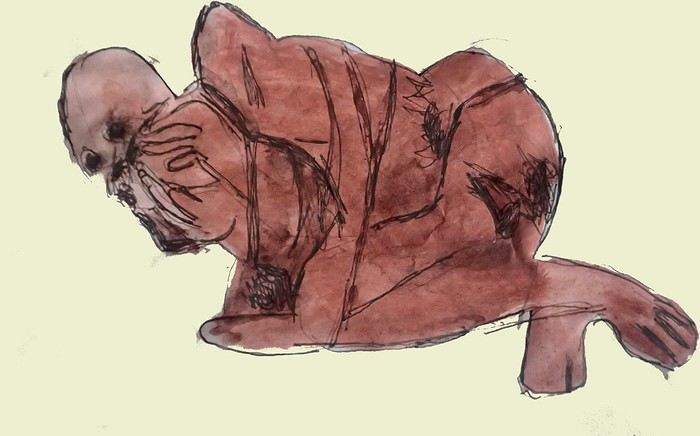
*Chavín de Huántar (Lanzón) The site’s appeal lies in its mountainous surroundings, the Lanzón stela, and the sculpted heads on the façades. What few people know is that the Chavín civilization began its expansion centuries before the Incas. Unfortunately, you can’t get too close to see the Lanzón—the day I was there, it was protected by grilles. To get there: minibus from Huaraz or trek from Olleros. Then cross a high pass (over 5,000m). If you do it solo on foot, be careful—the path isn’t obvious from Olleros
*Chullpa: funerary tower, notably at Sillustani in the Lake Titicaca region
*Chimú: pre-Inca civilization whose center was Chan Chan.
*Chola/Cholitas (Bolivia): typical clothing style of women from the Andean plateaus
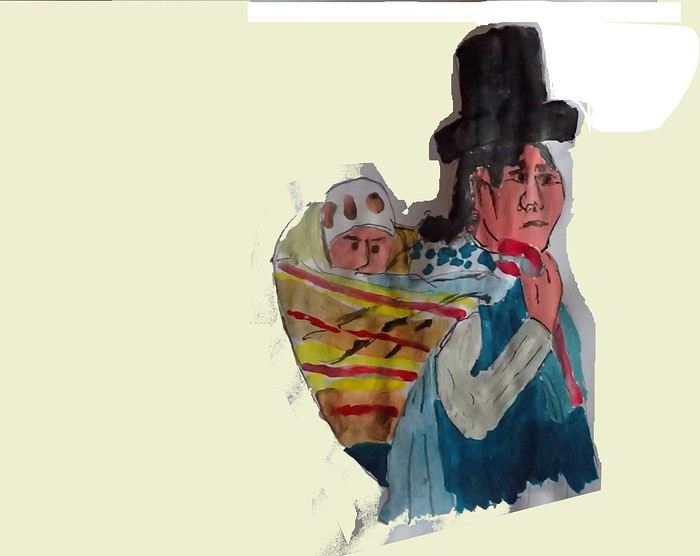
*Chompa: pronounce it *Chompaaa!* A common term for a wool sweater with vicuña patterns, often knitted from alpaca wool. If you dress like this, it’s a bit kitschy around the edges
*Cuy That one isn’t a guinea pig like in Guyana but an actual guinea pig. During a trip to Peru, I was hiking near a village north of Quillabamba (the terminus of the train line that passes through Aguas Calientes), and I was invited to stay in a house. The family raised a few of these pets. Apparently, the locals eat them. Since I’m not much of a meat-eater, it doesn’t really tempt me. How about you?
*Pacific Coast or how to talk about a place you haven’t visited? Except for the coast near Pisco and San Andrés, I haven’t visited any coastal cities. But that doesn’t mean these places lack interest or poetry. For fans of clichéd images, pelicans, seabirds, and fishing boats appear by the sea.
*Gran Pajaten: also closed to the public. Features anthropomorphic bas-reliefs. (not visited personally)
*Huaca. Visit the Huaca del Sol and Huaca de la Luna, especially near Trujillo. However, you can skip them—Chan Chan is still more interesting. Don’t forget to spend time visiting Chan Chan
*Huacachina A small oasis in the desert near Ica. Yes, we’re talking about an oasis because for those who’ve never traveled to Peru, the coastal strip along the Pacific is almost entirely desert, from north to south. Peru is territorially made up of three different regions: the desert coast, the Altiplano stretching north to south with mountain ranges (the Cordilleras), and the Amazon basin to the east. (not visited personally)
*Inca Kola It’s neither Coca-Cola nor Pepsi but a unique cola with a slightly orange color. Tastes like bubble gum
*Intiwatana: a carved rock shaped like a parallelepiped. Is it a sundial?
*Ballestas Islands: a highlight in Peru, though very touristy. You can only get there by boat from the port of San Andrés, a few kilometers from Pisco. It’s a surreal place to me—actually islets with cavities where sea lions and fur seals live. Since it’s a protected area, you’re not allowed to disembark. Guano is harvested there, which can be used as fertilizer.
*Kuelap: a fortress built by the Chachapoyas people. Rarely visited by travelers. (not visited personally)
*Larco Museum: an iconic museum in Lima with a large collection of pieces from archaeological and pre-Columbian sites. From what I remember, it has many pieces from the Moche civilization. As for the Moche statuettes, the prudish might look away. Probably a veneration of the god Priapus without knowing it.
*Nazca Lines Discovered by German archaeologist Maria Reiche, they stretch for kilometers. The designs in the desert around Nazca depict animals and cabalistic signs. The question I ask myself is why the creators of these lines represented a monkey and a hummingbird—species endemic to the tropical forest, not the desert plains around Nazca.
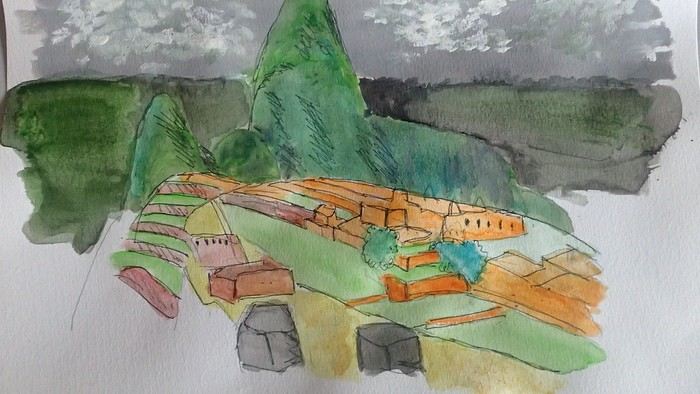
*Machu Picchu: means "old mountain" in Quechua. There’s also Wayna Picchu. The ruins of the site emerge from a sort of small plateau above Aguas Calientes. When the mist rises above the site and the bend of the Urubamba River, it’s truly magical... Also the starting point of the Inca Trail.
*Coca tea A decoction/infusion of the coca plant, meant to ease altitude sickness or *soroche*
*Chullo A rough translation would be a Peruvian wool hat.
*Moche: a civilization established in the Moche Valley, hence the term *Mochica*. What characterizes this civilization are the distinctive clay pieces representing faces and erotic statuettes
*Papa a la Huancaína A local potato dish
*Pisac: a typical market near Cusco
*Pisco Sour: perhaps the Peruvian equivalent of the *caipirinha* you drink in Brazil.
*Puya Raimondii A Bromeliaceae that still looks like a cactus, endemic to the Altiplano
*Quechua The language spoken by the indigenous people of the high plateaus (as well as Aymara in Bolivia)
*Quipu A knotted string used for counting. Widely used by the Inca administration.
*Sacsayhuamán (Q’enqo, Inca Bath) From Cusco’s Plaza de Armas, take the streets that climb above the city. Sacsayhuamán is called a fortress and is made up of large stone blocks. You wonder how the Incas could cut such huge blocks to assemble them—just like some streets in Cusco. The Q’enqo block is enigmatic; no one really knows what it represents.
*Savia Andina An Andean folk group.
*Tambo (=> Ollantaytambo) The Inca emperor (Atahualpa, Manco Capac) had the mission of controlling a vast empire. An empire that was still very extensive. Hence the importance of these *tambos* or relay stations. Napoleon created the civil code; the Incas invented the *tambos* and *quipus*.
*Tawantinsuyu: the Inca Empire
*Tinku: a warrior dance practiced mainly in Bolivia
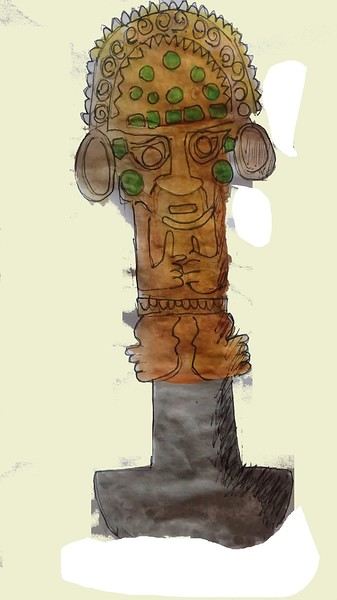
*Golden Tumi: a sacrificial weapon. Often featured in Peru travel guides. See illustration
*Terra X: a documentary series from the German TV channel that aired on Arte. Some episodes focused on pre-Inca and Inca Peru. I must have some old recording tapes. In memory of Gottfried Kirchner as a source of inspiration.
*Uros: I checked—it actually refers to the people who live on these floating islands. Even if it’s touristy, it’s a must-visit because it’s incredible how people can live on islets made from nothing. Take the boat from Puno
*Vicuña, llama, guanaco: camelids characteristic of the Altiplano
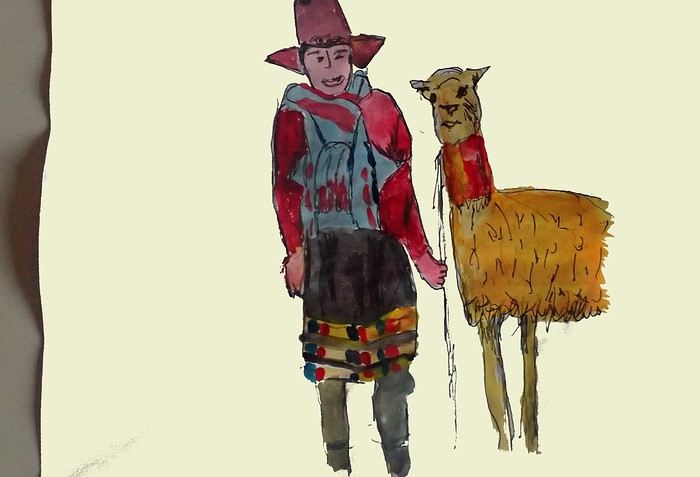
*Wayna Picchu The young Picchu mountain. In the first minutes of *Aguirre, the Wrath of God*, you see Klaus Kinski—well, Aguirre—making his way along the Inca Trail. Werner Herzog must have broken his back filming those sequences.
*Zampoña: pan flute
Peru is still a very vast country, with so much to see, and obviously this text can't list all the attractions of the country.
*Abiseo (River) A national park that's very hard to access and doesn’t seem open to visitors. Includes the Gran Pajaten site (see below). Personally, it really sparks my imagination (not visited personally)
*Aguas Calientes the town next to Machu Picchu, more precisely below the archaeological site. As far as I know, you can only get there by train. Reminds me of the market where stalls line both sides of the tracks near Bangkok. I love it
*Altiplano: somewhere the "heart" of the Andes. I was able to trek across it on foot, starting from Caracollo in Bolivia, and of course, it’s vast plains to explore. This is where people live in a very rural way. Andean populations are quite austere compared to those in the lowlands or on the coast. You really have to appreciate the harshness of life to live there. Life is anything but superficial. I set a compass heading and found myself walking west toward the expanse of water near a place called La Joya. For pitching the tent, the nights were still chilly
*Canyon del Colca One of the deepest canyons in the world. Personally, I hiked down and back up on foot. The toughest stretch I’ve ever covered in my life.
*Ceviche More or less the national dish. A marinade of fish, shellfish, and lime. But you can find it in some restaurants in Europe, France, and certainly in Belgium or Switzerland. In the small restaurants of Pisco, you can eat excellent ceviche
*Cerro Sechín: Mostly bas-reliefs. A site little known to travelers in the Casma province. The first vestiges of a pre-Inca civilization with iconography similar to that of Chavín (not visited personally)
*Chan Chan A large city of the Chimú civilization and relatively vast to visit. You can see adobe walls with bas-reliefs. Visit from Trujillo, take a colectivo. Plan for the whole day
*Charango: a small guitar widely used in Andean music
*Chauchilla A necropolis near Nazca where you can see mummies exposed on the ground. YouTubers can do paranormal experiments there. And for anyone wondering about the fate of the soul and body after death, here’s the answer: the body remains after death. You can imagine your own flesh and body exposed to the winds of the Pampa and before eternity... (not visited personally)
*Chavín de Huántar (Lanzón) The site’s appeal lies in its mountainous surroundings, the Lanzón stela, and the sculpted heads on the façades. What few people know is that the Chavín civilization began its expansion centuries before the Incas. Unfortunately, you can’t get too close to see the Lanzón—the day I was there, it was protected by grilles. To get there: minibus from Huaraz or trek from Olleros. Then cross a high pass (over 5,000m). If you do it solo on foot, be careful—the path isn’t obvious from Olleros
*Chullpa: funerary tower, notably at Sillustani in the Lake Titicaca region
*Chimú: pre-Inca civilization whose center was Chan Chan.
*Chola/Cholitas (Bolivia): typical clothing style of women from the Andean plateaus
*Chompa: pronounce it *Chompaaa!* A common term for a wool sweater with vicuña patterns, often knitted from alpaca wool. If you dress like this, it’s a bit kitschy around the edges
*Cuy That one isn’t a guinea pig like in Guyana but an actual guinea pig. During a trip to Peru, I was hiking near a village north of Quillabamba (the terminus of the train line that passes through Aguas Calientes), and I was invited to stay in a house. The family raised a few of these pets. Apparently, the locals eat them. Since I’m not much of a meat-eater, it doesn’t really tempt me. How about you?
*Pacific Coast or how to talk about a place you haven’t visited? Except for the coast near Pisco and San Andrés, I haven’t visited any coastal cities. But that doesn’t mean these places lack interest or poetry. For fans of clichéd images, pelicans, seabirds, and fishing boats appear by the sea.
*Gran Pajaten: also closed to the public. Features anthropomorphic bas-reliefs. (not visited personally)
*Huaca. Visit the Huaca del Sol and Huaca de la Luna, especially near Trujillo. However, you can skip them—Chan Chan is still more interesting. Don’t forget to spend time visiting Chan Chan
*Huacachina A small oasis in the desert near Ica. Yes, we’re talking about an oasis because for those who’ve never traveled to Peru, the coastal strip along the Pacific is almost entirely desert, from north to south. Peru is territorially made up of three different regions: the desert coast, the Altiplano stretching north to south with mountain ranges (the Cordilleras), and the Amazon basin to the east. (not visited personally)
*Inca Kola It’s neither Coca-Cola nor Pepsi but a unique cola with a slightly orange color. Tastes like bubble gum
*Intiwatana: a carved rock shaped like a parallelepiped. Is it a sundial?
*Ballestas Islands: a highlight in Peru, though very touristy. You can only get there by boat from the port of San Andrés, a few kilometers from Pisco. It’s a surreal place to me—actually islets with cavities where sea lions and fur seals live. Since it’s a protected area, you’re not allowed to disembark. Guano is harvested there, which can be used as fertilizer.
*Kuelap: a fortress built by the Chachapoyas people. Rarely visited by travelers. (not visited personally)
*Larco Museum: an iconic museum in Lima with a large collection of pieces from archaeological and pre-Columbian sites. From what I remember, it has many pieces from the Moche civilization. As for the Moche statuettes, the prudish might look away. Probably a veneration of the god Priapus without knowing it.
*Nazca Lines Discovered by German archaeologist Maria Reiche, they stretch for kilometers. The designs in the desert around Nazca depict animals and cabalistic signs. The question I ask myself is why the creators of these lines represented a monkey and a hummingbird—species endemic to the tropical forest, not the desert plains around Nazca.
*Machu Picchu: means "old mountain" in Quechua. There’s also Wayna Picchu. The ruins of the site emerge from a sort of small plateau above Aguas Calientes. When the mist rises above the site and the bend of the Urubamba River, it’s truly magical... Also the starting point of the Inca Trail.
*Coca tea A decoction/infusion of the coca plant, meant to ease altitude sickness or *soroche*
*Chullo A rough translation would be a Peruvian wool hat.
*Moche: a civilization established in the Moche Valley, hence the term *Mochica*. What characterizes this civilization are the distinctive clay pieces representing faces and erotic statuettes
*Papa a la Huancaína A local potato dish
*Pisac: a typical market near Cusco
*Pisco Sour: perhaps the Peruvian equivalent of the *caipirinha* you drink in Brazil.
*Puya Raimondii A Bromeliaceae that still looks like a cactus, endemic to the Altiplano
*Quechua The language spoken by the indigenous people of the high plateaus (as well as Aymara in Bolivia)
*Quipu A knotted string used for counting. Widely used by the Inca administration.
*Sacsayhuamán (Q’enqo, Inca Bath) From Cusco’s Plaza de Armas, take the streets that climb above the city. Sacsayhuamán is called a fortress and is made up of large stone blocks. You wonder how the Incas could cut such huge blocks to assemble them—just like some streets in Cusco. The Q’enqo block is enigmatic; no one really knows what it represents.
*Savia Andina An Andean folk group.
*Tambo (=> Ollantaytambo) The Inca emperor (Atahualpa, Manco Capac) had the mission of controlling a vast empire. An empire that was still very extensive. Hence the importance of these *tambos* or relay stations. Napoleon created the civil code; the Incas invented the *tambos* and *quipus*.
*Tawantinsuyu: the Inca Empire
*Tinku: a warrior dance practiced mainly in Bolivia
*Golden Tumi: a sacrificial weapon. Often featured in Peru travel guides. See illustration
*Terra X: a documentary series from the German TV channel that aired on Arte. Some episodes focused on pre-Inca and Inca Peru. I must have some old recording tapes. In memory of Gottfried Kirchner as a source of inspiration.
*Uros: I checked—it actually refers to the people who live on these floating islands. Even if it’s touristy, it’s a must-visit because it’s incredible how people can live on islets made from nothing. Take the boat from Puno
*Vicuña, llama, guanaco: camelids characteristic of the Altiplano
*Wayna Picchu The young Picchu mountain. In the first minutes of *Aguirre, the Wrath of God*, you see Klaus Kinski—well, Aguirre—making his way along the Inca Trail. Werner Herzog must have broken his back filming those sequences.
*Zampoña: pan flute
Veneto: Dolomites and Opera
I'm starting a new travel journal in Italy.
It's about a month-long trip (from September 3, 2025, to October 4, 2025), or rather a part of it. This section matches the title: an opera festival in Verona (one evening) and the Dolomites in the Veneto region.
I'm posting the part of the trip I think will interest French-speaking readers the most (since this is where I saw the most French travelers).
Here’s a quick summary:
- Trip in September 2025
- Solo travel with camping (caravan)
- Small geographic area: besides Verona, the surroundings of the Marmolada massif and Cortina d'Ampezzo.
- Main but not exclusive activity: hiking.
Since I have limited internet access where I am now, I’ll be writing slowly. Here we go!
Day 1: Thursday, September 4, 2025
I arrived in Veneto under the sun and with warm weather. I drove to Verona and tried to find a spot at the campsite (Verona Village) located south of the city. Unfortunately, it was full. Booking on the website was mandatory, but when I tried to reserve a few days ago, the site never moved from the "reservation" step to the "payment" step (I don’t know why—it’s always like that in these cases). I found another solution over the phone; the drive from southern Verona to the northeast was a bit long, but I finally settled at the "Oro Verde" campsite. It’s an "agricampeggio" (farm camping or rural campsite) on the outskirts of the city, and its name (green gold) suggests they produce olives there. Since it wasn’t late, I biked to the Adige River, following the recommended route into the city.
Since I have limited internet access where I am now, I’ll be writing slowly. Here we go!
Day 1: Thursday, September 4, 2025
I arrived in Veneto under the sun and with warm weather. I drove to Verona and tried to find a spot at the campsite (Verona Village) located south of the city. Unfortunately, it was full. Booking on the website was mandatory, but when I tried to reserve a few days ago, the site never moved from the "reservation" step to the "payment" step (I don’t know why—it’s always like that in these cases). I found another solution over the phone; the drive from southern Verona to the northeast was a bit long, but I finally settled at the "Oro Verde" campsite. It’s an "agricampeggio" (farm camping or rural campsite) on the outskirts of the city, and its name (green gold) suggests they produce olives there. Since it wasn’t late, I biked to the Adige River, following the recommended route into the city.
Flooding in the Hoi An and Hue regions
Good evening,
Exceptional floods occurred last week in central Vietnam, in the Hoi An and Hue regions. These areas get a lot of rain every year, but this time it's historically devastating.
The images are striking, horrifying, and surreal for those of us—like me—who walked these beautiful streets not long ago: the old town of Hoi An completely submerged, water up to the rooftops, the Japanese Bridge barely peeking out of the water... In Hue, the flag monument in front of the Imperial City entrance was nothing more than an island...
I’m not posting any links, but anyone can find them online if they wish.
Stay strong to our Vietnamese friends. And a strong warning to all tourists: avoid these regions. The water levels are receding, but more rain is on the way...
Exceptional floods occurred last week in central Vietnam, in the Hoi An and Hue regions. These areas get a lot of rain every year, but this time it's historically devastating.
The images are striking, horrifying, and surreal for those of us—like me—who walked these beautiful streets not long ago: the old town of Hoi An completely submerged, water up to the rooftops, the Japanese Bridge barely peeking out of the water... In Hue, the flag monument in front of the Imperial City entrance was nothing more than an island...
I’m not posting any links, but anyone can find them online if they wish.
Stay strong to our Vietnamese friends. And a strong warning to all tourists: avoid these regions. The water levels are receding, but more rain is on the way...
What are your best foodie spots in Montreal?
Hi everyone,
I’m heading back to Montreal in early November after several years away. I’m so excited! I won’t be staying long, but I’ll have time to wander and explore.
I’d love to get your recommendations for great things to eat—restaurants, bakeries, all kinds of food. I’m open to all your suggestions and addresses. I’ll definitely hit up the market. And eat bagels, of course.
I’ll probably stay in the Quartier des Spectacles, but I’ll definitely be getting around the city.
Thanks in advance!
I’m heading back to Montreal in early November after several years away. I’m so excited! I won’t be staying long, but I’ll have time to wander and explore.
I’d love to get your recommendations for great things to eat—restaurants, bakeries, all kinds of food. I’m open to all your suggestions and addresses. I’ll definitely hit up the market. And eat bagels, of course.
I’ll probably stay in the Quartier des Spectacles, but I’ll definitely be getting around the city.
Thanks in advance!
What to see and do in Vienna? Walks, nature, and charming cafés.
Hi everyone,
We’re heading to Vienna in 3 weeks for a 5-day trip! After reading a few travel journals and discussions about this destination, I still can’t quite figure out what the must-sees are. Your itineraries are so varied that it’s hard to narrow it down!
Ideally, we’d like to explore Vienna without feeling like we’re stuck in museums. If you have recommendations for little green oases, short urban walking routes, or addresses for charming cafés, we’d love to hear them!
Thanks in advance for your help! !
We’re heading to Vienna in 3 weeks for a 5-day trip! After reading a few travel journals and discussions about this destination, I still can’t quite figure out what the must-sees are. Your itineraries are so varied that it’s hard to narrow it down!
Ideally, we’d like to explore Vienna without feeling like we’re stuck in museums. If you have recommendations for little green oases, short urban walking routes, or addresses for charming cafés, we’d love to hear them!
Thanks in advance for your help! !
Biking and Beer in Belgium
"The Most Refreshing Way to Travel Around Belgium"
This is the title of the guide published by Pierre Pauquay at Éditions HELVETIQ Sàrl, Lausanne, Switzerland, 2023.
I set off for Belgium with my camper van and my electric-assist bike, eager to deepen both my theoretical and practical knowledge of this country’s emblematic beverage while exploring the land. This guide became my trusted companion throughout the journey, which took place from June 4 to July 4, 2024.
Out of the 40 routes presented, I chose 21, covering a broad swath of Belgium—both Wallonia (14 routes) and Flanders (6 routes), plus one route around the Brussels-Capital region with a visit to the famous Grimbergen brewery.
Every route included a stop at a brewery, whether lesser-known or famous, artisanal or industrial, family-run or Trappist.
In total, I logged 1,111.2 km of biking over 58 hours and 42 minutes of pedaling, averaging 3 hours of cycling per ride of 55.6 km. I visited 21 breweries, toured a few, and had just one flat tire (I didn’t count the number of beers, but I tasted them all...).
I wasn’t always able to park my camper van near the brewery planned for that day’s route, but I made sure to enjoy the famous nectar only after completing the physical exercise required by the loops.
Traveling by camper van, I needed routes that formed a loop, starting and ending in the same place. Except in Brussels, I never had to rely on campsites for a safe night’s stay. I always found a welcoming public or private parking spot, secure enough to prepare for the next day’s ride.
I discovered Belgium from top to bottom, through hills (not very high) and valleys (very flat and often windy), at my own pace. I stopped whenever a photo caught my eye, grabbed a bite or a drink in the villages I passed through, and often felt like I was truly part of the landscape, in sync with the country’s rhythm and curious to see how people lived...
More to come, with photos in a future post...
Thanks for reading...
Hiking in the city of Sefar (Algeria)
Hi,
I’m interested in hiking in the city of Sefar.
Has anyone here been there?
Thanks for your replies.
Didier
Cumuler randonnées à la Réunion et visites des îles alentours English translation pending
Bonjour,
L'été 2021 nous aimerions randonner à la Réunion (faire les 3 cirques au moins) pour cela j'ai trouvé pas mal de circuits, mais auriez vous un prestataire local à me conseiller ?
Après environ 10 jours de rando, que ne faut-il pas louper à visiter sur l'ile ?
Ensuite j'hésite entre Mayotte Madagascar et Maurice, sachant 2 ou 3 jours de balnéaires sont mon max. Que me conseillez vous pour le plus grand dépaysement
Pour finir je me demande s'il est judicieux de prendre un vol en boucle (paris, la réunion, mayotte, paris) ou s'il existe des AR genre : paris, la réunion, mayotte, paris ?
Merci pour toutes vos suggestions