Results for "Terre+|+51+>+215"
67064 results found.
Laissez vous surprendre par la Côte d'Opale English translation pending
Mincoin le point d'ancrage des amoureux de la Côte d'Opale
Site tout gratuit sans banière; photos accompagnées de leur commentaire.
130 Km de côtes variés que se partagent ivres de liberté, mouettes, goélands et amoureux des grands espaces.
La côte d'Opale, espace de lumière et de détente, territoire d'exception entre ciel, terre et mer, s'étend de Berck sur mer à la frontière belge.
La Côte d'Opale est une mosaïque de stations balnéaires et de paysages baignée dans une lumière toute en demi-teintes fortement aquarellées qui ont fait et feront encore pendant des générations le bonheur des peintres.
Balades en pays d'Opale est présent sur le Web pour : Servir de trait d'union entre tous les amoureux de la Côte d'Opale Permettre aux nostalgiques de la Côte d'Opale de se ressourcer. De passer un agréable moment en consultant des pages photos de Mincoin Et donner envie de faire une balade dans le Pays d'Opale L'automne est la meilleure saison pour les photos de nuages dans ma région, quand il y en a ! Alors quand le soleil du soir embrase le coin, je suis là.
http://www.mincoin.com/php1/berck89l.php
Et oui avec le changement climatique, je suis parfois bredouille... cause ciel bleu sniff A bientôt sur mincoin
Site tout gratuit sans banière; photos accompagnées de leur commentaire.
130 Km de côtes variés que se partagent ivres de liberté, mouettes, goélands et amoureux des grands espaces.
La côte d'Opale, espace de lumière et de détente, territoire d'exception entre ciel, terre et mer, s'étend de Berck sur mer à la frontière belge.
La Côte d'Opale est une mosaïque de stations balnéaires et de paysages baignée dans une lumière toute en demi-teintes fortement aquarellées qui ont fait et feront encore pendant des générations le bonheur des peintres.
Balades en pays d'Opale est présent sur le Web pour : Servir de trait d'union entre tous les amoureux de la Côte d'Opale Permettre aux nostalgiques de la Côte d'Opale de se ressourcer. De passer un agréable moment en consultant des pages photos de Mincoin Et donner envie de faire une balade dans le Pays d'Opale L'automne est la meilleure saison pour les photos de nuages dans ma région, quand il y en a ! Alors quand le soleil du soir embrase le coin, je suis là.
http://www.mincoin.com/php1/berck89l.php
Et oui avec le changement climatique, je suis parfois bredouille... cause ciel bleu sniff A bientôt sur mincoin
Séisme à Puerto Plata: état du Superclub Breezes? English translation pending
SALUT TOUT LE MONDE,
JE PART POUR LA RD EN JANVIER ... JE VAIS AU SUPERCLUB BREEZES A PUERTO PLATA. EST-CE QUE QUELQU'UN AURAIT UN BILAN À ME DONNER. EST-CE QUE L'HOTEL A DES DOMMAGES ? 😕
MERCI 😉
JE PART POUR LA RD EN JANVIER ... JE VAIS AU SUPERCLUB BREEZES A PUERTO PLATA. EST-CE QUE QUELQU'UN AURAIT UN BILAN À ME DONNER. EST-CE QUE L'HOTEL A DES DOMMAGES ? 😕
MERCI 😉
La photo, çà vous gâche pas les voyages, vous? English translation pending
Bonjour,
Désolé pour le titre, nettement plus provoc’ que la suite. Bon, c’est surtout pour discuter d’autre chose que du matériel.
Après avoir grillé de la pellicule sur les petites bêtes, le ciel, la famille, la terre vue du ciel et j’en passe, quoi de plus naturel que de continuer en voyage. Un peu de tri dans la montagne d’accessoires, d’objectifs, les films diapos les plus adaptés achetés et voilà, c’est parti. Bon, l’équipement prend de la place et il faut faire quelque choix dans les bagages. Le conjoint compatissant alourdit son sac. Et nous voilà sur place. Au fil des ans, les exigences augmentent : sujet, cadrage, composition, lumière, narration. On aimait son appareil, on se met à aimer la photo. Bref, çà prend plus de temps, met plus à contribution les nerfs du reste de l’équipe. On pense au montage du reportage au retour. Le voyage devient un récit à raconter et non plus une aventure à vivre. Il faut faire absolument la photo pour la transition entre les deux sujets. Attente, clic, clac et c’est reparti. Puis, voilà le retour. Le diaporama, hantise de ceux qui sont restés et vont se le voir infliger, plaît et ils en viennent même à en redemander. Formidable. L’histoire du voyage coule bien, le grand paysage comme le petit détail qui signent « l’ailleurs » sont au rendez-vous. Vous repartez quand ? Mais voilà, les années passent, diverses contraintes espacent les voyages ou les rendent plus courts. Le regard change. La manière de voyager aussi. Plus de subtilité, plus de patience. Et finalement, si l’appareil restait à la maison. Chiche ? Tiens, déjà, on déambule les mains dans les poches. Agréable en ville. Les regards ne se fixent plus sur le sac mais sur la personne. Plus de spéculations sur ce que l’on porte. Et déjà, oui, on fait moins touristes, plus visiteurs. Bref, différents. Il n’y a plus qu’à attiser un peu cette différence pour engager la conversation –ou la gesticulation. Et c’est parti pour une improbable liste à la Prévert : les gosses, l’école, la pluie, le beau temps, le foot, le président qui ne veut pas entretenir les éoliennes, les jeunes qui ne sont plus ce qu’ils étaient, l’âne qui boite. Pas de souci dans un coin de la tête comme « formidable cette lumière du soir sur la place, comment la capter avant qu’elle ne s’en aille ». Allez, on se quitte et on continue. Quelques cartes postales à ramener pour résumer le lieu et illustrer le récit au retour. Il a eu tout son temps pour les prendre lui (ou elle). Elles sont parfaites. Tiens, on demande au marchand quand passe le bus ? Une famille passe, avec un gamin du même âge que la nôtre. Echange de sourires. Bonheur d'être ailleurs et respirer un autre monde sans intermédiaire. Vivons déjà l'instant présent. Demain viendra assez tôt. Alors, prochain voyage : avec ou sans matériel ?
Désolé pour le titre, nettement plus provoc’ que la suite. Bon, c’est surtout pour discuter d’autre chose que du matériel.
Après avoir grillé de la pellicule sur les petites bêtes, le ciel, la famille, la terre vue du ciel et j’en passe, quoi de plus naturel que de continuer en voyage. Un peu de tri dans la montagne d’accessoires, d’objectifs, les films diapos les plus adaptés achetés et voilà, c’est parti. Bon, l’équipement prend de la place et il faut faire quelque choix dans les bagages. Le conjoint compatissant alourdit son sac. Et nous voilà sur place. Au fil des ans, les exigences augmentent : sujet, cadrage, composition, lumière, narration. On aimait son appareil, on se met à aimer la photo. Bref, çà prend plus de temps, met plus à contribution les nerfs du reste de l’équipe. On pense au montage du reportage au retour. Le voyage devient un récit à raconter et non plus une aventure à vivre. Il faut faire absolument la photo pour la transition entre les deux sujets. Attente, clic, clac et c’est reparti. Puis, voilà le retour. Le diaporama, hantise de ceux qui sont restés et vont se le voir infliger, plaît et ils en viennent même à en redemander. Formidable. L’histoire du voyage coule bien, le grand paysage comme le petit détail qui signent « l’ailleurs » sont au rendez-vous. Vous repartez quand ? Mais voilà, les années passent, diverses contraintes espacent les voyages ou les rendent plus courts. Le regard change. La manière de voyager aussi. Plus de subtilité, plus de patience. Et finalement, si l’appareil restait à la maison. Chiche ? Tiens, déjà, on déambule les mains dans les poches. Agréable en ville. Les regards ne se fixent plus sur le sac mais sur la personne. Plus de spéculations sur ce que l’on porte. Et déjà, oui, on fait moins touristes, plus visiteurs. Bref, différents. Il n’y a plus qu’à attiser un peu cette différence pour engager la conversation –ou la gesticulation. Et c’est parti pour une improbable liste à la Prévert : les gosses, l’école, la pluie, le beau temps, le foot, le président qui ne veut pas entretenir les éoliennes, les jeunes qui ne sont plus ce qu’ils étaient, l’âne qui boite. Pas de souci dans un coin de la tête comme « formidable cette lumière du soir sur la place, comment la capter avant qu’elle ne s’en aille ». Allez, on se quitte et on continue. Quelques cartes postales à ramener pour résumer le lieu et illustrer le récit au retour. Il a eu tout son temps pour les prendre lui (ou elle). Elles sont parfaites. Tiens, on demande au marchand quand passe le bus ? Une famille passe, avec un gamin du même âge que la nôtre. Echange de sourires. Bonheur d'être ailleurs et respirer un autre monde sans intermédiaire. Vivons déjà l'instant présent. Demain viendra assez tôt. Alors, prochain voyage : avec ou sans matériel ?
Amérique latine à vélo English translation pending
Mais bonjours !
Me revoilà.. mais cette fois avec une date de départ! Alegria!! Le 24 novembre prochain je m'envole pour La Havanne. Je compte visiter l'ìle de Cuba à vélo pendant un ou 2 mois, ensuite je rejoindrai le Mexique et prévois descendre à bicyclette jusqu'à La TErre de Feu (Usuhaïa) . Pour peut-être ensuite remonter sur le Brésil...
Je finalise actuellement les préparations. J'aimerai aussi aider une association basée à Lima (pour plus d'infos voir mon message sur le forum ''aide humanitaire'' ) Je dois dire que c'est vraiment excitant de se raprocher du grand départ et me réjouis chaque jours plus.
J'ai besoin encore de quelques infos pratique sur l'Amérique latine à vélo, si vous avez quelques astuces à me donner n'hésitez pas! J'aimerai savoir aussi si il est possible d'obtenir des kilos suplémentaires facilement pour le matériel + vélo à l'aéroport. Car 25 kg pour son moyen de transport et sa maison pendant une année c'est un peu juste!! Et 63 frs le kilo suplémentaire c'est un peu cher!! Si quelqu'un aimerai m'envoyer un colis pendant le voyage, comment cela se passe-t-il exactment?? Dois je absolument me faire vacciner pour la fièvre jaune??
Si vous avez des contactes, de gens, d'associations humanitaires qui serai sympa de m'acceuillir afin que je puisse parler de mon voyage, des endroits à ne pas manquer, des conseils, ou que vous voulez simplement en parler n'hésitez pas!!
Merci pour tous
Je vous recontacte.
Alain Jaquier
Super site Erwan! Je suis actuellement en train d'en créer un... coming soon
ciao
Me revoilà.. mais cette fois avec une date de départ! Alegria!! Le 24 novembre prochain je m'envole pour La Havanne. Je compte visiter l'ìle de Cuba à vélo pendant un ou 2 mois, ensuite je rejoindrai le Mexique et prévois descendre à bicyclette jusqu'à La TErre de Feu (Usuhaïa) . Pour peut-être ensuite remonter sur le Brésil...
Je finalise actuellement les préparations. J'aimerai aussi aider une association basée à Lima (pour plus d'infos voir mon message sur le forum ''aide humanitaire'' ) Je dois dire que c'est vraiment excitant de se raprocher du grand départ et me réjouis chaque jours plus.
J'ai besoin encore de quelques infos pratique sur l'Amérique latine à vélo, si vous avez quelques astuces à me donner n'hésitez pas! J'aimerai savoir aussi si il est possible d'obtenir des kilos suplémentaires facilement pour le matériel + vélo à l'aéroport. Car 25 kg pour son moyen de transport et sa maison pendant une année c'est un peu juste!! Et 63 frs le kilo suplémentaire c'est un peu cher!! Si quelqu'un aimerai m'envoyer un colis pendant le voyage, comment cela se passe-t-il exactment?? Dois je absolument me faire vacciner pour la fièvre jaune??
Si vous avez des contactes, de gens, d'associations humanitaires qui serai sympa de m'acceuillir afin que je puisse parler de mon voyage, des endroits à ne pas manquer, des conseils, ou que vous voulez simplement en parler n'hésitez pas!!
Merci pour tous
Je vous recontacte.
Alain Jaquier
Super site Erwan! Je suis actuellement en train d'en créer un... coming soon
ciao
Itinéraire au sud du Chili et Argentine English translation pending
Bonjour, 😎
Nous planifions un voyage de 3 semaines au sud du Chili et de l'Argentine en décembre prochain.
Nous désirons de l'aide pour la planification d'un itinéraire nous permettant de visiter principalement Barcelone en Argentine, Torres del Paine, Terre de Feu. Est-il préférable de visiter du côté de l'argentine ? Quels moyens de transport recommandés et sites d'hébergement à budgets moyens?
Merci de ta collaboration😎
Nous planifions un voyage de 3 semaines au sud du Chili et de l'Argentine en décembre prochain.
Nous désirons de l'aide pour la planification d'un itinéraire nous permettant de visiter principalement Barcelone en Argentine, Torres del Paine, Terre de Feu. Est-il préférable de visiter du côté de l'argentine ? Quels moyens de transport recommandés et sites d'hébergement à budgets moyens?
Merci de ta collaboration😎
Comment financer un tour du monde? English translation pending
bonjour a tous,
voila je me presente, je m'appelle anne, jai 20 ans je suis sur paris.
je bosse pr financer mon projet, partir en reportage photo et faire des livres.
j'aime la terre, la nature et je veux montrer toutes ces richesses...
Je prepare un grand voyage en asie, dont je suis tombée sous le charme depuis mon premier voyage en thailande!!!😏
nous sommes deux, nous commencons a faire des calculs budjetaire pour un grand voyage de environ minimum 6 mois a 1ans...
je ne sais pas trop comment commencer si ce n'est que economiser...avez vous des truc, des conseils ou des exemples...(genre petit boulot a l'etranger)
comment faites vous en generale pour reunir autant d'argent, combien environ c'est surtout ca que je veux savoir...
je voyage assez modestement, routard quoi mais pas inconsciente...
voila, j'espere que vous pourrez m'aider...OHHH voui j'espere...
gros bisous a tous...
anne
voila je me presente, je m'appelle anne, jai 20 ans je suis sur paris.
je bosse pr financer mon projet, partir en reportage photo et faire des livres.
j'aime la terre, la nature et je veux montrer toutes ces richesses...
Je prepare un grand voyage en asie, dont je suis tombée sous le charme depuis mon premier voyage en thailande!!!😏
nous sommes deux, nous commencons a faire des calculs budjetaire pour un grand voyage de environ minimum 6 mois a 1ans...
je ne sais pas trop comment commencer si ce n'est que economiser...avez vous des truc, des conseils ou des exemples...(genre petit boulot a l'etranger)
comment faites vous en generale pour reunir autant d'argent, combien environ c'est surtout ca que je veux savoir...
je voyage assez modestement, routard quoi mais pas inconsciente...
voila, j'espere que vous pourrez m'aider...OHHH voui j'espere...
gros bisous a tous...
anne
Bons plans pour 8 mois en Amérique du Sud English translation pending
Salut à tous,
Votre forum est extra. Merci à tous, qui m'ont déjà informé de bons plans. Je parts le 17 juin pour 8 mois en Amérique latine (dont deux mois humanitaire à Lima). Mon itinéraire : Pérou, Bolivie, Chili/Argentine, jusqu'à Terre de Feu et retour en suisse par Buenos Air. Tout cela avec le sac à dos.
Qui a des bon plans : adresses de logements, visites, noms de guides/agences pour trekking, et des petits secrets aux quels échappent la masse touristique. Quel temps de visite pour quel pays ? Enfin tous vous "tipps" comme diraient nos chers Suisse-allemands !
Est-il utile, nécessaire de prendre une tente ?
Est-ce que les trekks peuvent être effectués sans guide et sans danger ?
Merci 100000 de vos réponses. Amicalement, Trucciolla😎
Votre forum est extra. Merci à tous, qui m'ont déjà informé de bons plans. Je parts le 17 juin pour 8 mois en Amérique latine (dont deux mois humanitaire à Lima). Mon itinéraire : Pérou, Bolivie, Chili/Argentine, jusqu'à Terre de Feu et retour en suisse par Buenos Air. Tout cela avec le sac à dos.
Qui a des bon plans : adresses de logements, visites, noms de guides/agences pour trekking, et des petits secrets aux quels échappent la masse touristique. Quel temps de visite pour quel pays ? Enfin tous vous "tipps" comme diraient nos chers Suisse-allemands !
Est-il utile, nécessaire de prendre une tente ?
Est-ce que les trekks peuvent être effectués sans guide et sans danger ?
Merci 100000 de vos réponses. Amicalement, Trucciolla😎
Itinéraire pour le Tibet en individuel English translation pending
je suis un petit nouveau sur le site...alors bonjour a tous
je compte passer au tibet ds qques mois, en individuel, de pekin a new delhi. et je ne veux utiliser le moins possible des agences. Bien evidemment je voudrai passer par la terre! ....arriver en avion a Lhassa diminue fortement l'interet du voyage!
je suis en train de me renseigner, et il semble que le tourisme individuel soit enfin autorisé au tibet. l'ambassade de chine a Paris m'explique que j'ai besoin d'un visa individuel delivré par le bureau des affaires etrangeres de la T.A.R à Lhassa
je voudrais savoir si ce visa peut m'etre delivré à l'entrée au tibet?, ou a Lhassa?, voire a Pekin?
est-il possible de passer outre? ou est-ce que je vais me faire refoulé ilico a la frontiere de la T.A.R? ou bien jeté au cachot dés le premier controle de police sans mon autorisation?
et si qqu'un avait l'adresse exacte du bureau a lhassa....? vu qu'ils ne la donnent pas a l'ambassade chinoise de Paris!!
si qqu'un avais un bout de reponse (ou tooooutes les reponses?)....merci beaucoup
je compte passer au tibet ds qques mois, en individuel, de pekin a new delhi. et je ne veux utiliser le moins possible des agences. Bien evidemment je voudrai passer par la terre! ....arriver en avion a Lhassa diminue fortement l'interet du voyage!
je suis en train de me renseigner, et il semble que le tourisme individuel soit enfin autorisé au tibet. l'ambassade de chine a Paris m'explique que j'ai besoin d'un visa individuel delivré par le bureau des affaires etrangeres de la T.A.R à Lhassa
je voudrais savoir si ce visa peut m'etre delivré à l'entrée au tibet?, ou a Lhassa?, voire a Pekin?
est-il possible de passer outre? ou est-ce que je vais me faire refoulé ilico a la frontiere de la T.A.R? ou bien jeté au cachot dés le premier controle de police sans mon autorisation?
et si qqu'un avait l'adresse exacte du bureau a lhassa....? vu qu'ils ne la donnent pas a l'ambassade chinoise de Paris!!
si qqu'un avais un bout de reponse (ou tooooutes les reponses?)....merci beaucoup
Traverser l'Amérique du sud à vélo English translation pending
😉salut les velomaniacs
j'ai en tete de me faire l'am du sud en velo, je compte partir en decembre destination buenos aires, terre de feu, remonter par le chili, la bolivie, le perou et peut etre l'equateur duree du periple environ 6 mois🙂
si qqn est interesse par le projet n'hesitez pas, a 2 c'est quand meme plus cool😏
au fait si vous avez deja tentes l'experience, des infos et bons plans ne seraient pas de refus!!😛
a bientot pour un depart vers l'aventure
tony
j'ai en tete de me faire l'am du sud en velo, je compte partir en decembre destination buenos aires, terre de feu, remonter par le chili, la bolivie, le perou et peut etre l'equateur duree du periple environ 6 mois🙂
si qqn est interesse par le projet n'hesitez pas, a 2 c'est quand meme plus cool😏
au fait si vous avez deja tentes l'experience, des infos et bons plans ne seraient pas de refus!!😛
a bientot pour un depart vers l'aventure
tony
Grand Paradise Bavaro English translation pending
Bonjour,
Je recherche pour échange d'infos des personnes ayant acheté des semaines de vacances à l'hôtel Grand Paradise Bavaro ou un autre hôtel de la chaine Amsha Marina en République Dominicaine.
Merci
Je recherche pour échange d'infos des personnes ayant acheté des semaines de vacances à l'hôtel Grand Paradise Bavaro ou un autre hôtel de la chaine Amsha Marina en République Dominicaine.
Merci
Quels rhums et cigares ramener de la République Dominicaine? English translation pending
Hello everybody !
J'aimerais connaître les marques de Rhum et de Cigares qu'il est bon de ramener de la République Dominicaine.😉
Merci.
J'aimerais connaître les marques de Rhum et de Cigares qu'il est bon de ramener de la République Dominicaine.😉
Merci.
Donne infos sur la Guadeloupe English translation pending
bonjour,
je suis partis en Guadeloupe durant plusieurs semaines en début d'année, cette iles est magnifique.
Si vous désirez avoir des renseignements sur l'iles les plages les lieux à visiter et bien évidemment le logement (gites, bungalows),
n'hésitez surtout pas, car nous étions dans des gites sur la basse terre et nous avons été recu comme des rois !!!!
Sabine
je suis partis en Guadeloupe durant plusieurs semaines en début d'année, cette iles est magnifique.
Si vous désirez avoir des renseignements sur l'iles les plages les lieux à visiter et bien évidemment le logement (gites, bungalows),
n'hésitez surtout pas, car nous étions dans des gites sur la basse terre et nous avons été recu comme des rois !!!!
Sabine
Souvenirs de Santiago de Cuba (Hôtel Carrisol) English translation pending
Bonjour les futurs touristes!!!, juste quelques souvenirs liés à ce voyage à Cuba, qui date de 2001. Tout d'abord, dès que la nuit tombe, le ciel cubain est magnifique car constellé d'étoiles: à tomber par terre!!.
J'ai résidé une semaine à l'hotel Lookéa Carrissol, qui est sympa: chambres jolies et spacieuses, personnel agréable, bar dans la piscine, 2 restos, bref l'ultra luxe pour un routard!! situé a une vingtaine de kms de la ville de Santiago, il dispose d'une jolie plage, mais gare aux vagues de fond, un peu traitres parfois, car elles risquent de vous envoyer heurter les rochers, et alors gare aux bobos! Un francais, peu habitué à nager avec masque et tuba, s'était fait une frayeur lorsque j'y étais.
Il est possible de visiter les alentours avec un cubain parlant francais car certains apprennent cette langue à l'Alliance francaise ( notre guide-ami Lionel le parlait trés bien). N'hésitez pas a ramener des vetements, stylos, etc, meme si ils ne sont pas tous neufs, car les conditions de vie des gens sont assez dures... C'est un euphémisme... le choix ultra maigre de produits dans les magasins vous fera palir, petit français habitué aux Carrefour. Il existe néanmoins un artisanat local, sans oublier les clous de girofles du marché, emballés dans des journaux ou de vieilles pages de livres de propagandes, selon une forme conique trés jolie.
Enfin, méfiez-vous des cigares mal roulés et infumables, pales copies des Cohibas, et autres qui se vendent à la sauvette. Il est néanmoins possible d'en acheter chez des gens, à l'abri des regards, des vrais pour des sommes bien inférieures à la manufacture, parait-il... mais attention, car ceci est strictement interdit, et parfois controlé à l'aéroport... A part ca, ce qui me plait a Santiago, c'est que la ville est à taille humaine, n'espérez pas trouvez tout un tas de cafés avec des musiciens cubains; mais en allant vers le port, vous verrez peut etre, comme nous, des musiciens a la compay segundo, faire un boeuf, chez eux, c'est terrible!!! les gens dansent devant la maison en écoutant "el son" et en buvant parfois un vieux rhum, l'air hilare.
Avant que j'oublie, n'oubliez surtout pas, amis photographes, vos piles, car c'est strictement impossible à trouver ( j'ai testé pour vous avec mon Olympus!!) 😏 Il y a quelques anciennes cadillacs en bon état, trés 60's, et de belles couleurs.
N'hésitez pas à me poser des questions, je tenterai d'y répondre.
A bientot, Romuald
J'ai résidé une semaine à l'hotel Lookéa Carrissol, qui est sympa: chambres jolies et spacieuses, personnel agréable, bar dans la piscine, 2 restos, bref l'ultra luxe pour un routard!! situé a une vingtaine de kms de la ville de Santiago, il dispose d'une jolie plage, mais gare aux vagues de fond, un peu traitres parfois, car elles risquent de vous envoyer heurter les rochers, et alors gare aux bobos! Un francais, peu habitué à nager avec masque et tuba, s'était fait une frayeur lorsque j'y étais.
Il est possible de visiter les alentours avec un cubain parlant francais car certains apprennent cette langue à l'Alliance francaise ( notre guide-ami Lionel le parlait trés bien). N'hésitez pas a ramener des vetements, stylos, etc, meme si ils ne sont pas tous neufs, car les conditions de vie des gens sont assez dures... C'est un euphémisme... le choix ultra maigre de produits dans les magasins vous fera palir, petit français habitué aux Carrefour. Il existe néanmoins un artisanat local, sans oublier les clous de girofles du marché, emballés dans des journaux ou de vieilles pages de livres de propagandes, selon une forme conique trés jolie.
Enfin, méfiez-vous des cigares mal roulés et infumables, pales copies des Cohibas, et autres qui se vendent à la sauvette. Il est néanmoins possible d'en acheter chez des gens, à l'abri des regards, des vrais pour des sommes bien inférieures à la manufacture, parait-il... mais attention, car ceci est strictement interdit, et parfois controlé à l'aéroport... A part ca, ce qui me plait a Santiago, c'est que la ville est à taille humaine, n'espérez pas trouvez tout un tas de cafés avec des musiciens cubains; mais en allant vers le port, vous verrez peut etre, comme nous, des musiciens a la compay segundo, faire un boeuf, chez eux, c'est terrible!!! les gens dansent devant la maison en écoutant "el son" et en buvant parfois un vieux rhum, l'air hilare.
Avant que j'oublie, n'oubliez surtout pas, amis photographes, vos piles, car c'est strictement impossible à trouver ( j'ai testé pour vous avec mon Olympus!!) 😏 Il y a quelques anciennes cadillacs en bon état, trés 60's, et de belles couleurs.
N'hésitez pas à me poser des questions, je tenterai d'y répondre.
A bientot, Romuald
Understanding the World
hello to all travelers with their eyes wide open to the desert...
I’ve always wondered what I was "doing" on this earth. And why my father, who died a few months after I was born—a former youngest French resistance fighter—joined the First Saharan Motorized Company in Atar and spent the rest of his life repairing army engines in Algeria, Mauritania, Senegal, Mali (which didn’t exist under that name back then), Morocco, and finally Algeria, where my mother was born and raised. (Believe me, it’s not "cool" being the child of a soldier in a country occupied by France, and even less so the child of a "pied-noir.") Of course, I never got an answer: the dead don’t talk, and the army doesn’t either. But here’s the thing—I had photos... So naturally, one day I hit the road. I wanted to see, to understand. It’s thanks to VF that I was able to do a little research on crossing the Morocco-Mauritania border, and I’m grateful to its members, just as I’m grateful to all those who welcomed me on the road for 14 years. For the past few weeks, I’ve been wondering if I should talk about this or not... It turns out the Mauritanians changed my life by asking for my help... And that started as early as February 2012... (Did I owe them something? No answer to that question.) Ah, the irony—they saw me coming. But when you’re handed sick children and begged to do something, what would you have done? I’d worked in a hospital, so I knew a bit about the rules to follow. I didn’t hesitate. And well, over all these years, I met doctors, surgeons, and together we organized care, evacuations of children, training for surgeons—even trying to stop children from having to travel outside their country. It was never easy. I’d like to thank those who supported us, as well as *La Chaîne de l’Espoir*, *La Fondation Face au Monde*, and everyone who built bridges between our two countries. Unfortunately, despite the constant efforts of Mauritanian doctors and surgeons, some children couldn’t be helped in time. Today, I want to talk about four siblings—orphans of their mother—suffering from congenital glaucoma causing irreversible blindness. Their case was entrusted to me in 2020, just weeks before the big lockdown. We couldn’t do anything for them then, but when their father asked me for a gift, I rushed to my computer and wrote a story. Through a tale, the children take a great journey, explore their country, and fulfill a dream. I never thought this book would be published—it was, in 2023. This book pays tribute to Mauritania. It’s a message for those who know nothing about the hardships of life there, carrying both the harshness and beauty of an immense desert where you can travel by 4x4, bike, on foot, or by camel in complete safety. It bears witness to the kindness of Mauritanians toward travelers. As a woman traveling alone in my vehicle—a now-rusted old Mercedes that no longer runs—I had the most beautiful encounters of my life there (I’ve seen other parts of the world...). The blind children of Choum, Atar, Nouadhibou, and Nouakchott will forever be in my heart. Volunteer readers transcribed the book into a free audio version for the visually impaired. It’s available in sound libraries in France, the *Fondation Valentin Haüy*, and the Swiss Romande library. I made my last trip to Mauritania in my old 4x4 to distribute the book everywhere, especially to its heroes and the school for the visually impaired in Nouakchott. After that, I thought it was time to close the chapter because I no longer have the means or the strength to travel. My publishers chose this title for it: *The Blue Eyes of the Desert*. This publication helped a mission of Swiss volunteer ophthalmologists come to operate on glaucomas in Mauritania. I’m thrilled because they come back every year! This adventure is ending, yes—everything must come to an end—but ultimately, it was born here, on the VF site!! So yes, I had to say it: THANK YOU!!!!!
I’ve always wondered what I was "doing" on this earth. And why my father, who died a few months after I was born—a former youngest French resistance fighter—joined the First Saharan Motorized Company in Atar and spent the rest of his life repairing army engines in Algeria, Mauritania, Senegal, Mali (which didn’t exist under that name back then), Morocco, and finally Algeria, where my mother was born and raised. (Believe me, it’s not "cool" being the child of a soldier in a country occupied by France, and even less so the child of a "pied-noir.") Of course, I never got an answer: the dead don’t talk, and the army doesn’t either. But here’s the thing—I had photos... So naturally, one day I hit the road. I wanted to see, to understand. It’s thanks to VF that I was able to do a little research on crossing the Morocco-Mauritania border, and I’m grateful to its members, just as I’m grateful to all those who welcomed me on the road for 14 years. For the past few weeks, I’ve been wondering if I should talk about this or not... It turns out the Mauritanians changed my life by asking for my help... And that started as early as February 2012... (Did I owe them something? No answer to that question.) Ah, the irony—they saw me coming. But when you’re handed sick children and begged to do something, what would you have done? I’d worked in a hospital, so I knew a bit about the rules to follow. I didn’t hesitate. And well, over all these years, I met doctors, surgeons, and together we organized care, evacuations of children, training for surgeons—even trying to stop children from having to travel outside their country. It was never easy. I’d like to thank those who supported us, as well as *La Chaîne de l’Espoir*, *La Fondation Face au Monde*, and everyone who built bridges between our two countries. Unfortunately, despite the constant efforts of Mauritanian doctors and surgeons, some children couldn’t be helped in time. Today, I want to talk about four siblings—orphans of their mother—suffering from congenital glaucoma causing irreversible blindness. Their case was entrusted to me in 2020, just weeks before the big lockdown. We couldn’t do anything for them then, but when their father asked me for a gift, I rushed to my computer and wrote a story. Through a tale, the children take a great journey, explore their country, and fulfill a dream. I never thought this book would be published—it was, in 2023. This book pays tribute to Mauritania. It’s a message for those who know nothing about the hardships of life there, carrying both the harshness and beauty of an immense desert where you can travel by 4x4, bike, on foot, or by camel in complete safety. It bears witness to the kindness of Mauritanians toward travelers. As a woman traveling alone in my vehicle—a now-rusted old Mercedes that no longer runs—I had the most beautiful encounters of my life there (I’ve seen other parts of the world...). The blind children of Choum, Atar, Nouadhibou, and Nouakchott will forever be in my heart. Volunteer readers transcribed the book into a free audio version for the visually impaired. It’s available in sound libraries in France, the *Fondation Valentin Haüy*, and the Swiss Romande library. I made my last trip to Mauritania in my old 4x4 to distribute the book everywhere, especially to its heroes and the school for the visually impaired in Nouakchott. After that, I thought it was time to close the chapter because I no longer have the means or the strength to travel. My publishers chose this title for it: *The Blue Eyes of the Desert*. This publication helped a mission of Swiss volunteer ophthalmologists come to operate on glaucomas in Mauritania. I’m thrilled because they come back every year! This adventure is ending, yes—everything must come to an end—but ultimately, it was born here, on the VF site!! So yes, I had to say it: THANK YOU!!!!!
Introducing Soay in Picardy
Hello
The site Les Soay de Picardie was created to promote and raise awareness about our Soay sheep and to showcase our region, Picardy, as well as other regions through travel articles. There are also tourist events, like the current "Le Souffle de la Terre" in Ailly-sur-Noye in the Oise. The Traditional Camping category is linked to the site CampingTraditionnel.fr, featuring regional maps of campsites with at least 50% bare pitches, along with articles about the camping world. In the Miscellaneous Topics category, you’ll find subcategories: 1) Travel tips, including travel insurance, visas, health, and advice from fellow travelers 2) Travel articles from around the world—Asia, South America, Europe, Africa, and North America
The site Les Soay de Picardie was created to promote and raise awareness about our Soay sheep and to showcase our region, Picardy, as well as other regions through travel articles. There are also tourist events, like the current "Le Souffle de la Terre" in Ailly-sur-Noye in the Oise. The Traditional Camping category is linked to the site CampingTraditionnel.fr, featuring regional maps of campsites with at least 50% bare pitches, along with articles about the camping world. In the Miscellaneous Topics category, you’ll find subcategories: 1) Travel tips, including travel insurance, visas, health, and advice from fellow travelers 2) Travel articles from around the world—Asia, South America, Europe, Africa, and North America
Earthquake in Venezuela
Hi everyone, just this once I’m not posting for a travel story, but to share a thought for Venezuela.
If you didn’t know—since it’s not making headlines—the country was hit by two 7.5-magnitude earthquakes last week. Over 2,200 people have died, more than 50,000 are missing, and some coastal towns have been completely destroyed. Maybe when the scale of the humanitarian crisis becomes clear, our media will cover it a bit more... especially since earthquakes with this many casualties usually make the front page, but there’s been nothing in France.
So here’s a thought for this country, which, whatever you think of its politics, is a true jewel of South America, both for its landscapes and its people.
If you didn’t know—since it’s not making headlines—the country was hit by two 7.5-magnitude earthquakes last week. Over 2,200 people have died, more than 50,000 are missing, and some coastal towns have been completely destroyed. Maybe when the scale of the humanitarian crisis becomes clear, our media will cover it a bit more... especially since earthquakes with this many casualties usually make the front page, but there’s been nothing in France.
So here’s a thought for this country, which, whatever you think of its politics, is a true jewel of South America, both for its landscapes and its people.
One month in Italy by train: what off-the-beaten-path recommendations do you have?
Hi everyone,
I’m planning a trip around Italy using only trains or public transport in October (hoping the weather stays nice!).
I’d obviously like to see some tourist destinations, but I also want to get off the beaten path a bit, and I’m hoping to find some help here? I don’t plan to linger too long in the cities.
Starting in the north, I’d like to visit Lake Como or Lake Orta, pass through the Cinque Terre for some hiking, spend a few days in Naples and Rome, then head down to Sicily.
What do you think?
Thanks for your help! 🙂
I’m planning a trip around Italy using only trains or public transport in October (hoping the weather stays nice!).
I’d obviously like to see some tourist destinations, but I also want to get off the beaten path a bit, and I’m hoping to find some help here? I don’t plan to linger too long in the cities.
Starting in the north, I’d like to visit Lake Como or Lake Orta, pass through the Cinque Terre for some hiking, spend a few days in Naples and Rome, then head down to Sicily.
What do you think?
Thanks for your help! 🙂
Off on a winter adventure in the American West!
Day 1 – February 14
We all have two lives. And the second one kicks off the day you realize you only have one, with the determination to spend the time you have left on what truly adds sparkle to your life, Kevin! I like to elegantly introduce a trip with a philosophical quote. First, it gives you the illusion that I’m some kind of deep thinker, and second, it lets me fill up the first few lines of my blank page when I don’t know how to tell you I’m diving back into what really lights up my life: another adventure beyond the horizon! And nearly every other year, like a toxic relationship, my horizon tends to take shape in Uncle Sam’s backyard. And this, despite his cousin Donald calling the shots. Speaking of which, it was partly that impulsive guy who pushed us to be just as impulsive and snag our four flight tickets at a ridiculously low price—a direct result of foreign tourism taking a hit from BetaMax’s repeated antics... Four tickets? Who are the other lucky ones? In this case, our lucky ones are actually lucky ladies: My Flo, always up for exploring the world with me on foot, camelback, or scooter, is obviously in on the fun. The other two seats went to our daughters, Sasha and Luna, both thrilled to be part of this new American adventure...
But what’s the American West like in February?... A gamble. Let’s call it Russian roulette since we’re not landing during peak weather season. That’s why we encouraged our transportation and accommodation to get cozy and produce a little camper van, so we can stay ultra-flexible in the face of any weather tantrums. We’ll be roaming in Kara the van with the motto "Follow the sun!" Bad weather? We bolt. Snow? We speed up. Sunny? We act like it was the plan all along and soak it up.
"Okay, but why keep coming back to the same corner of the globe? After ten American adventures, you must be tired of seeing the same things, right?" But I’m not crazy, you know!... The American West is like making love to your gorgeous wife over and over, always enjoying it just as much. And contrary to what you might think, the American West isn’t just the Grand Canyon, Monument Valley, Las Vegas, and Bryce Canyon. Proof is, after ten trips to the U.S., my retinas are still untouched by three-quarters of the places I scribbled on a napkin for this adventure... Oh, and add to that my wife, who I’ve easily converted to my religion, and boom... relapse is even easier! Because yes, we’ve landed in Los Angeles after a sunny flight over Greenland, still under Danish flag for now. And we’re already heading east through the XXL traffic of L.A.’s eight-lane highways, eager to dive into our first discoveries. But first, night is taking over the sky, and second, we’ve been officially awake for 24 hours, so I suggest wrapping up this intro. I’ll tell you more tomorrow morning. Sound good?
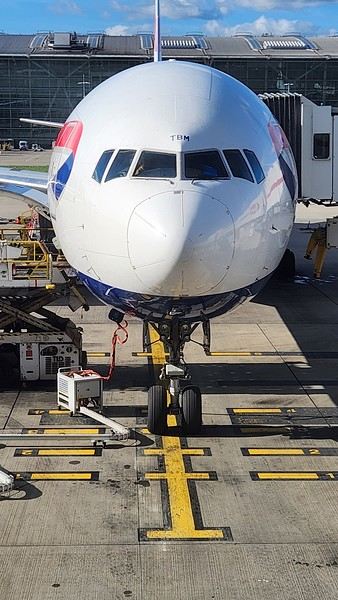

We all have two lives. And the second one kicks off the day you realize you only have one, with the determination to spend the time you have left on what truly adds sparkle to your life, Kevin! I like to elegantly introduce a trip with a philosophical quote. First, it gives you the illusion that I’m some kind of deep thinker, and second, it lets me fill up the first few lines of my blank page when I don’t know how to tell you I’m diving back into what really lights up my life: another adventure beyond the horizon! And nearly every other year, like a toxic relationship, my horizon tends to take shape in Uncle Sam’s backyard. And this, despite his cousin Donald calling the shots. Speaking of which, it was partly that impulsive guy who pushed us to be just as impulsive and snag our four flight tickets at a ridiculously low price—a direct result of foreign tourism taking a hit from BetaMax’s repeated antics... Four tickets? Who are the other lucky ones? In this case, our lucky ones are actually lucky ladies: My Flo, always up for exploring the world with me on foot, camelback, or scooter, is obviously in on the fun. The other two seats went to our daughters, Sasha and Luna, both thrilled to be part of this new American adventure...
But what’s the American West like in February?... A gamble. Let’s call it Russian roulette since we’re not landing during peak weather season. That’s why we encouraged our transportation and accommodation to get cozy and produce a little camper van, so we can stay ultra-flexible in the face of any weather tantrums. We’ll be roaming in Kara the van with the motto "Follow the sun!" Bad weather? We bolt. Snow? We speed up. Sunny? We act like it was the plan all along and soak it up.
"Okay, but why keep coming back to the same corner of the globe? After ten American adventures, you must be tired of seeing the same things, right?" But I’m not crazy, you know!... The American West is like making love to your gorgeous wife over and over, always enjoying it just as much. And contrary to what you might think, the American West isn’t just the Grand Canyon, Monument Valley, Las Vegas, and Bryce Canyon. Proof is, after ten trips to the U.S., my retinas are still untouched by three-quarters of the places I scribbled on a napkin for this adventure... Oh, and add to that my wife, who I’ve easily converted to my religion, and boom... relapse is even easier! Because yes, we’ve landed in Los Angeles after a sunny flight over Greenland, still under Danish flag for now. And we’re already heading east through the XXL traffic of L.A.’s eight-lane highways, eager to dive into our first discoveries. But first, night is taking over the sky, and second, we’ve been officially awake for 24 hours, so I suggest wrapping up this intro. I’ll tell you more tomorrow morning. Sound good?
June 2026 Theme Thread: Such a Beautiful Landscape
This is where we chat.
Xi'an: My impressions from 10 years ago
It's raining in Xi'an, and I'm taking the opportunity to jot down a few notes. Don’t bother reading everything—I’m mostly writing this for my mom, who’s hungry for details and keeps track of my trip on the map of China and on Google.
We took a high-speed train from Beijing to Xi'an, which is in the middle of China, about 1,300 km away. The journey takes around 6 hours. The landscapes are flat and quite dry. I didn’t see any individual houses in this country. In the cultivated areas, there are clusters of properties all built on the same model: a square of walls with a built-up section leaning against the back wall. We passed through gigantic cities, each time feeling like we were arriving in Manhattan. After spending several weeks in Siberia, one of the least populated regions in the world, the contrast is harsh. Xi'an isn’t some small backwater where a farmer discovered the Terracotta Army in 1974—it’s a metropolis of 9 million people. The city center is enclosed by a rectangular wall, the best-preserved in the world. An evening stroll through the old town is a source of amazement at every step. First, there are crowds everywhere—you could say that wherever we went in China, there was a lively atmosphere. The illuminations on the wall and the ancient buildings are stunning. Most people wear sneakers, in all colors, which might be explained by the long distances they have to cover.
We first stopped by a public park where there was a dog owners' club. All the dogs were having a blast together. The Chinese love beautiful dogs, often long-haired breeds like Samoyeds, Scottish Collies, Saint Bernards—what about the others? Do they eat them?
The Chinese adore fish—they’re everywhere: aquariums in restaurants and hotels, ponds. A small clay pot in front of a shop, and boom—three goldfish inside. Poor things!
Next, we saw groups of people squatting on the ground making fires. It was the eve of the Qingming Festival, and it’s a custom to buy fake money to burn as an offering to ancestors. On another square, people were flying kites. It looked like they were soaring kilometers into the sky and getting tangled, but they untangled themselves and kept flying... We then found a street overflowing with street food stalls, packed with a noisy, bustling crowd. Lots of skewers of unidentified animals—or worse, according to Claude, unidentified *parts* of animals. I tried a few specialties but stuck to the sweet stuff. We eventually found some nougat that was good, and with our usual bananas—which are delicious in China—we made a meal of it. Of course, we visited the Terracotta Army. It took us 3 hours to get there. At the information center in the train station, I asked which bus to take. I showed a photo of the buried soldiers, and the young woman looked at me with a bewildered, desperate expression. It was like showing the Eiffel Tower to an information desk at Gare de Lyon... She finally wrote down a number on a piece of paper and sent us 34 km back to our starting point. We got to admire the outskirts: endless rows of 40-story buildings. It’s terrifying... If this were in France, we’d immediately wonder about crime in this kind of housing, but apparently, that’s not associated with it in China. In fact, we ask ourselves a lot of questions, and this dive into a world we struggle to understand raises so many. I try to find answers on Bing, but there’s not much out there. I can’t wait to get Google back.
Next, we saw groups of people squatting on the ground making fires. It was the eve of the Qingming Festival, and it’s a custom to buy fake money to burn as an offering to ancestors. On another square, people were flying kites. It looked like they were soaring kilometers into the sky and getting tangled, but they untangled themselves and kept flying... We then found a street overflowing with street food stalls, packed with a noisy, bustling crowd. Lots of skewers of unidentified animals—or worse, according to Claude, unidentified *parts* of animals. I tried a few specialties but stuck to the sweet stuff. We eventually found some nougat that was good, and with our usual bananas—which are delicious in China—we made a meal of it. Of course, we visited the Terracotta Army. It took us 3 hours to get there. At the information center in the train station, I asked which bus to take. I showed a photo of the buried soldiers, and the young woman looked at me with a bewildered, desperate expression. It was like showing the Eiffel Tower to an information desk at Gare de Lyon... She finally wrote down a number on a piece of paper and sent us 34 km back to our starting point. We got to admire the outskirts: endless rows of 40-story buildings. It’s terrifying... If this were in France, we’d immediately wonder about crime in this kind of housing, but apparently, that’s not associated with it in China. In fact, we ask ourselves a lot of questions, and this dive into a world we struggle to understand raises so many. I try to find answers on Bing, but there’s not much out there. I can’t wait to get Google back.
Louisiana: The American South Between Wild Nature, Vibrant Culture, and an Inspiring Road Trip
There’s a region in the United States that stands apart—deeply American yet surprisingly familiar. A destination where landscapes seem to pulse with the rhythm of water, where music naturally weaves into daily life, and where every day feels like you’re living something new:
Welcome to Louisiana!
Located in the southern U.S., bordering the Gulf of Mexico and carved by the legendary Mississippi River, Louisiana is a land of contrasts and cultural blends. Shaped by its history with France, Spain, and Creole and Cajun traditions, it now offers a unique travel experience—far from the clichés you might expect.
While New Orleans, jazz, and Mardi Gras are part of its identity, Louisiana today reveals itself in a different light: as a destination deeply rooted in nature, exploration, and freedom.
And that’s exactly what makes it such an appealing trip idea, especially for those seeking a different kind of road trip—one that’s accessible and packed with experiences.
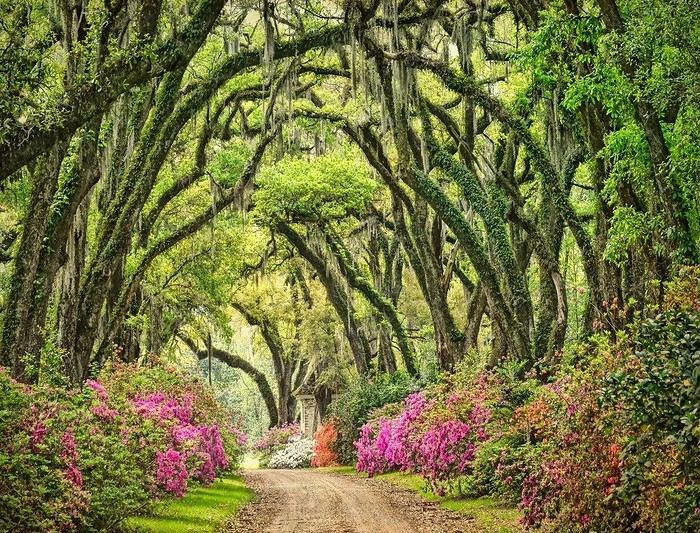
The journey quickly takes on a new dimension. As soon as you leave the urban centers, the scenery shifts. The roads grow quieter, the vegetation denser, and water appears everywhere—in every form. It’s in the bayous where the experience truly comes alive. Paddling gently by kayak on Lake Martin, gliding between centuries-old cypress trees near Breaux Bridge, observing wildlife in an almost surreal silence... Here, nature isn’t just something you look at—it’s something you *live*. You slow down, observe, and soak it all in. And this immersion isn’t complicated or reserved for experts. That’s the beauty of Louisiana: it offers accessible outdoor adventures without constraints, yet deeply immersive ones. A little farther north of New Orleans, the Tammany Trace offers another way to explore the region. By bike, on this repurposed rail trail, you ride through forests and small towns at a relaxed pace—perfect for enjoying the scenery without effort.
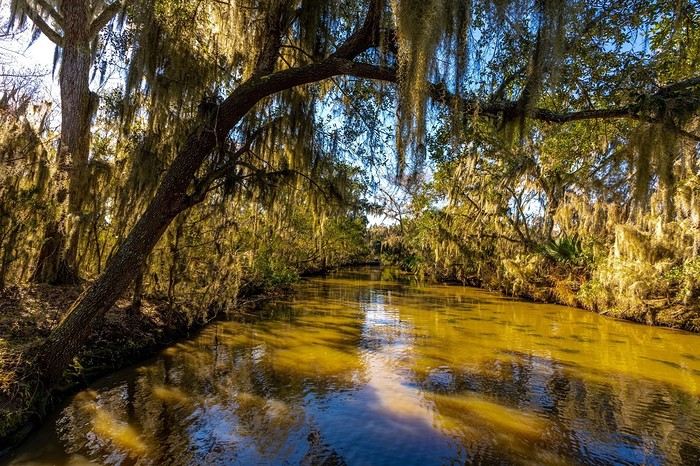
In Kisatchie National Forest, hiking trails reveal a lesser-known side of Louisiana—almost unexpected. Gentle hills, deep forests, and a peaceful atmosphere create a striking contrast to the state’s usual image. And always, that sense of ease. Nothing feels complicated; everything flows naturally.
But what truly makes Louisiana unique is its ability to seamlessly blend nature and culture—never pitting one against the other. After a morning in the swamps, you might find yourself in Lafayette, seated in front of a Cajun music group. After a day on the road, you could end the evening in a jazz club in New Orleans. Here, the transitions feel smooth, natural, almost effortless. Culture isn’t just something you visit—it’s an atmosphere. French influences, still very present in certain names, traditions, and expressions, give the trip a warm, familiar feel. Encounters are easy, conversations authentic, and every stop seems to tell a different story. Music, of course, is everywhere. Jazz, blues, zydeco—so many styles that accompany your journey and give it a unique rhythm. You don’t just *visit* Louisiana; you *feel* it.
Exploring Louisiana by road trip also means enjoying an especially fluid itinerary. Distances are always manageable, the roads easy, and the stops flow without excessive fatigue. You move from one environment to another effortlessly: from the river to the swamps, from the city to nature, from lively cultural moments to more contemplative ones. This fluidity changes everything. It lets you take your time, stop, and truly *live* each place without feeling like you’re rushing from one point to the next. And that’s often where the best memories are made.
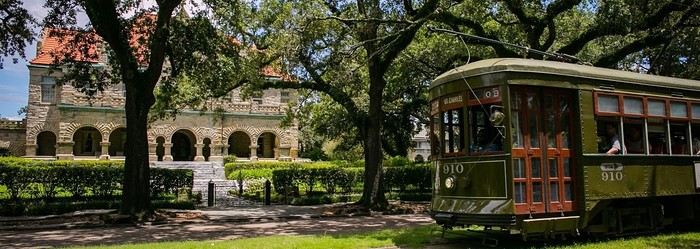
Unlike some more demanding destinations, Louisiana can be explored in summer—if you adjust your pace. But it’s really from September onward that the destination shines. Temperatures become milder, the light softer, and the overall vibe more serene. October, in particular, offers the perfect balance of climate, crowds, and experience quality. It’s an ideal time to fully enjoy outdoor activities without constraints, in especially pleasant conditions. Good news: there’s still time! Whether for summer 2026 or the late season, opportunities are still open. The best, most fluid, and balanced itineraries are built in advance. Because not all Louisiana trips are the same. It’s easy to replicate a classic route focused on a few major stops. But a more modern approach means rethinking the experience as a whole: fully integrating the outdoors, balancing cultural highlights with nature moments, and setting a pace that truly suits the traveler. That’s the vision that turns a simple itinerary into a real experience. A more immersive, natural, and cohesive Louisiana. One that isn’t just *visited* but *lived* to the fullest.
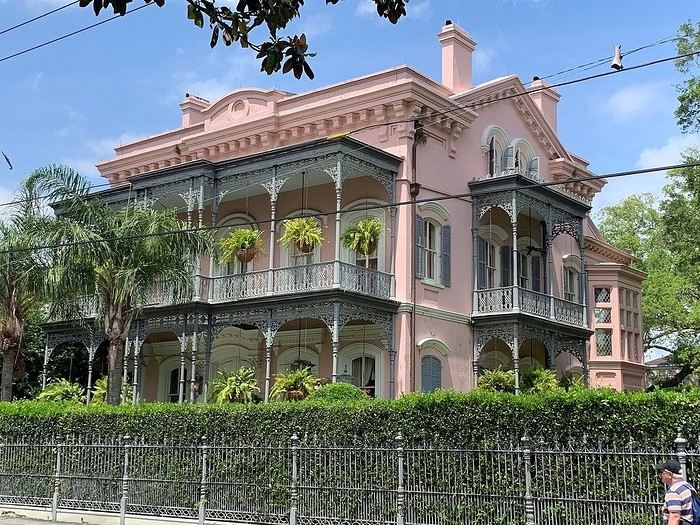
You’ve probably gathered by now—we’re huge fans of Louisiana! It naturally stands out as a unique destination in the American landscape. Accessible yet exotic, rich without being complicated, cultural without feeling rigid, natural without being extreme. A destination that appeals to a wide audience precisely because it doesn’t cater to just one type of traveler. And perhaps that’s its greatest strength in our eyes: offering everyone the chance to find their own rhythm, their own discoveries, their own emotions. So whether it’s for this summer or to fully enjoy the gentle autumn season, Louisiana is waiting to welcome you and leave you amazed. Like a living, balanced, and deeply inspiring destination. And maybe... your next trip.
Want more information about Louisiana? Contact *Partir aux États-Unis* for advice and exclusive rates for Voyage Forum members: click here.
And that’s exactly what makes it such an appealing trip idea, especially for those seeking a different kind of road trip—one that’s accessible and packed with experiences.
The journey quickly takes on a new dimension. As soon as you leave the urban centers, the scenery shifts. The roads grow quieter, the vegetation denser, and water appears everywhere—in every form. It’s in the bayous where the experience truly comes alive. Paddling gently by kayak on Lake Martin, gliding between centuries-old cypress trees near Breaux Bridge, observing wildlife in an almost surreal silence... Here, nature isn’t just something you look at—it’s something you *live*. You slow down, observe, and soak it all in. And this immersion isn’t complicated or reserved for experts. That’s the beauty of Louisiana: it offers accessible outdoor adventures without constraints, yet deeply immersive ones. A little farther north of New Orleans, the Tammany Trace offers another way to explore the region. By bike, on this repurposed rail trail, you ride through forests and small towns at a relaxed pace—perfect for enjoying the scenery without effort.
In Kisatchie National Forest, hiking trails reveal a lesser-known side of Louisiana—almost unexpected. Gentle hills, deep forests, and a peaceful atmosphere create a striking contrast to the state’s usual image. And always, that sense of ease. Nothing feels complicated; everything flows naturally.
But what truly makes Louisiana unique is its ability to seamlessly blend nature and culture—never pitting one against the other. After a morning in the swamps, you might find yourself in Lafayette, seated in front of a Cajun music group. After a day on the road, you could end the evening in a jazz club in New Orleans. Here, the transitions feel smooth, natural, almost effortless. Culture isn’t just something you visit—it’s an atmosphere. French influences, still very present in certain names, traditions, and expressions, give the trip a warm, familiar feel. Encounters are easy, conversations authentic, and every stop seems to tell a different story. Music, of course, is everywhere. Jazz, blues, zydeco—so many styles that accompany your journey and give it a unique rhythm. You don’t just *visit* Louisiana; you *feel* it.
Exploring Louisiana by road trip also means enjoying an especially fluid itinerary. Distances are always manageable, the roads easy, and the stops flow without excessive fatigue. You move from one environment to another effortlessly: from the river to the swamps, from the city to nature, from lively cultural moments to more contemplative ones. This fluidity changes everything. It lets you take your time, stop, and truly *live* each place without feeling like you’re rushing from one point to the next. And that’s often where the best memories are made.
Unlike some more demanding destinations, Louisiana can be explored in summer—if you adjust your pace. But it’s really from September onward that the destination shines. Temperatures become milder, the light softer, and the overall vibe more serene. October, in particular, offers the perfect balance of climate, crowds, and experience quality. It’s an ideal time to fully enjoy outdoor activities without constraints, in especially pleasant conditions. Good news: there’s still time! Whether for summer 2026 or the late season, opportunities are still open. The best, most fluid, and balanced itineraries are built in advance. Because not all Louisiana trips are the same. It’s easy to replicate a classic route focused on a few major stops. But a more modern approach means rethinking the experience as a whole: fully integrating the outdoors, balancing cultural highlights with nature moments, and setting a pace that truly suits the traveler. That’s the vision that turns a simple itinerary into a real experience. A more immersive, natural, and cohesive Louisiana. One that isn’t just *visited* but *lived* to the fullest.
You’ve probably gathered by now—we’re huge fans of Louisiana! It naturally stands out as a unique destination in the American landscape. Accessible yet exotic, rich without being complicated, cultural without feeling rigid, natural without being extreme. A destination that appeals to a wide audience precisely because it doesn’t cater to just one type of traveler. And perhaps that’s its greatest strength in our eyes: offering everyone the chance to find their own rhythm, their own discoveries, their own emotions. So whether it’s for this summer or to fully enjoy the gentle autumn season, Louisiana is waiting to welcome you and leave you amazed. Like a living, balanced, and deeply inspiring destination. And maybe... your next trip.
Want more information about Louisiana? Contact *Partir aux États-Unis* for advice and exclusive rates for Voyage Forum members: click here.
A whimsical taste of coming back!
I left my heart’s country eight days ago and returned to my adopted one—or was it the other way around? Scotland-Morvan, Morvan-Scotland, I’m not quite sure anymore.
After a quarter without dragging my slippers around here, even though I’d loudly declared I had no interest left in this site, here I am again!
My imagination never stays fallow for long. Just enough time for my inner land to rest. It gets overgrown with fresh nettles, the kind you can pick without getting stung. Then, it’s time to till the fragrant earth and let the story grow.
I hesitated over where to set this story. Maybe the Highlands, maybe the Hebrides, maybe the Orkney Islands, maybe the Shetland Islands. All of Scotland is myth—easy to embroider. But in the end, no. I’d almost be too afraid to bare my soul.
The story will take place at home. Simple, practical.
1)
This morning, I was up well before dawn, feeling a bit grumpy, but nothing a bowl of coffee won’t fix. I love my bowl, and no one dares take it. It’s porcelain, edged with intertwined blue flowers. On the bottom, it says "Revol." The factory has existed long before the Revolution. It was my great-grandmother’s bowl. She drank roasted barley from it during the war, then her Leroux chicory.
Last year, a little guy dropped it. My bowl broke into three pieces. A black anger vibrated deep inside me. The little boy was so upset, on the verge of tears. How could I scold him!
I picked up the three pieces and took Little Boy in my arms. His hair smelled of the light, sweet sweat of toddlers. A gentle hug that healed—his budding sorrow and my anger—everything vanished, and time carried on.
Today, my bowl is even prettier. Man fixed it using the traditional kintsugi technique, except he didn’t use gold powder or lacquer but superglue, and he delicately painted the cracks with woad blue. And my bowl is even more beautiful now.
I’m lingering, I can tell—it’s just that a story wraps itself in life, and life can’t be told in the snap of a finger. Life is long. Like in architecture, you start with a rough sketch, called a "sous-cul" (the initial pencil drawing), then you make a tracing, which is the work itself, the one you later carefully roll up in a wooden tube. Life is like that: you erase, you start over, you use the nub of the pencil until it’s tiny, but you keep going—dreaming, loving.
"Living is a full-time occupation, a unique adventure. Always a surprise and a wonder, which sometimes turns into astonishment. And, from time to time, happiness."*
Alright, enough digressing—this introduction is definitely too long. Tomorrow, I’ll get to the heart of the matter. (I hate that expression; it feels like I’m cutting into someone’s skin.)
*Jean d’Ormesson
2)
After a quarter without dragging my slippers around here, even though I’d loudly declared I had no interest left in this site, here I am again!
My imagination never stays fallow for long. Just enough time for my inner land to rest. It gets overgrown with fresh nettles, the kind you can pick without getting stung. Then, it’s time to till the fragrant earth and let the story grow.
I hesitated over where to set this story. Maybe the Highlands, maybe the Hebrides, maybe the Orkney Islands, maybe the Shetland Islands. All of Scotland is myth—easy to embroider. But in the end, no. I’d almost be too afraid to bare my soul.
The story will take place at home. Simple, practical.
1)
This morning, I was up well before dawn, feeling a bit grumpy, but nothing a bowl of coffee won’t fix. I love my bowl, and no one dares take it. It’s porcelain, edged with intertwined blue flowers. On the bottom, it says "Revol." The factory has existed long before the Revolution. It was my great-grandmother’s bowl. She drank roasted barley from it during the war, then her Leroux chicory.
Last year, a little guy dropped it. My bowl broke into three pieces. A black anger vibrated deep inside me. The little boy was so upset, on the verge of tears. How could I scold him!
I picked up the three pieces and took Little Boy in my arms. His hair smelled of the light, sweet sweat of toddlers. A gentle hug that healed—his budding sorrow and my anger—everything vanished, and time carried on.
Today, my bowl is even prettier. Man fixed it using the traditional kintsugi technique, except he didn’t use gold powder or lacquer but superglue, and he delicately painted the cracks with woad blue. And my bowl is even more beautiful now.
I’m lingering, I can tell—it’s just that a story wraps itself in life, and life can’t be told in the snap of a finger. Life is long. Like in architecture, you start with a rough sketch, called a "sous-cul" (the initial pencil drawing), then you make a tracing, which is the work itself, the one you later carefully roll up in a wooden tube. Life is like that: you erase, you start over, you use the nub of the pencil until it’s tiny, but you keep going—dreaming, loving.
"Living is a full-time occupation, a unique adventure. Always a surprise and a wonder, which sometimes turns into astonishment. And, from time to time, happiness."*
Alright, enough digressing—this introduction is definitely too long. Tomorrow, I’ll get to the heart of the matter. (I hate that expression; it feels like I’m cutting into someone’s skin.)
*Jean d’Ormesson
2)
Choosing Packages on the "Renaissance" (CFC) - "Jewels of Vestlandet" Circuit
Hello,
We’ll be sailing on the Renaissance with CFC to southern Norway from July 4 to 11, 2026, departing from Dunkirk (the cruise was booked through "Planète Croisière").
When entering some personal details or pre-selecting options on the CFC website, I’m wondering about the "optional" categories for drinks and WiFi.
I’m actually a bit surprised by these extra charges, as we weren’t used to them on other cruises (Australis in Patagonia; Hurtigruten’s Coastal Express in Norway and Alaska; Rivages du Monde in the Arctic or on the Douro River; a Nile river cruise in Egypt), where we sometimes had access to basic drinks at meals and free WiFi when near land.
Anyway, for those who’ve already taken a CFC cruise on the Renaissance, could you share some advice? Specifically about the most basic drink package, called "Fraîcheur" (238 € for two), which doesn’t seem to be described anywhere. The "Premium" package seems excessive (490 € for two for the week) for light drinkers.
As for WiFi, it’s 10 € per day per person. While I find that price acceptable for parking our car in Dunkirk, it feels overpriced here (especially since it was free on the Nordlys "Coastal Express" just 3 or 4 years ago).
So, I’d love to hear from experienced cruisers who’ve been on this ship!
Looking forward to seeing the excursion prices, which should be available soon! 😐
Thanks in advance!
Thanks in advance!
What's a good idea for a day trek in Toraja country?
Hello!
We’re spending a few days in Toraja country at the end of May. We’d love to do a day trek—taking our time—on a route that’s stunning in terms of scenery, but not a level 5 in difficulty!
Any suggestions you can share, please?
Thanks in advance
Tips for a 20-day family itinerary in the American West in 2028
Hello everyone,
After our first trip as a young couple to the West in 2007 (yes, that doesn’t make us any younger!), we’re planning to go back in 2028, but this time as a family of four! (We have two boys who’ll be 5½ and 13 years old in the summer of 2028.)
Our plan is to combine a few big cities (SF and LA, maybe San Diego) with national parks and state parks, mostly! Ideally, we’d like to leave at the end of June and head back to France around July 19–20, so we can enjoy the first week of the Olympic Games in Los Angeles.
Since we already did the "loop" in 2007, there are must-see places we absolutely want to revisit—and especially share with our kids: Bryce Canyon, Yosemite, and above all, the Grand Canyon, which is still the most incredible thing I’ve ever seen on Earth!
On the other hand, some places didn’t leave a big impression on us for various reasons, so we’re not making them a priority: Antelope Canyon, Monument Valley, for example.
We’re planning ahead, but might as well be smart about it😏
Do you have any tips for a fun and doable itinerary over about 20–25 days with kids, without rushing?
Thanks in advance for your feedback😉
After our first trip as a young couple to the West in 2007 (yes, that doesn’t make us any younger!), we’re planning to go back in 2028, but this time as a family of four! (We have two boys who’ll be 5½ and 13 years old in the summer of 2028.)
Our plan is to combine a few big cities (SF and LA, maybe San Diego) with national parks and state parks, mostly! Ideally, we’d like to leave at the end of June and head back to France around July 19–20, so we can enjoy the first week of the Olympic Games in Los Angeles.
Since we already did the "loop" in 2007, there are must-see places we absolutely want to revisit—and especially share with our kids: Bryce Canyon, Yosemite, and above all, the Grand Canyon, which is still the most incredible thing I’ve ever seen on Earth!
On the other hand, some places didn’t leave a big impression on us for various reasons, so we’re not making them a priority: Antelope Canyon, Monument Valley, for example.
We’re planning ahead, but might as well be smart about it😏
Do you have any tips for a fun and doable itinerary over about 20–25 days with kids, without rushing?
Thanks in advance for your feedback😉
Already twenty years...
« Ali is not dead; he continues to inspire many talented musicians. There’s a new generation of artists who have their own style, but they’ve all listened to Ali Farka Touré. » (Ms. Kuypers-Touré, widow of Ali Farka Touré)
Ali Farka Touré (1939-2006)
Recognized worldwide as one of the most important musicians from Africa, his guitar playing earned him the nickname “the African John Lee Hooker.” But Ali Farka Touré preferred to flip the script and highlight the roots of Southern U.S. music in the Sahel region: « I have the roots and the trunk; they only have the leaves and branches. » In other words, what John Lee Hooker played was an echo of a distant African past. Ali Farka Touré was the guardian of traditions, and even though his sound resembled the blues, it remained deeply tied to the land of his ancestors—in Africa, in Mali. A farmer at heart, the famous Malian singer and guitarist continued to cultivate the land until his hospitalization for cancer, from which he passed away on March 7, 2006, in Bamako at the age of 66.
The son of a soldier who fell in combat while serving in the French army, he was born in 1939 in Kanau, near Timbuktu, then part of French Sudan (a subdivision of French West Africa, now Mali). He was raised by an uncle with harsh teaching methods and a grandmother who was “strong in voodoo,” communicating with spirits. At ten years old, he had a revelation for the single-string lute djurkel, “the instrument of the spirits,” and for the fiddle njarka. Seven years later, while training as a driver at a clinic, he fell in love with a colleague’s guitar. It wasn’t until 1968, when he was to represent Mali in Bulgaria, that he finally had the chance to acquire his first six-string guitar. International acclaim came later, following numerous concerts in the UK in the mid-1980s, at the invitation of World Circuit, the independent English label to which he remained loyal his entire life.
Several times, Ali Farka Touré announced his plan to stop making music. « It’s time for me to focus on my own. I don’t want Europe to tear me away from Africa. [...] Me, I love cultivating the land. In my life, if I’m not in the fields, I’m fishing or in the garden! »
Yet, Ali Farka Touré regularly returned to perform in Europe and the U.S. In 1995, he won his first Grammy Award for the album Talking Timbuktu, recorded in 1993 with bassist John Patitucci, percussionist Jim Keltner, the great Californian guitarist Ry Cooder, and the venerable guitarist Clarence Gatemouth Brown. His last three years were extraordinarily productive. Back to back, he recorded his best albums: In the Heart of the Moon (2004), Ali & Toumani (released in 2010), both duets with kora player Toumani Diabaté, and Savane (2005), dedicated to the traditional Peul and Songhai repertoires. At the same time, he tirelessly devoted himself to his agricultural work and his duties as mayor, a role he had held since 2004.
A multi-instrumentalist, he was a self-taught musician with an impressive musical culture. His discography includes around fifteen albums and several timeless hits used in films or as TV program themes. A universal symbol of West African sound heritage, his presence and his role in spreading a centuries-old legacy are undeniable. His son, also a musician, Vieux Farka Touré, now bears the heavy responsibility of carrying on his illustrious father’s message and legacy. His album Les Racines, released in 2002, is his contribution to preserving an instantly recognizable sound.
Meanwhile, his country, Mali, has paid tribute to him: for several years now, a square and a street in Bamako, the capital of Mali, have borne his name (both located in the Lafiabougou district).
In 2023, World Circuit released a new posthumous album, Voyageur, the first to feature previously unreleased tracks since 2010. It includes pieces composed and recorded spontaneously over the last 15 years, whether during his many tours or in the studio. These tracks once again showcase Touré’s passion for the musical traditions of his homeland and for the creativity and cultural diversity of West Africa. Below, an excerpt from this album: the beautiful song Chérie (with a very young Oumou Sangaré)—magnificent!!!
hgb
Ali Farka Touré feat. Oumou Sangaré: Chérie
Ali Farka Touré (1939-2006)
Recognized worldwide as one of the most important musicians from Africa, his guitar playing earned him the nickname “the African John Lee Hooker.” But Ali Farka Touré preferred to flip the script and highlight the roots of Southern U.S. music in the Sahel region: « I have the roots and the trunk; they only have the leaves and branches. » In other words, what John Lee Hooker played was an echo of a distant African past. Ali Farka Touré was the guardian of traditions, and even though his sound resembled the blues, it remained deeply tied to the land of his ancestors—in Africa, in Mali. A farmer at heart, the famous Malian singer and guitarist continued to cultivate the land until his hospitalization for cancer, from which he passed away on March 7, 2006, in Bamako at the age of 66.
The son of a soldier who fell in combat while serving in the French army, he was born in 1939 in Kanau, near Timbuktu, then part of French Sudan (a subdivision of French West Africa, now Mali). He was raised by an uncle with harsh teaching methods and a grandmother who was “strong in voodoo,” communicating with spirits. At ten years old, he had a revelation for the single-string lute djurkel, “the instrument of the spirits,” and for the fiddle njarka. Seven years later, while training as a driver at a clinic, he fell in love with a colleague’s guitar. It wasn’t until 1968, when he was to represent Mali in Bulgaria, that he finally had the chance to acquire his first six-string guitar. International acclaim came later, following numerous concerts in the UK in the mid-1980s, at the invitation of World Circuit, the independent English label to which he remained loyal his entire life.
Several times, Ali Farka Touré announced his plan to stop making music. « It’s time for me to focus on my own. I don’t want Europe to tear me away from Africa. [...] Me, I love cultivating the land. In my life, if I’m not in the fields, I’m fishing or in the garden! »
Yet, Ali Farka Touré regularly returned to perform in Europe and the U.S. In 1995, he won his first Grammy Award for the album Talking Timbuktu, recorded in 1993 with bassist John Patitucci, percussionist Jim Keltner, the great Californian guitarist Ry Cooder, and the venerable guitarist Clarence Gatemouth Brown. His last three years were extraordinarily productive. Back to back, he recorded his best albums: In the Heart of the Moon (2004), Ali & Toumani (released in 2010), both duets with kora player Toumani Diabaté, and Savane (2005), dedicated to the traditional Peul and Songhai repertoires. At the same time, he tirelessly devoted himself to his agricultural work and his duties as mayor, a role he had held since 2004.
A multi-instrumentalist, he was a self-taught musician with an impressive musical culture. His discography includes around fifteen albums and several timeless hits used in films or as TV program themes. A universal symbol of West African sound heritage, his presence and his role in spreading a centuries-old legacy are undeniable. His son, also a musician, Vieux Farka Touré, now bears the heavy responsibility of carrying on his illustrious father’s message and legacy. His album Les Racines, released in 2002, is his contribution to preserving an instantly recognizable sound.
Meanwhile, his country, Mali, has paid tribute to him: for several years now, a square and a street in Bamako, the capital of Mali, have borne his name (both located in the Lafiabougou district).
In 2023, World Circuit released a new posthumous album, Voyageur, the first to feature previously unreleased tracks since 2010. It includes pieces composed and recorded spontaneously over the last 15 years, whether during his many tours or in the studio. These tracks once again showcase Touré’s passion for the musical traditions of his homeland and for the creativity and cultural diversity of West Africa. Below, an excerpt from this album: the beautiful song Chérie (with a very young Oumou Sangaré)—magnificent!!!
hgb
Ali Farka Touré feat. Oumou Sangaré: Chérie
Nepal: Spiritual experiences beyond Himalayan trekking
On this forum, we talk a lot about trekking in the Himalayas, but I’d love to share another side of Nepal: its spiritual, cultural, and religious atmosphere, especially in Kathmandu.
Nepal, much like Tibet and Bhutan, is deeply connected to the Himalayas—the ultimate sacred mountain range. This small country exudes a calming vibe, shaped by a strong spiritual dimension. What I loved most was the unique sensory experience you get there. Walking around temples and tantric monasteries, a distinct scent fills the air—aromatic plants used for ritual fumigation. Locals mainly burn Himalayan juniper, cedar, sandalwood, and other local essences. This fragrant smoke is a way to purify the space and reach the deities, and you’re constantly enveloped in these aromas.
Another striking aspect is the sound. As soon as you step outside, you hear bells ringing in front of temples. People ring them three times before praying to announce their presence to the deities. Nepal is also the birthplace of singing bowls and sound meditation practices. In Kathmandu, you can easily find meditation sessions or "sound baths."
The spiritual dimension is everywhere: a Hindu sadhu practicing asceticism, a lama in deep red robes with his mala, turning a prayer wheel while murmuring "Om mani padme hum." Newar Buddhism, Tantrism, and Hinduism coexist harmoniously in daily life.
For those who love exploring a destination through its culture and spirituality, Nepal is an unforgettable place. What was your spiritual experience in Nepal like?
Nepal, much like Tibet and Bhutan, is deeply connected to the Himalayas—the ultimate sacred mountain range. This small country exudes a calming vibe, shaped by a strong spiritual dimension. What I loved most was the unique sensory experience you get there. Walking around temples and tantric monasteries, a distinct scent fills the air—aromatic plants used for ritual fumigation. Locals mainly burn Himalayan juniper, cedar, sandalwood, and other local essences. This fragrant smoke is a way to purify the space and reach the deities, and you’re constantly enveloped in these aromas.
Another striking aspect is the sound. As soon as you step outside, you hear bells ringing in front of temples. People ring them three times before praying to announce their presence to the deities. Nepal is also the birthplace of singing bowls and sound meditation practices. In Kathmandu, you can easily find meditation sessions or "sound baths."
The spiritual dimension is everywhere: a Hindu sadhu practicing asceticism, a lama in deep red robes with his mala, turning a prayer wheel while murmuring "Om mani padme hum." Newar Buddhism, Tantrism, and Hinduism coexist harmoniously in daily life.
For those who love exploring a destination through its culture and spirituality, Nepal is an unforgettable place. What was your spiritual experience in Nepal like?
Looking for an agency for a solo trip to Indonesian islands
Hi there,
Who could recommend a reliable agency for visiting several islands, including the parks around Komodo? I’m traveling solo as a woman.
Thanks for your great tips!
MSC Virtuosa Caribbean Cruise Excursions
hi, we’re going on a cruise with MSC Virtuosa in the Caribbean. Has anyone done this cruise before and could give us some tips for excursions on the different islands? Thanks for your help
Which direction to explore Patagonia in February-March?
Hi,
we’re planning to travel through Patagonia (Chile and Argentina) in February and March 2027.
From a seasonal and weather perspective, at that time of year and with hiking as our main activity, is it better to explore Patagonia from south to north or the other way around?
Thanks in advance.
Anne Marie