Results for "Cellettes+|+127"
673 results found.
Visa Vacance Travail en Nouvelle-Zélande, protection sociale, travail... English translation pending
Bonjour,
Je part en Nouvelle-Zélande en Février pour 6 mois. Coup de fil de l'ambassade ce matin: mon visa est pret! Les billets d'avions aussi. Mais les questions du départ, il y en a encore, si vous pouvez m'aider: le VVT: Je compte travailler là bas, idéalement dans l'audiovisuel. Cela peut être un stage ou un emploi réel. Est-il possible d'être employé avec ce visa? Ou est il limité à des petits jobs de type cueillettes? Sécu: Il y a t'il un besoin réel d'être affilié à une caisse là bas? Comment se passe la protection sociale dans ce pays? Il y a t-il un site web? Les coûts? Wellington: Qqun connait un bon site pour une recherche de logement? Audiovisuel: je cherche du taf dans ce secteur, si qqun a des idées...
MERCI!
Matthieu
Je part en Nouvelle-Zélande en Février pour 6 mois. Coup de fil de l'ambassade ce matin: mon visa est pret! Les billets d'avions aussi. Mais les questions du départ, il y en a encore, si vous pouvez m'aider: le VVT: Je compte travailler là bas, idéalement dans l'audiovisuel. Cela peut être un stage ou un emploi réel. Est-il possible d'être employé avec ce visa? Ou est il limité à des petits jobs de type cueillettes? Sécu: Il y a t'il un besoin réel d'être affilié à une caisse là bas? Comment se passe la protection sociale dans ce pays? Il y a t-il un site web? Les coûts? Wellington: Qqun connait un bon site pour une recherche de logement? Audiovisuel: je cherche du taf dans ce secteur, si qqun a des idées...
MERCI!
Matthieu
Travailler au Québec English translation pending
Bonjour!
Je suis en train de me renseigne pour effectuer un voyage au Québec cet été. Je voudrai savoir si quelqu'un peut me dire comment faire des petits boulots là-bas, car en me renseignant, j'ai vu que sans permis de travail, ce n'est pas possible. Est-il difficile de travailler au noir dans des restos, par exemple? Je vous remercie si vous pouvez me renseigner!!
Je suis en train de me renseigne pour effectuer un voyage au Québec cet été. Je voudrai savoir si quelqu'un peut me dire comment faire des petits boulots là-bas, car en me renseignant, j'ai vu que sans permis de travail, ce n'est pas possible. Est-il difficile de travailler au noir dans des restos, par exemple? Je vous remercie si vous pouvez me renseigner!!
Vivre à Chennai en Inde English translation pending
bonjour,
je compte aller m'installer à chennai avec mon ami (il vas étudier là-bas). je voulais savoir si quelqu'un pouvait me donner des renseignements sur comment faire pour trouver un appartement là-bas (agence immobilière, site internet, ... ). Je n'aurai rien de spécial à faire à chennai donc je pensais peut-être aider des associations humanitaire ou autre ou même aller travailler. En connaissez-vous?
Merci d'avance pour vos réponse
Chewbaca 🙂
je compte aller m'installer à chennai avec mon ami (il vas étudier là-bas). je voulais savoir si quelqu'un pouvait me donner des renseignements sur comment faire pour trouver un appartement là-bas (agence immobilière, site internet, ... ). Je n'aurai rien de spécial à faire à chennai donc je pensais peut-être aider des associations humanitaire ou autre ou même aller travailler. En connaissez-vous?
Merci d'avance pour vos réponse
Chewbaca 🙂
S'évader à travers la peinture English translation pending
Bonsoir, je ne sais pas si je suis dans la bonne rubrique mais on verra bien .
Depuis peu Angelika s est mise a la peinture, sa source d inspiration, l Afrique, elle associe peinture et materiaux recoltés lors de nos différents sejours en Afrique .
Je vous laisse regarder ses toiles en attendant vos critiques bonnes ou mauvaises 😉
Depuis peu Angelika s est mise a la peinture, sa source d inspiration, l Afrique, elle associe peinture et materiaux recoltés lors de nos différents sejours en Afrique .
Je vous laisse regarder ses toiles en attendant vos critiques bonnes ou mauvaises 😉
Le chikungunya à l'Ile Rodrigues? English translation pending
Partant dans 2 semaines à l'ile Rodrigue, nous aimerions savoir ce qu'il en est du moutique chik .
Congés sabbatique au Canada. English translation pending
Bonjour, je souhaite passer entre 6 et 8 mois, dans le cadre d'un congés sabbatique, au Canada (quelques mois au Quebec, puis Vancouver).
J'aimerais savoir si certains d'entres vous ont déjà fait ça, sachant que j'aimerais trouver làas bas quelques petits boulots de quelques semaines/mois afin de limiter le budget.
Le but serait de découvrir ce pays qui m'interesse depuis quelques années...
Merci de vos conseils.
Projet de bibliothèque scolaire dans la province de Taroudant au Maroc English translation pending
Nous sommes présentement à la recherche de partenaires pouvant nous aider pour réaliser notre projet de bibliotheques scolaire dans 5 écoles rural de la province de Taroudant MAROC.
Soyez partenaire pour favoriser pour longtemps le développement de l’enseignement.
Pour de plus amples renseignements, contactez Mr : Diddiche Mohamed ( coordinateur) email: coordinateur1@yahoo.fr gsm +21272303535
associations des parents des éléves Répondre
Soyez partenaire pour favoriser pour longtemps le développement de l’enseignement.
Pour de plus amples renseignements, contactez Mr : Diddiche Mohamed ( coordinateur) email: coordinateur1@yahoo.fr gsm +21272303535
associations des parents des éléves Répondre
Cherche des photos du Pérou English translation pending
salut tout le monde
Si jamais certains souhaiterais partager leurs photos sur le pérou....
J'aimerais m'en faire juste une petite idée...
Recherche association humanitaire au Maroc English translation pending
nous allons partir aumaroc en camion en janvier, et on cherche une assos pour du matériel scolaire pour les enfants car on ne veut pas partir les mains vides
si vous en connaissez laissez moi un message merci
Recettes faciles végétariennes English translation pending
Merci de me communiquer vos petits secrets et astuces, promis je ne les divulguerai pas...!! une gourmande avertie. lullier@yahoo.fr
Les quartiers pauvres à Beijing? English translation pending
Hoy!
Si y'a des connaisseurs de Chine, sauriez vous c'est quoi les quartiers pauvres a Pekin?
Pas du populaire genre hutong ou petits immeubles de briques, mais doit bien y avoir des quartiers pauvres, meme si y'a pas d'usines nike dans la ville?
Merki.
Si y'a des connaisseurs de Chine, sauriez vous c'est quoi les quartiers pauvres a Pekin?
Pas du populaire genre hutong ou petits immeubles de briques, mais doit bien y avoir des quartiers pauvres, meme si y'a pas d'usines nike dans la ville?
Merki.
cherche chambre d'hôtes et suggestions de visites en Ardèche ou dans la Drôme English translation pending
nous désirons passer quelques jours soit l'ardeche ou la drome
nous avons besoin de conseils pour des chambres d'hotes maxi prix 50€ et les endrois a visiter
merci pour vos conseils
nous avons besoin de conseils pour des chambres d'hotes maxi prix 50€ et les endrois a visiter
merci pour vos conseils
Cueillette des fraises au Danemark English translation pending
bonjour nous sommes 2 et partons juin, juillet faire la cueillette des fraises.
est ce que quelqu'un pourrait nous éclairer sur les taxes du pays, retenues sur les salaires, etc.
merci d'avance.
est ce que quelqu'un pourrait nous éclairer sur les taxes du pays, retenues sur les salaires, etc.
merci d'avance.
cueillette des fruits dans le B.C English translation pending
bonjour a tous je suis nouvelle arrivee!
je recherche des adresses de cueillette de fruits pour cet ete(debut juin)dans le vallee L'okanogan.je compte y rester deux mois et ensuite tout le mois d'aout profiter des alentours faire du sport et tout ce avant de rentrer en France.
merci pour vos infos, N'hesitez pas a me demander des infos sur ce que vous voulez!!
je recherche des adresses de cueillette de fruits pour cet ete(debut juin)dans le vallee L'okanogan.je compte y rester deux mois et ensuite tout le mois d'aout profiter des alentours faire du sport et tout ce avant de rentrer en France.
merci pour vos infos, N'hesitez pas a me demander des infos sur ce que vous voulez!!
Humanitaire à Madagascar English translation pending
En ce qui me concerne, je me suis fixée l'année à venir comme une transition me permettant de découvrir comment je vais mettre à profit mes études, et surtout comment je vais mettre en place mon projet humanitaire à Madagascar.
Je souhaite y aller d'ailleurs très prochainement afin d'y apporter les colis que je collecte en France pour Madagascar avec mon association (écoles, lycées, asso, entreprises...)
Je ne dispose cependant pas de fonds en ce moment pour financer le voyage toute seule, car mon association est très active (26 collectes à son actif) mais ne dispose que de moyens matériels et humains (collecte de livres, vêtements, matériels informatiques...)
Peut être que quelques uns d'entre vous ont des idées, des pistes ou des contacts avec des assos soit déjà sur place, soit en France, qui seraient susceptibles d'être intéressé par tout ce que je peux apporter, tant au niveau de mes compétences qu'en matière de dons matériels.
Âgée de 25 ans et étudiante en 3 ème année de droit et d'origine malgache, je souhaite plus que tout pouvoir aider SUR LE LONG TERME mes frères malgaches.
J'ai de sérieuse références et dispose d'un réseau de connaissances large et varié en France (associations étudiantes, unions patronales, conseil général, région PACA, Mairie de Toulon, agence évènementiel...).
Motivée pour vous faire profiter de mes compétences juridiques et relationnelles, j'espère que l'on pourra travailler ensemble sur l'un ou plusieurs de vos projets ou tout au moins se rencontrer à Madagascar.
Je suis aussi à votre disposition si vous avez besoin d'aide dans l'un de vos projets concernant Mada.
Dans tous les cas, merci au webmasteurs et créateurs de ce site, car c'est une splendide initiative !!!
Bonne année à tous
Lollita
rakotolaurence@hotmail.com
Je souhaite y aller d'ailleurs très prochainement afin d'y apporter les colis que je collecte en France pour Madagascar avec mon association (écoles, lycées, asso, entreprises...)
Je ne dispose cependant pas de fonds en ce moment pour financer le voyage toute seule, car mon association est très active (26 collectes à son actif) mais ne dispose que de moyens matériels et humains (collecte de livres, vêtements, matériels informatiques...)
Peut être que quelques uns d'entre vous ont des idées, des pistes ou des contacts avec des assos soit déjà sur place, soit en France, qui seraient susceptibles d'être intéressé par tout ce que je peux apporter, tant au niveau de mes compétences qu'en matière de dons matériels.
Âgée de 25 ans et étudiante en 3 ème année de droit et d'origine malgache, je souhaite plus que tout pouvoir aider SUR LE LONG TERME mes frères malgaches.
J'ai de sérieuse références et dispose d'un réseau de connaissances large et varié en France (associations étudiantes, unions patronales, conseil général, région PACA, Mairie de Toulon, agence évènementiel...).
Motivée pour vous faire profiter de mes compétences juridiques et relationnelles, j'espère que l'on pourra travailler ensemble sur l'un ou plusieurs de vos projets ou tout au moins se rencontrer à Madagascar.
Je suis aussi à votre disposition si vous avez besoin d'aide dans l'un de vos projets concernant Mada.
Dans tous les cas, merci au webmasteurs et créateurs de ce site, car c'est une splendide initiative !!!
Bonne année à tous
Lollita
rakotolaurence@hotmail.com
Argentine: Southern Winds, LAPA ou LADE English translation pending
Ces compagnies ont l'air bien moins cheres qu'aerolineas, du coup elles me tentent surtout pour Iguazu <-> BA.
Il y a des sites Web sauf pour Lapa qui m'a l'air assez fantome.
QQun les a t'il pratiquées ?
Ou peut on prendre des billets depuis la france ?
Merci d'avance.
Ou peut on prendre des billets depuis la france ?
Merci d'avance.
Les vendanges en septembre (France ou Belgique) English translation pending
Bonjour à tous,
Je serai en Europe de la mi-septembre à la mi-octobre. Je vais principalement parcourir la Belgique et la France. Je me demandais si il y avait des vignobles qui acceptait les touristes pour faire l'expérience des vendanges. Je ne veux pas travailler comme une folle, 12 heures par jour, pendant une semaine. Je voudrais seulement participer à toute les étapes de la fabrication du vin, de la cueillette jusqu'à la mise en tonneau.
Si quelqu'un a des renseignements sur le sujet, ce serait très apprécié.
Merci beaucoup 🙂
Je serai en Europe de la mi-septembre à la mi-octobre. Je vais principalement parcourir la Belgique et la France. Je me demandais si il y avait des vignobles qui acceptait les touristes pour faire l'expérience des vendanges. Je ne veux pas travailler comme une folle, 12 heures par jour, pendant une semaine. Je voudrais seulement participer à toute les étapes de la fabrication du vin, de la cueillette jusqu'à la mise en tonneau.
Si quelqu'un a des renseignements sur le sujet, ce serait très apprécié.
Merci beaucoup 🙂
Livres sur l'Ouzbékistan English translation pending
BONJOUR, et des conseils de lecture sur l'ouzbekistan ... à part la longue marche de B OLLIVIER et Samarcande de Maalouf, , ?? MERCI
Voyage humanitaire pour été 2004 English translation pending
Bonjour!
Je suis étudiant en premiere année de médecine à Paris, et je me dirige vers un metier de medecin humanitaire.
Avec un ami je pensais effectuer un voyage humanitaire cet été et je recherche des projets, eventuellement en Afrique, afin d'apprendre a connaitre les conditions de tels metier, en faisant du bénévolat.
Je suis étudiant en premiere année de médecine à Paris, et je me dirige vers un metier de medecin humanitaire.
Avec un ami je pensais effectuer un voyage humanitaire cet été et je recherche des projets, eventuellement en Afrique, afin d'apprendre a connaitre les conditions de tels metier, en faisant du bénévolat.
Recherche 2 jeunes motivés pour projet humanitaire au Sénégal English translation pending
Rebonjour, nous recherchons toujours 2 jeunes motivés et sérieux(si possible des montreuillois mais nous acceptons également les autres)pour notre projet humanitaire au senegal.N'hésitez pas à nous contacter pour plus d'informations.a+.
Collecte de médicaments pour le Sénégal English translation pending
Salut à tous.
Je suis nouvelle sur ce site et je suis impressionnée par l'intérêt et la sympathie qui règne sur les forums.
J'ai encore jamais voyagé mais je participe à une collecte de médicaments pour le Sénégal, avec une ONG (Secours Populaire).
Si vous souhaitez nous donner un coup de main en collectant des médicaments dans votre ville (surtout des antalgiques et antibiotiques) envoyez moi un tit mot 😉.
A+
Je suis nouvelle sur ce site et je suis impressionnée par l'intérêt et la sympathie qui règne sur les forums.
J'ai encore jamais voyagé mais je participe à une collecte de médicaments pour le Sénégal, avec une ONG (Secours Populaire).
Si vous souhaitez nous donner un coup de main en collectant des médicaments dans votre ville (surtout des antalgiques et antibiotiques) envoyez moi un tit mot 😉.
A+
My first trip to Iceland, over 50 years ago.
My first trip to Iceland, in 1974.
Yes, you might be surprised: my first trip to Iceland dates back to July 1974. It’s been a little over 50 years since I first set foot on Icelandic soil. I was 23 years old. At the time, I was a geography student. I had just earned my bachelor’s degree and was finishing my master’s (what we’d now call a "master’s 2") in physical geography, with two specialties: glaciology and volcanology. In both fields, professors showed us slides of Iceland—glaciers and volcanoes—and in tutorials, we worked on maps and documents related to the physical geography of Iceland. So there you have it: ice and fire, in Icelandic « ís og eldur », I learned that year that it was Iceland’s national motto, and that’s what drew me there for my first big trip.
Iceland in 1974 was very different from today. It wasn’t a common destination. There were practically no tourists or tourist infrastructure. Some sites now famous and overcrowded were only accessible after hours of hiking on rough, unmarked trails. GPS didn’t exist, but I had managed to get local 1:100,000 maps that were pretty well done. I took my time to circle the entire island, camping in the wild. Most of my meager budget went toward the flight ticket and renting a Volkswagen "Beetle."
There were no paved roads in the country except in central Reykjav��k and the main street of Akureyri. What’s now called Route 1 was everywhere dirt and gravel, pretty bumpy in places. According to my maps, this road didn’t allow for a full loop around Iceland: a section of about a hundred kilometers was missing on the south coast. But when I arrived in that area, I learned at a gas station that the last missing section had just been completed, finally allowing a full loop without backtracking. It was the section crossing the vast Skeiðarársandur, southwest of Vatnajökull. The new road was just a bulldozer track through this black ash desert. We crossed the multiple channels of the sandur on long single-lane wooden bridges. On these long pilings, the road was made of roughly nailed thick planks that made an awful racket when the car drove over them.
A nasty surprise: the cost of living. The difference with France seemed huge—everything was two to three times more expensive than back home. Prices were way beyond my tiny budget, and I wondered how I’d manage to get by.
The Icelanders back then were very different from today. From the start, I felt like a real outsider, ostracized, even outright rejected. Several times, when I asked for permission to pitch my small tent near a farm, the door would slam shut as soon as I asked (in English). Without a word… *Bam!*
So I struggled to feed myself, lacking money. I mostly bought loaves of sliced bread and corn flakes (unknown in France at the time), which I ate with cold, sugary milk. It was the cheapest and most filling thing I could find.
In Reykjavík, my only luxury was daring to enter a snack bar. There, I’d treat myself to a coffee or tea, having quickly learned that after paying for a cup once, you could go back to the counter and have it refilled as much as you wanted. I dreaded being asked if I wanted something to eat because I couldn’t afford it. Luckily, no one asked. So, alone in my corner, I’d pull out my loaf of sliced bread from my backpack and make sandwiches with the contents of the two plastic bottles on every table—one red, one yellow: ketchup and sweet mustard. I avoided the sideways glances from other customers. I’d eat my sandwiches and leave, both full and warmed up.
One time, near Selfoss, I saw a truck stop by the road and pick up two large aluminum cans left at the end of a farm track. A little further down the road, two more similar cans. I realized these cans were there to be collected by… well, I didn’t know who. No one in sight for miles. So, I’ll admit it: I stopped and opened one of those large cans, which contained a dairy product—a kind of very dense, compact white cheese (I later learned it was skyr). I scooped a nice layer from the top, smoothed the surface with my spoon, and carefully closed the can again. Yes, I know it wasn’t right, but that was over fifty years ago, and I can admit it now since the statute of limitations has surely passed, right? Another time, I boiled a piece of dried fish, hard as wood, for a long time on my camping stove—fish I’d taken from huge outdoor drying racks by the side of the road. On the road heading north from Reykjavík, the Akranes underwater tunnel didn’t exist yet. To get to Borgarnes and Snæfellsnes, you had to go around Hvalfjörður. Following the shore of this long fjord, I stumbled upon a whaling station in full operation. Intrigued by the plumes of steam and the sounds of machinery from the road, I stopped, and surprisingly, no one stopped me from entering the vast platform where workers were butchering a large whale. I’ll never forget the acrid smell of those huge piles of meat and bones, fat and guts, the screams of saws and winches, the steam from the boilers… A monstrous, hallucinatory sight that would shape a major interest for the rest of my life: whales.
At the end of my journey, I spent three days in the Westman Islands. The famous eruption of the Eldfell volcano had happened just months earlier, in 1973, and was barely over. Visiting Heimaey was one of the goals of my trip to Iceland, given my volcanology studies. Part of the fishing port was filled in by lava flows, and the entrance channel was reduced to just a few meters wide. Most of the village was covered by a layer of black, hot ash eight to ten meters thick. I walked on the roofs of houses—every now and then, a chimney or skylight would stick out. In the rain, this hot ash released intense steam; you couldn’t see twenty meters ahead. It felt like being in a giant outdoor sauna. The entire population had been evacuated during the eruption, but some residents were starting to return. Bulldozers and excavators were gradually clearing this gigantic mass of ash, street by street, layer by layer, avoiding demolishing the buried houses. A constant stream of trucks dumped these millions of tons of ash into the sea from a cliff. To finish clearing the houses, it was done with shovels and wheelbarrows, and this task was left to the homeowners. One day, I had the chance to lend a hand (or rather, a shovel) to a couple finishing clearing their house. They offered to let me pitch my tent near their place, on a thick layer of warm ash (I’d never experienced such comfort through my sleeping mat), and I’ll never forget that they gave me a big bowl of delicious soup they’d just made. The best meal I had during that trip. The next day, climbing the volcano, which was still smoking and spewing furiously, I nearly suffocated from sulfur dioxide and almost melted the soles of my shoes. So it was during this initiatory trip, 50 years ago, that my addiction to Iceland was born. The following year in Paris, by sheer chance—and perhaps helped by the magic of my amazing Kodachrome slides—I met a young woman who would become my wife. Very quickly, she became as hooked as I was on "the island of the world’s creation" (as I called it back then), and later, it was often her who’d say, "So… how about going back to Iceland this year?" We went back many times, in every season, summer and winter, and in every region of the country. And every time, when the plane starts its descent toward Keflavík Airport, we look at each other like kids invited to a birthday party, discovering the cake buffet… "Here we are… we’re back!"
Our travel conditions changed a lot afterward. With a better budget but still traveling independently, renting well-equipped 4x4s that let us go almost anywhere, at our own pace, including the highlands of the country’s interior. But always taking our time, dedicating each trip to fully exploring one region rather than rushing through kilometers. And leaving time for beautiful hikes or simply doing nothing—sitting at a viewpoint and just watching, observing the wild nature, in contemplative mode… Always staying with locals in the countryside, preferably on real farms with animals, thanks to an association of farmers offering accommodations. We speak fluent English and have learned a few common Icelandic phrases and expressions over time. With a bit of experience, we developed our little techniques for starting interesting conversations with Icelanders… who, thankfully, are no longer as distant as they were in 1974! We even made friends there.
We particularly loved the rugged, wild Iceland—not necessarily the desolate highlands of the interior, but rather the isolated regions where a few very old families still cling to their land and roots. With a soft spot for the Snæfellsnes Peninsula and especially the Westfjords, the "Vestfirðir," as the Icelanders call them. But we also love the Northeast, and even the far Northeast, so remote and where almost no one goes. Over time, we’ve done a lot of reading. We’ve learned a great deal about Iceland—its painful history, its tormented geography, its economy, its incredible medieval literature (the Sagas), and some quirks of its culture. And we greatly appreciate its contemporary authors, whose books fill several shelves in our library.
In 2008, on a return trip to Iceland, we went to the Westman Islands, to Heimaey. I hadn’t been back since my first trip in 1974, right after the Eldfell eruption. It was a pilgrimage for me, so many years later! An emotional moment seeing the huge frozen lava flow again. On the trails now set up to explore this vast chaos, people have put up signs indicating the names of the streets buried under the lava and the nature of the crushed buildings fifteen meters below. Plaques mark the locations of public buildings—here was the school, down there was the hospital… The part of the town that was under ash has been cleared, but not entirely—two streets were left partially buried, probably to show tourists. The volcano is still hot at the top. We climbed it, but this time I didn’t melt my soles.
We often talk about Iceland. We still call it "the island of the world’s creation" and tell our traveler friends how much this country fascinated and enchanted us. Those who’ve never been find it a bit odd, but everyone who’s been there understands.
You may have noticed I’m talking about it in the past tense… Indeed, I’ll admit that for several years now, we haven’t been back to Iceland, and I don’t think we’ll return. What we see on social media and in the news puts us off a bit. Mass tourism has arrived, and many developments have been made—not always for the best. Now, with two and a half million visitors a year, Iceland welcomes nearly six times its population. Tourism has become a key source of income for Icelanders. Good for them, maybe, but we don’t like it at all. We’re a bit wild, perhaps. And besides… the world is vast… We loved Iceland passionately, but we’ve always been inveterate travelers in general. So over the past fifty years, we’ve certainly explored all of Iceland’s regions, but also in the North Atlantic—the beautiful Norway, the stunning Lofoten Islands, the Shetland archipelago, the rugged and grand Faroe Islands, and then further north in the Arctic—the icy Greenland, Svalbard at the edge of the world, and even the Sjuøyane, the last islands before the North Pole, with small groups of enthusiasts and scientists on expedition ships. And many other regions of the world, but always with a taste for slightly offbeat places, both in terms of landscapes and nature and ways of life. Central Asia, the Azores, Peru, Bolivia, the Andes, Chile, Argentina, the vast Patagonia, Tierra del Fuego… and other little secret gems we won’t reveal. Not even on Voyage Forum.
But everywhere—yes, I mean everywhere—wherever you are, wherever you go, there’s always a moment when you think of Iceland…
Chris 51 - November 2025.
Yes, you might be surprised: my first trip to Iceland dates back to July 1974. It’s been a little over 50 years since I first set foot on Icelandic soil. I was 23 years old. At the time, I was a geography student. I had just earned my bachelor’s degree and was finishing my master’s (what we’d now call a "master’s 2") in physical geography, with two specialties: glaciology and volcanology. In both fields, professors showed us slides of Iceland—glaciers and volcanoes—and in tutorials, we worked on maps and documents related to the physical geography of Iceland. So there you have it: ice and fire, in Icelandic « ís og eldur », I learned that year that it was Iceland’s national motto, and that’s what drew me there for my first big trip.
Iceland in 1974 was very different from today. It wasn’t a common destination. There were practically no tourists or tourist infrastructure. Some sites now famous and overcrowded were only accessible after hours of hiking on rough, unmarked trails. GPS didn’t exist, but I had managed to get local 1:100,000 maps that were pretty well done. I took my time to circle the entire island, camping in the wild. Most of my meager budget went toward the flight ticket and renting a Volkswagen "Beetle."
There were no paved roads in the country except in central Reykjav��k and the main street of Akureyri. What’s now called Route 1 was everywhere dirt and gravel, pretty bumpy in places. According to my maps, this road didn’t allow for a full loop around Iceland: a section of about a hundred kilometers was missing on the south coast. But when I arrived in that area, I learned at a gas station that the last missing section had just been completed, finally allowing a full loop without backtracking. It was the section crossing the vast Skeiðarársandur, southwest of Vatnajökull. The new road was just a bulldozer track through this black ash desert. We crossed the multiple channels of the sandur on long single-lane wooden bridges. On these long pilings, the road was made of roughly nailed thick planks that made an awful racket when the car drove over them.
A nasty surprise: the cost of living. The difference with France seemed huge—everything was two to three times more expensive than back home. Prices were way beyond my tiny budget, and I wondered how I’d manage to get by.
The Icelanders back then were very different from today. From the start, I felt like a real outsider, ostracized, even outright rejected. Several times, when I asked for permission to pitch my small tent near a farm, the door would slam shut as soon as I asked (in English). Without a word… *Bam!*
So I struggled to feed myself, lacking money. I mostly bought loaves of sliced bread and corn flakes (unknown in France at the time), which I ate with cold, sugary milk. It was the cheapest and most filling thing I could find.
In Reykjavík, my only luxury was daring to enter a snack bar. There, I’d treat myself to a coffee or tea, having quickly learned that after paying for a cup once, you could go back to the counter and have it refilled as much as you wanted. I dreaded being asked if I wanted something to eat because I couldn’t afford it. Luckily, no one asked. So, alone in my corner, I’d pull out my loaf of sliced bread from my backpack and make sandwiches with the contents of the two plastic bottles on every table—one red, one yellow: ketchup and sweet mustard. I avoided the sideways glances from other customers. I’d eat my sandwiches and leave, both full and warmed up.
One time, near Selfoss, I saw a truck stop by the road and pick up two large aluminum cans left at the end of a farm track. A little further down the road, two more similar cans. I realized these cans were there to be collected by… well, I didn’t know who. No one in sight for miles. So, I’ll admit it: I stopped and opened one of those large cans, which contained a dairy product—a kind of very dense, compact white cheese (I later learned it was skyr). I scooped a nice layer from the top, smoothed the surface with my spoon, and carefully closed the can again. Yes, I know it wasn’t right, but that was over fifty years ago, and I can admit it now since the statute of limitations has surely passed, right? Another time, I boiled a piece of dried fish, hard as wood, for a long time on my camping stove—fish I’d taken from huge outdoor drying racks by the side of the road. On the road heading north from Reykjavík, the Akranes underwater tunnel didn’t exist yet. To get to Borgarnes and Snæfellsnes, you had to go around Hvalfjörður. Following the shore of this long fjord, I stumbled upon a whaling station in full operation. Intrigued by the plumes of steam and the sounds of machinery from the road, I stopped, and surprisingly, no one stopped me from entering the vast platform where workers were butchering a large whale. I’ll never forget the acrid smell of those huge piles of meat and bones, fat and guts, the screams of saws and winches, the steam from the boilers… A monstrous, hallucinatory sight that would shape a major interest for the rest of my life: whales.
At the end of my journey, I spent three days in the Westman Islands. The famous eruption of the Eldfell volcano had happened just months earlier, in 1973, and was barely over. Visiting Heimaey was one of the goals of my trip to Iceland, given my volcanology studies. Part of the fishing port was filled in by lava flows, and the entrance channel was reduced to just a few meters wide. Most of the village was covered by a layer of black, hot ash eight to ten meters thick. I walked on the roofs of houses—every now and then, a chimney or skylight would stick out. In the rain, this hot ash released intense steam; you couldn’t see twenty meters ahead. It felt like being in a giant outdoor sauna. The entire population had been evacuated during the eruption, but some residents were starting to return. Bulldozers and excavators were gradually clearing this gigantic mass of ash, street by street, layer by layer, avoiding demolishing the buried houses. A constant stream of trucks dumped these millions of tons of ash into the sea from a cliff. To finish clearing the houses, it was done with shovels and wheelbarrows, and this task was left to the homeowners. One day, I had the chance to lend a hand (or rather, a shovel) to a couple finishing clearing their house. They offered to let me pitch my tent near their place, on a thick layer of warm ash (I’d never experienced such comfort through my sleeping mat), and I’ll never forget that they gave me a big bowl of delicious soup they’d just made. The best meal I had during that trip. The next day, climbing the volcano, which was still smoking and spewing furiously, I nearly suffocated from sulfur dioxide and almost melted the soles of my shoes. So it was during this initiatory trip, 50 years ago, that my addiction to Iceland was born. The following year in Paris, by sheer chance—and perhaps helped by the magic of my amazing Kodachrome slides—I met a young woman who would become my wife. Very quickly, she became as hooked as I was on "the island of the world’s creation" (as I called it back then), and later, it was often her who’d say, "So… how about going back to Iceland this year?" We went back many times, in every season, summer and winter, and in every region of the country. And every time, when the plane starts its descent toward Keflavík Airport, we look at each other like kids invited to a birthday party, discovering the cake buffet… "Here we are… we’re back!"
Our travel conditions changed a lot afterward. With a better budget but still traveling independently, renting well-equipped 4x4s that let us go almost anywhere, at our own pace, including the highlands of the country’s interior. But always taking our time, dedicating each trip to fully exploring one region rather than rushing through kilometers. And leaving time for beautiful hikes or simply doing nothing—sitting at a viewpoint and just watching, observing the wild nature, in contemplative mode… Always staying with locals in the countryside, preferably on real farms with animals, thanks to an association of farmers offering accommodations. We speak fluent English and have learned a few common Icelandic phrases and expressions over time. With a bit of experience, we developed our little techniques for starting interesting conversations with Icelanders… who, thankfully, are no longer as distant as they were in 1974! We even made friends there.
We particularly loved the rugged, wild Iceland—not necessarily the desolate highlands of the interior, but rather the isolated regions where a few very old families still cling to their land and roots. With a soft spot for the Snæfellsnes Peninsula and especially the Westfjords, the "Vestfirðir," as the Icelanders call them. But we also love the Northeast, and even the far Northeast, so remote and where almost no one goes. Over time, we’ve done a lot of reading. We’ve learned a great deal about Iceland—its painful history, its tormented geography, its economy, its incredible medieval literature (the Sagas), and some quirks of its culture. And we greatly appreciate its contemporary authors, whose books fill several shelves in our library.
In 2008, on a return trip to Iceland, we went to the Westman Islands, to Heimaey. I hadn’t been back since my first trip in 1974, right after the Eldfell eruption. It was a pilgrimage for me, so many years later! An emotional moment seeing the huge frozen lava flow again. On the trails now set up to explore this vast chaos, people have put up signs indicating the names of the streets buried under the lava and the nature of the crushed buildings fifteen meters below. Plaques mark the locations of public buildings—here was the school, down there was the hospital… The part of the town that was under ash has been cleared, but not entirely—two streets were left partially buried, probably to show tourists. The volcano is still hot at the top. We climbed it, but this time I didn’t melt my soles.
We often talk about Iceland. We still call it "the island of the world’s creation" and tell our traveler friends how much this country fascinated and enchanted us. Those who’ve never been find it a bit odd, but everyone who’s been there understands.
You may have noticed I’m talking about it in the past tense… Indeed, I’ll admit that for several years now, we haven’t been back to Iceland, and I don’t think we’ll return. What we see on social media and in the news puts us off a bit. Mass tourism has arrived, and many developments have been made—not always for the best. Now, with two and a half million visitors a year, Iceland welcomes nearly six times its population. Tourism has become a key source of income for Icelanders. Good for them, maybe, but we don’t like it at all. We’re a bit wild, perhaps. And besides… the world is vast… We loved Iceland passionately, but we’ve always been inveterate travelers in general. So over the past fifty years, we’ve certainly explored all of Iceland’s regions, but also in the North Atlantic—the beautiful Norway, the stunning Lofoten Islands, the Shetland archipelago, the rugged and grand Faroe Islands, and then further north in the Arctic—the icy Greenland, Svalbard at the edge of the world, and even the Sjuøyane, the last islands before the North Pole, with small groups of enthusiasts and scientists on expedition ships. And many other regions of the world, but always with a taste for slightly offbeat places, both in terms of landscapes and nature and ways of life. Central Asia, the Azores, Peru, Bolivia, the Andes, Chile, Argentina, the vast Patagonia, Tierra del Fuego… and other little secret gems we won’t reveal. Not even on Voyage Forum.
But everywhere—yes, I mean everywhere—wherever you are, wherever you go, there’s always a moment when you think of Iceland…
Chris 51 - November 2025.
Discovering Assam and Nagaland 2025
Before I begin, I’d like to thank Michèle Buisson and her "Misha’s travel journals," which really helped me plan this trip. It’s tough to find information about this part of India, which is quite different from the "more traditional India." I’m so grateful to her for introducing me to a family who hosted me for 4 nights and 3 days. I can’t wait to return the favor and welcome you all to my place in early July!
Thursday, March 20th. The alarm goes off super early, but I’m already awake—I was too worried I’d sleep through it. I leave the house at 4:00 AM. The rain has stopped, and at this hour, there aren’t many trucks on the road. I arrive at Barcelona Airport easily by 6:20 AM, let the valet know I’m there, and he quickly picks up my car. This time, I’m flying with Etihad Airways again. I booked the ticket during my trip to Cambodia: Barcelona/Kolkata, Delhi/Barcelona for 567 €. At that price, I didn’t hesitate for long—I knew I had to take it. And I’m glad I did because, by the time I returned, the price had gone up to 700 €. I can already hear the reactions: "Wow, how’d you get a ticket for that price? What site did you use? You’re amazing, MarieJo!" One thing’s for sure—I’m really happy with this deal. The flights from Barcelona to Abu Dhabi and Abu Dhabi to Kolkata go smoothly, and we arrive on time at 2:55 AM. There aren’t many people at immigration, so I get through quickly. My luggage isn’t on the carousel yet. After collecting my bag, I check in for my next flight with IndiGo, a 5:40 AM flight to Guwahati, arriving at 7:00 AM. I’m starting to feel pretty tired, so I take a taxi from the airport to Gruham Sojourn Homestay. The house is upstairs, and the neighborhood seems quiet, with restaurants lining the street. The room won’t be ready until 10:00 AM, so I rest on the bench in the meantime. Once in the room, I take a shower—it really helps me feel refreshed. I need to exchange some euros, so I look up a nearby exchange bureau on Google and head out to find it. I locate it easily, and the staff are super friendly. I get a great rate (1 € = 90 INR). I wander around the neighborhood. The train station isn’t far, and small markets line the streets. I head back to my area, walking along the main avenue. About 500 meters from my street, I discover a museum. The visit is fascinating—I see the famous Majuli masks, among other things.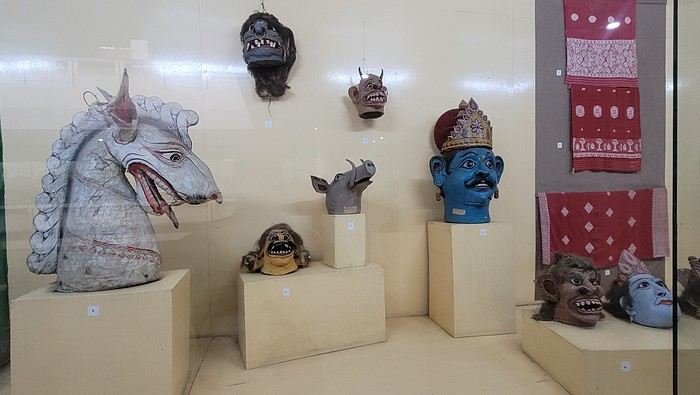

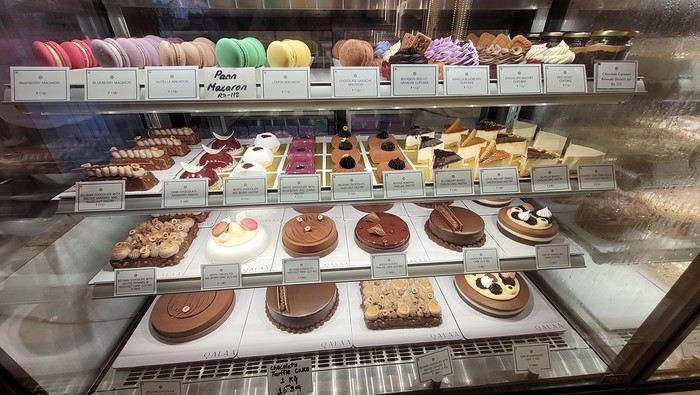
I’m not far from the Brahmaputra River, and the temptation to visit is too strong to resist. I’d hoped to find a promenade along the river, but that doesn’t exist here. I walk back calmly and notice several restaurants in my street. On the doorstep of my accommodation, I spot a pastry shop with cakes that look more like the ones we have in France than the typical ones here in India. A visit is a must, and I’m not disappointed!
Tonight, I’m dining at a restaurant in the street. The menu is a bit disappointing—burgers, pizzas, pasta—nothing very Indian. So, I’ll go with tomato pasta.
Thursday, March 20th. The alarm goes off super early, but I’m already awake—I was too worried I’d sleep through it. I leave the house at 4:00 AM. The rain has stopped, and at this hour, there aren’t many trucks on the road. I arrive at Barcelona Airport easily by 6:20 AM, let the valet know I’m there, and he quickly picks up my car. This time, I’m flying with Etihad Airways again. I booked the ticket during my trip to Cambodia: Barcelona/Kolkata, Delhi/Barcelona for 567 €. At that price, I didn’t hesitate for long—I knew I had to take it. And I’m glad I did because, by the time I returned, the price had gone up to 700 €. I can already hear the reactions: "Wow, how’d you get a ticket for that price? What site did you use? You’re amazing, MarieJo!" One thing’s for sure—I’m really happy with this deal. The flights from Barcelona to Abu Dhabi and Abu Dhabi to Kolkata go smoothly, and we arrive on time at 2:55 AM. There aren’t many people at immigration, so I get through quickly. My luggage isn’t on the carousel yet. After collecting my bag, I check in for my next flight with IndiGo, a 5:40 AM flight to Guwahati, arriving at 7:00 AM. I’m starting to feel pretty tired, so I take a taxi from the airport to Gruham Sojourn Homestay. The house is upstairs, and the neighborhood seems quiet, with restaurants lining the street. The room won’t be ready until 10:00 AM, so I rest on the bench in the meantime. Once in the room, I take a shower—it really helps me feel refreshed. I need to exchange some euros, so I look up a nearby exchange bureau on Google and head out to find it. I locate it easily, and the staff are super friendly. I get a great rate (1 € = 90 INR). I wander around the neighborhood. The train station isn’t far, and small markets line the streets. I head back to my area, walking along the main avenue. About 500 meters from my street, I discover a museum. The visit is fascinating—I see the famous Majuli masks, among other things.
I’m not far from the Brahmaputra River, and the temptation to visit is too strong to resist. I’d hoped to find a promenade along the river, but that doesn’t exist here. I walk back calmly and notice several restaurants in my street. On the doorstep of my accommodation, I spot a pastry shop with cakes that look more like the ones we have in France than the typical ones here in India. A visit is a must, and I’m not disappointed!
Tonight, I’m dining at a restaurant in the street. The menu is a bit disappointing—burgers, pizzas, pasta—nothing very Indian. So, I’ll go with tomato pasta.
Recommendations for Austria Itinerary Using Public Transport
Hi there,
We’re planning our itinerary for a month in September 2025 and would love your input, please.
We’re starting from Montreal, arriving in: Paris – 2 nights (already visited, just going back to see Notre-Dame again, 🫠) Ljubljana – 4 nights (we’ll explore the surrounding area, Bled +++) Vienna – 10 nights (we’ll visit nearby spots) Hallstatt – 2 nights Salzburg – 4 nights Innsbruck – 4 nights Barcelona – 4 nights on the way back to Montreal (the flight ticket was cheaper than returning from Vienna, plus it lets us visit another city 🙃😎)
We’ll be traveling by public transport 😎
Any relevant tips—activities, accommodations, or other info—would be greatly appreciated!
Thanks in advance
We’re starting from Montreal, arriving in: Paris – 2 nights (already visited, just going back to see Notre-Dame again, 🫠) Ljubljana – 4 nights (we’ll explore the surrounding area, Bled +++) Vienna – 10 nights (we’ll visit nearby spots) Hallstatt – 2 nights Salzburg – 4 nights Innsbruck – 4 nights Barcelona – 4 nights on the way back to Montreal (the flight ticket was cheaper than returning from Vienna, plus it lets us visit another city 🙃😎)
We’ll be traveling by public transport 😎
Any relevant tips—activities, accommodations, or other info—would be greatly appreciated!
Thanks in advance
4 juillet ou l'Independence Day English translation pending
comme de nombreux voyageurs du forum nous aurions du etre aux usa ce jour!nous le fetrons à la maison avec des musiques militaires ou des champs patriotiques, au menu des ribs avec du coca cola , ou du Zinfandel rosé de Californie, pas de bourbon car nous n'aimons pas!le drapeau us ainsi que ceux de differents états déjà visités sont dans le jardin (avec la tramontane!)..le président Trump a décidé de maintenir la parade sur constitution avenue contre l'avis de la maire de Washington!!! avec le défilé aérien!
Pourquoi marcher en montagne? English translation pending
Qu’est ce donc qu’un marcheur ?
Diriez-vous que c’est un être à contre-courant qui veut maitriser son temps et a décidé de ralentir? Celui qui n’en peut plus de courir, de respirer vite, de penser encore plus vite , les dents serrées, le souffle rendu court non par un sentier pentu mais par la trépidante de sa vie?
Demandez à quelqu'un de dire spontanément ce qu’évoque pour lui le mot marche. Le plus souvent, il répondra : sentier, soleil, vent, ciel, horizon, espace. Et pourtant cela pourrait évoquer aussi bien pluie, vent, tempête, fatigue, faim, soif, lassitude. Comme si le seul mot de marche libérait des besoins d'espace et d'horizon, et surtout des désirs de liberté, d'imprévu, d'aventure.La marche : Un chemin intérieur : Ne dit-on pas de quelqu'un qui a avancé dans sa construction interne, qu'il a cheminé?
Aristote enseignait la philosophie au Lycée d'Athènes en marchant avec ses élèves ce qui valut à son École le qualificatif de péripatéticienne (l’école des promeneurs).
La marche favorise la concentration:
«Les seules pensées valables viennent en marchant » écrivait Nietzsche. Rousseau affirme que « la marche met l’esprit en mouvement »,
Les effets de la marche sur le cerveau:
A l’Institut Max Planck de Berlin, on a demandé à des enfants et à des adultes de passer des tests assis devant un bureau, ou en marchant à la vitesse de leur choix sur un tapis roulant. Ces tests consistaient à écouter des séries de chiffres prononcés par un haut-parleur, et à indiquer, pour chaque chiffre, s’ils l’avaient déjà entendu quatre chiffres plus tôt. Dans ces conditions, les participants, quel que soit leur âge, ont commis moins d’erreurs en marchant, les enfants de neuf ans tirant le meilleur bénéfice de cet exercice, avec presque 40 pour cent d’erreurs en moins. Quel étudiant n’a pas marché en rond, en large et en travers pour se réciter un passage qu’il n’arrivait pas à mémoriser. Quel petit de 8 ans, déjà, ne marchait pas pour se « rentrer sa récitation dans la tête. Selon les psychologues, ce phénomène s’explique par un effet de vigilance : la marche maintient le corps en action et, dans une certaine mesure, l’esprit alerte. Le cerveau est mieux irrigué, l’attention se relâche moins facilement.
Marcher c’est lever la tête vers le ciel… et remarquer la forme des nuages, c’est choisir son coin de prairie pour savourer son pique-nique. C’est écouter les bruits de la forêt ou le silence du bois. Ce sont des petites successions d’éternités, de présents sans temps, d’éphémères non-pensées ou on reste juste là. Marcheur ou vagabond? Il y a ceux qui préfèrent se réfugier le soir dans une grange ou leur tente, qui se sentent vagabonds ou clochards célestes, qui se ravissent du chant des oiseaux, de l’odeur du trèfle alpin ou des violettes au printemps qui sont éblouis par la lumière du soir sur les crêtes.
Les effets de la marche sur le cerveau:
A l’Institut Max Planck de Berlin, on a demandé à des enfants et à des adultes de passer des tests assis devant un bureau, ou en marchant à la vitesse de leur choix sur un tapis roulant. Ces tests consistaient à écouter des séries de chiffres prononcés par un haut-parleur, et à indiquer, pour chaque chiffre, s’ils l’avaient déjà entendu quatre chiffres plus tôt. Dans ces conditions, les participants, quel que soit leur âge, ont commis moins d’erreurs en marchant, les enfants de neuf ans tirant le meilleur bénéfice de cet exercice, avec presque 40 pour cent d’erreurs en moins. Quel étudiant n’a pas marché en rond, en large et en travers pour se réciter un passage qu’il n’arrivait pas à mémoriser. Quel petit de 8 ans, déjà, ne marchait pas pour se « rentrer sa récitation dans la tête. Selon les psychologues, ce phénomène s’explique par un effet de vigilance : la marche maintient le corps en action et, dans une certaine mesure, l’esprit alerte. Le cerveau est mieux irrigué, l’attention se relâche moins facilement.
Marcher c’est lever la tête vers le ciel… et remarquer la forme des nuages, c’est choisir son coin de prairie pour savourer son pique-nique. C’est écouter les bruits de la forêt ou le silence du bois. Ce sont des petites successions d’éternités, de présents sans temps, d’éphémères non-pensées ou on reste juste là. Marcheur ou vagabond? Il y a ceux qui préfèrent se réfugier le soir dans une grange ou leur tente, qui se sentent vagabonds ou clochards célestes, qui se ravissent du chant des oiseaux, de l’odeur du trèfle alpin ou des violettes au printemps qui sont éblouis par la lumière du soir sur les crêtes.
Cabine balcon (pont 13) du MSC Divina English translation pending
J' ai réservé cabine balcon pont 13 croisière du 19/04...pont 14 restaurant buffet...je crains les bruits tardives...qui a eu l expérience cabines du pont 13..merci
Grande traversée des Alpes 2018 English translation pending
Bonjour,
Voici ma randonnée de l'été.
pour la 9ème fois : Grande Traversée des Alpes.
en 20 étapes du Lac Léman à Nice
du 11 au 30 juillet 2018
Description de chaque étape, et photos…
randoalp.com/gta2018/gta2018.html
@+ Jean-Claude
randoalp.com/gta2018/gta2018.html
@+ Jean-Claude
Les demandeurs d'un visa américain devront fournir leurs identifiants sur les réseaux sociaux English translation pending
salut,
Je relaie l'article de presse www.bloomberg.com/...-all-visa-applicants et dont la traduction dans la presse francophone est là : www.lalibre.be/...f1afcd709bfa6b143d87 paru ce jour.
"Le Département d'Etat américain souhaite que tous les demandeurs de visa américain fournissent leurs noms d'utilisateurs sur les réseaux sociaux, leurs adresses mail ainsi que leurs anciens numéros de téléphone, rapporte Bloomberg. Cette mesure vise à améliorer le contrôle des immigrants et des visiteurs potentiels aux Etats-Unis.
Des réseaux sociaux spécifiques seront listés et les demandeurs de visa devront " fournir tous les identifiants utilisés pour ces plateformes au cours des cinq dernières années".
Cette initiative du Congrès avait été lancée après la fusillade de San Bernardino, survenue le 2 décembre 2015 et qui avait fait 14 morts et une vingtaine de blessés."
Il évoque les "demandeurs de visas", mais aussi les voyages à but touristique (ESTA également ???).
Des rumeurs dans ce sens avaient déjà circulé il y a peu ....
A voir ...
Joseph 😉
Je relaie l'article de presse www.bloomberg.com/...-all-visa-applicants et dont la traduction dans la presse francophone est là : www.lalibre.be/...f1afcd709bfa6b143d87 paru ce jour.
"Le Département d'Etat américain souhaite que tous les demandeurs de visa américain fournissent leurs noms d'utilisateurs sur les réseaux sociaux, leurs adresses mail ainsi que leurs anciens numéros de téléphone, rapporte Bloomberg. Cette mesure vise à améliorer le contrôle des immigrants et des visiteurs potentiels aux Etats-Unis.
Des réseaux sociaux spécifiques seront listés et les demandeurs de visa devront " fournir tous les identifiants utilisés pour ces plateformes au cours des cinq dernières années".
Cette initiative du Congrès avait été lancée après la fusillade de San Bernardino, survenue le 2 décembre 2015 et qui avait fait 14 morts et une vingtaine de blessés."
Il évoque les "demandeurs de visas", mais aussi les voyages à but touristique (ESTA également ???).
Des rumeurs dans ce sens avaient déjà circulé il y a peu ....
A voir ...
Joseph 😉
Maltraitance des ânes et mulets en Grèce English translation pending
On m'a rapportée des scènes de maltraitance sur les ânes et mulets qui servent à Santorin pour porter les bagages des touristes .Les animaux recevoivent des coups de baton , ils sont déhydratés , parfois gravement malades , et ne recoivent aucun soin .
Les touristes ne dovent pas être complices de cette maltraitance et de cette cruauté .
S'il vous plait , si vous voyez un homme battre un animal , si vous voyez un animal agonisant de soif ou d'autres maladies , ne restez pas indiffférent , suggérez au muletier de faire reposer son animal , offrez-lui à boire et à manger .
Merci pour eux !
Les touristes ne dovent pas être complices de cette maltraitance et de cette cruauté .
S'il vous plait , si vous voyez un homme battre un animal , si vous voyez un animal agonisant de soif ou d'autres maladies , ne restez pas indiffférent , suggérez au muletier de faire reposer son animal , offrez-lui à boire et à manger .
Merci pour eux !