Results for "Parga+|+123+>+211"
3596 results found.
Mar del Plata ou L'Argentine à la plage! English translation pending
Bonjour a tous !
Apres le post sur les plages de Villa Gesell, en voyant les photos ci dessous vous comprendrez pourquoi ne pas aller a Mar del Plata en janvier et fevrier et plutot aller du cote de Carilo ou de Villa Gesell (meme si c'est un peu plus cher !) Aujourd'hui a Mar del Plata ! Ou peut on encore planter son parasol ? 1.500.000 touristes argentins en ce moment sur la cote et la grooooooosse majorite a Mar del Plata ! Un truc a comprendre : L argentin va a la plage non pas pour se baigner, mais pour bronzer mais surtout pour etre vu et voir ! Donc une plage deserte ne l interresse pas ! A 40 ou 50 km de cet endroit il y en a ! oui, oui !
  Une autre petite plage de Mar del Plata ce dimanche 16 fev.! Il faut que l argentin soit toujours entouré, il vit en famille a Buenos Aires, il part en vacance en famille, entre amis, entre collegue de travail, entre voisins ou meme tout en meme temps (oui, oui j en suis sur, j'ai deja vu !) ils se deplacent toujours en groupes, en bande, en clan ...mais attention pas en couple...non ! en bande de couples ! Bref, il n est jamais seul, donc il descend dans un hotel le plus chic possible ( pour ceux qui peuvent ) car l important aussi a Bsas de retour des vacances c'est de dire combien on a depensé (il faut que ca soit le plus haut possible, quitte a exagerer un peu ...de toute facon en donnant le nom de l hotel, les noms des boites branchees et les nom des restos ou ils seront alles, suffiront a faire comprendre qu'ils ont depensé beaucoup !!!! ). On peut le lire avec sourire, mais vous ne pouvez pas savoir comme c'est reel et comme c'est important pour eux...n oubliez pas que pour l argentin tout est dans le parraitre et dans la frime ! (cote italien qu ils auront garde!...et encore les italiens que je connais ne sont pas comme ca!).
  Donc tout comme le palais de Versailles: on doit y etre vu ! La plage de Mar del Plata ( tout comme la plage de Punta del este pour la classe superieure) c est le podium 24h sur 24h ou tout le monde defile.......
  Y en a qui aime ! c est sur, mais bon ...on est loin des petites plages bien tranquille du nord de la Bretagne !
  Maintenant vous savez, si vous allez a Mar del Plata, ce ne st pas pour vous baigner....ne soyez pas hypocrites ! ( les argentins disent "para descansar", ben tiens ! )
  Ca c est le croisement de ceux qui partent et de ceux qui reviennent a Bsas, hier samedi a la terminal de Retiro ! Toujours en masses, comme de fourmis...c est ca oui, ce sont des colonies de fourmis en transumance .
  Mar del Plata ou Bsas ? perdu : Mar del Plata ! Un paseo le long de la promenade pendant un dimanche tranquille ! Bon je vous laisse......je vais faire un tour dans Buenos Aires vide ! Herge!
Apres le post sur les plages de Villa Gesell, en voyant les photos ci dessous vous comprendrez pourquoi ne pas aller a Mar del Plata en janvier et fevrier et plutot aller du cote de Carilo ou de Villa Gesell (meme si c'est un peu plus cher !)
Aujourd'hui a Mar del Plata ! Ou peut on encore planter son parasol ? 1.500.000 touristes argentins en ce moment sur la cote et la grooooooosse majorite a Mar del Plata ! Un truc a comprendre : L argentin va a la plage non pas pour se baigner, mais pour bronzer mais surtout pour etre vu et voir ! Donc une plage deserte ne l interresse pas ! A 40 ou 50 km de cet endroit il y en a ! oui, oui ! Une autre petite plage de Mar del Plata ce dimanche 16 fev.! Il faut que l argentin soit toujours entouré, il vit en famille a Buenos Aires, il part en vacance en famille, entre amis, entre collegue de travail, entre voisins ou meme tout en meme temps (oui, oui j en suis sur, j'ai deja vu !) ils se deplacent toujours en groupes, en bande, en clan ...mais attention pas en couple...non ! en bande de couples ! Bref, il n est jamais seul, donc il descend dans un hotel le plus chic possible ( pour ceux qui peuvent ) car l important aussi a Bsas de retour des vacances c'est de dire combien on a depensé (il faut que ca soit le plus haut possible, quitte a exagerer un peu ...de toute facon en donnant le nom de l hotel, les noms des boites branchees et les nom des restos ou ils seront alles, suffiront a faire comprendre qu'ils ont depensé beaucoup !!!! ). On peut le lire avec sourire, mais vous ne pouvez pas savoir comme c'est reel et comme c'est important pour eux...n oubliez pas que pour l argentin tout est dans le parraitre et dans la frime ! (cote italien qu ils auront garde!...et encore les italiens que je connais ne sont pas comme ca!). Donc tout comme le palais de Versailles: on doit y etre vu ! La plage de Mar del Plata ( tout comme la plage de Punta del este pour la classe superieure) c est le podium 24h sur 24h ou tout le monde defile....... Y en a qui aime ! c est sur, mais bon ...on est loin des petites plages bien tranquille du nord de la Bretagne ! Maintenant vous savez, si vous allez a Mar del Plata, ce ne st pas pour vous baigner....ne soyez pas hypocrites ! ( les argentins disent "para descansar", ben tiens ! ) Ca c est le croisement de ceux qui partent et de ceux qui reviennent a Bsas, hier samedi a la terminal de Retiro ! Toujours en masses, comme de fourmis...c est ca oui, ce sont des colonies de fourmis en transumance . Mar del Plata ou Bsas ? perdu : Mar del Plata ! Un paseo le long de la promenade pendant un dimanche tranquille ! Bon je vous laisse......je vais faire un tour dans Buenos Aires vide ! Herge!Bons plans en Inde du Sud English translation pending
Bonjour à tous
C'est la 1ère fois que je viens sur un forum. Celui-ci m'intéresse car j'ai un projet de voyage en Inde du Sud, avec une amie (4 semaines en mars 2005).Aterrissage prévu à Bombay.
Je souhaiterais avoir des infos sur les sites à ne pas manquer, quelques infos pratiques (car petit budget)... et puis aussi je me demandais s'il y avait une région particulière où on pourrait profiter des plages sur la côte ouest ! Comment sont-elles de Bombay à la pointe sud du pays.
Merci.
C'est la 1ère fois que je viens sur un forum. Celui-ci m'intéresse car j'ai un projet de voyage en Inde du Sud, avec une amie (4 semaines en mars 2005).Aterrissage prévu à Bombay.
Je souhaiterais avoir des infos sur les sites à ne pas manquer, quelques infos pratiques (car petit budget)... et puis aussi je me demandais s'il y avait une région particulière où on pourrait profiter des plages sur la côte ouest ! Comment sont-elles de Bombay à la pointe sud du pays.
Merci.
Grève en Bolivie - La Paz English translation pending
Le site du ministere des affaires etrangeres signale une greve générale qui bloque l'accés à La Paz ainsi que le trajet jusqu'a l'aéroport d'El Alto.
Je dois m'y rendre aux alentours du 27 janvier et y prendre un avion le 28. Auriez vous des infos ?
extrait du site : La ville d'El Alto, où se situe l'aéroport international de la Paz, sera en grève générale pour une durée illimitée à compter du 10 janvier. Les associations de transporteurs et les groupes sociaux ont annoncé qu'ils s'associeraient à ce mouvement et bloqueraient les axes d'El Alto et ceux menant à la Paz.
Je dois m'y rendre aux alentours du 27 janvier et y prendre un avion le 28. Auriez vous des infos ?
extrait du site : La ville d'El Alto, où se situe l'aéroport international de la Paz, sera en grève générale pour une durée illimitée à compter du 10 janvier. Les associations de transporteurs et les groupes sociaux ont annoncé qu'ils s'associeraient à ce mouvement et bloqueraient les axes d'El Alto et ceux menant à la Paz.
Argentine: innondation dans le Chaco English translation pending
La temperature ainsi que les conditions climatiques varient enormement de semaine en semaine et aussi bien sur a l echelle d une meme province ( etendue, relief different, altitude variant entre chaque zone d'une meme province ).
Dans le chaco argentin ( nord, proche frontiere Paraguay ) les pluie des derniers jours ont provoqué des innondations............il faut donc sans cesse se renseigner sur les conditions meteo et etats des routes pour pouvoir avoir une idee de la faisabilite des trajets ( je pense a ceux qui ont dans l idee de louer une voiture ...meme un 4x4 dans la zone ) Pour vous donner l ampleur des innondations, la province du Chaco ( capitale Resistencia ), a perdu 30.000 km2 de terre agricole sous les eaux ( c est la superficie de la Belgique !!!!!!!! ). On a deja du mal a suivre ce pays par ses grands changements politiques, economiques mais maintenant meme au niveau climatique.....il y a interet a suivre !
  Image satelite en ce moment Le probleme en chiffre !
96 heures de pluie ininterrompues 800 milimetres d eau tombee 200.000 personnes affectees 5.000 personnes evacuees 600.000 hectares ( Superficie de la Belgique + Pays Bas ) affectes 300.000 hectares de cultures sous les eaux 200 millions de pesos perdus 6 routes intentiellement demolies pour permettre a l eau de s ecouler. 12 villes et villages sous les eaux 10 tonnes de produits alimentaires envoyes a poartir de Bsas pour les evacués de la zone Des dizaines de colonies agricoles innondees Herge !
Dans le chaco argentin ( nord, proche frontiere Paraguay ) les pluie des derniers jours ont provoqué des innondations............il faut donc sans cesse se renseigner sur les conditions meteo et etats des routes pour pouvoir avoir une idee de la faisabilite des trajets ( je pense a ceux qui ont dans l idee de louer une voiture ...meme un 4x4 dans la zone )
Pour vous donner l ampleur des innondations, la province du Chaco ( capitale Resistencia ), a perdu 30.000 km2 de terre agricole sous les eaux ( c est la superficie de la Belgique !!!!!!!! ). On a deja du mal a suivre ce pays par ses grands changements politiques, economiques mais maintenant meme au niveau climatique.....il y a interet a suivre ! Image satelite en ce moment Le probleme en chiffre ! 96 heures de pluie ininterrompues 800 milimetres d eau tombee 200.000 personnes affectees 5.000 personnes evacuees 600.000 hectares ( Superficie de la Belgique + Pays Bas ) affectes 300.000 hectares de cultures sous les eaux 200 millions de pesos perdus 6 routes intentiellement demolies pour permettre a l eau de s ecouler. 12 villes et villages sous les eaux 10 tonnes de produits alimentaires envoyes a poartir de Bsas pour les evacués de la zone Des dizaines de colonies agricoles innondees Herge !
Carnaval en Argentine wn février? English translation pending
Bonsoir, ben en fait j'aimerair savoir si l'argentine possede egalement ses carnavals en fevrier!! peut etre moins grandiose que ceux du Brésil mais bon ....?
J'attend vos infos à ce sujet!
Merci.
J'attend vos infos à ce sujet!
Merci.
Argentine: tout sur tout à partir d'un site English translation pending
Pour calculer ses distances par la route en Argentine ......le site de YPF ( premier producteur et distributeur argentin de produits petrolier ) .
Super le site, vous entrez les localites, vous avez l itineraire, les distances etc..... ( l'equivalent du site Michelin pour l'Europe ) .....mais aussi tout l historique et les trucs a visiter dans la localité ! Edition papier :
le site home:
http://www.guiaypf.com.ar/esp/infinito/guiaypf/home/guiaYPF_home.asp?Nivel=0
le site pour les distances :
http://www.guiaypf.com.ar/esp/infinito/guiaypf/ruta/calcular/itinerario.asp?Nivel=20
J ai fait un essai : la Quiaca ( chez les lamas, frontiere avec la Bolivie au nord de l Argentine ) jusqu a Ushuaia ( chez les pingouins )
Resultat :
4354 km et 900 metres, temps moyen pour parcourir le trajet en voiture : 42 heures et 59 minutes !!
Chaque localite est documentee . bref mieux que n importe quel guide ( il faut savoir l espagnol ), vous editez et imprimez et a partir de Paris vous vous faite votre propre guide en fonction des localites que vous traverserez .
Par exemple sur la Quiaca, voici ce qui est indiqué :
Provincia: Jujuy Distancia: 289 km. de San Salvador de Jujuy. Población: 13.761 habitantes. Fundación: 1883 cuando un vecino de la zona decide donar al gobierno de Jujuy una cantidad de terrenos de su propiedad donde luego la provincia mandará a delimitar el pueblo. Fiestas: Octubre: Manka Fiesta o Fiesta de la Olla de Barro Cocido: imperio del trueque, entre el segundo y el tercer domingo de octubre se congregan campesinos de toda la región para el intercambio de su trabajo anual por aquellos otros productos que necesiten. Observaciones: Ciudad fronteriza con Bolivia y hermanada por medio de un puente con la localidad boliviana de Villazón. La Quiaca resulta una típica ciudad puneña, donde la tradición y el respeto por las costumbres ancestrales se respira en cada uno de sus rincones. Su nombre proviene del aymará "quisca", que significa "piedra cortante para troquelar ganado". Visitar:
Circuito de la Puna. Yavi: a 16 km de La Quiaca. Aunque se encuentra parcialmente despoblado se mantienen sus casas de adobe con techos de caña, barro y paja para soportar las frías noches puneñas, y guarda importantes tesoros históricos. Capilla de San Francisco: del año 1690. El púlpito, los altares y retablos están realzados por una cubierta de láminas de oro. Las esculturas de madera fueron traídas desde Cuzco. Casa del Marqués de Tojo: Monumento Histórico Nacional. El último marqués de un linaje que se inicia a principios del siglo XVIII abrazó la causa de la independencia. Laguna Colorada: se ubica a 5 km de la localidad, al pie de los cerros Los Siete Hermanos. Santa Catalina: a 67 km de La Quiaca. Se conserva su iglesia del siglo XVII, que guarda el arte de la imaginería colonial. Abra Pampa: situada al pie del cerro Huancar, a 3.484 metros sobre el nivel del mar. Se accede por Ruta Nacional 9. Huancar: ubicado 7 km al sur, lugar donde se lleva a cabo la ceremonia del desentierro del Pujllay, diablo carnavalero. Laguna de Guayatayoc: a 23 km de la localidad, en su extremo norte se ubican los yacimientos arqueológicos de Sorcuyo. Salinas Olaroz, Cauchari, Jama y Salinas Grandes: de sorprendente belleza en medio del desierto. Bref, c est la bible ce site !!!!!!!!!! Herge!
Super le site, vous entrez les localites, vous avez l itineraire, les distances etc..... ( l'equivalent du site Michelin pour l'Europe ) .....mais aussi tout l historique et les trucs a visiter dans la localité ! Edition papier :
le site home:
http://www.guiaypf.com.ar/esp/infinito/guiaypf/home/guiaYPF_home.asp?Nivel=0
le site pour les distances :
http://www.guiaypf.com.ar/esp/infinito/guiaypf/ruta/calcular/itinerario.asp?Nivel=20
J ai fait un essai : la Quiaca ( chez les lamas, frontiere avec la Bolivie au nord de l Argentine ) jusqu a Ushuaia ( chez les pingouins )
Resultat :
4354 km et 900 metres, temps moyen pour parcourir le trajet en voiture : 42 heures et 59 minutes !!
Chaque localite est documentee . bref mieux que n importe quel guide ( il faut savoir l espagnol ), vous editez et imprimez et a partir de Paris vous vous faite votre propre guide en fonction des localites que vous traverserez .
Par exemple sur la Quiaca, voici ce qui est indiqué :
Provincia:
Jujuy Distancia: 289 km. de San Salvador de Jujuy. Población: 13.761 habitantes. Fundación: 1883 cuando un vecino de la zona decide donar al gobierno de Jujuy una cantidad de terrenos de su propiedad donde luego la provincia mandará a delimitar el pueblo. Fiestas: Octubre: Manka Fiesta o Fiesta de la Olla de Barro Cocido: imperio del trueque, entre el segundo y el tercer domingo de octubre se congregan campesinos de toda la región para el intercambio de su trabajo anual por aquellos otros productos que necesiten. Observaciones: Ciudad fronteriza con Bolivia y hermanada por medio de un puente con la localidad boliviana de Villazón. La Quiaca resulta una típica ciudad puneña, donde la tradición y el respeto por las costumbres ancestrales se respira en cada uno de sus rincones. Su nombre proviene del aymará "quisca", que significa "piedra cortante para troquelar ganado". Visitar: Circuito de la Puna. Yavi: a 16 km de La Quiaca. Aunque se encuentra parcialmente despoblado se mantienen sus casas de adobe con techos de caña, barro y paja para soportar las frías noches puneñas, y guarda importantes tesoros históricos. Capilla de San Francisco: del año 1690. El púlpito, los altares y retablos están realzados por una cubierta de láminas de oro. Las esculturas de madera fueron traídas desde Cuzco. Casa del Marqués de Tojo: Monumento Histórico Nacional. El último marqués de un linaje que se inicia a principios del siglo XVIII abrazó la causa de la independencia. Laguna Colorada: se ubica a 5 km de la localidad, al pie de los cerros Los Siete Hermanos. Santa Catalina: a 67 km de La Quiaca. Se conserva su iglesia del siglo XVII, que guarda el arte de la imaginería colonial. Abra Pampa: situada al pie del cerro Huancar, a 3.484 metros sobre el nivel del mar. Se accede por Ruta Nacional 9. Huancar: ubicado 7 km al sur, lugar donde se lleva a cabo la ceremonia del desentierro del Pujllay, diablo carnavalero. Laguna de Guayatayoc: a 23 km de la localidad, en su extremo norte se ubican los yacimientos arqueológicos de Sorcuyo. Salinas Olaroz, Cauchari, Jama y Salinas Grandes: de sorprendente belleza en medio del desierto. Bref, c est la bible ce site !!!!!!!!!! Herge!
Comment s'habiller pour l'Argentine? English translation pending
Salut à tous!
Je pars le 30 dec et je rentre le 3 fev en Argentine. J'espere bien faire le pays du nord au sud! Mais voila....30° a BA c'est facil...mais au sud (ushuaia)? C'est vraimment froid? Peut on trouver des habits a un bon prix en argentine ? (ben oui tant qu'a faire si je peu m'habiller poa cher...) Que conseillez vous sur ce que je doit prendre dans mon sac pour que ce soit le plus leger possible?( je change de sous vetement frequement donc pas la peine de faire des blagues douteuses!🤪) Merci pour tout vos precieux conseils!
EZ.
Je pars le 30 dec et je rentre le 3 fev en Argentine. J'espere bien faire le pays du nord au sud! Mais voila....30° a BA c'est facil...mais au sud (ushuaia)? C'est vraimment froid? Peut on trouver des habits a un bon prix en argentine ? (ben oui tant qu'a faire si je peu m'habiller poa cher...) Que conseillez vous sur ce que je doit prendre dans mon sac pour que ce soit le plus leger possible?( je change de sous vetement frequement donc pas la peine de faire des blagues douteuses!🤪) Merci pour tout vos precieux conseils!
EZ.
Pérou-Bolivie English translation pending
Etant dans ces pays en Aout 2004, j'ai omis ( malheureux que je suis ) de ramener un ptit cd avec tous les airs qui passaient à cette période, les classiques, etc... Dons si quelqu'un pouvait m'aider à retrouver et à revivre toutes ces sensations perdues... Merci!!!😛
Riz + épinards hachés, plat traditionnel malgache? English translation pending
bonjour, je cherche la recette d'un plat traditionnel malgache qu'on mange lors des veilles mortuaires. C'est à base de riz et d'épinards hachés.
Merci d'avance
Merci d'avance
Problèmes d'insécurité à Las Terrenas English translation pending
Sur d'autres forums on parle beaucoup de la montée de la violence à las Terrenas. Quand est-il vraiment??
Ont-ils raison d'avoir peur ou est-ce du catastrophisme ?
Sécurité en camping car en Sicile? English translation pending
Dites, les amis, j'aurais voulu avoir votre vécu pour ceux qui sont allés en camping car en Sicile.
Notemment côté sécurité; les dangers de la route, les risques de vols...
Merci d'avance
Notemment côté sécurité; les dangers de la route, les risques de vols...
Merci d'avance
Les Gest House de Buenos Aires ( Argentine ) English translation pending
" Travailleurs, travailleuses...on vous ment, on vous spolie.....!"
Ah j'ai la rage aujourd'hui ! Ras le bol de ces Joe Smith ou des Marcel Chombier qui mail sur le forum des " Super !, je reviens de Buenos Aires ou j ai logé dans un super cool Gest House hyper branché tenu par des extra class potes super funny ! Ouawww en plus les filles y sont sympas et gratuites! " Alors sur le site du routard on le trouve avec le pseudo de Mathiew et ici avec le pseudo de mathiemorel encore avec la meme prose du super Guest House .
D une part ou tu viens de monter ton hotel et dans ce cas autant le dire, il n y a pas de honte a le faire . D autre part ces Gest House de premiere sont plutot des attrapes Neuneus.
Je suis alle voir ce super site de cet gest house tecno carrement "Cultural Hostal" (sic)...et je vous invite a aller le voir : http://www.sandanzas.com.ar/Sitio_frances/frameset_gral_frances.html Alors dune part j'apprend que il y a " Eau Chaude toute la journée "(sic) super cool !!!!!!!!, ca rassure....on est a Buenos Aires, pas au fin fond de la Pampa ou de la Patagonie ! Chez moi aussi j ai eau chaude toute la journee dans mon appart de Buenos Aires ! Quel exploit! De plus j apprend que les chambres sont " avec salle de bains semi-privée " (sic) huy! ca se gate ! Pour moi les "semi prive" ca doit etre collectif ou alors au fond a gauche du couloir ! Alors oui c'est possible de voir des filles a poil !
On arrive au prix : "Chambre partagée à 6 lits, 18 AR$ par personne !!!" (sic) Ouahhh super funny ! la classe quoi, pour moi une chambre de 6 lits, ca s'apelle dortoir ! Je voudrais savoir si c'est mixte ! Pour les single on atteind 42 ARS .
Donc on recapitule, pour 6 maliens en dortoir avec point d'eau dans le couloir vous avez 108 ARS a debourser. C est en sous sol, ou piece sans fenetre ?
Il faut etre serieux, L Argentine est une destination tres bon marché pour le moment alors tout ceux qui ont dans l'intention de venir à Buenos Aires ou en Argentine de maniere generale ont la possiblilite pour certains d entre eux de pouvoir se payer pour l'unique fois de leur vie des hotels en 3* ou 4* a des prix derisoires !
Des hotels il y en a des centaines a Buenos Aires ..... http://www.buenosaires.com/marco_sp.htm Exemple : Un 3*** etoiles le CONSTITUCION PALACE (Hotel 3 Estrellas), Domicilio:Lima 1697 - Barrio:Constitucion Teléfono:4305-9010 Fax:4305-9015
Une chambre pour trois personnes pour 6 nuits ! AIRE ACONDICIONADO, CALEFACCION CENTRAL, BAÑO PRIVADO, TV POR CABLE, DESAYUNO. Autre chose super importante : "TODAS NUESTRAS TARIFAS ESTAN EXPRESADAS EN MONEDA ARGENTINA. NO TENEMOS TARIFAS DIFERENCIADAS PARA TURISTAS DEL EXTERIOR."
je rapelle que de nombreux hotels en Argentine ont des prix en ARS pour argentins et en USD pour touristes, , , c est illegal, alors fuyez les ! il y en a comme celui la, qui sont honnetes! Ca fait donc 150 ARS par personne donc 450 ARS au total pour 3 personnes dans un 3 *** pour passer 6 nuits dans une vraie chambre avec de l eau chaude aussi et meme froide, et une salle de bain et meme avec la tele dans la chambre sans oublier l air conditionné qui est vraiment le bienvenue en été !
Dans le super "Sandazas Cultural Hostel" qui n a meme pas la categorie 1* puisque le woua woua est dehors .......et avec seulement un ventilo accroché au plafond ! " Chambre partagée à 4 lits AR$ 20 par personne " soit 80 ARS la chambre par nuit multiplie par 6 nuits = 480 ARS les 6 nuits pour 4 personnes . Pour acceder a cet hotel directement : http://www.constitucion-hotel.com.ar/
A vous de savoir si vous voulez passer des vacances en boui boui ou en hotel 3 etoiles !
 Au Sandanzas Cultural Hostal
Entree du bouiboui Chambre de deux lits ...ils n ont pas osé mettre le dortoir de 6 ! (dommage)
Au Sandanzas Cultural Hostal
Entree du bouiboui Chambre de deux lits ...ils n ont pas osé mettre le dortoir de 6 ! (dommage) 

 Constitucion Palace Hotel 3 etoiles..........la chambre de 3 lits ...............la salle de bain qui a aussi de l eau chaude !
Autre et derniere chose : Vous venez a Buenos Aires pour connaitre l Argentine et connaitre des argentins........pas pour connaitre d'autres francophones, germanophones ou anglophones Neuneus entassés dans un dortoir !
Constitucion Palace Hotel 3 etoiles..........la chambre de 3 lits ...............la salle de bain qui a aussi de l eau chaude !
Autre et derniere chose : Vous venez a Buenos Aires pour connaitre l Argentine et connaitre des argentins........pas pour connaitre d'autres francophones, germanophones ou anglophones Neuneus entassés dans un dortoir !
Ciao Che ! Hergé
D une part ou tu viens de monter ton hotel et dans ce cas autant le dire, il n y a pas de honte a le faire . D autre part ces Gest House de premiere sont plutot des attrapes Neuneus.
Je suis alle voir ce super site de cet gest house tecno carrement "Cultural Hostal" (sic)...et je vous invite a aller le voir : http://www.sandanzas.com.ar/Sitio_frances/frameset_gral_frances.html Alors dune part j'apprend que il y a " Eau Chaude toute la journée "(sic) super cool !!!!!!!!, ca rassure....on est a Buenos Aires, pas au fin fond de la Pampa ou de la Patagonie ! Chez moi aussi j ai eau chaude toute la journee dans mon appart de Buenos Aires ! Quel exploit! De plus j apprend que les chambres sont " avec salle de bains semi-privée " (sic) huy! ca se gate ! Pour moi les "semi prive" ca doit etre collectif ou alors au fond a gauche du couloir ! Alors oui c'est possible de voir des filles a poil !
On arrive au prix : "Chambre partagée à 6 lits, 18 AR$ par personne !!!" (sic) Ouahhh super funny ! la classe quoi, pour moi une chambre de 6 lits, ca s'apelle dortoir ! Je voudrais savoir si c'est mixte ! Pour les single on atteind 42 ARS .
Donc on recapitule, pour 6 maliens en dortoir avec point d'eau dans le couloir vous avez 108 ARS a debourser. C est en sous sol, ou piece sans fenetre ?
Il faut etre serieux, L Argentine est une destination tres bon marché pour le moment alors tout ceux qui ont dans l'intention de venir à Buenos Aires ou en Argentine de maniere generale ont la possiblilite pour certains d entre eux de pouvoir se payer pour l'unique fois de leur vie des hotels en 3* ou 4* a des prix derisoires !
Des hotels il y en a des centaines a Buenos Aires ..... http://www.buenosaires.com/marco_sp.htm Exemple : Un 3*** etoiles le CONSTITUCION PALACE (Hotel 3 Estrellas), Domicilio:Lima 1697 - Barrio:Constitucion Teléfono:4305-9010 Fax:4305-9015
Une chambre pour trois personnes pour 6 nuits ! AIRE ACONDICIONADO, CALEFACCION CENTRAL, BAÑO PRIVADO, TV POR CABLE, DESAYUNO. Autre chose super importante : "TODAS NUESTRAS TARIFAS ESTAN EXPRESADAS EN MONEDA ARGENTINA. NO TENEMOS TARIFAS DIFERENCIADAS PARA TURISTAS DEL EXTERIOR."
je rapelle que de nombreux hotels en Argentine ont des prix en ARS pour argentins et en USD pour touristes, , , c est illegal, alors fuyez les ! il y en a comme celui la, qui sont honnetes! Ca fait donc 150 ARS par personne donc 450 ARS au total pour 3 personnes dans un 3 *** pour passer 6 nuits dans une vraie chambre avec de l eau chaude aussi et meme froide, et une salle de bain et meme avec la tele dans la chambre sans oublier l air conditionné qui est vraiment le bienvenue en été !
Dans le super "Sandazas Cultural Hostel" qui n a meme pas la categorie 1* puisque le woua woua est dehors .......et avec seulement un ventilo accroché au plafond ! " Chambre partagée à 4 lits AR$ 20 par personne " soit 80 ARS la chambre par nuit multiplie par 6 nuits = 480 ARS les 6 nuits pour 4 personnes . Pour acceder a cet hotel directement : http://www.constitucion-hotel.com.ar/
A vous de savoir si vous voulez passer des vacances en boui boui ou en hotel 3 etoiles !
Au Sandanzas Cultural Hostal
Entree du bouiboui Chambre de deux lits ...ils n ont pas osé mettre le dortoir de 6 ! (dommage) Constitucion Palace Hotel 3 etoiles..........la chambre de 3 lits ...............la salle de bain qui a aussi de l eau chaude !
Autre et derniere chose : Vous venez a Buenos Aires pour connaitre l Argentine et connaitre des argentins........pas pour connaitre d'autres francophones, germanophones ou anglophones Neuneus entassés dans un dortoir !Ciao Che ! Hergé
Transport de fret Paris-Delhi English translation pending
🤪 JE SUIS PERDUE ....
Je cherche désespérément des bons plans pas trop chers pour expédier qques cartons avec affaires personnelles à Delhi.
Si vous avez des infos sur des transporteurs ou autres pistes, merci beaucoup !!!
Je cherche désespérément des bons plans pas trop chers pour expédier qques cartons avec affaires personnelles à Delhi.
Si vous avez des infos sur des transporteurs ou autres pistes, merci beaucoup !!!
Rocheuses canadiennes mi-septembre English translation pending
Je compte aller dans les rocheuses du 12 au 17 septembre, faire le trajet habituel de Banff vers Jasper (venant de Vancouver, je ne pense pas passer par Calgary, a moins que ca en vaille la peine??)
Je me posais juste une question concernant les temperatures au mois de septembre. Pour ceux qui y sont deja alle, est-ce recommande le camping a cette periode de l'annee? Est-ce necessaire de devoir reserver avant de partir? Ca nous arrangerait plus de decider au jour le jour...
Merci d'avance et si vous avez des conseils quant aux sites a ne surtout pas manquer ou bien a des sites qui ne serait pas forcement indiquer dans les guides...
Marc
Je me posais juste une question concernant les temperatures au mois de septembre. Pour ceux qui y sont deja alle, est-ce recommande le camping a cette periode de l'annee? Est-ce necessaire de devoir reserver avant de partir? Ca nous arrangerait plus de decider au jour le jour...
Merci d'avance et si vous avez des conseils quant aux sites a ne surtout pas manquer ou bien a des sites qui ne serait pas forcement indiquer dans les guides...
Marc
Fille seule au Surinam English translation pending
Bonjour!!! 😏
je suis a la recherche de quelques infos pratique sur le surinam!!
je voudrais y aller au moi d'aout en passant par la guyane!!
je voudrais surtout si pour une fille seule c dangereux?! ou s'il fo eviter certaines choses pour eviter tous problemes!
est ce que l'on peut trouver des hotels pas trop cher ou est ce qu'il est possible d'aller chez l'habitant??
voila! je suis à l'ecoute pour tout autres infos!!
et si vous partez au moi d'aout ! fte moi signe!
merci!!! a bientot 😉
je suis a la recherche de quelques infos pratique sur le surinam!!
je voudrais y aller au moi d'aout en passant par la guyane!!
je voudrais surtout si pour une fille seule c dangereux?! ou s'il fo eviter certaines choses pour eviter tous problemes!
est ce que l'on peut trouver des hotels pas trop cher ou est ce qu'il est possible d'aller chez l'habitant??
voila! je suis à l'ecoute pour tout autres infos!!
et si vous partez au moi d'aout ! fte moi signe!
merci!!! a bientot 😉
Conseils voyage Inde/Thaïlande/Bali English translation pending
Bonjour,
je souhaite faire un voyage en Indes mais il me manque quelques connaissances et point de vue de gens qui y sont allé ou qui prévoit y aller. J'ai 19 ans, je suis étudiante en communication dans la région de Montréal au Québec.
Où ne doit-on pas aller par sécurité, qu'est-ce que vous avez aimé, qu'avez vous vu, y retourneriez-vous? avez vous risqué d'être malade, émotivement était-ce dur, c'est quoi le pire pour vous, ...?
Merci beaucoup, à vous,
Oh et, à la suite de mon écriture j'ai découvert des infos intéressants de ceux qui ont posé certaines questions avant moi, mais n'hésitez pas à en dire davantage, comme les lieux dangereux, mesures de sécurité, il semble être recommandé de ne pas aller au radjasthan à cause de la frontière avec le Pakistan, qu'est-ce qu, il en est exactement, j'aimerais voir des tigres et autres animaux de près(parcs), merci.
Véronique
Où ne doit-on pas aller par sécurité, qu'est-ce que vous avez aimé, qu'avez vous vu, y retourneriez-vous? avez vous risqué d'être malade, émotivement était-ce dur, c'est quoi le pire pour vous, ...?
Merci beaucoup, à vous,
Oh et, à la suite de mon écriture j'ai découvert des infos intéressants de ceux qui ont posé certaines questions avant moi, mais n'hésitez pas à en dire davantage, comme les lieux dangereux, mesures de sécurité, il semble être recommandé de ne pas aller au radjasthan à cause de la frontière avec le Pakistan, qu'est-ce qu, il en est exactement, j'aimerais voir des tigres et autres animaux de près(parcs), merci.
Véronique
Nécessité du sac de couchage pour Salar d'Uyuni en Bolivie? English translation pending
bonsoir
un sac de couchage descendant a 0 ~ -5° avec un sac a viande en soie suffisent ils pour le salar d'uyuni (pas en exterieur en tente, mais dans un refuge non chauffe) ?
quelles sont les temperatures dans ce coin en juillet-aout ?
merci
un sac de couchage descendant a 0 ~ -5° avec un sac a viande en soie suffisent ils pour le salar d'uyuni (pas en exterieur en tente, mais dans un refuge non chauffe) ?
quelles sont les temperatures dans ce coin en juillet-aout ?
merci
Questions sur voyage au Brésil en juillet English translation pending
Bien le bonjour a tt le monde,
Donc voila je pars pour le Brésil avec un pote pendant un mois et de poussieres!!!!!! Donc beaucoup de questions se posent a moi!!!
Nous avons pris le Brazil Air Pass de 5coupons, nous avons vu chez TAM(compagnie aerienne bresilienne) que c t eux les moins cher!!
J'aurais aimé savoir s'il excitait moins cher pour 5coupons sachant que nous allons faire: SAO PAULO-Iguacu, Iguacu-Manaus, Manaus-Belem, Belem-Recife et Recife-Rio. De plus si ya des plans pour avoir juste un vol supplémentaire soit 6 coupons pour le meme prix cité au dessus!!!!
Par rapport a Manaus, nous allons pouvoir y rester 4 a 5jours donc peu de temps, si kelkun connait un plan dans l'amazonie facon "Aventure-Nature" remontée de l'amazonie etc....pour la durée citée ca serait bien cool!!!
Sachant que le Nordeste est une zone du brésil a voir absolument mais que le temps est compté pour nous, je souhaiterai savoir si ya des imperatifs a faire.Nous allons certainement sur Fortaleza et Bahia, REcife donc, mais nous sommes pas trop accros du tourisme de masse!!!donc si kelkun pouvait nous donner un plan genre une ile magnifique ou ya personne(le reve si ca existe) ou autre, un trip original et depaysant. Un endroit typiquement Bresilien ou on fait la fete et on vit com les gens du pays!!!! Peut etre que je reve un peu mais les voyages c fait pour ça!!
Pour Rio on recherche un endroit trankil pour dormir, sympa, sur, pas tres cher non plus, c qd meme "le nerf de la guerre".Si possible des endroits inconnus du tourisme de masse mais avec une beauté certaine!!!!!!
BREF nous on cherche les bons plans sur les villes dites au debut, tt conseil est bienvenu!!!!si d'autres personnes ont besoin d'infos kil me laisse un message, nous aussi on a kelkes bons plans a donner.
donc je vous laisse repondre
Meerci.Bye
Donc voila je pars pour le Brésil avec un pote pendant un mois et de poussieres!!!!!! Donc beaucoup de questions se posent a moi!!!
Nous avons pris le Brazil Air Pass de 5coupons, nous avons vu chez TAM(compagnie aerienne bresilienne) que c t eux les moins cher!!
J'aurais aimé savoir s'il excitait moins cher pour 5coupons sachant que nous allons faire: SAO PAULO-Iguacu, Iguacu-Manaus, Manaus-Belem, Belem-Recife et Recife-Rio. De plus si ya des plans pour avoir juste un vol supplémentaire soit 6 coupons pour le meme prix cité au dessus!!!!
Par rapport a Manaus, nous allons pouvoir y rester 4 a 5jours donc peu de temps, si kelkun connait un plan dans l'amazonie facon "Aventure-Nature" remontée de l'amazonie etc....pour la durée citée ca serait bien cool!!!
Sachant que le Nordeste est une zone du brésil a voir absolument mais que le temps est compté pour nous, je souhaiterai savoir si ya des imperatifs a faire.Nous allons certainement sur Fortaleza et Bahia, REcife donc, mais nous sommes pas trop accros du tourisme de masse!!!donc si kelkun pouvait nous donner un plan genre une ile magnifique ou ya personne(le reve si ca existe) ou autre, un trip original et depaysant. Un endroit typiquement Bresilien ou on fait la fete et on vit com les gens du pays!!!! Peut etre que je reve un peu mais les voyages c fait pour ça!!
Pour Rio on recherche un endroit trankil pour dormir, sympa, sur, pas tres cher non plus, c qd meme "le nerf de la guerre".Si possible des endroits inconnus du tourisme de masse mais avec une beauté certaine!!!!!!
BREF nous on cherche les bons plans sur les villes dites au debut, tt conseil est bienvenu!!!!si d'autres personnes ont besoin d'infos kil me laisse un message, nous aussi on a kelkes bons plans a donner.
donc je vous laisse repondre
Meerci.Bye
zique latina English translation pending
salut,
je me mets petit à petit à écouter de la musique d'amérique latine. mais je suis encore novice en la matière.je fais donc appel à tous les amoureux de la salsa, du merengue etc... avez-vous des groupes ou chanteurs incontournables à faire péter la zique chez vous (en plus ça emmerde le voisin du dessous qu'a un chien qui gueule tout le temps)? à vous faire bouger les fesses sans même vous en rendre compte (vous qui n'avez jamais osé danser un slow de peur de marcher sur les pieds de votre cavalière)? si oui hésitez pas je suis preneuse.merci
je me mets petit à petit à écouter de la musique d'amérique latine. mais je suis encore novice en la matière.je fais donc appel à tous les amoureux de la salsa, du merengue etc... avez-vous des groupes ou chanteurs incontournables à faire péter la zique chez vous (en plus ça emmerde le voisin du dessous qu'a un chien qui gueule tout le temps)? à vous faire bouger les fesses sans même vous en rendre compte (vous qui n'avez jamais osé danser un slow de peur de marcher sur les pieds de votre cavalière)? si oui hésitez pas je suis preneuse.merci
Argentine: budget, transports et itinéraire? English translation pending
Bonjour à vous chers voyageurs!!
Cet été, nous songeons, une amie et moi-même partir environ un mois 1/2 pour l'Argentine. Nous partons toujours sac au dos sans grand luxe, nous aimons être au même niveau de confort que les gens de la place.Dormir dans une simple cabine, bien manger, fêter mais surtout des activités feront partie de notre budget... Quelques questions par contre, combien devons-nous planifier question monétaire pour ce voyage, quoi visiter en particulier, les infrastructures comme transports entre les villes (autobus) cabinas pour voyageurs, bouffe pas trop cher est-ce possible dans ce pays et question sécurité, deux filles en sac à dos ça cause un problème là-bas? En vous remerciant d'avance et en étant bien heureuse de constater que plusieurs partagent cette passion vitale que sont les voyages!
Michèle 😉
Cet été, nous songeons, une amie et moi-même partir environ un mois 1/2 pour l'Argentine. Nous partons toujours sac au dos sans grand luxe, nous aimons être au même niveau de confort que les gens de la place.Dormir dans une simple cabine, bien manger, fêter mais surtout des activités feront partie de notre budget... Quelques questions par contre, combien devons-nous planifier question monétaire pour ce voyage, quoi visiter en particulier, les infrastructures comme transports entre les villes (autobus) cabinas pour voyageurs, bouffe pas trop cher est-ce possible dans ce pays et question sécurité, deux filles en sac à dos ça cause un problème là-bas? En vous remerciant d'avance et en étant bien heureuse de constater que plusieurs partagent cette passion vitale que sont les voyages!
Michèle 😉
Hôtel Palladium Resort and Spa English translation pending
bonjour à tous
j'aurai voulu avoir des infos sur la palladium ( ancien fiesta bavaro) connaitre les changements. est-il d'une qualité superieur au fiesta palace?
merci d'avance
bye
j'aurai voulu avoir des infos sur la palladium ( ancien fiesta bavaro) connaitre les changements. est-il d'une qualité superieur au fiesta palace?
merci d'avance
bye
Autotour autour du Québec English translation pending
Bonjour j'aimerais savoir le prix d'un repas et petit dej au quebec aussi savoir si la vie est plus cher, je vais bientôt reserver un autotour avec une agence de voyage aventuria voyage mais dans les prestations proposés il n'y a pas compris les petits dej et les repas, donc j'aimerais avoir des prix pour boucler mon budget alimentation, malheureusement je n'ai pas les noms des hotels car aventuria change les noms pour ne pas être copier (parano !) l'autotour va de montreal, lac st Jean, quebec et tadoussac. Merci de vos renseignements, si des personnes sont déjà parti en autotour avec eux merci de me raconter leurs impressions. A bientôt. 🙂
Itinéraire sur deux semaines en Italie? English translation pending
hello,
début juillet je vais partir avec ma cousine 2semaines en italie. on part en voiture, tranquille, avec de bons sacs de couchage et une tente. on compte faire un peu tout le tour alors si vous avez de bons tuyaux à me donner, n'hésitez pas à m'envoyer un petit message! merci d'avance....
début juillet je vais partir avec ma cousine 2semaines en italie. on part en voiture, tranquille, avec de bons sacs de couchage et une tente. on compte faire un peu tout le tour alors si vous avez de bons tuyaux à me donner, n'hésitez pas à m'envoyer un petit message! merci d'avance....
Un petit tour à Stockholm English translation pending
Salut,
J'envisage de me cailler avec mes enfants et mon mari en Suéde au mois de février. Mon avion aterrira à Stockholm donc je recherche des aides pour établir un petit circuit dans les environs de cette ville. J'aimerai bien un petit châlet mais c'est assez difficile à trouver. Je me mélange un peu les pinceaux avec le nom des villes.
merci d'avance
J'envisage de me cailler avec mes enfants et mon mari en Suéde au mois de février. Mon avion aterrira à Stockholm donc je recherche des aides pour établir un petit circuit dans les environs de cette ville. J'aimerai bien un petit châlet mais c'est assez difficile à trouver. Je me mélange un peu les pinceaux avec le nom des villes.
merci d'avance
Infos pratiques pour le Costa Rica English translation pending
Je pense rejoindre le Costa Rica au mois de décembre et y séjourner un moment, J'ai pas mal de question qui me serait bien utile: 1) Ou peut-on trouver des hebergements à bon prix de préférence proche de la mer, quels sont les meilleurs spots? (camping, bengalow, cabinas, chez l'habitant, etc...) 2) Que pouvez me conseiller comme itinéraire de "visite découverte" sans passer par des tours operator? 3) y a t'il au Costa des possibilités de décrocher des petits boulots ou des activités en echange de repas et logement? 4) Quel est en moyenne le coût de la vie (bus, repas, visite, ...)? 6) La population est elle accueillante?
Merci d'avance et Pura Vida!😉
Merci d'avance et Pura Vida!😉
Alaska en camping car English translation pending
Bonjour,
je desire visiter l'Alaska ete 2003. Je suis a la recherche du meilleur moyen d'acheter un campingcar au Canada .... mais ou et comment ???
Alors si vous connaissez un bon journal ou revendeur .... je suis preneur!!
Merci a tous 😉 !!
je desire visiter l'Alaska ete 2003. Je suis a la recherche du meilleur moyen d'acheter un campingcar au Canada .... mais ou et comment ???
Alors si vous connaissez un bon journal ou revendeur .... je suis preneur!!
Merci a tous 😉 !!
A Brief A to Z of Peru
Foreword
This text has been proofread many times.
Sorry if some points in this A to Z have already been covered on this forum.
Text and drawings by the author.
Peru is still a very vast country, with so much to see, and obviously this text can't list all the attractions of the country.
*Abiseo (River) A national park that's very hard to access and doesn’t seem open to visitors. Includes the Gran Pajaten site (see below). Personally, it really sparks my imagination (not visited personally)
*Aguas Calientes the town next to Machu Picchu, more precisely below the archaeological site. As far as I know, you can only get there by train. Reminds me of the market where stalls line both sides of the tracks near Bangkok. I love it
*Altiplano: somewhere the "heart" of the Andes. I was able to trek across it on foot, starting from Caracollo in Bolivia, and of course, it’s vast plains to explore. This is where people live in a very rural way. Andean populations are quite austere compared to those in the lowlands or on the coast. You really have to appreciate the harshness of life to live there. Life is anything but superficial. I set a compass heading and found myself walking west toward the expanse of water near a place called La Joya. For pitching the tent, the nights were still chilly
*Canyon del Colca One of the deepest canyons in the world. Personally, I hiked down and back up on foot. The toughest stretch I’ve ever covered in my life.
*Ceviche More or less the national dish. A marinade of fish, shellfish, and lime. But you can find it in some restaurants in Europe, France, and certainly in Belgium or Switzerland. In the small restaurants of Pisco, you can eat excellent ceviche
*Cerro Sechín: Mostly bas-reliefs. A site little known to travelers in the Casma province. The first vestiges of a pre-Inca civilization with iconography similar to that of Chavín (not visited personally)
*Chan Chan A large city of the Chimú civilization and relatively vast to visit. You can see adobe walls with bas-reliefs. Visit from Trujillo, take a colectivo. Plan for the whole day
*Charango: a small guitar widely used in Andean music
*Chauchilla A necropolis near Nazca where you can see mummies exposed on the ground. YouTubers can do paranormal experiments there. And for anyone wondering about the fate of the soul and body after death, here’s the answer: the body remains after death. You can imagine your own flesh and body exposed to the winds of the Pampa and before eternity... (not visited personally)
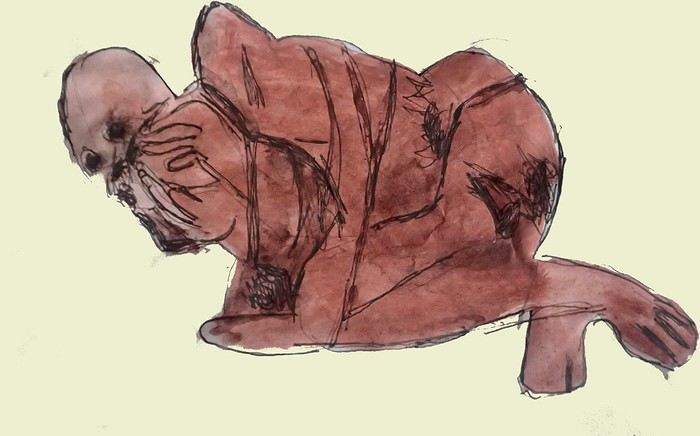
*Chavín de Huántar (Lanzón) The site’s appeal lies in its mountainous surroundings, the Lanzón stela, and the sculpted heads on the façades. What few people know is that the Chavín civilization began its expansion centuries before the Incas. Unfortunately, you can’t get too close to see the Lanzón—the day I was there, it was protected by grilles. To get there: minibus from Huaraz or trek from Olleros. Then cross a high pass (over 5,000m). If you do it solo on foot, be careful—the path isn’t obvious from Olleros
*Chullpa: funerary tower, notably at Sillustani in the Lake Titicaca region
*Chimú: pre-Inca civilization whose center was Chan Chan.
*Chola/Cholitas (Bolivia): typical clothing style of women from the Andean plateaus
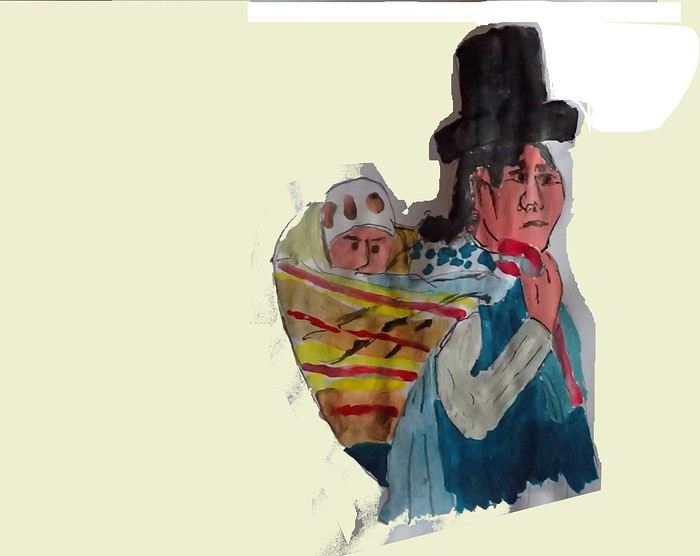
*Chompa: pronounce it *Chompaaa!* A common term for a wool sweater with vicuña patterns, often knitted from alpaca wool. If you dress like this, it’s a bit kitschy around the edges
*Cuy That one isn’t a guinea pig like in Guyana but an actual guinea pig. During a trip to Peru, I was hiking near a village north of Quillabamba (the terminus of the train line that passes through Aguas Calientes), and I was invited to stay in a house. The family raised a few of these pets. Apparently, the locals eat them. Since I’m not much of a meat-eater, it doesn’t really tempt me. How about you?
*Pacific Coast or how to talk about a place you haven’t visited? Except for the coast near Pisco and San Andrés, I haven’t visited any coastal cities. But that doesn’t mean these places lack interest or poetry. For fans of clichéd images, pelicans, seabirds, and fishing boats appear by the sea.
*Gran Pajaten: also closed to the public. Features anthropomorphic bas-reliefs. (not visited personally)
*Huaca. Visit the Huaca del Sol and Huaca de la Luna, especially near Trujillo. However, you can skip them—Chan Chan is still more interesting. Don’t forget to spend time visiting Chan Chan
*Huacachina A small oasis in the desert near Ica. Yes, we’re talking about an oasis because for those who’ve never traveled to Peru, the coastal strip along the Pacific is almost entirely desert, from north to south. Peru is territorially made up of three different regions: the desert coast, the Altiplano stretching north to south with mountain ranges (the Cordilleras), and the Amazon basin to the east. (not visited personally)
*Inca Kola It’s neither Coca-Cola nor Pepsi but a unique cola with a slightly orange color. Tastes like bubble gum
*Intiwatana: a carved rock shaped like a parallelepiped. Is it a sundial?
*Ballestas Islands: a highlight in Peru, though very touristy. You can only get there by boat from the port of San Andrés, a few kilometers from Pisco. It’s a surreal place to me—actually islets with cavities where sea lions and fur seals live. Since it’s a protected area, you’re not allowed to disembark. Guano is harvested there, which can be used as fertilizer.
*Kuelap: a fortress built by the Chachapoyas people. Rarely visited by travelers. (not visited personally)
*Larco Museum: an iconic museum in Lima with a large collection of pieces from archaeological and pre-Columbian sites. From what I remember, it has many pieces from the Moche civilization. As for the Moche statuettes, the prudish might look away. Probably a veneration of the god Priapus without knowing it.
*Nazca Lines Discovered by German archaeologist Maria Reiche, they stretch for kilometers. The designs in the desert around Nazca depict animals and cabalistic signs. The question I ask myself is why the creators of these lines represented a monkey and a hummingbird—species endemic to the tropical forest, not the desert plains around Nazca.
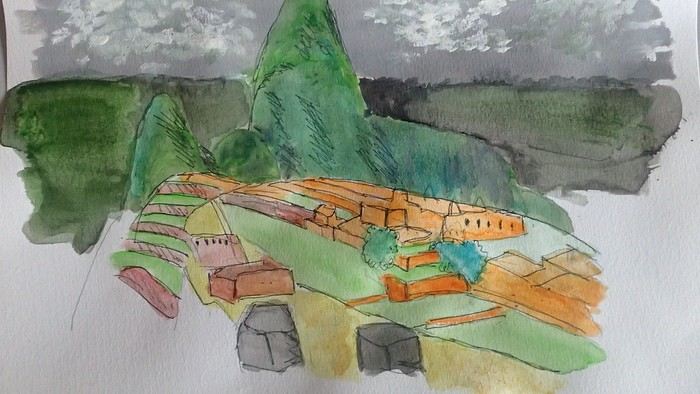
*Machu Picchu: means "old mountain" in Quechua. There’s also Wayna Picchu. The ruins of the site emerge from a sort of small plateau above Aguas Calientes. When the mist rises above the site and the bend of the Urubamba River, it’s truly magical... Also the starting point of the Inca Trail.
*Coca tea A decoction/infusion of the coca plant, meant to ease altitude sickness or *soroche*
*Chullo A rough translation would be a Peruvian wool hat.
*Moche: a civilization established in the Moche Valley, hence the term *Mochica*. What characterizes this civilization are the distinctive clay pieces representing faces and erotic statuettes
*Papa a la Huancaína A local potato dish
*Pisac: a typical market near Cusco
*Pisco Sour: perhaps the Peruvian equivalent of the *caipirinha* you drink in Brazil.
*Puya Raimondii A Bromeliaceae that still looks like a cactus, endemic to the Altiplano
*Quechua The language spoken by the indigenous people of the high plateaus (as well as Aymara in Bolivia)
*Quipu A knotted string used for counting. Widely used by the Inca administration.
*Sacsayhuamán (Q’enqo, Inca Bath) From Cusco’s Plaza de Armas, take the streets that climb above the city. Sacsayhuamán is called a fortress and is made up of large stone blocks. You wonder how the Incas could cut such huge blocks to assemble them—just like some streets in Cusco. The Q’enqo block is enigmatic; no one really knows what it represents.
*Savia Andina An Andean folk group.
*Tambo (=> Ollantaytambo) The Inca emperor (Atahualpa, Manco Capac) had the mission of controlling a vast empire. An empire that was still very extensive. Hence the importance of these *tambos* or relay stations. Napoleon created the civil code; the Incas invented the *tambos* and *quipus*.
*Tawantinsuyu: the Inca Empire
*Tinku: a warrior dance practiced mainly in Bolivia
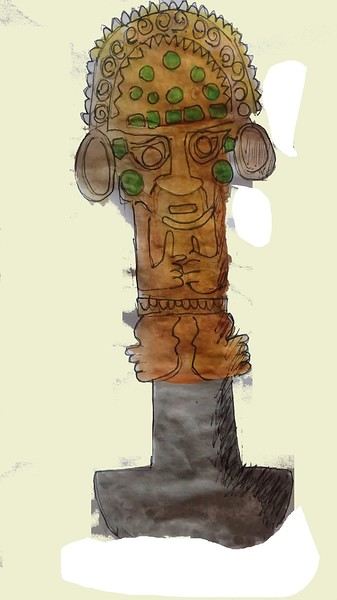
*Golden Tumi: a sacrificial weapon. Often featured in Peru travel guides. See illustration
*Terra X: a documentary series from the German TV channel that aired on Arte. Some episodes focused on pre-Inca and Inca Peru. I must have some old recording tapes. In memory of Gottfried Kirchner as a source of inspiration.
*Uros: I checked—it actually refers to the people who live on these floating islands. Even if it’s touristy, it’s a must-visit because it’s incredible how people can live on islets made from nothing. Take the boat from Puno
*Vicuña, llama, guanaco: camelids characteristic of the Altiplano
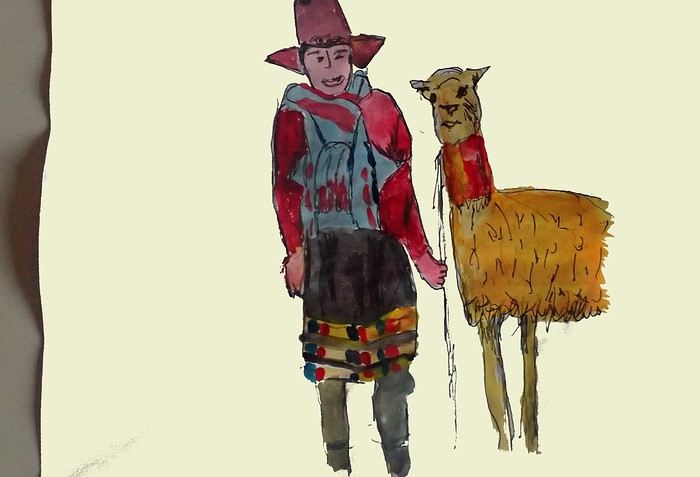
*Wayna Picchu The young Picchu mountain. In the first minutes of *Aguirre, the Wrath of God*, you see Klaus Kinski—well, Aguirre—making his way along the Inca Trail. Werner Herzog must have broken his back filming those sequences.
*Zampoña: pan flute
Peru is still a very vast country, with so much to see, and obviously this text can't list all the attractions of the country.
*Abiseo (River) A national park that's very hard to access and doesn’t seem open to visitors. Includes the Gran Pajaten site (see below). Personally, it really sparks my imagination (not visited personally)
*Aguas Calientes the town next to Machu Picchu, more precisely below the archaeological site. As far as I know, you can only get there by train. Reminds me of the market where stalls line both sides of the tracks near Bangkok. I love it
*Altiplano: somewhere the "heart" of the Andes. I was able to trek across it on foot, starting from Caracollo in Bolivia, and of course, it’s vast plains to explore. This is where people live in a very rural way. Andean populations are quite austere compared to those in the lowlands or on the coast. You really have to appreciate the harshness of life to live there. Life is anything but superficial. I set a compass heading and found myself walking west toward the expanse of water near a place called La Joya. For pitching the tent, the nights were still chilly
*Canyon del Colca One of the deepest canyons in the world. Personally, I hiked down and back up on foot. The toughest stretch I’ve ever covered in my life.
*Ceviche More or less the national dish. A marinade of fish, shellfish, and lime. But you can find it in some restaurants in Europe, France, and certainly in Belgium or Switzerland. In the small restaurants of Pisco, you can eat excellent ceviche
*Cerro Sechín: Mostly bas-reliefs. A site little known to travelers in the Casma province. The first vestiges of a pre-Inca civilization with iconography similar to that of Chavín (not visited personally)
*Chan Chan A large city of the Chimú civilization and relatively vast to visit. You can see adobe walls with bas-reliefs. Visit from Trujillo, take a colectivo. Plan for the whole day
*Charango: a small guitar widely used in Andean music
*Chauchilla A necropolis near Nazca where you can see mummies exposed on the ground. YouTubers can do paranormal experiments there. And for anyone wondering about the fate of the soul and body after death, here’s the answer: the body remains after death. You can imagine your own flesh and body exposed to the winds of the Pampa and before eternity... (not visited personally)
*Chavín de Huántar (Lanzón) The site’s appeal lies in its mountainous surroundings, the Lanzón stela, and the sculpted heads on the façades. What few people know is that the Chavín civilization began its expansion centuries before the Incas. Unfortunately, you can’t get too close to see the Lanzón—the day I was there, it was protected by grilles. To get there: minibus from Huaraz or trek from Olleros. Then cross a high pass (over 5,000m). If you do it solo on foot, be careful—the path isn’t obvious from Olleros
*Chullpa: funerary tower, notably at Sillustani in the Lake Titicaca region
*Chimú: pre-Inca civilization whose center was Chan Chan.
*Chola/Cholitas (Bolivia): typical clothing style of women from the Andean plateaus
*Chompa: pronounce it *Chompaaa!* A common term for a wool sweater with vicuña patterns, often knitted from alpaca wool. If you dress like this, it’s a bit kitschy around the edges
*Cuy That one isn’t a guinea pig like in Guyana but an actual guinea pig. During a trip to Peru, I was hiking near a village north of Quillabamba (the terminus of the train line that passes through Aguas Calientes), and I was invited to stay in a house. The family raised a few of these pets. Apparently, the locals eat them. Since I’m not much of a meat-eater, it doesn’t really tempt me. How about you?
*Pacific Coast or how to talk about a place you haven’t visited? Except for the coast near Pisco and San Andrés, I haven’t visited any coastal cities. But that doesn’t mean these places lack interest or poetry. For fans of clichéd images, pelicans, seabirds, and fishing boats appear by the sea.
*Gran Pajaten: also closed to the public. Features anthropomorphic bas-reliefs. (not visited personally)
*Huaca. Visit the Huaca del Sol and Huaca de la Luna, especially near Trujillo. However, you can skip them—Chan Chan is still more interesting. Don’t forget to spend time visiting Chan Chan
*Huacachina A small oasis in the desert near Ica. Yes, we’re talking about an oasis because for those who’ve never traveled to Peru, the coastal strip along the Pacific is almost entirely desert, from north to south. Peru is territorially made up of three different regions: the desert coast, the Altiplano stretching north to south with mountain ranges (the Cordilleras), and the Amazon basin to the east. (not visited personally)
*Inca Kola It’s neither Coca-Cola nor Pepsi but a unique cola with a slightly orange color. Tastes like bubble gum
*Intiwatana: a carved rock shaped like a parallelepiped. Is it a sundial?
*Ballestas Islands: a highlight in Peru, though very touristy. You can only get there by boat from the port of San Andrés, a few kilometers from Pisco. It’s a surreal place to me—actually islets with cavities where sea lions and fur seals live. Since it’s a protected area, you’re not allowed to disembark. Guano is harvested there, which can be used as fertilizer.
*Kuelap: a fortress built by the Chachapoyas people. Rarely visited by travelers. (not visited personally)
*Larco Museum: an iconic museum in Lima with a large collection of pieces from archaeological and pre-Columbian sites. From what I remember, it has many pieces from the Moche civilization. As for the Moche statuettes, the prudish might look away. Probably a veneration of the god Priapus without knowing it.
*Nazca Lines Discovered by German archaeologist Maria Reiche, they stretch for kilometers. The designs in the desert around Nazca depict animals and cabalistic signs. The question I ask myself is why the creators of these lines represented a monkey and a hummingbird—species endemic to the tropical forest, not the desert plains around Nazca.
*Machu Picchu: means "old mountain" in Quechua. There’s also Wayna Picchu. The ruins of the site emerge from a sort of small plateau above Aguas Calientes. When the mist rises above the site and the bend of the Urubamba River, it’s truly magical... Also the starting point of the Inca Trail.
*Coca tea A decoction/infusion of the coca plant, meant to ease altitude sickness or *soroche*
*Chullo A rough translation would be a Peruvian wool hat.
*Moche: a civilization established in the Moche Valley, hence the term *Mochica*. What characterizes this civilization are the distinctive clay pieces representing faces and erotic statuettes
*Papa a la Huancaína A local potato dish
*Pisac: a typical market near Cusco
*Pisco Sour: perhaps the Peruvian equivalent of the *caipirinha* you drink in Brazil.
*Puya Raimondii A Bromeliaceae that still looks like a cactus, endemic to the Altiplano
*Quechua The language spoken by the indigenous people of the high plateaus (as well as Aymara in Bolivia)
*Quipu A knotted string used for counting. Widely used by the Inca administration.
*Sacsayhuamán (Q’enqo, Inca Bath) From Cusco’s Plaza de Armas, take the streets that climb above the city. Sacsayhuamán is called a fortress and is made up of large stone blocks. You wonder how the Incas could cut such huge blocks to assemble them—just like some streets in Cusco. The Q’enqo block is enigmatic; no one really knows what it represents.
*Savia Andina An Andean folk group.
*Tambo (=> Ollantaytambo) The Inca emperor (Atahualpa, Manco Capac) had the mission of controlling a vast empire. An empire that was still very extensive. Hence the importance of these *tambos* or relay stations. Napoleon created the civil code; the Incas invented the *tambos* and *quipus*.
*Tawantinsuyu: the Inca Empire
*Tinku: a warrior dance practiced mainly in Bolivia
*Golden Tumi: a sacrificial weapon. Often featured in Peru travel guides. See illustration
*Terra X: a documentary series from the German TV channel that aired on Arte. Some episodes focused on pre-Inca and Inca Peru. I must have some old recording tapes. In memory of Gottfried Kirchner as a source of inspiration.
*Uros: I checked—it actually refers to the people who live on these floating islands. Even if it’s touristy, it’s a must-visit because it’s incredible how people can live on islets made from nothing. Take the boat from Puno
*Vicuña, llama, guanaco: camelids characteristic of the Altiplano
*Wayna Picchu The young Picchu mountain. In the first minutes of *Aguirre, the Wrath of God*, you see Klaus Kinski—well, Aguirre—making his way along the Inca Trail. Werner Herzog must have broken his back filming those sequences.
*Zampoña: pan flute
Airports in the Persian Gulf Emirates
Hi,
Right now, with the war raging in Iran and affecting all the neighboring countries of the Persian Gulf, many airports are completely closed to all traffic.
Several airlines like Qatar Airways, Emirates, and others have almost completely halted their operations.
Whether in the Middle East or Africa, many travelers are stranded—maybe for a long time... A heartfelt thought for them and the struggles this will cause.
Four months ago, I was in Kenya with a flight booked through Qatar Airways... I can’t even imagine how I’d react if I were stuck there now. ??
Wishing all these travelers courage, patience, and success in making it back home.
...
Doha Airport on October 21, 2025:
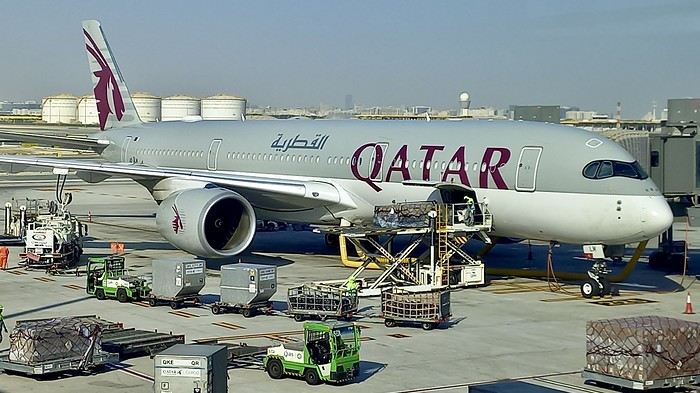
...
Right now, with the war raging in Iran and affecting all the neighboring countries of the Persian Gulf, many airports are completely closed to all traffic.
Several airlines like Qatar Airways, Emirates, and others have almost completely halted their operations.
Whether in the Middle East or Africa, many travelers are stranded—maybe for a long time... A heartfelt thought for them and the struggles this will cause.
Four months ago, I was in Kenya with a flight booked through Qatar Airways... I can’t even imagine how I’d react if I were stuck there now. ??
Wishing all these travelers courage, patience, and success in making it back home.
...
Doha Airport on October 21, 2025:
...
Some trips are born twice - Peru April - May 2025
Some trips are born twice.
Ours was supposed to happen in 2020. Everything was ready: the itinerary, the flight tickets, hotel reservations and Machu Picchu, the rental car, dreams of high altitudes and wide-open spaces. And then the world stopped.
Like so many other plans, our trip to Peru was put on hold. Disappointment was followed by a more concrete reality: paperwork, endless back-and-forth, and battles to recover some of the costs we’d already paid.
The years went by. Life moved on, with its shifting priorities and unexpected twists. Rescheduling this trip wasn’t possible until 2025.
The itinerary stayed mostly true to what we’d imagined five years earlier. One major difference, though—in 2020, we’d planned to rent a car and explore the roads completely independently. Most importantly, we hadn’t included the three-day Ausangate trek, due to lack of time.
For 2025, our plans evolved. 4x4 rental prices had skyrocketed, and when we looked at our schedule more closely, we realized quite a few days didn’t actually need a vehicle. So we made a different choice and opted for private drivers instead. A decision we never regretted. Always punctual, thoughtful, and available... they were so much more than just drivers.
All our reservations were made in January, except for the trek, which we booked in February.
Finding reliable drivers on our own was tough, so we asked Laurent from Tout Pérou to handle it for us. Going through Tout Pérou also gave us a discount on the train ride to Aguas Calientes, so Laurent booked those tickets too. He also bought our Machu Picchu entrance tickets at the same price we would’ve paid on the official website. When comparing domestic flight prices, we found it was cheaper to book from Peru, so Laurent took care of those as well.
This time, nothing was going to stop us. Peru was waiting. And we were ready. 🙂
Ours was supposed to happen in 2020. Everything was ready: the itinerary, the flight tickets, hotel reservations and Machu Picchu, the rental car, dreams of high altitudes and wide-open spaces. And then the world stopped.
Like so many other plans, our trip to Peru was put on hold. Disappointment was followed by a more concrete reality: paperwork, endless back-and-forth, and battles to recover some of the costs we’d already paid.
The years went by. Life moved on, with its shifting priorities and unexpected twists. Rescheduling this trip wasn’t possible until 2025.
The itinerary stayed mostly true to what we’d imagined five years earlier. One major difference, though—in 2020, we’d planned to rent a car and explore the roads completely independently. Most importantly, we hadn’t included the three-day Ausangate trek, due to lack of time.
For 2025, our plans evolved. 4x4 rental prices had skyrocketed, and when we looked at our schedule more closely, we realized quite a few days didn’t actually need a vehicle. So we made a different choice and opted for private drivers instead. A decision we never regretted. Always punctual, thoughtful, and available... they were so much more than just drivers.
All our reservations were made in January, except for the trek, which we booked in February.
Finding reliable drivers on our own was tough, so we asked Laurent from Tout Pérou to handle it for us. Going through Tout Pérou also gave us a discount on the train ride to Aguas Calientes, so Laurent booked those tickets too. He also bought our Machu Picchu entrance tickets at the same price we would’ve paid on the official website. When comparing domestic flight prices, we found it was cheaper to book from Peru, so Laurent took care of those as well.
This time, nothing was going to stop us. Peru was waiting. And we were ready. 🙂
Havana, Cuba / January 2026
I got into music with the will
To light up many hearths like Che could do,
To circulate ideas, to advance utopia
Alternating barricades, sharp thought, and poetry.
Mc Solaar, Guérilla
Subscribing without a fight to the slightest line of my itinerary sometimes feels like an illusion. Because there are countries where, despite the fever and enthusiasm, despite the triumphant revolution, certain elements block my path. And if I had planned, for F. and me, a beautiful ascent up Tabouret Hill (Loma del Taburete, 453m), it was without accounting for vegetation as dense as it was thorny, which barred our way after just a few quarters of an hour of walking. Exhausted, I had to face the facts: we wouldn’t go any further. I needed to come up with some kind of Plan B.
But what is this country, an unwitting laboratory of the worst that white civilization has done during its reign? What is this magnificent place—yet another—entrusted to the care of oblivion, just 150 km from the land of freedom? According to Donald Trump, a country supporting terrorism; according to the locals, the vast battlefield of 20th-century ideologies; according to the average tourist, a hot country, a beautiful country, a country where the last illusions of a lost paradise are dying.
On the other side of Havana Bay, we love that statue of Christ blessing the city. There’s something gentle, soothing, in that patriarchal gesture. You’d almost be tempted to forget that at the dawn of the 16th century, those who claimed to represent the Church had no scruples about eradicating the Ciboney and Taíno populations. Worse, you’ll find magnificent this cathedral dedicated to the Virgin Mary, right in the heart of the old city. Under the guise of a civilizing necessity, Havana became, like so many other places, the gilded seat of European pretensions, at the expense of local populations doomed to extermination, then enslaved populations—more or less indigenous—who, you can imagine, didn’t often set foot in this holy place.
Lost in my thoughts, I try to push through this tangled vegetation. Nature reclaims its rights; nature abhors a vacuum. Yes, the well-trodden path of revolution couldn’t stay free of weeds! The road is buried. We give up and turn back, until that fork I’d noted before leaving, which would let us reach the top of the hill by skirting its northern slope.
So the white man arrives, settles, and gets rid of everything that bothers him. He has two unstoppable forces at his disposal: gunpowder and the spiritual certainty of being on the side of an all-powerful god. While the first gives him an unmatched material advantage over his new enemy, the second lets him use the first without feeling too guilty. That’s the magic of this supreme Church: it condemns all forms of pleasure—calling them impurity—while promoting plunder and crime under the cover of evangelization.
Walking through the city, you find a bit of Algiers, except that here, the decay is almost irreversible. You feel the splendor of the past, a disconcerting image of all vanity, from an era when men knew how to build beauty—especially if they didn’t have to share it. We’ll debate the benefits of colonialism for a long time, while glossing over the fact that those benefits often stopped at the city limits, limits all too obvious to the indigenous people. Havana isn’t just one or a few buildings; it’s an impressive collection of works of art built one after another, in what I think was a spirit of healthy competition. Yes, you find Algiers in this exuberance. As if these distant cities were the receptacle of everything that was best in the lands of origin. Atlantes and lintels, golds, blues, ogives, and monumental windows—exceptional architecture in an exceptional place.
Some streets are clean, swept with care; others are not, scattered here and there with potholes filled with water. A rather persistent smell of urine invades us regularly. We move on. And we look up: Havana is visited with your nose in the air. Because the beauty is truly up there, on those magnificent balconies and terracotta arches. Also because it’s not impossible that a piece of that balcony might suddenly detach, hurling our ends into an overseas tragedy we’d rather avoid. On the ground, here and there, rubble. Inexorably, this city is returning to dust.
My Plan B turns out to be no more successful than the first attempt. After a cheerful progression of a few hundred meters, same outcome, same struggle—the vegetation opposes any revolution: impossible to go around the hill! Once again, we have to turn back. We’ll try Plan C. I reassure myself by convincing myself to stay in the logic of this country: Cuba has been searching for itself for five centuries.
Coffee, tobacco, and sugarcane—the green gold of the colonies—so that money could flow and Europe could enjoy itself. Cuba’s history isn’t original. In reality, all the hot lands at these latitudes suffer the same fate: to serve the white man. While waiting for the awakening of consciences, UN Resolution 1514 and more or less affirmed revolutionary desires. Except that—and this reflection is just my own—if the awakening of consciences and the revolutionary will don’t play into what Resolution 1514 hides, there’s a good chance the said state will become a pariah. Those who don’t follow the American doctrine risk a lot; those who decide to follow Moscow risk everything. Independence was only the barely discreet instrument of American views. Patrice Lumumba will gladly enlighten us on the subject.
Turning back is good. Setting up Plan C is better. I won’t deviate from my goal: we will reach the top of Tabouret, whatever the cost! Near a small country road, I hesitate to change the program. Time is ticking—is it really reasonable to attempt the ascent? Then a tricycle taxi appears, a kind of tuk-tuk powered by an electric moped. I take it as a sign from fate, and we board for the starting point of Plan C.
In Cuba, even before Resolution 1514, independence was assured by a pawn of the United States, Fulgencio Batista. There’s no need to go over the whole history here; we’ll just remember that if you know how to give without counting to your former masters, you can enjoy a facade of freedom. Fidel Castro, on the other hand, didn’t know how to give. It never even occurred to him. That’s why the United States harbors such terrible hatred for this rebellious state, opposed to capitalist values and political prostitution. From there to slowly killing its people for nearly seventy years, one can legitimately cry injustice. But there are other priorities. Oh yes! Greenland...
Do Cubans eat their fill? Does seeing overweight people mean opulence? Food grows, no doubt about it. The soil is fertile, the climate favorable. No, what shocks here is the absolute precarity, the feeling of a people living in survival mode, and the decay of both goods and hope. Where to go? What’s the point? The stubbornness of the United States in wanting to impose its views on the Cuban government is felt much more by an overwhelmed people than by those few elites—caricatures of communism—who instill their vision of happiness with a crowbar. The embargo imposed in 1960; the false-flag attacks—American planes flying the colors of the Cuban revolution during the Bay of Pigs invasion in 1961—the exasperation of placing Cuba on the list of countries supporting terrorism. More recently, Donald Trump decided to heavily tax countries supplying Cuba with fuel. The last time I saw such long lines near gas stations was during my first trip to Romania... in 1991. It’s not for me to judge whether Raúl and his clique are playing fair by thumbing their noses at the West. I don’t hold the ins and outs of this war of egos that keeps the world’s great powers awake. I only caught a glimpse of the poverty of an island in 2026, while we in Europe are buried under an avalanche of the useless and superficial.
At the start of the San Juan baths, we find the trailhead. It climbs steeply. But the weather is relatively mild, thanks to a cold wave hitting higher up in the United States. Dallas is under snow; we’re walking in 16°C, a stroke of luck. We climb over rocks, under fairly decent vegetation, sometimes low but passable. And we succeed in the ascent in an hour. Up there, the top of the hill is somewhat maintained, at a minimum, but maintained, as if to honor Che through an awful monument erected in his glory—a stubborn specimen from those years when good taste was inversely proportional to the delusional ideas of those being honored. Birds of prey (raptors?) circle overhead; the monument is dying, crumbling, falling into ruin. *Hasta siempre*—forever—will be for the words. Nature, erosion, life itself will have the last word over all revolutions.
Back at the foot of the hill, just before a memorable swim, we talk with a family living there in miserable shacks whose stability wasn’t unlike that of the Leaning Tower of Pisa. The grandmother holds an animal, a rodent, by its feet. The grandfather has just killed it; she’s plucking its fur. A few steps away, water boils in a pot. She plunges the beast into the container. Tonight, the family will eat ragondin stew. Further on, another shack where, in a disorder rivaling the filth, a mother breastfeeds while sitting on the edge of a bed. Then, on the way down, we’ll meet a middle-aged man carrying a large jerrycan of water on his shoulder. Are these people happy here, far from the cities and their stakes? Is it too much to ask that they at least have access to electricity, running water, and decent, safe housing?
Outside the old city, Havana reveals wide avenues serving imposing institutions here and there. But whether in the colorful alleys of the old town or on the majestic and austere Plaza de la Revolución, the same feeling moves me: sadness. Seeing that only chaos has come from ideas crushes me. We praise, we sing the revolution—above all, we impose it in people’s minds as a necessity, when it’s nothing of the sort. Revolution is just the fruit of a few tortured minds who, once in power, do nothing better than all those before them. Enjoy power. Impose their views. It’s just a matter of color. Fidel saw red and knew how to persuade—or silence forever—his many detractors. The West sees everything in white, through the prism of human rights, and also knows how to persuade and silence its slightest detractors forever.
Paradoxically, Cuba survives largely thanks to tourism, a key element—let’s not be afraid to say it—of capitalism. And when a few players pick up the crumbs from transactions, the lion’s share and the foreign currency go to the government. So we won’t go to Varadero, the high place of relaxation overrun by Canadians. Instead, we’ll limit ourselves to crossing the ocean 30 minutes from the capital, at Santa María del Mar, to get an idea of cheaper tourism and to splash around for a few minutes in turquoise water invaded by sargassum. At the heart of the tourist season, we’ll meet few people. Like Havana, and according to its inhabitants, the high season is rather dead. But we won’t have come for nothing: we particularly love this return where, feverish, the taxi driver pushes his Moskvitch 2140 to the max on the highway, singing karaoke versions of hits at the top of his lungs from an onboard DVD player. East/West, the culture clash with a hint of Latino.
It’s time to leave this country of resourcefulness where extremes are very present. We’re leaving a 5-star hotel in front of yet another crumbling building. We’ve known restaurants at 40,000 pesos while in the street people eat for 400. We’ve seen those countless cars from another era and another culture—Pontiac, Lada, Chevrolet, Moskvitch—being overtaken by gleaming Mercedes and other Porsche Cayennes, the prerogative—if it still needed to be demonstrated—of the newly rich in search of recognition. Boarding the plane, we also understand that we’re not just traveling with tourists: there’s undoubtedly a rich and prosperous diaspora, just as there are relatively wealthy Cubans—well, wealthy enough to travel comfortably in the front of the aircraft. Meanwhile, on all the country’s roads, other Cubans try hitchhiking, their wives and children perched on a suitcase by the roadside. The father holds out his arm and holds a few bills in his hand like a card game. Where are they going? Who will pick them up?
Behind me, the gold of the Capitol. I’m told this gold comes from Russia. Like Marx and Lenin’s smoky theories? Like Stalin’s subtle and delicate paternalism? Let’s bet that, like the other buildings crumbling around it, the Capitol will also collapse one day, to avenge the Indians who perished from the diseases and guns of the whites, to avenge the Africans who obliterated their lives so Europeans could enjoy themselves, finally, to avenge all this abandoned people, left to the arbitrariness of democratic or non-democratic elections.
A sign in the street: We understand history. This is the revolution! We understand history. That’s the revolution.
No comment.
Subscribing without a fight to the slightest line of my itinerary sometimes feels like an illusion. Because there are countries where, despite the fever and enthusiasm, despite the triumphant revolution, certain elements block my path. And if I had planned, for F. and me, a beautiful ascent up Tabouret Hill (Loma del Taburete, 453m), it was without accounting for vegetation as dense as it was thorny, which barred our way after just a few quarters of an hour of walking. Exhausted, I had to face the facts: we wouldn’t go any further. I needed to come up with some kind of Plan B.
But what is this country, an unwitting laboratory of the worst that white civilization has done during its reign? What is this magnificent place—yet another—entrusted to the care of oblivion, just 150 km from the land of freedom? According to Donald Trump, a country supporting terrorism; according to the locals, the vast battlefield of 20th-century ideologies; according to the average tourist, a hot country, a beautiful country, a country where the last illusions of a lost paradise are dying.
On the other side of Havana Bay, we love that statue of Christ blessing the city. There’s something gentle, soothing, in that patriarchal gesture. You’d almost be tempted to forget that at the dawn of the 16th century, those who claimed to represent the Church had no scruples about eradicating the Ciboney and Taíno populations. Worse, you’ll find magnificent this cathedral dedicated to the Virgin Mary, right in the heart of the old city. Under the guise of a civilizing necessity, Havana became, like so many other places, the gilded seat of European pretensions, at the expense of local populations doomed to extermination, then enslaved populations—more or less indigenous—who, you can imagine, didn’t often set foot in this holy place.
Lost in my thoughts, I try to push through this tangled vegetation. Nature reclaims its rights; nature abhors a vacuum. Yes, the well-trodden path of revolution couldn’t stay free of weeds! The road is buried. We give up and turn back, until that fork I’d noted before leaving, which would let us reach the top of the hill by skirting its northern slope.
So the white man arrives, settles, and gets rid of everything that bothers him. He has two unstoppable forces at his disposal: gunpowder and the spiritual certainty of being on the side of an all-powerful god. While the first gives him an unmatched material advantage over his new enemy, the second lets him use the first without feeling too guilty. That’s the magic of this supreme Church: it condemns all forms of pleasure—calling them impurity—while promoting plunder and crime under the cover of evangelization.
Walking through the city, you find a bit of Algiers, except that here, the decay is almost irreversible. You feel the splendor of the past, a disconcerting image of all vanity, from an era when men knew how to build beauty—especially if they didn’t have to share it. We’ll debate the benefits of colonialism for a long time, while glossing over the fact that those benefits often stopped at the city limits, limits all too obvious to the indigenous people. Havana isn’t just one or a few buildings; it’s an impressive collection of works of art built one after another, in what I think was a spirit of healthy competition. Yes, you find Algiers in this exuberance. As if these distant cities were the receptacle of everything that was best in the lands of origin. Atlantes and lintels, golds, blues, ogives, and monumental windows—exceptional architecture in an exceptional place.
Some streets are clean, swept with care; others are not, scattered here and there with potholes filled with water. A rather persistent smell of urine invades us regularly. We move on. And we look up: Havana is visited with your nose in the air. Because the beauty is truly up there, on those magnificent balconies and terracotta arches. Also because it’s not impossible that a piece of that balcony might suddenly detach, hurling our ends into an overseas tragedy we’d rather avoid. On the ground, here and there, rubble. Inexorably, this city is returning to dust.
My Plan B turns out to be no more successful than the first attempt. After a cheerful progression of a few hundred meters, same outcome, same struggle—the vegetation opposes any revolution: impossible to go around the hill! Once again, we have to turn back. We’ll try Plan C. I reassure myself by convincing myself to stay in the logic of this country: Cuba has been searching for itself for five centuries.
Coffee, tobacco, and sugarcane—the green gold of the colonies—so that money could flow and Europe could enjoy itself. Cuba’s history isn’t original. In reality, all the hot lands at these latitudes suffer the same fate: to serve the white man. While waiting for the awakening of consciences, UN Resolution 1514 and more or less affirmed revolutionary desires. Except that—and this reflection is just my own—if the awakening of consciences and the revolutionary will don’t play into what Resolution 1514 hides, there’s a good chance the said state will become a pariah. Those who don’t follow the American doctrine risk a lot; those who decide to follow Moscow risk everything. Independence was only the barely discreet instrument of American views. Patrice Lumumba will gladly enlighten us on the subject.
Turning back is good. Setting up Plan C is better. I won’t deviate from my goal: we will reach the top of Tabouret, whatever the cost! Near a small country road, I hesitate to change the program. Time is ticking—is it really reasonable to attempt the ascent? Then a tricycle taxi appears, a kind of tuk-tuk powered by an electric moped. I take it as a sign from fate, and we board for the starting point of Plan C.
In Cuba, even before Resolution 1514, independence was assured by a pawn of the United States, Fulgencio Batista. There’s no need to go over the whole history here; we’ll just remember that if you know how to give without counting to your former masters, you can enjoy a facade of freedom. Fidel Castro, on the other hand, didn’t know how to give. It never even occurred to him. That’s why the United States harbors such terrible hatred for this rebellious state, opposed to capitalist values and political prostitution. From there to slowly killing its people for nearly seventy years, one can legitimately cry injustice. But there are other priorities. Oh yes! Greenland...
Do Cubans eat their fill? Does seeing overweight people mean opulence? Food grows, no doubt about it. The soil is fertile, the climate favorable. No, what shocks here is the absolute precarity, the feeling of a people living in survival mode, and the decay of both goods and hope. Where to go? What’s the point? The stubbornness of the United States in wanting to impose its views on the Cuban government is felt much more by an overwhelmed people than by those few elites—caricatures of communism—who instill their vision of happiness with a crowbar. The embargo imposed in 1960; the false-flag attacks—American planes flying the colors of the Cuban revolution during the Bay of Pigs invasion in 1961—the exasperation of placing Cuba on the list of countries supporting terrorism. More recently, Donald Trump decided to heavily tax countries supplying Cuba with fuel. The last time I saw such long lines near gas stations was during my first trip to Romania... in 1991. It’s not for me to judge whether Raúl and his clique are playing fair by thumbing their noses at the West. I don’t hold the ins and outs of this war of egos that keeps the world’s great powers awake. I only caught a glimpse of the poverty of an island in 2026, while we in Europe are buried under an avalanche of the useless and superficial.
At the start of the San Juan baths, we find the trailhead. It climbs steeply. But the weather is relatively mild, thanks to a cold wave hitting higher up in the United States. Dallas is under snow; we’re walking in 16°C, a stroke of luck. We climb over rocks, under fairly decent vegetation, sometimes low but passable. And we succeed in the ascent in an hour. Up there, the top of the hill is somewhat maintained, at a minimum, but maintained, as if to honor Che through an awful monument erected in his glory—a stubborn specimen from those years when good taste was inversely proportional to the delusional ideas of those being honored. Birds of prey (raptors?) circle overhead; the monument is dying, crumbling, falling into ruin. *Hasta siempre*—forever—will be for the words. Nature, erosion, life itself will have the last word over all revolutions.
Back at the foot of the hill, just before a memorable swim, we talk with a family living there in miserable shacks whose stability wasn’t unlike that of the Leaning Tower of Pisa. The grandmother holds an animal, a rodent, by its feet. The grandfather has just killed it; she’s plucking its fur. A few steps away, water boils in a pot. She plunges the beast into the container. Tonight, the family will eat ragondin stew. Further on, another shack where, in a disorder rivaling the filth, a mother breastfeeds while sitting on the edge of a bed. Then, on the way down, we’ll meet a middle-aged man carrying a large jerrycan of water on his shoulder. Are these people happy here, far from the cities and their stakes? Is it too much to ask that they at least have access to electricity, running water, and decent, safe housing?
Outside the old city, Havana reveals wide avenues serving imposing institutions here and there. But whether in the colorful alleys of the old town or on the majestic and austere Plaza de la Revolución, the same feeling moves me: sadness. Seeing that only chaos has come from ideas crushes me. We praise, we sing the revolution—above all, we impose it in people’s minds as a necessity, when it’s nothing of the sort. Revolution is just the fruit of a few tortured minds who, once in power, do nothing better than all those before them. Enjoy power. Impose their views. It’s just a matter of color. Fidel saw red and knew how to persuade—or silence forever—his many detractors. The West sees everything in white, through the prism of human rights, and also knows how to persuade and silence its slightest detractors forever.
Paradoxically, Cuba survives largely thanks to tourism, a key element—let’s not be afraid to say it—of capitalism. And when a few players pick up the crumbs from transactions, the lion’s share and the foreign currency go to the government. So we won’t go to Varadero, the high place of relaxation overrun by Canadians. Instead, we’ll limit ourselves to crossing the ocean 30 minutes from the capital, at Santa María del Mar, to get an idea of cheaper tourism and to splash around for a few minutes in turquoise water invaded by sargassum. At the heart of the tourist season, we’ll meet few people. Like Havana, and according to its inhabitants, the high season is rather dead. But we won’t have come for nothing: we particularly love this return where, feverish, the taxi driver pushes his Moskvitch 2140 to the max on the highway, singing karaoke versions of hits at the top of his lungs from an onboard DVD player. East/West, the culture clash with a hint of Latino.
It’s time to leave this country of resourcefulness where extremes are very present. We’re leaving a 5-star hotel in front of yet another crumbling building. We’ve known restaurants at 40,000 pesos while in the street people eat for 400. We’ve seen those countless cars from another era and another culture—Pontiac, Lada, Chevrolet, Moskvitch—being overtaken by gleaming Mercedes and other Porsche Cayennes, the prerogative—if it still needed to be demonstrated—of the newly rich in search of recognition. Boarding the plane, we also understand that we’re not just traveling with tourists: there’s undoubtedly a rich and prosperous diaspora, just as there are relatively wealthy Cubans—well, wealthy enough to travel comfortably in the front of the aircraft. Meanwhile, on all the country’s roads, other Cubans try hitchhiking, their wives and children perched on a suitcase by the roadside. The father holds out his arm and holds a few bills in his hand like a card game. Where are they going? Who will pick them up?
Behind me, the gold of the Capitol. I’m told this gold comes from Russia. Like Marx and Lenin’s smoky theories? Like Stalin’s subtle and delicate paternalism? Let’s bet that, like the other buildings crumbling around it, the Capitol will also collapse one day, to avenge the Indians who perished from the diseases and guns of the whites, to avenge the Africans who obliterated their lives so Europeans could enjoy themselves, finally, to avenge all this abandoned people, left to the arbitrariness of democratic or non-democratic elections.
A sign in the street: We understand history. This is the revolution! We understand history. That’s the revolution.
No comment.