Results for "Carretera+Austral+|+4+>+127"
3131 results found.
Iles et bords de mer en Thaïlande English translation pending
Salut à tous !
J' avoue 😊: je ne connais rien aux différentes iles et palges paradisiaques de Thailande j'ai beau lire je mélange tout !
Ah si, y'a une chose, leur nom commence super souvent par Koh ... ça voudrait pas dire "ile " par hasard ?? :))
J'avoue aussi, ça va peut être paraitre bizarre à pas mal mais ... nous on s'ennuie vite sur les plages parce que ma femme et ma fille ne peuvent faire de plongée, même pas de snorkling et comme le bronzage ça les laisse froide ( c'est le cas de le dire ! 🙂 🙂) ...
Ceci dit la prespective d'y passer quelques jours avant de retourner dans la grisaile d'un mois de janvier français n'est quand même pas pour nous déplaire 😎 aussi pourriez vous me conseillez une plage/ile ?
Ce qu'on cherche? Moi comme je suis assez branché photo si elle pouvait étre photogéniqueavec des rochers qui sortent de l'eau et tout et tout ça serait top bien par contre on préfererait eviter les allemands tout rouge en short et les full moon party c'est pas notre style...
A+
J'avoue aussi, ça va peut être paraitre bizarre à pas mal mais ... nous on s'ennuie vite sur les plages parce que ma femme et ma fille ne peuvent faire de plongée, même pas de snorkling et comme le bronzage ça les laisse froide ( c'est le cas de le dire ! 🙂 🙂) ...
Ceci dit la prespective d'y passer quelques jours avant de retourner dans la grisaile d'un mois de janvier français n'est quand même pas pour nous déplaire 😎 aussi pourriez vous me conseillez une plage/ile ?
Ce qu'on cherche? Moi comme je suis assez branché photo si elle pouvait étre photogéniqueavec des rochers qui sortent de l'eau et tout et tout ça serait top bien par contre on préfererait eviter les allemands tout rouge en short et les full moon party c'est pas notre style...
A+
Transport à Madagascar... English translation pending
Bonjour,
Je pars à Mada avec mon amie et nous aurions voulu savoir qu elle etait la meilleure methode pour voyager, nous avons l habitude de voyager sac au dos mais nous aurions voulu savoir si c est facille de voyager en taxi brousse ou si nous avons meilleur temps de prendre un chauffeur pour profiter plainement de notre sejour ??? 😎 merci
Argentine: de Buenos Aires à Salta par la route English translation pending
Bonjour a tous ........
En voila une bonne idee pour sortir des sentiers battus des "8 fanions du guide du routard" (voir PS*) et voir ce qui se passe entre ces deux villes !
Entre Bsas et Salta : 1500 km de route goudronnee ( en ligne droite )
1er jour : Depart de Bsas direction Santa Fe ( a peu pres 500 km d autoroute) avec la route N9 qui est en autoroute jusqu a Rosario, vous passez par cette ville ( vaut le detour : centre ville, monument du drapeau, et puis pour casser la graine dans les restos du centre . A Rosario, il y a un peripherique, vous le quitez pour rejoindre Rosario Centre, ensuite apres la visite de la ville vous reprenez direction nord la Route N11 qui est en autoroute jusqu a Santa Fe .
A Santa Fe : Visite de tout el centre ville, la nueva costanera qui donen sur la laguna Setúbal, un petit tour de l autre cote du rio a Colastiné et il faut diner a La Reforma, un des meilleur resto de poissons ( d eau douce ) d Argentine. Attention ce n'est pas donné mais franchement il faut savoir ouvrir son cochon de temps a autres ( 50 a 70 pesos par personne ) . Si vous voulez mettre moins, revenez sur Santa Fe et allez diner au Quincho de Chiquito sur la avenida Costanera (Obispo Principe 50), a cote du monument de Carlos Monzón ..la on y dine pour 30 a 50 pesos et il y a aussi du poisson . Pour le digestif, aller le prendre dans le cafe Las Delicias dans le centre de Santa Fe !
2eme jour : Depart de Santa Fe, prendre la route en direction de Santiago del Estero ( 600 km a faire ) d abord para la N19 et ensuite par la N34, vous passez par Rafaela ( a 115 km de Santa Fe ), c'est une ville riche axé totalement sur l'elevage et la culture agricole. Un petit tour en ville, un cafe et vous repartez ( n oubliez pas de faire le pelin d essence, car il n y a plus d'autre ville avant Santiago del Estero ( restent plus de 450 km )..il n y a que des patelin ...... Vous passez la frontiere entre la prov de Santa Fe et celle de Santiago del Estero, et vous avez l impression de changer de pays ...la prov de santiago est beaucoup plus pauvre, les 4x4 ont laisse place au velo sur la route . Pour dejeuner, une parilla de routier a Colonia Dora ( 150 km apres l entree dans la prov de santiago ), on y mange des asados, parrilla etc...pour 20 pesos maxi . On rentre dans la capitale de la province par la Banda ( qui est une autre ville qui touche Santiago )...le peu a voir se situe sur la place principale de la cathedrale.
3eme jour . Depart de Santiago del Estero, direction Termas de Rio Hondo ( le coin touristique de la province, donc un peu plus de choix sur les restos...mais il n y a que 60 km qui separent les deux villes et vous n aurez pas faim..dommage ! ) . On lache la grande route ( la N9 ) pour prendre la N93 et rejoindre ainsi la province de Tucuman, un petit bout de N157 pour rejoindre Simoca ..( vous pouvez pousser un peu plus sur la route pour aller jusqu a Famailla ( c'est soit disant la capitale de l empanada ..mais bon, ils disent tous ca ! ), en tout cas soit par Famailla soit par Monteros ( si vous venez directement de Simoca ), vous prenez la N307 pour monter sur Tafi del Valle ...le paysage change completement vous passez du sec, aride et tempéré a humide, jungle et froid ( avec meme d ela neige en hiver ) et plus vous montez, plus il fait froid . ! Dejeunez a Tafi, aller voir les pierres dolmen du coin ..et ensuite redescendez de l autre cote d ela montagne vers les ruines de Quilmes.....nouveau paysage cette fois ci style Sergio Leone avec foret de cactus et sable a perte de vue ! A Quilmes il y a un hotel : Hotel de las Ruinas de Quilmes ( original le nom, non ? ) 126 pesos la double ...
4eme jour: Entre Quilmes et Cafayate : 1 heure de route ........... a faire a Cafayate ( domaine du vin ) c est de faire le tour des bodegas ( hips ! ) ...Munier, Etchart et Domingo Hermanos. Pour dejeuner : Posta de las Viñas ( ca vient d ouvrir en dehors de la ville a cote de Yacochuya ) plein de bodegas vers Yacochuya aussi . Pour dormir revenez au centre de Cafayate, c'est le moins cher
5eme jour: Cotinuez le tour du coin ( ben oui, pour les amateurs de pinard il faut bien ca ! ) ....un tour a Tolombón a 14 km au sud ( sur la route qui vient de Quilmes ) ....une bonne bouffe au resto du centre de Cafayate : La Carreta de Don Olegario...... bon c'est vrai c'est uen journee cool, mais bon c est tellement beau !
6eme jour : On reprend la route Cafayate - Salta 190 km, sur le parcours il faut absolument s arreter a la gorge du diable (Garganta del Diablo) impressionnant... A salta ( plein de truc a voir en ville, donc je passe ...regarder deja ce qui est ecrit dans les guides la dessus ) Mais la bonne bouffe c'est important ( vous avez deja du remarquer comme j en parle toujours ) alors .......Topeto Díaz ou alors José Balcarce sur calle Mitre et Necochea... Pour visiter Salta ( la ville) il faut au moins 2 jours .
Bon voila un petit appercu du trajet .............en tout cas, une fois a Salta, ne vous privez pas de joindre Jujuy....
A bientot !
Herge !
PS : les 8 fanions, ce sont les 8 points d Argentine que les guides europeens et autres martellent a longueur de temps pour faire entrer dans le crane des pauvres voyageurs les poussant a se sentir obligés de les voir pour ne pas se sentir idiots a leur retour de voyage en ayant coché les 8 cases ! A savoir : Bsas, Salta, Iguazu, Ushuaia, Valdes, Calafate, Mendoza et Bariloche ! Regardez le guide du routard d Argentine, il n ya rien d autre a voir d apres eux en Argentine . Pourtant les provinces de La Rioja, Catamarca, Cordoba, Entre Rios, regorgent d excursions et de paysages fabuleux .............
En voila une bonne idee pour sortir des sentiers battus des "8 fanions du guide du routard" (voir PS*) et voir ce qui se passe entre ces deux villes !
Entre Bsas et Salta : 1500 km de route goudronnee ( en ligne droite )
1er jour : Depart de Bsas direction Santa Fe ( a peu pres 500 km d autoroute) avec la route N9 qui est en autoroute jusqu a Rosario, vous passez par cette ville ( vaut le detour : centre ville, monument du drapeau, et puis pour casser la graine dans les restos du centre . A Rosario, il y a un peripherique, vous le quitez pour rejoindre Rosario Centre, ensuite apres la visite de la ville vous reprenez direction nord la Route N11 qui est en autoroute jusqu a Santa Fe .
A Santa Fe : Visite de tout el centre ville, la nueva costanera qui donen sur la laguna Setúbal, un petit tour de l autre cote du rio a Colastiné et il faut diner a La Reforma, un des meilleur resto de poissons ( d eau douce ) d Argentine. Attention ce n'est pas donné mais franchement il faut savoir ouvrir son cochon de temps a autres ( 50 a 70 pesos par personne ) . Si vous voulez mettre moins, revenez sur Santa Fe et allez diner au Quincho de Chiquito sur la avenida Costanera (Obispo Principe 50), a cote du monument de Carlos Monzón ..la on y dine pour 30 a 50 pesos et il y a aussi du poisson . Pour le digestif, aller le prendre dans le cafe Las Delicias dans le centre de Santa Fe !
2eme jour : Depart de Santa Fe, prendre la route en direction de Santiago del Estero ( 600 km a faire ) d abord para la N19 et ensuite par la N34, vous passez par Rafaela ( a 115 km de Santa Fe ), c'est une ville riche axé totalement sur l'elevage et la culture agricole. Un petit tour en ville, un cafe et vous repartez ( n oubliez pas de faire le pelin d essence, car il n y a plus d'autre ville avant Santiago del Estero ( restent plus de 450 km )..il n y a que des patelin ...... Vous passez la frontiere entre la prov de Santa Fe et celle de Santiago del Estero, et vous avez l impression de changer de pays ...la prov de santiago est beaucoup plus pauvre, les 4x4 ont laisse place au velo sur la route . Pour dejeuner, une parilla de routier a Colonia Dora ( 150 km apres l entree dans la prov de santiago ), on y mange des asados, parrilla etc...pour 20 pesos maxi . On rentre dans la capitale de la province par la Banda ( qui est une autre ville qui touche Santiago )...le peu a voir se situe sur la place principale de la cathedrale.
3eme jour . Depart de Santiago del Estero, direction Termas de Rio Hondo ( le coin touristique de la province, donc un peu plus de choix sur les restos...mais il n y a que 60 km qui separent les deux villes et vous n aurez pas faim..dommage ! ) . On lache la grande route ( la N9 ) pour prendre la N93 et rejoindre ainsi la province de Tucuman, un petit bout de N157 pour rejoindre Simoca ..( vous pouvez pousser un peu plus sur la route pour aller jusqu a Famailla ( c'est soit disant la capitale de l empanada ..mais bon, ils disent tous ca ! ), en tout cas soit par Famailla soit par Monteros ( si vous venez directement de Simoca ), vous prenez la N307 pour monter sur Tafi del Valle ...le paysage change completement vous passez du sec, aride et tempéré a humide, jungle et froid ( avec meme d ela neige en hiver ) et plus vous montez, plus il fait froid . ! Dejeunez a Tafi, aller voir les pierres dolmen du coin ..et ensuite redescendez de l autre cote d ela montagne vers les ruines de Quilmes.....nouveau paysage cette fois ci style Sergio Leone avec foret de cactus et sable a perte de vue ! A Quilmes il y a un hotel : Hotel de las Ruinas de Quilmes ( original le nom, non ? ) 126 pesos la double ...
4eme jour: Entre Quilmes et Cafayate : 1 heure de route ........... a faire a Cafayate ( domaine du vin ) c est de faire le tour des bodegas ( hips ! ) ...Munier, Etchart et Domingo Hermanos. Pour dejeuner : Posta de las Viñas ( ca vient d ouvrir en dehors de la ville a cote de Yacochuya ) plein de bodegas vers Yacochuya aussi . Pour dormir revenez au centre de Cafayate, c'est le moins cher
5eme jour: Cotinuez le tour du coin ( ben oui, pour les amateurs de pinard il faut bien ca ! ) ....un tour a Tolombón a 14 km au sud ( sur la route qui vient de Quilmes ) ....une bonne bouffe au resto du centre de Cafayate : La Carreta de Don Olegario...... bon c'est vrai c'est uen journee cool, mais bon c est tellement beau !
6eme jour : On reprend la route Cafayate - Salta 190 km, sur le parcours il faut absolument s arreter a la gorge du diable (Garganta del Diablo) impressionnant... A salta ( plein de truc a voir en ville, donc je passe ...regarder deja ce qui est ecrit dans les guides la dessus ) Mais la bonne bouffe c'est important ( vous avez deja du remarquer comme j en parle toujours ) alors .......Topeto Díaz ou alors José Balcarce sur calle Mitre et Necochea... Pour visiter Salta ( la ville) il faut au moins 2 jours .
Bon voila un petit appercu du trajet .............en tout cas, une fois a Salta, ne vous privez pas de joindre Jujuy....
A bientot !
Herge !
PS : les 8 fanions, ce sont les 8 points d Argentine que les guides europeens et autres martellent a longueur de temps pour faire entrer dans le crane des pauvres voyageurs les poussant a se sentir obligés de les voir pour ne pas se sentir idiots a leur retour de voyage en ayant coché les 8 cases ! A savoir : Bsas, Salta, Iguazu, Ushuaia, Valdes, Calafate, Mendoza et Bariloche ! Regardez le guide du routard d Argentine, il n ya rien d autre a voir d apres eux en Argentine . Pourtant les provinces de La Rioja, Catamarca, Cordoba, Entre Rios, regorgent d excursions et de paysages fabuleux .............
Les «food centers» à Bangkok English translation pending
Il est évident que ce post ne s'adresse pas aux habituer du coin .. mais a tout les premier venus . qui j'espère seront nombreux .
Une des façon de se restaurer de une façon simple, économique, efficace, et souvent tres propre c'est les selfs a tickets .. ces endroits peuvent se trouver un peut partout .. mais essentiellement dans tout les centre commerciaux .. tout bon centre a son << food center >>>..
le principe est tres simple .. on repère la caisse .. ou il y a marquer ticket .. puis on déverses des bats .( 100t par exemple ) .
puis la damne vous donne tes tickets comme pour jouer au monopoli ..
puis se balader .. jusque au point ou l'estomac va diriger votre cerveaux et vous dire . c'est cela que je veut stop ! .. l'a il suffit de pointer du dois .😉. et la personne va préparer votre pat .. puis lui tendre l
équivalent et ticket .. ( entre 20 et 30 ou 40 bt en général .. ) mais les prix .sont bien indiquer
a même chose pour les boisons ..
si il vous reste des tickets . retourner a la caisse et la personne vous rend la monnaie .. ( aucun pourboire a donner .. rien a débarrasser .. )
bon appétit ...😉

Honteux RTL images de l'hôtel Iberostar Tucan pour illustrer un reportage sur un hôtel en faillite en Turquie English translation pending
Bonjour tout le monde,
Je suis outrée! La chaine belge RTL a passé au Jt un reportage sur un hotel en Turquie qui a fait faillite (meme pas un Iberostar)
 L'hôtel trois étoiles Tropicano Club Kustur de Kusadasi est un des favoris de Thomas Cook et Neckermann dans la région. 400 Belges sont encore sur place. Les tours opérateurs ont assuré qu'ils allaient tout faire afin d'éviter que leurs clients subissent des désagréments. Certains touristes déjà revenus envisagent de demander des dédommagements à leur tour-opérateur
Et voila t'y pas qu'ils montrent pour illustrer cela des images de l'Ibertostar Tucan de playa del Carmen au Mexique !!!!!!! Et on voyait clairement que c'était Iberostar via l'uniforme jaune bleu des animateurs! Dingue!
Ca s'appelle de la désinformation!!
Honteux!
Qu'en pensez vous??
Je suis outrée! La chaine belge RTL a passé au Jt un reportage sur un hotel en Turquie qui a fait faillite (meme pas un Iberostar)
L'hôtel trois étoiles Tropicano Club Kustur de Kusadasi est un des favoris de Thomas Cook et Neckermann dans la région. 400 Belges sont encore sur place. Les tours opérateurs ont assuré qu'ils allaient tout faire afin d'éviter que leurs clients subissent des désagréments. Certains touristes déjà revenus envisagent de demander des dédommagements à leur tour-opérateurEt voila t'y pas qu'ils montrent pour illustrer cela des images de l'Ibertostar Tucan de playa del Carmen au Mexique !!!!!!! Et on voyait clairement que c'était Iberostar via l'uniforme jaune bleu des animateurs! Dingue!
Ca s'appelle de la désinformation!!
Honteux!
Qu'en pensez vous??
Connaissez-vous l'oasis de Siwa en Egypte? English translation pending
Baroudeur Aventurier Bivouokeur…
Je pars trois semaines sur l'oasis de siwa en egypte.
Connaissez-vous cette oasis?
Quelle est la meilleure périodé (j'ai prévu janvier)?
Avez-vous des plans sympa la-bas?
Que pensez-vous de cette oasis?
Merci à tous !
Alex
Je pars trois semaines sur l'oasis de siwa en egypte.
Connaissez-vous cette oasis?
Quelle est la meilleure périodé (j'ai prévu janvier)?
Avez-vous des plans sympa la-bas?
Que pensez-vous de cette oasis?
Merci à tous !
Alex
Aguas Calientes vers Machu Picchu (Pérou) English translation pending
savez vous si il est possible de monter seuls au Machu Picchu (tres tot ler matin pour voir le lever du soleil) à pied = pas trop long, pas trop physique, pas trop dangereux... ???
nous voudrions profiter au max du lieu, sans s'encombrer d'un tour operator
Correspondance de cars en Crète (Hania-Heraklion-Gortyne) English translation pending
Bonjour,
Je pars en Crète fin juin et je voudrais savoir si les cars qui font Hania-Heraklion et qui ont pour terminus la gare A (à l'est de la ville) passent par la gare B (à l'ouest). C'est pour prendre ensuite un car vers Gortyne et pas se taper toute la ville à pied avec armes et bagages.
Merci !
Je pars en Crète fin juin et je voudrais savoir si les cars qui font Hania-Heraklion et qui ont pour terminus la gare A (à l'est de la ville) passent par la gare B (à l'ouest). C'est pour prendre ensuite un car vers Gortyne et pas se taper toute la ville à pied avec armes et bagages.
Merci !
Qui est l'américain qui a fait plusieurs tours du monde à vélo? English translation pending
Bonjour à tous,
Je cherche des infos sur un post que j'avais lu, mais je ne parviens pas à remettre la main dessus : J'aurai voulu avoir des infos sur un des plus grand tour du mondiste qui a visité une quantité de pays et qui est ce qu'on peut vraiment appeler un nomade puisqu'il est parti depuis des années et vit ainsi. Il me semble que c'est un américain, qu'il a un site et j'aimerai avoir son nom et savoir s'il aurait fait des bouquins sur toutes ses pérégrinations...
Merci de votre aide !
Migosh
Je cherche des infos sur un post que j'avais lu, mais je ne parviens pas à remettre la main dessus : J'aurai voulu avoir des infos sur un des plus grand tour du mondiste qui a visité une quantité de pays et qui est ce qu'on peut vraiment appeler un nomade puisqu'il est parti depuis des années et vit ainsi. Il me semble que c'est un américain, qu'il a un site et j'aimerai avoir son nom et savoir s'il aurait fait des bouquins sur toutes ses pérégrinations...
Merci de votre aide !
Migosh
Visiter Palerme en Sicile? English translation pending
Bonjour,
J'aimerais savoir si ça vaut la peine de visiter Palerme en Sicile.
Merci
J'aimerais savoir si ça vaut la peine de visiter Palerme en Sicile.
Merci
La route de la soie en vélo English translation pending
Bonjour, 😊
Je prépare pour début 2005 un voyage en vélode la Croatie à Ulan Baator (4-5mois), j'en suis au début de mes préparatifs.
10000 questions se battent dans ma petite cervelle pour le moment mais j'en ai bien quelques unes plus importantes que d'autres :
Quelles sont les possibilités d'accueil sur la route, est-il facile de loger chez l'habitant ? Je dois en effet faire la prévision de mes achats de matériels d'autonomie (couchage, cuisine...) en fonction du caractère quotidien ou occasionnel d'utilisation.
Niveau matos, je prévois une carriole Bob (est-ce la seule marque fiable ?) et un vélo (y a t-il une marque de bon rapport qualité prix pour de tels parcours).
Suivant compatibilite, je serais bien parti avec une 2ème personne. Où passer une annonce ?
Autrement mis à part les pbs administratifs (visas..) y a t-il des choses à ne pas oublier (vaccins...) ?
Merci d'avance pour vos réponses éclairantes.
Kenavo, Lolo 🙂
Je prépare pour début 2005 un voyage en vélode la Croatie à Ulan Baator (4-5mois), j'en suis au début de mes préparatifs.
10000 questions se battent dans ma petite cervelle pour le moment mais j'en ai bien quelques unes plus importantes que d'autres :
Quelles sont les possibilités d'accueil sur la route, est-il facile de loger chez l'habitant ? Je dois en effet faire la prévision de mes achats de matériels d'autonomie (couchage, cuisine...) en fonction du caractère quotidien ou occasionnel d'utilisation.
Niveau matos, je prévois une carriole Bob (est-ce la seule marque fiable ?) et un vélo (y a t-il une marque de bon rapport qualité prix pour de tels parcours).
Suivant compatibilite, je serais bien parti avec une 2ème personne. Où passer une annonce ?
Autrement mis à part les pbs administratifs (visas..) y a t-il des choses à ne pas oublier (vaccins...) ?
Merci d'avance pour vos réponses éclairantes.
Kenavo, Lolo 🙂
Dormir dehors en février vers Naples en Italie English translation pending
je vais me ballader un peu du coté de Naples fin fév, début mars... Et dans le genre voyager à vraiment tout petits prix, j'aimerais savoir si il est bien raisonnable de dormir à la belle étoile par là à cette époque?!?
La pluviométrie moyenne en cette saison par exemple, qu'est-ce que ça donne? Le camping sauvage est-il interdit en Italie aussi (je m'en doutes...mais sait on jamais)?
Des paysans pour nous sous-louer un demi carré de foin?
Des B&B, au pire des auberge de jeunesse?
Merci beaucoup!
Un sauvage parmi tant d'autres...
Devises en Thaïlande English translation pending
Bonjour à tous
Mon amie et moi partons faire un circuit (organisé) en Thaîlande, qu'elle est la devise la plus pratique ? Je veux dire par là, celle qui est acceptée partout comme moyen de paiement. Faut il emporter des dollars, des euros, changer carrément pour du bath ?Vu la densité du circuit, je ne suis pas sur que nous ayons beaucoup de temps pour du change.
Merci de vos conseils
Mon amie et moi partons faire un circuit (organisé) en Thaîlande, qu'elle est la devise la plus pratique ? Je veux dire par là, celle qui est acceptée partout comme moyen de paiement. Faut il emporter des dollars, des euros, changer carrément pour du bath ?Vu la densité du circuit, je ne suis pas sur que nous ayons beaucoup de temps pour du change.
Merci de vos conseils
Hôtel Pyramisa à Sharm el sheikh English translation pending
de retour d egypte de l hotel all in pyramisa 5* a shark bay a sharm el sheikh 18 novembre 04
voila mes impression:
bel hotel en general.
situe dans une baie sur une falaise au bord de la mer rouge, avec sur l extremite du site une plage de petit gravillon avec pour acces un grand nombre d escaliers. (possibilite de prendre une route mais le parcourt est tres long!!). la plage est dotee d un bar, un barbecue pour les snack, et juste derriere un restaurant buffet. elle est en pente descendente vers les profondeurs, 10 metres de la plage = 10 m de profondeur. l ideal pour plonger au tuba le long des berges ou vous trouver de tres beau poissons et une multitude de coraux. pour les amoureux de plongee, rien a redire, le club present sur cette plage etait genial "misterdiver.com".
les chambres etait tres propre, spacieuse, bien entretenue en general, execpter pour les plafonds des salles de bain.
En remontant vers la reception, vous decouvrer une superbe piscine divisee en deux, dont une partie est avec des vagues artificielles.le seul probleme c est que l eau est tres foide comparee a la mer.
t° mer: 28 °c, T° air: 30-35 °c
pour ce qui etait de la nourriture, elle etait pas du tout a al hauteur du 5*, de meme que le all in, pas de comparaison avec la RD.
pour d autre renseignement n'hesiter pas a envoyer un email!!.
voila mes impression:
bel hotel en general.
situe dans une baie sur une falaise au bord de la mer rouge, avec sur l extremite du site une plage de petit gravillon avec pour acces un grand nombre d escaliers. (possibilite de prendre une route mais le parcourt est tres long!!). la plage est dotee d un bar, un barbecue pour les snack, et juste derriere un restaurant buffet. elle est en pente descendente vers les profondeurs, 10 metres de la plage = 10 m de profondeur. l ideal pour plonger au tuba le long des berges ou vous trouver de tres beau poissons et une multitude de coraux. pour les amoureux de plongee, rien a redire, le club present sur cette plage etait genial "misterdiver.com".
les chambres etait tres propre, spacieuse, bien entretenue en general, execpter pour les plafonds des salles de bain.
En remontant vers la reception, vous decouvrer une superbe piscine divisee en deux, dont une partie est avec des vagues artificielles.le seul probleme c est que l eau est tres foide comparee a la mer.
t° mer: 28 °c, T° air: 30-35 °c
pour ce qui etait de la nourriture, elle etait pas du tout a al hauteur du 5*, de meme que le all in, pas de comparaison avec la RD.
pour d autre renseignement n'hesiter pas a envoyer un email!!.
Mer turquoise et danse aux Antilles English translation pending
Je m'adresse à vous qui ayez de l'expérience en voyage. Ma fille a droit à rêve d'enfant, vous savez les rêves qui réalise pour les enfants malade.
ma fille à la fibrose kistique. Son rêve serait d'aller à un endroit ou la mer est turquoise. Elle aime beaucoup la dance alors un endroit ou elle pourrait voir des spectacles de danse ou simplement voir des gens du pays danser. Veut faire des activités comme catamaran.
auriez-vous s.v.p. des suggestions pour nous.
Merci
ma fille à la fibrose kistique. Son rêve serait d'aller à un endroit ou la mer est turquoise. Elle aime beaucoup la dance alors un endroit ou elle pourrait voir des spectacles de danse ou simplement voir des gens du pays danser. Veut faire des activités comme catamaran.
auriez-vous s.v.p. des suggestions pour nous.
Merci
5 mois en immersion en Amérique du Sud English translation pending
Bonjour a vous, chers confreres.
Francais vivant a Prague depuis 1 an. J`organise un petit voyage de 4 a 5 mois en amerique du sud. Avec comme seul connu😐, qui sont un billet Paris-Quito et un autre Buenos aires-Paris. Je voudrais traverser la penisule par l`Ecuador, le Perou, la Bolivie, le Chili et l`Argentine. tous ca rapido je sais (sejour un peu court pour ca 🙁), mais si vous avez des bonnes adresses ou des lieux incroyable cachés, j`ouvre grand mes oreilles ( que ce soit sur le transport, le climat, les visites, le budget, ou juste des petites experiences d'anciens routards, tous est bienvenue).
je partirai en janv ou fev et arrivee en juin, delai prevue 20j ecuador, 25j Perou, 15j Bolivie, 40j chili et 25j Argentine (peut etre des ajustements a faire, j`attends vos conseils)
aussi je parle CORRECTEMENT espagnol 😉.
merci a vous.
Francais vivant a Prague depuis 1 an. J`organise un petit voyage de 4 a 5 mois en amerique du sud. Avec comme seul connu😐, qui sont un billet Paris-Quito et un autre Buenos aires-Paris. Je voudrais traverser la penisule par l`Ecuador, le Perou, la Bolivie, le Chili et l`Argentine. tous ca rapido je sais (sejour un peu court pour ca 🙁), mais si vous avez des bonnes adresses ou des lieux incroyable cachés, j`ouvre grand mes oreilles ( que ce soit sur le transport, le climat, les visites, le budget, ou juste des petites experiences d'anciens routards, tous est bienvenue).
je partirai en janv ou fev et arrivee en juin, delai prevue 20j ecuador, 25j Perou, 15j Bolivie, 40j chili et 25j Argentine (peut etre des ajustements a faire, j`attends vos conseils)
aussi je parle CORRECTEMENT espagnol 😉.
merci a vous.
Infos Mauritanie-Maroc-Espagne English translation pending
😎 si vous desirez des infos sur la descente depuis l'europe vers l'afrique, contactez moi...fabrice depuis nouadhibou du monde....l'essentiel en quelques lignes: les autoroutes sont certes payantes mais plus en securité, de perpignan, ma ville natale à nouadhibou, environs 4500 km, il faut savoir menager sa monture et soit même, verifier les niveaux du vehicule tous les matins et n'oubliez pas aussi de boire vous même surtout dans cette periode d'été...tout les chemins menent à rome, ceci dit j'utilise l'autoroute de la côte pour l'espagne pour arriver à algesiras puis ceuta en bateau, de là je redescend sur l'autoroute de larache jusqu'à casablanca, pour ceux qui n'ont pas le visas de la mauritanie, c'est le moment, consulat mauritanien, rte jedida, pres du camping l'oasis et enfin retour vers la côte en passant par marrakech, un petit jus d'orange et puis agadir...laayoune...tan tan...ligne droite jusqu'à la frontiere, à droite le desert, à gauche les falaises, pour ceux qui ont un petit budjet avec une canne à pêche, on fait des miracles. n'hesitez pas pour plus d'infos, fabrice
Choisir travail ou voyage! English translation pending
Me voilà confrontée à un choix important !
J'ai toujours privilégié l'intérim pour mon boulot cela me permet de partir quand je veux, mais là l'âge avance à grand pas je vais avoir 44 ans et je dois choisir ! (les minettes Ass. de Direct elles sont là)
Mon agence me propose une mission qui doit déboucher sur un cdi, j'ai dit oui...
Il est vrai que j'ai toujours trouvé du boulot car je suis volontaire et travailleuse mais l'âge, à 44 ans dois-je toujours privilégier ce côté d'indépendance qui peut me rendre l'avenir difficile.
Je crois que je suis dans l'obligation d'être raisonnable et prendre ce poste me fera repousser mon départ, mais aussi par la suite je pourrais négocier des dates hors vacances d'été... Enfin, si vous avez été confrontée à ce style de choix quelles sont vos impressions !
Cela me réconforterait de les lire, de toute façon ma décision est prise mais j'avais envie de vous en parler !
Merci de me lire
J'ai toujours privilégié l'intérim pour mon boulot cela me permet de partir quand je veux, mais là l'âge avance à grand pas je vais avoir 44 ans et je dois choisir ! (les minettes Ass. de Direct elles sont là)
Mon agence me propose une mission qui doit déboucher sur un cdi, j'ai dit oui...
Il est vrai que j'ai toujours trouvé du boulot car je suis volontaire et travailleuse mais l'âge, à 44 ans dois-je toujours privilégier ce côté d'indépendance qui peut me rendre l'avenir difficile.
Je crois que je suis dans l'obligation d'être raisonnable et prendre ce poste me fera repousser mon départ, mais aussi par la suite je pourrais négocier des dates hors vacances d'été... Enfin, si vous avez été confrontée à ce style de choix quelles sont vos impressions !
Cela me réconforterait de les lire, de toute façon ma décision est prise mais j'avais envie de vous en parler !
Merci de me lire
Sécurité/vol possible de sac à dos English translation pending
bonjour à tous,
J'ai trouvé une sorte de filet en acier, qui peut être cadenassé, dans lequel je peux y glisser mon sac à dos et autre chose; est-ce sécuritaire surtout si je laisse le tout à la consigne de la gare ou si je m'absente pour 1 jour du guest house? Quelqu'un a-t-il trouvé mieux? (Je ne parle pas de mon passeport, mon argent...qui seront sur moi...)
Merci de me laisser vos expériences
Jackie
J'ai trouvé une sorte de filet en acier, qui peut être cadenassé, dans lequel je peux y glisser mon sac à dos et autre chose; est-ce sécuritaire surtout si je laisse le tout à la consigne de la gare ou si je m'absente pour 1 jour du guest house? Quelqu'un a-t-il trouvé mieux? (Je ne parle pas de mon passeport, mon argent...qui seront sur moi...)
Merci de me laisser vos expériences
Jackie
De retour de Luperon 2 English translation pending
Salut @ tous,
ça y est le décalage horaire étant passé, le bronzage un peu aussi,
j'ai mis en ligne quelques photos pour celles et ceux qui étaient à Luperon Beach Ressort du 03 au 19 mars2004.
http://monsite.wanadoo.fr/luperon-carine-dom
Pour des commentaires plus détaillés, vous pouvez lire mon post un peu plus haut ou m'envoyer un email.
Bon voyage @tous....😉
ça y est le décalage horaire étant passé, le bronzage un peu aussi,
j'ai mis en ligne quelques photos pour celles et ceux qui étaient à Luperon Beach Ressort du 03 au 19 mars2004.
http://monsite.wanadoo.fr/luperon-carine-dom
Pour des commentaires plus détaillés, vous pouvez lire mon post un peu plus haut ou m'envoyer un email.
Bon voyage @tous....😉
Aller au pays dogon de Gao (Mali) English translation pending
je pars au mali et je souhaiterais savoir si de Gao c'est facile de se rendre au pays doggon. Je pars de Gao. Est ce que c'est mieux
d'aller à Mopti puis de joindre Bandiagara
d'aller sur Douenza et rejoindre Bandiagara.
Est ce que quelqu'un a déjà fait ces trajets ? Combien de temps ça met ? Ca coute ? Que me conseiller vous si je dois prendre un guide 3-4 jours ? De Gao ? Douenza ? Mopti ?De Bandiagara (on m'a dit que ca serait le moins cher et le plus "cool" à négocier) Combien dois-je prevoir ? Est ce que quelqu'un connait un bon guide sympa et interessant ?
Merci pour vos tuyaux
cécile
Est ce que quelqu'un a déjà fait ces trajets ? Combien de temps ça met ? Ca coute ? Que me conseiller vous si je dois prendre un guide 3-4 jours ? De Gao ? Douenza ? Mopti ?De Bandiagara (on m'a dit que ca serait le moins cher et le plus "cool" à négocier) Combien dois-je prevoir ? Est ce que quelqu'un connait un bon guide sympa et interessant ?
Merci pour vos tuyaux
cécile
Hôtel Decameron Cartagena English translation pending
Bonjour,
j'envisage de partir en Colombie à l'hotel decameron cartagena mais pour ça j'ai besoin de votre aide.
La colombie n'est pas repute pour etre le pays le plus securise, alors est ce dangereux de se rendre à Cartagene? Par ou passe-t-on pour aller à l'hotel?
Peux-t-on se ballader à l'exterieur du complexe ?...
si vous etes deja alle là-bas, merci de renseigner
A bientot
j'envisage de partir en Colombie à l'hotel decameron cartagena mais pour ça j'ai besoin de votre aide.
La colombie n'est pas repute pour etre le pays le plus securise, alors est ce dangereux de se rendre à Cartagene? Par ou passe-t-on pour aller à l'hotel?
Peux-t-on se ballader à l'exterieur du complexe ?...
si vous etes deja alle là-bas, merci de renseigner
A bientot
Hôtels, transports et visites à Saint Domingue English translation pending
Que faut il voir absolument à Santo Domingo ?
Comment s'y rendre depuis les hotels, bus, taxis, collectivos ???
Quelqu'un aurait il quelques bonnes adresses, bar, resto??
D'avance merci
EUSKADI
Comment s'y rendre depuis les hotels, bus, taxis, collectivos ???
Quelqu'un aurait il quelques bonnes adresses, bar, resto??
D'avance merci
EUSKADI
Inde: bons plans sur Goa (visites et logement)? English translation pending
bonjour, nous partons en Inde en fevrier 2003 pour 1 mois.
nous atterissons à Bombay et nous prenons le train jusqu'à Goa
nous pensons rester le mois entier a Goa .
Nous ne savons pas ou aller au nord au sud ou au centre de Goa.
Nous cherchons un endroit calme (pas de resort) une simple cabane de bois ou bungalow sur la plage nous suffit.(tant que c'est sur la plage)
nous avons repérer la plage de palolem au sud
A vous tous qui avez des infos (guesthouse, endroit cool, à voir, à faire)sur Goa merci de nous faire partager vos voyages dans cet endroit que nous pensons fabuleux.
merci d'avance🙂
P.S. nous avons des bonnes info sur la Thailande, la Malaise, l'Indonésie, Singapour.🙂😉🙂
nous atterissons à Bombay et nous prenons le train jusqu'à Goa
nous pensons rester le mois entier a Goa .
Nous ne savons pas ou aller au nord au sud ou au centre de Goa.
Nous cherchons un endroit calme (pas de resort) une simple cabane de bois ou bungalow sur la plage nous suffit.(tant que c'est sur la plage)
nous avons repérer la plage de palolem au sud
A vous tous qui avez des infos (guesthouse, endroit cool, à voir, à faire)sur Goa merci de nous faire partager vos voyages dans cet endroit que nous pensons fabuleux.
merci d'avance🙂
P.S. nous avons des bonnes info sur la Thailande, la Malaise, l'Indonésie, Singapour.🙂😉🙂
Costa Rica: The dry season isn't what it used to be!
Introduction:
For years, I’ve heard about Costa Rica, which seems like a country "made for me"—nature, not cities.
I almost went in 2019, but a family issue made me cancel.
Initially, I wanted to spend at least three weeks there, planning to go in our summer despite it being the rainy season. Then I realized what I wanted to do could fit into two weeks, so I ended up going in February.
Plus, January’s weather was so awful that some sunshine should do me good.
I found a flight at a decent price, but with two downsides.
The first is that it leaves from Paris CDG, and the second is that it’s with Air France—a airline I’d sworn off after my misadventures with them back in 2008. We’ll see how it goes!
On the Roads of Costa Rica
Hello everyone, I’m happy to welcome you to this new travel journal.
We’re heading to Costa Rica together—a Central American destination that dreams are made of for many French travelers and attracts crowds from France.
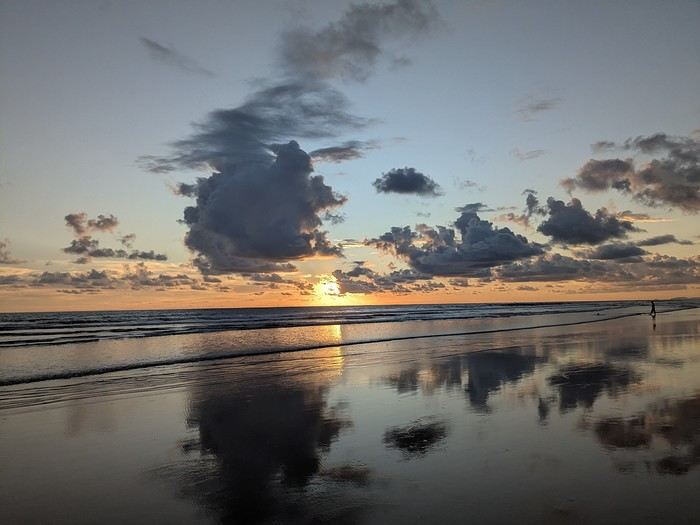
It was the country’s wild nature and safety that convinced us to go, since we’re traveling with our 7-year-old little one. We didn’t have much vacation time in February 2026 (only 12 days), so we optimized as much as possible.
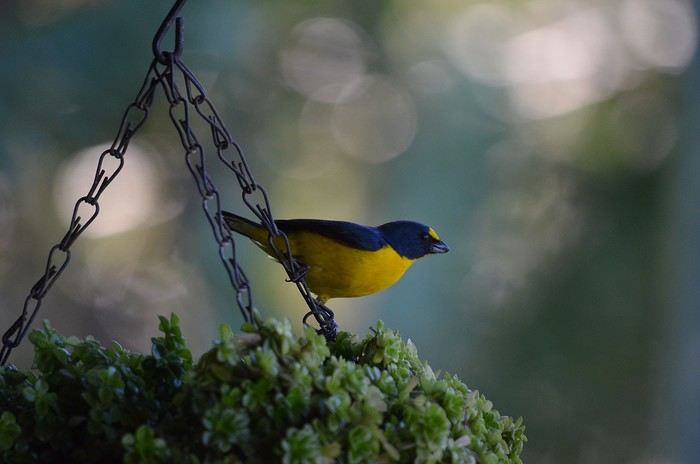
Here’s the itinerary: Wednesday, February 11: Flight from Marseille to San Jose via Paris and Atlanta Thursday, February 12: Pick up the car, drive to Poas Volcano, visit La Paz Waterfall Gardens Friday, February 13: Poas Volcano and drive to Manuel Antonio Saturday, February 14: Manuel Antonio National Park Sunday, February 15: Nauyaca Waterfall and Playa Linda Monday, February 16: Drive to Monte Verde and Santa Elena Reserve Tuesday, February 17: El Tigre Waterfall Reserve and Treetopia Park Wednesday, February 18: Monte Verde Reserve with a guide and drive to La Fortuna Thursday, February 19: Sloth guided tour, Observatory Lodge Park Friday, February 20: Arenal Volcano National Park, Termalistas del Arenal hot springs, and night tour Saturday, February 21: Return to San Jose, flight to Paris via Atlanta Sunday, February 22: Arrival in Paris and flight to Marseille. That gives us a solid 9 days in the country.
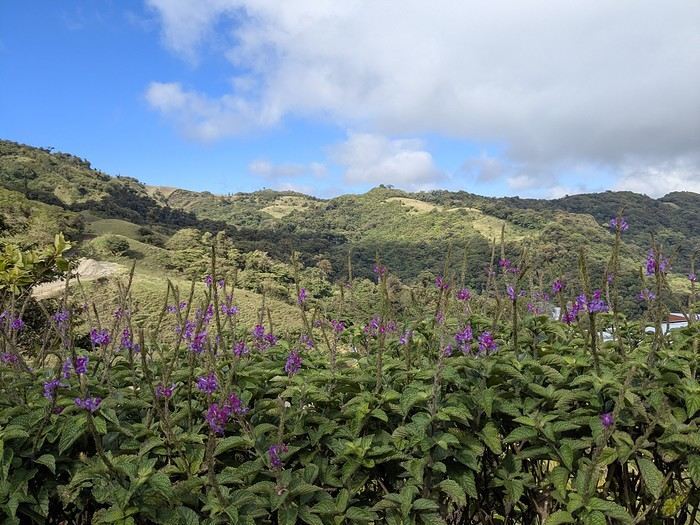
Budget breakdown: Costa Rica is an expensive country, but no more so than France. However, almost all hikes and waterfalls are paid entry, which can really add up. For meals, sodas (6–10 €) are cheaper than restaurants (10–20 € per dish).
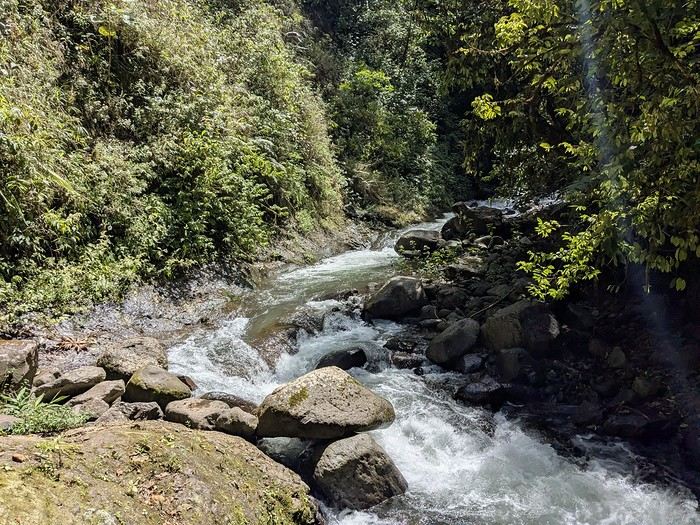
Flights: We chose Delta Airlines for the price: Marseille to San Jose was 740 € per person (modifiable, with checked baggage and seat selection included). Other direct flights from Europe were priced between 1200 € and 1600 € with more restrictive conditions. That’s 2220 € for the family.
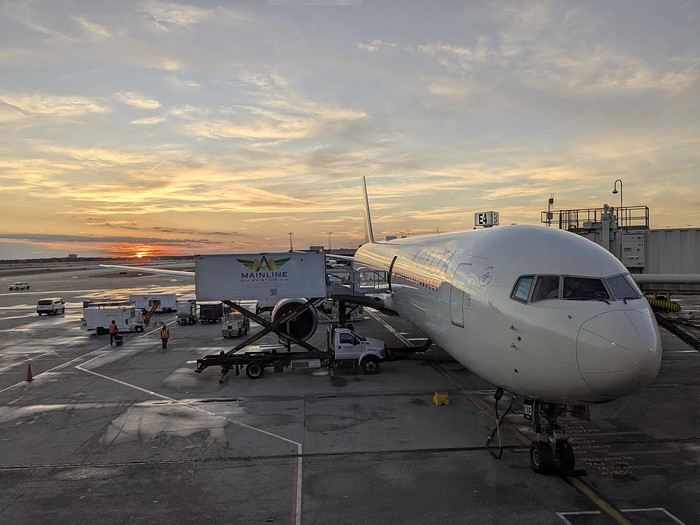
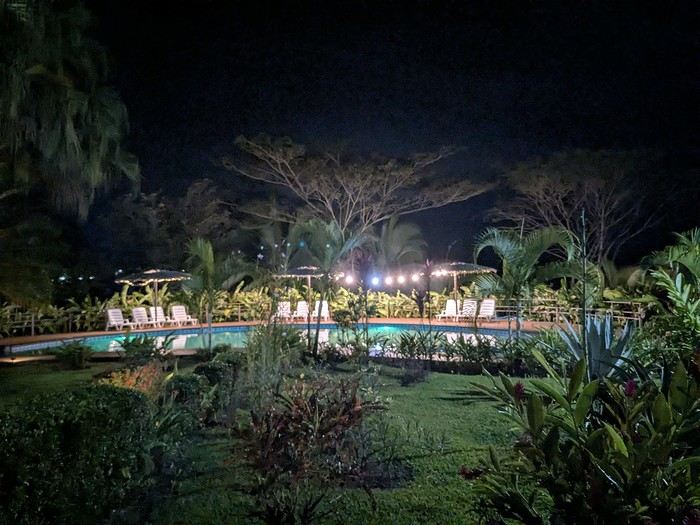
Accommodations: Alajuela, first night: 139 € (1 night) at Rodeo Estancia Boutique Hotel, with personalized airport pickup, transfer to the hotel, and a briefing from Vert Costa Rica agency the next day. Poas: 66 € (1 night) at Cabañas Tierra Fértil (entire apartment). Manuel Antonio: 394 € (3 nights) at La Palapa Ecolodge (hotel in the jungle). Monte Verde: Chalet Aloha Monteverde Cloud Forest (2 bedrooms): 125 € (2 nights). La Fortuna: Arenal Dream Garden (1 bedroom): 217 € (3 nights). Total: 941 €.
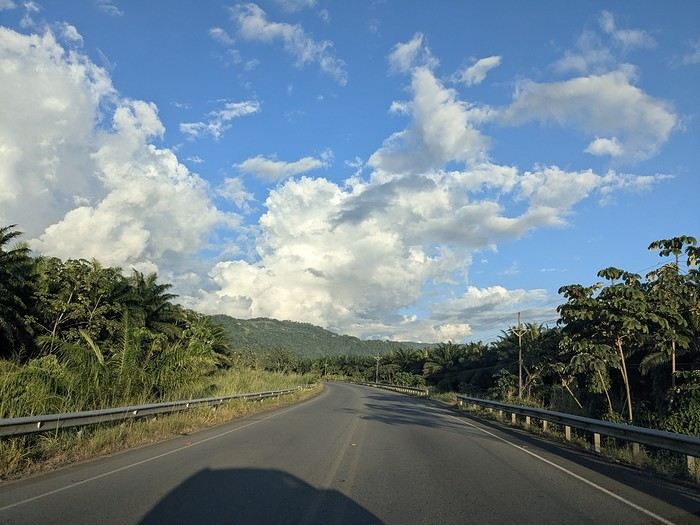
Car rental: I went through Vert Costa Rica agency (Vincent is a French expat who set up the agency in Costa Rica and makes great YouTube videos with useful tips). I rented a 4x4 that was delivered to the hotel the day after arrival and returned at the airport before the flight. The total was 772 €, including full insurance (zero deductible), a child seat, and a phone with a Costa Rican SIM and WhatsApp. The rental company was Poas Rent a Car. The vehicle was well-maintained—no complaints. Gas: 100 € for the whole trip (3 fill-ups).
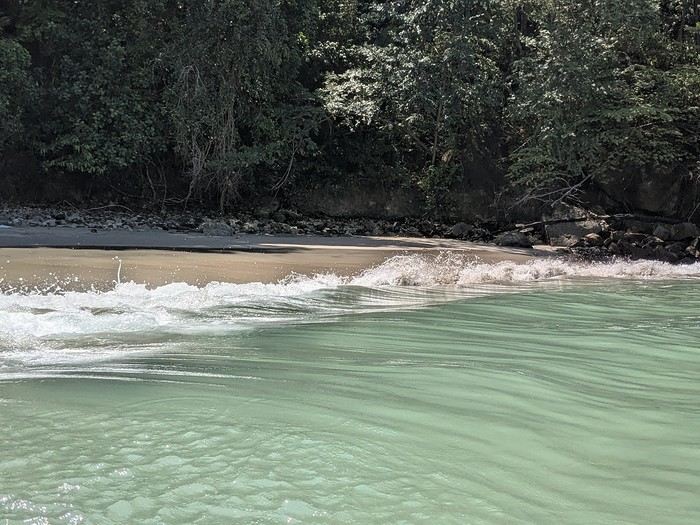
Activities: To get discounts, I bought the pass offered by Vincent, which paid for itself after just one activity. It cost me 30 € (promo since I rented the car through him). Prices are for 3 people. I’ve added stars to rate them: La Paz Waterfall Gardens ****: 112 € Poas Volcano National Park *: 33 € Manuel Antonio National Park ****: 35 € Nauyaca Waterfall ***: 25 € Santa Elena Reserve **: 45 € El Tigre Waterfall Reserve ****: 141 € (with meal) Treetopia (ziplining, suspension bridges) **: 250 € Guided tour of Monte Verde Reserve ***: 113 € Sloth guided tour (with breakfast) ***: 115 € Arenal Observatory Lodge (with meal) ****: 102 € Arenal Volcano National Park *: 34 € Termalistas del Arenal ****: 20 € Night tour ***: 116 € Total: 1171 €.
Meals: 600 € My favorite restaurants: Poas: Food court Mercaditas in Fraijanes Manuel Antonio (near La Palapa): La Langosta and also El Patio Near Nauyaca Waterfall: Ricar2 el Avión Between Manuel Antonio and Monte Verde: Soda D’Calle Santa Elena: HG’s Food Guadalupe (between Monte Verde and La Fortuna): Soda Río Piedras Arenal Observatory Lodge restaurant Arenal Oasis Ecolodge restaurant
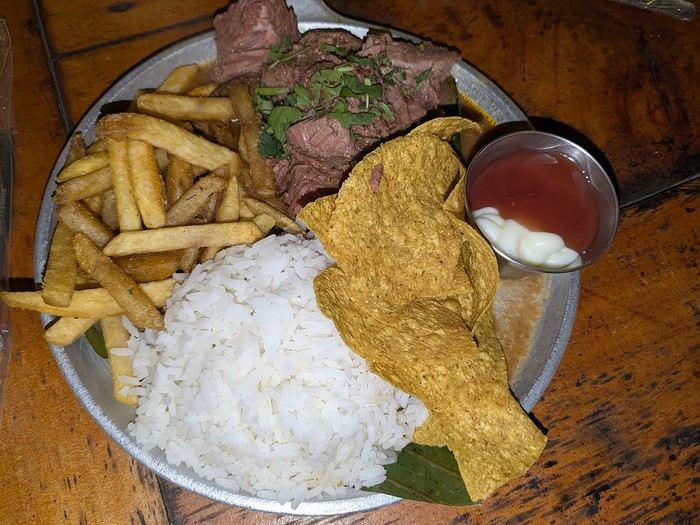
Other expenses: 300 € (groceries for breakfast, drinks, ice cream, souvenirs, etc.) Total overall: 6065 € (about 2020 € per person).
Now, here’s the day-by-day account of this beautiful trip.
https://voyageforum.com/images/posts/small/1772295011-z8mILBEUXHU8Ajz.jpg
It was the country’s wild nature and safety that convinced us to go, since we’re traveling with our 7-year-old little one. We didn’t have much vacation time in February 2026 (only 12 days), so we optimized as much as possible.
Here’s the itinerary: Wednesday, February 11: Flight from Marseille to San Jose via Paris and Atlanta Thursday, February 12: Pick up the car, drive to Poas Volcano, visit La Paz Waterfall Gardens Friday, February 13: Poas Volcano and drive to Manuel Antonio Saturday, February 14: Manuel Antonio National Park Sunday, February 15: Nauyaca Waterfall and Playa Linda Monday, February 16: Drive to Monte Verde and Santa Elena Reserve Tuesday, February 17: El Tigre Waterfall Reserve and Treetopia Park Wednesday, February 18: Monte Verde Reserve with a guide and drive to La Fortuna Thursday, February 19: Sloth guided tour, Observatory Lodge Park Friday, February 20: Arenal Volcano National Park, Termalistas del Arenal hot springs, and night tour Saturday, February 21: Return to San Jose, flight to Paris via Atlanta Sunday, February 22: Arrival in Paris and flight to Marseille. That gives us a solid 9 days in the country.
Budget breakdown: Costa Rica is an expensive country, but no more so than France. However, almost all hikes and waterfalls are paid entry, which can really add up. For meals, sodas (6–10 €) are cheaper than restaurants (10–20 € per dish).
Flights: We chose Delta Airlines for the price: Marseille to San Jose was 740 € per person (modifiable, with checked baggage and seat selection included). Other direct flights from Europe were priced between 1200 € and 1600 € with more restrictive conditions. That’s 2220 € for the family.
Accommodations: Alajuela, first night: 139 € (1 night) at Rodeo Estancia Boutique Hotel, with personalized airport pickup, transfer to the hotel, and a briefing from Vert Costa Rica agency the next day. Poas: 66 € (1 night) at Cabañas Tierra Fértil (entire apartment). Manuel Antonio: 394 € (3 nights) at La Palapa Ecolodge (hotel in the jungle). Monte Verde: Chalet Aloha Monteverde Cloud Forest (2 bedrooms): 125 € (2 nights). La Fortuna: Arenal Dream Garden (1 bedroom): 217 € (3 nights). Total: 941 €.
Car rental: I went through Vert Costa Rica agency (Vincent is a French expat who set up the agency in Costa Rica and makes great YouTube videos with useful tips). I rented a 4x4 that was delivered to the hotel the day after arrival and returned at the airport before the flight. The total was 772 €, including full insurance (zero deductible), a child seat, and a phone with a Costa Rican SIM and WhatsApp. The rental company was Poas Rent a Car. The vehicle was well-maintained—no complaints. Gas: 100 € for the whole trip (3 fill-ups).
Activities: To get discounts, I bought the pass offered by Vincent, which paid for itself after just one activity. It cost me 30 € (promo since I rented the car through him). Prices are for 3 people. I’ve added stars to rate them: La Paz Waterfall Gardens ****: 112 € Poas Volcano National Park *: 33 € Manuel Antonio National Park ****: 35 € Nauyaca Waterfall ***: 25 € Santa Elena Reserve **: 45 € El Tigre Waterfall Reserve ****: 141 € (with meal) Treetopia (ziplining, suspension bridges) **: 250 € Guided tour of Monte Verde Reserve ***: 113 € Sloth guided tour (with breakfast) ***: 115 € Arenal Observatory Lodge (with meal) ****: 102 € Arenal Volcano National Park *: 34 € Termalistas del Arenal ****: 20 € Night tour ***: 116 € Total: 1171 €.
Meals: 600 € My favorite restaurants: Poas: Food court Mercaditas in Fraijanes Manuel Antonio (near La Palapa): La Langosta and also El Patio Near Nauyaca Waterfall: Ricar2 el Avión Between Manuel Antonio and Monte Verde: Soda D’Calle Santa Elena: HG’s Food Guadalupe (between Monte Verde and La Fortuna): Soda Río Piedras Arenal Observatory Lodge restaurant Arenal Oasis Ecolodge restaurant
Other expenses: 300 € (groceries for breakfast, drinks, ice cream, souvenirs, etc.) Total overall: 6065 € (about 2020 € per person).
Now, here’s the day-by-day account of this beautiful trip.
https://voyageforum.com/images/posts/small/1772295011-z8mILBEUXHU8Ajz.jpg
Martine from DD in Arizona and New Mexico
Good evening everyone! 🙂
We’re back from our September 2025 road trip, this time to explore Arizona and New Mexico, and it’s time for me to start my travel journal—especially since everything’s already booked for another trip in September 2026 (to California), and I need to get started on the planning.
I was a little worried this new visit to Uncle Sam’s country might not be as "wow" as the others, but we still discovered some incredible places.
For those who don’t know us, we’re a couple in our seventies who speak very little English, but that didn’t stop us from fully enjoying our stay.
For this 6th road trip in the U.S., we spent 21 nights there, drove 4,160 km by car, and walked nearly 160 km in a loop starting from Phoenix.
We’d been to Arizona before (but not this side) and never to New Mexico. This whole road trip was a huge discovery for us.
In the prices mentioned (some in euros, others in dollars), bank fees and exchange charges are included. The flights, car rental, and parking were all paid for in December 2024 when we booked.
We’d downloaded the MPC (Mobile Passport Control) app, but there wasn’t a dedicated line at Phoenix Airport. Still, we got through quickly with friendly, smiling agents.
I don’t drive at all (I hate it), so the stops were chosen based on activities but also, for some, to limit daily mileage for the sole driver. The kilometers listed in the itinerary are the daily distances.
We traveled from September 9th to 22nd, unfortunately once again without our dear friends Mimi and Maumau.
The itinerary
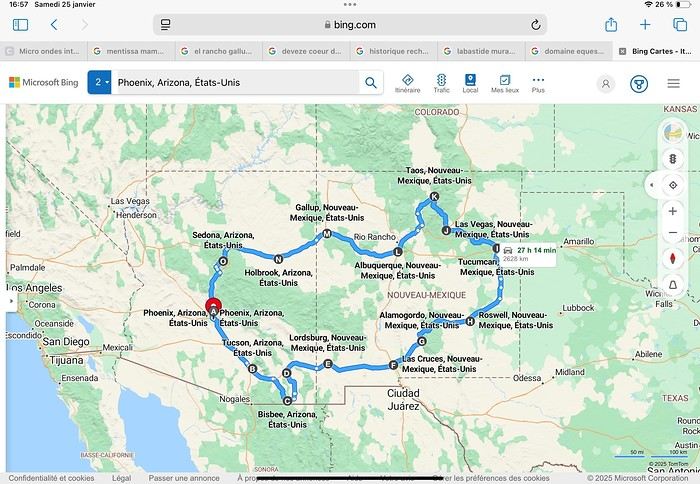
Day 1: Flight Marseille-Paris-Phoenix, then Gold Canyon (133 km) Day 2: Tucson (271 km) Lost Dutchman State Park Day 3: Tucson (155 km) Day 4: Tucson (34 km) Day 5: Bisbee (182 km) Day 6: Lordsburg (345 km) Day 7: Las Cruces (253 km) Day 8: Alamogordo (162 km) Day 9: Roswell (264 km) Day 10: Tucumcari (369 km) Day 11: Las Vegas (281 km) – the one in New Mexico Day 12: Taos (213 km) Day 13: Santa Fe (224 km) Day 14: Albuquerque (123 km) Day 15: Gallup (246 km) Day 16: Holbrook (224 km) Day 17: Flagstaff (179 km) Day 18: Sedona (118 km) Day 19: Sedona (48 km) Day 20: Sedona (41 km) Day 21: Phoenix (256 km) Day 22: Phoenix Airport (35 km)
📊 **Budget**: A little over 7,500 € for both of us, all included. The exchange rate was in our favor (1.17 dollars to 1 €). 📊 **Flights**: Marseille-Paris Charles de Gaulle-Phoenix: 1,787 € for two, with one checked bag each (Air France) 📊 **ESTA**: $42 📊 **America the Beautiful Pass**: $80 📊 **Parking**: 134 € (super eco at Marseille) 📊 **Car rental (Hertz)**: 865 €. Since there were no SUVs left in the reserved category (Nissan Rogue), we got an upgrade (4x4 Ford Explorer). We booked through Air France (15% discount). We’d originally reserved it in December for 1,140 €, but since prices dropped in March, we canceled and rebooked for 865 €. Hertz offers a free Hertz Gold Plus Rewards program, which gives you priority counter service when picking up the car. 📊 **Accommodation**: 2,400 € We stayed in hotels and motels of varying standards (from 60 to 203 € per night, depending on the city), all booked through Booking.com or Hotels.com. Out of 21 nights, only two didn’t include breakfast in the price. Booking.com sometimes offers slightly cheaper rates if you book by phone using the mobile app, and our Genius 3 status on the site also got us some preferential rates. 📊 **Supplementary insurance**: AVA 200 € for medical care if needed 📊 **Cash**: $2,078. We left with 1,000 € exchanged before departure and made two withdrawals of $500. This cash covered: - Evening restaurants and tips - Midday picnics - Gas: $298 for 4,160 km - Museum and private park entries (per person): - Lost Dutchman: $10 - Arizona-Sonora Desert Museum: $28 - Bird Cage Theater: $16 - Tombstone Shootout: $8 - New Mexico Farm & Ranch Museum: $12 - Roswell International UFO Museum: $5 - Billy the Kid Museum: $7 - Rancho de Taos: $22 - West Fork Oak Creek Trail entry: $15 We got a few discounts thanks to our senior age (+65). - Souvenirs and little treats
Like on our previous road trips, we didn’t rent a GPS. We got around using offline GPS apps Here WeGo and Organic Maps, with maps of the states we visited downloaded before we left (on our phones).
❤️❤️❤️ **Highlights** (there are so many!) 📍 Goldfield Ghost Town (even if it’s a reconstruction) 📍 The standing army of Saguaro cacti at Saguaro National Park West 📍 Diving into the cowboy universe of Tombstone 📍 The welcome from Rick and Henry at our guesthouse in Bisbee (Garden at Mile High Ranch) 📍 The tangled rocks of Chiricahua National Monument 📍 The flavored pistachios from Dwayne’s Fresh Jerky and Mac Ginnis Pistachioland 📍 Restaurants: La Posta (Las Cruces), Diner 66 (Albuquerque), and the Haunted Hamburger (Jerome) 📍 The old plazas of New Mexico 📍 The solitude and beauty of the white dunes at White Sands National Park 📍 Stepping back in time at the Billy the Kid Museum (Fort Stanton) 📍 Sections of historic Route 66 and the old motels of Tucumcari, especially at night when all the neon lights are on 📍 Taos Pueblo and diving into Native American culture 📍 After the Rio Grande Bridge, the descent via NM 567 to the very bottom of the Rio Grande Gorge, then the road along the riverbanks to Taos 📍 The tranquility of the Chimayo Sanctuary 📍 Discovering the ingenious native dwellings at Bandelier National Monument and Walnut Canyon National Park 📍 The small towns along the Turquoise Trail 📍 The red rocks of Red Rock Park and the Painted Desert 📍 The extraordinary colors of the petrified trees at Petrified Forest National Park 📍 Sedona, its red rocks, and the reward of the viewpoints at the end of hikes (Devil’s Bridge, The Subway, and West Fork Oak Creek) 📍 The immersion in Mexico when visiting Tlaquepaque 📍 The almost-ghost town of Jerome and its terraced streets 📍 The incredible kindness of Americans, always ready to help and up for a chat ❤️
☹️☹️☹️ **Flops** (there are very few) 📍 Several museums and churches being closed, so we couldn’t visit them 📍 Some museums and visitor centers opening late (10 AM) and closing early (4 PM) 📍 A 64 € phone roaming charge because we got near the Mexican border and picked up their cell tower 📍 The outrageous price ($5.99) for a gallon of gas at the Shell near Phoenix Airport
I hope this helps! Anyway, thanks for reading my long post. Don’t hesitate to reach out, even via PM, if you see I haven’t replied and you’d like more details. Have a great evening, everyone! 🙂
We’re back from our September 2025 road trip, this time to explore Arizona and New Mexico, and it’s time for me to start my travel journal—especially since everything’s already booked for another trip in September 2026 (to California), and I need to get started on the planning.
I was a little worried this new visit to Uncle Sam’s country might not be as "wow" as the others, but we still discovered some incredible places.
For those who don’t know us, we’re a couple in our seventies who speak very little English, but that didn’t stop us from fully enjoying our stay.
For this 6th road trip in the U.S., we spent 21 nights there, drove 4,160 km by car, and walked nearly 160 km in a loop starting from Phoenix.
We’d been to Arizona before (but not this side) and never to New Mexico. This whole road trip was a huge discovery for us.
In the prices mentioned (some in euros, others in dollars), bank fees and exchange charges are included. The flights, car rental, and parking were all paid for in December 2024 when we booked.
We’d downloaded the MPC (Mobile Passport Control) app, but there wasn’t a dedicated line at Phoenix Airport. Still, we got through quickly with friendly, smiling agents.
I don’t drive at all (I hate it), so the stops were chosen based on activities but also, for some, to limit daily mileage for the sole driver. The kilometers listed in the itinerary are the daily distances.
We traveled from September 9th to 22nd, unfortunately once again without our dear friends Mimi and Maumau.
The itinerary
Day 1: Flight Marseille-Paris-Phoenix, then Gold Canyon (133 km) Day 2: Tucson (271 km) Lost Dutchman State Park Day 3: Tucson (155 km) Day 4: Tucson (34 km) Day 5: Bisbee (182 km) Day 6: Lordsburg (345 km) Day 7: Las Cruces (253 km) Day 8: Alamogordo (162 km) Day 9: Roswell (264 km) Day 10: Tucumcari (369 km) Day 11: Las Vegas (281 km) – the one in New Mexico Day 12: Taos (213 km) Day 13: Santa Fe (224 km) Day 14: Albuquerque (123 km) Day 15: Gallup (246 km) Day 16: Holbrook (224 km) Day 17: Flagstaff (179 km) Day 18: Sedona (118 km) Day 19: Sedona (48 km) Day 20: Sedona (41 km) Day 21: Phoenix (256 km) Day 22: Phoenix Airport (35 km)
📊 **Budget**: A little over 7,500 € for both of us, all included. The exchange rate was in our favor (1.17 dollars to 1 €). 📊 **Flights**: Marseille-Paris Charles de Gaulle-Phoenix: 1,787 € for two, with one checked bag each (Air France) 📊 **ESTA**: $42 📊 **America the Beautiful Pass**: $80 📊 **Parking**: 134 € (super eco at Marseille) 📊 **Car rental (Hertz)**: 865 €. Since there were no SUVs left in the reserved category (Nissan Rogue), we got an upgrade (4x4 Ford Explorer). We booked through Air France (15% discount). We’d originally reserved it in December for 1,140 €, but since prices dropped in March, we canceled and rebooked for 865 €. Hertz offers a free Hertz Gold Plus Rewards program, which gives you priority counter service when picking up the car. 📊 **Accommodation**: 2,400 € We stayed in hotels and motels of varying standards (from 60 to 203 € per night, depending on the city), all booked through Booking.com or Hotels.com. Out of 21 nights, only two didn’t include breakfast in the price. Booking.com sometimes offers slightly cheaper rates if you book by phone using the mobile app, and our Genius 3 status on the site also got us some preferential rates. 📊 **Supplementary insurance**: AVA 200 € for medical care if needed 📊 **Cash**: $2,078. We left with 1,000 € exchanged before departure and made two withdrawals of $500. This cash covered: - Evening restaurants and tips - Midday picnics - Gas: $298 for 4,160 km - Museum and private park entries (per person): - Lost Dutchman: $10 - Arizona-Sonora Desert Museum: $28 - Bird Cage Theater: $16 - Tombstone Shootout: $8 - New Mexico Farm & Ranch Museum: $12 - Roswell International UFO Museum: $5 - Billy the Kid Museum: $7 - Rancho de Taos: $22 - West Fork Oak Creek Trail entry: $15 We got a few discounts thanks to our senior age (+65). - Souvenirs and little treats
Like on our previous road trips, we didn’t rent a GPS. We got around using offline GPS apps Here WeGo and Organic Maps, with maps of the states we visited downloaded before we left (on our phones).
❤️❤️❤️ **Highlights** (there are so many!) 📍 Goldfield Ghost Town (even if it’s a reconstruction) 📍 The standing army of Saguaro cacti at Saguaro National Park West 📍 Diving into the cowboy universe of Tombstone 📍 The welcome from Rick and Henry at our guesthouse in Bisbee (Garden at Mile High Ranch) 📍 The tangled rocks of Chiricahua National Monument 📍 The flavored pistachios from Dwayne’s Fresh Jerky and Mac Ginnis Pistachioland 📍 Restaurants: La Posta (Las Cruces), Diner 66 (Albuquerque), and the Haunted Hamburger (Jerome) 📍 The old plazas of New Mexico 📍 The solitude and beauty of the white dunes at White Sands National Park 📍 Stepping back in time at the Billy the Kid Museum (Fort Stanton) 📍 Sections of historic Route 66 and the old motels of Tucumcari, especially at night when all the neon lights are on 📍 Taos Pueblo and diving into Native American culture 📍 After the Rio Grande Bridge, the descent via NM 567 to the very bottom of the Rio Grande Gorge, then the road along the riverbanks to Taos 📍 The tranquility of the Chimayo Sanctuary 📍 Discovering the ingenious native dwellings at Bandelier National Monument and Walnut Canyon National Park 📍 The small towns along the Turquoise Trail 📍 The red rocks of Red Rock Park and the Painted Desert 📍 The extraordinary colors of the petrified trees at Petrified Forest National Park 📍 Sedona, its red rocks, and the reward of the viewpoints at the end of hikes (Devil’s Bridge, The Subway, and West Fork Oak Creek) 📍 The immersion in Mexico when visiting Tlaquepaque 📍 The almost-ghost town of Jerome and its terraced streets 📍 The incredible kindness of Americans, always ready to help and up for a chat ❤️
☹️☹️☹️ **Flops** (there are very few) 📍 Several museums and churches being closed, so we couldn’t visit them 📍 Some museums and visitor centers opening late (10 AM) and closing early (4 PM) 📍 A 64 € phone roaming charge because we got near the Mexican border and picked up their cell tower 📍 The outrageous price ($5.99) for a gallon of gas at the Shell near Phoenix Airport
I hope this helps! Anyway, thanks for reading my long post. Don’t hesitate to reach out, even via PM, if you see I haven’t replied and you’d like more details. Have a great evening, everyone! 🙂
Hitchhiking in the 70s-80s
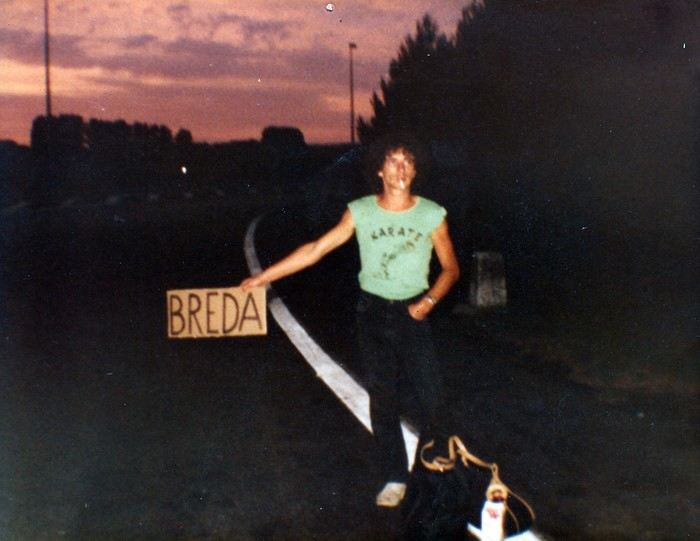
“Hey, your Marker... - My Marker? - The one you used to make hitchhiking signs.”
The marker in question is sitting proudly on the kitchen table. Marielle found it at the bottom of a moving box.
I’ve been meaning to tell the long story of my love affair with hitchhiking for years. Here we go.
To be honest, I’m not quite sure when it started. My earliest memory goes back to a fair with a bike race in my maternal grandparents’ village. I was with my cousin, my little sister, and three girl cousins. There were six of us, ages ranging from six or seven to thirteen or fourteen. Our parents stayed at the fair, and we’d had enough. So we decided to walk home. Only it was four kilometers away. So we hitchhiked. A guy driving an old car picked us all up and dropped us off at the farm. He probably found it amusing to see us thumbing a ride by the side of the road, but maybe it also worried him a bit. With everything you read in the papers...
Around fifteen or sixteen, I started hitchhiking regularly, alone or with a friend, to go to the nearby town. But it was especially when I started boarding school in Orléans that it became more regular. The first year, I’d leave Monday morning and come back Saturday noon by bus. It was an old, uncomfortable bus where we froze in winter. To make matters worse, I often got motion sickness if, as was too often the case, I ended up sitting in the back. In the spring, a high school friend suggested I hitchhike back. It meant a slight detour, but the advantage was taking only national roads.
So that’s how, from the end of tenth grade to twelfth grade, I’d thumb a ride every Saturday on the Pont de Bourgogne. Drivers were used to seeing young people hitchhiking, and it worked pretty well. Our biggest fear? Soldiers! At that time, military service was still mandatory, and on weekends, it wasn’t rare to see them competing with us. They’d keep their uniforms on to go home. That gave people confidence—with everything you read in the papers—and they’d rarely wait more than five minutes. We, with our long hair, were definitely less popular. From time to time, three big red-faced guys in a van coming back from a construction site would flip us off, yelling things like “go get a haircut, you bums!” Those were the good old days.
We still had a good laugh, though. Patrice, the friend I’d hitchhike back from school with on Saturdays, is a musician—I’d later discover he’s an excellent composer. A die-hard Beatles fan, he knows their repertoire by heart and spends his time singing at the top of his lungs while we thumb a ride. One Saturday late morning, we’d been waiting for a while at the exit of Châteauneuf-sur-Loire when a little lady came up to him and asked if he could please sing a little quieter: a baby was sleeping in the house. He put on the most sorry face: “Oh, sorry ma’am, we didn’t realize.” No sooner had the lady gone back inside than he started again. Luckily, a car stopped just then, sparing me the embarrassment of seeing the lady come back out.
Saturday was also the day when the cigarette pack was dangerously low. So before leaving, we’d go buy some “Parisiennes,” the “P4s” as we called them back then. They were slightly thinner cigarettes with a mix of tobacco scraps. Sometimes they tasted like light tobacco, sometimes like dark. Not great, but by the end of the week, our pocket money was gone. They were sold in small packs of four, hence the name P4. We’d only pay 20 centimes. On Saturdays, it was rare for the two of us to manage to scrape together 1.50 F to buy a whole pack of Gauloises...
The last twenty kilometers, I’d usually do alone, Patrice having reached his destination. From time to time, luck would smile on me: an acquaintance would just happen to pass by and stop. One January Saturday, at the exit of Gien, I ran into another guy from Argenton whom I knew a little. That day, the weather was nice, but the temperature was well below zero. It was around noon, and it was the off-peak hour. We were shivering, stamping our feet by the side of the road, when a Citroën “Tube” arrived: it was his father’s boss’s, a mason. They were both sitting in the front, but since they were obese, they had us climb onto the open back. Even though we huddled against the cab to shelter from the wind, the twenty kilometers felt very long, especially since we were only going sixty kilometers an hour. Our hands and cheeks were blue when we finally arrived.
The year I took my baccalaureate, a friend with a 2CV would take me Monday mornings with one or two others we’d pick up in nearby villages. We’d share the gas costs, but it was still cheaper than the bus. And in winter, the bus was my nightmare. You had to get up at five to catch it at six. Not enough sleep, and outside it was freezing or raining—or both. The 2CV was luxury. Plus, Philippe would pick me up at home. On the other hand, since I didn’t have class Saturday mornings—well, I did, but we only had PE the first two hours and nothing after—I’d skip class and slip out right after breakfast to thumb a ride at the Pont de Bourgogne.
Those three high school years were formative in this optional subject that was hitchhiking. Little by little, I learned the rules of the game. First, you shouldn’t walk along the road while thumbing. Cars go too fast and can’t stop easily. Accepting a ride that’s too short is also a no-go. The guy who offers to take you a little way but drops you off at some vague crossroads in the middle of nowhere? No thanks. You need to get dropped off in a town. If it’s a fairly big city, you often have to cross it from one end to the other, but it’s better. At the exit, you have to choose your spot well. Actually, you have to put yourself in the driver’s shoes: they need to see you early enough, not be going too fast, and be able to stop easily without risking an accident. So when leaving a city, it’s better not to go too far. It’s wiser to find a spot where cars go slowly and can stop easily. And preferably near a café. The café is for when you still have a few coins for a coffee and need to warm up. From time to time, you’d run into someone nice who’d make a detour to drop you off at a better spot to start again. Finally, if possible, avoid hitchhiking on Sundays. Cars are packed with whole families who, most of the time, aren’t going far. And then there’s the little worry of those people who rarely leave home: with everything you read in the papers...
During those high school years, it was only short trips, rarely exceeding a hundred kilometers. Later, I aimed bigger, and things were a bit different. In 1973-74, I crossed part of France for the first time on two or three occasions, coming back from the German border or returning to Bordeaux, where we lived briefly. Since there weren’t many highways back then, we took national roads. It was during these trips that I realized it was better to leave in the evening. As I said earlier, Sunday is to be avoided, but on weekdays, there’s another problem: if you leave in the morning, you only make short hops. First, it often takes longer to get going because drivers are people going to work nearby. Which brings us back to those who drop you off in a bad spot, far from everything. There, you have to know how to refuse. You thank the driver for stopping—oh, if only everyone could be like you—while explaining why you’d rather stay put. People don’t take offense, by the way. Those who pick up hitchhikers often hitchhiked themselves when they were in the military or before they had a car. In the late afternoon, you’d often run into salespeople or truckers, in other words, people who drive a lot. At that time, salespeople no longer had appointments and were more relaxed. They wanted to talk about something other than the merits of their products. On the radio, it was time for *Les Grosses Têtes*. You’d also quite often run into small business owners, professionals, or even hippies. The conversations were pleasant and often enriching. A little later in the evening, truckers would take over. They’d already driven a few hundred kilometers, and the depot or customs was still far away. So they’d gladly take a hitchhiker to stay awake at the wheel and chat. The radio with Max Ménier’s show *Les routiers sont sympas*, you’d eventually get tired of it. So a hitchhiker was a change. Others, who’d hit the road at midnight to be at their destination by morning, were nice and offered to let you lie down on the bunk while they drove. When you’d been hitchhiking since six in the evening, freezing in the wind between two vehicles, you weren’t unhappy to take a little nap.
Speaking of Max Ménier, he’d often make announcements for hitchhikers. One evening, I called him. It was getting late, and I still had quite a way to go. No luck: the show had ended for good the day before!
In short, it’s better not to rush, sleep in, and leave after lunch, or better yet, in the late afternoon. Obviously, I’m talking about when you have several hundred kilometers to cover. That’s when you have to play it pro.
First thing, especially at night, but it also applies in the middle of summer when the light is blinding: dress to be seen from far away. I’ll admit I have an advantage over most other hitchhikers: I’m small and don’t scare people. To balance that out, racist drivers often take me for an Arab and are less likely to pick me up, but overall, the balance tips in my favor. Back to the need to be seen: at night, I wear light-colored clothes. In headlights, you can see me from far away.
Second thing: travel light. Forget the big backpack with a frame. Drivers don’t always have room in the trunk or on the back seat, especially if it’s rained and the ground is wet. Plus, it forces them to get out of the car. If they’re nice enough to pick up a hitchhiker, you shouldn’t ask for too much either.
Third thing: bring a cardboard sign and a big marker—like the ones in the photo at the start of this post—to write the name of your destination. In the early 80s, I ran a tourist house in the Cher, but I lived in the Netherlands. In the off-season, it was only open on weekends. On Fridays, I’d leave Holland and return on Mondays. 1200 km round trip. On the way there, in Paris, I’d stand at Porte de la Chapelle. At that spot, the road is very wide, and drivers could stop easily. Obviously, on the sign, I didn’t write Eindhoven, which not everyone knows, and even less Amsterdam because of its seedy reputation. In that case, you’d expect to see a police car stop and two officers in kepis ask for your papers. So as a first destination, I’d write Compiègne. We were well out of Paris, and since it wasn’t too far, a trucker or salesperson was less reluctant to stop. Once past Compiègne, I’d take out my Lille sign. Once in Belgium, it wasn’t really necessary to use a sign anymore, since everyone was going in the same direction. Usually, the guy who picked me up at Porte de la Chapelle would say he wasn’t going far but could take me a little way. Before that, I’d still ask if there was a gas station on the highway where he could drop me off before exiting. While talking, the guy would realize he wasn’t dealing with a dangerous criminal. He’d pretend to check his watch, think for a moment, then say that actually, he was going to Belgium and could take me to the border or a little beyond. To leave Paris on the way back, I’d take the train to Melun, where it was easier to hitchhike than at Porte d’Italie.
Over all those years, I think I was pretty lucky. Or maybe philosophical enough not to imagine a car would stop after a few minutes. An hour’s wait was average. Sure, I sometimes waited three, four, or five hours. Most often at odd hours and in terrible weather. When it doesn’t work, it doesn’t work. But there’s always a moment when things pick up. Sure, when you’re soaked in freezing rain in the early morning after a sleepless night, you’re less philosophical than when I’m writing these lines comfortably at my computer, but it still holds true.
Earlier, I mentioned clothing and the importance of being well-rested before leaving. When you’ve eaten well and just gotten out of the shower, shaved, you’re in a better mood. And somehow, drivers sense it. Or at least, that’s the impression I’ve always had. It’s better to look in shape than disgusted at standing there, half-heartedly thumbing a ride. In short, when I’d start to get fed up with waiting, I’d go into the first café I saw for a coffee. Coming back out, I’d be refreshed, and most of the time, a car would stop within minutes. I’ve often said that when I stood by the side of the road thumbing a ride, I felt a bit like a gambler in front of a slot machine. It was a matter of giving luck a chance. And well, it worked out pretty well.
Then, there are countries where hitchhiking works really well and others where it’s harder. In the 70s-80s, it worked best in Germany and England. In the late afternoon, it wasn’t rare to be invited for tea. Well, that was in England. Tea meant being offered room and board. In Germany, they’d offer you coffee. Once there, they’d first show you the guest room and point out the bathroom before sitting you down in front of a big plate of cold cuts. In the evening, they’d go out in town, and the next morning, they’d usually drop you off at a good spot for hitchhiking. On the other hand, in Mediterranean and Scandinavian countries, you’d better be patient. In Spain or Italy, it’s better to take the train, which was dirt cheap back then. However, if you’re a couple traveling light, it’s already easier in most countries.
In 1982, I went on a trip around Turkey with my girlfriend. We only had two small bags, which was plenty. It was November-December, and we wore our warm, bulky clothes. Leaving Eindhoven at nine in the morning, we arrived in Graz, near the Yugoslav border, at eleven at night. 1300 km in a day! In just four or five vehicles. One to the German border, about fifty kilometers from Eindhoven, the second to Hagen in the Ruhr, the third to Salzburg, and the last to Graz at the Yugoslav border. Record broken. During the night crossing of Yugoslavia, we ran into a trucker close to retirement who lent us the truck’s bunk. So we arrived fresh and rested near Skopje the next morning. We continued to Thessaloniki in northern Greece before taking the train to Istanbul. In Turkey, we traveled a good part of the country by hitchhiking too. With truckers in old, overloaded, slow trucks that climbed hills at fifteen kilometers an hour, but also in cars where five or six people were already crammed in. And every time, we were invited for tea. Once, we were even picked up by a big shot in his Mercedes with a chauffeur. Until then, the average speed was around fifty kilometers an hour. There, we were going two hundred. On a national road, not a nice European highway.
I’ve also hitchhiked in Nepal, from Lumbini, Buddha’s birthplace, to a village on the way to Pokhara. It must have been midday. No bus until the next day. I gave it a try. A small truck overloaded with rice sacks, with two or three young people already perched on top, stopped. I rode on the roof of the cab. At fifty kilometers an hour when it was going well, with a breathtaking view. Coming back from India, I also crossed part of Iran by hitchhiking, from Tehran to the Turkish border. I did this trip with an Austrian I met at the hotel who, like me, had to watch his pennies. We gave it a shot. There was almost no traffic, but to our great surprise, the first car that passed in the area would always stop. They’d just ask for a modest contribution for gas, and it cost next to nothing.
Sometimes, you get scared too. After leaving Turkey in early December 82, we spent about two weeks in the southern Peloponnese harvesting olives. A few days before Christmas, we hitchhiked back to Holland. A girl picked us up in her little Fiat 500. We were driving on a mountain road, and that morning there was a bit of black ice. After crossing a pass, we saw the old Ford Taunus ahead of us at fifty meters start to skid. The driver let out a “heeee!” while grabbing my knees. I reflexively grabbed the wheel. Finally, the Taunus got back on track. And we didn’t swerve. But those few seconds felt very long.
In January 77, while I’d been living in Germany for a few months, I decided to spend a few days in Italy. By hitchhiking, of course. I left in the early afternoon, and by ten at night, I wasn’t far from Frankfurt. I saw a big Mercedes stop. The four or five young people crammed inside were listening to Schlager at full volume. Beer cans littered the floor. They didn’t have a precise destination, and as long as they were going south, that was fine with me. They’d finished their military service that very day and had clearly already celebrated their discharge. The driver was going 160, zigzagging dangerously from one side of the highway to the other. I should have realized he wasn’t entirely sober either. Luckily, there was almost no traffic. Finally, I managed to get dropped off at a gas station just before Frankfurt, relieved. I hope their trip didn’t end tragically.
Another time, coming back from Holland with my wife, we were picked up early in the morning near Senlis by two guys from Lille. They were going to work near Tours and could drop us off at Porte d’Italie. Apparently, they were coworkers but barely knew each other. The driver offered us a beer—at six in the morning, sure!—before opening another can for himself. He was clearly having trouble staying in the right lane. We politely declined, the passenger too. Everyone was tense. Luckily, it was rush hour on the ring road, and we were going slowly. When we got out of the car, the passenger said goodbye with the look of a guy being offered the condemned man’s rum and cigarette.
Finally, there are the annoying remarks from drivers who are either gay when you’re alone or turned on by the sight of your girlfriend when you’re a couple. In those cases, I’d get in the back so the guy wouldn’t feel too confident. And if the conversation got a little too suggestive, we’d deflect until we got dropped off.
And luckily, there are the times, not so rare after all, when you run into really nice people who invite you to eat and sleep at their place and drive you to a good spot the next morning. In Germany and England, that was common. And then there are the big strokes of luck, like during our trip to Turkey when we crossed most of Germany in one car, or that other time when some Germans drove me from the exit of Geneva all the way to the Costa Brava.
Going back to “with everything you read in the papers” and its variant “with everything you see on TV”—and now on the internet—it’s always left me perplexed. Personally, I’ve never heard of hitchhikers assaulting drivers, even if it may have happened. On the other hand, what was most common were hitchhikers being assaulted, especially girls. Anyway, even armed, it seems a bit stupid to assault the driver—wouldn’t that risk causing an accident?
Finally, since that time, I’ve occasionally wanted to hitchhike somewhere far away in France. Most often, too busy with work, it never happened, but the nostalgia hasn’t completely disappeared.
* * *
Other Hitchhikers
And then one day, I... settled down to become a driver myself. Ten years had passed, and you saw fewer and fewer hitchhikers. Or maybe I saw fewer because I had a regular job and wasn’t traveling the same way. And then I understood a few things.
Several times, I was tempted to pick up a hitchhiker, but they didn’t meet the required conditions. They were walking along the road instead of staying at the exit of the previous town. Hard to stop without risking an accident. Or the guy looked really scruffy. Or he was sulking, if not both. Then you think of that famous “with everything you read in the papers.” Not that I was scared, but unfortunately, the few hitchhikers I did pick up later were rarely interesting.
A few years ago, we picked up a young guy at the exit of a small town in Sologne. Not an easy spot for hitchhiking. Bad luck, he was a pretentious little jerk. He was barely 20 or 25 and talked like a bitter old man. He was a waiter in a restaurant. According to him, it was lucky he was there, otherwise the boss would have closed up shop long ago. You’d think he had thirty or forty years of professional experience behind him. As we approached Blois, he started ranting about Arabs, blaming them for all evils. And he laid it on thick. That morning, we were going to a teenager’s funeral who had just committed suicide, so he really got on our nerves, Mr. Know-It-All. Out of anger, I dropped him off next to a shopping center a few kilometers from downtown. Not nice, but it felt good.
Some time ago, we were driving around the Limousin on a Sunday to try out the used Twingo we’d just bought. We picked up a guy in his forties. A German who spoke French well. He started talking about the environment. He was a green Khmer. He got worked up all by himself with his pseudo-eco rant and, after a few kilometers, was almost yelling at us. As we were about to leave the main road for a small one, I dropped him off at a crossroads in the middle of nowhere. Normally, I would have made a little detour to take him to a better spot, but this time, I didn’t feel like doing the... eco-warrior a favor.
On the other hand, I’ve still done my good deed a few times. One June morning, coming back from Orléans, I saw a man in his sixties hitchhiking. The poor guy had had a rough time. He was from Montpellier and was coming back from Caen, where he’d been promised a job. Once there, they bluntly told him the position was already taken, and he had to go back. Except he didn’t have enough money left for the train. He’d spent the night hitchhiking without success. I could only take him as far as Lamotte-Beuvron, where I dropped him off near the fire station. Apparently, there was some vague shelter there or something, but it only opened a few hours later. In the meantime, he settled on the grass in a corner to sleep a little. While he was doing that, I quickly went to the train station to check the price of a ticket to Montpellier. It was within my means. Since he was sound asleep, I slipped the train ticket and 100 francs into his pocket. I couldn’t imagine him continuing to hitchhike all the way to Montpellier. And I bet he didn’t even have a piece of cardboard and a marker!
When we go to Brazil, we usually rent a small car. One day, we were coming back from Paracuru to Fortaleza when we saw a whole family hitchhiking. Two adults and two or three small children. Here near the equator, the sun sets very quickly, and it would soon be night. There was little traffic, and trucks wouldn’t stop because there was no room in the cab. As for the rich people driving big 4x4s, they wouldn’t stoop to picking up the lower classes. The only hope for this kind of family was usually a farmer or artisan who’d let them ride in the back of his pickup. Obviously, they were a bit surprised to see us. Everyone crammed in as best they could in the back of our little car. When we dropped them off, we got a whole string of “Deus lhes abençõe”—God bless you.
Still in Brazil, we were on the road from Barreirinhas to São Luís do Maranhão. About 150 km of deserted road with an isolated mud house here and there. A young woman flagged us down. She was very pregnant and had to get to the clinic twenty or thirty kilometers away to give birth. Someone was supposed to drive her, but the first signs of labor started earlier than expected, and the driver was unavailable. Even driving fast, we weren’t feeling great: it would be just our luck if she gave birth in the car!
Today, we’re in the age of smartphones and carpooling apps. Safety. With everything you see on TV... Three or four years ago, we signed up on a platform. Our first, and only, “client” was a little jerk who didn’t say a word the whole trip. No hello, no goodbye, and certainly no thank you. The next day, we found his Ray-Bans in the car. We didn’t run after him to give them back. Ha!
Travel Journal - 28 Days in China in August 2025
Hi everyone! I’m sharing a modest travel journal from my trip to China in August 2025.
There wasn’t much room for improvisation on this trip—everything was planned in advance. Since August is peak season, I decided to book train tickets early, and once that was set, I reserved all the accommodations too. I got everything on Trip.com.
I bought the flight tickets back in March from Hainan Airlines. They were super expensive, but with these travel dates, I couldn’t exactly dream of a bargain!
I picked up e-SIMs valid for a month from Free just before departure: 10 € for the e-SIM + 19.90 € for a one-month plan with 35 GB of data abroad.
No need for a VPN with these e-SIMs, but D. still got one—a multi-device plan for 5 € with a discount from Let’s VPN, valid for a month. It was for evenings at the hotel on Wi-Fi to avoid burning through the 35 GB with video.
I downloaded Alipay, WeChat, Amap (Baidu Maps), and Trip.com. We also have Google Translate and Maps.me—absolute must-haves.
We’re ready to go!
I’ve been waiting for this day for nearly 15 years!! I travel a lot, but this one—this is MY TRIP 🙂 It’s been postponed so many times: because I wanted to do it with the right person, because I have a Turkish stamp in my passport and heard they don’t issue visas with that, because of COVID... and then China introduced a 30-day visa exemption, and that was the green light! Ugh, they forced us to take our vacation in August this year—far from ideal—but no more delays. Saturday, August 2, 2025: it’s finally the big day!
Days 1 and 2: We got dropped off at Charles de Gaulle at 9:30 AM. I supposedly checked in online, but only for the first flight and without getting the boarding pass... Might as well scrap online check-in in that case. So, we spent over an hour in line at the counter to get them. We didn’t have any checked luggage—just our backpacks as carry-ons—so this was a step we’d never had to deal with before, but whatever, it’s done. No wait at passport control, 5 minutes through security, a quick walk around the terminal, 10 minutes in the boarding area, and it was already time to board. Departure around 12:45 PM, arrival in Chongqing at 4:50 AM. We had a few hours of layover before our next flight. Went through immigration, connecting flight control, and security. Pro tip: check your next flight’s boarding gate right after immigration. We never saw it displayed again anywhere in the terminal.
The Free e-SIMs work—phew!
Took off at 9:30 AM, arrived in Guangzhou (Canton) at 11:20 AM in the rain. I love how Chongqing is translated as "Tchoung King" on the screens in the plane—very French!
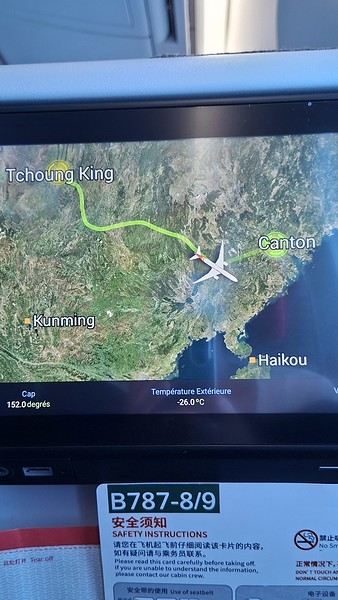
During my first two trips to China, we paid for everything in cash, but this time, we’re going all-in on Alipay and WeChat. I still brought the leftover change from previous trips—it might come in handy. At the metro station, they showed us a QR code to buy tickets via WeChat. There were probably machines and even a ticket counter, but we didn’t see them, and buying via WeChat was pretty simple. 8 yuan to Changshu Lu, which is 22 stops. So far, so good. Then, we had to find the hotel, which wasn’t on Google Maps, Maps.me, or Amap... Easy 😎! We found it without too much hassle, though. Dropped off our stuff and went out to eat. 55 yuan for two claypots with fish/eel, rice, cabbage, and purple eggplant. When we left, it was pouring. We grabbed our umbrellas and set off to explore the neighborhood: Enning Road (we’ll come back later to check out a specific spot), Shangxiajiu (the pedestrian shopping street), Baohua Road... The area is pretty diverse—one street to the next, it’s like stepping into a different world.

There weren’t many people around, probably because of the rain. We grabbed a quick street food dinner and went to bed—we were exhausted. We struggled to stay awake until 11 PM to adjust to the time change as quickly as possible. There’s a 6-hour time difference.
There wasn’t much room for improvisation on this trip—everything was planned in advance. Since August is peak season, I decided to book train tickets early, and once that was set, I reserved all the accommodations too. I got everything on Trip.com.
I bought the flight tickets back in March from Hainan Airlines. They were super expensive, but with these travel dates, I couldn’t exactly dream of a bargain!
I picked up e-SIMs valid for a month from Free just before departure: 10 € for the e-SIM + 19.90 € for a one-month plan with 35 GB of data abroad.
No need for a VPN with these e-SIMs, but D. still got one—a multi-device plan for 5 € with a discount from Let’s VPN, valid for a month. It was for evenings at the hotel on Wi-Fi to avoid burning through the 35 GB with video.
I downloaded Alipay, WeChat, Amap (Baidu Maps), and Trip.com. We also have Google Translate and Maps.me—absolute must-haves.
We’re ready to go!
I’ve been waiting for this day for nearly 15 years!! I travel a lot, but this one—this is MY TRIP 🙂 It’s been postponed so many times: because I wanted to do it with the right person, because I have a Turkish stamp in my passport and heard they don’t issue visas with that, because of COVID... and then China introduced a 30-day visa exemption, and that was the green light! Ugh, they forced us to take our vacation in August this year—far from ideal—but no more delays. Saturday, August 2, 2025: it’s finally the big day!
Days 1 and 2: We got dropped off at Charles de Gaulle at 9:30 AM. I supposedly checked in online, but only for the first flight and without getting the boarding pass... Might as well scrap online check-in in that case. So, we spent over an hour in line at the counter to get them. We didn’t have any checked luggage—just our backpacks as carry-ons—so this was a step we’d never had to deal with before, but whatever, it’s done. No wait at passport control, 5 minutes through security, a quick walk around the terminal, 10 minutes in the boarding area, and it was already time to board. Departure around 12:45 PM, arrival in Chongqing at 4:50 AM. We had a few hours of layover before our next flight. Went through immigration, connecting flight control, and security. Pro tip: check your next flight’s boarding gate right after immigration. We never saw it displayed again anywhere in the terminal.
The Free e-SIMs work—phew!
Took off at 9:30 AM, arrived in Guangzhou (Canton) at 11:20 AM in the rain. I love how Chongqing is translated as "Tchoung King" on the screens in the plane—very French!
During my first two trips to China, we paid for everything in cash, but this time, we’re going all-in on Alipay and WeChat. I still brought the leftover change from previous trips—it might come in handy. At the metro station, they showed us a QR code to buy tickets via WeChat. There were probably machines and even a ticket counter, but we didn’t see them, and buying via WeChat was pretty simple. 8 yuan to Changshu Lu, which is 22 stops. So far, so good. Then, we had to find the hotel, which wasn’t on Google Maps, Maps.me, or Amap... Easy 😎! We found it without too much hassle, though. Dropped off our stuff and went out to eat. 55 yuan for two claypots with fish/eel, rice, cabbage, and purple eggplant. When we left, it was pouring. We grabbed our umbrellas and set off to explore the neighborhood: Enning Road (we’ll come back later to check out a specific spot), Shangxiajiu (the pedestrian shopping street), Baohua Road... The area is pretty diverse—one street to the next, it’s like stepping into a different world.
There weren’t many people around, probably because of the rain. We grabbed a quick street food dinner and went to bed—we were exhausted. We struggled to stay awake until 11 PM to adjust to the time change as quickly as possible. There’s a 6-hour time difference.
Two-week family trip to Colombia in August with 8-year-olds
Hi everyone,
I’d like to share my family trip to Colombia with kids aged 8. After spending hours browsing the forum and only having two weeks there, we decided to focus on two regions: the Coffee Zone for one week and the Caribbean coast for another. We traveled from August 8 to 23.
Day 1 – First stop: Bogotá
We arrived in Bogotá in the evening on an Air France flight—nothing to complain about, decent service, comfortable, and on time. However, the first night was a miss. We’d booked a hotel near the airport (Abitel Prime) for convenience, but the soundproofing was almost nonexistent; we heard planes as if we were on the runway. Luckily, exhaustion helped us sleep well anyway.
Day 2 – Off to the Coffee Zone and Salento
The next morning, we headed to the airport for a domestic flight to Pereira with LATAM. No issues: punctual and efficient, and in 30 minutes, we landed in Pereira. The landing already set a different mood: lush valleys, endless plantations, and humid air. We picked up our rental car from Localiza. Unfortunately, the experience wasn’t smooth—the paperwork took forever, and the wait tested our patience. Finally free, we hit the road to Salento, one of Quindío’s gems. We arrived in the late afternoon and discovered a colorful village bustling with artisan shops and cafés. Our first stroll helped us soak in the atmosphere before dinner at Bambú restaurant—a great surprise with careful cooking and local flavors. We spent the night at Casa Serafín, a charming little hotel, nicely decorated and well-located… but unfortunately very noisy.
Day 3 – The magic of Cocora Valley
This was one of the trip’s highlights. We set off early for Cocora Valley, famous for its giant wax palms, Colombia’s emblem. We chose the 12 km loop recommended by the *Routard*. The landscapes were spectacular: towering palms, rivers, suspension bridges. It felt like walking through a postcard. The weather was perfect. That evening, we dined at Barnabé restaurant—pleasant setting, decent food, but the bill was a bit steep for what it was. Back to Casa Serafín.
Day 4 – Coffee and panoramic views
The plan was a visit to Finca El Ocaso. For 1.5 hours, we followed a passionate guide who explained the entire coffee process, from harvest to cup. Very educational, accessible for both kids and adults, all in a stunning setting. The tour was in English for us, and we translated for our kids, who aren’t bilingual yet. In the afternoon, we climbed to Salento’s viewpoint. The valley view was superb. That evening, we ate at Veggie Garden, a simple and pleasant spot that was a nice change from the heavier meals of previous days.
Day 5 – Horseback ride to Santa Rita Waterfall
We booked a horseback ride with Cocora Magic. It was a real success: calm horses, a beautiful trail, mountain and meadow landscapes, and finally the refreshing and wild Santa Rita Waterfall. Without a doubt, one of the best moments of our time in the region. We even got a bonus ride up a 300-meter hill. We then headed to Filandia, less known than Salento but just as charming. We spent the late afternoon enjoying the pool at MuchoSur Filandia. The hotel is beautiful, in an idyllic setting. However, we also had soundproofing issues and could hear our neighbors.
Day 6 – Rainy detour through Filandia and Manizales
Rain caught up with us in the early morning: torrents of water made it impossible to go out. We stayed at the hotel, reading quietly. By noon, the rain let up: a quick walk in Filandia, a quick lunch, then off to Manizales. We chose to stay at El Otoño hot springs. Great choice: as soon as we arrived, we plunged into the hot pools, perfect after hours on the road.
Day 7 – Hiking and hot springs
In the morning, we hiked the Camino de Super Coco (found somewhat randomly on Google). A pleasant trail with mountain views and a peaceful atmosphere. The afternoon was spent in the hotel’s thermal pools, with a short marked hike down to the river. Dinner on-site at the hot springs’ restaurant. A simple but very relaxing day.
Day 8 – Rain, jacuzzi, and games
We continued to Finca Los Alpes. The rain greeted us again, but this time it turned into an asset: nothing like a steaming jacuzzi with a view of the misty mountains. The kids enjoyed the facilities too: mini-golf, ping-pong, billiards. Dinner and night at the hotel, cozy vibes.
Day 9 – Off to the Caribbean coast
Back to the airport to return the car (still a bit long). Flight to Cartagena with Avianca: punctual and comfortable. Upon arrival, we picked up another car and headed straight to the Hyatt Regency, a modern hotel with a pool. That evening, we dined at the hotel—practical after a travel day.
Day 10 – Colonial Cartagena
We set off to explore Cartagena’s old town. It was enchanting: colorful facades, flowered balconies, colonial charm—just magical. However, the heat was stifling and very humid. Afternoon relaxation by the pool. Dinner at Gestlani, a good restaurant in town.
Day 11 – Road to Barú
A hearty breakfast, then one last swim in the pool before heading to Barú. We checked into Las Islas Hotel. The setting was enchanting: wooden cabins nestled in the vegetation, a private beach, turquoise sea, impeccable service. Dinner at the hotel’s restaurant.
Day 12 – Beach and relaxation
A full beach day in Barú. Warm water, white sand, coconut trees, peace and quiet. A real postcard scene with iguanas and birds.
Day 13 – On to Santa Marta
Another morning at the beach before hitting the road to Santa Marta. The drive was a bit long (6 hours), especially with traffic jams in Barranquilla. It was the longest car ride of the trip. We spent the night at Villa María Tayrona, a beautiful place near the park.
Day 14 – Tayrona Park
We left early for Tayrona Park. We entered through **El Zaino**, parked the car, and set off on a hike to La Piscina (about 2 hours). We stopped along the way at Playa Arenilla, a stunning little beach, to rest. Lunch on-site, a swim, then back by 4 PM. The hike was a bit tiring, but the nature was spectacular: dense jungle, the sound of waves, and even a monkey encounter along the way. Evening and dinner at the hotel.
Day 15 – Last swim and return flight to Bogotá
Our last morning was split between the pool and the beach (the hotel has direct access via a 7-minute trail through vegetation and flowers)—hard to leave this paradise. We drove to Santa Marta’s airport to return the car, then flew back to Bogotá. We spent the night at Casa Dann Carlton, a comfortable hotel. We simply ordered room service, arriving too late to go out.
Day 16 – Bogotá and the end of the trip
Our last day in Colombia. After a good breakfast, we explored La Candelaria. Its cobbled streets and colorful houses were worth the visit. We visited the Botero Museum (free) and the Gold Museum, both fascinating. Back to the airport for our 11:55 PM Air France flight.
That’s a wrap on a varied trip—lush mountains, colorful villages, dream beaches, and tropical jungle. The pace was pretty relaxed, well-suited for our kids. They absolutely loved the trip to Colombia. Driving in Colombia was very easy, and we didn’t regret renting a car at all—it gave us more freedom to get around.
If I were to do it again, here’s what I’d change: - I’d spend less time in the Coffee Zone to stay a bit longer on the Caribbean coast, which was more relaxing for the kids. Or I’d head to Medellín, but I didn’t think the city was very kid-friendly. - Bogotá is a city that deserves a day’s visit, but it’s not a must-see. Maybe I’d have taken the KLM flight from Cartagena to Amsterdam instead.
If you have any questions, don’t hesitate!
Antoine
I’d like to share my family trip to Colombia with kids aged 8. After spending hours browsing the forum and only having two weeks there, we decided to focus on two regions: the Coffee Zone for one week and the Caribbean coast for another. We traveled from August 8 to 23.
Day 1 – First stop: Bogotá
We arrived in Bogotá in the evening on an Air France flight—nothing to complain about, decent service, comfortable, and on time. However, the first night was a miss. We’d booked a hotel near the airport (Abitel Prime) for convenience, but the soundproofing was almost nonexistent; we heard planes as if we were on the runway. Luckily, exhaustion helped us sleep well anyway.
Day 2 – Off to the Coffee Zone and Salento
The next morning, we headed to the airport for a domestic flight to Pereira with LATAM. No issues: punctual and efficient, and in 30 minutes, we landed in Pereira. The landing already set a different mood: lush valleys, endless plantations, and humid air. We picked up our rental car from Localiza. Unfortunately, the experience wasn’t smooth—the paperwork took forever, and the wait tested our patience. Finally free, we hit the road to Salento, one of Quindío’s gems. We arrived in the late afternoon and discovered a colorful village bustling with artisan shops and cafés. Our first stroll helped us soak in the atmosphere before dinner at Bambú restaurant—a great surprise with careful cooking and local flavors. We spent the night at Casa Serafín, a charming little hotel, nicely decorated and well-located… but unfortunately very noisy.
Day 3 – The magic of Cocora Valley
This was one of the trip’s highlights. We set off early for Cocora Valley, famous for its giant wax palms, Colombia’s emblem. We chose the 12 km loop recommended by the *Routard*. The landscapes were spectacular: towering palms, rivers, suspension bridges. It felt like walking through a postcard. The weather was perfect. That evening, we dined at Barnabé restaurant—pleasant setting, decent food, but the bill was a bit steep for what it was. Back to Casa Serafín.
Day 4 – Coffee and panoramic views
The plan was a visit to Finca El Ocaso. For 1.5 hours, we followed a passionate guide who explained the entire coffee process, from harvest to cup. Very educational, accessible for both kids and adults, all in a stunning setting. The tour was in English for us, and we translated for our kids, who aren’t bilingual yet. In the afternoon, we climbed to Salento’s viewpoint. The valley view was superb. That evening, we ate at Veggie Garden, a simple and pleasant spot that was a nice change from the heavier meals of previous days.
Day 5 – Horseback ride to Santa Rita Waterfall
We booked a horseback ride with Cocora Magic. It was a real success: calm horses, a beautiful trail, mountain and meadow landscapes, and finally the refreshing and wild Santa Rita Waterfall. Without a doubt, one of the best moments of our time in the region. We even got a bonus ride up a 300-meter hill. We then headed to Filandia, less known than Salento but just as charming. We spent the late afternoon enjoying the pool at MuchoSur Filandia. The hotel is beautiful, in an idyllic setting. However, we also had soundproofing issues and could hear our neighbors.
Day 6 – Rainy detour through Filandia and Manizales
Rain caught up with us in the early morning: torrents of water made it impossible to go out. We stayed at the hotel, reading quietly. By noon, the rain let up: a quick walk in Filandia, a quick lunch, then off to Manizales. We chose to stay at El Otoño hot springs. Great choice: as soon as we arrived, we plunged into the hot pools, perfect after hours on the road.
Day 7 – Hiking and hot springs
In the morning, we hiked the Camino de Super Coco (found somewhat randomly on Google). A pleasant trail with mountain views and a peaceful atmosphere. The afternoon was spent in the hotel’s thermal pools, with a short marked hike down to the river. Dinner on-site at the hot springs’ restaurant. A simple but very relaxing day.
Day 8 – Rain, jacuzzi, and games
We continued to Finca Los Alpes. The rain greeted us again, but this time it turned into an asset: nothing like a steaming jacuzzi with a view of the misty mountains. The kids enjoyed the facilities too: mini-golf, ping-pong, billiards. Dinner and night at the hotel, cozy vibes.
Day 9 – Off to the Caribbean coast
Back to the airport to return the car (still a bit long). Flight to Cartagena with Avianca: punctual and comfortable. Upon arrival, we picked up another car and headed straight to the Hyatt Regency, a modern hotel with a pool. That evening, we dined at the hotel—practical after a travel day.
Day 10 – Colonial Cartagena
We set off to explore Cartagena’s old town. It was enchanting: colorful facades, flowered balconies, colonial charm—just magical. However, the heat was stifling and very humid. Afternoon relaxation by the pool. Dinner at Gestlani, a good restaurant in town.
Day 11 – Road to Barú
A hearty breakfast, then one last swim in the pool before heading to Barú. We checked into Las Islas Hotel. The setting was enchanting: wooden cabins nestled in the vegetation, a private beach, turquoise sea, impeccable service. Dinner at the hotel’s restaurant.
Day 12 – Beach and relaxation
A full beach day in Barú. Warm water, white sand, coconut trees, peace and quiet. A real postcard scene with iguanas and birds.
Day 13 – On to Santa Marta
Another morning at the beach before hitting the road to Santa Marta. The drive was a bit long (6 hours), especially with traffic jams in Barranquilla. It was the longest car ride of the trip. We spent the night at Villa María Tayrona, a beautiful place near the park.
Day 14 – Tayrona Park
We left early for Tayrona Park. We entered through **El Zaino**, parked the car, and set off on a hike to La Piscina (about 2 hours). We stopped along the way at Playa Arenilla, a stunning little beach, to rest. Lunch on-site, a swim, then back by 4 PM. The hike was a bit tiring, but the nature was spectacular: dense jungle, the sound of waves, and even a monkey encounter along the way. Evening and dinner at the hotel.
Day 15 – Last swim and return flight to Bogotá
Our last morning was split between the pool and the beach (the hotel has direct access via a 7-minute trail through vegetation and flowers)—hard to leave this paradise. We drove to Santa Marta’s airport to return the car, then flew back to Bogotá. We spent the night at Casa Dann Carlton, a comfortable hotel. We simply ordered room service, arriving too late to go out.
Day 16 – Bogotá and the end of the trip
Our last day in Colombia. After a good breakfast, we explored La Candelaria. Its cobbled streets and colorful houses were worth the visit. We visited the Botero Museum (free) and the Gold Museum, both fascinating. Back to the airport for our 11:55 PM Air France flight.
That’s a wrap on a varied trip—lush mountains, colorful villages, dream beaches, and tropical jungle. The pace was pretty relaxed, well-suited for our kids. They absolutely loved the trip to Colombia. Driving in Colombia was very easy, and we didn’t regret renting a car at all—it gave us more freedom to get around.
If I were to do it again, here’s what I’d change: - I’d spend less time in the Coffee Zone to stay a bit longer on the Caribbean coast, which was more relaxing for the kids. Or I’d head to Medellín, but I didn’t think the city was very kid-friendly. - Bogotá is a city that deserves a day’s visit, but it’s not a must-see. Maybe I’d have taken the KLM flight from Cartagena to Amsterdam instead.
If you have any questions, don’t hesitate!
Antoine