Results for "Marais+|+127+>+352"
5589 results found.
Projet de voyage familial en France English translation pending
Bonjour,
Nous projetons un séjour de deux à trois semaines en France l'été prochain. Il s'agira d'un voyage familial avec notre fille, qui aura alors 8 ans.
Nous sommes donc à la recherche d'idées et de suggestions pour planifier notre itinéraire.
Quelle(s) région(s) devrions-nous cibler compte tenu que nous serons accompagnés d'un enfant ?
Quel genre d'hébergement offrirait, dans ces circonstances, un bon rapport qualité-prix ?
Est-ce que la location achat-rachat d'une auto constitue toujours une bonne option ?
Bref, bien des questions nous trottent dans la tête...
Merci à l'avance pour vos commentaires.
Stéphane et Josée🙂
Nous projetons un séjour de deux à trois semaines en France l'été prochain. Il s'agira d'un voyage familial avec notre fille, qui aura alors 8 ans.
Nous sommes donc à la recherche d'idées et de suggestions pour planifier notre itinéraire.
Quelle(s) région(s) devrions-nous cibler compte tenu que nous serons accompagnés d'un enfant ?
Quel genre d'hébergement offrirait, dans ces circonstances, un bon rapport qualité-prix ?
Est-ce que la location achat-rachat d'une auto constitue toujours une bonne option ?
Bref, bien des questions nous trottent dans la tête...
Merci à l'avance pour vos commentaires.
Stéphane et Josée🙂
Vos petits moments de bonheur en voyage English translation pending
Bonjour,
J'aimerais bien partir une discussion sur les plus beaux souvenirs de voyages des membres, leurs plus beaux moments de bonheur en voyage.
Depuis que je voyage, je me suis aperçu que, en plus de faire de belles découvertes, je vivais aussi parfois des moments intenses de bonheur.
Quelques exemples : En Égypte, j'ai fait l'ascension du Mont-Sinaï et j'ai couché la nuit à son sommet. J'y ai vécu un moment de bonheur en assistant au lever du soleil de mon sac à couchage et un autre en descendant le mont Sinaï vers le monastère Ste-Catherine. Ce matin-là, le ciel était radieux, il y avait un de ces silences... Toujours en Égypte, une ballade sur la Corniche à Assouan en fin de journée en assistant au coucher de soleil, avec une vue imprenable sur le Nil. En Indonésie, mon séjour au Plateau de Dieng sur l'île de Java fut un grand moment de bonheur, ainsi que ma visite sur l'île de Komodo. En Tunisie, des visites à Douz et à Chénine furent des moments forts.
J'aimerais bien partir une discussion sur les plus beaux souvenirs de voyages des membres, leurs plus beaux moments de bonheur en voyage.
Depuis que je voyage, je me suis aperçu que, en plus de faire de belles découvertes, je vivais aussi parfois des moments intenses de bonheur.
Quelques exemples : En Égypte, j'ai fait l'ascension du Mont-Sinaï et j'ai couché la nuit à son sommet. J'y ai vécu un moment de bonheur en assistant au lever du soleil de mon sac à couchage et un autre en descendant le mont Sinaï vers le monastère Ste-Catherine. Ce matin-là, le ciel était radieux, il y avait un de ces silences... Toujours en Égypte, une ballade sur la Corniche à Assouan en fin de journée en assistant au coucher de soleil, avec une vue imprenable sur le Nil. En Indonésie, mon séjour au Plateau de Dieng sur l'île de Java fut un grand moment de bonheur, ainsi que ma visite sur l'île de Komodo. En Tunisie, des visites à Douz et à Chénine furent des moments forts.
Livres à ne pas lire quand on est déjà mordu English translation pending
Bonjour
je propose ce nouveau sujet de discussion.
Parlez des livres que vous avez lu, qui traitent du voyage, et qui donnent encore plus envie de partir.
Je sais, c'est pas bien de faire ça, c'est malsain, parce qu'on a tous suffisamment envie de se barrer, mais c'est plus fort que nous, n'est-ce pas?
J'ouvre, avec l'Usage du Monde de Nicolas Bouvier.
Entre 1951 et 1953, Nicolas Bouvier est parti avec un ami peintre (Thierry Vernet) en fiat facile à réparer qui tombe tout le temps en panne à travers l'Europe Balkanique, puis la Turquie, le Kurdistan, l'Iran, l'Afganistan. Il raconte ses souvenirs et ses analyses d'une manière simple et très émouvante. Les rencontres et les moments insolites donnent particulièrement envie de vivre des instants similaires, même s'ils ont quand même pas mal galéré. Mais la galère est un véhicule comme un autre...
Donc voilà, pour ceux qui n'aiment pas voyager, lisez ce bouquin, les autres, surtout, abstenez vous, sinon, vous serez irrémédiablement perdus, korzéam.
Page by Page on the Assisi Way – 1,200 km on Foot
Preamble
June 2024. While hiking with my brother on the GR 36 Tour du Morvan, I catch sight now and then of strange rectangular markers fixed to tree trunks. Against a bright orange background, a deep black Greek tau topped with a white dove. My first encounter with the Assisi Way. The Way of St. Francis: a pilgrimage route linking Vézelay in Burgundy to Assisi in Italy, covering nearly 1,800 km. It felt like an obvious next step—I immediately knew I’d take it on, attempt the adventure solo.
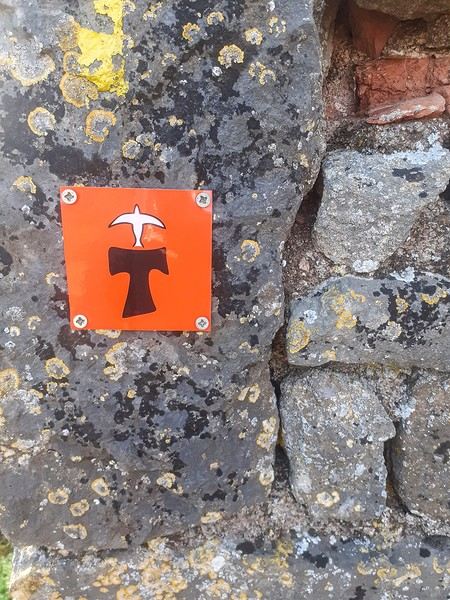
In the months that followed, I talked about my project to everyone—family, friends, my partner. An avalanche of comments, more or less the same but varying depending on each person’s character and life experiences. But deep down, it all boiled down to one legitimate question: why?
And the answers? Hesitant, awkward, partial, even confused. I quickly realized they weren’t so easy to find. It was as if my project seemed more like a whim, a kind of intimate caprice, rather than a well-thought-out plan. Of course, I knew the reasons that pushed me to leave—you always have to give some. Loved ones need to understand to feel reassured, and that’s understandable. But I fear that when I list them, they’ll sound like the same old checklist anyone embarking on this kind of journey might give. Of all the reasons I could mention, I’ll highlight just one here: the call of the road, the solo adventure that brings a powerful sense of freedom. A bit like Monsieur Seguin’s goat, who from her comfortable pen gazes longingly at the unconstrained horizon of the mountain. But if I’m being honest, I think I didn’t really know what I was looking for—or, more importantly, what I’d find. Deep down, when I reflect on it, one word keeps coming up that explains nothing and everything at once: desire.
Now well past sixty, I know that when I ask myself who I am or where I’m going, two things bring me fully back to myself: hiking and writing. And my intention was also to anchor this adventure through words, day by day. Writing down my feelings, emotions, discoveries, and reflections each evening. The famous travel journal that grounds the daily experience in reality. When I discovered the app "Polarstep," which was initially just meant to keep my loved ones updated and reassured, inform them of my progress, and maintain a connection, I found an opportunity to do it a little differently than usual. No retrospective notes polished up after returning, but spontaneous writing—recounting everything that crossed my mind during the day and publishing it immediately. A journey lived in real time.
This text is the exact transcription of my daily writings. Rereading them, I didn’t change a thing—just corrected a few mistakes and tweaked some awkward phrasing here and there. Short texts, fitting the format imposed by this kind of app. Writing as if addressing others.
Now, all that was left was to walk. April 18, 2026 – Vézelay.
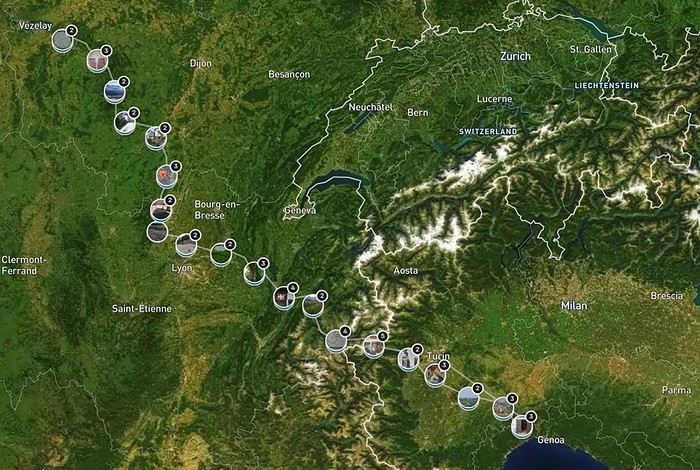
June 2024. While hiking with my brother on the GR 36 Tour du Morvan, I catch sight now and then of strange rectangular markers fixed to tree trunks. Against a bright orange background, a deep black Greek tau topped with a white dove. My first encounter with the Assisi Way. The Way of St. Francis: a pilgrimage route linking Vézelay in Burgundy to Assisi in Italy, covering nearly 1,800 km. It felt like an obvious next step—I immediately knew I’d take it on, attempt the adventure solo.
In the months that followed, I talked about my project to everyone—family, friends, my partner. An avalanche of comments, more or less the same but varying depending on each person’s character and life experiences. But deep down, it all boiled down to one legitimate question: why?
And the answers? Hesitant, awkward, partial, even confused. I quickly realized they weren’t so easy to find. It was as if my project seemed more like a whim, a kind of intimate caprice, rather than a well-thought-out plan. Of course, I knew the reasons that pushed me to leave—you always have to give some. Loved ones need to understand to feel reassured, and that’s understandable. But I fear that when I list them, they’ll sound like the same old checklist anyone embarking on this kind of journey might give. Of all the reasons I could mention, I’ll highlight just one here: the call of the road, the solo adventure that brings a powerful sense of freedom. A bit like Monsieur Seguin’s goat, who from her comfortable pen gazes longingly at the unconstrained horizon of the mountain. But if I’m being honest, I think I didn’t really know what I was looking for—or, more importantly, what I’d find. Deep down, when I reflect on it, one word keeps coming up that explains nothing and everything at once: desire.
Now well past sixty, I know that when I ask myself who I am or where I’m going, two things bring me fully back to myself: hiking and writing. And my intention was also to anchor this adventure through words, day by day. Writing down my feelings, emotions, discoveries, and reflections each evening. The famous travel journal that grounds the daily experience in reality. When I discovered the app "Polarstep," which was initially just meant to keep my loved ones updated and reassured, inform them of my progress, and maintain a connection, I found an opportunity to do it a little differently than usual. No retrospective notes polished up after returning, but spontaneous writing—recounting everything that crossed my mind during the day and publishing it immediately. A journey lived in real time.
This text is the exact transcription of my daily writings. Rereading them, I didn’t change a thing—just corrected a few mistakes and tweaked some awkward phrasing here and there. Short texts, fitting the format imposed by this kind of app. Writing as if addressing others.
Now, all that was left was to walk. April 18, 2026 – Vézelay.
Malaysia itinerary advice for summer 2027 with 3 kids
Hi there,
We’re planning a 3-week family trip next summer with our three kids, who’ll be 8, 8, and 7 years old.
After some research, we’re leaning toward Malaysia to combine nature/forests and paradise beaches. The idea is to introduce our kids to the country’s culture, nature, and wildlife.
We want a great trip but without splurging on luxury options like high-end lodges and resorts. We’re looking for comfort with a touch of authenticity—basically, a good middle ground.
I’ve started putting together an itinerary and would love your expert advice and tips to help us build this amazing trip with our little ones.
Day 1: Departure from France
Day 2: Kuala Lumpur Stay at a hotel near the airport or KL Sentral. Just one night.
Day 3: Morning flight to Sandakan (Borneo). Stay in Sepilok
Day 4: Sepilok: * Orangutan Center * Malayan Sun Bear Center * Rainforest Discovery Centre
Day 5: Depart for Kinabatangan. Boat safari in the late afternoon.
Day 6: Sunrise safari. Jungle walk. Evening safari.
Day 7: Final safari. Return to Sandakan.
Flight to Kuala Lumpur, then to Kota Bharu (or overnight transit depending on schedules).
Day 8: Transfer to the port. Boat to the Perhentian Islands.
Days 9 to 13: Perhentian Besar 5 full days. * Snorkeling * Hiking * Turtle watching * Wild beaches * Relaxation
Day 14: Return to the mainland. Bus or private car to Taman Negara.
Days 15 and 16: Taman Negara.
Day 17: Return to Kuala Lumpur.
Day 18: Visit the Petronas Towers or Batu Caves
Day 19: Free day.
Day 20: Return flight.
Thanks in advance, everyone!
Baptiste
After some research, we’re leaning toward Malaysia to combine nature/forests and paradise beaches. The idea is to introduce our kids to the country’s culture, nature, and wildlife.
We want a great trip but without splurging on luxury options like high-end lodges and resorts. We’re looking for comfort with a touch of authenticity—basically, a good middle ground.
I’ve started putting together an itinerary and would love your expert advice and tips to help us build this amazing trip with our little ones.
Day 1: Departure from France
Day 2: Kuala Lumpur Stay at a hotel near the airport or KL Sentral. Just one night.
Day 3: Morning flight to Sandakan (Borneo). Stay in Sepilok
Day 4: Sepilok: * Orangutan Center * Malayan Sun Bear Center * Rainforest Discovery Centre
Day 5: Depart for Kinabatangan. Boat safari in the late afternoon.
Day 6: Sunrise safari. Jungle walk. Evening safari.
Day 7: Final safari. Return to Sandakan.
Flight to Kuala Lumpur, then to Kota Bharu (or overnight transit depending on schedules).
Day 8: Transfer to the port. Boat to the Perhentian Islands.
Days 9 to 13: Perhentian Besar 5 full days. * Snorkeling * Hiking * Turtle watching * Wild beaches * Relaxation
Day 14: Return to the mainland. Bus or private car to Taman Negara.
Days 15 and 16: Taman Negara.
Day 17: Return to Kuala Lumpur.
Day 18: Visit the Petronas Towers or Batu Caves
Day 19: Free day.
Day 20: Return flight.
Thanks in advance, everyone!
Baptiste
The Pearl of Africa - July-August 2026
Preamble:
Africa was calling to me, so a year ago, with our usual travel companions, we decided to return to the continent we love so much.
Where to go?
Uganda quickly caught our attention—wildlife we’re used to seeing, plus gorillas and the shoebill we missed in Zambia.
We got in touch with Paul, who’s been mentioned several times on the forum back in September, booked our flight tickets, secured the gorilla permits, and by early October, the most important things were done.
We still had plenty of time to hold our "prep meetings" for the final itinerary.
Three days before departure, I sprained my ankle (my weak spot, as you’ll recall from our Colombia trip). I wasn’t in great spirits, but after a year of waiting, nothing was going to stop me. We’d see how it goes! Off we went for our new adventures
Three days before departure, I sprained my ankle (my weak spot, as you’ll recall from our Colombia trip). I wasn’t in great spirits, but after a year of waiting, nothing was going to stop me. We’d see how it goes! Off we went for our new adventures
A Week in Lanzarote in Late September
Lanzarote Travel Journal
Trip Planning My partner and I are heading to the Canary Islands for a week at the end of September, specifically to Lanzarote. We chose this island over the more crowded ones for its volcanic landscape and the variety of hikes it offers. I booked everything through Expedia: our hotel stay, car rental, and Ryanair flight tickets departing from Marseille. It was the only way to get a direct flight. To make getting around easier during our stay, I picked a hotel located in the center of the island from the wide selection available. It’s part of the Barceló chain, specifically the "Barceló Teguise Beach Adults Only" in Teguise Beach, which turned out to be an excellent choice.
The Trip
Sunday, September 21 - Monday, September 22 Departure It’s 2:15 PM, and we’re at the Avignon TGV station. Danielle picked us up earlier due to the weather—thunderstorms and heavy rain all the way to the station. The TGV was on time, and it only took 30 minutes to reach Marseille Saint-Charles. The shuttle to the airport is quick and convenient, right behind the station. The bus leaves for the airport in the middle of the storm, with flooded roads and cars stuck in some spots. We get soaked making our way to the terminal. Two hours to wait before the flight. The plane finally takes off at midnight, but just before landing, the pilot announces that the destination airport is closed, and we’re being diverted to Tenerife. Ryanair will re-route us as soon as possible. We end up waiting 2 hours, and Ryanair kindly gives us a 4 € voucher. We re-board around 5:15 AM and take off at 6:00 AM. About 45 minutes to reach Lanzarote. After collecting our luggage, we head to the car rental desk. The counter in the terminal is closed, and we’re directed to parking lot P4—it takes us a while to find it. I’m a bit worried about the rental company’s reaction since the car was supposed to be picked up 7 hours earlier, but it’s not a problem. A woman next to us is furious because she’s in the same situation, and her rental was canceled. Anne-Marie translates for her, but nothing changes. We pick up a brand-new Toyota Aigo and head to the hotel. After checking in, we cross the garden, walking alongside the large pool to reach our room. A lovely first-floor room with a jacuzzi and a sea view. It’s early, so we head to breakfast—a generously stocked and varied buffet with everything you could want. Afterward, we drive to Cueva de los Verdes, but it’s packed with people and a long wait. We decide to come back another day. Next, we visit Mirador Del Rio. This rocky viewpoint at the edge of the island has breathtaking cliffs plunging 500 meters into the ocean. The view is stunning and impressive. A panoramic bar lets you cool off while enjoying the scenery. We return to the hotel for a short walk around the neighborhood and enjoy the beautiful pool with its pleasant water temperature. Relaxing by the pool, sun loungers, and all. In the evening, a very varied buffet at the restaurant. Then early to bed to recover from the sleepless night before.
Tuesday, September 23 After a restful night, we enjoy another varied and hearty breakfast. The terrace seating is very pleasant. We take an inland road leading to Timanfaya National Park. The road near the park runs alongside vineyards where the vines are surrounded by lava stone walls to protect them from the prevailing winds. Our first stop is at the visitor center, where the island’s volcanic activity is well-documented. Next, we stop at an area where you can take a short camel ride—two seats are installed on either side of the camel’s hump. This little ride offers a great view of the volcanic landscape from a higher vantage point. A fair price of 11 € per seat for a 20-minute ride. We then head to the park entrance via the road leading to the parking lot, where only authorized buses can take the winding route inside the park. It’s crowded, and we wait about 45 minutes with several stops before reaching the parking lot. We board the bus, and the route offers beautiful views of this volcanic area and its many craters. The journey is very interesting, with several stops for photos. At the parking lot, a guide shows us how the heat from the rocks beneath the surface can ignite dry vegetation. Water poured into holes in the ground immediately creates geysers and jets of steam. The building next to the parking lot has a restaurant where meat is cooked using the heat from a well dug into the volcanic rock. On our way back, we drive to Playa Blanca, a seaside town with a small sandy beach.
Back at the hotel in the late afternoon for dinner.
Wednesday, September 24 We wake up early and have a quick breakfast—few people are around at this hour. Two days ago, we booked a 10:00 AM visit to Los Verdes, lava tunnels created by eruptions and lava flows from the La Corona volcano, which extended all the way to the coast. When the lava came into contact with the air, it solidified on the surface while continuing to flow underneath. The lava tunnels stretch for 8 kilometers to the volcano, but we only walk one kilometer. The inside of the tunnel is impressive, with narrow passages and larger chambers. You can see traces left by the flowing liquid lava—varied colors and twisted shapes. At the end of the path, a large chamber has been turned into a concert hall with perfect acoustics. Next, we visit Jameo Del Agua. This is a continuation of the lava tunnel, developed by Manrique. There are beautifully designed bar and restaurant areas, as well as an underground lake where you can see small blind white crabs—a protected species in this very pure water. Higher up, there’s a lovely space with a central pool that could double as a swimming area, surrounded by beautifully designed white pathways that contrast with the blue water. Further on, you reach a large space inside the lava tunnel, set up as a performance hall with perfect acoustics. Stairs let you view this beautiful space from above. A gap in the lava landscape reveals the ocean on the horizon. We head back toward the village of Yé, at the foot of the La Corona volcano. A 160-meter walk from the church, a path crosses vineyard plots and then climbs to the top of the volcano’s crater in about 30 minutes. It’s the island’s highest volcano. When you reach the edge of the crater, you see how deep it is, with steep slopes inside forming a large circular opening. The place is breathtaking and awe-inspiring. We drive back to the hotel via a road that climbs quickly, offering a beautiful view of the island’s northern part.
Thursday, September 25 After another enjoyable and varied breakfast, we head to the center of the island toward the volcano park and stop at a roadside parking lot where a path leads to the Montana Cuervo volcano. This is a crater that opened on one side. During an eruption, an explosion created a breach in the crater. Huge blocks of rock were thrown dozens of meters away. The path goes through the breach and descends into the crater, allowing you to walk around it. It’s impressive, and you really feel small and fragile in this environment. The crater walls, with their different colors, highlight the rock formations. The crater is surrounded by a sea of lava with sharp, jagged rocks. You can walk around the outside of the crater, but it’s not very interesting. We then head to the west coast, stopping at a spot with a small green lake next to a beautiful black sand beach. Next, we stop at Salinas de Janubio, a lovely viewpoint overlooking the salt marshes with different water colors. A small shop sells various local products. We then head to the famous Papagayo beach. The road ends at a booth where they charge 3 € to continue. From here, the land is private, and you have to pay to drive down a 3-kilometer rocky dirt road. Quite a few cars are driving along it, kicking up clouds of dust. The car gets a dusty makeover. We arrive at a large parking area, with several paths leading to different small beaches. We go to Papagayo, a small blonde sand beach surrounded by red rocks. The beach slopes gently into the water, which is a pleasant temperature. The setting is charming and peaceful. We stay for a while before heading back to the hotel.
Friday, September 26 We start with a visit to the César Manrique Foundation in Tahiche. This was originally one of his homes. The modern construction spans several levels and is integrated into the lava flow, using the gaps to create living spaces. Large windows make the rooms bright and open to the scenery. The place is pleasant, with flower-filled gardens outside. It’s well worth a visit. Next, we drive to Las Grietas, where a path leads to a narrow crack in the volcanic rock, forming a tight passage where only one person can walk at a time. The passage isn’t very long, but progress is slow due to the endless selfies being taken here. We then stop at Casa Del Camposino, a renovated farm that houses several artisan shops. We taste a local wine recommended by a charming woman and buy two bottles of Lanzarote red wine on her advice. Now, we head to Tamara beach, a beautiful and wide beach at the foot of high cliffs. There are always great waves here, making it a surfer’s paradise. On the way back to the hotel, we stop at the cactus garden, César Manrique’s final creation. Designed with a great sense of aesthetics around an old windmill, it features 4,500 varieties of cacti in various shapes, all in a beautiful setting. We return to the hotel in the late afternoon for the evening.
Saturday, September 27 After another hearty breakfast, we head north to Haria. We stumble upon another of César Manrique’s homes, where he lived for a long time. This house is more traditional than the previous one but still has large, modern, and very pleasant rooms. At the back of the garden is his large studio, where he created his works. Next, we visit the craft market—this was our original plan. Various stalls offer local items, and it’s very crowded. No room at the café terraces to sit down. We then return to Famara beach for a long stay. There are always great waves here, much to the surfers’ delight. The water temperature is pleasant, and we enjoy it. On the way back to the hotel, we stop at a gas station to refill the car, which has been very fuel-efficient. Gas is also much cheaper here than in France—1.16 € per liter of SP95. We also wash the car, which was very dusty after the long dirt road to Papagayo beach. At the hotel, we enjoy a farewell cocktail before dinner.
Sunday, September 28 We spend the morning by the hotel pool before checking out at noon. For lunch, we go to a restaurant called "Dona Lola," near the hotel, with a terrace offering a view of the coast. We order tuna carpaccio, which is delicious. We then head to the airport, just 15 minutes away. We return the rental car and go to the airport. A long line to check in our luggage. The return flight is on time. A shuttle bus takes us to Saint-Charles station. We then head to our overnight rental. The boulevard slopes down, making it easier with the suitcases. The rental is between the old port and the train station. Once there, we pick up the keys and make one last effort to carry the luggage up to the third floor. The studio is nice, clean, and simply equipped—perfect for one night.
Trip Planning My partner and I are heading to the Canary Islands for a week at the end of September, specifically to Lanzarote. We chose this island over the more crowded ones for its volcanic landscape and the variety of hikes it offers. I booked everything through Expedia: our hotel stay, car rental, and Ryanair flight tickets departing from Marseille. It was the only way to get a direct flight. To make getting around easier during our stay, I picked a hotel located in the center of the island from the wide selection available. It’s part of the Barceló chain, specifically the "Barceló Teguise Beach Adults Only" in Teguise Beach, which turned out to be an excellent choice.
The Trip
Sunday, September 21 - Monday, September 22 Departure It’s 2:15 PM, and we’re at the Avignon TGV station. Danielle picked us up earlier due to the weather—thunderstorms and heavy rain all the way to the station. The TGV was on time, and it only took 30 minutes to reach Marseille Saint-Charles. The shuttle to the airport is quick and convenient, right behind the station. The bus leaves for the airport in the middle of the storm, with flooded roads and cars stuck in some spots. We get soaked making our way to the terminal. Two hours to wait before the flight. The plane finally takes off at midnight, but just before landing, the pilot announces that the destination airport is closed, and we’re being diverted to Tenerife. Ryanair will re-route us as soon as possible. We end up waiting 2 hours, and Ryanair kindly gives us a 4 € voucher. We re-board around 5:15 AM and take off at 6:00 AM. About 45 minutes to reach Lanzarote. After collecting our luggage, we head to the car rental desk. The counter in the terminal is closed, and we’re directed to parking lot P4—it takes us a while to find it. I’m a bit worried about the rental company’s reaction since the car was supposed to be picked up 7 hours earlier, but it’s not a problem. A woman next to us is furious because she’s in the same situation, and her rental was canceled. Anne-Marie translates for her, but nothing changes. We pick up a brand-new Toyota Aigo and head to the hotel. After checking in, we cross the garden, walking alongside the large pool to reach our room. A lovely first-floor room with a jacuzzi and a sea view. It’s early, so we head to breakfast—a generously stocked and varied buffet with everything you could want. Afterward, we drive to Cueva de los Verdes, but it’s packed with people and a long wait. We decide to come back another day. Next, we visit Mirador Del Rio. This rocky viewpoint at the edge of the island has breathtaking cliffs plunging 500 meters into the ocean. The view is stunning and impressive. A panoramic bar lets you cool off while enjoying the scenery. We return to the hotel for a short walk around the neighborhood and enjoy the beautiful pool with its pleasant water temperature. Relaxing by the pool, sun loungers, and all. In the evening, a very varied buffet at the restaurant. Then early to bed to recover from the sleepless night before.
Tuesday, September 23 After a restful night, we enjoy another varied and hearty breakfast. The terrace seating is very pleasant. We take an inland road leading to Timanfaya National Park. The road near the park runs alongside vineyards where the vines are surrounded by lava stone walls to protect them from the prevailing winds. Our first stop is at the visitor center, where the island’s volcanic activity is well-documented. Next, we stop at an area where you can take a short camel ride—two seats are installed on either side of the camel’s hump. This little ride offers a great view of the volcanic landscape from a higher vantage point. A fair price of 11 € per seat for a 20-minute ride. We then head to the park entrance via the road leading to the parking lot, where only authorized buses can take the winding route inside the park. It’s crowded, and we wait about 45 minutes with several stops before reaching the parking lot. We board the bus, and the route offers beautiful views of this volcanic area and its many craters. The journey is very interesting, with several stops for photos. At the parking lot, a guide shows us how the heat from the rocks beneath the surface can ignite dry vegetation. Water poured into holes in the ground immediately creates geysers and jets of steam. The building next to the parking lot has a restaurant where meat is cooked using the heat from a well dug into the volcanic rock. On our way back, we drive to Playa Blanca, a seaside town with a small sandy beach.
Back at the hotel in the late afternoon for dinner.
Wednesday, September 24 We wake up early and have a quick breakfast—few people are around at this hour. Two days ago, we booked a 10:00 AM visit to Los Verdes, lava tunnels created by eruptions and lava flows from the La Corona volcano, which extended all the way to the coast. When the lava came into contact with the air, it solidified on the surface while continuing to flow underneath. The lava tunnels stretch for 8 kilometers to the volcano, but we only walk one kilometer. The inside of the tunnel is impressive, with narrow passages and larger chambers. You can see traces left by the flowing liquid lava—varied colors and twisted shapes. At the end of the path, a large chamber has been turned into a concert hall with perfect acoustics. Next, we visit Jameo Del Agua. This is a continuation of the lava tunnel, developed by Manrique. There are beautifully designed bar and restaurant areas, as well as an underground lake where you can see small blind white crabs—a protected species in this very pure water. Higher up, there’s a lovely space with a central pool that could double as a swimming area, surrounded by beautifully designed white pathways that contrast with the blue water. Further on, you reach a large space inside the lava tunnel, set up as a performance hall with perfect acoustics. Stairs let you view this beautiful space from above. A gap in the lava landscape reveals the ocean on the horizon. We head back toward the village of Yé, at the foot of the La Corona volcano. A 160-meter walk from the church, a path crosses vineyard plots and then climbs to the top of the volcano’s crater in about 30 minutes. It’s the island’s highest volcano. When you reach the edge of the crater, you see how deep it is, with steep slopes inside forming a large circular opening. The place is breathtaking and awe-inspiring. We drive back to the hotel via a road that climbs quickly, offering a beautiful view of the island’s northern part.
Thursday, September 25 After another enjoyable and varied breakfast, we head to the center of the island toward the volcano park and stop at a roadside parking lot where a path leads to the Montana Cuervo volcano. This is a crater that opened on one side. During an eruption, an explosion created a breach in the crater. Huge blocks of rock were thrown dozens of meters away. The path goes through the breach and descends into the crater, allowing you to walk around it. It’s impressive, and you really feel small and fragile in this environment. The crater walls, with their different colors, highlight the rock formations. The crater is surrounded by a sea of lava with sharp, jagged rocks. You can walk around the outside of the crater, but it’s not very interesting. We then head to the west coast, stopping at a spot with a small green lake next to a beautiful black sand beach. Next, we stop at Salinas de Janubio, a lovely viewpoint overlooking the salt marshes with different water colors. A small shop sells various local products. We then head to the famous Papagayo beach. The road ends at a booth where they charge 3 € to continue. From here, the land is private, and you have to pay to drive down a 3-kilometer rocky dirt road. Quite a few cars are driving along it, kicking up clouds of dust. The car gets a dusty makeover. We arrive at a large parking area, with several paths leading to different small beaches. We go to Papagayo, a small blonde sand beach surrounded by red rocks. The beach slopes gently into the water, which is a pleasant temperature. The setting is charming and peaceful. We stay for a while before heading back to the hotel.
Friday, September 26 We start with a visit to the César Manrique Foundation in Tahiche. This was originally one of his homes. The modern construction spans several levels and is integrated into the lava flow, using the gaps to create living spaces. Large windows make the rooms bright and open to the scenery. The place is pleasant, with flower-filled gardens outside. It’s well worth a visit. Next, we drive to Las Grietas, where a path leads to a narrow crack in the volcanic rock, forming a tight passage where only one person can walk at a time. The passage isn’t very long, but progress is slow due to the endless selfies being taken here. We then stop at Casa Del Camposino, a renovated farm that houses several artisan shops. We taste a local wine recommended by a charming woman and buy two bottles of Lanzarote red wine on her advice. Now, we head to Tamara beach, a beautiful and wide beach at the foot of high cliffs. There are always great waves here, making it a surfer’s paradise. On the way back to the hotel, we stop at the cactus garden, César Manrique’s final creation. Designed with a great sense of aesthetics around an old windmill, it features 4,500 varieties of cacti in various shapes, all in a beautiful setting. We return to the hotel in the late afternoon for the evening.
Saturday, September 27 After another hearty breakfast, we head north to Haria. We stumble upon another of César Manrique’s homes, where he lived for a long time. This house is more traditional than the previous one but still has large, modern, and very pleasant rooms. At the back of the garden is his large studio, where he created his works. Next, we visit the craft market—this was our original plan. Various stalls offer local items, and it’s very crowded. No room at the café terraces to sit down. We then return to Famara beach for a long stay. There are always great waves here, much to the surfers’ delight. The water temperature is pleasant, and we enjoy it. On the way back to the hotel, we stop at a gas station to refill the car, which has been very fuel-efficient. Gas is also much cheaper here than in France—1.16 € per liter of SP95. We also wash the car, which was very dusty after the long dirt road to Papagayo beach. At the hotel, we enjoy a farewell cocktail before dinner.
Sunday, September 28 We spend the morning by the hotel pool before checking out at noon. For lunch, we go to a restaurant called "Dona Lola," near the hotel, with a terrace offering a view of the coast. We order tuna carpaccio, which is delicious. We then head to the airport, just 15 minutes away. We return the rental car and go to the airport. A long line to check in our luggage. The return flight is on time. A shuttle bus takes us to Saint-Charles station. We then head to our overnight rental. The boulevard slopes down, making it easier with the suitcases. The rental is between the old port and the train station. Once there, we pick up the keys and make one last effort to carry the luggage up to the third floor. The studio is nice, clean, and simply equipped—perfect for one night.
A little piece of Sulawesi with the family: Rantepao and Selayar
I’d been wanting to discover Sulawesi for years. But then life happened—COVID, the cost of flight tickets, you name it. Long story short, years went by, but we finally set off as a family for a three-week trip in southern Sulawesi: Rammang Rammang, Rantepao, Sengkang, Bira, and Selayar.
I like to spend a good amount of time in the places I visit, giving myself the chance to really get to know the area and meet locals. So no island-hopping this time—just the south. But when I say "just," it’s not restrictive at all, given how rich this island is in landscapes, little encounters, and magical moments.
Wednesday 07/08 - Thursday 07/09: We left Montpellier for what was supposed to be five flights, though we only took four to start, landing in Jakarta. We picked up our luggage there to catch a flight to Makassar the next day. That’s the only way we could get an affordable ticket (702 €). I won’t bore you with the flight details—there’s not much to say. We arrived at 7 PM and considered heading straight to Makassar that evening. But we opted for a recovery night before taking off again. Good thing we did, because my son’s suitcase was missing... First contact with the locals was a bit stressful—a trip without your luggage isn’t exactly fun. But right away, a woman reassured us: the suitcase was just enjoying some extra time in Singapore. Maybe it was doing some last-minute shopping. Anyway, nothing serious—it was supposed to arrive at 9 AM the next day. That gave us some breathing room since our flight wasn’t until noon. So off we went to our hotel (Days Hotel & Suites) near the airport. It was cheap (40 € for three rooms—my kids are older and need their space), but it wasn’t worth much more. The place had definitely seen better days. But no big deal—we were only there for the night, and... we got to watch France beat Morocco in the World Cup live at 3 AM. That’s what really mattered!
Friday 07/10: In search of the lost suitcase First challenge of the morning: finding our missing suitcase. They sent us to the airport basement, to the staff entrance. We were greeted with smiles, and an airport employee led me through the underground corridors back to the baggage claim. Right on time at 9 AM, the suitcase arrived, just like they’d promised. We were finally complete! Off we went to change terminals, grab a well-deserved meal, and board our fifth flight to Makassar. Little side note: I struggled for a while trying to book domestic flights directly on the airlines’ websites with no luck. Without meaning to advertise (though I guess I am a little), I realized it’d be easier to use sites like tiket.com or Traveloka. That turned out to be a great choice—I even ended up booking hotels through them later in the trip. 12:40 PM: We were on our way to Makassar. First good news: we were the only tourists. Well, the only European tourists on the flight, anyway. No, you’re not dreaming—the bag is full of... potato chip packets. To each their own souvenirs, I guess...

When we arrived in Makassar, a driver was waiting to take us straight to Rammang Rammang: 250,000 IDR (12 €) to our guesthouse (Rammang Rammang House). Forget about meeting people on the bus—we were headed straight to the first stop of our trip, and it was already stunning.
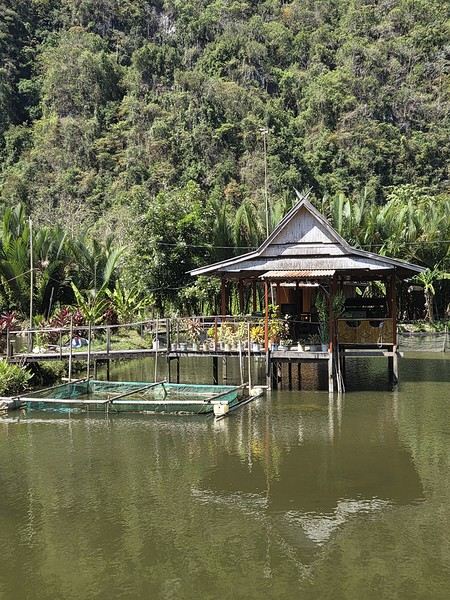
My kids’ guesthouse: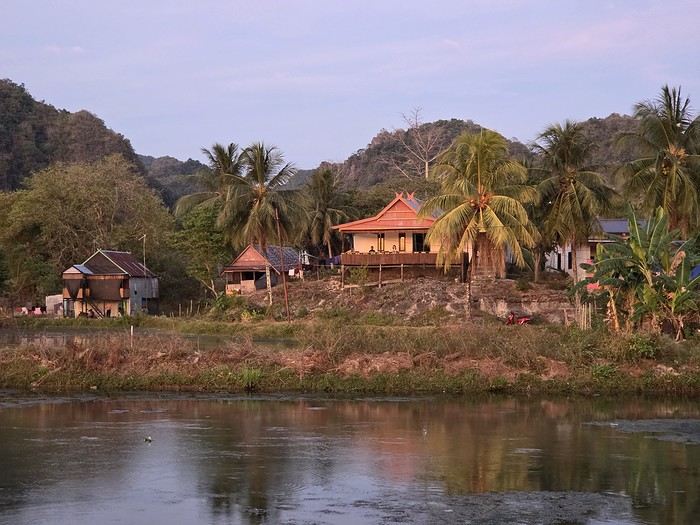
Ours: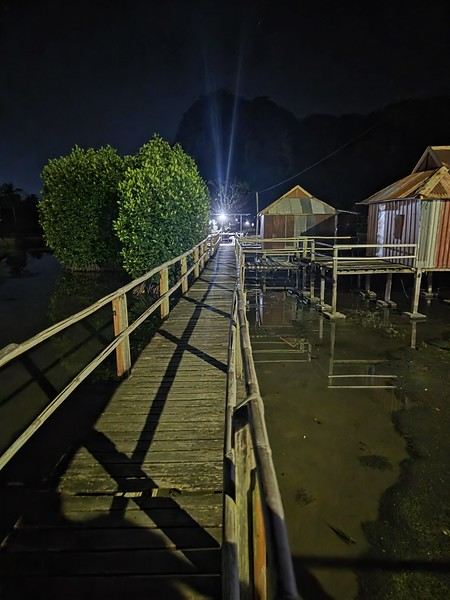
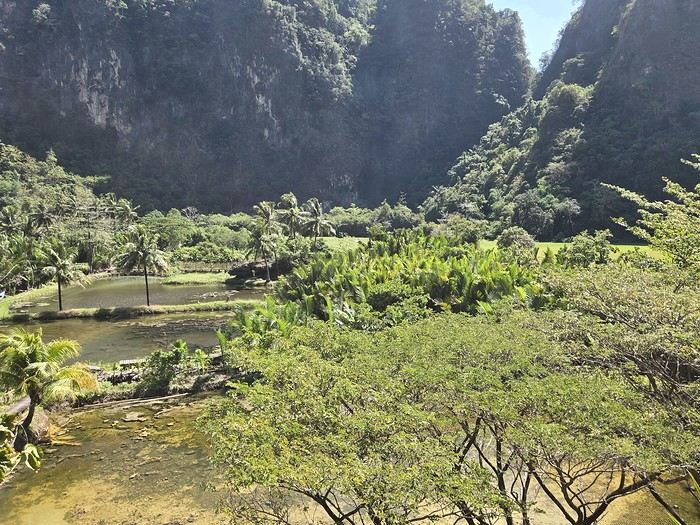
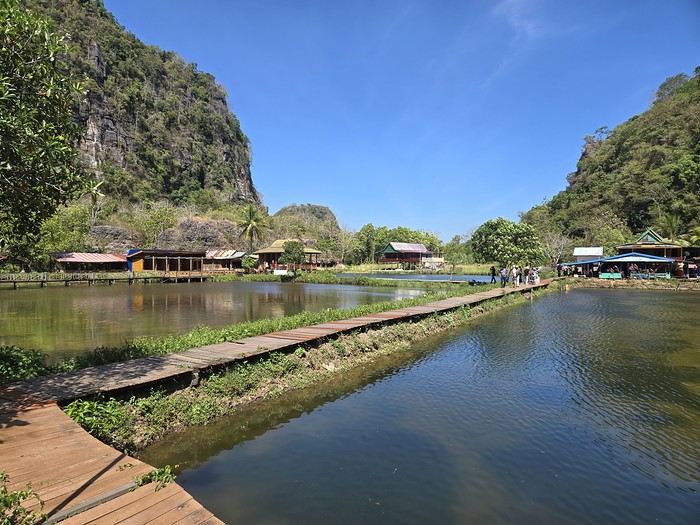
View of the little lake: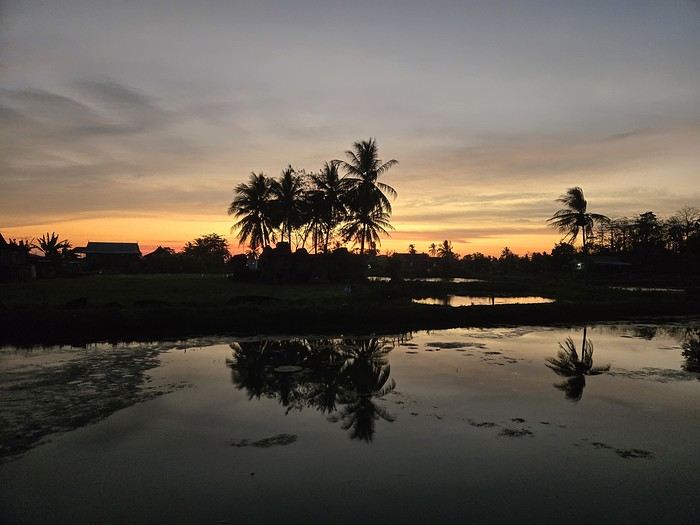
But not everything is straightforward around here. I wanted to get a local SIM card for internet and calls. I found them expensive at Jakarta’s airport (20 € for 20 GB), so I decided to wait. Well, no luck in Rammang Rammang either. You can’t just buy one from the local shop—you need a Telkomsat store (they have the best coverage). So we’d have to wait for Rantepao to get Wi-Fi... When I say "local shop," I mean the little shack around the corner. No big deal—we’d find one easily in Rantepao for 5 € and 25 GB. So there we were, offline, just the four of us enjoying the amazing view.
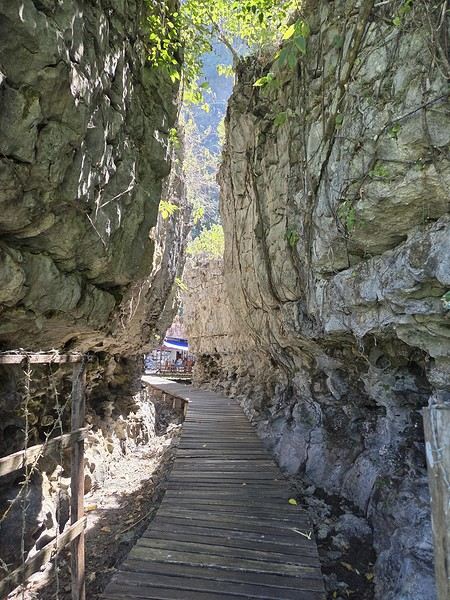
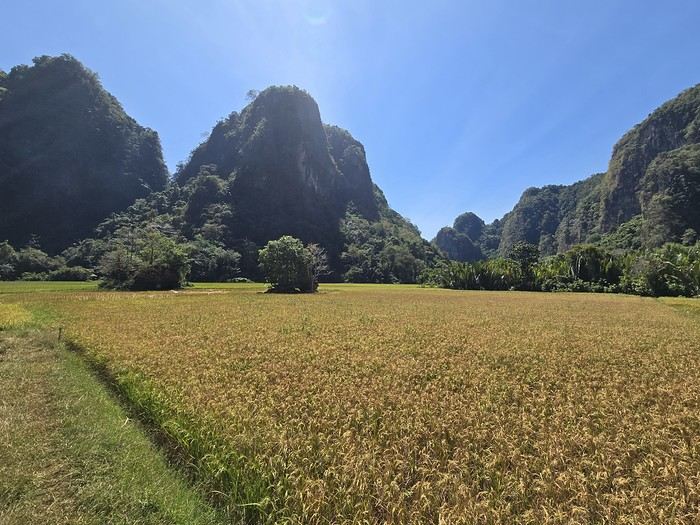
Saturday 07/11: Rammang Rammang We woke up early to the sound of wedding music blasting through the village (everyone’s invited!). Off we went to explore the area. A little walking, a little boat ride (shared with a French tourist and a Polish one—yes, there *are* tourists here, just not many; 750,000 IDR for up to 8 people) through a lovely canal, and we discovered the karst site. It was peaceful and beautiful. The river: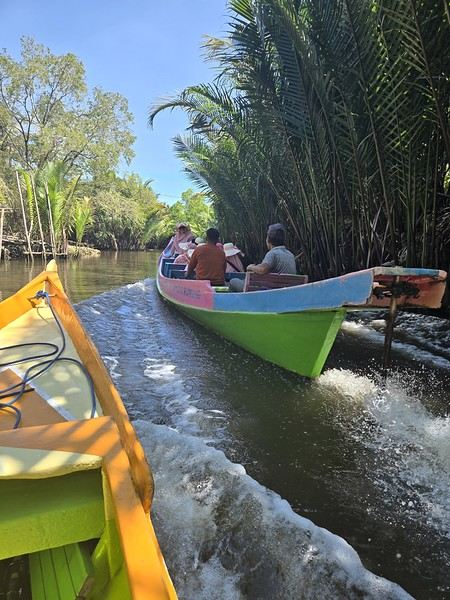 The karst site:
Wednesday 07/08 - Thursday 07/09: We left Montpellier for what was supposed to be five flights, though we only took four to start, landing in Jakarta. We picked up our luggage there to catch a flight to Makassar the next day. That’s the only way we could get an affordable ticket (702 €). I won’t bore you with the flight details—there’s not much to say. We arrived at 7 PM and considered heading straight to Makassar that evening. But we opted for a recovery night before taking off again. Good thing we did, because my son’s suitcase was missing... First contact with the locals was a bit stressful—a trip without your luggage isn’t exactly fun. But right away, a woman reassured us: the suitcase was just enjoying some extra time in Singapore. Maybe it was doing some last-minute shopping. Anyway, nothing serious—it was supposed to arrive at 9 AM the next day. That gave us some breathing room since our flight wasn’t until noon. So off we went to our hotel (Days Hotel & Suites) near the airport. It was cheap (40 € for three rooms—my kids are older and need their space), but it wasn’t worth much more. The place had definitely seen better days. But no big deal—we were only there for the night, and... we got to watch France beat Morocco in the World Cup live at 3 AM. That’s what really mattered!
Friday 07/10: In search of the lost suitcase First challenge of the morning: finding our missing suitcase. They sent us to the airport basement, to the staff entrance. We were greeted with smiles, and an airport employee led me through the underground corridors back to the baggage claim. Right on time at 9 AM, the suitcase arrived, just like they’d promised. We were finally complete! Off we went to change terminals, grab a well-deserved meal, and board our fifth flight to Makassar. Little side note: I struggled for a while trying to book domestic flights directly on the airlines’ websites with no luck. Without meaning to advertise (though I guess I am a little), I realized it’d be easier to use sites like tiket.com or Traveloka. That turned out to be a great choice—I even ended up booking hotels through them later in the trip. 12:40 PM: We were on our way to Makassar. First good news: we were the only tourists. Well, the only European tourists on the flight, anyway. No, you’re not dreaming—the bag is full of... potato chip packets. To each their own souvenirs, I guess...
When we arrived in Makassar, a driver was waiting to take us straight to Rammang Rammang: 250,000 IDR (12 €) to our guesthouse (Rammang Rammang House). Forget about meeting people on the bus—we were headed straight to the first stop of our trip, and it was already stunning.
My kids’ guesthouse:
Ours:
View of the little lake:
But not everything is straightforward around here. I wanted to get a local SIM card for internet and calls. I found them expensive at Jakarta’s airport (20 € for 20 GB), so I decided to wait. Well, no luck in Rammang Rammang either. You can’t just buy one from the local shop—you need a Telkomsat store (they have the best coverage). So we’d have to wait for Rantepao to get Wi-Fi... When I say "local shop," I mean the little shack around the corner. No big deal—we’d find one easily in Rantepao for 5 € and 25 GB. So there we were, offline, just the four of us enjoying the amazing view.
Saturday 07/11: Rammang Rammang We woke up early to the sound of wedding music blasting through the village (everyone’s invited!). Off we went to explore the area. A little walking, a little boat ride (shared with a French tourist and a Polish one—yes, there *are* tourists here, just not many; 750,000 IDR for up to 8 people) through a lovely canal, and we discovered the karst site. It was peaceful and beautiful. The river:
The karst site:
Tanzania Classics (Safari & Zanzibar)
I hesitated about writing this travel journal...
This summer, we only did the classics (the 3 northern parks and Zanzibar) and let a local agency take care of everything from start to finish.
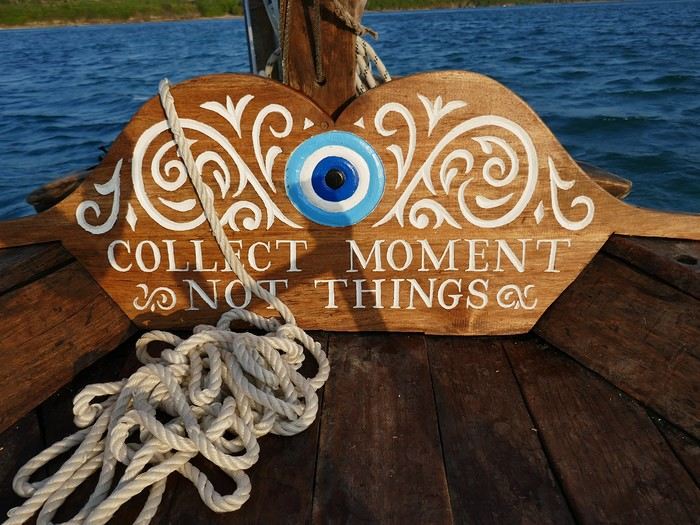
No craziness, no risks, no sleeping under the stars, no self-drive, no venturing off the beaten path, no incidents, and not even any delays in the pre-planned itinerary...
But don’t think we were disappointed! The whole family (there were 6 of us) came back with smiles and memories of great moments spent together. So, if you're looking for a "classic" way to discover Tanzania, this is the place to be.
Our 2-week itinerary: - Arusha (1 night upon arrival) - Tarangire (1 night) - Ngorongoro (2 nights in Karatu then Irmisigiyo) - Serengeti (3 nights in Robanda, Togoro Plains, and Seronera) - Zanzibar Stone Town (1 night) - Zanzibar Matemwe (3 nights) - Zanzibar Jambiani (3 nights)
Hakuna matata!
No craziness, no risks, no sleeping under the stars, no self-drive, no venturing off the beaten path, no incidents, and not even any delays in the pre-planned itinerary...
But don’t think we were disappointed! The whole family (there were 6 of us) came back with smiles and memories of great moments spent together. So, if you're looking for a "classic" way to discover Tanzania, this is the place to be.
Our 2-week itinerary: - Arusha (1 night upon arrival) - Tarangire (1 night) - Ngorongoro (2 nights in Karatu then Irmisigiyo) - Serengeti (3 nights in Robanda, Togoro Plains, and Seronera) - Zanzibar Stone Town (1 night) - Zanzibar Matemwe (3 nights) - Zanzibar Jambiani (3 nights)
Hakuna matata!
Quiberon - Marans en VAE (vélo électrique) English translation pending
Bonjour,
J’envisage pour le week end prochain un déplacement depuis Belle île jusqu’a Marans, au dessus de La Rochelle. mappy m’annonce 291 km.....
Je sais bien que si, sur mon île, mon VTT AE m’autorise une moyenne de 30 km/h.... je ne tiendrais pas toute une journée ( ni les deux batteries que je vais emmener) à ce rythme.....
De plus, je n’ai jamais pratiqué le cyclotourisme, et la c’est plus un déplacement utilitaire qu’une balade.
J’envisage de camper en route, ma remorque transportant le matériel ( une mono roue, habituée aux courses, transports de planche de surf et autres)
Je ne tiens pas à passer par des chemins de terre, ça me ralentis trop....
Selon vos expériences, combien de temps faut il compter ? Combien de km puis-je espérer parcourir par jour ?
Des idées d’itineraires Ou au moins une application GPS adaptée vélo et susceptible de m’indiquer des bornes de rechargement et campings petits prix ?
Voilà voilà.... un projet peut être un peu fou mais..... Ci joint, une photo de mon enceinte en mode “ retour de surf “
Voilà voilà.... un projet peut être un peu fou mais..... Ci joint, une photo de mon enceinte en mode “ retour de surf “
Mariage malais English translation pending
Il y a quelques semaines, j’avais été invité au mariage d’une jeune Malaise que je connais pour raisons professionnelles. Deux copains Chinois qui connaissent bien la mariée, et invités eux aussi, m’avaient proposé de me joindre à eux pour y aller. En route, pendant que la voiture avalait les 200 kilomètres pour nous rendre au « kampung » (village) de la mariée, à partir de Kuala Lumpur, j’avais été étonné que leur discussion se déroule en Mandarin. Sans comprendre un traitre mot au Mandarin, j’en reconnais assez facilement les sonorités et sais le distinguer d’autres langues chinoises. Curieusement, mes compagnons, qu’ils sont tous deux de dialecte Hokkien, trouvaient plus pratique de parler en Mandarin, parce que, m’expliquèrent-ils, l’un étant de la côte ouest et l’autre de la côte est de la Malaisie, leurs versions du Hokkien sont un peu différentes. Cela me laissait rêveur : imaginez qu’un Marseillais et qu’un Lillois préfèrent parler en Latin (supposons qu’ils l’aient appris à l’école, de même que les Chinois en Malaisie apprennent le Mandarin dans des écoles privées), plutôt que de parler Français car, diraient-ils, leurs versions du Français sont un peu trop différentes…..
Il était impossible de ne pas aborder le sujet des relations entre les différentes communautés de la Malaisie. Mes deux compagnons Chinois me dirent qu’il y a 20 ans ils auraient hésité à franchir les démarcations intercommunautaires, et à se rendre à ce genre d’événement dans un « kampung » malais.
Nous trouvons la maison au bord d’une petite route et il y a du monde. Les femmes sont vêtues de longues tuniques plus ou moins comme à l’ordinaire et sont coiffées de leurs hijabs. J’en vois même une qui porte un voile lui cachant la face, ce que je n’ai vu que rarement à Kuala Lumpur et, si je ne me trompe, que porté par des visiteuses venues du Golfe. Cette femme plus couverte que la moyenne tient une fillette à la main qui ne peut guère avoir plus de 6 ou 7 ans, elle aussi portant le hijab. Assez souvent, pourtant, ce n’est que quand les filles atteignent leurs 10 ans et quelques qu’elles portent le hijab. Quelques rares femmes ont les cheveux découverts, mais il n’y a pas l’ombre d’un doute, ce sont des Malaises elles-aussi. En dehors de moi-même et des deux Chinois, il n’y a ici que des Malais. Ces femmes qui ont gardé leurs cheveux découverts ne semblent pas avoir le moindre problème à cela. Cela me permet de me rendre compte que les jolies Malaises existent-elles-aussi…. Je me demande dans quelle mesure le milieu environnant n’exerce pas une pression sur ces femmes, pour qu’elles aussi se couvrent les cheveux.
Quant aux hommes, ils portent aussi bien les tenues les plus ordinaires que des « baju » (chemises) plus cérémonieuses, souvent coiffés de ces calots de feutre noir si typiques de la Malaisie (et de l’Indonésie) et ceinturés de tabliers d’apparat par-dessus leurs pantalons. Ces tabliers que portent les hommes sont des « songket », des brocards tissés à la main, en soie ou en coton, dans lesquels on incorpore des fils d'or ou d'argent qui donnent un effet de scintillement. Le mot « songket » en malais signifie d’ailleurs «broder avec un fil d'or ou d'argent». Par contre, je ne vois pas un seul batik. Un détail qui ne manque de me frapper, ayant tant été habitué aux batiks superbes de l’Indonésie, que ce soient les chemises portées par les hommes (et immanquablement chaque « jour national » de la semaine) ou les sarongs magnifiques, où traditionnellement le marron et l’indigo dominent, portés par les femmes dans les « kampong» (et non « kampung») de Java. Mais je crois que l’art du batik, bien que revendiqué par la Malaisie (tourisme oblige), appartient en fait et véritablement à l’Indonésie. Il est certain, toutefois, que la culture malaise accorde une place importante aux habits et aux textiles, révérés comme des attributs de beauté, de pouvoir et de statut social.
J’ai un peu de mal à prendre de bonnes photos, la foule limite mes mouvements et je suis conscient d’avoir à garder une certaine distance de mes sujets afin de conserver le naturel de la situation. Je ne veux pas qu’ils posent. Cependant, à examiner mes photos par après, je me suis rendu compte du nombre de fois que les gens avaient remarqué mes manœuvres – je ne pouvais bien sûr pas passer inaperçu, faisant tache comme le seul non Malaisien sur les lieux – et m’avaient fixé du regard alors que je les prenais en photo. Moi qui espérais pouvoir prendre mes photos en douce!
(la suite à plus tard)
Il était impossible de ne pas aborder le sujet des relations entre les différentes communautés de la Malaisie. Mes deux compagnons Chinois me dirent qu’il y a 20 ans ils auraient hésité à franchir les démarcations intercommunautaires, et à se rendre à ce genre d’événement dans un « kampung » malais.
Nous trouvons la maison au bord d’une petite route et il y a du monde. Les femmes sont vêtues de longues tuniques plus ou moins comme à l’ordinaire et sont coiffées de leurs hijabs. J’en vois même une qui porte un voile lui cachant la face, ce que je n’ai vu que rarement à Kuala Lumpur et, si je ne me trompe, que porté par des visiteuses venues du Golfe. Cette femme plus couverte que la moyenne tient une fillette à la main qui ne peut guère avoir plus de 6 ou 7 ans, elle aussi portant le hijab. Assez souvent, pourtant, ce n’est que quand les filles atteignent leurs 10 ans et quelques qu’elles portent le hijab. Quelques rares femmes ont les cheveux découverts, mais il n’y a pas l’ombre d’un doute, ce sont des Malaises elles-aussi. En dehors de moi-même et des deux Chinois, il n’y a ici que des Malais. Ces femmes qui ont gardé leurs cheveux découverts ne semblent pas avoir le moindre problème à cela. Cela me permet de me rendre compte que les jolies Malaises existent-elles-aussi…. Je me demande dans quelle mesure le milieu environnant n’exerce pas une pression sur ces femmes, pour qu’elles aussi se couvrent les cheveux.
Quant aux hommes, ils portent aussi bien les tenues les plus ordinaires que des « baju » (chemises) plus cérémonieuses, souvent coiffés de ces calots de feutre noir si typiques de la Malaisie (et de l’Indonésie) et ceinturés de tabliers d’apparat par-dessus leurs pantalons. Ces tabliers que portent les hommes sont des « songket », des brocards tissés à la main, en soie ou en coton, dans lesquels on incorpore des fils d'or ou d'argent qui donnent un effet de scintillement. Le mot « songket » en malais signifie d’ailleurs «broder avec un fil d'or ou d'argent». Par contre, je ne vois pas un seul batik. Un détail qui ne manque de me frapper, ayant tant été habitué aux batiks superbes de l’Indonésie, que ce soient les chemises portées par les hommes (et immanquablement chaque « jour national » de la semaine) ou les sarongs magnifiques, où traditionnellement le marron et l’indigo dominent, portés par les femmes dans les « kampong» (et non « kampung») de Java. Mais je crois que l’art du batik, bien que revendiqué par la Malaisie (tourisme oblige), appartient en fait et véritablement à l’Indonésie. Il est certain, toutefois, que la culture malaise accorde une place importante aux habits et aux textiles, révérés comme des attributs de beauté, de pouvoir et de statut social.
J’ai un peu de mal à prendre de bonnes photos, la foule limite mes mouvements et je suis conscient d’avoir à garder une certaine distance de mes sujets afin de conserver le naturel de la situation. Je ne veux pas qu’ils posent. Cependant, à examiner mes photos par après, je me suis rendu compte du nombre de fois que les gens avaient remarqué mes manœuvres – je ne pouvais bien sûr pas passer inaperçu, faisant tache comme le seul non Malaisien sur les lieux – et m’avaient fixé du regard alors que je les prenais en photo. Moi qui espérais pouvoir prendre mes photos en douce!
(la suite à plus tard)
Roman malais: "Le Riz" de Shahnon Ahmad English translation pending
Un livre qui date un peu mais bouleversant "Le riz" de Shahnon AHMAD (Actes Sud 1996) : la vie d'une famille d'agriculteurs dans le nord-ouest de la Malaisie...
J'ai râclé les casseroles jusqu'au moindre grain pendant des jours et des jours !
brigitte
Les maras et la guerre des gangs en Amérique du Sud English translation pending
Voila je viens de voir le film "Sin Nombre", très beau film que je recommande fortement.
Mais bon après ca donne plus trop envie de voyager...
Quelqu'un a déjà eu des problèmes en voyageant avec certains gangs ou autres mec dans le genre?
++
Jo
Mais bon après ca donne plus trop envie de voyager...
Quelqu'un a déjà eu des problèmes en voyageant avec certains gangs ou autres mec dans le genre?
++
Jo
Les malais et les indonésiens ont-ils la même langue? English translation pending
Selamat petang !
Untuk orang orang boleh cakap bahasa melayu : bahasa melayu dan bahasa indonésia ini sama bahasa ?
Pour les autres la question est dans le titre ! 🙂
Pour les autres la question est dans le titre ! 🙂
Agence Marlis Travel basée à Moscou et St-Petersbourg English translation pending
que pensez vous de l'agence marlis travel basée à moscou et à saint petersbourg?
Ringgits malais acceptés à Singapour? English translation pending
salut, en passant de malaisie à singapour peut on payer encore avec de la monnaie malaise ou doit on changer pour des dollars de singapour des la frontière passée ( c'est pour le bus, taxi... )
A+
«Les maras, gangs d'enfants» de Frédéric Faux English translation pending
hi!
Pour tous ceux qui s'intérressent à l'amé centrale et plus particulièrement au phénomène des maras, je conseille ce livre, tres bien fourni, qui se lit assez vite et qui offre, je pense, une idée objective de la violence dans ces pays, dont on entend souvent parler sans trop savoir ce qui s'y passe vraiment.
"les maras, gangs d'enfants" de Frédéric Faux.
Un autre coup de coeur pour tous ceux qui "rêvent" de quitter leur routine: " Gringoland " de euhh jsai plus tro Blanc Gras ou un nom qui se rapproche 😛, en tout cas à lire à tout prix!
Bonne lecture et bon voyage!!
Le poisson ne pense pas car il sait tout
Un autre coup de coeur pour tous ceux qui "rêvent" de quitter leur routine: " Gringoland " de euhh jsai plus tro Blanc Gras ou un nom qui se rapproche 😛, en tout cas à lire à tout prix!
Bonne lecture et bon voyage!!
Le poisson ne pense pas car il sait tout
École pour apprendre le malais en Malaisie English translation pending
Bonjour, je projette de faire un petit voyage en thaïlande, Malaisie, indonésie, Brunei darussalam, vietnam ... etc
J' ai vu qu' apprendre le malais est facile et ca m' aiderait bien pour au moins pouvoir parler basiquement dans la rue etc etc etc..
C' est difficile de trouver des infos et même en cherchant en Anglais donc je voulais savoir si des personnes ont déjà été dans une école, qui propose des forfait avec la homestay, nourriture et cours de langue en Malaisie. Si c' est possible, et combien ça couterait etc etc..
Voilà, je suis preneur de toutes infos, merci d' avance ;)
Cuzco - salinas de Maras - Moray - Ollantaytambo en colectivo? English translation pending
Bonjour, un appel aux personnes ayant voyagé à Cuzco, je voudrais savoir s'il est possible de réaliser le programme suivant : Cuzco vers salinas de maras et ruines de moroy en colectivo le matin puis direction ollantayllambo en colectivo pour prendre le train vers aguascalientes . La visite de maras et moroy nécesite beaucoup de temps? Merci pour vos conseils
Entrée / sortie du territoire malais: quelles autorisations? English translation pending
Bonjour,
Finalement je me rends au Vietnam par la suite (voir post précédent) et je me rends en Malaisie en premier.
J'aurai aimé avoir des infos sur ce sujet : j'ai le droit à une exemption de visa, je me rends en Malaisie par bus, me faut-il une preuve de sortie de territoire de Malaisie au moment de passer la frontière entre la Thaïlande et la Malaisie ?
Seconde question sur ce sujet : j'ai le droit à trois mois mais si je reste une semaine et que je souhaite revenir dans un mois, serai-je autorisée à entrer de nouveau en Malaisie ?
Autrement je me rends à Penang pour quelques jours et ensuite je vais à ho chi minh, quelques conseils pratiques et culturels pour Penang, ou mieux à visiter etc ?
Merci beaucoup !!! Au plaisir de vous lire et d'avoir des réponses à ces questions techniques !
Finalement je me rends au Vietnam par la suite (voir post précédent) et je me rends en Malaisie en premier.
J'aurai aimé avoir des infos sur ce sujet : j'ai le droit à une exemption de visa, je me rends en Malaisie par bus, me faut-il une preuve de sortie de territoire de Malaisie au moment de passer la frontière entre la Thaïlande et la Malaisie ?
Seconde question sur ce sujet : j'ai le droit à trois mois mais si je reste une semaine et que je souhaite revenir dans un mois, serai-je autorisée à entrer de nouveau en Malaisie ?
Autrement je me rends à Penang pour quelques jours et ensuite je vais à ho chi minh, quelques conseils pratiques et culturels pour Penang, ou mieux à visiter etc ?
Merci beaucoup !!! Au plaisir de vous lire et d'avoir des réponses à ces questions techniques !
Salines de Maras et Moray: meilleure période pour les voir? English translation pending
Bonjour,
Nous partons au Pérou du 10 septembre au 08 octobre 2016 et serons dans la vallée sacrée fin septembre (aux alentours du 22/09). Nous sommes des passionnés de photos. Aussi, je souhaiterais savoir si ce sera la bonne période pour visiter et voir les salines de Maras et les terrasses de Moray? Par bonne période, j'entends là où elles seront à mon avis les plus belles et photogéniques à savoir blanches pour les salines et vertes pour les terrasses. Sur certaines photos, elles apparaissent parfois respectivement marrons et jaunes. Votre réponse déterminera notre envie de nous y rendre en randonnée. Merci d'avance.
Bonne journée Syl
Nous partons au Pérou du 10 septembre au 08 octobre 2016 et serons dans la vallée sacrée fin septembre (aux alentours du 22/09). Nous sommes des passionnés de photos. Aussi, je souhaiterais savoir si ce sera la bonne période pour visiter et voir les salines de Maras et les terrasses de Moray? Par bonne période, j'entends là où elles seront à mon avis les plus belles et photogéniques à savoir blanches pour les salines et vertes pour les terrasses. Sur certaines photos, elles apparaissent parfois respectivement marrons et jaunes. Votre réponse déterminera notre envie de nous y rendre en randonnée. Merci d'avance.
Bonne journée Syl
Marche Salinas de Maras (Cuzco) / Moray English translation pending
Bonjour,
Je recherche une agence serieuse sur Cusco pour faire une marche Moray-Salinas de Maras-Urubamba.
Merci pour vos informations,
ERich
Escales à Rome et Mararis en Turquie avec trois enfants English translation pending
Bonsoir,
Je pars en croisière pour la 1ere fois (avec MSC) avec ma famille (5 en tout dont 3 enfants). Je suis à la recherche des bus qui font la liaison entre le port de Rome et le centre de Rome sans passer par la compagnie car les transferts sont très chers. Dates : le 20 ou 21 juillet 2012. Merci de m'en indiquer si vous les connaissez.
Nous faisons escale aussi à Marmaris en Turquie mais je ne connais pas du tout les sites à visiter, y a-t-il une plage aussi ? Merci beaucoup.
Où acheter des Ringgit malais au meilleur prix? English translation pending
bonjour a tous,
je pars en Malaisie dans quelques jours je souhaiterais obtenir des conseils pour trouver le ringgit malais au meilleur prix. un bureau de change sur paris m'a proposé 1€ pour 3,84RM cependant j'ai vu sur la bourse qu'il était à 1€ pour 4,26RM.
a bordeaux ils sont encore plus cher et de même pour l'aéroport de Paris...
ou trouver le meilleur tarif ? pour l'instant avec celui du bureau de change ca me fait perdre 40€ sur 400!
j'ai besoin de conseils avisés!
merci! 🙂
a bordeaux ils sont encore plus cher et de même pour l'aéroport de Paris...
ou trouver le meilleur tarif ? pour l'instant avec celui du bureau de change ca me fait perdre 40€ sur 400!
j'ai besoin de conseils avisés!
merci! 🙂
Écriture jawi du malais English translation pending
Bonsoir,
Petite question concernant la langue malaise : bien qu'elle s'écrive aujourd'hui avec l'alphabet latin, dans certains cas on utilise une variante de l'alphabet arabe, le jawi. Quelqu'un pourrait-il me donner plus de précisions quant aux situations précises dans lesquelles cette écriture est utilisée ?
D'ailleurs, dans le cadre de l'apprentissage du malais, l'apprentissage de l'écriture jawi est-elle indispensable, conseillée, inutile ?
Merci et bonne soirée 😉
Petite question concernant la langue malaise : bien qu'elle s'écrive aujourd'hui avec l'alphabet latin, dans certains cas on utilise une variante de l'alphabet arabe, le jawi. Quelqu'un pourrait-il me donner plus de précisions quant aux situations précises dans lesquelles cette écriture est utilisée ?
D'ailleurs, dans le cadre de l'apprentissage du malais, l'apprentissage de l'écriture jawi est-elle indispensable, conseillée, inutile ?
Merci et bonne soirée 😉
Difficultés du malais? English translation pending
Bonjour (et Bonne Année !),
Souhaitant apprendre une langue du sud-est asiatique, je m'intéresse au malais. Quelqu'un pourrait-il m'informer sur les difficultés particulières de cette langue ?
Je précise que par "malais" j'entend la langue officielle de la Fédération de Malaisie, de Brunei et de Singapour.
Merci 🙂
Souhaitant apprendre une langue du sud-est asiatique, je m'intéresse au malais. Quelqu'un pourrait-il m'informer sur les difficultés particulières de cette langue ?
Je précise que par "malais" j'entend la langue officielle de la Fédération de Malaisie, de Brunei et de Singapour.
Merci 🙂
Hôtel Jardin Maorais à Mayotte English translation pending
Bonjour,
je pars à Mayotte du 2 au 12octobre au jardin maorais sur la plage de n'gouja. J'aurai souhaité avoir des avis sur cet hotel apparemment "rustique". J'y vais pour faire de la plonger. Est ce que les sites proposé par le club de plongé de lhotel sont interssants, riche en faunes et flores? Est ce que la passe en S est facilement accessible de cet hotel? La prevention du palu, thyfoide et hepatite A est elle vraiment necessaire?
je pars à Mayotte du 2 au 12octobre au jardin maorais sur la plage de n'gouja. J'aurai souhaité avoir des avis sur cet hotel apparemment "rustique". J'y vais pour faire de la plonger. Est ce que les sites proposé par le club de plongé de lhotel sont interssants, riche en faunes et flores? Est ce que la passe en S est facilement accessible de cet hotel? La prevention du palu, thyfoide et hepatite A est elle vraiment necessaire?
Recherche Lionel Maris au Nigeria English translation pending
Bonjour!
Je lance une bouteille à la mer...
Je recherche mon père, Lionel Maris, avec qui j'ai vécu quelques années au Nigéria. Il y est resté, moi pas. Depuis quelques années, plus de nouvelles.
Avec un ENOOORME coup de chance, quelqu'un le connait peut-etre.
Baroudeur, il a probablement fait le tour de l'afrique. Il a 60ans.
En espérant au moins une petite réponse,
CDLT
En espérant au moins une petite réponse,
CDLT
Cherche dictionnaire français/malais English translation pending
bonjour
je n'arrive pas a trouver un dictionnaire de traduction francais/malais...
j'ai deja un dico francais/indonesien (assimil) mais certain mot ne sont pas les memes
😕😕
je n'arrive pas a trouver un dictionnaire de traduction francais/malais...
j'ai deja un dico francais/indonesien (assimil) mais certain mot ne sont pas les memes
😕😕
Dates des vacances des Malais? English translation pending
Bonjour à tous,
J'ai lu à quelques postes à droite à gauche que les Malais étaient en vacances les 2 dernières semaines d'août. Or j'ai toujours été persuadé qu'ils étaient en vacances pendant les mois d'hivers. Quelqu'un sur place peut-il me confirmer les dates exactes des vacances là bas ? Et qu'en est-il pour Singapour ?
Merci et bonne journée à tous
J'ai lu à quelques postes à droite à gauche que les Malais étaient en vacances les 2 dernières semaines d'août. Or j'ai toujours été persuadé qu'ils étaient en vacances pendant les mois d'hivers. Quelqu'un sur place peut-il me confirmer les dates exactes des vacances là bas ? Et qu'en est-il pour Singapour ?
Merci et bonne journée à tous