Results for "Berne+|+55+>+232"
8206 results found.
What's the best way to get around Northern India?
Hi,
I’m leaving this Saturday for Northern India from 15/02 to 27/02. I’m planning to visit New Delhi, Agra, Chand Baori, Jaipur, Ranthambore, Bundi, Udaipur, and Jodhpur.
What’s the best way to get around? I was thinking of doing everything by train. Maybe taking the bus for some stretches?
As for renting a car with a driver, it seems expensive, so I’ve pretty much ruled that out. Unless someone’s got space for the same dates?
Thanks for your insights!
What’s the best way to get around? I was thinking of doing everything by train. Maybe taking the bus for some stretches?
As for renting a car with a driver, it seems expensive, so I’ve pretty much ruled that out. Unless someone’s got space for the same dates?
Thanks for your insights!
Inviting a Malagasy friend to France
Hi,
I want to invite a Malagasy friend and I’m surprised to learn there are procedures (that seem complicated) to follow…
It would be a short stay (max 3 months).
She’s got her passport, I’m paying for the flight ticket, and I read that I need to get an accommodation certificate from my town hall—but what else is required after that? What other documents are needed? What are the processing times?
I’m really disappointed that in 2026, it’s still such a hassle for this kind of thing.
In the land... of Senegambia
Hey fellow travelers!
So, a new year has begun. It’s time to reconnect with the VF buddies and wish you all my best for 2026—a year I hope is obviously full of travel, since, as I just made up: "If travel’s good, everything’s good" 😄.
To celebrate, I’m inviting you into my new "travel journal," the one from our latest trip in November 2025, a little two-week adventure.
This time, we headed to The Gambia, a tiny country tucked right in the middle of Senegal, before making our way to Casamance.
The Gambia is English-speaking, Senegal is French-speaking, but the locals? They couldn’t care less—because in this part of the world, they mostly speak Wolof, Fula, Jola, or Mandinka. Hence the title: Senegambia 😉.
As usual, I’m sharing the live updates I sent to friends and family—super casual, of course.
I know this isn’t the kind of destination that draws crowds, but if you love adventure, laughter, and emotion, it might just be your thing 😊.
Hugs 😘
So, a new year has begun. It’s time to reconnect with the VF buddies and wish you all my best for 2026—a year I hope is obviously full of travel, since, as I just made up: "If travel’s good, everything’s good" 😄.
To celebrate, I’m inviting you into my new "travel journal," the one from our latest trip in November 2025, a little two-week adventure.
This time, we headed to The Gambia, a tiny country tucked right in the middle of Senegal, before making our way to Casamance.
The Gambia is English-speaking, Senegal is French-speaking, but the locals? They couldn’t care less—because in this part of the world, they mostly speak Wolof, Fula, Jola, or Mandinka. Hence the title: Senegambia 😉.
As usual, I’m sharing the live updates I sent to friends and family—super casual, of course.
I know this isn’t the kind of destination that draws crowds, but if you love adventure, laughter, and emotion, it might just be your thing 😊.
Hugs 😘
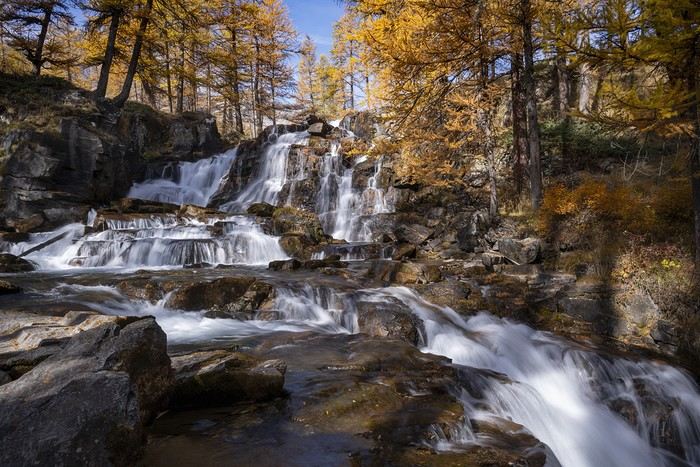
Discussion: Waterways Around the World - January 2026 Photo Contest
To chat about waterways, this is the place.
Motel or RV in the American West?
Hey everyone,
we’re heading to the American West for 21 days in August.
Two options for us:
renting a regular car and staying in motels, or going with an RV.
We’ve traveled a lot in Southern Africa on our own with a 4x4 roof-top tent, but the US is a whole different story.
I’d love to hear your thoughts—budget-wise, we’re probably looking at similar costs.
Thanks for your input!
Thierry
Cambodia and Indonesia in summer: ideal itinerary with kids?
Hi everyone,
After letting our backpacks gather dust for several years, we’ve decided to set off on another adventure—this time as a family, with our 10- and 12-year-old kids! We’re planning a trip from mid-June to the end of July, with two stops: Cambodia (2 weeks) and Indonesia (4 weeks). But before diving into the details, we’ve got quite a few questions and doubts.
About Cambodia: We know this period is the rainy season. Is it really a good idea to go then? And if so, is it better to start with Cambodia and then move on to Indonesia, or does the order not matter from a climate perspective? Here are the activities and sites we’ve shortlisted: · The Mekong and Irrawaddy dolphins: do we actually have a chance of seeing them? · The Mondulkiri Project (elephant sanctuary): is this an ethical project? We want to avoid any form of animal exploitation. · The temples of Angkor: are 2 or 3 days enough to fully enjoy them? · Floating villages: where should we go for an authentic experience? Is it possible to spend the night there? · Hikes with waterfalls, lakes, etc.: are there any must-do treks? · And most importantly, what activities or sites would appeal to kids?
For Indonesia: We were there 15 years ago and loved our itinerary: Yogyakarta / Borobudur → Bromo → Kawah Ijen → Bali → Gili Trawangan. This time, we’re torn: · Retracing part of that route to share it with our kids (even if revisiting the same places isn’t super appealing), · Or exploring new regions. What’s almost certain is that we’d like to spend about two weeks in Raja Ampat. For the other two weeks, we’re undecided. We’re looking for kid-friendly ideas for places and activities, while avoiding too many connections for budget and environmental reasons. Since we’ll already see temples in Cambodia, we’d like to mix things up.
And finally… On our last trip to the region, we traveled without kids and went super free-spirited: only the round-trip tickets were booked, and we improvised the rest day by day without any major issues finding accommodation, food, or accessing the activities we’d spotted. Do you think this style of travel is still doable with two kids? Or has it become too risky or stressful? Are there regions where the "backpacker" approach is still possible, and others where it’s better to book in advance? And for certain activities or sites, is it recommended to hire guides?
Thanks in advance for your tips and experiences!
After letting our backpacks gather dust for several years, we’ve decided to set off on another adventure—this time as a family, with our 10- and 12-year-old kids! We’re planning a trip from mid-June to the end of July, with two stops: Cambodia (2 weeks) and Indonesia (4 weeks). But before diving into the details, we’ve got quite a few questions and doubts.
About Cambodia: We know this period is the rainy season. Is it really a good idea to go then? And if so, is it better to start with Cambodia and then move on to Indonesia, or does the order not matter from a climate perspective? Here are the activities and sites we’ve shortlisted: · The Mekong and Irrawaddy dolphins: do we actually have a chance of seeing them? · The Mondulkiri Project (elephant sanctuary): is this an ethical project? We want to avoid any form of animal exploitation. · The temples of Angkor: are 2 or 3 days enough to fully enjoy them? · Floating villages: where should we go for an authentic experience? Is it possible to spend the night there? · Hikes with waterfalls, lakes, etc.: are there any must-do treks? · And most importantly, what activities or sites would appeal to kids?
For Indonesia: We were there 15 years ago and loved our itinerary: Yogyakarta / Borobudur → Bromo → Kawah Ijen → Bali → Gili Trawangan. This time, we’re torn: · Retracing part of that route to share it with our kids (even if revisiting the same places isn’t super appealing), · Or exploring new regions. What’s almost certain is that we’d like to spend about two weeks in Raja Ampat. For the other two weeks, we’re undecided. We’re looking for kid-friendly ideas for places and activities, while avoiding too many connections for budget and environmental reasons. Since we’ll already see temples in Cambodia, we’d like to mix things up.
And finally… On our last trip to the region, we traveled without kids and went super free-spirited: only the round-trip tickets were booked, and we improvised the rest day by day without any major issues finding accommodation, food, or accessing the activities we’d spotted. Do you think this style of travel is still doable with two kids? Or has it become too risky or stressful? Are there regions where the "backpacker" approach is still possible, and others where it’s better to book in advance? And for certain activities or sites, is it recommended to hire guides?
Thanks in advance for your tips and experiences!
Layover in Kuala Lumpur
Hi,
Flight from Phu Quoc to Langkawi via Kuala Lumpur with a self-transfer layover of 2H10.
No terminal change, but you’ll need to collect your carry-on luggage, recheck in for the second flight (same airline, AirAsia), go through customs and security...
I’m not familiar with this airport, which I’ve read is quite large.
For those who’ve done this before—is the layover time enough?
Thanks for your reply.
Flights to Salt Lake City or Jackson Hole
Hi there,
We're planning to visit Yellowstone between mid and late September (yes, I'm leaving it to the last minute for bookings...). I was initially planning to arrive and depart from Salt Lake City, which I’d also like to explore. It turns out that flights to SLC are 300 € more expensive than flights to Jackson Hole, even though the connection goes through... SLC! I’ve checked on several comparison sites from different locations, and these prices remain pretty consistent.
Does anyone know what it would cost if I skip the connection to Jackson Hole from SLC to take advantage of the cheaper fare and then fly back from JH instead?
Thanks in advance!
Sylvain.
We're planning to visit Yellowstone between mid and late September (yes, I'm leaving it to the last minute for bookings...). I was initially planning to arrive and depart from Salt Lake City, which I’d also like to explore. It turns out that flights to SLC are 300 € more expensive than flights to Jackson Hole, even though the connection goes through... SLC! I’ve checked on several comparison sites from different locations, and these prices remain pretty consistent.
Does anyone know what it would cost if I skip the connection to Jackson Hole from SLC to take advantage of the cheaper fare and then fly back from JH instead?
Thanks in advance!
Sylvain.
Thailand TDAC
Hi there, hope you're doing well! :)
I’m leaving from Bordeaux for Thailand this Tuesday and should land on Wednesday.
I wanted to ask about the TDAC—I don’t quite get it:
Do you have to do it a maximum of 3 days before departure or 3 days before arrival?
How long does it take to get the document, and what form does it come in?
I’m worried about messing this up—if you were arriving on Wednesday, when would you fill it out?
Thanks for your feedback!
Campervan Road Trips: Freedom and Adventure in New Zealand
Ah! New Zealand, the ultimate road trip destination. If you've been dreaming of trying out a campervan adventure, it's definitely one of the best places in the world to take the plunge. With its diverse landscapes—white sand beaches, volcanoes, glaciers, fjords, and glacial lakes—the country also boasts top-notch infrastructure for campers, making it ideal for campervan circuits, even for beginners!
Why is New Zealand the perfect country for your first campervan trip?
Safe and Scenic Roads
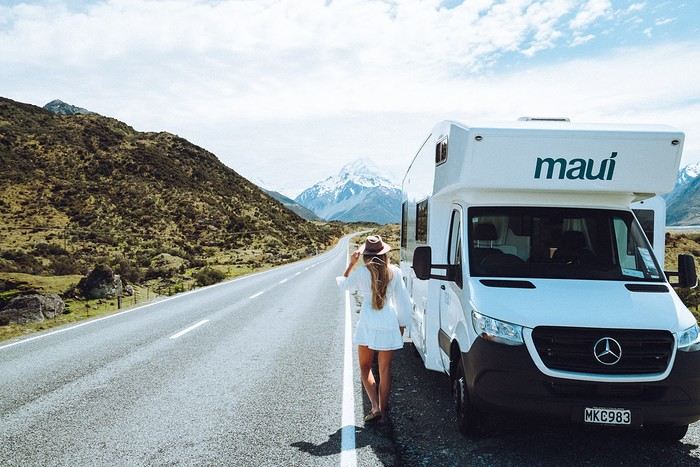
New Zealand offers a well-maintained road network, usually not too busy outside major cities. This is a huge plus if you're new to driving a campervan. The routes often feature spectacular viewpoints. You'll also find a vast network of campgrounds, and while freedom camping is regulated, there are still plenty of spots where you can sleep for free. Speed limits are reasonable, and the driving culture is pretty relaxed.
Adapted Infrastructure
There are plenty of campervan rental companies offering different models, from converted vans to large family motorhomes. You'll find rental depots in major cities (Auckland, Christchurch, Queenstown), along with shuttle services between the airport and the depot. Campgrounds in New Zealand, whether private or managed by the Department of Conservation (DOC), are easy to find and well-marked. Plus, since New Zealand is a country of campers, you'll often get helpful tips from the locals.
Diverse and Accessible Landscapes
Beaches, volcanoes, deep fjords, or subtropical forests—you can experience a completely different setting in just a few hours of driving. No need to be a 4x4 expert: most roads leading to these stunning sites are campervan-friendly. This variety of landscapes, combined with easy access, makes New Zealand a top choice for a first road trip experience.
The Most Beautiful Places to Discover in a Campervan
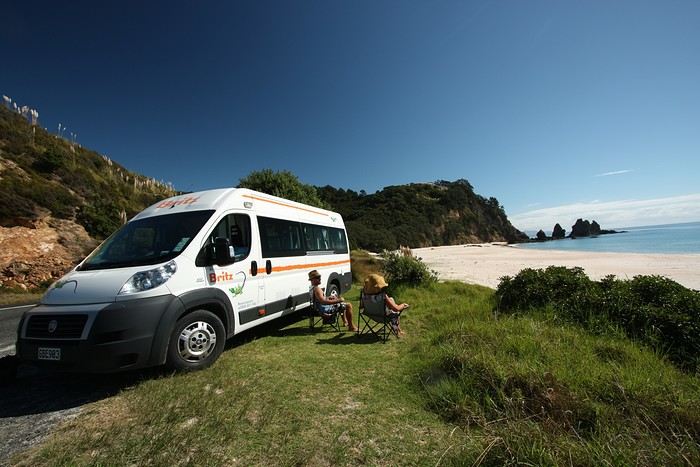
To give you an idea, here’s a selection of must-see spots to inspire your next adventure.
1. The Coromandel Peninsula (North Island)
Just a few hours from Auckland, the Coromandel Peninsula is famous for its white sand beaches, hot springs, and lush vegetation. Hot Water Beach is a must-visit—dig your own "thermal bath" on the shore at low tide. You’ll easily find campgrounds by the ocean, perfect for your first taste of campervan life.
2. Rotorua and the Geothermal Wonders (North Island)
A little further south, Rotorua is the geothermal heart of New Zealand. Geysers, bubbling pools, and sulfur lakes with amazing colors—there’s no shortage of things to do. It’s also a major hub for Māori culture. Take the time to visit a traditional village or watch a haka performance. In the evening, relax at a campground with natural hot pools.
3. Tongariro National Park (North Island)
A UNESCO World Heritage site, this volcanic park is a paradise for hikers, especially with the famous Tongariro Alpine Crossing. Even if you're not an experienced hiker, you can enjoy stunning views from the roads or short marked trails. The campgrounds in the area will immerse you in a postcard-worthy setting.
4. Abel Tasman, Coastal Gem (South Island)
After taking the ferry from Wellington to Picton, head to Abel Tasman National Park. Its golden beaches, crystal-clear waters, and coastal trails are perfect for unwinding. One of the perks of a campervan is exploring at your own pace, choosing spots near the beaches or deeper in the forest.
5. Punakaiki and the Pancake Rocks (South Island)
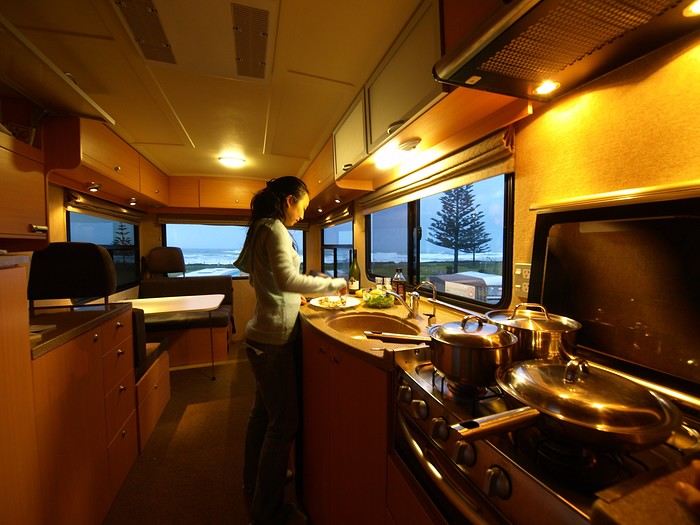
As you drive along the West Coast’s thick rainforests and wild beaches, stop at Punakaiki to see the Pancake Rocks—surprising rock formations that look like stacks of pancakes. A marked trail runs along the coast, letting you watch waves crash into the "blowholes" (marine geysers). Spending the night at a seaside campground, lulled by the sound of waves, is an experience not to be missed.
6. The Franz Josef and Fox Glaciers (South Island)
Further south, the glacier region is a must for lovers of breathtaking landscapes. You can admire the icy giants from a distance on an easy trail or take a helicopter to fly over them—or even walk on them. The campgrounds in Franz Josef or Fox Glacier let you wake up in an alpine atmosphere, contrasting with the lush vegetation around you.
7. Queenstown and Wanaka (South Island)
Queenstown, on the shore of a sparkling lake surrounded by majestic peaks, is known as the adventure capital: bungee jumping, paragliding, rafting—anything’s possible. If you prefer a quieter vibe, Wanaka is just as charming, with its beautiful lake and accessible walks. The road between these two towns is stunning, with plenty of perfect spots for a picnic stop.
8. Te Anau and Milford Sound (South Island)
New Zealand’s fjords are world-famous. Te Anau is the gateway to exploring Milford Sound or, for something wilder, Doubtful Sound. A cruise through these deep fjords, surrounded by towering cliffs, is one of the highlights of any trip to New Zealand. Staying overnight in a campervan in Te Anau saves you a long round trip in a day and lets you set off at dawn for more adventures.
9. Lake Tekapo and Mount Cook (South Island)
In the heart of the Southern Alps, Lake Tekapo charms with its unique turquoise color and its picturesque church by the water. The area is known for its starry skies (it’s an International Dark Sky Reserve). Mount Cook, the country’s highest peak, stands majestically in the background. Several campgrounds offer views of these mountains.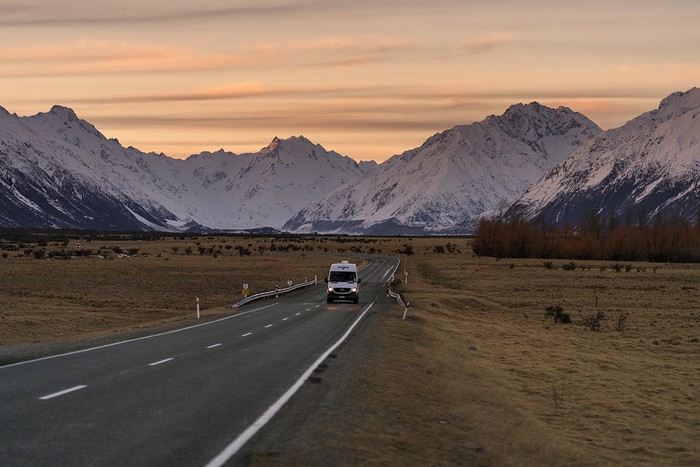
Practical Tips for a Successful Campervan Road Trip
Where to start? Between choosing the right vehicle, the best time to go, parking rules, and tips for where to sleep, here are our practical tips to plan your road trip stress-free.
Duration and Itinerary Choices
Less than 15 days: Focus on one island to avoid spending too much time on the road.
More than 15 days: Consider a North-South combo with a one-way trip (e.g., Auckland to Christchurch).
Book Early
In peak season (November to March), demand is high, especially for family-sized vehicles. Book your campervan ideally 6 to 8 months in advance.
Opt for full insurance to avoid high excess fees and hassles in case of issues. Standard bank insurance rarely covers campervans.
Choosing the Right Vehicle
Watch out for campervans over 3 years old—they can be "tired" in terms of both equipment and driving. If your budget allows, go for a newer model for better reliability and comfort.
Check the depot’s opening hours for pick-up. If you arrive late or after a long trip, it’s better to spend the first night in accommodation rather than driving straight away.
Where to Spend the Night
Freedom camping: Allowed in some remote areas but heavily regulated. Fines for breaking the rules can reach $200. Use comprehensive apps to identify legal spots and avoid penalties!
Basic campsites / DOC: Basic facilities but often in idyllic settings. These are campgrounds managed by the Department of Conservation, perfect for getting close to nature.
Private campgrounds: More expensive but offer hot showers, electricity, playgrounds for kids, pools, and laundry. Ideal for recharging—both your campervan’s batteries and your own.
Respect Nature
New Zealand is known for its pristine landscapes. Manage your waste, use designated dumping areas, and follow local signage. New Zealanders care deeply about keeping their environment clean and warmly welcome responsible tourists. For support, consider a local French-speaking agency like Frogs, which can help with administrative steps, planning your itinerary, and of course, renting a campervan.
Why is New Zealand the perfect country for your first campervan trip?
Safe and Scenic Roads
New Zealand offers a well-maintained road network, usually not too busy outside major cities. This is a huge plus if you're new to driving a campervan. The routes often feature spectacular viewpoints. You'll also find a vast network of campgrounds, and while freedom camping is regulated, there are still plenty of spots where you can sleep for free. Speed limits are reasonable, and the driving culture is pretty relaxed.
Adapted Infrastructure
There are plenty of campervan rental companies offering different models, from converted vans to large family motorhomes. You'll find rental depots in major cities (Auckland, Christchurch, Queenstown), along with shuttle services between the airport and the depot. Campgrounds in New Zealand, whether private or managed by the Department of Conservation (DOC), are easy to find and well-marked. Plus, since New Zealand is a country of campers, you'll often get helpful tips from the locals.
Diverse and Accessible Landscapes
Beaches, volcanoes, deep fjords, or subtropical forests—you can experience a completely different setting in just a few hours of driving. No need to be a 4x4 expert: most roads leading to these stunning sites are campervan-friendly. This variety of landscapes, combined with easy access, makes New Zealand a top choice for a first road trip experience.
The Most Beautiful Places to Discover in a Campervan
To give you an idea, here’s a selection of must-see spots to inspire your next adventure.
1. The Coromandel Peninsula (North Island)
Just a few hours from Auckland, the Coromandel Peninsula is famous for its white sand beaches, hot springs, and lush vegetation. Hot Water Beach is a must-visit—dig your own "thermal bath" on the shore at low tide. You’ll easily find campgrounds by the ocean, perfect for your first taste of campervan life.
2. Rotorua and the Geothermal Wonders (North Island)
A little further south, Rotorua is the geothermal heart of New Zealand. Geysers, bubbling pools, and sulfur lakes with amazing colors—there’s no shortage of things to do. It’s also a major hub for Māori culture. Take the time to visit a traditional village or watch a haka performance. In the evening, relax at a campground with natural hot pools.
3. Tongariro National Park (North Island)
A UNESCO World Heritage site, this volcanic park is a paradise for hikers, especially with the famous Tongariro Alpine Crossing. Even if you're not an experienced hiker, you can enjoy stunning views from the roads or short marked trails. The campgrounds in the area will immerse you in a postcard-worthy setting.
4. Abel Tasman, Coastal Gem (South Island)
After taking the ferry from Wellington to Picton, head to Abel Tasman National Park. Its golden beaches, crystal-clear waters, and coastal trails are perfect for unwinding. One of the perks of a campervan is exploring at your own pace, choosing spots near the beaches or deeper in the forest.
5. Punakaiki and the Pancake Rocks (South Island)
As you drive along the West Coast’s thick rainforests and wild beaches, stop at Punakaiki to see the Pancake Rocks—surprising rock formations that look like stacks of pancakes. A marked trail runs along the coast, letting you watch waves crash into the "blowholes" (marine geysers). Spending the night at a seaside campground, lulled by the sound of waves, is an experience not to be missed.
6. The Franz Josef and Fox Glaciers (South Island)
Further south, the glacier region is a must for lovers of breathtaking landscapes. You can admire the icy giants from a distance on an easy trail or take a helicopter to fly over them—or even walk on them. The campgrounds in Franz Josef or Fox Glacier let you wake up in an alpine atmosphere, contrasting with the lush vegetation around you.
7. Queenstown and Wanaka (South Island)
Queenstown, on the shore of a sparkling lake surrounded by majestic peaks, is known as the adventure capital: bungee jumping, paragliding, rafting—anything’s possible. If you prefer a quieter vibe, Wanaka is just as charming, with its beautiful lake and accessible walks. The road between these two towns is stunning, with plenty of perfect spots for a picnic stop.
8. Te Anau and Milford Sound (South Island)
New Zealand’s fjords are world-famous. Te Anau is the gateway to exploring Milford Sound or, for something wilder, Doubtful Sound. A cruise through these deep fjords, surrounded by towering cliffs, is one of the highlights of any trip to New Zealand. Staying overnight in a campervan in Te Anau saves you a long round trip in a day and lets you set off at dawn for more adventures.
9. Lake Tekapo and Mount Cook (South Island)
In the heart of the Southern Alps, Lake Tekapo charms with its unique turquoise color and its picturesque church by the water. The area is known for its starry skies (it’s an International Dark Sky Reserve). Mount Cook, the country’s highest peak, stands majestically in the background. Several campgrounds offer views of these mountains.
Practical Tips for a Successful Campervan Road Trip
Where to start? Between choosing the right vehicle, the best time to go, parking rules, and tips for where to sleep, here are our practical tips to plan your road trip stress-free.
Duration and Itinerary Choices
Less than 15 days: Focus on one island to avoid spending too much time on the road.
More than 15 days: Consider a North-South combo with a one-way trip (e.g., Auckland to Christchurch).
Book Early
In peak season (November to March), demand is high, especially for family-sized vehicles. Book your campervan ideally 6 to 8 months in advance.
Opt for full insurance to avoid high excess fees and hassles in case of issues. Standard bank insurance rarely covers campervans.
Choosing the Right Vehicle
Watch out for campervans over 3 years old—they can be "tired" in terms of both equipment and driving. If your budget allows, go for a newer model for better reliability and comfort.
Check the depot’s opening hours for pick-up. If you arrive late or after a long trip, it’s better to spend the first night in accommodation rather than driving straight away.
Where to Spend the Night
Freedom camping: Allowed in some remote areas but heavily regulated. Fines for breaking the rules can reach $200. Use comprehensive apps to identify legal spots and avoid penalties!
Basic campsites / DOC: Basic facilities but often in idyllic settings. These are campgrounds managed by the Department of Conservation, perfect for getting close to nature.
Private campgrounds: More expensive but offer hot showers, electricity, playgrounds for kids, pools, and laundry. Ideal for recharging—both your campervan’s batteries and your own.
Respect Nature
New Zealand is known for its pristine landscapes. Manage your waste, use designated dumping areas, and follow local signage. New Zealanders care deeply about keeping their environment clean and warmly welcome responsible tourists. For support, consider a local French-speaking agency like Frogs, which can help with administrative steps, planning your itinerary, and of course, renting a campervan.
Combining Temples of the Sun/Moon, Bentonite Hills, Factory Butte, and Moonscape Overlook
Hi there,
I’d planned to visit Cathedral Valley, Goblin Valley, the Burr Trail/Northom loop, Factory Butte, and Moonscape Overlook, as well as the Capitol Reef scenic route over three days. The scenic Highway 12 would be for the following days.
Since I rented an AWD SUV, I was planning to contact an outfitter for Cathedral Valley, but they suggested that instead of doing Cathedral Valley with them and the rest solo, they could take me to the four most relevant sites mentioned in the title. Their plan is to start at sunrise at either Temples of the Sun/Moon or Moonscape Overlook and then hit the other three afterward. What do you think? Thanks! Louis
Since I rented an AWD SUV, I was planning to contact an outfitter for Cathedral Valley, but they suggested that instead of doing Cathedral Valley with them and the rest solo, they could take me to the four most relevant sites mentioned in the title. Their plan is to start at sunrise at either Temples of the Sun/Moon or Moonscape Overlook and then hit the other three afterward. What do you think? Thanks! Louis
Whale watching: Tadoussac or Bay of Fundy?
Hi there,
My partner and I are planning a trip with our two kids to see whales this summer in Canada. We’ve got two options: Tadoussac or the Bay of Fundy in Saint Andrews. We’ll be there at the end of July.
Could you let me know if one spot is better than the other? Especially in terms of how likely we are to actually see the whales.
Thanks in advance, and have a great day!
Bruno
Visiting Philadelphia and Washington in 8 days
Hi,
Do you think 8 days is enough to visit Philadelphia, especially the Rocky spots (my son is a huge fan), and the White House in Washington? For mid-April or mid-July.
Thanks
Unusual Night on a Boat: The New Trend
Looking for a new way to travel that’s both unusual, affordable, and comfortable? Look no further—renting a docked boat is THE trend right now. As accessible as a hotel room, as unique as a treehouse, and with the comfort of a real floating home, this innovative concept is sure to appeal to anyone craving new experiences.
I. Why Spend an Unusual Night on a Boat?
Imagine this: you wake up to the sound of gentle waves, a soft ray of sunlight dancing on the water’s surface as you enjoy breakfast on deck. You’re just steps away from restaurants, shops, and points of interest, since your accommodation is perfectly located in the heart of the harbor. This experience, which few have had the chance to try yet, is within everyone’s reach thanks to docked boat rentals.
Discover why spending an unusual night on a boat is the next big trend. Whether it’s for a romantic weekend, a family vacation, or a getaway with friends, a night on a docked boat offers a one-of-a-kind experience. Unlike a standard hotel room, where walls limit your view, on a boat, it’s the vast expanse of water that surrounds you. It’s a refreshing and calming escape, where simply waking up on the water turns your stay into a memorable moment. Another plus? The variety of boats available.
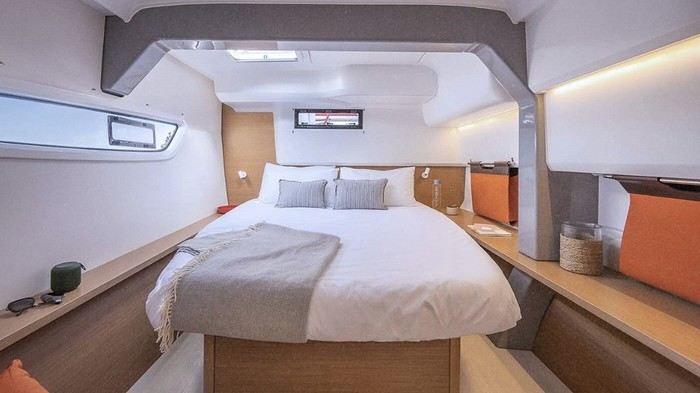
Each type of boat brings its own advantages and a different experience:
Sailboat: Ideal for families or couples looking for an authentic experience. Sailboats offer irresistible nautical charm with their optimized spaces and cozy atmosphere. Catamaran: Spacious and stable, perfect for groups of friends or large families. With its wide outdoor areas, it’s made for socializing. Yacht: Synonymous with luxury and elegance, it’s the perfect choice for marking a special occasion, like a birthday or a marriage proposal. Houseboat: For those who prefer a more nature-focused vibe, houseboats offer a bucolic experience along canals or rivers.
Beyond their unique charm, these boats are often just as affordable as a hotel room. Take, for example, a sailboat in Hendaye priced at 129 € per night for four people. For that price, you’re not just getting an unusual place to stay—you’re getting the equivalent of a floating cottage with a bedroom, bathroom, fully equipped kitchen, and outdoor spaces. It’s the perfect choice for anyone looking to combine comfort, authenticity, and originality.
II. Sleeping on a Boat—Yes, But Where?
Docked boat rentals aren’t limited to just one or two destinations—far from it. With BedBoat, you can explore numerous ports in France and even the Caribbean.
Here’s a look at some top destinations:
Atlantic Coast:
Hendaye: This Basque port offers a picturesque setting between sea and mountains. Perfect for discovering Basque culture and traditions. La Rochelle: With its iconic old port, medieval towers, and cobbled streets, it’s an ideal city for a historic and gastronomic weekend. Arcachon: Known for its oysters and the majestic Dune of Pilat, this destination is a must for nature lovers.
Mediterranean Coast:
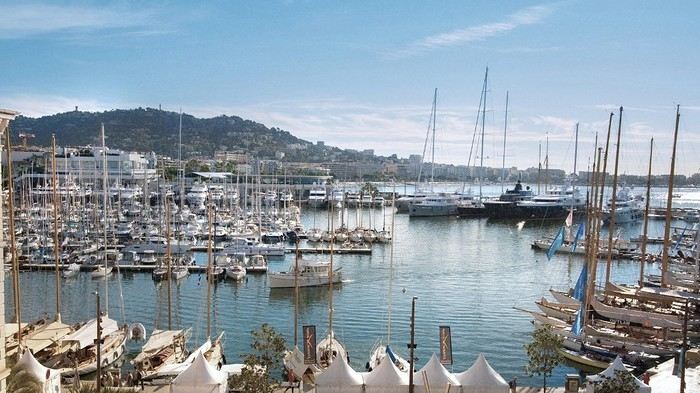
Cannes: Who hasn’t dreamed of spending a night in the port of this legendary city, surrounded by yachts and just steps from the Croisette? Toulon: A dynamic and authentic port, perfect for a getaway between land and sea. Mandelieu-La Napoule: A charming town just a few kilometers from Cannes, known for its peaceful landscapes and seaside château.
The Caribbean:
Martinique and Guadeloupe: Here, the experience takes on a whole new dimension. Picture yourself on a catamaran, lulled by turquoise waters. It’s the ultimate dream for anyone seeking a paradise getaway.
Rivers:
Bordeaux: Docked in the heart of this historic city, your boat lets you explore its vineyards and UNESCO-listed architecture. Lyon: Enjoy the Rhône or Saône rivers for a unique experience in this foodie city. Asnières-sur-Seine: Just a stone’s throw from Paris, discover a surprising stay at the capital’s doorstep. Saint-Florentin: A more rural option for those seeking tranquility and nature.
No matter the destination, spending an unusual night on a boat gives you the luxury of choosing between the buzz of big cities or the peace of more secluded spots. Unlike treehouses, which are often remote, boats let you be right in the heart of the action while still enjoying privacy.
III. BedBoat: An Innovative Startup
Did you know France has over a million boats docked in its ports? Yet, on average, these boats are only used 10 to 15 days a year. Based on this observation, three friends—Félix, Fabian, and Luke—decided to create BedBoat, the first platform dedicated to docked boat rentals.
The idea is simple but brilliant: turn these underused boats into tourist accommodations. This not only helps owners cover their costs but also lets travelers live a unique experience—all without building new infrastructure, making it both an economical and eco-friendly solution. Far from being just a booking platform, BedBoat offers a true immersion into the world of boating. It’s an innovative way to discover France’s and the Caribbean’s most beautiful ports while enjoying all the perks of an unusual stay. For cities, it’s also a great opportunity. Boats allow them to welcome more tourists without overloading the traditional rental market. Everyone wins: owners, travelers, and even locals.
Docked boat rentals are much more than just a trend—they’re a revolution in the world of tourism. Whether you’re looking for a romantic getaway, a family vacation, or a trip with friends, BedBoat opens the door to a whole new world. So, ready to set sail on your next adventure?
I. Why Spend an Unusual Night on a Boat?
Imagine this: you wake up to the sound of gentle waves, a soft ray of sunlight dancing on the water’s surface as you enjoy breakfast on deck. You’re just steps away from restaurants, shops, and points of interest, since your accommodation is perfectly located in the heart of the harbor. This experience, which few have had the chance to try yet, is within everyone’s reach thanks to docked boat rentals.
Discover why spending an unusual night on a boat is the next big trend. Whether it’s for a romantic weekend, a family vacation, or a getaway with friends, a night on a docked boat offers a one-of-a-kind experience. Unlike a standard hotel room, where walls limit your view, on a boat, it’s the vast expanse of water that surrounds you. It’s a refreshing and calming escape, where simply waking up on the water turns your stay into a memorable moment. Another plus? The variety of boats available.
Each type of boat brings its own advantages and a different experience:
Sailboat: Ideal for families or couples looking for an authentic experience. Sailboats offer irresistible nautical charm with their optimized spaces and cozy atmosphere. Catamaran: Spacious and stable, perfect for groups of friends or large families. With its wide outdoor areas, it’s made for socializing. Yacht: Synonymous with luxury and elegance, it’s the perfect choice for marking a special occasion, like a birthday or a marriage proposal. Houseboat: For those who prefer a more nature-focused vibe, houseboats offer a bucolic experience along canals or rivers.
Beyond their unique charm, these boats are often just as affordable as a hotel room. Take, for example, a sailboat in Hendaye priced at 129 € per night for four people. For that price, you’re not just getting an unusual place to stay—you’re getting the equivalent of a floating cottage with a bedroom, bathroom, fully equipped kitchen, and outdoor spaces. It’s the perfect choice for anyone looking to combine comfort, authenticity, and originality.
II. Sleeping on a Boat—Yes, But Where?
Docked boat rentals aren’t limited to just one or two destinations—far from it. With BedBoat, you can explore numerous ports in France and even the Caribbean.
Here’s a look at some top destinations:
Atlantic Coast:
Hendaye: This Basque port offers a picturesque setting between sea and mountains. Perfect for discovering Basque culture and traditions. La Rochelle: With its iconic old port, medieval towers, and cobbled streets, it’s an ideal city for a historic and gastronomic weekend. Arcachon: Known for its oysters and the majestic Dune of Pilat, this destination is a must for nature lovers.
Mediterranean Coast:
Cannes: Who hasn’t dreamed of spending a night in the port of this legendary city, surrounded by yachts and just steps from the Croisette? Toulon: A dynamic and authentic port, perfect for a getaway between land and sea. Mandelieu-La Napoule: A charming town just a few kilometers from Cannes, known for its peaceful landscapes and seaside château.
The Caribbean:
Martinique and Guadeloupe: Here, the experience takes on a whole new dimension. Picture yourself on a catamaran, lulled by turquoise waters. It’s the ultimate dream for anyone seeking a paradise getaway.
Rivers:
Bordeaux: Docked in the heart of this historic city, your boat lets you explore its vineyards and UNESCO-listed architecture. Lyon: Enjoy the Rhône or Saône rivers for a unique experience in this foodie city. Asnières-sur-Seine: Just a stone’s throw from Paris, discover a surprising stay at the capital’s doorstep. Saint-Florentin: A more rural option for those seeking tranquility and nature.
No matter the destination, spending an unusual night on a boat gives you the luxury of choosing between the buzz of big cities or the peace of more secluded spots. Unlike treehouses, which are often remote, boats let you be right in the heart of the action while still enjoying privacy.
III. BedBoat: An Innovative Startup
Did you know France has over a million boats docked in its ports? Yet, on average, these boats are only used 10 to 15 days a year. Based on this observation, three friends—Félix, Fabian, and Luke—decided to create BedBoat, the first platform dedicated to docked boat rentals.
The idea is simple but brilliant: turn these underused boats into tourist accommodations. This not only helps owners cover their costs but also lets travelers live a unique experience—all without building new infrastructure, making it both an economical and eco-friendly solution. Far from being just a booking platform, BedBoat offers a true immersion into the world of boating. It’s an innovative way to discover France’s and the Caribbean’s most beautiful ports while enjoying all the perks of an unusual stay. For cities, it’s also a great opportunity. Boats allow them to welcome more tourists without overloading the traditional rental market. Everyone wins: owners, travelers, and even locals.
Docked boat rentals are much more than just a trend—they’re a revolution in the world of tourism. Whether you’re looking for a romantic getaway, a family vacation, or a trip with friends, BedBoat opens the door to a whole new world. So, ready to set sail on your next adventure?
Algeria Entry Visa
Hi,
I’m heading to the Algerian Sahara. I’m taking a flight from Paris to Djanet with a layover in Algiers.
Can anyone tell me how the entry visa process works?
Thanks in advance for your help!
I’m heading to the Algerian Sahara. I’m taking a flight from Paris to Djanet with a layover in Algiers.
Can anyone tell me how the entry visa process works?
Thanks in advance for your help!
Return to Tassili N'Ajjer (Algeria)
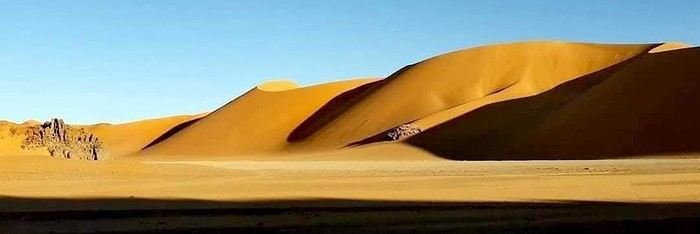 Where to go in 2025?
How about Algeria and a return to the Tassili n’Ajjer? This part of the Sahara is arguably one of the most beautiful deserts on the planet for its diversity and is accessible to everyone.
The vastness of the black rock forests and ochre dunes is complemented by the intimacy of the Djanet oasis, the heart of the Tuareg country, and the mineral memory of the Erg Admer, which bears traces of prehistoric human activity. Camping under the Milky Way, suspended in a sky of forgotten purity, adds another dimension to this rare journey.
Short city trip - Stockholm February 2024
Hello everyone,
I’m trying to take the time to share one or two travel journals I wrote elsewhere (the forum wasn’t accessible when I was writing them...).
My partner and I went to Stockholm from February 27th to March 1st, 2024.
It was a pretty short trip, shaped by the usual factors: time, budget, and the kids.
We live not far from Luxembourg City (about an hour away), and when we can, we fly with Luxair. It’s a quality airline, but it’s a bit pricey.
This trip was originally planned for 2022, but it was canceled by the airline a few weeks before departure. Since the flight was on a De Havilland Q-400 with a max of 76 passengers, I think there just weren’t enough people booked.
So, we booked a flight with checked baggage and seat selection (2 + 2 seating) for around 400 € round trip.
For the hotel, I chose the **Radisson Blu Waterfront** through Booking.com for just under 600 €, including breakfast.
PS: I had to grab photos from the web and adjust their resolution, so they’re not amazing—sorry about that!
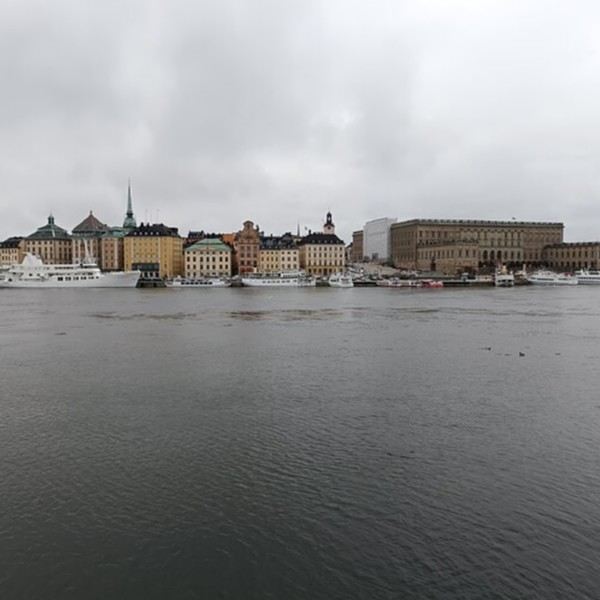
I’m trying to take the time to share one or two travel journals I wrote elsewhere (the forum wasn’t accessible when I was writing them...).
My partner and I went to Stockholm from February 27th to March 1st, 2024.
It was a pretty short trip, shaped by the usual factors: time, budget, and the kids.
We live not far from Luxembourg City (about an hour away), and when we can, we fly with Luxair. It’s a quality airline, but it’s a bit pricey.
This trip was originally planned for 2022, but it was canceled by the airline a few weeks before departure. Since the flight was on a De Havilland Q-400 with a max of 76 passengers, I think there just weren’t enough people booked.
So, we booked a flight with checked baggage and seat selection (2 + 2 seating) for around 400 € round trip.
For the hotel, I chose the **Radisson Blu Waterfront** through Booking.com for just under 600 €, including breakfast.
PS: I had to grab photos from the web and adjust their resolution, so they’re not amazing—sorry about that!
Average cost for a trip from north to south in Chile and Argentina
Hello,
After putting off my trip to Chile (and Argentina) for several years (protests plus Covid 19/20/21...), I’d love to know what the average cost is now for a journey from north to south? (Public transport and "ordinary" hotels) If you have any recent info, thanks for taking the time to reply...
😉 Best regards,
Cruzo.
After putting off my trip to Chile (and Argentina) for several years (protests plus Covid 19/20/21...), I’d love to know what the average cost is now for a journey from north to south? (Public transport and "ordinary" hotels) If you have any recent info, thanks for taking the time to reply...
😉 Best regards,
Cruzo.
Jerusalem, the Earthly
5 AM, I’m shivering.
The icy February 2022 fog wraps around the deserted Terminal 2, closed for renovations, on the outskirts of which my hotel stands. I wait alone at the stop in the pitch-black night for the first shuttle of the day, which is supposed to take me to T1. I have no idea where I’m going. All I know is the name: Jerusalem. I’m entirely goy, just as entirely atheist, but I’ve been visiting that imaginary city for decades. It haunts, fantastical, the medieval images that once occupied me for so long. It regularly creeps into my ears through the misfortune of news reports from radios around the world. It crystallizes so many of humanity’s delusions, of which I’m a part. I know nothing about it, haven’t read a single guidebook. But I want to see it, walk its streets, live it for a few days. Make it real, tangible.
The flight is on time. This is the era of mandatory FFP2 masks on all flights landing in Italy (Europe?). The crew valiantly fights against passengers’ ingenious attempts to remove them: sipping their drinks milliliter by milliliter, nibbling their snacks cubic millimeter by cubic millimeter, feigning breathing difficulties, yanking off the elastic bands... A rabbi passes through the rows collecting donations. Men put on their tefillin, drape their prayer shawls, and rock to the rhythm of their prayers. Already, the sense of elsewhere.
Ben Gurion Airport is a stunning airport—monumental, bright, functional, adorned with archaeological remnants and enormous photographs showcasing the country’s great leader in its works. I collect my visa from a kiosk, quickly endure the routine interrogation from a military officer slumped in his seat, withdraw some shekels from an ATM, get my nostrils swabbed at one of the many molecular testing stations in exchange for a yellow all-inclusive resort-style wristband that grants me passage through the outer doors. I spend ages (I think I’m just not good at this) in the crowd trying to find a sherut heading to Jerusalem, then lose myself in the landscape. Mediterranean-style—red earth, stunted vegetation, overrun with sprawling construction. I do glute exercises in this traffic, where a Neapolitan driver would embody road indolence. Endless traffic jams signal the city’s approach. The sherut drops me a few steps from my hotel, the Saint George’s Cathedral Pilgrim Guest House, right on the edge of the dotted lines on maps marking the divide between Jewish and Arab Jerusalem. It’s a pleasant complex with an inner garden and beautiful rooms featuring exposed stone vaults—and thank goodness, because I’m not allowed to leave until I get my test results. The reception staff, incredibly helpful, guide me through the myriad of meal delivery options. A roof over my head, a full stomach—all that’s left is to wait. Read Caillois, check the increasingly precise, increasingly ominous rumors of war brewing, yet again, in Europe, and navigate the city’s virtual map to get a sense of where to head once freed.
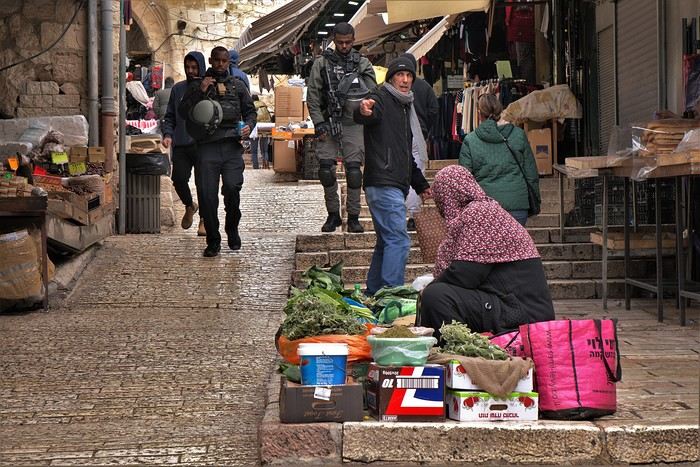
The next day, it’s done, and my first destination is, quite naturally, the Old City. The first gate I come across is Jaffa Gate, so Jaffa Gate it is—leading from the chaos of vehicles of all kinds into the labyrinth of alleys packed with goods of all kinds.
The flight is on time. This is the era of mandatory FFP2 masks on all flights landing in Italy (Europe?). The crew valiantly fights against passengers’ ingenious attempts to remove them: sipping their drinks milliliter by milliliter, nibbling their snacks cubic millimeter by cubic millimeter, feigning breathing difficulties, yanking off the elastic bands... A rabbi passes through the rows collecting donations. Men put on their tefillin, drape their prayer shawls, and rock to the rhythm of their prayers. Already, the sense of elsewhere.
Ben Gurion Airport is a stunning airport—monumental, bright, functional, adorned with archaeological remnants and enormous photographs showcasing the country’s great leader in its works. I collect my visa from a kiosk, quickly endure the routine interrogation from a military officer slumped in his seat, withdraw some shekels from an ATM, get my nostrils swabbed at one of the many molecular testing stations in exchange for a yellow all-inclusive resort-style wristband that grants me passage through the outer doors. I spend ages (I think I’m just not good at this) in the crowd trying to find a sherut heading to Jerusalem, then lose myself in the landscape. Mediterranean-style—red earth, stunted vegetation, overrun with sprawling construction. I do glute exercises in this traffic, where a Neapolitan driver would embody road indolence. Endless traffic jams signal the city’s approach. The sherut drops me a few steps from my hotel, the Saint George’s Cathedral Pilgrim Guest House, right on the edge of the dotted lines on maps marking the divide between Jewish and Arab Jerusalem. It’s a pleasant complex with an inner garden and beautiful rooms featuring exposed stone vaults—and thank goodness, because I’m not allowed to leave until I get my test results. The reception staff, incredibly helpful, guide me through the myriad of meal delivery options. A roof over my head, a full stomach—all that’s left is to wait. Read Caillois, check the increasingly precise, increasingly ominous rumors of war brewing, yet again, in Europe, and navigate the city’s virtual map to get a sense of where to head once freed.
The next day, it’s done, and my first destination is, quite naturally, the Old City. The first gate I come across is Jaffa Gate, so Jaffa Gate it is—leading from the chaos of vehicles of all kinds into the labyrinth of alleys packed with goods of all kinds.
Itinerary in Kyushu (Japan) from north to west
Departure imminent on 10/27. The trip will be a full 18 days.
I still have a few questions about transportation for certain legs:
Day 1: Arrival in Fukuoka in the evening at 7:30 PM
Day 2: Fukuoka city
Day 3: Ukiha (car or train?)
Day 4: Itoshima
Day 5: 11/01/2024: Okawa, Omuta (forge), and Yanagawa for the Yanagawa Hakushu Matsuri. A bit ambitious for a single day?
Day 6: Arita / Owakachiyama / rice fields in the evening: Is it better to go from Fukuoka to Arita by car or train?
Day 7: Sasebo + Kujukushima Pearl + fireworks show Day 8: Karatsu (Yobuko market + cave + cape) + Matsuri Kanchi Day 9: Kashima + garden + Tara Day 10: Higashi Sonogi, overnight in Nagasaki. Is it better to return the car in Arita or Nagasaki? Day 11: Nagasaki Day 12: Nagasaki, overnight in Fukuoka, so departure by train from Nagasaki Day 13: Munakata and Oshima, and in the evening, Hanabi Kama
Day 14: Mount Hiko, Toho, Soeda. Is there a pottery village? With or without hands-on experience?
Day 15: Yame (Hoshino tea visit) and Kurume Masure workshop
Days 16, 17, 18, 19: Fukuoka city and maybe Nokonoshima or Kitakyushu
Any suggestions? Does this seem balanced?
Thanks and have a great day
Day 1: Arrival in Fukuoka in the evening at 7:30 PM
Day 2: Fukuoka city
Day 3: Ukiha (car or train?)
Day 4: Itoshima
Day 5: 11/01/2024: Okawa, Omuta (forge), and Yanagawa for the Yanagawa Hakushu Matsuri. A bit ambitious for a single day?
Day 6: Arita / Owakachiyama / rice fields in the evening: Is it better to go from Fukuoka to Arita by car or train?
Day 7: Sasebo + Kujukushima Pearl + fireworks show Day 8: Karatsu (Yobuko market + cave + cape) + Matsuri Kanchi Day 9: Kashima + garden + Tara Day 10: Higashi Sonogi, overnight in Nagasaki. Is it better to return the car in Arita or Nagasaki? Day 11: Nagasaki Day 12: Nagasaki, overnight in Fukuoka, so departure by train from Nagasaki Day 13: Munakata and Oshima, and in the evening, Hanabi Kama
Day 14: Mount Hiko, Toho, Soeda. Is there a pottery village? With or without hands-on experience?
Day 15: Yame (Hoshino tea visit) and Kurume Masure workshop
Days 16, 17, 18, 19: Fukuoka city and maybe Nokonoshima or Kitakyushu
Any suggestions? Does this seem balanced?
Thanks and have a great day
Itinéraire sur l'île de Kyushu (Japon) English translation pending
Bonjour,
Je prépare un voyage à Kyushu du 24/03 au 08/04 inclus.
Voici une ébauche de mon itinéraire, j' aimerais avoir vos avis sur celui çi. Arrivée le 25/03 à Fukuoka 3nuits Départ le 28 pour Yanagawa, kurume, yame 3nuits Départ le 31 pour Kumamoto 2nuits Départ le 02 pour Kagoshima 2nuits Retour le 04 à Fukuoka 4nuits (Visite de Beppu, Usiki, Itoshi, Hoshino et Kitakyushu)
Pensez-vous qu'il soit possible de tout visiter? Je ne sais pas trop comment organiser mon itinéraire par rapport aux distances des villes. Mes centres d'intêrets sont la visites de temples, les toris sur la mer, les rizières , les plantations de thé, être proche des habitants, la nature...
Je cherche aussi un ryokan assez sympa mais pas hors de prix mais je ne sais pas dans quel endroit il vaut mieux le prendre.
Merci pour votre aide qui me sera bien précieuse😉 Françou
Voici une ébauche de mon itinéraire, j' aimerais avoir vos avis sur celui çi. Arrivée le 25/03 à Fukuoka 3nuits Départ le 28 pour Yanagawa, kurume, yame 3nuits Départ le 31 pour Kumamoto 2nuits Départ le 02 pour Kagoshima 2nuits Retour le 04 à Fukuoka 4nuits (Visite de Beppu, Usiki, Itoshi, Hoshino et Kitakyushu)
Pensez-vous qu'il soit possible de tout visiter? Je ne sais pas trop comment organiser mon itinéraire par rapport aux distances des villes. Mes centres d'intêrets sont la visites de temples, les toris sur la mer, les rizières , les plantations de thé, être proche des habitants, la nature...
Je cherche aussi un ryokan assez sympa mais pas hors de prix mais je ne sais pas dans quel endroit il vaut mieux le prendre.
Merci pour votre aide qui me sera bien précieuse😉 Françou
Pierres mouvantes de Racetrack track playa, Death Valley English translation pending
suis tombé sur ce reportage sur brut tv:
https://www.brut.media/fr/science-and-technology/les-mysterieuses-roches-mouvantes-de-racetrack-playa-bdd2a8dd-fc0f-4a4a-b53b-741a2dcaf932
vous connaissiez ?
https://www.brut.media/fr/science-and-technology/les-mysterieuses-roches-mouvantes-de-racetrack-playa-bdd2a8dd-fc0f-4a4a-b53b-741a2dcaf932
vous connaissiez ?
The most beautiful mountain hikes in France?
Hi everyone,
I usually travel abroad in the summer, but given the circumstances, I think this year I’ll be staying in France. I’d love to know which places you’d recommend for the most stunning mountain landscapes and the best hikes.
Thanks in advance for your help!
😉
I usually travel abroad in the summer, but given the circumstances, I think this year I’ll be staying in France. I’d love to know which places you’d recommend for the most stunning mountain landscapes and the best hikes.
Thanks in advance for your help!
😉
Pourquoi utilise-t-on le mot "grotte" au pluriel alors que c'est une erreur de formulation? English translation pending
Bonjour
Je poste la même question sur le forum du Routard , car il m'a mis la puce à l'oreille, mais je pose aussi la question ici, car jai bon espoir d'avoir des réponses avisées... avisées et bienveillantes, car le sujet est anodin.
Voilà En introduction à la page du forum concurrent consacrée à la Dordogne et au Perigord, je vois qu'il est écrit:
"Se rendre aux grottes de Lascaux, "
Aux grottes au pluriel. Or, il n'y a qu'UNE grotte à Lascaux , plus 2 fac-similé et une expo itinérante. Mais UNE seule vraie grotte.
C'est très courant, je ne sais pas pourquoi, mais les gens mettent systématiquement le mot "grotte" au pluriel.
Habitant en Dordogne, j'entends souvent: "Les" grottes de Lascaux, "Les" grottes de Rouffignac, "les" grotte de Pech Merle dans le Lot"... alors qu'à chaque fois, il n'y en a qu'une . Vous pouvez vérifier... Même pour LA grotte de Lascaux. Voyez sur internet, sur Wikipedia, les offices du tourisme concernés, etc.
Pourquoi cet emploi du pluriel? Mystère....
Personnellement, je ne connais qu'un seul cas de 2 grottes regroupées, au Pays Basque: les grottes d'Isturitz et Oxocelhaya.
Peut-être qu'il y en a d'autres ailleurs, mais je ne les connais pas.
Mais...Pas Lascaux...
Si quelqu'un a une théorie et peut m'éclairer sur cette étrangeté... merci d'avance...
Florence
Camping en tente pour trois et une voiture en Bavière English translation pending
Bonjour. J'hésite à prendre mon vieux fourgon, et je me renseigne aussi sur les campings en tente en Bavières. Avez-vous une idée? Sur le guide que j'ai, tous les campings sont indiqués pour 2 personnes et nous partons à 3 adultes. J'ai un peu peur de devoir payer 2 fois 2, ce qui du coup serait hors budget pour moi. Merci
Ascension du Mont Blanc (stage d'alpiniste) English translation pending
Bonjour,
J'envisage l'ascension du Mont Blanc. Je suis débutante. Aussi j'envisage de suivre un stage d'alpinisme et/ ou un stage de préparation + ascension. A tous les initiés et professionnel de l'alpinisme sur le forum, je suis à l'écoute de vos recommandations.
A vite.
Latifa
J'envisage l'ascension du Mont Blanc. Je suis débutante. Aussi j'envisage de suivre un stage d'alpinisme et/ ou un stage de préparation + ascension. A tous les initiés et professionnel de l'alpinisme sur le forum, je suis à l'écoute de vos recommandations.
A vite.
Latifa
Le Nord Pas-de-Calais à vélo avec bivouacs en 2017 English translation pending
Bonjour à toutes et tous. L’année dernière, les dés ont désigné le département du Nord. Et oui, si vous avez lu nos précédentes aventures, vous savez que le choix de la destination est décidé par le hasard des dés. Donc nous voilà une nouvelle fois réunis pour pédaler quelques jours, Mathieu et moi.
Notre matériel est le même a peu de chose prêt, et nous avons la chance de laisser la voiture chez le frère de Mathieu, qui habite Lille. Bon, Mathieu n’a pas été inspiré pour préparer l’itinéraire, donc, nous allons faire au jour le jour. Ce qui explique le double département.
Attention aux âmes sensibles, il se peut qu’il y ait des images contenant des petits feu durant nos bivouacs. Aux personnes facilement influençables et souhaitant reproduire ces ambiances qui semblent joyeuses, sachez qu’elles ne l’étaient pas du tout, et je ne peux que vous déconseiller de faire comme nous. À bons entendeurs, je vous laisse lire nos précédents voyages que vous trouverez sur mon profile, pour comprendre le bien-fondé de cette remarque.
Voici notre voyage en quelques chiffres.
Durée : 4 jours (oui, c’est court, la faute m’incombe)
Distance : ~ 310 km
Dénivelé : ~ 1700m D+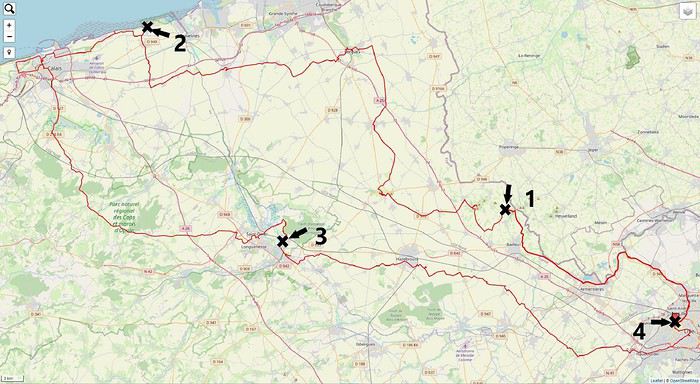
Notre matériel est le même a peu de chose prêt, et nous avons la chance de laisser la voiture chez le frère de Mathieu, qui habite Lille. Bon, Mathieu n’a pas été inspiré pour préparer l’itinéraire, donc, nous allons faire au jour le jour. Ce qui explique le double département.
Attention aux âmes sensibles, il se peut qu’il y ait des images contenant des petits feu durant nos bivouacs. Aux personnes facilement influençables et souhaitant reproduire ces ambiances qui semblent joyeuses, sachez qu’elles ne l’étaient pas du tout, et je ne peux que vous déconseiller de faire comme nous. À bons entendeurs, je vous laisse lire nos précédents voyages que vous trouverez sur mon profile, pour comprendre le bien-fondé de cette remarque.
Voici notre voyage en quelques chiffres.
Durée : 4 jours (oui, c’est court, la faute m’incombe)
Distance : ~ 310 km
Dénivelé : ~ 1700m D+
Qu'est-ce qui vous vient à l'esprit quand, aujourd'hui, vous pensez à l'Italie? English translation pending
Qu'est-ce qui vous vient à l'esprit quand, aujourd'hui, vous pensez à l'Italie ?
une personne, un groupe de personnes, un lieu, un événement , une manifestation quelconque ?
Comme on se rend bien compte qu'il ne va pas être simple de retourner en Italie avant un moment, je lance cette discussion dans l'intention de constituer une petite collection de points d'intérêt... pour plus tard, si chacun apporte une contribution.
Et je m'y colle.
C'est un lieu associé à cette photographie.
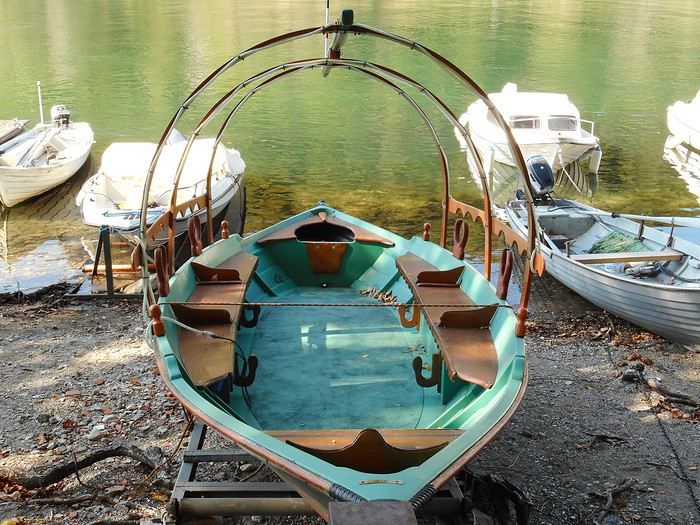
Une barque, la "Lucia", au bord d'une rivière.
Cet hiver, pour entretenir mon italien, j'ai décidé de lire "I promessi sposi" d'Alessandro Manzoni. La première semaine de mars, la situation sanitaire en Italie fait la une de tous les bulletins d'information français. Le confinement généralisé débutera quelques jours plus tard. Cette même semaine, je lis le passage du roman où Agnese, Lucia et Renzo, fuyant leur hameau, traversent l'Adda sur une barque semblable à celle-ci ; cette scène déplace l'action des environs de Lecco vers d'autres endroits de Lombardie (malheureuse Lombardie). Depuis c'est ce lieu qui me vient à l'esprit, involontairement, quand je pense à l'Italie : PESCARENICO, autrefois village de pêcheurs au bord de l'Adda, aujourd'hui quartier de Lecco. Pourquoi ce lieu ? je ne sais pas. J'ai l'impression qu'il a été le point de rencontre entre une lecture, l'actualité et un souvenir de voyage (j' y suis allé, la photo de la "Lucia" est la seule que j'ai faite à Pescarenico ; on trouve quantité de photos de Pescarenico sur le net).
A vous d'ajouter pour que ce soit un début...
Et je m'y colle.
C'est un lieu associé à cette photographie.
Une barque, la "Lucia", au bord d'une rivière.
Cet hiver, pour entretenir mon italien, j'ai décidé de lire "I promessi sposi" d'Alessandro Manzoni. La première semaine de mars, la situation sanitaire en Italie fait la une de tous les bulletins d'information français. Le confinement généralisé débutera quelques jours plus tard. Cette même semaine, je lis le passage du roman où Agnese, Lucia et Renzo, fuyant leur hameau, traversent l'Adda sur une barque semblable à celle-ci ; cette scène déplace l'action des environs de Lecco vers d'autres endroits de Lombardie (malheureuse Lombardie). Depuis c'est ce lieu qui me vient à l'esprit, involontairement, quand je pense à l'Italie : PESCARENICO, autrefois village de pêcheurs au bord de l'Adda, aujourd'hui quartier de Lecco. Pourquoi ce lieu ? je ne sais pas. J'ai l'impression qu'il a été le point de rencontre entre une lecture, l'actualité et un souvenir de voyage (j' y suis allé, la photo de la "Lucia" est la seule que j'ai faite à Pescarenico ; on trouve quantité de photos de Pescarenico sur le net).
A vous d'ajouter pour que ce soit un début...
1984: mes premiers treks au Pérou, y compris le Camino Inca English translation pending
J'ai déjà écrit un carnet sur mon premier trek au Népal, en janvier 1983: https://voyageforum.com/discussion/janvier-1983-premier-trek-nepal-d10111100/
En mai 1984, je poursuis mon périple, je n'ai fait aucune longue randonnée depuis le Népal et je voyage maintenant en Amérique latine depuis le Mexique, l'Amerique centrale, la Colombie et l'Equateur. Me voici au Pérou. J'utilise 2 guides de voyage, le South American Handbook de plus de 1000 pages, la 'Bible' pour ce continent et la première édition du Lonely Planet 'South America on a Shoestring', qui inclut des cartes systématiques et une courte description de 2 treks dans la Cordillera Blanca.
LLANGANUCO - SANTA CRUZ
L'actuel trek de Santa Cruz commençait aux lacs de Llanganuco. 6/5 Beau temps, on voit les sommets de 6000 mètres depuis Huaraz. Je transporte toujours ma tente et mon sac de couchage. Je prends le bus pour Yungay, je trouve un collectivo jusqu'aux derniers hameaux en hauteur, et je commence à monter sur la piste. Après 6 kilomètres, coup de chance. Un diplomate hongrois et sa famille en vacances me prennent en 4x4 jusqu'au 2ème lac de Llanganuco à 3860 mètres, avec son eau très verte, la piste devient trop hasardeuse pour continuer en 4x4. Beaucoup de nuages ici. J'établis mon camp 20 minutes plus loin entre 2 torrents. Je fais une ballade un peu plus loin dans la vallée, solitude totale dans le coin. Le soir, la vue s'ouvre sur les sommets blancs. J'ai loué un rechaud à gaz (plus one casserole) à une agence de Huaraz, il est un peu défectueux et je laisse échapper pas mal de gaz en vissant la cartouche, ce qui me met un peu en colère. Je prépare du riz avec un paquet de soupe. Avec le froid et l'altitude, je dors assez mal. 7/5 Je me lève à 6 heures 10, pain et Nescafe. Ma tente est humide, avec une fine couche de glace. A 7 heures 20, je pars, je coupe à travers tout pour rejoindre le grand chemin muletier pour une longue montée, pas trop raide, au col de Portachuelo à 4760 mètres, que j'atteins à 10 heures 10, avec une belle vue sur la face rocheuse Sud du Huandoy et le Huascaran blanc. La toute nouvelle piste fait de nombreux lacets, je vois un camion passer au loin avec les passagers dans la benne. Je cuisine de la soupe à un petit lac en contrebas du col. Je commence une longue descente, sur la piste et les raccourcis par l'ancien chemin, dans la vallée dénudée, avec une pente modérée. La je rattrape 2 autres randonneurs, Sue une Sud Africaine dans la trentaine et son compagnon Jose, un étudiant de Lima, nous allons tous trois bien profiter de cette rencontre fortuite ! Jose souffre du mal de l'altitude, il n'a jamais fait de randonnée et ne pratique même pas de sport, il n'a pas d'argent, il a emprunte des chaussures qui ne lui vont pas, et un sac à dos bricolé et cousu maison. Sue a rencontré Jose à Lima, l'a emmené ici mais le regrette maintenant ! Ma présence va alléger les tensions. Quant à moi, je profiterai du repas et de la soirée dans leur plus grande tente ou on peut s'asseoir à 3. Donc, nous restons ensemble, nous descendons dans l'environnement subit tropical de Huanpampa, passons des fermes et des moutons, évitons Colcabamba pour camper à l'écart. Sue prépare un bon spaghetti le soir, il tombe des greles, ici il ne fait pas très froid. 8/5 Une journée plus reposante après la longue marche d'hier. Nous ne partons qu'a 8 heures, nous marchons sur un faux plat pendant 1 heure 45, puis nous arrêtons pour un excellent porridge. Le ciel change continuellement, soleil, grêle, ... Ensuite cela monte, je prends beaucoup d'avance et je dois attendre les 2 autres. A 3 heures, nous nous arrêtons 300 mètres sous le col, dans un cirque avec une bonne vue sur les sommets enneigés. Le diner est plutôt raté, le riz n'est pas assez cuit. Je me couche tôt, je n'ai pas froid. 9/5 Comme Sue et Jose ne sont pas encore prêts, je pars seul et je monte facilement en une heure au sommet du col de Punta Union, ou je les attends. Des condors planent pas trop loin de moi, et je vois aussi un renard. Du cote Ouest, la vue embrasse le lac bleu Jatuncocha et plusieurs sommets. Nous descendons dans la vallée, le temps est redevenu variable, froid, nous mangeons du porridge comme déjeuner. Je trouve que Jose fait franchement preuve de courage avec son équipement inadapté. Nous parcourons encore quelques kilomètres dans la végétation fleurie, nous pataugeons un peu dans les marais et à 3 heures nous établissons le camp à l'abri dans des arbustes, avant le lac. Après un bon diner de nouilles au thon en boite, il pleut toute la nuit. 10/5 Le temps se dégage le matin. Il nous reste une longue descente de 17 kilomètres dans une vallée luxuriante avec des fleurs et des cascades, même des oiseaux mouches . Aujourd'hui Sue ne se sent pas trop bien et traine loin derrière. La fin est raide, caillouteuse et pénible, le sentier est coupé par des glissements de terrain, je dois contourner l'un d'entre eux en montant 50 mètres au dessus sur des pentes glissantes. A Cashapampa, je prépare de la soupe et j'attends les autres. Nous avons de la chance, un collectivo part encore à 15 heures 45, sur la piste vertigineuse à flanc de coteau. Nous devons descendre et franchir à pied un tronçon trop dangereux. A Carraz, nous changeons de suite pour un bus pullman à destination Lima jusque Huaraz, il s'arrête partout pour charger des passagers. Nous arrivons à 20 heures 15 à Huaraz, épuisés. Nous allons quand même encore diner ensemble au restaurant.
A suivre: le trek Olleros Chavin, le Chemin des Incas
LLANGANUCO - SANTA CRUZ
L'actuel trek de Santa Cruz commençait aux lacs de Llanganuco. 6/5 Beau temps, on voit les sommets de 6000 mètres depuis Huaraz. Je transporte toujours ma tente et mon sac de couchage. Je prends le bus pour Yungay, je trouve un collectivo jusqu'aux derniers hameaux en hauteur, et je commence à monter sur la piste. Après 6 kilomètres, coup de chance. Un diplomate hongrois et sa famille en vacances me prennent en 4x4 jusqu'au 2ème lac de Llanganuco à 3860 mètres, avec son eau très verte, la piste devient trop hasardeuse pour continuer en 4x4. Beaucoup de nuages ici. J'établis mon camp 20 minutes plus loin entre 2 torrents. Je fais une ballade un peu plus loin dans la vallée, solitude totale dans le coin. Le soir, la vue s'ouvre sur les sommets blancs. J'ai loué un rechaud à gaz (plus one casserole) à une agence de Huaraz, il est un peu défectueux et je laisse échapper pas mal de gaz en vissant la cartouche, ce qui me met un peu en colère. Je prépare du riz avec un paquet de soupe. Avec le froid et l'altitude, je dors assez mal. 7/5 Je me lève à 6 heures 10, pain et Nescafe. Ma tente est humide, avec une fine couche de glace. A 7 heures 20, je pars, je coupe à travers tout pour rejoindre le grand chemin muletier pour une longue montée, pas trop raide, au col de Portachuelo à 4760 mètres, que j'atteins à 10 heures 10, avec une belle vue sur la face rocheuse Sud du Huandoy et le Huascaran blanc. La toute nouvelle piste fait de nombreux lacets, je vois un camion passer au loin avec les passagers dans la benne. Je cuisine de la soupe à un petit lac en contrebas du col. Je commence une longue descente, sur la piste et les raccourcis par l'ancien chemin, dans la vallée dénudée, avec une pente modérée. La je rattrape 2 autres randonneurs, Sue une Sud Africaine dans la trentaine et son compagnon Jose, un étudiant de Lima, nous allons tous trois bien profiter de cette rencontre fortuite ! Jose souffre du mal de l'altitude, il n'a jamais fait de randonnée et ne pratique même pas de sport, il n'a pas d'argent, il a emprunte des chaussures qui ne lui vont pas, et un sac à dos bricolé et cousu maison. Sue a rencontré Jose à Lima, l'a emmené ici mais le regrette maintenant ! Ma présence va alléger les tensions. Quant à moi, je profiterai du repas et de la soirée dans leur plus grande tente ou on peut s'asseoir à 3. Donc, nous restons ensemble, nous descendons dans l'environnement subit tropical de Huanpampa, passons des fermes et des moutons, évitons Colcabamba pour camper à l'écart. Sue prépare un bon spaghetti le soir, il tombe des greles, ici il ne fait pas très froid. 8/5 Une journée plus reposante après la longue marche d'hier. Nous ne partons qu'a 8 heures, nous marchons sur un faux plat pendant 1 heure 45, puis nous arrêtons pour un excellent porridge. Le ciel change continuellement, soleil, grêle, ... Ensuite cela monte, je prends beaucoup d'avance et je dois attendre les 2 autres. A 3 heures, nous nous arrêtons 300 mètres sous le col, dans un cirque avec une bonne vue sur les sommets enneigés. Le diner est plutôt raté, le riz n'est pas assez cuit. Je me couche tôt, je n'ai pas froid. 9/5 Comme Sue et Jose ne sont pas encore prêts, je pars seul et je monte facilement en une heure au sommet du col de Punta Union, ou je les attends. Des condors planent pas trop loin de moi, et je vois aussi un renard. Du cote Ouest, la vue embrasse le lac bleu Jatuncocha et plusieurs sommets. Nous descendons dans la vallée, le temps est redevenu variable, froid, nous mangeons du porridge comme déjeuner. Je trouve que Jose fait franchement preuve de courage avec son équipement inadapté. Nous parcourons encore quelques kilomètres dans la végétation fleurie, nous pataugeons un peu dans les marais et à 3 heures nous établissons le camp à l'abri dans des arbustes, avant le lac. Après un bon diner de nouilles au thon en boite, il pleut toute la nuit. 10/5 Le temps se dégage le matin. Il nous reste une longue descente de 17 kilomètres dans une vallée luxuriante avec des fleurs et des cascades, même des oiseaux mouches . Aujourd'hui Sue ne se sent pas trop bien et traine loin derrière. La fin est raide, caillouteuse et pénible, le sentier est coupé par des glissements de terrain, je dois contourner l'un d'entre eux en montant 50 mètres au dessus sur des pentes glissantes. A Cashapampa, je prépare de la soupe et j'attends les autres. Nous avons de la chance, un collectivo part encore à 15 heures 45, sur la piste vertigineuse à flanc de coteau. Nous devons descendre et franchir à pied un tronçon trop dangereux. A Carraz, nous changeons de suite pour un bus pullman à destination Lima jusque Huaraz, il s'arrête partout pour charger des passagers. Nous arrivons à 20 heures 15 à Huaraz, épuisés. Nous allons quand même encore diner ensemble au restaurant.
A suivre: le trek Olleros Chavin, le Chemin des Incas
Vacances en Suisse confinée English translation pending
Bonjour,
J'ai 3 semaines de vacances dès la semaine prochain et, privée de voyage, je réfléchis à m'occuper un peu dans cette suisse encore bien confinée. Je la connais finalement si peu, c'est l'occasion de mieux la connaître, mais il n'y a pas grand chose d'accessible. Avez-vous des idées de jolies balades qui ne sont pas interdites au public ni trop enneigées. Des lieux où on peut planter une tente pour une nuit (campings fermés). Des idées de lieux normlement blindés de touristes étrangers et qui sont accessibles (par exemple, j'avais pensé profiter du lac d'oeschinen, mais l'accès est interdit) des restaurants fameux qui servent des plats à l'emporté?
Merci d'avance