last edited Jan 6, 2020
Regions of Morocco
Contributionsversion #2created Jan 6, 2020Latest contributions in this guideContributors to this guide
Mediterranean Coast
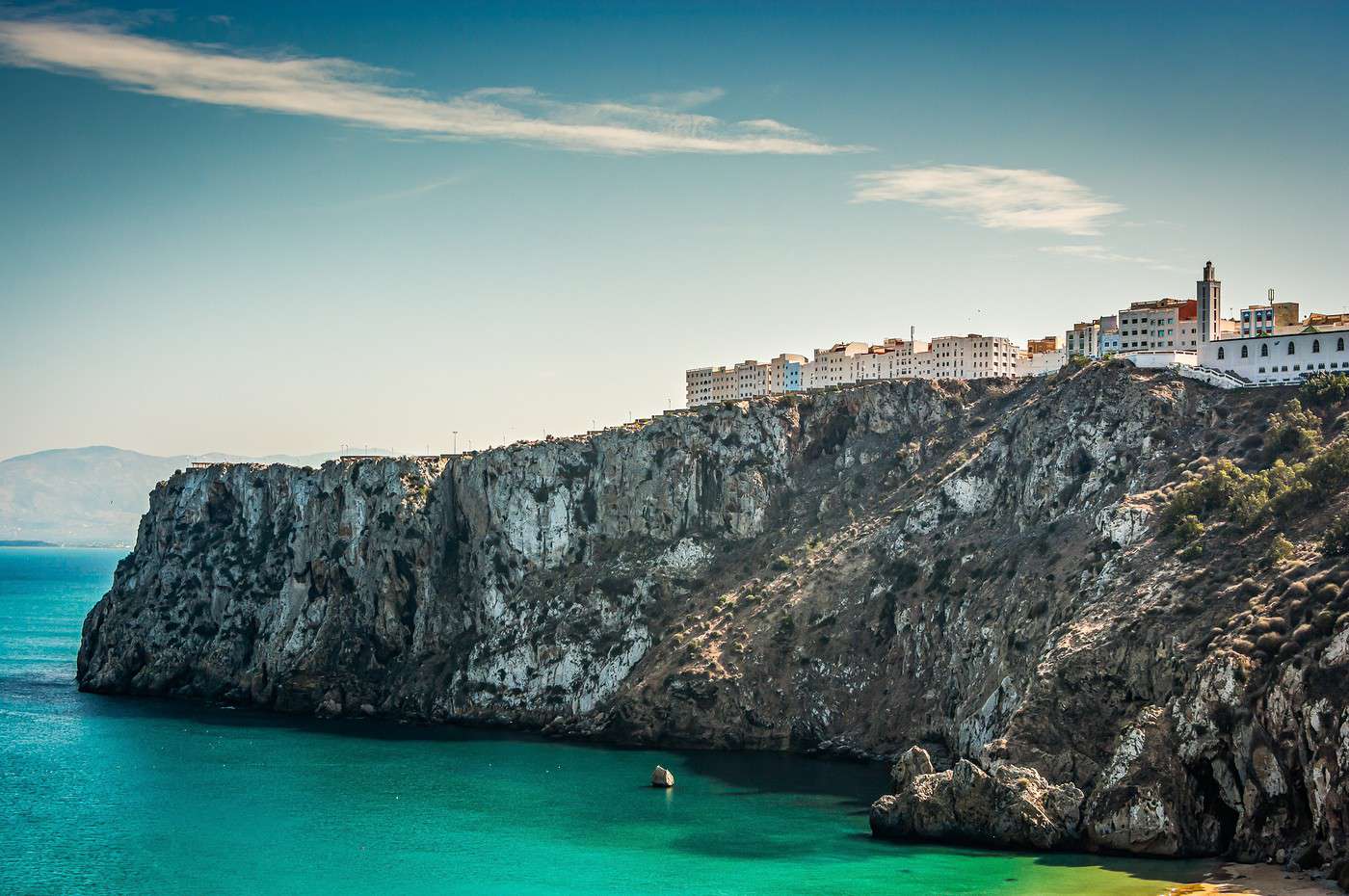
Also known as the Rif, this is Morocco's Mediterranean region. For a long time, this mountainous Berber land was "ignored" by its capital. Perhaps that’s why it’s still not the most visited area, even though new tourism projects have emerged in recent years, such as in Saïdia or around the former Ketama.
Atlantic Coast
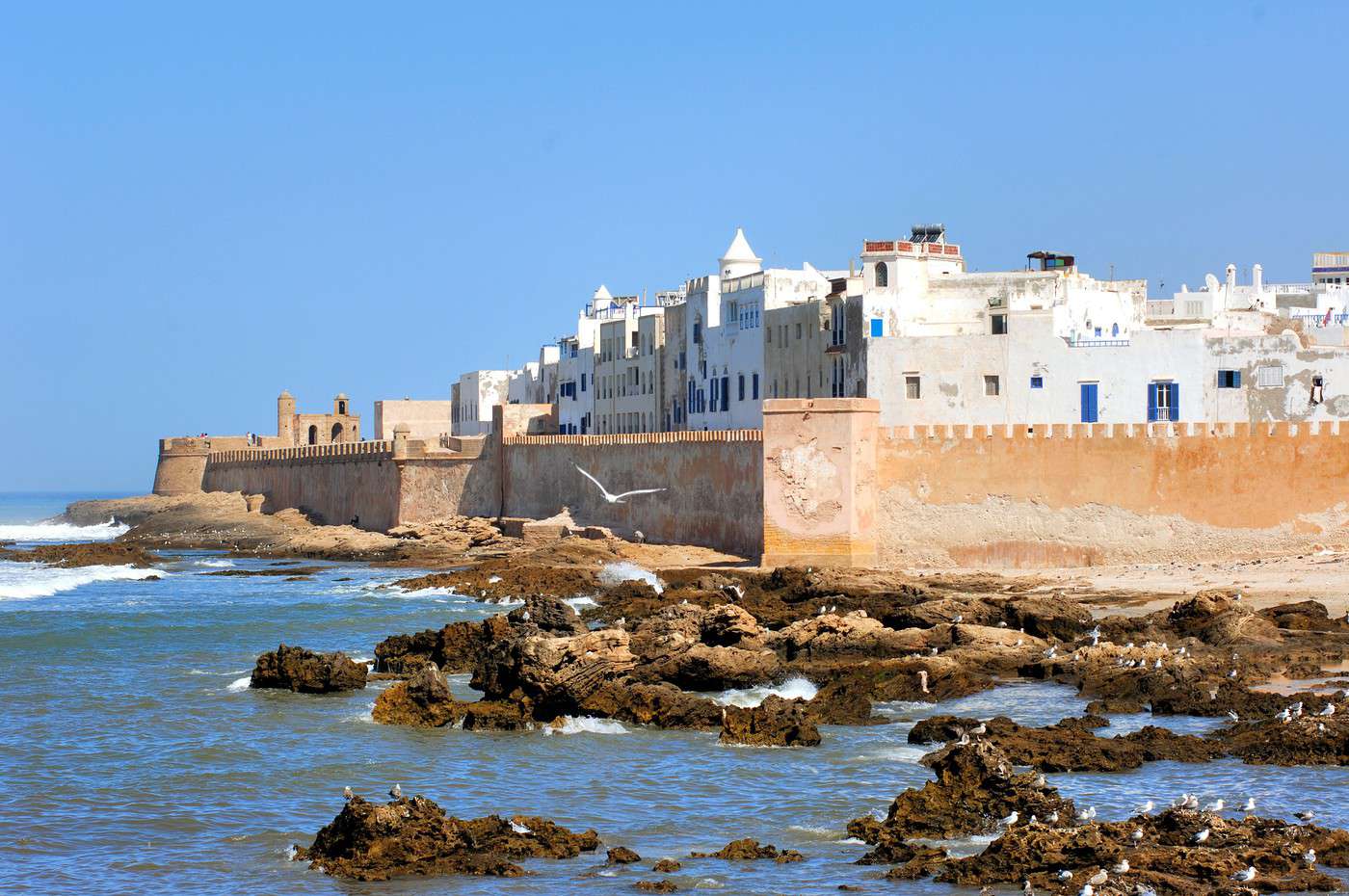
From the south of Tangier to the Mauritanian border, Morocco boasts over 2,000 kilometres of Atlantic coastline, home to some of the country’s most visited spots. This is especially true in the north, as beyond Agadir toward the south, inhabited and tourist areas become increasingly rare, giving way to the desert, particularly in Western Sahara.
The Atlas
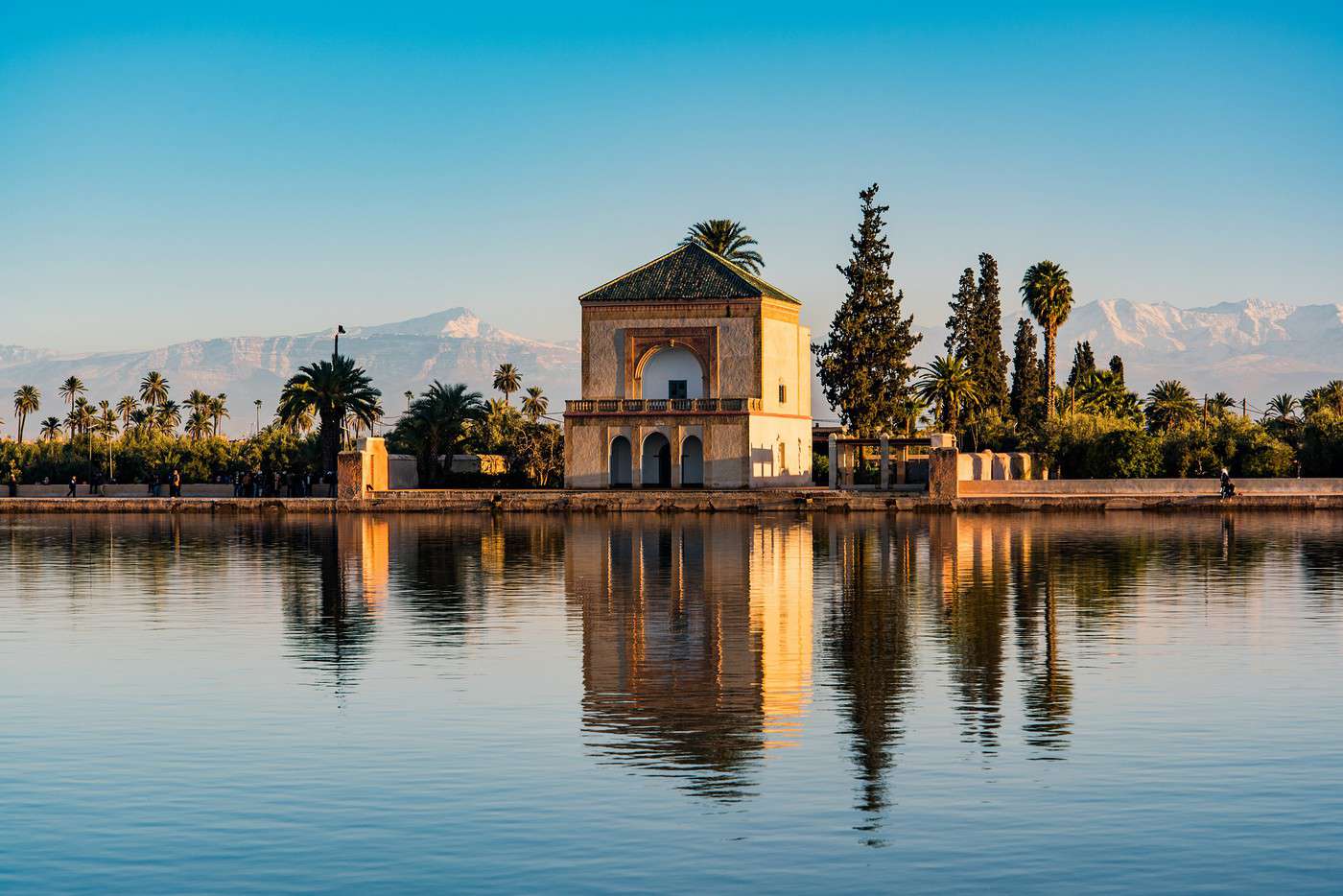
This mountain range stretches across Morocco before continuing into Algeria and Tunisia. In Morocco, it divides into three parts: the Middle Atlas (around Fez and Meknes), the High Atlas (around Marrakech), and the Anti-Atlas. Thanks to Marrakech, the imperial cities of Fez and Meknes, and a stunning natural environment perfect for many activities, the Atlas is Morocco’s most visited region.
The Saharan Zone
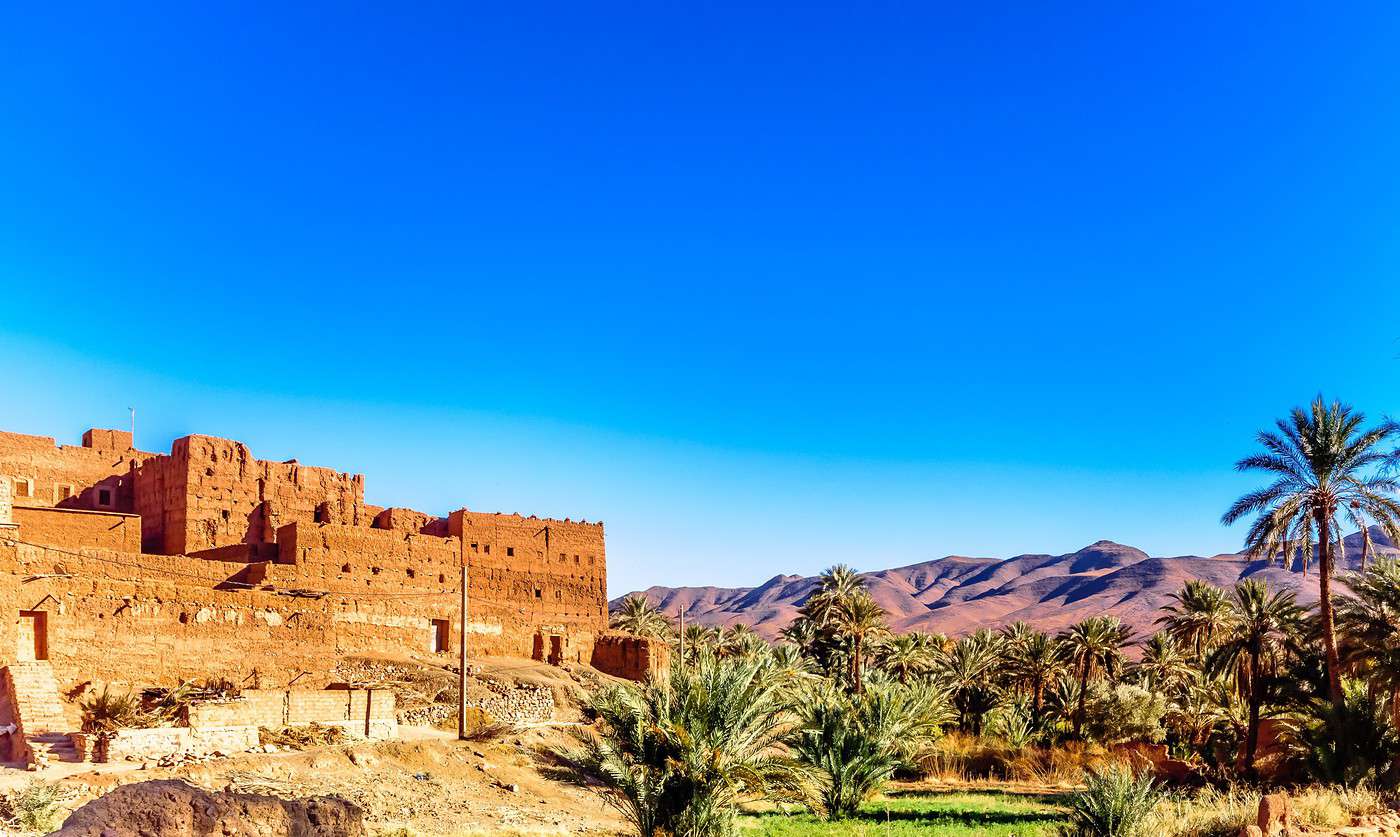
This vast desert region in eastern Morocco runs along the Algerian border. Sparsely populated except for a few towns and oases, it’s synonymous with dunes and camel rides, though the reality is more about arid, rocky landscapes where you can hike or explore by 4x4. Still, the Saharan zone holds some of the country’s most beautiful natural sites...
Western Sahara
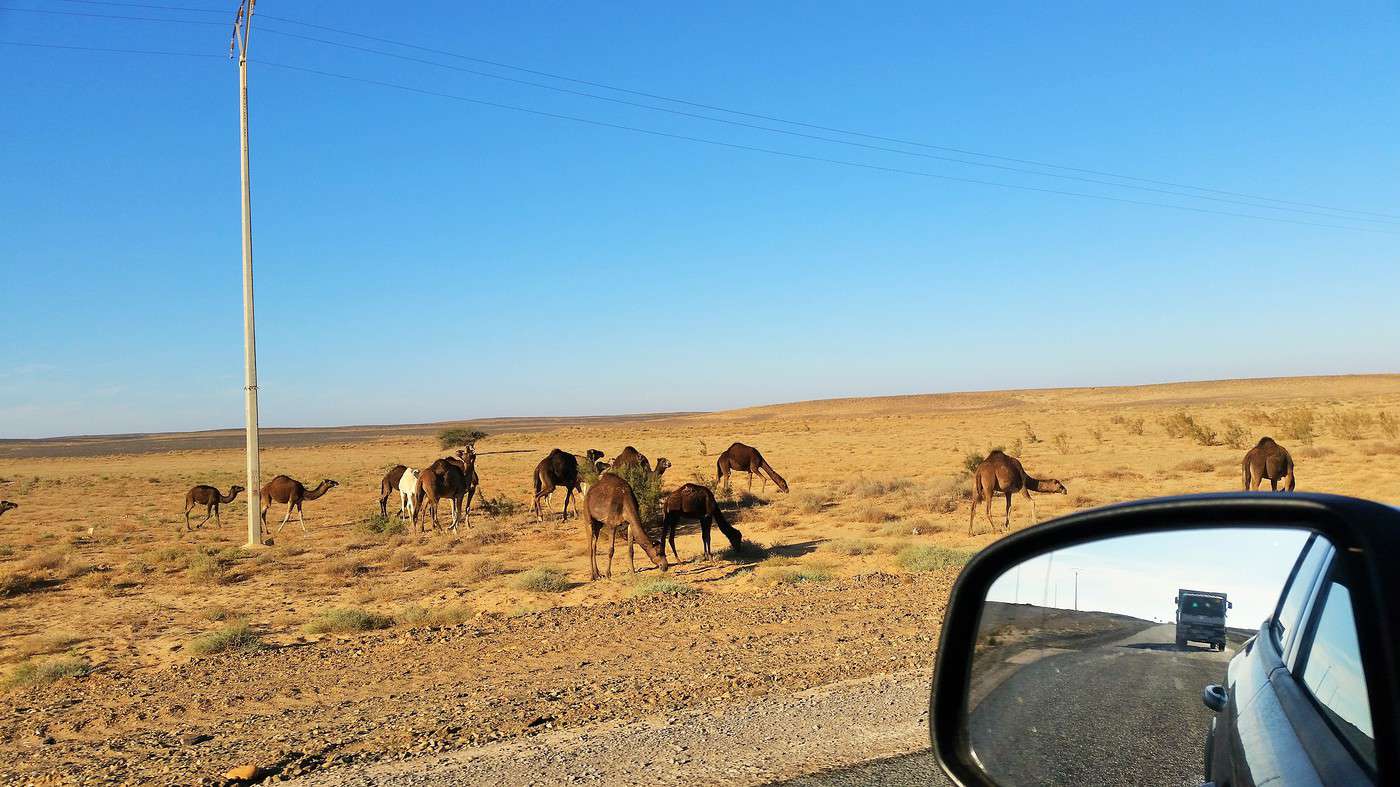
This vast desert region north of Mauritania was a Spanish colony until 1976. Since Spain’s departure, it has been a recurring conflict zone between the Sahrawi independence movement, the Polisario Front (backed by Algeria), and the Moroccan government. Currently, 80% of Western Sahara is controlled and administered by Morocco, while 20% is held by the Polisario Front. The two sides are separated by a fortified wall (the "Sand Wall"), surrounded in places by minefields.