last edited Aug 20, 2020
The Amazon: A Guide
Location Map of Amazon Rainforest
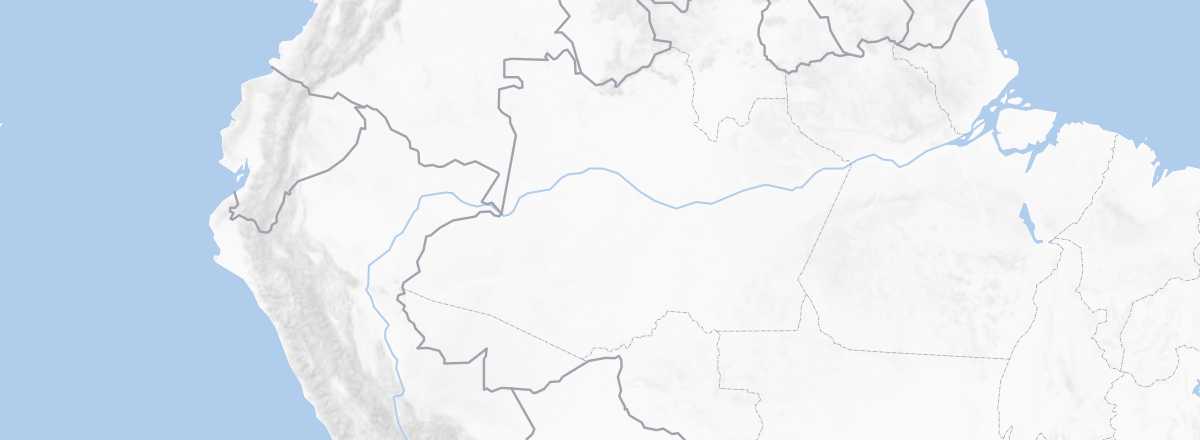 Amazon Rainforest
Open the interactive map
Amazon Rainforest
Open the interactive map
Bolivia
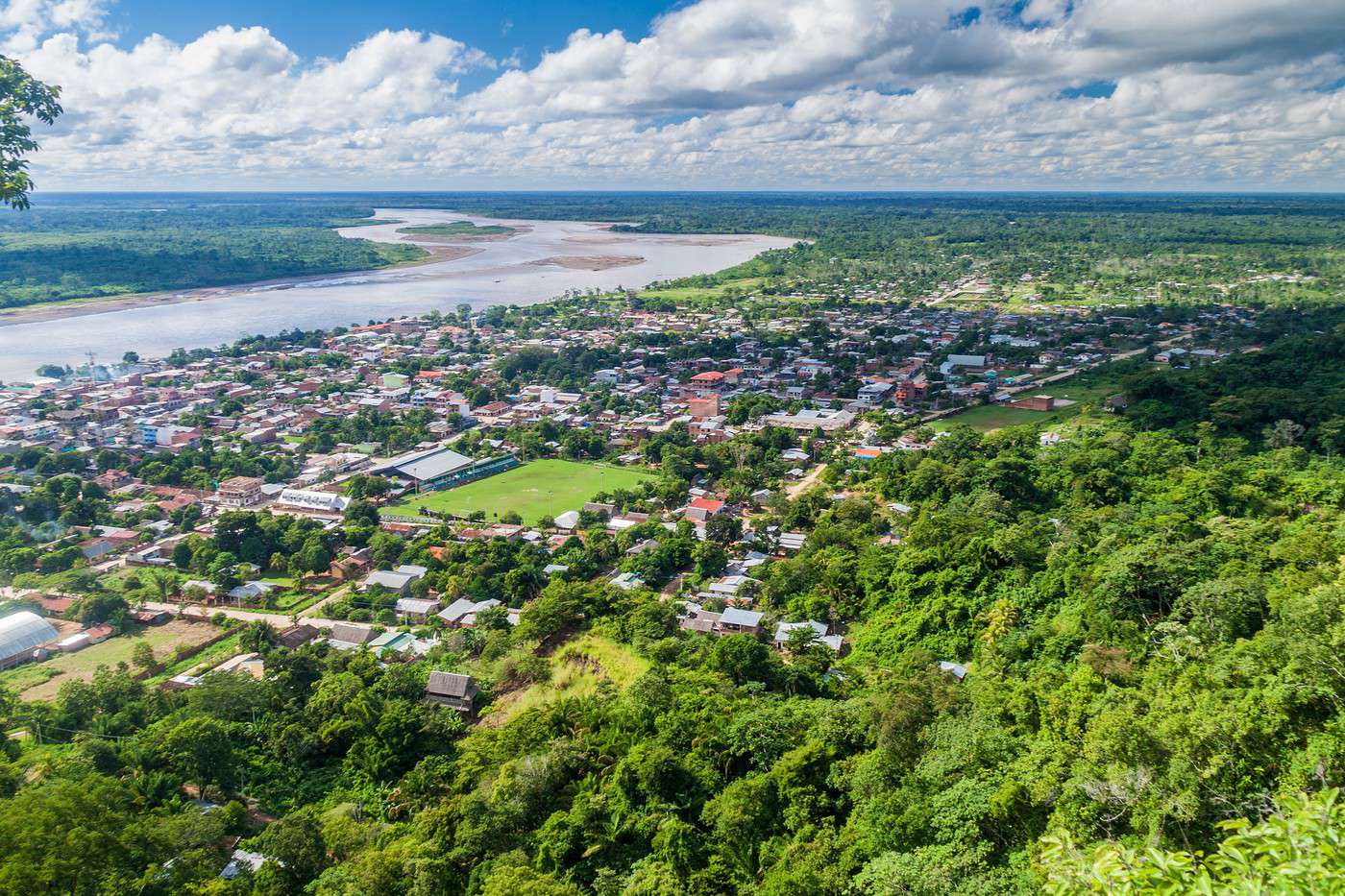
Accustomed to the traditional image of Bolivia’s high plateaus, it’s easy to forget that to the east of the Andean region lie vast tropical plains linked to the Amazon basin in the north, and forming the regions known as the Pantanal and the Chaco in the south.
Bolivian Amazon
All tourist activity revolves around the rivers and villages along their banks. A multi-day river journey can take you from Puerto Villaroel (northwest of Santa Cruz) to Guayaramerín (the Brazilian border) and then Rurrenabaque (north of La Paz). Starting from a few towns and villages—primarily Rurre—there are opportunities for forest walks to discover the wildlife, flora, and indigenous communities. One of the region’s most visited parks is Noel Kempff, known for its flora and 700 animal species, including numerous monkeys, crocodiles, and various types of snakes.
The Pantanal
The Bolivian Pantanal, along with its neighbors in Brazil and Paraguay, is the planet’s largest wetland. It consists of lakes, lagoons, marshes, rivers, savannas, and forests. It’s submerged for four months a year during the rainy season, roughly from December to April. For travelers, the area offers a chance to discover unique wildlife and flora.
Brazil
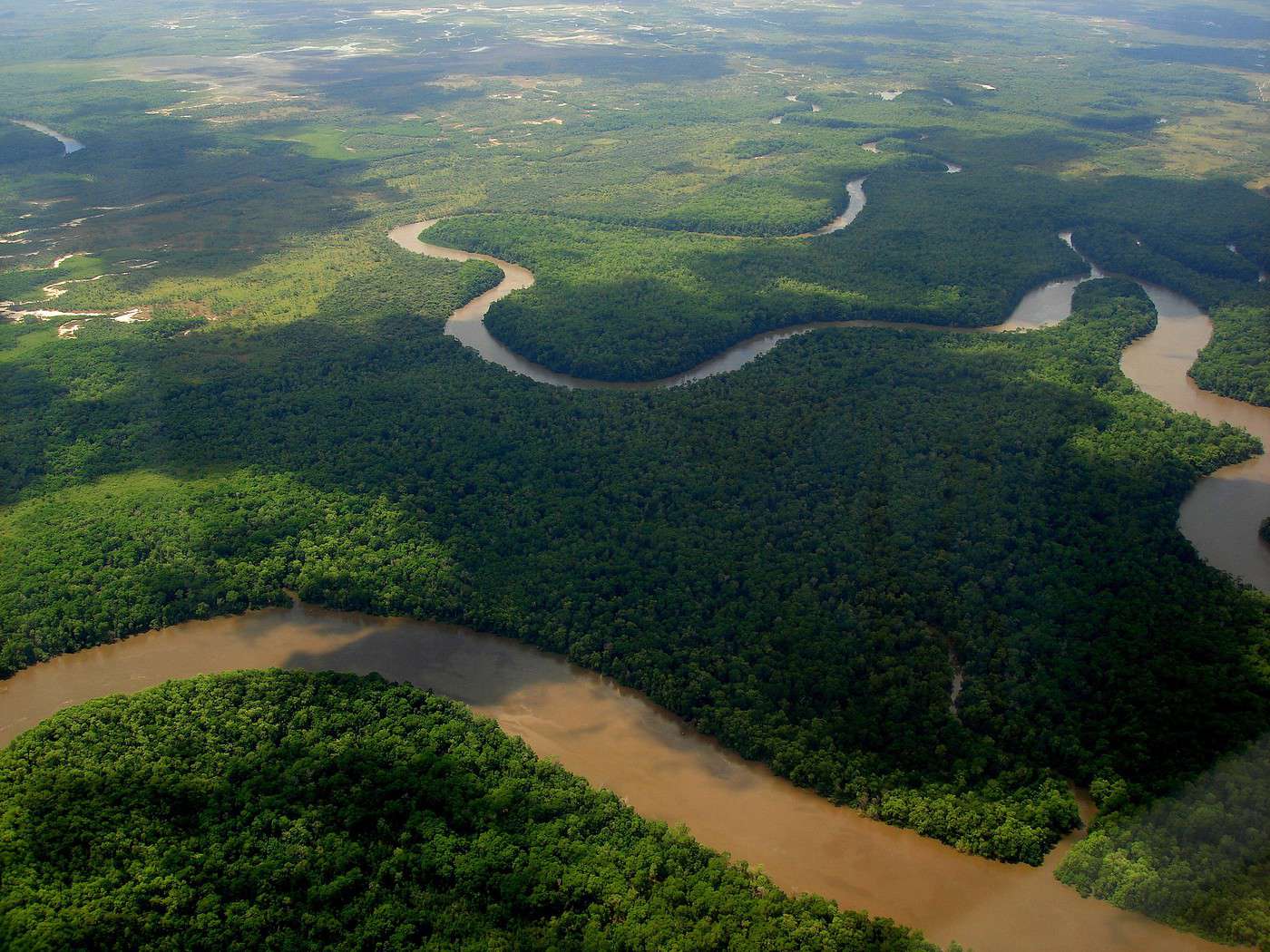
The Brazilian Amazon covers about 40% of the country’s land area but holds less than 10% of its population. The region contains 80% of Brazil’s freshwater, thanks to the Amazon River, which flows from west to east before emptying into the Atlantic near Belém. More than in any other country, the ecosystem and indigenous populations have suffered—and continue to suffer—from the overexploitation of natural resources. Logically, Brazil also offers the widest range of Amazonian discoveries and adventures. Beyond the forest itself, neighboring regions like the sertão and especially the Pantanal are also of interest to nature and adventure enthusiasts.
The Pantanal
Not quite the Amazon yet, the Pantanal plain (on the border with Paraguay and Bolivia) may be the best place in Brazil to observe local wildlife: all kinds of birds, crocodiles, monkeys, capybaras, and especially anacondas. Observation is relatively easy and doesn’t necessarily require organized tours from cities like Cuiabá or Corumbá, though venturing deeper into the marshy areas for 3 or 4 days with a guide will reveal the region’s true natural riches.
Rio Araguaia
Further north, the Rio Araguaia offers plenty of opportunities for adventure, wildlife and flora discovery, and encounters with indigenous communities.
The Amazon River
The Amazon River, from Belém to the Peruvian border, remains the main destination for most visitors. Beyond the towns and villages along its banks—like Belém, Santarém, and especially Manaus, which have their own charm—the main attractions are boat trips on the river and its tributaries, and of course, forest excursions.
As usual, it’s best to choose your tour or "cruise" once you’re there. You can organize river trips yourself by taking advantage of the many boats traveling the rivers, but exploring the forest will require an organized structure. There’s a wide range of options in terms of duration and difficulty, mainly from Manaus in the state of Amazonas.
For reference, a trip on the Amazon between Manaus and Leticia (Colombia) takes 4 to 7 days depending on the direction, costing roughly 100 € for deck class (similar pricing applies from Manaus to Belém). Then, add about 50 € more to reach Iquitos, Peru, in 1 to 3 days. In total, it takes at least ten days to travel by river from Peru to the Atlantic.
While most offerings start from Manaus, you can also explore the forest and rivers from other regions. However, tourist infrastructure is less developed due to remoteness, though that doesn’t mean the opportunities are any less interesting...
Colombia
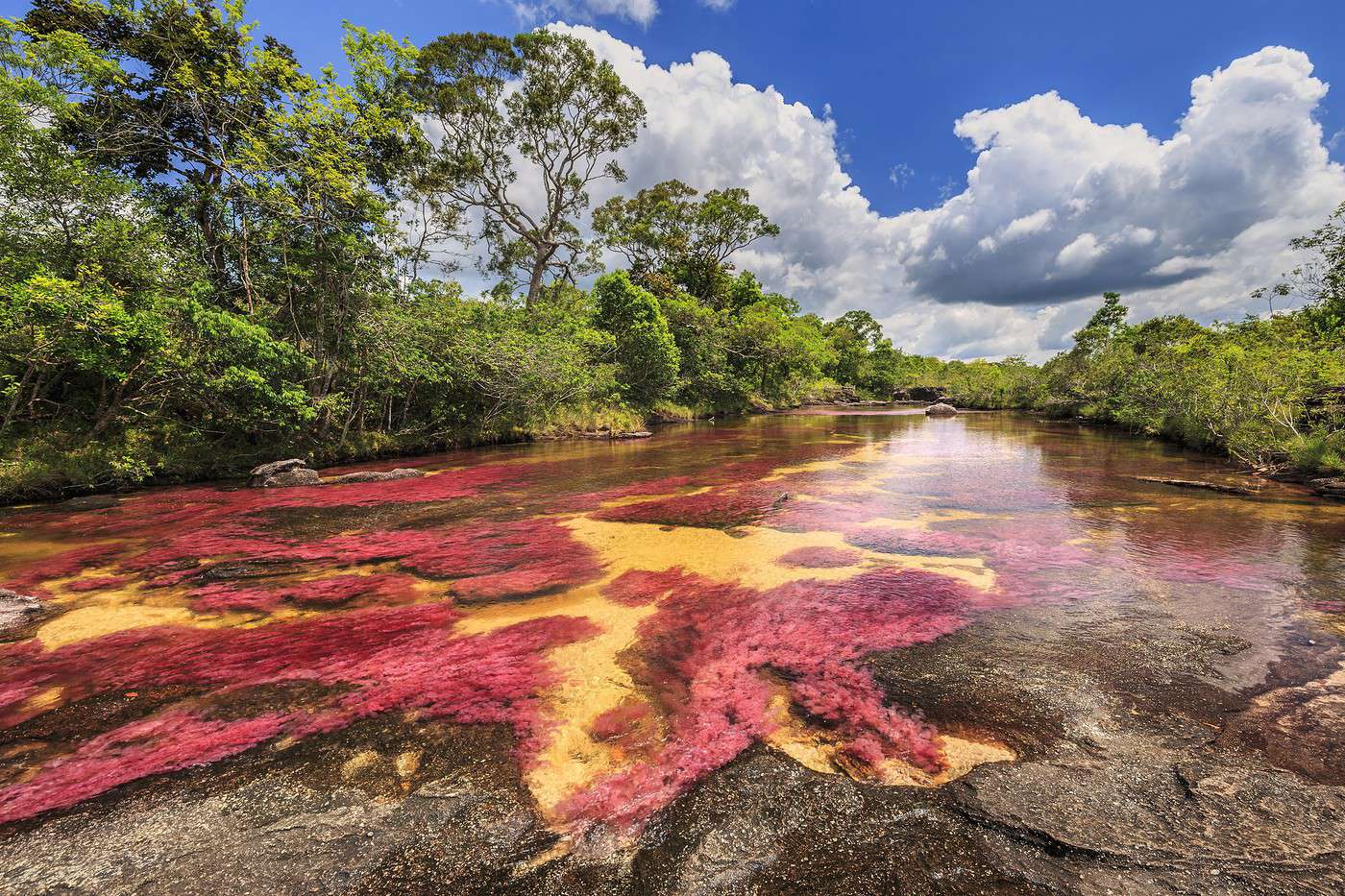
In Colombia, the Amazon covers more than a third of the country in its southeastern part. Dense tropical forest, numerous rivers, and no roads define this sparsely populated territory, home to only a few indigenous communities. Access is difficult, and exploring the region remains a true adventure—not for everyone—requiring time, patience (very few regular boats), money (whether traveling independently or organized), self-sufficiency (outside pre-set circuits, bring food, a hammock, etc.), and often no expectations for comfort. The main access points to the Amazon are Florencia and Puerto Asís, near the Ecuadorian border, and especially Leticia, a port on the Amazon at the intersection of Brazil, Peru, and Colombia.
Note that the Colombian Amazon is a region of constant trafficking of all kinds and a zone of strong "socio-narco-political" tensions. Some areas are truly lawless, and risks are very real. It’s essential to check the current situation before venturing there... or even consider exploring the Amazon elsewhere.
Leticia
Leticia is the only place where Amazon tourism has developed in Colombia. The city hosts, in addition to all kinds of smuggling, Indian markets and local agencies offering forest tours, particularly in Parque Amacayacu. It’s also an interesting stop for those traveling the Amazon between Manaus (Brazil) and Iquitos (Peru).
Other Areas
For the rest of the Colombian Amazon, you’ll most often need to organize things independently, while being fully aware of the risks and insecurity that may prevail in certain areas. For those with time, you can travel by boat from the Leticia area to Puerto Asís in 2 or 3 weeks of navigation on the Rio Putumayo for about 150 €.
Ecuador
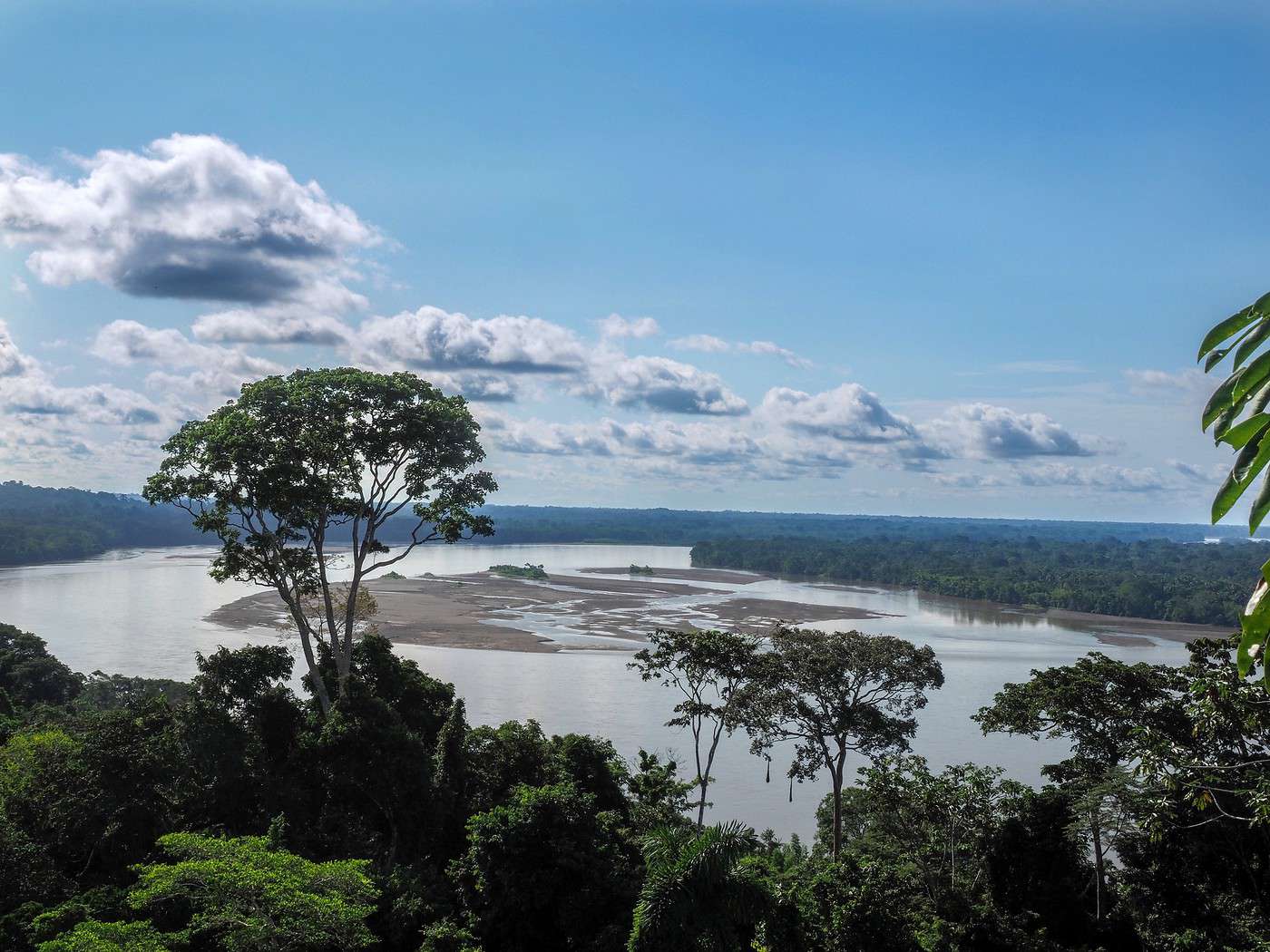
The Ecuadorian Amazon (El Oriente) covers about half of the country’s land area. A major advantage is Ecuador’s small size, making access to the jungle—at least in the north—easier and faster than elsewhere. A simple day’s bus ride from Quito will get you there, and from there, you can organize a stay with a guide or even on your own at times. Downsides: part of the natural environment has been devastated by oil and mining exploration, and "jungle tours" have become a booming business, sometimes quite expensive, as are many things in the Amazon.
Southern Ecuadorian Amazon
The south is the least visited part due to its isolation. Even so, there’s little to do or see from the far south of the country up to the town of Puyo.
Northern Ecuadorian Amazon
The northern part (from Puyo to Colombia) is therefore more recommended. Three towns, accessible by road from Quito, can serve as starting points for the forest. From south to north: Misahualli (the least interesting), El Coca, and Lago Agrio. The program includes jungle, wildlife, river walks, indigenous villages, etc. However, be cautious in the border area with Colombia, which isn’t always very safe.
Guyana
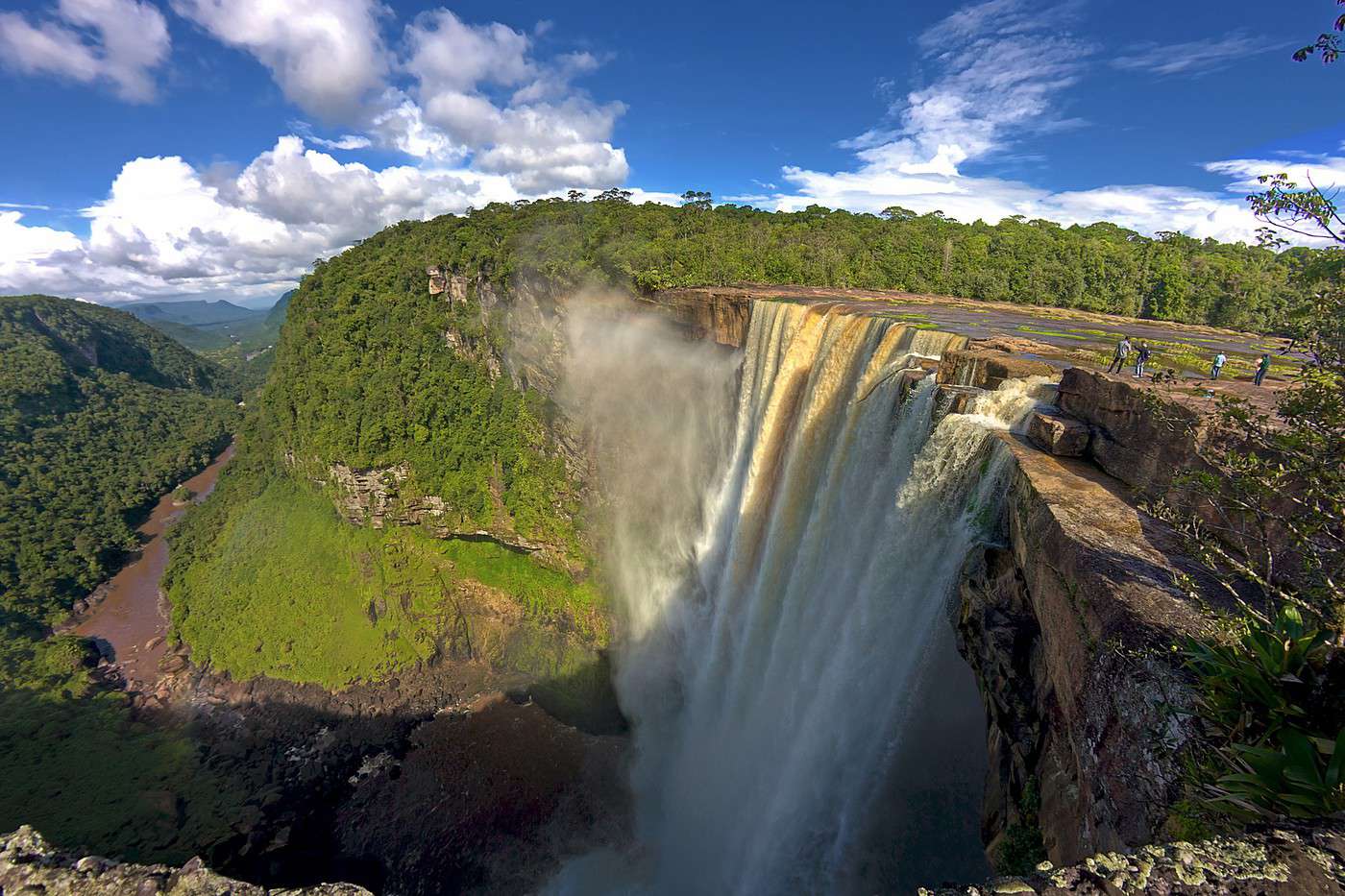
Like neighboring Suriname, the country attracts very few tourists, even though it’s quite rich in discoveries. The impressive Kaieteur Falls remain the main attraction for adventure seekers, though other forest programs allow you to discover wildlife, flora, indigenous populations, and combine hiking, canoeing, or 4x4. Note that traveling the road connecting the Atlantic coast to Boa Vista (Brazil), despite the challenges, is also an interesting experience.
French Guiana
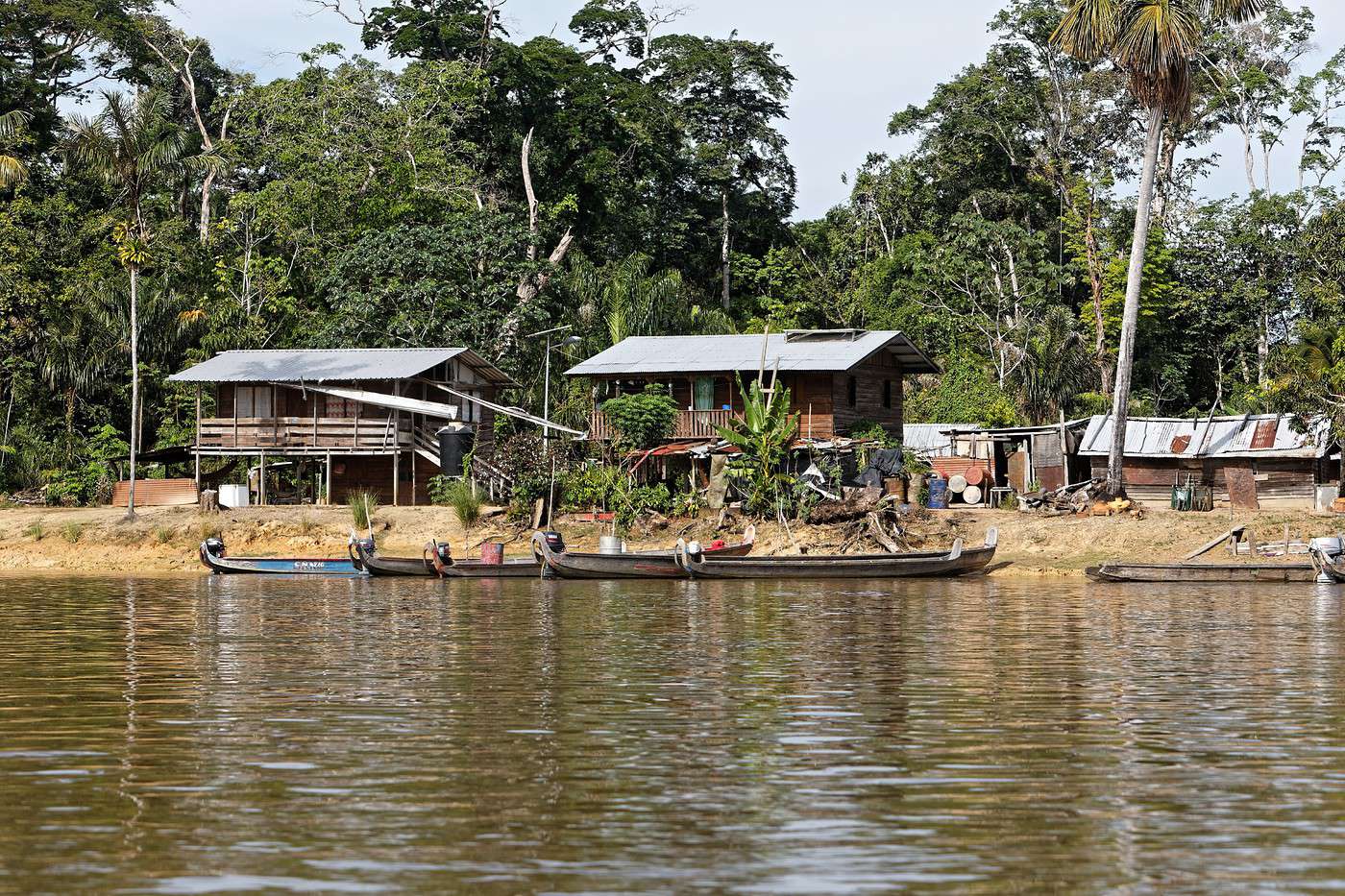
Nature and adventure are the terms that best describe French Guiana. The Amazon rainforest is never far away, offering all the discoveries and activities it can provide—though at a much higher price than in other countries in the region. Apart from a few sites or occasions, ecotourism in French Guiana almost always requires local operators, if only for safety reasons. That said, the services are high-quality and cater to everyone. Three types of discoveries are primarily offered: the Kaw Marshes, known for their large caiman population; the descent of the Maroni; and exploring the mouths of several coastal rivers.
Peru
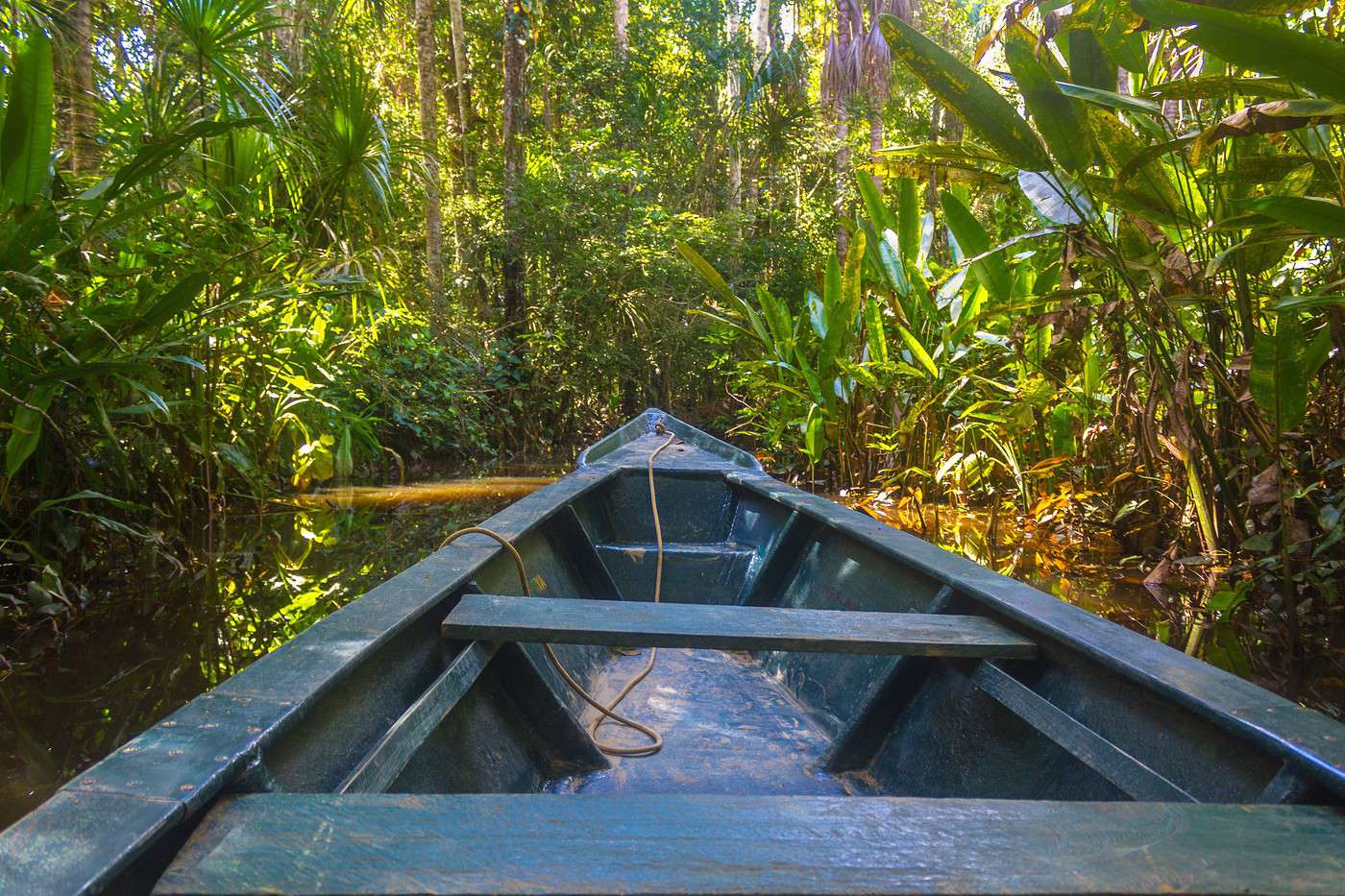
Although the Amazon rainforest covers more than 60% of Peru’s territory—making it the second-largest Amazonian country after Brazil—it’s overshadowed in tourism by the Andes and, of course, Machu Picchu or Lake Titicaca. Yet Iquitos is THE major city in the upper Amazon and offers numerous ways to explore the region.
Southern Peruvian Amazon
The south, in the Puerto Maldonado region, isn’t necessarily the best place to discover the Peruvian Amazon. While you can venture into the forest (Tambopata Reserve), see gold mines, and travel down rivers by boat to reach Bolivia, the area has suffered greatly from subsoil and oil exploitation. You can also visit the Manu National Park, further west, which can be reached in a few days by road and boat from Cusco.
Northern Peruvian Amazon
The north is therefore more recommended, with the Iquitos area as the central hub, which is worth seeing. Since the city isn’t accessible by road (see "Getting around Peru by boat"), you reach it by several days of boat travel through the forest from the south (Pucallpa, with indigenous villages nearby), the west (Yurimaguas), and the east (Leticia, a border town with Brazil and Colombia, connected to Manaus by the Amazon).
From Iquitos, there are many opportunities for forest walks to discover wildlife, flora, and indigenous communities. However, usual precautions are necessary near the Colombian borders due to heavy smuggling and various trafficking activities.
Suriname
Tourism remains very underdeveloped in the country, even though it has around fifteen national parks and nature reserves. Those along the coast (turtles, birdwatching) and Brownsberg (nature, hiking) are the most accessible, being close to the capital, Paramaribo. Others, more aligned with the traditional image of the Amazon, require some organization—often costly—to explore wildlife, flora, and indigenous populations. From Suriname, however, it’s easier to descend the Maroni, the border river with French Guiana, which allows you to see the life of the villages along its banks and take forest walks from there.
Venezuela
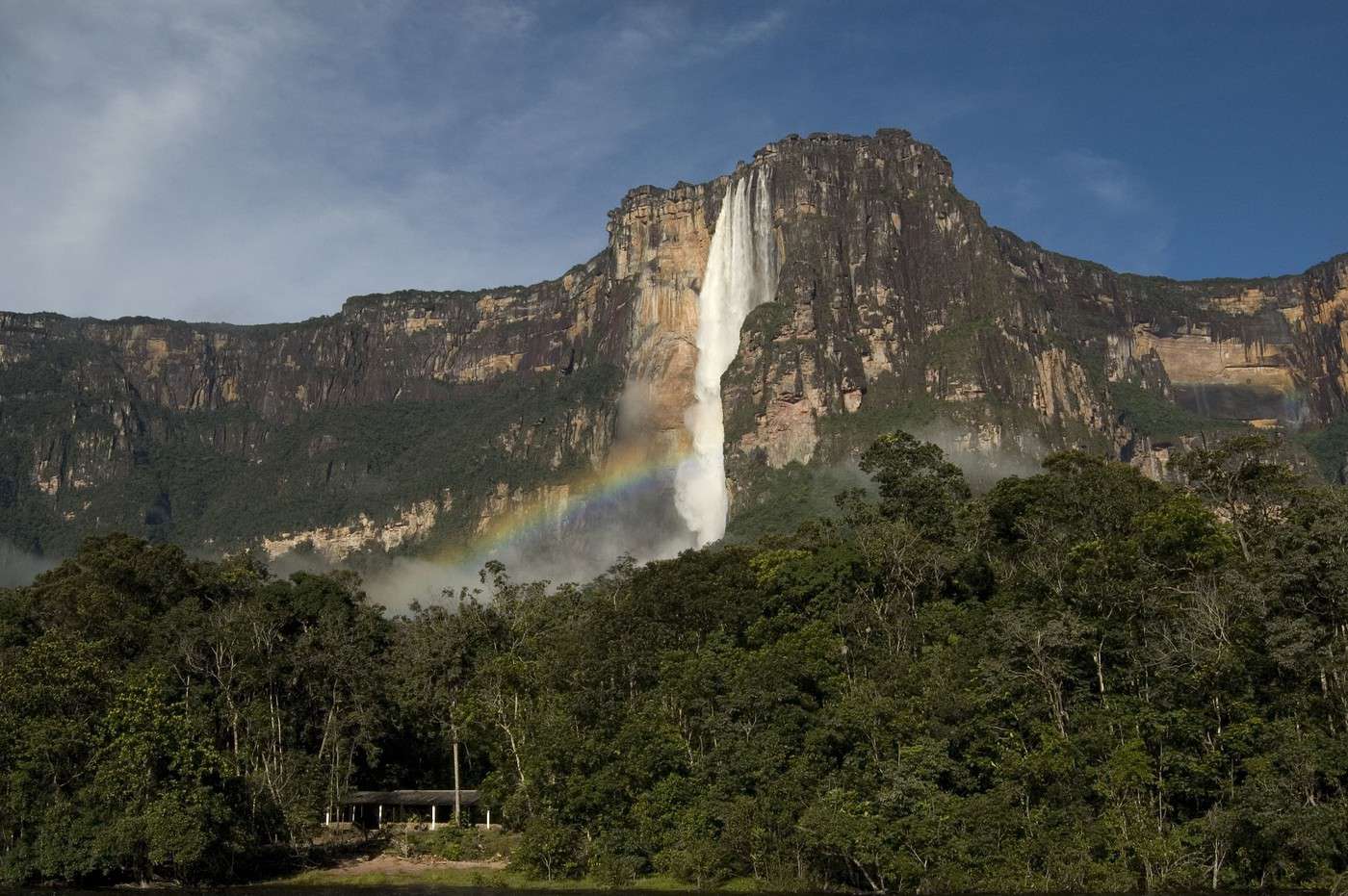
The Venezuelan Amazon corresponds to the part of the country south of the Orinoco’s mouth. Beyond the forest, which occupies only a limited area, the landscape is primarily savanna (the Orinoco basin) and mountainous in the east, reaching up to 2,835 m at Mount Roraima. It’s in this eastern region that the world’s highest waterfall, Angel Falls, is located.
Generally, it’s better to organize excursions from nearby towns rather than the capital. That means Santa Elena for La Gran Sabana, as well as Ciudad Bolívar for Angel Falls, and Puerto Ayacucho for the Amazon proper in the west. Given the difficulties and necessary permits, it’s hard to organize tours independently without local operators—and the budget that comes with them.
Eastern Venezuela
Angel Falls remains the main attraction, with access by plane or boat. It’s quite expensive, even if you try to organize part of the visit yourself. Near the falls, some circuits include forest walks to visit indigenous villages.
In the southeast, the Gran Sabana region (landscapes, waterfalls, indigenous villages) around Santa Elena is more easily accessible independently, though you can’t stray far from the beaten path. It’s also in the Gran Sabana that Mount Roraima is located, which can be climbed fairly easily after a few days of travel and hiking through the forest. The road connecting Santa Elena to Manaus via Boa Vista is also interesting for those continuing to Brazil.
Western Venezuela
In the west, the Amazonas state covers 20% of Venezuela’s territory but holds barely 1% of its population. Everything is organized around Puerto Ayacucho, from where local agencies will take you anywhere—for a price (indigenous villages, forest hikes, canoe trips on the rivers, etc.). It’s hard to do without them, given the complete lack of communication means outside private boats.