For food, in a restaurant, a fish or meat dish for two people served with rice, black beans in sauce, and cassava flour costs an average of 80 BRL. You can eat more cheaply on the street, in self-service spots, or in ‘per kilo’ restaurants. At all the pousadas, breakfast was included: it was always very good, hearty, and doubled as our midday meal. Bottled water (1.5 liters): between 2 and 4 BRL Caipirinha: between 5 and 10 BRL
For organization, we used a local guide, Danielisson, to arrange the "Route of Emotions" from São Luís to Jericoacoara (Days 3 to 7). He’s reliable, speaks French very well, and is passionate about his country. The organization was flawless. We highly recommend him. For the rest of the trip, we used cars with drivers or taxis instead of public transport. With four of us, it wasn’t too expensive and was much simpler. We don’t regret not renting a car at all—many roads are unpaved or in very poor condition. Danielisson Pereira: danielissonpereira@yahoo.co.uk Skype: danielissonpereira (Facebook) Phone: 55 (98) 991634424 / 981721946
Weather-wise, March-April is the rainy season, so it’s the low season. Downsides: occasional heavy storms, not everything is open (hotels, restaurants, shops…), but upsides: hardly any tourists and lower prices. Temperature-wise: between 25-30°C year-round, 24/7. Health-wise: a few mosquitoes, nothing serious, but bring protection. Day 1: International flight from Lyon to Paris to São Paulo. We went through São Paulo because my husband was there for work. Hotel: Monreale Hotel: 20 minutes from the airport (free shuttle). For those extending a business trip with a vacation, you can leave your luggage at the hotel for free with no time constraints. Day 2: São Luís Flight from São Paulo to São Luís (3.5 hours). We arrived in São Luís in the rain. It felt very strange—the city was deserted. It was Sunday, so everything was closed (don’t count on a currency exchange office or travel agency being open). We struggled to find a restaurant for the evening. Half a day is more than enough to explore the city, but we really liked all the colorful colonial houses. Flight São Paulo/São Luís: 118 € Taxi from airport to pousada: 50 BRL for 4 Pousada Portas da Amazônia: 33 € per room
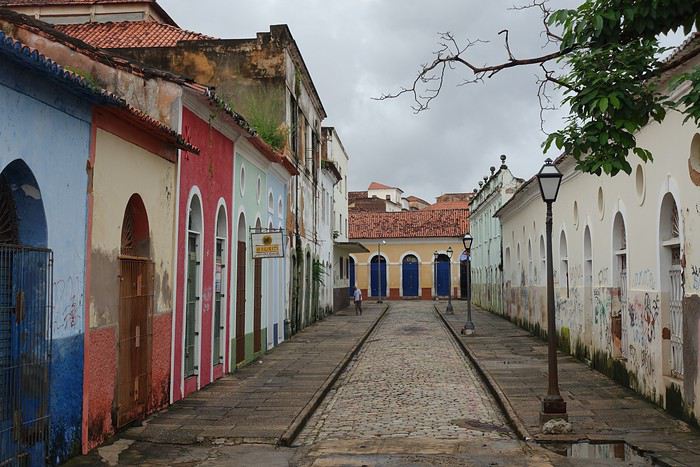
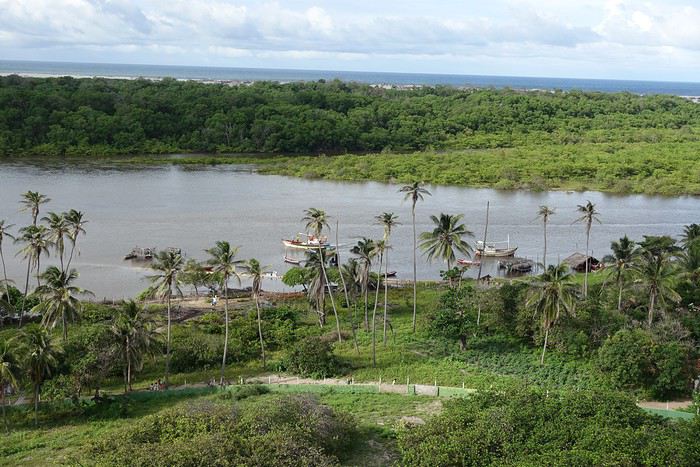
Day 3: Journey to Atins Shared minibus to Barreirinhas (about 4 hours—paved road) where we left our big bags, then a private boat down the Preguiças River to Atins. Stop at Vassouras, where we discovered our first lagoons and enjoyed excellent fish prepared by locals, then at Mandacaru to climb the lighthouse for a 360-degree view. Atins is a small fishing village lost in the sand. During our visit in the low season, almost everything was closed, so it was very quiet.
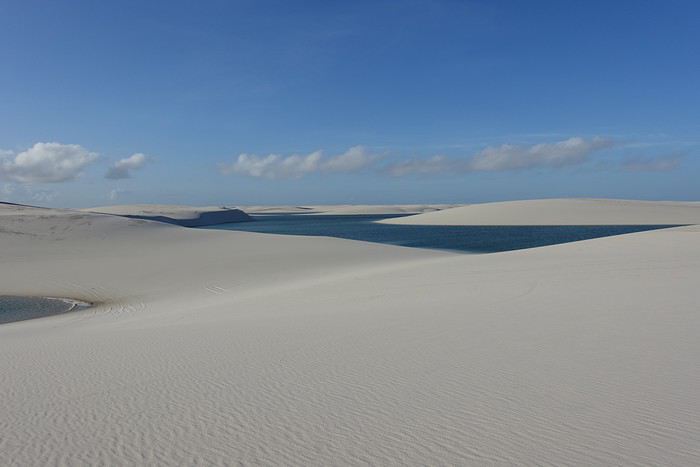
Day 4: Trek in Lençóis Maranhenses Park At 4 AM, we set off for a two-day trek in the Lençóis Park. One hour by 4x4 to reach the starting point. The sun was just rising. At first, there was some vegetation, but then it was just white sand and lagoons, which, contrary to what we thought, were already quite full for the season. As we went on, the landscapes got more and more beautiful. We never got tired of it. The weather was a bit cloudy but no rain, which was ideal to avoid the heat. We took occasional dips in the clear freshwater. Around noon, we arrived at Baixa Grande oasis. Rest and overnight in hammocks with a local family.
Day 5: Trek in Lençóis Maranhenses Park We left the oasis at 5 AM. Compared to the day before, we walked higher up, along the dune ridges, and it was even more stunning. Plus, the sun was shining. It was simply magical. Around noon, we climbed the last dune—on the other side, there was no more sand, just vegetation. A 4x4 was waiting to take us back to Barreirinhas (17 km). A few notes on the trek: - The 6-7 hours of walking are easy. The sand is hard, nothing like walking on a beach. We wore sandals or sneakers. We often got our feet wet crossing lagoons: at first, we took off our shoes, but later, we crossed fully dressed. Everything dries in 5 minutes! - Even with clouds, we got sunburned, so it’s best to wear long sleeves and pants (in addition to a cap, sunscreen, lip balm, water…). - It’s impossible to navigate the desert alone. With the wind, the dunes change shape and position regularly. A guide is essential.
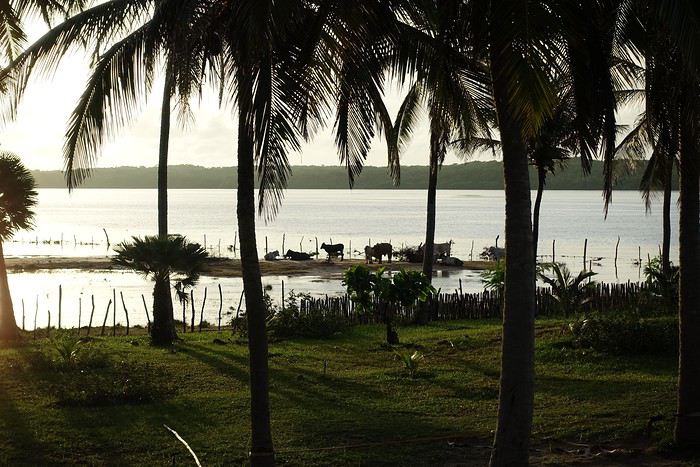
Day 6: Parnaíba Delta A Jeep took us to Tutoia, where we boarded a boat for the Parnaíba Delta. Nothing exceptional. Normally, you can see red ibises at sunset, but we weren’t lucky—they were in their breeding season, so we couldn’t get close. We slept on Canary Island, next to a pretty fishing village.
Day 7: Journey to Jericoacoara Boat to Tatus port, then a car to Jericoacoara (via Parnaíba and Camocim). From Camocim onward, it’s a sandy track. We arrived in Jericoacoara in the late afternoon—it was a brutal return to civilization 😅: tourists, shops, restaurants, pousadas, and that’s during the low season! Pousada Capim Verde: 120 BRL (basic rooms but well-located and cheap)
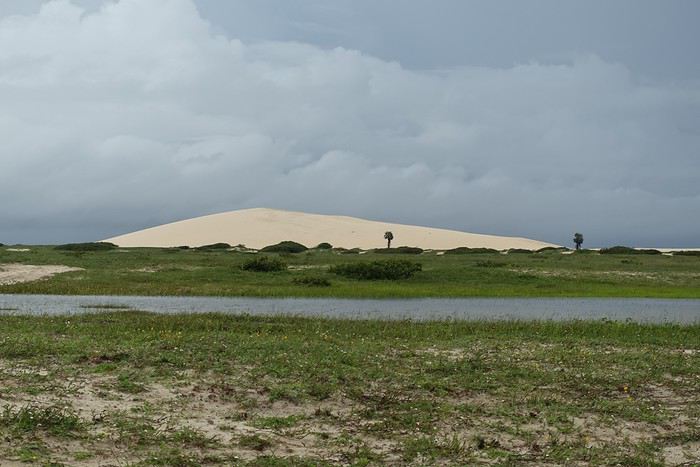
Day 8: Buggy tour Classic buggy tour (offered by all Jeri agencies) to Lagoa do Paraíso. Unfortunately, it rained a lot, and we cut our ride short. That was the only day slightly "ruined" by the weather. Buggy: 270 BRL
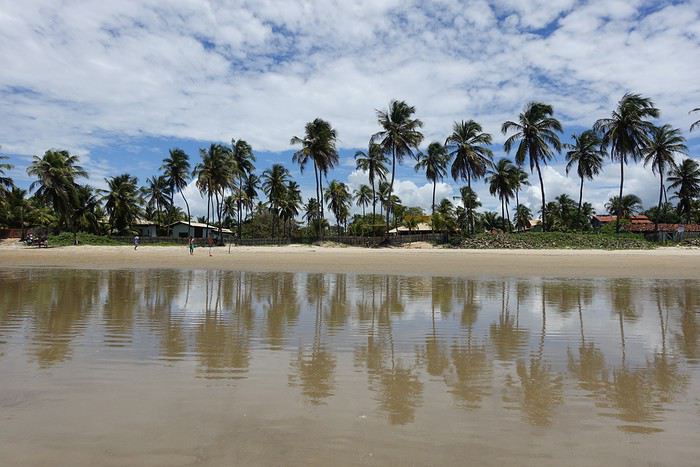
Day 9: Icaraí de Amontada To find some "peace," we headed to Icaraí de Amontada. On the way, alternating wind farms and coconut plantations. Icaraizinho is a village with a stunning beach (as long as you look toward the coconut trees, not the wind turbines). Little wind at this time of year, so no tourists. Pousada Pais Tropical (run by French owners): very nice, right on the beach. Taxi Jericoacoara–Icaraí de Amontada: 340 BRL
 Day 10: Transfer day to Pipa
Taxi Icaraí–Fortaleza: 350 BRL
Flight Fortaleza–Natal: 37 € per person
Taxi Natal–Pipa: 180 BRL
Pousada in Pipa: Aconchego, run by French owners. Great welcome, quiet, perfectly located in the city center.
Day 10: Transfer day to Pipa
Taxi Icaraí–Fortaleza: 350 BRL
Flight Fortaleza–Natal: 37 € per person
Taxi Natal–Pipa: 180 BRL
Pousada in Pipa: Aconchego, run by French owners. Great welcome, quiet, perfectly located in the city center.Day 11: Pipa – Dolphin Beach Skeptical, we set off in the morning before high tide (afterward, it’s hard to pass) to try and see dolphins. And we saw them! Mothers with their calves swimming in the waves, appearing where and when you least expect them. They’re not afraid of humans and pop up just a few meters away. It’s unforgettable. No need to take a boat tour—they come to the same spot and stay for 5-10 minutes. For those who don’t want to swim (there were waves and surf when we were there), the dolphins are visible from the beach.
Day 12: Pipa – Tibau do Sul via the beaches A lovely hike where you go from one beach to another until Tibau do Sul: 2 hours of brisk walking! We stayed a while by the lagoon before taking a shuttle back to Pipa. Shuttle: 2.5 BRL per person
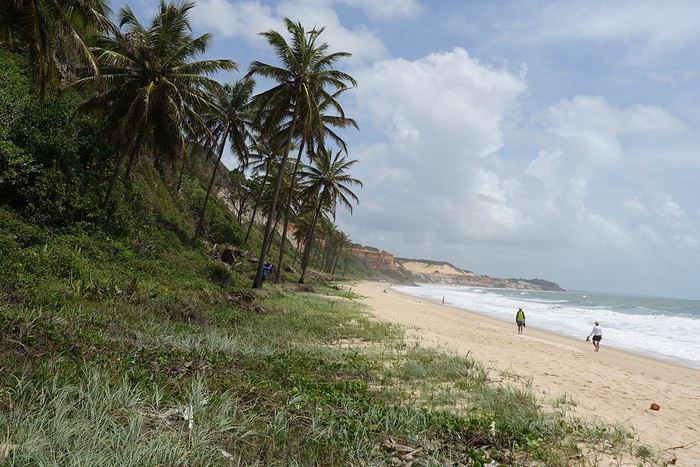
Day 13: Pipa – Dolphin Beach We wanted more—it was too good, and we saw them all day long.
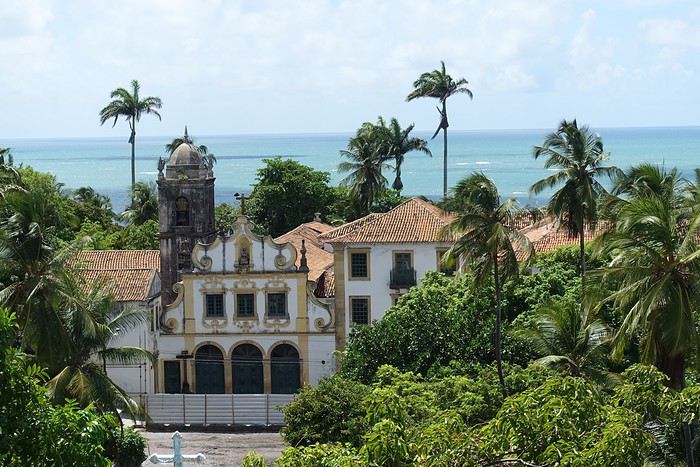
Day 14: Recife A taxi took us to Olinda, where we’d booked a pousada. In the afternoon, we took the bus to Recife: some pretty facades, but nothing unforgettable. Taxi Pipa–Olinda: 400 BRL Bus Olinda–Recife: about 4 BRL per person per trip (45 min) Pousada Villa Olinda (in Olinda): 99 BRL—very well located
Day 15: Olinda All day walking around Olinda, a small town with colorful houses and many churches. In the late evening, we flew to São Paulo. Uber Olinda–Recife airport: 32 BRL Flight Recife–São Paulo: 123 €
Day 16: São Paulo The hotel in Guarulhos is about an hour by public transport from downtown São Paulo. Short on time, we didn’t see much of the city. We went to Avenida Paulista: it was a Sunday, with lots of cultural and sports events, and the avenue was closed to cars. It was nice. Then we walked down to Ibirapuera Park, but it was marathon day, and we couldn’t get in. Bus Guarulhos–first metro station: 4.70 BRL Metro ticket: 3.8 BRL
Conclusion: With this second trip to Brazil, we discovered another side of the country—a poorer region with fewer infrastructures than the Rio area. The trek in Lençóis Maranhenses Park was the highlight of the trip—landscapes you won’t see anywhere else in the world, worth the trip on their own. We also won’t forget swimming with the dolphins in Pipa.


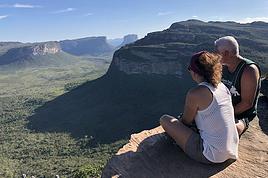
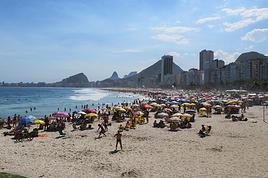
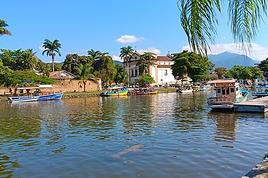
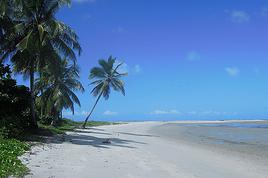
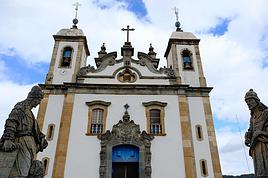

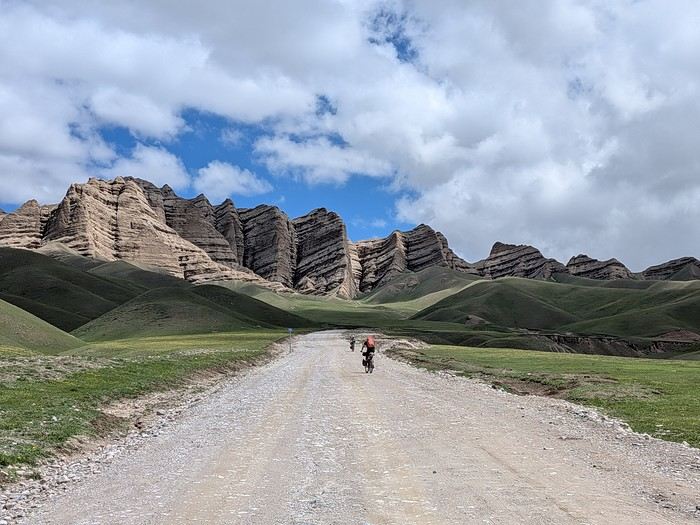
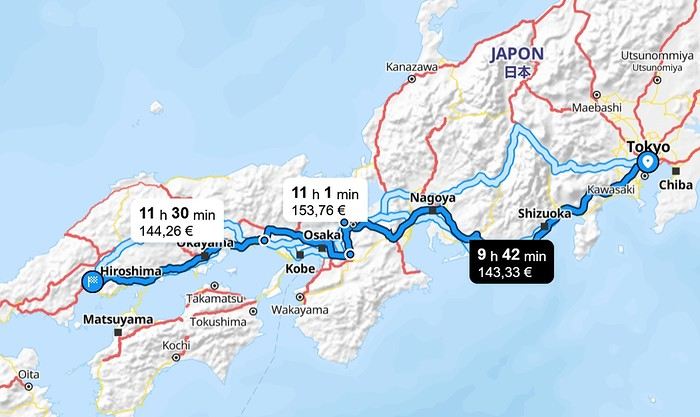
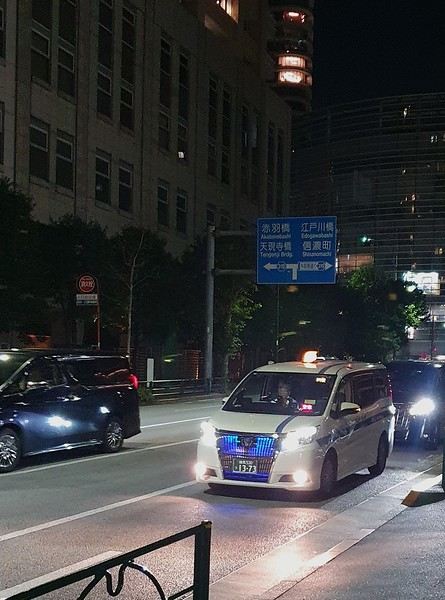
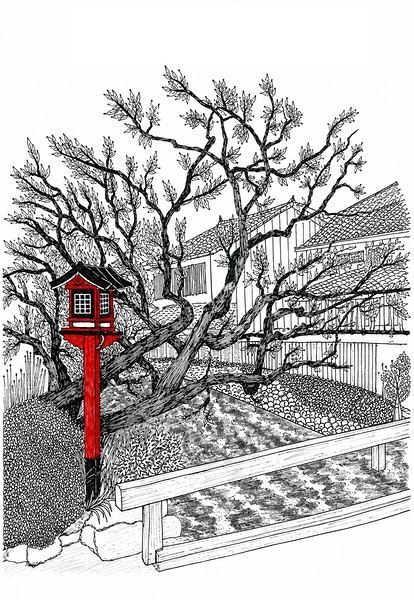 I’m inviting you on a stroll through my drawings—a completely subjective, far-from-exhaustive, and totally personal take, since it’s based on my own sketches. I put this travel journal together after returning in late 2024, mostly using felt-tip pens and pencils, with a few collages thrown in. I worked from our personal photos.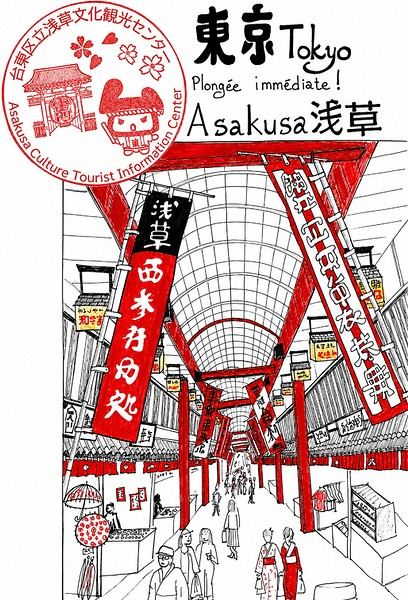
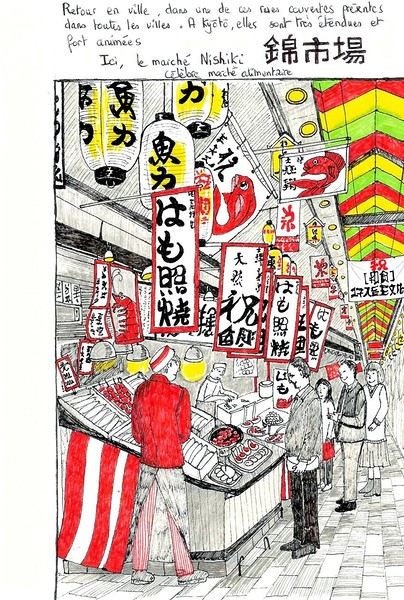
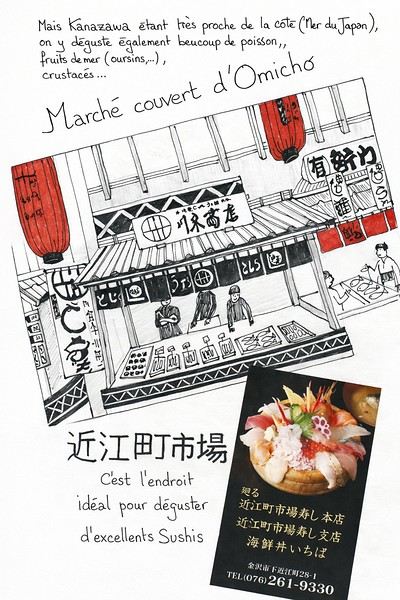 And in Kyoto, the Nishiki Market:
 Come along, I'm taking you to this country where it's so nice to wander and slow down...

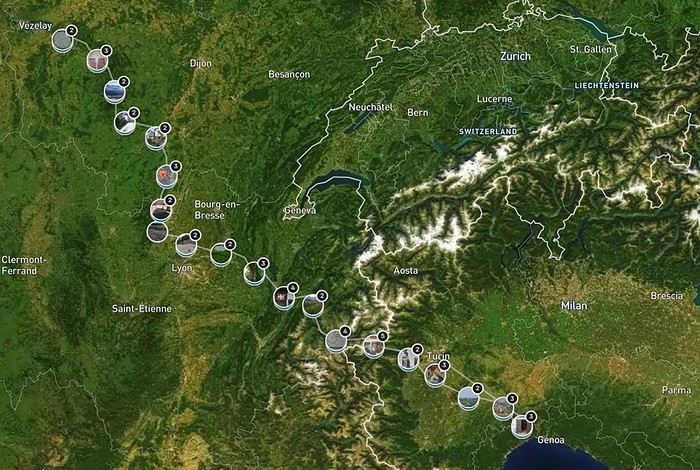
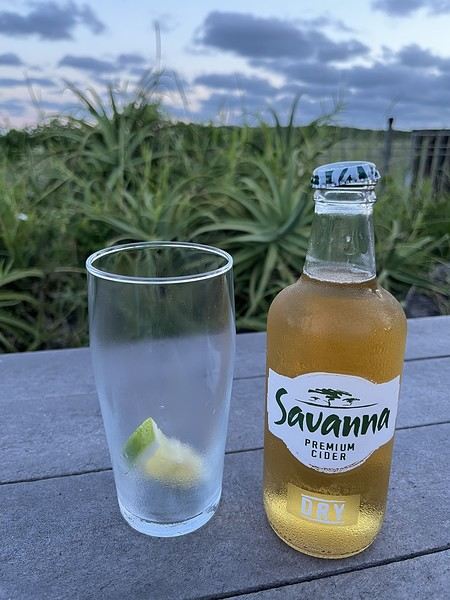

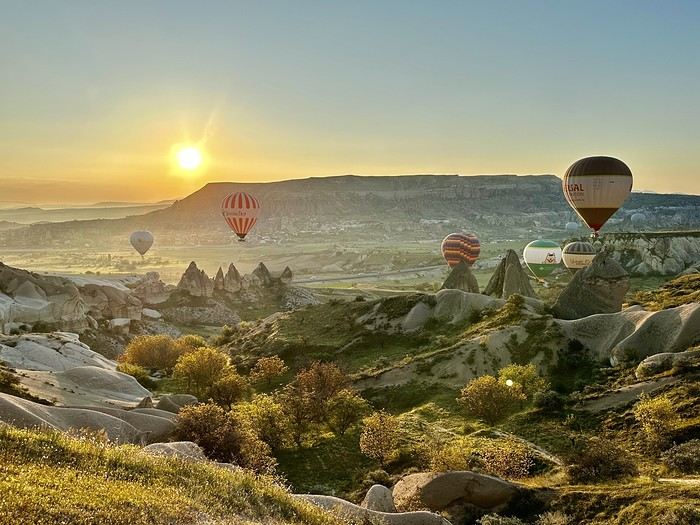 A little sneak peek?
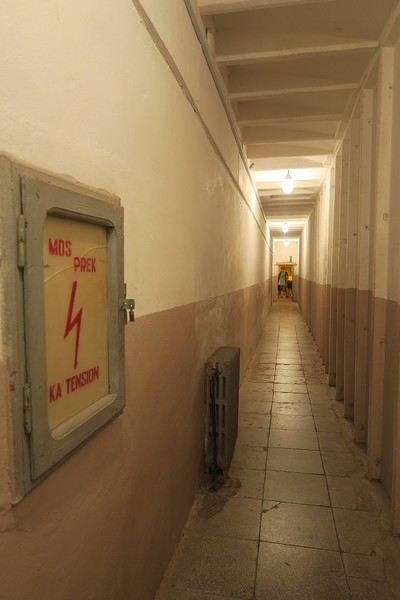
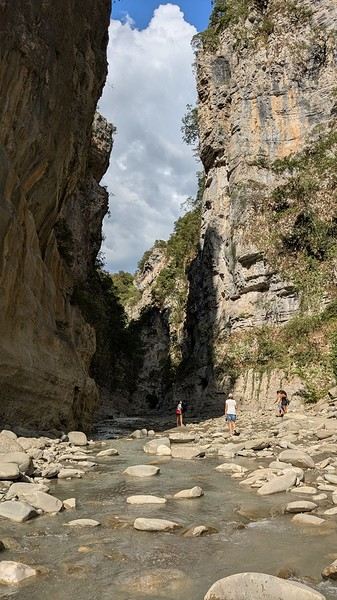
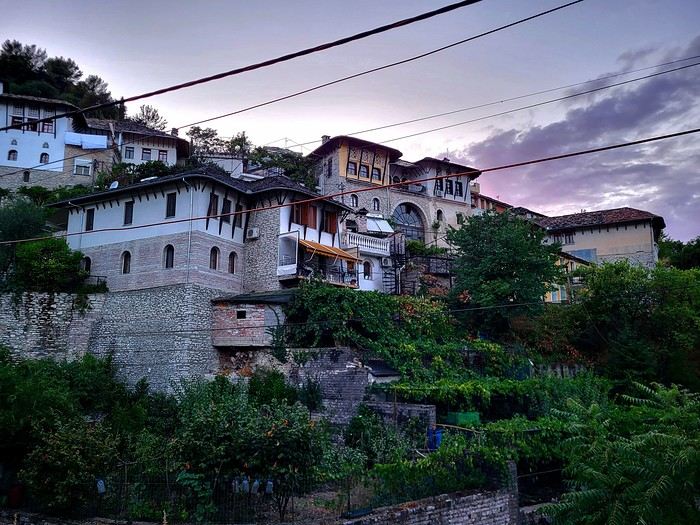
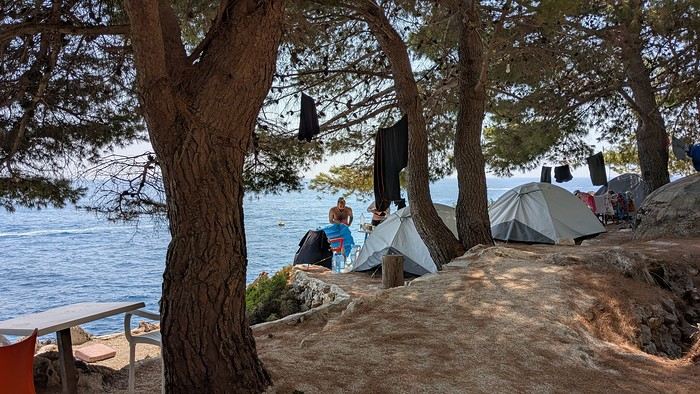
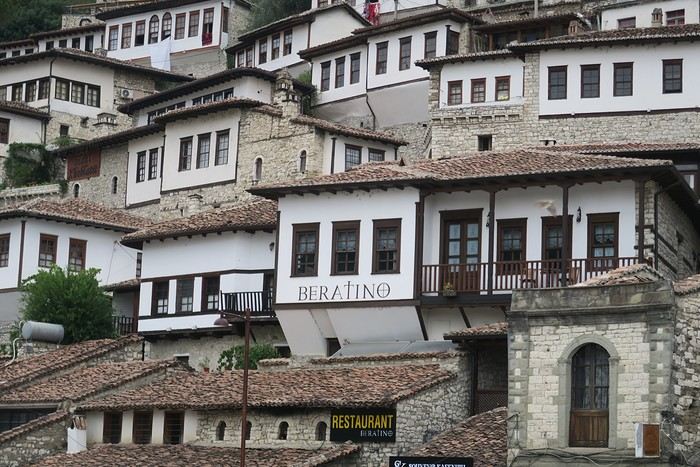
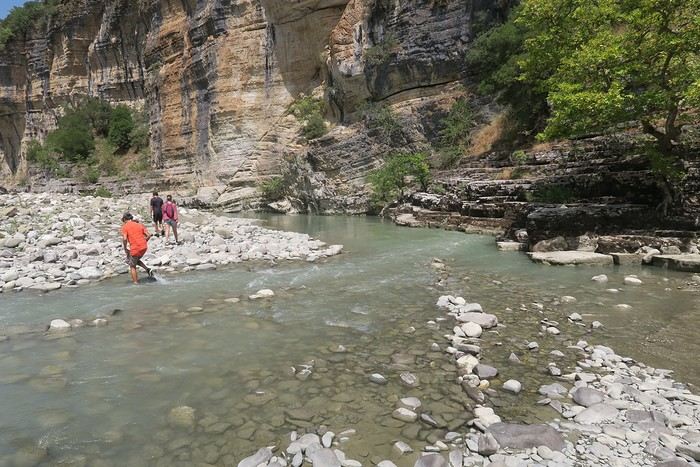
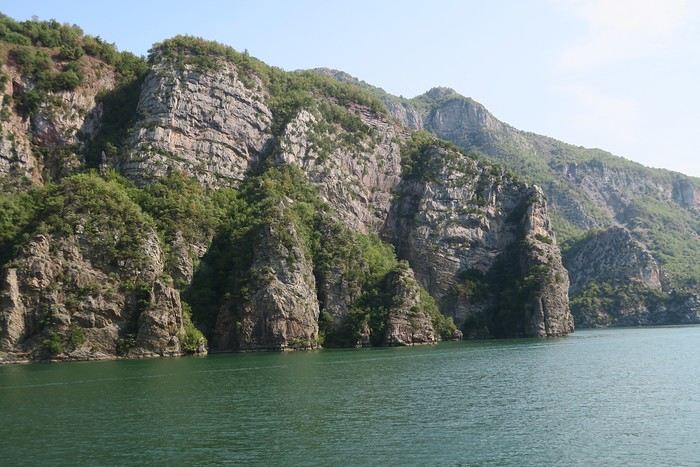
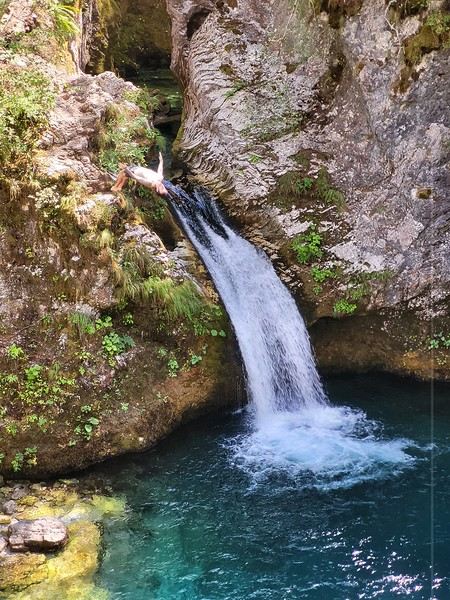
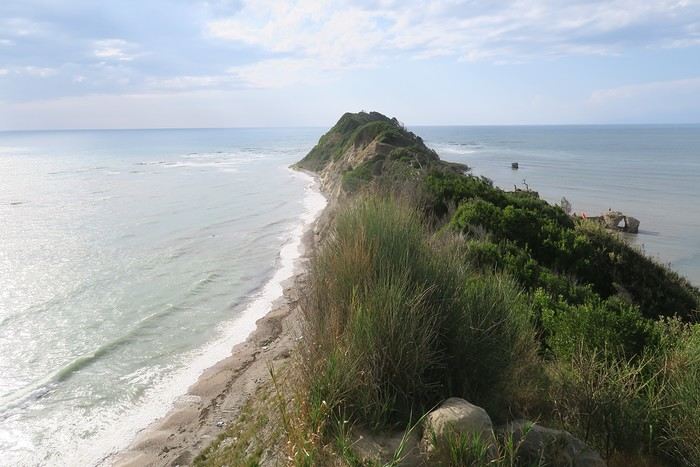
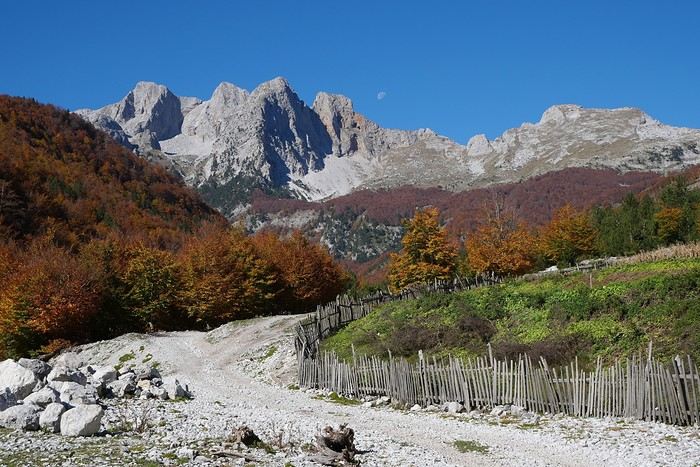



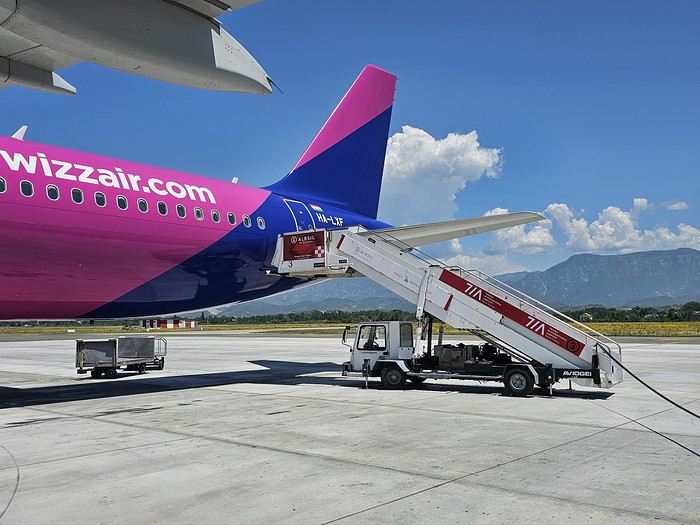 Since Albania isn’t part of Europe when it comes to phone service (at least not yet! :-)), we had to buy a physical SIM card—otherwise, the bill would’ve been sky-high if we’d used our French plan! We got one from Vodafone AL at the airport. You can buy online before leaving with a virtual SIM (e-SIM) for compatible phones, so you don’t have to swap cards. But given the uncertainty about choosing a plan online, we preferred buying one directly at Tirana Airport. Cost: 31 € for 100 GB. That’s way too much—100 GB is overkill. For 40 GB, it’s 27 €, and the plan lasts 21 days. The price difference isn’t huge, and it was cheaper than online. This plan covers all the countries along the Balkan range.
Money tip: All guesthouses and accommodations accept euros. The local currency in Albania is the LEK. In Montenegro, it’s the euro. Bank fees for withdrawing money from an ATM in Albania are pretty steep: 8 € for a withdrawal of 600–700 LEK (about 200 €)! So it’s better to withdraw cash (euros) in France. Oh, and we booked all our accommodations before leaving, but payment is always in cash. Budget around 400–500 € for 9 days of trekking.
Since Albania isn’t part of Europe when it comes to phone service (at least not yet! :-)), we had to buy a physical SIM card—otherwise, the bill would’ve been sky-high if we’d used our French plan! We got one from Vodafone AL at the airport. You can buy online before leaving with a virtual SIM (e-SIM) for compatible phones, so you don’t have to swap cards. But given the uncertainty about choosing a plan online, we preferred buying one directly at Tirana Airport. Cost: 31 € for 100 GB. That’s way too much—100 GB is overkill. For 40 GB, it’s 27 €, and the plan lasts 21 days. The price difference isn’t huge, and it was cheaper than online. This plan covers all the countries along the Balkan range.
Money tip: All guesthouses and accommodations accept euros. The local currency in Albania is the LEK. In Montenegro, it’s the euro. Bank fees for withdrawing money from an ATM in Albania are pretty steep: 8 € for a withdrawal of 600–700 LEK (about 200 €)! So it’s better to withdraw cash (euros) in France. Oh, and we booked all our accommodations before leaving, but payment is always in cash. Budget around 400–500 € for 9 days of trekking.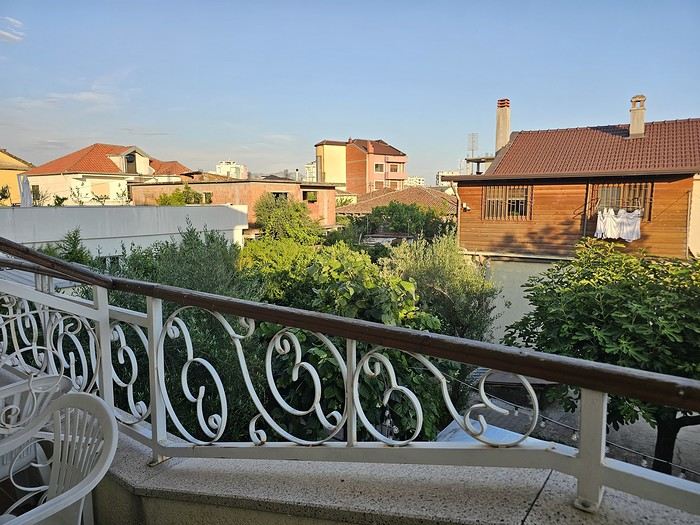 I really liked Shköder, especially its pedestrian street lined with restaurants and lit up at night. It’s a great place to stroll and eat. The food isn’t expensive—two big salads and two beers: 14 € :-) . Fruit prices are also very reasonable: 3 € for a kilo of cherries, compared to 9–10 € in France.
Religions coexist peacefully in these countries—Catholics and Muslims. From our balcony, my friend heard the call to prayer for the first time, coming from one of the city’s mosques.
I really liked Shköder, especially its pedestrian street lined with restaurants and lit up at night. It’s a great place to stroll and eat. The food isn’t expensive—two big salads and two beers: 14 € :-) . Fruit prices are also very reasonable: 3 € for a kilo of cherries, compared to 9–10 € in France.
Religions coexist peacefully in these countries—Catholics and Muslims. From our balcony, my friend heard the call to prayer for the first time, coming from one of the city’s mosques.
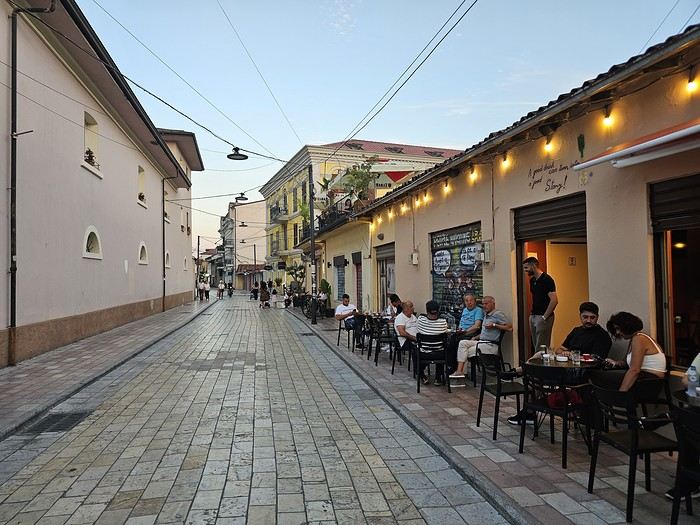
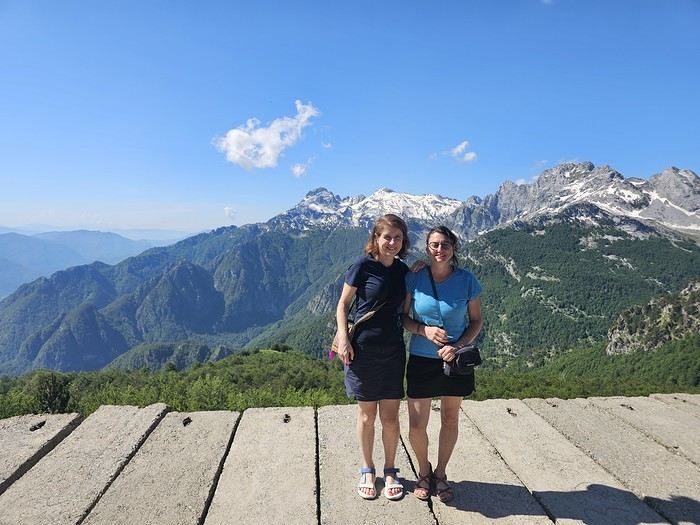
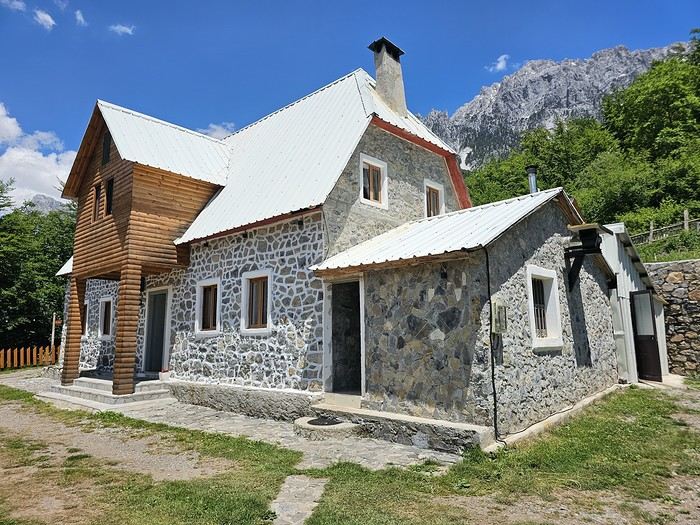 We slept in the heights of Theth at a new guesthouse, "Mountain Vista Shkafi," with an amazing view.


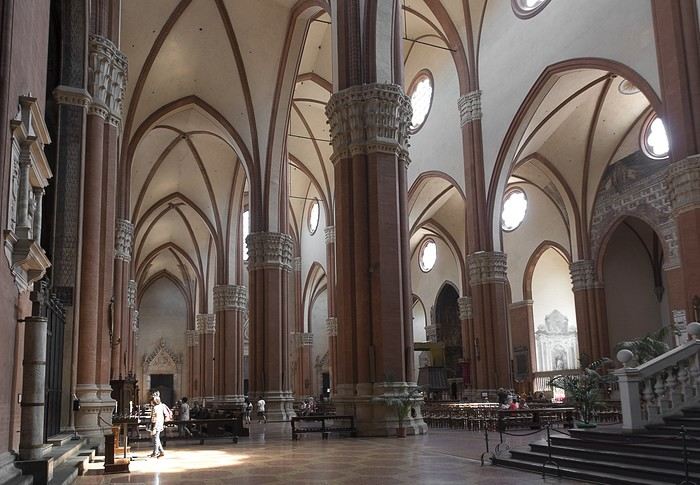
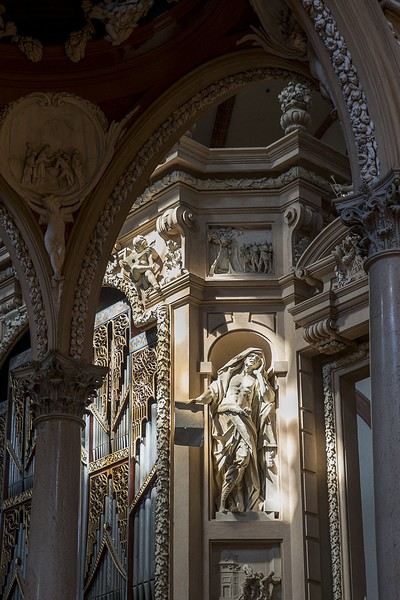
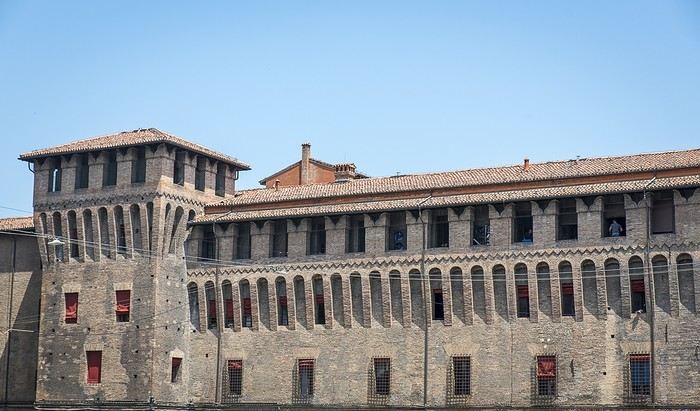 But Bologna’s real charm lies in its porticoes, which were added to the UNESCO World Heritage list in 2021: 62 km of arcades running along buildings, letting you walk sheltered from the sun or rain. Back in 1288, the city required houses to include private arcades for public use. In the city center, you can stroll under 32 km of porticoes in all sorts of styles—some plain, some ornate—with a strong presence of red tones.




 Ooooooooh, giants!
Oh, how I love them! In the North, we have lots of these giants, like Reuze Papa and Reuze Maman in Cassel, or Gayant, Marie, and their children Binbin, Jacquot, and Fillon in Douai, and many more.
Ooooooooh, giants!
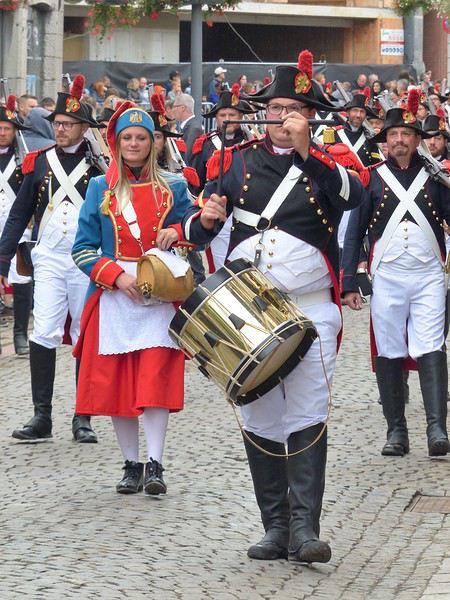
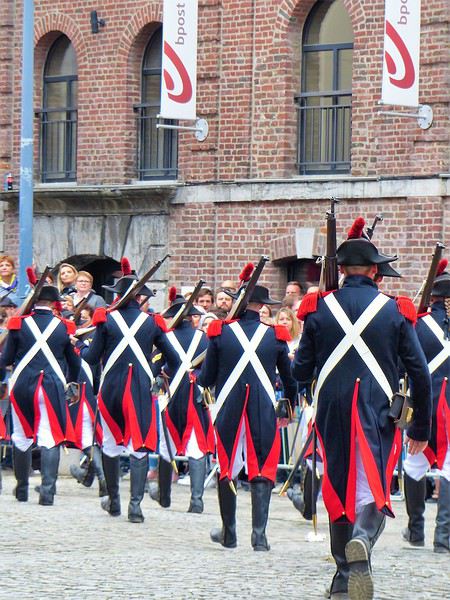
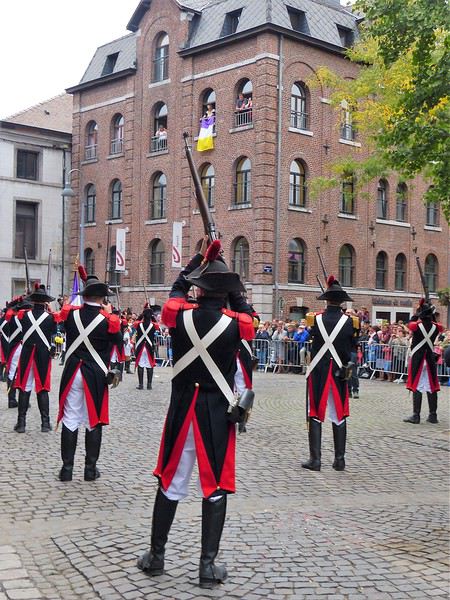
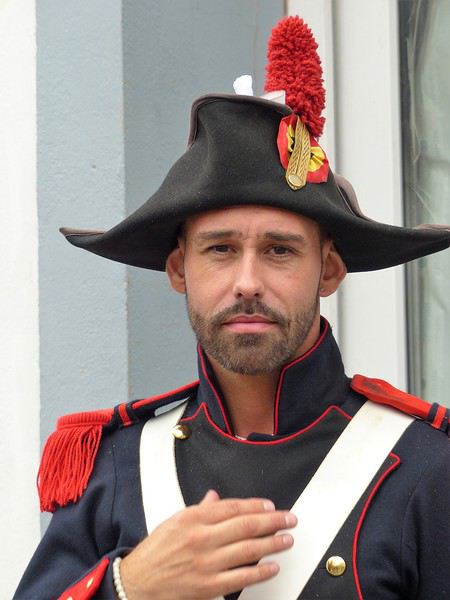
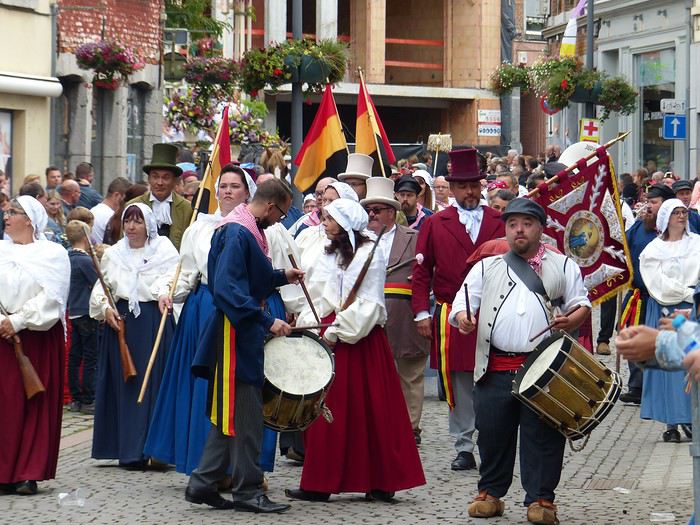
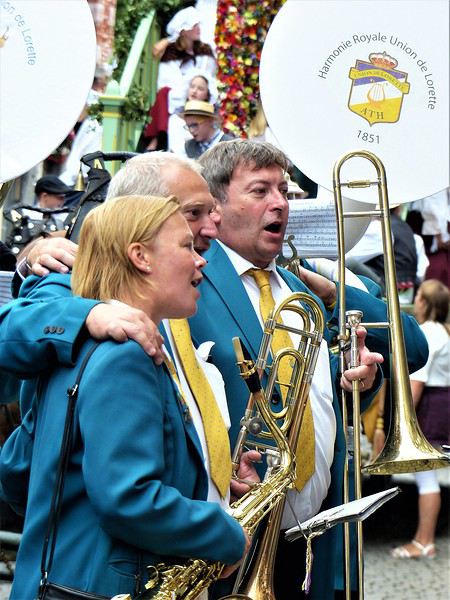
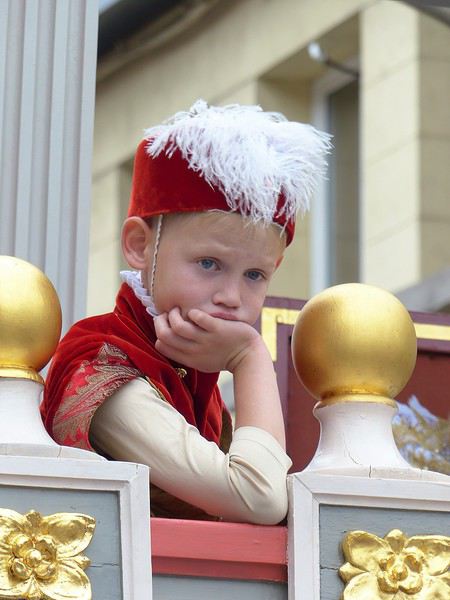
Oh, how I love them! In the North, we have lots of these giants, like Reuze Papa and Reuze Maman in Cassel, or Gayant, Marie, and their children Binbin, Jacquot, and Fillon in Douai, and many more.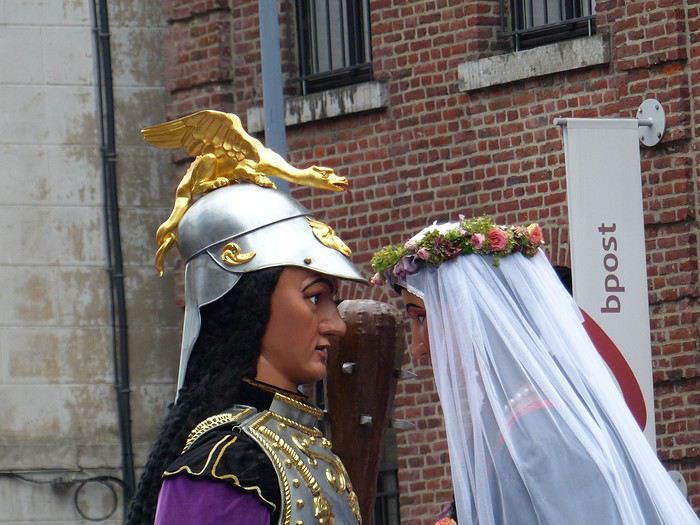 What’s more, the Ducasse of Ath is remarkable for its age and local roots; a procession was first mentioned in 1399, and today the many musical groups are still local (Ath and surrounding towns). The event is extremely popular: a good part of the population is there, all generations mixed together. Everyone knows the groups, floats, and giants, and each has their favorite! Originally, religious groups paraded, illustrating episodes from the Bible or the Golden Legend. Gradually, the parade became secular and kept evolving by adding new giants, historical figures, or allegories linked to local history (Ath, Belgian Hainaut, Belgium).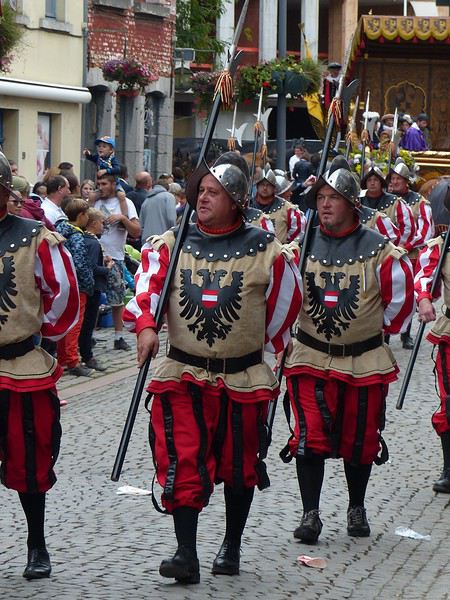
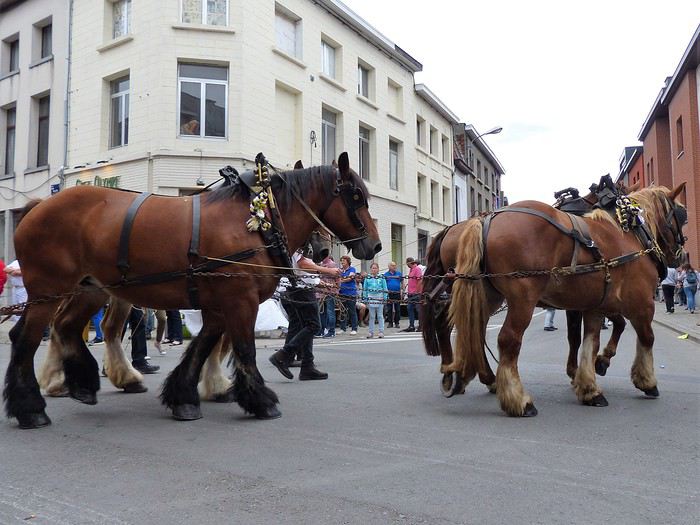 To wrap up this long introduction, know that the Ducasse of Ath lasts several days, but the highlight is the highly codified procession that takes place on the 4th Sunday of August (actually, the procession passes twice, once in the morning and once in the afternoon).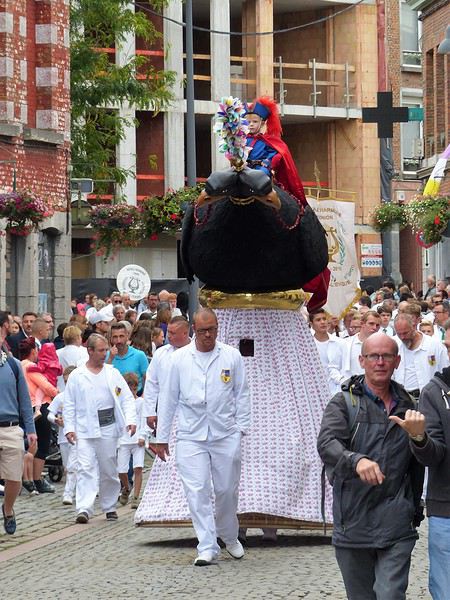
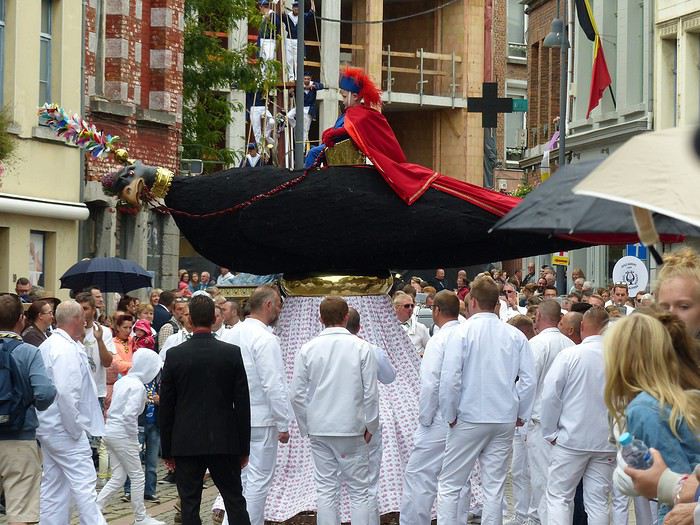
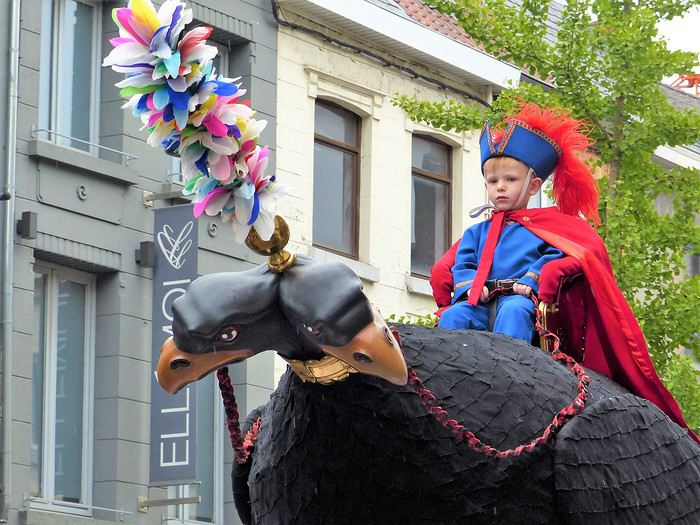
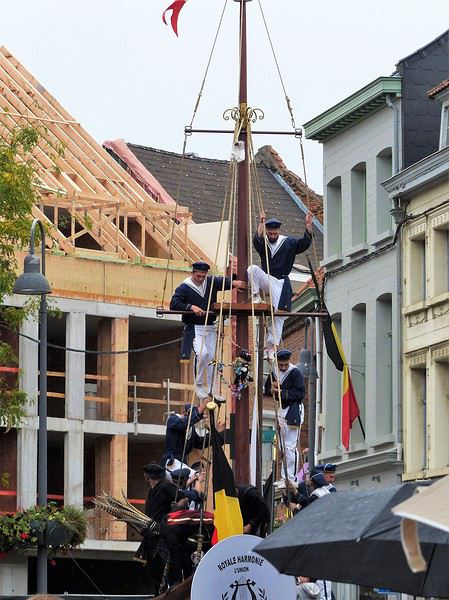
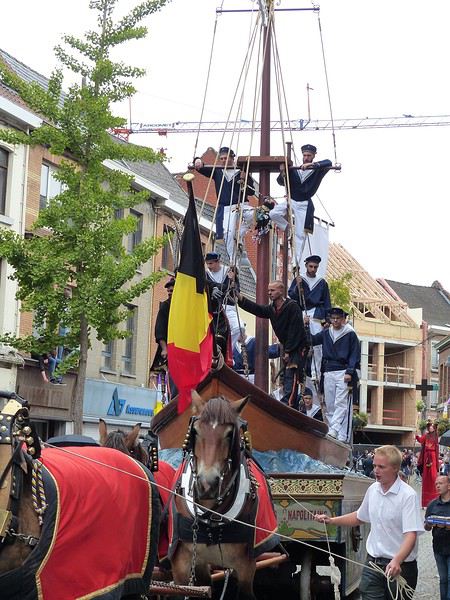
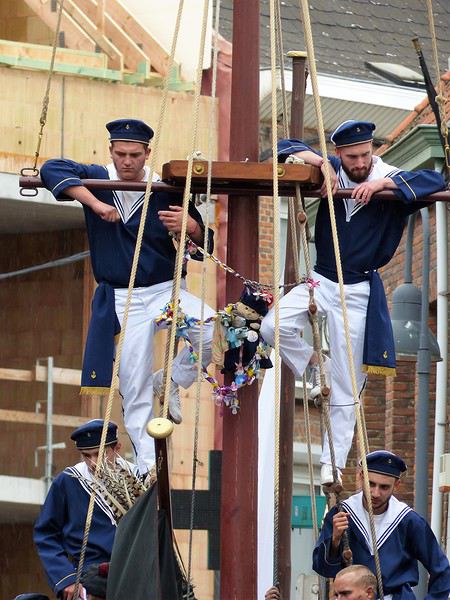
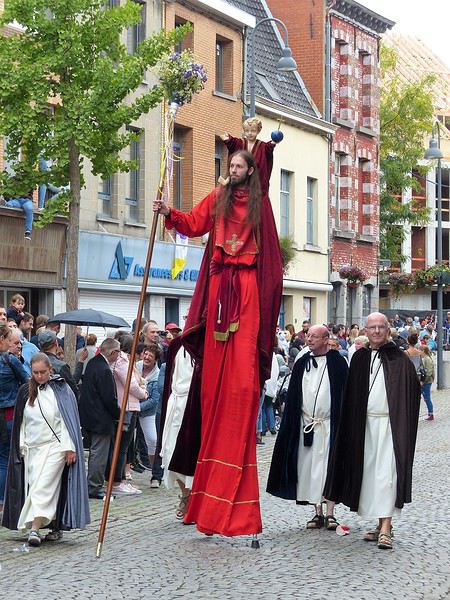
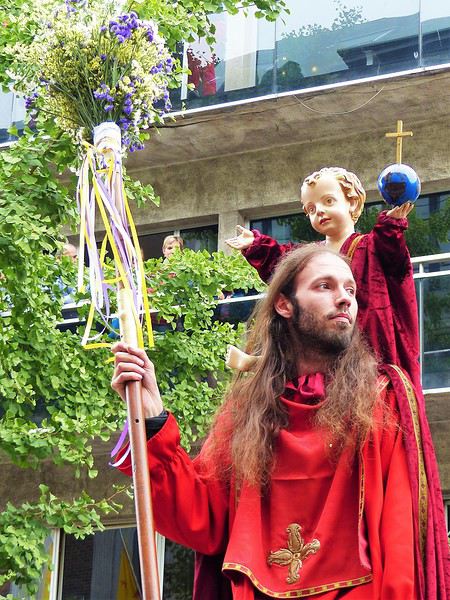
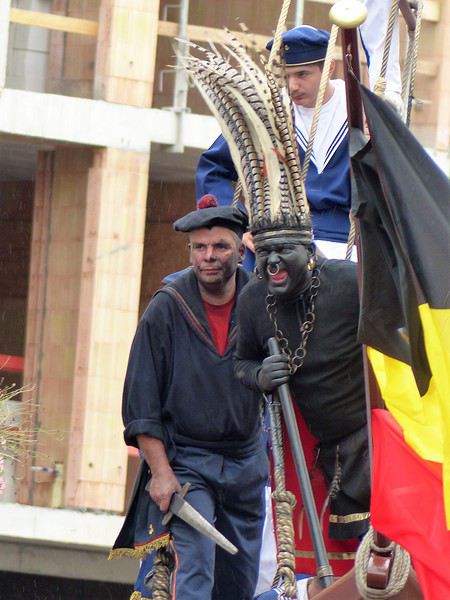 It’s followed by a human giant on stilts: "Saint Christopher of Flobecq," holding a flowered staff and carrying Christ on his shoulders (this time, not a real child!). It appeared in the 19th century, then disappeared from the procession before being reintroduced in 1976.