Un très beau voyage en dehors des circuits traditionnels
Jour 1 : Europe -> Seattle a.m. : - vol vers Seattle
- Sky Light Rail pour aller Downtown
p.m. : - Balade en front de mer par Alaskan Way – beau point de vue du Bell Street Pier (le port, la ville, le Mt Rainier)
- Croisière dans le port (Argosy Cruise : City Tour 1h)
- Nuit dans le quartier de Belltown (très central et pratique pour les visites)
Jour 2 : Seattle
a.m. : - South Lake Union : Center for Wooden Boats (bateaux anciens au bord du lac)
- Space Needle (montée à la tour pour la vue panoramique sur toute la baie et les montagnes)
- Chihuly Garden Glass (sculptures monumentales en verre) + déjeuner
p.m. : - Queen Anne : Couterbalance (maisons victoriennes) & Kerry Park (vue sur Seattle et Mt Rainier)
- Olympic Sculpture Park pour le coucher du soleil
Jour 3 : Seattle
a.m. : - Pioneer Square (quartier historique avec maisons en briques rouges, Occidental Square, Pioneer Place et totem)
- Fremont (bus 62) : . Village alternatif au-delà de Lake Union et circuit sculptures « Waiting for the Interurban » + déjeuner
p.m. : - Ballard (bus 40) : . Hiram Chittenden Locks (écluses entre Lake Washington et Lake Union)
- Discovery Park (au sommet d’une falaise au-dessus de Puget Sound, forêt primaire, West Point Lighthouse, vues sur détroit et Monts Olympiques) (la balade n'a aucun intérêt mais la plage à côté du phare est un bon endroit pour prendre l'apéro - à amener - au coucher du soleil)
Jour 4 : Seattle
a.m. : - Pike Place Market + déjeuner au marché
p.m. : - Seattle Art Museum (collections américaines modernes et amérindiennes)
- Parcours urbain 4ème avenue
Jour 5 : Seattle
a.m. : - Location d’une voiture pour le reste du séjour
- University of Washington (à faire un jour de semaine)
- Gas Works Park (collines au bord de Lake Union avec vues sur gratte-ciel de Downtown et marinas + déjeuner
p.m. : - Visite des usines Boeing (à faire un jour de semaine)
Jour 6 : Seattle – Northwest Trek Wildlife Park – Enumclaw
a.m. : - Northwest Trek Wildlife Park (pas essentiel mais ça permet d’observer les animaux qu’on ne verra pas nécessairement dans la nature) + pique-nique
p.m. : - Mount Rainier : Carbon River (loop trail qui offre une 1ère belle découverte de la forêt humide)
- Nuit à Enumclaw (pas la ville la plus riante mais pratique avant d'entrer dans le parc du Mt Rainier)
Jour 7 : Mount Rainier
a.m. : - Mount Rainier : White River + Sentier d’Emmons Moraine (belle balade de 3h)
p.m. : - Sunrise Point + Emmons Vista + pique-nique
- Hot Springs (sources chaudes mais pas de baignade)
- Reflection Lake (où se reflète le Mt Rainier) et Louise Lake (splendide en fin de journée)
- Nuit à Longmire
Jour 8 : Mount Rainier
- Nisqually Paradise Road
- Skyline Trail jusqu’au Panorama Point (vues sur glaciers et Mt Adams et St Helens) (splendide randonnée en boucle de 4h30-5h) + pique-nique
- Narada Falls
- Nuit à Ashford
Jour 9 : Mont St Helens
a.m. : - Mount St Helens : . Bear Meadows (point de vue)
- Harmony Trail (belle balade de 1h jusqu’au Lake Spirit avec vue sur le cratère)
- Windy Ridge View Point (montée sur la colline pour vue à 360°) + pique-nique
p.m. : - Meta Lake
- Ape Cave (grotte sous coulée de lave)
- Belvédère du Lahar (paysage façonné par les coulées boueuses) (pas essentiel)
- Nuit à Portland
Jour 10 : Portland
a.m. : - Pioneer Courthouse Square, Cultural District et sud de Pearl District
- Déjeuner à un food cart près du départ du « tram »
p.m. : - Portland Aerial Tram (téléphérique pour vue sur la ville)
- Japanese Garden
- International Rose Test Garden
- Pittock Mansion (vue)
- Nuit à Portland
Jour 11 : Portland -> Pacific City
a.m. : - Pearl District (bâtiments en brique rouge)
- Chinese Garden
- Waterfront
- route vers Pacific City
- Balade et déjeuner à Mc Minnville, petite ville qui ne manque pas de charme (se trouve là l'Evergreen Aviation & Space Museum qui vaut le voyage apparemment mais nous n'y avons pas été)
p.m. - Pacific City : belle balade sur les dunes de Cape Kiwanda
- Nuit à Pacific City
Jour 12 : Pacific City -> Cannon Beach
a.m. : - Cape Lookout S.P. (balade de 2h30 sans intérêt majeur)
- Cape Meares S.V. (phare, vue sur les Three Arch Rocks, Octopus Tree)
- Arrêt à Garibaldi, petit port de pêche pittoresque + déjeuner
p.m. : - Oswald West S.P.
- Hug Point (superbe plage avec rochers au coucher du soleil) et Arcadia Beach
- Nuit à Cannon Beach, très belle station balnéaire
Jour 13 : Cannon Beach -> Lake Quinault
a.m. : - Haystack (plage)
- Ecola S.P.
- Indian Beach (très belle plage) et Clatsop Trail (balade de 2h pas d’un intérêt majeur)
p.m. : - Promenade en front de mer à Astoria et downtown + déjeuner
- Route vers Lake Quinault
- Nuit au Lake Quinault
Jour 14 : Lake Quinault -> Hoh Valley (Olympic N.P.)
a.m. : Olympic N.P. : - Queets River Road (rain forest) et Sam Loop Trail (étonnante balade de 1h30 dans une belle forêt humide)
- Côte près de Kaloloch : Rudy Beach, superbe plage avec rochers et bois échoués + pique-nique
p.m. : - Hoh Rain Forest : . Hall of Mosses (belle balade de 3/4h dans la forêt humide)
- Spruce Nature Trail (1/2h)
- Nuit à Forks
Jour 15 : Hoh Valley -> Lake Crescent (Olympic N.P.)
a.m. : - Neah Bay : . Makha Cultural & Research Center (musée indien intéressant et bien présenté)
- Balade au Cape Flattery (très beau site sauvage et venteux)
- Déjeuner à un food cart
p.m. : Olympic N.P. : - Sol Duc Hot Springs : observation des saumons qui remontent la rivière (extraordinaire) + balade vers les cascades (possibilité de baignade aux sources)
- Nuit au Lake Crescent
Jour 16 : Lake Crescent -> Seattle
a.m. : - Hurricane Ridge (point de vue sur les sommets des Monts Olympic, détroit de Fuca et Vancouver) + balade en boucle
- Déjeuner à Port Angeles
p.m. : - Retour à Seattle par Puget Sound et Bainbridge Island (ferry)
- Nuit à Seattle (près de l’aéroport)
Jour 17 : Seattle -> Europe
N.B. : - Nous avions le temps et avons passé 4 ½ jours à Seattle, ce qui est beaucoup. Pour voir l’essentiel, deux jours suffisent en faisant la croisière dans le port, montant à Space Needle, visitant Pioneer Square et Queen Anne, flânant au Pike Place Market. Pas besoin de voiture, transports en commun bien organisés.
- Portland est une belle ville mais sa visite ne présente pas d’intérêt majeur après celle de Seattle.
- Nous avons bien pris le temps aussi au Olympic National Park mais il y a moyen de réduire d’un jour. Au total, ce séjour peut facilement être raccourci de 4 jours.
- C’est un très beau voyage qui sort des circuits traditionnels. Les sites sont par conséquent beaucoup moins fréquentés.
Original post

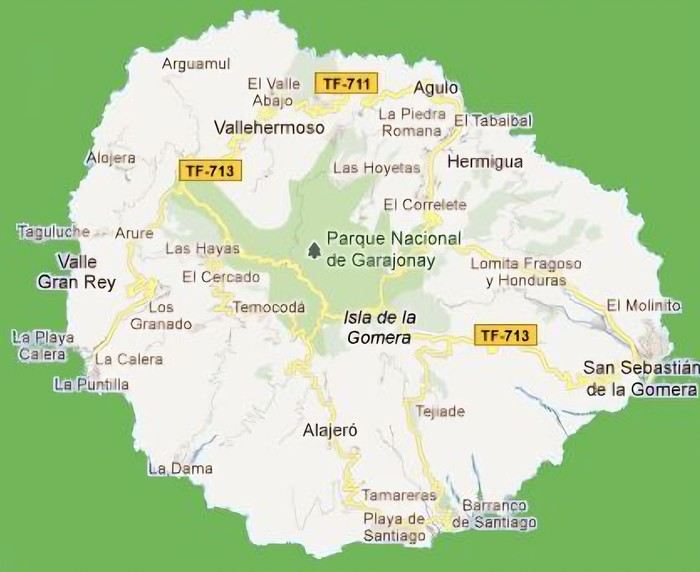 The large solidified magma massifs that shape the heart of the island have created a large depression more protected from the sun at its center, allowing the growth of a vast laurel forest, today grouped within the Garajonay National Park, La Gomera’s green lung, which has earned it the status of a World Biosphere Reserve. Its completely European appearance contrasts sharply with the rocky and tropical landscapes of the rest of the island. Thus, the climate varies greatly from one point to another on the island: in summer, you can quickly go from a dry and sunny valley at 35°C to a humid forest area at altitude at 18°C.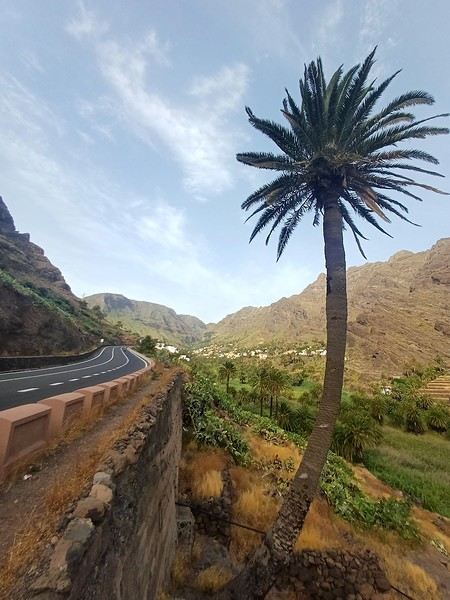

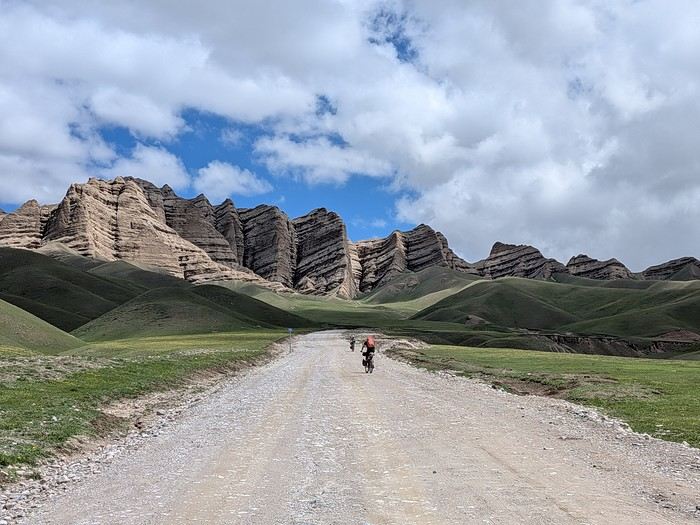
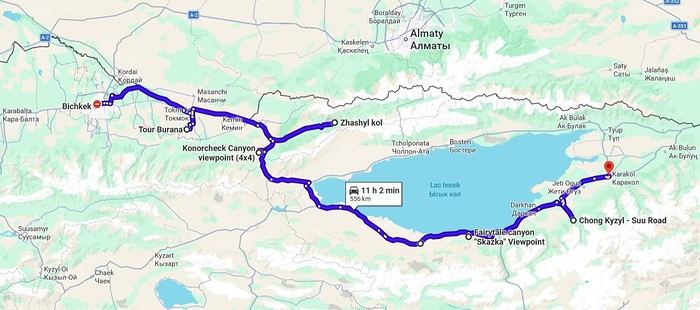
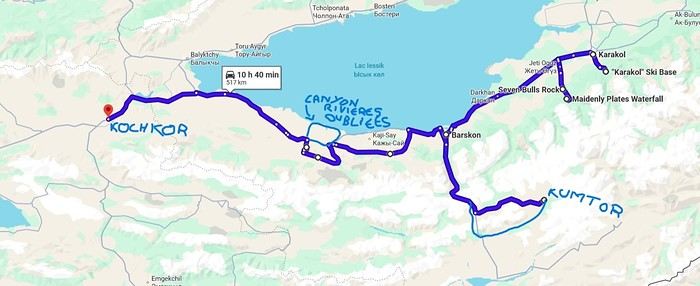
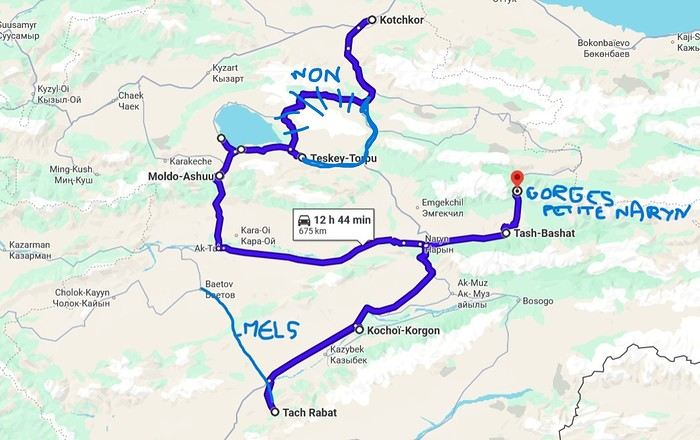
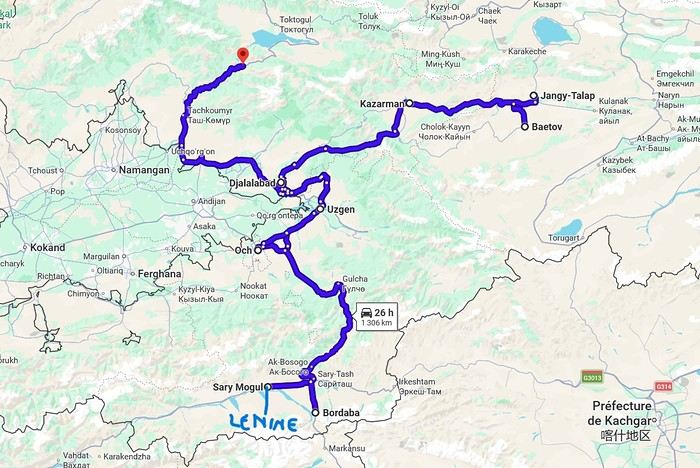
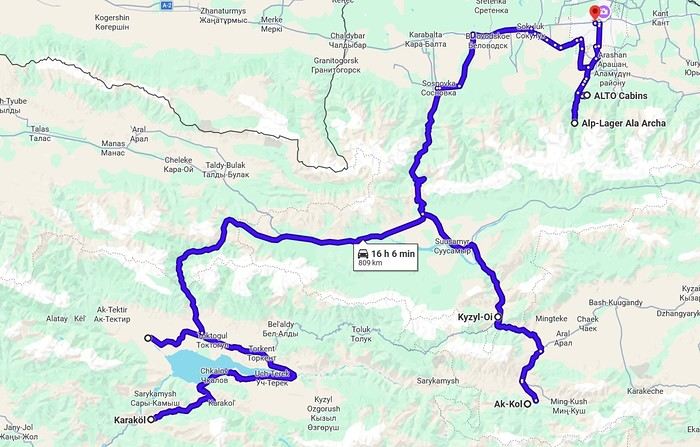




 Come along, I'm taking you to this country where it's so nice to wander and slow down...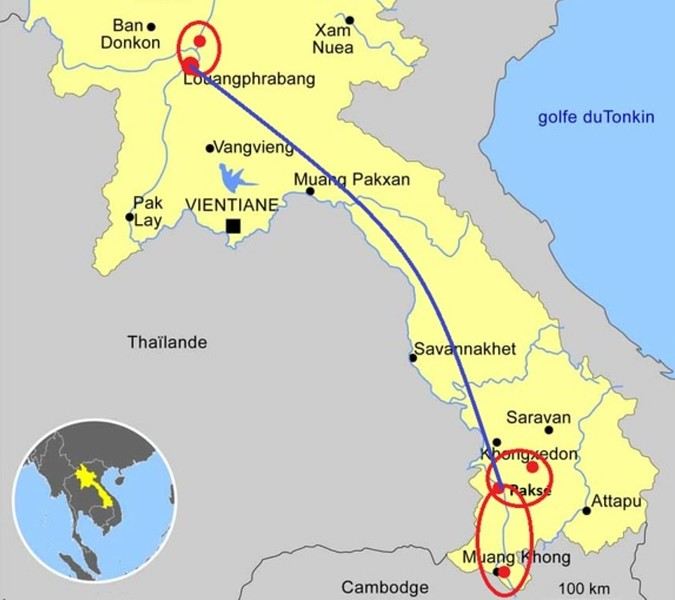

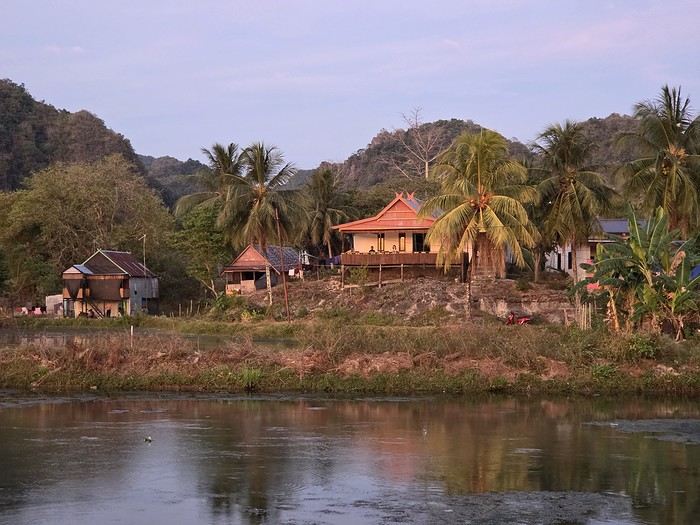
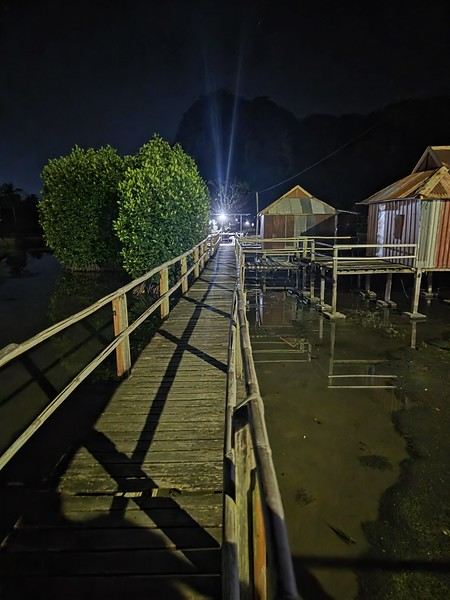
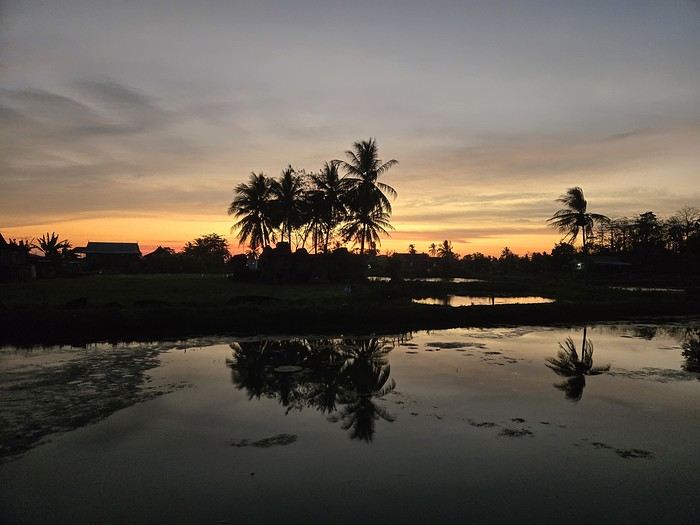
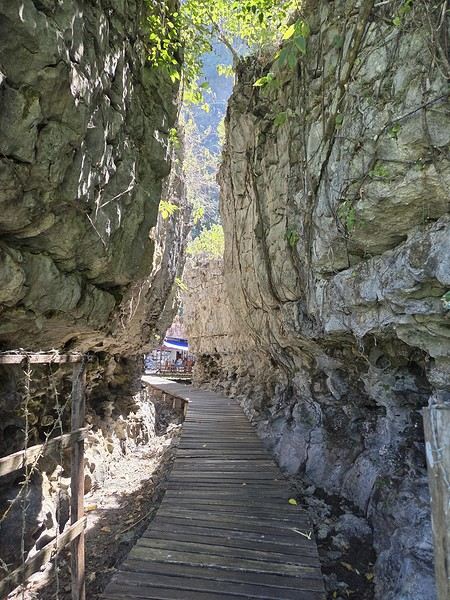
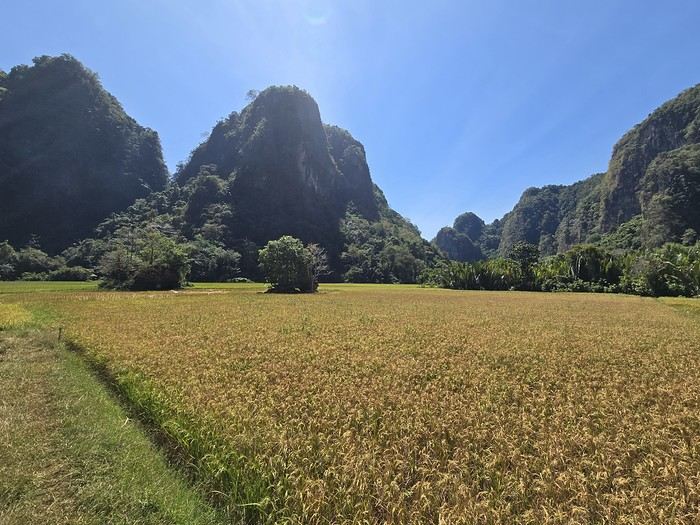
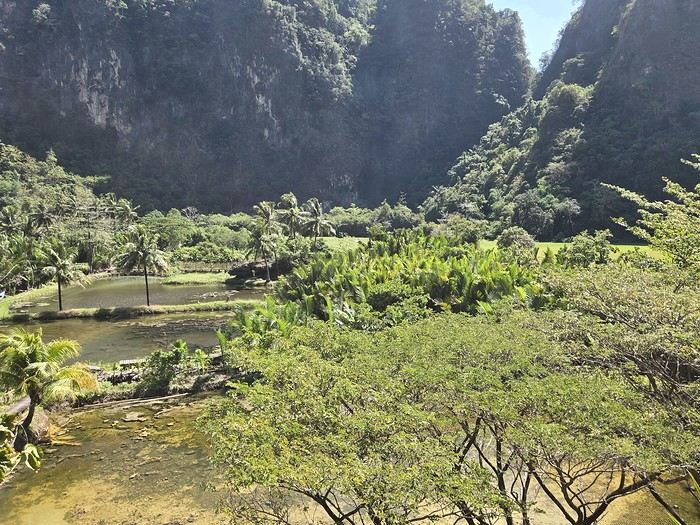
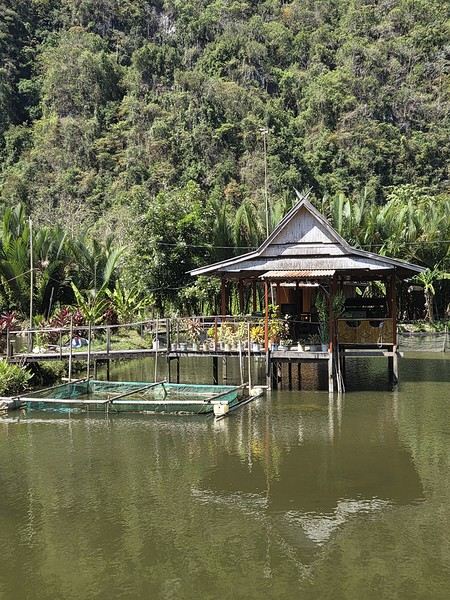
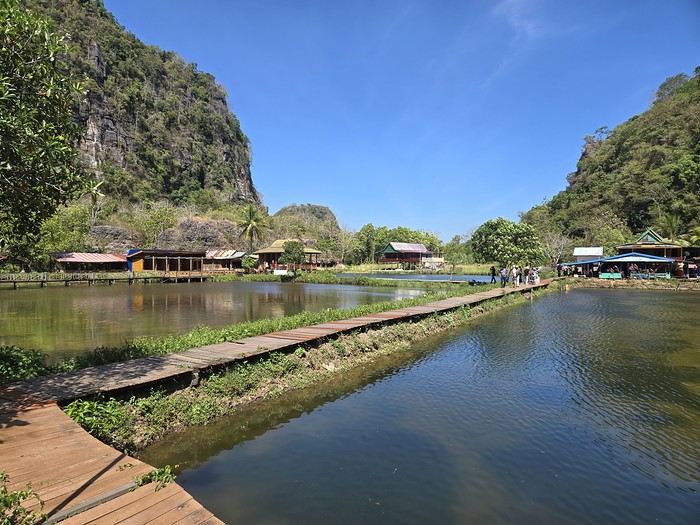
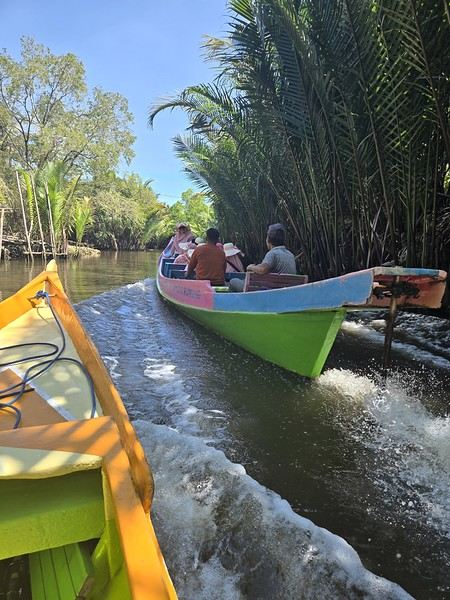 The karst site:
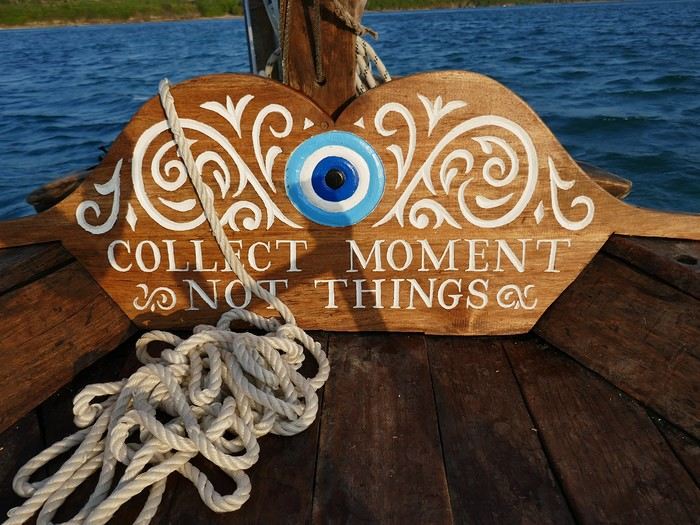
 (In the heart of Albergheria, on a street every visitor walks down—lovely message from an unidentified artist)


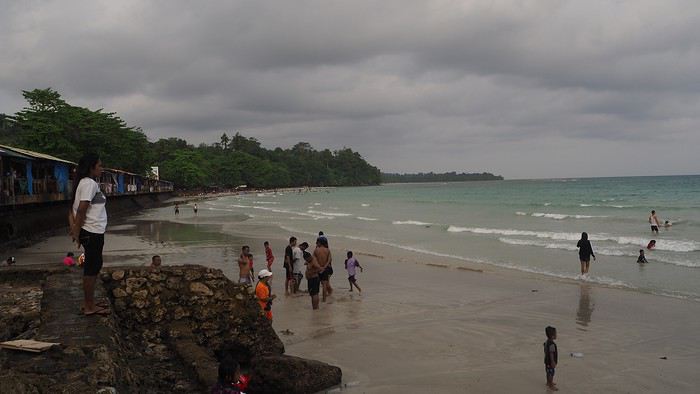
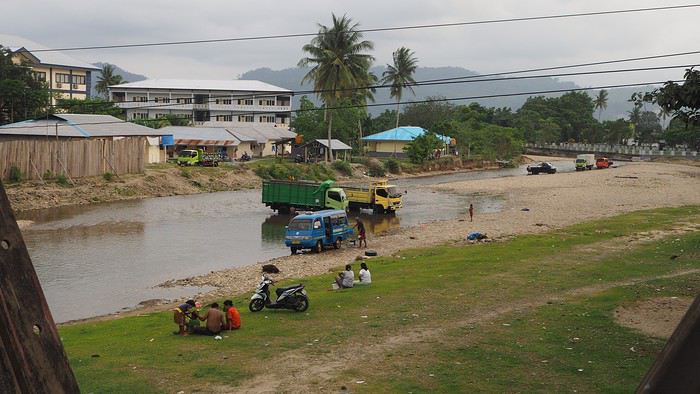
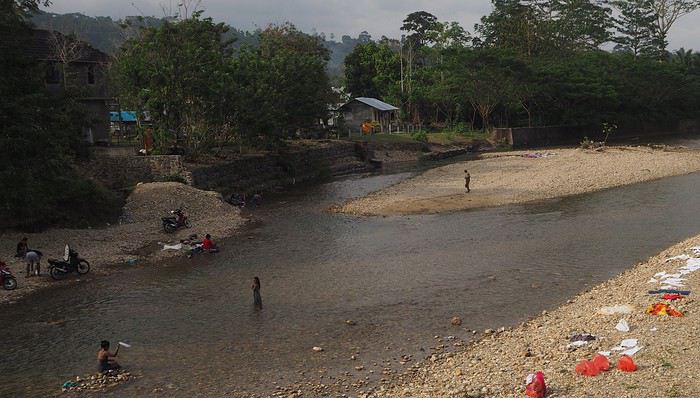 Laundry and trucks washed in the same stream.
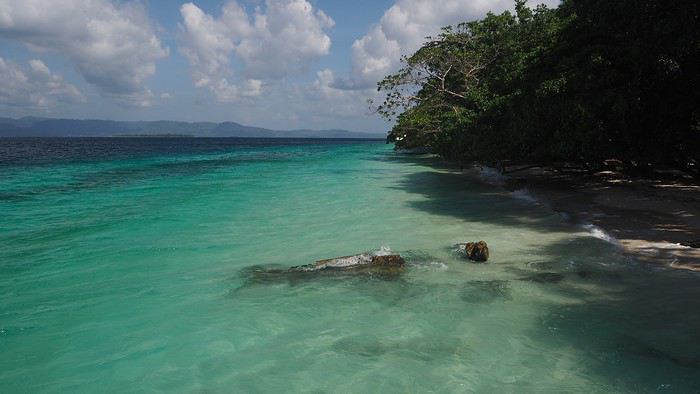
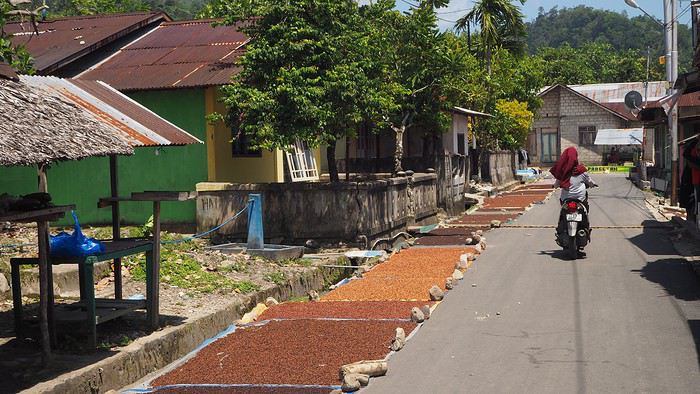
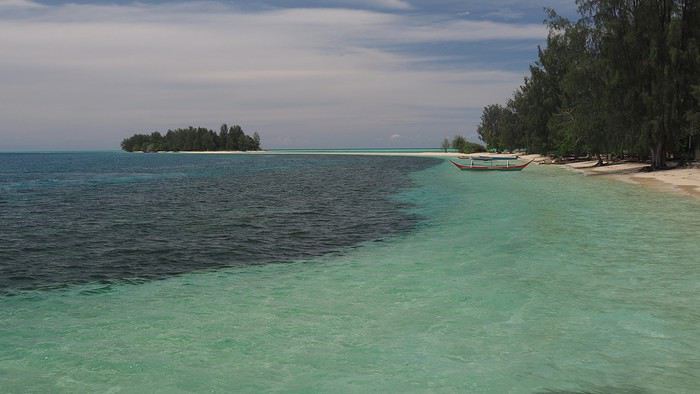
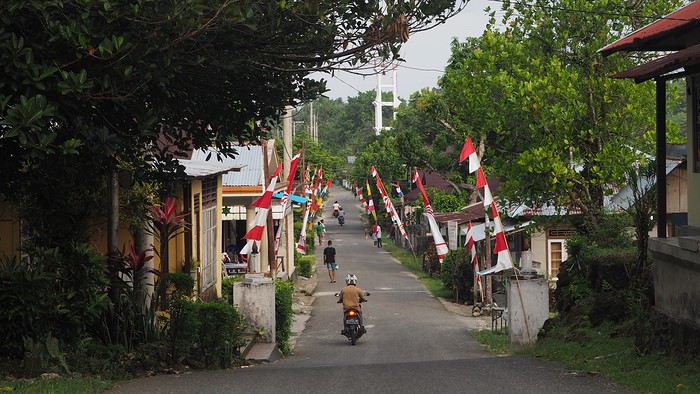
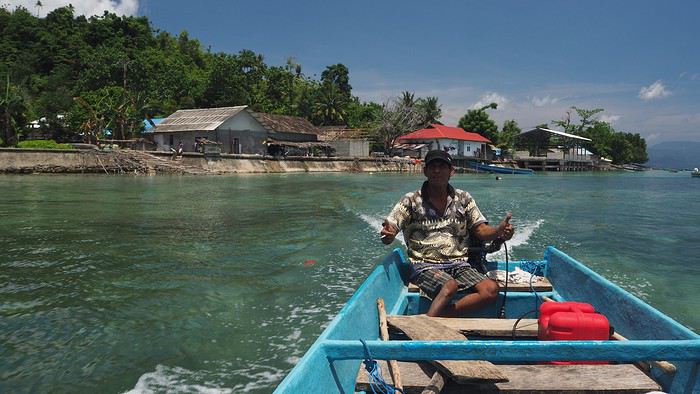
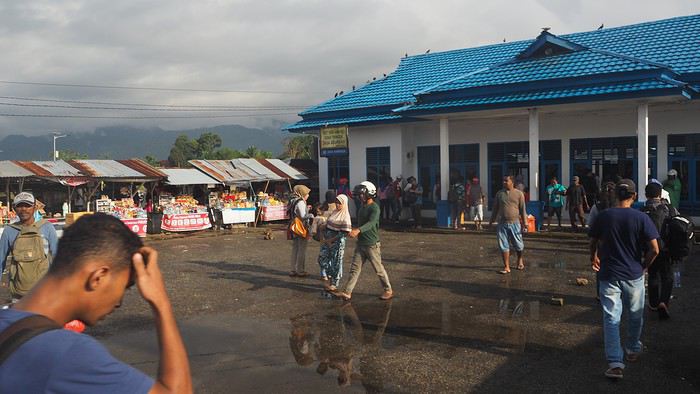
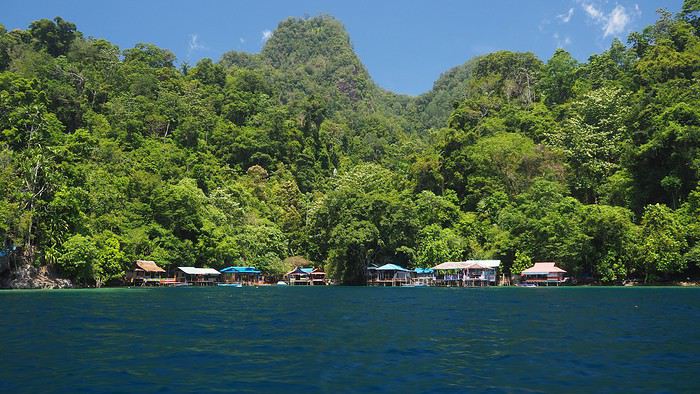 We’re greeted dozens of times with “Hello Mister”—a daily routine in the Moluccas. Every time we stop, we pose for photos to be saved on locals’ smartphones. They don’t see tourists often.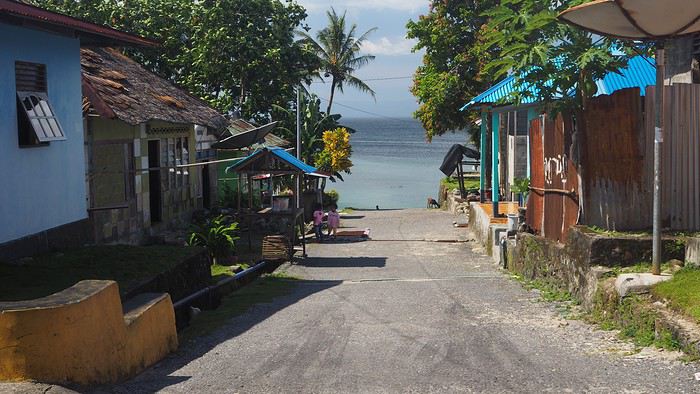




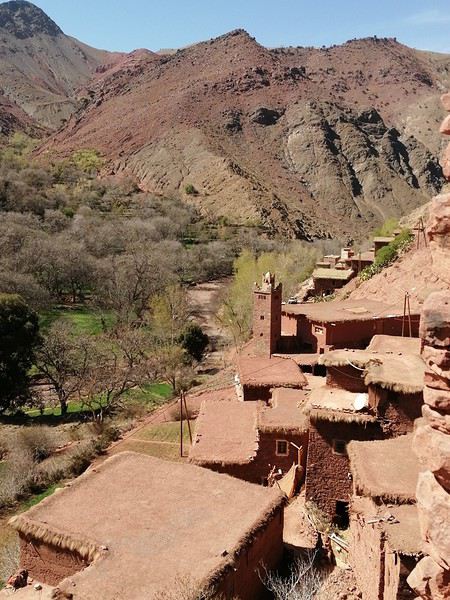
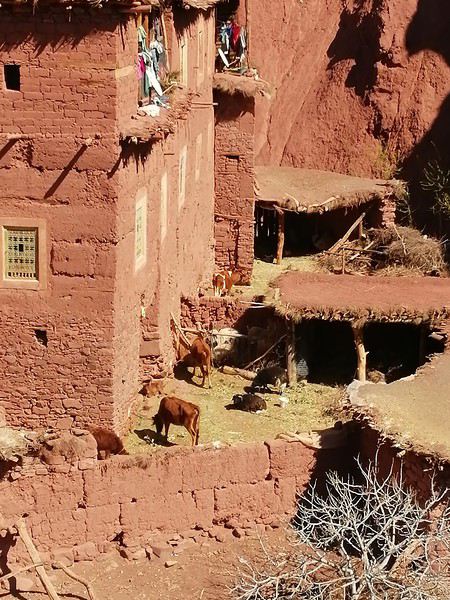
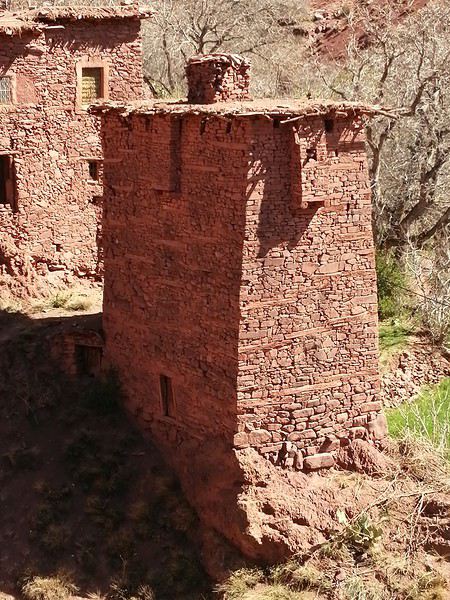
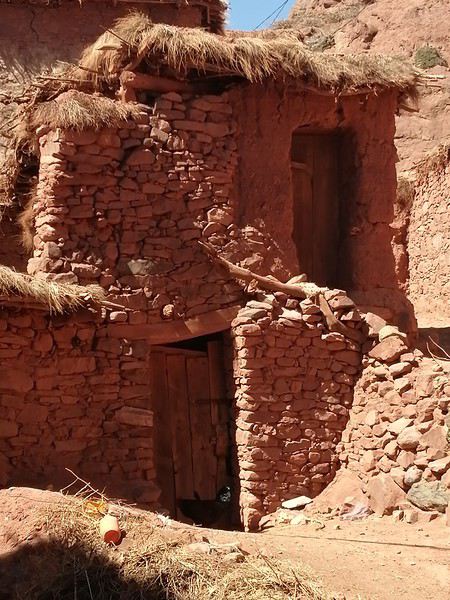 Several magnificent collective granaries have been beautifully restored. The warm colors of the stone capture the light wonderfully. It’s stunning!
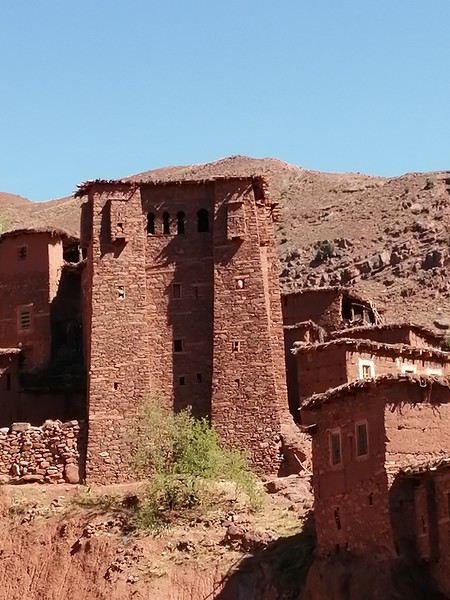

 A little sneak peek?