Here’s my feedback from my trip to Slovakia this summer. It’s a really great destination, still off the beaten tourist track, and perfect if you love old stones and hiking. Super budget-friendly too!
When: July 3–17, 2019 Flight tickets CRL-BTS: 60 € per person with Ryanair, booked 4 weeks in advance Accommodation budget: 601 € (double room with private bathroom, no breakfast) Car rental: Škoda Fabia for 180 € for 14 days with Budget + 90 € for gas (about 1300 km) GPS: Google Maps on my phone, routes saved and available offline Cost of living: 4.50 € for a plate of bryndzové halušky (gnocchi with sheep cheese), 1.50 € for a half-liter of beer (alcoholic or non-alcoholic)
To prepare for this first road trip, since I started planning in June and the destination was chosen based on the flight price (thanks, Skyscanner!), I drew a lot of inspiration from this thread: voyageforum.com/...-slovaquie-d6596505/
Itinerary: Wednesday, July 3: Arrival in Bratislava, picked up the car, visited and stayed overnight in Pezinok Thursday, July 4: Visited Červený Kameň and Trnava on the way to Trenčín, stayed overnight in Trenčín Friday, July 5: Visited Trenčín and stayed overnight in Trenčín Saturday, July 6: Visited Bojnice on the way to the Malá Fatra, stayed overnight in Terchová Sunday, July 7: Hiked in the Malá Fatra (Jánošíkove Diery trail), stayed overnight in Terchová Monday, July 8: Visited Vlkolínec, Oravský Podzámok, Zuberec on the way to Poprad, stayed overnight in Poprad Tuesday, July 9: Visited Spišská Sobota, hiked around Tatranská Lomnica, stayed overnight in Poprad Wednesday, July 10: Hiked near Štrbské Pleso, stayed overnight in Poprad Thursday, July 11: Visited Kežmarok, stayed overnight in Poprad Friday, July 12: Hiked in Slovenský raj (Suchá Belá trail), stayed overnight in Poprad Saturday, July 13: Visited Levoča and Spiš Castle on the way to Košice, stayed overnight in Košice Sunday, July 14: Visited Košice and drove to Banská Štiavnica, visited and stayed overnight in Banská Štiavnica Monday, July 15: Originally planned to return to Bratislava in the morning, but we ended up spending the day in Banská Štiavnica, stayed overnight in Bratislava Tuesday, July 16: Visited Bratislava and stayed overnight Wednesday, July 17: Bratislava, returned to Charleroi
If I were to do it again: - I’d spend one less night in Trenčín. The castle and old town can be seen quickly; - And I’d spend an extra night in the Malá Fatra. I’m even thinking of going back for a full week just to hike there. The accommodation was perfectly located and very comfortable: www.montanask.eu/; - I’d bring a down jacket for hiking in the Tatras. We had 12°C and rain 4 out of 5 days; - I’d spend more time in Banská Štiavnica, the real highlight of this trip; - The drive between Košice and Banská Štiavnica was too long; it should’ve been split into two; - I didn’t visit any wooden churches—another reason to go back!
Random notes: - Slovakia is 1.5 times the size of Belgium but has half the population. As a result, cities are a manageable size and not overcrowded, and you come across tiny villages very often. - The historic centers are generally well preserved, but I’m disappointed that not all of them are pedestrian-only. Seeing a car parked in front of a UNESCO-listed building is a bit of an eyesore. - Speaking of cars, most parking lots are paid and expensive (1 € or 2 € per hour). Be sure to look up free parking spots using Google Maps, Tripadvisor, etc. - So, around Poprad, leave your car at the hotel and take the mountain train that stops at all the ski resorts in the High Tatras. A day pass costs 4 €, and a weekly pass is 16 €—much cheaper than daily parking. - Nature is everywhere and perfect for hiking: primeval forests, via ferratas, high mountains—you’re spoiled for choice. - Tourism felt very “local” to me; I got the impression that Slovaks travel and hike a lot within their own country. - I visited many castles (Červený Kameň, Bojnice, Trenčín, Oravský Podzámok, Kežmarok, Spiš, Banská Štiavnica), and no two were alike. Unfortunately, for many, guided tours are mandatory and only available in Slovak. Still, expect to pay between 7 € and 10 € for entry. - Same goes for the silver mines in Banská Štiavnica: the visit was basically a 2 km underground walk with stops for explanations that were incomprehensible but sounded interesting. - You eat well and cheaply, especially in *kolibas*—log cabins serving traditional dishes. Fun fact: the weight of the dish is listed on the menu. - The local wines are excellent and often sold by the deciliter (1 dl = 0.70 €). Don’t hesitate to take the wine route near Pezinok, but beware—zero tolerance for drinking and driving. - From Bratislava, between June and September, you can go to Vienna by taking a Danube cruise. By road or train, Vienna is only an hour away from the Slovak capital. So, if flights to Vienna are too expensive, consider a detour via Bratislava, which can be visited very quickly.
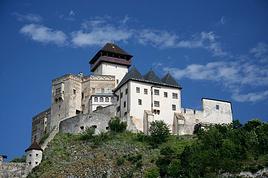
In pictures: Trenčín Castle

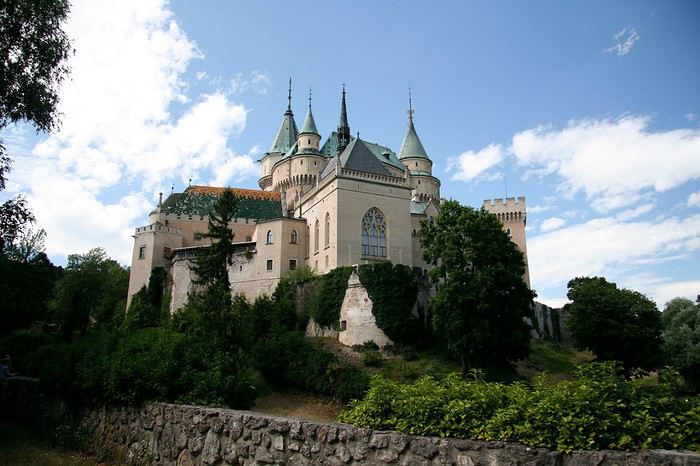
Bojnice Castle
Hiking in the Malá Fatra

Vlkolínec (UNESCO World Heritage site)
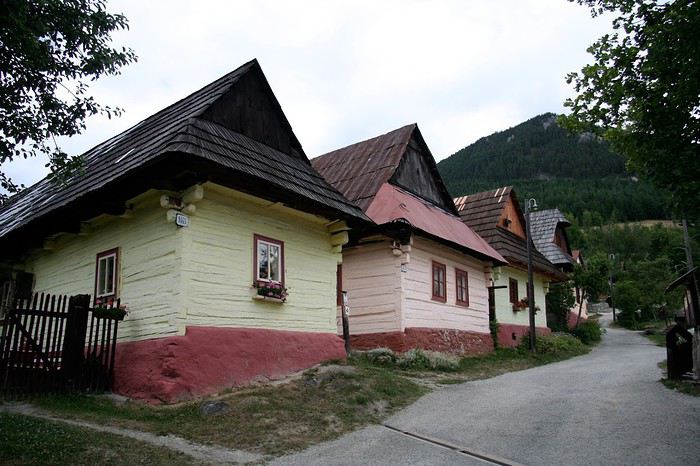
Oravský Podzámok

Zuberec
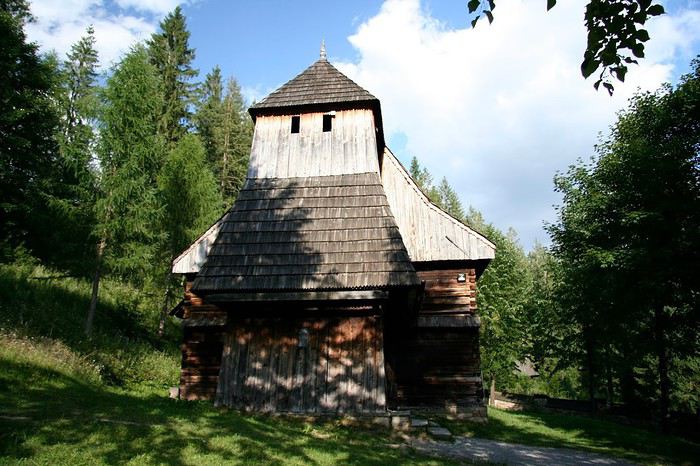
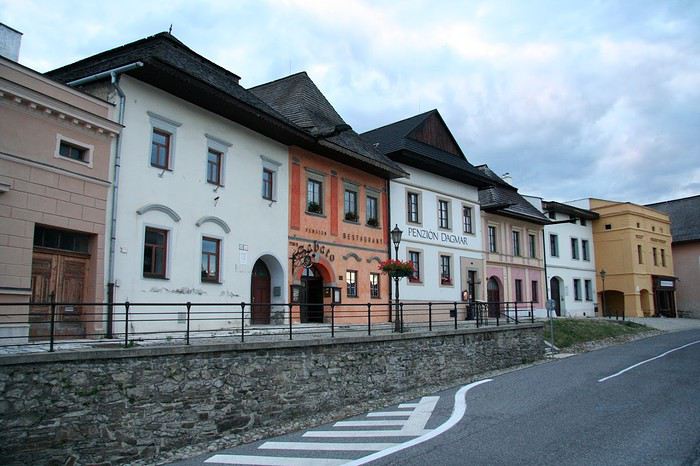
Spišská Sobota
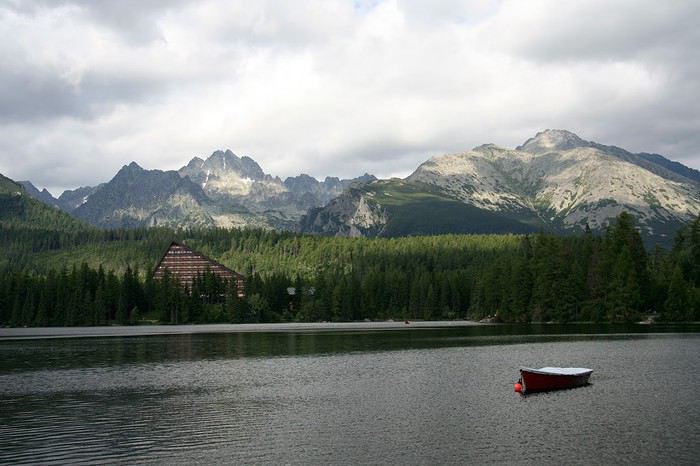
Štrbské Pleso
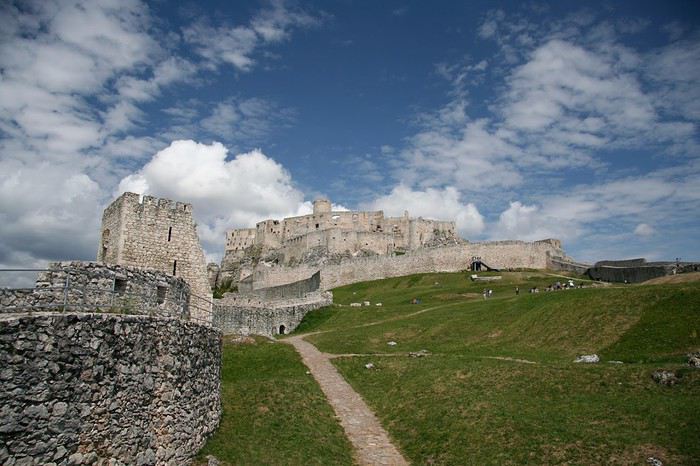
Spiš Castle
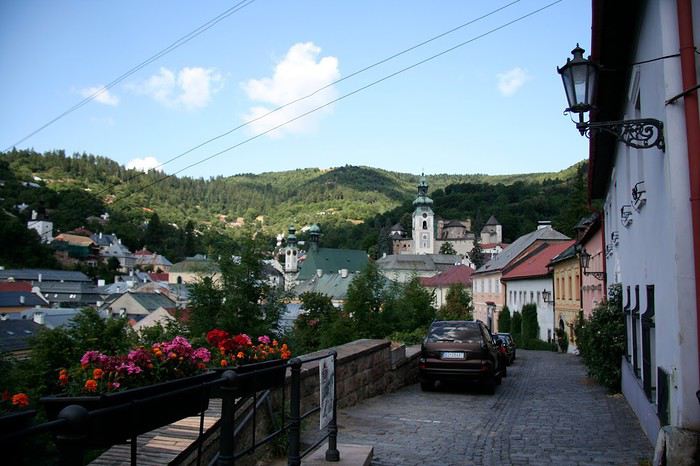
Banská Štiavnica (UNESCO World Heritage site)
Bratislava






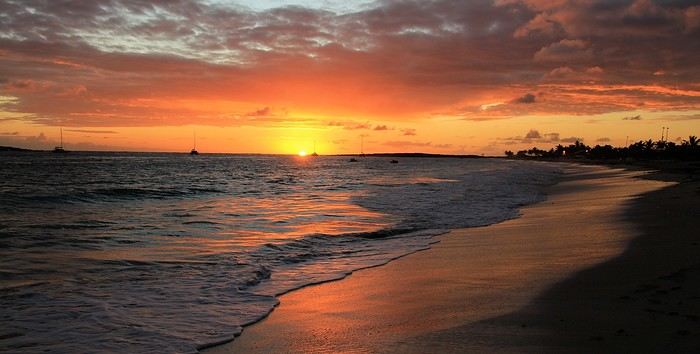
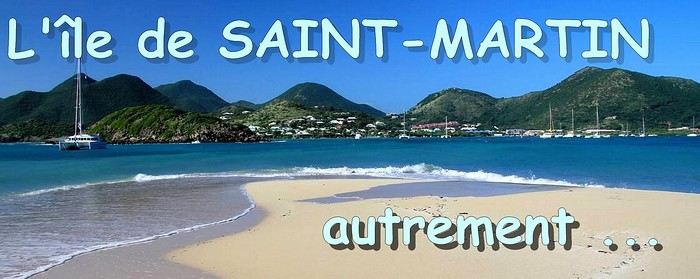 When it comes to the Caribbean island of Saint-Martin, it's customary to praise its coastline and dreamy beaches—and they certainly deserve it.
But in this story, I’d like to highlight other memories, aspects, and impressions for a slightly different change of scenery.
Enjoy the read—some text and, above all, lots of photos.
« Byenveni sou zile Sen Maten! » (Welcome to the island of Saint-Martin)
When it comes to the Caribbean island of Saint-Martin, it's customary to praise its coastline and dreamy beaches—and they certainly deserve it.
But in this story, I’d like to highlight other memories, aspects, and impressions for a slightly different change of scenery.
Enjoy the read—some text and, above all, lots of photos.
« Byenveni sou zile Sen Maten! » (Welcome to the island of Saint-Martin)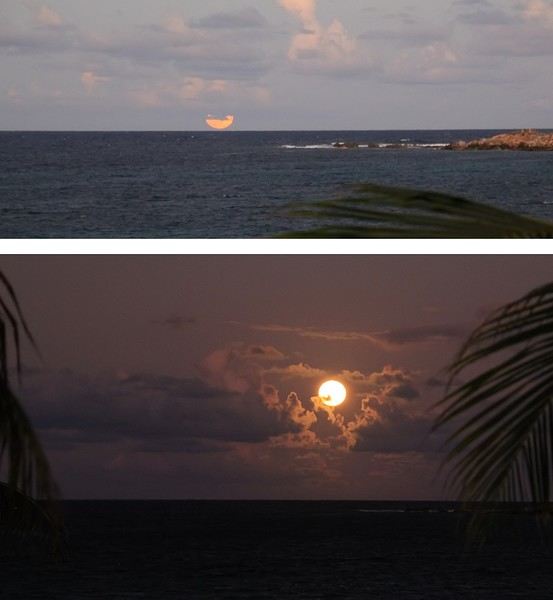


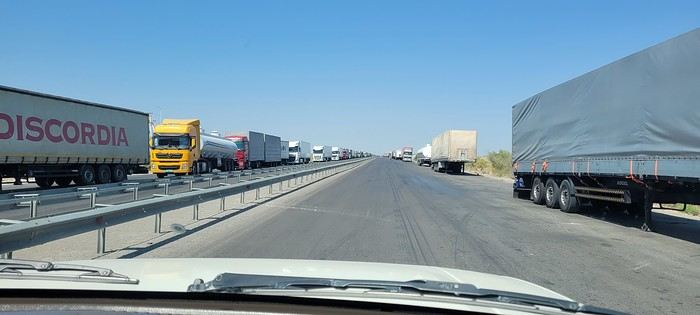
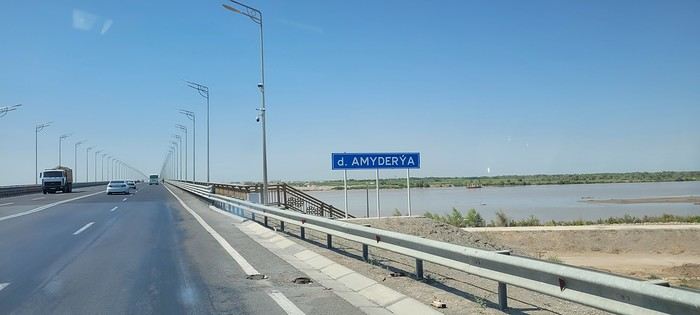
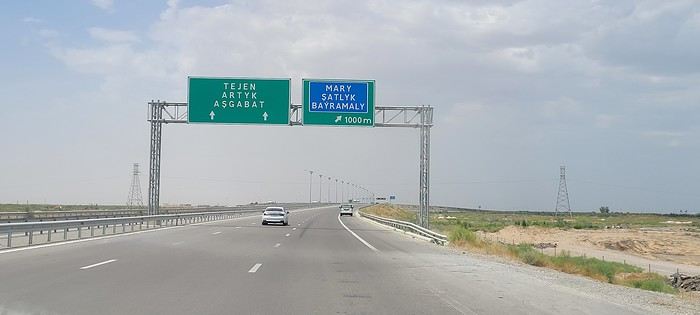
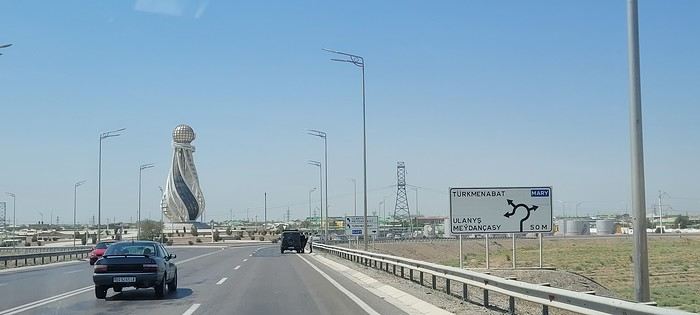
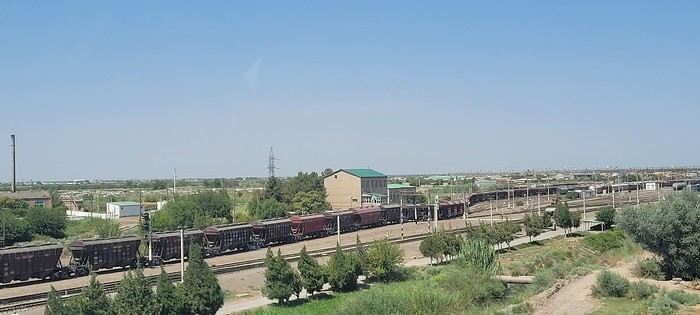
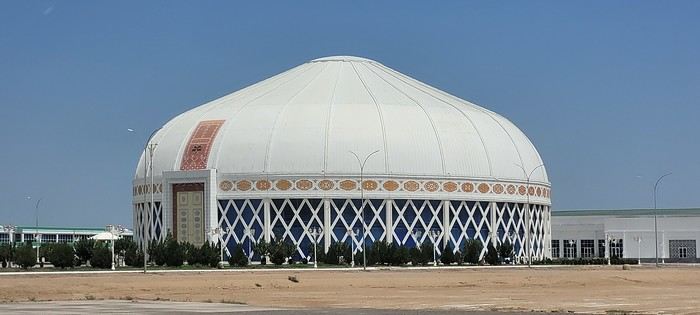
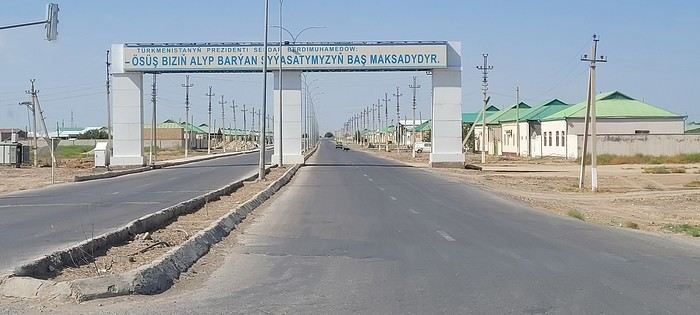
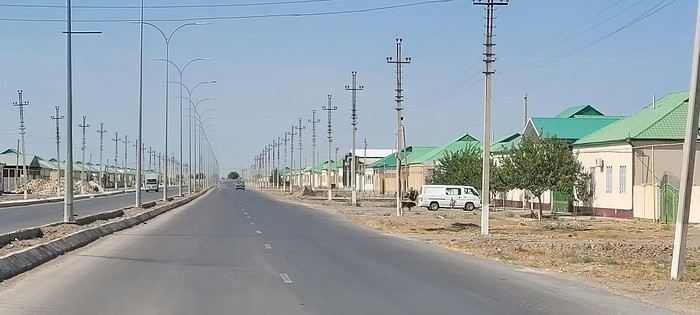 Roundabouts are particularly interesting because they feature emblems of Turkmen culture, like the dog, a carpet, the Ahal Teke horse, or Muslim symbols, even though the presence of Islamic artifacts is quite limited.
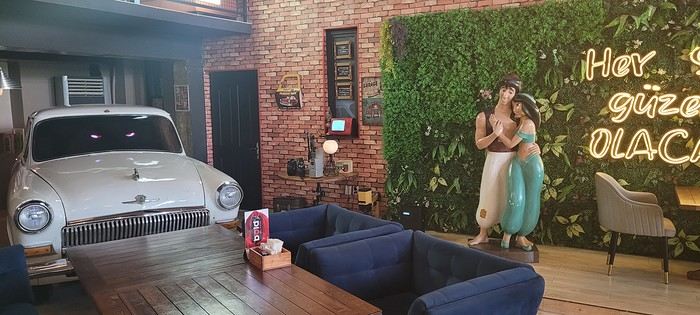



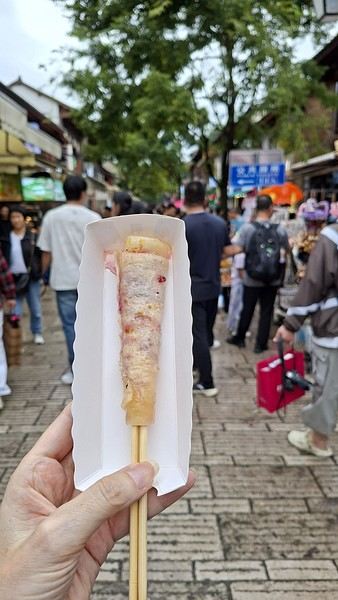
 Come along, I'm taking you to this country where it's so nice to wander and slow down...
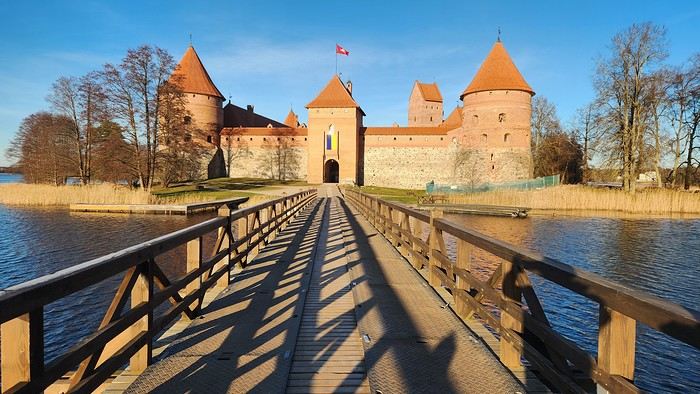
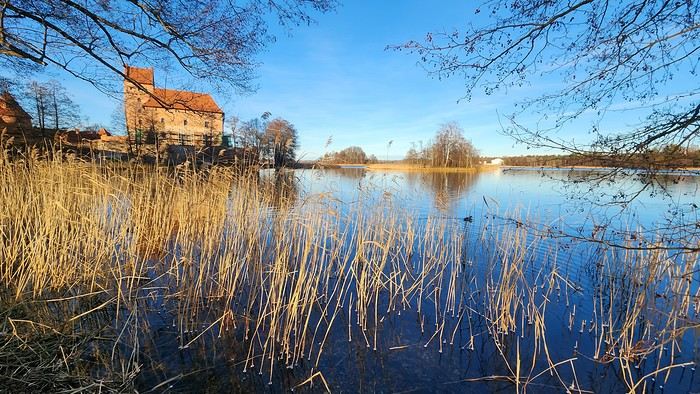
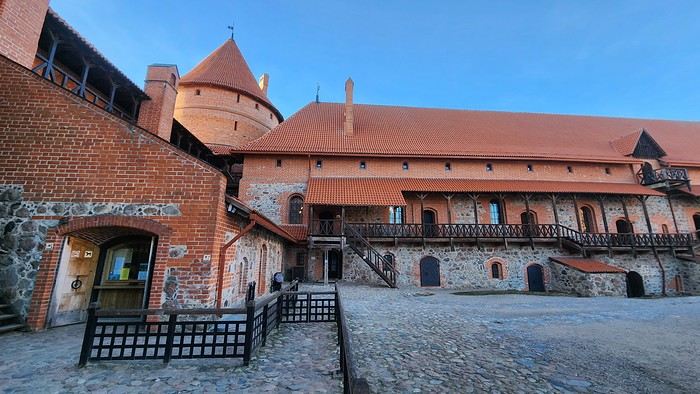
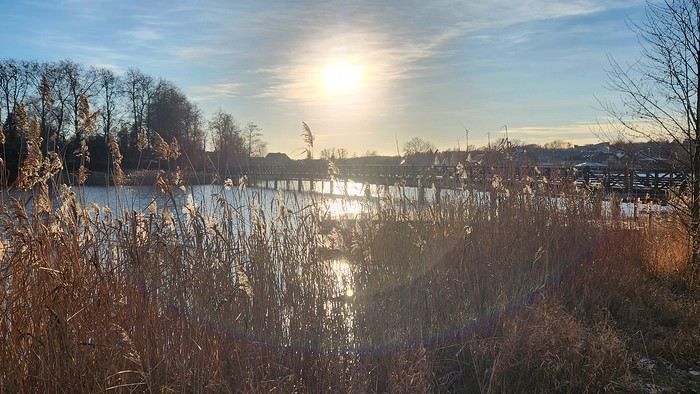


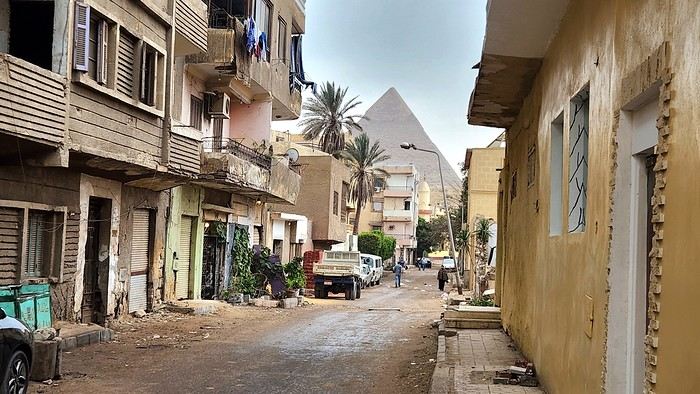
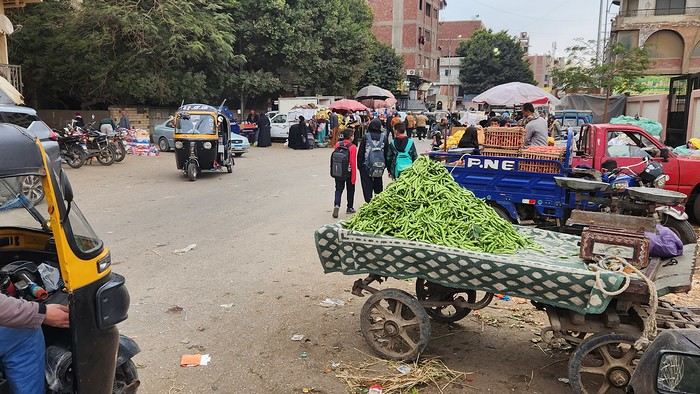
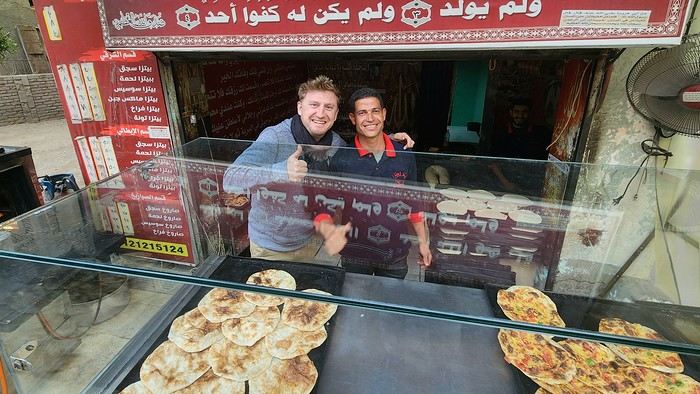
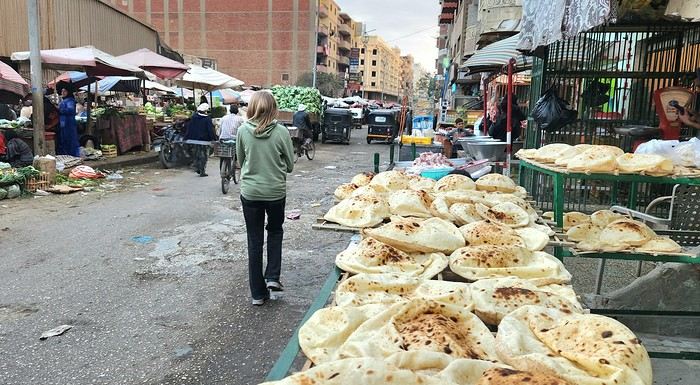
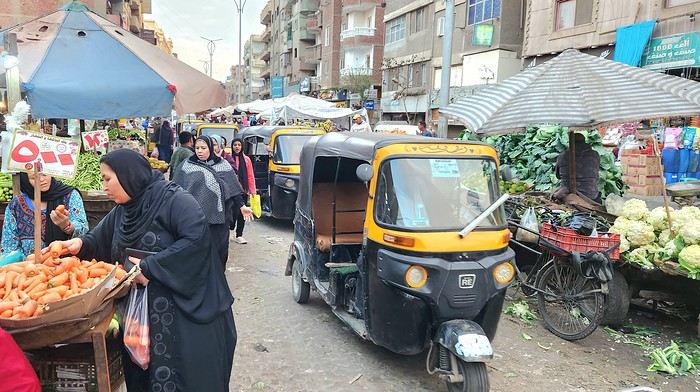
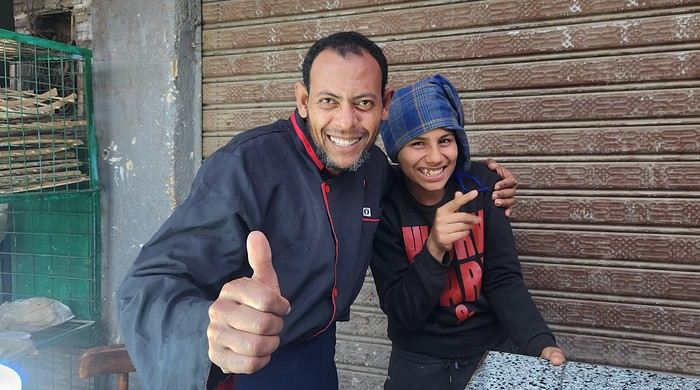
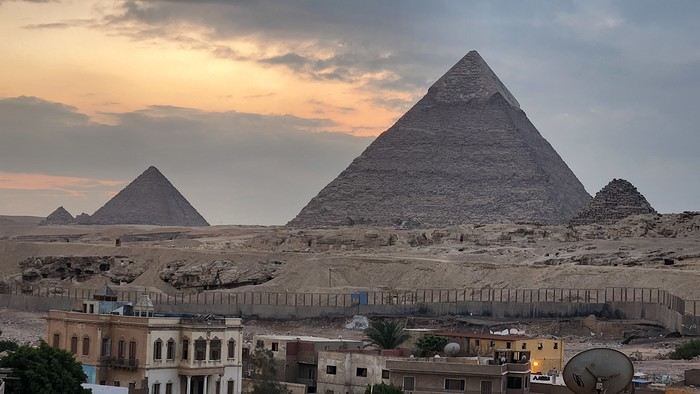
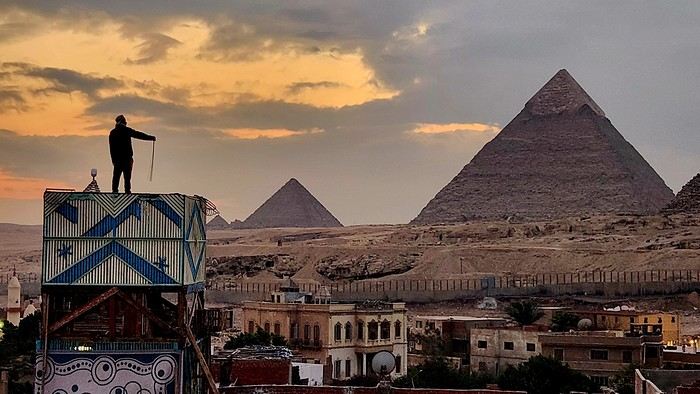
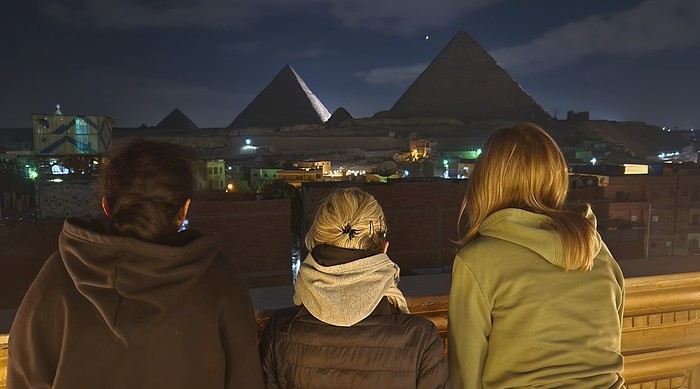
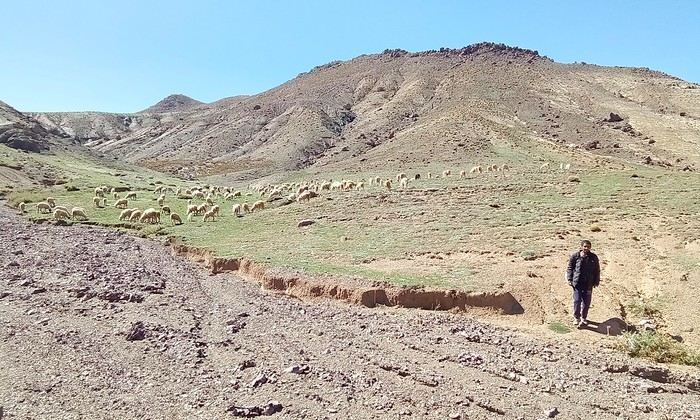
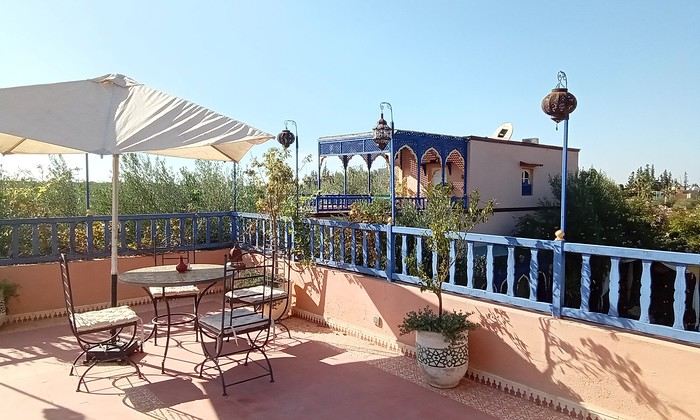
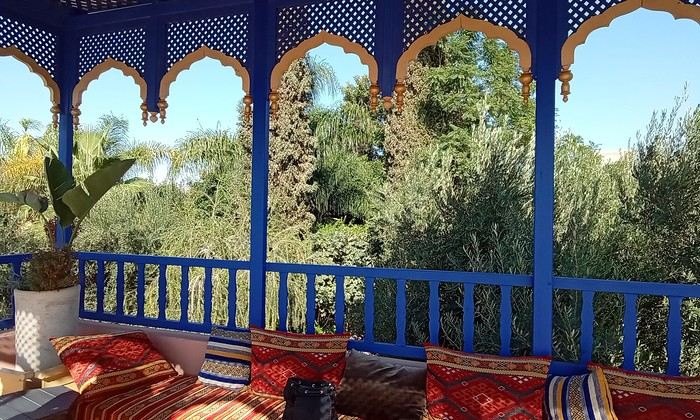 Last October, we landed in Marrakech to spend a few days with family exploring Morocco’s roads.
Transport: a rented Dacia.
Accommodations: small guesthouses.
Last October, we landed in Marrakech to spend a few days with family exploring Morocco’s roads.
Transport: a rented Dacia.
Accommodations: small guesthouses.
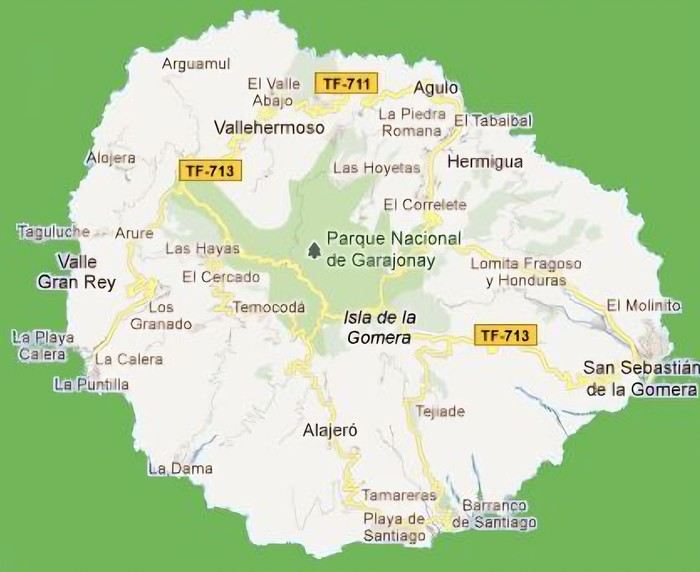 The large solidified magma massifs that shape the heart of the island have created a large depression more protected from the sun at its center, allowing the growth of a vast laurel forest, today grouped within the Garajonay National Park, La Gomera’s green lung, which has earned it the status of a World Biosphere Reserve. Its completely European appearance contrasts sharply with the rocky and tropical landscapes of the rest of the island. Thus, the climate varies greatly from one point to another on the island: in summer, you can quickly go from a dry and sunny valley at 35°C to a humid forest area at altitude at 18°C.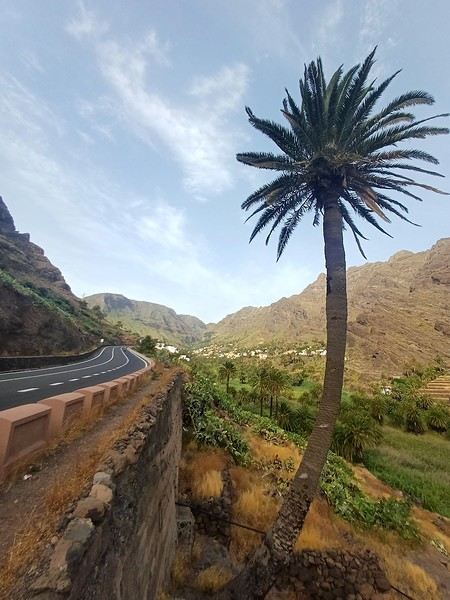
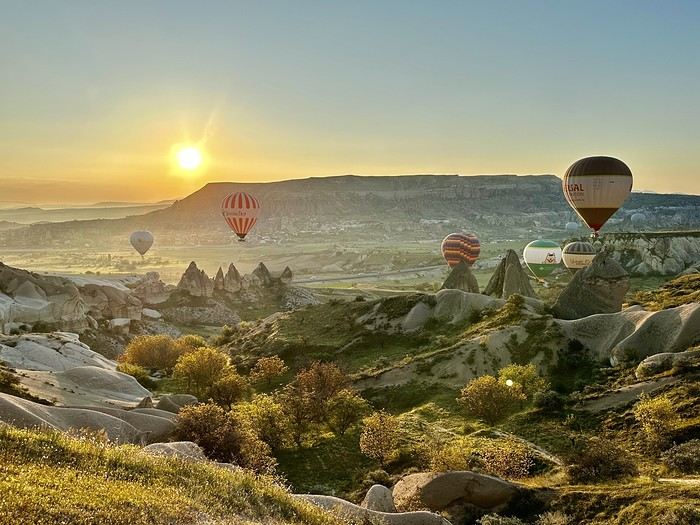 A little sneak peek?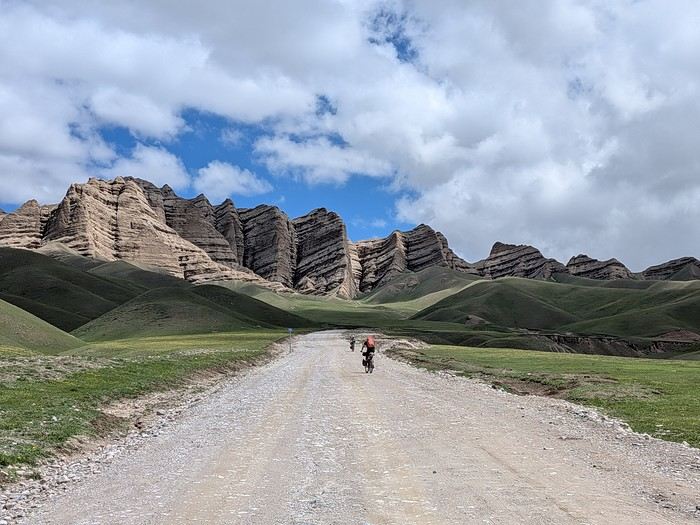
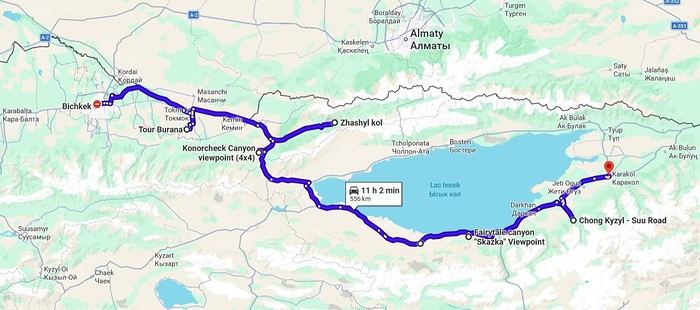
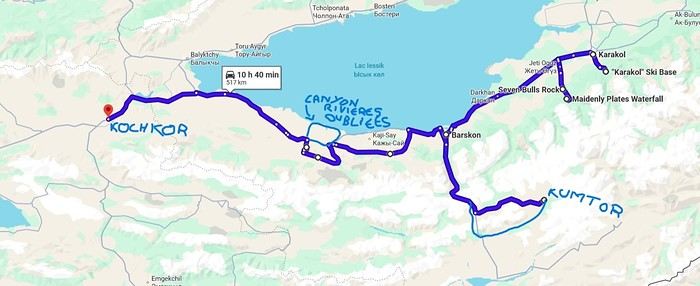
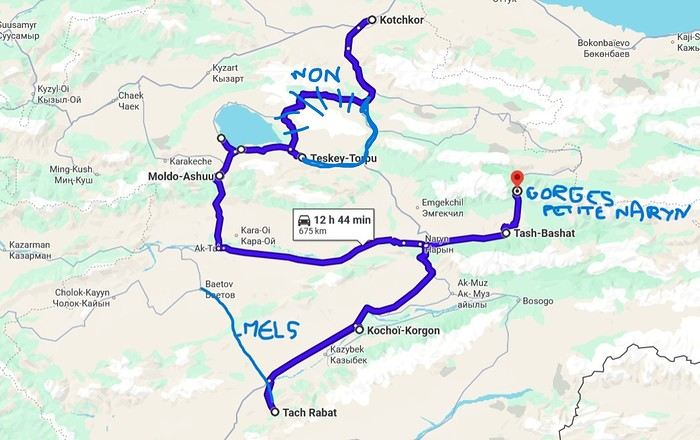
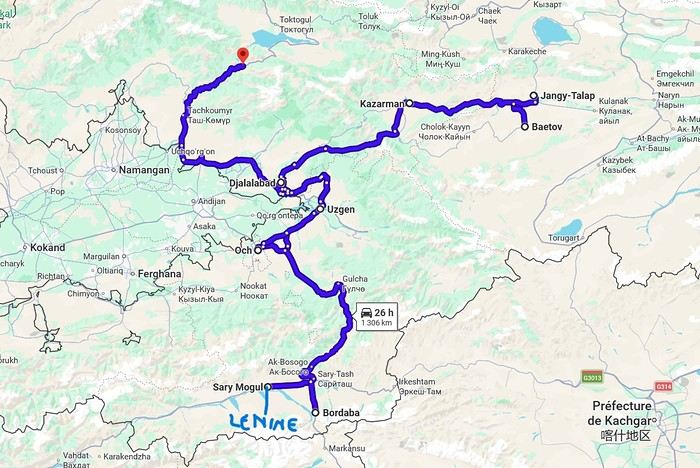
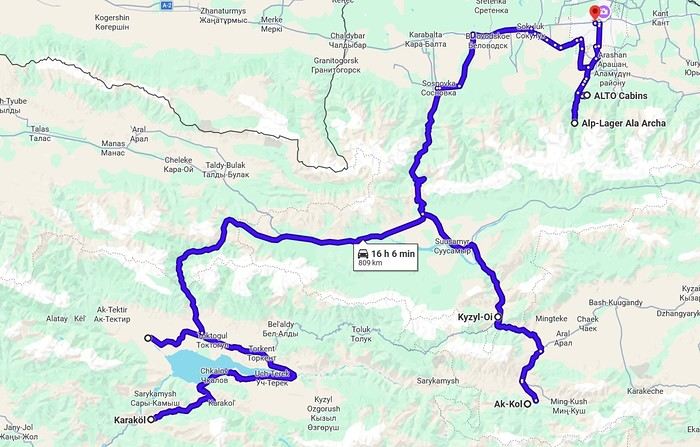



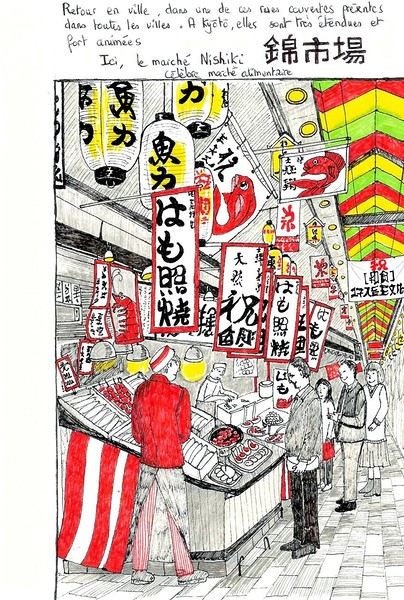
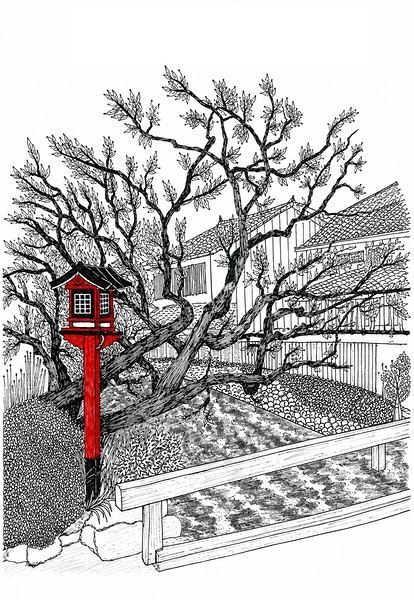 I’m inviting you on a stroll through my drawings—a completely subjective, far from exhaustive, and totally personal take, since it’s based on my own sketches. I put this travel journal together after returning in late 2024, mostly using felt-tip pens and pencils, with a few collages thrown in. I worked from our personal photos.
 And in Kyoto, Nishiki Market:

 2- Around San Pedro