Hey fellow travelers,
As a huge Asia lover, I don’t usually post trip reports here since I find it so easy to get around in those countries (whether online beforehand or on the spot). But after 15 days in Zanzibar, I figured our experience (we’re traveling as a couple) might help some of you.
To sum it up, this island is absolutely stunning but not exactly a walk in the park for independent travelers!
**TRANSPORTATION**
Since we’re not Bill Gates, we have to make choices—especially in Zanzibar, which is way pricier than Asia.
One option was taking the *dalla dalla* (local minibuses) to get around the island, but it was just too complicated for us. For example, going from Nungwi to Matemwe takes half an hour by car but hours by *dalla dalla* because you *have* to go back through the capital!
Taking taxis from one hotel to another didn’t interest us since we see travel as a way to immerse ourselves in the country and get as close to locals as possible (sounds a bit pompous, but I couldn’t find a better way to put it!!).
So, we decided to rent a car to move freely and stop wherever we wanted. If you’re looking for info on the Dolphin Tour, Spice Tour, or Safari Blue… you can skip this part—we didn’t do any of that (I know, it’s a shame, but we can’t do everything, right? 😉). There are agencies everywhere that can organize those for you without any hassle.
Long story short, after some searching, we rented a car from Ally Keys (found on *Le Routard*), a small Toyota 4x4 for $350 for 11 days (we drove about 900 km and spent 80 € on gas).
The roads are basically wide boulevards—just watch out for pedestrians and cyclists constantly. Once you leave Stone Town, though, there’s hardly any traffic.
**The police—quite the love story for us!!** First off, no paranoia needed: police checkpoints stop *every* car, not just the ones with "white" people.
In 11 days of driving around the island, we were stopped… 13 times, no joke!!
Every time, they asked for our international driver’s permit and the Tanzanian permit Ally gave us for free before we left. They were all super friendly and didn’t give us any trouble (a few words in Swahili can help). Except once, when they noticed the insurance had expired *two days* earlier 🤪.
We hadn’t paid attention, and neither had Ally—our bad.
It turned into quite the scene, lasting about 2 hours, but Ally, who we called, negotiated with them. The fine went from $200 down to $20, and Ally even reimbursed us afterward!! Quite the experience, to say the least.
**THE PEOPLE**
Okay, I’ll try to explain our experience *without getting "stoned," please*. I’m not judging anyone—I just want to share what we felt during these 15 days (way too short to really understand, of course).
My go-to motto, "If you smile, they’ll smile back," didn’t really work there. We found the locals weren’t exactly approachable, especially the women.
That said, we *did* meet some genuinely kind and selfless people: one in Stone Town, sometimes in the local eateries where we ate, and with hitchhikers (male and female) we picked up whenever we saw them (the only way we found to share a bit of our "wealth" with them).
But overall, I found it *really* tough.
At the same time, it clarified things. Every time someone approached us in a friendly, warm way, they had something to offer (a restaurant, a shop to visit, a snorkeling tour, a taxi…). No issues with them—they were lovely, just like the staff at all the hotels we stayed in.
In Matemwe, we walked through the village every morning and evening for 5 days. I made an effort to smile and say hello every day, morning and night, but even by the end, the best I got was a nod.
We learned a few words in Swahili (hello, how are you…) to break the ice, but it was pretty much a lost cause, with a few exceptions.
Obviously, since I’d never experienced anything like this, I tried to find an explanation—but we were there too briefly to really figure it out. Here are my hypotheses:
- The strong Muslim presence (even little girls wear veils). Maybe they see us white people as "depraved," even though we always dressed modestly.
- Smiling might not be part of their communication style (sounds dumb, but you never know!).
- Maybe there’s some resentment toward white people, which, honestly, I’d totally understand. Let me explain: two worlds share this island without really mixing. 50% of tourists stay in Nungwi and Kendwa, 25% stay in resorts all around the island, 23% go from hotel to hotel by taxi or *dalla dalla*, and maybe 2% travel like we did (totally unscientific stats, obviously).
In 11 days of exploring the island (except Stone Town and the beaches), we *never* saw a white person outside a hotel or taxi (no exaggeration)—never in villages, markets…
Luxury resorts sit right next to villages in extreme poverty (no running water, no electricity, etc.), and the tourism money barely trickles down to locals. It’s enough to make you ashamed of being white—I felt that way more than once!
Anyway, if anyone here knows Zanzibaris well, I’d *love* to hear their perspective.
**PHOTOS**
Given what I just said, you can imagine it wasn’t easy.
The women were the hardest to approach—I gave up on taking their photos after 3 or 4 clear refusals (they’d cover their faces, not angrily, but firmly).
Most men I asked agreed.
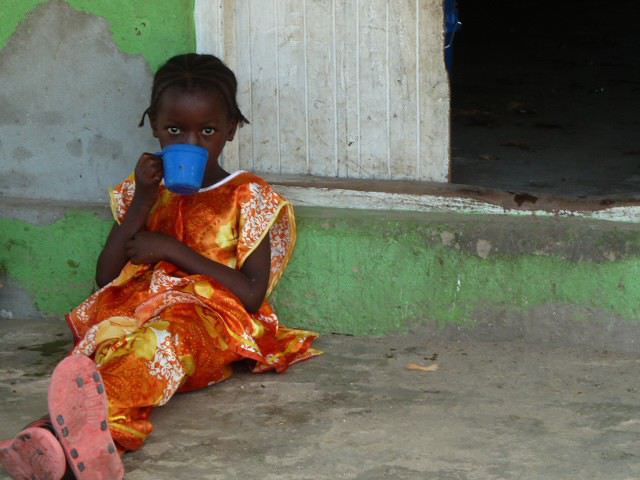
With kids, anything goes:
- Some pose for a photo and laugh hysterically when they see themselves.
- Some pose but then demand a dollar, shillings, pens, or even your hair tie if that’s all you’ve got!!
Some happily agree when you ask, while others shout a big "Nooooo" or even threaten to throw rocks at you *before* you’ve even turned on your camera!!
Once again, I put myself in their shoes and watched how "white" people behave. They walk by without a word, raise their camera, snap a shot, and leave without even a wave. When you see yourself in that mirror, it really puts things into perspective!
**STONE TOWN**
Like everyone else, we started our trip in Stone Town—one of the most beautiful cities I’ve ever seen (no exaggeration!). Despite being super touristy, it’s managed to keep its soul, which is pretty rare.
The sea and its *dhows* (boats with triangular sails straight out of another era), colonial buildings everywhere (some renovated, others run-down but still beautiful), narrow alleys with stunning doors (not just in hotels, as I thought), women in colorful veils all over the streets, the call to prayer echoing through the alleys, and, of course, the Darajani Street market—not to be missed if you want even a tiny taste of African life. Pure magic!
The only downside? Quite a few shady guys offering all kinds of services, some of them drug users and a bit unsettling (one even waited for hours outside our hotel after we told him we didn’t need anything). We stayed polite and friendly, and it went fine, but it did create a slightly "sketchy" vibe at times.
For our hotel, we spent the first two nights at Karibu Zanzibar Inn, found online for $65 a night. Right in the heart of the old town, perfect for us—clean, quiet, rooftop terrace for breakfast, welcoming staff. Nothing to complain about, except maybe the price!
For the last two nights before leaving, we found a place on the spot, super well-located, for $45 a night (DM me for details if you’re interested).
We also rented bikes to get around—great for $5 a day per bike.
**MONEY**
Money’s a bit tricky here, I found. Some hotels supposedly only accept dollars (not the ones we stayed in, though), and a lot of prices are listed in that currency. Either way, you can leave your euros at home—several exchange bureaus won’t take them. My advice? Bring enough dollars to avoid credit card fees (you can’t withdraw more than 190 € at a time from ATMs, so you’d pay a fee each time).
For our budget, we spent 800 € per person for 14 days, staying in hotels averaging $45 a night (not easy to find, by the way) and eating often in local eateries (more on that below). Meals in touristy restaurants cost between 6 and 9 € per person, a beer is 2 €, a Coke is 1 €…
Don’t forget, for two people: $100 for visas, $60 for airport-port round-trip taxis, and $160 for Dar-Stone Town round-trip boats.
**FOOD & ACCOMMODATION**
We ate in local restaurants about ten times: chicken or beef skewers with fries or rice for 1.50 € per person. But:
1 – You have to find the "restaurant" that doesn’t look like one (usually a roadside shack).
2 – With a shady spot to sit, which isn’t always possible.
3 – For the squeamish, hygiene conditions are *way* below standard (no fridge, well water used to wash dishes, flies everywhere)!!
We figured if locals eat there, it’s probably a good sign, and honestly, the food was good, and we never got sick.
Plus, it’s the best way to meet Zanzibaris.
Hotels were tough to find under $50. Thankfully, we had the car to scout around (prices in guidebooks had gone up!). We chose to stay 5 days in the north of the island (Matemwe) and 5 days in the south (Jambiani), which let us explore almost the whole island.
We decided that on the spot after checking things out.
In Matemwe, we didn’t overthink it—we stayed at Allykeys Bungalow, whose owner rented us the car! At first, we were a bit wary of his offer, but after checking it out, we loved it. Simple bungalows but with everything we needed, a great setting facing the sea, sun loungers to relax, a restaurant and bar by the water, and—best of all—a very local vibe (about 50 *dhows* leaving for fishing every morning between 5:30 and 6:00, and their return around 1:00 PM with haggling over fish prices on the beach—pure bliss).
Just so you know, it’s pretty noisy (I love the call to prayer, but at 4:30 and 5:30 AM, it’s *early*—especially when it goes on for so long!!), no hot water (just lukewarm), and no Wi-Fi. But for that, there’s a great deal at the Green… at the very north end of the beach. Just by ordering a drink (3 € for a beer, 2 € for a Coke), you can enjoy the Wi-Fi and pool all afternoon. Super friendly welcome at this luxury hotel, even for "bumpkins" like us!!
In Jambiani, we found Pakachi Beach Resort—a dream come true. Listed at over $60 online, they offered us a beachfront bungalow (a big bed downstairs, another upstairs with a sea view and ocean breeze included), a bathroom with hot water, Wi-Fi in common areas, and a pool (low tide is *really* low there!!) for $45 a night. It was so amazing we wondered if they mistook us for *Le Routard* guides since we arrived alone with our car!!
It was also super quiet—only three plugs in use, including ours, which might explain it!!
**THE BEACHES**
Quick rundown:
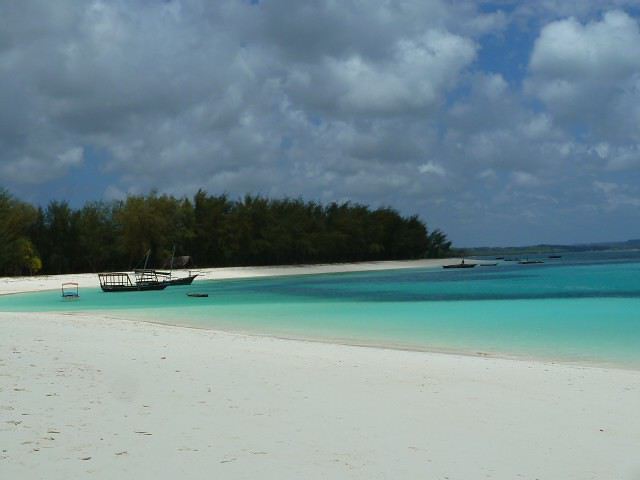
- The most beautiful aesthetically and for swimming anytime: Kendwa, no question. The downside? Way too many resorts for our taste and no local life. We went for a day before heading back to Matemwe.
- The most tourist-packed: Nungwi, obviously. Not our cup of tea, but I guess it’s great for young people who want to party.
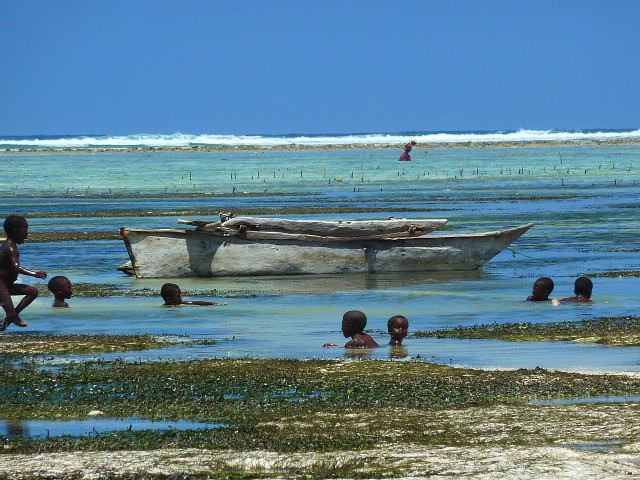
- Best for local life: Matemwe, hands down. The daily fishing returns are a highlight, plus village life, seaweed gatherers, kids on the beach—we *loved* it.
- Best for peace and beauty (but no swimming at low tide): Pongwe, Uroa, Kiwengwa, Jambiani, and a special mention for Dongwe, which we found absolutely gorgeous.
- If you want to feel like you’re in the middle of nowhere but still by the water: Kae Kuu and Unguja Ukuu.
There you go—that’s pretty much everything we saw!
Sorry for the novel. I doubt many of you made it to the end of my "prose." At least no one can say I didn’t share my experience this time 😉.
If you’ve got questions, don’t hesitate.
See you soon, and happy travels!
Original post
Le monde est comme un miroir, si tu lui souris, il te sourit aussi!



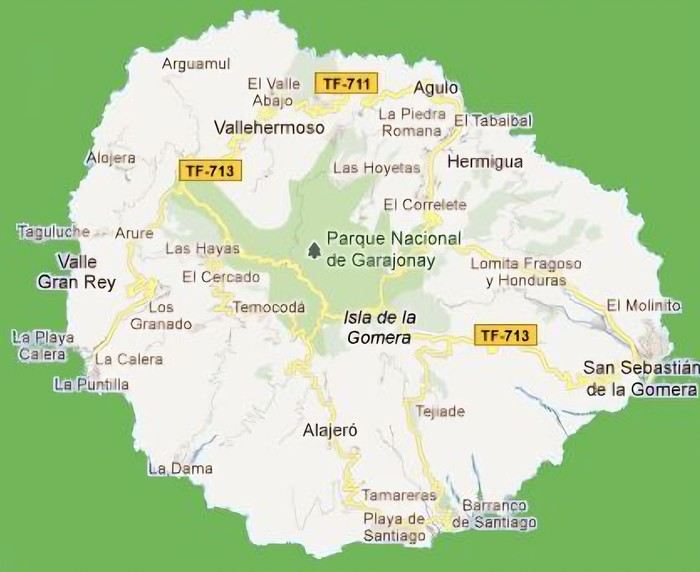 The large solidified magma massifs that shape the heart of the island have created a large depression more protected from the sun at its center, allowing the growth of a vast laurel forest, today grouped within the Garajonay National Park, La Gomera’s green lung, which has earned it the status of a World Biosphere Reserve. Its completely European appearance contrasts sharply with the rocky and tropical landscapes of the rest of the island. Thus, the climate varies greatly from one point to another on the island: in summer, you can quickly go from a dry and sunny valley at 35°C to a humid forest area at altitude at 18°C.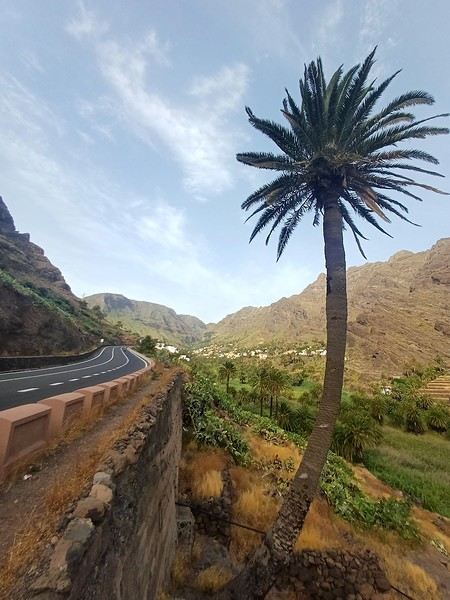

 Come along, I'm taking you to this country where it's so nice to wander and slow down...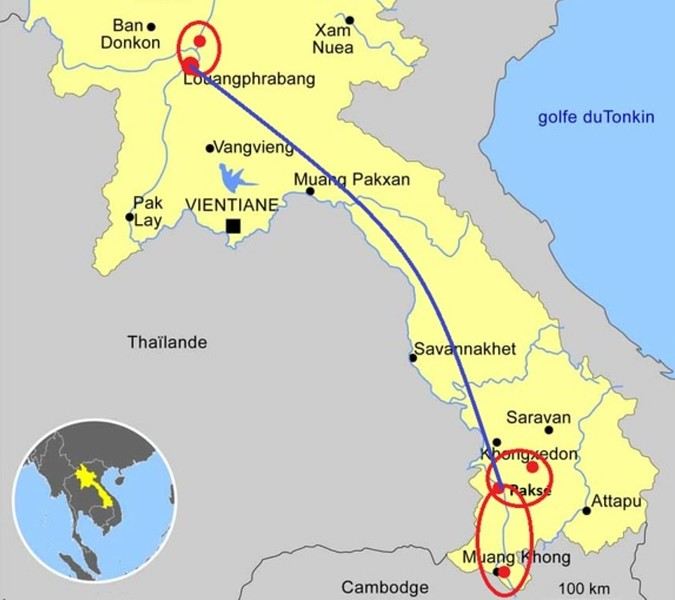
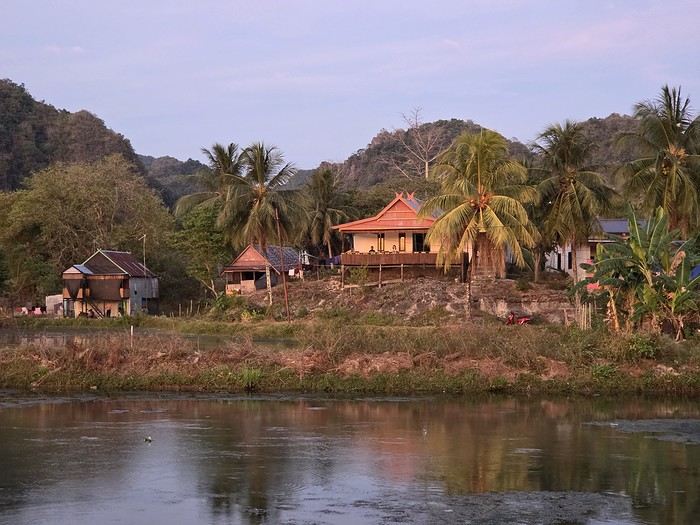
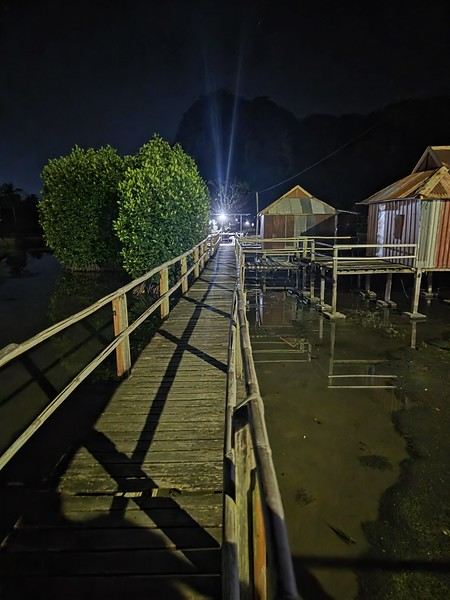
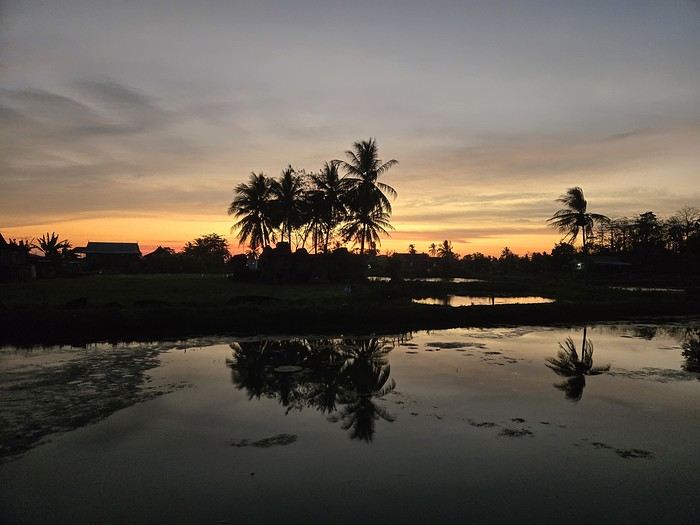
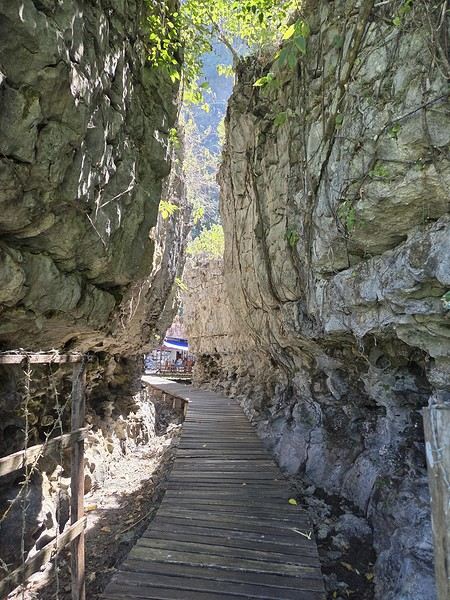
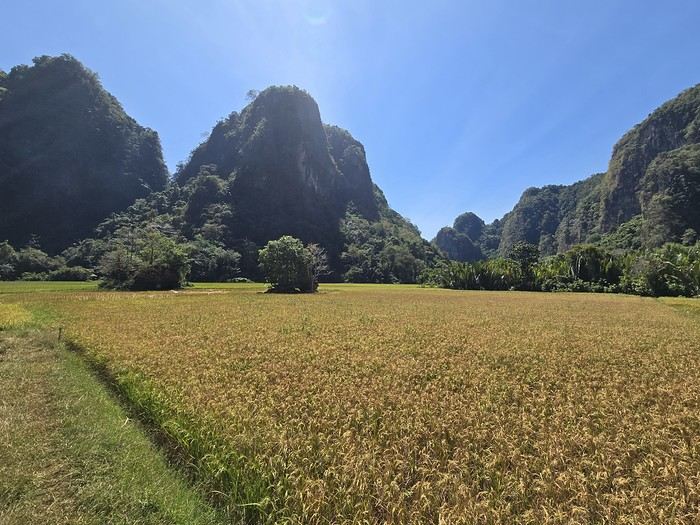
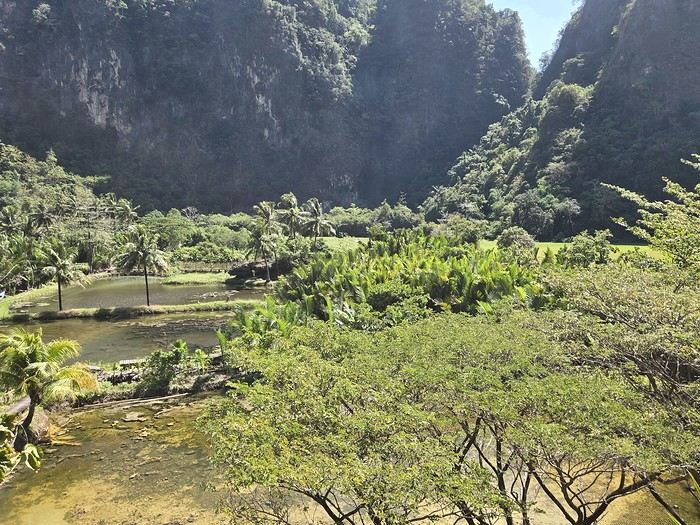
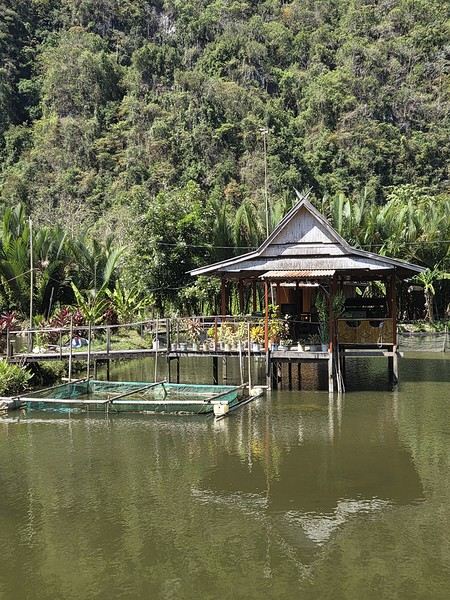
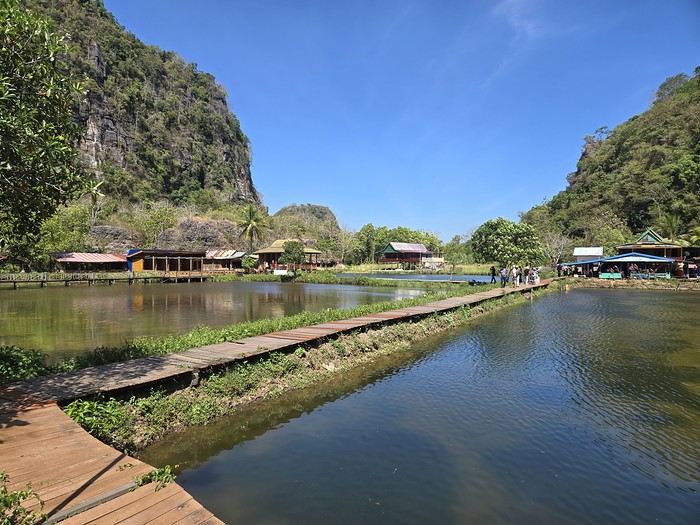
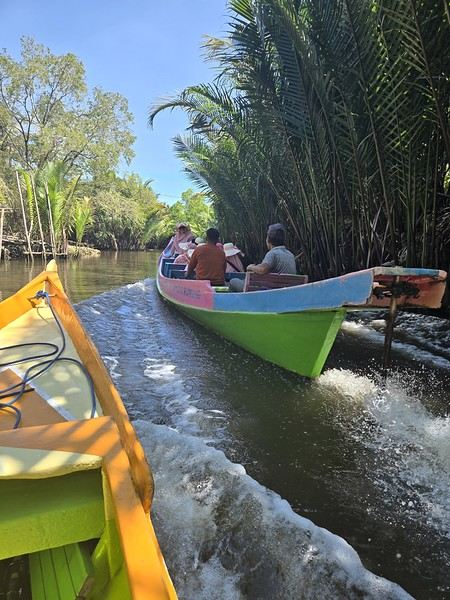 The karst site:
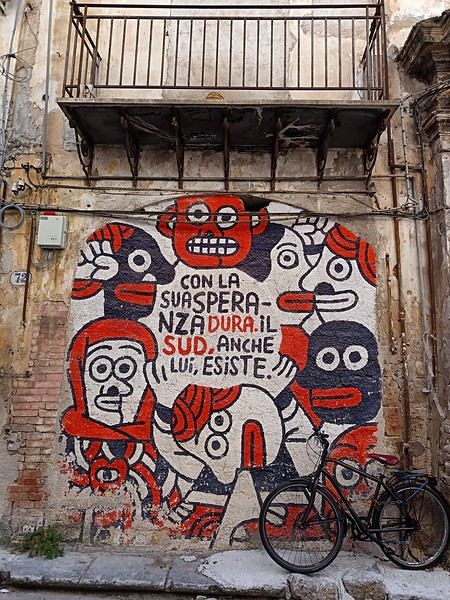 (In the heart of Albergheria, on a street every visitor walks down—lovely message from an unidentified artist)


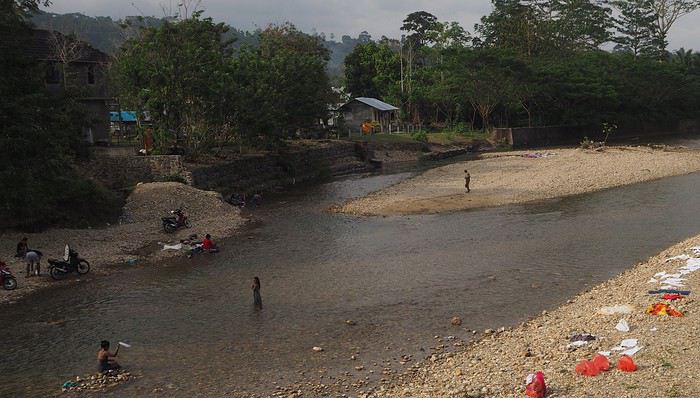 Laundry and trucks washed in the same stream.
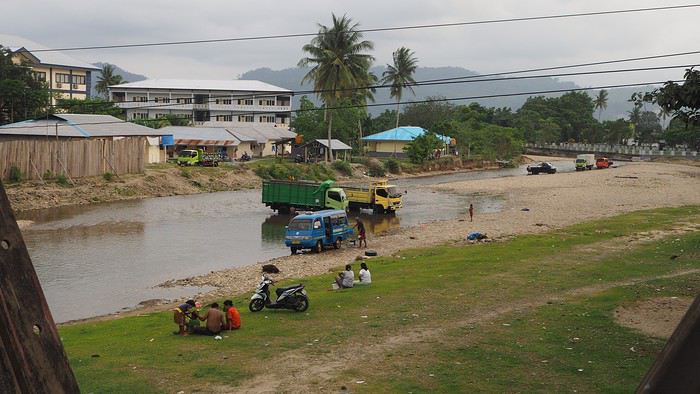
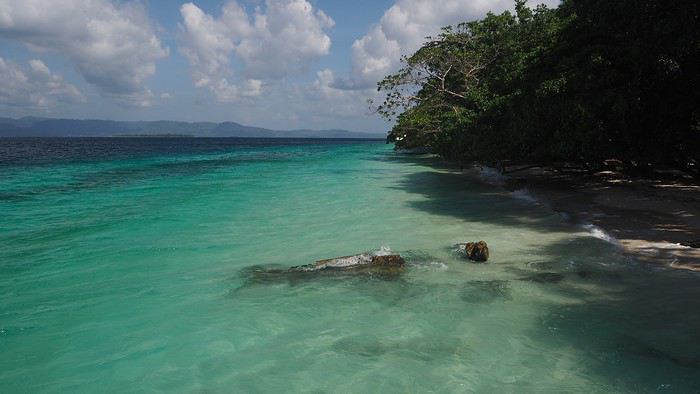
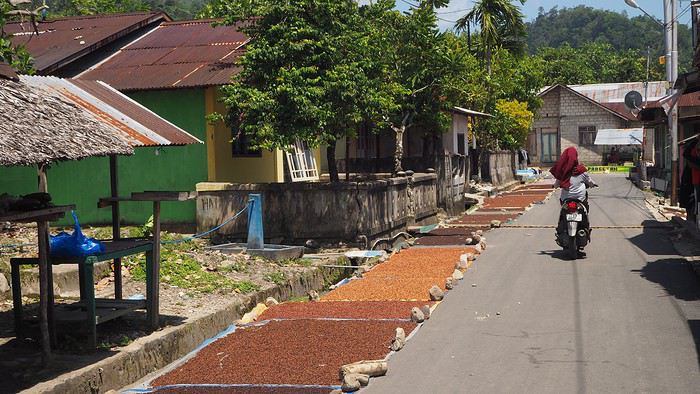
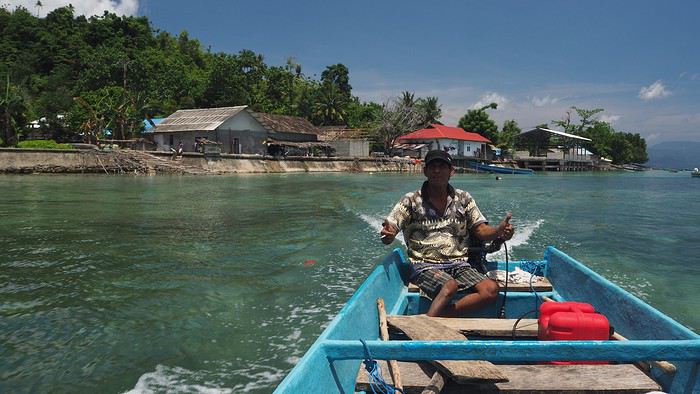
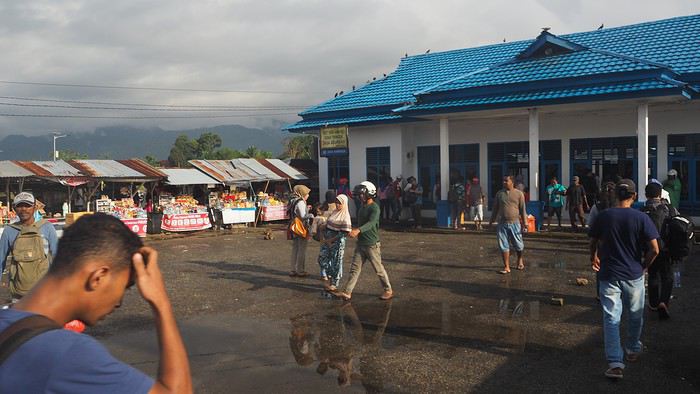
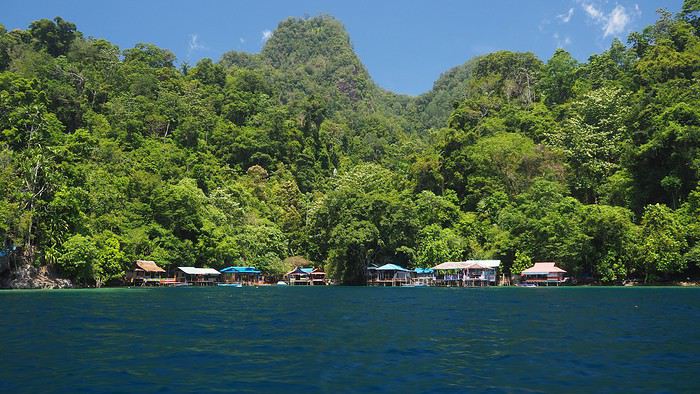 We’re greeted dozens of times with “Hello Mister”—a daily routine in the Moluccas. Every time we stop, we pose for photos to be saved on locals’ smartphones. They don’t see tourists often.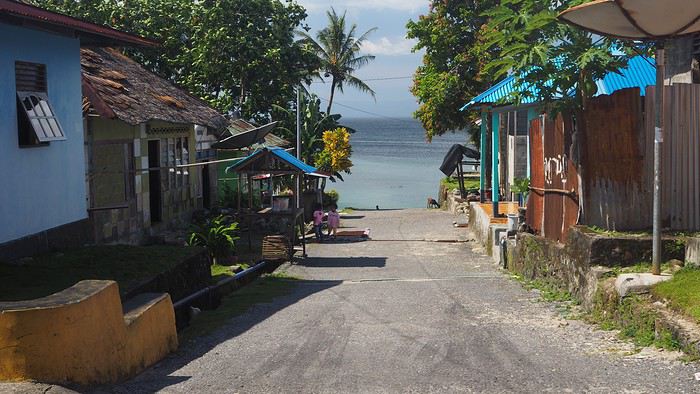




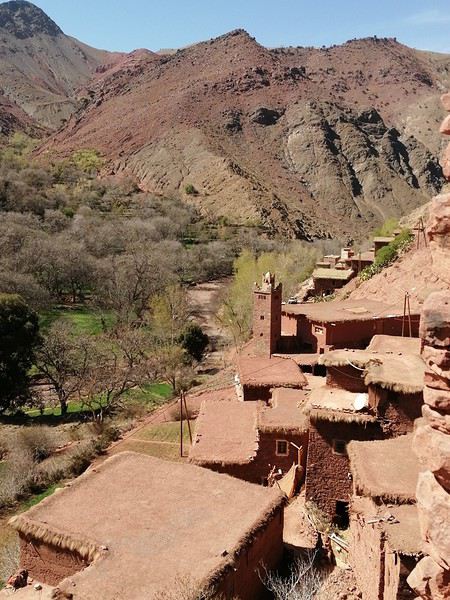
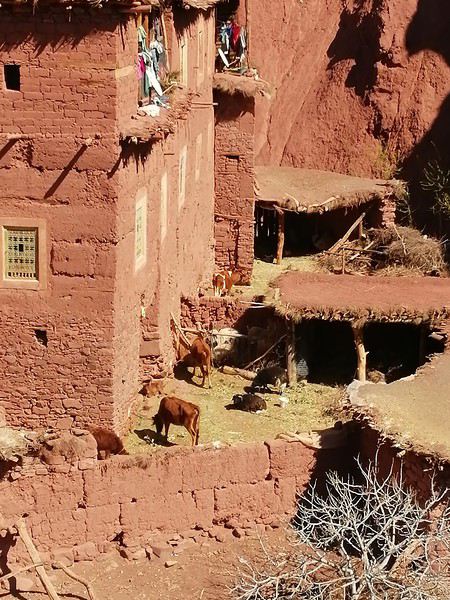
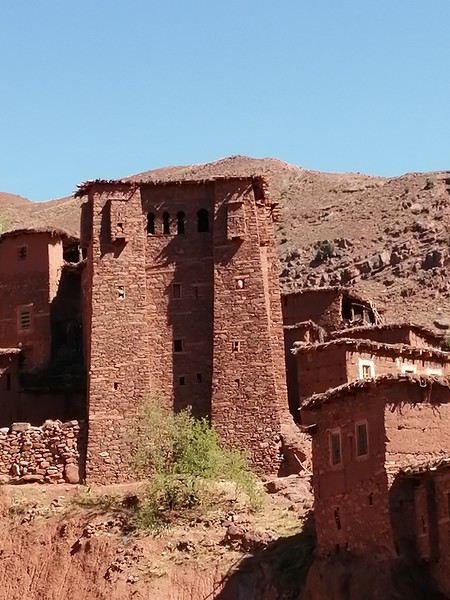
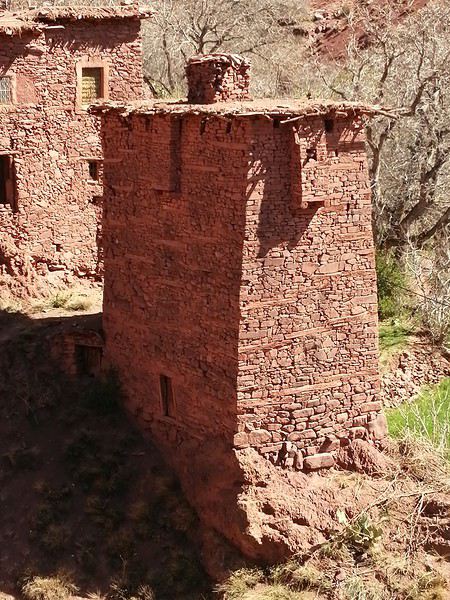
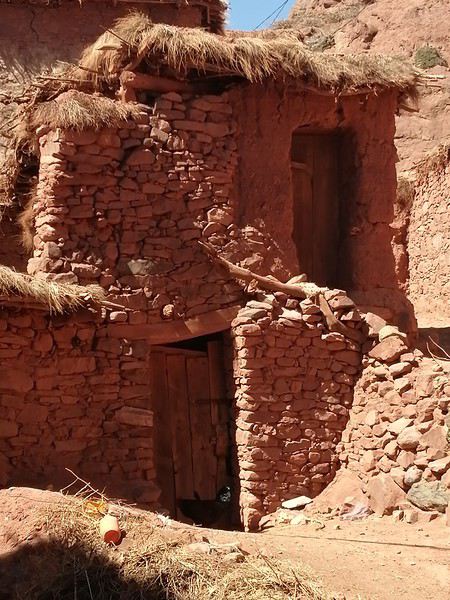 Several magnificent collective granaries have been beautifully restored. The warm colors of the stone capture the light wonderfully. It’s stunning!

 A little sneak peek?