CARIBBEAN: The island of SAINT-MARTIN, a different perspective
FR

Translated into English.

Original post
JE
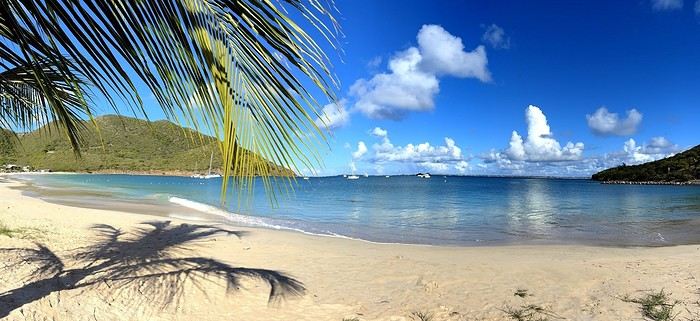
When it comes to the Caribbean island of Saint-Martin, it's customary to praise its coastline and dreamy beaches—and they certainly deserve it. But in this story, I’d like to highlight other memories, aspects, and impressions for a slightly different change of scenery. Enjoy the read—some text and, above all, lots of photos. « Byenveni sou zile Sen Maten! » (Welcome to the island of Saint-Martin)

-- -- Full and luminous To avoid seeming too conventional at the start of this alternative take on Saint-Martin... here’s not a stunning sunrise over the sea but rather a moonrise—a less "typical" choice. And when you get to witness it, it’s a truly unique moment of contemplation. However, three conditions are essential for this spectacle: a full moon phase, a cloud-free horizon, and—most importantly—a moonrise at twilight. That early evening, all the conditions aligned—lucky us! Just above the sea, a strange glow gradually appeared. A huge moon was about to shine against a deep blue night sky.


What’s more, its light sparkled on the water’s surface—gorgeous! But so fleeting. We’re on the east coast of the island, by the wide stretch of light sand at Baie Orientale, Saint-Martin’s own. Now, just because I wanted to start with something a little different doesn’t mean we should overlook the bright sunrises you can see on this bay. They’re far more common than a beautiful full moonrise, but they also require two things: being an early riser and a clear horizon without misty clouds. Views to soak in without restraint...


Other memories of beautiful lights and lovely colors—a morning when the sun had a brief meet-up with the rain, creating a stunning rainbow.


And let’s talk about the moon again... On a clear night, a "blood moon," the result of a lunar eclipse that had turned our familiar satellite red.


-- --

A butterfly with golden wings! In the tropics, swarms of butterflies flutter everywhere, from flower to flower. They sip the sweet nectar from stamens and blooming corollas with delight.


Here, a monarch, one of the great migratory butterflies, taking its time to enjoy the pollen of this Ixora coccinea—or Japanese hydrangea, but let’s stick to Saint-Martin.


This one is an *Agraulis vanillae*, to be precise—and thanks to the internet for the ID. Photographing them isn’t always easy; these fearless butterflies often fly off before you can get a good focus, challenging both the framing eye and the autofocus! But on the island, I noticed some butterflies were much easier to shoot—those decorating a few murals. ;)


One of the graffiti artists behind several Saint-Martin murals has made it his signature. The talented Jimmy Sheik slips a little butterfly into each of his works, even if it’s not the main subject. It’s a nod to his home island, Guadeloupe, whose territory—with Basse-Terre and Grande-Terre—looks uncannily like a giant butterfly. In the photo above, a great initiative: turning this beach bungalow, abandoned after Hurricane Irma’s (2017) devastation, into a mural canvas—it’s a real success. Well done, artist!

To be continued >>>>>>
JE Jemaflor Veteran ·
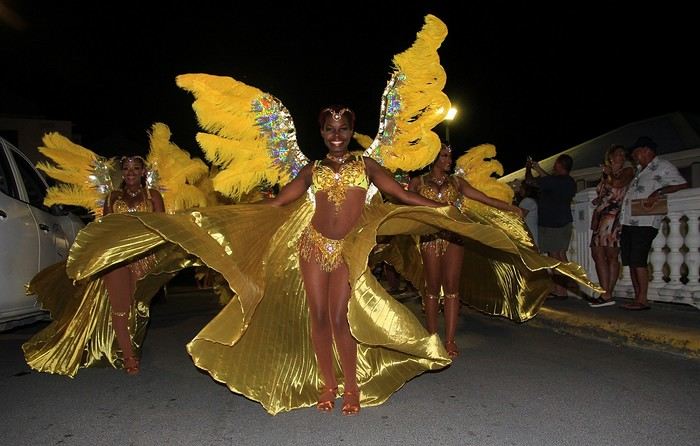
But the most stunning butterfly I saw on this island of Saint-Martin was dazzling with golden wings. A butterfly that seemed to dance to tropical rhythms.


A memory from a carnival parade in the streets of the village of Grand Case.

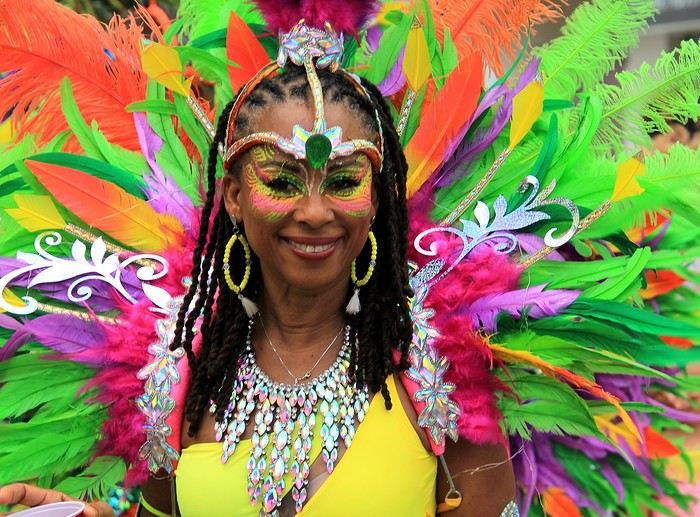
Alright, here’s one last pretty butterfly, still in carnival mode. Kudos for the makeup and thanks for the smile!


-- --

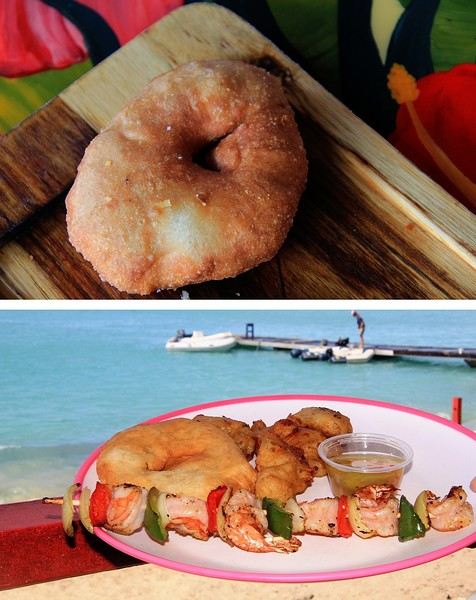
Johnny Cake—who or what is it? It’s a well-known name among Saint-Martin locals, but it doesn’t refer to a person. No, it’s actually the name of a typical island dish—not a dessert like cake, as the name might suggest. One last detail to give you a hint and whet your appetite—well, for bread, anyway! In reality, it’s a small, round bread that looks more like a doughnut. The fried preparation pairs deliciously with meals.


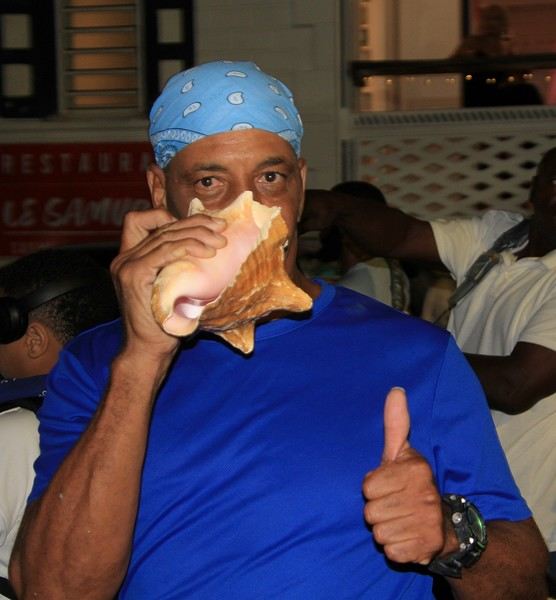
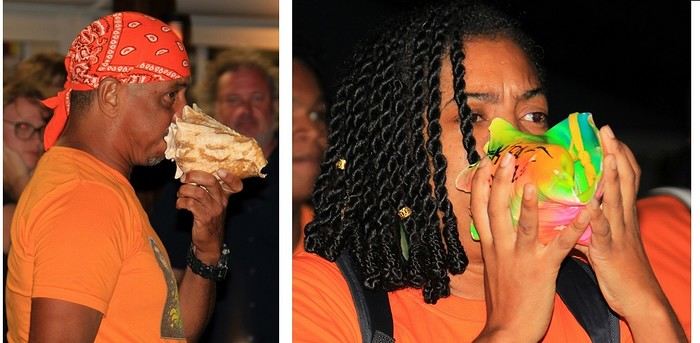
When well-prepared and freshly fried, it ideally has a soft center and a crispy crust. Sure, it’s a bit greasy, but it’s hard to resist. Like any well-established specialty, every cook has their own recipe with a little secret twist. There’s even a fun annual competition to crown the best Johnny Cake on the island. But as usual with family and traditional dishes, if you ask locals who makes the best Johnny Cake in their opinion, you’ll definitely get the same answer: the ones made by their mom. This “cake” is almost a Proustian madeleine for Saint-Martin locals... Originally, this local bread was part of the packed lunch taken for meal breaks at work or on trips. That’s why it’s sometimes also called “Journey Cake.” -- -- What a strange musical instrument! Pôooouh! Pôooouh! Pô! ... etc. Okay, I admit this musical transcription is far from the real sound of the instrument. It’s quite unique and requires a certain technique for the player—sorry, the blower—to produce notes from this lambi conch. Powerful breath and real experience are essential to play the lambi, also called conch or even strombus. When mastered, these sounds create rhythm and accompany carnival music and parades.


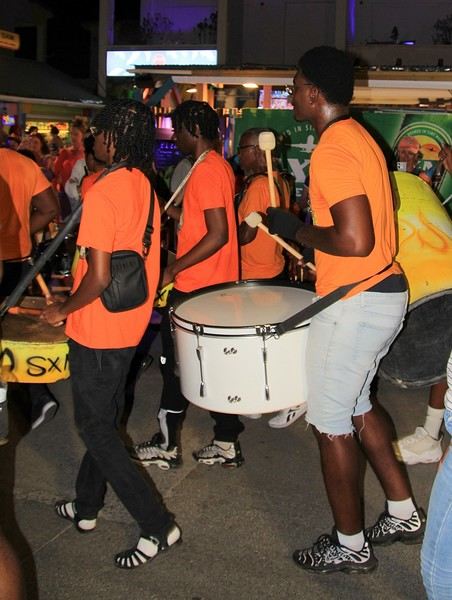
Nice little wink and thumbs up—great for this musician’s portrait. We’re here on Grand Rue in the village of Grand Case during one of the “Grand Case Tuesdays.” Lively evenings during carnival season with artisan markets, local street food, and parades featuring dancers and tropical music driven by lambi blowers and, of course, drum sets. And Boooum! Boooum! Bouuuum! My transcription still isn’t quite right!


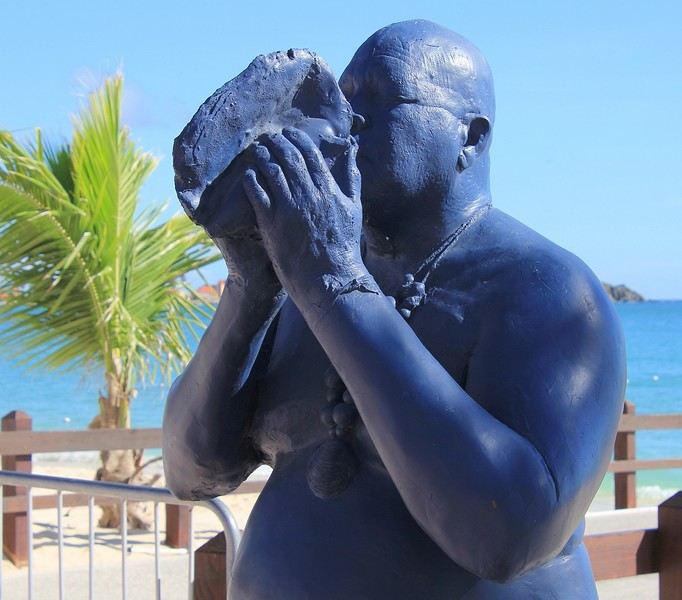
This decorated and customized lambi with its flashy colors is a great way to modernize this shell—sorry, this musical instrument. And in the Caribbean islands, the use of these conchs isn’t new... The Arawak and Carib Indians, the first inhabitants of these islands, used them to communicate and sound alerts or warnings. This statue on the waterfront of Philipsburg (in Sint Maarten, the Dutch side of the island) is a testament to that.

JE Jemaflor Veteran ·
One island, two countries The island isn’t very large—just 15 km long and at most 13 km wide—a real speck lost in the heart of the Antilles. But this island’s unique feature is being shared by two nations: the northern part is France with Saint-Martin, and the southern part is the Dutch overseas territory of Sint Maarten.


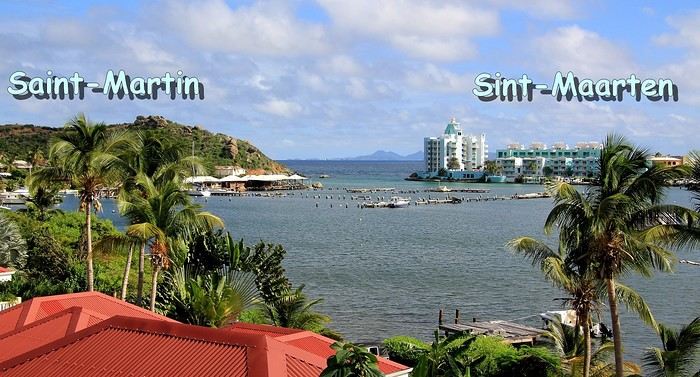
There are indeed two monuments marking the border between the two countries, found along the island’s main roads. But on the hillsides, in the forest, and especially in the middle of the lagoons, the line is far less clear. For example, in the panorama below taken at Oyster Pond on the east coast, the border would run right through the water. On the left is France, and on the right, the Netherlands.


For a long time, this invisible line didn’t cause any issues for the respective authorities—they always got along well. However, after Hurricane Irma hit in 2017 and caused terrible destruction, some infrastructure, like the Oyster Pond marina, had to be restored.

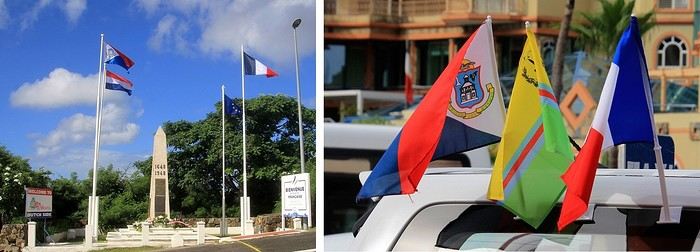
The question arose: were the docks in French or Dutch territory? In fact, they seemed to straddle this virtual border. And the follow-up question: should French or Dutch regulations apply to the construction of the new marina? After negotiations at the highest levels of both administrations, a precise boundary was agreed upon. And to think that this territorial division happened so amicably, without conflict! It’s almost surreal when you see what’s happening elsewhere these days with fratricidal wars. In the end, it’s a beautiful example of unity. This agreement is celebrated every year on November 11th, Saint Martin’s Day, in honor of the day Christopher Columbus discovered the island in 1493 (hence its name). To commemorate this strong bond between the two populations, a flag was even created: the Unity Flag. It’s the flag you see flying in the photo between the Sint Maarten and French flags for Saint-Martin. Note that the French part of the island is in the process of adopting its own flag, just like the Dutch Sint Maarten, which already has a flag distinct from the Netherlands’... A contest was launched recently to bring to life the colors of a purely Saint-Martinois flag. The projects were submitted to a jury, which is expected to decide by the end of 2026... so the island of Saint-Martin (the French side) can proudly raise its own colors! -- --

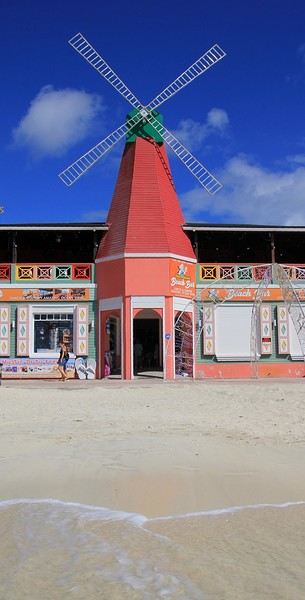
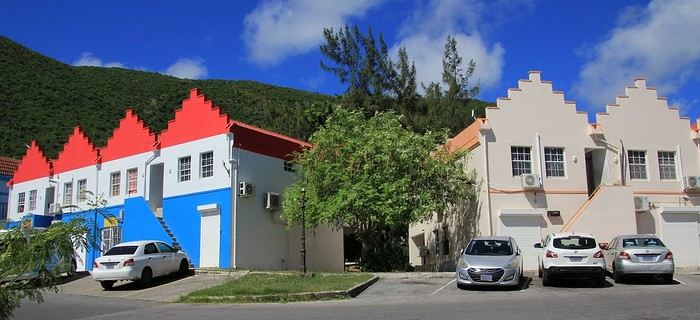
Disorienting, isn’t it? Even though it’s far from the European Netherlands—about 7,000 km away—you’ll find the classic Dutch style here in Sint Maarten.

In Philipsburg, facing the beach, there’s a traditional windmill as decoration, and in a peripheral neighborhood, you’ll see a row of gabled facades in vibrant colors!


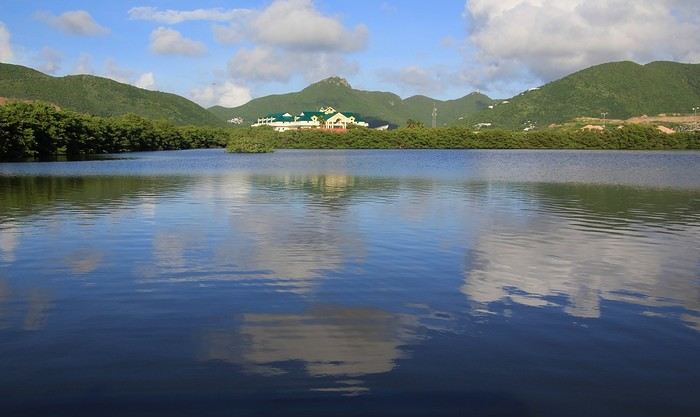
And below, is that a polder? No, just a lagoon, an old salt flat where local wildlife thrives—between marsh birds and sea turtles.


-- --

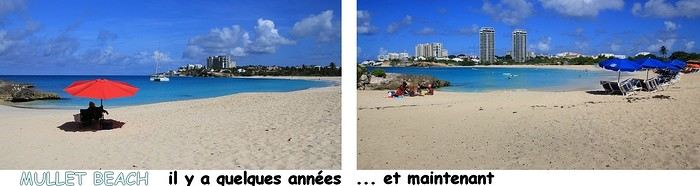
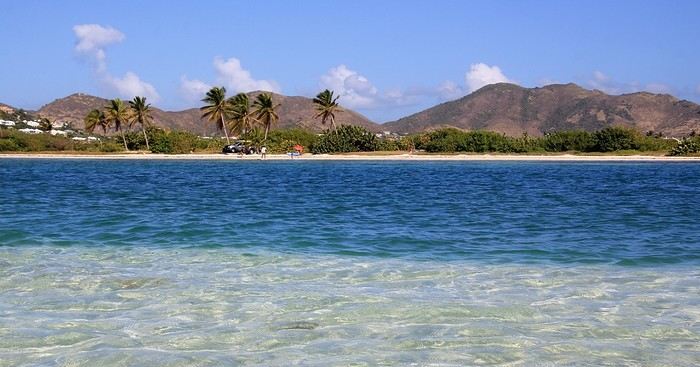
Spot the differences Here’s one of the most beautiful beaches in Sint Maarten—and thus on the whole island, which has so many. Mullet Beach, with its white sand and turquoise, crystal-clear waters. I photographed this beach a few years ago—see below. And here’s a more recent photo: the same beach, the same angle, and still a shoreline that enchants vacationers looking for seaside relaxation.


The difference? It’s obvious! Do you see those two tall towers? Some would say they’re a sign of rampant urbanization. They’re part of the hotel complexes lining the Dutch side of the island’s coastline. The charm of the beaches gives developers ideas... and as a result, the landscapes lose their natural beauty. That’s just how it is! This "concrete fever" has spared the northern, French side of the island somewhat. We won’t complain about that. -- --

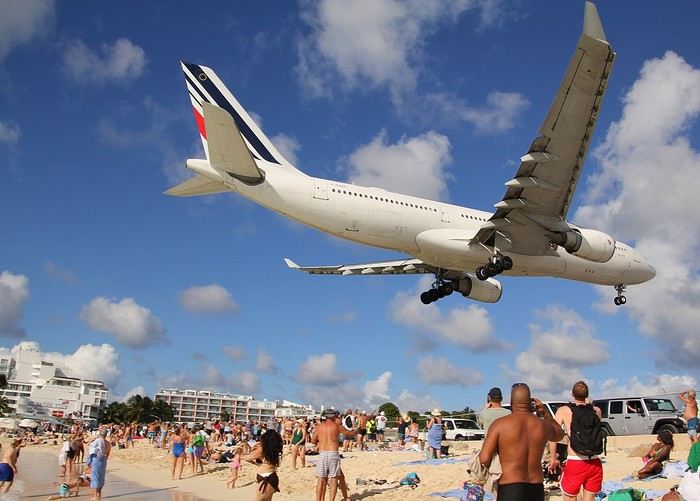
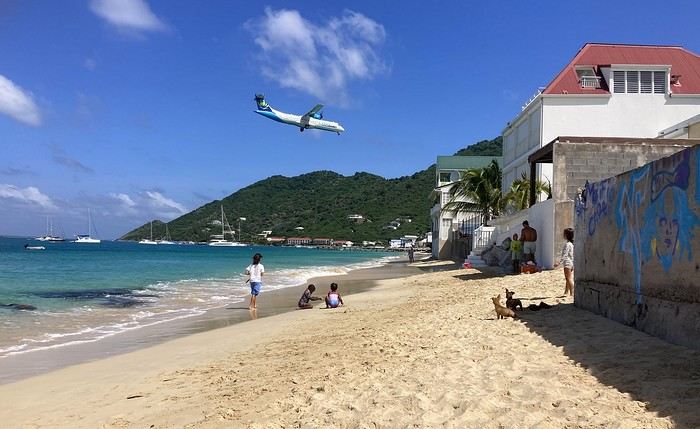
What an impressive spectacle! The program: a surprising aerial ballet! At Maho Beach, you’re right at the end of the runway of Juliana International Airport, and at regular intervals, you can witness some jaw-dropping landings. The local layout means that planes—from small propellers to large jets—fly just a few meters above the heads of onlookers before touching down on the tarmac. The sight is terrifying but undeniably thrilling for vacationers and thrill-seeking selfie lovers.


This unusual viewpoint has become a must-see on the island, attracting a steady stream of visitors. The beach gets packed every early afternoon—peak time to watch the spectacular landings of large jets arriving from the USA, Canada, and Europe.

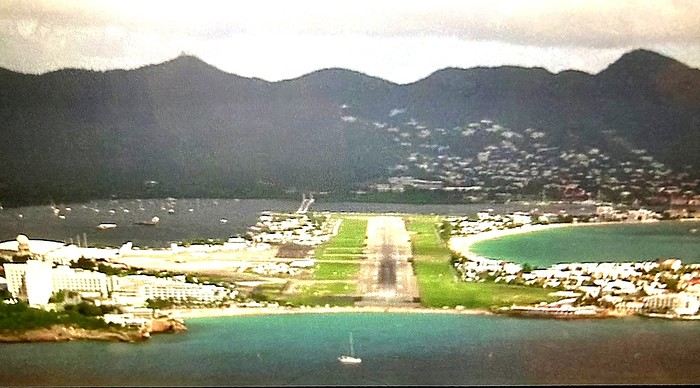
And what do passengers see from the plane as they approach the runway? - On the cockpit screen: the perspective of the runway.


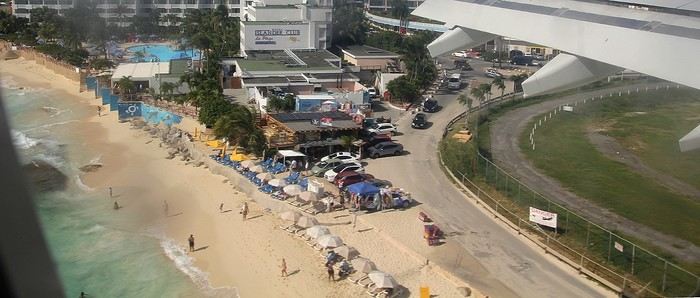
- And through a (not-so-clean) window: the beach and a hotel on the left. A truly eye-opening view!


On the French side? The airport of L’Espérance in Grand Case (for regional flights only) isn’t far from a beach either... but the planes flying in just before landing aren’t as impressive as at the international airport on the Dutch side.


Anyway, that’s that—let’s move on to something else.
JE Jemaflor Veteran ·
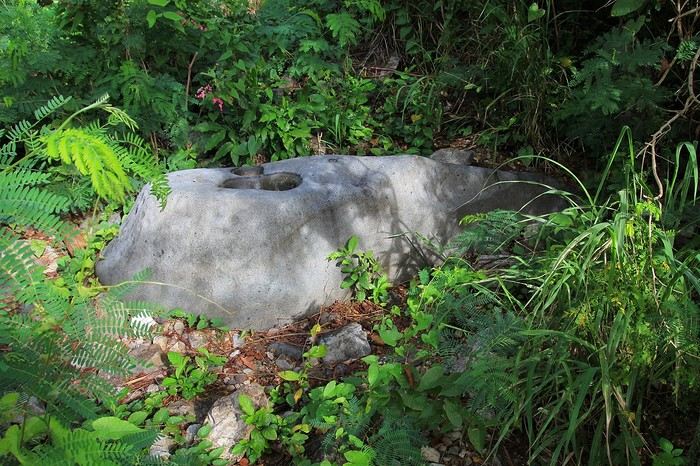
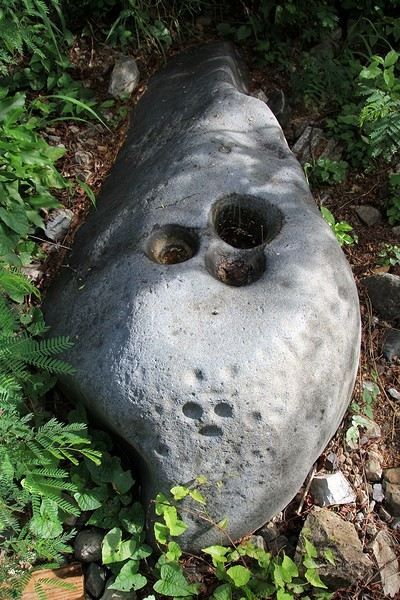
On the Trail of the Amerindians For this cultural walk, we left Maho for Moho! We left Dutch Sint Maarten for French Saint-Martin, in the north of the island. Too often, the history of many Caribbean islands is presented as discoveries made by the famous navigator Christopher Columbus. Certainly, he named several islands in the area during his expeditions in the 1490s: Saint-Martin (on November 11th, the feast day of the name), Saint-Barthélemy, Saba, or Anguilla, to name just those nearby. But on these islands, there were already inhabitants long before Columbus passed through! Carib Indians or Arawaks. Archaeologists are certain about this, and testimonies have been discovered to prove it. Like the Moho Petroglyph, one of the three Amerindian petroglyphs found on Saint-Martin.


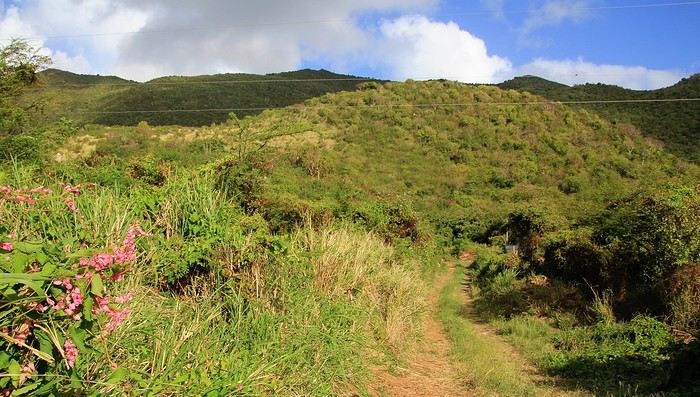
So let’s set off on the trail of these rock carvings... The information gathered before the hike wasn’t very precise: "It’s in the heights of Quartier d’Orléans, just past the cemetery, along the ravine (stream)." And after that? "Easy for those who know the place... but be careful not to take the wrong path..." I was also told. Well, let’s go anyway... As expected with this tangled vegetation, the first trail we took wasn’t the right one! Next? First, backtrack, then move forward on the trail to the right... then walk, climb, and keep going. After about half an hour of scrambling: the rock is in sight! Right there, in the middle of the trail.


The Moho Petroglyph is a bluish-gray stone block, imposing with its 2.5 meters long and a good meter wide. Archaeologists discovered it in the 1980s and are certain it’s a relic from the pre-Columbian era. Eighty cupules were carved and polished, a classic style and motifs from that period in the Caribbean islands. Abstract carvings with the symbolic effigy of a face. As for the real meaning of these carvings? They still hold some mystery.


-- --

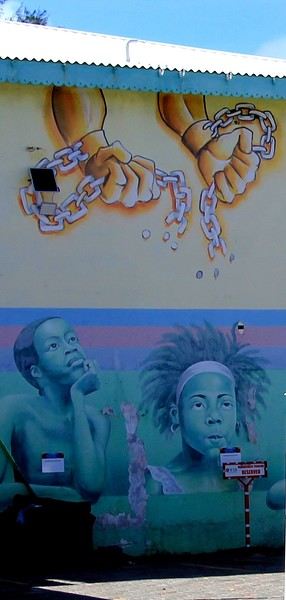
Broken Chains... So We Don’t Forget.


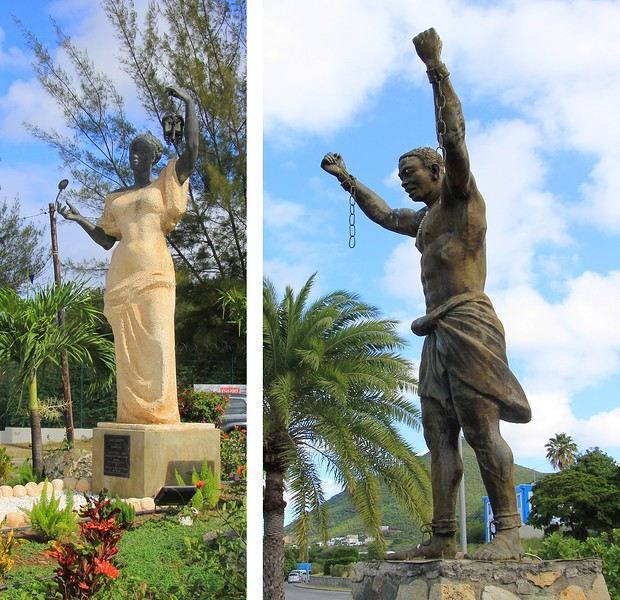
Among the murals decorating the island’s walls, some honor a local historical event that Saint-Martiners don’t forget. It’s that terrible period of slavery, abolished in Guadeloupe (and thus in Saint-Martin, which depended on the island) in May 1848. The photo of the mural above was taken in Sint Maarten. There’s also a statue at a crossroads to commemorate that era.


The French side also has its statue to evoke the event and abolition with "Lady Liberty" in Marigot, her arm raised, holding a symbolic lantern. A light to guide her brothers and sisters, victims of slavery, toward freedom.

A little anecdotal detail about the date of abolition: May 27, 1848, in Guadeloupe, and only the next day in Saint-Martin. Indeed, at the time of abolition in 1848, communication wasn’t as fast as it is today. Saint-Martin is about 300 kilometers from Guadeloupe, so it took 24 hours for the news to reach the island... That’s why Saint-Martiners celebrate this event the day after the official abolition date, meaning every May 28.

-- --

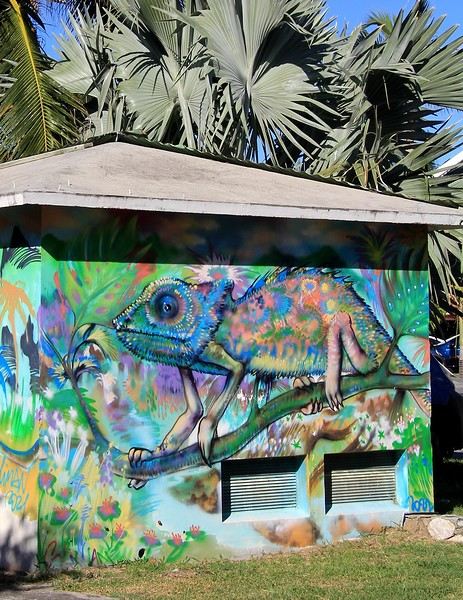
A Chameleon in Iguana Country Seen in a mural, it adorns a technical station in the Parc de la Baie Orientale (BO), a giant chameleon, as colorful as it should be.


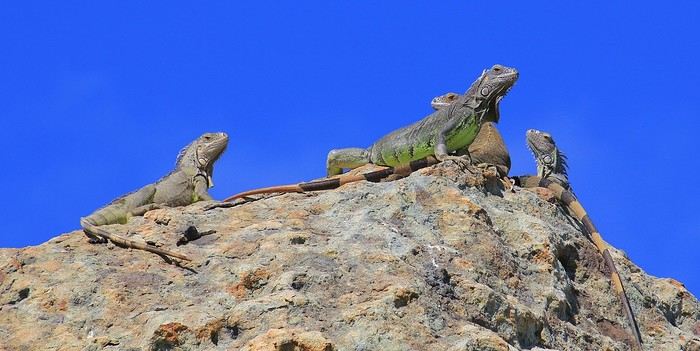
Yet on the island, iguanas are the star reptiles of the local wildlife. We regularly come across them, usually just a quick glimpse, except near pools where they "bask" in the sun.


The animal has a silhouette and appearance reminiscent of prehistory, with its dorsal crest, parchment-like skin, and floppy dewlap hanging under its throat. It catches the eye out of curiosity, but there’s nothing to fear—they flee at the slightest movement.

So why a chameleon in Orient Bay? A little idea, just like that! Chameleons, as we know, have the ability to blend into their environment by adopting camouflage colors that match their surroundings... and in BO, when it comes to shades of color, there’s no shortage!


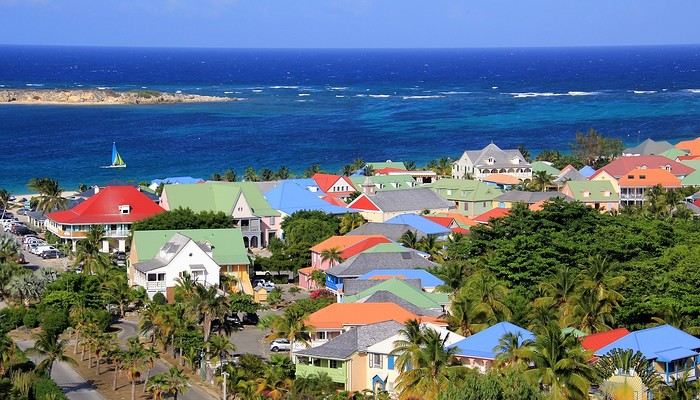
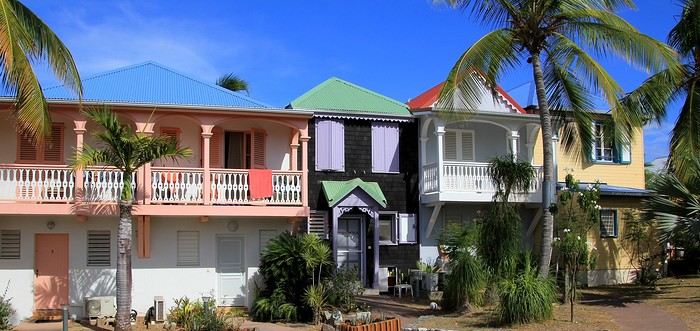
The charming facades of the villas and residences are all bursting with color, and especially the roofs, which are adorned with a vibrant palette—a true mosaic... just like a chameleon’s skin!
JE Jemaflor Veteran ·
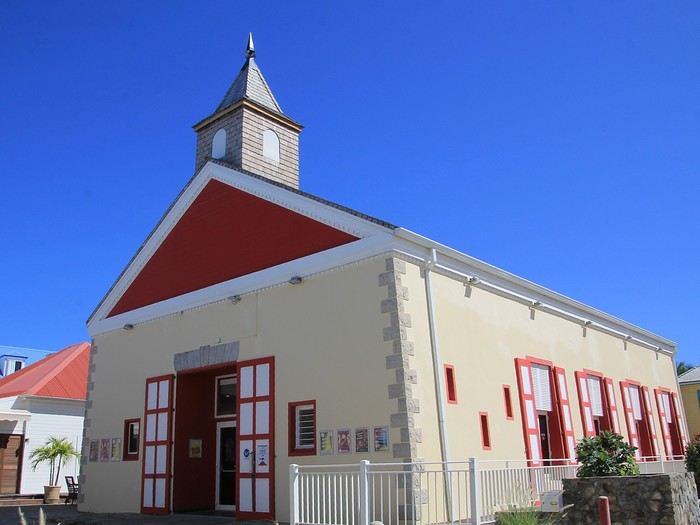
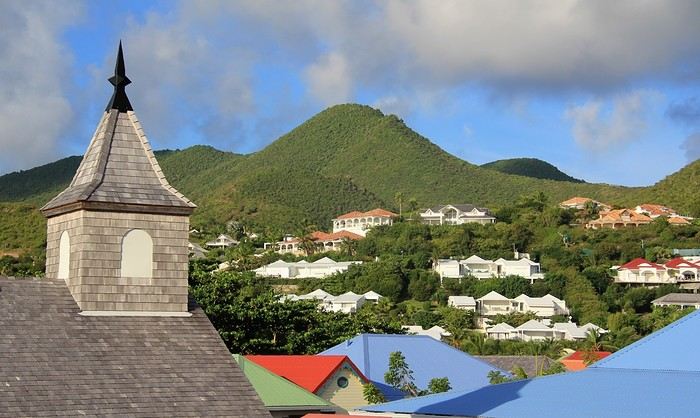
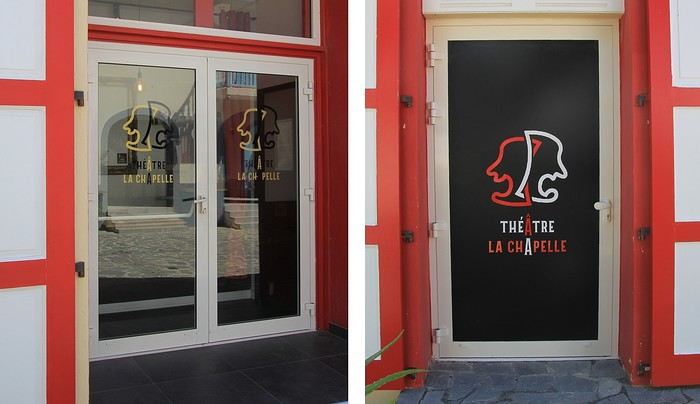
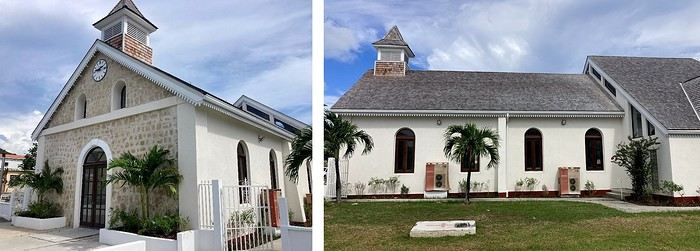
A bell tower, sure ... but it’s not from a church! This building looks just like a church. It’s right in the heart of the village in Orient Bay.


Topping what looks like a nave from the outside, there’s even a small bell tower ... but no bell! In fact, the only worship in this building is for artists, mainly actors. The place is called the Chapel—maybe to keep up the confusion? Because it’s actually a theater, a real performance venue. And we also learn that a few years ago, the building housed ... a bar and restaurant. Definitely a quirky Chapel!


Speaking of churches and performance venues, here’s a real one. We’re now a few kilometers away, right in the center of the town of Grand Case.


Here’s the Catholic church, almost brand new. A restoration in the island’s architectural style was necessary after the damage caused by Hurricane Irma in 2017. The renovation was a success for this building, which has a lovely name: *Mary, Star of the Sea of Grand Case*. Its inauguration was celebrated with great fanfare in December 2024. -- --

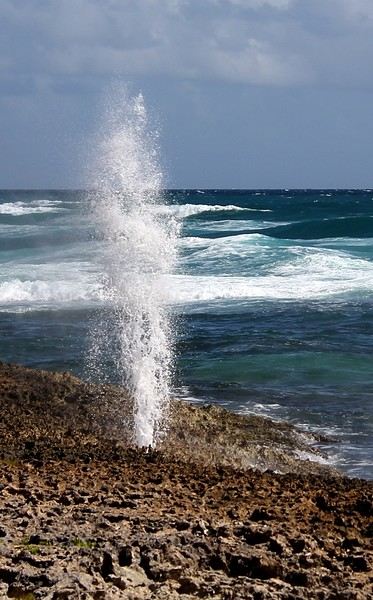
A surprising “geyser” at the end of the bay! Suddenly, a column of water shoots up from the rocks ... and the phenomenon repeats at regular intervals. We’re at the tip of beautiful Orient Bay, where the sun seems to rise at dawn and where the light sand gives way to sharp rocks. To get a better look at the water jet, let’s get closer.


You have to walk over a bed of pebbles and rocks because there’s no marked trail on this headland. Plus, you have to weave through bushes and thorns. Getting closer is fine, but not too close! When the water “explodes,” a spray is sent into the air ... and with the sea breeze, you might get a good soaking!


This powerful jet forms when water is forced through a gap in the rocks, created by erosion. On other coasts, these openings are often called *blowholes*. Sure, this “geyser” is impressive, but it’s pretty modest compared to the famous one in Yellowstone or even Iceland’s great Geysir.

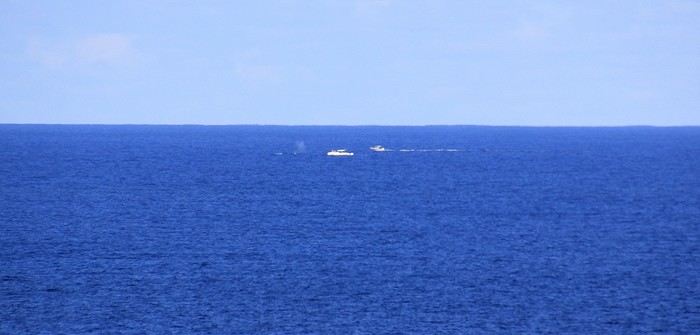
One last note: the show is fleeting and only happens when the weather conditions are right—rough seas, swells, and wind. So if you pass through this OB (Orient Bay for those in the know), you’ll need to be lucky to see Saint-Martin’s amazing geyser. -- This coastal “geyser” isn’t the only one to see—further out at sea, you can spot them too. But you’ll need patience and luck ... to see a whale’s spout. In fact, cetaceans frequent these Caribbean waters mainly in March and April. Perched on a hill facing the ocean, after scanning the water’s surface for a long time one afternoon, I finally spotted the famous spouts of a whale several times. Sure, it was a bit far offshore, and my zoomed-in photo turned out a little blurry. But my wait was rewarded with that sight—I was more than satisfied.


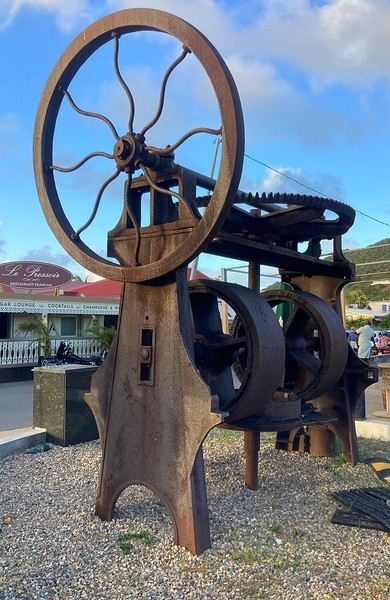
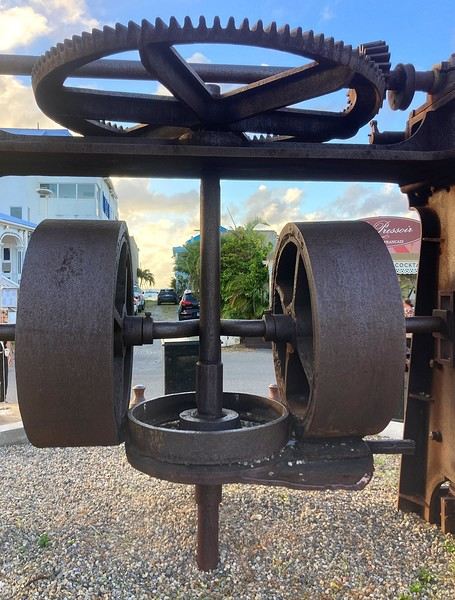
-- -- Riddle: What was this machine used for? No, no, it’s not a work of art or a sculpture. But if this rusty metal structure is displayed so prominently in the village square of Grand Case, it must have been an important object in the past.


JE Jemaflor Veteran ·
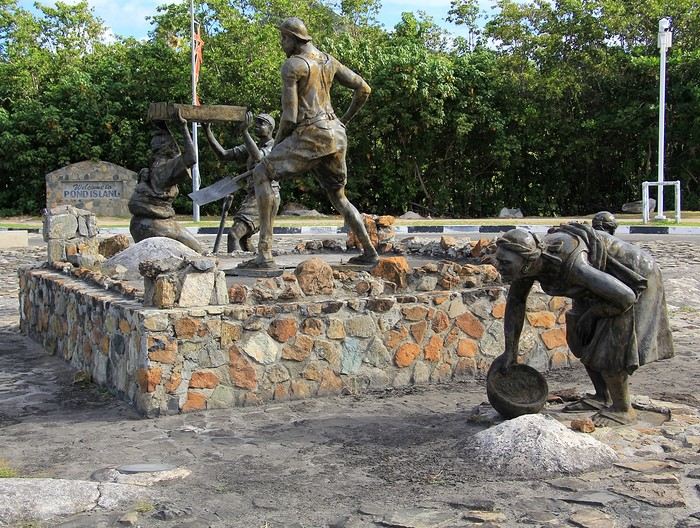
So, what about that machine from the previous post? Any ideas? Well, we imagine it’s some kind of grinder... Grain? But there were never large cultivated fields on this small island! So, for crushing sugar cane? No, that’s not it either! Actually, this grinder was once used to prepare the island’s “white gold”... salt. In the many lagoons and ponds, the main livelihood was harvesting salt. In fact, the island’s first inhabitants called it Soualiga, land of salt. Salt workers are honored in Philipsburg (Dutch side) with these very realistic statues.


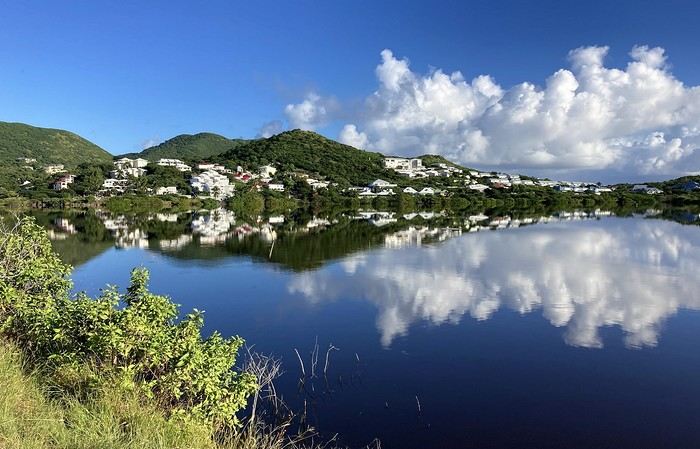
One of these ponds (Mont Vernon, Chevrise) used to be an old salt marsh. A view taken at a particularly photogenic moment with this stunning water mirror. Let’s admit, most of the time, the area looks duller with brackish waters.

-- --

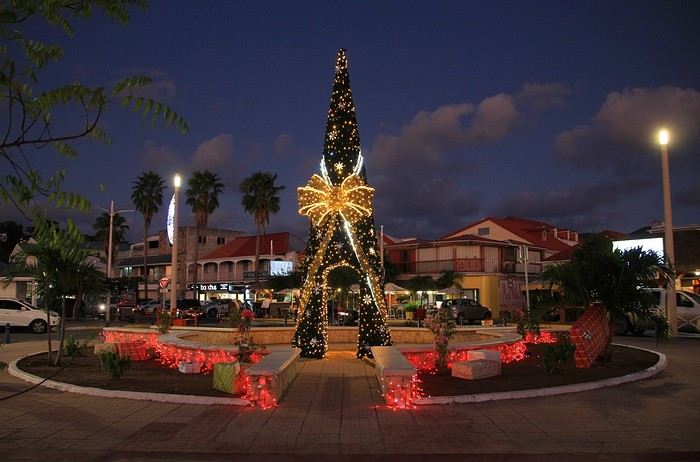
Christmas, Saint-Martin style Like everywhere in the world, during the Christmas holidays, a large Christmas tree stands in the center of Marigot, the main town on the French side of the island. A Christmas tree in the Tropics? The tradition, but at this latitude, it feels a bit out of place. You’d expect a palm tree or a lit-up coconut tree! A Christmas coconut tree—that would be local and original.


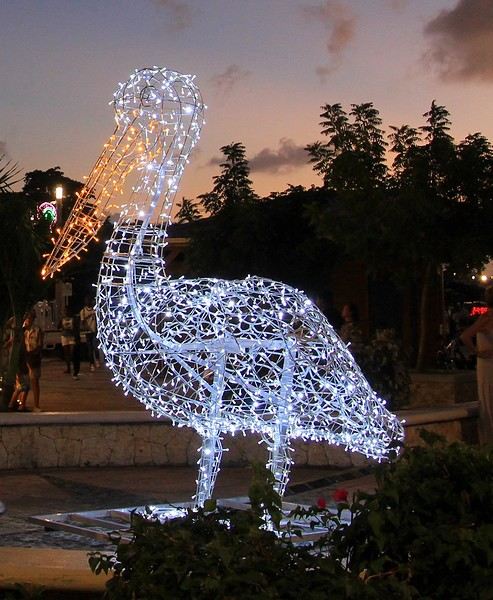
But to make it truly Saint-Martin-specific, right next to the quirky Caribbean Christmas tree, there’s the island’s star mascot: a giant, illuminated pelican. This bird is one of the island’s emblems. Now *that’s* way more original than a reindeer from Lapland...


Another Saint-Martin original: kids and adults alike can visit Santa’s House. For those of you who thought Santa only lived in the Far North, know that he has a second home on the island. A *case*... let’s go! It was December, and as expected, the famous Santa had already left on his gift-delivery tour... but Mrs. Claus was there to welcome visitors.


Here’s an island institution: a magical *case* created by Bernardine (photo). This Saint-Martin resident decorates her entire house during the Christmas season. From her garden to her kitchen, from floor to ceiling, her home is adorned with garlands, figurines, nativity scenes... and all sorts of knick-knacks collected over the years. With her friendly smile, she welcomes an audience amazed by this magic. Some might find it a bit over the top, but now she’s running out of space to display all these holiday decorations. And the “Mrs. Claus” confided in me that, with her daughter’s help, it takes about three months every year to set everything up! Anyway, kudos for this exceptional personal initiative.

-- --

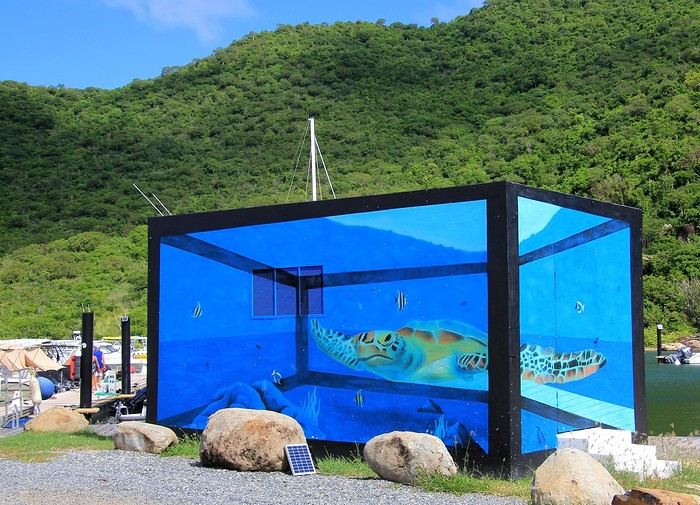
A sea turtle in an aquarium! No, not that... poor turtle dreaming of freedom and the endless ocean to swim in, blue of course.


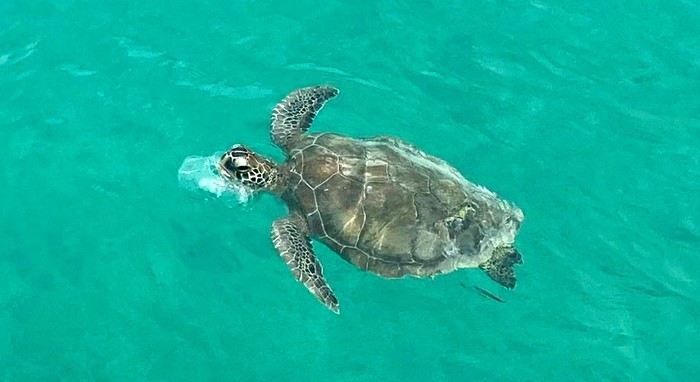
Well, as you can see in the photo, it’s just a decorative mural (Marina Anse Marcel), and let’s admit, this artwork is really well done. Bravo to the artist! Another view: a sea turtle in full freedom and for real—it came to play the star near a dock (Grand Case).


Like a celebrity, it swam for a few minutes under the click-clack of souvenir photo enthusiasts. I wonder if someone lured it by tossing snacks? Because usually, when you spot one of these turtles in the water, they tend to flee quickly...

-- --

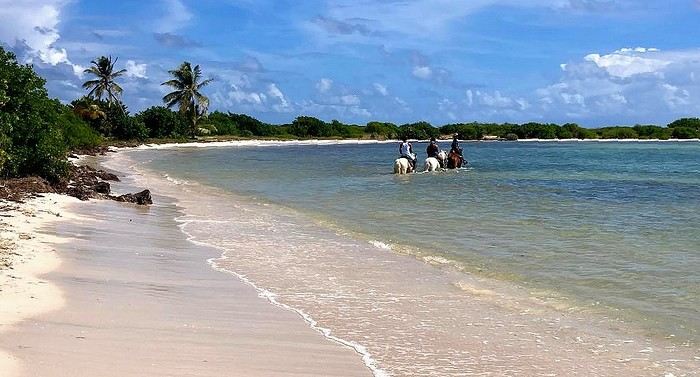
A swim like no other—at a walk and almost a trot A must-do on any island trip: sea baths. Refreshing, relaxing, and invigorating. In the waves or in calm, crystal-clear water with lovely blue hues—what else to say? Warm as you’d wish, 25–27°C, a dream... But in this paragraph, I’m talking about a less usual swim: a horseback bath! A memory. At a walk and a trot, we just descended the hill between bushes and rocky ground from the heights where the ranch is located. Now, it’s the sand of the shore that our horses’ hooves are treading. The long-awaited moment of this equestrian ride couldn’t come soon enough: the sea bath. Anticipated by both horse and rider—everyone’s going to enjoy it.


A few careful steps, and my horse has water up to its neck. As for me, the little waves are bathing me from feet to waist. Then my mount starts snorting, blowing like a series of sneezes... not quite a classic neigh, but what’s going on? And our guide tells me: "Well! He’s happy—that’s how he expresses it." I should’ve guessed. Amazing swim, unique sensations, and to top it off, the sublime panorama of Baie du Galion, wild with a lagoon-blue horizon.


PS: A more detailed story with more photos of this horseback ride... check it out here, just click the link: https://voyageforum.com/forum/caraibes-ile-saint-martin-plage-cheval-d11079873/
JE Jemaflor Veteran ·
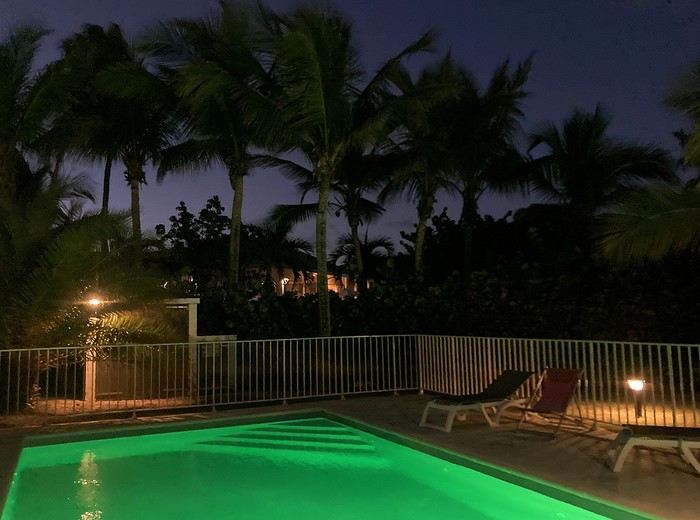
About pools Hearing about pools on a tourist island probably makes you think right away of the many hotel and villa pools in these beach destinations.


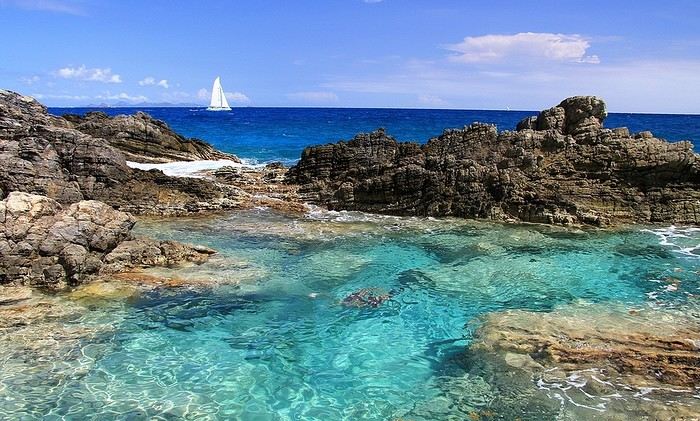
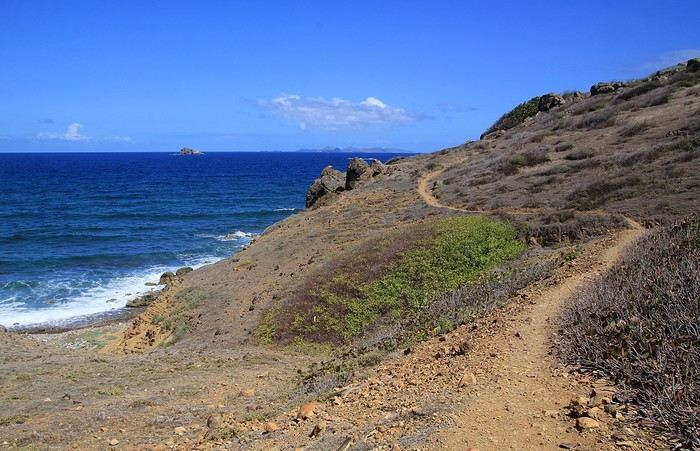
But that’s not the kind of pool I want to talk about here—rather, it’s the much more natural ones. However, to enjoy them, you’ll need to seek them out, not at the foot of hotel resorts but along the wild coasts of the island. Let’s head to Guana Bay, on the east coast of Sint Maarten. At the end of the road, overlooking steep cliffs, the walk continues on foot.


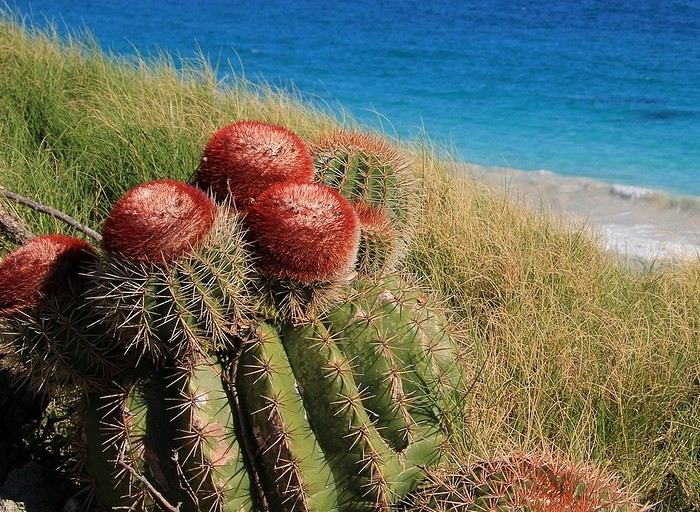
The path winds between rocks, boulders, and sparse vegetation dotted here and there with cacti. Some are topped with spines and sometimes pretty red pom-poms.


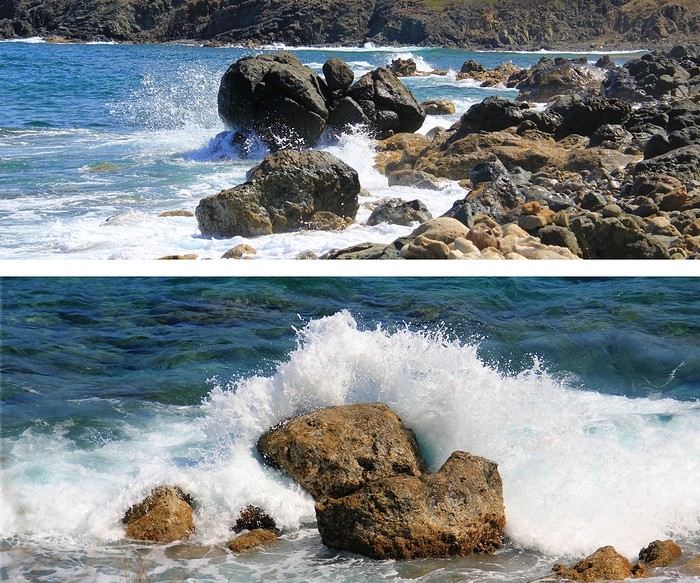
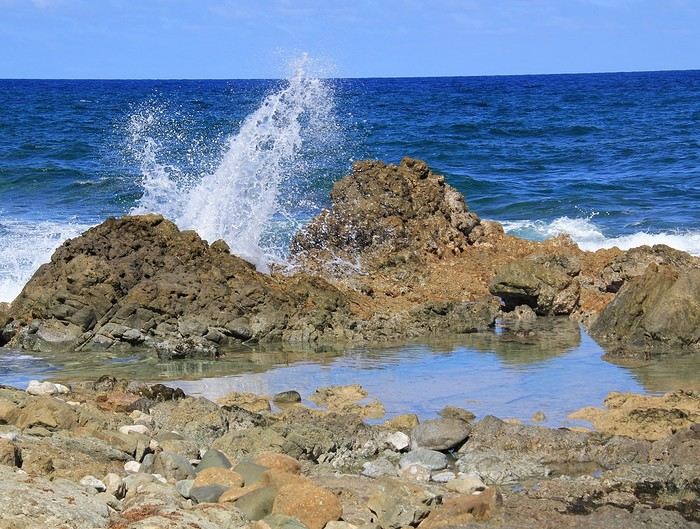
Below, at the foot of the rocks, the waves from this windward coast crash, forming a blanket of foam. It’s there, nestled in the hollows of the rocks, that you’ll find charming little pools perfectly sheltered from the swell and waves—like this peaceful haven, so incredibly enjoyable!


Imagine the relaxing dip in these crystal-clear waters, safe from the onslaught of a raging ocean. -- --

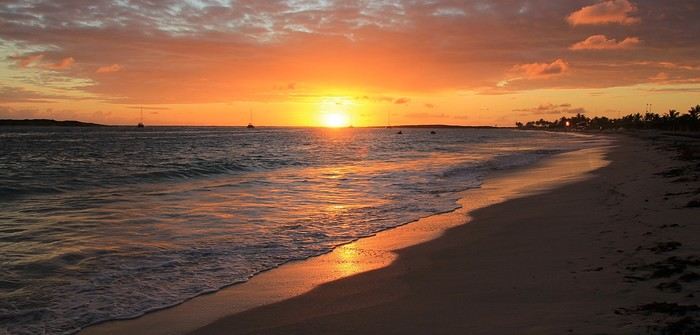
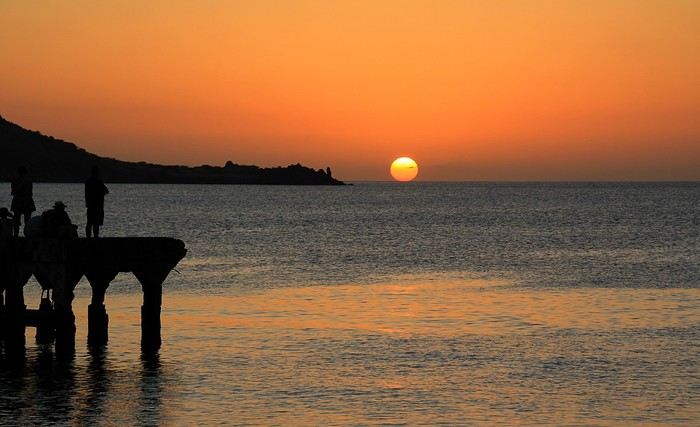
On the island of Saint-Martin, there are beaches—lots of beaches—that’s one of its main attractions, but there are also many other discoveries worth knowing about. My little list is just a glimpse. I started this Saint-Martin journey with an unusual moonrise, and to wrap it up, here’s a more classic sunset over the sea—usually stunning in these tropics.


Jean SM – Island of SAINT-MARTIN -
VO Voyajou Globetrotter ·
Music, butterflies, and iguanas, a historical insight and a geological phenomenon, and so many other interesting things. And then, elegance and humor. I won’t even mention the photos (what can I say? ;)).

Thanks for this beautiful timeless stroll.
HO Holigirl Veteran ·
This travel journal smells like vacation, thanks! 🙂

The photos are really great!
JE Jemaflor Veteran ·
Thanks JL, It's nice to see this post about my presentation, which has indeed evolved over time with these little insights into the island of Saint-Martin. 😉
JE Jemaflor Veteran ·
This travel journal smells like vacation, thanks! 🙂

Absolutely, the photos are gorgeous!

Thanks! And to keep dreaming of tropical island vacations by the sea (in photos), here’s a panoramic view of the stunning Anse Marcel, on a calm morning before the vacationers arrive.

BA Barry23 ·
So, what about that machine from the previous post? Any ideas? Well, we imagine it’s some kind of grinder... Grain? But there were never large cultivated fields on this small island! So, for crushing sugarcane? That doesn’t fit either! Actually, this grinder was once used to prepare the island’s “white gold”... salt. In the many lagoons and ponds, the main livelihood was harvesting salt. In fact, the first local populations named their island: Soualiga, land of salt. Salt workers are honored in Philipsburg (Dutch side) with these very realistic statues.


One of these ponds (Mont Vernon, Chevrise) used to be an old salt marsh. A view taken at a particularly photogenic moment with this stunning water mirror. Let’s admit, most of the time, the area looks duller with brackish waters.

-- --

Christmas, Saint-Martin style Like everywhere in the world, during the Christmas holidays, a large tree stands in the center of Marigot, the main town on the French side of the island. A Christmas tree in the Tropics? The tradition is there, but at this latitude, it feels a bit out of place. You’d expect a palm tree or a coconut tree all lit up! A Christmas coconut tree—that would be local and original.


But to really embrace the Saint-Martin spirit, right next to the quirky Caribbean tree, there’s the star local mascot: a giant, illuminated pelican. This bird is one of the island’s symbols. Now *that’s* way more original than a reindeer from Lapland...


Another Saint-Martin twist: kids and adults alike can visit Santa’s House. For those of you who thought Santa only lived in the Far North, know that he has a second home on the island. A *case*... let’s go! It was December, and as expected, the famous Santa had already left on his gift-delivery tour... but Mrs. Claus was there to welcome visitors.


Here’s a local institution: a magical *case* created by Bernardine (photo). This Saint-Martin resident decorates her entire house during the Christmas season. From her garden to her kitchen, floor to ceiling, her home is adorned with garlands, figurines, nativity scenes... and all sorts of knick-knacks collected over the years. With her friendly smile, she welcomes an audience amazed by this magic. Some might find it a bit much, but now she’s running out of space to display all these holiday decorations. And the “Mrs. Claus” confided in me that, with her daughter’s help, it takes about three months every year to set everything up! Anyway, kudos for this exceptional personal initiative.

-- --

A sea turtle in an aquarium! No, not that... poor turtle dreaming of freedom and the endless ocean to swim in, blue of course.


Well, as you can see in the photo, it’s just a decorative mural (Anse Marcel Marina), and let’s admit, this artwork is really well done. Bravo to the artist! Another view: a sea turtle in full freedom and for real—it came to play the star near a dock (Grand Case).


Like a celebrity, it swam for a few minutes under the click-clack of souvenir photo enthusiasts. I wonder if someone lured it by tossing snacks? Because usually, when you spot one of these turtles in the water, they tend to flee quickly...

-- --

A swim like no other—at a walk and almost a trot A must-do on any island trip: sea baths. Refreshing, relaxing, and invigorating. In the waves or calm, crystal-clear waters with lovely blue hues—what else to say? Warm as you’d wish, 25–27°C, a dream... But in this paragraph, I’m talking about a less usual swim: a horseback bath! A memory. At a walk and a trot, we just descended the hill between bushes and rocky ground from the heights where the ranch is located. Now, it’s the shore sand under our mounts’ hooves. The long-awaited moment of this horseback ride couldn’t come soon enough: the sea bath. Anticipated by both horse and rider—everyone’s going to enjoy it.


A few careful steps, and my horse is in water up to its neck. As for me, the little waves lap from my feet to my waist. Then my mount starts twitching its nostrils, snorting like a series of sneezes... not quite a classic neigh, but what’s gotten into it? And our guide tells me: “Well! That means it’s happy—it’s just how it expresses itself.” I should’ve guessed. Amazing swim—unique sensations, and to top it off, the sublime panorama of Baie du Galion, wild with a blue lagoon horizon.


PS: A more detailed story with more photos of this horseback ride... check it out here, just click the link: https://voyageforum.com/forum/caraibes-ile-saint-martin-plage-cheval-d11079873/
Hi Jean,

Playing it safe, but it’s a beautiful destination—seeing the ponds, relaxing by the shores. Stunning, no complaints.
JE Jemaflor Veteran ·
Thanks Bertone for this nice word. Settling by a pond is fine, but they’re often bordered by mangroves and swamps... even nicer is to settle down and relax between two swims on one of the island’s splendid beaches 😉, there are more than 35 of them all around.
BA Barry23 ·
Thanks Bertone for that nice word. Settling by a pond is fine, but they’re often lined with mangroves and swamps... even nicer is relaxing between two dips on one of the island’s stunning beaches 😉, and there are over 35 of them all around!

Hi there,

That’s exactly what makes Saint-Martin so charming: you can go from a mangrove or a pond to a paradise beach in just a few minutes. On my last trips, I also noticed that many travelers in vans, RVs, or boats take advantage of this freedom to explore different spots on the island completely off-grid. With sunshine almost year-round, solar setups are really popular for powering lights, fridges, or electronics without needing an external hookup. For those interested in this kind of gear, I recently came across a pretty comprehensive guide on the SmartSolar MPPT Victron Energy solar charge controller, which explains how to optimize solar battery charging while traveling. Anyway, your photos and story make me want to go back so badly!

Similar discussions