I had to leave Thailand as my 60-day visa was coming to an end, and this time I opted for a 14-day visit to Japan. I’d already spent 3 days in Tokyo a few years ago on a business trip, which left me with a great impression. Y, my Thai partner, had never been there. That’s why we chose a fairly classic itinerary, including a few castles and Kyoto among other things.
Before diving into the details of our trip, I’d like to recap the expenses we incurred. This will be useful for some of you, and it’ll help us prepare for our next trip to Japan.
I’ve categorized our expenses into 5 groups:
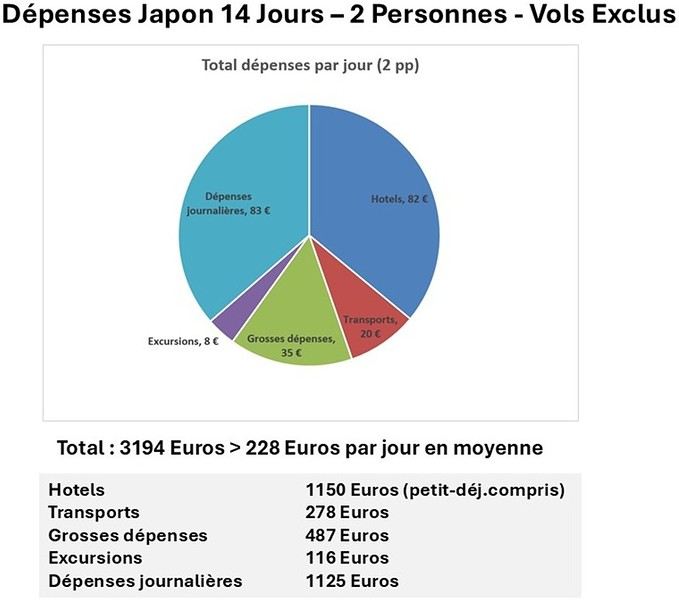
- Hotels: 1150 € (breakfast included)
- Transportation: 278 € (trains, buses)
- Big expenses: 487 € (souvenirs and a few necessary items)
- Excursions: 116 € (museum visits, temples, castles)
- Daily expenses: 1125 € (meals, small purchases)
Total = 3194 €, or 228 € per day on average. I’m excluding flights, as those depend on everyone’s arrangements (departure location, travel dates, etc.).
Jpeg below: apologies for “hotel” without a circumflex—my software isn’t French!
For hotels, we always chose decent but not luxurious places, well-located to let us walk to and from transportation hubs. We systematically avoided taxis, which are notoriously expensive in Japan. We’ve also gotten into the habit over several trips of traveling with minimal luggage: one duffel bag each (7-8 kg) plus the small carry-on allowed on planes (2-3 kg). This lets us travel with three sets of clothes (what we’re wearing plus two changes). We add a checked bag for the return trip to accommodate the things we buy along the way.
‘Transportation’ and ‘Big expenses’: I’ll give more details in the day-by-day account.
We didn’t do any extravagant excursions, like safaris or sports activities.
Meals and food make up the bulk of our daily expenses. We often ate at izakayas, which offer great value—between 2000 and 6000 yen for two (about 11-12 to 33-34 € for two, usually around 20-25 €). We didn’t hold back, but we also didn’t go to high-end restaurants.
More to come while I gather my photos: General Remarks.
Hi there,
I’ve found so many tips and reviews on this forum, so it’s my turn to contribute a little.
We spent just over two weeks with our family, with the following itinerary:
- Hanoi: 5 days
- Halong Bay: 3 days and 2 nights
- Tam Coc: 3 days
- Mai Chau: 2 days
- Sapa: 3 days
We got around by bike, scooter, Grab, and bus.
Our main accommodations were homestays and hotels in Hanoi.
We visited lots of museums, temples, and neighborhoods in Hanoi.
We did a 2-day, 1-night trek in Sapa with May, a Hmong local, without going through an agency.
A few small regrets: the weather was overcast, and we couldn’t make it to Fansipan, but nothing major 😅. We also couldn’t find transport to get from Sapa to Mu Cang Chai.
Other than that, this trip will stay in our memories for the kindness of the Vietnamese people, the connections we made, the food (street food, homestays...), the coffee 😋, the landscapes, and how easy it was to get around...
Our goal was to take our time and focus only on a small part of northern Vietnam.
If you need any tips or recommendations, don’t hesitate to ask.
Looking forward to hearing from you.
Cédric.
Hi
It's hard to tell from Maps or anything else whether the road along the Tessaout is fully paved from Amezri all the way to the junction with the road connecting Demnate to Ouarzazate (RN23).
Thanks for your replies!
Herviche
I’m sharing a little recap of this new 4-week trip to China—nothing fancy, just my experience.
We’re taking advantage of the extended visa exemption to return to China for the 4th time. I loved last summer’s trip so much that I’m a bit worried about being disappointed this year. Plus, I’ve had a few hiccups before this departure: my WeChat account got blocked, and I couldn’t recover it (luckily, Alipay still works fine); I couldn’t verify my 12306 account for weeks; Trip.com failed to book our second train; and I’ve got an injury that’ll slow me down during the trip... Ugh, I hate starting a trip with these kinds of issues. Then, oh surprise! Just before leaving, my 12306 account got verified! Super easy to use from that point on—I could book a few train tickets without fees.
We’re sticking with Free’s e-SIMs, which work great in China.
August 2–3
Anyway, on the morning of August 2nd, we took the RER to CDG. As usual, we couldn’t check in online. It’s always a bit frustrating, especially since we didn’t have any checked luggage. We flew with Air China. We arrived at the check-in counter at 9:50 AM, 2 hours and 40 minutes before the flight. The line for our check-in stretched 300 meters across the airport in both directions. What a joke!! We spent 1 hour and 45 minutes in that line just to reach the counter and get our boarding passes. By then, it was 11:35 AM, and boarding had already started at 11:20 AM. The screens showed a 25-minute walk to our gate—on the other side of the airport, of course—plus we had to go through passport control and security... Long story short, the plane didn’t leave without us 🙂 We boarded among the last passengers, and we took off at 12:30 PM. We’d flown Air China four times before, but this time, it felt *really* low-cost. The check-in chaos, the cramped seats (12 seats per row), no music by artists known outside China, mediocre food, and a boarding area at Beijing Airport with only 10 seats—worthy of Ryanair or EasyJet. And yet, the price was sky-high. Again, D.’s vacation requests were denied outside of July and August, so we’re traveling from August 2nd to 30th. We couldn’t have picked a worse time for inflated prices, and with the situation in Iran, we got hit with a 390 € fuel surcharge. I’ve never paid so much for flights—I felt like I’d bought business class, but nope, far from it!!
We landed in Beijing around 4:15 AM. It was 28°C with thick fog. We drove and drove and drove for 20 minutes, as usual in Beijing. Then we went through a first check, a second check, a third check, and waited for our connecting flight at 6:40 AM. A small Airbus A320, but way more space than in the Boeing 777 from the first flight. We landed in Kunming, Yunnan, around 10:15 AM in the rain.
We headed to the subway. You can’t pay at the machines with Alipay here either, so we set up the transport QR code directly in Alipay to scan at the subway gates. The process is a bit long the first time if you haven’t entered your info before, but once it’s done, it’s *so* much easier! We took Line 6 to the terminus for 6 yuan each.
We’d booked a hotel nearby, on the 16th floor. It’s actually studios on different floors of a huge residential building. The view’s pretty nice from here. We settled in quickly—back to those wooden beds, or rather, mattresses as hard as wood, which we *hadn’t* missed...
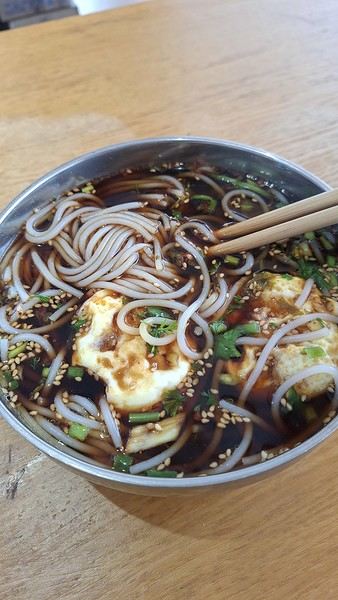
Then we went out for our first bowl of noodles of the trip and wandered through the shopping streets of the old town.
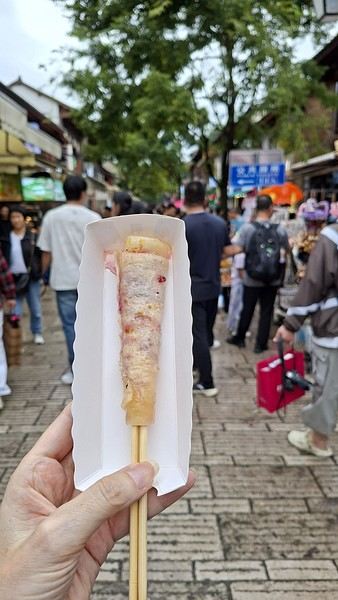
It was crowded, and the weather was cool—around 19–20°C. We tried a local specialty: milk skin, thick, dried, then grilled with rose jam. Yeah... we won’t be having that again. The taste and texture of the milk skin... no thanks.
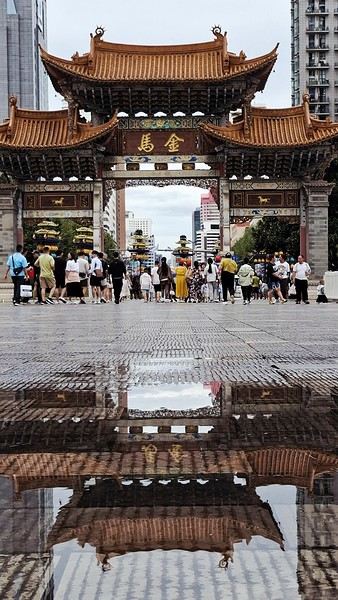
We saw a lot of wild mushroom hotpot too. It’s on our list for later. We also passed through the Jinma and Biji gates, where I played with reflections in puddles. I *love* doing that 🙂
At the end of the day, we headed to a temple advertised as open 24/7 on Amap. Of course, when we got there, it was closed. We’ll go back tomorrow. That was the first of many disappointments with Amap this trip—I hadn’t had that issue on previous visits.
We were exhausted after that sleepless flight. Night was falling, and we decided to grab a quick bite without much appetite. We shared a delicious vegetable fried rice for 12 yuan—we even left half of it. The portions are *huge*.
After a couple of small purchases, we headed back at 9 PM, wiped out, after walking 17 km between the airports and these first steps in Kunming. I expected to see quite a few Western travelers here, but we didn’t spot a single one. Instead, we met lots of curious Chinese people, many of them super friendly and helpful—almost *too* eager, like when they’d run to serve us as fast as possible. It’s a bit much, but it’s great to be back!
Salut la tribus.
Je vais retourner en Inde après plus de 15 ans et j'aimerais bien connaître le coût de la vie à l'heure actuelle.
Je prévois un peu moins d'un mois, Delhi Agra Benares Calcutta, sûrement en train et en prenant le temps.
Nous voyageons en couple. Et partageons donc le coût des logements.
Merci d'avance pour vos réponses.
Petite précision voyage prévu début 2027.
We’ll be in Nepal from November 1st to 12th, 2026.
We paid for our flight tickets with a Visa Premier card. Is it worth getting additional insurance? And if so, which one would you recommend?
Thanks,
Guylaine
In the summer of 2026, we packed our backpacks again to explore Jotunheimen National Park in Norway.
We’d never heard of this park just a few months earlier—we discovered it by following threads online.
It’s billed as the most mountainous park in the country, which really appealed to us after scrapping our original plan further north.
Unfortunately, it’s also the most crowded, which made us a lot less excited! The presence of the highest peak in the Scandinavian Alps and the "famous" Bessengen ridge (famous because it’s apparently well-known across the country) probably has a lot to do with that.
After managing to avoid the crowds on the Kungsleden trails by camping away from the huts and timing our hike to miss the biggest groups of walkers, we figured we had the formula down—and gave in to the call of the Norwegian mountains.
It’s the most mountainous, sure, but also pretty tough in terms of progress, as we’d soon find out during the trek. And with uncooperative weather, we got the winning combo of a demanding hike. But I’m getting ahead of myself...
For the end of the trip, we planned a few days in Dovrefjell National Park. Since these two parks are easily connected by public transport, we wanted to see something different—but mostly, we wanted to try spotting the musk oxen that live in Dovrefjell.
I’m reposting here a travel journal originally published on the Routard forum in 2022 during VoyageForum’s hiatus. Without altering its content, I’ll try to streamline it. The few comments on the political situation reflect my feelings at the time and don’t account for events since then! I’d rather avoid debates on the topic. The photos are nothing fancy—just illustrative.
The context: we’re coming out of COVID. We’re looking for a not-too-distant destination, and Jordan has been catching our eye for a while. After some thought, we wonder if we shouldn’t take advantage of the geography to hop over to Israel. After all, Jerusalem is less than 100 km from Amman. Plus, Transavia lets you combine both destinations.
To plan our trip (February 19 to March 4, 2022), we contacted three French-speaking agencies in Amman. Their itinerary proposals were pretty similar, but the prices varied significantly. Given the many positive reviews we read on travel forums and a very attractive rate compared to competitors, we quickly settled on Ahmad Ababseh’s agency. Still, deep down, we had a slight worry—so many glowing reviews seemed a bit over the top, but we took the chance.
During the preparation, which happened in a very short timeframe (less than 10 days), Ahmad didn’t provide detailed roadbooks, and we made do with brief email or phone exchanges. Few details were shared either. We discussed hotels, with Ahmad preferring the ones he knew. We picked our hotel for our arrival in Amman, but before agreeing, Ahmad insisted on inspecting the rooms.
For payment, Ahmad only asked for a 500 € deposit and trusted our word for the balance, which we paid upon arrival. He also committed in writing to refund the full deposit if our trip was canceled due to COVID.
Finally, for the Israeli part, Ahmad contacted an agency in Jerusalem to handle the logistics. He didn’t take a commission.
We’re three adults planning a trip to Norway in May 2027.
What do you recommend for the Lofoten Islands? We’d prefer to group the places to visit (flights, rental car...??).
Actually, we ended up going to Japan almost by chance. I’d caught glimpses of the country during business trips, and it had been on my “wish list” for a while, but I thought we’d go “when the kids were grown up.”
But this summer (2016), the kids couldn’t agree on a destination—their wishes were completely opposite. Then, realizing that flight tickets weren’t outrageously priced—and having read that Japan wasn’t as expensive as people think—we, the parents, suggested Japan… while warning that it would be scorching hot and humid and that no one should complain. Our eldest (18) was immediately thrilled: “Oh! Mom! I’ve always dreamed of going to Japan!” She convinced her brother (16) that it was the perfect destination. Deal sealed: we’re going to Japan, but no one complains about the heat.
After some forum discussions and family brainstorming, I settled on the following itinerary. One non-negotiable shaped part of our choices: being in Hiroshima on August 6th to attend the lantern floating ceremony. To avoid overloading the trip with extra transport, we skipped Nara, Nikko, and Kamakura.
Day 1 - Arrival at 8:30 AM in Osaka – Kyoto - around the station
Day 2 - Kyoto - East - night: Kyoto
Day 3 - Kyoto - North and center - night: Kyoto
Day 4 - Osaka (stroll with Osaka Safari) - Fushimi Inari -night : Kyoto
Day 5 - Train - Naoshima - night: Uno
Day 6 - Teshima -night: Uno
Day 7 - Naoshima – Hiroshima - night: Hiroshima
Day 8 - Hiroshima – Commemorations - night: Hiroshima
Day 10 - Miyajima- night: Miyajima
Day 10 - Miyajima - Himeji Castle - night: Osaka
Day 11 - Osaka - night: Osaka
Day 12 - Kyoto - West -night: Osaka
Day 13 - Kanazawa to Ainokura - night: Ainokura
Day 14 - Shirakawa-go - Takayama - night: Takayama
Day 15 - Kamikochi night: Takayama
Day 16 - Takayama - return to Kanazawa night: Kanazawa
Day 17 - Kanazawa -night: Kanazawa
Day 18 - Travel to Tokyo (Shibuya) -night: Tokyo
Day 19 - Tokyo (visit with Tokyo Free Guide – Yoyogi Park - Meiji Shrine - Harajuku - Takeshita-dori - Omote Sando - Odaiba) - night: Tokyo
Day 20 - Tokyo (with Tokyo Safari) - night: Tokyo
Day 21 - Tokyo (Tsukiji, Hama-Rikyu Onshi Teien, Asakusa and Senso-ji, Kappabashi, Ameyoko, and Ueno) - night: Tokyo
Day 22 - Tokyo (Shibuya-Yoyogi Park again - Ikebukuro - Shinjuku (Tokyo Metropolitan Government Building, Omoide-yokocho, Golden Gai) - night: Tokyo
Day 23 - Tokyo (Yanaka – Ueno – Edo-Tokyo Museum - Takashita-Dori again - back to Shibuya) - departure at 10:50 PM for Paris
(You can access the published days directly by clicking on them).
The itinerary perfectly matched our expectations: a good pace, a wide variety of visits, the must-sees, but also a first taste of rural Japan. If we were to do it again, I’d do exactly the same (except for the back-and-forth between Kyoto and Osaka on Days 4 and 12, which were due to my desire to explore Osaka with Osaka Safari). Of course, we had to skip some sights, especially in Kyoto where we missed a few “highlights,” but that was a deliberate choice—I’d limited our time in the city, which is known for being stifling in summer.
For accommodations, we mixed Airbnb apartments and quadruple rooms in guesthouses and ryokan. It worked out perfectly. The apartments gave us more space and the chance to dine in some evenings, while the guesthouses and ryokan helped us experience Japanese customs.
First, a quick recap: all four of us were enchanted by our trip.
Japan is a constant source of wonder, just like the preface of *Tokyo Sanpo* by Florent Chavouet describes—I’ll take this opportunity to plug the book, which I read with great pleasure after our vacation.
That’s exactly it: everything is a reason for amazement. Everything is so different from home. I wanted to photograph everything around me constantly. I promise, I won’t say “photograph like a Japanese” anymore—during this trip, *I* was the Japanese. And I better understand the culture shock Japanese travelers experience in Europe.
As a friend of mine put it: “It’s simple—they have ten fingers, so they count in base 10. Otherwise, they do everything differently from us.” Well summarized.
Another thing: everything is easy. Everything seems to have its place and be exactly where it should be. The smallest detail seems to have been thought out to make life easier. Things that come to mind: the incredibly well-designed signage in train stations and the subway, the ubiquitous public toilets, designated smoking areas, those hyper-detailed maps with all the useful information available at every place we visited… These maps are so well done that we got into the habit of picking them up systematically. It’s that simple: I came back to Paris with a complete collection. And when we arrived in Takayama by car, our first stop was at the train station to get THE map. But this order goes beyond all these practical elements. There’s a certain *je ne sais quoi* that makes you feel like everything is exactly where it should be. Even during rush hour, in the crowds, people manage to avoid each other in a smooth, collision-free flow—the opposite of the Paris metro. Anyone who’s experienced certain transfers in Paris at certain times will understand.
The exquisite politeness of the Japanese and their desire to be helpful are another highlight of the trip. Every person we met tried to help us and make our lives easier. It was really great.
Oh! I almost forgot: Japan’s hyper-safe side. I’ve rarely felt as safe as I did in Japan. No need to keep an eye on your belongings—they’re not going anywhere. One example among many: in Tokyo, Japanese women leave their bags open with their smartphones casually placed on top. Even I could’ve taken them without them noticing, let alone a pickpocket… No wonder France is seen as dangerous.
That said, I’m not claiming Japanese society is flawless. The role of women and gender relations are downright shocking and archaic from our European perspective. I also don’t think I could live in such a codified society, where the individual is so dissolved into the collective. But for a vacation, it’s simply delightful. On that note, I recommend *Nââânde?!* by Eriko Nakamura, which I discovered after our trip on the recommendation of our eldest’s friend. It’s the story of a Japanese woman married to a Frenchman living in Paris, recounting her astonishment at French habits and customs. Even though I tried to be careful, I’m sure I made quite a few blunders.
As for the climate, it didn’t stop us from enjoying our trip. Sure, we were hot—*really* hot—but by protecting ourselves from the sun (hat for me, caps for the others, plus umbrellas—Japanese-style parasols) and drinking liters and liters of water, it was manageable and didn’t bother us too much, even if we probably had a slower pace than we would’ve with milder weather. That said, with small children, we would’ve struggled more.
Last point before diving into the trip details: the cost. Despite what I’d read, traveling in Japan is still expensive. I’m not talking about our specific trip, where—using our daughter’s 18th birthday and our 20th wedding anniversary as an excuse—I splurged on a few extras that drove up the cost. I was particularly surprised by the price of quadruple rooms, which is roughly the same as two double rooms. So for a family, that’s a significant extra cost. The various paid sites in Kyoto also add up. As for food, it’s generally cheap, but it would be a shame not to budget for a few extras to try some less affordable specialties—like Hida beef in our case.
I was wondering where the 'Gare du Nord' stop is when you arrive on the 39 bus from Montparnasse, and whether the 'Gare du Nord Dunkerque' stop in front of the station is served by this bus? From what I've read, there's no stop there on the return trip, which seems odd to me.
Our daughter has gone to Sydney, and we’d love to spend the end-of-year holidays with her.
The plan is to leave from Paris or Brussels and break up the trip with a 3- or 4-day layover to "split" the journey in two.
Then head back to Sydney, explore the East Coast in a van, celebrate Christmas and New Year’s in Sydney, and finally return to France with another layover.
My questions:
Which city should we choose for the layover (we’ve already visited Kuala Lumpur and Singapore and would like to see a different city)? Both on the way there and back?
Which agency should we rent a van from?
What sites should we visit on the East Coast?
If you’ve done this kind of trip before and have any tips or advice, I’d love to hear them.
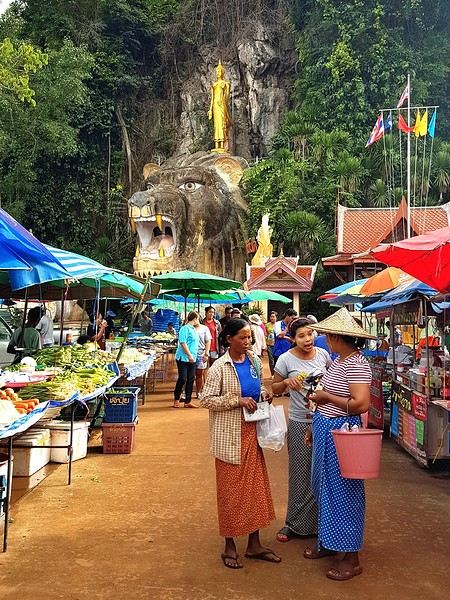
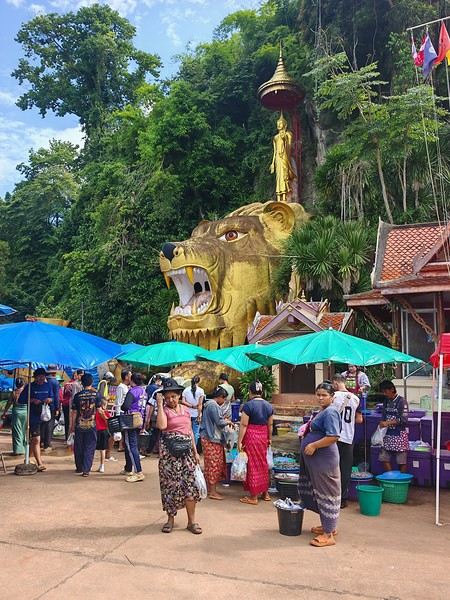
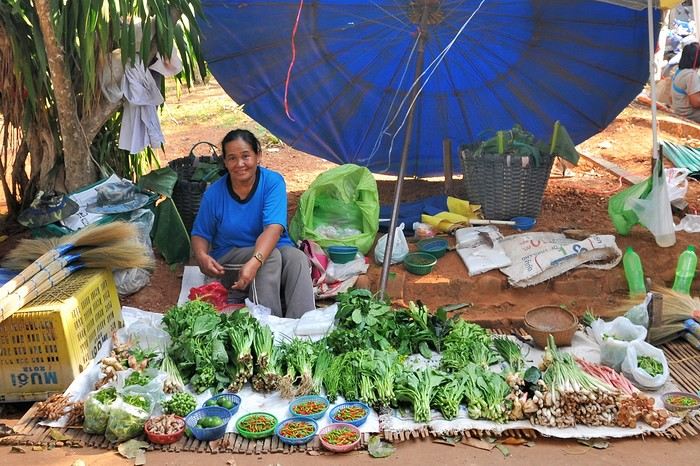
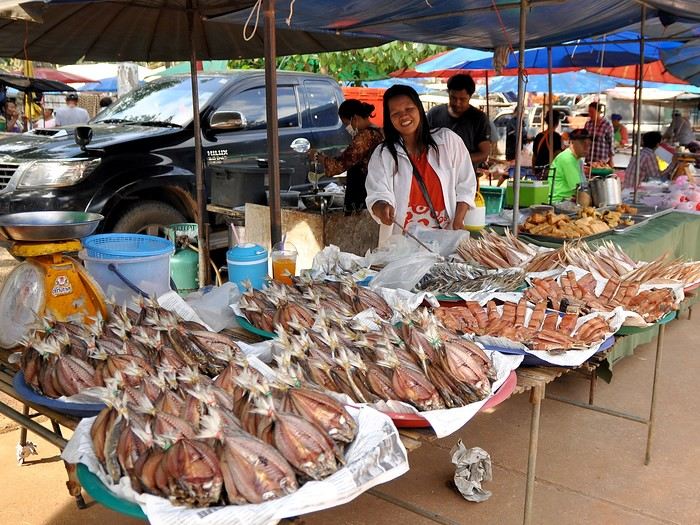
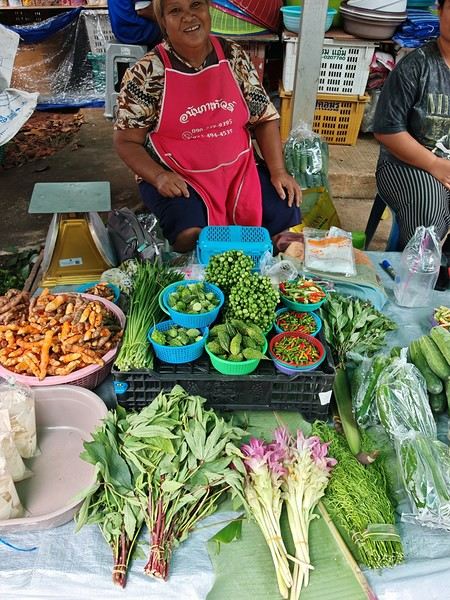
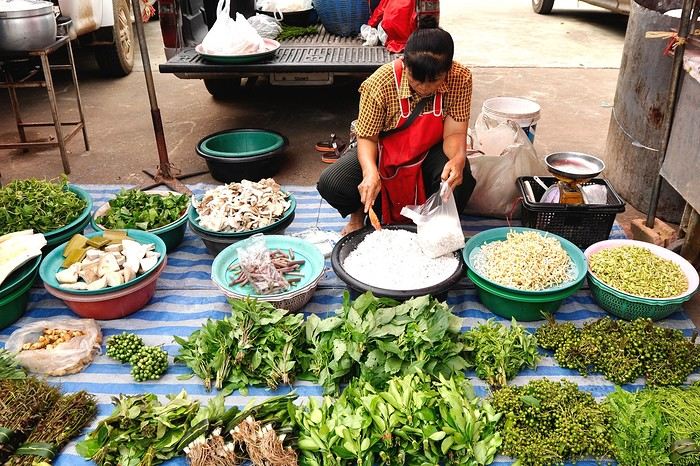
I don’t know about you, but I’m a huge fan of markets. No matter where I go, in every country or city I visit, I won’t leave without having seen one. I’m mostly talking about food markets. I love the smells, the colors, and watching people from all walks of life stroll around. It’s like a mirror of a country’s culture, and I love soaking it all in.
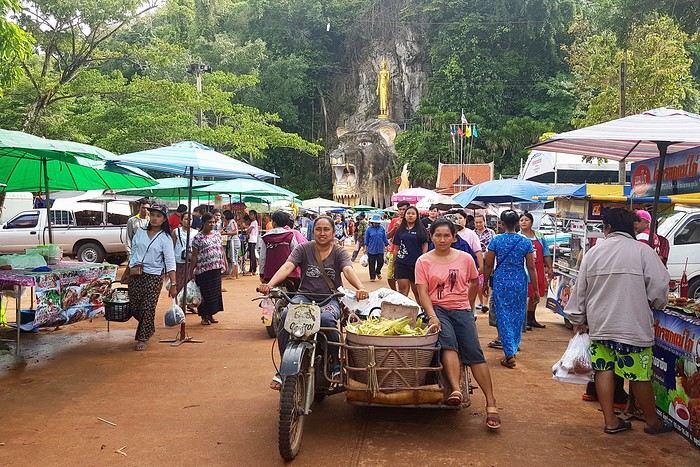
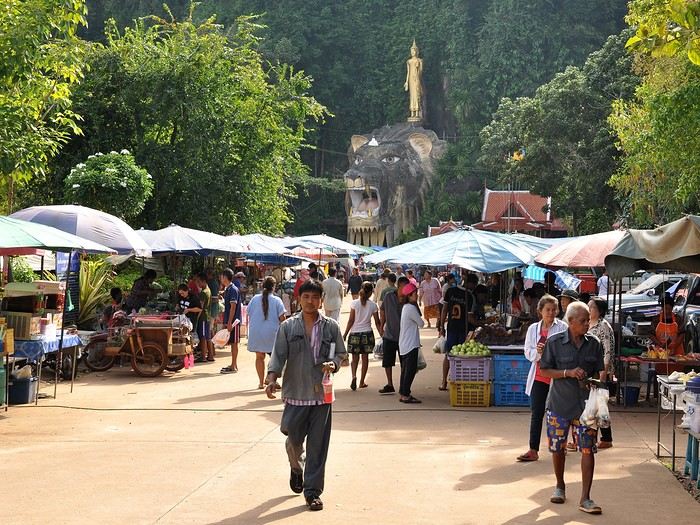
Thai markets are particularly appealing to me. In my province, there are so many. Maybe more than elsewhere—I’m not sure—but every day, you can find a "Talat Nat." These are traveling markets that set up in specific places on specific days. They only stay open for a few hours. Some attract more shoppers than others because they have more stalls and a wider variety of products. Sometimes, they’re set up in pretty unusual spots: temples, roadside, even on train tracks...
On top of these, there are also markets in the city that stay open all day.
I’d love for you to share your photos of markets, local product stalls, and why not, let’s talk about gastronomy and cuisine too!
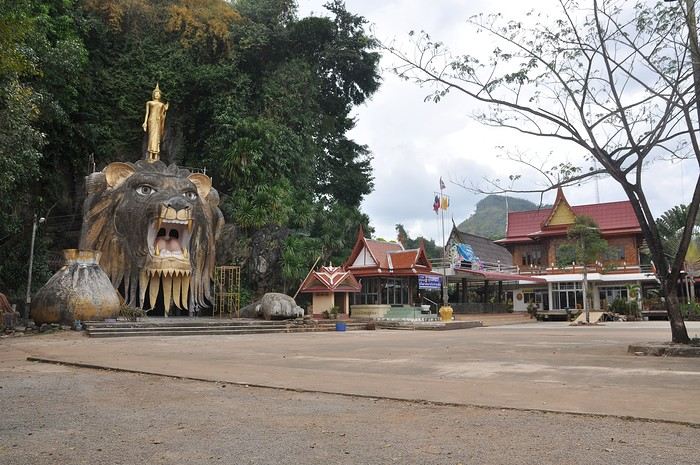
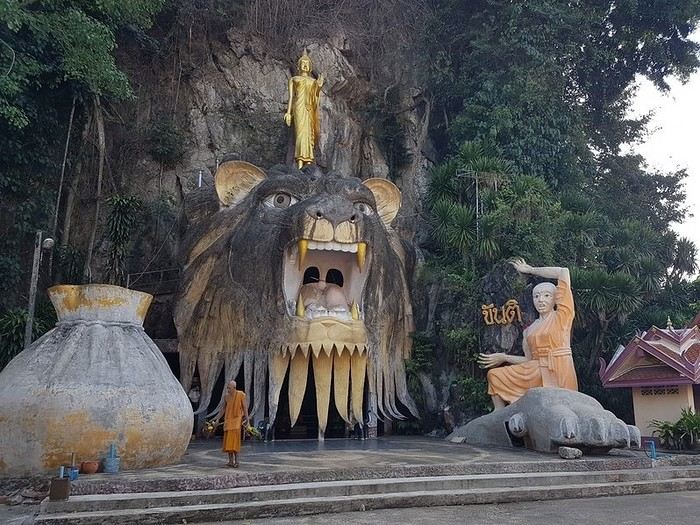
I’ll start with my favorite market—it’s 8 kilometers from my place and happens every Tuesday from 2 PM to 5 PM. I never miss a Tuesday unless there’s a downpour... 😉 It’s located in the countryside, in a village famous for its coffee (ThamSing), and inside the grounds of a slightly unusual temple. It’s easy to get to—over the past 10 years, the roads have been paved, which wasn’t the case before and made the trip a bit risky when it rained...
In the first two photos, you’ll see the temple courtyard on a normal day, without the market.
When it comes to the Caribbean island of Saint-Martin, it's customary to praise its coastline and dreamy beaches—and they certainly deserve it.
But in this story, I’d like to highlight other memories, aspects, and impressions for a slightly different change of scenery.
Enjoy the read—some text and, above all, lots of photos.
« Byenveni sou zile Sen Maten! » (Welcome to the island of Saint-Martin)
--
--
Full and luminous
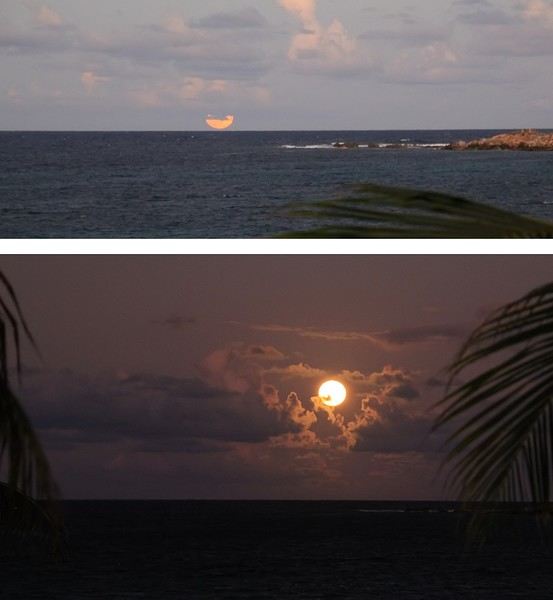
To avoid seeming too conventional at the start of this alternative take on Saint-Martin... here’s not a stunning sunrise over the sea but rather a moonrise—a less "typical" choice.
And when you get to witness it, it’s a truly unique moment of contemplation.
However, three conditions are essential for this spectacle: a full moon phase, a cloud-free horizon, and—most importantly—a moonrise at twilight.
That early evening, all the conditions aligned—lucky us!
Just above the sea, a strange glow gradually appeared. A huge moon was about to shine against a deep blue night sky.
What’s more, its light sparkled on the water’s surface—gorgeous! But so fleeting.
We’re on the east coast of the island, by the wide stretch of light sand at Baie Orientale, Saint-Martin’s own.
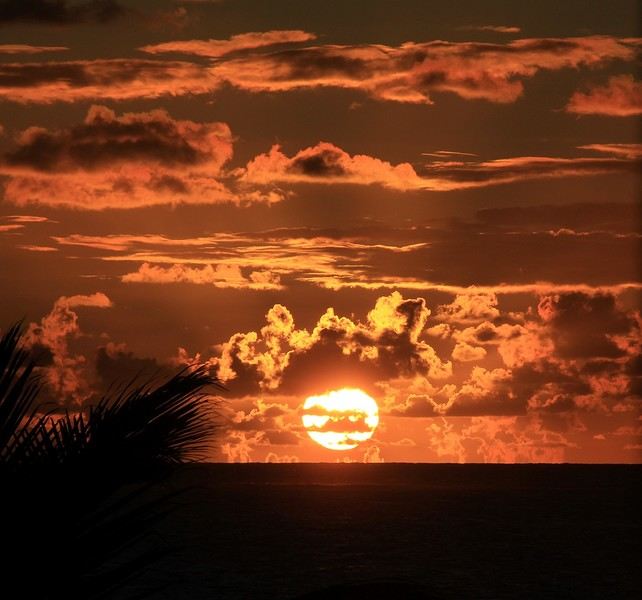
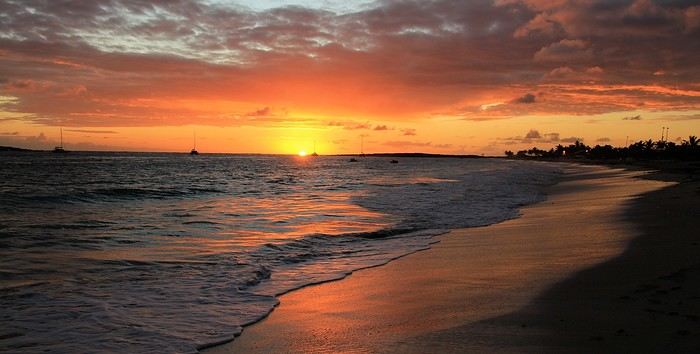
Now, just because I wanted to start with something a little different doesn’t mean we should overlook the bright sunrises you can see on this bay. They’re far more common than a beautiful full moonrise, but they also require two things: being an early riser and a clear horizon without misty clouds.
Views to soak in without restraint...
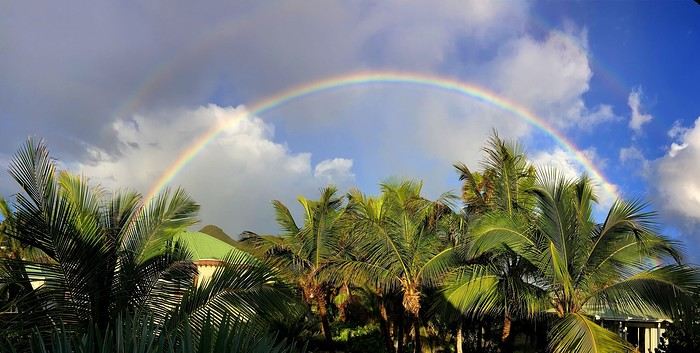
Other memories of beautiful lights and lovely colors—a morning when the sun had a brief meet-up with the rain, creating a stunning rainbow.
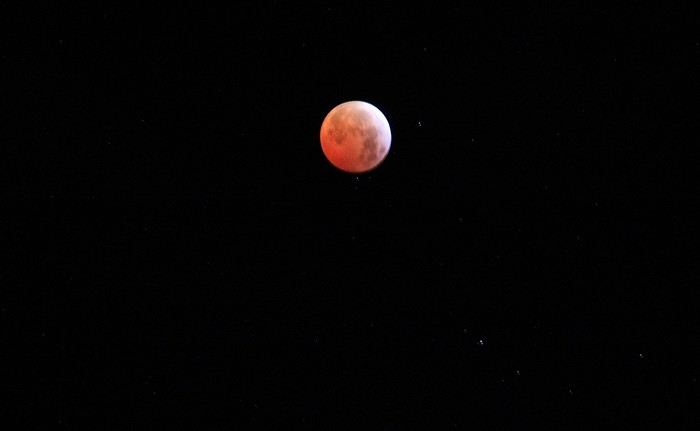
And let’s talk about the moon again... On a clear night, a "blood moon," the result of a lunar eclipse that had turned our familiar satellite red.
--
--
A butterfly with golden wings!
In the tropics, swarms of butterflies flutter everywhere, from flower to flower. They sip the sweet nectar from stamens and blooming corollas with delight.
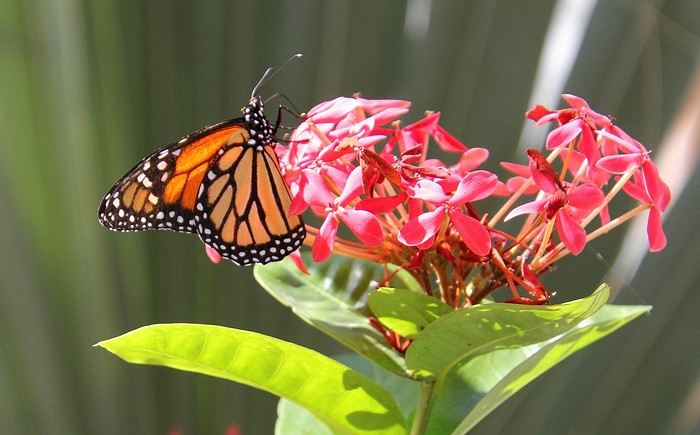
Here, a monarch, one of the great migratory butterflies, taking its time to enjoy the pollen of this Ixora coccinea—or Japanese hydrangea, but let’s stick to Saint-Martin.
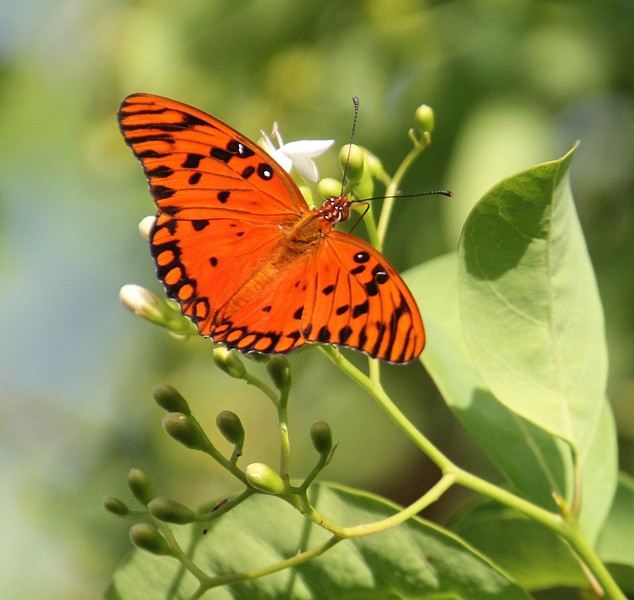
This one is an *Agraulis vanillae*, to be precise—and thanks to the internet for the ID.
Photographing them isn’t always easy; these fearless butterflies often fly off before you can get a good focus, challenging both the framing eye and the autofocus!
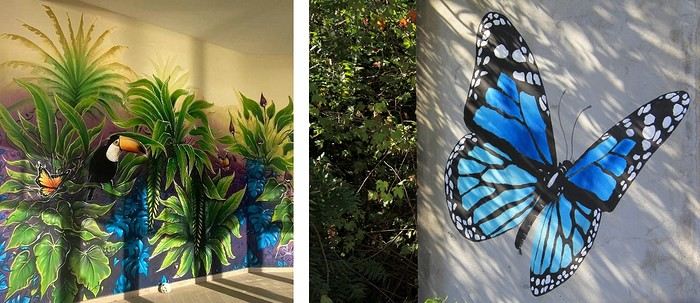
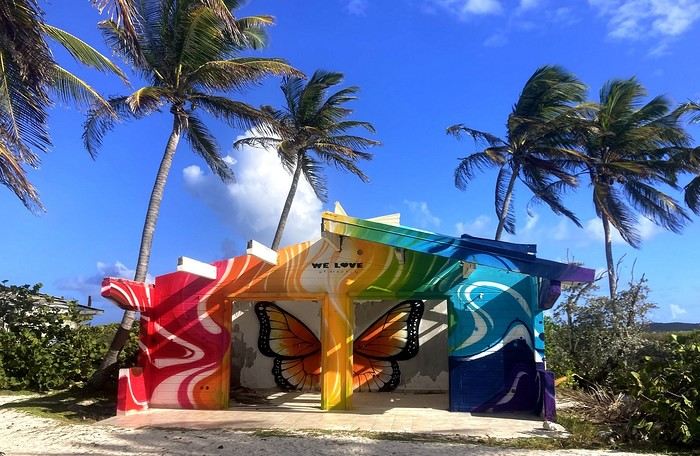
But on the island, I noticed some butterflies were much easier to shoot—those decorating a few murals. ;)
One of the graffiti artists behind several Saint-Martin murals has made it his signature. The talented Jimmy Sheik slips a little butterfly into each of his works, even if it’s not the main subject. It’s a nod to his home island, Guadeloupe, whose territory—with Basse-Terre and Grande-Terre—looks uncannily like a giant butterfly.
In the photo above, a great initiative: turning this beach bungalow, abandoned after Hurricane Irma’s (2017) devastation, into a mural canvas—it’s a real success. Well done, artist!
We’re planning a trip to the Seychelles in summer 2027.
We live in Lyon and I’m looking for all possible flight options.
I’m interested in hearing from people who’ve flown from Barcelona with Emirates to Mahé (layover in Dubai).
I’m wondering how easy parking is in Barcelona and how manageable it is to fly from there with two kids aged 10 and 13.
Flights from Barcelona are cheaper than from Lyon or CDG. I’d love to hear from anyone who chose BCN with Emirates.
If you’ve got other suggestions, I’m all ears.
Thanks!
We visited the northern/northeast part of Oman, the most touristy area, last February over 11 days there. It’s a great time to go because the temperatures are pleasant and there aren’t too many tourists, even though the country is only just starting to develop its image. 11 days was enough for us to see the essentials, but you can always extend your stay depending on what you want.
2 days in Muscat, 2 days in the desert—we would’ve happily stayed longer—2 days in the mountains, 3 days in the wadis, and the rest for the cities, villages, and the coast.
Oman offers stunning landscapes and a genuinely warm welcome. We always felt safe, never experienced any malicious looks or gestures.
As usual for our trips, we chose to organize everything ourselves but with a guide to better explore and soak up the local culture.
The point of my post isn’t to recount our journey but to encourage and reassure anyone considering this destination.
If I can be of help, I’m happy to answer your questions based on what I know.
I’m sharing my successful e-Visa application experience because I’ll admit—I really struggled with the website and gathering all the required documents.
https://www.thaiembassy.fr/fr/visa-rdv/les-types-de-visa-et-les-documents-necessaires/visa-touristique/
I recommend preparing everything in advance according to the instructions below and trying to complete the 60-day TR tourist e-Visa application in one go. You can save and return to it later, but I didn’t find the site very intuitive (it took a lot of time to figure out how it works, etc.). For the 60-day TR tourist e-Visa, it took me about 2 to 3 hours to prepare all the required documents and fill out the online form completely. (Next time, though, it’ll take me much less time since I’ll know how it works better, etc.).
I received my e-Visa 15 days later, but according to the embassy, the processing time can be much longer (the embassy recommends in section 4.3: “We advise you to submit your visa application between 2 and 3 months before your planned departure.”)
https://www.thaiembassy.fr/fr/visa-rdv/infos-generales/
⚠️ RECOMMENDATION: 4 months before applying (so 6 months before your trip if you apply 2 months ahead), make sure your bank statements show a minimum balance of 700 € for each of the 3 months prior to your application.
DOCUMENTS REQUIRED FOR THE 60-DAY TR SINGLE-ENTRY E-VISA IN THAILAND
A digital copy of your passport: Color copy of the double-page spread with your photo. It must show the entire machine-readable zone (the two lines of characters at the bottom) and all four corners of the page. Your passport must be valid for at least 6 months after your departure date. (Format: JPEG or PDF)
A color ID photo: Official ID photo on a plain white background, max 3 MB in size, and taken within the last 6 months. If you use the same photo as the one printed in your passport (if it was issued 2 years ago, for example), the system will detect the inconsistency and reject your application. The background must be strictly white, with no shadows, no glasses, and your face must be fully visible.
Proof of financial means: Official bank statements (checking and/or savings) for the last 3 months. They must clearly display your name and show a minimum balance of 700 € for each month (1,000 € is preferable), per person (even for couples).
Bank statement format and date: Screenshots from mobile banking apps (without your name or the bank’s logo) are systematically rejected. You must provide the full official statement in PDF format, downloaded from your online banking. Additionally, the most recent statement must be less than 30 days old at the time of submission. Don’t forget to merge the 3 statements into a single PDF, as only one document can be uploaded per category.
Entry and exit tickets: A reservation or confirmation of flight tickets showing your entry into and exit from Thailand. The document must include the PNR (Passenger Name Record: a 6-character booking code used as a reference by the airline) and/or the e-ticket number.
90-day rule: Your exit flight date must not exceed 90 days after your arrival in Thailand.
If you have separate tickets: If you have two different tickets for entry and exit, merge them into a single document showing only the entry and exit from Thailand within 90 days (exclude other flights). For example, if you have a round-trip Paris-Bangkok ticket spaced 6 months apart but plan to stay in Indonesia after 60 or 90 days, only submit the inbound flight to Thailand from your first ticket (exclude the return flight that’s 6 months later) and the outbound flight from Thailand to Indonesia (without the flight out of Indonesia, which is likely separate). Merge the two PDFs into one.
Proof of residence in France (less than 3 months old): Mobile phone, landline, internet, or electricity bill in your name. This document must prove that you currently reside in the country from which you’re applying. (Format: PDF or JPEG)
Hotel reservation in your name: Covering the first few nights with your name on it, or an official invitation letter signed by your host along with a copy of their ID. (Format: PDF or JPEG)
⚠️ FOR COUPLES: The official confirmation of your first accommodation in Thailand (hotel, Airbnb) must clearly display the names of BOTH members of the couple, as it will need to be attached to each individual e-Visa application. The second name is essential because each visa applicant must provide proof of accommodation in their name. If your partner’s name doesn’t appear anywhere on the hotel document, their visa application may be blocked or rejected, even if you include a marriage certificate.
Prepare the addresses of the first two hotels for the online form; Write down (on paper) the exact address of the first hotel and the next one, as the form also asks for the address of the second hotel (without requiring proof of reservation). Look up the name of the sub-district, district, and province of these establishments online. When applying for the e-Visa, you’ll need to enter the exact address and select the province, district... from dropdown menus.
How to add your partner’s name to the hotel reservation?
Log in to your account (Agoda, Booking, etc.), go to your reservations, and look for the option to modify traveler details. You can often add the second person’s name or, in the main traveler name field, enter both names separated by a slash or comma.
If you can’t modify it online, ask the hotel for an official reservation confirmation letter (“Confirmation Letter”) explicitly stating: “Room booked for and ”. Thai hotels are used to this process for visas and will send it to you quickly by email in PDF format.
How to merge PDF files?
To combine your multiple bank statements or flight tickets in the correct order into a single PDF, you can use a free and intuitive online tool like iLovePDF or Smallpdf. No software to download—everything is done online.
PS: I’ve shared the steps I followed to get my e-Visa. I put them together by comparing recommendations from several AIs and the official e-Visa website. ID photo: I had 6 ID photos taken in an automatic photo booth (found in shopping malls). I cut one out and scanned it in color with a regular scanner.
Bank statements: I downloaded the last 3 official monthly bank statements in PDF format and merged them into one. However, 3 years ago, a friend told me he didn’t submit his statements but instead provided a document from his bank (requested from his banker, with stamps, the bank’s logo, and the banker’s signature) clearly stating he had the required funds. I don’t know if this option is still available, but I’m mentioning it.
File names: For all files (PDF, JPEG) attached to my e-Visa application, I used my name followed by a description of the document (e.g., “Name photo”).
Hi there,
I’m heading to Lapland from November 12th to 19th.
I know it’s not the best time for snow cover… so I’ve opted for Saariselkä since it’s further north.
At this point, no activities—reindeer rides, snowmobiling, sledding, etc.—are available online yet, with just a few starting in early December.
My question: if snow arrives in early November 🤞, will it be possible to book things on-site? I’m guessing there aren’t dozens of providers.
Thanks for your feedback!
Hello fellow cycle tourists,
Are there any campsites along the Somme cycle route?
Let’s say every 50/60 km starting from Tergnier.
Thanks for your help!
We traveled to Norway in the summer of 2025, from July 17 to 29, to visit Senja Island and the Lofoten archipelago with a rental car. The common thread of these twelve days was clearly hiking, along with a few visits and experiences, and nights spent in a tent or in the car (which made it possible).
We chose Narvik Airport for both arrival and departure for several complementary reasons: the desire to visit nearby Senja Island, slightly more affordable airfare, and finally, the rental price of the vehicle—especially the car model we were looking for.
We only made one reservation, for the first campsite, as sleeping in a tent made things much easier. But we had the whole structure of the trip planned, a flexible outline that could adapt to the weather conditions we’d encounter.
Senja Island isn’t part of the Lofoten archipelago, and during the early stages of planning this trip, we hadn’t planned to visit it. But its relative proximity to Narvik Airport and, above all, its unique geography definitely made us change our minds.
We arrived in Evenes, where Narvik Airport is located, nearly 60 km from the city itself.
Our first stop was 40 km further in Bjerkvik on the way to Senja, where there’s a Rema 1000 (a very common supermarket chain in Norway). We needed to buy some food and a gas cartridge for our stove. I’d emailed the store manager beforehand, who told me they didn’t sell them but that the two gas stations in the village were likely to have some in stock.
It was only at the Esso station that I found what I needed, but unfortunately, only one cartridge. Luckily, we quickly realized that most campsites (like in Iceland) have a shared kitchen with hotplates. That single small cartridge was just enough for the few nights we spent outside of campsites...
We got our first taste of Norway’s characteristic landscapes:
When we arrived at the Senja campsite, it was already 9:30 PM. A sign announced it was full, but luckily, I’d booked it 10 days earlier. By 10:30 PM, as we settled in to eat, it was still broad daylight, and the thermometer read 25°C—despite being at a latitude of 69° North!
We went to bed around midnight, exhausted but under the light of a sun that was still very much present. Thanks to Earth’s tilted axis. We’d anticipated this by buying opaque sleep masks because, yes, at this time of year, it’s daylight all the time.
Friday, July 18:
Today, we planned two hikes on the island and a few stops along the way. The map clearly shows that the deepest fjords are in the north and west.
Due to time and accessibility, we focused on the northern part of the island.
Our first stop was at the viewing platform in Bergbotn:
Then we headed toward Skaland, the starting point for our first hike. Along the way, we found plenty of reasons to stop—especially since, on this first day of travel, our thirst for Nordic landscapes was far from quenched.
The town of Skaland is very practical: free parking, picnic tables for after the hike, and a Joker convenience store right next door.
Our goal was the summit of Husfjellet: 670 m of elevation gain, between 8 and 9 km in length, and an estimated 4 hours and 30 minutes.
This hike offers two major viewpoints. The first overlooks the Bergsoyan islands to the west:
At the summit, the view shifts to the Steinfjorden fjord:
You can even clearly see the "Devil’s Teeth," which we’d see from below later:
In total, the hike took us 4 hours and 30 minutes, including all the breaks. We treated ourselves to an ice cream in Skaland to recharge for the next hike.
We hit the road again and stopped at Tungeneset to get a closer look at the Devil’s Teeth:
We continued to Fjordgard, the starting point for our second hike.
Fjordgard isn’t very welcoming. There was a time when you could park right at the start of the hike up Mount Segla. Now, everything’s blocked off, and locals have even taken to blocking all possible parking spots nearby. You now have to park outside the town at a paid parking lot (90 NOK for 3 hours), adding an extra 2 km (round trip) of walking.
Still, that was just a minor inconvenience because the hike that followed quickly made us forget all about it.
The hike is fairly short (2 hours) but still has 520 m of elevation gain.
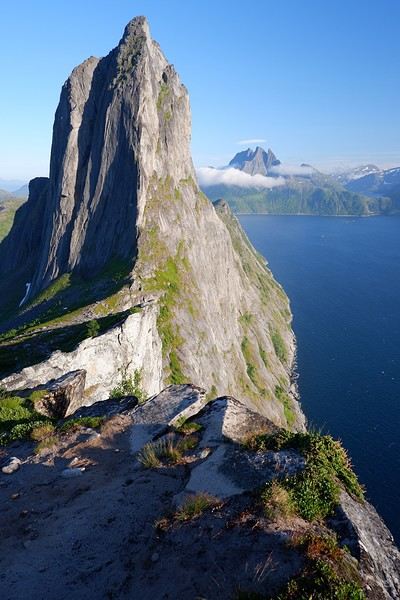
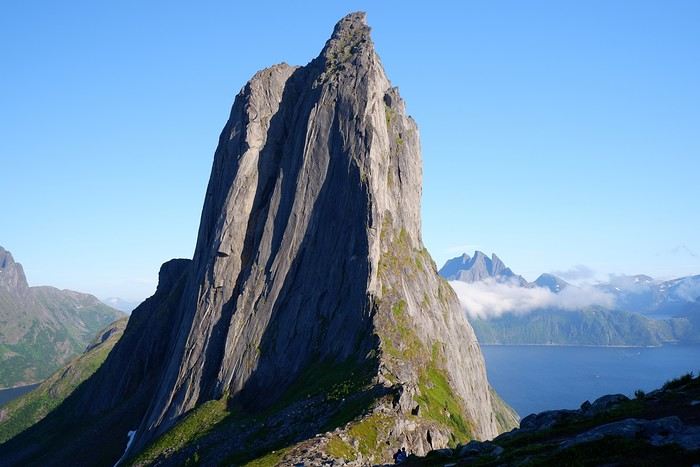
This hike was a stark contrast to the first. This morning, we had sweeping views of the vast landscape. Here, Mount Segla, perched on the edge of the cliff, dominates the foreground:
For those prone to vertigo, it might be best to stay at the foot of the mountain, as the trail climbs right along the cliff edge. And from that point on, you quickly understand what verticality really means...
In total, we took 2 hours and 50 minutes, including breaks and the extra walk to the parking lot.
The day was already well underway, and with 1,200 m of cumulative elevation gain, it was time to find a spot to eat and sleep. Since we hadn’t made any reservations, we’d planned to bivouac for the night.
We weren’t too picky—just practical—so we decided to sleep in the car at the parking lot for tomorrow morning’s hike, just 5 km from Fjordgard.
Here’s a first draft for a 14-night itinerary during the Christmas break with two teens. We’re especially fond of hiking (nothing too extreme, though), which is why we’re drawn to the south.
- Marrakech (2 nights)
- Aït Ben Haddou (1 night)
- Dadès (3 nights, though we’re thinking of doing a day trip to the Todra Gorge on one of those days)
- M'hamid (1 night)
- Erg Chigaga (1 night)
- 4 nights to slot in
- Marrakech (2 nights)
Okay, I realize this involves a lot of driving, and we’re still debating the return route since we’d like to avoid the Tichka Pass in January, but going through Taroudant seems like it would add *a lot* of time. 😕
If you’ve got other suggestions for an itinerary with great hikes, I’m all ears!
Also, the 4 nights total in MRK isn’t really our preference, but since we’re arriving/departing super early from overseas, we’d like to be a bit rested before the long flight.
Another question:
For hikes (aside from the desert one), is it better to have a guide with us, or are the trails well-marked?
Hi everyone, I’m preparing for a one-month trip in October. I’m traveling solo and would love to explore the countryside, but I’m also wondering if there are any themed urban hikes or walks. In Japan, I did some themed city tours, especially by bike.
Thanks for any tips you can share!
Marie
Hello Voyage Forum members.
For my wife’s birthday and her 64th year, I’d love to plan a two-week road trip with her—using our own car—preferably avoiding overly touristy spots, so off the beaten path where possible. That said, we wouldn’t mind stopping at must-see places along the way. The trip would cover Emilia-Romagna and/or Tuscany if combining both regions is doable in that timeframe, with the option for some hikes during the period. We’re looking at late November 2026. I’d prioritize the most authentic accommodations, ideally with breakfast included, without exceeding 100 € per night if that’s possible. So, stays like private rooms in hostels or homestays would be perfect.
Based on these details, I’d really appreciate any recent tips or insights from Voyage Forum members to help me plan this surprise anniversary trip.
Hi there,
I need to plan a trip to mainland France for the first time with my family (my partner and our two kids, aged 16 and 5). We arrive at Paris Orly on the evening of JANUARY 12th and leave on January 30th.
Do you have any city recommendations to visit during this period, or hotels you’d suggest?
We’ll be traveling by train and would like to spend at least 4 nights in each city.
Thanks in advance for your tips!
Delphine
Hi everyone,
We’re planning 40 days in Uruguay and Argentina in February and March, trying to avoid as much rain as possible.
We’re thinking of starting in Buenos Aires, then heading to Bariloche, and from there flying to Córdoba, Mendoza, or Salta. Maybe by bus or renting a car to explore each region.
Do you have any suggestions or tips for us? We love picturesque, historic cities and landscapes. As seasoned travelers, we’re used to planning our trips ourselves.
Thanks in advance!
I left my heart’s country eight days ago and returned to my adopted one—or was it the other way around? Scotland-Morvan, Morvan-Scotland, I’m not quite sure anymore.
After a quarter without dragging my slippers around here, even though I’d loudly declared I had no interest left in this site, here I am again!
My imagination never stays fallow for long. Just enough time for my inner land to rest. It gets overgrown with fresh nettles, the kind you can pick without getting stung. Then, it’s time to till the fragrant earth and let the story grow.
I hesitated over where to set this story.
Maybe the Highlands, maybe the Hebrides, maybe the Orkney Islands, maybe the Shetland Islands. All of Scotland is myth—easy to embroider.
But in the end, no. I’d almost be too afraid to bare my soul.
The story will take place at home. Simple, practical.
1)
This morning, I was up well before dawn, feeling a bit grumpy, but nothing a bowl of coffee won’t fix. I love my bowl, and no one dares take it. It’s porcelain, edged with intertwined blue flowers. On the bottom, it says "Revol." The factory has existed long before the Revolution. It was my great-grandmother’s bowl. She drank roasted barley from it during the war, then her Leroux chicory.
Last year, a little guy dropped it. My bowl broke into three pieces. A black anger vibrated deep inside me. The little boy was so upset, on the verge of tears. How could I scold him!
I picked up the three pieces and took Little Boy in my arms. His hair smelled of the light, sweet sweat of toddlers. A gentle hug that healed—his budding sorrow and my anger—everything vanished, and time carried on.
Today, my bowl is even prettier. Man fixed it using the traditional kintsugi technique, except he didn’t use gold powder or lacquer but superglue, and he delicately painted the cracks with woad blue. And my bowl is even more beautiful now.
I’m lingering, I can tell—it’s just that a story wraps itself in life, and life can’t be told in the snap of a finger. Life is long. Like in architecture, you start with a rough sketch, called a "sous-cul" (the initial pencil drawing), then you make a tracing, which is the work itself, the one you later carefully roll up in a wooden tube.
Life is like that: you erase, you start over, you use the nub of the pencil until it’s tiny, but you keep going—dreaming, loving.
"Living is a full-time occupation, a unique adventure. Always a surprise and a wonder, which sometimes turns into astonishment. And, from time to time, happiness."*
Alright, enough digressing—this introduction is definitely too long.
Tomorrow, I’ll get to the heart of the matter.
(I hate that expression; it feels like I’m cutting into someone’s skin.)
I'm probably going to spend a week in Naples, but I'd love to hear your thoughts! I've heard that the city is quite dangerous and crime-ridden? I've also heard that "Neapolitans" aren't very welcoming and have a bad temper?
Is this true or just rumors?😊
Here we go with this second travel journal dedicated to the American West! It’s a must when you love it! 😊
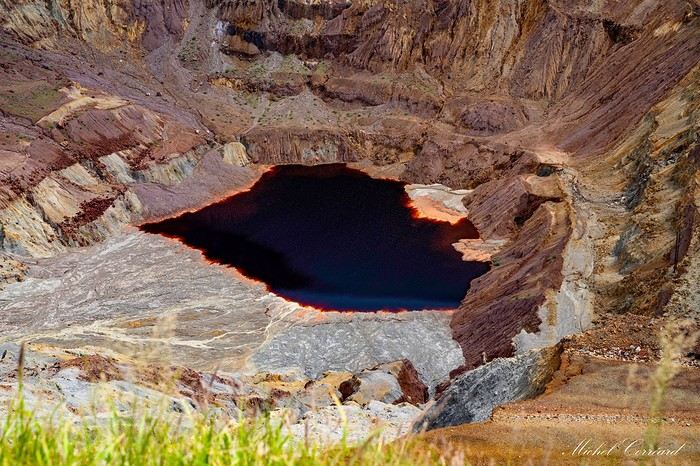
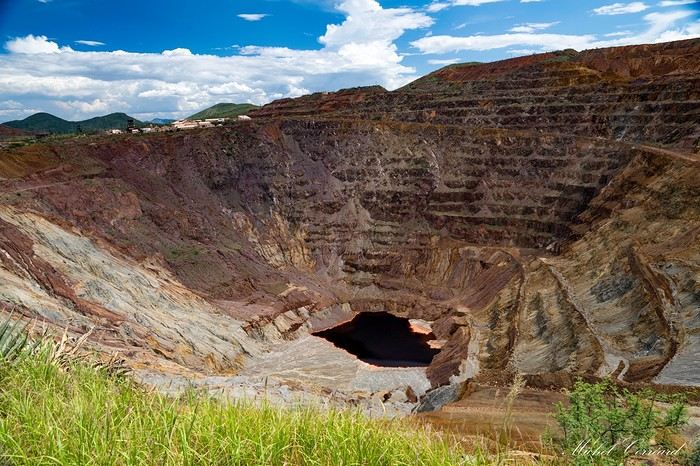
We had left off in the charming town of Bisbee, which once thrived thanks to its copper mines. Today, mining is a thing of the past, and the town seems a bit sleepy.
Unfortunately, I didn’t dig deep enough on-site to answer all the questions my observations raised. Guess I’ll have to *dig* into the subject a bit more... no pun intended! 😊
Let’s hop back in the car and head a little further south to check out the esplanade that offers a view—if you can call it that—of the impressive open-pit mine.
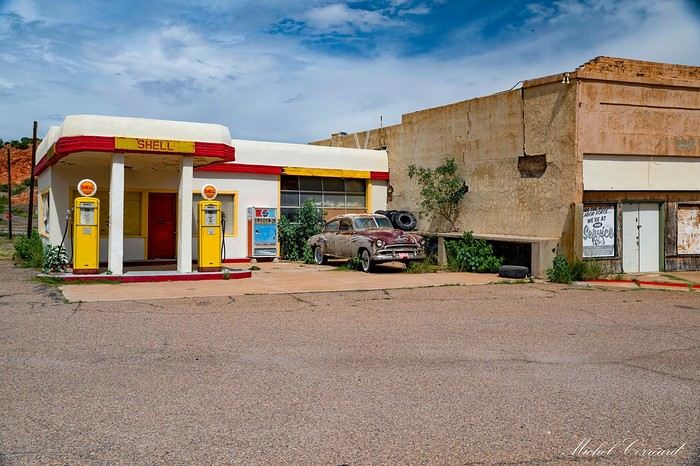
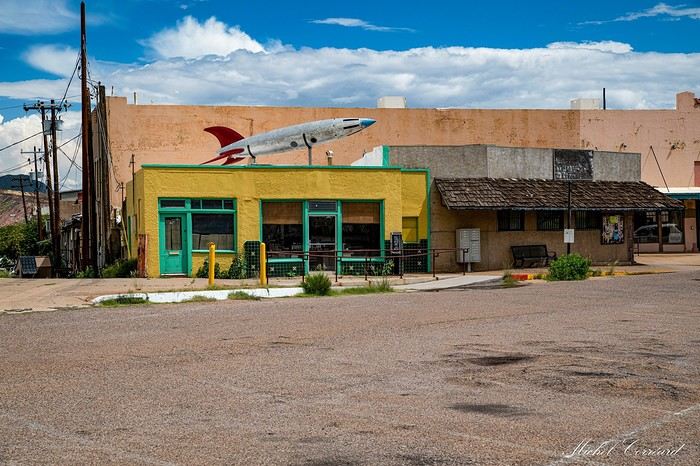
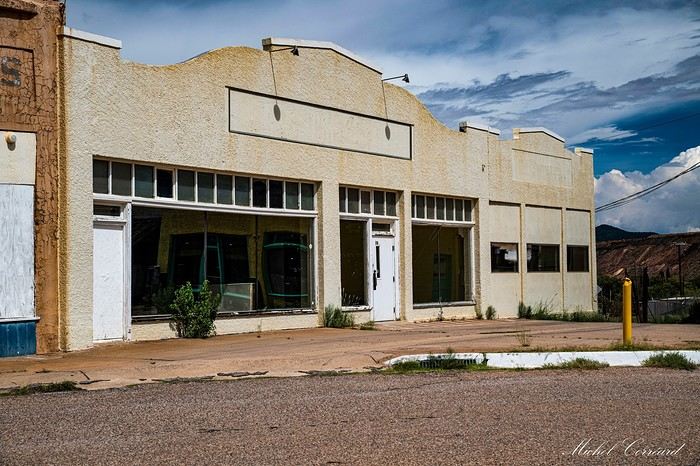
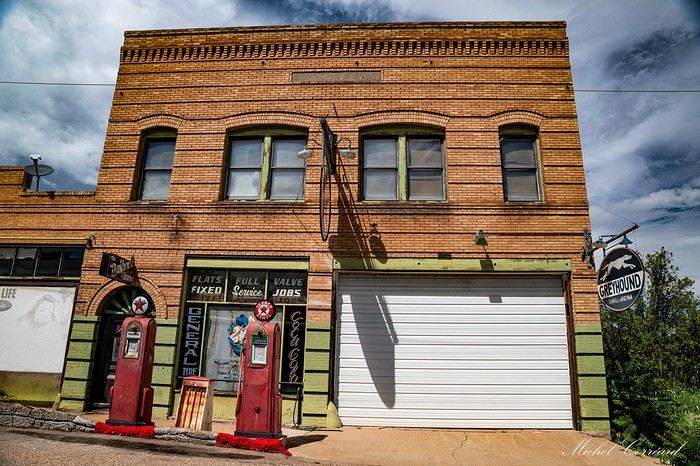
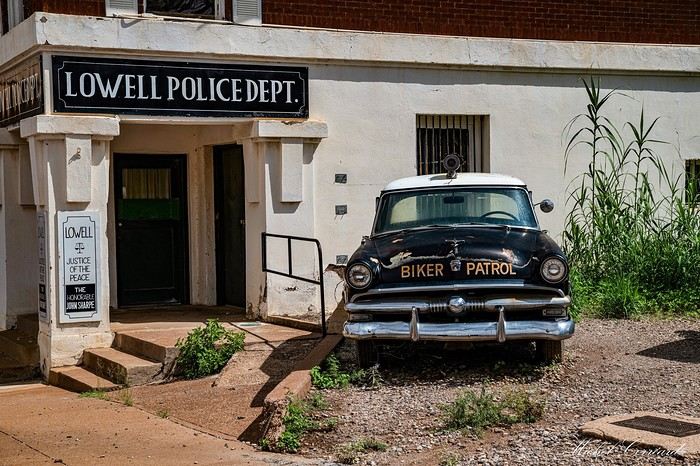
Then, it’s off to the Lowell neighborhood.
Preserved almost exactly as it was, this area must’ve been bustling in its heyday. The vintage cars are still around, storefronts and signs look like they’re straight out of another era, and the whole place has a pretty amazing vibe. You’d almost think you were on Route 66!
Here, we’re not just discovering an old neighborhood—it’s a little slice of American history. And, a detail that’s great for my physical health: the area isn’t too spread out.
Lucky me! 😊
I won’t post too many photos here since I think I can turn them into a future photo exhibit. Between these and some shots from Route 66, I should have more than enough material! So, let’s keep a few under wraps... to preserve the surprise. 😊
 When it comes to the Caribbean island of Saint-Martin, it's customary to praise its coastline and dreamy beaches—and they certainly deserve it.
But in this story, I’d like to highlight other memories, aspects, and impressions for a slightly different change of scenery.
Enjoy the read—some text and, above all, lots of photos.
« Byenveni sou zile Sen Maten! » (Welcome to the island of Saint-Martin)
When it comes to the Caribbean island of Saint-Martin, it's customary to praise its coastline and dreamy beaches—and they certainly deserve it.
But in this story, I’d like to highlight other memories, aspects, and impressions for a slightly different change of scenery.
Enjoy the read—some text and, above all, lots of photos.
« Byenveni sou zile Sen Maten! » (Welcome to the island of Saint-Martin)