bonjour à tous, l'été prochain je sens bien qu'on aller au Soudan, en venant d'Egypte probablement. J'ai lu un peu les posts mais je n'ai pas trouvé beaucoup d'impressions concernant ce pays. aussi si on pouvait résumer ici les impressions des voyageurs, les trucs à pas rater ou à éviter, ce serait intéressant pour tous, merci!
en passant peut on rentrer au soudan en venant d'Egypte par la route en longeant le nil? ou faut-il la passer sur le fleuve?
Bonjour,
Nous sommes actuellement au Soudan et nous apprettons a passer en Ethiopie, quelques infos et impressions de nos 15 jours dans ce pays.
Nous sommes arrives par l'Egypte, la seule frontiere ouverte est par le Lac Nasser : prendre le bateau a Assouan jusqu'a Wadi Alpha. Compter entre 25 et 30 heures : l'embarquement se fait le lundi matin, le bateau part en fin de journee et arrive a Wadi Alpha le mardi en milieu de journee.
Toutes les regions du pays ne sont bien sur pas accessibles, mais pas de soucis pour le quart nord-est. La securite y est totale, y compris a Khartoum.
Le gros point negatif du Soudan est son administration. On commence a te demander 100 $ pour le visa au Caire, puis a l'arriver tu dois t'enregistrer ( A Wadi Alpha puis a Khartoum) et raquer encore 50 $. Le tout necessitant de tres longues heures de bureaux en bureaux. Bref du cote officiels rien est fait pour accueillir les touristes.
Une autre difficulte est le logement, la gamme d'hotels est tres restreinte et tu n'a souvent le choix qu'entre des lokandas (petits hotels) plus que basiques, parfois sans eau, a l'electricite intermitente et a la proprete tres aleatoire (Shendi) ; et des hotels correctes sans plus a des prix hallucinants (30 - 40 $). A noter cependant l'exception des lokandas de Wadi Alpha tres bien (tant mieux il n'y a que ca). Eviter l'hotel Central de Khartoum, mauvais accueil, chambre correcte sans plus, le tout ne valant pas les 40 $ demandes (payables d'avance !).
Si les transports sont difficiles du fait de l'immensite du pays il faut reconnaitre que sur les axes goudronnes le reseau de bus est tres correcte (bon rapport qualite/prix). Une epreuve tout de meme, le train de Wadi Alpha a Atbara : 17 heures tres epprouvantes meme en premiere classe.
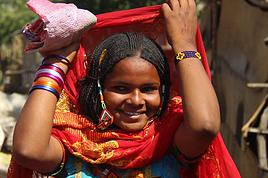
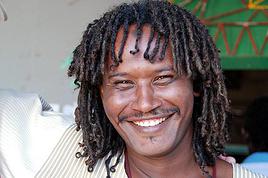
Les Soudannais sont tres accueillants et desireux d'echanger avec des etrangers, exception faite de l'administration et souvent des hoteliers !!
Pour ce qui est de ton projet d'aller au Soudan cet ete, bon courage pour les temperatures, en cette mi novembre il fait encore 40 degres !
Pour plus d'info je te renvoi sur notre blog, qui devrait etre a jour sur le Soudan dans quelques jours : http://besoindemirages.top-depart.com
Le pays est tres bien equipe en cafes internet.
Bonne preparation.
Agnes
Faire de ces reves une realite et de sa vie un reve.
bonjour et merci d'avoir pris le temps de nous répondre.
150 dollars de formlités ça fais mal quand même et j'avoue que 40 degrés à la mi novembre laisse pensif concerant les températures estivales... j'ai cru entendre paler de saison humide en été, quelqu'un sait ce que ça donne?
quelqu'un connaît-il les formalités du bateau Jeddah-Port Soudan?
sinon je suis évidemment preneur d'autres impressions, notamment au niveau des sites à aller voir, à éviter?
merci encore et bonne route!
fred
Salut !
J'y suis allé en été il y a 2 ans.
Tout d'abord pour les formalités, pour le visa je l'avais obtenu à Bruxelles (je suis aussi du nord et français) pour peut être 50 euros en tout cas sans aucune tracasseries administratives et dans la matinée ce qui est appréciable ; à ceci il faudra ajouter un autre "visa" à l'arrivée à Wadi Halfa et se confronter à la kafkaïenne administration soudanaise ; si tu veux sortir des sentiers battus il faudra encore un permis moyennant finances ( si je me souviens c'était une cinquantaine d'euros pour aller en pays nuba).
Pour la température, c'est vrai qu'il fait chaud l'été mais c'est néanmoins supportable (je pense que c'est + dur du côté de Port Soudan et sur la côte) pas plus chaud qu'à Assouan en tout cas ; il peut pleuvoir mais de façon très discontinue.
Pour ce qui est d'arriver par l'Arabie Saoudite, j'ai rencontré quelqu'un qui l'avais fait mais ça me semble très aléatoire, il faut déjà obtenir un visa pour l'Arabie ...
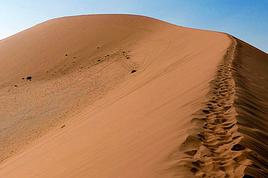
Je suis donc descendu (remonté ?) de Wadi Halfa à Kartoum en longeant le Nil, c'est long, c'est intéressant, il fait soif et parfois l'eau potable est dure à trouver, bref c'est très roots, peu d'infrastructure réellement "touristique"( mais ce n'est peut être pas ce que l'on cherche en allant là-bas !) on dort pour la plupart du temps dehors et c'est bien mieux comme ça.
Pour les sites : il n'y a personne et cela rajoute au côté grandiose, pouvoir dormir sur le site de Méroé avoir le site pour soi seul au coucher et au lever du soleil c'est le pied.
Les gens : d'une extrême gentillesse et générosité sans doute parcequ'il y a peu de touriste ... et qu'ils ont foncièrement gentils.
Voilà ....Fili
merci cher Fili. Faut-il absolument prendre le bateau pour passer la frontière egypto-soudanaise ou on peut le faire par la route? J'ai l'impression qu'il faut organiser ds convois à chaque fois en Egypte. C'est pareil au Soudan?
Ce que je recherche là-bas c'est le mélange afrique noire et cult
ure arabe. on m'a dit que les soudanais faisaient parti des gens les plus acceuillants au monde (titre qu'ils partageraient avec les iraniens et les pakistanais!). comme j'apprends l'arabe standart, vous comprendrez que je suis plus à la recherche de contact que de sites archéologiques, cependant il serait stupide de ne pas y faire un tour...
Aussi est-il facile de rentrer en contact avec la population?
Le passage Egypte-Soudan se fait d'office via le lac Nasser et donc le bateau.
On ne circule pas en convoi au Nord Soudan.
C'est une région calme.
Il est facile de rentrer en contact car en solo, vous êtes d'office le seul kawaja (étranger) dans le coin...
Les sites incontournables: Djebel Barkal, Nakfa et Méroé.
Les autres dépendent de vos centres d'intérêts.
Vous pourriez déjà lire le guide de Paul Clammer (Bradt) consacré à ce pays.
J'y ai été en solo en novembre-décembre 2006.
Michel
J'étais au Soudan cet été, en plein juillet, 48°C, très chaud mais faisable et somme toute agréable.... et puis c'est tellement dépaysant pour le coup, j'hésitera pas à y retourner... pour ce qui est des sites intéressants, y en a pas mal au nord dans le désert mais la faut que tu prenne tes dispoisitions pour tout ce quie st billet d'entrée.... sans quoi il y avait quelques inondations cet été... c'étais à voir!!! impressionant mais ça stop très vite et ça ne te gache pas le voyage, bien au contraire
A+
Il y fait certes très chaud-surtout d'avril à juin-mais c'est supportable car le climat est sec.A Khartoum du moins.A Port-Soudan, l'atmosphère est souvent irrespirable.
Si tu y vas pour des contacts avec les gens, tu vas être servi parce que les Soudanais sont parmi les gens les plus sociables et accueillants qui soient.Malgré les difficultés quotidiennes.Et puis, à part quelques sites à visiter, il n'y a pas grand-chose à faire si ce n'est "socialiser".Ambiance fantastique.
bonjour merci pour vos réponses, sauriez vous le prix pour le visa fait au caire et l'enregistrement à la frontière? combien de temps estimez qu'il faut pour descendre de la frontière jusqu'à khartoum sans s'arrêter? Loin de moi l'idée de faire du safari, c'est juste pour avoir une idée du temps à passer dans les transports.
arriver à Wadi halfa, je dirai 4jours... départ le matin très tot à chaque fois.... une fois que tu es sur la route goudronné, c'est très très très rapide....
Comme l'ont dit d autres intervenants ce n est pas la peine de chercher à passer par la route pour passer d Egypte au Soudan, c est impossible, il y a que le ferry. Il existe quelques caravanes de dromadaires qui font le voyage par le desert mais voyager avec elles exigerait des autorisations diplomatiques exceptionnelles.
Il faut se procurer le Bradt, les renseignements sont solides. Concernant les sites à voir, j ajouterai aux sites du Nord (rien que les bords du Nil c est magique), la ville de Kassala vers l Est sur la route de Port Soudan aux portes de l Erythrée le site est grandiose, les gens extremement sympas comme ailleurs au Soudan. Pour y aller, necessité de récuperer les autorisations à Karthoum et c est assez cher. J ai eu quelques problemes pour trouver une place dans un hotel. Les hoteliers n avaient rien contre l idée d accueillir un étranger mais ça exigeait des paperasses et je crois que plusieurs en avaient marre de la police, mais le probleme s est resolu avec l aide d un gerant d hotel super sympas.
La chaleur .... - j ai voyagé courant juillet 2006 - est supportable le long du Nil; dans le desert c est evidemment autre chose (j ai termine la remontée vers Wadi Halfa sur le chargement d un camion avec quelques types dont un berger avec ... 3 moutons), prevoir beaucoup d eau mais on peut en acheter en bouteille partout
partir ensuite à Jeddah, je ne l ai pas fait, mais j ai lu qu il est possible d obtenir un visa de transit pour traverser l Arabie Saoudite si l on a deja le visa d un pays voisin (ex Jordanie) et qu'alors les autorités donnent un délai pour effectuer le voyage.
Je me permet de relancer la discussion car moi aussi je désire partir au Soudan cet été en arrivant au Caire pour remonter le nil.
Donc si je globalise vos informations il faudrait déja 150 euros en paperasse administrative ? J'avais vu aussi que l'entrée au site était assez cher 15 - 20 euros, est aussi le cas pour les étudiants en histoire de l'art ?
Je voudrais dans ce voyage partir avec ma nièce mais elle est mineur. Je sais qu'en Egypte cela n'avait posé aucun problème, cela est il pareil pour le Soudan ?
Sinon comment se passe la traversé du lac Nasser (au passage j'en ai toujours rêvé) ? Quelle sont les tarifs et surtout quelle est l'ambiance sur la bateau ? Touristes occidentaux niais ou routard & locaux ?
D'un point de vu général je suis étonné par les prix annoncé un peu partout qui sont bien plus important qu'en Egypte. Cela est il aussi le cas pour les transports sur place, la nouriturre ?
le hasard ? J ai habité Amiens et suis Picard d origine, mais j habite dans le Sud Ouest depuis un moment / je reponds vite car je dois me sauver
La traversee du Lac Nasser. Moi, je l ai faite du Soudan vers l Egypte. 5 occidentaux : 3 Irlandais en fin de cinquantaine qui avaient traverse l Afrique à moto et pour qui la traversee express du Soudan avait ete tres eprouvante (ils avaient pris le train Karthoum Wadi tellement ils etaient epuisés mais ça ne les avait pas tres repose) et deux jeunes anglais qui sur un pari etaient partis à Karthoum pour leur lune de miel. Des gens tres sympas, routards dans l ame etc. Les seuls occidentaux vus en dehors de Karthoum, et encore à part dans les hotels me souviens plus en avoir vu ailleurs. le prix : un peu moins de 40 euros par personne pour une cabine deux places. Ambiance sympa : j ai discute longtemps avec des jeunes marchands egyptiens que j avais rencontres dans une lokanda de Wadi Halfa et en pleine nuit avec le vieux monsieur qui dirige ce qui fait office de bar-restaurant. Bien se renseigner sur les jours de traversée ; il y en a pour environ 36 HEURES ...
je ne peux pas te dire pour l administration soudanaise en arrivant d Egypte puisque j ai fait le voyage dans l autre sens
oui se loger au Soudan c est pas donne / la nourriture : pas de probleme, bon marche. Dans le nord du pays, pas grand chose de varié, du foul etc ... à Karthoum, un peu de tout ; sur la route vers Port Soudan c etait meilleur, en particulier à Kassala / les transports : globalement pas chers, si tu fais Wadi halfa Karthoum en suivant le Nil, il faudra négocier avec ce qu on peut trouver, mais je pense que c est plus simple dans ce sens que dans l autre et pas de probleme il y a du monde (j ai fini sur le chargement d un camion avec des bergers et quelques moutons, génial !!). à partir de Karthoum, il y a beuacoup de possibilités de transport
Partir avec une mineure : aucun probleme question securité, pas de délinquance, les rues sont tranquilles y compris la nuit et dans Karthoum ; par contre c est pas du voyage cool, je ne sais pas comment tu voyages, mais c est plutôt spartiate en particulier dans le nord du pays et particuliérement à Wadi Halfa ; administrativement pour voyager avec une mineure renseigne toi bien, les autorités soudanaises sont pointilleurses alors verfie
Quand tu dis 15-20 euros pour le site, quel site ??
Le hasard peu être pas, la ville d'Amiens t'engageant à partir le plus longtemps, le plus loin et le plus régulierement possible.
Aurais tu une petite bibliographie à recommender sur le soudan ? Existe il un petit futé ou autre sur ce pays ?
Mon but est d'en apprendre un peu plus sur " l'Afrique" car j'aimerai un jour aller jusqu'au source du Nil à partir d'Alexandrie. Sinon j'ai une bonne experience de l'Egypte et ma nièce aussi, nous sommes bien conscient que ça risque d'être assez roots mais tant mieux !
D'après ce que je comprends de ton post il n'y a pas de transport en commun du lac Nasser vers Karthoum ?
Concernant le bateau est il obligatoire de prendre une cabine ? J'aimerai aussi savoir si il est facile de se procurer les billets/horaires sur Assouan.
Sinon je compte en fait rester assez peu de temps au Soudan car ensuite je rejoindrais des amis sur le Caire pour leur faire découvrir l'Egypte ( Delta / Nil / Sinaï / Dahab).
En dehors de ça quel est ton ressenti sur ce pays ? J'ai lu que les gens étaient accueillant mais on le dit pour tout les pays. Il y a t'il des belles choses à voir ?
Enfin voila, je suis encore très peu renseigner mais on est encore qu'en février :) Merci pour ta réponse et celles à venir Inch Allah .
J insiste, les Soudanais sont vraiment très accueillants. Les gens de la rue étaient sympas, curieux de me voir, honorés que je voyage dans leur pays, de nombreuses fois on a paye pour moi dans les transports en commun dans les grandes villes, plusieurs fois j ai vu arrive une boisson alors que j etais assis pres d une boutique lors d un petit stop dans un oasis sans que je n ai rien commande puis comprendre qu un inconnu me l avait offerte et partager quelques mots avec lui, j ai ete invite à dormir par une famille de refugies du Darfour installee à Gedaref (grand moment !!!), lors de ma remontee vers le nord j ai fait une longue etape dans un antique camion transforme en bus on s est arrête un moment vers la tombee de la nuit des gens sont venus prendre des trucs charges sur le camion j ai donne un coup de main puis me suis endormi un peu sur un grand tapis on m a reveille une vingtaine de minutes + tard il y avait plein de nourriture à la fin du repas pas moyen de payer qqch on l avait fait pour moi ou c etait un cadeau du village je n ai pas pu le savoir, etc ... / à part les taxis qui comme ailleurs essaient de te rouler, mais quand tu as compris que tu pouvais prendre des minibus ou des bus pour rejoindre les gares routieres tu ne les prends plus, pas de tentative d'arnaque quand j achetais des boissons ou de la nourriture /
J ai lu que certains hôteliers n étaient pas tres cools ... je n ai pas eu ce probleme c est vrai qu à Kassala 4 hotels n ont pas voulu me donner de chambre, disant toujours "it s full", au 4° j ai ralé, mon interlocuteur la cinquantaine m a dit " c'est pas un probleme avec toi mais avec le gouvernement", quand je lui ai repondu "mais je suis français pas americain etc" il m a explique non pas avec ton gouvernement mais avec le notre, la police, l armee, etc" ... suis alle dans un autre hotel où finalement le tenancier m a emmene faire qq photocopies de mon passport et de mes permis etc (j en avais dejà mais visiblement il en fallait des toutes neuves) et les a payées sans meme que j ai eu le temps de degainer mes pieces puis rencontrer un agent de police qui avait un bureau dans une chambre d hotel qui m a mis quelques tampons en souriant. Même probleme à Port Soudan mais qui s est resolu de la même façon ...
le bateau non pas obligatoirement en cabine mais je dois avouer que j avais chope une petite cochonnerie et etait pas totalement au top donc ça me faisait pas de mal d en prendre une
Biblio : pas de guide specifique à ma connaissance en Français (peut-être des bricoles dans un guide Afrique de l'Est du Lonely Planet mais là je ne sais pas) ; par contre en anglais il y a "Sudan" de Paul Clammer dans les excellents guides du Bradt (coté roman pour ressentir l histoire du nord du pays, etc Meroe d Olivier Rolin)
moyens de transport lac Nasser-Khartoum : le train (je ne l ai pas pris), on peut suivre jusqu'à la capitale ou s arrêter à Atbara pour rayonner vers Meroe etc ... ; les camions, bus (en fait des camions transformes en bus : des engins renforces de partout, c est par moment du PAris Dakar mais en vrai), etc au depart de wadi halfa jusqu à ABri 1ére étape à environ 10 h. Je n ai pas fait le voyage dans ce sens mais ça circulait un peu dans l autre sens suivant les jours de marche etc, dans le bateau tu devrais sympathiser avec des gens qui t expliqueront ...
De ce coté (Dongola, Karima (au pied du Djebel Barkal : magique) des pistes dans le desert ou un peu le long du Nil ... / en fait la vraie route - avec des portions de sable quand même - n existe que jusqu à environ 300 km vers le N de Karthoum (vers Dongola ou Atbara, la route vers Atbara semble meilleure mais si l on suit ensuite tout droit il faut prendre le train, de ce côté théoriquement on doit pouvoir rejoindre par la route wadi halfa mais il faudrait verifier ...)
Par contre Karthoum vers l est il y a des routes et des bus confortables !
Afrique de l'Est et Australe › Soudan · 29 replies
Je pars pour une semaine à Khartoum pour le travail. J'ai un we à passer avant d'aller en Uganda. Je pensai aller à Méroé. Est-il possible sur la journée de…
Afrique de l'Est et Australe › Soudan · 45 replies
Ma soif d'aventure fait que je souhaiterais me rendre au Soudan d'ici quelques mois et j'aimerais récolter des infos, car je vois que c'est difficile de s'en…
Hello everyone!
It's been a year since I've been longing for South Africa. Our first trip in August 2025 amazed us, and—rarely—it was a unanimous hit with our little family! We were touched to the core, and from the moment we got home, we couldn’t stop talking about going back. 😄
I’d like to take this opportunity to thank everyone who gave me advice on the itinerary for that first trip (Johannesburg loop: Blyde, Kruger, Eswatini, St. Lucia, Durban, Drakensberg)! Thanks to you, our trip went like a dream!
Since then, I haven’t stopped reading articles and discussions on VoyageForum to keep my head in South Africa a little longer!
So, we finally caved and just booked our tickets for January 2027 (from the 3rd to the 26th), with a plan to do a road trip from Cape Town to Johannesburg in about 3 weeks.
I’ve got a rough itinerary that seems great based on what I’ve read on various forums, but there are still some uncertain points, and that’s where I could use your advice.
3/01: Arrival in Johannesburg at 11:45 PM
4/01: Flight to Cape Town, pick up rental car. Afternoon sightseeing
5,6,7/01: Cape Town to visit the big classics in the area (any tips for finding accommodation: which neighborhood, a specific place?)
8/01: Overnight stop before Oudtshoorn—but where??? (Is it essential, or is the CT-Oudtshoorn drive manageable? If so, I’d gain a day in Oudtshoorn. Google Maps shows over 5 hours of driving...)
9,10/01: Oudtshoorn (or would 3 nights be better to really enjoy the area?)
11,12/01: Knysna, Plettenberg Bay (to have time for hiking—if you’ve got hiking tips, I’m all ears!)
13,14/01: Tsitsikamma (still to have time for hiking—who knows the must-do hikes in the area? But maybe 4 nights in the Knysna-Tsitsikamma area is too much—I’m not sure)
16,17/01: Addo Elephant (I’m torn between 3 nights at Addo or 3 nights at Mountain Zebra. Based on travel journals, especially Michel’s on MZ, I’ve scheduled 3 nights at MZ 😄...)
18,19,20/01: Mountain Zebra NP
21/01: Camdeboo NP (because it looks so beautiful!)
22/01: Overnight stop (where?) before wrapping up the trip with either 2 or 3 nights at Golden Gate NP or the Lesotho option, which appeals to me, but I don’t know if it’s doable in 3 days to be back in Johannesburg by the afternoon of the 26th.
That’s my trip idea for now...
I’m eagerly waiting for your advice, ideas, and comments...
Can’t wait to be back there again!
Nous partons pour un mois en afrique du sud à 5 adultes
nous desirons louer un vehicule pouvant accueillir 5 personnes et tous les bagages;
nous partons du cap pour finir à Johannesburg
que nous conseillez vous comme vehicule ?
EDITH
Hi everyone!
I’m still planning my Cape Town to Johannesburg trip in January 2027.
I saw a documentary about the San people in Namibia, and the same day, I stumbled upon the Lonely Planet page about !Kwah Ttu.
I checked out their website to learn more, including Michel’s travel journal about it. I’m really keen to go.
So, I’m thinking of dedicating:
- either 1 day out of the 4.5 I have in Cape Town...
- or making a detour to !Kwah Ttu on the day I leave Cape Town for Montagu, instead of visiting Franschhoek and its Saturday market...
To the VFers who’ve already been: is it really worth spending a day there?
Thanks in advance for your feedback!
Malijp
Hi there,
I’m planning a gorilla trek in Bwindi, Uganda. I’m torn between the classic option (1 hour with the gorillas) and the habituation trek (4 hours with the gorillas but a more expensive permit). Has anyone done the habituation trek? Both? If so, I’d love to hear your feedback (including on the difficulty).
Thanks
I’ve read some travel journals here but I still have a question.
We’re heading to Uganda next February. The gorilla permits are booked, and the flight tickets are sorted too.
My question is about the chimpanzee trek. I’d love to know whether it’s better to book the habituation experience (4 hours) or the standard trek (1 hour).
The price difference isn’t huge, but I keep wondering and I’d hate to miss out on a great experience.
Thirty years ago, I traveled to Zanzibar (Tanzania) with my children. Since I’ve since started a new family, I took the opportunity of a trip to Kenya to bring my new family along: my wife, who’s Kenyan, and my 10-year-old daughter.
Zanzibar has really changed in 30 years.
It’s become the island of taxes.
It all starts upon arrival: I think it’s the only country in the world, besides the visa, where Zanzibar insurance (and no other) is mandatory—it costs 40 €. If you didn’t purchase it before arriving, good luck getting it: the IT systems are unreliable. With a bit of luck, it’ll take at least an hour to process! And of course, this insurance is useless—if you get sick, it’s recommended to use your home country’s insurance because if you use Zanzibar’s, your national insurance won’t cover you anymore.
I wanted to show my daughter the red colobus monkey, which is endemic to Zanzibar. I paid for a tour that was supposed to be all-inclusive. First, we visited a spice farm, where a farm guide took charge of us—meaning commissions were involved, of course! The tour was very good and informative, though. When we arrived at Jenzhi Park (the colobus park), the guide told us he "forgot" there was an entrance fee (50$).
Aware of the system, I decided to book an Ocean Blue tour through the Zanzibar Tourism Office. After two hours of driving, we stopped at a beach—and were left there. No boat was ready to take us. Since my wife speaks Swahili (the language in Zanzibar), after an hour, a captain with his own boat agreed to take us along with his family.
Another attempt. The main attraction in Zanzibar (besides the city) is Changuu, the Prison Island. You have to take a motorboat and pay the captain, which is normal.
But in Zanzibar, to even get on a boat, you first have to pay a tax! Once we arrived at the island, it started all over again! Thirty years ago, access was free, and the entire island (about 1 km²) was open. Today, there’s a small office, and you have to pay a hefty fee to enter. But enter where? A paved path leads to about 15% of the island—the rest is off-limits. In total, I paid 100 € for my wife, daughter, and myself just to visit a tiny portion of the island! Avoid this!
For the rest of our stay, we stayed at a 5-star hotel with golf, horseback riding, tennis courts, evening concerts, etc.—undeniably high-level comfort. One last thing: if you want to rent a car, it’s affordable and useful for exploring the island’s diverse landscapes, but there are speed cameras at every corner on the main roads. The fine is supposedly 100 $, and it’s hard not to get one!
I told you: Zanzibar, the land of taxes. I used to think my country, Belgium, was the tax champion—I’ve found something even better!
Hi everyone,
We’re revising our travel plans for January 2027. Originally, we were considering Uganda for about 14/15 days, but given the current health situation and the restrictions that might affect my partner, who’s American, we’ve decided to switch to Tanzania instead.
I’m used to traveling in South Africa and organizing my trips myself, but I get the impression that planning a safari in Tanzania is quite different.
I know self-drive isn’t really an option in Tanzania. So my main question is: can you organize your own itinerary and book lodges directly, then hire a local driver-guide? Or is it better to go through a local agency that handles the entire safari?
For the itinerary, which parks would you recommend for a first-time visit in January? Serengeti, Ngorongoro, Tarangire, Manyara, Ruaha, Arusha, Selous…
We’d also like to include Zanzibar to end the trip with a few days at the beach. Over 14/15 days, does that sound realistic or too ambitious?
Finally, for flights, is it better to arrive at Kilimanjaro (JRO) or Dar es Salaam (DAR) based on the itinerary we’re considering?
Thanks in advance for your feedback, especially on the best way to organize the safari and which parks to prioritize in January!
In Nov./Dec. 2022, I went on a safari in the region and we suffered from the extreme temperatures caused by the "El Niño" phenomenon in the Indian Ocean at that time. On top of the extreme heat, there can be torrential rains, flooding, etc., which have led to disasters with casualties.
We're now just 5 weeks away from our trip to South Africa 🙂 and *so* excited to explore (just a tiny bit of) this amazing country.
I need to buy some binoculars but have no idea which model to choose. I don’t really know what to look for (and I don’t want to spend too much).
Thanks in advance to anyone who can give me some tips!
We just got back from ten days in Tanzania. We were lucky enough to be guided by Gishaman. Always in a great mood, a good driver, and an excellent guide. Thanks to him, we not only saw the Big Five in one day but also loads of other animals. He works for the local agency Blit Safaris, which provided excellent support throughout our trip. Highly recommended!
I’m planning a potential trip to Namibia for a classic circuit in April 2027.
I’m surprised by how expensive the accommodations inside the parks are—really steep! Is it possible to stay outside the parks but still close enough to enjoy the game drives?
Do you have any recommendations for more reasonably priced lodging? I’m okay with spending 200 to 250 € per night.
No camping—the friend I’m traveling with absolutely refuses 😉, but maybe upgraded tents would work.
Hi, I'm looking for information on the road conditions in Moremi. We're leaving in 15 days, and from what I've heard, the roads are pretty tough to drive on. Any advice?
Thanks
My trip to South Africa is getting closer (still 2 months to go 😏), and I’m diving back into my itinerary: from Saturday to the following Sunday around Cape Town, then from Sunday to the following Saturday in Kruger.
For Cape Town, the plan was to avoid changing accommodation every day (we’ll do enough of that in the second part) but still see different landscapes.
I know, I’m missing out on a lot, but you’ve got to make choices, and after all this time, I know what I like—and especially what I don’t (or like less) 😉
Here’s the breakdown:
Arrival Saturday at 11 AM: heading to Hermanus (2 nights). The idea is to stroll along the cliff path in the afternoon, and possibly drive to the Klein River Lagoon. Sunday: Stony Point, then depending on time and weather, a hike in Kogelberg Nature Reserve or Fernkloof Nature Reserve (which seems less scenic but has shorter walks).
Monday: drive to Franschhoek (1 night). If everything lines up, a hike in Jonkershoek NR and a visit to a wine estate.
Tuesday: drive to Mountceder Lodge in the Cederberg (2 nights). I’m thinking of visiting the Stadsaal Caves and the elephant paintings, and maybe one of the hikes listed on the lodge’s site or Maltese Cross.
Thursday: heading to Hout Bay for 3 nights. In no particular order: a classic day trip around the peninsula, half a day at Kirstenbosch Gardens, and half a day at Lion’s Head.
Sunday: flight to Johannesburg.
My questions are mostly about (short) hikes:
Has anyone here done hikes in Kogelberg, Fernkloof, or Jonkershoek?
At Mountceder Lodge (Michel, if you’re reading this… 😉), has anyone tried the hikes (guided or not) offered by the lodge?
There’s still half a day to fill when we’re in Hout Bay—any ideas (not necessarily hikes)?
Lastly, regarding safety: the French foreign ministry (always alarmist, but still) recommends hiking in groups. Is it really risky in broad daylight? (I’m not sure a group of two women counts as a "group"…)
Thanks in advance for your answers, ideas, and comments!
Question: we’re doing a 3-week trip in Namibia, including 5 days for Victoria Falls.
I’ve booked one night in Brandberg, and then I have some questions.
I was thinking of spending 2 nights in Palmwag, then heading to Etosha for one night in Okaukuejo and then 2 nights in Halali.
Alternatively, from Brandberg, I could book a night near Galton Gate and then enter Etosha.
I’m not really sure about the distances, especially with a 4x4.
Same for the return trip: Halali to Windhoek seems long. Maybe it’d be smart to break it up on the way back? (We have 2 days to get back if needed.) If so, where?
Jambo! I organized my trip through this kind of group, so I thought I’d share my experience here. We traveled as a group of four, including two kids aged 9 and 11. After requesting around twenty quotes, I decided to book the safari portion with MAKING MEMORIES IN AFRICA. Ally responded quickly and listened to all my requests—unlike other agencies—such as having a French-speaking guide, the order of park visits (Tarangire, Manyara, Serengeti, then Ngorongoro), and a mix of budget hotels and camping to keep costs down. There were still four agencies in the running, and price was the deciding factor. Even though they were the cheapest, I felt better taken care of than with others. For example, all meals were prepared by a Maasai chef, Louis, who accompanied us throughout the trip, while some others ate meals out of cardboard boxes. Samuel, our guide, explained so many things and answered all our questions. José drove us safely the whole way. Everything was done with great cheer!
At the end of the stay, Ally came to meet us and gave us t-shirts with the agency’s logo—we loved that they took the time to hear our feedback in person. In short, I highly recommend them +++, especially since it’s a local agency that also supports a charity for women and children.
For Zanzibar, I organized everything myself. I hesitated for a long time but eventually booked all four nights at the same place. We don’t like crowds, so I initially considered Jambiani but ended up choosing EVERGREEN BUNGALOWS in Bwejuu. We took their first airport-to-hotel transfer since we arrived at night, and it felt safer. Great value for money, in our opinion. Just be aware that it’s quite isolated—perfect for relaxing and going on excursions. There were very few beach vendors, unlike what I’d read about Zanzibar. We lived with our feet in the sand from morning to night, with a small basin of water outside our room to rinse off. Such a lovely spot!
I had asked for some excursion prices before leaving but ended up booking on-site. Not at our hotel, but at a nearby restaurant that was cheaper. After some thought, since we were based in Bwejuu, I wanted to do Blue Lagoon and Pungume (both departing from the south of Zanzibar).
Blue Lagoon: About 3 hours total, with snorkeling on a small reef full of fish (coral wasn’t great) and a stop at a spot with tons of starfish, plus local snacks, fruit, and drinks.
Pungume: An amazing day with a 50% chance of seeing dolphins (we missed them), a visit to the mangroves, then snorkeling at a spot with some nice coral and, of course, fish. We ended with a fantastic grill (tuna, shrimp, squid, lobster, and fries) on a sandbank in the shade.
Finally, before heading to Stone Town, we visited Paje Cave, which is much less known than Maalum. It’s smaller, but we saw bats, went for a swim, and fed the chickens and rabbits (great for the kids). To finish, we explored Stone Town on our own and had dinner at Forodhani Market.
For flights, we flew with Turkish Airlines from Barcelona to Kilimanjaro and back from Zanzibar—no issues there. However, I don’t recommend the Kilimanjaro-Zanzibar leg with Precision Air. Our luggage didn’t arrive, and according to the hotel, this happens often. We only got it back a day and a half later.
March or May 2027.
Around 15 days in the Western Cape,
then 15 days in the southern KNP.
Arrival either in PE or George.
The pros know I’m somewhat familiar with the area... that I don’t camp... that my accommodations can be simple and remote, self-catering but with basic comforts... that I’m looking for spots that are a bit off the beaten path... in a relaxed mode...
From George:
Late arrival... need some rest... Herolds Bay from George to the N1.
Tsitsikamma is catching my eye (Storms River)... with or without a stop in Knysna.
Question:
What’s the current condition of the pass from Knysna to Uniondale? R339.
And while I’m at it, the condition of the R340.
Tsitsikamma, Knysna, and my questions still apply if arriving in PE.
Is the Swartberg still closed?
Any recommendations for accommodation in Prince Albert?
If I cross the escarpment, I’ll continue via Anysberg NR, Touwsrivier... any thoughts?
From there... Tankwa Karoo or Mount Cedar (or both).
Then heading back down to the coast... the highlands of Hermanus or Kogelberg NR (any opinions on the latter?).
Or,
A more classic route along the coast...
If I arrive (fairly late) in PE... any ideas for accommodation in that little area?
Given that Nyathi Camp is winking at me...
(For context... a while back, I stayed at Riverbend (same Addo sector, private concession)... and I visited the ruins of that abandoned lodge at the time, which has clearly been renovated since... located in a very quiet part of Addo...).
Any feedback from the pros?
Well, that’s about it...
I’m open to any other tips or advice!
I’m reaching out with a question about which park to choose for a 3-day safari in Kenya.
After 20 days in Uganda, I’m meeting up with my dad for a 3-day safari (that works for him). We’ll be meeting in Nairobi and have a full day to travel to a park (preferably the farthest from Nairobi to avoid crowds?) and spend 4 nights there before heading back to the capital for our flight to France.
I’d love to hear your recommendations since I’ve read so many great tips on this forum.
At the end of July, we’re heading to Namibia with a group of five for a three-week road trip and visit to the national parks.
We’ve read conflicting info about buying entry tickets—either online (where?) or at the gate when we arrive?
I’d love to hear your thoughts on the agencies you used to plan your trip to Uganda.
There’s the whole issue of gorilla permits, which need to be booked in advance and involve a significant financial commitment. That’s where I’m at with my trip planning. Between checking lutb.go.ug/ and reading online reviews, it’s hard to move forward with confidence.
I contacted the French Embassy, but they don’t provide any recommendations. I almost booked with an agency that had a really bad review from February specifically about the permit process.
How did you go about choosing your agency? Given the large sum involved, I’m this close to booking through a travel agency in France for this part.
From what I understand, no matter which agency books the permit, you’re ultimately guided by professionals trained for gorilla trekking based on the permit itself? I’m assuming that’s how it works.
Thanks for your feedback, and I’m really happy to see the forum’s new energy—it’s been super helpful to me in the past.
We’re heading to Uganda next summer for three weeks with our two kids, who’ll be 7 and 9 years old.
We’ve been to Southern Africa before but not East Africa, and after a trip to South Africa two years ago, the kids wanted to return to Africa, while we wanted to explore a new region while staying independent... Uganda’s been catching our eye for a while, and with Rwandair offering relatively attractive prices, we’re going for it!
We’ll be traveling in a 4x4 (self-drive) with roof tents. I don’t have any 4x4 driving experience, so it’ll be a first for me, but we’ll manage 😉 No great apes for us—kids need to be 15, and we don’t want to do that experience without them.
I don’t usually ask the forum much for trip planning, but this time, I’d love your thoughts and advice!
First question: Karamoja or not? At first glance, if we want to add it to a "classic" loop in the southwest, it doesn’t seem realistic—too packed, too much driving. We could consider doing the full loop via Kidepo and then heading down to Murchison, but I’m worried the trip might feel less varied and less kid-friendly. That said, the region looks stunning, and I’m struggling to accept not going at all... What do you think?
If we skip Karamoja, we’d do a loop: Murchison/Fort Portal/QENP/Bunyonyi/Mburo, which seems pretty comprehensive and would let us take our time, which is nice. A few random questions:
- How much time should we plan for the Fort Portal area? I was thinking at least 3 days to visit Bigodi Swamp, walk around the craters, and maybe do a community walk (any thoughts on that?).
- Between Murchison Falls and the Fort Portal area, is it worth breaking up the drive? I spotted Lake Albert Safari Lodge on the shores of Lake Albert—it’s not too expensive and looks nice.
- I’d love to do some easy walks/hikes at the foot of the Rwenzori Mountains, ideally without a guide, but it doesn’t seem straightforward. Do you know if it’s possible to do nice walks independently? I’ve read about hikes in the hills near Kilembe but nothing very specific. Maybe staying somewhere at the foot of the mountains, like Ruboni Community Camp, would allow that.
- Lake Mutanda looks really cool, and so does Lake Bunyonyi... Ideally, I’d like to see both, but won’t that feel repetitive? Is Lake Mutanda worth the detour?
Last practical question, since we don’t have experience with this: for the car with kids, would you recommend two tents (a bit more space) or a four-person tent?
I’ll stop here—already a lot of questions...
Thanks in advance for your feedback, and looking forward to exchanging ideas!
Gabriel
We’re planning our second trip to South Africa in July 2026. In 2023, we did a loop from Joburg, Golden Gate, Drakensberg, Hluhluwe, St Lucia, Eswatini, Kruger, Blyde River Canyon, and back to Joburg.
This time, we’d like to go to Cape Town and do a road trip to Port Elizabeth, then fly back to Joburg to return to Kruger. At this stage of my planning, here’s what it could look like:
D1 to D4: Cape Town and Cape of Good Hope (Table Mountain, Lion’s Head, Waterfront, Bo-Kaap, Boulders, Cape Point, Chapman’s Peak Drive). I’ve spotted a few places to stay between Camps Bay and Hout Bay (3 nights).
D5 and D6: Either Karoo NP or Hermanus and De Hoop. Any opinions to tip the scales? I’ll admit I’m already leaning toward Karoo (the "wild" vibe of the landscapes and wildlife encounters appeal to me much more than the seaside, which feels less exotic). If we go for Karoo, where should we stay? Inside the park or in Beaufort West? I’ve seen good reviews for Ko-ka Tsara Bush Camp, but maybe it’s better to stay in the Sanparks cottages to make the most of the park? (2 nights)
Option B is to do Stellenbosch (though vineyards aren’t great in winter) and/or the Whale Route—Betty’s Bay, Hermanus, De Hoop (2 nights near Gansbaai).
D7 and D8: Klein Karoo, Oudtshoorn. Staying at De Cango Guest Farm (2 nights).
D9 and D10: Knysna, Robberg Nature Reserve, Tsitsikamma (2 nights in Plettenberg Bay and 1 night in PE).
D11: Flight from Port Elizabeth to Joburg at 7 AM and drive to Marloth Park.
For Kruger, I’ve booked 2 nights in Marloth Park, 1 night in Skukuza, 2 nights in Satara, and 1 night in Talamati, which we loved. I’ll book the last night in Graskop later since we want to revisit the Blyde Canyon area.
I’d love all the feedback you can give on my itinerary, especially for days 5 and 6.
If you have recommendations for accommodations for 4 people, I’d appreciate those too.
Thanks! 🙂
We’re a family of four (two daughters aged 18 and 21) and we’re planning a three-week trip to Tanzania. Zanzibar would be our main base, but we’d also like to do a safari on the mainland.
Could you share any tips on:
- the ideal length for such a safari, the best place to go during this period (and easily accessible by flight from Zanzibar)
- your recommendations for the most suitable type of stay for a family like ours
- reliable local agencies with reasonable prices that could help us with this plan
Hi everyone, I’m here to get some advice on visiting KRUGER Park.
From what I’ve gathered through my reading, I understand there are two ways to visit the park:
- Independently with your own vehicle
=> Do you drive all day?
- By booking with a professional
=> Safari early in the morning and late in the afternoon. But what do you do in between?
When it comes to accommodations, the options are:
- Booking in one of the park’s camps, where the lodging is basic but functional
- Booking in a private reserve, which is more comfortable but prohibitively expensive
- Booking outside the park, which means entering the park every morning. But if you want to stay for 3 days, that doesn’t seem practical to me.
Do you have any advice for accommodations?
To be honest, I’m really struggling to understand how it all works...
Thanks to everyone for your help.
Bidule 27
Hey everyone!
Heading to Namibia in a few days and I just read that the entry fees for all parks in Namibia have skyrocketed. Increases between 86 and 100%, and this has been in effect since April 1st (no joke). Have any of you heard about this, and if so, do you know if it’s actually being enforced?
For example, the fee for Etosha has gone from 150 NAD to 280 NAD per day per person.
Thanks in advance!
I’m really interested in traveling to South Africa in September 2020. My question is whether I should go on an organized tour or plan my own itinerary. Organized trips are pretty expensive $$$$, but the security aspect reassures me. I’d love to hear your thoughts on safety in South Africa and whether it’s easy to arrange activities like visiting vineyards, Cape Town, and going on a safari on our own. Which is better in terms of cost—booking an organized trip or doing it ourselves? It’s definitely less exciting to follow a group for 10 days. We’re a couple in our 50s who love nature.
😊🦁
We’re heading out in April 2027 with our 4x4 to explore part of Southern Africa. Right now we’re researching all these beautiful countries and deciding where to ship our vehicle. We’re from Le Havre—has anyone here already shipped from that port to South Africa or East Africa?
As for all these countries, is wild camping allowed, tolerated, easy, or difficult?
We’ve already visited a few, but you can read just about anything online, so getting tips from real independent travelers is way better :)
We’re all ears for any hacks, experiences, or spots you’d recommend.
See you on the road with Doddy