★ 4 · last edited Aug 4, 2020
Dordogne
Contributionsversion #5created Aug 4, 2020Report this pageLatest contributions in this guideContributors to this guide
Location verified location
 Dordogne
Open the interactive map
Dordogne
Open the interactive map
Predominantly rural, the Dordogne will delight nature lovers with its forests, countryside perfect for walks, and rivers ideal for canoeing. It also boasts a rich cultural heritage.
Overview
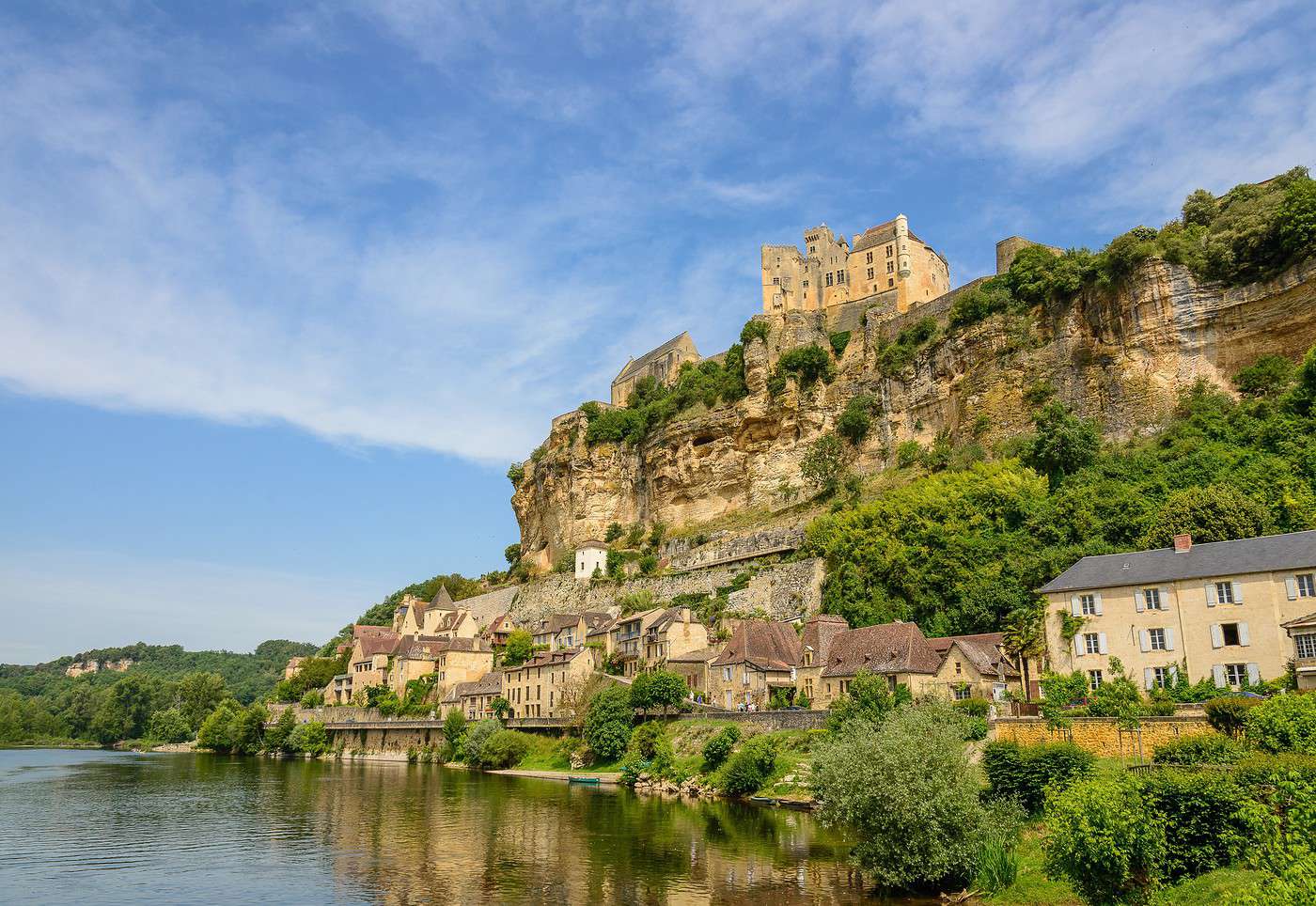
The Dordogne is a department in the Nouvelle-Aquitaine region, largely corresponding to the Périgord. It takes its name from the eponymous river that flows through it.
Key Facts
- Type of place: department.
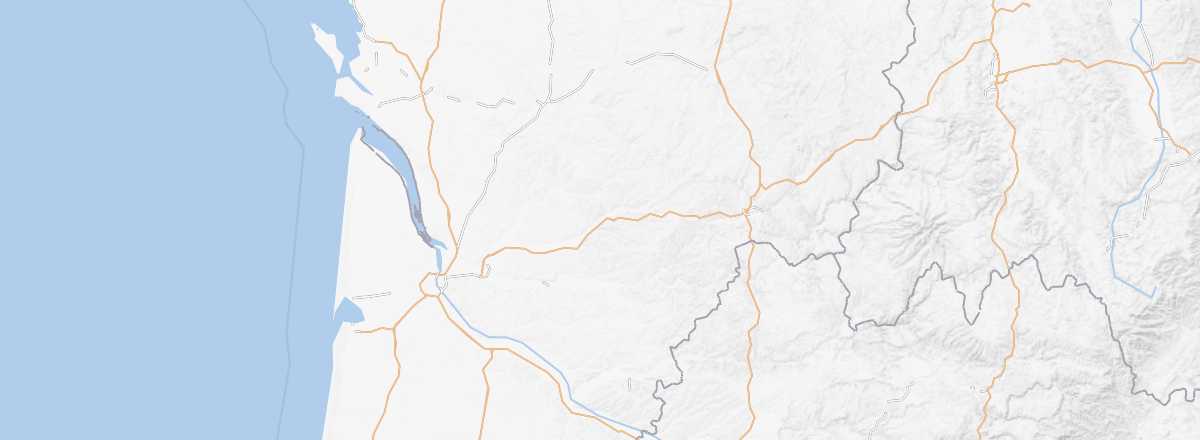
- Location: in the heart of the southwest, between Bordeaux and Clermont-Ferrand.
- Department code: 24.
- Bordering departments: Haute-Vienne, Corrèze, Lot, Lot-et-Garonne, Gironde, Charente-Maritime and Charente.
- Prefecture: Périgueux.
- Number of communes: 520.
- Population: 413,606 inhabitants (2017).
- Area: 9,060 km².
- Highest point: Saint-Pierre de Frugie (491 m).
- Lowest point: Lamothe Montravel (2 m).
- Coastline: 0 km; no maritime access.
- Highlights (out of ): Nature ; Culture / ; Relaxation-holidays /
History of the Dordogne
Geography and Environment
Culture and Economy
What to See in the Dordogne
Predominantly rural, the Dordogne will delight nature lovers with its forests, countryside perfect for walks, and rivers ideal for canoeing. In addition, the department boasts a rich cultural heritage, from prehistoric sites (Lascaux, Vézère Valley) to medieval landmarks (the town of Sarlat, countless castles), not to mention several villages labeled "Plus Beaux Villages de France" (Belvès, Beynac, Domme, Montpazier, etc.).
What to Do in the Dordogne
- Swimming: occasionally in rivers, but mostly in lakes and family-friendly water bodies (see details).
- Canoeing: a "must-do" activity during a stay, especially in the Vézère Valley, making the department France’s top destination for recreational canoeing (see details).
- Horseback Riding: equestrian centers, as well as rides and hikes for all levels. Also, carriage or donkey rides for children (see details).
- Cycling: Dordogne’s roads are perfect for bike rides and cycling tours (see details).
- Climbing: while not a major climbing destination, the Dordogne has a few climbing spots and via ferrata options (see details).
- Golf: around a dozen courses available for golf enthusiasts (see details).
- High Ropes Courses: treetop adventure parks and zip lines (see details).
- Fishing: five major rivers and several lakes for fishing enthusiasts (see details).
- Boat Rides: including the famous "gabares" on the Vézère and Dordogne rivers (see details).
- Hiking: countless options with hundreds of kilometers of trails for walks of varying lengths, themed or discovery trails, and Nordic walking (see details).
- Caving: in the land of Lascaux, many underground caves to explore with guidance (see details).
- Mountain Biking: solo or guided, explore Dordogne’s trails and forests by mountain bike (including e-bikes) (see details).
- From the Sky: view the Dordogne from above, especially by hot-air balloon or ultralight aircraft (see details).
Climate and Weather
The Dordogne has an oceanic climate, pleasant for much of the year. Winters are often rainy and moderately cold (especially in the west due to Atlantic influence), with possible frosts and snowfall. Summers are generally sunny and warm (though not scorching), with occasional heavy storms. As usual, the shoulder seasons are the most pleasant for both weather and sightseeing.
Transport
Getting There
Getting Around
Accommodation
Food
Further Reading
- Périgord-Limousin Regional Nature Park
- Périgueux
- Belvès Area
- Bergerac
- Bourdeilles
- Brantôme in the Périgord
- Castelnaud-la-Chapelle
- Fénelon Castle
- Hautefort Castle
- Marqueyssac Gardens
- Monbazillac Castle
- Montaigne’s Château
- Puyguilhem Castle
- Puymartin Castle
- Domme
- Eymet
- Lascaux Cave
- La Roque-Gageac
- Le Bugue
- Les Eyzies
- Limeuil
- Archaeological Site of Montcaret
- Monpazier
- Nontron
- Saint-Amand-de-Coly
- Saint-Geniès
- Saint-Jean de Côle
- Saint-Léon-sur-Vézère
- Terrasson-Lavilledieu
- Thiviers
- Trélissac
- Vézère Valley
- Villefranche-du-Périgord
- Notre-Dame de Chancelade Abbey
- Beynac-et-Cazenac
- Biron Castle
- Commarque Castle
- Sarlat
- Dordogne and Vézère
- Eyrignac Manor Gardens
- Roque Saint-Christophe
- Groléjac Marsh Regional Nature Reserve