A trois jours du départ, je me fais une entorse de la cheville (mon point faible cf notre voyage en Colombie). Pas trop le moral, mais après un an d’attente, rien ne saurait m’arrêter. On verra bien ! En avant pour nos nouvelles aventures
Chroniques indiennes
by Douya
This discussion is in French, the community’s main language.
Cher jaisalmer, t'es trop sérieux!!! 😏
Bisoux et à demain! :)
Merci Piaf :)
Fainéanter dans un monde neuf est la plus absorbante des occupations... (N.Bouvier)
Merci cher eleve de repondre a ma demande.
Malheureusement, je me sens denudee de connaissances adequates pour donner une appreciation valable et juste de votre devoir.
Bien sur, vous avez une dispense temporaire, mais vous devez rendre la fin de votre devoir avant la fin de la semaine
L'examinatrice.
Jaisalmer, tes reponses sont tres interessantes, je ne connaissais pas les notions de jnana et bakthi. Je vais en parler avec mes collegues pour avoir leur point de vue.
Les castes (ou plutot les 4 classes et les milliers de castes dans chaque classe?), ceci est un vaste debat. Cf mon post sur le mariage ou mon collegue a du batailler 2 ans. Des collegues ont aussi constate au travail une "arrogance" des brahmanes par rapport aux collegues des autres castes.
Comme toi, personnellement je pense que le systeme n'est pas en declin, mais qu'il evolue plus ou moins vite en fonction de l'origine et la situation des personnes. Ici a Bangalore, ville moderne, les castes ne sont pas tres marquees, mais je pense que dans les villages recules de l'Inde, ceux ci ont encore toute leur signification. De meme la situation n'est pas la meme pour les personnes agees qui ont vecues toute leur vie avec le systeme des castes et les jeunes qui sont nes apres l'independance et les lois sur la discrimination positive.
Le paradoxe de l'unite et la multiplicite : en tres tres gros tous les dieux ne sont la representation d'une "entite", brahma, qui je-ne-sais-plus-quoi (va falloir que je repotase mes sources moi !). Le nombre de dieux variant meme d'une source a l'autre : 33 millions ou 330 millions?
Le bouddhisme, j'y connais rien, mais je ne demande qu'a apprendre (surtout apres mon excursion au Tibet dans les champs de cocotiers!) et les musulmans sud-asiatique, ho lala, je seche.
Donc cher eleve, on attend votre deuxieme copie !
Malheureusement, je me sens denudee de connaissances adequates pour donner une appreciation valable et juste de votre devoir.
Bien sur, vous avez une dispense temporaire, mais vous devez rendre la fin de votre devoir avant la fin de la semaine
L'examinatrice.
Jaisalmer, tes reponses sont tres interessantes, je ne connaissais pas les notions de jnana et bakthi. Je vais en parler avec mes collegues pour avoir leur point de vue.
Les castes (ou plutot les 4 classes et les milliers de castes dans chaque classe?), ceci est un vaste debat. Cf mon post sur le mariage ou mon collegue a du batailler 2 ans. Des collegues ont aussi constate au travail une "arrogance" des brahmanes par rapport aux collegues des autres castes.
Comme toi, personnellement je pense que le systeme n'est pas en declin, mais qu'il evolue plus ou moins vite en fonction de l'origine et la situation des personnes. Ici a Bangalore, ville moderne, les castes ne sont pas tres marquees, mais je pense que dans les villages recules de l'Inde, ceux ci ont encore toute leur signification. De meme la situation n'est pas la meme pour les personnes agees qui ont vecues toute leur vie avec le systeme des castes et les jeunes qui sont nes apres l'independance et les lois sur la discrimination positive.
Le paradoxe de l'unite et la multiplicite : en tres tres gros tous les dieux ne sont la representation d'une "entite", brahma, qui je-ne-sais-plus-quoi (va falloir que je repotase mes sources moi !). Le nombre de dieux variant meme d'une source a l'autre : 33 millions ou 330 millions?
Le bouddhisme, j'y connais rien, mais je ne demande qu'a apprendre (surtout apres mon excursion au Tibet dans les champs de cocotiers!) et les musulmans sud-asiatique, ho lala, je seche.
Donc cher eleve, on attend votre deuxieme copie !
"Lorsque quelqu’un te blesse, tu devrais l’écrire sur le sable afin que le vent l’efface de ta mémoire mais lorsque quelqu’un fait quelque chose de bon pour toi, tu dois l’écrire sur la pierre afin que le vent ne l’efface jamais."
Proverbe Touareg
Parvat, c'est ma faute si Jaisalmer est trop serieux 😊. Il nous avait fait saliver il y a un temps avec ses sujets d'exam et j'etais tres curieuse d'avoir les reponses.
Faut bien se cultiver un peu de temps en temps ! 😉
"Lorsque quelqu’un te blesse, tu devrais l’écrire sur le sable afin que le vent l’efface de ta mémoire mais lorsque quelqu’un fait quelque chose de bon pour toi, tu dois l’écrire sur la pierre afin que le vent ne l’efface jamais."
Proverbe Touareg
... Dépêche-toi, c'est l'heure d'aller au ciné, maintenant, pour te redonner bon moral et sourire un peu, après ce matin triste...
Amicalement, à +,
Amicalement, à +,
Fabricia -
Comme une eau, le monde vous traverse et pour un temps vous prête ses couleurs... ("L'Usage du Monde" - Nicolas Bouvier)
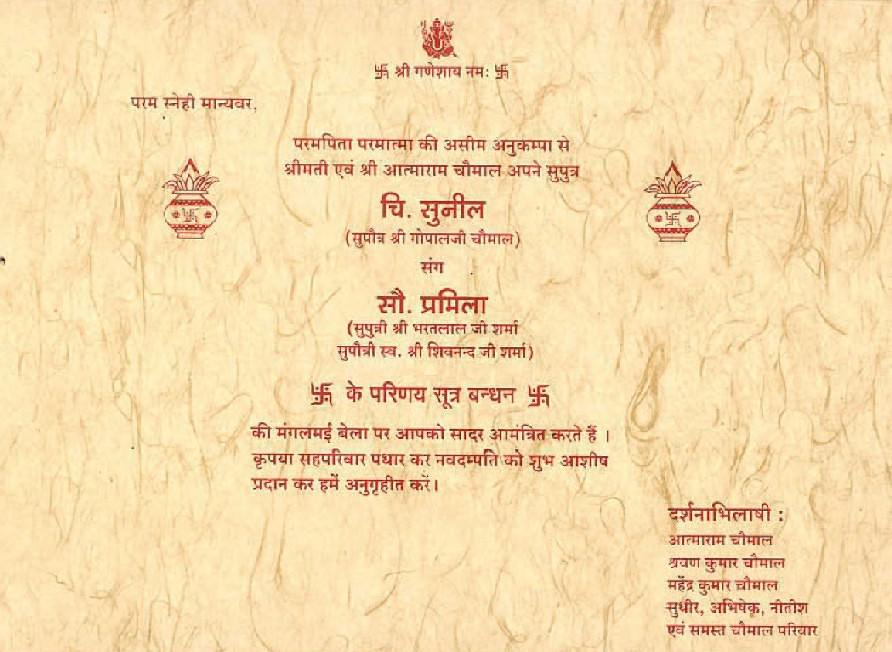
Toujours dans le theme monsoon wedding, en pieces jointes j’ai scanne (photocopieuse du boulot puis conversion de pdf en jpg, donc tres mauvais qualite desolee), un faire part que mes collegues ont recu la semaine derniere (non, non ce n'est pas le mien ! 😉). Jaisalmer va nous faire un plaisir de nous etaler ses connaissances et de traduire l’hindi pour nous !
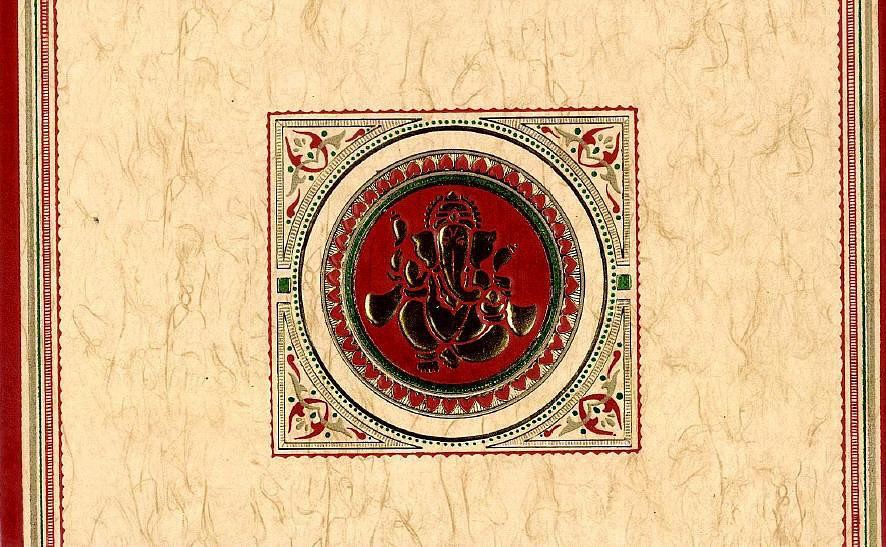
En premiere page Ganesha, que l’on invoque a chaque fois que l’on souhaite que toute entreprise reussisse. Toute action realisee sous l’œil bienveillant de Ganesha ne peut echouer ! Le rouge est la couleur rituelle, tout comme est rouge le tilak au temple.
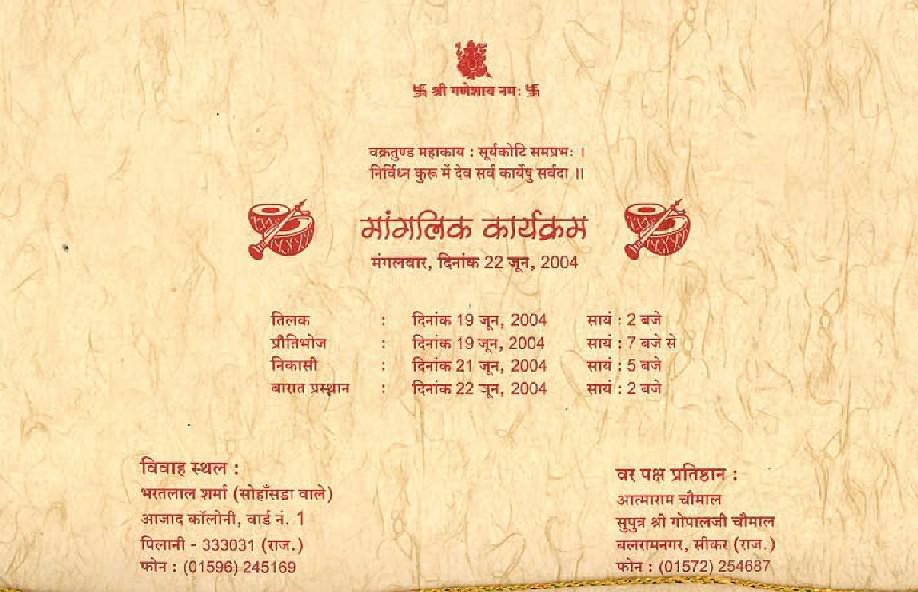
La deuxieme page commence par une priere a Ganesha en Sanskrit, la langue litteraire et religieuse. en gros : « fait que le mariage s’accomplisse sans difficultes».
Ce faire-part est un peu special car il contient l’adresse des deux familles. Tres souvent chaque famille fait un faire-part pour la famille et les amis de la mariee/du marie et la famille envoie le faire-part a l’autre famille.
Le mariage dure sur plusieurs jours, le dernier jour etant celui de l’union elle-même. Ce jour est fixe en fonction des horoscopes, il est donc tres courant d’avoir un mariage en semaine. L’heure de l’echange des colliers de jasmin est elle aussi fixee.
Toujours dans le domaine des horoscopes et de l’astrologie, c’est l’astrologue qui determine le nom du nouveau ne en fonction de son jour de naissance.
Voila pour la petite page culture indienne, rdv avec Parvat pour une sieste dans le hamac face a la mer de Gokarna !
En premiere page Ganesha, que l’on invoque a chaque fois que l’on souhaite que toute entreprise reussisse. Toute action realisee sous l’œil bienveillant de Ganesha ne peut echouer ! Le rouge est la couleur rituelle, tout comme est rouge le tilak au temple.
La deuxieme page commence par une priere a Ganesha en Sanskrit, la langue litteraire et religieuse. en gros : « fait que le mariage s’accomplisse sans difficultes».
Ce faire-part est un peu special car il contient l’adresse des deux familles. Tres souvent chaque famille fait un faire-part pour la famille et les amis de la mariee/du marie et la famille envoie le faire-part a l’autre famille.
Le mariage dure sur plusieurs jours, le dernier jour etant celui de l’union elle-même. Ce jour est fixe en fonction des horoscopes, il est donc tres courant d’avoir un mariage en semaine. L’heure de l’echange des colliers de jasmin est elle aussi fixee.
Toujours dans le domaine des horoscopes et de l’astrologie, c’est l’astrologue qui determine le nom du nouveau ne en fonction de son jour de naissance.
Voila pour la petite page culture indienne, rdv avec Parvat pour une sieste dans le hamac face a la mer de Gokarna !
"Lorsque quelqu’un te blesse, tu devrais l’écrire sur le sable afin que le vent l’efface de ta mémoire mais lorsque quelqu’un fait quelque chose de bon pour toi, tu dois l’écrire sur la pierre afin que le vent ne l’efface jamais."
Proverbe Touareg
Wedding ! C'est très joli, ces "vermicelles" que Jaisalmer va se faire un plaisir (?) de décortiquer !
Donc, tu es de noces ce week-end ? Encore un récit en perspective pour réjouir nos pupilles déjà dilatées par le journal de Parvat... On est très gâté, ces jours-ci.
J'emmagasine tous ces textes dans mes dossiers déjà bien remplis. Merci, Douya, de nous faire vivre ces événements presque en direct.
Bonne soirée, à bientôt,
Donc, tu es de noces ce week-end ? Encore un récit en perspective pour réjouir nos pupilles déjà dilatées par le journal de Parvat... On est très gâté, ces jours-ci.
J'emmagasine tous ces textes dans mes dossiers déjà bien remplis. Merci, Douya, de nous faire vivre ces événements presque en direct.
Bonne soirée, à bientôt,
Fabricia -
Comme une eau, le monde vous traverse et pour un temps vous prête ses couleurs... ("L'Usage du Monde" - Nicolas Bouvier)
Elève Jaisalmer, vous vous croyiez déjà en vacances ? Eh bien non, Mme l'Examinatrice Douya vous a chargé d'un devoir : VERMICELLES à nous traduire, en bon français, et plus vite que ça, s'il vous plaît !!!
Avant d'aller festoyer au Zango, sinon, ça risque de déraper vers des ... spaghetti...
Salut amical,
Avant d'aller festoyer au Zango, sinon, ça risque de déraper vers des ... spaghetti...
Salut amical,
Fabricia -
Comme une eau, le monde vous traverse et pour un temps vous prête ses couleurs... ("L'Usage du Monde" - Nicolas Bouvier)
Et non, je ne suis pas de noce, dieu sait que j'aurais aime !
C'etait le w/e dernier et surtout, dans le nord de l'Inde. En fait la majorite des collegues etait invite, mais plus pour la forme, personne ne peut se deplacer aussi loin pour le mariage d'une connaissance de boulot.
Et garde de la place dans tes dossiers, j'ai encore quelques experiences de plus en reserve !
C'etait le w/e dernier et surtout, dans le nord de l'Inde. En fait la majorite des collegues etait invite, mais plus pour la forme, personne ne peut se deplacer aussi loin pour le mariage d'une connaissance de boulot.
Et garde de la place dans tes dossiers, j'ai encore quelques experiences de plus en reserve !
"Lorsque quelqu’un te blesse, tu devrais l’écrire sur le sable afin que le vent l’efface de ta mémoire mais lorsque quelqu’un fait quelque chose de bon pour toi, tu dois l’écrire sur la pierre afin que le vent ne l’efface jamais."
Proverbe Touareg
Mariages indiens : j'en ai eu quelques aperçus au cours de mes déplacements. C'est grandiose, même chez les gens modestes. Fanfares branchées sur groupe électrogène qui suit le cortège, marié sur un cheval blanc, femmes sur ... leur trente-et-un, mille invités au moins, cuisines en effervescence et chaudrons gigantesques pour cuire des montagnes de riz byriani, etc...
Toute la démesure indienne !
Fabricia -
Comme une eau, le monde vous traverse et pour un temps vous prête ses couleurs... ("L'Usage du Monde" - Nicolas Bouvier)
vermicelle, spaghetti, tu me fais envie la ! Je t'echange mon curd-rice contre des bonnes pasta pesto !
le pOvre Jaisalmer, deja qu'il a une copie a finir avant la fin de la semaine et voila qu'on lui donne encore plus de devoir de vacances ! Va falloir faire une croix sur le Zango ! 😉
"Lorsque quelqu’un te blesse, tu devrais l’écrire sur le sable afin que le vent l’efface de ta mémoire mais lorsque quelqu’un fait quelque chose de bon pour toi, tu dois l’écrire sur la pierre afin que le vent ne l’efface jamais."
Proverbe Touareg
Hou-hou, Jaisalmer, où es-tu ???
Je crois qu'il s'est sauvé à toutes jambes pour échapper à son pensum.
Le pôvre !
Je crois qu'il s'est sauvé à toutes jambes pour échapper à son pensum.
Le pôvre !
Fabricia -
Comme une eau, le monde vous traverse et pour un temps vous prête ses couleurs... ("L'Usage du Monde" - Nicolas Bouvier)
Re coucou,
Bou diou, il a pas l'air à prendre avec des pincettes, le jaisalmer... Y'en a une du côté de Bangalore elle a de la chance qu'on parle pas hindi dans son coin. Sinon, j'serais bein descendu la voir rein que pour lui causer du pays.. Non mais, c'est-y pas croyable les jeunettes de nos jours ! -
jaisalmer
Pour calmer le Jaisalmer (il doit etre en train de cuver la bouteille du Zango qui a deforme sa poche !), un petit recit sans un seul mot d'hindi, ni de kannada ou tamoul ! 😉-
La route entre Hubli et Gokarna est magnifique.
Des paysages qui changent de la monotonie des plaines. Tout d’abord des terres rouges, region de la brique, des fabriques a profusion, des briques disposees en tas hauts et longs comme des maisons. Des rizieres, des arbres fruitiers, des traces d’agriculture.
Puis tout a coup, des forets ! Un decor plus sauvage, magnifique avec les lumieres de la mousson. Des montagnes de foret, la brume dans la vallee, les feuilles mouillees qui brillent sous le mince rayon de soleil a travers les nuages. Puis au detour d’un virage, une riziere entouree de bananiers. Une impression de haut plateau asiatique, jungle et riziere, vert, vert, vert.
Le rouge des maisons, le marron des huttes, toute la palette du vert dans la nature et nous a l’abris dans ce bus bleu, sous des nuages gris de temps en temps perce d’un rayon de soleil.
L’arrivee sur Gokarna est aussi impressionante. Des petites maisons de villegiature, munies de jardins flamboyants, une vegetation luxueuse puis des maisons en bois dans la rue principale, et au bout, au fond, une mer dechainee.
Premier tour dans le village, premieres impressions positives. Les femmes agees qui portent un espece de pareo denude aux epaules, comme un saree sans choli, et des rangees de colliers en perle, ou pendent aussi des cles.
Les portes des maisons ouvertes laissent apercevoir des cours interieures et des jardins.
Le reservoir, encore des ghats, entoure de maisons colorees ou en bois, puis une rangee de cocotiers, et derriere les collines forestieres. Au milieu du tank, un shiva lingam.
Endroit magnifique, tout simplement.
Gokarna, c’est une des villes les plus sacree de l’Inde.
Gokarna, c’est le paradis des plages loin de l’agitation de Goa.
Mais Gokarna, c’est plus que ne le mentionnent les guides, c’est un village qui se decouvre a son rythme, pour qui accepte de se perdre pour mieux apprecier ses merveilles.
Gokarna sous la mousson, c’est une ambiance a part. Les hommes torse nu, longi blanc et recipient pour les ablutions, les ecoliers dans leurs costumes bleus, les femmes allant au marche… Tous ont un instrument indispensable que j’ai aussi ete oblige d’acheter. Cette invention merveilleuse que le parapluie, pour contrer les caprices du ciel, tres instable, imprevisible, qui arrive si vite et part encore plus rapidement. Un festival de parapluies qu’on ouvre et referme, les rues momentanement couvertes de noir. Et quand les precipitations se font trop fortes, on s’abrite comme on peut, sous un porche, a cote de la boutique, sur le pas d’une maison. Ouvre-ferme-ouvre-ferme. Evite la flaque, trempee a cause du passage d’un rickshaw, deux personnes ce n’est pas de trop sur un velo, il en faut bien une pour tenir le parapluie et l’autre le guidon…
Deambulades…
Un village tres vert, cocotiers, bananiers, jackfruits, des maisons en bois, des flaques rouges dans les rues.
Pas de voitures, juste le passage frequent de velos, et la serenite des gens, un parapluie a la main.
Des feuilles sechees suspendues au dessus des maisons, des arbres sacres avec a leur pied des pierre sculptees de serpents. Il fait chaud et humide dans les petites ruelles, bien loin de la mer agitee.
Se perdre encore et toujours, grimper a un temple et s’ebahir devant le paysage sans fin de rizieres et bananiers. Des banians majestueux poncuent la route. Continuer a s’enfoncer dans la campagne, des cabanes, des chemins, des gens simples, des pauses abris de temps en temps, trois minutes avant de reprendre la route.
Croiser des gens, tout se dit avec des silences et des regards. Un petit chemin de sable au milieu des rizieres, papoter avec les buffles qui deambulent paisiblement, de temps en temps un homme, des jeunes garcons…
Ne cherche pas le graal, le graal viendra a toi…
Tout comme le petit marche aux poissons. Une dizaine de femmes, proposant poissons, crevettes et crabes, coincees entre rizieres et maisons. Un festival de couleurs, d’hommes et de femmes pour les produits de la mer.
Et les plages dans tout ca ?
Changement de cap, direction Kudlee beach. Une autre ballade a travers des champs d’herbe toute verte, entoures de petits murets de pierre. Mais on est en Irelande la ! De la roche noire, telle de la lave froide, une brume pale, un vent de la mer, les vagues que j’entends gemir au loin. Pas une ame qui vive dans la lande, pas une trace humaine… Et pourtant je suis en Inde !
Plus de klaxons, juste le mugissement du vent.
Puis imagine, une plage deserte dans une anse de palmiers, deux ecolieres jouant dans l’eau, les vagues en furie et le vent en rage.
Je suis sans voix devant tant de fureur des elements et tant de calme exterieur, ici en Inde !
Gokarna, une ville incroyable. D’un cote des rizieres, des maisons en bois, une vie tranquille ; de l’autre cote des landes desertiques ballayees par un vent fou sous un ciel intensement gris.
La route entre Hubli et Gokarna est magnifique.
Des paysages qui changent de la monotonie des plaines. Tout d’abord des terres rouges, region de la brique, des fabriques a profusion, des briques disposees en tas hauts et longs comme des maisons. Des rizieres, des arbres fruitiers, des traces d’agriculture.
Puis tout a coup, des forets ! Un decor plus sauvage, magnifique avec les lumieres de la mousson. Des montagnes de foret, la brume dans la vallee, les feuilles mouillees qui brillent sous le mince rayon de soleil a travers les nuages. Puis au detour d’un virage, une riziere entouree de bananiers. Une impression de haut plateau asiatique, jungle et riziere, vert, vert, vert.
Le rouge des maisons, le marron des huttes, toute la palette du vert dans la nature et nous a l’abris dans ce bus bleu, sous des nuages gris de temps en temps perce d’un rayon de soleil.
L’arrivee sur Gokarna est aussi impressionante. Des petites maisons de villegiature, munies de jardins flamboyants, une vegetation luxueuse puis des maisons en bois dans la rue principale, et au bout, au fond, une mer dechainee.
Premier tour dans le village, premieres impressions positives. Les femmes agees qui portent un espece de pareo denude aux epaules, comme un saree sans choli, et des rangees de colliers en perle, ou pendent aussi des cles.
Les portes des maisons ouvertes laissent apercevoir des cours interieures et des jardins.
Le reservoir, encore des ghats, entoure de maisons colorees ou en bois, puis une rangee de cocotiers, et derriere les collines forestieres. Au milieu du tank, un shiva lingam.
Endroit magnifique, tout simplement.
Gokarna, c’est une des villes les plus sacree de l’Inde.
Gokarna, c’est le paradis des plages loin de l’agitation de Goa.
Mais Gokarna, c’est plus que ne le mentionnent les guides, c’est un village qui se decouvre a son rythme, pour qui accepte de se perdre pour mieux apprecier ses merveilles.
Gokarna sous la mousson, c’est une ambiance a part. Les hommes torse nu, longi blanc et recipient pour les ablutions, les ecoliers dans leurs costumes bleus, les femmes allant au marche… Tous ont un instrument indispensable que j’ai aussi ete oblige d’acheter. Cette invention merveilleuse que le parapluie, pour contrer les caprices du ciel, tres instable, imprevisible, qui arrive si vite et part encore plus rapidement. Un festival de parapluies qu’on ouvre et referme, les rues momentanement couvertes de noir. Et quand les precipitations se font trop fortes, on s’abrite comme on peut, sous un porche, a cote de la boutique, sur le pas d’une maison. Ouvre-ferme-ouvre-ferme. Evite la flaque, trempee a cause du passage d’un rickshaw, deux personnes ce n’est pas de trop sur un velo, il en faut bien une pour tenir le parapluie et l’autre le guidon…
Deambulades…
Un village tres vert, cocotiers, bananiers, jackfruits, des maisons en bois, des flaques rouges dans les rues.
Pas de voitures, juste le passage frequent de velos, et la serenite des gens, un parapluie a la main.
Des feuilles sechees suspendues au dessus des maisons, des arbres sacres avec a leur pied des pierre sculptees de serpents. Il fait chaud et humide dans les petites ruelles, bien loin de la mer agitee.
Se perdre encore et toujours, grimper a un temple et s’ebahir devant le paysage sans fin de rizieres et bananiers. Des banians majestueux poncuent la route. Continuer a s’enfoncer dans la campagne, des cabanes, des chemins, des gens simples, des pauses abris de temps en temps, trois minutes avant de reprendre la route.
Croiser des gens, tout se dit avec des silences et des regards. Un petit chemin de sable au milieu des rizieres, papoter avec les buffles qui deambulent paisiblement, de temps en temps un homme, des jeunes garcons…
Ne cherche pas le graal, le graal viendra a toi…
Tout comme le petit marche aux poissons. Une dizaine de femmes, proposant poissons, crevettes et crabes, coincees entre rizieres et maisons. Un festival de couleurs, d’hommes et de femmes pour les produits de la mer.
Et les plages dans tout ca ?
Changement de cap, direction Kudlee beach. Une autre ballade a travers des champs d’herbe toute verte, entoures de petits murets de pierre. Mais on est en Irelande la ! De la roche noire, telle de la lave froide, une brume pale, un vent de la mer, les vagues que j’entends gemir au loin. Pas une ame qui vive dans la lande, pas une trace humaine… Et pourtant je suis en Inde !
Plus de klaxons, juste le mugissement du vent.
Puis imagine, une plage deserte dans une anse de palmiers, deux ecolieres jouant dans l’eau, les vagues en furie et le vent en rage.
Je suis sans voix devant tant de fureur des elements et tant de calme exterieur, ici en Inde !
Gokarna, une ville incroyable. D’un cote des rizieres, des maisons en bois, une vie tranquille ; de l’autre cote des landes desertiques ballayees par un vent fou sous un ciel intensement gris.
"Lorsque quelqu’un te blesse, tu devrais l’écrire sur le sable afin que le vent l’efface de ta mémoire mais lorsque quelqu’un fait quelque chose de bon pour toi, tu dois l’écrire sur la pierre afin que le vent ne l’efface jamais."
Proverbe Touareg
Quelle belle description chère Douya.... J'ai l'impression d'y être à nouveau, j'avais presque oublié le réservoir, les ghats, l'Irelande derrière Kudlee... Toutes ces images qui me reviennent en tête, ton récit est bien mieux que n'importe quelles photos... Encore s'te plait! :)
Fainéanter dans un monde neuf est la plus absorbante des occupations... (N.Bouvier)
Comme vous pouvez le voir sous mon pseudo, je suis de retour en France depuis lundi apres midi.
Le plaisir de retrouver l'air pur, le traffic fluide, le pain-fromage et les salades fraiches..
Mais aussi un sentiment bizarre vendredi dernier, dernier jour de boulot a Bangalore, les adieux aux collegues, "tu reviendras, oui surement", derniere pause cafe, dernier repas a la cantine.
Pincement au coeur dimanche, dernier jour en Inde, dur quand il a fallu prendre le taxi pour aller a l'aerport, j'imprime les dernieres images, les visages, la chaleur, le bruit.
Pour mon dernier dimanche indien: cinema enfin, depuis le temps, dernier shopping, puis passer un peu de temps avec les enfants de ma rue, a qui je parlais tous les jours sans jamais reellement prendre le temps de m'arreter. Autour de gateaux au chocolat, je m'interesse vraiment a eux, meme si on n'arrive pas a se comprendre, des sourires et ma presence, ca leur change la journee.
Et le retour, un vrai choc ! Ce calme incroyable, sur la route, ces paysages reposants, ce calme meme a Antibes pourtant deja peuplee de touristes. Ou sont donc passes le milliard d'indiens, les klaxons, la pollution, le chaos dans les rues et la misere sur les bas-cotes? Ce constraste si flagrant en seulement une journee, c'est quelque chose de fort, d'immense, de difficile a exprimer, je me sens un peu perdue avec l'impression d'avoir oublie quelque chose...
Ce qui va me manquer?
Ce ne seront pas les embouteillages, la pollution, le traffic hallucinant. On ne peut pas l'imaginer tant qu'on ne l'a pas vecu, mais on est quand meme mieux sans !
Ce n'est pas la nourriture du sud ou du nord. Des repas sans epices, ca va faire plaisir a mon estomac !
Ce n'est pas le chai, boisson nationale, bien meilleure dans les petites gargottes, servie par une mamie aux dents rougies de betel. J'ai tout ce qu'il faut a la maison, pour fabriquer cette boisson qui me transpose au milieu de nulle part
Ce qui va me manquer, c'est cette vie le long des routes, toutes les couleurs en mouvement, une vie ouverte sans intimite, ou tous les jours, matin et soir j'apprends un peu plus de l'Inde
Ce qui va me manquer, ce sont ces conversations avec mes collegues. Culture indienne contre culture francaise. Ou on constate un fosse enorme, une autre epoque mais qui evolue tellement vite.
Ce qui va me manquer, ce sont ces regards, ces sourires sur des enfants si pauvres et sales, mais le bonheur d'echanger avec moi, de se faire prendre en photo, de rigoler avec nos silences.
Ce qui va me manquer, c'est cette magie de l'Inde, cette relation individuelle et unique au pays, qui nous atteint au plus profond de chacun d'entre nous et nous marque a jamais.
J'ai encore quelques chroniques sous le coude si ca vous interesse, et puis l'Inde, pour moi ce n'est pas fini. Je continue le projet avec Bangalore et j'y retournerais pour une quatrieme fois, cela est sur, j'en ai fait le serment a Ganapati !
A bientot
Douya
Pincement au coeur dimanche, dernier jour en Inde, dur quand il a fallu prendre le taxi pour aller a l'aerport, j'imprime les dernieres images, les visages, la chaleur, le bruit.
Pour mon dernier dimanche indien: cinema enfin, depuis le temps, dernier shopping, puis passer un peu de temps avec les enfants de ma rue, a qui je parlais tous les jours sans jamais reellement prendre le temps de m'arreter. Autour de gateaux au chocolat, je m'interesse vraiment a eux, meme si on n'arrive pas a se comprendre, des sourires et ma presence, ca leur change la journee.
Et le retour, un vrai choc ! Ce calme incroyable, sur la route, ces paysages reposants, ce calme meme a Antibes pourtant deja peuplee de touristes. Ou sont donc passes le milliard d'indiens, les klaxons, la pollution, le chaos dans les rues et la misere sur les bas-cotes? Ce constraste si flagrant en seulement une journee, c'est quelque chose de fort, d'immense, de difficile a exprimer, je me sens un peu perdue avec l'impression d'avoir oublie quelque chose...
Ce qui va me manquer?
Ce ne seront pas les embouteillages, la pollution, le traffic hallucinant. On ne peut pas l'imaginer tant qu'on ne l'a pas vecu, mais on est quand meme mieux sans !
Ce n'est pas la nourriture du sud ou du nord. Des repas sans epices, ca va faire plaisir a mon estomac !
Ce n'est pas le chai, boisson nationale, bien meilleure dans les petites gargottes, servie par une mamie aux dents rougies de betel. J'ai tout ce qu'il faut a la maison, pour fabriquer cette boisson qui me transpose au milieu de nulle part
Ce qui va me manquer, c'est cette vie le long des routes, toutes les couleurs en mouvement, une vie ouverte sans intimite, ou tous les jours, matin et soir j'apprends un peu plus de l'Inde
Ce qui va me manquer, ce sont ces conversations avec mes collegues. Culture indienne contre culture francaise. Ou on constate un fosse enorme, une autre epoque mais qui evolue tellement vite.
Ce qui va me manquer, ce sont ces regards, ces sourires sur des enfants si pauvres et sales, mais le bonheur d'echanger avec moi, de se faire prendre en photo, de rigoler avec nos silences.
Ce qui va me manquer, c'est cette magie de l'Inde, cette relation individuelle et unique au pays, qui nous atteint au plus profond de chacun d'entre nous et nous marque a jamais.
J'ai encore quelques chroniques sous le coude si ca vous interesse, et puis l'Inde, pour moi ce n'est pas fini. Je continue le projet avec Bangalore et j'y retournerais pour une quatrieme fois, cela est sur, j'en ai fait le serment a Ganapati !
A bientot
Douya
"Lorsque quelqu’un te blesse, tu devrais l’écrire sur le sable afin que le vent l’efface de ta mémoire mais lorsque quelqu’un fait quelque chose de bon pour toi, tu dois l’écrire sur la pierre afin que le vent ne l’efface jamais."
Proverbe Touareg
Bienvenue Douya !!!!!!!!!!!! Lache tes dernières chroniques, celles sous le coude😉.
Bye. Nawal.
Bye. Nawal.
" En Afrique, quand un vieillard meurt, c'est une bibliothèque qui brûle..." Amadou Hampaté Bâ.
Bien sûr que ça nous intéresse, ne fais pas ta modeste.
Et puis tu oublies de dire ce qui ne te manque pas : les copains du forum.
Bonne réadaptation.
"Marquée à jamais"... Je le suis, tout comme toi, et je suis émue à la pensée d'y retourner un jour, attirée comme par un aimant sur cette étrange planète.
J'ai ressenti moi aussi ce choc au retour, éblouie et déboussolée par les différences énormes de rythme de vie... et le calme (relatif) de nos contrées pourtant si peuplées en cette saison touristique.
Bon courage ! On attend ton journal de bord...
J'ai ressenti moi aussi ce choc au retour, éblouie et déboussolée par les différences énormes de rythme de vie... et le calme (relatif) de nos contrées pourtant si peuplées en cette saison touristique.
Bon courage ! On attend ton journal de bord...
Fabricia -
Comme une eau, le monde vous traverse et pour un temps vous prête ses couleurs... ("L'Usage du Monde" - Nicolas Bouvier)
Merci pour toutes ces impressions si bien retranscrites...
il me tarde d'aller voir ça de mes propres yeux...
tu repars quand ?
il me tarde d'aller voir ça de mes propres yeux...
tu repars quand ?
Phil
Voyages du bout de mon pinceau...
Nous attendons le récit de ta séance de cinéma à Bangalore...
Fabricia -
Comme une eau, le monde vous traverse et pour un temps vous prête ses couleurs... ("L'Usage du Monde" - Nicolas Bouvier)
Fabricia toujours la pour mettre la pression ! 😉
Bon cette semaine je n'ai pas le temps au boulot mais promis next week vous avez une derniere chronique indienne.
"Lorsque quelqu’un te blesse, tu devrais l’écrire sur le sable afin que le vent l’efface de ta mémoire mais lorsque quelqu’un fait quelque chose de bon pour toi, tu dois l’écrire sur la pierre afin que le vent ne l’efface jamais."
Proverbe Touareg
Ben oui c'est vrai quoi Fabricia,
Laisse la arriver notre Douya, retrouver notre plancher des vaches... si tu ne peux attendre, dis à tes petits nenfants de te laisser le WE du 10 juillet...
Il ne faudra pas que tu me mettes une pression pareille à mon retour (je plaisante bien sûr... de toutes façons je ne racontes pas aussi bien qu'elle...)
Bien amicalement
Laisse la arriver notre Douya, retrouver notre plancher des vaches... si tu ne peux attendre, dis à tes petits nenfants de te laisser le WE du 10 juillet...
Il ne faudra pas que tu me mettes une pression pareille à mon retour (je plaisante bien sûr... de toutes façons je ne racontes pas aussi bien qu'elle...)
Bien amicalement
Phil
Voyages du bout de mon pinceau...
Quand on devient une star, vos admirateurs ne vous lâchent plus... Et une séance de ciné dans une salle indienne, ce n'est pas banal : le spectacle est tout autant dans la salle que sur l'écran !!!
Fabricia -
Comme une eau, le monde vous traverse et pour un temps vous prête ses couleurs... ("L'Usage du Monde" - Nicolas Bouvier)
Pour tous les accros des chroniques indiennes, voici un dernier chapitre, en attendant qu’un autre VF prenne la releve, dans un autre coin du monde.
Olympique :
Suite au passage de la flamme olympique a Delhi, quantite de journaux se sont interroges : « will medals follow the torch ? ». Et surtout, comment se fait-il que nous soyons 100 crores (cf chapitre d’apres pour ceux qui foncent les sourcils) et pourtant notre liste de medailles est presque vierge ?! Bon, le cricket n’est pas un sport olympique, mais il reste quand meme profusion de sports ou les indiens ont leur chance… Question de moyens, d’investissement, de detection de talents… ? Esperons que cette annee Anju George (saut en hauteur), Lander Paes et Maes Bupathi (tennis) et d’autre sauront honnorer leur pays a Athenes, et qui sait, entendre l’hymne du pays devant le lever du drapeau aux trois couleurs.
Comptabilite (pour mieux comprendre le chapitre d’avant) :
Les indiens ne font rien comme tout le monde, c’est fort connu ! C’est valable pour leur maniere de compter. Of course, 1 plus 1 egal toujours 2, mais au lieux des millions et des milliards ils parlent Lakh et Crore. Lakh, c’est 5 zeros, soit une centaine de milliers. Crore c’est 7 zeros, soit une dixaine de millions. 6 550 000 en version originale devient 65 50 000 soit 65, 5 lakhs
La population indienne, un sixieme de la planete est donc de 100 crores.
Pour voir si vous avez tout compris aux mathematiques indiennes, le « jeu de qui veut gagner des dixaine de lakhs » :
Quelle est la population de la France ? 60 Lakhs 600 Lakhs 6 Crores 60 Crores Vous etes le maillon faible, au revoir !
Cinema :
Est sorti sur les ecrans au debut du moi de juin un film dont le theme, de plus en plus commun en Europe, a l’heur de plaire a peu de monde en Inde. Pour les gardiens de la morale et des bonnes moeurs, Girlfriend, un film sur le lesbianisme, « ne reflecte pas la culture indienne et traite d’un concept importe de l’occident ». Pour les quelques courageux cinemas qui osent diffuser ce film, arrachage et brulage d’affiches, violentes manifestations et menace de boycot sont desormais le lot quotidien… Et pourtant on traite dans les films de sujets plus immoraux que celui la, tels les mariages forces, la corruption, la violence, les veuves brulees. Alors pourquoi pas l’homosexualite ?!
Dans un pays a la pudeur tres forte, dont la cinematheque est importante (premier producteur mondial de film), dont la proportion de films a l’eau de rose est toujours grandissante, jamais a l’ecran vous ne verrez un baiser, encore moins une scene d’amour. Girlfriend respecte cette regle cachee, mais meme comme cela, ce film derange.
Le mot de la fin pourtant ira a des livres vieux de 5000 ans, les livres a l’origine de la culture indienne : les Vedas. Selon les Vedas, les etre humains sont divises en males, femelles et tritiya-prakriti ou troisieme sexe. Les lesbiennes font parties de cette derniere categorie et dans les Vedas sont des femmes libres qui ont le droit de s’engager dans tous les niveaux de la vie tels que le commerce, le gouvernement, les divertissements, et sont parfaitement integrees dans la societe ordinnaire.
Malheureusement la realite est toute autre dans l’Inde d’aujourd’hui, avec de nombreuses persecutions, des reniements, parfois meme des suicides…
Cinema again : Il y a 4 ans, lors de mon premier sejour a Bangalore, j’avais vecu ma premiere experience de Bollywood. « Refugee », un film a rallonge, des choragraphies, des chants, « je t’aime, moi aussi, mais non, je ne peux pas », un rambo indien qui court au milieu des bombes sans etre touche, sur fond de no-man’s land indo-pakistanais. L’ambience etait aussi dans la salle, archi comble, entre bruits, commentaires en live, pop-corn, le fameux entracte au milieu d’une scene et le film qui recommence alors que la salle est encore vide…
Pour mon dernier jour, j’ai donc voulu revoir et revivre cette ambience. « Raghu Romeo », dans une salle a moitie vide, un film encense par la critique et pourtant moyen a mon gout. Le style des films tend a evolue, les choregraphies changent, les histoires sont toujours a l’eau de rose, les acteurs toujours aussi polyvalents. Pas la meilleure experience d’un bollywood, mais j’ai pu parler un peu avec mon voisin de siege, un petit vieux qui travaille dans le cinema, avant qu’il ne s’endorme sur son fauteuil.
Boulot : Suite a des questions de plusieurs d’entre vous, deux mots sur le travail (je ne parle que dans le cadre de mon boulot)
« You have a right to perform your prescribed duty, but you are not entitled to the fruits of action. Never consider yourself the cause of the results of your activities, and never be attached to not doing your duty” The Bhagavad Gita (2.47)
La notion de devoir (duty) est tres importante en Inde, les gens etant plutot carrieriste, l’investissement personnel est consequent. Ils ne prennent de courtes vacances que pour voir la famille si elle n’habite pas dans la region (autant dire qu’ils me considerent comme une extra-terrestre avec mes 3 semaines de vacances 2 fois par an !).
Les ingenieurs indiens avec qui j’ai travaille sont techniquement tres bons, mais ils leur manque l’autonomie et l’initiave. Cela est a mon sens du a leurs valeurs familliales, ou l’enfant est choye, les parents sacrifiant tout pour le bonheur de leur descendance. Les parents sont tres presents meme dans la vie des enfants adultes, etant consultes pour toute decision importante, du mariage a l’achat en passant par l’education des enfants. Difficile dans ces conditions de prendre une decision si mineure soit telle et d’innover en sortant de la feuille de route tracee par le chef. Le respect du management est donc tres fort, et malheureusement le discours pas tres ouvert.
Bangalore :
Pour paraphraser Joseph Kessel (clin d’œil a Fabricia !)
Bangalore, pour les uns c’est l’Inde.
Bangalore, pour les autres c’est tout sauf l’Inde.
Qu’importe ! Pour moi, Bangalore, c’est une version de l’Inde, une version verte, moderne, technologique, cosmopolite. Garden city regorge d’arbres a chaque coin de rues, electronic city aborde les plus grandes marques sur nombreux batiments, world city voit deambuler des occidentaux et orientaux, tous a l’aise dans cette ville aux milles facettes.
Dans la meme rue, une residence haut de gamme, piscine et salle de fitness ; et des tentes en plastique, des enfants presque nus jouant aux billes.
Dans la meme rue, le Levi’s store et ses 501 a des prix defiants la concurrence ; et le marchant de beddies et pans, dans son abris en bois.
Dans la meme rue, Bank of India, dans un building de verre et ses trois gardiens a la porte ; et un petit temple de Ganapati, prete en haillons, encens parfumant l’air.
Dans la meme rue, Ambassador-chauffeur en costume blanc, auto-rickshaw-conducteur dans une vieille chemise marron, velo-vieil homme avec presque rien sur lui.
Dans la meme rue, Forum centre commercial bien de chez nous, climatisation et air asseptise ; et marche aux legumes, odeurs particulieres et ordures pas si loin.
Dans la meme rue, jeunes filles telephone au cou, haut tres court, bas moulant ; et les vieilles dames en saree, les kilos des enfants, les rides des ans.
Dans la meme rue, les dernieres nouvelles de Beckham et sa vie dissolue ; et les pub de Sachin Tendulkar, hero national depuis la victoire historique contre le Pakistan.
Dans la meme rue, un blanc expatrie depuis des lustres, habits europeens, bierre a la main ; et une petite fille, regard implorant, main tendue inlassablement.
Dans la meme rue, une Inde occidentale, des jeunes qui nous ressemblent ; et une Inde encore traditionelle, qu’on a parfois du mal a comprendre.
Pour conclure cette chronique un peu touche a tout, apres le sport, les mathematiques et le cinema, un peu de litterature pour continuer a se cultiver.
« Holy Cow, an indian adventure » de Sarah MacDonald, une australienne qui va rejoindre son ami et s’installer a Delhi. On y trouve tous les « cliches » de l’Inde, plus toutes les anecdotes de quelqu’un qui s’installe durablement la-bas.
Je vous fait une traduction approximative en francais, pour faire plaisir a Jaisalmer-Toubon !
« Abe le driver, est le Tarzan de la jungle routiere. Il connaît l’ordre exact de l’echelle des especes : les pietons sont en bas et s’ecartent du chemin de tout le monde, les velos cedent le passage aux cyclo-rickshaws, qui donnent la priorite aux auto-rickshaws, qui s’arretent pour les voitures, qui se soumettent aux camions. Les bus ne s’arretent pour une chose et une seule. Non pas les passagers- ils sautent alors que le bus est encore en mouvement. La seule chose qui peut arreter un bus, c’est le roi de la route, le seigneur de la jungle.
The holy cow.
[…]
J’ai toujours trouve hilarant que les indiens choisissent l’animal le plus ennuyant, le plus domestique, le plus docile et le plus stupide sur terre, comme sujet de veneration ; mais deja je vois les vaches sous une lumiere differente. Ces animaux connaissent parfaitement les regles et ils aiment nous compliquer la vie. Les bovins s’approchent de la ligne mediane juste quand les voitures arrivent, ils fixent les conducteurs les defiant de charger, et organisent des conferences aux carrefours les plus frequentes ou ils semblent discutter comme les taureaux des dessins animes de Gary Larson. Il est clair qu’ils s’amusent beaucoup ! »
The End
Douya-Envoyee Special de VF a Bangalore
Olympique :
Suite au passage de la flamme olympique a Delhi, quantite de journaux se sont interroges : « will medals follow the torch ? ». Et surtout, comment se fait-il que nous soyons 100 crores (cf chapitre d’apres pour ceux qui foncent les sourcils) et pourtant notre liste de medailles est presque vierge ?! Bon, le cricket n’est pas un sport olympique, mais il reste quand meme profusion de sports ou les indiens ont leur chance… Question de moyens, d’investissement, de detection de talents… ? Esperons que cette annee Anju George (saut en hauteur), Lander Paes et Maes Bupathi (tennis) et d’autre sauront honnorer leur pays a Athenes, et qui sait, entendre l’hymne du pays devant le lever du drapeau aux trois couleurs.
Comptabilite (pour mieux comprendre le chapitre d’avant) :
Les indiens ne font rien comme tout le monde, c’est fort connu ! C’est valable pour leur maniere de compter. Of course, 1 plus 1 egal toujours 2, mais au lieux des millions et des milliards ils parlent Lakh et Crore. Lakh, c’est 5 zeros, soit une centaine de milliers. Crore c’est 7 zeros, soit une dixaine de millions. 6 550 000 en version originale devient 65 50 000 soit 65, 5 lakhs
La population indienne, un sixieme de la planete est donc de 100 crores.
Pour voir si vous avez tout compris aux mathematiques indiennes, le « jeu de qui veut gagner des dixaine de lakhs » :
Quelle est la population de la France ? 60 Lakhs 600 Lakhs 6 Crores 60 Crores Vous etes le maillon faible, au revoir !
Cinema :
Est sorti sur les ecrans au debut du moi de juin un film dont le theme, de plus en plus commun en Europe, a l’heur de plaire a peu de monde en Inde. Pour les gardiens de la morale et des bonnes moeurs, Girlfriend, un film sur le lesbianisme, « ne reflecte pas la culture indienne et traite d’un concept importe de l’occident ». Pour les quelques courageux cinemas qui osent diffuser ce film, arrachage et brulage d’affiches, violentes manifestations et menace de boycot sont desormais le lot quotidien… Et pourtant on traite dans les films de sujets plus immoraux que celui la, tels les mariages forces, la corruption, la violence, les veuves brulees. Alors pourquoi pas l’homosexualite ?!
Dans un pays a la pudeur tres forte, dont la cinematheque est importante (premier producteur mondial de film), dont la proportion de films a l’eau de rose est toujours grandissante, jamais a l’ecran vous ne verrez un baiser, encore moins une scene d’amour. Girlfriend respecte cette regle cachee, mais meme comme cela, ce film derange.
Le mot de la fin pourtant ira a des livres vieux de 5000 ans, les livres a l’origine de la culture indienne : les Vedas. Selon les Vedas, les etre humains sont divises en males, femelles et tritiya-prakriti ou troisieme sexe. Les lesbiennes font parties de cette derniere categorie et dans les Vedas sont des femmes libres qui ont le droit de s’engager dans tous les niveaux de la vie tels que le commerce, le gouvernement, les divertissements, et sont parfaitement integrees dans la societe ordinnaire.
Malheureusement la realite est toute autre dans l’Inde d’aujourd’hui, avec de nombreuses persecutions, des reniements, parfois meme des suicides…
Cinema again : Il y a 4 ans, lors de mon premier sejour a Bangalore, j’avais vecu ma premiere experience de Bollywood. « Refugee », un film a rallonge, des choragraphies, des chants, « je t’aime, moi aussi, mais non, je ne peux pas », un rambo indien qui court au milieu des bombes sans etre touche, sur fond de no-man’s land indo-pakistanais. L’ambience etait aussi dans la salle, archi comble, entre bruits, commentaires en live, pop-corn, le fameux entracte au milieu d’une scene et le film qui recommence alors que la salle est encore vide…
Pour mon dernier jour, j’ai donc voulu revoir et revivre cette ambience. « Raghu Romeo », dans une salle a moitie vide, un film encense par la critique et pourtant moyen a mon gout. Le style des films tend a evolue, les choregraphies changent, les histoires sont toujours a l’eau de rose, les acteurs toujours aussi polyvalents. Pas la meilleure experience d’un bollywood, mais j’ai pu parler un peu avec mon voisin de siege, un petit vieux qui travaille dans le cinema, avant qu’il ne s’endorme sur son fauteuil.
Boulot : Suite a des questions de plusieurs d’entre vous, deux mots sur le travail (je ne parle que dans le cadre de mon boulot)
« You have a right to perform your prescribed duty, but you are not entitled to the fruits of action. Never consider yourself the cause of the results of your activities, and never be attached to not doing your duty” The Bhagavad Gita (2.47)
La notion de devoir (duty) est tres importante en Inde, les gens etant plutot carrieriste, l’investissement personnel est consequent. Ils ne prennent de courtes vacances que pour voir la famille si elle n’habite pas dans la region (autant dire qu’ils me considerent comme une extra-terrestre avec mes 3 semaines de vacances 2 fois par an !).
Les ingenieurs indiens avec qui j’ai travaille sont techniquement tres bons, mais ils leur manque l’autonomie et l’initiave. Cela est a mon sens du a leurs valeurs familliales, ou l’enfant est choye, les parents sacrifiant tout pour le bonheur de leur descendance. Les parents sont tres presents meme dans la vie des enfants adultes, etant consultes pour toute decision importante, du mariage a l’achat en passant par l’education des enfants. Difficile dans ces conditions de prendre une decision si mineure soit telle et d’innover en sortant de la feuille de route tracee par le chef. Le respect du management est donc tres fort, et malheureusement le discours pas tres ouvert.
Bangalore :
Pour paraphraser Joseph Kessel (clin d’œil a Fabricia !)
Bangalore, pour les uns c’est l’Inde.
Bangalore, pour les autres c’est tout sauf l’Inde.
Qu’importe ! Pour moi, Bangalore, c’est une version de l’Inde, une version verte, moderne, technologique, cosmopolite. Garden city regorge d’arbres a chaque coin de rues, electronic city aborde les plus grandes marques sur nombreux batiments, world city voit deambuler des occidentaux et orientaux, tous a l’aise dans cette ville aux milles facettes.
Dans la meme rue, une residence haut de gamme, piscine et salle de fitness ; et des tentes en plastique, des enfants presque nus jouant aux billes.
Dans la meme rue, le Levi’s store et ses 501 a des prix defiants la concurrence ; et le marchant de beddies et pans, dans son abris en bois.
Dans la meme rue, Bank of India, dans un building de verre et ses trois gardiens a la porte ; et un petit temple de Ganapati, prete en haillons, encens parfumant l’air.
Dans la meme rue, Ambassador-chauffeur en costume blanc, auto-rickshaw-conducteur dans une vieille chemise marron, velo-vieil homme avec presque rien sur lui.
Dans la meme rue, Forum centre commercial bien de chez nous, climatisation et air asseptise ; et marche aux legumes, odeurs particulieres et ordures pas si loin.
Dans la meme rue, jeunes filles telephone au cou, haut tres court, bas moulant ; et les vieilles dames en saree, les kilos des enfants, les rides des ans.
Dans la meme rue, les dernieres nouvelles de Beckham et sa vie dissolue ; et les pub de Sachin Tendulkar, hero national depuis la victoire historique contre le Pakistan.
Dans la meme rue, un blanc expatrie depuis des lustres, habits europeens, bierre a la main ; et une petite fille, regard implorant, main tendue inlassablement.
Dans la meme rue, une Inde occidentale, des jeunes qui nous ressemblent ; et une Inde encore traditionelle, qu’on a parfois du mal a comprendre.
Pour conclure cette chronique un peu touche a tout, apres le sport, les mathematiques et le cinema, un peu de litterature pour continuer a se cultiver.
« Holy Cow, an indian adventure » de Sarah MacDonald, une australienne qui va rejoindre son ami et s’installer a Delhi. On y trouve tous les « cliches » de l’Inde, plus toutes les anecdotes de quelqu’un qui s’installe durablement la-bas.
Je vous fait une traduction approximative en francais, pour faire plaisir a Jaisalmer-Toubon !
« Abe le driver, est le Tarzan de la jungle routiere. Il connaît l’ordre exact de l’echelle des especes : les pietons sont en bas et s’ecartent du chemin de tout le monde, les velos cedent le passage aux cyclo-rickshaws, qui donnent la priorite aux auto-rickshaws, qui s’arretent pour les voitures, qui se soumettent aux camions. Les bus ne s’arretent pour une chose et une seule. Non pas les passagers- ils sautent alors que le bus est encore en mouvement. La seule chose qui peut arreter un bus, c’est le roi de la route, le seigneur de la jungle.
The holy cow.
[…]
J’ai toujours trouve hilarant que les indiens choisissent l’animal le plus ennuyant, le plus domestique, le plus docile et le plus stupide sur terre, comme sujet de veneration ; mais deja je vois les vaches sous une lumiere differente. Ces animaux connaissent parfaitement les regles et ils aiment nous compliquer la vie. Les bovins s’approchent de la ligne mediane juste quand les voitures arrivent, ils fixent les conducteurs les defiant de charger, et organisent des conferences aux carrefours les plus frequentes ou ils semblent discutter comme les taureaux des dessins animes de Gary Larson. Il est clair qu’ils s’amusent beaucoup ! »
The End
Douya-Envoyee Special de VF a Bangalore
"Lorsque quelqu’un te blesse, tu devrais l’écrire sur le sable afin que le vent l’efface de ta mémoire mais lorsque quelqu’un fait quelque chose de bon pour toi, tu dois l’écrire sur la pierre afin que le vent ne l’efface jamais."
Proverbe Touareg
L'imprimante étant sous pression (elle aussi..), elle vient de me livrer les 4 pages de cette chronique... Laissez-moi le temps de déguster ces chapitres tout azimut... et je retournerai sur VF pour vous en dire mes impressions (excellentes, évidemment !).
Merci, Douya ! et Bonne semaine avec les Bangaloriens.
Fabricia -
Comme une eau, le monde vous traverse et pour un temps vous prête ses couleurs... ("L'Usage du Monde" - Nicolas Bouvier)
Et puis, comme je suis quelqu’un qui aime beaucoup faire des cadeaux, un autre extrait de mon journal de bord de ma courte semaine de vacance dans le Karnataka.
Petit passage a Bylakuppe, colonie tibetaine entre Madikeri et Mysore. Dans le meme genre que Ella Maillard et Peter Fleming, vous pouvez comparer ma vision avec celle de Parvat (cf http://voyageforum.com/v.f?do=post_view_flat;post=51329;page=2;sb=post_latest_reply;so=ASC;mh=24;) qui y est passe quelques mois avant moi.
Le Tibet au milieu des cocotiers
Je suis assises le long d’un couloir de moulins a prieres, devant moi la campagne, un lac, quelques arbres et de la verdure. A ma gauche des drapeaux a priere agites par le vent, a ma droite un moine vetu d’ocre et de turquoise en pleine meditation.
Bylakuppe, comme toujours depuis le debut de mon periple, la premiere fois je me suis encore trompee, prise en stop par des jeunes tibetains a moto au milieu de nulle part pour un petit monastere. En fait la colonie tibetaine est tres etendue, assez loin de la route principale, mais Sera Je, enfin j’ai trouve !
Sortie de classe dans la cours de l’ecole, des centaines de moines de tout age, jaune et rouge, les grands chahutant les petits, tous leur sacoche a l’epaule et un coussin a la main, direction la cantine a grand renfort de seaux de riz et de sauce.
Des rickshaws partout, trimbalant les moines d’un campement a un autre, au milieu des champs de mais. Des motos aussi, beaucoup, et des voitures tres rarement.
Direction Nandroling monastery et son golden temple. Une salle immense, tous les murs couverts de fresques colorees de la vie de Buddha, des professeurs de Dzogchen et d’autres themes boudhistes. Mais ce qui attire le regard, ce qui inspire le respect et la serenite interieure, ce sont au fond du temple trois gigantesques statues dorees. Au centre, 60 pieds, Buddha Shakyami, le fondateur du boudhisme. Prince Siddartha qui atteint l’illumination sous le bodhi tree a Bodh Gaya. A la droite de Lord Buddha, 2 pieds de moins mais aussi impressionant, Buddha Amitayus, le buddha de la longevite. Lorsqu’une personne est proche de la mort, si elle touche les lettres du buddha, recite son nom et ses mantras et prie ses qualites, sa vie sera etendue. Une statue de Buddha Amitayus assure une protection contre les demons, amene une longue vie aux pelerins et rend l’emplacement sacre. La troisieme statue n’est pas celle d’un buddha, celui qui sait, mais de Guru Padmasambhava alias Guru Rinpoche, qui a amene le boudhisme au pays des neiges sous l’invitation du 38eme roi du Tibet. Son apport des tantras fait qu’il est tres estime par les tibetains qui le venerent comme le second buddha. Ces trois statues monumentales ; des personages en position du lotus, un regard serein, la finesse des details ; sont de cuivre et couvertes d’or. A l’interieur sont enfermees des ecritures, des reliques, des petites statues symbolisant le corps, le discours et l’ame de buddha. Voir ces statues, en faire le tour, y faire des offrandes, genere foi, paix, espoir, serenite et compassion dans l’esprit et nettoie les mauvaises pensees et actions.
Je sors donc faire le tour du temple, passe a travers un beau jardin, puis me trouve dans un champ de drapeaux a prieres claquant au vent. Du jaune, du vert, du rouge, du bleu, du blanc, decolore par le temps, en guirlandes, en fanions, au mileu des arbres. Puis derriere, un mur a moulin a prieres. Je commence a longer le couloir avec un vieux moine, puis une vieille dame avec son chapelet, puis un autre homme avec chapelet et moulin individuel. Tourner chaque moulin, reciter une priere… Le mur fait le tour du monastere, une promenade spirituelle ponctuee de moulins plus grands dans les coins. Un jeune homme recite ses mantras en marchant dans les champs, des indiens cultivent les recoltes. Le monastere, comme ceux de Sera Je et Sera Mey, ressemble plus a un baraquement militaire ou une cite universtaire, avec ses « barres » d’habitation, le linge aux fenetres et les moines qui deambulent ou se lavent les dents dans la cours.
A pied dans la campagne tibetaine, des publicites aux murs : « boycot chinese products », « be tibetan, buy indian », des drapeaux a prieres de toutes dimensions partout, dans les arbres des champs, sur des mats dans les cours des maisons, a perte de vue dans la verdure, une touche de jaune, de rouge ou de blanc. Passage devant une nunnerie. Les nonnes sont vetues a l’identique des moines, le crane egalement rase et a cause de leur visage marque par la vie, il m’est parfois difficile de distinguer la femme de l’homme. Ici dans la campagne, je n’ai plus l’impression d’etre en Inde. Ce calme sans les klaxons, cet air pur sans la pollution, cette atmosphere sans les odeurs des marches et des poubelles. Meme les moines, visages tibetains, vetements amples et colores, contrastent avec la multitude des visages indiens et l’uniformites des vetements masculins. Meme le tchai n’a pas le meme gout !
17h, l’heure du repas du soir, et dans la rue se promenent chapatis, recipients en fer et autres mets odorants, des dortoirs vers les cantines. Les moines habitent groupes par region d’origine et a Sera Mey etudient intensement pendant 12 ans avant d’obtenir le plus haut diplôme. En mangeant ma soupe et mon chapati (3 rs l’ensemble, record a battre !), je me demande ce que ressentent ces jeunes hommes. Sont-ils nes ici ou au Tibet ? Revent-ils de retourner au pays des neiges ou sont-ils adaptes au climat du Karnataka. Ou sont leurs familles, ou sont les meres, les sœurs, les femmes ? Quel est le sort des tibetains en exil ? La Chine partira t’elle un jour, quel est le sort du pays ?
Quoi qu’il en soit, cette excursion dans un Tibet tropical, a la decouverte d’un boudhisme en exil, me donne envie, d’un jour apprendre plus sur cette philosophie de la vie et qui sait fouler le pays des neiges eternelles.
Vraiment The End maintenant ! 🙁
A vous les studios
Petit passage a Bylakuppe, colonie tibetaine entre Madikeri et Mysore. Dans le meme genre que Ella Maillard et Peter Fleming, vous pouvez comparer ma vision avec celle de Parvat (cf http://voyageforum.com/v.f?do=post_view_flat;post=51329;page=2;sb=post_latest_reply;so=ASC;mh=24;) qui y est passe quelques mois avant moi.
Le Tibet au milieu des cocotiers
Je suis assises le long d’un couloir de moulins a prieres, devant moi la campagne, un lac, quelques arbres et de la verdure. A ma gauche des drapeaux a priere agites par le vent, a ma droite un moine vetu d’ocre et de turquoise en pleine meditation.
Bylakuppe, comme toujours depuis le debut de mon periple, la premiere fois je me suis encore trompee, prise en stop par des jeunes tibetains a moto au milieu de nulle part pour un petit monastere. En fait la colonie tibetaine est tres etendue, assez loin de la route principale, mais Sera Je, enfin j’ai trouve !
Sortie de classe dans la cours de l’ecole, des centaines de moines de tout age, jaune et rouge, les grands chahutant les petits, tous leur sacoche a l’epaule et un coussin a la main, direction la cantine a grand renfort de seaux de riz et de sauce.
Des rickshaws partout, trimbalant les moines d’un campement a un autre, au milieu des champs de mais. Des motos aussi, beaucoup, et des voitures tres rarement.
Direction Nandroling monastery et son golden temple. Une salle immense, tous les murs couverts de fresques colorees de la vie de Buddha, des professeurs de Dzogchen et d’autres themes boudhistes. Mais ce qui attire le regard, ce qui inspire le respect et la serenite interieure, ce sont au fond du temple trois gigantesques statues dorees. Au centre, 60 pieds, Buddha Shakyami, le fondateur du boudhisme. Prince Siddartha qui atteint l’illumination sous le bodhi tree a Bodh Gaya. A la droite de Lord Buddha, 2 pieds de moins mais aussi impressionant, Buddha Amitayus, le buddha de la longevite. Lorsqu’une personne est proche de la mort, si elle touche les lettres du buddha, recite son nom et ses mantras et prie ses qualites, sa vie sera etendue. Une statue de Buddha Amitayus assure une protection contre les demons, amene une longue vie aux pelerins et rend l’emplacement sacre. La troisieme statue n’est pas celle d’un buddha, celui qui sait, mais de Guru Padmasambhava alias Guru Rinpoche, qui a amene le boudhisme au pays des neiges sous l’invitation du 38eme roi du Tibet. Son apport des tantras fait qu’il est tres estime par les tibetains qui le venerent comme le second buddha. Ces trois statues monumentales ; des personages en position du lotus, un regard serein, la finesse des details ; sont de cuivre et couvertes d’or. A l’interieur sont enfermees des ecritures, des reliques, des petites statues symbolisant le corps, le discours et l’ame de buddha. Voir ces statues, en faire le tour, y faire des offrandes, genere foi, paix, espoir, serenite et compassion dans l’esprit et nettoie les mauvaises pensees et actions.
Je sors donc faire le tour du temple, passe a travers un beau jardin, puis me trouve dans un champ de drapeaux a prieres claquant au vent. Du jaune, du vert, du rouge, du bleu, du blanc, decolore par le temps, en guirlandes, en fanions, au mileu des arbres. Puis derriere, un mur a moulin a prieres. Je commence a longer le couloir avec un vieux moine, puis une vieille dame avec son chapelet, puis un autre homme avec chapelet et moulin individuel. Tourner chaque moulin, reciter une priere… Le mur fait le tour du monastere, une promenade spirituelle ponctuee de moulins plus grands dans les coins. Un jeune homme recite ses mantras en marchant dans les champs, des indiens cultivent les recoltes. Le monastere, comme ceux de Sera Je et Sera Mey, ressemble plus a un baraquement militaire ou une cite universtaire, avec ses « barres » d’habitation, le linge aux fenetres et les moines qui deambulent ou se lavent les dents dans la cours.
A pied dans la campagne tibetaine, des publicites aux murs : « boycot chinese products », « be tibetan, buy indian », des drapeaux a prieres de toutes dimensions partout, dans les arbres des champs, sur des mats dans les cours des maisons, a perte de vue dans la verdure, une touche de jaune, de rouge ou de blanc. Passage devant une nunnerie. Les nonnes sont vetues a l’identique des moines, le crane egalement rase et a cause de leur visage marque par la vie, il m’est parfois difficile de distinguer la femme de l’homme. Ici dans la campagne, je n’ai plus l’impression d’etre en Inde. Ce calme sans les klaxons, cet air pur sans la pollution, cette atmosphere sans les odeurs des marches et des poubelles. Meme les moines, visages tibetains, vetements amples et colores, contrastent avec la multitude des visages indiens et l’uniformites des vetements masculins. Meme le tchai n’a pas le meme gout !
17h, l’heure du repas du soir, et dans la rue se promenent chapatis, recipients en fer et autres mets odorants, des dortoirs vers les cantines. Les moines habitent groupes par region d’origine et a Sera Mey etudient intensement pendant 12 ans avant d’obtenir le plus haut diplôme. En mangeant ma soupe et mon chapati (3 rs l’ensemble, record a battre !), je me demande ce que ressentent ces jeunes hommes. Sont-ils nes ici ou au Tibet ? Revent-ils de retourner au pays des neiges ou sont-ils adaptes au climat du Karnataka. Ou sont leurs familles, ou sont les meres, les sœurs, les femmes ? Quel est le sort des tibetains en exil ? La Chine partira t’elle un jour, quel est le sort du pays ?
Quoi qu’il en soit, cette excursion dans un Tibet tropical, a la decouverte d’un boudhisme en exil, me donne envie, d’un jour apprendre plus sur cette philosophie de la vie et qui sait fouler le pays des neiges eternelles.
Vraiment The End maintenant ! 🙁
A vous les studios
"Lorsque quelqu’un te blesse, tu devrais l’écrire sur le sable afin que le vent l’efface de ta mémoire mais lorsque quelqu’un fait quelque chose de bon pour toi, tu dois l’écrire sur la pierre afin que le vent ne l’efface jamais."
Proverbe Touareg
... Faut-il que j'aille acheter une rame de papier supplémentaire ?....
Magnifique et inimitable... Tu me donnes des complexes : vais-je oser montrer le bout de mon nez en éditant mes récits ?
Remerci, et bravo !
Magnifique et inimitable... Tu me donnes des complexes : vais-je oser montrer le bout de mon nez en éditant mes récits ?
Remerci, et bravo !
Fabricia -
Comme une eau, le monde vous traverse et pour un temps vous prête ses couleurs... ("L'Usage du Monde" - Nicolas Bouvier)
Log in first, then come back to this page.
You might also like
More discussions
Préambule :
L’Afrique me manquant, il y a un an nous avons, avec nos habituels compagnons de voyage, décidé de retourner sur continent que nous adorons tant.
Où aller ?
Très vite l’Ouganda nous a interpellé, car animaux « habituels » + gorilles + shoebill manqué en Zambie.
Contact avec Paul, maintes fois évoqué dans le forum en septembre, billets d’avion pris ainsi que permis gorilles et début octobre le plus important était fait.
Nous avions bien le temps pour se faire des « réunions de préparation » pour le programme définitif.
A trois jours du départ, je me fais une entorse de la cheville (mon point faible cf notre voyage en Colombie). Pas trop le moral, mais après un an d’attente, rien ne saurait m’arrêter. On verra bien ! En avant pour nos nouvelles aventures
You can post your personal photos in the following thread: https://voyageforum.com/forum/quelque-part-en-thailande-d10655574/
This travel journal is therefore intended solely for my photos, to present a consistent style. All the shots were taken with a simple Samsung Galaxy smartphone and with whatever was at hand.
All stays combined, I’ve spent the equivalent of a year at most in Thailand, and I’m no great expert. However, after many trips, lots of reading on VoyageForum and other sites, and conversations with many locals as well as expats, my view of the country is becoming clearer, though it’s constantly evolving. You never stop discovering and learning.
I guess I wanted to deliver a puzzle, mainly for those who want to get an idea of the country here and for those who feel nostalgic about it. I don’t know if this minimalist sharing will interest anyone, but it’ll do me good to put it together. After so many months without traveling and then these other long months with VF closed, there’s plenty of material available.
There’ll be a mix of places, periods, and subjects, but it might well be intentional.

I suspect many Thais have dogs because they make excellent guardians for the home. Nothing better to deter burglars or to signal the presence of a snake. You’ll often see Thais tapping the top of their dog’s head, but don’t be fooled: it’s a sign of affection from them. Judging by the dogs’ reactions, they’re used to it.
Thailand is one of the countries on the planet where rabies is still present, so keep that in mind. It’s not just bites that can be dangerous, so don’t let just any dog lick you. Especially on a wound, of course. Even though dogs often fear humans—this dangerous and unpredictable predator—we still need to stay cautious. Be careful when walking into alleys because the dog will defend its master’s big yard. Be careful at night, and be careful when they’re in packs. It sometimes crosses our minds that Thailand isn’t all that made for walking around, and dogs are one of the reasons. That said, it’s not uncommon to see them chasing bikes or scooters. Cars, though? Much rarer—they’re too big.
It seems Thais prefer to give their dogs freedom by not locking them behind gates. Though sometimes the gate is closed, the little side door is wide open. Oh, and sometimes there’s no gate in front of the property, or it’s been full of holes for years.
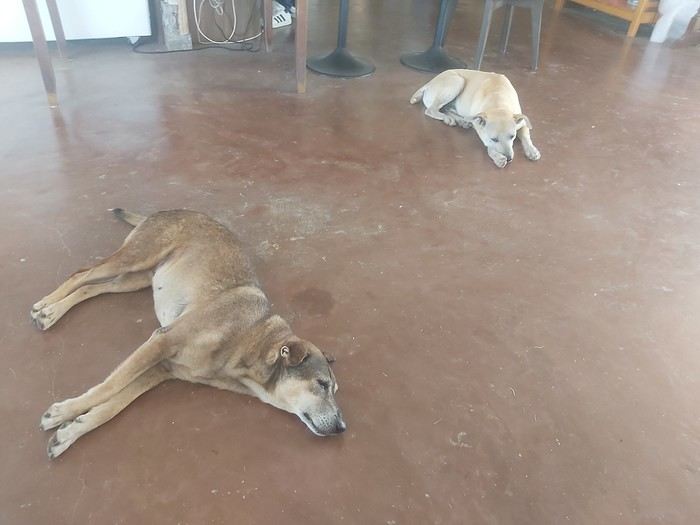
You’ll often see dogs sleeping on the roadside, sometimes right on the road. When you approach, they move aside nonchalantly—or not at all. It’s less funny when they suddenly appear from thick vegetation, reminding visitors not to drive too fast. As a result, you’ll notice that dogs with injuries or missing legs aren’t that rare.
Since they believe in reincarnation and respect for all forms of life, they don’t chase dog packs away too much, and they don’t sterilize them enough. When you see a small pack roaming freely in the countryside, you think twice about running into them at the edge of a field. A darker side of this is that euthanasia isn’t often practiced. Twice, we saw dogs at death’s door in temples, enduring terrible suffering with no one to help. The image (and the smell) of one of them, agonizing and exuding the stench of death, still comes back to me sometimes.
Some of you may have seen the YouTube vlog of a French woman living in Phuket who was given a little pig by her Thai friends. The animal, well-fed, quickly became a happy and enormous beast with its own garden. Yet it didn’t take long for it to fall seriously ill and become incurable. In her video, the French woman described how difficult it was to find a vet willing to perform euthanasia.
You’ll often see bowls by the side of the road. Thais leave food and water there for stray cats and dogs. Overall, they have a big heart for animals.
If you ever pop into a shopping mall, you might see people pushing their small dogs in strollers. It’s not just for fun—these strollers are provided for customers to put their pets in, otherwise you can’t bring them inside. It looks a bit odd when you expect to see a baby.
This travel journal is therefore intended solely for my photos, to present a consistent style. All the shots were taken with a simple Samsung Galaxy smartphone and with whatever was at hand.
All stays combined, I’ve spent the equivalent of a year at most in Thailand, and I’m no great expert. However, after many trips, lots of reading on VoyageForum and other sites, and conversations with many locals as well as expats, my view of the country is becoming clearer, though it’s constantly evolving. You never stop discovering and learning.
I guess I wanted to deliver a puzzle, mainly for those who want to get an idea of the country here and for those who feel nostalgic about it. I don’t know if this minimalist sharing will interest anyone, but it’ll do me good to put it together. After so many months without traveling and then these other long months with VF closed, there’s plenty of material available.
There’ll be a mix of places, periods, and subjects, but it might well be intentional.

I suspect many Thais have dogs because they make excellent guardians for the home. Nothing better to deter burglars or to signal the presence of a snake. You’ll often see Thais tapping the top of their dog’s head, but don’t be fooled: it’s a sign of affection from them. Judging by the dogs’ reactions, they’re used to it.
Thailand is one of the countries on the planet where rabies is still present, so keep that in mind. It’s not just bites that can be dangerous, so don’t let just any dog lick you. Especially on a wound, of course. Even though dogs often fear humans—this dangerous and unpredictable predator—we still need to stay cautious. Be careful when walking into alleys because the dog will defend its master’s big yard. Be careful at night, and be careful when they’re in packs. It sometimes crosses our minds that Thailand isn’t all that made for walking around, and dogs are one of the reasons. That said, it’s not uncommon to see them chasing bikes or scooters. Cars, though? Much rarer—they’re too big.
It seems Thais prefer to give their dogs freedom by not locking them behind gates. Though sometimes the gate is closed, the little side door is wide open. Oh, and sometimes there’s no gate in front of the property, or it’s been full of holes for years.
You’ll often see dogs sleeping on the roadside, sometimes right on the road. When you approach, they move aside nonchalantly—or not at all. It’s less funny when they suddenly appear from thick vegetation, reminding visitors not to drive too fast. As a result, you’ll notice that dogs with injuries or missing legs aren’t that rare.
Since they believe in reincarnation and respect for all forms of life, they don’t chase dog packs away too much, and they don’t sterilize them enough. When you see a small pack roaming freely in the countryside, you think twice about running into them at the edge of a field. A darker side of this is that euthanasia isn’t often practiced. Twice, we saw dogs at death’s door in temples, enduring terrible suffering with no one to help. The image (and the smell) of one of them, agonizing and exuding the stench of death, still comes back to me sometimes.
Some of you may have seen the YouTube vlog of a French woman living in Phuket who was given a little pig by her Thai friends. The animal, well-fed, quickly became a happy and enormous beast with its own garden. Yet it didn’t take long for it to fall seriously ill and become incurable. In her video, the French woman described how difficult it was to find a vet willing to perform euthanasia.
You’ll often see bowls by the side of the road. Thais leave food and water there for stray cats and dogs. Overall, they have a big heart for animals.
If you ever pop into a shopping mall, you might see people pushing their small dogs in strollers. It’s not just for fun—these strollers are provided for customers to put their pets in, otherwise you can’t bring them inside. It looks a bit odd when you expect to see a baby.
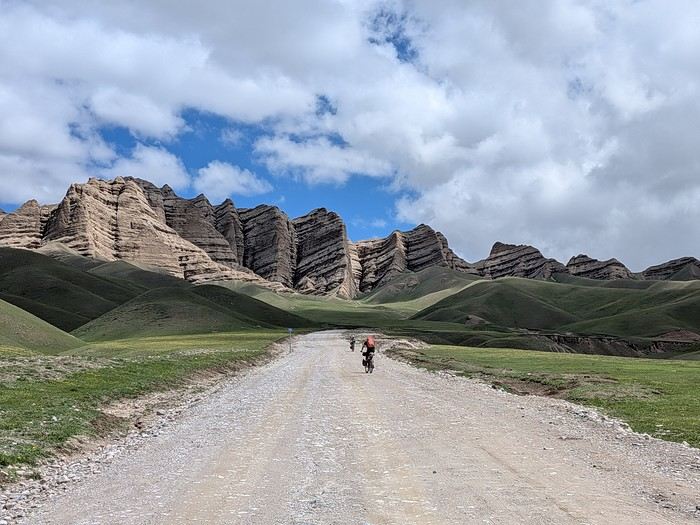
This trip had been on my mind for about fifteen years.
But the discomfort of overnight stays, the difficulty of communication, and the prices of the few car rentals kept making me postpone the project.
And then, everything fell into place—I told myself, now’s the time!
Preparations took longer than usual; the destination is still far from mainstream.
A bit of Kazakhstan? Not in the end.
The south or not? Yes, in the end.
Pre-book or play it by ear? Only two stops were a leap into the unknown.
To help me find the ideal route, I made great use of this forum (thanks to everyone for patiently answering my questions!), pored over travel journals and blogs (Christian, Jeff), zoomed in on Google Maps and Yandex, and bought the guide published by OunTravela on this destination (the guide has been updated since).
---/---
You’ve got your passport, international driver’s license, bank cards, and euros?
Off we go to Lyon—just one night left before our early morning flight.
Tomorrow night, we’ll be sleeping in Bishkek! (‘Beefsteak’ for my partner’s mischievous nephews...)

You’ll find here a post with some practical info.
But the discomfort of overnight stays, the difficulty of communication, and the prices of the few car rentals kept making me postpone the project.
And then, everything fell into place—I told myself, now’s the time!
Preparations took longer than usual; the destination is still far from mainstream.
A bit of Kazakhstan? Not in the end.
The south or not? Yes, in the end.
Pre-book or play it by ear? Only two stops were a leap into the unknown.
To help me find the ideal route, I made great use of this forum (thanks to everyone for patiently answering my questions!), pored over travel journals and blogs (Christian, Jeff), zoomed in on Google Maps and Yandex, and bought the guide published by OunTravela on this destination (the guide has been updated since).
---/---
You’ve got your passport, international driver’s license, bank cards, and euros?
Off we go to Lyon—just one night left before our early morning flight.
Tomorrow night, we’ll be sleeping in Bishkek! (‘Beefsteak’ for my partner’s mischievous nephews...)

You’ll find here a post with some practical info.
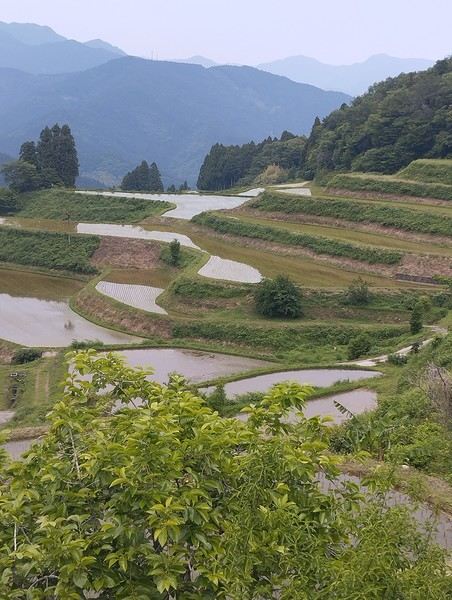
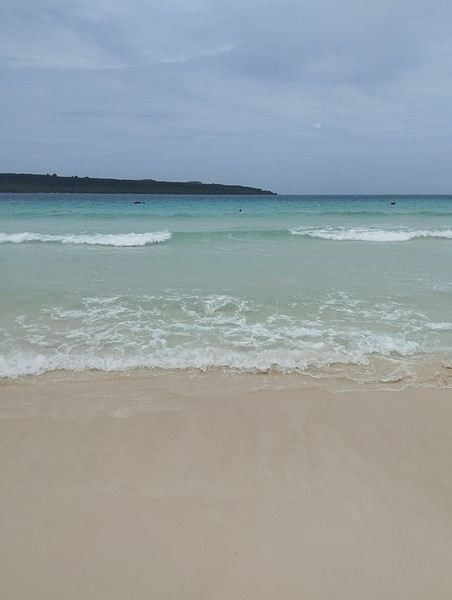
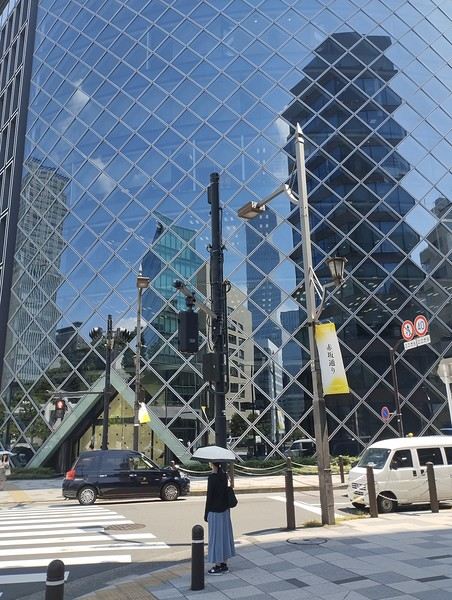
From Southern Shikoku, between land and sea, to the blue waters of Miyakojima and finally Tokyo’s megacity
Hi everyone,
I have to admit, I really hesitated before deciding to write this travel journal... Writing one takes a lot of time and energy, and since this is my 4th trip, I wondered if it would even interest anyone other than myself (both for the discovery and the writing). But after a few people asked, "Are you going to write a journal?" and especially after rediscovering the joy of reading other travelers’ journals about Japan or elsewhere on this forum, I’ve decided to share my 4th installment in the Land of the Rising Sun here.
The itinerary: 27 full days, from late May to late June 2025, right in the middle of the rainy season, including:
-->13 days in Shikoku, from Kochi (Kochi Prefecture) to Matsuyama (Ehime Prefecture)

-->7 days in Miyakojima (Okinawa Prefecture)

-->7 days in Tokyo

The trip was decided on fairly last-minute again this year.
Since I regularly check flight prices to track fluctuations for this destination even without concrete plans, stumbling upon a slightly cheaper direct flight (900 €) than what I’d seen in previous months (around 1,200–1,400 € on average) for a Paris-Tokyo route with Japanese airline ANA was too tempting to resist the urge to return to this enchanting country. After much hesitation between exploring the San’in region (Matsue, Tottori, Yamaguchi) and Southern Shikoku, the decision was made—I took the plunge! The ticket is booked: Paris to Kochi with a layover in Tokyo, all with ANA, the airline I’d been dreaming of... for 1,120 € per person. Okay, it’s not cheap, but it’s better than in 2023.
Departure in 2 weeks! Now I just have to get everything ready!
Intense prep work over these next 2 weeks to:
finalize a more precise itinerary and reach an agreement—yep, because even though we both love Japan, our preferences differ slightly, and we have to choose between exploring new places or revisiting beloved spots... decide how much time to spend in each area without rushing while still exploring research places that might interest us and watch videos about Japan book accommodations: yes, it’s possible to do this on the spot, but last year, we realized that last-minute options were pretty expensive, so we’re booking ahead—though we’ll keep a few options open in case better deals pop up later reserve rental cars order yen check the weather regularly and wonder if choosing the *tsuyu* (rainy season) was really a good idea—are we going to be drenched the whole time???
"What hard work," you might say! Going to Japan for a month—what a tough life! Despite this being my 4th trip, the excitement is just as intense as the first time.
The only small downside is that when we booked the flight, there weren’t many seats left, so we’re only sitting together on the international return flight. Plus, on the way there, we have middle seats. Another lingering question: what French-language films will be available? According to the internet, the selection seems limited. Oh well, these are just minor details—it’s already time to fly! PS: I’ll be posting slowly and irregularly... so for those interested, be patient, and maybe set an alert...
Hi everyone,
I have to admit, I really hesitated before deciding to write this travel journal... Writing one takes a lot of time and energy, and since this is my 4th trip, I wondered if it would even interest anyone other than myself (both for the discovery and the writing). But after a few people asked, "Are you going to write a journal?" and especially after rediscovering the joy of reading other travelers’ journals about Japan or elsewhere on this forum, I’ve decided to share my 4th installment in the Land of the Rising Sun here.
The itinerary: 27 full days, from late May to late June 2025, right in the middle of the rainy season, including:
-->13 days in Shikoku, from Kochi (Kochi Prefecture) to Matsuyama (Ehime Prefecture)

-->7 days in Miyakojima (Okinawa Prefecture)

-->7 days in Tokyo

The trip was decided on fairly last-minute again this year.
Since I regularly check flight prices to track fluctuations for this destination even without concrete plans, stumbling upon a slightly cheaper direct flight (900 €) than what I’d seen in previous months (around 1,200–1,400 € on average) for a Paris-Tokyo route with Japanese airline ANA was too tempting to resist the urge to return to this enchanting country. After much hesitation between exploring the San’in region (Matsue, Tottori, Yamaguchi) and Southern Shikoku, the decision was made—I took the plunge! The ticket is booked: Paris to Kochi with a layover in Tokyo, all with ANA, the airline I’d been dreaming of... for 1,120 € per person. Okay, it’s not cheap, but it’s better than in 2023.
Departure in 2 weeks! Now I just have to get everything ready!
Intense prep work over these next 2 weeks to:
finalize a more precise itinerary and reach an agreement—yep, because even though we both love Japan, our preferences differ slightly, and we have to choose between exploring new places or revisiting beloved spots... decide how much time to spend in each area without rushing while still exploring research places that might interest us and watch videos about Japan book accommodations: yes, it’s possible to do this on the spot, but last year, we realized that last-minute options were pretty expensive, so we’re booking ahead—though we’ll keep a few options open in case better deals pop up later reserve rental cars order yen check the weather regularly and wonder if choosing the *tsuyu* (rainy season) was really a good idea—are we going to be drenched the whole time???
"What hard work," you might say! Going to Japan for a month—what a tough life! Despite this being my 4th trip, the excitement is just as intense as the first time.
The only small downside is that when we booked the flight, there weren’t many seats left, so we’re only sitting together on the international return flight. Plus, on the way there, we have middle seats. Another lingering question: what French-language films will be available? According to the internet, the selection seems limited. Oh well, these are just minor details—it’s already time to fly! PS: I’ll be posting slowly and irregularly... so for those interested, be patient, and maybe set an alert...
The story of a trip to Morocco, from the first to the last day—otherwise, it wouldn’t have made sense...
Marrakech... then four days on foot in the desert, alone with a guide, a camel driver, and two dromedaries... and Marrakech again.
Everything mattered, even the smallest details, so this is a (very) long story.
Behind the descriptions and anecdotes, there’s emotion, intimacy, and... soul-searching.
All the things it’s strangely easier to share this way, all the things it’s strangely easier to share with people you don’t know...
I have beautiful images in my eyes, but only a few are visible—if you read carefully, you’ll understand why.
The other photos are imagined, created upon returning with souvenirs and a bit of staging.
But everything is authentic.
Since I’ve been back, sometimes at night I open my eyes and don’t know where I am... Sleepless night, starry night, night of communion, connected night... In that suspended moment, between wakefulness and sleep, which makes you so receptive... Communion with whom? Connected to what? Lila gnawa... lila de derdeba.
The desert, a solitary path. You step in, and you’re immediately in the essential...
Wednesday... My companion drops me off at Orly Ouest... There are two hours before boarding. My MP3 player turns on but that’s it. It freezes—no commands work, and nothing fixes it... Smile... A trip without music, then? And the first anchor falls away.
(Photo...) ... Passport, tickets, receipts, labels...
Nose pressed to the window for the entire flight... Descending over Marrakech, at low altitude, a pretty mosaic—shades of pink and ochre dotted with green, but also, to the right, less harmonious, aligned cubes. Housing developments under construction? A bumpy, turbulent landing—the plane circles for a long time before touching down.
Welcomed by the familiar, unchanged sound of creaking doors and seats in the little taxis. In Casablanca, it was red Simca 1000s with meters; here, they’re yellow, and you have to negotiate the price. I have no talent for that, so here’s 100 DH!
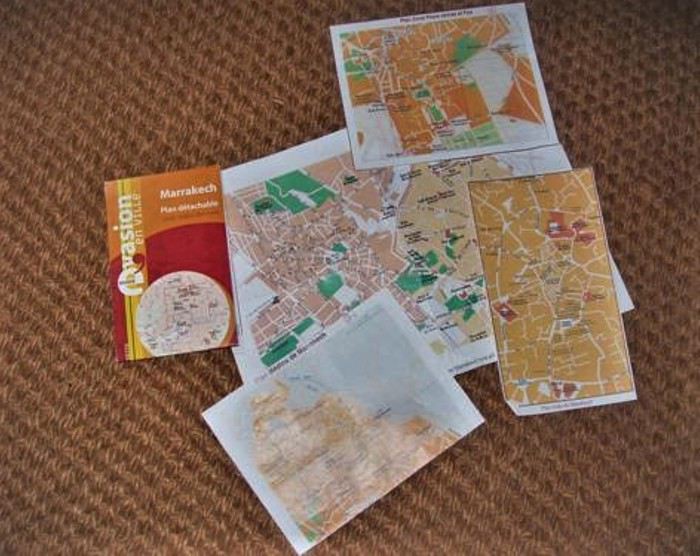
Traversed and forgotten
Marrakech... Sunny, luminous, sensual. Torn between tradition and modernity... Shimmering and fragrant, very noisy... rather polluted? On the road, horses and donkeys still mingle with vehicles... and watch out for traffic when crossing! It’s always a strategic—and athletic—adventure: at what exact moment do you sprint to the opposite sidewalk? And why aren’t any street names marked?
Afternoon on foot, heading to the Bab Doukkala bus station... A landmark: the McDonald’s, then a square with a fountain. Then turn left onto Avenue Hassan II. There’s a bus to Zagora Friday morning, but I can only buy the ticket tomorrow. On the way back to the hotel, at a kiosk on the corner, I buy *Tel Quel*, which I read with great interest online.
Thursday... Early morning, walking to Place Jemaa el-Fna, calm and almost deserted... I don’t get a good deal buying two small daggers for my kids. No talent for haggling—it takes more than charm for that... So I’ll pick the rest of my gifts at the artisan center on Avenue Mohammed V, where prices are marked, and it’s a pleasure to watch the craftsmen work... For my daughter, a satchel and earrings. The satchel smells like goat. The earrings are hand-chiseled in front of me by a very young man with nimble fingers—marvels of delicacy and fragility. Then I linger for a long time in the souk alleys. Scents of leather, thuya and cedar wood, wool and copper... Familiar smells... Childhood memories...
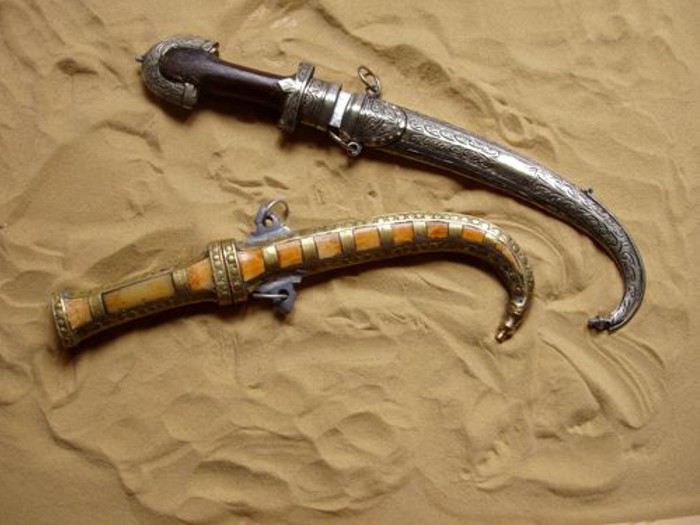
Dear daggers
Earrings
Back at the bus station, an unexpected change: no bus Friday morning, but a departure tonight at 8:30 PM... I have a little time before packing, so I take a long detour: Boulevard de Safi, then right onto Avenue El Mansour to the Majorelle Garden... A quiet pause. Rare plants, all kinds of cacti—smooth, fuzzy, bristling with spines... strange, squat, or stretched-out shapes. An infinite variety of greens, and that famous blue... The song of birds, the sun and shadows playing in the water basins... Time flows lazily. I write postcards—they’ll arrive long after I’m back...
Back to the hotel. Avenue El Mansour, Boulevard Zerktouni—okay, but why are the small street names never marked?!! I get a little lost...
I hope you got my MMS, because before leaving, I left something for you at the front desk...
8 PM, night has already fallen. Arriving at the bus station, and then... Then, a step back... A dense crowd, a tangle of buses... Where to go?... Rare woman, lone foreigner, backpack... I’m quickly spotted, surrounded, poorly guided... Someone with a badge finally points me to the right sidewalk. The bus isn’t there, and the sidewalk is already packed, mostly with men. Will I even get a seat?... Three young men are particularly insistent... They want to know where I’m going and why, if someone is with me, if I’m expected... I answer with a smile. A bit tricky—choosing words, staying polite while evasive... Their French is hesitant, my Arabic is more than rudimentary... Actually, I shouldn’t have tried... Their tone becomes a bit... aggressive, and their eyes light up. Uh-oh... They say they’re students, but what of?... Want to know what I think of the Quran and Allah, what I think of holy war, if I’m "for the Americans," "for the Palestinians"... Other travelers intervene... And the bus still isn’t here... The speech turns fanatical... Then, my smile freezes a little... A small wave of panic, so I send a "freaked out" MMS... (But who else could I send it to?) Then, in this dark crowd, a light dressed in white... Nabila, a young student heading to Zagora for vacation, she speaks French... She plants herself in front of them and scolds them thoroughly. I didn’t catch everything, but it worked! The three troublemakers retreat. Plus, they weren’t on the right sidewalk, and their bus is about to leave without them...
Nabila and I manage to board and sit side by side... The bus leaves two hours late. The trip is long, a bit uncomfortable, slowed by many stops—it was very cold...
Friday... A little stiff, a little dazzled, a little chilled, arriving in Zagora at dawn with the sunrise... Magical! Craving something warm... And then, a heartfelt gift—kindness and hospitality—Nabila invites me to her home. Warm welcome from her mother and siblings, not at all surprised to see me show up so early to share their breakfast! A few hours in their company... We exchange addresses, and the youngest brother, Nouamare, gives me a children’s storybook...
Noon, at *La Fibule du Draa* Lahcen Sarti, the owner... I finally put a smile and a face to an email exchange... He shows me the trek route on the map, laughs when I tell him about my night on the bus, and sends me to rest by the pool... No swimsuit, so a lounge chair and a book... A book that will accompany me into the desert and which I’ll finish in Marrakech, in the Koutoubia Garden...
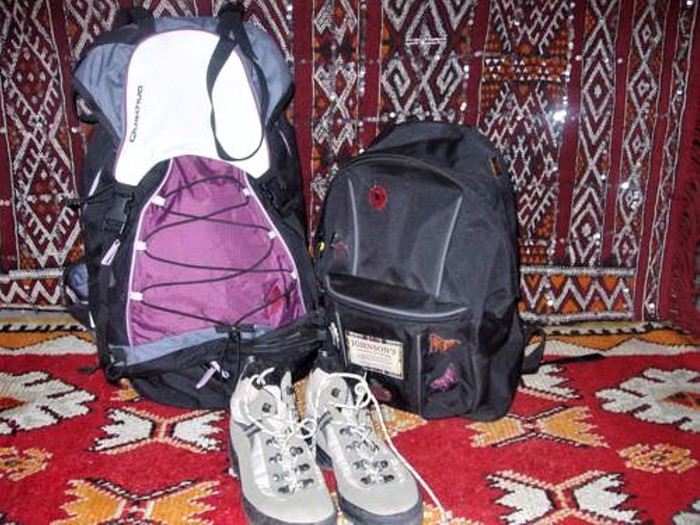
Saturday, Day 1... When I wake up this morning, I know the desert sand will also absorb my blood...
Early departure for four days and three nights, alone, as I wished, with a young guide, Mohammed, and a younger camel driver, Abdou. We’ll be together 24/7, and we won’t see a soul until we reach the fixed campsite on the third evening. Everything we need is loaded onto two dromedaries. And in those baskets, there are miracles—a *Prévert*-style inventory I’ll discover bit by bit, like... a tray for glasses, a basket for bread, a sugar loaf and small glasses for tea, but... large glasses and sugar cubes for coffee, spices, oranges, vegetables, raw eggs!... That won’t break, *La Vache qui Rit*... And so many other unexpected wonders, so surprising in the middle of the desert... (*La Vache qui Rit* is the desert butter. Every morning for breakfast, it was coffee with Nido powdered milk and *kesra* with *La Vache qui Rit* and Aïcha apricot jam... A delight.)
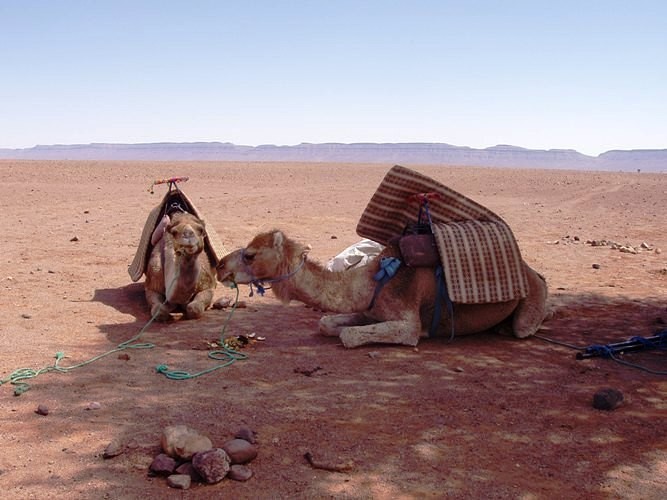
Start of the journey, and the beginning of a long, long walk... We’ll cover 80 km in three days, crossing all kinds of landscapes until the real desert of sand and dunes... I’ll drink water from wells, eat raw vegetables, sleep on a mattress that saddles the dromedaries by day... I’ll forget all the warnings and all my hygiene references... My body will quiet its complaints. No heat, no thirst, no fatigue, no trouble of any kind... just woken by the cold every morning around 6 AM... I take off my watch. Like my companions, I’ll live by the sun’s rhythm...
Abdou leads the dromedaries, so he walks at their pace. Sometimes, we’re grouped together. Sometimes the two guides are together, and I walk behind. Sometimes we talk. Nothing is forced, no discomfort. It’s a simple, harmonious dance—one foot in front of the other, following your shadow as it turns with the sun... Each step leaves behind the useless, the cumbersome, the superfluous... Room for intimacy... Room for silence... Room for the inner self... Facing yourself... I find seashells, and with my eyes closed, I smell the sea...
... One foot in front of the other...
I take out my camera... Capacity for a hundred shots, but it’ll be 10 photos, no more. It freezes—no commands work, and nothing fixes it... Smile... A trip without photos, then? And the second anchor falls... I think of my MP3 player...
... A few photos among the ten...
Noon... Unsaddling the dromedaries, which immediately wander off in search of food. And before the meal cooked by Mohammed, the mint tea ritual, prepared by Abdou in a tiny teapot... Thick, frothy, very sweet tea... He serves it on a tray with dates, peanuts, and raisins... And it’ll be like this every day, noon and night...
We gradually get to know each other... Mohammed, 25 years old... Calm, very introspective, almost ascetic, he knows the desert well and loves it... So at ease that he’ll walk in slippers or barefoot, no matter the terrain... When I’m behind him, the advertisement on the back of his sweatshirt makes me smile... There’s a date: January 8, 2003... A little wink from life? (I have a clear memory of that day.) Abdou, barely 20, with a round, jovial face. The mint tea master... When he hands me my glass, he says "Bismillah," and I respond in kind... A joker and a foodie. Thrilled that I only eat vegetables, he’ll have double the meat!
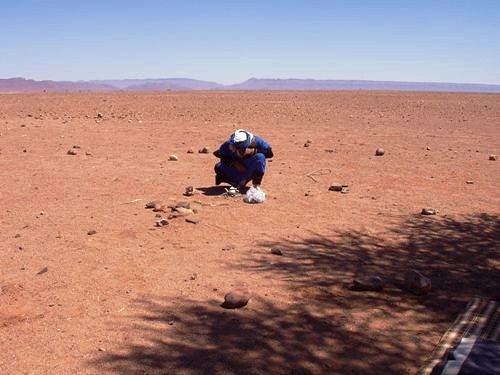
... Abdou and his teapot...
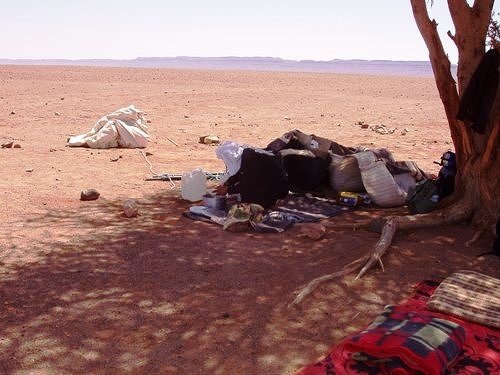
... Mohammed...
Late afternoon, a well... Abdou waters the dromedaries, and Mohammed fills the canteens. The caps aren’t watertight, so he wedges a piece of plastic bag found in one of the baskets and screws it on top... Forget all hygiene warnings...
First night in a tent at the foot of Jebel Baní...
... Jebel
Sunday, Day 2... Crossing and ascending Jebel Baní... A mineral, lunar landscape—rocks the color of burnt bread and anthracite gray. I pick up pretty pebbles, and Mohammed finds me a fossilized stone... Lunch in a deserted nomad oasis... When we resume our walk, the wind picks up. A wind that only blows in April, violent, terrible—the *Sahli*... Swirls of sand and gravel. Where’s the sky, where’s the earth... everything is dust, everything is yellow and opaque... The gusts are so strong they make us stagger. At times, we even have to crouch to avoid falling. In the acacia forest, Abdou and the dromedaries are only a few meters ahead, yet we can’t see them... We’ll later learn that on that day, planned excursions were canceled... That a group got lost and had to be picked up by 4x4... But Mohammed has a sense of the desert. He’s calm, he guides us... so we continue, and I trust him. He wraps a *chèche* around my head—a fragile barrier against these onslaughts... We have to keep moving, and it’s difficult... But the desert has accepted me, so without resistance, I accept it... And the sand gets everywhere... in my mouth, crunching between my teeth, in my eyes, ears, and nostrils... in my hair... A fine ochre layer covers my face and body, even under my clothes. I’ve become a sand woman... Communion... Fusion with the mineral. I absorb the desert’s prodigious power, just as the desert absorbs my blood...
We walked for four hours, pushed by this furious wind, before stopping for the night under an acacia... There, we had to set up the tent, which they did with difficulty. Then we had to weigh it down... So the utensils and the mint tea tray served as shovels to cover the edges with sand. Then Abdou took care of the dromedaries, holding one of their front legs bent with a rope to keep them from wandering too far... Then we brought everything into the tent and collapsed... but not for long.
Mohammed prepared kingly meals at noon and night with the wonders in the baskets: finely chopped raw vegetable salad, vegetable tagine, soup (and not from a packet!)... Even the canned sardines were garnished with thin orange slices... After this exhausting day for all of us, I told him that bread with *La Vache qui Rit* would be enough... He looked at me with a big smile and said his evening ritual phrase: "Now, Laurence, sit down, take your time, take your book..." He pulled his sand-filled utensils from the miraculous basket, his stove, some vegetables, and made us couscous (and not from a box!), couscous he rolled between his hands... Meanwhile, Abdou took out his sand-filled teapot, his sugar loaf, the peanuts, the dates... The mint tea ritual, like every day, noon and night...
Outside, the wind keeps blowing, stirring up sand whirlwinds... So I won’t go out like the other night to brush my teeth and hair. Just a wipe on my face to remove the dust... Mohammed turns off the gas lamp, and I curl up in my sleeping bag. The dromedaries have moved closer to my side of the tent, and the moonlight stretches their shadows on the canvas. They’ve settled in and make strange noises... We fall asleep very quickly...
Monday, Day 3... My two companions are still asleep when the cold wakes me at 6 AM, like every morning... Everything seems so calm—the wind has stopped... I untie the tent door and... A pure blue sky, gradually tinted with pink and flaming orange. The sun rises before my dazzled eyes. A day of light begins: no trace of yesterday’s storm, except sand... everywhere.
So, breakfast with sand... Then we shake out everything that can be shaken, sending clouds of dust flying... Then Abdou gives the dromedaries back their fourth leg, and we continue the journey.
After the expanses of stones and shrubs on the first day, the rocky ridges of Jebel Baní, and the acacia forest on the second day, the landscape changes, softens... We arrive in the desert as you imagine it, as you dream it, as you’ve seen in thousands of photos: endless golden dunes, in harmonious hollows and curves... The desert of sand... vast, fascinating...
Last meal for the three of us... Tonight, we’ll arrive at the fixed campsite, and we won’t be alone anymore. The break stretches on... So, a little apart on the smooth sand, I write a few words... an obvious truth... entrusting a secret to the desert. In a small box, I’ll bring back some of this magical sand...

.. A secret in the desert...
Abdou grabs my notebook and draws the dunes. Mohammed draws Abdou and his dromedaries... I learn to do dishes with the contents of a single glass of water... A tiny bird lands on my bag... A bird!... in the middle of nowhere!... The dromedaries seem to relish the acacia branches, thorns and all...
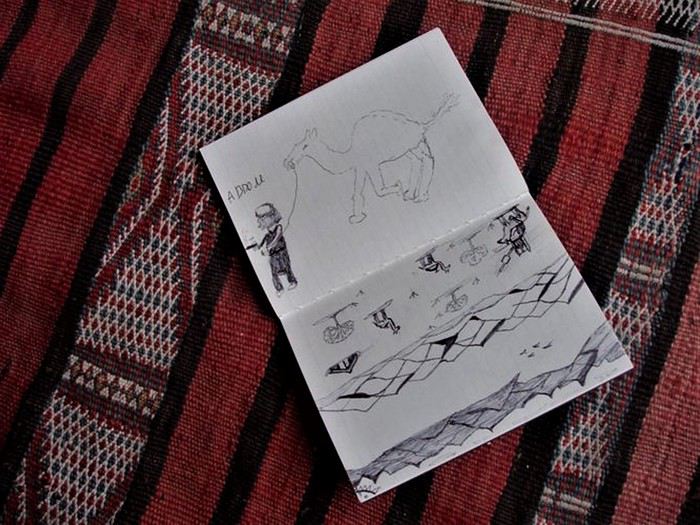
Desert drawings
We set off again... The dunes are higher... Easy to climb, the desert has sensual, feminine curves. A giant’s hand would fit its reliefs like a caress on a soft, supple body... The setting sun gives the landscape colors of amber and spices, cinnamon reflections... The sand offers me pink pebbles and pieces of white quartz that sparkle... I also find a black stone... Mystery...
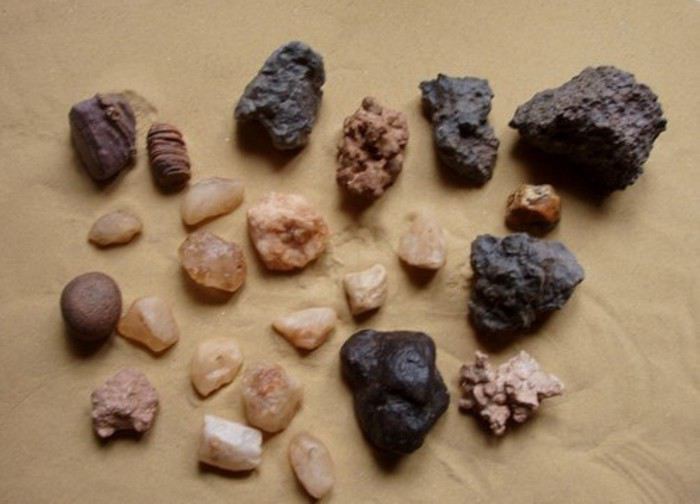
Pink pebbles, fossilized pebbles, sparkling pebbles, and a black stone
Late afternoon, arrival at the fixed campsite at the foot of Erg Lihoudi... The guardian, Lahcen, a whirlwind of chatter and energy, welcomes us with mint tea. He quickly pegs me: "You do yoga, right?" He tells lots of anecdotes about his "clients," ending every sentence with: "No problem! *Machi mouchkil*... *Machi mouchkil*, no problem!" Around the tents, dozens... hundreds of big black beetles swarm on the sand... As I shudder, Lahcen gently picks one up and wants to put it on my hand: "*Machi mouchkil*! It doesn’t sting!"... I hold out a hesitant palm... Despite Lahcen’s infectious enthusiasm, I don’t like this last evening. Two groups arrived by 4x4 to spend a night in the desert... Noise of engines, cameras, voices, and exclamations... An intrusion into my bubble... I keep my distance... They’ll leave very early the next morning...
Memory of beetles
Tuesday, Day 4... Standing still on a sand dune, I see both the full moon and the sun in the same sky... A luminous face-off. Magical, overwhelming... Then the moon paled, and the sun blazed brighter. It wasn’t quite night anymore, but day wasn’t far off... The Sacred, Mystical universe unfolded before me... A moment of grace that made my heart beat a little faster... Something indescribable gradually filled me, with infinite gentleness, to the depths of my soul... Facing this unlikely encounter, hesitations, reluctance, and fears seem so trivial... What are we if not fragments of this universe where everything is united... everything is connected...
Then comes the intention of a new message: "I’d love to put a face to..." But in this exchange scattered with misunderstandings, could you receive the intention without interpreting it?...
I stayed a long time on that dune, under the spell... Standing, barefoot and rooted... heart open... Receptive... in Unity between the infinitely small grain of sand and the infinitely vast universe... I hadn’t come to seek anything, yet the generous Earth offered its energy, its subtle strength to every cell of my body, and filled my soul with light... In exchange for this blood spilled on the sand over these four days?...
Give to Receive... Receive and Give... like a signed pact.
What exiled me from my life, disrupting all my bearings, drew me here... A necessary passage through space, withdrawal, and silence... for another birth?... The real desert after the symbolic desert... Pausing for a moment, as if at a crossroads. Connecting before continuing... If this path leads to the essential, then this path has a heart and will continue...
At the foot of the dune on the way down, I found a little Fatima’s hand made of beads. A gift from the desert...
Gift from the desert, good luck charm?
Mohammed and Abdou leave Erg Lihoudi with other people—our shared adventure ends here... Emotion... looks and gestures speak louder than any words... Thank you, from the bottom of my heart...
Return to Zagora in a rickety, bumpy 4x4... After the track, we cross a vast palm grove... Shimmering colors, lush vegetation, palm trees growing in wheat fields... Tender green of the ears, faded green of the fronds, all shades of green contrast with the ochre and pink stone walls... My eyes rediscover green... My eyes rediscover colors... On a narrow path, the 4x4 finds itself facing a donkey carrying three children on its back... Impossible to pass. Who will back up?... Well, roaring progress bowed to four-legged tradition: in a cloud of dust, the 4x4 reversed for several hundred meters... The donkey passed calmly... On its back, the three children waved their hands...
Noon, arrival at *La Fibule du Draa*... Smiling welcome from Lahcen. He offers me a shower—I refuse... Even if he seems a little surprised, he has the delicacy not to show it too much... Strangely, I don’t feel dirty. Yet my clothes are the same, and my body hasn’t seen a drop of water since the day I left... But I want to keep the warmth and the smell of sand on my skin... reconnecting with forgotten, instinctive, animal sensations... So, I transfer my meticulousness and civilized conditioning to my bag... I take everything out, empty it, shake it... hunting down the smallest grain of sand... Futile effort! (I still find some today...) The afternoon stretches lazily by the pool... I contemplate my pebbles and make a lovely encounter...
The Zagora-Marrakech bus leaves at 7 PM... It’s the night of the full moon, and as soon as night falls, the sky fills with stars... Points of light without beginning, without duration, without end... Tiny lights so distant and so close...
Wanting to share this moment... And with whom else? If you look up, you’re the only one seeing the same sky as me. So, the intention of another message. But in this fragile, stumbling exchange... marked by misunderstandings... could you receive the intention without interpreting it?
The trip is shorter than on the way there, but barely more comfortable. A speaker right above my seat blares music and incantations the whole way... Halfway through, the same unusual stop in a village lit up and bustling as if it were daytime (Taddart, I think...). Along the main street, the ground is checkered black and white. Butcher stalls display entire beef carcasses... Smells of smoke and grilling... People are busy... Others, seated, are eating... in the middle of the night.
Arrival in Marrakech at 2 AM. Taxi strike, no room until tonight... Uh-oh! My backpack draws attention: a car stops and offers to take me for 80 DH... Trust... Five minutes later, I push open the door of *Le Toulousain*... The guard offers to let me finish the night on one of the lobby benches. I unfold my sleeping bag and slip into the desert’s scent... No sleep. But with my eyes closed, I see the stars... You came to pick up my bulky envelope.
Wednesday... Difficult early morning... Now, I feel dirty, my clothes bother me, my shoes hurt... Craving a long hot shower, wanting to find my body, wash my hair, put on cream, do my nails, and... It’ll be a long shower... cold! The hotel is charming but a bit run-down.
Clothes from 4 days...
Afternoon on foot in the quiet Hivernage district, searching for a childhood memory that may have changed names: the *Holiday Inn* hotel... I didn’t find it, or didn’t recognize it. Long stroll in the Menara Gardens, and return to the hotel at sunset...
Thursday... Last day... Wanting to see the Marrakech Museum because the founder was a friend of my father’s... So, the familiar route: the McDonald’s, the square with the fountain, Avenue Hassan II, Bab Doukkala... but this time, I pass through the ramparts, and in the old city—sensual, charming, enchanting—I get lost, found, and lost again... I tracked down the museum and the Ben Youssef Madrasa at the end of a maze of alleys... Followed scents of mint, olives, honey, and cinnamon... Savored, moved, the same donuts as in my childhood—golden fried dough rings with a hole in the middle, tied together with a blade of grass... (I don’t remember the name...) I filled my eyes with pretty things and exchanged smiles... Received, just like that... A gift... a ring for my little finger... Someone called out to me: "Hey, gazelle," and it made me happy...
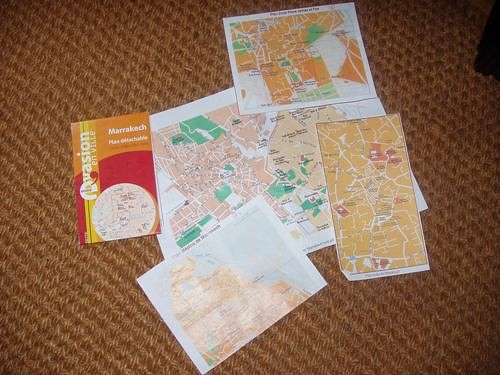
.. Still lost!...
Afternoon in the sun in the Koutoubia Gardens. I finish my book—sand falls from between the pages...
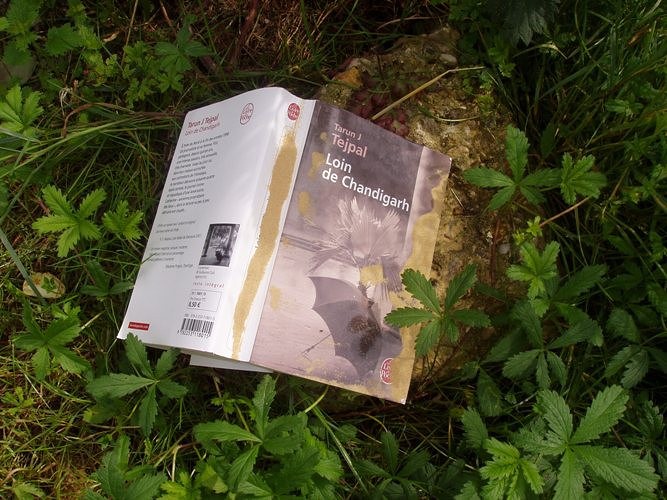
.. Started on the plane... read in the desert... finished in Marrakech...
Melancholy of the last evening... So, on the way back to the hotel, I buy *kesra* and *La Vache qui Rit*...
Long, long sleepless night... Flight in a few hours... Happy to see the ones I love again, too.
Thoughts, emotions, sensations, images... Questions... One question... So, more than reason, going over and over the question... What there is to live, it’ll have to be lived...
The desert, a solitary path... like all paths that lead to the essential...
3:30 AM, your message, read by the metallic voice of a voicemail. And you, facing physical failure, past mistakes, fear... A solitary path. Also. Like all paths that lead to the essential...

Since I’ve been back, sometimes at night I open my eyes and don’t know where I am... Sleepless night, starry night, night of communion, connected night... In that suspended moment, between wakefulness and sleep, which makes you so receptive... Communion with whom? Connected to what? Lila gnawa... lila de derdeba.
The desert, a solitary path. You step in, and you’re immediately in the essential...
Wednesday... My companion drops me off at Orly Ouest... There are two hours before boarding. My MP3 player turns on but that’s it. It freezes—no commands work, and nothing fixes it... Smile... A trip without music, then? And the first anchor falls away.
(Photo...) ... Passport, tickets, receipts, labels...
Nose pressed to the window for the entire flight... Descending over Marrakech, at low altitude, a pretty mosaic—shades of pink and ochre dotted with green, but also, to the right, less harmonious, aligned cubes. Housing developments under construction? A bumpy, turbulent landing—the plane circles for a long time before touching down.
Welcomed by the familiar, unchanged sound of creaking doors and seats in the little taxis. In Casablanca, it was red Simca 1000s with meters; here, they’re yellow, and you have to negotiate the price. I have no talent for that, so here’s 100 DH!
Traversed and forgottenMarrakech... Sunny, luminous, sensual. Torn between tradition and modernity... Shimmering and fragrant, very noisy... rather polluted? On the road, horses and donkeys still mingle with vehicles... and watch out for traffic when crossing! It’s always a strategic—and athletic—adventure: at what exact moment do you sprint to the opposite sidewalk? And why aren’t any street names marked?
Afternoon on foot, heading to the Bab Doukkala bus station... A landmark: the McDonald’s, then a square with a fountain. Then turn left onto Avenue Hassan II. There’s a bus to Zagora Friday morning, but I can only buy the ticket tomorrow. On the way back to the hotel, at a kiosk on the corner, I buy *Tel Quel*, which I read with great interest online.
Thursday... Early morning, walking to Place Jemaa el-Fna, calm and almost deserted... I don’t get a good deal buying two small daggers for my kids. No talent for haggling—it takes more than charm for that... So I’ll pick the rest of my gifts at the artisan center on Avenue Mohammed V, where prices are marked, and it’s a pleasure to watch the craftsmen work... For my daughter, a satchel and earrings. The satchel smells like goat. The earrings are hand-chiseled in front of me by a very young man with nimble fingers—marvels of delicacy and fragility. Then I linger for a long time in the souk alleys. Scents of leather, thuya and cedar wood, wool and copper... Familiar smells... Childhood memories...
Dear daggersEarrings
Back at the bus station, an unexpected change: no bus Friday morning, but a departure tonight at 8:30 PM... I have a little time before packing, so I take a long detour: Boulevard de Safi, then right onto Avenue El Mansour to the Majorelle Garden... A quiet pause. Rare plants, all kinds of cacti—smooth, fuzzy, bristling with spines... strange, squat, or stretched-out shapes. An infinite variety of greens, and that famous blue... The song of birds, the sun and shadows playing in the water basins... Time flows lazily. I write postcards—they’ll arrive long after I’m back...

Back to the hotel. Avenue El Mansour, Boulevard Zerktouni—okay, but why are the small street names never marked?!! I get a little lost...
I hope you got my MMS, because before leaving, I left something for you at the front desk...
8 PM, night has already fallen. Arriving at the bus station, and then... Then, a step back... A dense crowd, a tangle of buses... Where to go?... Rare woman, lone foreigner, backpack... I’m quickly spotted, surrounded, poorly guided... Someone with a badge finally points me to the right sidewalk. The bus isn’t there, and the sidewalk is already packed, mostly with men. Will I even get a seat?... Three young men are particularly insistent... They want to know where I’m going and why, if someone is with me, if I’m expected... I answer with a smile. A bit tricky—choosing words, staying polite while evasive... Their French is hesitant, my Arabic is more than rudimentary... Actually, I shouldn’t have tried... Their tone becomes a bit... aggressive, and their eyes light up. Uh-oh... They say they’re students, but what of?... Want to know what I think of the Quran and Allah, what I think of holy war, if I’m "for the Americans," "for the Palestinians"... Other travelers intervene... And the bus still isn’t here... The speech turns fanatical... Then, my smile freezes a little... A small wave of panic, so I send a "freaked out" MMS... (But who else could I send it to?) Then, in this dark crowd, a light dressed in white... Nabila, a young student heading to Zagora for vacation, she speaks French... She plants herself in front of them and scolds them thoroughly. I didn’t catch everything, but it worked! The three troublemakers retreat. Plus, they weren’t on the right sidewalk, and their bus is about to leave without them...
Nabila and I manage to board and sit side by side... The bus leaves two hours late. The trip is long, a bit uncomfortable, slowed by many stops—it was very cold...
Friday... A little stiff, a little dazzled, a little chilled, arriving in Zagora at dawn with the sunrise... Magical! Craving something warm... And then, a heartfelt gift—kindness and hospitality—Nabila invites me to her home. Warm welcome from her mother and siblings, not at all surprised to see me show up so early to share their breakfast! A few hours in their company... We exchange addresses, and the youngest brother, Nouamare, gives me a children’s storybook...
Noon, at *La Fibule du Draa* Lahcen Sarti, the owner... I finally put a smile and a face to an email exchange... He shows me the trek route on the map, laughs when I tell him about my night on the bus, and sends me to rest by the pool... No swimsuit, so a lounge chair and a book... A book that will accompany me into the desert and which I’ll finish in Marrakech, in the Koutoubia Garden...

Saturday, Day 1... When I wake up this morning, I know the desert sand will also absorb my blood...
Early departure for four days and three nights, alone, as I wished, with a young guide, Mohammed, and a younger camel driver, Abdou. We’ll be together 24/7, and we won’t see a soul until we reach the fixed campsite on the third evening. Everything we need is loaded onto two dromedaries. And in those baskets, there are miracles—a *Prévert*-style inventory I’ll discover bit by bit, like... a tray for glasses, a basket for bread, a sugar loaf and small glasses for tea, but... large glasses and sugar cubes for coffee, spices, oranges, vegetables, raw eggs!... That won’t break, *La Vache qui Rit*... And so many other unexpected wonders, so surprising in the middle of the desert... (*La Vache qui Rit* is the desert butter. Every morning for breakfast, it was coffee with Nido powdered milk and *kesra* with *La Vache qui Rit* and Aïcha apricot jam... A delight.)

Start of the journey, and the beginning of a long, long walk... We’ll cover 80 km in three days, crossing all kinds of landscapes until the real desert of sand and dunes... I’ll drink water from wells, eat raw vegetables, sleep on a mattress that saddles the dromedaries by day... I’ll forget all the warnings and all my hygiene references... My body will quiet its complaints. No heat, no thirst, no fatigue, no trouble of any kind... just woken by the cold every morning around 6 AM... I take off my watch. Like my companions, I’ll live by the sun’s rhythm...
Abdou leads the dromedaries, so he walks at their pace. Sometimes, we’re grouped together. Sometimes the two guides are together, and I walk behind. Sometimes we talk. Nothing is forced, no discomfort. It’s a simple, harmonious dance—one foot in front of the other, following your shadow as it turns with the sun... Each step leaves behind the useless, the cumbersome, the superfluous... Room for intimacy... Room for silence... Room for the inner self... Facing yourself... I find seashells, and with my eyes closed, I smell the sea...
... One foot in front of the other...I take out my camera... Capacity for a hundred shots, but it’ll be 10 photos, no more. It freezes—no commands work, and nothing fixes it... Smile... A trip without photos, then? And the second anchor falls... I think of my MP3 player...
... A few photos among the ten...Noon... Unsaddling the dromedaries, which immediately wander off in search of food. And before the meal cooked by Mohammed, the mint tea ritual, prepared by Abdou in a tiny teapot... Thick, frothy, very sweet tea... He serves it on a tray with dates, peanuts, and raisins... And it’ll be like this every day, noon and night...
We gradually get to know each other... Mohammed, 25 years old... Calm, very introspective, almost ascetic, he knows the desert well and loves it... So at ease that he’ll walk in slippers or barefoot, no matter the terrain... When I’m behind him, the advertisement on the back of his sweatshirt makes me smile... There’s a date: January 8, 2003... A little wink from life? (I have a clear memory of that day.) Abdou, barely 20, with a round, jovial face. The mint tea master... When he hands me my glass, he says "Bismillah," and I respond in kind... A joker and a foodie. Thrilled that I only eat vegetables, he’ll have double the meat!
... Abdou and his teapot...
... Mohammed...Late afternoon, a well... Abdou waters the dromedaries, and Mohammed fills the canteens. The caps aren’t watertight, so he wedges a piece of plastic bag found in one of the baskets and screws it on top... Forget all hygiene warnings...
First night in a tent at the foot of Jebel Baní...
... JebelSunday, Day 2... Crossing and ascending Jebel Baní... A mineral, lunar landscape—rocks the color of burnt bread and anthracite gray. I pick up pretty pebbles, and Mohammed finds me a fossilized stone... Lunch in a deserted nomad oasis... When we resume our walk, the wind picks up. A wind that only blows in April, violent, terrible—the *Sahli*... Swirls of sand and gravel. Where’s the sky, where’s the earth... everything is dust, everything is yellow and opaque... The gusts are so strong they make us stagger. At times, we even have to crouch to avoid falling. In the acacia forest, Abdou and the dromedaries are only a few meters ahead, yet we can’t see them... We’ll later learn that on that day, planned excursions were canceled... That a group got lost and had to be picked up by 4x4... But Mohammed has a sense of the desert. He’s calm, he guides us... so we continue, and I trust him. He wraps a *chèche* around my head—a fragile barrier against these onslaughts... We have to keep moving, and it’s difficult... But the desert has accepted me, so without resistance, I accept it... And the sand gets everywhere... in my mouth, crunching between my teeth, in my eyes, ears, and nostrils... in my hair... A fine ochre layer covers my face and body, even under my clothes. I’ve become a sand woman... Communion... Fusion with the mineral. I absorb the desert’s prodigious power, just as the desert absorbs my blood...
We walked for four hours, pushed by this furious wind, before stopping for the night under an acacia... There, we had to set up the tent, which they did with difficulty. Then we had to weigh it down... So the utensils and the mint tea tray served as shovels to cover the edges with sand. Then Abdou took care of the dromedaries, holding one of their front legs bent with a rope to keep them from wandering too far... Then we brought everything into the tent and collapsed... but not for long.
Mohammed prepared kingly meals at noon and night with the wonders in the baskets: finely chopped raw vegetable salad, vegetable tagine, soup (and not from a packet!)... Even the canned sardines were garnished with thin orange slices... After this exhausting day for all of us, I told him that bread with *La Vache qui Rit* would be enough... He looked at me with a big smile and said his evening ritual phrase: "Now, Laurence, sit down, take your time, take your book..." He pulled his sand-filled utensils from the miraculous basket, his stove, some vegetables, and made us couscous (and not from a box!), couscous he rolled between his hands... Meanwhile, Abdou took out his sand-filled teapot, his sugar loaf, the peanuts, the dates... The mint tea ritual, like every day, noon and night...
Outside, the wind keeps blowing, stirring up sand whirlwinds... So I won’t go out like the other night to brush my teeth and hair. Just a wipe on my face to remove the dust... Mohammed turns off the gas lamp, and I curl up in my sleeping bag. The dromedaries have moved closer to my side of the tent, and the moonlight stretches their shadows on the canvas. They’ve settled in and make strange noises... We fall asleep very quickly...
Monday, Day 3... My two companions are still asleep when the cold wakes me at 6 AM, like every morning... Everything seems so calm—the wind has stopped... I untie the tent door and... A pure blue sky, gradually tinted with pink and flaming orange. The sun rises before my dazzled eyes. A day of light begins: no trace of yesterday’s storm, except sand... everywhere.
So, breakfast with sand... Then we shake out everything that can be shaken, sending clouds of dust flying... Then Abdou gives the dromedaries back their fourth leg, and we continue the journey.
After the expanses of stones and shrubs on the first day, the rocky ridges of Jebel Baní, and the acacia forest on the second day, the landscape changes, softens... We arrive in the desert as you imagine it, as you dream it, as you’ve seen in thousands of photos: endless golden dunes, in harmonious hollows and curves... The desert of sand... vast, fascinating...
Last meal for the three of us... Tonight, we’ll arrive at the fixed campsite, and we won’t be alone anymore. The break stretches on... So, a little apart on the smooth sand, I write a few words... an obvious truth... entrusting a secret to the desert. In a small box, I’ll bring back some of this magical sand...
.. A secret in the desert...Abdou grabs my notebook and draws the dunes. Mohammed draws Abdou and his dromedaries... I learn to do dishes with the contents of a single glass of water... A tiny bird lands on my bag... A bird!... in the middle of nowhere!... The dromedaries seem to relish the acacia branches, thorns and all...
Desert drawingsWe set off again... The dunes are higher... Easy to climb, the desert has sensual, feminine curves. A giant’s hand would fit its reliefs like a caress on a soft, supple body... The setting sun gives the landscape colors of amber and spices, cinnamon reflections... The sand offers me pink pebbles and pieces of white quartz that sparkle... I also find a black stone... Mystery...
Pink pebbles, fossilized pebbles, sparkling pebbles, and a black stoneLate afternoon, arrival at the fixed campsite at the foot of Erg Lihoudi... The guardian, Lahcen, a whirlwind of chatter and energy, welcomes us with mint tea. He quickly pegs me: "You do yoga, right?" He tells lots of anecdotes about his "clients," ending every sentence with: "No problem! *Machi mouchkil*... *Machi mouchkil*, no problem!" Around the tents, dozens... hundreds of big black beetles swarm on the sand... As I shudder, Lahcen gently picks one up and wants to put it on my hand: "*Machi mouchkil*! It doesn’t sting!"... I hold out a hesitant palm... Despite Lahcen’s infectious enthusiasm, I don’t like this last evening. Two groups arrived by 4x4 to spend a night in the desert... Noise of engines, cameras, voices, and exclamations... An intrusion into my bubble... I keep my distance... They’ll leave very early the next morning...
Memory of beetlesTuesday, Day 4... Standing still on a sand dune, I see both the full moon and the sun in the same sky... A luminous face-off. Magical, overwhelming... Then the moon paled, and the sun blazed brighter. It wasn’t quite night anymore, but day wasn’t far off... The Sacred, Mystical universe unfolded before me... A moment of grace that made my heart beat a little faster... Something indescribable gradually filled me, with infinite gentleness, to the depths of my soul... Facing this unlikely encounter, hesitations, reluctance, and fears seem so trivial... What are we if not fragments of this universe where everything is united... everything is connected...
Then comes the intention of a new message: "I’d love to put a face to..." But in this exchange scattered with misunderstandings, could you receive the intention without interpreting it?...
I stayed a long time on that dune, under the spell... Standing, barefoot and rooted... heart open... Receptive... in Unity between the infinitely small grain of sand and the infinitely vast universe... I hadn’t come to seek anything, yet the generous Earth offered its energy, its subtle strength to every cell of my body, and filled my soul with light... In exchange for this blood spilled on the sand over these four days?...
Give to Receive... Receive and Give... like a signed pact.
What exiled me from my life, disrupting all my bearings, drew me here... A necessary passage through space, withdrawal, and silence... for another birth?... The real desert after the symbolic desert... Pausing for a moment, as if at a crossroads. Connecting before continuing... If this path leads to the essential, then this path has a heart and will continue...
At the foot of the dune on the way down, I found a little Fatima’s hand made of beads. A gift from the desert...
Gift from the desert, good luck charm?Mohammed and Abdou leave Erg Lihoudi with other people—our shared adventure ends here... Emotion... looks and gestures speak louder than any words... Thank you, from the bottom of my heart...
Return to Zagora in a rickety, bumpy 4x4... After the track, we cross a vast palm grove... Shimmering colors, lush vegetation, palm trees growing in wheat fields... Tender green of the ears, faded green of the fronds, all shades of green contrast with the ochre and pink stone walls... My eyes rediscover green... My eyes rediscover colors... On a narrow path, the 4x4 finds itself facing a donkey carrying three children on its back... Impossible to pass. Who will back up?... Well, roaring progress bowed to four-legged tradition: in a cloud of dust, the 4x4 reversed for several hundred meters... The donkey passed calmly... On its back, the three children waved their hands...
Noon, arrival at *La Fibule du Draa*... Smiling welcome from Lahcen. He offers me a shower—I refuse... Even if he seems a little surprised, he has the delicacy not to show it too much... Strangely, I don’t feel dirty. Yet my clothes are the same, and my body hasn’t seen a drop of water since the day I left... But I want to keep the warmth and the smell of sand on my skin... reconnecting with forgotten, instinctive, animal sensations... So, I transfer my meticulousness and civilized conditioning to my bag... I take everything out, empty it, shake it... hunting down the smallest grain of sand... Futile effort! (I still find some today...) The afternoon stretches lazily by the pool... I contemplate my pebbles and make a lovely encounter...
The Zagora-Marrakech bus leaves at 7 PM... It’s the night of the full moon, and as soon as night falls, the sky fills with stars... Points of light without beginning, without duration, without end... Tiny lights so distant and so close...
Wanting to share this moment... And with whom else? If you look up, you’re the only one seeing the same sky as me. So, the intention of another message. But in this fragile, stumbling exchange... marked by misunderstandings... could you receive the intention without interpreting it?
The trip is shorter than on the way there, but barely more comfortable. A speaker right above my seat blares music and incantations the whole way... Halfway through, the same unusual stop in a village lit up and bustling as if it were daytime (Taddart, I think...). Along the main street, the ground is checkered black and white. Butcher stalls display entire beef carcasses... Smells of smoke and grilling... People are busy... Others, seated, are eating... in the middle of the night.
Arrival in Marrakech at 2 AM. Taxi strike, no room until tonight... Uh-oh! My backpack draws attention: a car stops and offers to take me for 80 DH... Trust... Five minutes later, I push open the door of *Le Toulousain*... The guard offers to let me finish the night on one of the lobby benches. I unfold my sleeping bag and slip into the desert’s scent... No sleep. But with my eyes closed, I see the stars... You came to pick up my bulky envelope.
Wednesday... Difficult early morning... Now, I feel dirty, my clothes bother me, my shoes hurt... Craving a long hot shower, wanting to find my body, wash my hair, put on cream, do my nails, and... It’ll be a long shower... cold! The hotel is charming but a bit run-down.
Clothes from 4 days...Afternoon on foot in the quiet Hivernage district, searching for a childhood memory that may have changed names: the *Holiday Inn* hotel... I didn’t find it, or didn’t recognize it. Long stroll in the Menara Gardens, and return to the hotel at sunset...
Thursday... Last day... Wanting to see the Marrakech Museum because the founder was a friend of my father’s... So, the familiar route: the McDonald’s, the square with the fountain, Avenue Hassan II, Bab Doukkala... but this time, I pass through the ramparts, and in the old city—sensual, charming, enchanting—I get lost, found, and lost again... I tracked down the museum and the Ben Youssef Madrasa at the end of a maze of alleys... Followed scents of mint, olives, honey, and cinnamon... Savored, moved, the same donuts as in my childhood—golden fried dough rings with a hole in the middle, tied together with a blade of grass... (I don’t remember the name...) I filled my eyes with pretty things and exchanged smiles... Received, just like that... A gift... a ring for my little finger... Someone called out to me: "Hey, gazelle," and it made me happy...
.. Still lost!...Afternoon in the sun in the Koutoubia Gardens. I finish my book—sand falls from between the pages...
.. Started on the plane... read in the desert... finished in Marrakech...Melancholy of the last evening... So, on the way back to the hotel, I buy *kesra* and *La Vache qui Rit*...
Long, long sleepless night... Flight in a few hours... Happy to see the ones I love again, too.
Thoughts, emotions, sensations, images... Questions... One question... So, more than reason, going over and over the question... What there is to live, it’ll have to be lived...
The desert, a solitary path... like all paths that lead to the essential...
3:30 AM, your message, read by the metallic voice of a voicemail. And you, facing physical failure, past mistakes, fear... A solitary path. Also. Like all paths that lead to the essential...

Wednesday, April 1st
Hazaribagh I’ve got a meet-up with Adam Iman, a guide and painter. He picks me up from the hotel at 10 AM. Another traveler from Bangalore is supposed to join us, but while we wait for him to arrive, Adam takes me to see the paintings his mother and sister created at Hazaribagh station. The town became famous thanks to these murals, which can also be found in several surrounding villages. This art form has earned recognition and is now protected, a sign of its cultural importance. Once the visit is over, we go to pick up the other traveler and then head to our first village: Belwara, where Sohrai art is practiced. At the entrance, a sign proudly announces that we’re entering an artists’ village, where this art is created by women organized into micro-enterprises. Some even offer workshops for those who’d like to learn this tradition.

Sohrai art is tied to the harvest season, from October to mid-November. The motifs, in natural colors, celebrate fertility and abundance. The artists use pigments from the earth: red oxides, ochre, white kaolin, and black manganese. On the walls, you’ll see animals, fish, birds—all symbols of life and prosperity. As I look closer at the murals, I start to realize that each motif tells a story. Large animals like cows or bulls often take center stage. Their bodies are filled with intricate, almost hypnotic patterns. They symbolize wealth and prosperity for the household, as well as the deep respect for cattle, which are essential to daily life. On some facades, elephants stand out—massive and decorated with the same precision. They evoke quiet strength and protection. But it’s when I stop in front of one of the houses that I really take the time to look. The wall, a soft ochre, is entirely covered in murals. Two large animals stretch out on either side of the door, their elongated bodies fitting the length of the wall. Their silhouettes are filled with geometric patterns and incredibly fine curved lines, as if every space was patiently filled. Around them, stylized plants, flowers, and small decorative elements fill every gap. The door, dark and worn, becomes almost the silent center of the composition, framed by these living, protective forms. To the right, a more colorful motif catches the eye—a flower or a stylized lamp—like a touch of light on the earth. The whole thing gives an impression of perfect balance, between the rigor of the patterns and the freedom of the gesture.

Elsewhere, birds and freer forms bring movement. Peacocks, recognizable by their stylized silhouettes, embody beauty and vitality, while fish symbolize water, fertility, and the continuity of life.
On some paintings, the scenes become almost narrative: you can make out figures, everyday gestures, like a memory of the village inscribed in the walls. The decorative frames around the doors aren’t left to chance either—they symbolically protect the house, like a boundary between the inside and the outside world.
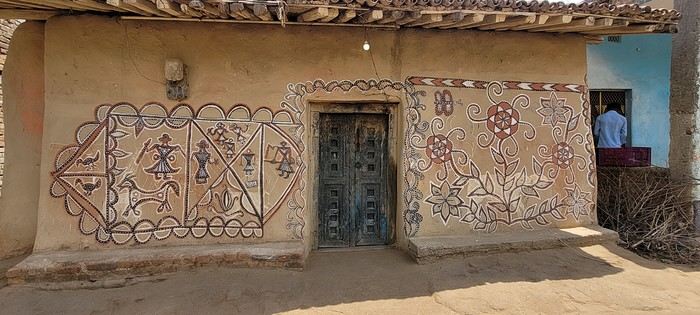
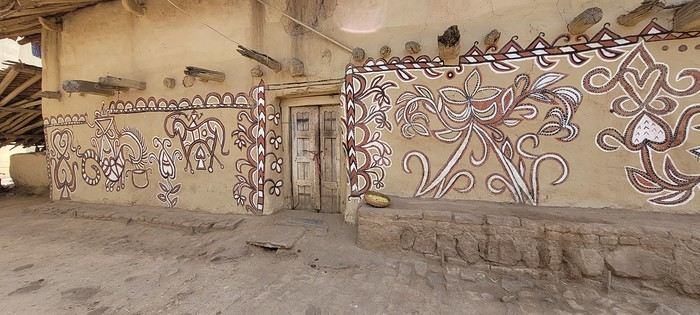
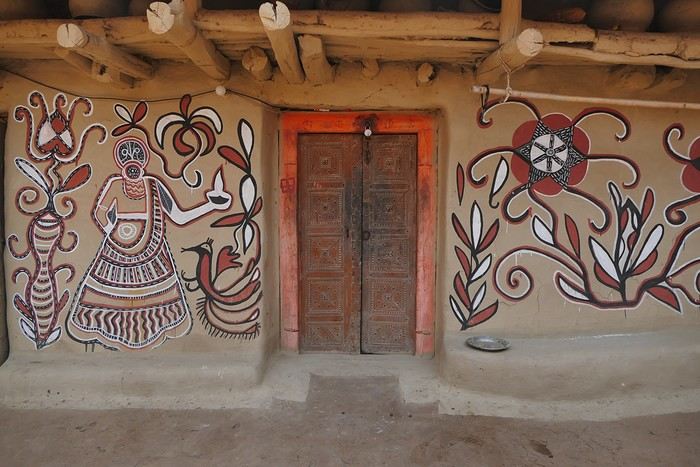
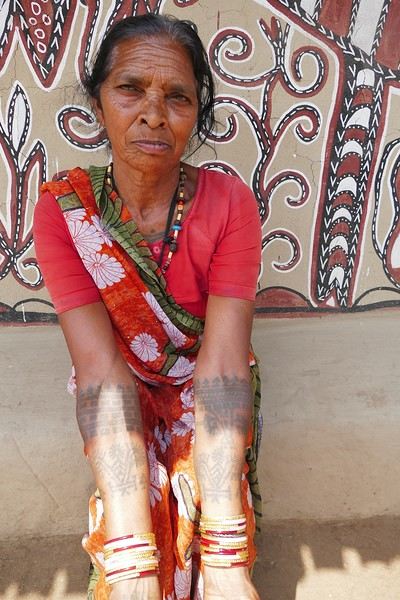
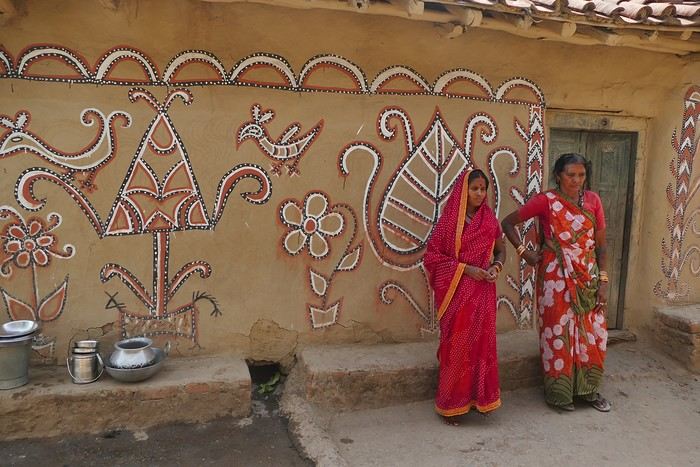
During the Sohrai festival, cattle are led into the jungle in the morning. Meanwhile, the women finish the *aripans*—these floor paintings—and continue the wall murals. Around noon, the animals return to the village, and the bulls’ horns are anointed with oil and vermilion in a gesture of gratitude, amid the vibrant colors adorning the houses. We visit several artists, including Parvat Devi, a well-known woman who has received many awards. Her arms are adorned with intriguing tattoos, which I’ll talk about in more detail later.

On another wall, the style changes completely. Here, no massive animals—just birds occupying the space, light and graceful, as if caught in mid-movement. Two silhouettes face each other, their long necks arched almost like mirrors, while their outstretched wings seem to vibrate with the patterns that compose them.

The design is more graphic, almost airy. The lines are smoother, more fluid, as if drawn in one confident stroke. The birds’ bodies aren’t solid—they’re filled with repetitive motifs like scales, stylized feathers, and spirals, giving a sense of continuous movement. Around them, everything comes to life: flowers burst open, arabesques swirl, and even the simplest shapes seem alive. What strikes me here is the sense of lightness. Where the large animals evoked stability and grounding, these birds bring something freer, almost joyful. They seem to embody movement, the circulation of life, like a breath flowing through the village.

The colors remain the same—deep reds, intense blacks, and chalky white—but the rhythm is different. Faster, more spontaneous. As if each wall had its own personality, while still speaking the same language.
That’s probably why I’m so moved. I’d heard about these paintings from my friend Raja, and last year, I saw an exhibition in a village near my home. That first encounter made me want to come here. But seeing them in person is a whole different experience. These paintings are unique. This ancient art is passed down from mother to daughter, or mother-in-law to daughter-in-law, in a quiet, deeply living continuity. At first glance, it might seem almost childlike in its simplicity and pared-down forms. And yet, everything is thought out, balanced, mastered. Nothing is left to chance.

That apparent simplicity, combined with such rich symbolism, touches me deeply. There’s something sincere and essential in these walls—and that’s what moves me.
Hazaribagh I’ve got a meet-up with Adam Iman, a guide and painter. He picks me up from the hotel at 10 AM. Another traveler from Bangalore is supposed to join us, but while we wait for him to arrive, Adam takes me to see the paintings his mother and sister created at Hazaribagh station. The town became famous thanks to these murals, which can also be found in several surrounding villages. This art form has earned recognition and is now protected, a sign of its cultural importance. Once the visit is over, we go to pick up the other traveler and then head to our first village: Belwara, where Sohrai art is practiced. At the entrance, a sign proudly announces that we’re entering an artists’ village, where this art is created by women organized into micro-enterprises. Some even offer workshops for those who’d like to learn this tradition.

Sohrai art is tied to the harvest season, from October to mid-November. The motifs, in natural colors, celebrate fertility and abundance. The artists use pigments from the earth: red oxides, ochre, white kaolin, and black manganese. On the walls, you’ll see animals, fish, birds—all symbols of life and prosperity. As I look closer at the murals, I start to realize that each motif tells a story. Large animals like cows or bulls often take center stage. Their bodies are filled with intricate, almost hypnotic patterns. They symbolize wealth and prosperity for the household, as well as the deep respect for cattle, which are essential to daily life. On some facades, elephants stand out—massive and decorated with the same precision. They evoke quiet strength and protection. But it’s when I stop in front of one of the houses that I really take the time to look. The wall, a soft ochre, is entirely covered in murals. Two large animals stretch out on either side of the door, their elongated bodies fitting the length of the wall. Their silhouettes are filled with geometric patterns and incredibly fine curved lines, as if every space was patiently filled. Around them, stylized plants, flowers, and small decorative elements fill every gap. The door, dark and worn, becomes almost the silent center of the composition, framed by these living, protective forms. To the right, a more colorful motif catches the eye—a flower or a stylized lamp—like a touch of light on the earth. The whole thing gives an impression of perfect balance, between the rigor of the patterns and the freedom of the gesture.

Elsewhere, birds and freer forms bring movement. Peacocks, recognizable by their stylized silhouettes, embody beauty and vitality, while fish symbolize water, fertility, and the continuity of life.
On some paintings, the scenes become almost narrative: you can make out figures, everyday gestures, like a memory of the village inscribed in the walls. The decorative frames around the doors aren’t left to chance either—they symbolically protect the house, like a boundary between the inside and the outside world.
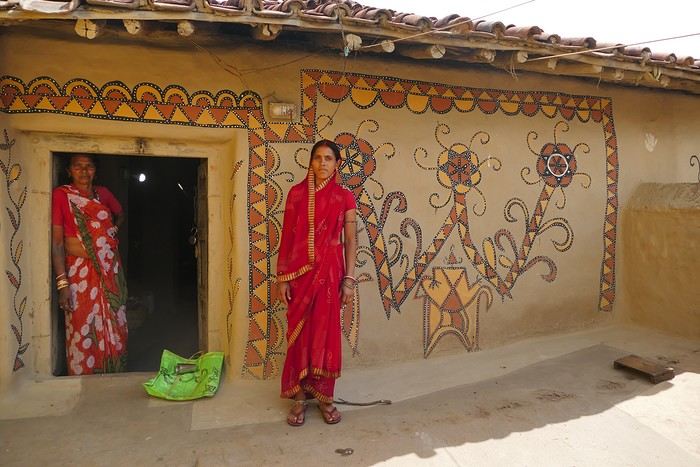

During the Sohrai festival, cattle are led into the jungle in the morning. Meanwhile, the women finish the *aripans*—these floor paintings—and continue the wall murals. Around noon, the animals return to the village, and the bulls’ horns are anointed with oil and vermilion in a gesture of gratitude, amid the vibrant colors adorning the houses. We visit several artists, including Parvat Devi, a well-known woman who has received many awards. Her arms are adorned with intriguing tattoos, which I’ll talk about in more detail later.

On another wall, the style changes completely. Here, no massive animals—just birds occupying the space, light and graceful, as if caught in mid-movement. Two silhouettes face each other, their long necks arched almost like mirrors, while their outstretched wings seem to vibrate with the patterns that compose them.

The design is more graphic, almost airy. The lines are smoother, more fluid, as if drawn in one confident stroke. The birds’ bodies aren’t solid—they’re filled with repetitive motifs like scales, stylized feathers, and spirals, giving a sense of continuous movement. Around them, everything comes to life: flowers burst open, arabesques swirl, and even the simplest shapes seem alive. What strikes me here is the sense of lightness. Where the large animals evoked stability and grounding, these birds bring something freer, almost joyful. They seem to embody movement, the circulation of life, like a breath flowing through the village.

The colors remain the same—deep reds, intense blacks, and chalky white—but the rhythm is different. Faster, more spontaneous. As if each wall had its own personality, while still speaking the same language.
That’s probably why I’m so moved. I’d heard about these paintings from my friend Raja, and last year, I saw an exhibition in a village near my home. That first encounter made me want to come here. But seeing them in person is a whole different experience. These paintings are unique. This ancient art is passed down from mother to daughter, or mother-in-law to daughter-in-law, in a quiet, deeply living continuity. At first glance, it might seem almost childlike in its simplicity and pared-down forms. And yet, everything is thought out, balanced, mastered. Nothing is left to chance.

That apparent simplicity, combined with such rich symbolism, touches me deeply. There’s something sincere and essential in these walls—and that’s what moves me.
Here’s a little clip we filmed in November–December 2019 (just before Covid) of a trip from Hanoi to Cat Ba Bay and then on to Xishuangbanna via Luang Namtha.
https://youtu.be/suZYN3LvgkQ
Here we go!!!
I left home at 4 AM on October 31st and headed to Barcelona. Driving through Barcelona on the ring road stresses me out a bit, but at 6 AM the traffic is smooth, and I arrive at the airport without any issues. I call the valet, who quickly comes to pick up my car. He takes photos of it from all angles before letting me go.
Baggage check-in hasn’t started yet, and there are already several of us waiting.
Once free, everything happens very quickly. The flight to Abu Dhabi is on time and goes smoothly. I’ve never had any problems with this airline, which I’ve been using for several years.
The flight to Bangkok arrives at 7 AM as scheduled. This is my first time in Thailand and Bangkok. I’m used to traveling in India, and I notice that everything here is well organized—the customs process is quick, and the luggage is already on the carousel.
I booked a taxi on Booking. All I have to do is find the right exit and door based on the agency’s instructions. A large sign with the names of people who booked is posted on a wall. A hostess greets me and calls the taxi, which arrives 5 minutes later. I booked one night at the Lost Inn BKK hotel in the Phra Nakhon district, and we arrive at 9 AM. The welcome isn’t warm, and I have to wait until noon, sitting on a chair, before I can check into my room. I’m exhausted, and sleeping sitting up isn’t ideal. Noon finally arrives—the room is small but clean, which is fine for one night. I quickly take a shower to wake up because I plan to spend the afternoon visiting the Grand Palace. First, I need to exchange some money, and the banks are all close together on the same street, which is very convenient. When I enter one, a hostess gives me a ticket and invites me to sit down. There are about twenty counters, and I wait quietly until my number is called. The exchange is quick, so I can head out to find the Royal Palace. It’s actually very easy, and the walk is pleasant.
Entry to the Royal Palace (500 baht).

It’s magnificent and grand, and there are quite a few of us visiting. The sky is gray, it’s very humid, and a shower interrupts the visit. It’s a vast complex of temples and palaces. The buildings are colorful and sparkling, with a great sense of serenity (without the tourists, of course). I quietly enjoy the place and try to take photos without tourists, which isn’t easy.

Very close to the Grand Palace is Wat Pho, one of the oldest Buddhist temples in the capital.

It’s very famous for its 46-meter-long reclining Buddha statue.


Walking around the temple, you can see different representations of Buddha, all covered in gold leaf.

Inside the temple, on one side, monks recite their prayers, while the other side is reserved for tourists who come to meditate in silence.

Before returning to the hotel, I have dinner at an Indian restaurant. I go to bed early because tomorrow’s wake-up call will be very early again.
Saturday, November 2nd Wake-up at 4 AM, departure from the hotel at 4:30 AM. The taxi I booked via Booking is waiting for me and takes me to the airport. The trip is fairly quick—he takes small roads, and at this hour, there’s no traffic.
The flight to Phnom Penh is on time. Before boarding, I realize I left my fleece jacket on the carousel, but it’s too late to go back for it.
The flight goes well, and customs is quick.
At the exit, I take a tuk-tuk to Julieka’s GH near the museum. The welcome is friendly. I won’t be able to check into my room until noon, so I take the opportunity to exchange some euros on the market street. The street is lined with restaurants, and I’ll have my first meal there.
The museum is right across the street, so I don’t waste any time visiting it.

The representations of Hindu deities are very different from those in India, and I don’t recognize them. Many beautiful Buddhas are on display.

The museum is very pleasant, and there aren’t too many people, which is a plus.
At the exit, I return to the GH, settle into my room—which is decent and clean.
The Royal Palace is 1 km away. I walk along a garden, and at the end of the street is the Tonlé Sap, but I turn right. I arrive at a large esplanade and see the buildings with tiered roofs and glazed tiles. The entrance to the palace is a little further away.
At the entrance, I notice there isn’t the same crowd as at the one in BKK.
Khmer architecture is magnificent. The complex consists of gardens, palaces, pagodas with golden roofs, and slender spires.

The Silver Pagoda houses the small Emerald Buddha, which is actually made of jade. The silver flooring is covered with carpets. Photos are not allowed.
The walls surrounding the pagoda are covered with frescoes depicting scenes from the Ramayana.
Baggage check-in hasn’t started yet, and there are already several of us waiting.
Once free, everything happens very quickly. The flight to Abu Dhabi is on time and goes smoothly. I’ve never had any problems with this airline, which I’ve been using for several years.
The flight to Bangkok arrives at 7 AM as scheduled. This is my first time in Thailand and Bangkok. I’m used to traveling in India, and I notice that everything here is well organized—the customs process is quick, and the luggage is already on the carousel.
I booked a taxi on Booking. All I have to do is find the right exit and door based on the agency’s instructions. A large sign with the names of people who booked is posted on a wall. A hostess greets me and calls the taxi, which arrives 5 minutes later. I booked one night at the Lost Inn BKK hotel in the Phra Nakhon district, and we arrive at 9 AM. The welcome isn’t warm, and I have to wait until noon, sitting on a chair, before I can check into my room. I’m exhausted, and sleeping sitting up isn’t ideal. Noon finally arrives—the room is small but clean, which is fine for one night. I quickly take a shower to wake up because I plan to spend the afternoon visiting the Grand Palace. First, I need to exchange some money, and the banks are all close together on the same street, which is very convenient. When I enter one, a hostess gives me a ticket and invites me to sit down. There are about twenty counters, and I wait quietly until my number is called. The exchange is quick, so I can head out to find the Royal Palace. It’s actually very easy, and the walk is pleasant.
Entry to the Royal Palace (500 baht).

It’s magnificent and grand, and there are quite a few of us visiting. The sky is gray, it’s very humid, and a shower interrupts the visit. It’s a vast complex of temples and palaces. The buildings are colorful and sparkling, with a great sense of serenity (without the tourists, of course). I quietly enjoy the place and try to take photos without tourists, which isn’t easy.

Very close to the Grand Palace is Wat Pho, one of the oldest Buddhist temples in the capital.

It’s very famous for its 46-meter-long reclining Buddha statue.


Walking around the temple, you can see different representations of Buddha, all covered in gold leaf.

Inside the temple, on one side, monks recite their prayers, while the other side is reserved for tourists who come to meditate in silence.

Before returning to the hotel, I have dinner at an Indian restaurant. I go to bed early because tomorrow’s wake-up call will be very early again.
Saturday, November 2nd Wake-up at 4 AM, departure from the hotel at 4:30 AM. The taxi I booked via Booking is waiting for me and takes me to the airport. The trip is fairly quick—he takes small roads, and at this hour, there’s no traffic.
The flight to Phnom Penh is on time. Before boarding, I realize I left my fleece jacket on the carousel, but it’s too late to go back for it.
The flight goes well, and customs is quick.
At the exit, I take a tuk-tuk to Julieka’s GH near the museum. The welcome is friendly. I won’t be able to check into my room until noon, so I take the opportunity to exchange some euros on the market street. The street is lined with restaurants, and I’ll have my first meal there.
The museum is right across the street, so I don’t waste any time visiting it.

The representations of Hindu deities are very different from those in India, and I don’t recognize them. Many beautiful Buddhas are on display.

The museum is very pleasant, and there aren’t too many people, which is a plus.
At the exit, I return to the GH, settle into my room—which is decent and clean.
The Royal Palace is 1 km away. I walk along a garden, and at the end of the street is the Tonlé Sap, but I turn right. I arrive at a large esplanade and see the buildings with tiered roofs and glazed tiles. The entrance to the palace is a little further away.
At the entrance, I notice there isn’t the same crowd as at the one in BKK.
Khmer architecture is magnificent. The complex consists of gardens, palaces, pagodas with golden roofs, and slender spires.

The Silver Pagoda houses the small Emerald Buddha, which is actually made of jade. The silver flooring is covered with carpets. Photos are not allowed.
The walls surrounding the pagoda are covered with frescoes depicting scenes from the Ramayana.
March 2nd — Departure by bus from Latour at 6:50 AM. The journey isn’t direct: we pass through Elne then Corneilla. In Perpignan, I switch to a BlablaBus heading to Barcelona’s northern bus station. Before reaching Le Perthus, French police stop us to check IDs. Several people aren’t in order, but after about fifteen minutes, we’re on our way again. We’re checked again at La Jonquera: this time, the wait lasts almost forty-five minutes while police identify those in violation and wait for a vehicle to pick them up. The driver then tries to make up for lost time; we finally arrive at our destination half an hour late.
I quickly head to the Arc de Triomphe metro station, located 200 meters away: you have to cross the bridge along the bus parking lot, then walk through a large garden; the station is on the right before the garden entrance. The trip to the airport isn’t direct: I have to change at Tomasso and take the line to the airport, where I arrive at 1 PM.
At the Emirates counter, I learn my flight was just canceled due to the war in Iran; they offer me another flight for the next day. I have to wait at the airport until 7 PM before being taken to a hotel; the next morning, I’ll take a flight to Vienna (with an 8-hour layover), then an Air India flight to Delhi, and finally a flight to Kolkata. I agree: I don’t know Vienna, so it’ll be an unexpected discovery.
At 7 PM, a small group is taken to the hotel, 35 minutes from the airport, where we’re served a light dinner upon arrival.
March 3rd — A taxi picks me up at 6:30 AM; the flight to Vienna takes off at 9:30 AM and arrives at noon. I’m free until 7 PM; the metro is direct to the city center. The weather is pleasant and not too cold, luckily, since my clothes are light.
When I exit the metro, I spot the St. Stephen’s Cathedral tower in the distance and approach it: the roof, made of glazed tiles, is remarkable.

Entry is free, and the interior, a mix of Gothic and Baroque styles in the center, is stunning.

Not far from there is St. Anne’s Church

, also Baroque, adorned with beautiful frescoes

—a music concert adds an enchanting atmosphere to the visit. I continue my walk at random through the pedestrian streets lined with magnificent buildings: I’m charmed by the city.


Before heading back to the airport, I stop at a lovely tea salon. My flight will eventually leave with a delay.
Wednesday, March 4th — Delhi and a little luggage scare We arrive in Delhi shortly after noon. Immigration is quick, and good news: my bag was checked through from Barcelona to Kolkata. I head to the connecting terminal and arrive half an hour before boarding: the flight goes smoothly. Upon arrival, the luggage comes out quickly… except mine. After filing a report, I’m told my bag is in Delhi—I have to retrieve it before taking another flight. I didn’t know (or had forgotten): with the delays, I wouldn’t have had time to pick it up and make the connection.
I take a taxi to the Ichamati Hotel. The welcome is warm, and the room is clean but very small. Without my bag, I feel a bit lost—I have nothing to change into.
Tonight, I’m dining with Raja and his friends at a beautiful restaurant, an old colonial house turned into a hotel.


We’re happy to see each other and have a comforting evening together.
I quickly head to the Arc de Triomphe metro station, located 200 meters away: you have to cross the bridge along the bus parking lot, then walk through a large garden; the station is on the right before the garden entrance. The trip to the airport isn’t direct: I have to change at Tomasso and take the line to the airport, where I arrive at 1 PM.
At the Emirates counter, I learn my flight was just canceled due to the war in Iran; they offer me another flight for the next day. I have to wait at the airport until 7 PM before being taken to a hotel; the next morning, I’ll take a flight to Vienna (with an 8-hour layover), then an Air India flight to Delhi, and finally a flight to Kolkata. I agree: I don’t know Vienna, so it’ll be an unexpected discovery.
At 7 PM, a small group is taken to the hotel, 35 minutes from the airport, where we’re served a light dinner upon arrival.
March 3rd — A taxi picks me up at 6:30 AM; the flight to Vienna takes off at 9:30 AM and arrives at noon. I’m free until 7 PM; the metro is direct to the city center. The weather is pleasant and not too cold, luckily, since my clothes are light.
When I exit the metro, I spot the St. Stephen’s Cathedral tower in the distance and approach it: the roof, made of glazed tiles, is remarkable.

Entry is free, and the interior, a mix of Gothic and Baroque styles in the center, is stunning.

Not far from there is St. Anne’s Church

, also Baroque, adorned with beautiful frescoes

—a music concert adds an enchanting atmosphere to the visit. I continue my walk at random through the pedestrian streets lined with magnificent buildings: I’m charmed by the city.


Before heading back to the airport, I stop at a lovely tea salon. My flight will eventually leave with a delay.
Wednesday, March 4th — Delhi and a little luggage scare We arrive in Delhi shortly after noon. Immigration is quick, and good news: my bag was checked through from Barcelona to Kolkata. I head to the connecting terminal and arrive half an hour before boarding: the flight goes smoothly. Upon arrival, the luggage comes out quickly… except mine. After filing a report, I’m told my bag is in Delhi—I have to retrieve it before taking another flight. I didn’t know (or had forgotten): with the delays, I wouldn’t have had time to pick it up and make the connection.
I take a taxi to the Ichamati Hotel. The welcome is warm, and the room is clean but very small. Without my bag, I feel a bit lost—I have nothing to change into.
Tonight, I’m dining with Raja and his friends at a beautiful restaurant, an old colonial house turned into a hotel.


We’re happy to see each other and have a comforting evening together.
Day 1 – February 14
We all have two lives. And the second one kicks off the day you realize you only have one, with the determination to spend the time you have left on what truly adds sparkle to your life, Kevin! I like to elegantly introduce a trip with a philosophical quote. First, it gives you the illusion that I’m some kind of deep thinker, and second, it lets me fill up the first few lines of my blank page when I don’t know how to tell you I’m diving back into what really lights up my life: another adventure beyond the horizon! And nearly every other year, like a toxic relationship, my horizon tends to take shape in Uncle Sam’s backyard. And this, despite his cousin Donald calling the shots. Speaking of which, it was partly that impulsive guy who pushed us to be just as impulsive and snag our four flight tickets at a ridiculously low price—a direct result of foreign tourism taking a hit from BetaMax’s repeated antics... Four tickets? Who are the other lucky ones? In this case, our lucky ones are actually lucky ladies: My Flo, always up for exploring the world with me on foot, camelback, or scooter, is obviously in on the fun. The other two seats went to our daughters, Sasha and Luna, both thrilled to be part of this new American adventure...
But what’s the American West like in February?... A gamble. Let’s call it Russian roulette since we’re not landing during peak weather season. That’s why we encouraged our transportation and accommodation to get cozy and produce a little camper van, so we can stay ultra-flexible in the face of any weather tantrums. We’ll be roaming in Kara the van with the motto "Follow the sun!" Bad weather? We bolt. Snow? We speed up. Sunny? We act like it was the plan all along and soak it up.
"Okay, but why keep coming back to the same corner of the globe? After ten American adventures, you must be tired of seeing the same things, right?" But I’m not crazy, you know!... The American West is like making love to your gorgeous wife over and over, always enjoying it just as much. And contrary to what you might think, the American West isn’t just the Grand Canyon, Monument Valley, Las Vegas, and Bryce Canyon. Proof is, after ten trips to the U.S., my retinas are still untouched by three-quarters of the places I scribbled on a napkin for this adventure... Oh, and add to that my wife, who I’ve easily converted to my religion, and boom... relapse is even easier! Because yes, we’ve landed in Los Angeles after a sunny flight over Greenland, still under Danish flag for now. And we’re already heading east through the XXL traffic of L.A.’s eight-lane highways, eager to dive into our first discoveries. But first, night is taking over the sky, and second, we’ve been officially awake for 24 hours, so I suggest wrapping up this intro. I’ll tell you more tomorrow morning. Sound good?


We all have two lives. And the second one kicks off the day you realize you only have one, with the determination to spend the time you have left on what truly adds sparkle to your life, Kevin! I like to elegantly introduce a trip with a philosophical quote. First, it gives you the illusion that I’m some kind of deep thinker, and second, it lets me fill up the first few lines of my blank page when I don’t know how to tell you I’m diving back into what really lights up my life: another adventure beyond the horizon! And nearly every other year, like a toxic relationship, my horizon tends to take shape in Uncle Sam’s backyard. And this, despite his cousin Donald calling the shots. Speaking of which, it was partly that impulsive guy who pushed us to be just as impulsive and snag our four flight tickets at a ridiculously low price—a direct result of foreign tourism taking a hit from BetaMax’s repeated antics... Four tickets? Who are the other lucky ones? In this case, our lucky ones are actually lucky ladies: My Flo, always up for exploring the world with me on foot, camelback, or scooter, is obviously in on the fun. The other two seats went to our daughters, Sasha and Luna, both thrilled to be part of this new American adventure...
But what’s the American West like in February?... A gamble. Let’s call it Russian roulette since we’re not landing during peak weather season. That’s why we encouraged our transportation and accommodation to get cozy and produce a little camper van, so we can stay ultra-flexible in the face of any weather tantrums. We’ll be roaming in Kara the van with the motto "Follow the sun!" Bad weather? We bolt. Snow? We speed up. Sunny? We act like it was the plan all along and soak it up.
"Okay, but why keep coming back to the same corner of the globe? After ten American adventures, you must be tired of seeing the same things, right?" But I’m not crazy, you know!... The American West is like making love to your gorgeous wife over and over, always enjoying it just as much. And contrary to what you might think, the American West isn’t just the Grand Canyon, Monument Valley, Las Vegas, and Bryce Canyon. Proof is, after ten trips to the U.S., my retinas are still untouched by three-quarters of the places I scribbled on a napkin for this adventure... Oh, and add to that my wife, who I’ve easily converted to my religion, and boom... relapse is even easier! Because yes, we’ve landed in Los Angeles after a sunny flight over Greenland, still under Danish flag for now. And we’re already heading east through the XXL traffic of L.A.’s eight-lane highways, eager to dive into our first discoveries. But first, night is taking over the sky, and second, we’ve been officially awake for 24 hours, so I suggest wrapping up this intro. I’ll tell you more tomorrow morning. Sound good?


Hi everyone, I’m Patrick, 67 years old, a seasoned traveler (already 22 trips outside Europe).
In autumn 2025, I took my first 3-week trip to Japan, with stops in Tokyo, Kamakura, Matsumoto, Kamikochi, Takayama, Kanazawa, Kyoto, Nara, Osaka, Koyasan, Tokyo again, and Nikko.
I wanted to go back in May 2026 and explore some lesser-known places to complement my first trip.
Last year, there were four of us traveling together to discover Japan (a fairly classic itinerary). This time, I’ll be traveling solo for part of the trip and with a couple of French friends for the rest.
The weather was gorgeous in May, averaging around 25°C, with two very hot days in Kyoto and only two rainy days.
As usual, I organized everything myself, gathering plenty of information from various sites, including this one.
Transportation: An ICOCA card is essential. I got a 5-day Kansai-Hiroshima pass because I took the shinkansen between Hiroshima and Osaka three times, and it paid for itself quickly.
Accommodations: Mostly through Booking. No issues at all. Average cost was 46 € per night.
Meals: For breakfast, I alternated between buying food at a konbini to eat in my room or on the train and grabbing something at local cafés. For lunch and dinner, I tried to vary my meals as much as possible—lots of sashimi, sushi, and ramen. Okonomiyaki in Osaka and Hiroshima. Oysters in every form (raw, grilled, fried) in Onomichi and Hiroshima. A variety of seafood (shrimp, shellfish) in Hiroshima and Matsumoto. Fish whose names often escaped me, but notably mackerel and eel (unagi). Tempura and gyoza. Chicken skewers (yakitori) and one teppanyaki meal. One omakase meal (9 different dishes). In the end, not much meat aside from a few yakitori skewers. No splurges on super expensive wagyu or Kobe beef. Average dinner cost: 4,800 yen, drinks included.
The Itinerary: Day 1: Departure from Brussels Day 2: Arrival in Osaka Day 3: To Himeji, then Kurashiki Day 4: To Fukuyama, then Tomo no Ura, then Onomichi Day 5: Cycling the Shimanami Kaido Day 6: To Takahara, then Hiroshima Day 7: To Kyoto to attend the Aoi Matsuri parade Day 8: To Miyajima Day 9: Hiroshima, then Kyoto Day 10: Southern Kyoto Day 11: Northern Kyoto Day 12: Final day in Kyoto, then to Nagatsugawa Day 13: Start of the Nakasendo Trail (Magome to Tsumago) Day 14: Second day of the trail (Kiso Fukushima) Day 15: Third day of the trail (Narai), then Matsumoto Day 16: To Mt. Fuji (Kawaguchiko) Day 17: To Tokyo Day 18: Excursion to Enoshima and Kamakura Day 19: Flight home, with a 10-hour layover in Hong Kong Day 20: Arrival in Brussels
Transportation: An ICOCA card is essential. I got a 5-day Kansai-Hiroshima pass because I took the shinkansen between Hiroshima and Osaka three times, and it paid for itself quickly.
Accommodations: Mostly through Booking. No issues at all. Average cost was 46 € per night.
Meals: For breakfast, I alternated between buying food at a konbini to eat in my room or on the train and grabbing something at local cafés. For lunch and dinner, I tried to vary my meals as much as possible—lots of sashimi, sushi, and ramen. Okonomiyaki in Osaka and Hiroshima. Oysters in every form (raw, grilled, fried) in Onomichi and Hiroshima. A variety of seafood (shrimp, shellfish) in Hiroshima and Matsumoto. Fish whose names often escaped me, but notably mackerel and eel (unagi). Tempura and gyoza. Chicken skewers (yakitori) and one teppanyaki meal. One omakase meal (9 different dishes). In the end, not much meat aside from a few yakitori skewers. No splurges on super expensive wagyu or Kobe beef. Average dinner cost: 4,800 yen, drinks included.
The Itinerary: Day 1: Departure from Brussels Day 2: Arrival in Osaka Day 3: To Himeji, then Kurashiki Day 4: To Fukuyama, then Tomo no Ura, then Onomichi Day 5: Cycling the Shimanami Kaido Day 6: To Takahara, then Hiroshima Day 7: To Kyoto to attend the Aoi Matsuri parade Day 8: To Miyajima Day 9: Hiroshima, then Kyoto Day 10: Southern Kyoto Day 11: Northern Kyoto Day 12: Final day in Kyoto, then to Nagatsugawa Day 13: Start of the Nakasendo Trail (Magome to Tsumago) Day 14: Second day of the trail (Kiso Fukushima) Day 15: Third day of the trail (Narai), then Matsumoto Day 16: To Mt. Fuji (Kawaguchiko) Day 17: To Tokyo Day 18: Excursion to Enoshima and Kamakura Day 19: Flight home, with a 10-hour layover in Hong Kong Day 20: Arrival in Brussels
I’m sharing our three-week trip to Japan from late October to mid-November 2025. There were four of us—my partner and a couple of friends.
I’ve traveled often with my friend Christian (Bolivia, Argentina, Costa Rica, Namibia, Laos), but this time our partners joined us.
The rough itinerary:
Arrival in Tokyo. Visiting Shinjuku/Shibuya districts + day trip to Kamakura
5 days in the Japanese Alps, from Matsumoto to Kanazawa (via Kamikochi, Hirayu Onsen, and Takayama)
5 days in Kyoto
Nara, Osaka, Koyasan
Return to Tokyo (Asakusa district), with a day trip to Nikko
We booked our flights well in advance (9 months ahead): the flight cost 1086 € per person. Compared to over 2000 € if we’d booked for the same dates just 3 months prior.
For accommodations, we mostly used Booking.com. The onsen was booked via Japanican, and in Kyoto, we stayed in an Airbnb.
We also made 5 train reservations a month in advance on Klook or directly on the train’s website.
Day 1: Departure from Brussels (October 24, 2025) Early morning takeoff at 6 AM to Munich (1.5-hour layover) with Lufthansa, then a 12-hour flight with ANA, arriving the next morning at 7 AM at Tokyo Haneda.
Day 2: Arrival in Tokyo Airport formalities were quick. The eSIM we bought before leaving activated as soon as we landed (10 GB plan with Saily—more than enough for our mobile internet needs, mainly Google Maps and Google Translate). We’d received 4 ICOCA cards from our neighbors, which we loaded with 15000 ¥ each. We took the Keihin train, then the Yamanote Line. It’s easy to navigate since everything is in English, and each station is announced on scrolling displays in English too.
We got off the Yamanote Line at the station just after Shinjuku because it’s easier to exit that massive station with our luggage. So we ended up in Shin-Okubo, right in the Korean district. A 10-minute walk took us to Villa Fontaine Hotel. A great hotel, well-located north of the Kabukichō district. The room even seemed bigger than we’d expected.
It was 15°C, but it rained—and kept raining on and off all day. Belgian weather, basically.
We went for a walk in Shinjuku Gyoen Park. Not as pretty in the rain, but the big greenhouse was interesting.
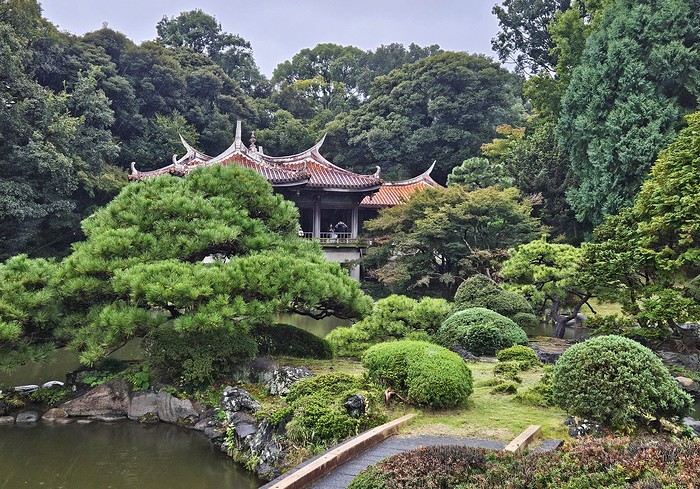
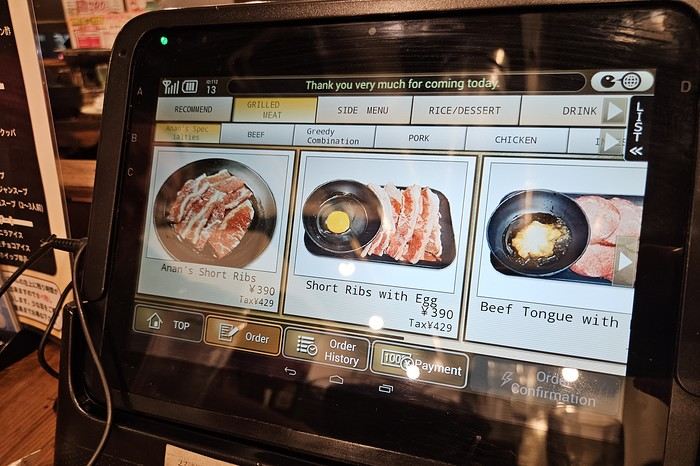
Then our first ramen (hearty and for 1000 ¥—pretty much the price of all our ramen during the trip). We headed back to the hotel since check-in was after 3 PM. Shower and relax before going out for dinner. Dinner was barbecue at Shichirin Yakiniku Anan (1700 ¥ each—good and cheap). Ordering via tablet wasn’t easy, but luckily it was in English.
We ended the evening with a stroll through Kabukichō before a well-deserved sleep.

Day 1: Departure from Brussels (October 24, 2025) Early morning takeoff at 6 AM to Munich (1.5-hour layover) with Lufthansa, then a 12-hour flight with ANA, arriving the next morning at 7 AM at Tokyo Haneda.
Day 2: Arrival in Tokyo Airport formalities were quick. The eSIM we bought before leaving activated as soon as we landed (10 GB plan with Saily—more than enough for our mobile internet needs, mainly Google Maps and Google Translate). We’d received 4 ICOCA cards from our neighbors, which we loaded with 15000 ¥ each. We took the Keihin train, then the Yamanote Line. It’s easy to navigate since everything is in English, and each station is announced on scrolling displays in English too.

We got off the Yamanote Line at the station just after Shinjuku because it’s easier to exit that massive station with our luggage. So we ended up in Shin-Okubo, right in the Korean district. A 10-minute walk took us to Villa Fontaine Hotel. A great hotel, well-located north of the Kabukichō district. The room even seemed bigger than we’d expected.

It was 15°C, but it rained—and kept raining on and off all day. Belgian weather, basically.
We went for a walk in Shinjuku Gyoen Park. Not as pretty in the rain, but the big greenhouse was interesting.
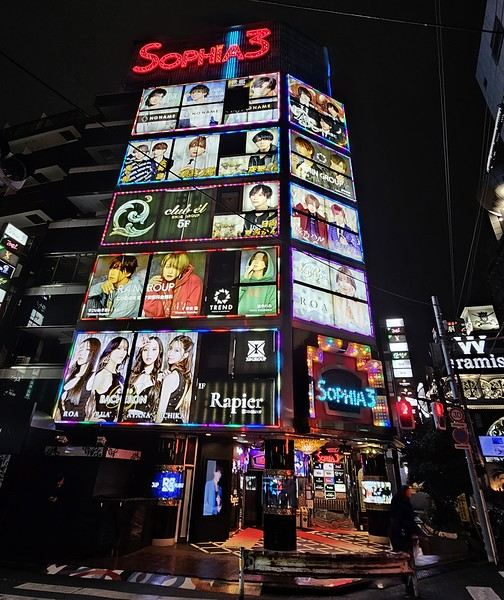
Then our first ramen (hearty and for 1000 ¥—pretty much the price of all our ramen during the trip). We headed back to the hotel since check-in was after 3 PM. Shower and relax before going out for dinner. Dinner was barbecue at Shichirin Yakiniku Anan (1700 ¥ each—good and cheap). Ordering via tablet wasn’t easy, but luckily it was in English.

We ended the evening with a stroll through Kabukichō before a well-deserved sleep.


Namaste!
Here I am live from Delhi, past midnight, at least 30 degrees....
I wanted to post the start of this France travel journal but couldn’t find the time, so here it is live!
Off we go for a third trip, but this time for double the duration—6 weeks with the goal of discovering Ladakh and Spiti, starting with a detour to Varanasi to meet up with Babeli and her family.
Phir milenge for the rest of the adventures...
I'm starting my first travel journal since VF reopened!
This will mostly be to share my impressions and some photos, with a few days' delay, but I'm starting this journal while I'm still here.
First, I'd like to thank those who helped me prepare for this trip.
I was able to organize this stay in one of the most expensive countries in the world thanks to the home-exchange principle. Not necessarily a direct swap, but through a points system, which is more practical for choosing where you want to go without it having to be a reciprocal exchange.
For this trip, there will already be two different accommodations. We'll see how it goes after that.
The first place is near Yverdon-les-Bains, close to Lake Neuchâtel.
So, we're going to explore this area!
We arrived under capricious weather that won’t leave us for the next few days!
We had dinner at a pizzeria recommended by *Le Routard* in Yverdon, then took a little nighttime stroll through the town center before heading inland to settle into our accommodation.
We discovered a very large, quiet house—and especially the cat that stayed behind! Funny for a couple of mice! He’ll be sleeping with us 😹
This will mostly be to share my impressions and some photos, with a few days' delay, but I'm starting this journal while I'm still here.
First, I'd like to thank those who helped me prepare for this trip.
I was able to organize this stay in one of the most expensive countries in the world thanks to the home-exchange principle. Not necessarily a direct swap, but through a points system, which is more practical for choosing where you want to go without it having to be a reciprocal exchange.
For this trip, there will already be two different accommodations. We'll see how it goes after that.
The first place is near Yverdon-les-Bains, close to Lake Neuchâtel.
So, we're going to explore this area!
We arrived under capricious weather that won’t leave us for the next few days!
We had dinner at a pizzeria recommended by *Le Routard* in Yverdon, then took a little nighttime stroll through the town center before heading inland to settle into our accommodation.
We discovered a very large, quiet house—and especially the cat that stayed behind! Funny for a couple of mice! He’ll be sleeping with us 😹
Hi everyone!
If you're looking for great tips and offbeat spots, if you love exploring uncharted parts of a country, if the exotic is your adrenaline, then move along!
Our 15 days in early May in this part of Turkey (a country I first discovered during a city trip to Istanbul in 2017) will only tread well-worn paths and revisit popular routes. Simply because I kept hoping until the very end that our flight to Jordan wouldn’t be canceled. Events in the Gulf proved me wrong, so we left with: Zero preparation. Not a single hotel booked (well, except the first one), no visits planned, just a flight ticket bought three weeks earlier. No guidebook, no app—just the desire to explore southern Turkey and Cappadocia, whose images and the chance to stretch our legs had caught my eye.
Oh, wait—I did bring along a new guide: Gemini! Yes, my friends, generative AI was my chief advisor throughout the trip for sites to visit, accommodations, routes, and even restaurants! An experiment I wanted to try to form my own opinion on using this new technology. And what better way to test it than a Turkish getaway?
The verdict? You’ll have to wait for the trip recap to find out!
The main idea of the trip is also relaxation.
So, the plan is Antalya for a few days, the Turkish Riviera for a few more, Cappadocia as the highlight, and a return via Antalya to wrap up the trip. And it was all planned by AI!
So, if you're ready, fasten your seatbelts—cabin crew, doors to automatic and cross check—boarding for Turkey now!
A little sneak peek?
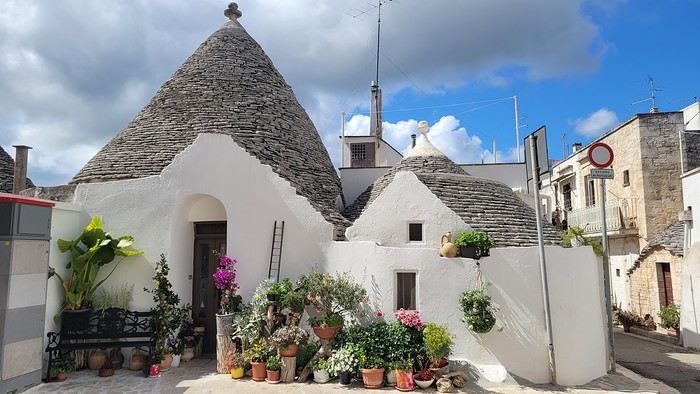
If you're looking for great tips and offbeat spots, if you love exploring uncharted parts of a country, if the exotic is your adrenaline, then move along!
Our 15 days in early May in this part of Turkey (a country I first discovered during a city trip to Istanbul in 2017) will only tread well-worn paths and revisit popular routes. Simply because I kept hoping until the very end that our flight to Jordan wouldn’t be canceled. Events in the Gulf proved me wrong, so we left with: Zero preparation. Not a single hotel booked (well, except the first one), no visits planned, just a flight ticket bought three weeks earlier. No guidebook, no app—just the desire to explore southern Turkey and Cappadocia, whose images and the chance to stretch our legs had caught my eye.
Oh, wait—I did bring along a new guide: Gemini! Yes, my friends, generative AI was my chief advisor throughout the trip for sites to visit, accommodations, routes, and even restaurants! An experiment I wanted to try to form my own opinion on using this new technology. And what better way to test it than a Turkish getaway?
The verdict? You’ll have to wait for the trip recap to find out!
The main idea of the trip is also relaxation.
So, the plan is Antalya for a few days, the Turkish Riviera for a few more, Cappadocia as the highlight, and a return via Antalya to wrap up the trip. And it was all planned by AI!
So, if you're ready, fasten your seatbelts—cabin crew, doors to automatic and cross check—boarding for Turkey now!
A little sneak peek?We did the Langtang trek (hike) from September 10th to 17th, with the first and last days being the trip from Kathmandu and back—so 6 days of actual walking. It’s a fairly well-known trek but certainly not as famous or crowded as those in the Annapurna or Everest regions, which is why we chose it.
In theory, it’s mandatory to have a guide for this trek. In reality, it seems there are ways to bypass the regulations: we met at least two people hiking without a guide—a South Korean, a New Zealander, and possibly also a couple of English women and an American couple, though we’re not sure if they had a guide.
The agency we booked with had told us it was an affordable trek for relatively older people in good shape—which is our case (I’m 72 myself). I have to say upfront that we found it quite challenging, maybe because we didn’t have good weather—it was the end of the monsoon season. To be clear, no matter your fitness level, I’d say doing this trek in the middle of the monsoon season would be suicidal.
Day 1 – Journey from Kathmandu to Syapru Besi
On Monday, September 8th, there had been violent protests in Kathmandu against the government, which had, among other things, blocked access to social media and been accused of nepotism and corruption. There were 19 deaths. The situation was very tense on the day of our departure, Wednesday the 10th. The agency warned us that public transport was very unreliable. So, we decided to take a jeep, at an additional cost of $100 ($160 minus what was already budgeted for the bus).
We left a little before 7 a.m. and it took us a good hour just to reach the outskirts of Kathmandu. Along the way, we saw several houses and vehicles set on fire by protesters.
The road to Syapru Besi is only 120 km, but it’s frankly awful. It’s always narrow, winds through endless mountains, and the shoulders range from bad to confusing to nonexistent. Several sections are just dirt tracks. We didn’t regret opting for the jeep, as we could stop several times at our convenience—if only to let Y (my Thai partner) throw up everything she had. She’d taken her usual motion sickness medication, but the constant turns, accelerations, and braking eventually made her terribly carsick.
In Nuwakot, we stopped for breakfast at a nice little restaurant, Jimbu. It was around 8:30 a.m., and we’d barely covered 60 km. The restaurant has a lovely garden overlooking the Trishuli Ganga, the river flowing down from Syapru Besi. First photo: the river in the bottom right corner, mist and clouds over the mountain on the other side.
An hour later, my second photo: the hills along the Trishuli Ganga. You can see the different crops—lush green rice paddies in the lower right and corn, already yellowed and likely harvested, in the foreground on the left. And of course, the mist and clouds through which you can glimpse the mountain on the other side of the river.
In theory, it’s mandatory to have a guide for this trek. In reality, it seems there are ways to bypass the regulations: we met at least two people hiking without a guide—a South Korean, a New Zealander, and possibly also a couple of English women and an American couple, though we’re not sure if they had a guide.
The agency we booked with had told us it was an affordable trek for relatively older people in good shape—which is our case (I’m 72 myself). I have to say upfront that we found it quite challenging, maybe because we didn’t have good weather—it was the end of the monsoon season. To be clear, no matter your fitness level, I’d say doing this trek in the middle of the monsoon season would be suicidal.
Day 1 – Journey from Kathmandu to Syapru Besi
On Monday, September 8th, there had been violent protests in Kathmandu against the government, which had, among other things, blocked access to social media and been accused of nepotism and corruption. There were 19 deaths. The situation was very tense on the day of our departure, Wednesday the 10th. The agency warned us that public transport was very unreliable. So, we decided to take a jeep, at an additional cost of $100 ($160 minus what was already budgeted for the bus).
We left a little before 7 a.m. and it took us a good hour just to reach the outskirts of Kathmandu. Along the way, we saw several houses and vehicles set on fire by protesters.
The road to Syapru Besi is only 120 km, but it’s frankly awful. It’s always narrow, winds through endless mountains, and the shoulders range from bad to confusing to nonexistent. Several sections are just dirt tracks. We didn’t regret opting for the jeep, as we could stop several times at our convenience—if only to let Y (my Thai partner) throw up everything she had. She’d taken her usual motion sickness medication, but the constant turns, accelerations, and braking eventually made her terribly carsick.
In Nuwakot, we stopped for breakfast at a nice little restaurant, Jimbu. It was around 8:30 a.m., and we’d barely covered 60 km. The restaurant has a lovely garden overlooking the Trishuli Ganga, the river flowing down from Syapru Besi. First photo: the river in the bottom right corner, mist and clouds over the mountain on the other side.
An hour later, my second photo: the hills along the Trishuli Ganga. You can see the different crops—lush green rice paddies in the lower right and corn, already yellowed and likely harvested, in the foreground on the left. And of course, the mist and clouds through which you can glimpse the mountain on the other side of the river.
Summer 2022 left me with a sense of unfinished business, so here I am back in Swedish Lapland for summer 2024, ready to attempt the Sarek crossing again—and this time, tackle part of the Kungsleden too.
After much hesitation, my partner Jean Marie and I decided to start with the Kungsleden, which is, from what we’ve read, stunning but very busy (and it really is!!), and finish with the wilder option: SAREK! This park is known as Europe’s last true wilderness—sounds like a dream, right?! The downside of this plan is that there’s no way to resupply in Sarek, and the Kungsleden isn’t exactly set up for long-distance trekking either, so we’ll have to carry a lot of food for the first part of the trip with Sarek in mind. Oh well, we’re motivated!
Our plan is to start in Abisko (the classic route), head to Vakkotavare (also classic, but with some variations to avoid the official trail and the crowds), then continue the Kungsleden from Saltoluokta. Before reaching Aktse, we’ll set off on an east-to-west crossing of Sarek (weather-dependent, since aside from the Skarja hut in the center of the park, there’s no shelter if conditions turn bad). At least we’ll be on the right side of the park to climb Skierfe and enjoy the jaw-dropping view of Rappaladen if we have to bail on Sarek.
All in all, that’s 17 days of trekking, including 1 rest day and 1 buffer day for weather delays.
So if you’re interested, I invite you to follow our fully packed backpacks!
08/03 - Abisko – 5km before Abiskojaure Some info (guides we used for prep, SFT map, sending food to Saltoluokta) 08/04 – 5km before Abiskojaure - on the east shore of Lake Alisjavri 08/05 – East shore of Lake Alisjavri – just before Tjaktja 08/06 – Just before Tjaktja – above the Salka hut via Nallo 08/07 - Salka – just past Singi + side trip to Djalson Lake 08/08 - Singi – Teusajaure 08/09 - Teusajaure - Vakkotavare (end of the first section of the Kungsleden) 08/10 – rest day in Saltoluokta + round trip to the Sámi village of Pietjaure 08/11 – Saltoluokta – Sitojaure 08/12 - Sitojaure - Skierfe - Sarek or no Sarek? 08/13 – Skierfe – somewhere above Rapadalen 08/14 – Somewhere above Rapadalen – above the Skarki hut 08/15 – Above the Skarki hut - Skarja 08/16 – Camping at Skarja 08/17 – Ruohtesvagge 08/18 – Ruohtesvagge - Padjelantaleden 08/19 – Padjelantaleden - Ritsem – End of the trek 08/20–24 - End of the trip (Lullea - Stockholm) And of course, the recap
After much hesitation, my partner Jean Marie and I decided to start with the Kungsleden, which is, from what we’ve read, stunning but very busy (and it really is!!), and finish with the wilder option: SAREK! This park is known as Europe’s last true wilderness—sounds like a dream, right?! The downside of this plan is that there’s no way to resupply in Sarek, and the Kungsleden isn’t exactly set up for long-distance trekking either, so we’ll have to carry a lot of food for the first part of the trip with Sarek in mind. Oh well, we’re motivated!
Our plan is to start in Abisko (the classic route), head to Vakkotavare (also classic, but with some variations to avoid the official trail and the crowds), then continue the Kungsleden from Saltoluokta. Before reaching Aktse, we’ll set off on an east-to-west crossing of Sarek (weather-dependent, since aside from the Skarja hut in the center of the park, there’s no shelter if conditions turn bad). At least we’ll be on the right side of the park to climb Skierfe and enjoy the jaw-dropping view of Rappaladen if we have to bail on Sarek.
All in all, that’s 17 days of trekking, including 1 rest day and 1 buffer day for weather delays.
So if you’re interested, I invite you to follow our fully packed backpacks!
08/03 - Abisko – 5km before Abiskojaure Some info (guides we used for prep, SFT map, sending food to Saltoluokta) 08/04 – 5km before Abiskojaure - on the east shore of Lake Alisjavri 08/05 – East shore of Lake Alisjavri – just before Tjaktja 08/06 – Just before Tjaktja – above the Salka hut via Nallo 08/07 - Salka – just past Singi + side trip to Djalson Lake 08/08 - Singi – Teusajaure 08/09 - Teusajaure - Vakkotavare (end of the first section of the Kungsleden) 08/10 – rest day in Saltoluokta + round trip to the Sámi village of Pietjaure 08/11 – Saltoluokta – Sitojaure 08/12 - Sitojaure - Skierfe - Sarek or no Sarek? 08/13 – Skierfe – somewhere above Rapadalen 08/14 – Somewhere above Rapadalen – above the Skarki hut 08/15 – Above the Skarki hut - Skarja 08/16 – Camping at Skarja 08/17 – Ruohtesvagge 08/18 – Ruohtesvagge - Padjelantaleden 08/19 – Padjelantaleden - Ritsem – End of the trek 08/20–24 - End of the trip (Lullea - Stockholm) And of course, the recap
Preamble
June 2024. While hiking with my brother on the GR 36 Tour du Morvan, I catch sight now and then of strange rectangular markers fixed to tree trunks. Against a bright orange background, a deep black Greek tau topped with a white dove. My first encounter with the Assisi Way. The Way of St. Francis: a pilgrimage route linking Vézelay in Burgundy to Assisi in Italy, covering nearly 1,800 km. It felt like an obvious next step—I immediately knew I’d take it on, attempt the adventure solo.

In the months that followed, I talked about my project to everyone—family, friends, my partner. An avalanche of comments, more or less the same but varying depending on each person’s character and life experiences. But deep down, it all boiled down to one legitimate question: why?
And the answers? Hesitant, awkward, partial, even confused. I quickly realized they weren’t so easy to find. It was as if my project seemed more like a whim, a kind of intimate caprice, rather than a well-thought-out plan. Of course, I knew the reasons that pushed me to leave—you always have to give some. Loved ones need to understand to feel reassured, and that’s understandable. But I fear that when I list them, they’ll sound like the same old checklist anyone embarking on this kind of journey might give. Of all the reasons I could mention, I’ll highlight just one here: the call of the road, the solo adventure that brings a powerful sense of freedom. A bit like Monsieur Seguin’s goat, who from her comfortable pen gazes longingly at the unconstrained horizon of the mountain. But if I’m being honest, I think I didn’t really know what I was looking for—or, more importantly, what I’d find. Deep down, when I reflect on it, one word keeps coming up that explains nothing and everything at once: desire.
Now well past sixty, I know that when I ask myself who I am or where I’m going, two things bring me fully back to myself: hiking and writing. And my intention was also to anchor this adventure through words, day by day. Writing down my feelings, emotions, discoveries, and reflections each evening. The famous travel journal that grounds the daily experience in reality. When I discovered the app "Polarstep," which was initially just meant to keep my loved ones updated and reassured, inform them of my progress, and maintain a connection, I found an opportunity to do it a little differently than usual. No retrospective notes polished up after returning, but spontaneous writing—recounting everything that crossed my mind during the day and publishing it immediately. A journey lived in real time.
This text is the exact transcription of my daily writings. Rereading them, I didn’t change a thing—just corrected a few mistakes and tweaked some awkward phrasing here and there. Short texts, fitting the format imposed by this kind of app. Writing as if addressing others.
Now, all that was left was to walk. April 18, 2026 – Vézelay.

June 2024. While hiking with my brother on the GR 36 Tour du Morvan, I catch sight now and then of strange rectangular markers fixed to tree trunks. Against a bright orange background, a deep black Greek tau topped with a white dove. My first encounter with the Assisi Way. The Way of St. Francis: a pilgrimage route linking Vézelay in Burgundy to Assisi in Italy, covering nearly 1,800 km. It felt like an obvious next step—I immediately knew I’d take it on, attempt the adventure solo.

In the months that followed, I talked about my project to everyone—family, friends, my partner. An avalanche of comments, more or less the same but varying depending on each person’s character and life experiences. But deep down, it all boiled down to one legitimate question: why?
And the answers? Hesitant, awkward, partial, even confused. I quickly realized they weren’t so easy to find. It was as if my project seemed more like a whim, a kind of intimate caprice, rather than a well-thought-out plan. Of course, I knew the reasons that pushed me to leave—you always have to give some. Loved ones need to understand to feel reassured, and that’s understandable. But I fear that when I list them, they’ll sound like the same old checklist anyone embarking on this kind of journey might give. Of all the reasons I could mention, I’ll highlight just one here: the call of the road, the solo adventure that brings a powerful sense of freedom. A bit like Monsieur Seguin’s goat, who from her comfortable pen gazes longingly at the unconstrained horizon of the mountain. But if I’m being honest, I think I didn’t really know what I was looking for—or, more importantly, what I’d find. Deep down, when I reflect on it, one word keeps coming up that explains nothing and everything at once: desire.
Now well past sixty, I know that when I ask myself who I am or where I’m going, two things bring me fully back to myself: hiking and writing. And my intention was also to anchor this adventure through words, day by day. Writing down my feelings, emotions, discoveries, and reflections each evening. The famous travel journal that grounds the daily experience in reality. When I discovered the app "Polarstep," which was initially just meant to keep my loved ones updated and reassured, inform them of my progress, and maintain a connection, I found an opportunity to do it a little differently than usual. No retrospective notes polished up after returning, but spontaneous writing—recounting everything that crossed my mind during the day and publishing it immediately. A journey lived in real time.
This text is the exact transcription of my daily writings. Rereading them, I didn’t change a thing—just corrected a few mistakes and tweaked some awkward phrasing here and there. Short texts, fitting the format imposed by this kind of app. Writing as if addressing others.
Now, all that was left was to walk. April 18, 2026 – Vézelay.

This travel journal summarizes a trip I took in March to Argentine and Chilean Patagonia. It starts in El Calafate and ends in Ushuaia. During my planning, I considered looking into the Australis cruise from Punta Arenas to Ushuaia, as well as the W trek in Torres del Paine National Park. In both cases, I was put off by the prices. Instead of the cruise, I found two interesting wildlife excursions from Punta Arenas: whale watching in the Strait of Magellan and observing king penguins in Tierra del Fuego. The journey to Ushuaia was by bus. For Torres del Paine, things were a bit confusing, so I reached out to two agencies. In the end, I went with a rental car option, overnight stays on-site, and day hikes. I shared my full itinerary with the agency and ended up being taken care of by a local Argentine agency and a Chilean one.
So, here we go...
Kattegat isn’t just the name of the village in the TV series *Vikings*—it’s also the stretch of water separating Denmark from Sweden... the sea, basically! And further north, you’ve got Norway and its fjords!
Originally, I’d planned to just do a loop around Kattegat, with the *Under* restaurant in Lindesnes as our anniversary treat... but along the way, we thought, why not "push" a little further north, keeping an eye on the budget since we’d chosen to travel by car in June 2025 through Scandinavia.

Why by car when most travelers opt for a camper van, while others prefer the comfort of cruises? Well, because we don’t own a camper van, renting one is pricey, and then you’ve got to add fuel costs (those things guzzle gas!), ferry fees, and other "tolls." All things considered, we went for mostly rentals—especially since there were four of us at the start of the trip. We spent the first week in Denmark with our daughter and son-in-law. Then they flew back to Belgium, and we continued our adventure as a couple. For accommodation, we mainly booked Airbnb apartments, which helped keep costs down and, most importantly, let us prepare our own meals (diet, diet!). In this travel journal, you’ll discover (or rediscover, for those who followed my older ones) our unbridled love for theme parks, museums, unique experiences, and—especially in Denmark—Legos! Unfortunately, we didn’t do any hikes this year because the unpredictable weather had made the trails slippery, and since I’d already taken three tumbles during the trip, I didn’t want to risk another! In the end, we traveled for 32 days, covered 6,200 km, and most importantly, discovered the charming country of Denmark, marveled at Norway’s breathtaking fjords—all without suffering the heatwave that hit France and Belgium that June! If you’ve got any questions, don’t hesitate to ask!

Why by car when most travelers opt for a camper van, while others prefer the comfort of cruises? Well, because we don’t own a camper van, renting one is pricey, and then you’ve got to add fuel costs (those things guzzle gas!), ferry fees, and other "tolls." All things considered, we went for mostly rentals—especially since there were four of us at the start of the trip. We spent the first week in Denmark with our daughter and son-in-law. Then they flew back to Belgium, and we continued our adventure as a couple. For accommodation, we mainly booked Airbnb apartments, which helped keep costs down and, most importantly, let us prepare our own meals (diet, diet!). In this travel journal, you’ll discover (or rediscover, for those who followed my older ones) our unbridled love for theme parks, museums, unique experiences, and—especially in Denmark—Legos! Unfortunately, we didn’t do any hikes this year because the unpredictable weather had made the trails slippery, and since I’d already taken three tumbles during the trip, I didn’t want to risk another! In the end, we traveled for 32 days, covered 6,200 km, and most importantly, discovered the charming country of Denmark, marveled at Norway’s breathtaking fjords—all without suffering the heatwave that hit France and Belgium that June! If you’ve got any questions, don’t hesitate to ask!

Hi there,
Here’s our account of our trip to Malaysia from September 11th to 27th. I hope our tips can help others as much as this forum has helped us!
Day 0:
Departure from Nantes with a transfer in Amsterdam via KLM (720 €).
Day 1:
We arrive at KLIA1 in the early afternoon. First challenge: figuring out where to pick up our luggage. Turns out the answer is right under our noses—we need to take the airport’s internal metro! Once we’ve got our bags, we withdraw some cash from a Maybank ATM right there. Next up: SIM card! Just outside the arrivals hall, several kiosks offer them. We go for a Celcom 5 GB card (70 RM). Then it’s taxi time to get to KL, in the Bukit Bintang area—about 85 RM in a slightly old taxi with weak air conditioning. We check into our Airbnb apartment, which is clean, more spacious than a hotel room, and—best of all—has a charming balcony with a gorgeous nighttime view!

We end up hanging out on that balcony, reviewing our plans for the next day. After dark, we take the monorail just a short walk away to enjoy our first evening on a rooftop at the 34th floor: Hélipad (Raja Chulan station—you have to enter the Menara Tower at the base of the station) with a panoramic view of the city and its iconic towers.


Finally, we head to Jalan Alor to grab a bite in this super busy street. Big sleep ahead! 😴
Here’s our account of our trip to Malaysia from September 11th to 27th. I hope our tips can help others as much as this forum has helped us!
Day 0:
Departure from Nantes with a transfer in Amsterdam via KLM (720 €).
Day 1:
We arrive at KLIA1 in the early afternoon. First challenge: figuring out where to pick up our luggage. Turns out the answer is right under our noses—we need to take the airport’s internal metro! Once we’ve got our bags, we withdraw some cash from a Maybank ATM right there. Next up: SIM card! Just outside the arrivals hall, several kiosks offer them. We go for a Celcom 5 GB card (70 RM). Then it’s taxi time to get to KL, in the Bukit Bintang area—about 85 RM in a slightly old taxi with weak air conditioning. We check into our Airbnb apartment, which is clean, more spacious than a hotel room, and—best of all—has a charming balcony with a gorgeous nighttime view!

We end up hanging out on that balcony, reviewing our plans for the next day. After dark, we take the monorail just a short walk away to enjoy our first evening on a rooftop at the 34th floor: Hélipad (Raja Chulan station—you have to enter the Menara Tower at the base of the station) with a panoramic view of the city and its iconic towers.


Finally, we head to Jalan Alor to grab a bite in this super busy street. Big sleep ahead! 😴
After a pretty disastrous weather-wise trip to Gran Canaria, we’re hoping this time the sun will shine in Puglia.
It’s not a sure thing, though—the weather’s been awful all over Europe in early May.
For those who’d like to (re)read the story without the digressions, it’s here.
Saturday, May 16: This time we’re flying out of Charleroi (Brussels South): the ticket prices, flight times, and proximity all worked for us. The airport (Ryanair) was recently renovated... but it’s still not very well organized. There are hardly any seats in the boarding areas, and... the restrooms cost money!!! The flight goes smoothly, though, and we land in Bari a little late.
We quickly pick up our rental car, a very local-looking Pandina (even more so than the Fiat 500 in this region), and hit the Italian roads... and their unique driving quirks (like the fact that the countless road signs along the streets and in towns are purely decorative 😏, and that Italian cars don’t have turn signals 😮... except for rental cars).
About an hour later, we arrive at our first accommodation, right in the middle of the countryside near Monopoli. The owner isn’t there, but they’ve left us a ton of info via messages and even turned on the space heater, which is a nice touch. We explore the property:

And the next morning before breakfast, its immediate surroundings:


Sunday, May 17: After our "seaside" experience in Gran Canaria last weekend (packed with people and locals), we decide to start inland. After a hearty breakfast,

we head toward Alberobello, a super touristy village famous for its trulli—those stone houses with conical roofs. We easily find a free parking spot on a street near the Aia Piccola district, where some trulli are still lived in year-round.


We almost immediately come across the Trullo Sovrano (the only two-story one), which you can visit (but we skip it—it’s opening time, and there’s already a line).

From there, we head down toward the Basilica of Cosma e Damiano... but we don’t go in because there’s a mass.

Now we’re on the main Piazza del Popolo, which connects the two districts of Alberobello: Rione Aia Piccola and Rione Monti, the more touristy one.
For those who’d like to (re)read the story without the digressions, it’s here.
Saturday, May 16: This time we’re flying out of Charleroi (Brussels South): the ticket prices, flight times, and proximity all worked for us. The airport (Ryanair) was recently renovated... but it’s still not very well organized. There are hardly any seats in the boarding areas, and... the restrooms cost money!!! The flight goes smoothly, though, and we land in Bari a little late.
We quickly pick up our rental car, a very local-looking Pandina (even more so than the Fiat 500 in this region), and hit the Italian roads... and their unique driving quirks (like the fact that the countless road signs along the streets and in towns are purely decorative 😏, and that Italian cars don’t have turn signals 😮... except for rental cars).
About an hour later, we arrive at our first accommodation, right in the middle of the countryside near Monopoli. The owner isn’t there, but they’ve left us a ton of info via messages and even turned on the space heater, which is a nice touch. We explore the property:

And the next morning before breakfast, its immediate surroundings:


Sunday, May 17: After our "seaside" experience in Gran Canaria last weekend (packed with people and locals), we decide to start inland. After a hearty breakfast,

we head toward Alberobello, a super touristy village famous for its trulli—those stone houses with conical roofs. We easily find a free parking spot on a street near the Aia Piccola district, where some trulli are still lived in year-round.


We almost immediately come across the Trullo Sovrano (the only two-story one), which you can visit (but we skip it—it’s opening time, and there’s already a line).

From there, we head down toward the Basilica of Cosma e Damiano... but we don’t go in because there’s a mass.

Now we’re on the main Piazza del Popolo, which connects the two districts of Alberobello: Rione Aia Piccola and Rione Monti, the more touristy one.

Come along, I'm taking you to this country where it's so nice to wander and slow down...This trip was in 2023, but when I wanted to write my travel journal, VF was still closed to contributions... So, now that I've just finished my Japan travel journal here, I figured it was high time to honor this destination we came back from so enchanted. Disclaimer 1: This is a written travel journal. There’ll be text! Too much, for some! Disclaimer 2: This is an illustrated travel journal. There’ll be photos! Too many, for some!
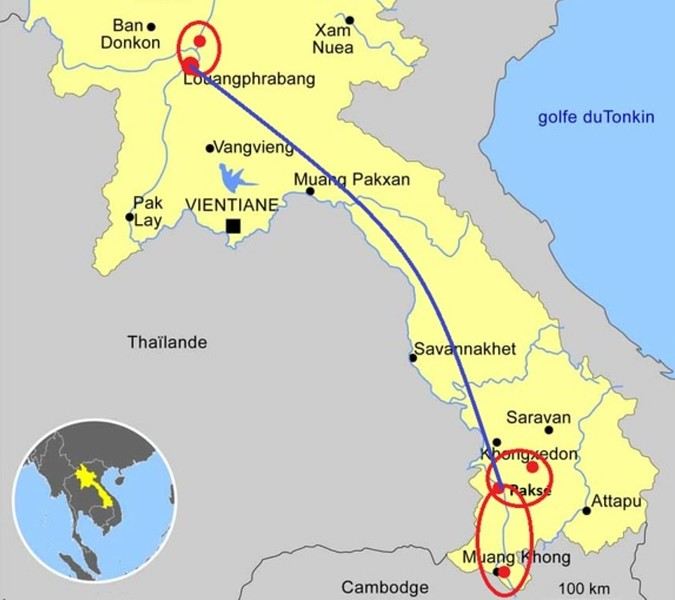
I have to say, every time I try to discipline myself, to keep it shorter, to include fewer photos... I end up adding more. It feels like my dear Aunt Nicole, who exhausted us with her slide-show evenings in the 70s/80s, decided to take her revenge. The upside for you, readers, is that you can slip away anytime without offending Aunt Nicole. I won’t even notice!
Anyway, since I love maps, here’s one to give you an idea of where I’m taking you. As you can see, we only saw a tiny part of Laos (the areas circled in red); we only had 3 weeks for ourselves (my husband’s newly retired, I still work), and we prefer taking our time over rushing around like crazy.

In broad strokes, it was very classic:
First, we “settled in” at Luang Prabang (8 days), because we wanted and needed to. From there, we took three days to venture a little further north—not far in kilometers, but as we know, distances aren’t just about km! Then we flew south to Paksé, letting ourselves drift down to the 4,000 Islands while stopping by the pre-Angkorian archaeological sites. We wrapped up with the Bolaven Plateau.
A few practical notes: We arrived via Bangkok, then took a Bangkok-Luang Prabang flight, having picked up our luggage in Bangkok to check it in for Luang Prabang. No issues—the Bangkok airport, which many of you know, is very well organized. We got our visas on arrival in Luang Prabang. Quick, but to be fair, we were on a “small” plane, and the big flights had arrived earlier, so we weren’t too crowded in line! At the end of our trip, we didn’t fly out of Paksé but from the nearby airport in Thailand, Ubon Ratchathani (a 2.5-hour drive from Paksé), then Bangkok and Paris. You’ll notice we skipped Vientiane to stay longer in Luang Prabang. That said, there’s now a high-speed train between Vientiane and Luang Prabang—good to know—and soon the (Chinese) train will go all the way to Bangkok and even Kuala Lumpur!
With that intro out of the way, let’s dive into the heart of the matter. To be continued: Slowing down the pace... in Luang Prabang
Here’s a little story about my first trip to Japan with my partner.
We went for our first visit from October 29 to November 13, 2024.
I had planned this entire trip back in November 2020, but given the health situation at the time, I had to cancel...
Here’s the classic route we took:
We booked everything ourselves and got a regional pass for the area from Kyoto to Hiroshima. The hotels were reserved 3 months in advance on Book... and Agod... (1030 € for 2 people for 13 nights = 80 €/night). For the flight, we chose a Qatar Airways flight with a layover to break up the long journey (950 € per person). We also got a pass on the same site (Japan-Experience) to take the train connecting Narita Airport to Shibuya Station (the N'EX Narita Express). Since the airport is 75 km from central Tokyo, we opted for this mode of transport, even though there are cheaper alternatives. After reading various posts on VoyageForum, I understood how important it was to have a Welcome Suica card to pay for public transport (subway, tram, bus, boat throughout the country), and we were able to buy one at Narita Airport. It turned out to be super useful! After a long but smooth journey, we found ourselves at Narita Airport in the evening. Even though we had a pass for the Narita Express, we had to go to a counter to make a reservation for the train (mandatory). Then, once we arrived at Shibuya Station, we took the subway for 2 stops and finally reached our hotel, exhausted (Hotel Asia Center of Japan – 270 € for 3 nights with breakfast included).
I had planned this entire trip back in November 2020, but given the health situation at the time, I had to cancel...
Here’s the classic route we took:

We booked everything ourselves and got a regional pass for the area from Kyoto to Hiroshima. The hotels were reserved 3 months in advance on Book... and Agod... (1030 € for 2 people for 13 nights = 80 €/night). For the flight, we chose a Qatar Airways flight with a layover to break up the long journey (950 € per person). We also got a pass on the same site (Japan-Experience) to take the train connecting Narita Airport to Shibuya Station (the N'EX Narita Express). Since the airport is 75 km from central Tokyo, we opted for this mode of transport, even though there are cheaper alternatives. After reading various posts on VoyageForum, I understood how important it was to have a Welcome Suica card to pay for public transport (subway, tram, bus, boat throughout the country), and we were able to buy one at Narita Airport. It turned out to be super useful! After a long but smooth journey, we found ourselves at Narita Airport in the evening. Even though we had a pass for the Narita Express, we had to go to a counter to make a reservation for the train (mandatory). Then, once we arrived at Shibuya Station, we took the subway for 2 stops and finally reached our hotel, exhausted (Hotel Asia Center of Japan – 270 € for 3 nights with breakfast included).

Hi there!
I’m inviting you on a stroll through my drawings—a completely subjective, far from exhaustive, and totally personal take, since it’s based on my own sketches. I put this travel journal together after returning in late 2024, mostly using felt-tip pens and pencils, with a few collages thrown in. I worked from our personal photos.
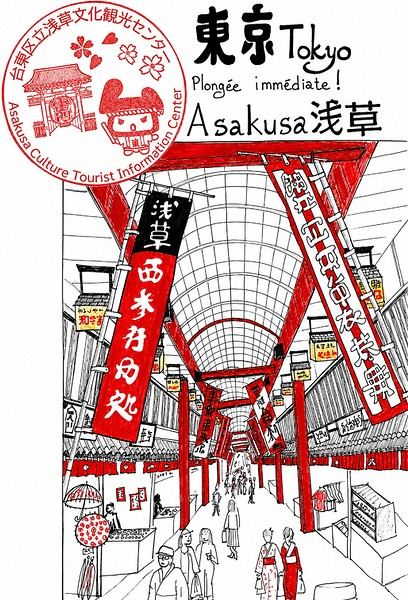
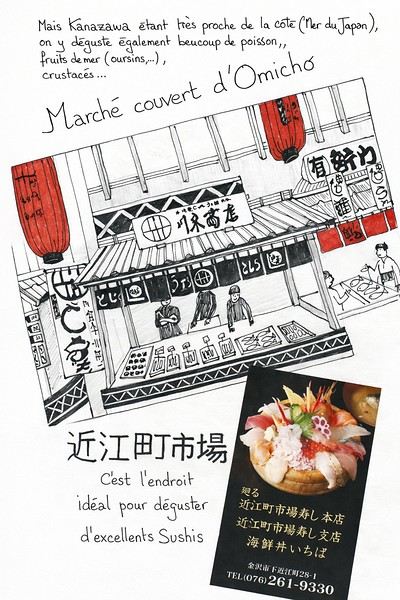
Let’s start with the shotengai...

Our first "wow" moment came as we stepped out of the subway in Asakusa, the Tokyo neighborhood where we’d booked our hotel for our first five nights. Exhausted after our long flight, we finally arrived and took an exit that led straight into a shotengai—one of those covered shopping streets that pop up in city centers and flourished between the 1950s and 1980s.
It was an instant aesthetic shock, like a close encounter of the third kind between the modern city, a typical Asian market with its street stalls, the vintage vibe of the arcade, the sheer abundance of goods, and the bustling crowd—a mix of tourists, pilgrims (thanks to nearby Senso-ji Temple), and locals (it’s a very working-class area). In the end, it set the tone for a feeling we’d experience throughout the trip. Wherever we went, shotengai turned out to be fantastic spots for finding little restaurants, shops, or even fresh produce. Some are like real mazes, like in Kyoto, where we spent ages trying to relocate a restaurant we’d loved ;-)
In Kanazawa, the Omicho Market:
And in Kyoto, Nishiki Market:
To be continued...
I’m inviting you on a stroll through my drawings—a completely subjective, far from exhaustive, and totally personal take, since it’s based on my own sketches. I put this travel journal together after returning in late 2024, mostly using felt-tip pens and pencils, with a few collages thrown in. I worked from our personal photos.Let’s start with the shotengai...

Our first "wow" moment came as we stepped out of the subway in Asakusa, the Tokyo neighborhood where we’d booked our hotel for our first five nights. Exhausted after our long flight, we finally arrived and took an exit that led straight into a shotengai—one of those covered shopping streets that pop up in city centers and flourished between the 1950s and 1980s.
It was an instant aesthetic shock, like a close encounter of the third kind between the modern city, a typical Asian market with its street stalls, the vintage vibe of the arcade, the sheer abundance of goods, and the bustling crowd—a mix of tourists, pilgrims (thanks to nearby Senso-ji Temple), and locals (it’s a very working-class area). In the end, it set the tone for a feeling we’d experience throughout the trip. Wherever we went, shotengai turned out to be fantastic spots for finding little restaurants, shops, or even fresh produce. Some are like real mazes, like in Kyoto, where we spent ages trying to relocate a restaurant we’d loved ;-)
In Kanazawa, the Omicho Market:
And in Kyoto, Nishiki Market:
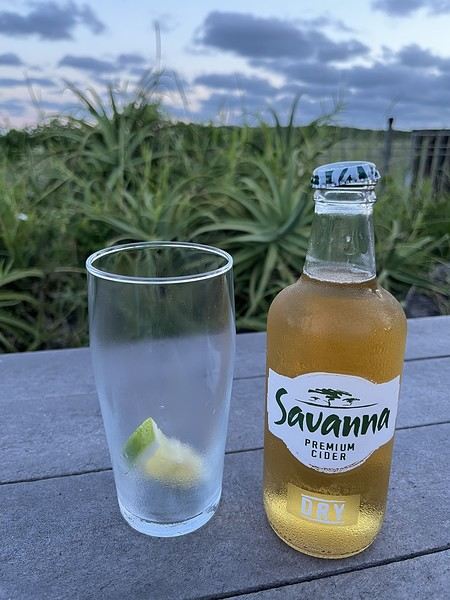
To be continued...
Hi everyone,
With my girlfriend Christelle, we’ve chosen South Africa for our first trip to Southern Africa, focusing on safaris—after a long debate with a Cape Town/Kruger combo. But that would’ve meant cutting out St Lucia, which would’ve been harder to fit into another trip. And St Lucia—thanks to Michel and all those travel journals—we really wanted to go there.
So our 11-night itinerary ended up like this, mostly shaped by school holidays: - 3 nights in St Lucia - 1 night in Hluhluwe - 1 night at Mkhaya Game Reserve (Eswatini) - 1 night at Hlane Royal National Park (Eswatini) - 3 nights in Kruger (Berg en Dal / Satara / Tamboti) - 1 night at Shindzela Tented Camp in the Timbavati private reserve - 1 final night in Kruger at Lower Sabie
All of this in the off-season and rainy season, just a month after catastrophic floods that killed over 150 people and seriously damaged Kruger’s infrastructure.
I’ll jump straight to St Lucia and skip the loooong journey to get there (with a layover in Frankfurt, landing in Johannesburg, a domestic flight to Durban, and the rest by rental SUV—First Car Rental, perfect, no complaints).
To motivate readers—especially some familiar faces here—I’ll drop in a first photo.

With my girlfriend Christelle, we’ve chosen South Africa for our first trip to Southern Africa, focusing on safaris—after a long debate with a Cape Town/Kruger combo. But that would’ve meant cutting out St Lucia, which would’ve been harder to fit into another trip. And St Lucia—thanks to Michel and all those travel journals—we really wanted to go there.
So our 11-night itinerary ended up like this, mostly shaped by school holidays: - 3 nights in St Lucia - 1 night in Hluhluwe - 1 night at Mkhaya Game Reserve (Eswatini) - 1 night at Hlane Royal National Park (Eswatini) - 3 nights in Kruger (Berg en Dal / Satara / Tamboti) - 1 night at Shindzela Tented Camp in the Timbavati private reserve - 1 final night in Kruger at Lower Sabie
All of this in the off-season and rainy season, just a month after catastrophic floods that killed over 150 people and seriously damaged Kruger’s infrastructure.
I’ll jump straight to St Lucia and skip the loooong journey to get there (with a layover in Frankfurt, landing in Johannesburg, a domestic flight to Durban, and the rest by rental SUV—First Car Rental, perfect, no complaints).
To motivate readers—especially some familiar faces here—I’ll drop in a first photo.

We went to Albania in August 2025.
Our itinerary included adventure (sporty activities, site visits), naps on the beach interspersed with swims, incredible natural sites, and a bit of culture.
I booked all our accommodations on Booking.com. Note: almost all places ask to be paid in cash!! You can obviously withdraw from banks, but the fees are pretty high. Luckily, we had plenty of cash, and the country is very safe. You can pay in euros most of the time, which avoids exchange fees. We started in Tirana. I’d read a really interesting post about Albania’s bunkers (link in my profile). We chose to visit Bunk’Art with a guide from the agency that wrote the post. It was fascinating—not only to better understand the country’s history but also because her grandfather was repressed by the regime, and she shared her family’s experience with us.
Bunkers are everywhere! In Tirana, Bunk’Art is the most interesting and largest. You’ll see the dictator Enver Hoxha’s office, where he would’ve taken refuge in case of an attack on the country. Bring a sweater—it’s really cold in the underground tunnels and their huge corridors. You can visit other bunkers around the country, in Tirana and elsewhere. Almost all are just abandoned. The cable car up Mount Dajti is right next to Bunk’Art. The view is stunning—you realize Tirana is so close to the mountains and the sea... But otherwise, it’s not that exciting for older teens (17 and 19) and their parents. We picked up a rental car in Tirana—it’d be ours for the next three weeks. We used Goalbania’s agency to avoid any hassles. First, there aren’t many cars available in Albania in summer. Second, French credit cards can be a nightmare abroad. So we preferred to sort that out in advance. After Tirana, we headed to Permet. Just a heads-up: the roads are in great condition except in the mountains. And Albanian drivers aren’t stressful to deal with. Though you might suddenly encounter a herd of goats crossing the road—haha—but if you’re not going too fast, it’s fine. In Permet, I’d been dreaming of rafting on the Vjosa, one of Europe’s last wild rivers. And we did it with a local agency! It’s beautiful, accessible to everyone, not too physical but still a bit lively—just how we like it. You can even jump into the river in some spots. In Permet, we also hiked through a canyon and visited a lovely little church.

And we took a workshop to make their local culinary pride: gliko. It’s a jam with whole fruits inside. We’d seen it on Goalbania’s site, and it was really fun. We were with a family where the secret to making gliko has been passed down for generations... Next, we headed to Gjirokastër. A city we loved: its old traditional houses (Skendulli and Zekate), its grand castle, the Ali Pasha Bridge. Along the way, we stopped for artisanal ice cream at a little shop run by a grandmother who’s been making it herself for ages.

One afternoon, my husband *had* to go to the coast in the south, to Ksamil (he’d read it was better than Sarandë). Verdict: we didn’t like it. Parking is a nightmare, the beaches are super noisy and crowded. The sea is packed with jet skis, boats, pedalos, and ropes. Avoid it.
On the other hand, we really liked Himarë, where we went next. We stayed at a campsite where we rented tents with mattresses and sheets inside. Right by the sea, on a low cliff (about 2 meters high). You can hear the waves at night... Magical!! To swim, you either jump straight into the sea (almost from the tent) or climb down a ladder, which you’ll need to climb back up to get out.

I was a little worried the campsite wouldn’t be very comfortable, so afterward, I’d booked a small place in Gjilek. Turns out, the place was really tiny (one room for four, no kitchen) and pretty expensive (over 100 € a night). We’d drive to the beach or restaurants—it’s on a steep slope, so not very accessible. Parking near the sea is tricky. But the (private) beaches were nice—we’d rent an umbrella not too close to the music and spend the day there. We also went to a wilder beach, harder to reach, via a long path. Behind the beach, there’s an amazing canyon where we’d sometimes climb using ropes (already in place, no need to bring your own) over big boulders rolled around by the stream, which must swell a lot in spring. So, the sea in Albania: it’s nice if you like swimming and relaxing, but it’s not the most interesting part of the country. There are so many other amazing things to see and discover—so many stunning sites! Maybe an agency could’ve helped us find more practical accommodations and avoid Ksamil and its surroundings. We left the coast to head to the beautiful city of Berat and its "thousand windows." We explored the city, its fortress, and its icon museum.

Then we discovered the Osum Canyon—it’s incredible. The view from the top is breathtaking. And at the bottom, it’s magical. There’s little water in summer, so rafting isn’t an option. We weren’t tempted by the big-tube descent offered by an agency—it looked fun, but the group had 40 people. We preferred hiking on our own as a family of four. We scouted the area on Google Maps... and found where to descend. We walked in the water, then it rose to our waists, then our shoulders... We weren’t moving fast. And how to get back up?? Eventually, we followed a group with a guide—the path was hard to find.

After that unforgettable hike, we visited the Bogovë Waterfalls. It’s pretty, and we swam, but the water was *really* cold. We passed through Tirana again and then headed to Shkodër. We explored a bit—its charming little streets, the Rozafa Fortress. There’s a tiny museum where you can see *huge* Ottoman stone cannonballs. And they tell you the (charming) story of the young woman who was walled alive in the castle’s foundations to ensure its strength... Shkodër is mostly a stopover to head into the mountains and discover Theth. Our goal: hiking in the Valbona Valley, from Valbona to Theth. We organized the trip ourselves, without an agency, but it took some time to figure everything out. So I’ll save you the trouble—haha. Book your tickets on the Komanilakeferry website. The ticket includes: 🙂 minibus transfer from downtown Shkodër to Koman 🙂 ferry ticket from Koman to Fierze. This ferry ride is *gorgeous*—between mountain slopes covered in pine trees, and sometimes a little house with a few fields...

🙂 minibus ticket from Fierze to Valbona. Now you’re in the mountains! The minibus drops you off near your accommodation—pick one as close as possible to the start of the hike (if that’s your goal!). The ones at the far end of the village add up to 1.5 hours of walking. Our choice: Guesthouse Dioni. The host is really lovely, it’s in the woods, and it’s basic but great. After a day of hiking, we arrived in Theth. What beautiful mountains! Then we explored Theth and the surrounding area. It’s pretty busy, but you can still enjoy the Blue Eye of Theth and its swim. It’s *so* cold! But so beautiful!

🙂 minibus ticket from Theth back to Shkodër. After a night in Shkodër, we drove to Kepi i Rodonit. A guidebook (I forget which one) raved about its beauty. And it *is* beautiful!

But the view is ruined by plastic bottles and other trash in the bushes, along the paths, and of course on the beaches. The only peaceful spot: the private beach at Kepi i Rodonit, which is cleaned. You can rent an umbrella and have lunch there. That’s where we spent our last few days—very relaxing. In short... Albania turned out to be perfect for us and our teens!
I booked all our accommodations on Booking.com. Note: almost all places ask to be paid in cash!! You can obviously withdraw from banks, but the fees are pretty high. Luckily, we had plenty of cash, and the country is very safe. You can pay in euros most of the time, which avoids exchange fees. We started in Tirana. I’d read a really interesting post about Albania’s bunkers (link in my profile). We chose to visit Bunk’Art with a guide from the agency that wrote the post. It was fascinating—not only to better understand the country’s history but also because her grandfather was repressed by the regime, and she shared her family’s experience with us.

Bunkers are everywhere! In Tirana, Bunk’Art is the most interesting and largest. You’ll see the dictator Enver Hoxha’s office, where he would’ve taken refuge in case of an attack on the country. Bring a sweater—it’s really cold in the underground tunnels and their huge corridors. You can visit other bunkers around the country, in Tirana and elsewhere. Almost all are just abandoned. The cable car up Mount Dajti is right next to Bunk’Art. The view is stunning—you realize Tirana is so close to the mountains and the sea... But otherwise, it’s not that exciting for older teens (17 and 19) and their parents. We picked up a rental car in Tirana—it’d be ours for the next three weeks. We used Goalbania’s agency to avoid any hassles. First, there aren’t many cars available in Albania in summer. Second, French credit cards can be a nightmare abroad. So we preferred to sort that out in advance. After Tirana, we headed to Permet. Just a heads-up: the roads are in great condition except in the mountains. And Albanian drivers aren’t stressful to deal with. Though you might suddenly encounter a herd of goats crossing the road—haha—but if you’re not going too fast, it’s fine. In Permet, I’d been dreaming of rafting on the Vjosa, one of Europe’s last wild rivers. And we did it with a local agency! It’s beautiful, accessible to everyone, not too physical but still a bit lively—just how we like it. You can even jump into the river in some spots. In Permet, we also hiked through a canyon and visited a lovely little church.

And we took a workshop to make their local culinary pride: gliko. It’s a jam with whole fruits inside. We’d seen it on Goalbania’s site, and it was really fun. We were with a family where the secret to making gliko has been passed down for generations... Next, we headed to Gjirokastër. A city we loved: its old traditional houses (Skendulli and Zekate), its grand castle, the Ali Pasha Bridge. Along the way, we stopped for artisanal ice cream at a little shop run by a grandmother who’s been making it herself for ages.

One afternoon, my husband *had* to go to the coast in the south, to Ksamil (he’d read it was better than Sarandë). Verdict: we didn’t like it. Parking is a nightmare, the beaches are super noisy and crowded. The sea is packed with jet skis, boats, pedalos, and ropes. Avoid it.
On the other hand, we really liked Himarë, where we went next. We stayed at a campsite where we rented tents with mattresses and sheets inside. Right by the sea, on a low cliff (about 2 meters high). You can hear the waves at night... Magical!! To swim, you either jump straight into the sea (almost from the tent) or climb down a ladder, which you’ll need to climb back up to get out.

I was a little worried the campsite wouldn’t be very comfortable, so afterward, I’d booked a small place in Gjilek. Turns out, the place was really tiny (one room for four, no kitchen) and pretty expensive (over 100 € a night). We’d drive to the beach or restaurants—it’s on a steep slope, so not very accessible. Parking near the sea is tricky. But the (private) beaches were nice—we’d rent an umbrella not too close to the music and spend the day there. We also went to a wilder beach, harder to reach, via a long path. Behind the beach, there’s an amazing canyon where we’d sometimes climb using ropes (already in place, no need to bring your own) over big boulders rolled around by the stream, which must swell a lot in spring. So, the sea in Albania: it’s nice if you like swimming and relaxing, but it’s not the most interesting part of the country. There are so many other amazing things to see and discover—so many stunning sites! Maybe an agency could’ve helped us find more practical accommodations and avoid Ksamil and its surroundings. We left the coast to head to the beautiful city of Berat and its "thousand windows." We explored the city, its fortress, and its icon museum.

Then we discovered the Osum Canyon—it’s incredible. The view from the top is breathtaking. And at the bottom, it’s magical. There’s little water in summer, so rafting isn’t an option. We weren’t tempted by the big-tube descent offered by an agency—it looked fun, but the group had 40 people. We preferred hiking on our own as a family of four. We scouted the area on Google Maps... and found where to descend. We walked in the water, then it rose to our waists, then our shoulders... We weren’t moving fast. And how to get back up?? Eventually, we followed a group with a guide—the path was hard to find.

After that unforgettable hike, we visited the Bogovë Waterfalls. It’s pretty, and we swam, but the water was *really* cold. We passed through Tirana again and then headed to Shkodër. We explored a bit—its charming little streets, the Rozafa Fortress. There’s a tiny museum where you can see *huge* Ottoman stone cannonballs. And they tell you the (charming) story of the young woman who was walled alive in the castle’s foundations to ensure its strength... Shkodër is mostly a stopover to head into the mountains and discover Theth. Our goal: hiking in the Valbona Valley, from Valbona to Theth. We organized the trip ourselves, without an agency, but it took some time to figure everything out. So I’ll save you the trouble—haha. Book your tickets on the Komanilakeferry website. The ticket includes: 🙂 minibus transfer from downtown Shkodër to Koman 🙂 ferry ticket from Koman to Fierze. This ferry ride is *gorgeous*—between mountain slopes covered in pine trees, and sometimes a little house with a few fields...

🙂 minibus ticket from Fierze to Valbona. Now you’re in the mountains! The minibus drops you off near your accommodation—pick one as close as possible to the start of the hike (if that’s your goal!). The ones at the far end of the village add up to 1.5 hours of walking. Our choice: Guesthouse Dioni. The host is really lovely, it’s in the woods, and it’s basic but great. After a day of hiking, we arrived in Theth. What beautiful mountains! Then we explored Theth and the surrounding area. It’s pretty busy, but you can still enjoy the Blue Eye of Theth and its swim. It’s *so* cold! But so beautiful!

🙂 minibus ticket from Theth back to Shkodër. After a night in Shkodër, we drove to Kepi i Rodonit. A guidebook (I forget which one) raved about its beauty. And it *is* beautiful!

But the view is ruined by plastic bottles and other trash in the bushes, along the paths, and of course on the beaches. The only peaceful spot: the private beach at Kepi i Rodonit, which is cleaned. You can rent an umbrella and have lunch there. That’s where we spent our last few days—very relaxing. In short... Albania turned out to be perfect for us and our teens!
A new work assignment means our vacation dates can't stay the same.
We had planned to go to the Canary Islands, but flight prices are skyrocketing with this new holiday schedule.
So, I’m looking for an alternative to Gran Canaria and El Hierro and found two round-trip flights with Wizz Air to Tirana.
398 €, including baggage and seats—perfect!
Plus, the departure and return times are great, which is pretty rare for a low-cost flight!
All that’s left is to rent a car, plan the route, and book accommodations.
With two weeks, we’ll have to make some choices!
Here’s the final itinerary: Shkodra (2 nights), Valbonë (3 nights), Tirana (1 night), Lake Ohrid (1 night), Korçë (1 night), Përmet (1 night), Gjirokastër (1 night), Himarë (2 nights), Berat (2 nights), and Krujë (1 night).
A mix of countryside and small towns, a bit of the Mediterranean, and some mountains!
Late October isn’t the best season, so let’s keep our fingers crossed for the rest...

We had planned to go to the Canary Islands, but flight prices are skyrocketing with this new holiday schedule.
So, I’m looking for an alternative to Gran Canaria and El Hierro and found two round-trip flights with Wizz Air to Tirana.
398 €, including baggage and seats—perfect!
Plus, the departure and return times are great, which is pretty rare for a low-cost flight!
All that’s left is to rent a car, plan the route, and book accommodations.
With two weeks, we’ll have to make some choices!
Here’s the final itinerary: Shkodra (2 nights), Valbonë (3 nights), Tirana (1 night), Lake Ohrid (1 night), Korçë (1 night), Përmet (1 night), Gjirokastër (1 night), Himarë (2 nights), Berat (2 nights), and Krujë (1 night).
A mix of countryside and small towns, a bit of the Mediterranean, and some mountains!
Late October isn’t the best season, so let’s keep our fingers crossed for the rest...

Hi there,
I’m diving into a recap of our loop—pretty classic, really—Denver-Yellowstone-Denver this past summer, from July 24 to August 17. Given the sheer number of trip reports already out there (or in the works), and since I don’t have the writing chops or the photography skills of many of you, I’ll keep it practical—well, I’ll try, at least—to share our take on some of the less-visited parks and spots.
First off, a huge thank you to everyone whose trip reports, blogs, websites, comments, and more helped us put together this itinerary. Looking back, it could’ve been even better optimized: a few disappointments when we missed out on some great discoveries, often because we were short on time. Plenty of reasons to come back to the area!
We’re traveling with our four (almost) teens—18, 16, 14, and nearly 12 years old. To keep the trip enjoyable for everyone, we had to make compromises on both sides: cutting a visit short to spend more time swimming, waking up at dawn, and so on. But logistics also played a big role—things like laundry, grocery shopping, and keeping luggage organized could’ve quickly become time-consuming without a little planning. And honestly, I think we visited every Walmart along the way! Blame it on the lack of fridges in some accommodations and, more importantly, the *very* limited space in the car, which made it impossible to bring a proper cooler. I’ll come back to the car saga later.
For accommodations, this year we alternated between basic cabins in KOA campgrounds and Yellowstone (when staying more than one night in the same place) and hotels. Always with a pool (except in Yellowstone, of course), which let the kids burn off energy—because they always have reserves, even after packed days!—and, let’s be honest, gave us a chance to relax. No Wi-Fi issues either; we all had plans with 25 GB of data (a big thanks to Gilles for the amazing deal at 0.99 €). It worked perfectly, even for texts and calls between phones—no extra charges.
Now, onto our route: as I mentioned, a classic Denver-Yellowstone-Denver loop. To avoid rushing through the parks or spending all our time on the road, we prioritized staying as close to them as possible, with at least two nights in each place. And I’ve got to say, it’s really nice to settle in, even if it’s just for two nights. It also helped us deal with the weather, which wasn’t always great during this trip. The trade-off? With vacation time being limited, some driving days ended up being long. We knew that going in, but since we kept a relaxed pace with no time constraints (don’t ask me for timings—I don’t keep track of the clock on vacation, except in the morning to get everyone up before noon!), we sometimes ended up with marathon days.
With that said, I’ll dive into the trip itself in the next post.
I’m diving into a recap of our loop—pretty classic, really—Denver-Yellowstone-Denver this past summer, from July 24 to August 17. Given the sheer number of trip reports already out there (or in the works), and since I don’t have the writing chops or the photography skills of many of you, I’ll keep it practical—well, I’ll try, at least—to share our take on some of the less-visited parks and spots.
First off, a huge thank you to everyone whose trip reports, blogs, websites, comments, and more helped us put together this itinerary. Looking back, it could’ve been even better optimized: a few disappointments when we missed out on some great discoveries, often because we were short on time. Plenty of reasons to come back to the area!
We’re traveling with our four (almost) teens—18, 16, 14, and nearly 12 years old. To keep the trip enjoyable for everyone, we had to make compromises on both sides: cutting a visit short to spend more time swimming, waking up at dawn, and so on. But logistics also played a big role—things like laundry, grocery shopping, and keeping luggage organized could’ve quickly become time-consuming without a little planning. And honestly, I think we visited every Walmart along the way! Blame it on the lack of fridges in some accommodations and, more importantly, the *very* limited space in the car, which made it impossible to bring a proper cooler. I’ll come back to the car saga later.
For accommodations, this year we alternated between basic cabins in KOA campgrounds and Yellowstone (when staying more than one night in the same place) and hotels. Always with a pool (except in Yellowstone, of course), which let the kids burn off energy—because they always have reserves, even after packed days!—and, let’s be honest, gave us a chance to relax. No Wi-Fi issues either; we all had plans with 25 GB of data (a big thanks to Gilles for the amazing deal at 0.99 €). It worked perfectly, even for texts and calls between phones—no extra charges.
Now, onto our route: as I mentioned, a classic Denver-Yellowstone-Denver loop. To avoid rushing through the parks or spending all our time on the road, we prioritized staying as close to them as possible, with at least two nights in each place. And I’ve got to say, it’s really nice to settle in, even if it’s just for two nights. It also helped us deal with the weather, which wasn’t always great during this trip. The trade-off? With vacation time being limited, some driving days ended up being long. We knew that going in, but since we kept a relaxed pace with no time constraints (don’t ask me for timings—I don’t keep track of the clock on vacation, except in the morning to get everyone up before noon!), we sometimes ended up with marathon days.
With that said, I’ll dive into the trip itself in the next post.
15 days across Gran Canaria, El Hierro, and a dash of Tenerife under the storm Thérèse!
The planned itinerary will be slightly disrupted...
(The version without discussions is here)
The planned itinerary will be slightly disrupted...
(The version without discussions is here)