
We had bought our minibus tickets to Vientiane at the bus station as soon as we arrived, thinking we were getting a good deal. Turns out, in Laos, you shouldn’t do things that way. Tickets bought directly at the hotel ended up being cheaper than the bus station ticket price plus the tuk-tuk ride to get there. We mentioned this to the young woman at the hotel reception, and she immediately called their shuttle for us—free of charge, just for us. We left the Silver Naga pretty happy with the overall service, forgetting they hadn’t woken us up that morning at the scheduled time. A first!
60,000 kips per person, and we’re counting on a four-hour trip. Overall, the road is decent. Sometimes you have to weave between a series of potholes, dodge a fallen tree on the road, slow down for a herd of buffalo or a few ducks. Mostly, though, we had a driver who wasn’t exactly skilled and drove in that extreme Asian style: speed up hard, brake hard, speed up hard, brake hard. There were moments when it got really annoying.
South of Vang Vieng, we followed the karst range for a while. Enough to make you think there might be other spots to explore around there. Then came kilometers of valleys and lots of forests. Green Laos. Occasionally, we passed villages where we’d have loved to stop, plus a stretch of countryside with several lakes—we saw fishermen. The last part of the journey was through flatlands, with a string of villages as we approached Vientiane. In the end, we saw more than one deforested area, but so far, not enough to ruin the country’s landscape.
The driver put on some music, and at the end of a pretty song, the guy sang along to the chorus he’d memorized. Instant hit—everyone was laughing and having a great time. You can bet if a Chinese person did that here, we’d love it too, obviously.
A tuk-tuk charged us 60,000 kips from the bus station to our hotel. Even though the ride was long, this mode of transport rarely turns out to be cheap, especially considering Laos’ economic situation. We’re often torn between not wanting to get ripped off and the fear of haggling too much with people who don’t earn much.
We chose Villa Manoly, like more than one VoyageForum member. The quiet alley, the ultra-green setting, and the pool in the middle made a great impression. Plus, it wasn’t too far from the city center or the river.

There wasn’t a ton of staff, and the concierge-manager also handled breakfast. At first, a slightly odd young guy welcomed us with a joke in English—so weird we barely understood it. His sense of humor was... let’s say *offbeat*. It wasn’t until the second-to-last day that we thought we figured out why. When it came to wild humor, he found his match in us, and eventually, he opened up. A few years ago, he had a serious motorcycle accident that left him in a coma for weeks. He still has scars on his body and some lingering effects, especially in his fingers. That’s why he insisted we pay on the morning of our departure—we’d already settled the bill the night before. He’d genuinely forgotten. We thought he was messing with us and played along. Anyway, he was embarrassed, but only after double-checking. If you ever stay there and he has his guitar handy, you won’t escape *Let It Be* or *Yesterday*. A really endearing guy, working from morning to night, Monday to Saturday.
There’s a tuk-tuk driver who works with the place, so we asked him to take us to Ban Vilaylac restaurant. As the *Routard* guide says, it’s a hidden gem behind its green wall. Great food, great shakes. We feasted.
We explored the city center of this capital with the vibe of a mid-sized provincial town—you can see it all pretty quickly. We couldn’t resist stopping by *The Little House* tea salon, spotted on TripAdvisor. Indulging in a delicious milk chocolate with scrumptious truffles was our guilty pleasure in the middle of a four-week orgy of spring rolls and pad thai.
We walked back along the Mekong, where there was a market. Behind the large statue of King Anouvong overlooking Thailand, there’s a big park where lots of locals stroll, eyeing us with great interest. Right now, badminton is all the rage—plenty of players of all genders in the alleys.
We ended the day with the luxury of a nighttime swim in the pool. Sure, a few mosquitoes tried to take advantage, but after dealing with swarms of tiger mosquitoes in our garden back in France, this didn’t impress us much.






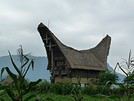













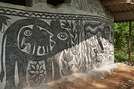
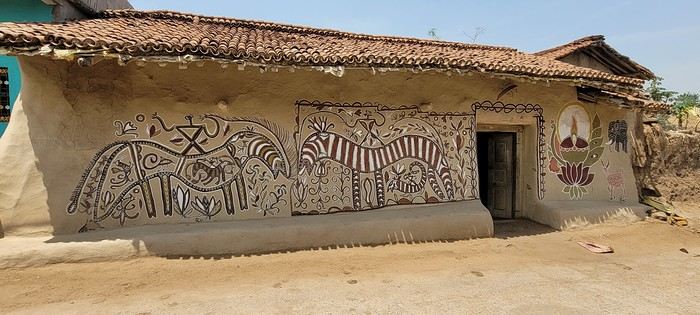
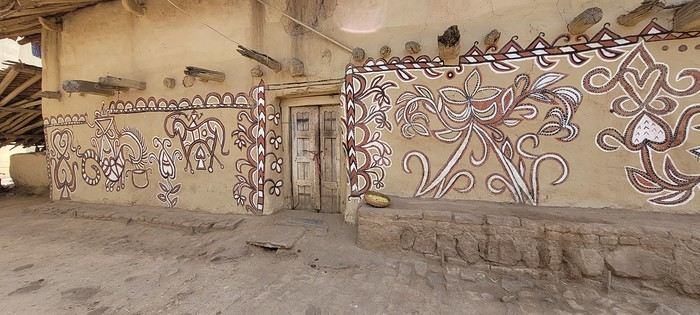
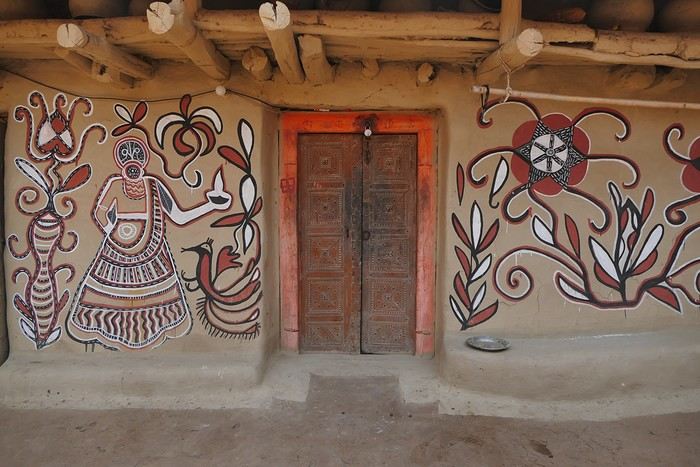
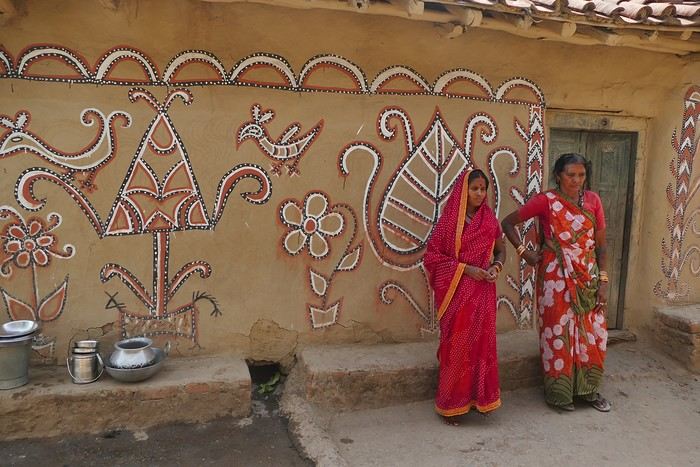
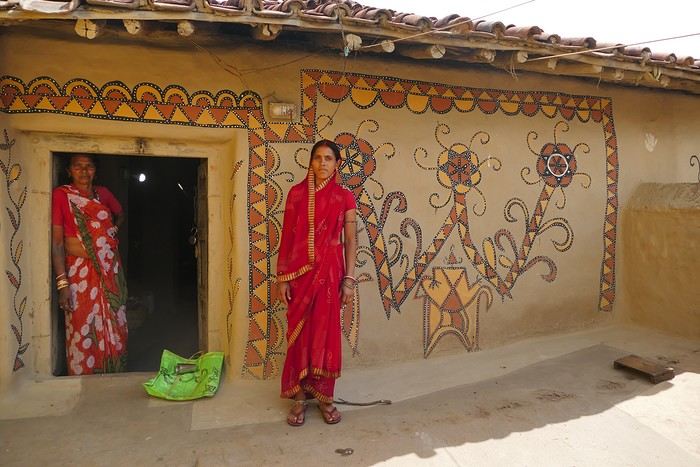
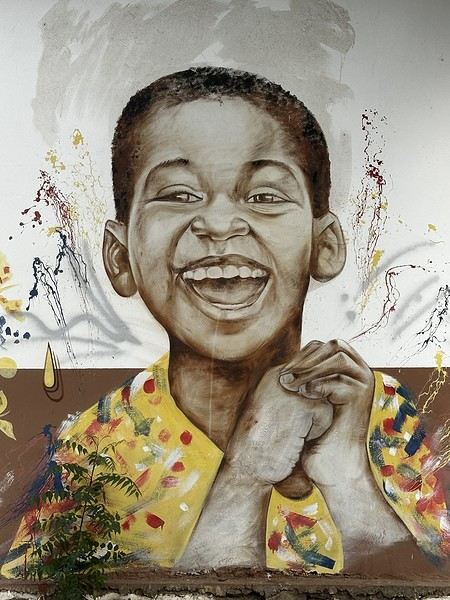
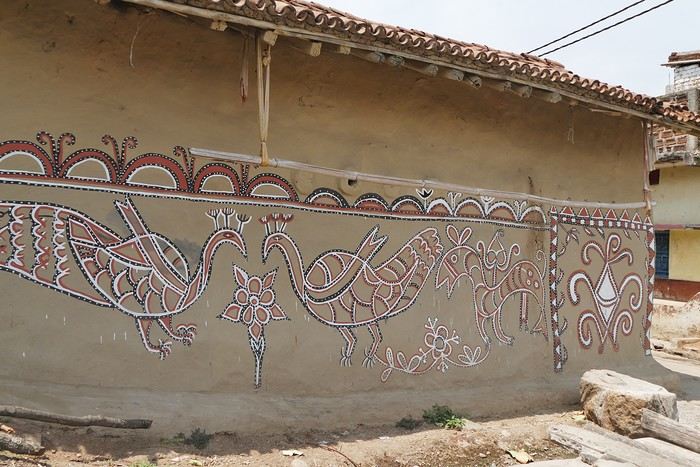 On some paintings, the scenes become almost narrative: you can make out figures, everyday gestures, like a memory of the village inscribed in the walls. The decorative frames around the doors aren’t left to chance either—they symbolically protect the house, like a boundary between the inside and the outside world.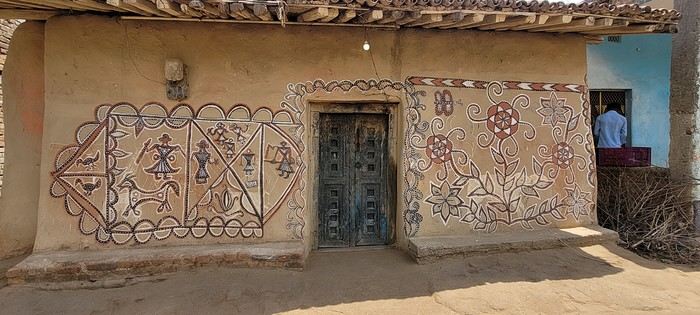

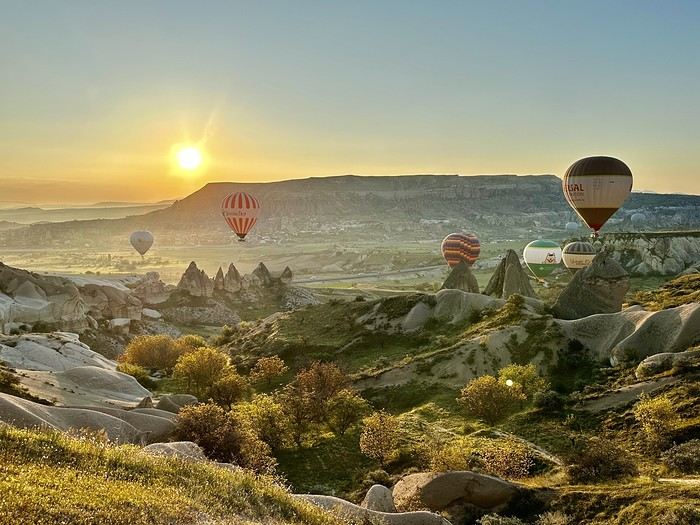 A little sneak peek?



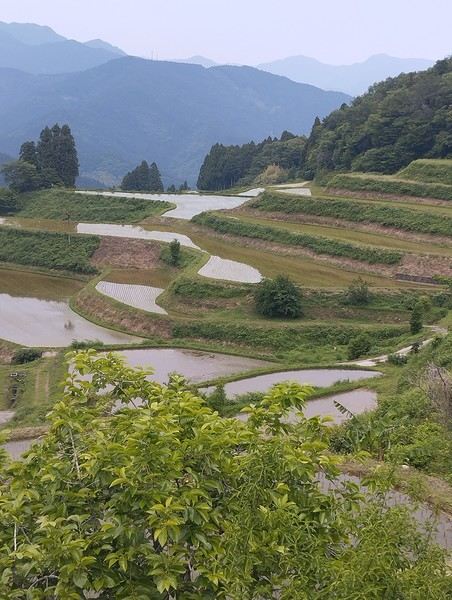
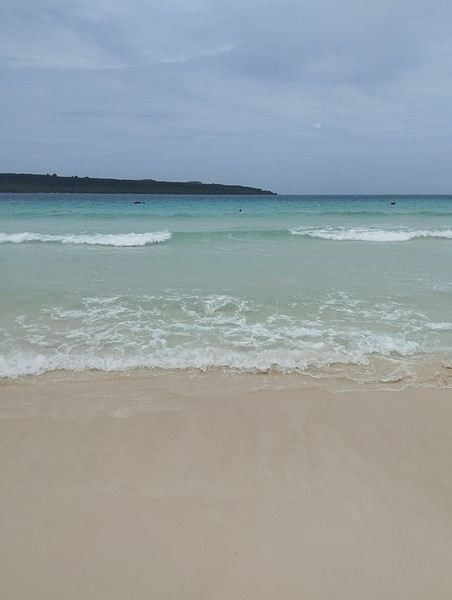
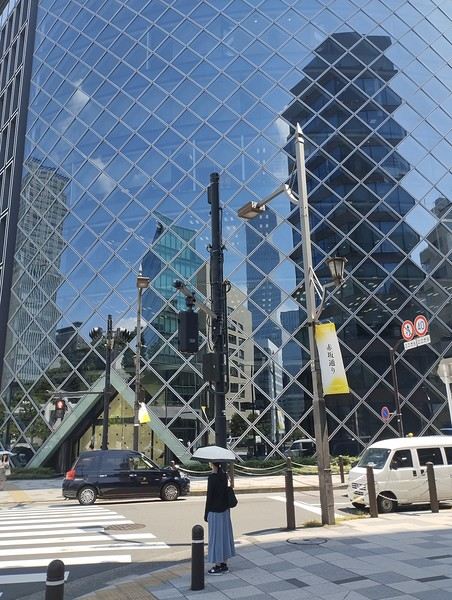

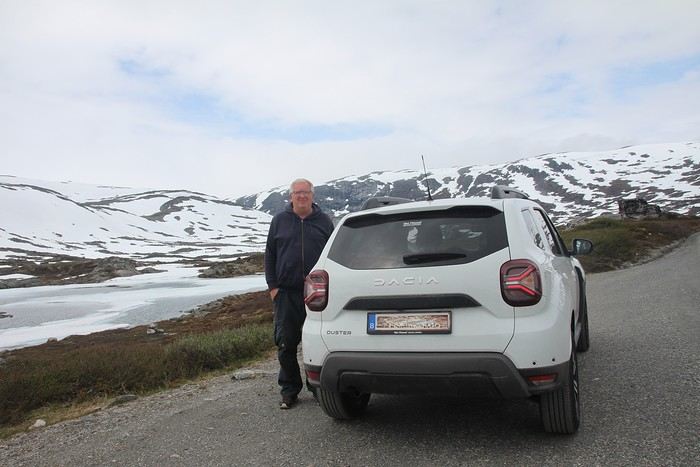
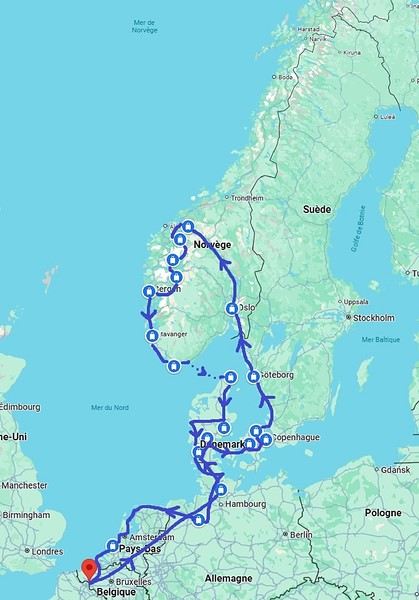
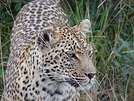
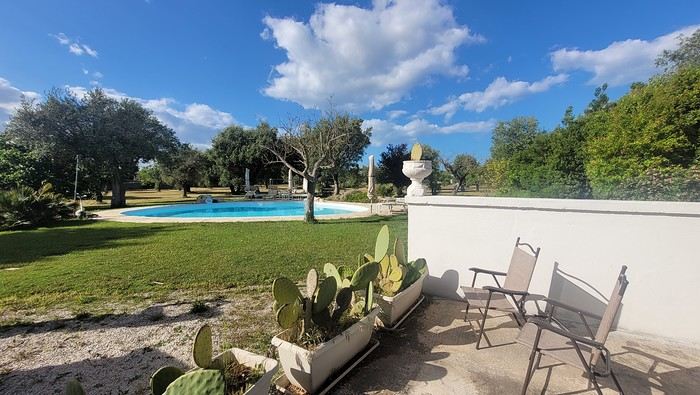
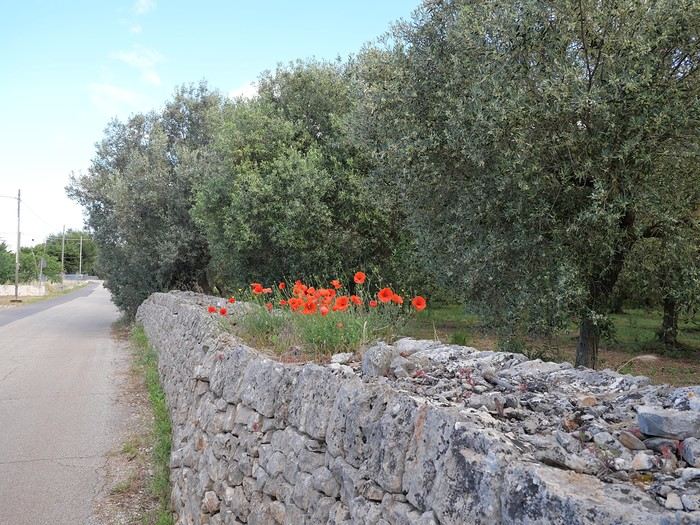
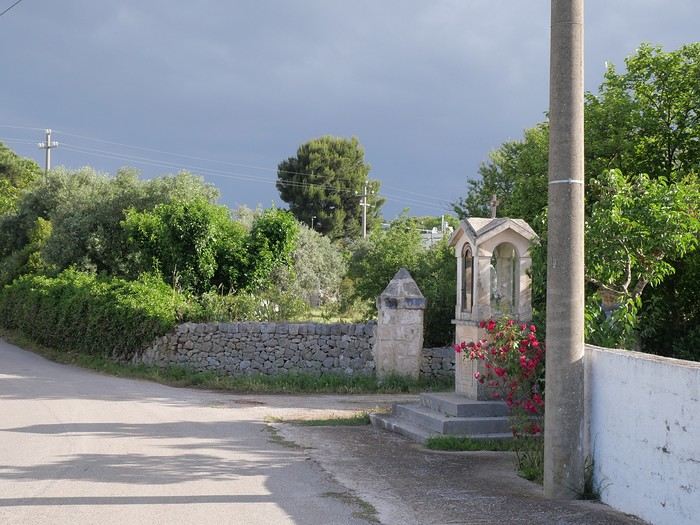
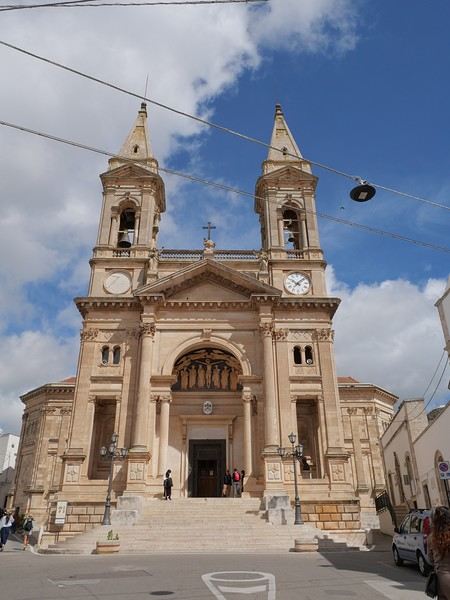
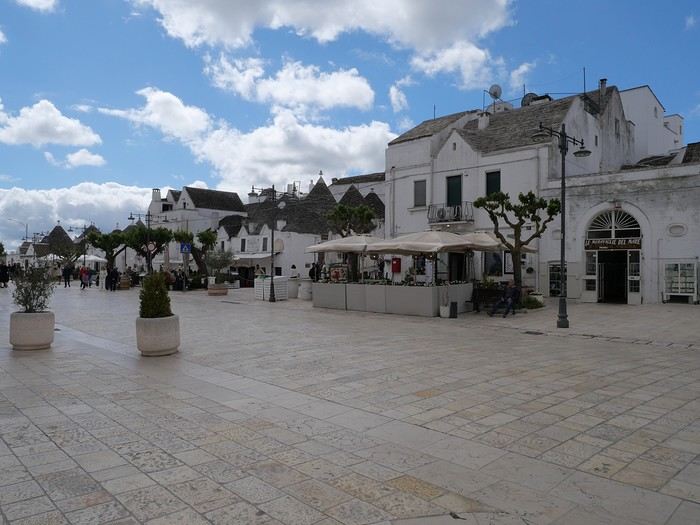
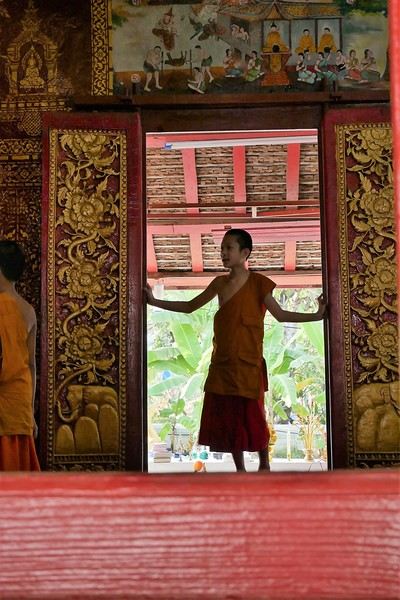 Come along, I'm taking you to this country where it's so nice to wander and slow down...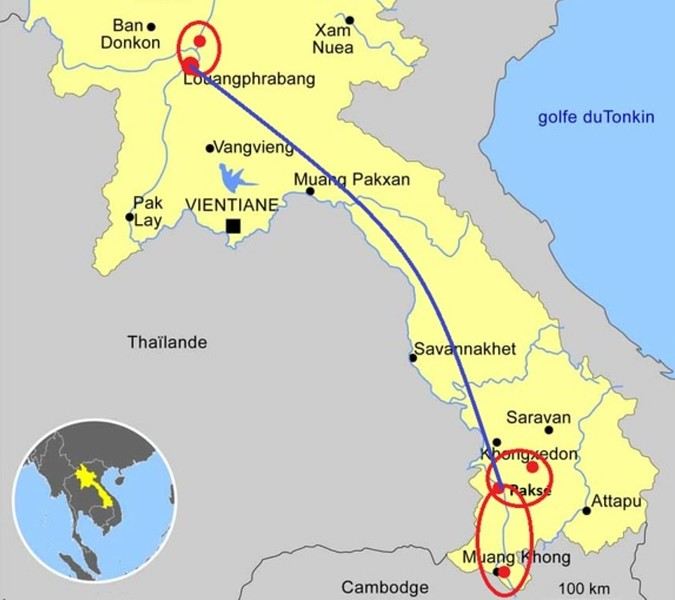
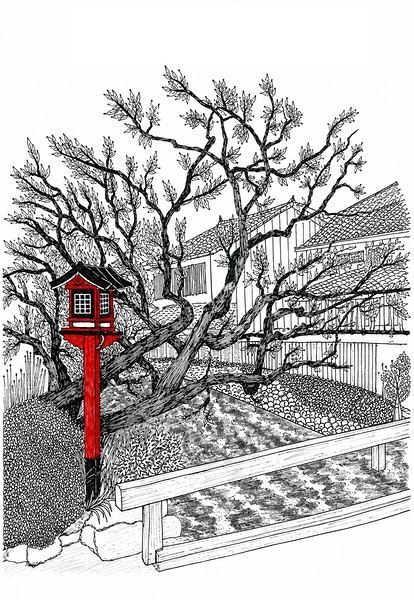 I’m inviting you on a stroll through my drawings—a completely subjective, far from exhaustive, and totally personal take, since it’s based on my own sketches. I put this travel journal together after returning in late 2024, mostly using felt-tip pens and pencils, with a few collages thrown in. I worked from our personal photos.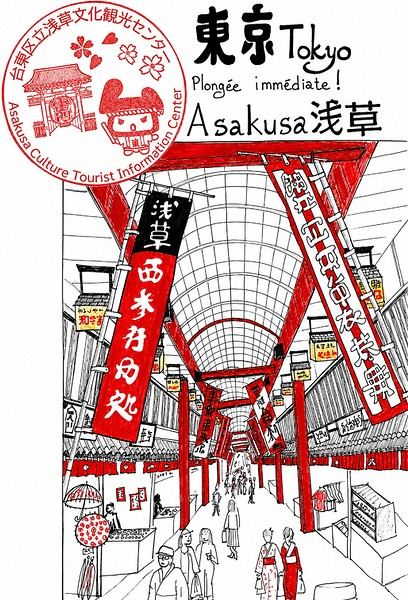
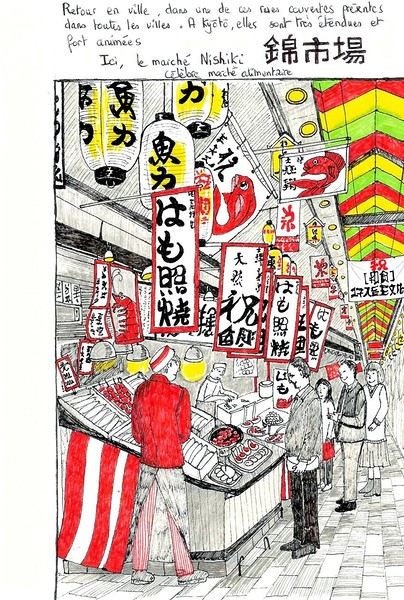
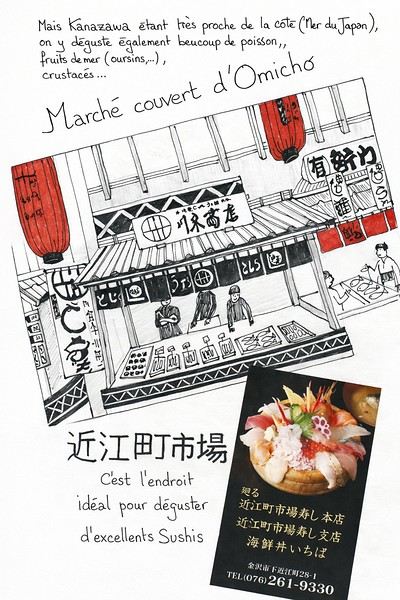 And in Kyoto, Nishiki Market:
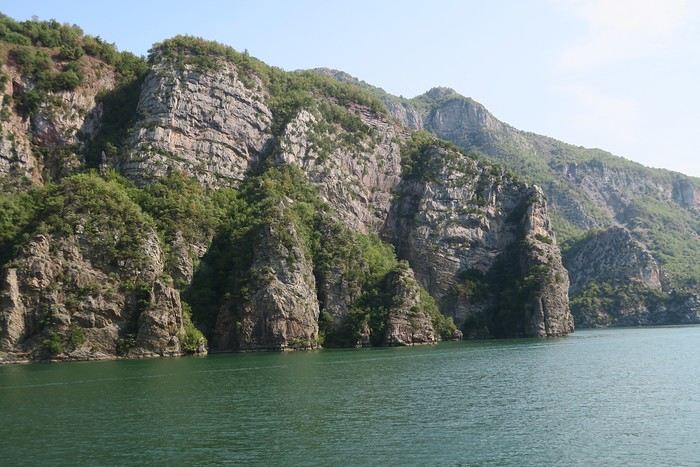
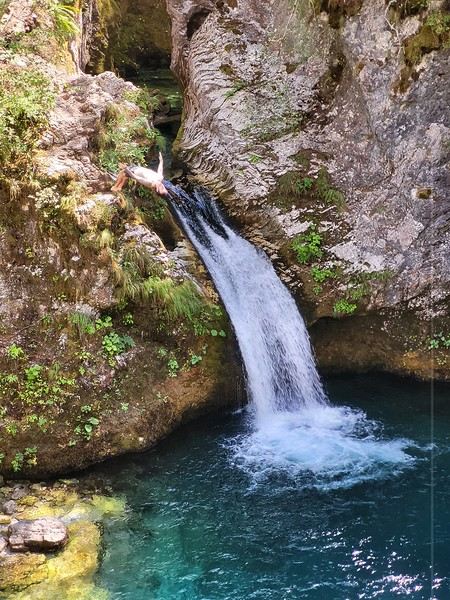
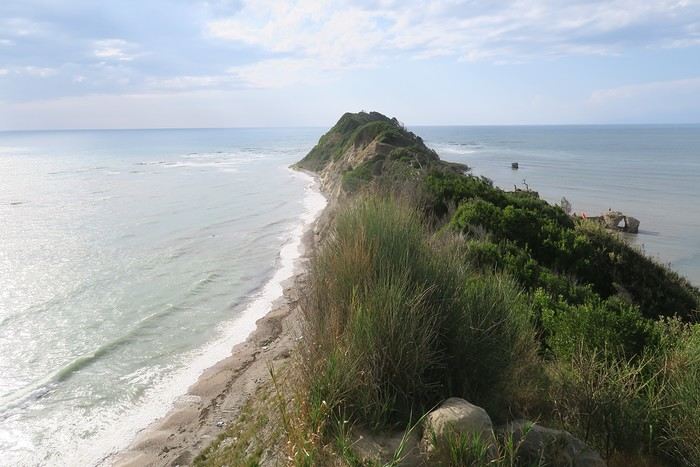
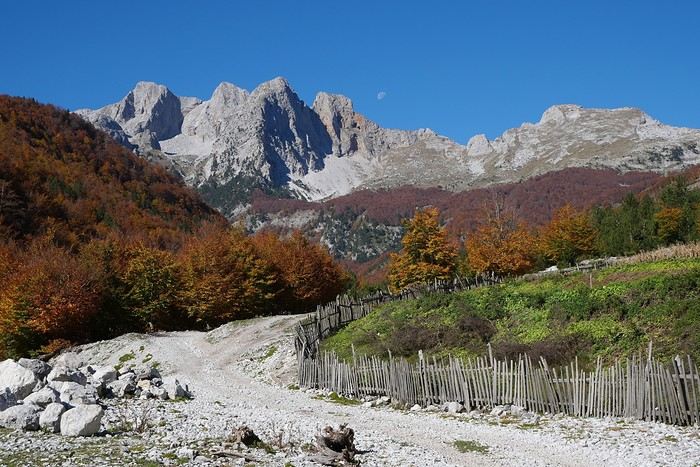
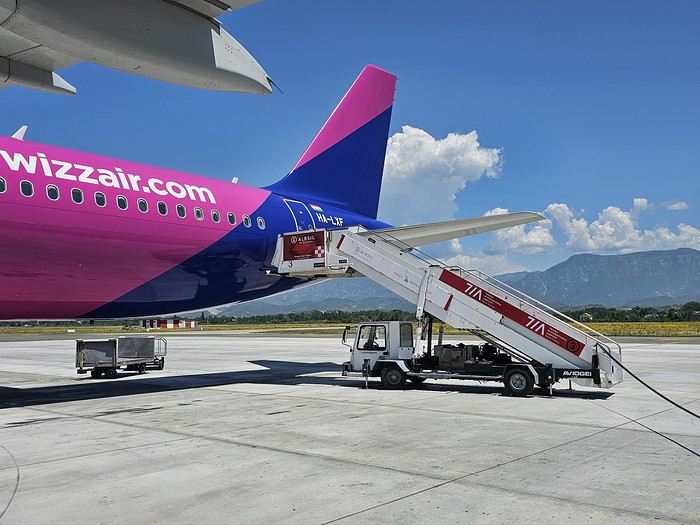 Since Albania isn’t part of Europe when it comes to phone service (at least not yet! :-)), we had to buy a physical SIM card—otherwise, the bill would’ve been sky-high if we’d used our French plan! We got one from Vodafone AL at the airport. You can buy online before leaving with a virtual SIM (e-SIM) for compatible phones, so you don’t have to swap cards. But given the uncertainty about choosing a plan online, we preferred buying one directly at Tirana Airport. Cost: 31 € for 100 GB. That’s way too much—100 GB is overkill. For 40 GB, it’s 27 €, and the plan lasts 21 days. The price difference isn’t huge, and it was cheaper than online. This plan covers all the countries along the Balkan range.
Money tip: All guesthouses and accommodations accept euros. The local currency in Albania is the LEK. In Montenegro, it’s the euro. Bank fees for withdrawing money from an ATM in Albania are pretty steep: 8 € for a withdrawal of 600–700 LEK (about 200 €)! So it’s better to withdraw cash (euros) in France. Oh, and we booked all our accommodations before leaving, but payment is always in cash. Budget around 400–500 € for 9 days of trekking.
Since Albania isn’t part of Europe when it comes to phone service (at least not yet! :-)), we had to buy a physical SIM card—otherwise, the bill would’ve been sky-high if we’d used our French plan! We got one from Vodafone AL at the airport. You can buy online before leaving with a virtual SIM (e-SIM) for compatible phones, so you don’t have to swap cards. But given the uncertainty about choosing a plan online, we preferred buying one directly at Tirana Airport. Cost: 31 € for 100 GB. That’s way too much—100 GB is overkill. For 40 GB, it’s 27 €, and the plan lasts 21 days. The price difference isn’t huge, and it was cheaper than online. This plan covers all the countries along the Balkan range.
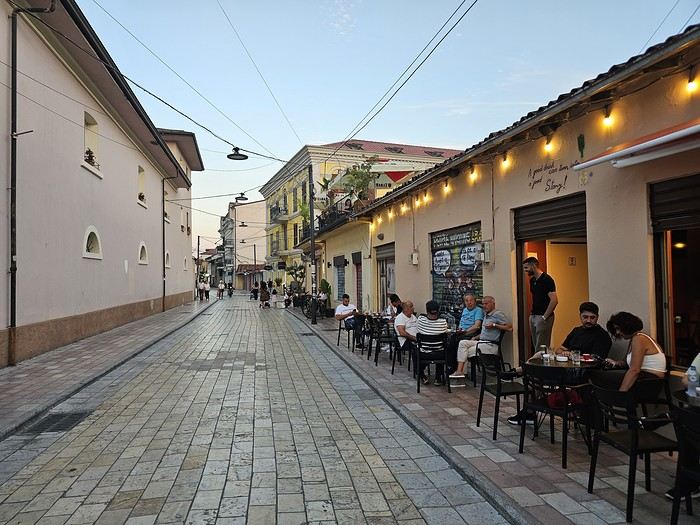
Money tip: All guesthouses and accommodations accept euros. The local currency in Albania is the LEK. In Montenegro, it’s the euro. Bank fees for withdrawing money from an ATM in Albania are pretty steep: 8 € for a withdrawal of 600–700 LEK (about 200 €)! So it’s better to withdraw cash (euros) in France. Oh, and we booked all our accommodations before leaving, but payment is always in cash. Budget around 400–500 € for 9 days of trekking.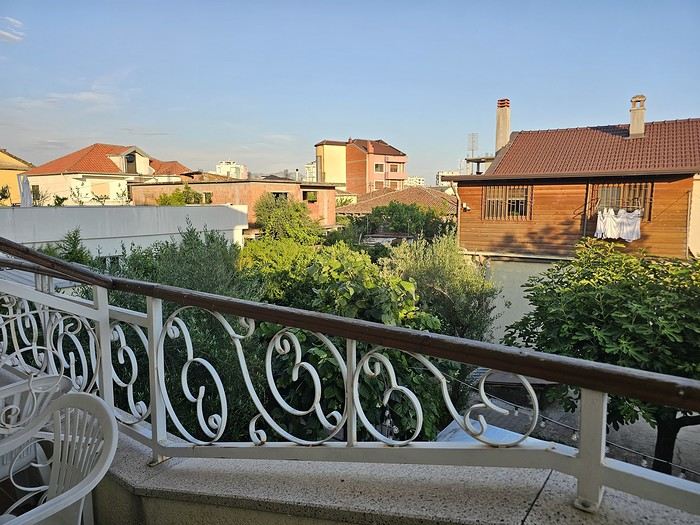 I really liked Shköder, especially its pedestrian street lined with restaurants and lit up at night. It’s a great place to stroll and eat. The food isn’t expensive—two big salads and two beers: 14 € :-) . Fruit prices are also very reasonable: 3 € for a kilo of cherries, compared to 9–10 € in France.
Religions coexist peacefully in these countries—Catholics and Muslims. From our balcony, my friend heard the call to prayer for the first time, coming from one of the city’s mosques.
I really liked Shköder, especially its pedestrian street lined with restaurants and lit up at night. It’s a great place to stroll and eat. The food isn’t expensive—two big salads and two beers: 14 € :-) . Fruit prices are also very reasonable: 3 € for a kilo of cherries, compared to 9–10 € in France.
Religions coexist peacefully in these countries—Catholics and Muslims. From our balcony, my friend heard the call to prayer for the first time, coming from one of the city’s mosques.
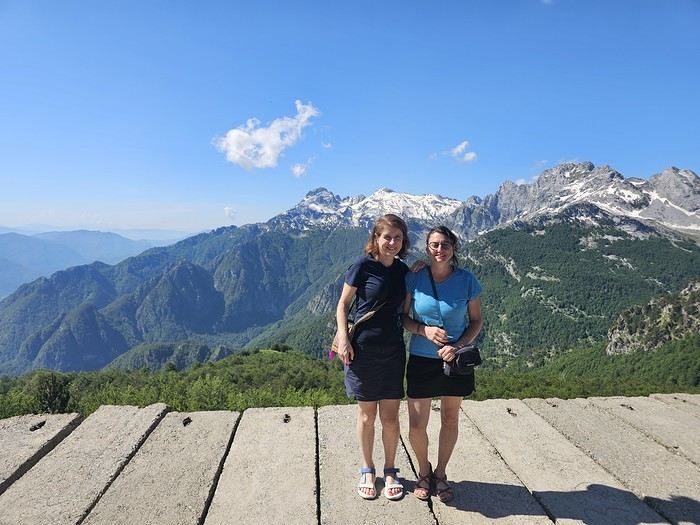
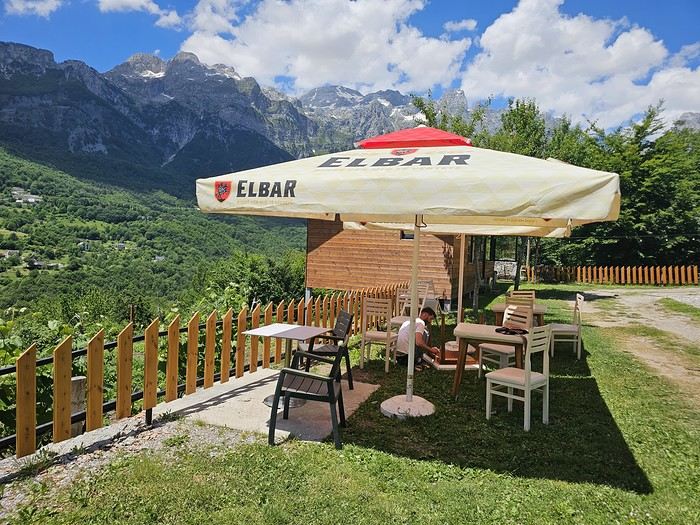
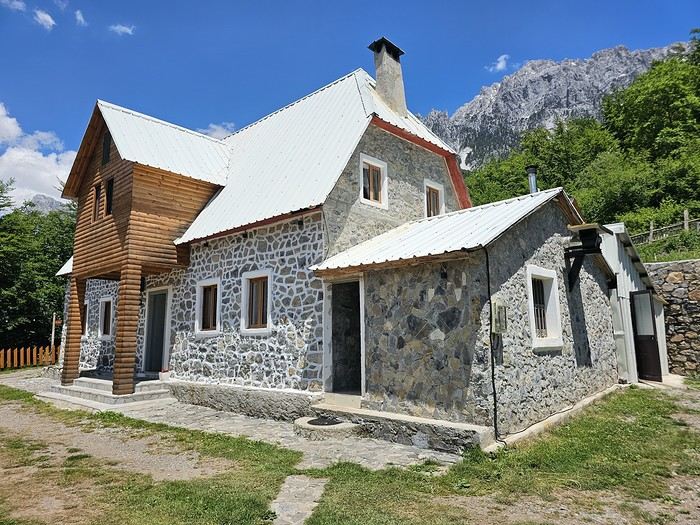 We slept in the heights of Theth at a new guesthouse, "Mountain Vista Shkafi," with an amazing view.


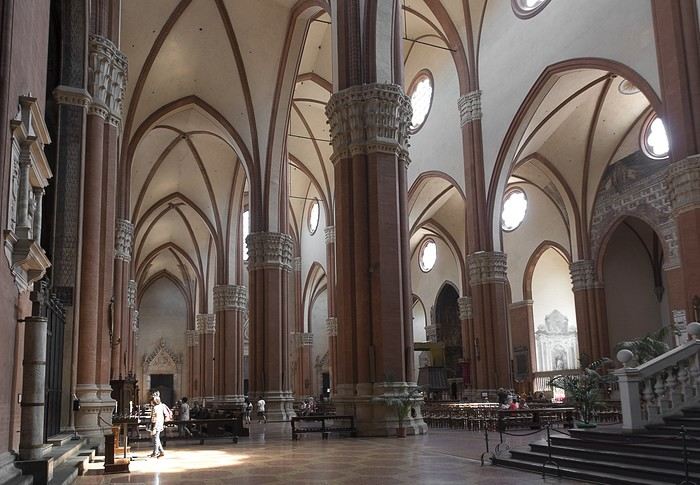
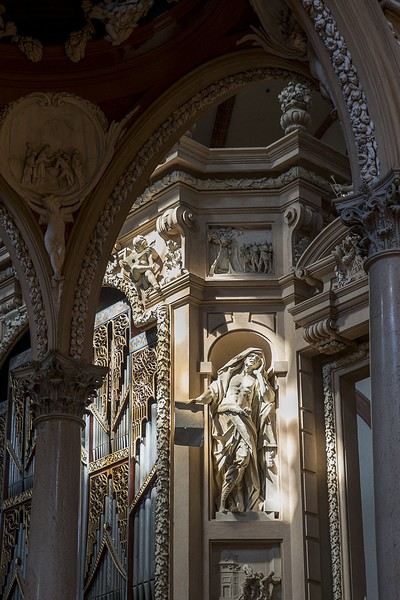
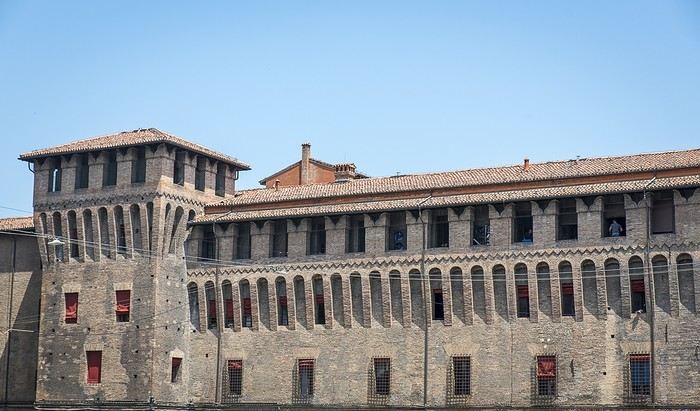 But Bologna’s real charm lies in its porticoes, which were added to the UNESCO World Heritage list in 2021: 62 km of arcades running along buildings, letting you walk sheltered from the sun or rain. Back in 1288, the city required houses to include private arcades for public use. In the city center, you can stroll under 32 km of porticoes in all sorts of styles—some plain, some ornate—with a strong presence of red tones.