A month in Cambodia in November 2024
FR

Translated into English.

Original post
AL
Here we go!!! I left home at 4 AM on October 31st and headed to Barcelona. Driving through Barcelona on the ring road stresses me out a bit, but at 6 AM the traffic is smooth, and I arrive at the airport without any issues. I call the valet, who quickly comes to pick up my car. He takes photos of it from all angles before letting me go.
Baggage check-in hasn’t started yet, and there are already several of us waiting.

Once free, everything happens very quickly. The flight to Abu Dhabi is on time and goes smoothly. I’ve never had any problems with this airline, which I’ve been using for several years.

The flight to Bangkok arrives at 7 AM as scheduled. This is my first time in Thailand and Bangkok. I’m used to traveling in India, and I notice that everything here is well organized—the customs process is quick, and the luggage is already on the carousel.

I booked a taxi on Booking. All I have to do is find the right exit and door based on the agency’s instructions. A large sign with the names of people who booked is posted on a wall. A hostess greets me and calls the taxi, which arrives 5 minutes later. I booked one night at the Lost Inn BKK hotel in the Phra Nakhon district, and we arrive at 9 AM. The welcome isn’t warm, and I have to wait until noon, sitting on a chair, before I can check into my room. I’m exhausted, and sleeping sitting up isn’t ideal. Noon finally arrives—the room is small but clean, which is fine for one night. I quickly take a shower to wake up because I plan to spend the afternoon visiting the Grand Palace. First, I need to exchange some money, and the banks are all close together on the same street, which is very convenient. When I enter one, a hostess gives me a ticket and invites me to sit down. There are about twenty counters, and I wait quietly until my number is called. The exchange is quick, so I can head out to find the Royal Palace. It’s actually very easy, and the walk is pleasant.

Entry to the Royal Palace (500 baht).


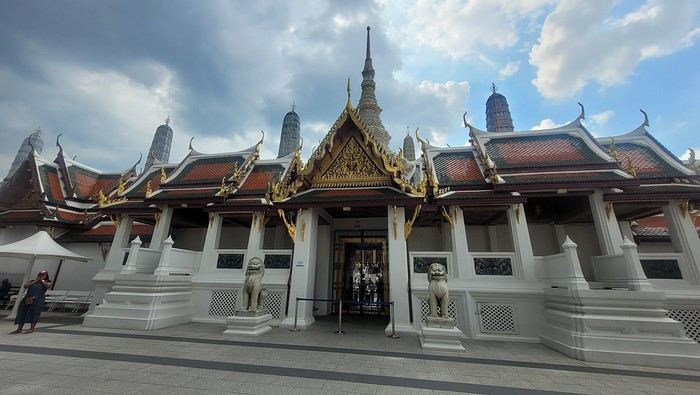
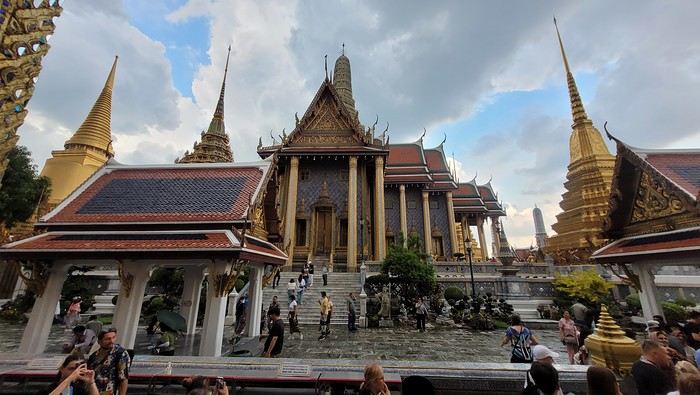
It’s magnificent and grand, and there are quite a few of us visiting. The sky is gray, it’s very humid, and a shower interrupts the visit. It’s a vast complex of temples and palaces. The buildings are colorful and sparkling, with a great sense of serenity (without the tourists, of course). I quietly enjoy the place and try to take photos without tourists, which isn’t easy.


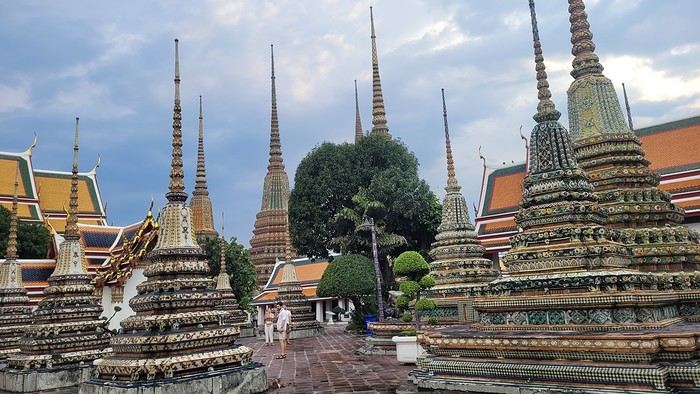
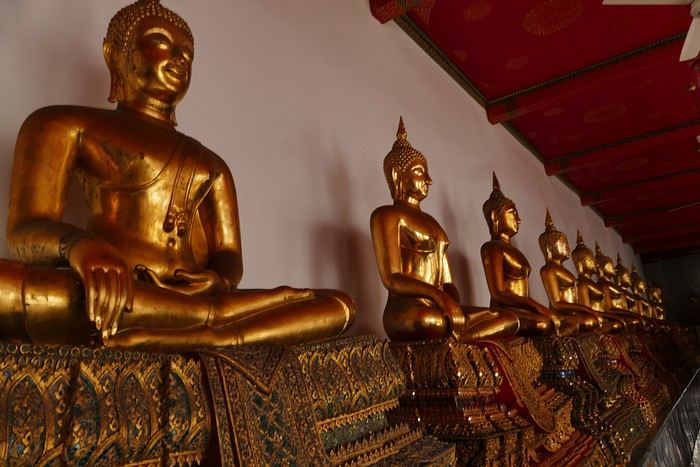
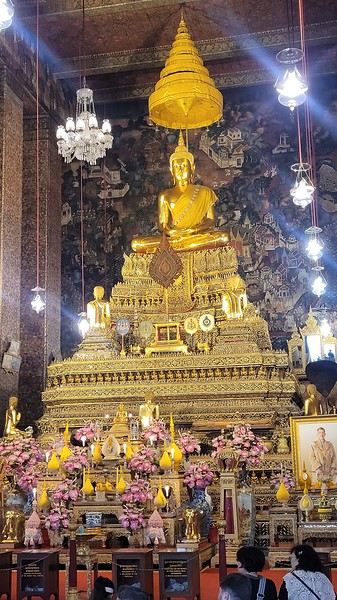
Very close to the Grand Palace is Wat Pho, one of the oldest Buddhist temples in the capital.


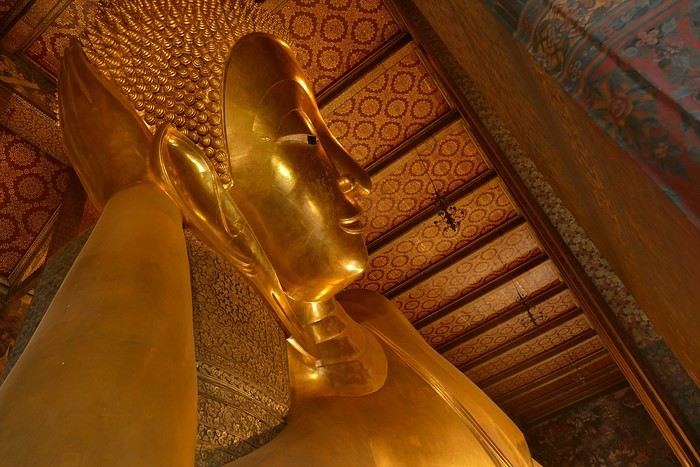
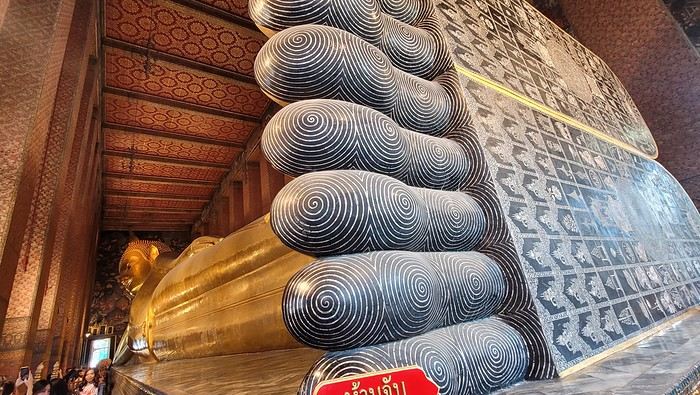
It’s very famous for its 46-meter-long reclining Buddha statue.


Walking around the temple, you can see different representations of Buddha, all covered in gold leaf.


Inside the temple, on one side, monks recite their prayers, while the other side is reserved for tourists who come to meditate in silence.


Before returning to the hotel, I have dinner at an Indian restaurant. I go to bed early because tomorrow’s wake-up call will be very early again.

Saturday, November 2nd Wake-up at 4 AM, departure from the hotel at 4:30 AM. The taxi I booked via Booking is waiting for me and takes me to the airport. The trip is fairly quick—he takes small roads, and at this hour, there’s no traffic.

The flight to Phnom Penh is on time. Before boarding, I realize I left my fleece jacket on the carousel, but it’s too late to go back for it.

The flight goes well, and customs is quick.

At the exit, I take a tuk-tuk to Julieka’s GH near the museum. The welcome is friendly. I won’t be able to check into my room until noon, so I take the opportunity to exchange some euros on the market street. The street is lined with restaurants, and I’ll have my first meal there.

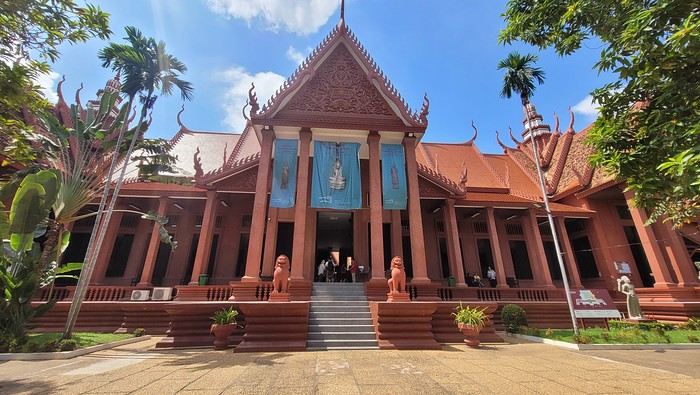
The museum is right across the street, so I don’t waste any time visiting it.


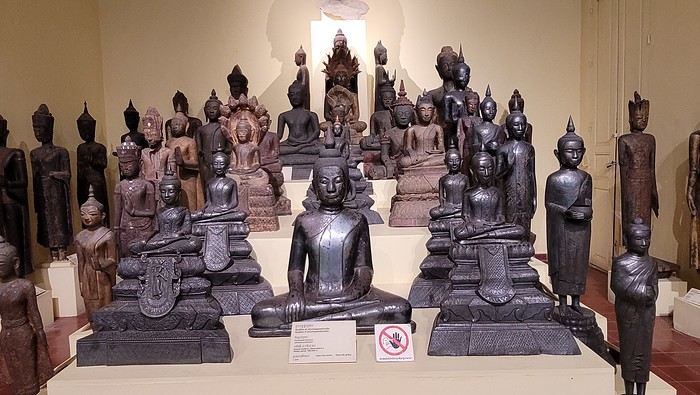
The representations of Hindu deities are very different from those in India, and I don’t recognize them. Many beautiful Buddhas are on display.


The museum is very pleasant, and there aren’t too many people, which is a plus.

At the exit, I return to the GH, settle into my room—which is decent and clean.

The Royal Palace is 1 km away. I walk along a garden, and at the end of the street is the Tonlé Sap, but I turn right. I arrive at a large esplanade and see the buildings with tiered roofs and glazed tiles. The entrance to the palace is a little further away.

At the entrance, I notice there isn’t the same crowd as at the one in BKK.

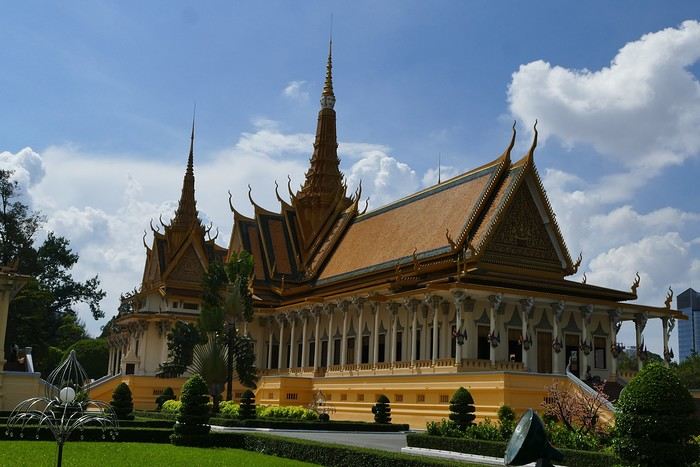
Khmer architecture is magnificent. The complex consists of gardens, palaces, pagodas with golden roofs, and slender spires.


The Silver Pagoda houses the small Emerald Buddha, which is actually made of jade. The silver flooring is covered with carpets. Photos are not allowed.

The walls surrounding the pagoda are covered with frescoes depicting scenes from the Ramayana.
AL Aleph240758 Veteran ·
(continued) The elegant buildings are scattered amidst beautiful, well-maintained gardens, lawns, groves, and trees.


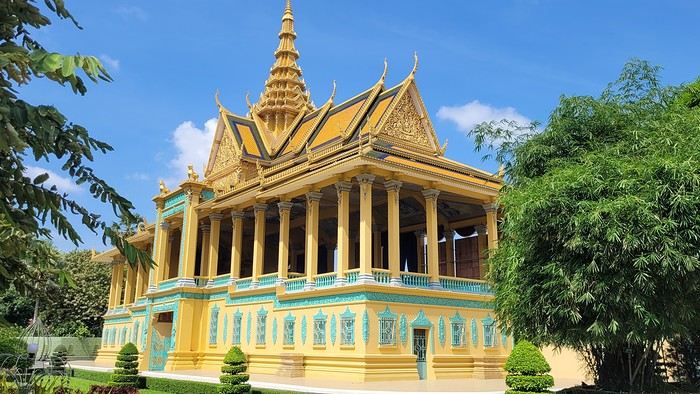
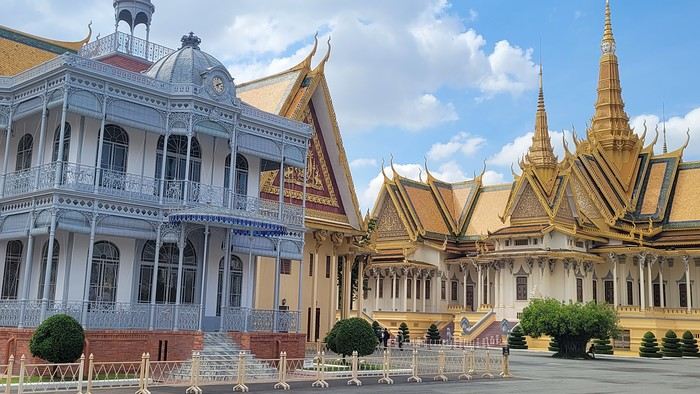
The Moonlight Pavilion, with its stunning roof visible outside the enclosure, is one of the main buildings—very photogenic. The Throne Hall, the centerpiece of the royal palace, is shaped like a cross and crowned with three spires, the tallest of which is 60 meters high and topped with a four-faced Brahma head. Another building that catches my eye is the Napoleon III Iron Pavilion, in the "Eiffel" style. This pavilion was built to host Empress Eugénie during the inauguration of the Suez Canal, and Napoleon gifted it to King Norodom in 1870.

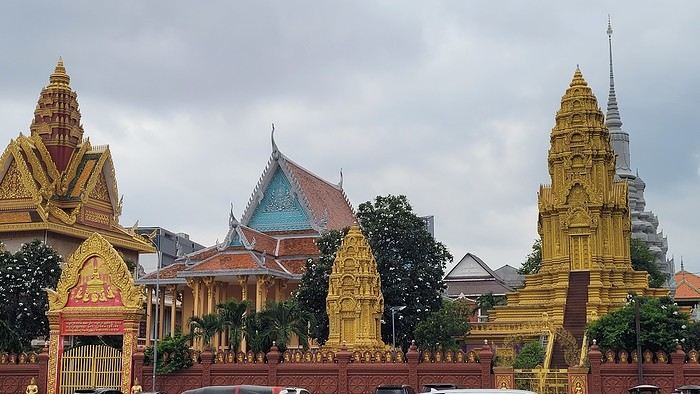
On my way out, I head toward the promenade along the Tonle Sap and reach the Wat Ounalom Pagoda, impossible to miss with its curved red and gold roofs.


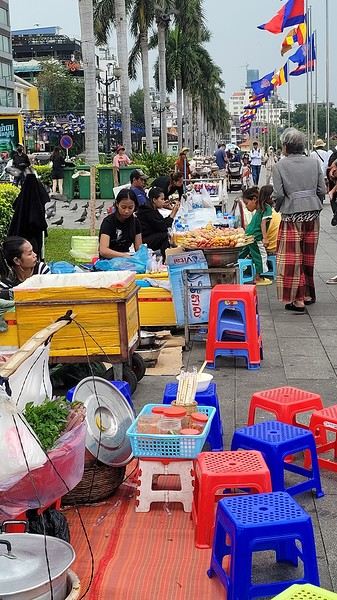
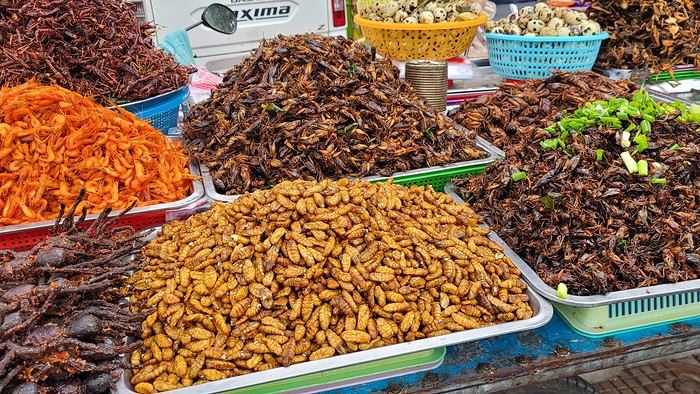
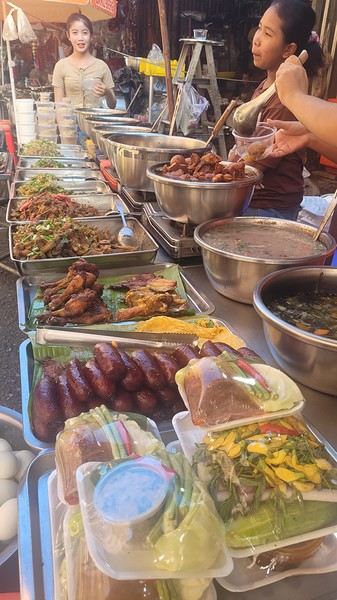
I stroll along the Tonle, a popular spot for Cambodians, which makes it very pleasant. In the late afternoon, food stalls of all kinds (insects, different soups, etc.) set up, bringing the promenade to life.


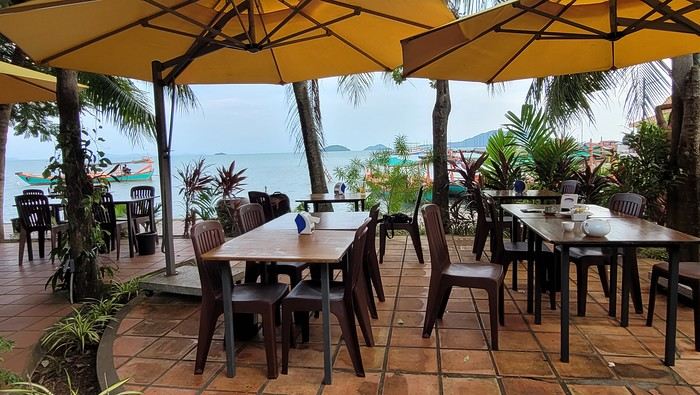
I have dinner at a restaurant near my hotel, Banteay Srei. It’s run by an NGO that supports underprivileged children. The food is excellent, the staff is very welcoming, and I even find a wine from Plaisance in the Gers! I can’t resist and enjoy a seafood soup followed by a pineapple-ginger dessert.
AL Aleph240758 Veteran ·
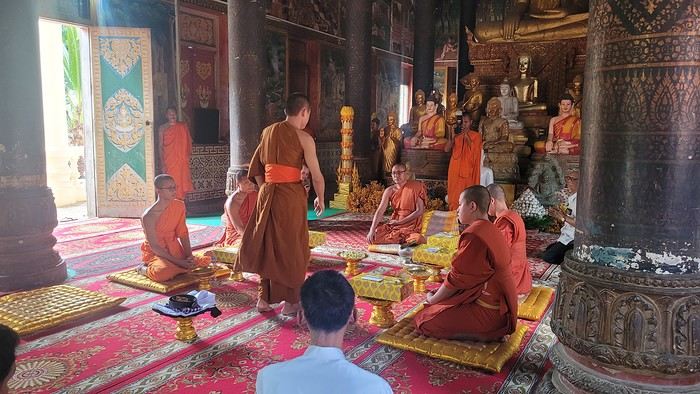
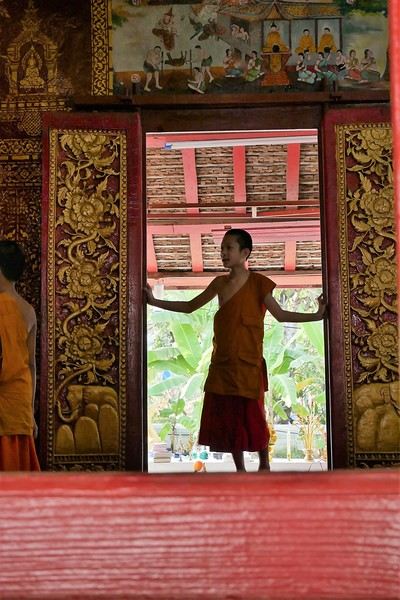
Sunday, Nov 3 I’ve decided to do all my sightseeing on foot. I pass by the museum and head toward the central market, Psar Thmey. Along the way, I stop at a pagoda. A ceremony is taking place right now. The monks are seated in the middle, a young novice faces them, and the family is on the sides. I don’t dare enter, but a man gestures for me to come over. He explains that the young monk is trading his civilian clothes for the *kesa*, the sacred robe of monks.

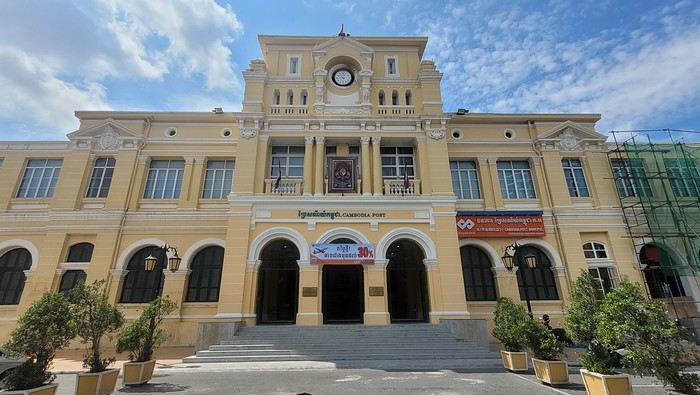
I continue to the market, where I buy a warm enough jacket for my return to France. The colonial-house district is nearby, and I set off to explore them. Many of these buildings are now occupied by banks.


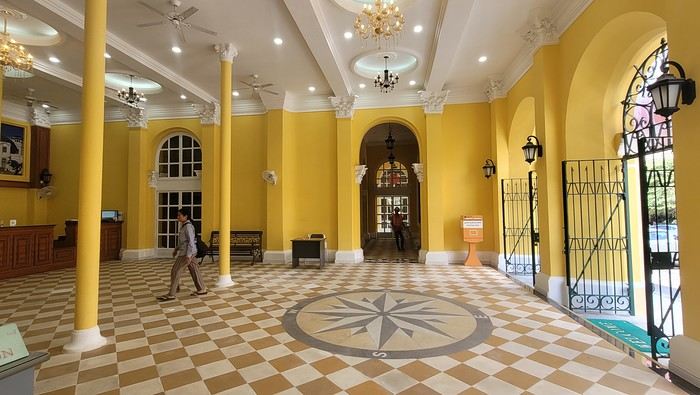
The post office is open, so I go in to take some photos. The building is well maintained.


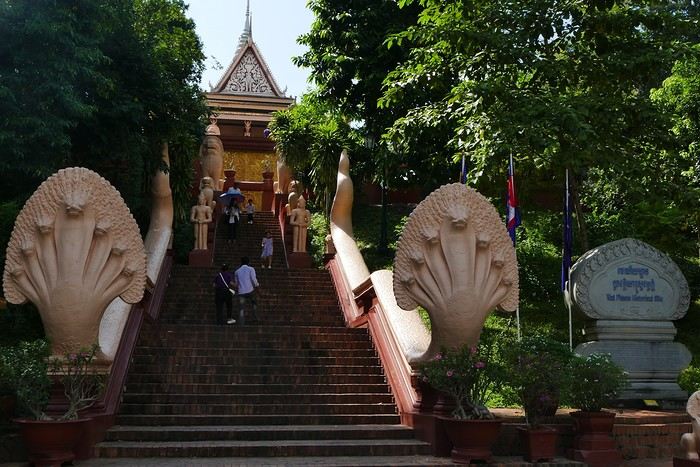
I carry on to Wat Phnom Pagoda, one of the oldest, nestled on a hill. To reach it, you have to climb the staircase guarded by *nagas* and lions.


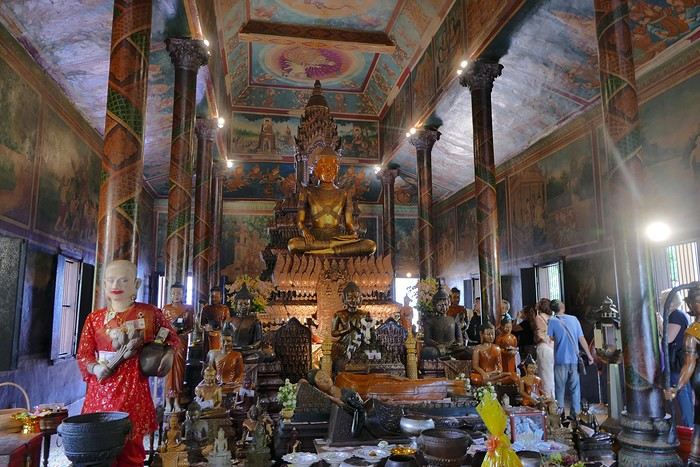
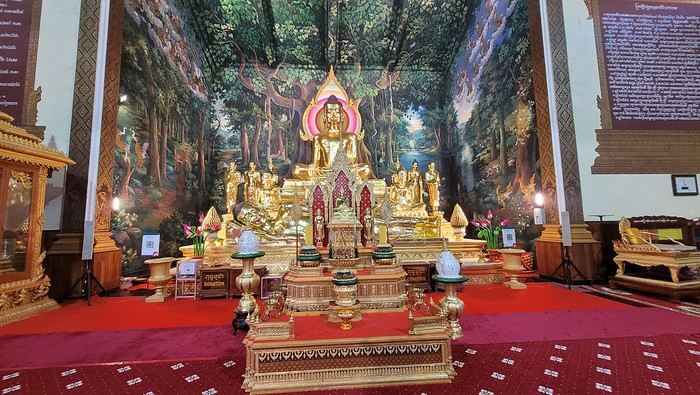
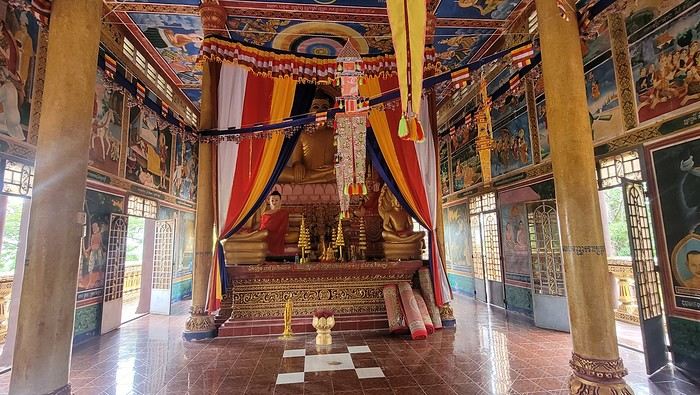
The main sanctuary is decorated with murals and a Buddha statue. Visitors leave offerings—flowers, candles.


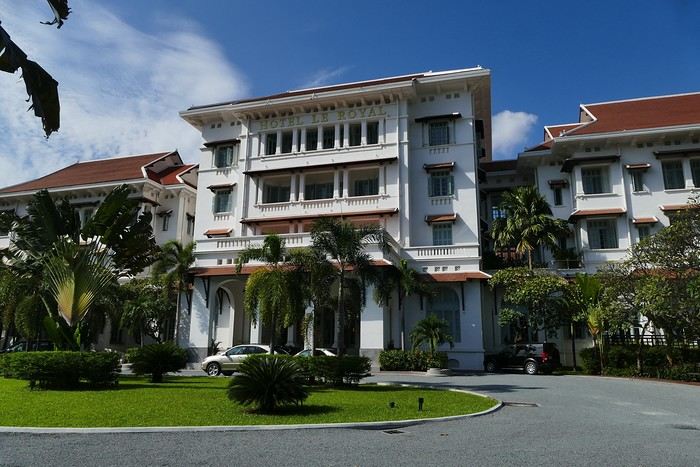
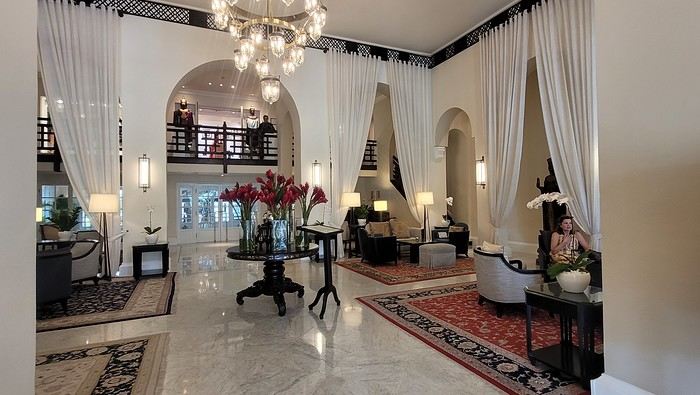
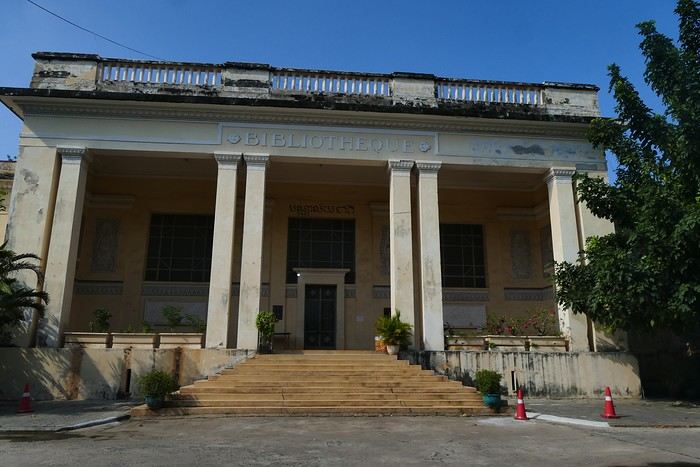
The library is nearby, as is the Raffles Hotel Le Royal. All I have left is to find them. I circle the hill a bit before realizing a street behind it leads straight there. The Art Deco-style building of the hotel is stunning.


Guards are at the entrance to the gardens and let me in to explore. I wander from one room to another, and outside there are two pools. The staff see me roaming around but let me visit in peace.


Across the street, the library is closed and looks run-down after seeing the hotel.


I head toward the Tonlé Sap and cross a small local street-food market.


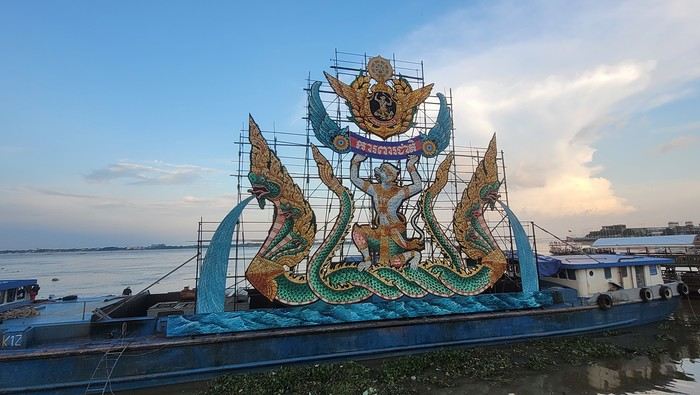
I walk the entire promenade—boats are decorated for the upcoming Water Festival in a few days.


I stop at Wat Ounalom Pagoda before heading back to my guesthouse to rest, then dinner at Bantey Srey.
SO Solene40 Globetrotter ·
Hi Marie Jo, I followed you live on FB, but it looks like there’s a lot more text here, so I’m reposting this 😊. Thanks for sharing! Christelle
AL Aleph240758 Veteran ·
Hi Christelle! Welcome to Cambodia. You’re the first one joining me. You already know about my trip—here, there’ll be more text and fewer photos, max 300… I’ve got to manage that. I’ll be following you in Rajasthan 😊 even though I’ve been there before. I’ll repost my Rajasthan photos after this trip, before heading off to the next one, which promises to be EXTRAORDINARY and mind-blowing 🤯😍. Cheers, see you soon.
MO Montagnard74 Globetrotter ·
Hello! This is a great opportunity for me to dive back into not-so-distant memories and discover your take on Cambodia—I’m in! Especially when it starts with PP, a capital city I really loved ;)
AL Aleph240758 Veteran ·
Thanks Bruno for joining us. I really loved Phnom Penh. See you soon! 😁😄
AL Aleph240758 Veteran ·
Monday, November 4 I continue my visits on foot. I pass by the Royal Palace again, walk near Botum Park, and arrive at the Wat Botum Vathey Pagoda (lotus flower pagoda).

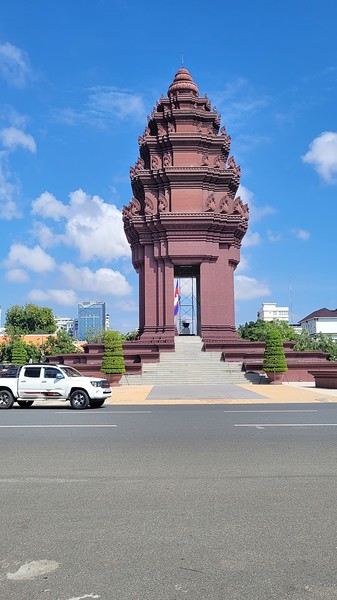
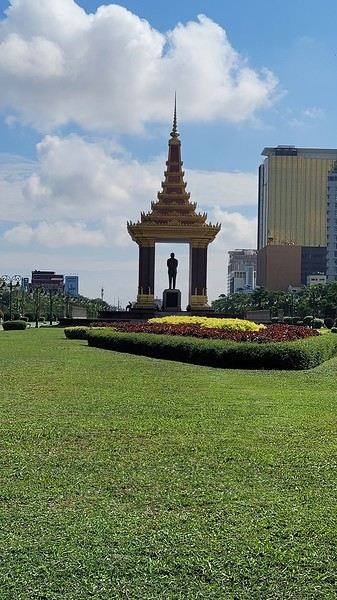
A little further on, in the center of a roundabout, stands the Independence Monument shaped like a lotus.


Next to it is the statue of King Norodom Sihanouk, from which there’s a great view of all the monuments.

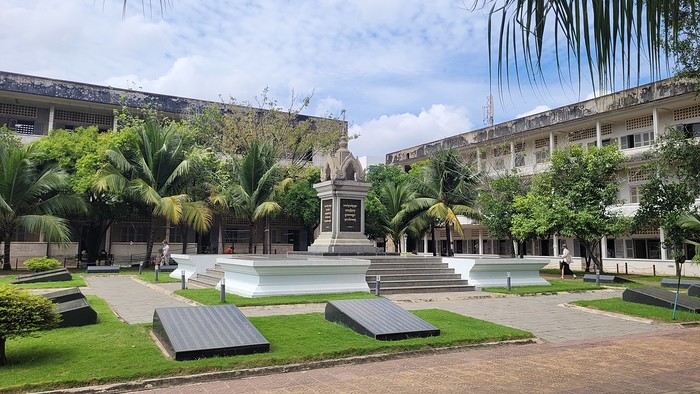
I still have a bit of walking to do before reaching the genocide museum, Tuol Sleng. It’s an old school that the Khmer Rouge turned into a detention center nicknamed S21. The rooms connect to each other through narrow passages cut into the walls, allowing you to see all the rooms in a row. The brick cells are tiny—just enough space to lie down. The smallest measured 1.5 m² and could hold 3 or 4 people. They all had wooden doors with a small window. The names of the people who stayed here—and were all tortured—are written on each cell entrance. Building B was used as a torture room. Photos of these tortured individuals are on display. These men and women are often very young. In a cabinet, you can see the civilian clothes of the detainees, which they abandoned for the Khmer Rouge’s black uniform. It sends a chill down your spine, and I can’t bring myself to photograph all these horrors. They were tied and tortured on iron bed frames to extract confessions that were often forced by the torturers, not based on reality. Building D, upstairs, was a common detention room. The Khmer Rouge locked up about fifty prisoners per room. They lay on the floor in tight, aligned rows with their family members. They were numbered and shackled with long iron bars with cast-iron rings. The photos of the torture are unspeakably atrocious; in other rooms, the torture instruments are on display. Outside, barbed wire is placed on the windows and balconies. In the courtyard, the children’s swing was repurposed for hangings. They would hang people, take them down before they died to torture them a little more, and then hang them again until they died. Out of the 17,000 people imprisoned here, there were only seven survivors. I sat on a bench outside for a while, stunned by all these atrocities. I take one or two photos of the exterior so I don’t forget.


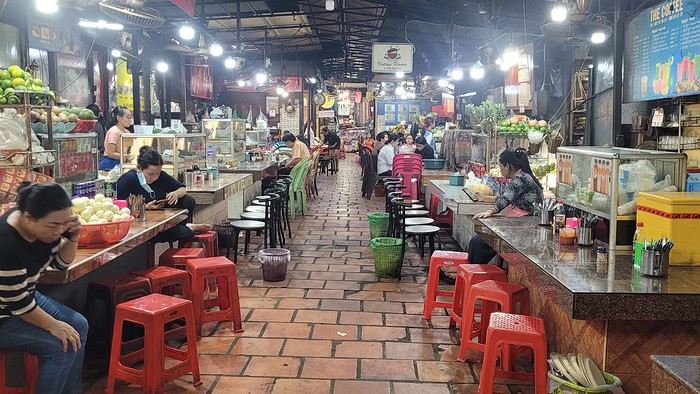
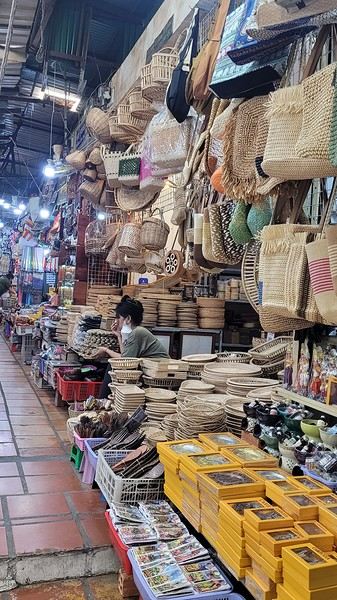
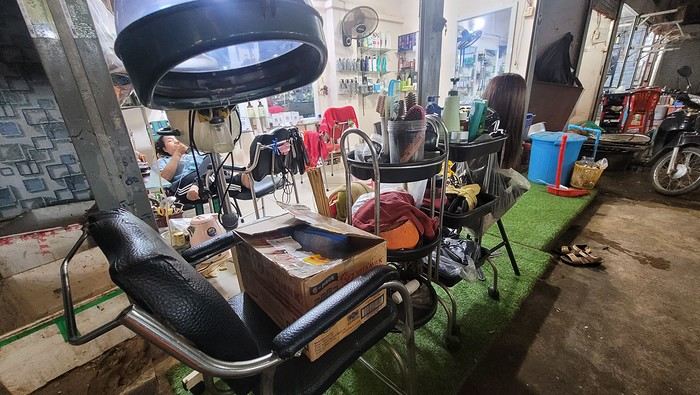
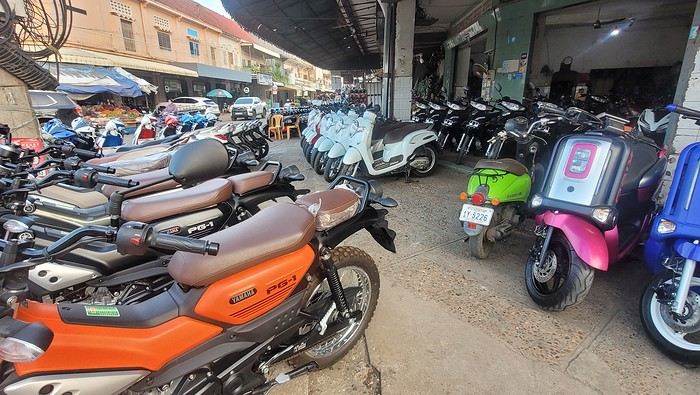
Today, as I write about everything I’ve just recounted, the emotions come flooding back. All day after that visit, I couldn’t stop thinking about it. It’s hard to see, but so important to show so we don’t forget. At the time, I was reading *First They Killed My Father*, a fascinating book. I start walking again in search of Orussey Market, hoping it’ll help me process the previous visit. This lively market is like Ali Baba’s cave. Each section has its specialty: tools, hairdressing, fabrics, trinkets, food, street food. I run into some French people who are at the end of their stay in Cambodia and are doing some last-minute shopping.


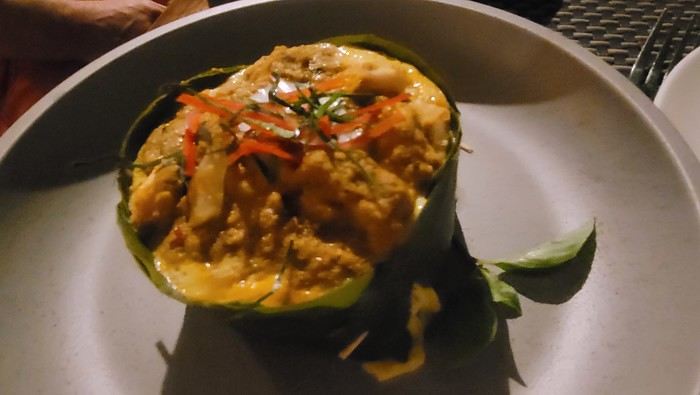
On my way out, I take a tuk-tuk this time, which drops me off near the Independence Monument, and I walk back to the promenade along the Tonle. I really enjoy strolling here, and before heading back, I stop for a sweet treat at the ice cream shop. Tonight is my last dinner at my favorite restaurant, and I enjoy an amok, a traditional Cambodian dish—a fish curry cooked in a banana leaf—and for dessert, a famous chocolate cake with a glass of wine. At the end of the service, the waiter opens a bottle of wine with the owner and pours me a glass. We toast, and the evening ends on a cheerful note. I really loved Phnom Penh—I found it pleasant and easy to visit.
MO Montagnard74 Globetrotter ·
I’d obviously spotted this genocide museum in my guidebook. But just like the “Agent Orange” room at the War Museum in Ho Chi Minh City, we just didn’t have the heart for it. Your reaction only confirms we made the right call not to put ourselves through that, even though I fully support its existence as a “duty to remember.”
AL Aleph240758 Veteran ·
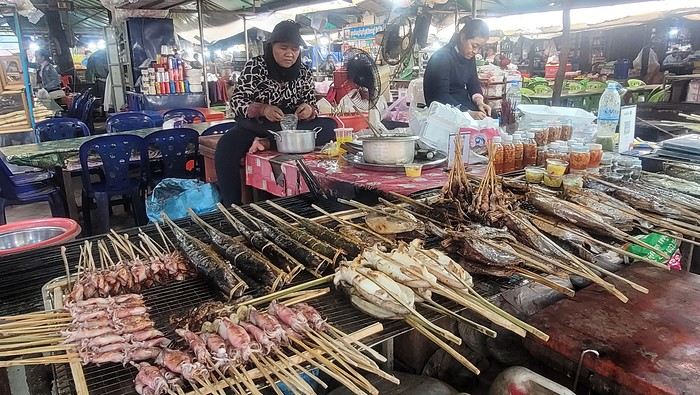
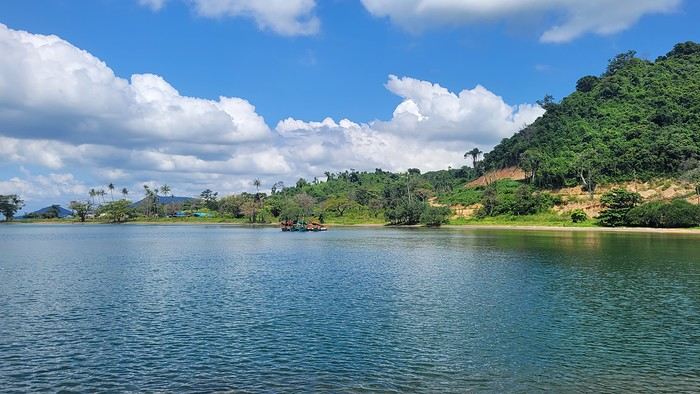
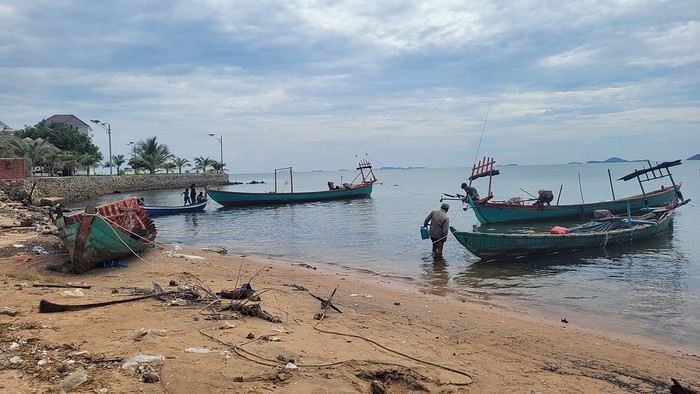
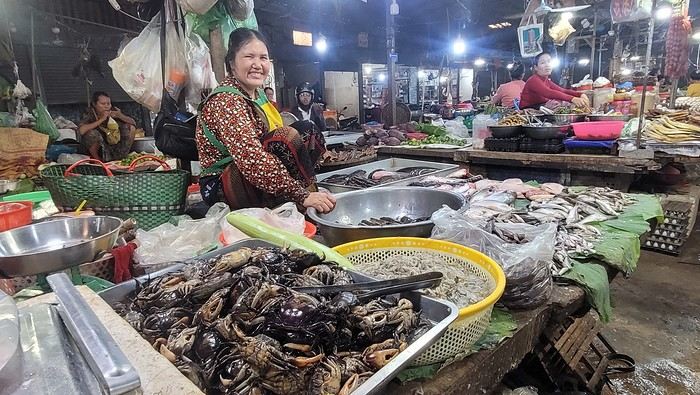
Tuesday, November 5th. This morning I leave Julika’s GH at 8:30 AM. A tuk-tuk picks me up and takes me to the bus for Kep. A family of five is already there. The minibus is half an hour late, and on the way, it stops to pick up three more people. Once we arrive in Kampot, all the passengers get off, and an hour later, we reach Kep. The driver drops me off at a square facing the sea, and the beach hotel is right across. Lili, a French woman, has been running this hotel for several years. I found her contact on FB and had booked a non-A/C room for $15 before leaving. After settling in, I head to the crab market, 1.5 km away. This market has many stalls with fish of all sizes, shrimp, squid, and crabs.


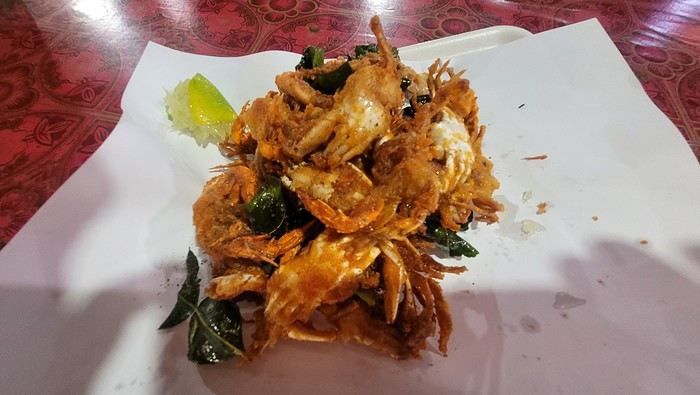
You can eat there on the spot, so I take the chance to try the crabs, but they’re tiny and fried. I’m not convinced these are the crabs that Kep is famous for.


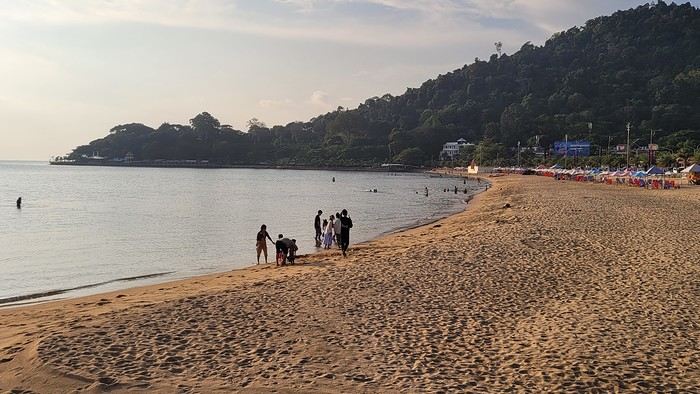
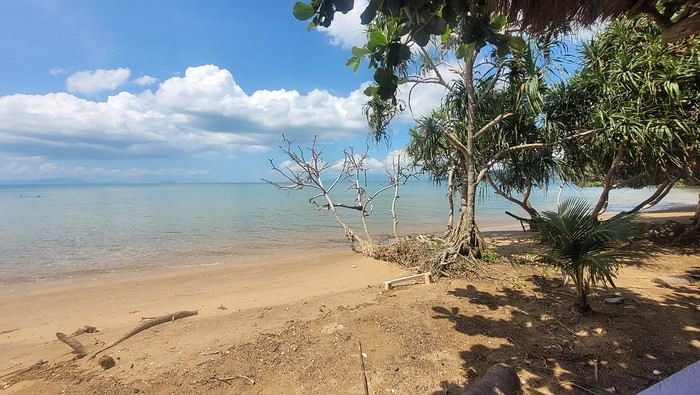
On my way back, I walk past restaurants with more tempting menus and plan to come back the next day. Along the road, women are sitting on folding chairs. At first, I thought they were selling fish or vegetables, but not at all. Today, I leave without understanding their presence, but one thing’s for sure—they’re everywhere. I stroll down to the pier to go to Rabbit Island, Koh Tonsay, and there too, women are waiting along the road. For what? I’ll find out later. Before heading back to the hotel, I stop by the tuk-tuks and book one for the next day to visit a pepper plantation and Kampot. Before dinner, I go for a swim—it’s great! The beach is right in front, so I just grab a towel from the hotel and head out in my swimsuit. The water feels really warm; I’m definitely not complaining.


I have dinner at the hotel and feel a bit disappointed—either I made a bad choice, or the food isn’t as tasty as in Phnom Penh.
AL Aleph240758 Veteran ·
Oh yeah, I get it—I’d visited the one in Ho Chi Minh City, which is also really moving.
AL Aleph240758 Veteran ·
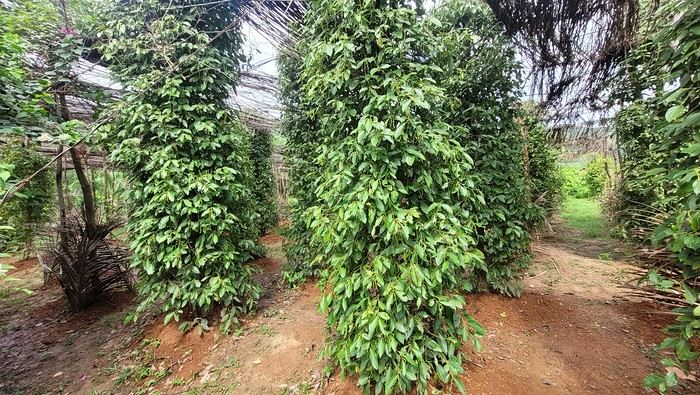
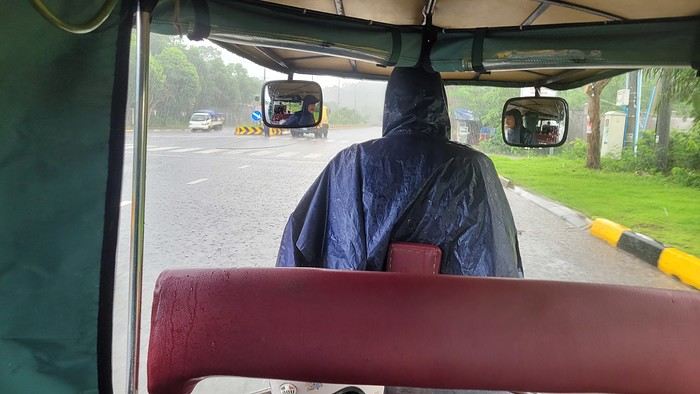
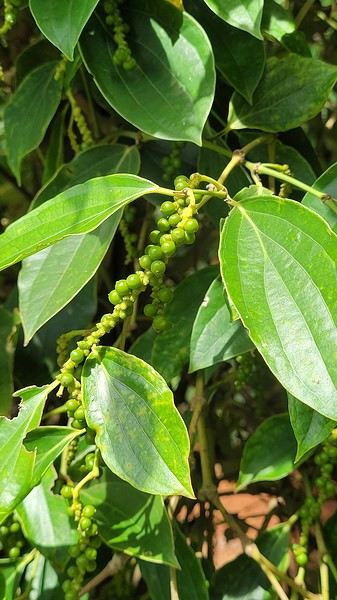
Wednesday, November 6 At 5 AM, I’m woken up by a violent storm that lasts a good hour—what a downpour! At 9 AM, the tuk-tuk arrives, and off we go. It takes me to Sothy’s plantation, 20 km from Kep. I’m the first visitor, and they invite me to sit under a shelter with some tea while waiting for the tour. No other tourists show up during that time, so the manager gives me a private tour of the plantation. Pepper is only harvested starting from the third year after planting and continues for 30 years. They produce a natural fertilizer from plants that grow on-site and bat guano. The harvest is done by hand between February and April. Afterward, the peppercorns need to be hulled and dried. They also preserve some in brine. It keeps for up to 5 years. Red and white pepper are husk-free. The tour is really interesting. At the end, we return to the shelter, and I get to taste all the different types of pepper and make a few purchases. He lets me try pepper coffee and a dessert.


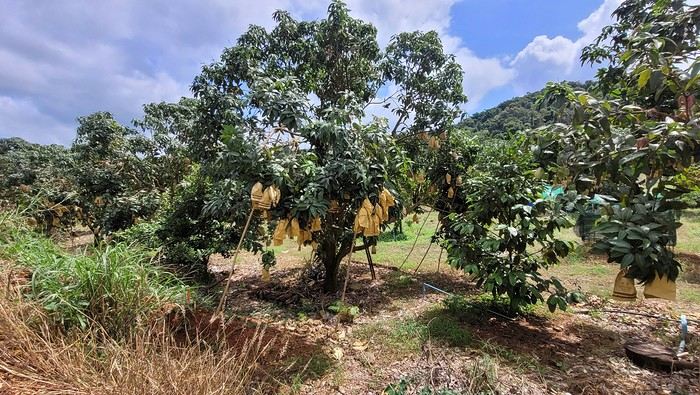
On the way back, we pass by guava and mango orchards—the fruits are wrapped in bags to protect them from insects and diseases.

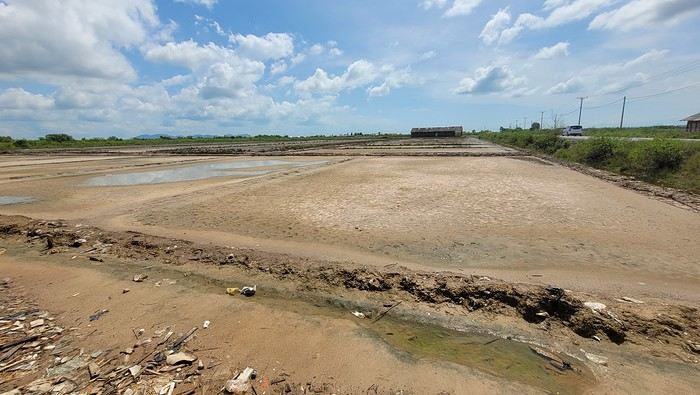
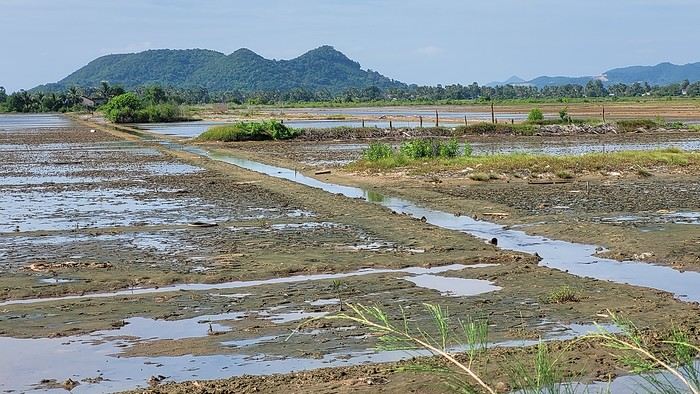
We drive past the salt marshes, but everything is dry at the moment, then we arrive in Kampot.

The center of Kampot has beautiful old colonial houses, all converted into hotels, restaurants, and shops. I’m not really impressed by the town, so we head back to Kep. Just before reaching the crab market, a torrential downpour hits us.


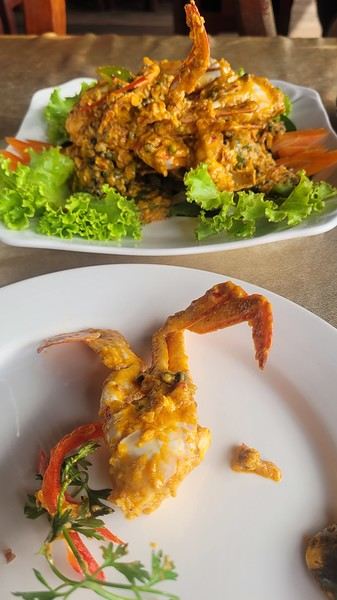
The women I saw the day before are still there—they’re protecting themselves with umbrellas and rushing toward cars. I’m naive and just as I’m about to ask the driver to stop so we can pick one or two up, he looks at me, laughing and gesturing, and I realize they’re sex workers. Back at the hotel, the rain has stopped. I drop off my purchases and head out for lunch at a restaurant near the market. I enjoy a Kampot pepper crab and absolutely love it. They give me a pineapple for dessert.


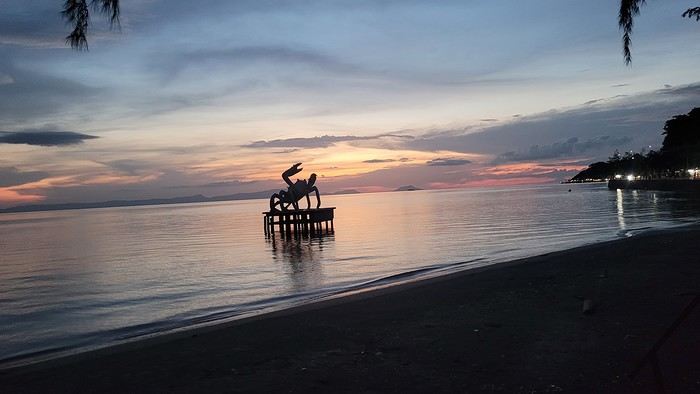
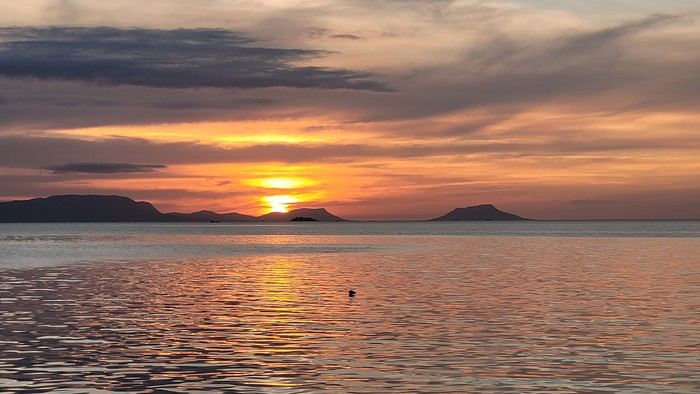
A peaceful stroll along the seaside to watch the sunset. Life is calm and relaxing here.

SO Solene40 Globetrotter ·
Well, I never! I don’t remember seeing any ladies by the roadside in 2018, and let me tell you, my Lulu spots them fast 😄. I found this city really peaceful and family-friendly back then!! The vibe must’ve changed since then
AL Aleph240758 Veteran ·
Kep is still peaceful, and there weren’t many tourists in early November. I really enjoyed my stay. It was pretty strange to see all those women sitting by the side of the road.
AL Aleph240758 Veteran ·
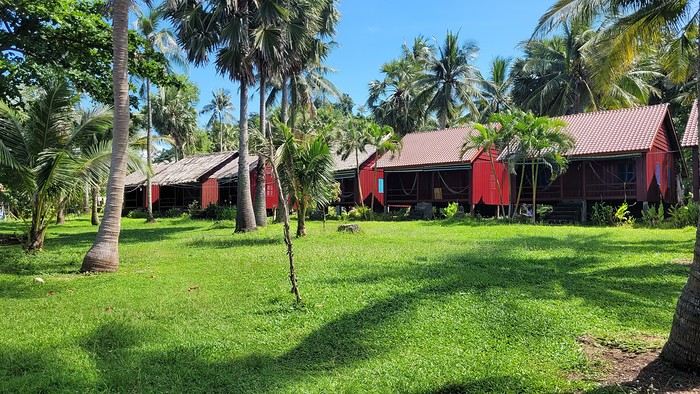
Thursday, Nov 7 Today’s a beautiful day, and I’m off to explore Koh Tonsay (Rabbit Island). The round-trip costs $25, and you have to specify your return time when buying the ticket. It’s a small island, and I thought I’d walk around it. When I land, I take the paved path to the left, and pretty quickly, the guesthouses (GH) start lining up side by side.


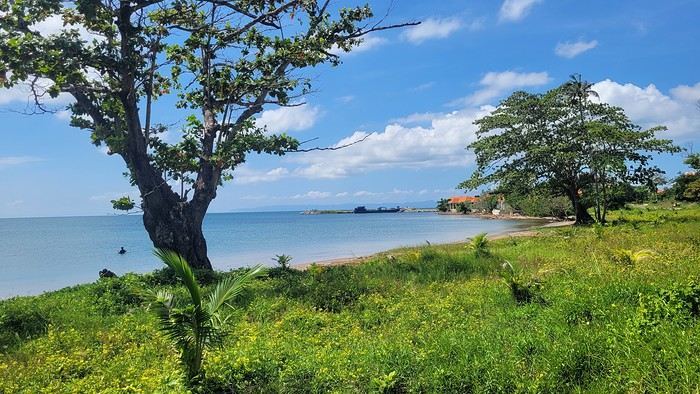
I follow them to the end of the path, where I come across the local police station. The path doesn’t go any further. I head back to the pier and take the muddy trail to the right. Construction equipment has torn up the path, and at the end, a hotel is being built. They’re constructing a seawall to create a private beach. The work is on hold, and all the machinery is parked off to the side. I take another muddy trail that leads to some corrugated metal houses.


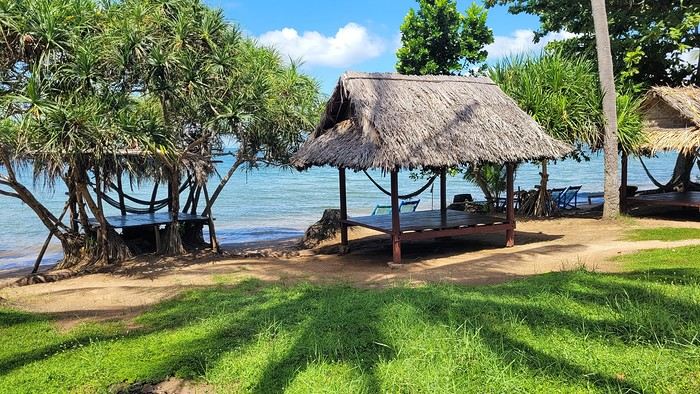
- I turn back and go for a swim in a quiet spot, then relax in a hammock. The water’s lovely, and I head back to Kep around 3 PM—lounging on the beach all day isn’t really my thing.

On the way back, I stop for lunch at the same restaurant as yesterday and enjoy some squid with Kampot green pepper. I meet two women from Toulouse who just arrived and are also staying at the beach hotel. I rent a bike from the hotel for the next day—it’s actually an employee’s bike, and it’s seen better days, but it’s better than nothing.
AL Aleph240758 Veteran ·
Friday, November 8th. This morning, I have a hearty breakfast—2 fried eggs, half a baguette, butter, jam, fruit juice, and tea. The bread is excellent, and I learn that the bar near the pier is run by a Frenchman and there’s a bakery on the side. I’m all set to start my active day. After a few kilometers, the heat starts to kick in. I stop to buy water at a small roadside stall and take the opportunity to check my route. Maps tells me to take a path, and I end up in the middle of flooded fields, probably rice paddies. I ask two kids on a motorbike for directions, and they point me toward a muddy trail through the fields. Seeing me hesitate, they accompany me, and one of them even carries my bike through the roughest sections.


- At the end of this path, it’s not the sea but a paved road. I’m saved, but my bike weighs a ton with all the mud caked between the wheels and fenders. I ride along this road and spot a water tanker truck cleaning it. Yay, I speed up to catch it. I show my bike to the man with the hose, and he washes it for me—I’m saved and can continue to Angkol Beach, a small fishing village.


I cross the village and keep going until I reach the pagoda.


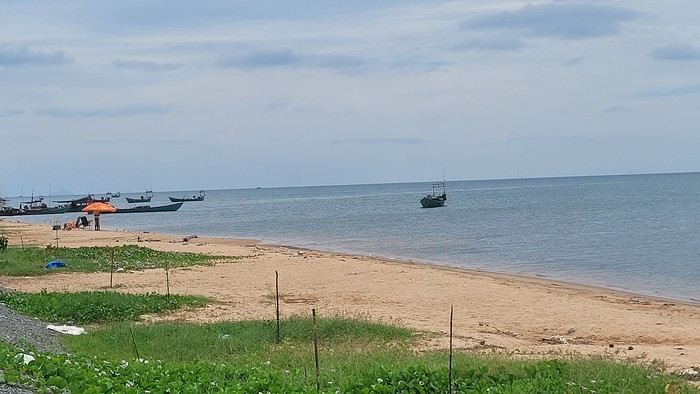
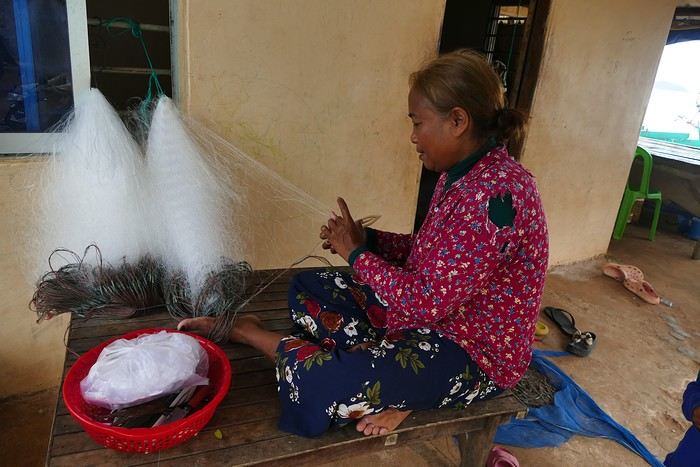
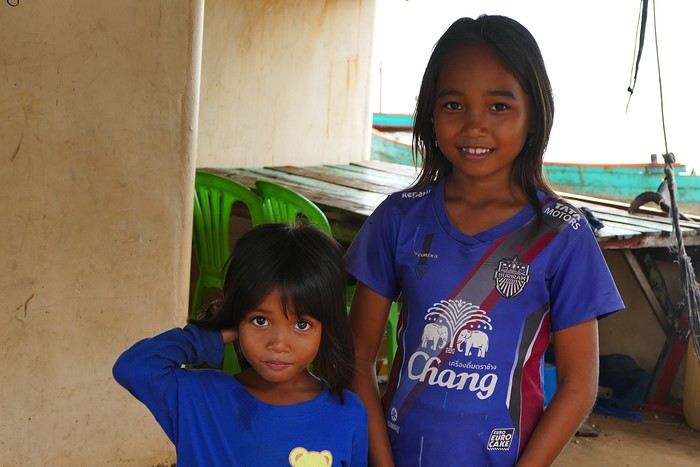
Back at the beach, which isn’t very clean, unfortunately. Outside a house, a woman is repairing fishing nets, and I approach her. She agrees to let me photograph her and her little girls.


I stay by the water for a while, watching kids play in the sea.

I head back, waving hello as I pass a house, and 100 meters later, my bike chain breaks. Well, that’s just great—I have no idea how to fix it. I look at the house in the distance and decide to ask for help. The man there finds a solution and kindly repairs my chain for me. I return to Kep and stop at the bar run by the Frenchman, Délis. I quench my thirst with a refreshing passion fruit juice and a raisin bread that’s delicious. The girls from Toulouse arrive at the same time, and we head back to the hotel together before going for a swim. It’s so nice to cool off at the end of the day. We decide to have dinner together at Délis. I order an amok, which is excellent, with a draft beer.


On the way back to the hotel, Lili is with other French travelers—Ludo, the owner of Délis, and a couple who’ve been coming here for 25 years. We chat for a long time, and before going to bed, I have to repack my bag because I’m leaving at 6:15 AM tomorrow. My stay in Kep was really enjoyable. I got some good rest before continuing my trip, and I’ll have great memories of it.
AL Aleph240758 Veteran ·
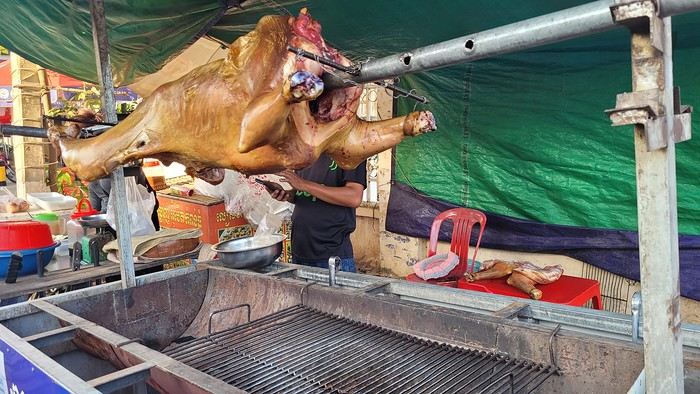
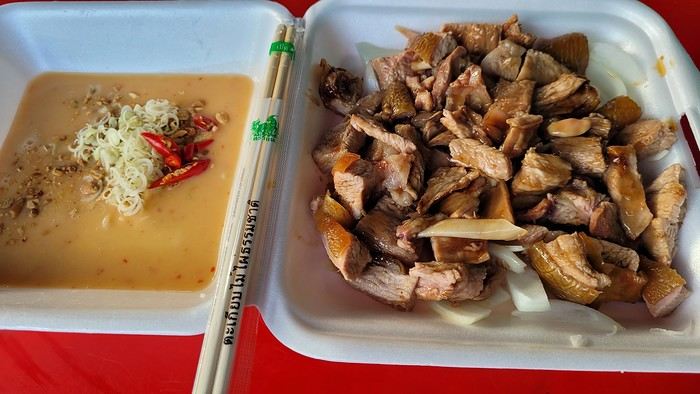
Saturday, Nov 9 The minibus to Phnom Penh is on time, and from there I change to head to Kampong Thom. I arrive in K.T. at 3:30 PM. The Vimean Sovann GH is full, so the tuk-tuk takes me to the next street to Ban Houn guesthouse ($15 and very nice). I book it for the temple visit tomorrow morning ($30 for the two temples). Once settled, I head out to find a restaurant. At the end of the street, I spot a stand with a pig roasting on a spit. My stomach growls—*that looks good*—I can’t resist. I sit on a stool, and they prepare a box with a few pieces of pork. It’s a bit dry but edible.


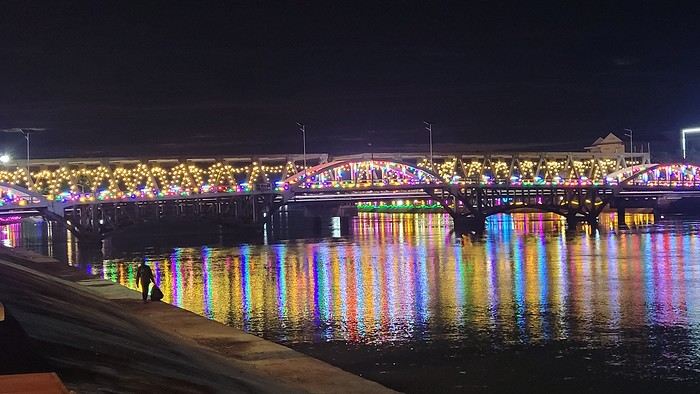
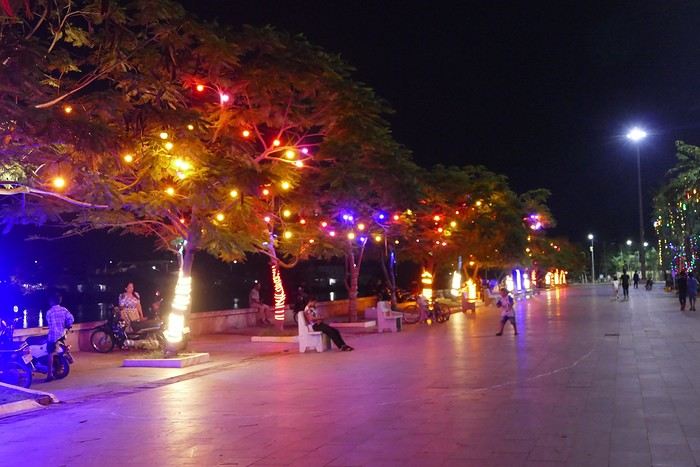
A little farther on, I grab a drink. With my stomach full, I can continue to the river. The walk is really pleasant with nice lighting, and I do like the locals—strolling along the river. There’s an area for kids riding electric cars or bikes, a bit farther on are workout machines, others are playing badminton—it’s lively and fun.


On the way back, I buy some pastries for breakfast. I pass a laundromat that stays open until 9 PM, so I have time to grab my laundry from the GH and come back before it closes. I don’t go to bed too late, hoping to get some rest. But soon, my stomach starts hurting, and I’m sick pretty much all night—back and forth between the toilet and bed with diarrhea and vomiting. That spit-roasted pork was a mistake; it must’ve been roasting for days. I won’t fall for that again—well, I hope...

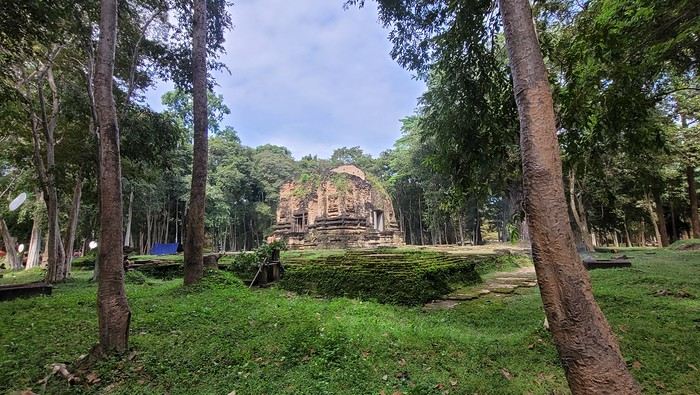
Sunday, Nov 10 I’m exhausted and can’t even manage breakfast; I can barely drink my tea. Chin, the tuk-tuk driver, arrives at 9 AM. I go ahead with the planned visits despite feeling awful. We head to Sambor Prei Kuk. (Entry: $10)

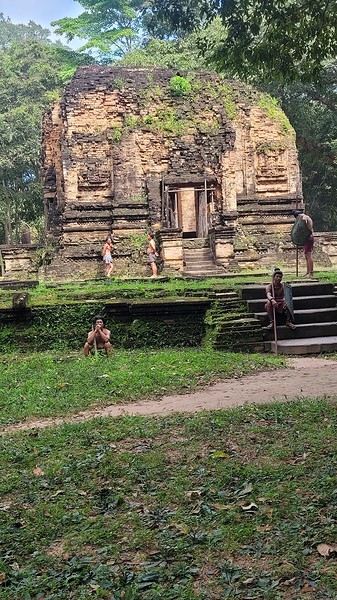
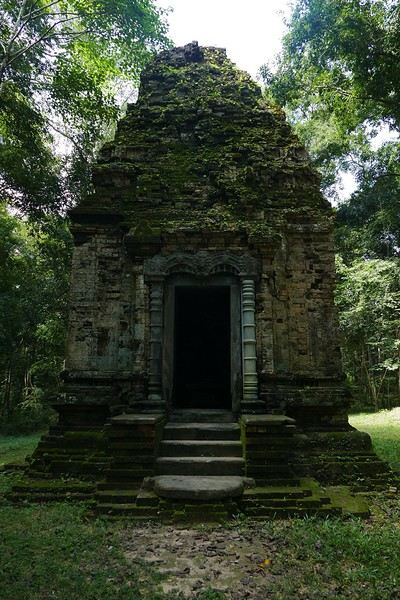
The complex is divided into three groups: Prasat Sambor to the north, Prasat Tao in the center, and Prasat Yeay Poan to the south. The temples are in the forest.


At the first group, they’re filming a movie—best not to disturb them.


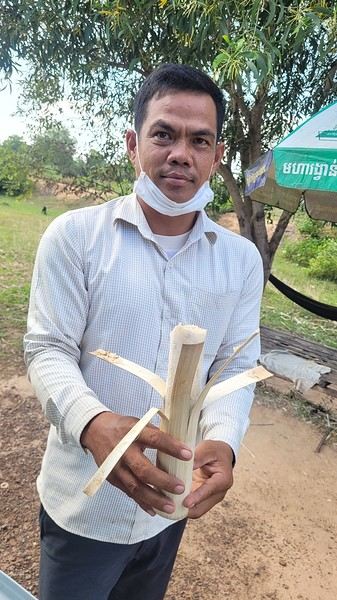
I’m so wiped out that I don’t fully enjoy the visit. On the way back, Chin, the driver, wants me to try a specialty called *krama* (sticky rice with black beans and coconut milk cooked in bamboo over coals). It’s hard to eat, but I take a bite to make him happy.


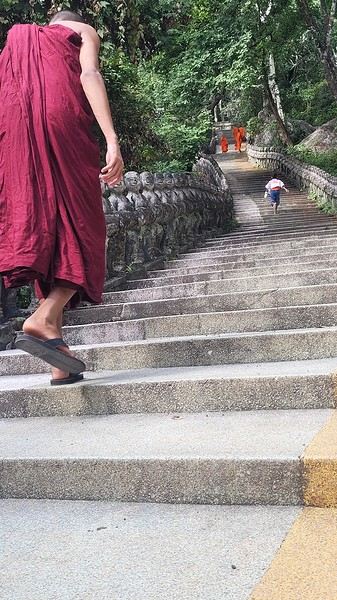
We stop back in K.T. to head to Phnom Santuk Mountain. It’s a pilgrimage site, and you have to climb 800 steps—about 2.5 km. The path is lined with Buddha statues. I take breaks often and eventually make it to the top, but it’s tough. At the summit, there are sanctuaries, a temple, deities, and a great view of the surrounding countryside.

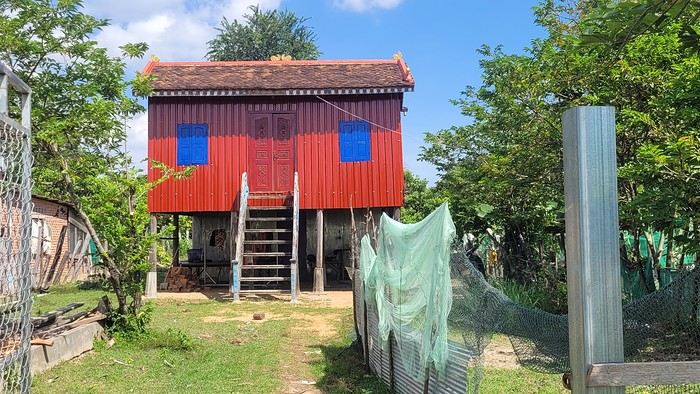
Along the way, we pass wooden houses on stilts.


On the way back, I lie down for a while before heading out for dinner (pasta with veggies).
AL Aleph240758 Veteran ·
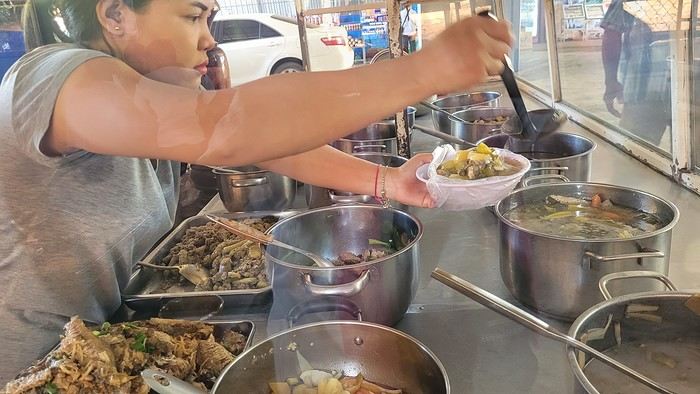
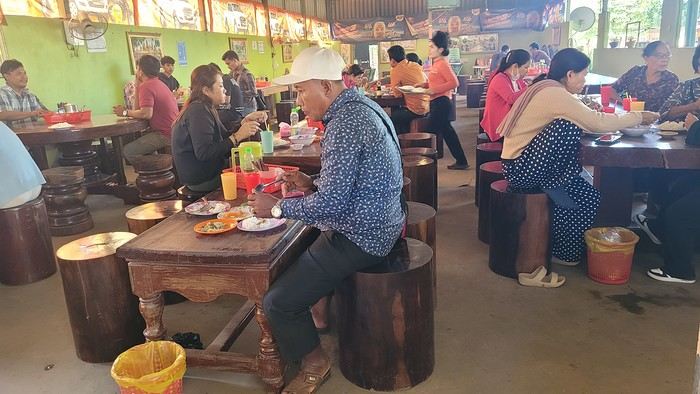
Monday, November 11th This morning, I’ve got the bus at 10:30 AM to head to Kampong Cham. We make a lunch stop at a roadside restaurant. Everyone sits down, and there’s plenty of choice. They go pick their food at the food stall—the pots are full. I stay outside waiting for them.


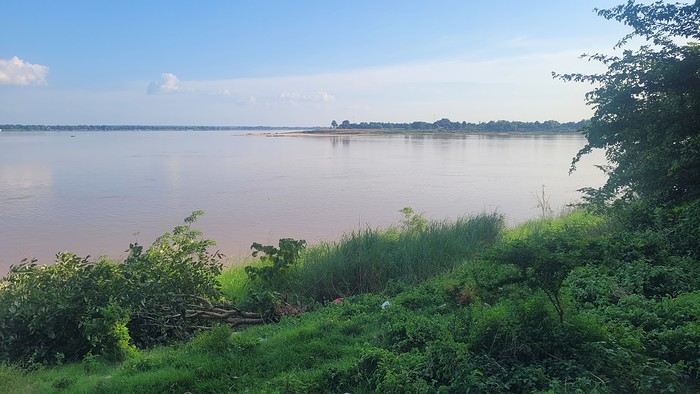
We arrive in Kompong Cham around 1:30 PM. A tuk-tuk takes me to Phalla Riverside Guesthouse, run by Thomas, a Cambodian who lived in France for 40 years. It’s a bit out of the city center—over 3 km away on a quiet road. I rent a bike for the afternoon and take a ride along the Mekong.


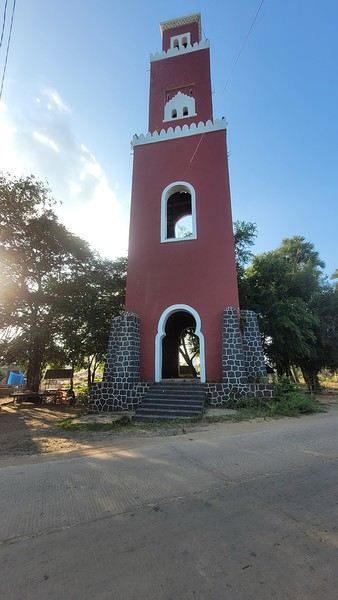
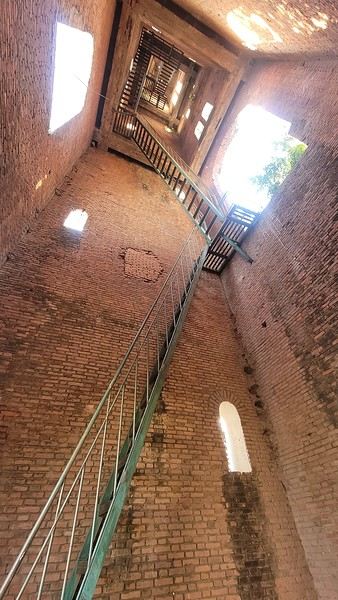
Then I set off in search of the French lighthouse. I have to cross a very wide bridge with heavy traffic and pollution—it’s not very pleasant. It looks more like a minaret, abandoned and run-down. I won’t be climbing it—the stairs are too steep and dizzying, it’s pretty dangerous.


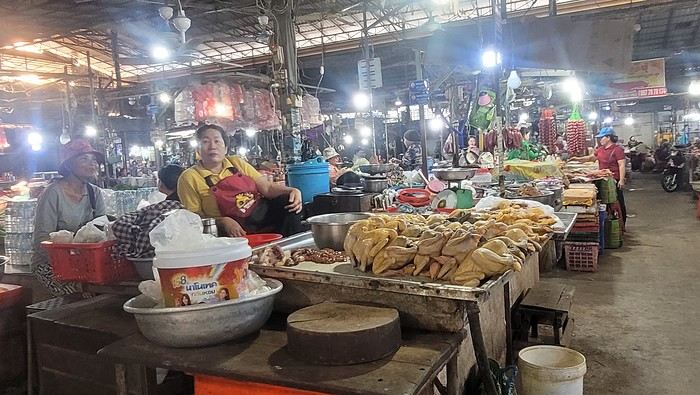
I head back into town and stop by the bustling market—everything’s mixed together: food, clothes, hair salons, bike shops, motorbike stores…


I have dinner at a restaurant by the Mekong run by blind people. On my way back, I meet some French travelers, and one of them lives here and is building a stilt house by the Mekong, right across from the guesthouse.
RO Rouquine38 Globetrotter ·
Hi Marie Jo, I just caught up on my backlog... this travel journal is moving at a breakneck pace 😉 So many memories are coming back—Bangkok and the Royal Palace, Phnom Penh, which I also loved, but we didn’t stay long enough.

I sat on a bench outside for a while, stunned by all those atrocities. I took one or two photos of the exterior so I wouldn’t forget.

I think it was on that same bench that I waited for my husband. When he came out, he was crying and said: "You were right not to go in. You were so brave—we mustn’t forget."
AL Aleph240758 Veteran ·
Welcome Isabelle. I don’t regret taking this visit, but I wasn’t feeling great for the rest of the day.

Similar discussions

You might also like