
A really interesting day, with beautiful sites and landscapes all along the roads.
Tomorrow we're heading to Masada, a historic high point where a group of Jews rebelling against the Roman Empire took the site from the Roman garrison in 66 AD.
Nice trip between Tiberias and Masada! Route 90, I presume?

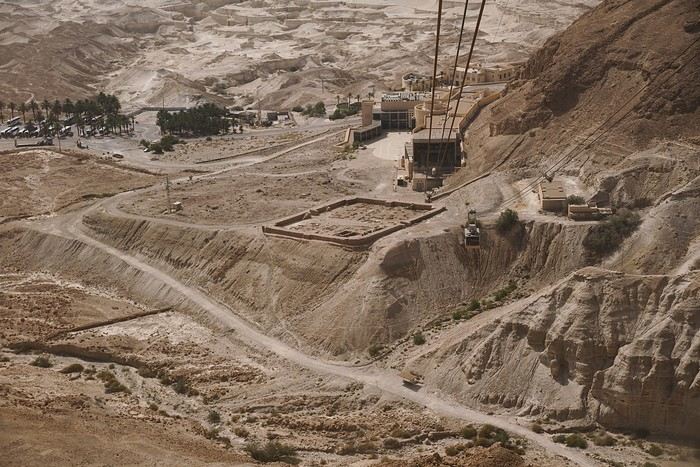


 We take our time exploring this extraordinary site, which Herod managed to supply with water, thanks to the work of many slaves, and where a few hundred Jews resisted the Roman troops after defeating the Roman garrison. This makes Masada a symbolic place for the Jewish people.
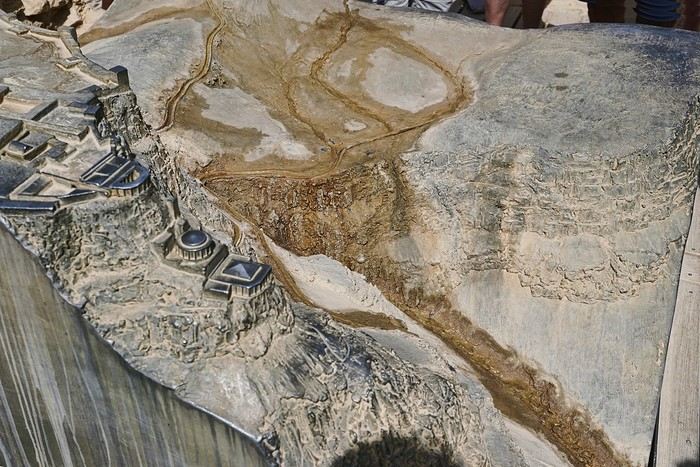
A model displayed on the plateau gives a great overview of the fortress.


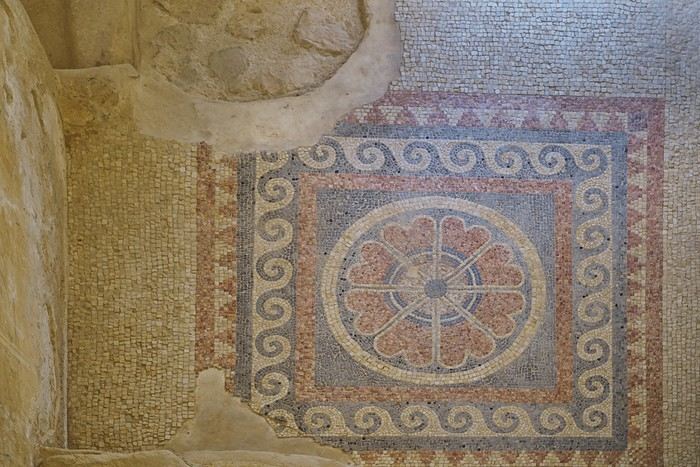
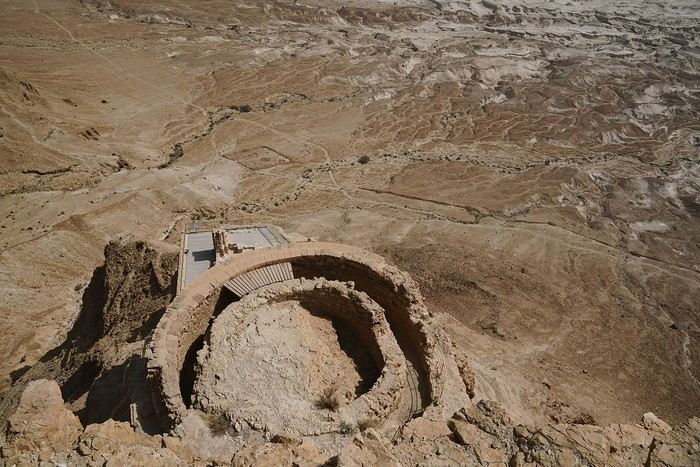

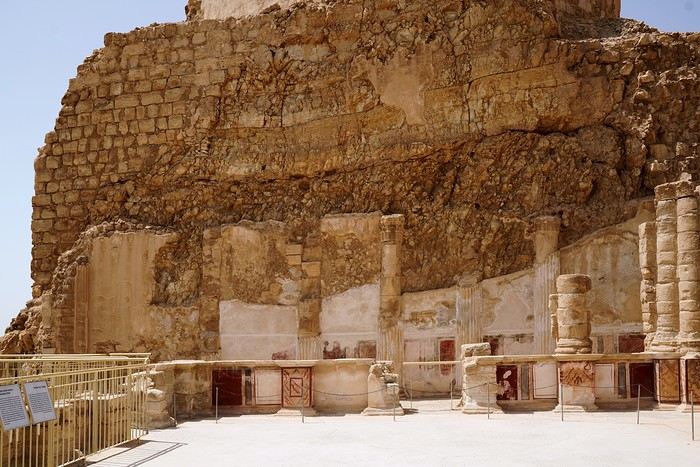

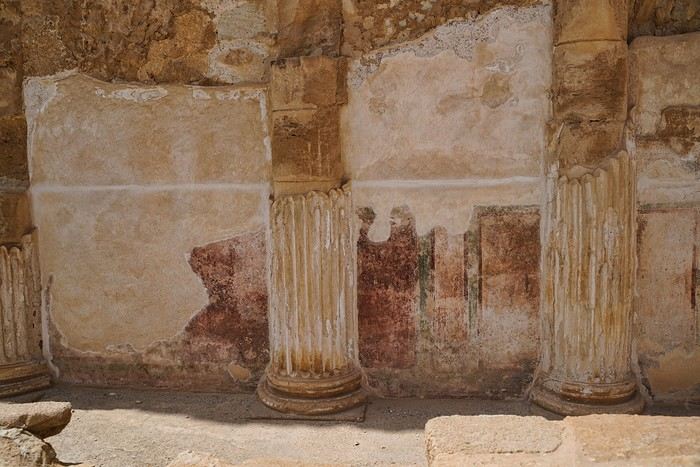
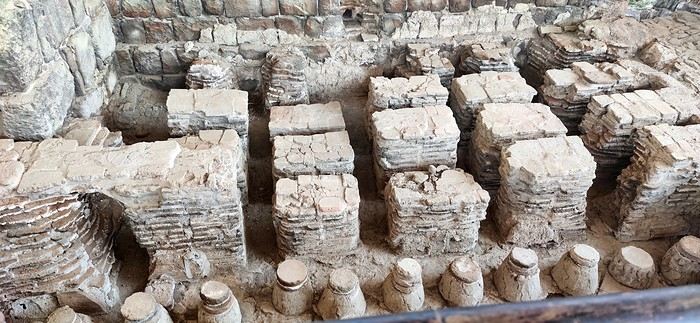
 To the west, there are very significant baths, with the entire underfloor heating system still intact.




 We then head back to Ein Gedi to refuel and reach the Ein Gedi kibbutz where our hotel is located. Unfortunately, the gas station indicated on our map no longer exists—the site, which included a spa and restaurant, was closed due to risk of collapse.
We arrive at the hotel on fumes and ask them to help us out, as the nearest pump is in Ein Bokek, 30 km away, which we definitely can’t reach. There’s a pump in the kibbutz, but no one seems willing to assist us. The reception sends us (on foot) to the checkpoint 700 meters away. The checkpoint sends us back to reception... On the way back, a taxi takes pity on me, stops, and kindly gives me 10 liters of fuel, which allows us to make it to Ein Bokek. The hotel staff’s attitude was very unfriendly (the manager even suggested we call our travel insurance to send a taxi from Ein Bokek with a jerrycan of gas!!) and there was a complete lack of cooperation from the staff.
Fortunately, the rooms are spotless, with a breathtaking view of the rugged valley behind the hotel.

 We dine at the hotel’s restaurant, which is a buffet. The dishes are half-cold, the chicken thighs are dry, probably reheated from the day before, and the sautéed potatoes are hard and cold. It’s also a real struggle to get a drink. The food is left uncovered, and everyone serves themselves with no regard for basic hygiene rules. It seems to suit the groups who pile their plates high, but this is low-quality cafeteria food. At 160 shekels per person, we wouldn’t recommend it.
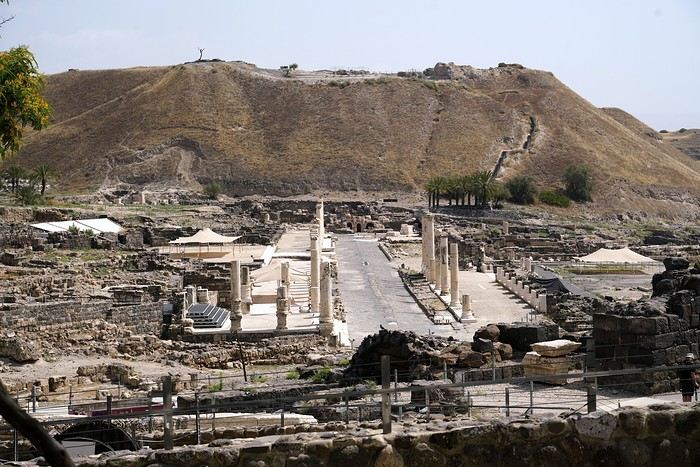
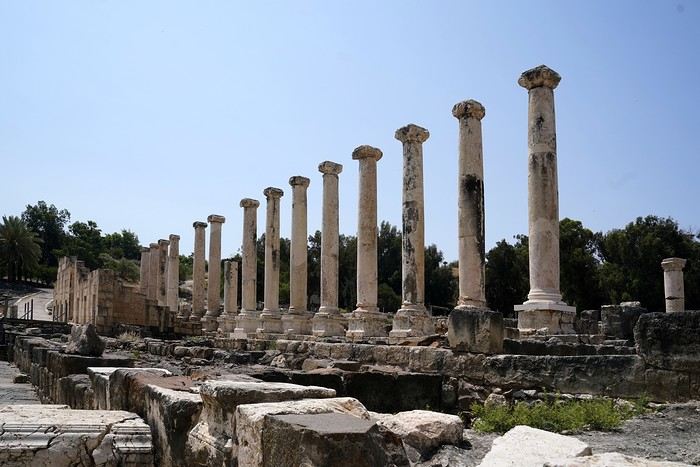
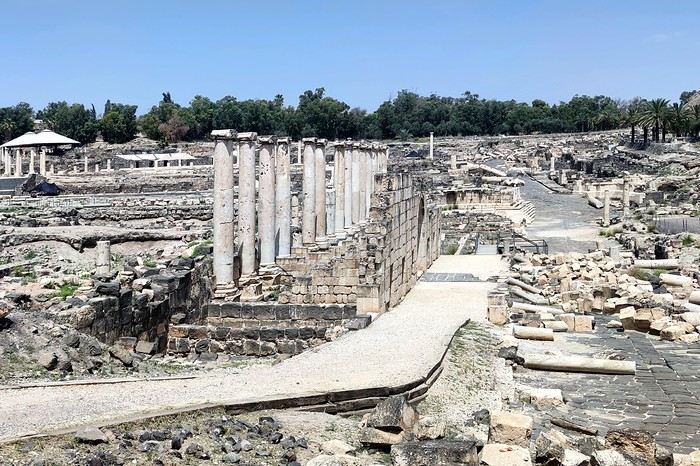
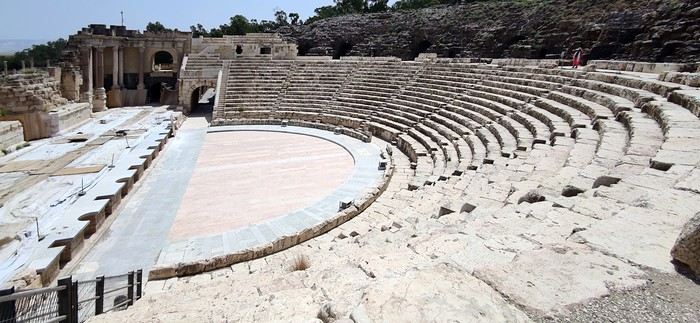
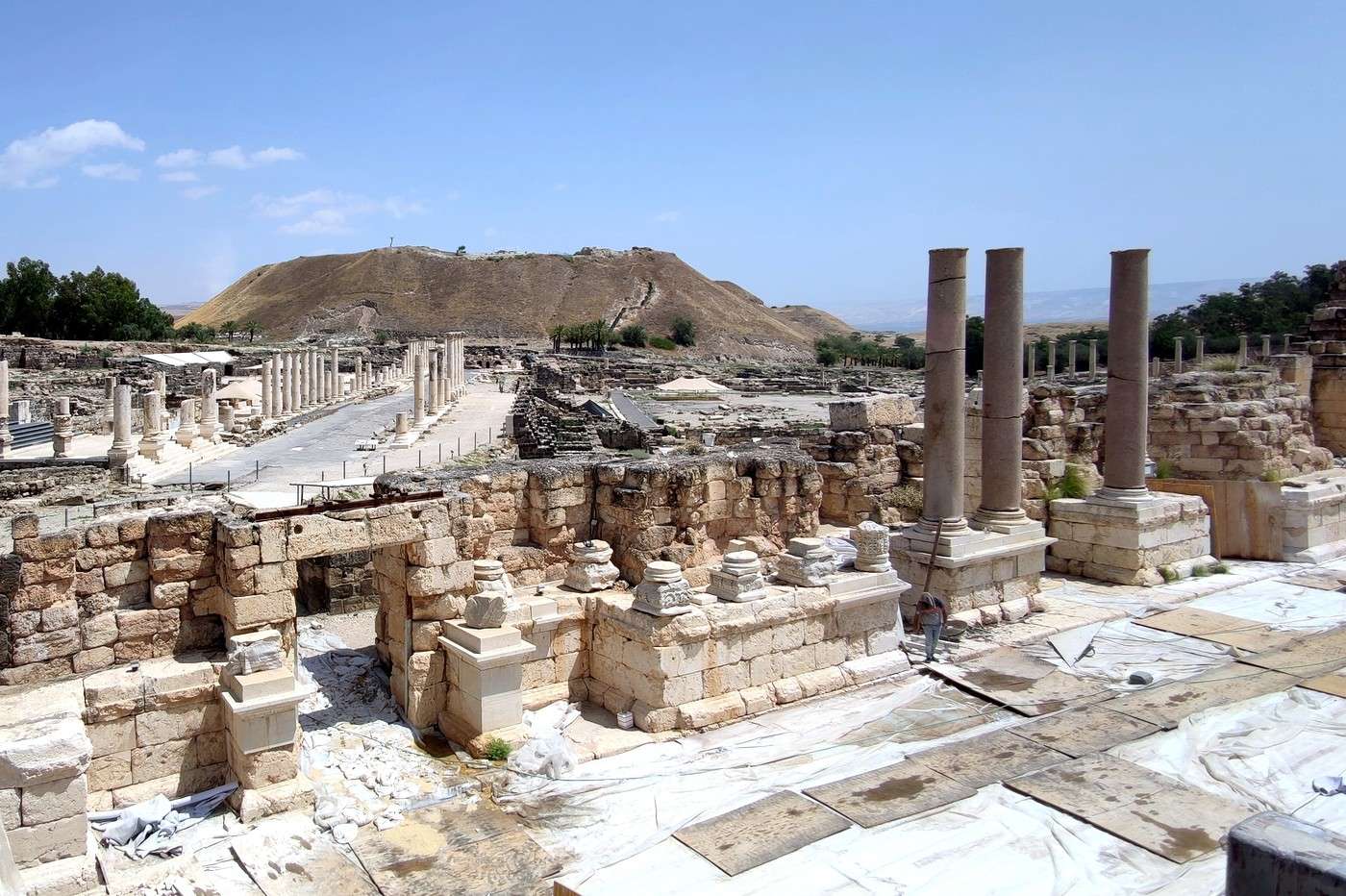
A great day marked by the remarkable visit to Beit Shean.
Zero points for the welcome at Ein Gedi kibbutz and the value for money at its cafeteria..

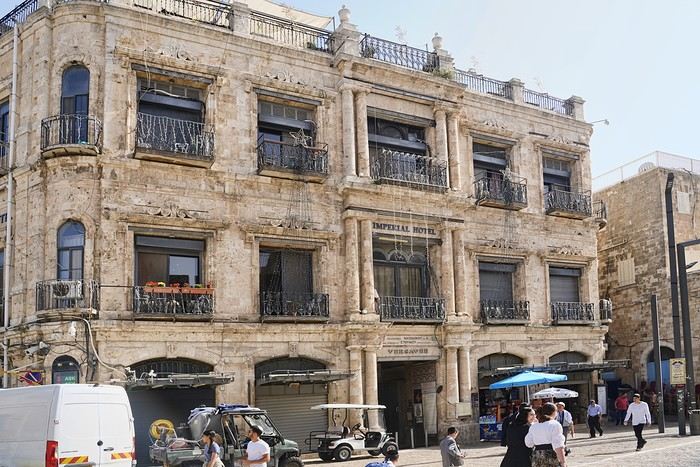


 Since Muslims still consider this room a sanctuary and Jews venerate King David’s tomb here, there’s significant interfaith tension around this site.
Miracles are said to have occurred in this room, with pilgrims suddenly speaking languages they didn’t know before. For this reason, some visitors lie on the ground and pray to experience the same miracle.










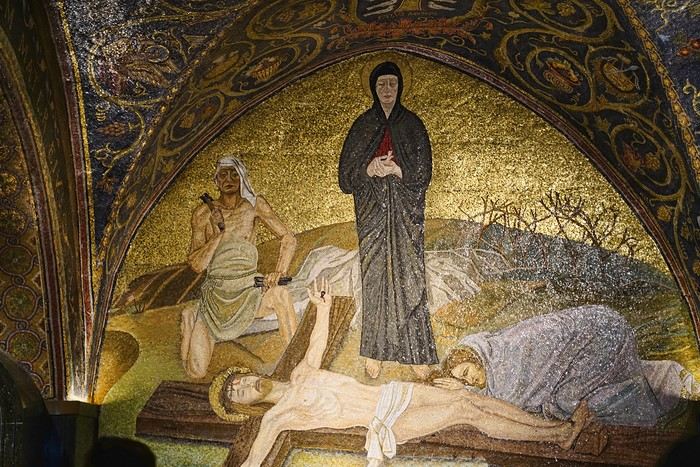

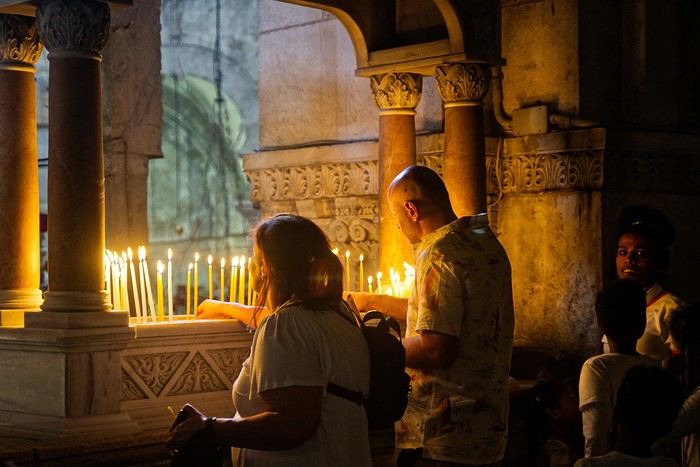


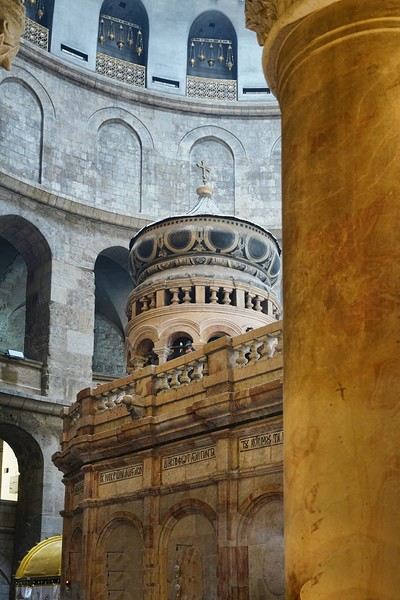
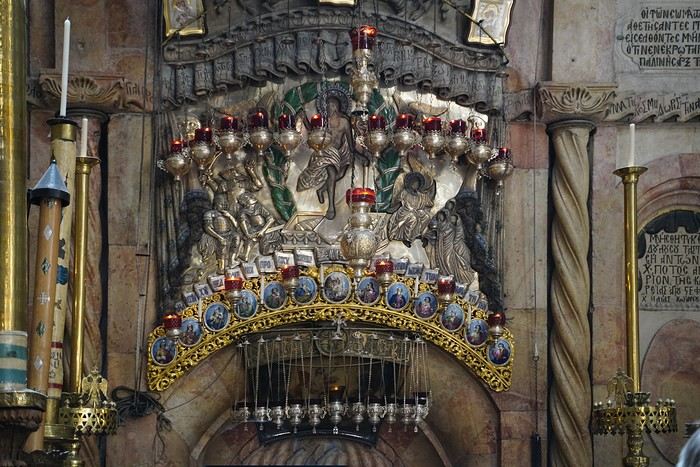




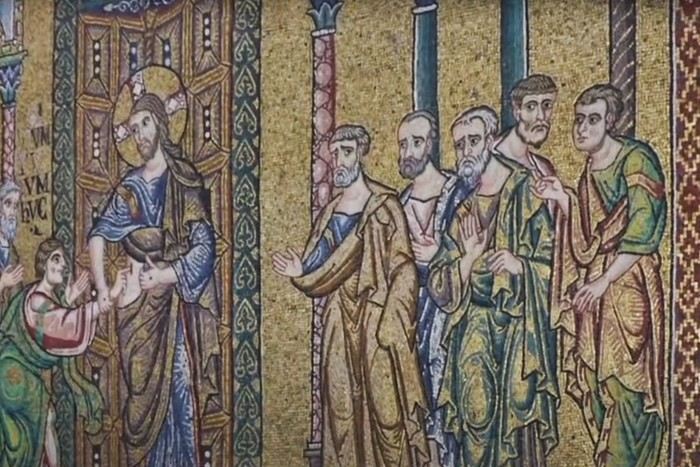


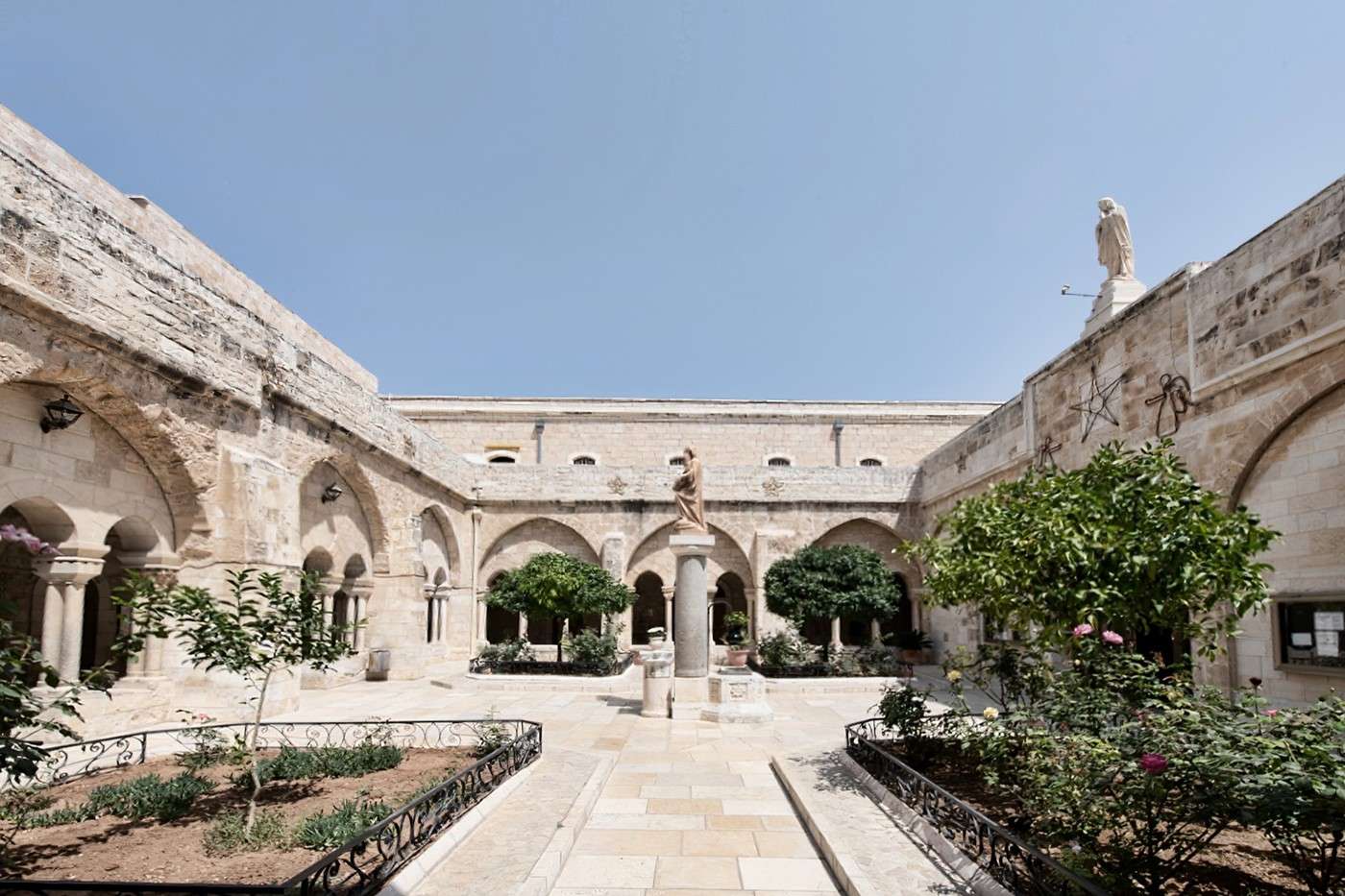


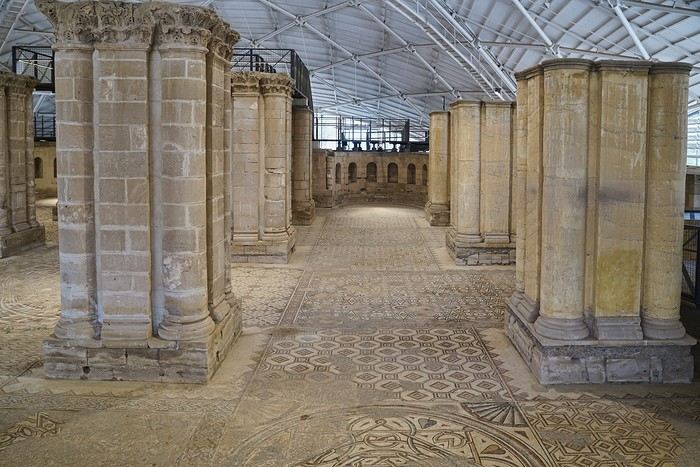
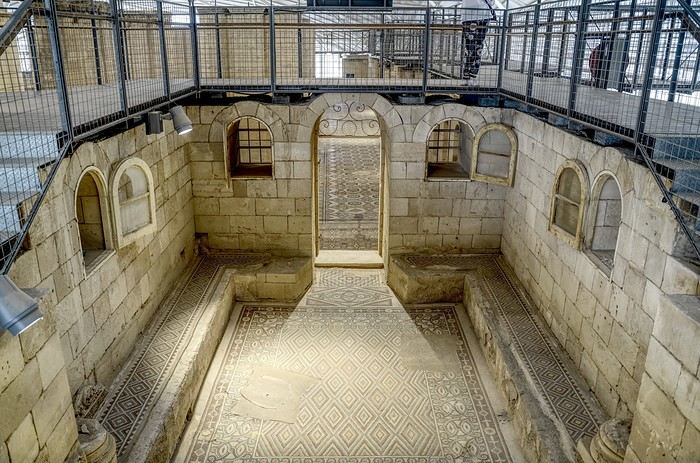

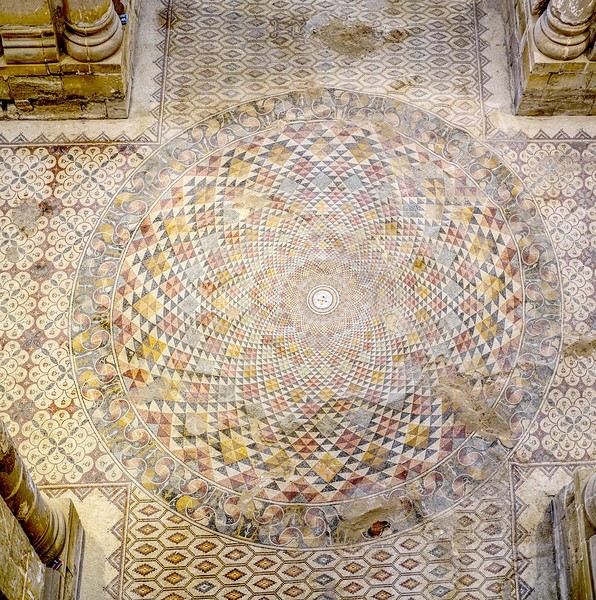
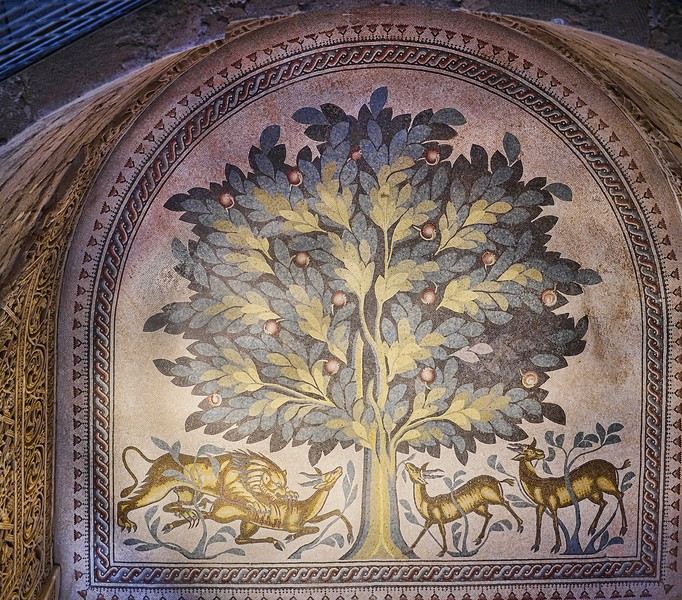
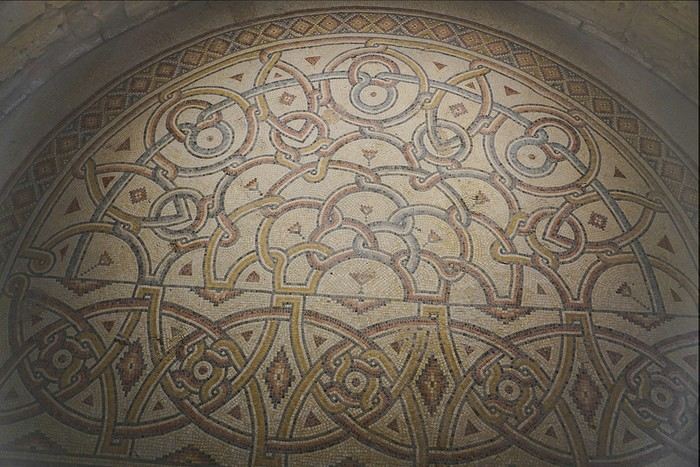 The two most stunning are the central mosaic













In the summer of 2026, we packed our backpacks again to wander around Jotunheimen National Park in Norway.
We’d never heard of this park just a few months earlier—we discovered it by following threads online.
It’s billed as the most mountainous park in the country, which really appealed to us after scrapping our original plan further north.
Unfortunately, it’s also the most crowded, which immediately made it less appealing! The presence of the highest peak in the Scandinavian Alps and the "famous" Bessengen ridge (famous because it’s apparently well-known across the country) probably has a lot to do with that.
Since we’d managed to avoid the crowds on the Kungsleden trails by camping away from the huts and timing our hike to miss the biggest groups of walkers, we figured we had the formula down and gave in to the call of the Norwegian mountains.
It’s the most mountainous park, sure, but also quite challenging in terms of progress, as we’d soon discover during the trek. And with uncooperative weather, we got the winning combo of a demanding hike. But I’m getting ahead of myself...
For the end of the trip, we planned a few days in Dovrefjell National Park—these two parks are easily connected by public transport—to see something different and, most importantly, to try and spot the musk oxen that live there.
My 04/08 - Arrival in Oslo Wed 05/08 - Bygdin – Torfinsbu Thu 06/08 - Torfinsbu - Gjendebu Fri 07/08 - Gjendebu - Fondsbu Sat 08/08 - Day hike to Slotafjellet Sun 09/08 - Day hike to Lake Kvitevatnet Mon 10/08 - Fondsbu - Gjendebu Tue 11/08 - Gjendebu - Before the Bessengen ridge Wed 12/08 - Bessengen ridge – Maurvangen campsite Thu 13/08 - Knutshoe ridge Fri 14/08 - Bus transfer to Spiterstulen hut via Lom Sat 15/08 - Day hike to Galdhøpiggen Sun 16/08 to Wed 19/08: Dovrefjell End of the trip and wrap-up








































 Roundabouts are particularly interesting because they feature emblems of Turkmen culture, like the dog, a carpet, the Ahal Teke horse, or Muslim symbols, even though the presence of Islamic artifacts is quite limited.





 Why this country?
After visiting Hungary, Slovenia, Romania, and Poland in recent years, I’ve fallen in love with Eastern European countries. I adore the Slavic soul, its Austro-Hungarian villages, the gentle landscapes, the Carpathian Mountains, and that slightly mysterious atmosphere.
Slovakia evokes a certain imagination with its deep forests, medieval castles, and cobbled villages.
After seeing photos of the High Tatras—especially Lake Štrbské Pleso and Spiš Castle—I thought, "Let’s do it! We’re going!"
So, will Slovakia live up to what I imagine?
We’ll find out together.
We decided to travel as a group of six (five adults and a six-year-old child), by car (we needed two).
Here’s the day-by-day itinerary for this family trip, which started with a 3-day stay in Vienna (see the dedicated travel journal):















 When it comes to the Caribbean island of Saint-Martin, it's customary to praise its coastline and dreamy beaches—and they certainly deserve it.
But in this story, I’d like to highlight other memories, aspects, and impressions for a slightly different change of scenery.
Enjoy the read—some text and, above all, lots of photos.
« Byenveni sou zile Sen Maten! » (Welcome to the island of Saint-Martin)














































 Come along, I'm taking you to this country where it's so nice to wander and slow down...











