I’d be tempted to try a roof-top tent 4x4 so I’m not always dependent on hotels, but how safe is it in the middle of nowhere?
I’m not sure Peruvians are very open to that kind of thing. For safety, you’d really need to be far from everything. We wanted to rent a 4x4 and sleep in the car for a few nights like we did in the South Lipez, but I think it’s more complicated in Peru.
Otherwise, hiring a driver like you did—seems like the budget works out about the same.
That’s why we gave up on renting a 4x4. If you pick one up in Arequipa, the extra cost to drop it off in Cusco was really high. Plus, a lot of rental companies advertise 4x4s, but you end up with just an SUV. Still, an SUV is enough if you’re doing a classic trip. For us, the fact that we had quite a few days without a car made our decision easier.
PS: Bolivia is tempting me too.
For Bolivia, check this out: https://voyageforum.com/v.f?post=9888495;#9888495
An unforgettable trip with incredible landscapes. But you’ve got to love desert scenery.
I’ll try to convince my partner to keep a travel journal...
👍
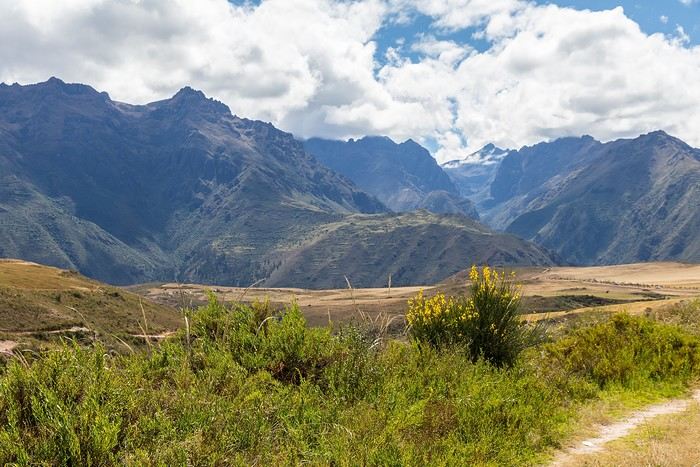
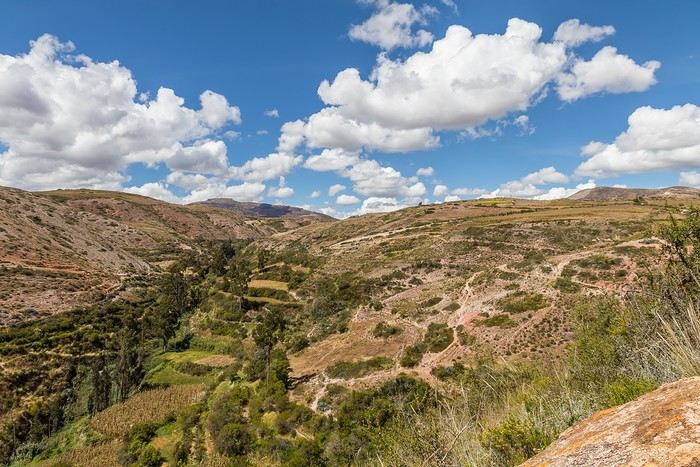
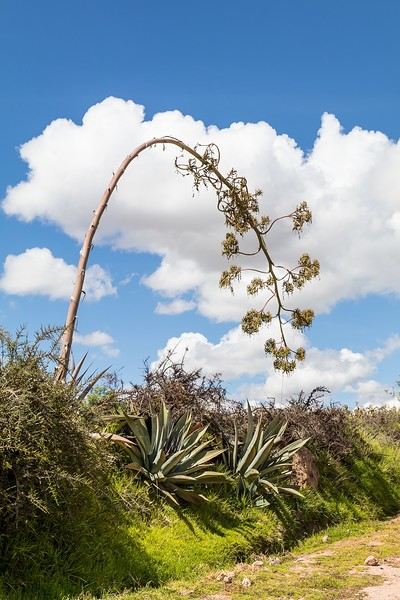
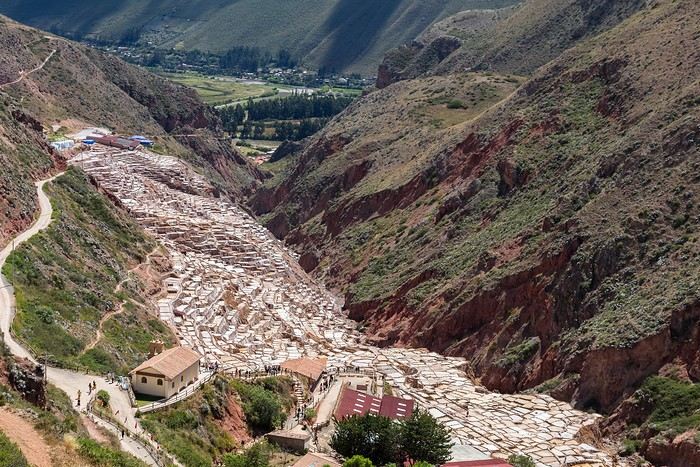
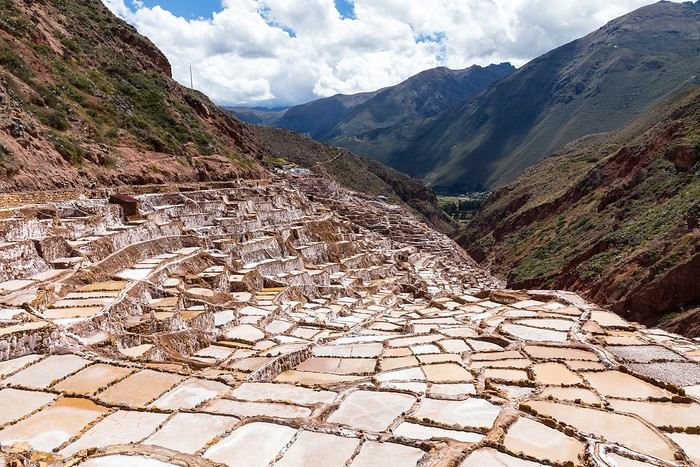
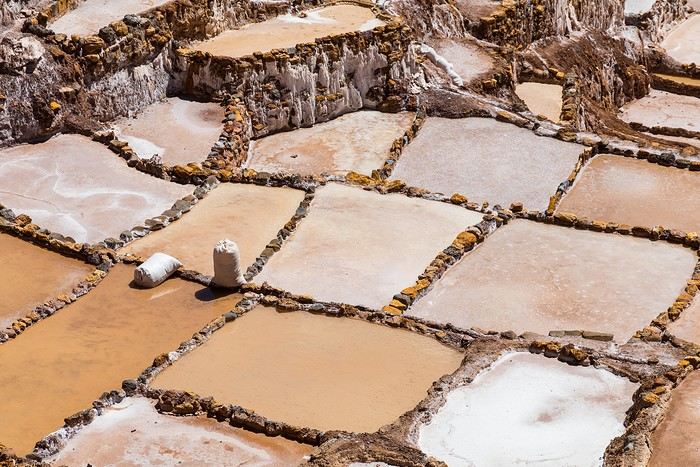
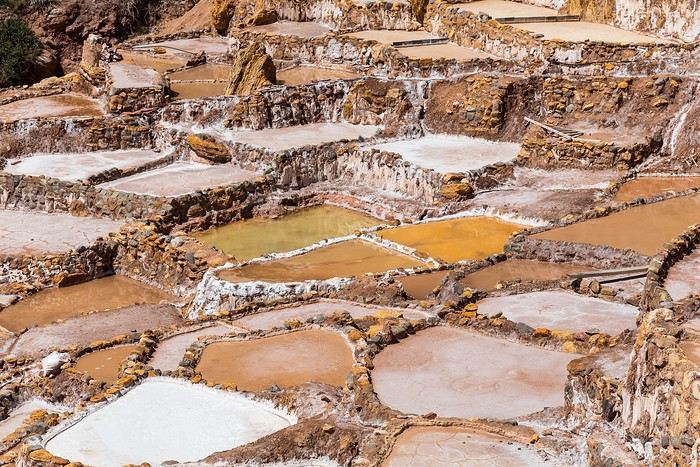
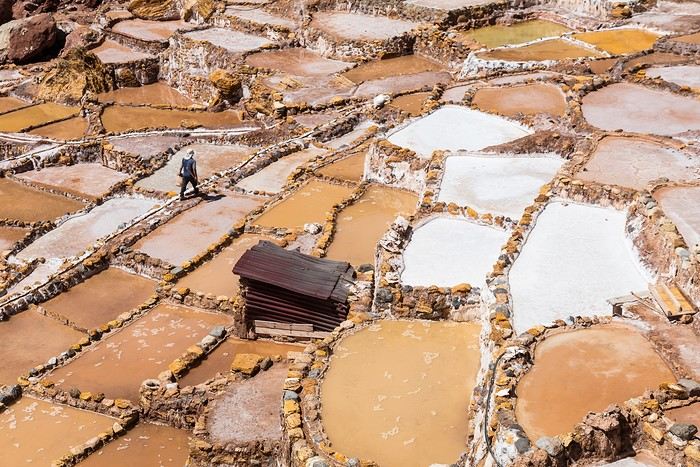
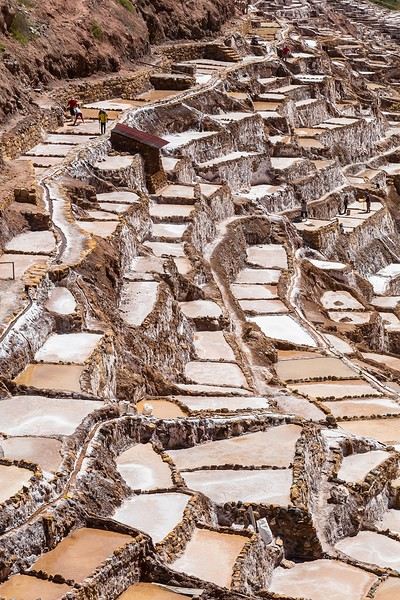
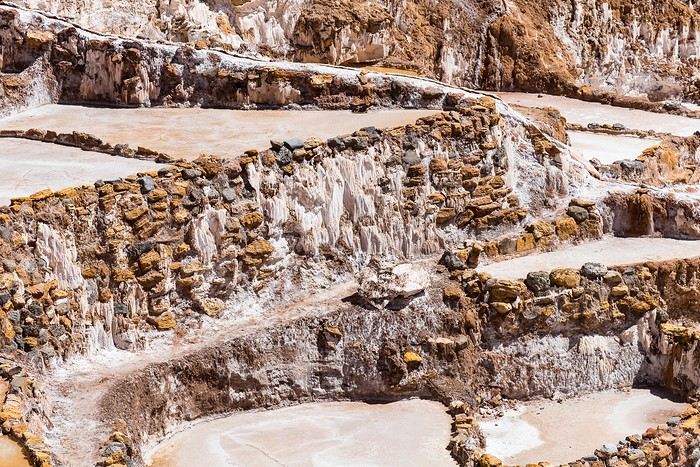
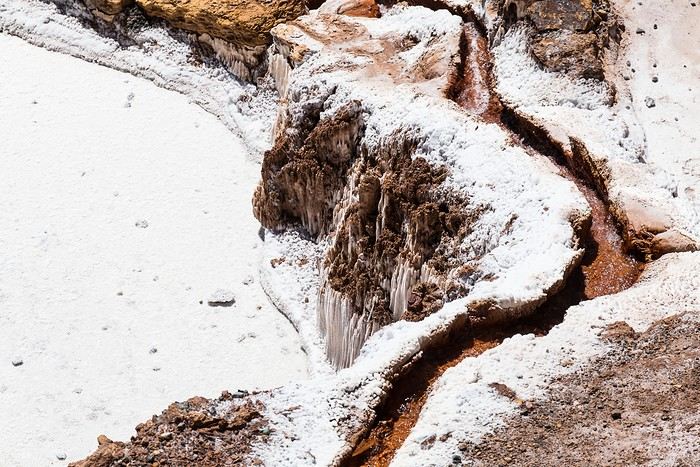
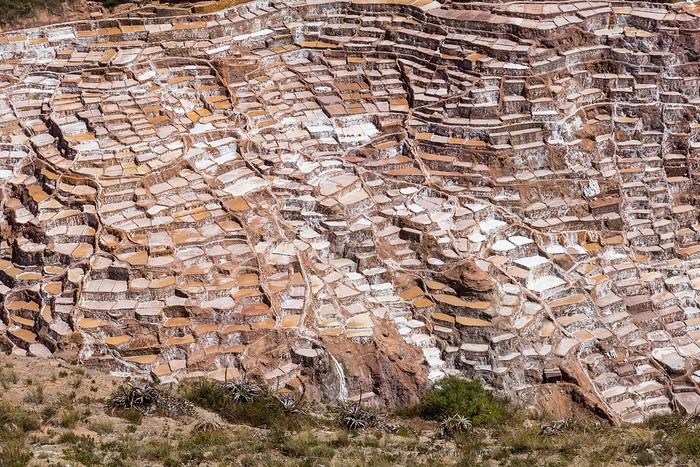 The view of the salt flats from the road
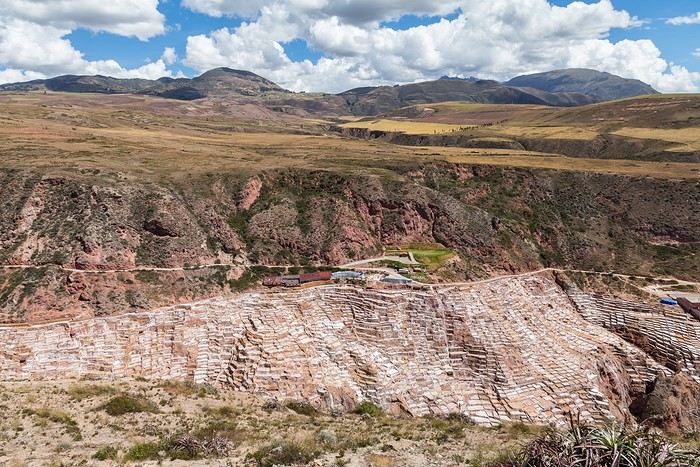
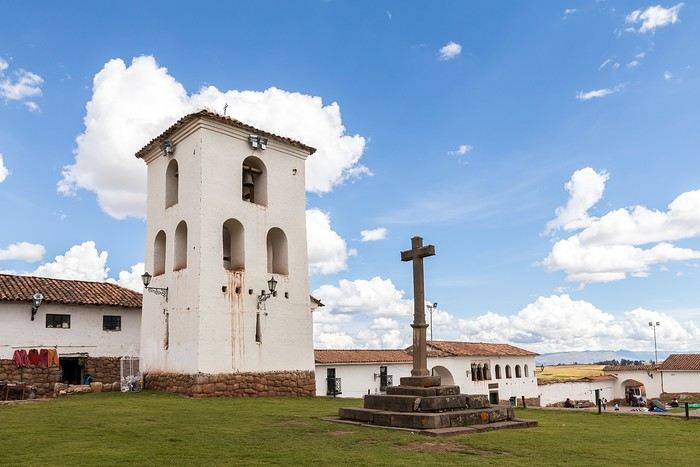
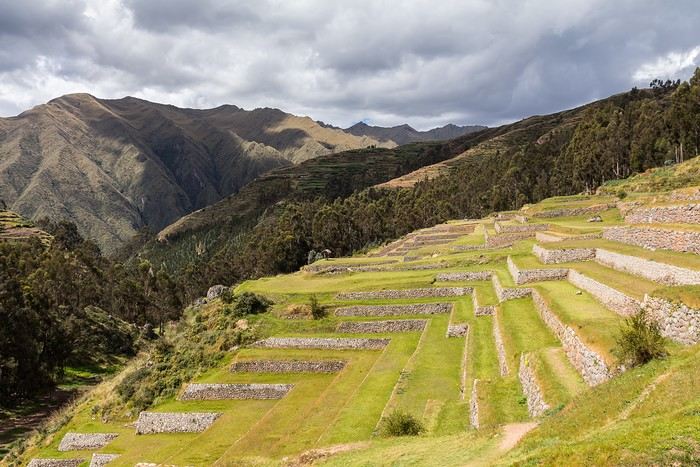
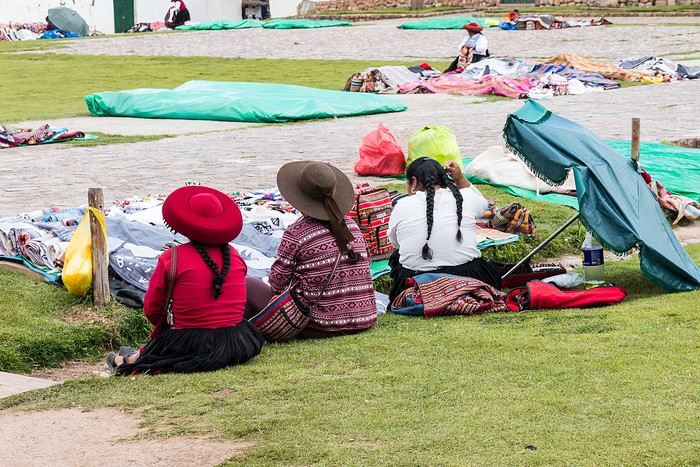
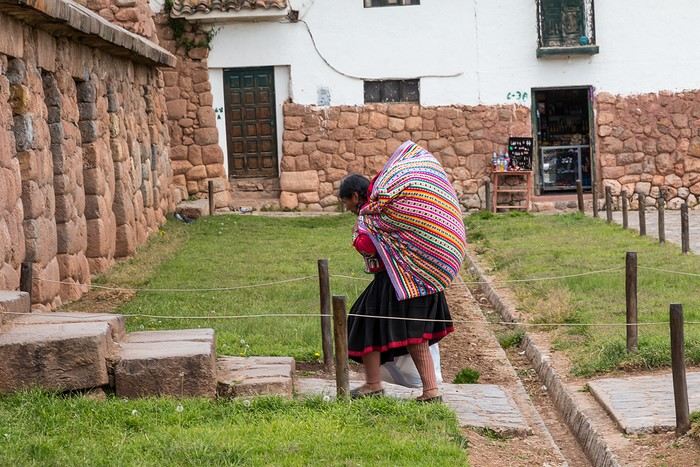

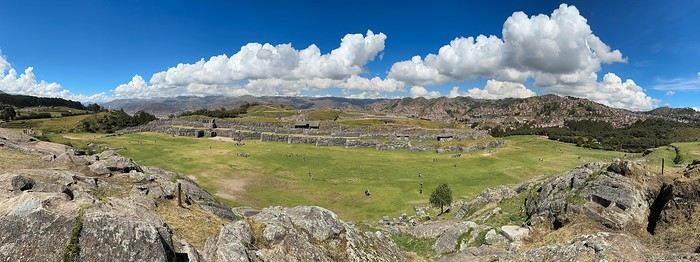 Beautiful view of the Sacsayhuamán ruins
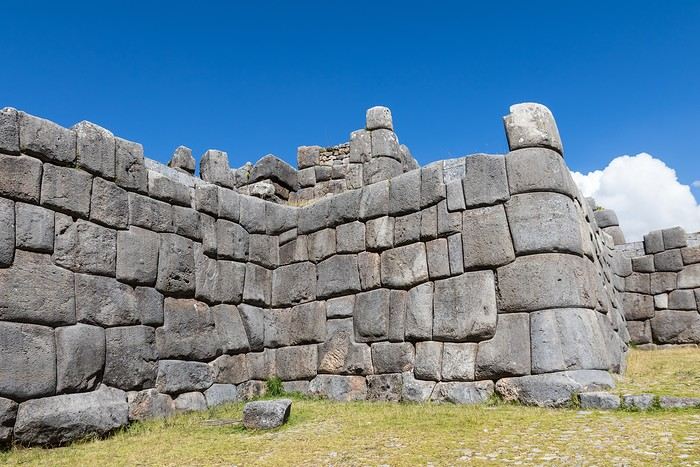
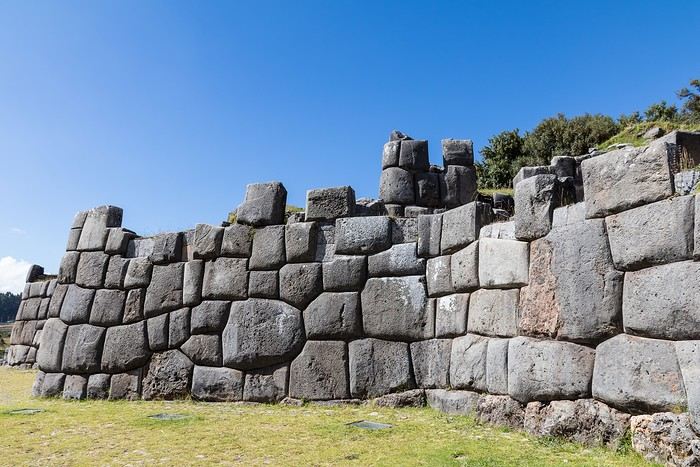
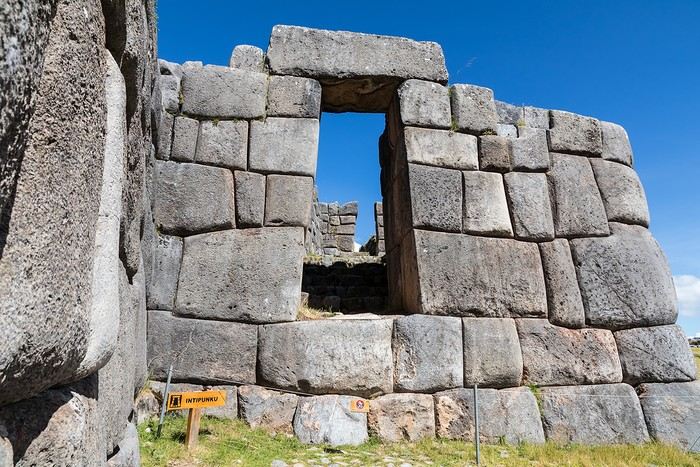 Intipunku
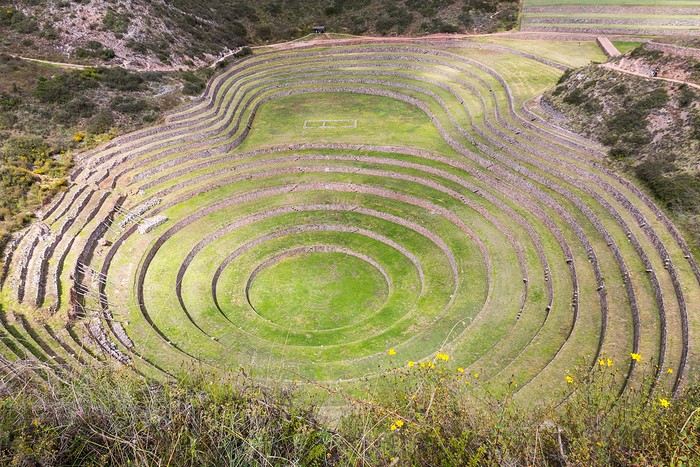
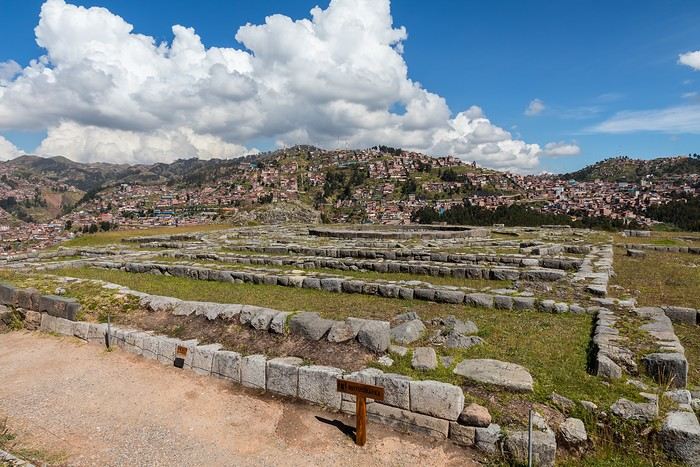 Muyukmarka
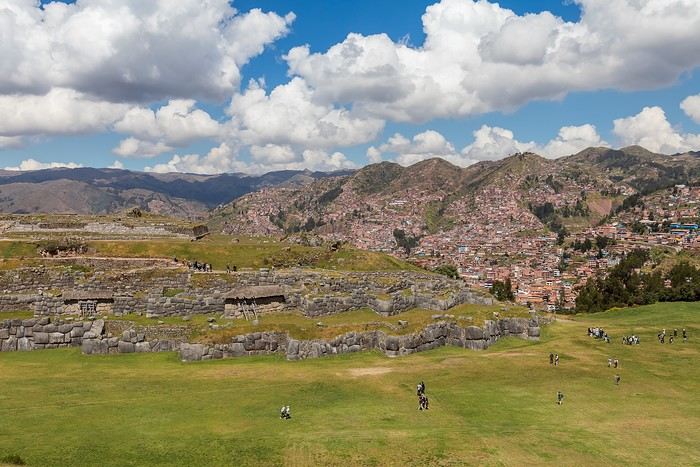 The zigzag-shaped wall
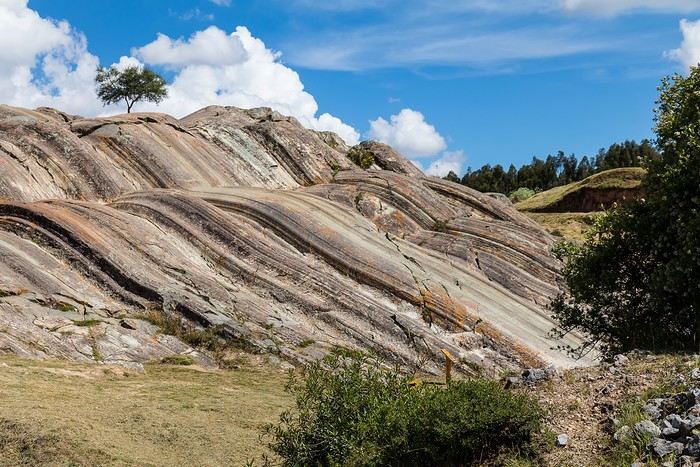 The natural slides of Suchuna
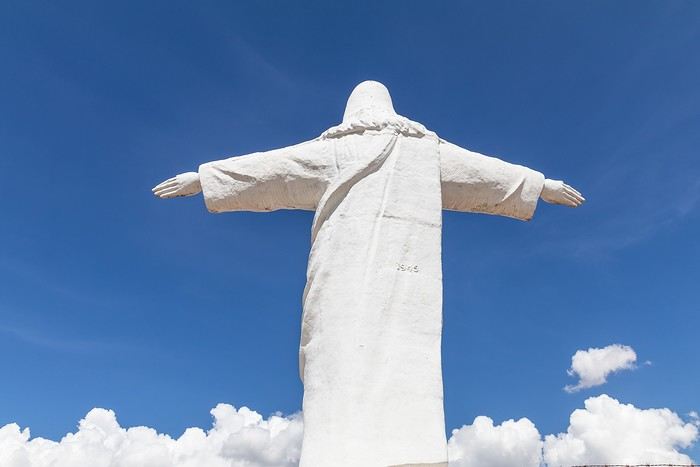
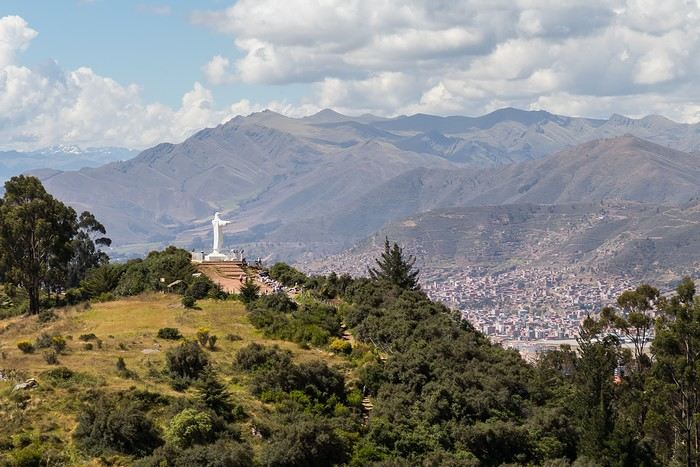 The view of Cristo Blanco
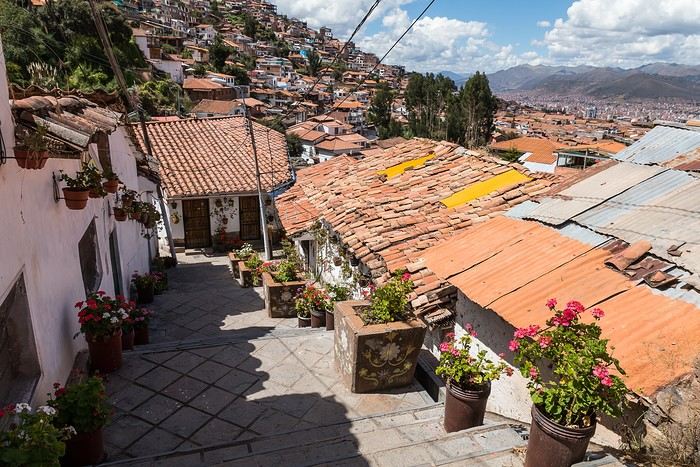
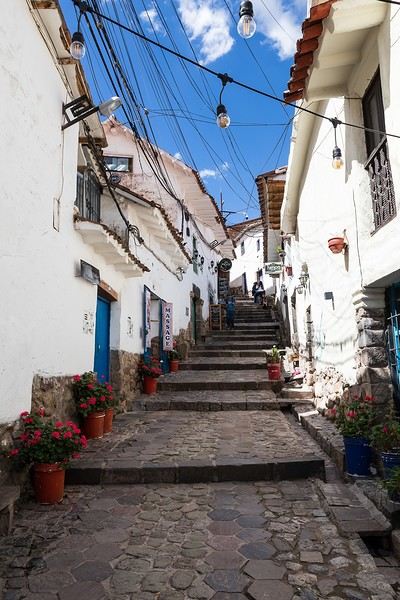
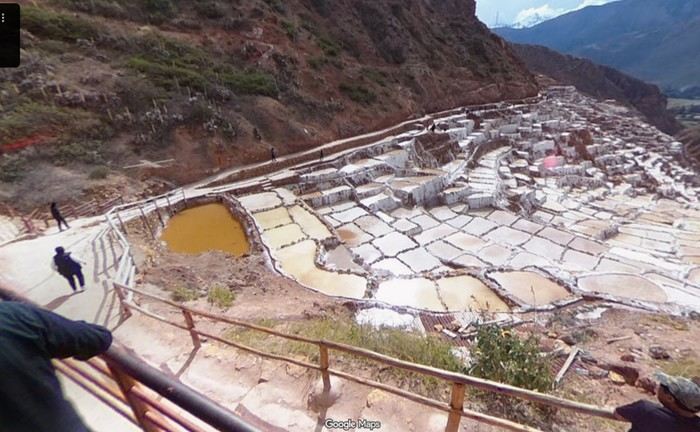
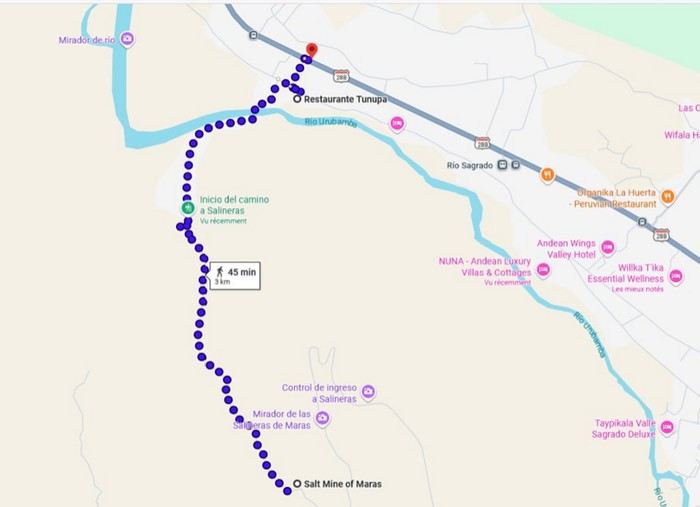
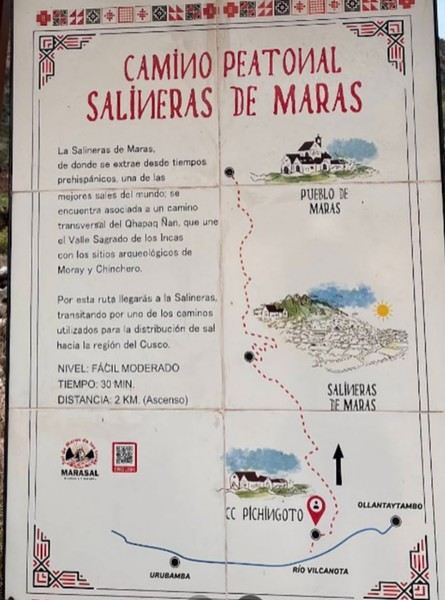 To go down, you don’t cross the basins. You take the path above, on the left flank.
 At the bottom, after the bridge, there’s a large restaurant called TUNUPA, very touristy.






In the summer of 2026, we packed our backpacks again to wander around Jotunheimen National Park in Norway.
We’d never heard of this park just a few months earlier—we discovered it by following threads online.
It’s billed as the most mountainous park in the country, which really appealed to us after scrapping our original plan further north.
Unfortunately, it’s also the most crowded, which immediately made it less appealing! The presence of the highest peak in the Scandinavian Alps and the "famous" Bessengen ridge (famous because it’s apparently well-known across the country) probably has a lot to do with that.
Since we’d managed to avoid the crowds on the Kungsleden trails by camping away from the huts and timing our hike to miss the biggest groups of walkers, we figured we had the formula down and gave in to the call of the Norwegian mountains.
It’s the most mountainous park, sure, but also quite challenging in terms of progress, as we’d soon discover during the trek. And with uncooperative weather, we got the winning combo of a demanding hike. But I’m getting ahead of myself...
For the end of the trip, we planned a few days in Dovrefjell National Park—these two parks are easily connected by public transport—to see something different and, most importantly, to try and spot the musk oxen that live there.
My 04/08 - Arrival in Oslo Wed 05/08 - Bygdin – Torfinsbu Thu 06/08 - Torfinsbu - Gjendebu Fri 07/08 - Gjendebu - Fondsbu Sat 08/08 - Day hike to Slotafjellet Sun 09/08 - Day hike to Lake Kvitevatnet Mon 10/08 - Fondsbu - Gjendebu Tue 11/08 - Gjendebu - Before the Bessengen ridge Wed 12/08 - Bessengen ridge – Maurvangen campsite Thu 13/08 - Knutshoe ridge Fri 14/08 - Bus transfer to Spiterstulen hut via Lom Sat 15/08 - Day hike to Galdhøpiggen Sun 16/08 to Wed 19/08: Dovrefjell End of the trip and wrap-up


















































 Roundabouts are particularly interesting because they feature emblems of Turkmen culture, like the dog, a carpet, the Ahal Teke horse, or Muslim symbols, even though the presence of Islamic artifacts is quite limited.



 Why this country?
After visiting Hungary, Slovenia, Romania, and Poland in recent years, I’ve fallen in love with Eastern European countries. I adore the Slavic soul, its Austro-Hungarian villages, the gentle landscapes, the Carpathian Mountains, and that slightly mysterious atmosphere.
Slovakia evokes a certain imagination with its deep forests, medieval castles, and cobbled villages.
After seeing photos of the High Tatras—especially Lake Štrbské Pleso and Spiš Castle—I thought, "Let’s do it! We’re going!"
So, will Slovakia live up to what I imagine?
We’ll find out together.
We decided to travel as a group of six (five adults and a six-year-old child), by car (we needed two).
Here’s the day-by-day itinerary for this family trip, which started with a 3-day stay in Vienna (see the dedicated travel journal):















 When it comes to the Caribbean island of Saint-Martin, it's customary to praise its coastline and dreamy beaches—and they certainly deserve it.
But in this story, I’d like to highlight other memories, aspects, and impressions for a slightly different change of scenery.
Enjoy the read—some text and, above all, lots of photos.
« Byenveni sou zile Sen Maten! » (Welcome to the island of Saint-Martin)






































 Come along, I'm taking you to this country where it's so nice to wander and slow down...











