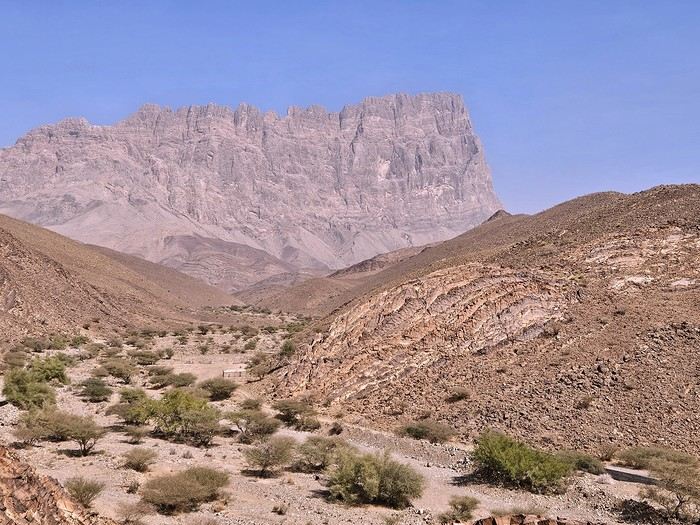
Oman, at the edge of the sands and the horizon
FR

Translated into English.

FA Fabhyène Veteran ·
Wadi Tiwi


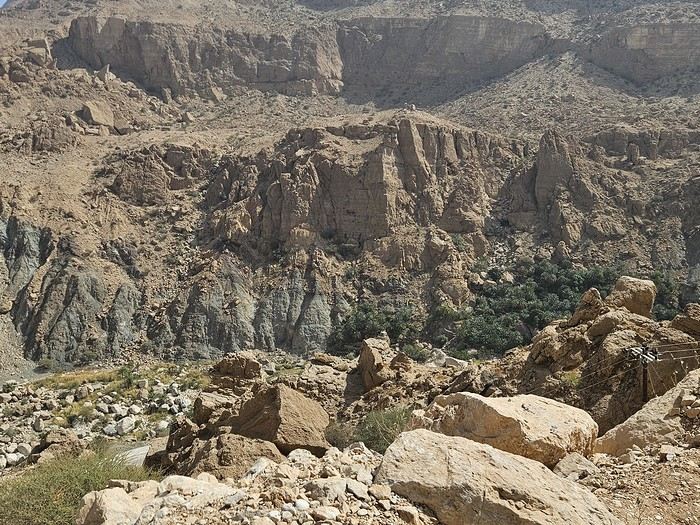
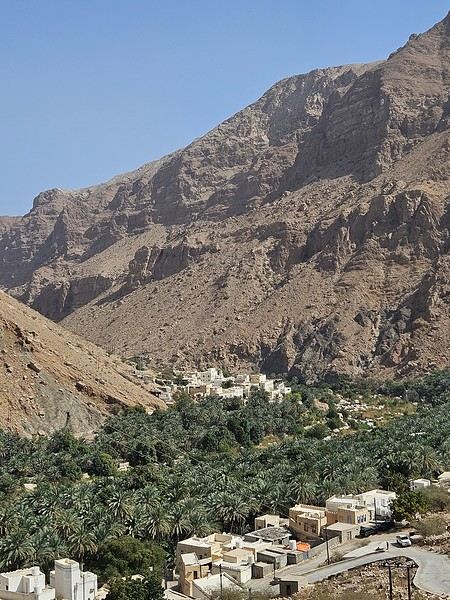
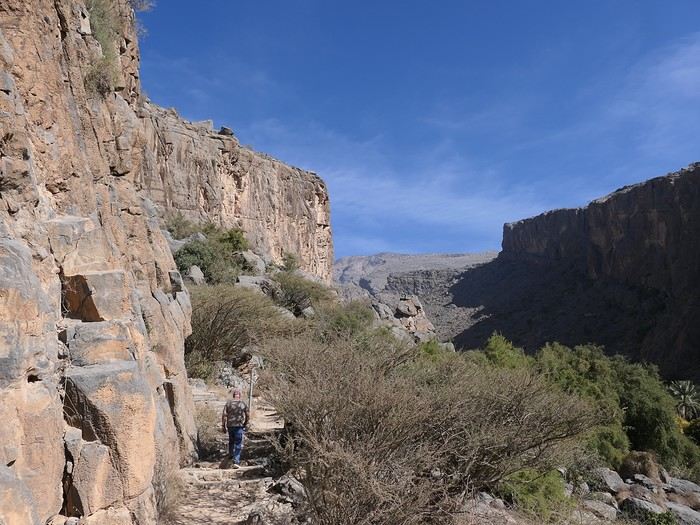
Wadi Tiwi, which stretches 36 km, has the unique feature of being inhabited along its last 10 km before the coast. Inhabited means that several villages are perched high above the watercourse, and the locals continue to cultivate stunning terraced gardens, with water distributed via the communal falaj system. A road runs above the wadi, connecting the villages to the coast. I’d read that a 4x4 is essential beyond a certain point, but we figured we’d see how it went once we got there—the presence of inhabited villages gave us some reassurance... We followed the road without any issues until the village of Harat Bidah. Beyond that, the track becomes very steep and winding. Sure, the weather was dry, and we *could* have tried, but it didn’t feel right... There was a parking lot where we saw lots of cars and drivers clearly waiting for customers. I chatted with Ahmed, who offered to drive us to the village of Mibam, 7 km further, and then accompany us on foot to the waterfall at the end of the wadi. I negotiated what seemed like a reasonable price (don’t ask me how much—I didn’t write it down), and off we went!
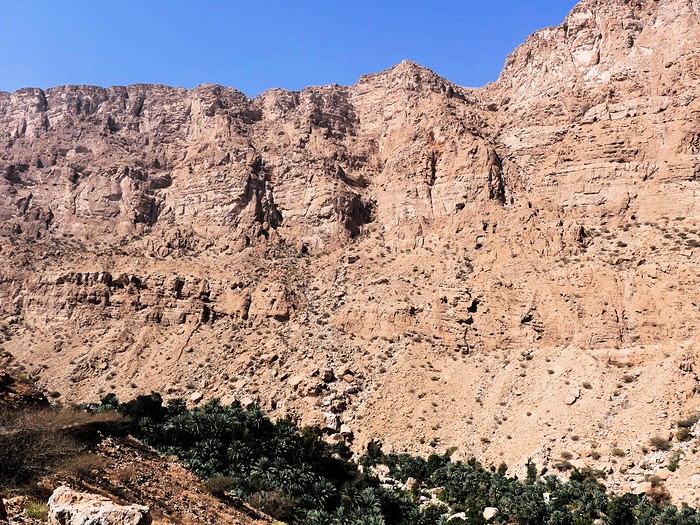
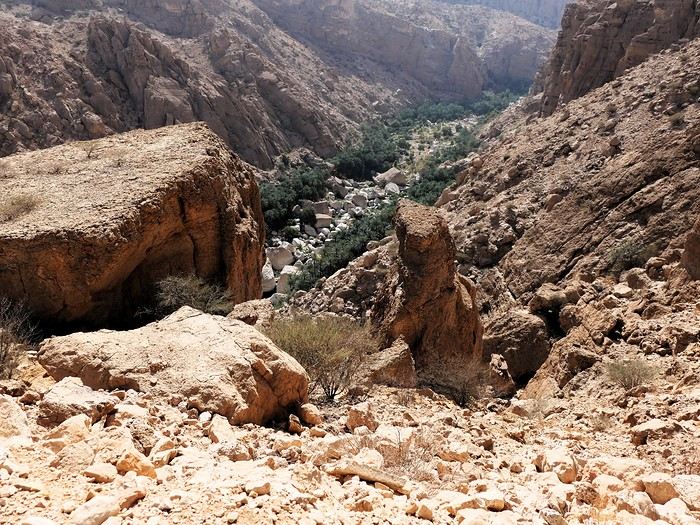
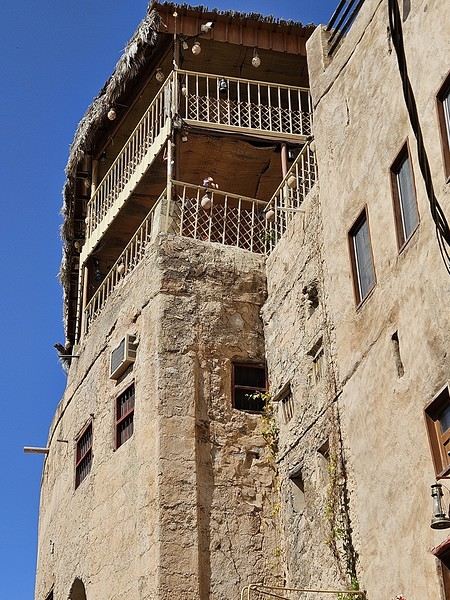
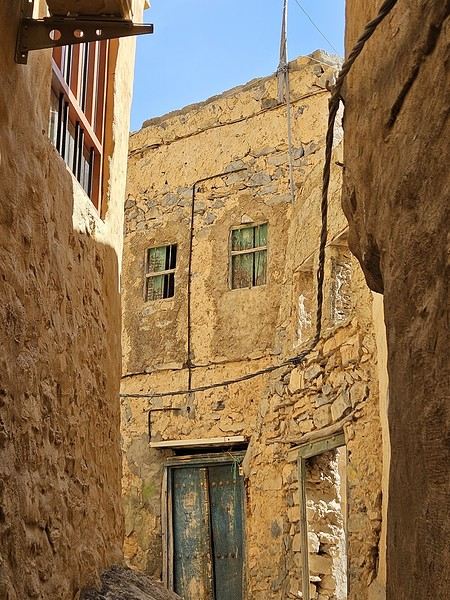
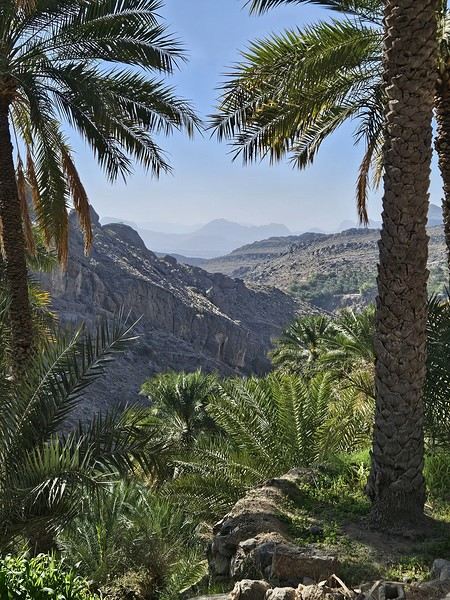
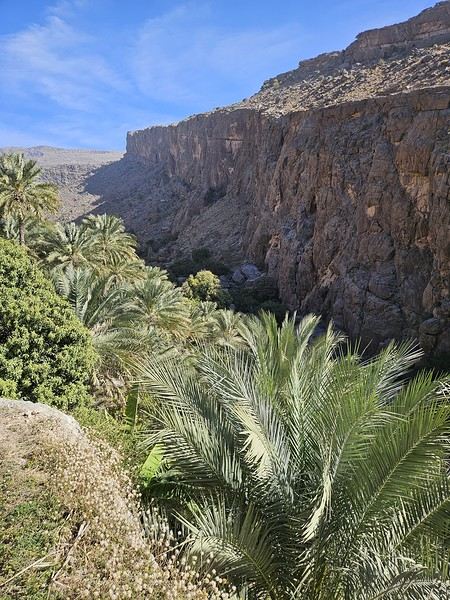
Here are a few stunning views as we followed the steep road climbing into the mountains, giving us a great perspective of the canyon as a whole. We passed through two villages with tall earth-brick houses—the road was *very* narrow, and passing other vehicles was tricky in some spots!


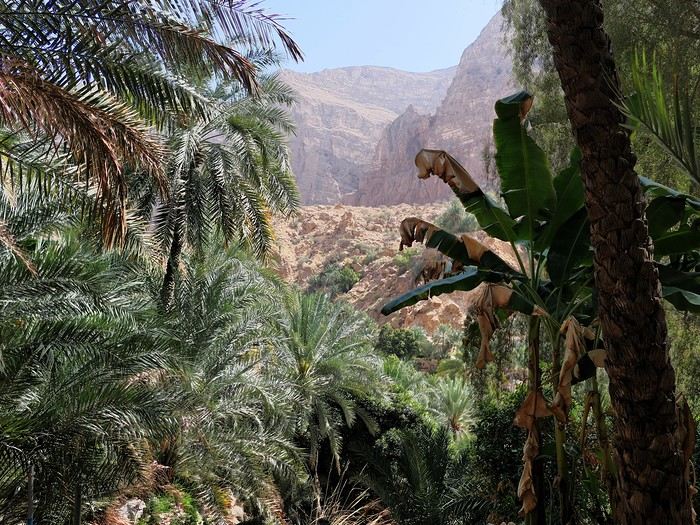
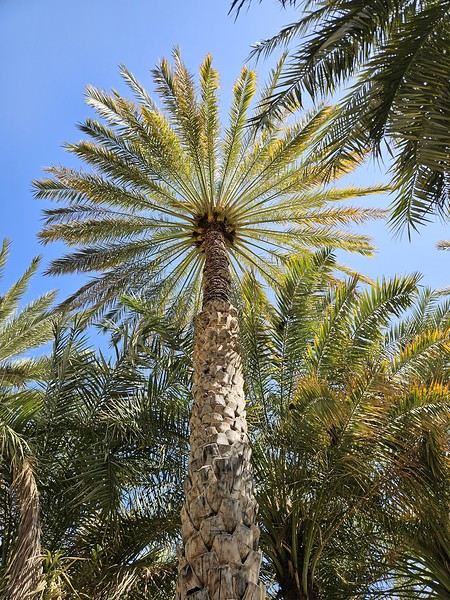
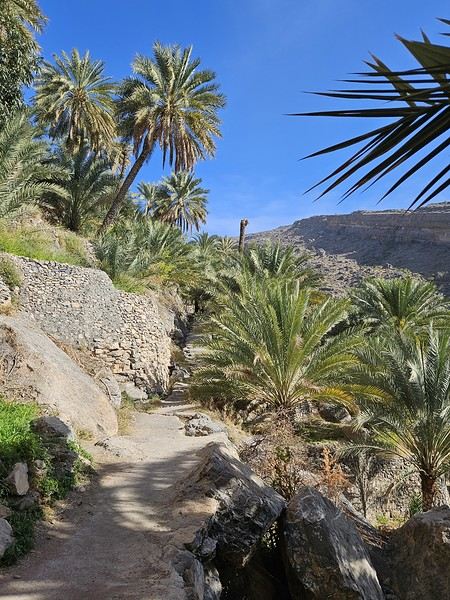
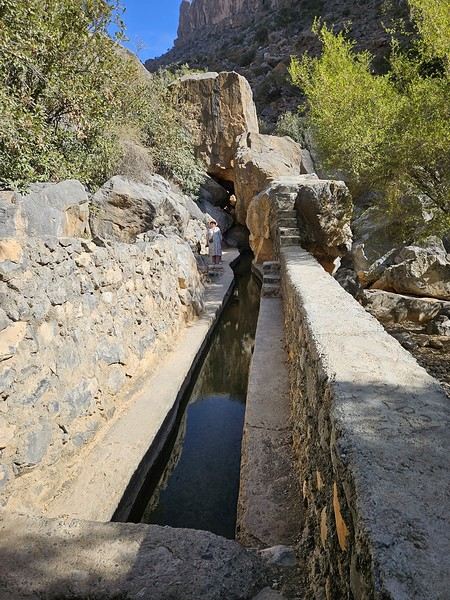
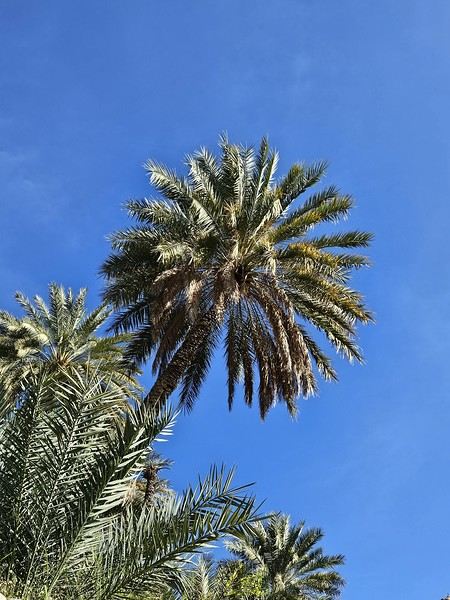
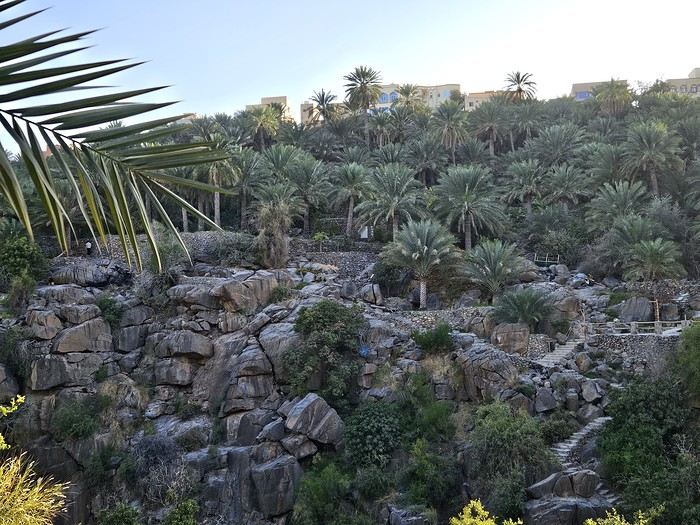
Once parked in Mibam, Ahmed guided us along the falaj through beautiful date palm gardens (with a few banana trees too).


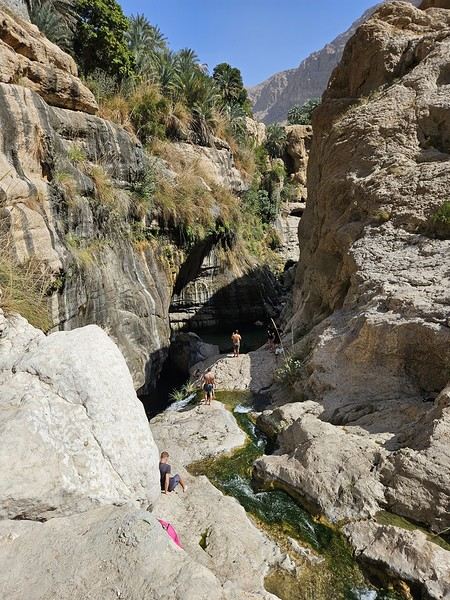
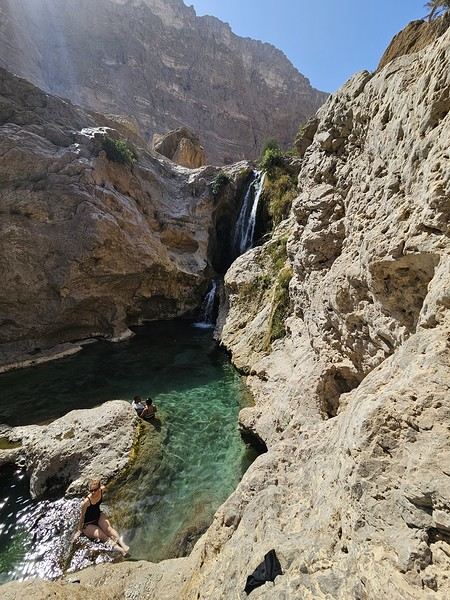
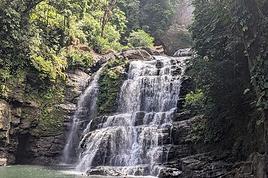
Steps led us down to the bottom of the wadi, where a waterfall cascades into a gorgeous pool.


A really enjoyable walk! After picking up our car, we headed to Sur, where we stayed for two nights. The pool at the Best Western hotel was a welcome treat!
FA Fabhyène Veteran ·
Sur (Sour)


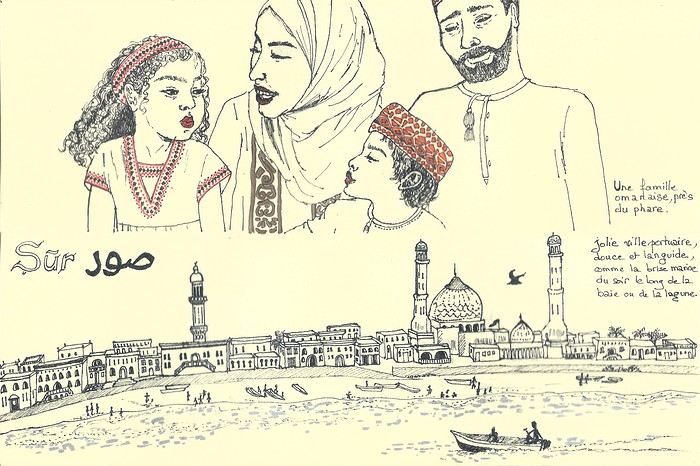
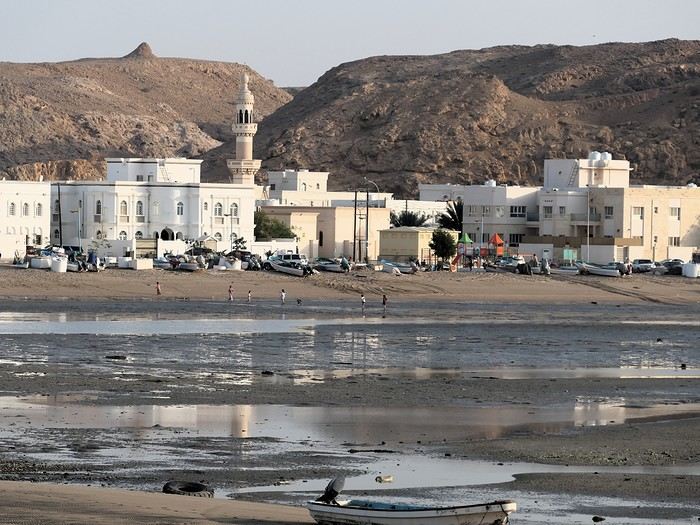
It’s a peaceful seaside town whose atmosphere we really enjoyed. Very few tourists stay here—there aren’t many hotels or guesthouses. When planning our trip, I’d looked for places along the corniche, but my search came up empty, which is why we ended up at the Best Western. It wasn’t very exotic, but as always with this chain, it was pleasant and clean, and here, the price was very reasonable.

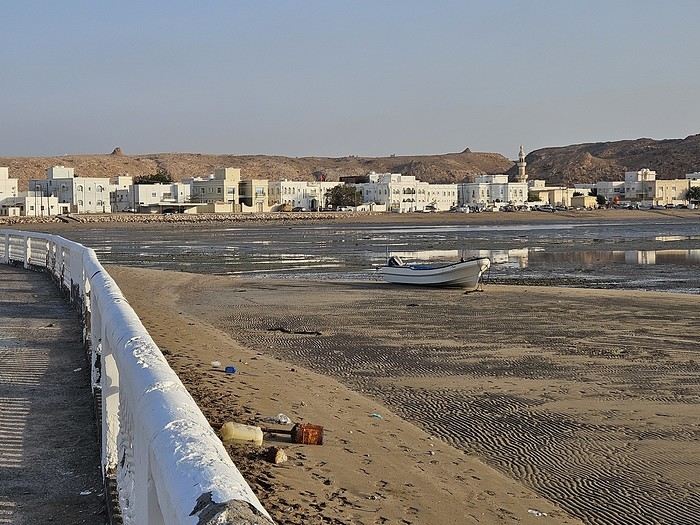
Sur has a unique topography: the town stretches along the seafront but also around a large lagoon behind it. The souk, lively in the evening, caters to locals rather than tourists—no souvenirs here, just tailors, jewelry in the style Omanis love, kumas, and more. By late afternoon, the beaches fill with families and kids playing soccer. A stroll around the lighthouse, on the other side of the bridge spanning the channel between the beach and the lagoon, is also lovely. The neighborhood has some beautiful traditional houses, whitewashed like the rest of the seafront, which is dazzling.


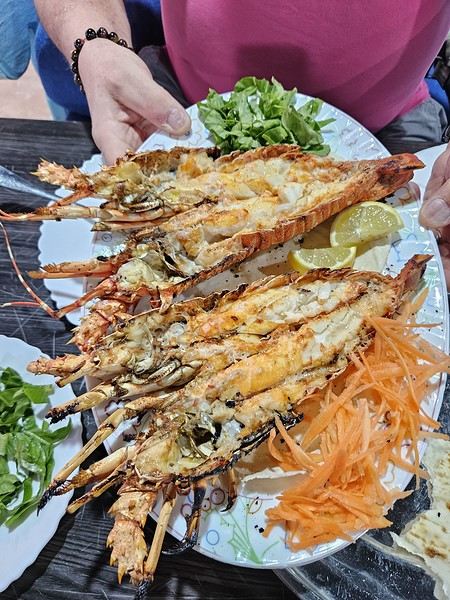
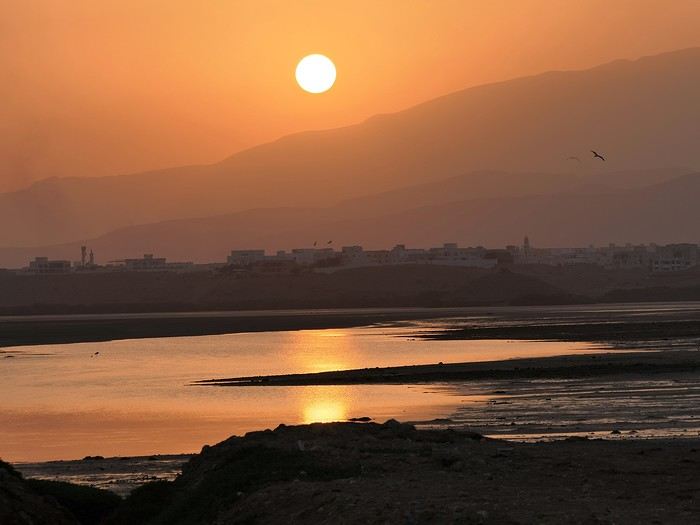
For a dinner with grilled seafood (including lobsters at a very low price), we recommend Sahari Restaurant, with a view of the lagoon. Sitting on the terrace and watching the sunset is a must!


Note that Sur might change in the coming years—construction is booming all around the town.
FA Fabhyène Veteran ·
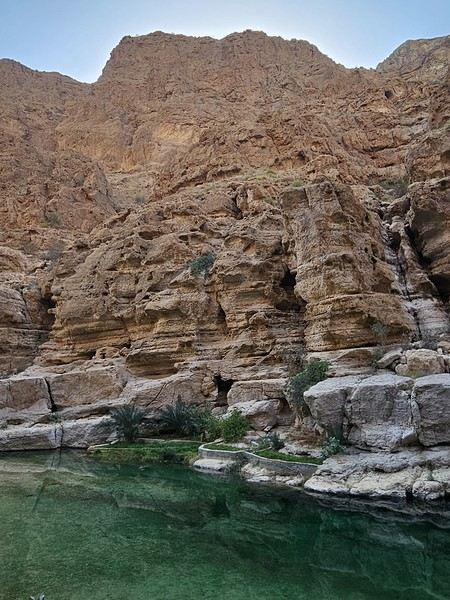
Wadi Shab is pure magic.


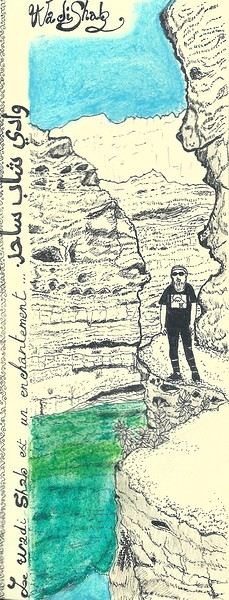
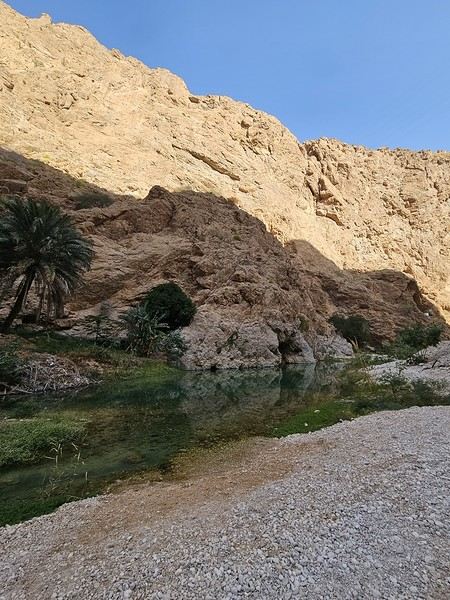
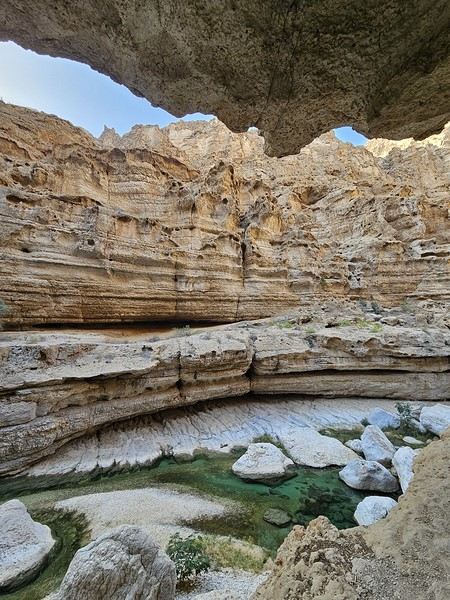
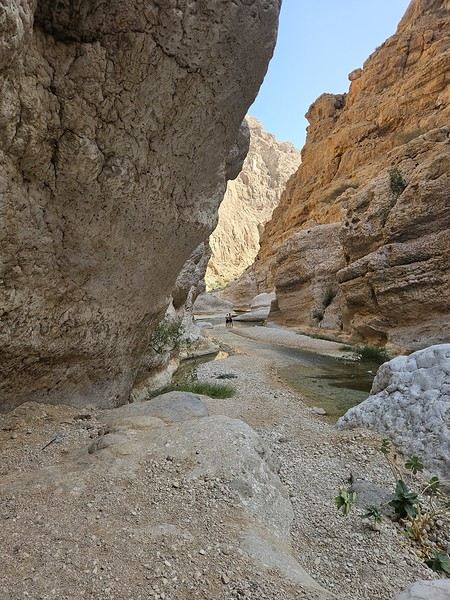
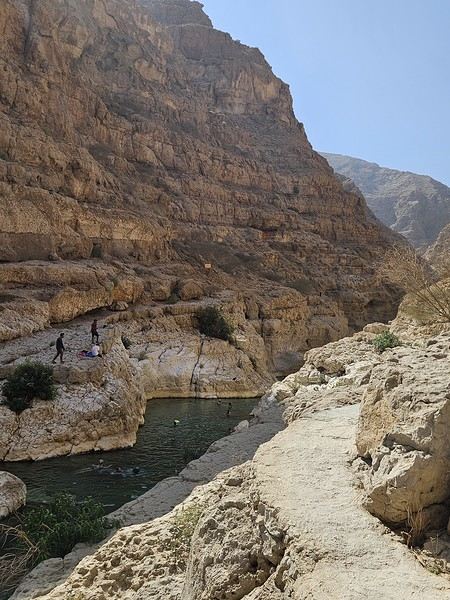
It’s also very popular and often ranked as the number one must-visit spot in Oman, so I’d recommend heading there early in the morning to hop on the little boats as soon as they start running (you cross the wadi’s mouth by boat to begin, but the price is very reasonable—it helps support local tourism, and the rest is free, unlike in other countries where you’d pay a much higher entrance fee). By arriving early, you’ll get to fully enjoy the hike up the long, narrow canyon (allow about 45 minutes), followed by the submerged section where you swim and wade (around 20 minutes, or longer if you stop for a dip like we did), before reaching the cave and its waterfall. The wadi widens and narrows several times—sometimes the path is right at water level, other times it’s above it. The colors are stunning, as are the reflections of the rocks in the water, which range from turquoise to emerald.


The photo above is the last one we took, overlooking the submerged section before we packed everything into our dry bag. The water was amazing! It felt cool at first, but we’d been hiking briskly—it was probably around 22–24°C. We splashed around for a bit, soaking in this incredible environment. On our way back, we passed more and more visitors along the trail… If you go, you know what to do ;) It’s a truly enchanting place! Tips: Watch out for slippery rocks, wear non-slip shoes that you can keep on for the final stretch of the canyon, or rent some before boarding the boat (there are gear rental spots). And bring a proper dry bag (you can find small ones for 15–20 € in sports and hiking stores in France) for your phones, keys, wallets, and IDs. If possible, avoid visiting on Fridays or Saturdays—it’s the weekend in Muslim countries, and many locals come from Muscat for the day (the drive takes about 1 hour 45 minutes).
FA Fabhyène Veteran ·
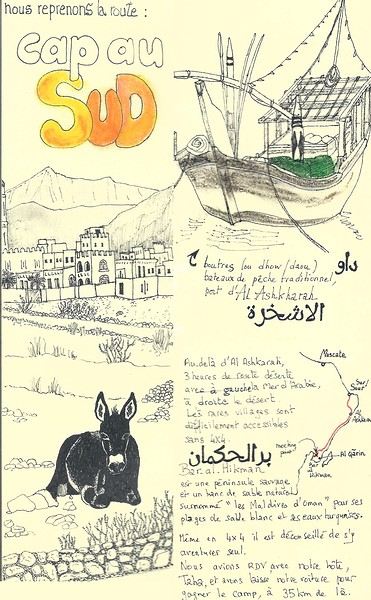
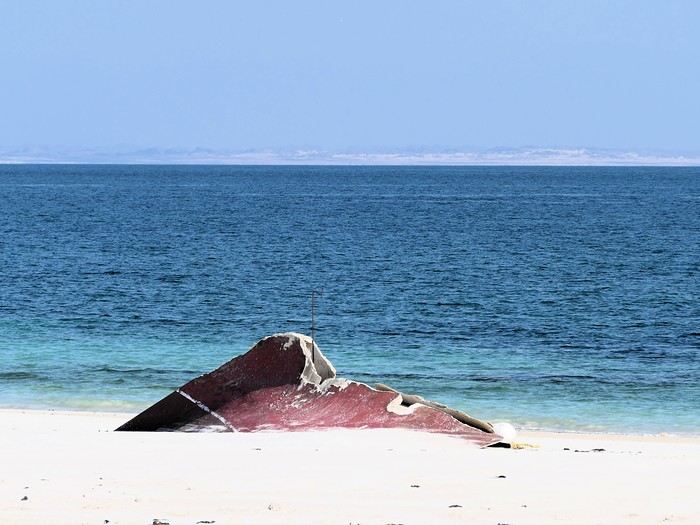
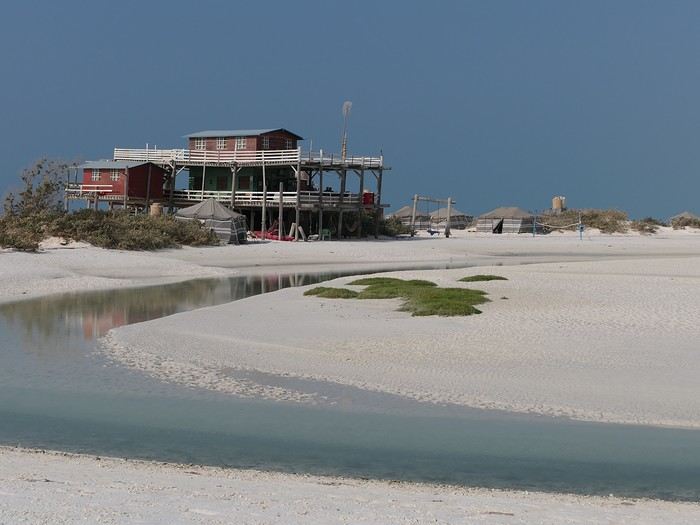
Bar Al Hikman Our next stop is nearly 4 hours by road from Sur, along the coast. Bar Al Hikman is a wild peninsula facing the island of Masirah. This place is nicknamed "the Omani Maldives."

How did I end up here? I’d read that the Daymaniyat Islands, just north of Muscat, were pretty crowded. As you can tell from reading me, we really don’t like crowds—the excessive behavior, the noise, the parties... Someone well-meaning might say it’s also about age 😉... On the other hand, we had time to spare since I’d originally set aside 3 days for the desert, thinking I’d find someone to guide us on foot hikes and camping, like we did in Wadi Rum in Jordan nearly 15 years ago. But I didn’t find what I wanted—people only offered 4x4 trips... or quad bikes... or camels... So, I cut the desert stay to one night and used the extra time to head down to Bar Al Hikman and stay for two nights, like a peaceful retreat!

We were infinitely happy with this choice.

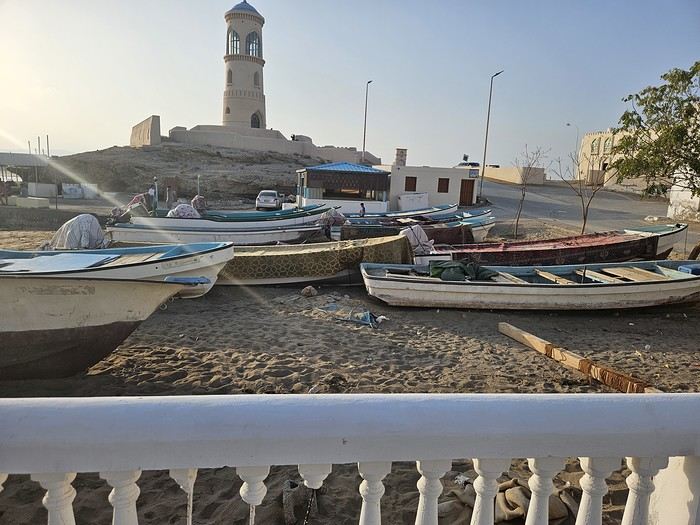
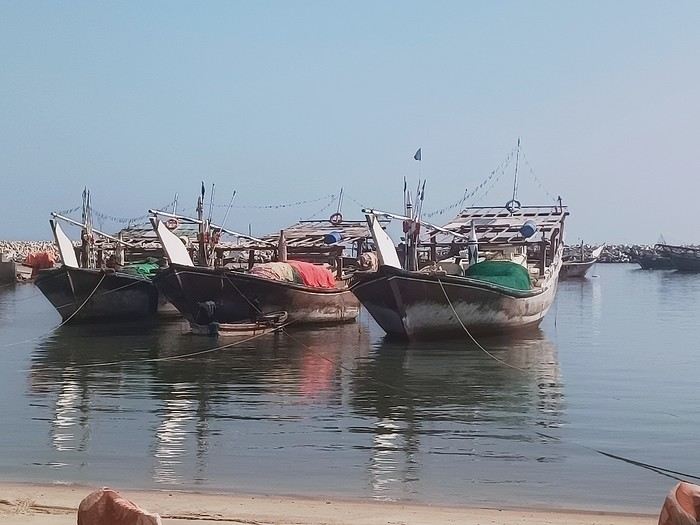
First, here’s an idea of the route on the page below. Before tackling the long, fairly deserted road, you can stop in Al Ashkarah, a large town where you can photograph the port and its traditional boats, fill up on gas, and stock up (and withdraw cash for later payments).


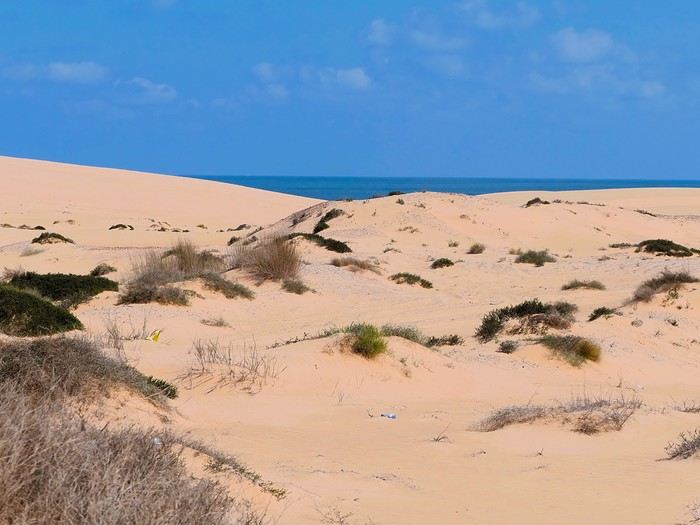
There are several gas stations along the way, but be careful not to rely on one being open—you know the drill. The road is pretty monotonous: the sea on the left, sand dunes on the right, for kilometers and kilometers... For a long stretch, there are very long beaches with plenty of access points. We stopped—the yellow sand beach seemed endless. Unfortunately, hundreds, no, thousands of plastic waste items washed up by the sea. A local Omani explained that most of this waste comes from large fishing boats sailing the very fish-rich Gulf of Oman. These boats mostly come from India and Bangladesh, and the crew dumps all their trash into the sea. Omanis are furious. But they’ve recently managed to use diplomacy to enforce strict controls on plastics (bottles, containers, polystyrene crates) loaded onto these boats and verify the same quantities upon return (with hefty fines as a deterrent). Let’s hope it works.

Further on, the road moves slightly away from the sea. There seem to be a few hidden villages along the coast, but they’re unreachable for us without a 4x4 because of the sand.


We finally arrive at the meeting point—a gas station in the middle of nowhere where we’ll leave our car. Taha is already there. He’s a tall, broad-shouldered guy, all smiles, his skin weathered by the sun and wind, incredibly warm. He explains that even if we’d had a 4x4, he would’ve at least come to pick us up to convoy to the camp because the whole peninsula is deceptive: the ground looks hard, but from one spot to another, it’s actual quicksand. He’s lost count of the people who’ve tried to go alone ("I know, I know") and called him in distress, not knowing where they were... Sometimes he only finds them at night, thanks to their headlights!

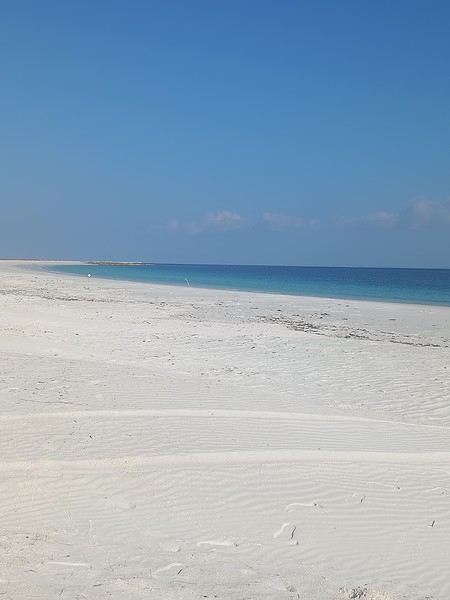
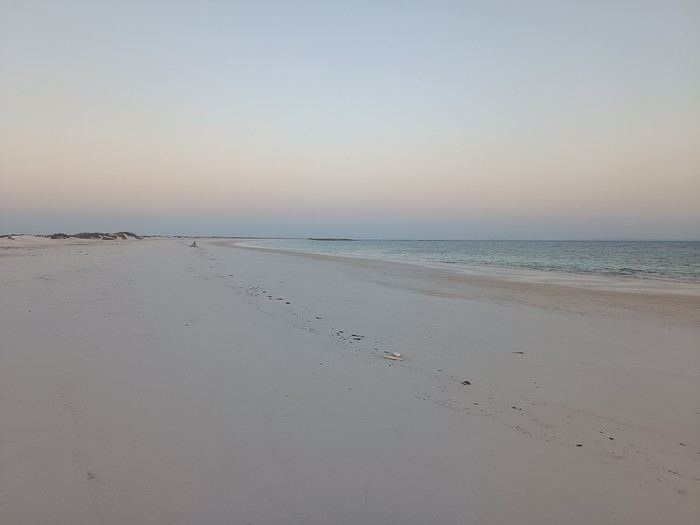
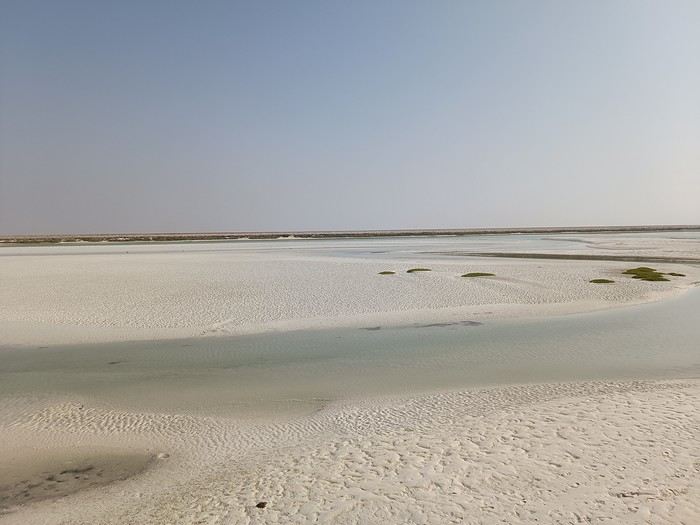
35 km from the station, crossing this white desert, the camp is a little gem.


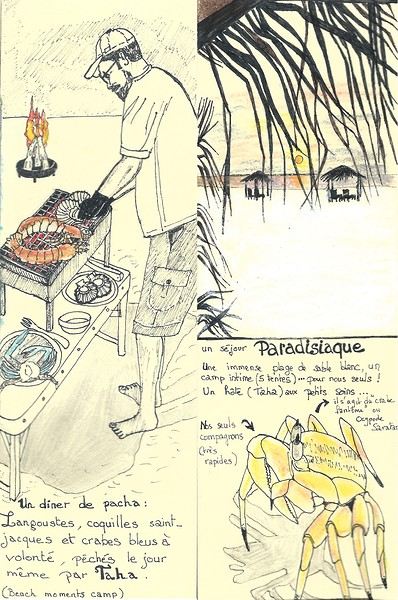
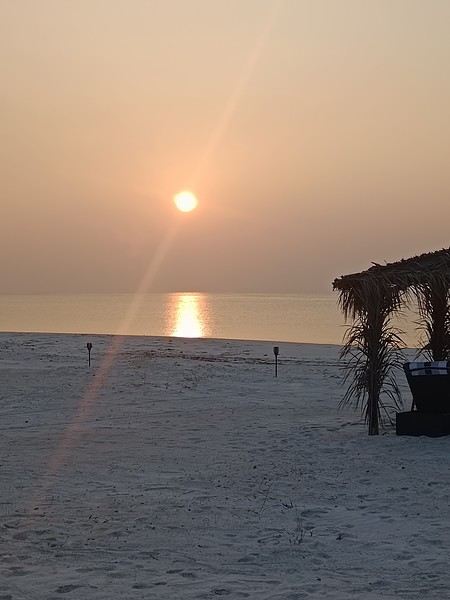
"Beach Moments Camp": alone on the edge of a vast white sand beach, just 5 "rooms." The rooms are large, very comfortable tents with real beds, a small sitting area, and private facilities 10 meters behind the room—WC, shower, and sink. A large tent serves as a common area for breakfast and dinner, to charge devices or use Wi-Fi if needed, or to spend the evening. The stay isn’t cheap, but it includes dinner, and one of the dinners is a lavish barbecue with a mountain of lobsters, blue crabs, and scallops that Taha caught himself. A FEAST.


We’re all alone—coincidentally, the camp was full last week and will fill up again in 3 days... we’re loving it. Our only companions are the little ghost crabs, which dart away at lightning speed when you approach. They dig into the wet sand and hide, only their little eyes peeking out. It’s worth knowing that besides being a great place to relax, this is also a paradise for fishing, snorkeling, and windsurfing since there’s always wind, and it picks up even more in the summer. In the distance, you can see the outline of Masirah Island. If we come back, we’d add an extra 2 or 3 days to sail around the island and spend a night or two there—I’d seen offers like that.


Before going to bed, we admired the starry sky and its millions of stars. A little later, the full moon rose. In the middle of the night, when I woke up and went out to our facilities, I thought I was dreaming: the white sand, under the moonlight, sparkled like quicksilver... The next day is an "off" day. In the morning, Taha takes us for a walk to a spot on the peninsula where there are a few more people—a friendly guesthouse where we stop for coffee.


On the way back, we pass by a camp next to his, run by his older brother. Similar setup, but more on the rocks (ideal for those who want to fish).

We spend the rest of the day relaxing—walking to the end of the endless beach, reading, listening to music, swimming (the water’s around 26°C).

The next day, Taha takes us back to the gas station. The enchanted parenthesis closes!

We fill up and head back up the road we’d come down two days earlier. Next stop: the Wahiba Sands!!!
FA Fabhyène Veteran ·
Towards the endless sands

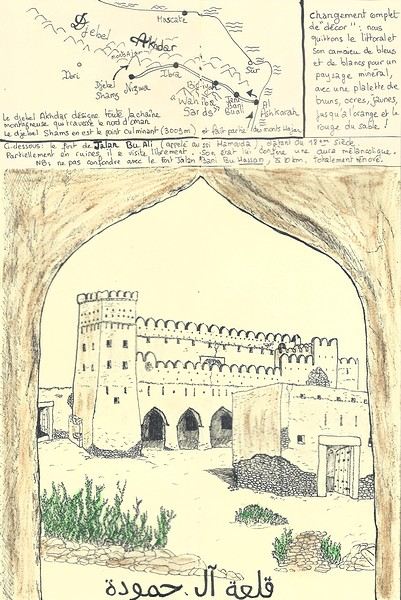
We first follow the long coastal road up to Al Ashkarah, then turn inland, leaving the coastline and its shades of blue for the browns of Jabal Akbar and the oranges of the Wahiba Sands. At that point, I had no idea how much green I’d have to add to this palette, as the oases regularly bring unexpected life to these arid, mineral landscapes.

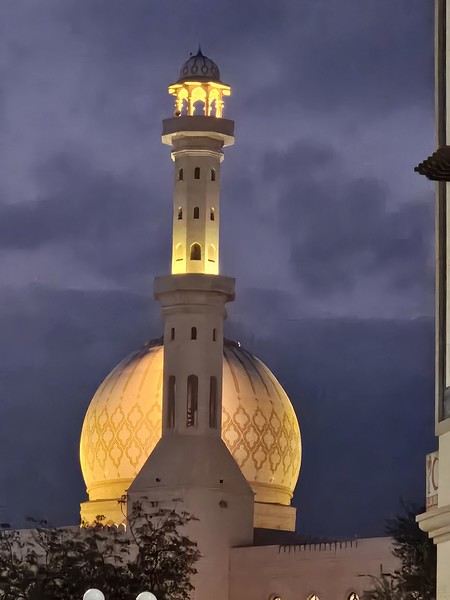
We have a meet-up at 3 PM in Bidiyah, where someone will pick us up for a night in the desert. That gives us time to stop in Jalan Bani Buali, where we especially want to see the Al Hamouda Mosque, also known as the Mosque of Domes.

Unfortunately, it’s inaccessible—under construction and surrounded by fencing.

No big deal, we were able to visit the Jalan Bu Ali Fort (also called Hamouda Fort), a partially ruined (or partially restored) fort dating back to the 18th century. You can explore it freely, and its worn beauty leaves plenty of room for imagination...


(Note: Don’t confuse it with the Jalan Bani Bu Hassan Fort, 10 km away, which is so renovated it looks brand new.)

In Bidiyah, there are already a few 4x4s waiting at the meeting point to convoy to the camp. I hope we’re not all going to the same place—I booked a small camp... We leave our car again to be driven. My husband and I agree we wouldn’t have gone far even with a 4x4, seeing how several of the convoy’s 4x4s got stuck in the sand or struggled to climb a slope, quickly rescued and put back on track. But with the expert advice of our convoy leaders, the drivers improve fast!

The convoy splits up, and we arrive at a tiny camp—just three tent-rooms and a communal tent. The camp is on a sort of ledge: on one side, we overlook a completely dry wadi that stretches into an endless expanse of dunes, which seem lower than where we’re standing; on the other, we’re at the foot of two beautiful dunes... What’s hiding behind them? Mystery!

We’re welcomed with traditional dates and a small Omani coffee. I’m a little disappointed—I’d booked a walking tour for the next morning, but it’s canceled. They offer 4x4 instead, which we decline.

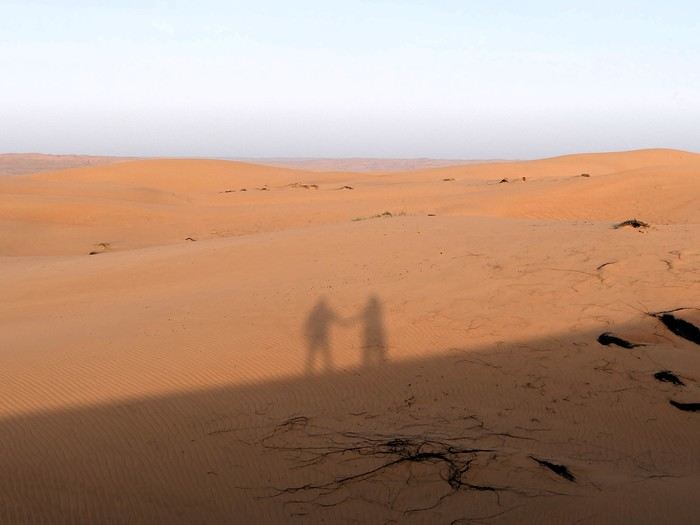
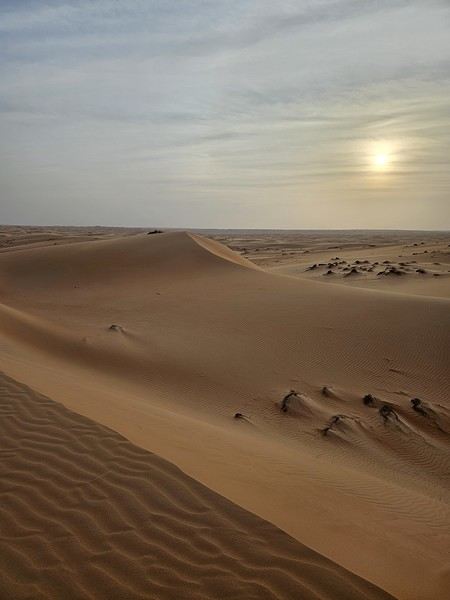
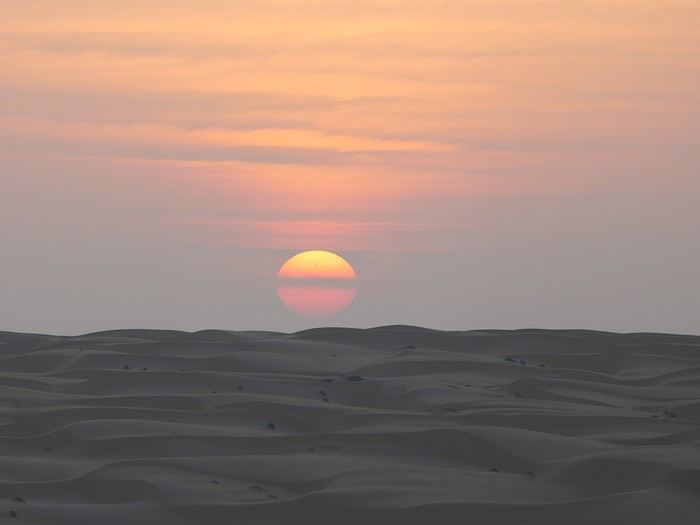
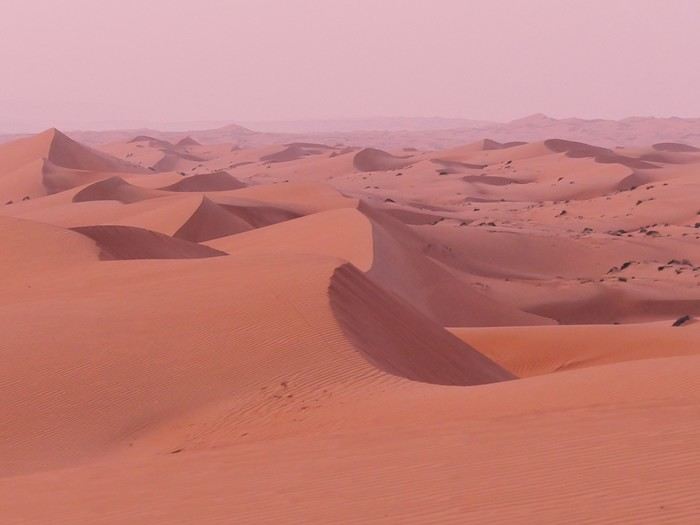
The disappointment fades quickly (I’ve learned to let go of what I can’t control), and we decide to make the most of this extraordinary setting. We climb the dunes overlooking the camp, and from up there, to the west, we see an ocean of dunes—mesmerizing. We walk along the crest, then settle in to soak in the view as the sun begins to set. For those who know the reference, you’d almost expect to see a giant sandworm emerge, led by Paul Muad’dib.

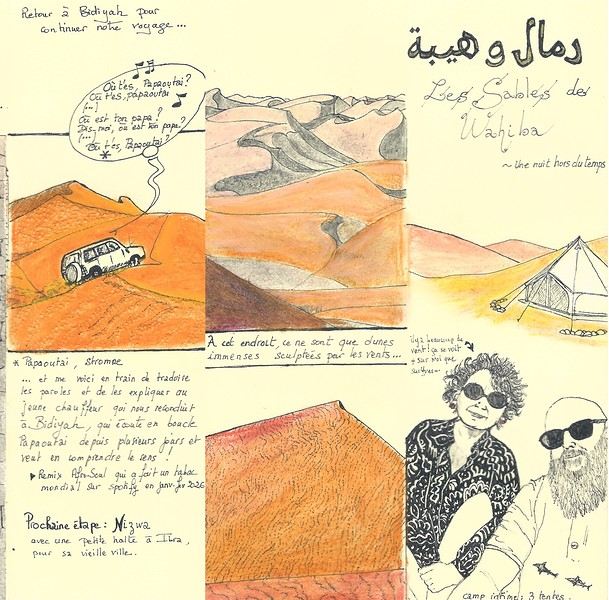
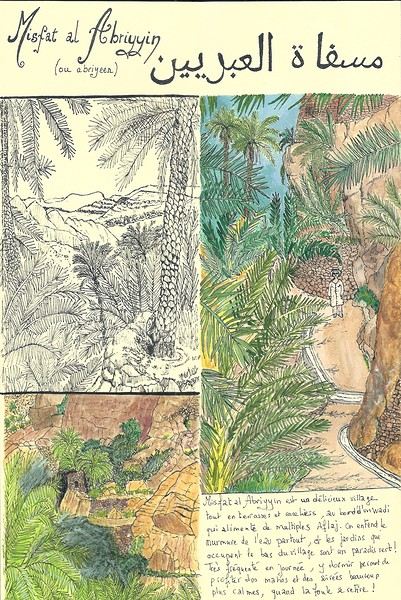
Note: The drawing board below should be read from right to left, since that’s how my travel journal unfolds.


The wind picks up, so we wrap scarves around our heads for protection. Time seems to stand still—only the sun’s curve reminds us it doesn’t. I think back to the giant dunes of Sossusvlei in Namibia.


The sun disappears, the temperature drops, and we head back down to wait for dinner in our spacious tent, its floor covered in soft rugs.

Dinner is lovely—there are two couples that night. We chat in English, as they’re Maltese and have lived in England for over 30 years. I learn from them that Maltese is a very unique language with Arabic roots, the only Semitic language in Europe, derived from a medieval Sicilian Arabic dialect. I love discovering things like that!

The next morning, I wake up early to watch the sunrise from "my" dune.


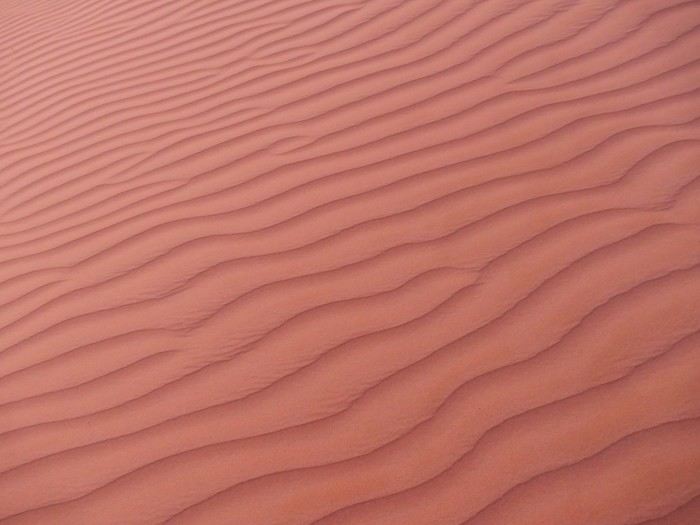
The dunes, golden-orange yesterday, are now tinged with pink.


After a good breakfast, we settle in quietly with our e-readers. Minute by minute, as the sun rises higher, the colors shift and the shadows constantly redraw the landscape.

Mid-morning, a young Omani picks us up to take us back to Bidiyah. Along the way, he blasts a remix of *Papaoutai* by Stromae, which has been looping on all platforms for a week. He’s desperate to understand the lyrics, so I translate them for him and tell him Stromae’s story and what I think the song means.

Back in Bidiyah, we retrieve our car and hit the road again, heading toward Nizwa.
FA Fabhyène Veteran ·
Nizwa, via Ibra

From Bidiyah to Nizwa, passing through Ibra, just under 200 km, or about 2.5 hours by road.


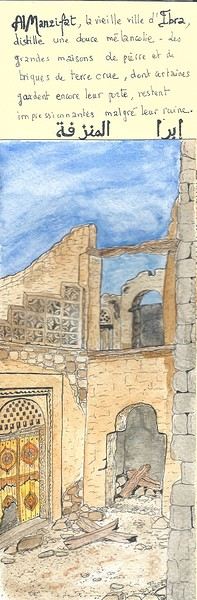
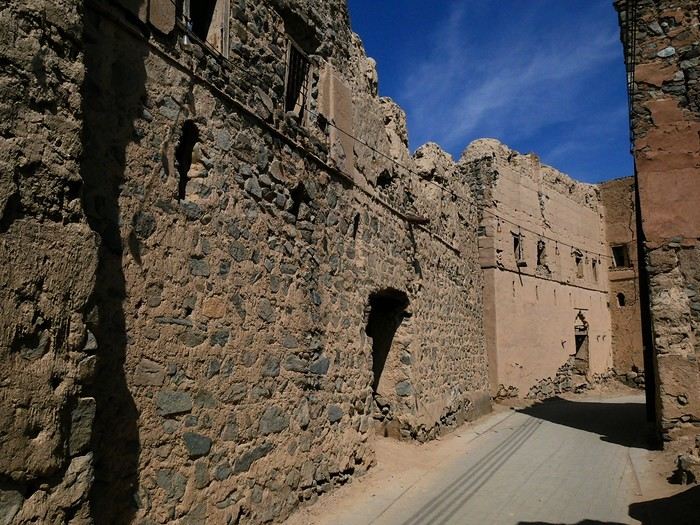
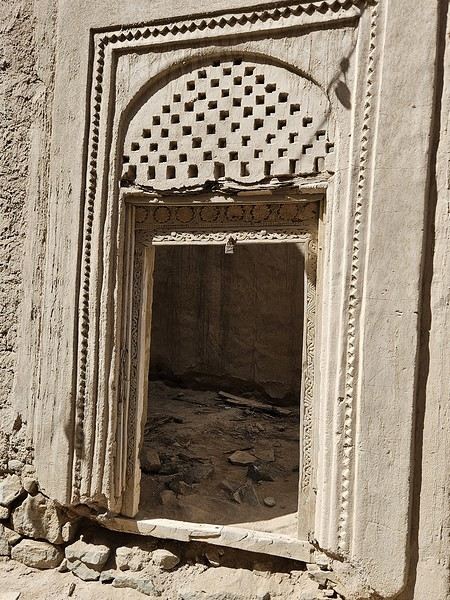
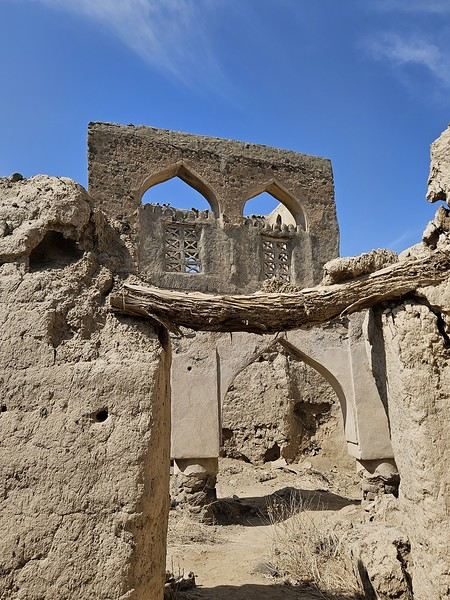
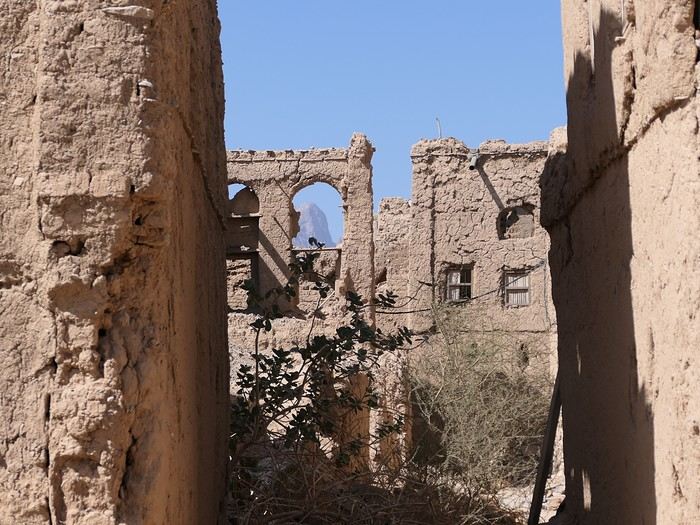
We decided to go through Ibra to visit the old town. Wandering between these large abandoned houses, most in ruins, I try to imagine what this neighborhood was like when it was full of life. I see children running around, laughing out loud, and women in colorful outfits returning from the morning market before leaning over pots. Others heading to the river to wash their laundry...

Now, silence reigns.


After this melancholic stroll, we headed to the souk, but it was the off-hour, so after a quick lunch at an Indo-Pakistani restaurant, we hit the road again for Nizwa, a major tourist spot since many people stay there to explore the surrounding areas.

We’ll have plenty of time to explore the area around Nizwa, as we’re staying in the region for a total of 5 nights—2 nights in Nizwa, then 1 night in Jebel Shams, and 2 nights in Misfat Al Abriyeen. Yes, that’s a lot, but not too much in our eyes.


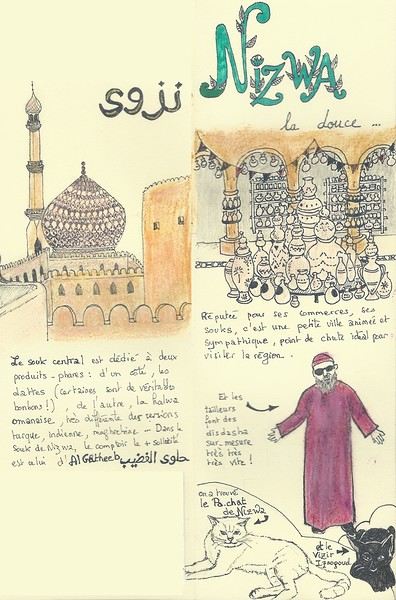
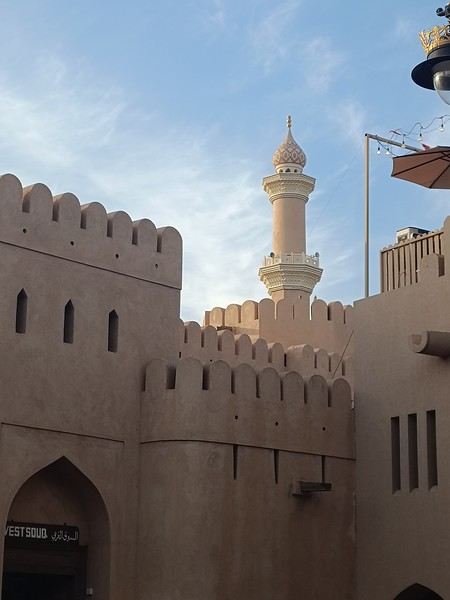
For our first two nights, we’re staying in the heart of the old town (Alaqur View Inn), just steps away from the souks. The place is charming and very lively. There are lots of tourists, but in the evening, many Omani families and young people also come for a stroll. It’s worth noting that Nizwa is a very large city—it’s the second-largest in the country. One of the families’ favorite activities is walking along the ramparts at the beginning of the night.


The souks are really pleasant, with beautiful shops. In the middle, there’s a hall dedicated to dates from different origins, at various prices (some are considered top-tier). In the building facing the date hall, you’ll find all kinds of culinary products, spices, and piles of halwa... The most popular halwa counter is Al Gatheeb’s, which is very well-known. Omani halwa is quite special—it doesn’t resemble nougat; it’s more like a thick jelly, very fragrant, similar to fruit paste. The fig one is a delight!

We walk past tailor shops... Yves can’t resist a plum-colored dishdasha. They take his measurements in the back room, and it’ll be made in record time!

Tomorrow, we’ll visit the forts of Bahla and Jibreen.
MU Muriel18 Globetrotter ·
I’m still enjoying this just as much—between the pleasant narrative, photos, and beautiful drawings! 🙂

We did the route in the opposite direction (because of the goat market day in Nizwa). I can’t wait to (re)visit Misfat and see if the village has changed (many projects to convert old houses into guesthouses were underway in 2020).
FA Fabhyène Veteran ·
I’m still enjoying it just as much—between the pleasant narrative, photos, and beautiful drawings 🙂

We did the circuit in the opposite direction (because of the goat market day in Nizwa). I can’t wait to (re)see Misfat and find out if the village has changed (many projects to convert old houses into guesthouses were underway in 2020).

Hi there, you’ll be disappointed because I barely took any photos of Misfat village (not enough distance), so you won’t be able to do a "before/after" comparison. I focused on the gardens, especially the lovely walk along the falaj. But I had the same impression as you (so the work probably didn’t progress much between 2020 and 2026): there were construction sites on the houses in the upper part of the village, the lower part had been partly lightly renovated and partly left untouched, with a few houses still in ruins. We wondered how the village would evolve in the coming years.
FA Fabhyène Veteran ·
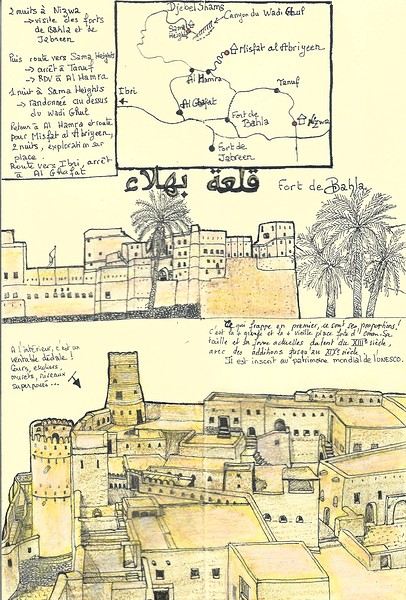
Bahla Fort

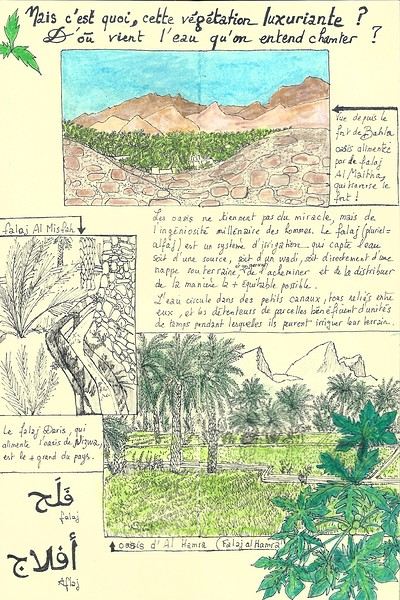
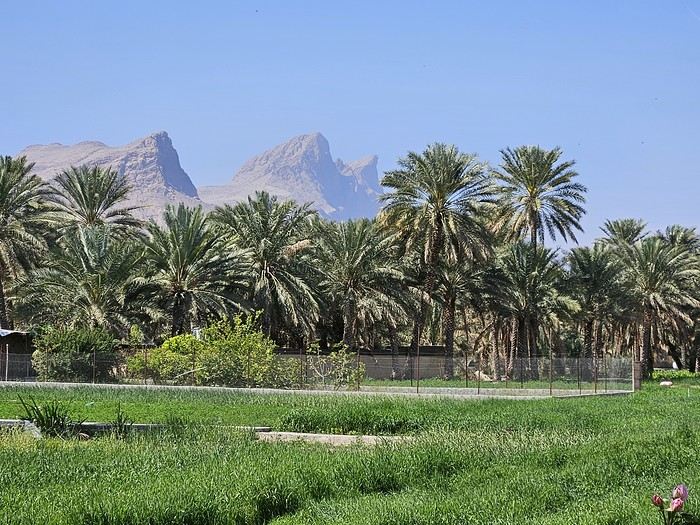
But before Bahla Fort, a little stop to admire the wonderful oases that surround towns and villages in this part of the country.

It’s absolutely fascinating. The page below is dedicated to the Falaj system, a testament to human ingenuity when we don’t use our brains and hands to invent and produce weapons... For those who might struggle to read my handwriting, the Falaj (plural Aflaj) is a millennia-old irrigation system that channels water from an underground source, a water table, or a wadi, then distributes it as fairly as possible. In the oasis, water flows through small canals, and landowners have time slots during which they can irrigate their plots.


Here’s a poem by Ibn Khafaja:


There are said to be 3,000 active ones in the country. In the case of underground water tables, the tunnels dug by hand 1,500 years ago stretch for several kilometers and can go as deep as 120 meters. The source is always higher than the oasis it serves, as a gentle slope delivers the water (no pumping system). Bahla Fort itself is surrounded by a large oasis, which you can admire from its ramparts. It’s about half an hour from Nizwa.


It’s enormous!


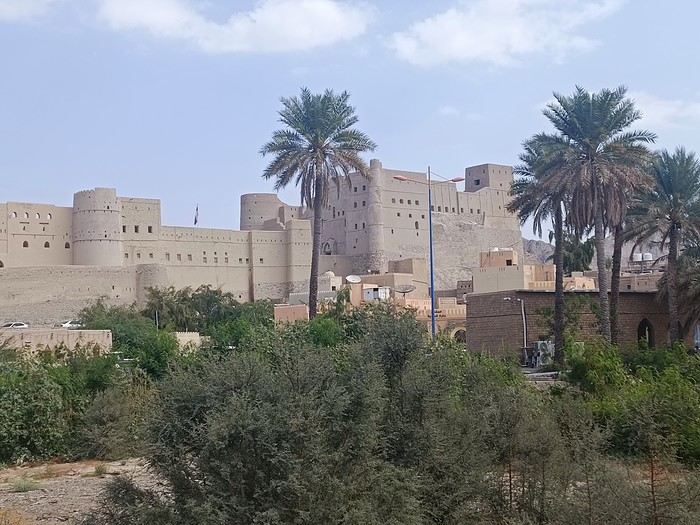
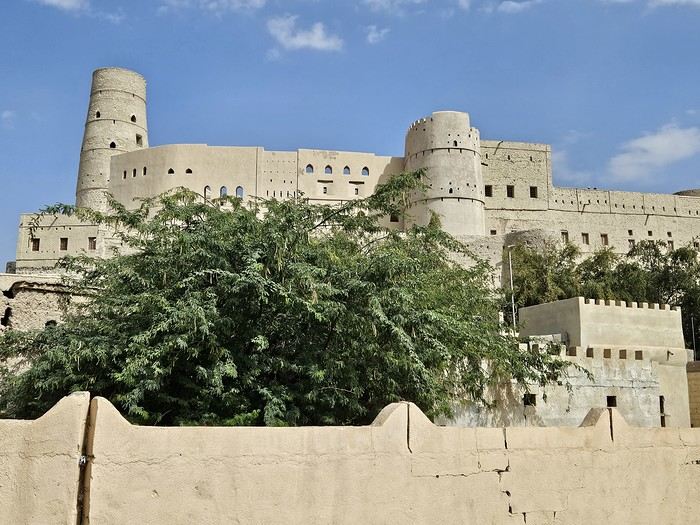
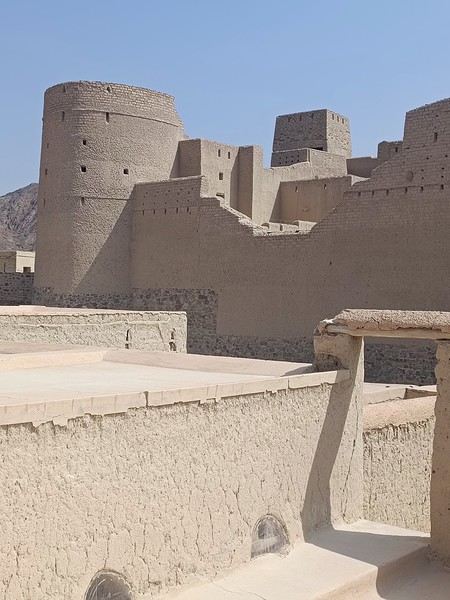
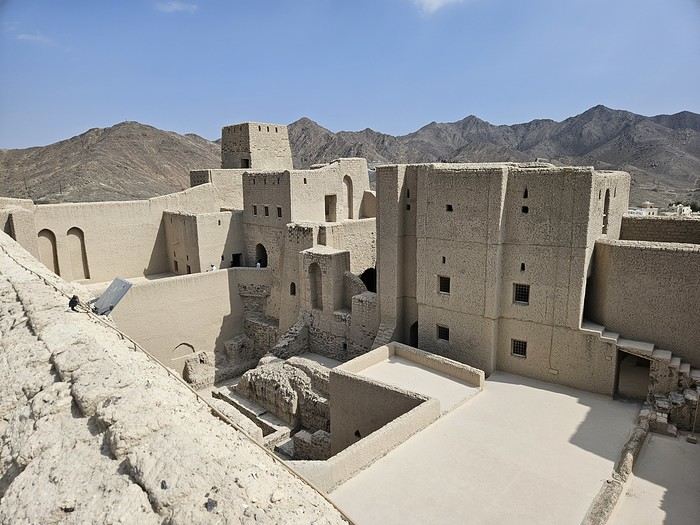
It was built between the 12th and 15th centuries and is a UNESCO World Heritage site. While its foundations are made of stone, the rest of the fort is built from adobe bricks (clay mixed with straw and sun-dried). It’s been partially renovated but retains its ancient character, unlike other forts where the restoration feels more like a reconstruction (e.g., Nizwa). It’s a real maze with multiple levels, staircases, rooms, and its terraces offer views of the surrounding oasis.


After this great visit, let’s head to the neighboring Jabrin Fort! !
FA Fabhyène Veteran ·
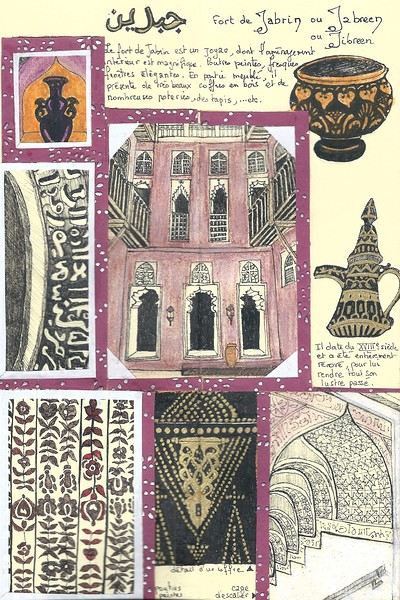
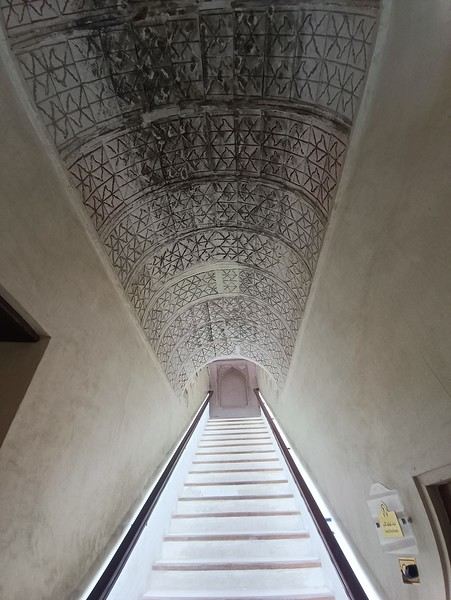
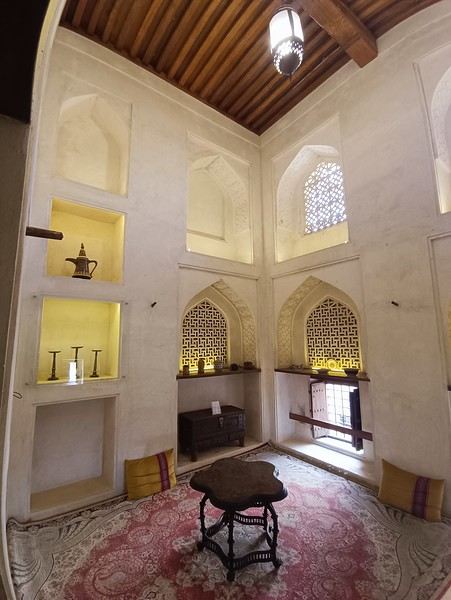
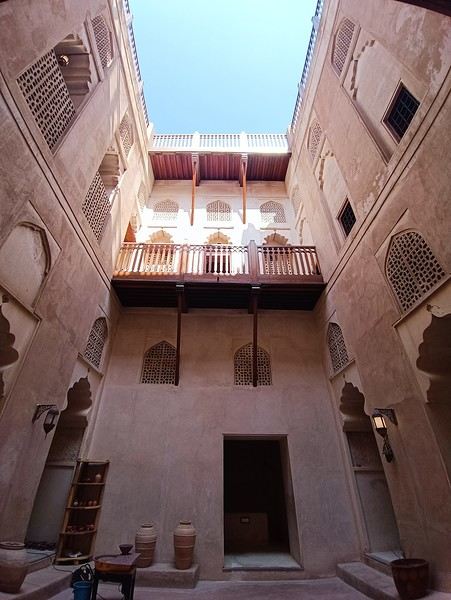
Jibreen Jibreen Fort is just 10 minutes from Bahla. Actually, it’s more of a fortified residential palace, also located in the heart of a palm grove.
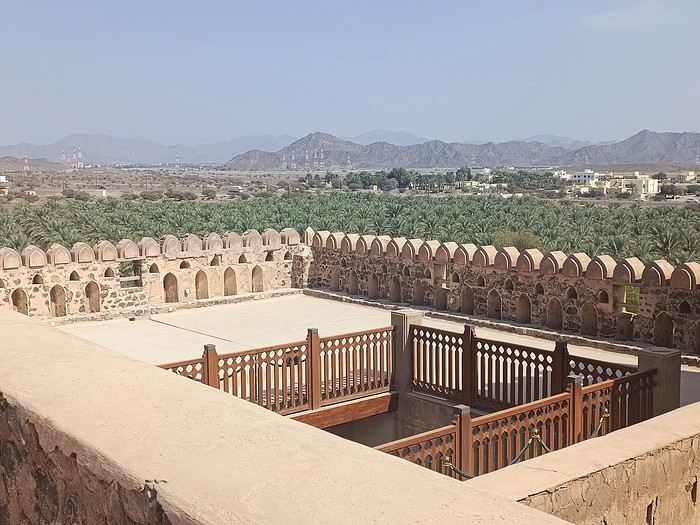
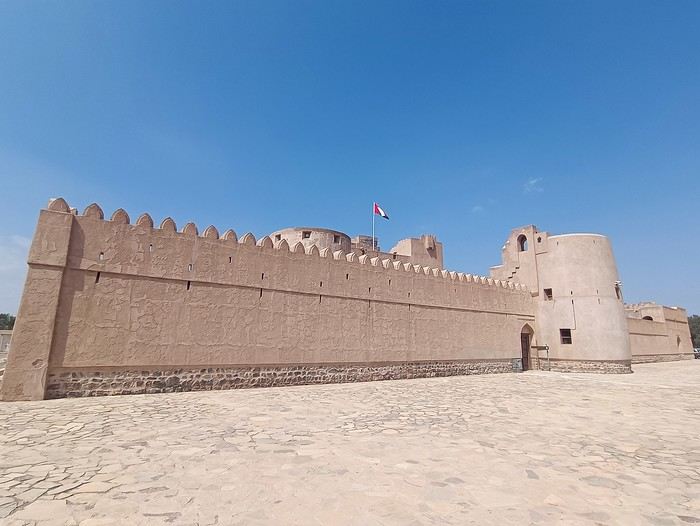
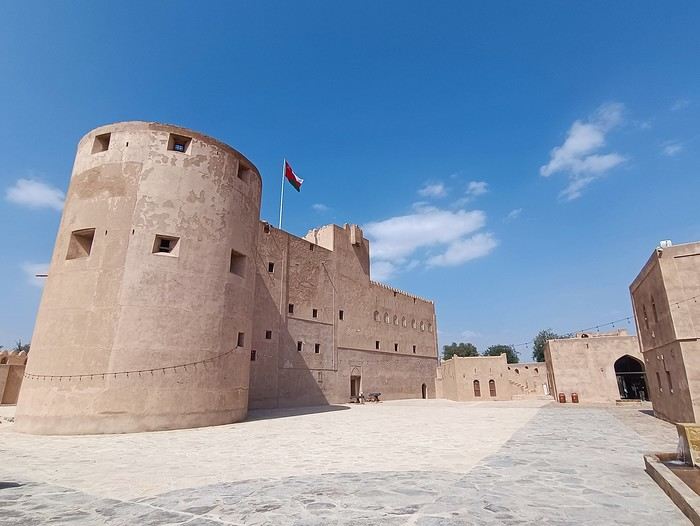
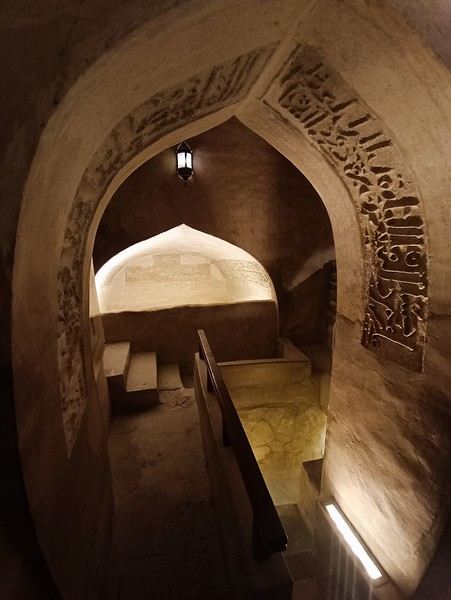
From the outside, it doesn’t look any different from other forts, but once you step into the central part, you’ll be charmed. It’s a little gem!


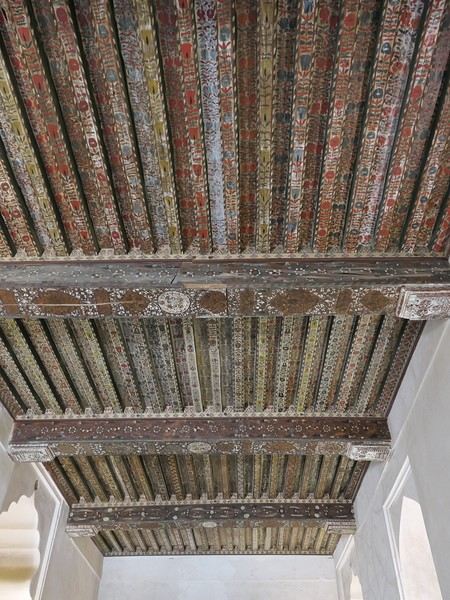
It dates back to the 17th century and was renovated in the 1980s. Its interior features are stunning: painted ceilings, niches, stucco details, balconies, windows with mashrabiya screens, staircases... There’s also a beautiful collection of antique chests.

After these two great visits, we head back to Nizwa for a relaxing evening.

Tomorrow, it’s Jebel Shams that awaits us—another stop full of promise!
KA Kate Globetrotter ·
Another step full of promise!

That’s exactly what I’m thinking while waiting for your drawings 🙂 It takes me three times longer to examine all the details than to read your texts! The whole thing is really enjoyable...
FA Fabhyène Veteran ·
Thanks @kate 😉

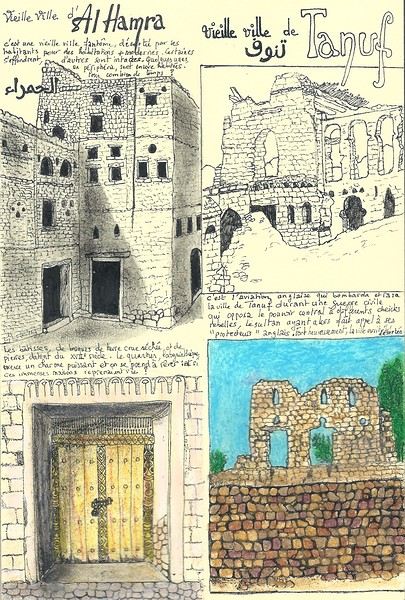
Okay, I know I promised we’d get to Jabal Shams and Wadi Ghul, but bear with me a little longer! Starting from Nizwa, we’ve got time, so we’re taking the chance to visit two more abandoned villages (or almost abandoned for the second one). You might be thinking you’re tired of abandoned villages... but not me—I’m the boss of this expedition! What can I say, their melancholy and atmosphere really get to me. Ruins have something so visual, and I’ve always loved the marks of time... on people too, by the way (oh, Sean Connery’s wrinkles in *Highlander*...), which is why I’m not too traumatized by getting older myself. Here’s the page dedicated to them:


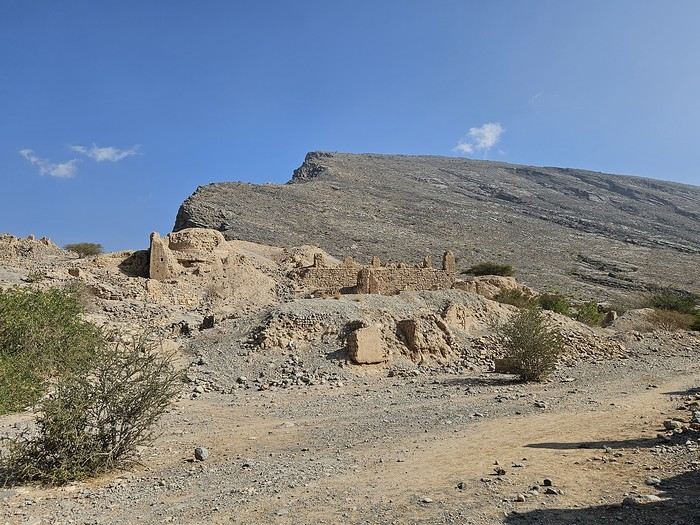
First, we head to the site of the old village of Tanuf. Tanuf is famous for its spring water, which comes from a wadi, and right in front of the wadi was a village that was bombed in 1957 by the British air force. Why? Because it was a rebel village during the Jabal Akhdar War (1954–1959), where rebel factions opposed the central power of the Sultan (based in Muscat). The Sultan was protected by his British allies, while the rebels were loyal to an Imam based in the Nizwa region and secretly funded by Saudi Arabia and Egypt. Luckily, the population had been warned, so there were no casualties. The war ended two years later when the Imam fled to Saudi Arabia.


If you’ve got time, you can explore the wadi on foot (it’s just behind the village)—I’ve read you can even swim there.

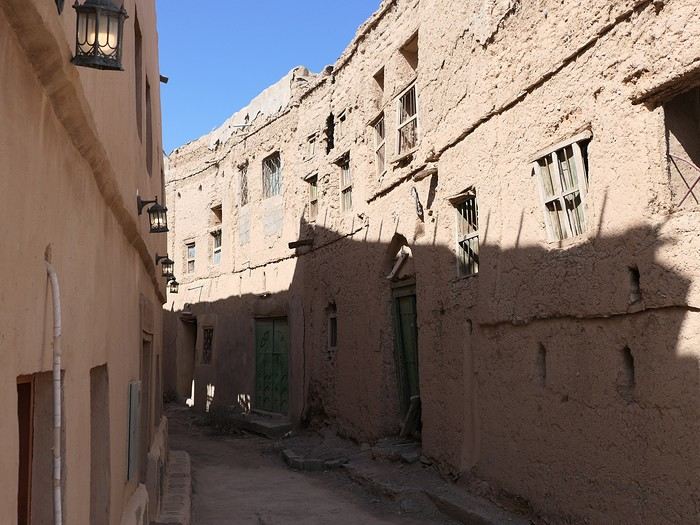
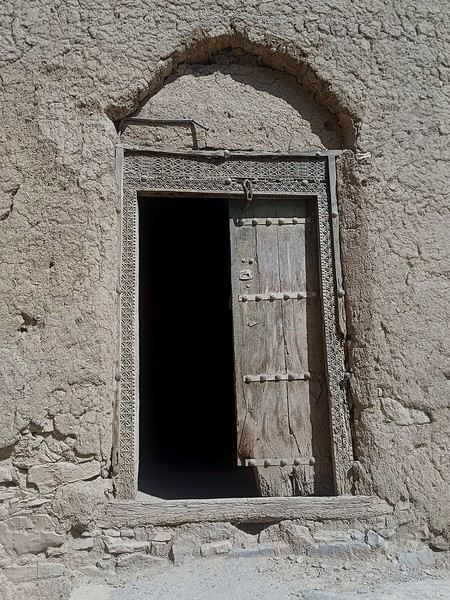
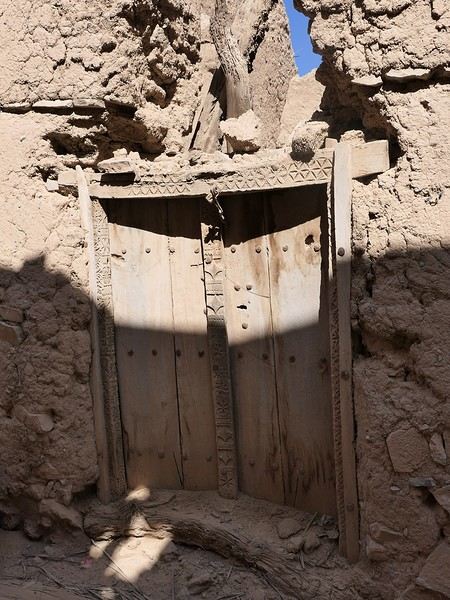
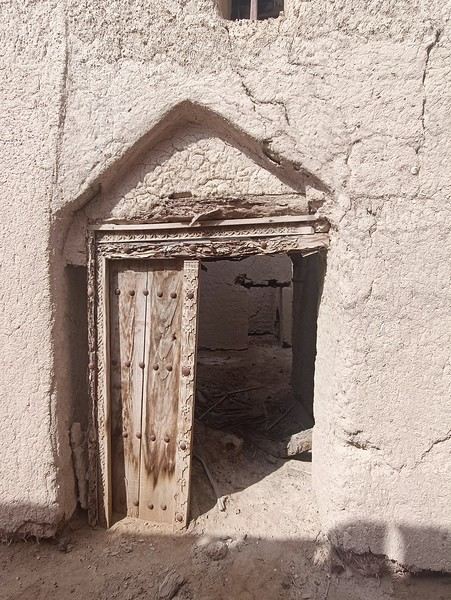
The second village is the old quarter of Al Hamra, which looks like the old town of Ibra, except it’s still inhabited on the outskirts—though I fear not for much longer. You can see some houses were abandoned recently, locked up and maintained. A few (very rare) seem to be under renovation, but the atmosphere is pretty ghostly, even if it’s also moving, especially with those beautiful, weathered doors.


After these two visits, we head closer to the Al Hamra oasis to have a picnic by the palm grove, then take a walk along the *falaj*.


And then we stumble upon this amazing lounge bar (alcohol-free, of course), right in the middle of green fields and date palms. The terrace is gorgeous, and I had the best iced mocha of my life there (and I’ve logged a few flight hours). It’s a DELIGHTFUL spot (*Saaf Cafe*, Al Hamra). To be continued: Jabal Shams / Wadi Ghul!
FA Fabhyène Veteran ·
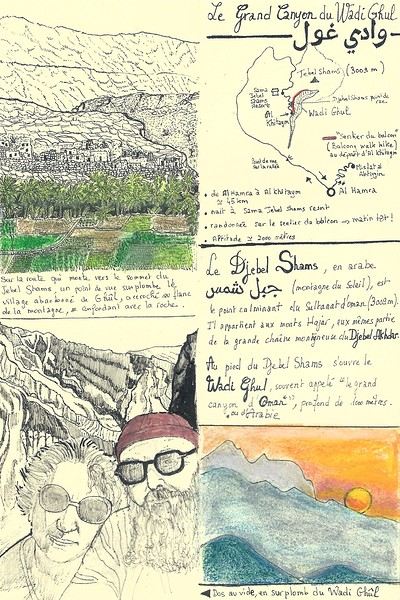
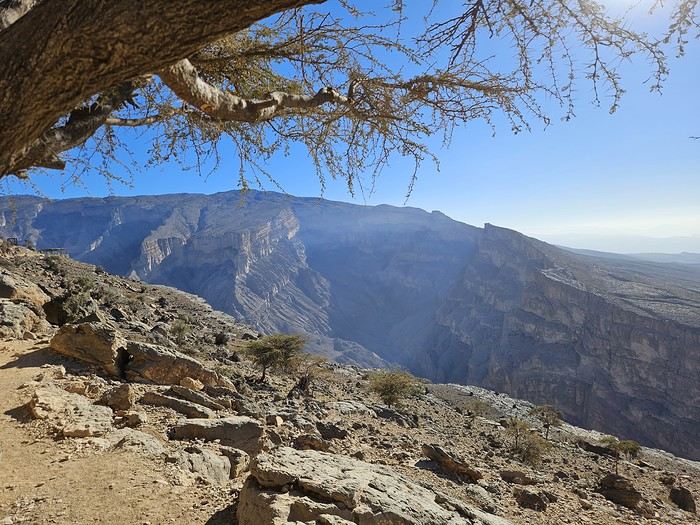
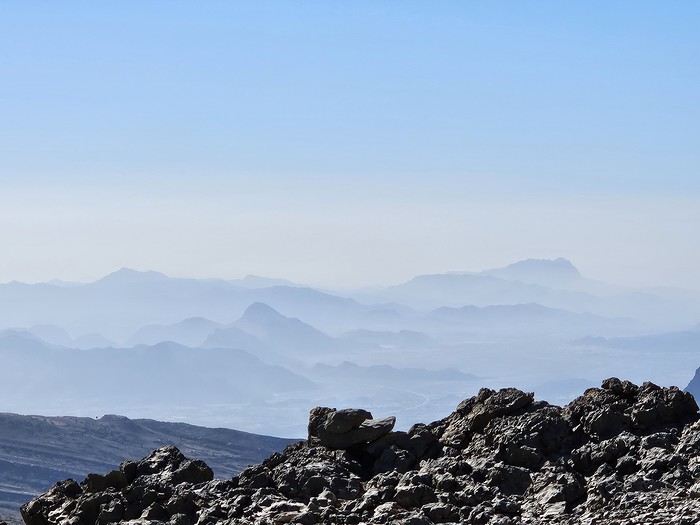
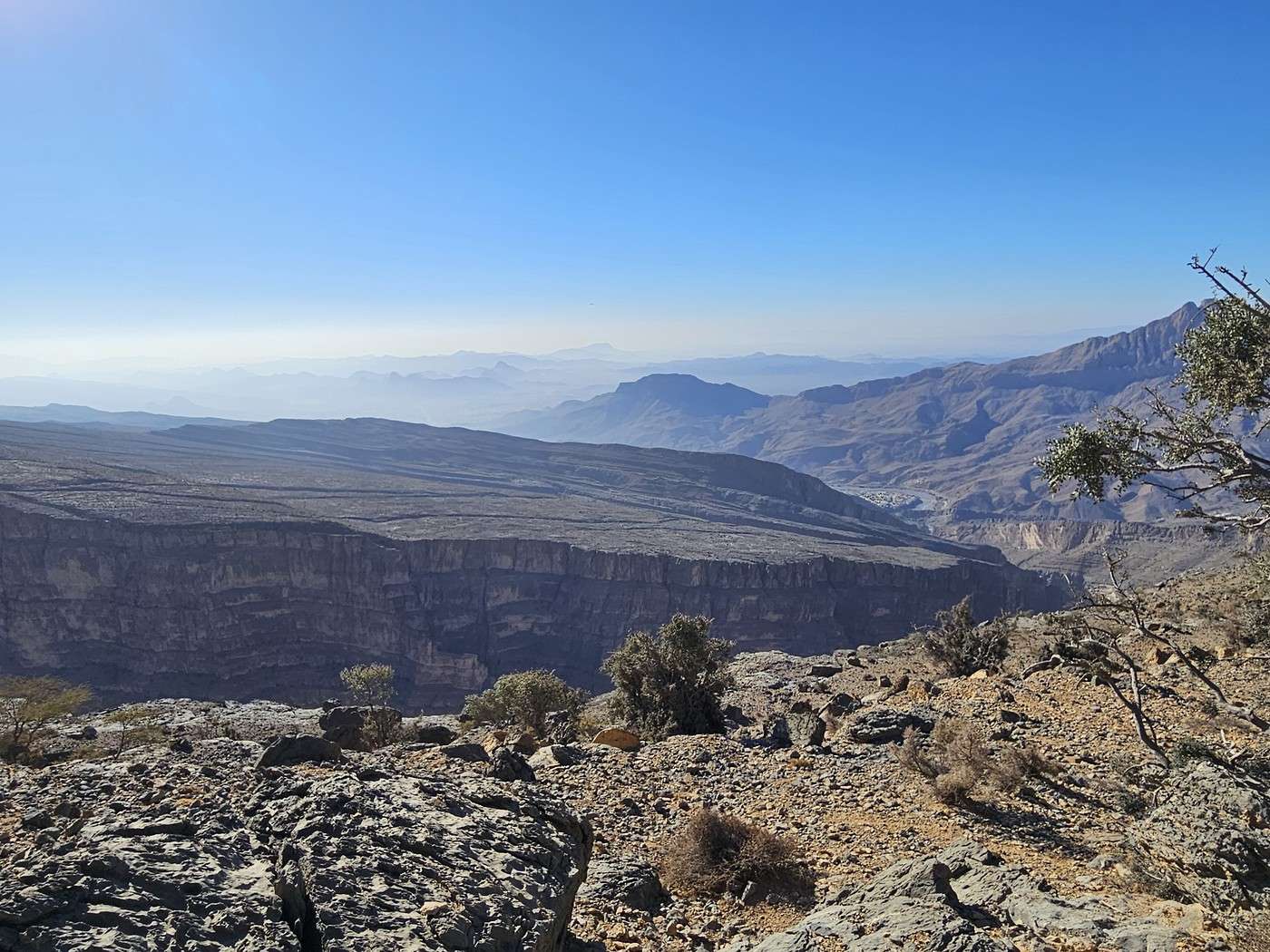
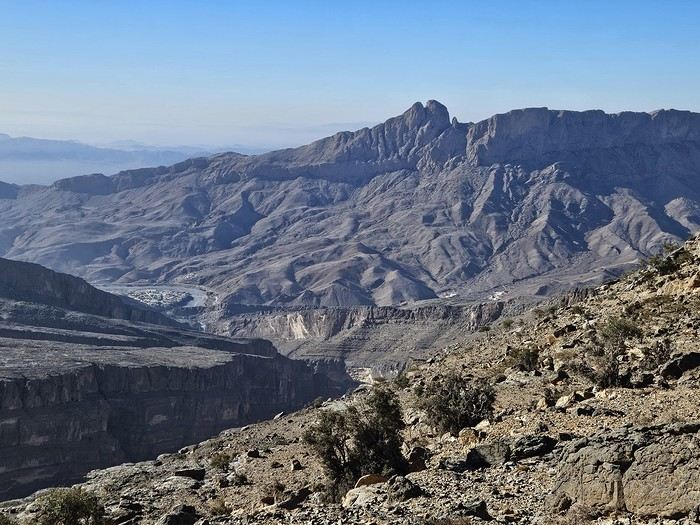
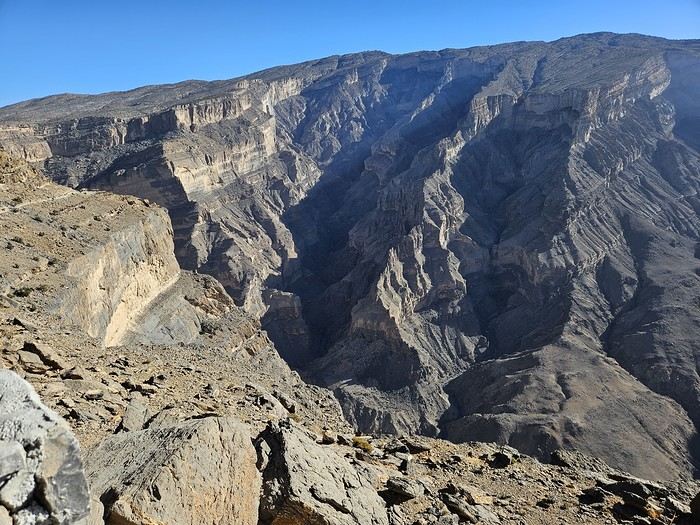
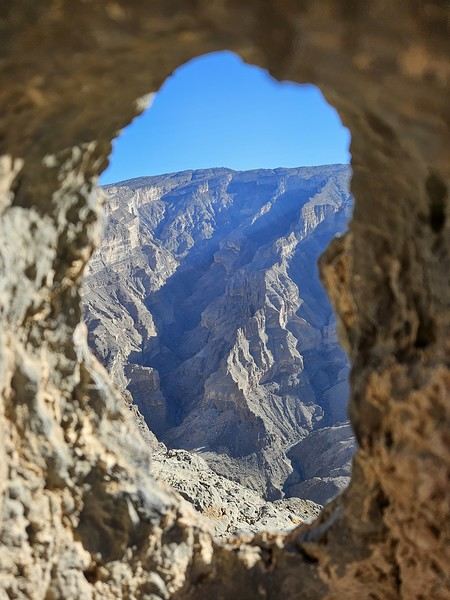
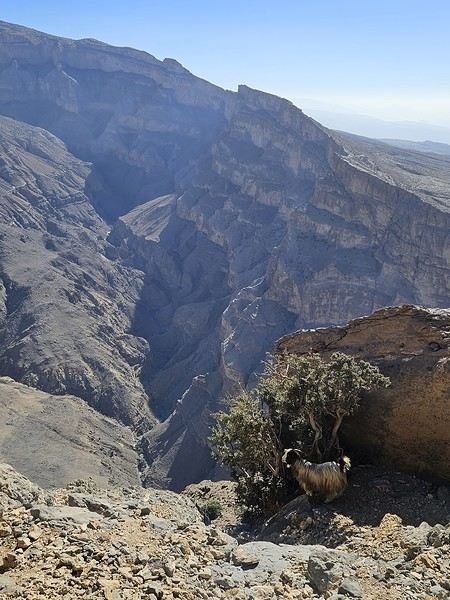
Okay, first a quick recap, because online some names overlap and it can be hard to keep track. I actually need to correct my paper travel journal where I mixed up two names! The Ajar Mountains refer to the mountain range that blocks the north of the Sultanate of Oman; it has a sickle shape (yes, I’m a bit of a gardener in my spare time 😉), starting near Sûr and rising up to the Strait of Hormuz. Jebel Akhdar is the central (and highest) part of this range, above Nizwa. The highest point of Jebel Akhdar is Jebel Shams, which exceeds 3,000 meters, and at its feet winds Wadi Ghul, also called the Grand Canyon of Oman or the Grand Canyon of Arabia. Along a section of Wadi Ghul, a very famous hiking trail, the Balcony Walk, runs along the cliff edge and offers breathtaking views. The famous "Diana's Viewpoint," which we didn’t visit, is also in Jebel Akhdar, about 60 km as the crow flies from Jebel Shams, on a plateau at 2,000 meters altitude, the Sayq Plateau.

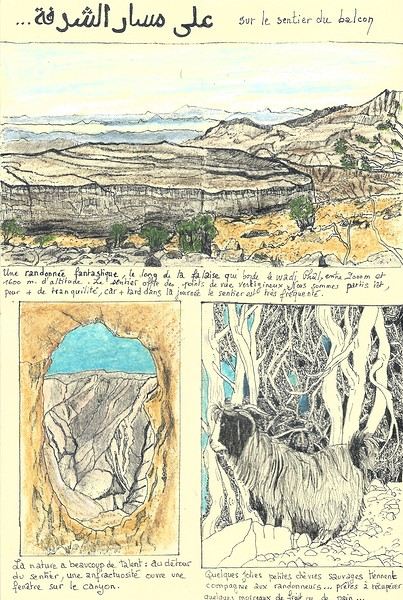
Here are the two pages from my travel journal about Jebel Shams and Wadi Ghul:


We’re in the Al Hamra oasis, sipping our iced mochas. We have a meet-up at 3 PM not far from here to hop into a 4x4 that’ll take us up the slopes of Jebel Shams for the night. I’d read that the road was really steep and a 4x4 was recommended. Well, in the end, the road is under construction, but if you go soon, it’ll be smooth sailing and no problem for any type of vehicle (though that’ll mean more people, mind you).

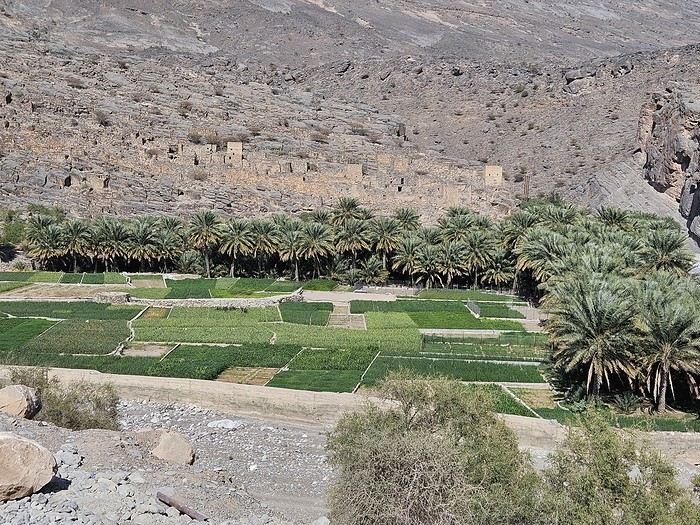
So off we go in the 4x4, stopping a few kilometers past Al Hamra to admire a stunning panorama of the old village of Ghul, which blends into the mountain it clings to.


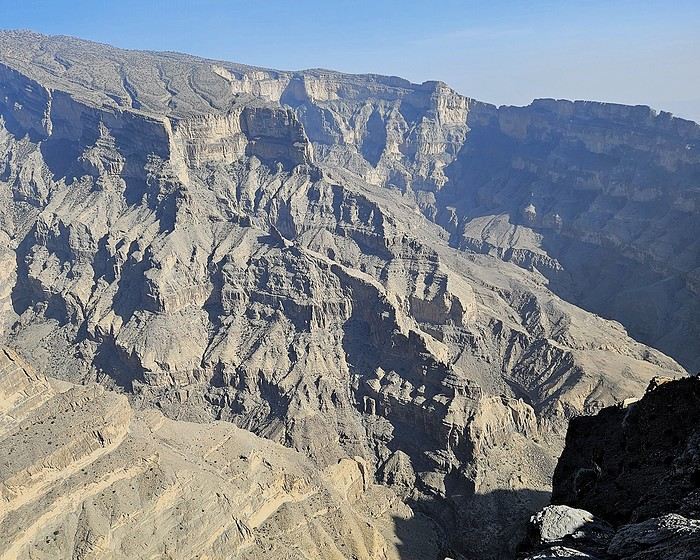
Then we climb, passing our hotel to check out the viewpoint over Wadi Ghul a few kilometers further. It’s impressive—like all giant canyons, the drop is 1,000 meters!


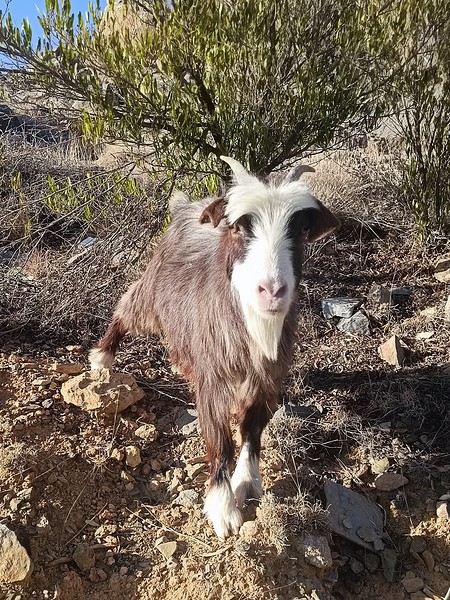
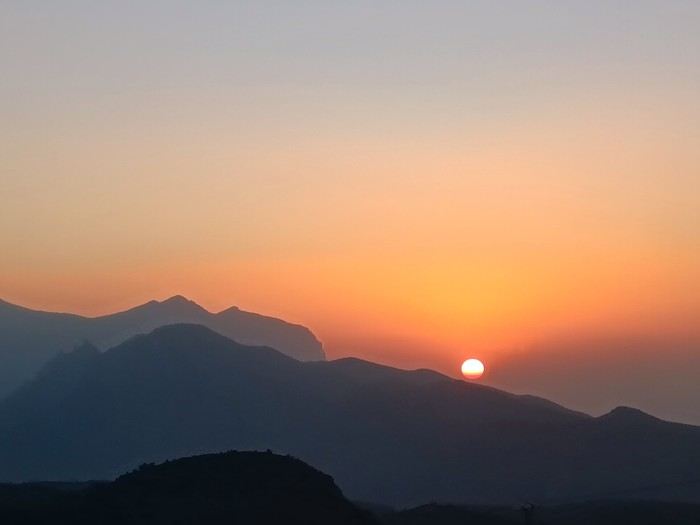
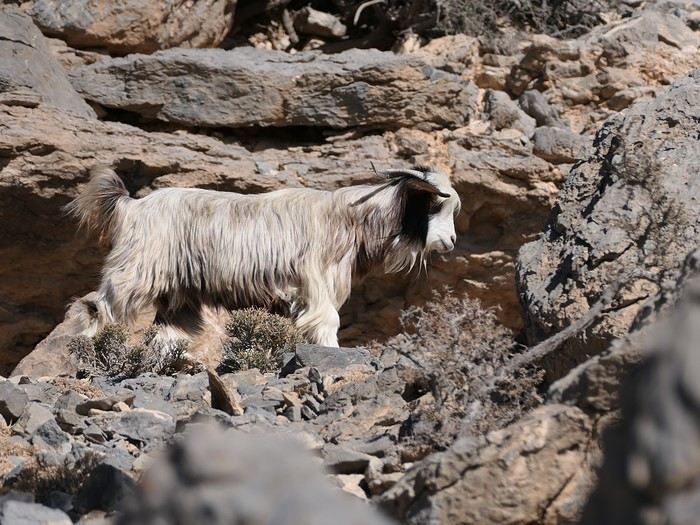
We head back to the hotel (Djebel Shams Sama Heights Resort), a big, well-organized complex that reminds me of the historic hotels in Canada’s national parks (yes, I just signed the decree renaming the United States). We booked a chalet, spacious and comfy, with a nice terrace. We arrange with our driver to pick us up early tomorrow to get to the Balcony Walk before it gets too crowded—that’s the perk of staying here. Above our chalet, a little path lets you climb the rocky hill to watch the sunset over the mountains. There’s a sweet little goat...


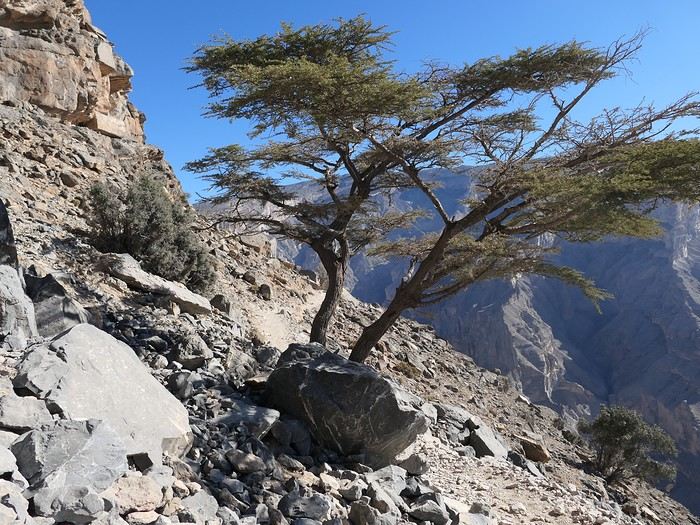
The next day, we set off early for the village of Al Khitaym, 15 minutes by car from the hotel. This is the starting point of the Balcony Walk, one of our favorite hikes. Picture a trail running along the edge of Wadi Ghul (uh, not for anyone with a serious fear of heights). The path is easy and well-maintained, except for two or three spots that need a bit more attention, and there’s little elevation change. There are viewpoints set up where you can sit and soak in the incredible scenery. Little goats follow us, just in case we’ve got a piece of bread... All in all, we hiked for about two hours (round trip). It would’ve taken us a good third more time to go all the way at our pace. On our way back, we ran into more and more people. You know what to do!

Here are a few photos, and since I didn’t want to skimp and posts are limited to 10 photos, you’ll get a second post with just pictures.


More photos in the next post...
FA Fabhyène Veteran ·
Wadi Ghul, more photos:


Back at the parking lot, our driver is waiting for us with some Omani coffee... and dates. We head back down to Al Hamra. Before heading to Misfat Al Abriyyin, our next stop (which is half an hour away...), we go back to enjoy an iced mocha at our bar in the middle of the oasis 😉
MU Muriel18 Globetrotter ·


Omani goats are still so beautiful! 🙂

We went to Wadi Tanuf behind the ruins... not a single drop of water 😕 (that year, many wadis were dry)
FA Fabhyène Veteran ·
Omani goats are still so beautiful! 🙂

Yes, adorable. This one followed me while I was walking alone on the hill. She let me pet her, even though I didn’t have any food to give her, and I really thought she was going to come into the chalet 🙂. I especially love goats—my mom had a few to make cheese, and she also had a tiny one, a dwarf breed, that was super cute. She was all white, but otherwise, she looked a lot like this one. I think if my little mom had to choose a reincarnation... well, who knows?
FA Fabhyène Veteran ·
A new enchanting parenthesis: Misfat Al Abriyyin

If you’ve been following me from the start, you’ll know my husband and I are kinda into "slow travel"—even when we’re in a new country with tons to explore, we love taking it easy sometimes... He reads, I draw... I read, he listens to jazz... he naps, I listen to opera... we stroll, grab a drink, and just sit back to watch the landscapes and people!

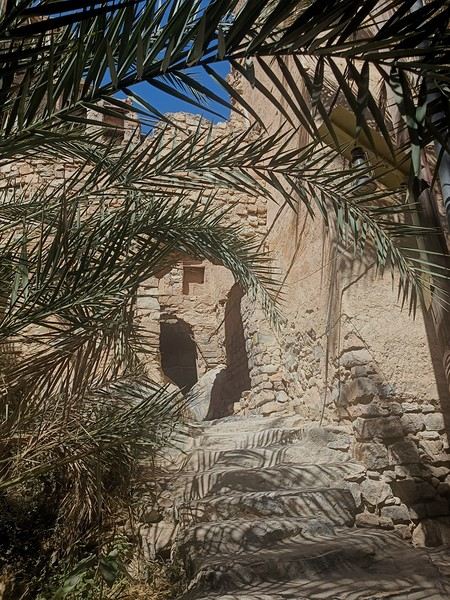
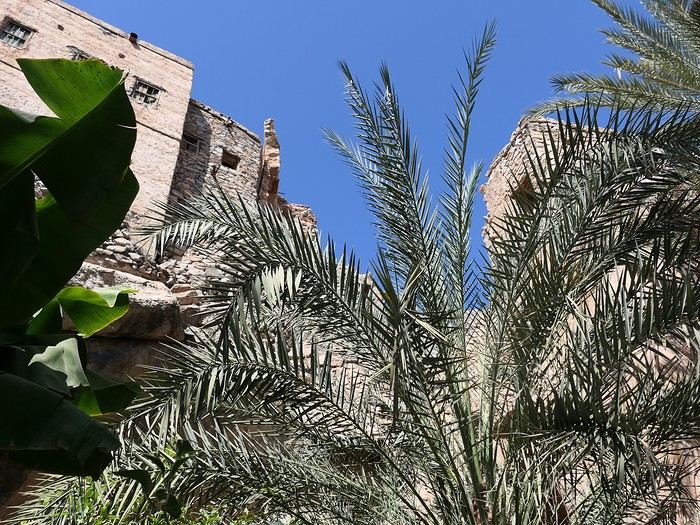
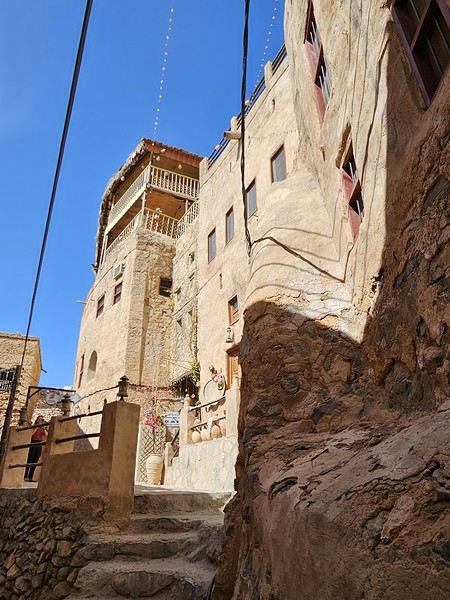
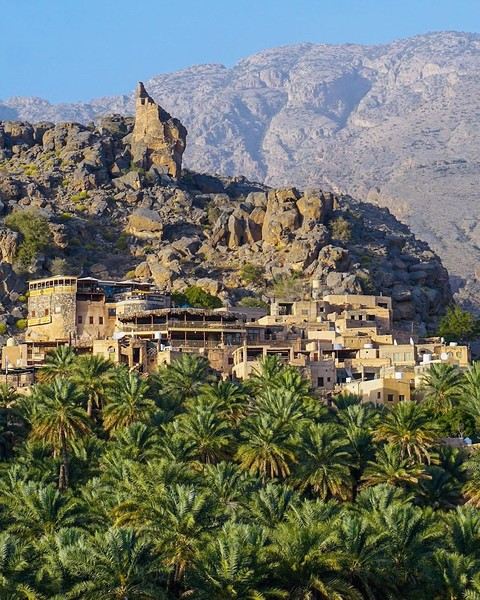
Misfat Al Abriyyin is a stunning mountain village perched at an altitude of 700 to 1,000 meters. Its old houses, terraces, staircases, lush gardens, and the constant murmur of water flowing through the falaj have made it famous. In my travel journal, I didn’t sketch the village itself but the gardens around it. Walking through them, you’ll catch breathtaking, deep panoramas framed by date palms and luxuriant greenery.


You can reach it from Al Hamra via a short steep road, and you park outside the village. Since it’s in all the guidebooks and easily accessible by road, it gets busy, especially from the afternoon until 5 PM. After that, only the locals and a few residents remain, and it becomes a peaceful haven again!

I booked two nights at the famous Old Misfat House months ago. It’s made up of several houses at the very bottom of the village—you take one staircase, then another, then another... We left our suitcases in the car and just took a light bag for the two nights. We have a big room with a terrace overlooking the palm grove and a path leading deep into the valley. Lounge chairs, birds singing... nap time is calling before we explore the village.

@Muriel, I’m posting more photos than I originally planned—you said you were curious to see if anything had changed... But as I told you, I didn’t take many photos of the village itself; the perspective wasn’t great.

The next day was delightful.


In the morning, a lovely walk following the falaj took us far into the wadi. In the afternoon, after our nap, we headed in the opposite direction, this time descending into the palm grove all the way to the bottom of the ravine. Since I’ve hit the 10-photo limit, I’ll post the rest right away!
FA Fabhyène Veteran ·
Misfat Al Abriyyin, more photos to come!

Following the falaj upstream...


A floral fireworks display!


Below, from the bottom of the valley. Stairs allow you to climb up the other side to a more recent village whose houses you can see on the ridge. From up there, you get the view of Misfat Al Abriyyin.


Note: Only this very last photo, meant to give you an overview, isn't ours—I found it online and credit Experience Oman.

To be continued: another abandoned village, then the tombs of Al Ayn... and with all that, we'll slowly be wrapping up this travel journal!!!
MU Muriel18 Globetrotter ·
Thanks for thinking of me 😉 The (old) village doesn’t seem to have changed much… We stayed a bit higher up (at Al Misfah Hospitality Inn), so no stairs to climb, and we could park nearby 😎. We also really enjoyed the little loop hike down into the valley.
FA Fabhyène Veteran ·
Towards Ibri, via Al Ayn

Explanation of the upcoming leg: We love archaeology... I’ve already used the following image in a travel journal, but it really sums us up: drop us in any archaeological site and we’re like kids in a candy store, noses in the air, tongues hanging out... So while planning our trip, I spotted a site that, for us, was worth a detour. It’s the Al Ayn site, with its 5,000-year-old beehive tombs, remnants of the Magan (or Makkan) civilization. Sure, there are other sites closer to Nizwa, but this one is exceptional—because of the number of tombs, their remarkable condition, and the surroundings. Sure, we could’ve done a round trip from Nizwa (2.5 to 3 hours of driving total), but why not take the opportunity to push on to the town of Ibri (not to be confused with Ibra)? It’s known as the "last town before the great void"—the vast desert straddling Oman, Yemen, and Saudi Arabia. Plus, by spending a night in Ibri, we can then take a route that’ll take us through the Rustaq oasis to return to Muscat, and that closes the loop... perfect!

So here we are, leaving Misfat Al Abbriyyin to head toward Ibri, with a little detour to visit the Al-Ayn site.

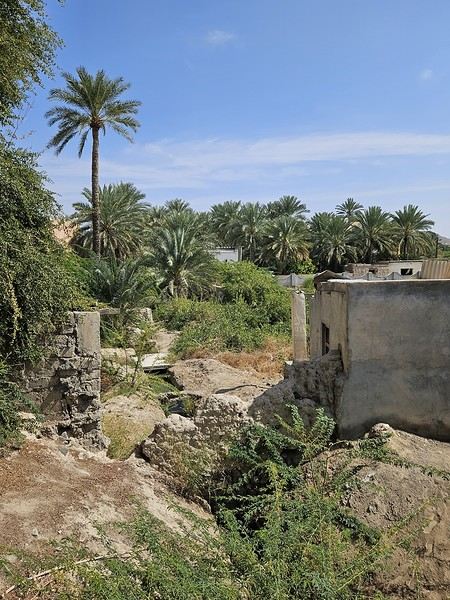
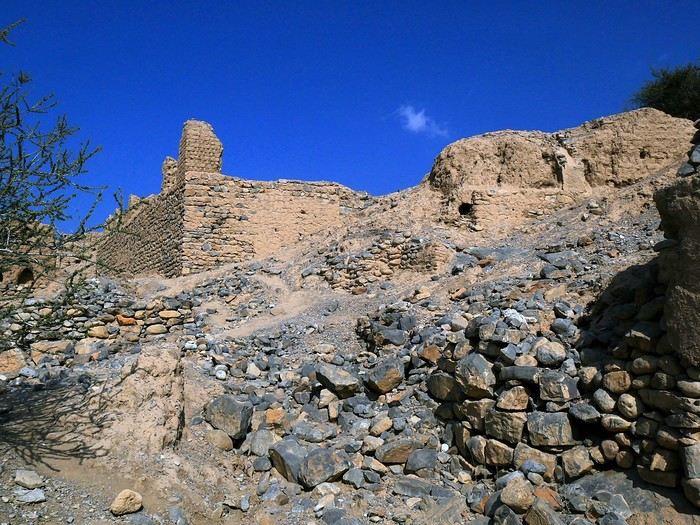
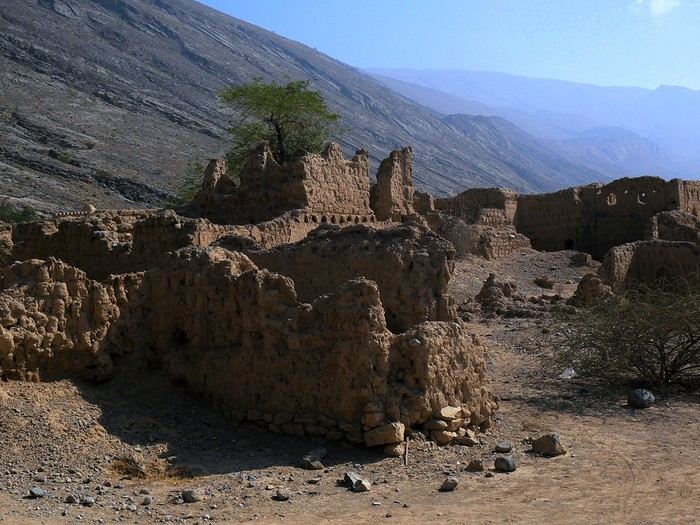
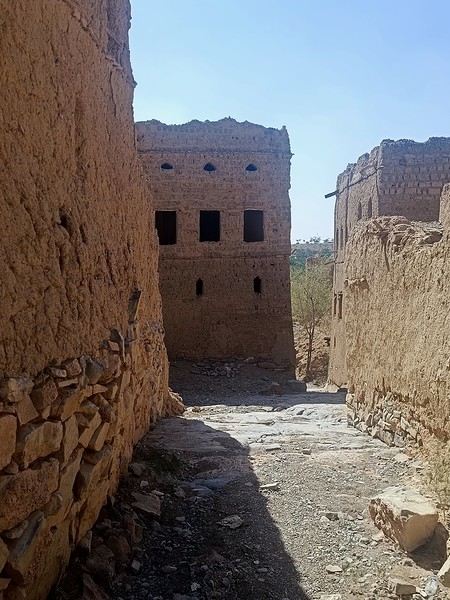
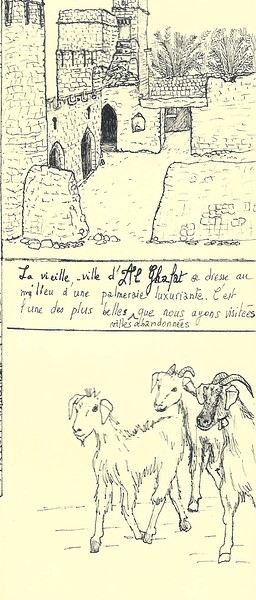
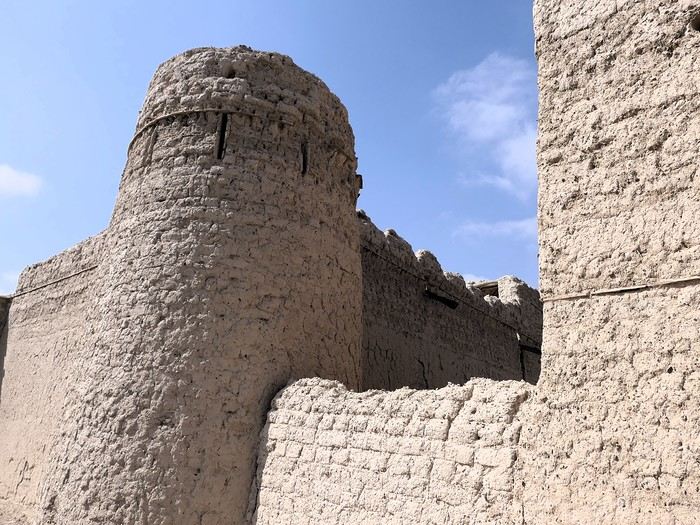
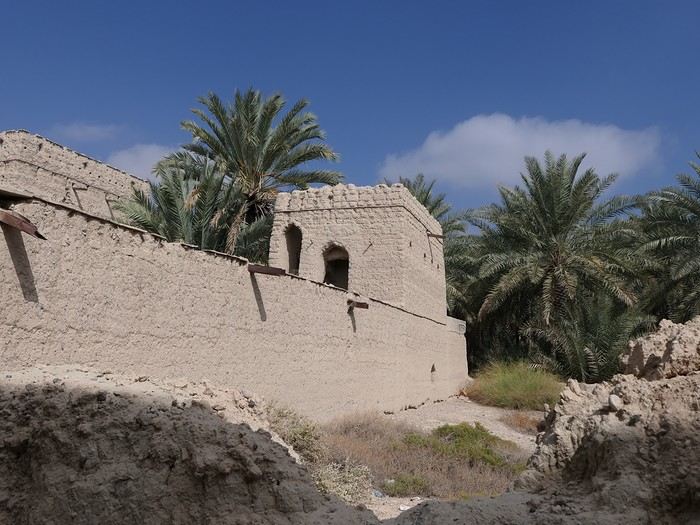
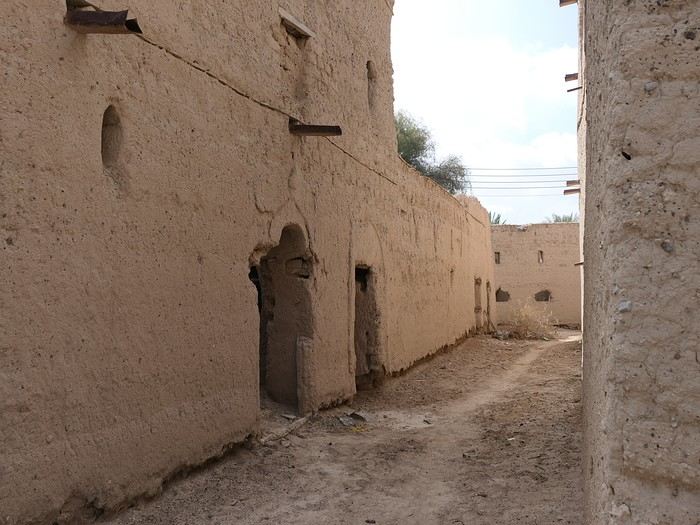
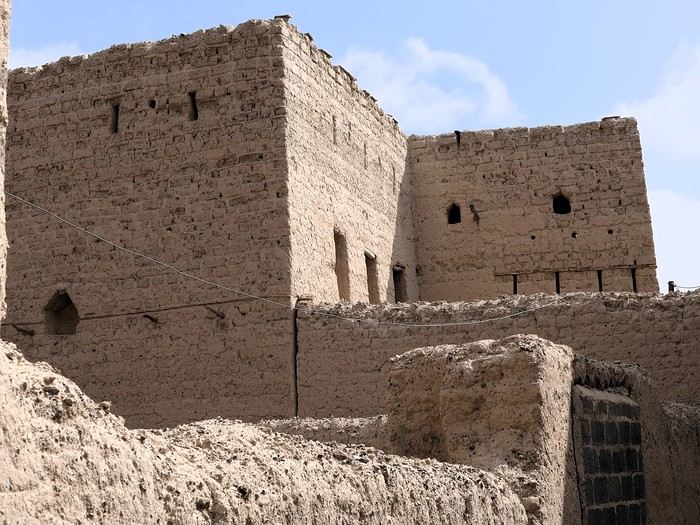
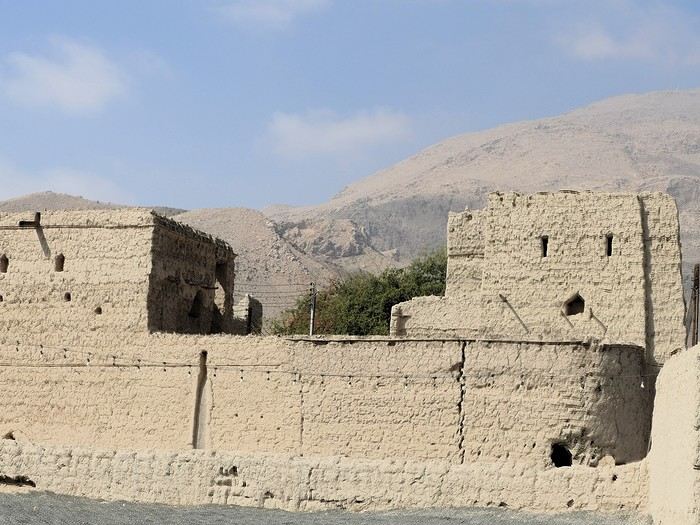
Along the way, we first stop at Al Ghafat to visit its abandoned historic quarter, right in the middle of the palm grove.
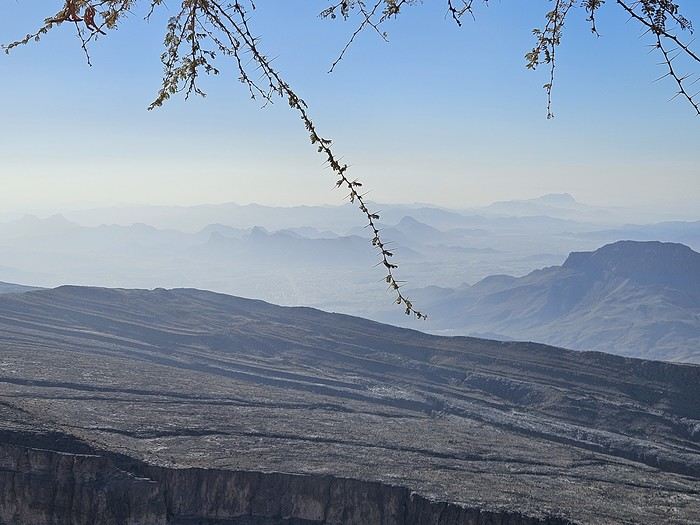
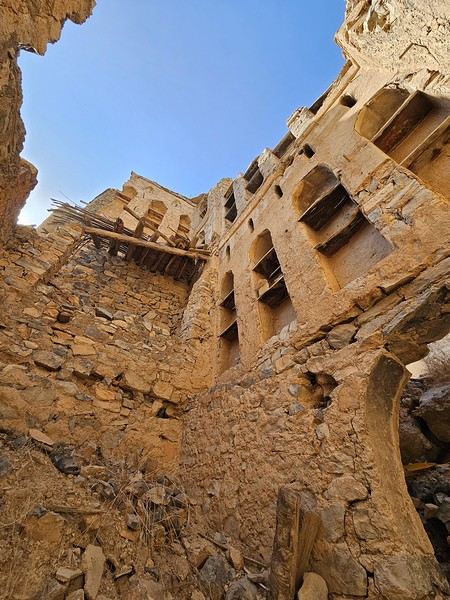
Personally, I found the old town the most beautiful of all the ones we’ve seen—maybe because of the ruined castle. The houses are huge, and you can still access staircases and terraces.
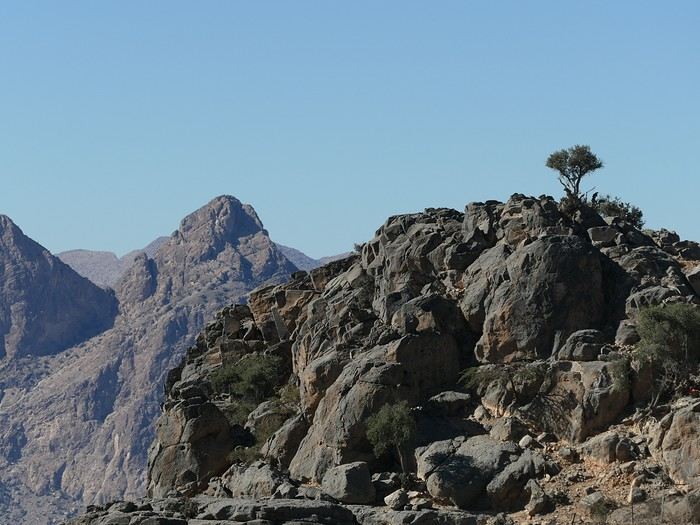
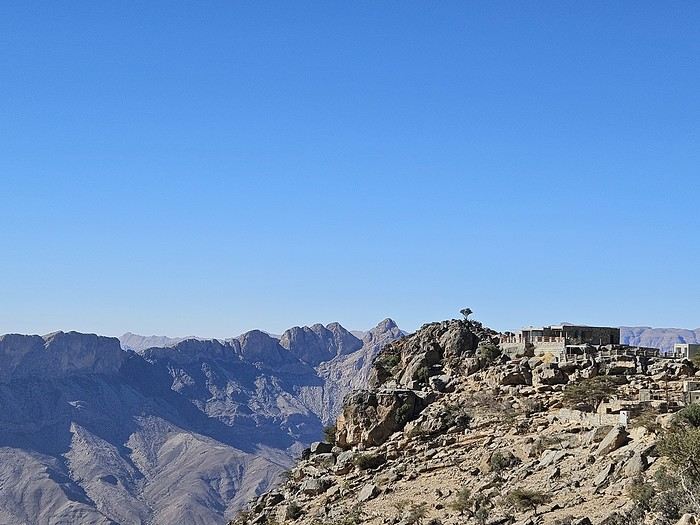


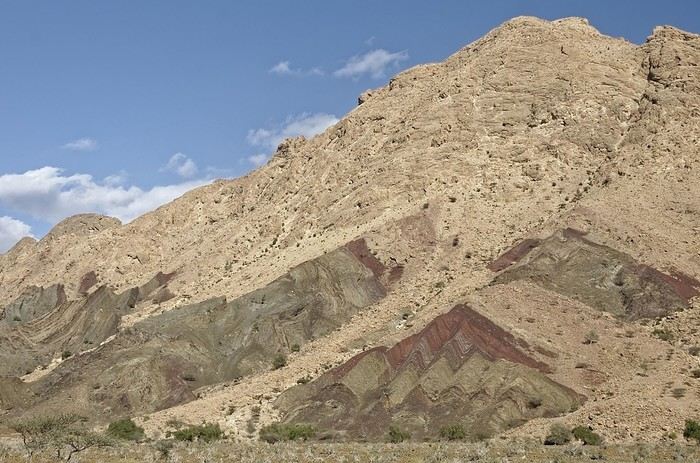
Then we take the main road connecting Nizwa to Ibri. The landscapes change, the rock colors too—sometimes you see pink and purple. It’s stunning!


More to come in the next post!

Similar discussions

You might also like